Having focussed so much on tulips, fritillaries, roses and camellias in the last fortnight (admiring, feeding, buying, moving), I went to an exhibition today featuring . . . tulips, fritillaries, roses and camellias! A brief history of European botanical collecting, from exploration to exploitation.
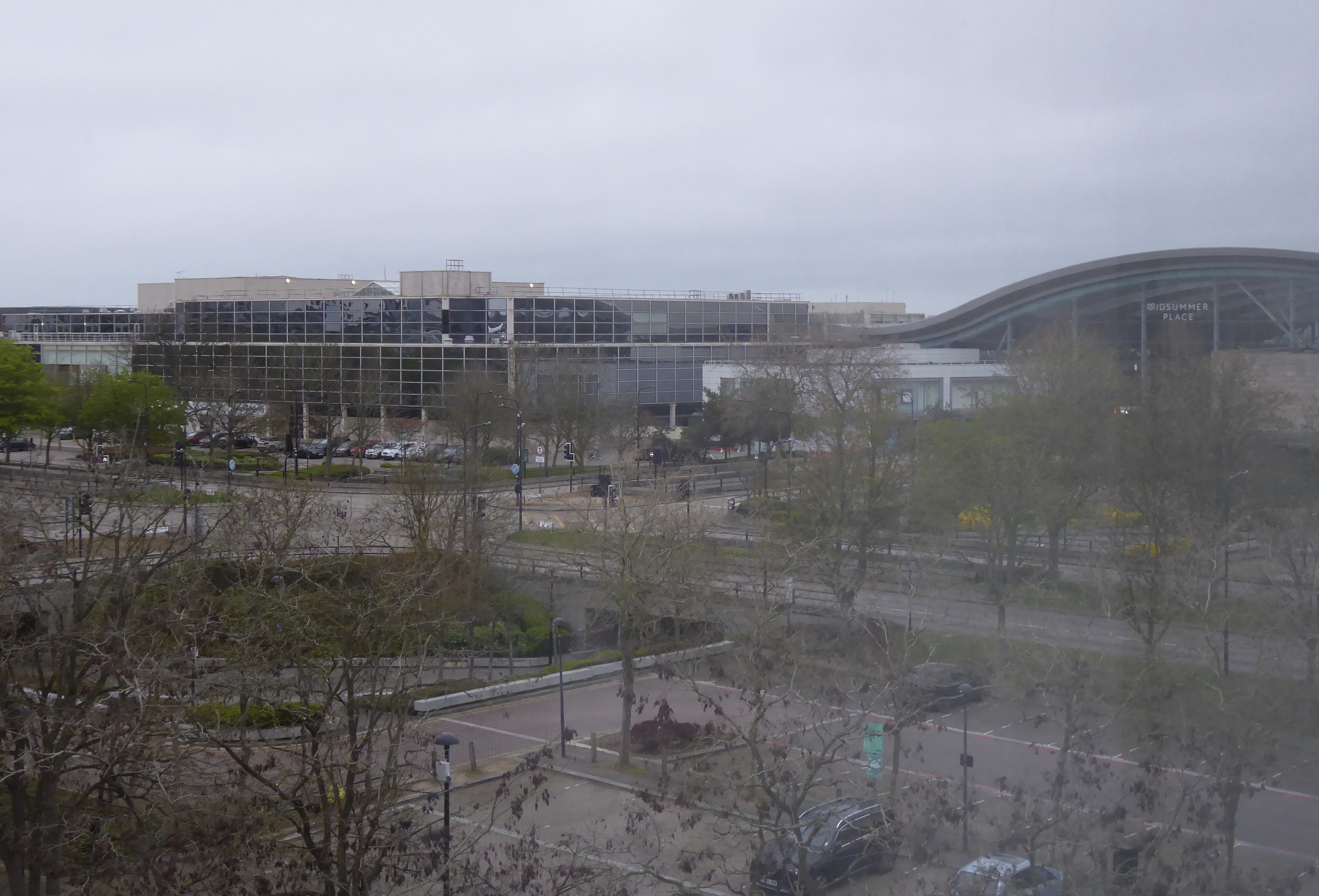
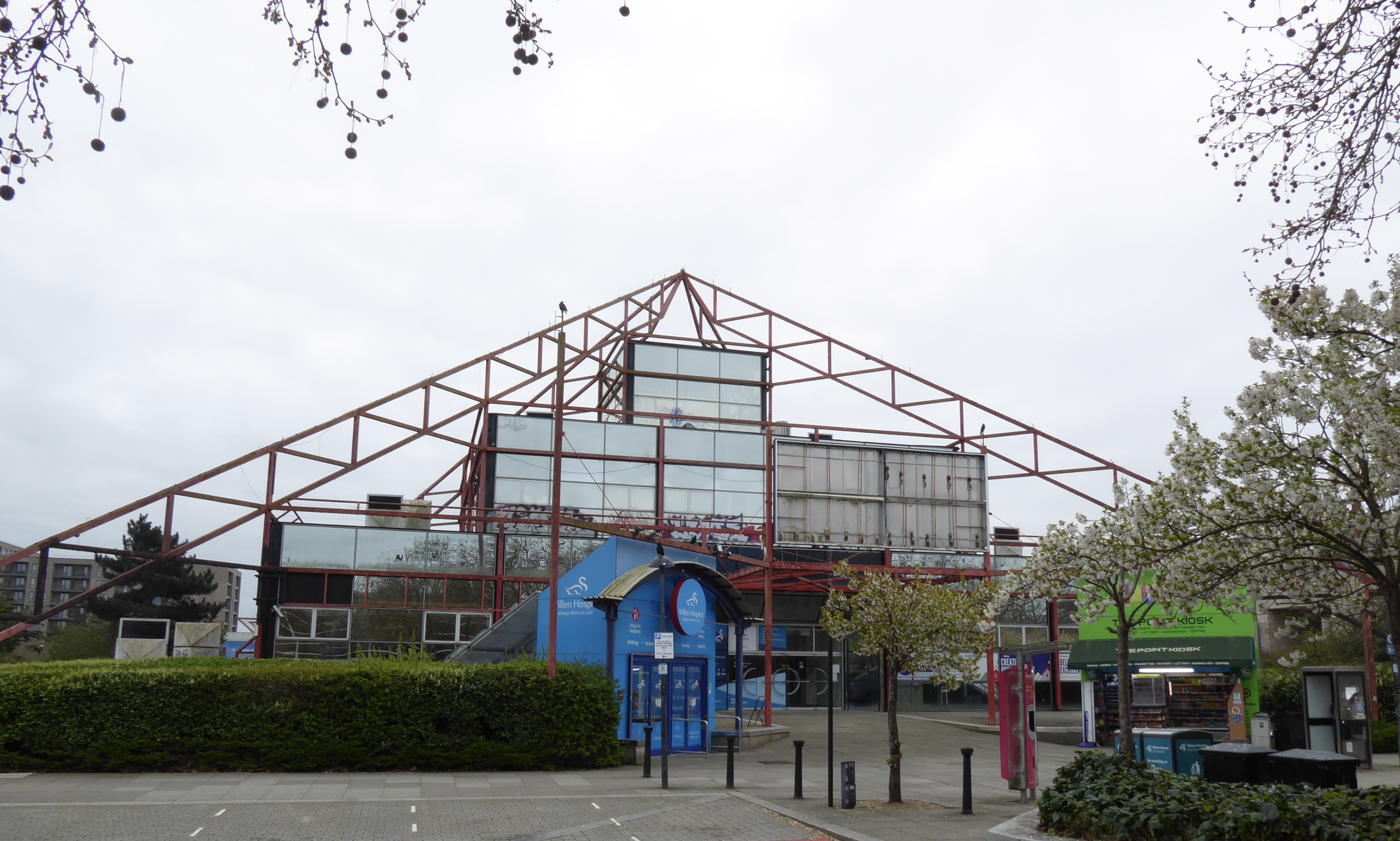
But first I had to get to Oxford. At the bus stop I took a photograph of The Point, which the Twentieth Century Society tried – and failed – to get listed. It is shortly to be demolished. Since I remember it being built (1985), this makes me feel very old! I have tried to remember the films I saw there:
- A Fish Called Wanda
- Hope and Glory
- Black Rain
- Hairspray?
- The Lonely Passion of Judith Hearne?
The bus takes forever; I have spent almost four hours on busses today and the re-opening of the line to Oxford really can’t come too soon for me, for there is still much of Oxford to explore. I thought I might recognise one or two places en route, but even Buckingham looked unfamiliar. The town gaol in the square is obviously still there, but my childhood memories of the yellow cellophane on shop windows in summertime and of the long-gone open-air swimming pool are more vivid.
Despite having spent time in Oxford less than two years ago, my sense of direction went haywire. My personal landmarks were haphazard: for example, I recognised the way to the Ashmolean only by some nearby balcony railings. Once I’d found it I decided to visit the current exhibition, In Bloom.
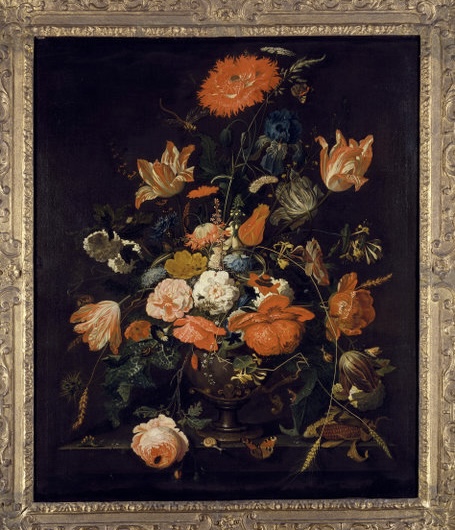
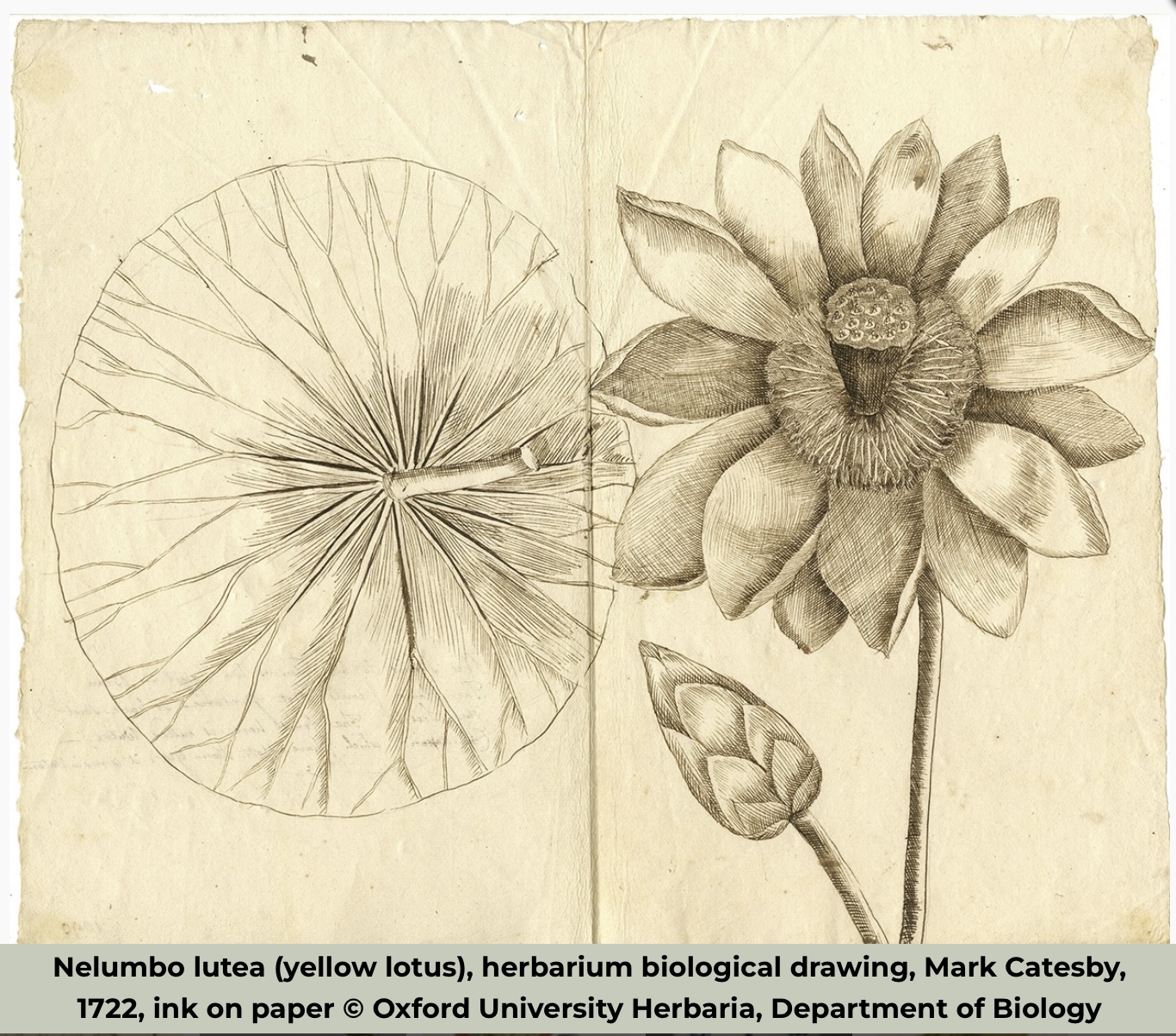
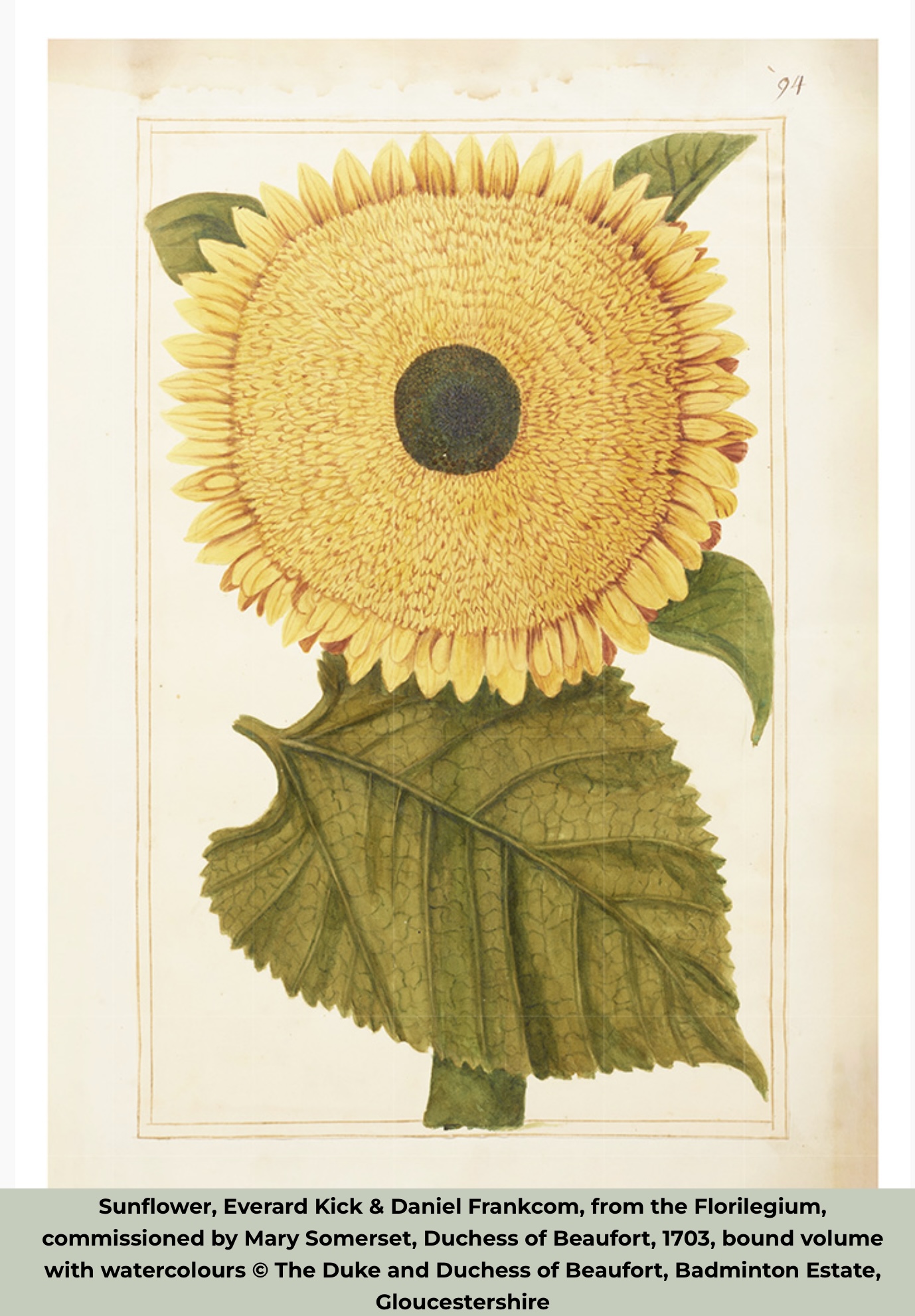
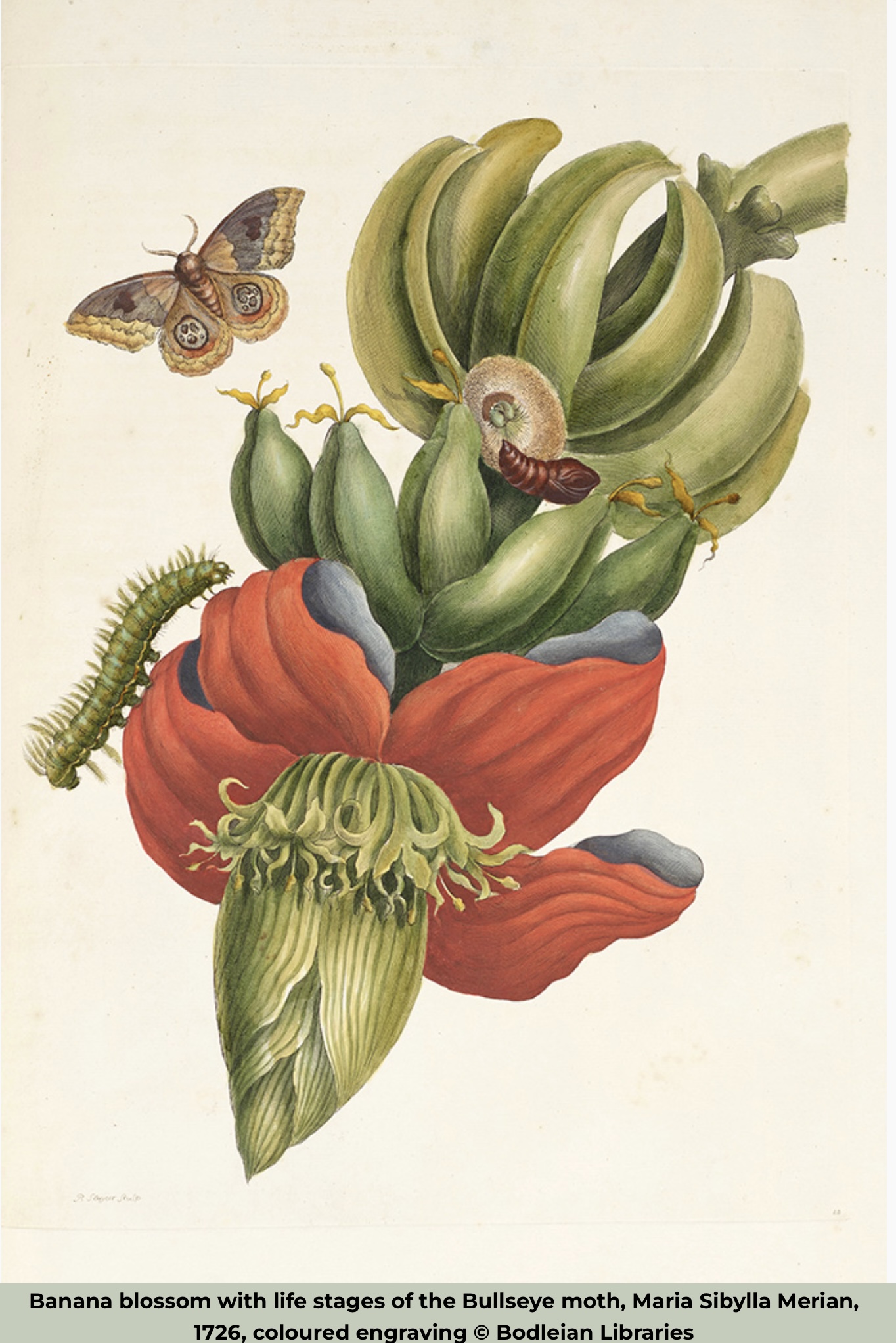
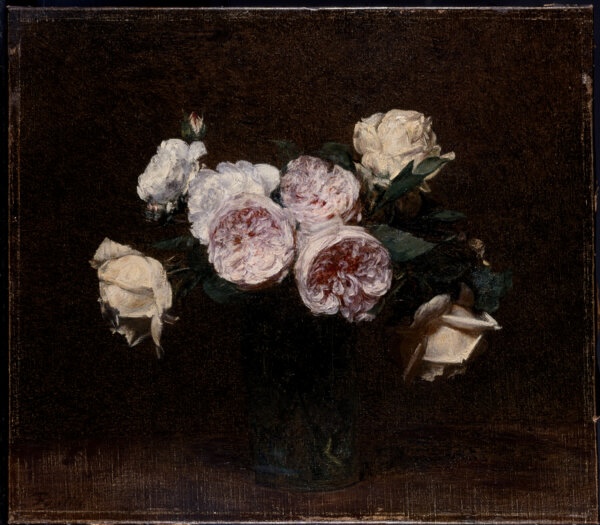
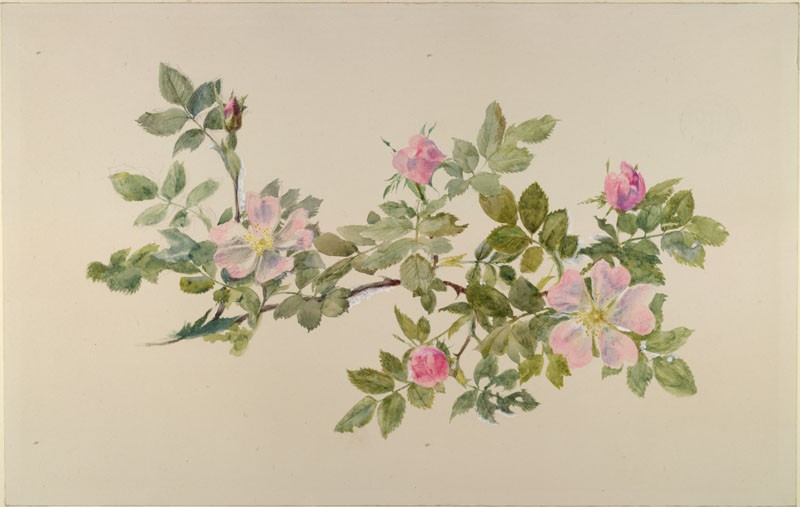
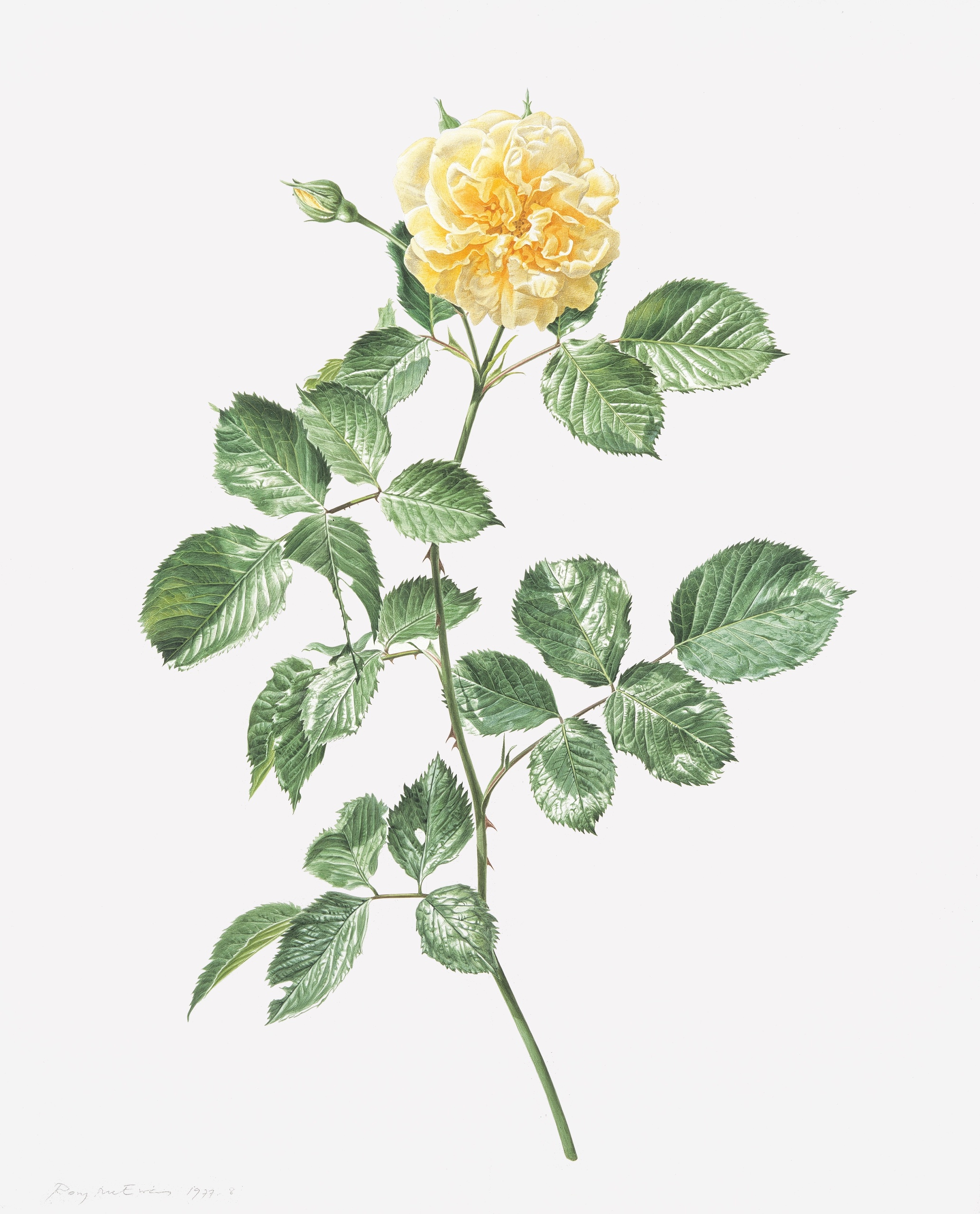
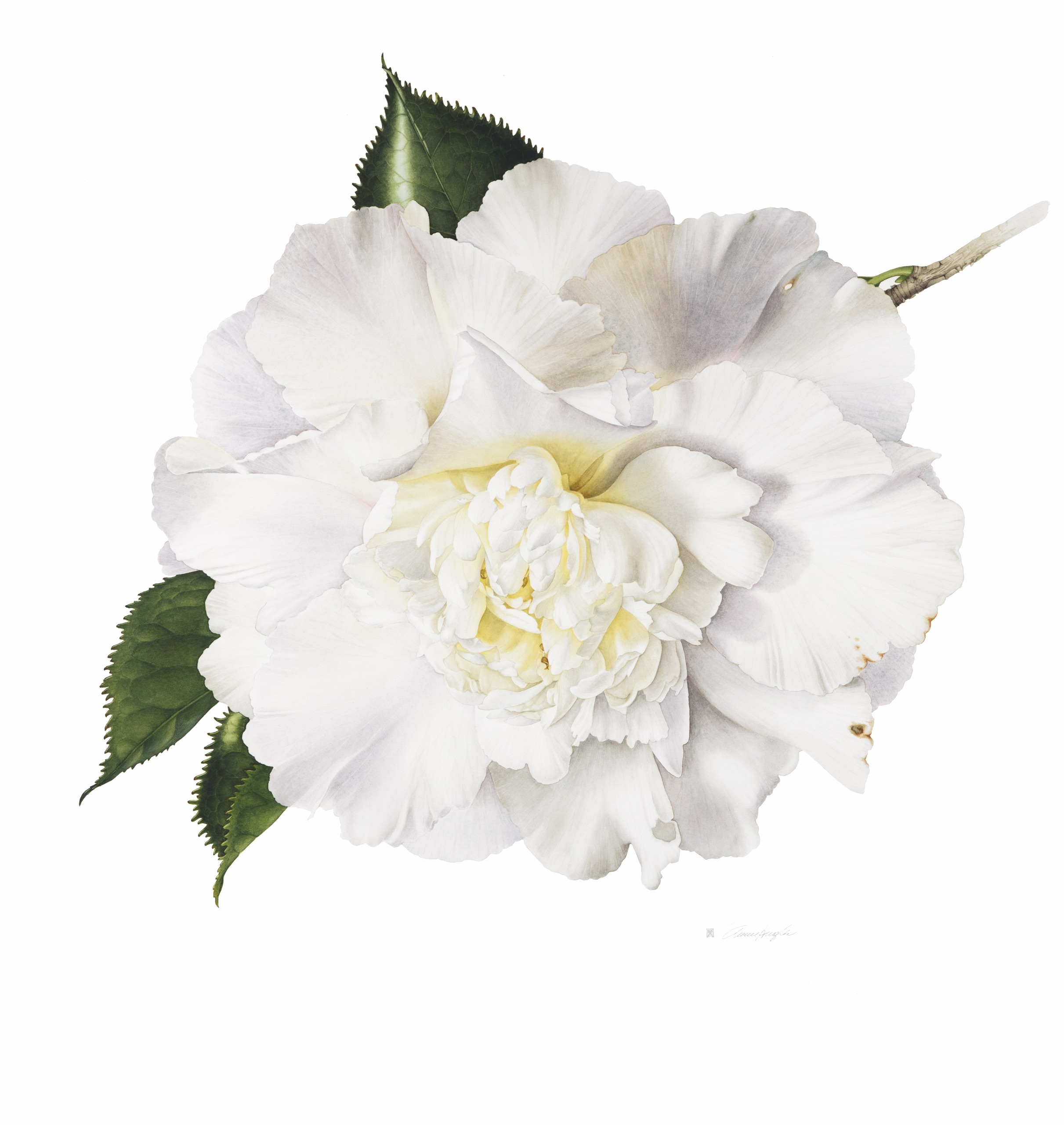
Good choice! There was so much to admire and spark interest. The exhibition followed mostly British and Dutch botanical discoveries, from early collectors in the 1600s to the commodification of plants for commercial exploitation as part of colonial enterprises. Knowledge turned into profit. Exhibit labels referred to man’s desire to collect and control nature; even the most beautiful Dutch still life of flowers and foliage was artificial (plants unrealistically blooming at the same time) – although there was no mention of the way artists would include something (an insect, a spot of mildew) to remind the viewer that this beauty was transitory. That seemed to me like a big omission, but I guess it didn’t add to the exhibition’s theme. Even the modern still lifes in the exhibition included a “defect”: a nibbled leaf, edges browning on a camellia.
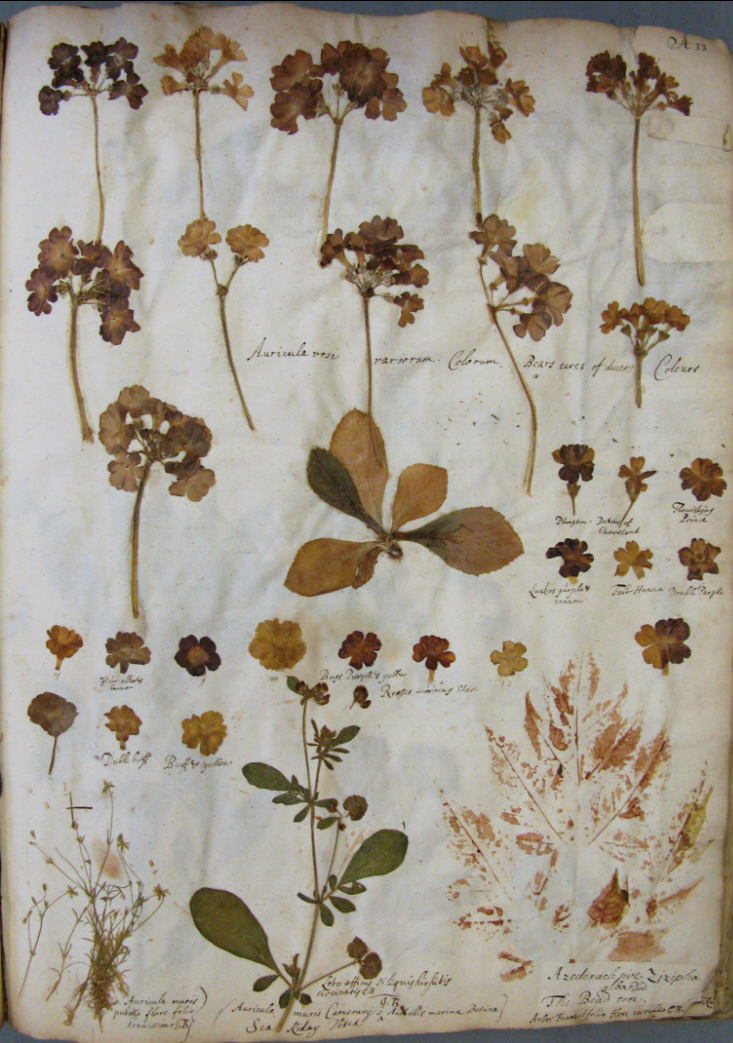
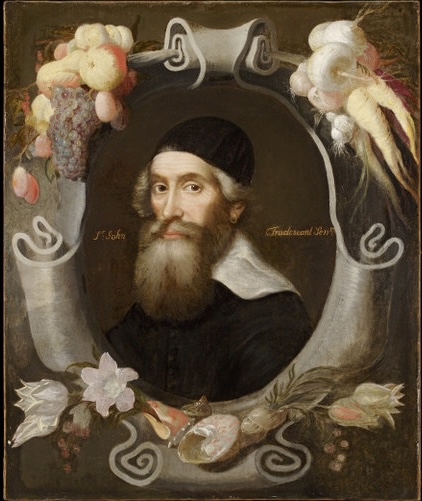
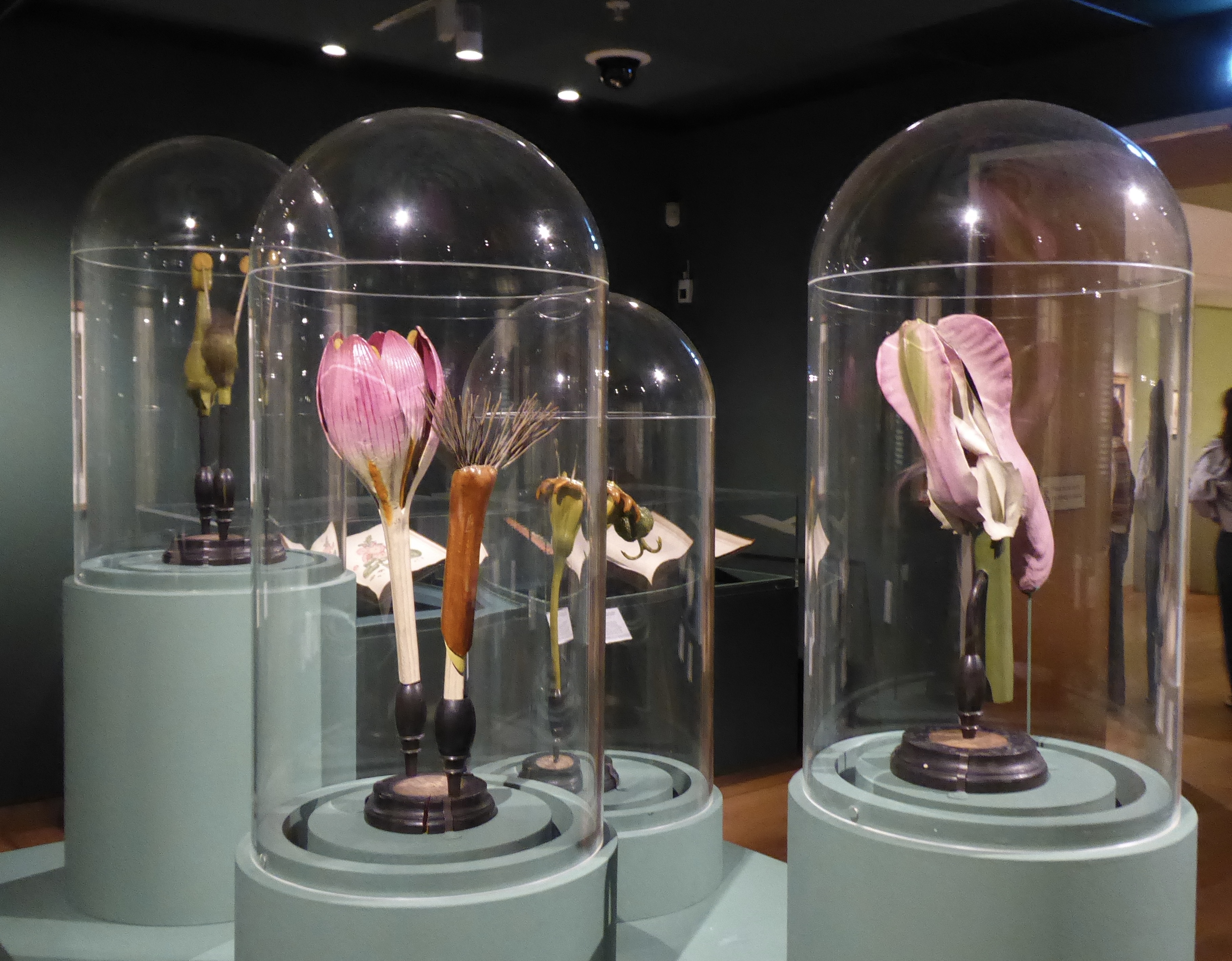
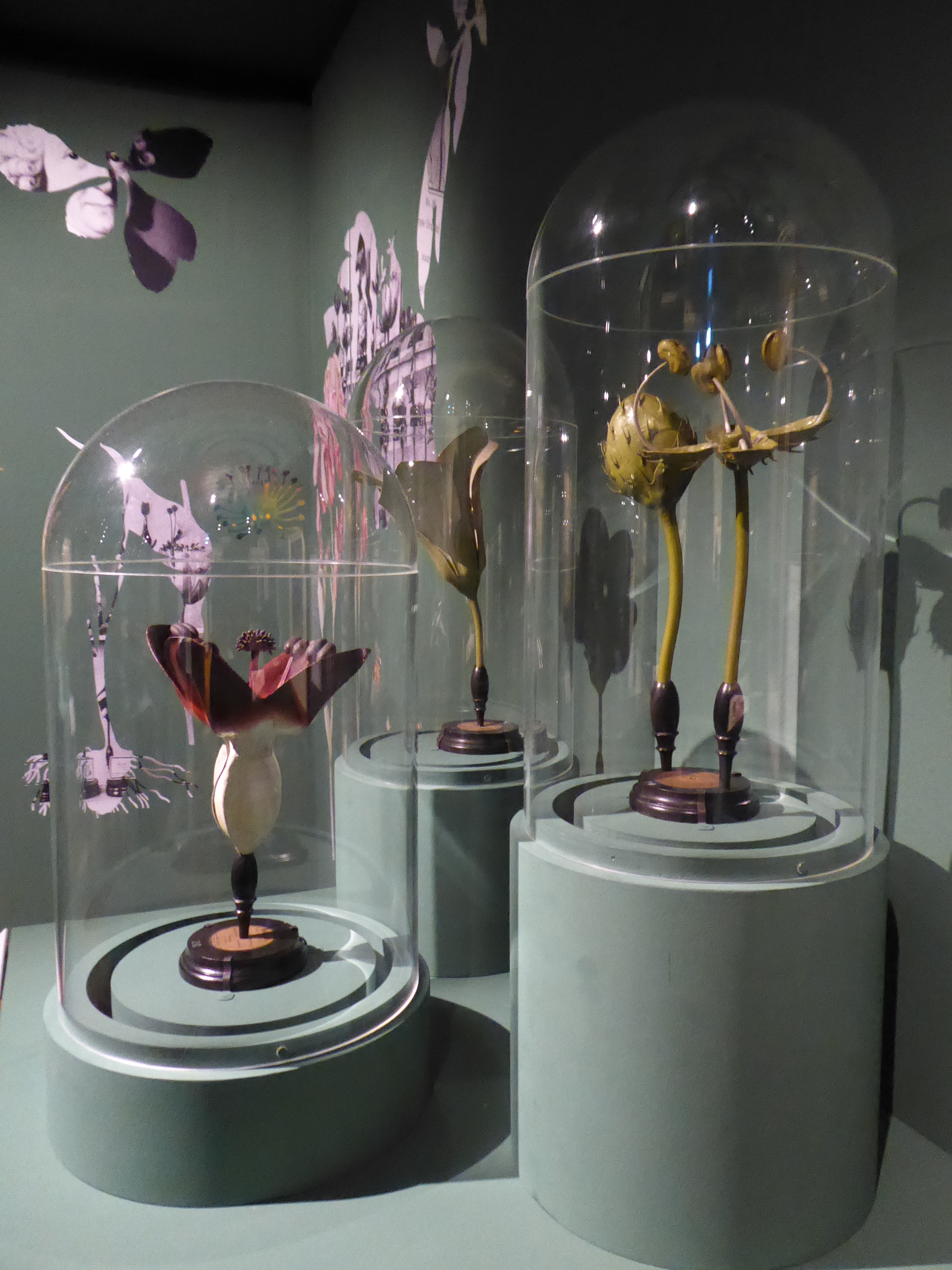
The history. John Tradescant the Elder (from late 1500s) and Younger were Keepers of His Majesty’s Gardens, Vines and Silkworms at Lambeth; they travelled widely in their search for plants. Botanical gardens, royal/aristocratic patrons, sponsored visits to parts of Europe a long way from Lambeth and to North America, new ways of classifying, the spread of knowledge and interest. Beautiful volumes with hand-coloured engravings of new plants discovered overseas. (Such beautiful volumes that sometimes the publisher went bankrupt.) Botanical illustration became a distinctive artistic genre. The sexual nature of plant reproduction was understood in the 18th century, and illustrations expanded to include all parts of a plant. In the 19th century three-dimensional oversize models of plants and their separate organs were made for teaching purposes: these not only made plants like common fumitory look exotic but also rather grotesquely erotic. Plants were whisked up into capitalist whirlwinds of “florimanias”: there was money to be made by catering to an increasing desire for gardens stocked with fashionable plants from overseas. (Rhododendrons, anyone?)
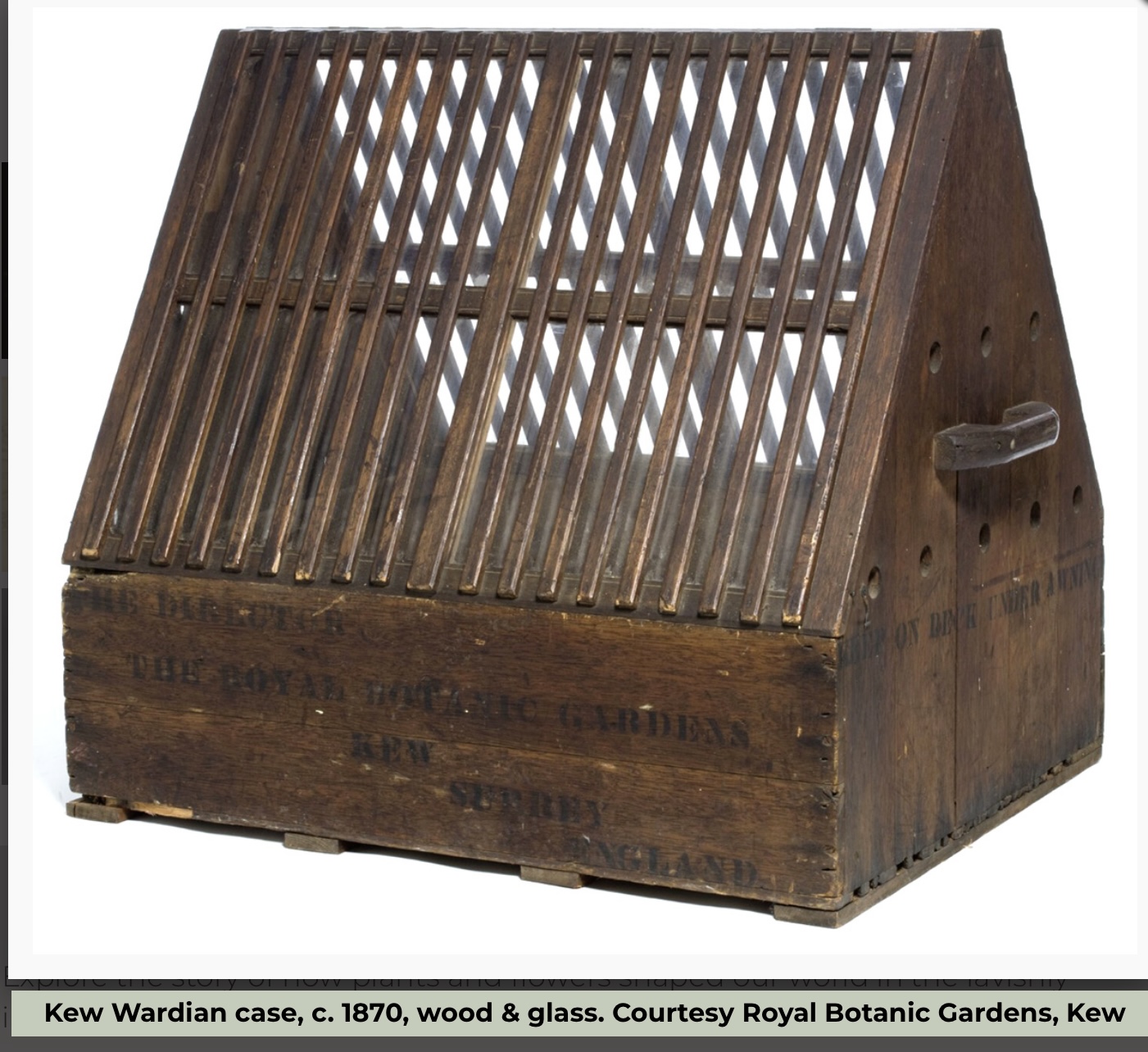
And so we come to crops like tea, spices, cotton, rubber and opium – all big money-spinners for those in charge of their production and control of the lands where they could be grown. (Step forward, British Empire.) There was a Wardian case: an airtight glass container devised by Nathaniel Ward in 1829 that enabled plants to be transported from overseas and survive in transit without being watered. By this stage it felt (although this was never mentioned) like the Fall – from the (seeming) simplicity of the early gardeners to deep-rooted and ever-growing global economic activity.
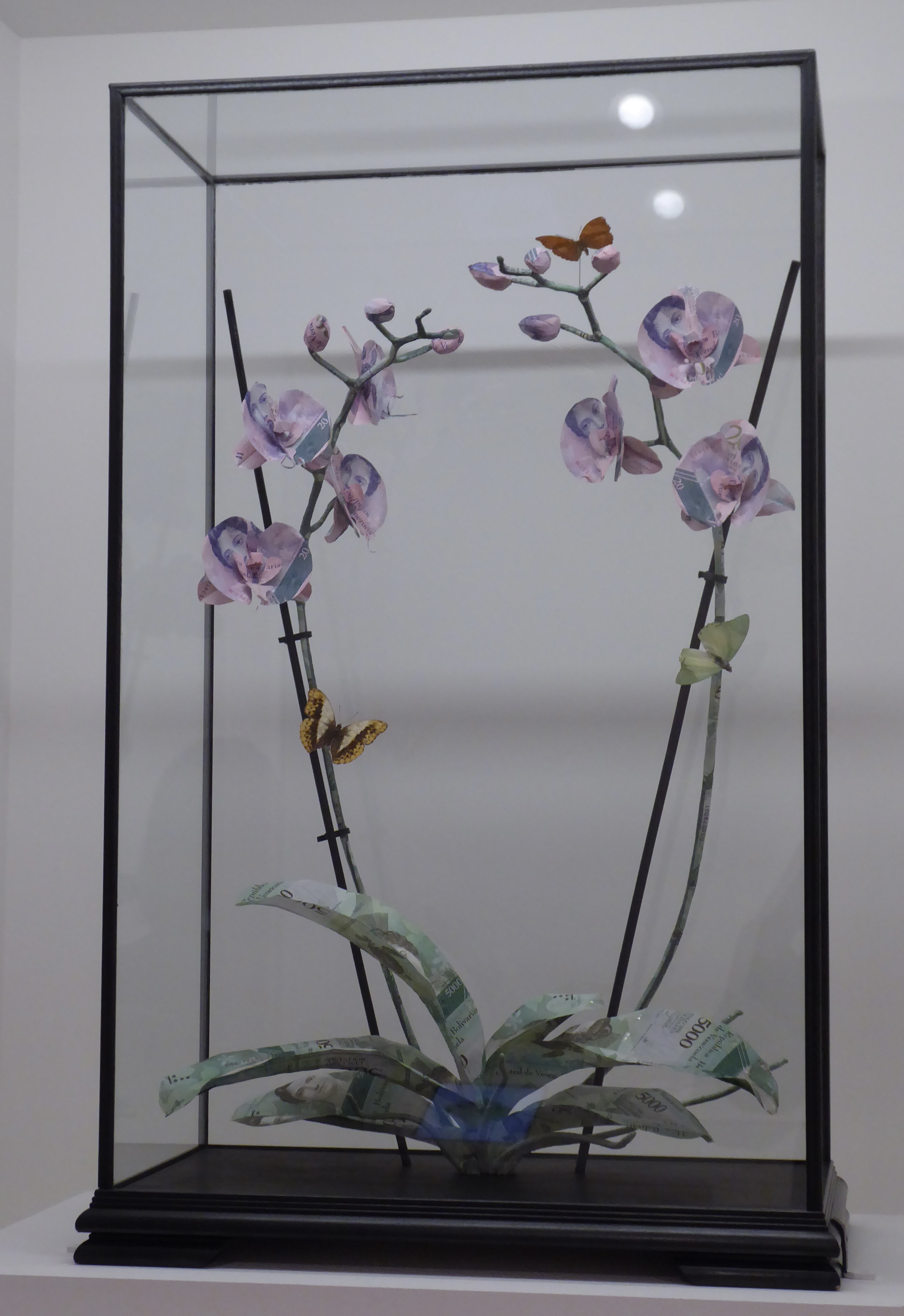
The last section was by contemporary artists trying to reconnect us to the natural world and to rethink our relationship with it. Yes, well . . . perhaps. What I did appreciate were the flower sculptures made of banknotes by Justine Smith. And – with all that is being thrown at Iran at the moment – the otherwise rather ho-hum works by Anahita Norouzi were striking:
Iris-like shapes made of pressed crude oil are created on copies of archival documents recording the acquisition of Iranian land by The Anglo-Persian Oil Company in the early 1900s.
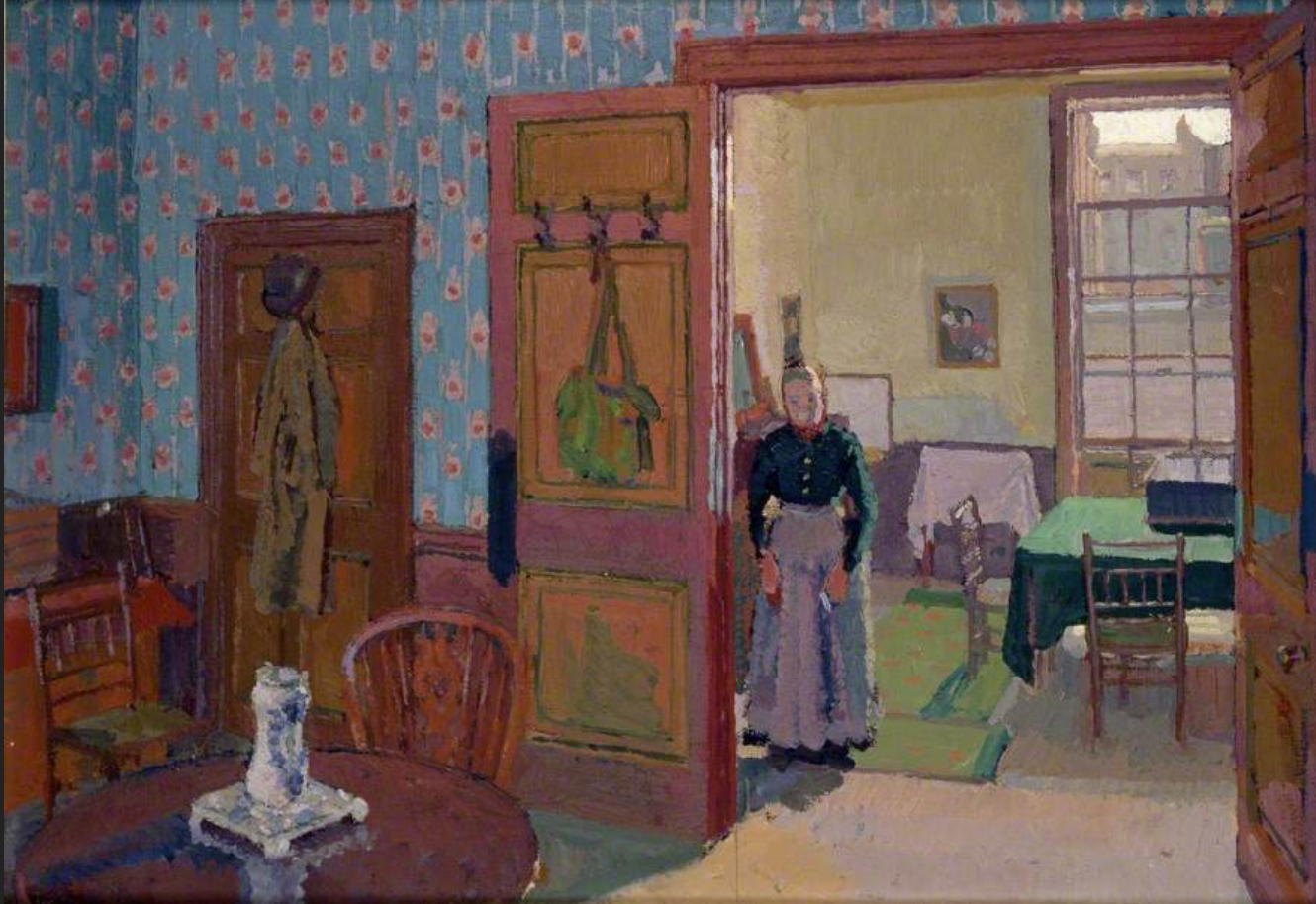
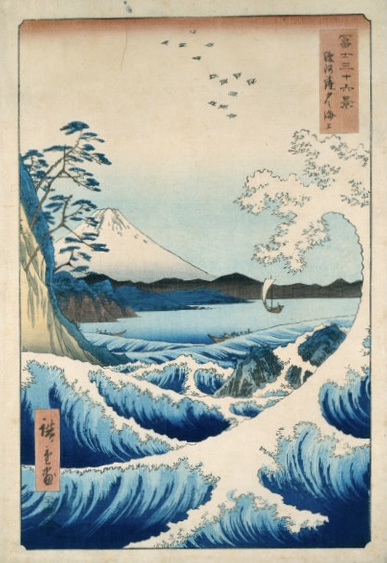
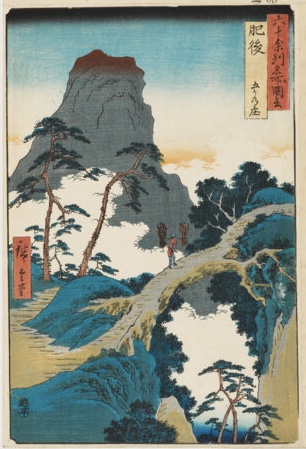
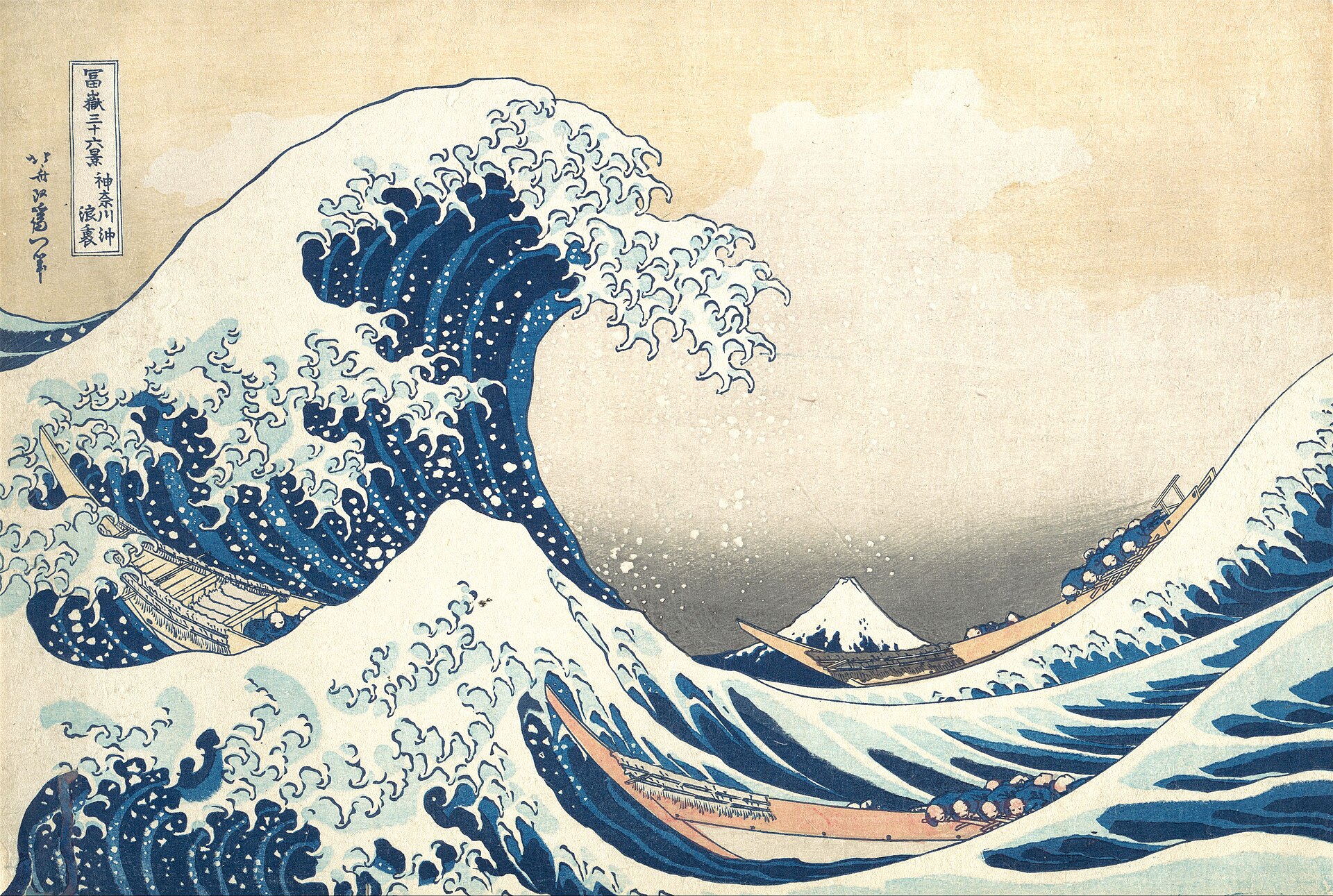
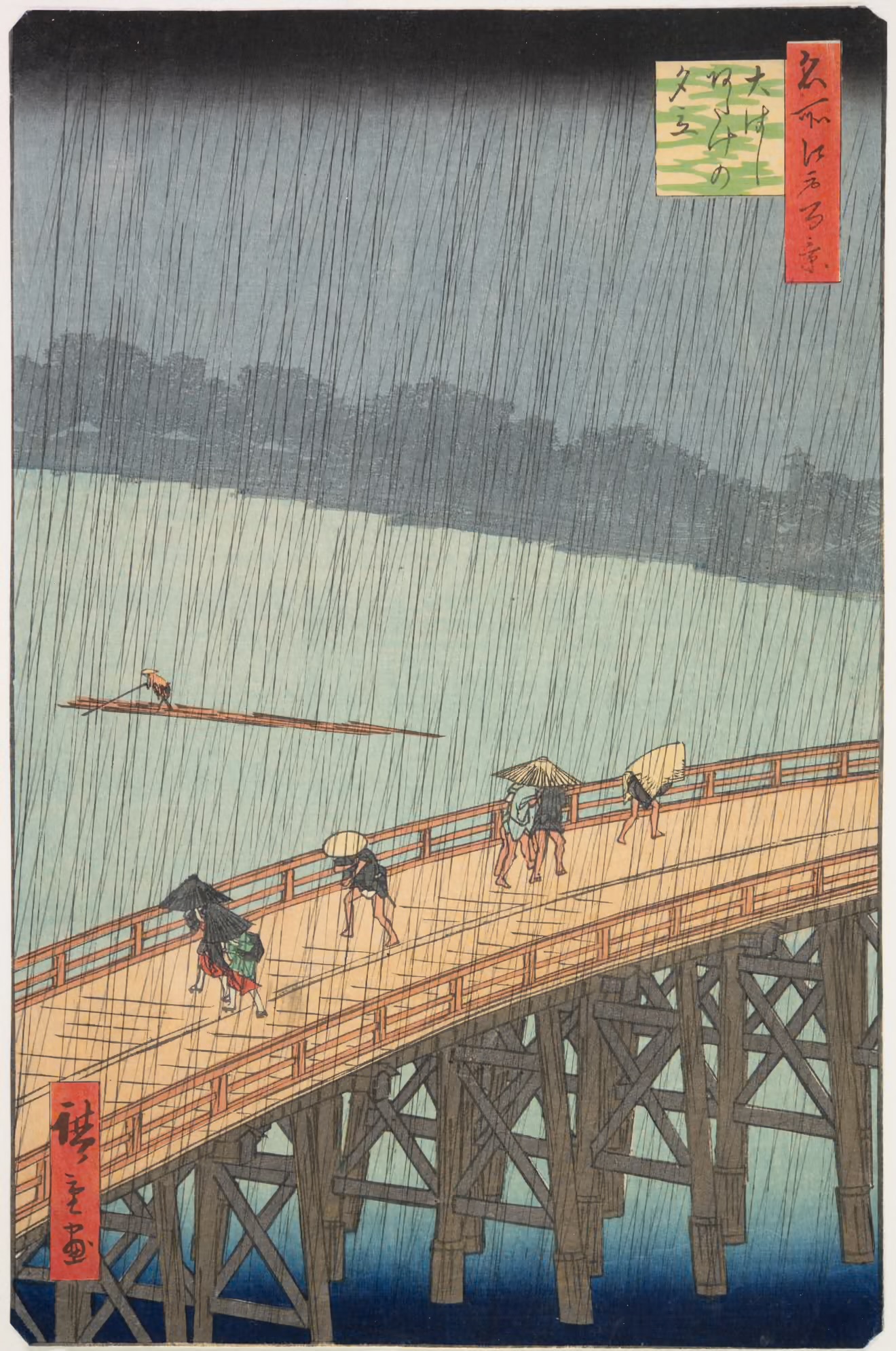
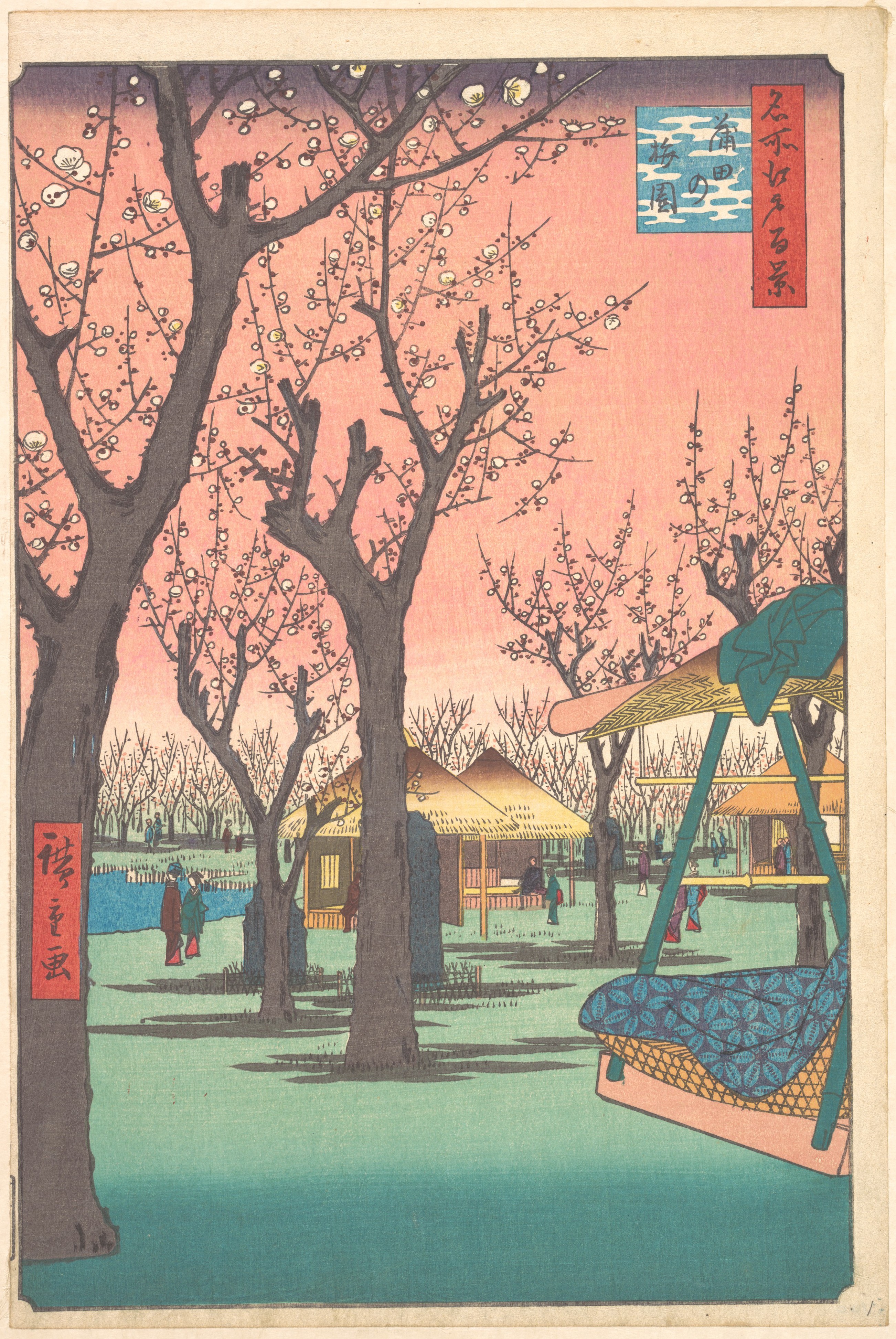
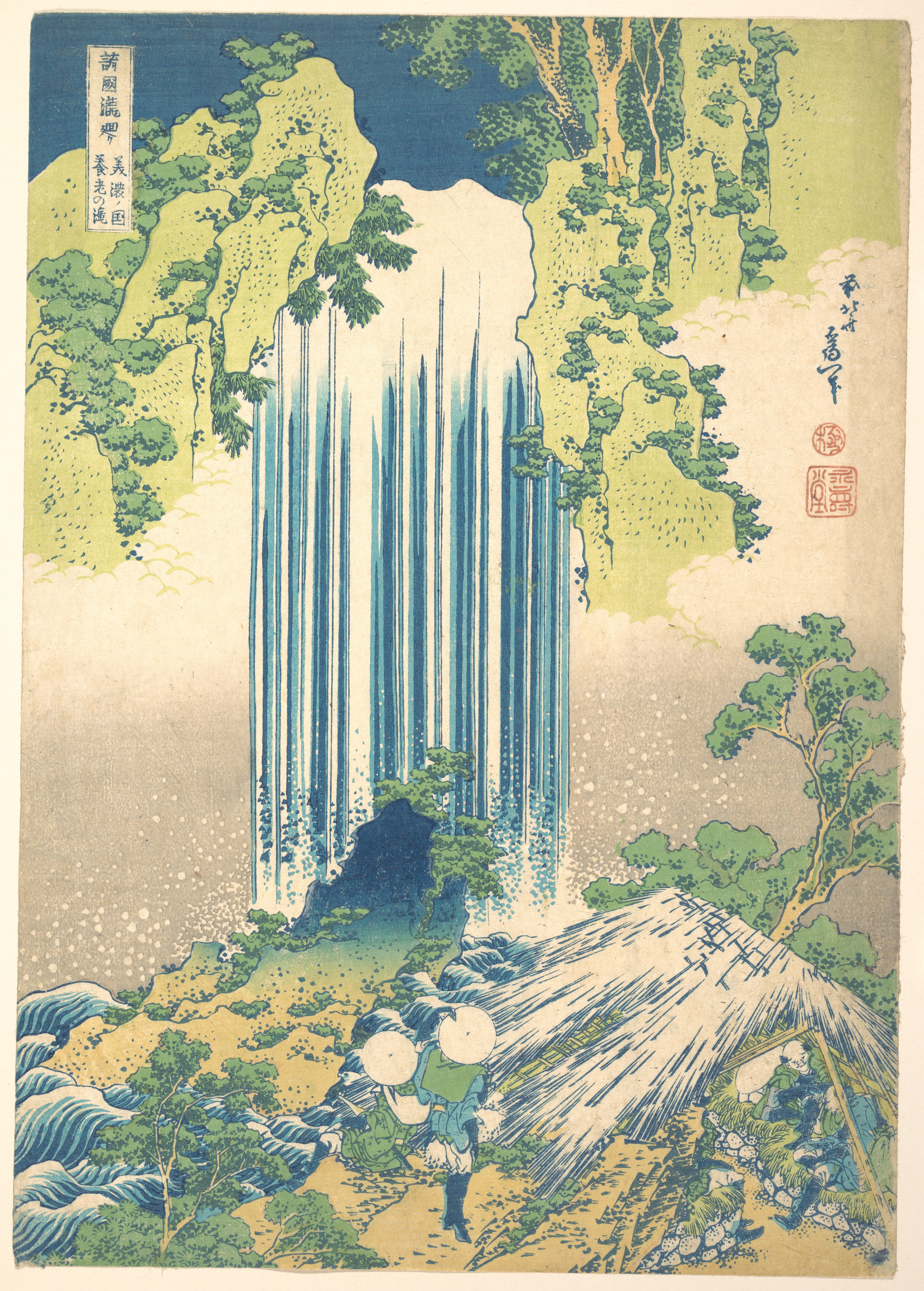
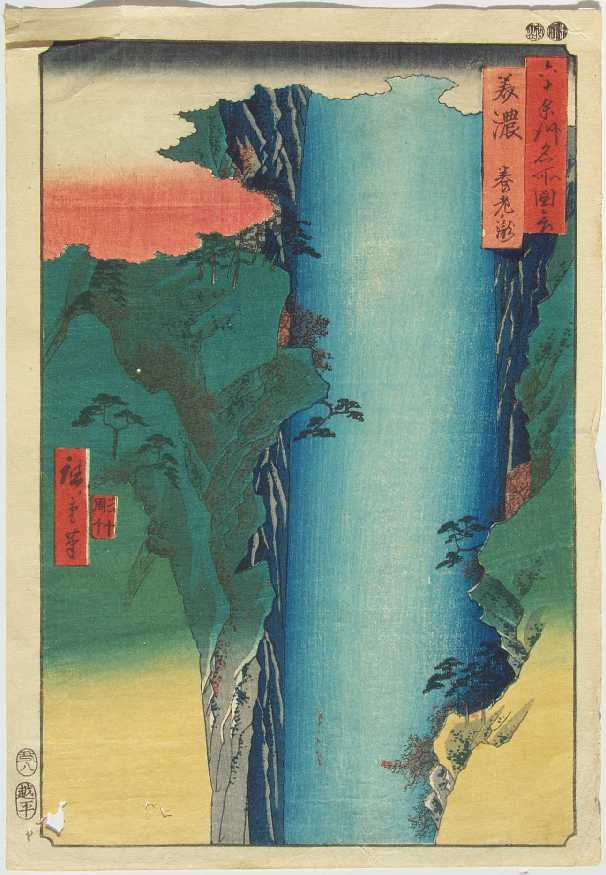
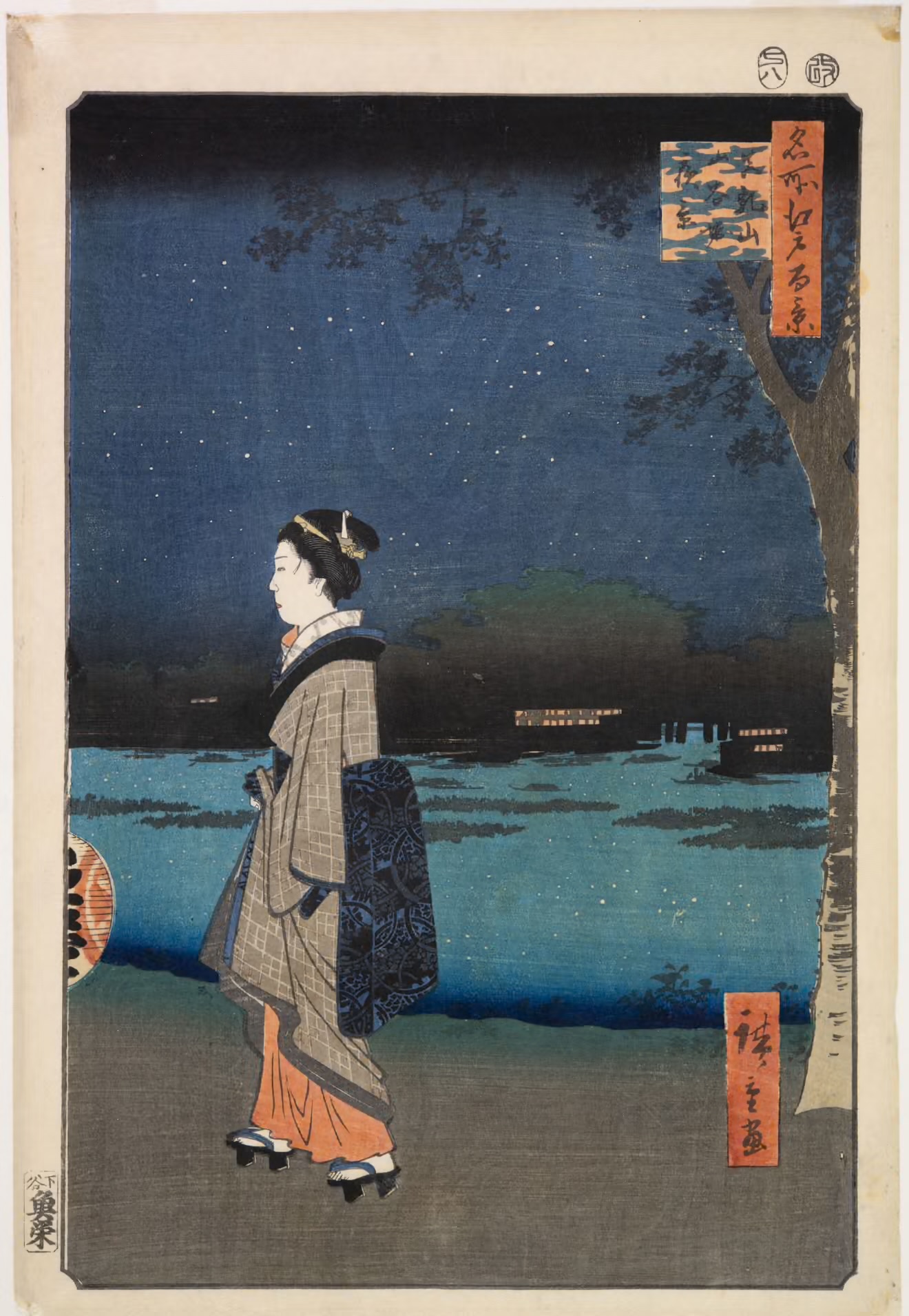
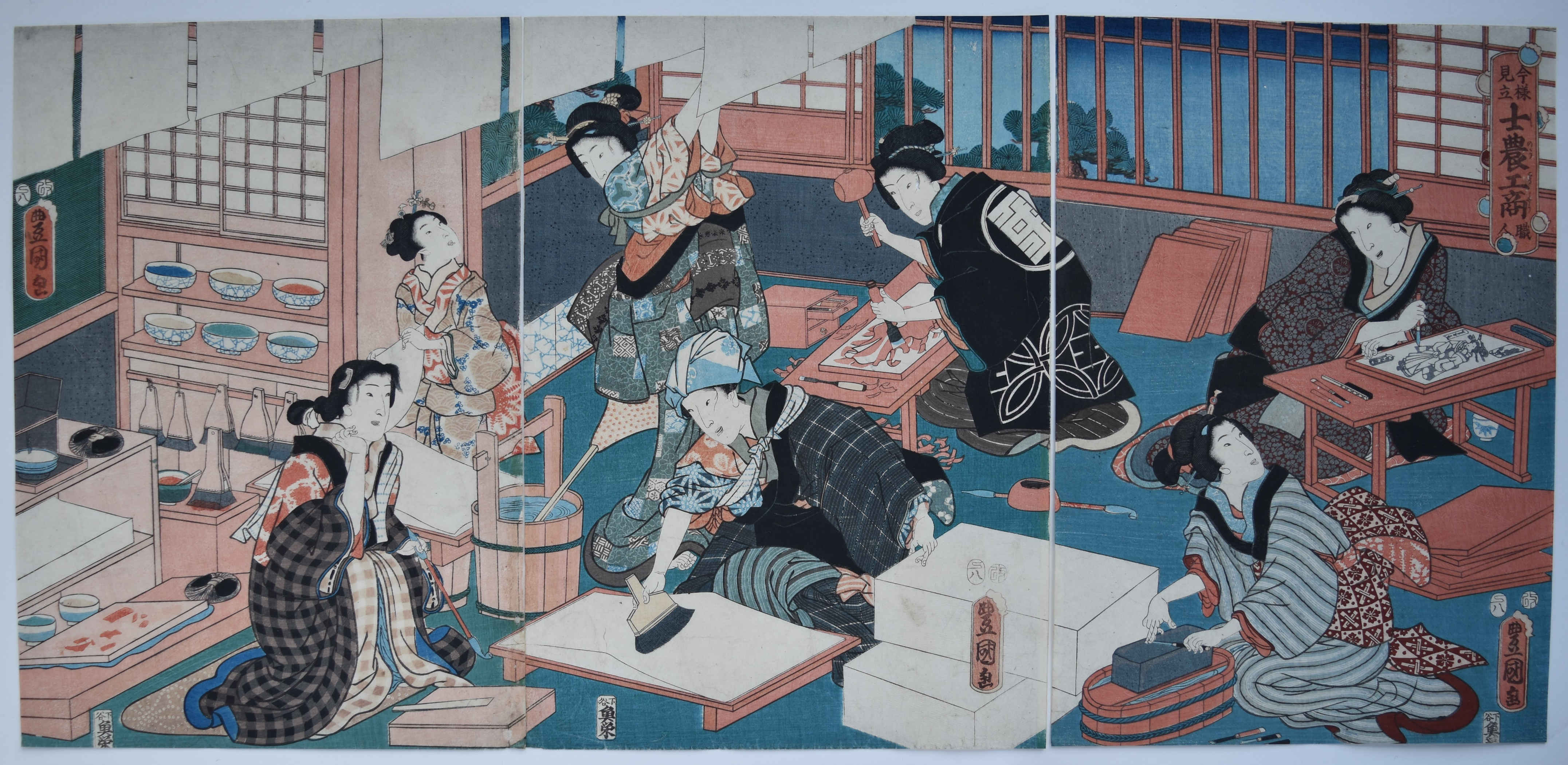
And afterwards – Mrs Mounter again and again few more Japanese prints. I noticed from the postcard selection in the gift shop that I had seen some of the Ashmolean prints last week at the Whitworth.
 Old Shoe Box