Avebury adds an extra layer of history: how modern archaeology developed. Alexander Keillor – heir to a Dundee marmalade fortune, WWI pilot, immensely wealthy – surveyed Wiltshire from the air in 1922 and bought some of the county to examine it more closely.
All this from bitter oranges.
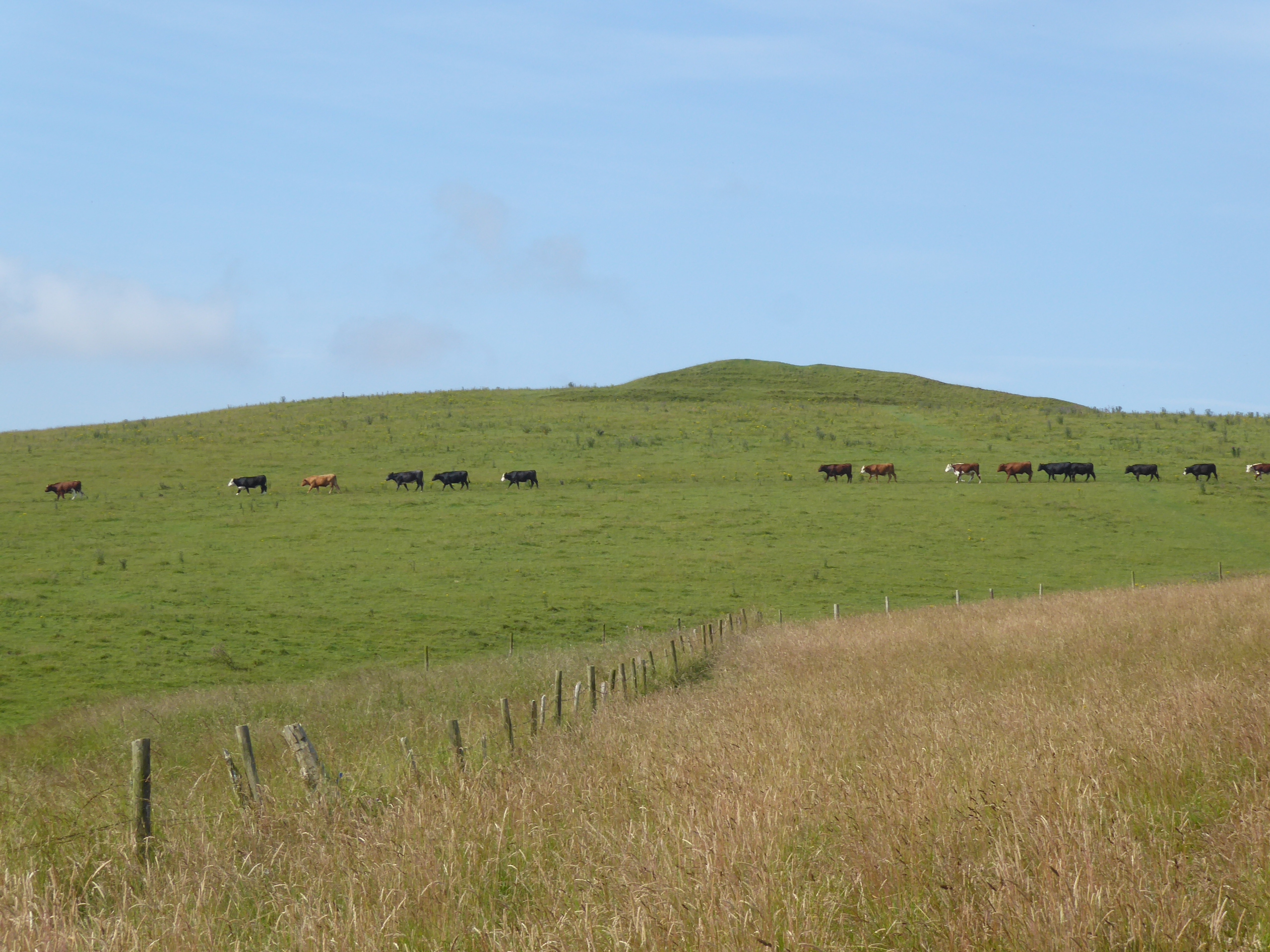
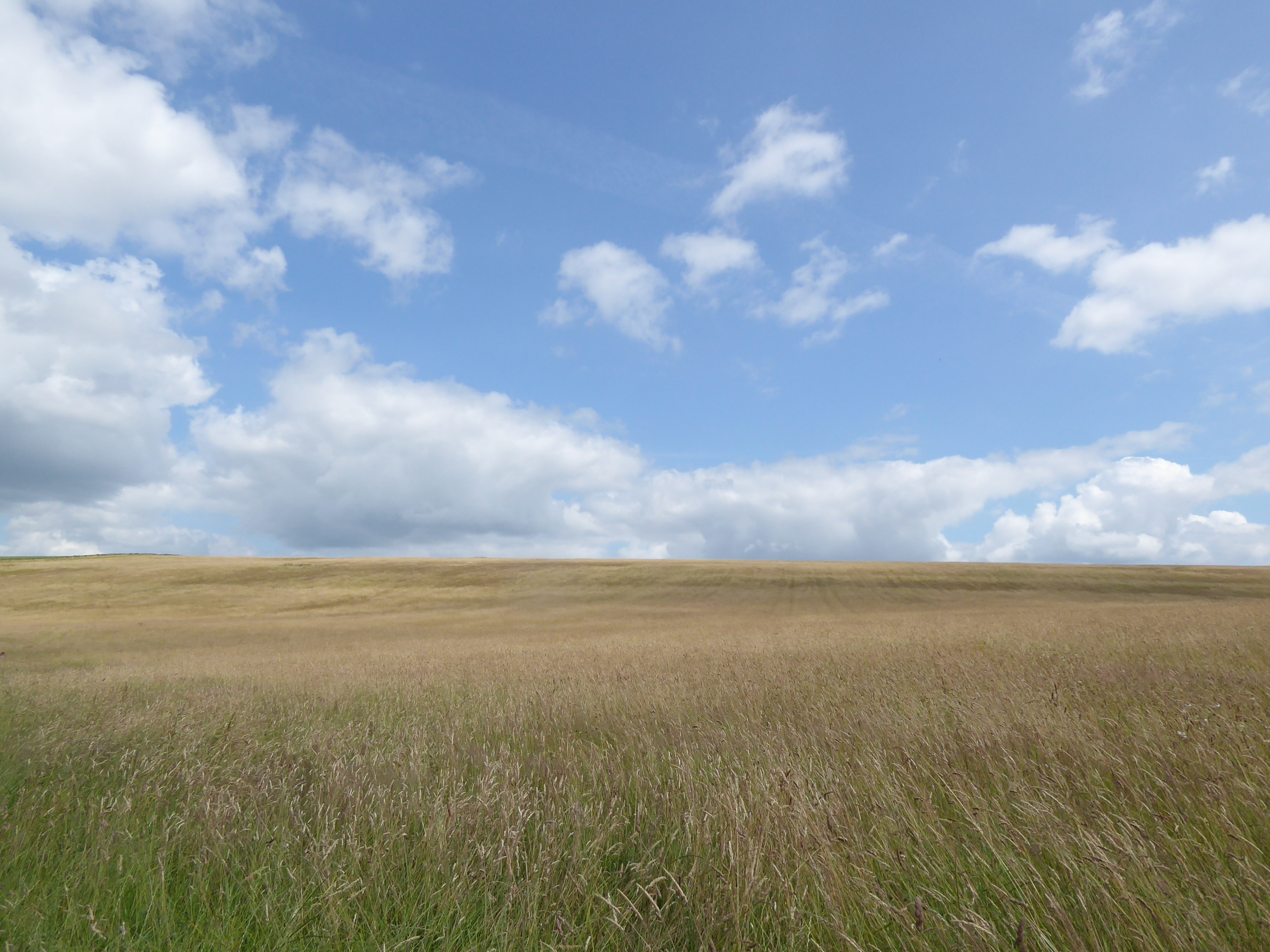
But first we had to get to Avebury. We started at the Neolithic chambered long barrow of Adam’s Grave. From here the view was pure Eric Ravilious; I love his work, but never before have I felt that connection with it. The long barrow was sealed up with stones after use; it has been excavated but the holes have healed over.
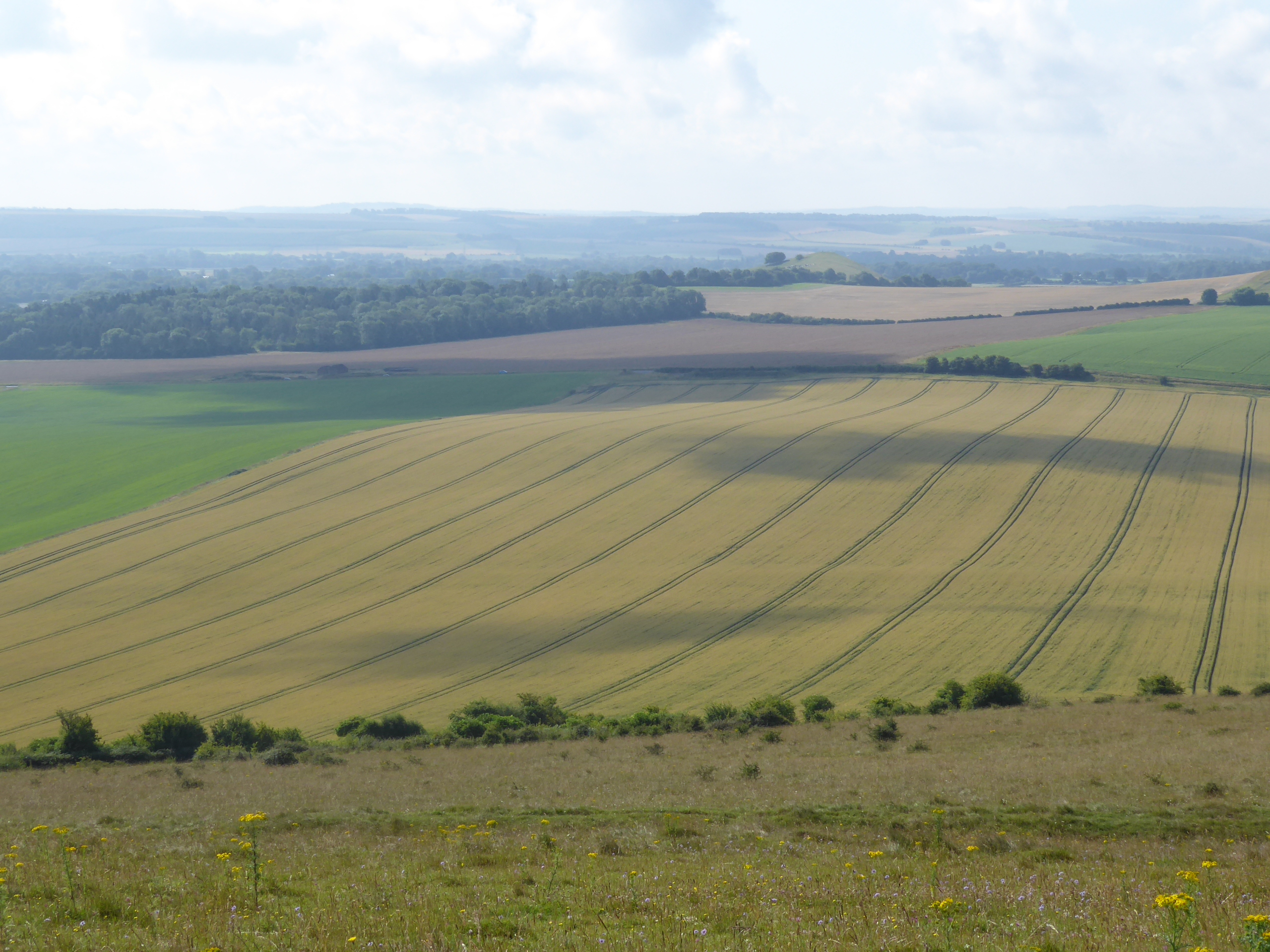
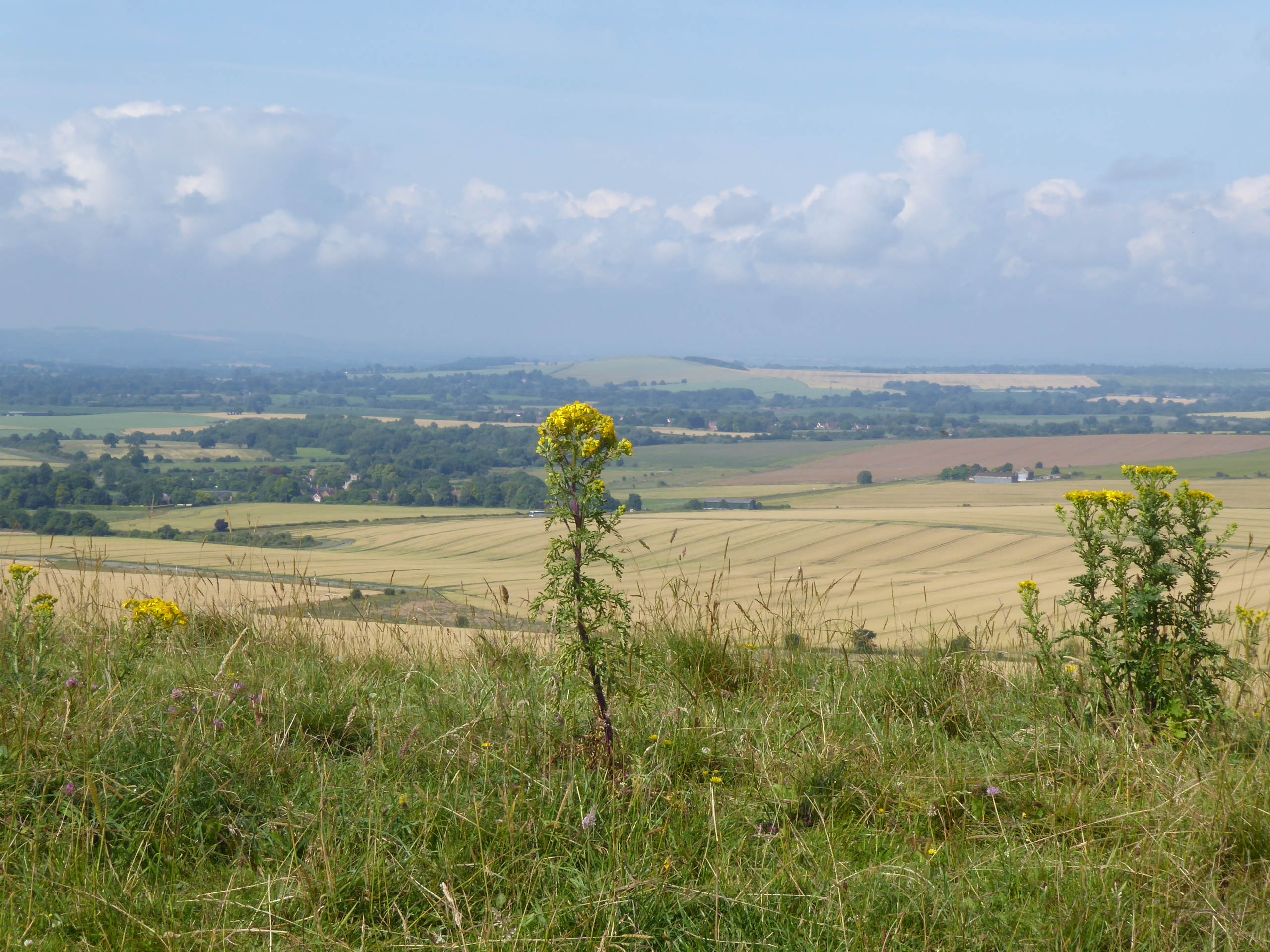
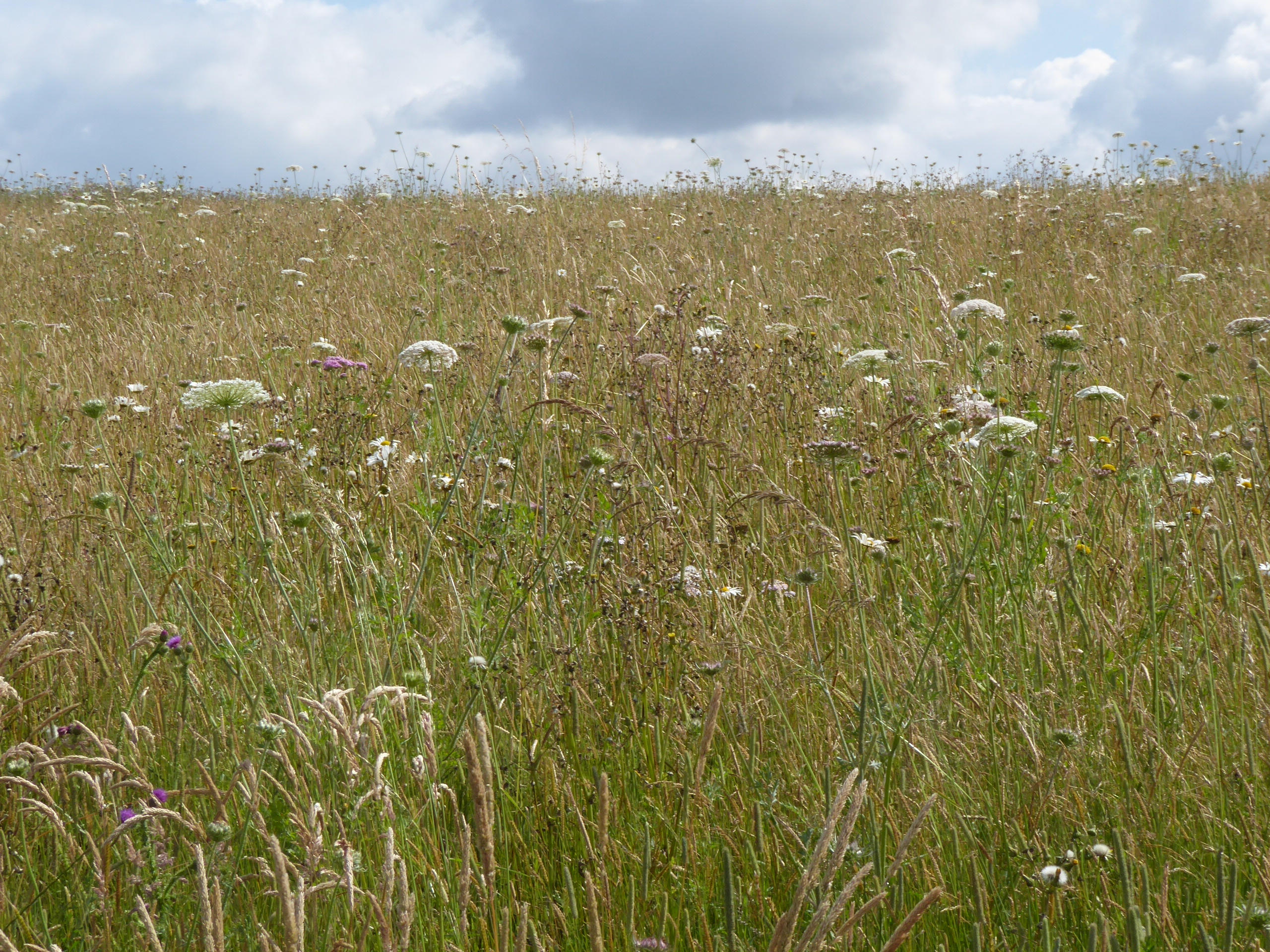
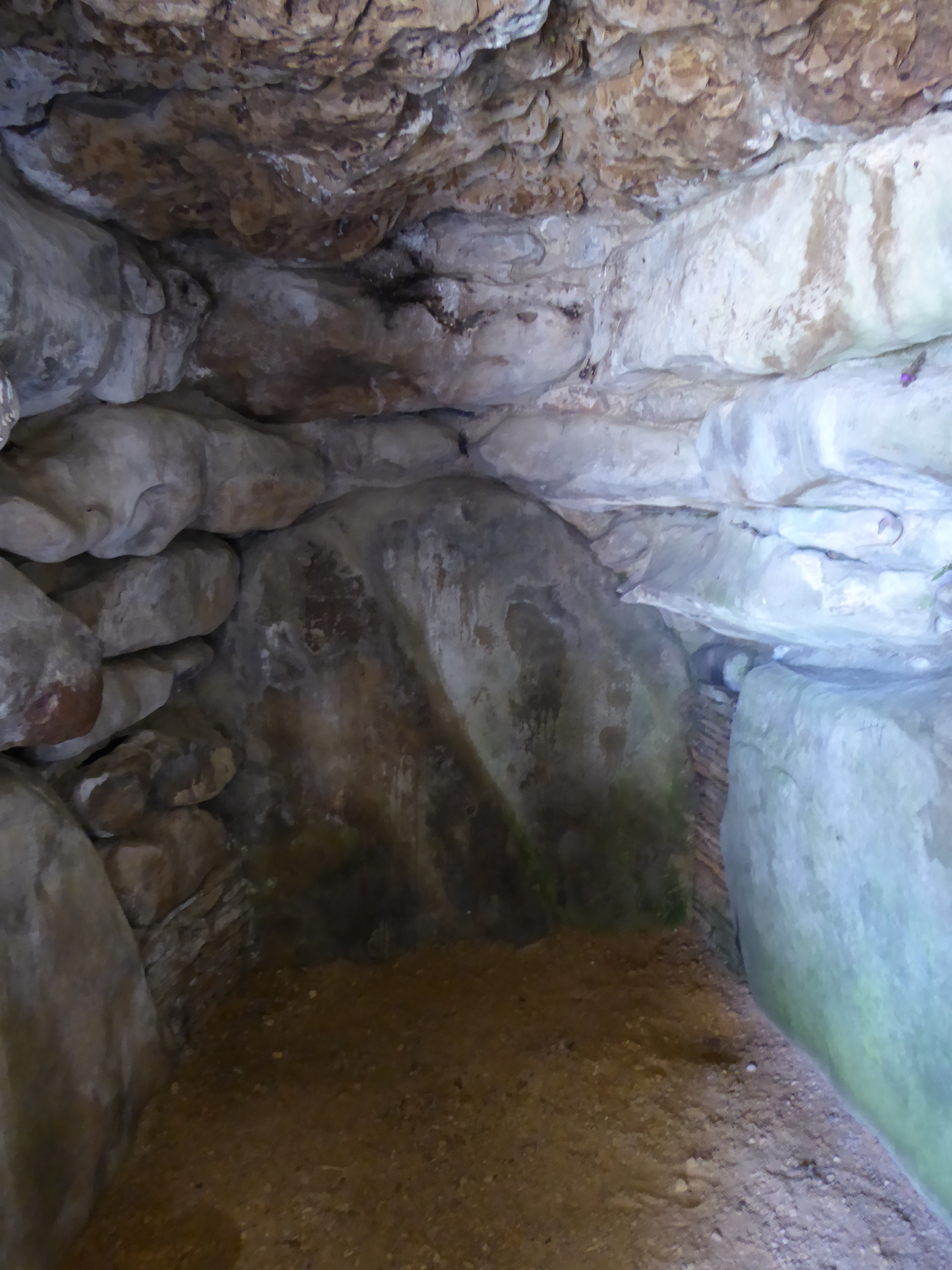
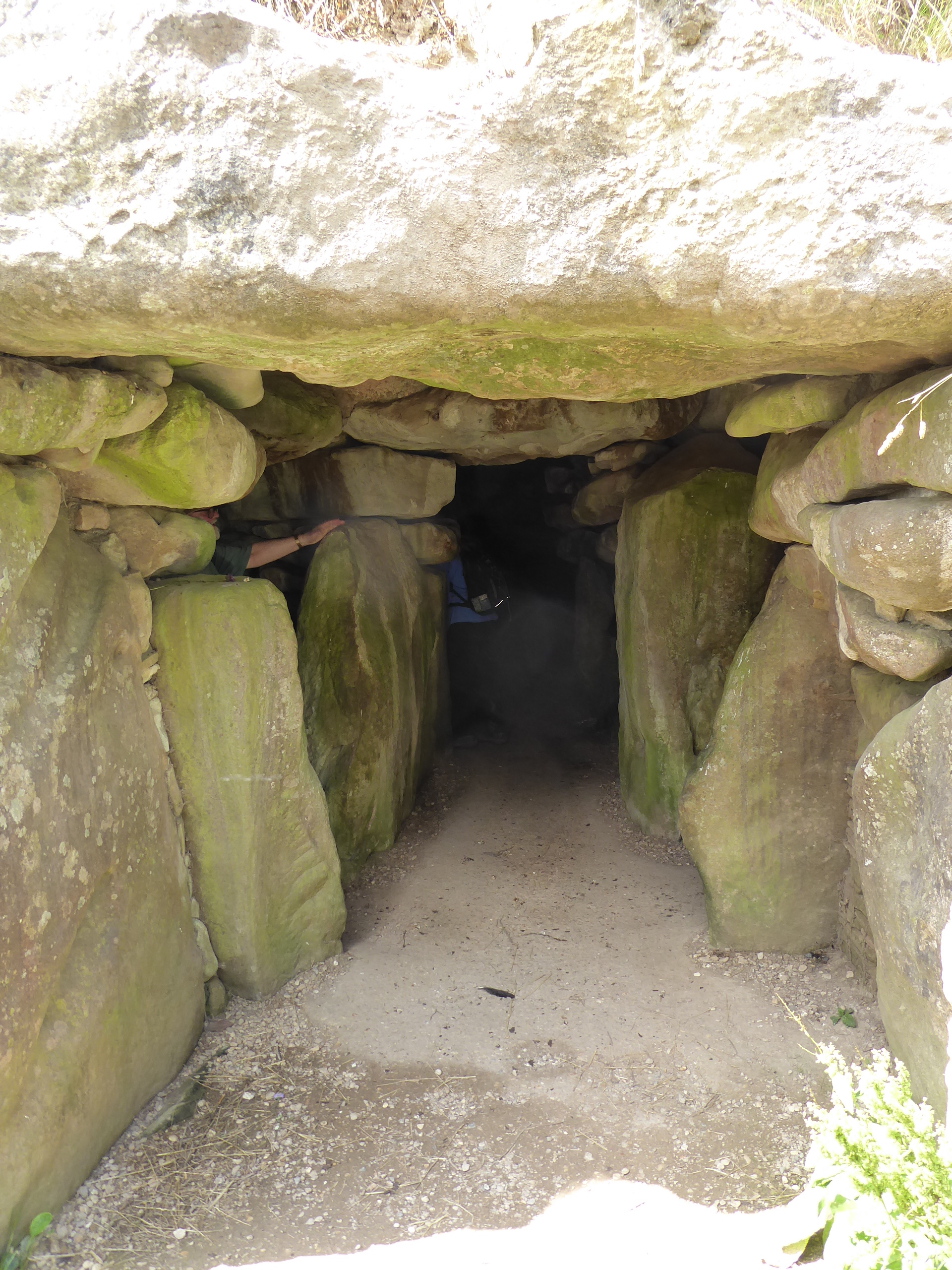
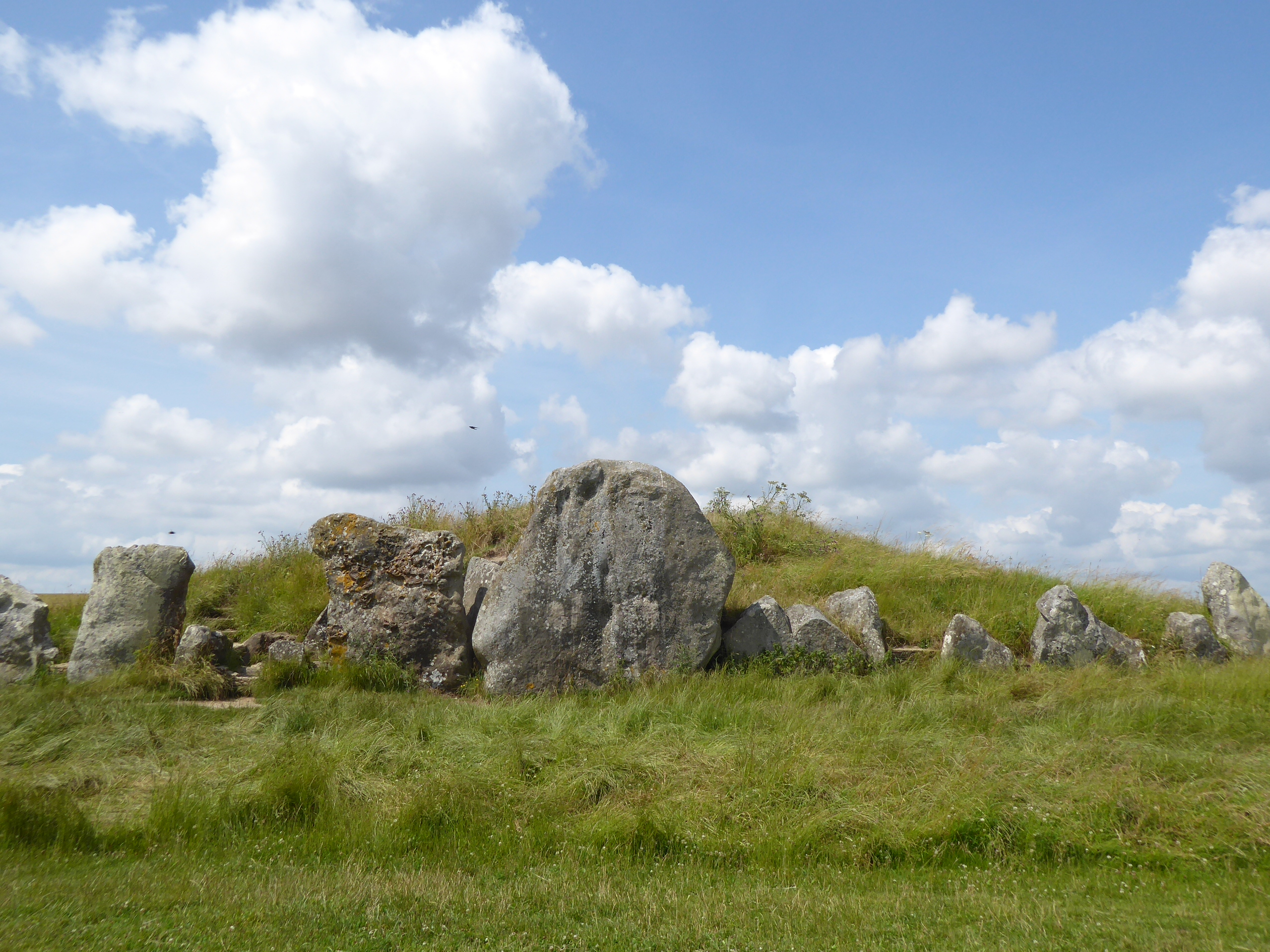
From there we walked past East Kennet long barrow (unexcavated) to West Kennet (my favourite of the day). Our guide explained how sarsen stones were used for the walls and corbelled, or jettied out, to support the roof. Bones, partly cremated, were placed there and added to, along with some grave goods like arrow heads. In the Early Bronze Age the tomb was sealed with giant sarsen stones. Today it’s possible to go inside and explore the now-empty chambers – an astonishing place.
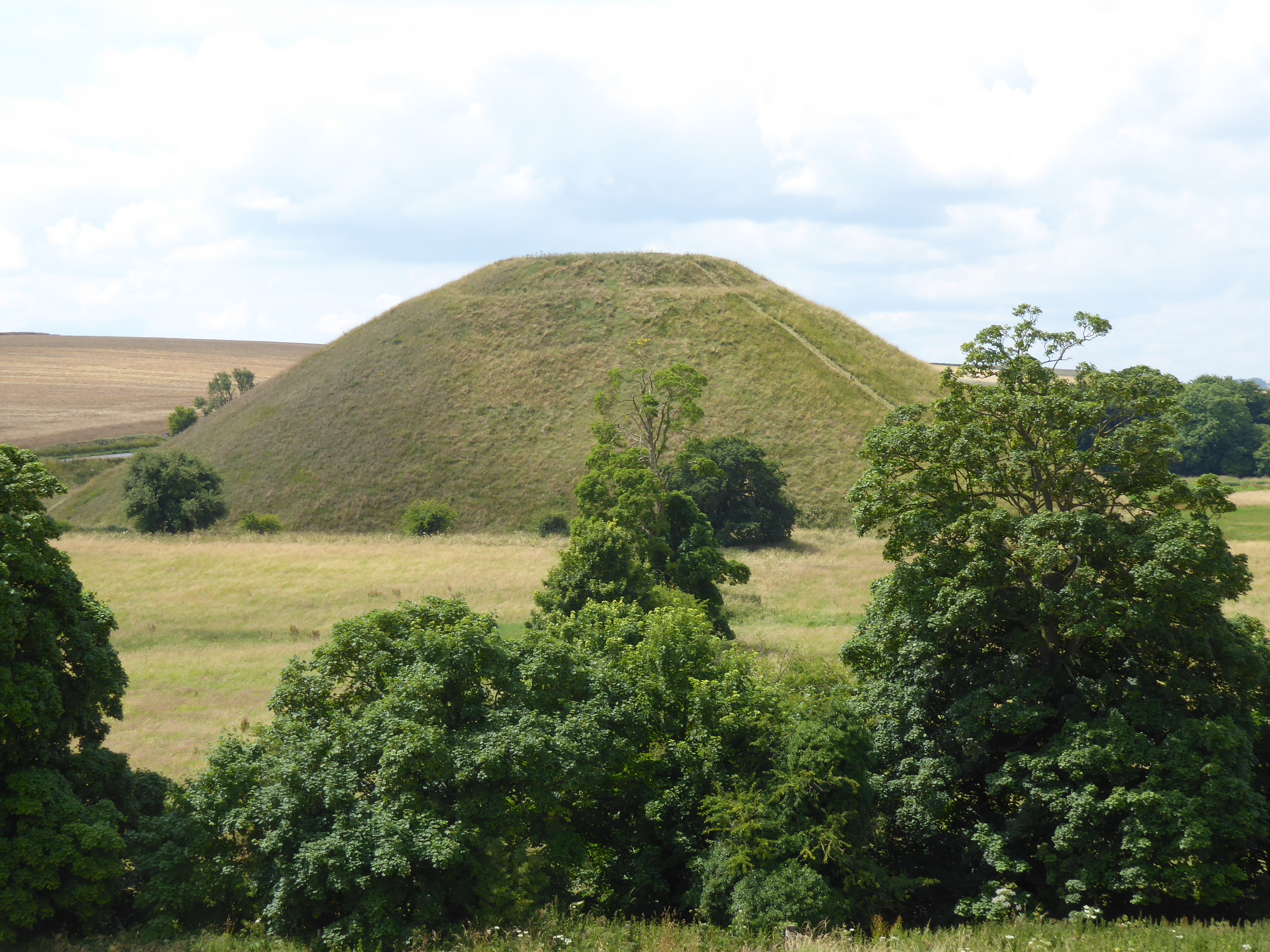
Next was Silbury Hill – an artificial conical chalk mound (which I’d seen from the Swindon-Devizes bus a couple of days before). It was completed around 2400 BC and has nothing inside. It’s just there.
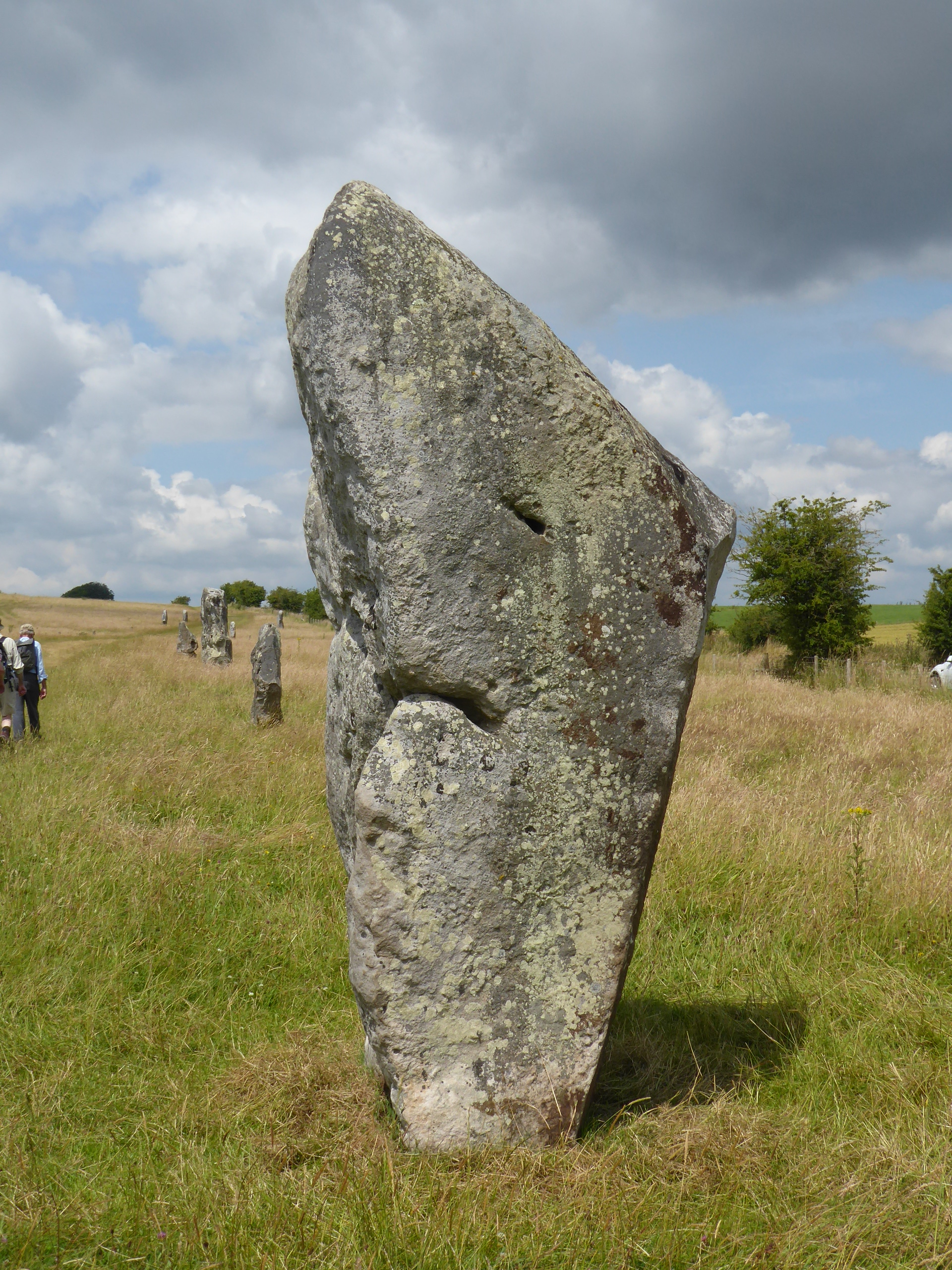
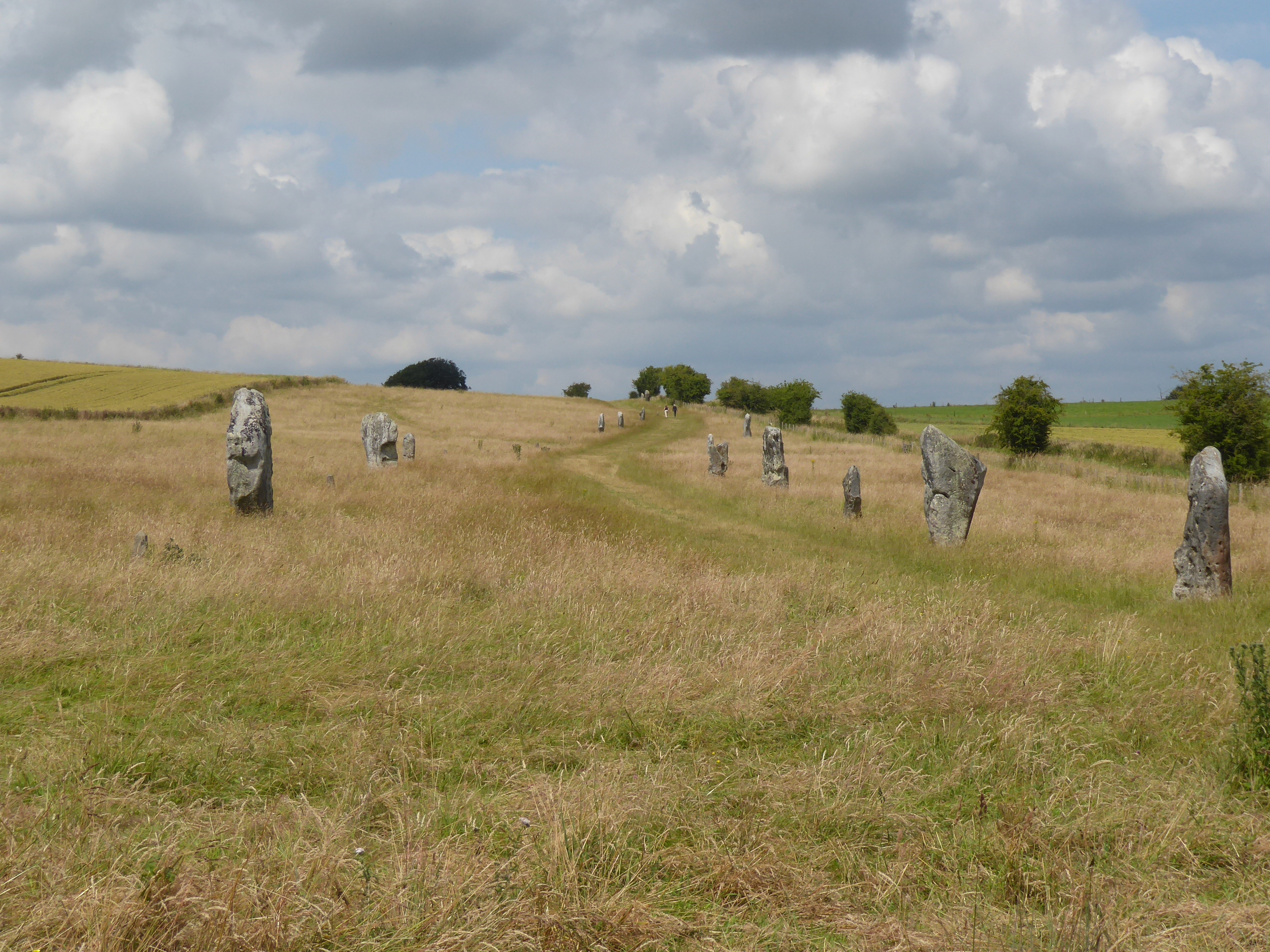
After that we came to the West Kennet avenue – a double row of standing stones leading to Avebury and its stone circles. Avebury is a Neolithic henge (a ditch) with a large outer circle containing two smaller circles – one north, one south – constructed over several centuries. In historical times it was ignored or partially destroyed; John Aubrey and William Stukeley recorded what they saw in the 17th and 18th centuries, but it was Keiller who reconstructed what he could find – re-erected stones now buried under the earth and placing concrete posts to mark sites of missing stones.
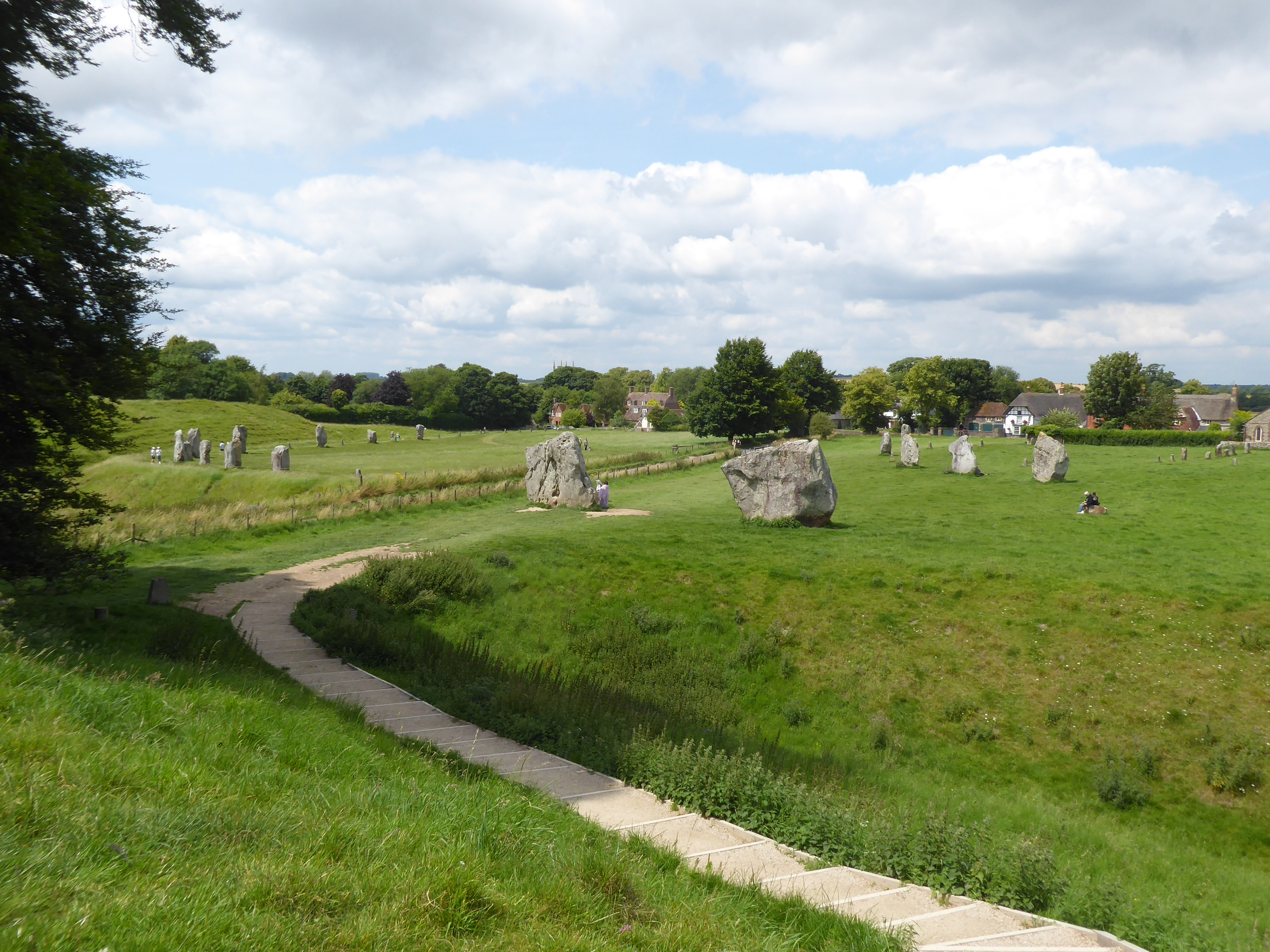
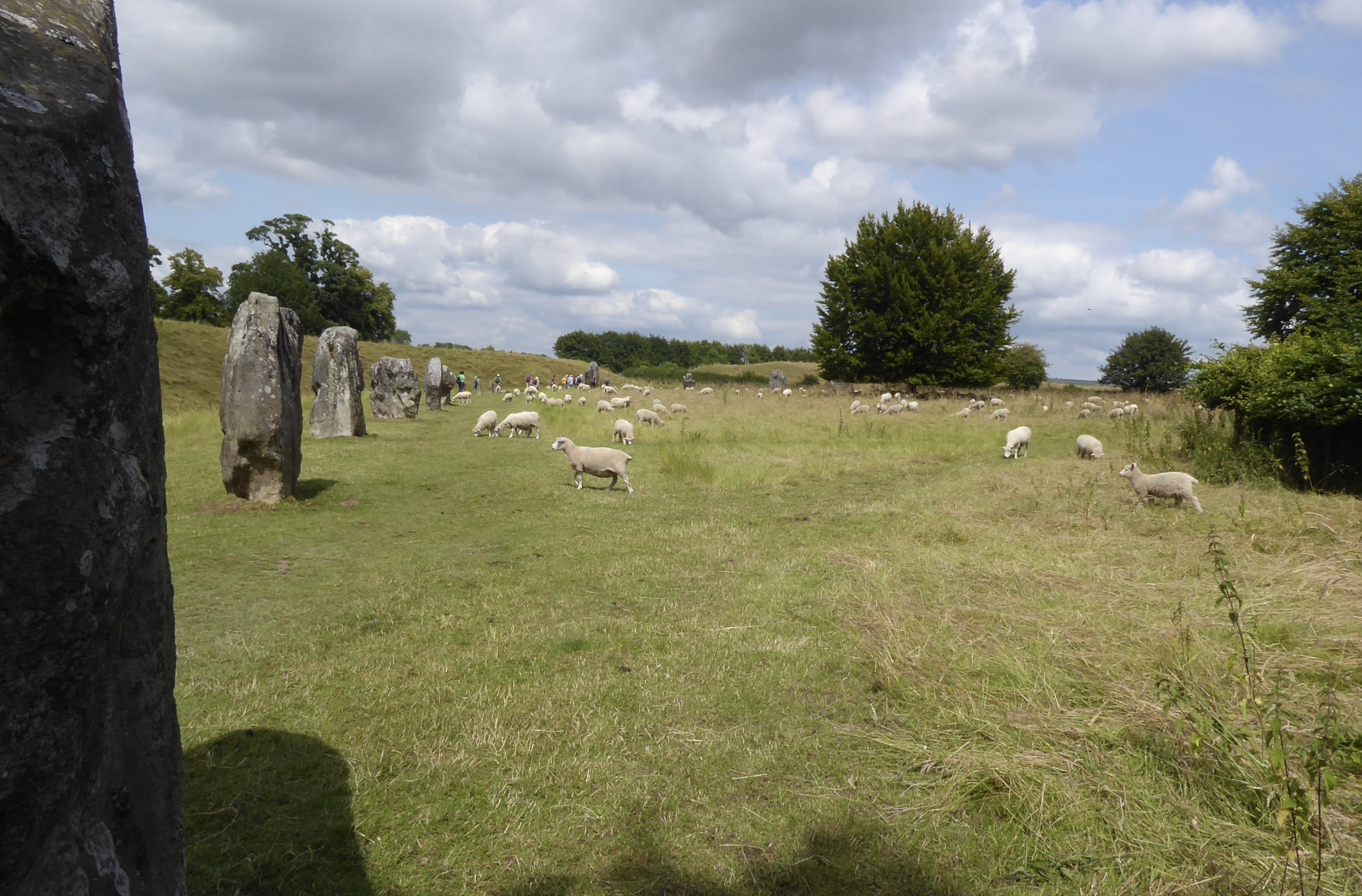
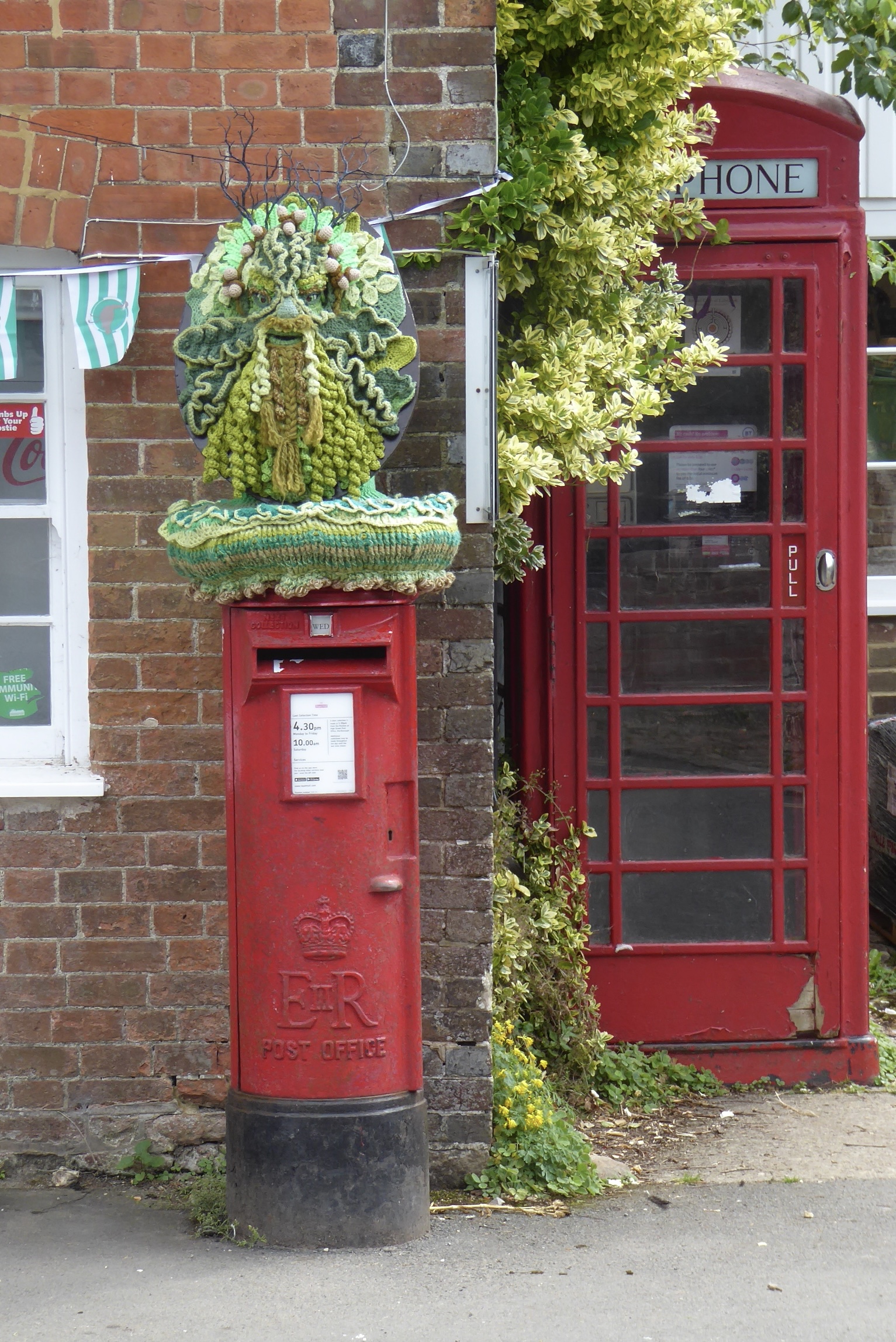
There was, inevitably, a hippyish vibe in some areas – the woolliness of it all delightfully embodied on top of the pillar box.
My head was rather spinning with all the information and sights. Ditches and mounds constructed with nothing more than antler picks and the ox-scapula shovels. All this major construction work going on in a small area – albeit over several hundred years. One can only assume they had a lot of time and muscle power available.
The day wasn’t quite over, for we had an evening tour of the Wiltshire Museum – a charming place that still had the aura of its antiquarian beginnings. It contains finds from several of the excavated long barrows – including the Bush Barrow contents which I saw at the British Museum. It has gold – and also a 6,000-year-old jadeite axe that came from a boulder in the Dolomites – so even more mind-boggling.
 Old Shoe Box
Pingback: Lewes | Old Shoe Box