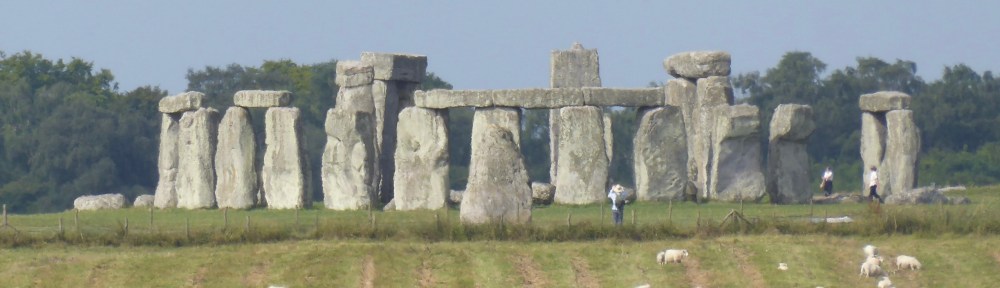
And so, finally, to Stonehenge.
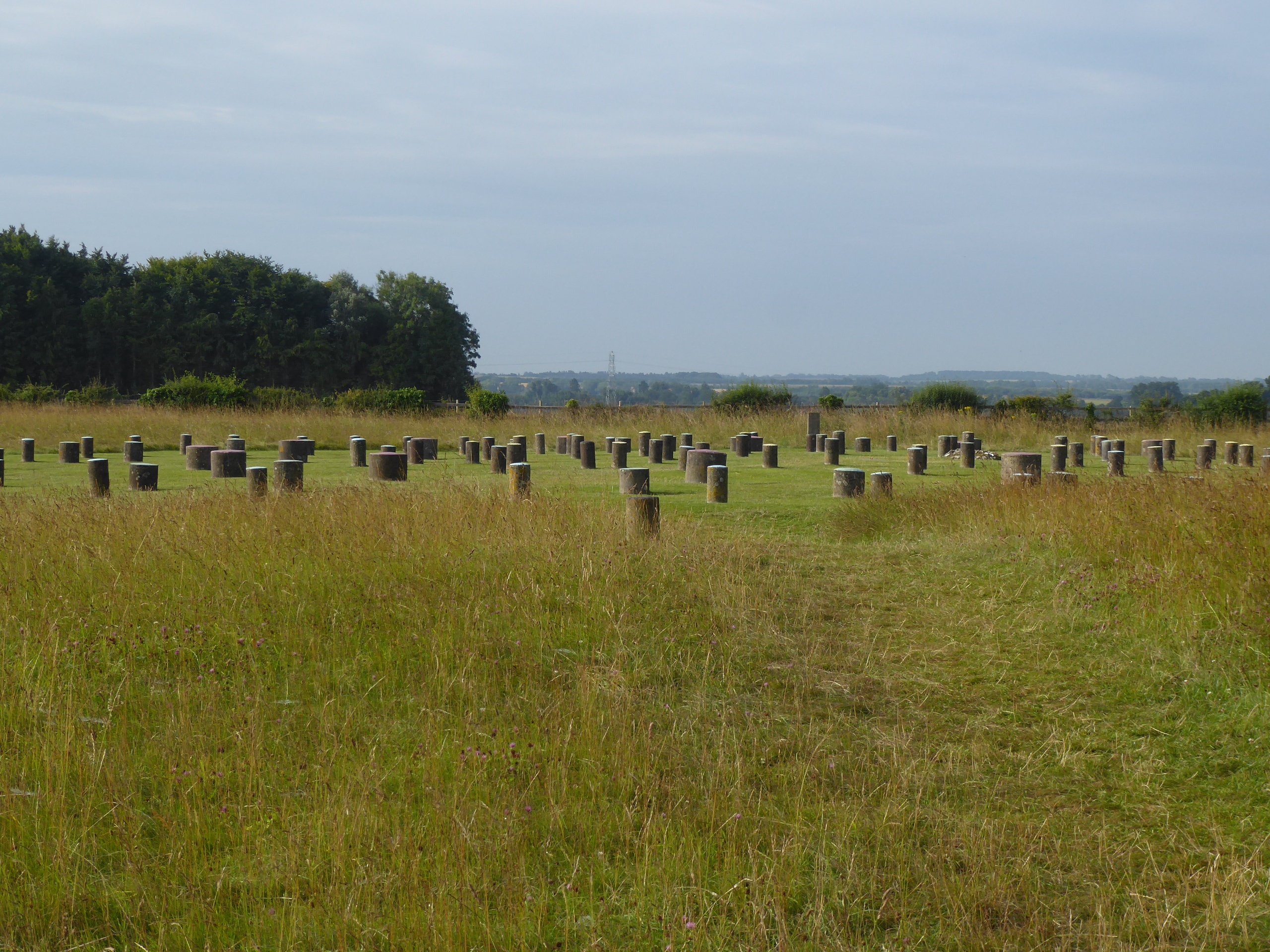
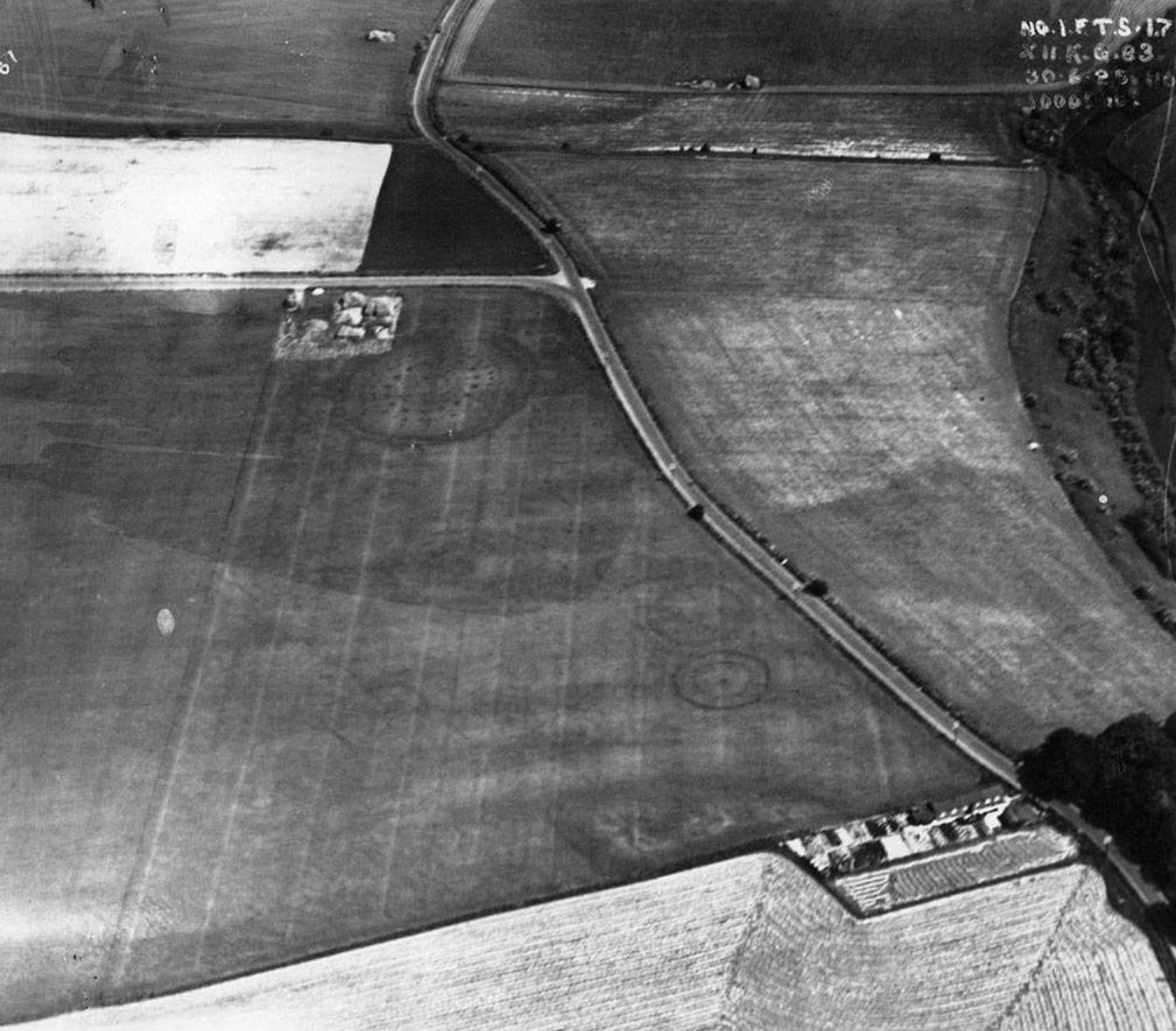
But Woodhenge first. Constructed 2500 BC, it was six ripples of wooden posts only discovered by aerial photography in 1925. The concrete blocks mark the sites of the timbers. It’s right beside Durrington Walls – another enormous circular earthwork – and surrounded by dozens of long barrows. They really are everywhere you look as you approach Stonehenge.
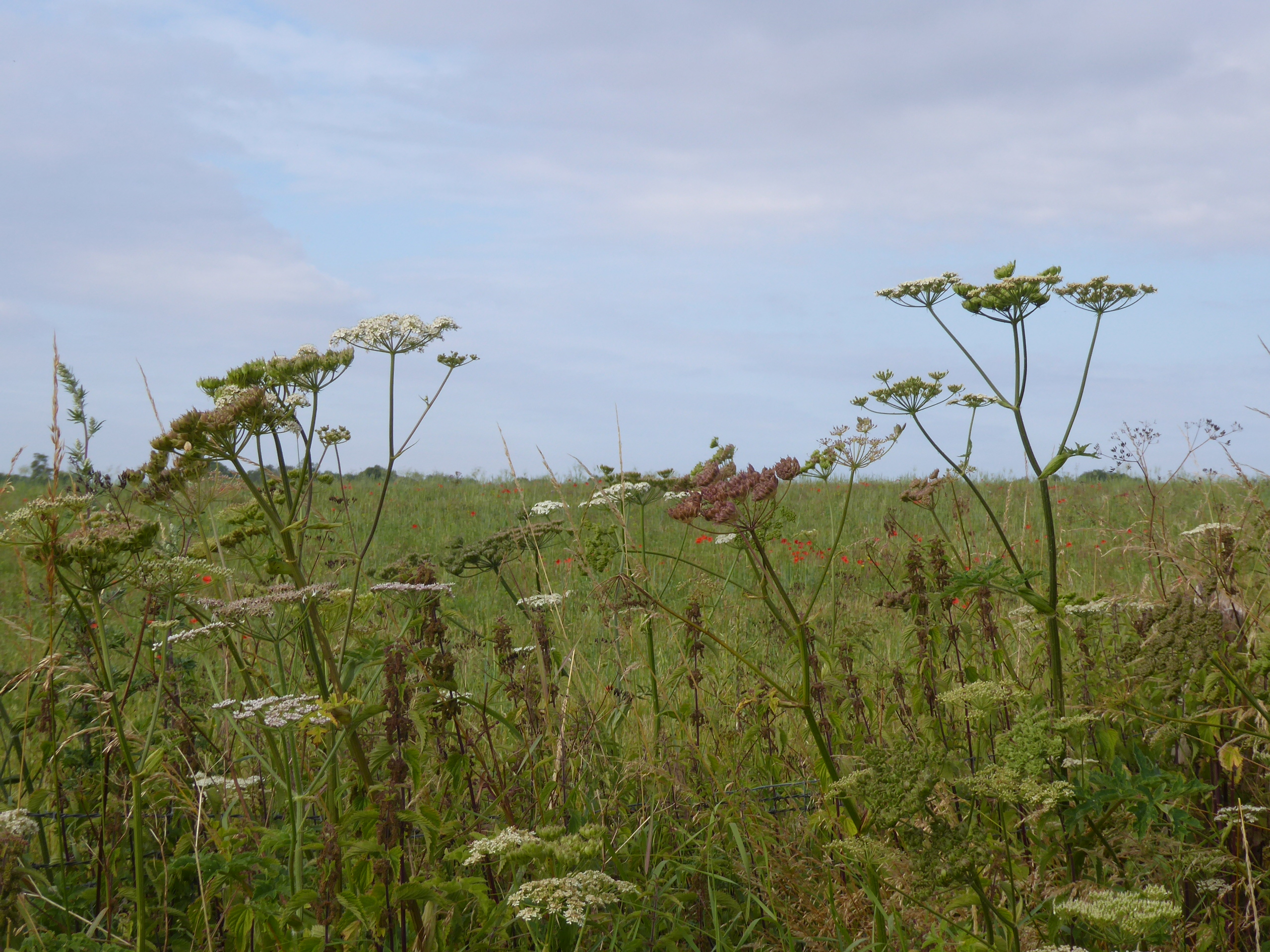
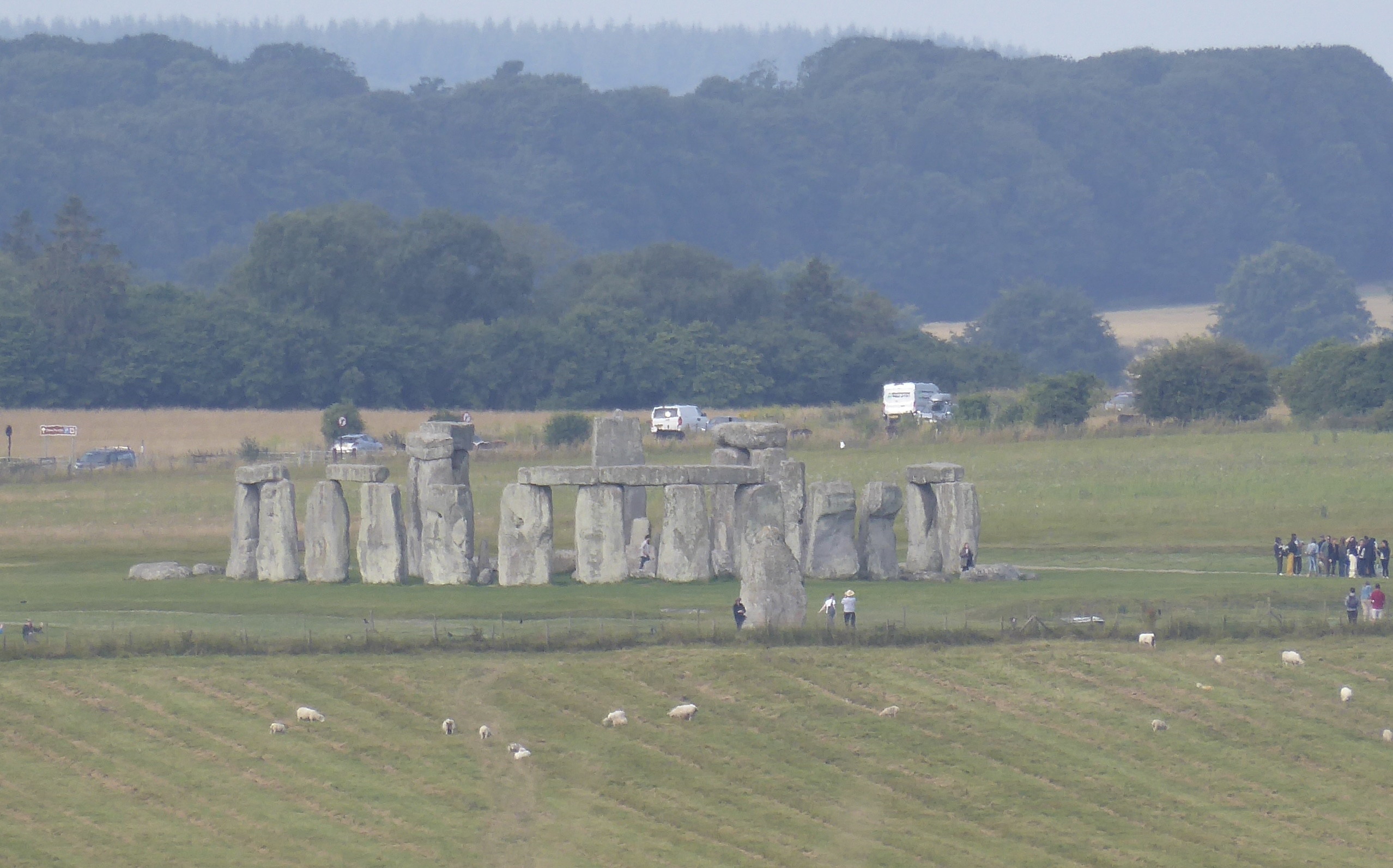
Beside the army camp, along the disused military railway lined with apple trees, to the Cursus (William Stukeley thought it was a Roman racetrack) and then up to Stonehenge along the course of The Avenue. My first sight was magical – and then I noticed all the lorries flowing along behind it. Neolithic meets Anthropocene. Heigh ho.
Not for the first time I listened to stuff about ditch first and stones later, the tongue and groove joints, conjecture on how the sarsens were moved to the site and raised into position, bluestones, Preseli Hills, cups on the lintels fitting over the bobbles on the uprights, increasing size of the trilithons, completed or never completed, summer/winter solstice alignment, etc – all the while taking far too many photographs and watching rooks and starlings going where we could not. (Given the crowds of visitors, it’s very good to have the car park and visitor centre so far from the stones themselves.)
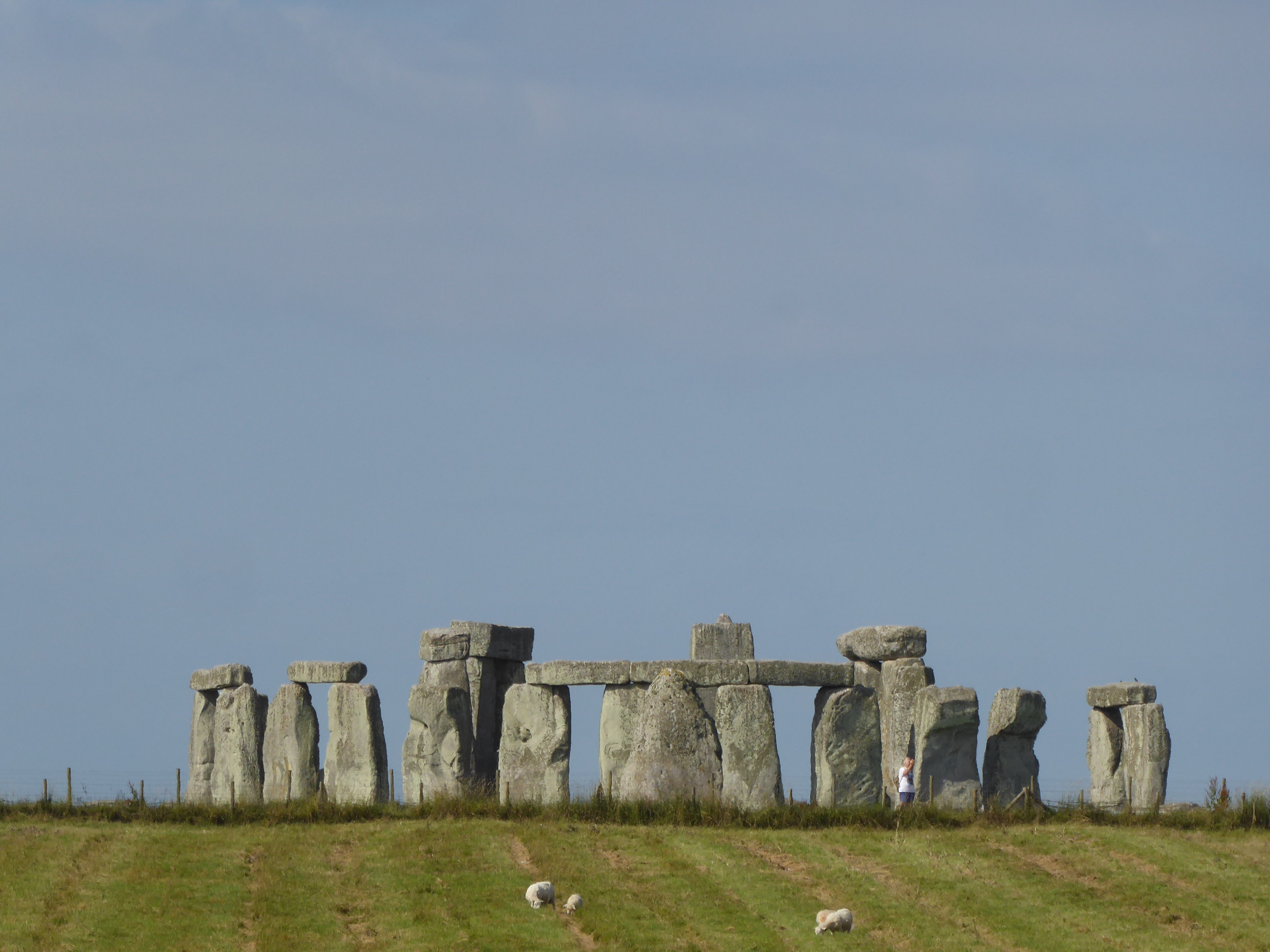
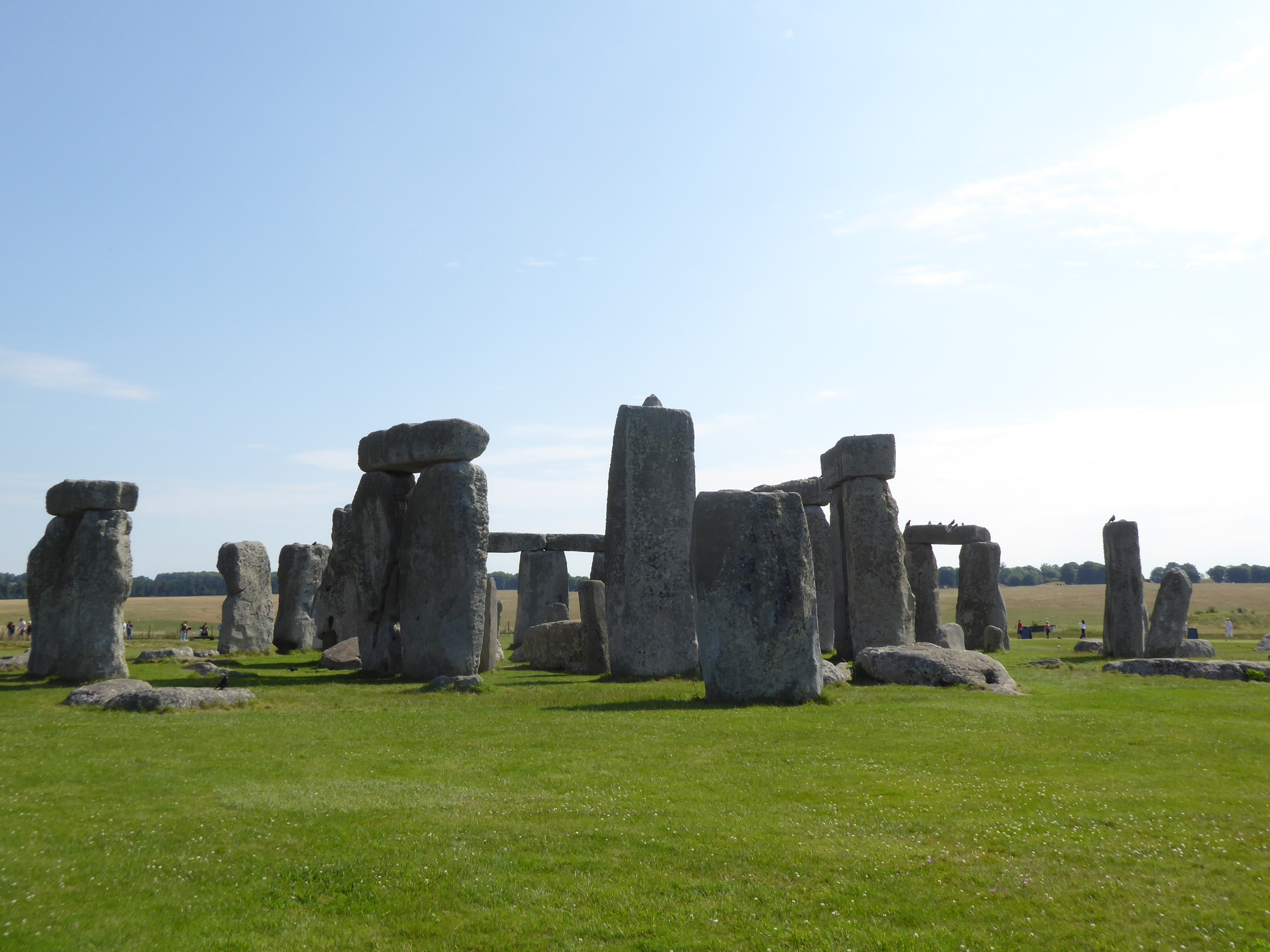
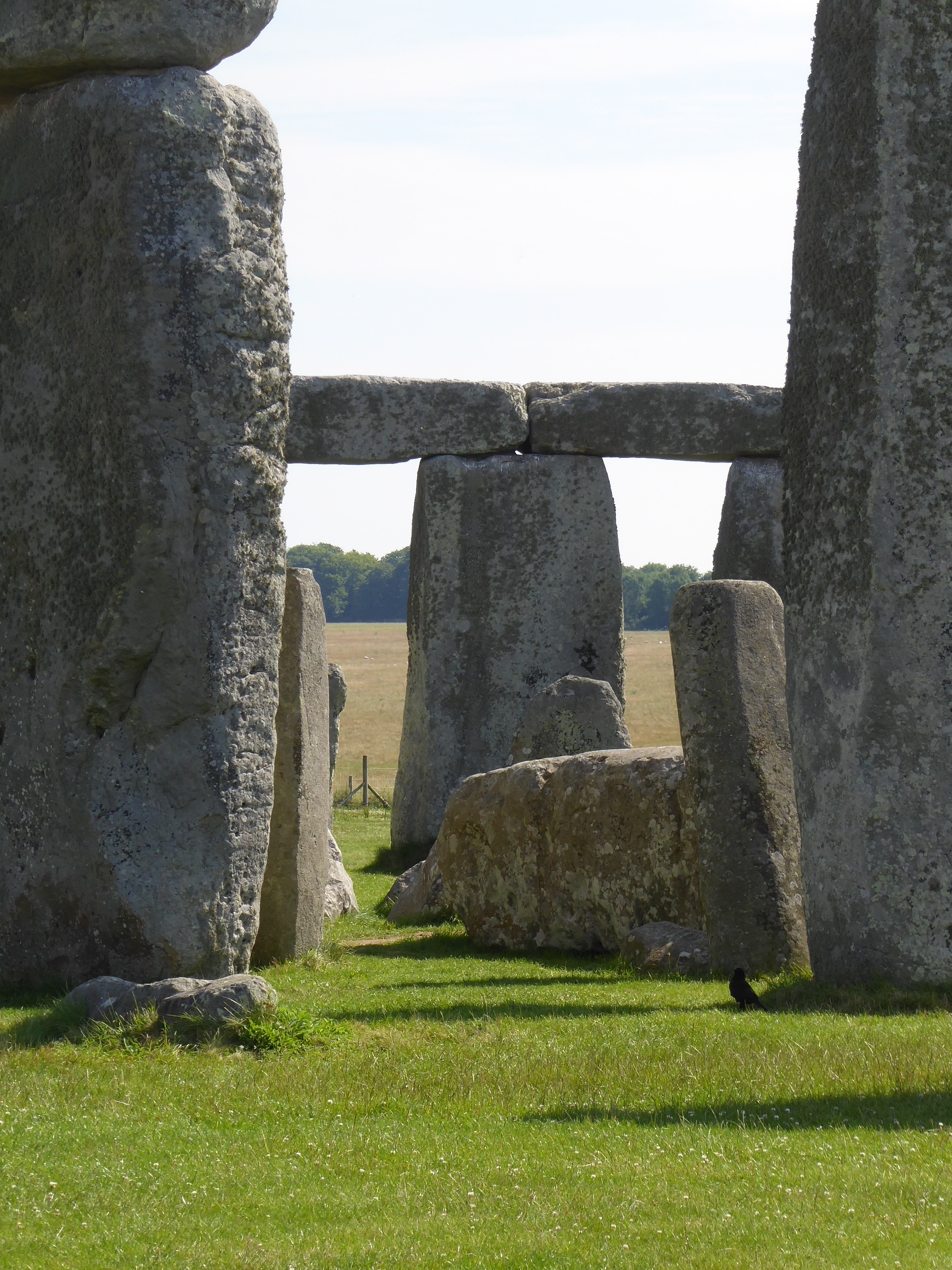
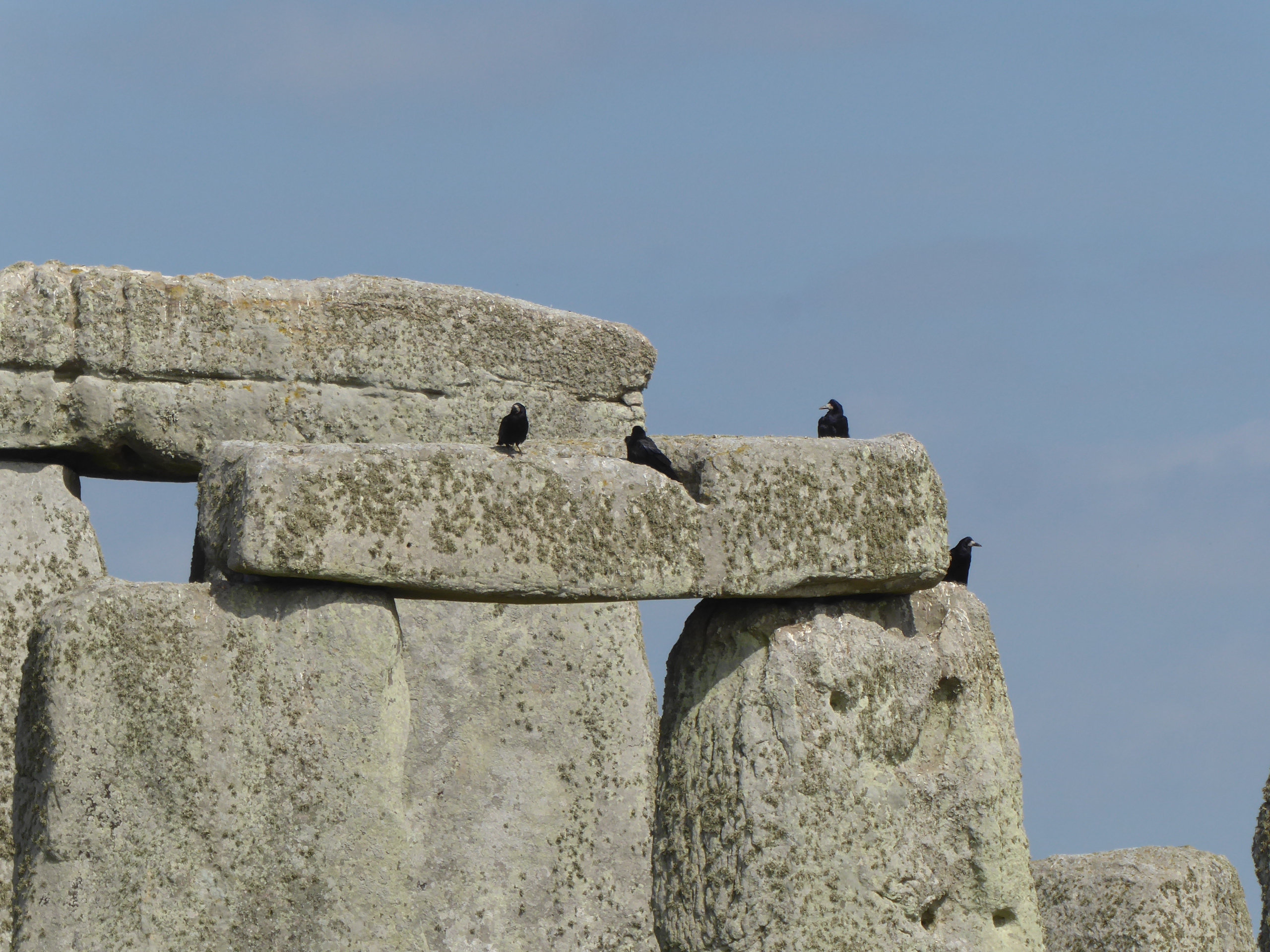
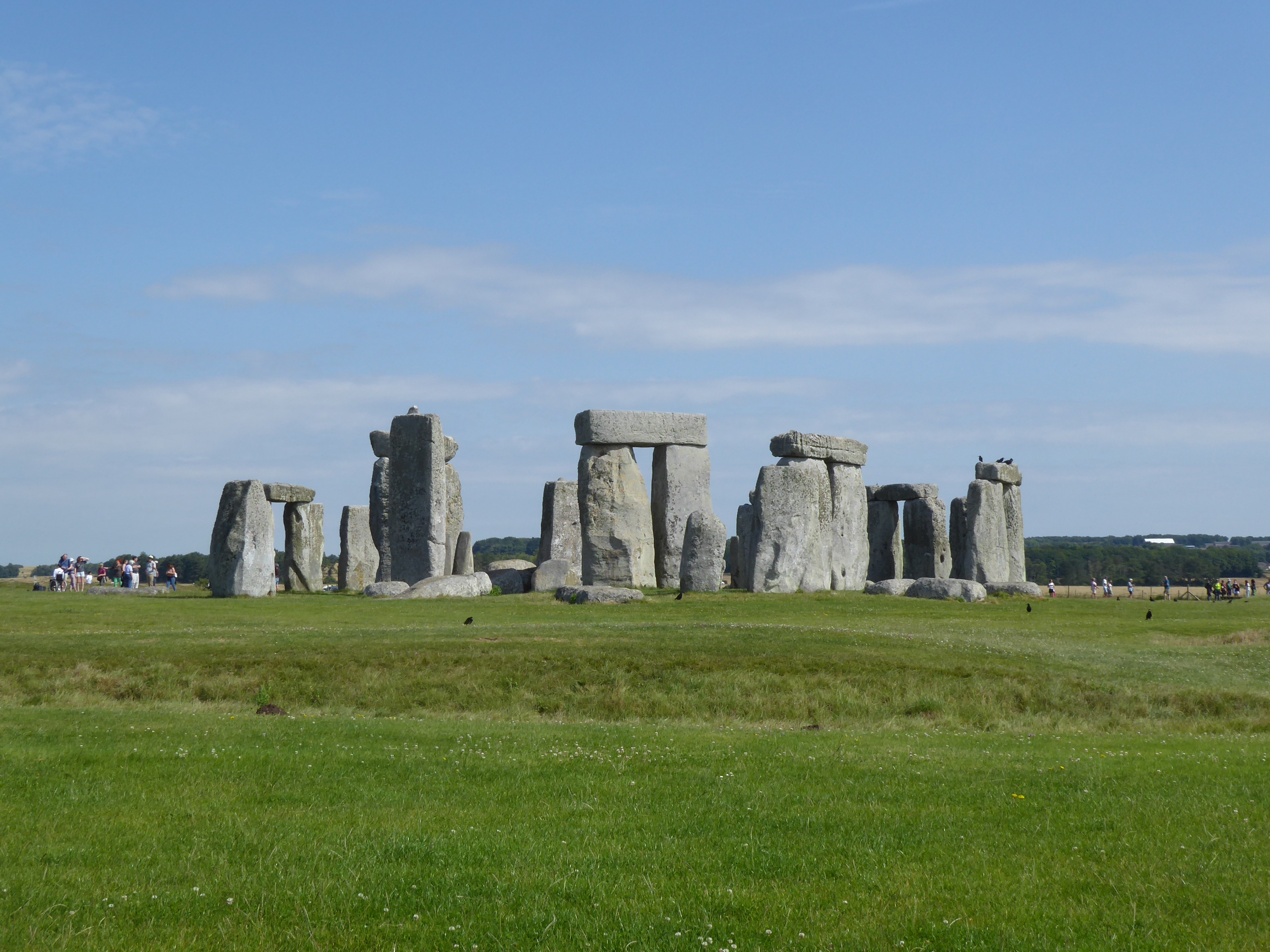
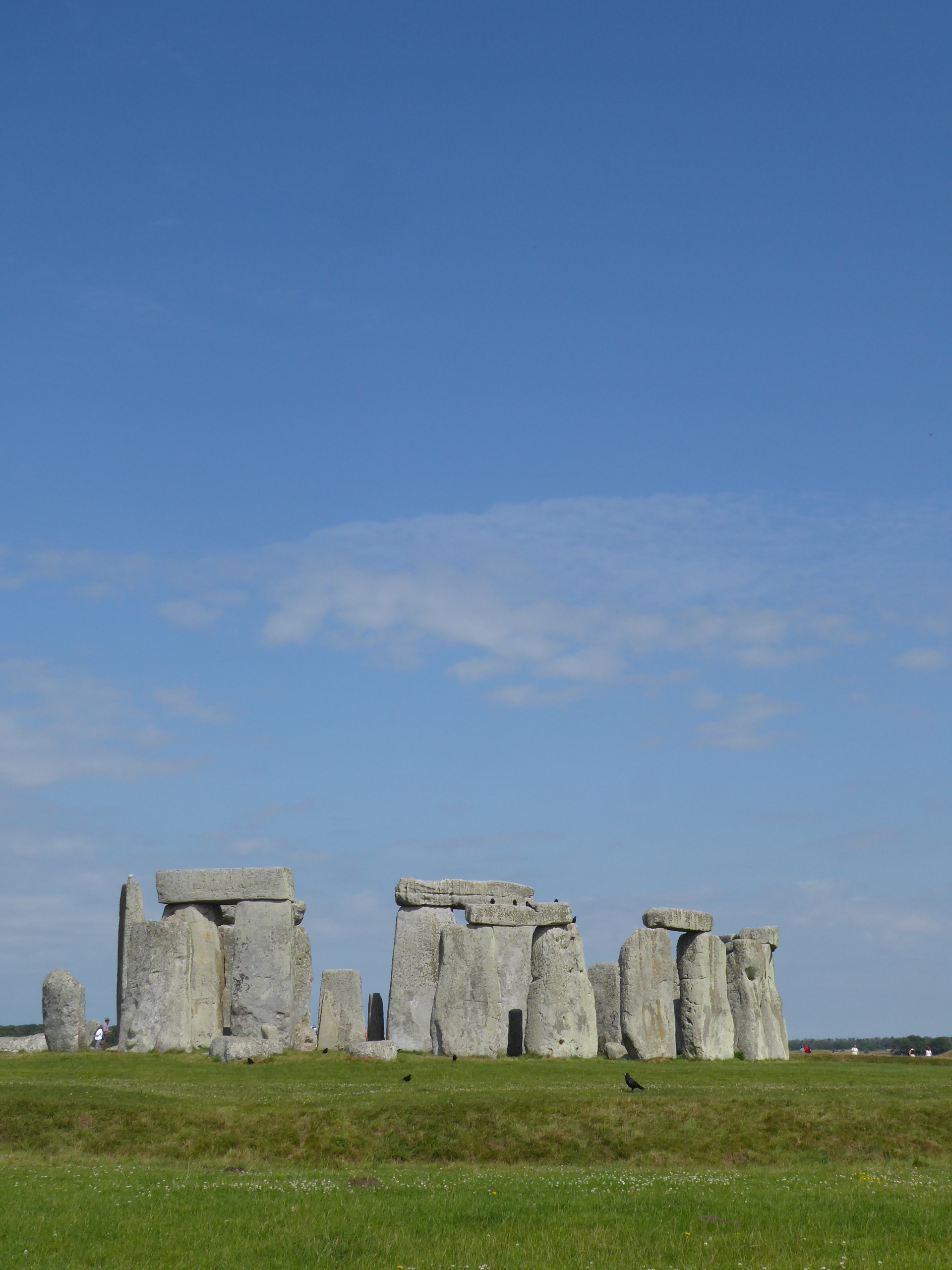
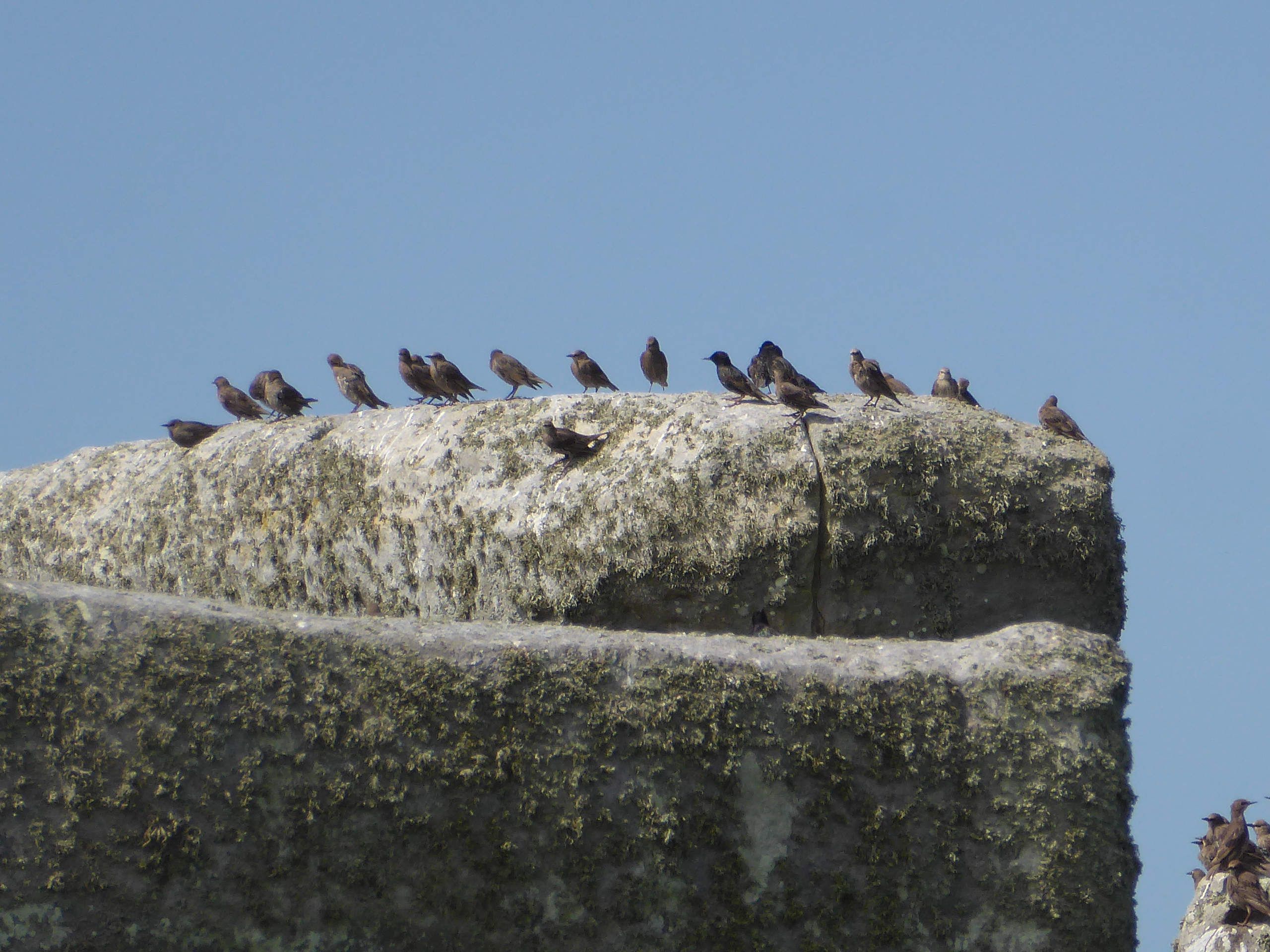
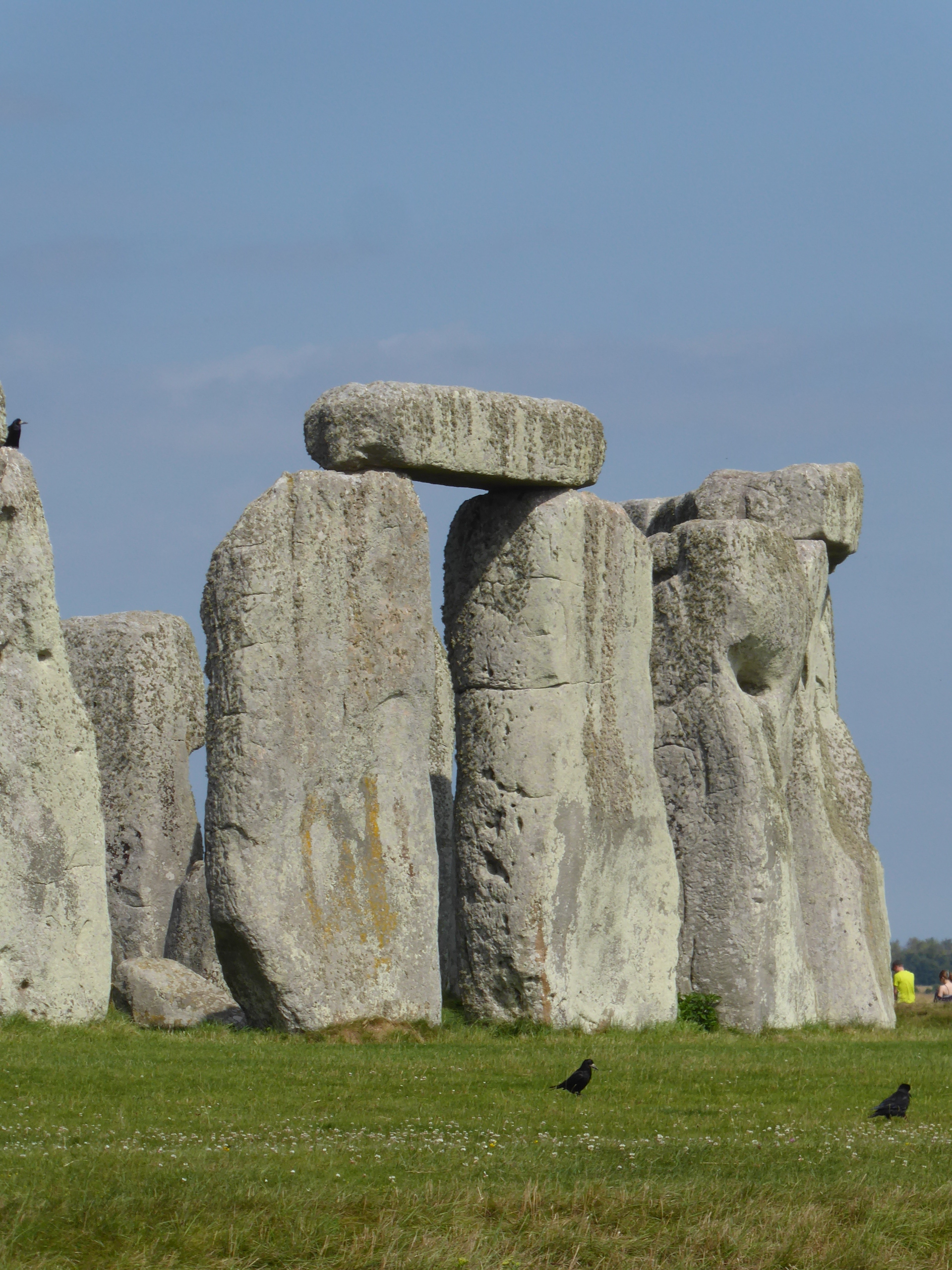
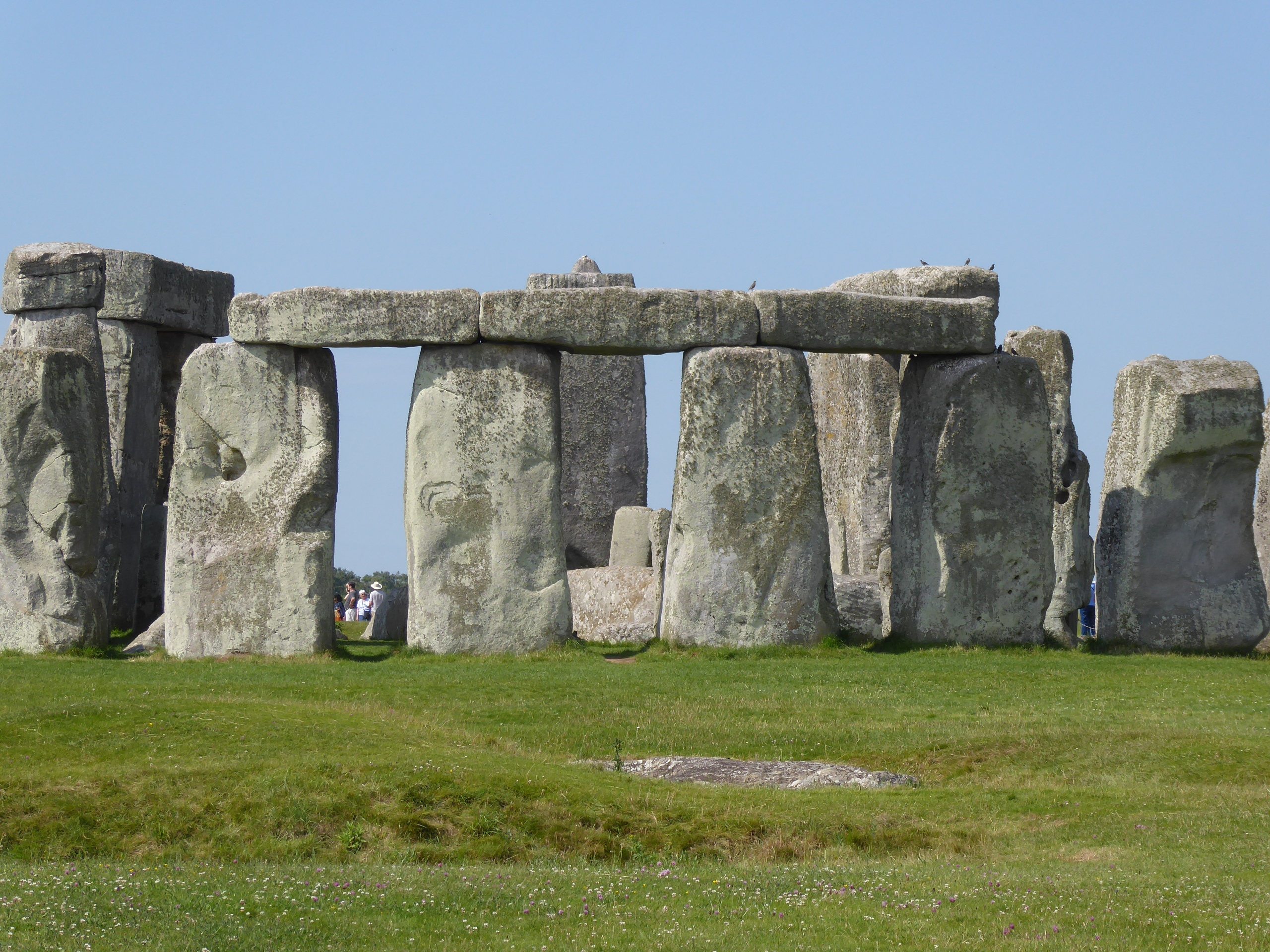
As I said, I took too many photographs. My favourite view was approaching the stones from The Avenue when they were isolated from their earthly surroundings and appeared only as an outline against the sky. The bright sunshine was perfect for dramatic shadows on the pale stone. It was interesting to see, as we walked anticlockwise around the circle, how the first impression of a fallen jumble of blocks morphed into the finished design as we approached the heel stone. It was as if we had stood still before a turntable and some giant hand had assembled the blocks while we watched.
The visitor centre was interesting. I had turned my nose up at the thought of visiting their idea of a neolithic village (a bit too toytownish), but actually it gave me food for thought. A reminder to self that first instincts can be rubbish. How do you make things when all you have are stones, wood and bone? Plus furs and sinews and things like that, I suppose. A mattress of woven osiers on legs looked reasonably comfortable, and I was rather charmed by the sparrows living in the underside of the thatched roofs . . . until I thought of the downsides.
So that was Stonehenge on a baking hot day with tourists arriving en masse, but I wouldn’t have missed it for the world. (And am very glad that someone else did all the organising so that I could arrive on foot.)
 Old Shoe Box