Newcastle

Newcastle really is a handsome city – it announces the fact from the moment you cross the river and curve into the station. Sunshine helps, of course. It’s looking a bit pinched in other ways, but that’s another matter.

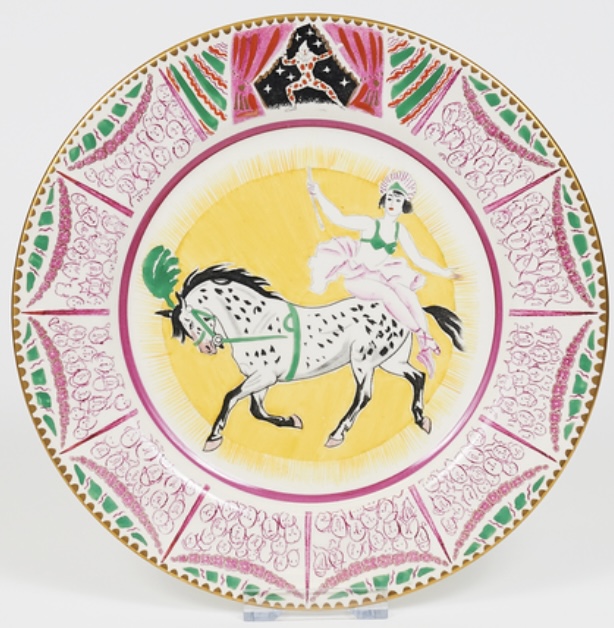
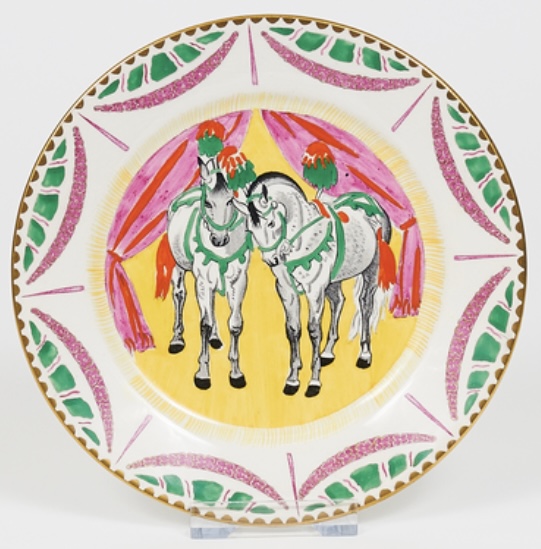
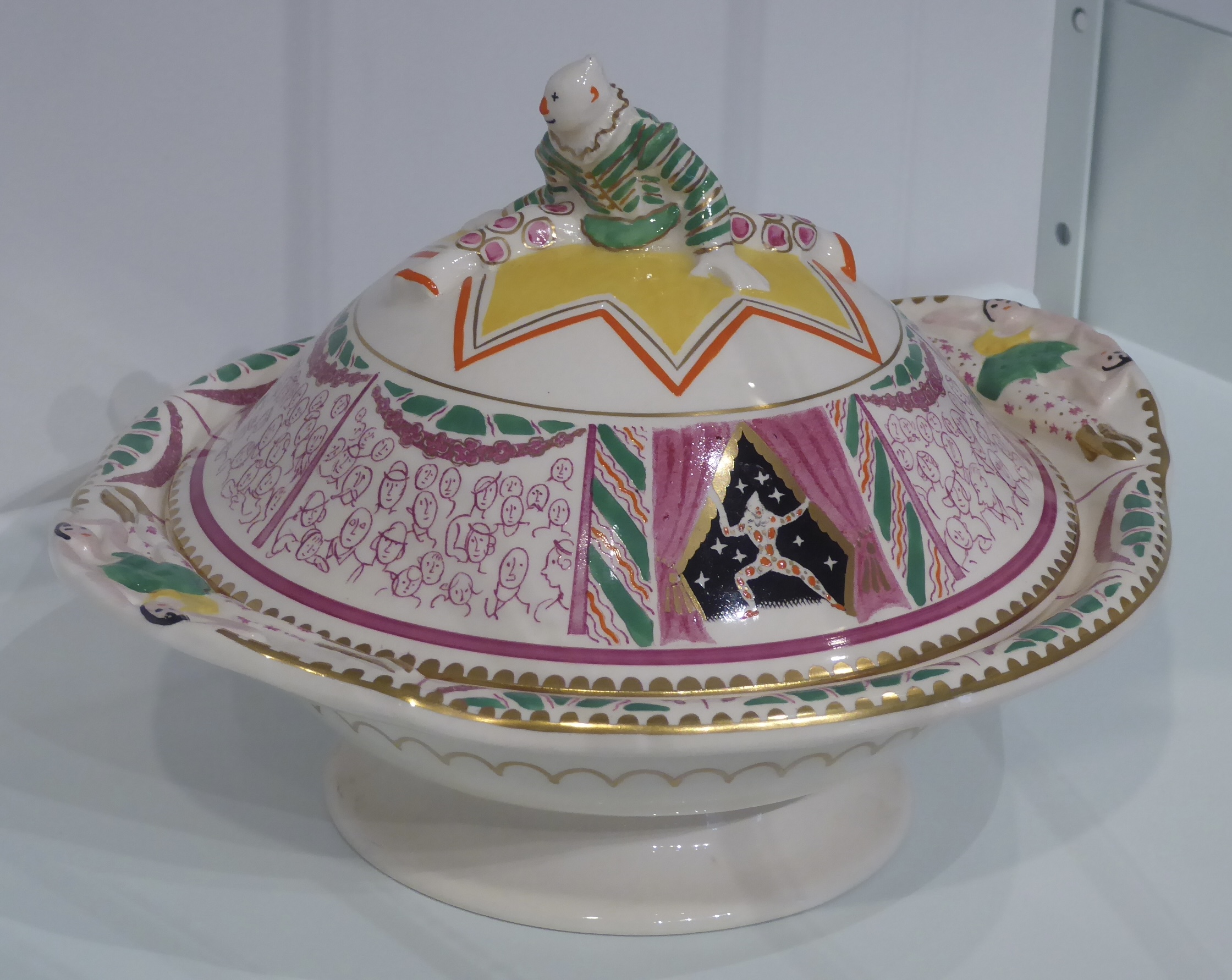
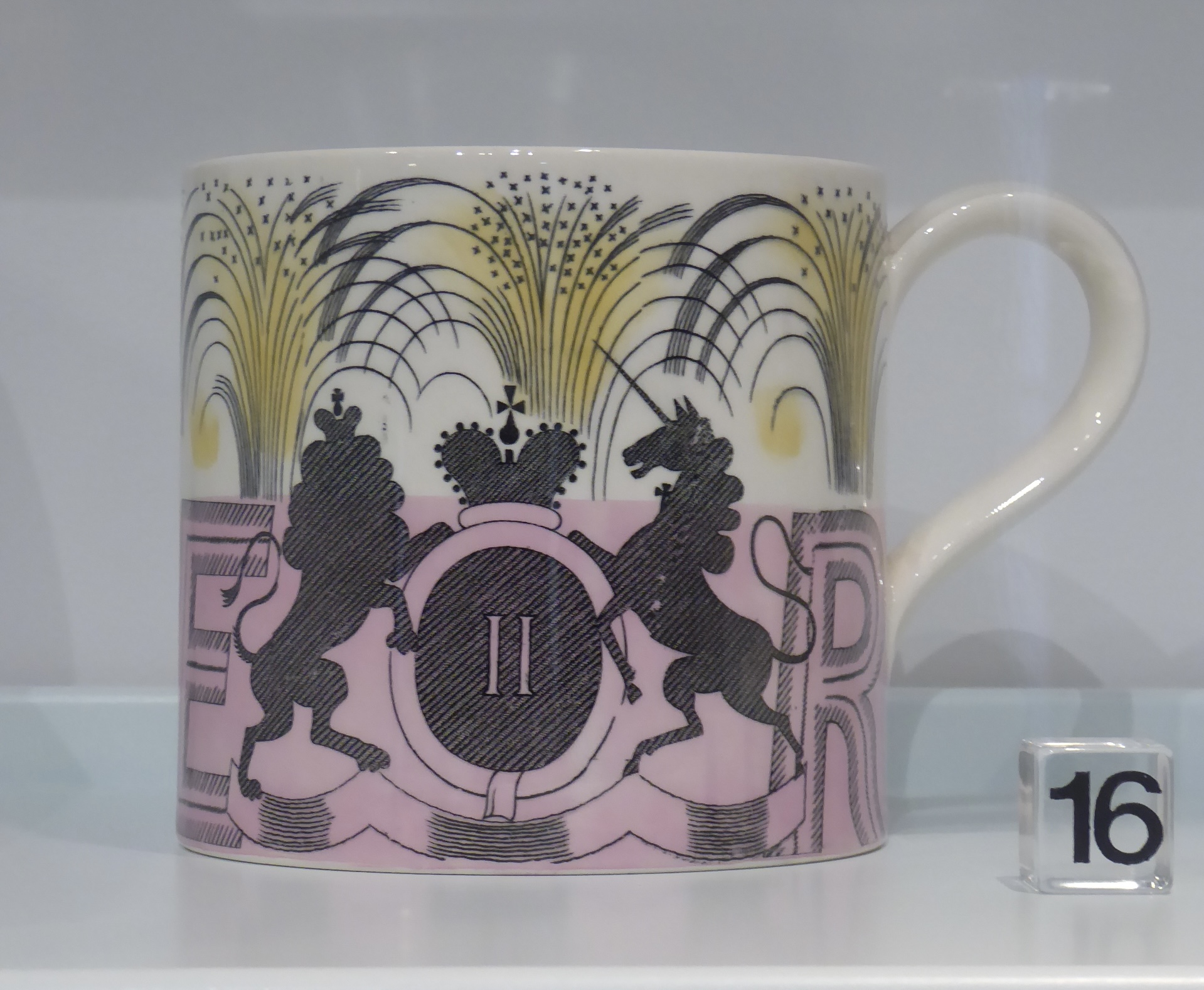
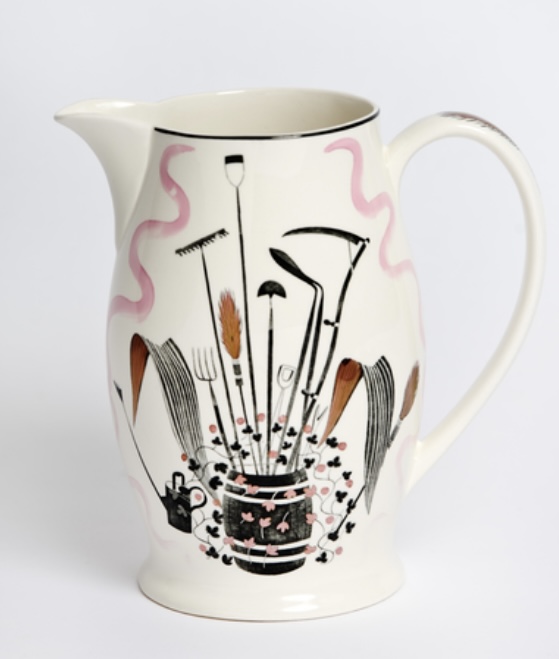
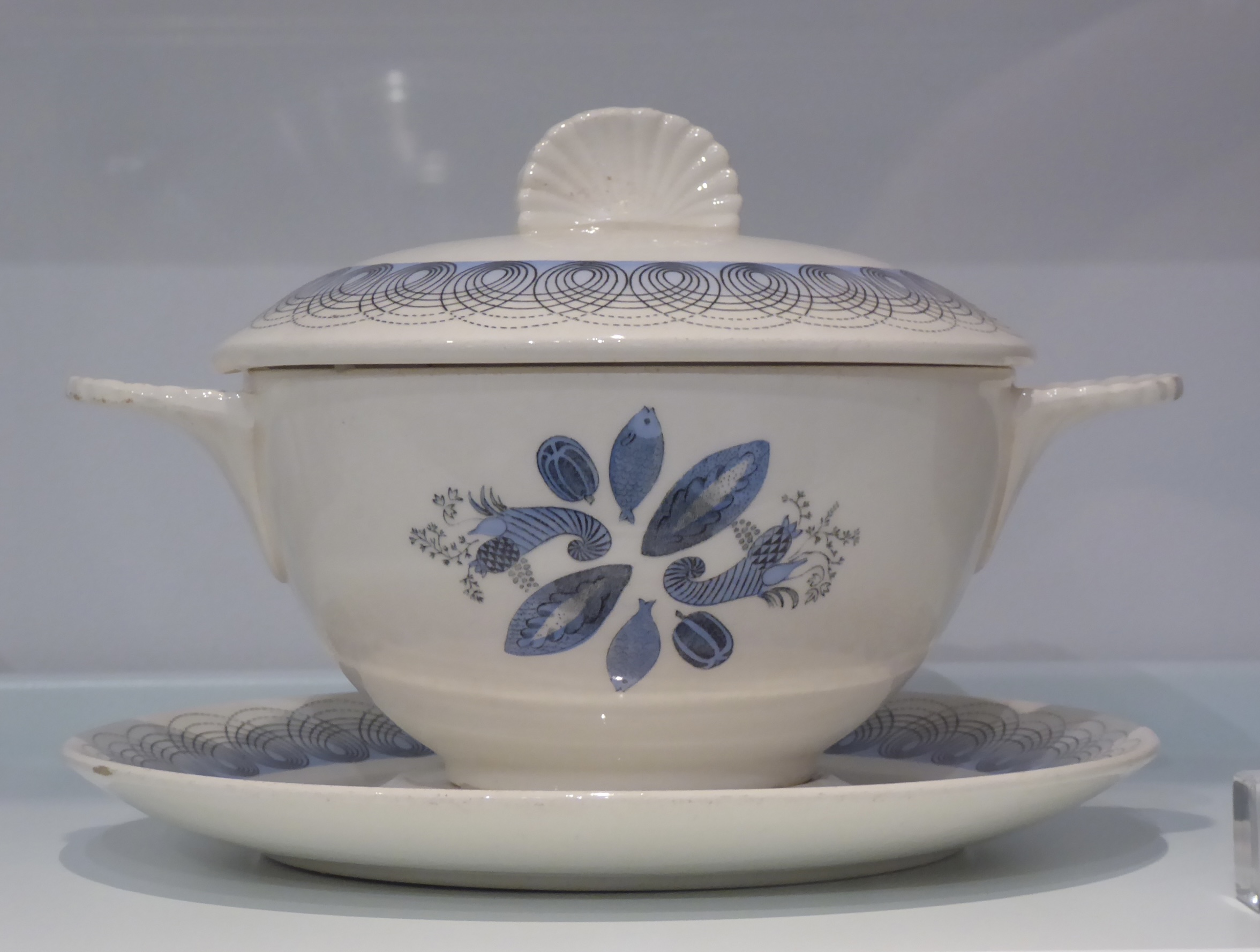
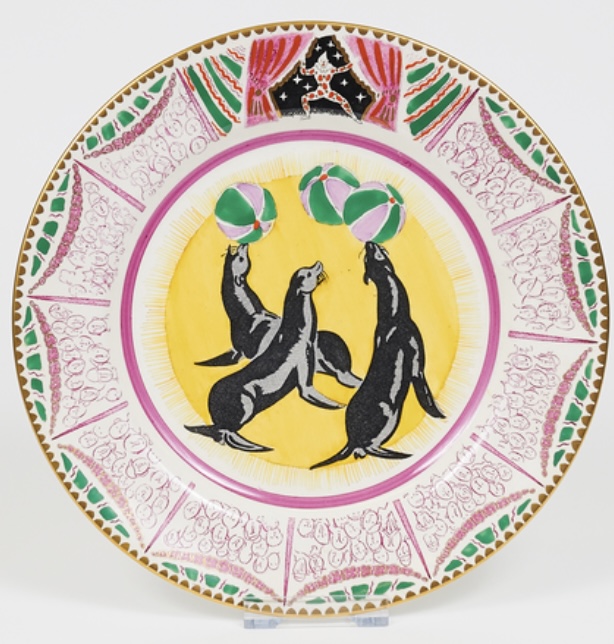
Straight to the Laing and the café, but before I had my coffee I was sidetracked by the corridor display of domestic items: a teapot by Christopher Dresser plus crockery by Laura Knight and Eric Ravilious. His little tureen was a delight.
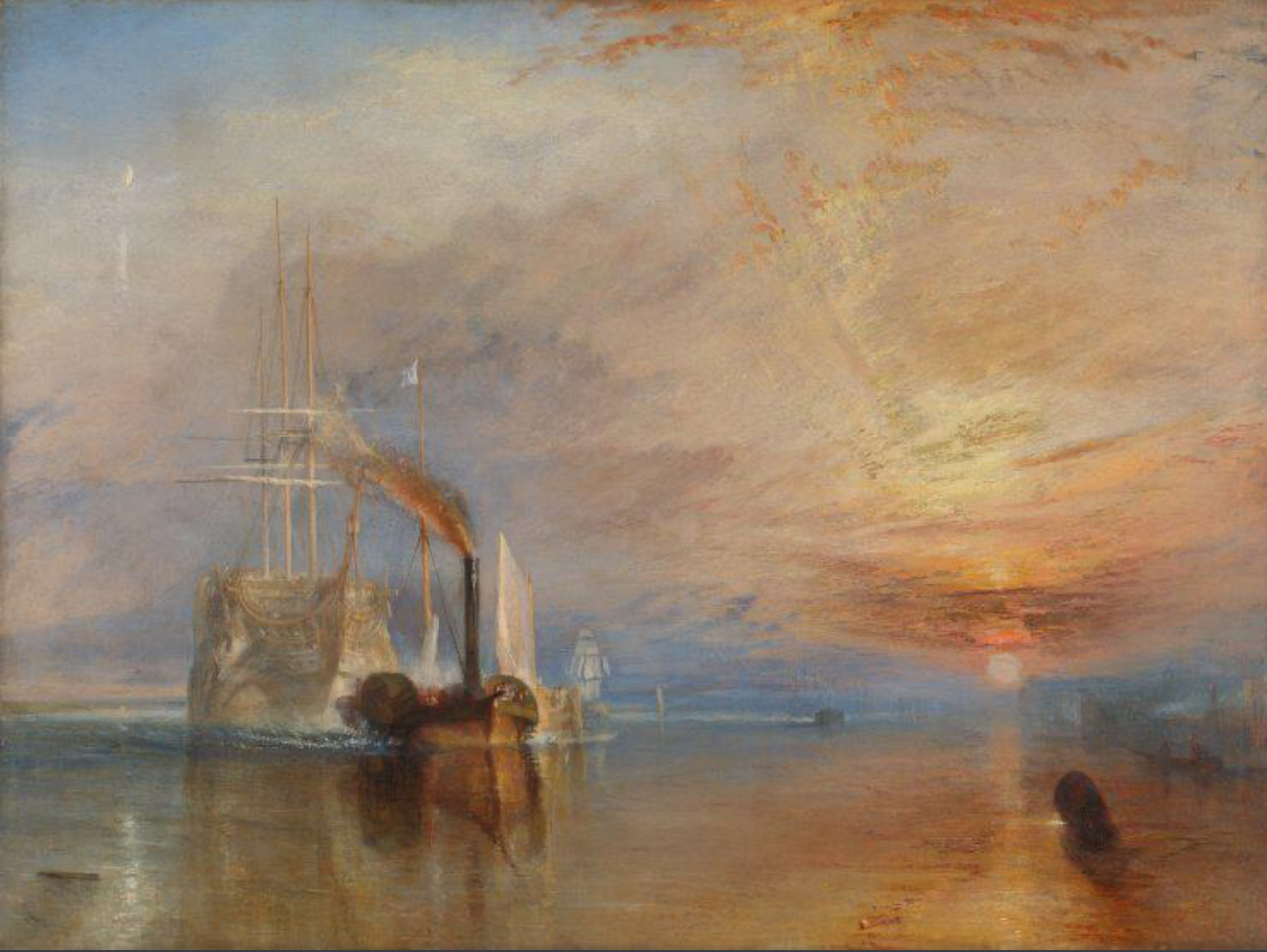
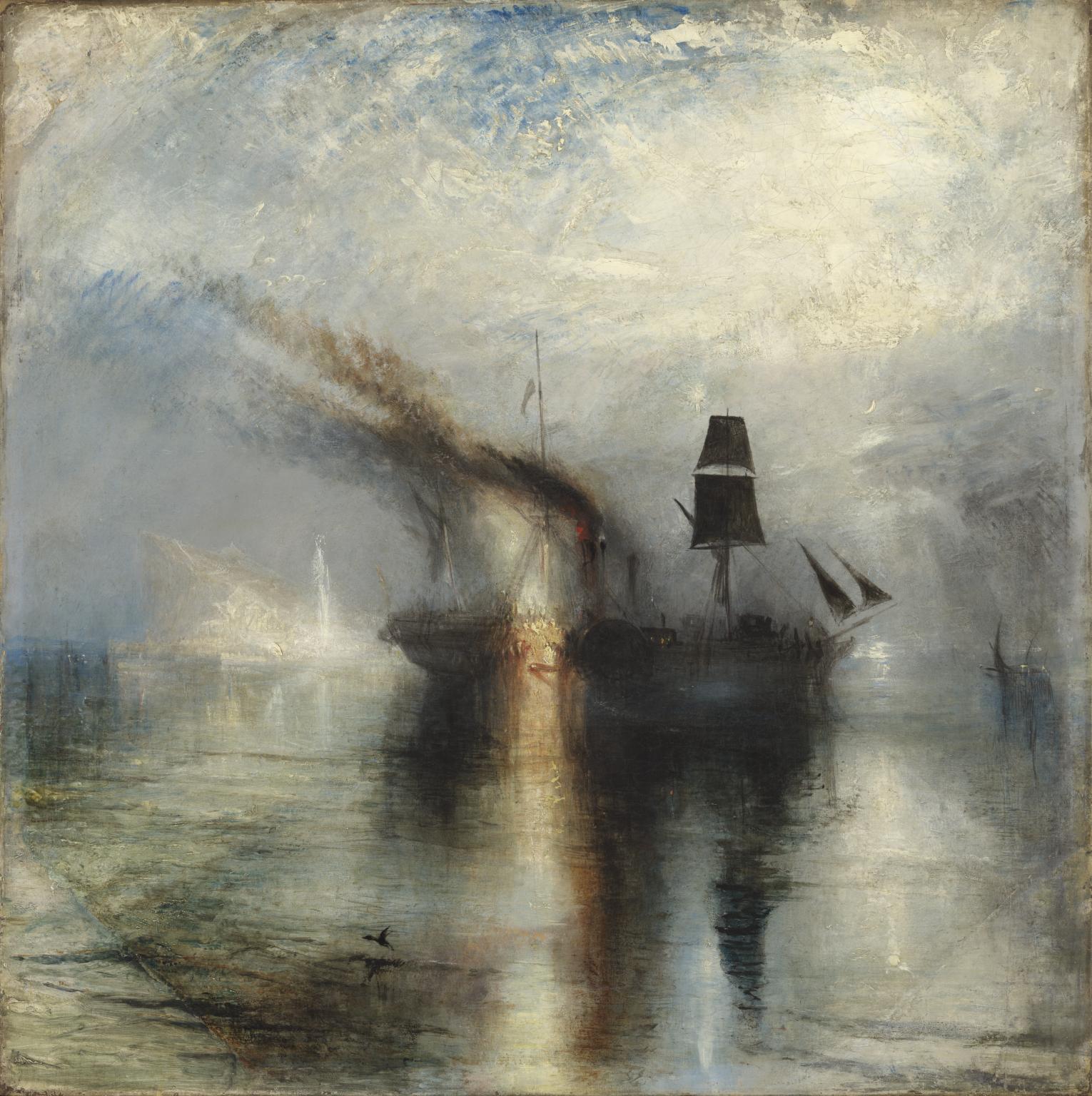
But I wasn’t there for household items. No, I was there to see Turner’s “Fighting Temeraire”, which is on loan from the National Gallery, and the exhibition surrounding it. As I walked round I felt a small surge of horrified interest in how a battle would have been fought by sailing ships atop a wooden crate riddled with gun holes. Lots of Turner’s watercolours, which – since I know one of the scenes he painted – included a great deal of artistic licence. Sometimes his painting are too undefined and blurry for my taste, and I wasn’t expecting that much of the Temeraire. Well, I was wrong. In the flesh, it is amazing. It blazes and shimmers and is utterly beautiful. Lots of artistic licence here too, but there is still pathos in the old ship that helped to defend Britain from Bonaparte’s forces being led to her death by a new-fangled steam tug. “Burial at Sea” next to it was equally breathtaking. It just glowed.
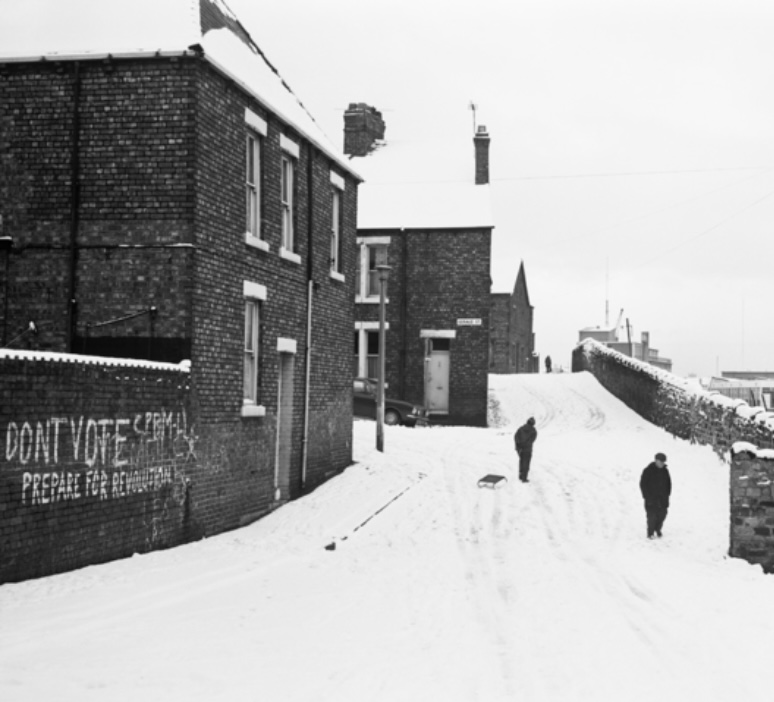
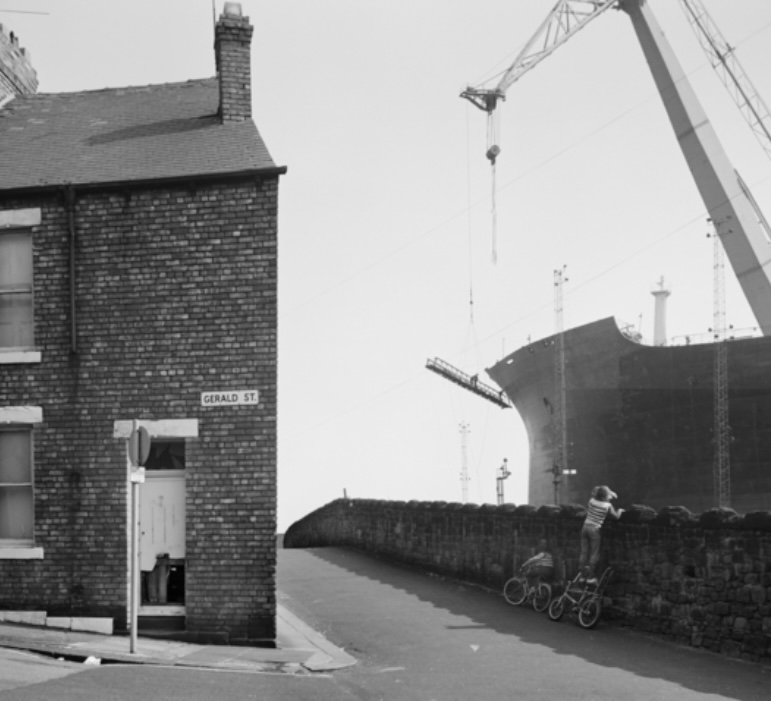
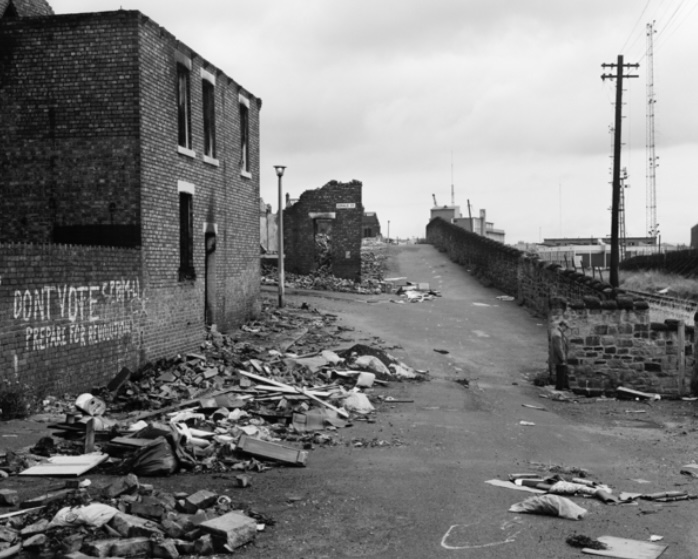
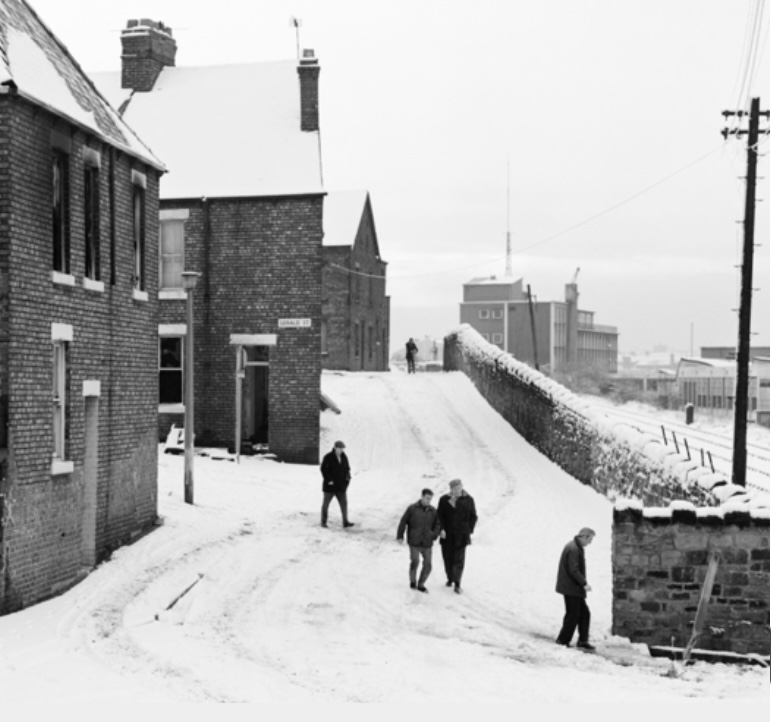
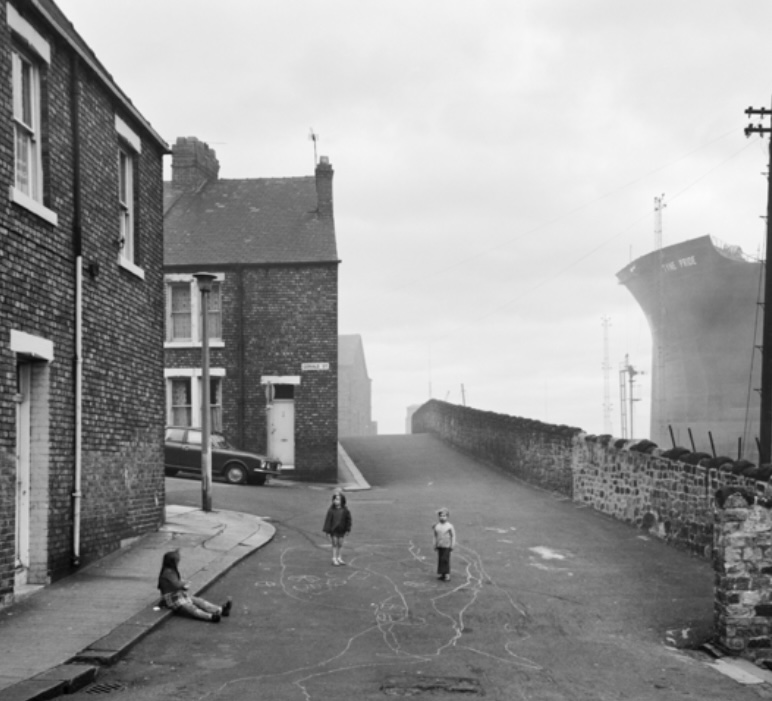
There was more about shipbuilding and industry on the Tyne, including one photograph by Chris Killip. Afterwards I went into his exhibition of “The Last Ships”. His eye is perfect, but it is perhaps the time he spent on the people and the area that was his invisible power. These photographs of the same street over the course of a couple of years in the mid-1970s:
My room is on the fourth floor and I have a perfect view of the Ionic capitals of the old Assembly Rooms. And of the buddleia sprouting from its masonry.


La Règle du Jeu (1939)

Director Jean Renoir

One of those films that I was always on the outside of – an interested but detached viewer, wondering if my reading of the film was the one that the writer and director intended.

Well, perhaps. I thought it a comic opera plot filmed in prose: “The Marriage of Figaro” meets Brian Rix. Upstairs-downstairs, a country house weekend, an extended hunting scene (WWI with a nod to fears of WWII perhaps?), a milieu where affaires and kissing the housemaid on the stairs are de rigueur – all filmed at breakneck speed. Afterwards I read about the technical innovations: lenses with a deep depth of field for the corridor scenes, extended takes. (Poor innovators: after a few decades, audiences no longer see how groundbreaking they were.) I wasn’t convinced that the film successfully skewered the “rules of the game” cynicism of the upper classes – if that was indeed its aim. What was it about the Marquis collecting clockwork toys – was that a symbol? As I said, it left me unmoved – except for mild amusement at the woodenness of the actress who played Christine.

Miss Pettigrew Lives For A Day by Winifred Watson (1938)

Well, that was fun. A relief to have something so frivolous about a woman’s life to turn to! It’s Cinderella all over again, combined with a puncturing – or, more accurately, a ripping to shreds – of conventional moral values. Miss Pettigrew is forty, downtrodden, friendless and on the verge of destitution when she encounters Delysia LaFosse. Even better, it doesn’t all end on the stroke of midnight.

Complete froth, but enjoyable, readable froth – with the authentic 1930s mindset about the superiority of the true Englishman (ironically, built like the Greek Hercules and with the face of the American Clark Gable) over the handsome, friendly, charming not-quite-a-gentleman Phil, disqualified from marrying the delicious Delysia-who-can’t-say-no because “somewhere in his ancestry there has been a Jew”. Ouch. Narrow conventions can be swept aside in the matter of morals . . . but not ancestry.

Persona (1966)

Director Ingmar Bergman with Bibi Andersson and Liv Ullman

Hmmm. At the point where the camera shifts from Elisabet to Alma so that the audience has to listen to the latter’s purported account of the birth of Elisabet’s son for a second time, I lost all interest and patience. There are so many – possible – themes: identity, truth, secrets, sex, atrocities, love and rejection, a hint of vampirism (?) . . . that I could get no handle on it and was bored. Give me one or two themes in a film, but don’t overwhelm me with them otherwise I will look away and turn to words as a more appropriate form of expression. It looks wonderful – how could it not, with two beautiful, stylish women who resemble each other and are filmed so cleverly? The occasional breaking-up of the physical film comes over like the expression of a scream – and reminds you that it’s only a film. But, oh, it was so obscure and self-referential that I wanted to scream myself before the end.

Up there with Last Year in Marienbad as a film that was a chore to sit through to the end.

The Piano (1992)

Director Jane Campion with Holly Hunter, Harvey Keitel, Sam Neill

A sensual, shocking film filled with intriguing painterly images from the start: pink sunshine coming through fingers. The sensuousness of a hole in a stocking (“A sweet disorder in the dress. . .”). Who cares if it’s feasible to spend a night on a windswept beach in the shelter of a crinoline cage – it was true within the framing of this film. The most mind-blowing and heart-breaking image was of Ada’s crinoline sinking into the mud as she collapsed after her husband’s revenge. Shades even of the death of the Wicked Witch of the West. Perhaps not the allusion the director intended, although, on reflection, there is something traditionally witch-like about Ada’s blacks and unyielding expression.

It’s about an electively mute woman, her daughter and her piano, through which she communicates and speaks to he who has ears to hear. So much is unspoken in the film: why did she stop speaking at the age her daughter is now? The little girl is a tremendous talker – but so much of what she says are made-up stories. Perhaps muteness is a way to be true and utter no lies. Love and desire in this film certainly grow without the need for words – and there are dreadful consequences in putting feelings into words that can be read by the wrong eyes.

It’s one of those films that make you think about the inequitable agency/choice (as far as it was possible for anyone) for women of previous eras. Ada’s prickly will is her armour, as her music is her amour. She allows her will to be drowned but her music in future will always have a metallic ring. Perhaps that counts as a happy ending.

Arnside

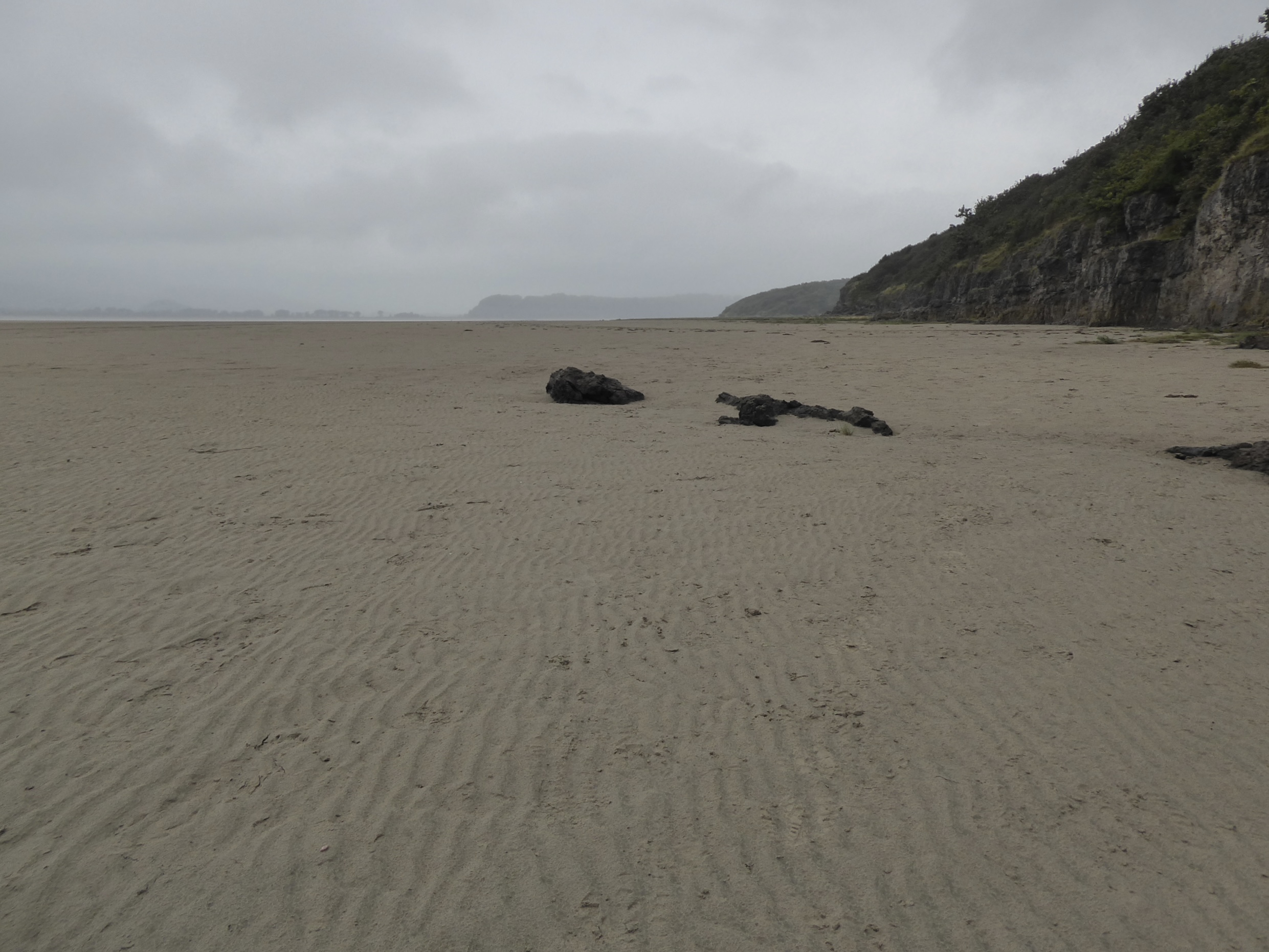
A walk from Arnside to Silverdale stations – quite a lot of it along the beach into drizzly wind and bits on very slippery limestone. Not great – but I’d watched “The Piano” the previous evening and amused myself by recreating the beach scenes as I walked along.

Staithes

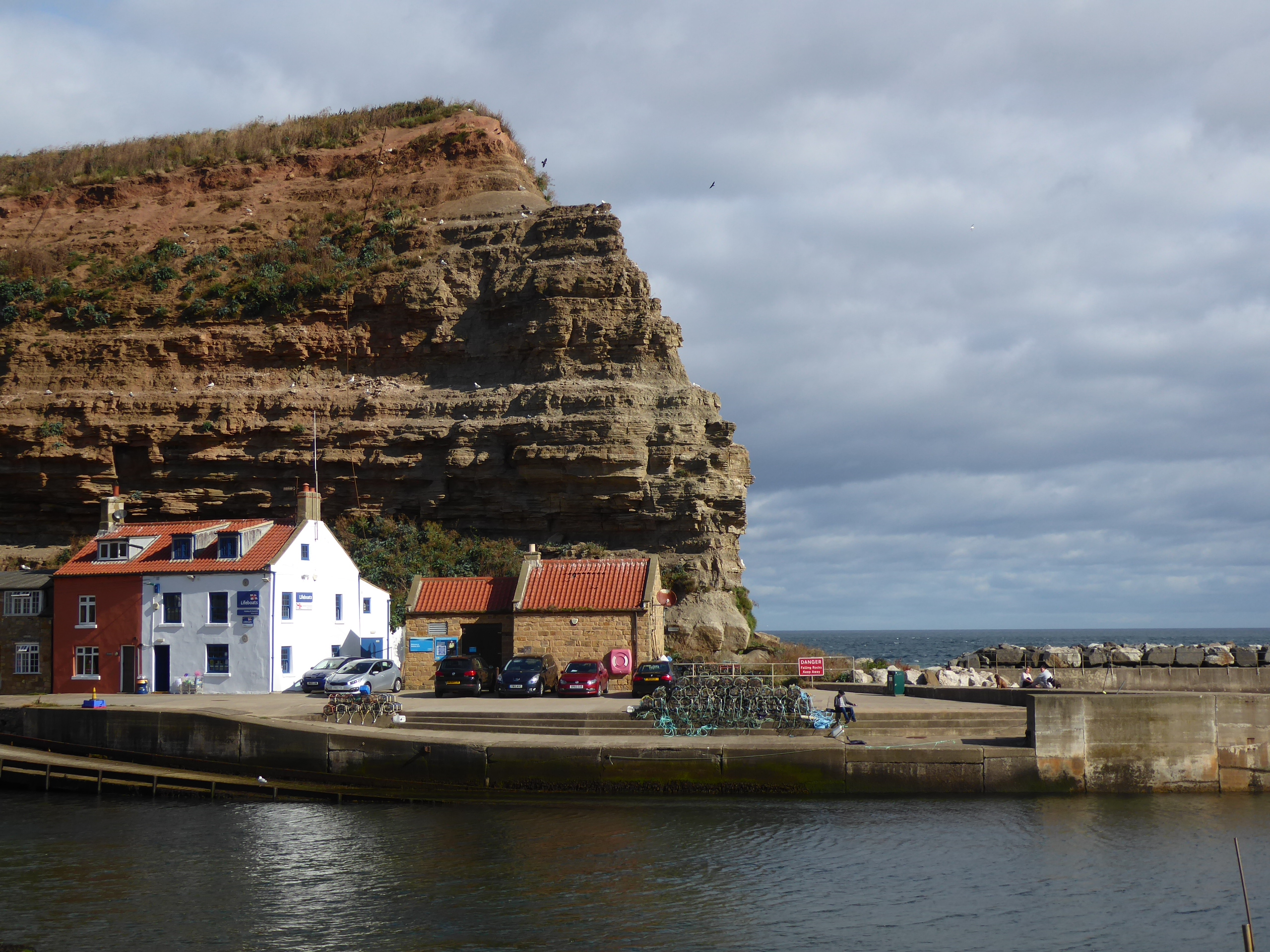
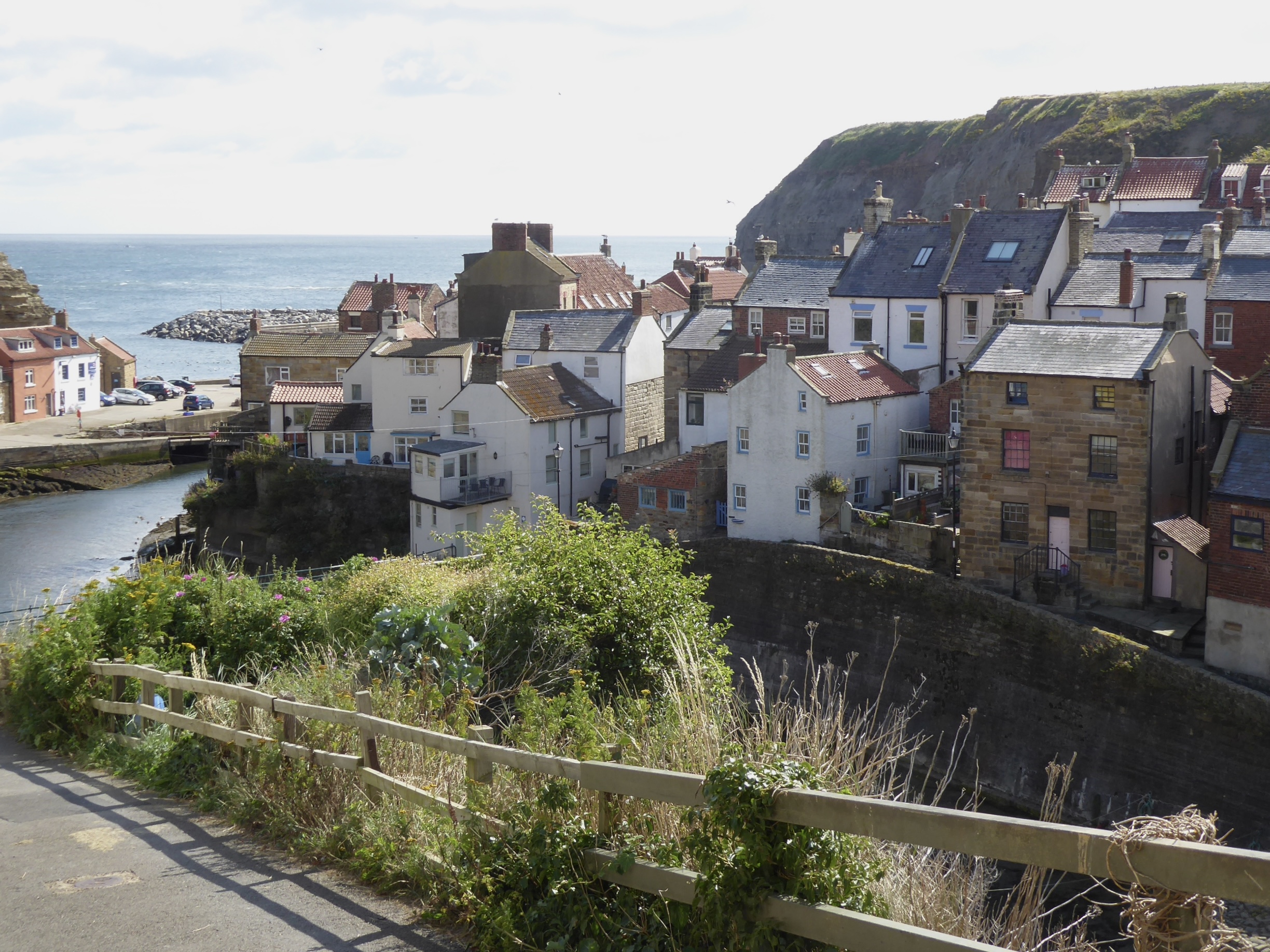
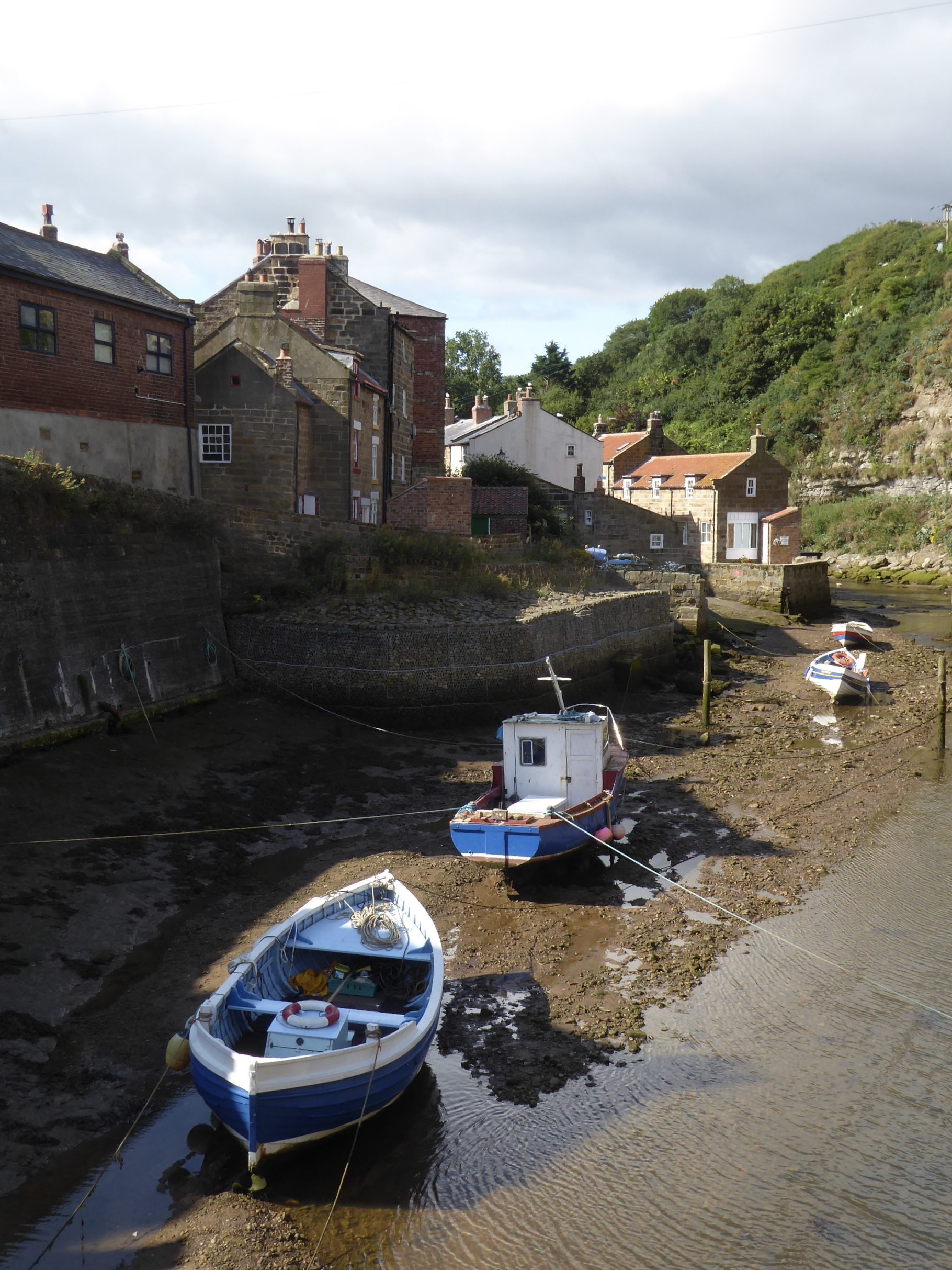
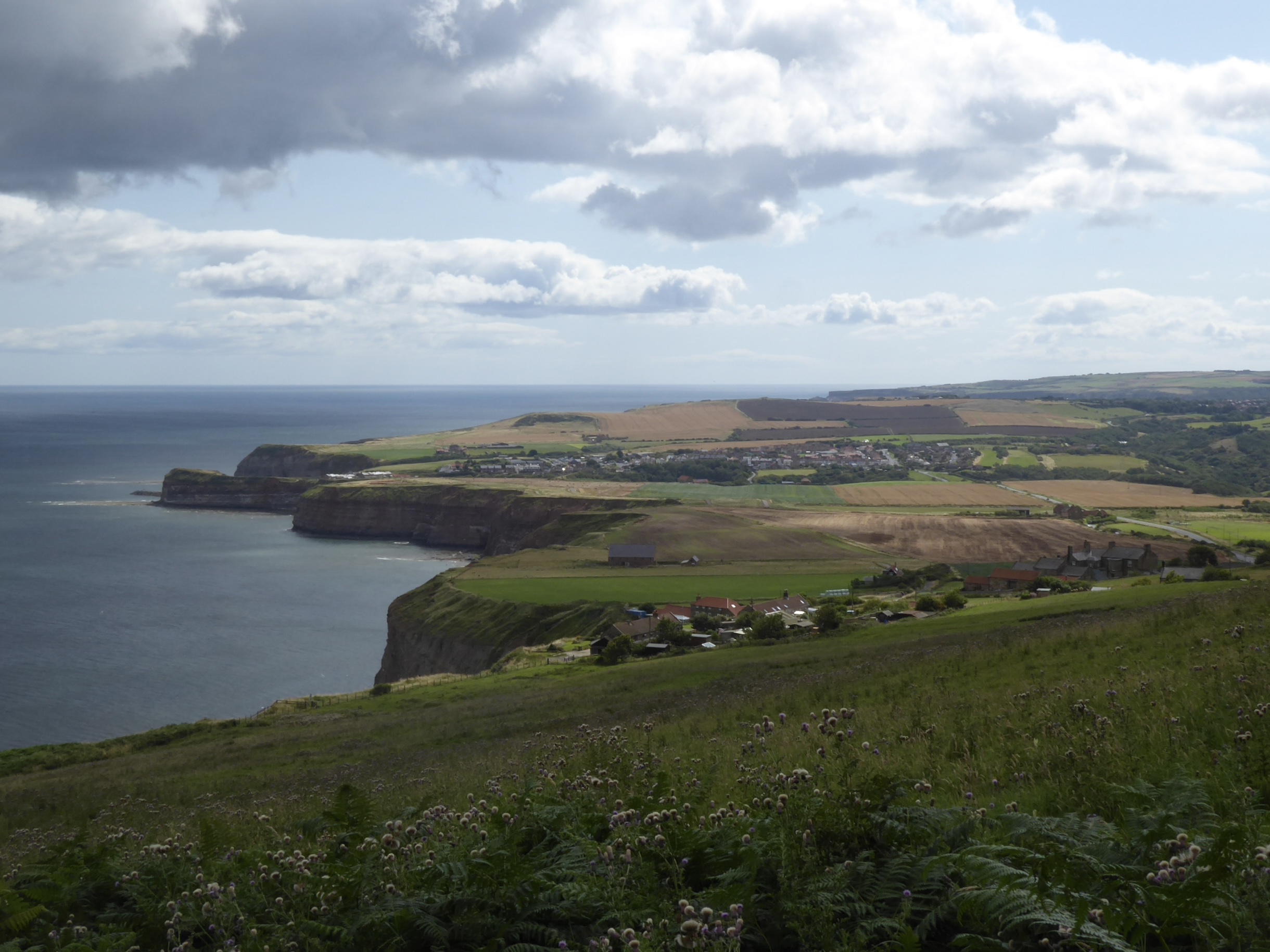
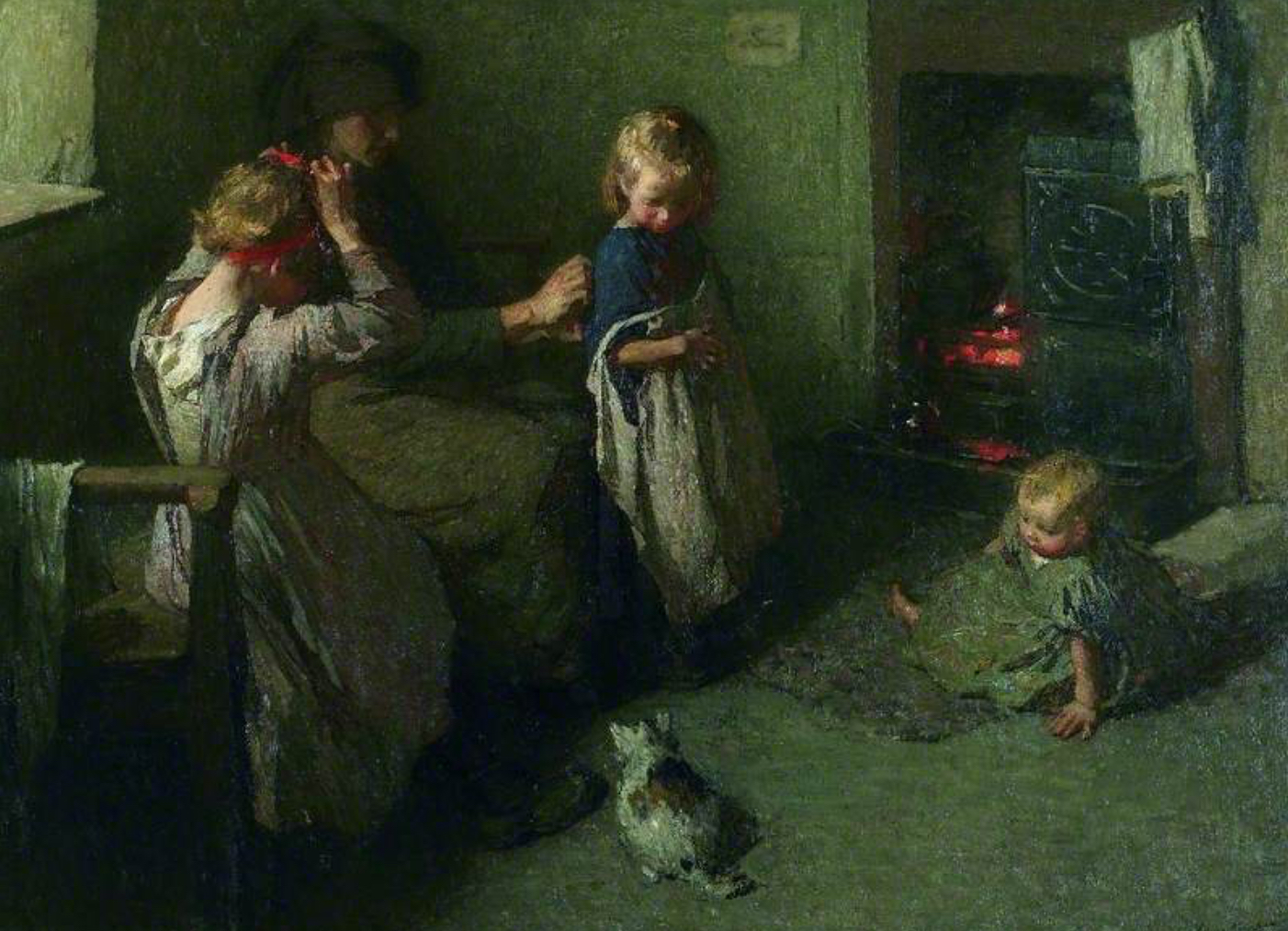
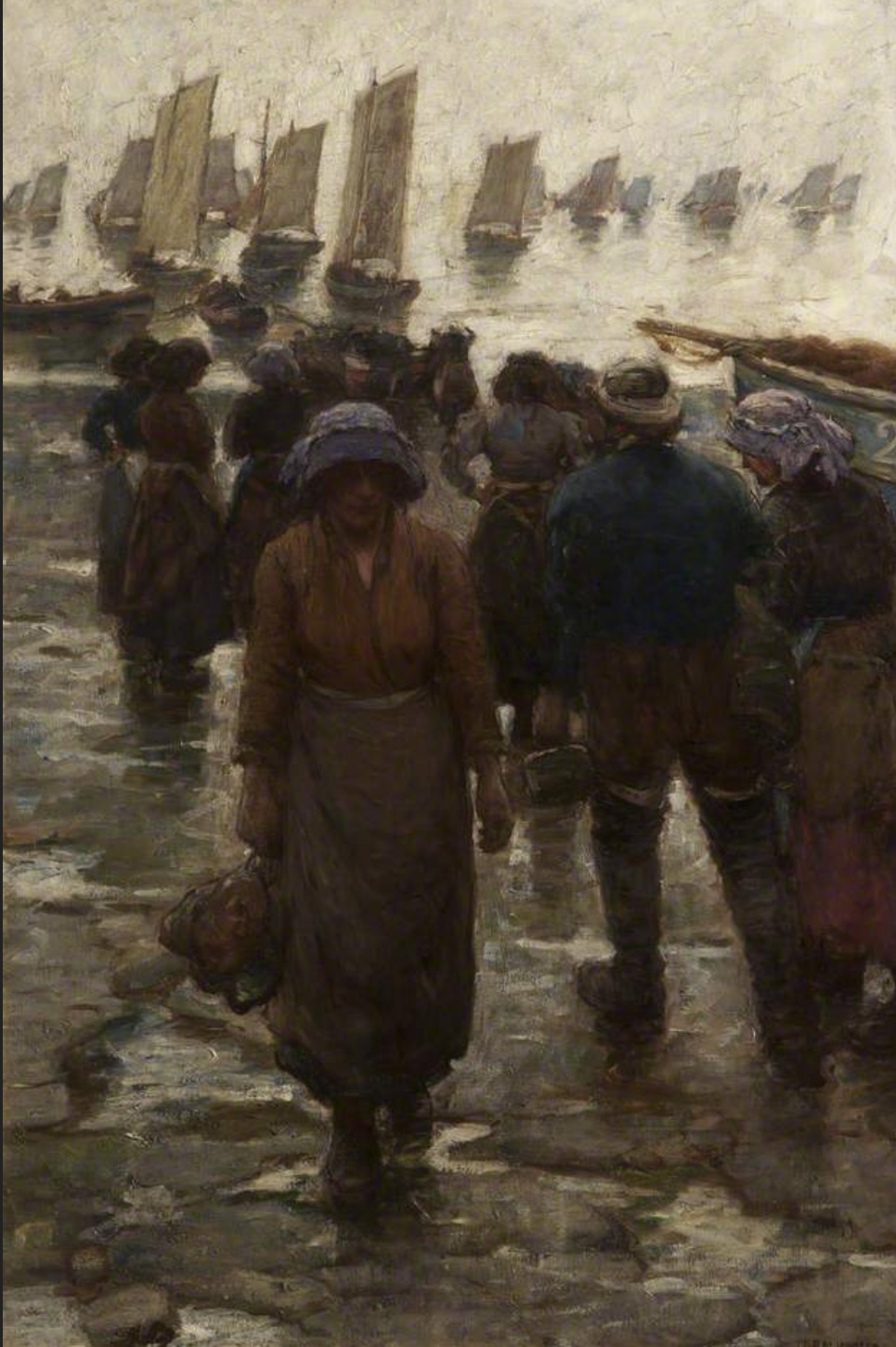
We caught the bus to Staithes and arrived at 9 a.m. I had thought that a bit early, but it was actually sensible. Staithes is so picturesque – and this is the holiday season after all – that it quickly began to get busy. At the end of the nineteenth century it was popular with plein air artists, known as the Staithes School. Laura Knight lived here for a number of years both before and after her marriage, learning her trade and often burning her drawings to keep warm.

And then the long walk along the coast into a headwind back to Saltburn. En route we passed Boulby mine, which is not just a mine but also an underground laboratory. I shall think of it as a British mini-CERN.