Heenvliet

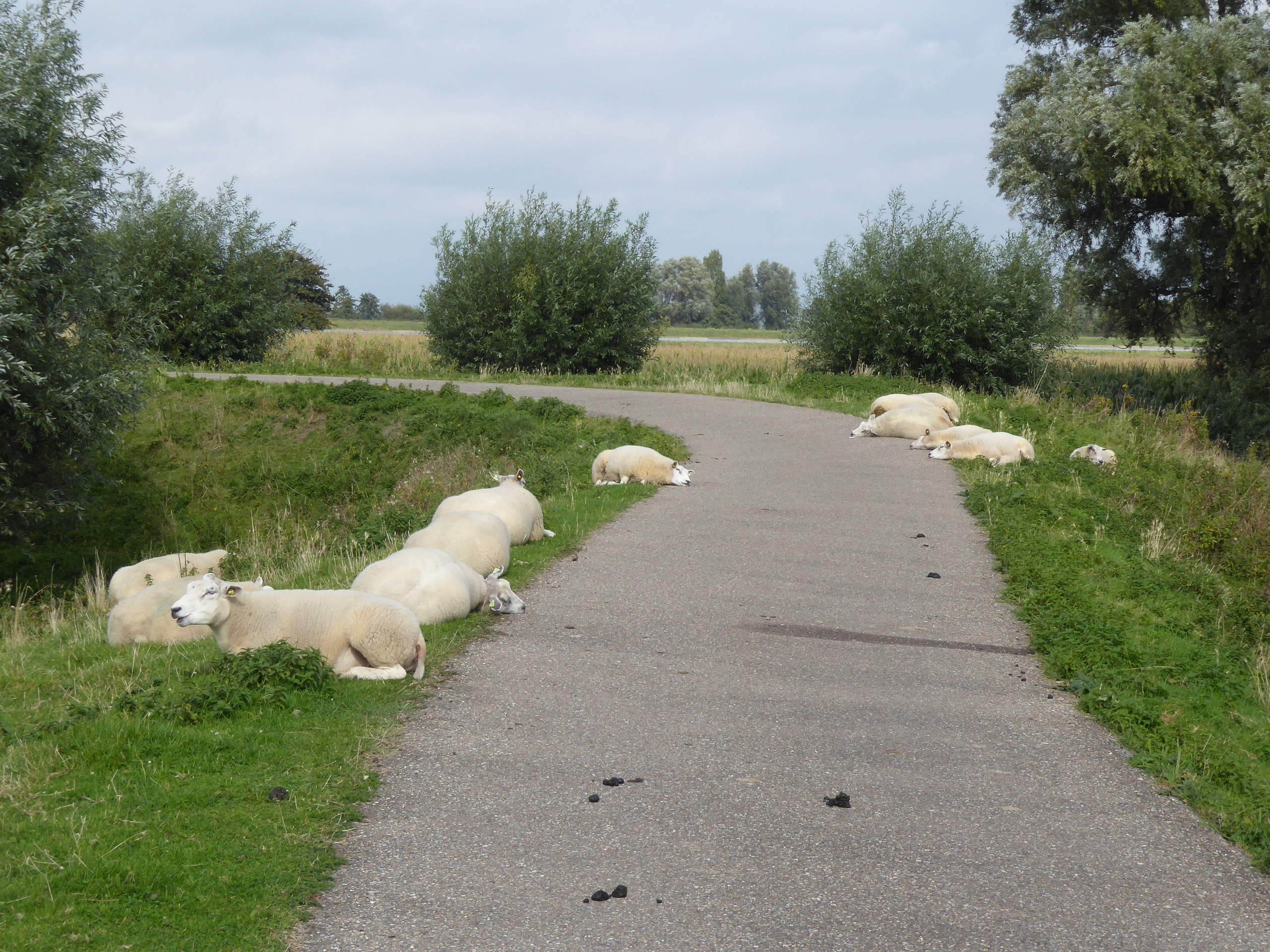
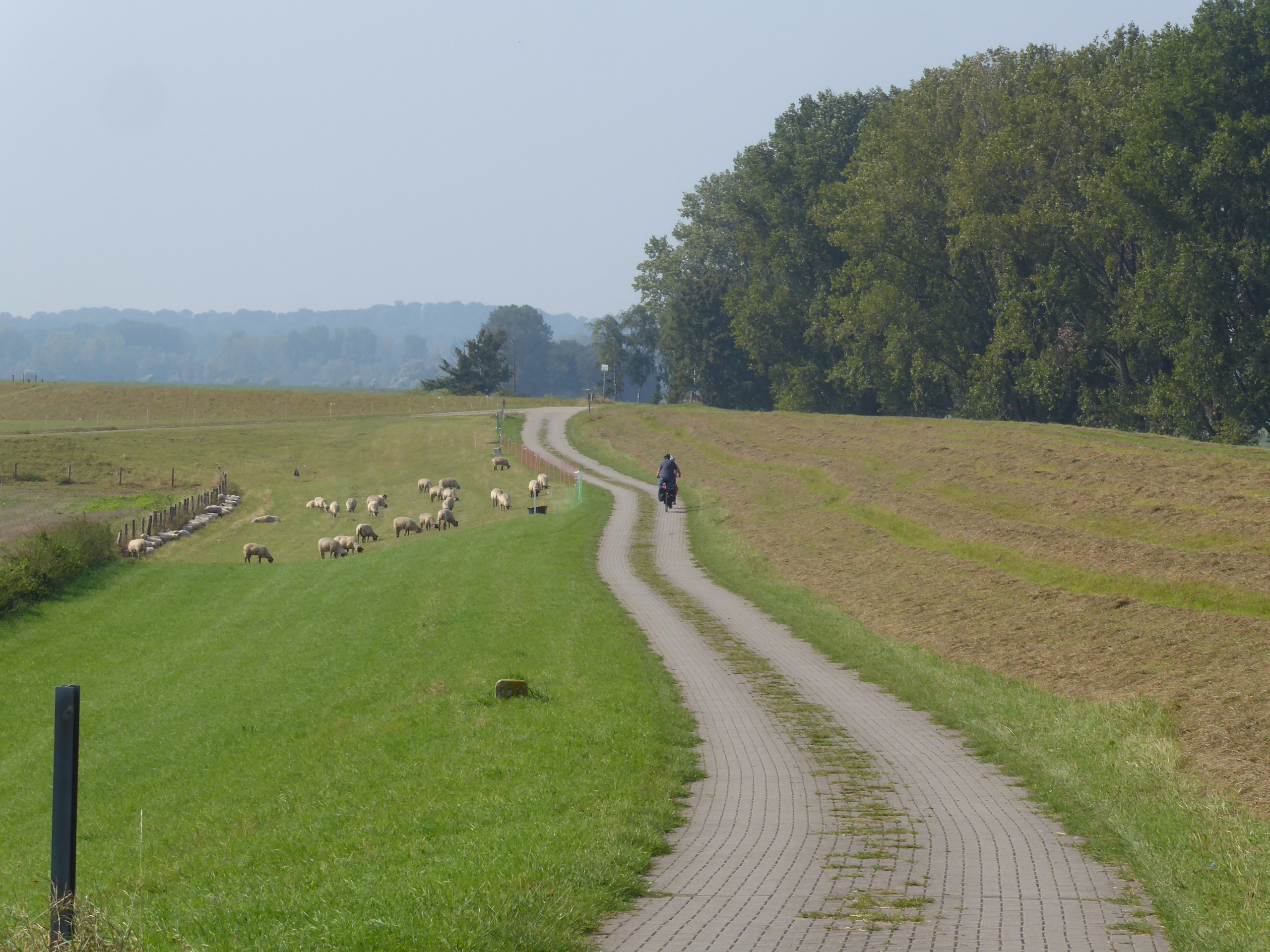
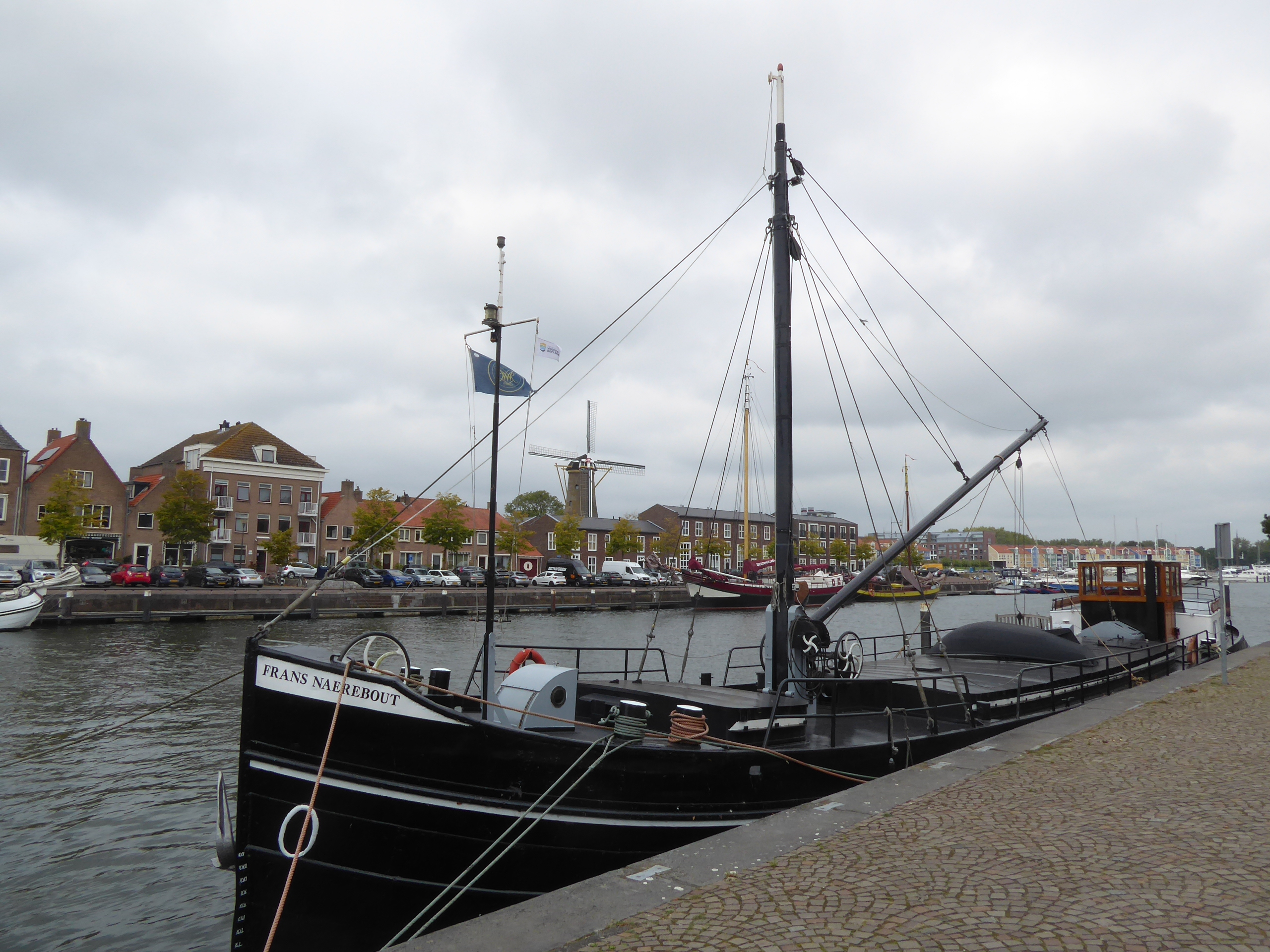
A short, unladen round trip across dull countryside to Hellevoetsluis, which was more interesting than I’d imagined. A fortified port surrounded by apartments with enormous windows overlooking the waterway. On the way back we encountered a mass lie-in by sheep – so unfazed by our presence that they barely raised their heads as we passed.

Willemstad to Heenvliet

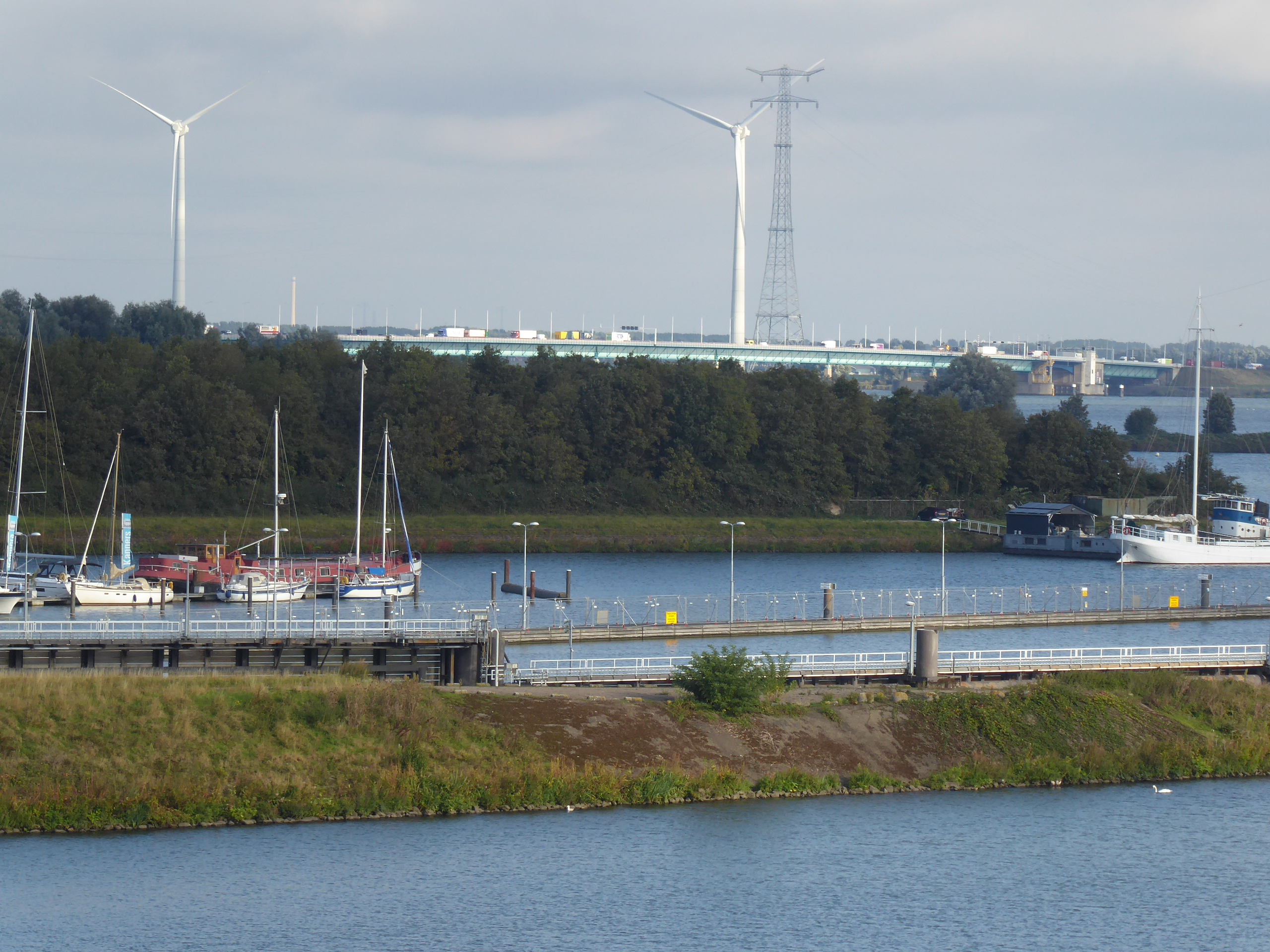
Willemstad to Heenvliet: from the 16th to the 21st century and back again. The modern world was represented by the long Haringvlietbrug over the Hollands Diep and the wind turbines in the background. From there I could look back at the old windmill in Willemstad.

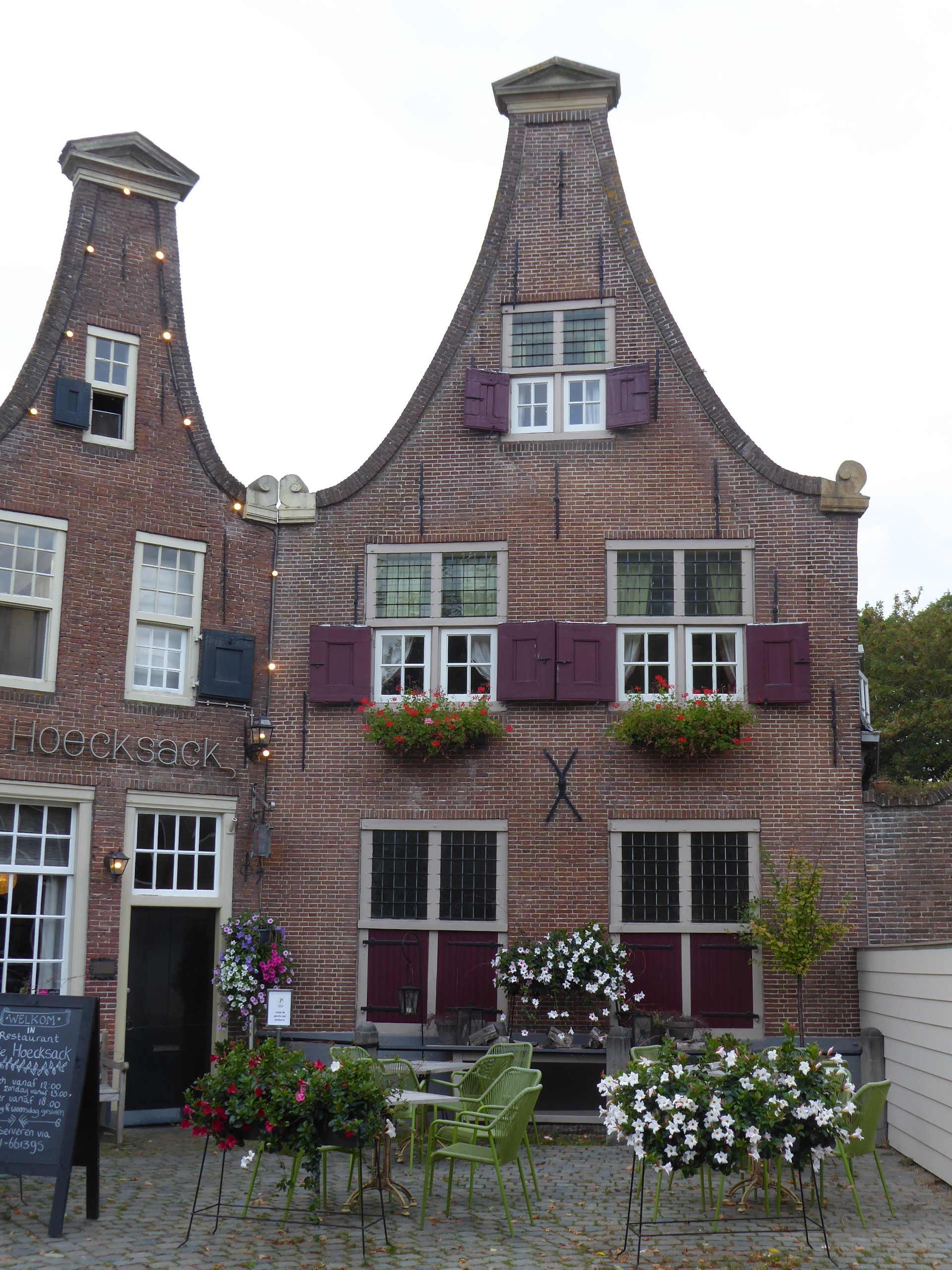
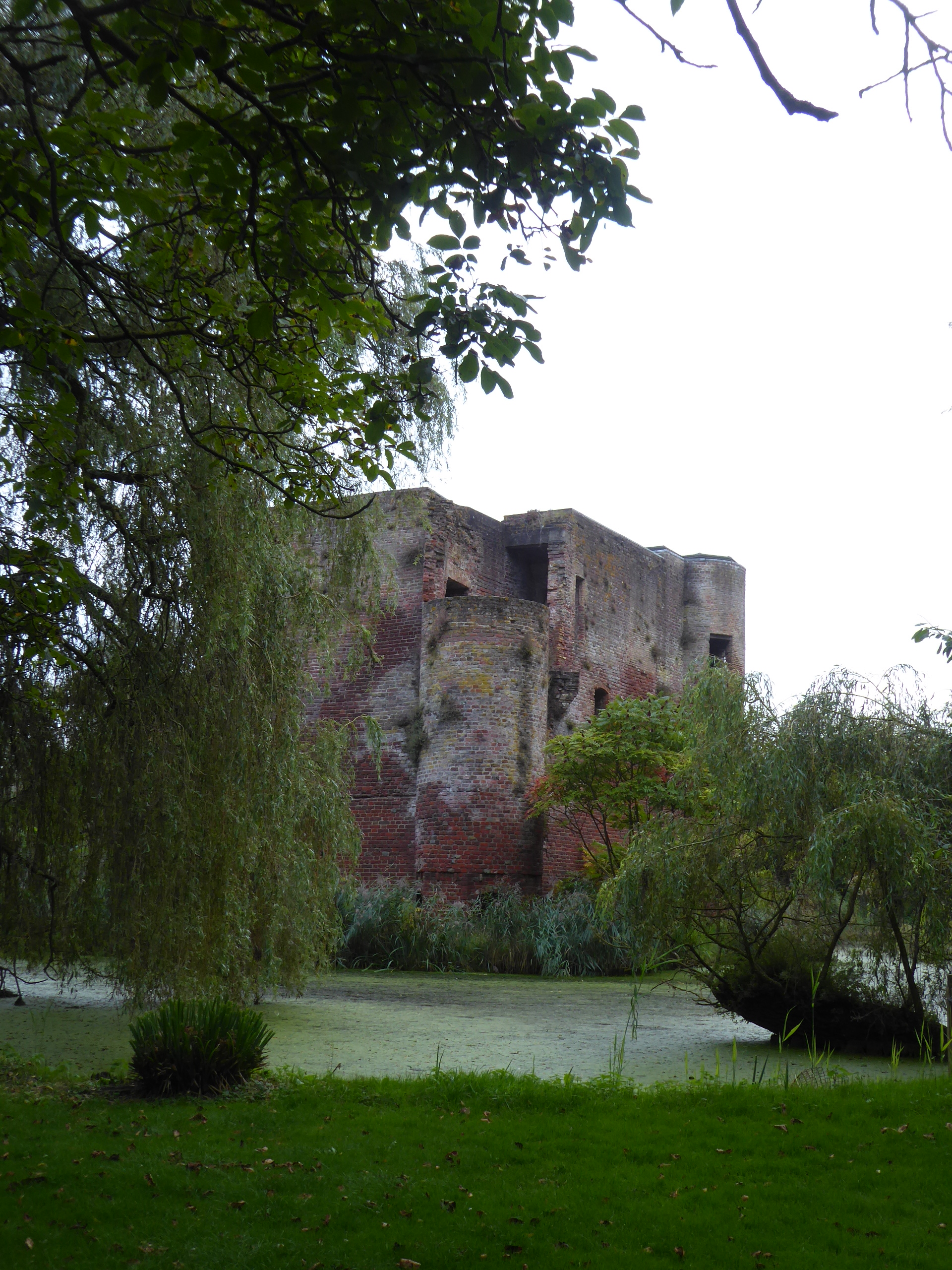
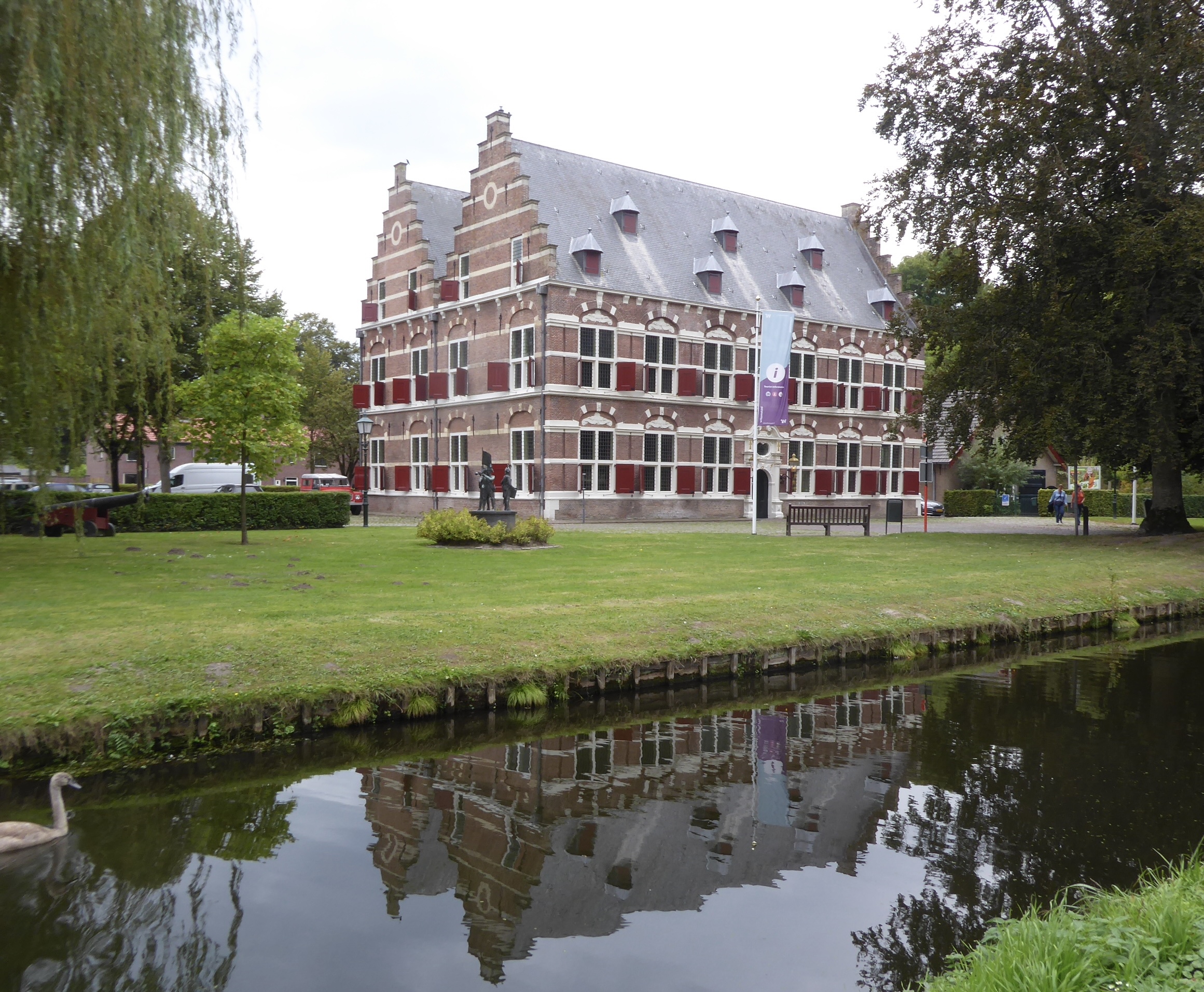
And now we are in Heenvliet, which is utterly charming and within spitting distance of those petrochemical plants we saw on the first day. There are also the ruins of a 13th-century castle – Ravesteyn – left over from the Eighty Years War.

Breda to Willemstad

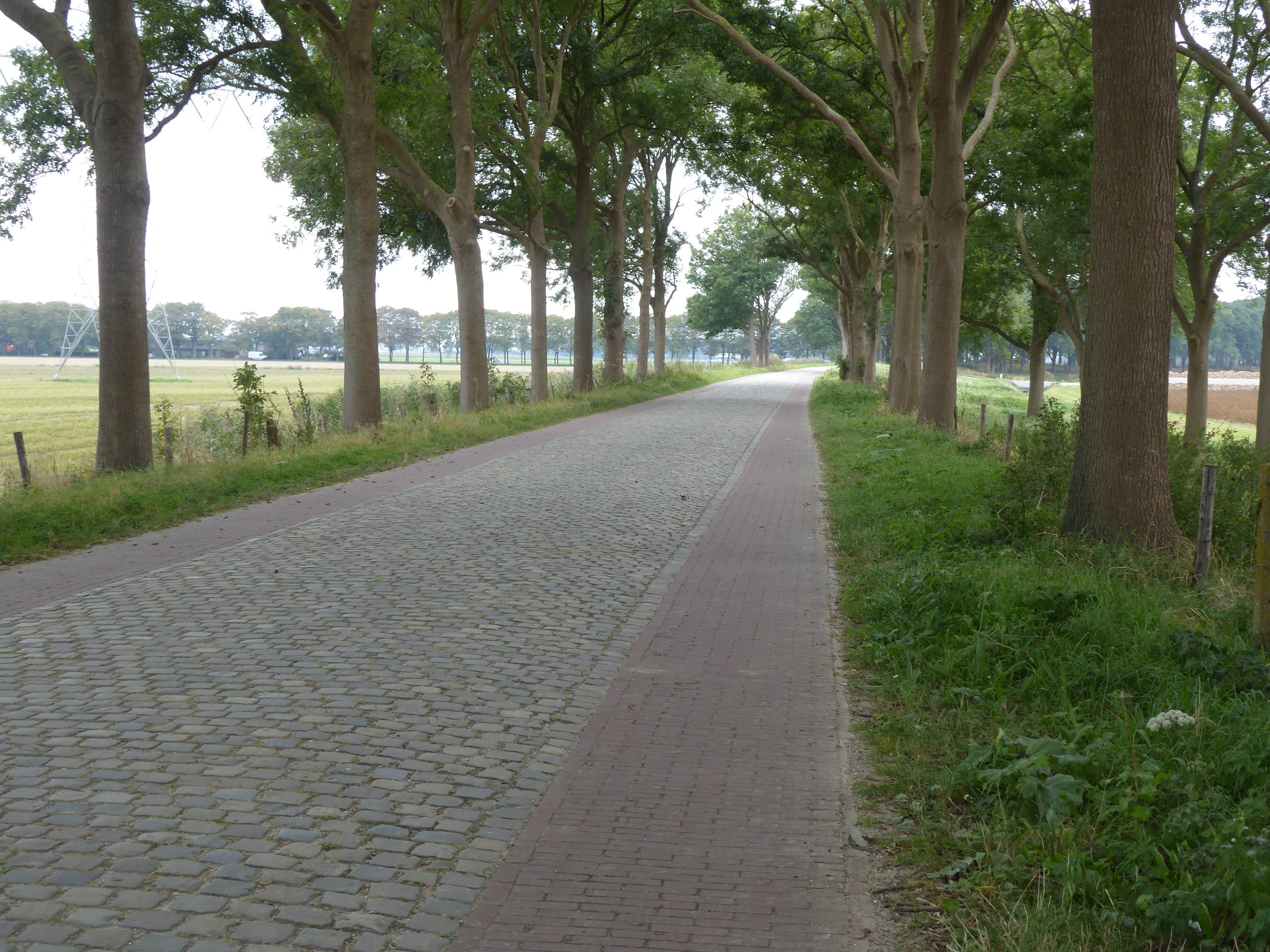
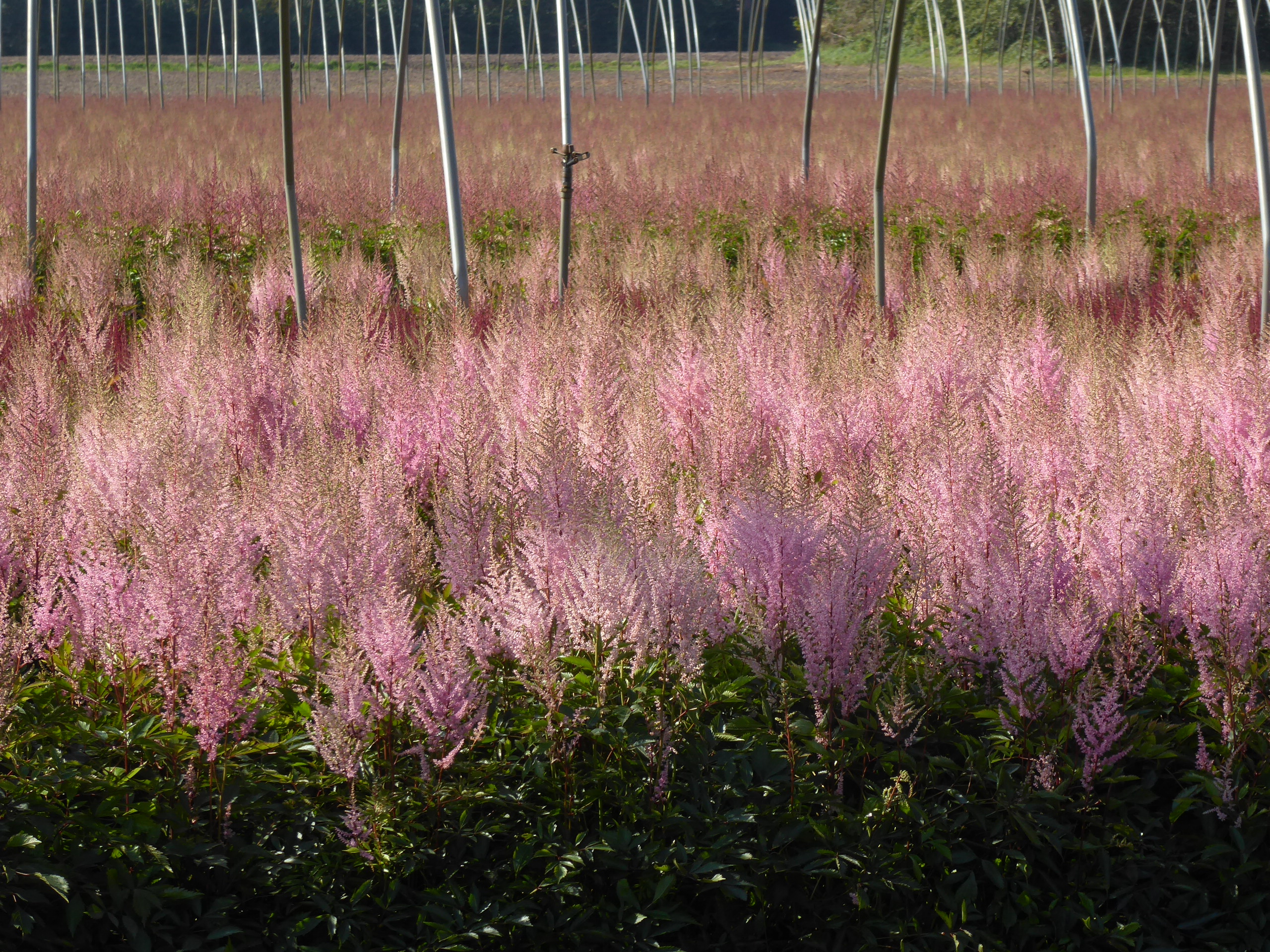
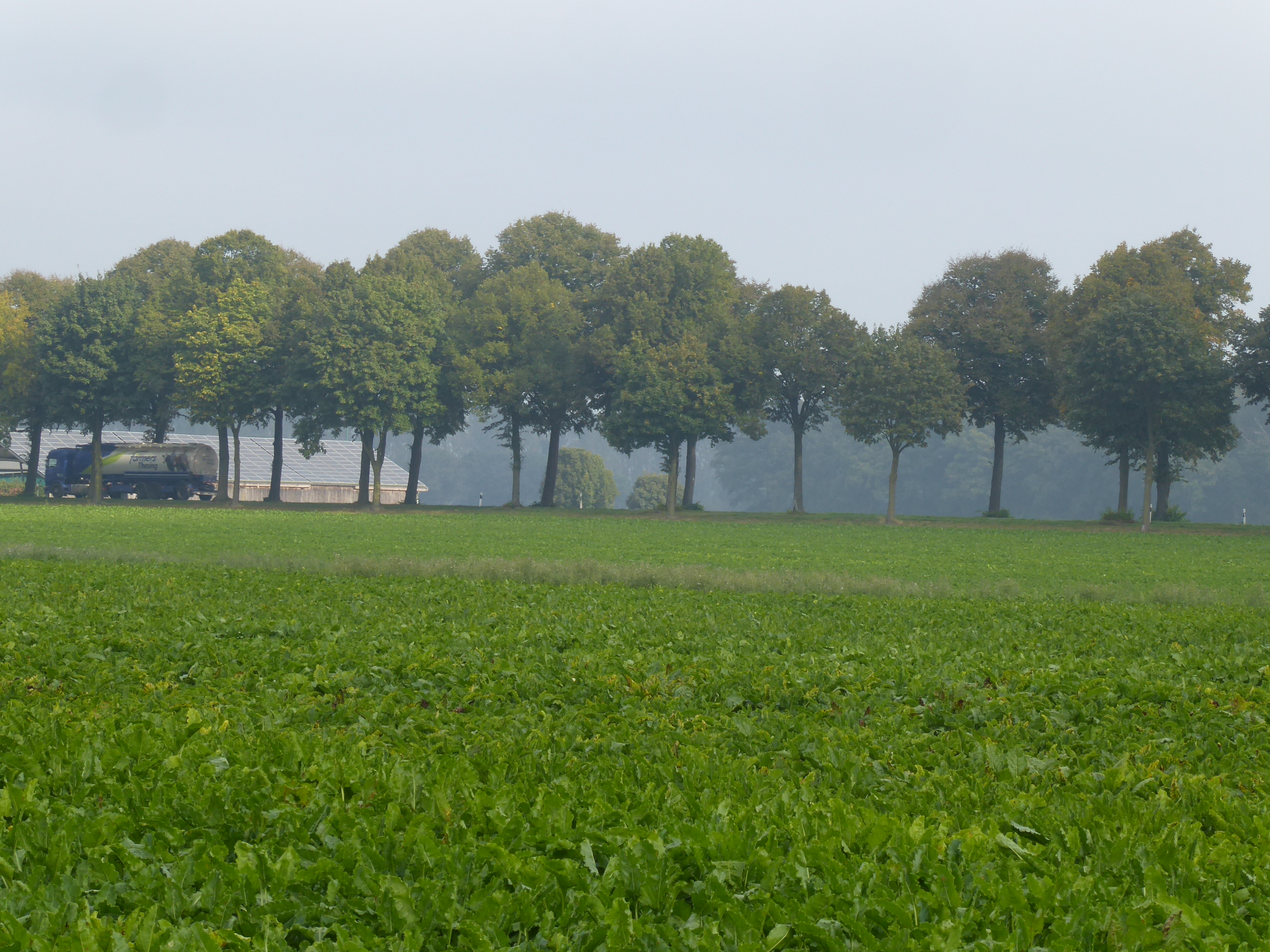
Today, as the navigator, I pulled rank and stuck to Knooppunten – less direct but far more enjoyable and varied than yesterday’s main road route. Through the sandy woods that stretched as far as our hotel, then agricultural – and horticultural – land until the border of the Hollands Diep. Shades of Dutch painted landscapes: long lines of poplars on the horizon. En route we cycled along one of those tree-lined roads which must have been so common when I first started cycling in the Netherlands over 40 (OMG!) years ago: a cobbled carriageway and a paved, smoother cycle lane at the side.

Willemstad was en fête when we arrived – it was the day of a mass run around the town which was just ending as we pedalled up the main street behind the slower stragglers. It seemed as if everyone was out to cheer on and applaud the runners, and we got our share of it. Willemstad is one of those star-shaped fortified towns, like Woerden, so obvious from the map. Its present fortifications date from the late 16th century and have been augmented by WWII German concrete bunkers. Nowadays it’s all very peaceful and picturesque – the kind of place where river cruise boats stop over. The town’s silhouette from the ramparts include a windmill, a town hall, a domed church, lots of lime trees and an arsenal – whose menacing puprose is softened by having a pretty carillon.

Gennep to Sint Michielsgestel

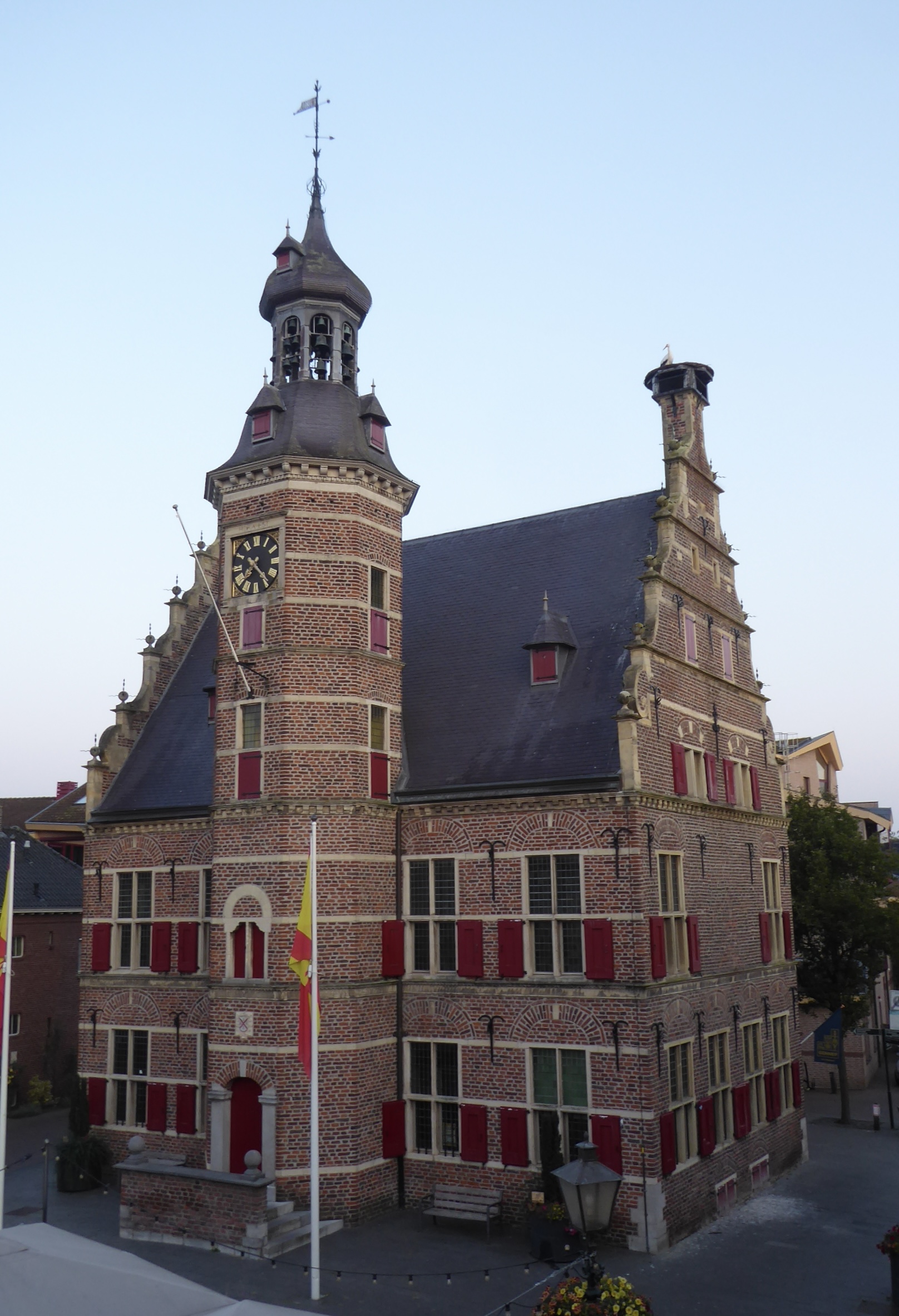
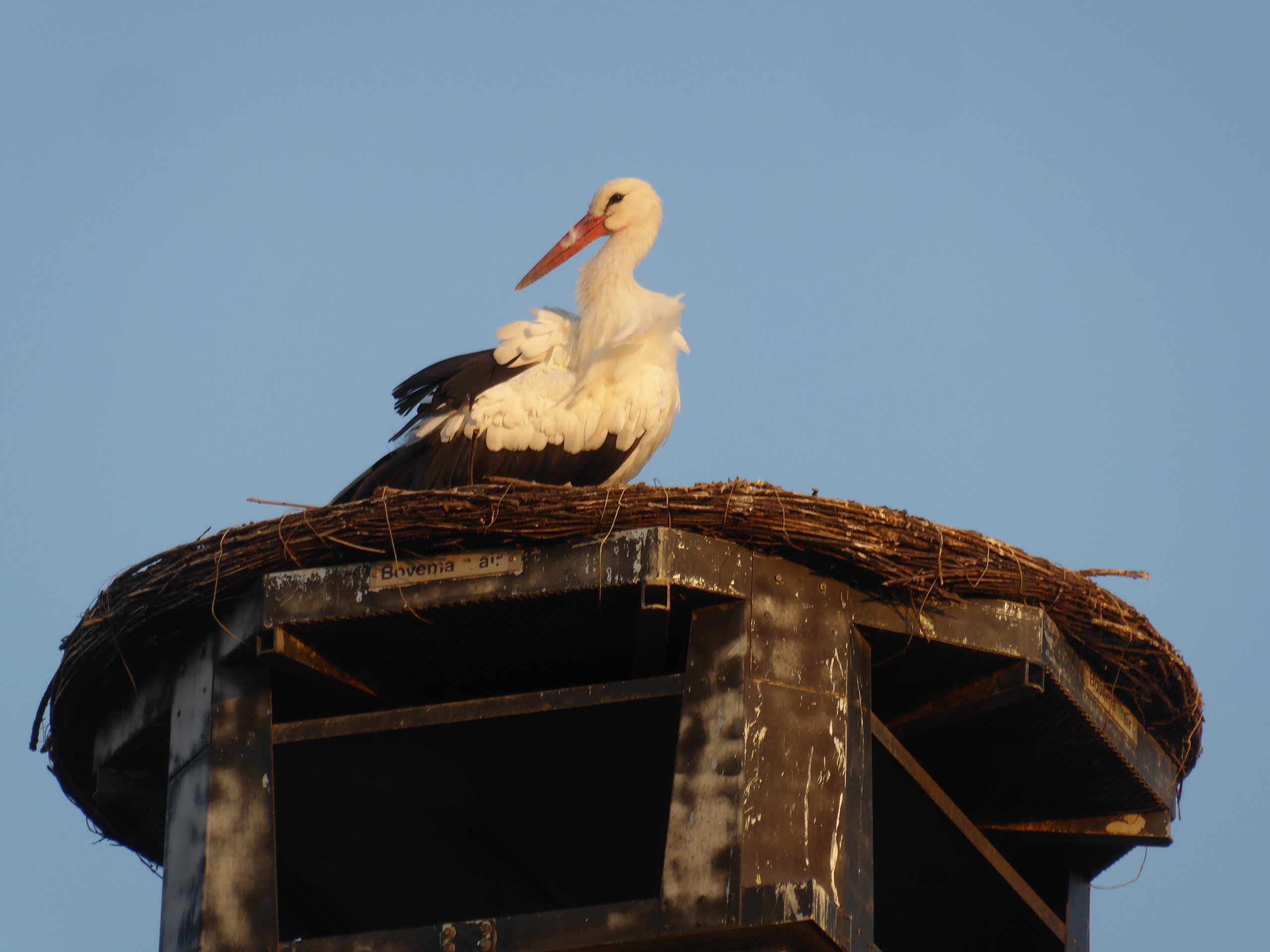
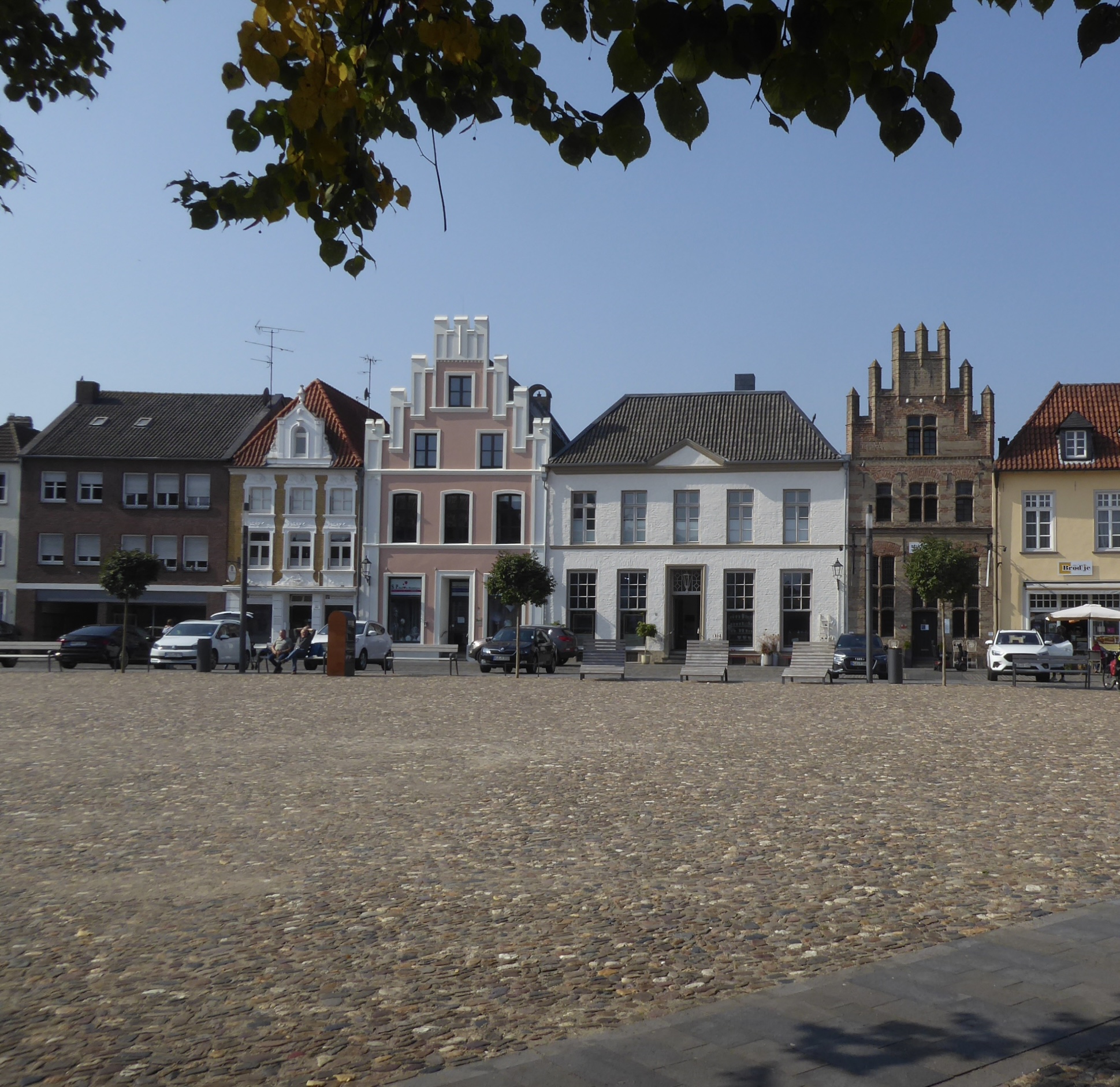
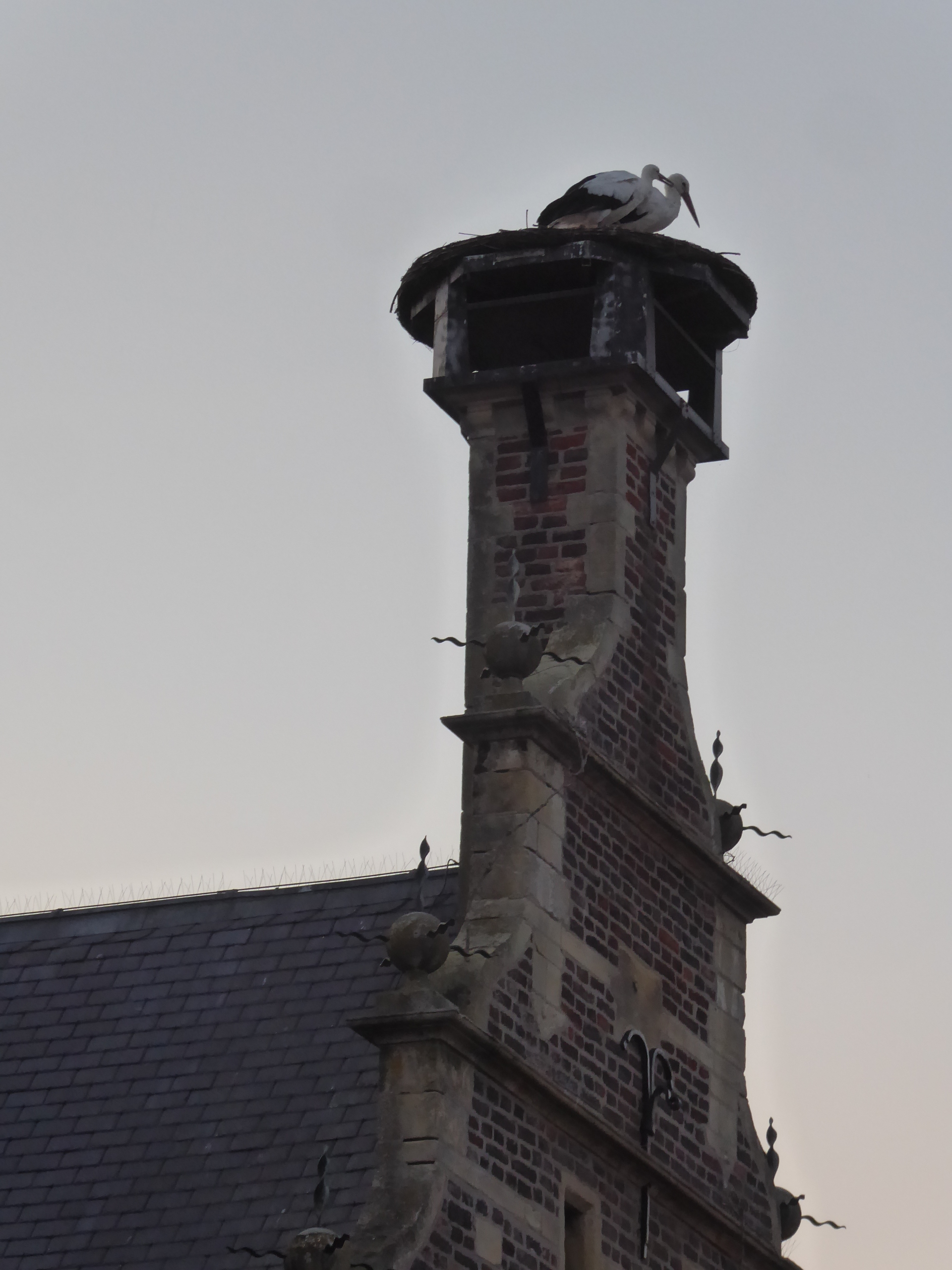
One bathroom light didn’t work, a net curtain was partly torn from blowing around in the breeze, the furniture was eclectic, the stairs to the first floor perilous . . . yet the hotel in Gennep was probably my favourite so far of the holiday. I liked the size, the quirkiness and I particularly liked the view from the balcony. I can get functioning lights in any old hotel room – but I’ve never come across one that had a view of a town hall with a storks’ nest on top.

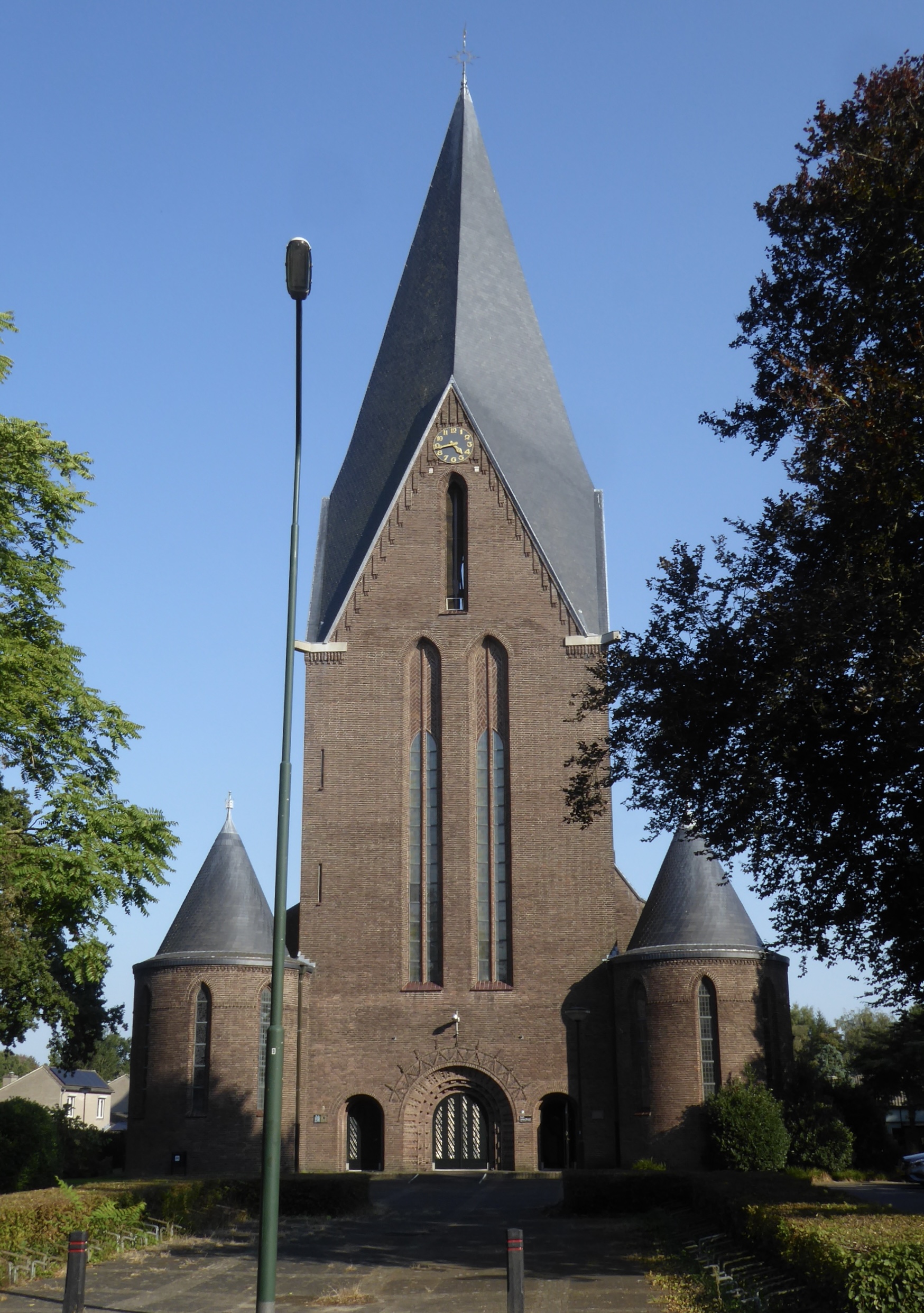
More perfect cycling conditions, including that precious tailwind. Over the Maas, round an ox-bow lake (first-year geography lessons coming back), more of the Boxteler Bahn coming through Veghel, and then onto cycle paths beside main roads to cover some distance. That done, we returned to little tree-lined roads to Sint Michielsgestel, where the church (by H W Valk, 1931) caught my eye. Tiny bricks making something so massive, just as the Dutch have been doing for centuries. I liked the little decorative touches, like ribbing on a knitted sweater.
Xanten to Gennep

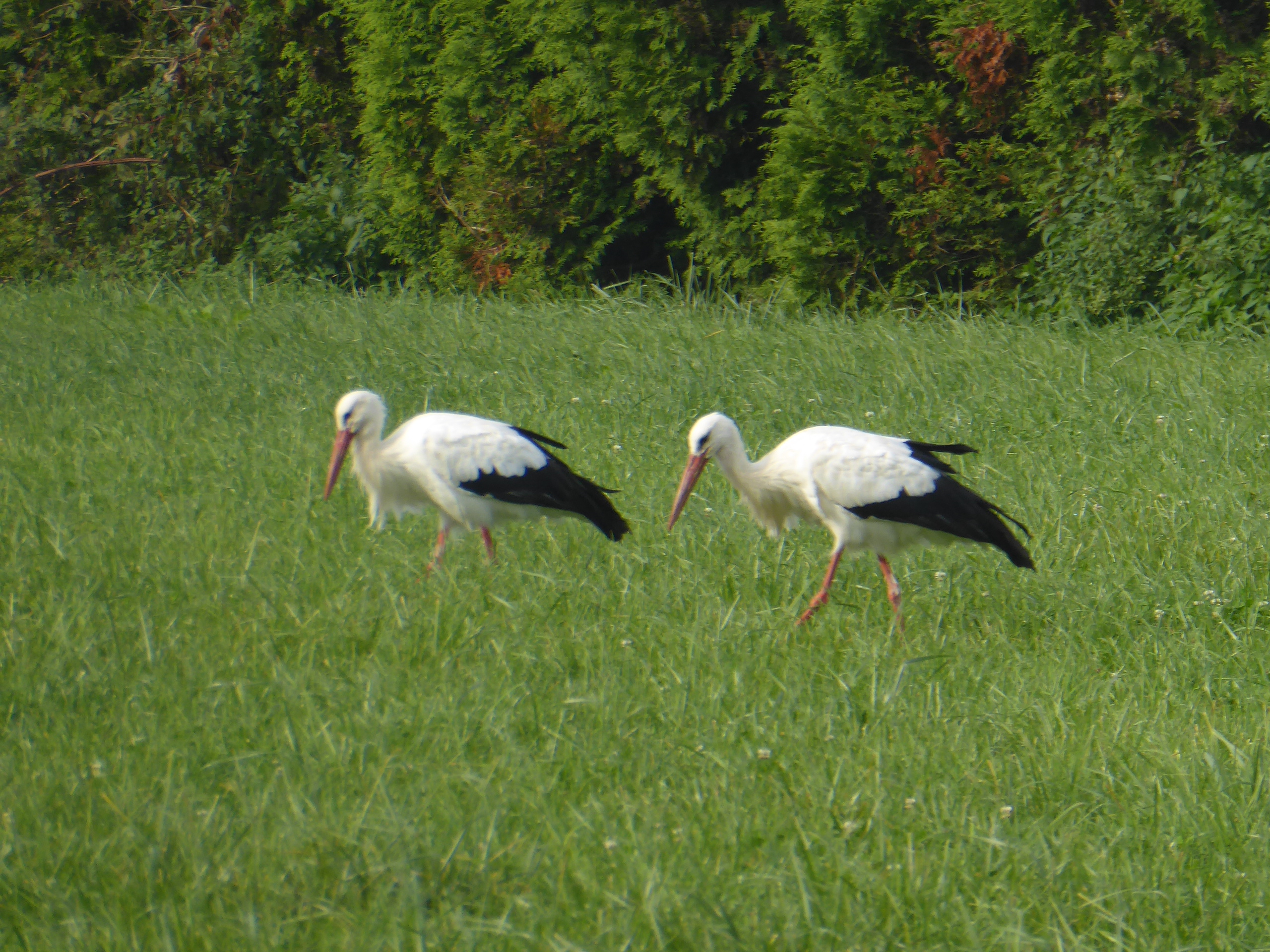
A day bookended by storks, just when I thought they must all have left northern Europe. The second pair are at the top of the town hall gable directly opposite our hotel tonight.

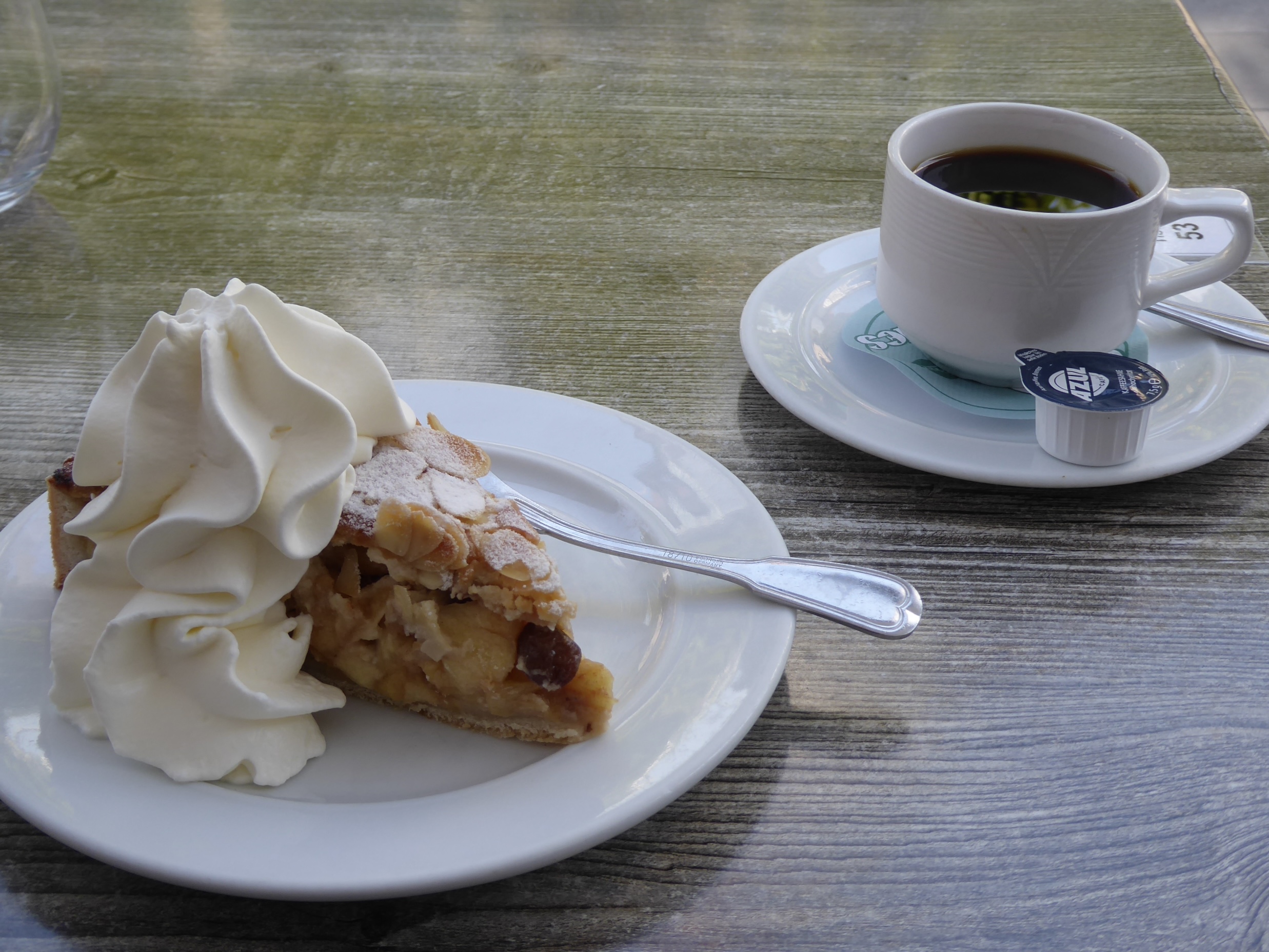
Perfect cycling conditions: warm but not too hot, sunny but not scorching, the wind mostly helpful. From the converted railway line out of Xanten I thought again of the parallel universe that the Netherlands and Germany offer me: here I am on a path away from traffic, there, less than a hundred yards away beyond the line of trees, lorries and cars roar along. Kaffee und Kuchen in Kalkar, where I thought of the slow fading of a particular type of Germany. We chose a traditional bakery café in the main square, where the assistants looked of retirement age and all the customers were elderly and knew each other. In many towns now we find that the only bakeries are attached to large supermarkets; we’re happy when we find them, of course, but they lack charm and memorability.

And now back in the Netherlands and on the return to Europoort.

Schermbeck to Xanten

A change of plan. The notion of repeating our usual Nijmegen-Maassluis return route has been shelved after discovering that there are engineering works on the Dutch railways. PLUS the fact that temperatures are rising and the wind continues from the east: so much more attractive to reverse-ferret and turn it into a tailwind.

So we traced our revolutions from Schermbeck to Wesel, but this time part-following the Wesel-Datteln Kanal (which goes into the Dortmund-Ems Kanal – thus enlarging my unused mental map of the German canal network). And now we are back in Xanten, in a proper hotel with a nice Grauburgunder and no superfluous beds cluttering up the space.

There’s a great deal of repetition about this holiday, but I still enjoy the sensation of travelling under my own steam. Today’s tailwind and views reminded me of previous cycling holidays when my average speed was rather higher than it is today. Something about the haze of the sunshine on the river and embankment tops brought old holidays to mind too. And Xanten offers other comforts as well.