The Lady of Shalott

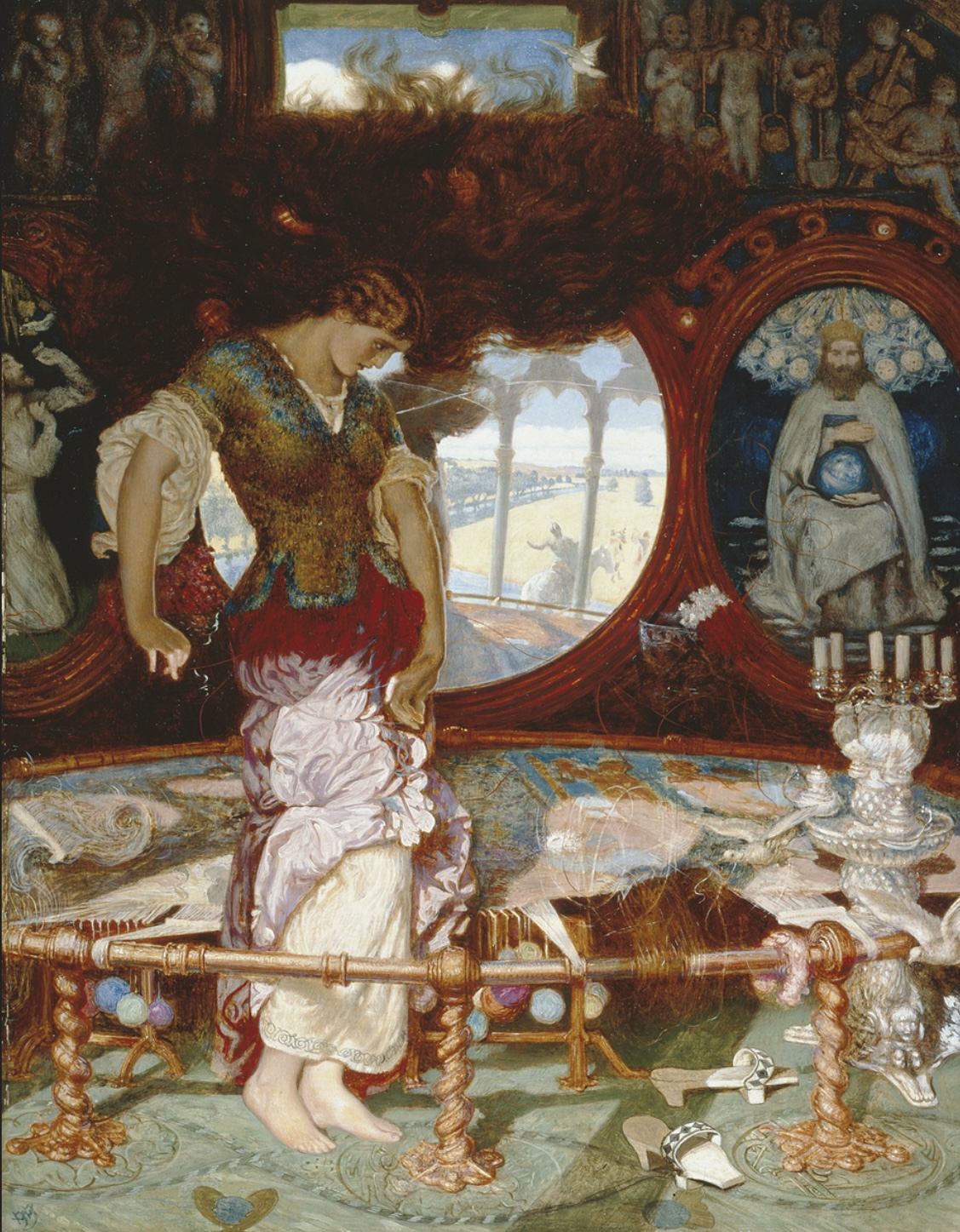
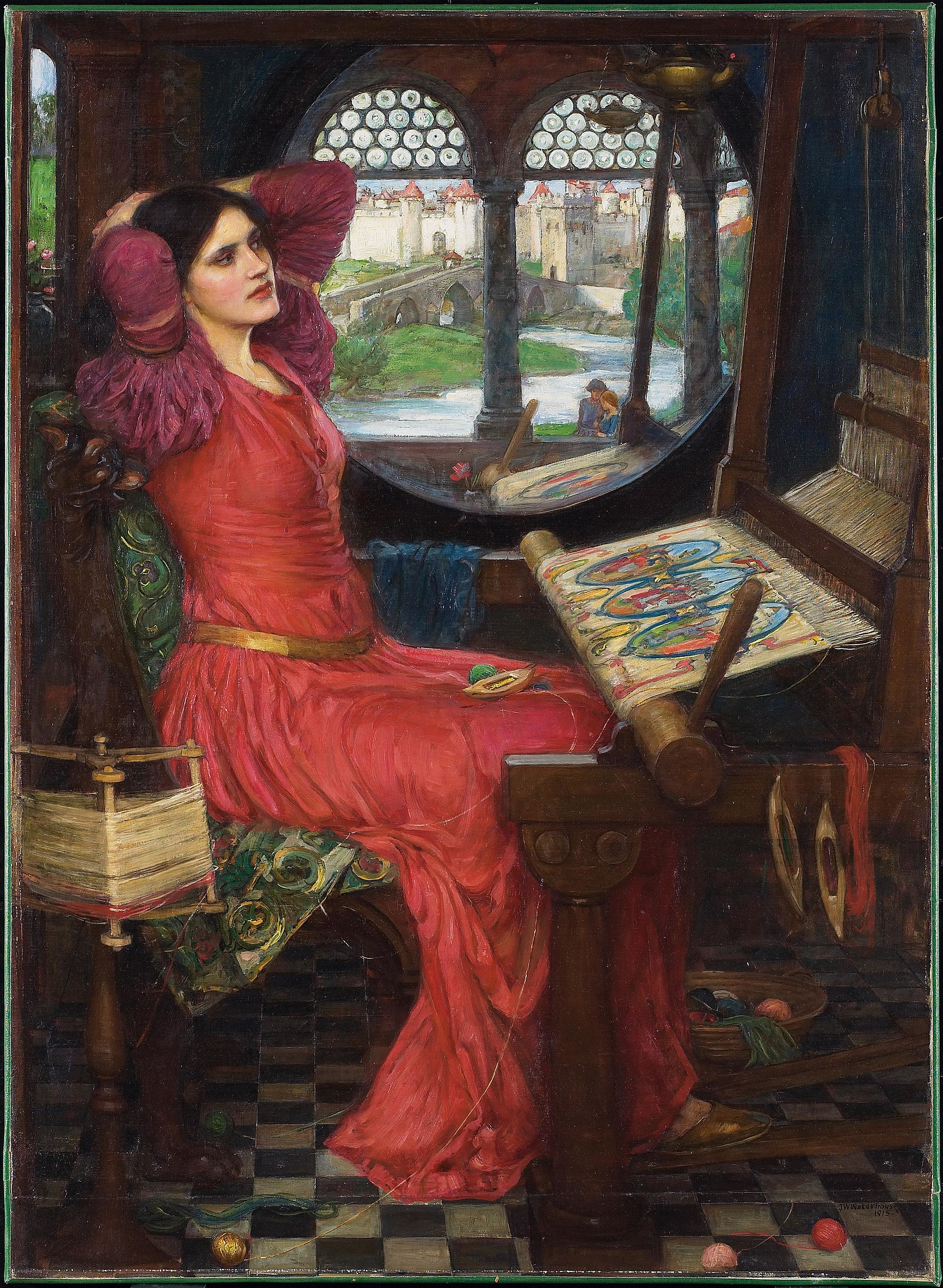
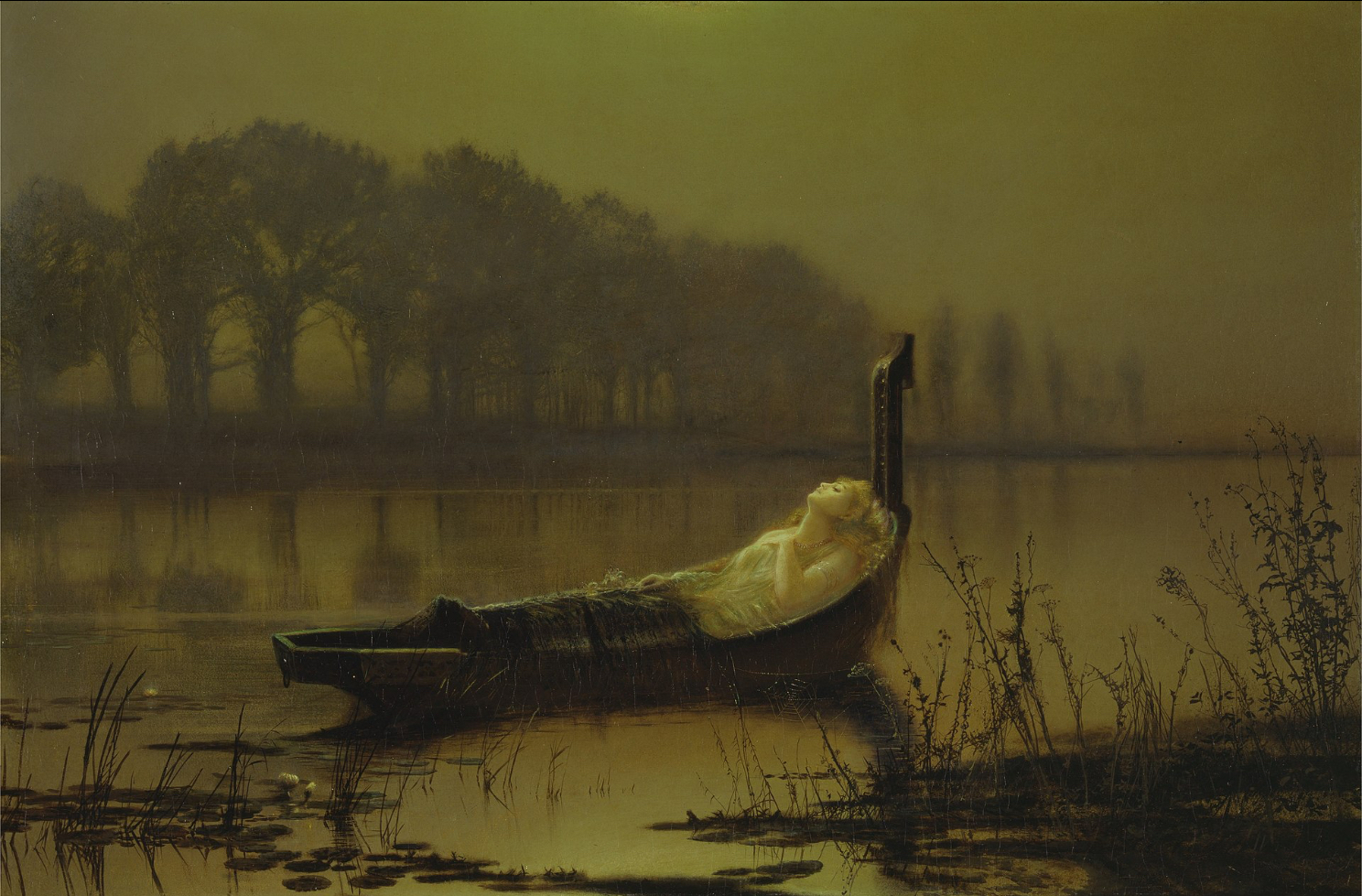
Goodness, how the Victorians loved the Arthurian legends. I really can’t be bothered to speculate why they were so drawn to the image of a trapped, cursed woman, so I shall just admire the paintings.
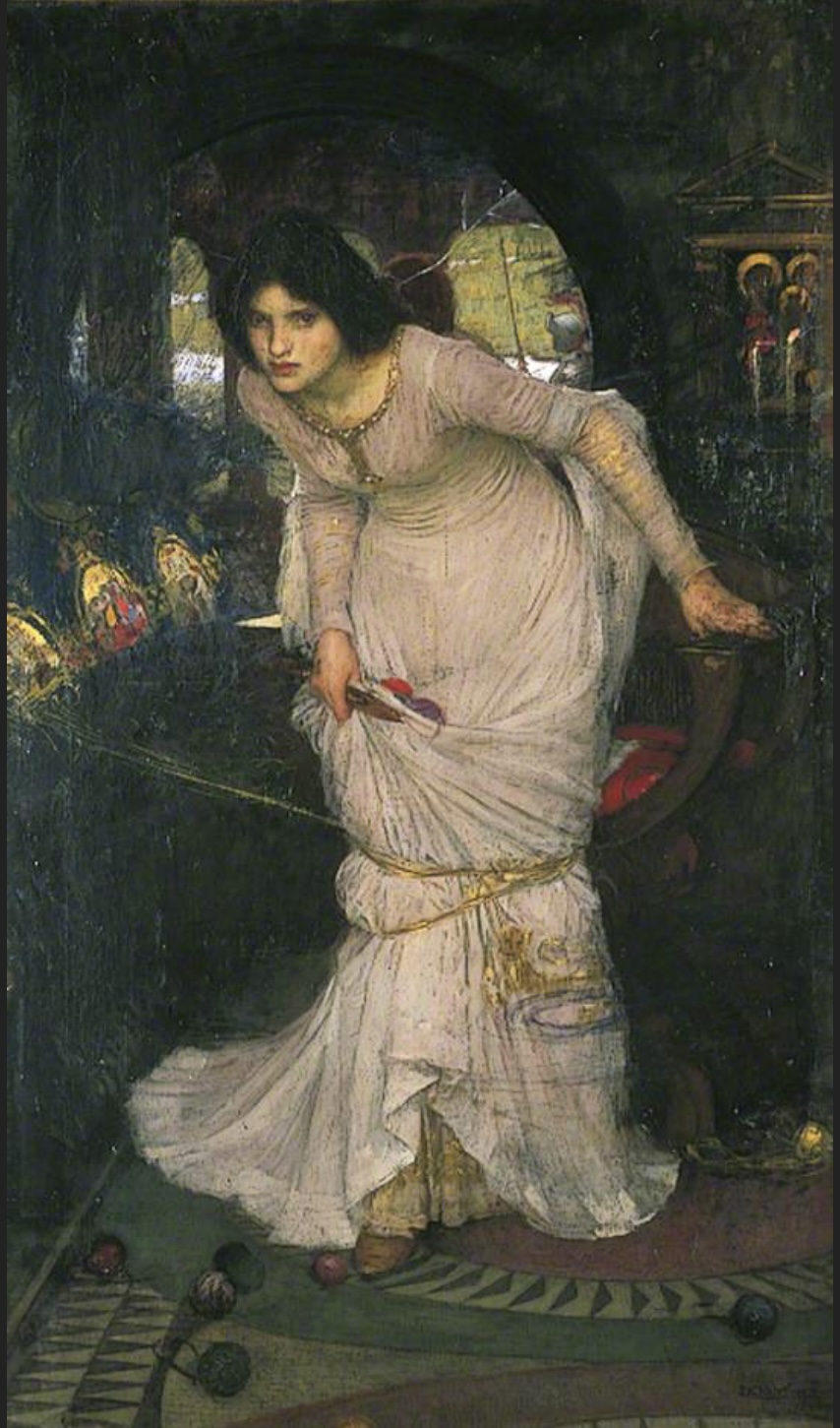
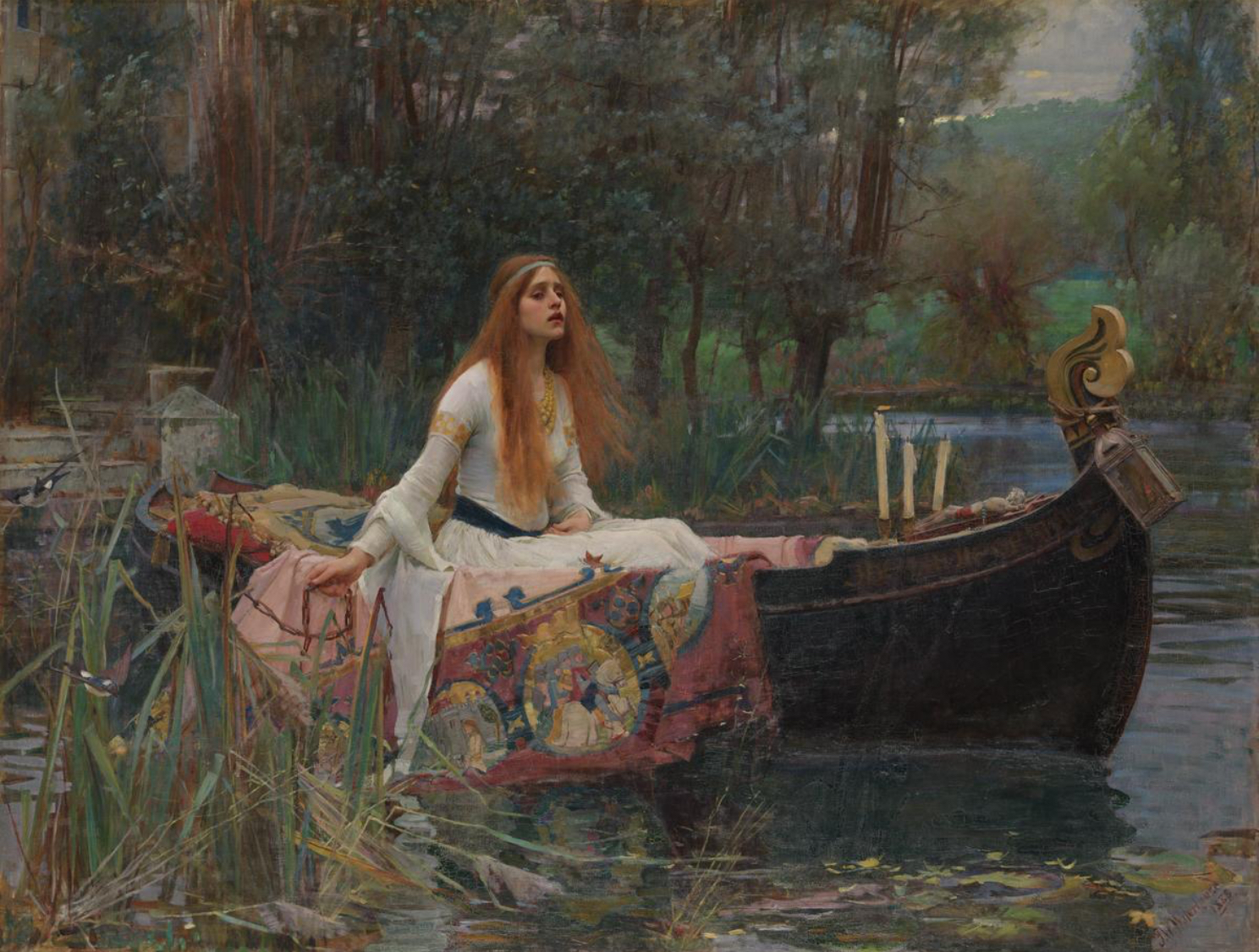
Today I was in Leeds art gallery and looked again at Waterhouse’s entangled lady. (I’m always bothered by the blue squiggle on her white dress. I assume it’s the thread unravelling, but it just looks like a biro scribble.) Two weeks ago it was Holman Hunt’s pirouetting lady in Manchester art gallery. And at the back of my mind she is always the lady from “the broad stream bore her far away” reproduction in my Arthur Mee. (I will get round to looking through the volumes again to check the illustrations I think I remember.)

While roaming online, I discovered that Tennyson wrote two versions of his poem (1832 and 1842), that Waterhouse painted yet another version, and that Atkinson Grimshaw also painted the lady. Which confirms that he really couldn’t do figures!
Das Boot (1981)

Director Wolfgang Petersen with Jürgen Prochnow and Herbert Grönemeyer

A U-boot mission during WWII, mostly set in the submarine itself. Gripping, tense and claustrophobic, it sort of does what it says on the tin. I found no hidden depths as I did, for example, in Deep End – apart, of course, from the eternal puzzle of the madness of war. All that discipline, ingenuity, courage and brutality in the pursuit of death. Why?

Victorian Radicals

I fancied a day out, so the Pre-Raphaelites became my spur yesterday. It’s hard to think of such familiar, over-ripe beauty-in-oils as “radical”, but they did consciously break with tradition in terms of technique and subject matter. (I didn’t notice anything about William Morris’s radical socialism though.) The exhibition started with yet another dull painting by William Etty to show what they were up against. There was also a light focus on Birmingham’s industrial role in spreading the “look” at a rather reduced price, along with the development – and bright colours – of aniline dyes.

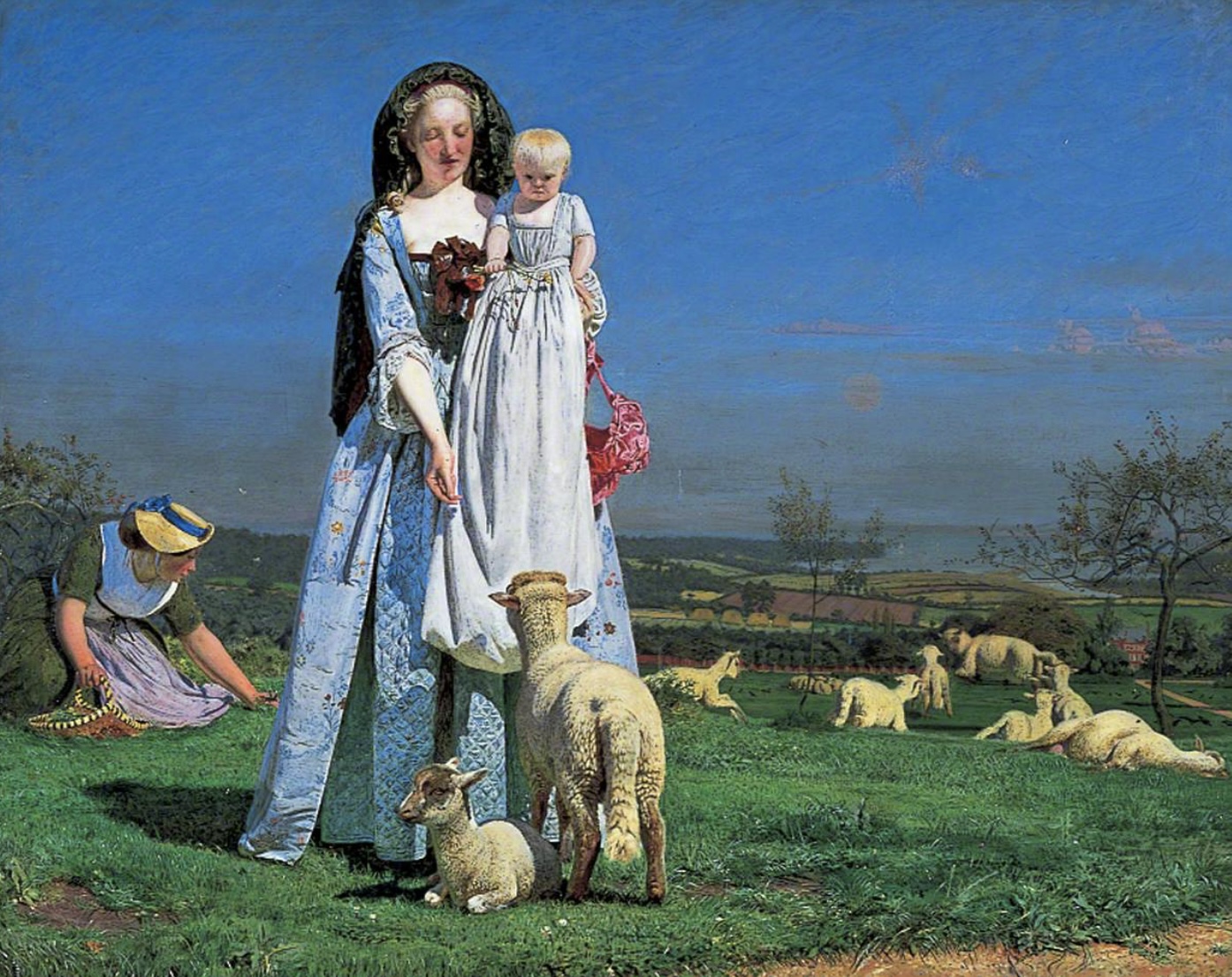
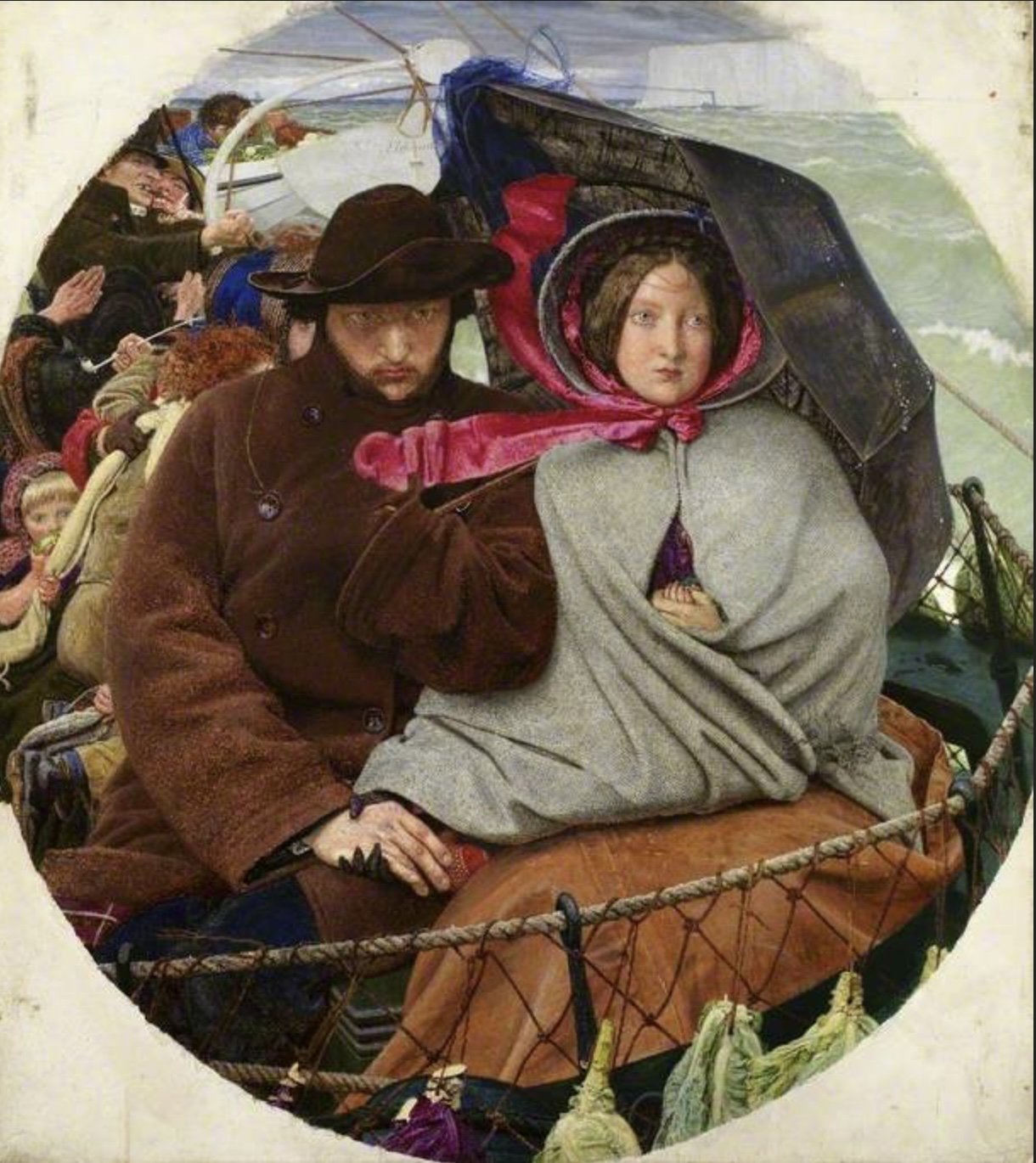
I have discovered that Ford Madox Brown produced two versions of “Work”; Manchester has the original, larger version – which was a tremendous relief to me because I was certain I’d seen it the week before in the art gallery there! (There’s also another “Pretty Baa-Lambs” in the Ashmolean.) I saw again “The Last of England” (here twinned with a Windrush-era sketch of “The First of England”) and looked at his other works. I’m not sure of him as a great artist – but he was certainly a great chronicler in his hyper-real fashion and I will definitely go and have another look at his murals in Manchester Town Hall when it finally re-opens.

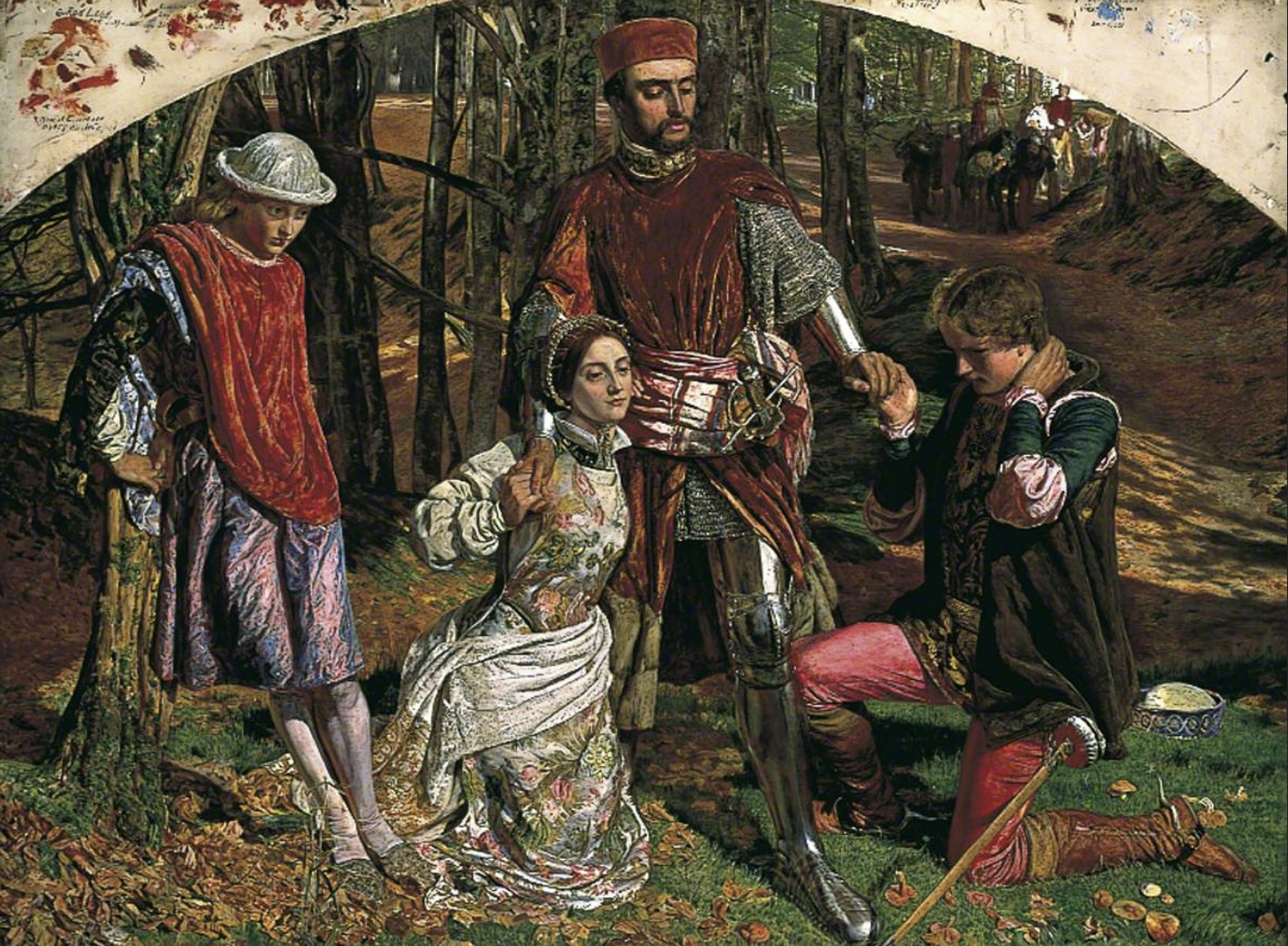
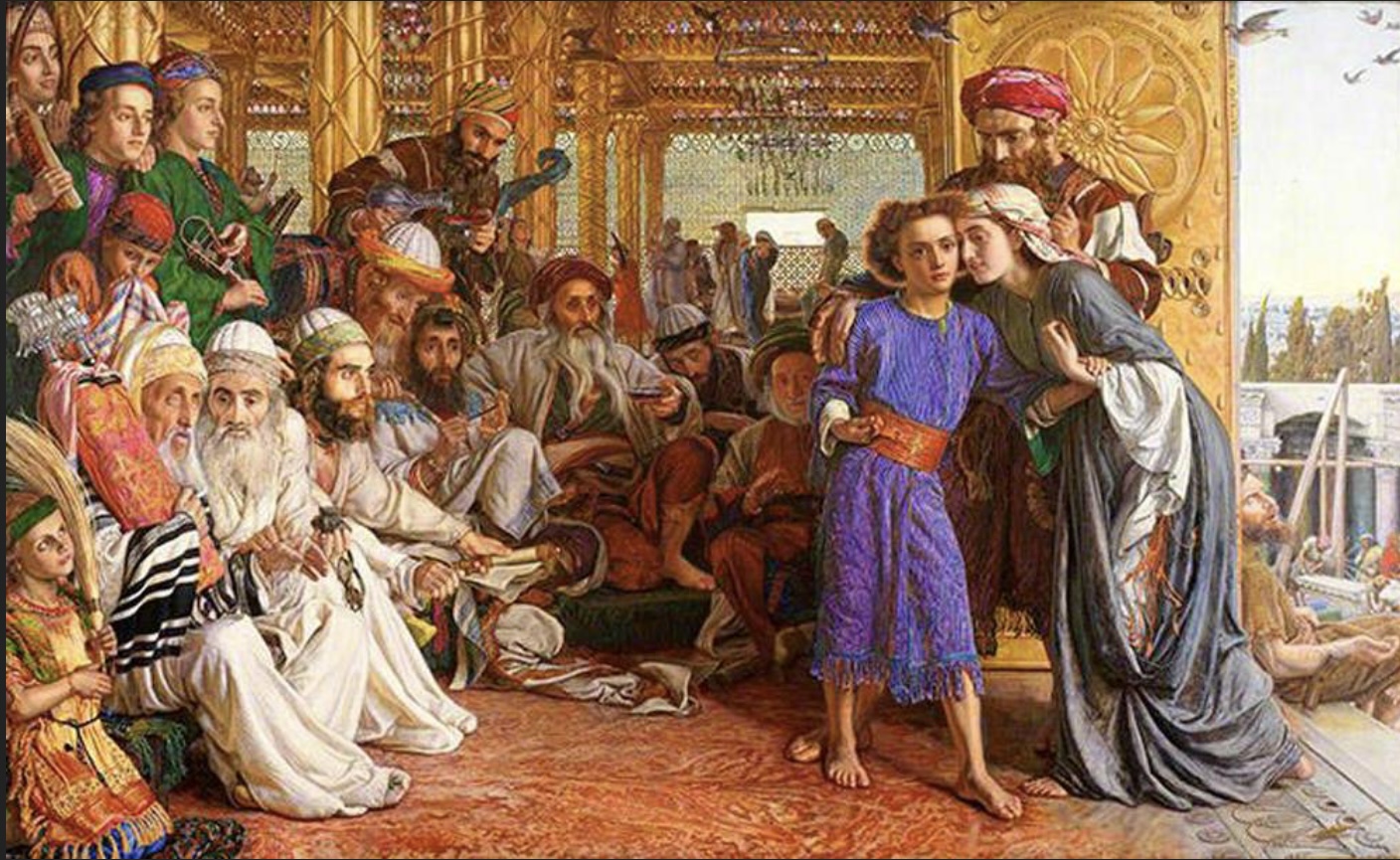
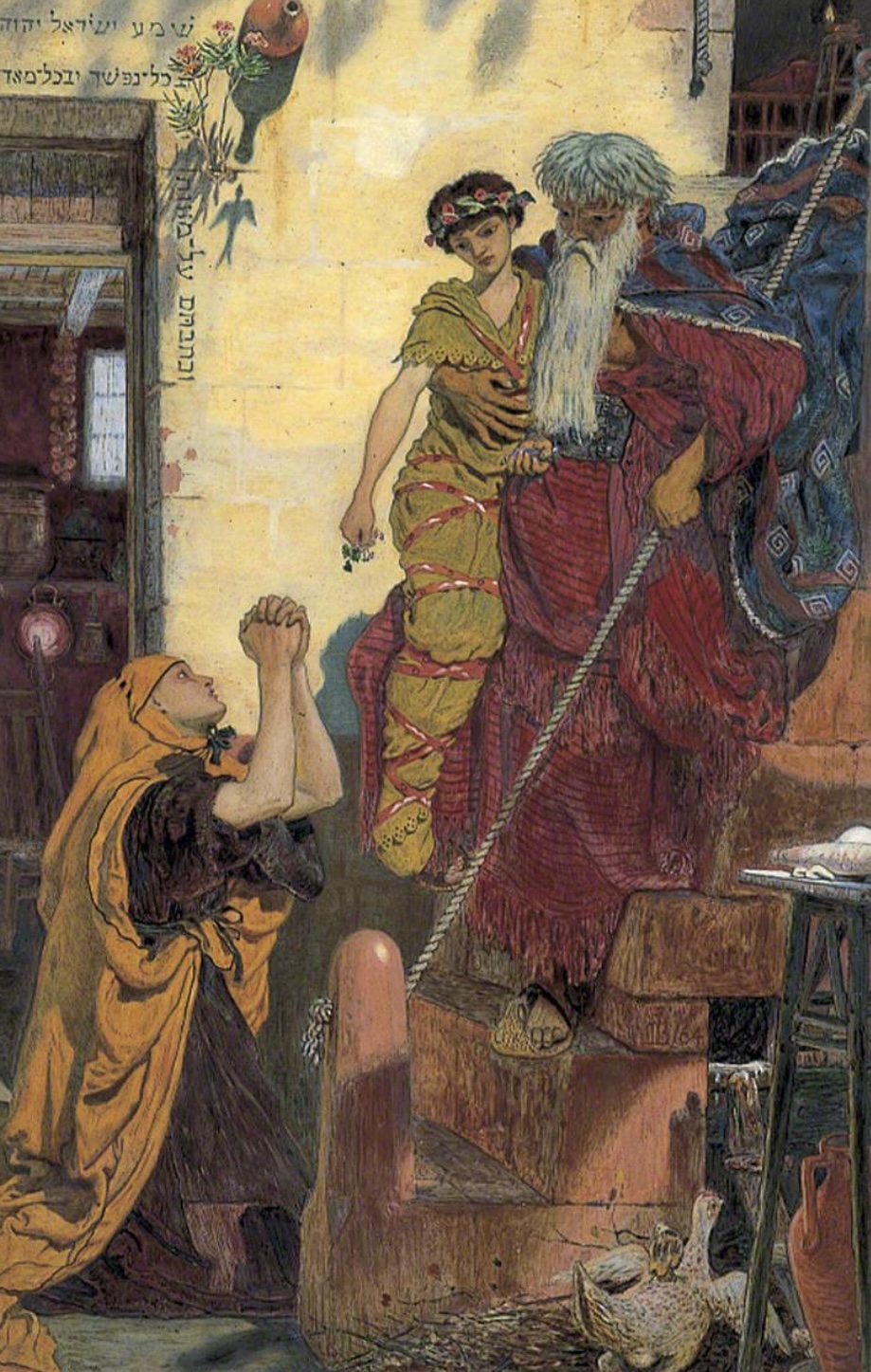
Speaking of duplicates . . . William Holman Hunt copied “May Morning”, and here it was framed in a circular copper sunburst by C R Ashbee. There were also biblical and Shakespearean subjects to add to the Arthurian one (Lady of Shallot) that I’d seen in Manchester – slightly undermining the “radical” theme.

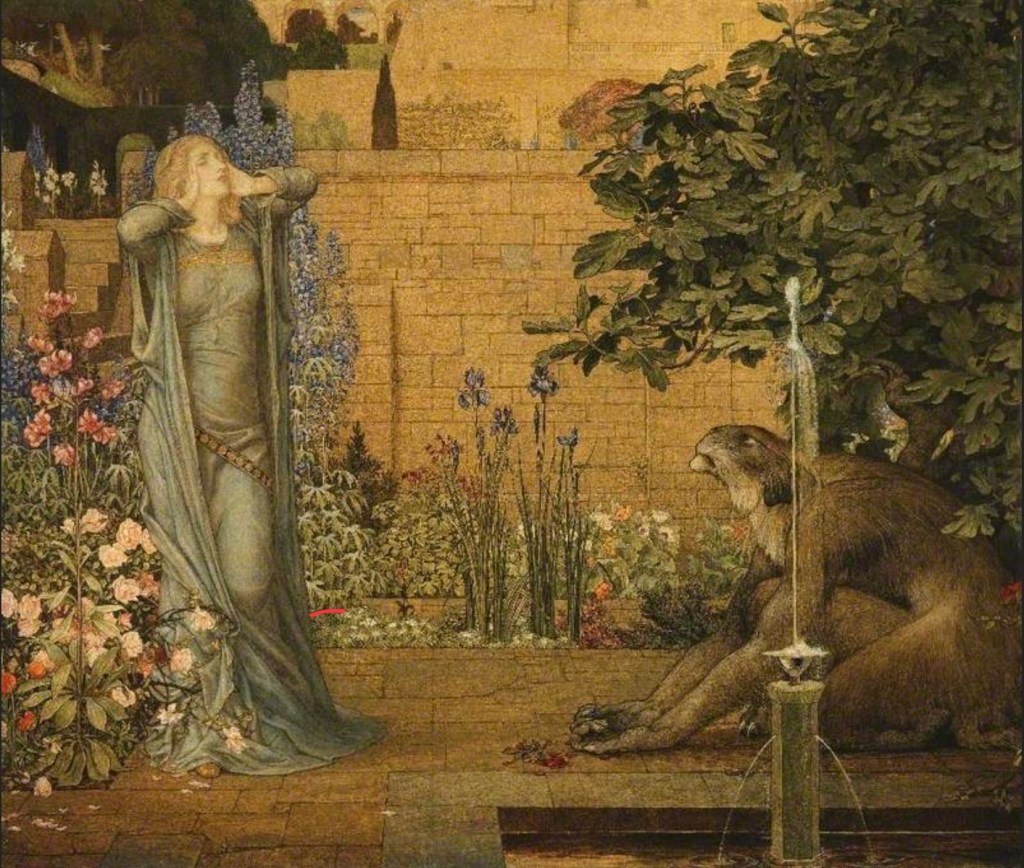
William Morris prints, Burne-Jones nudes, a return to tempera painting, dresses and jewellery . . . all lovely to look at. (Particularly “Beauty and the Beast”, which erases the nightmare in a dream of gorgeousness.)

Beauty and the Beast, John Dickson Batten, 1904, tempera on canvas

Deep End (1970)

Director Jerzy Skolimowski with Jane Asher and John Moulder Brown

There were times in this film when I wondered if I were watching soft porn. I don’t think so (but how would I know?). More a kind of Carry On film stripped bare. A primary coloured black comedy. It was strange and fascinating with moments of comedy straight out of Jacques Tati (bobbing up and down at the hamburger stall) and moments of absolute awfulness. I was hooked from the start: the salacious lingering over the bicycle down tubes and then Mike’s joyous cycle ride in the grey London dawn to his first job (aged 15) as a swimming baths attendant. With a Cat Stevens soundtrack. I could overlook the bad dubbing just for that.

So many impressions. (I wondered if Skolimowski was still snared in the long tail of WWII horror.) An adolescent encounters a gruesome, twisted adult world of sexuality. The grotesque close-ups of middle-aged faces. I remembered how wonderful youthfulness is – the agility and the slimness beside lumbering, lumpen age. The colours were beautiful – Jane Asher’s long hair and long yellow coat. The vibrant (if peeling) paint of the swimming pool contrasted with the grey streets outside. It was like a separate world of the id. Creepy games masters are stereotypical, but Diana Dors – OMG! Asher was poised somewhere between youth and adult – disillusioned and occasionally vicious. And even innocence could act in a deadly way.

I saw afterwards that it was partly filmed in the Müller‘sches Volksbad in Munich. That brought back memories.

Grange to Cark

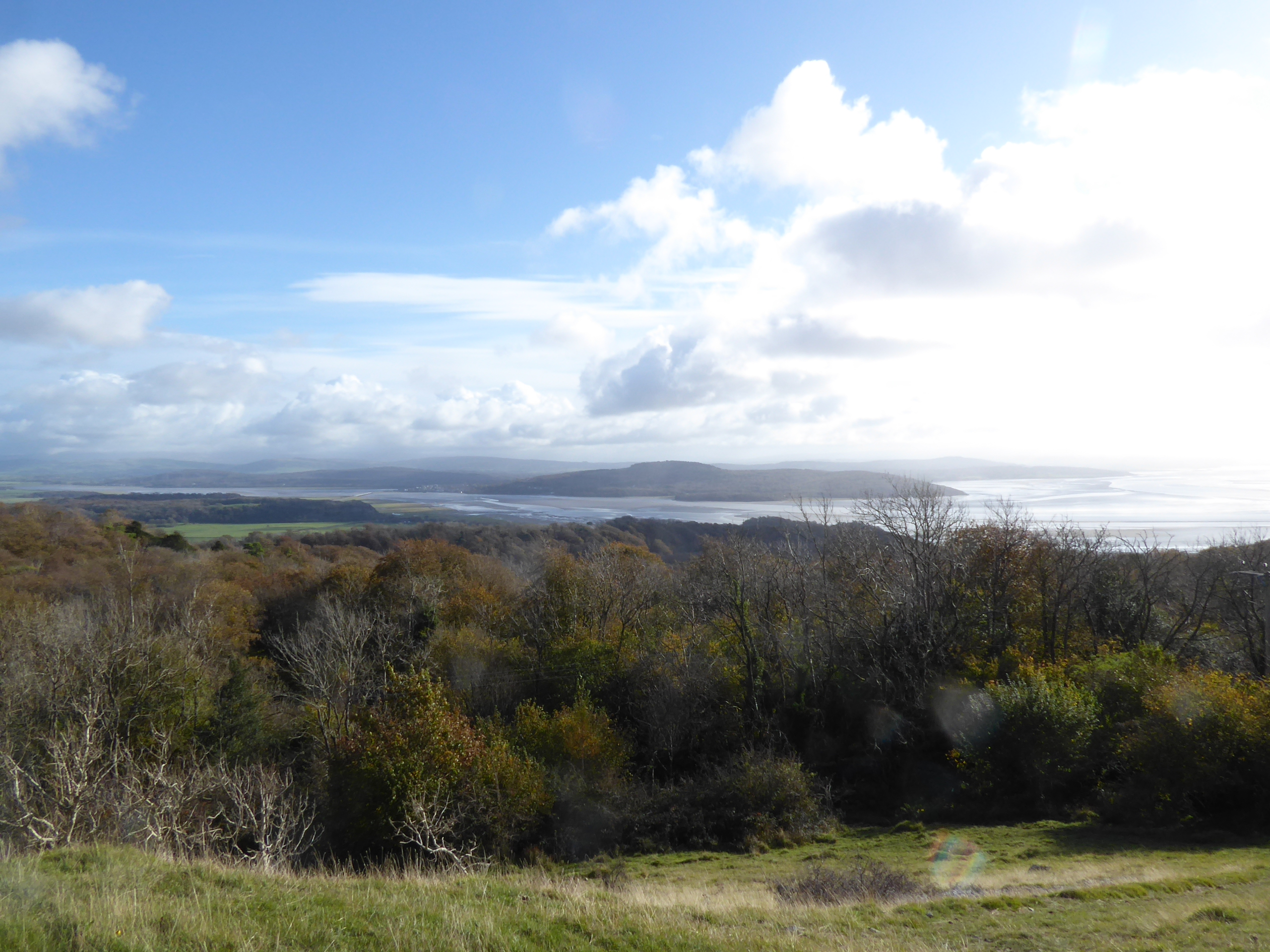
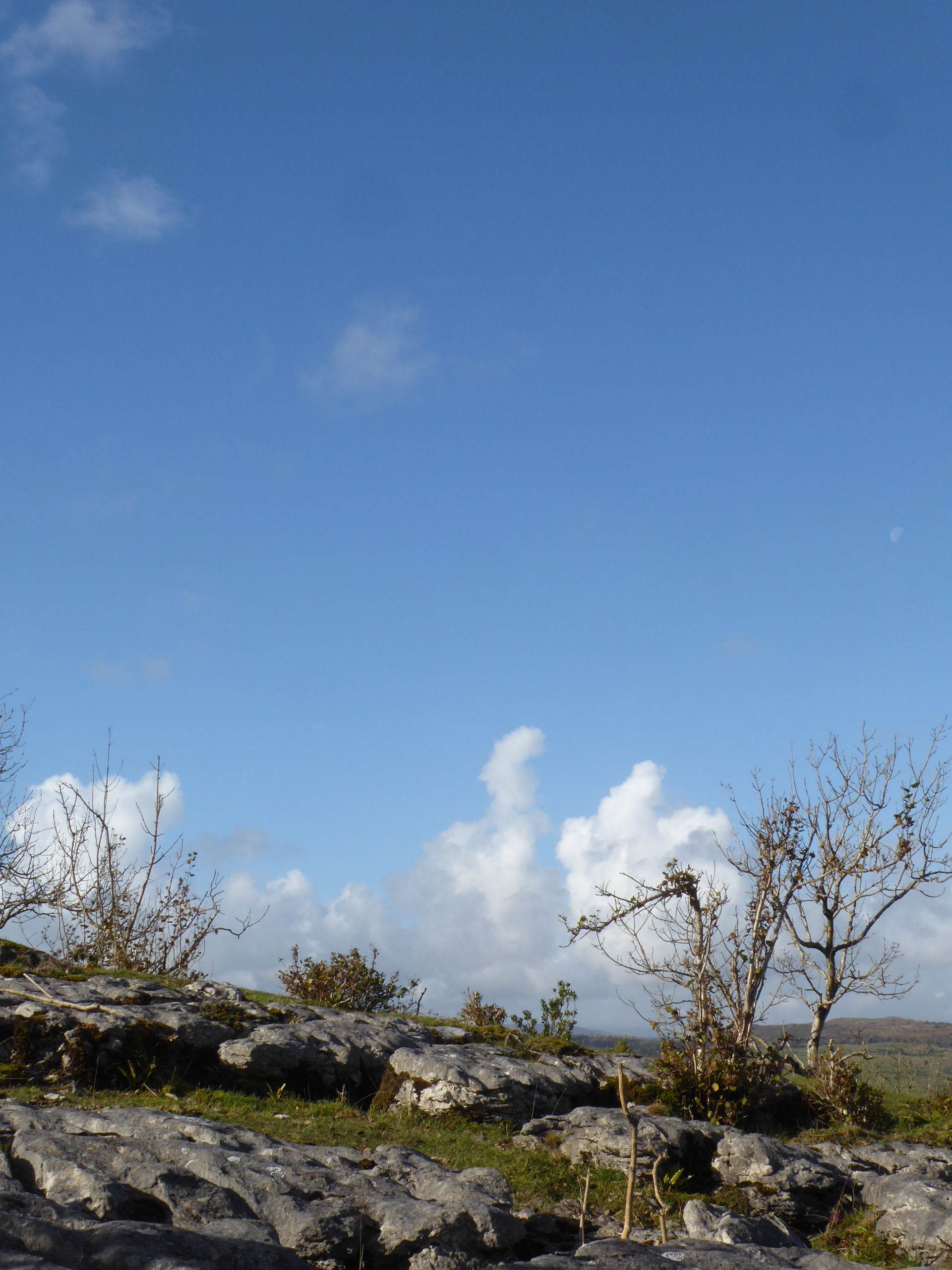
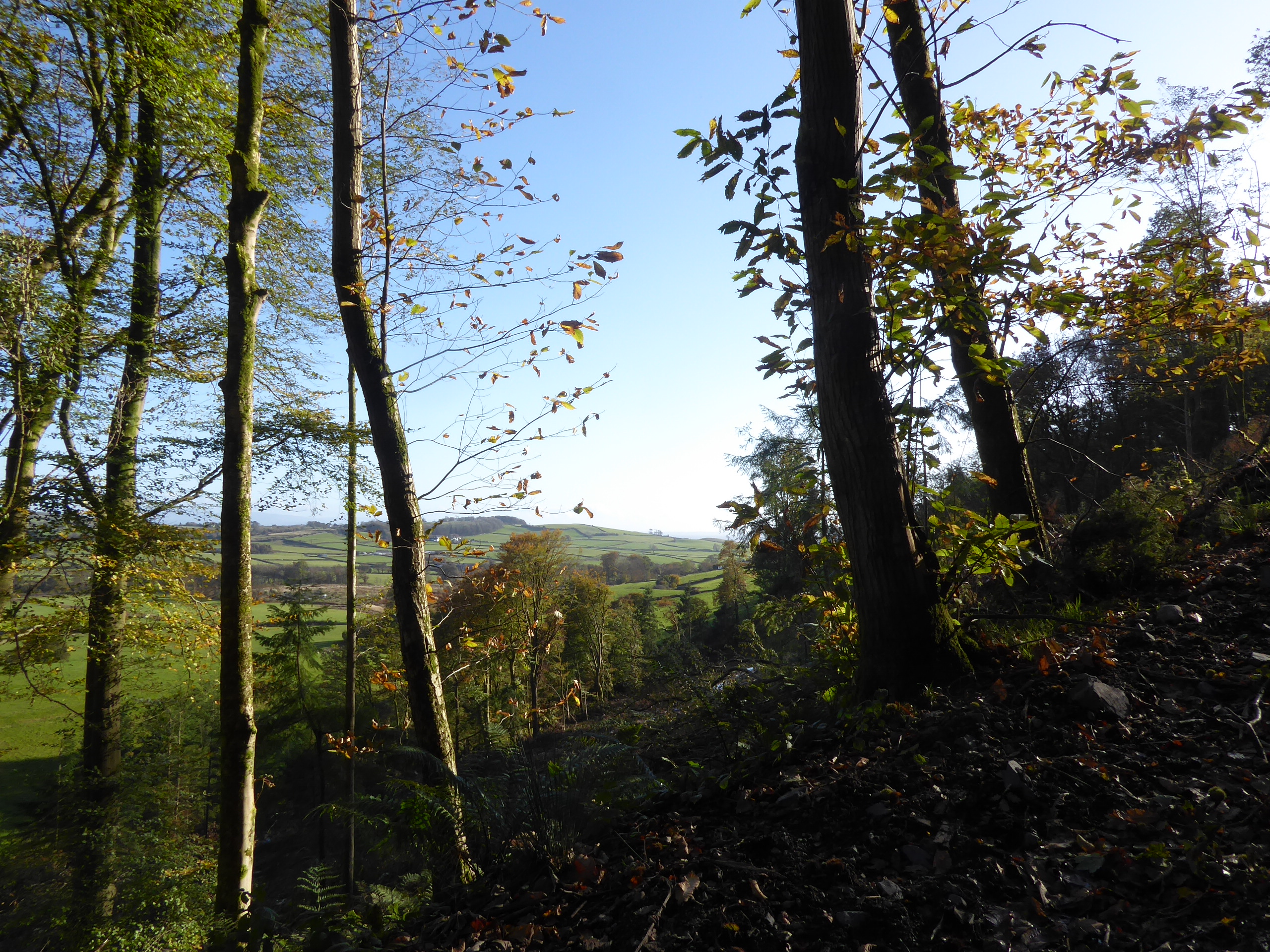
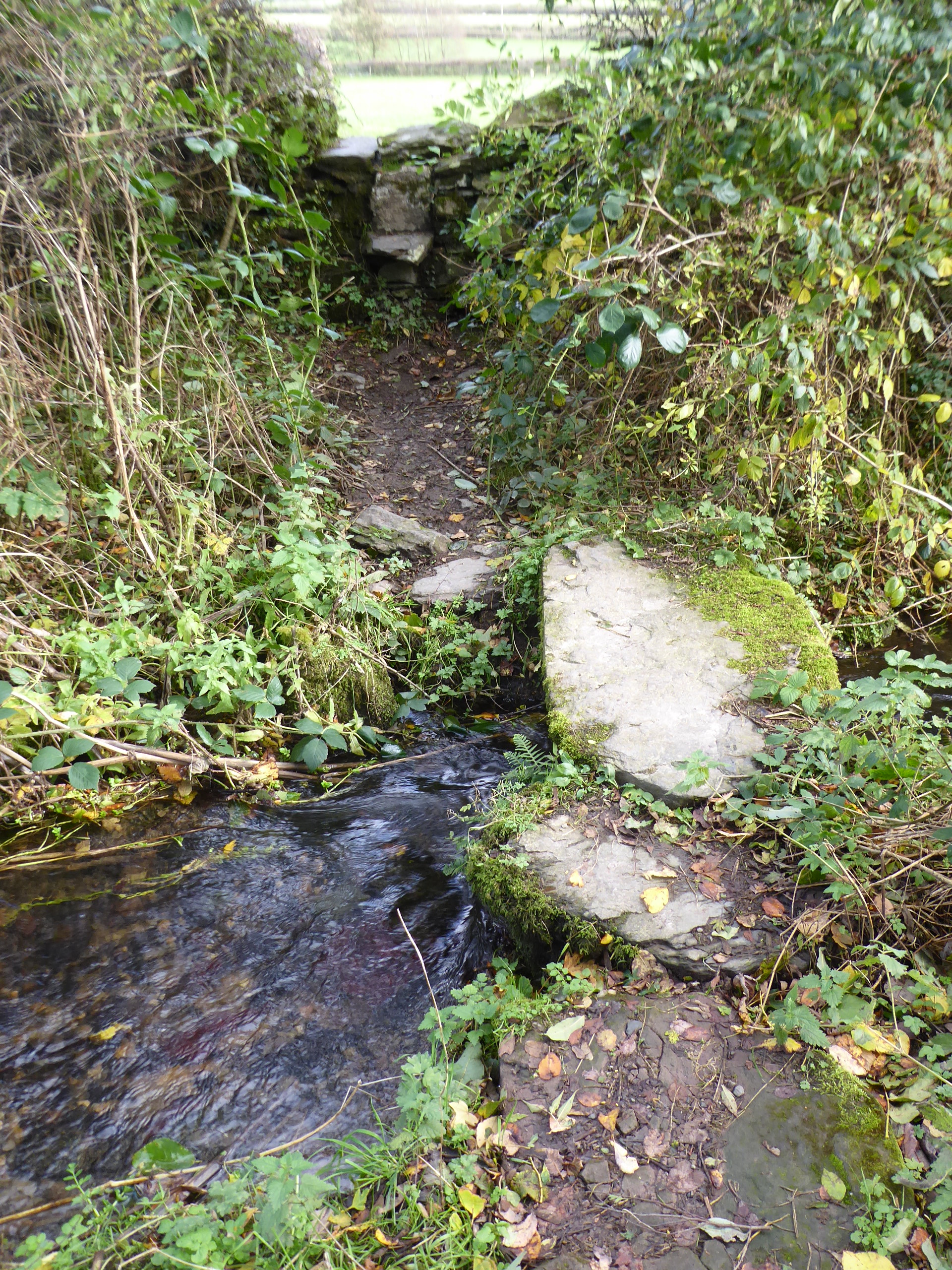
Too sunny a day not to go out, so I caught the train to Grange-over-Sands and walked up Hampsfell. Then I looped down to Cark via Beck Side and the woods above Cartmel. Lovely colours in the slanting sunshine: gorse, holly berries, leaves (of course). Plenty of mud too. I lost my way a little a couple of times, but I’ve learned not to stray too far without checking.

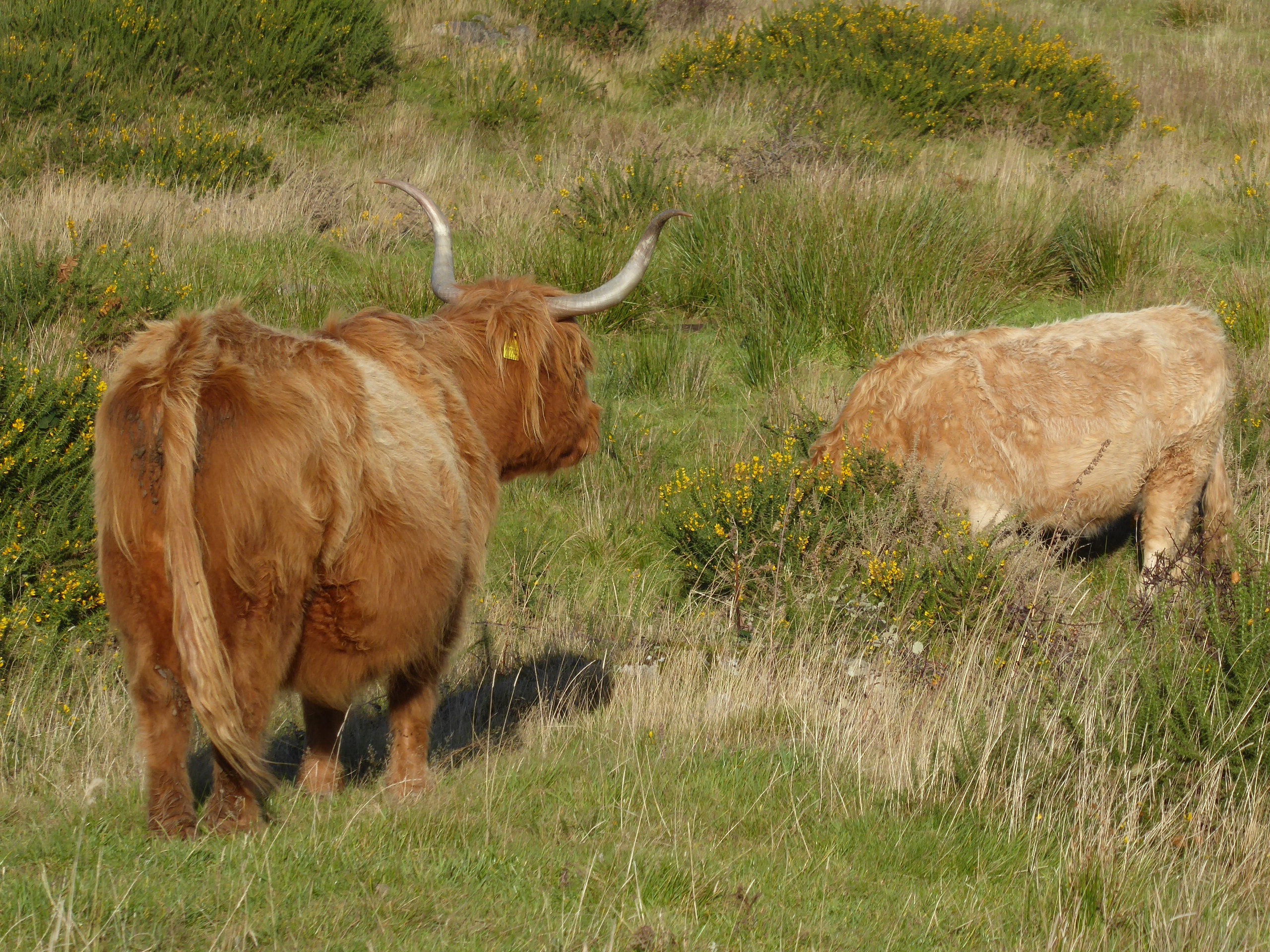
The walk was not without its unnerving moments:

(Had I been brave, I would have photographed the cow before I’d safely gone past it.)

Comet Tsuchinshan-ATLAS

I finally saw it. It’s taken several meanderings after dark: I’d never realised how difficult it is to find a good spot to see the western horizon on a clear night without trees and rooftops in the way.

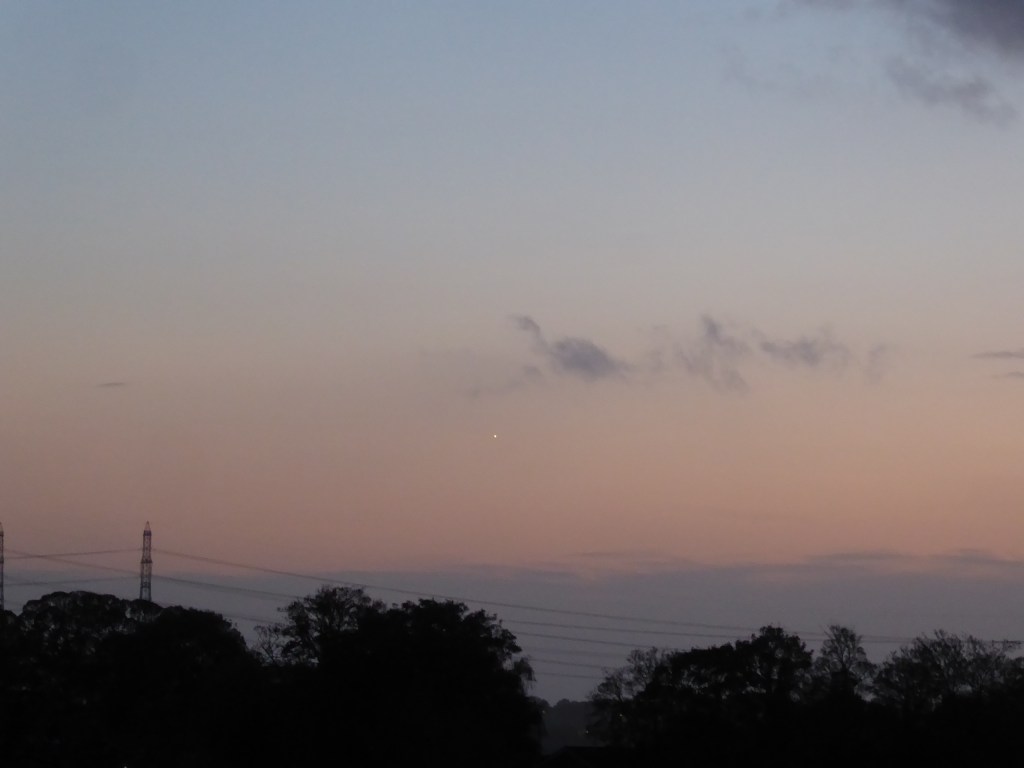
Well, now I know. And this is it:

Tiny! Nothing like the photos online. I couldn’t have spotted it without binoculars and even now I feel as if I ought to draw a circle round it – otherwise, how can you see it? My satisfaction is out of all proportion. The successful expedition involved wellingtons, climbing over a fence and standing in a field for 40 minutes. People who saw me asked if I was looking for the barn owl they’d seen flying over the orchard.

There were incidentals to note while hanging around waiting for darkness: the silhouettes of gnats and moths against the fading colour of the sky, the jet overhead whose contrail appeared to be on fire (reflection of the sun?), and my increasing respect for those early astronomers whose observations enabled them to distinguish between stars, planets and comets.

My next mission? The barn owl . . .

Journey to Italy (1954)

Director Roberto Rossellini with Ingrid Bergman and George Sanders

It took me a while – even as long as the next day – to appreciate this film. The characters are not sympathetic – the private faces behind charming social façades – and the scenes and dialogue are somehow jarring and ill at ease. But I guess that’s the point.

A couple, obliged to spend time together on their own in a foreign land, discover that they have grown apart and maybe don’t even like each other any more. They are disoriented – in their surroundings and in their marriage. Lots of stereotypes: uptight northern Europeans encounter the land of voluble Mediterraneans. The beautiful, sunny south, full of fecundity and the inevitability of death. She is touched by a sense of history and past lives and regrets not having had a child; he is cynical and arrogant, attempting to have a fling but being rejected/rejecting the chance. The climax is a visit to Pompeii to watch the unearthing of a couple who died in each other’s arms 2,000 years before (very “Arundel Tomb”); as they return to Naples, discussing divorce, they are held up in a religious procession where their own personal miracle takes place.

And then the film grew on me. The way the landscapes and the ancient sites are used to affect and reflect the characters’ emotions. Why should they be portrayed as sympathetic when we see them at their most private and conflicted, immersed in tedium and unhappiness? The dialogue seems stilted – but real interlocution is not scripted. It made me think of Antonioni – even to the way the female character (usually Monica Vitti) is suspended between the timeless natural world and the superficial social whirl.