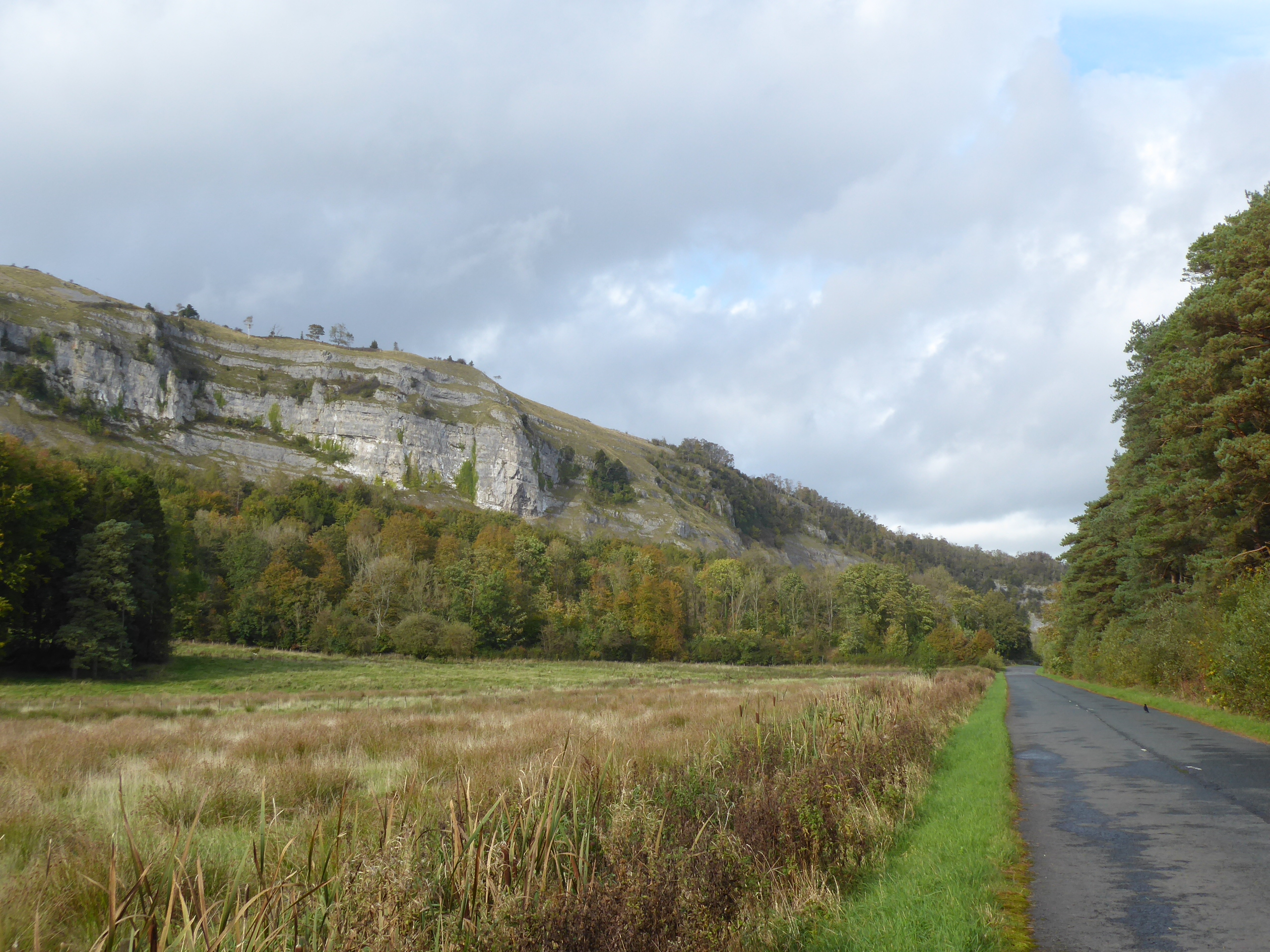
Dalemain House

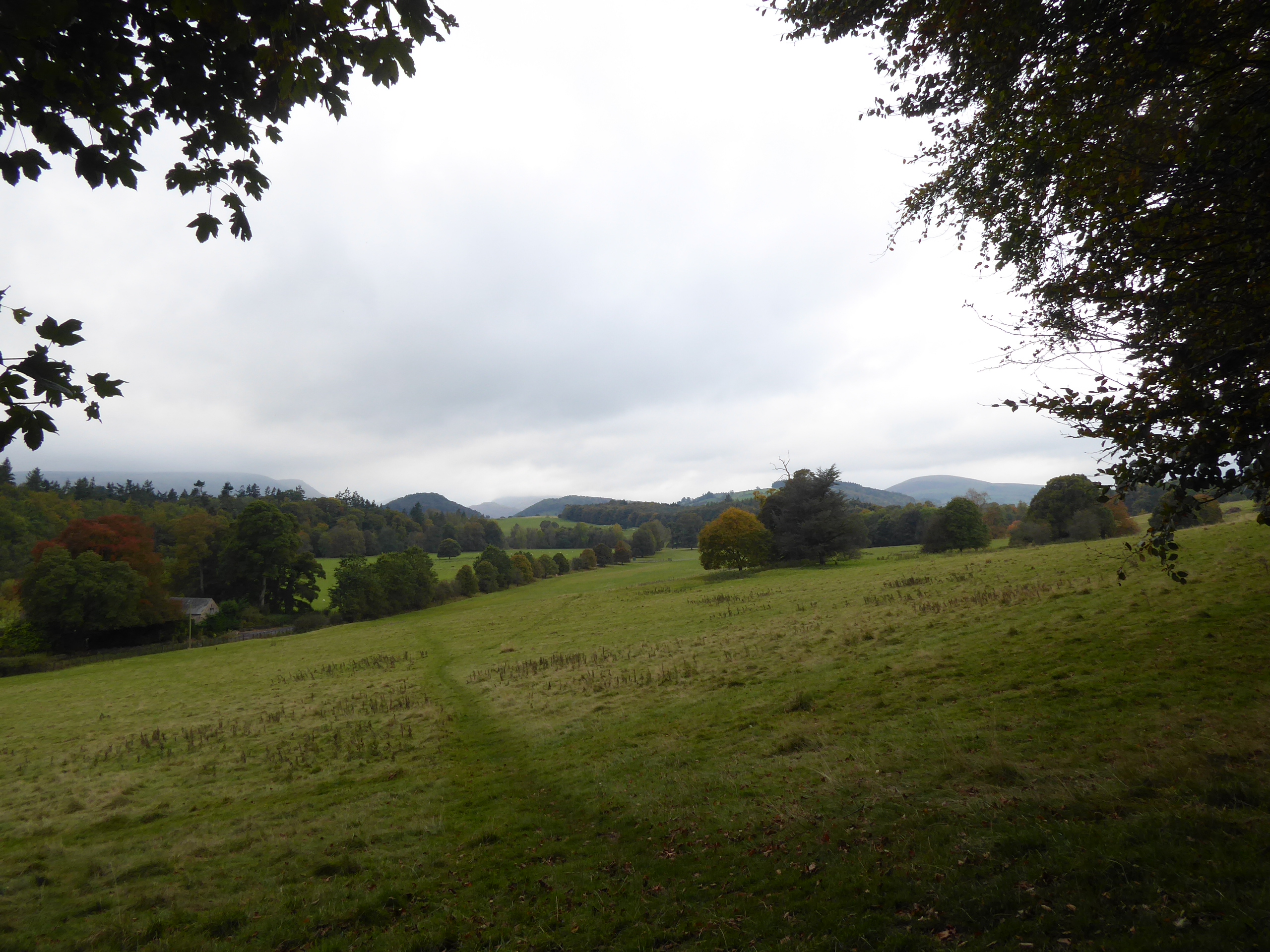
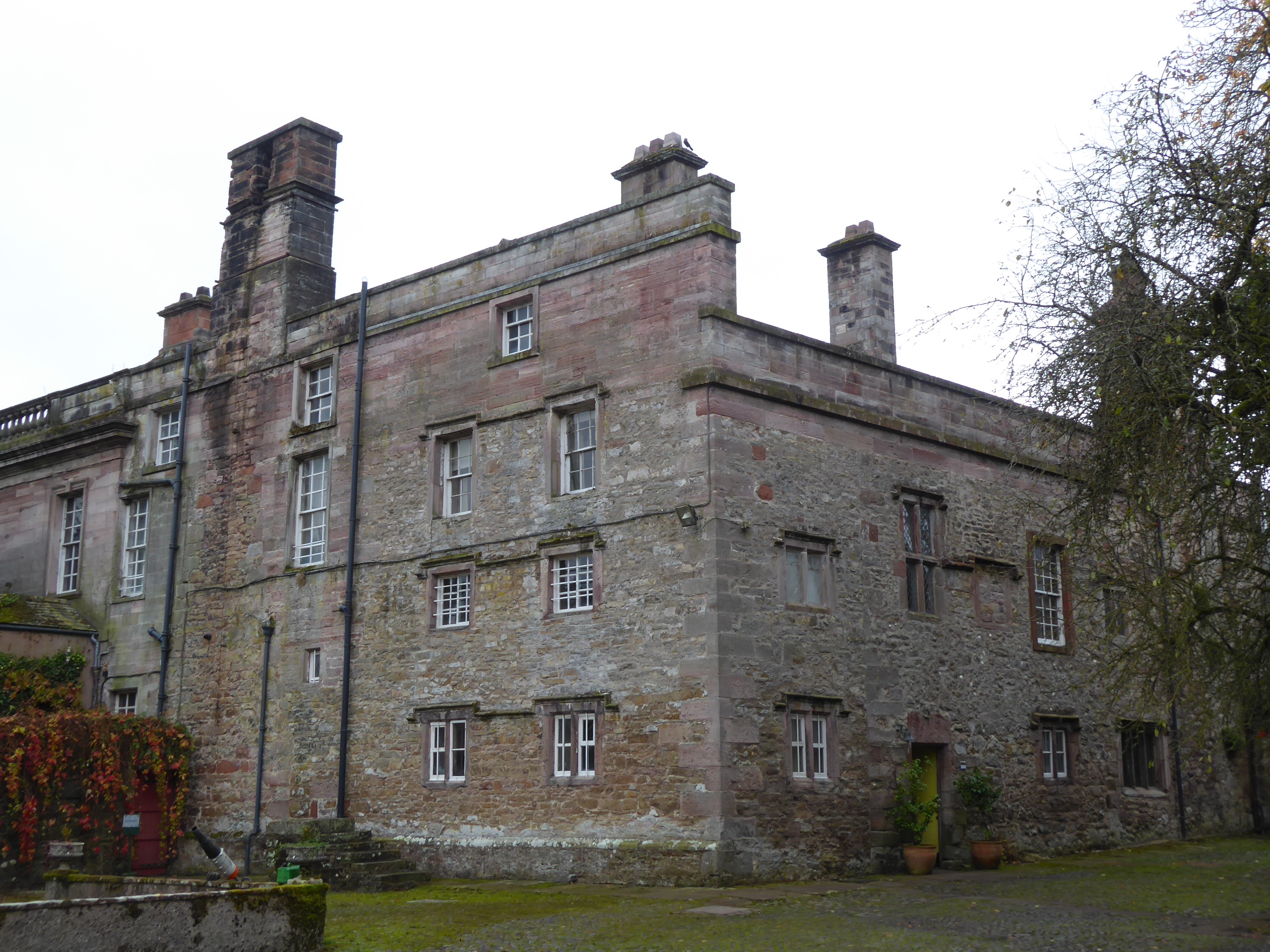
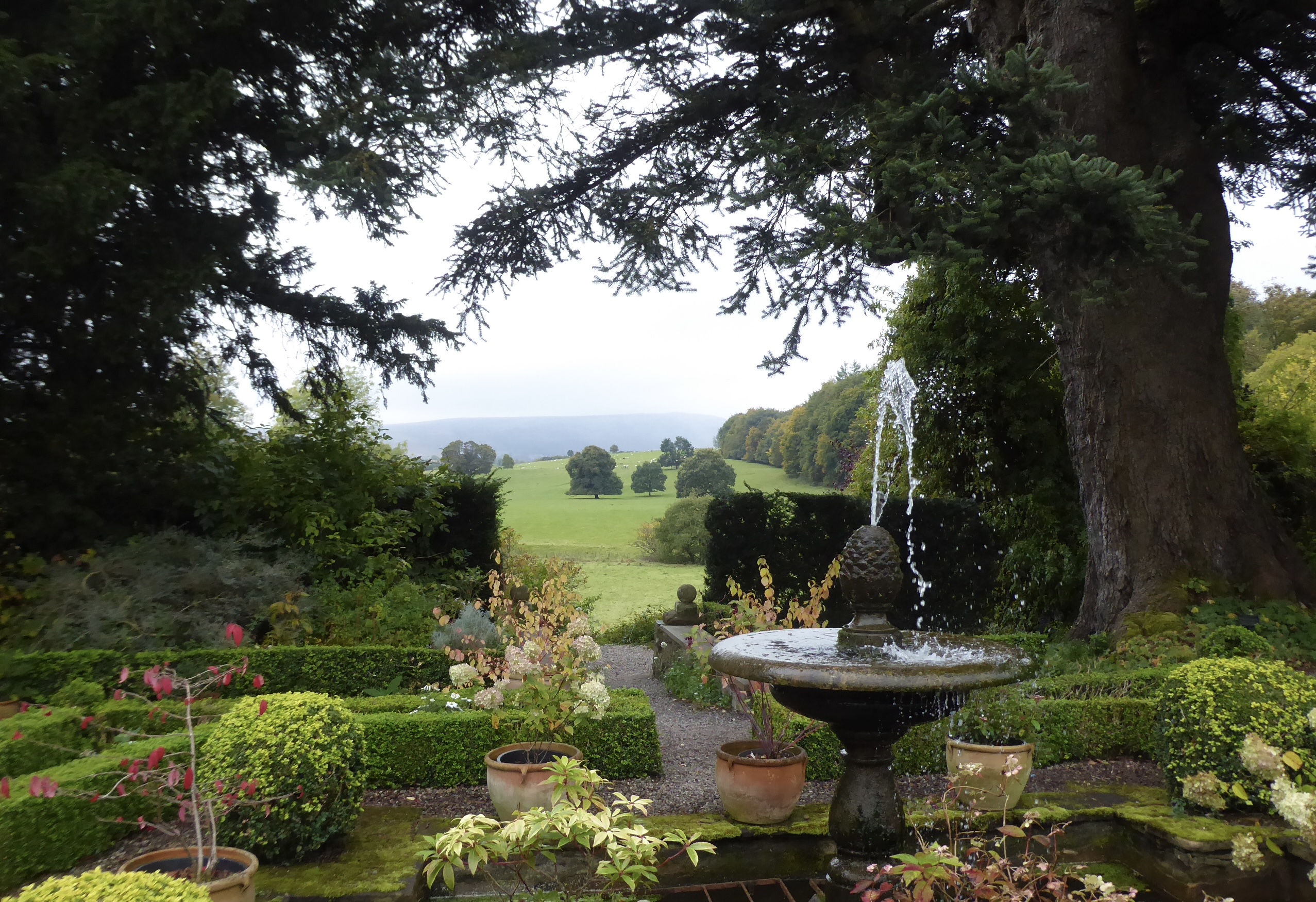
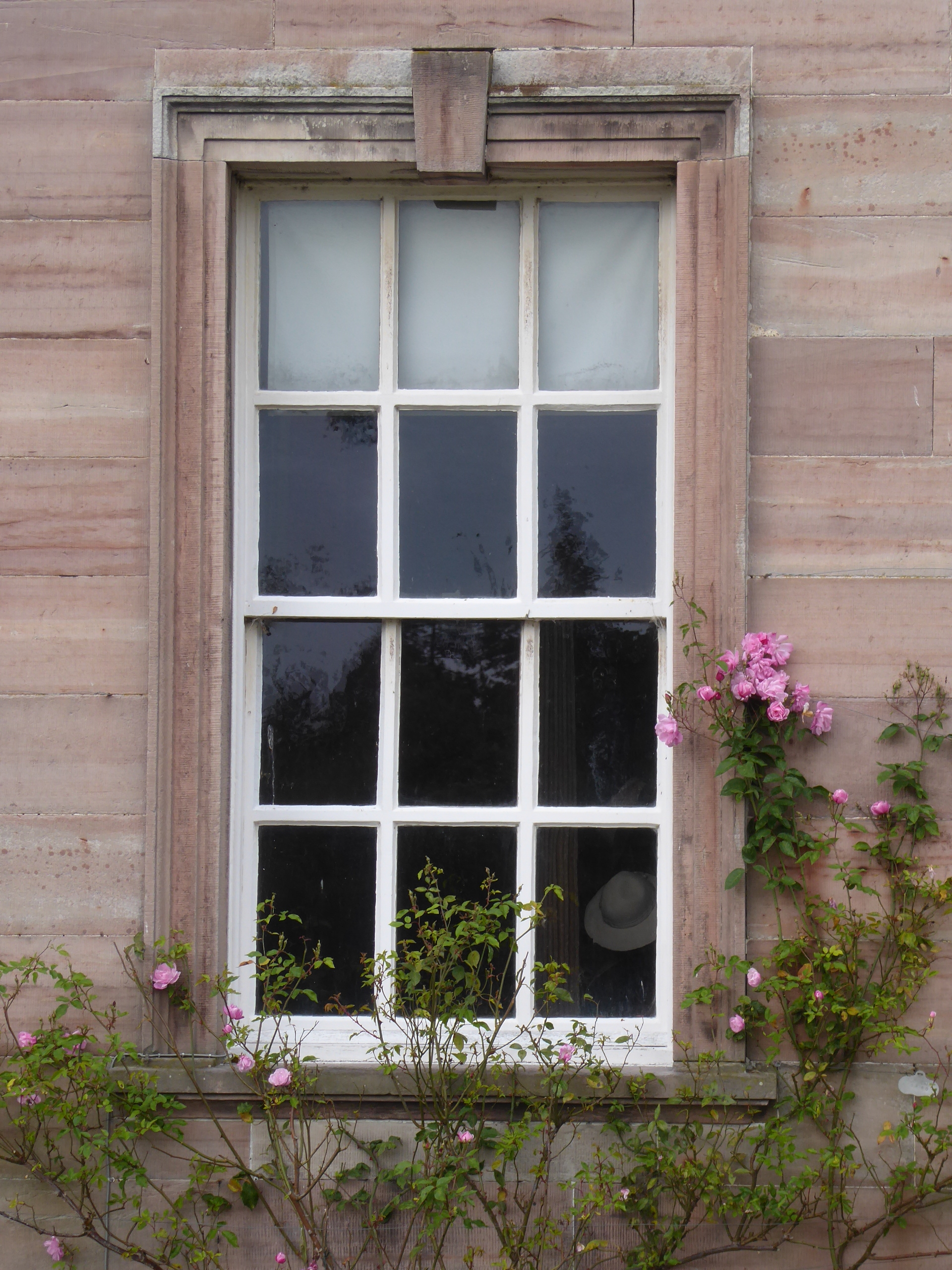
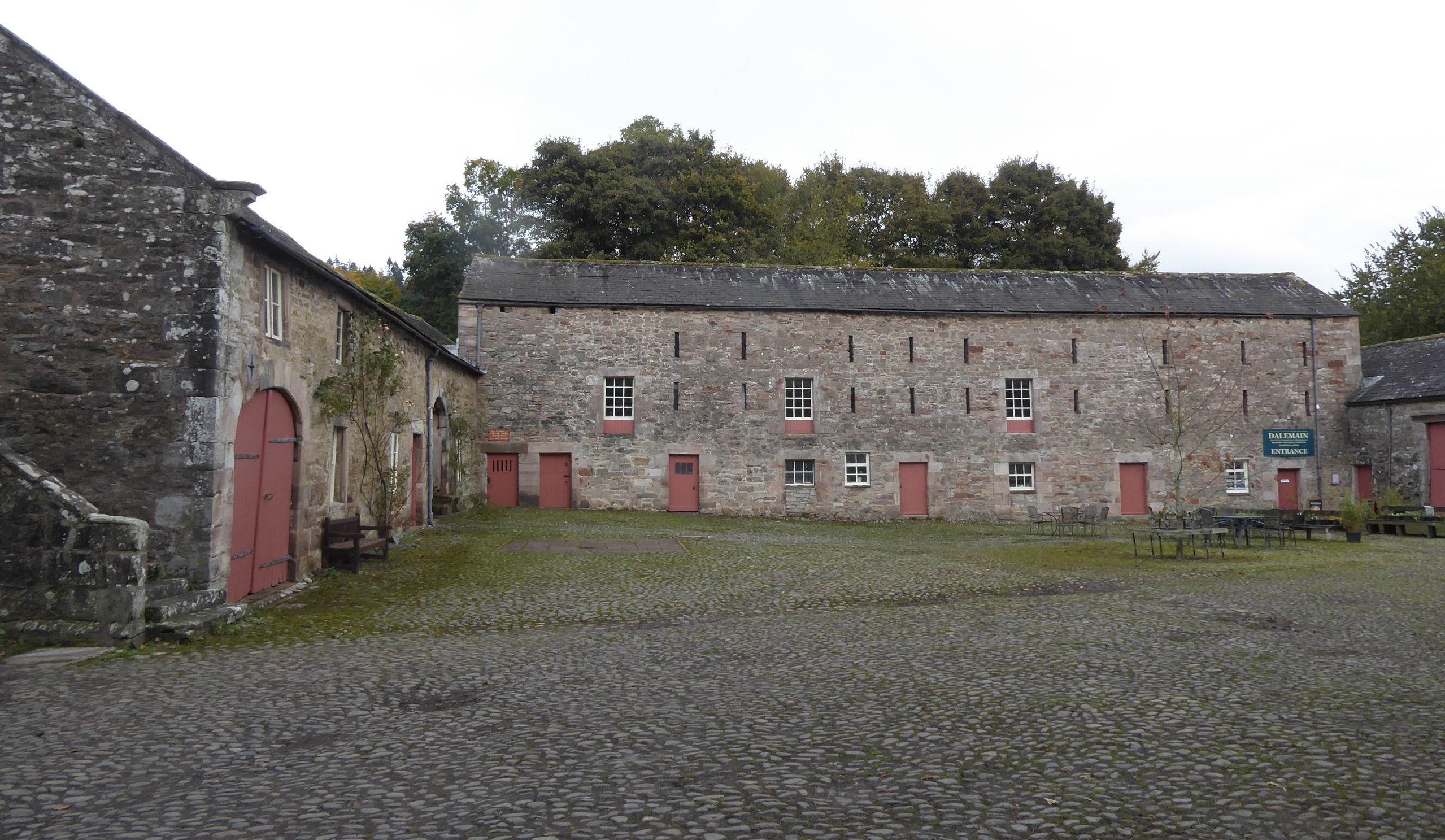
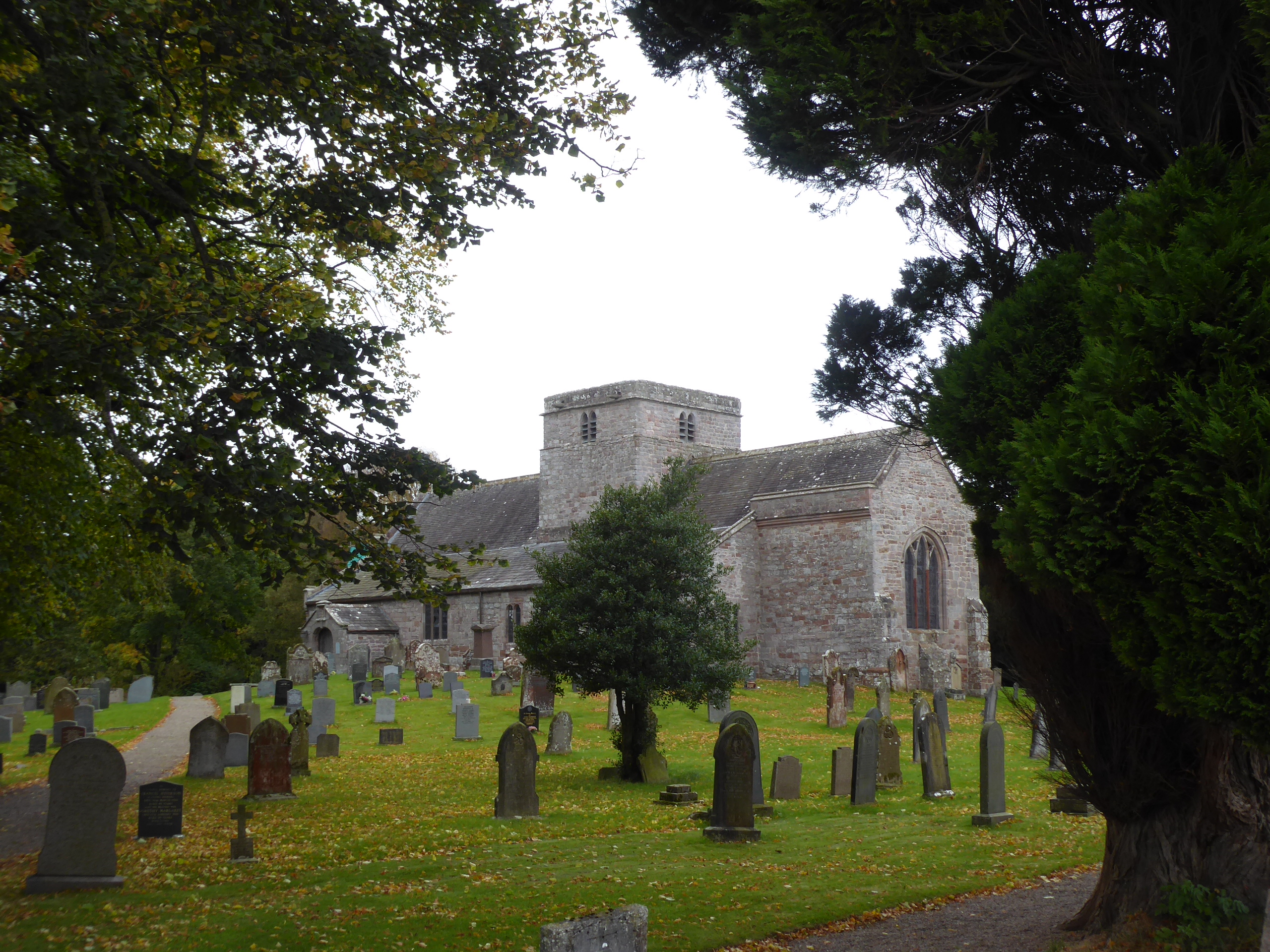
I caught the bus to Rheged (and, as I got off four minutes later, wondered why I’d bothered) and walked to Dalemain House. A pele tower and Georgian house in one, so it was interesting to pass from one era to another on the guided tour of the house. (But, my goodness, it was cold inside!) We moved backwards in time, from Chinese rooms and symmetry to a Tudor plasterwork ceiling, and finally the hall with an enormous fireplace. The last buyer of the house was Edward Hasell in 1679; he was a former steward to the ubiquitous Lady Anne Clifford.

I walked back – snubbing the bus – past Rheged, once the quarry that had supplied some of the stone for Dalemain.

Eamont Way

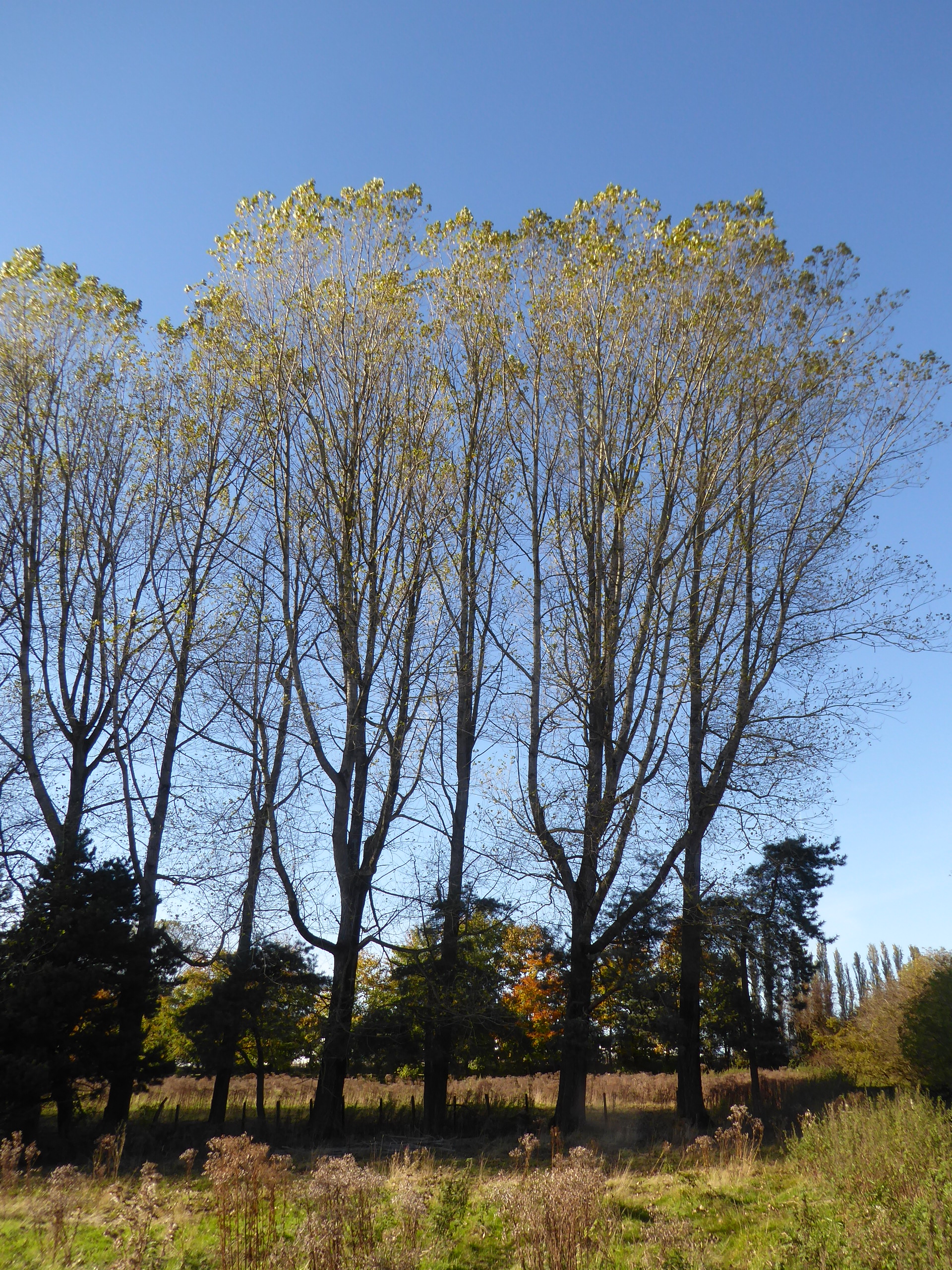
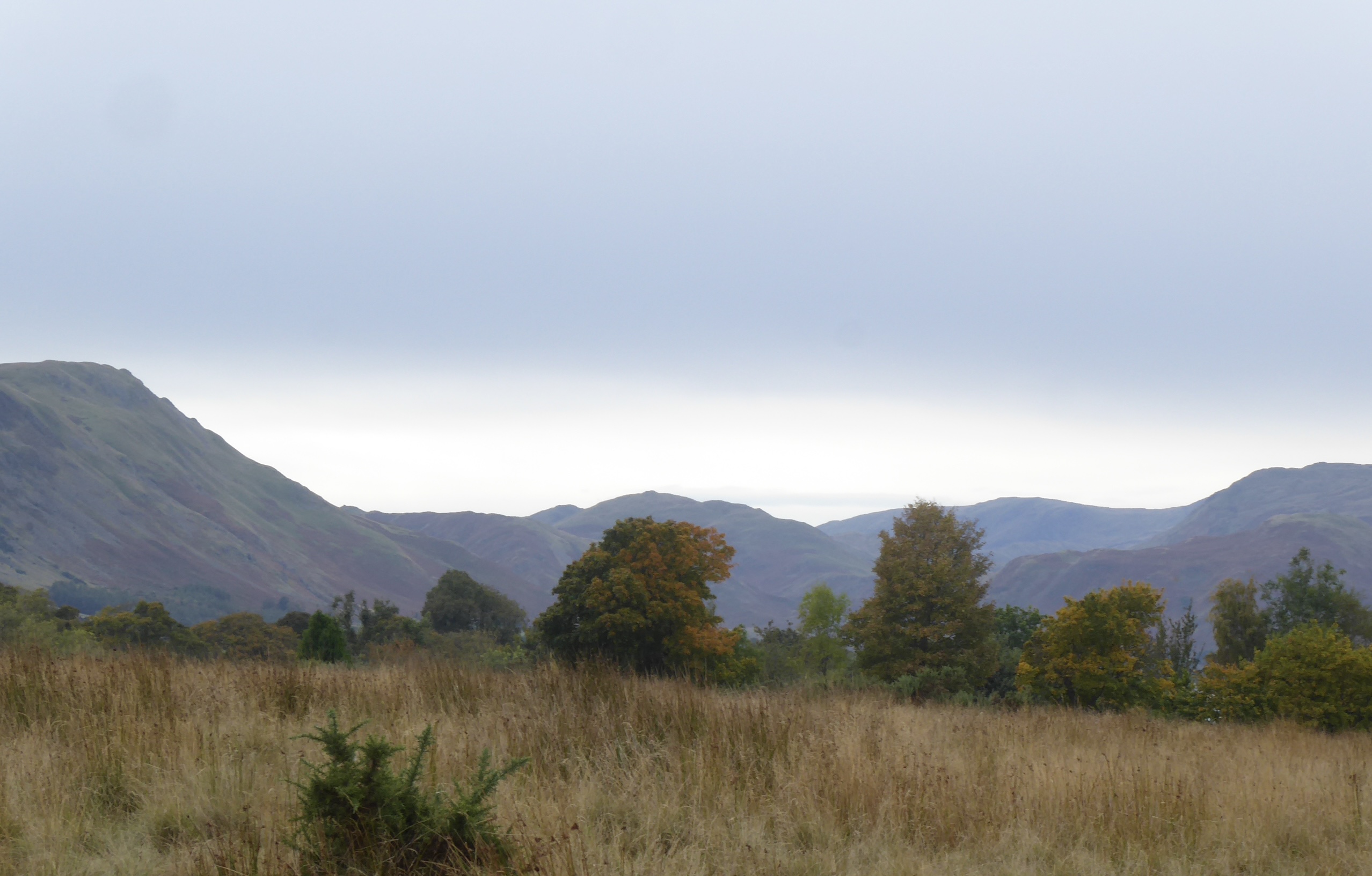
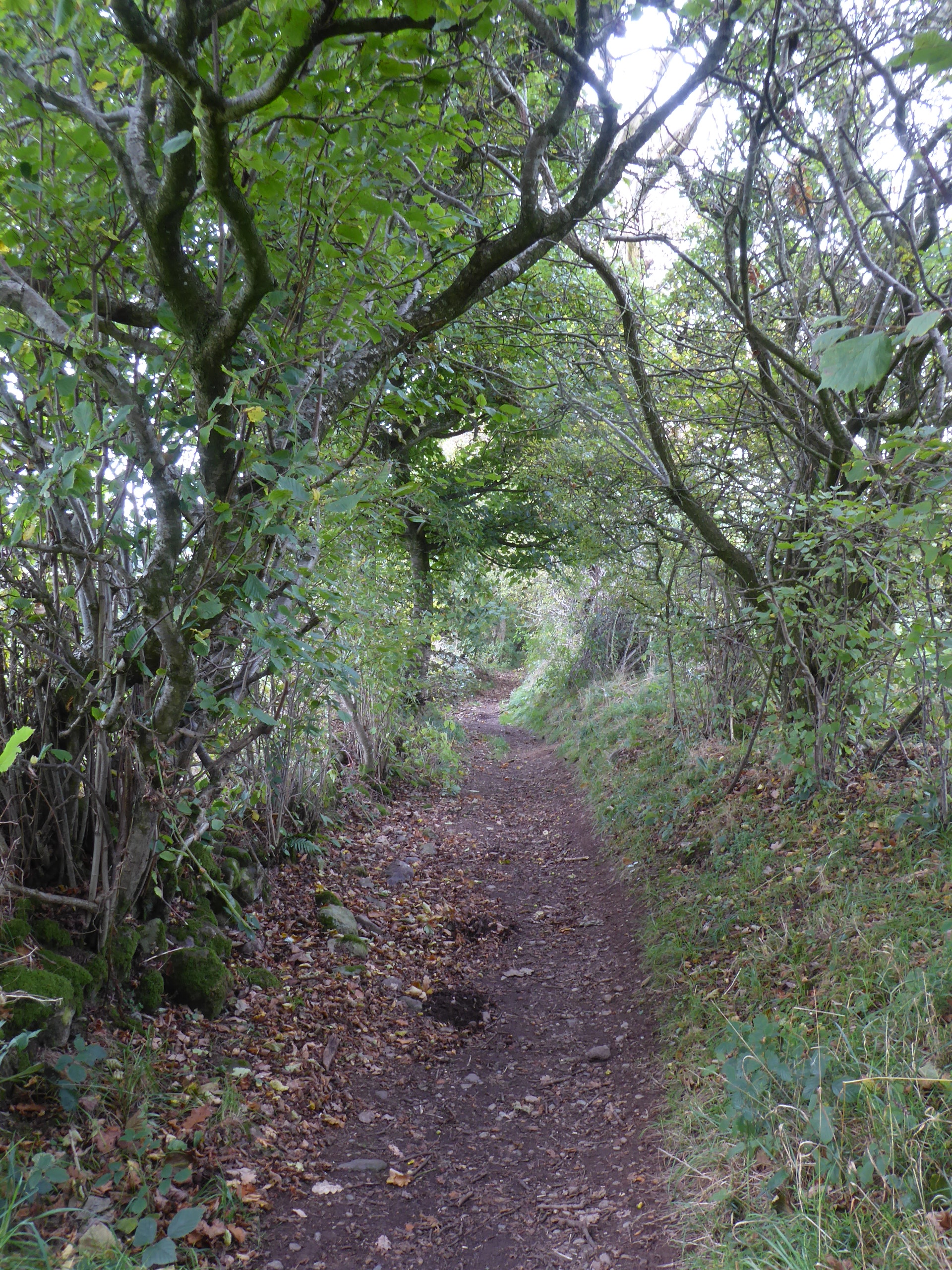
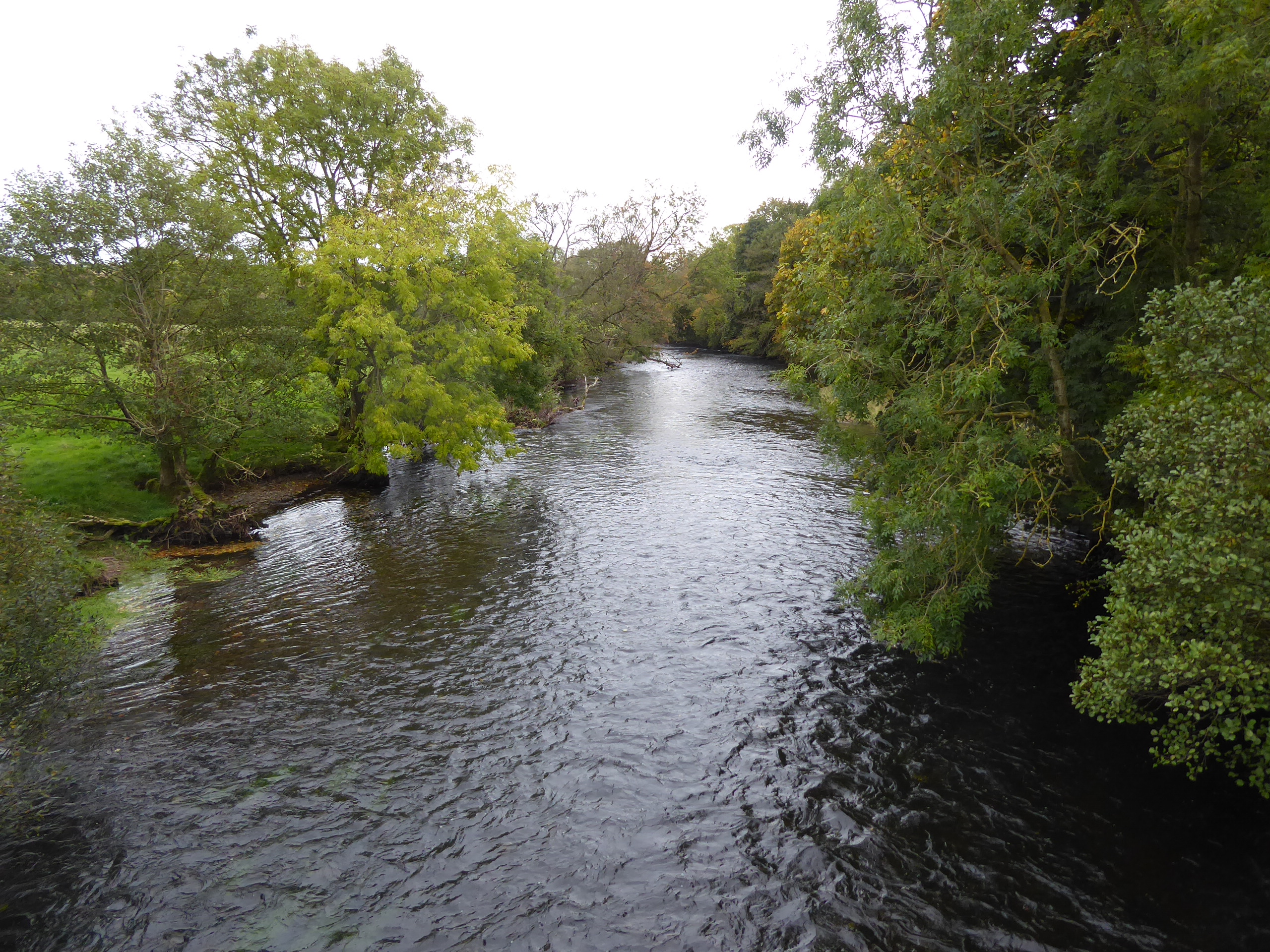
I walked along the Eamont Way again – this time from Pooley to Penrith. It’s a pleasant enough walk, but I can see why I didn’t meet anyone else on it. Why walk to/from Pooley Bridge without even a glimpse of Ullswater?

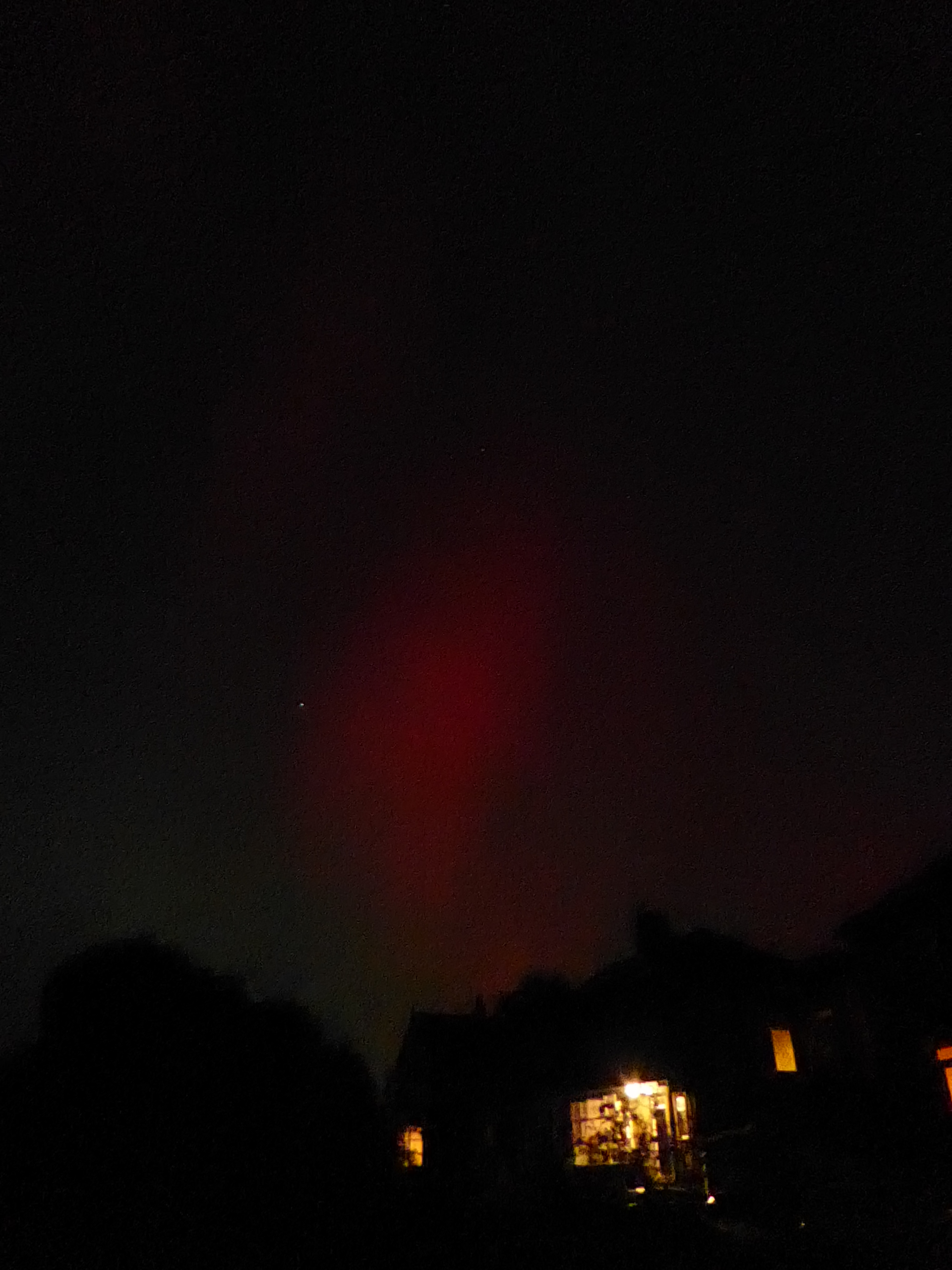
As darkness fell, I hung around on the platform bridge hoping for a glimpse of Comet Tsuchinshan-ATLAS. It was the best view of the western horizon I was likely to get. No, nothing.

Stromboli (Land of God) (1950)

Director Roberto Rossellini with Ingrid Bergman and Mario Vitale

When I first used to visit the Mani in the southern Peloponnese – before it was underwent cosmetic surgery – I read Peter Greenhalgh’s book and went in search of the churches and mosaics and the entrance to Hades(!). I loved doing that, but even then I felt that living amongst those hostile towers and prickly pears in a traditional way would have been unbearable – perhaps even for those born there. You’d have to be Patrick Leigh Fermor to make it work. The Italian island of Stromboli looked very similar, but with the added horror of no roads to carry you away.

And so to the film: my engagement with it wavered, but it was always interesting. Italian neo-realism again: non-professional actors (which showed), real locations and real lives, quasi-documentary elements, characters formed by particular circumstances. The initial circumstance was an Italian camp for displaced persons, which the Bergman character – a Lithuanian (which gave a real sense of how the war had shaken up the whole of the continent as if it were no more than a snow globe) – was desperately trying to leave. Her first choice was via a visa to Argentina, for which she was rejected; her second was via marriage to Antonio, a very young soldier from Stromboli whom she barely knew.

Reader, she married him. And regretted it as soon as she saw Stromboli: poor, rocky, barren and in the shadow of an active volcano. The island women disapproved of her (trousers!) and she found it primitive; anyone who had the chance emigrated. She tries to adapt, she fails, she tries to escape by walking across the island, passing the volcano, to the small port on the other side. En route she loses everything, calls on God to help her, and the film leaves her on the volcano ready to face . . . what? The sudden introduction of a mystical element felt odd, but in other ways it was powerful film-making. The scene of the volcano erupting, when everyone runs to the sea to spend the night in boats to wait for it to settle down again. The scene of the mattanza – a tuna massacre, which lends credence to the theory that early human beings were largely responsible for the disappearance of mega fauna on the continents they colonised.

I compared it to The Edge of the World, which was less agonised (less Roman Catholic?) and more elegiac, as I recall.

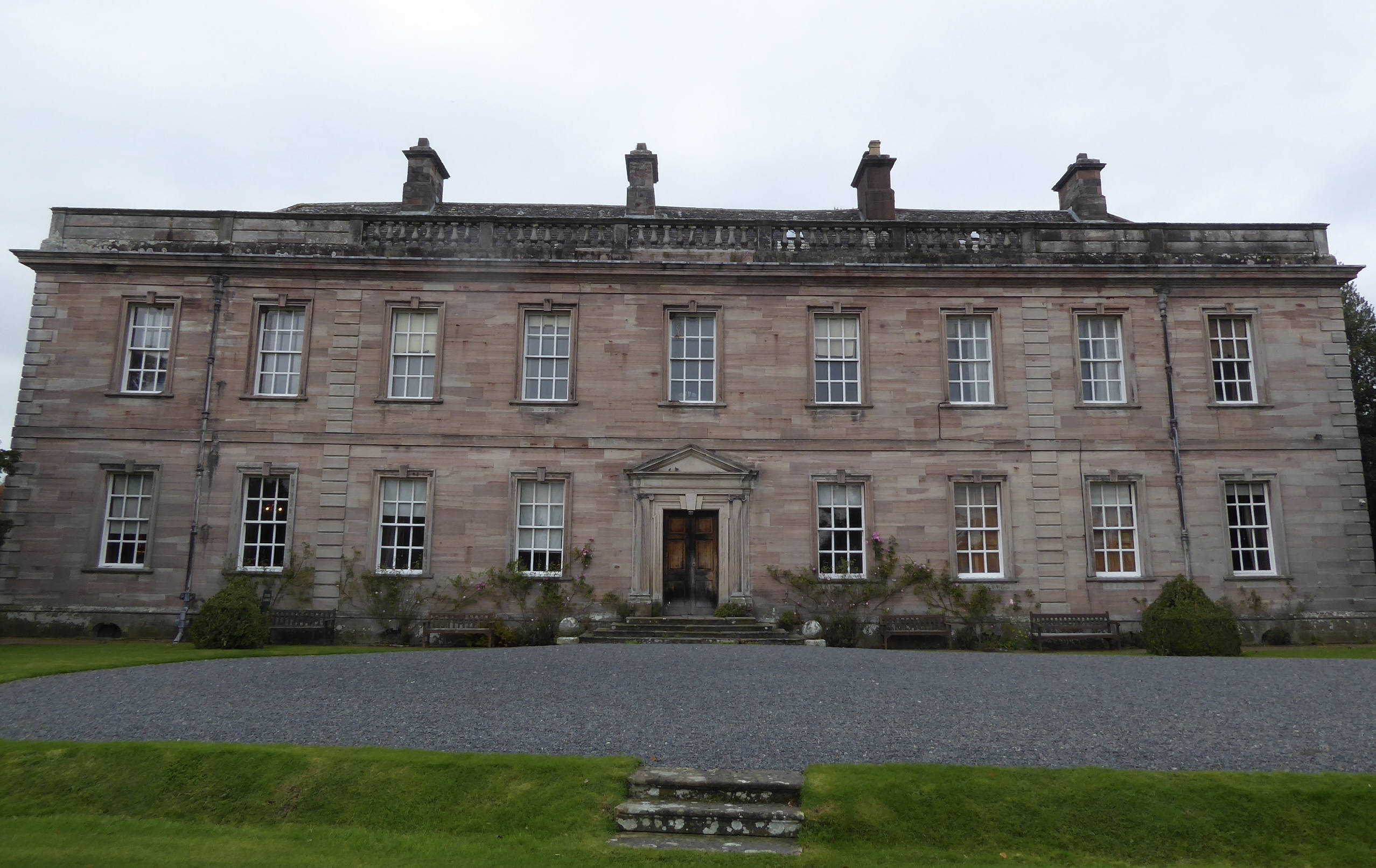
Grange to Oxenholme

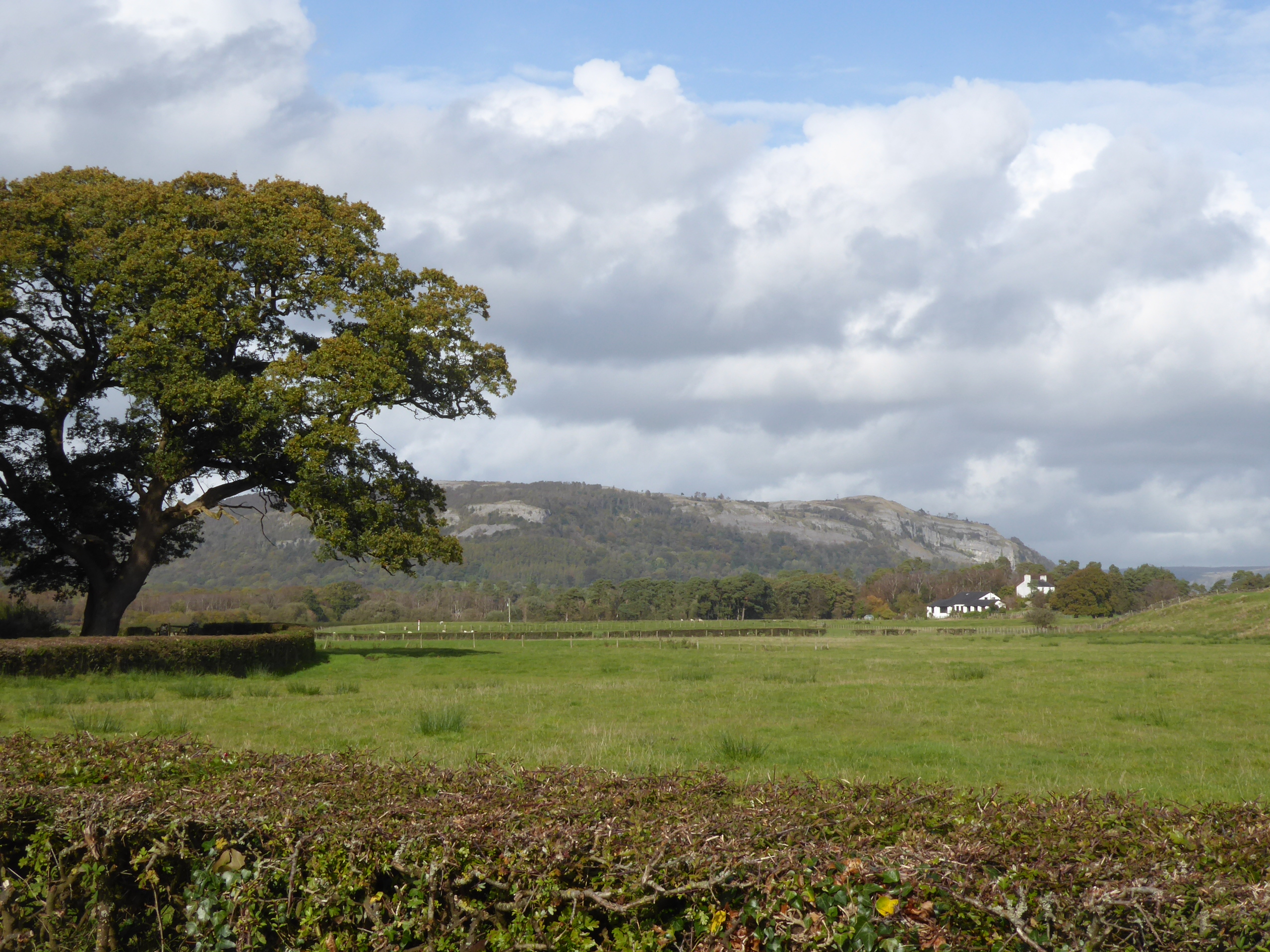
Today promised more sun than rain and it seemed a shame to let my cycling legs rust unburnished, so after lunch the Brompton and I caught a train to Grange-over-Sands and started cycling. First towards Whitbarrow, then towards Levens, and then – having decided on my return station – to Oxenholme over the Helm. Wonderful.

The Lunchbox (2013)

Directed by Ritesh Batra with Nimrat Kaur and Irrfan Khan

Apparently Mumbai has what seems to me like an incredibly complex system to deliver lunchboxes from home to workers by dabbawalas – something I knew nothing about before seeing this film and am still marvelling at.

The starting point is an uncharacteristic error in delivery, so that a lunchbox cooked by an unhappy young wife for her husband is delivered by accident to a morose widower on the brink of retirement from an accounts department. They begin a correspondence by notes in the lunchbox trays, opening their hearts to each other and re-evaluating their own lives as they do so. She realises that her husband is having an affair and that their marriage is beyond her attempts to revive it; he realises how withdrawn he has become. Perhaps there could be a romance between them (some reviewers took it to be one), but that is only one strand of the film. It’s about more than that. Mumbai is so crowded that first-class commuter travel means standing armpit to armpit, but even here loneliness and oppression creeps in. All scenes seemed hemmed in – in her flat, his office, local transport – with no broader vistas. Family offered a different form of loneliness – her mother’s and her neighbour’s diligence in caring for their sick, unresponsive husbands, her own husband’s indifference. His replacement – perhaps supposed to be there for light relief, but I don’t know enough to tell – was a chirpy younger man without family (a social black mark against him) who would do anything to advance in life: willing to work anywhere, ready to lie, but withal endearing.

It was unsparing about age and illness: his horror of discovering that his bathroom smelled like his grandfather’s, her mother’s outburst of despair at the awfulness of nursing her husband. Really, it’s a melancholy tale, with the camerawork suggesting characters are trapped or only half-seen – but there is something about the possibility of choosing another life that transcends the bleakness. I was quite transfixed by it.