Liverpool 2

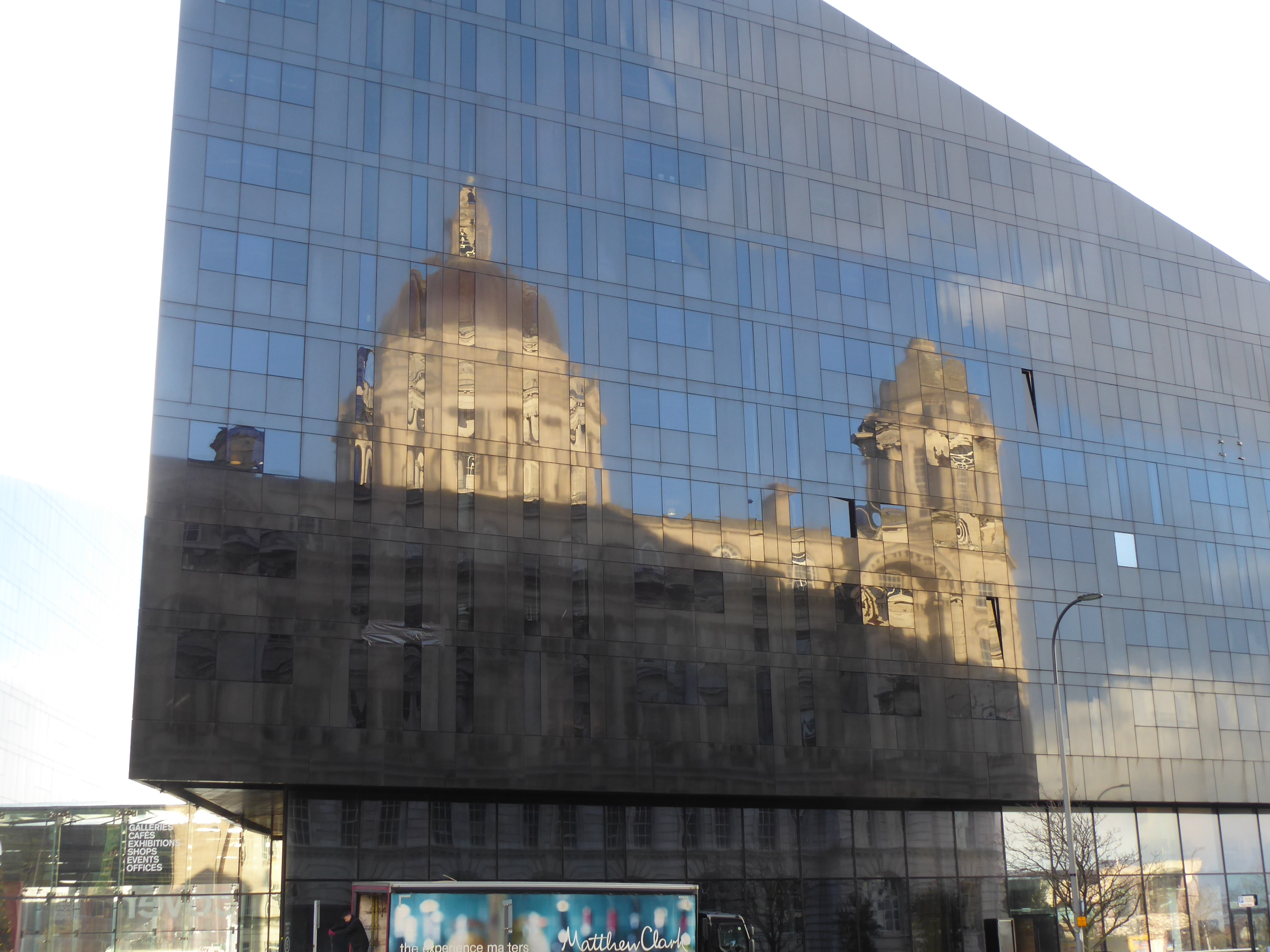
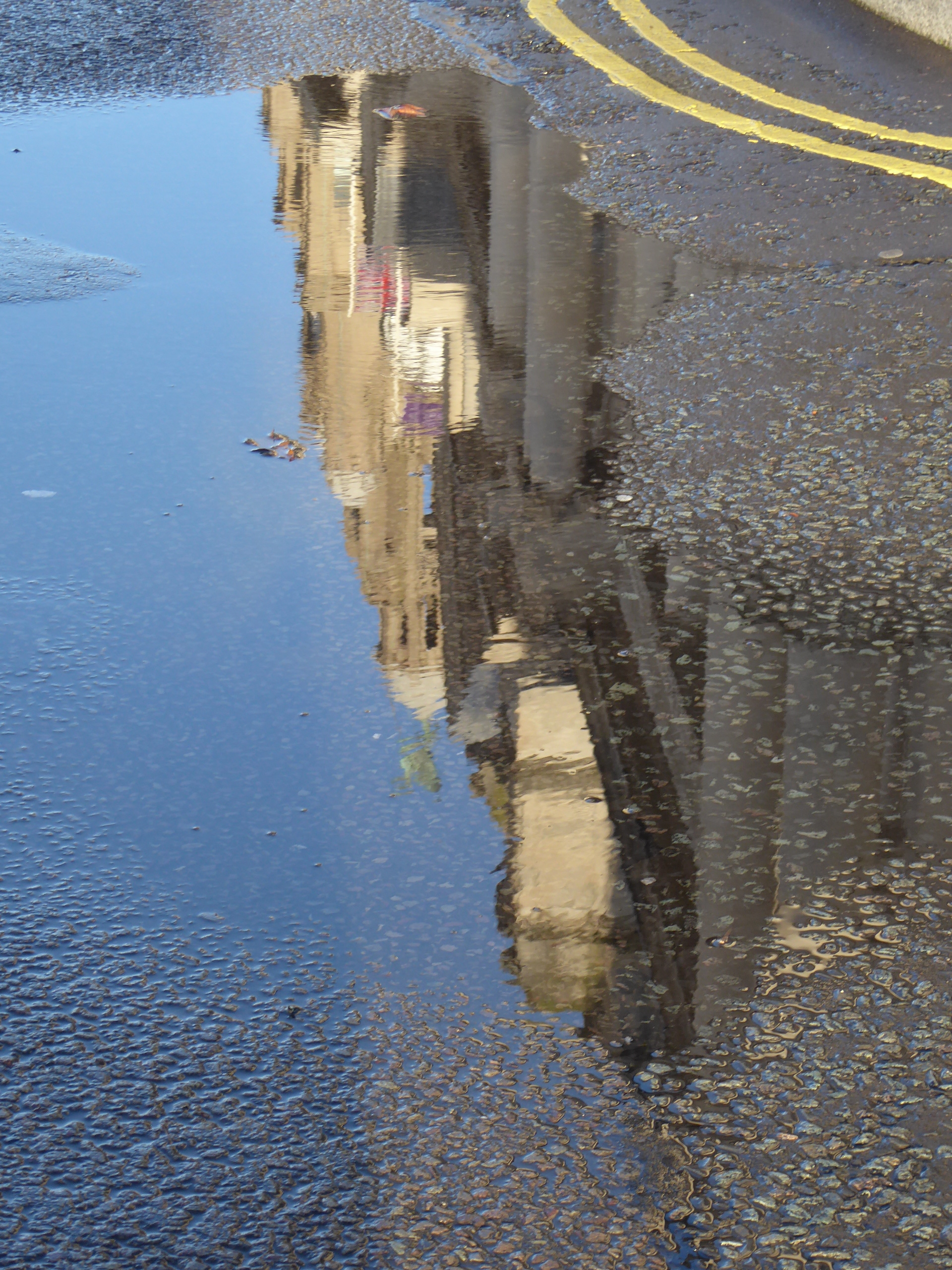
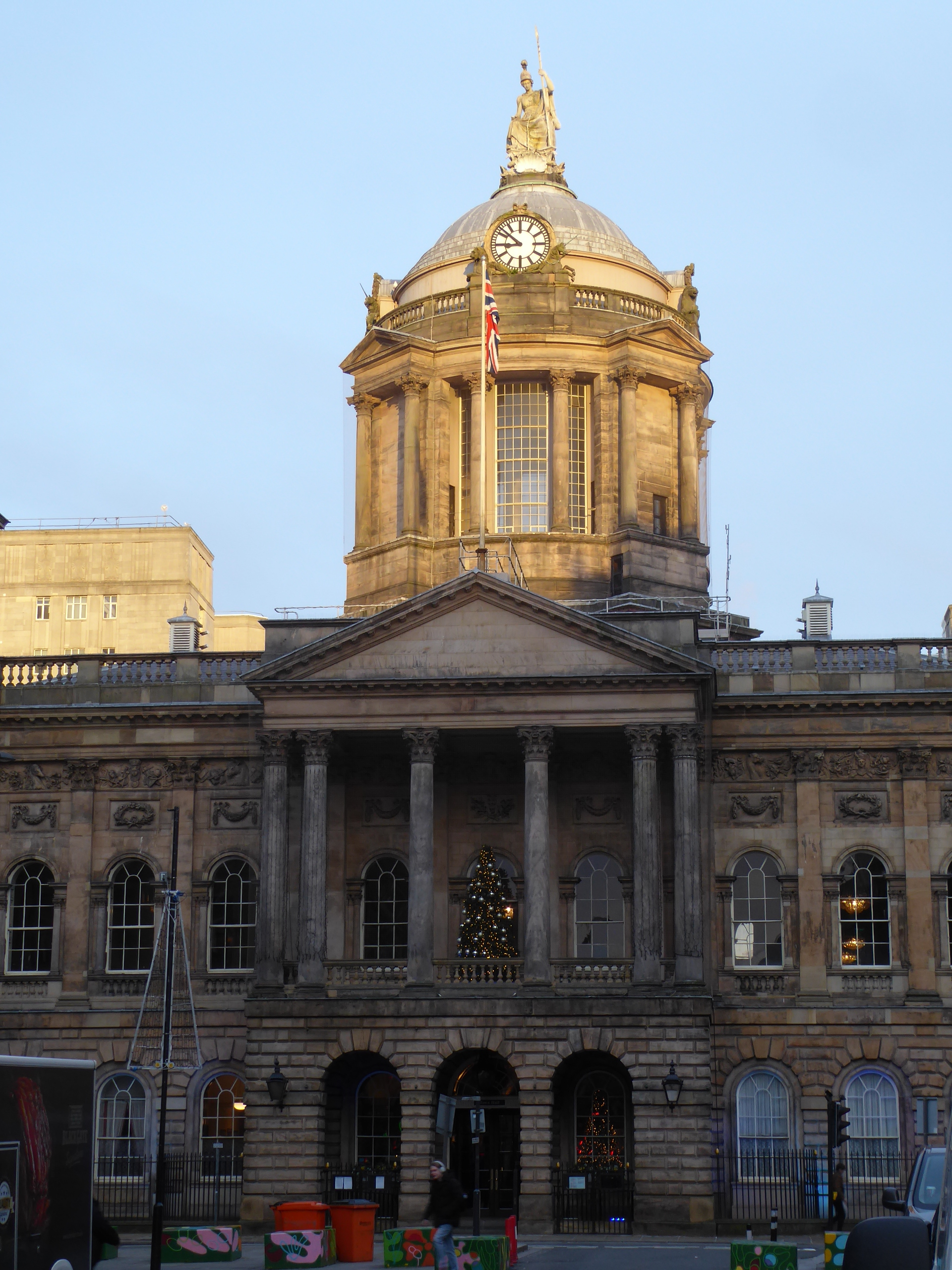
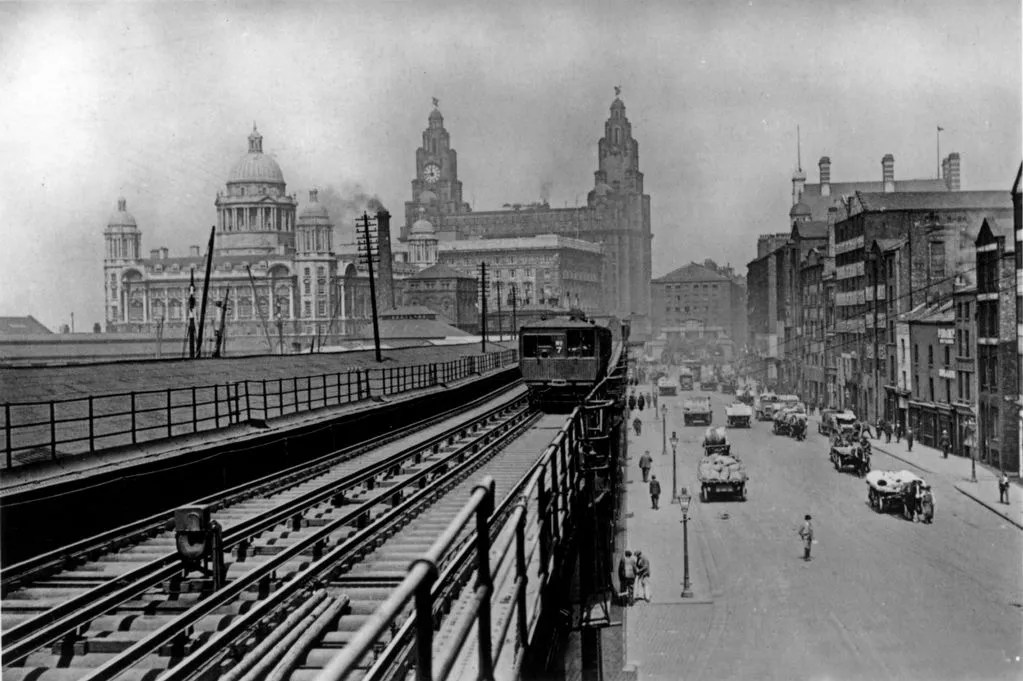
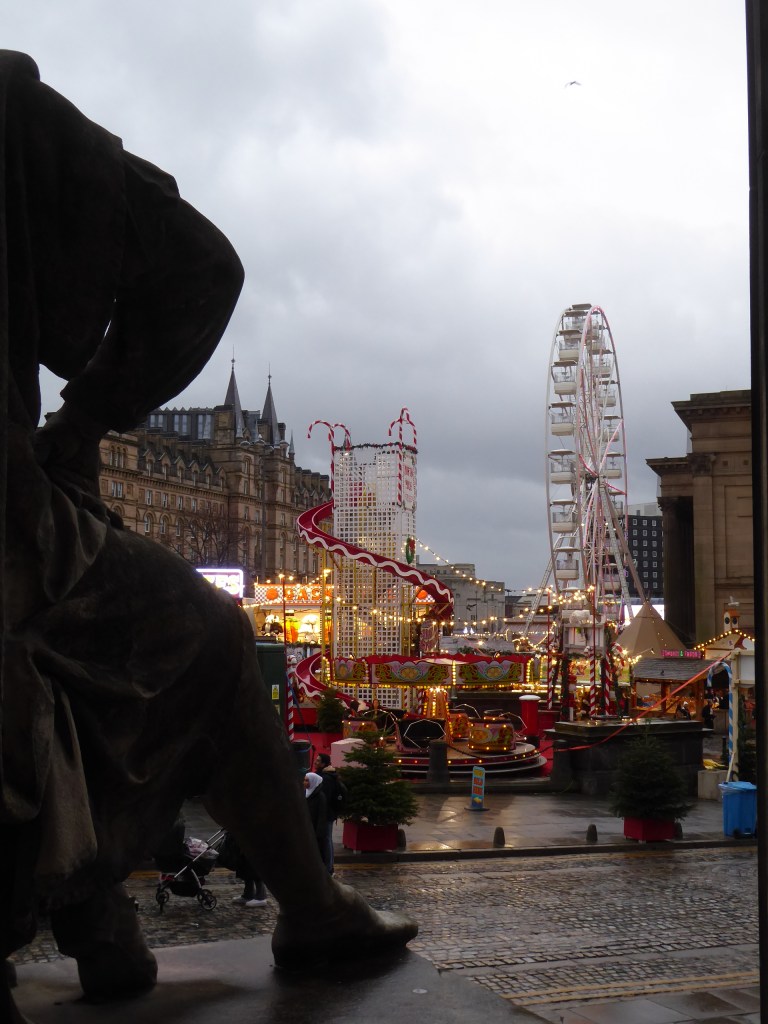
The Mersey wind cuts with a sharp knife: I tucked everything around me as I headed down to the river. The open views of the famous riverside buildings have been redacted by the big blots of modern buildings – but the latter do provide good reflections. Having watched Terence Davies’s “Of Time and the City” a couple of weeks ago, I remembered the overhead railway, and reflected that the waterfront has probably never presented a perfect view. (But the Cunard Building tried hard!)

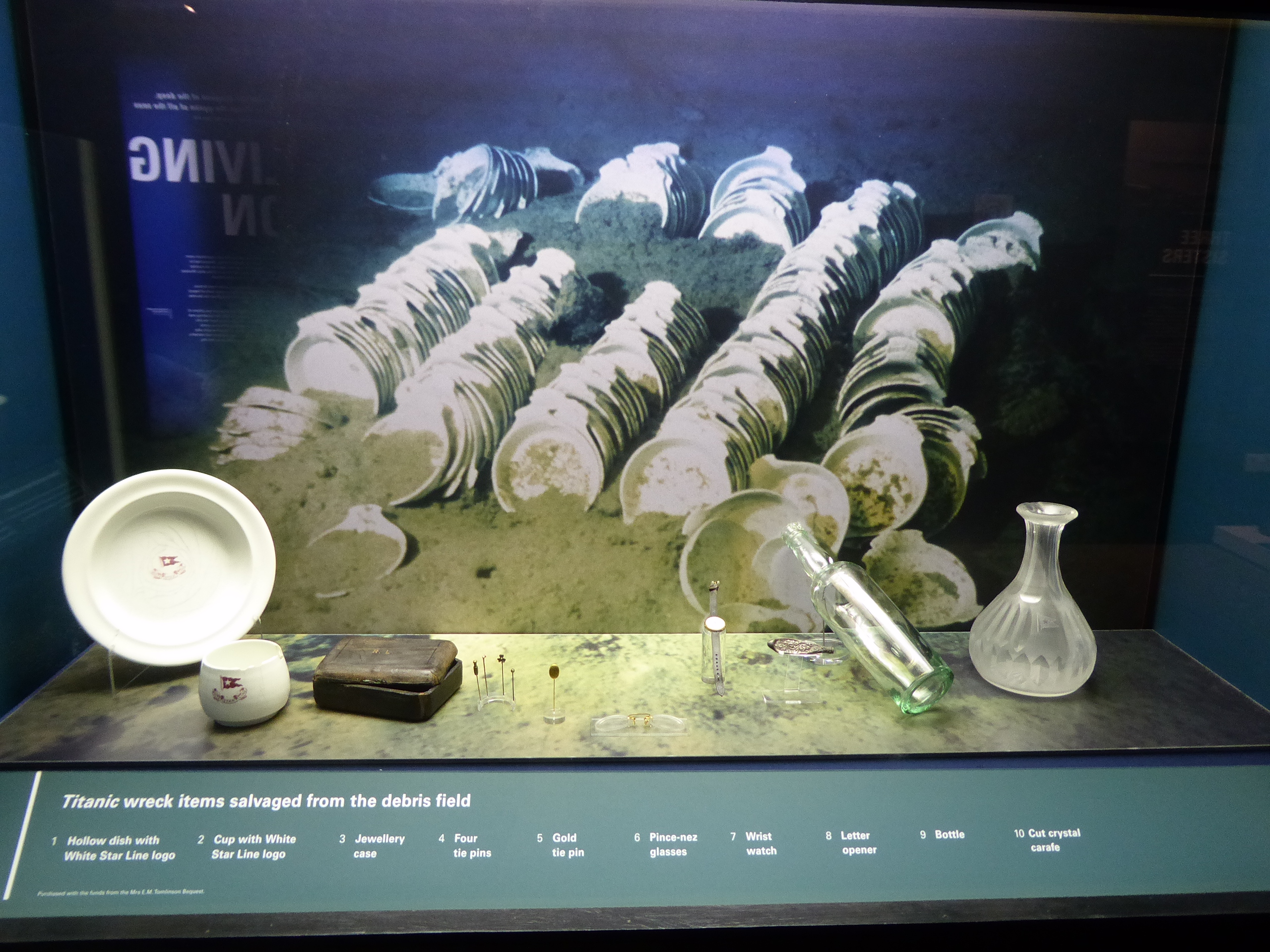
To the Maritime Museum, where I found myself unexpectedly interested by the history of Liverpool’s docks. More expectedly, I was very taken by the glamour of interwar ocean liners. The Titanic exhibition I largely swerved because of school groups, but the photograph of a rack of plates, still on the sea bed and half-covered by sand, was surprisingly moving. A modern Vanitas.
Cherry Tree to Darwen

I’d bought my ticket to Darwen and was on the railway platform before I realised that my Bakelite mobile hadn’t picked up the message about the group walk being called off because of train cancellations.

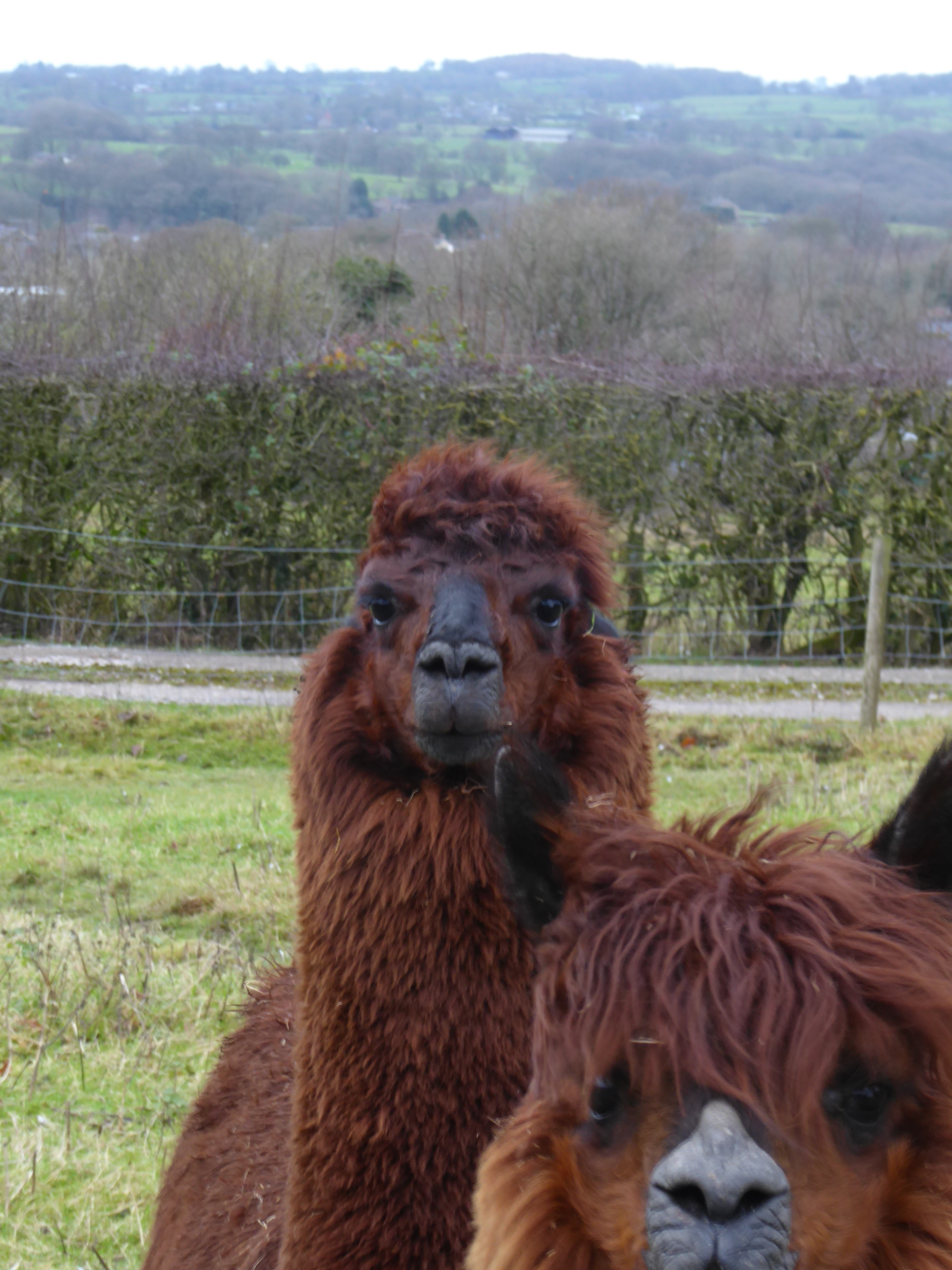
So I went for a walk anyway. I didn’t have a map but I did have my ipad, the OS app and perhaps enough charge to keep me on the right track. I decided the best route under the circumstances was to get off at Cherry Tree station and follow the Witton Weavers Way to Darwen station.

It looked fine on the app, but an enormous housing estate is under construction between Cherry Tree and the motorway, so I lost my path and followed another one that had been severely narrowed by the construction fence. Then a grim, muddy path sandwiched between the motorway and the kind of farm that is more like a dump.

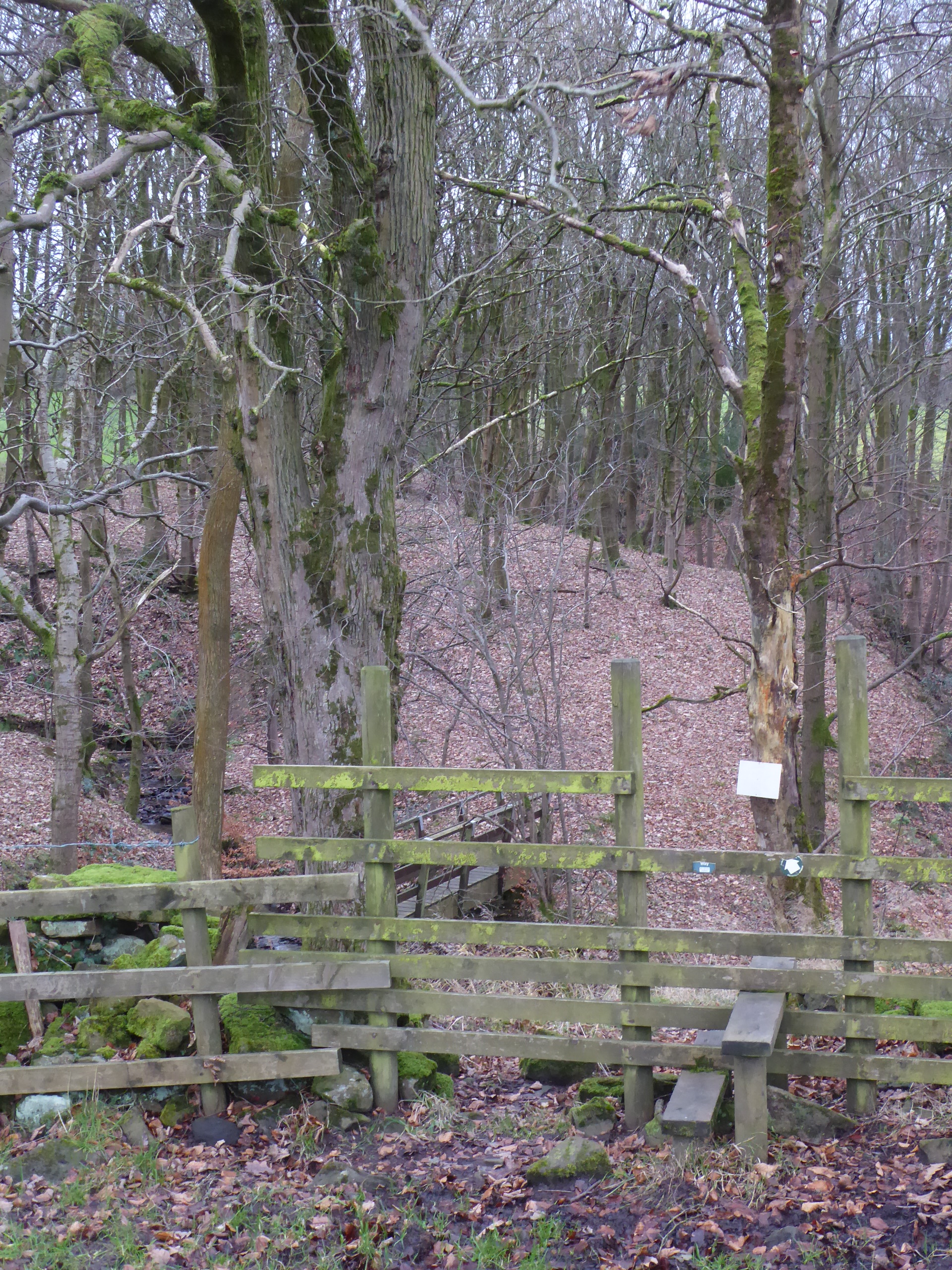
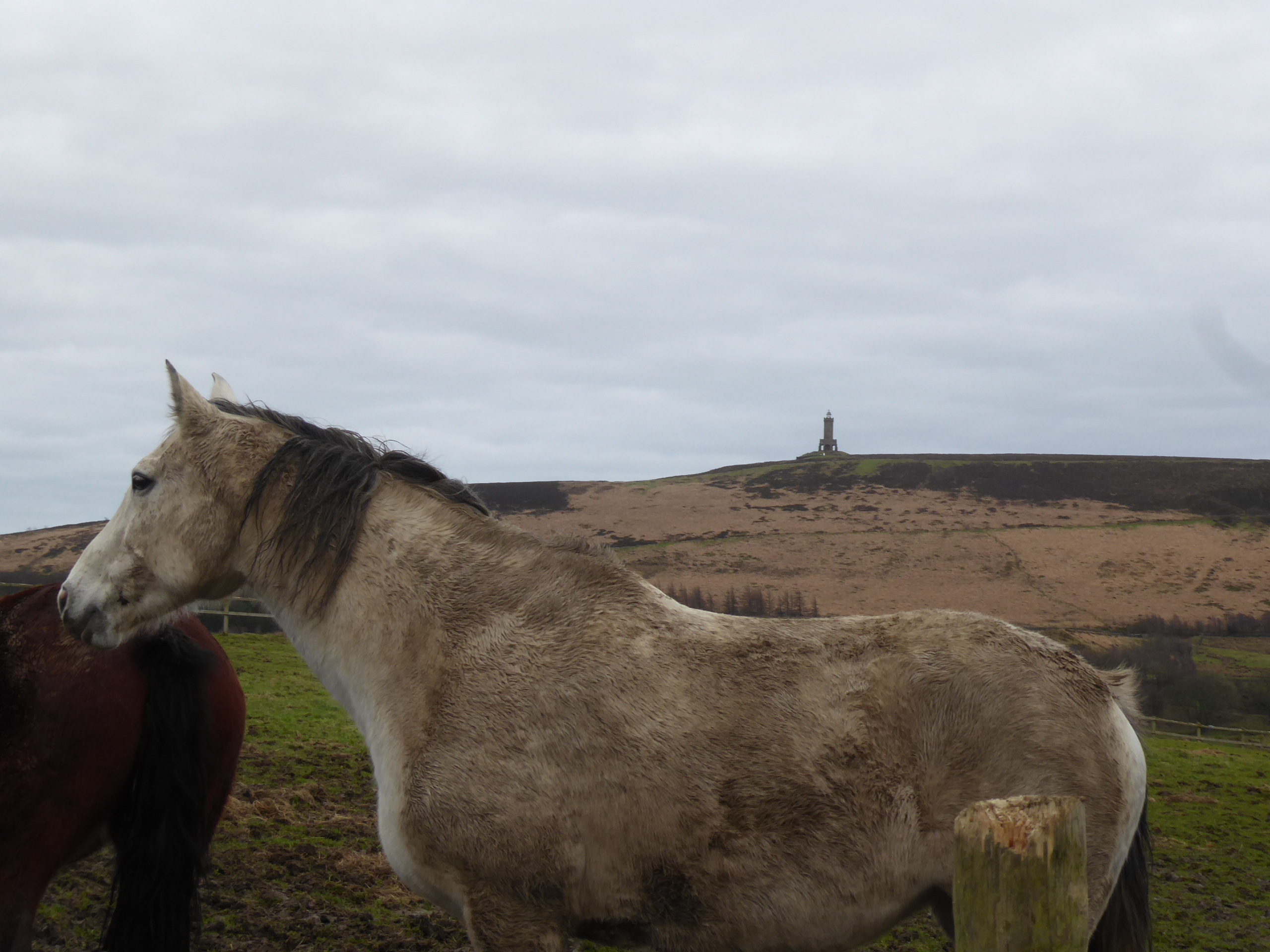
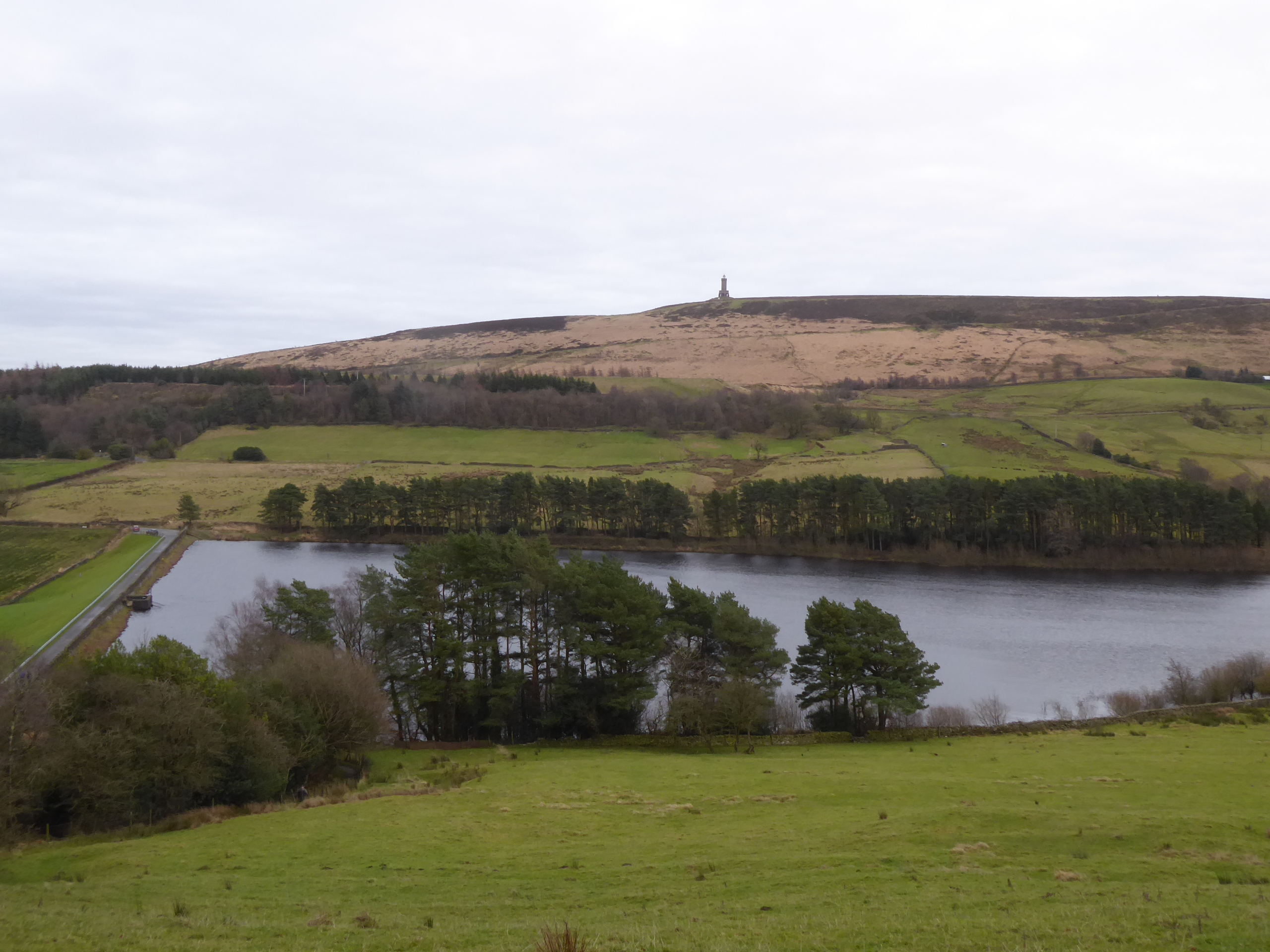
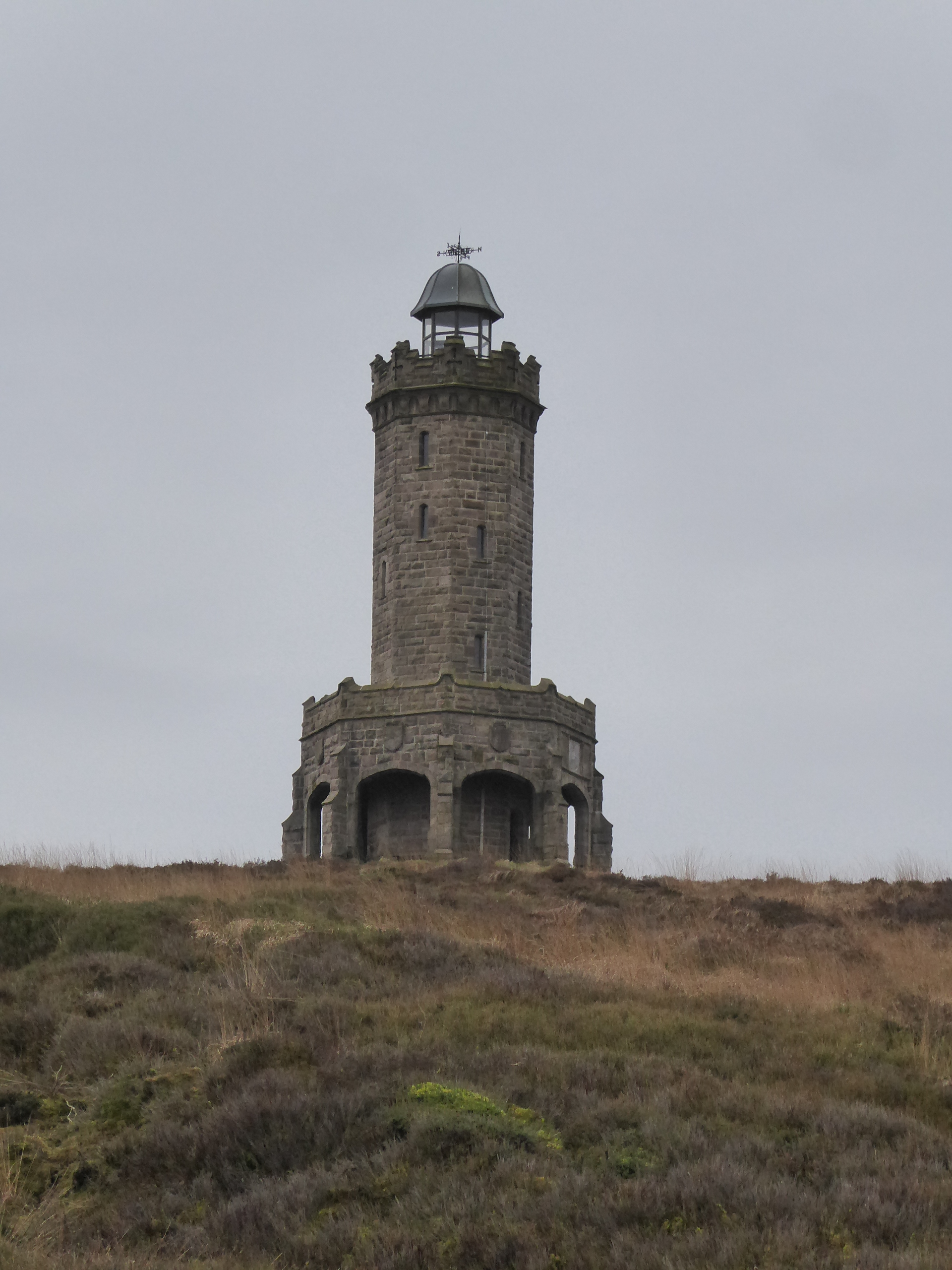
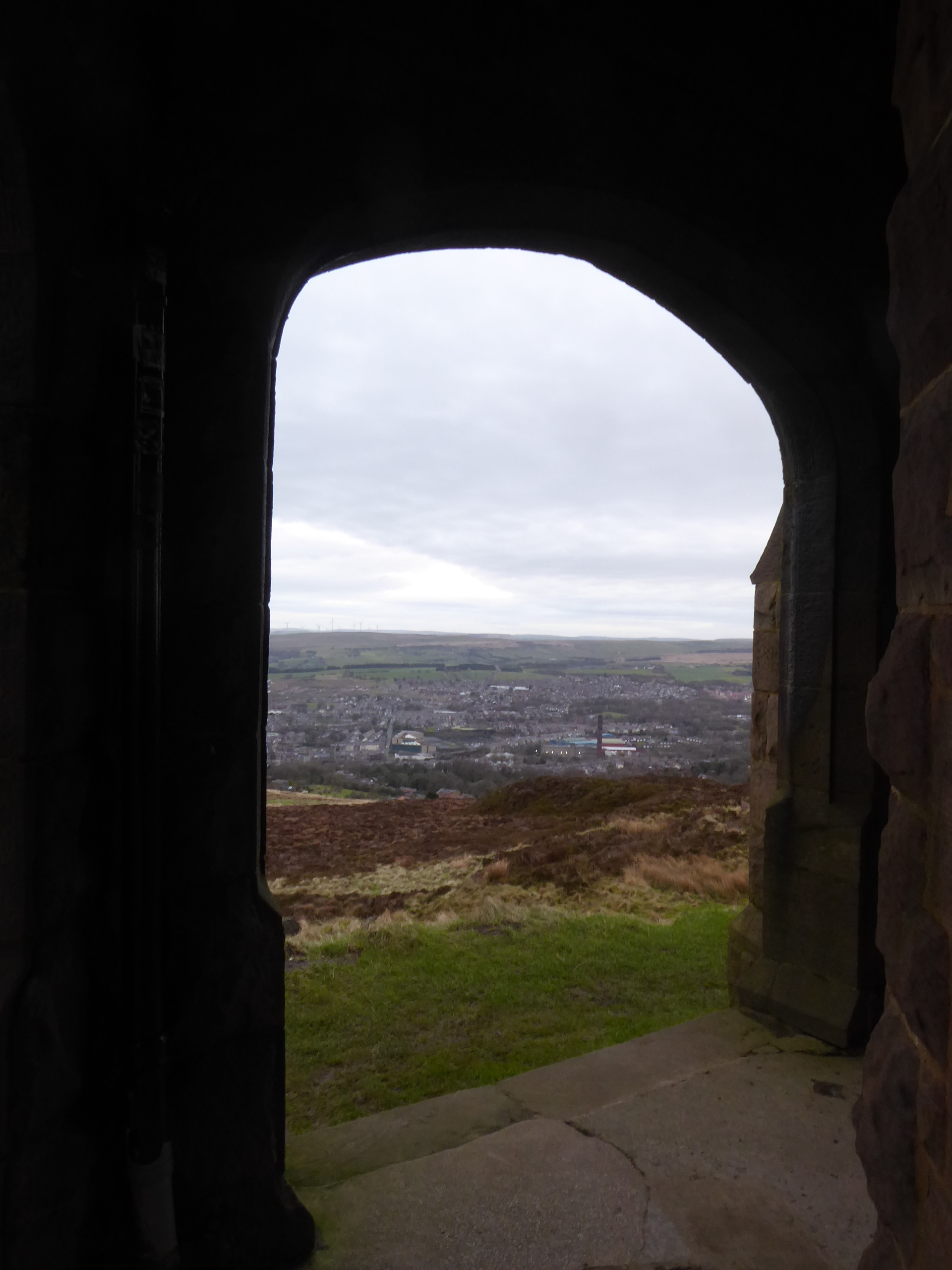
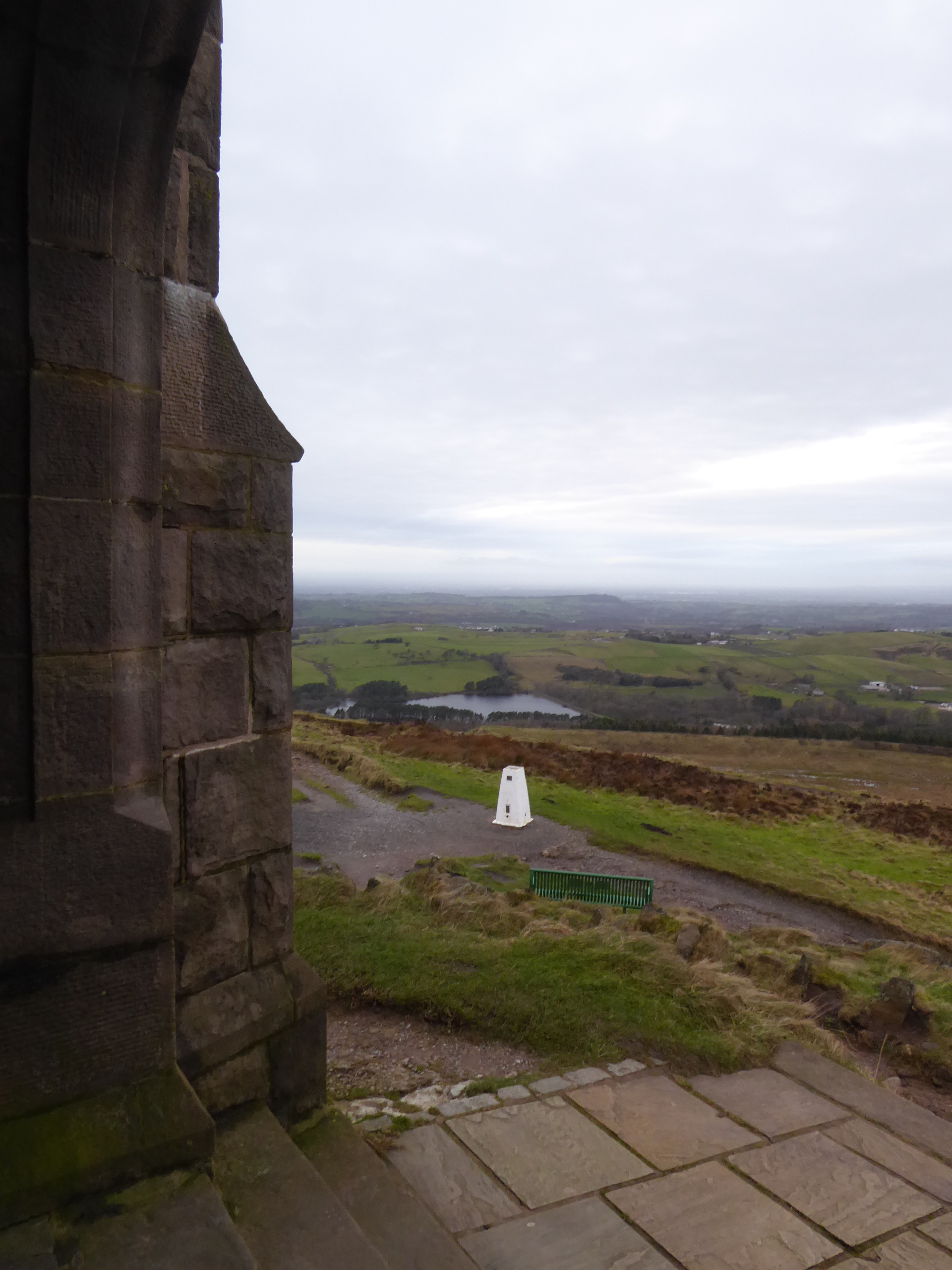
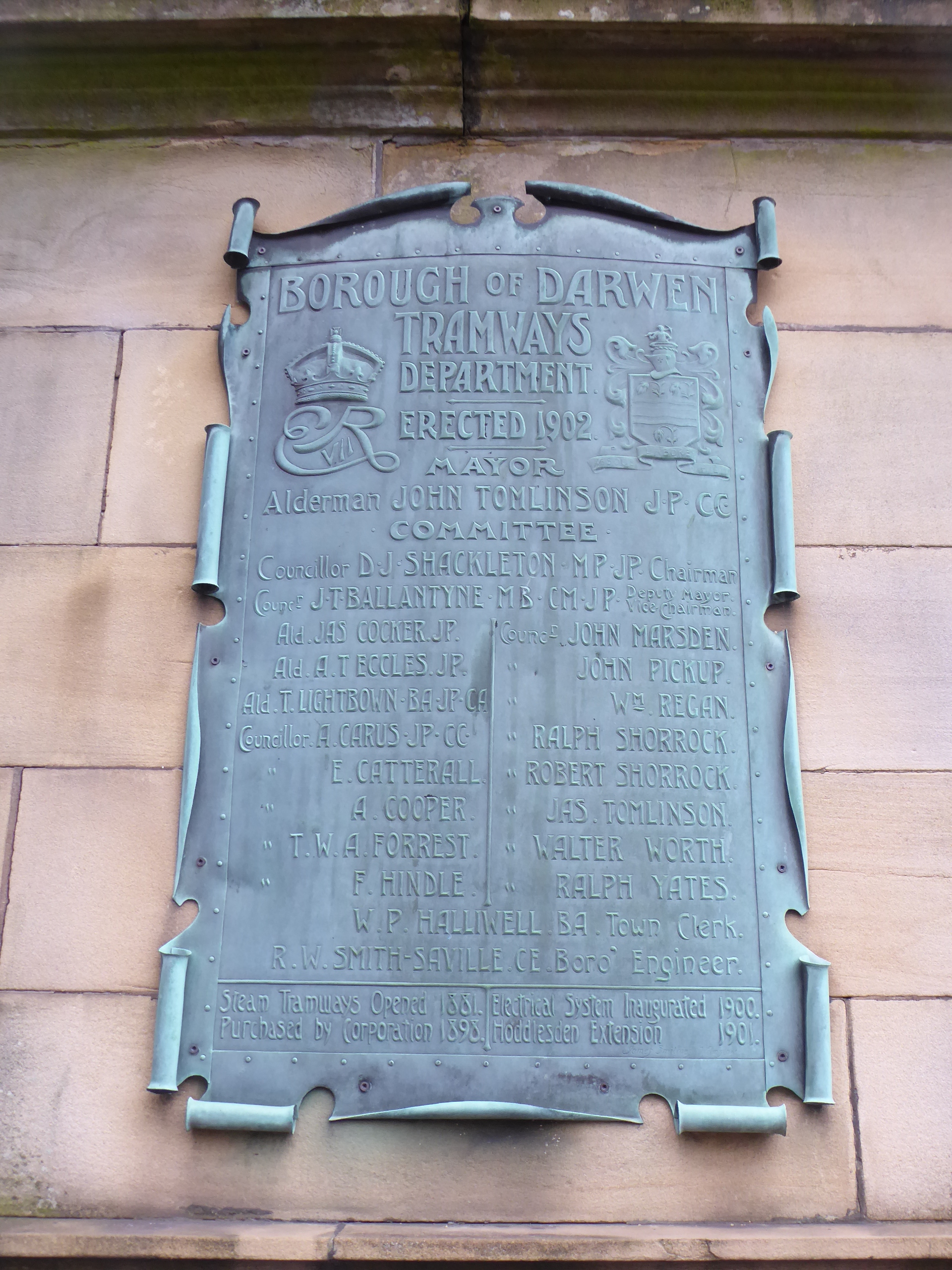
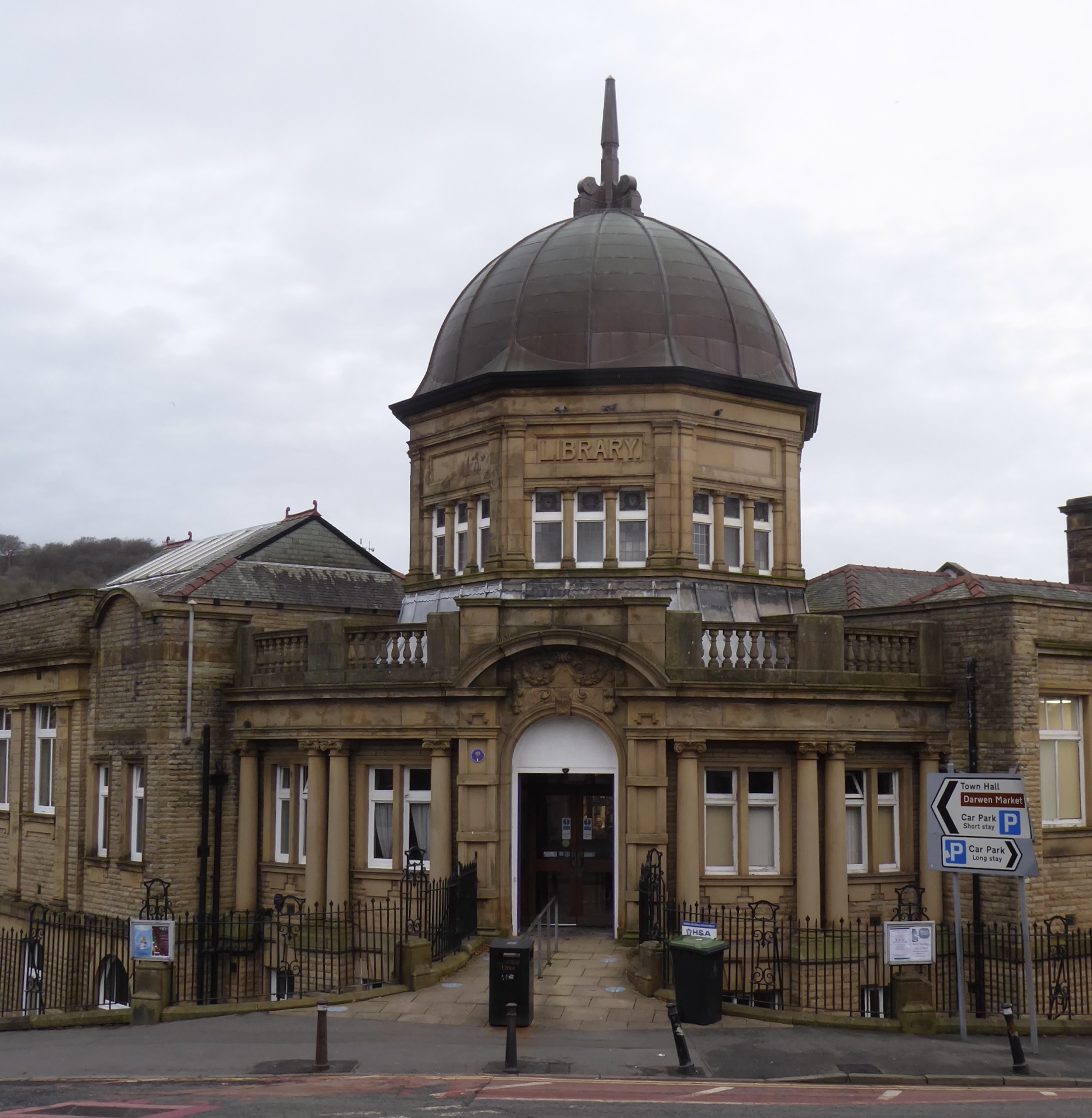
And then all of a sudden I was enjoying myself. A stile into a little wood, a few streams and a little lane of old houses and all was right with the world. I walked up to Jubilee Tower on Darwen Hill, thinking about parallels between various jubilee towers and Bismarcktürme and wondering how much windier it could get. And then down into Darwen with thoughts of the heavy footprint of Victorian industry around this moorland – the chimneys, the factories, the reservoirs, the grand civic buildings, the ex-quarries turned into public parks, the terraces.

Reflecting on my day afterwards, I thought how appropriate it was that I’d followed the advice of that great Victorian sage, Mr Sleary, and made the “betht” of things.

Demon Copperhead by Barbara Kingsolver

I sometimes scold myself for never reading modern novels, so I went in the shallow end with this modern novel based on “David Copperfield”. I was immediately immersed in it – perhaps partly because it’s set in a world as alien to me as Victorian Suffolk and Canterbury: Lee County, Virginia (I had to look for it on a map). And, after reading so much Jean Rhys, it was exhilarating to read a writer who wrote with such a different narrative voice.

It’s a fascinating reworking of Dickens, with that same sense of a child’s sufferings lasting throughout his life. One big difference is where the source of the world’s iniquities is located. Dickens had the usual Victorian morals, although more generous than some. In later novels he also saw institutions as complicit in causing suffering, but morality is largely down to individuals keeping to the right path. Kingsolver has a more modern interpretation based on social and economic circumstances: the wrecked lives of her opioid-addicted characters are inextricably linked to the exploitation of land and labour by the powerful, and the cynical pushing of painkillers to people who have no choice but to work themselves to a standstill is the cause of their addictions. (This theme was hammered a bit; she resembles Dickens in having a few skippable sections.) Thankfully she ditches Dickens’s over-ripe sentimentality – thus Demon is alive to his mother’s shortcomings – but retains the sympathy and compassion:

A ten-year-old getting high on pills. Foolish children.

This is what we’re meant to say: Look at their choices, leading to a life of ruin. But lives are getting lived right now, this hour, down in the dirty cracks between the tooth-brushed nighty-nights and the full grocery carts, where those words don’t pertain. Children, choices. Ruin, that was the labor and materials we were given to work with. An older boy that never knew safety himself, trying to make us feel safe. We had the moon in the window to smile on us for a minute and tell us the world was ours. Because all the adults had gone off somewhere and left everything in our hands.

Hartley Fell

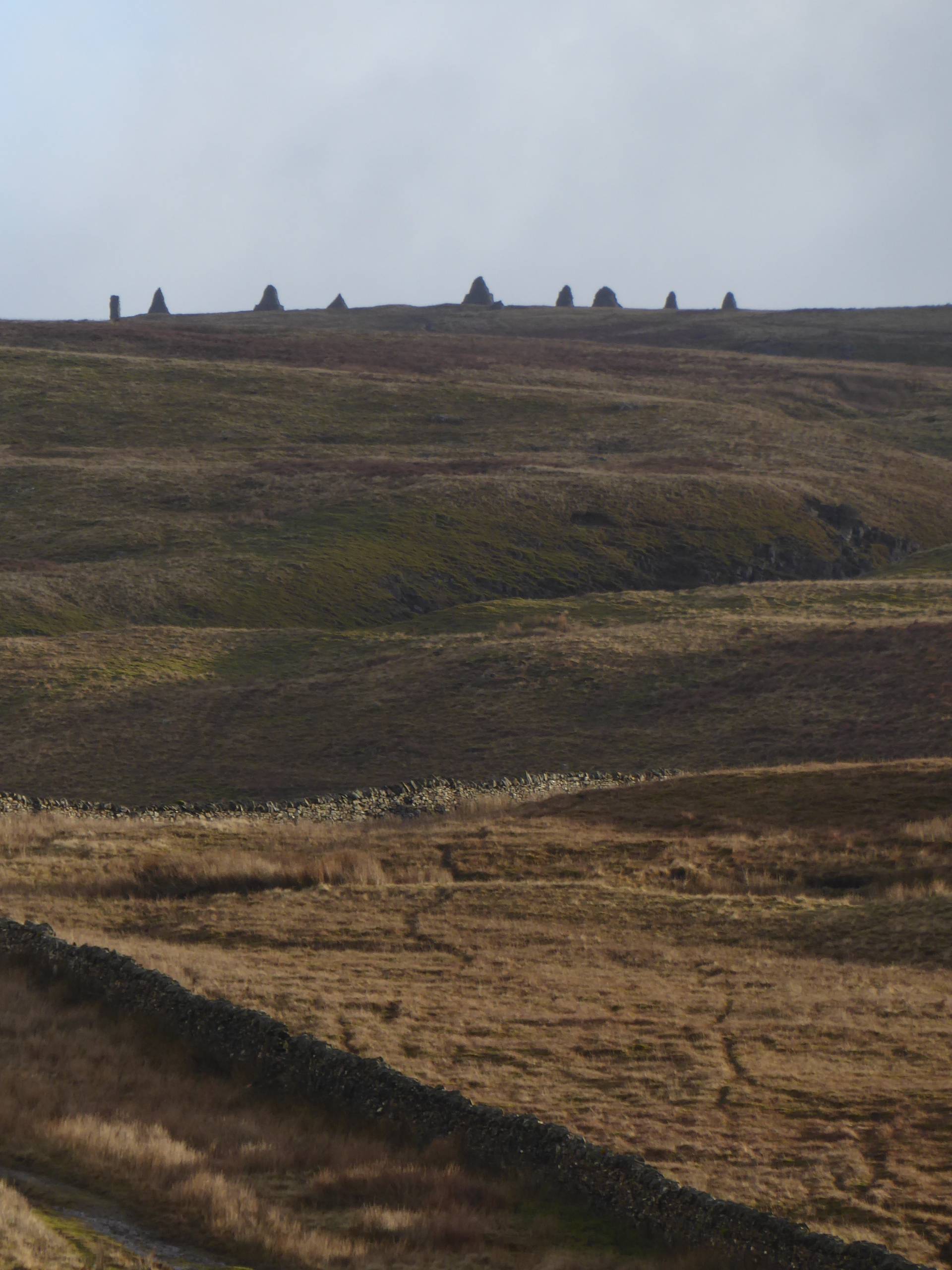
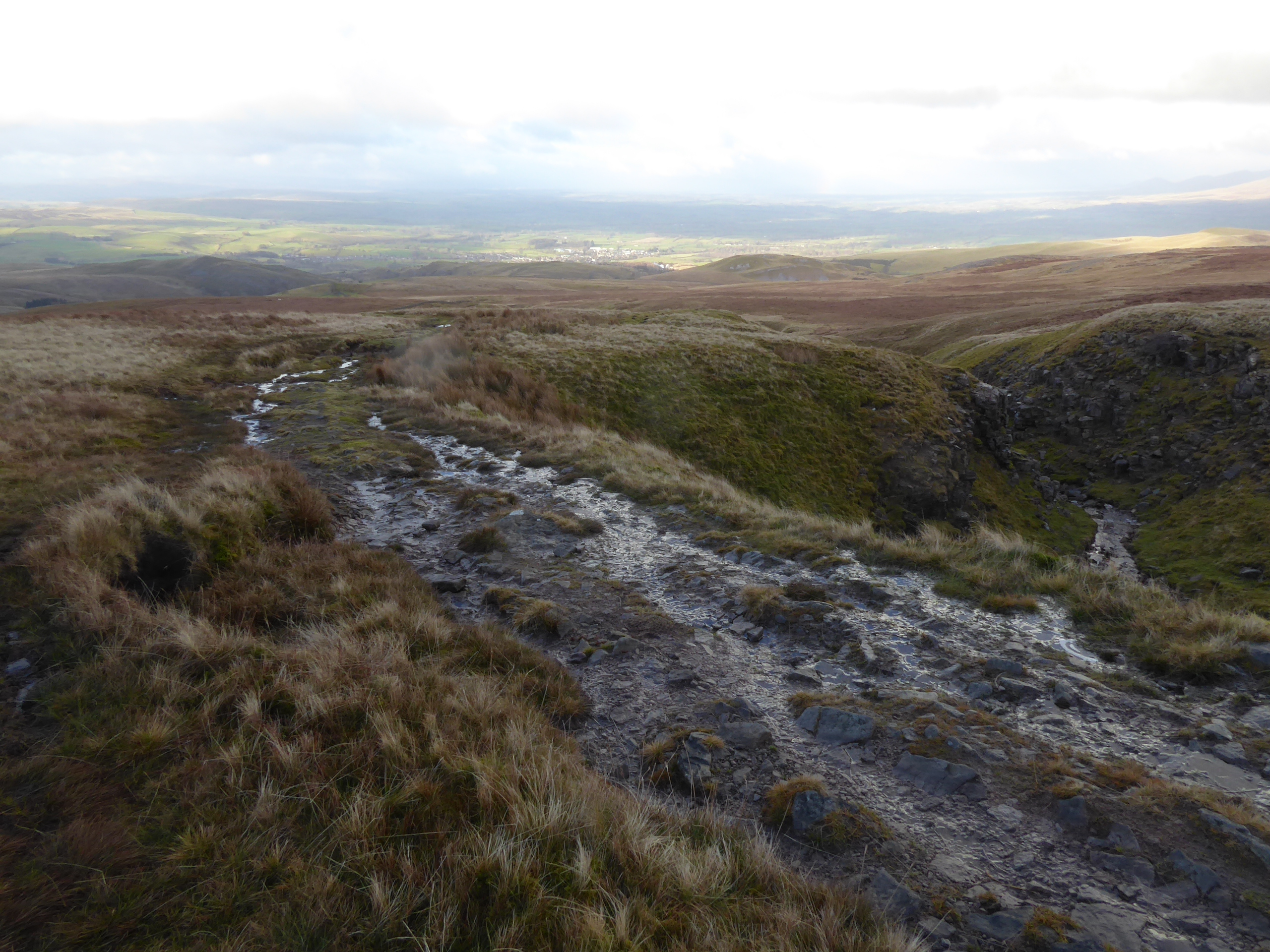
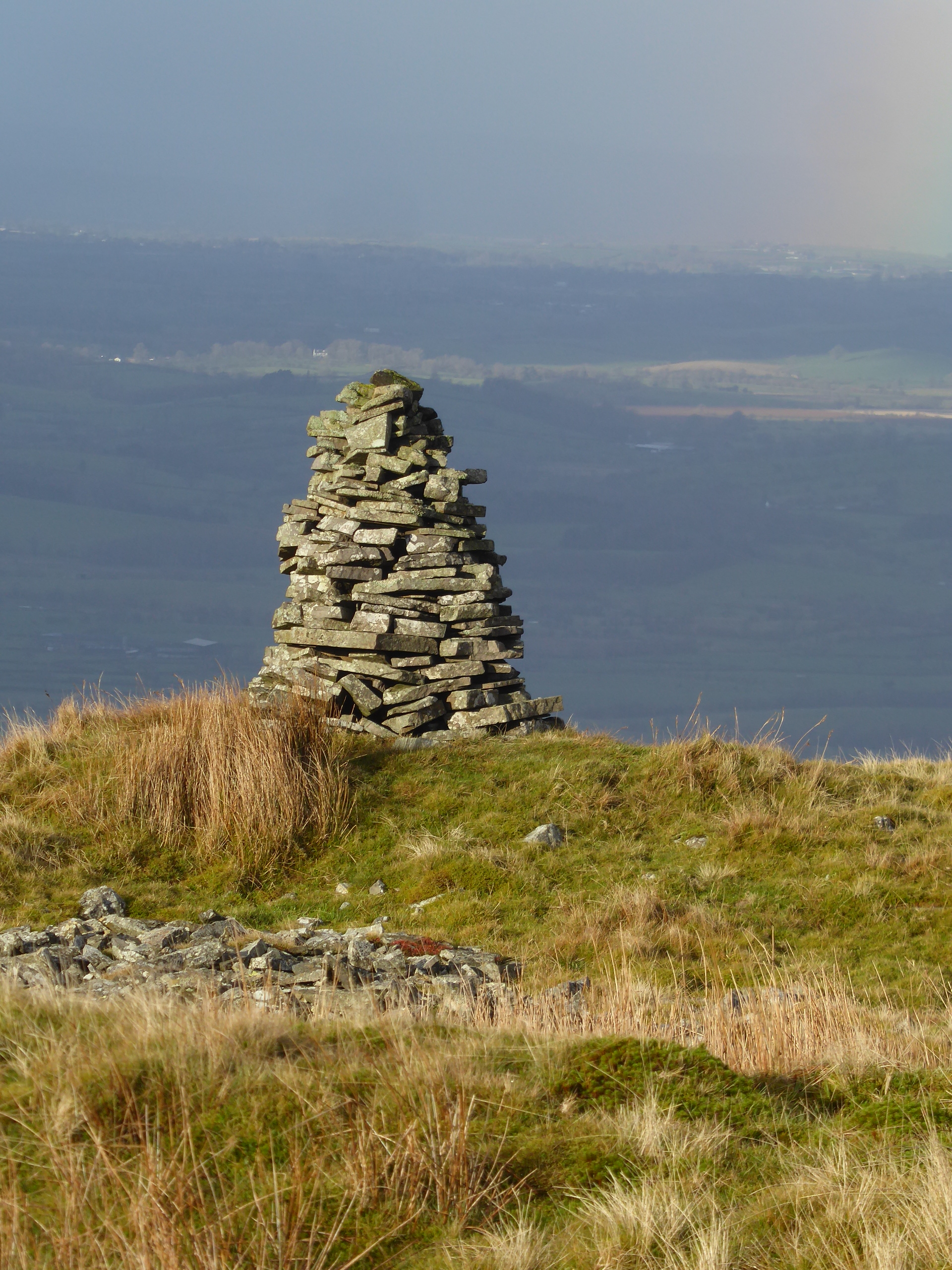
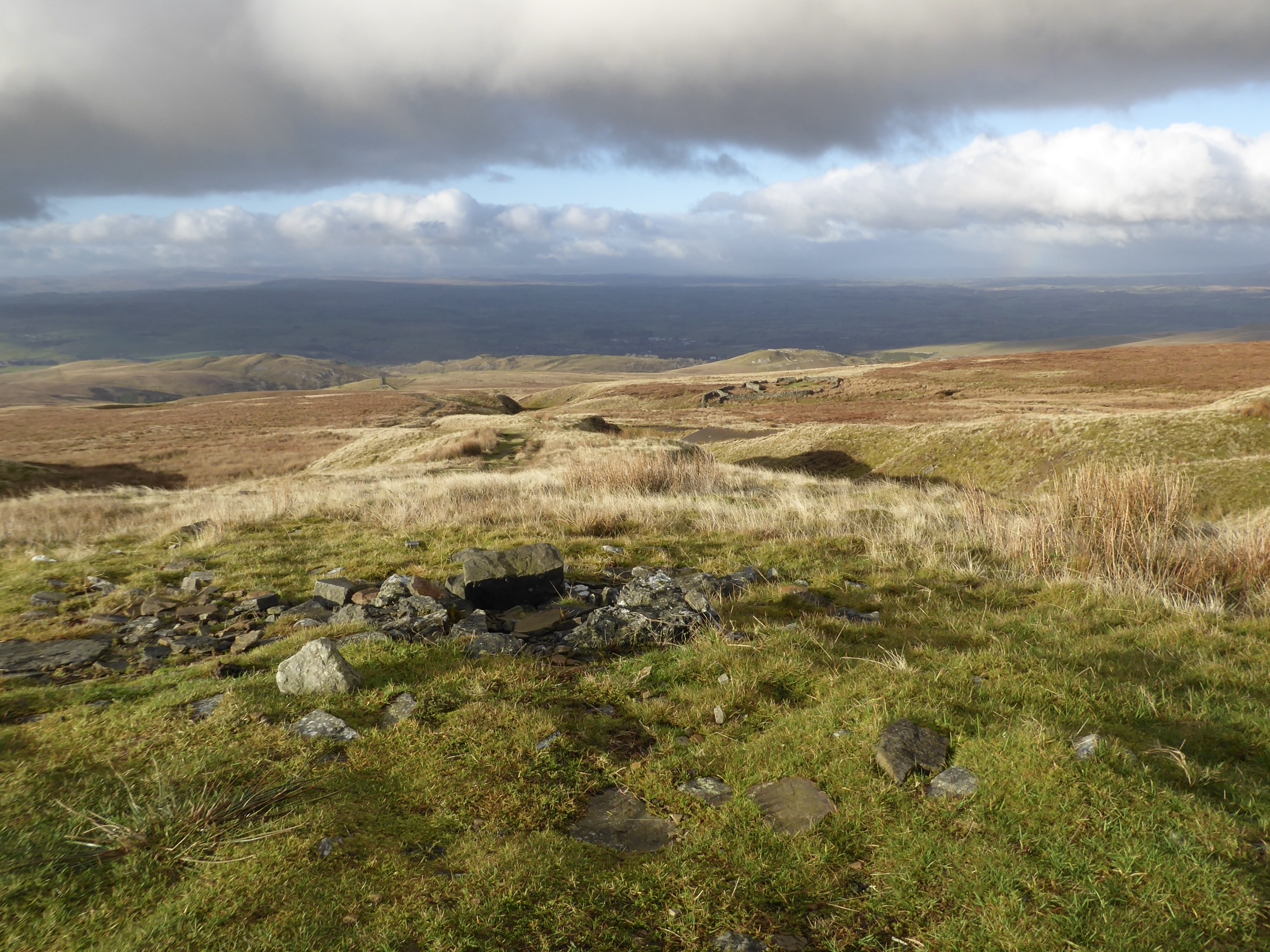
Continuing yesterday’s spirit of being sensible, I decided to walk towards (or even to) Nine Standards on Hartley Fell and back the same way, prepared to turn round if the path was too awful. I could see the stone piles on the skyline as I started up the bridlepath, and it seemed doable.

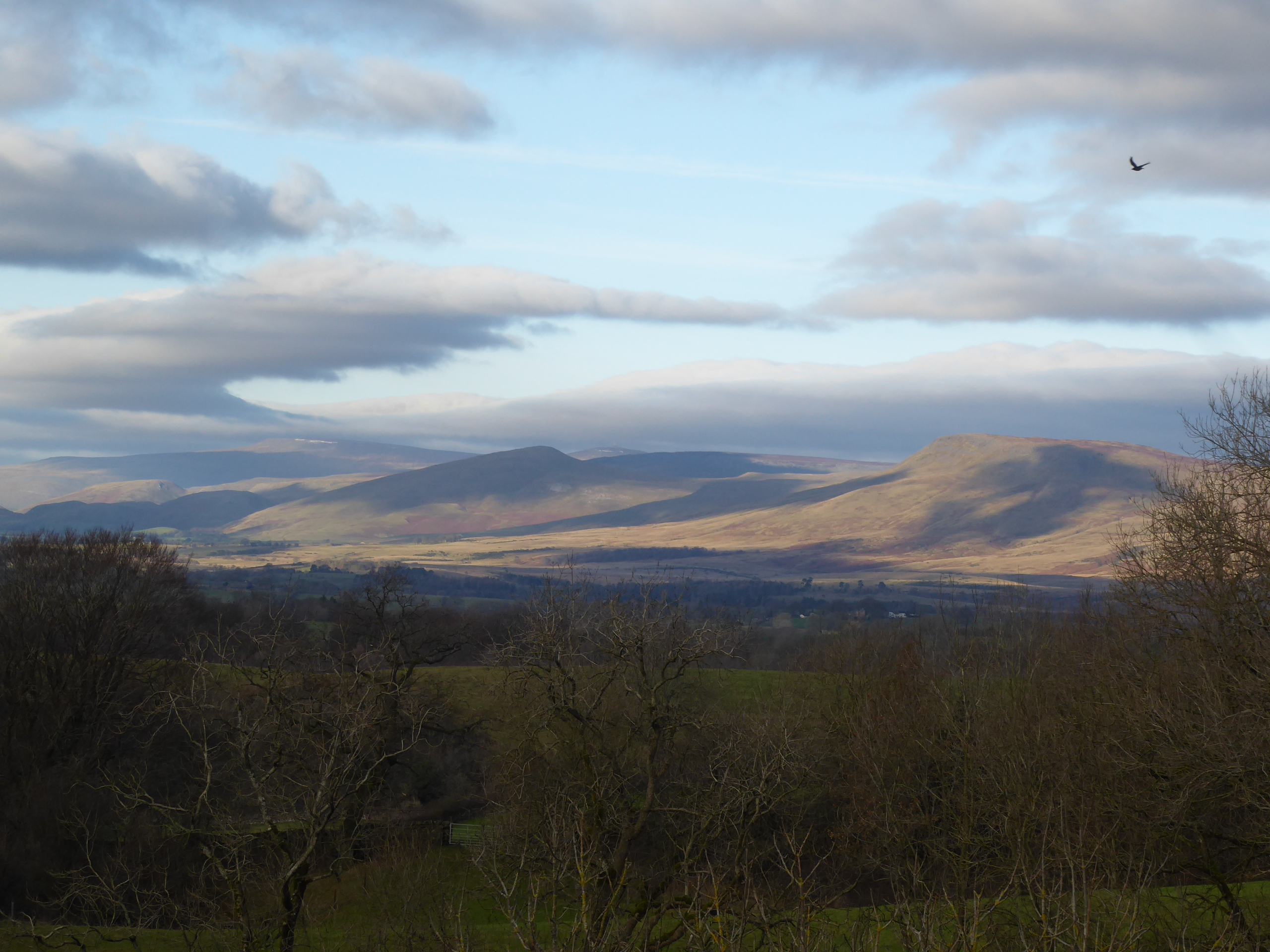
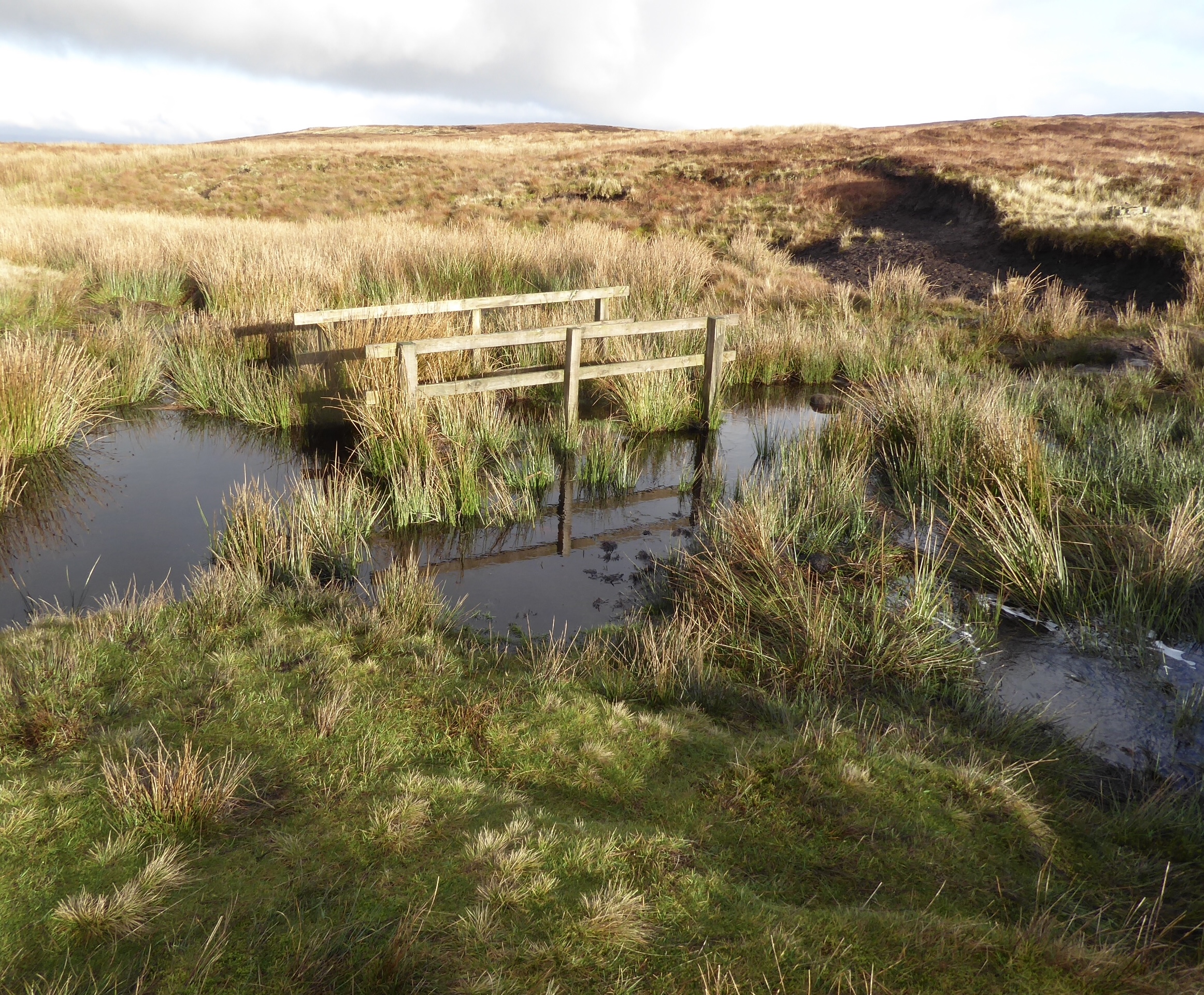
I almost baulked at a ford but found it manageable. My nemesis was the bridge close to the stones: it was under water and there was no other way without getting waterlogged boots. Since I was finding the walk a bit samey – a long trudge up on bare moorland into increasingly strong winds – I didn’t mind admitting defeat. I found a quiet spot to eat a banana and admire the view and then turned round. I think I saw a barn owl on the way down.

Smardale

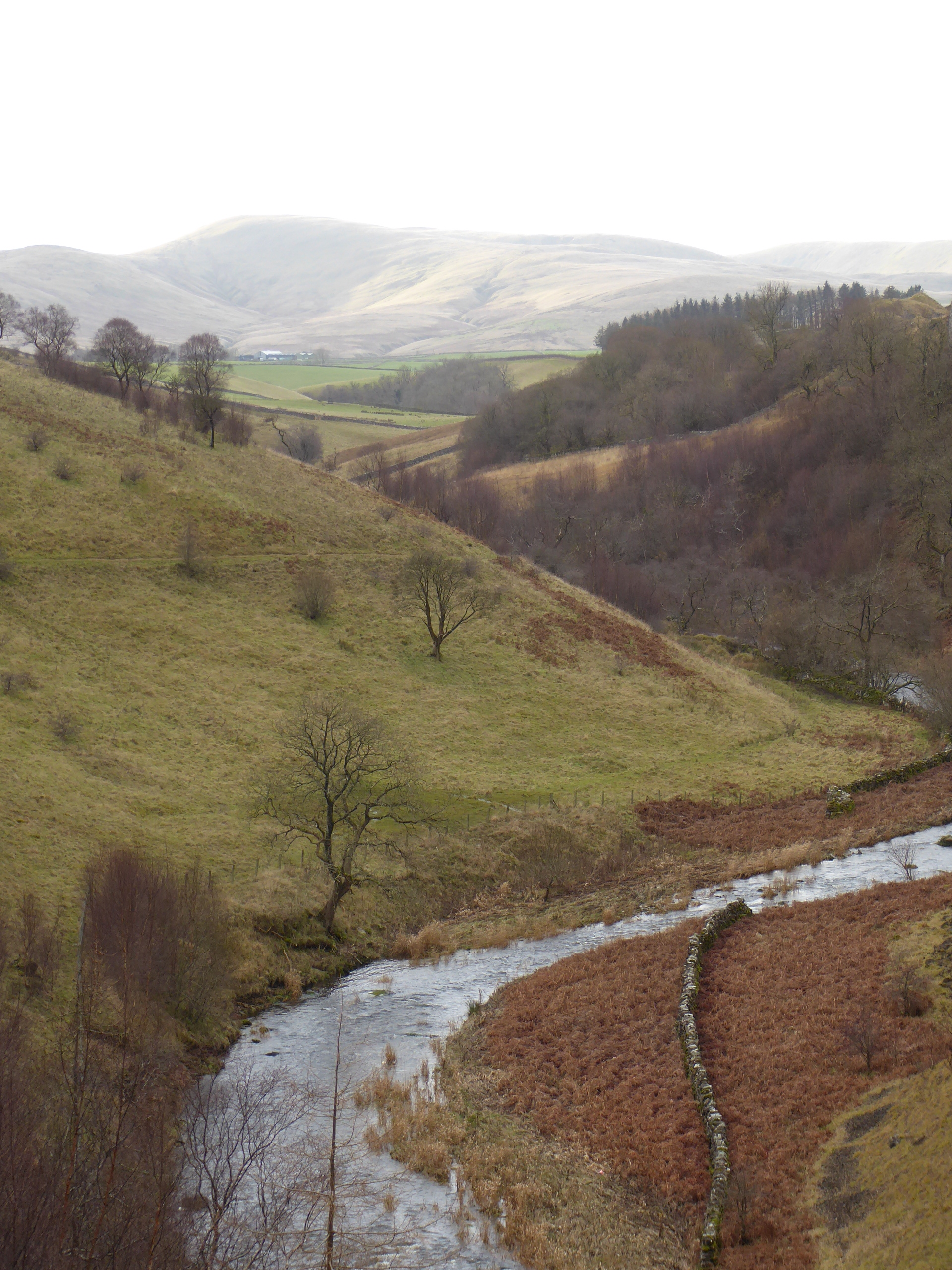
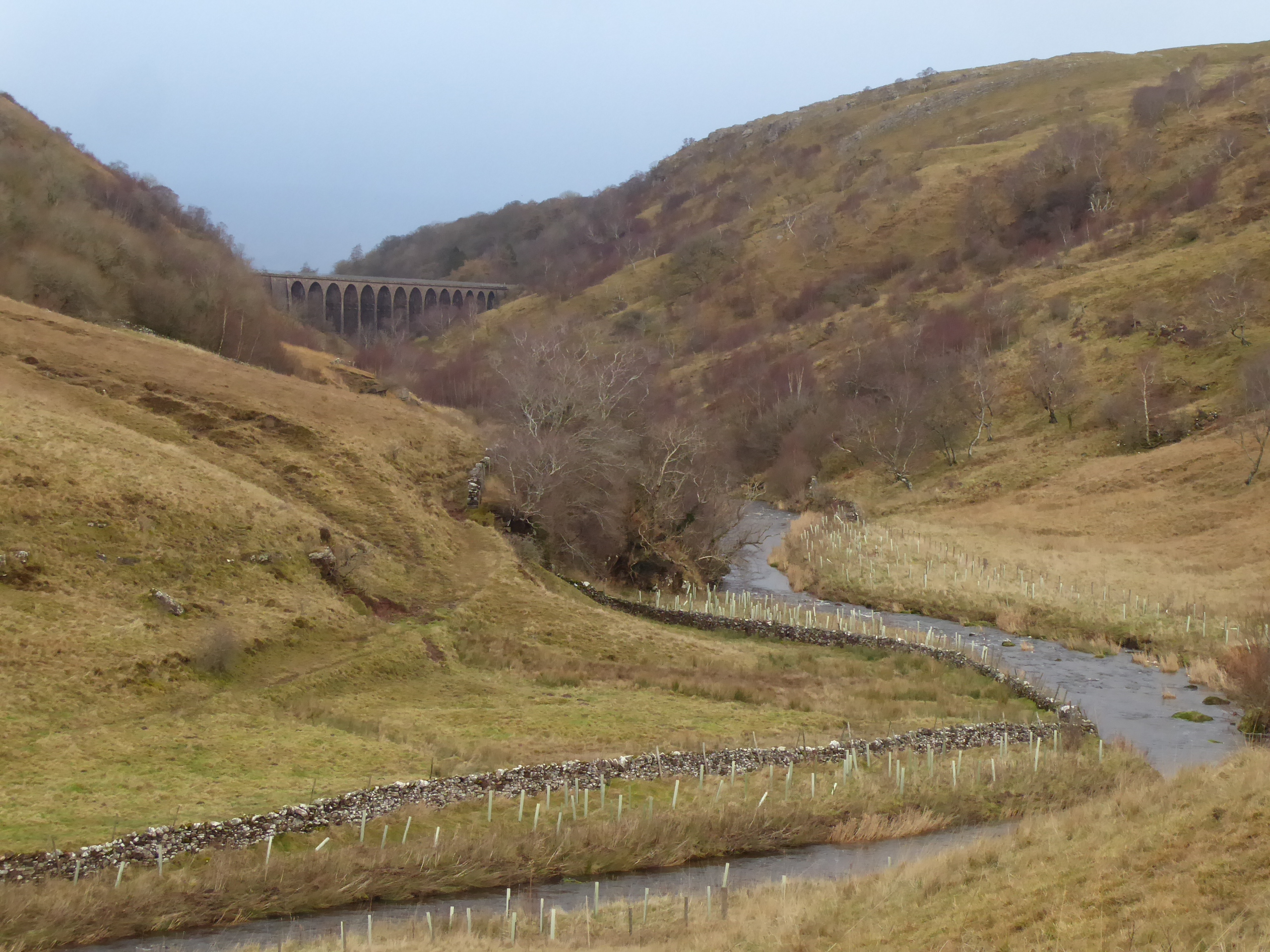
I’ve come to Kirkby Stephen to walk, and walk I shall – despite yesterday’s grim storm and today’s wind. Smardale was the sensible option: minor roads and low levels with the guarantee of a really satisfying view of the old railway viaduct. I set off after a breakfast so big that I didn’t bother to stop to eat en route and had an enjoyable day. I saw a red squirrel beside the old railway line and I disturbed a bird in the heather – black with its eye outlined in white, so I’m guessing a black grouse without its mating plumage.

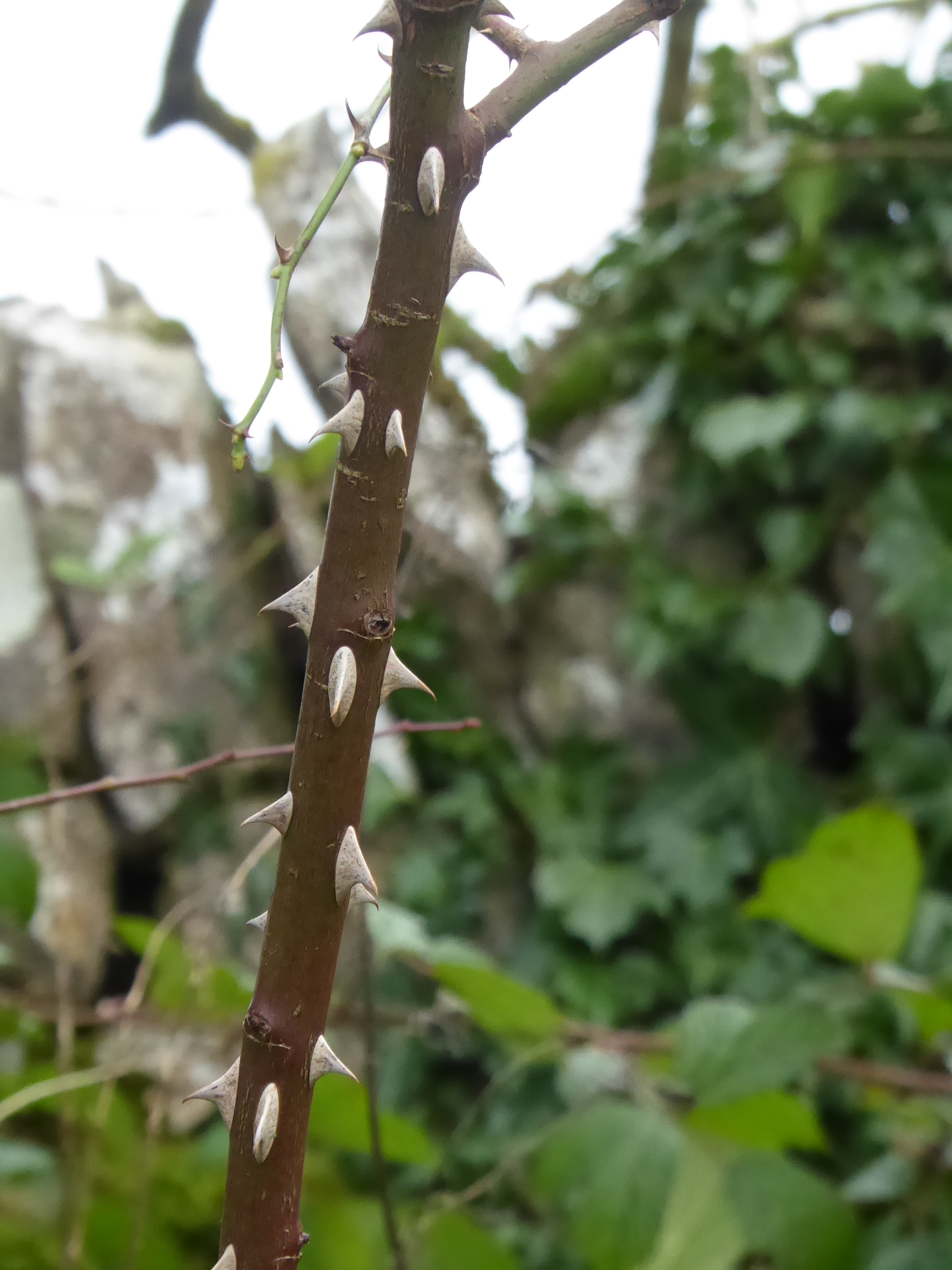
The bare dog rose thorn reminded me of the potential harshness of winter. It’s hard to think of its bleakness when one is used to central heating and filled supermarket shelves.