My geography failed me completely here. I doubt I could pin Japan on a map, let alone Korea or Uzbekistan. I realised how completely flummoxed I was at having no Eurocentric compass to orient myself at the start of the exhibition as it began with China and dynasties I had never heard of. I encountered lots of new information, which is still sinking in; it may be a while before the dust settles to reveal coherent thoughts.
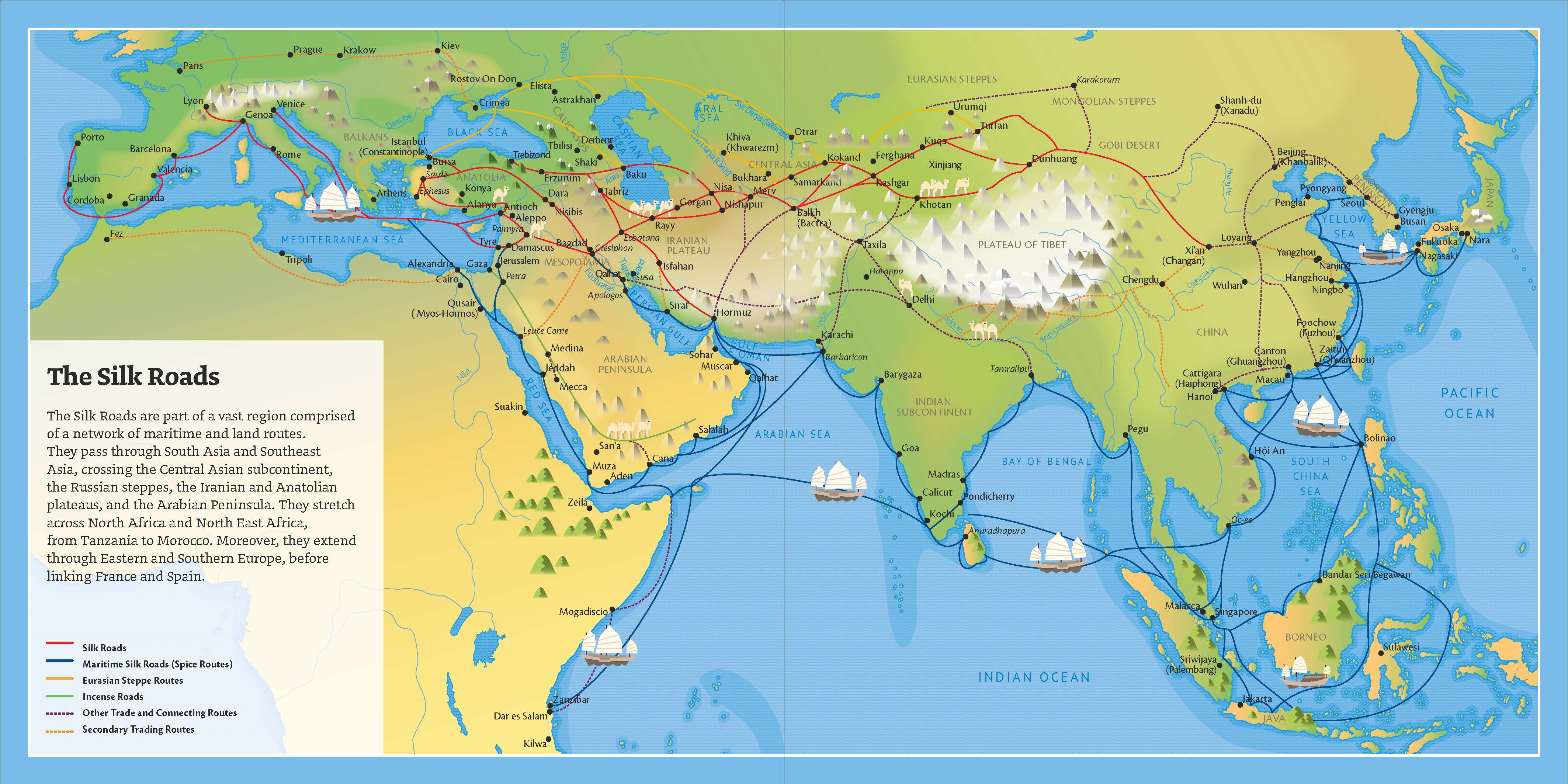
Λοιπόν. This exhibition at the British Museum focused on trade routes between Asia, Europe and Africa between 500 and 1000 along which silks, spices, luxury and everyday goods, and ideas passed. It began with a bronze figure of the Buddha – made in Pakistan in the late 500s and excavated in Sweden amongst buildings dating from the 800s.
First: the developing links between China (Chang’an), Korea (Unified Silla) and Japan; in the Nara period (700s), rulers in Japan adopted elements of the Tang dynasty and adapted the Chinese writing system for their own language. Buddhism spread eastwards from India at this time to become the dominant religion. Silk was used as currency in China, and it was one of the luxury items in demand along the trade routes.
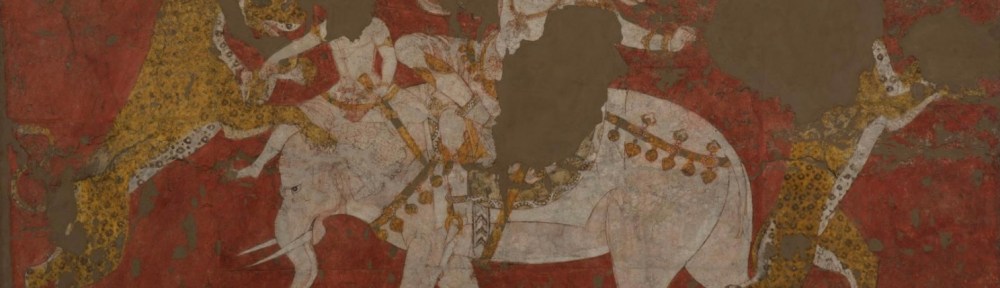
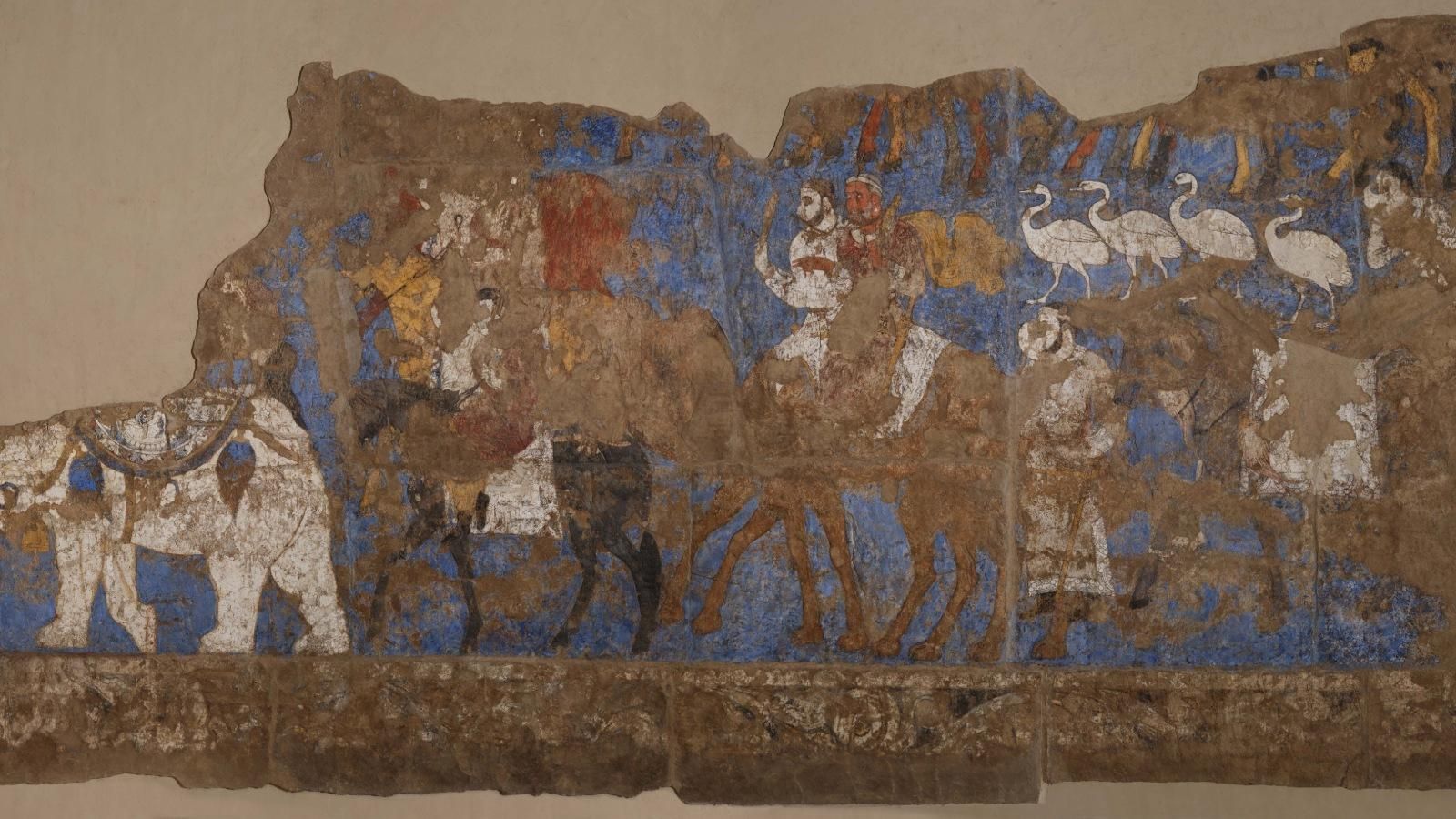
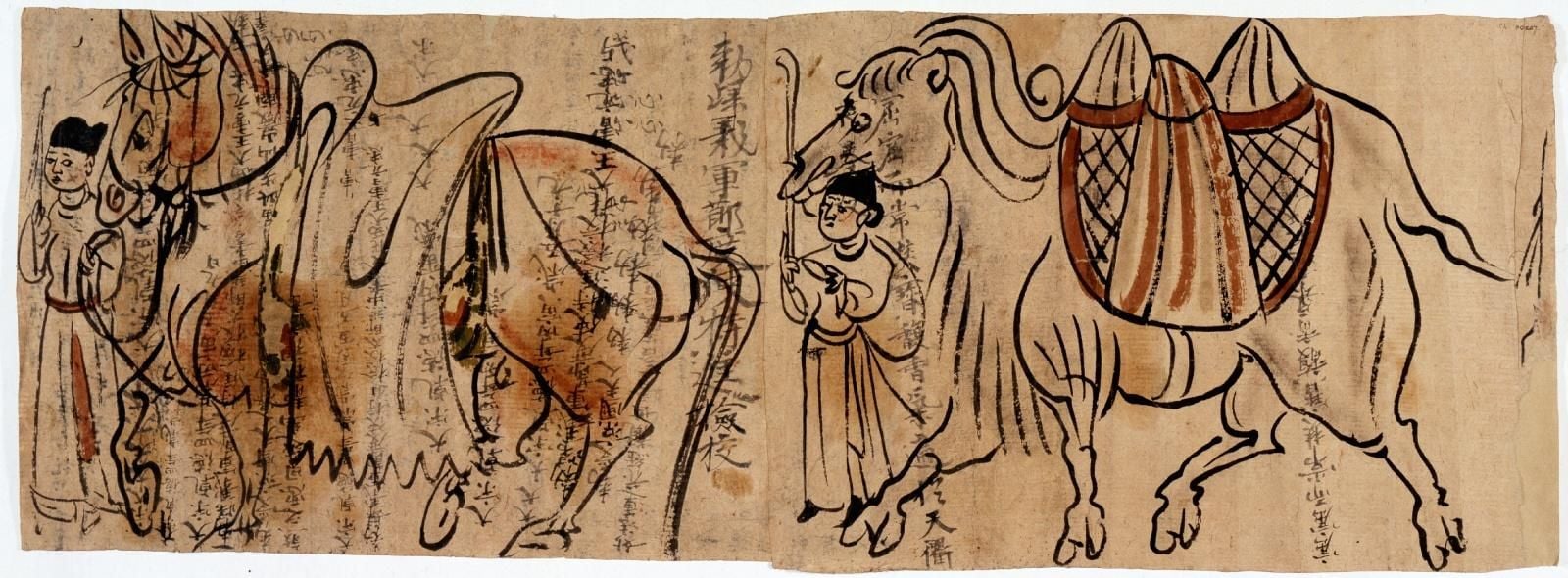
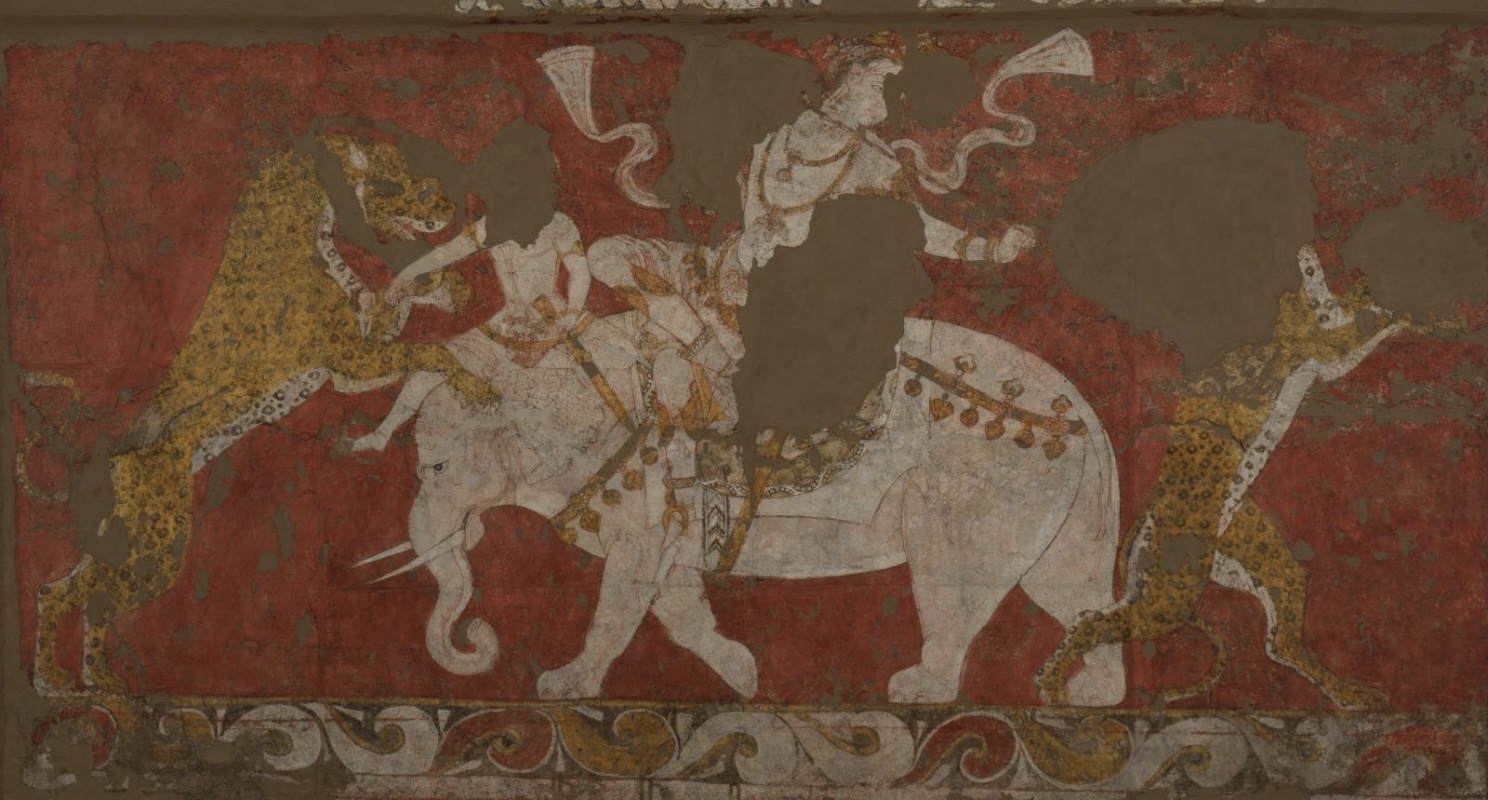
I found out about Dunhuang, a garrison town, where in 1900 a sealed “library cave” was discovered, containing manuscripts, textiles, paintings and other objects. Empires and peoples I had never heard of were represented by wonderful objects: the Sogdians, for example, and a mural from Samarkand showing a Sogdian ruler and his entourage, or one of an elephant from the Bukhara region.
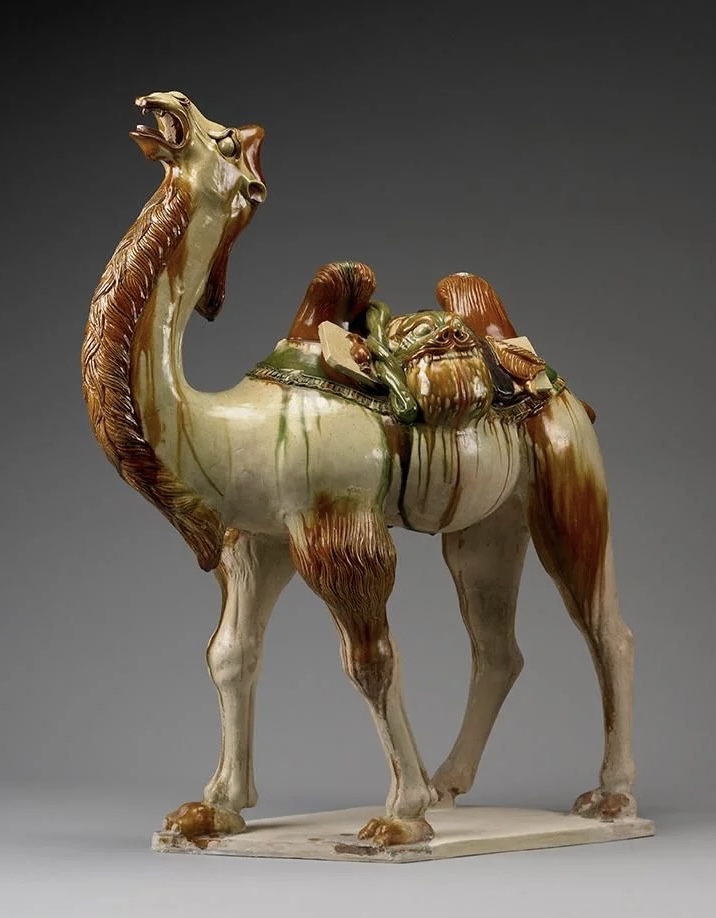
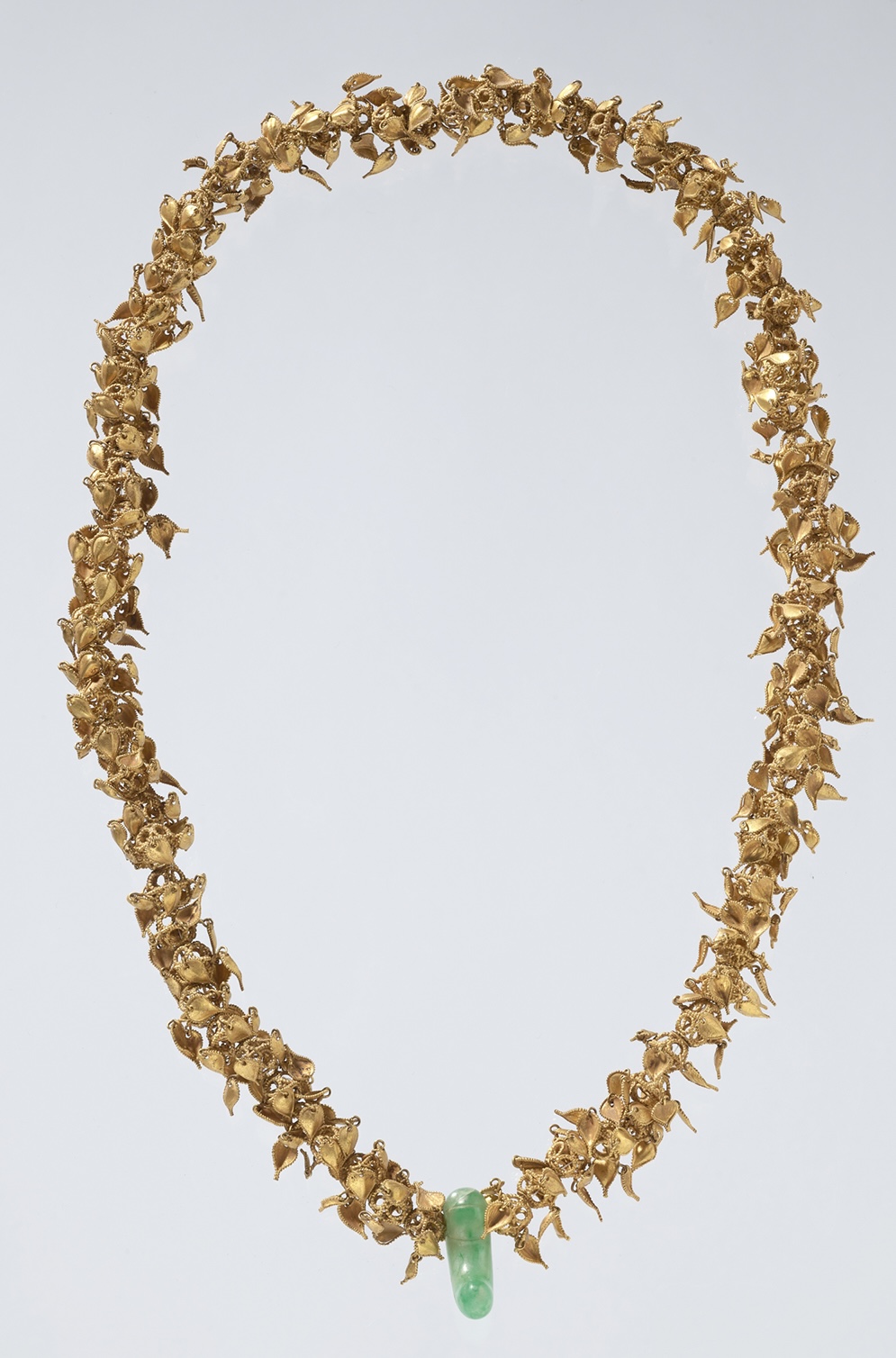
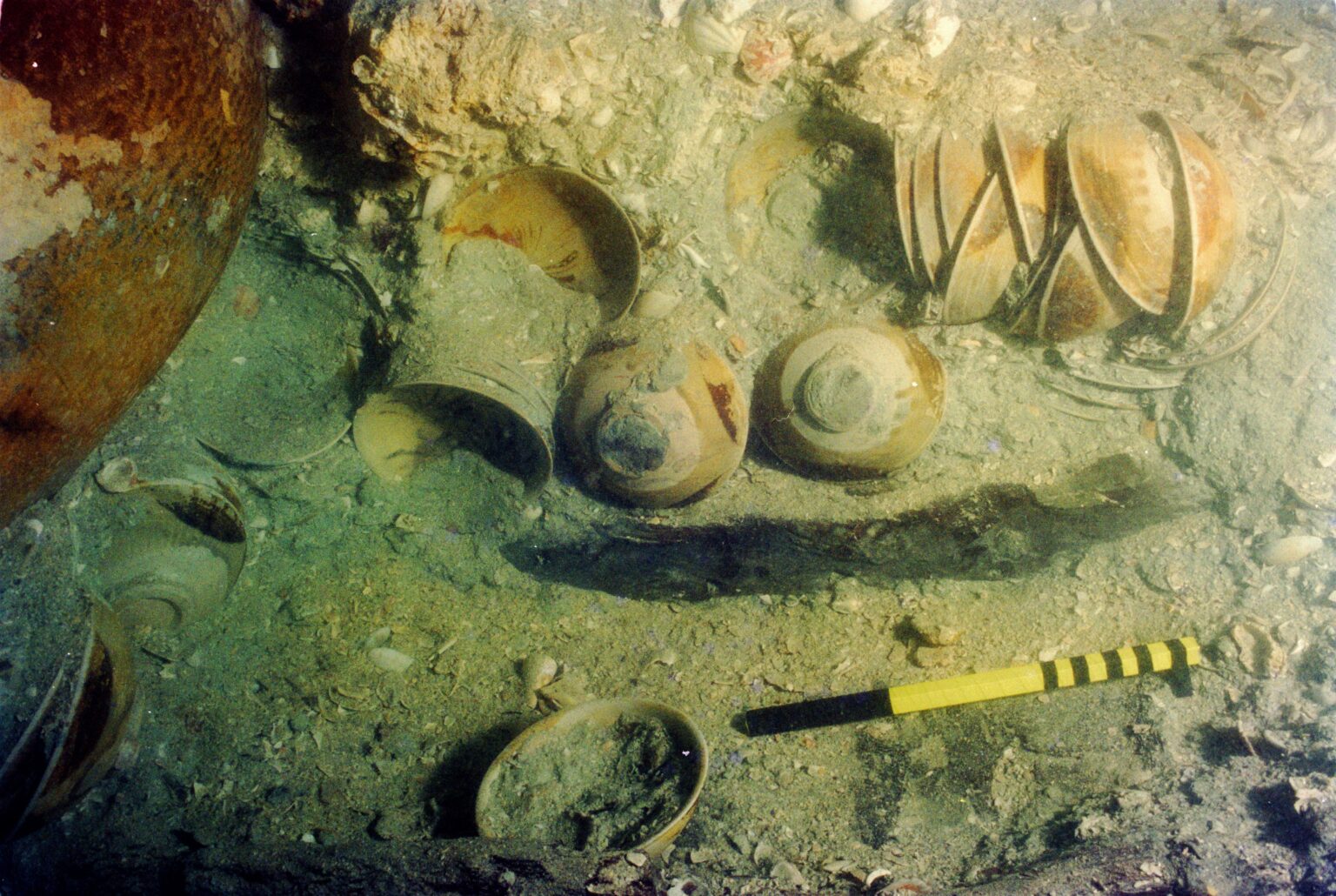
The Belitung shipwreck was fascinating and mind-boggling. In 1998 a shipwreck was discovered off Belitung Island in Indonesia; a vessel from the early 800s en route from China to perhaps the Arabian peninsula, containing over 60,000 items – mostly Chinese ceramics. (The photographs of crockery on the sea bed reminded me of the Titanic last month.) I could happily find a home for the pretty blue and white dish – which makes clear how the very human pleasure of acquiring attractive objects as well as the essential stuff like salt drove so much global trade.
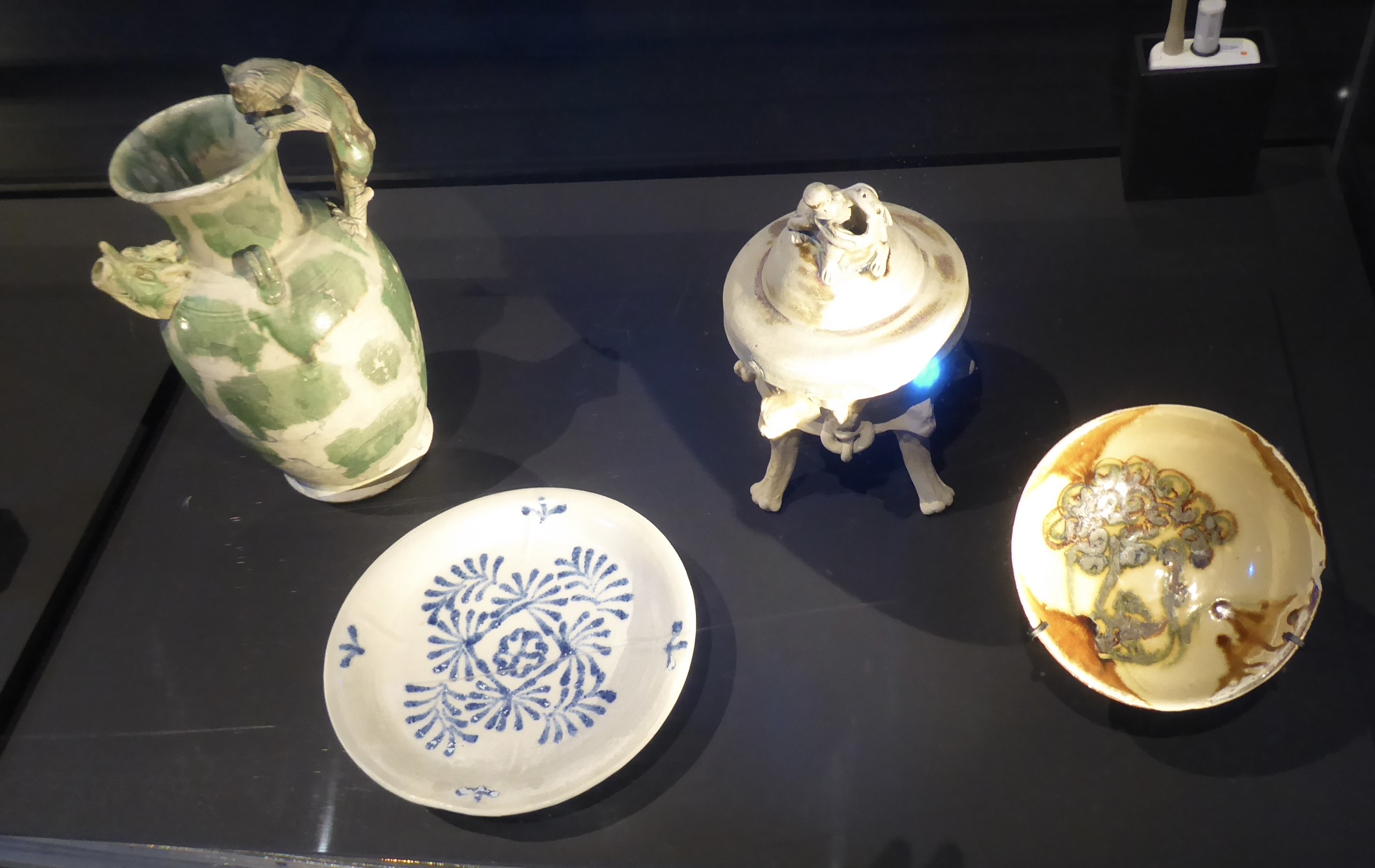
Ideas, religions, technological knowledge and languages travelled along the routes. There was a concertina of a Buddhist sutra in both Chinese and Sanskrit and a fragment of New Persian text written in Hebrew script; I had to think hard about those. Religions that travelled along the route: not just the dominant Buddhism of this time but also Hinduism, Manichaeism and Zoroastrianism, meeting up with local deities and religious practices, and, later, Islam through conquest.
Such a sense of human activity over so many centuries! Some of it illustrated our worst tendencies: the never-ending desire for more and more luxurious goods and the trading of people as well as commodities.
By the time the silk routes reached the shores of Europe, my sense of wonder diminished: it was all rather familiar. On reflection, I realised how thoroughly and unusually immersed I had been in an exhibition that barely touched on Europe or parts of the world colonised by Europeans. It doesn’t often happen, and it did make me very aware of my ignorance and lack of a compass as I venture into new territory.
After lunch I returned to more familiar territory: a small exhibition of prints and drawings that Max Beckmann had given to Marie-Louise von Motesiczky.
 Old Shoe Box
Pingback: British Library | Old Shoe Box