St Ninian’s Church

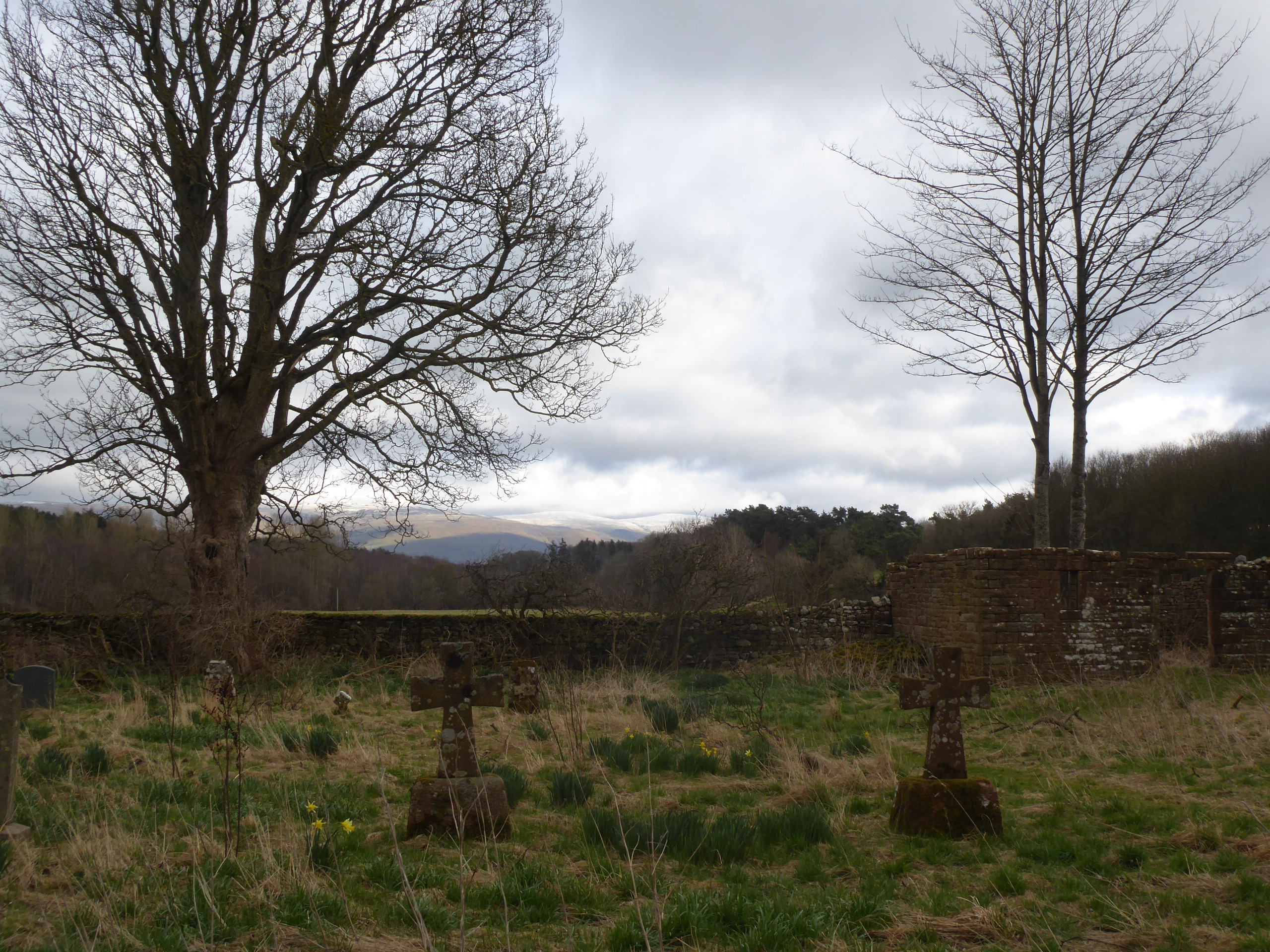
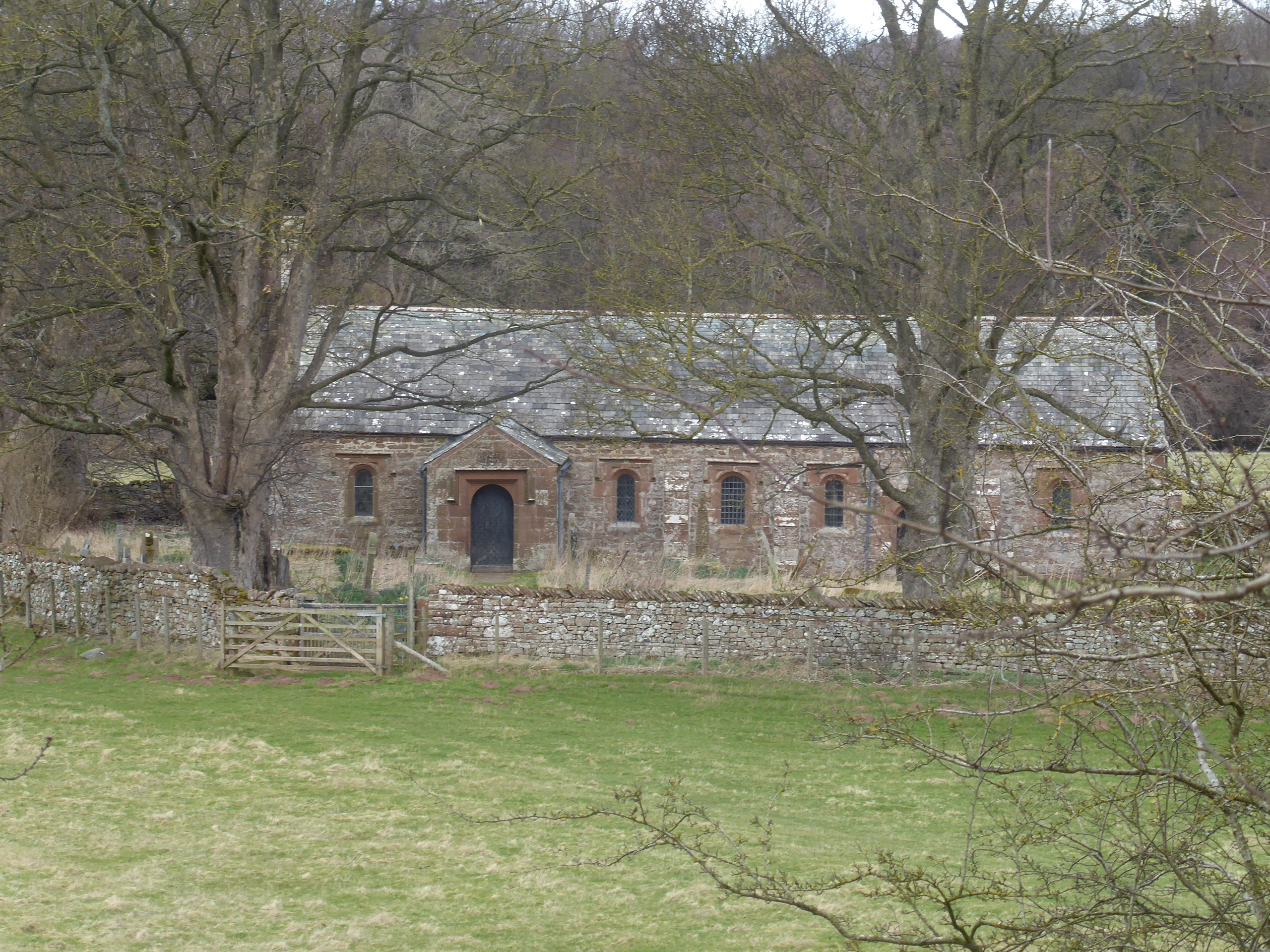
I was asked if I’d visited St Ninian’s Church outside Penrith beside the River Eden – so of course I had to see it.

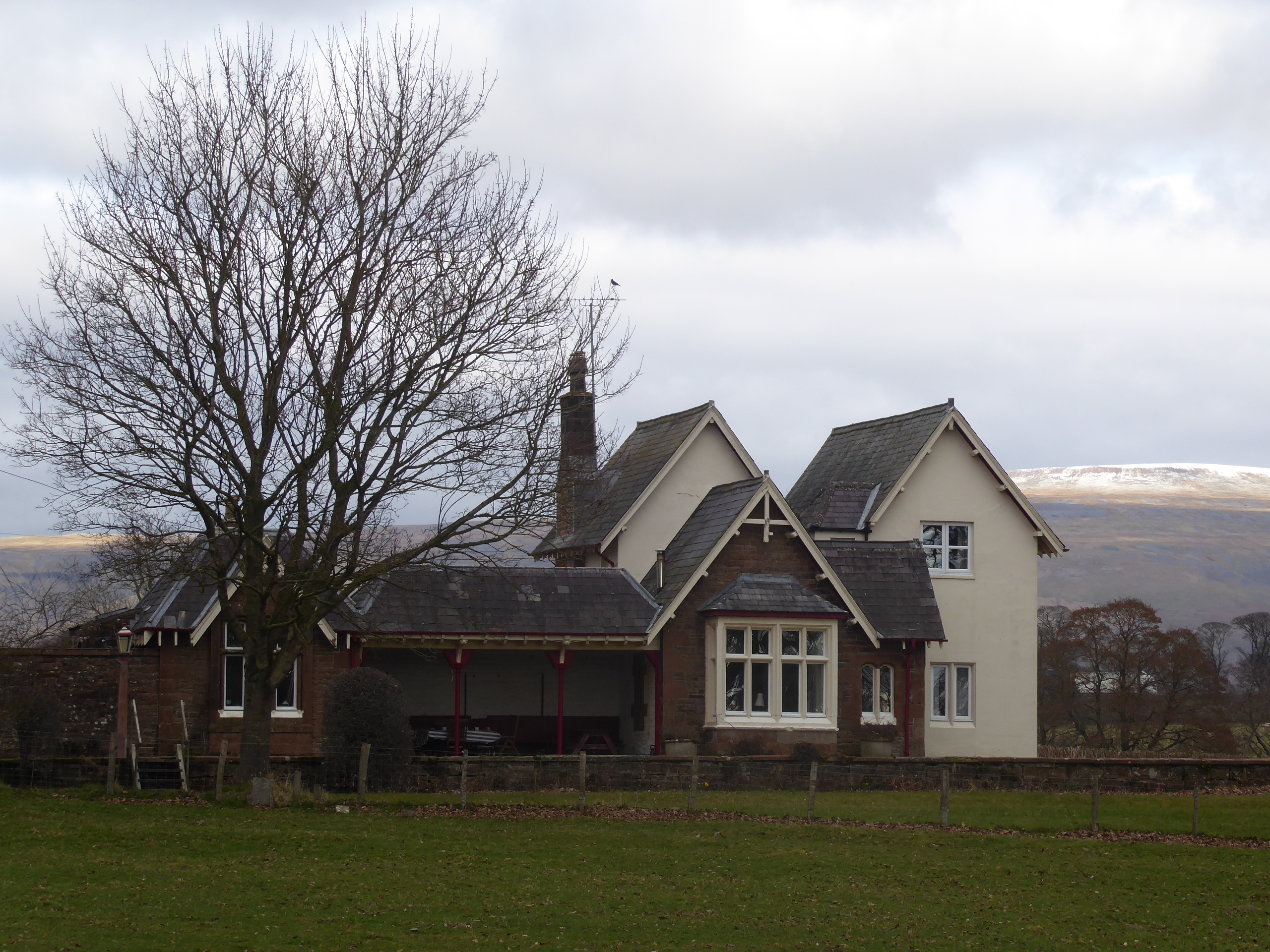
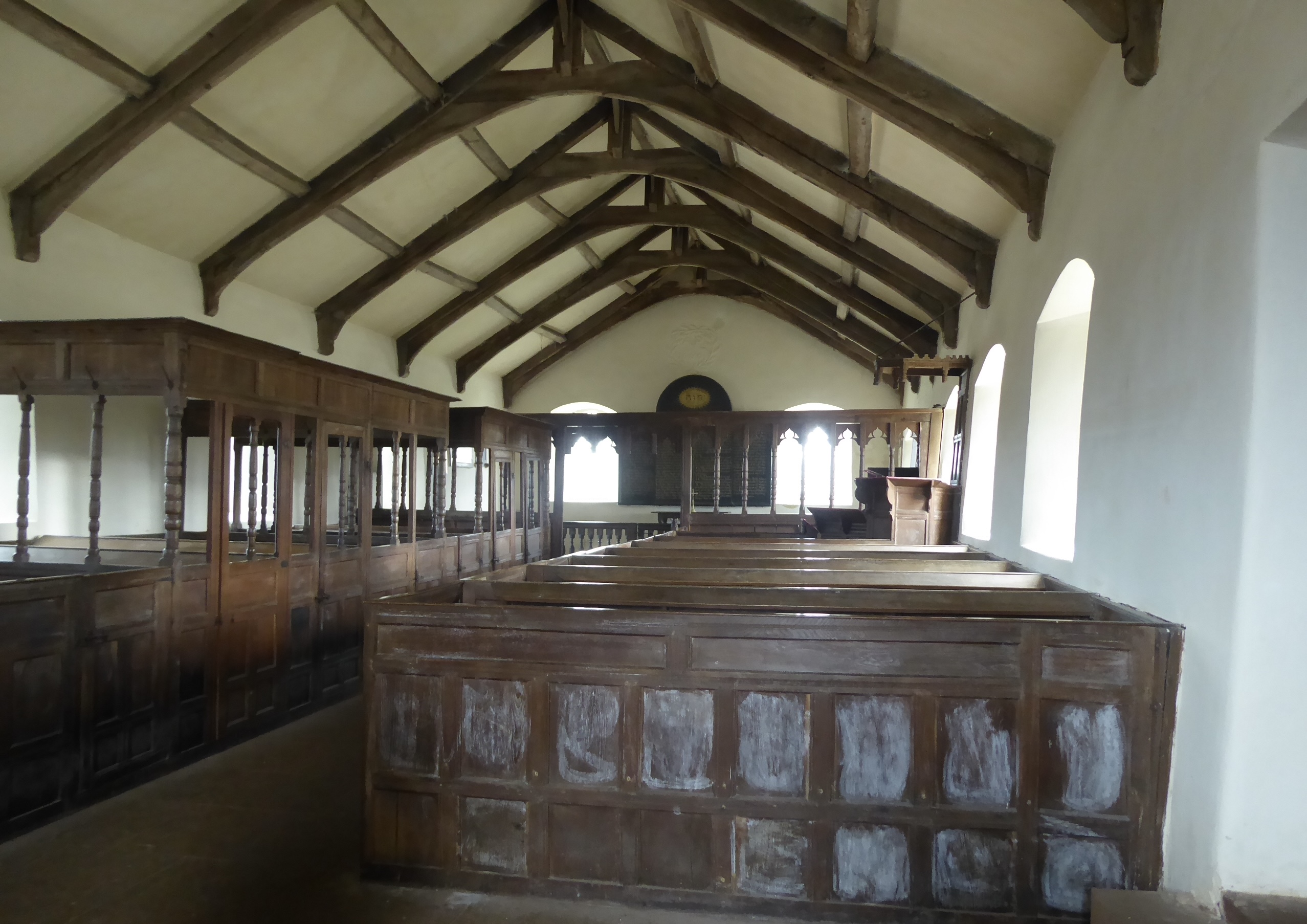
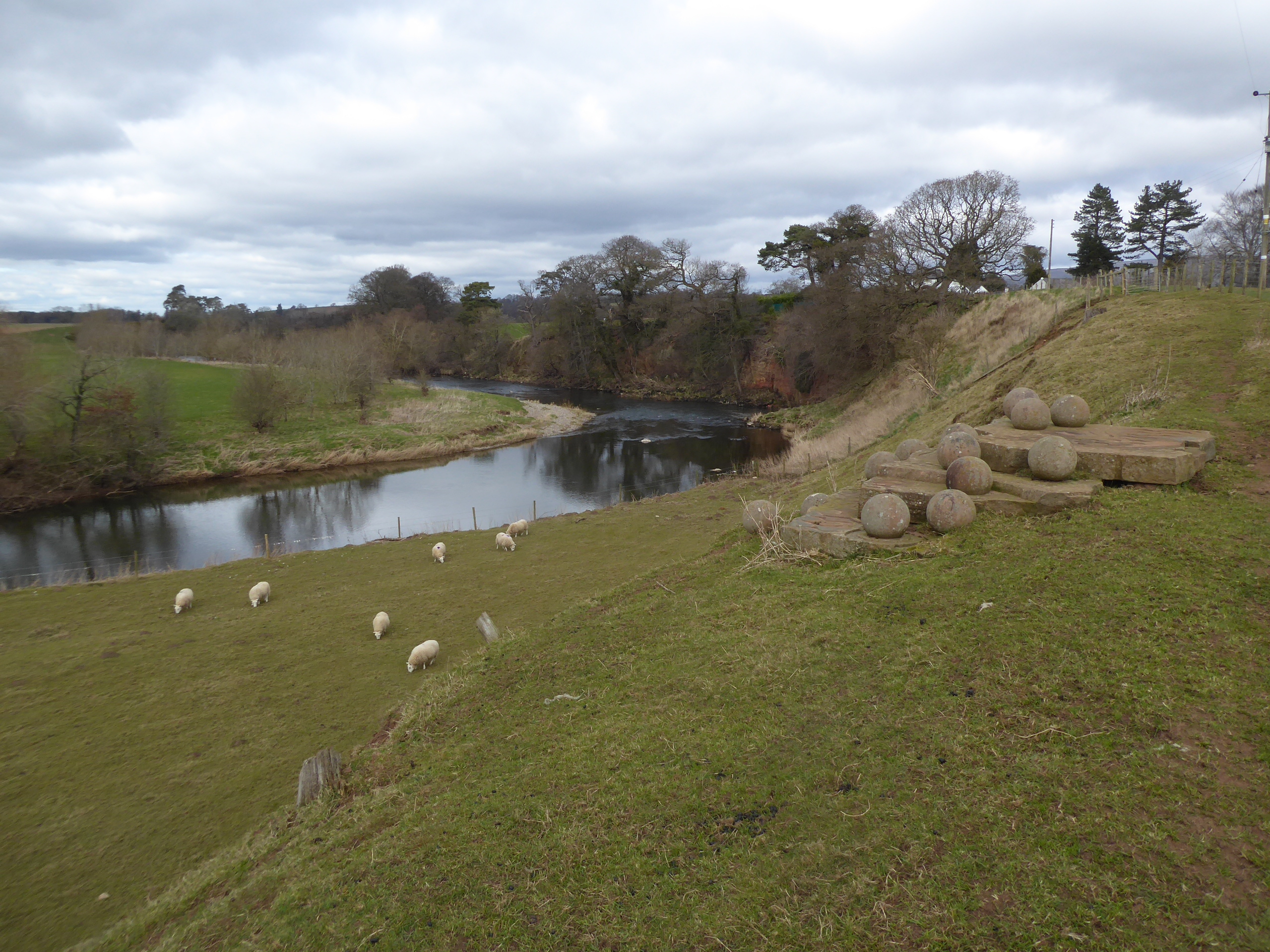
It’s a redundant church in what is now the middle of nowhere. According to the information inside, the settlement around the original Norman church was razed in the thirteenth century to create a hunting ground for Whinfell Park. Lady Anne Clifford (her again) restored the church in 1660 and it has been little changed since. The family pews are Jacobean in style, and the pulpit stands among the congregation. It seemed so isolated that it was hard to think of it as connected to any community – but inside there was a stone in memory of an aristocrat who had died at Brougham Hall on her way to Scotland, and outside there was a tombstone for John Nelson, yeoman of Hornby Hall, which I passed on my very long and rather dull walk back to Appleby. (Whose parish church was also restored by Lady Anne.)
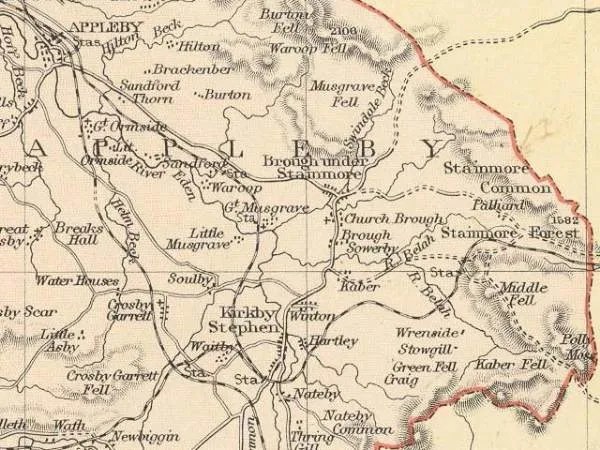
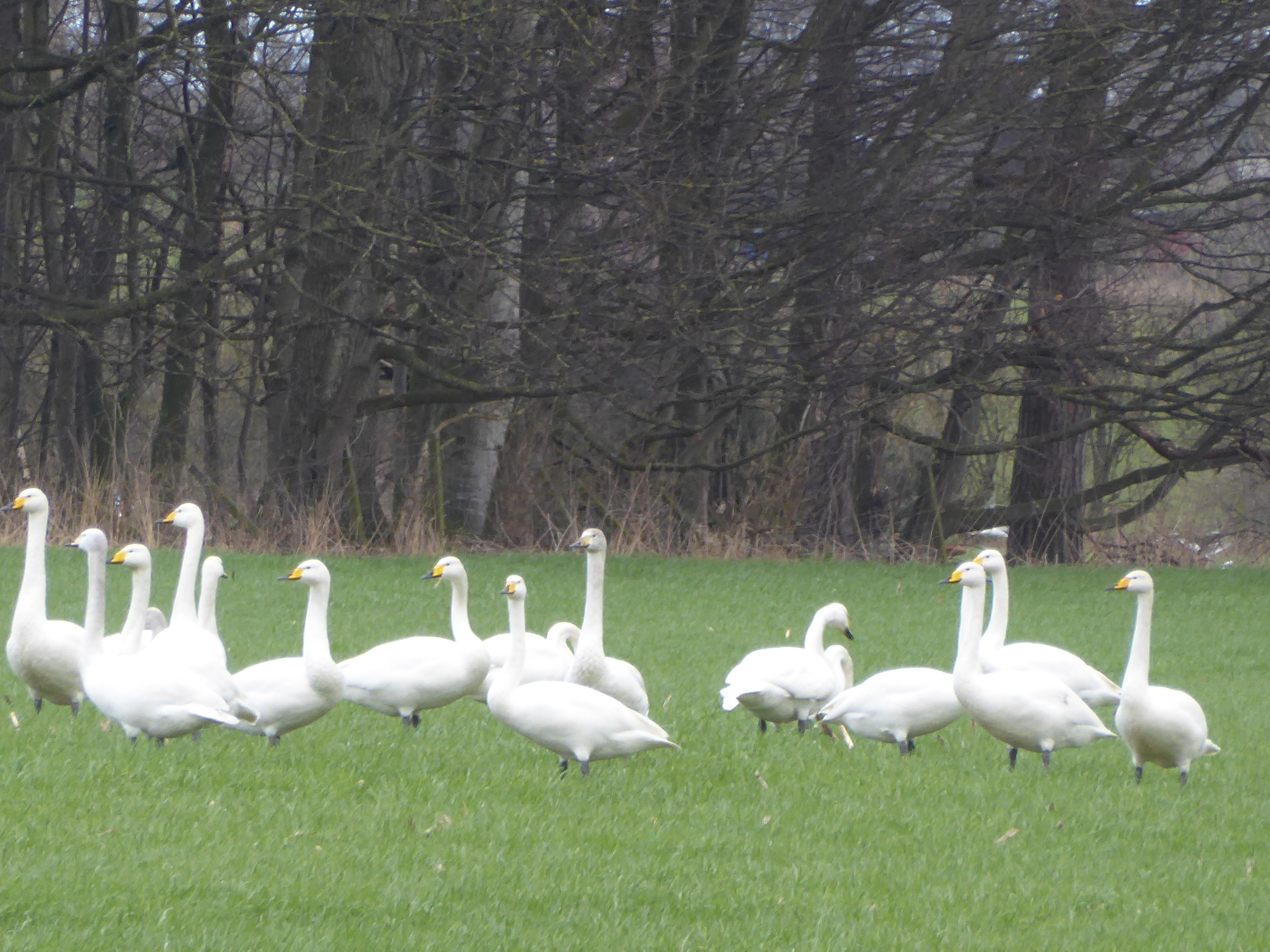
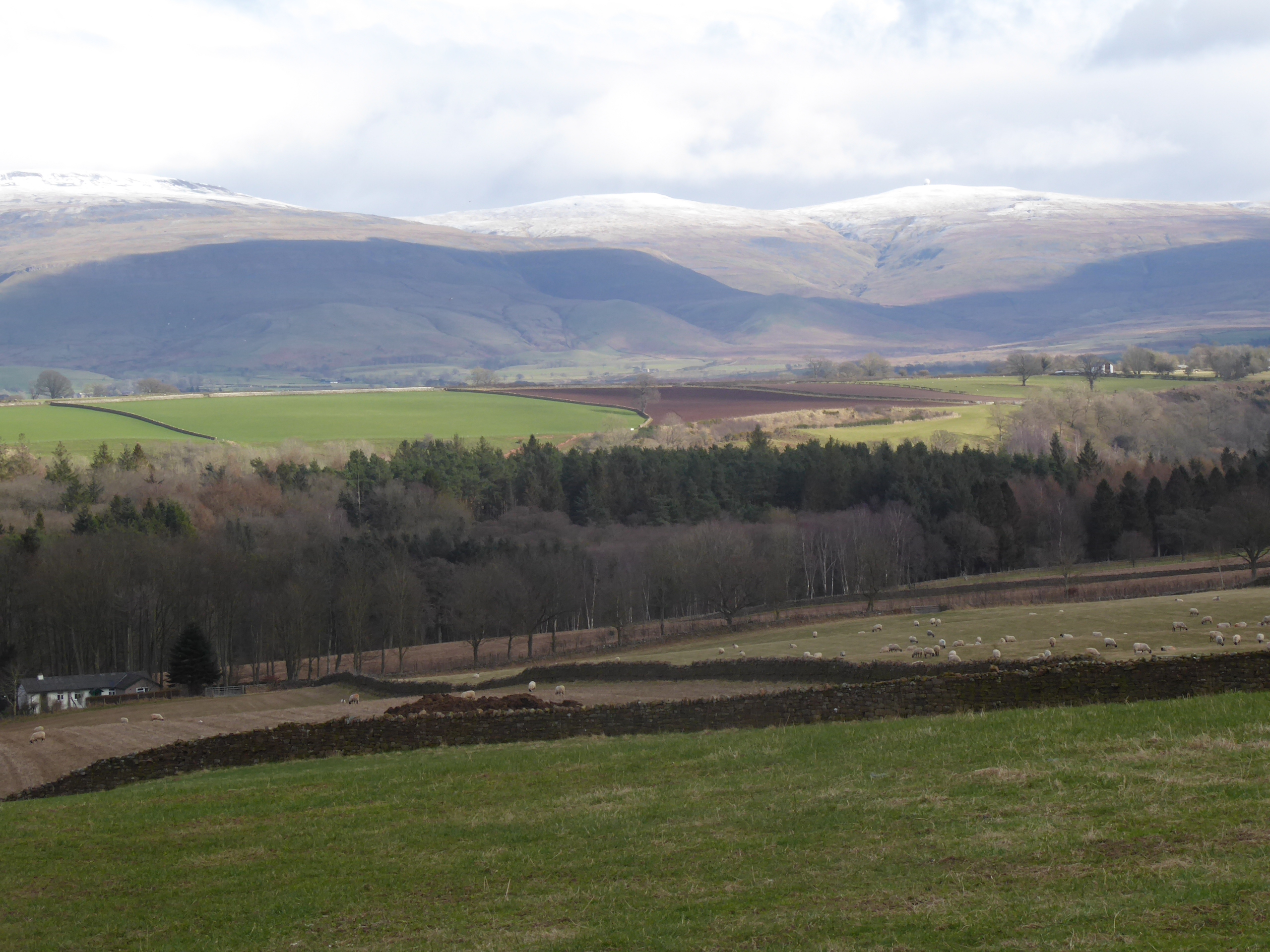
I mostly followed the River Eden – never quite out of earshot of the A66 – and then a very boggy Roman road back to Appleby. According to the map I also passed the sites of a Roman fort and fortlet – no sign of either, but I did come across the old railway line between Tebay and Stainmore a few times. The best sight after the church was a small flock of swans near Bolton: whooper or Bewick. They grew alarmed as I approached and soon flew away, leaving behind a small group of mute swans who couldn’t understand what all the fuss was about.
Morvern Callar (2002)

Director Lynne Ramsay with Samantha Morton

I remember thinking when this came out that it probably wasn’t my kind of film. Well, I’ve now watched it and thought about it – and haven’t changed my initial opinion, but I can see that it used its own way to tell the story.

It begins and ends with flickering lights – so I guess that indicates you can expect only partial illumination. It’s bookended too by Morvern’s boyfriend. The film opens with his dead body on the threshold between kitchen and living room: he has killed himself and left Christmas presents for her. The film ends with Morvern dancing to “Dedicated to the one I love” from the mixtape he made for her. In between she grieves, disposes of his body, claims his novel as her own and discovers Spain as an alternative to a life working in a supermarket somewhere cold and grey in Scotland. In the penultimate scene her friend rejects a return to Spain on the grounds that life’s the same everywhere; perhaps it is or perhaps Morvern can find a change. It seems to be a film about love and grieving – but it’s also about youth and discovering alternatives to the small world you start your life in. Lots of drink and drugs and partying to balance against days spent working in a supermarket. Visually it was interesting and at times madly exuberant. I felt very old watching it, but it made me reflect on the ignorance and thoughtlessness and joyful discovery that youth often means.

So much to make me raise a sceptical eyebrow at the unevenness of the tale and the opacity of the character. Why no Scottish accent for Morvern? Why not report the death and arrange the funeral as his note asked? Can you really cut up a body with utensils from the cutlery drawer? Dig a grave with a trowel? Do publishers normally write out cheques for £100,000 to new authors? Did Morvern have any greater insight into her actions and reactions than the audience did? In a way, it was brutally pragmatic: the bottom line was that Morvern’s life was transformed by her boyfriend’s money.

Arras

I was rather surprised at having to give my name and date of birth in order to buy a return ticket to Arras over the counter. The foreigness of foreign countries, I suppose. Even stranger: the tickets were also emailed to me and I have no recollection of giving SNCF my email. It must have been in the far-off pre-Covid years when buying European train tickets was as common for me as buying a return to Manchester.

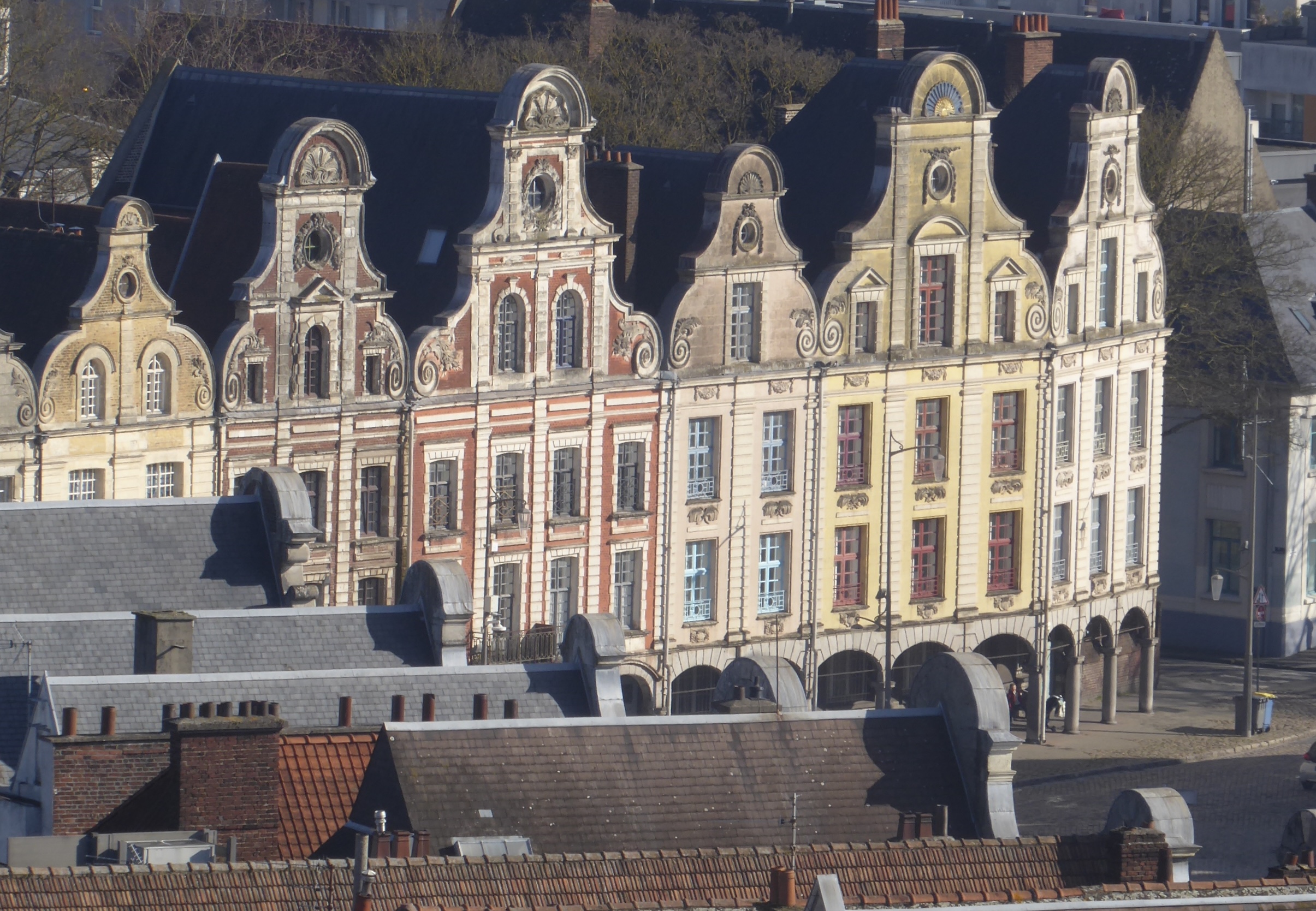
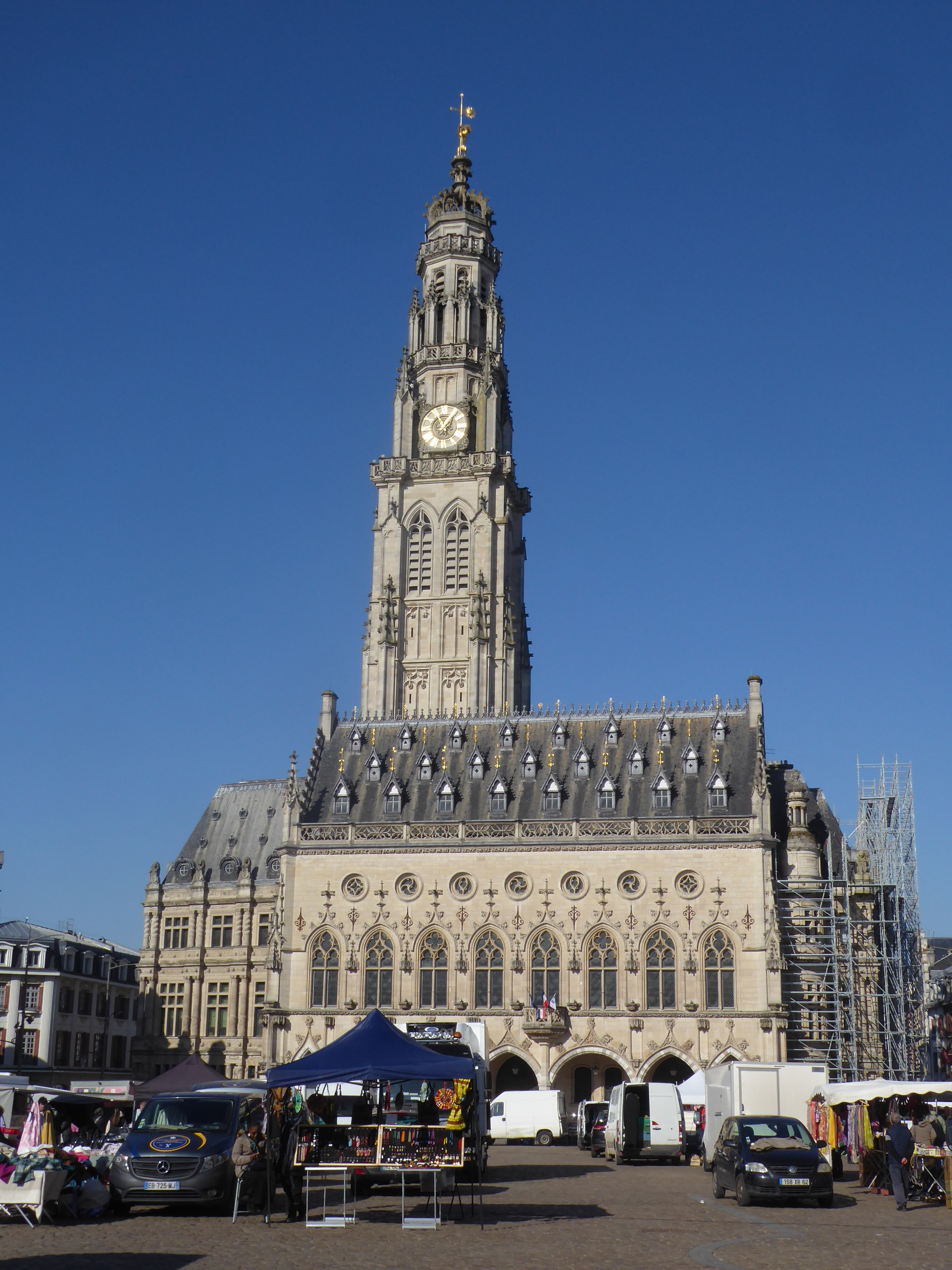
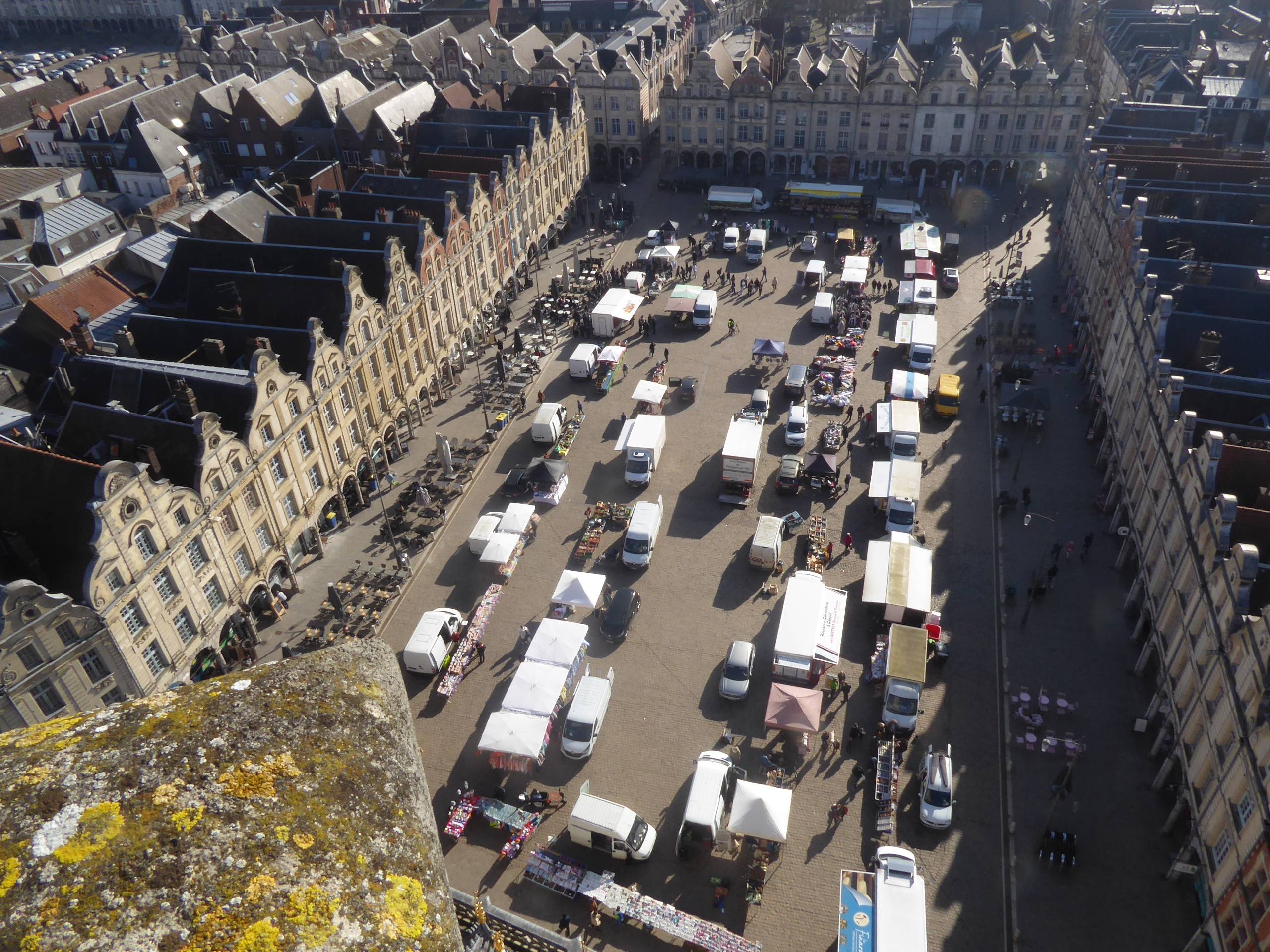
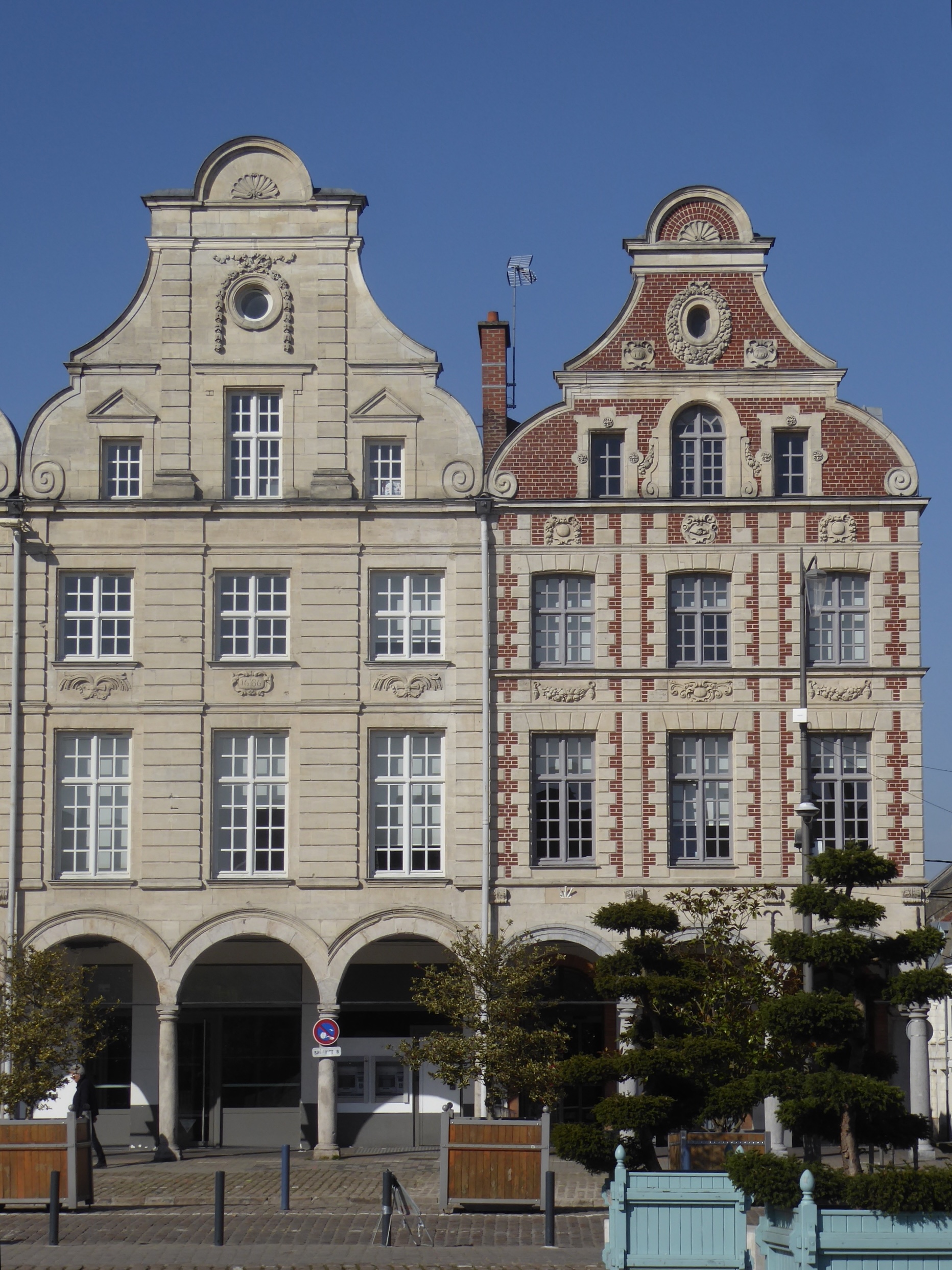
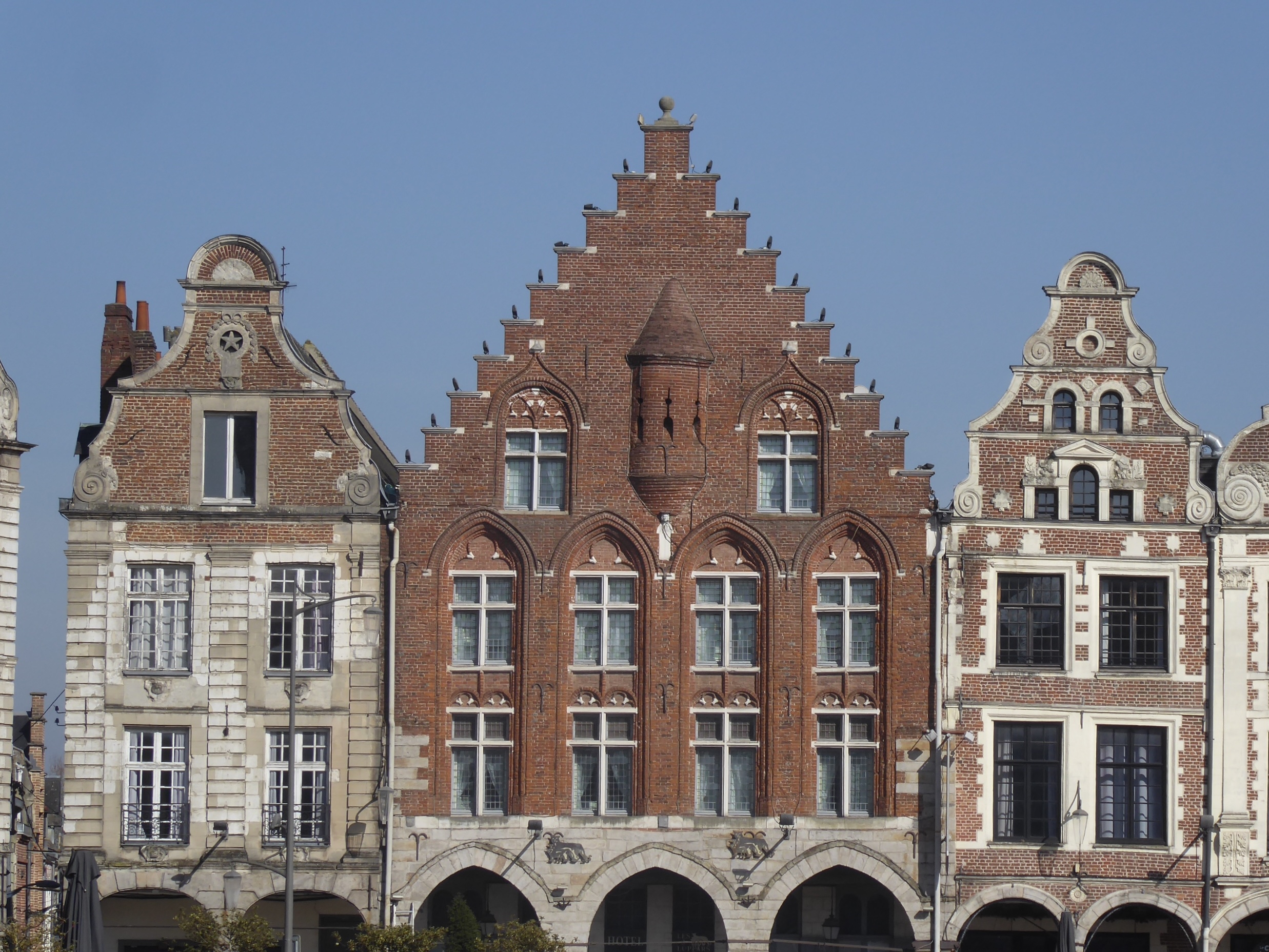
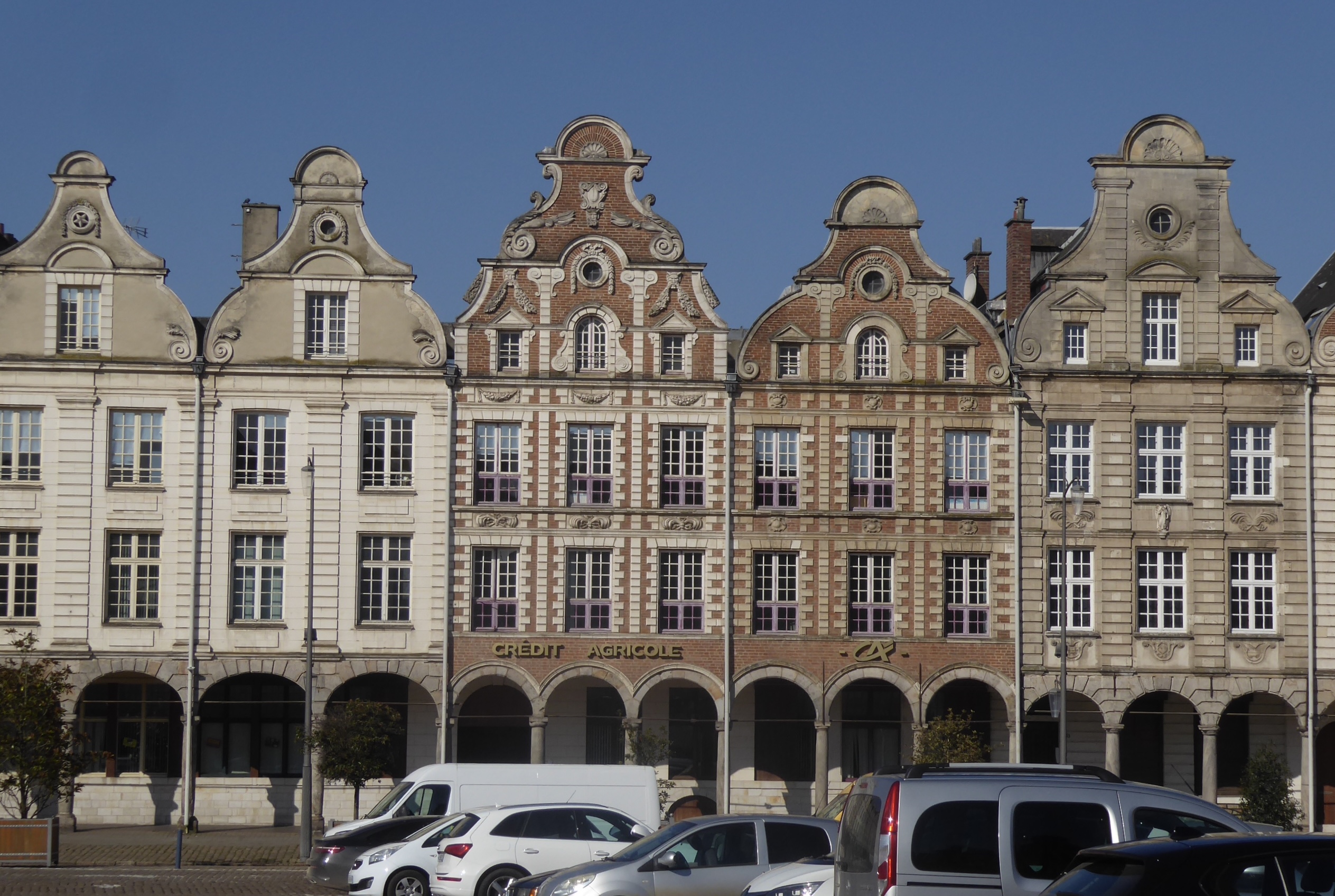
Anyway – Arras. It’s been on my mind to visit for so long that I can’t remember what prompted the inclination. It’s small but perfectly formed: improved even, since its post-WWI rebuilding means that there is a lift in the belfry to take you most of the way up to the top! Less brilliant was descending the staircase as the bells began to strike 11. It was a pleasure to wander around the Flemish-style squares in the sunshine, although my visit was shorter than expected since the Musée des Beaux Arts is closed for renovation.

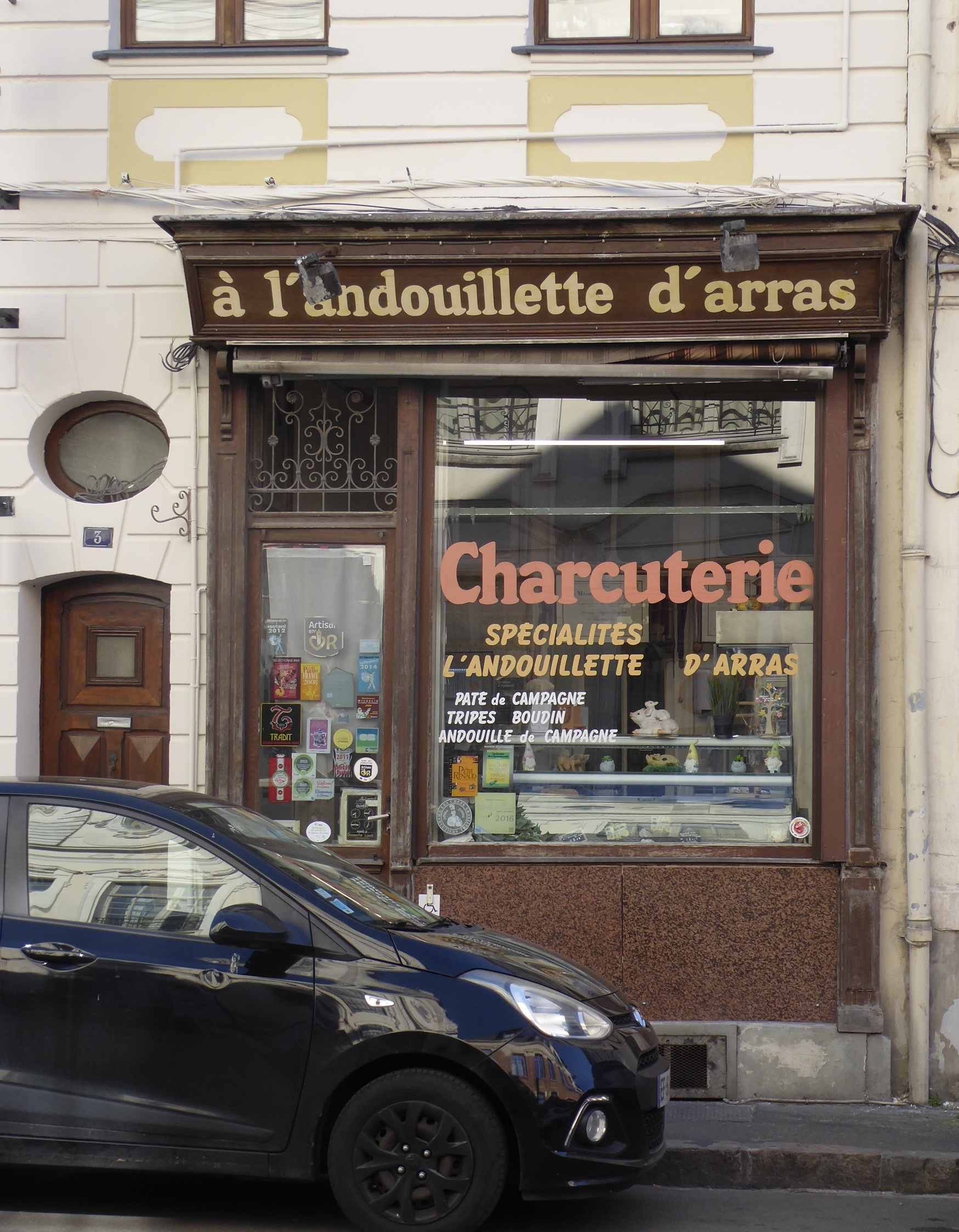
There was a little slice of French tradition in the charcuterie; a bit of a conflict between my dining preferences and my respect for other traditions there, but I’m sure the French can cope with that.

From the upper deck of the train I had ample opportunity to appreciate the dullness of the landscape: an occasional leftover spoil heap was a major feature. I shall be glad to see rolling hills again. But I suppose farming was another source of the region’s wealth back in the day, along with the coal mines and the textile factories.

Lille and Roubaix

I have settled in. My hotel room is fairly charmless apart from the windows and the view, and I’ll settle for that.

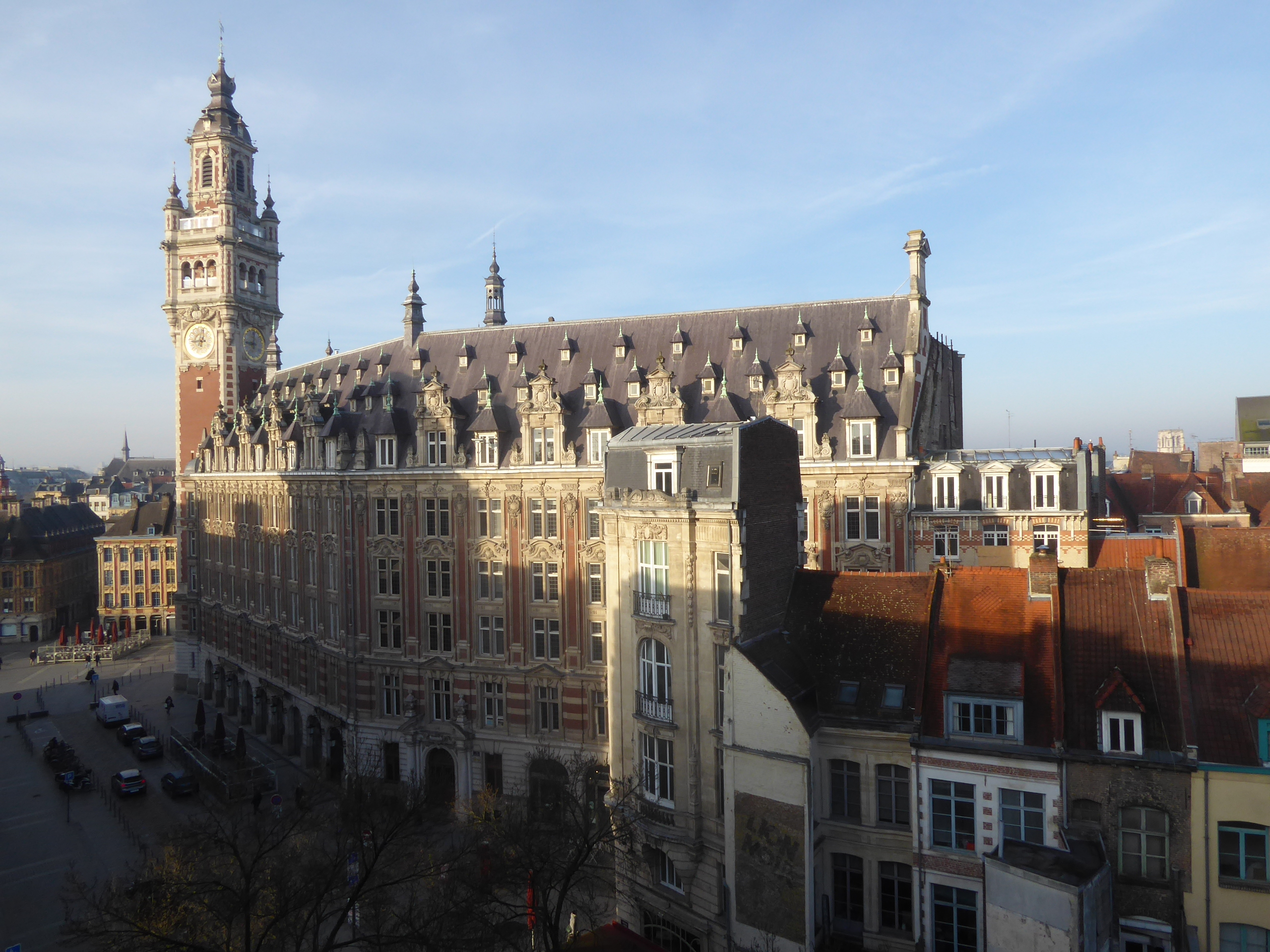
Lille is a pleasure to walk around. It’s both Flemish and French, and you never know which style you will find. The centre looks prosperous, but I’m not sure how far that prosperity stretches. Some of it has spread out to Roubaix, where I went today to visit La Piscine gallery. I caught the métro and wondered why I had such a clear view at the front of the train. It took me a little to realise that there was no driver.

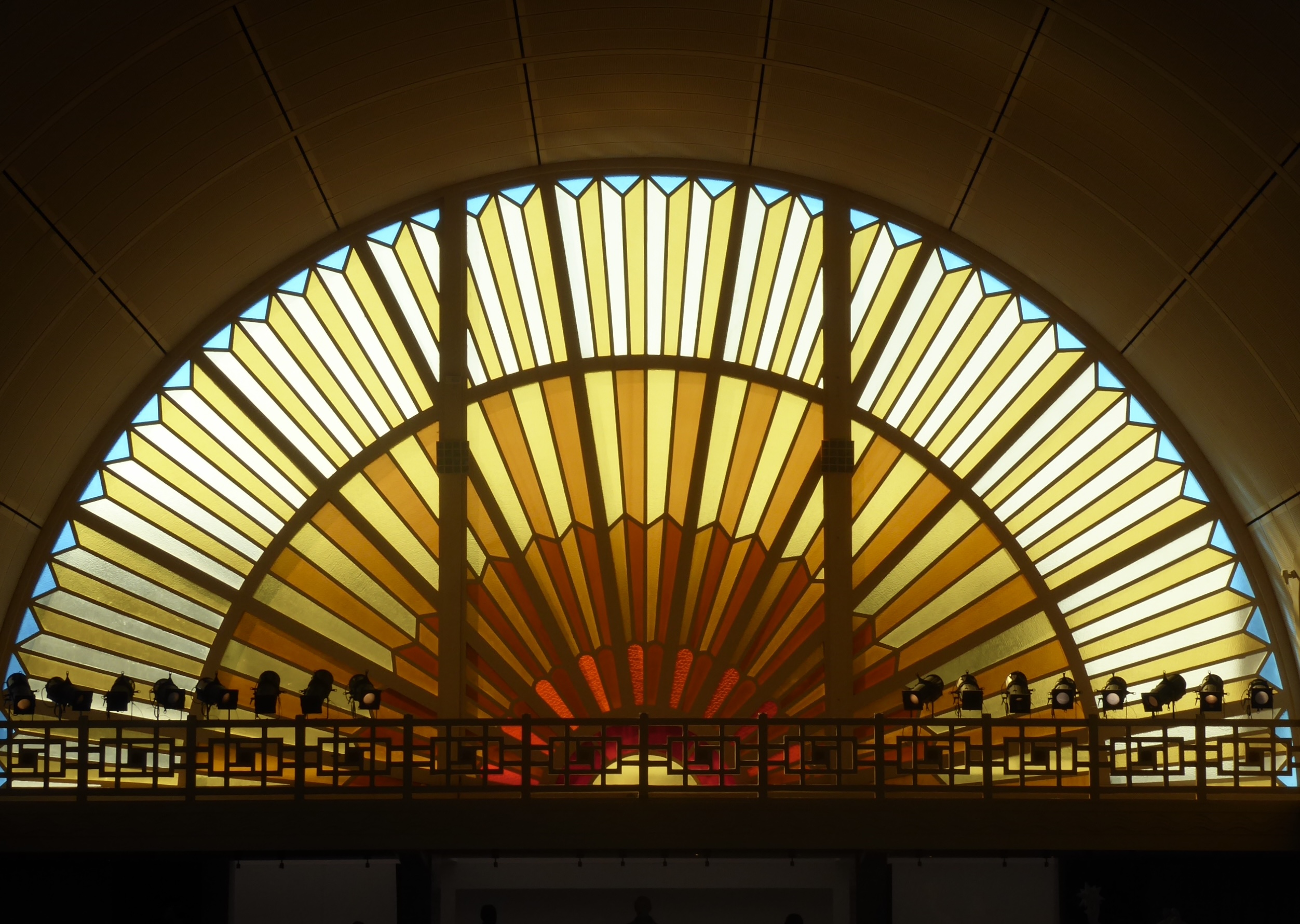
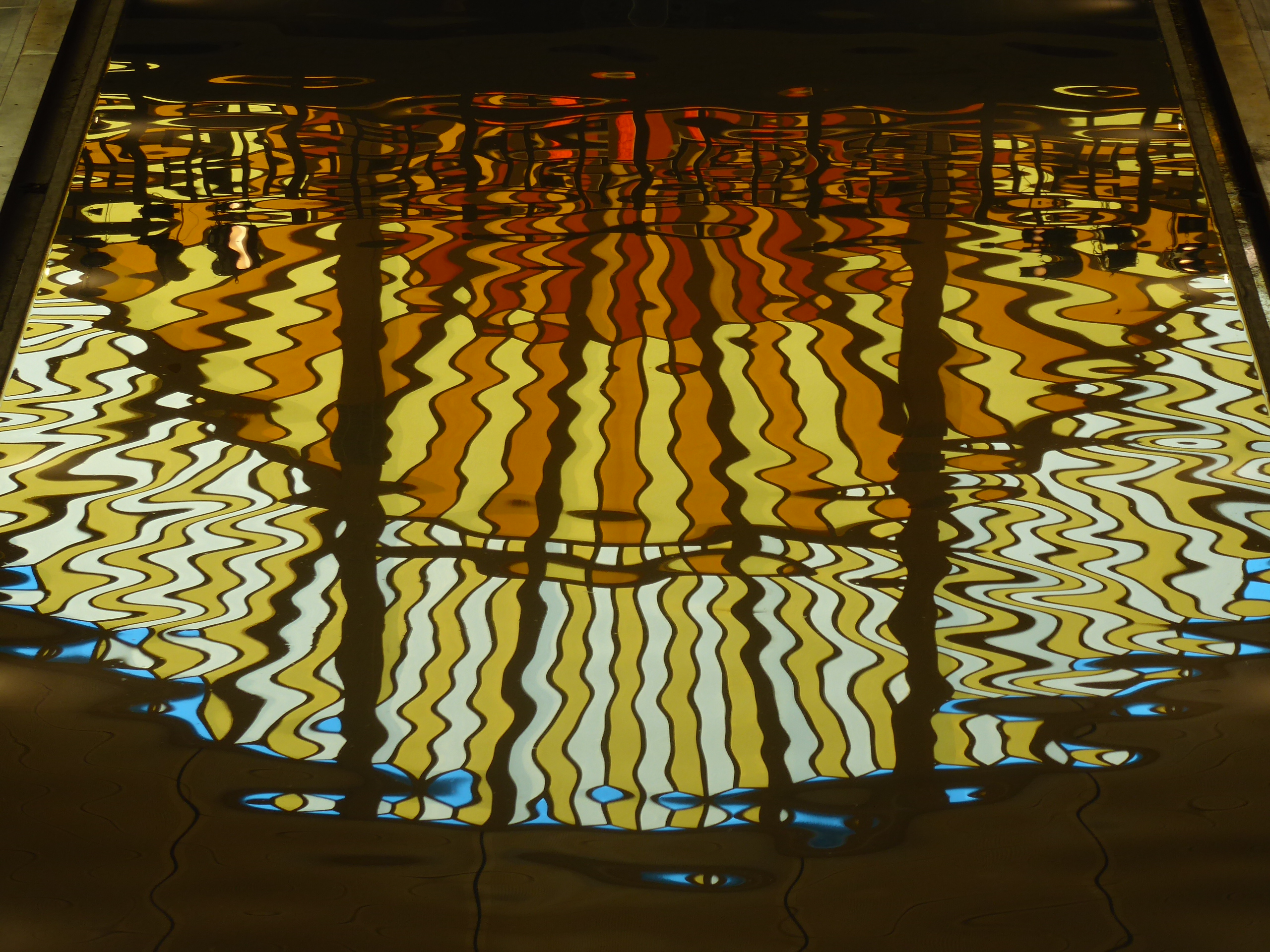
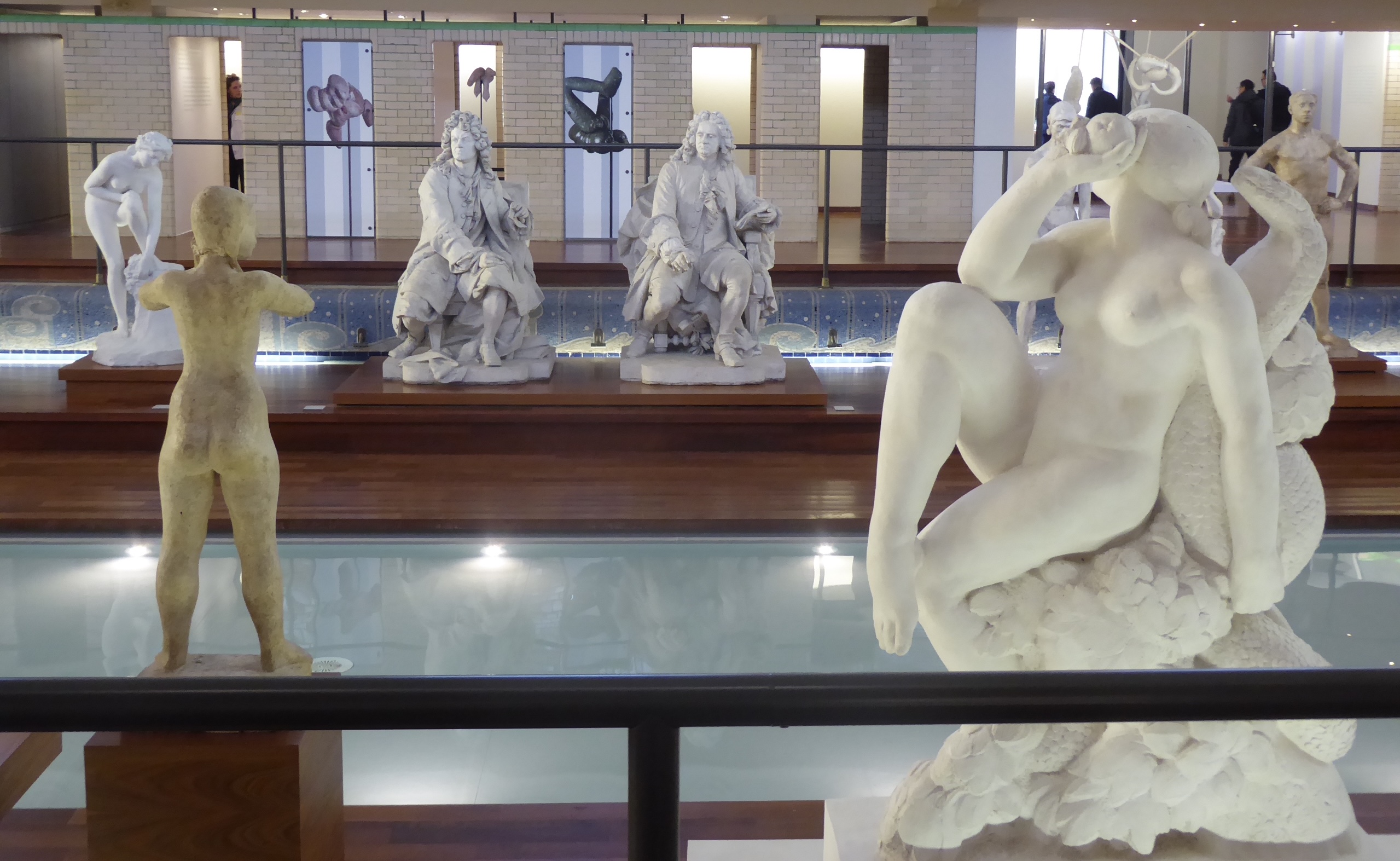
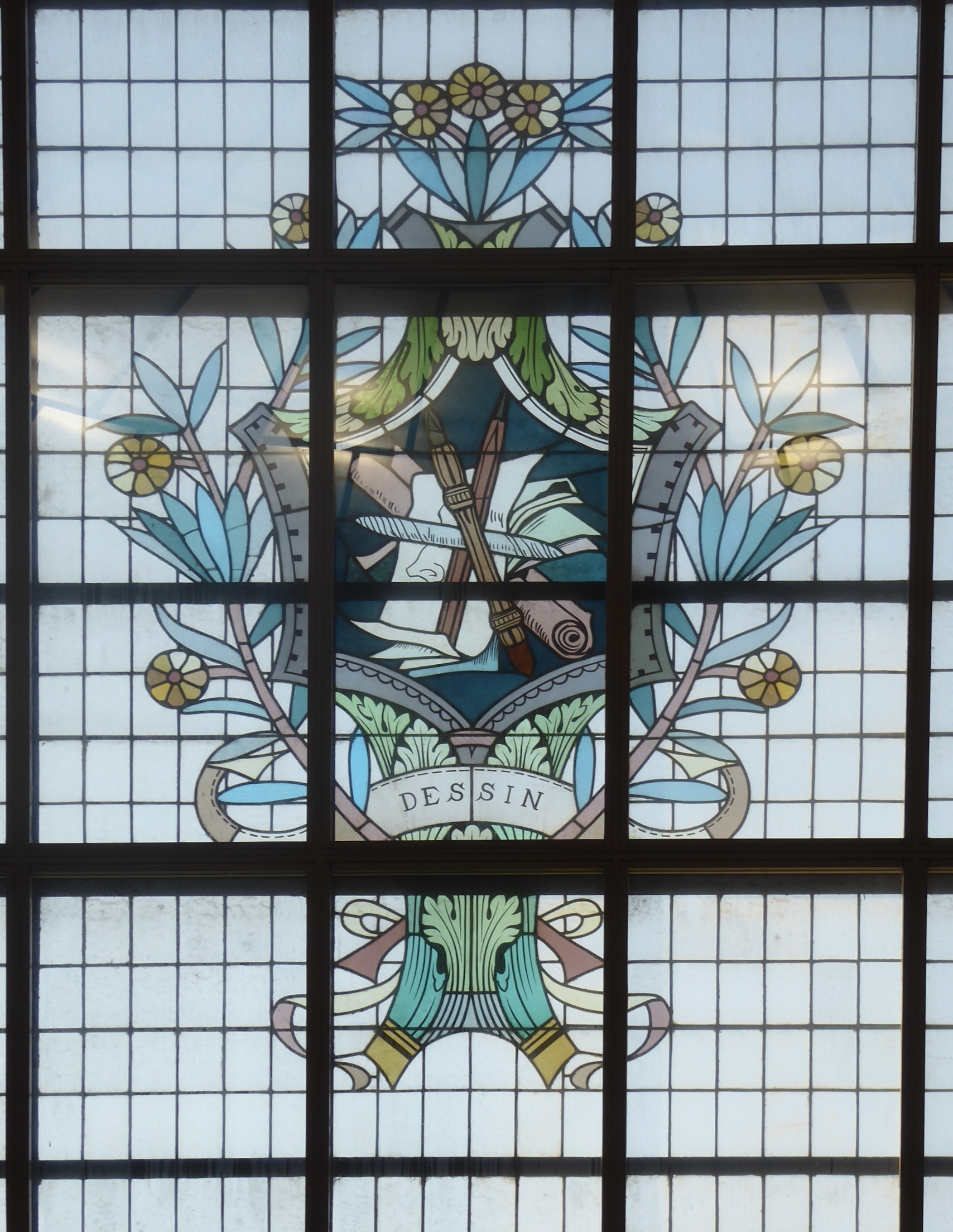
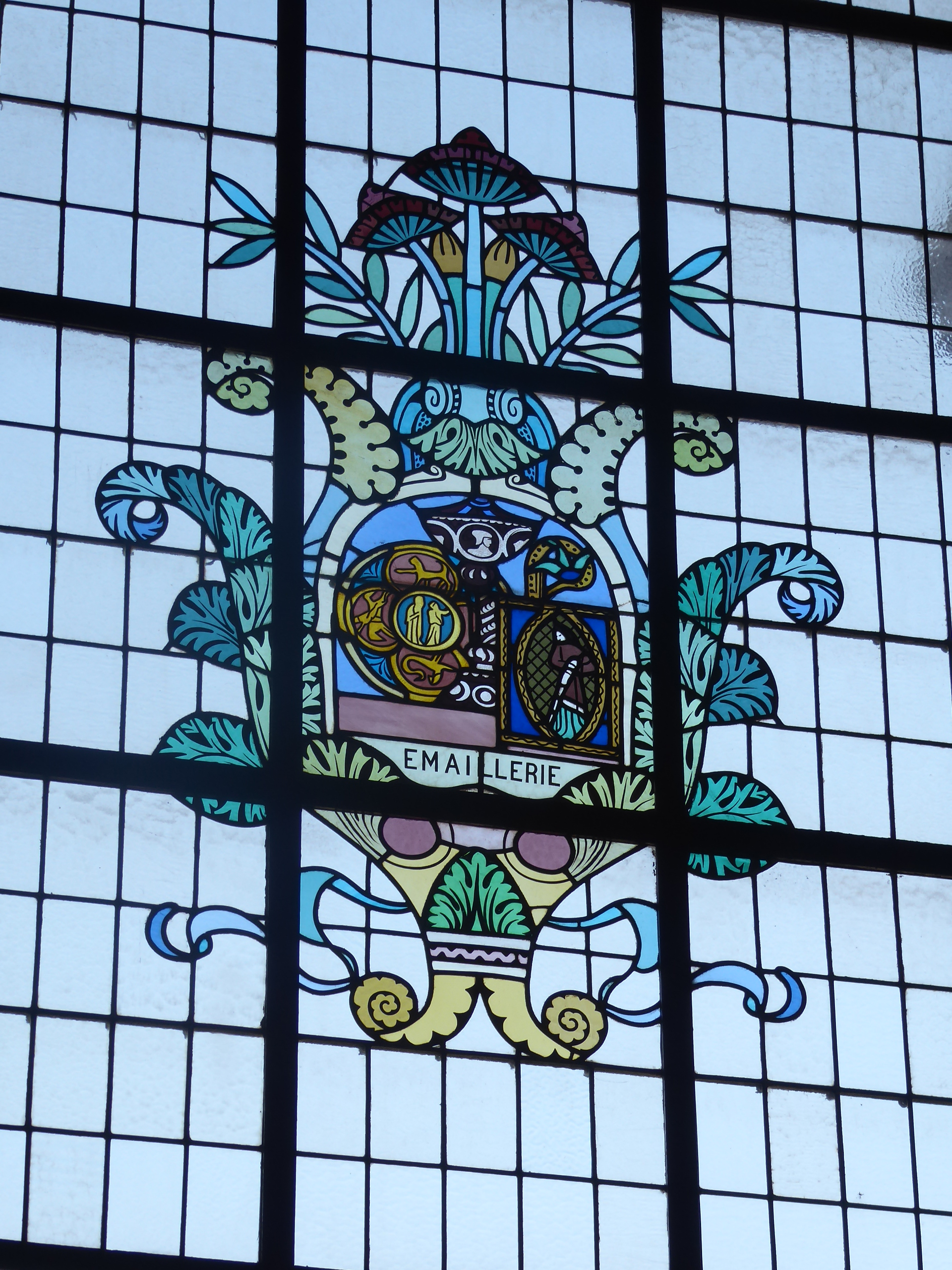
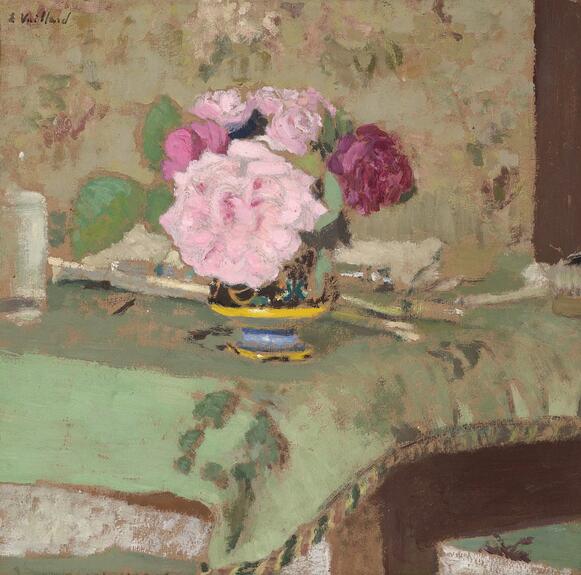
This is the third time I’ve been here, so there was nothing new – just a different way of looking at things. Plus of course trying to capture the reflected sunburst window in all its glory.

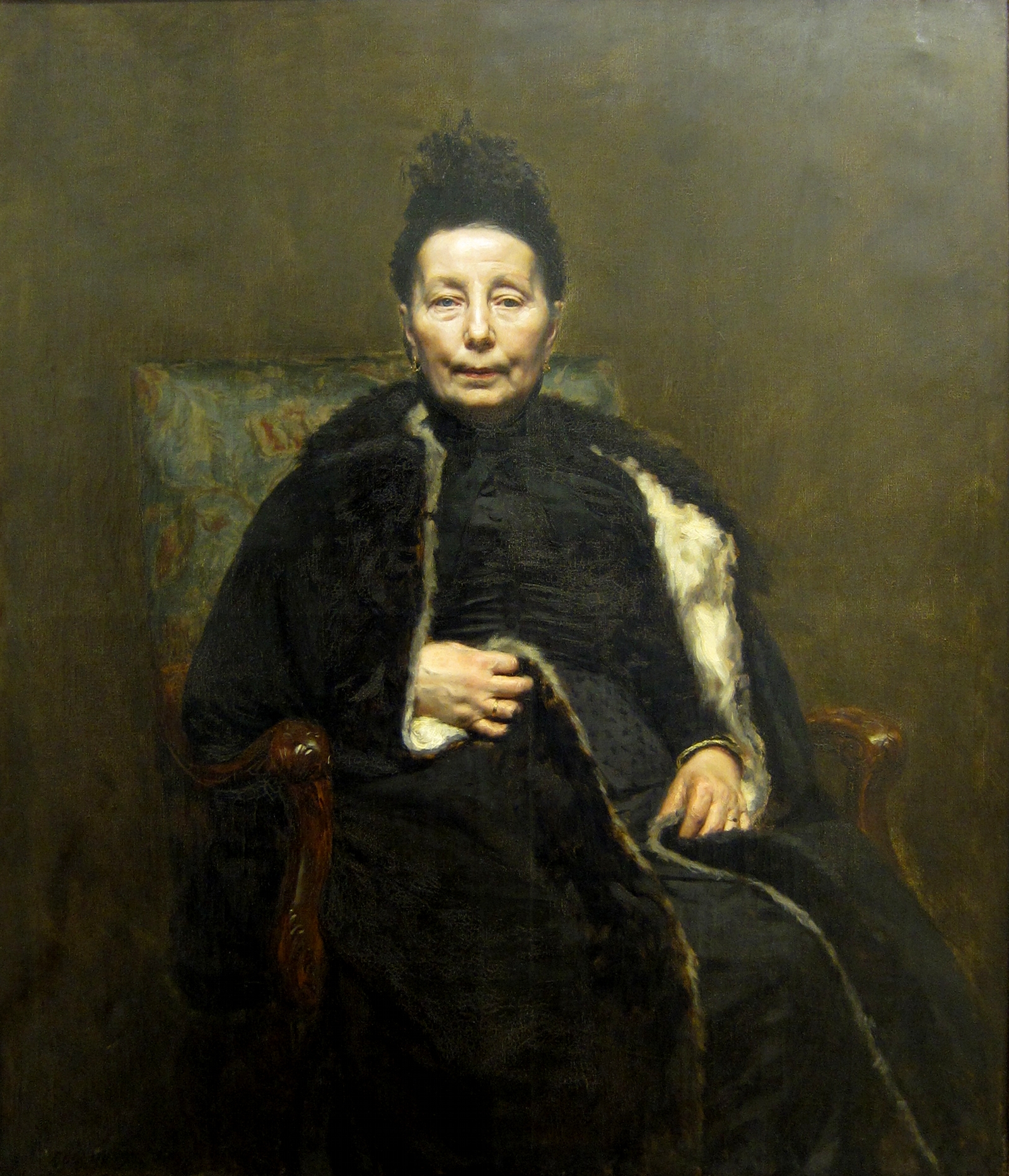
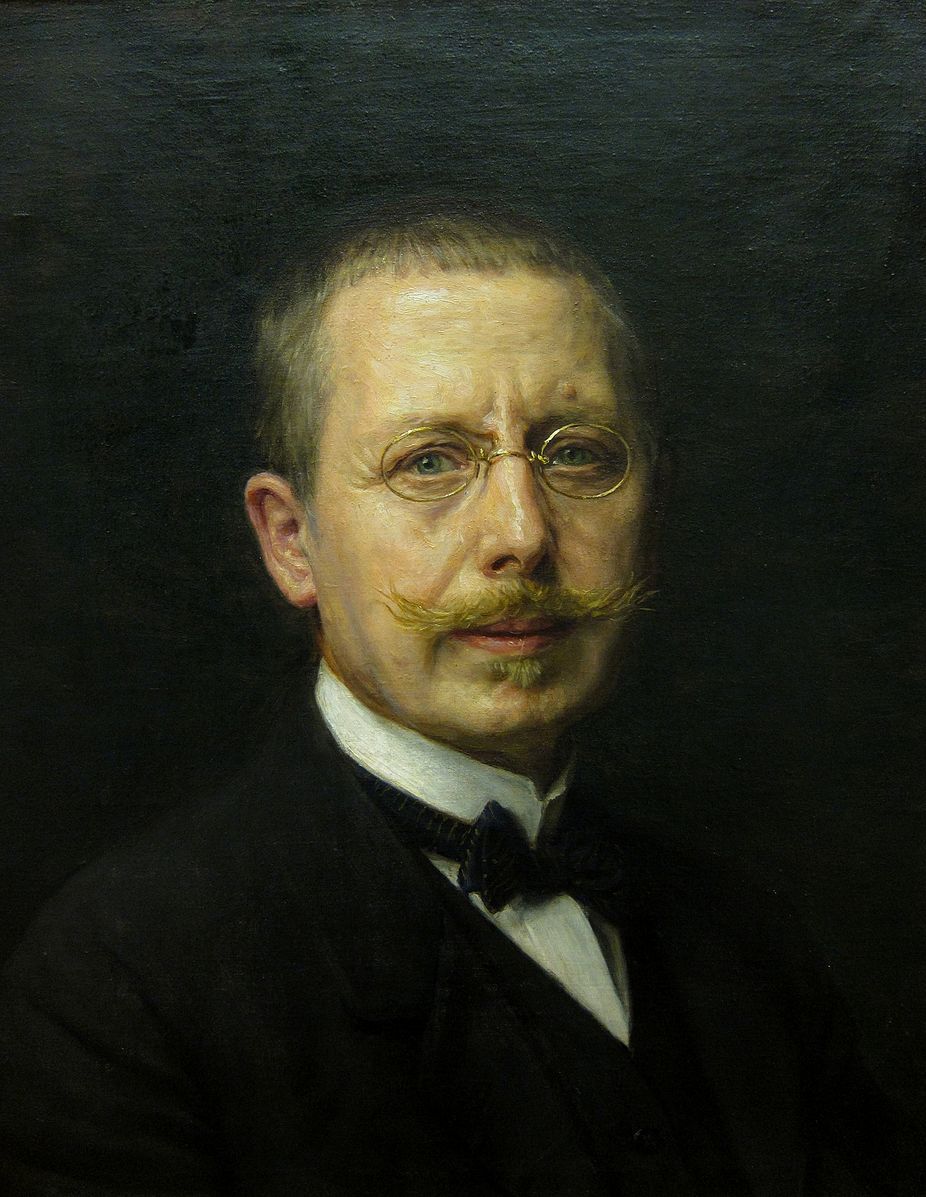
I rather liked the way the statues had been placed, with the over-dressed gentlemen surrounded by nymphs. Then all the paintings by Rémy Cogghe – so well done, but who has heard of him? I smiled to see the resemblance between his self-portraits and the painting of his mother.

Lille

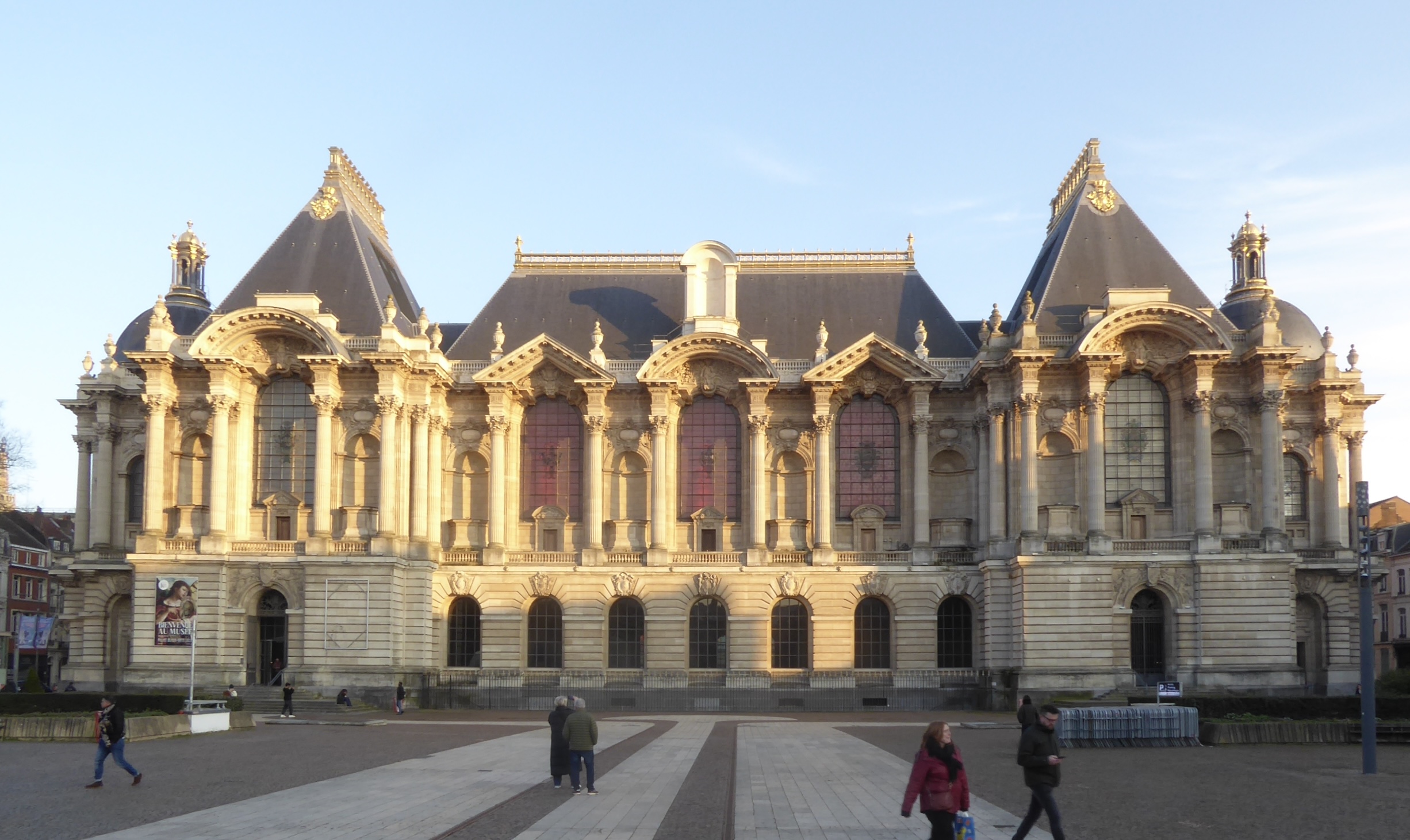
I arrived in Lille in brilliant sunshine and a rather bewildered state of mind. The travel sickness pill I had taken left me feeling detached; moreover I was bothered by not being able to make sense of the French I heard all around me. I’d caught an earlier train in order to visit the Palais des Beaux Arts – but even that just added to the sense of being all at sea.

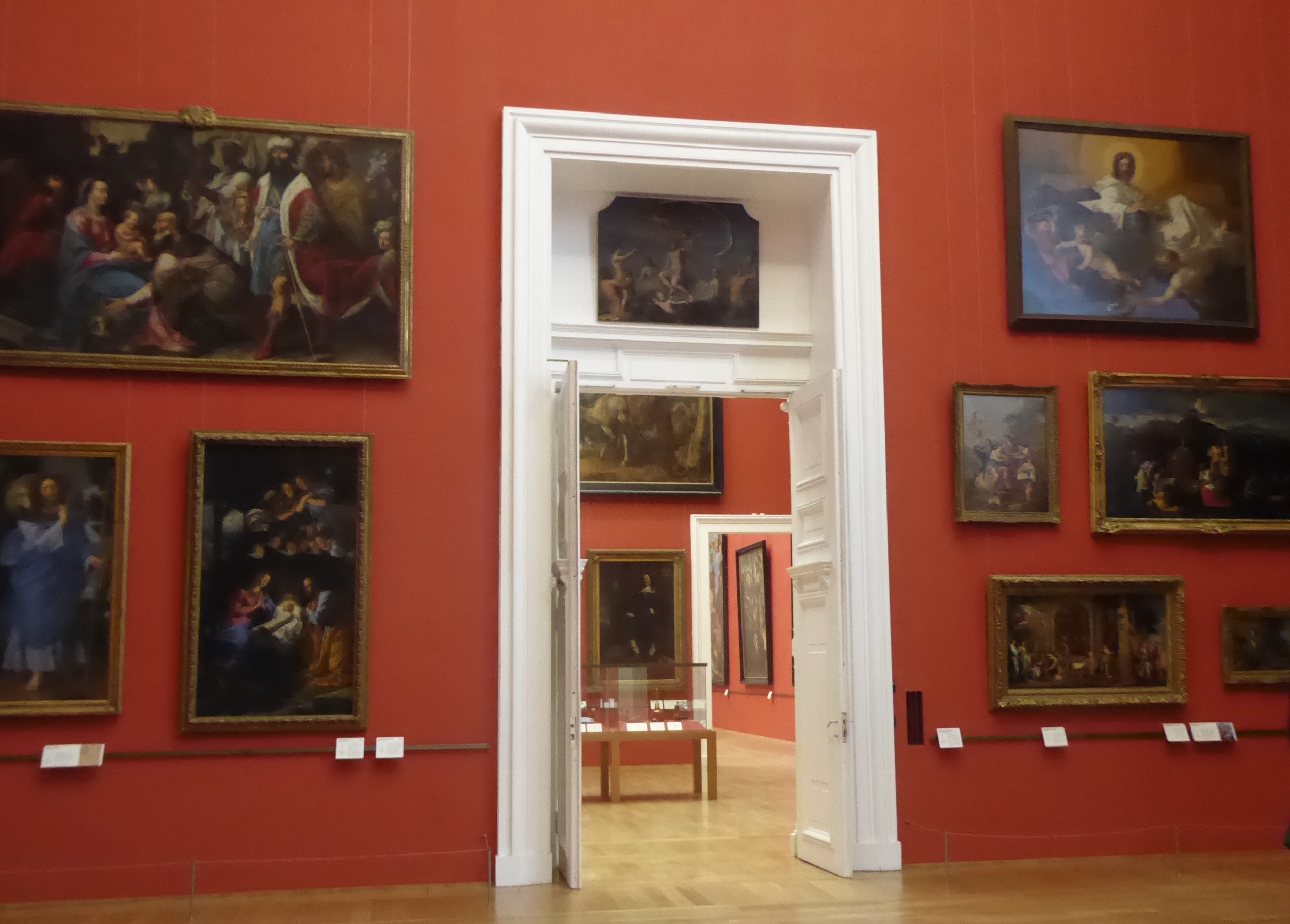
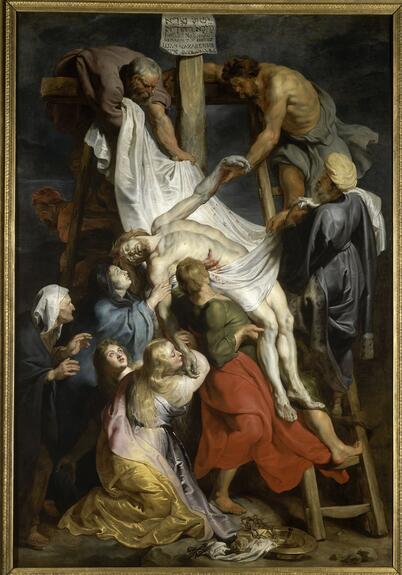
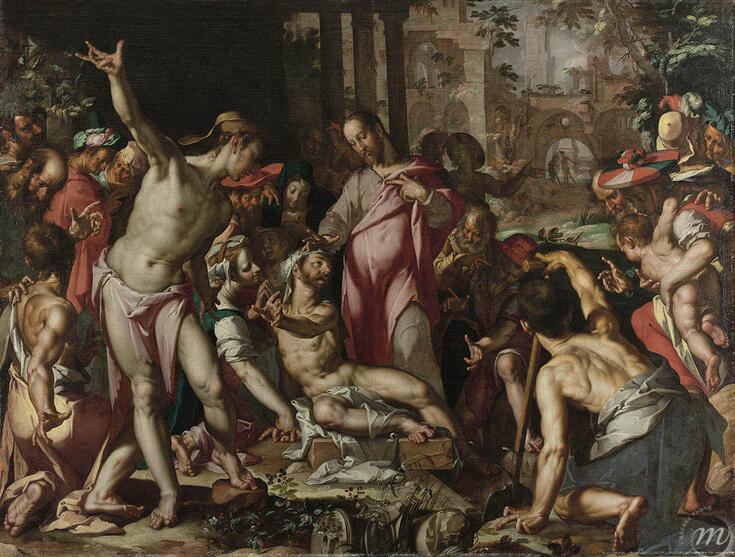
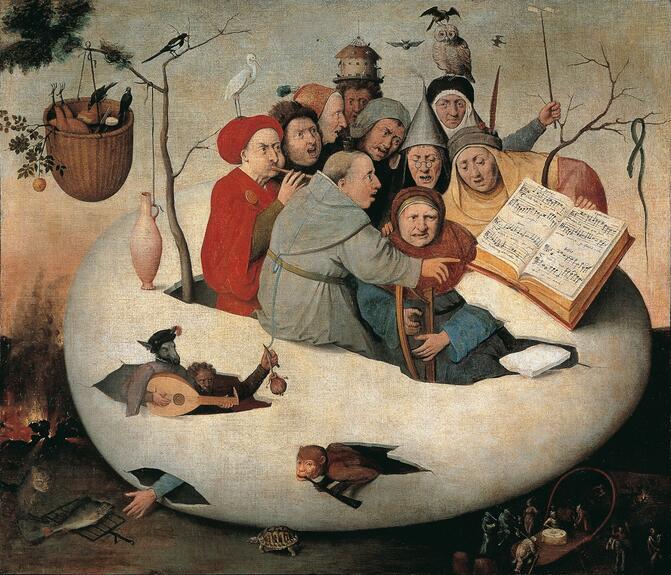
It’s a very imposing building – but one that weighed down on me. Room after room after room, each leading into the other . . . there was way too much stuff! Once again, I realised how artists’ studios churned out paintings to fill churches and to immortalise the wealthy in oils. I quickly decided I did NOT want to see any more putrefying flesh – even painted by Rubens – or horrible mash-ups of Flemish-painter-meets-the-Renaissance. I found it hard to maintain the appetite to take in anything at all.

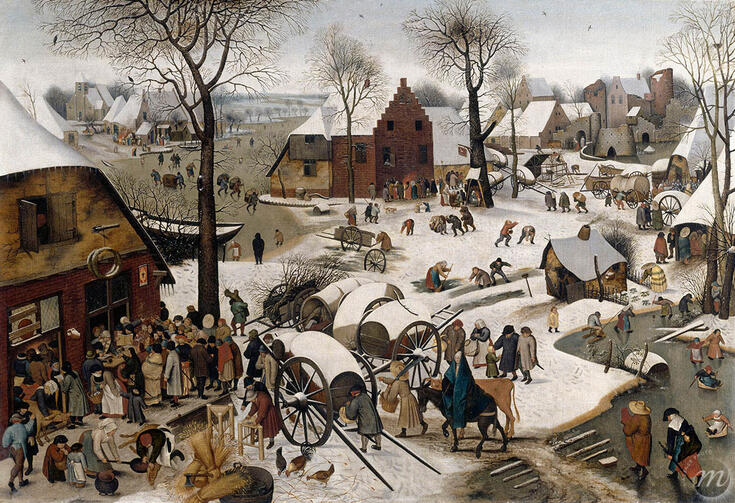
There were a couple of copies of paintings by Brueghel the Elder. Both had religious themes (the census at Bethlehem and John the Baptist preaching) but – in true Brueghel style and exactly as Auden describes it – the titular action is a small part of a much bigger picture that teems with everyday, unimportant people doing everyday, unimportant things. So different from all those depositions and raisings and martyrdoms which completely filled their large frames and which I found so lowering. When I got to the portraits – all so indistinguishable! – I wondered what I should choose to be painted in to signify the 21st-century equivalent of status and piety. Obviously not furs and a rosary; perhaps in cashmere with my ArtFund card between my fingers.

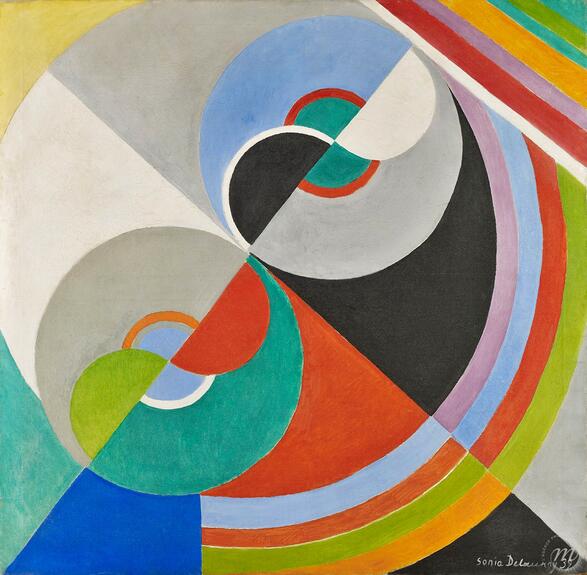
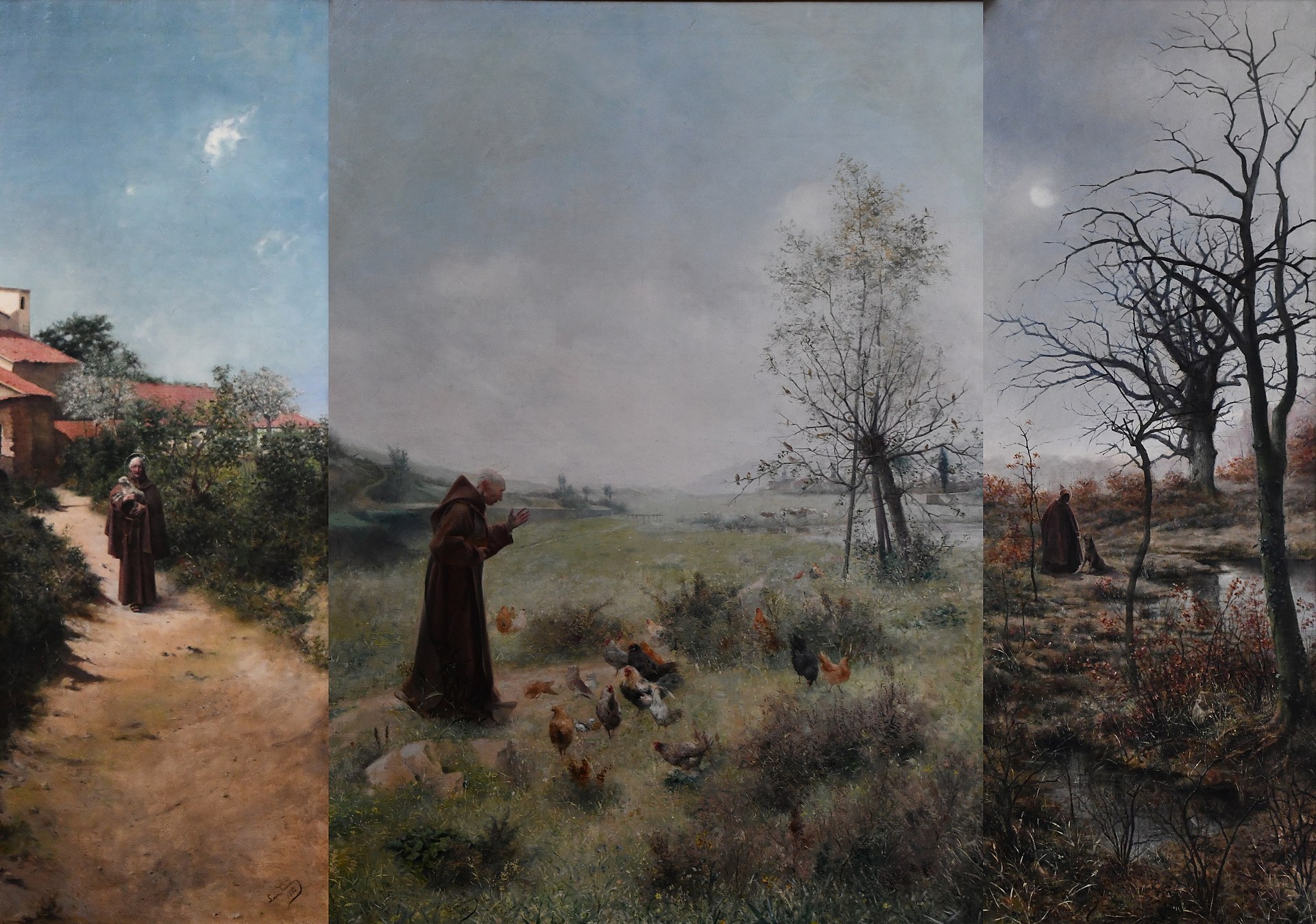
I came across Léon Frédéric again – not quite as weird to my eyes as others of his. St Francis in a Flemish landscape – which brought me back to Brueghel. By the end I was utterly bewildered: the journey from gruesome biblical scenes to abstraction was too much to take in.

Finding somewhere for dinner just added to the confusion. It seemed as if meat was still the only French food on the menu! Pig’s ears, andouillettes, marrow bone . . . But I found something in the end and finished off with lots of cheese.