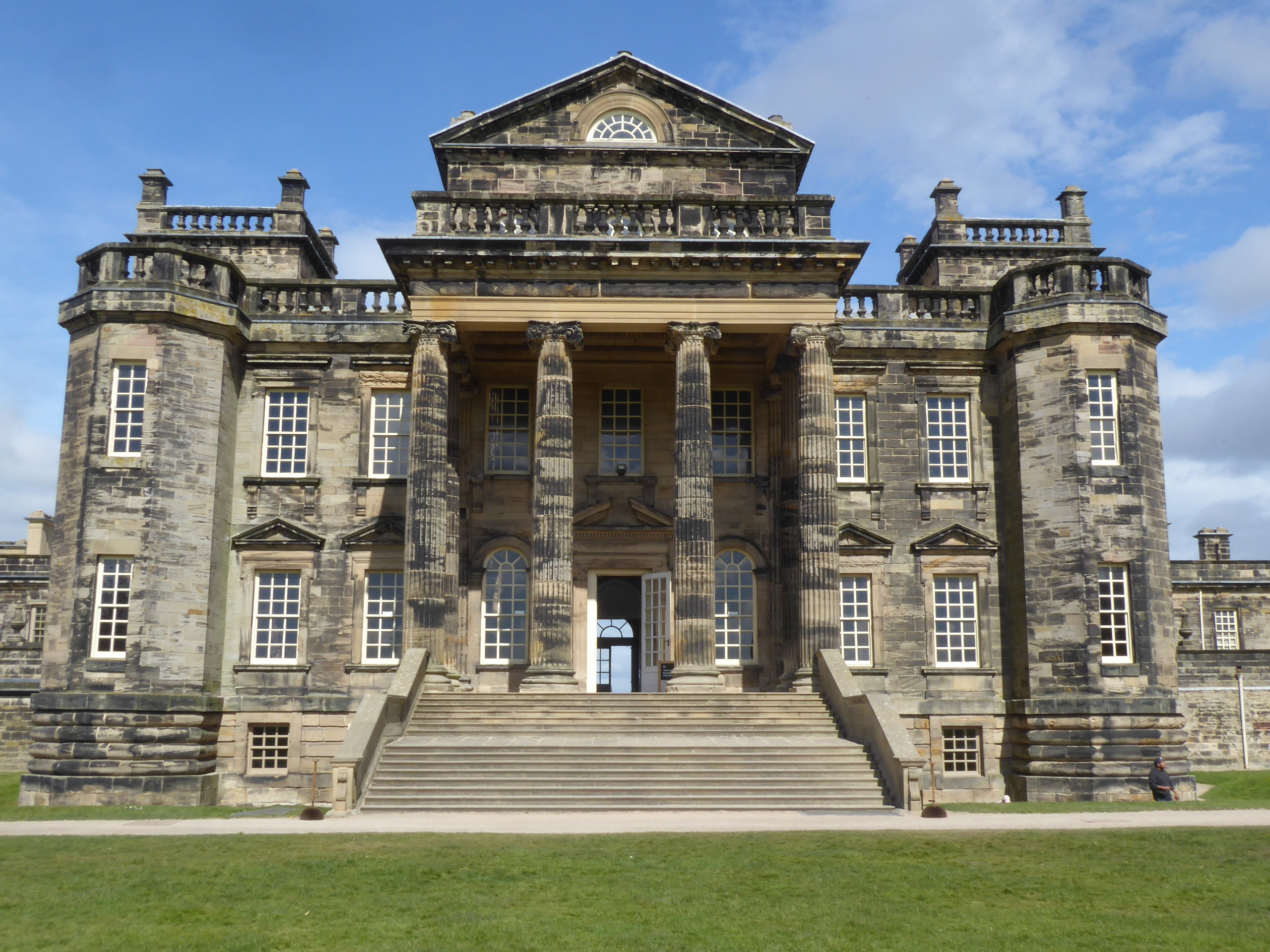
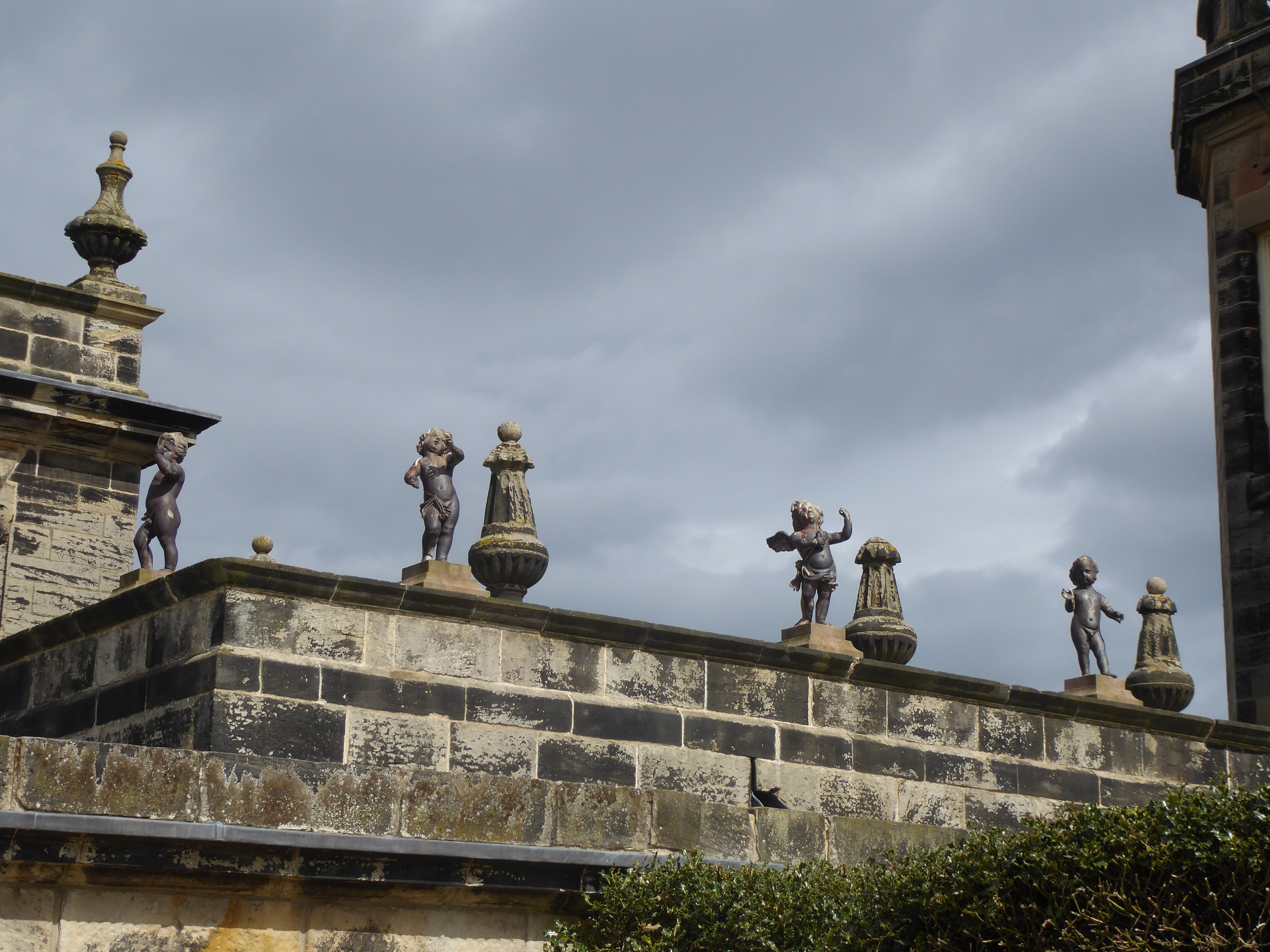
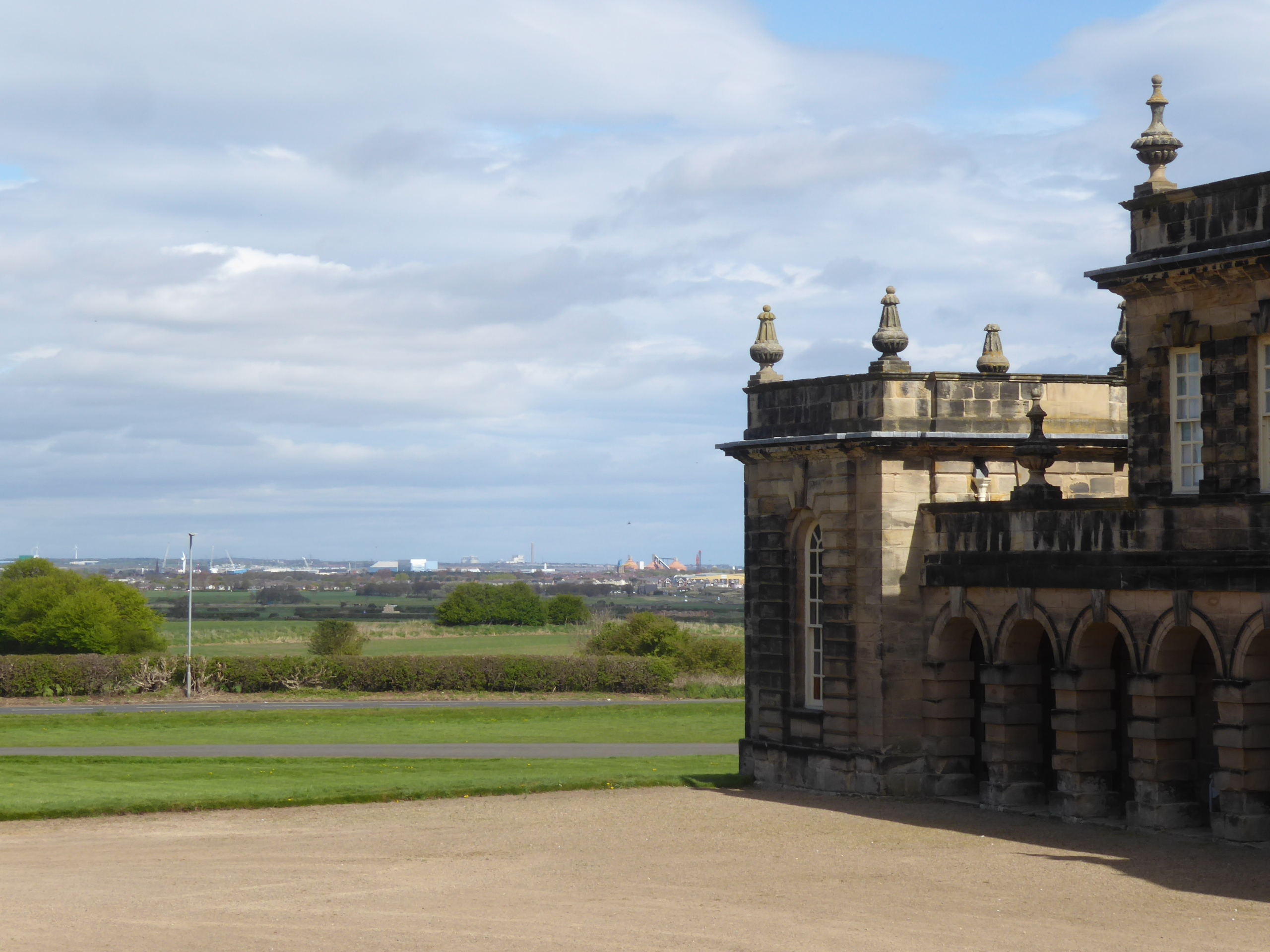
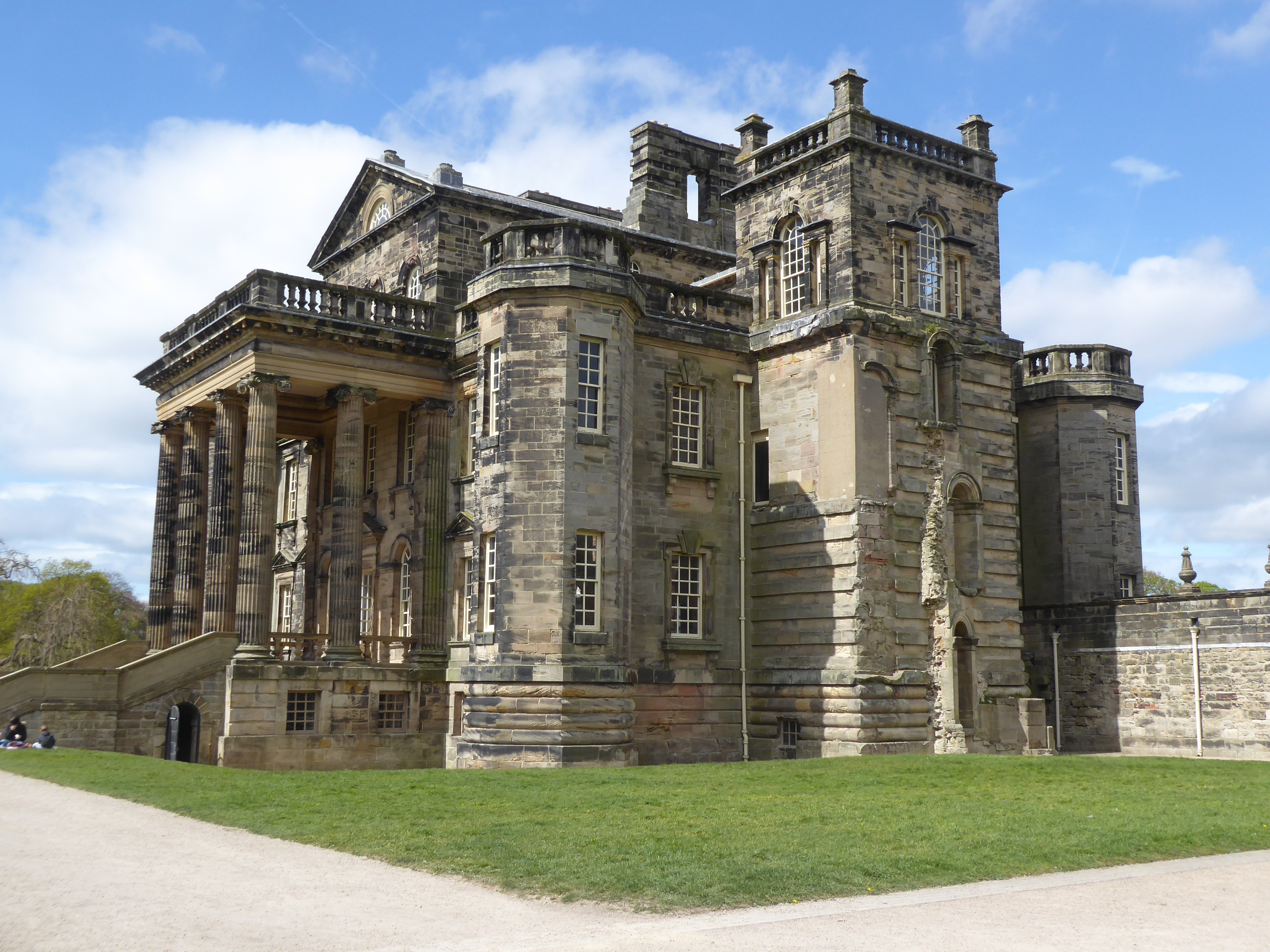
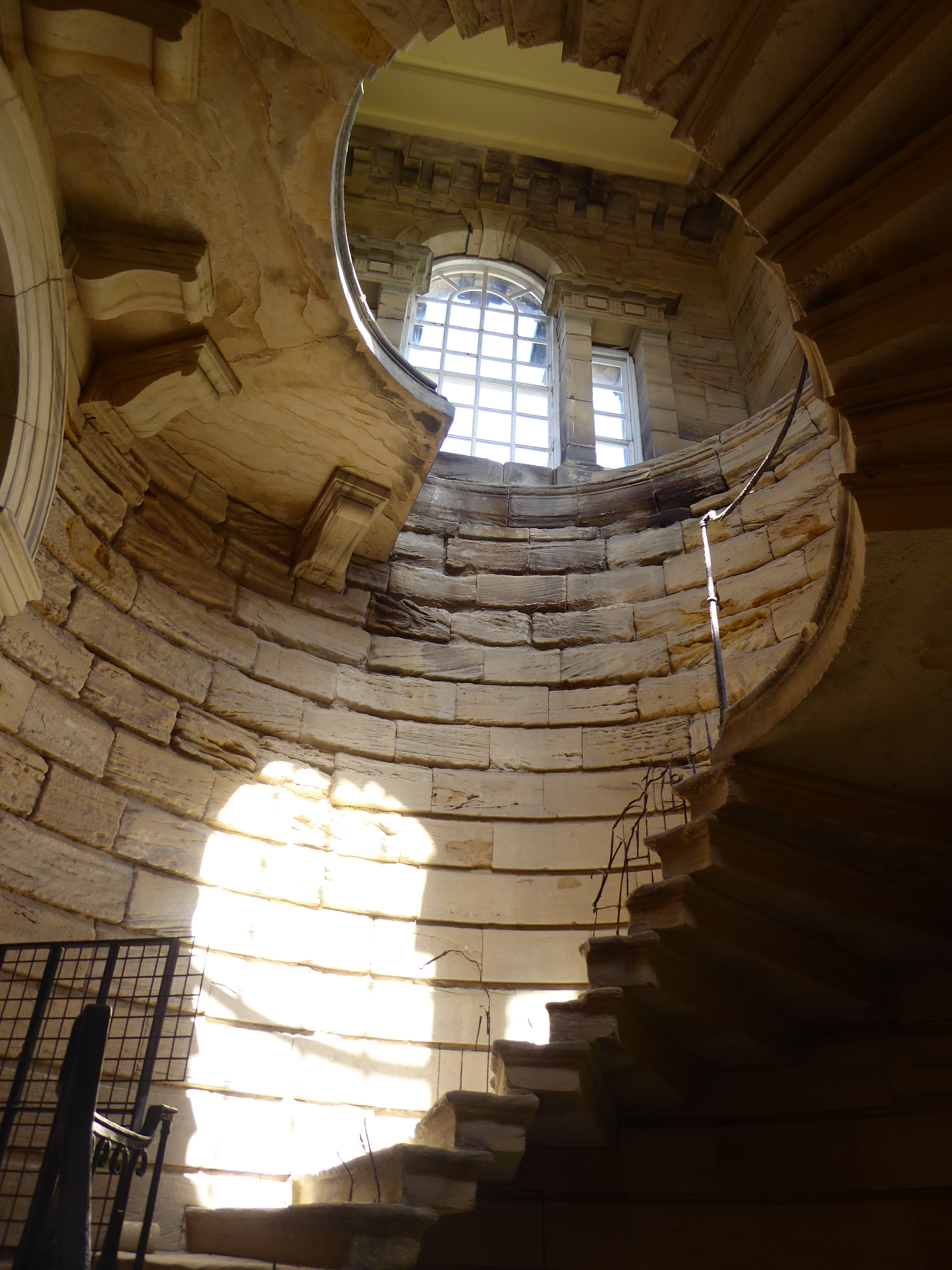
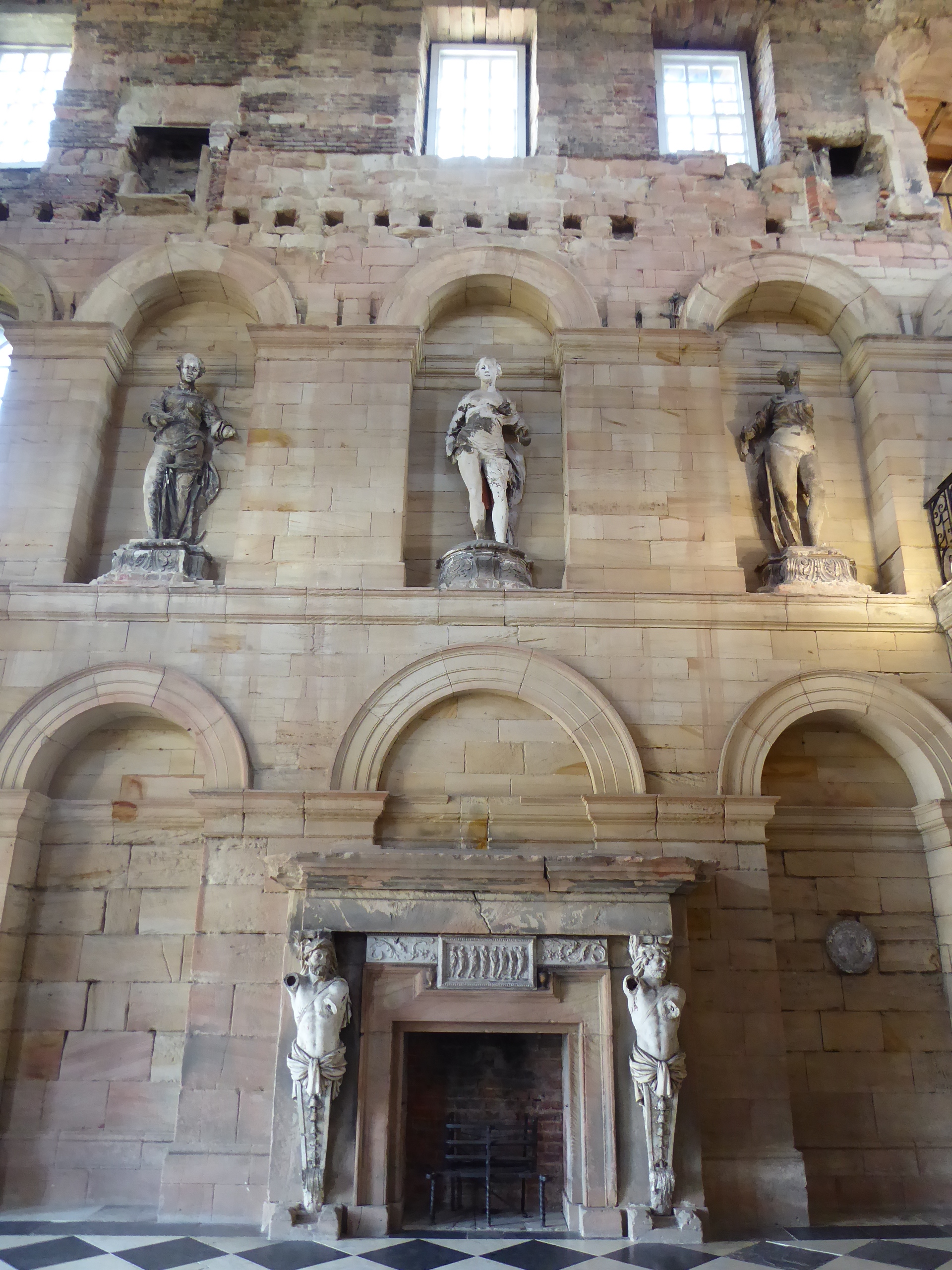
The Ashington train again, but this time only as far as Seaton Delaval and the Hall. Designed by Sir John Vanbrugh and built 1718-28. In 1822 a fire destroyed the south-east wing and gutted the central hall – the corps de logis. (I was confused about this, since both wings seemed intact, but a guide explained to me that the destroyed south-east wing was a later addition.) A great shame, priceless masterpiece, yada yada yada . . . but actually the damage to the showpiece central hall makes it all the more marvellous. Pipistrelle bats hibernate in the upper storeys. You can see which pilasters were made of stone. The eighteenth-century brickwork contrasted with the essential patching up of the nineteenth. Its ruin has been arrested, its proportions and exterior still dominate, and the interior has an air halfway between Ozymandias and poignancy. The family wealth (my inner Marxist asks the question) originally came from salt, glass (from the lovely sandy beaches) and coal.
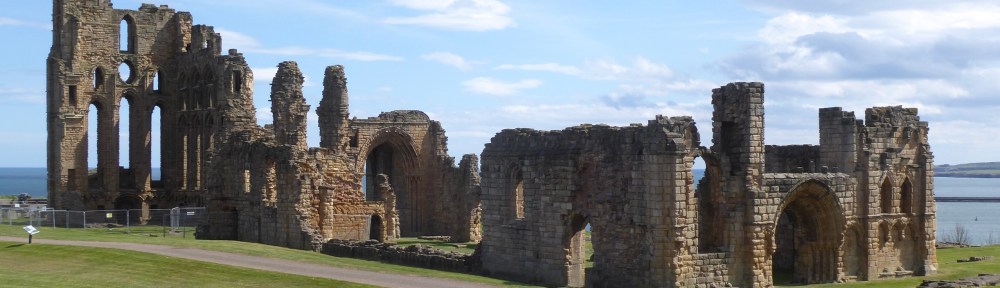
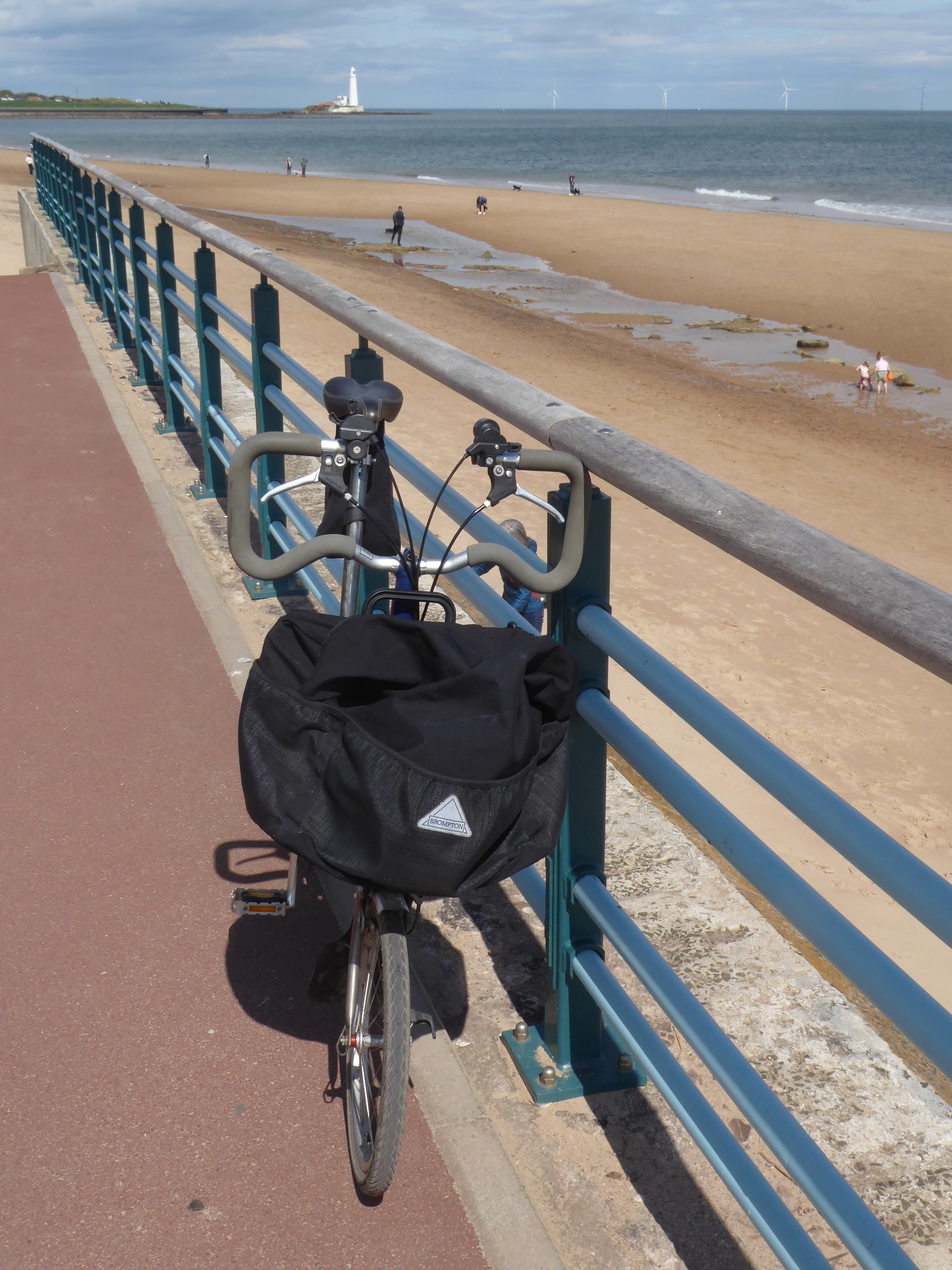
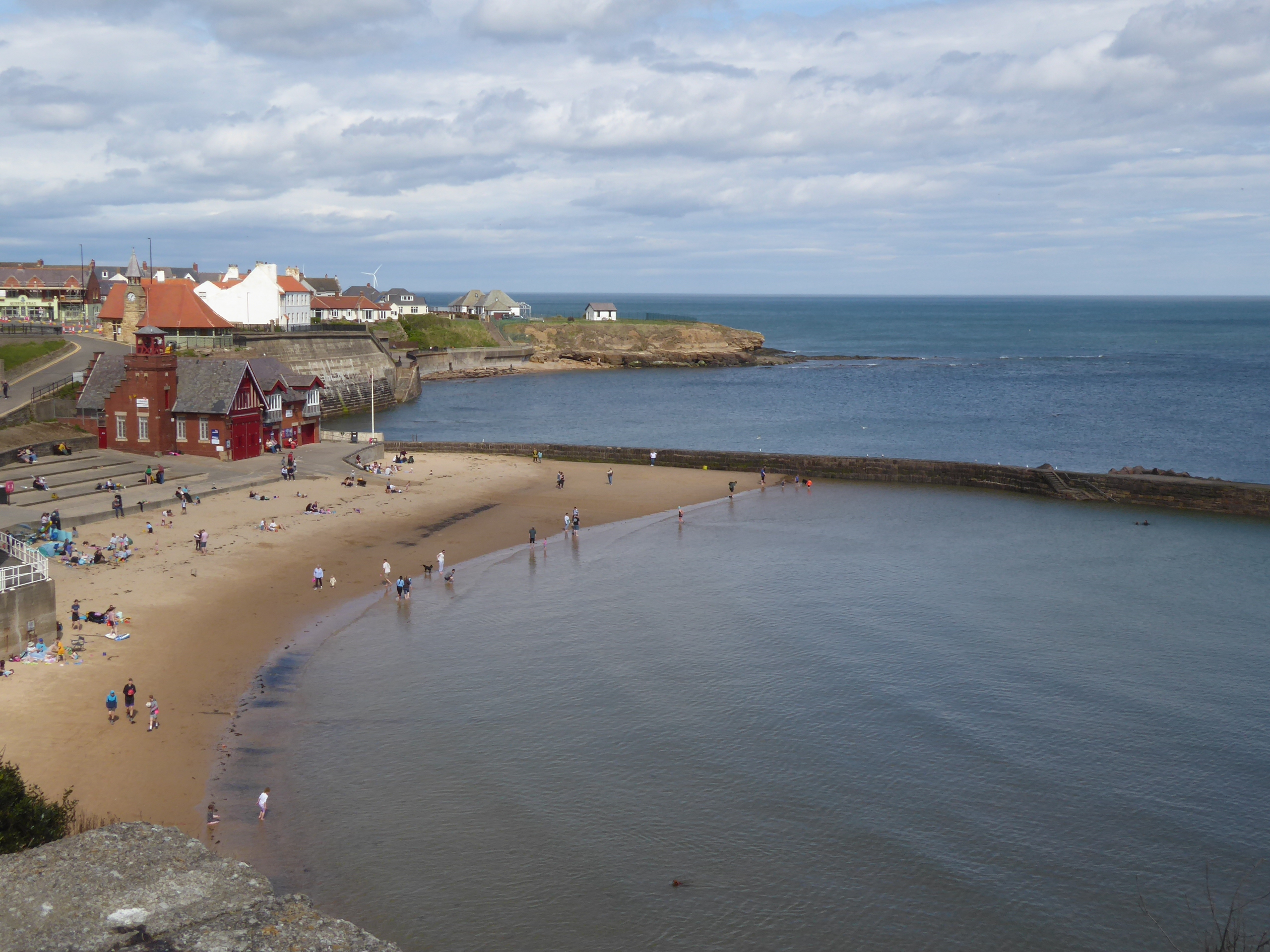
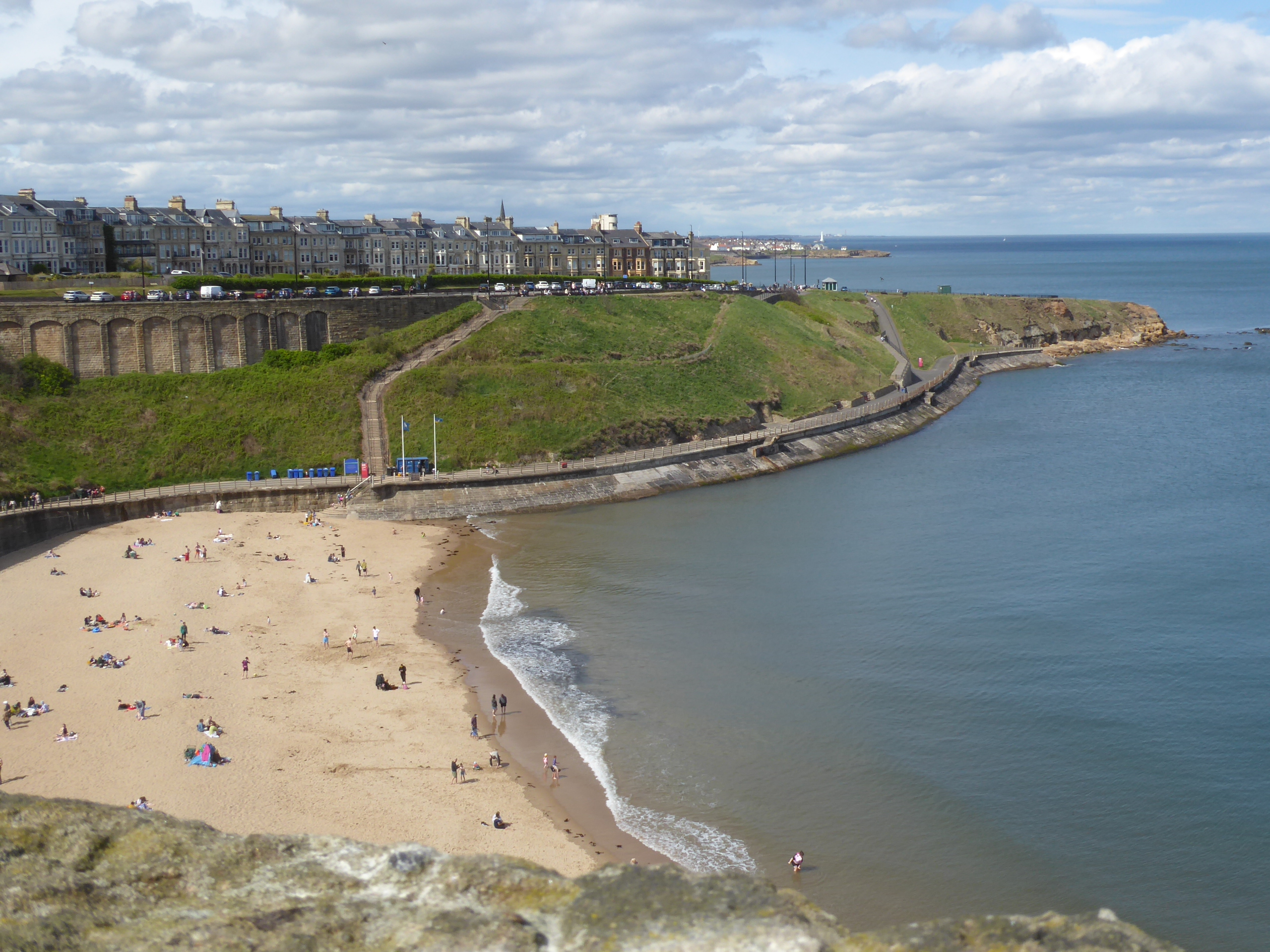
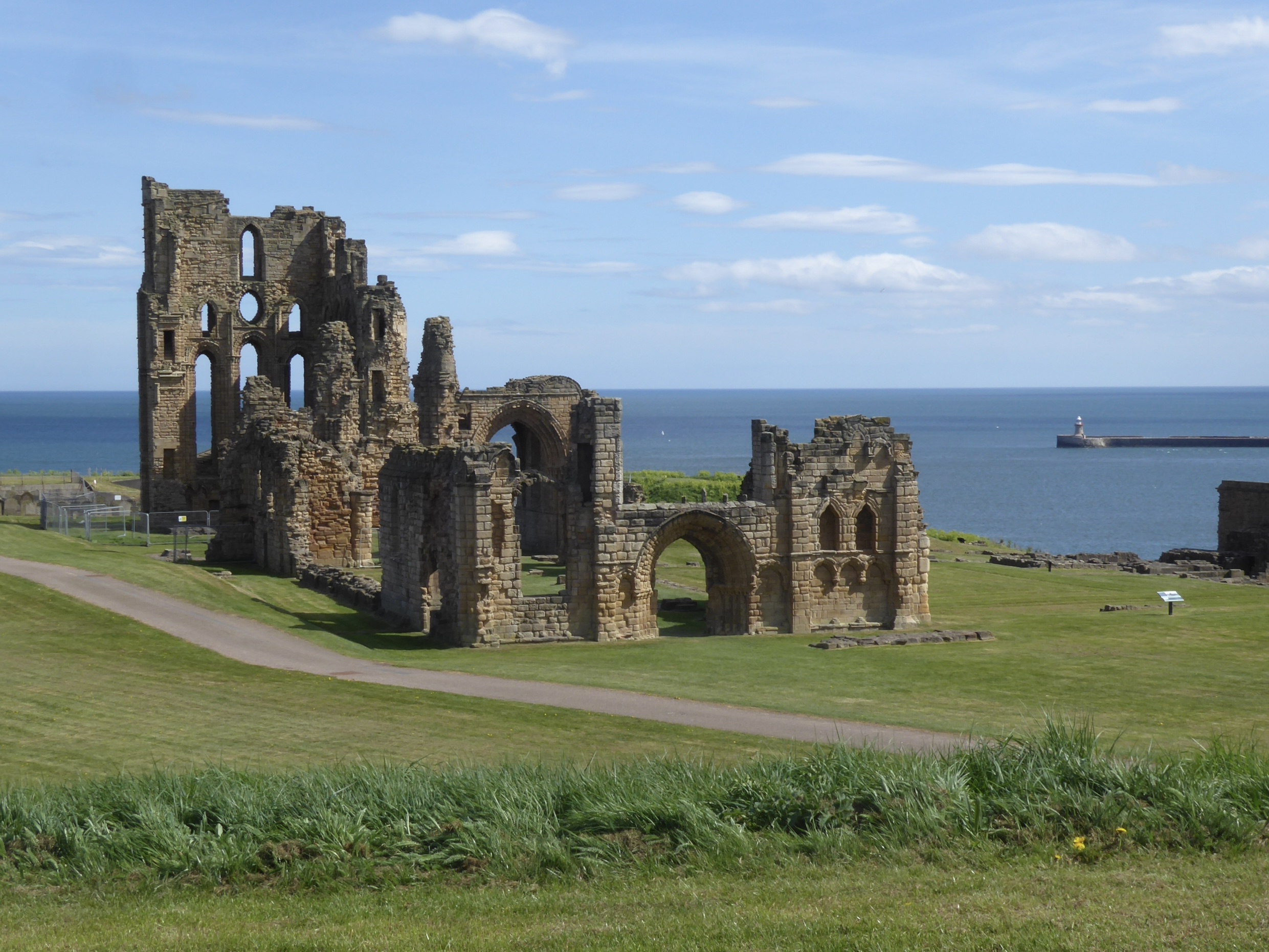
Then back to the Brompton and a ride to Seaton Sluice and southwards along the coast through Whitley Bay and Cullercoats to Tynemouth. I stopped to admire the Spanish City and remembered how my Newcastle-bred mother used to refer to Whitley Bay as some kind of childhood Nirvana. At Cullercoats I recognised the bay and Watch House from Robert Jopling’s paintings. And the outline of Tynemouth priory looked uncannily familiar until I remembered an evening ferry from Newcastle to Ijmuiden years ago. Then the metro back to Monument and I was in the big city once again.
 Old Shoe Box