Sister Midnight

Director Karan Kandhari with Radhika Apte

Rather like The Enigma of Kaspar Hauser, this was a film about someone pitchforked into a totally alien environment – here, an arranged marriage and life in Mumbai. The similarity ended there. This was visually bold, energetic, macabre; it had memorable images, a wonderful soundtrack, an actress who dominated the screen. . . but, withal, I thought it was disjointed, even though it began and ended with train journeys. Superficial, lacking coherence and running out of steam long before the end.

The Enigma of Kaspar Hauser (1974)

Director Werner Herzog with Bruno S

The German title is Jeder für sich und Gott gegen alle, which sets up different expectations. It’s a better title, since this film is to the mystery of the real Kaspar Hauser as the fable of the town mouse and the country mouse is to murine studies. I was in two minds about bothering to watch it, but from the first I was hooked. A scratchy gramophone recording of Dies Bildnis ist bezaubernd schön, Pachelbel’s Canon, fields of swaying cereal, mountains, lakes and quiet German squares: it appealed to all my feelings about Germany. It was indeed bezaubernd schön.

Kaspar has been kept chained in a cellar all his life – barely speaking, unable to walk, existing on bread and water. It should be a horror story – and in real life it would be, of course, but that is not Herzog’s interest. Kaspar is not unhappy with his lot; he has what he needs and is troubled by nothing. One night his captor takes him outside and abandons him in a town square, leaving him to the mercies of the townsfolk. Thus innocent, ignorant Kaspar is reborn – this time into a society with its chains of ideas and conventions. Reactions to him range from kind to curious; there is no hostility, no beatings – just a painfully slow introduction to language and ordinary human life. The worst things that happens to him are that he is exhibited in a circus to pay for his keep and briefly becomes the protégé of an English aristocrat. Outwardly he adapts and learns, but he is never comfortable. As in Evil Does Not Exist, it’s the human world, not the human himself, which is the wrong fit. We see the bizarre world of human-determined categories through Kaspar’s eyes: I was ready to applaud when he bested a pompous professor of logic! Philip Larkin’s Days came to my mind:

. . . the priest and the doctor / In their long coats / Running over the fields

to see how this “noble savage” could confirm their own pet theories.

Goodness knows what Bruno S had suffered in his own life, but he was perfect in the role of Kaspar – even though he was far too old for the part and not an actor. His oddness and directness and his stilted language were just right: never at ease in this new world, where he was troubled by dreams that he never had in his cellar. Liberation brought him anxiety rather than freedom. Perhaps das Bildnis was not so schön and die Empfindung was not Liebe after all.

The garden today

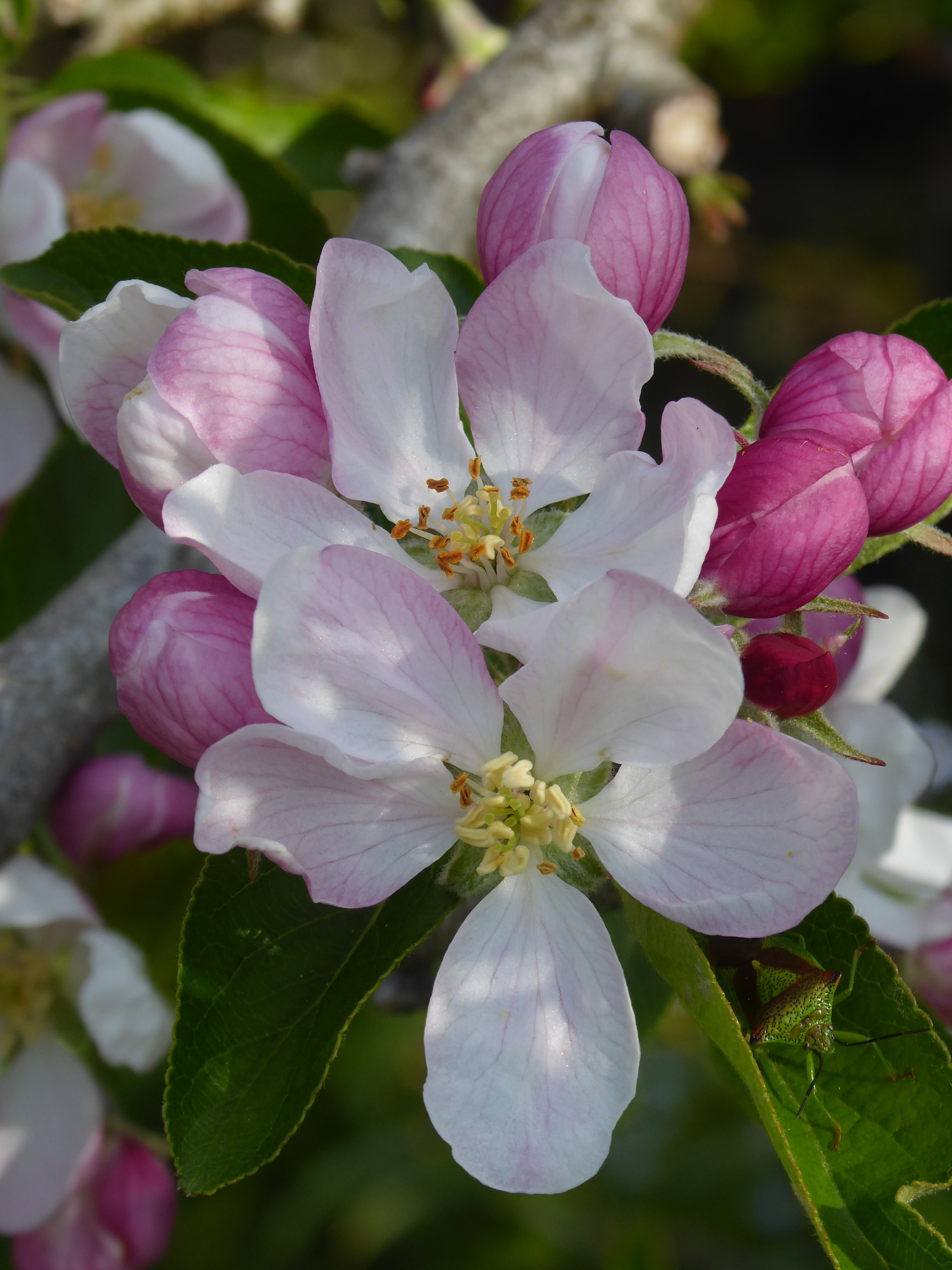
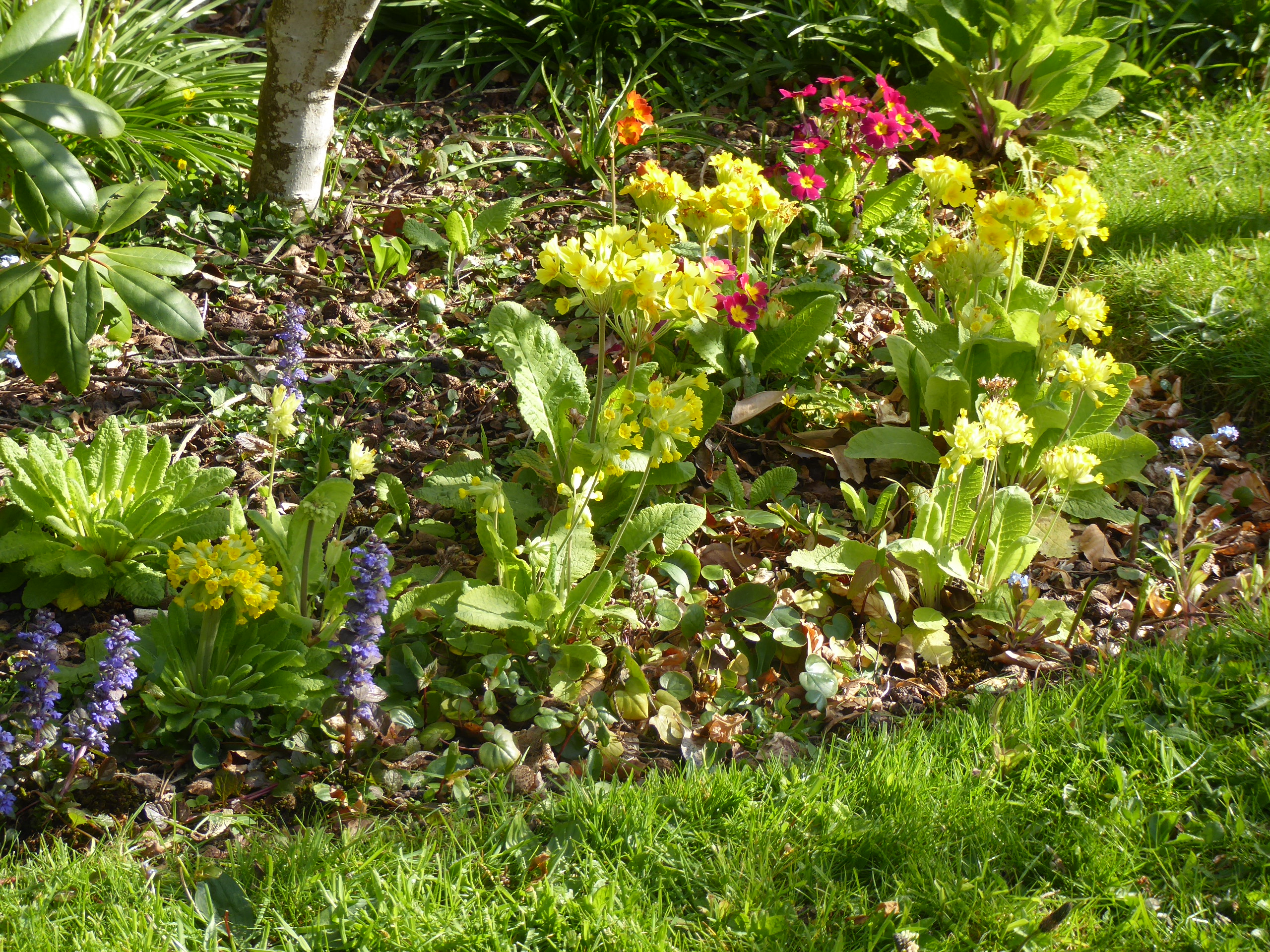
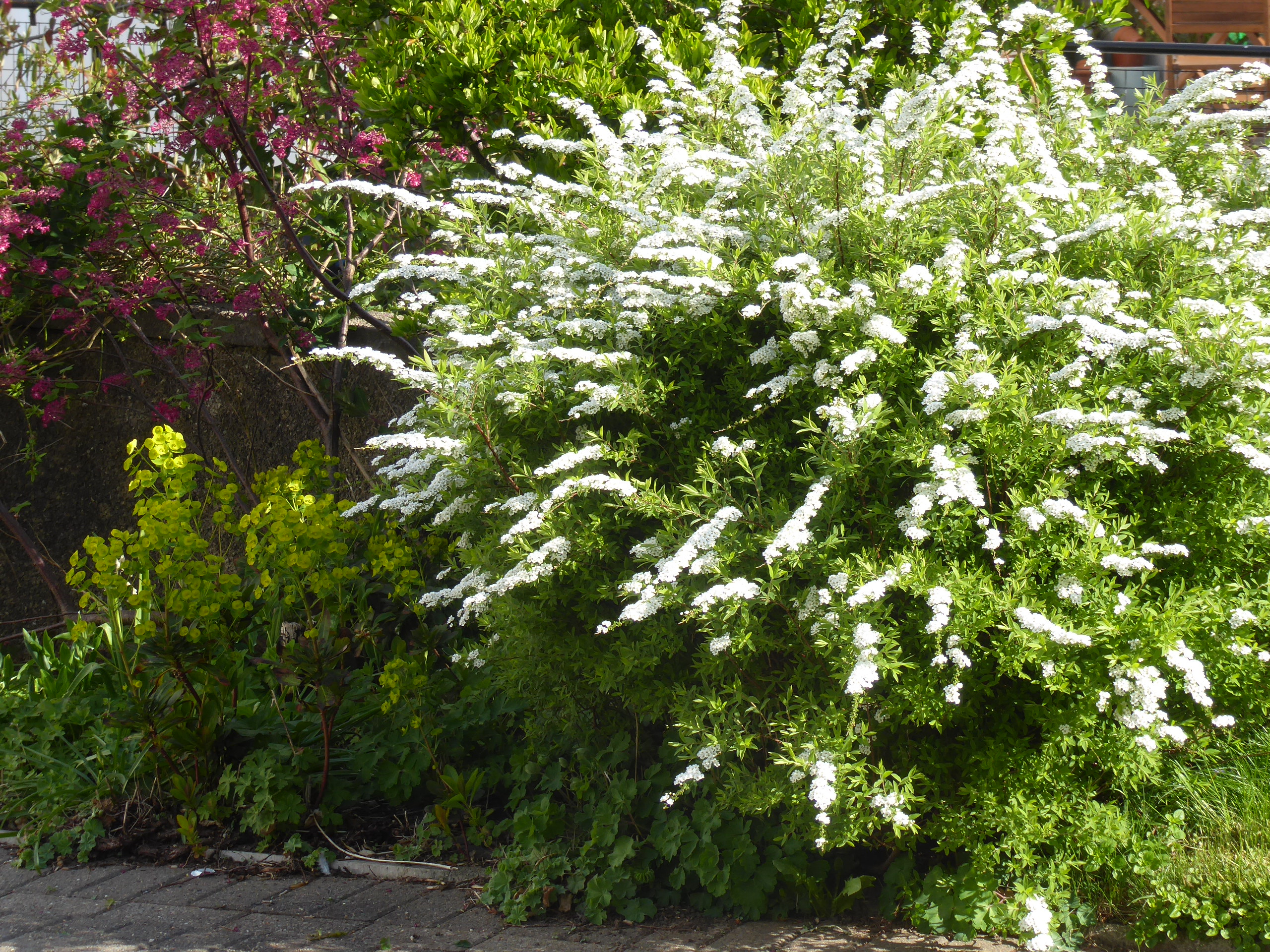
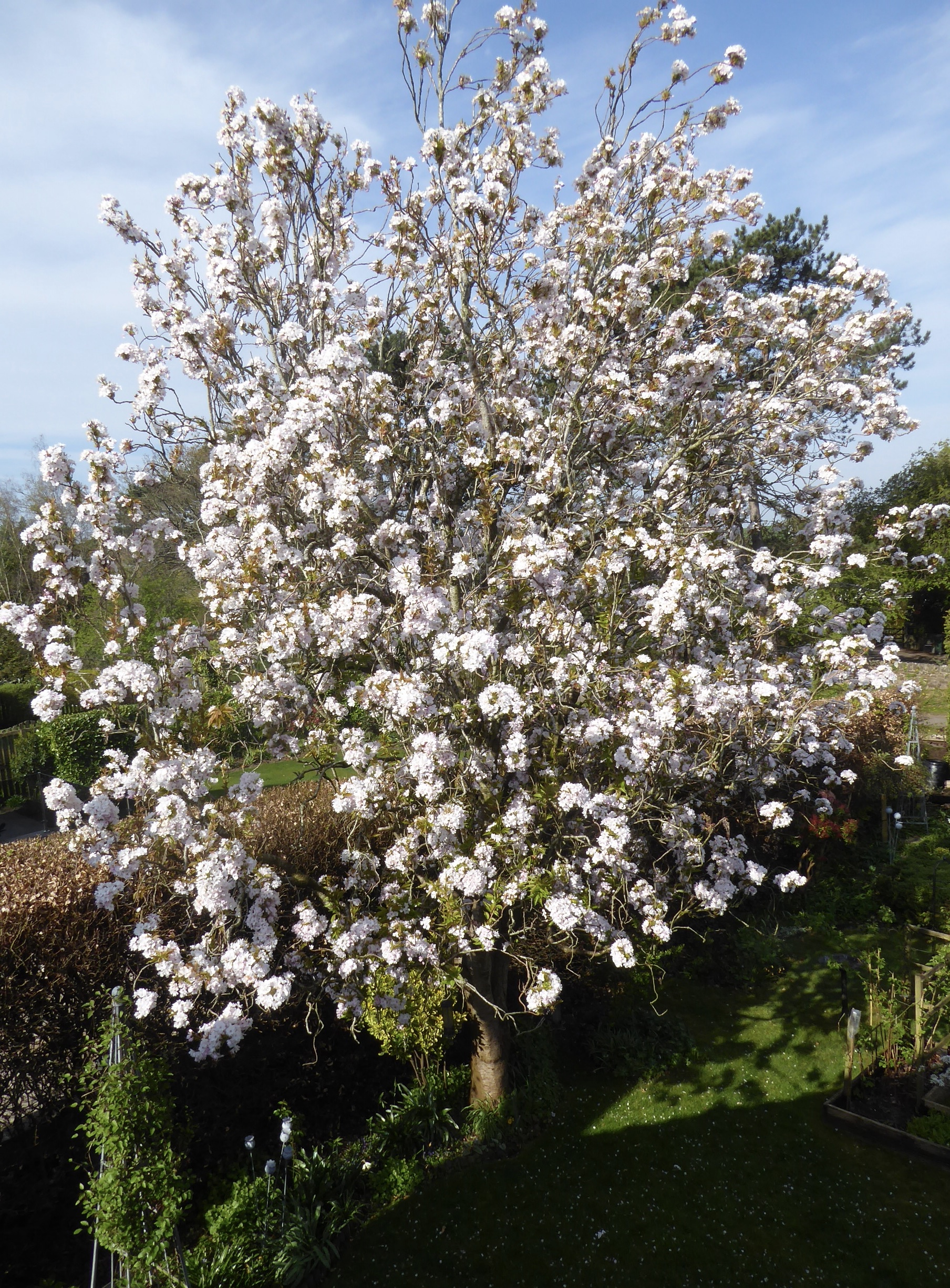
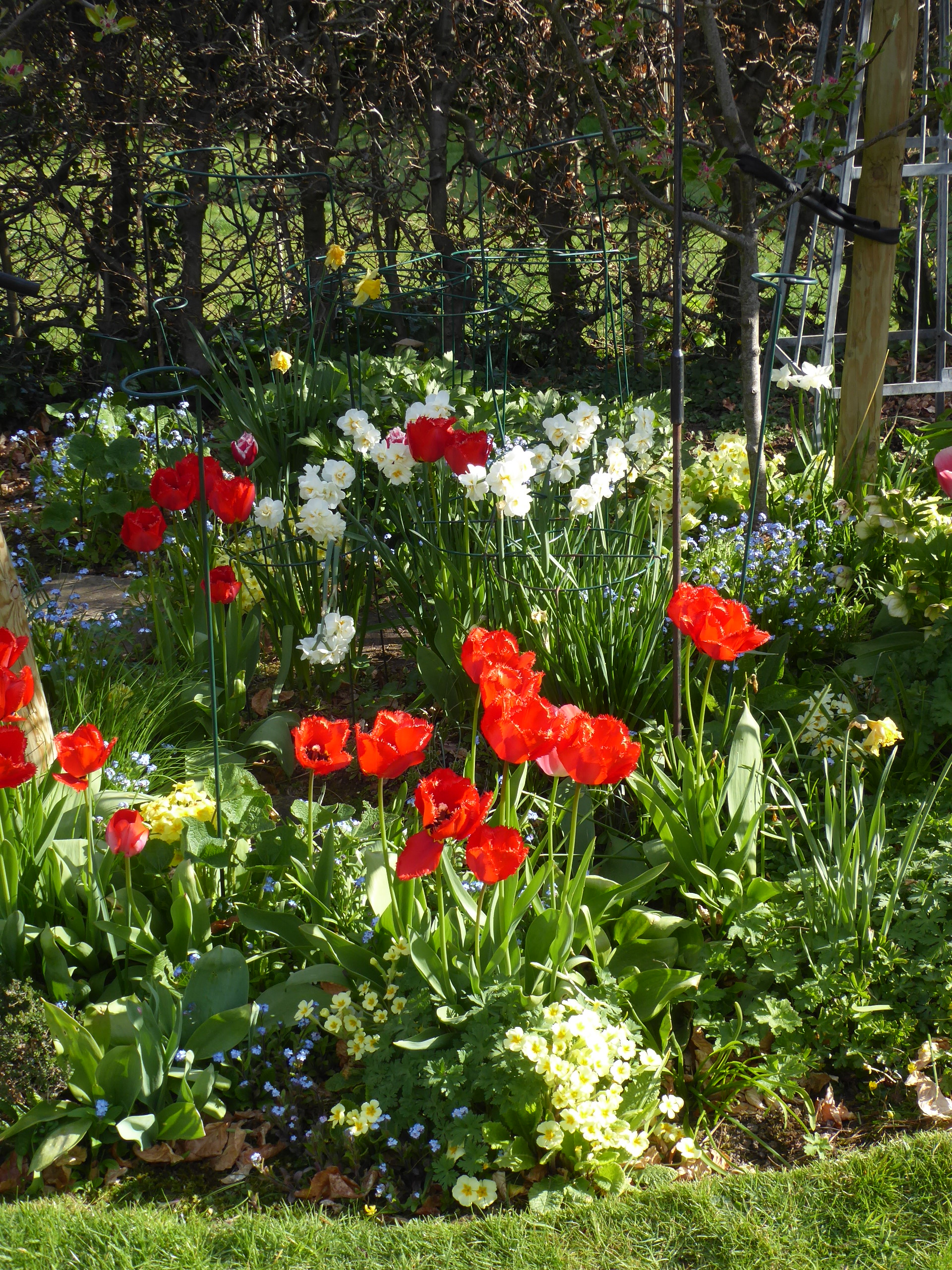
The garden is racing ahead and I’m trying to keep up. It’s its usual haphazard self – full of self-seeded colour around my not-so-bright ideas. (For example: I moved the camellia into a new pot two winters ago without considering that, yes, that spot does get the morning sun in April – and now all the blooms are the colour and texture of the paper bags that apples used to come in.) Potatoes, peas, radishes and salads are pushing through, and I must do something about the moss in the lawn.

Oh . . . and I succumbed to my rose urge. Twice.

Arnside

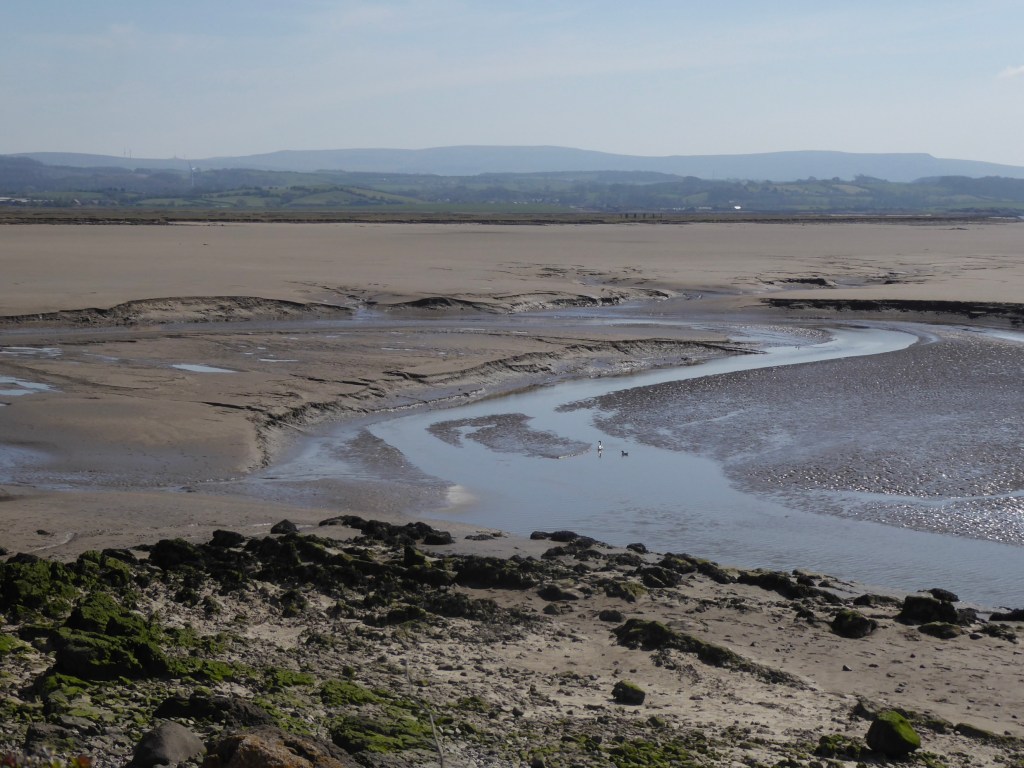
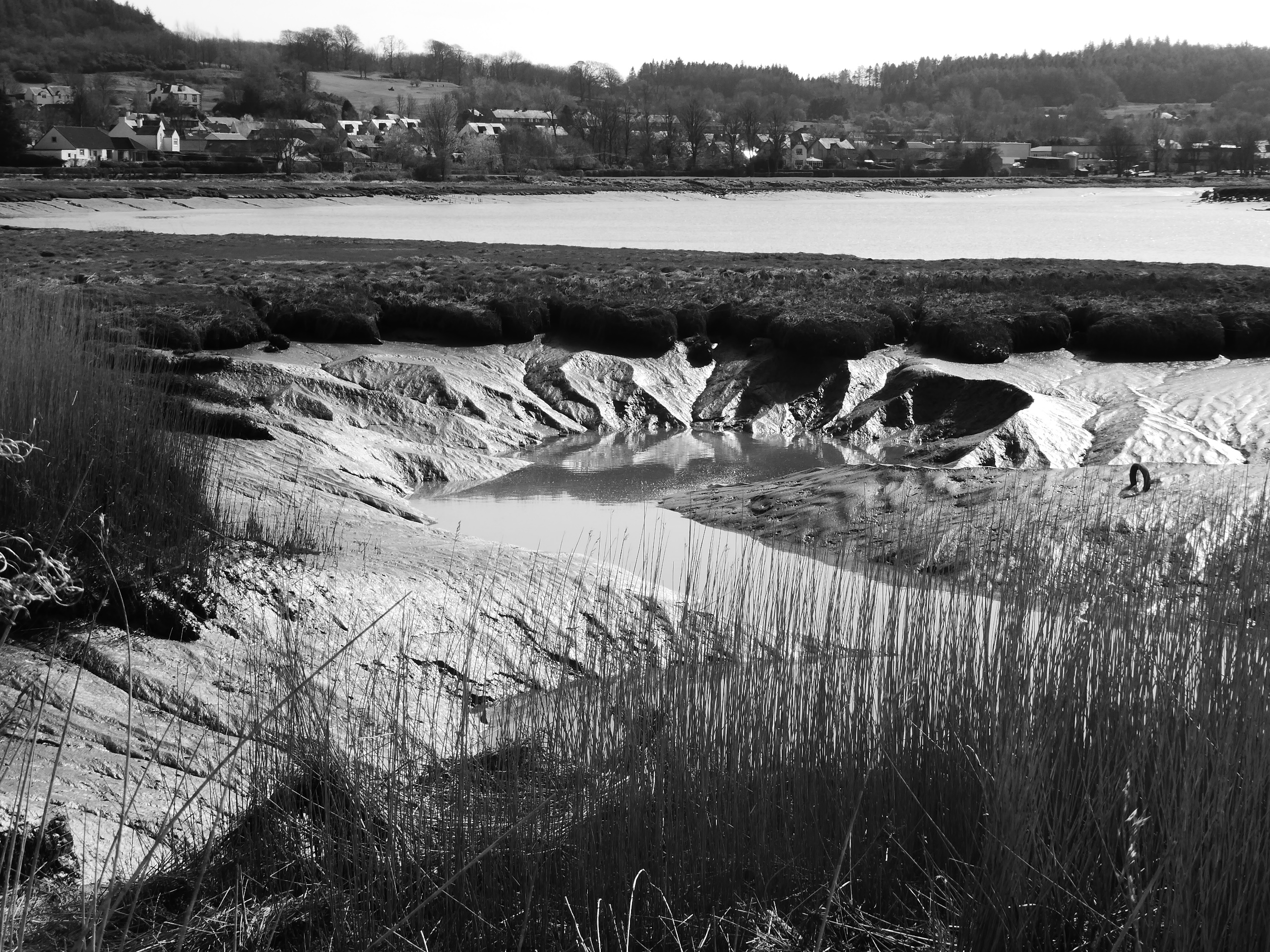
The annual test ride to Arnside. On the Over Kellet road I realised that, actually, the views were every bit as beautiful as those around Kirkcudbright. The tide was out at Jenny Brown’s point and we watched shelducks nuzzling into the mud. Arnside is busy – not surprising given the lovely weather and Easter holidays.

Kirkcudbright 2

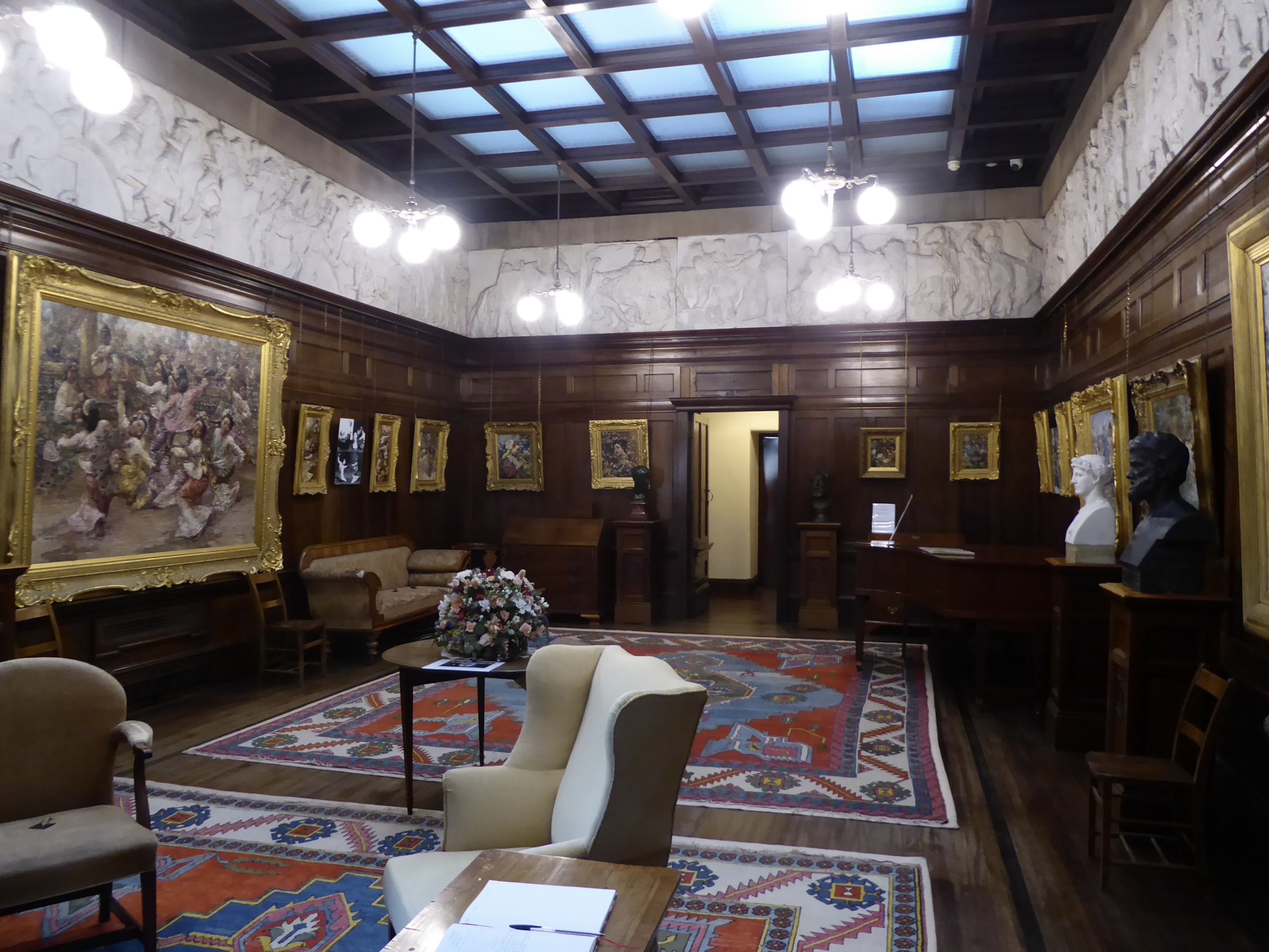
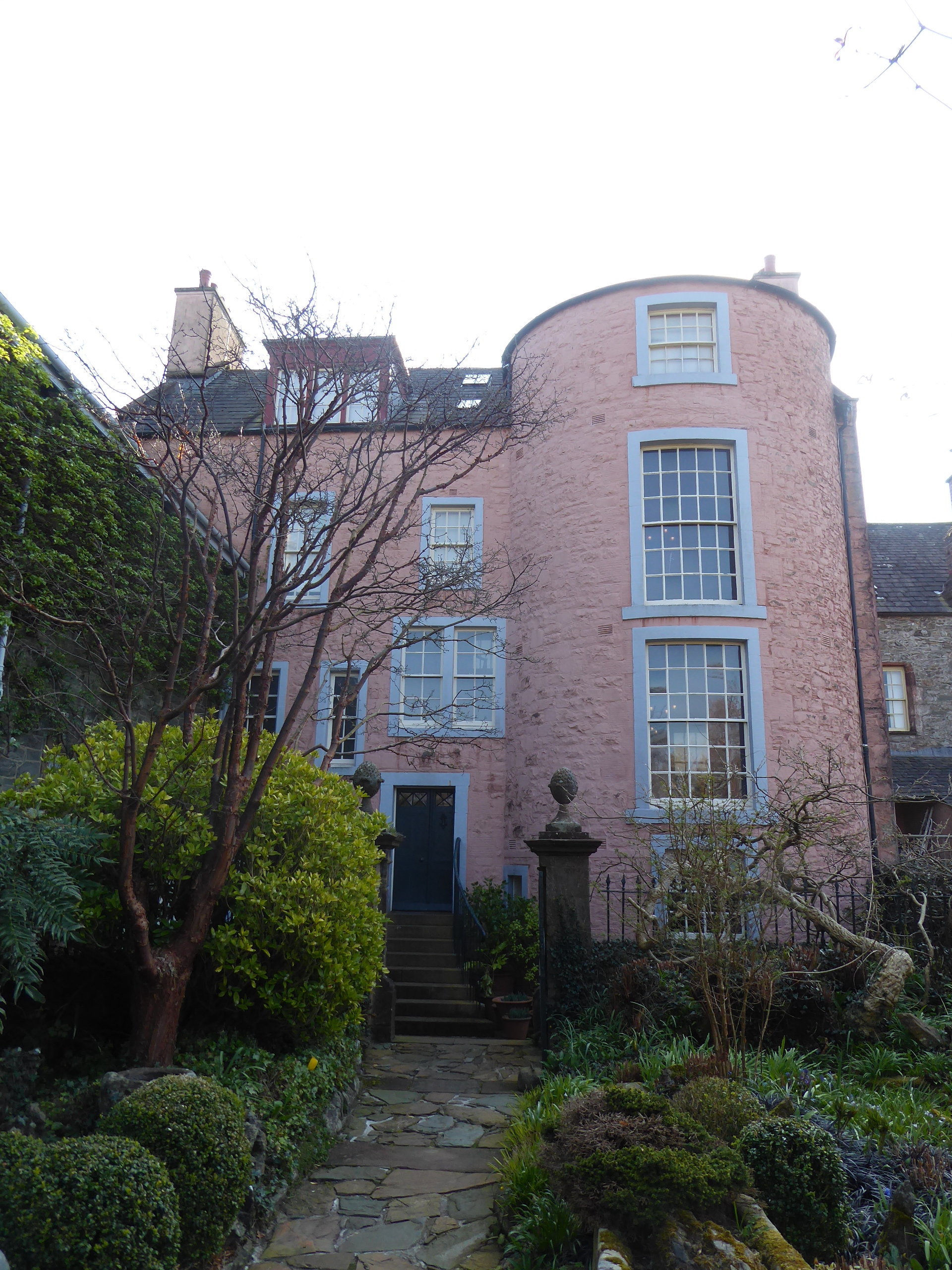
I started with Broughton House, the home of E A Hornel from 1901 until his death. I still don’t care for his work, but it was an interesting visit for the insight it gave into how an artist works. Hornel often used photographs, paying local girls to adopt certain poses which he then copied in his paintings. (A momentary eyebrow-raising here, but they were chaperoned.) The same face cropped up again and again – a local woman not unlike the eastern women who featured so much in Hornel’s work after his first visit to Japan. For all their colour, there was a certain monotony about the paintings on display: the same blobs of background, the same emphasis on face, the same girls. However even a successful artist has a living to earn:

The man who works because he is in the mood may expect failure. I work always. One who enthuses over his work will always find something to do. The real mood or inspiration comes oftener through work than by waiting. Everyone recognises the great importance of inspiration; but the talk of waiting for it is unfortunately so often the excuse for idleness.

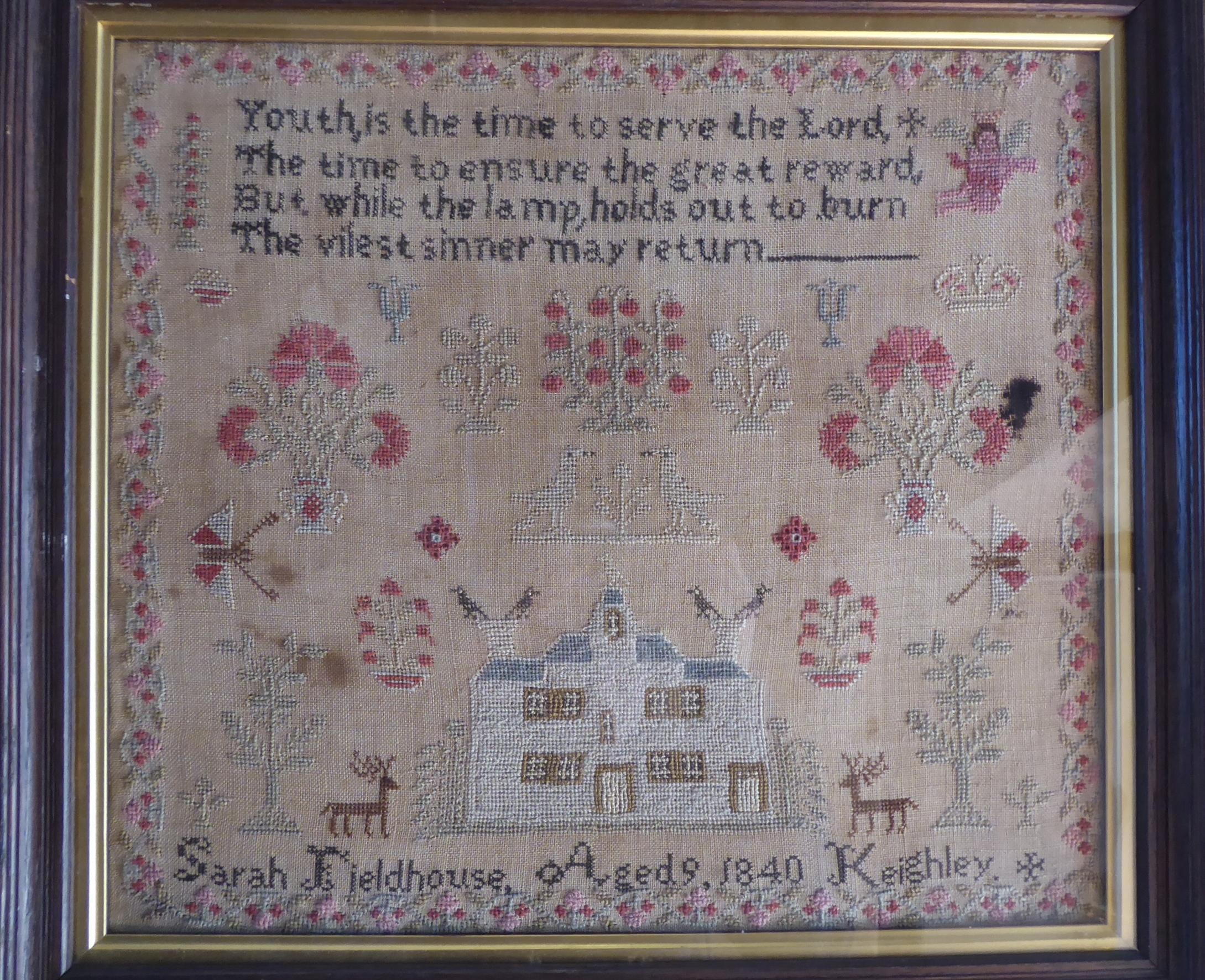
As usual, lesser thoughts would intrude. How dirty the photographed girls’ fingernails and bare feet were. (Well, doh . . . obviously!) Did the gas for the early gas mantels come from the gasworks that Lord Peter Wimsey passes in Five Red Herrings? The collection of samplers . . . how did the religious homilies work on the minds of the little girls who made them? Having casts of the Parthenon friezes in your gallery – no false modesty there!

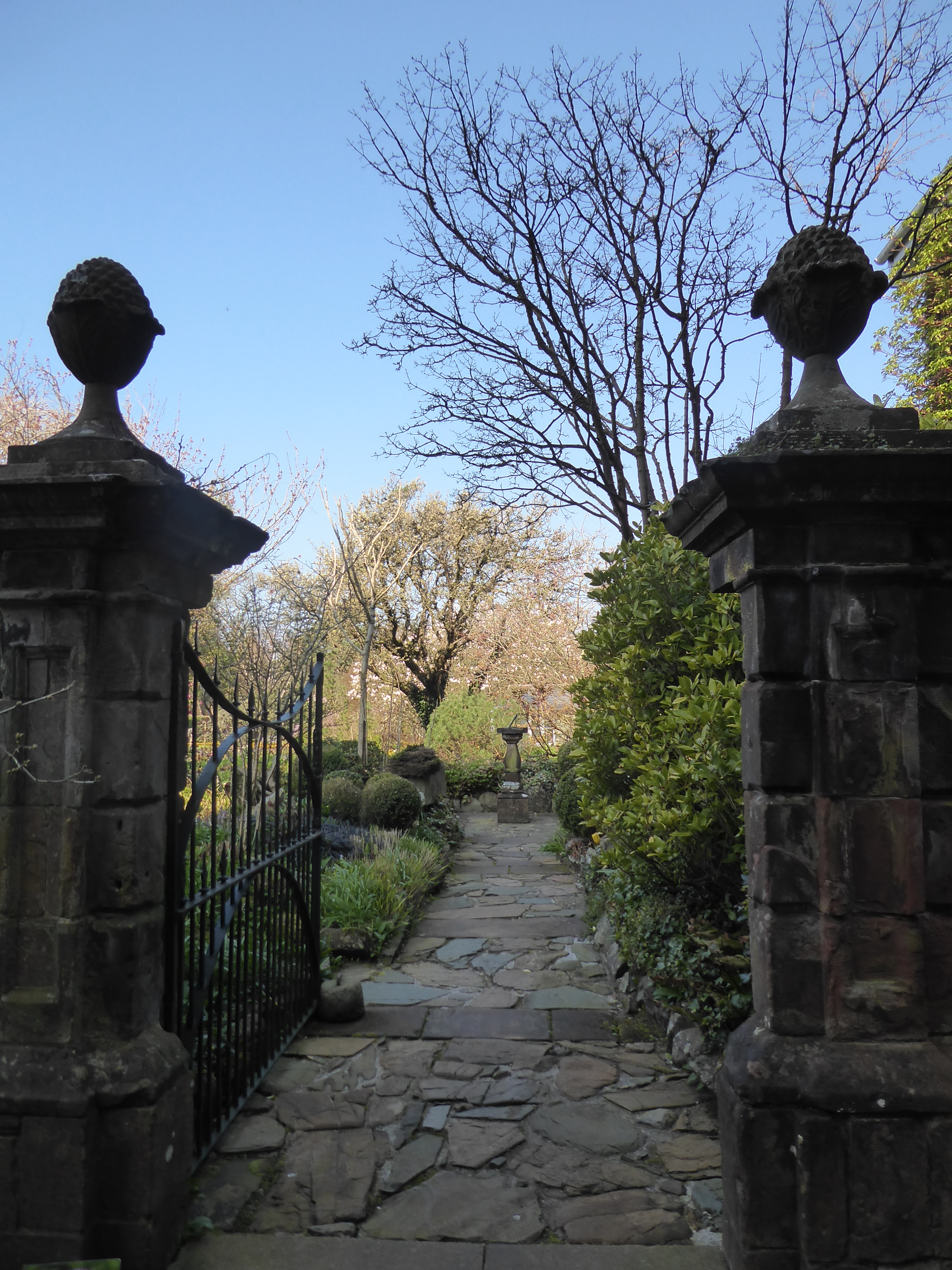
Hornel’s long garden, leading down to the estuary, was, of course, lovely.

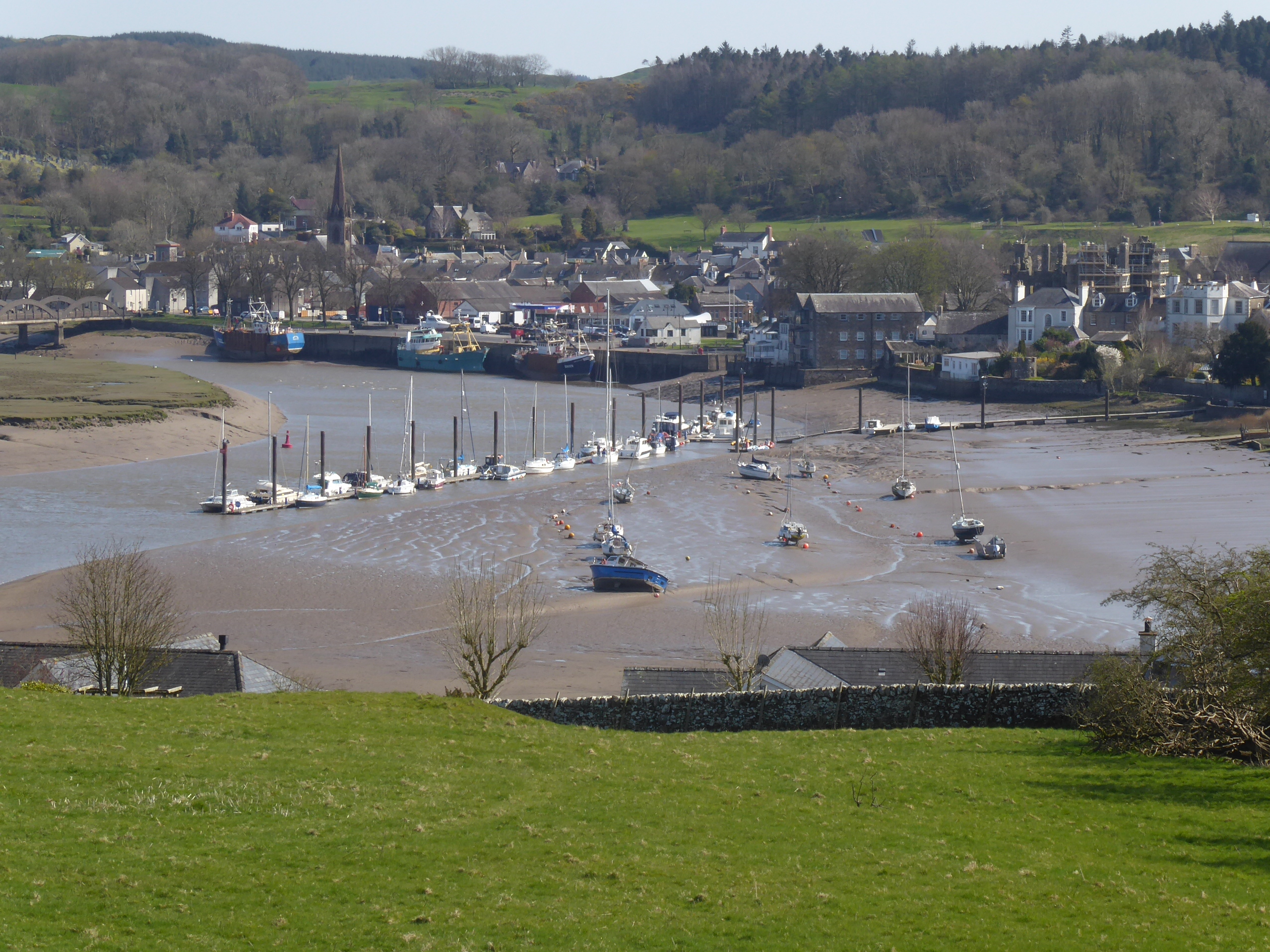
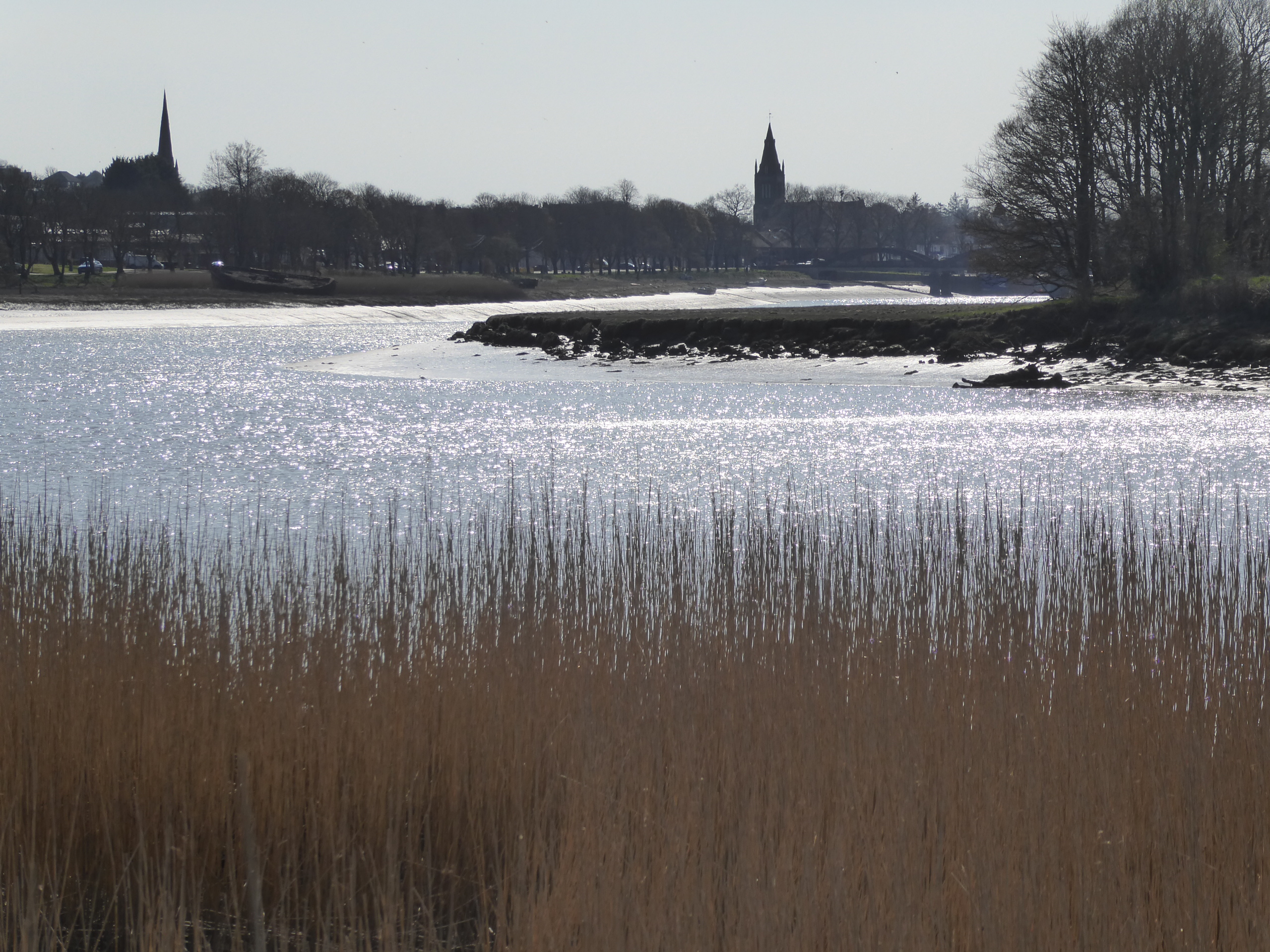
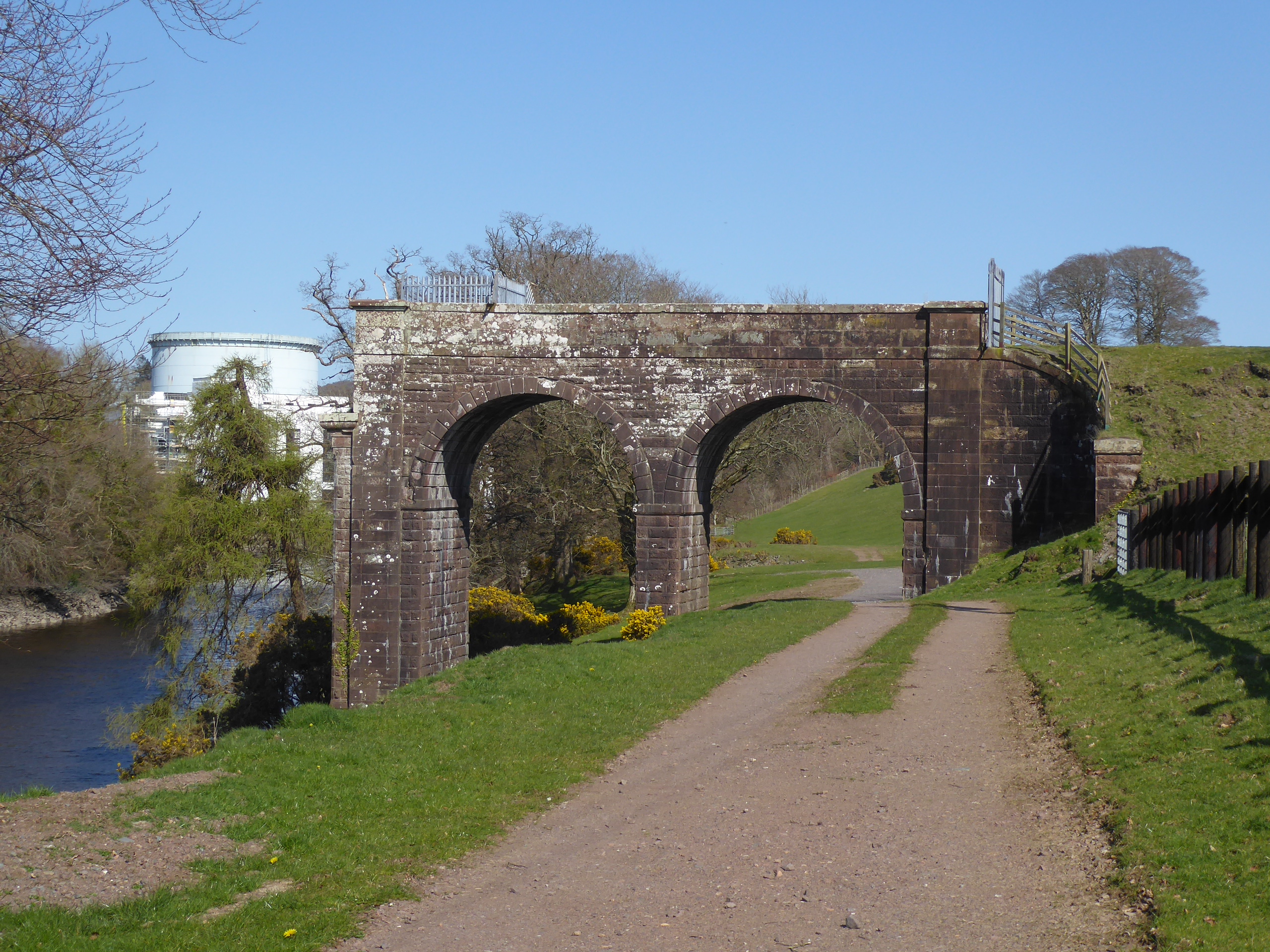
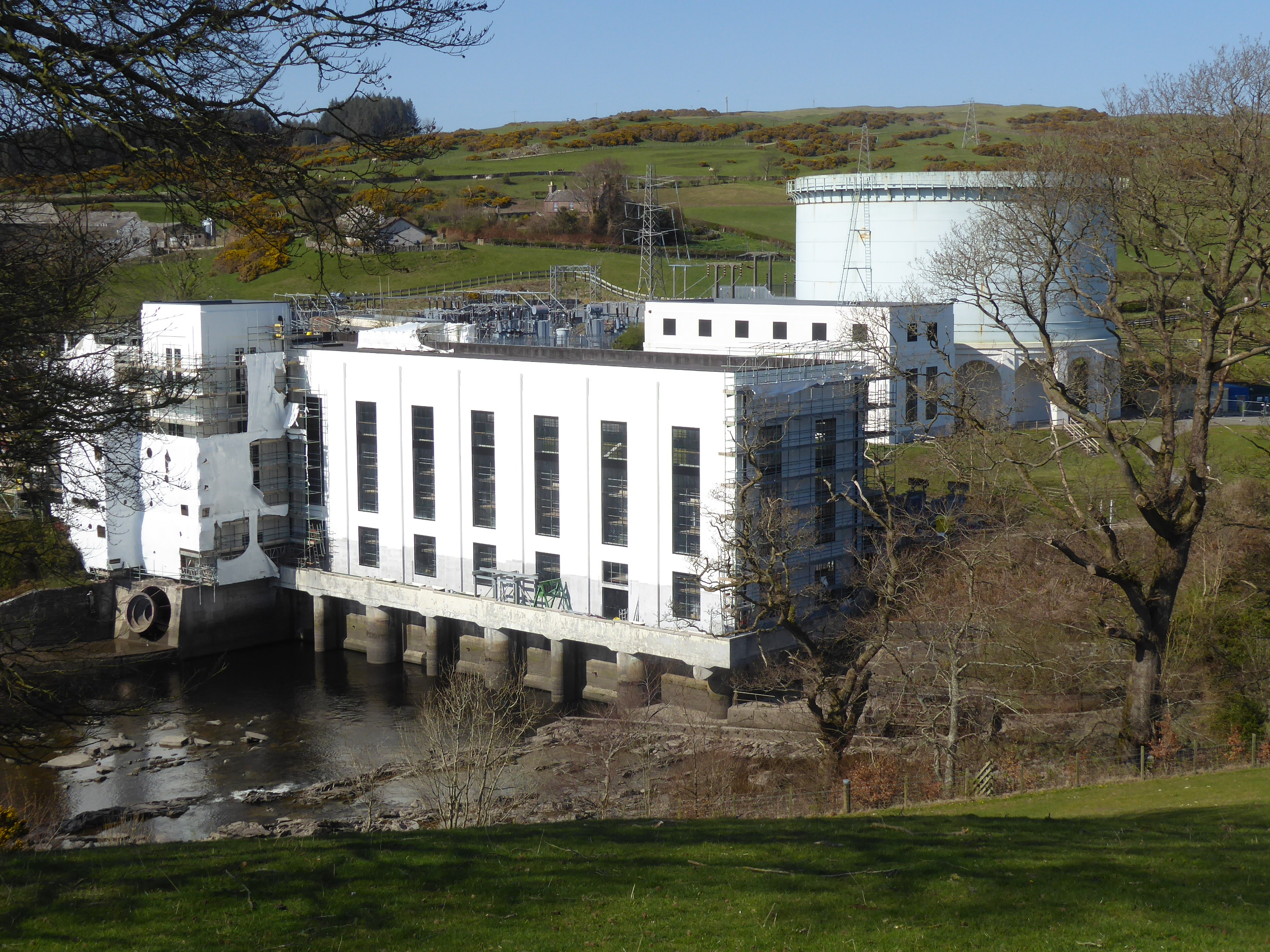
After that I walked over the bridge (currently closed; was it the one that Wimsey drove over to Gatehouse of Fleet?) to get a view of Kirkcudbright from the other side. My plan of following a path marked on the map was abandoned after the second deliberate blockage (how does one go walking in Scotland?). I headed grumpily back to town and walked upstream towards Tongland, muttering darkly about being corralled on pavements and boring paths. However it grew on me with the spring freshness of horse chestnut leaves and the glittering sun. (The weather has been glorious.) And then at Tongland I discovered the truncated bridge of a disused railway line, a modernist power station and the earthworks of an ancient fort. How much more could I wish for?

All We Imagine As Light

Director Payal Kapadia with Kani Kusruti and Divya Prabha

My main – indeed, by the end, my only – thought about this film was that it was unnecessarily slow. My residual impatience has pushed the film to one side for a few days, but I need to pull it out again to put it on my blog pile.

There was a lot in it. During the opening credits, with all its French and Dutch companies, I wondered if it were indeed an Indian film. But it is – and is both familiar and strange. For example, I had no idea what languages people were speaking and what that implied about the background/status/interactions, etc, and I realise now how that adds to the film’s strength in positioning its characters in a particular society, place and time. It’s set in Mumbai and opens with nighttime shots of city streets against voiceovers (by real people?) talking about the precariousness and transience of life there, even after decades of living there – something that was picked up later. It wears its feminism lightly and subtly: the women form a classic trio, all defined externally by “husband”. The unmarried nurse is being pressured to marry by her parents (while illicitly in love with a Muslim man). The husband of the married nurse has lived and worked in Germany since shortly after their arranged marriage and she hasn’t heard from him in over a year; she is therefore in marital limbo and must forego romantic love. The widowed cook is being forced out of her home because her late husband left no paperwork confirming her right to live there, and must return to her village. There is, briefly at the beginning, a fourth woman, an elderly widow, also suffering from “husband”: she is confused and imagines – to her horror – that the torso of her husband is in her kitchen. Once again, it sets a precedent, for I thought of her again as the married nurse looked at the rice cooker made in Germany, lowering at her from a corner under the kitchen worktop, as if it were the familiar of her vanished husband.

Visually it lives up to its title. The Mumbai scenes are often at night, after work when it is slightly cooler. Dark, hemmed-in, busy. In the widow’s village we are blinded by the light and space – a breathing space, a sense of hope and light-heartedness. Here – as if in a fairy tale – changes are made to all three women’s lives. The final scene is on the nighttime beach in a shack bar brilliantly illuminated, balancing points of light against the background darkness.

Having thought about it sufficiently to be able to write about it, I see how good and thoughtful a film it was. But, yeah, a bit slow.

Dundrennan to Kirkcudbright

Kippers for breakfast. I am in Scotland after all.

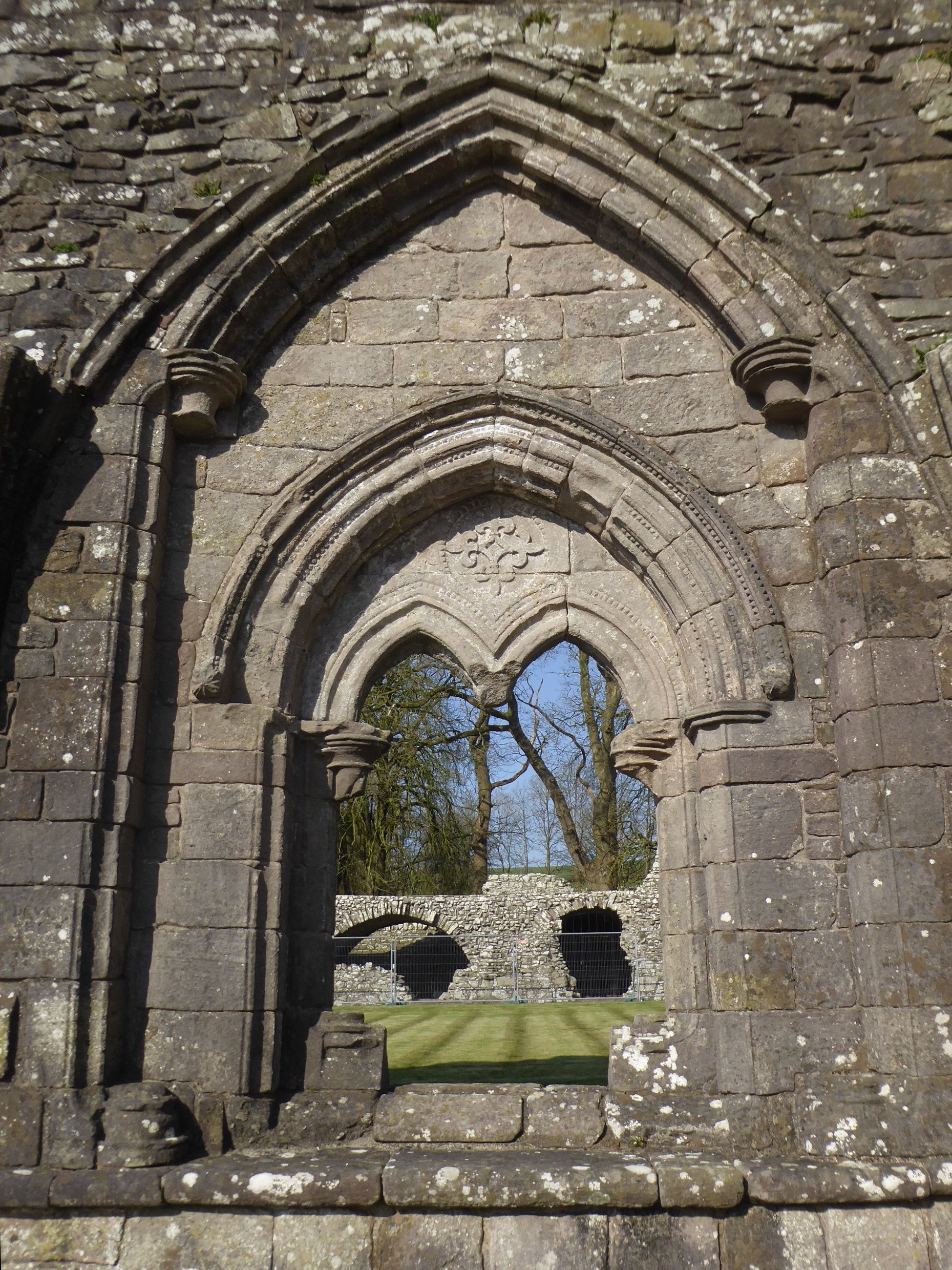
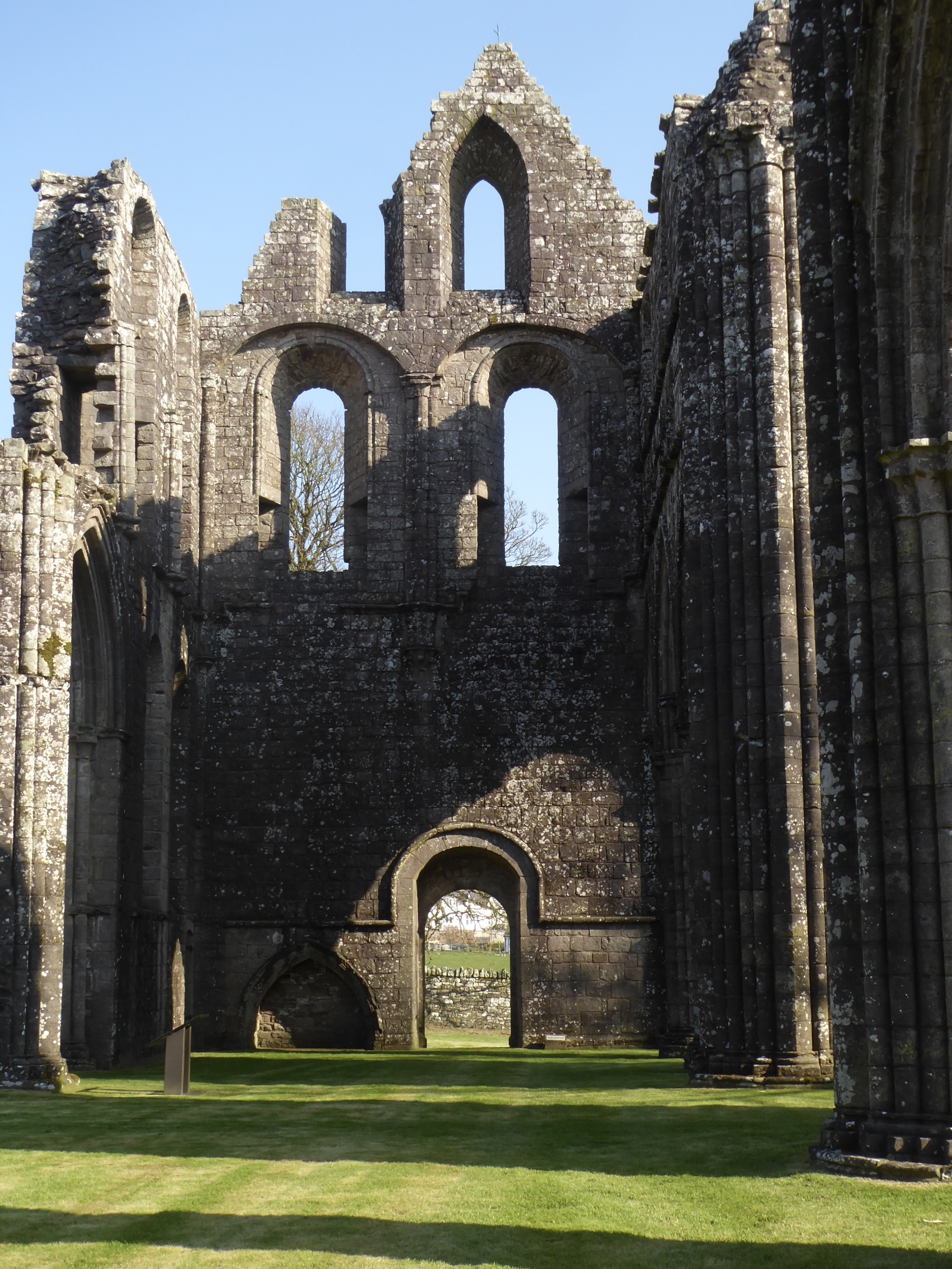
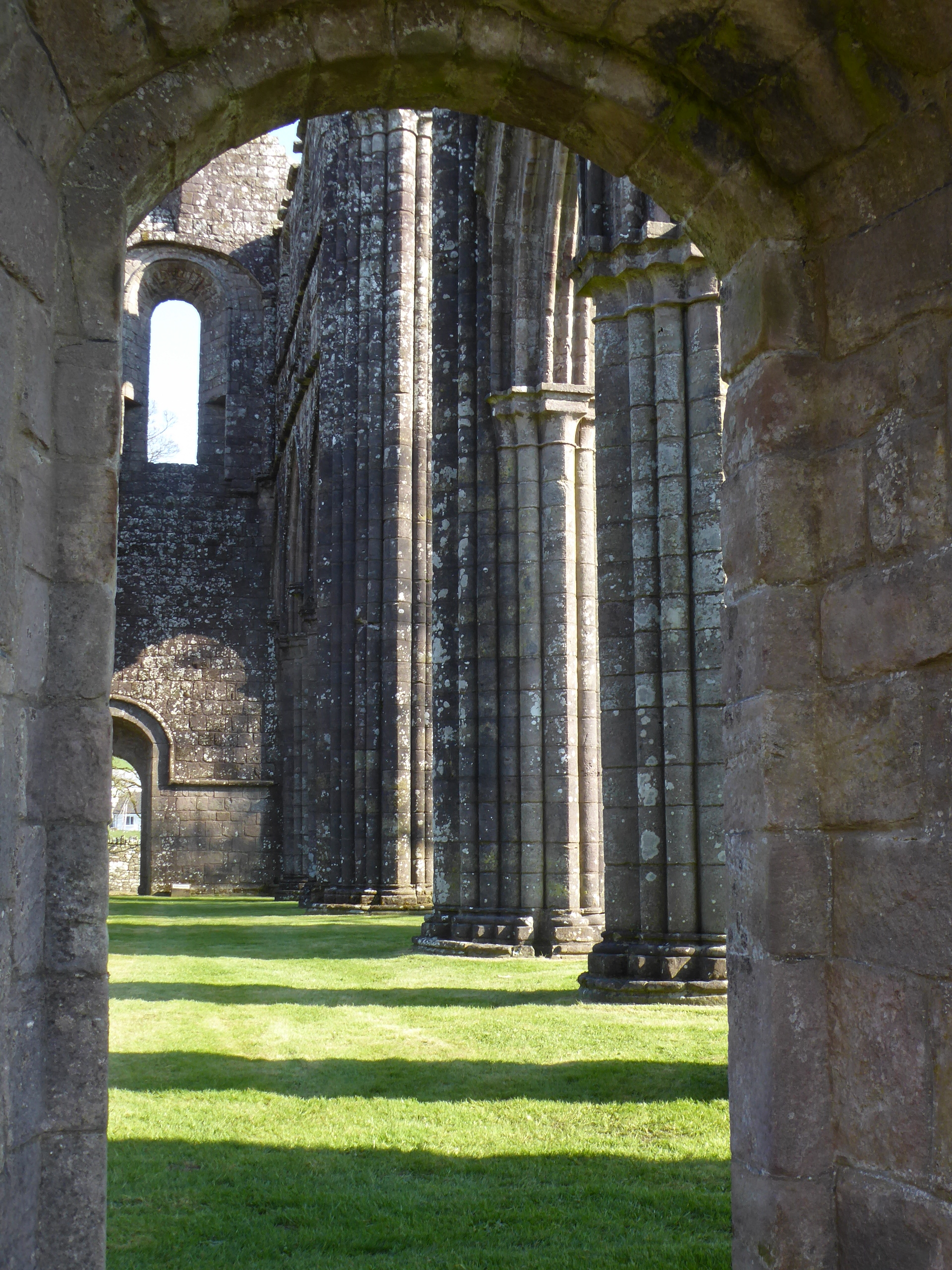
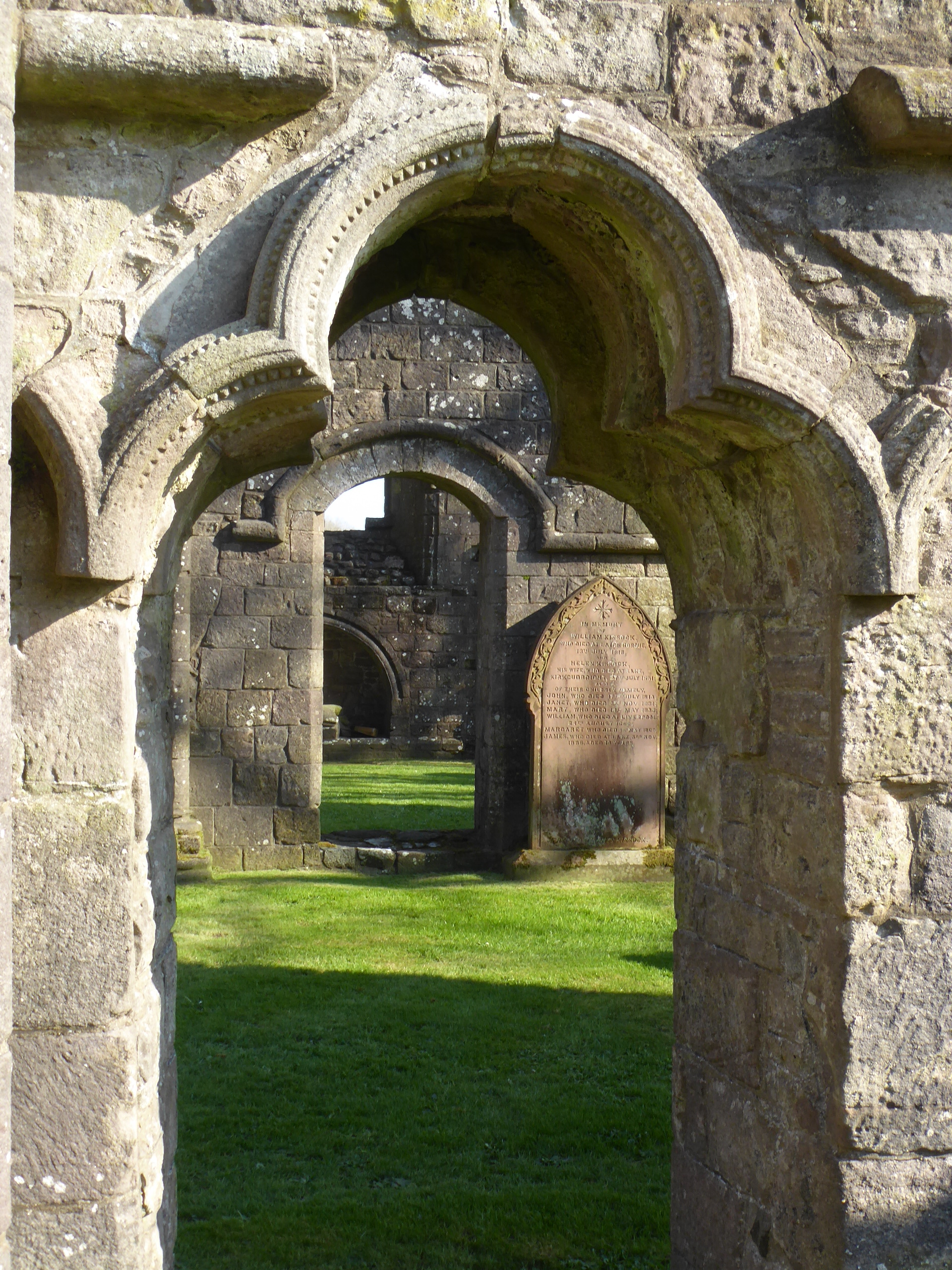
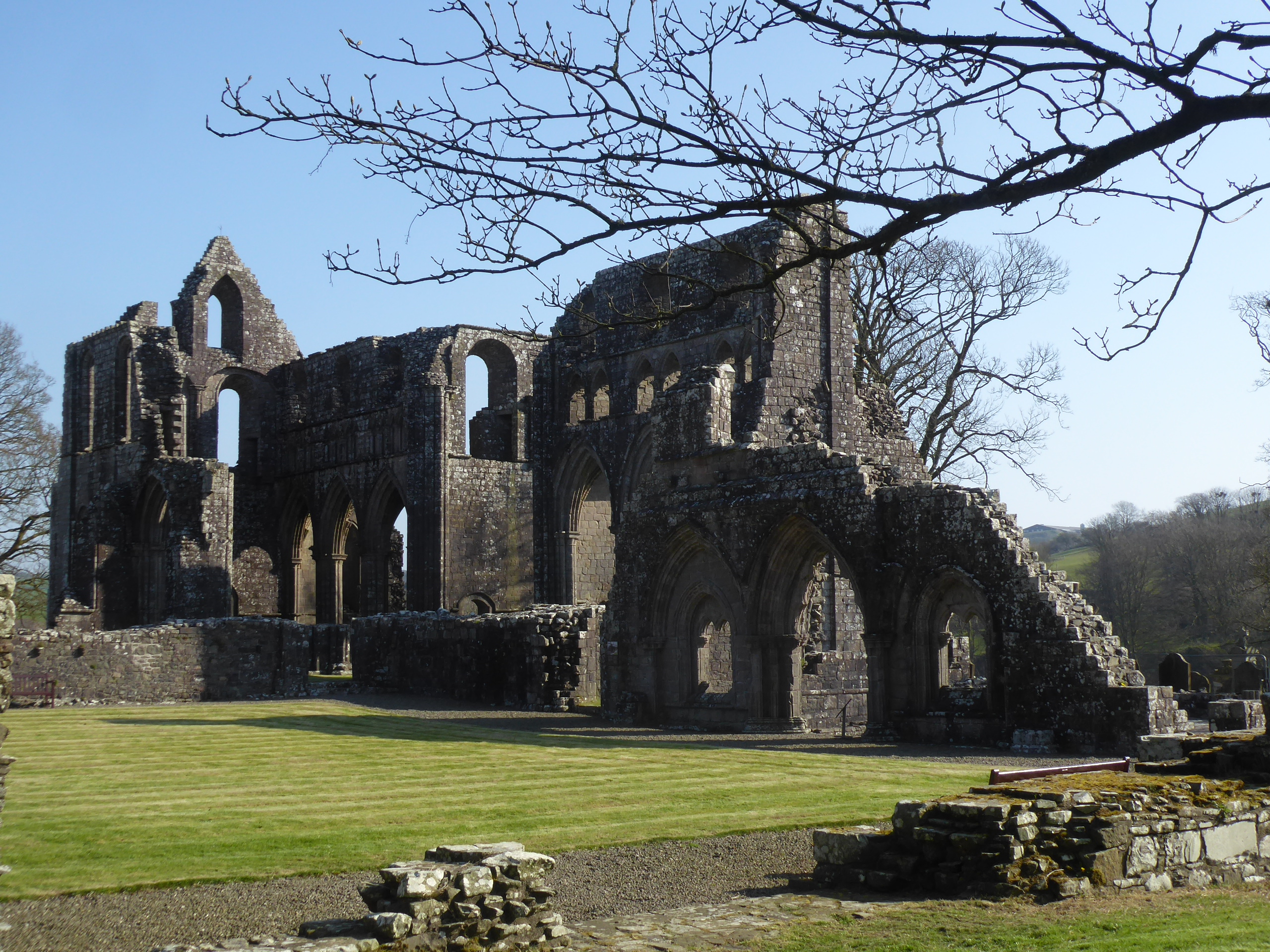
Then I caught the bus to Dundrennan; the driver stopped practically outside the ruined abbey for me. Even without his help, I couldn’t have missed it since Dundrennan village is tiny. Twelfth century, Cistercian, probably founded by monks from Rievaulx Abbey (one of these days . . .), a mixture of Romanesque and Early English Gothic. The transepts dominate, but the paved chapter house is also impressive. It’s only just opened for the season and I was the sole visitor. The staff (volunteers?) were tidying the grounds – including one young woman who put me in mind of Psyche’s tasks as she seemed to pick over the gravel.

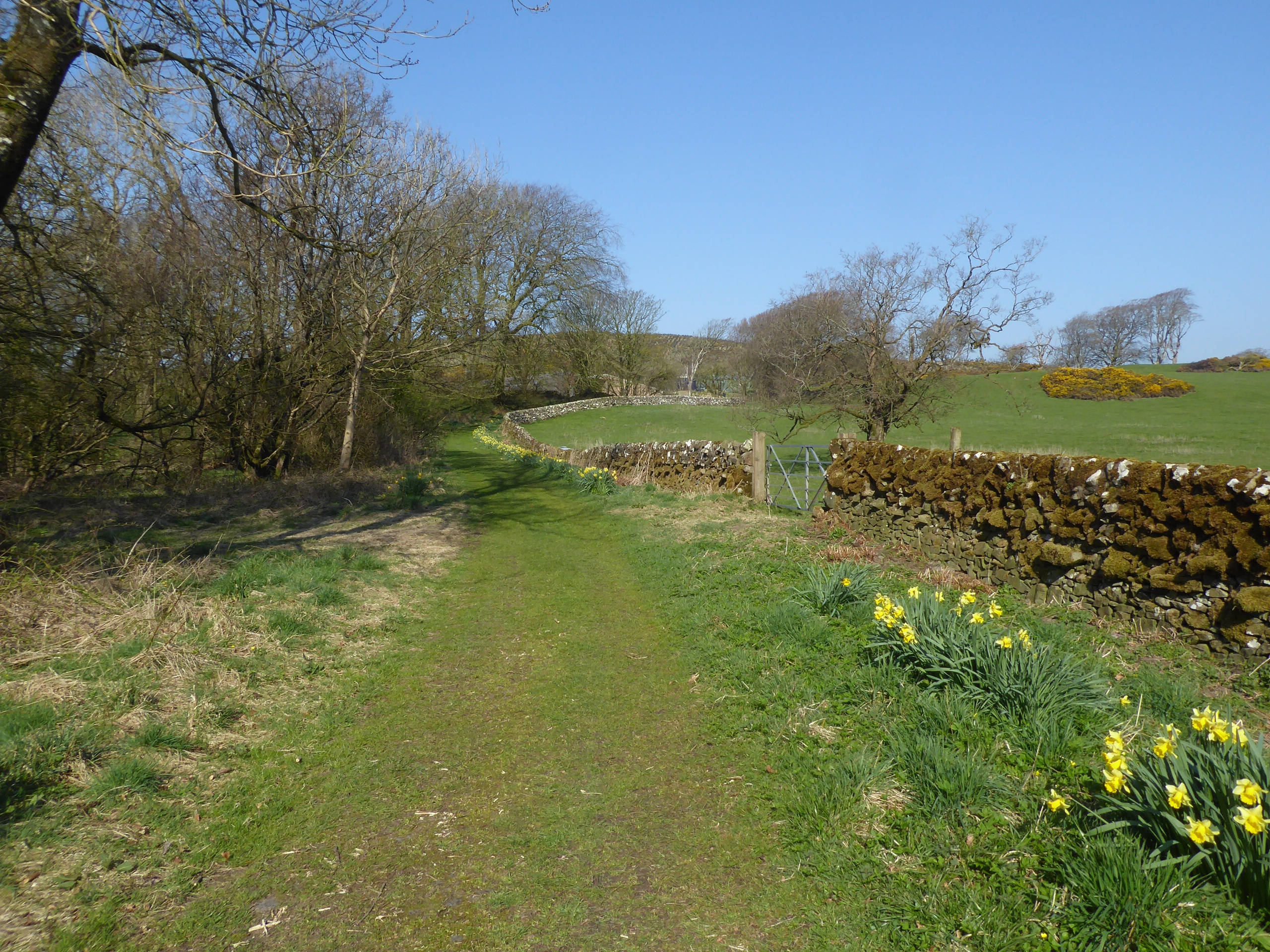
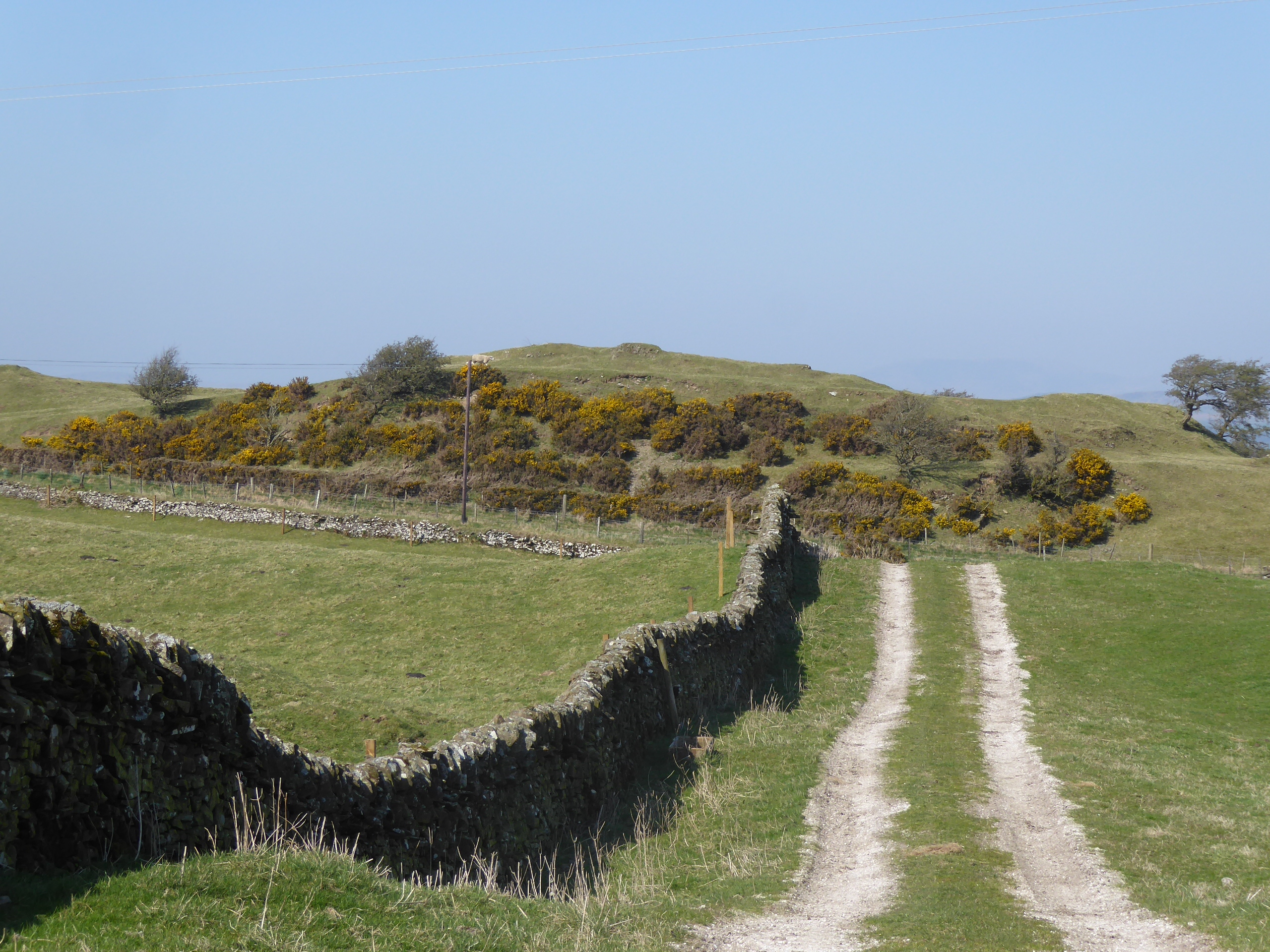
And then the walk back to Kirkcudbright without the aid of public footpath signposts and little yellow arrows. OMG! On the map I found a path leading in my direction, but there was a small gap with no paths and only (impassable?) field boundaries until another useful path. I didn’t know what to expect but I gave it a go; the paths were mostly tracks broad enough for vehicles and easy to spot, but the “gap” in my route was blocked by stone walls. I found a low point and got over it without dislodging anything, but it taught me that I’d rather not try this again.

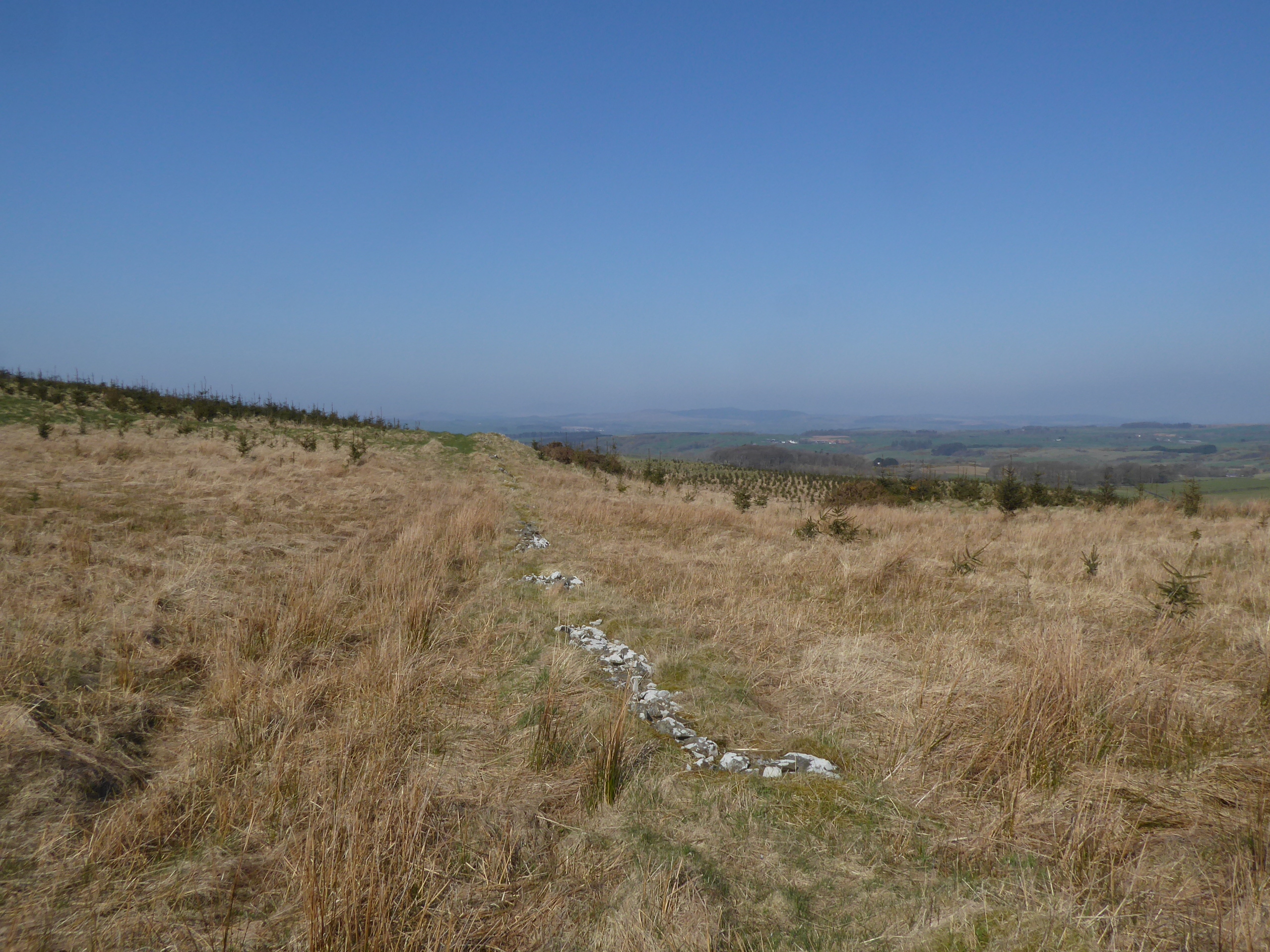
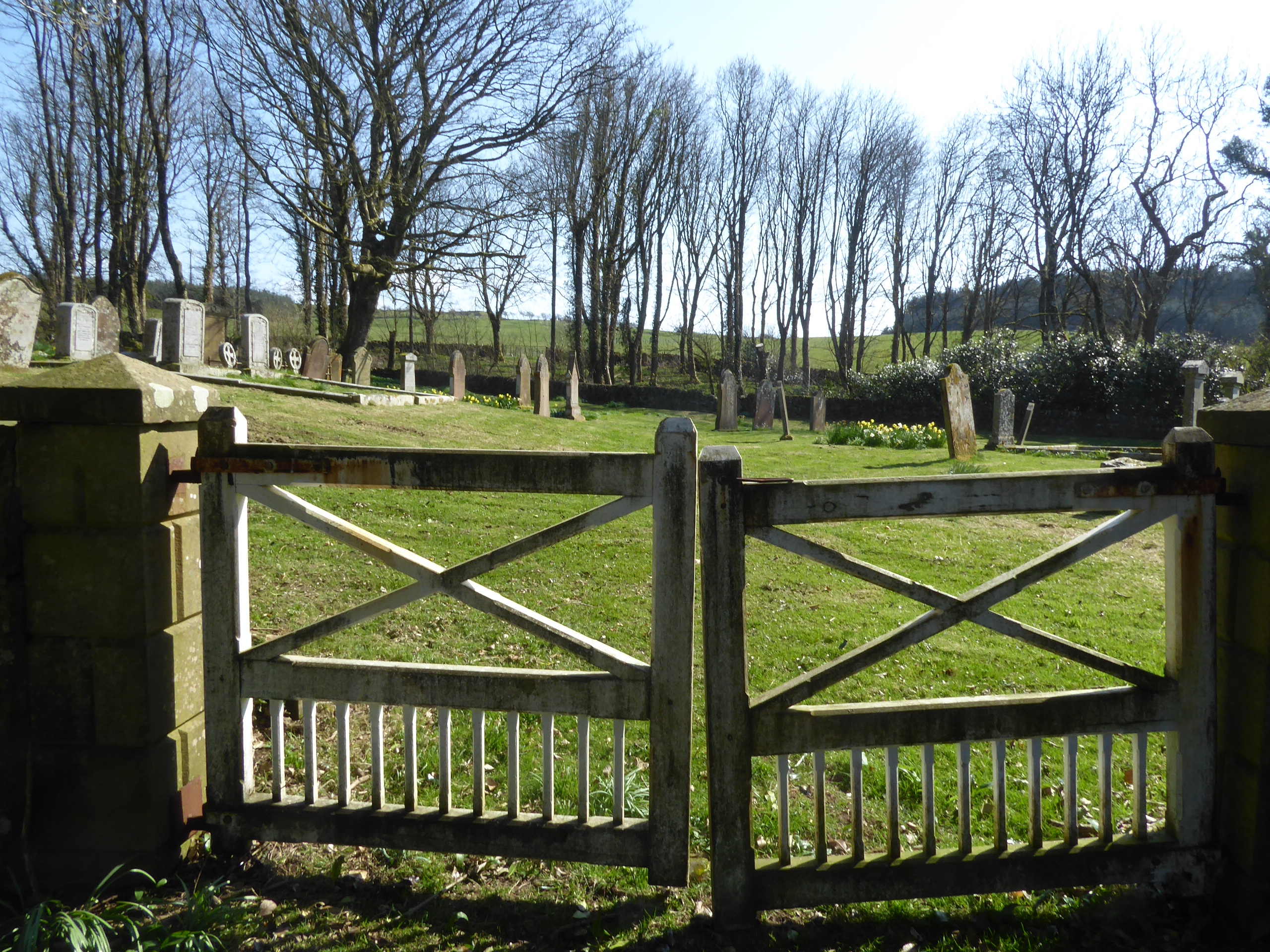
It was a good walk, taking in lots of little sites in Gothic script on the OS map: a hut circle (?) a dun (?) and a “settlement”, which was now a mass of gorse bushes. Somewhere I disturbed a couple of pigs behind a fence: they ran towards me making noises like a Dr Who monster. I found the site of St Michael’s Church, with only the graveyard still there. The latest tombstone I saw was from the 1970s.

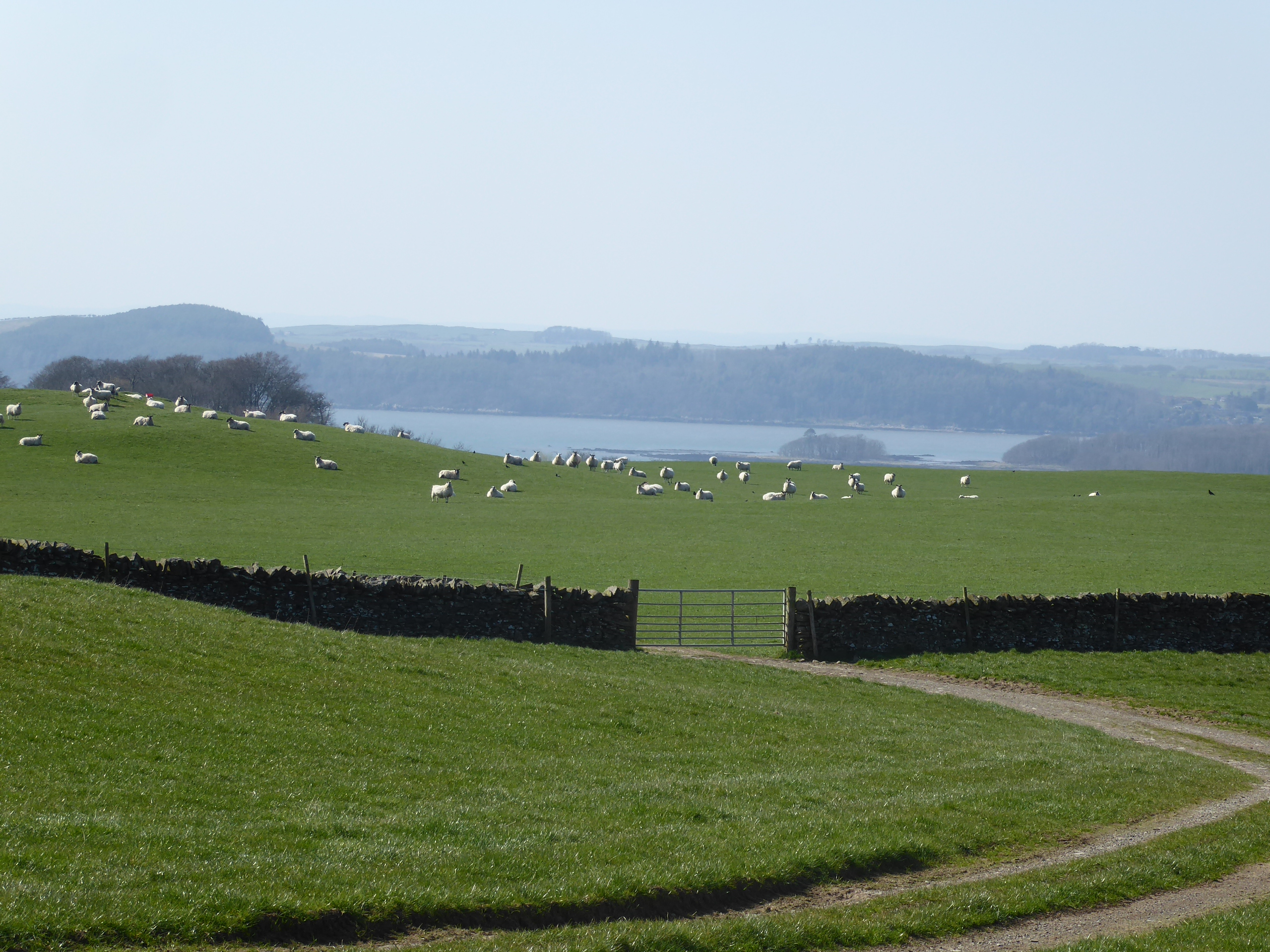
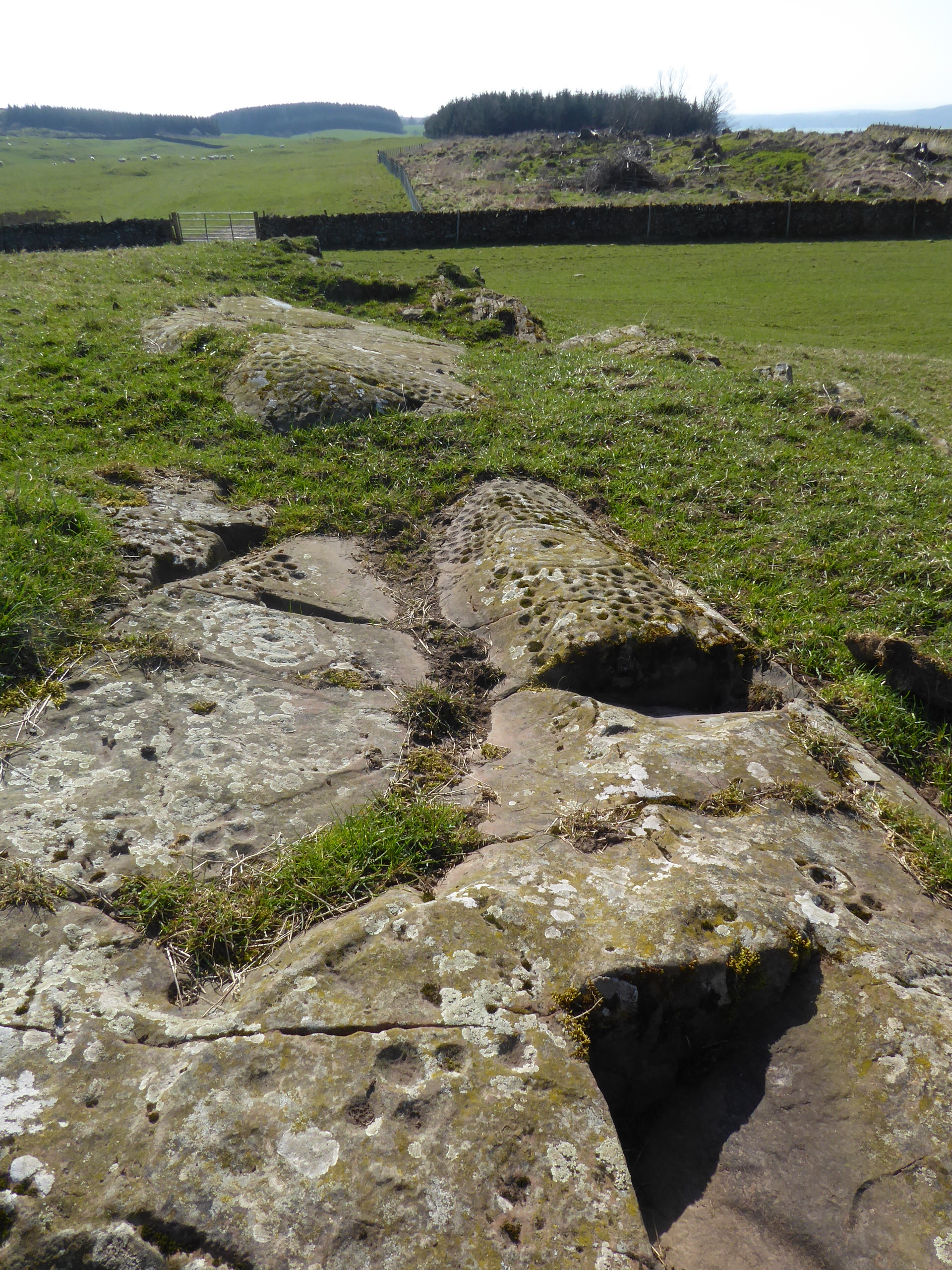
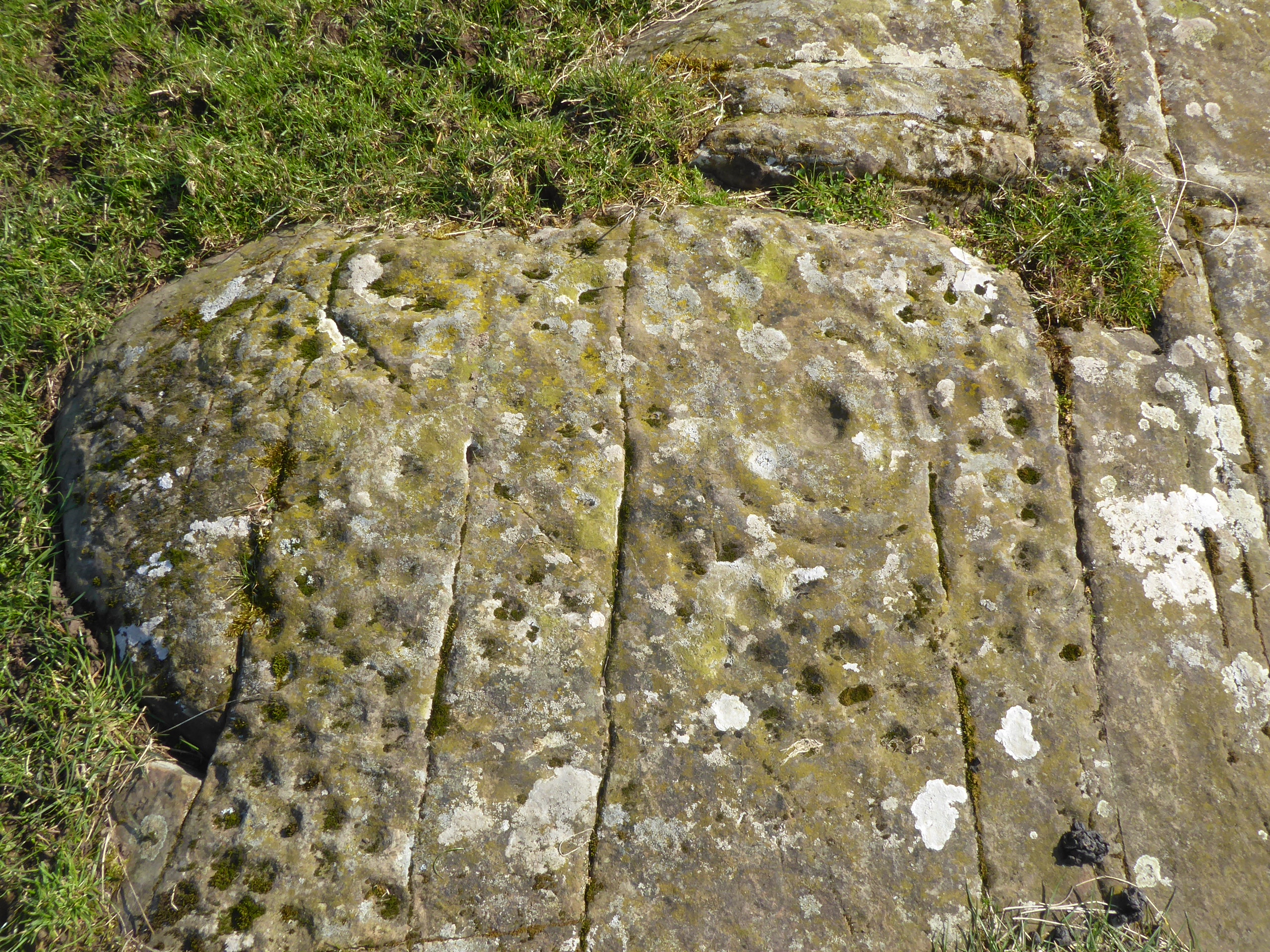
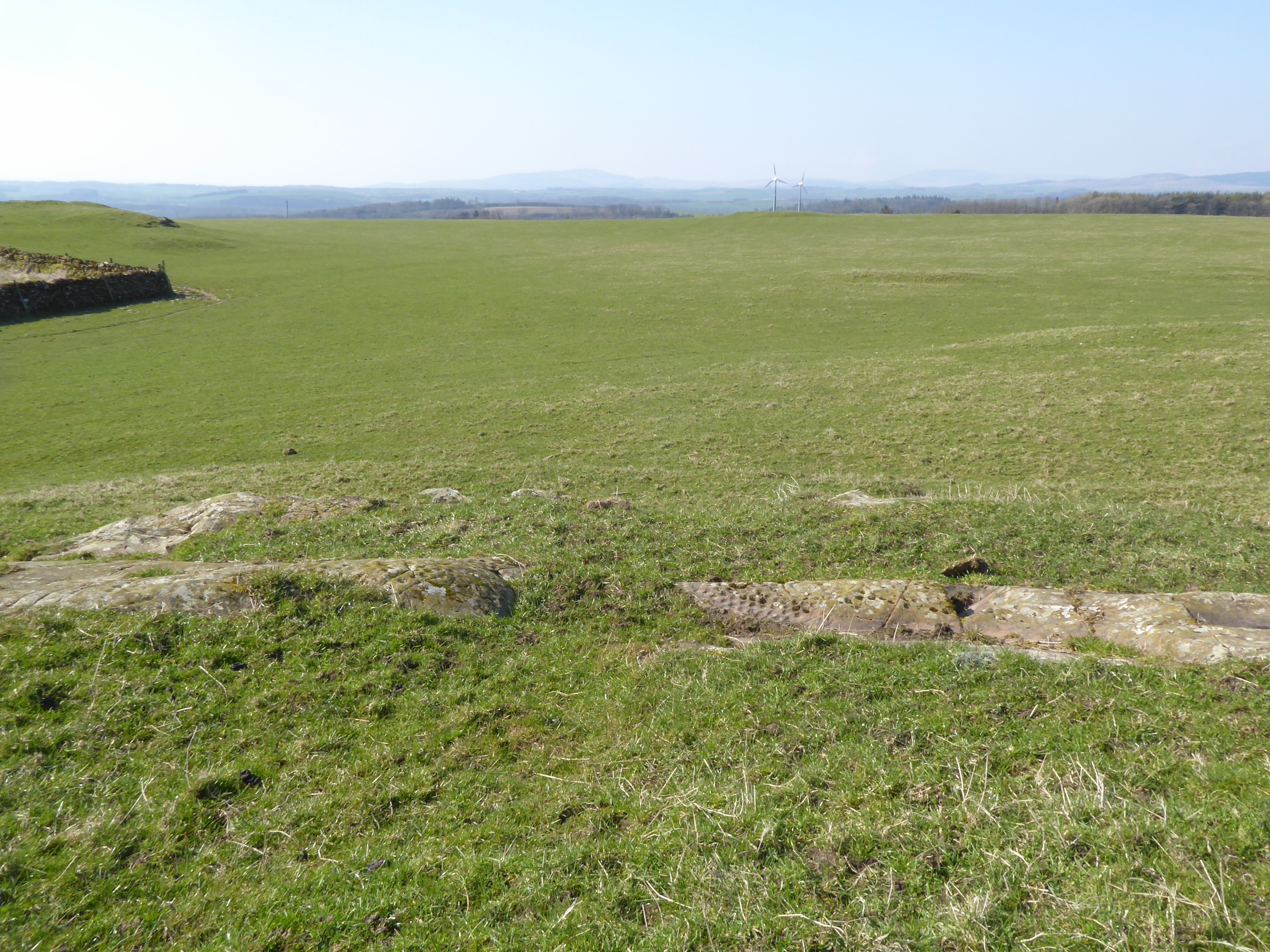
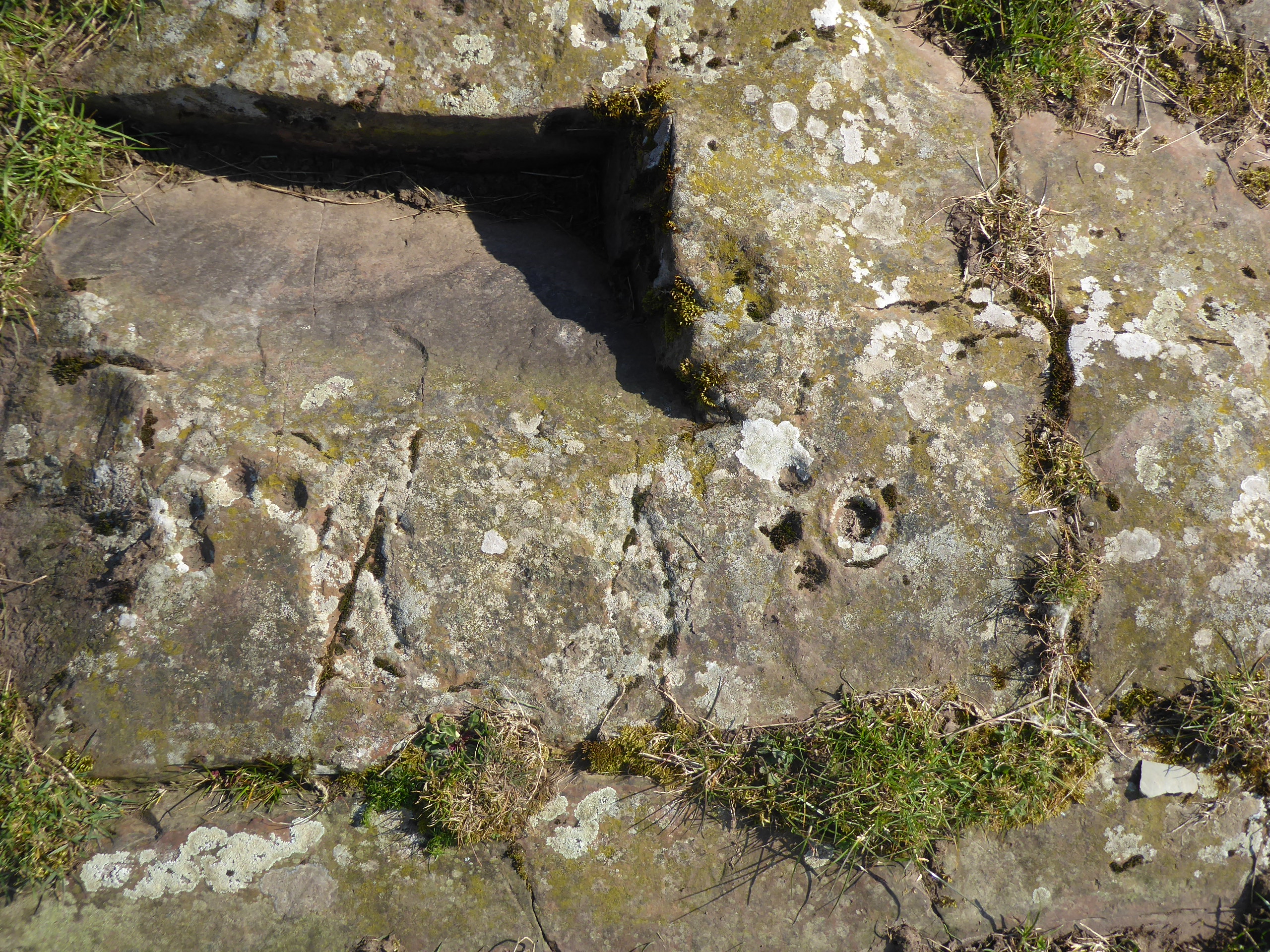
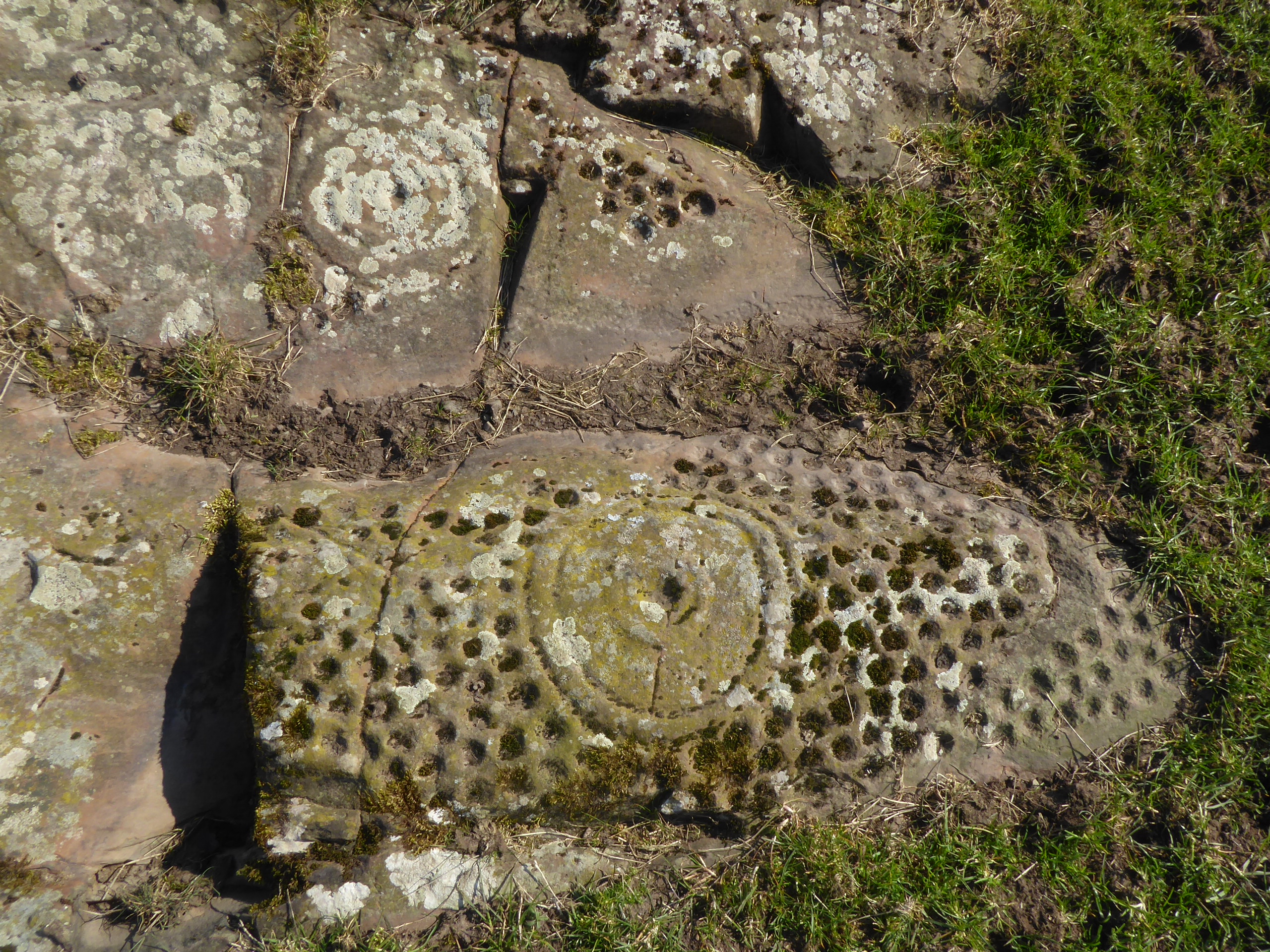
What I increasingly wanted to see however as I passed tantalisingly close to them was whatever was meant by “cup and ring marked rock”. Each time they seemed to be somewhere unreachable, but at High Banks (wonderful view) I persevered . . . and found some. (I realised afterwards that I’d seen a much simpler version on the main stone at Long Meg and her Daughters.) These were really quite something – and in a lovely location looking westwards over the estuary.

I suppose, all in all, it was quite a day of discovering human activity in the landscape – all the way from the abbey to settlements to rock art.