Heek to Winterswijk

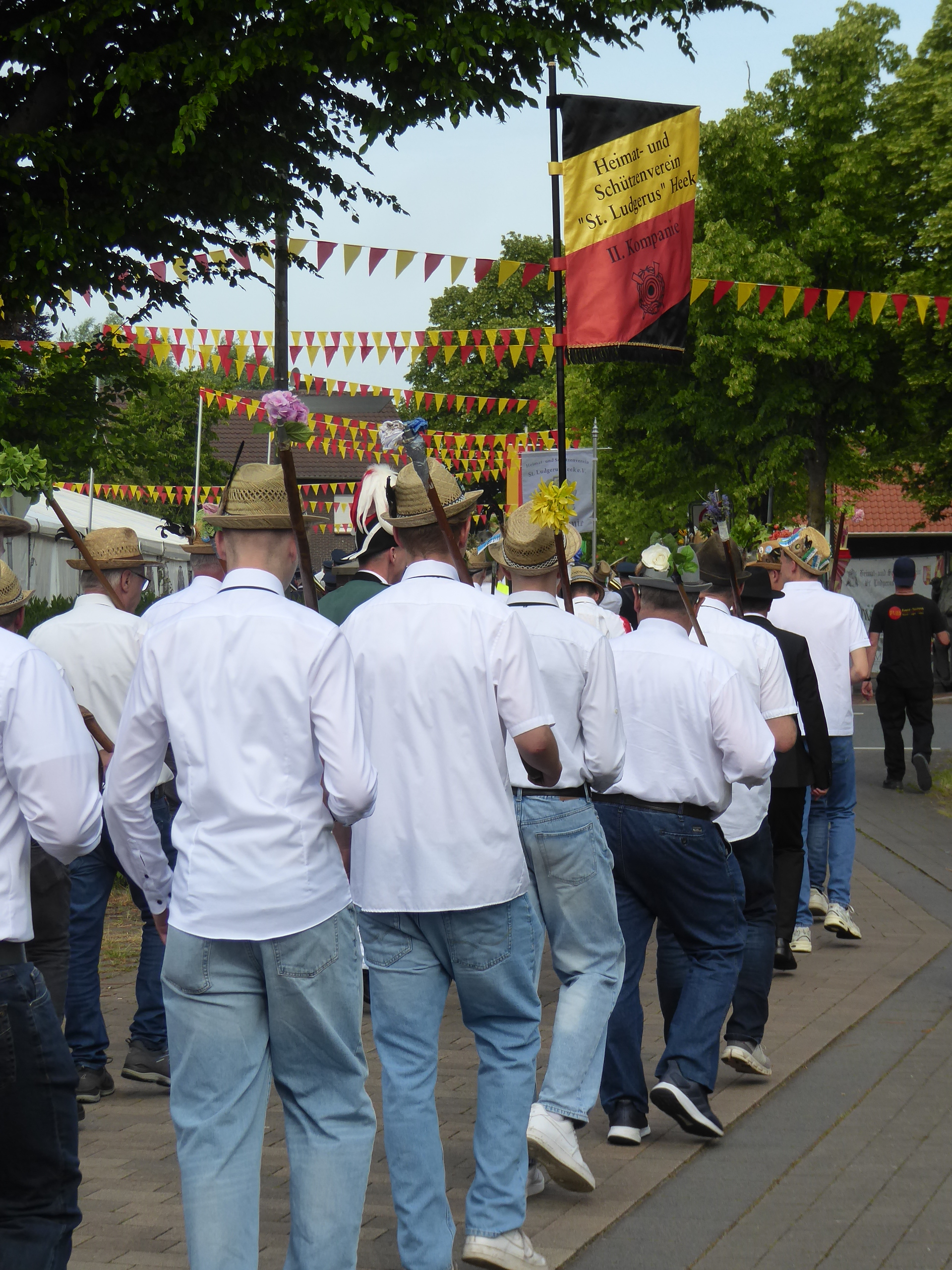
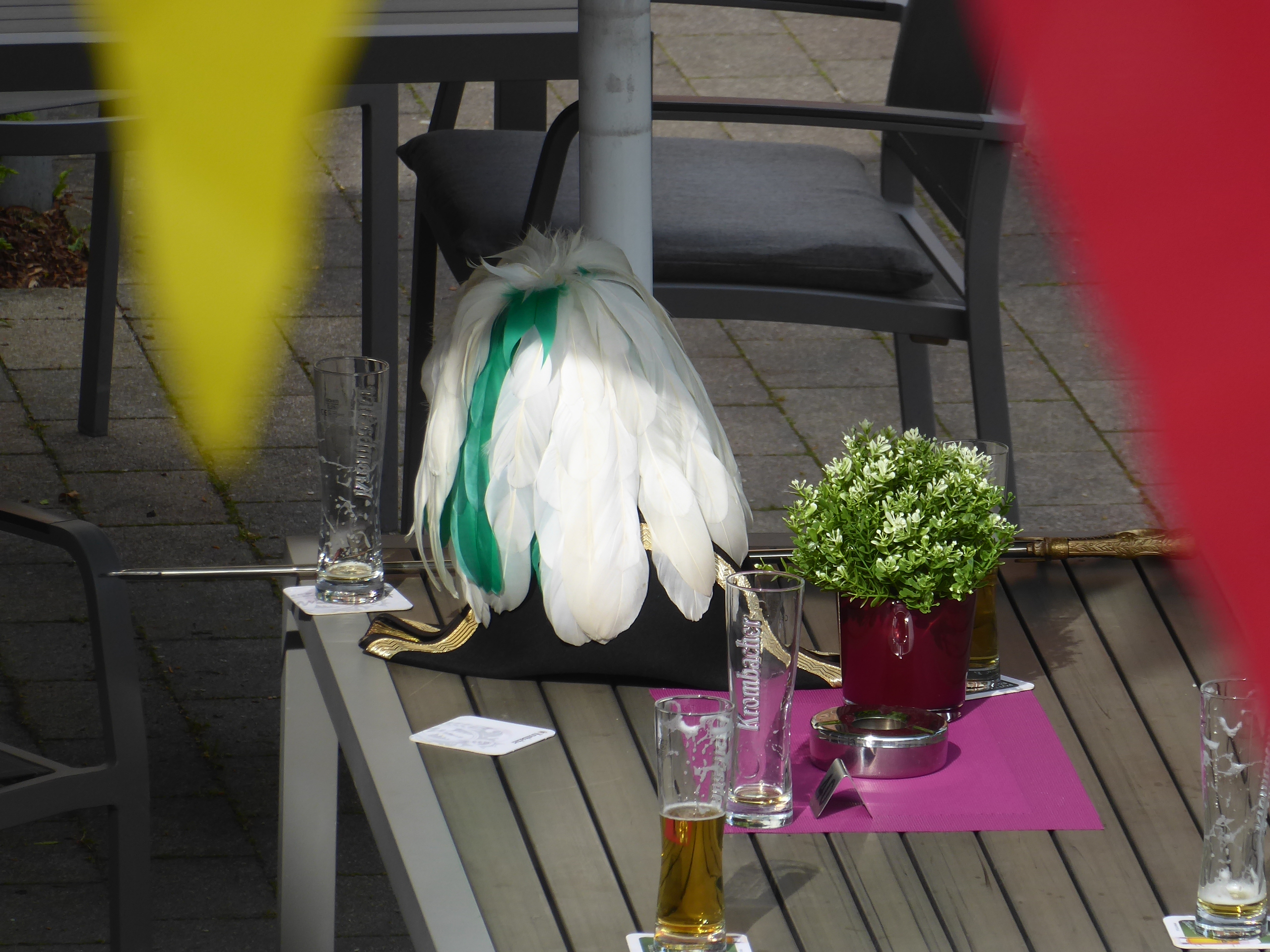
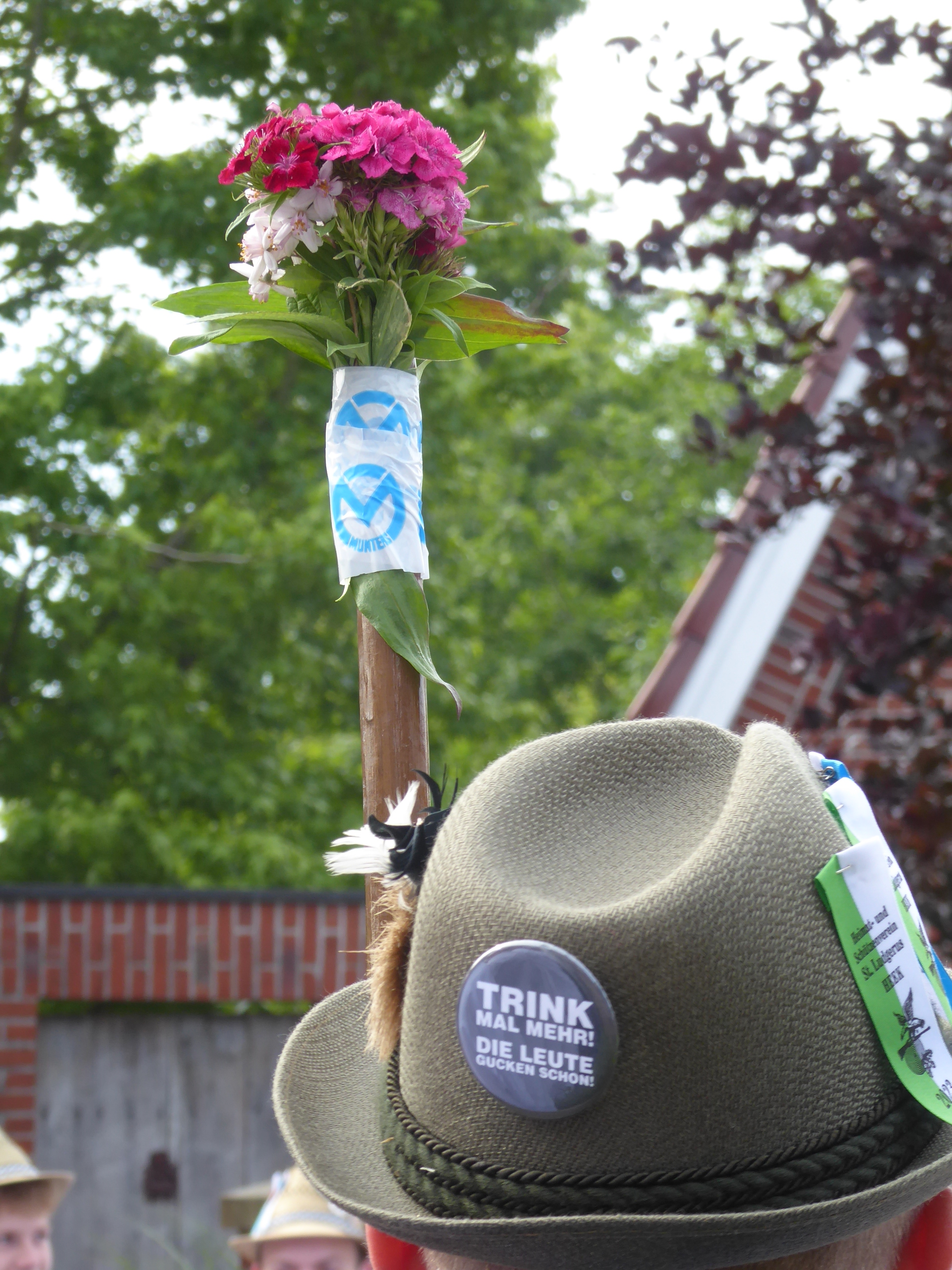
Well, Schützenfesters certainly know how to party. They didn’t keep me awake, but when I opened the window at 1.30 a.m. the marquee down the road was still jiving. The church clock struck at 5.30 a.m. and I swear I could hear the brass band playing somewhere. As I dressed, somebody was singing alleluia several times over to the accompaniment of the band outside the church. Our breakfast was slightly delayed by the waitress having to serve a few beers . . . and the first parade of the day started just as we were leaving. I really don’t know what to make of it: history, community spirit, unsettling vibes under the cheerful booziness, the self-deprecating silliness of carrying wooden sticks (representing rifles?) topped with flowers so that they looked like a morris-dancing local militia. Had I lived in the town during the Thirty Years War, I might have been glad if a group of trained men were ready to defend it – and perhaps there were similar groups in Ukraine until three years ago.
The rest of the day was a return ride unto the Netherlands in hot sunshine and a gentle headwind. Piet Mondrian lived in Winterswijk for a time, but that is as much as I know.
Papenburg to Heek

Back to a boring maximum speed of about 22 kph, so to do this distance we needed the assistance of the train from Papenburg to Rheine. The usual anxiety about getting our bikes on the train, so I checked with the ticket office beforehand. (A ticket office: there’s luxury.) Question: where was the bike space? Answer: each carriage has bike spaces front and back. Total number of bikes conveyed: 24. (More in the summer holiday season.) This seemed like riches indeed – but the reality is that if a train has 24 bike spaces, there will be 23 bicycles on it – particularly if it’s the day after Himmelfahrt. We had no problem at Papenburg, but the train quickly filled up.

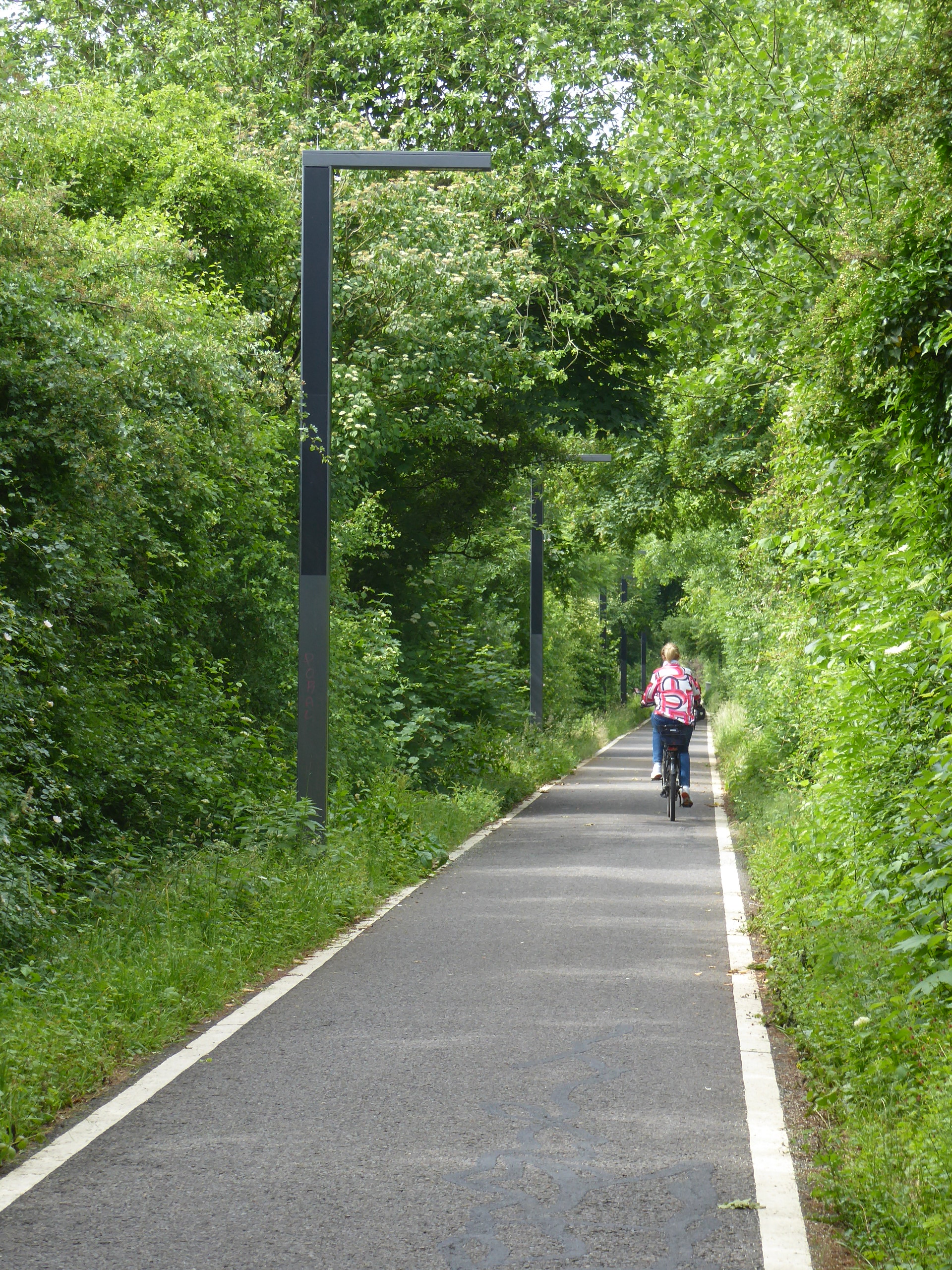
We cycled the same route out of Rheine as a week ago along the easy-peasy disused railway, but this time into a sunny headwind. Heek is en fête – nice for Heek but not for anyone hoping for an early night. It’s the town’s Schützenfest – a concept I have difficulty in getting my head around. Schützen means to protect, but this kind of thing is all about guns and shooting. I suppose I should think of it as a celebration of the historical tradition of local self-protection – an early kind of Home Guard perhaps? – and target-shooting is part of it. Also included is parading in green jackets and dark green ties behind a local band – and lots of drinking.

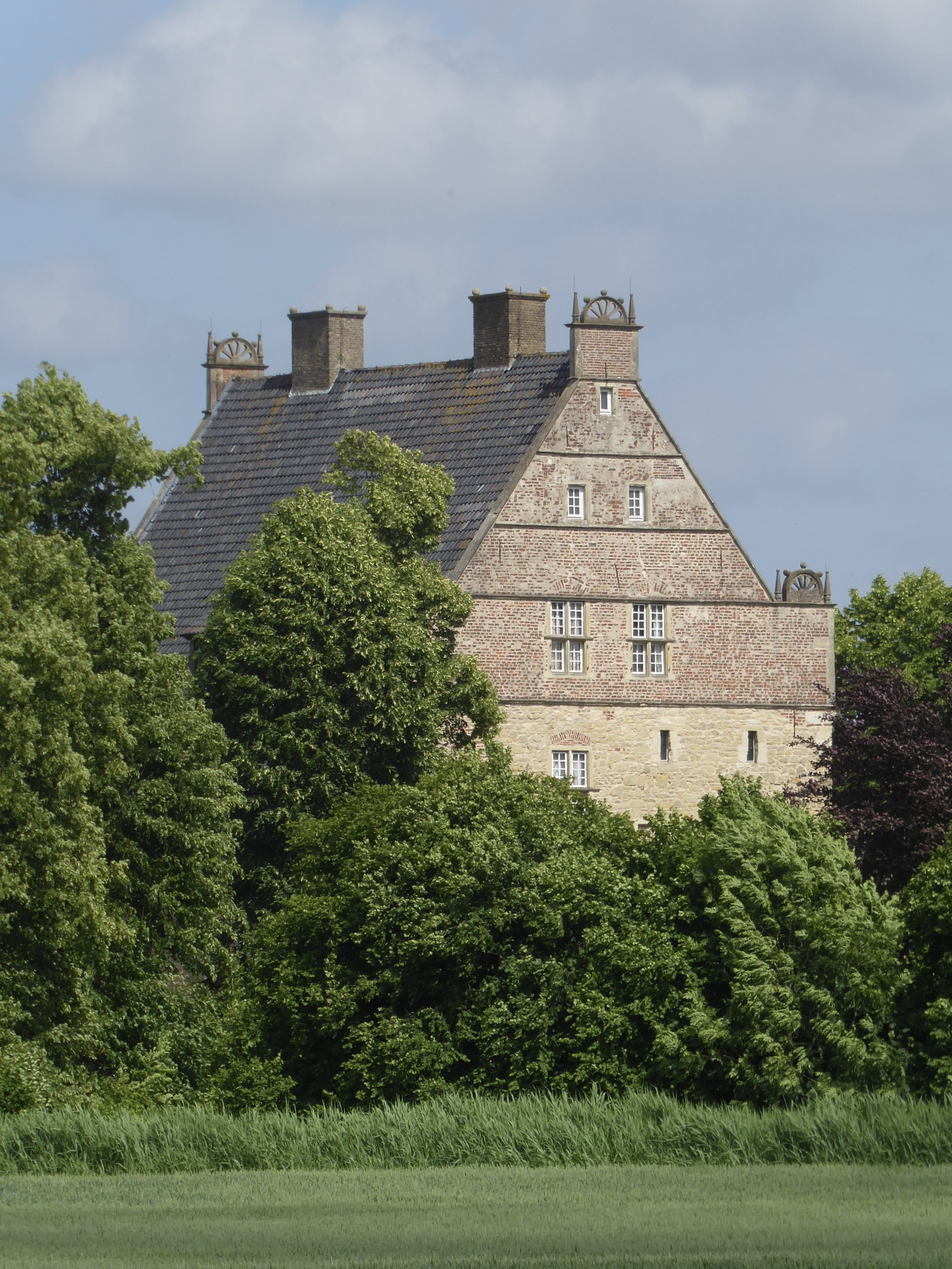
We arrived in Heek in good time so headed off in nostalgic mood along the 100 Schlösser Route to see Burg Nienborg. How many have we ticked off now?

Papenburg

Today is Himmelfahrt – Ascension Day – so (as I’ve noted before) liquid picnics seem to be the tradition. Unfortunately for the picknickers, the weather has also been rather liquid.

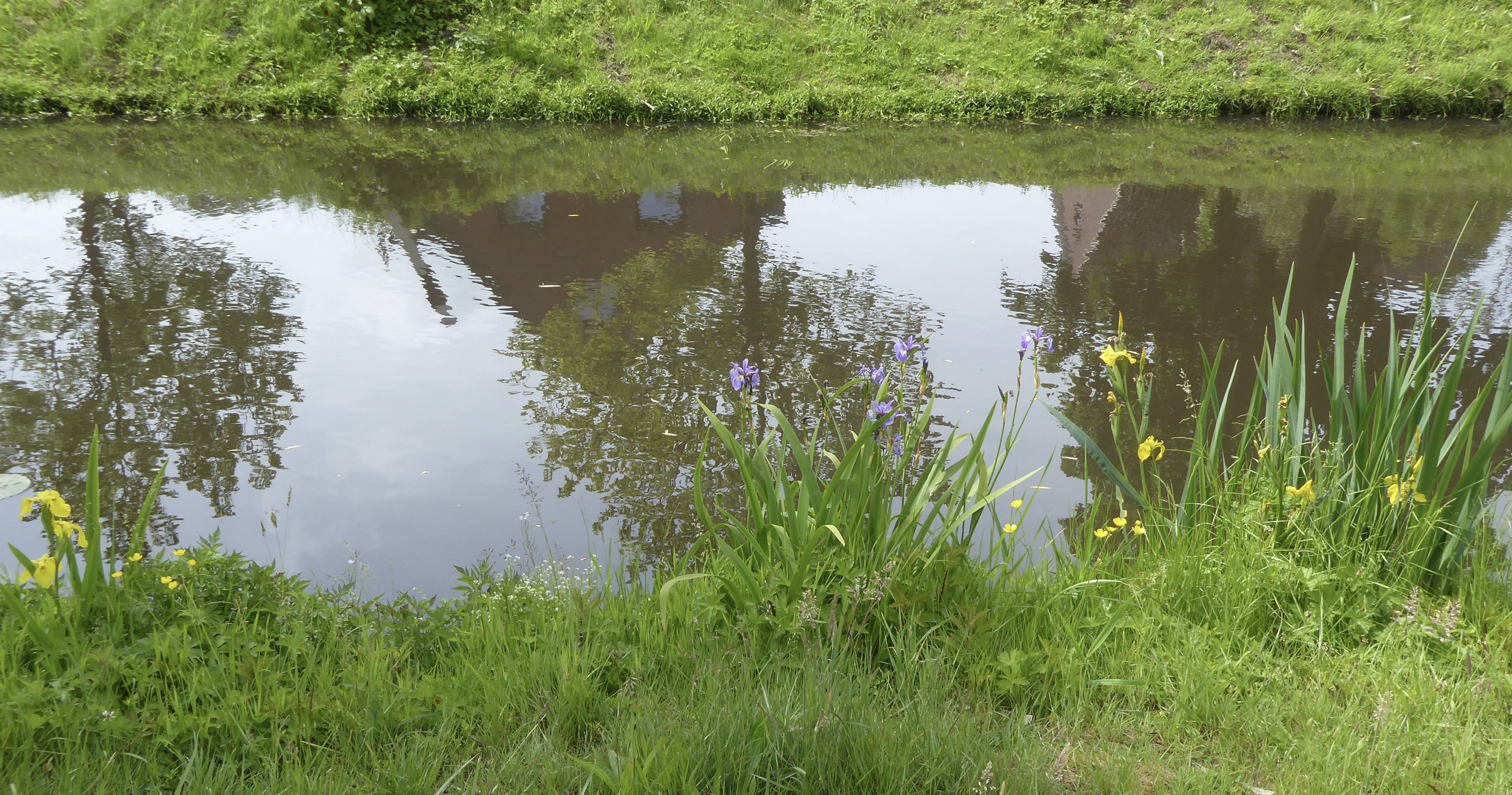
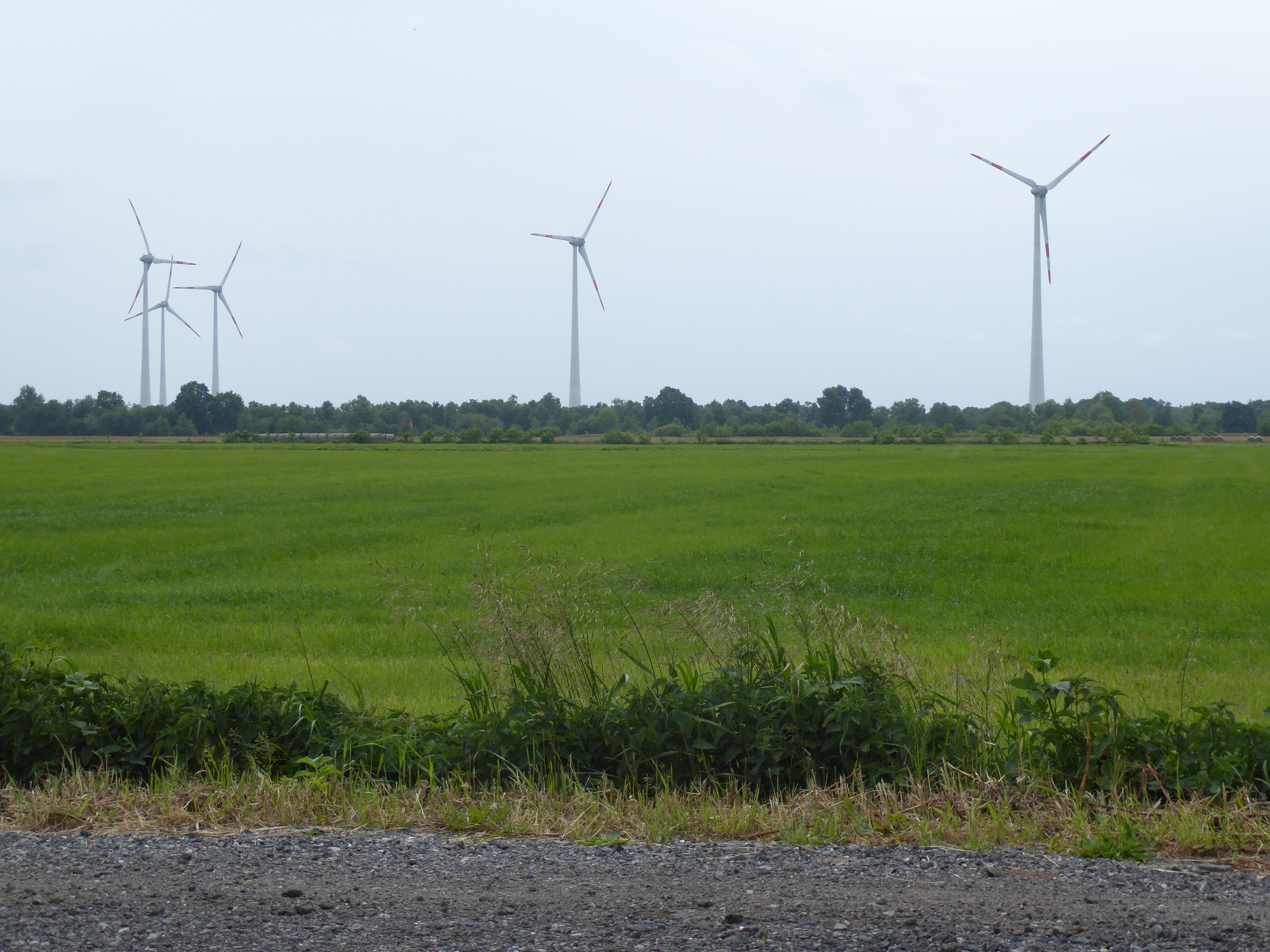
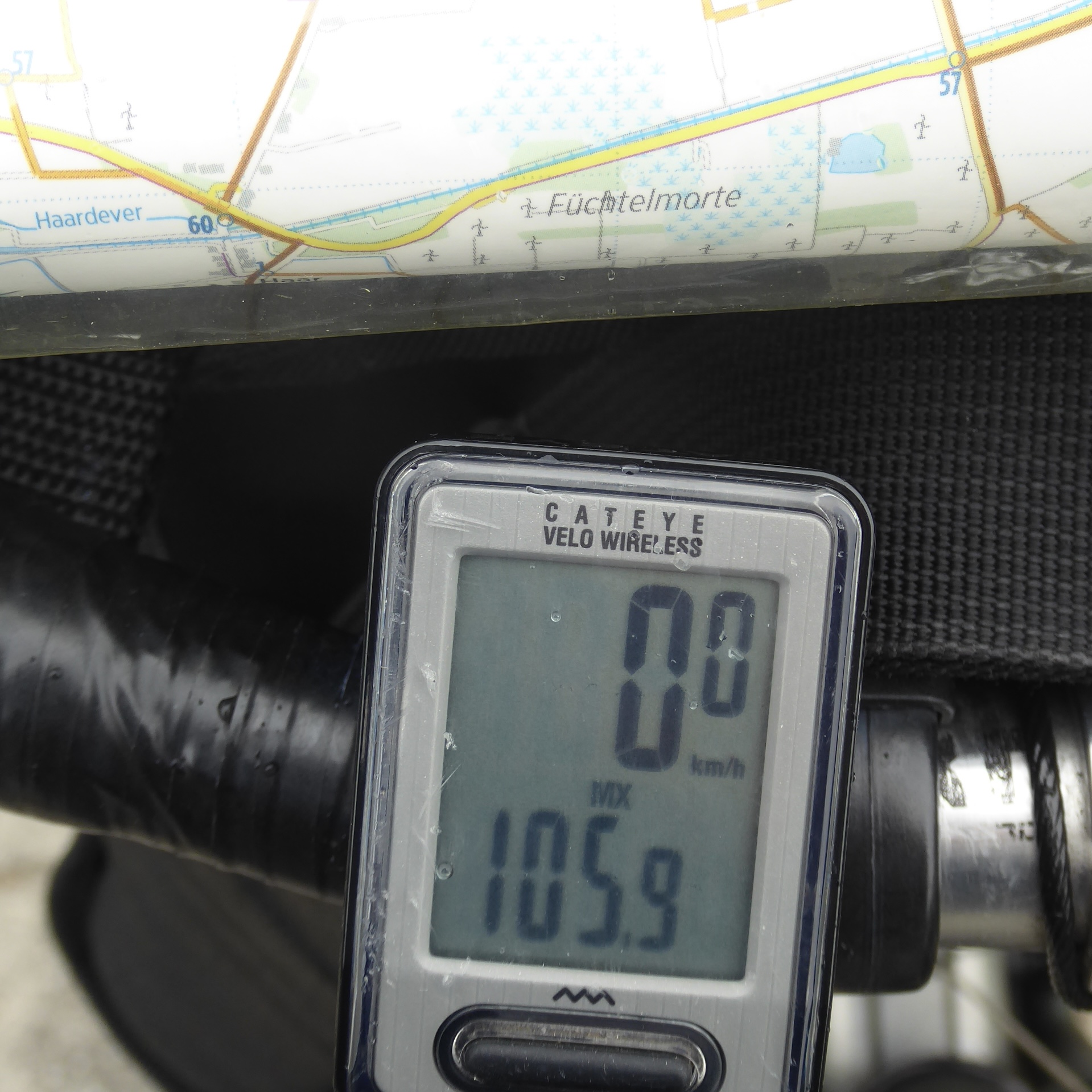
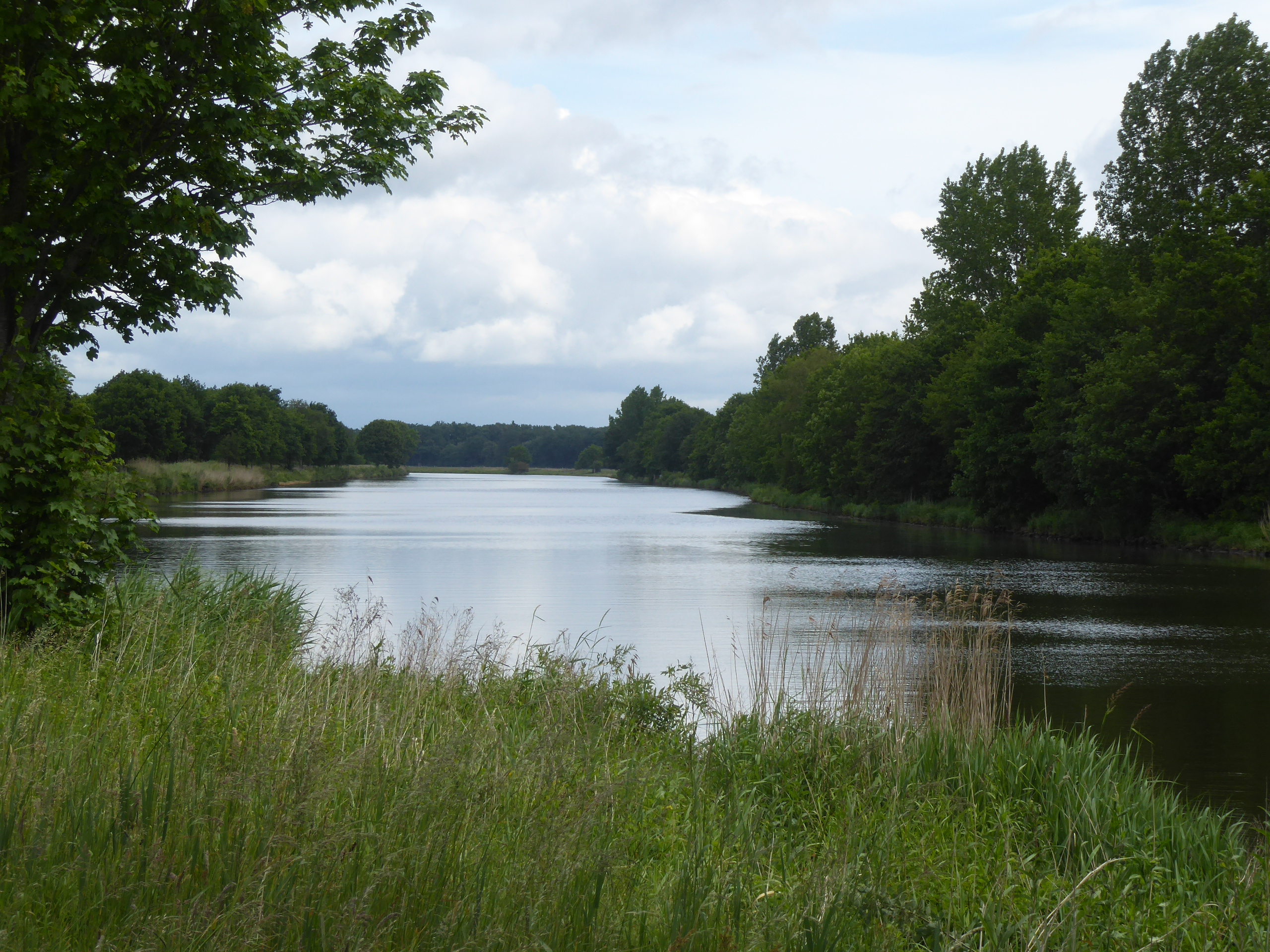
Papenburg sits amongst fenland, which made for a dull rest-day ride before the drizzle set in properly. The canals out of the town are dead straight and lined with houses; the only charm are the waterside irises. But there is always something to spark interest: here it was cycling above an automotive test track, which was unexpected. Even more exciting was the misbehaviour of my cycle computer: I’ve noticed once before that wind turbines can disrupt it, but today I observed that I was travelling at speeds of 86 kph into a head wind – and not a turbine in sight. My maximum speed – and I just had to take a photo – came in at 105.9 kph. Since we both clocked 105.9 kph, I must conclude – sadly – that something must have sent the computer haywire.

Dörpen to Papenburg

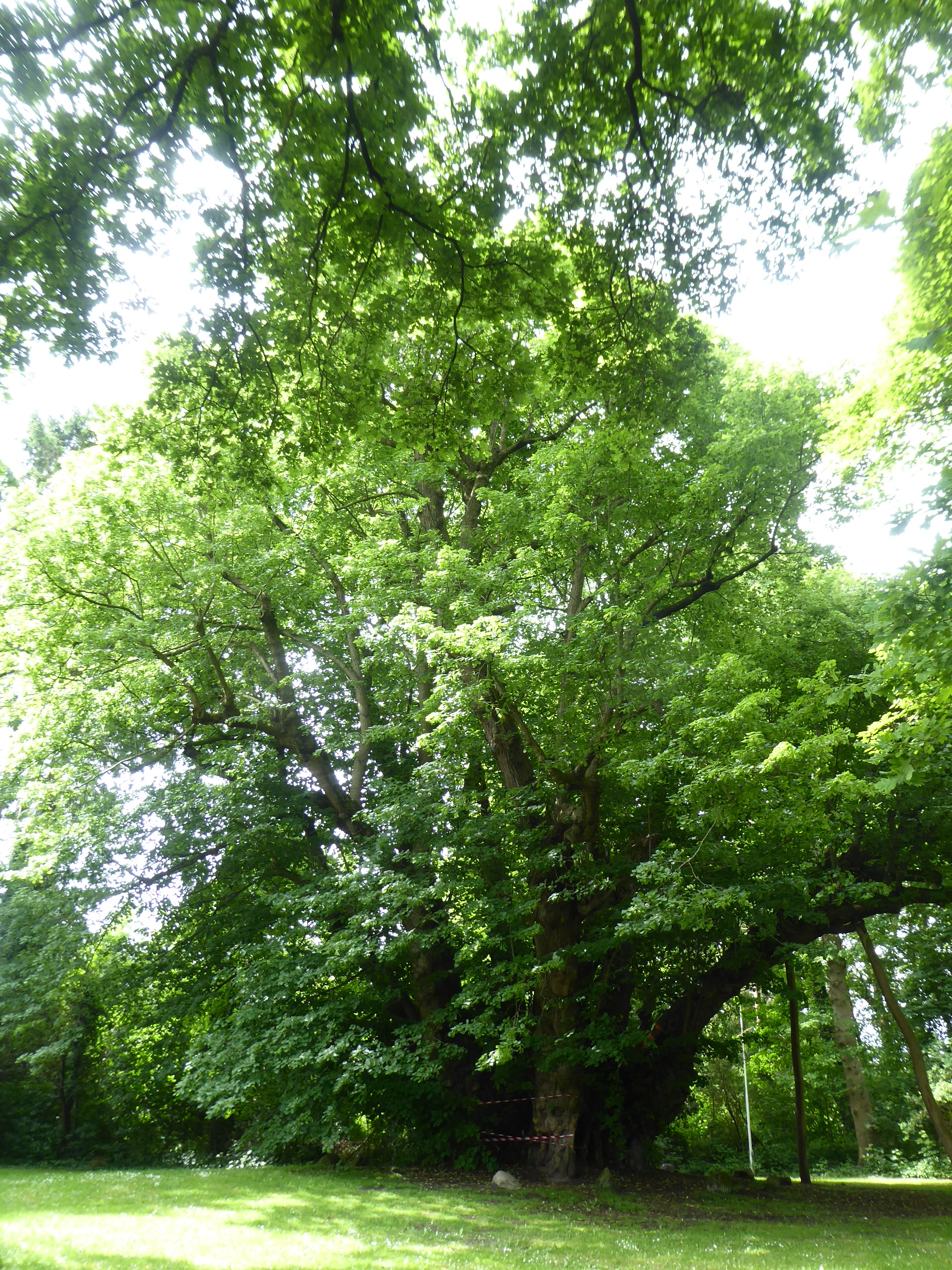
A short day with the unexpected pleasure of discovering Papenburg. Before that, though, there was a 1,000-year-old lime tree in Heede to see – propped up and garlanded with barrier tape, but nonetheless green and still flowering in abundance. A pleasant ride thereafter, with a coffee stop in the commercial outskirts that had hollowed out Rhede centre.

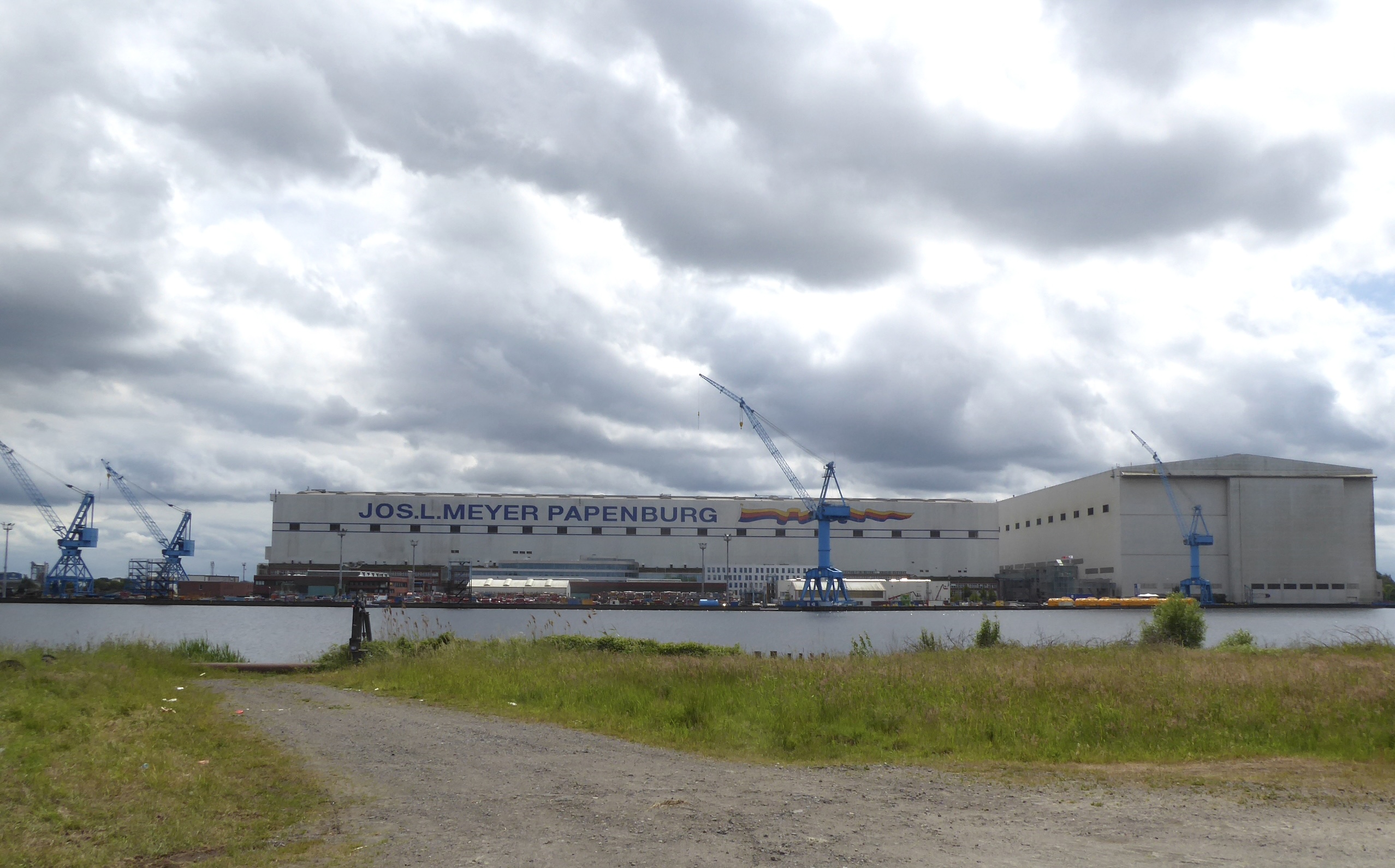
Looking at the map beforehand, I had a flashback re the Meyer Werft – shipyard (wharf?) – on the Ems in Papenburg and an article in a German lesson years ago about the shipbuilder. Their current line is cruise ships. Since Papenburg is quite definitely inland, it boggles the mind to think of a newly built ship leaving the shipyard and shimmying its way to the sea.

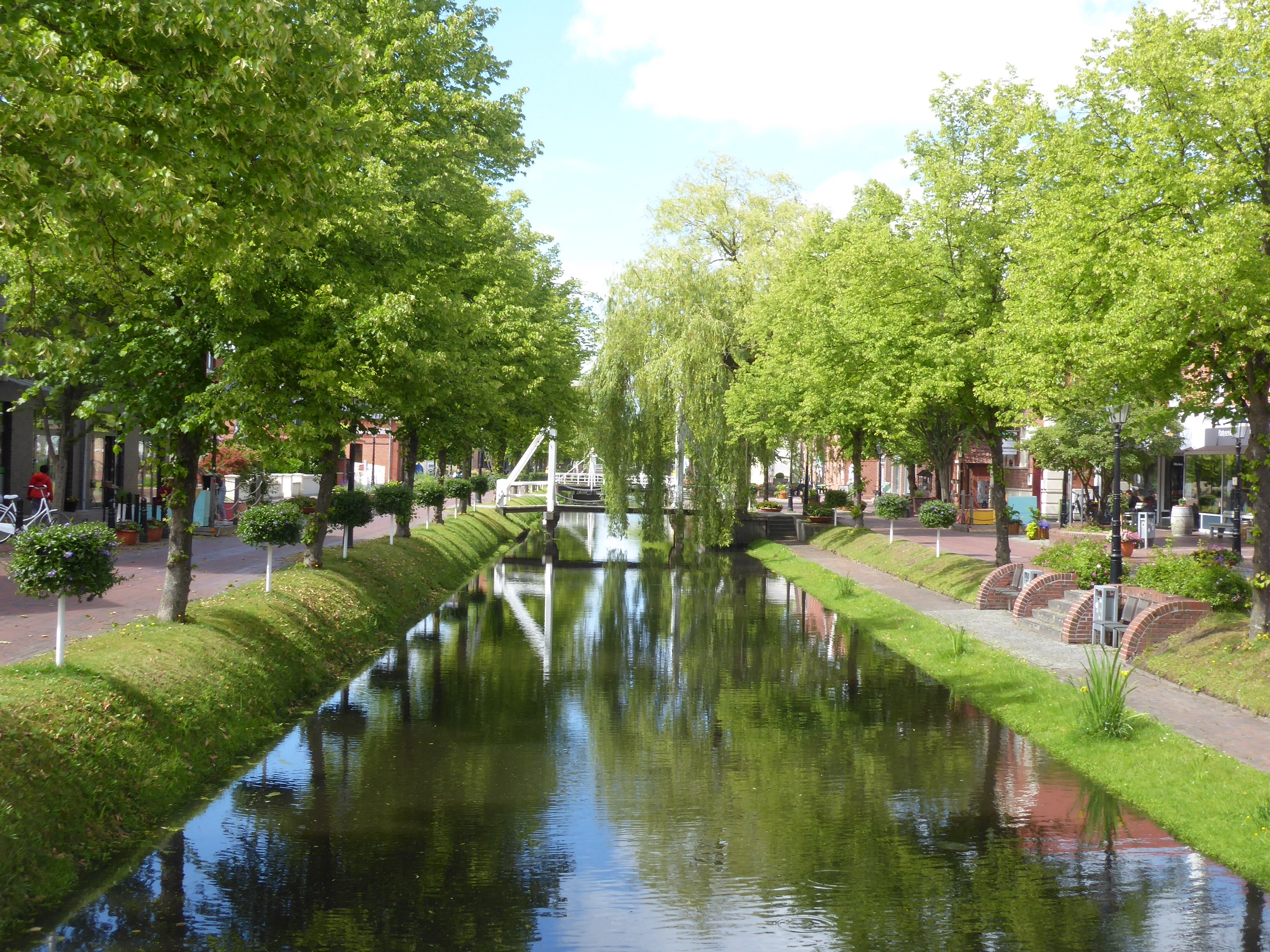
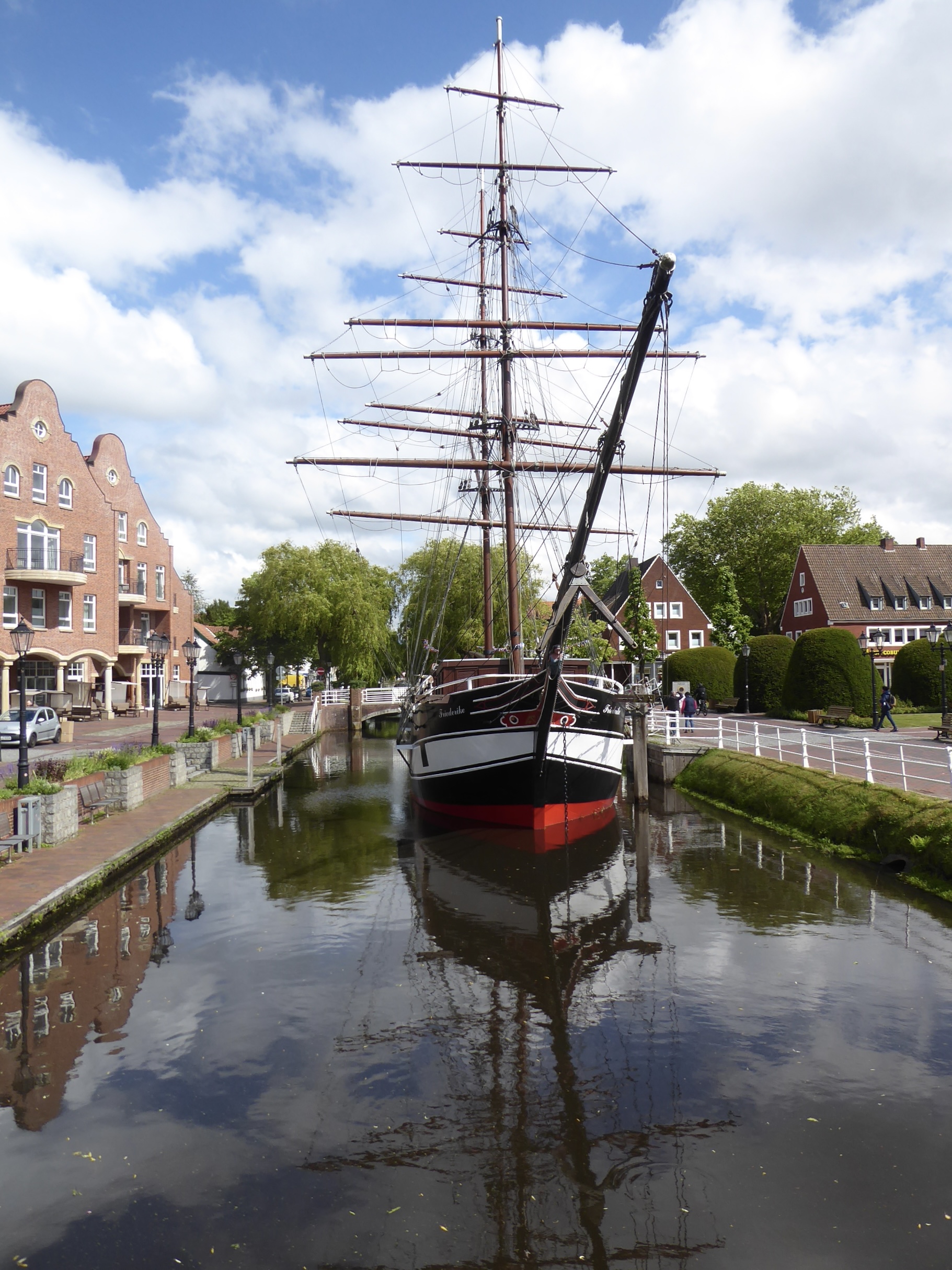
The industrial outskirts didn’t prepare me for the centre of Papenburg. It’s delightful. Instead of a Hauptstraße it has a Hauptkanal just like a Dutch town. (Harlingen came to mind, but it’s years since I was there.) Since we are staying here for two nights, it couldn’t be better.

Meppen to Dörpen

Another very green day – lots of cycling under tree canopies. A strong tail wind blotted out the nuisance of showers in the middle of the day. We followed the relationship between the river and the canal: now in each other’s arms, now going their separate ways.

I have nothing to say about Dörpen beyond the fact that it has a hotel of sorts with a restaurant that closes at 7 p.m. and long key codes for all the doors. On the plus side, the room has proper light switches.

I think I have heard the distinct local accent (or dialect?) here. Perhaps some Dutch influence? Anyway, today I have been saying “Moin” rather than “Guten Tag”!

Lingen to Meppen

The Emsland Route is as sinuous as the river itself: the 20km-via-main-road from Lingen to Meppen doubled in length via the Radweg – but nonetheless it took us most of the day. Goodness knows how we will cope with the slightly longer distance tomorrow!

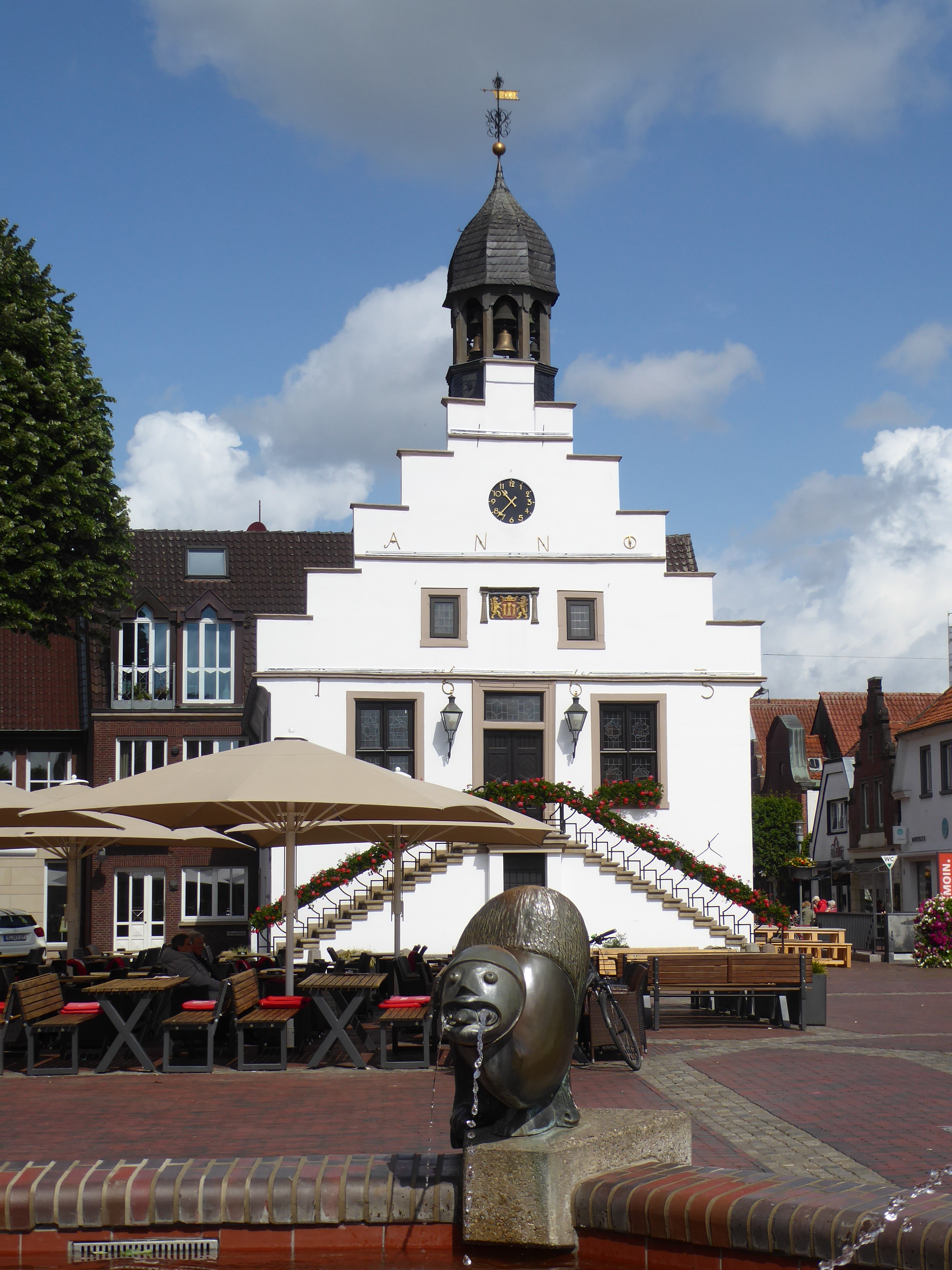
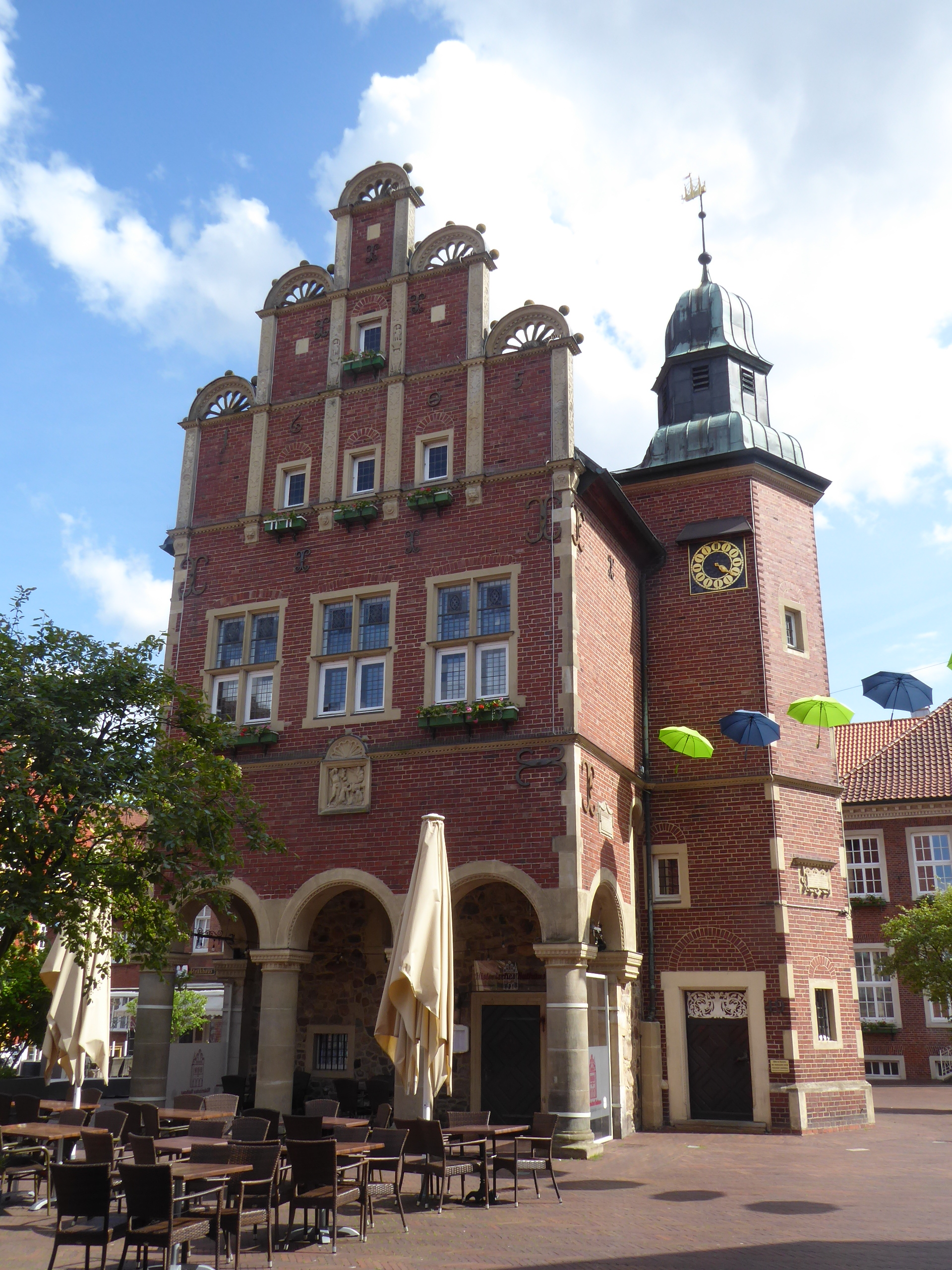
The day was bookended with Rathäuser:

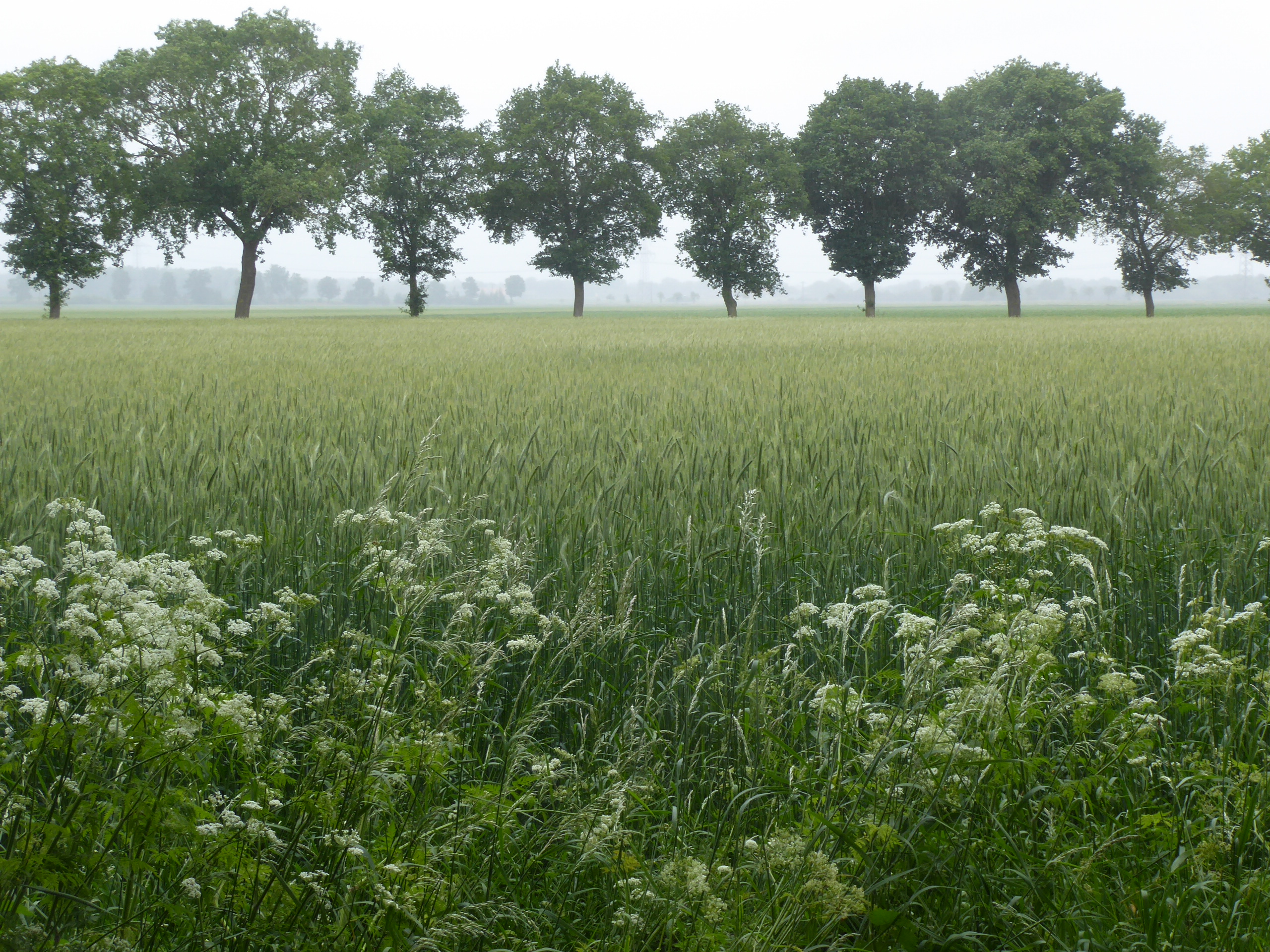
and filled with lots of green. Very pleasant cycling – and even the short rain burst was serendipitous, for we sheltered beneath an information board on a road named Am Kraftwerk. This was once the site of a peat-fired power station – 50 years of producing electricity until it was decommissioned in 1974. Just west of Geeste is a big moor/fen area – the source of the peat. From satellite photos you can see the long empty strips where it has been torn from the land. There’s also crude oil production and an oil refinery around Lingen, which came as a surprise after so much pedalling between arable fields and trees full of singing birds.

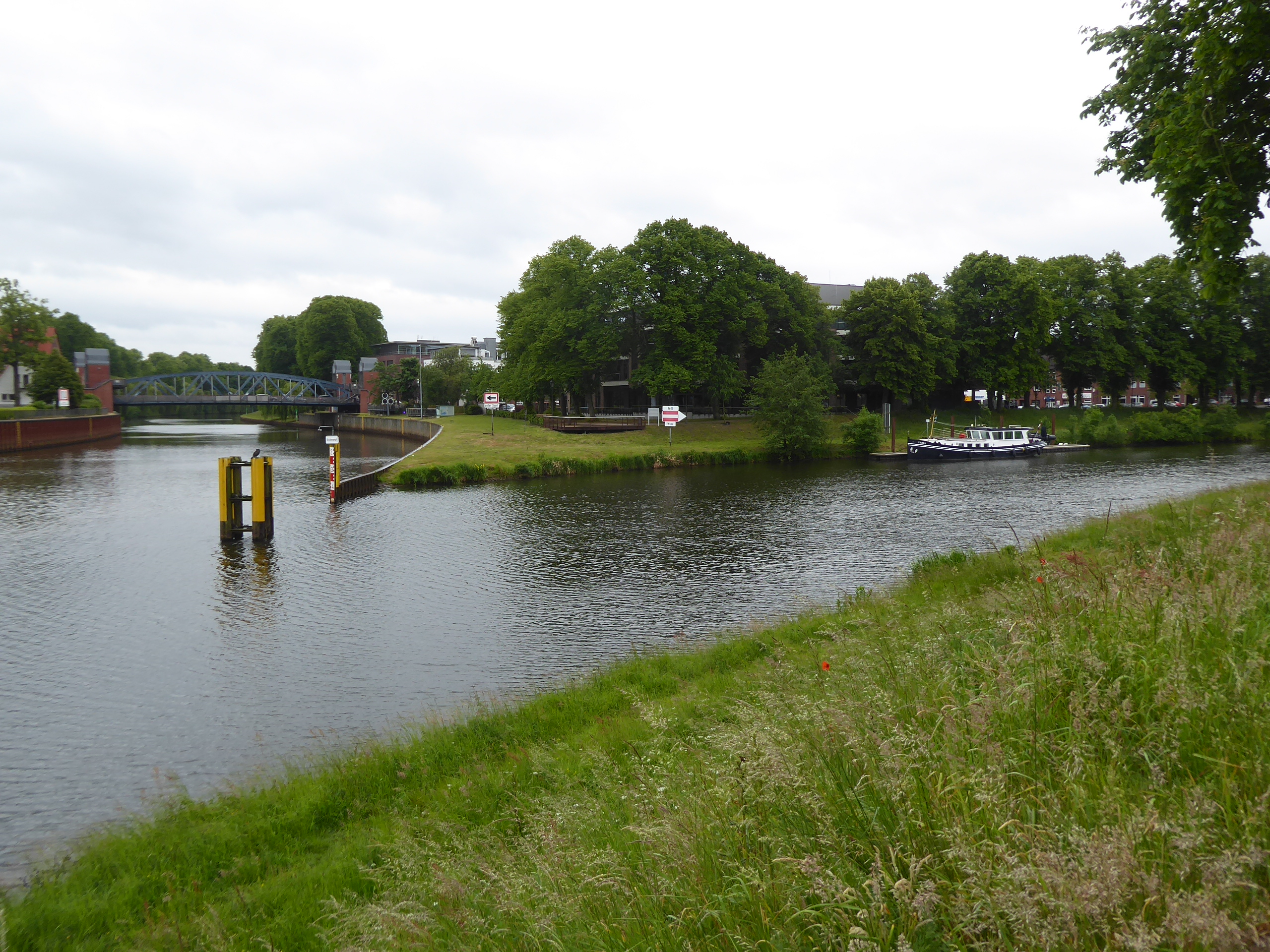
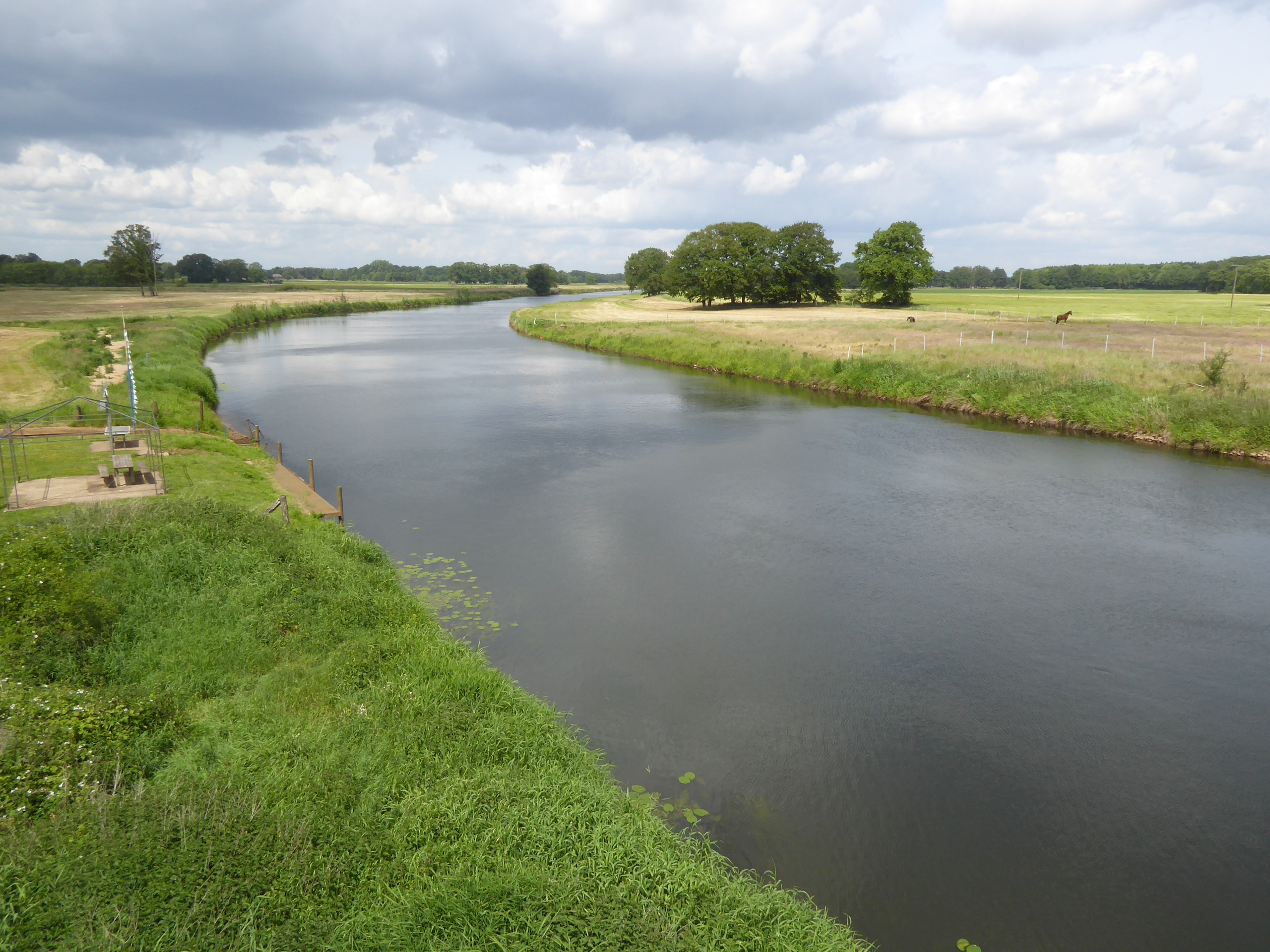
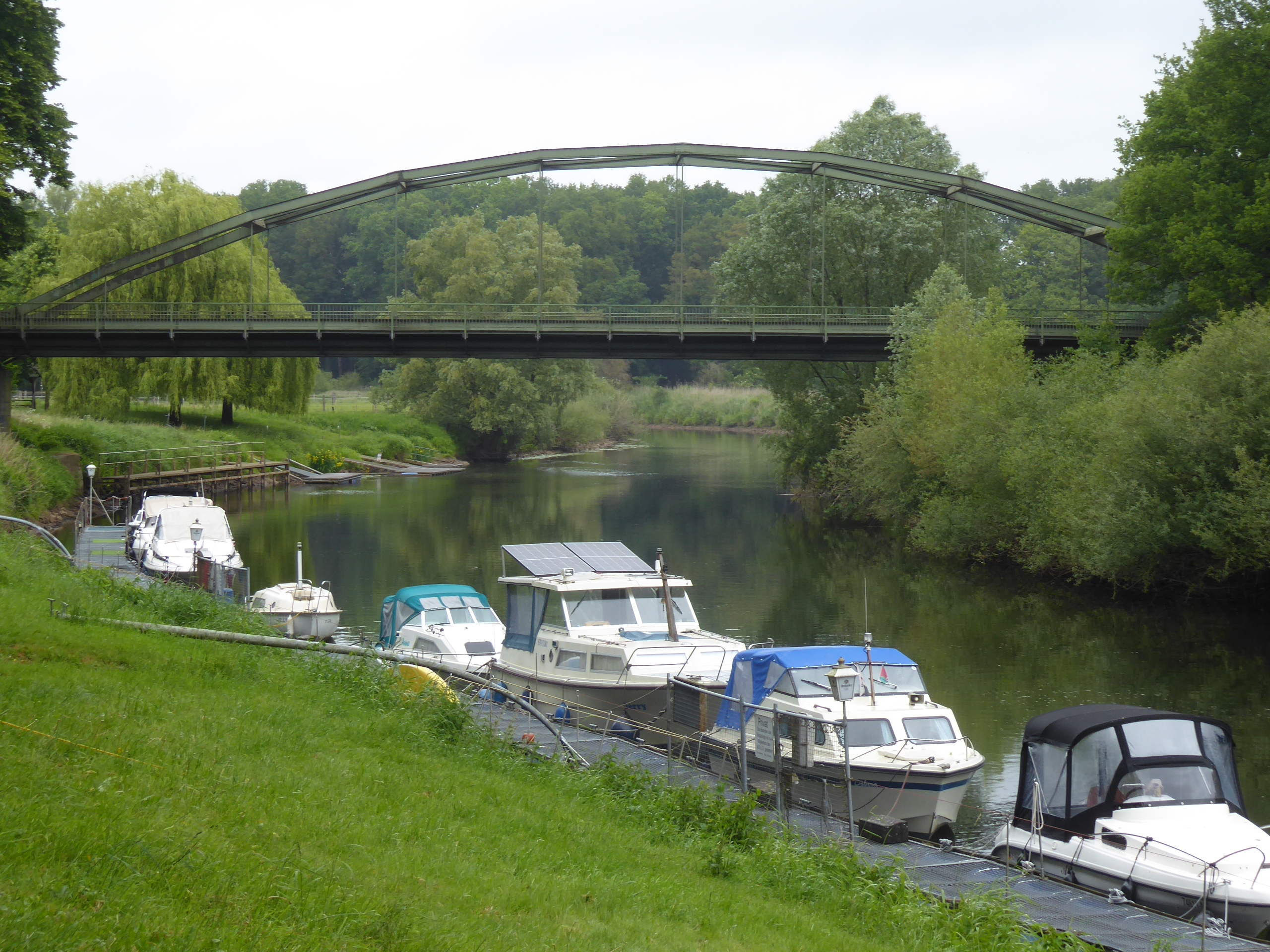
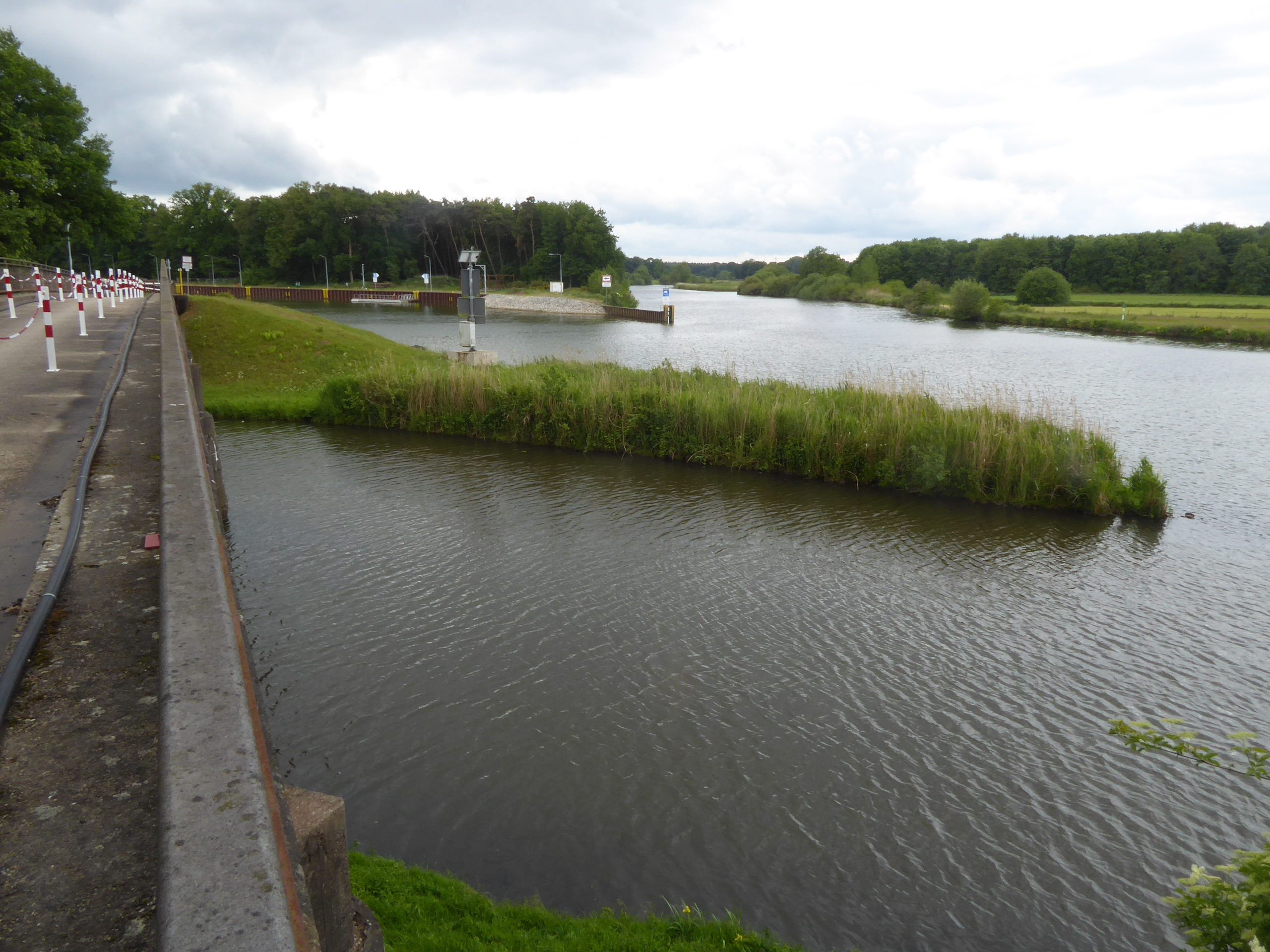
Meppen is interesting as the place where the River Hase joins the Ems while the Dortmund-Ems-Kanal plays gooseberry. I’m becoming rather fond of the Ems (in my sightline at this very moment) and rather regret that I shan’t be following it to the sea.

Once again, we have a touch screen for the room lights plus some motion-sensitive ones. Why make illumination so complex?

Rheine to Lingen

Today we started clockwise on the Emsland-Route. It’s just over 300km, but, with the weather and surfaces, I’m not sure that we’re going to complete it and get back to Europoort in time. No matter: there are trains after all.

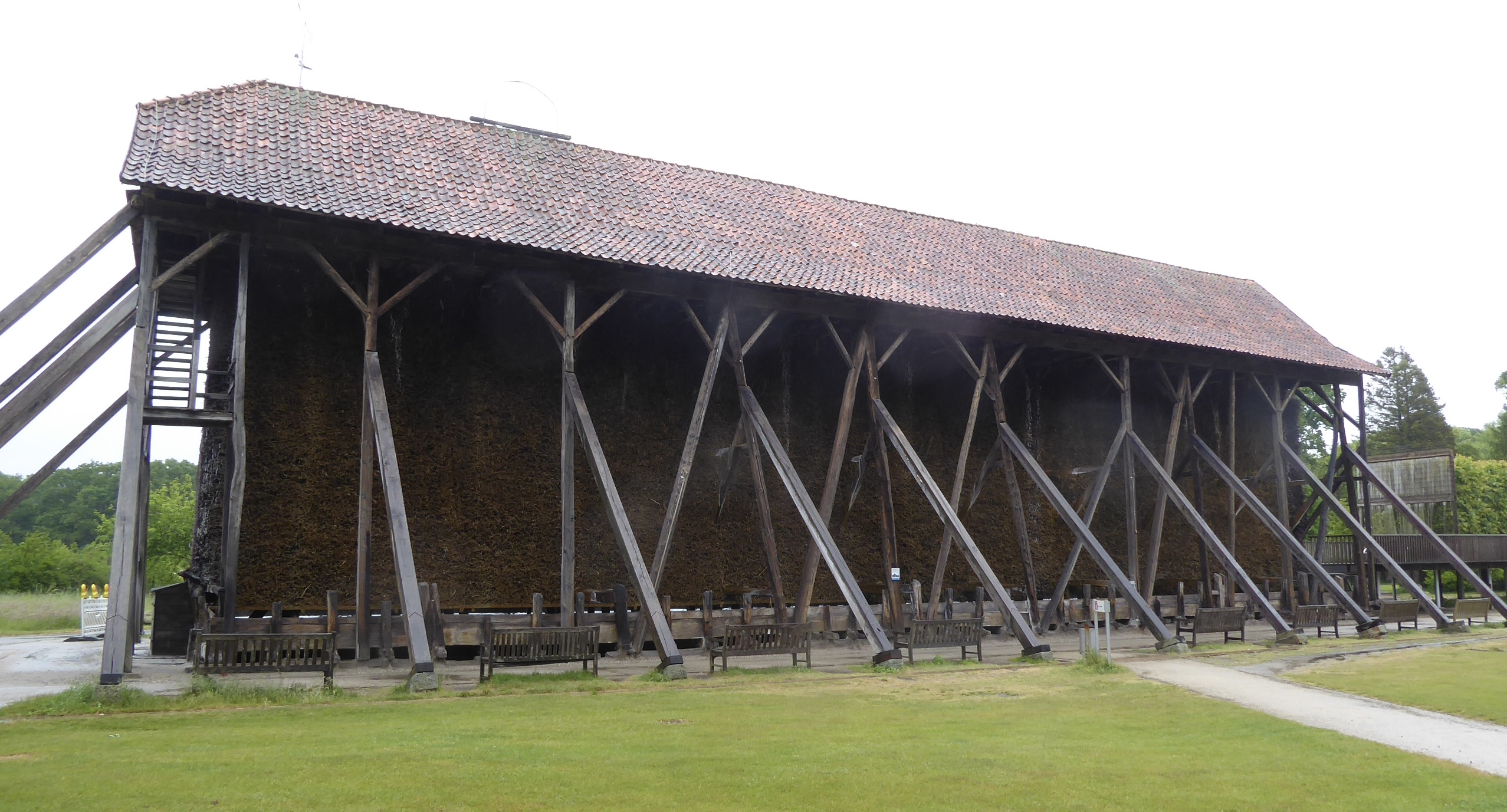
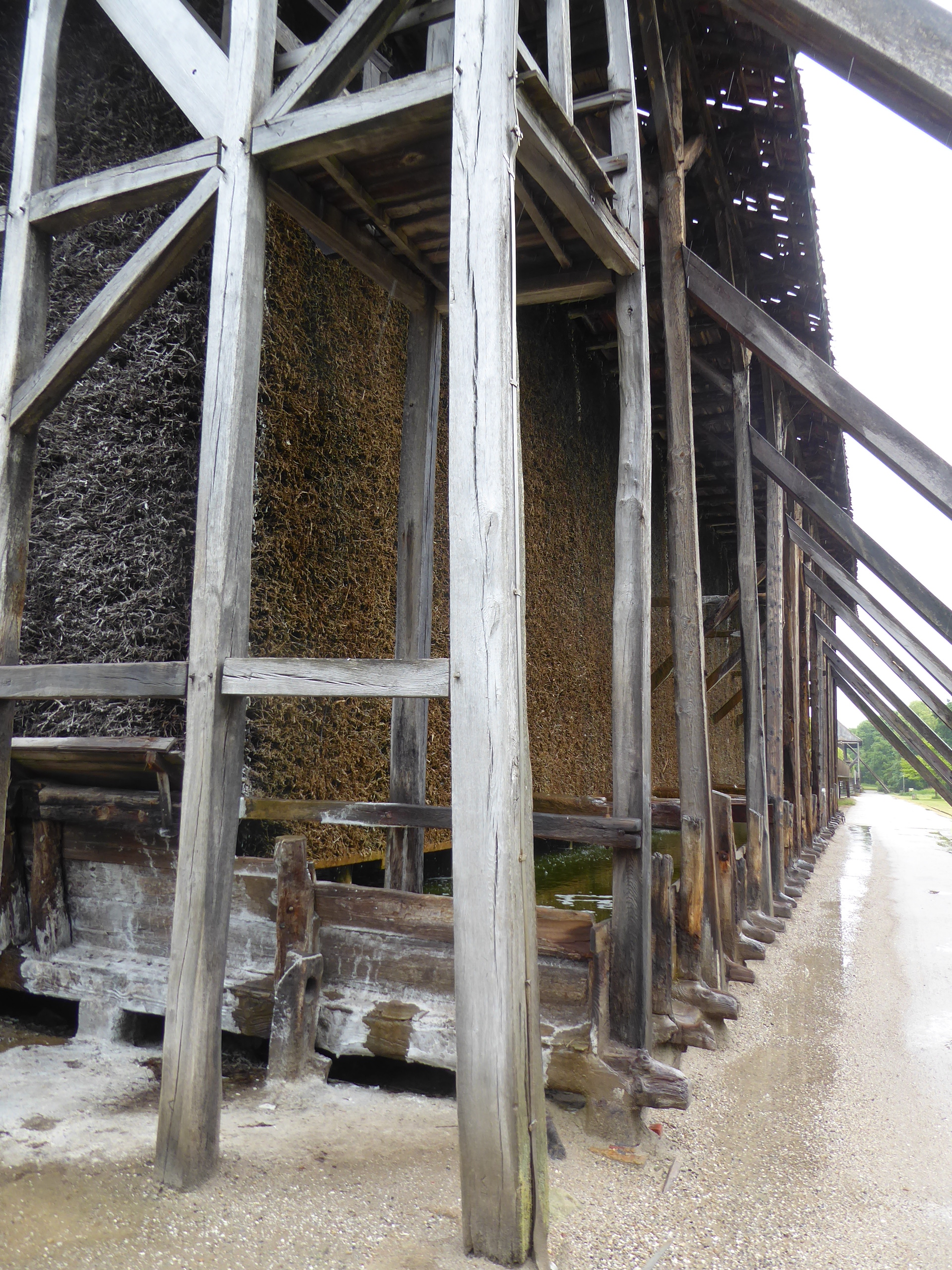
We set off in light drizzle under tree cover as our route took us past a monastery and – brilliantly – some Salinen (which I’ve just learned are called graduation towers or thorn houses). I’ve seen a few in my time but I still can’t quite fathom them out. Salt water drips through vast screens of twigs, and the patient – perhaps an asthma-sufferer? – would sit downwind and breathe in the salty air. They are enormous – and presumably obsolete now that we have inhalers? I am grateful for modern medicine but still find them tremendously impressive.

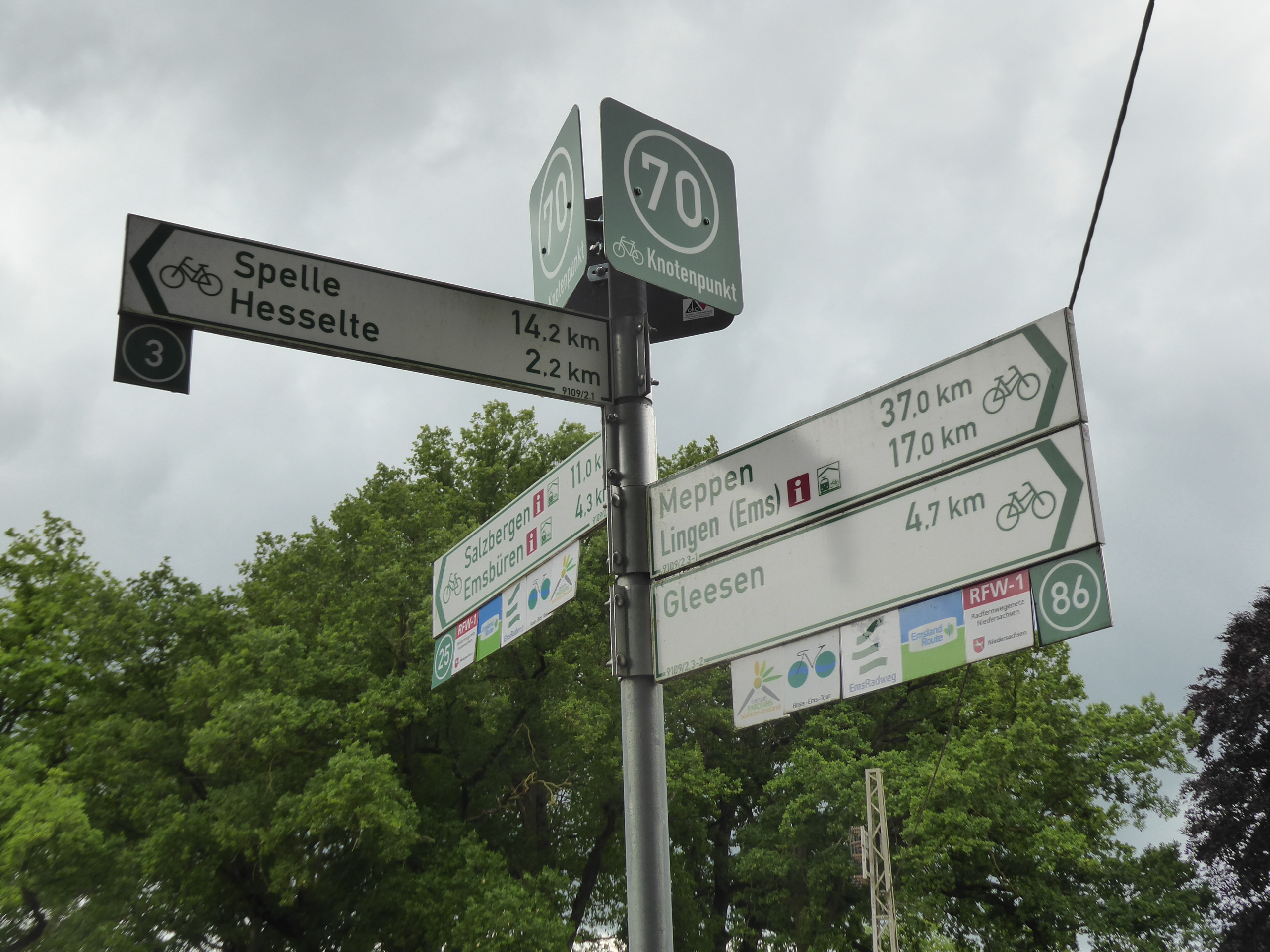
And this is one of the charms of following a set route rather than plotting my own way across a map. Someone has already done the legwork for me and chosen a route which combines a roundabout way of getting somewhere with plenty of local interest. It was no great surprise to discover that the little town just beyond the Salinen is called Salzbergen. Coffee and a Windbeutel – no German holiday is complete without one! – in Emsbüren, and then the oddity of the River Ems and the Dortmund-Ems-Kanal briefly entwining for a kilometre or two before they unwound themselves.

There’s an historic centre to Lingen, but it wasn’t the day to see it – a run was just finishing as we arrived and the Marktplatz still had inflatable arches and local radio station broadcasting. There’s quite a lot of industry, both current and historic: we passed a power station and some steelworks, and once upon a time Salzbergen had a Erdölraffinerie.

The hotel room is good, but there are shades of Mon Oncle: the lights, for example, are controlled by a computer pad and switch themselves on unexpectedly.