Vreden to Rheine

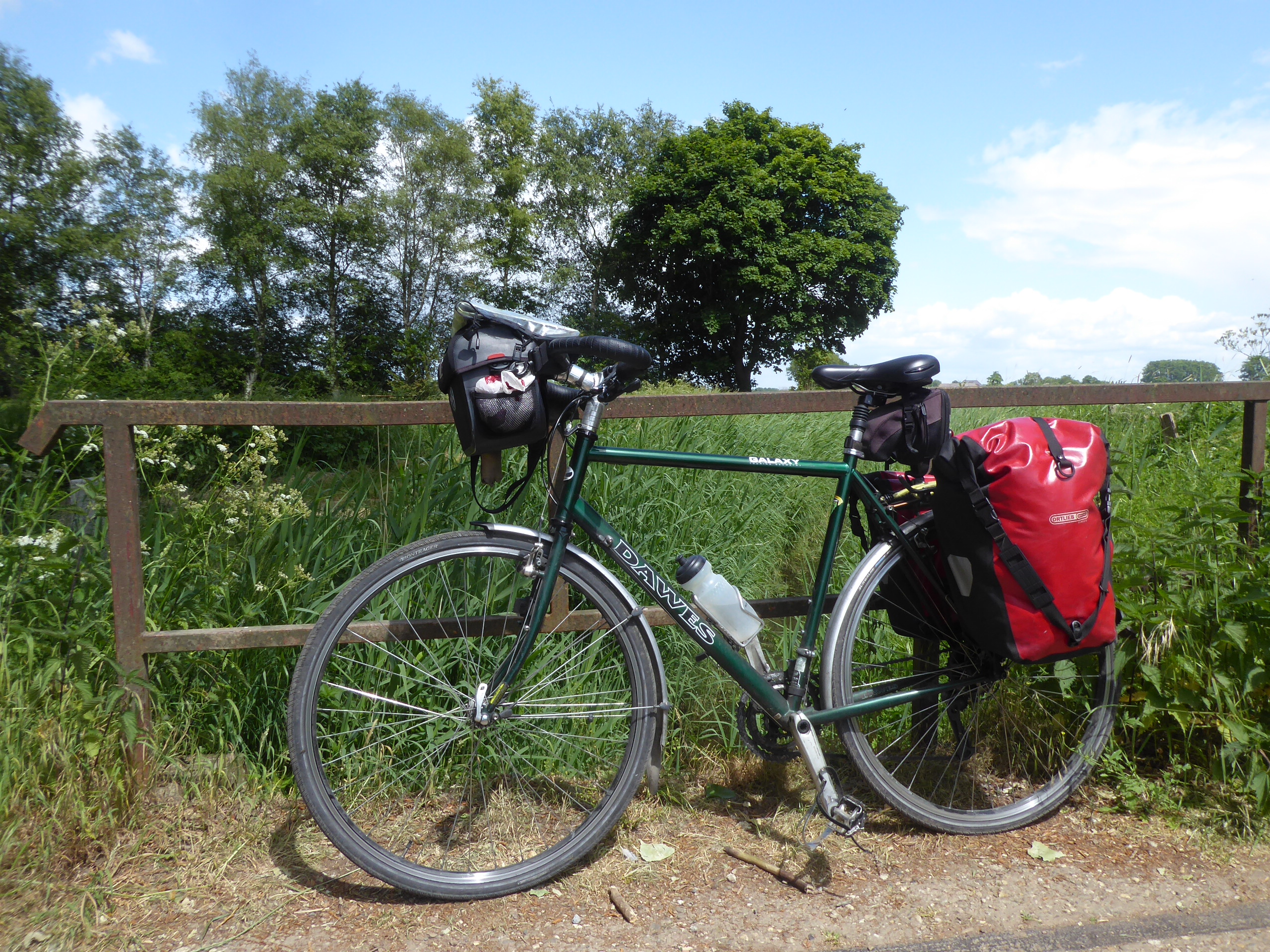
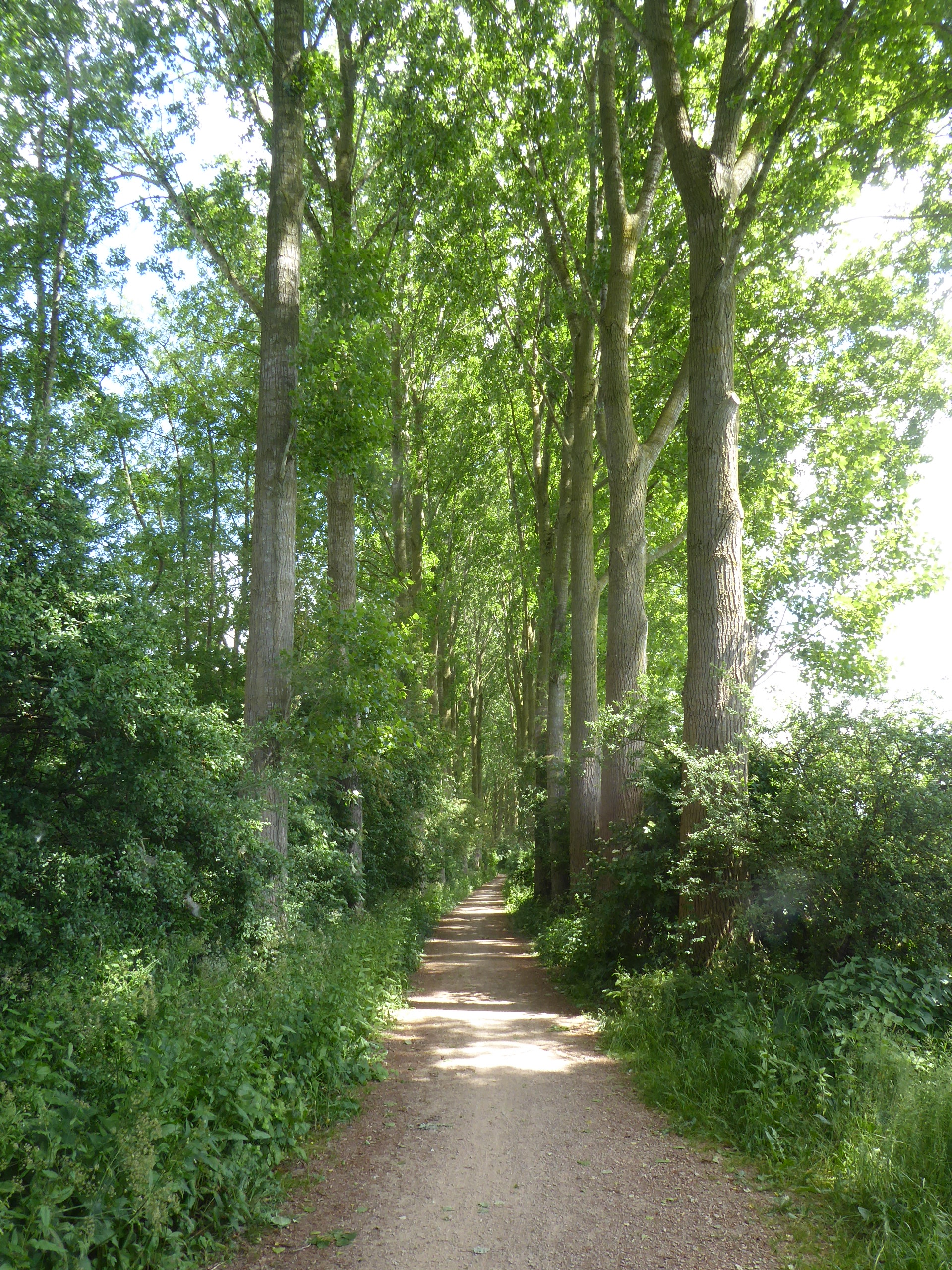
Thanks to the new map I bought yesterday, I was able to navigate with confidence a fairly straight line to Rheine via Ahaus, Heek and Metelen. At Wettringen we picked up a disused railway line to Rheine – beautifully surfaced, sheltered, signposted for idiots – and hence the perfect route for the end of a longish day in light drizzle. There were times when I was sure I had pedalled a particular stretch before or passed a particular corner – which I probably had, but I’ve cycled in this region so many times that I can’t possibly pinpoint exactly when.

Our lunch stop was in a bakery/cafe attached to a supermarket. It’s been some years since I stopped being sniffy about such places, but I still regret that it’s a sign that there will be no traditional Bäckerei/Konditorei in the town centre. Even less attractive was the self-service bakery/cafe in Rheine. I do sometimes pine for Kaffee und Kuchen served at the table by a waitress in black and white, where you eat first and pay later.

Which reminds me: I must stop eating so much. I had forgotten about German portion sizes.

Emmerich am Rhein to Vreden

More country-hopping: the only map I had covered the Netherlands rather than Germany, so that was the route we took. I couldn’t find a German one in either of Emmerich’s two bookshops; both were staffed solely by elderly women who knew their stock inside out, but the stock itself didn’t suggest Emmerich was a town of avid readers. Vreden, on the other hand, has a comprehensive bookshop run by several younger staff – just one of the things (along with a formal, family-run hotel) that suggests Vreden is a bit better off than Emmerich.

I experienced rain for the first time in weeks. I suppose I should be glad for sake of the garden – but not for my holiday! It was drizzly and not too dreadful, but it cast a slight pall over a rather uninteresting ride. Which is not to say I didn’t enjoy it – but I note that I’ve taken no photographs today.

Nijmegen to Emmerich am Rhein

As planned, the morning train from Dordrecht to Nijmegen, and then a ride to Emmerich am Rhein. It’s a route we’ve done a few times before – but that was always at the end of a holiday and into a headwind. Today we were at the beginning of the holiday with the hope (fervent on my side) of travelling to unknown places and a tailwind. What more could I want? The call of a cuckoo and the sight of storks were the cherry on the cake.

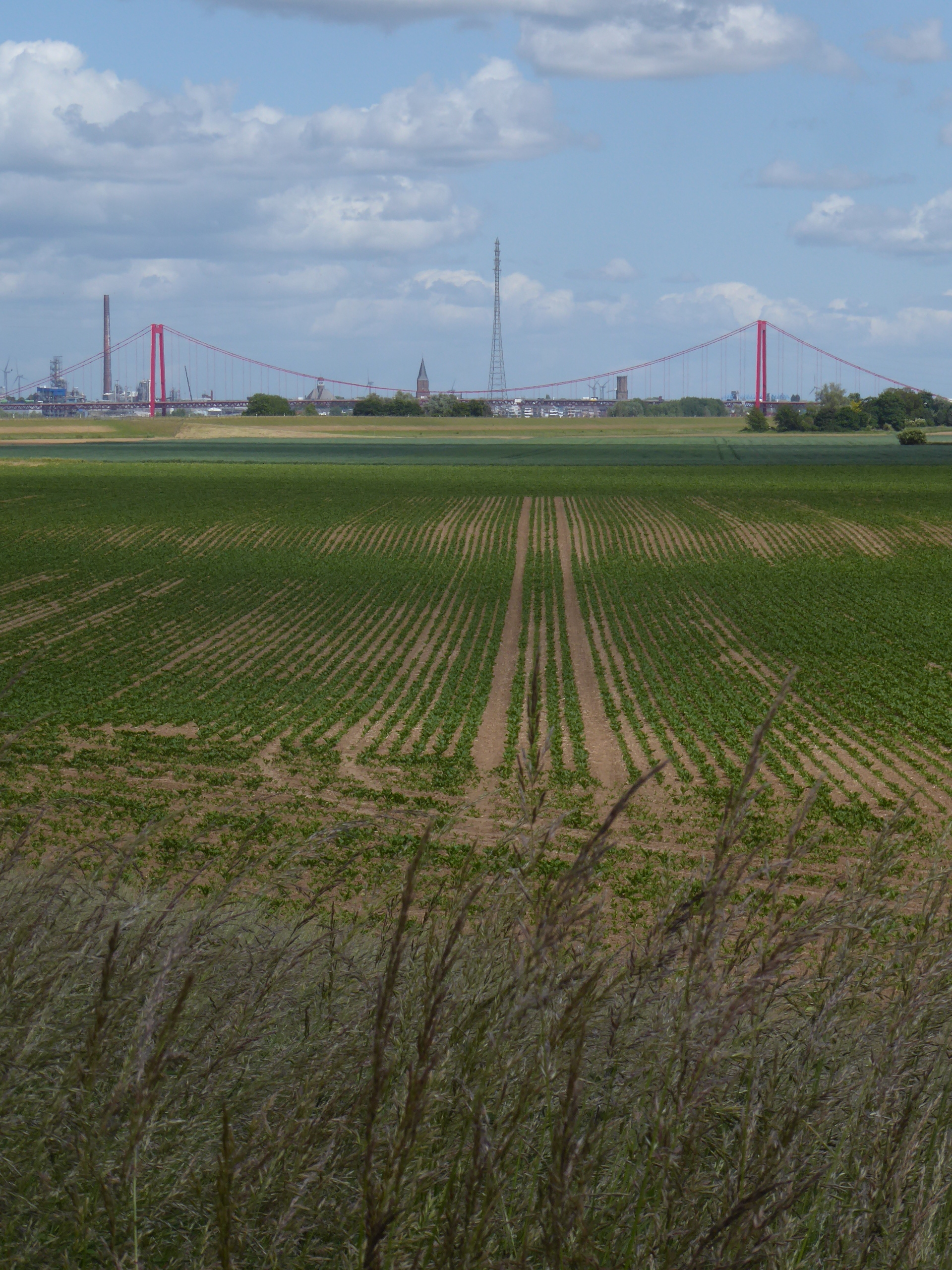
The Dutch-German border was marked by a tiny stream, and the red bridge of Emmerich was visible for miles. The electricity pylons either side are phenomenally high: is it simply to span the river?

Dordrecht

The story so far . . .

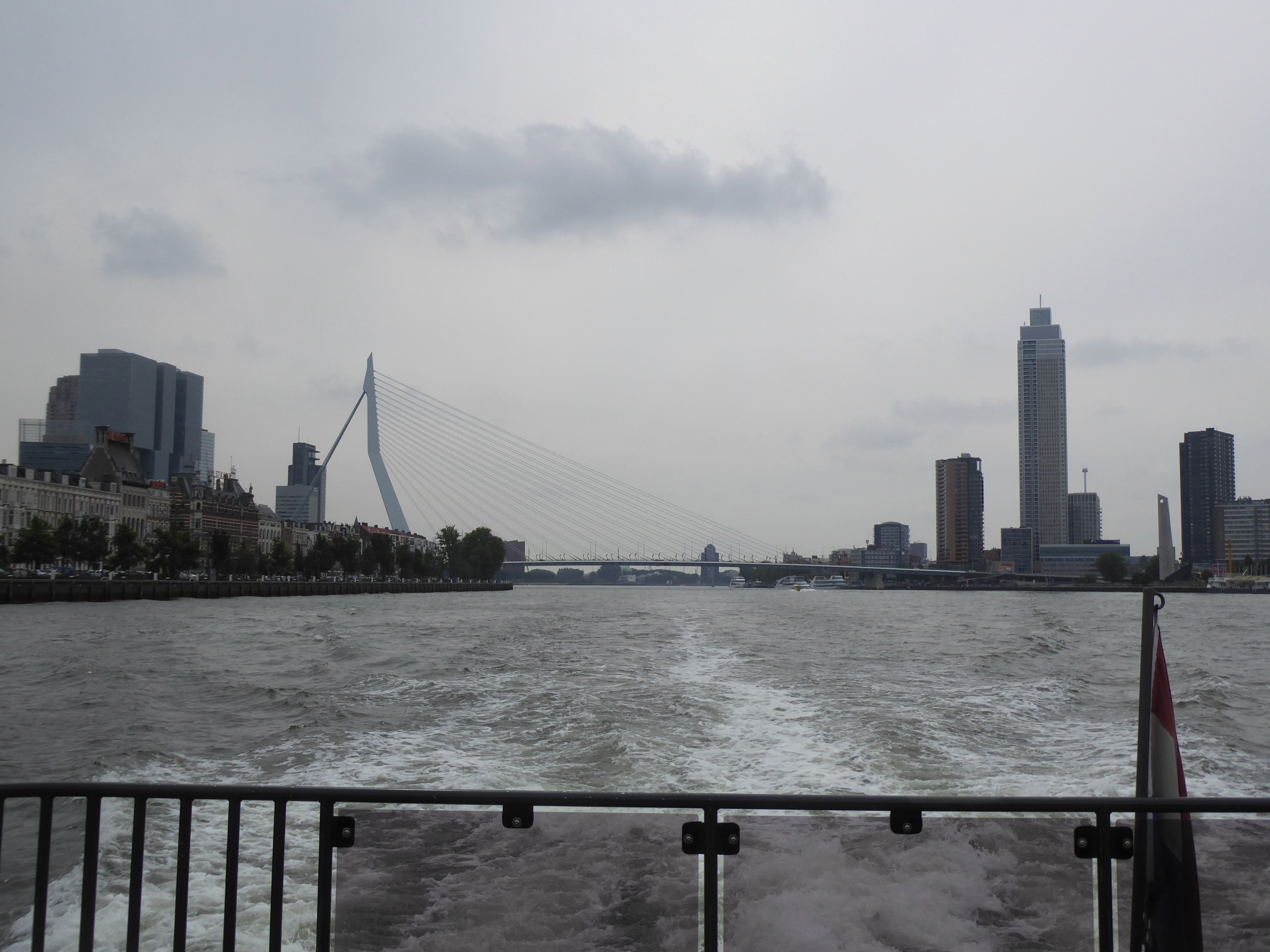
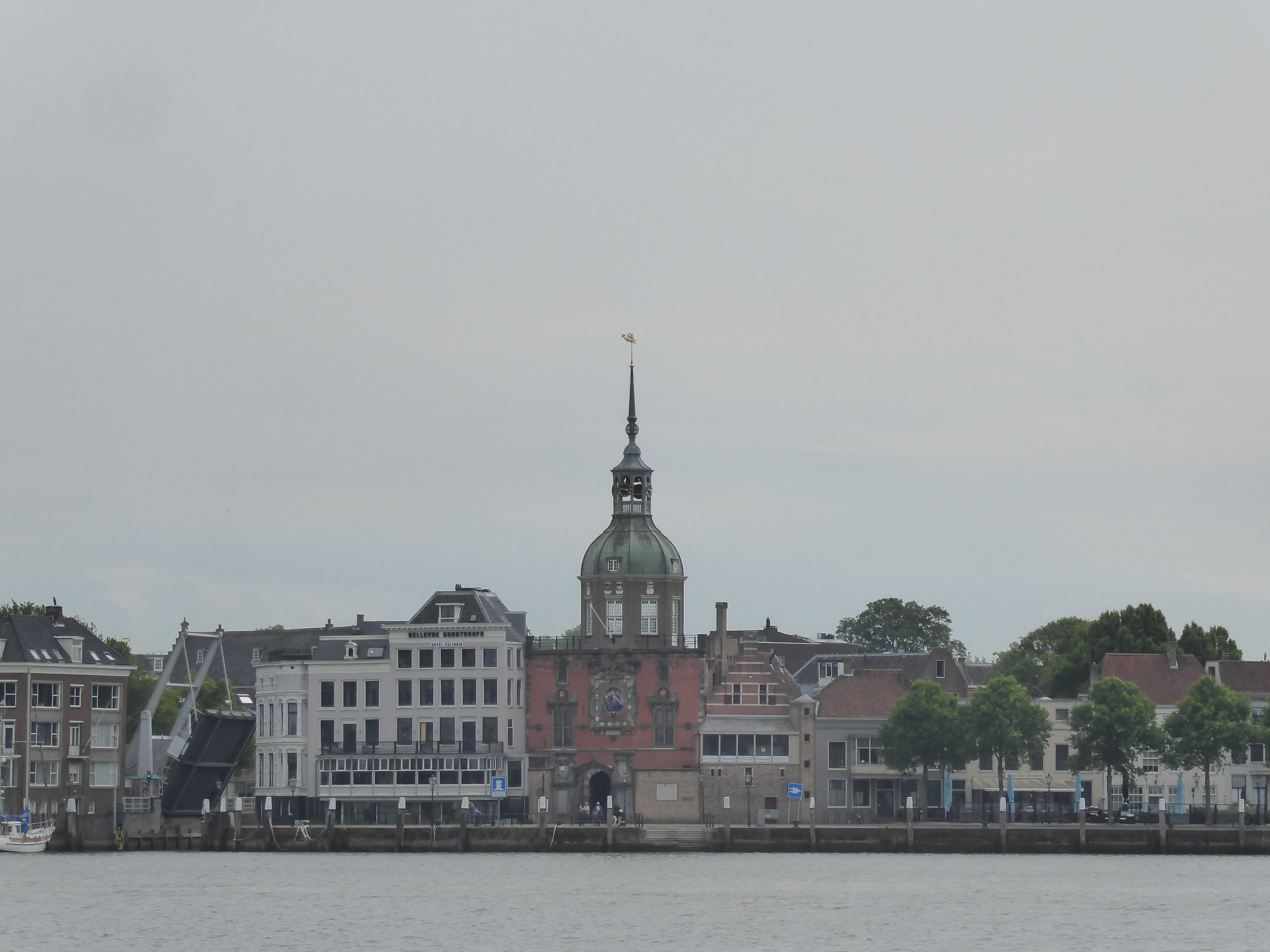
. . . only it’s the same old story, hence no entries. Cycling Brough to Hull, a ride to Hedon, overnight ferry to Europoort and ride to Rotterdam. Weather, cycling, hotels – all as nice as usual. We caught the waterbus to Dordrecht, and tomorrow we catch the train to Nijmegen.

Actually, there’s almost a story there. I bought the tickets at Rotterdam Centraal today rather than tackle the ticket machines at unstaffed Dordrecht station. I explained what I wanted – hoping that a face-to-face transaction would avoid the pitfalls of trying to interact with a machine. It all went smoothly until the tickets were handed over . . . and I realised that the bicycle tickets were for the wrong day. Unlike a machine, though, the human quickly remedied that.

Two Lives by William Trevor (1991)

I wondered at first if the two short novels were linked – but no, not by more than being about the lives of middle-aged women with their own take on life. It’s been years since I last read Trevor; my enduring recollection is of muddy Irish farmyards, tightly bound little lives and idiosyncratic characters.

Reading Turgenev

Small-town Ireland, dwindling numbers of Protestants, a fairly unchanging way of life, and little escape from poisonous relatives and prying eyes. The third-person story switches between middle-aged Mary Louise in her mental asylum, shortly to close (present tense), and young Mary Louise (past tense). Perhaps she was always a little vulnerable, but this is only implied through the thoughts of her old teacher. In another life, she could have been a different person. She attracts the attention of an older draper – another Protestant, now of an age to take a wife to live above the shop with himself and his two sisters. Shades of Cinderella, for the sisters are horrible, and, once unhappily married, Mary Louise finds her Prince Charming in her sickly cousin. He reads Turgenev with her; it’s never clear whether she values the stories beyond the fact that he introduced her to them. After his death she retreats into a fantasy world – partly propelled and kept there by the sisters’ behaviour and her shame-faced husband’s increasing alcoholism. The outside world goes on around her for 30 years until the asylum closes – and she returns to the shop above the flat, her husband and sisters-in-law and continues with her gentle, oppressive obsession. Quietly and simply told, and rather heartbreaking all round.

My House in Umbria

Another middle-aged woman, but quite different. Told in the first person by someone who has had several incarnations. We gradually learn that she has been abused and exploited, but she has survived and even thrived. I wondered at first if the house in Umbria was going to be a brothel, but no – she takes respectable paying guests. (Her manservant is called Quinty – shades of Peter Quint? He has that same potential for malevolence.) She has had a late career as a romantic novelist – perhaps a way of transmuting the base metal of her experiences into gold. She survives the terrorist bombing of a train and invites the other three survivors – all bereaved, all now damaged – to her house in Umbria until they are ready to face the world again. It’s questionable how reliable a narrator she is: she has either a quasi-supernatural understanding of other people or she’s a garrulous lush. A bit of both, but where the dividing line is between the two I couldn’t say. She does get drunk and carried away – but she also has a fine sense of empathy and character. (Or – since she is the narrator – she appears to have etc etc.)

I loved the final page:

I am as women of my professional past often are, made practical through bedroom dealings, made sentimental through fear. I know all that, I do not deny it. I do not care much for the woman I am, but there you are. None of us has a choice in that. . . .

When the season’s over I walk among the shrubs myself, making the most of the colours while they last and the fountain while it flows.

The garden today

Oh, how I wish it would rain again! Everywhere is so dry and I have had to refill all four water butts from the hosepipe. It’s lovely to have fine weather of course – but a few nights of rain would be perfect.

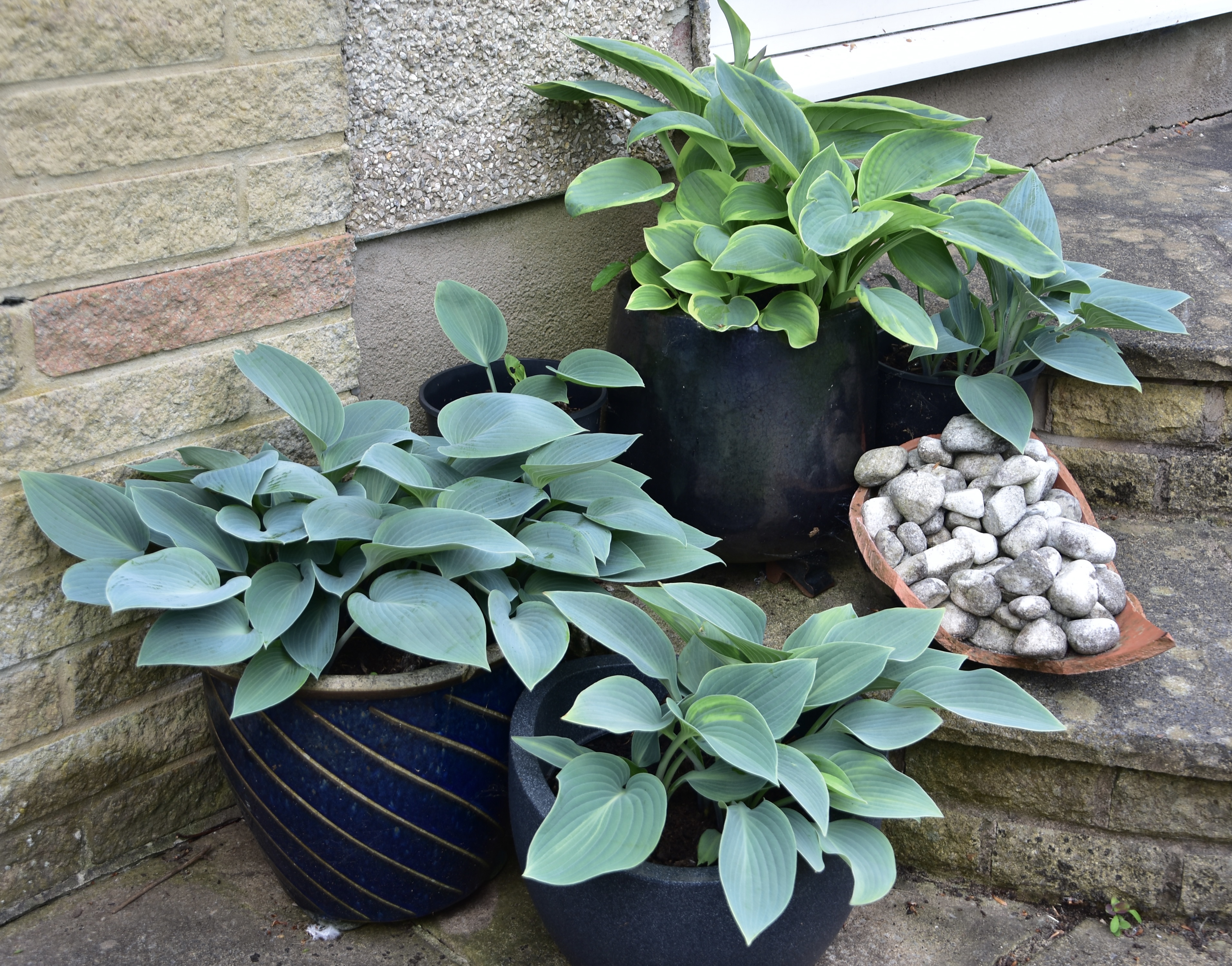
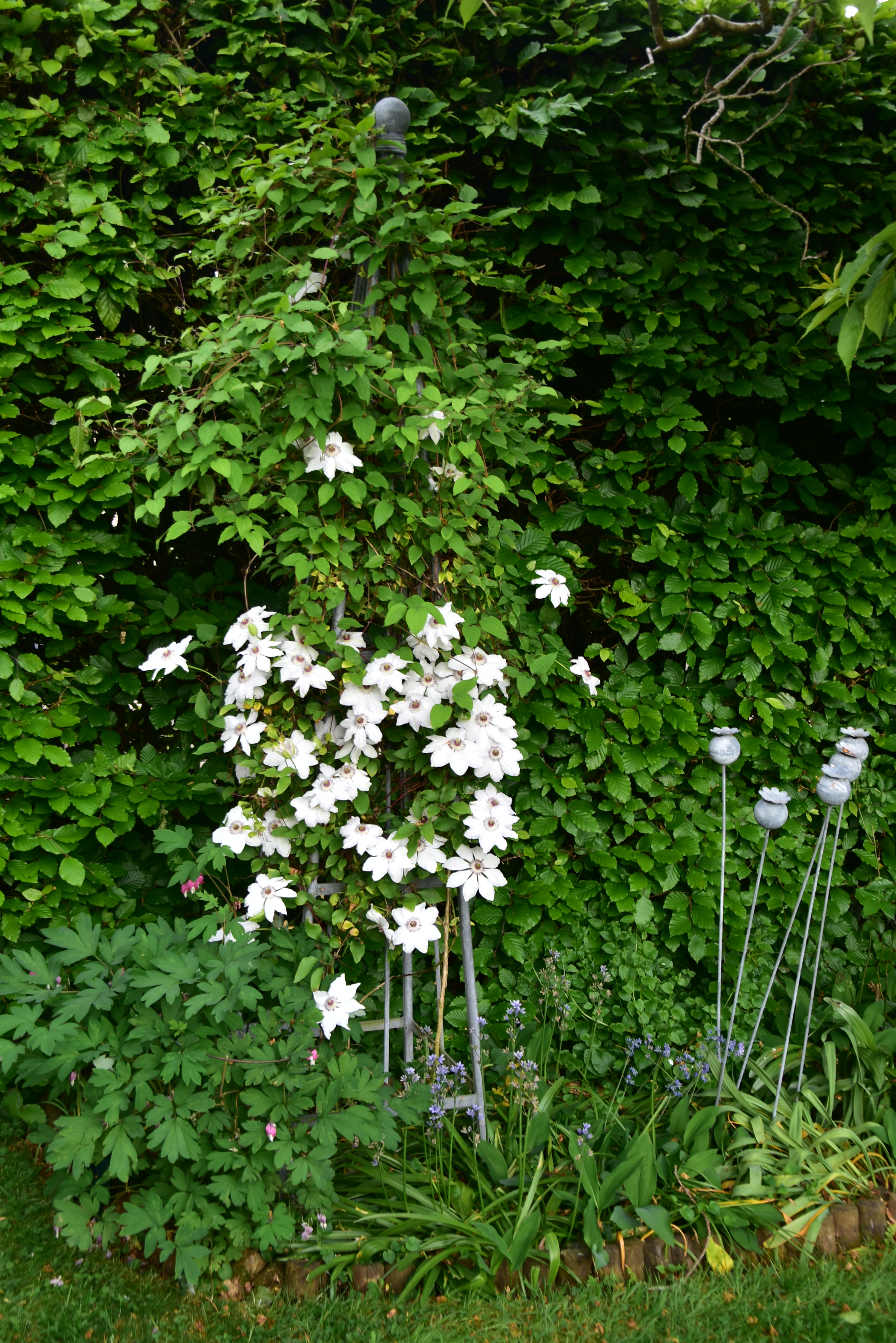
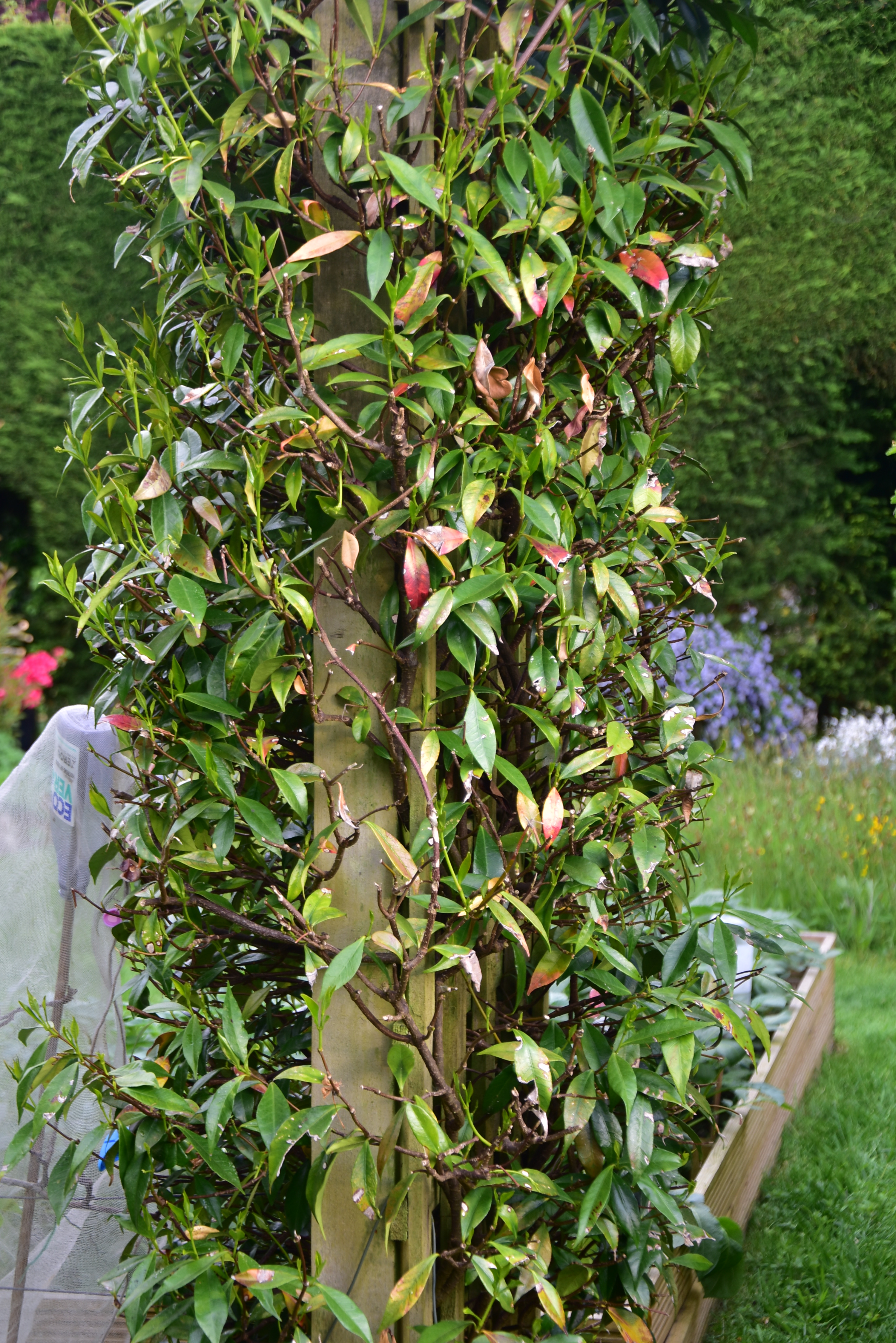
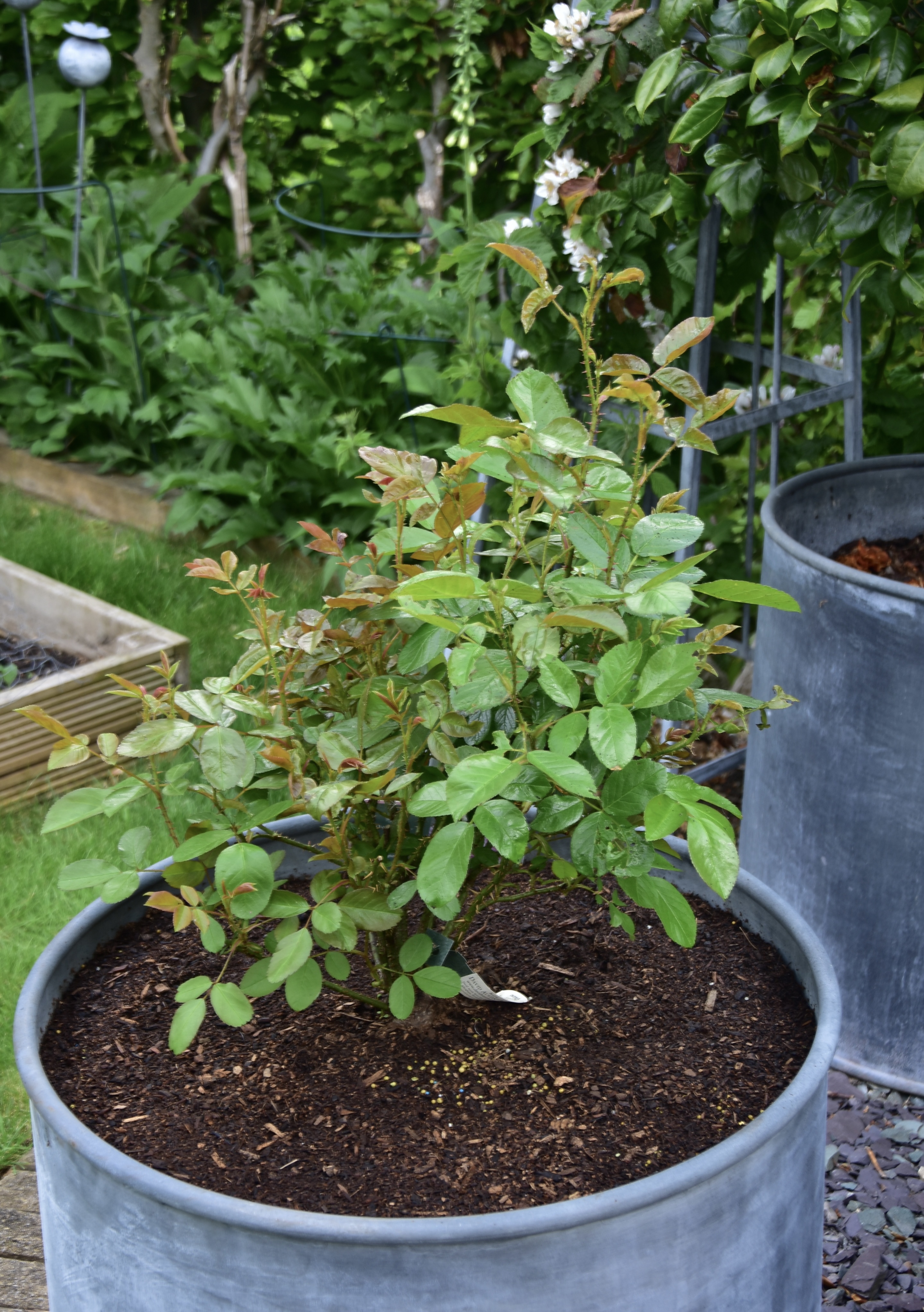
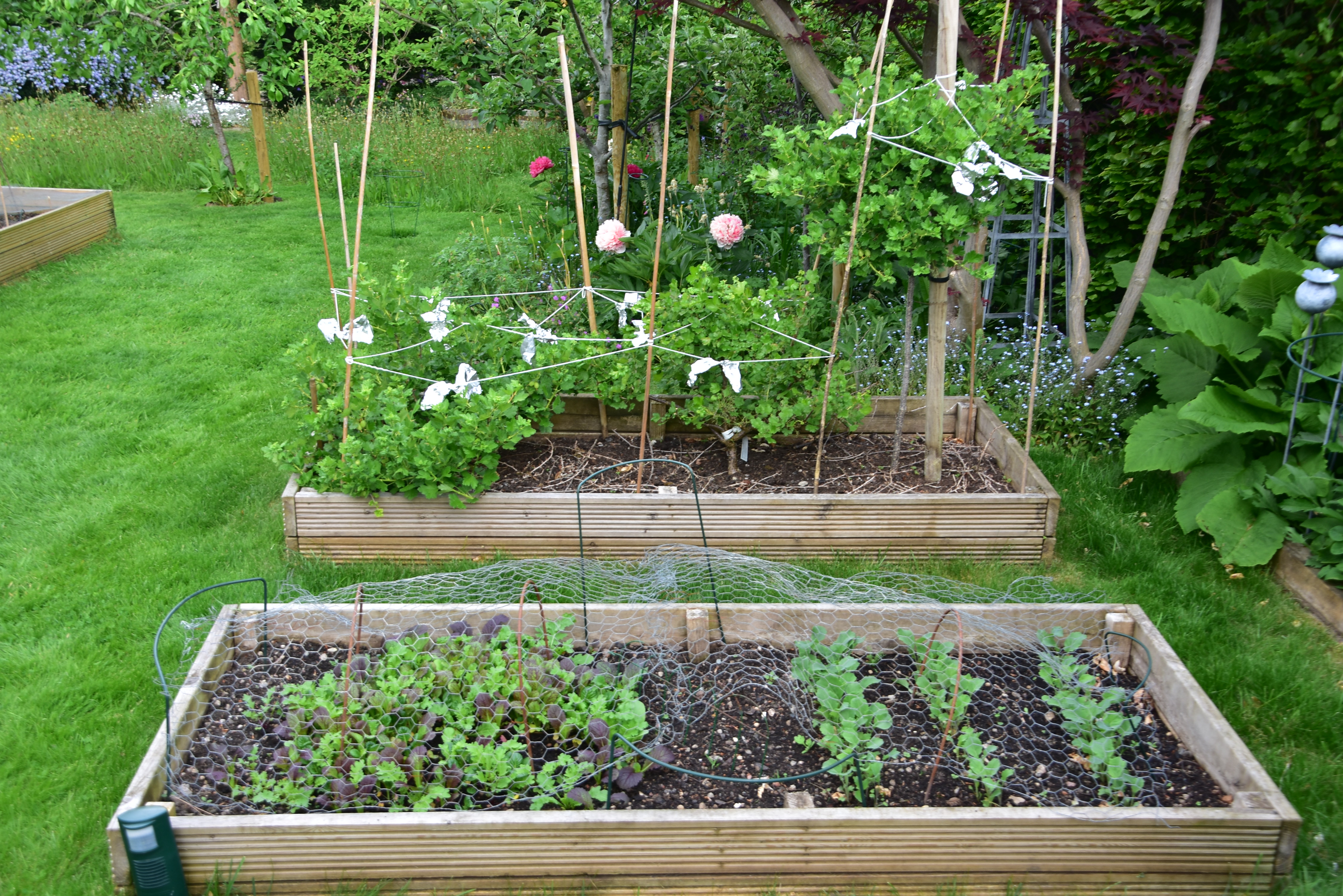
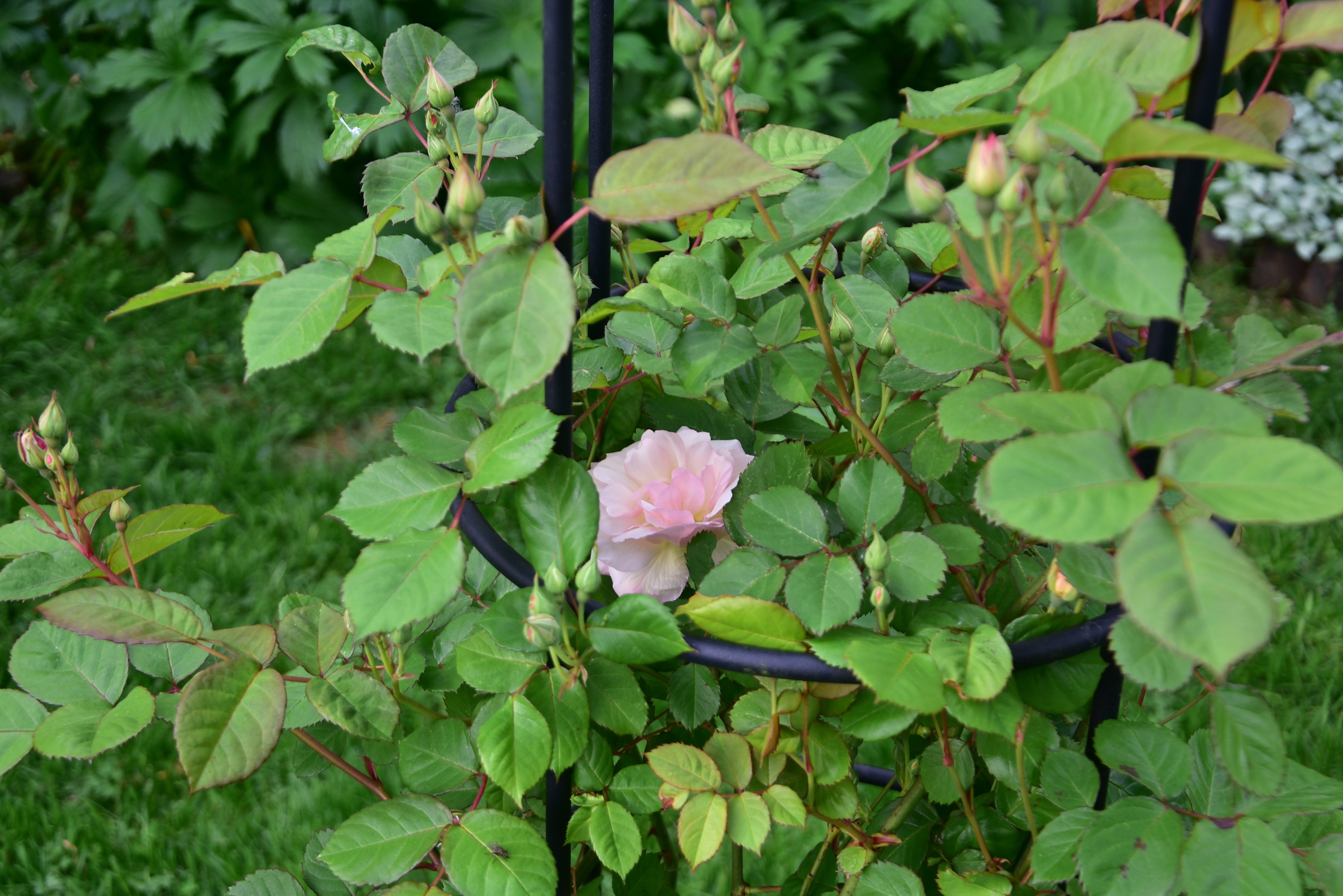
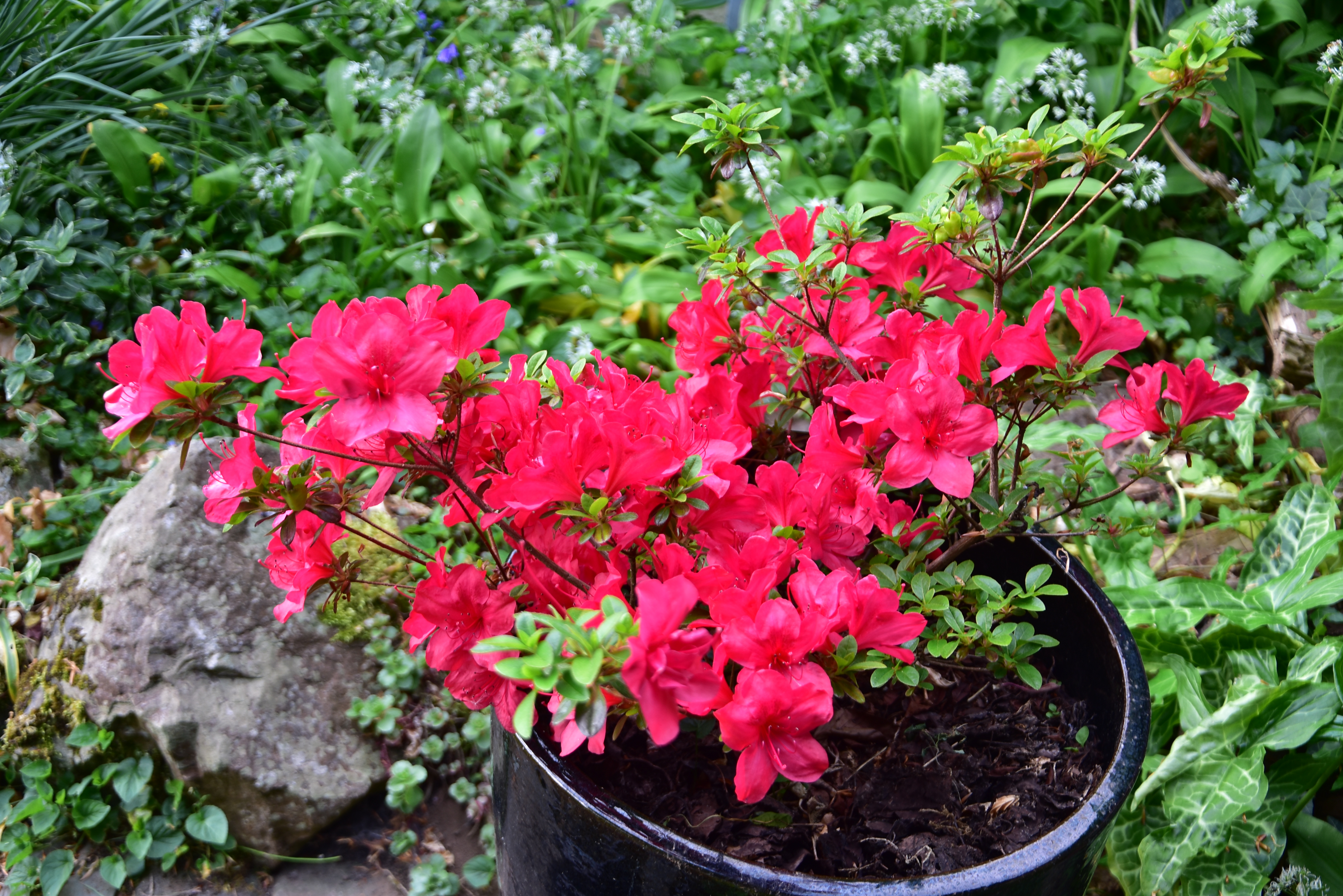
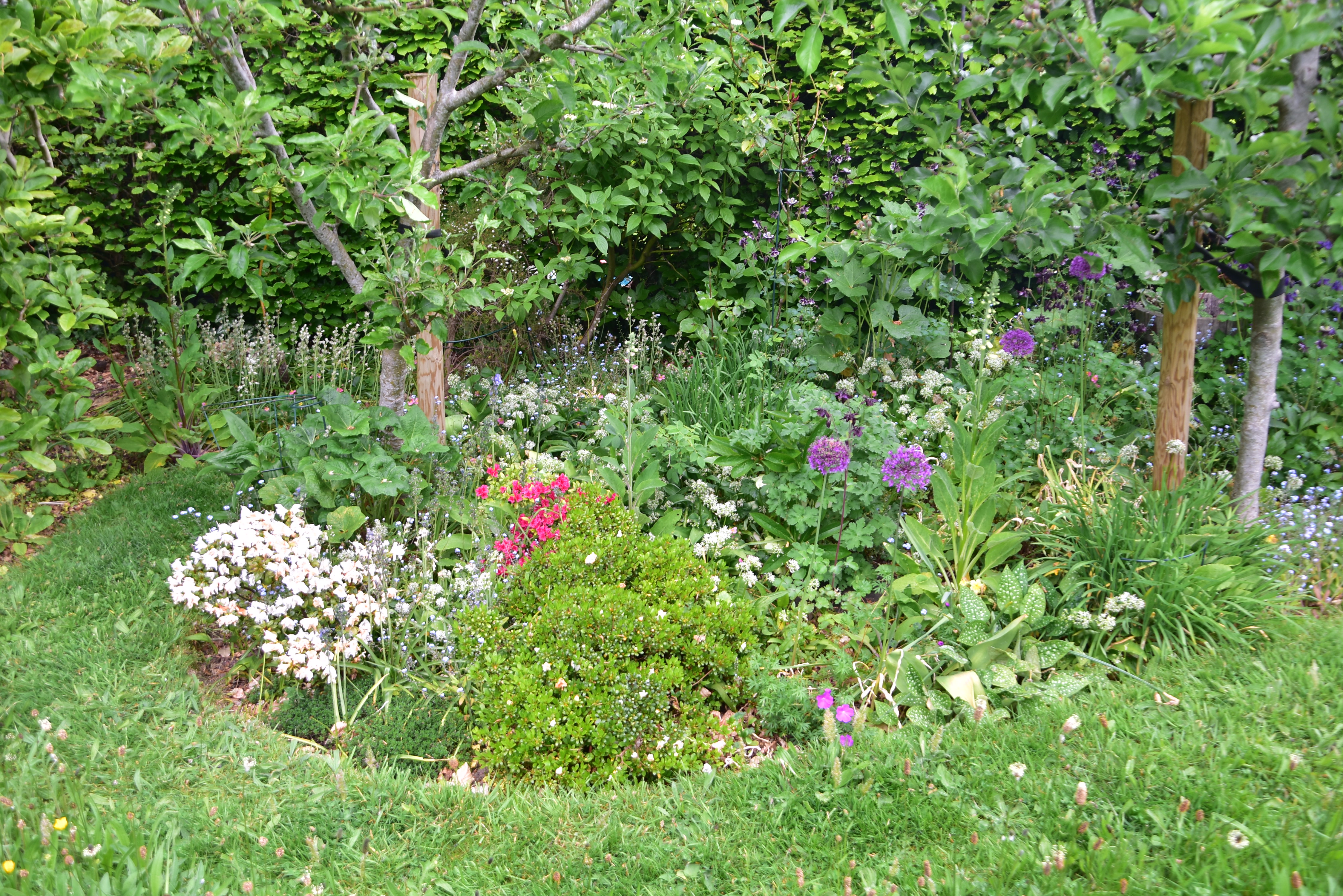
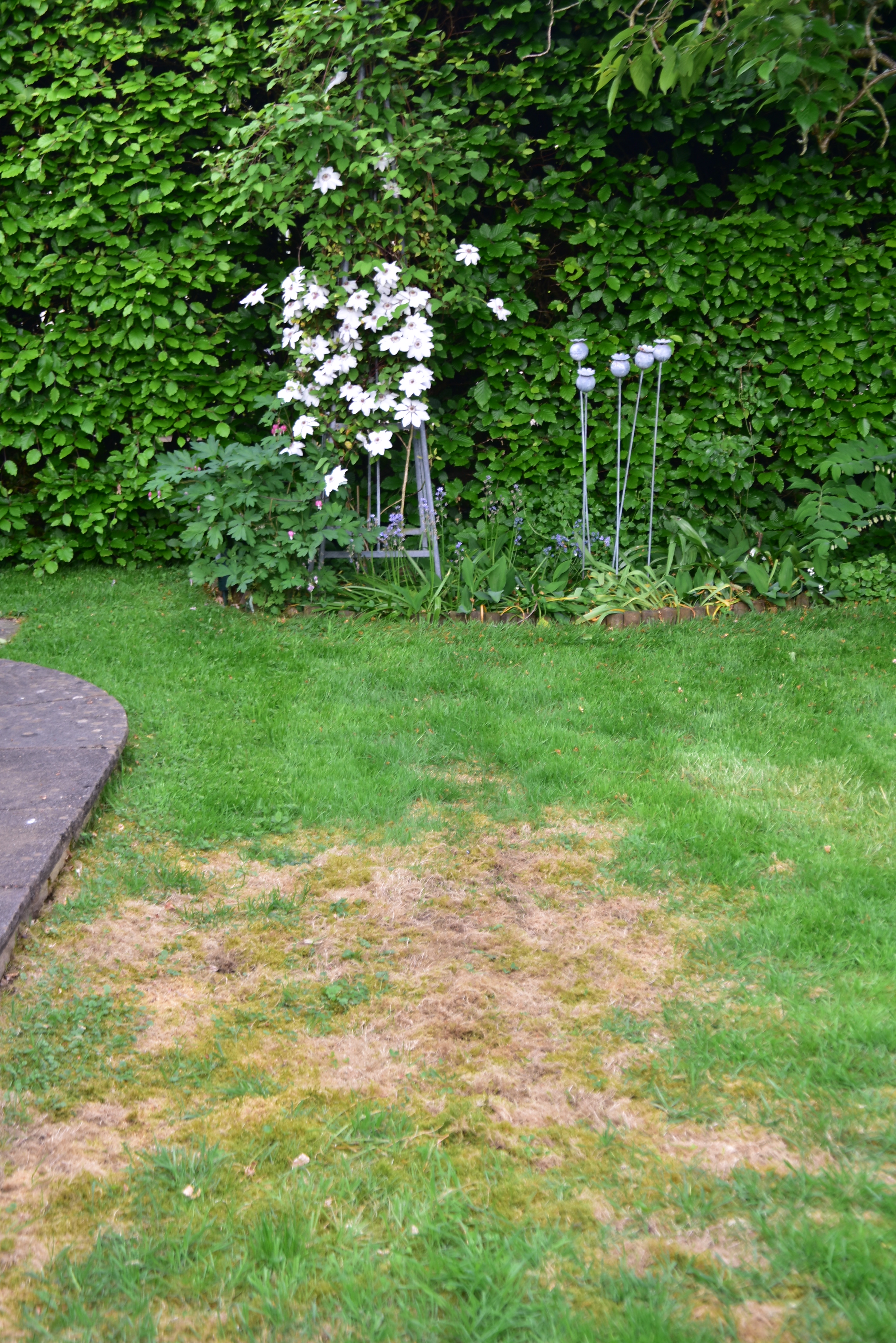
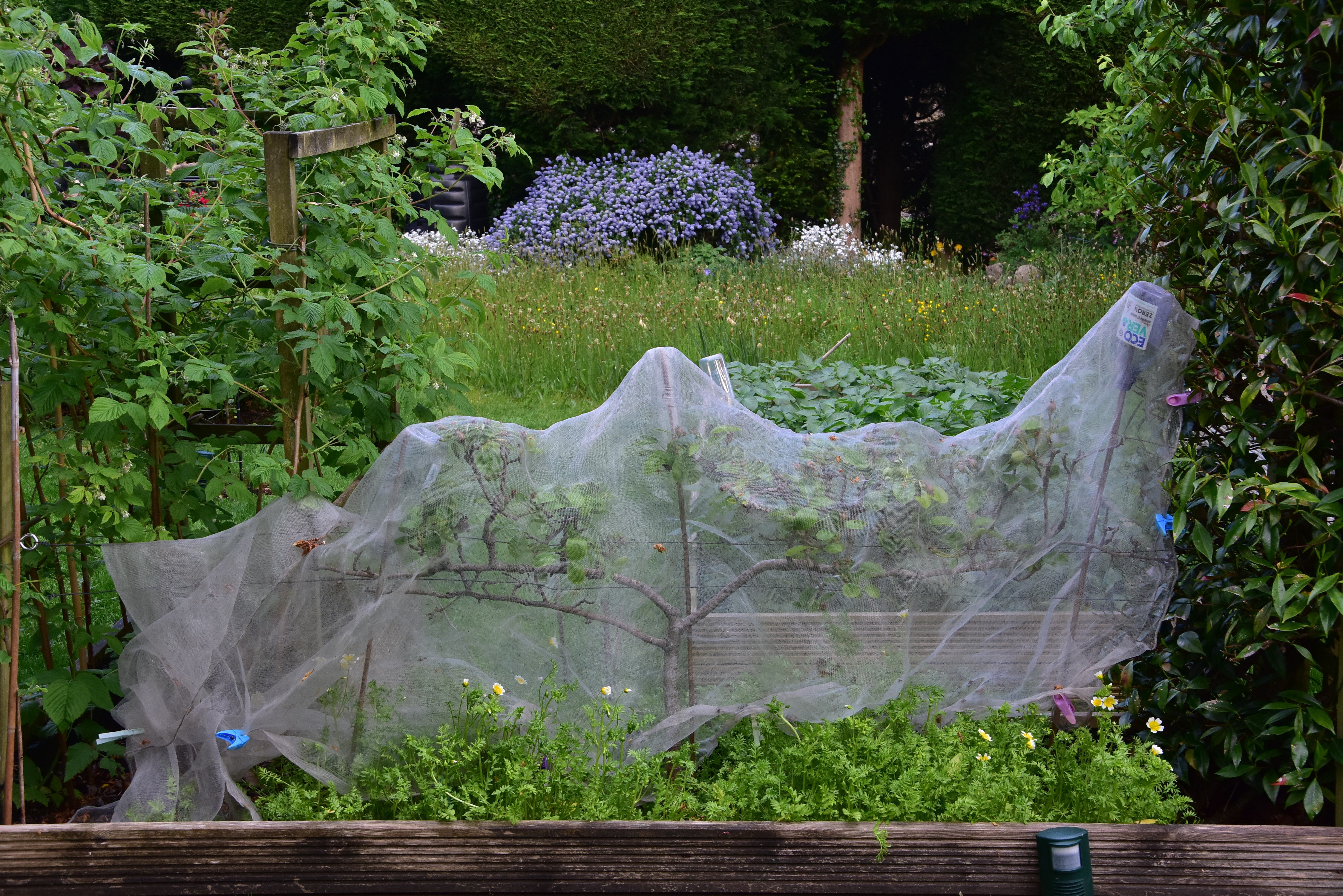
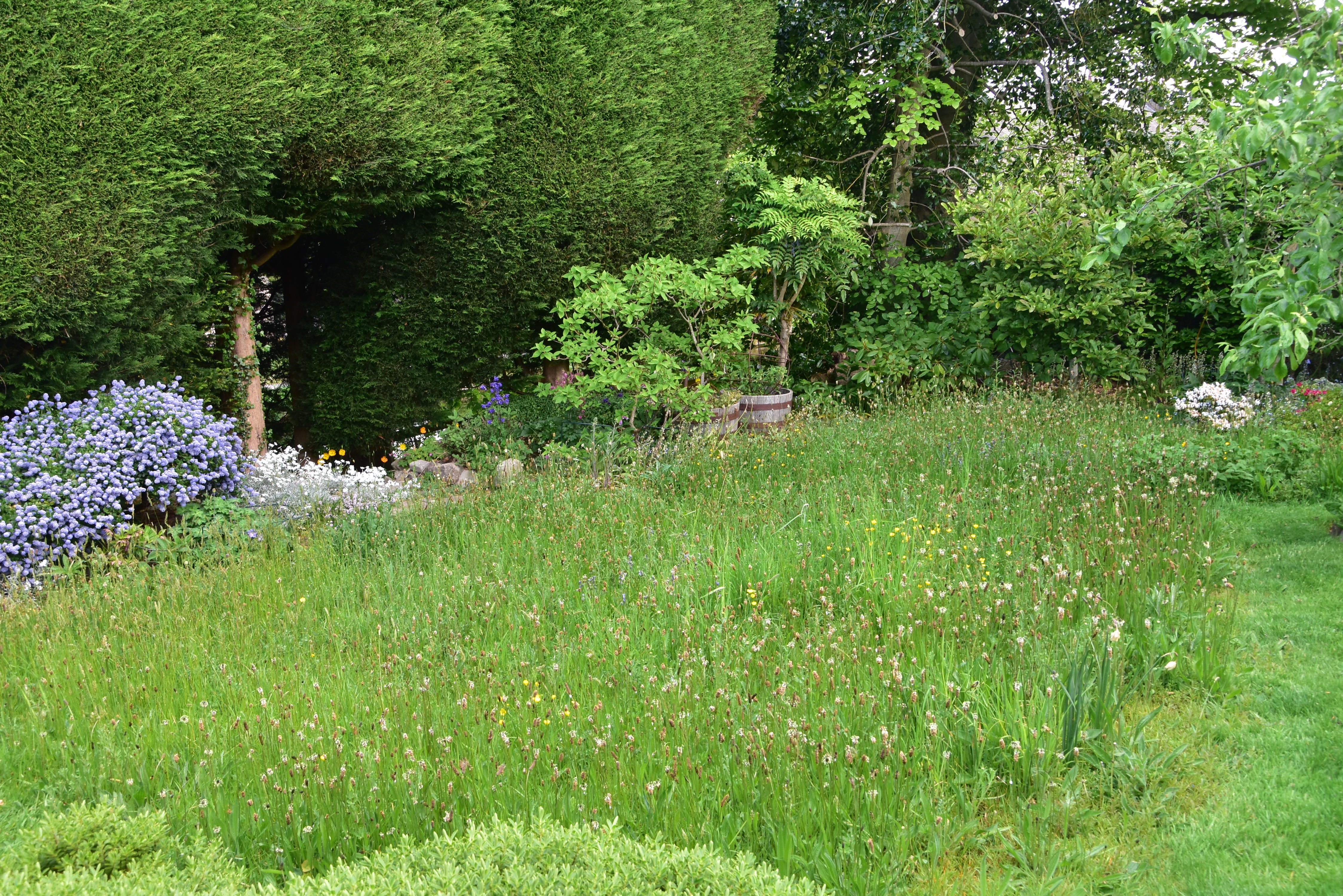
As ever, things are a bit hit and miss. Parts of the lawn are lush (the advantage of cutting high) and parts are dreadful (the disadvantage of killing moss). The hostas are looking good . . . but wait until the slugs find them. The jasmine – so profuse last year – has not recovered (yet) from its brutal trim. Edibles are covered in fleece, chicken wire or tin foil scarers. The colourful spring burst has faded and I’m waiting for a second flush; meanwhile the peonies flop and the forget-me-nots run to seed. I’ve finally planted the Harlow Carr rose in the planter and now realise that everything else there would be better for being moved; the bare-rooted climbing rose (Bring Me Sunshine), planted a while ago, is imprisoned in an obelisk and will have to fight its way past the teazle and acer which have, unsurprisingly, put on growth more quickly than it has. I’m determined to keep the clematises in good order this year so go round regularly weaving in their tendrils, like tucking hair behind one’s ears. In good news, my fears that the new blueberry – without a companion this year – hadn’t been pollinated were unfounded.

The Rector’s Daughter by F M Mayor (1924)

At times I had to check the date of publication of this book, for it seemed so thoroughly Edwardian or even Victorian in its sensibility and its depiction of lives rooted in faith and classical learning. It was a bit of a shock to encounter Kathy, a “modern woman”, with her slang and her cigarettes, otherwise I would have thought myself in Jane Eyre land. The Parsonage at Haworth was often in my mind.

The book is the life of Mary Jocelyn, daughter of a canon, plain, not young, socially awkward, prone to occasional outbursts. She lives with her widowed father in Dedmayne for almost all her life. (Like Lowick in “Middlemarch”, the name must be intentional.) Nothing much happens: she cares for her ailing sister until she dies, falls in love with a curate and briefly he seems to reciprocate – but his head is turned by Kathy, and Mary must endure disappointment and find her own path back to equilibrium. She longs for affection from her father, but he is – it seems – unintentionally a monster of selfishness. Here lies the subtlety (even slyness) of Mayor’s writing: Canon Joycelyn’s actions (or, rather, inactions) circumscribe Mary’s life and suppress her natural warmth, but he is not an unkind man. Mary’s life – to modern eyes – seems dull and wasted: it is a constant struggle for her to overcome and hide her unhappiness once her deeper feelings are engaged, but she is never presented as someone to be pitied. She has her inner life and resources. Towards the end, though, even her faith brings no lightness to her; she keeps herself busy, and in this she is valued and feels useful, but it seems that only nature and her memories offer her consolation. (And it is a life that needs consolation.) And then she dies. The epitaph for such an unmodern person is spoken by a bright young Bloomsbury atheist:

“She had a life so shrivelled it became absurd. She ought to have been married to that man and been happy. . . . [She] had a pull over us in a way . . . she cared, and we can’t care, not much, and never for long, not even for big things, and after a time they aren’t big, but quite, quite small.”

Perhaps it could have been a shorter and tighter novel, but it was a salutary pleasure to read it and be so thoroughly immersed in a whole different world.