Ilkley Moor

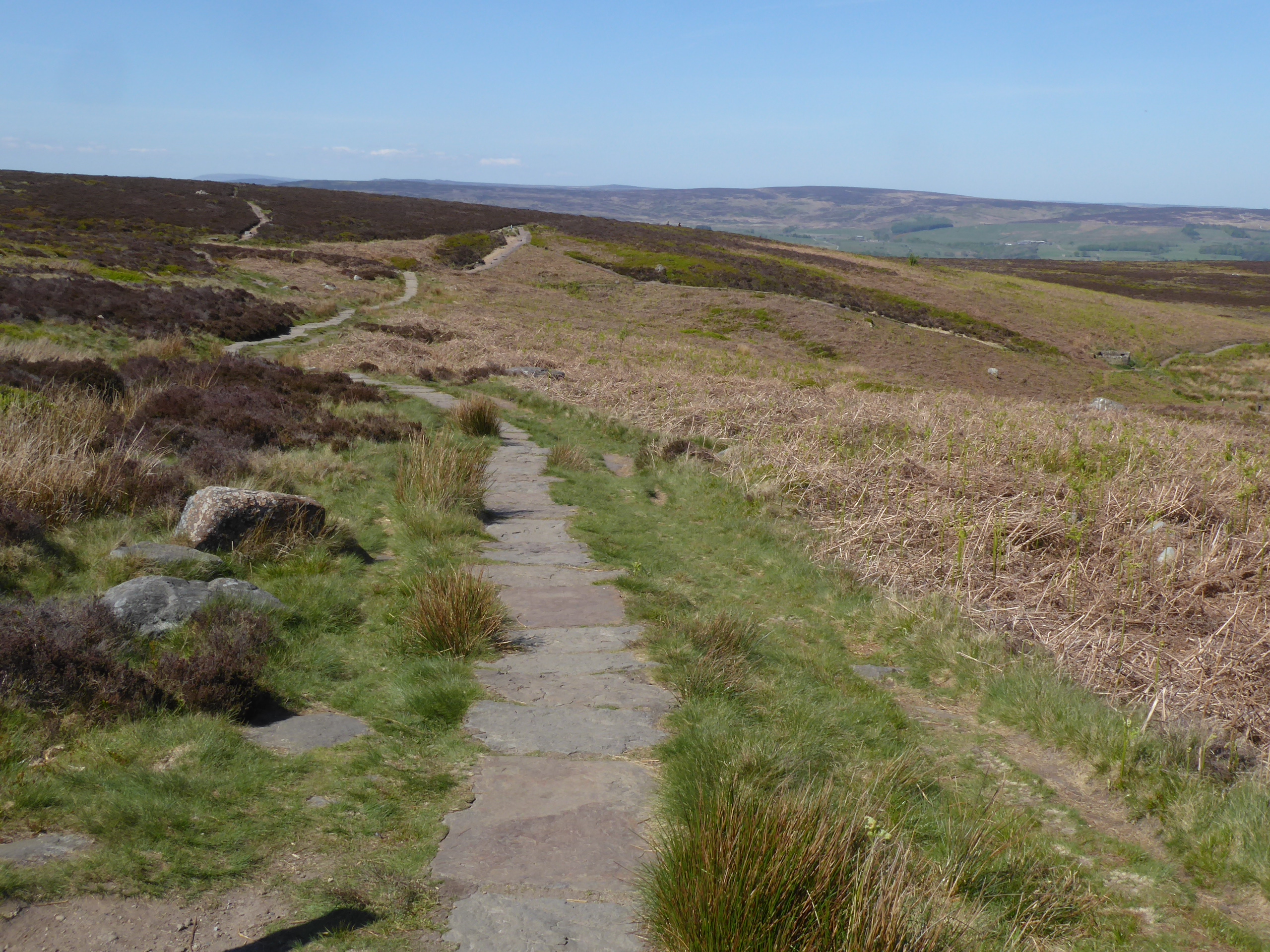
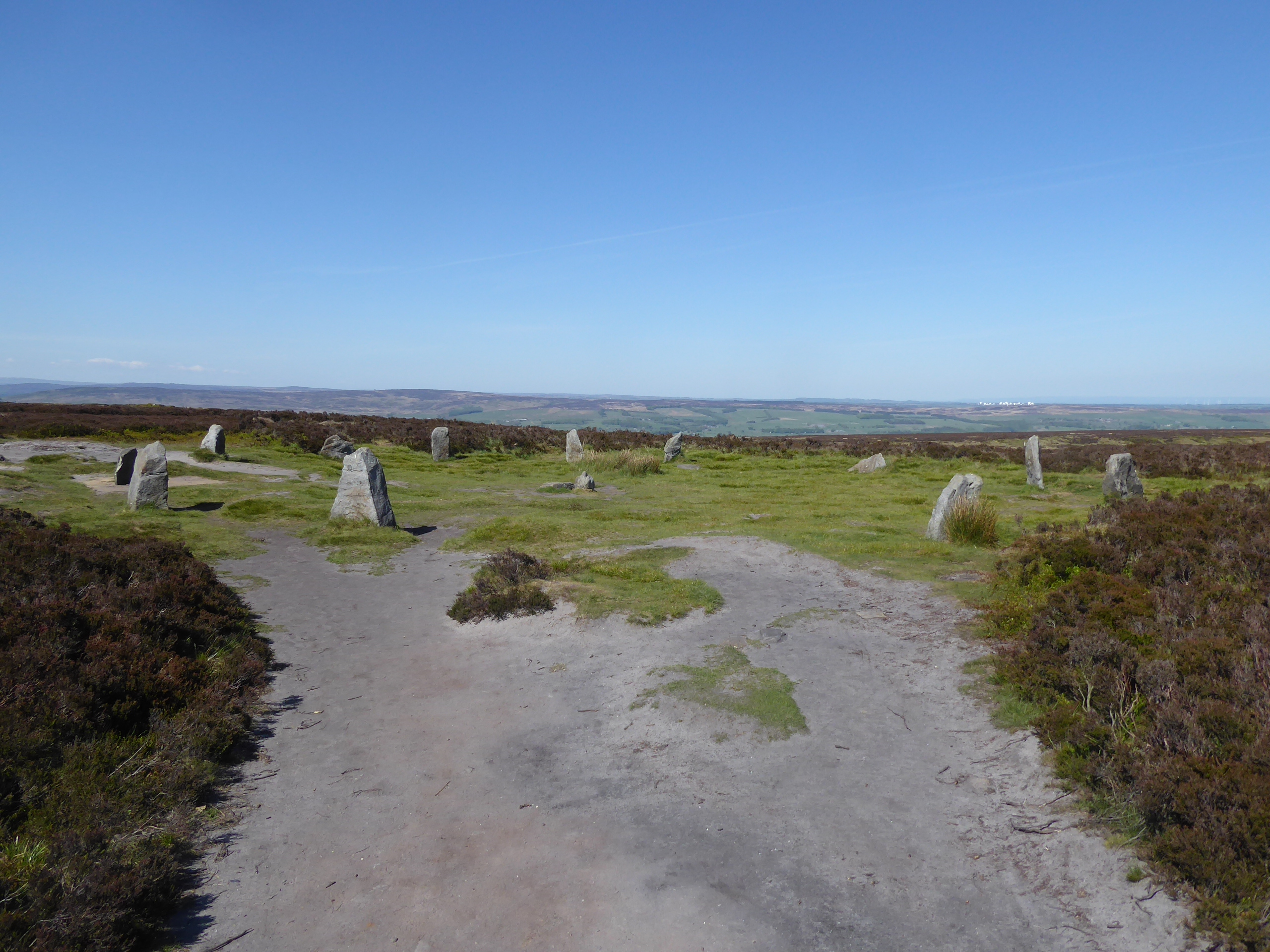
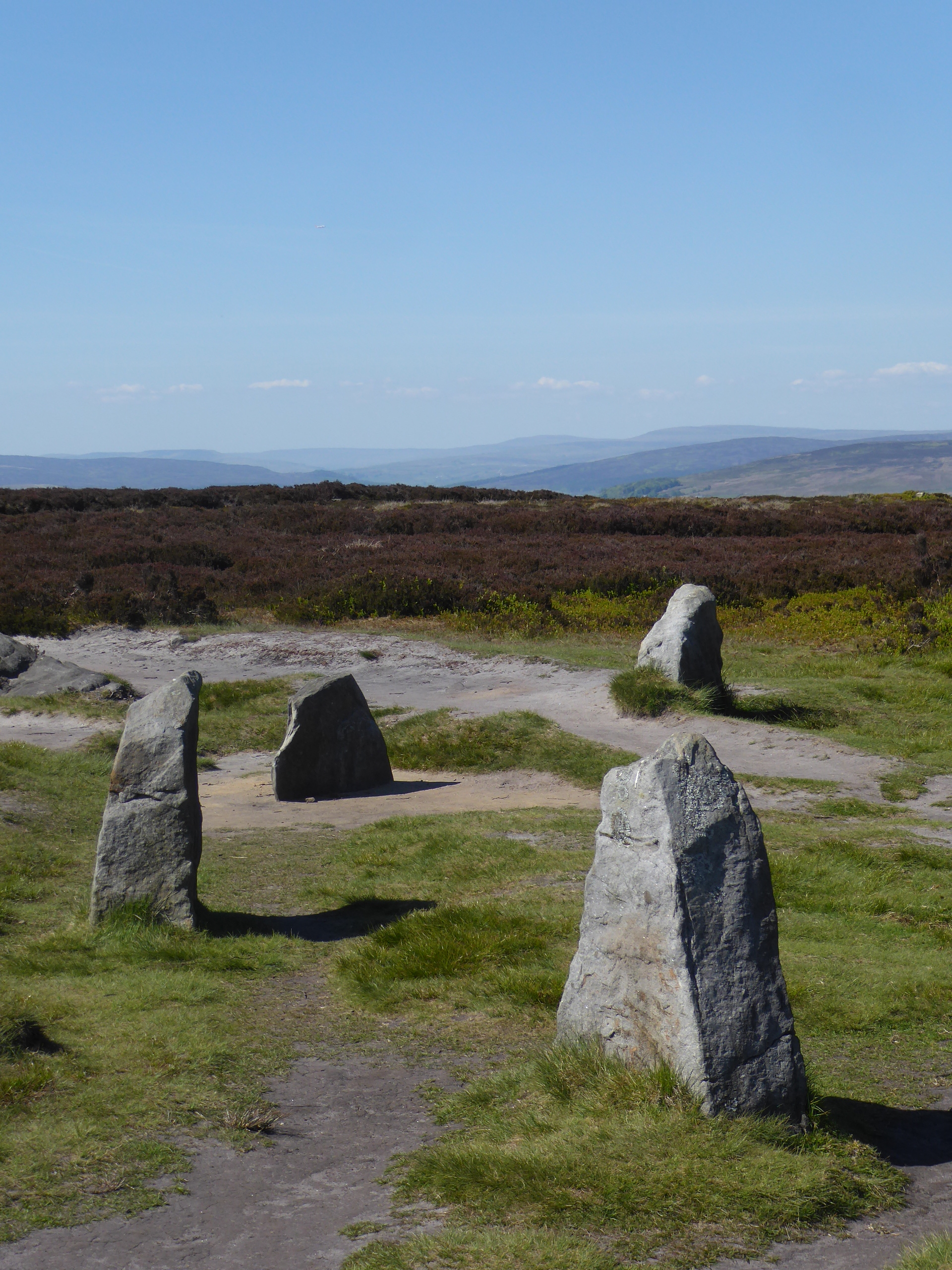
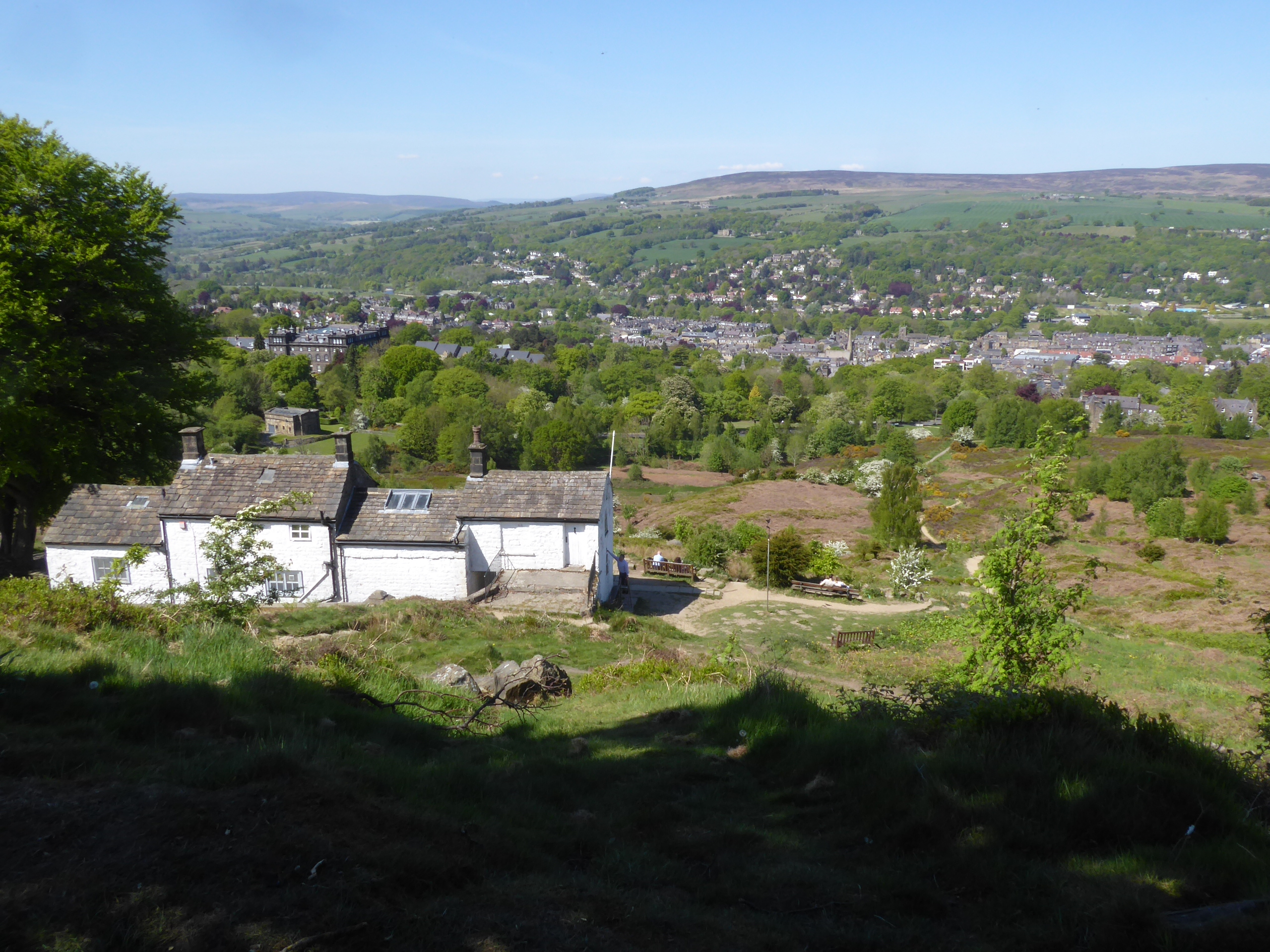
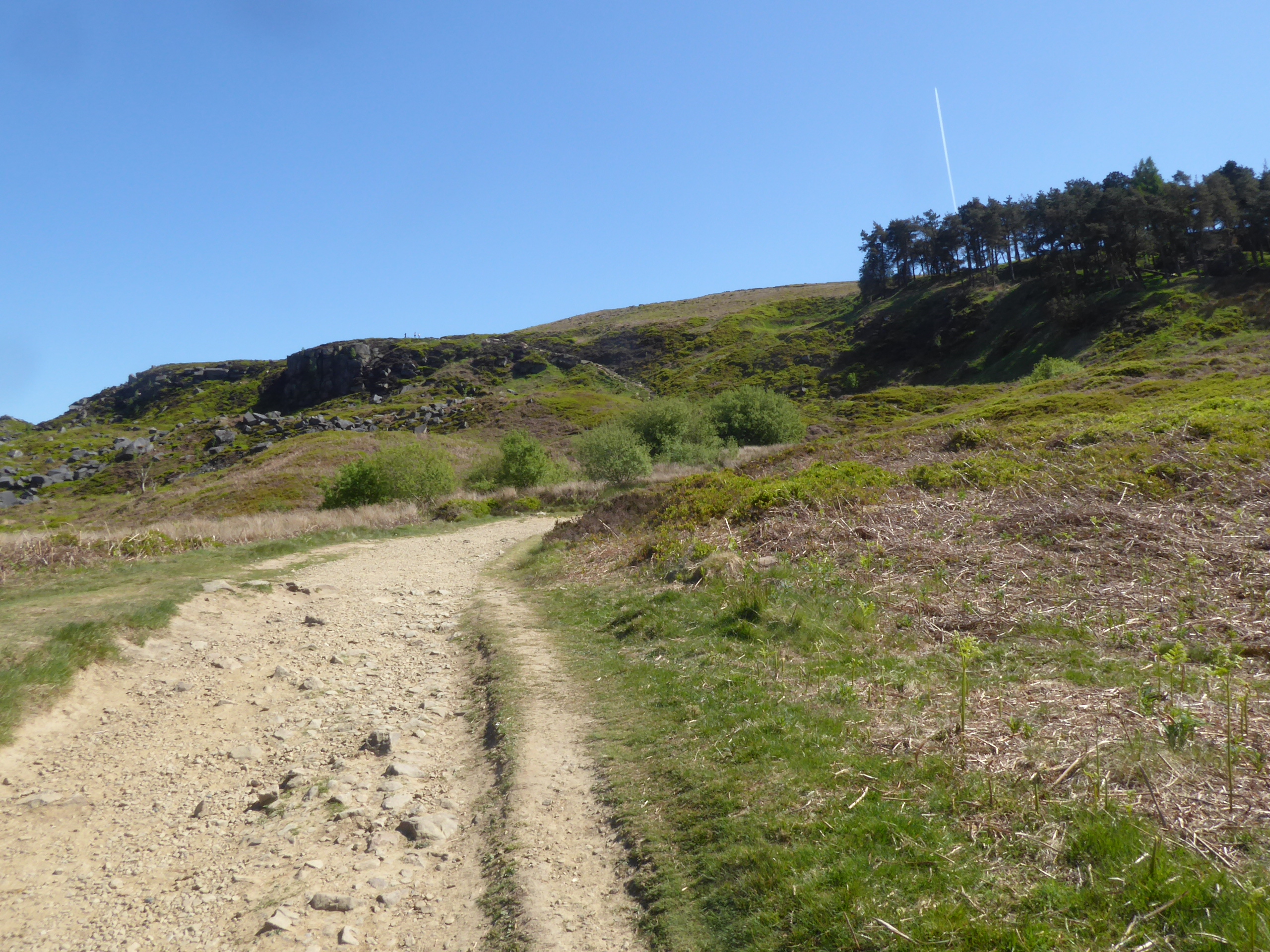
I caught the train from Leeds to Ilkley to walk over the moor. I definitely needed a hat – it was hot and sunny, and on such a day the moor seemed entirely benign. Even (whisper it) a bit dull, which was fine by unadventurous me: fairly featureless and the paths were wide and even paved at times. Grouse shooting is no longer permitted on Ilkley Moor, but it’s different on the southern side, so the paths were even wider. Finding my way was both simple and tricky: paths are clear but unsigned and there are quite a few of them.
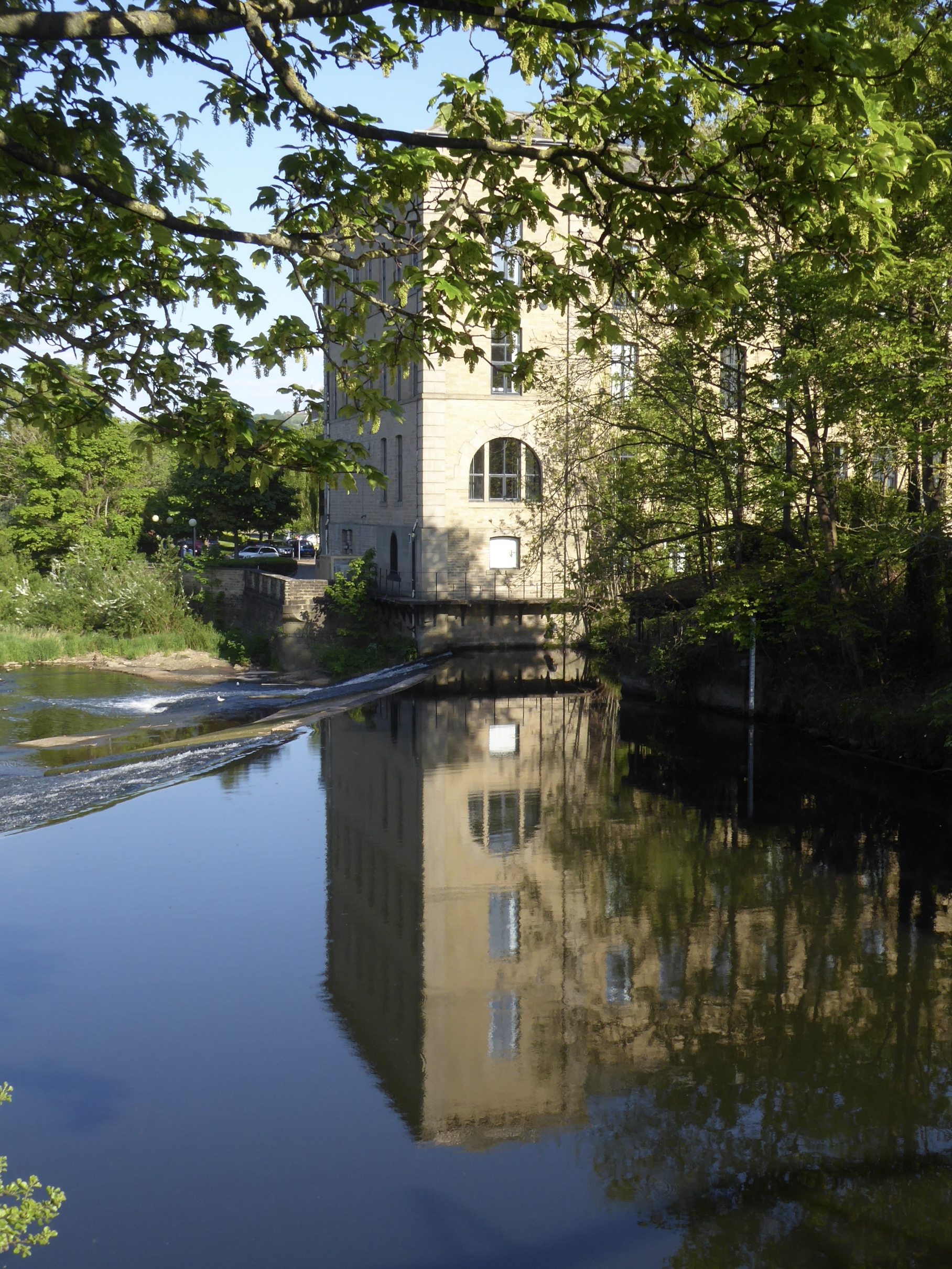
I continued south to the River Aire and Saltaire railway station. In the late afternoon sunshine there was a Yorkshire version of the passegieta in the park and around the cricket field.

Good Evening, Mrs Craven: the wartime stories of Mollie Panter-Downes

Perfectly crafted short stories on a small canvas: the largely middle-class experience of WWII in southern England. It was reading David Kynaston that introduced me to Mollie Panter-Downes and her regular “Letter from London” in The New Yorker, which she wrote for decades. I don’t think that magazine was on my mind as I read these short stories and detected a kinship with some of Dorothy Parker’s stories: concise, detached accounts of real feeling. There was also the added interest of the contemporary depiction of the home front: these stories were written between 1939 and 1944 – so from the outbreak of war to D-Day, at a time when you really wouldn’t have known the outcome of the war or whether your own husband or son would return in one piece. The sense of one’s life no longer being under your control: you could be uprooted and evacuated, or you could have evacuees billeted on you. And yet it’s more than just reportage. There’s a sympathetic eye looking at the lives around her. In “The Waste Of It All”, for example, a young wife is vaguely aware of the toll three years apart from her barely-remembered husband has taken on her emotional life. Or in “Cut Down The Trees” there’s a glimpse of the tension between change/vitality and the familiar stasis of pre-war life. Just perfect.