Battleship Potemkin (1925)

Director Sergei Eisenstein

The first time I’d seen this film, but some scenes – the maggots, the Odessa Steps, the significance of spectacles – are so well-known that I was already familiar with them. It’s an absolute tour de force – visually innovative and powerful. I was swept along with its message and ignored the little voice that noticed the manipulation of emotions. One might say the same of “It’s a Wonderful Life”. It’s set me thinking about the theory of film montage and how it creates atmosphere and feeling.

The film though was almost ruined for me by the over-insistent, distracting score – composed specially by The Pet Shop Boys, who obviously don’t do piano or have volume control . . . or even understand how to use silence.

Kendal

The Verge by James Lane 5, Hannah Brown, 2024, oil on linen

To Abbot Hall for a wander around the “Expanding Landscapes – painting after land art” exhibition. I have – finally! – grasped that I must not expect an immediate “wow” moment – e.g. Dr Pozzi. (Actually, though, there was a “wow” moment – Hannah Brown’s “Verge”, which made me wonder which might lurk in its darkness even while its exuberant growth enchanted me.)

But in general there was no sense of “immediate” in my viewing; I had to read and watch in order to enjoy some of the work. I particularly liked Onya McCausland’s focus on paint colours originally coming from the earth and Jessica Warboys’s river series. It gave depth to paintings that were otherwise a bit underwhelming.

Fallen Leaves

Director Aki Kaurismäki

I’d meant to see this at the cinema but didn’t, so I was glad when I found it on the BBC. It’s an oddity: a “romance” between two lonely, hard-up people in Helsinki. The style is deadpan – there’s a big gulf between emotions and the characters’ affectless delivery of their lines. (It was described as a romantic comedy; we-ell, OK . . . but “Notting Hill” it ain’t.) It’s potentially very bleak: each time the radio is switched on the news is about more people killed in Ukraine. Their jobs are hard, monotonous and badly paid. He’s an incipient alcoholic.

There’s a lot going on behind the “action” and dialogue though. Colours: splashes of reds, yellows and blues. Music and songs function as a kind of Greek chorus and even drive the “plot”. Two glimpses of nature (in contrast to workplaces, bars and public transport) when optimism seems justified. Films are significant: the couple’s first date is going to The Dead Don’t Die. At the end of it two filmgoers come out – one comparing it to Bande à Part and the other to something by Robert Bresson (affectless acting again). She gives him her phone number; they are standing in front of film posters for a Godzilla-type film, something with Bardot, and – crucially – “Brief Encounter”. And, yes, he loses the phone number as soon as she walks away. I would need to check, but I think the camera is generally static. Lots of shots on public transport – including one rather heart-breaking one where Ansa is in the foreground, lonely and isolated, and behind her, slightly blurred, we see a young woman who resembles her rest her head on her partner’s shoulder. When the couple are finally reunited, he asks the name of her new dog; she tells him it is Chaplin . . . and they walk off into the sunset.

So realistic but not naturalistic – and rather lovely.

I realised later that Finns have reason to be very concerned about what Putin is doing in Ukraine.

Ilkley to Skipton

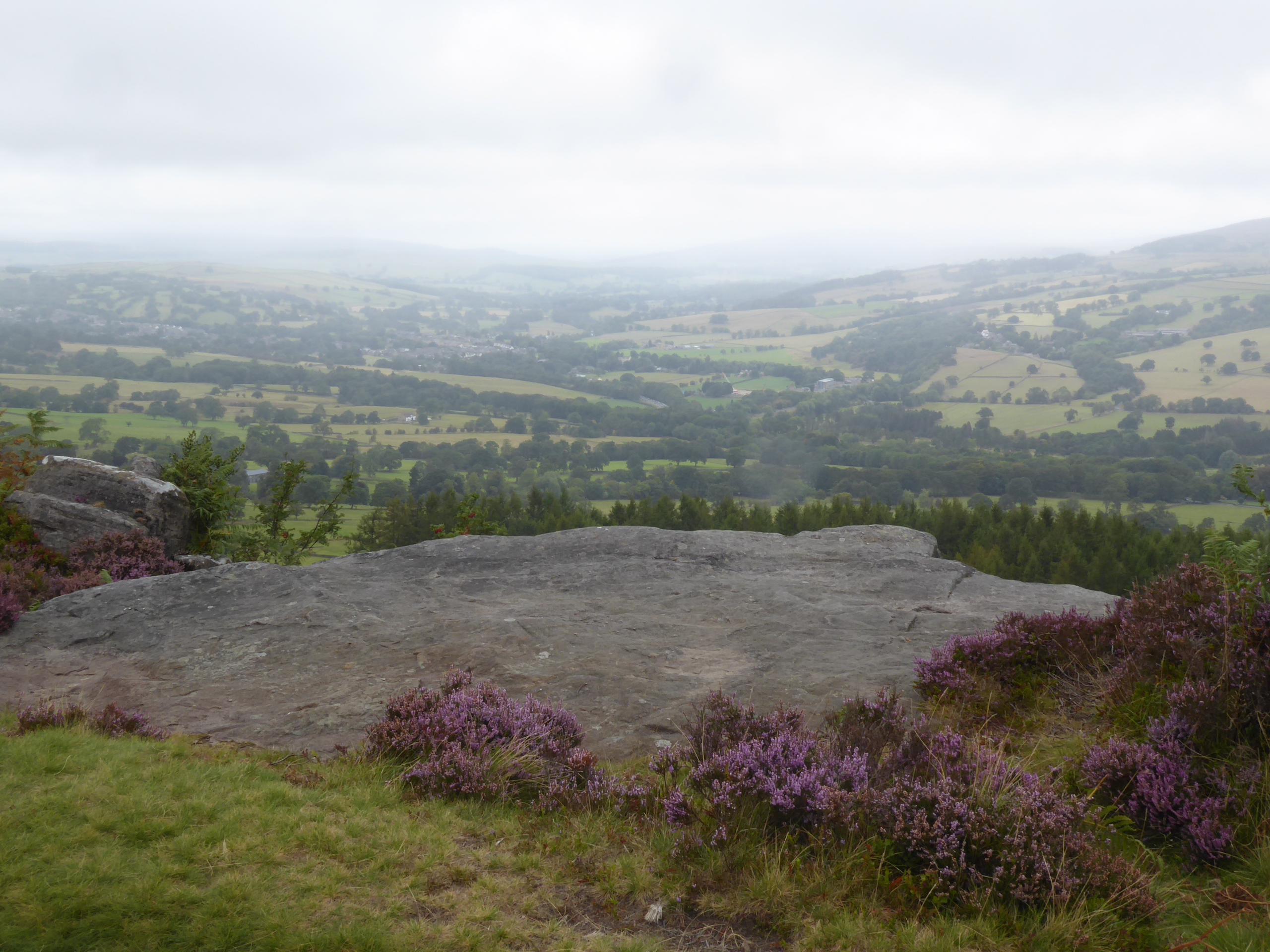
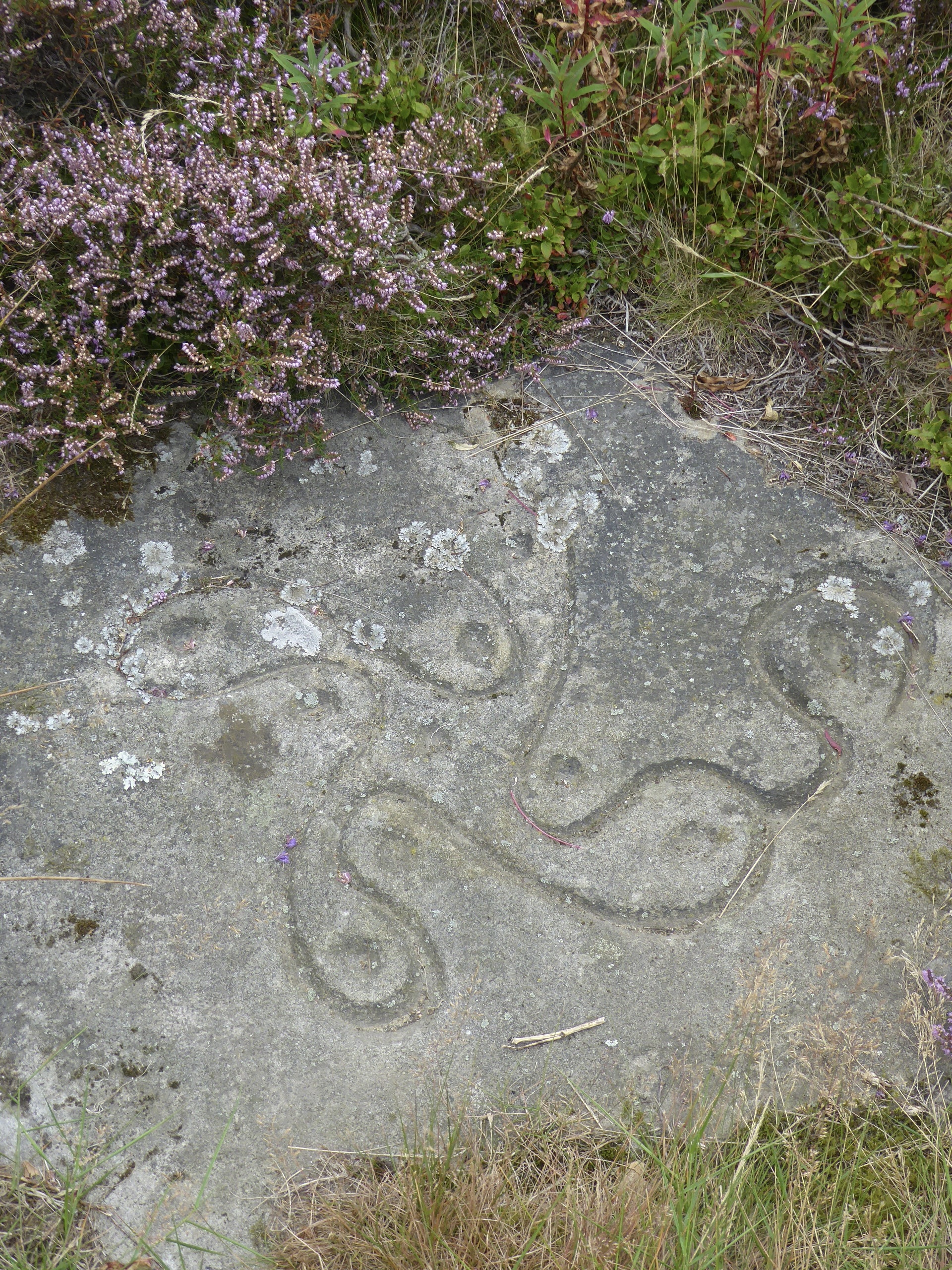
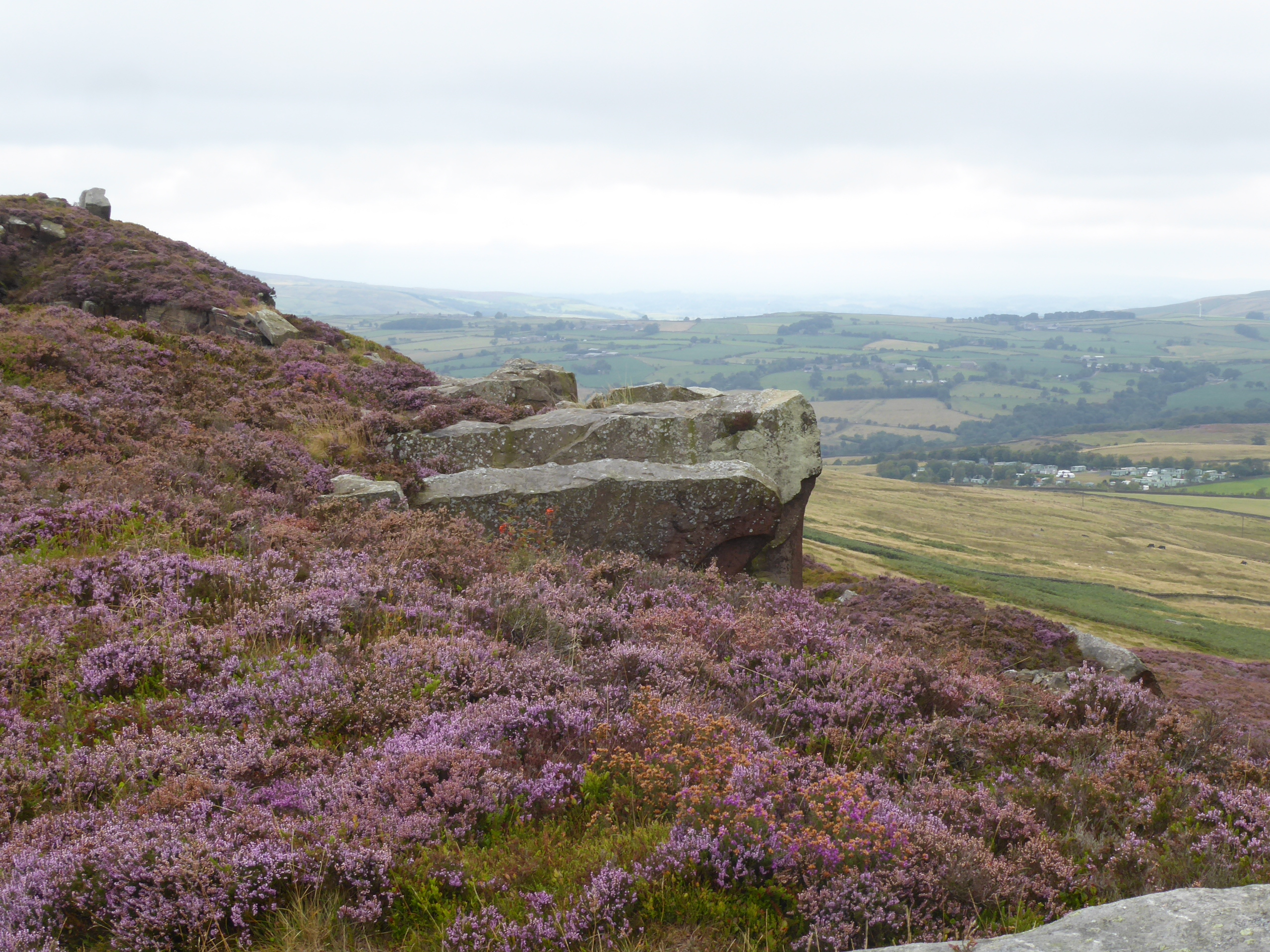
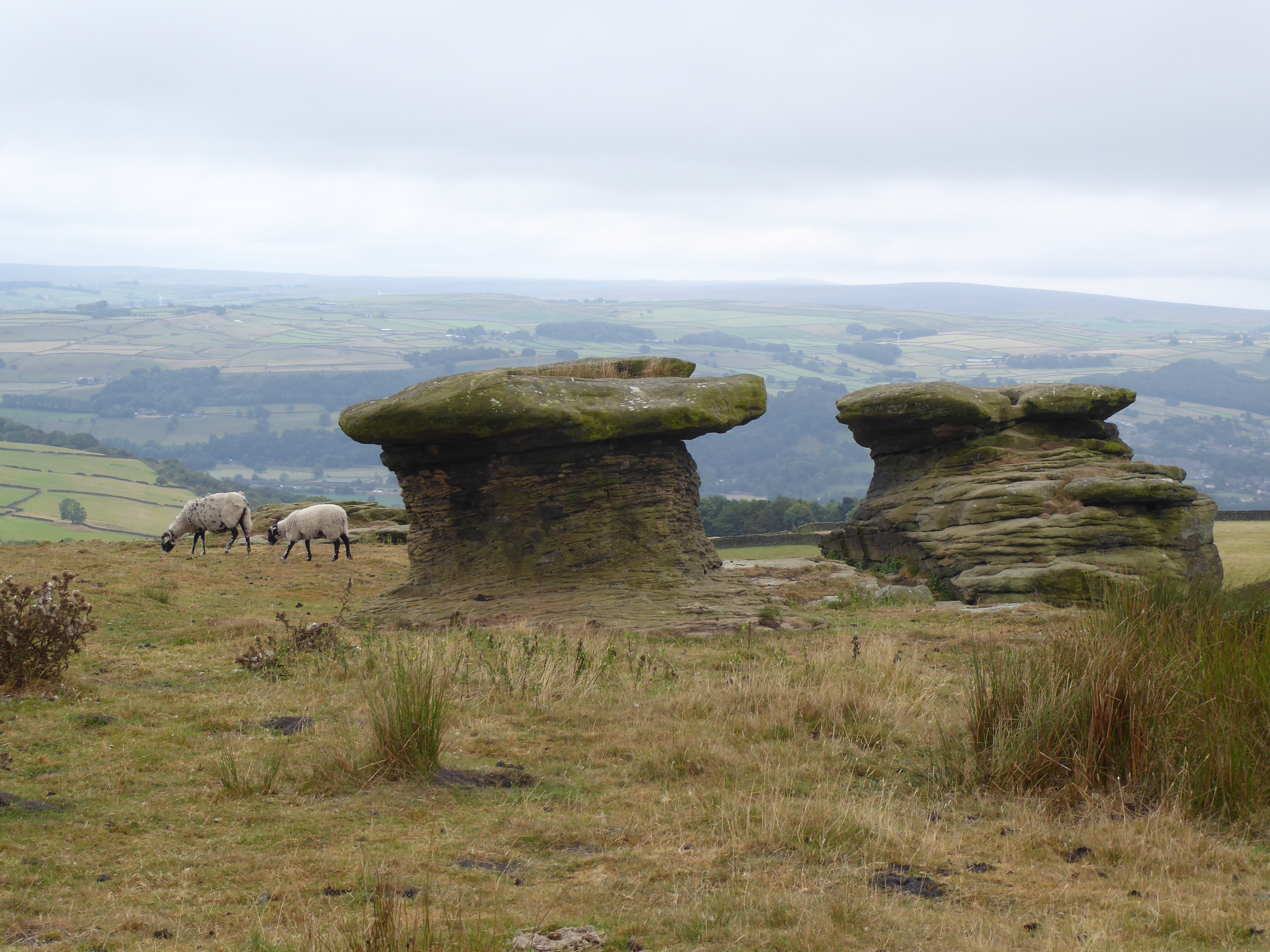
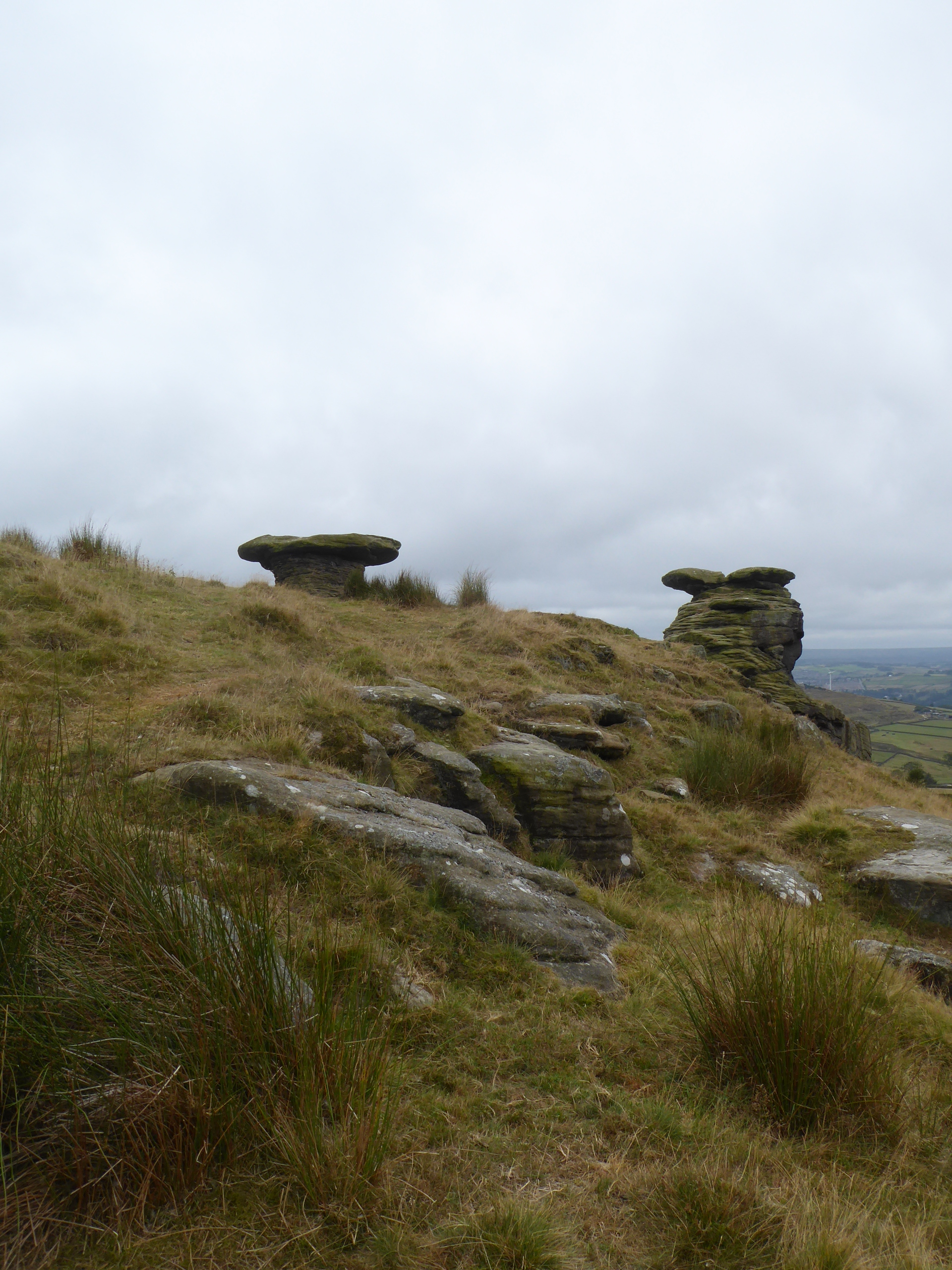
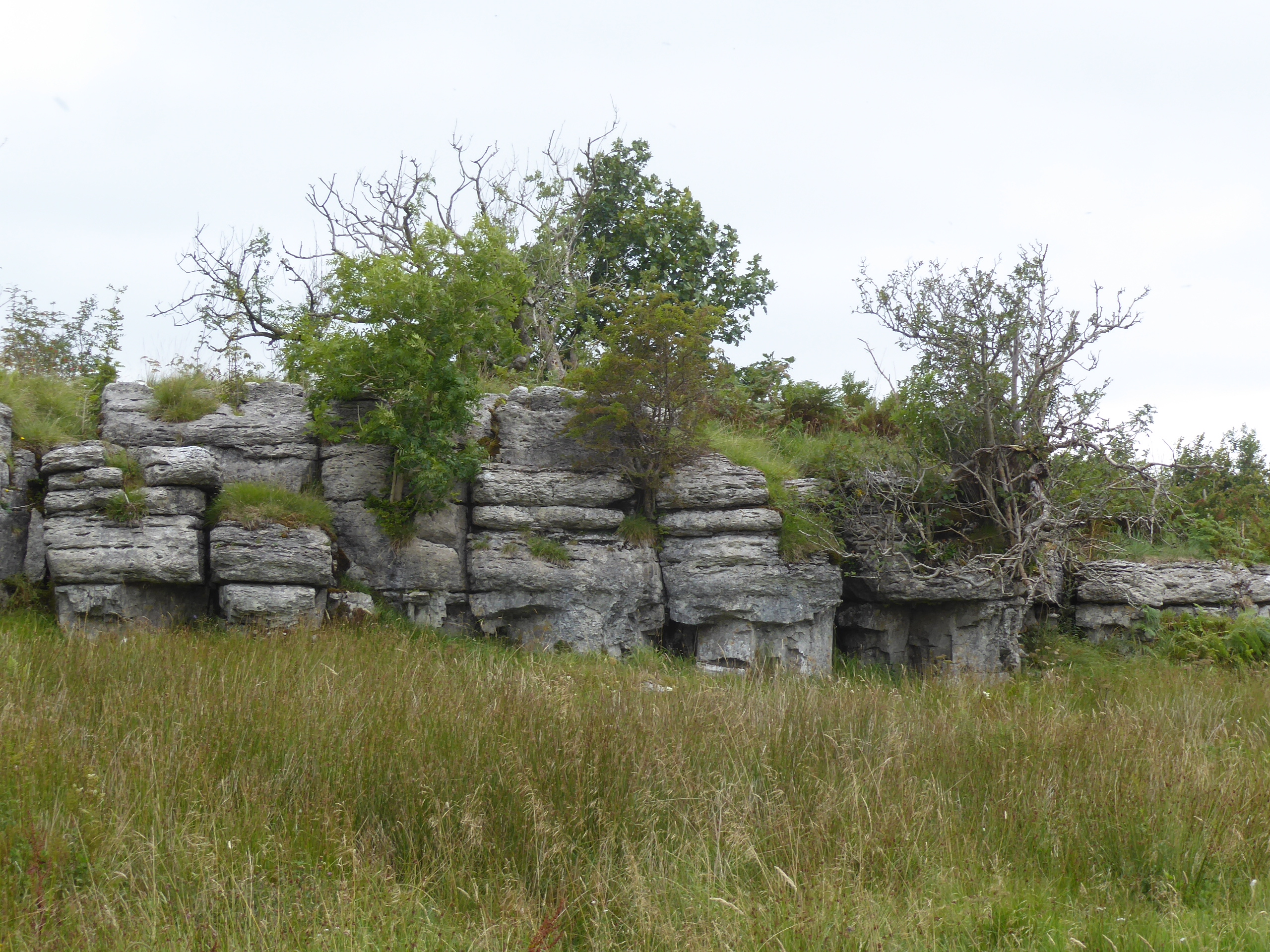
I fancied a long walk, and Ilkley to Skipton fitted the bill. The weather was grey and even mizzly at times, so I stayed cool and had the wind behind me. I walked along the low northern edge of the moor, noting the “swastika stone” and admiring the millstone outcrops. To avoid the steep descent towards Addingham, I turned south to find the Doubler stones – wind-eroded sandstone pillars topped with harder gritstone. I looped round to Addingham and then picked up the direct path to Skipton and the train back to Leeds.

Ribblehead

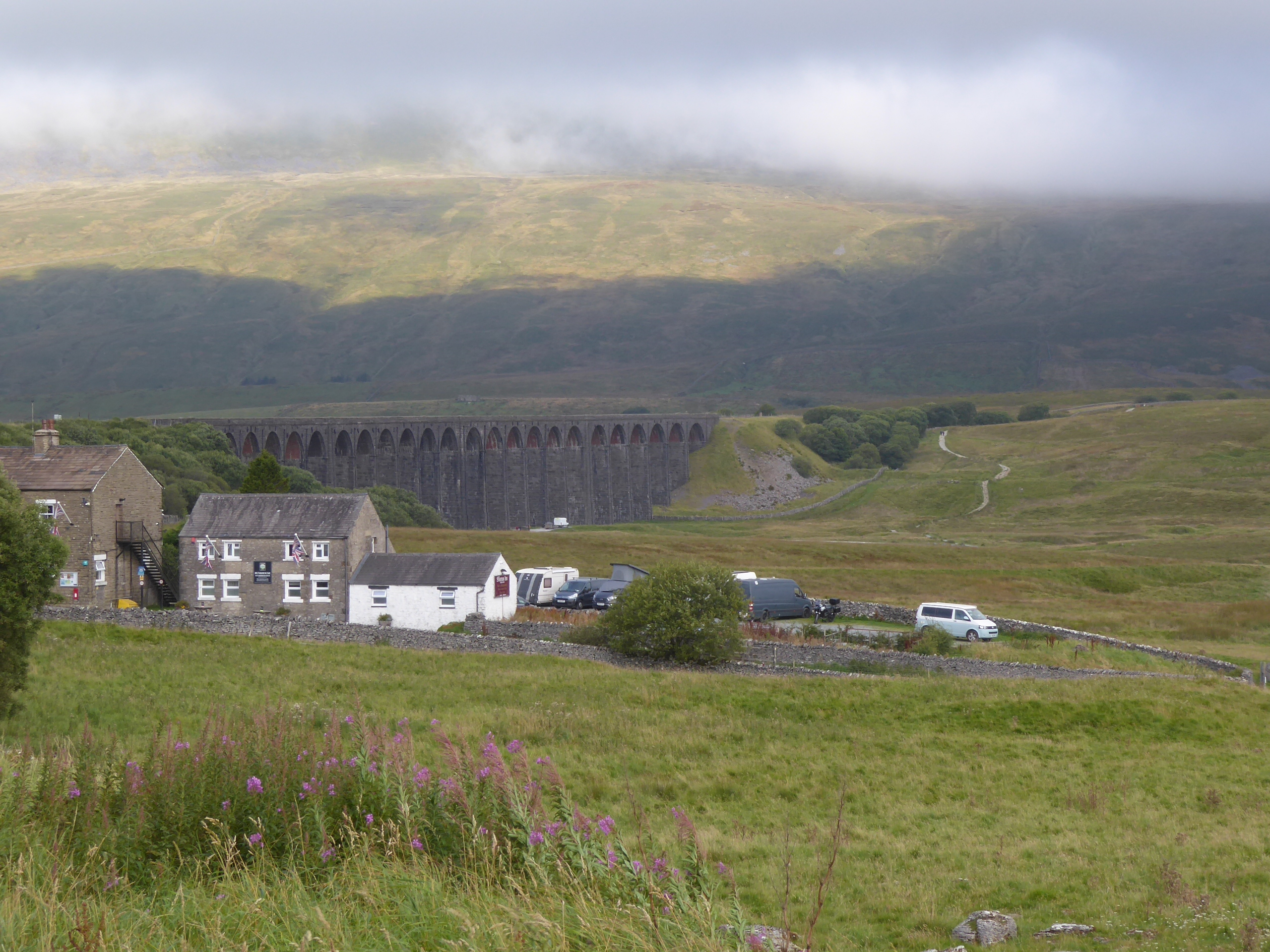
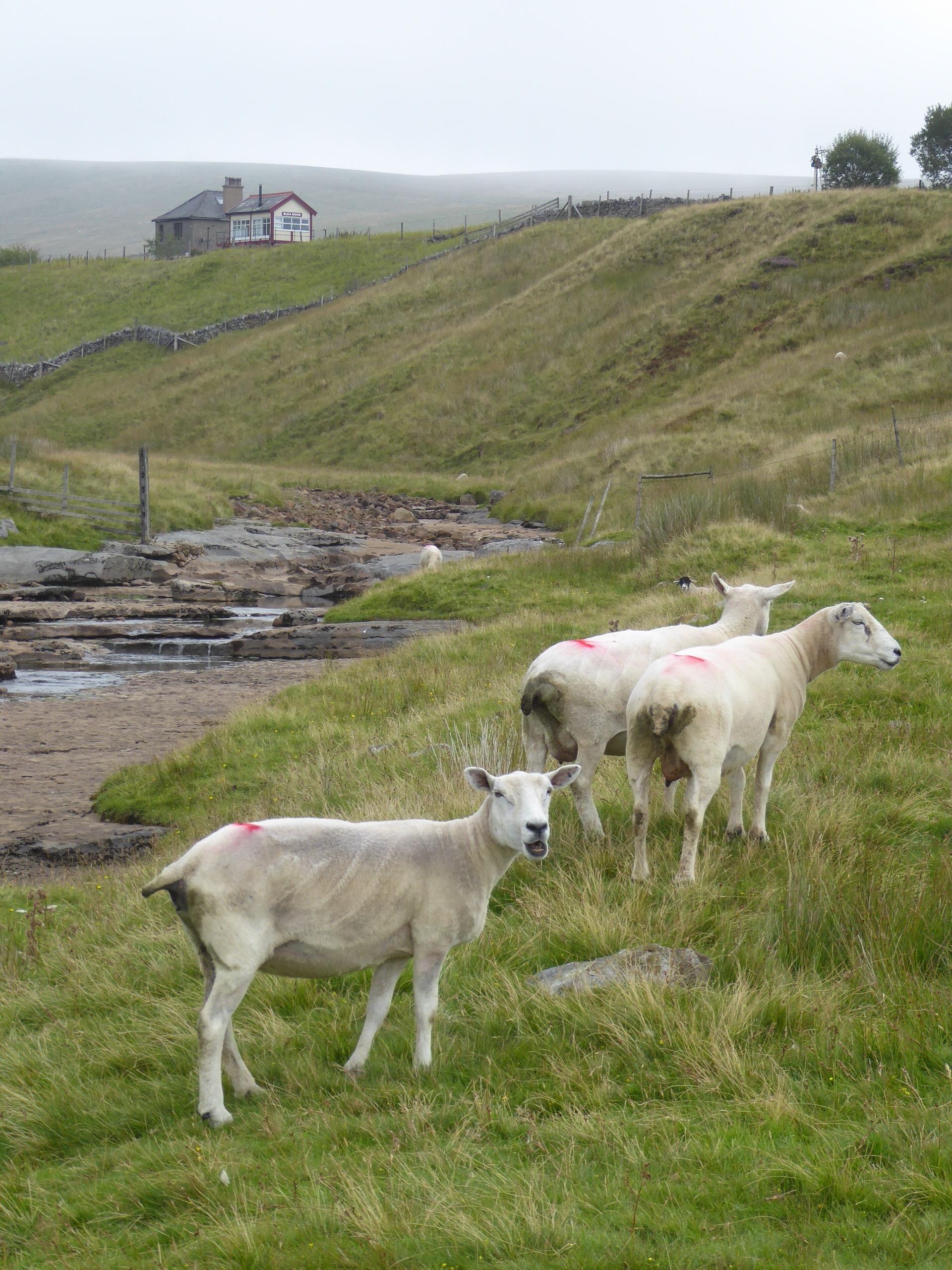
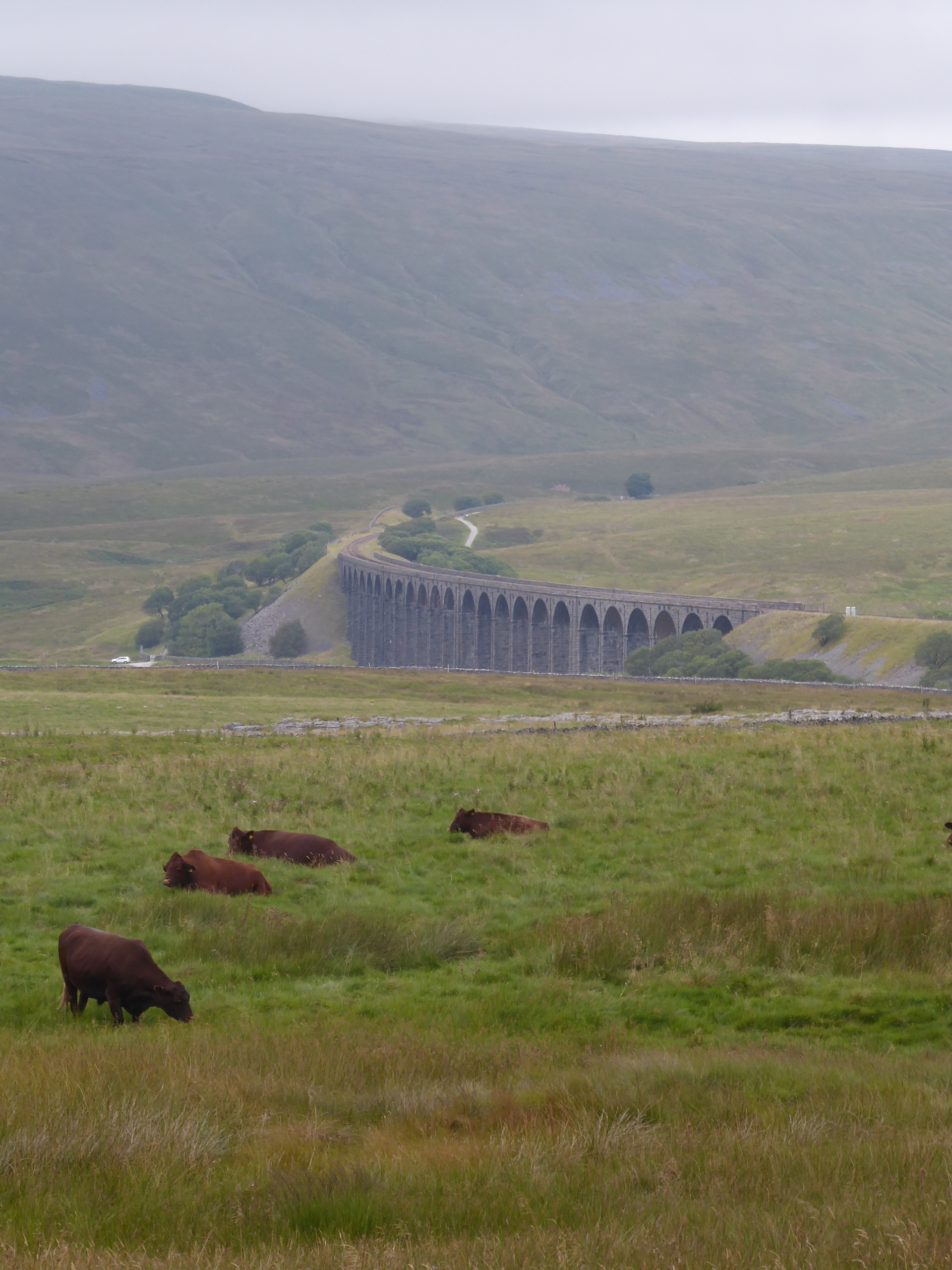
A enjoyable tour around the Ribblehead viaduct (built 1870-75). It was one of those walks where you cannot escape evidence of humans even though you seem to be miles from anywhere: not just the railway line but the denuded slopes, quarries and livestock. Not that I am complaining if it means passable paths.

Babette’s Feast (1987)

Director Gabriel Axel with Stéphane Audran, Birgitte Federspiel, Bodil Kjer

Somewhere remote on the Danish coast in the 19th century. A slight touch of a fairy tale about it: there’s a narrator, and if she doesn’t actually start the film with “Once upon a time . . .”, she certainly comes close. Mysterious visitors turn up on their doorstep, there is an almost magical feast, and heaven with its angels is the world beyond.

Two elderly pious sisters, named after Luther and Melanchthon, spend their days in devotion and good works. They are part of a dwindling congregation founded by their late father – all members now elderly and occasionally fractious. In their youth, one sister had been loved by a visiting soldier but he had been called away, and the other had taken singing lessons with a famous French baritone. There was a beautiful scene of them singing the seduction duet from Don Giovanni lovingly but chastely – her final lesson, by her choice. Years pass, they grow old: a Frenchwoman, Babette, fleeing the Franco-Prussian war seeks refuge with them, and she becomes their cook and housekeeper. More years pass, they grow older; Babette wins the lottery and insists on preparing a real French dinner for the congregation – plus, as last-minute additions, the soldier (now a famous general) and his aunt; they are now twelve at table. The sisters quail before the rich food and wine that arrives in their kitchen, fearing that the dinner will be sinfully indulgent and akin to a witches’ sabbath. They urge the congregation to eat and drink but not to mention the luxury of what is put before them.

And they don’t. Only the worldly general is conscious of the magnificence of the food and of Babette’s skill. Yet all of them are touched by the spirit of the feast, which feeds them physically and spiritually. The quarrelsome congregation – their faces now rosy-tinged – retrieve their love for each other, and the general’s old frustrated love is turned into spiritual contentment. Babette’s sublime feast is food for the soul.

What struck me about the film was its attitude towards religious faith. I’m so used to my secular little world and seeing religion only through a cultural lens: “real” religion is the source of wars; in real life and in fiction it is often allied to hypocrisy (Jimmy Swaggart, Uriah Heep); it sits uneasily with feminism or liberal social attitudes; it focuses on heaven rather than real life; it is a thwarting and limiting force in the expansive modern world where almost anything is possible. It brings to mind the baleful Christianity of St John Rivers or the Bishop in Fanny and Alexander. Even a thoroughly “good” character like Dorothea Brooke is led into unhappy confinement by her faith and her wish to follow its precepts. I’m exaggerating, of course – traditional religious faith may get outward respect but doesn’t normally get a good press. It is too restrictive for modern unreligious minds. But in Babette’s Feast the sisters’ faith is shown uncondescendingly; they feel no regret at (what I would see as) their choice of narrow, monotonous lives and missed love affairs; they really are content and as good as they appear. Art is presented as a quasi-spiritual experience – Babette’s feast or the baritone’s music – but it is one of the sisters who has the final word about heaven and angels. I suppose in that respect I too found the film of Babette’s Feast transformative (as well as enjoyable – did I mention that?): it made me reconsider how to think about the presentation of religion.


Around Lincoln

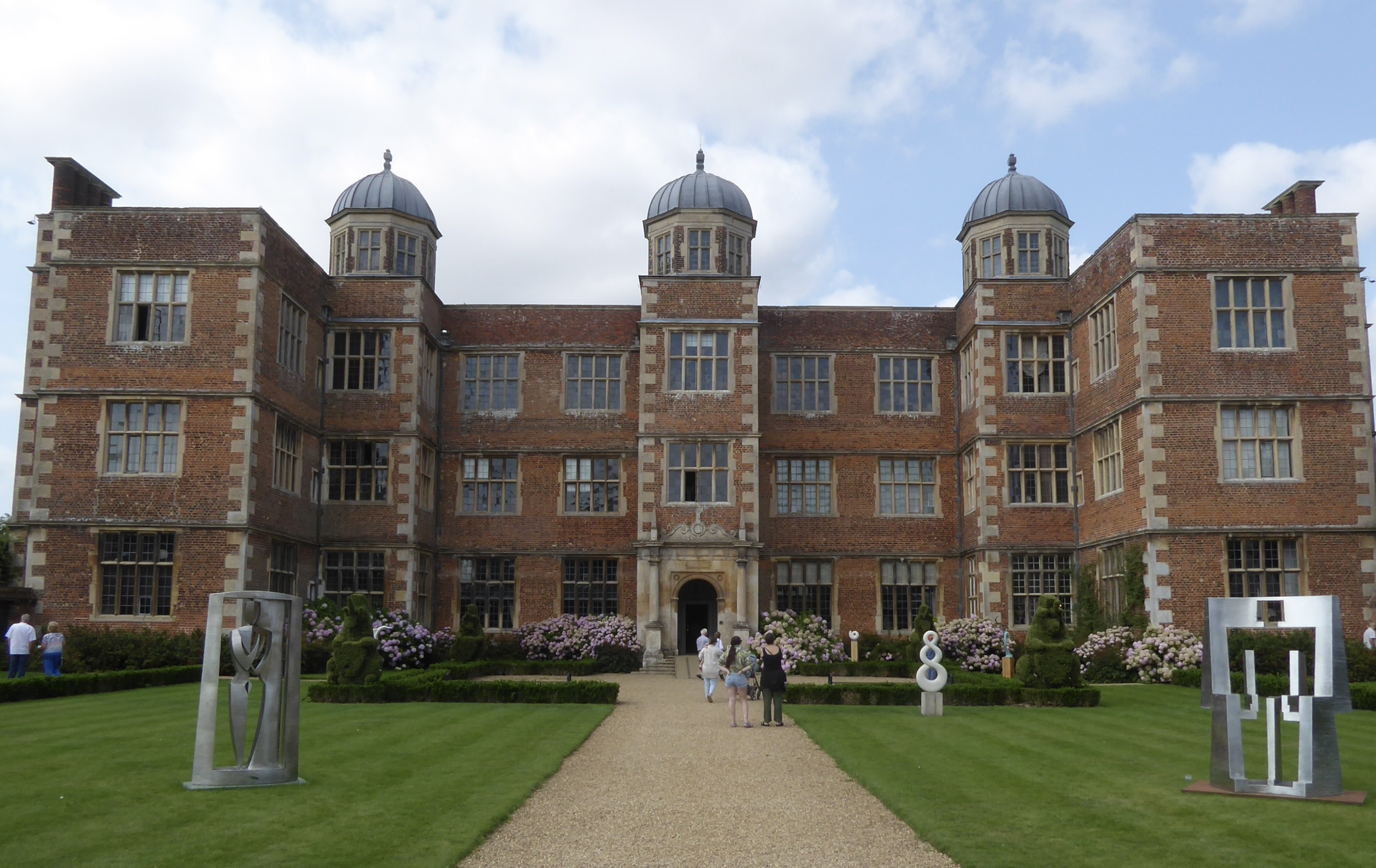
Usually I manage to find something that stops me in my tracks when visiting country houses. Just enough to overcome my latent cynicism that I am colluding in a family’s scheme to ensure that their sons and grandsons continue to go to Eton. It didn’t quite work with Doddington Hall. It’s certainly impressive and I liked the brickwork (the clay from nearby pits). It was designed by Robert Smythson (he of Hardwick Hall) at the end of the sixteenth century for Thomas Tailor, a Registrar to the Bishop of Lincoln. His wealth probably came partly from kickbacks and rake-offs – and he was able to build this showy place outside Lincoln with a view of the cathedral in the distance. My latent cynicism was offered a foothold . . .

Outside was Tudor but inside was Georgian. There was a breast-plate and jerkin with the bullet-hole that killed someone in the Civil War at Gainsborough which we had been told to look out for. More attractive was a wonderful tent – more of a marquee: Egyptian-made, all by hand, appliqué, late 19th century and enormous. It used to be erected on the lawn outside . . . so Lawrence of Arabia meets Doddington Hall. It was rather shocking to think of something so painstakingly made being subjected to the vagaries of English weather – but I guess “riches” is not giving a damn about such things – the certainty that there will always be servants/craftsmen ready to make you another one. Fussing about damaging or repairing things is for little people. The house and grounds are their own little business, attracting lots of visitors and, presumably, providing lots of local employment. I preferred to hop over the wall and wander in the nearby wood to try out the Merlin app on bird calls.

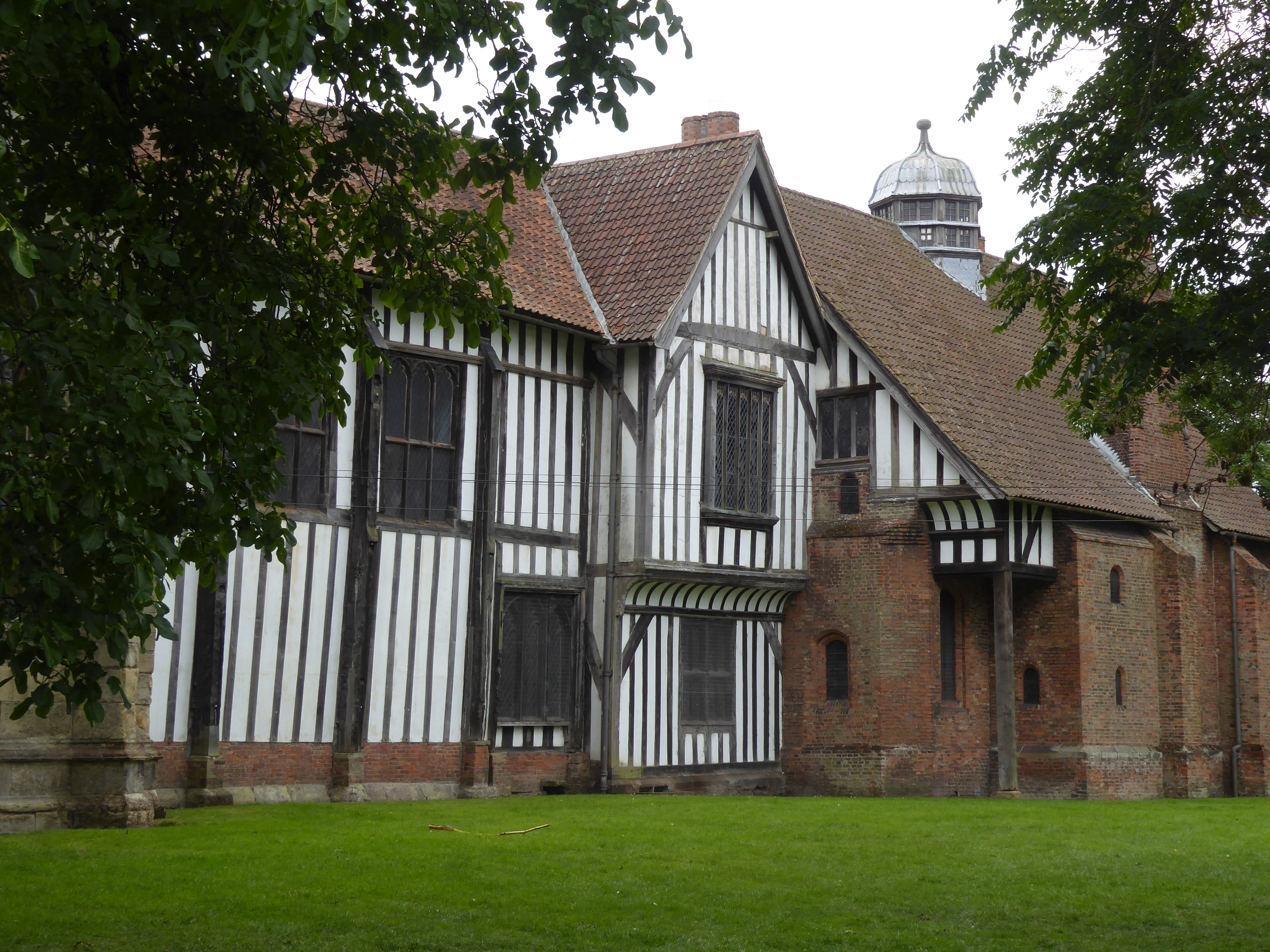
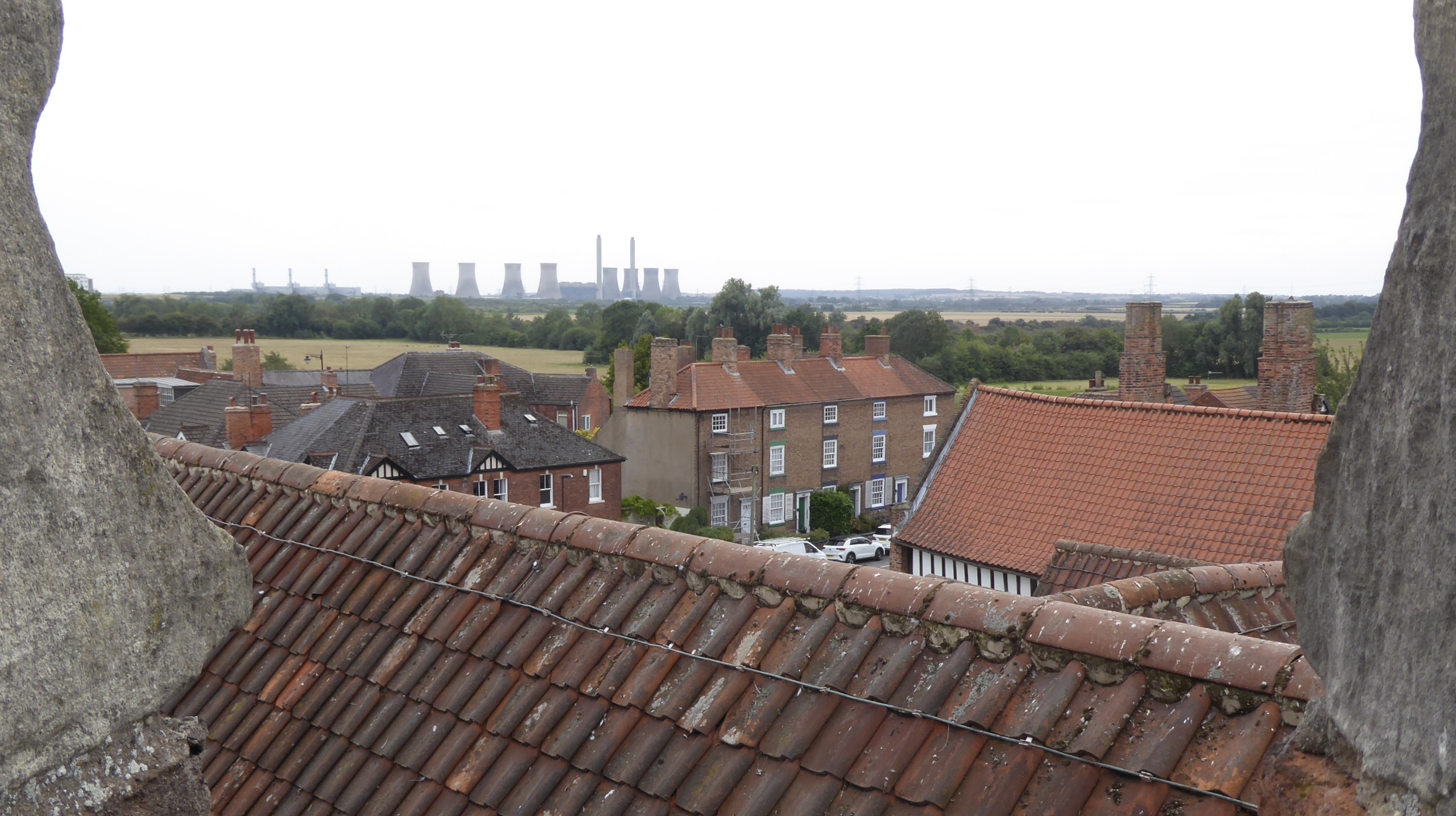
Gainsborough Old Hall was different. Founded by someone who wove his way unscathed through the War of the Roses, but later abandoned and put to commercial and municipal uses. No teazles on cushions, no corded ropes and hardly any “do not touch” notices. You wander at will, raiding the dressing-up rail and looking for apotropaic taper burn marks. I climbed up the tower and had a good view of Cottam cooling towers – destined to be demolished next week, according to Wikipedia. Not a word about them as they were outside our period – but they are as much a part of our heritage now as old family houses.