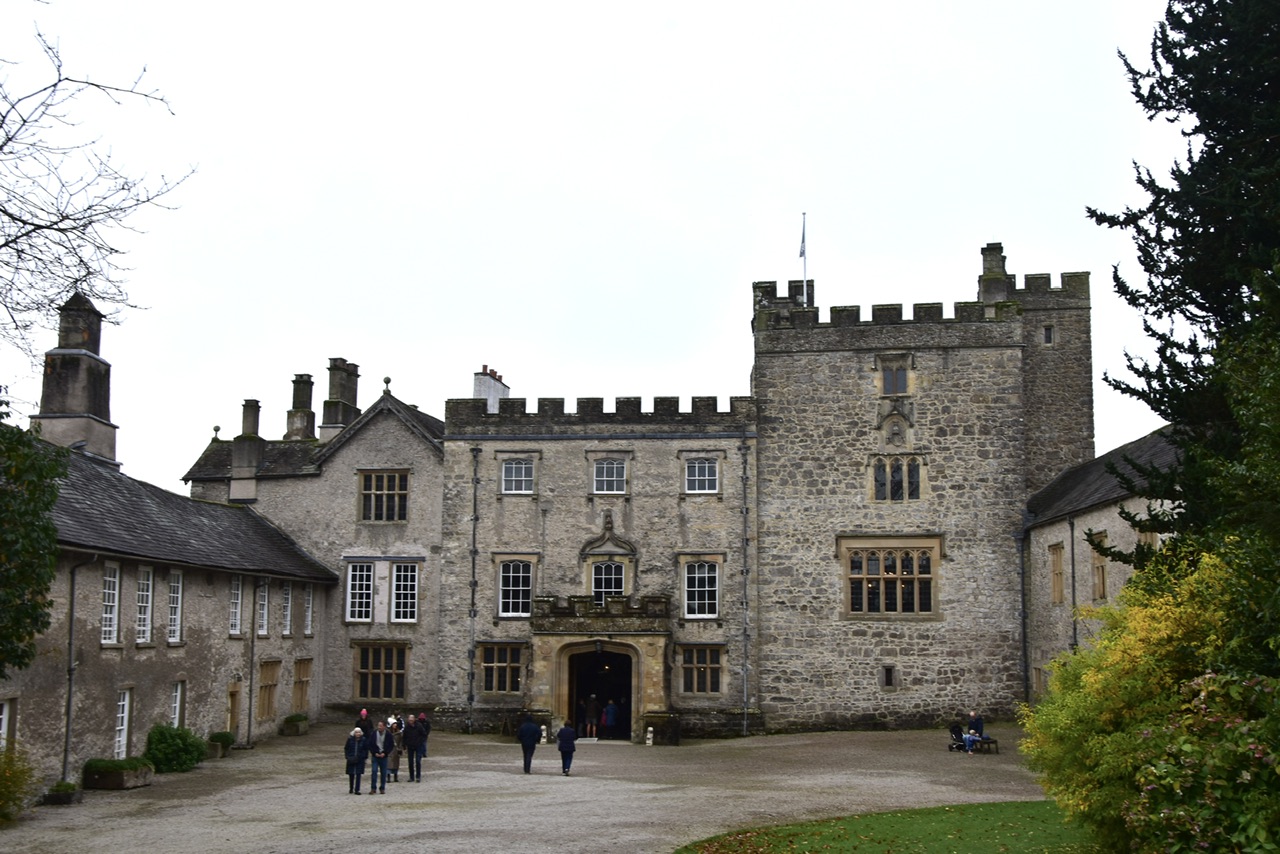
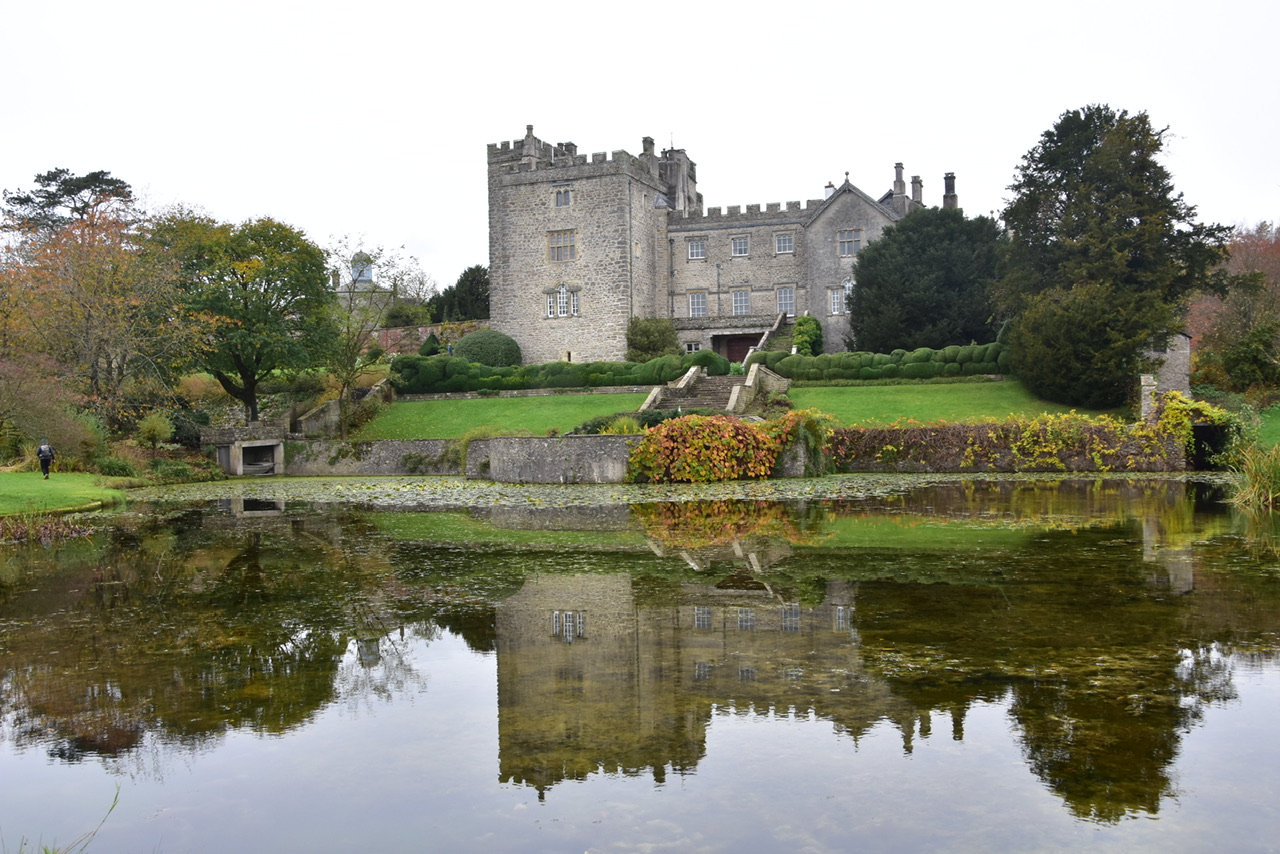
Sizergh Castle

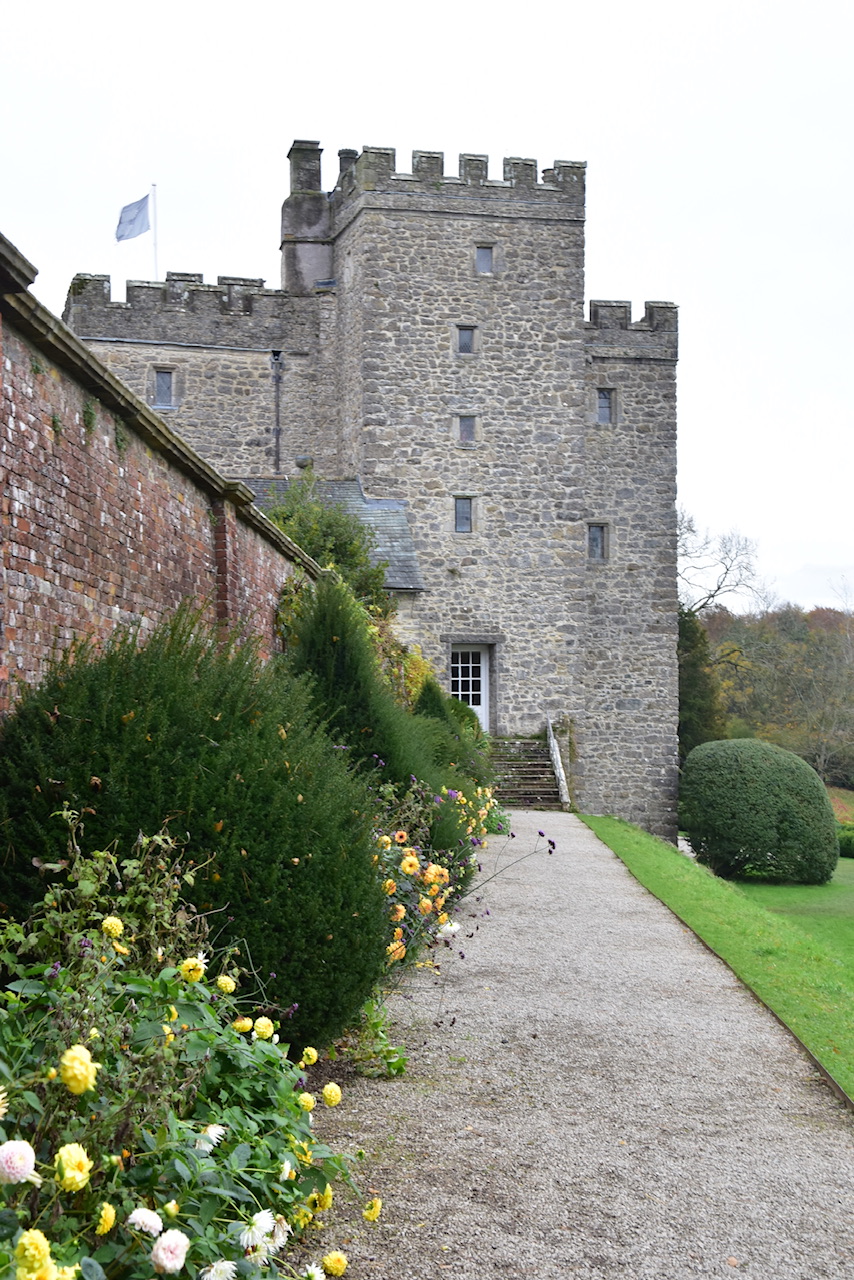
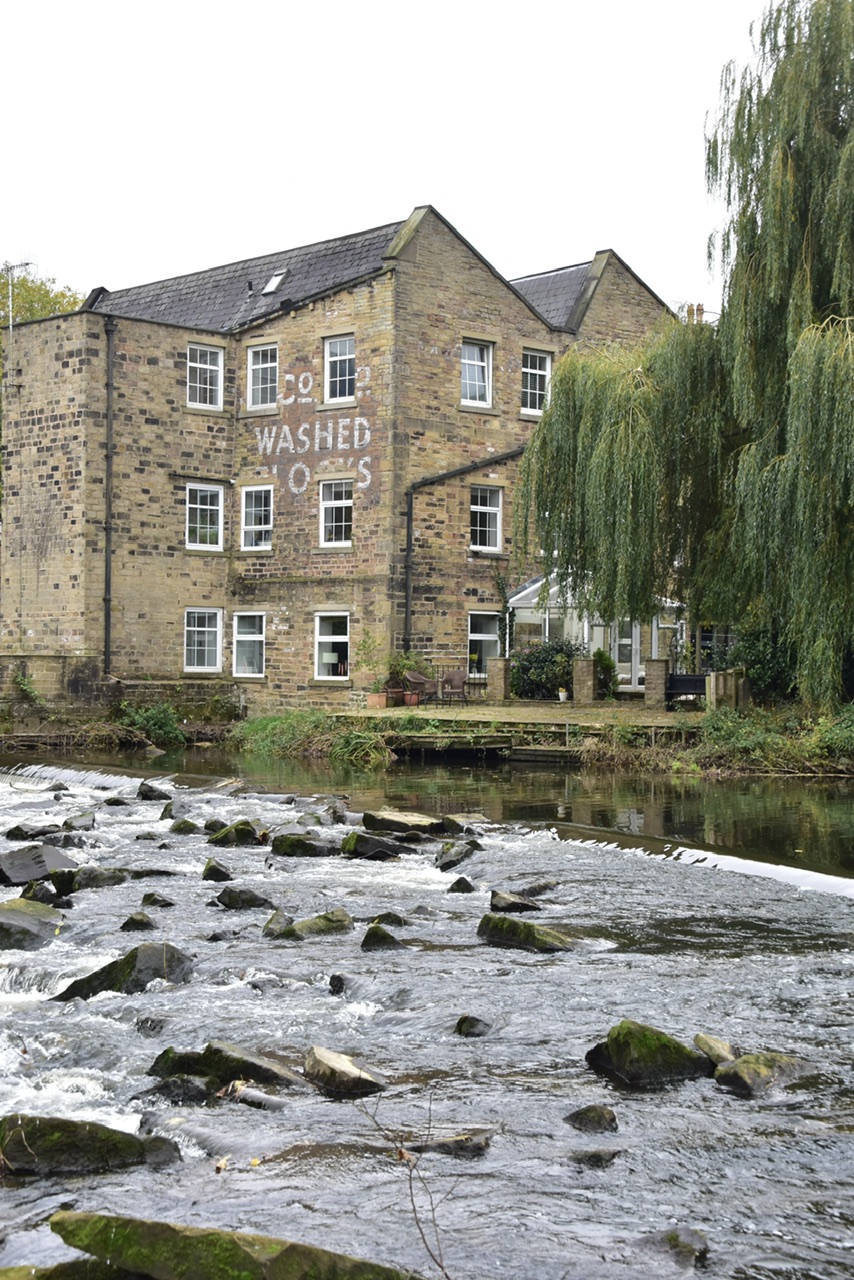
I almost went to Sizergh on Monday, but the castle itself was closed and that was what I have been meaning to visit. It closes for the season at the end of this week, so – even though it’s half term – today was my only chance unless I was going to let the wish dangle for another couple of years.

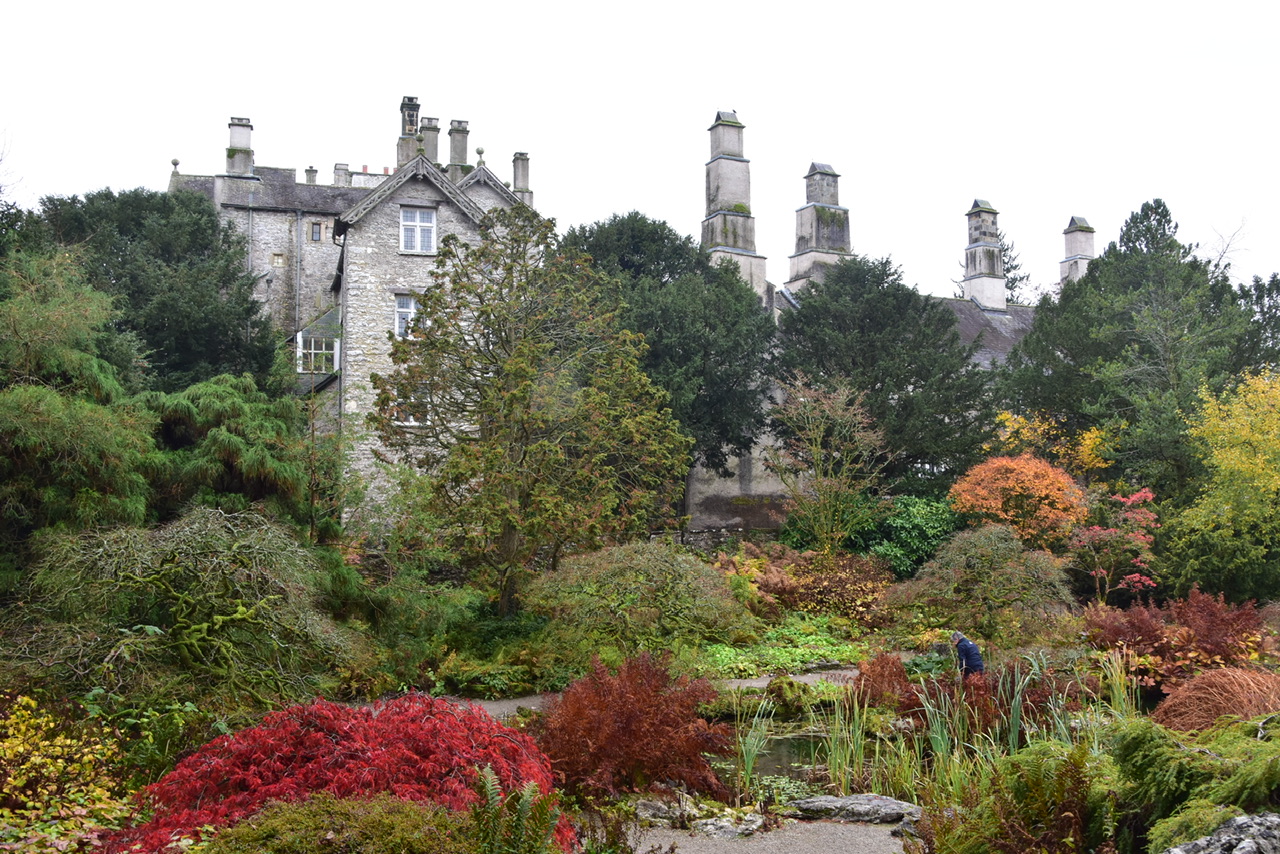
I should have chosen my time better, but heigh ho. (The kids were fine; it was the adults I could have done without!) Sizergh Castle is a pele tower with a later Tudor house. The Strickland family have lived there for centuries and given their name to a few pubs and streets. The castle is quite small and most of the visitable rooms are panelled in what is now very dark wood. The panels of the inlaid chamber were sold to the V&A at the end of the 19th century, but they have found their way back. Some wonderful plasterwork ceilings and lots of portraits – in some cases blurring time by showing side by side the grandparents as young people and their grandchildren as elderly, as if illustrating Einstein’s theory of relativity and Burnt Norton simultaneously.

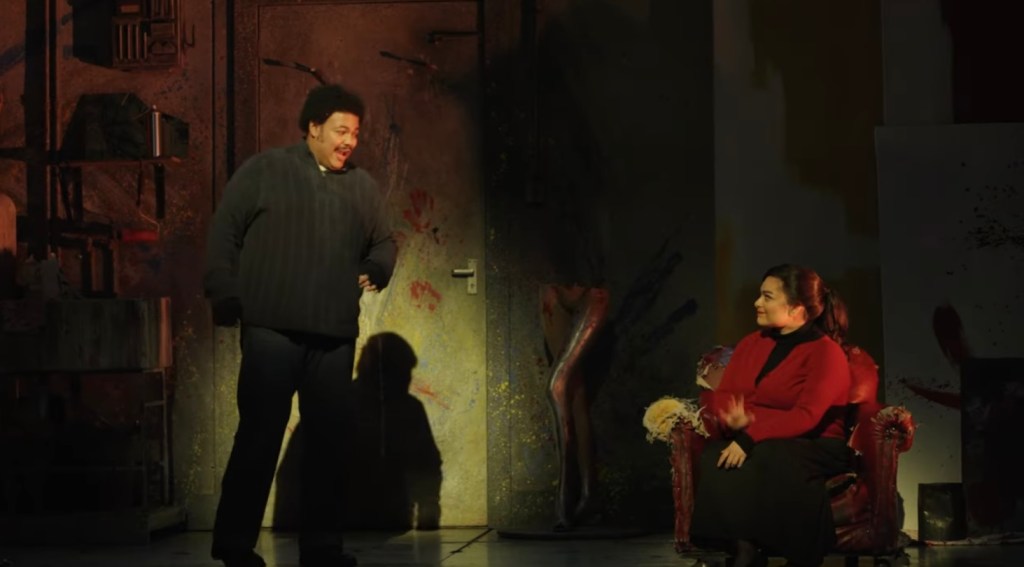
One Battle After Another

Director Paul Thomas Anderson with Leonardo DiCaprio and Sean Penn

Or “One Damn’ Thing After Another” as I thought of it as I was bombarded with quickfire scenes and dialogue, leaving no time for reflection. I’m far too old for something so chaotic, crude and shouty! (But the car chase was absolutely brilliant.) The only times it slowed down, as far as I recall, was to spotlight the malevolence of the powerful white supremacist cell, and a slightly jarring (given the circumstances) genuflection to motherhood at the end. Had I not read years ago the Pynchon novel on which it is loosely based, I would have been floundering a bit.

It’s about a father searching for his daughter against a background of underground agents: revolutionary anti-capitalists, resistance groups on the side of the oppressed, and chilling white supremacists in positions of power that they don’t intend to give up. Once past the cartoonish aspects (e.g. Sean Penn channelling every Sellars character from Dr Strangelove), there is a punchy – if incoherent – resistance to the current Trumpian agenda and actions.

It’s left me with a desire to see The Battle of Algiers again and vague comparisons with a couple of old programmes about state power I’ve recently watched on BBC iPlayer. One is Edge of Darkness – father and daughter again – and the other is David Hare’s play, Absence of War. Unsurprising, both are far more to my taste – but what, more objectively, I note is the way in which atmosphere is built and complex ideas are presented through dialogue and explanation (some of it admittedly clunky) rather than hurling images, vibes and one-liners in the direction of the audience.

Grange to Levens

As I listened to the heavy rain last night, I wondered if my plan of walking over two limestone (slippery when wet) outcrops from Grange to Kendal was a sensible one. But I’d set my alarm, checked the bus timetable and had my sandwiches, so I wasn’t going to be put off.

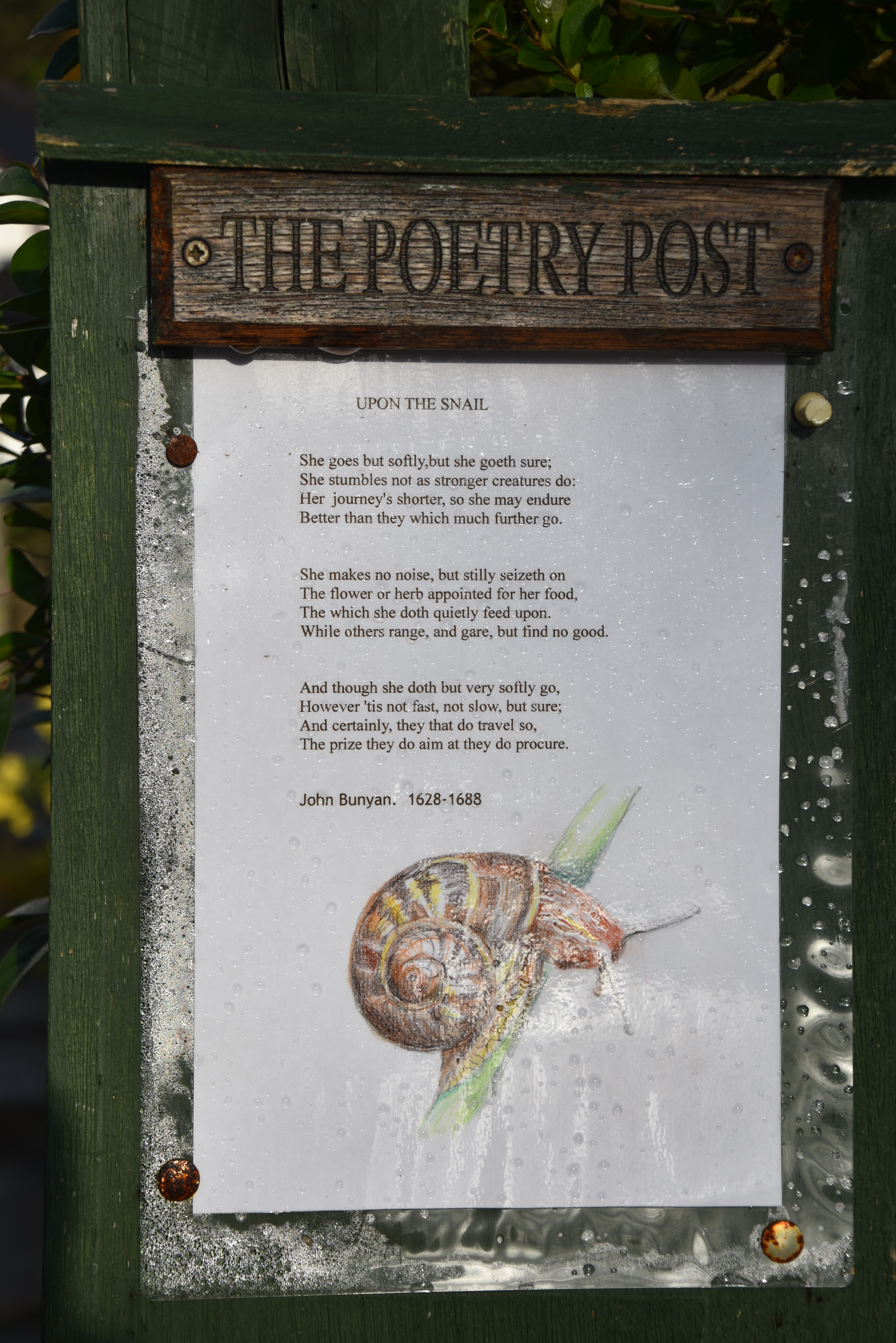
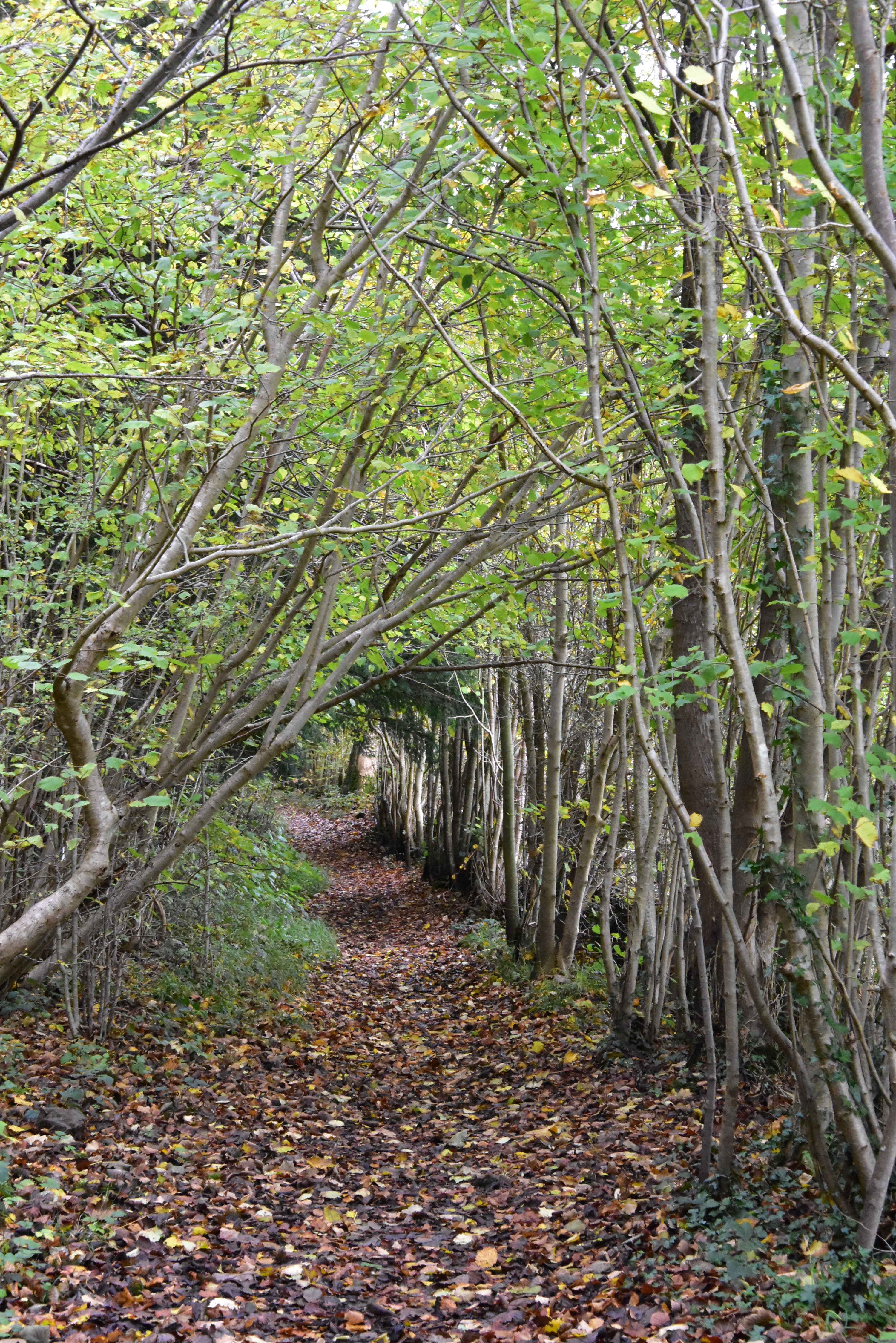
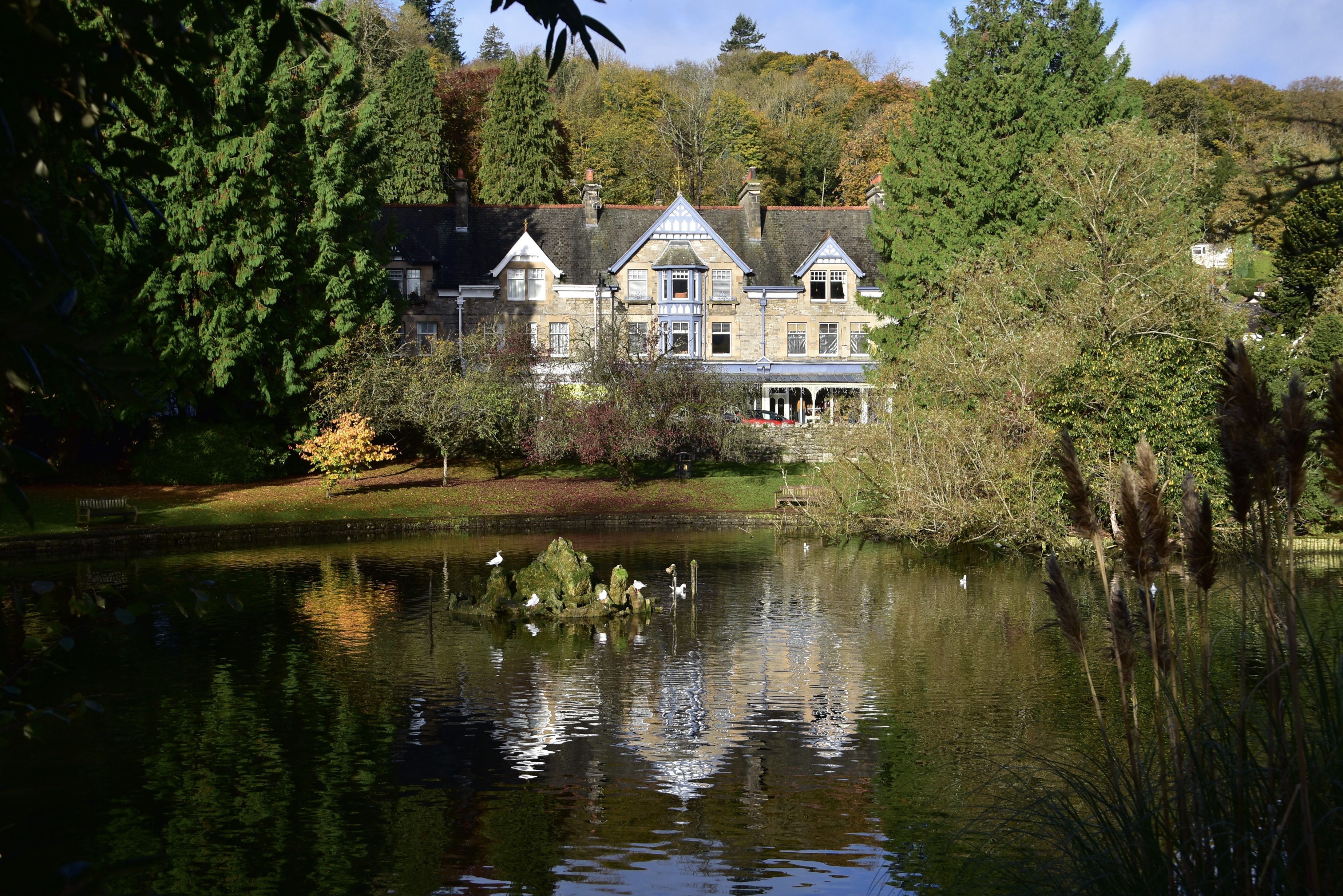
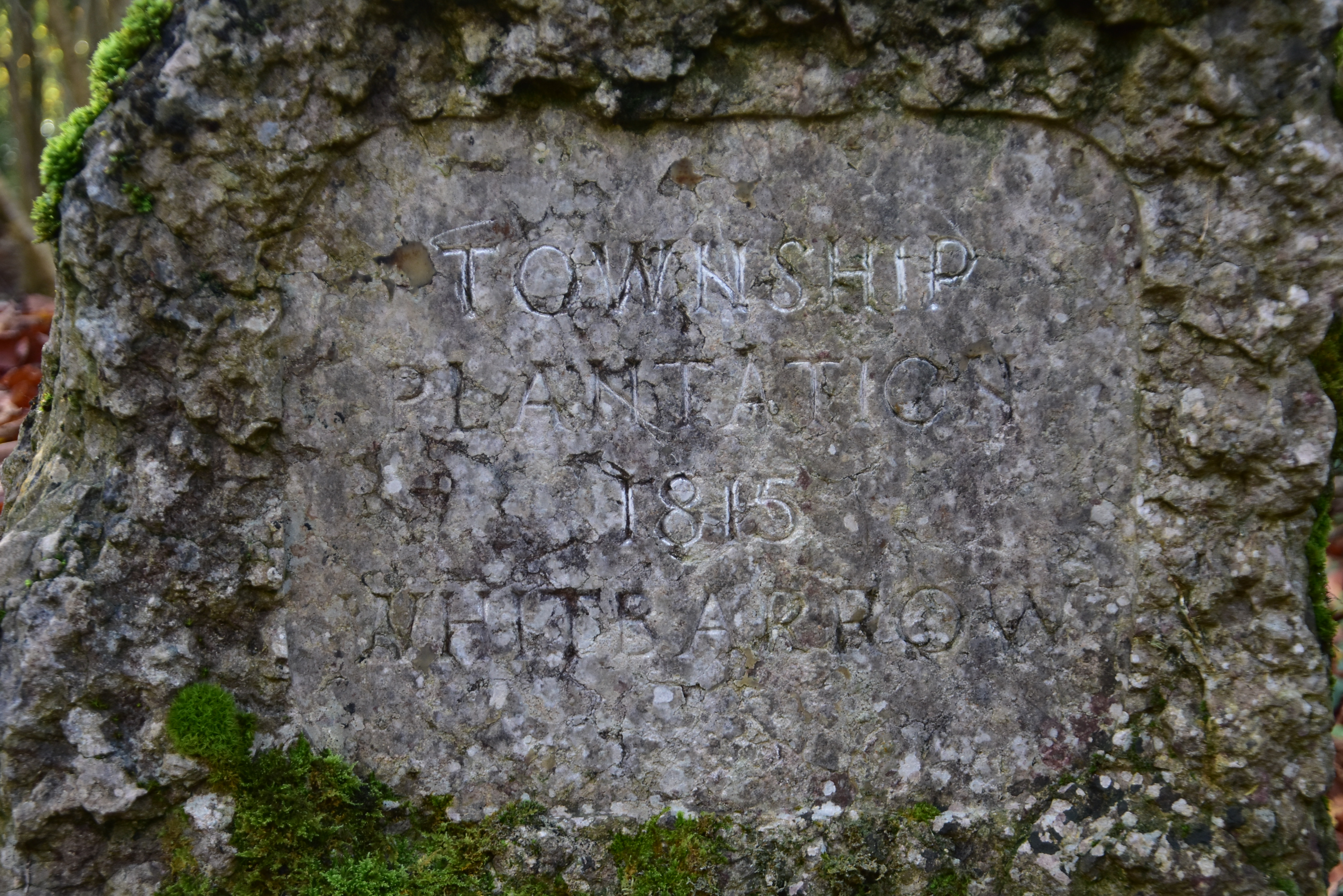
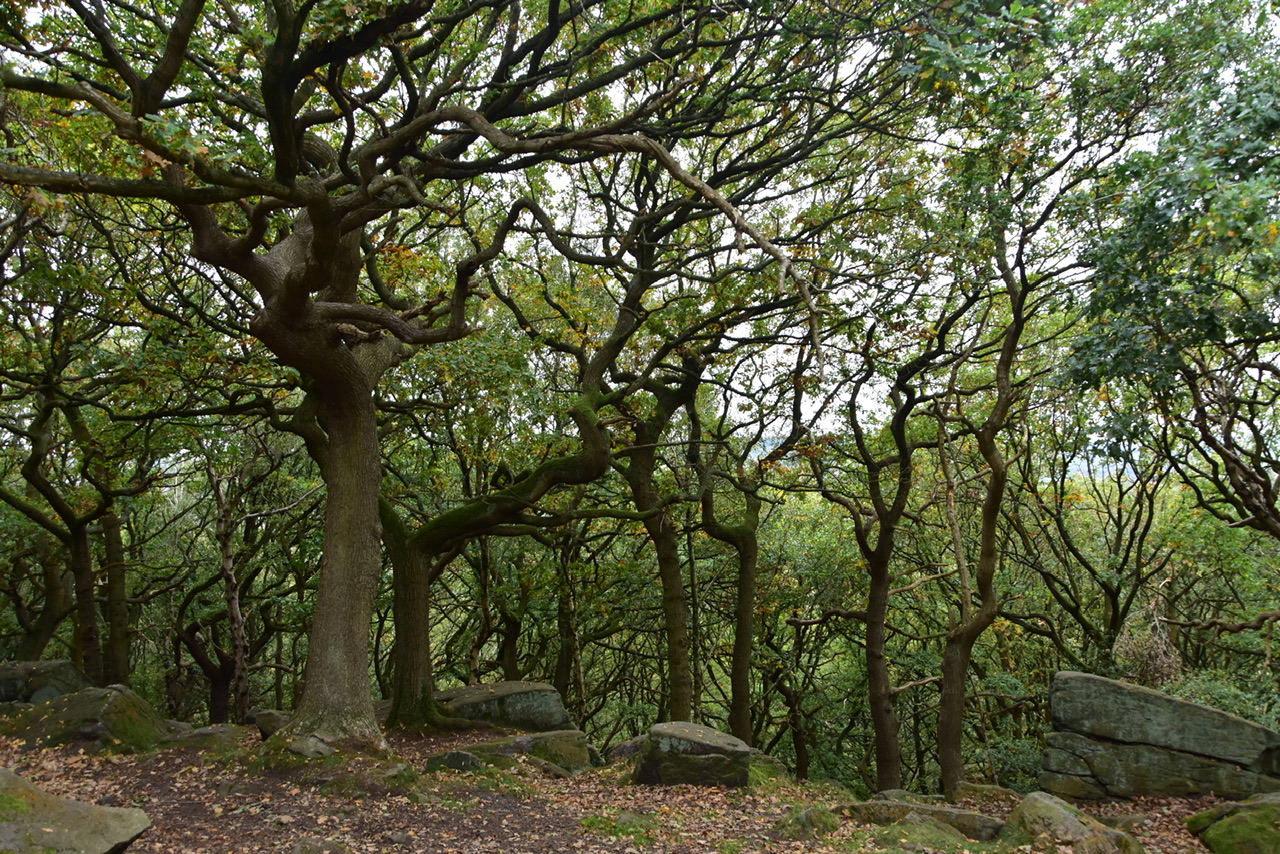
At Grange-over-Sands I checked the poetry post – again while en route for a bakewell slice – and decided to let that be my guide. So my route skirted the foot of Whitbarrow Scar and avoided Scout Scar completely by turning south at Levens through Brigsteer Woods. A good, circumspect walk: “not fast, not slow, but sure”.

Saltaire

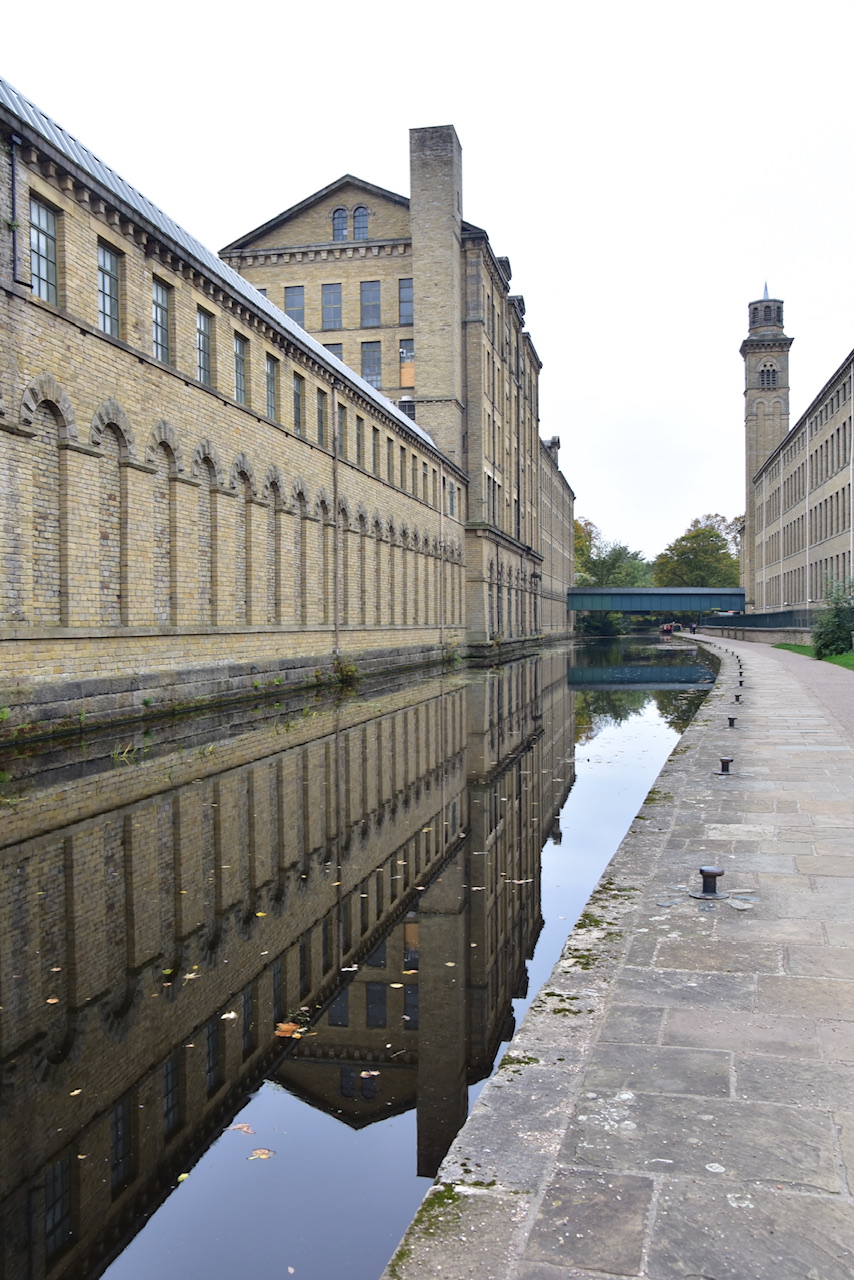
Leeds, Shipley, Saltaire, a walk around Shipley Glen and along the Aire and the canal – then back to Saltaire, Shipley, Leeds. A lovely day, and I discovered the Shipley tramway. It was so short a line that I couldn’t imagine its purpose. I have since discovered that it is a funicular tramway built simply, in bygone times, to take people to funfair attractions at the top of the hill.

The Long Day Closes (1992)

Director Terence Davies

I have certainly watched a variety of films over the last fortnight. This was definitely my favourite. It swept me up, whereas The Green Ray and Radio On engaged only my curiosity and my brain. I don’t know how autobiographical it is: scenes of a boy’s life in 1950’s Liverpool, his loving family, the magic of the cinema, the brutality of his new school and the guilt-inducing teachings of the Roman Catholic faith – particularly for a boy attracted to his own sex. Memories are heightened: the rain always lashes down, women’s lipsticks are as red as can be, everyone has a good singing voice, his mother is the epitome of lovingness, the wonderful dream-like tableau of his family at Christmas straight out of Hollywood. The nit nurse is witch-like (rather as Miss Gulch turned into the Wicked Witch of the West) and the teachers are Dickens’s caricatures. Via the film, the ex-child shows how the long day – his carefree happiness? – closed with his new school, growing up, his former playmates running off to the cinema without calling for him; refusing to run after them, he retreats to the coal cellar, the shadow of the area railings and loneliness.

Go to the dreamless bed
Where grief reposes;
Thy book of toil is read,
The long day closes.

The soundtrack is every bit as significant as Radio On. The opening credits are like a lush Hollywood biopic, written in copperplate so elegant that it’s almost unreadable. The music is, I think (I could check), that which The Ladykillers appear to play as they plan their crime, and the opening scene is very much like that street . . . and, yes, here is Alec Guinness’s voice enquiring about a room. You read the screen images as carefully as any religious painting. Thresholds, front doors, narrow staircases are as significant as St Lucy’s eyes on a plate. When he’s standing in the lashing rain outside the cinema asking an adult to take him in – shades of Gene Kelly about to start singing in the rain?

Strange how the sentimental scenes in Dead of Winter left me cold but in this film I basked in their warmth. Perhaps because they left space for/contrasted with other emotions – and perhaps because I suddenly recalled that my father used to sing when I was a child. Even now I can hear him singing “The voice in the old village choir” (“accompanied” by me as the bells’ dongs) – now there’s a whole meta-chain of nostalgia!