Solar by Ian McEwan (2010)

The first sentence establishes the rather repellent qualities of the protagonist, Michael Beard. So repellent that it’s hard to remember how clever he is (Nobel prize) and to believe that he attracts so many pleasant women. It’s been a long time since I last read a novel by a man about a man’s life; suddenly I was back in a Y-chromosome world made familiar by Saul Bellow (Herzog, maybe), Martin Amis and early William Boyd. I also remembered radio science programmes some years ago that mentioned the scheme of sending scientists and artists to the Arctic/Antarctic so that they could work together in some way to capture the public’s imagination about global warming. Apparently McEwan went on one such trip; this is his novel about global warming.

It’s about (a flawed plan for) solar energy for a planet that can’t wean itself off over-consumption of energy. And, in parallel, a man who, despite his initial resolution, just can’t reform his diet, his lifestyle and his womanising to live a healthier life. It’s clever, satirical, funny, well-researched and, perhaps, a bit too long.
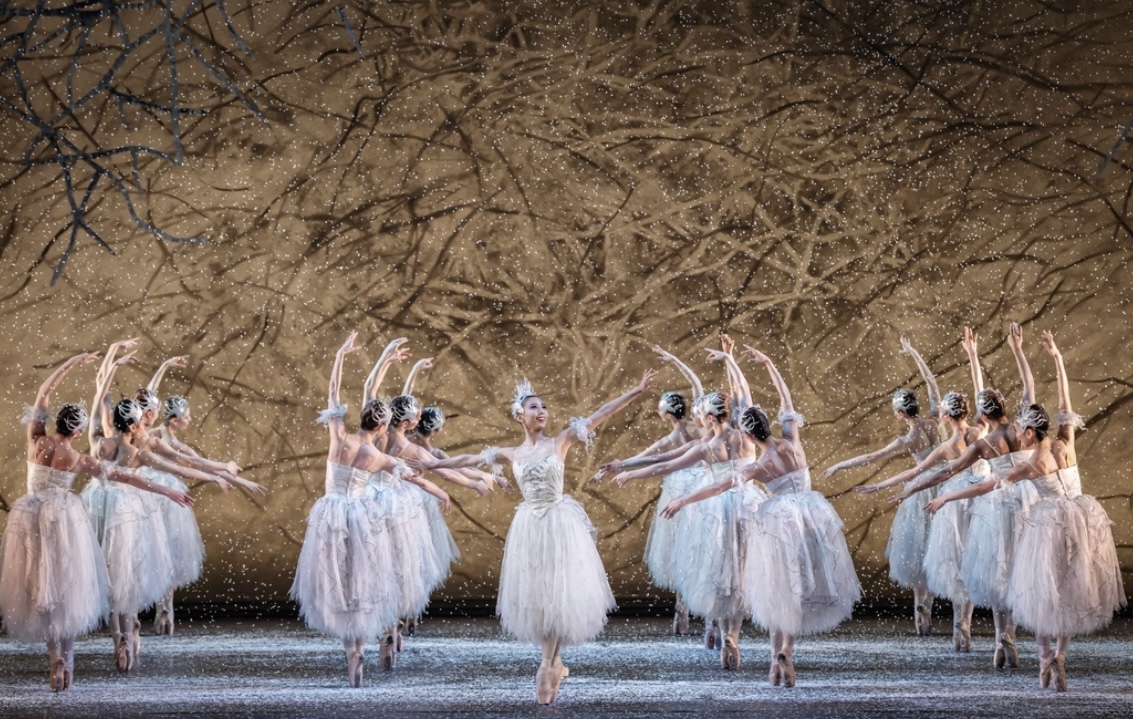
The Nutcracker

Is this the third ballet I’ve been to in my life? (Giselle and Romeo and Juliet are the others. Plus something on stage in a school.)

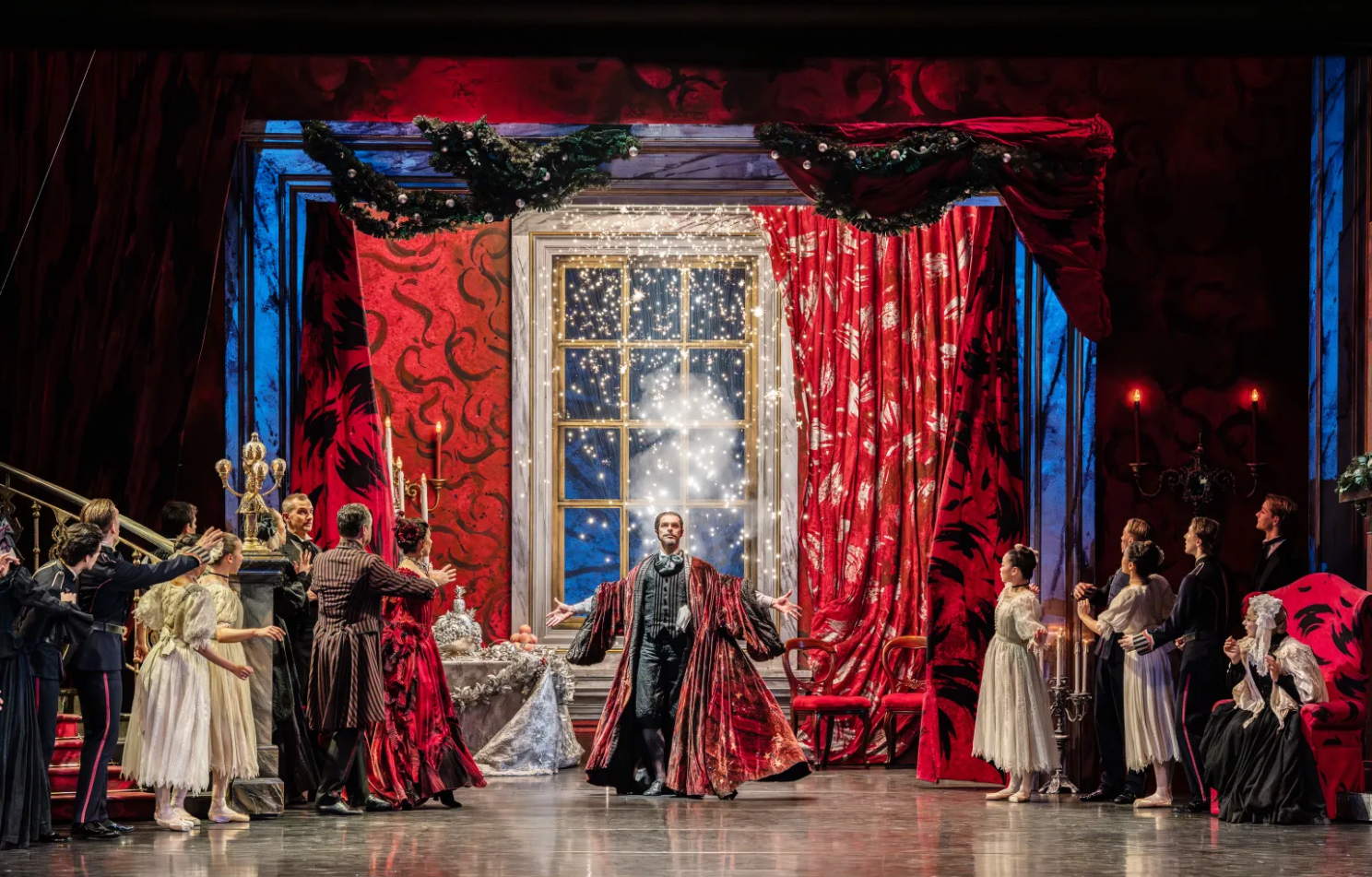
This was absolutely wonderful. Everything was a delight: dancing, costumes, scenery, set transformations. The storyline is flaky, particularly after the interval – but who cares when it is so entertaining? It’s a pantomime for grown-ups.

I noticed that the average audience age was a lot lower than for an opera. Not surprising really since it’s a magical crowd-pleaser for everyone. In the foyer I found myself in a copse of incredibly slender and upright girls; I later learned that Elmhurst Ballet School had come out en masse to see it.

Birmingham

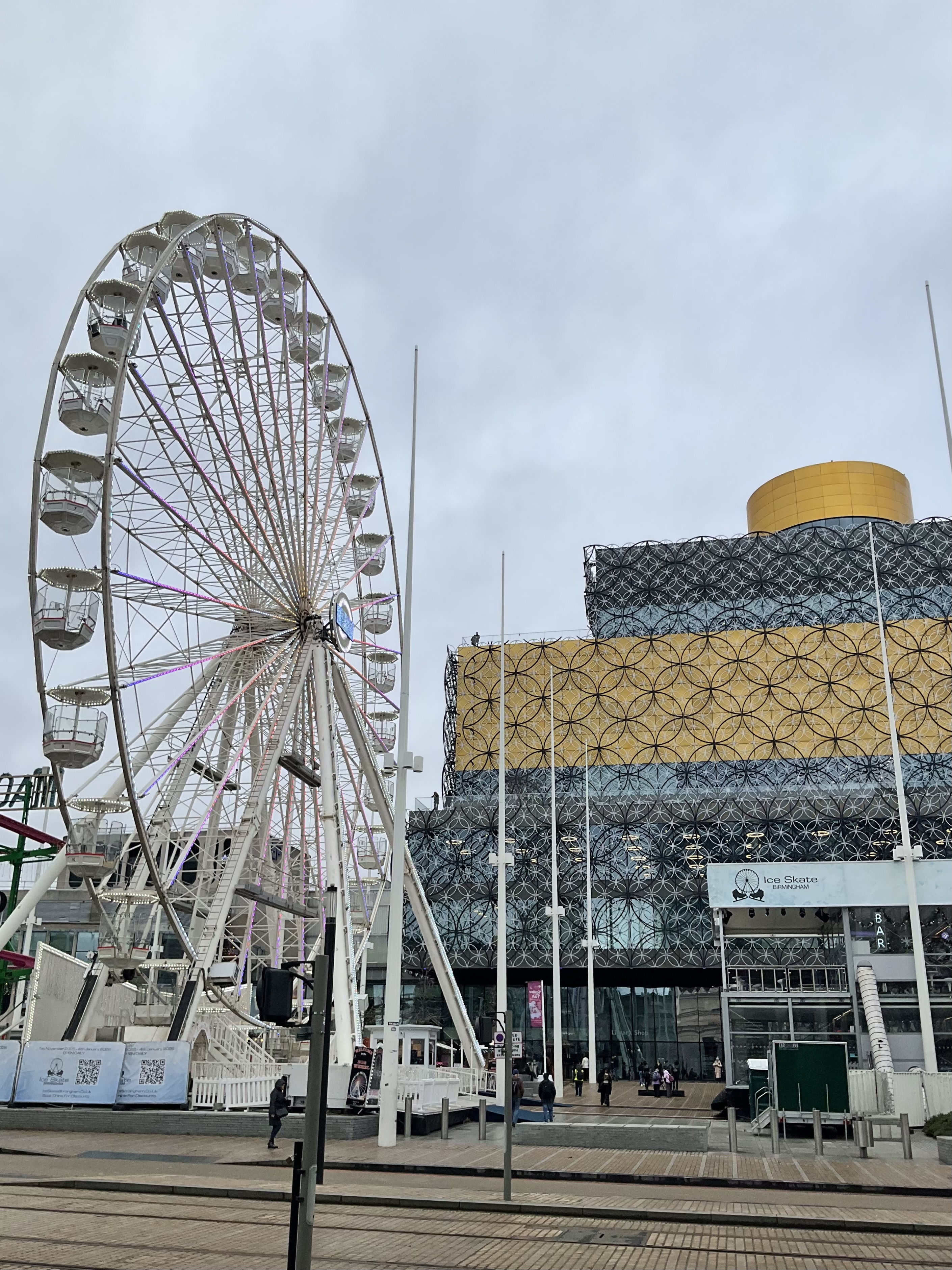
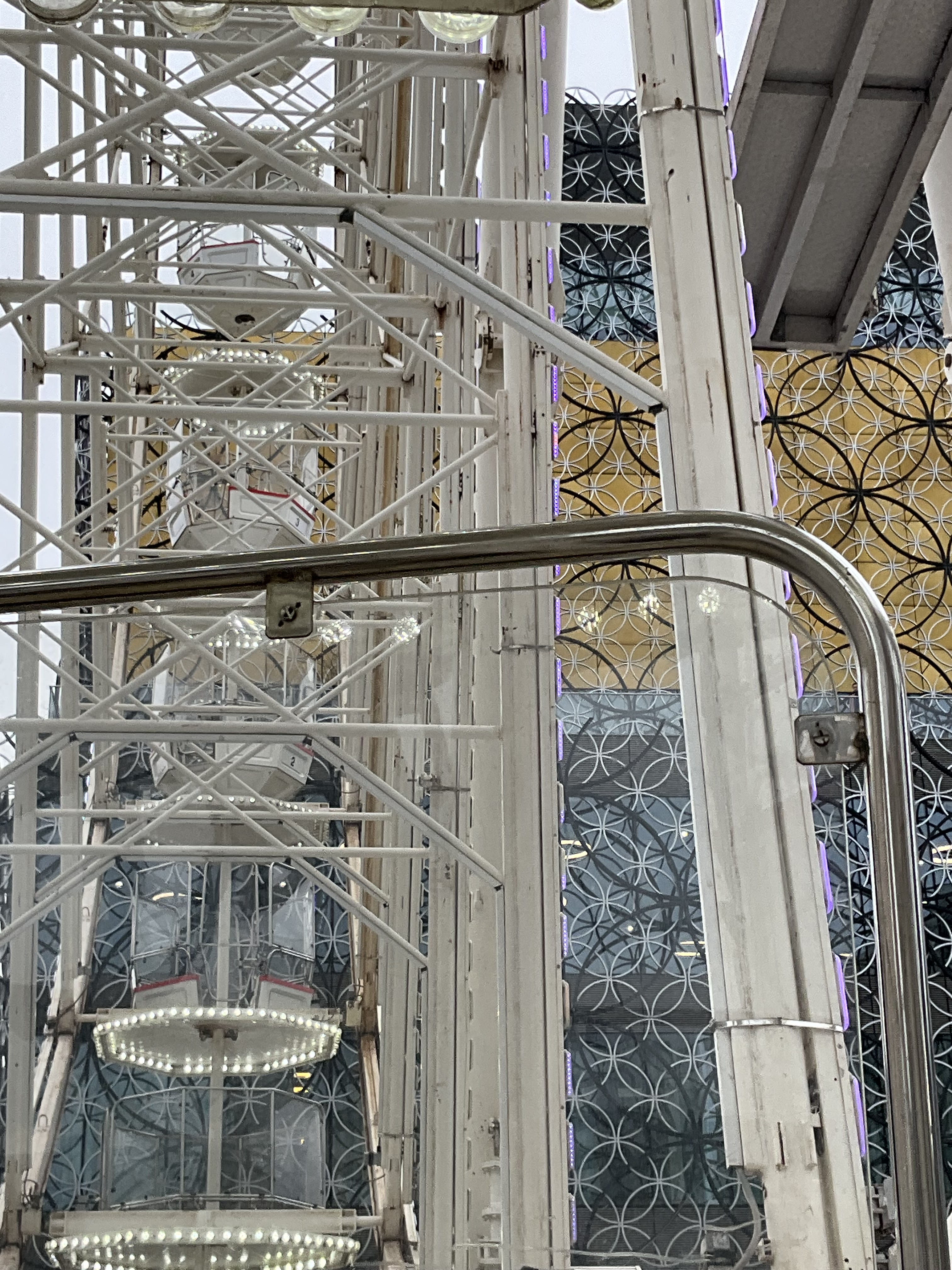
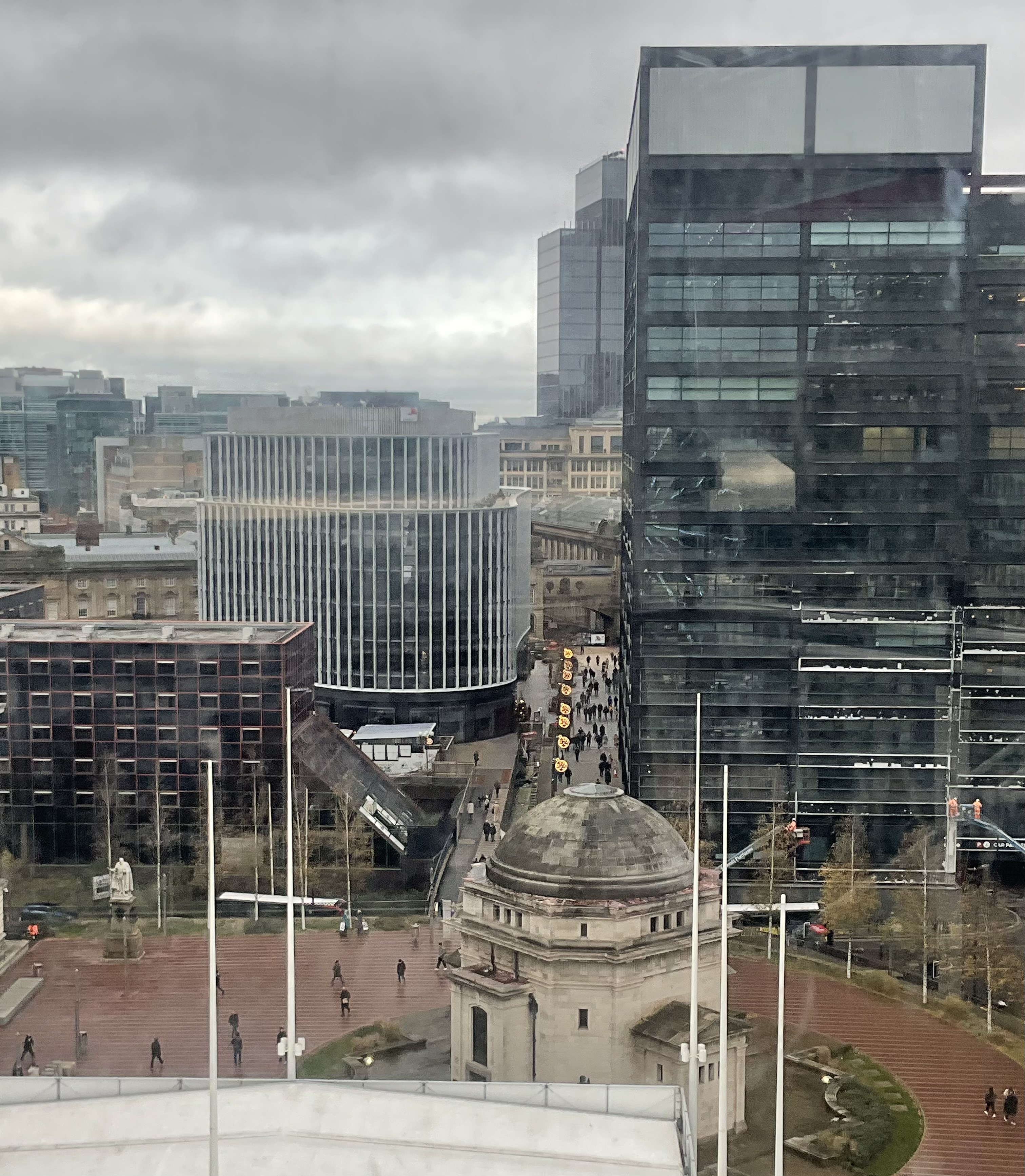
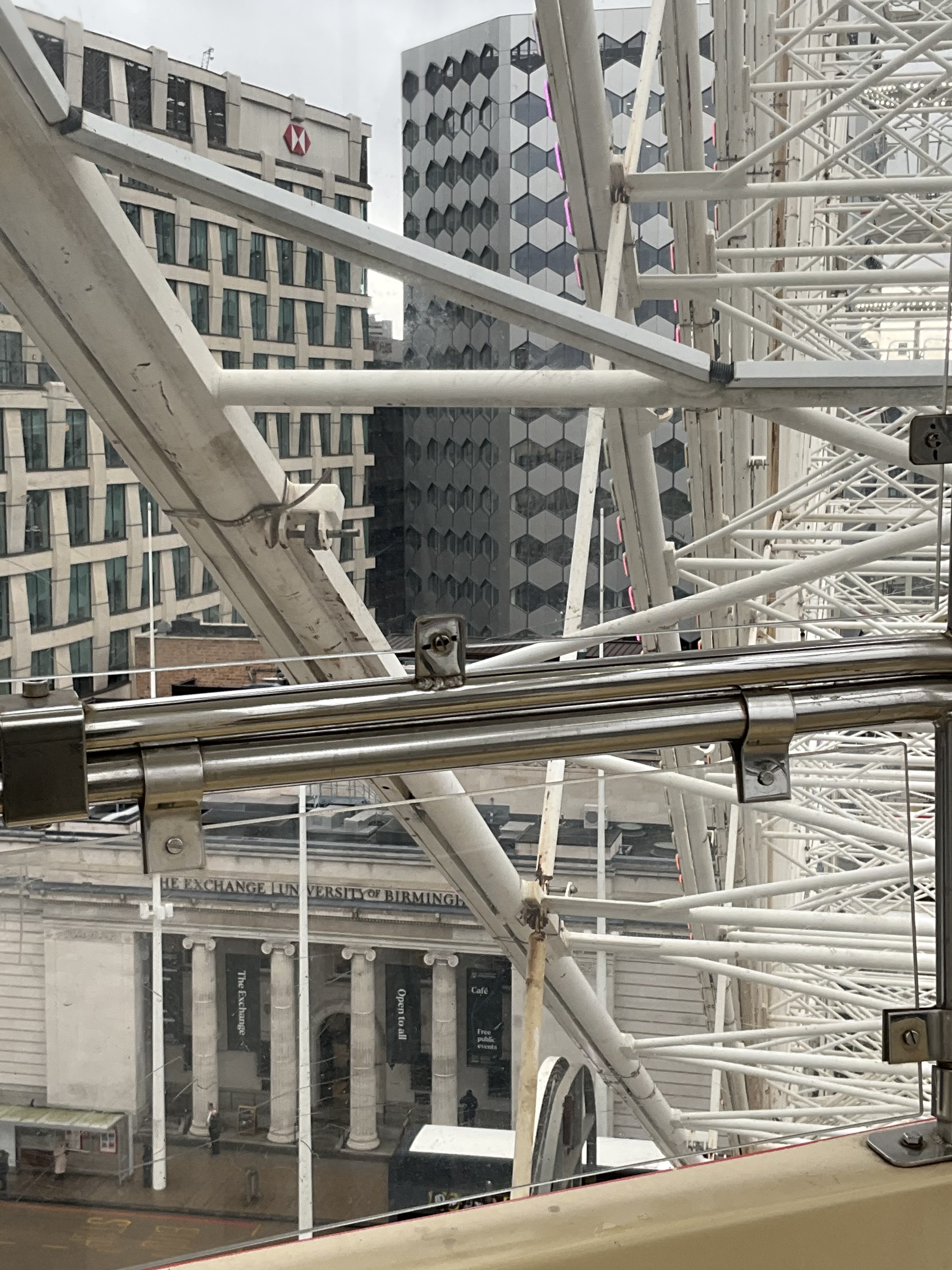
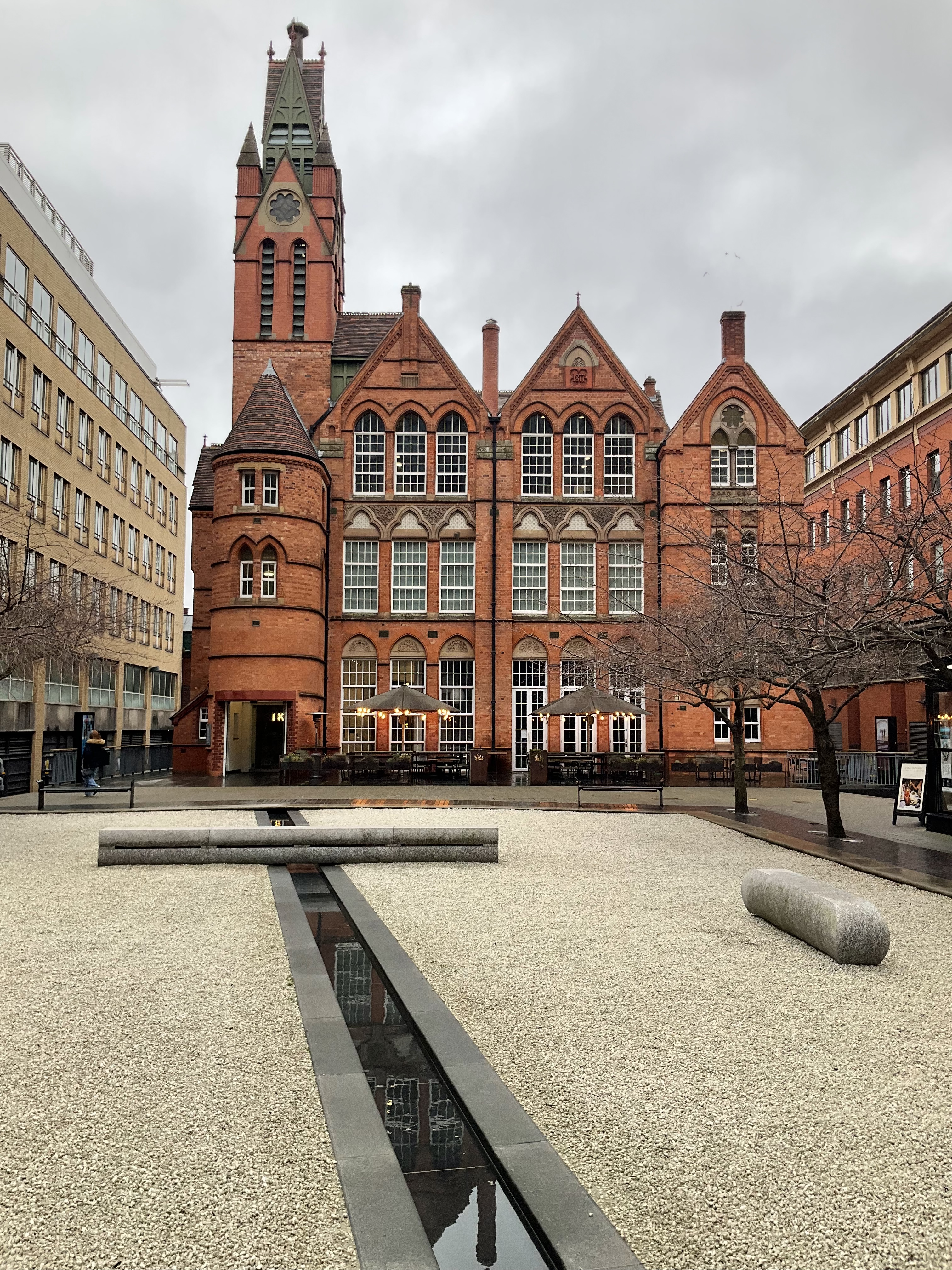
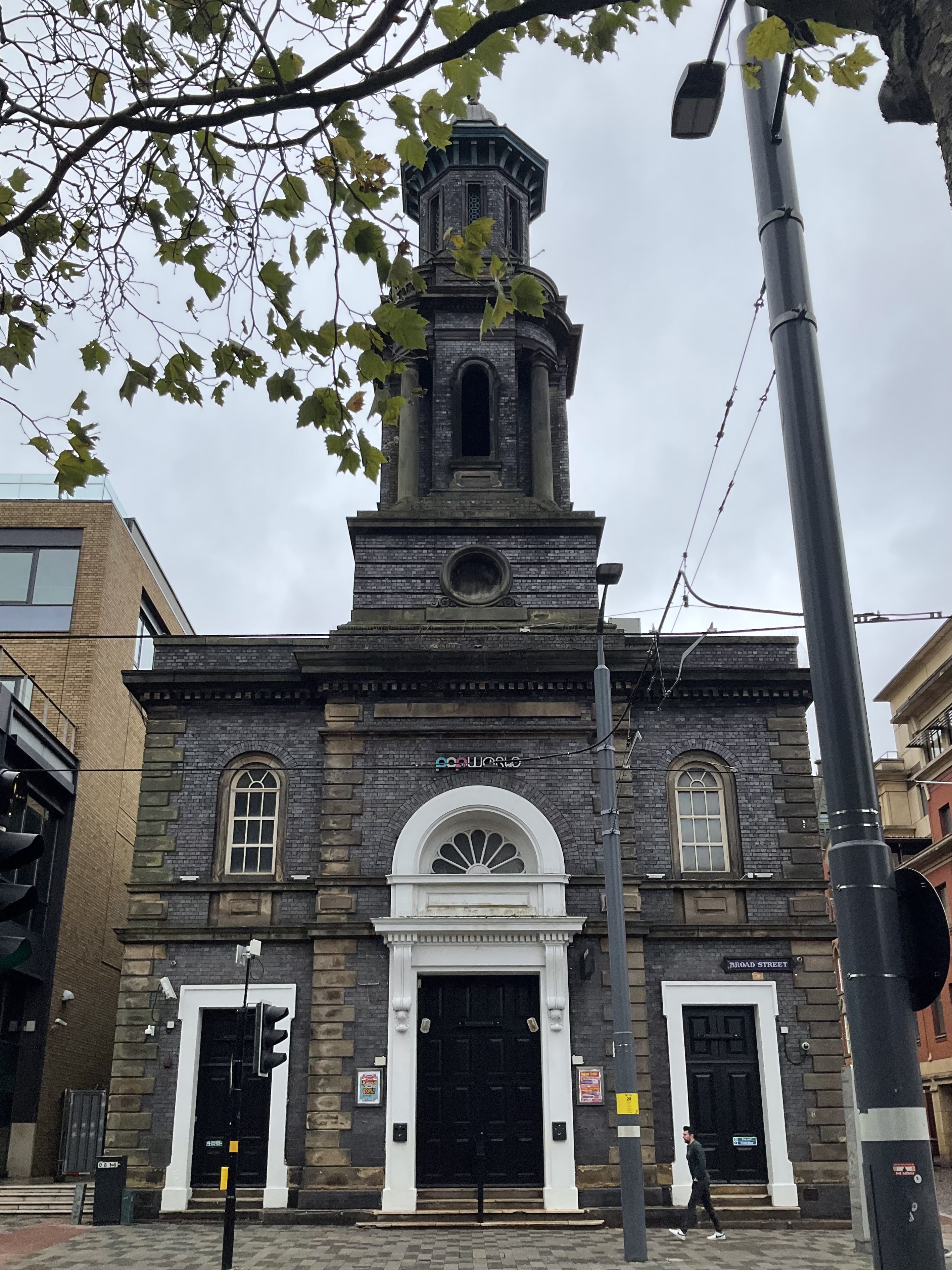
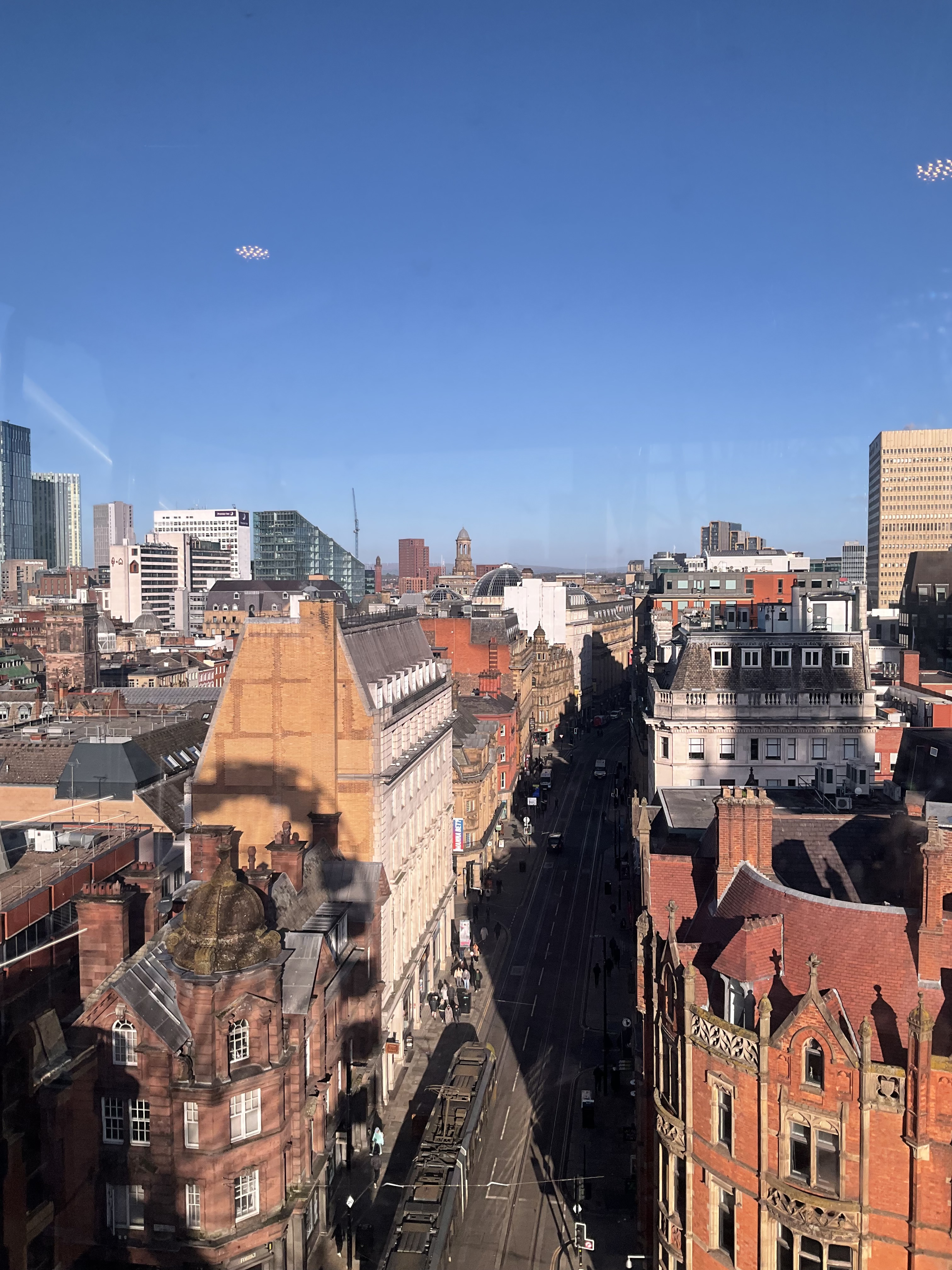
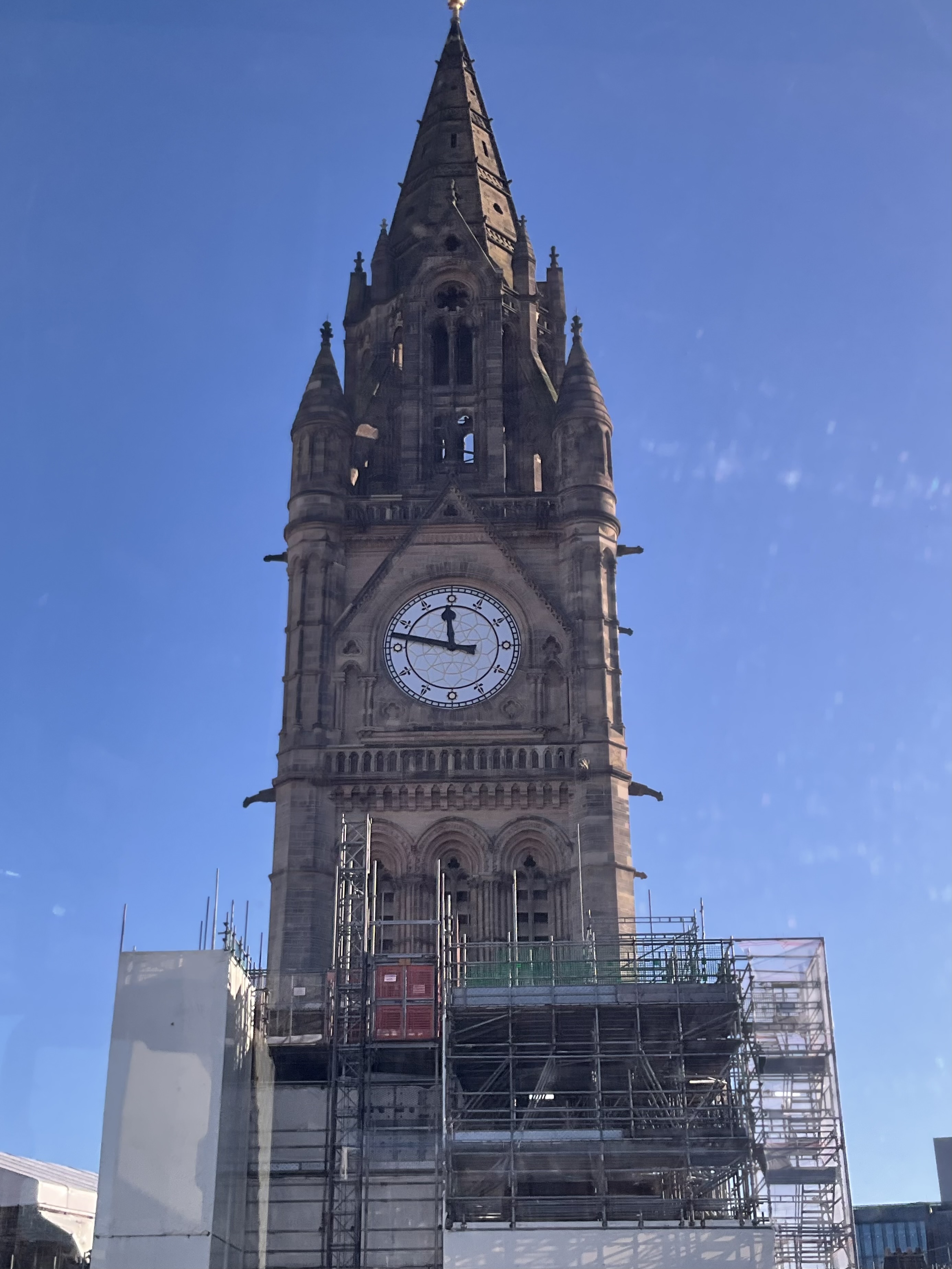
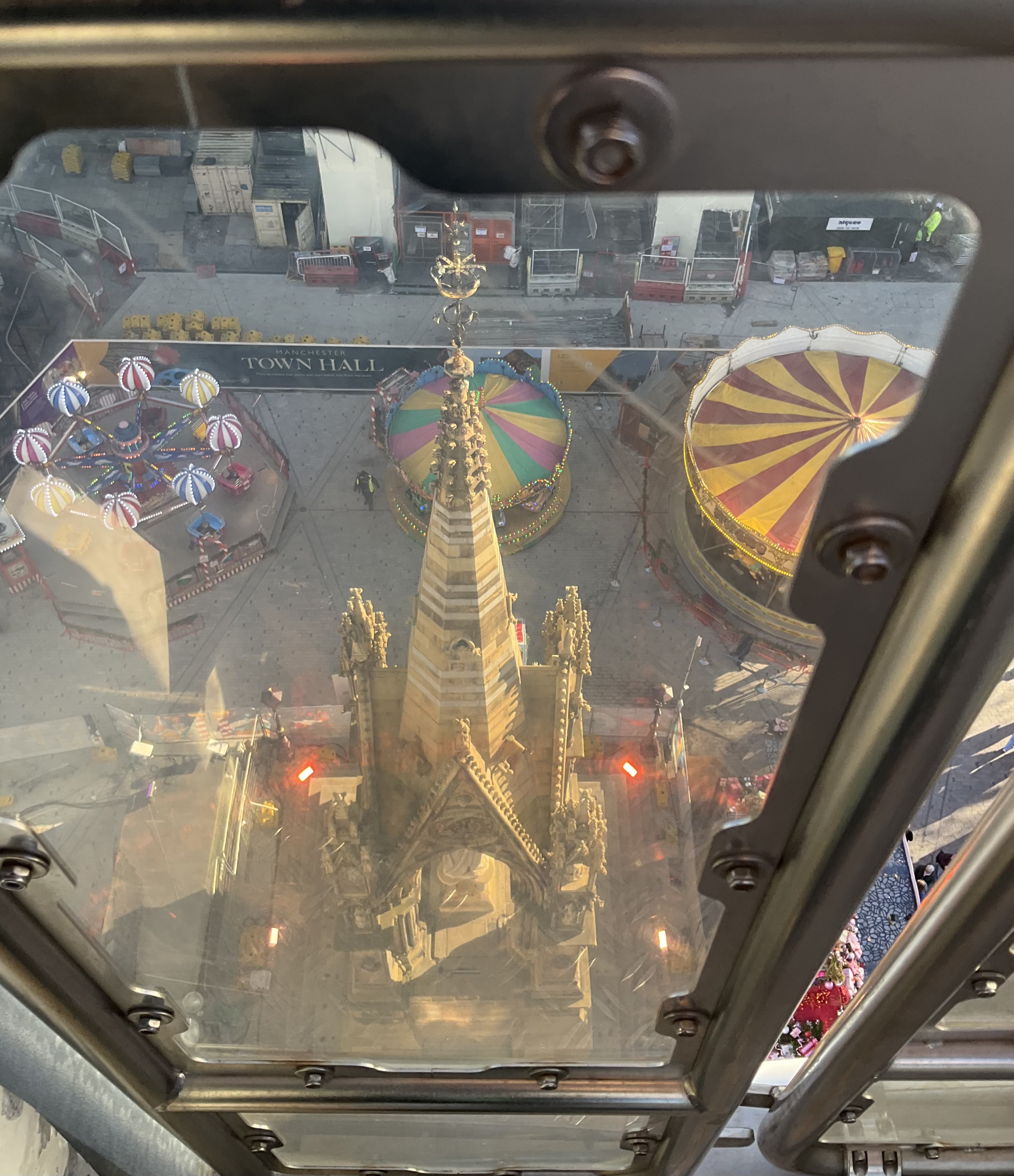
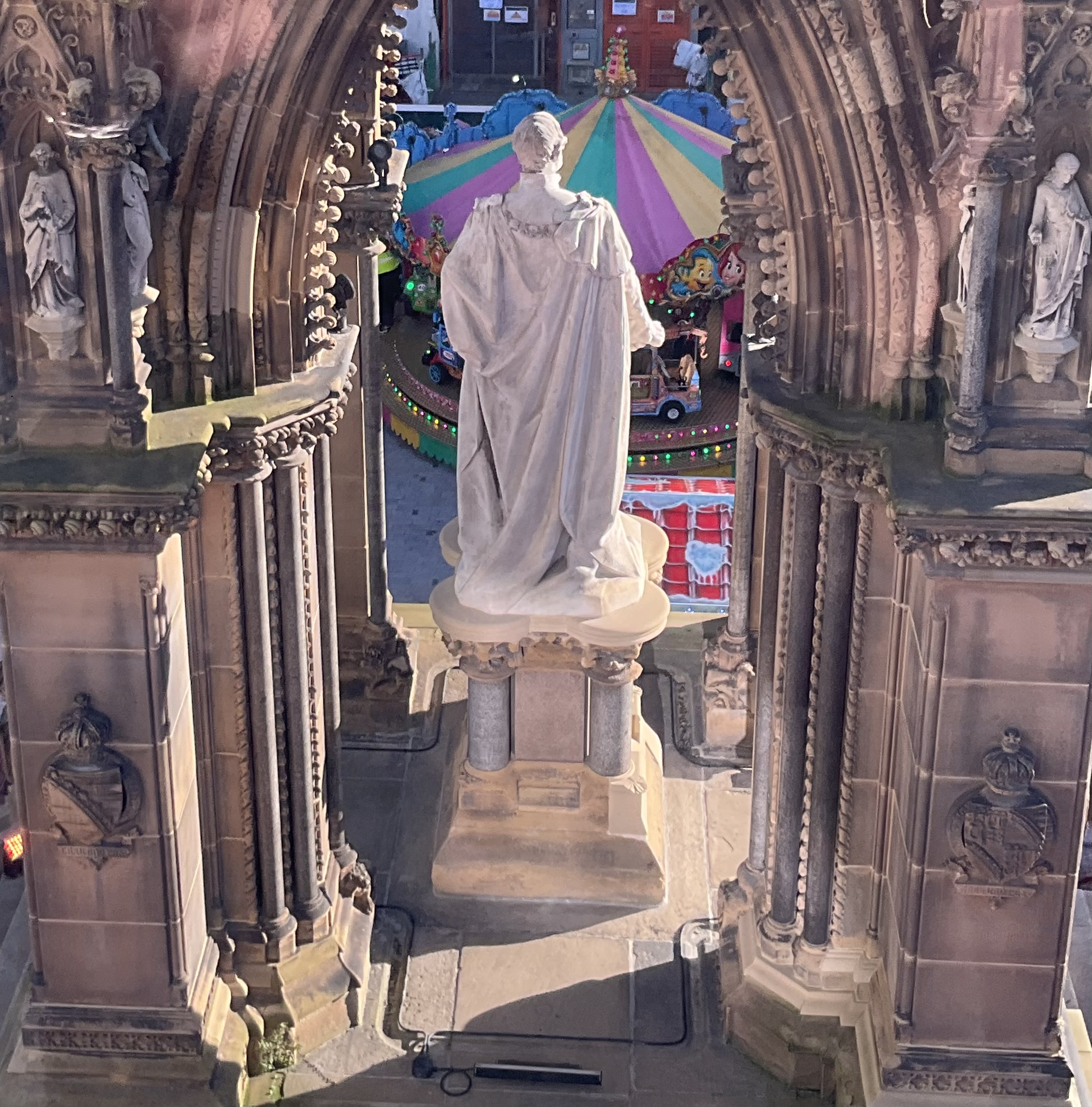
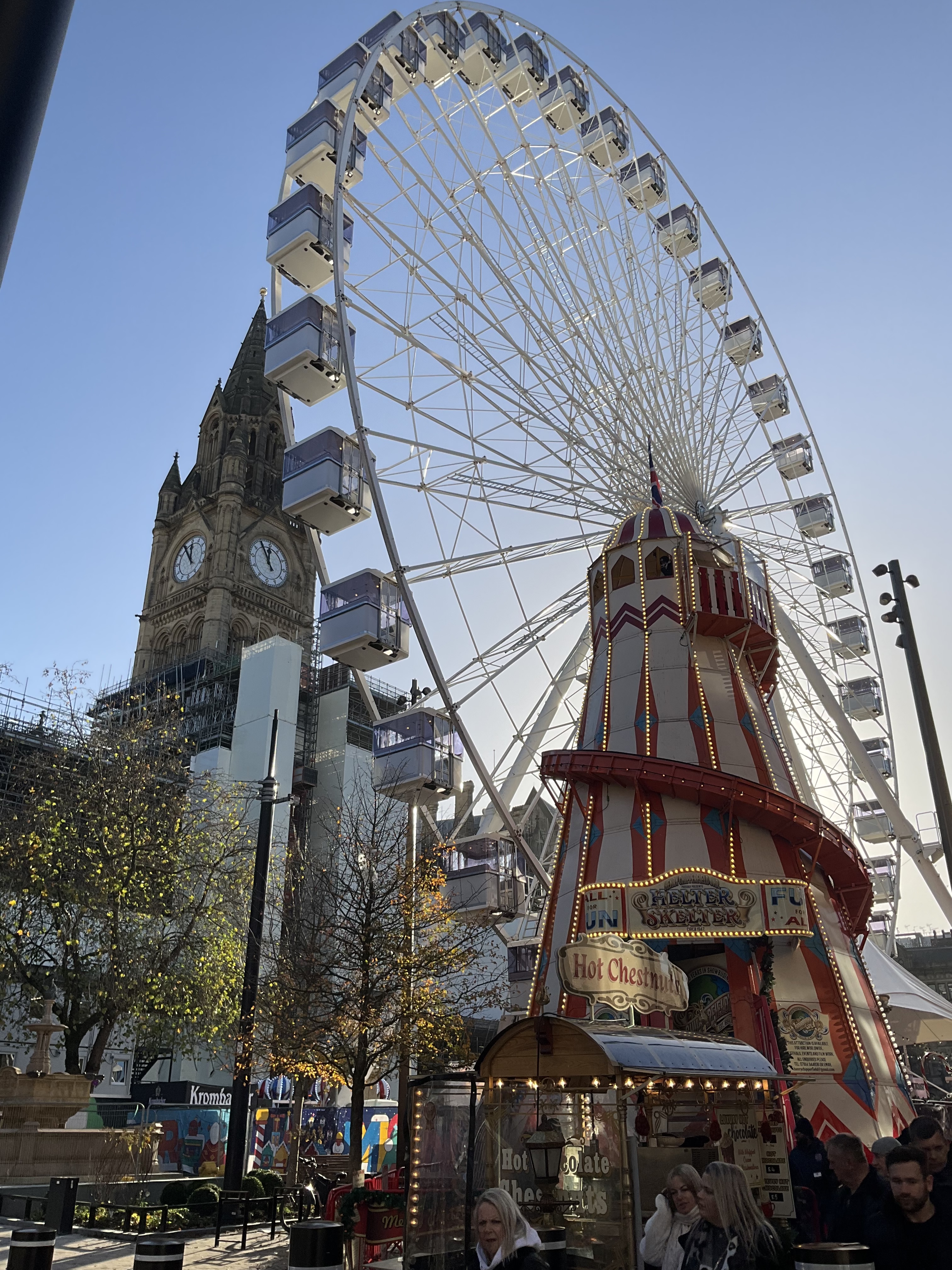
One of those whims you’re not sure is worthwhile. But it always is. I booked the ballet on impulse and then I came across a big wheel – which I had all to myself. Vindicated already! I then went half-heartedly to the Ikon Gallery (I still go blank in front of contemporary art) but the café was closed and the advertised mini-tour wasn’t happening; a nice lunch beside the canal seemed a better idea. However, had I not tried to go to the Ikon Gallery I wouldn’t have seen Birmingham’s Second Church of Christ Scientist (where’s the First, I wonder) nearby. Now a nightclub. My kind of mental catnip.

The Birmingham Christmas market does have some link with Germany so I was pleased to find some Nürnberger Lebkuchen. (I’m sure I can get some in Sainsbury’s, but it’s not the same.) The slowly re-opening art gallery and the Staffordshire hoard (this time with a magnifying glass) next. And I was upgraded to a suite on the tenth floor. Better and better.

I heard quite a bit of spoken German in the street; combined with the number of jovial blokes in scarves, I realised I should have checked the football fixtures. Yes: Villa v a Swiss club this evening. One other thing I noted was the glumness of the three people engaged in outdoor Christmas events whom I encountered. Note to self that it’s easier to make the best of things when they are stacked in your favour.

The Nights of Cabiria (1957)

Director Federico Fellini with Giulietta Masina

This is more or less the plot of Sweet Charity, only less sugar-coated. Cabiria is a streetwalker in Rome whose hopefulness breaks the bounds of her circumstances. The film opens with her lover stealing her handbag . . . and ends with her new lover, who has promised her the happy-ever-after marriage she longs for, doing the same. But this time her handbag contains her life-savings. The final scene is her walking disconsolately, caught up in a group of high-spirited youngsters. Even while a tear trickles down her cheek, she begins to smile again.

Themes were familiar from other Fellini films. It embraces people living in caves and the film star in his swanky apartment – mixing La Strada with La Dolce Vita. The ending itself is out of , as the central character is caught up in a kind of dance. Masina makes the role her own: her expressive dance and body are Chaplinesque.

Central Station (1998)

Director Walter Salles with Fernanda Montenegro and Vinícius de Oliveira

A retired schoolteacher ekes out her pension by writing letters for illiterate people at Rio’s main station. She’s cynical and outwardly hard-boiled; she doesn’t always post the letters as promised, sitting in judgement on feckless husbands and fathers. To me, this trashing the hopes of communication between people was as bad as (unwittingly?) selling Josué to possible organ-harvesters! (She does atone for both sins.) Reluctantly she ends up accompanying a motherless boy across Brazil to find (if they can) his father. I saw this when it came out and I am ashamed to say that the only scene i really remembered was the one with the lipstick and the vanishing truck driver.

It’s a slow road movie with redemption/rebirth as one of its journeys. The opening scenes reminded me of The Lunchbox, but probably more from the press of population than the way it was filmed (brilliant at following an individual through a crowd). I had forgotten the latent menace in the society it shows: a petty thief at the station is chased and killed. I don’t know if the religious references are “sincere” or just “cultural”: Isadora and Josué (both actors perfect) are looking for Jesus, his father, a carpenter with two other sons, Moisés and Isaías. There are images of the Madonna and Child in the film – but the publicity poster is of the child holding the woman. (So should I see the lipstick as blood/wine?) Dora talks of how forgetting is inevitable, but it’s clear that she can’t forget her own childhood memories. The ending went awry: Dora’s leaving abruptly is unkind, and the audience seeing her writing a letter on the bus (to an illiterate nine-year-old), doesn’t change that.

The Choral

Director Nicholas Hytner with Ralph Fiennes and Roger Allam

(Inadvertently I went to a captioned performance: note to self not to do that again until the time comes when it’s actually necessary.)

It was OK. The choral society of a Yorkshire mill town in 1916 puts on an amateur performance of The Dream of Gerontius. They are in the middle of war: many men have already been killed or wounded, and more will be sent to the front after their eighteenth birthdays to risk the same fate. Poignancy is always there. Art, community, endeavour are ways of transcending the brute reality. Fiennes and Allam are very good. The film is typically Alan Bennett in its Yorkshireness, whether humour or bluntness, and there was certainly one scene that he’s used before. In the end, however, I found it very hit and miss and too baggy: there were too many short scenes covering class, morality, grief, repression, sexuality, larking about, art or anti-German feeling that the film doesn’t have a chance to gel. And the performance of the Dream is a a very modern interpretation and, I thought, ineffectively shot.

It was partly filmed in Saltaire; I recognised it immediately.