Staveley to Kendal II

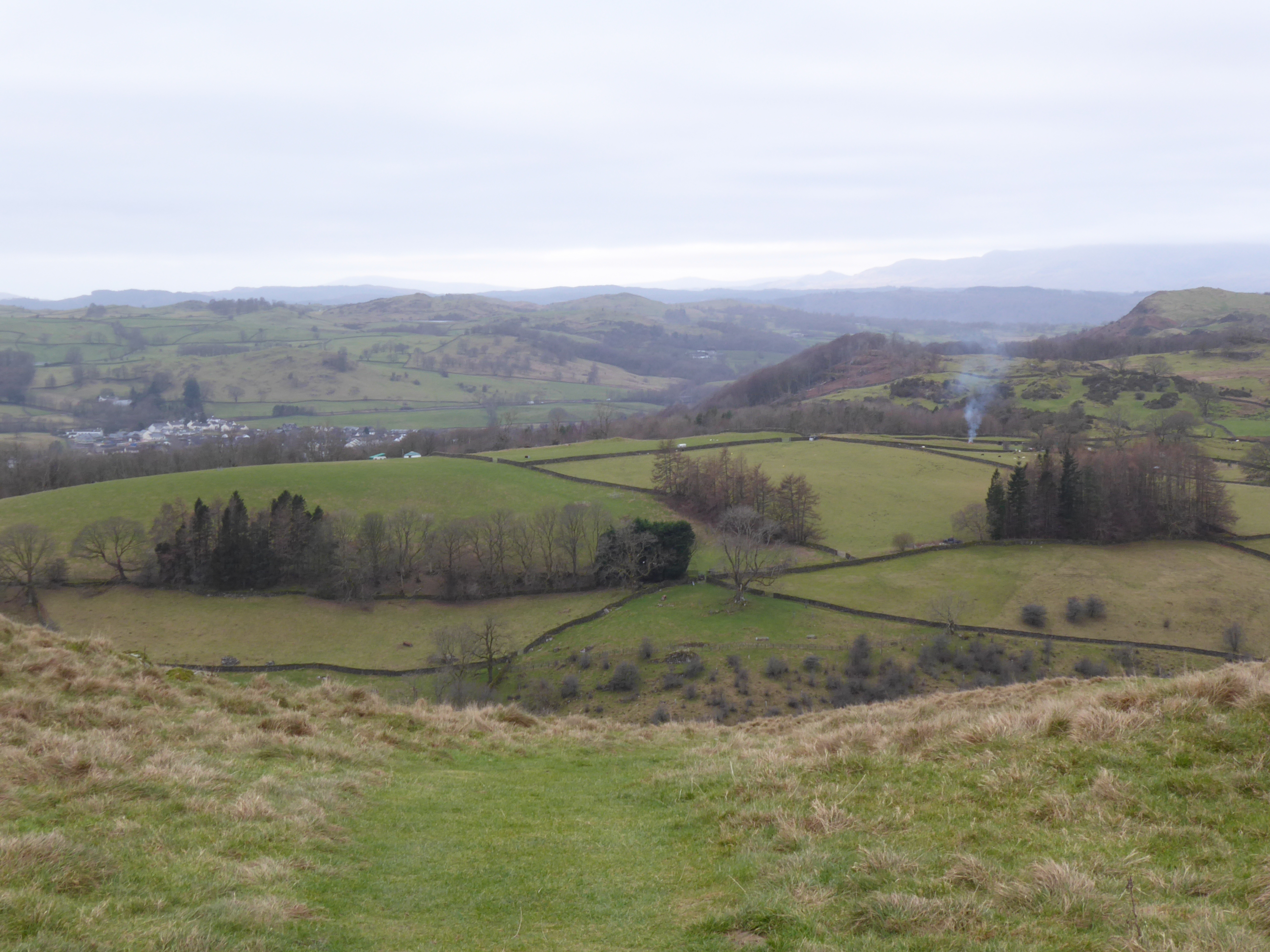
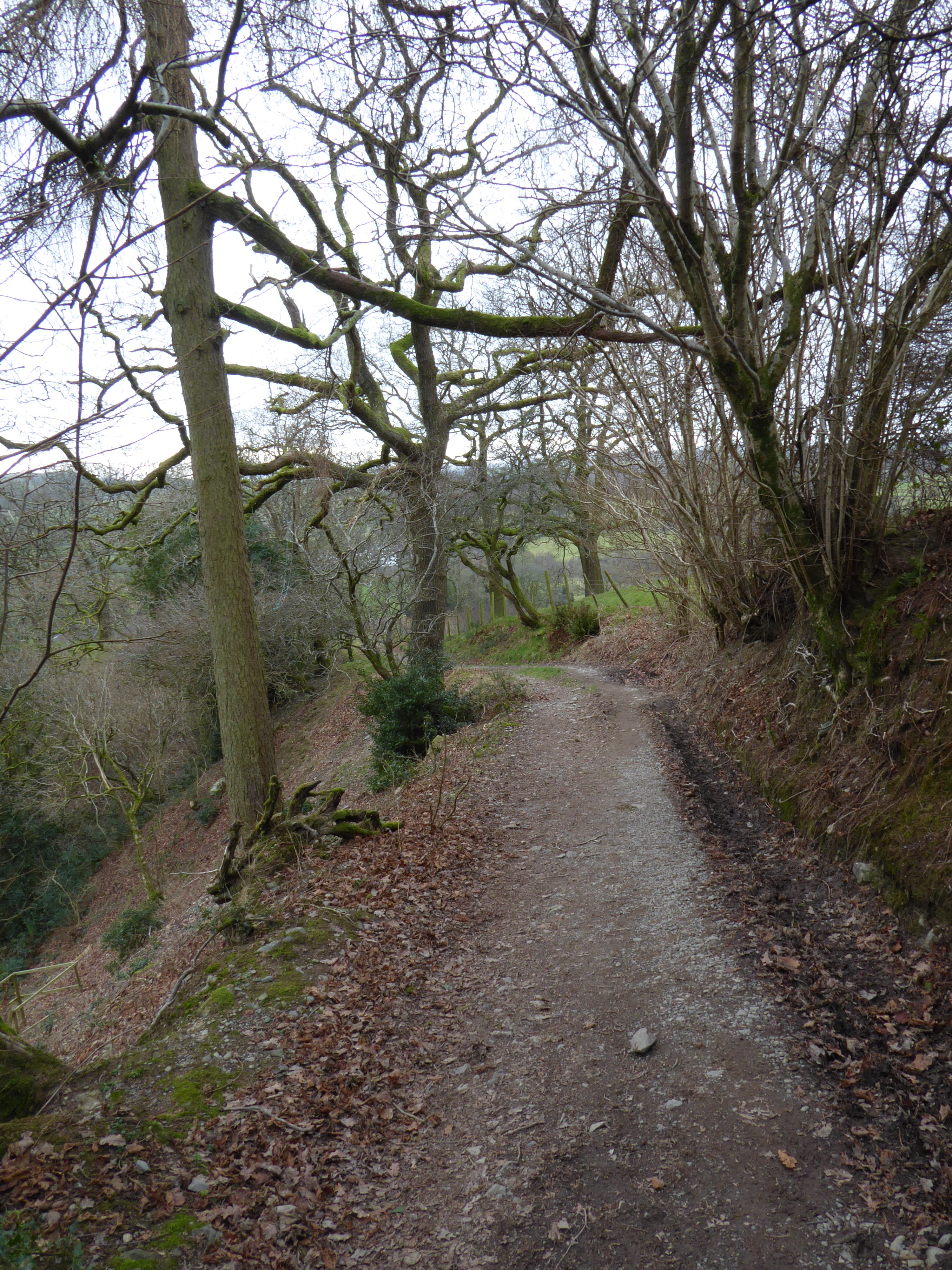
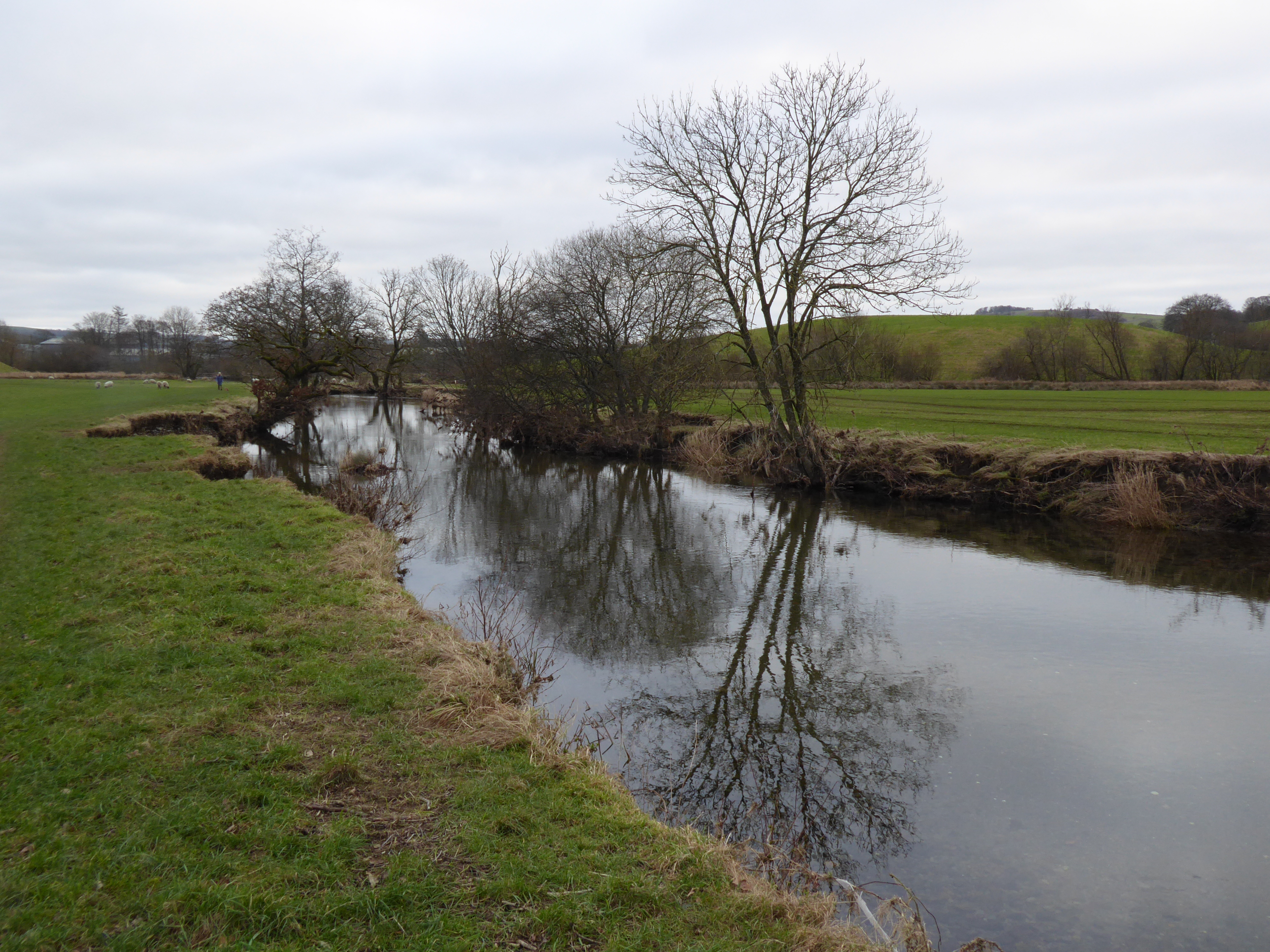
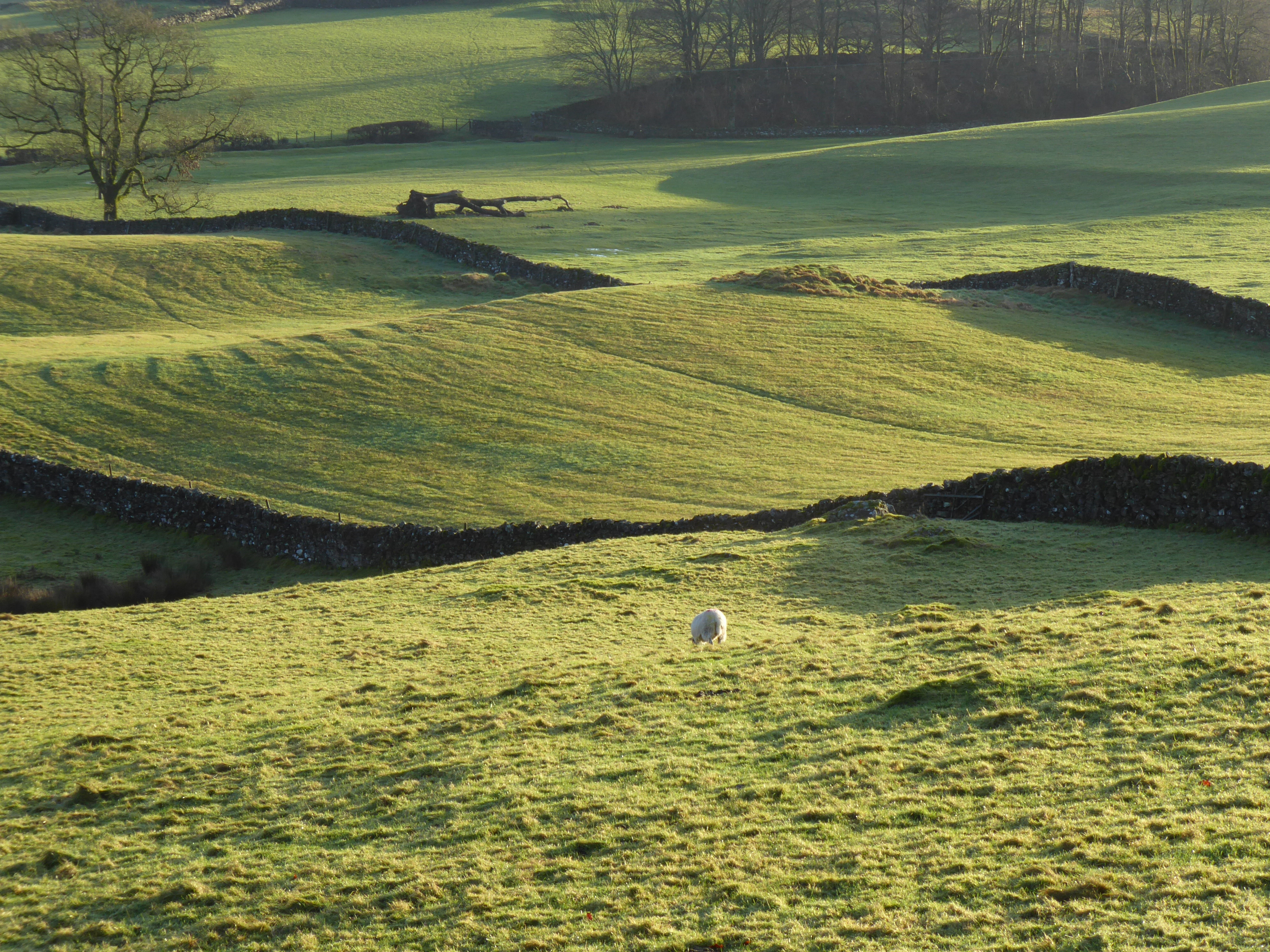
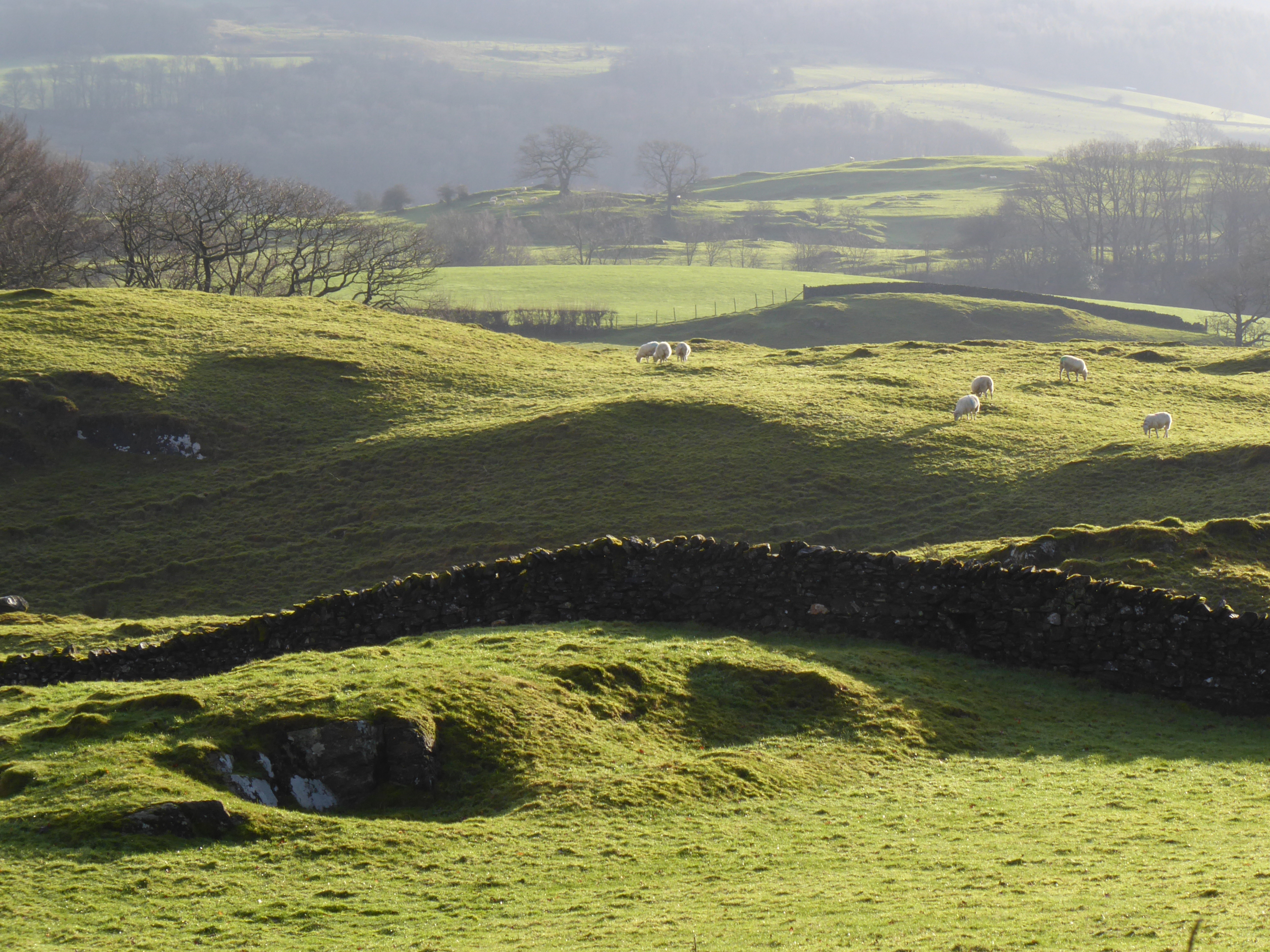
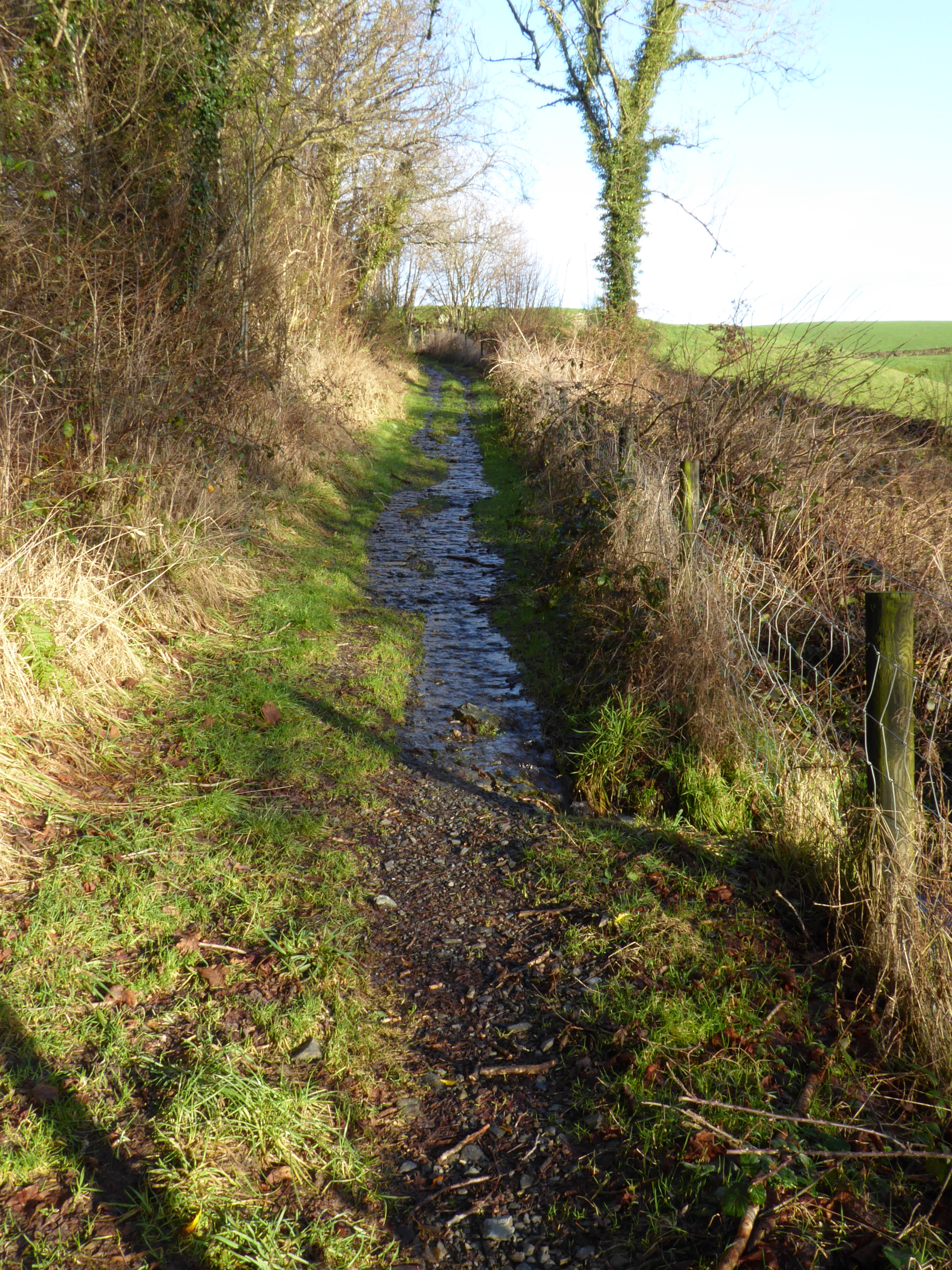
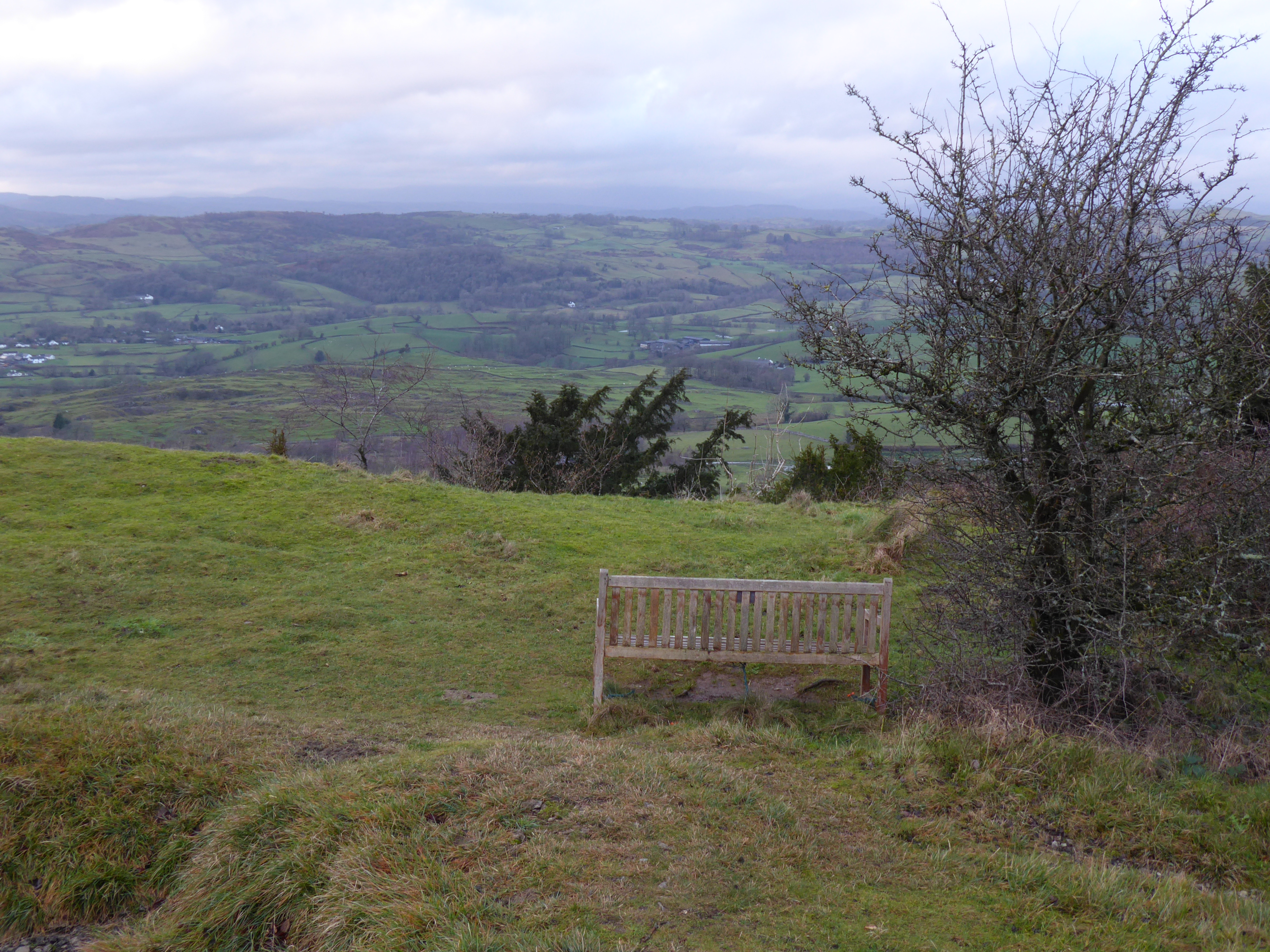
This time I set off north from Staveley rather than south, via Potter Tarn and the River Kent. It was a cold, grey, windless day; mercifully it has been dry for over a week, so there was no slippery mud to contend with on the up/downhill sections.

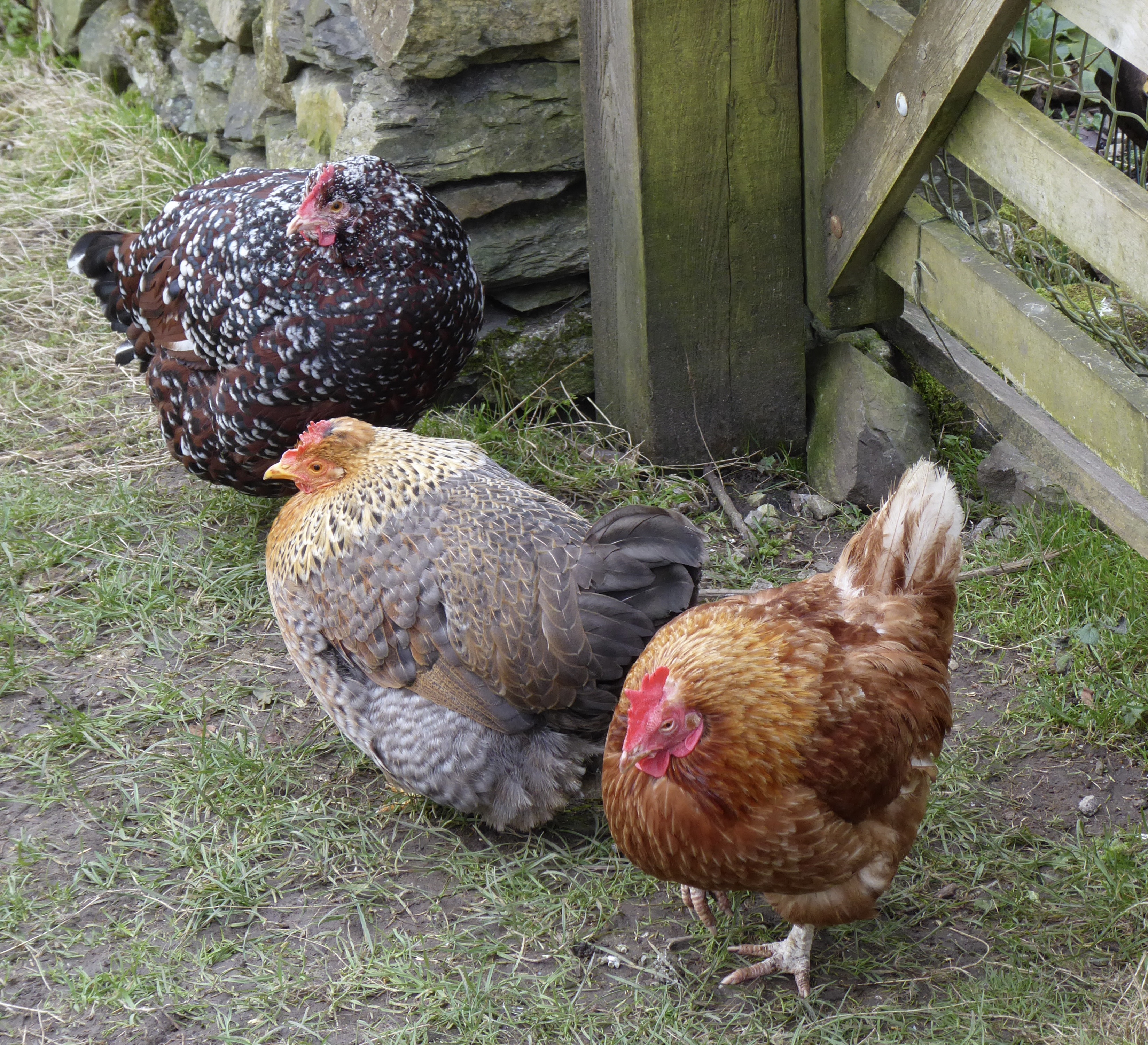
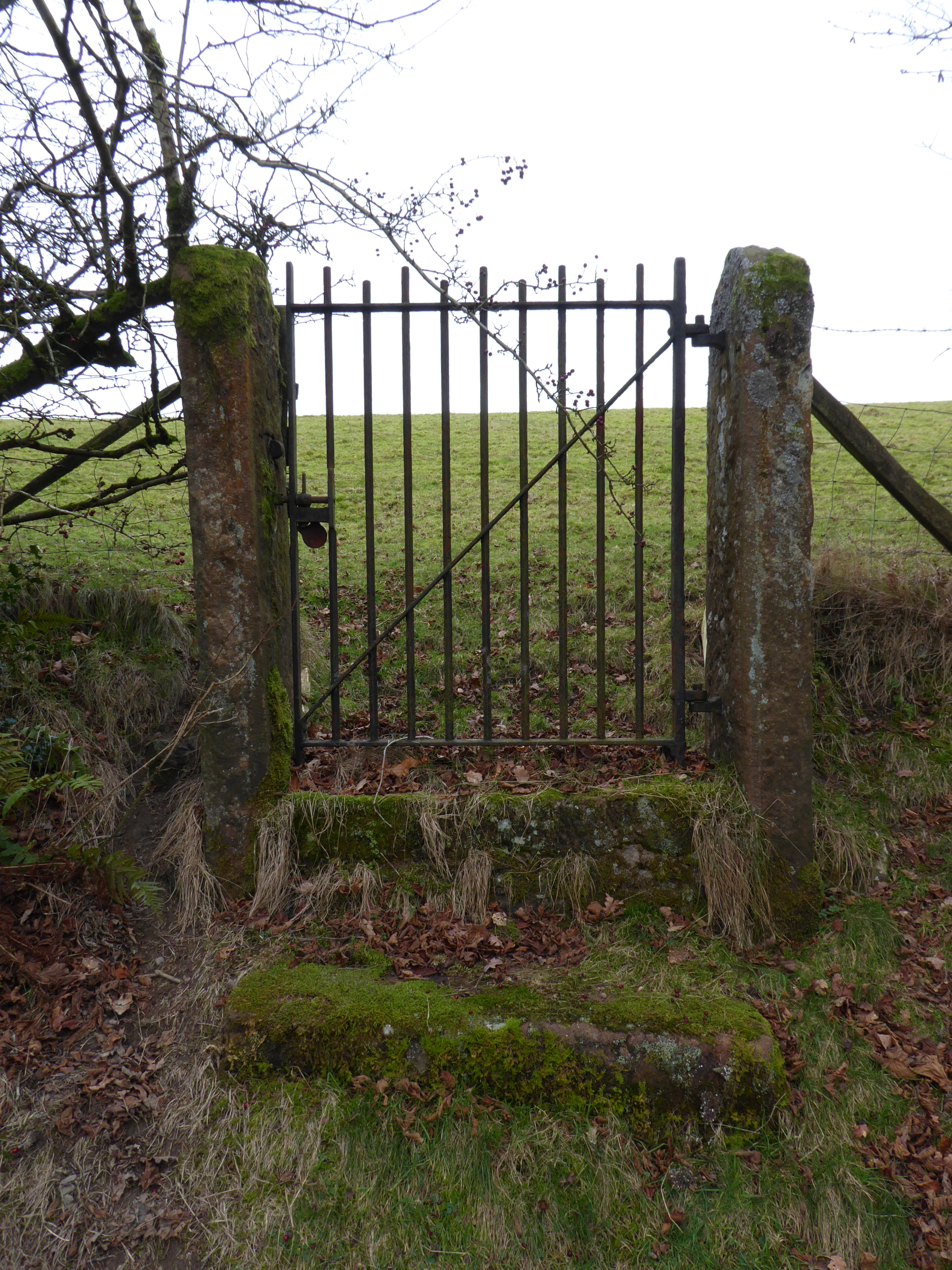
Truth be told, it was quite a dull walk. It sounds great to have views of the Lakeland hills, but – not wishing to sound ungrateful – a grey day highlights the monogreen bareness of the land. Thank goodness for serendipity: hens, another Thirlmere gate (built to enable engineers to maintain the Thirlmere aqueduct) and my first sighting of massed St George’s flags on an estate in Kendal. I’m still thinking about the latter.

Volver (2006)

Director Pedro Almodóvar with Penélope Cruz

I’m never going to like Almodóvar’s blend of melodrama and X-rated Benny Hill, but I left my prejudices at home and made the most of this film. It’s a practically all-female cast, but men’s deeds cast long shadows over them. (I did think “not this again” at the obviousness of the plot – and the next morning there was something more about the Jeffrey Epstein files in the newspaper. So, yes, this again.) It’s silly about serious things with a generous spirit and focus on women’s struggles, and I remind myself that Almodóvar grew up under the repression and conformity of Franco’s Spain. Cruz is wonderful – a bit like Sophia Loren, with glamour shining through even as she mops floors. Visually it’s colourful and inventive, with plenty of cleavage and bottoms as usual.

Staveley to Kendal

It was a sunny day so I went for a walk. There’s been a lot of rain so I used byways as much as possible – muddy, but less muddy and more easily navigable than the footpath I took south of Staveley. I’ve never splashed mud up to my knees before.

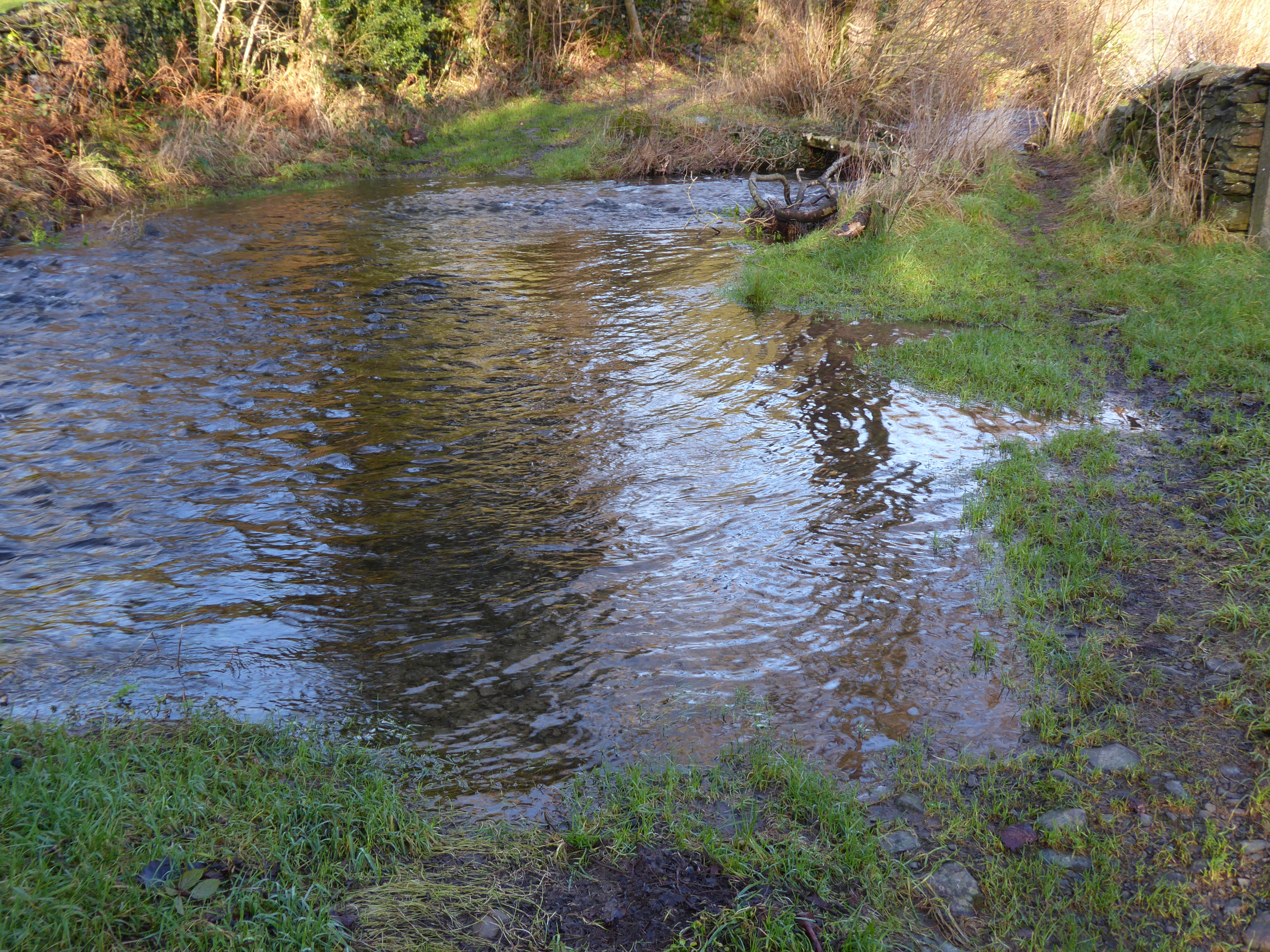
The strong shadows turned the landscape into an abstract work of art. I was rather flummoxed at the ford – until I noticed the little bridge. On Gamblesmire Lane I looked for the bee nest in the hollow tree, but the sun had disappeared by then and there was no sign of bees.

Little Boy Lost by Marghanita Laski (1949)

What a wonderful, gruelling novel with moral questions woven through. A Englishman learns that his baby son, whom he had to leave behind with his wife in wartime Paris, has been lost in the chaos of occupation. After the war he returns to France to discover if an unknown small boy in a poor orphanage is indeed his son. It’s a book that engages your mind while clawing at your heart.

It’s brilliantly written: detached and even, which may be the best way to convey the dilemma. The Englishman has suffered loss and does not want to suffer again even if the child is really his – but he is also priggish and, despite his good manners, somewhat intolerant. Perhaps the strained relationship with his mother is of his doing as much as hers. The experience of spending a week in a half-destroyed French backwater makes him re-examine what he knows and feels – not just the awfulness of living in a country where many are still suffering from the war but also his own prejudices.

She spoke carefully now. ‘Yes, by our present standards he is healthy – but only by those standards. The doctor tells me he has a tendency to rickets; this will doubtless get worse, because soon he will be about six and then there will be no more milk for him – but then most of our children have a tendency to rickets. He is certainly anaemic. If he gets a cold, if he cuts his leg, it will take him longer than it should to recover, but that also is true of all our children. . . . We have tubercular children here. If you knew more of Europe, monsieur, you would know that to run the risk of being infected with tuberculosis in a home where you have a bed to sleep in and regular meals is to-day to have a fortunate childhood.’

I noted this, which chimes today in an era of online BTL echo chambers:

Hilary was saying to himself as they walked along, but how in God’s name can he be happy in this one-eyed town? I should die of boredom if I had to live in the provinces in England. I suppose, he thought resentfully, that he has this capacity for happiness Pierre was talking about. But does that mean, he questioned, that one is able to live anywhere, like people uncritically and just be happy? Yet how could one be happy if one had only fools to talk to? Is he perhaps imbued with the old sentimental belief that the recognition of true worth in anyone makes them a desirable companion on a level of common humanity?

It’s a belief that we English intellectuals have totally discarded, he mused. We are bored and resentful if we are expected to be companionable with anyone not of our own sort – unless, that’s to say, he’s a left-wing politically conscious tramway-worker. And that, I suppose, is why our work lacks universality; we deliberately encase ourselves in an esoteric coterie and lack the material to generalise about human emotions.

Anna Ancher and London

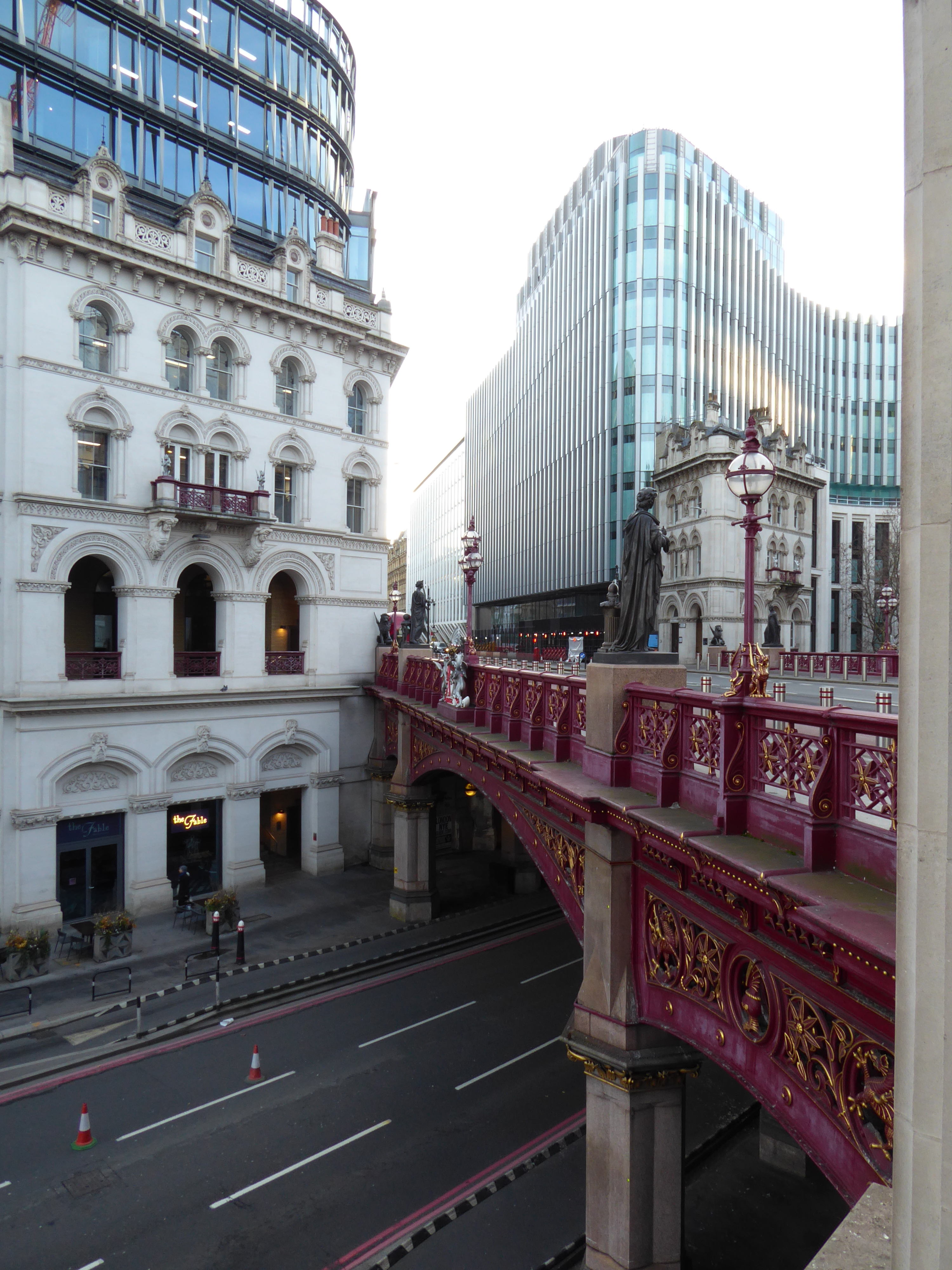
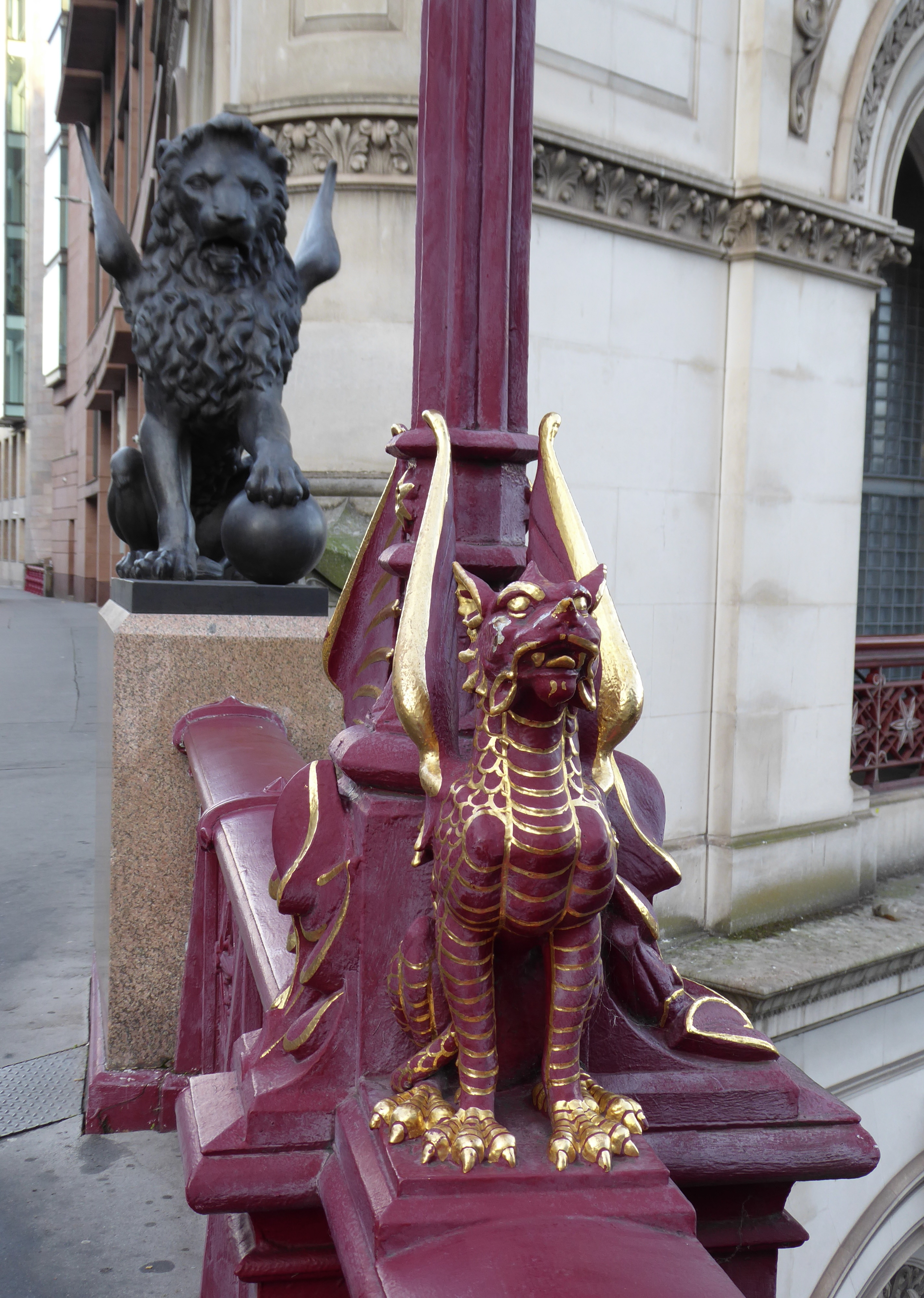
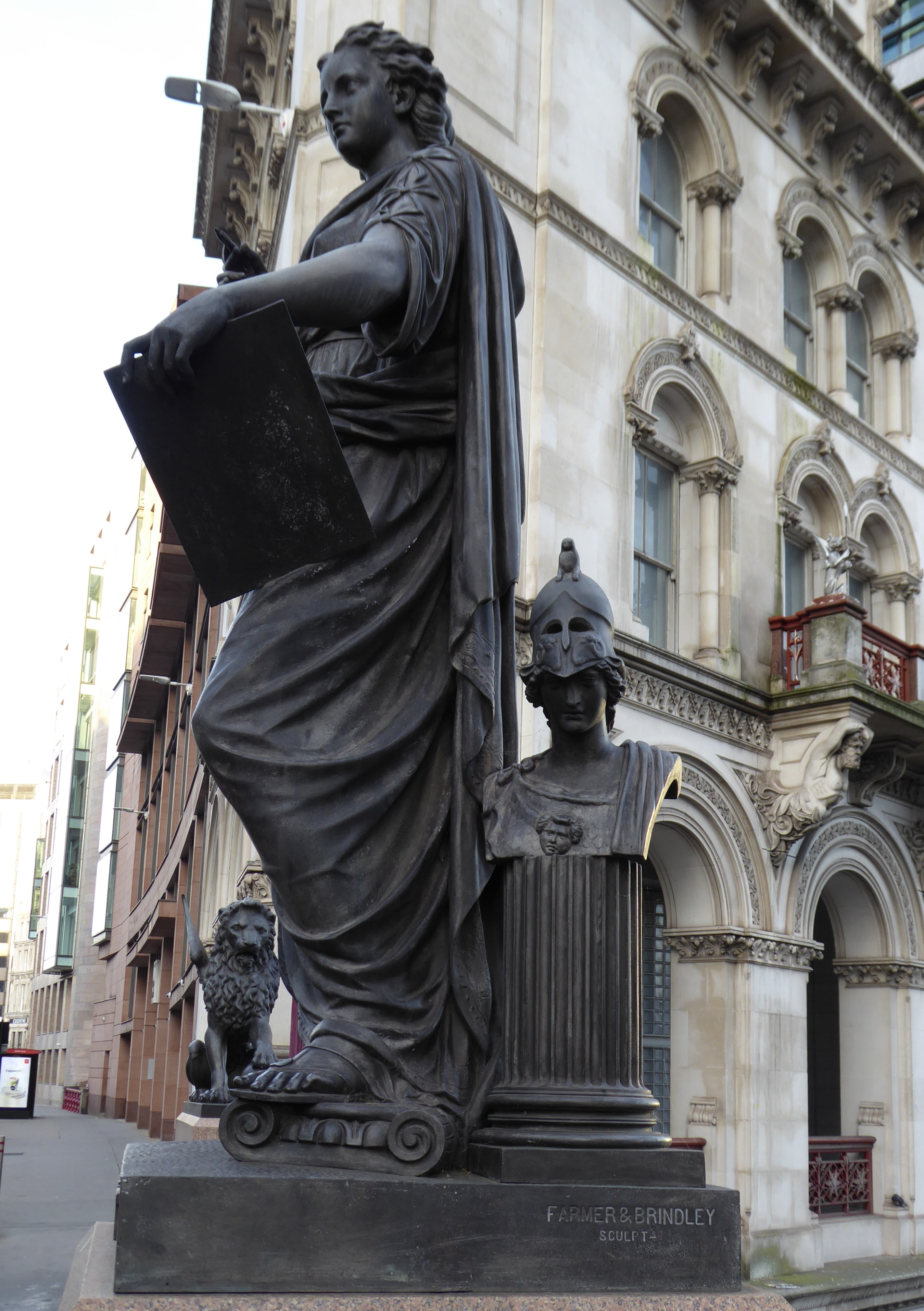
It was such a nice day and I was ready so early that I decided to walk towards the river and pick up the train somewhere en route. After yesterday’s crowds around Covent Garden, I opted for Gray’s Inn Road and Holborn, which I was sure would be deserted. I’m still infected by the locations in Hidden City; walking stirred memories of what I know about London – my own experiences (here I used to cycle, there I attended someone’s Call to the Bar) and what I have read (fact and fiction). I stopped to photograph Holborn Viaduct not only because of Hidden City but also because I recalled a line from a novel:

‘Of course I don’t expect you to come. You’ll do as you like. But I believe the Pont du Gard -’

‘My dear, I’ve seen the Holborn Viaduct. Life can hold no more . . .’

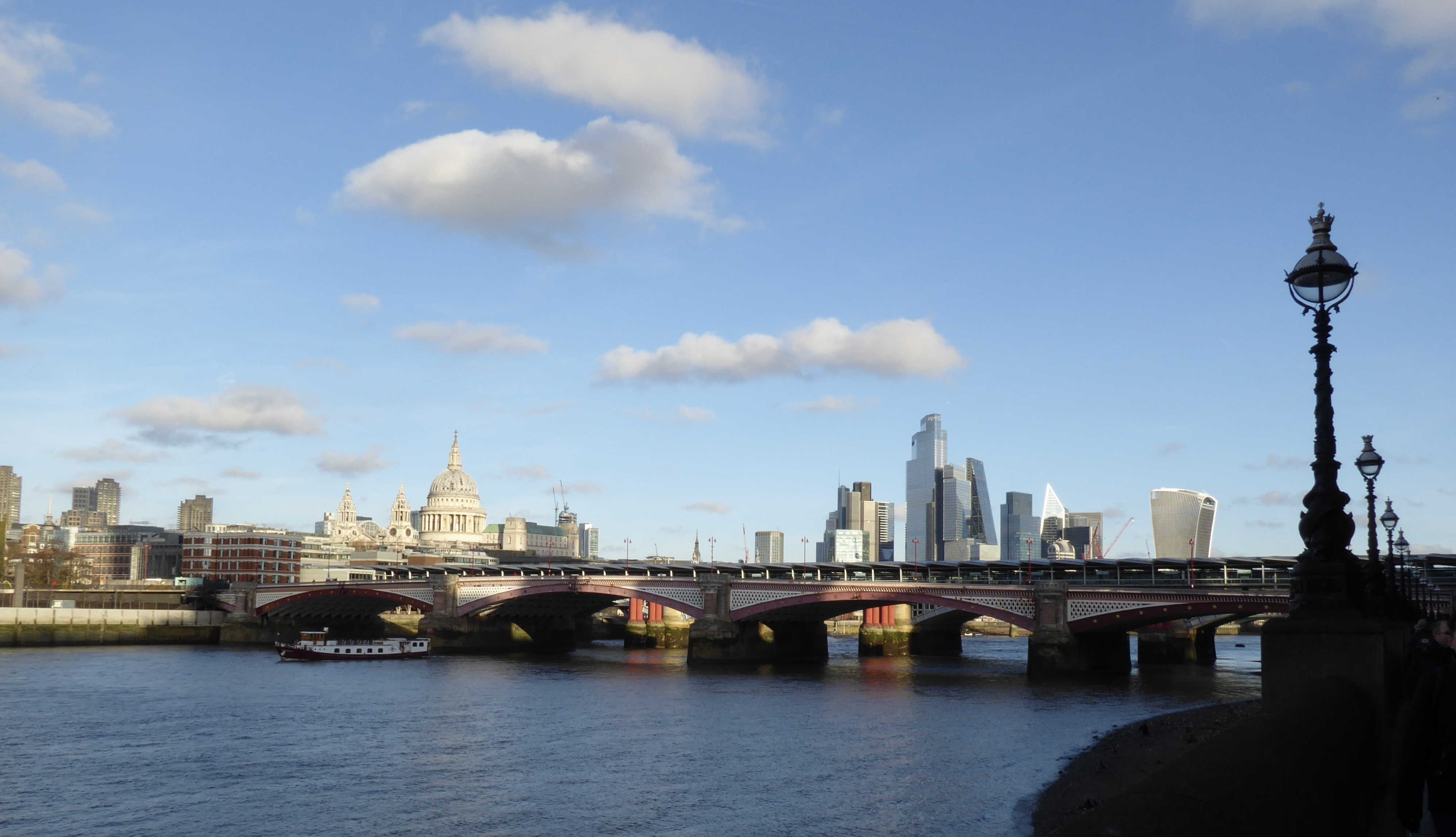
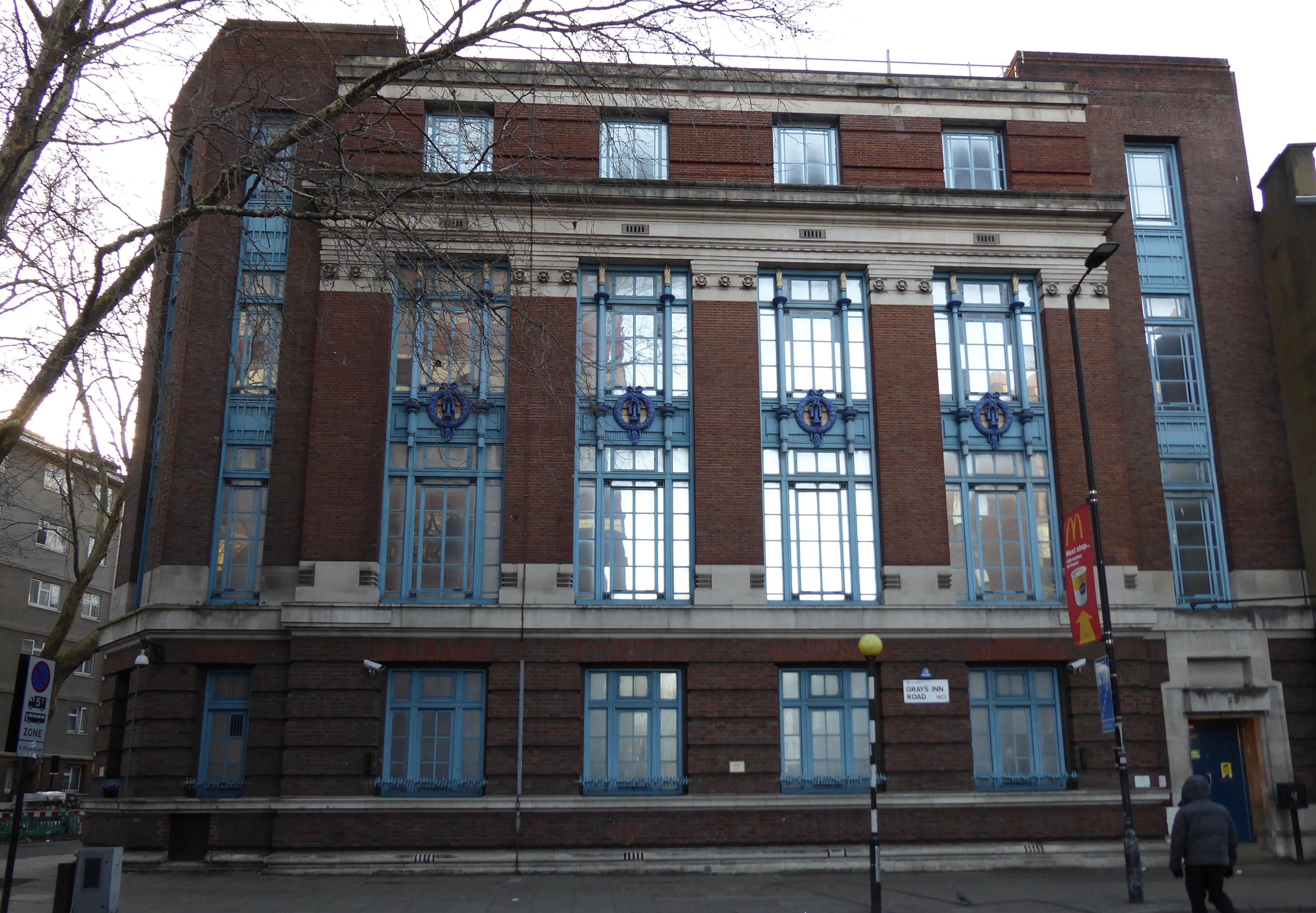
I chose a restaurant for lunch because it had an elevated view of the river and St Paul’s – and, yes, there was the needle spire of St Bride’s Church from the film. On my way back I stopped at a former telephone exchange and noted the phone-like decorations on the front.

‘This music crept by me upon the waters’
And along the Strand, up Queen Victoria Street.
O City city, I can sometimes hear
Beside a public bar in Lower Thames Street,
The pleasant whining of a mandoline
And a clatter and a chatter from within
Where fishmen lounge at noon: where the walls
Of Magnus Martyr hold
Inexplicable splendour of Ionian white and gold.

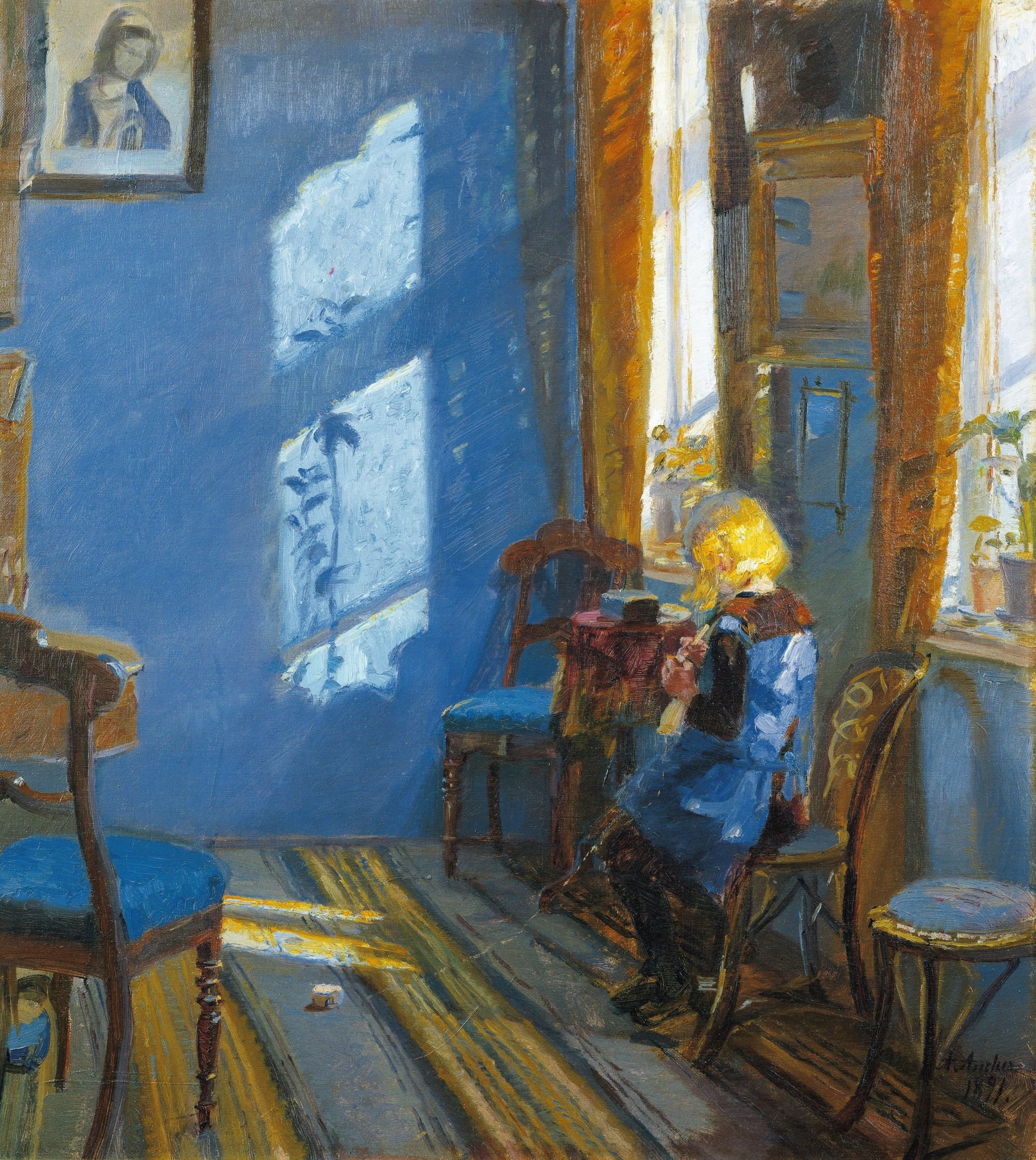
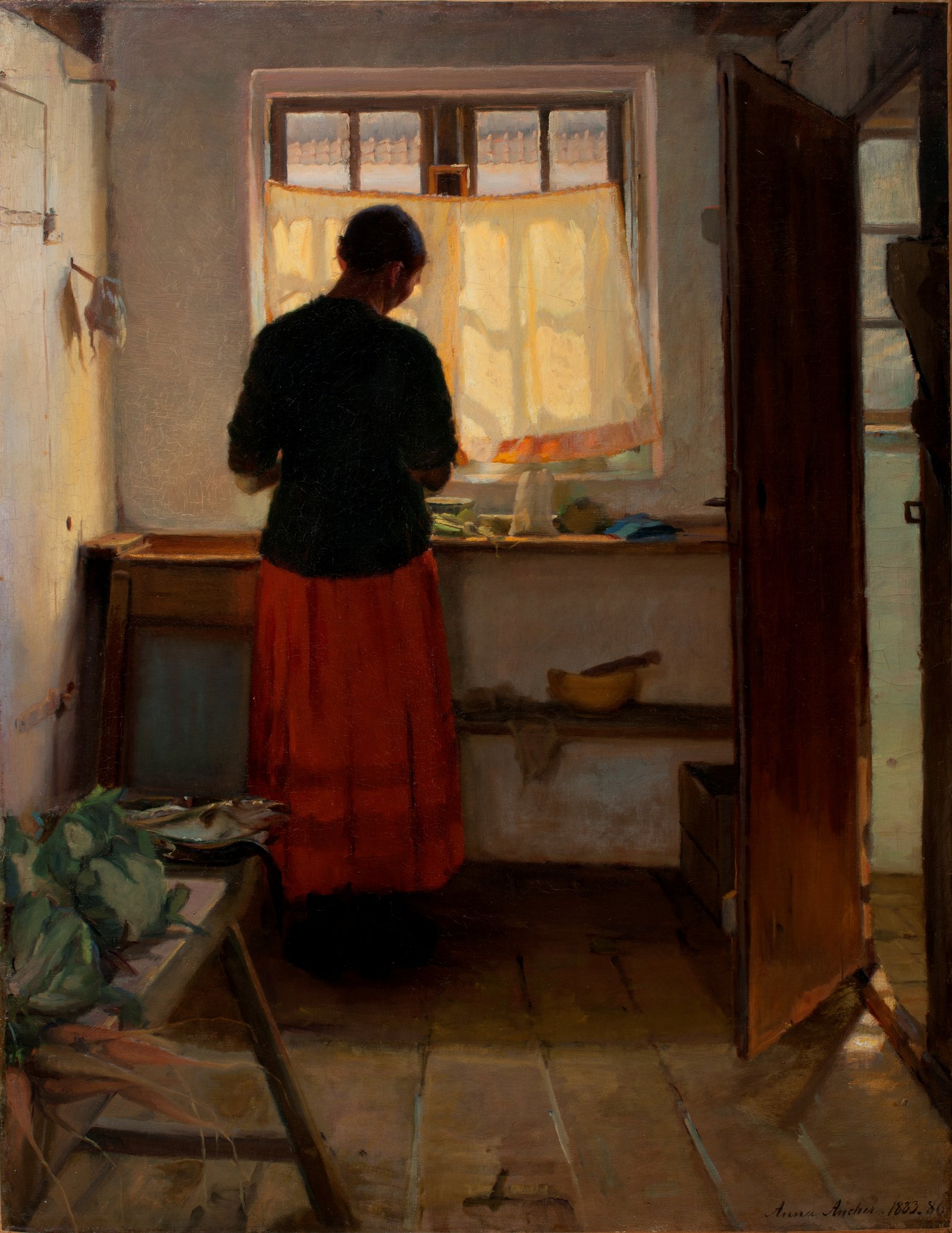
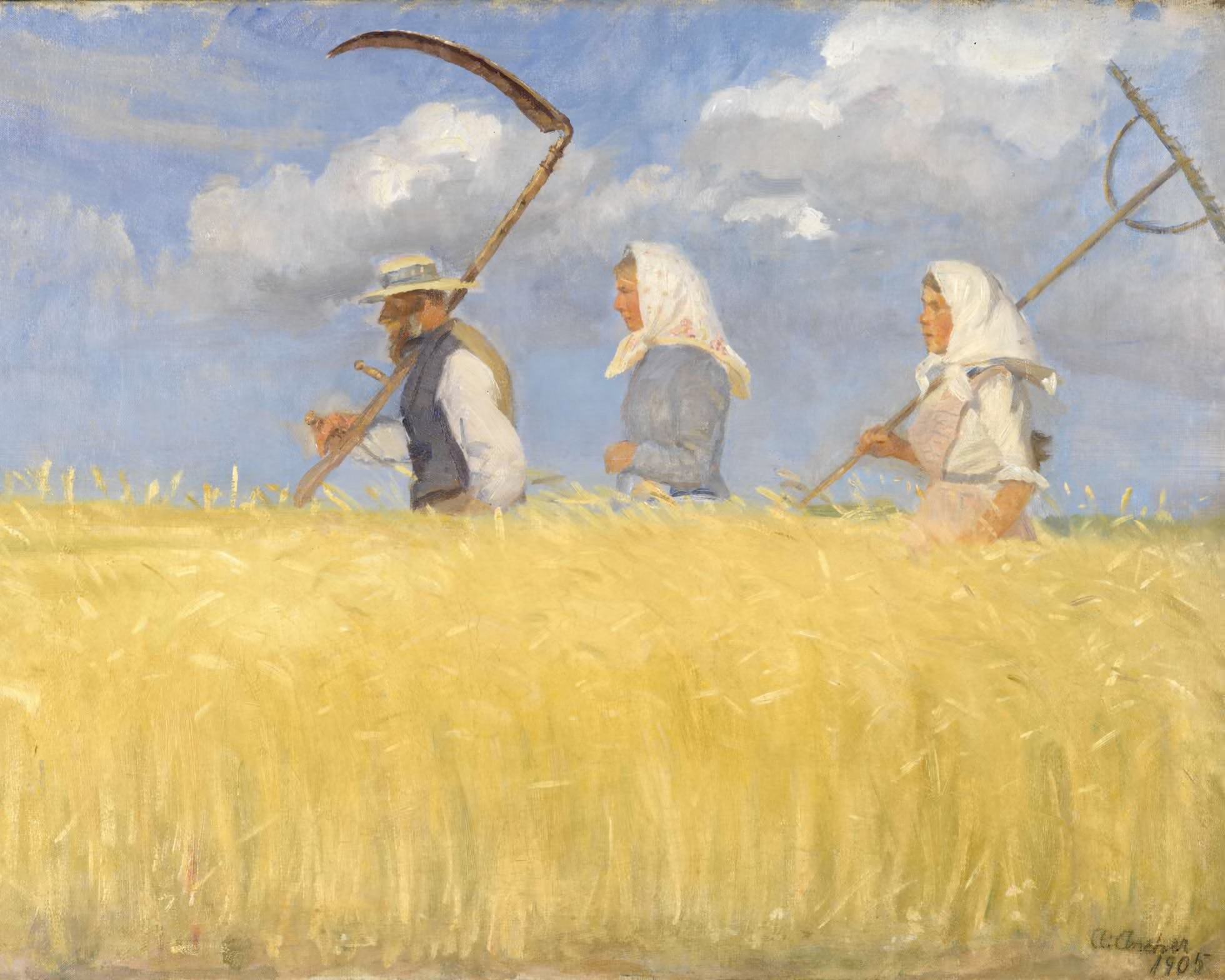
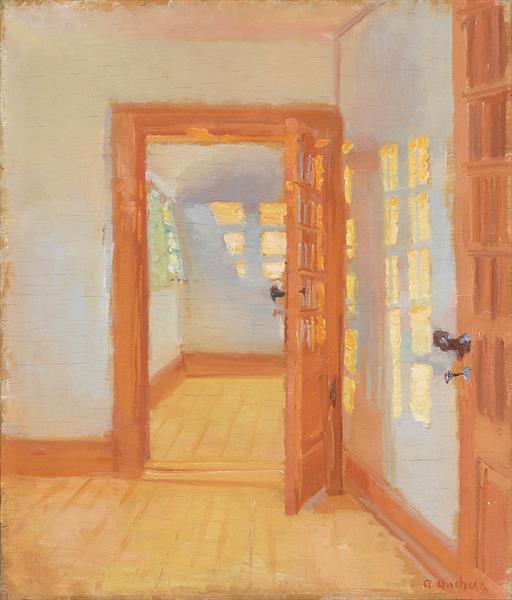
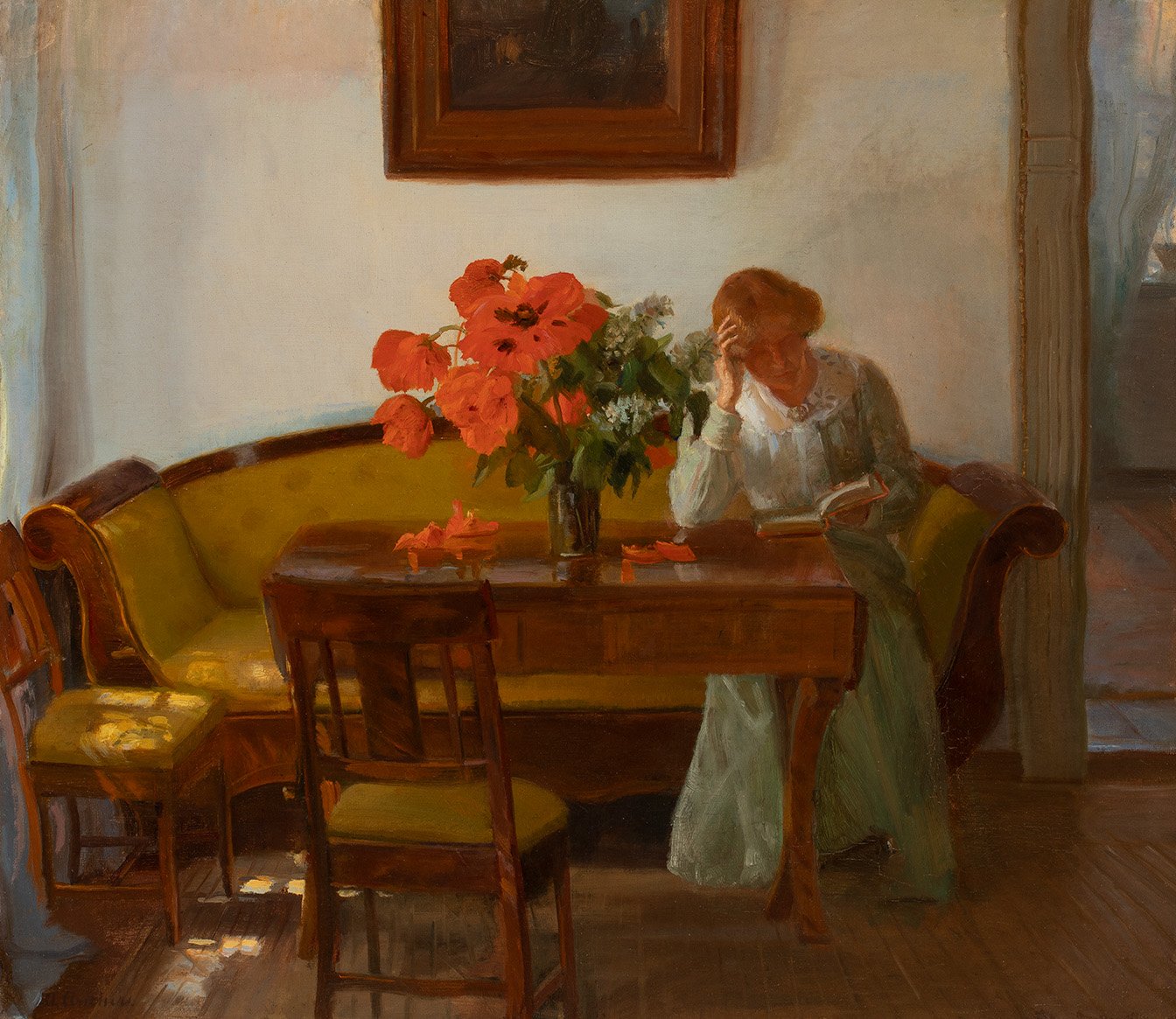
None of this was the aim of my day: I was going to Dulwich Picture Gallery for an exhibition on Anna Ancher (1859-1935), a Danish artist from Skagen, right on the northern tip of Denmark. Skagen was something of an artists’ colony, but Ancher was born and lived there all her life. She was admired for the way she painted light – and, certainly, some of her paintings were utterly delightful. It wasn’t just the depiction of light but also the colours.

My head was buzzing with other images by other artists, and once I had spent time with Ancher’s paintings I sat down and tried to separate them out. The little girl made me think of Philip Connard in Southport; the doorway of Gwen John’s corners of rooms (although more vibrant); there was something of Vermeer – and almost something of Rembrandt in an early portrait. There was something of the Glasgow Boys too, but with more sunshine. She painted local and domestic scenes of people she knew: her travels were to study other artists.

An enjoyable day all round.

T S Eliot and London

A day-long course on T S Eliot – The Love Song of J. Alfred Prufrock and The Wasteland. I got what I had hoped for: an interesting day and a spur to go further. I realise now how hearing his poems read aloud makes so much difference. Eliot himself wrote: “Genuine poetry can communicate before it is understood”, and that certainly chimed with me. Listening to a recording of Eliot reciting Prufrock helped me to enjoy the sound and rhythm without feeling any urgency to analyse it.

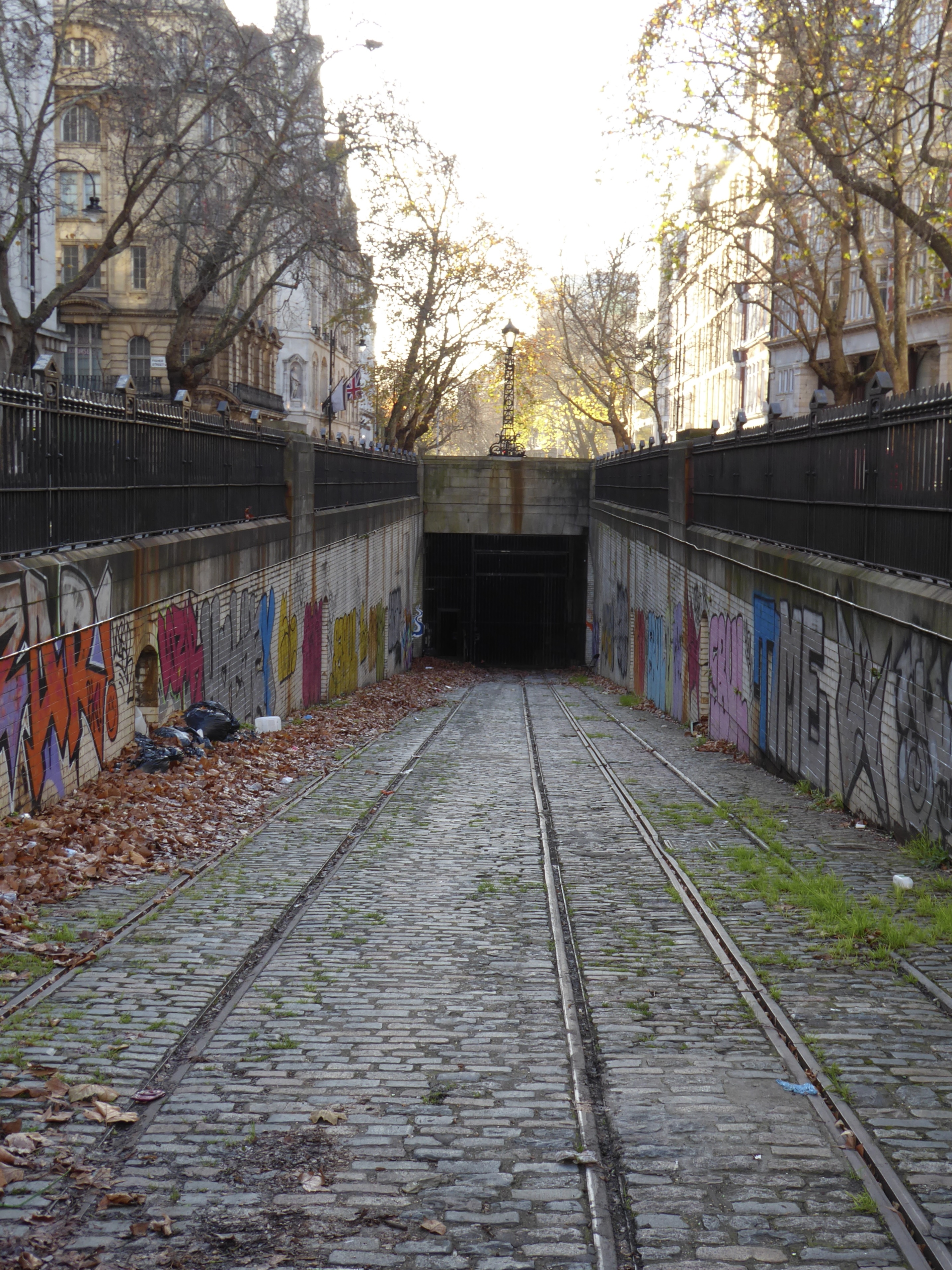
I checked on the entrance to the Kingsway tram tunnel too: yes, it is still there.