Hameln

Hull to Hannover to Hameln via Rotterdam Centraal and Amsterdam Centraal. There were times – most notably on Minden platform at 8 p.m. yesterday when we were all turfed off the Amsterdam-Berlin train – when I thought we might not get here. I’d had an ominous feeling about that train ever since Rheine when the Dutch train crew announced that the German train crew had been delayed. But heigh ho: it gave us an opportunity to recollect other times when that train route has let us down. The holiday where we never got to Berlin at all is in first place, but the most memorable is the one where I was definitely not going to let anything get in the way of seeing Radio Kootwijk.

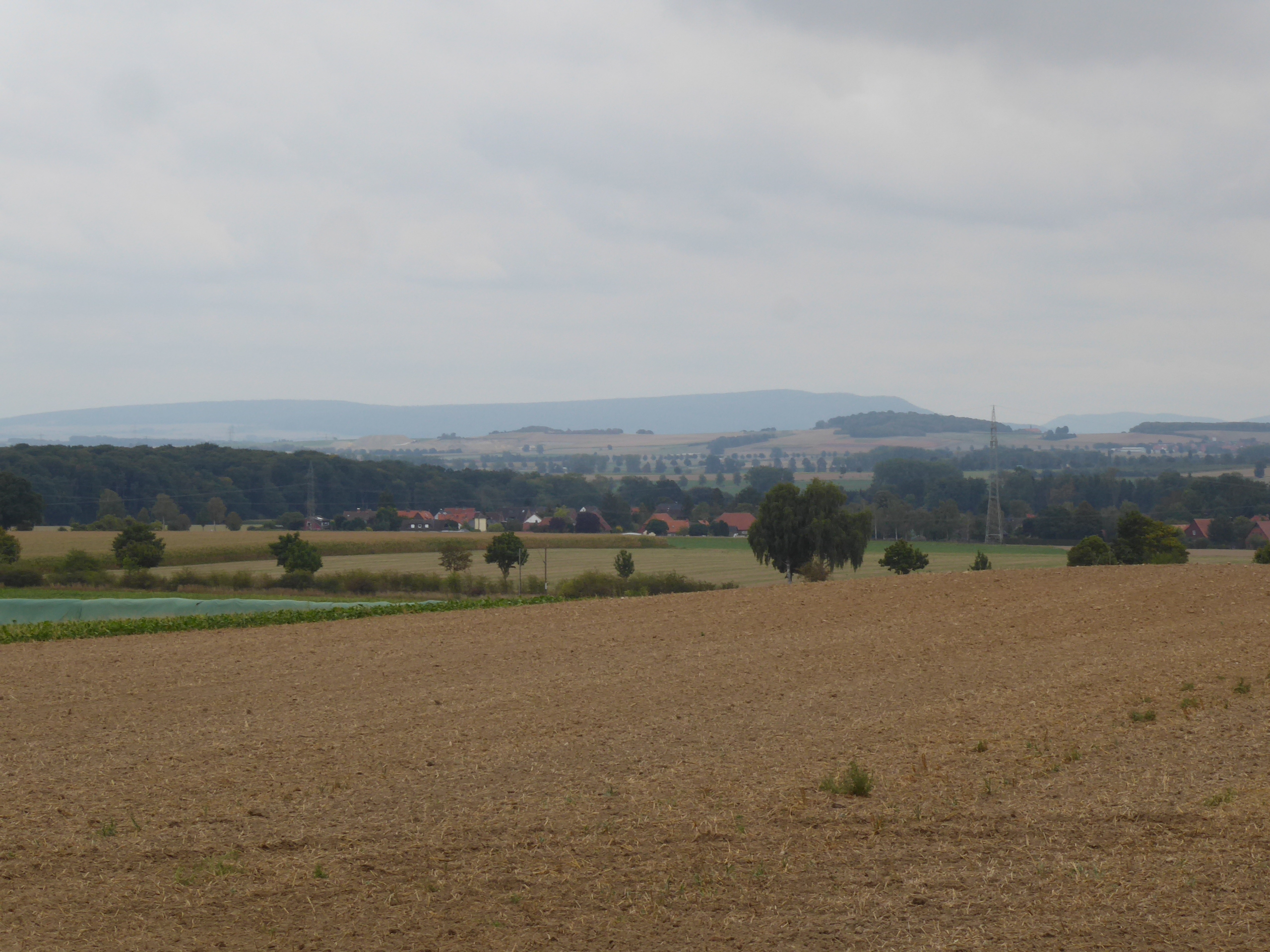
We got to Hannover only an hour late, and today we cycled to Hameln. Hannover holds lots of memories as the start and end point for cycle rides plus the time I saw Tosca at the opera house. We left via the Maschsee – and suddenly all yesterday’s hassle was worth it. Then cross country to Springe and finally Hameln. As we headed into the countryside (enormous, featureless fields with hills in the distance and an horizon bristling with pylons and wind turbines) I wondered why I was making such heavy weather of cycling. I haven’t done this for a while, but it really felt as if I was pedalling with the brakes in. I finally twigged that we were pedalling gently uphill (well, doh, we were moving from one river to another, the Leine to the Weser), and after Springe we had our reward with easy stretches on gentle downhill gradients.

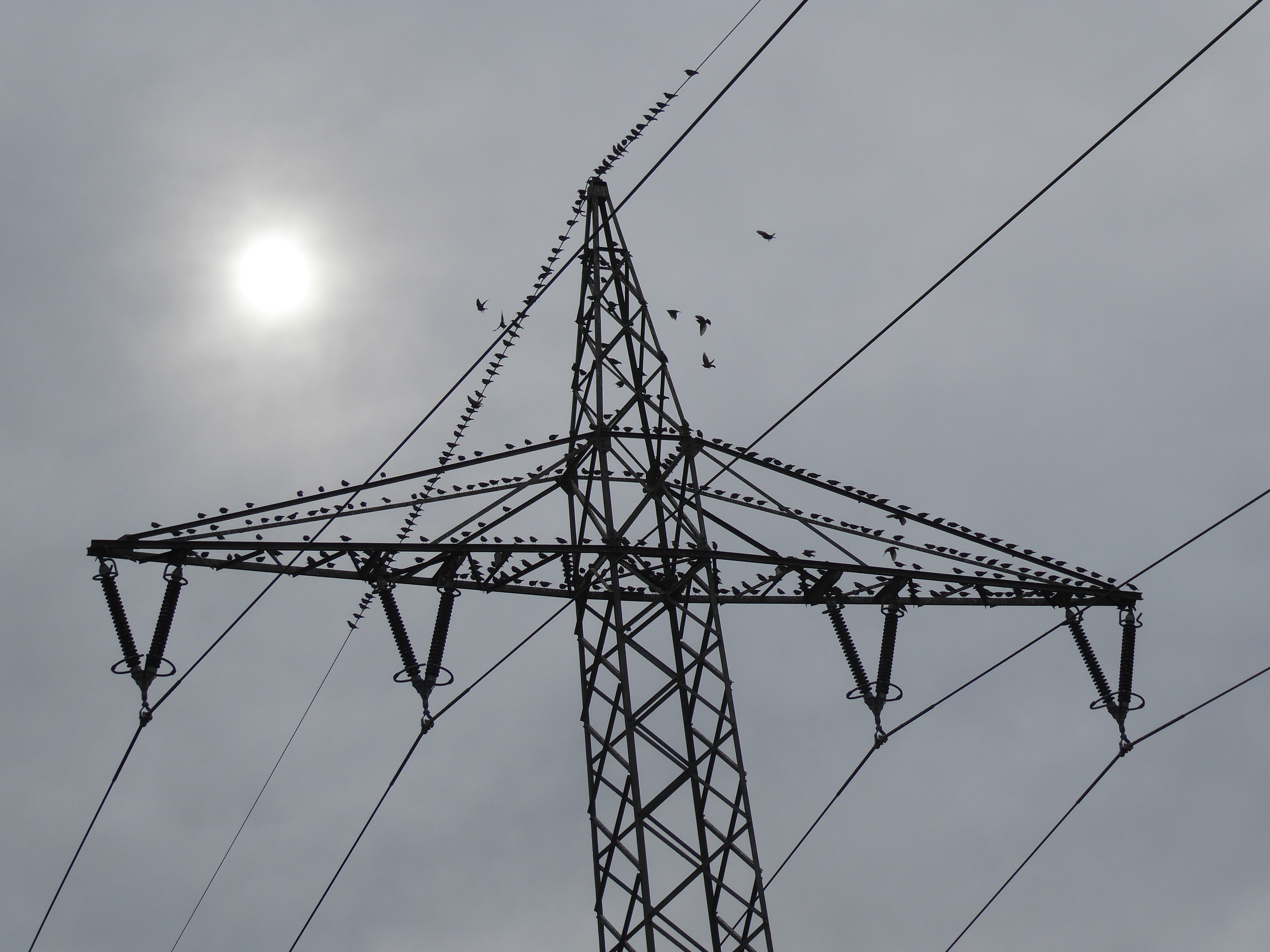
Not many photographs – much as I was pleased to experience the sense of space, it really doesn’t photograph well. Towards the end I stopped to photograph starlings threaded onto a pylon.

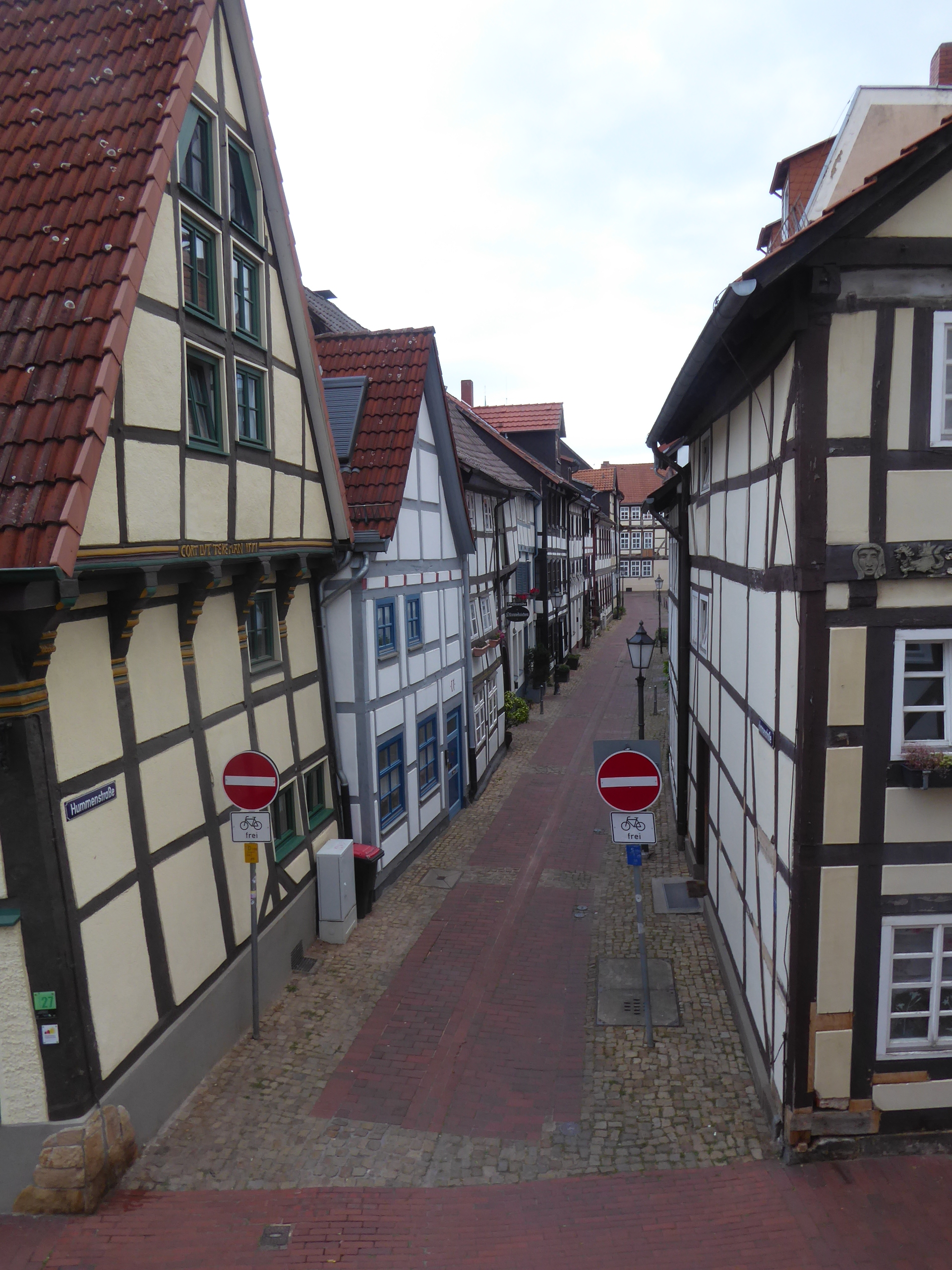
We arrived too late for me to walk round Hameln, but I have been here before. I liked the sights of timber-framed houses with their decorations in the villages around Hameln; they reminded me of the Weser Renaissance style.
The headline in a newspaper I spotted in Hannover referred to the reduction in numbers of young people with professional/occupational qualifications. I guess that is of concern in such a high-maintenance country as Germany.
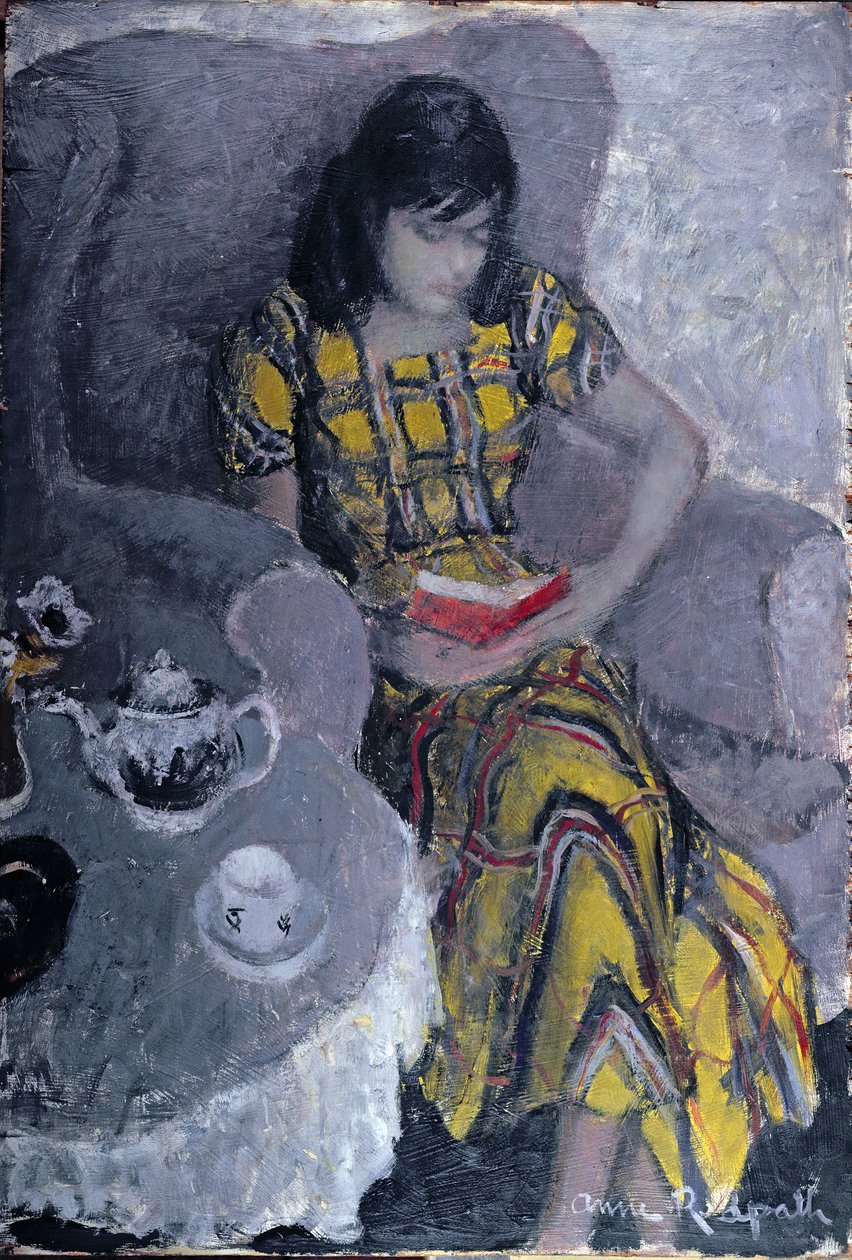

Ferens art gallery

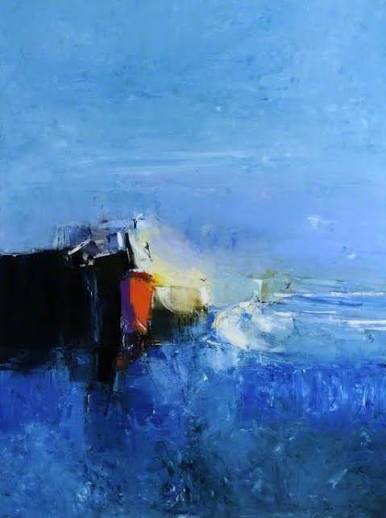
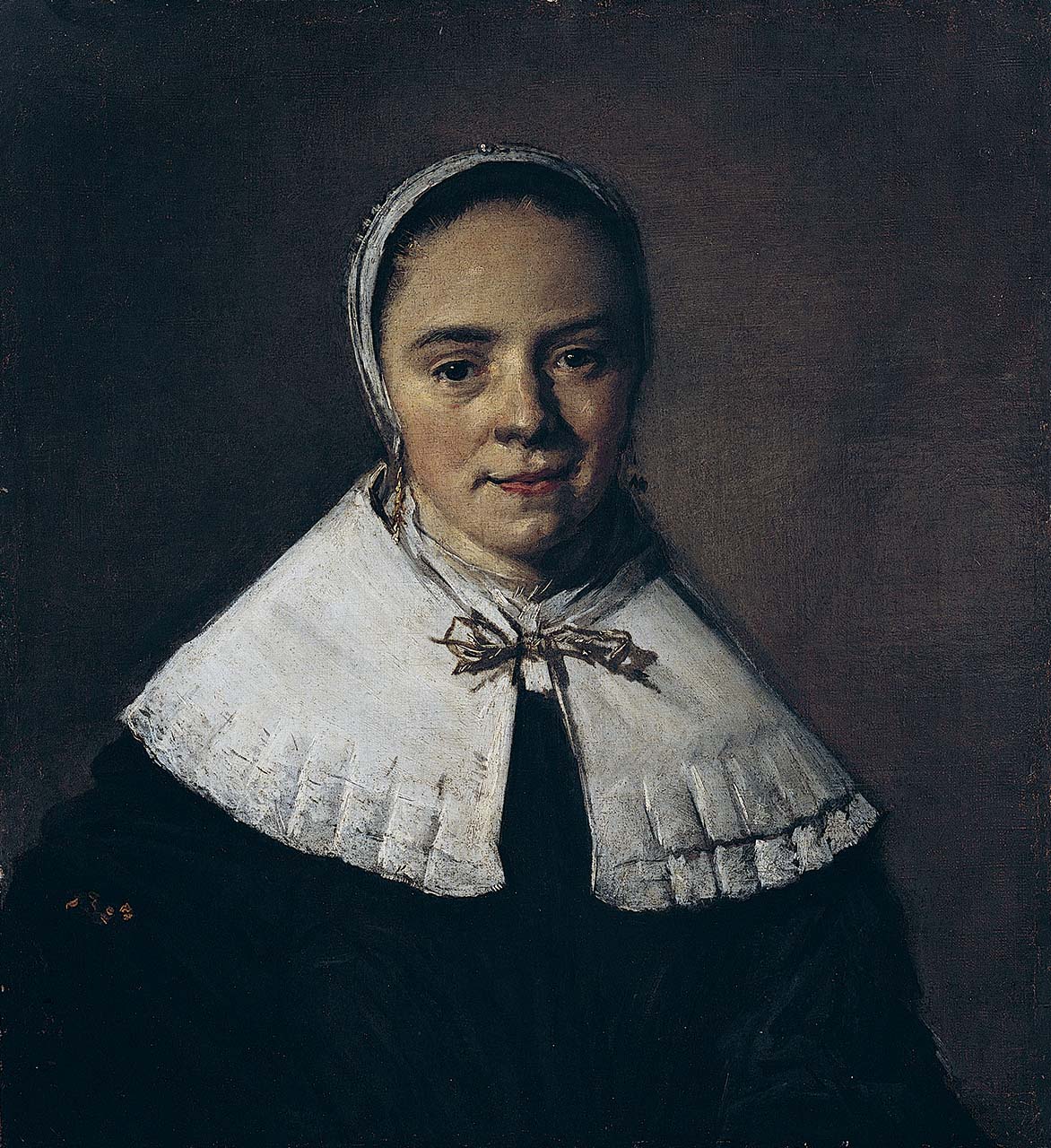
A fleeting visit to Ferens art gallery, where I looked at some old favourites. The Blue Seascape is one I hadn’t seen before. I was wondering, though, if a stormy sea could ever be that blue. “Eileen Reading” has the air of a Gwen John painting in its indistinctness.

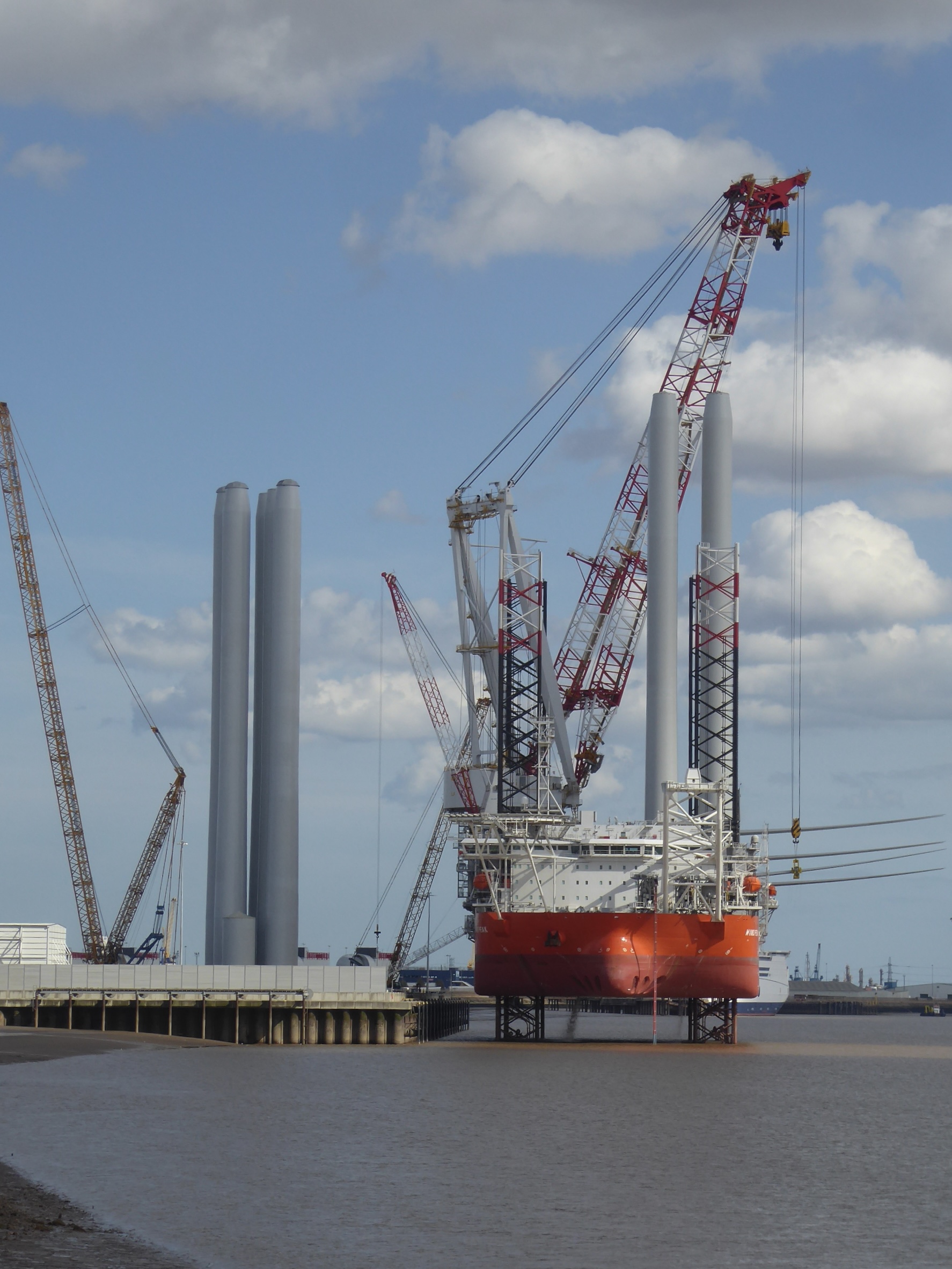
And then the normal ride to the docks, where we passed wind turbine shafts being loaded onto something or other (did it have its own engine or would it be towed?) presumably to be installed offshore.

Theorem (1968)

Director Pier Paolo Pasolini with Terence Stamp and Silvana Mangano

An enigmatic, detached film that skewered the uptight, acquisitive bourgeoisie in a very 1960s/70s fashion. I’m not sure how to think of its attitude to the church though: was the maid’s transformation a satire or an allegory?

A stranger arrives at a Milanese industrialist’s house, seduces each member of the household and leaves. His arrival and departure are heralded by an arm-waving postman. Gabriel or a comic turn? (That’s what I mean about the church.) Each person is transformed by contact with the stranger. The daughter falls into a coma; the maid works miracles; the son perhaps finds his creative energy (depends on your POV I suppose); the wife takes to picking up young men, which could be seen as sexually liberating or despairing, again depending on your POV; and the husband throws off all his trammels – factory and clothes – and ends the film screaming, naked and alone, on Mount Etna. Shades of Stromboli and, somehow, Samuel Beckett.

What also struck me about it was its queer sensibility, which was so different from traditional films, and its reticence. Apparently Pasolini worked with Fellini – but Theorem couldn’t be further removed from the joyful, vital pile-up of something like 812!

Battleship Potemkin (1925)

Director Sergei Eisenstein

The first time I’d seen this film, but some scenes – the maggots, the Odessa Steps, the significance of spectacles – are so well-known that I was already familiar with them. It’s an absolute tour de force – visually innovative and powerful. I was swept along with its message and ignored the little voice that noticed the manipulation of emotions. One might say the same of “It’s a Wonderful Life”. It’s set me thinking about the theory of film montage and how it creates atmosphere and feeling.

The film though was almost ruined for me by the over-insistent, distracting score – composed specially by The Pet Shop Boys, who obviously don’t do piano or have volume control . . . or even understand how to use silence.

Kendal

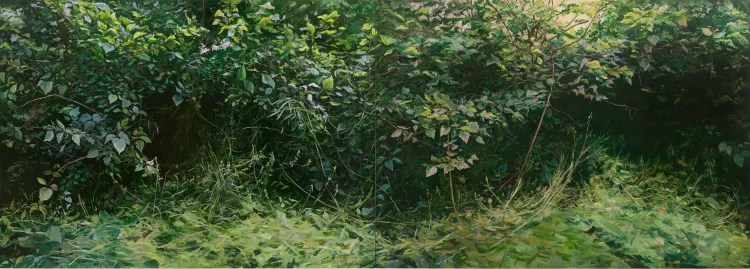
The Verge by James Lane 5, Hannah Brown, 2024, oil on linen

To Abbot Hall for a wander around the “Expanding Landscapes – painting after land art” exhibition. I have – finally! – grasped that I must not expect an immediate “wow” moment – e.g. Dr Pozzi. (Actually, though, there was a “wow” moment – Hannah Brown’s “Verge”, which made me wonder which might lurk in its darkness even while its exuberant growth enchanted me.)

But in general there was no sense of “immediate” in my viewing; I had to read and watch in order to enjoy some of the work. I particularly liked Onya McCausland’s focus on paint colours originally coming from the earth and Jessica Warboys’s river series. It gave depth to paintings that were otherwise a bit underwhelming.

Fallen Leaves

Director Aki Kaurismäki

I’d meant to see this at the cinema but didn’t, so I was glad when I found it on the BBC. It’s an oddity: a “romance” between two lonely, hard-up people in Helsinki. The style is deadpan – there’s a big gulf between emotions and the characters’ affectless delivery of their lines. (It was described as a romantic comedy; we-ell, OK . . . but “Notting Hill” it ain’t.) It’s potentially very bleak: each time the radio is switched on the news is about more people killed in Ukraine. Their jobs are hard, monotonous and badly paid. He’s an incipient alcoholic.

There’s a lot going on behind the “action” and dialogue though. Colours: splashes of reds, yellows and blues. Music and songs function as a kind of Greek chorus and even drive the “plot”. Two glimpses of nature (in contrast to workplaces, bars and public transport) when optimism seems justified. Films are significant: the couple’s first date is going to The Dead Don’t Die. At the end of it two filmgoers come out – one comparing it to Bande à Part and the other to something by Robert Bresson (affectless acting again). She gives him her phone number; they are standing in front of film posters for a Godzilla-type film, something with Bardot, and – crucially – “Brief Encounter”. And, yes, he loses the phone number as soon as she walks away. I would need to check, but I think the camera is generally static. Lots of shots on public transport – including one rather heart-breaking one where Ansa is in the foreground, lonely and isolated, and behind her, slightly blurred, we see a young woman who resembles her rest her head on her partner’s shoulder. When the couple are finally reunited, he asks the name of her new dog; she tells him it is Chaplin . . . and they walk off into the sunset.

So realistic but not naturalistic – and rather lovely.

I realised later that Finns have reason to be very concerned about what Putin is doing in Ukraine.

Ilkley to Skipton

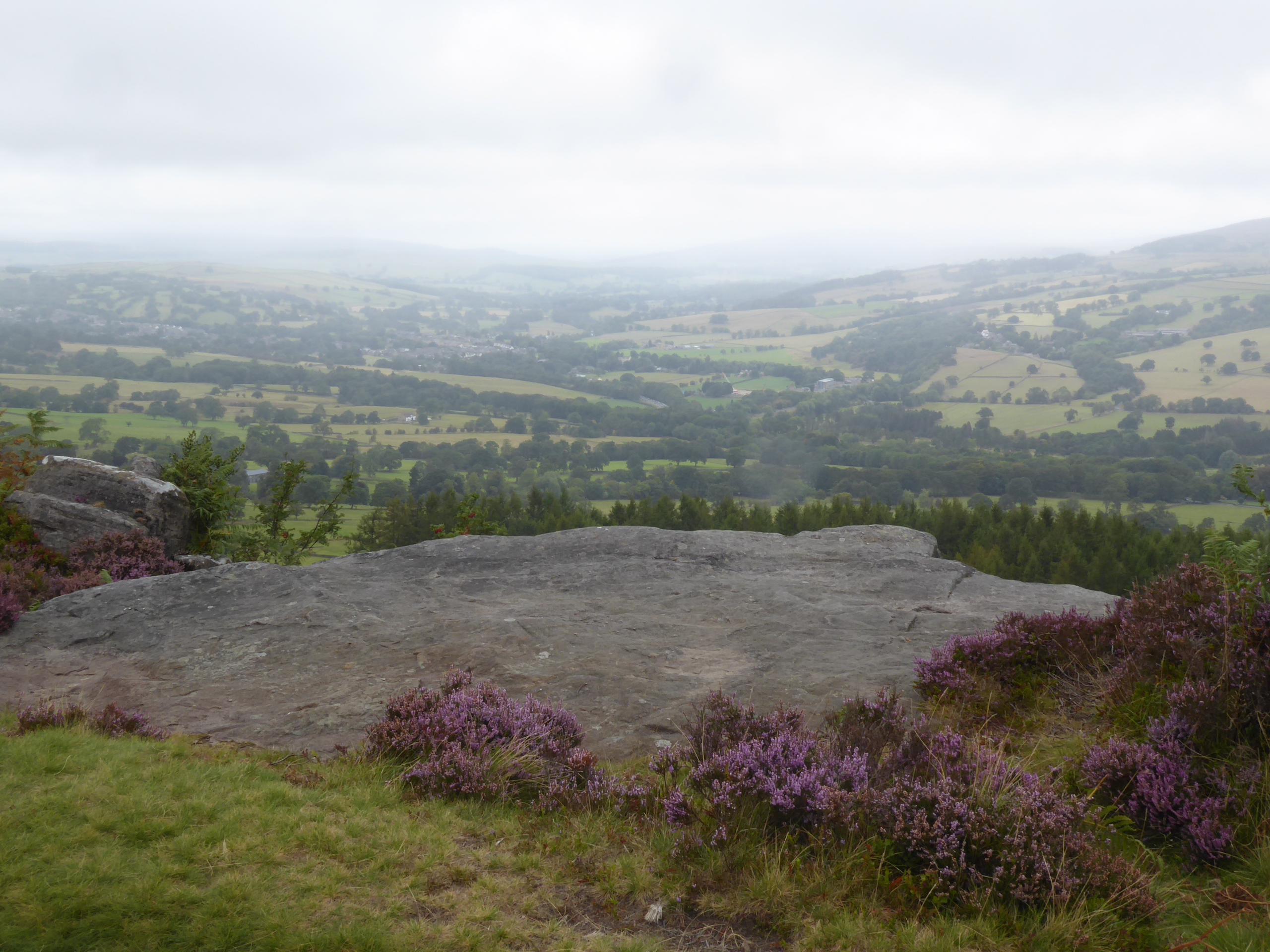
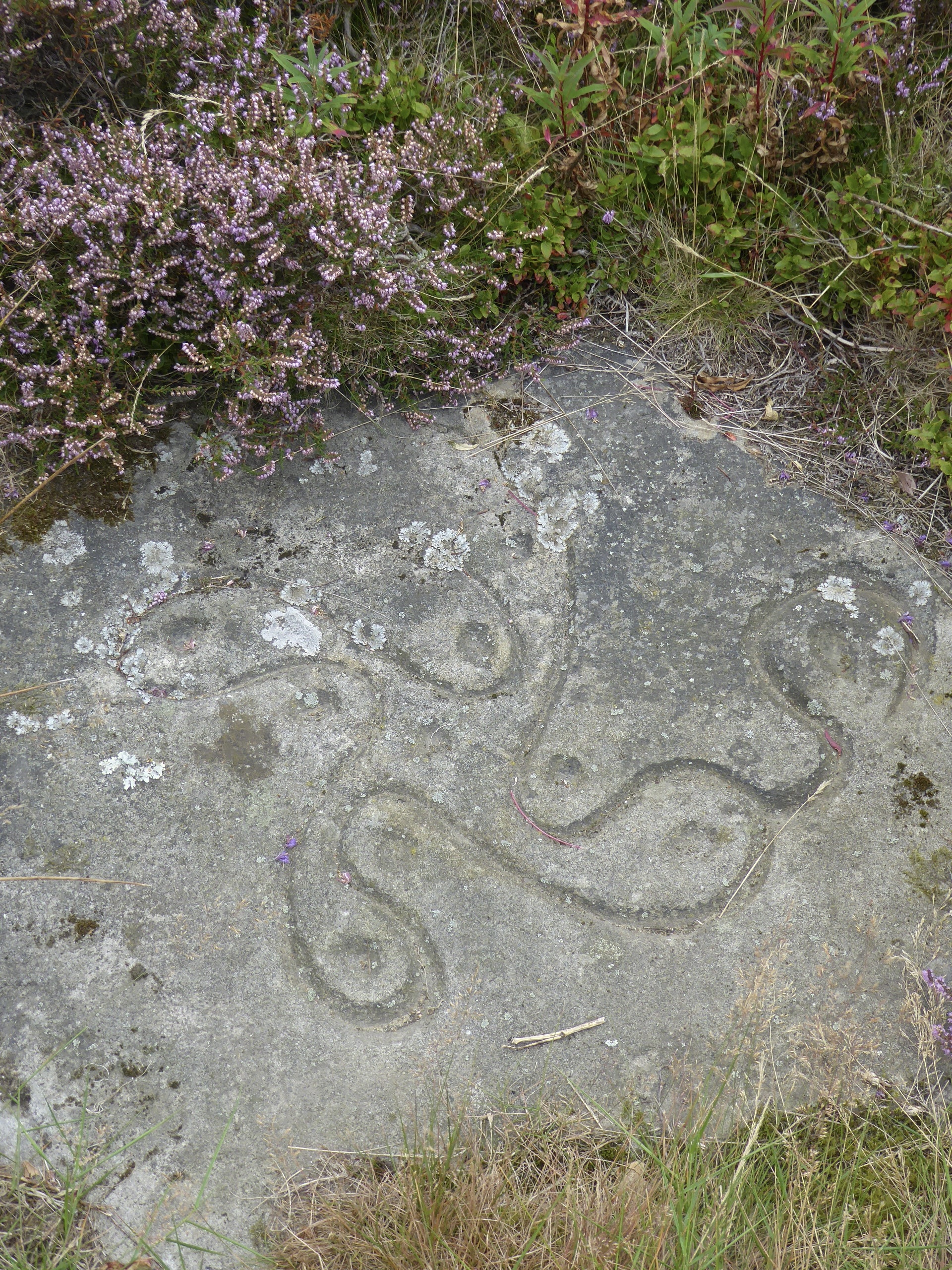
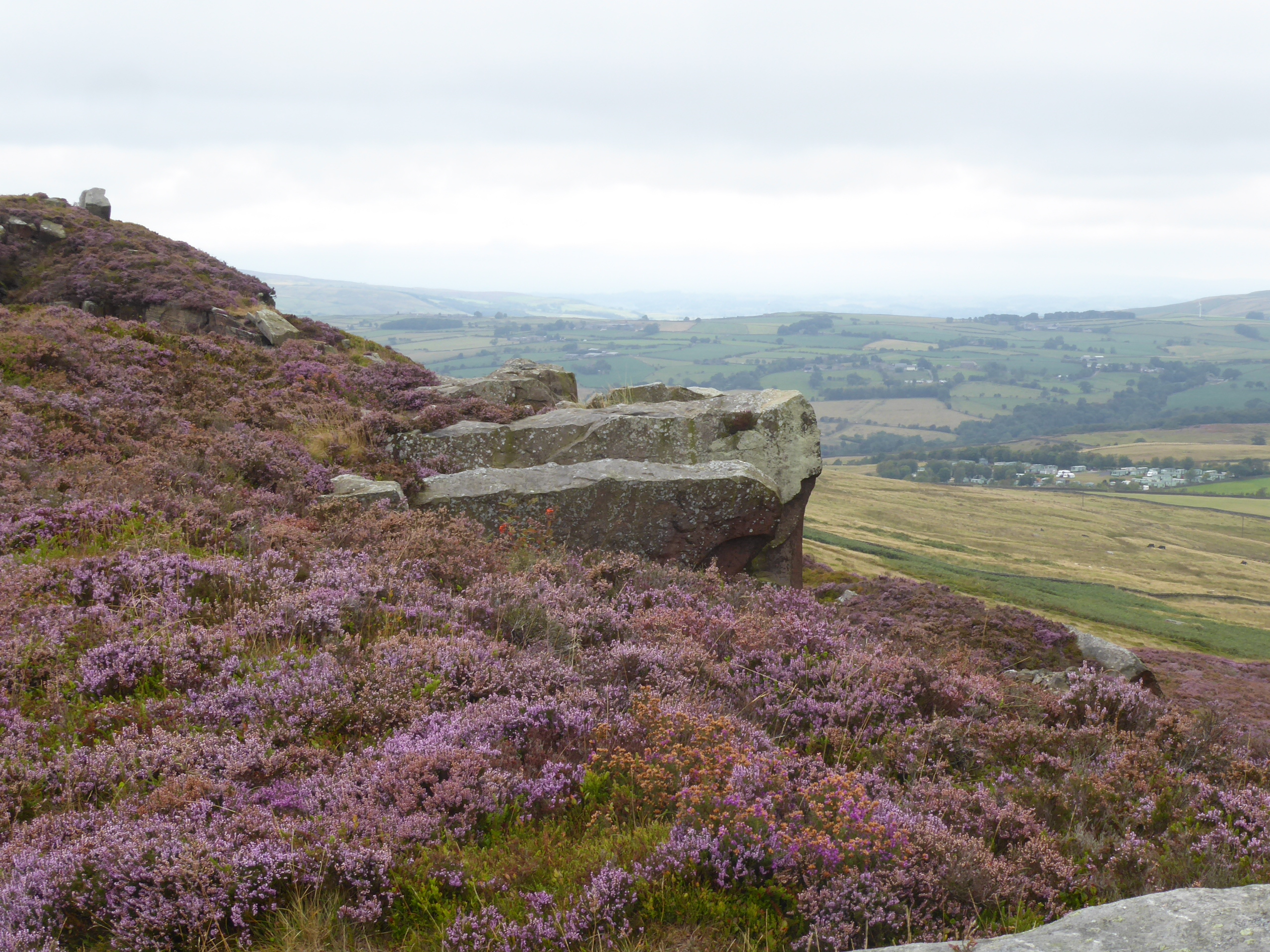
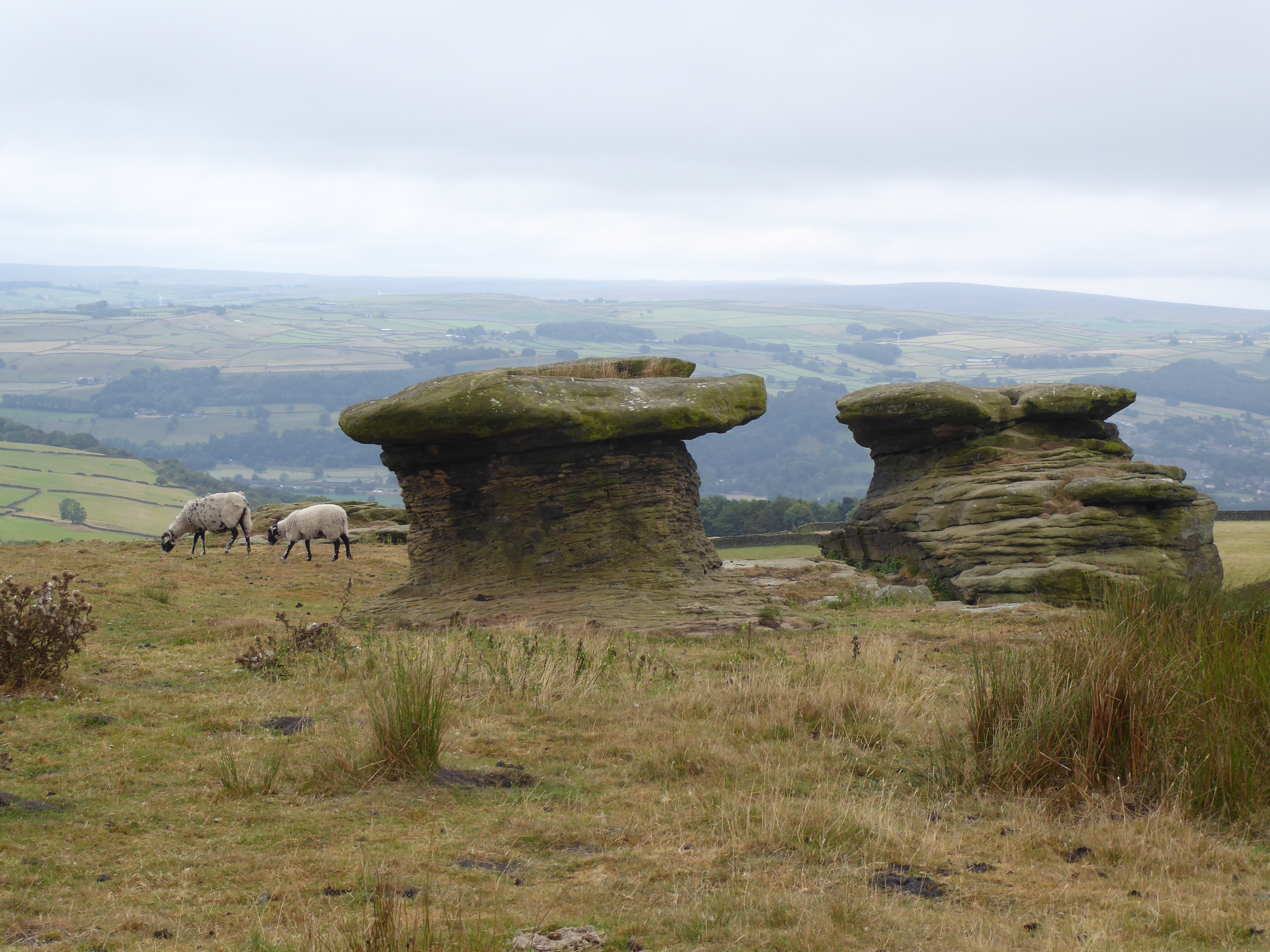
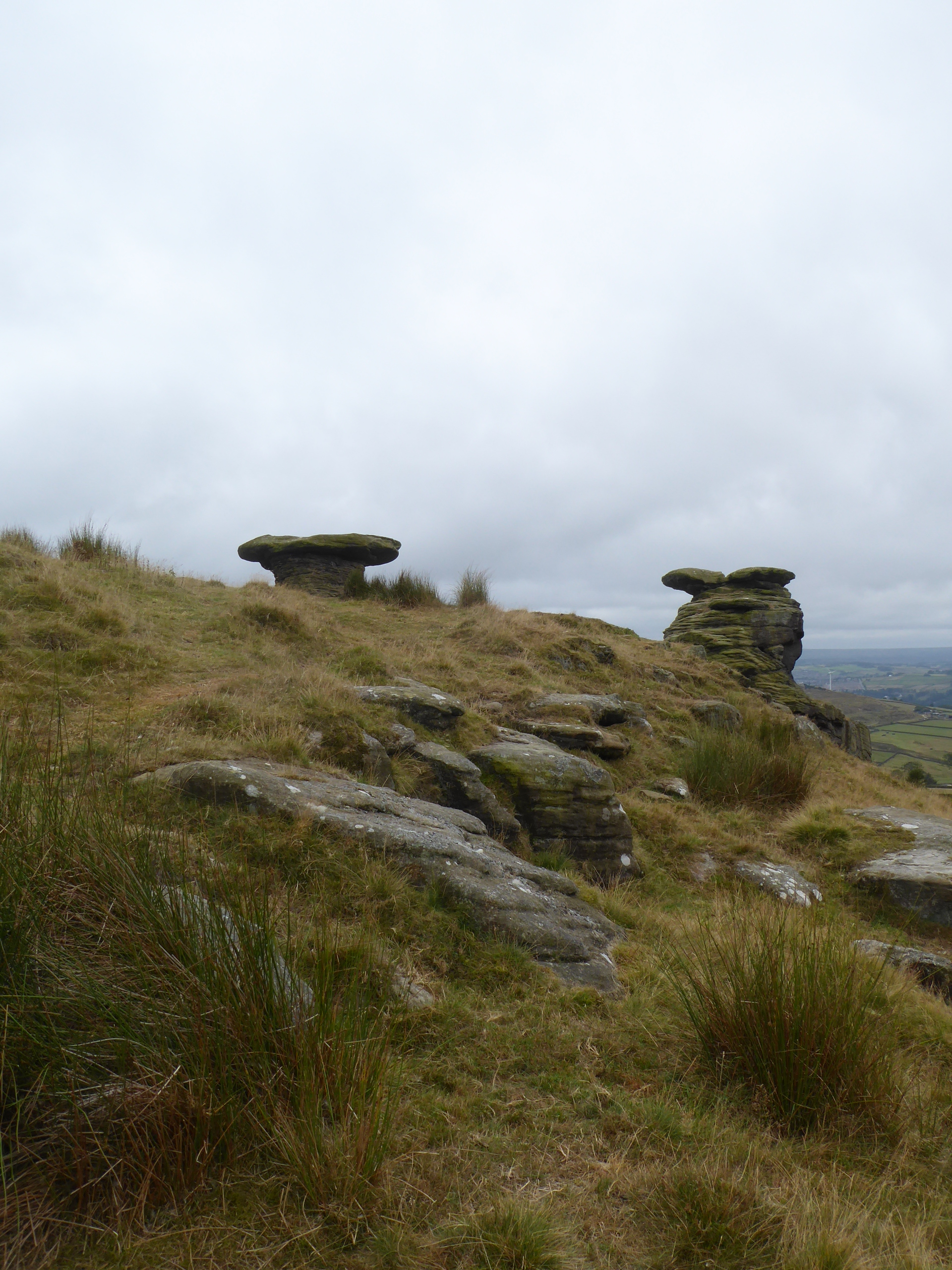
I fancied a long walk, and Ilkley to Skipton fitted the bill. The weather was grey and even mizzly at times, so I stayed cool and had the wind behind me. I walked along the low northern edge of the moor, noting the “swastika stone” and admiring the millstone outcrops. To avoid the steep descent towards Addingham, I turned south to find the Doubler stones – wind-eroded sandstone pillars topped with harder gritstone. I looped round to Addingham and then picked up the direct path to Skipton and the train back to Leeds.