Piccadilly Circus

London in the upper twenties is fairly horrible, but nobody forced me to come so I shan’t complain.

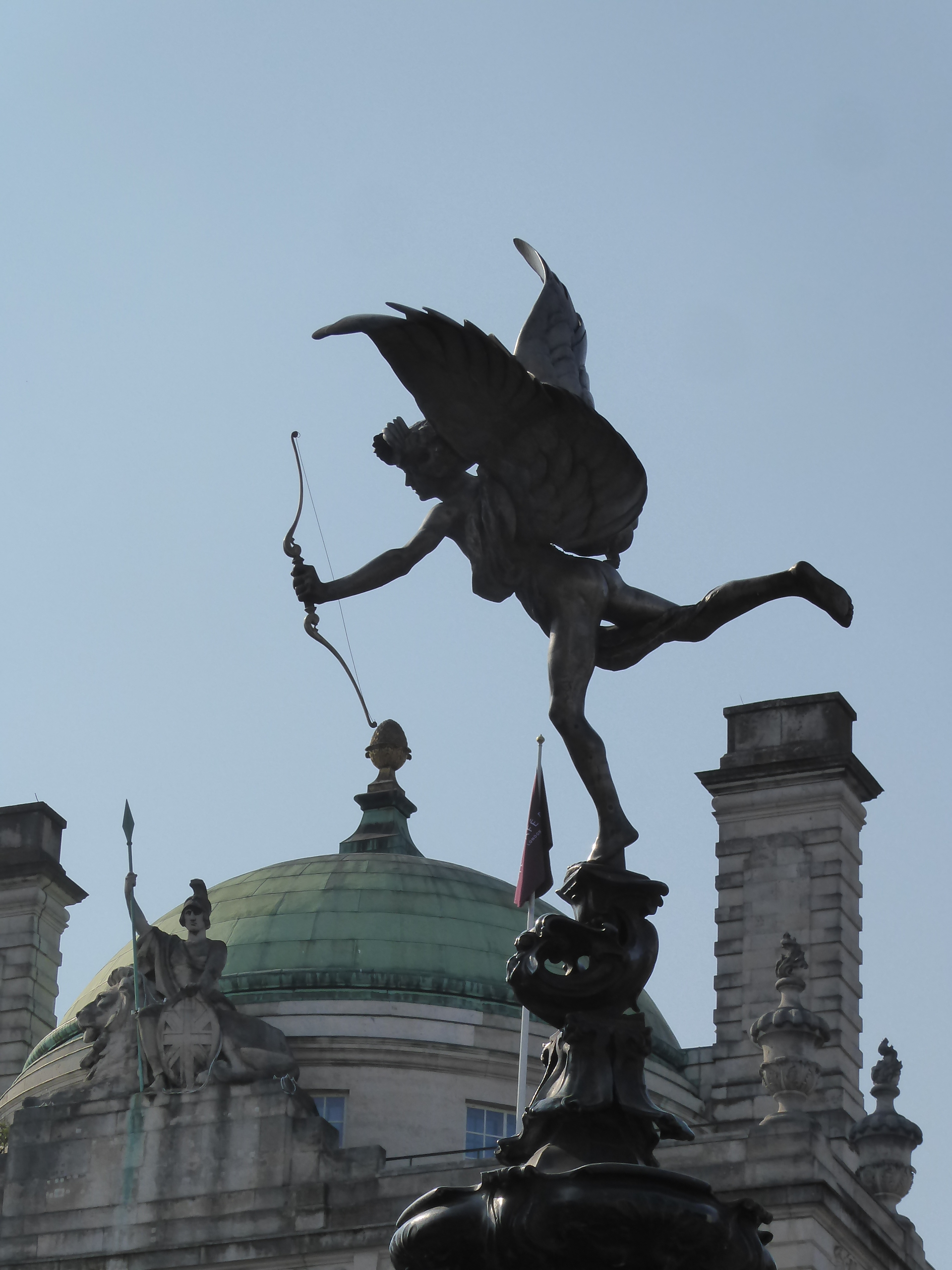
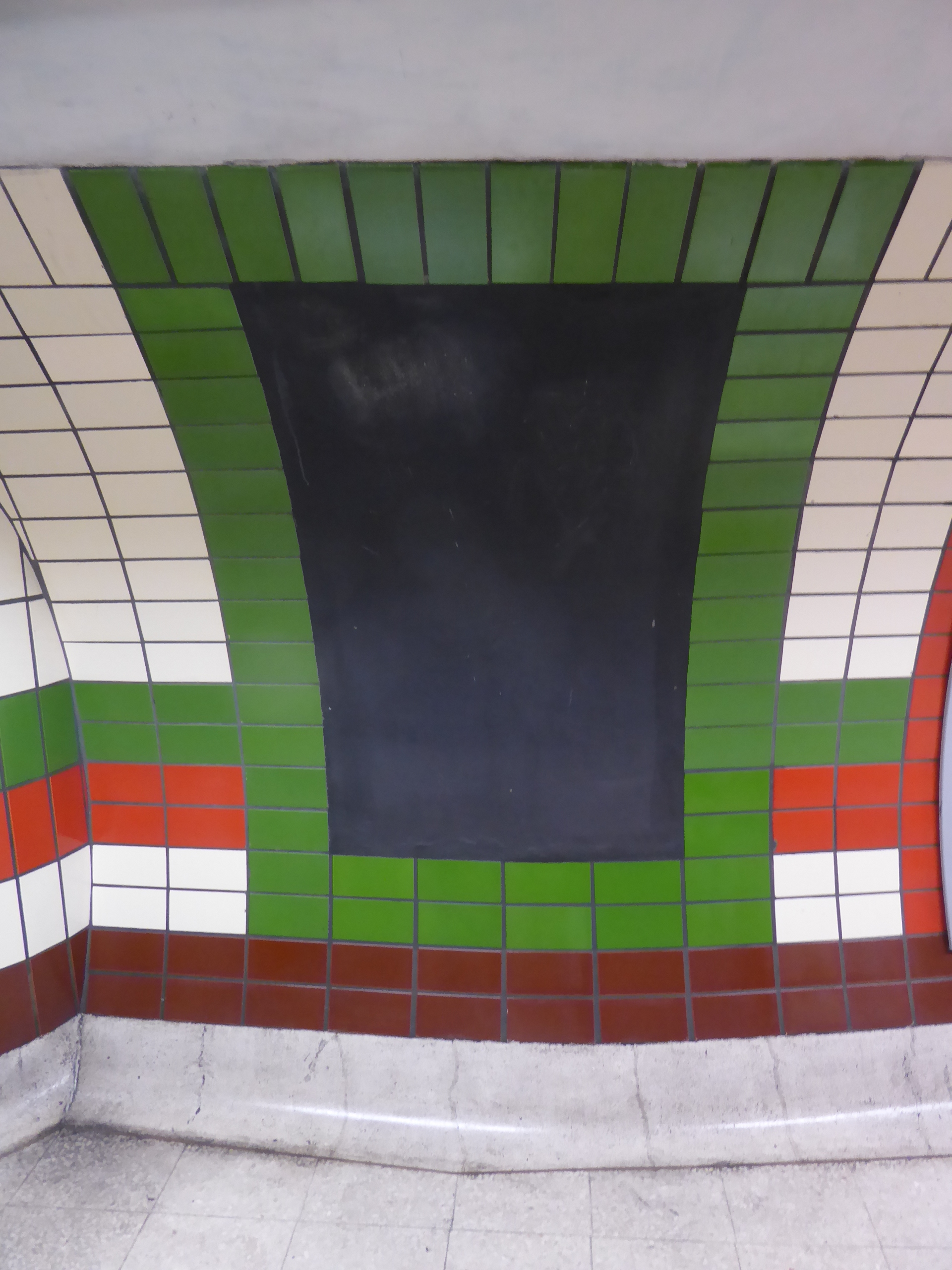
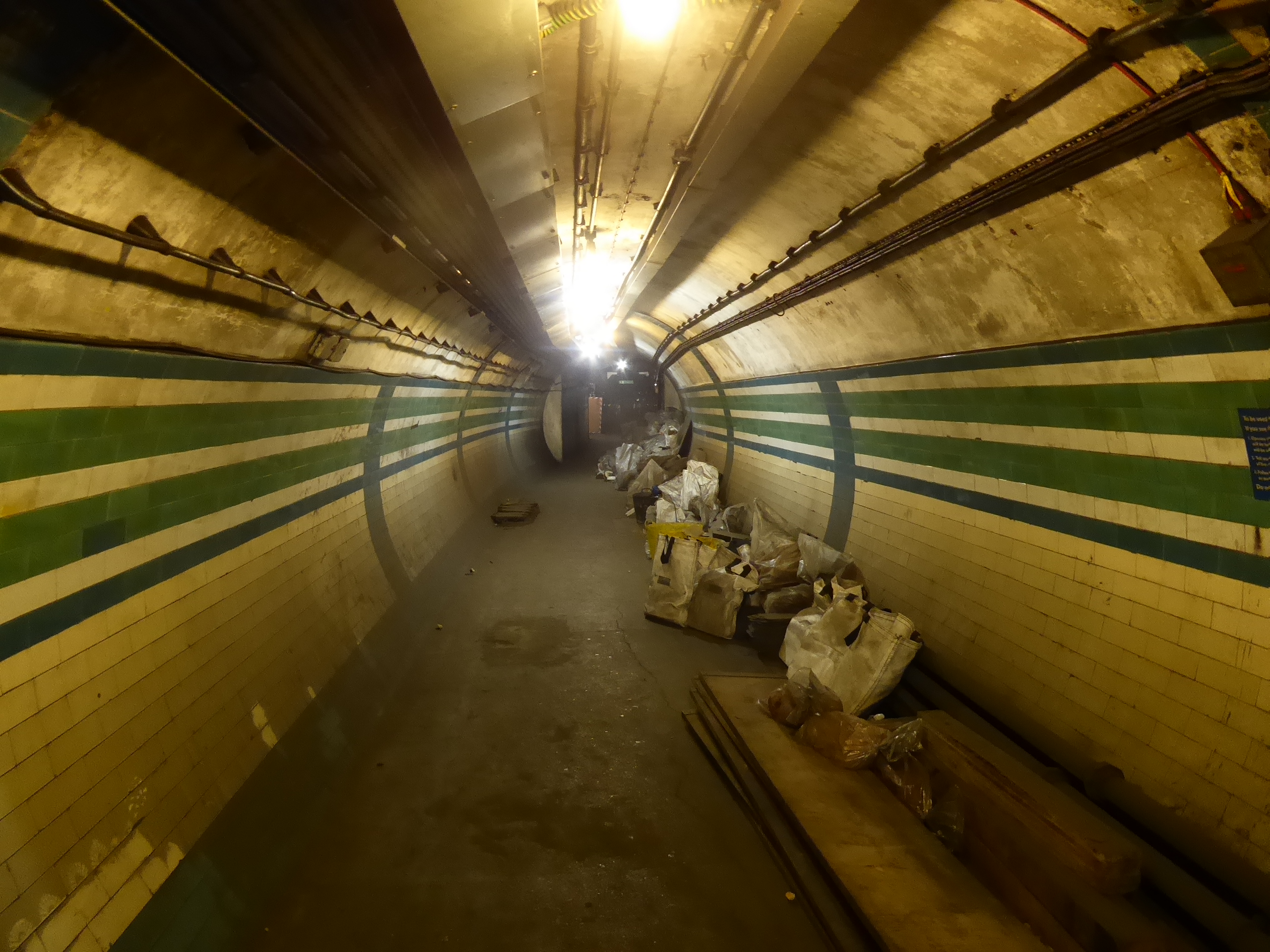
One of the things I decided to do while I am here was take a Hidden London tour of Piccadilly Circus. It wasn’t quite what I expected: I wanted more about the architects and the design and less about the Underground being used as a wartime bomb shelter. However the guides were very good and informative and it gave me the push to find out more. Basically, Piccadilly Circus tube station was designed by Leslie Green – he of the oxblood-red glazed tiles – and opened in 1906. It was served by 8 lifts, but it was quickly discovered they could not cope with the increasing number of people using the station so it was redesigned to accommodate escalators. Charles Holden was commissioned by Frank Pick; the new station opened in 1928. The circular booking hall was below a vast steel roof that took the weight of all the traffic above. No expense had been spared: Travertine marble and scagliola columns. Despite the closure of so many of the little shops in the hall and modern changes, it’s still impressive.

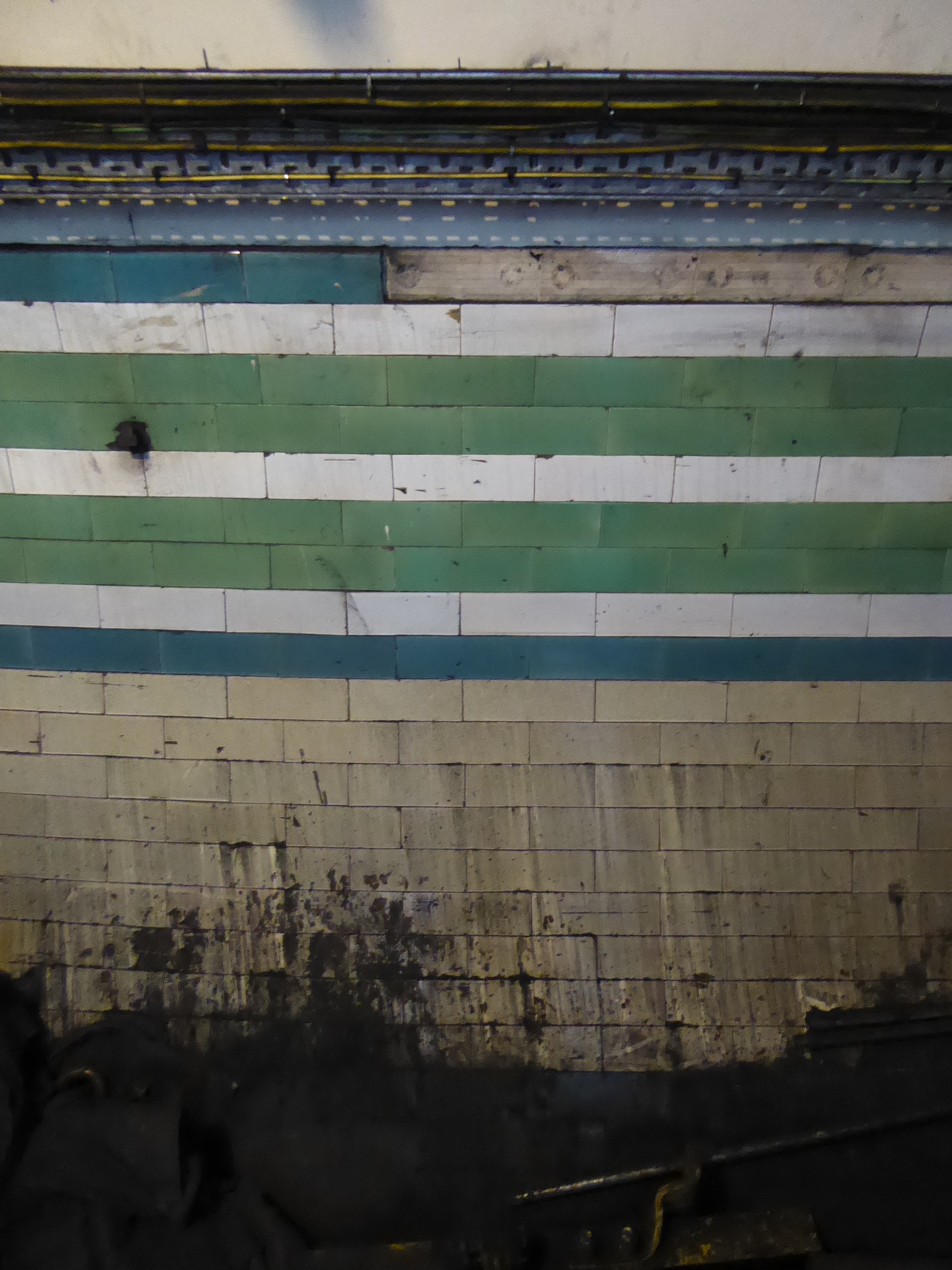
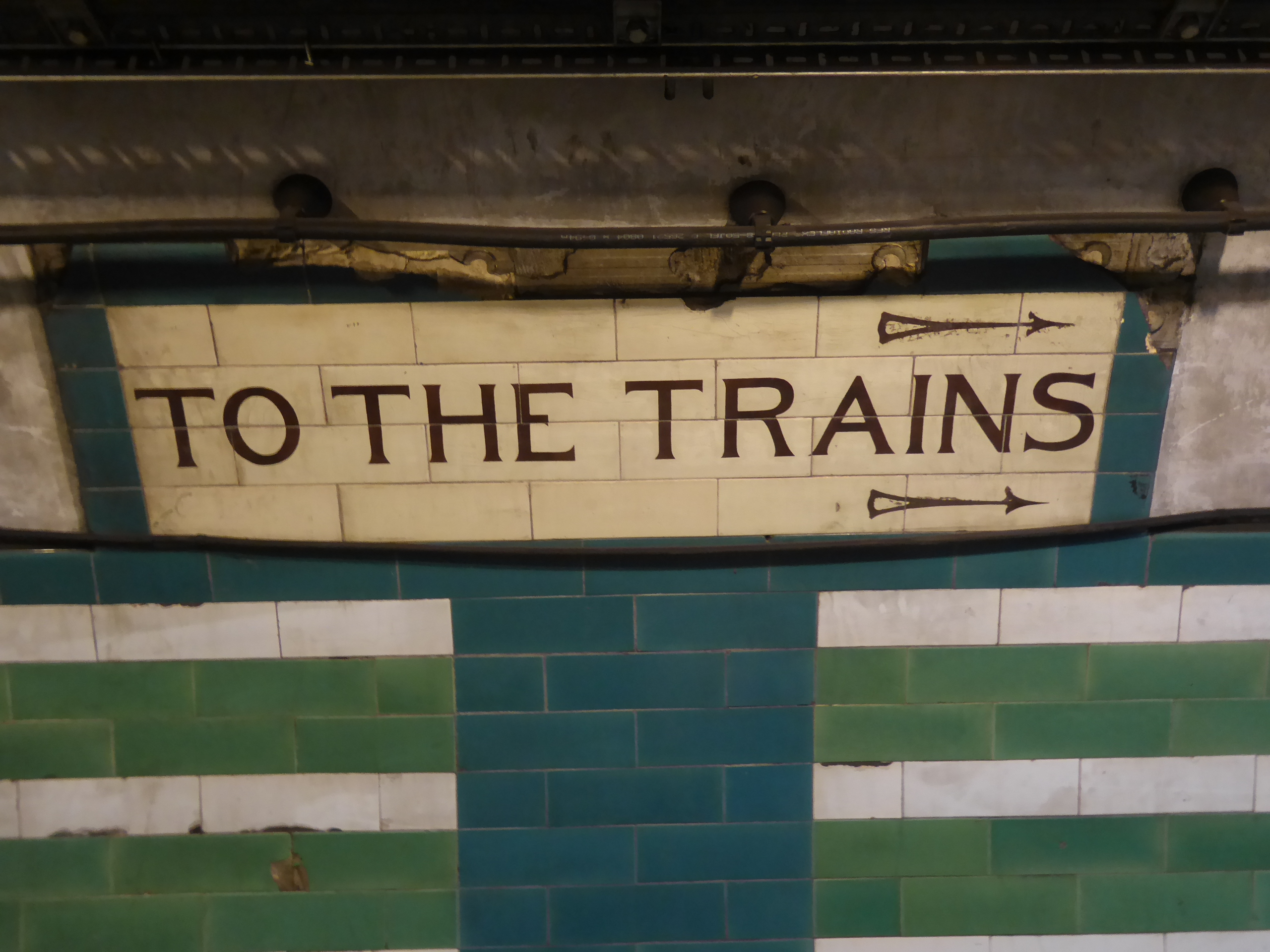
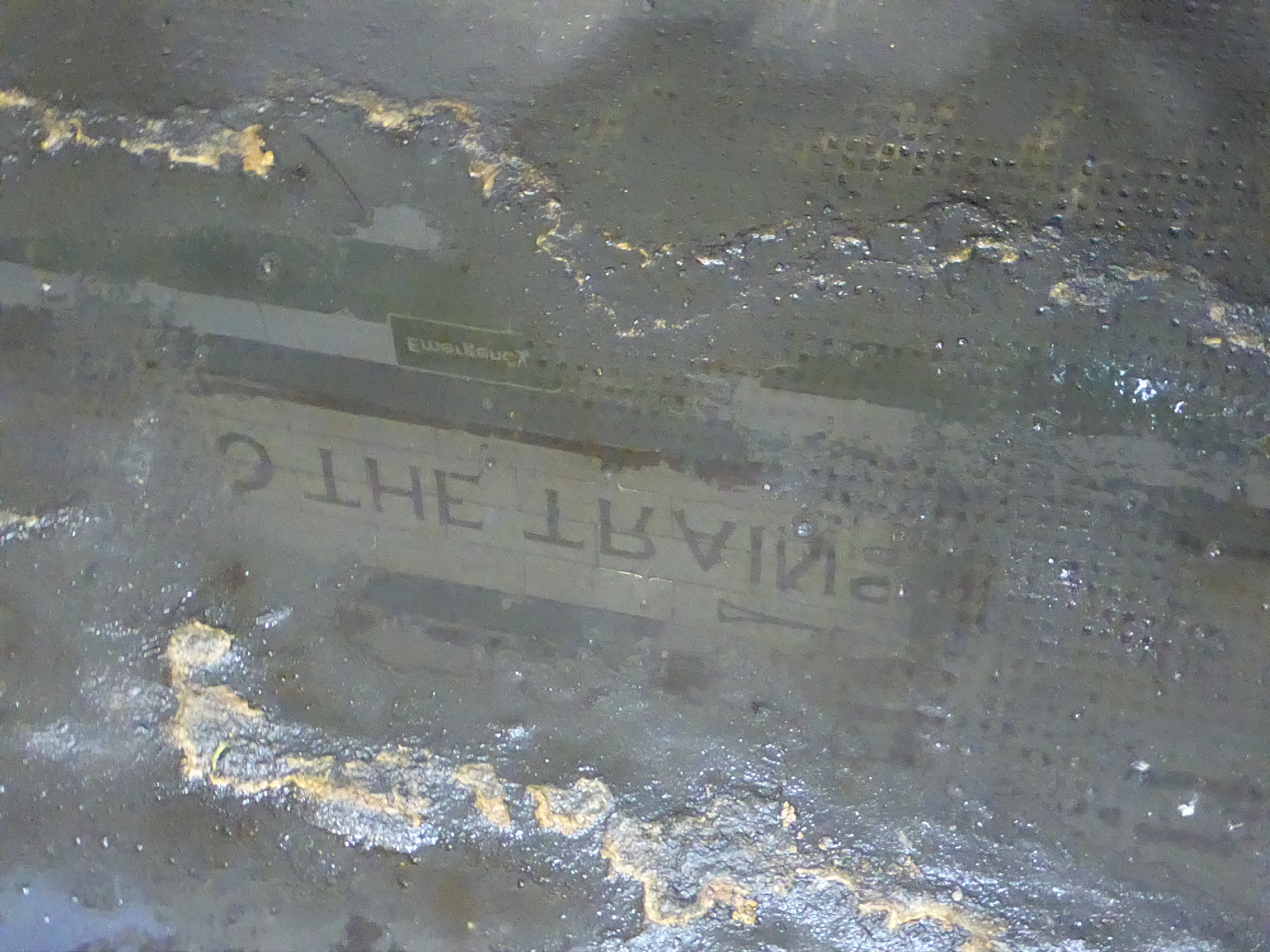
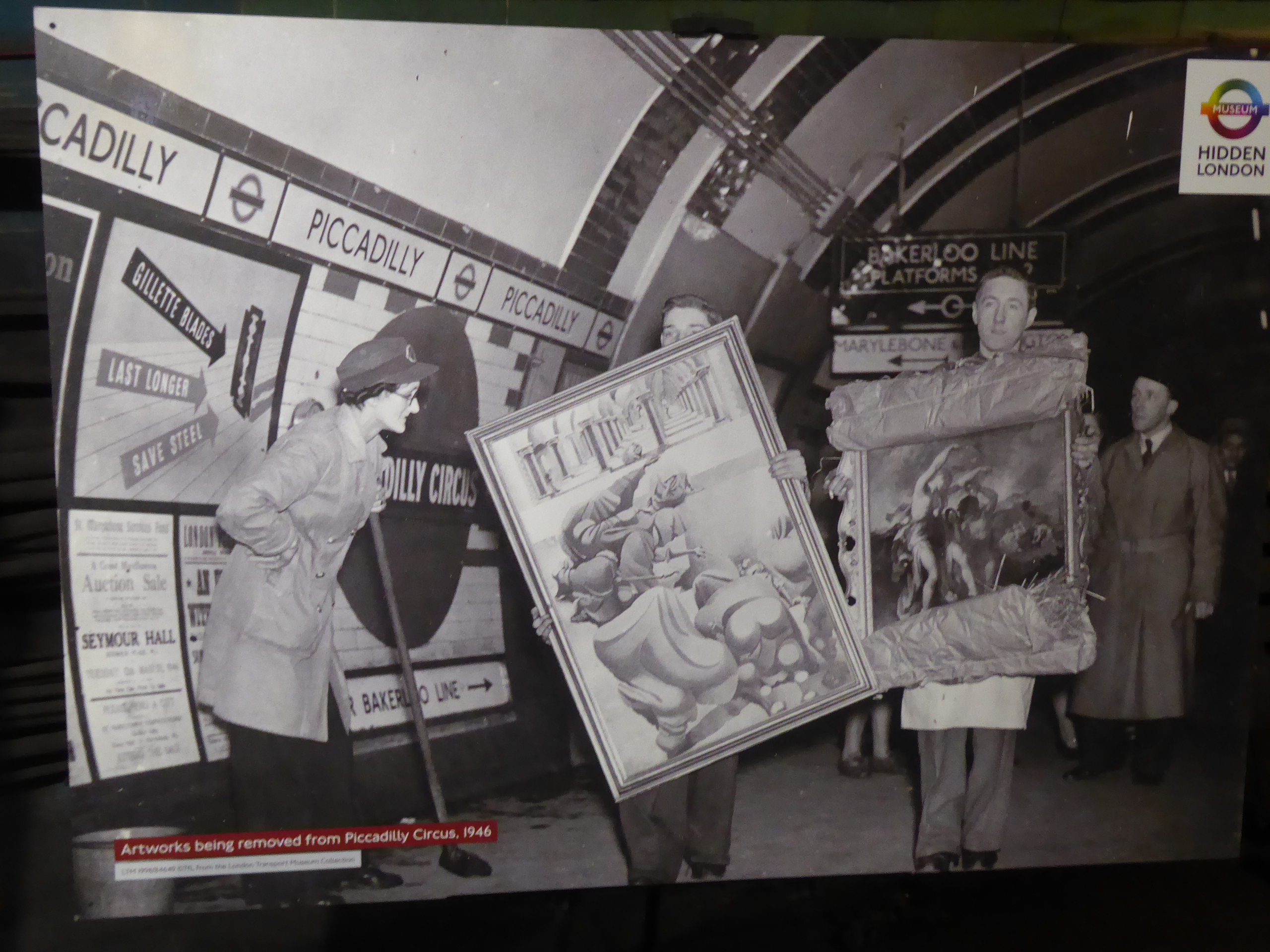
We were taken through disused tunnels serving the defunct lift shafts – authentic and dirty, with traces of Green’s original tiles and signs. The gentle shades made the modern tiling look horribly garish. The thought of crowded humanity sheltering in the tunnels during wartime nights was chastening. Artworks were also stored in the tunnels: one of the paintings in the photograph of artworks being taken out of storage was by Edward Burra; I was thinking of going to see the current exhibition of his work.

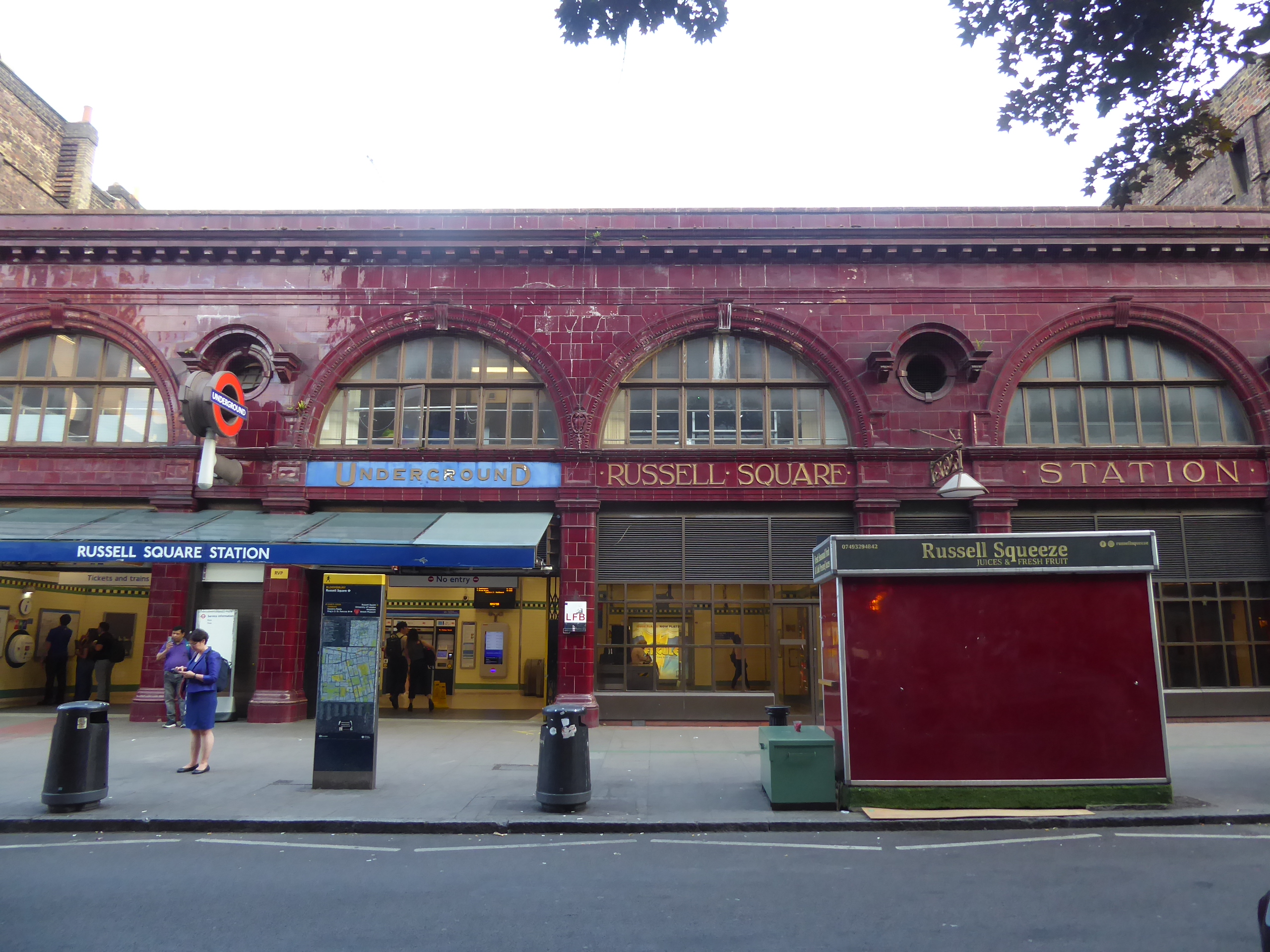
On my way back, I stopped at another of Green’s stations: Russell Square.

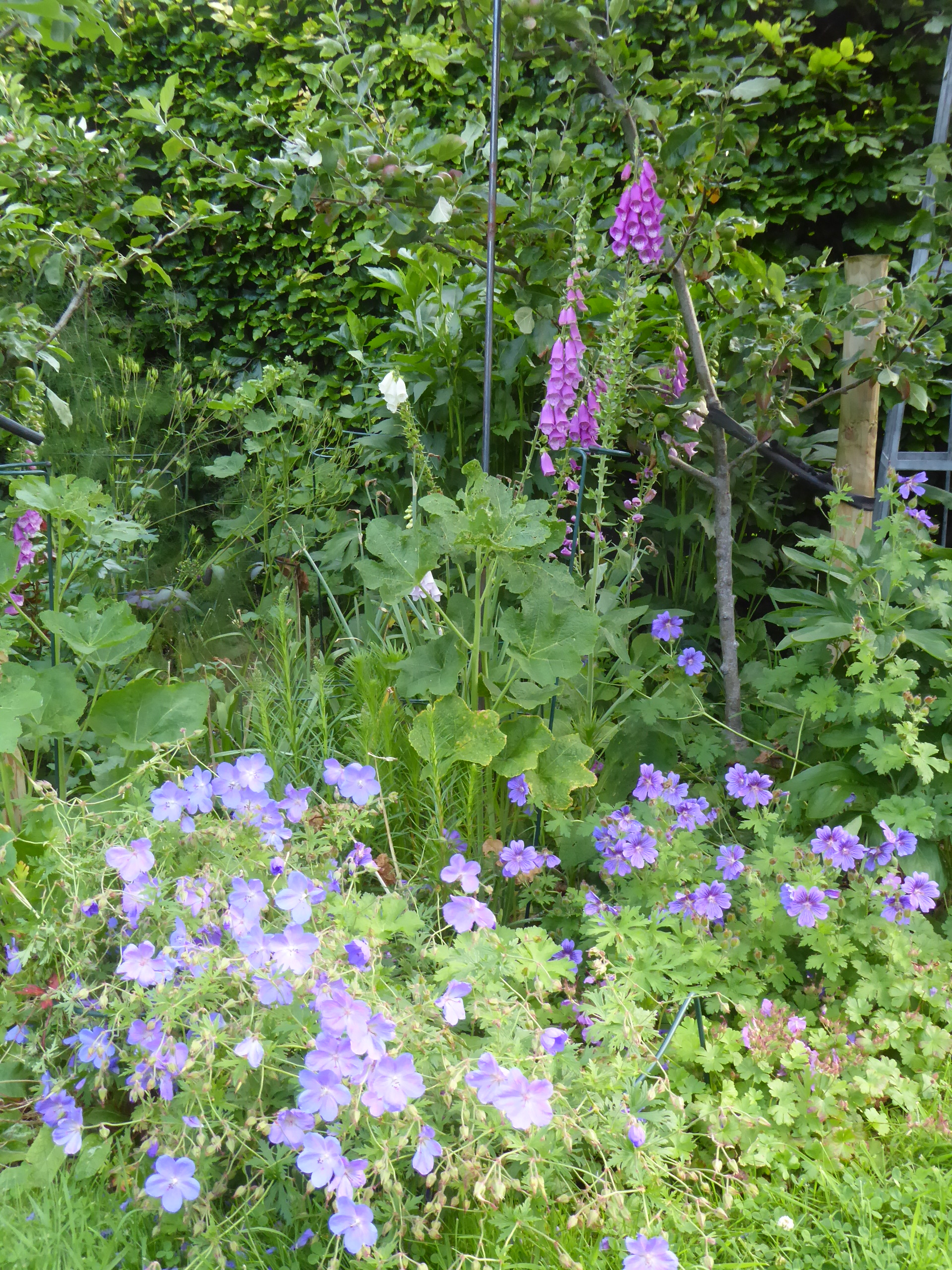
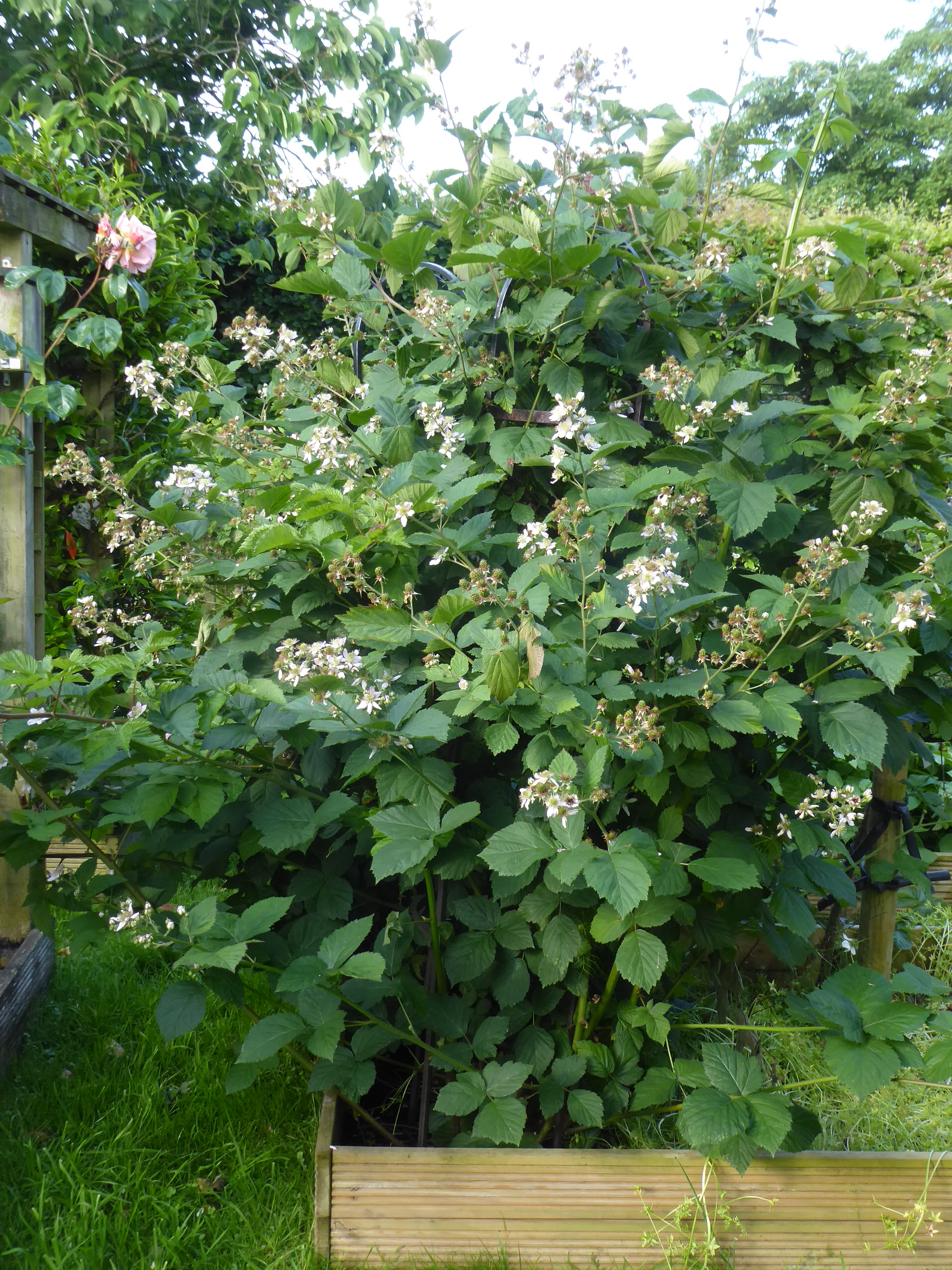
The garden today

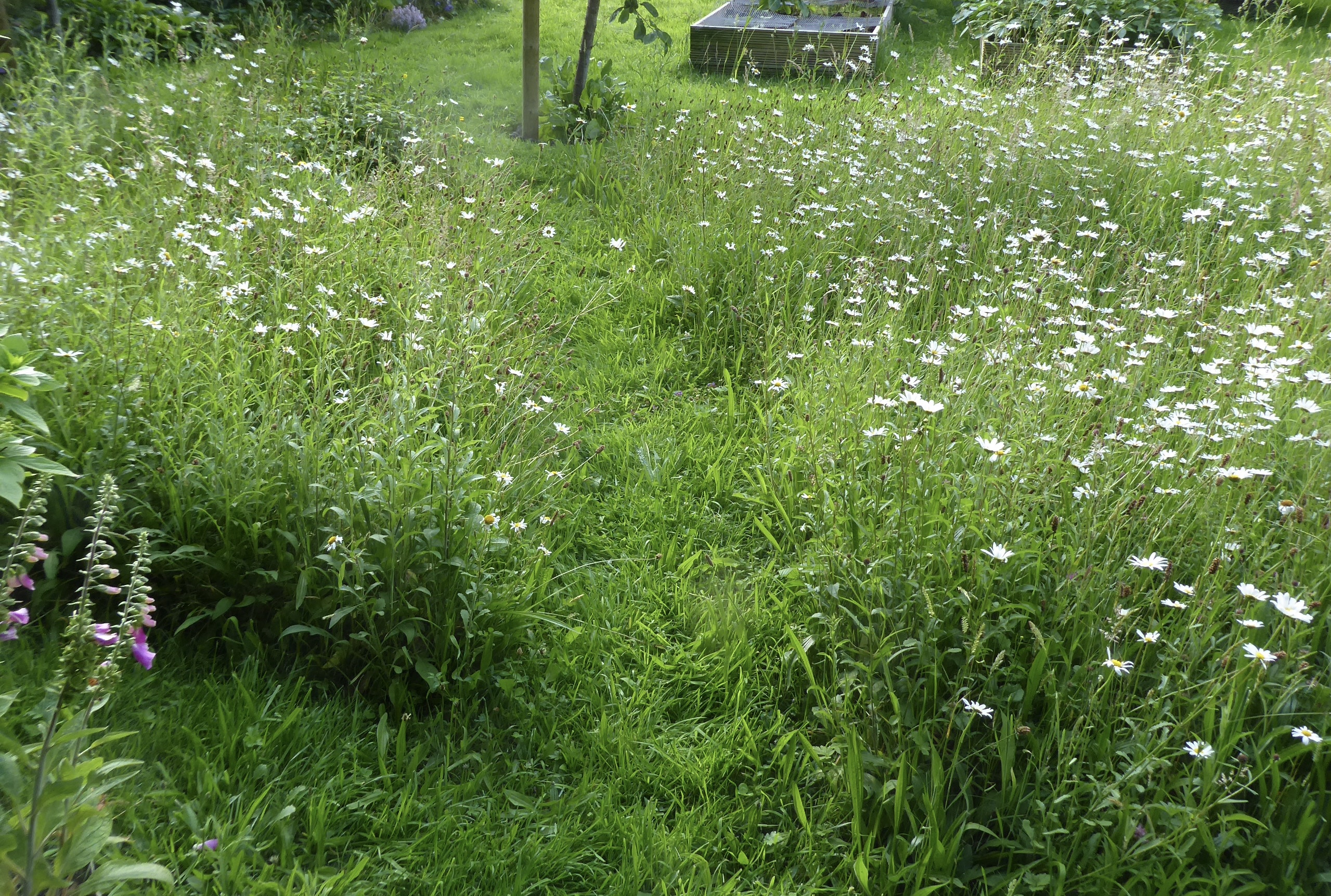
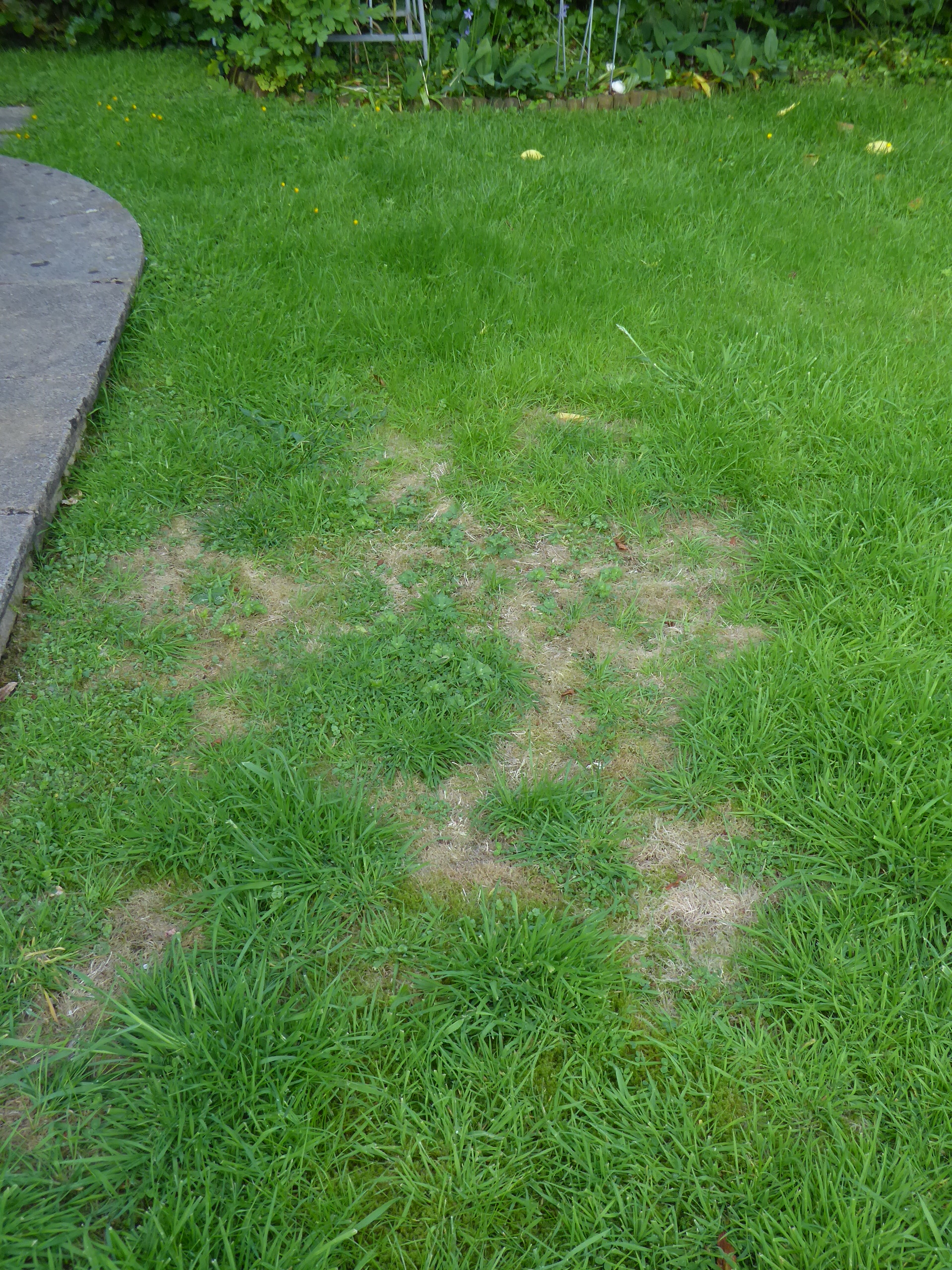
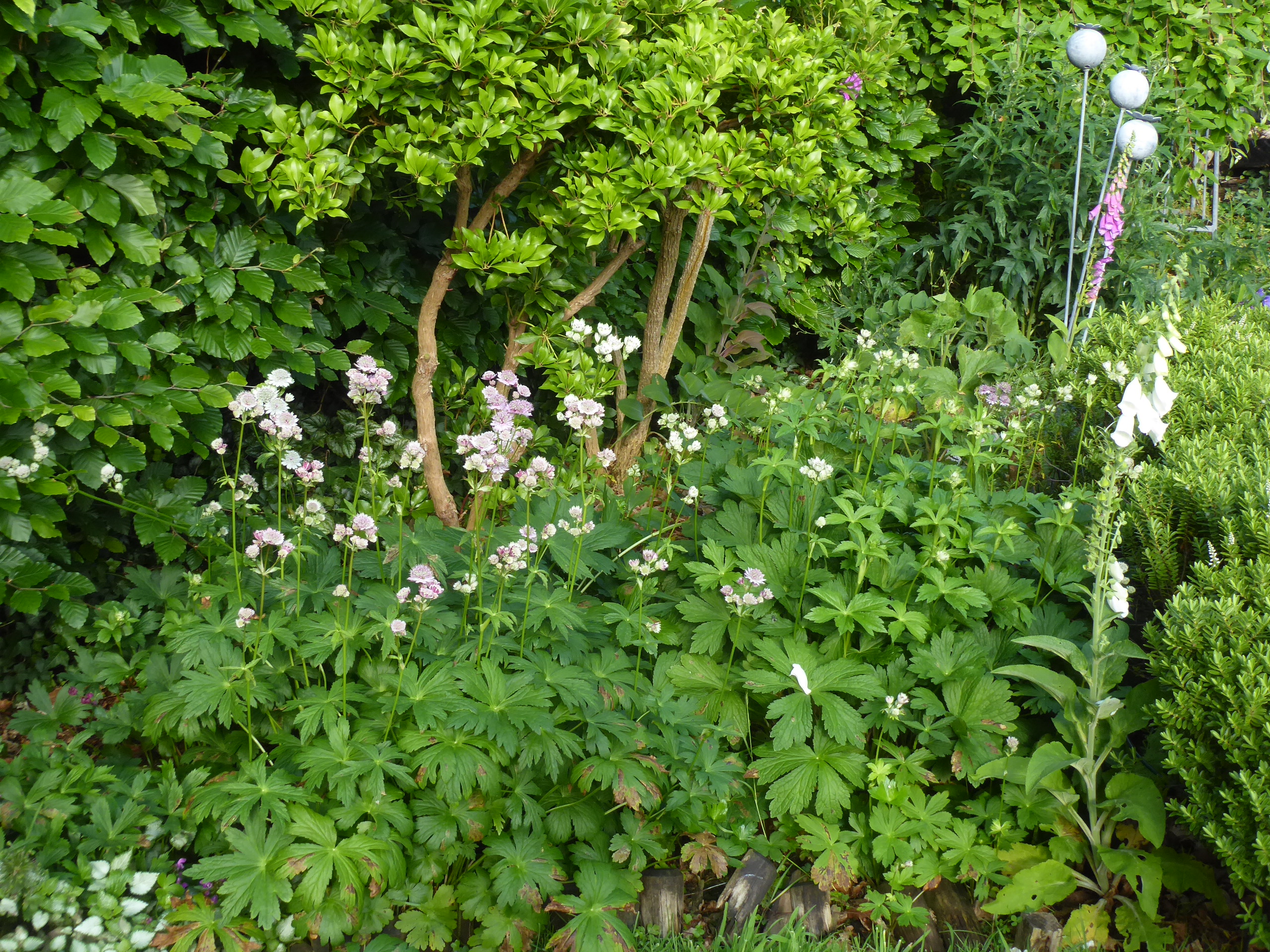
It’s looking OK. The vegetables are generally thriving (but tree roots spread everywhere, taking advantage of the nutrients I add in the raised beds), the dead patch on the grass is slowly growing over, the blackberry plants are monstrous – oh, the usual mixture of “how lovely” and “sigh”.

I just hope the new climbing rose will forgive me for inadvertently imprisoning it behind an enormous teazle.

Hundreds of Beavers

Director Mike Cheslik with Ryland Tews

I was feeling under the weather so this was perfect viewing. Wonderfully silly and inventive. I don’t imagine I caught all the influences: it had the look of an early silent movie mixed with Bugs Bunny, Charlie Chaplin, slapstick, James Bond . . . and even Monty Python’s fish-slapping dance. Shades too of Wallace and Gromit. There was a kind of a plot involving fur-trapping and beavers building a space rocket. Unforgettable scenes included huskies playing poker by a hurricane lamp each evening – the sole survivor reduced to playing solitaire as the big bad wolves picked off the team one by one each night.

Paterson (2016)

Director Jim Jarmusch with Adam Driver and Golshifteh Farahani

One of those films where practically nothing happens. (The one potentially dramatic incident is over in seconds and was not as life-threatening as it seemed at first.) It’s a week in the life of a bus driver called Paterson living in the town of Paterson – one of many mirrorings/twinnings in the film. He drives the same route every day, overhears conversations, writes poetry in a notebook and admires William Carlos Williams – who also wrote an epic poem, “Paterson”, about the city.

The film is a kind of poetic depiction of ordinary life as experienced by kindly, gentle people. They have their pleasures, their interests and their dreams which may never be fulfilled but are nonetheless fulfilling. The camera moves slowly and I had to rein in any impatience. Paterson’s (unimpressive) poems are an essential part of him – just as painting everything black and white is important to his wife. Theirs is a very loving, gentle relationship; her ambitions are a bit flaky (cup cake queen or country and western singer? . . . decisions, decisions), but she is not unsuccessful. The dog (who deserves his own Oscar) destroys Paterson’s notebook of poems, and for a while there is a sense of loss – until a chance encounter sets him back on his path.

In many ways it’s a film that transcends the quotidian life it depicts – like Perfect Days or Nomadland. Unlike some films – I’m thinking of Jeanne Dielman – there seemed to be no underlying ideology/political message. It wasn’t a Ken Loach film about a bus driver. It was about ordinary people and their relationships with other ordinary people and the world around them.

One Fine Day by Mollie Panter-Downes (1946)

As I read this novel I thought of “A Canterbury Tale” and the way the present and the past mingle in the depiction of the landscape. I could also hear another Mollie’s voice – the songs of Molly Drake and their evocation of the English countryside with an undertone of melancholy. And yet what remains here is not melancholy but a sense of good-nature and hopefulness.

There is much for the characters to be melancholy about. The setting is somewhere around the South Downs in the first year after the war. Peace has returned but the upheavals of war are everywhere. Not just the rusting coils of barbed wire among the sorrel but also in rationing, bereavement, disorientation, social upheaval. If I were feeling caustic I could sum up the novel as a middle-class couple having to come to terms with the post-war “servant problem” (diddums). But it’s beautifully and perceptively written from a viewpoint that is sympathetic to all sides.

Pre-war Laura and Stephen lived in a large house with servants who ensured their domestic life ran on well-oiled rollers. Garden, kitchen, child – all looked after without any effort on their part. Perfect roses and vegetables grown for them, dinners served to them by lamplight, daughter presented to them bathed and ready for bed. Now they have a slapdash daily and an ageing occasional gardener and not much money and they must do everything else themselves. The house has become a tyrant rather than a retreat, but they – or, at least, Stephen – try to maintain their former way of life.

Poor Stephen, thought Laura . . . He hated the way they scraped along, scrambled and muddled along, though he said nothing. He took off his coat after dinner, hung it over a chair, and pitched into the washing up. Wretched victims of their class, they still had dinner. Without the slaves, they still cherished the useless lamp. Left alone, Laura would have settled and clung somewhere like that butterfly, sipping without ceremony, perfectly happy. While Stephen was away she had snatched her meals anywhere. But now there was a man in the house again, they faced each other over polished wood, branching candlelight, the small ivory electric bell which was nothing but a joke.

The novel follows mostly Laura over the course of one beautiful summer’s day: her thoughts, her chores, her short journeys, her interactions with other people. Nothing much happens, but perhaps this one day is to be a turning point in her personal life. Every little detail tells you something about the changed state of the country. The beautiful widow in the village shop is going to marry repulsive Mr Rudge the builder – someone who knows how to look after Number One and is doing well in the post-war world. But whereas Evelyn Waugh in “Brideshead Revisited“ gave us Hooper whom he obviously loathed, Mollie Panter-Downes is not hostile to the new world. In fact I wondered if the likely puppies of Stuffy’s fling with the gypsy’s greyhounds were a closing symbol of the post-war world.

I can see why she wrote so little fiction and concentrated on journalism. She sticks to what she observes and doesn’t stray beyond that; the characters and their situations in this novel are very similar to her wartime short stories and presented in the same sympathetic, expansive manner. It really was a pleasure to read it.

Afterword

I read “My Husband Simon” a few weeks later – published in 1931. My goodness, how different the tone towards the lower orders! There is no mercy for the negligent cleaner here – unlike the latitude in the portrayal of the careless Mrs Prout in “One Fine Day”. Panter-Downes seemed to unlearn her earlier snobbishness.

Vlaardingen

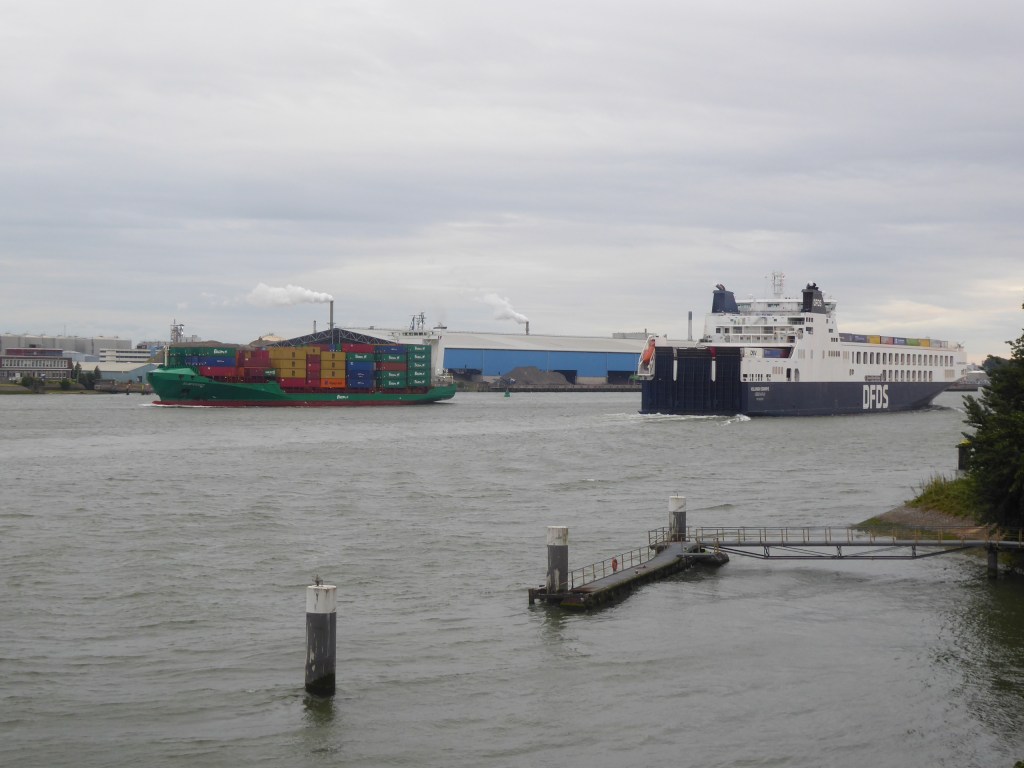
Tonight’s view

Practically all the way across the Netherlands today: train from Arnhem to Dordrecht, waterbus to Rotterdam and cycling to Vlaardingen, where we are right beside the river. (I’ve given up trying to distinguish between the Maas, the Lek and the Waal. Oh, and the Scheur.) Completely different backdrop to previous riverside stays: Emmerich has only green fields on the other side whereas Vlaardingen has oil refineries. But watching barges float by is the same restful occupation.

The end of the holiday. I suppose I ought to have seen enough to offer a few insights, but I’m not sure they’re worth anything.

There are staff shortages: every shop, every back of loo door, every van invites you to come and work for them. Hotel room cleaning during a multi-day stay is unusual. The hotel in Meppen used a robot vacuum cleaner, which politely stopped to let us pass in the corridor.

I may as well use machines to buy train tickets: I can’t make a worse job than trained staff. The tickets I bought in the ticket office for today’s train journey were the wrong kind. Fortunately the guard let us off: it was obviously an unwitting mistake. (He wasn’t so sympathetic to the young brown man who was attempting to travel on yesterday’s ticket and turfed him off at the next station. I wondered how to interpret this. Ageing white people are seen as making honest mistakes but young brown migrants are seen as trying to pull a fast one?)

I’m fitter now than a fortnight ago, but mounting and dismounting my bicycle is not as effortless as it once was (sigh).