Lingen to Meppen

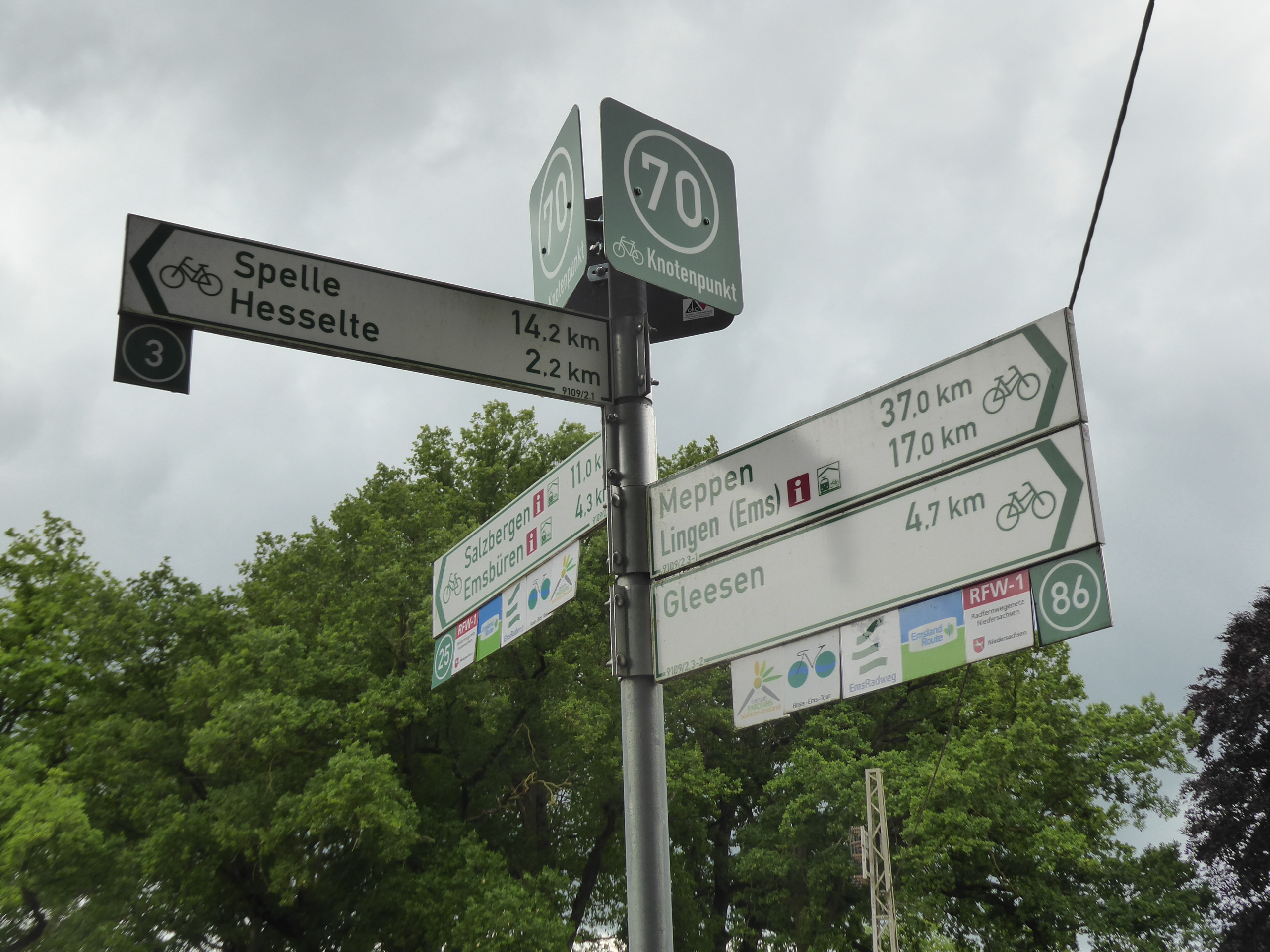
The Emsland Route is as sinuous as the river itself: the 20km-via-main-road from Lingen to Meppen doubled in length via the Radweg – but nonetheless it took us most of the day. Goodness knows how we will cope with the slightly longer distance tomorrow!

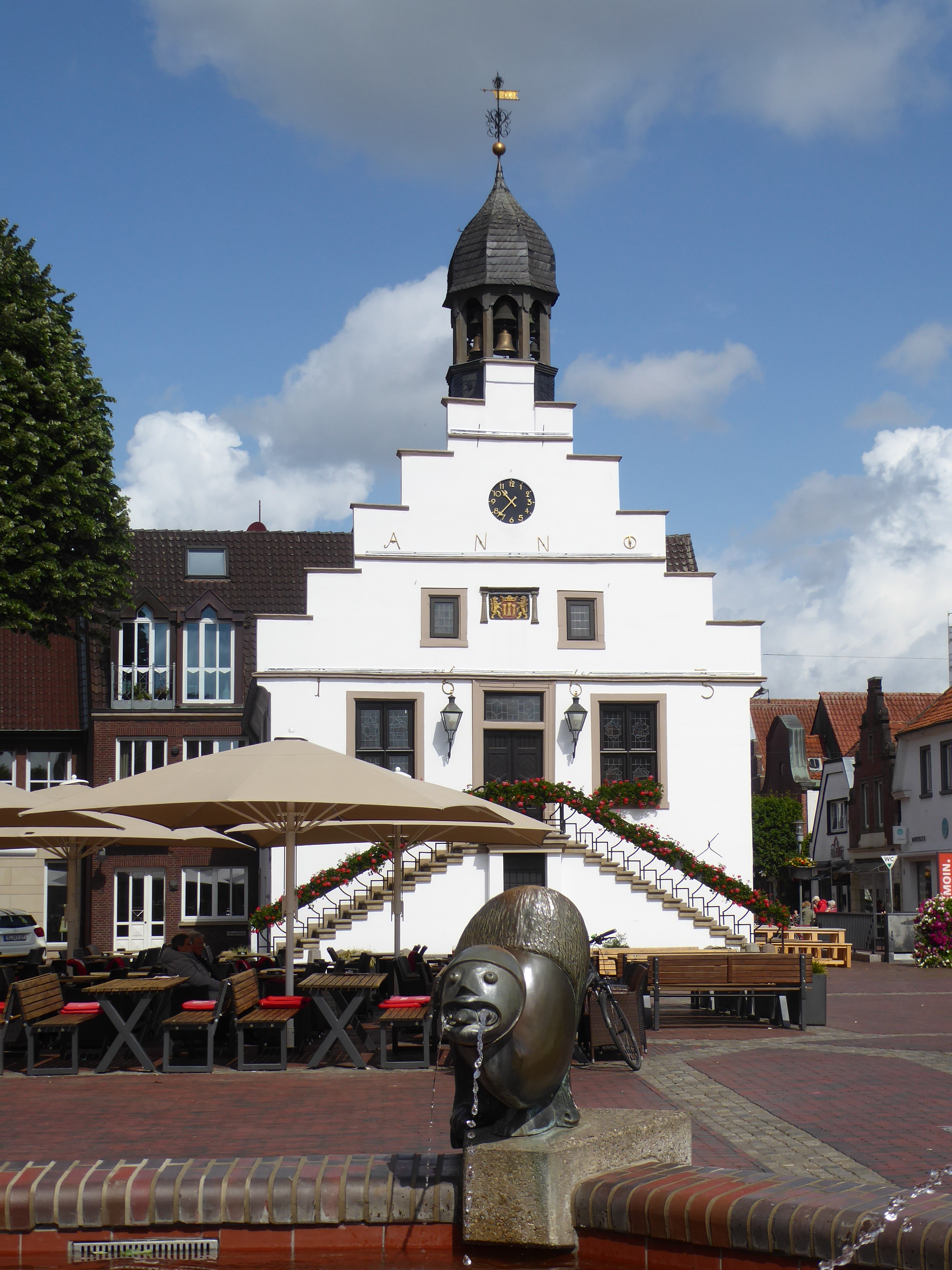
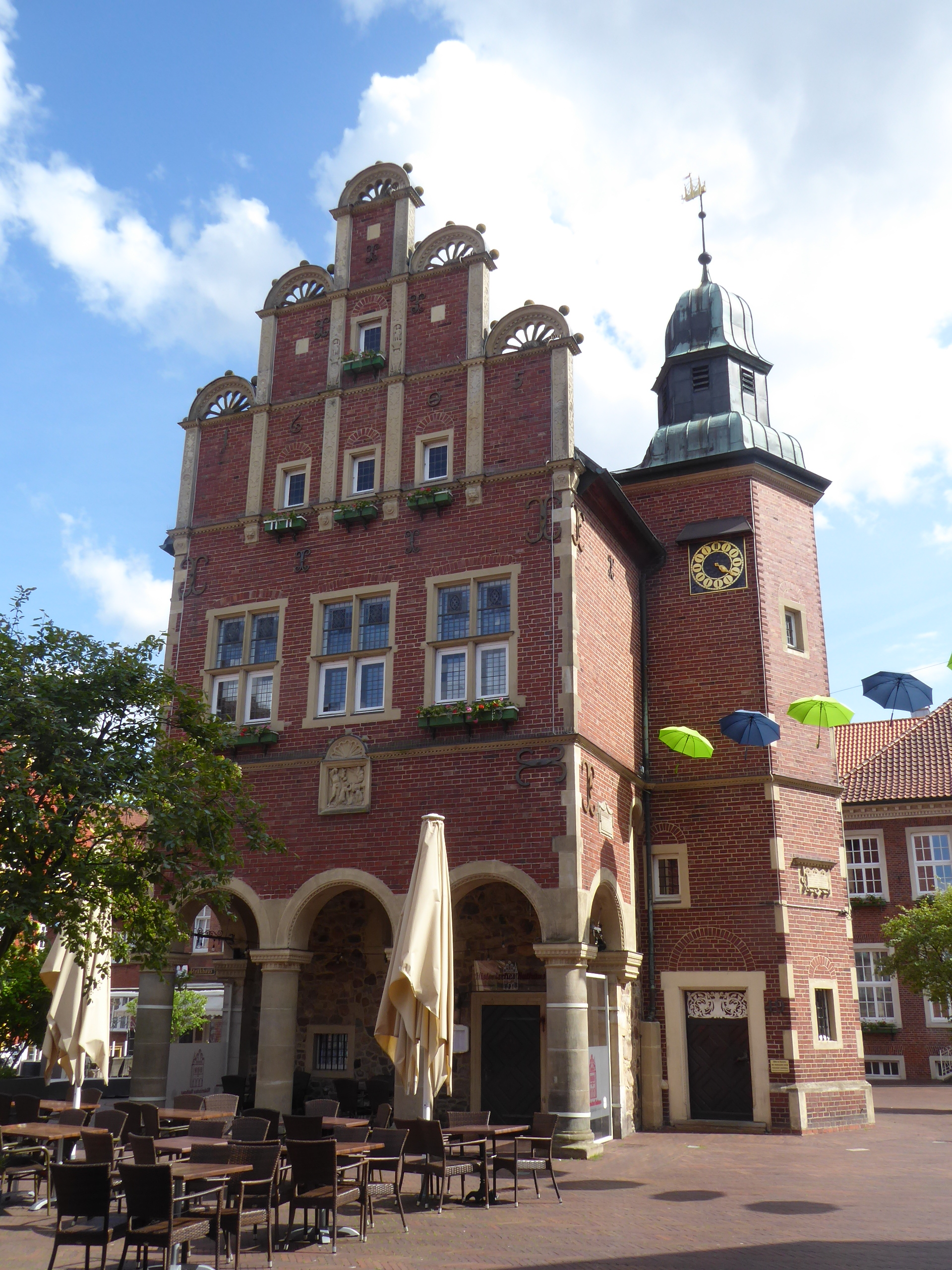
The day was bookended with Rathäuser:

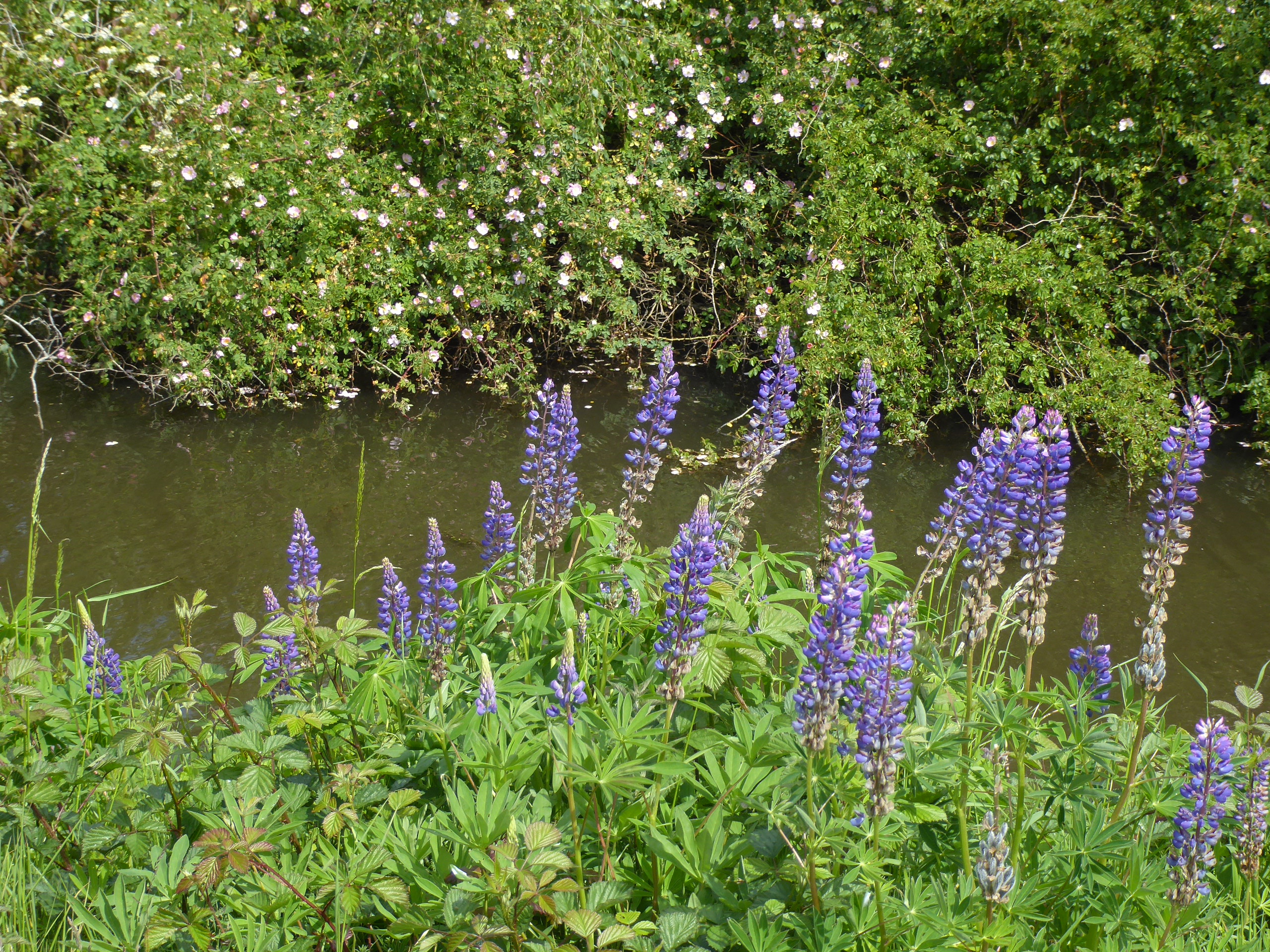
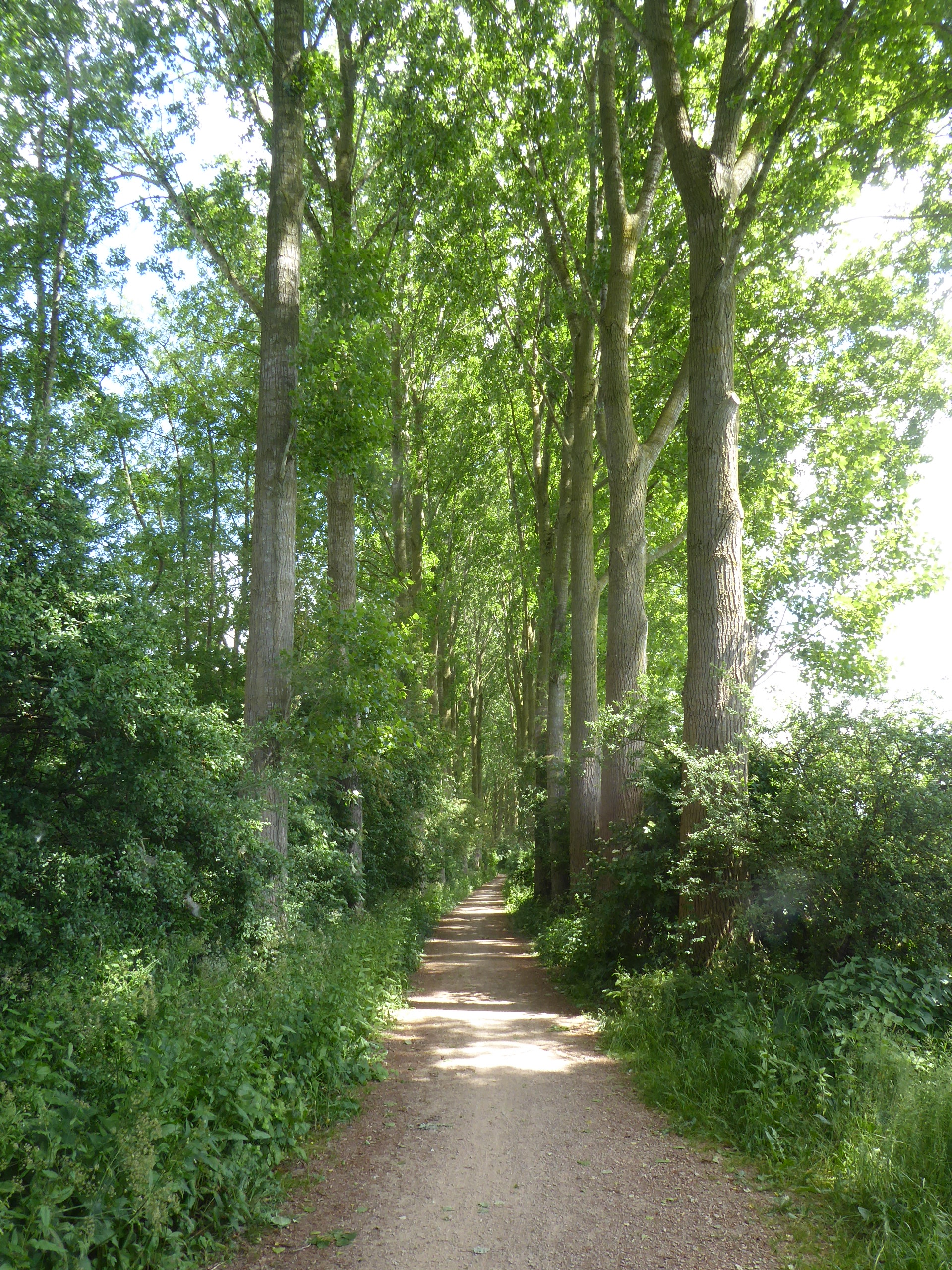
and filled with lots of green. Very pleasant cycling – and even the short rain burst was serendipitous, for we sheltered beneath an information board on a road named Am Kraftwerk. This was once the site of a peat-fired power station – 50 years of producing electricity until it was decommissioned in 1974. Just west of Geeste is a big moor/fen area – the source of the peat. From satellite photos you can see the long empty strips where it has been torn from the land. There’s also crude oil production and an oil refinery around Lingen, which came as a surprise after so much pedalling between arable fields and trees full of singing birds.

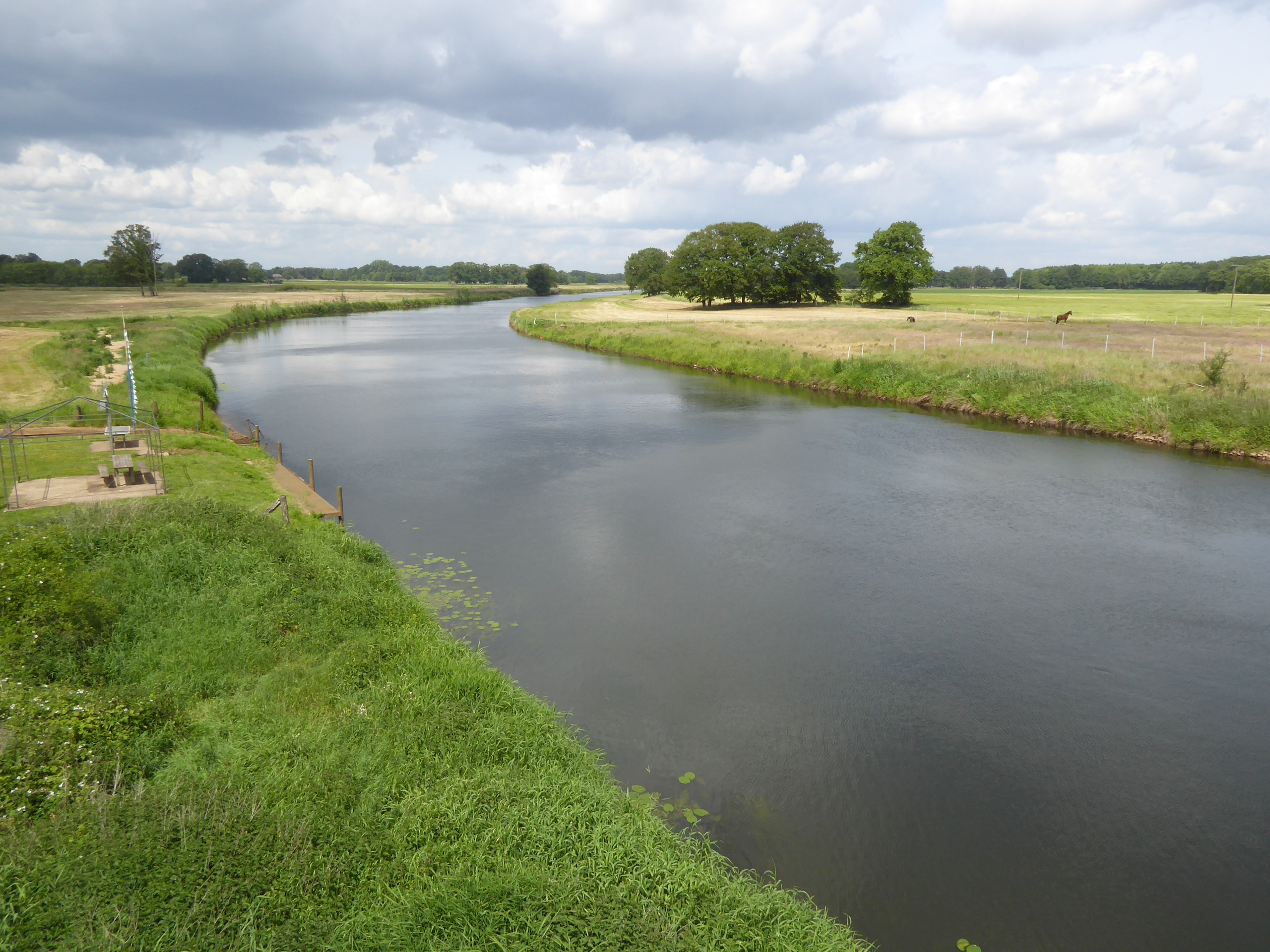
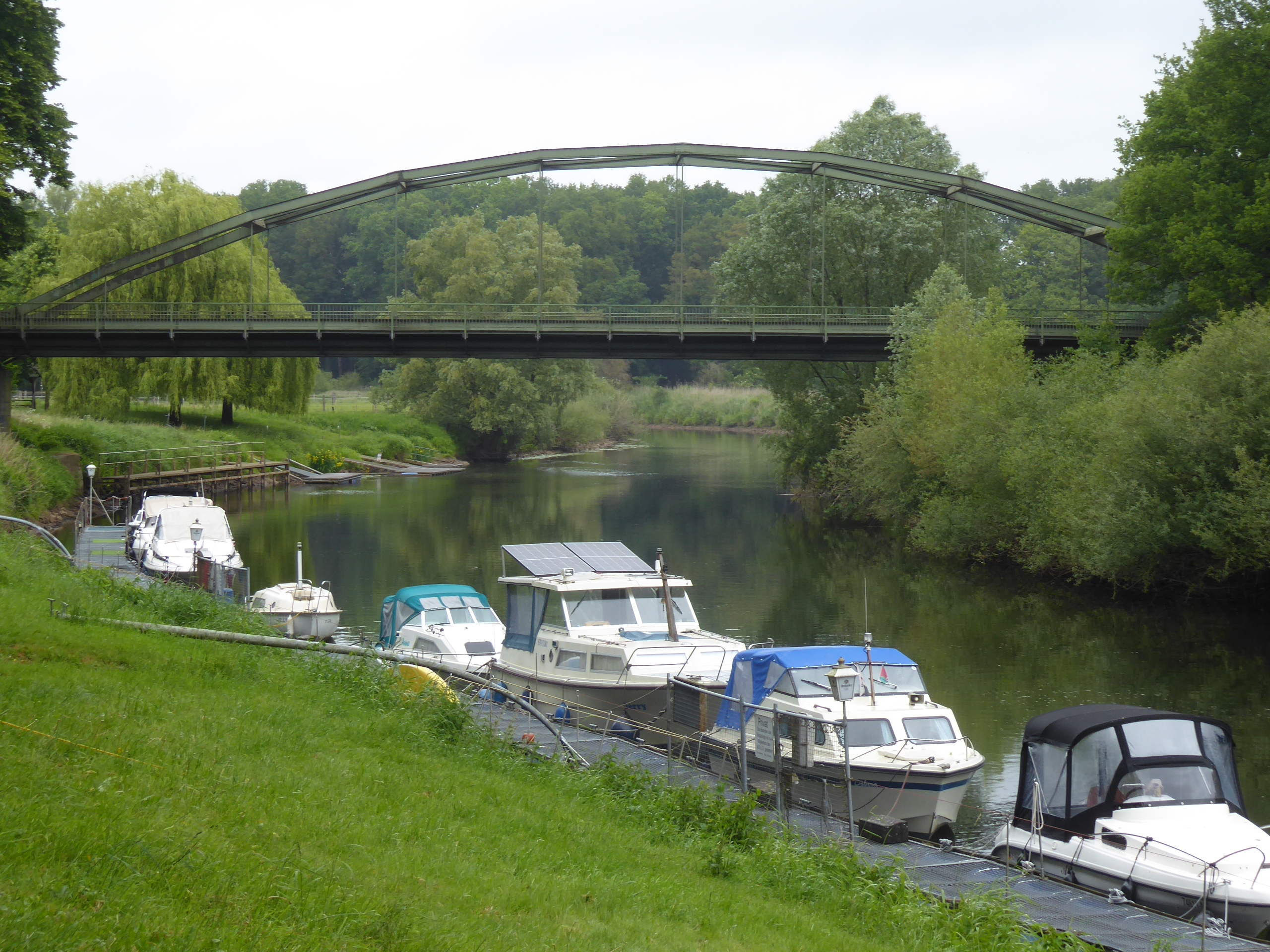
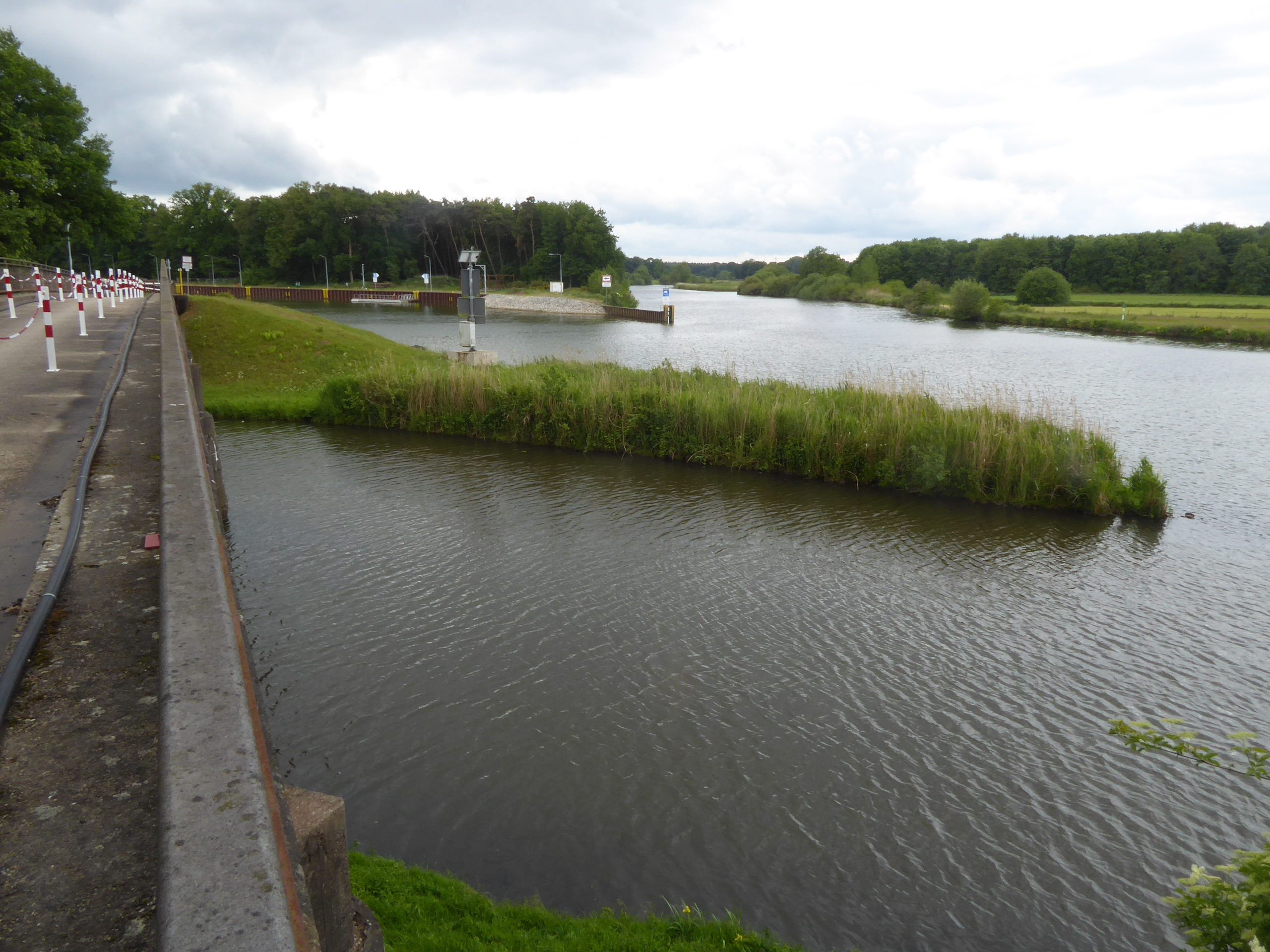
Meppen is interesting as the place where the River Hase joins the Ems while the Dortmund-Ems-Kanal plays gooseberry. I’m becoming rather fond of the Ems (in my sightline at this very moment) and rather regret that I shan’t be following it to the sea.

Once again, we have a touch screen for the room lights plus some motion-sensitive ones. Why make illumination so complex?

Rheine to Lingen

Today we started clockwise on the Emsland-Route. It’s just over 300km, but, with the weather and surfaces, I’m not sure that we’re going to complete it and get back to Europoort in time. No matter: there are trains after all.

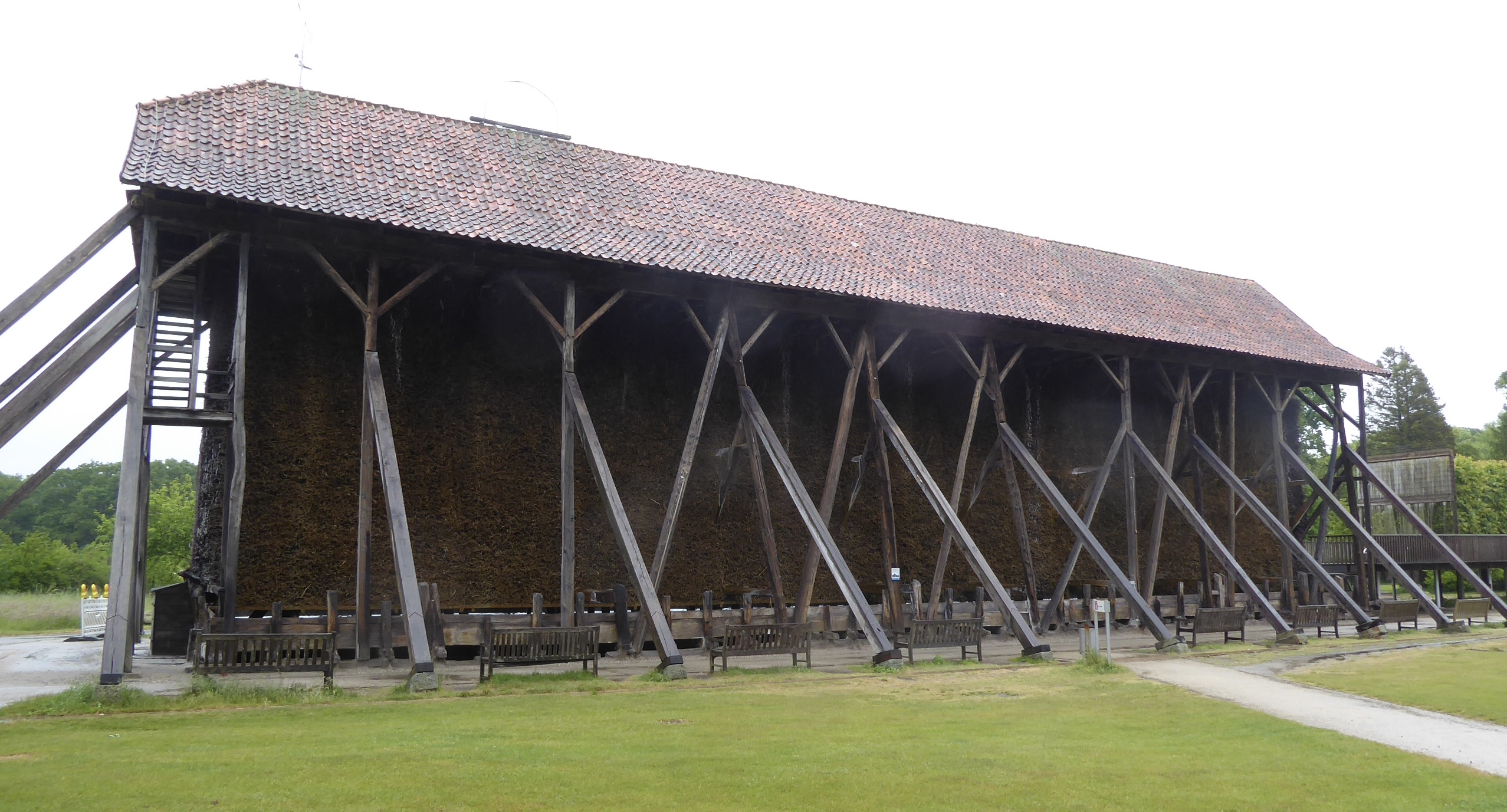
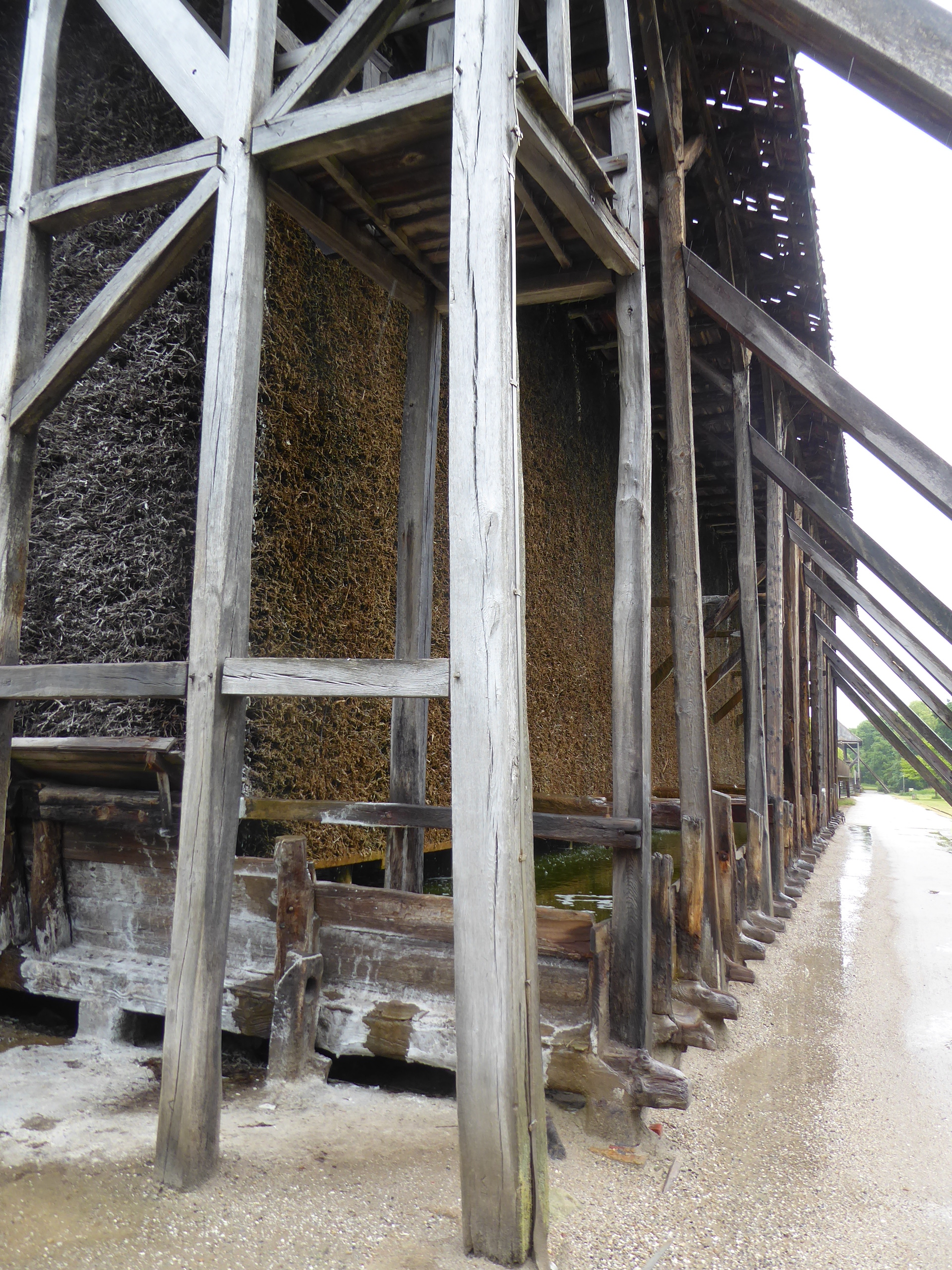
We set off in light drizzle under tree cover as our route took us past a monastery and – brilliantly – some Salinen (which I’ve just learned are called graduation towers or thorn houses). I’ve seen a few in my time but I still can’t quite fathom them out. Salt water drips through vast screens of twigs, and the patient – perhaps an asthma-sufferer? – would sit downwind and breathe in the salty air. They are enormous – and presumably obsolete now that we have inhalers? I am grateful for modern medicine but still find them tremendously impressive.

And this is one of the charms of following a set route rather than plotting my own way across a map. Someone has already done the legwork for me and chosen a route which combines a roundabout way of getting somewhere with plenty of local interest. It was no great surprise to discover that the little town just beyond the Salinen is called Salzbergen. Coffee and a Windbeutel – no German holiday is complete without one! – in Emsbüren, and then the oddity of the River Ems and the Dortmund-Ems-Kanal briefly entwining for a kilometre or two before they unwound themselves.

There’s an historic centre to Lingen, but it wasn’t the day to see it – a run was just finishing as we arrived and the Marktplatz still had inflatable arches and local radio station broadcasting. There’s quite a lot of industry, both current and historic: we passed a power station and some steelworks, and once upon a time Salzbergen had a Erdölraffinerie.

The hotel room is good, but there are shades of Mon Oncle: the lights, for example, are controlled by a computer pad and switch themselves on unexpectedly.

Vreden to Rheine

Thanks to the new map I bought yesterday, I was able to navigate with confidence a fairly straight line to Rheine via Ahaus, Heek and Metelen. At Wettringen we picked up a disused railway line to Rheine – beautifully surfaced, sheltered, signposted for idiots – and hence the perfect route for the end of a longish day in light drizzle. There were times when I was sure I had pedalled a particular stretch before or passed a particular corner – which I probably had, but I’ve cycled in this region so many times that I can’t possibly pinpoint exactly when.

Our lunch stop was in a bakery/cafe attached to a supermarket. It’s been some years since I stopped being sniffy about such places, but I still regret that it’s a sign that there will be no traditional Bäckerei/Konditorei in the town centre. Even less attractive was the self-service bakery/cafe in Rheine. I do sometimes pine for Kaffee und Kuchen served at the table by a waitress in black and white, where you eat first and pay later.

Which reminds me: I must stop eating so much. I had forgotten about German portion sizes.

Emmerich am Rhein to Vreden

More country-hopping: the only map I had covered the Netherlands rather than Germany, so that was the route we took. I couldn’t find a German one in either of Emmerich’s two bookshops; both were staffed solely by elderly women who knew their stock inside out, but the stock itself didn’t suggest Emmerich was a town of avid readers. Vreden, on the other hand, has a comprehensive bookshop run by several younger staff – just one of the things (along with a formal, family-run hotel) that suggests Vreden is a bit better off than Emmerich.

I experienced rain for the first time in weeks. I suppose I should be glad for sake of the garden – but not for my holiday! It was drizzly and not too dreadful, but it cast a slight pall over a rather uninteresting ride. Which is not to say I didn’t enjoy it – but I note that I’ve taken no photographs today.

Nijmegen to Emmerich am Rhein

As planned, the morning train from Dordrecht to Nijmegen, and then a ride to Emmerich am Rhein. It’s a route we’ve done a few times before – but that was always at the end of a holiday and into a headwind. Today we were at the beginning of the holiday with the hope (fervent on my side) of travelling to unknown places and a tailwind. What more could I want? The call of a cuckoo and the sight of storks were the cherry on the cake.

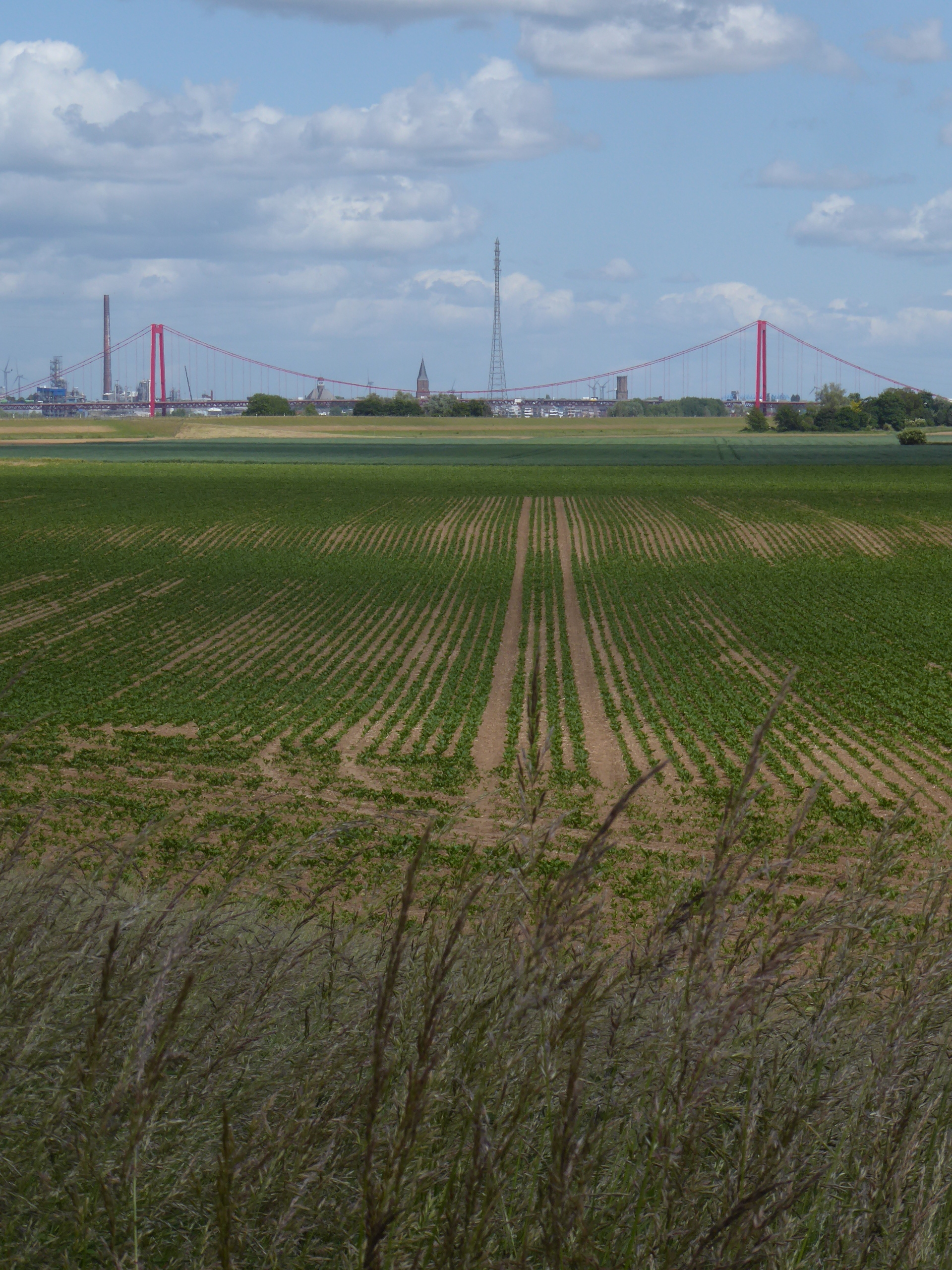
The Dutch-German border was marked by a tiny stream, and the red bridge of Emmerich was visible for miles. The electricity pylons either side are phenomenally high: is it simply to span the river?

Dordrecht

The story so far . . .

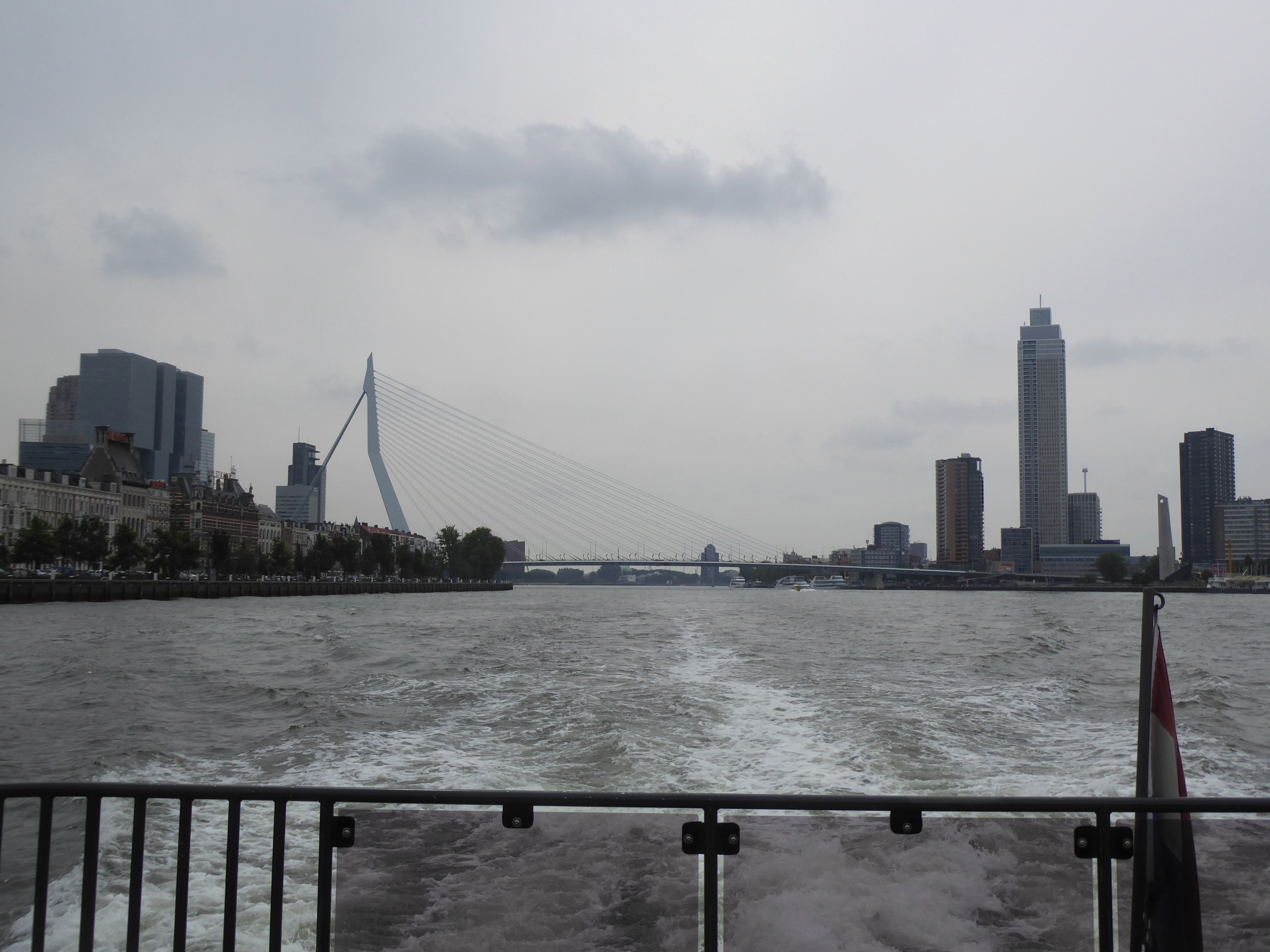
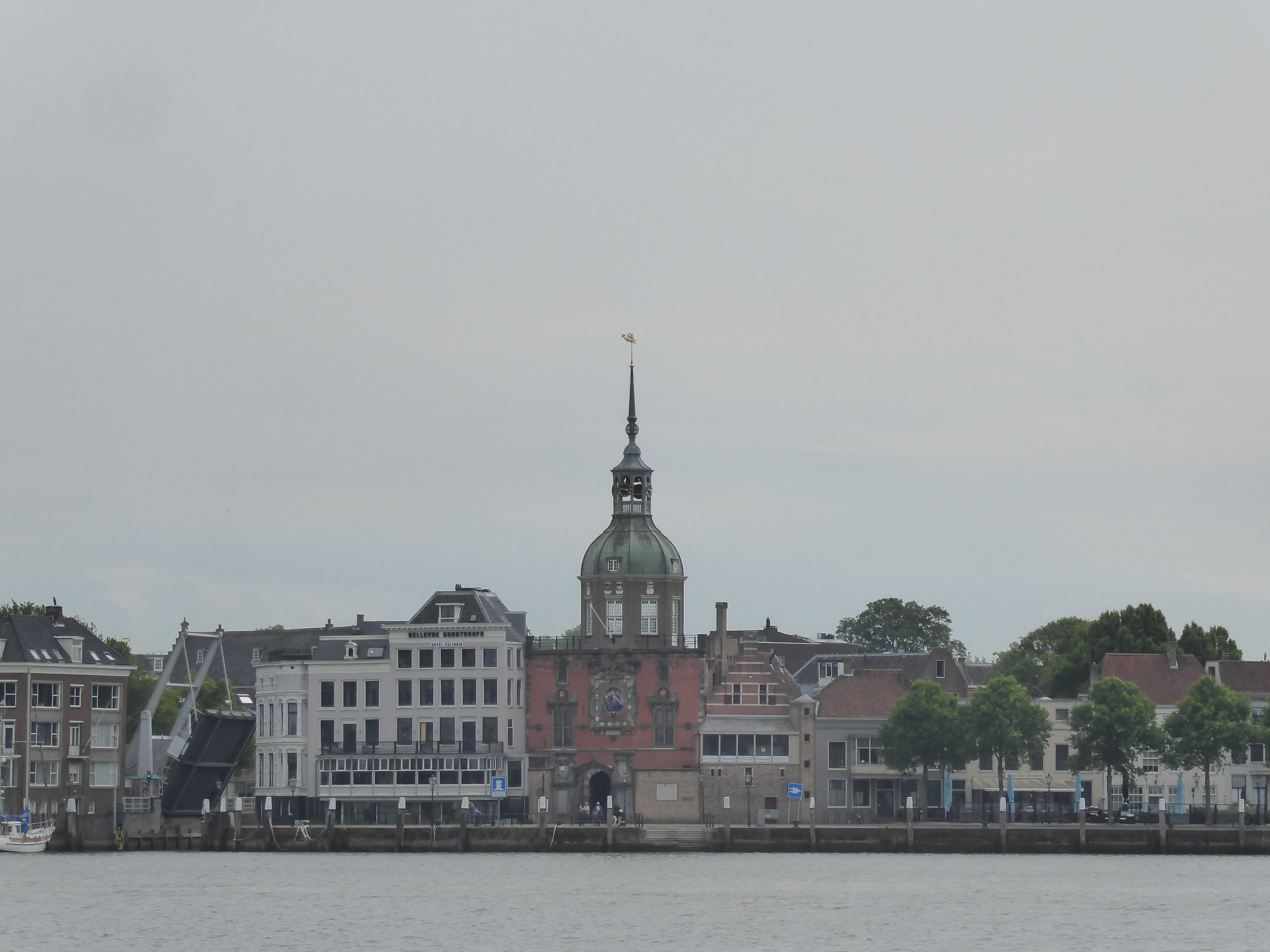
. . . only it’s the same old story, hence no entries. Cycling Brough to Hull, a ride to Hedon, overnight ferry to Europoort and ride to Rotterdam. Weather, cycling, hotels – all as nice as usual. We caught the waterbus to Dordrecht, and tomorrow we catch the train to Nijmegen.

Actually, there’s almost a story there. I bought the tickets at Rotterdam Centraal today rather than tackle the ticket machines at unstaffed Dordrecht station. I explained what I wanted – hoping that a face-to-face transaction would avoid the pitfalls of trying to interact with a machine. It all went smoothly until the tickets were handed over . . . and I realised that the bicycle tickets were for the wrong day. Unlike a machine, though, the human quickly remedied that.

Two Lives by William Trevor (1991)

I wondered at first if the two short novels were linked – but no, not by more than being about the lives of middle-aged women with their own take on life. It’s been years since I last read Trevor; my enduring recollection is of muddy Irish farmyards, tightly bound little lives and idiosyncratic characters.

Reading Turgenev

Small-town Ireland, dwindling numbers of Protestants, a fairly unchanging way of life, and little escape from poisonous relatives and prying eyes. The third-person story switches between middle-aged Mary Louise in her mental asylum, shortly to close (present tense), and young Mary Louise (past tense). Perhaps she was always a little vulnerable, but this is only implied through the thoughts of her old teacher. In another life, she could have been a different person. She attracts the attention of an older draper – another Protestant, now of an age to take a wife to live above the shop with himself and his two sisters. Shades of Cinderella, for the sisters are horrible, and, once unhappily married, Mary Louise finds her Prince Charming in her sickly cousin. He reads Turgenev with her; it’s never clear whether she values the stories beyond the fact that he introduced her to them. After his death she retreats into a fantasy world – partly propelled and kept there by the sisters’ behaviour and her shame-faced husband’s increasing alcoholism. The outside world goes on around her for 30 years until the asylum closes – and she returns to the shop above the flat, her husband and sisters-in-law and continues with her gentle, oppressive obsession. Quietly and simply told, and rather heartbreaking all round.

My House in Umbria

Another middle-aged woman, but quite different. Told in the first person by someone who has had several incarnations. We gradually learn that she has been abused and exploited, but she has survived and even thrived. I wondered at first if the house in Umbria was going to be a brothel, but no – she takes respectable paying guests. (Her manservant is called Quinty – shades of Peter Quint? He has that same potential for malevolence.) She has had a late career as a romantic novelist – perhaps a way of transmuting the base metal of her experiences into gold. She survives the terrorist bombing of a train and invites the other three survivors – all bereaved, all now damaged – to her house in Umbria until they are ready to face the world again. It’s questionable how reliable a narrator she is: she has either a quasi-supernatural understanding of other people or she’s a garrulous lush. A bit of both, but where the dividing line is between the two I couldn’t say. She does get drunk and carried away – but she also has a fine sense of empathy and character. (Or – since she is the narrator – she appears to have etc etc.)

I loved the final page:

I am as women of my professional past often are, made practical through bedroom dealings, made sentimental through fear. I know all that, I do not deny it. I do not care much for the woman I am, but there you are. None of us has a choice in that. . . .

When the season’s over I walk among the shrubs myself, making the most of the colours while they last and the fountain while it flows.