The garden today

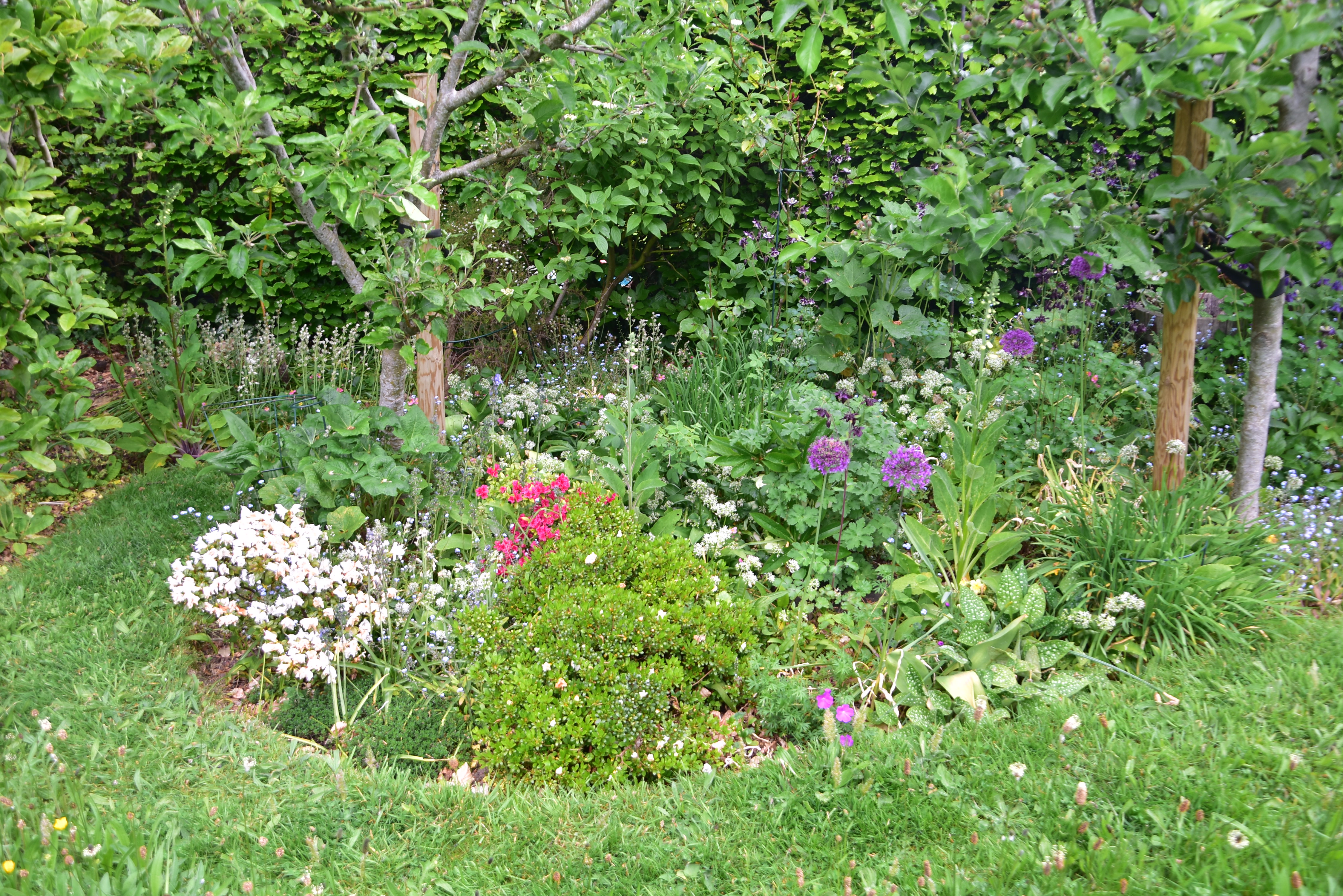
Oh, how I wish it would rain again! Everywhere is so dry and I have had to refill all four water butts from the hosepipe. It’s lovely to have fine weather of course – but a few nights of rain would be perfect.

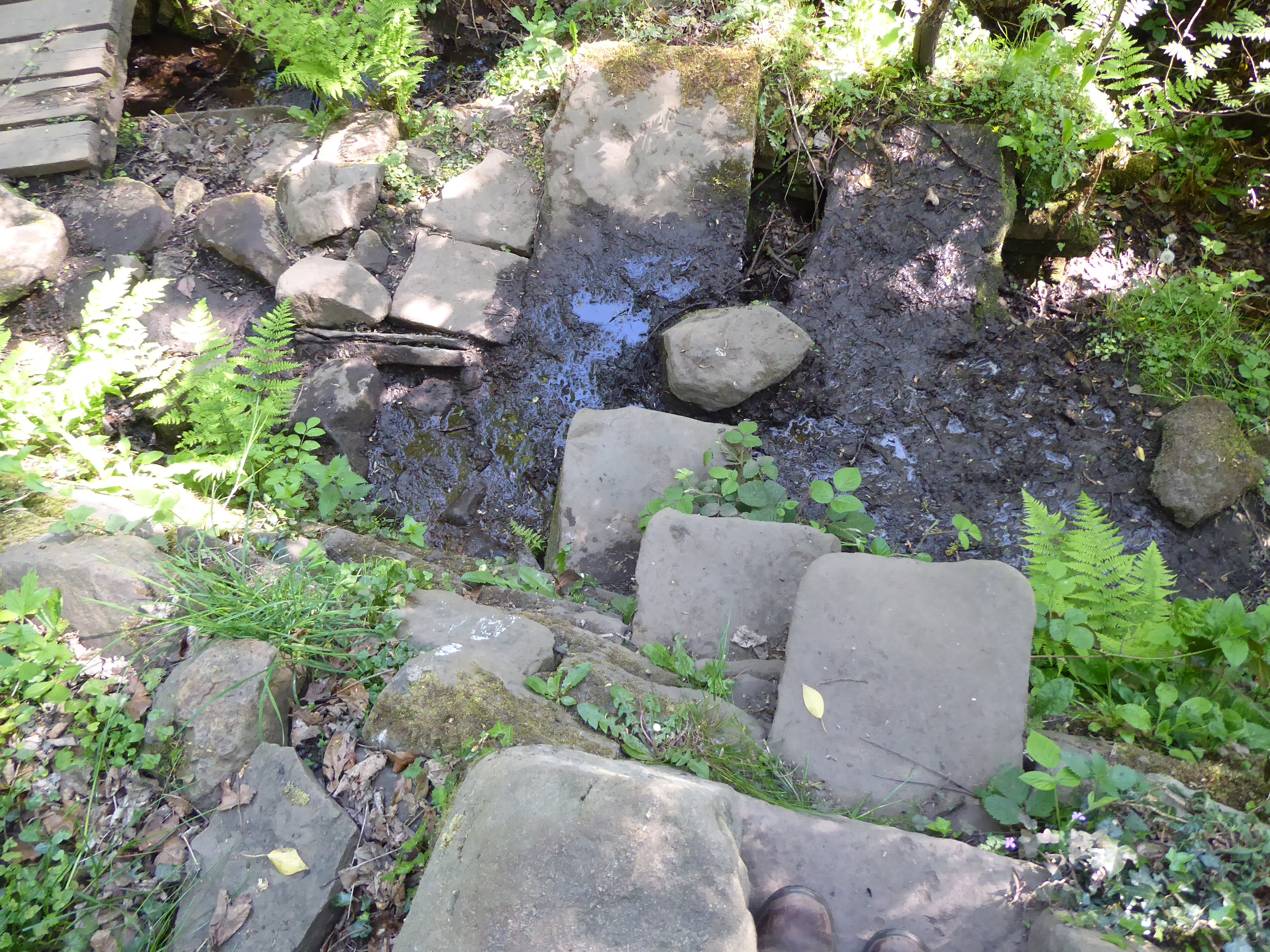
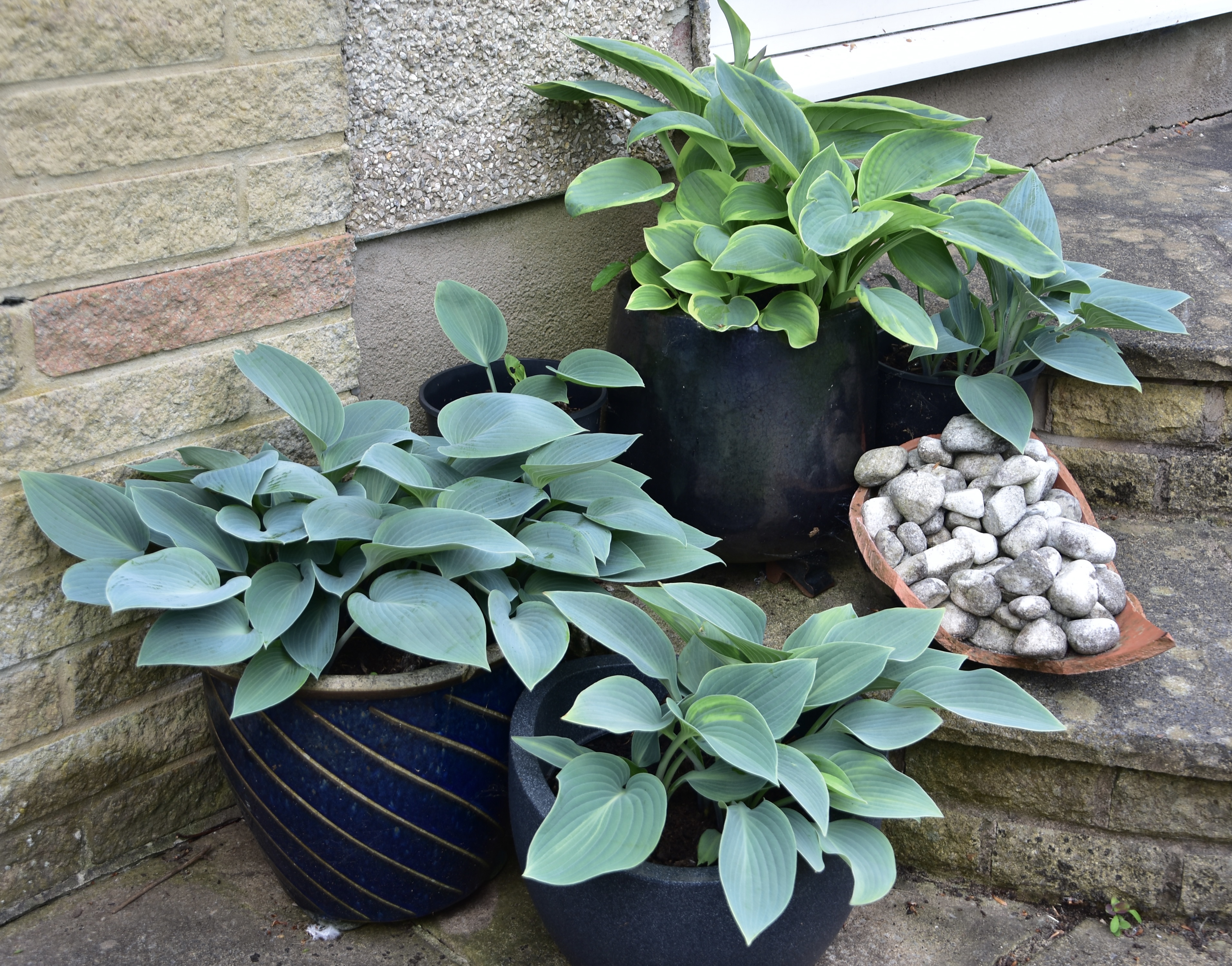
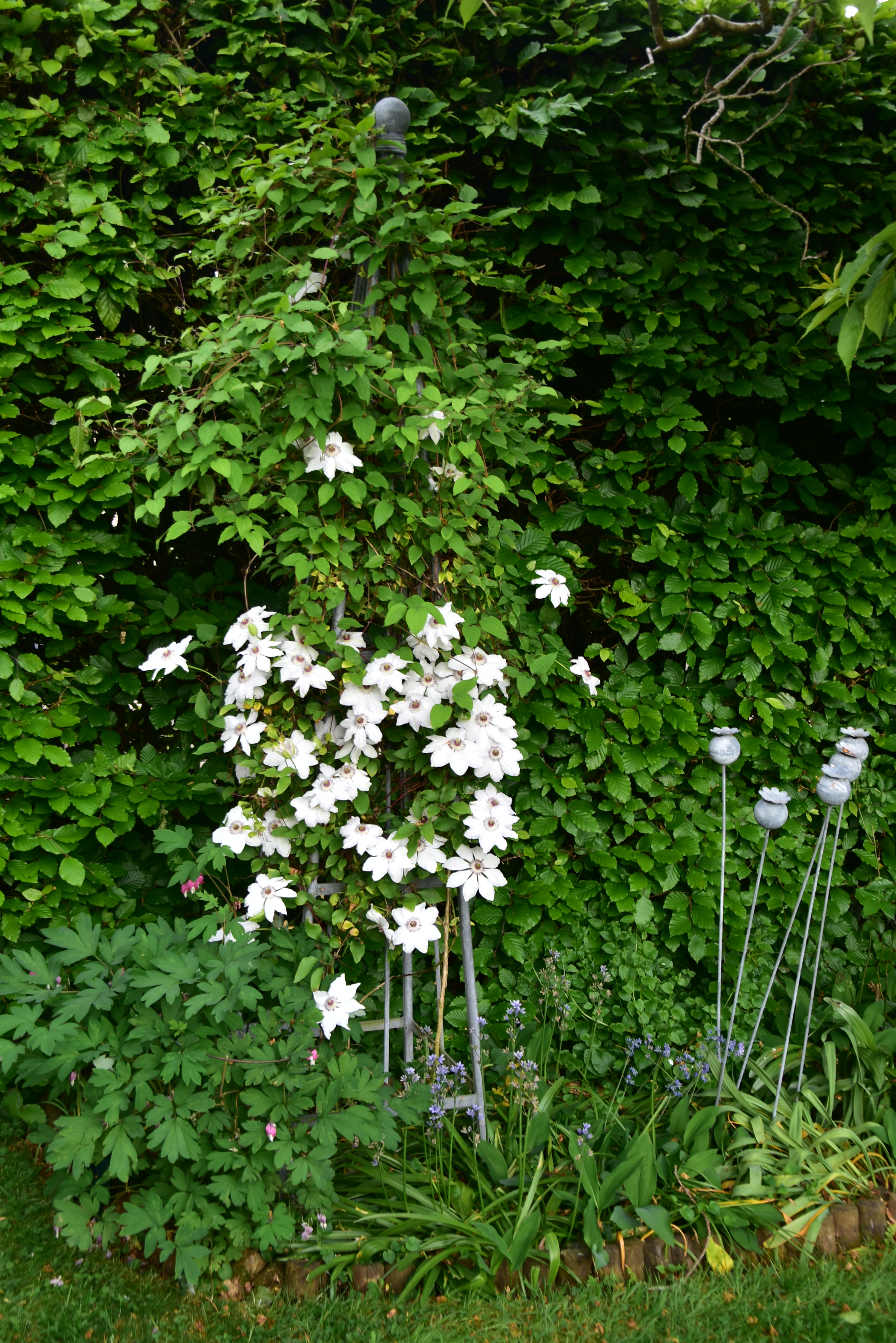
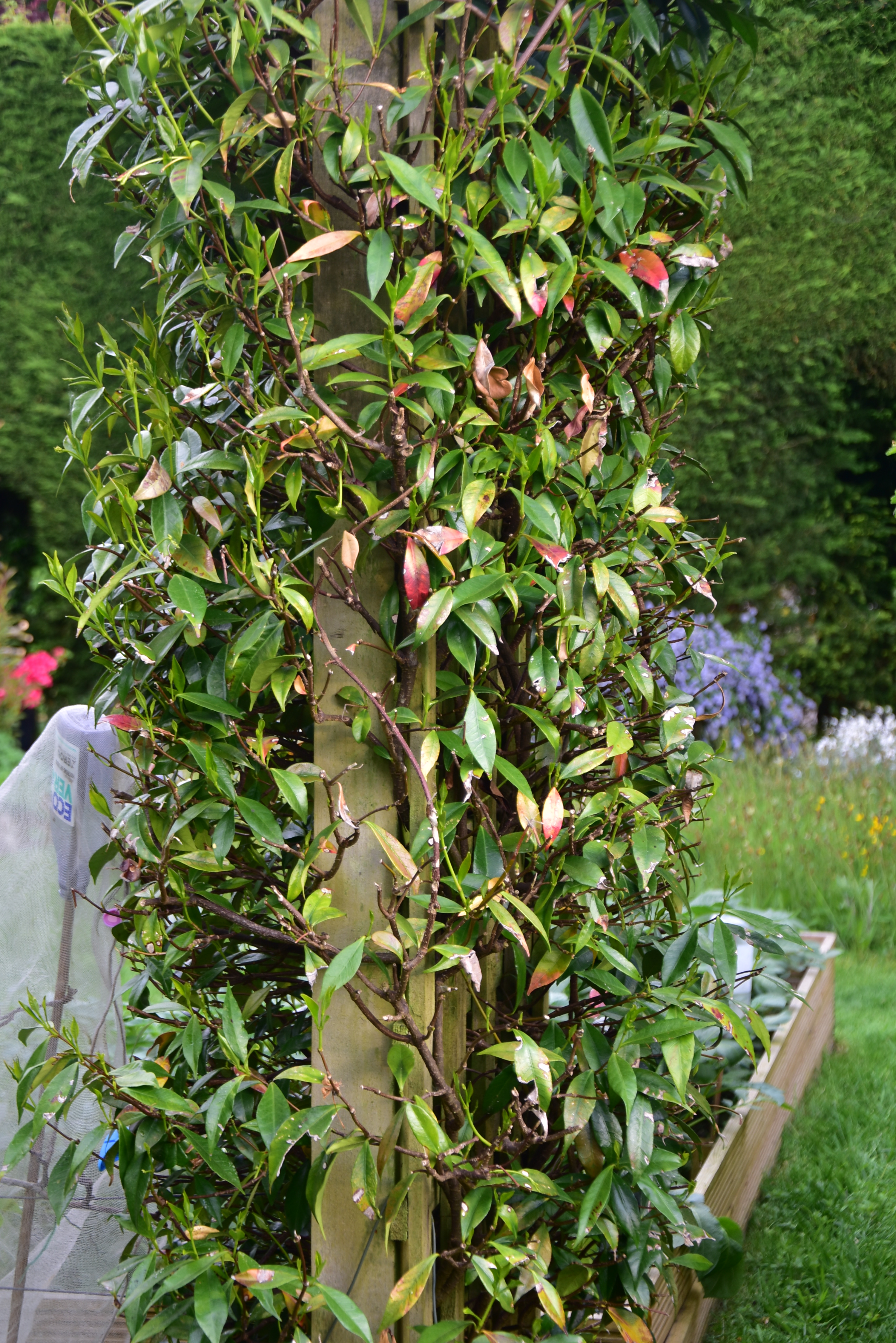
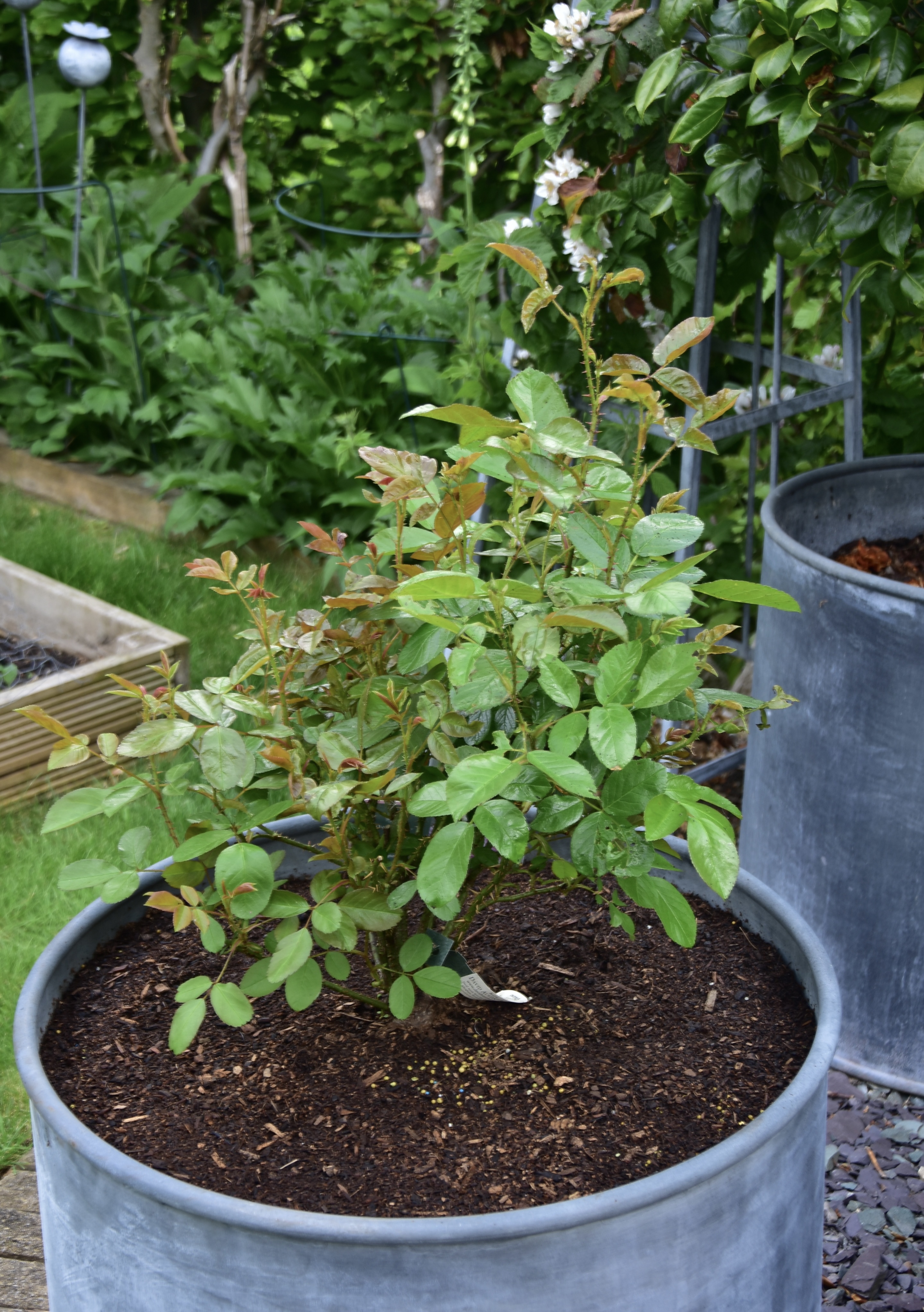
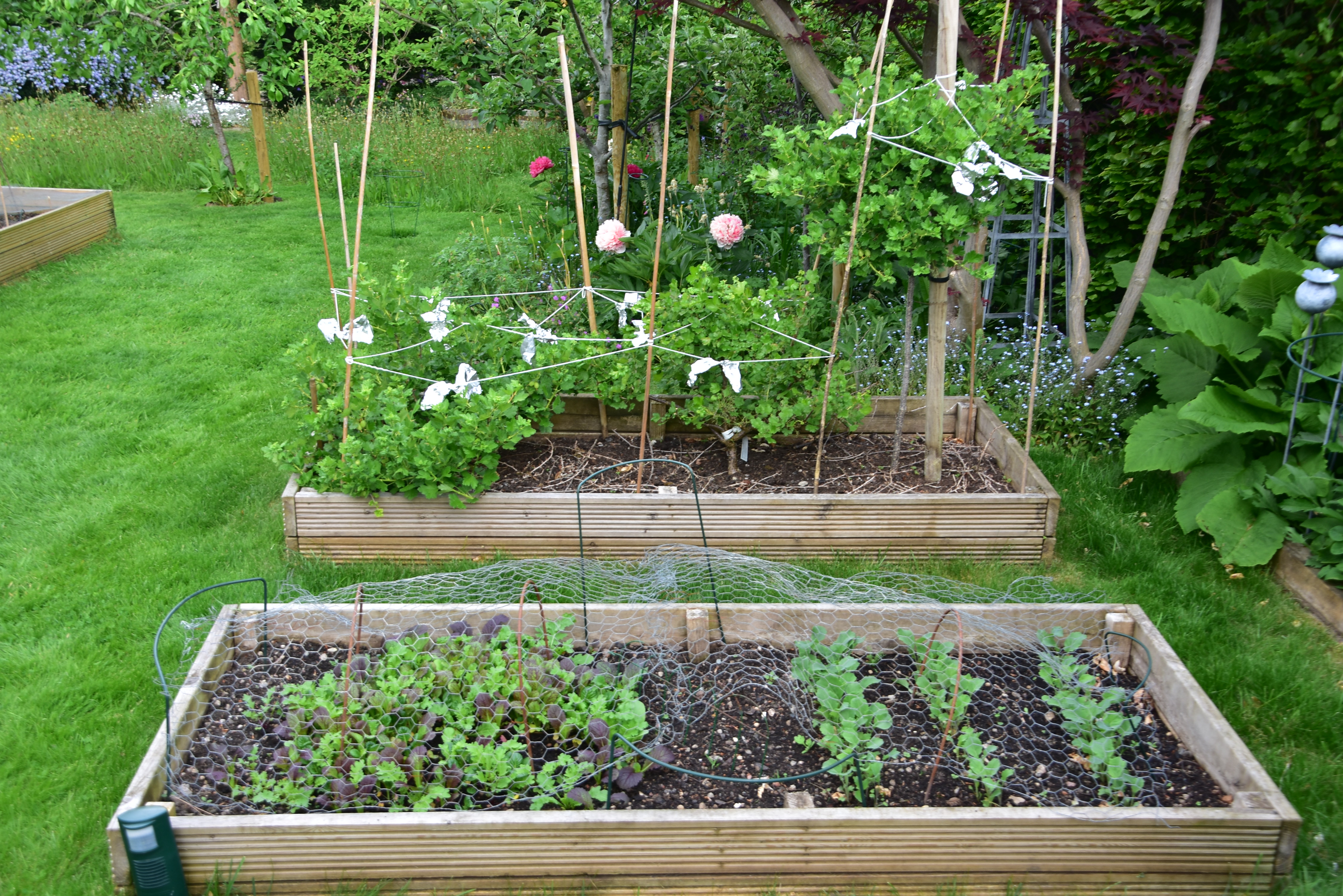
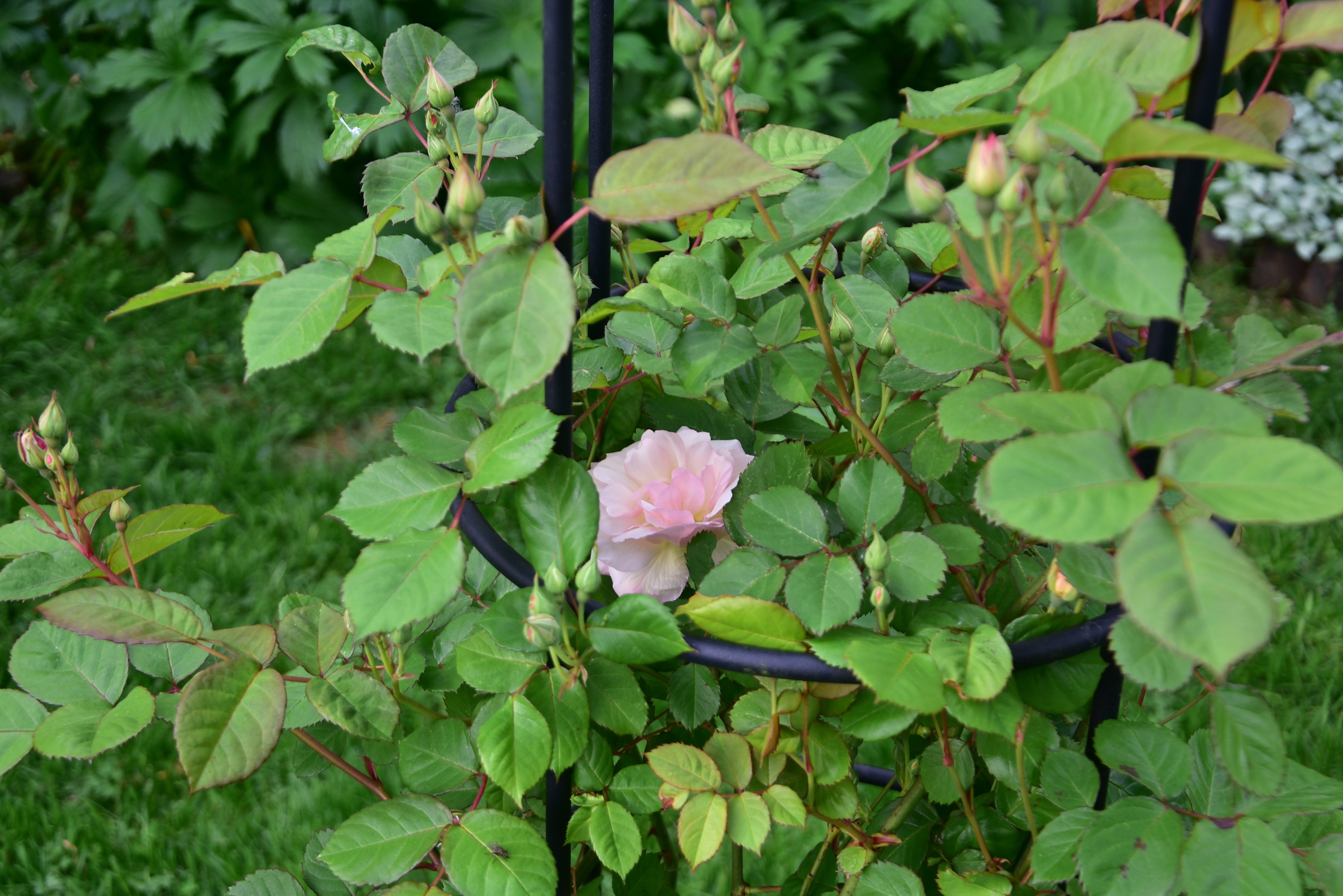
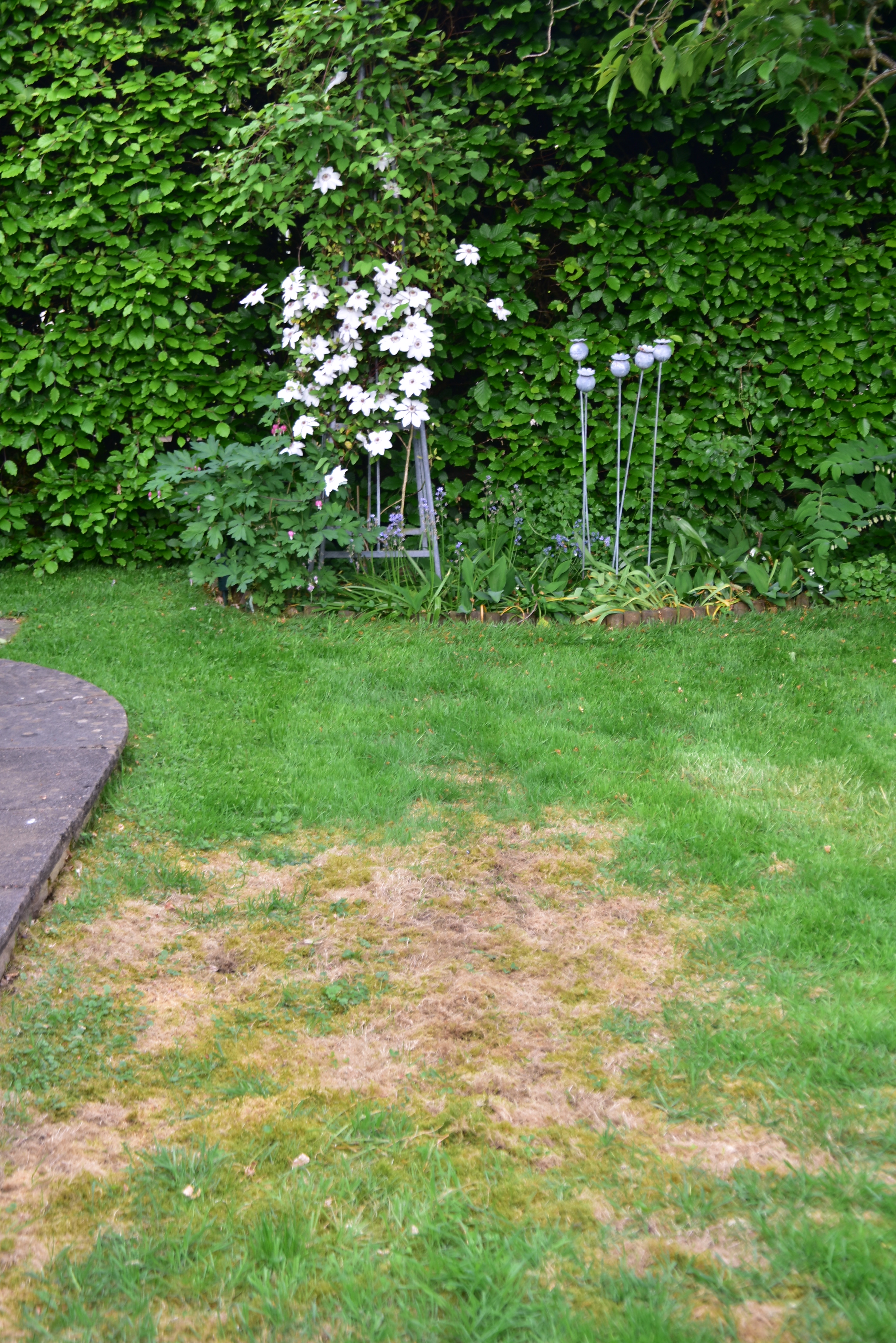
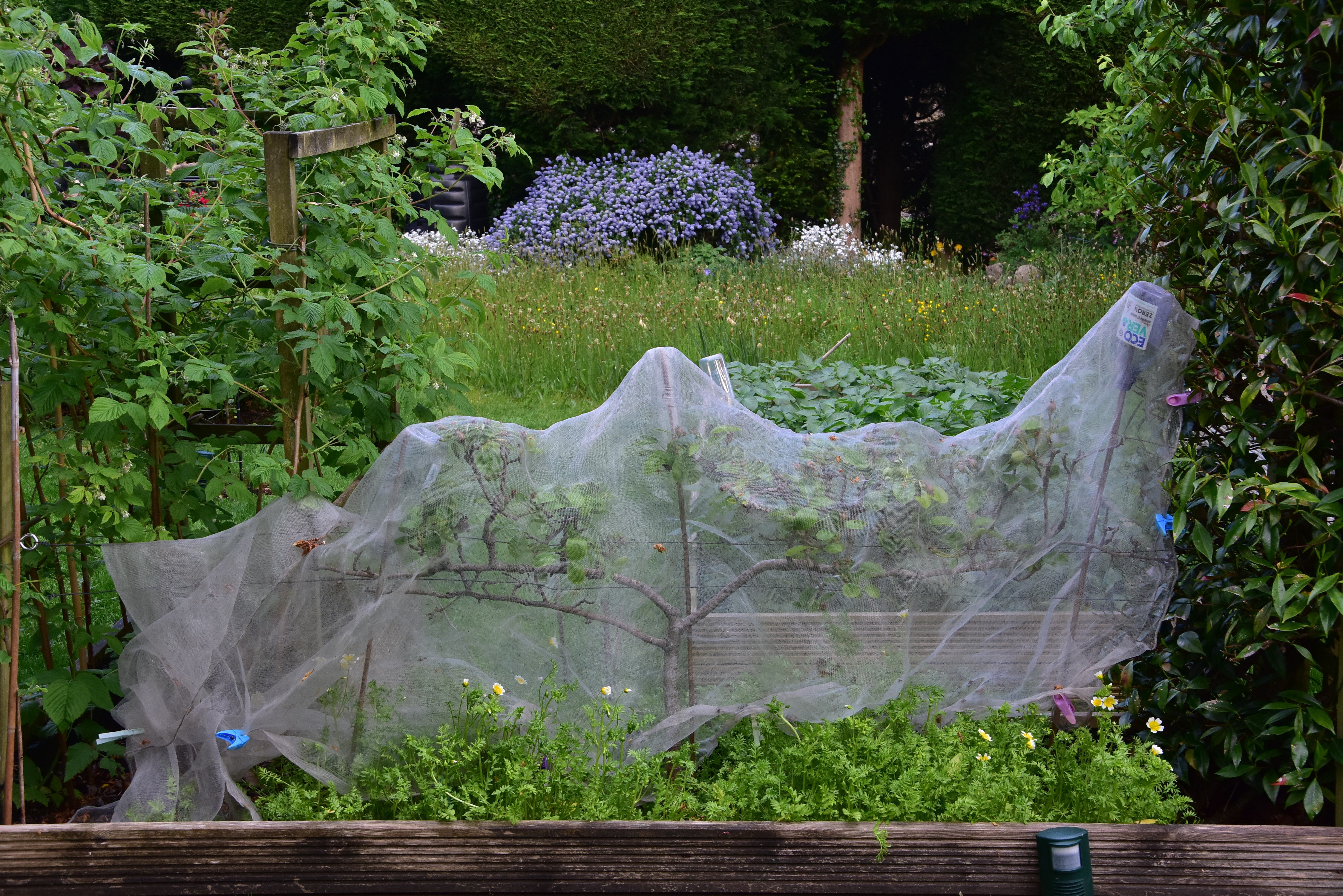
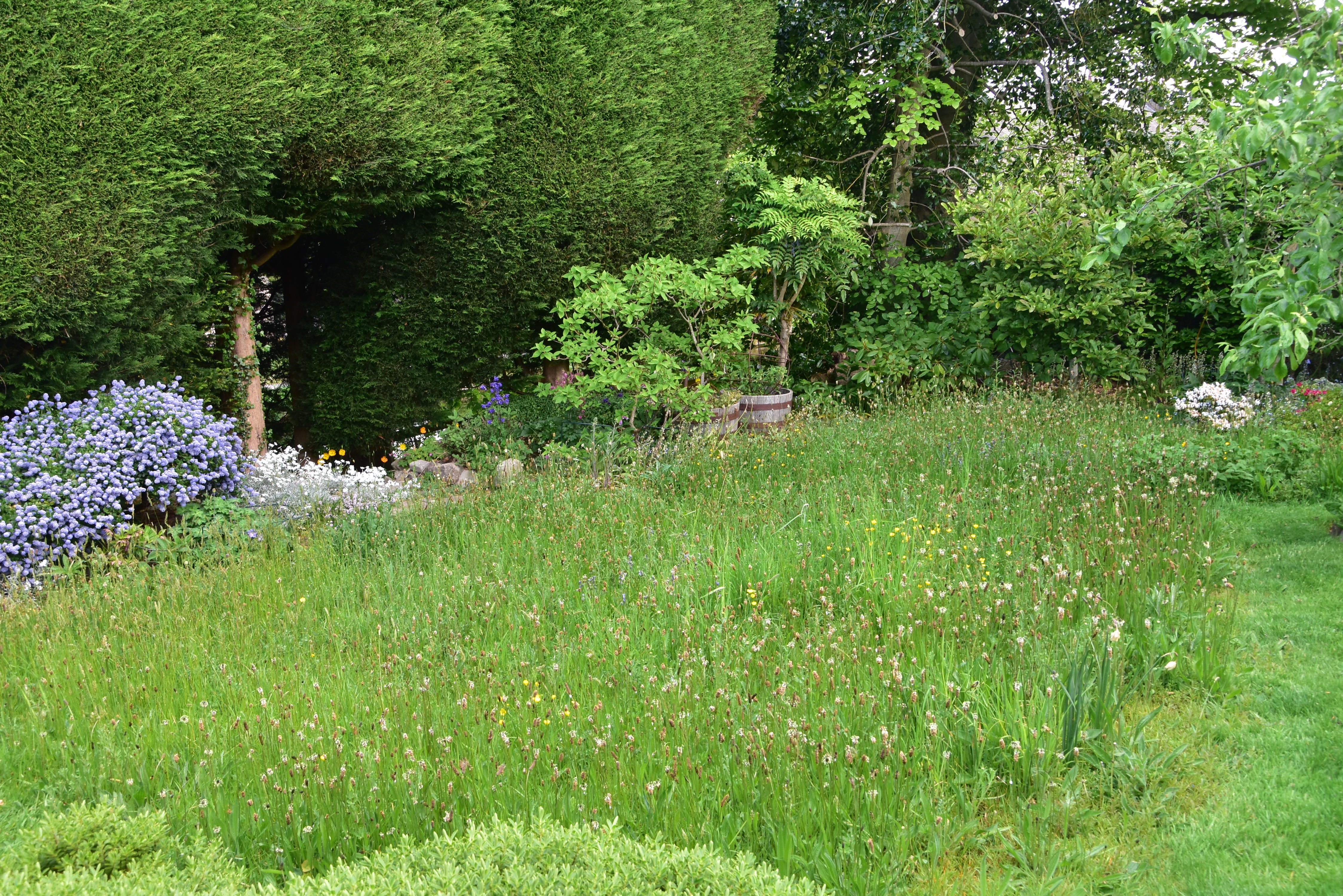
As ever, things are a bit hit and miss. Parts of the lawn are lush (the advantage of cutting high) and parts are dreadful (the disadvantage of killing moss). The hostas are looking good . . . but wait until the slugs find them. The jasmine – so profuse last year – has not recovered (yet) from its brutal trim. Edibles are covered in fleece, chicken wire or tin foil scarers. The colourful spring burst has faded and I’m waiting for a second flush; meanwhile the peonies flop and the forget-me-nots run to seed. I’ve finally planted the Harlow Carr rose in the planter and now realise that everything else there would be better for being moved; the bare-rooted climbing rose (Bring Me Sunshine), planted a while ago, is imprisoned in an obelisk and will have to fight its way past the teazle and acer which have, unsurprisingly, put on growth more quickly than it has. I’m determined to keep the clematises in good order this year so go round regularly weaving in their tendrils, like tucking hair behind one’s ears. In good news, my fears that the new blueberry – without a companion this year – hadn’t been pollinated were unfounded.
The Rector’s Daughter by F M Mayor (1924)

At times I had to check the date of publication of this book, for it seemed so thoroughly Edwardian or even Victorian in its sensibility and its depiction of lives rooted in faith and classical learning. It was a bit of a shock to encounter Kathy, a “modern woman”, with her slang and her cigarettes, otherwise I would have thought myself in Jane Eyre land. The Parsonage at Haworth was often in my mind.

The book is the life of Mary Jocelyn, daughter of a canon, plain, not young, socially awkward, prone to occasional outbursts. She lives with her widowed father in Dedmayne for almost all her life. (Like Lowick in “Middlemarch”, the name must be intentional.) Nothing much happens: she cares for her ailing sister until she dies, falls in love with a curate and briefly he seems to reciprocate – but his head is turned by Kathy, and Mary must endure disappointment and find her own path back to equilibrium. She longs for affection from her father, but he is – it seems – unintentionally a monster of selfishness. Here lies the subtlety (even slyness) of Mayor’s writing: Canon Joycelyn’s actions (or, rather, inactions) circumscribe Mary’s life and suppress her natural warmth, but he is not an unkind man. Mary’s life – to modern eyes – seems dull and wasted: it is a constant struggle for her to overcome and hide her unhappiness once her deeper feelings are engaged, but she is never presented as someone to be pitied. She has her inner life and resources. Towards the end, though, even her faith brings no lightness to her; she keeps herself busy, and in this she is valued and feels useful, but it seems that only nature and her memories offer her consolation. (And it is a life that needs consolation.) And then she dies. The epitaph for such an unmodern person is spoken by a bright young Bloomsbury atheist:
“She had a life so shrivelled it became absurd. She ought to have been married to that man and been happy. . . . [She] had a pull over us in a way . . . she cared, and we can’t care, not much, and never for long, not even for big things, and after a time they aren’t big, but quite, quite small.”
Perhaps it could have been a shorter and tighter novel, but it was a salutary pleasure to read it and be so thoroughly immersed in a whole different world.

Ilkley Moor

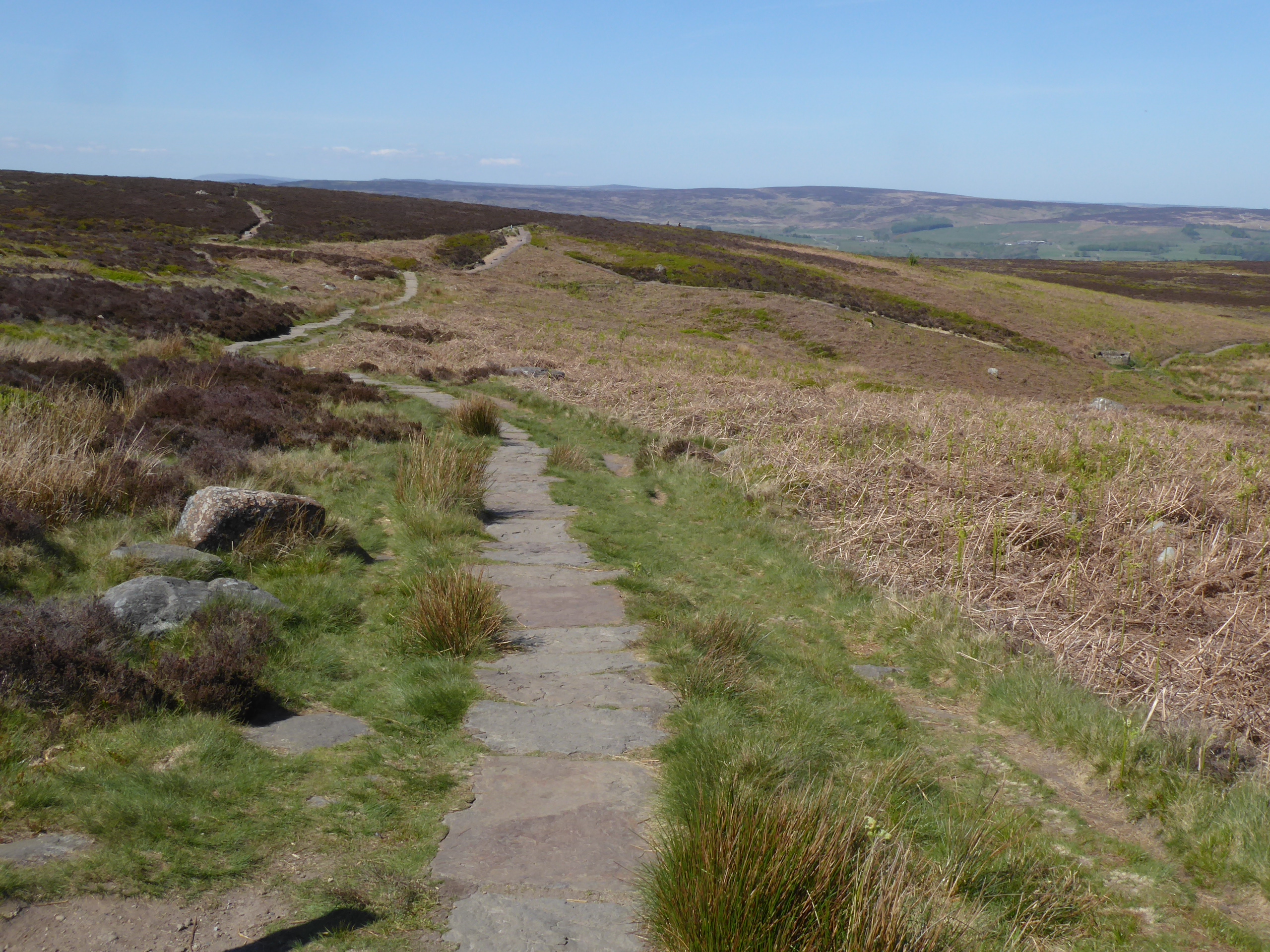
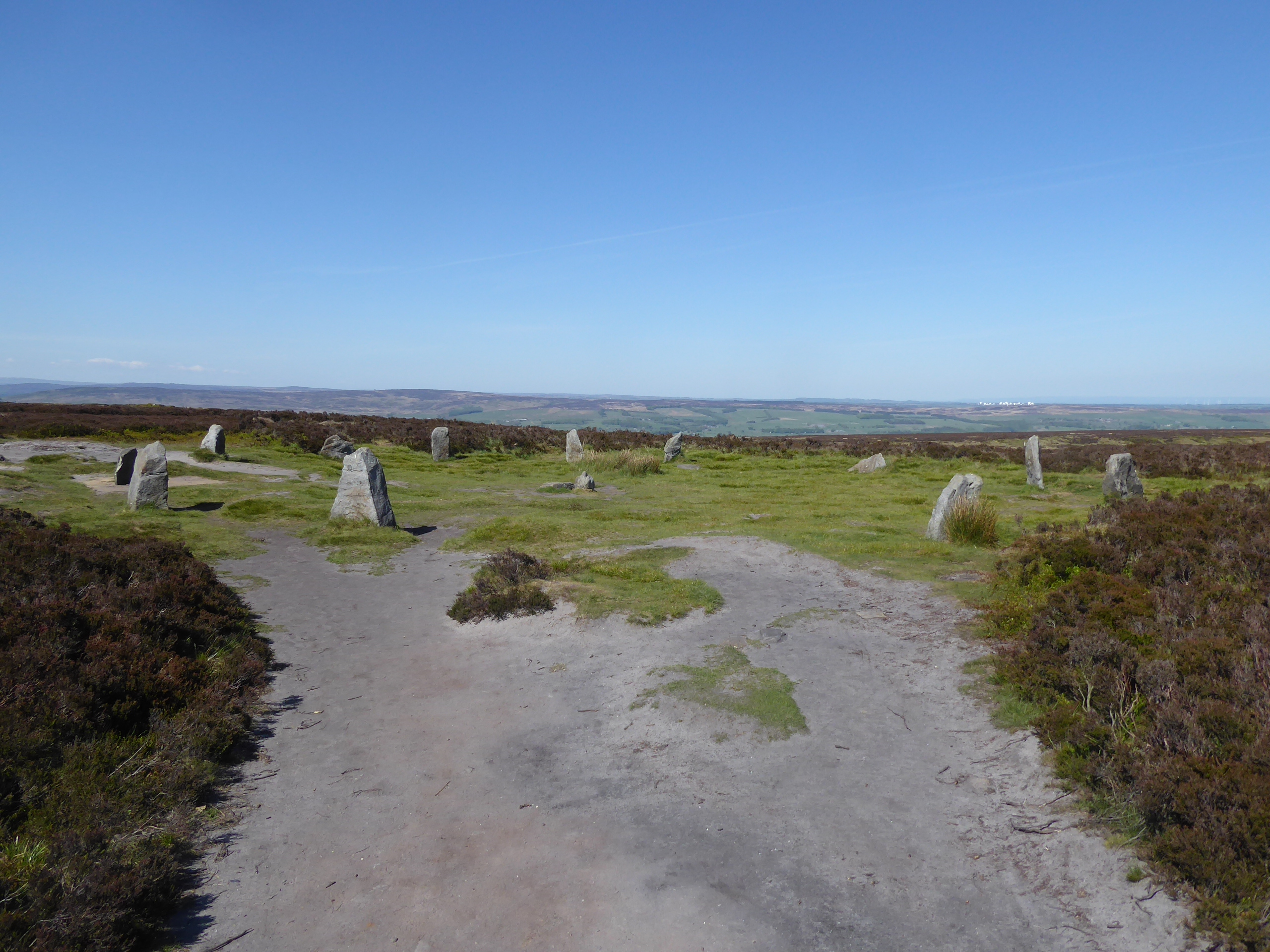
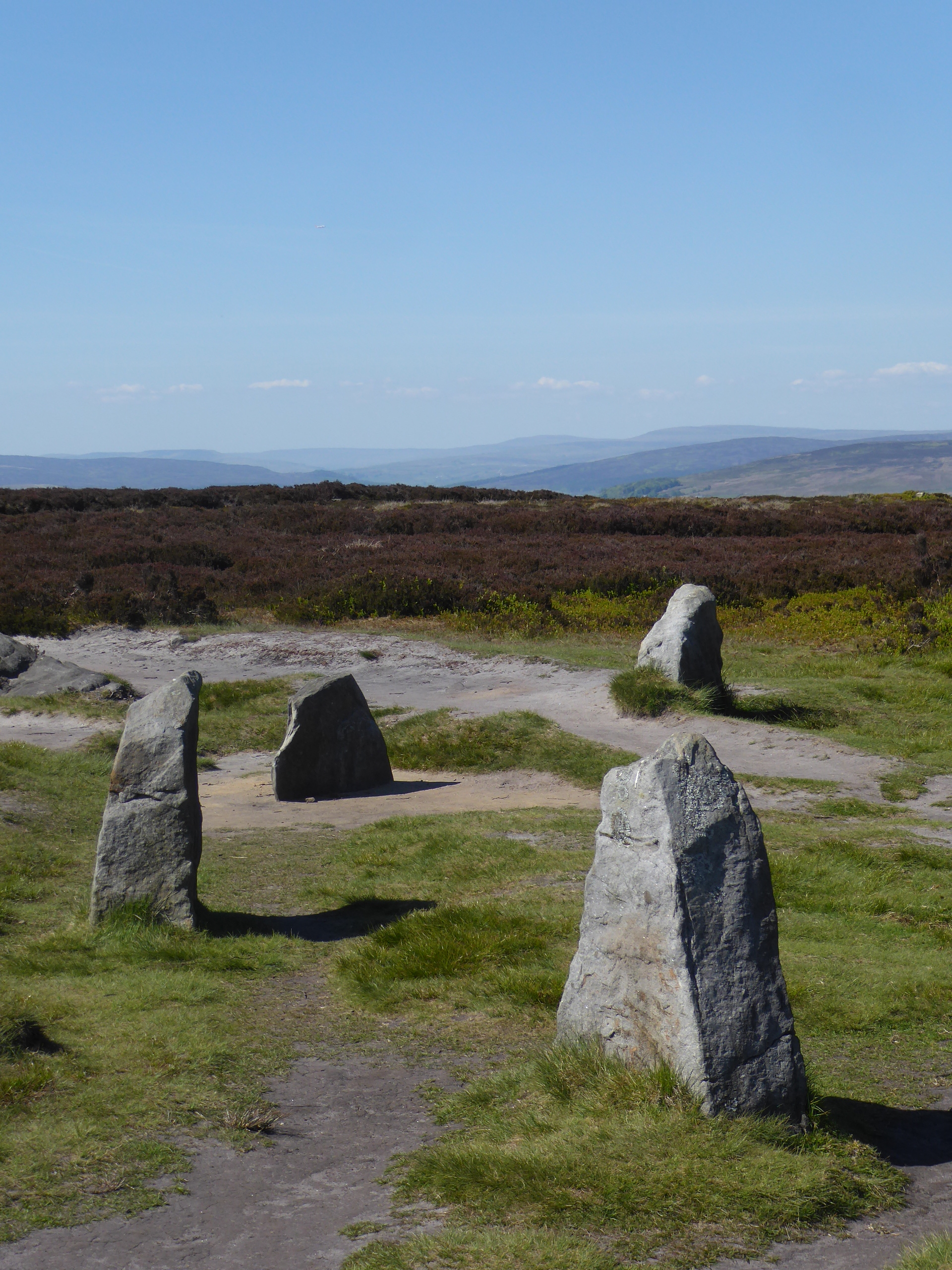
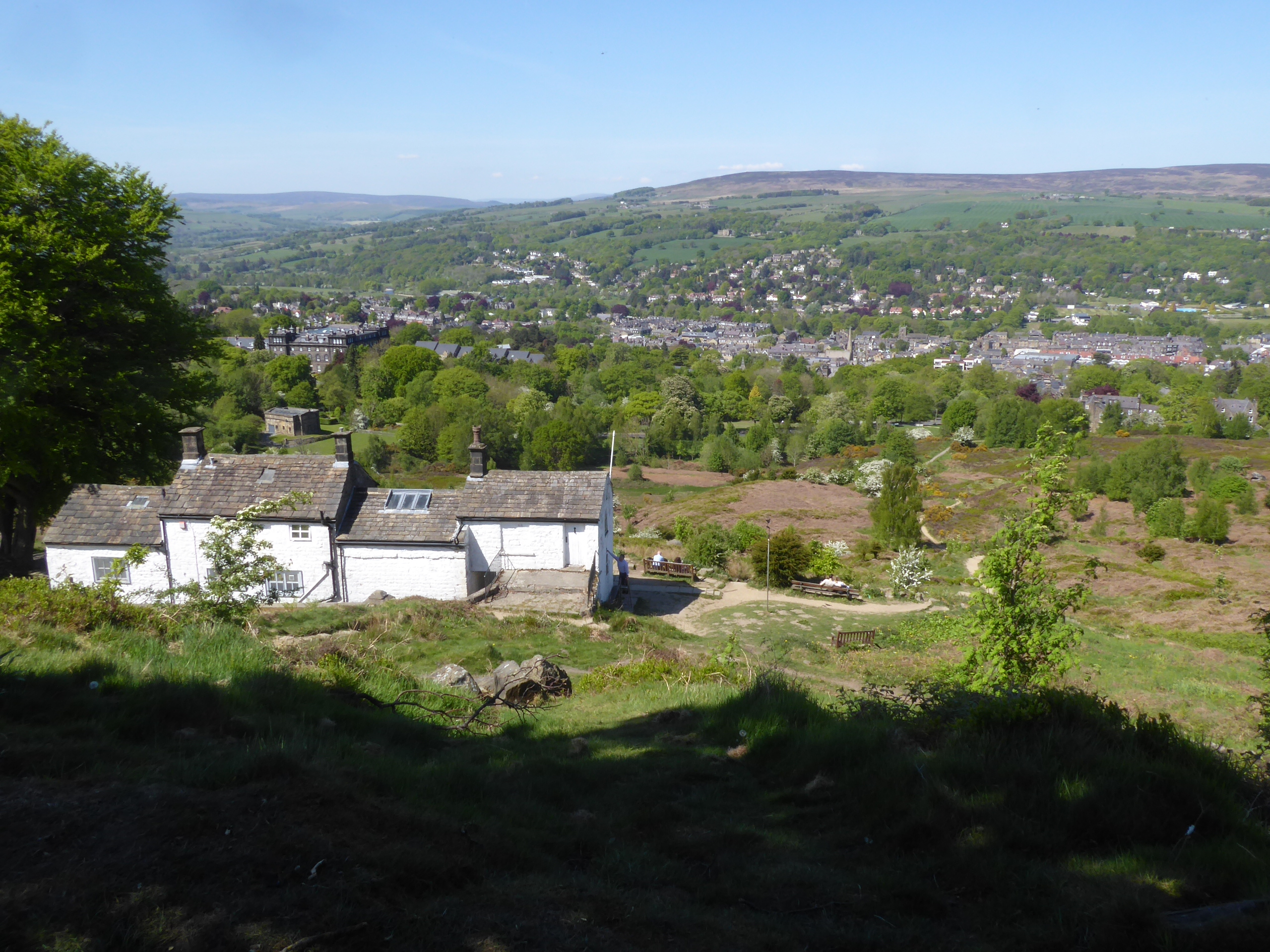
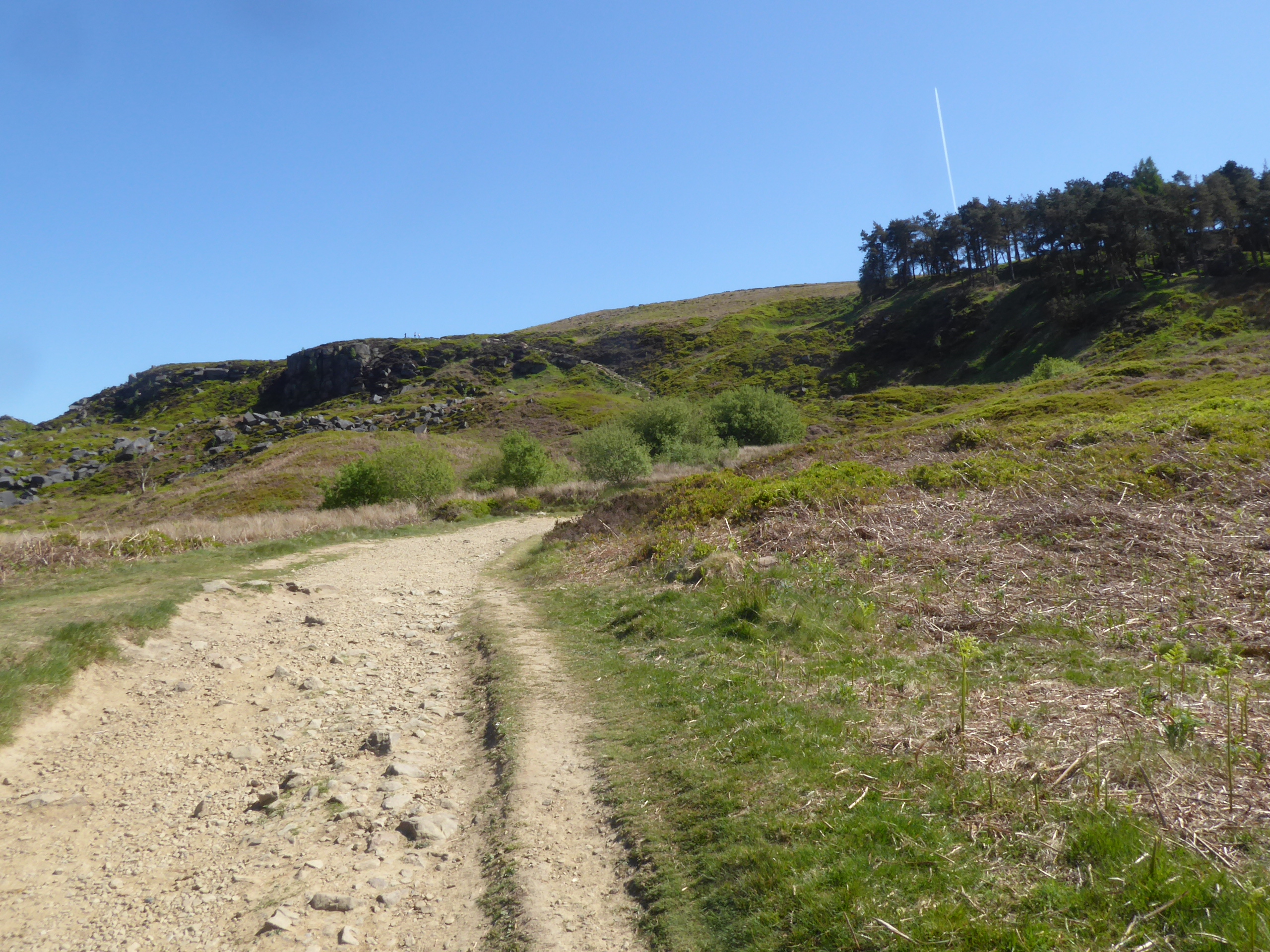
I caught the train from Leeds to Ilkley to walk over the moor. I definitely needed a hat – it was hot and sunny, and on such a day the moor seemed entirely benign. Even (whisper it) a bit dull, which was fine by unadventurous me: fairly featureless and the paths were wide and even paved at times. Grouse shooting is no longer permitted on Ilkley Moor, but it’s different on the southern side, so the paths were even wider. Finding my way was both simple and tricky: paths are clear but unsigned and there are quite a few of them.

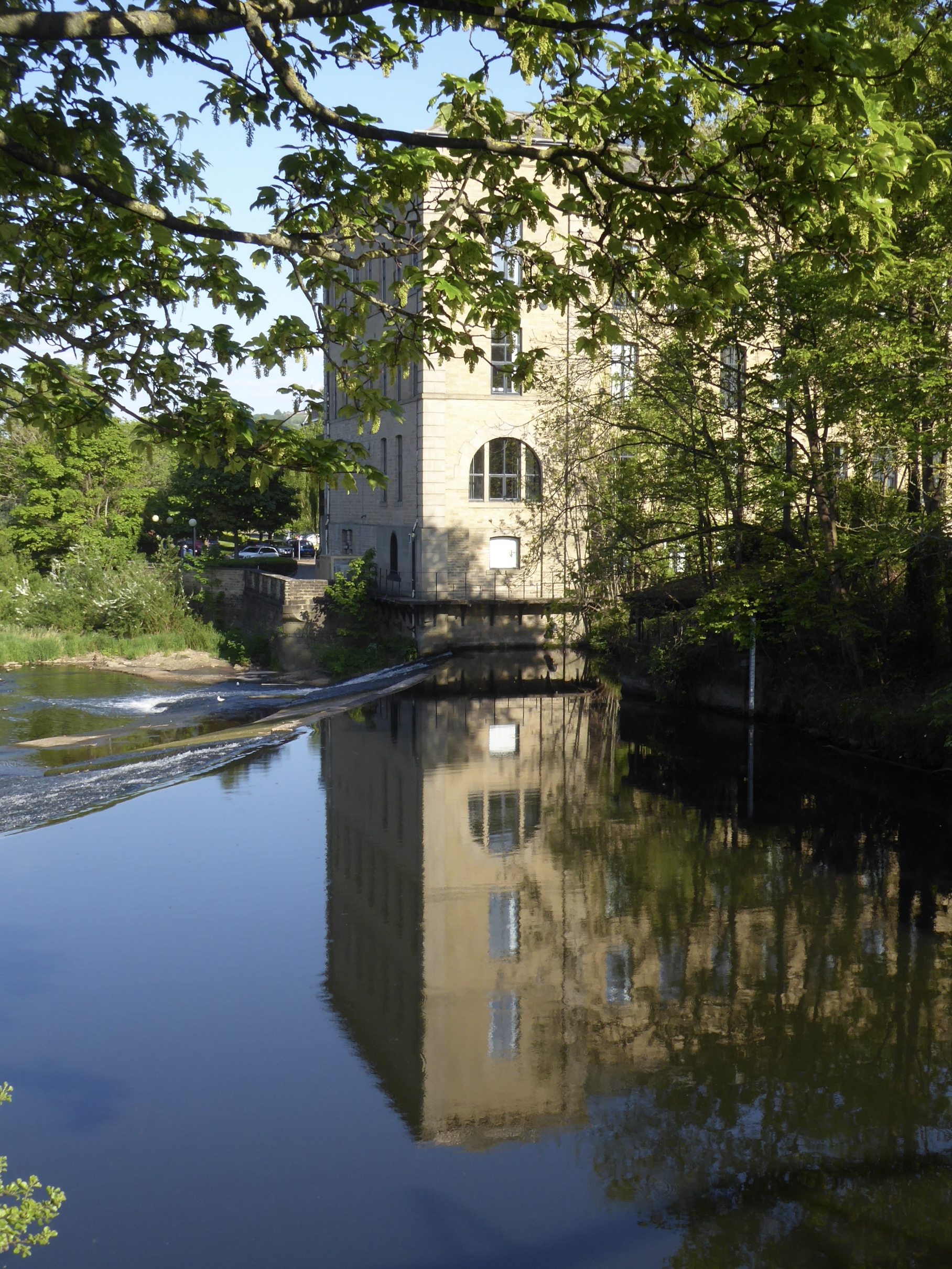
I continued south to the River Aire and Saltaire railway station. In the late afternoon sunshine there was a Yorkshire version of the passegieta in the park and around the cricket field.

Good Evening, Mrs Craven: the wartime stories of Mollie Panter-Downes

Perfectly crafted short stories on a small canvas: the largely middle-class experience of WWII in southern England. It was reading David Kynaston that introduced me to Mollie Panter-Downes and her regular “Letter from London” in The New Yorker, which she wrote for decades. I don’t think that magazine was on my mind as I read these short stories and detected a kinship with some of Dorothy Parker’s stories: concise, detached accounts of real feeling. There was also the added interest of the contemporary depiction of the home front: these stories were written between 1939 and 1944 – so from the outbreak of war to D-Day, at a time when you really wouldn’t have known the outcome of the war or whether your own husband or son would return in one piece. The sense of one’s life no longer being under your control: you could be uprooted and evacuated, or you could have evacuees billeted on you. And yet it’s more than just reportage. There’s a sympathetic eye looking at the lives around her. In “The Waste Of It All”, for example, a young wife is vaguely aware of the toll three years apart from her barely-remembered husband has taken on her emotional life. Or in “Cut Down The Trees” there’s a glimpse of the tension between change/vitality and the familiar stasis of pre-war life. Just perfect.

Turner and feminism

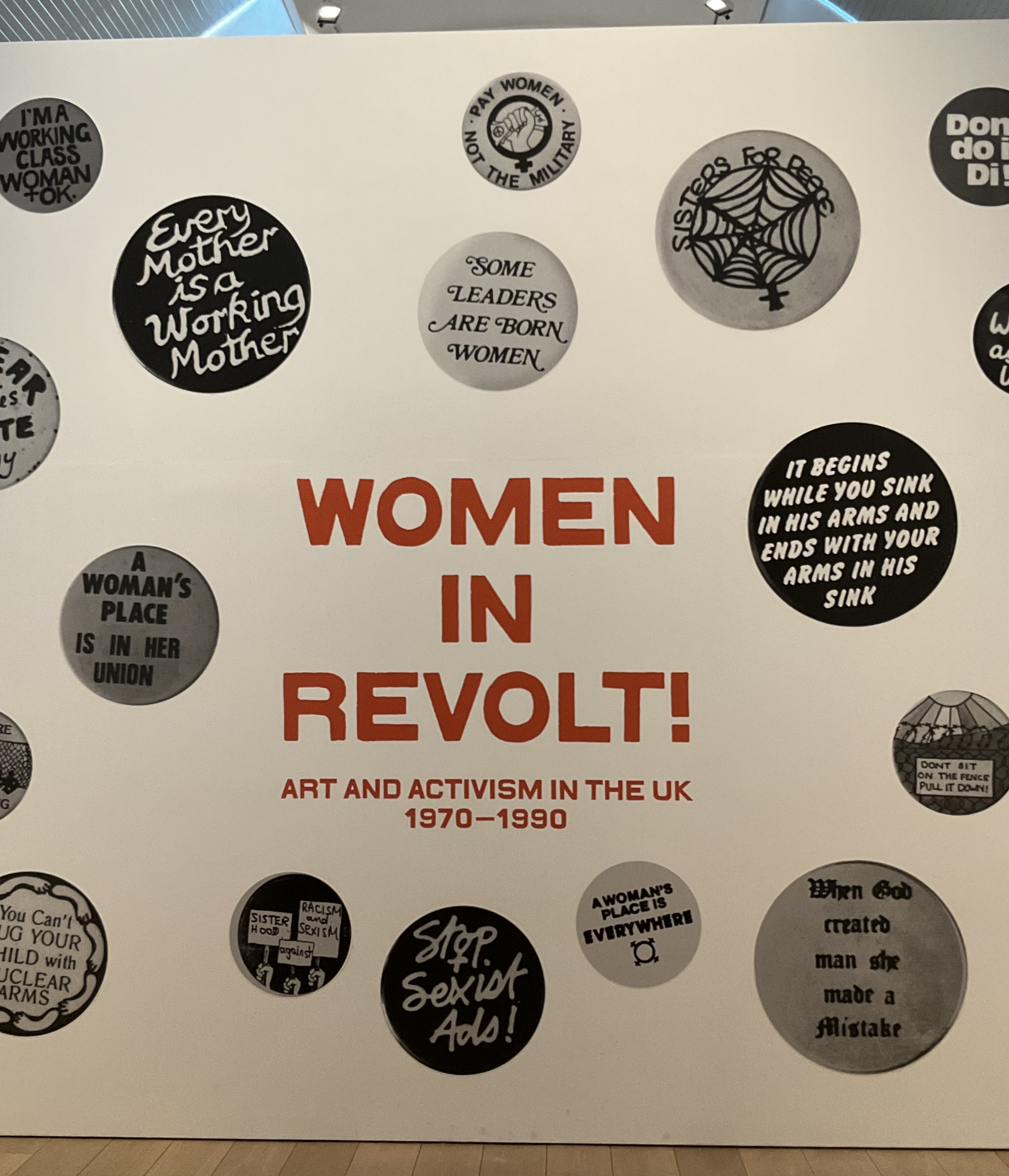
I was in Manchester for the day and went to the Whitworth Gallery and thus saw two contrasting exhibitions. One was Women in Revolt, which I found interesting – probably not entirely for the expected reasons. Since I do recall the 1970s and 1980s, many of the events and social attitudes were familiar to me. The artwork was punchy rather than classy – reflecting the anger of that time and the everyday media that the artists/activists used (e.g. collage, fabric). At this remove it’s easy to forget how outlandish some of the demands for female equality seemed at the time to “ordinary people” – equal pay, professional opportunities, childcare, the assumption of being taken seriously. My aunts, for example, were ambivalent to, if not dismissive of, female equality. How far we have come! No, what did catch my attention was a film of ordinary women in the street, accosted by a male television journalist and asked what problems they encountered as women in the 1970s. It was almost a Socratic dialogue: he hectoring and various shes pondering his questions, totally media-unsavvy, and giving hesitant answers about things they perhaps hadn’t considered before. There was a polite bewilderment at being asked to examine their lives, rather than the redundant-heavy easy flow of words that a vox pop today might elicit. The exhibition assumed a natural relationship between 1970s feminism and other progressive attitudes – the relationship not embraced by women in power at that time like Margaret Thatcher.

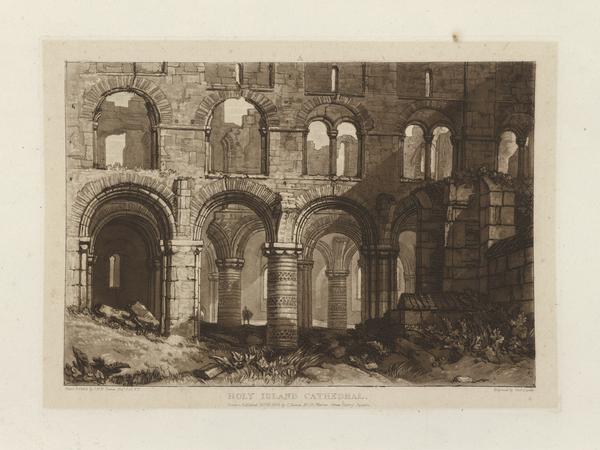
And then Turner’s prints. The Whitworth had emptied all its shelves and backs of cupboards for this. They were rather lovely, and I was impressed by the quality of the mezzotints. A very different experience.

Seaton Delaval to Tynemouth

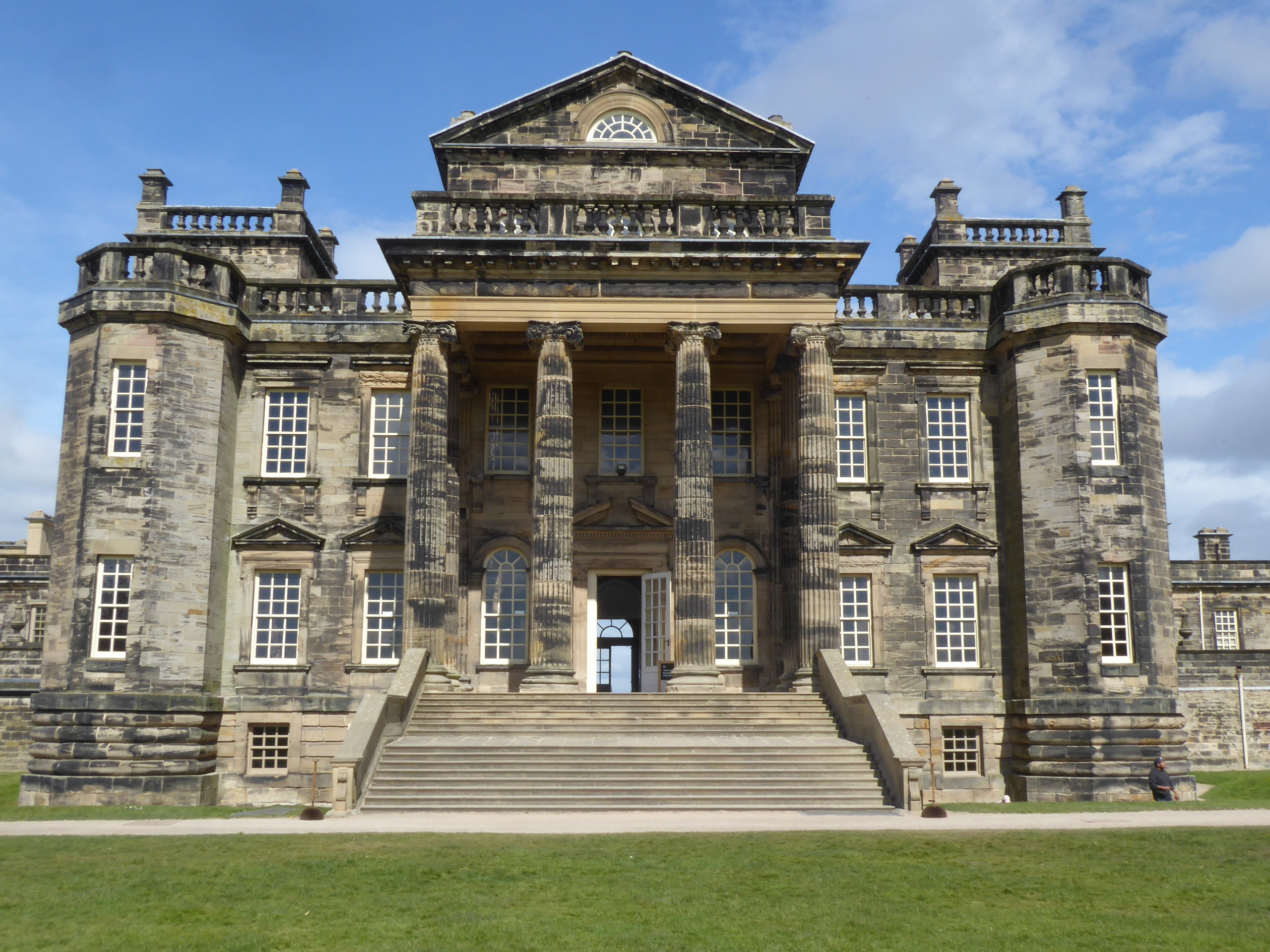
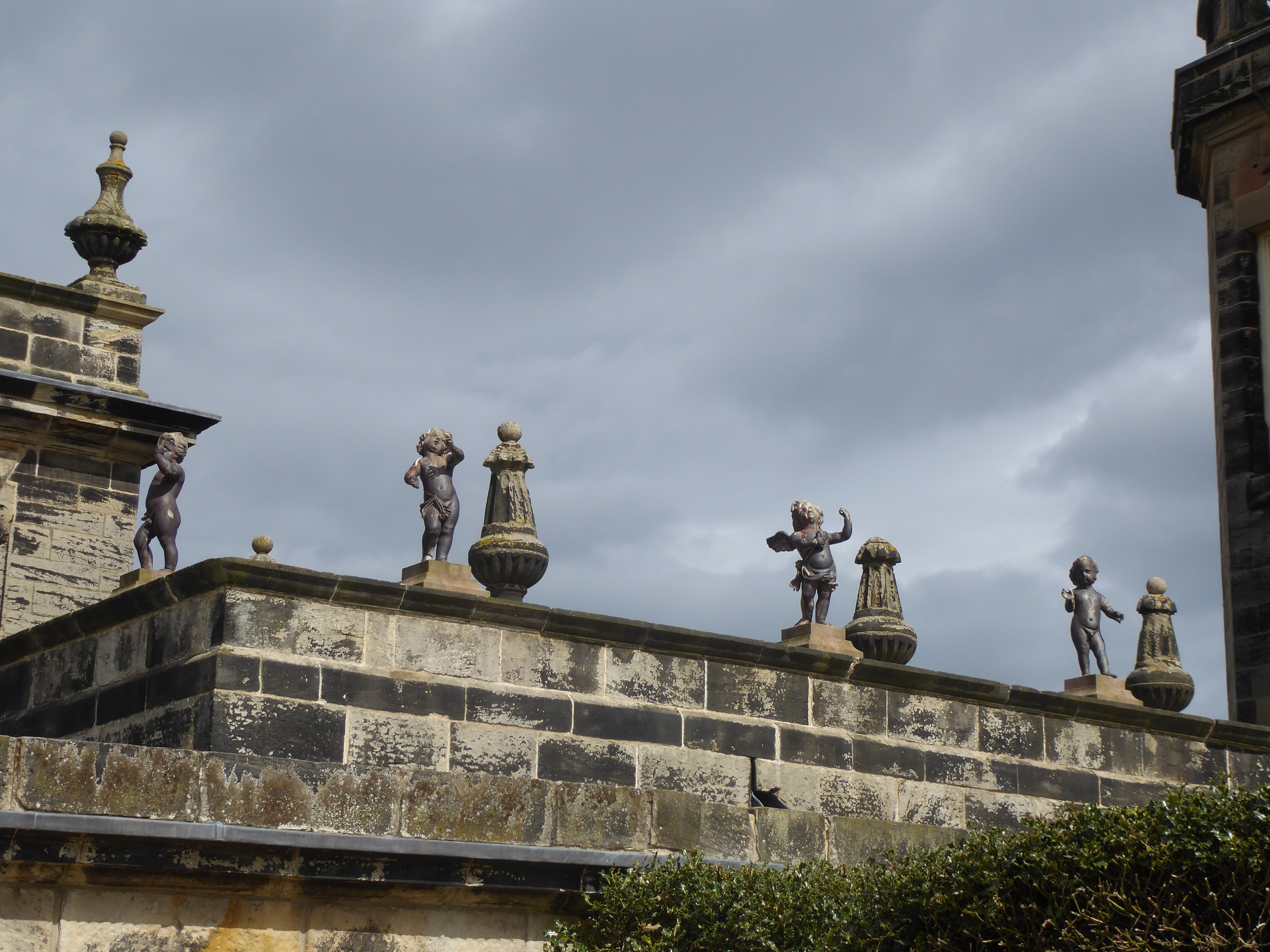
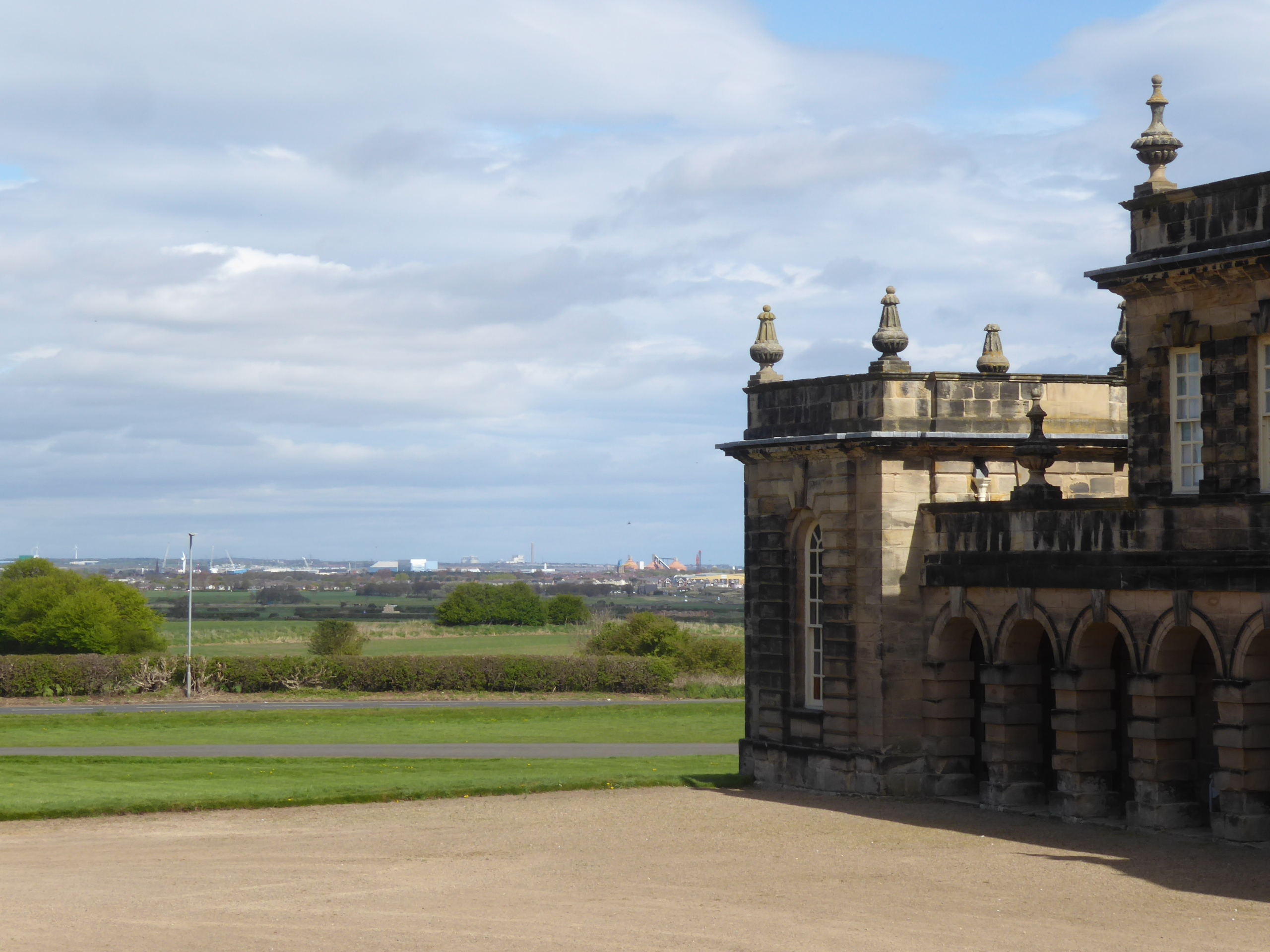
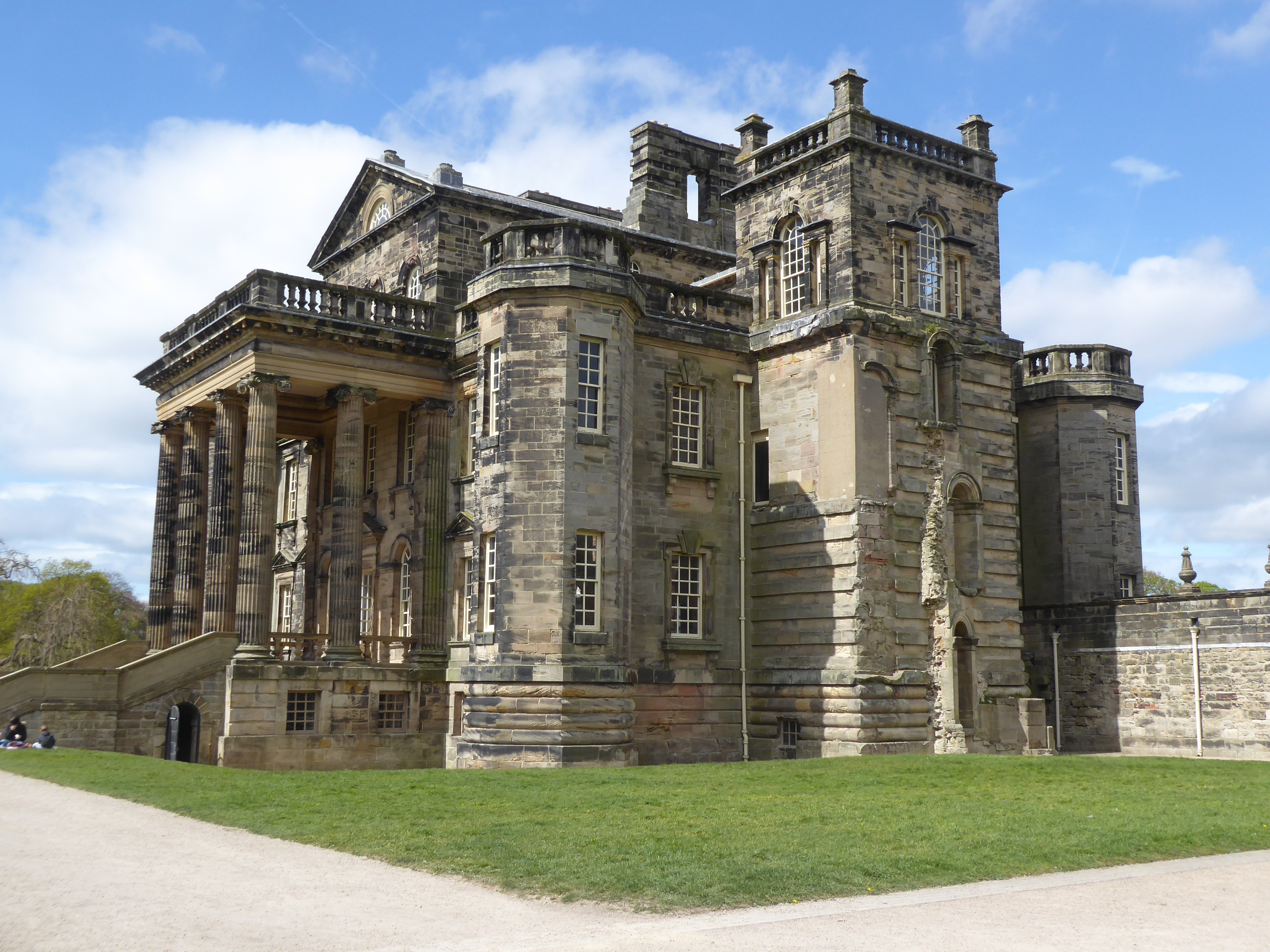
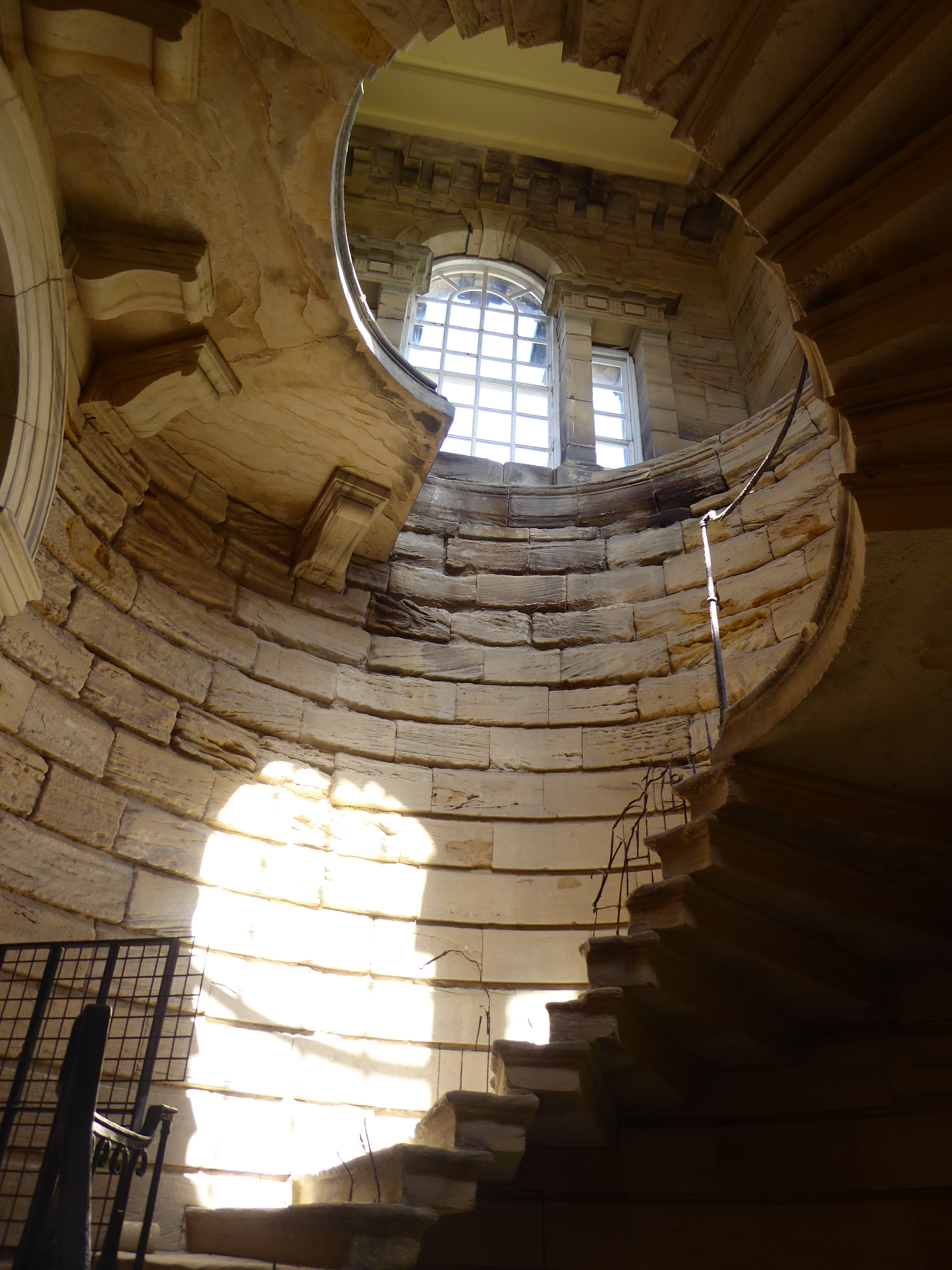
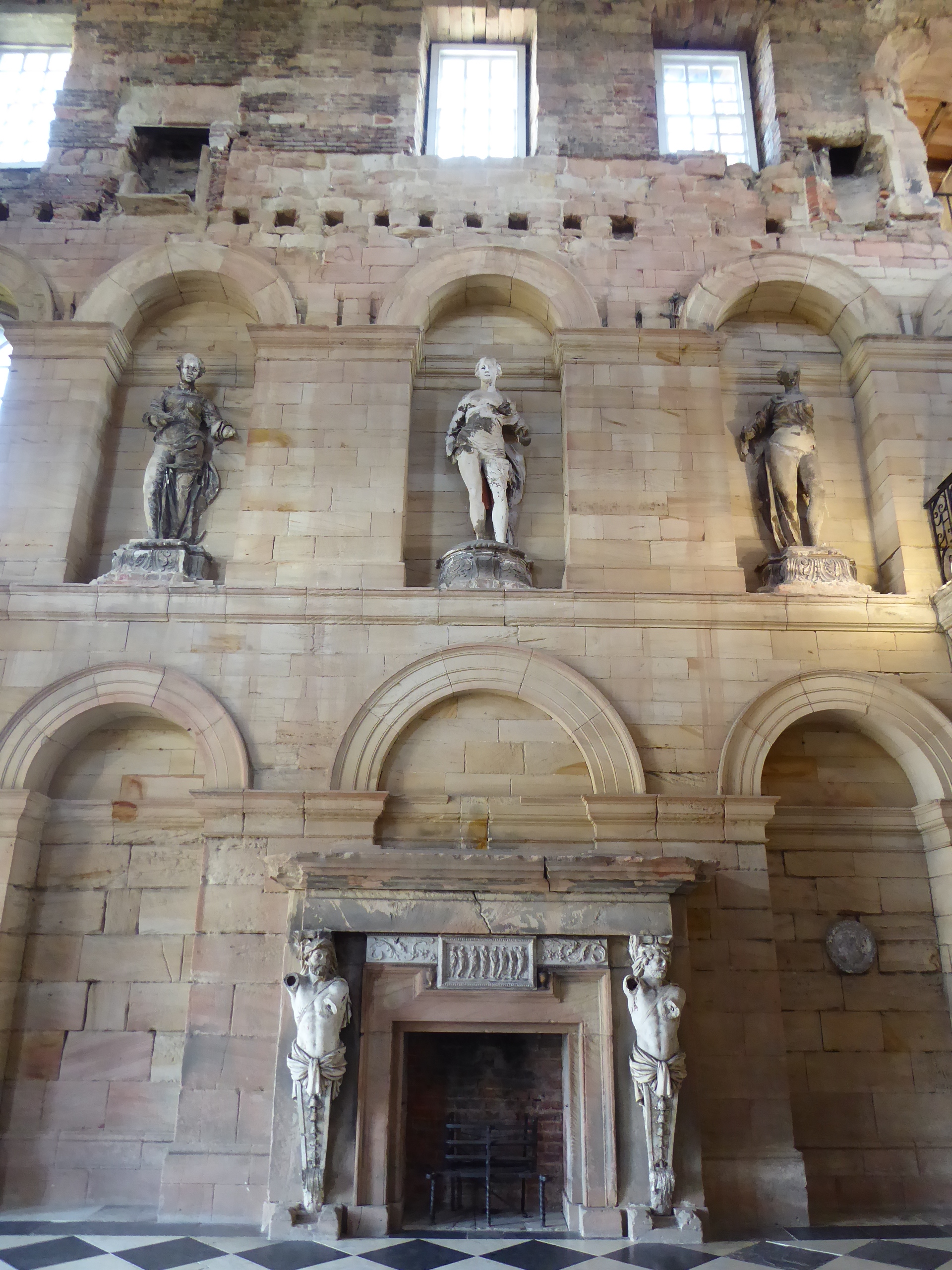
The Ashington train again, but this time only as far as Seaton Delaval and the Hall. Designed by Sir John Vanbrugh and built 1718-28. In 1822 a fire destroyed the south-east wing and gutted the central hall – the corps de logis. (I was confused about this, since both wings seemed intact, but a guide explained to me that the destroyed south-east wing was a later addition.) A great shame, priceless masterpiece, yada yada yada . . . but actually the damage to the showpiece central hall makes it all the more marvellous. Pipistrelle bats hibernate in the upper storeys. You can see which pilasters were made of stone. The eighteenth-century brickwork contrasted with the essential patching up of the nineteenth. Its ruin has been arrested, its proportions and exterior still dominate, and the interior has an air halfway between Ozymandias and poignancy. The family wealth (my inner Marxist asks the question) originally came from salt, glass (from the lovely sandy beaches) and coal.

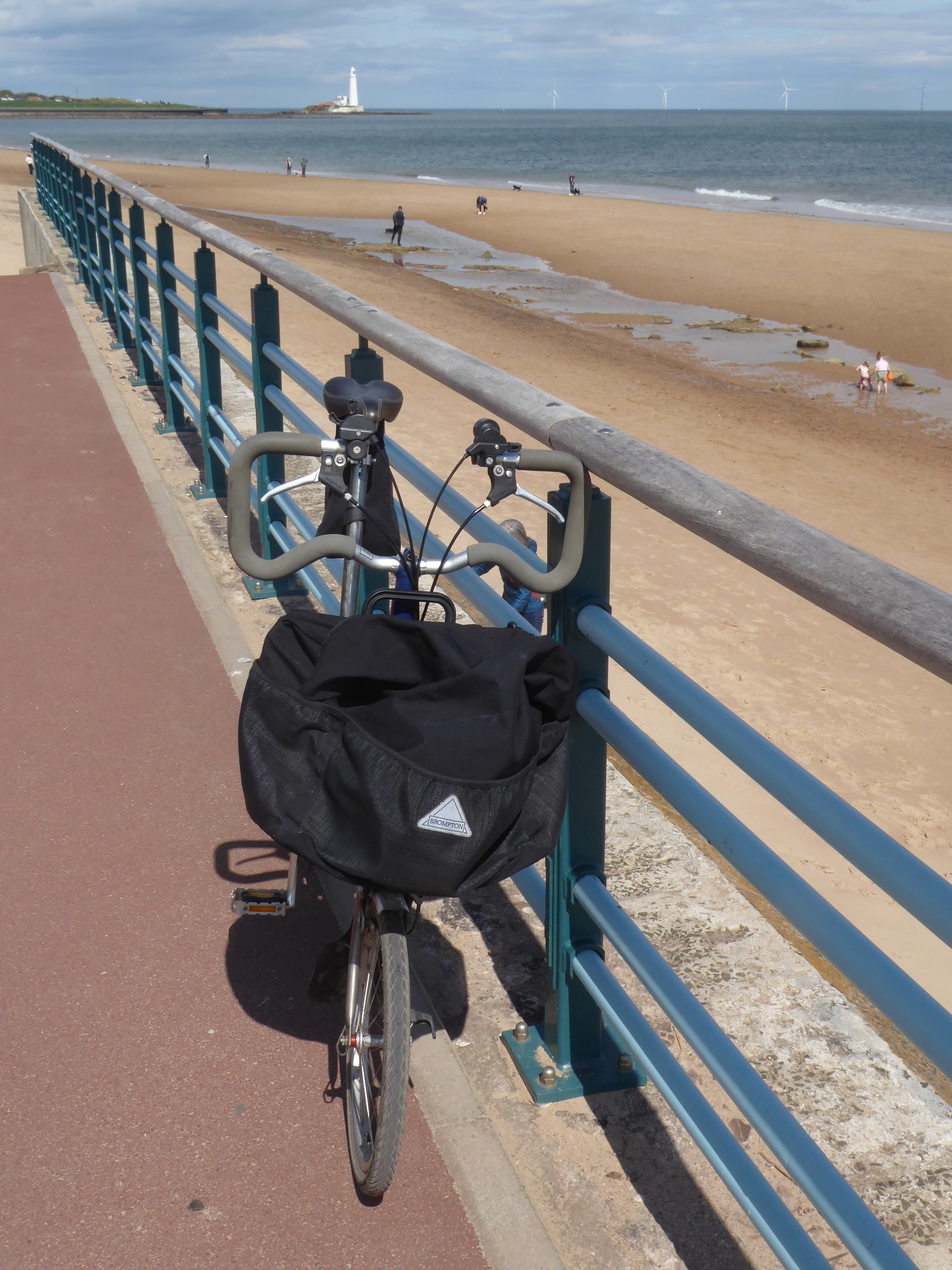
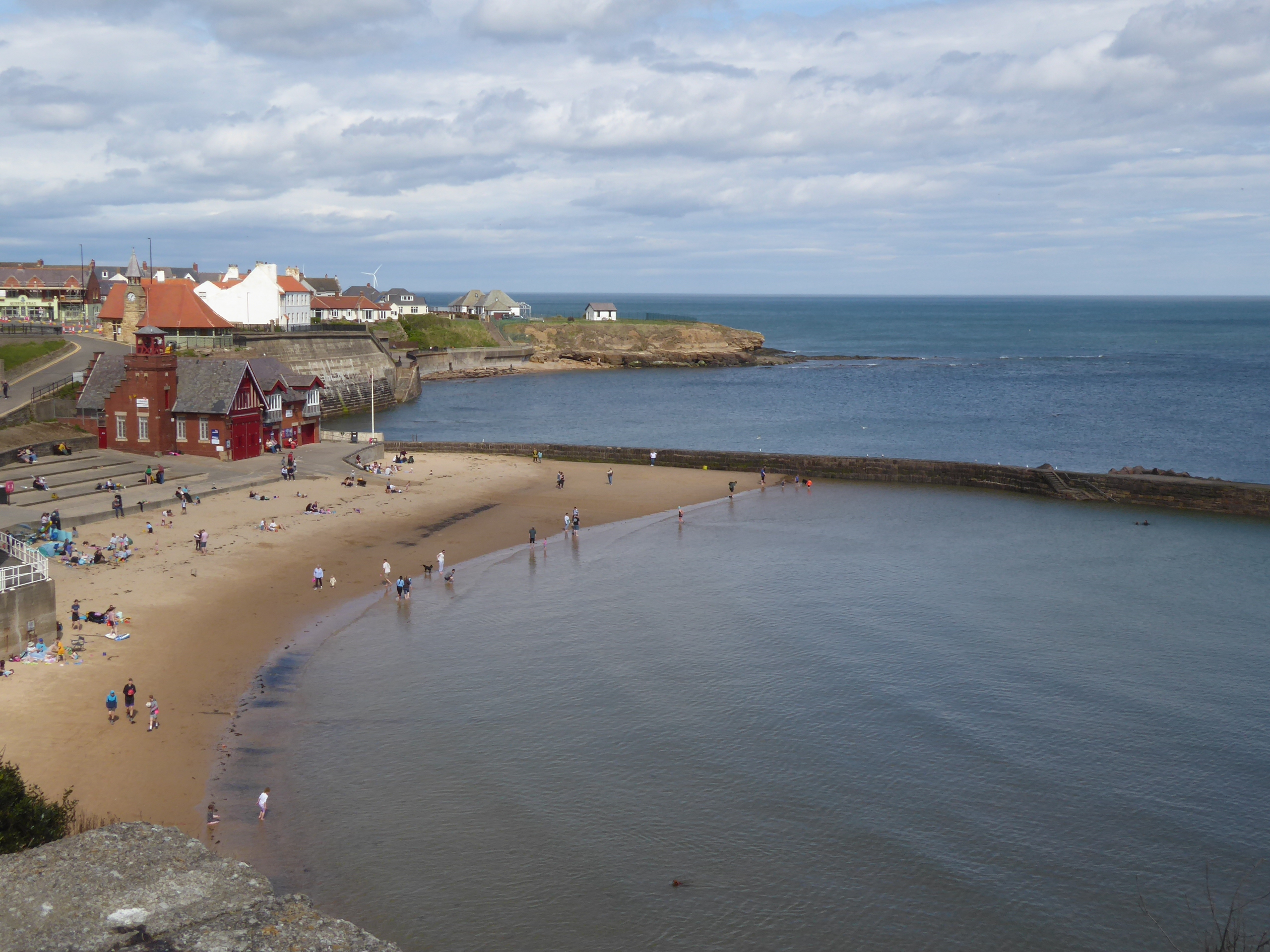
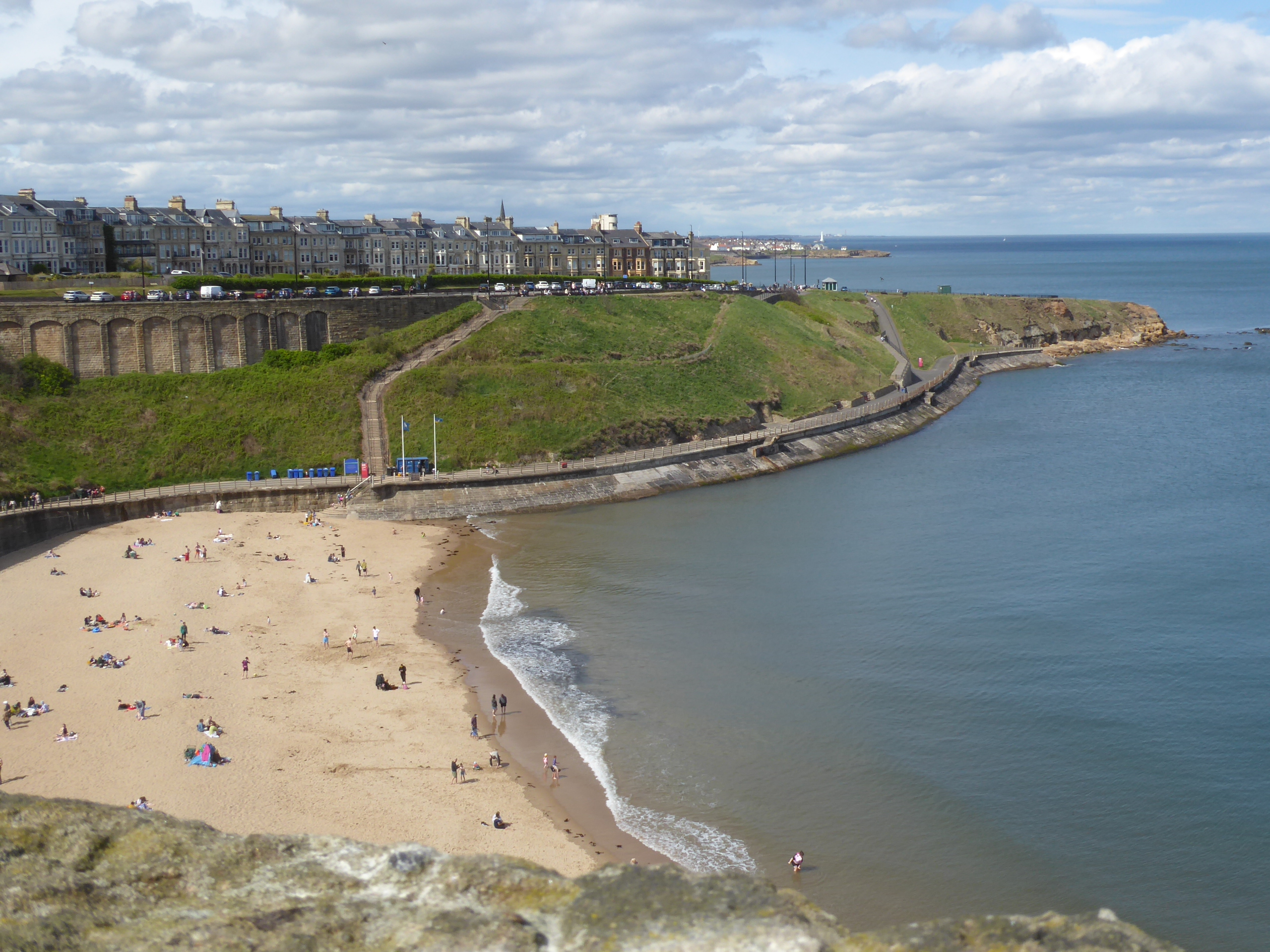
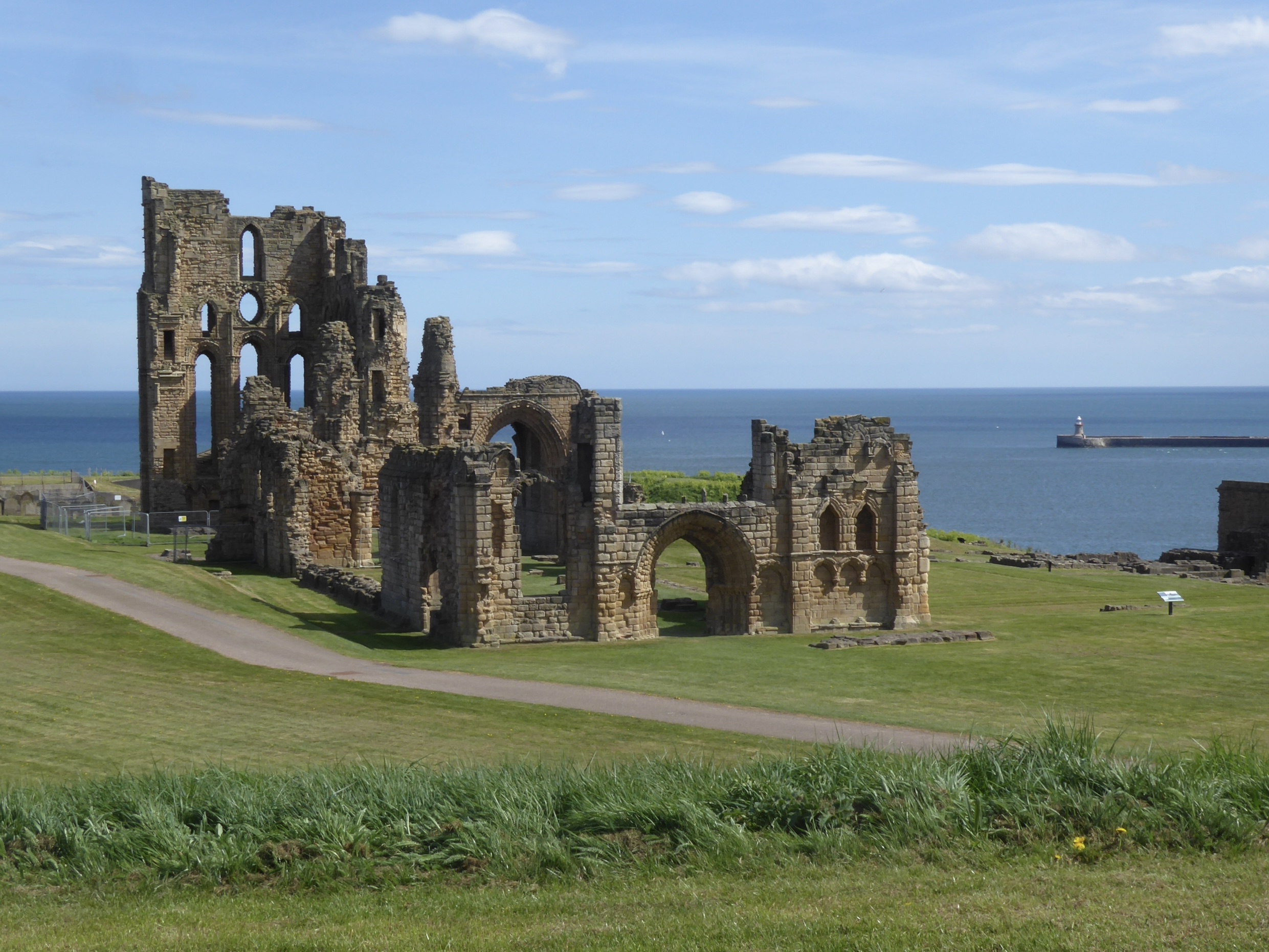
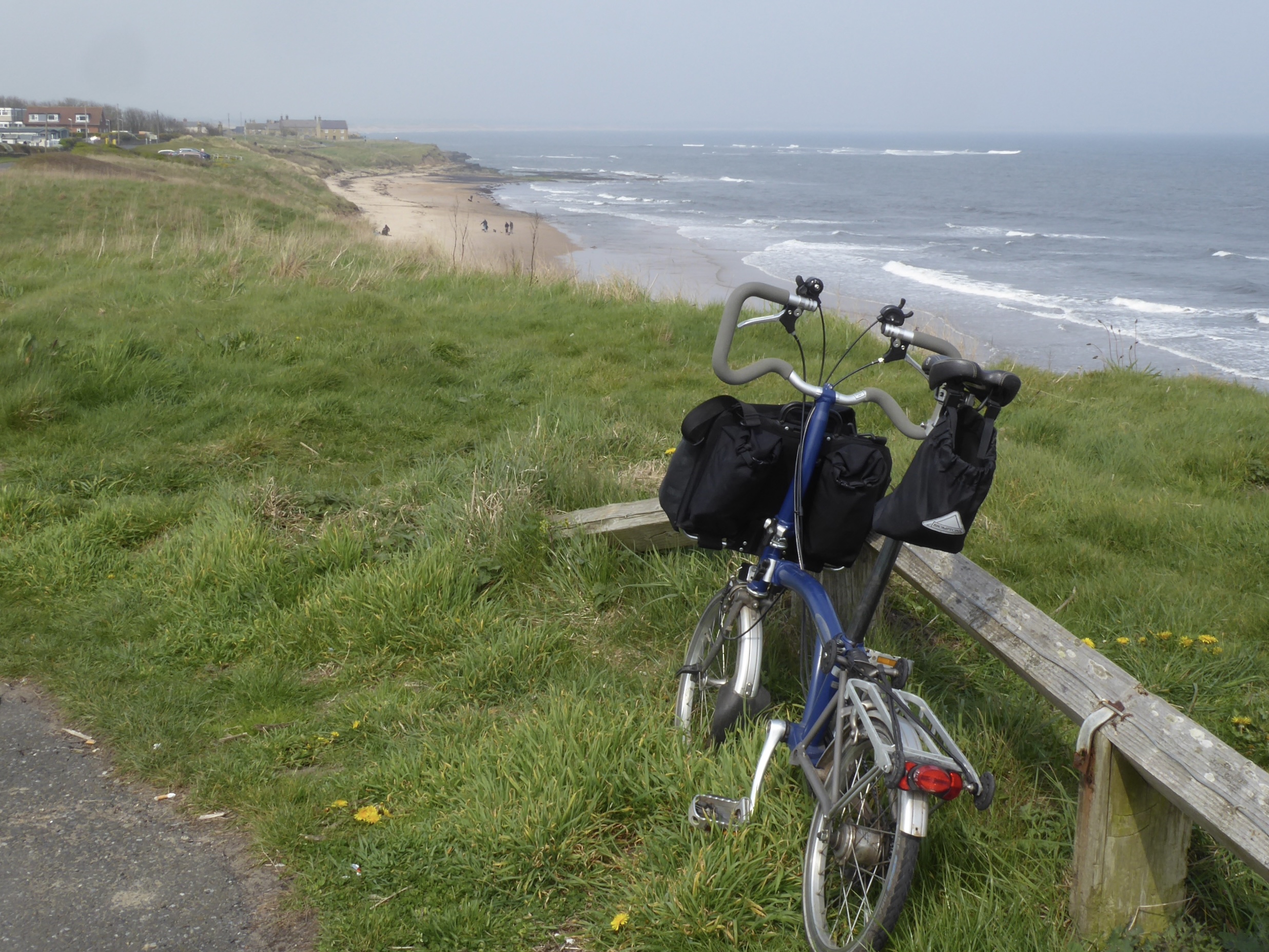
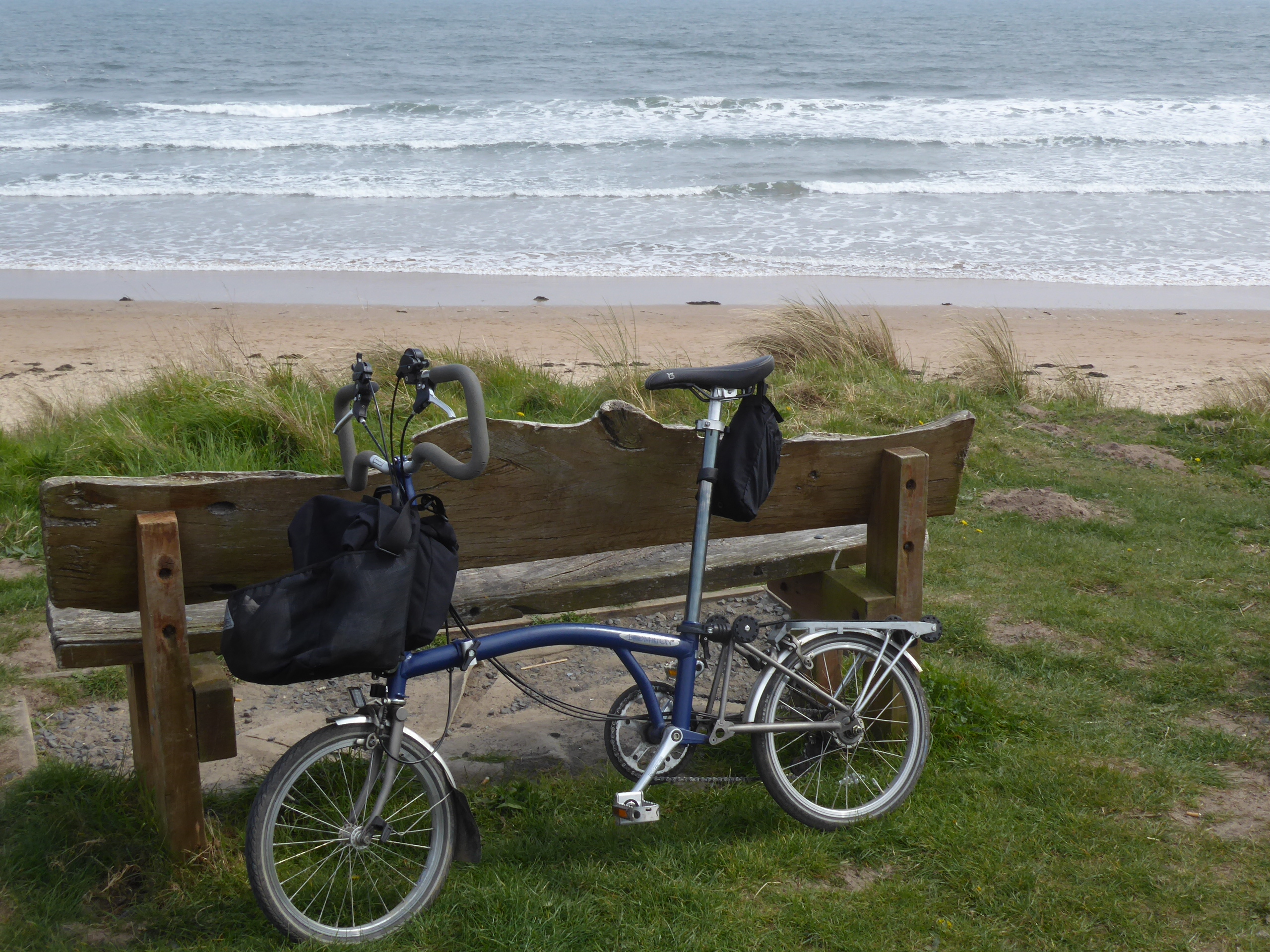
Then back to the Brompton and a ride to Seaton Sluice and southwards along the coast through Whitley Bay and Cullercoats to Tynemouth. I stopped to admire the Spanish City and remembered how my Newcastle-bred mother used to refer to Whitley Bay as some kind of childhood Nirvana. At Cullercoats I recognised the bay and Watch House from Robert Jopling’s paintings. And the outline of Tynemouth priory looked uncannily familiar until I remembered an evening ferry from Newcastle to Ijmuiden years ago. Then the metro back to Monument and I was in the big city once again.

Ashington to Alnmouth

What prompted me to come to Newcastle this time was the re-opening to passenger traffic of the railway line to Ashington – which is the gateway, for me, to see the works of the Pitmen Painters.

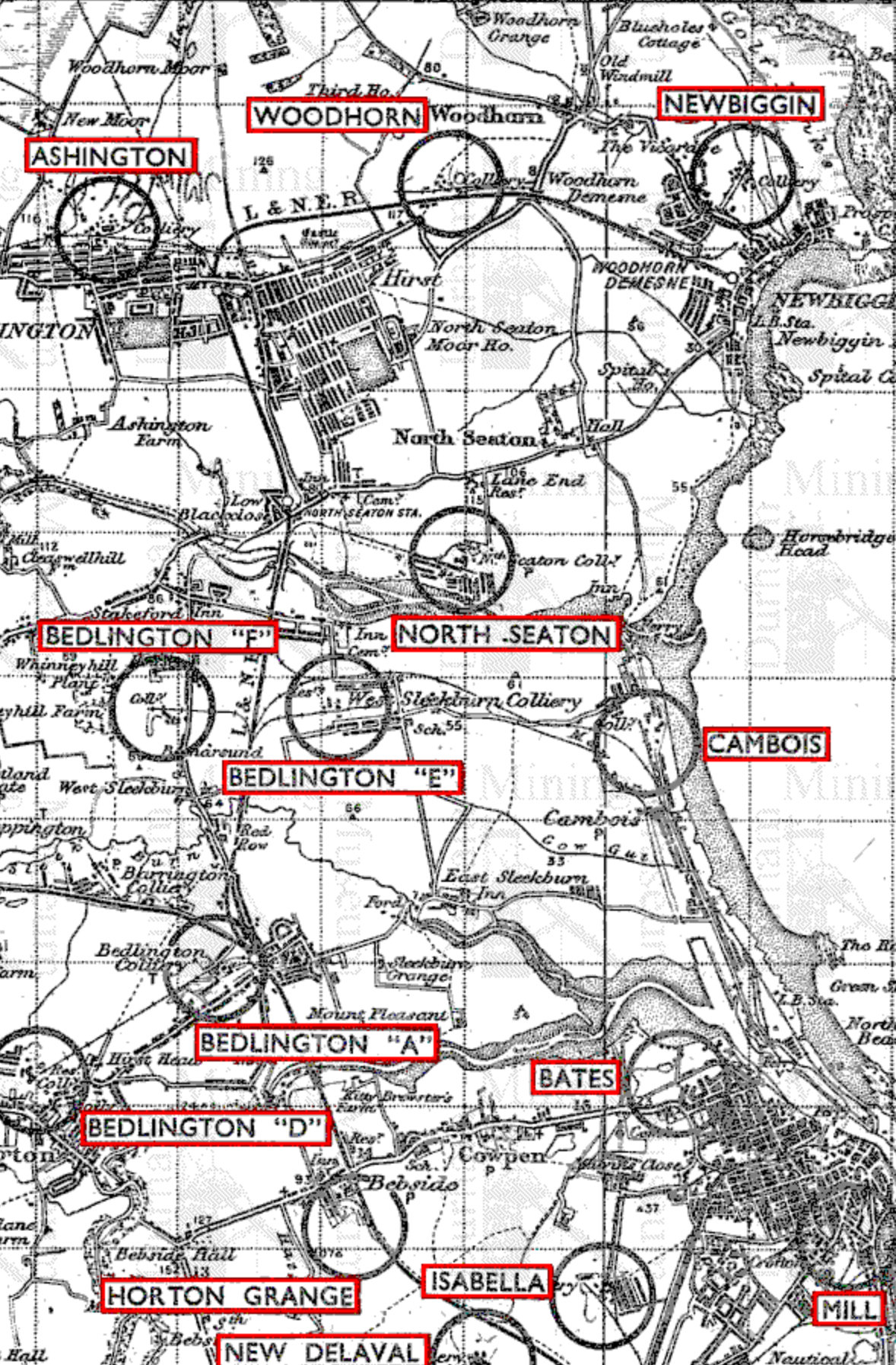
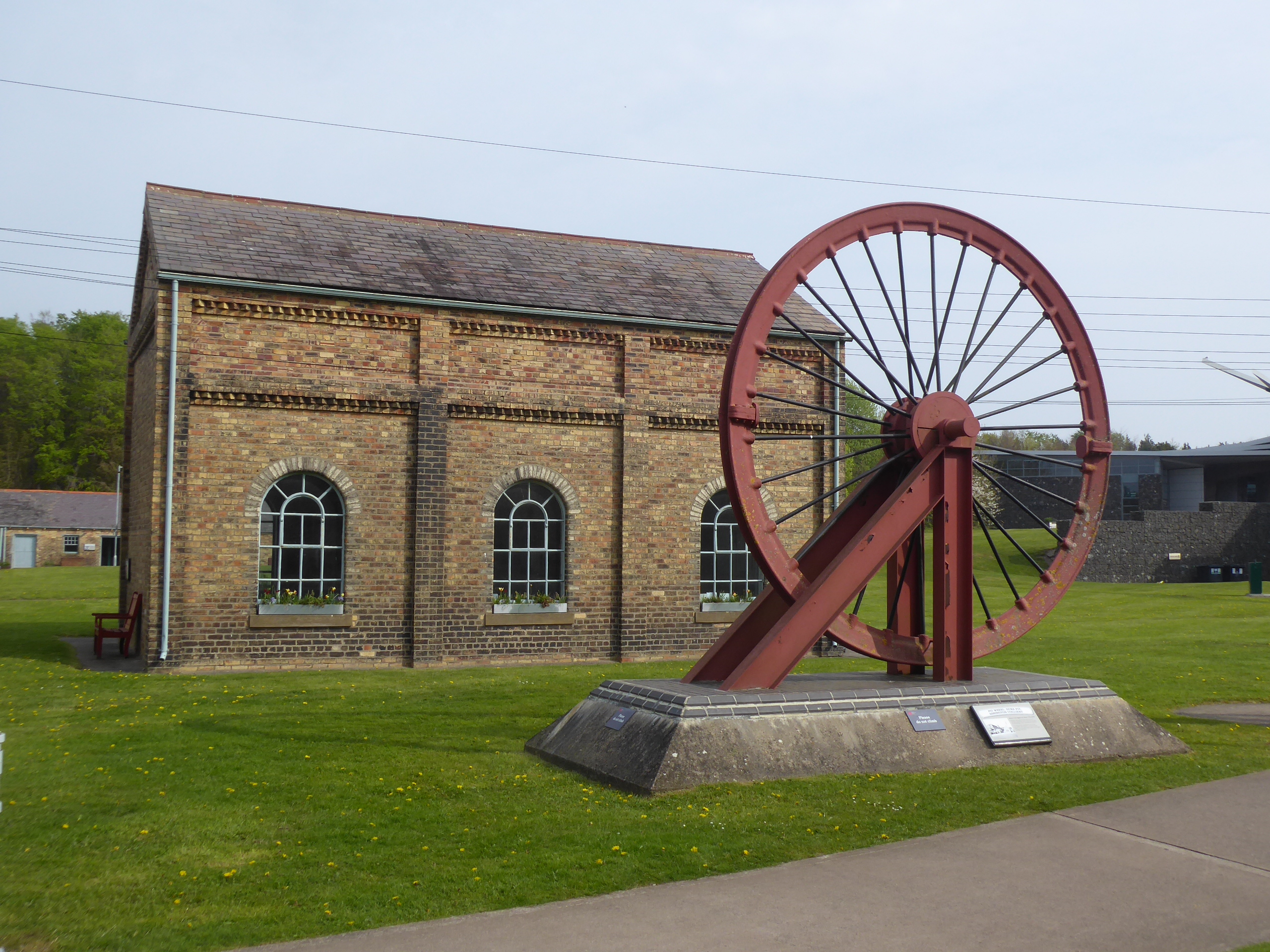
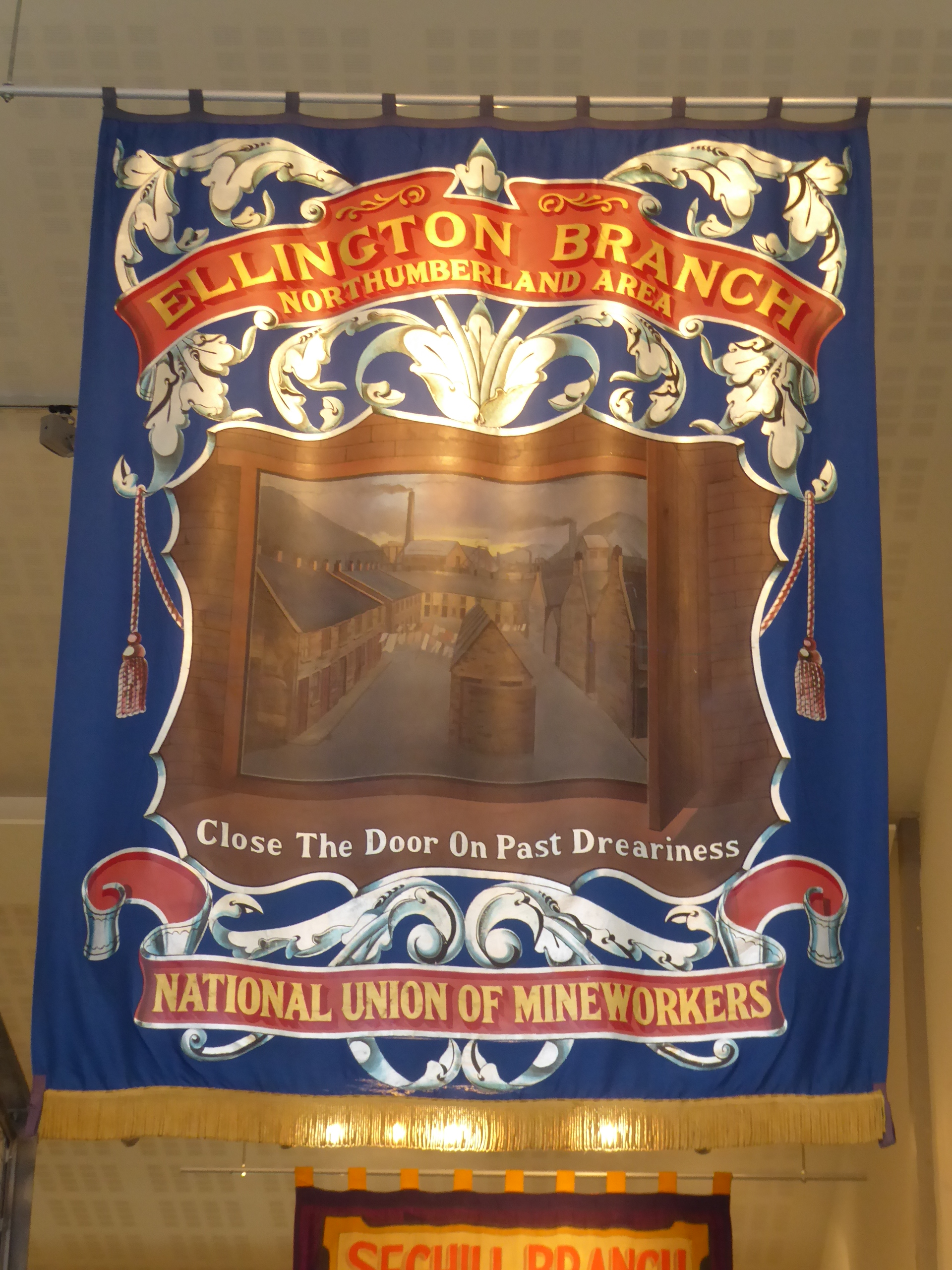
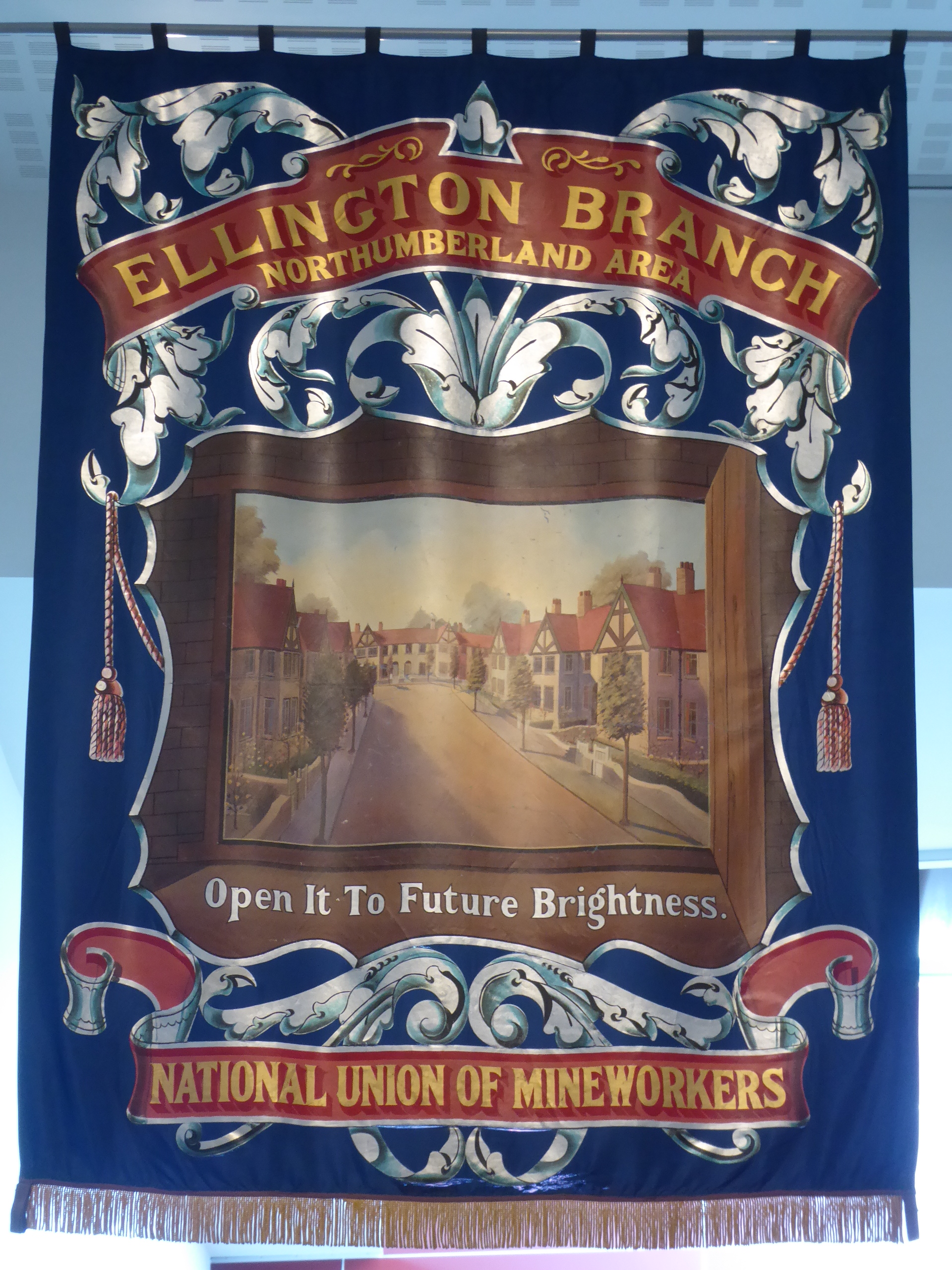
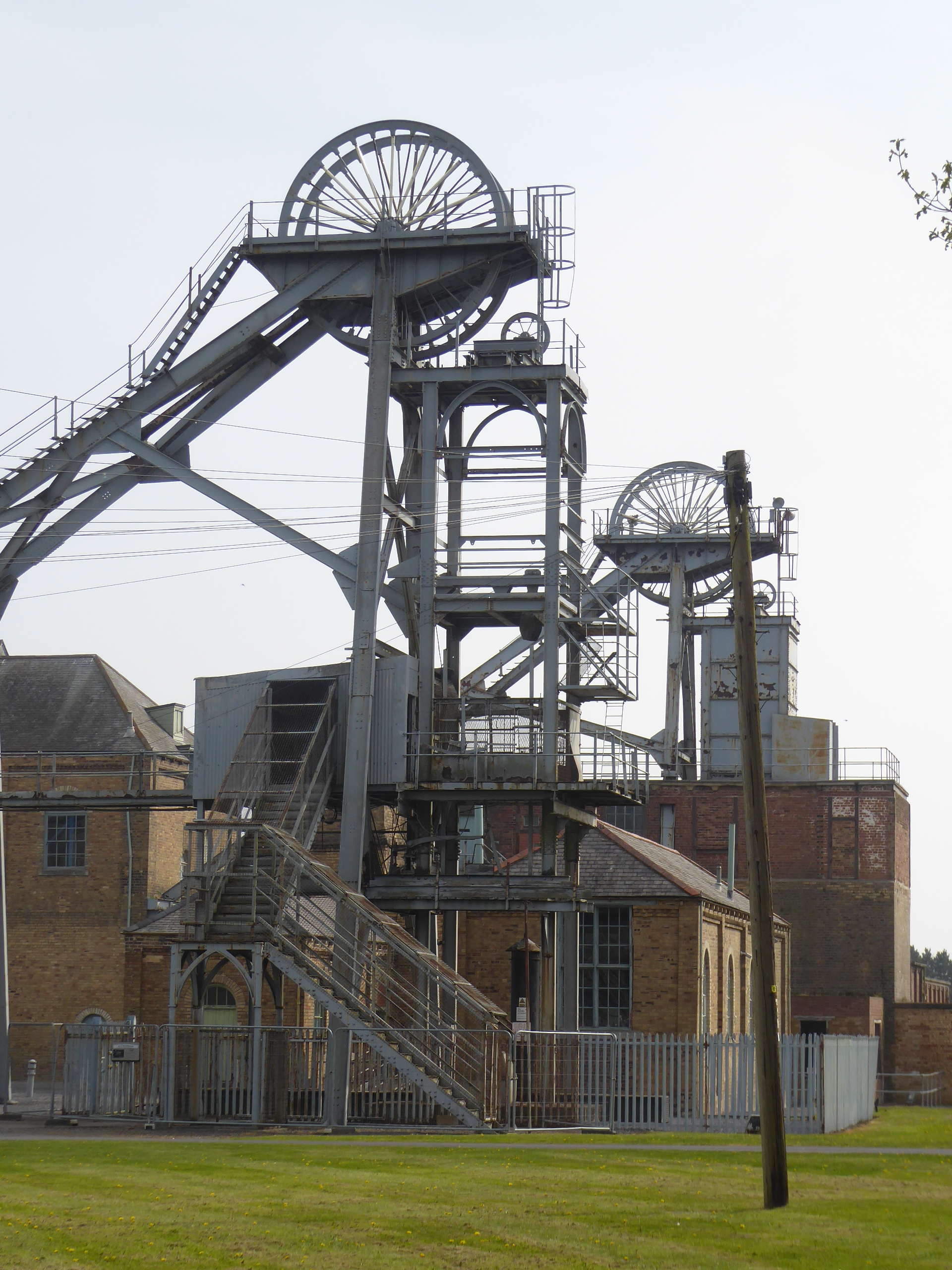
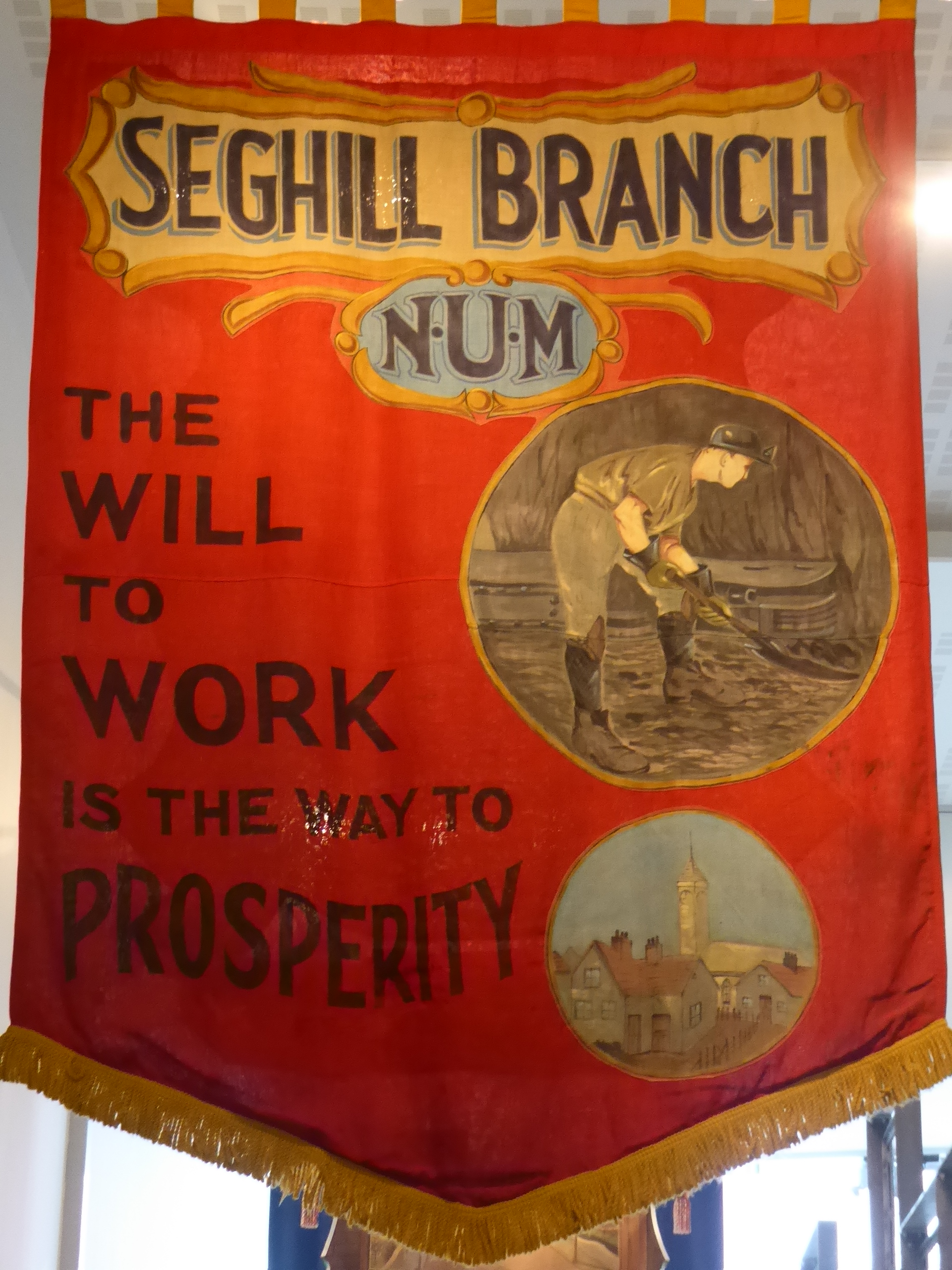
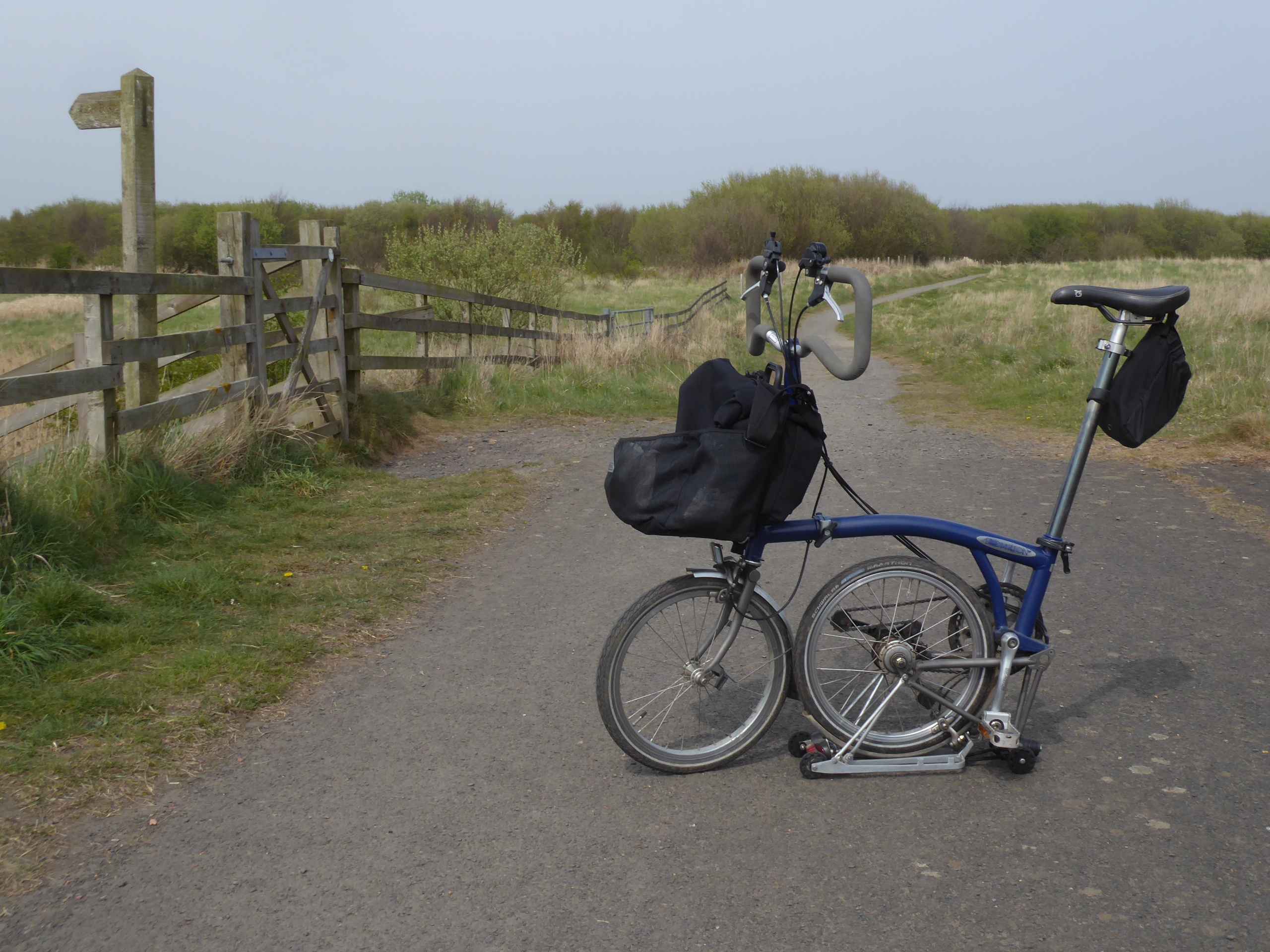
The Brompton and I found the cycle path from Ashington to the Woodhorn Museum. In addition to the gallery, it’s also a mining museum in what was, until 1981, the Woodhorn Colliery. There was once also an Ashington Colliery – a distance that it had taken me ten minutes to cycle slowly – so, of course, I started wondering how cheek-by-jowl collieries were here and found a 1951 map online which gives me an answer. From the train I’d seen a few old spoil heaps, just humps and plains covered by scrubby vegetation, but, as an outsider, I find it hard to imagine what this area was like until fairly recently. The museum is interesting: several of the key buildings remain, along with the pit wheels, and I noted (as with old German mining administration blocks) that even functional buildings can include proportion and decorative elements.

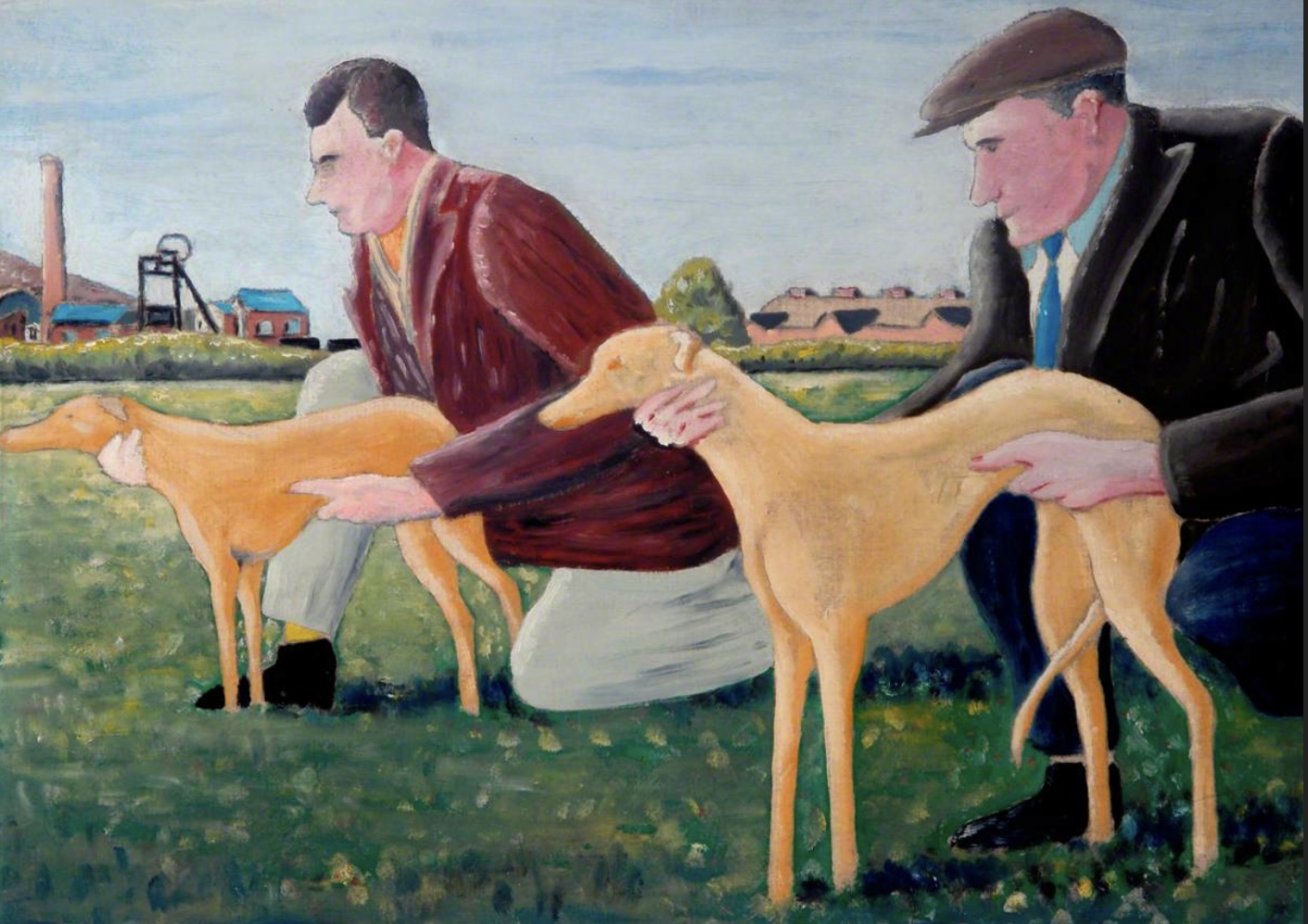
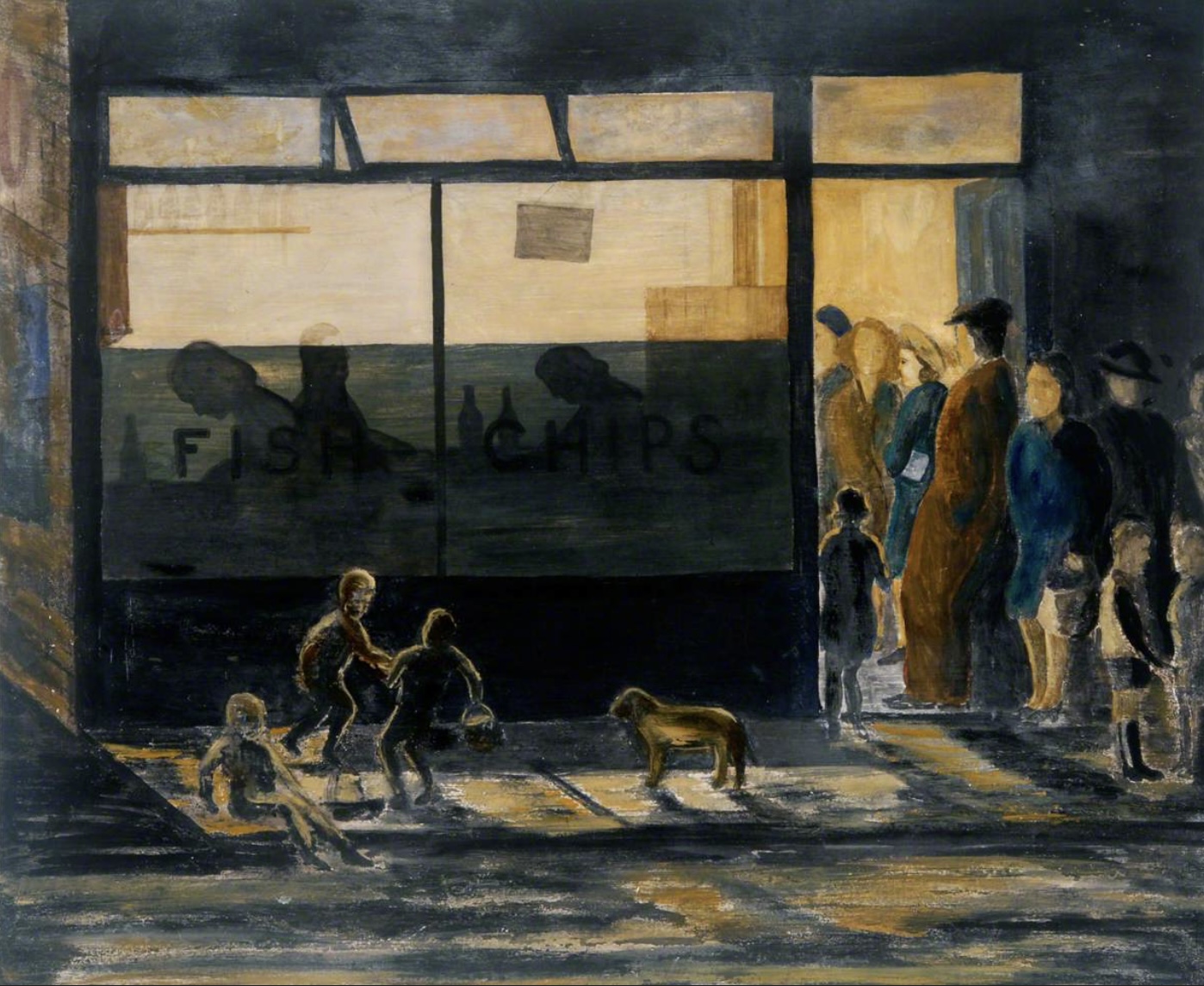
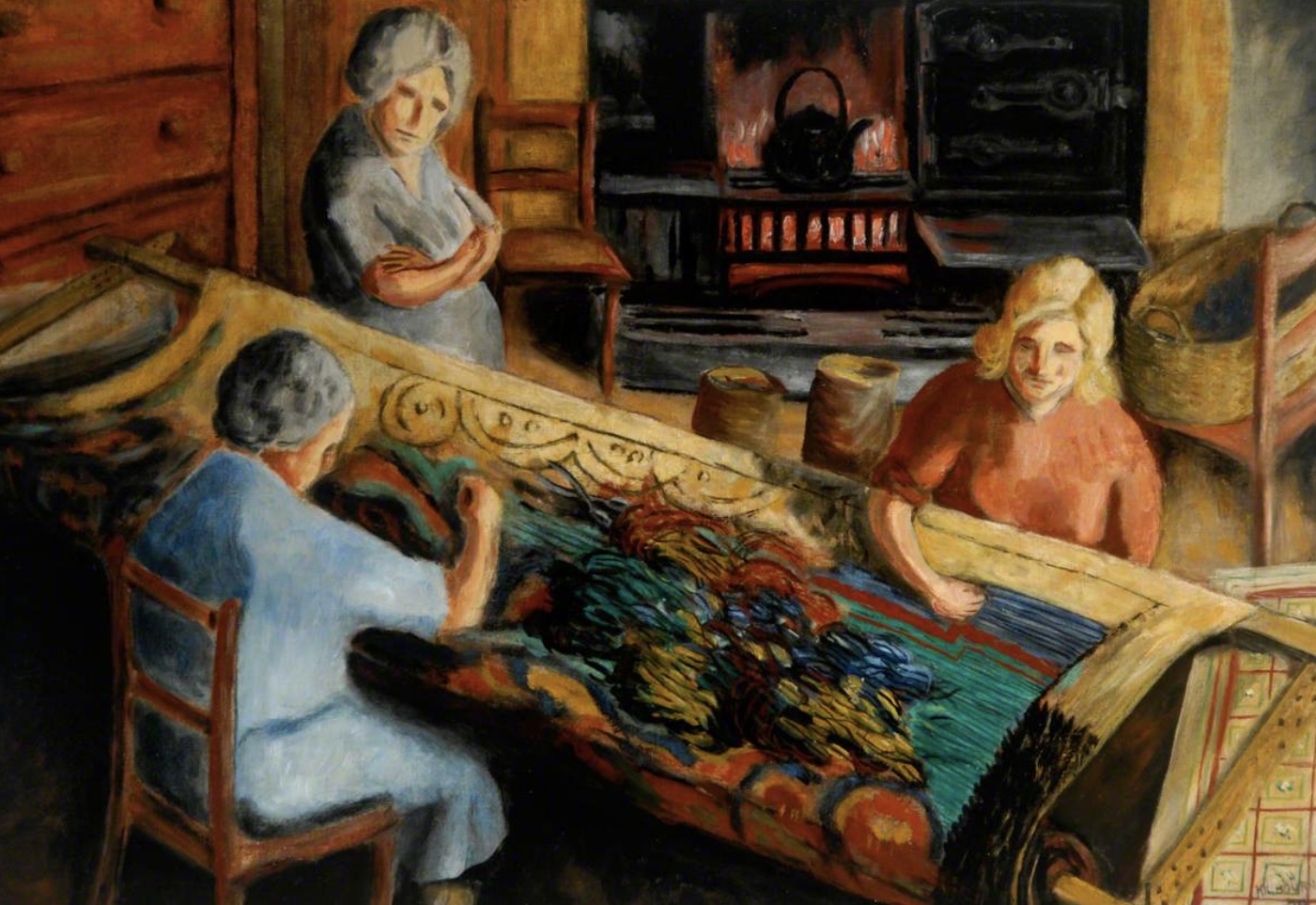
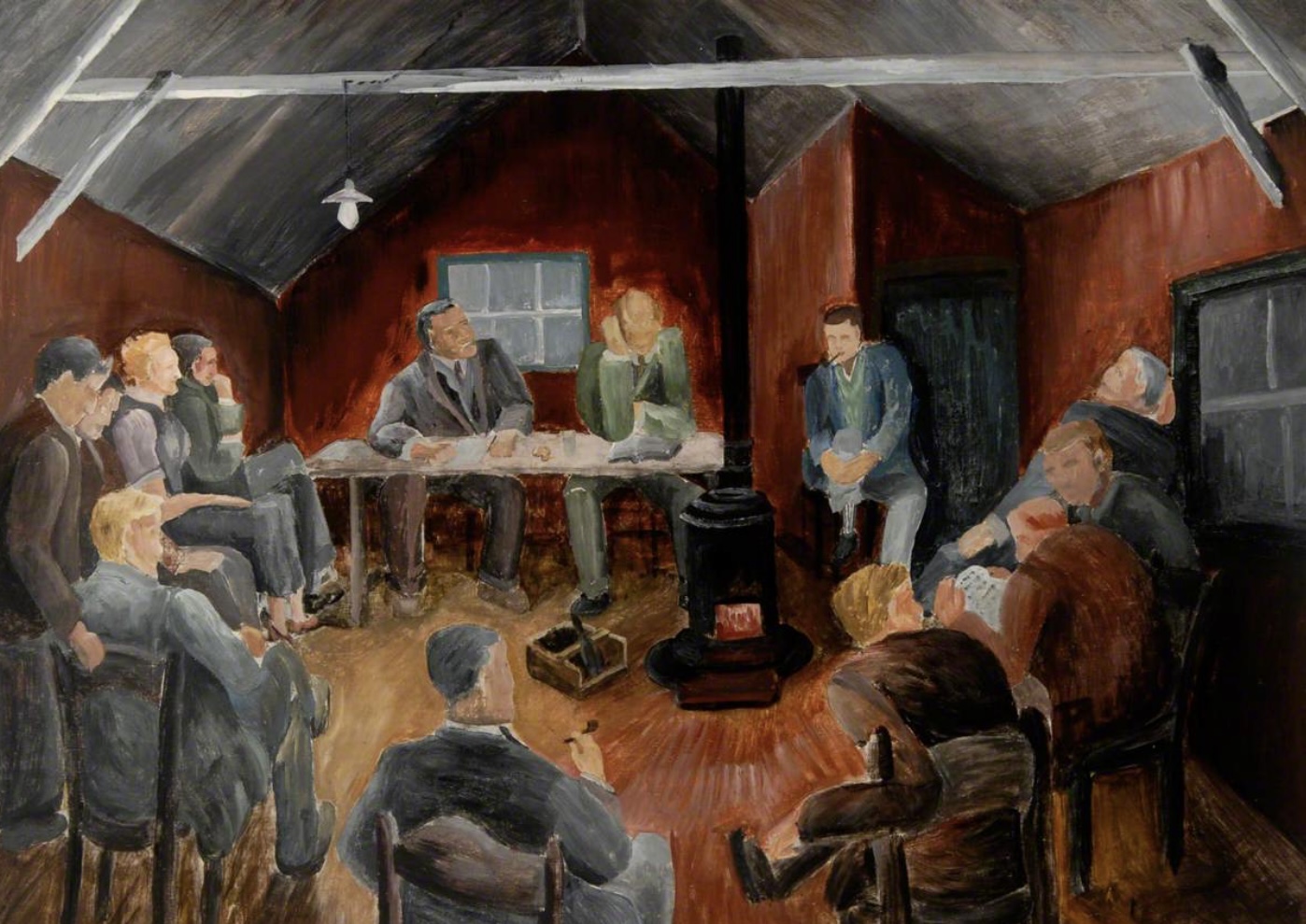
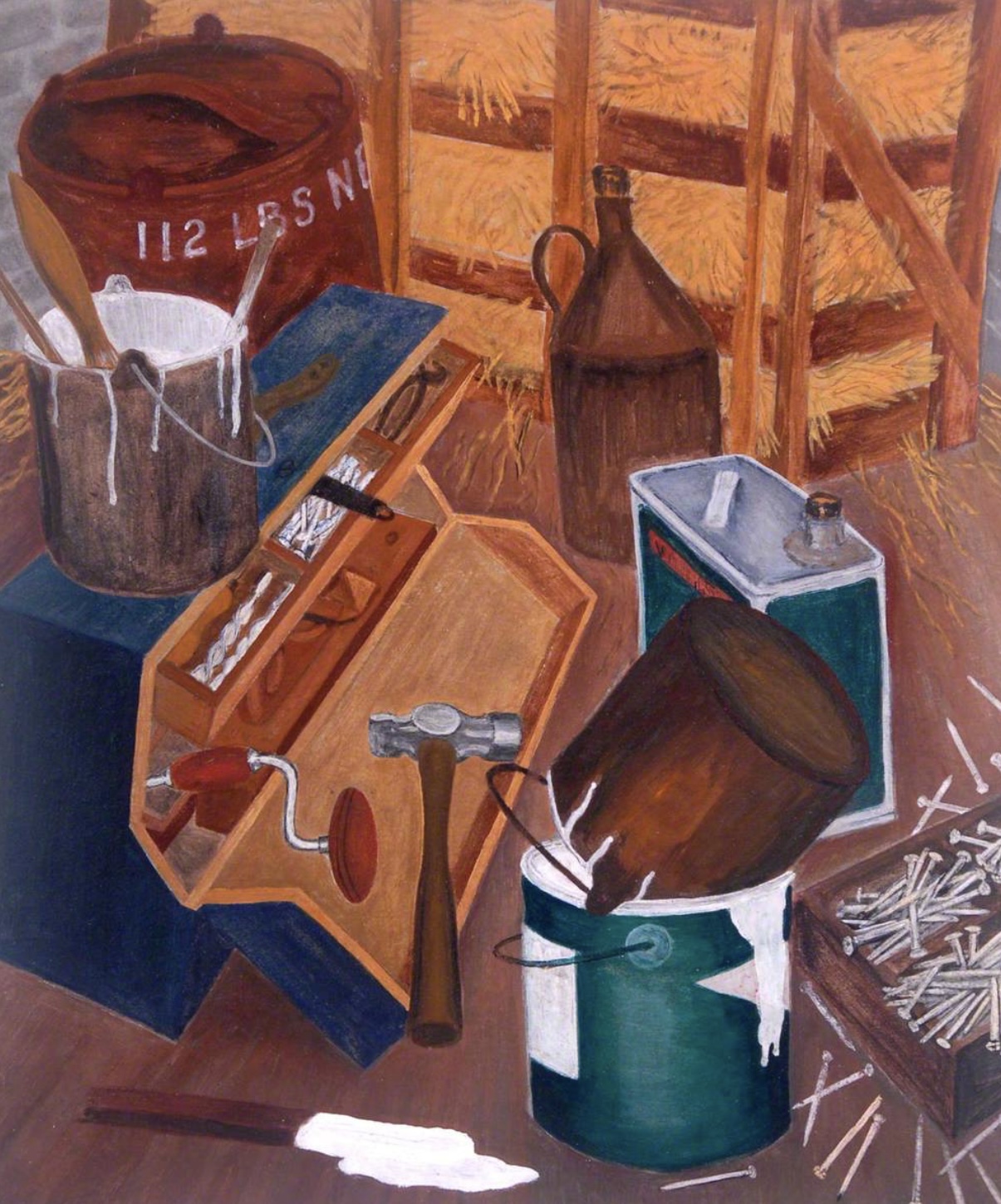
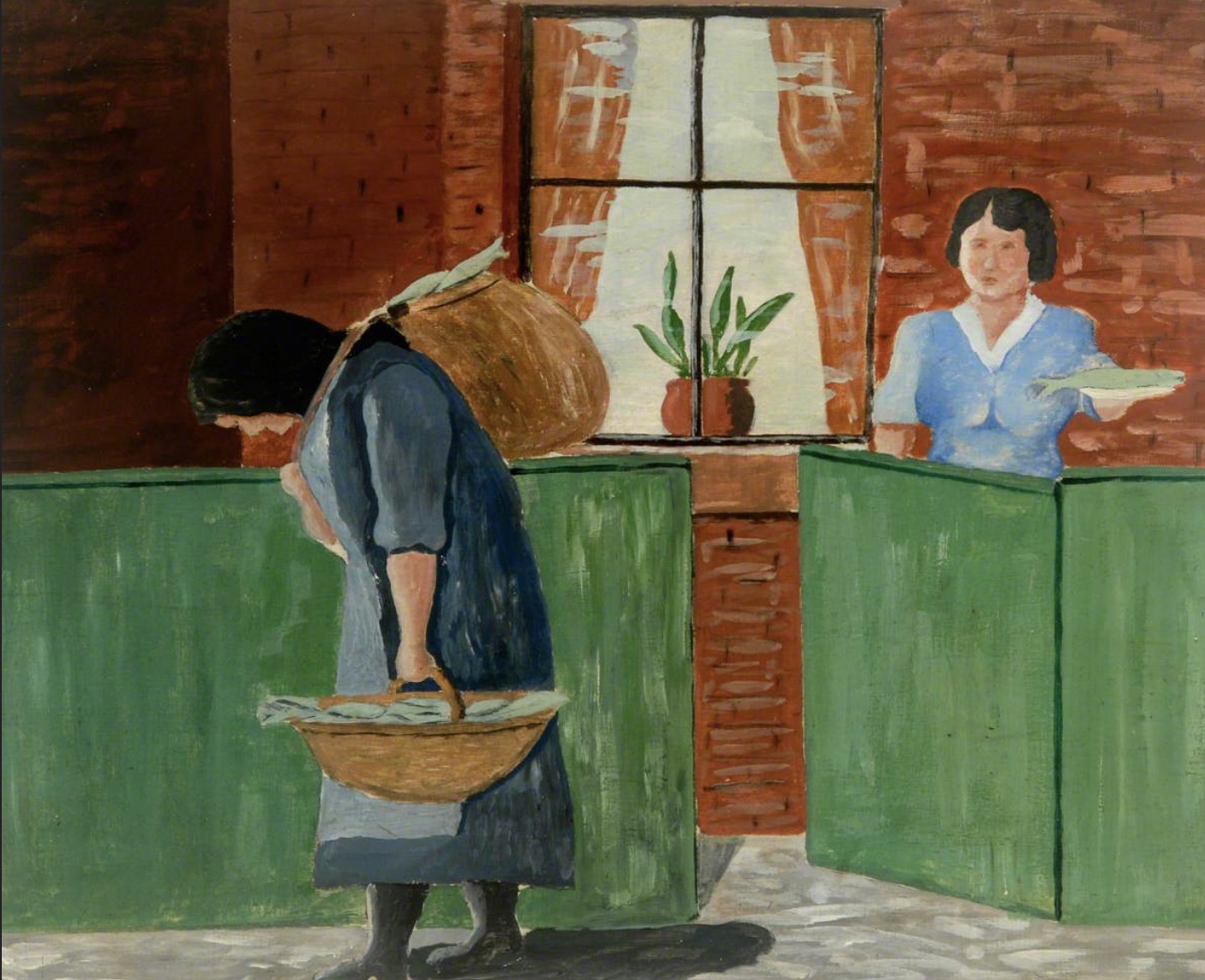
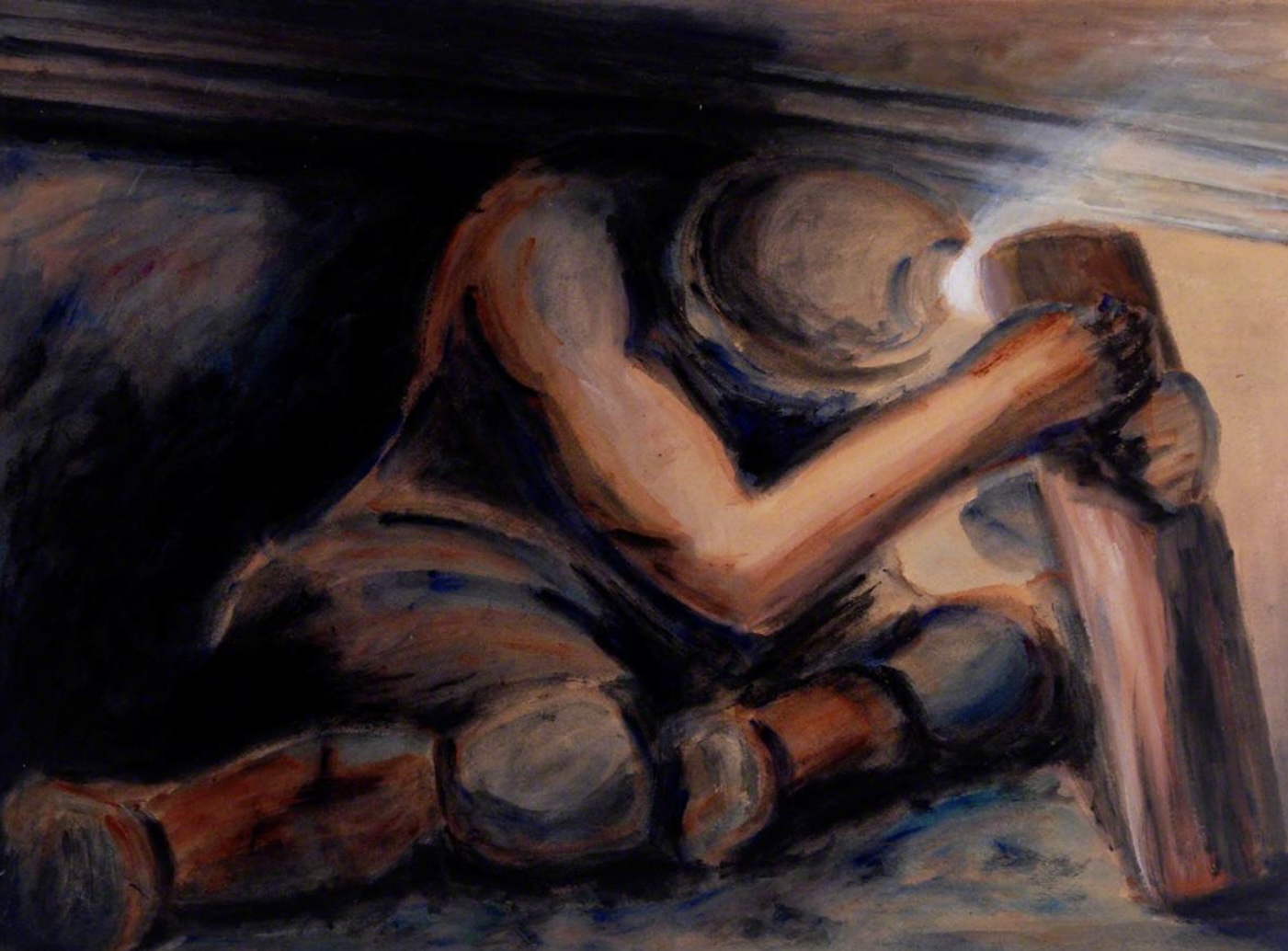
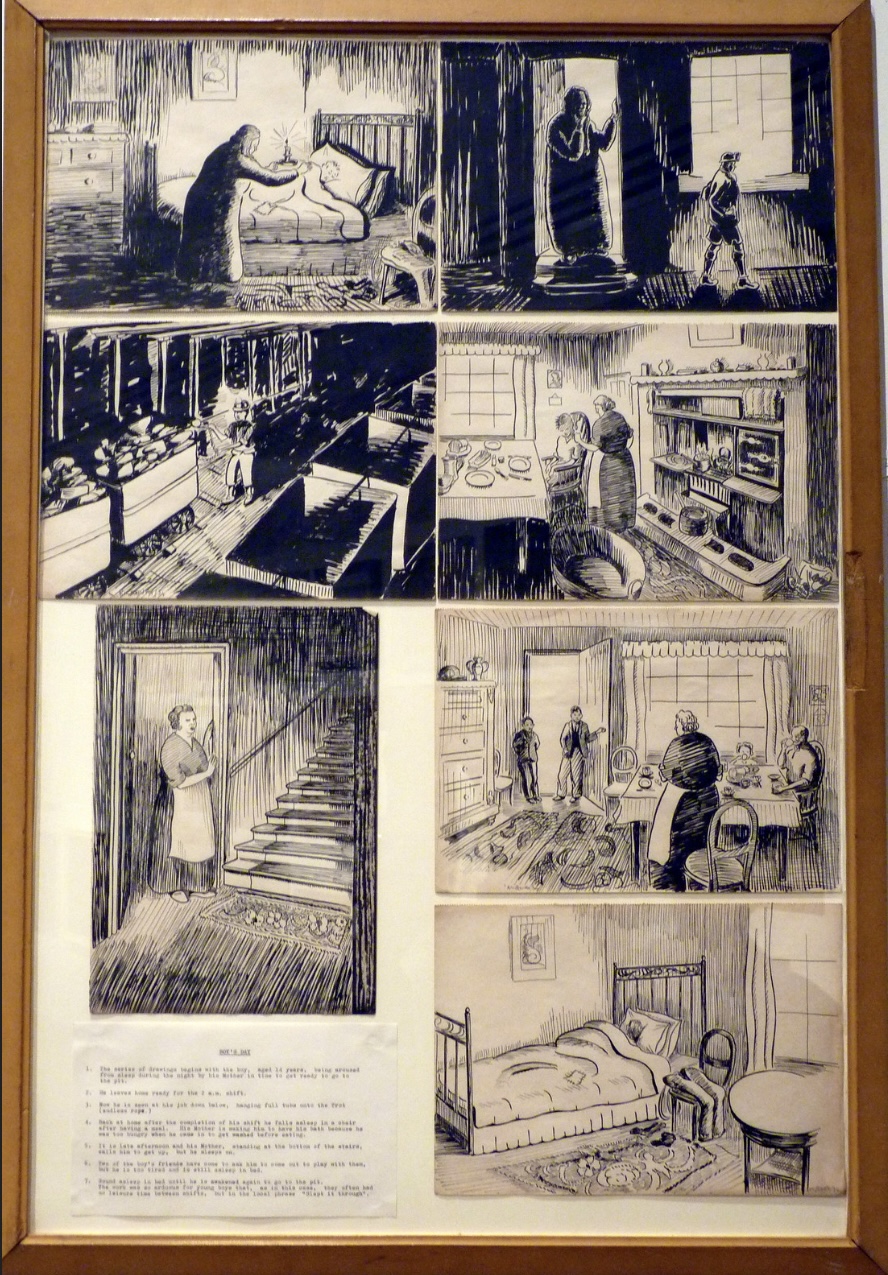
And so to the Pitmen Painters. In 1934 a group of miners, having finished one WEA course, began another on art appreciation under their tutor, Robert Lyon from Armstrong College, Newcastle. (Is that the Cragside and Bamburgh Castle Armstrong?) Lyon considered that his students would learn to appreciate art more effectively by doing it themselves – and so an art group was established in Ashington. They met regularly for fifty years and painted together – mostly scenes from their lives. Their materials were what they could afford, and initially it was Walpamur decorating paint on plywood. I felt rather mean as I reflected that their skills had not developed markedly over the years, but actually I was misreading their work. It was art rooted in their community, from a communal age and a particularly close-knit industry. I had a fleeting sense of recognition as I looked at the paintings – something that took me back to my grandparents – and an awareness of their rootedness. Which I suppose is another word for authenticity.

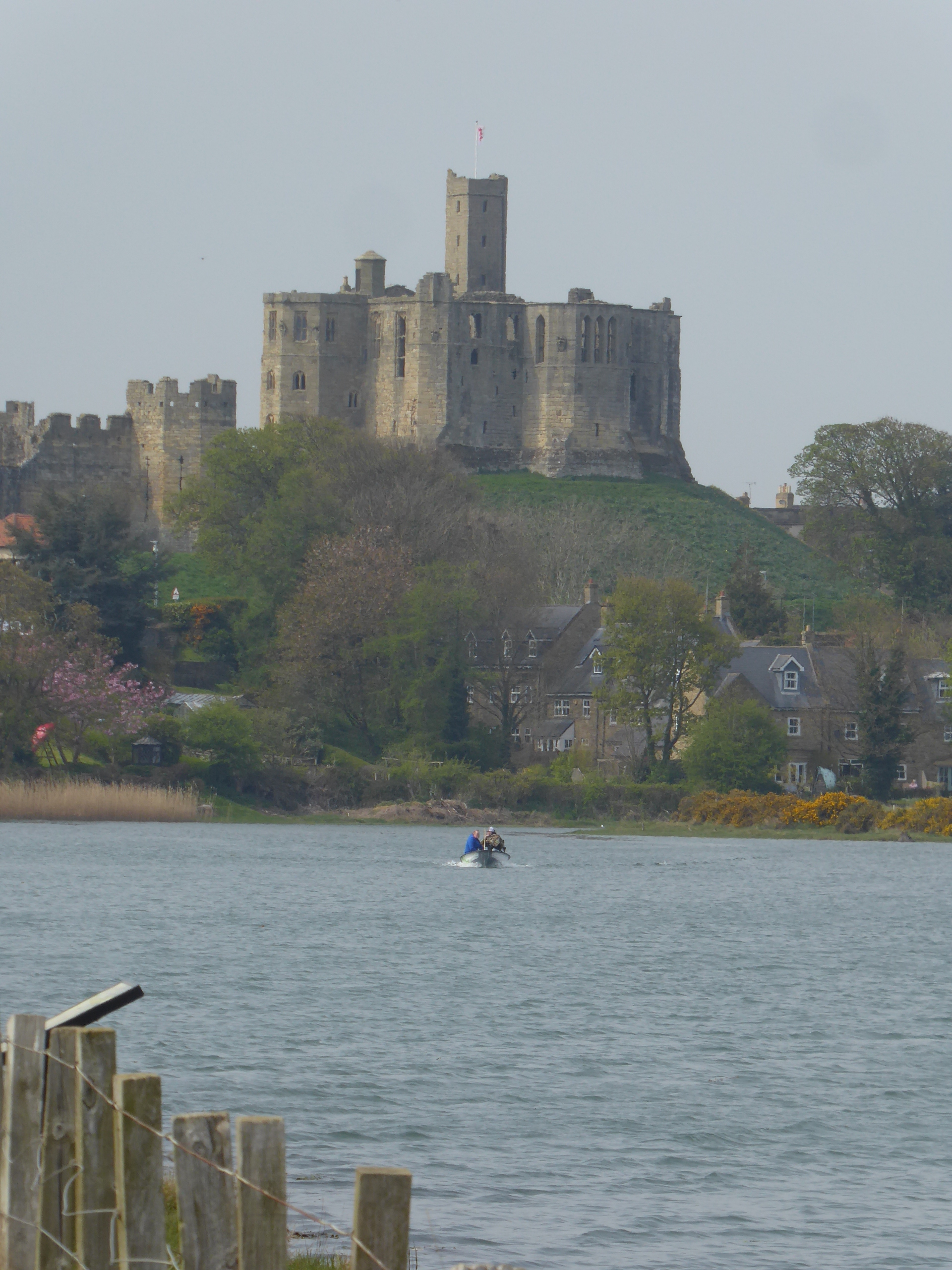
I had decided that I would have a little ride and return to Ashington railway station; the barrier of the River Wansbeck made a ride south look unattractive, so I decided on a little ride north – just a few miles and then turn round. Only the wind was at my back, the weather was so pleasant and the road so quiet that I just kept pedalling, past Druridge Bay, past Amble, past Warkworth Castle . . . until I ended up at Alnmouth once again. I haven’t been there for over twenty years – and now I’ve been there twice in two days.