I hadn’t been to Alnmouth for years and noticed that is only 25 minutes from Newcastle . . .
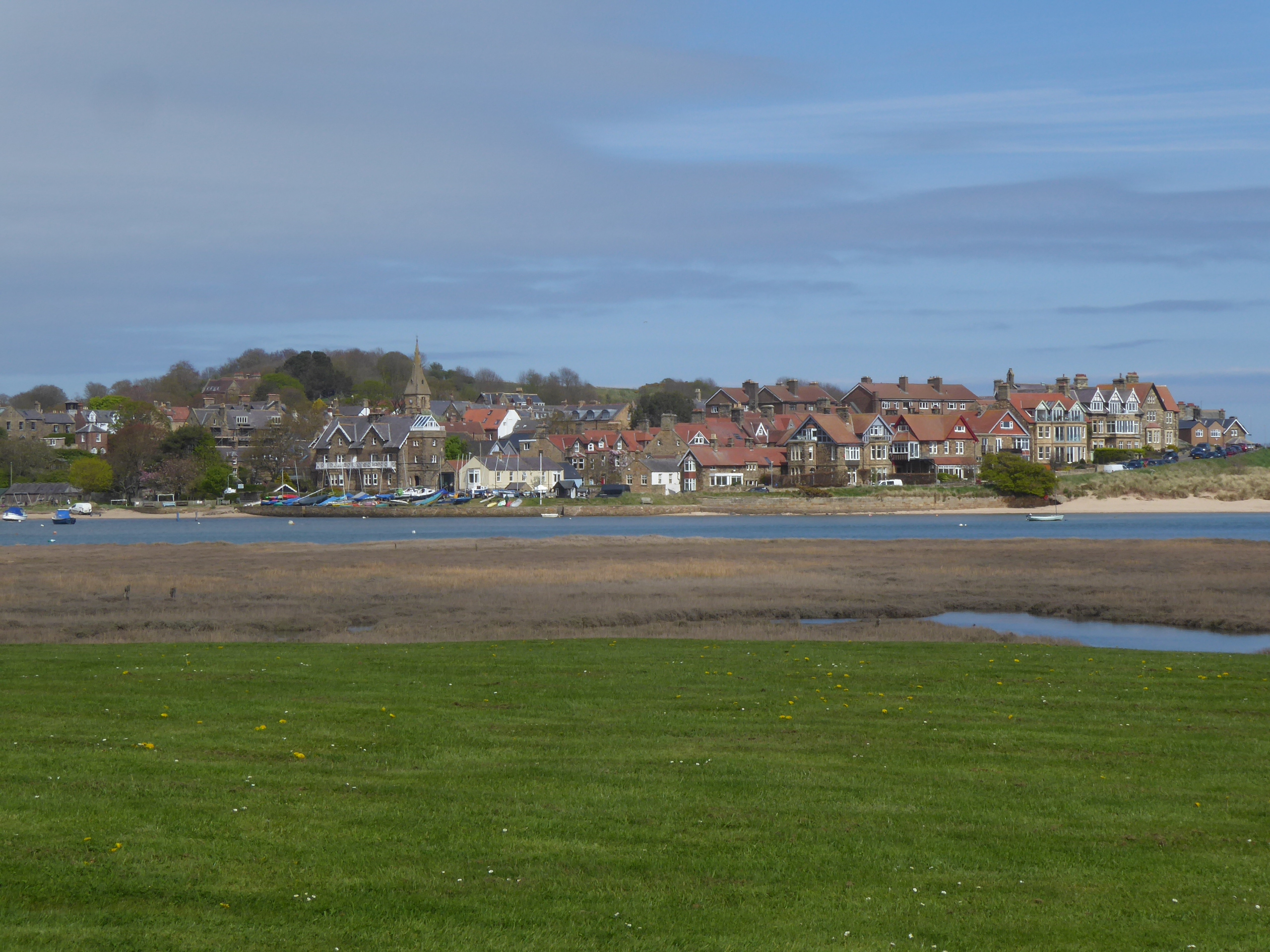
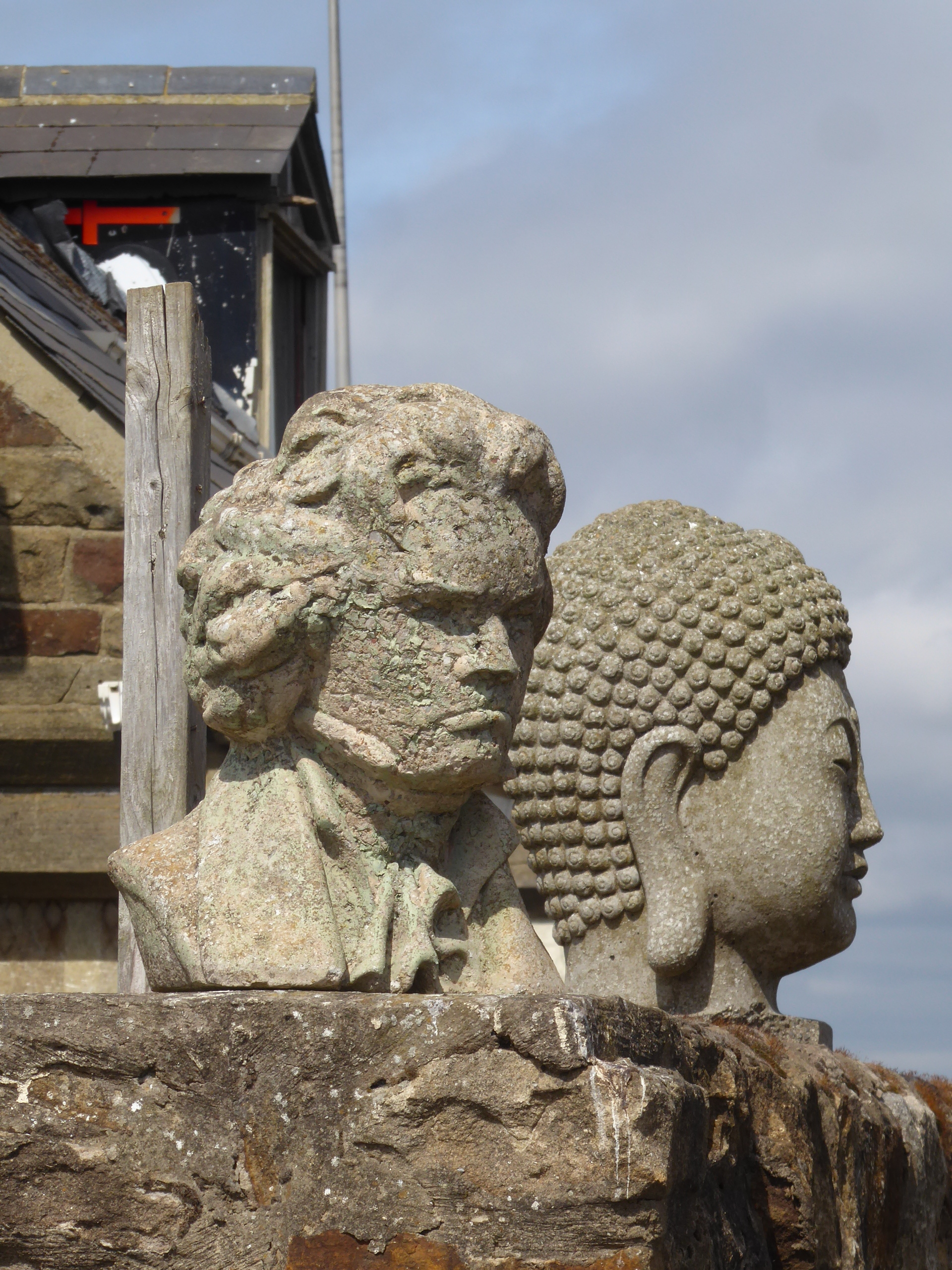

I hadn’t been to Alnmouth for years and noticed that is only 25 minutes from Newcastle . . .
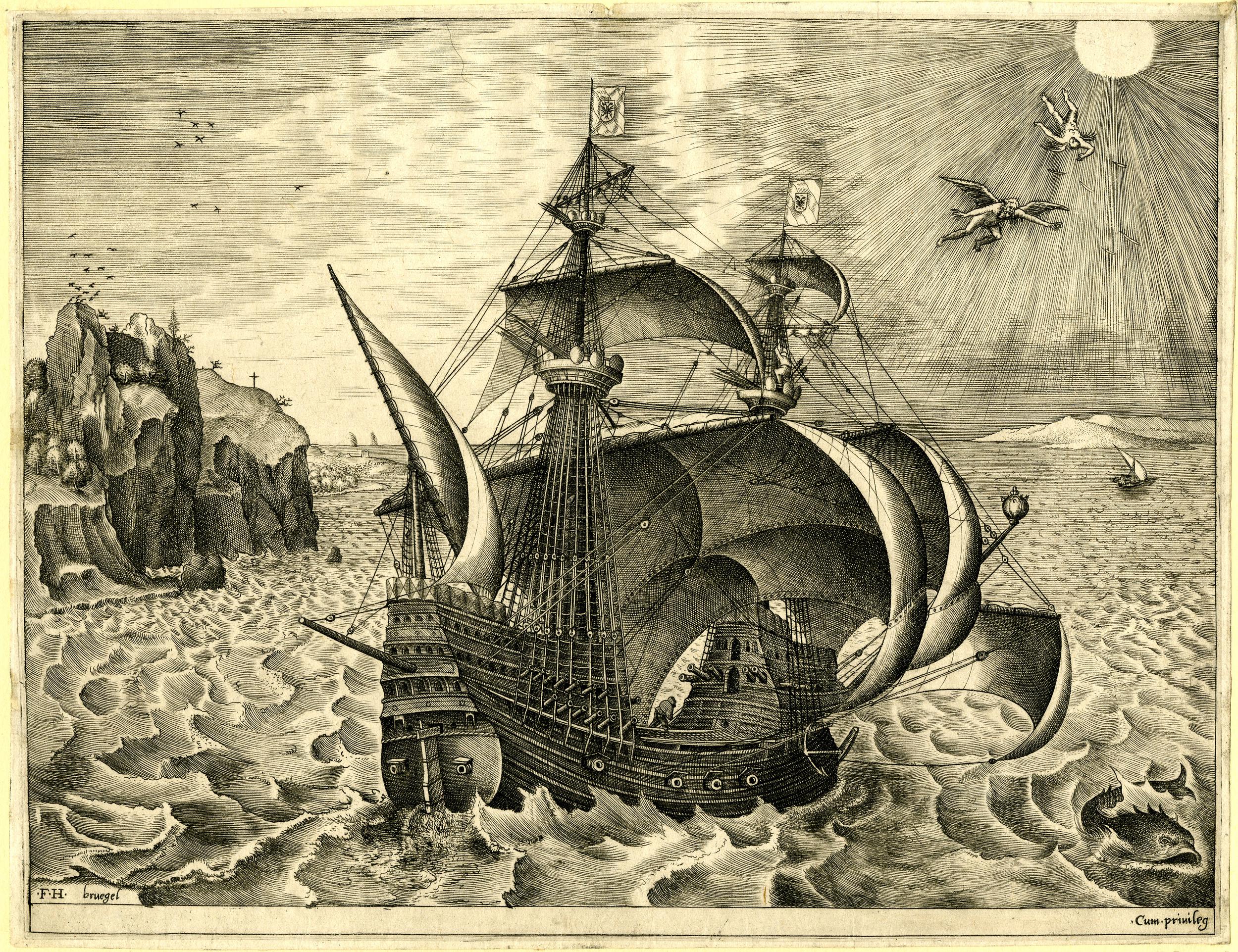
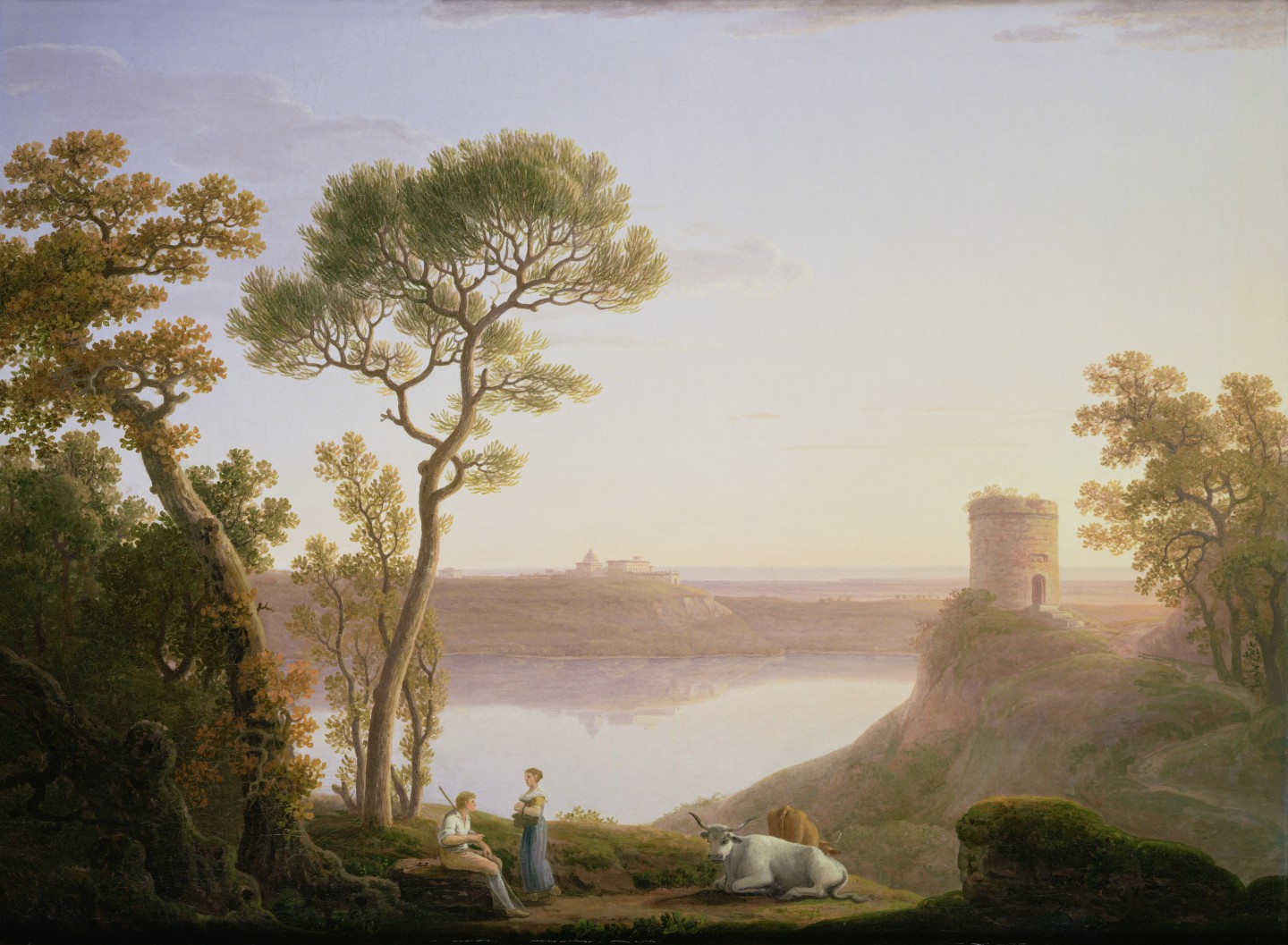
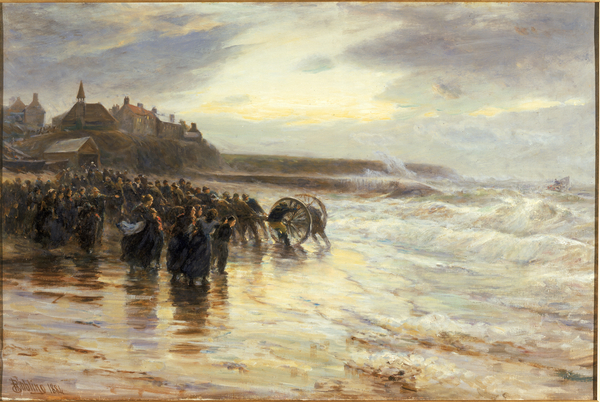
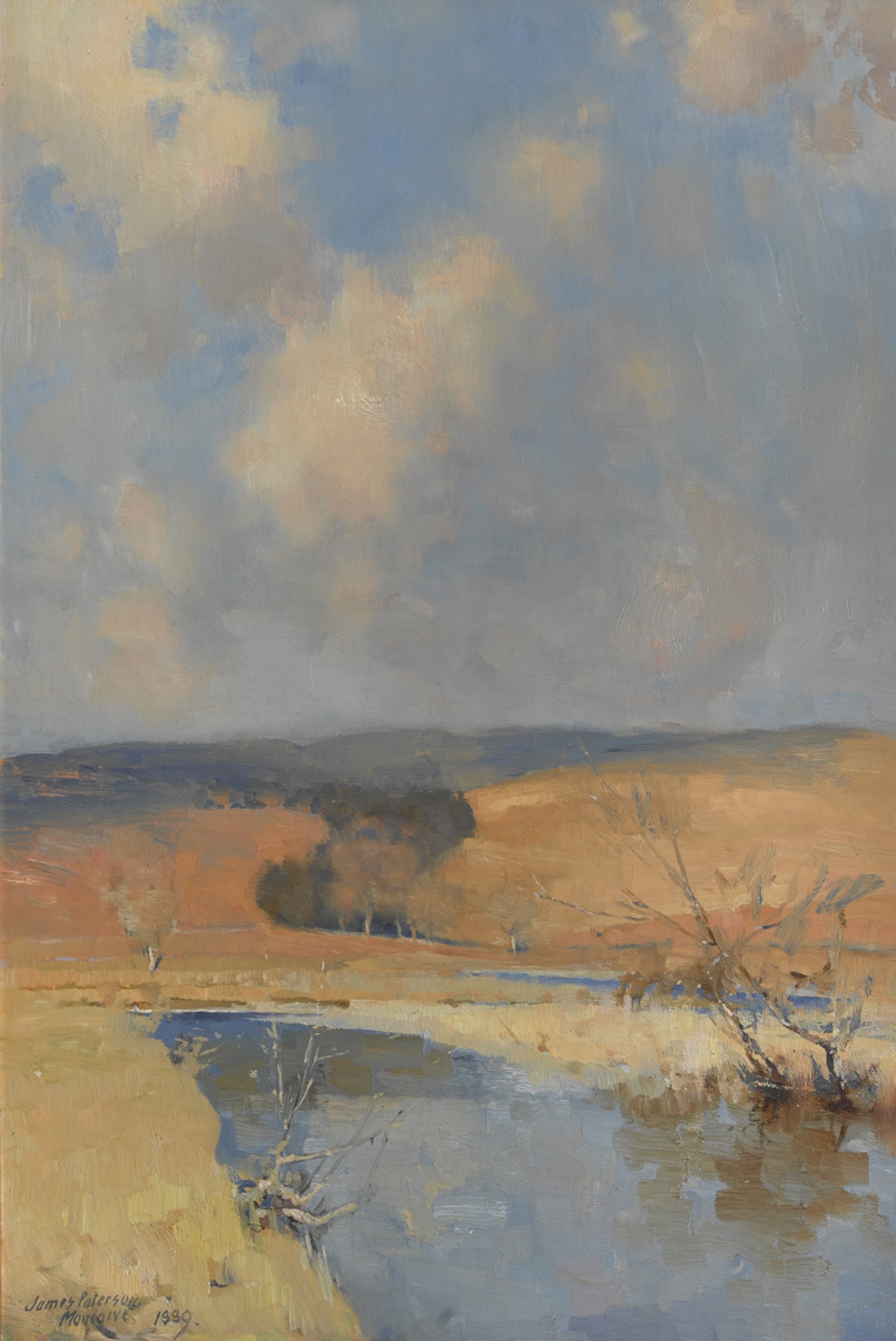
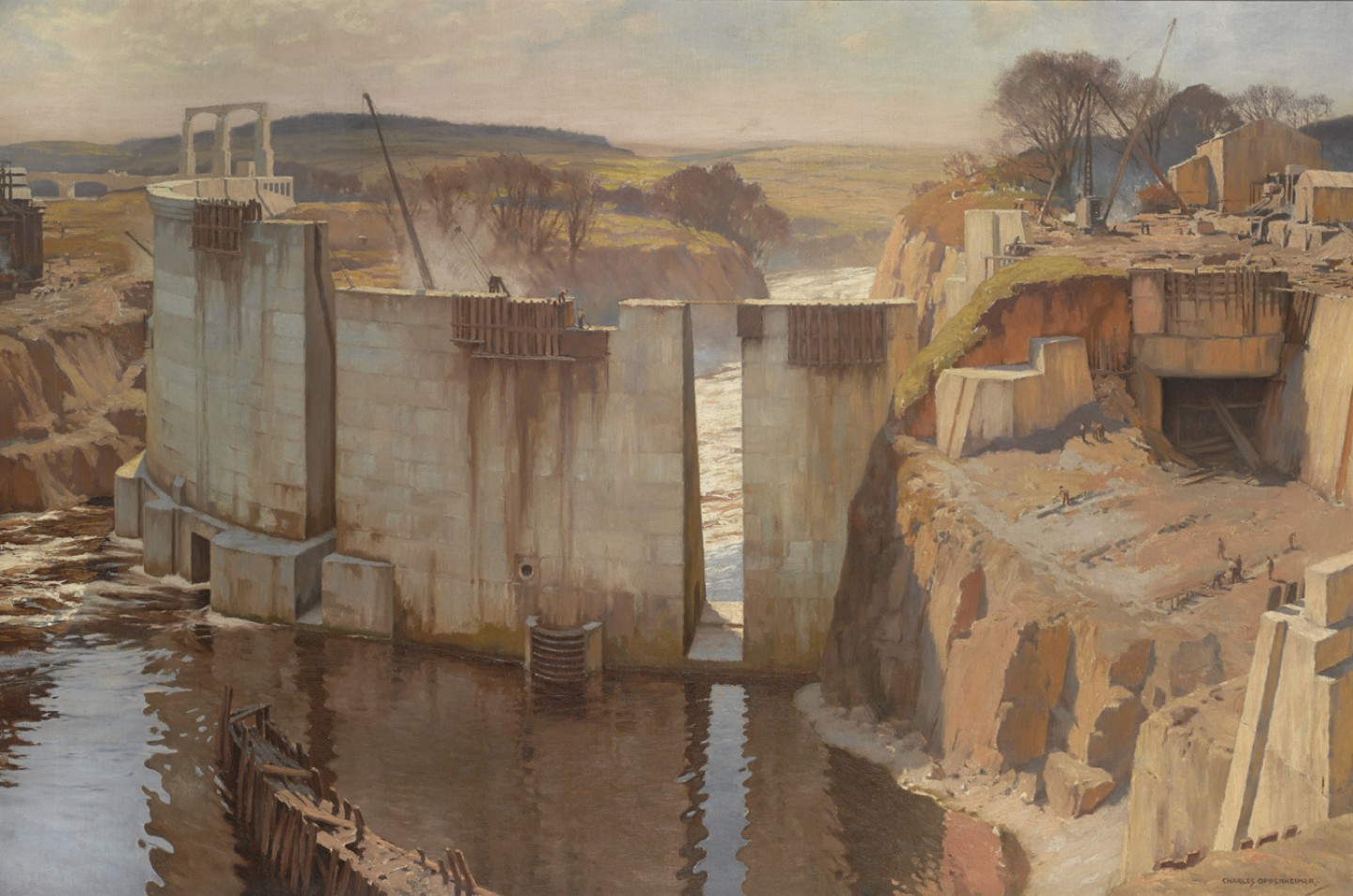
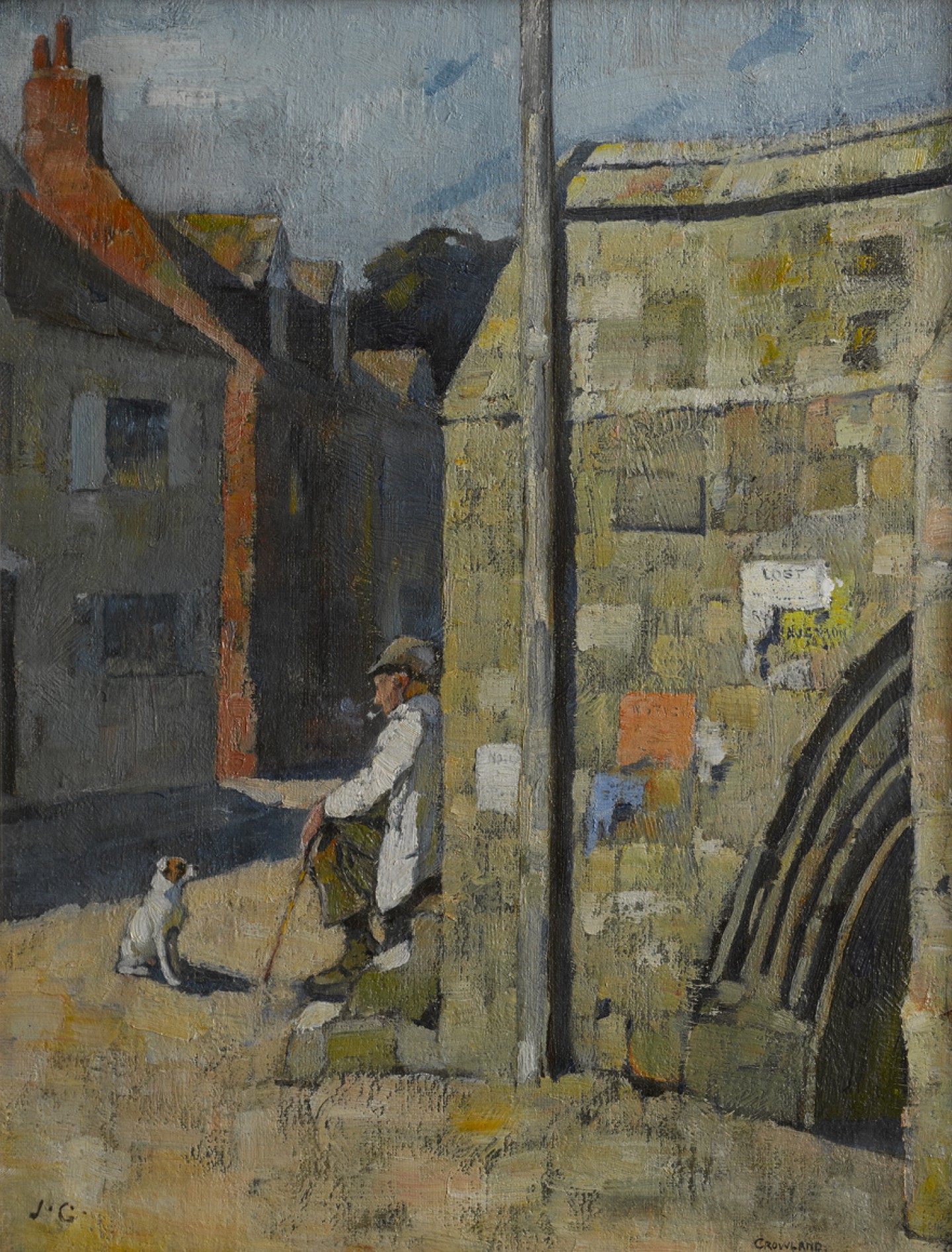
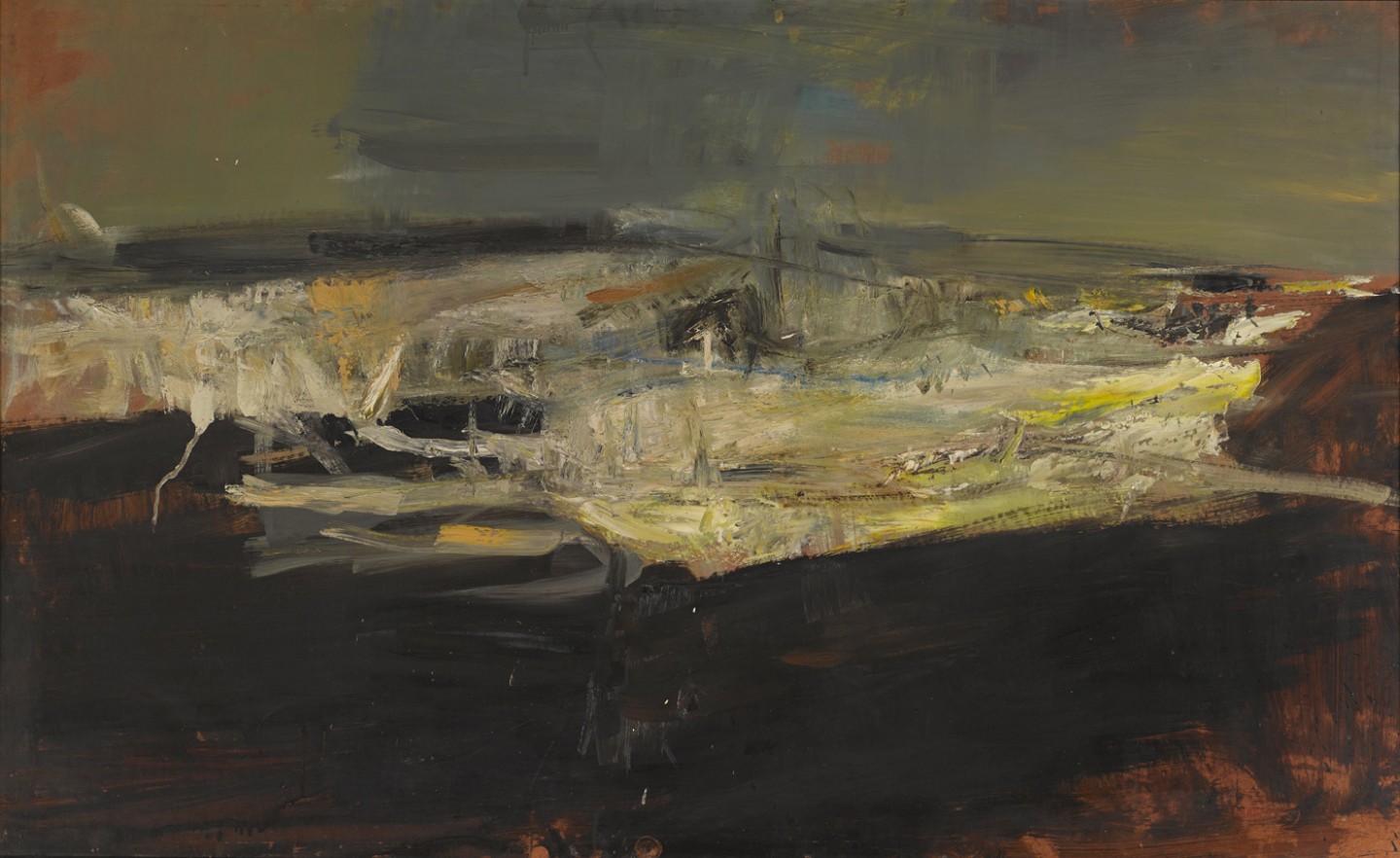
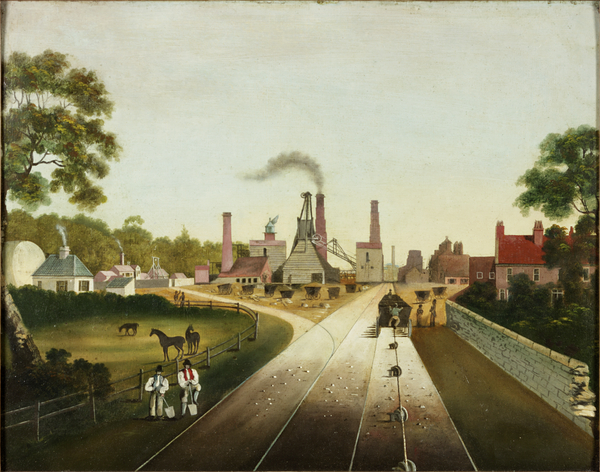
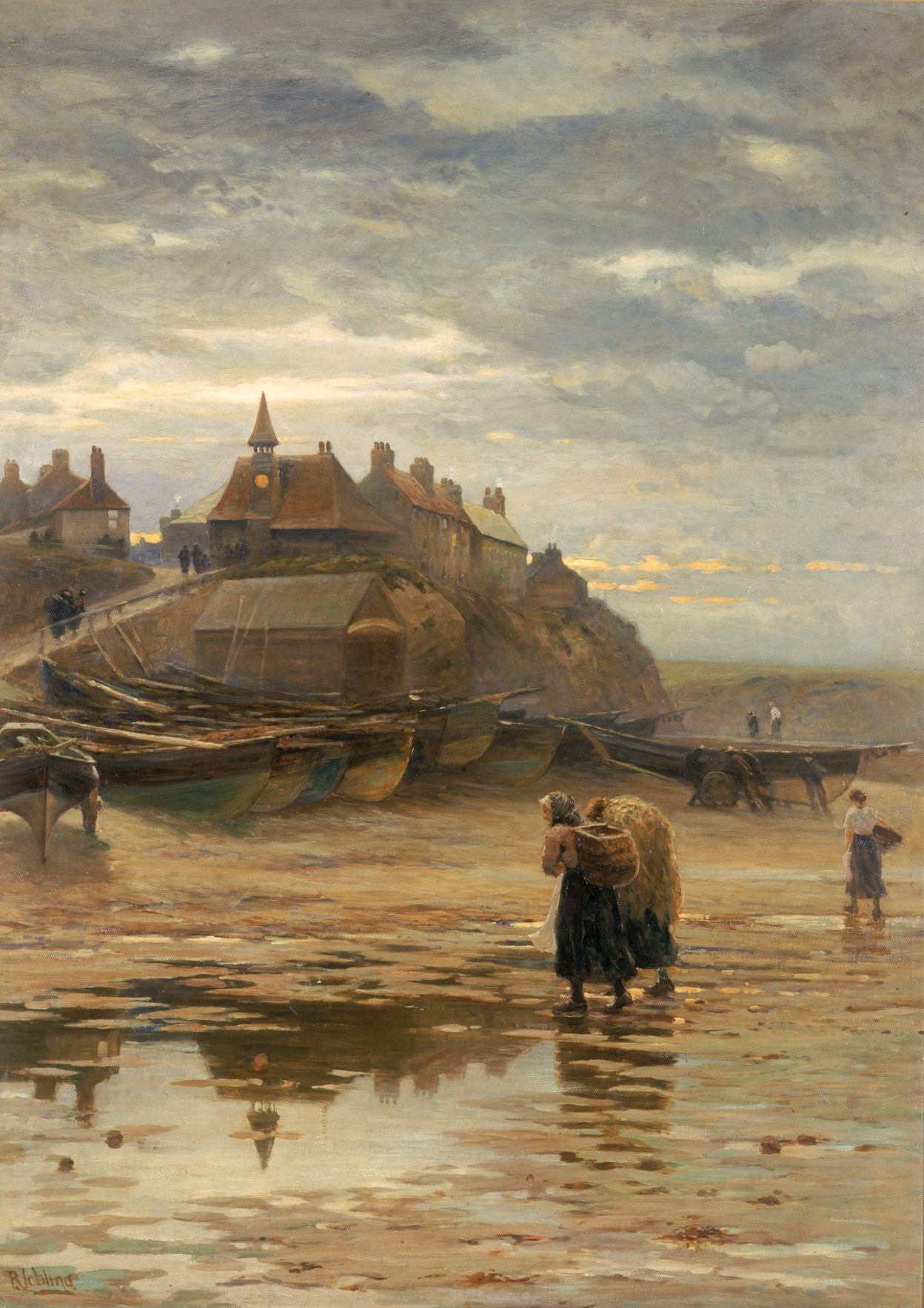
Perhaps not the most exciting exhibition – over 200 years of landscape painting in the north of England and Scotland – but it gave me the chance to see more of the Fleming Collection (which I’d been introduced to at Abbot Hall). It begins with romantic landscapes – just oozing “sublime” – and then moves to less dramatic scenes. “Real” people begin to appear; there is an awareness of the changes in the landscape as the north industrialises or forces/draws people away from the land.
My steal was Ferguson’s “Winter Sunshine, Moniaive” – so simple and so lovely (Moniaive again) – and there was plenty in the exhibition to keep me thinking and comparing.
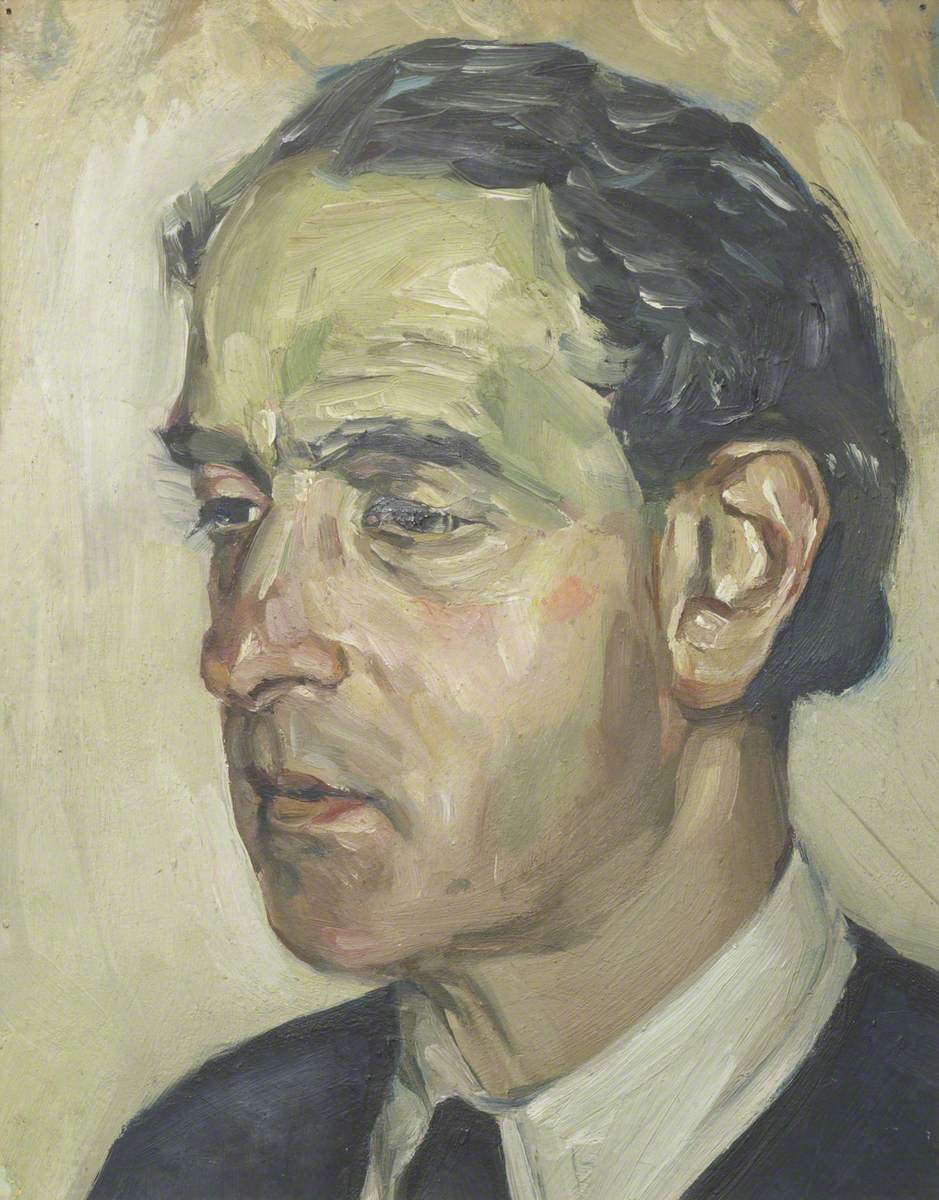
I hadn’t been to Abbot Hall for a while: time to go. There’s an exhibitions of portraits where I enjoyed looking at the way different artists used brushstrokes to represent flesh; there was almost something “paint by numbers”ish about Lucien Freud. I notice that they’re all rather beige.
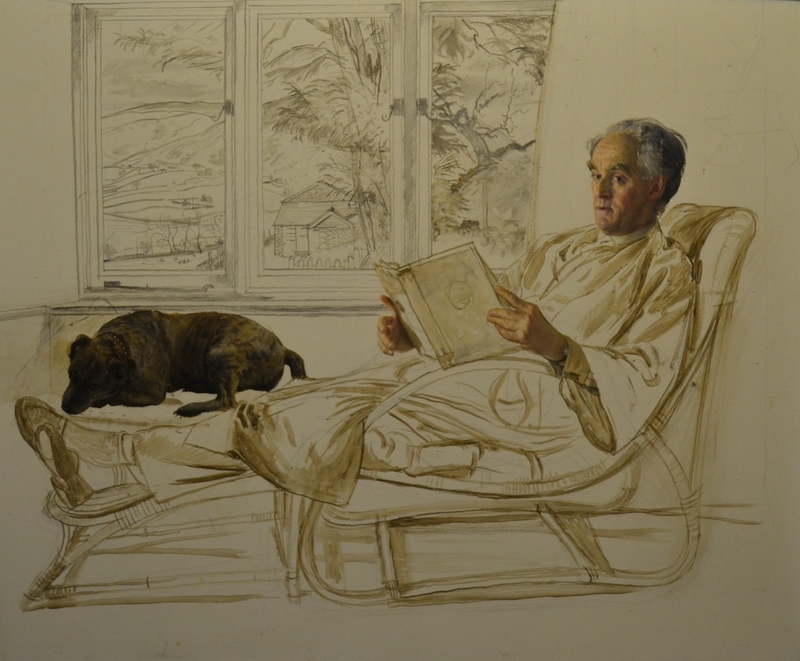
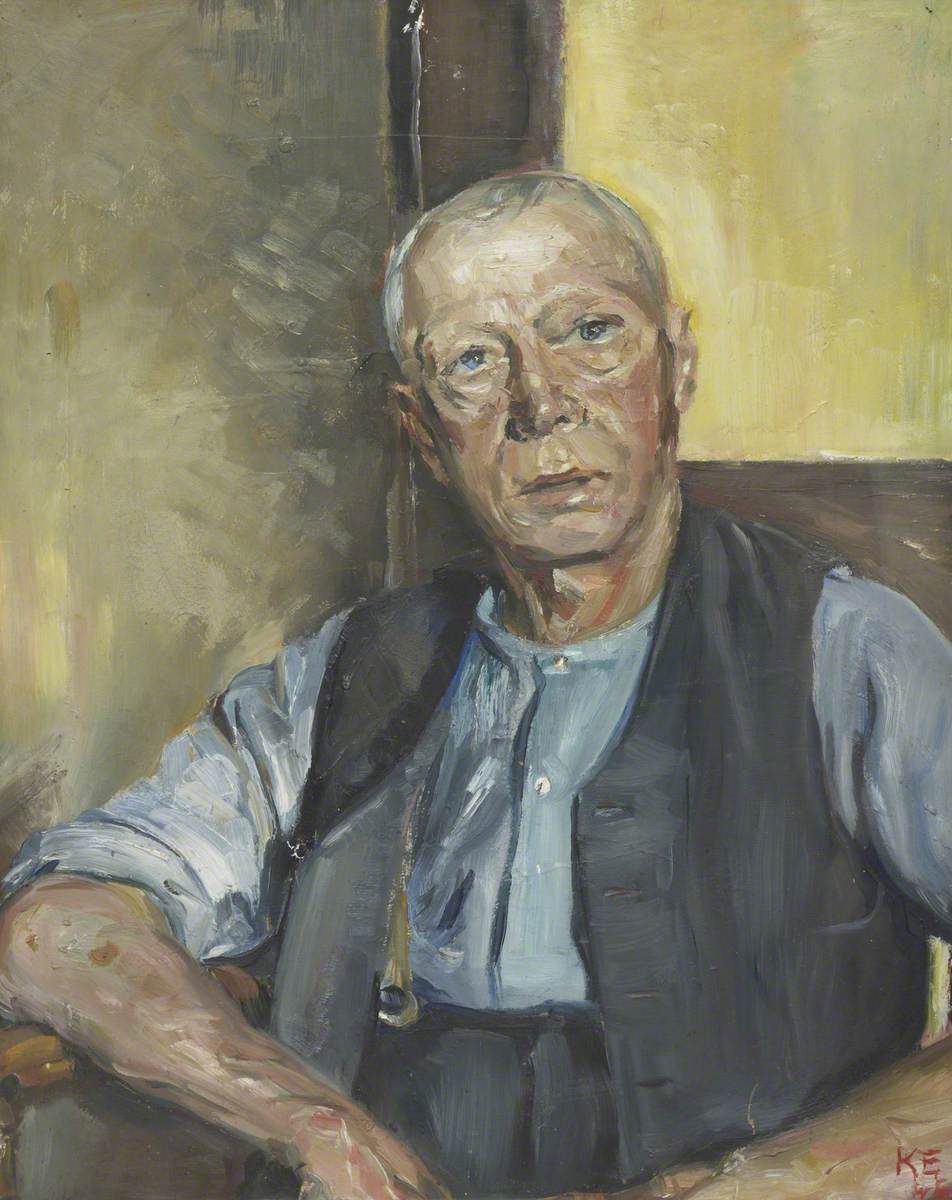
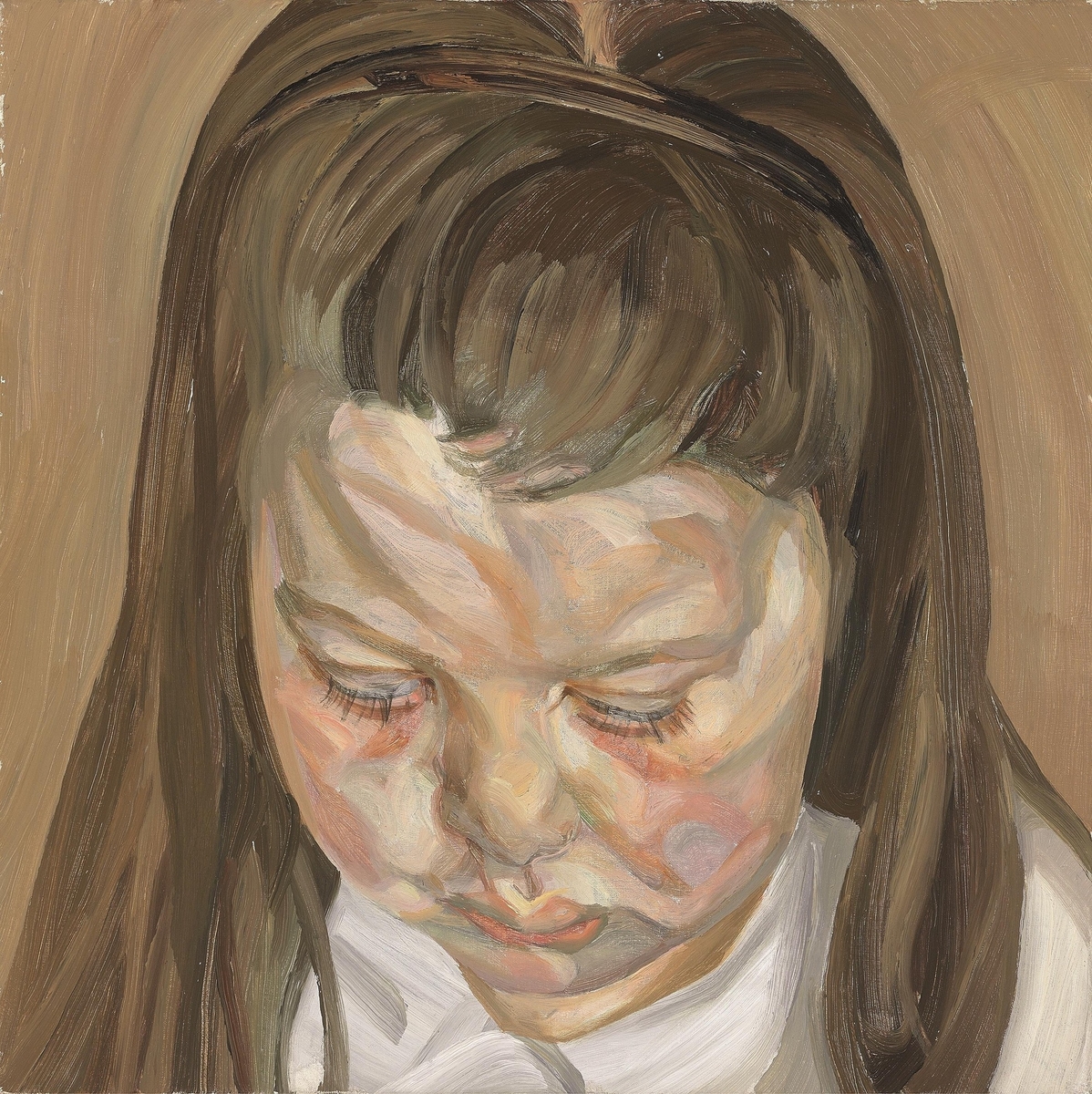
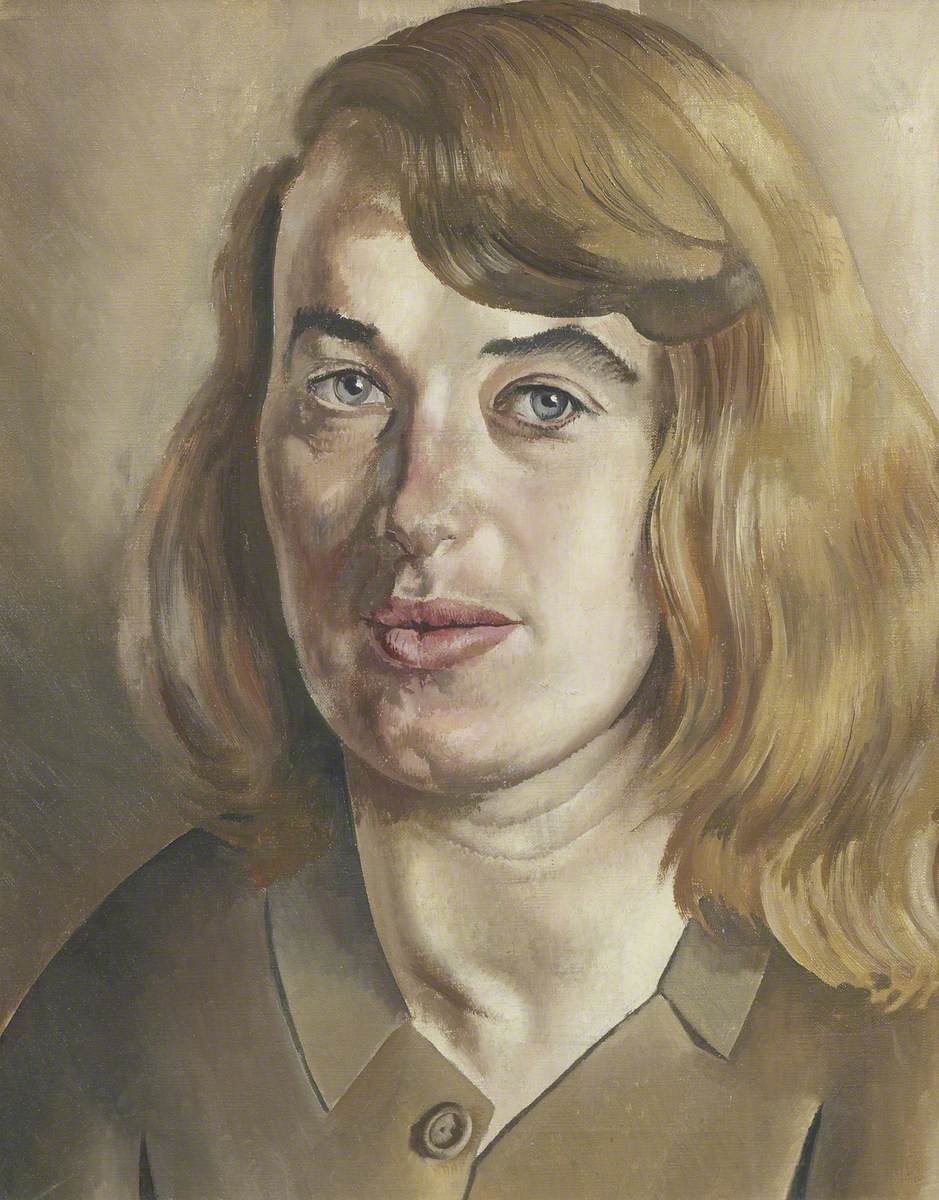
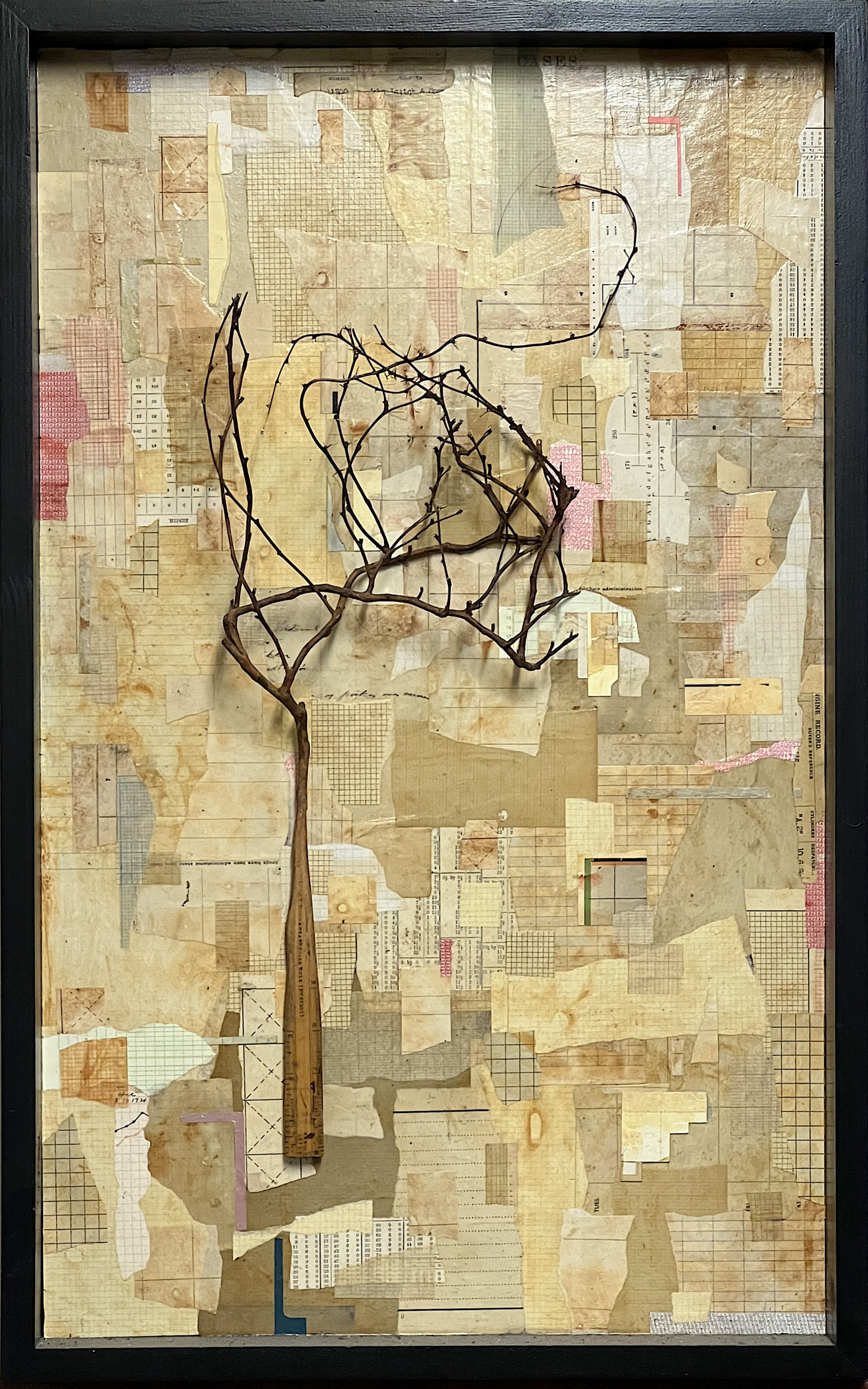
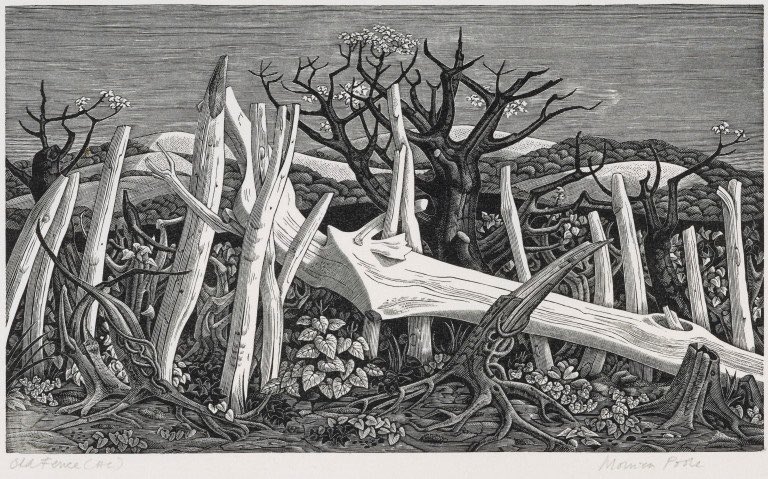
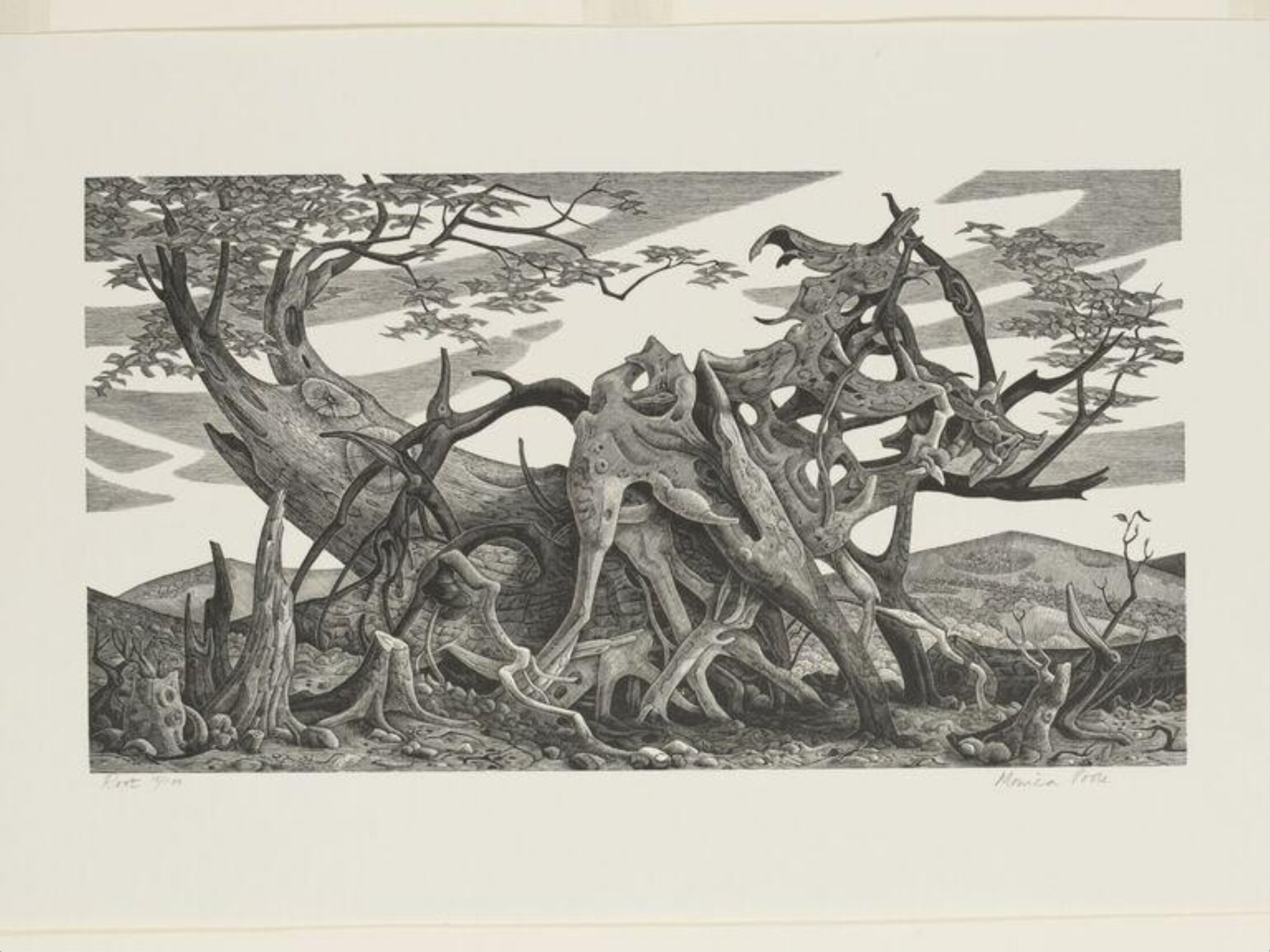
A room of botanical/garden studies (I particularly liked Russell Mills’s collage) and then a history of the Abbot Hall collection from its opening in 1962. There were lots of surprises: a Ferdnand Léger lithograph of “Les Amoureux”, woodcuts by Monica Poole and a watercolour, “Greek Landscape’ by John Craxton,
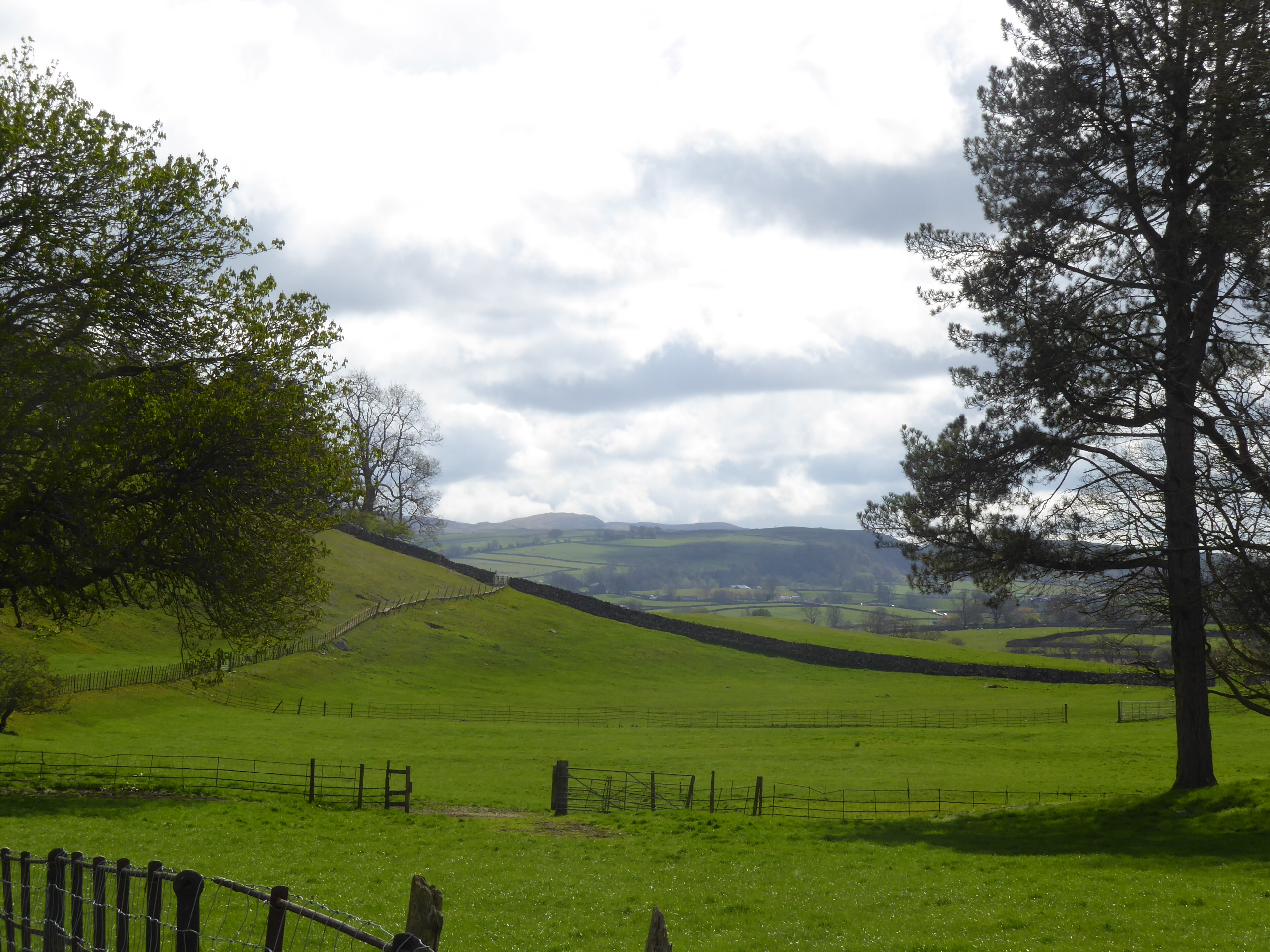
A walk from one railway station to another, via Austwick, Feizor and Settle. Although I’ve walked this way before, it’s been a while and I’d forgotten how different the landscape and paths are here.
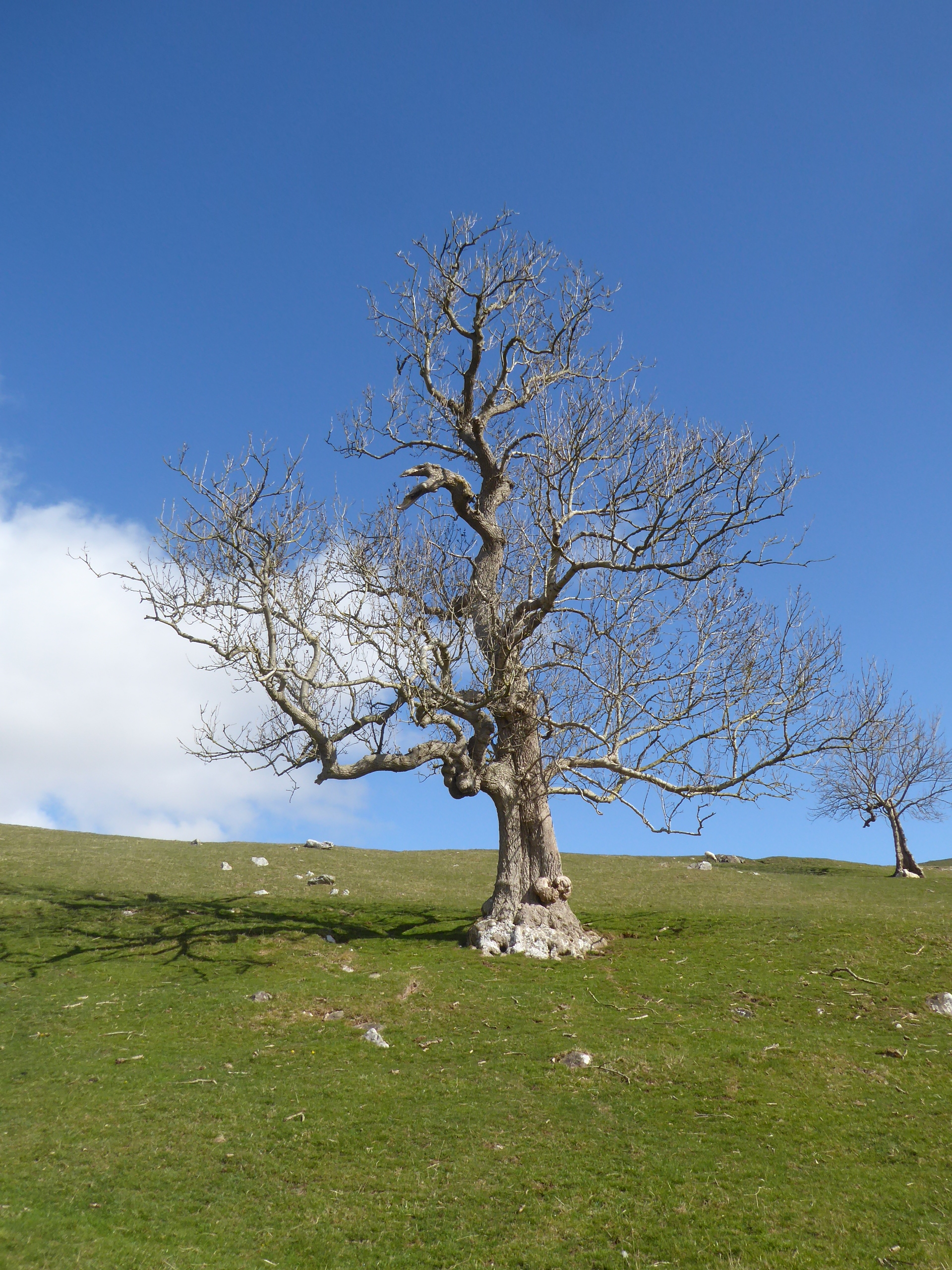
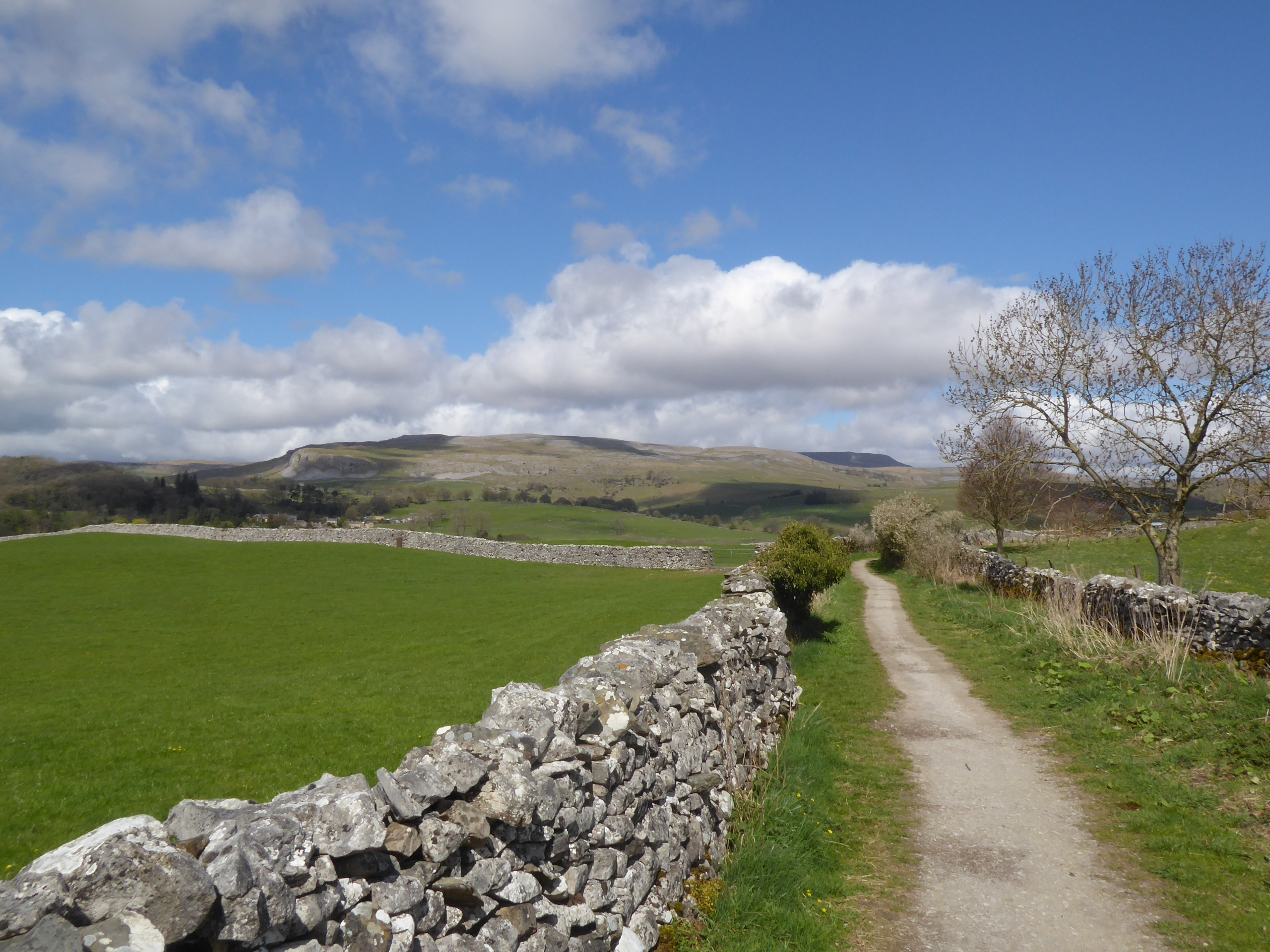
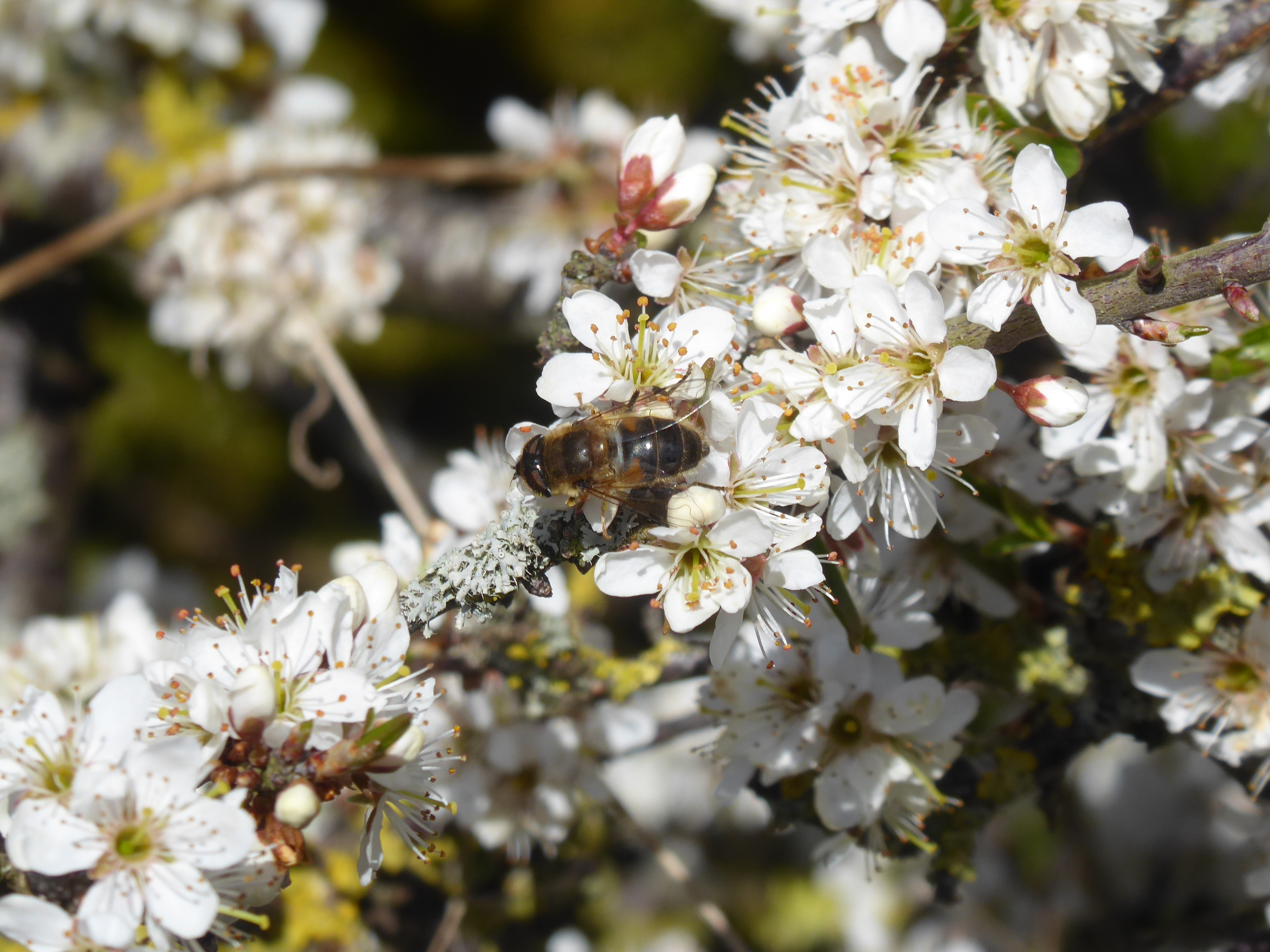
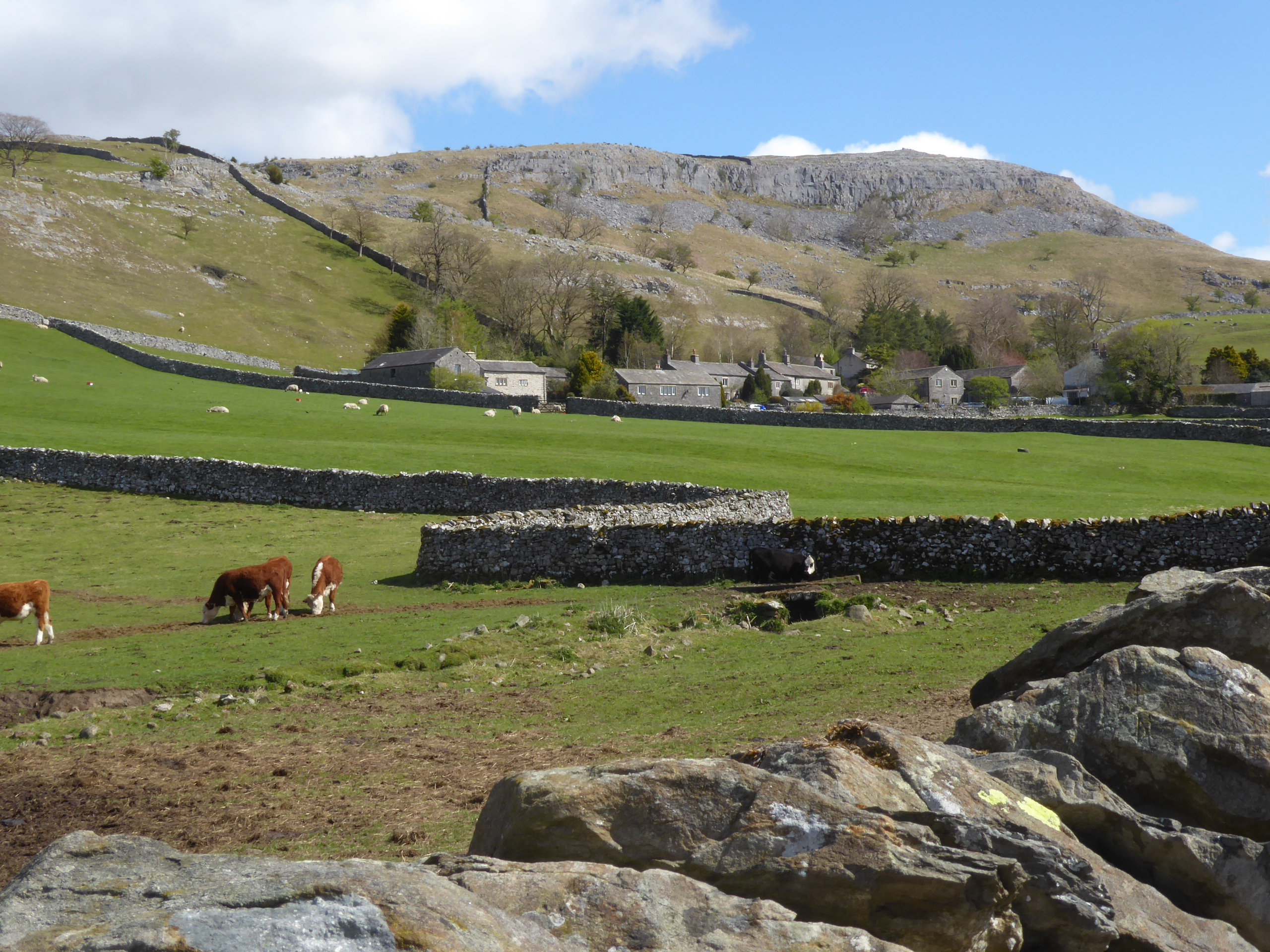
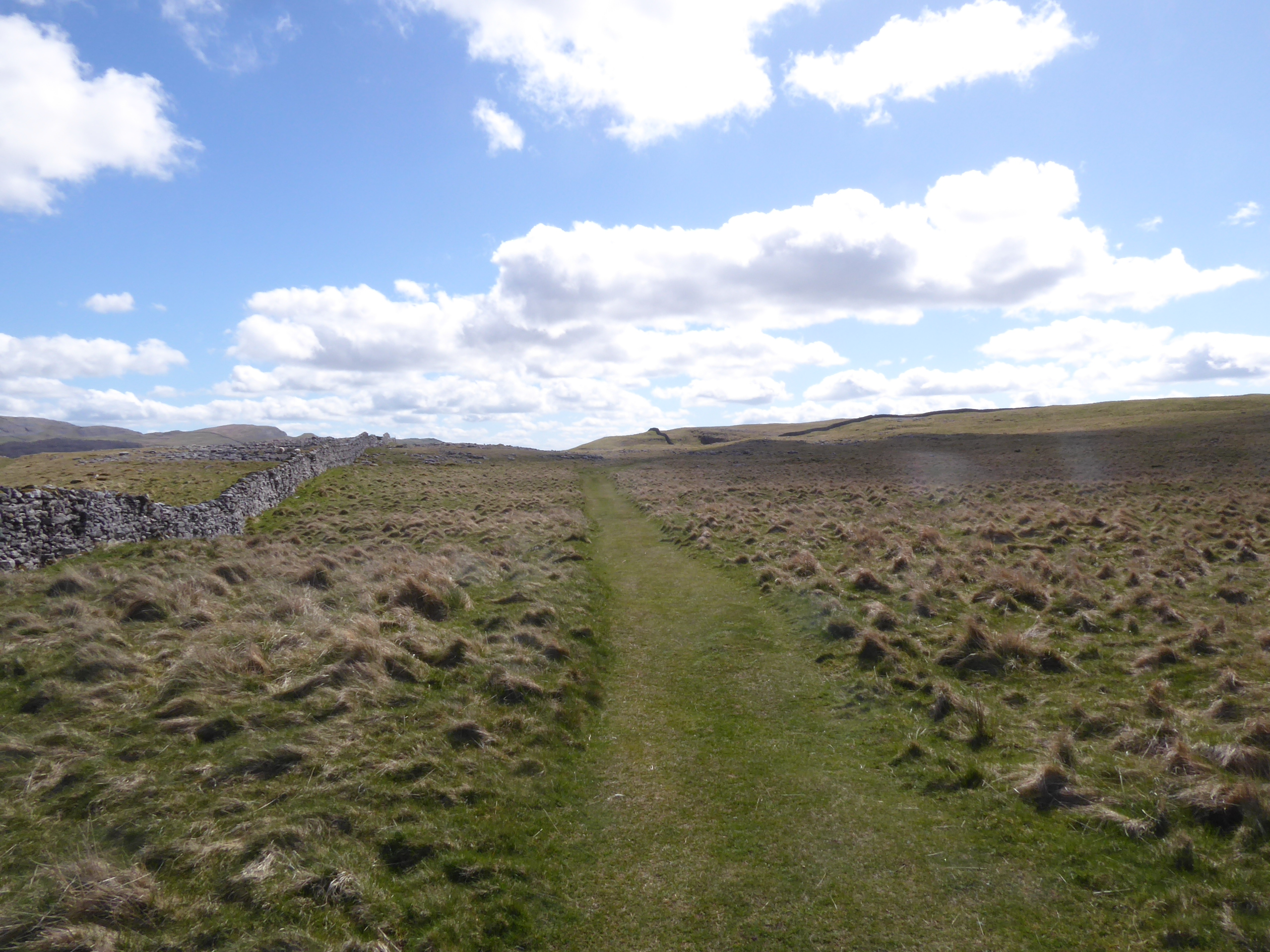
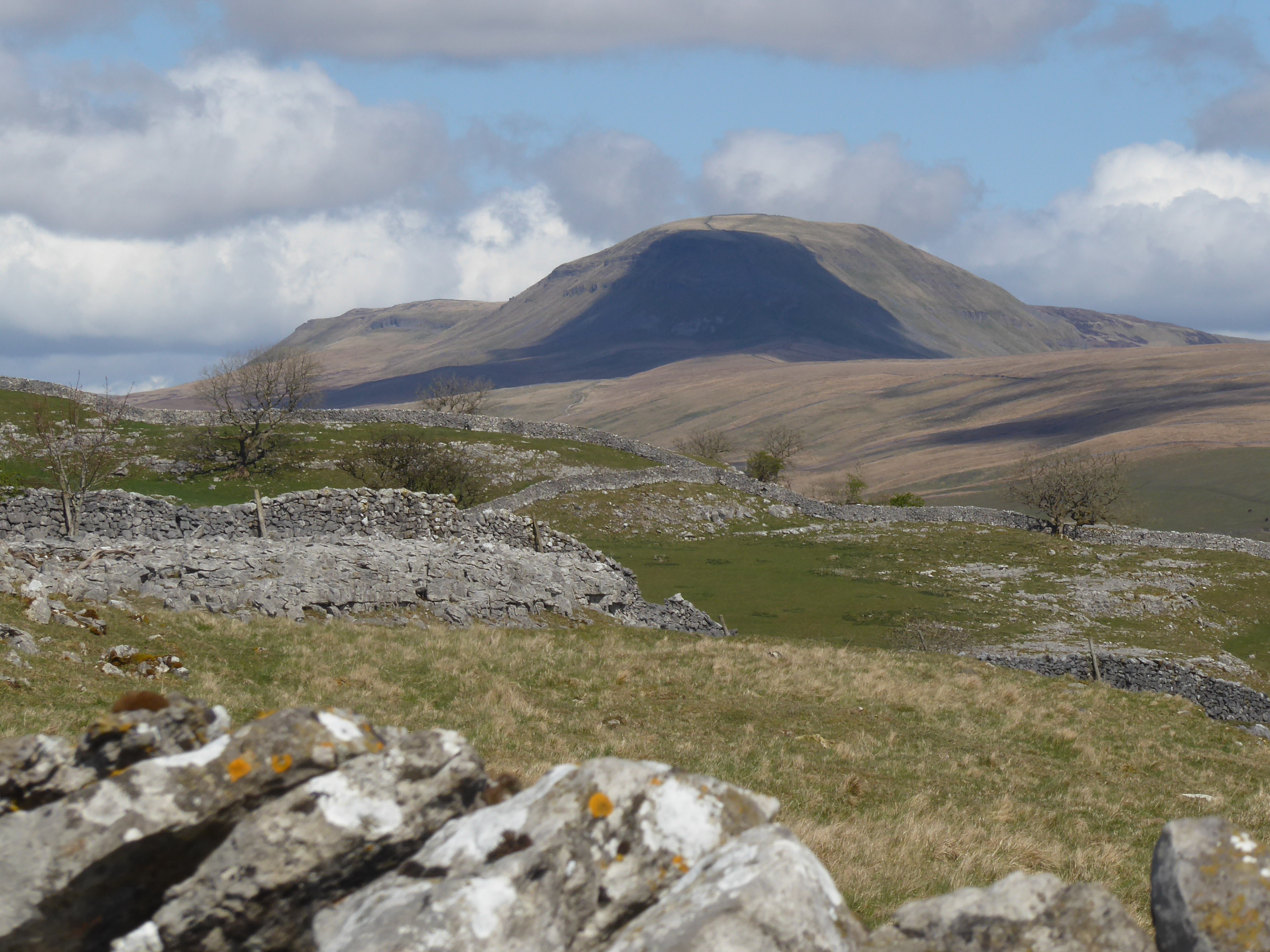
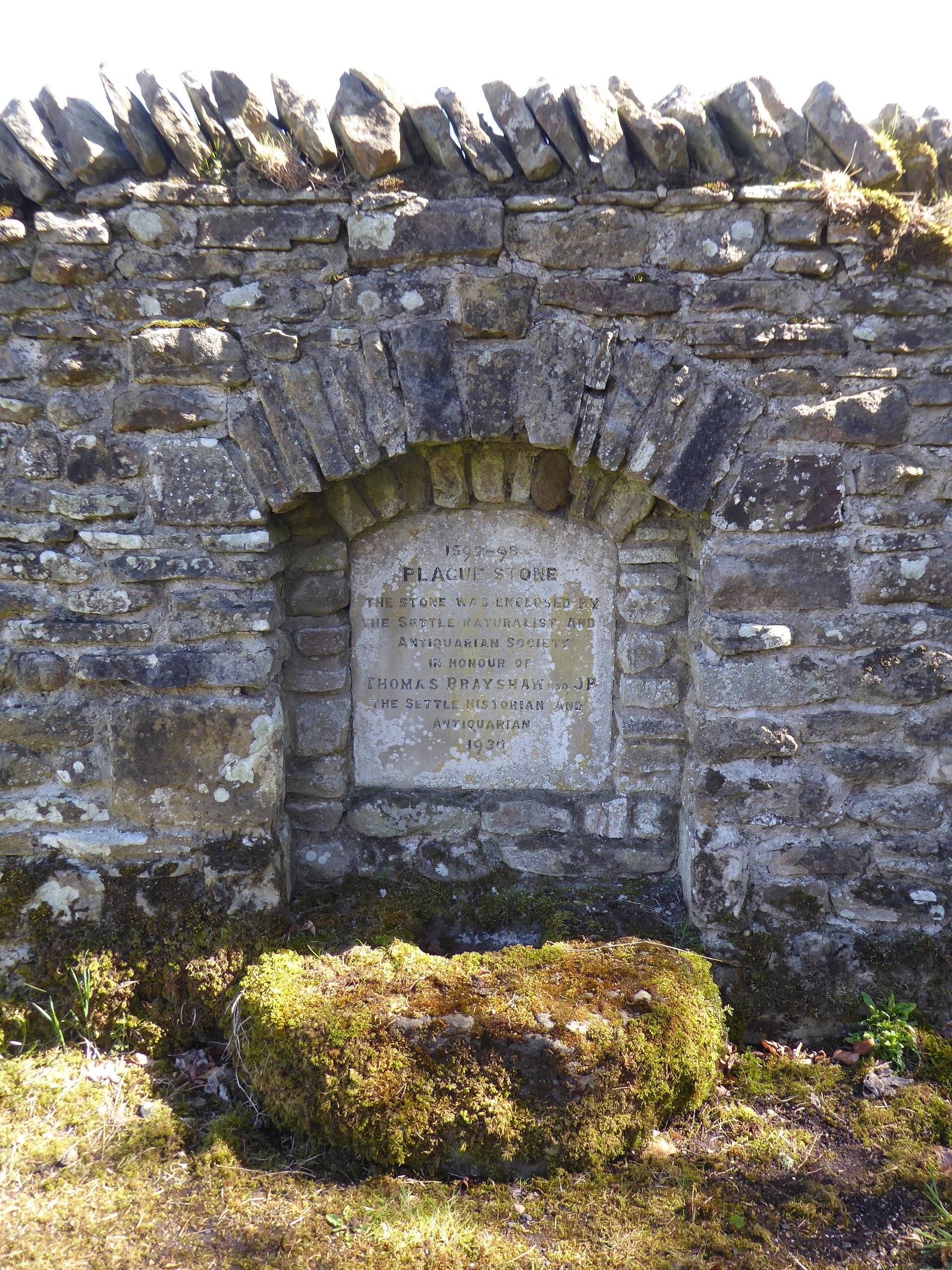
I’d also forgotten what a plague stone was: so, once again – a stone at a parish boundary with a hollow to be filled with vinegar or water, which, it was hoped, would disinfect the coins used to pay for essential goods.
Director Karan Kandhari with Radhika Apte
Rather like The Enigma of Kaspar Hauser, this was a film about someone pitchforked into a totally alien environment – here, an arranged marriage and life in Mumbai. The similarity ended there. This was visually bold, energetic, macabre; it had memorable images, a wonderful soundtrack, an actress who dominated the screen. . . but, withal, I thought it was disjointed, even though it began and ended with train journeys. Superficial, lacking coherence and running out of steam long before the end.
Director Werner Herzog with Bruno S
The German title is Jeder für sich und Gott gegen alle, which sets up different expectations. It’s a better title, since this film is to the mystery of the real Kaspar Hauser as the fable of the town mouse and the country mouse is to murine studies. I was in two minds about bothering to watch it, but from the first I was hooked. A scratchy gramophone recording of Dies Bildnis ist bezaubernd schön, Pachelbel’s Canon, fields of swaying cereal, mountains, lakes and quiet German squares: it appealed to all my feelings about Germany. It was indeed bezaubernd schön.
Kaspar has been kept chained in a cellar all his life – barely speaking, unable to walk, existing on bread and water. It should be a horror story – and in real life it would be, of course, but that is not Herzog’s interest. Kaspar is not unhappy with his lot; he has what he needs and is troubled by nothing. One night his captor takes him outside and abandons him in a town square, leaving him to the mercies of the townsfolk. Thus innocent, ignorant Kaspar is reborn – this time into a society with its chains of ideas and conventions. Reactions to him range from kind to curious; there is no hostility, no beatings – just a painfully slow introduction to language and ordinary human life. The worst things that happens to him are that he is exhibited in a circus to pay for his keep and briefly becomes the protégé of an English aristocrat. Outwardly he adapts and learns, but he is never comfortable. As in Evil Does Not Exist, it’s the human world, not the human himself, which is the wrong fit. We see the bizarre world of human-determined categories through Kaspar’s eyes: I was ready to applaud when he bested a pompous professor of logic! Philip Larkin’s Days came to my mind:
. . . the priest and the doctor / In their long coats / Running over the fields
to see how this “noble savage” could confirm their own pet theories.
Goodness knows what Bruno S had suffered in his own life, but he was perfect in the role of Kaspar – even though he was far too old for the part and not an actor. His oddness and directness and his stilted language were just right: never at ease in this new world, where he was troubled by dreams that he never had in his cellar. Liberation brought him anxiety rather than freedom. Perhaps das Bildnis was not so schön and die Empfindung was not Liebe after all.
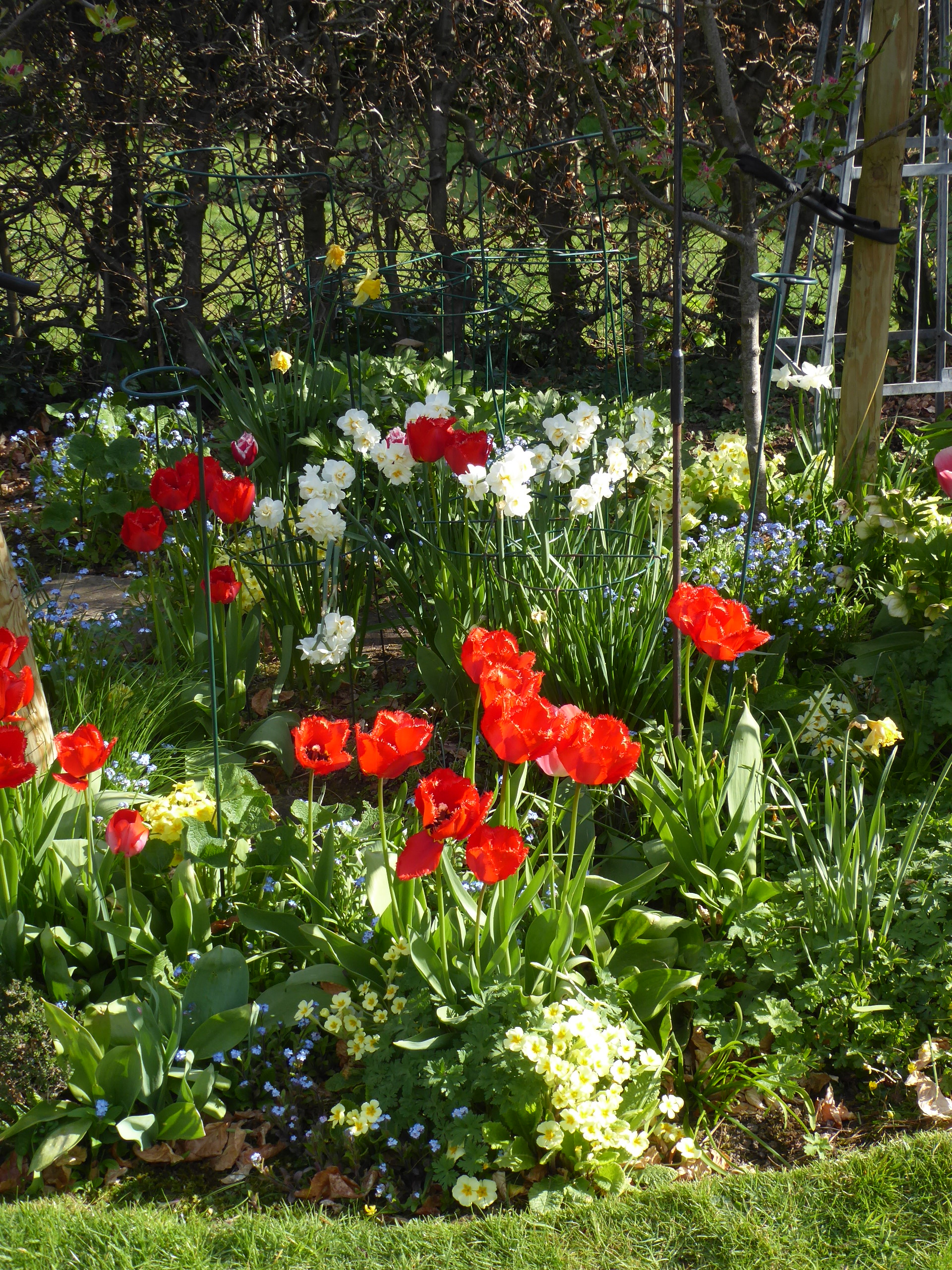
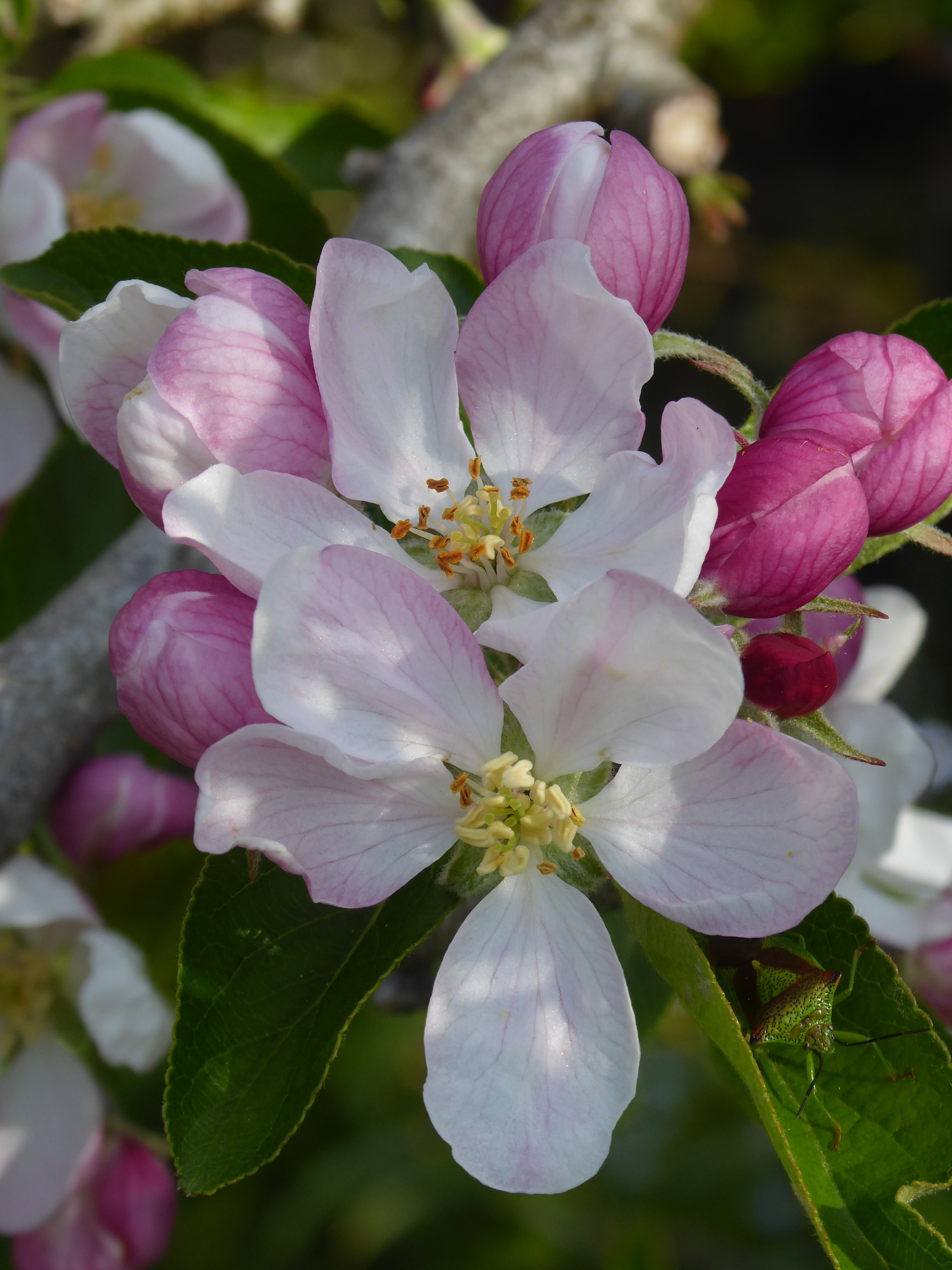
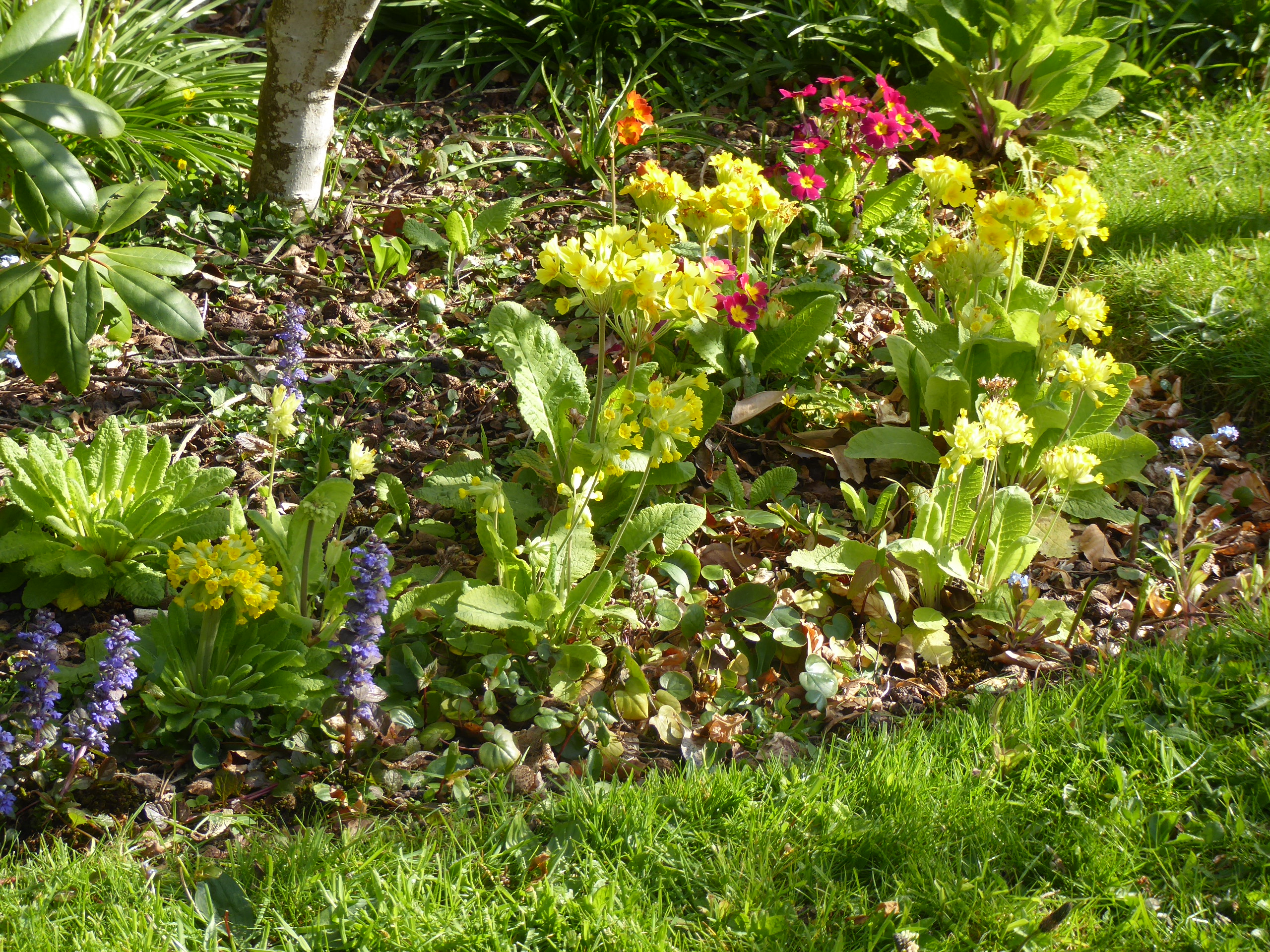
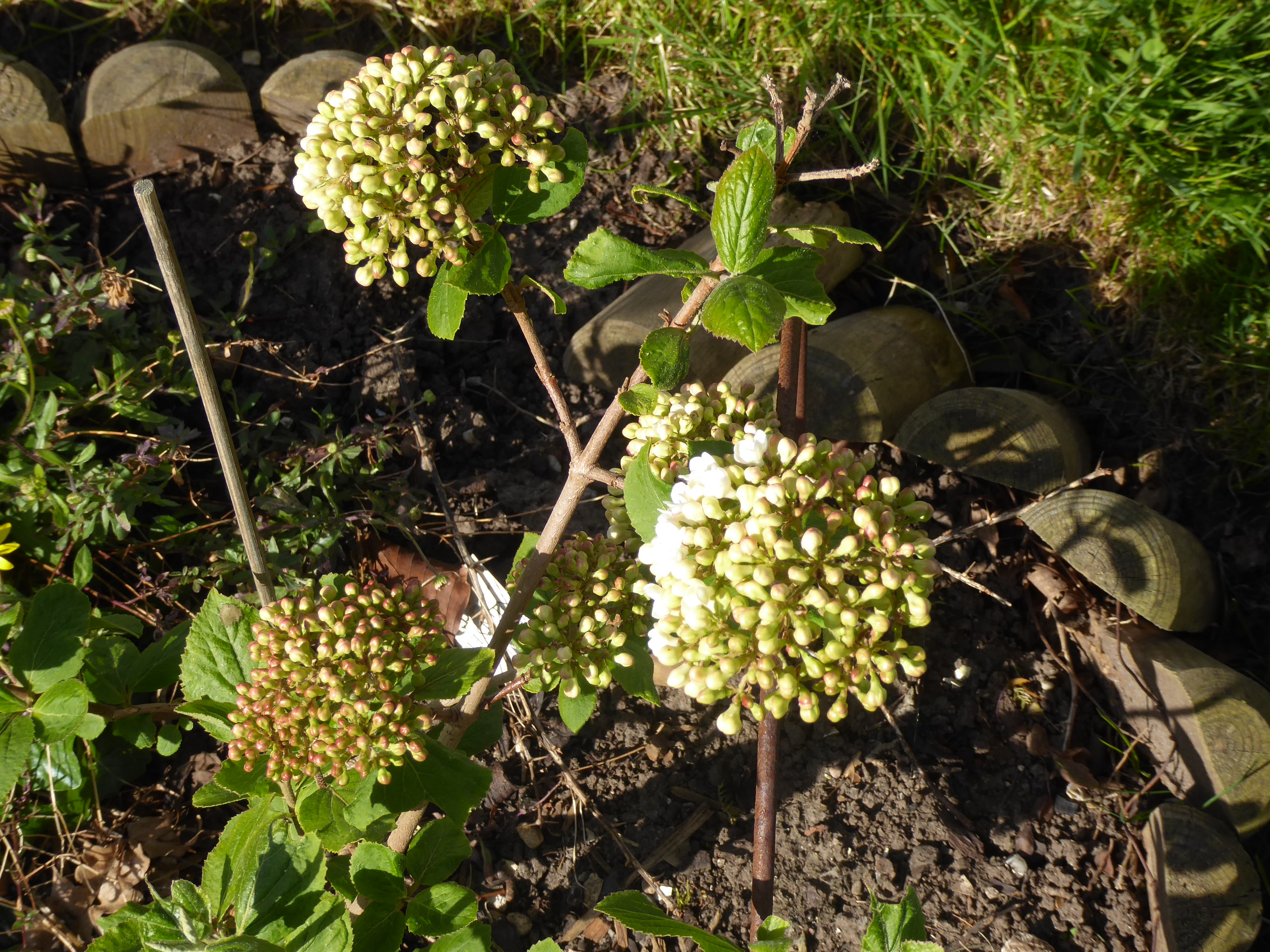
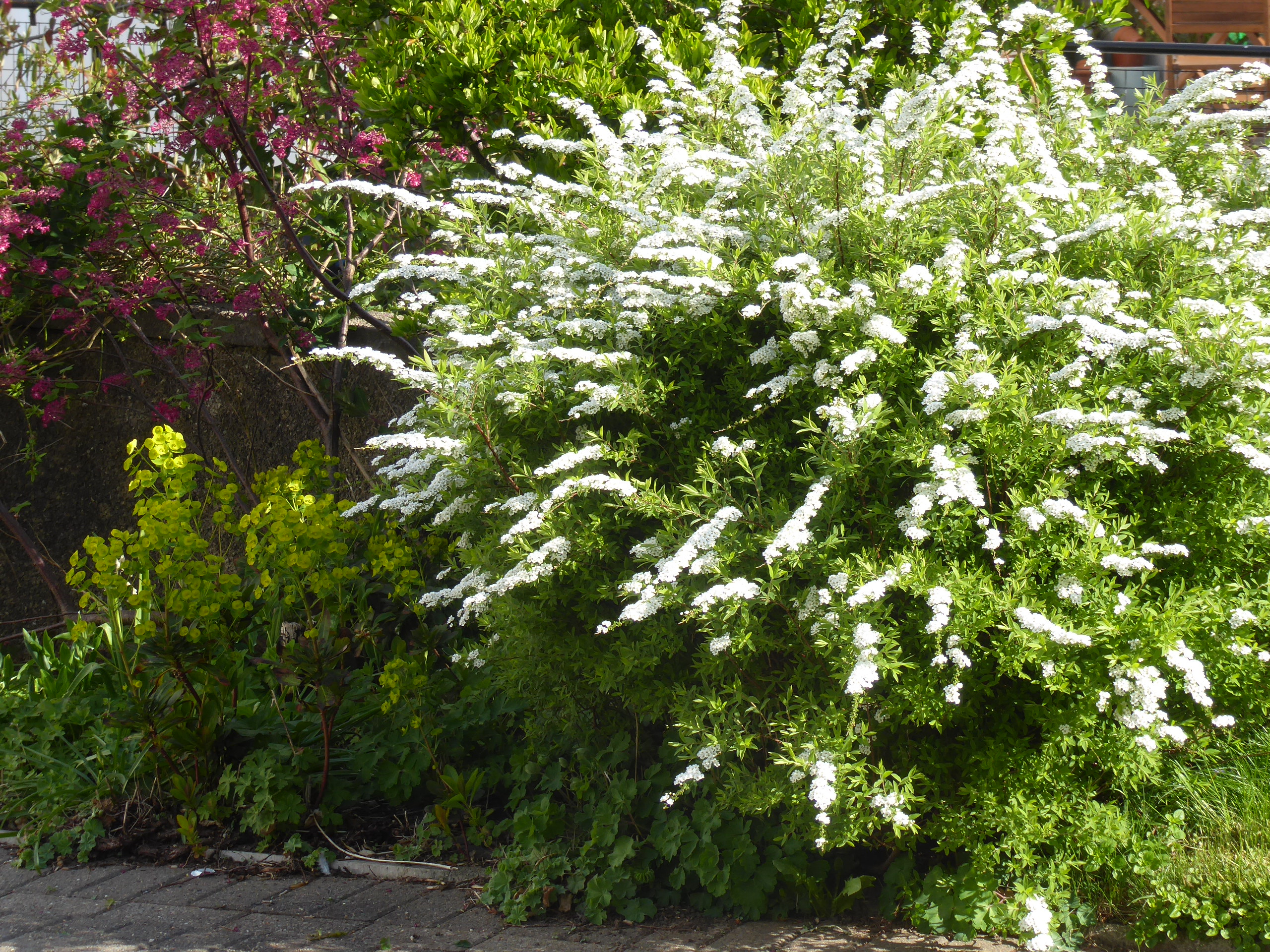
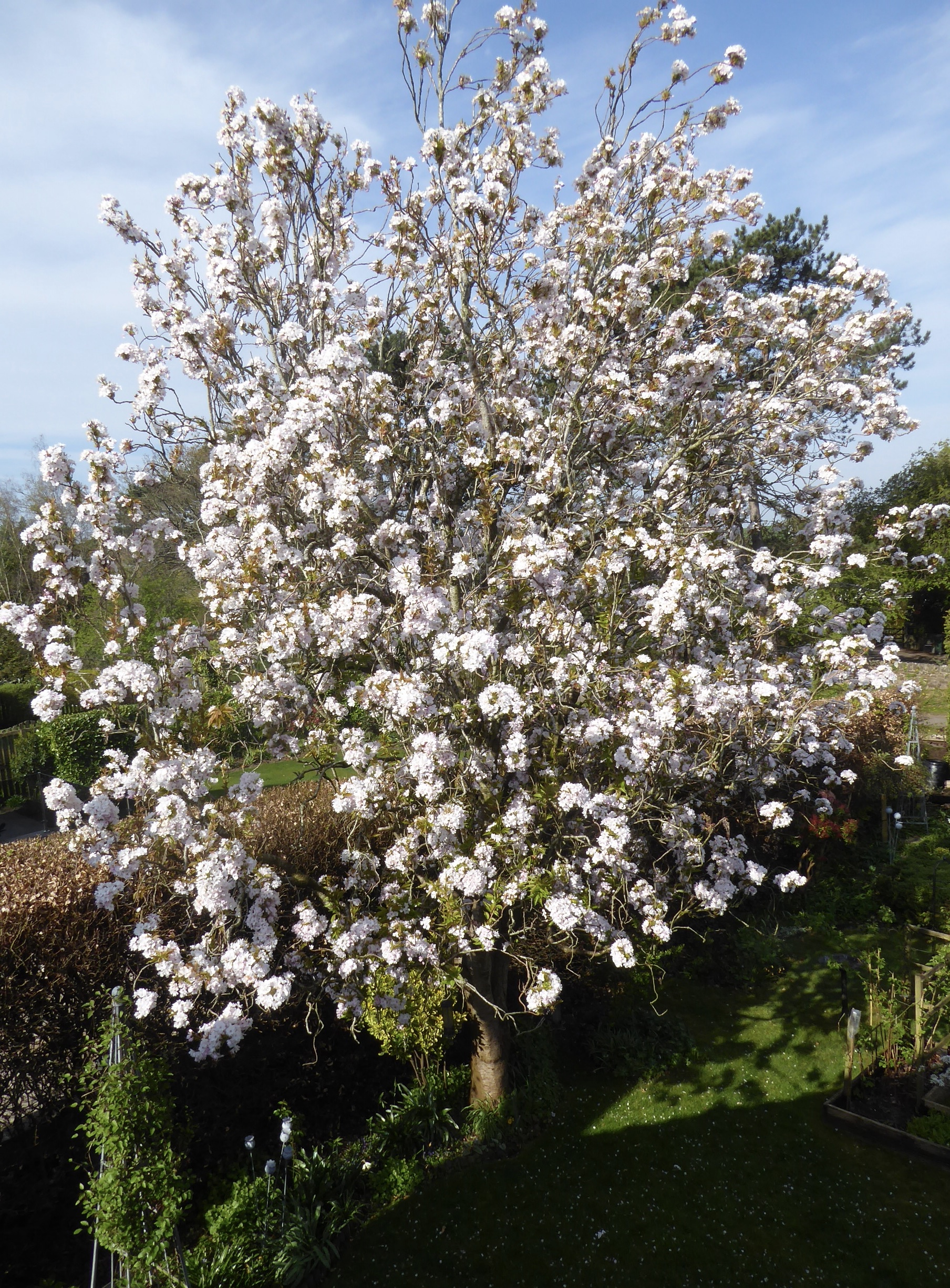
The garden is racing ahead and I’m trying to keep up. It’s its usual haphazard self – full of self-seeded colour around my not-so-bright ideas. (For example: I moved the camellia into a new pot two winters ago without considering that, yes, that spot does get the morning sun in April – and now all the blooms are the colour and texture of the paper bags that apples used to come in.) Potatoes, peas, radishes and salads are pushing through, and I must do something about the moss in the lawn.
Oh . . . and I succumbed to my rose urge. Twice.
 Old Shoe Box