Timestalker

Written and directed by and starring Alice Lowe

I rather enjoyed Sightseers and I was prepared for black humour, comic-book gore and bad taste – but not for this. Despite some flashes of imagination and comedy, it was bitty and crude. It sounded OK – and what is the difference between a timeless infatuation à la Dante and Beatrice and stalking? – but the execution was hit and miss. It’s quite a while since I’ve come to the end of a film and felt that I’d wasted an evening.

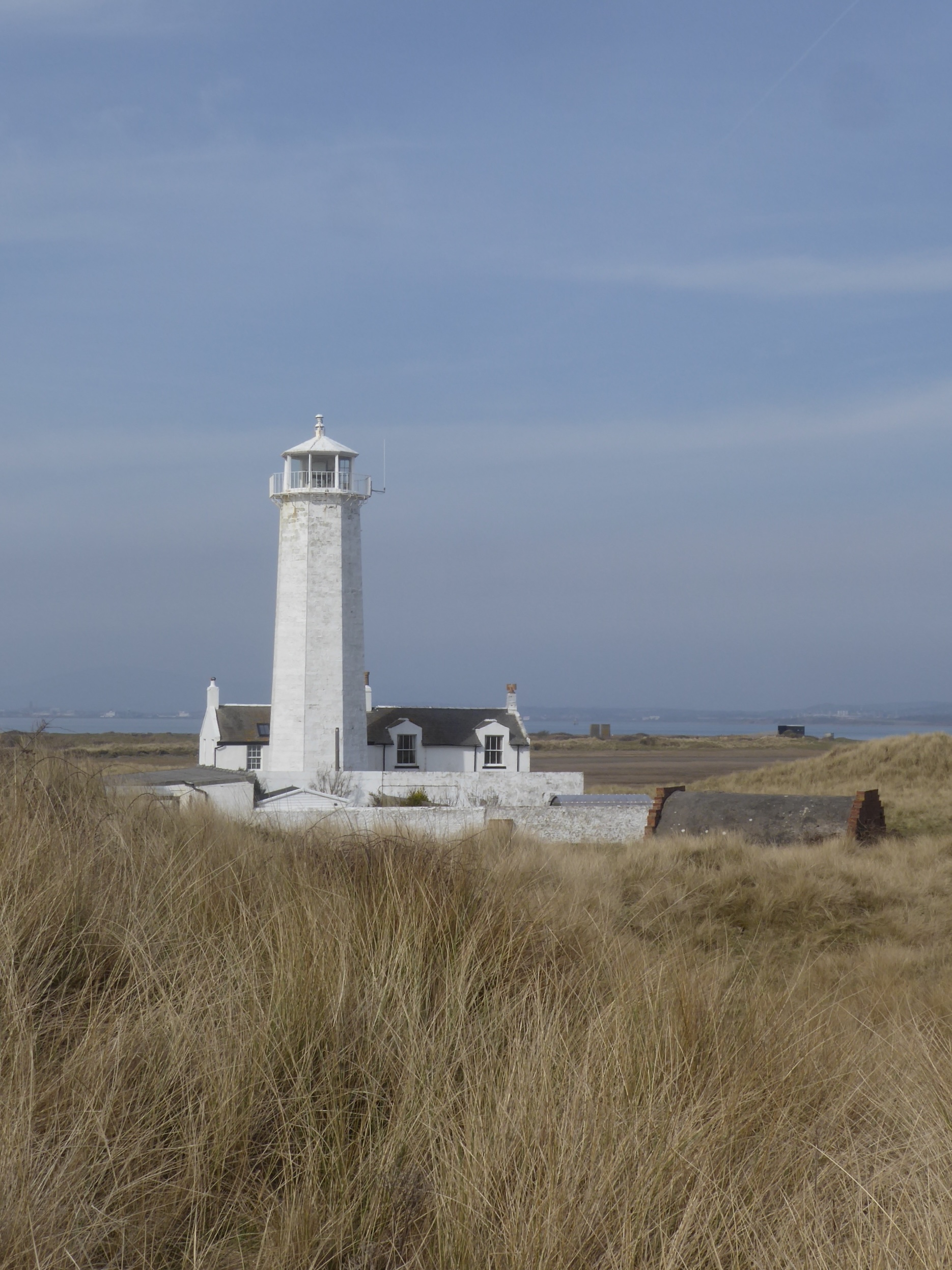
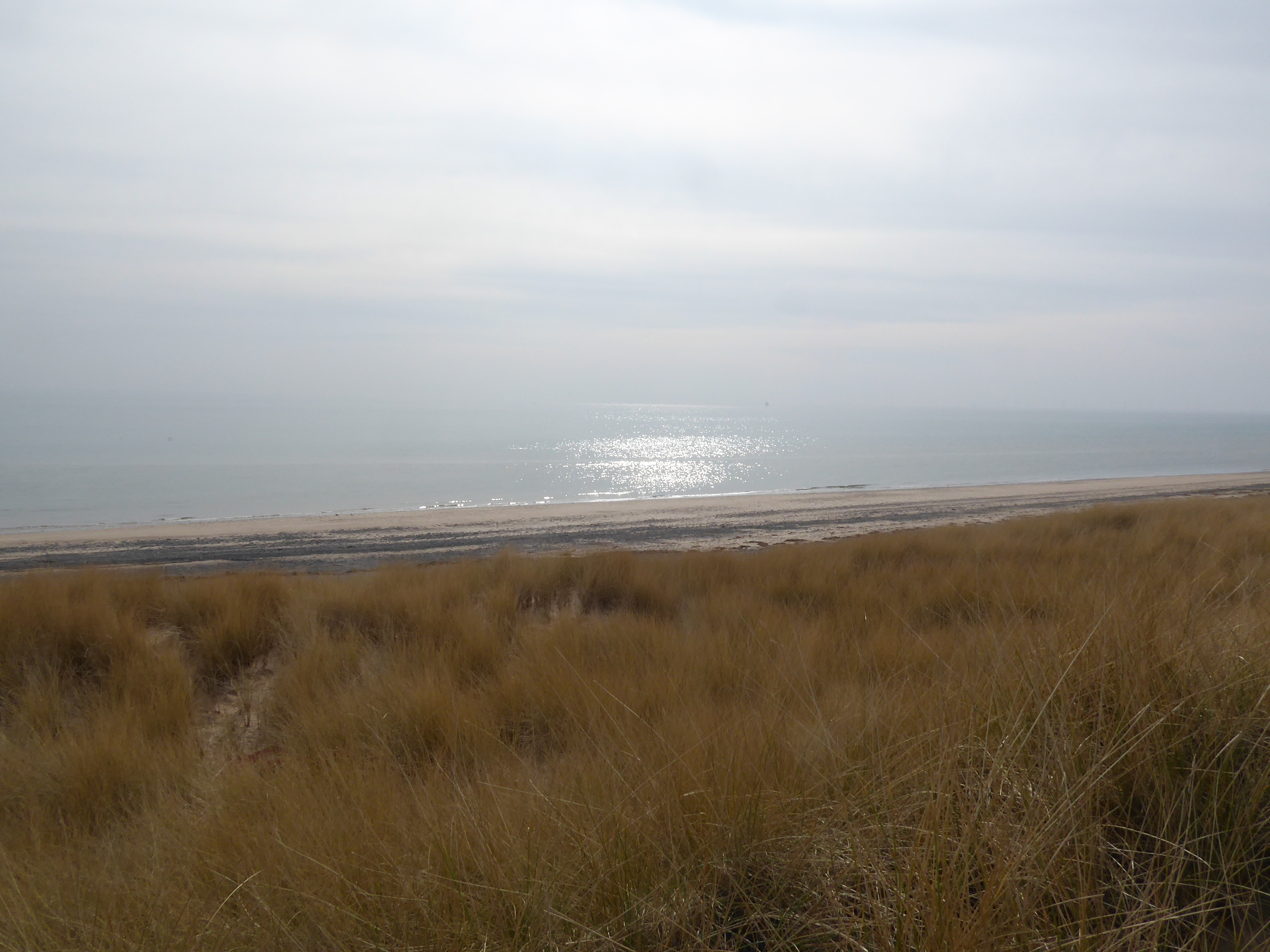
Walney Island

Barrow: a rather left-behind town where you see a group of naval officers in smart uniforms waiting to cross on the green man. Lots of once-prestigious Victorian and Edwardian civic buildings, all stripes and terracotta, announcing high ideals. It’s a pleasant train ride away, and there’s a bus to Walney Island – so what was I waiting for on so fine a day?

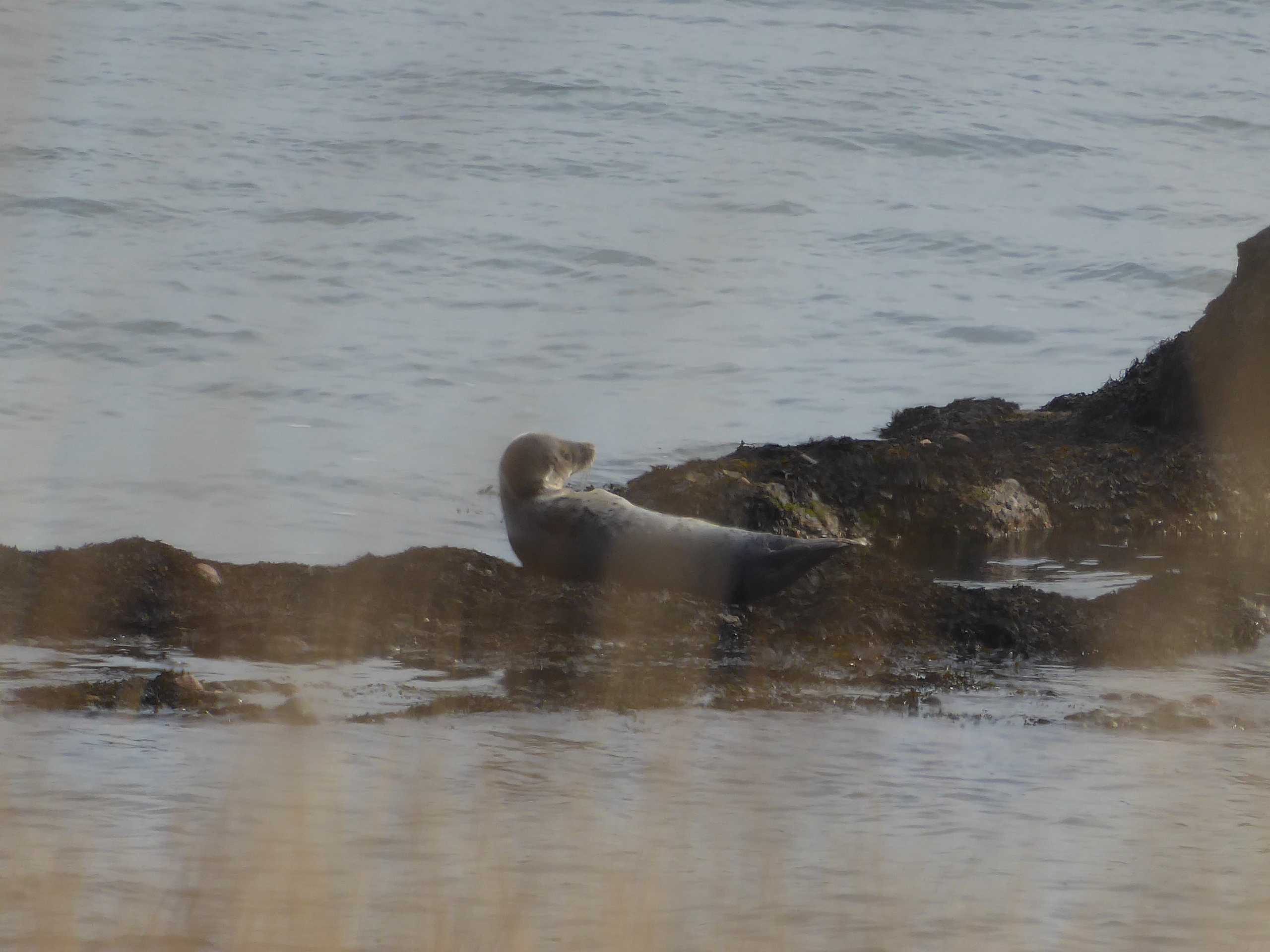
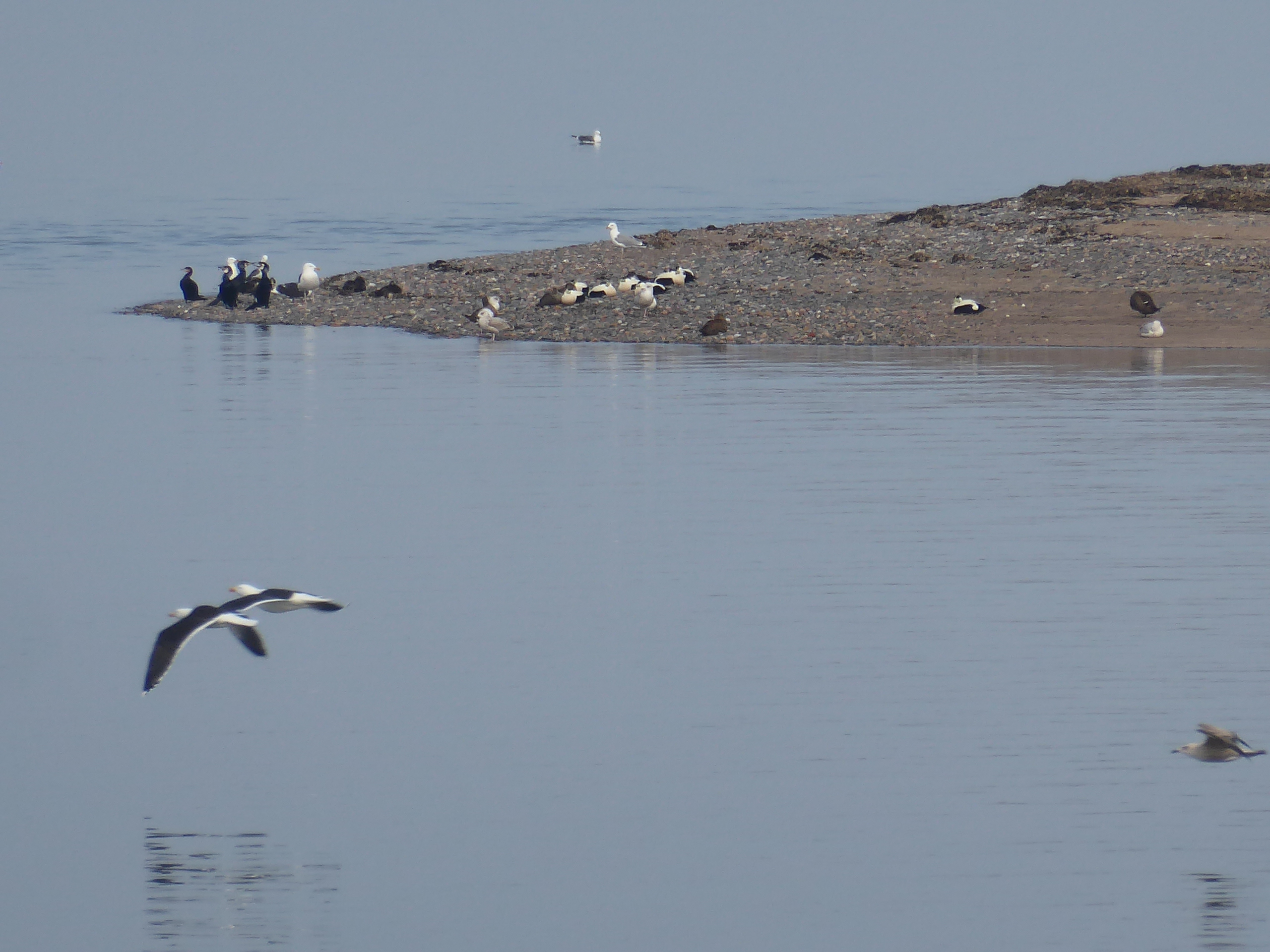
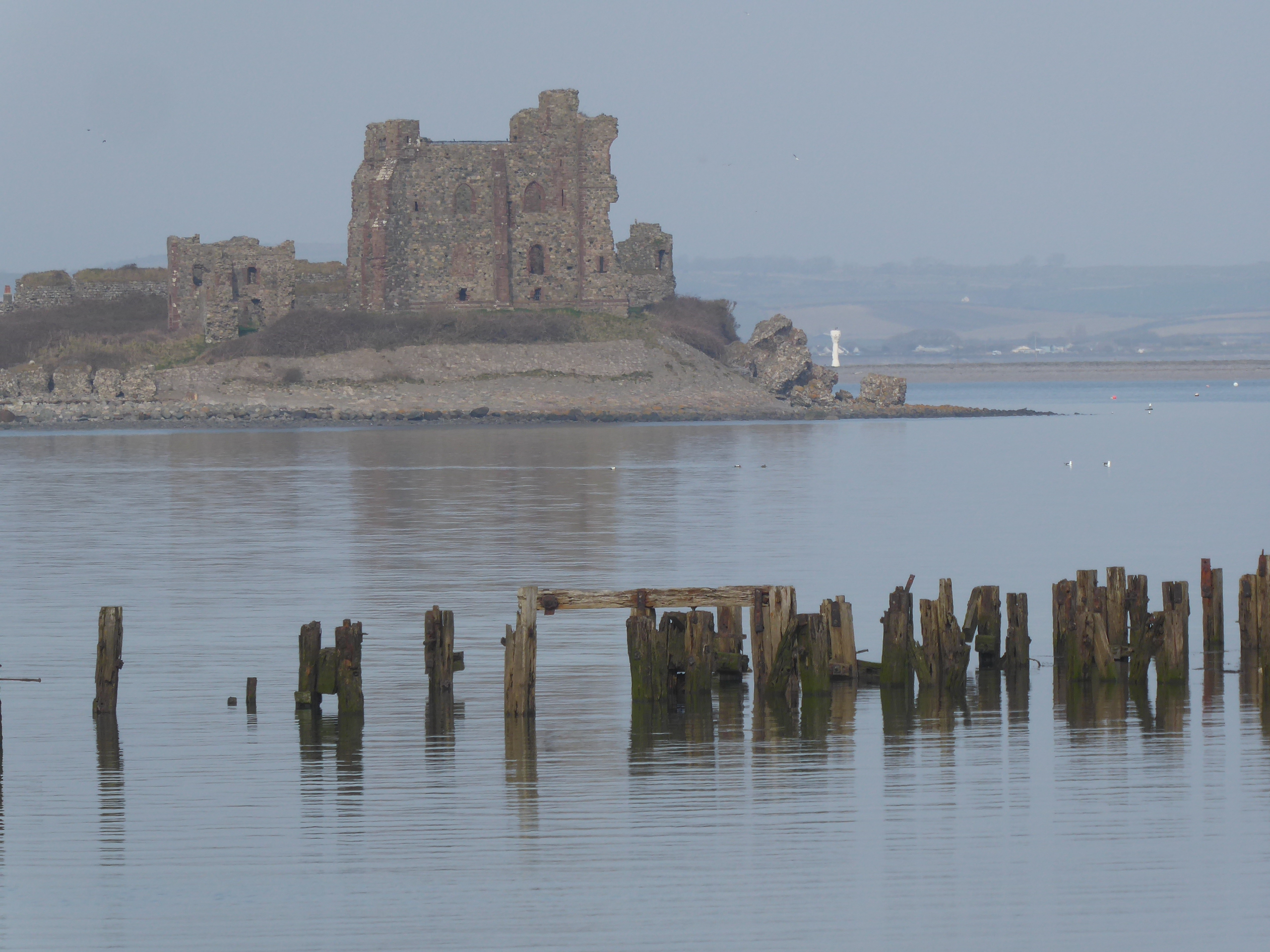
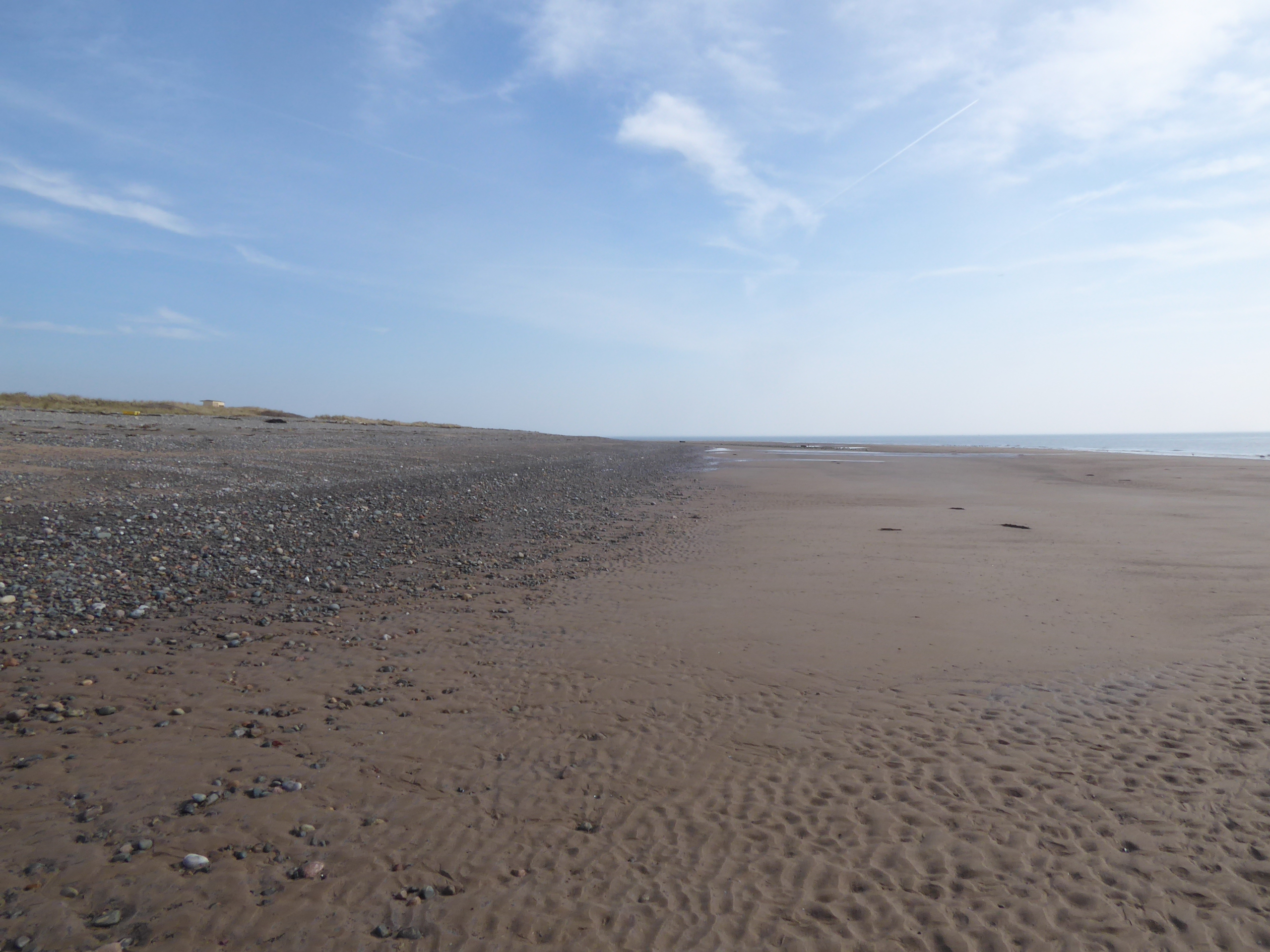
I walked along Biggar Bank to the South Walney nature reserve, looking out for the sight of seals’ heads bobbing about in the calm sea. At the very tip of the island I went into a hide, where a keen photographer pointed some out to me. One was basking – in that odd, crescent-moon position that makes them look as if they have found a new yoga posture – and others were swimming effortlessly. There were eiders too far out to be seen clearly, and Piel Island looked like something out of I Know Where I’m Going.

It would have been a long walk back, but fortunately a family I had chatted to in a hide stopped to offer me a lift on the road, saving me four miles of walking. And on the return journey I was unable to resist the temptation of stopping off at Arnside to eat fish and chips in the last of the sunshine. A perfect end to the day.

Jackson Brodie books

I made the mistake of binge-reading these, so that Kate Atkinson’s style – which I enjoy in her other novels – soon turned into tiresome tics and tricks. I think it was the self-referential knowingness that grated: a series of detective stories which are practically made for television: interweaving of short scenes, every character (it seemed) with a backstory of childhood trauma, and a parodic reliance on coincidence to keep the plot spinning. Along with (pot and kettle here, obvs) her use of parentheses and the constant asides as other voices butt into interior monologues.

There’s much to enjoy, of course. The wit, the settings, the recreation of past decades, the final plot twists. I just shouldn’t have binged.

Sometimes Always Never (2018)

Director Carl Hunter with Bill Nighy and Sam Riley

A pleasant, off-beat film starring Bill Nighy as Bill Nighy (which he does very well) with a Merseyside accent. It begins with him amongst the statues on Crosby beach, almost indistinguishable from them. He is an ageing man who has spent years looking for his missing son – and rather taking his remaining son for granted. He’s also a Scrabble fiend – so, good with words but – we gather – not with communication.

It’s filmed in a slightly quirky, retro style which invites rewatching and implies he is stuck in the past. (It also invites comparisons with Wes Anderson.) There are lots of good scenes and it was entertaining.

St Ninian’s Church

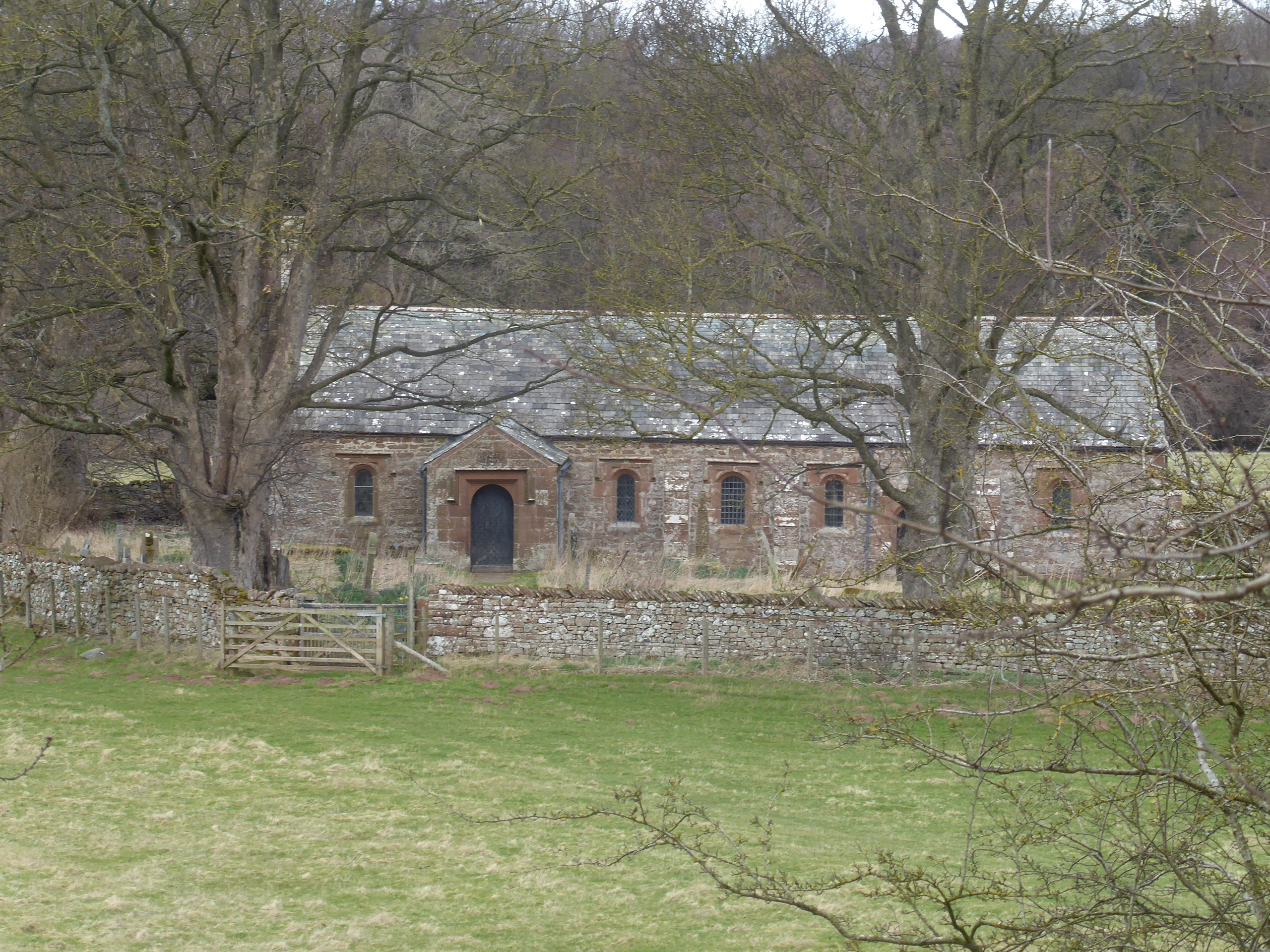
I was asked if I’d visited St Ninian’s Church outside Penrith beside the River Eden – so of course I had to see it.

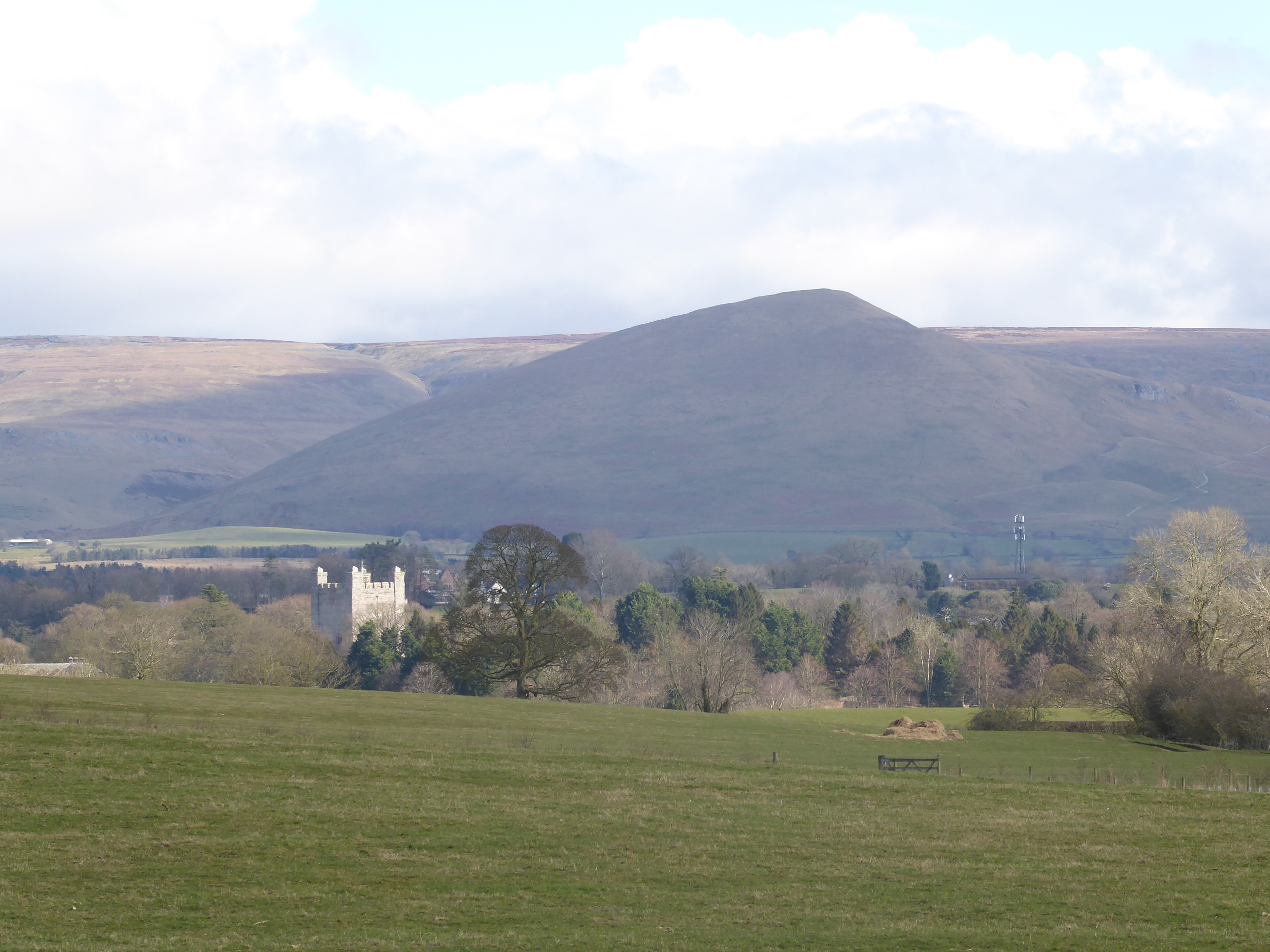
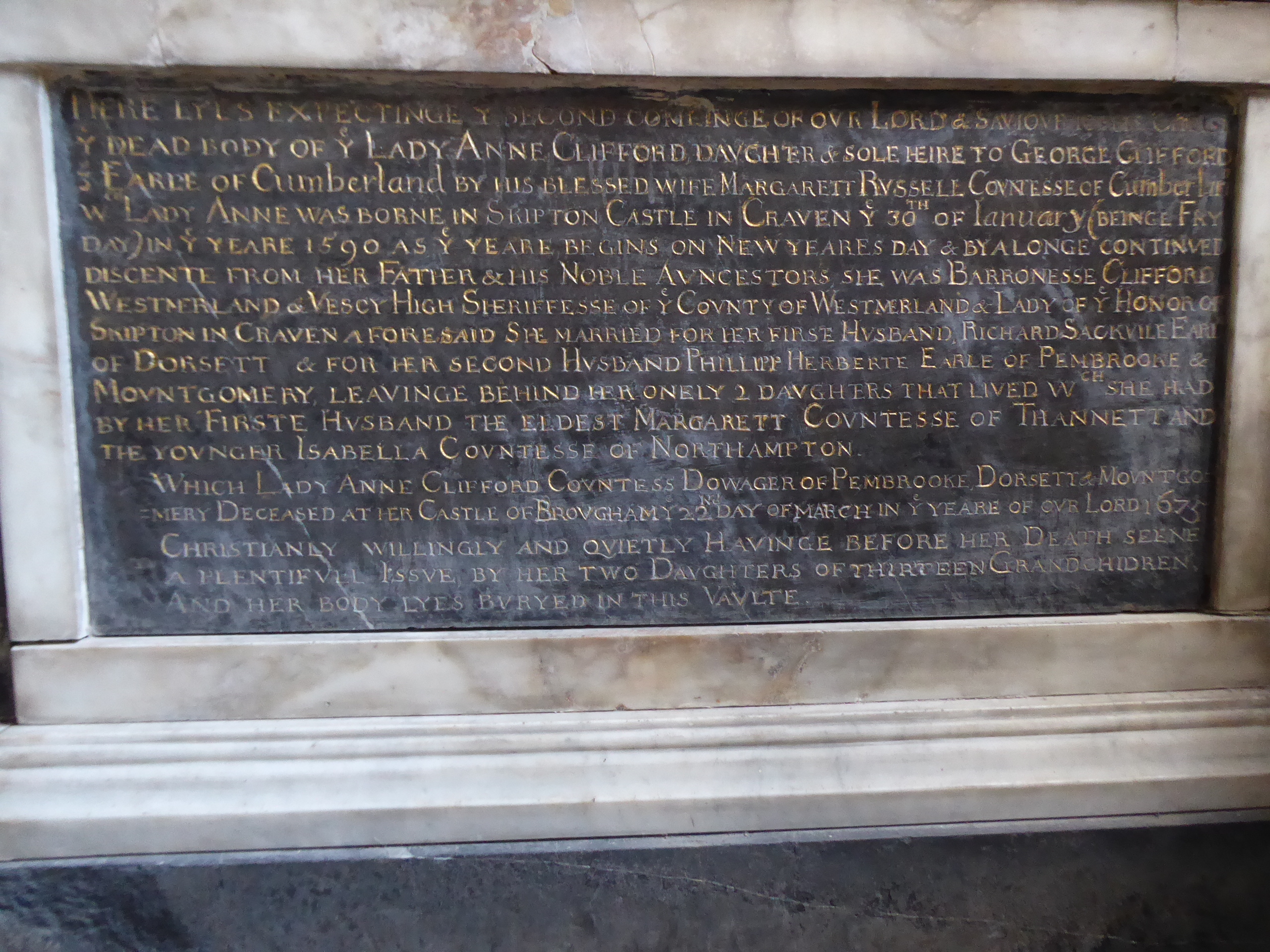
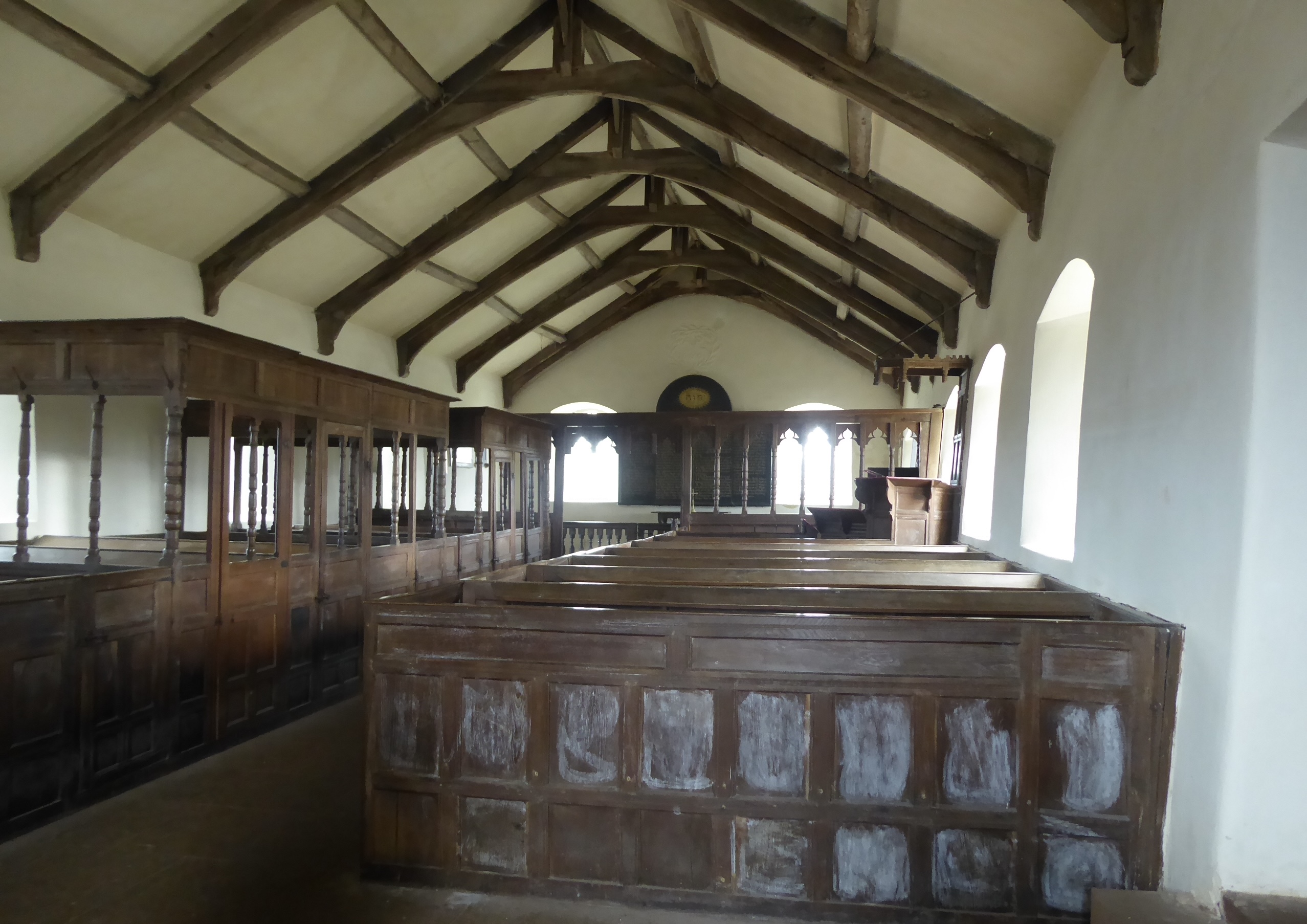
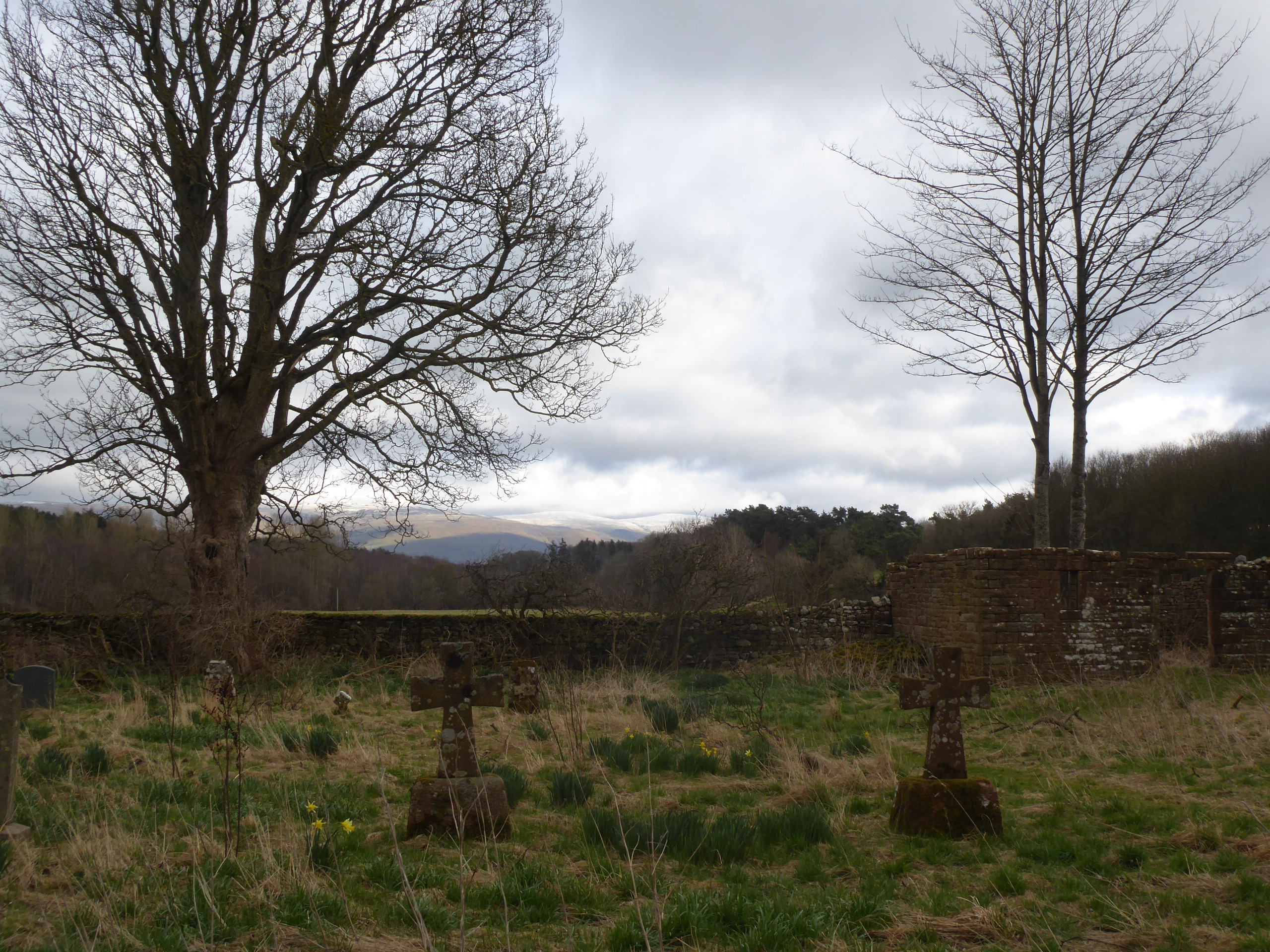
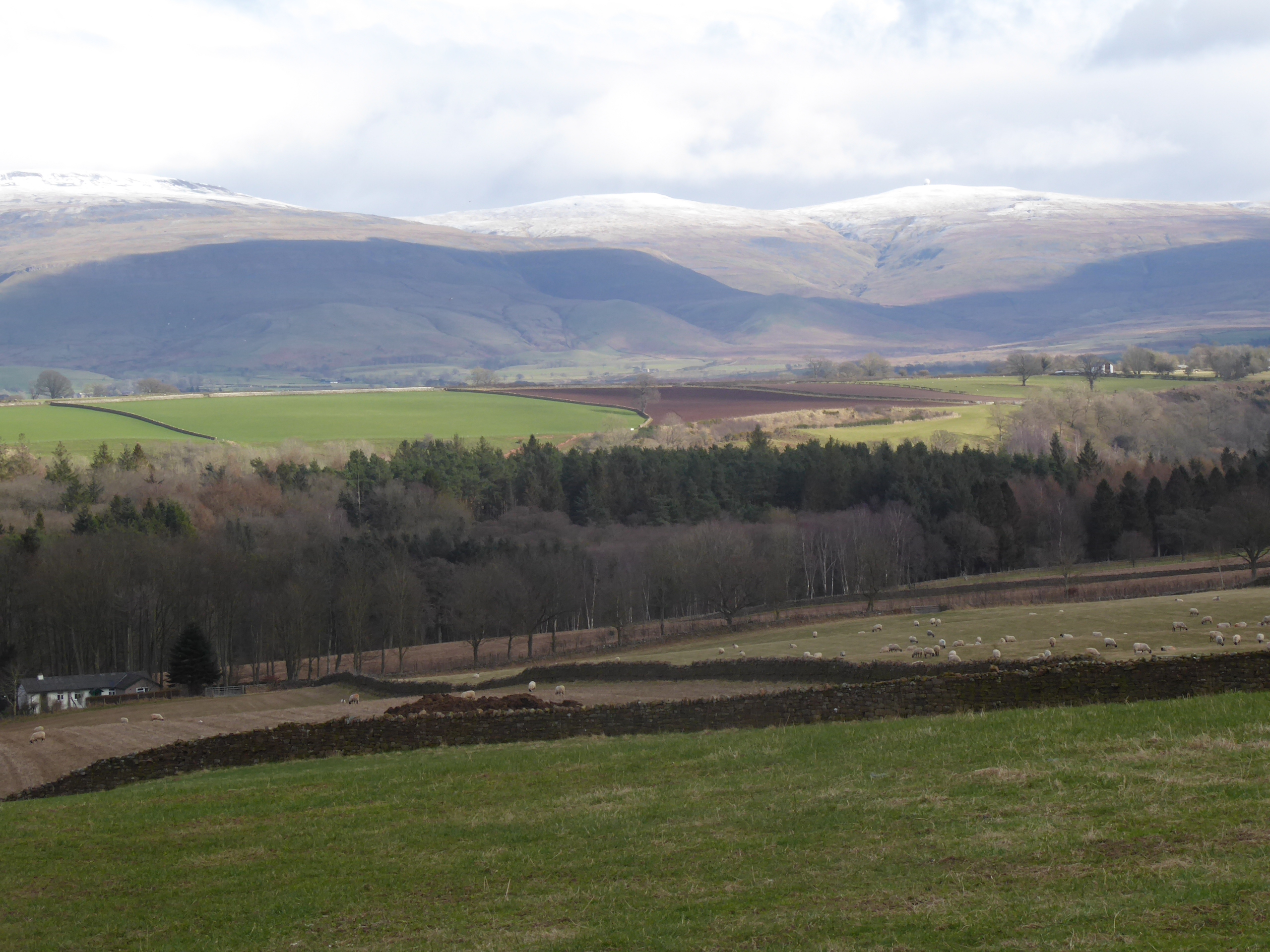
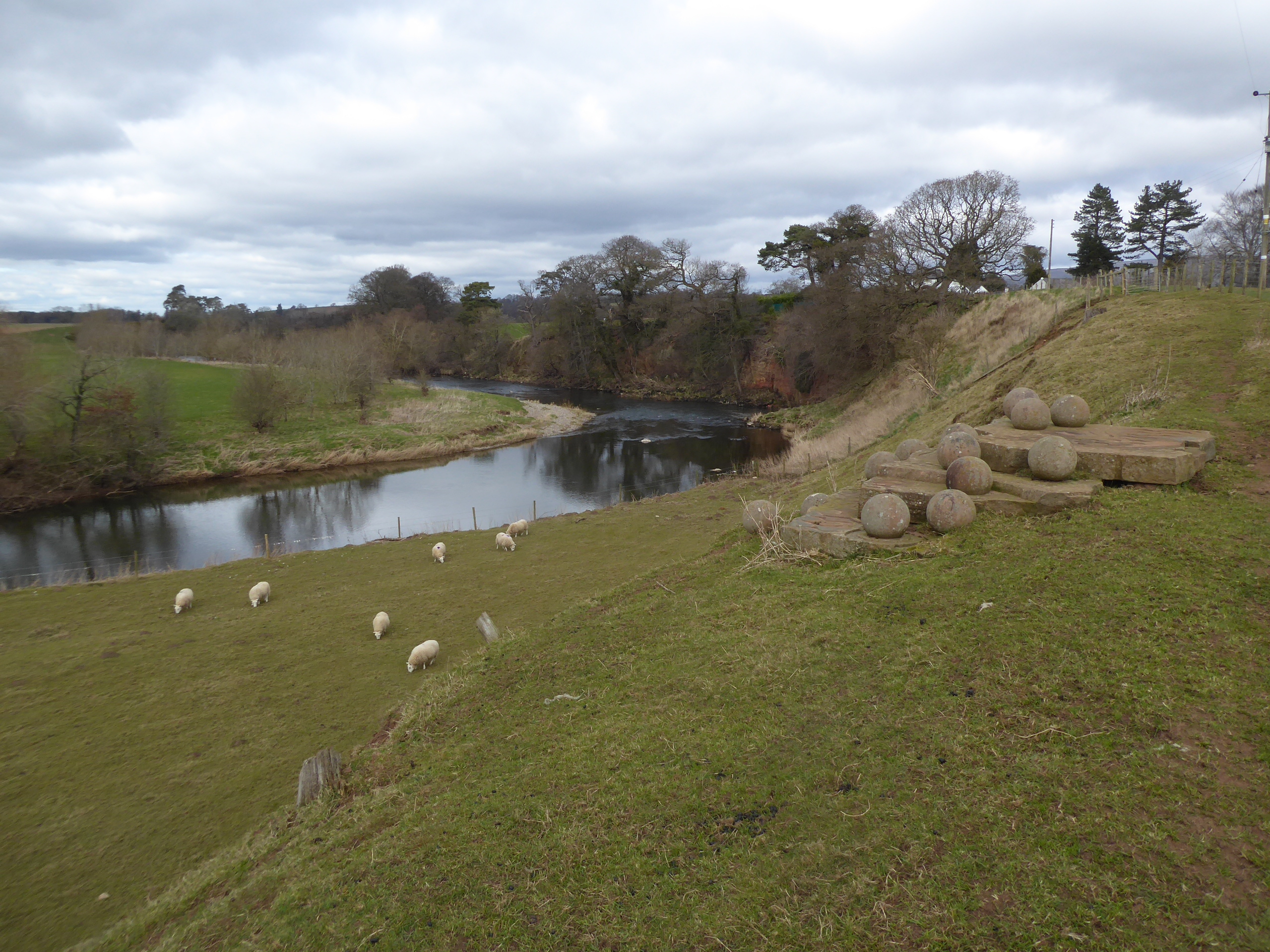
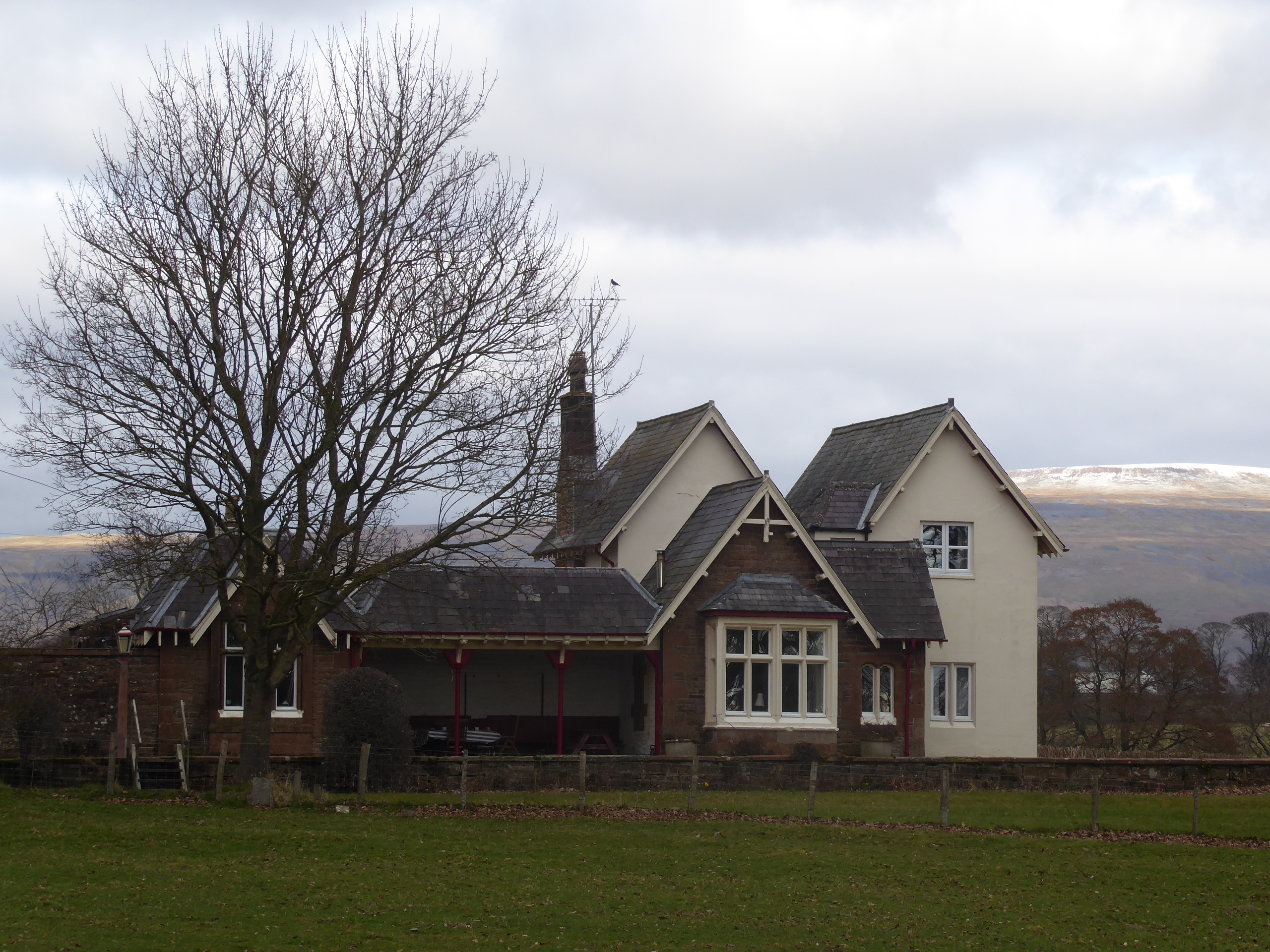
It’s a redundant church in what is now the middle of nowhere. According to the information inside, the settlement around the original Norman church was razed in the thirteenth century to create a hunting ground for Whinfell Park. Lady Anne Clifford (her again) restored the church in 1660 and it has been little changed since. The family pews are Jacobean in style, and the pulpit stands among the congregation. It seemed so isolated that it was hard to think of it as connected to any community – but inside there was a stone in memory of an aristocrat who had died at Brougham Hall on her way to Scotland, and outside there was a tombstone for John Nelson, yeoman of Hornby Hall, which I passed on my very long and rather dull walk back to Appleby. (Whose parish church was also restored by Lady Anne.)

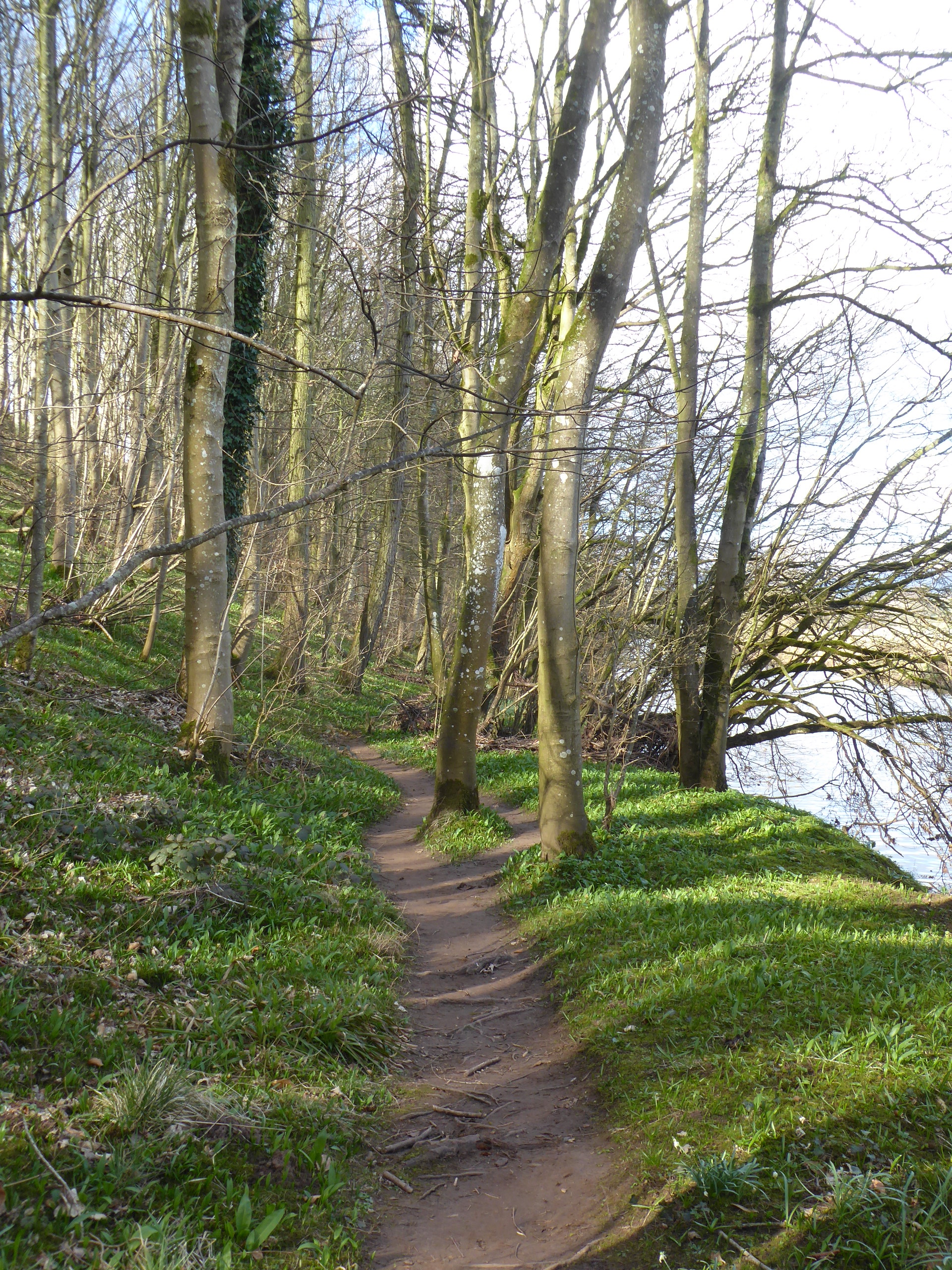
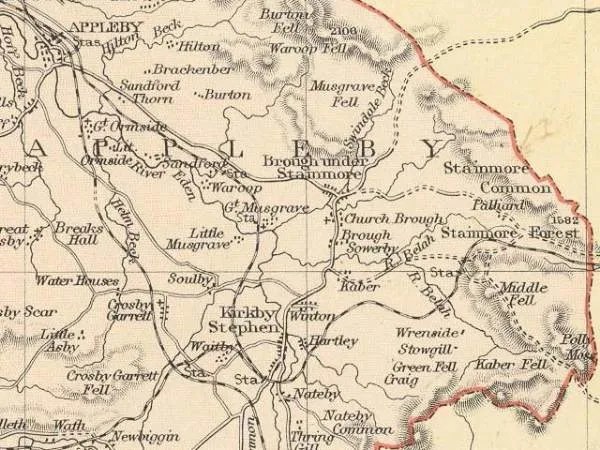
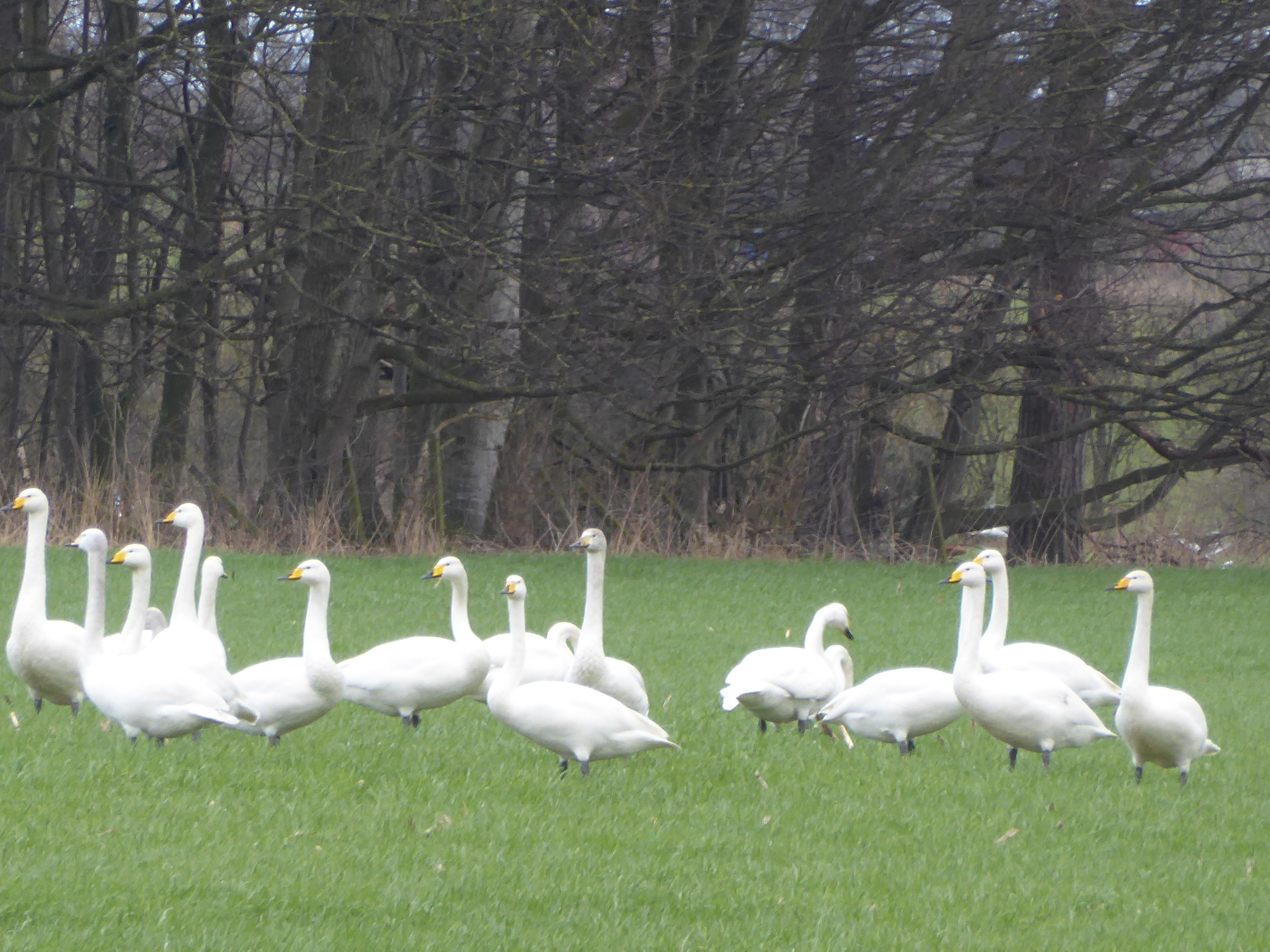
I mostly followed the River Eden – never quite out of earshot of the A66 – and then a very boggy Roman road back to Appleby. According to the map I also passed the sites of a Roman fort and fortlet – no sign of either, but I did come across the old railway line between Tebay and Stainmore a few times. The best sight after the church was a small flock of swans near Bolton: whooper or Bewick. They grew alarmed as I approached and soon flew away, leaving behind a small group of mute swans who couldn’t understand what all the fuss was about.

Morvern Callar (2002)

Director Lynne Ramsay with Samantha Morton

I remember thinking when this came out that it probably wasn’t my kind of film. Well, I’ve now watched it and thought about it – and haven’t changed my initial opinion, but I can see that it used its own way to tell the story.

It begins and ends with flickering lights – so I guess that indicates you can expect only partial illumination. It’s bookended too by Morvern’s boyfriend. The film opens with his dead body on the threshold between kitchen and living room: he has killed himself and left Christmas presents for her. The film ends with Morvern dancing to “Dedicated to the one I love” from the mixtape he made for her. In between she grieves, disposes of his body, claims his novel as her own and discovers Spain as an alternative to a life working in a supermarket somewhere cold and grey in Scotland. In the penultimate scene her friend rejects a return to Spain on the grounds that life’s the same everywhere; perhaps it is or perhaps Morvern can find a change. It seems to be a film about love and grieving – but it’s also about youth and discovering alternatives to the small world you start your life in. Lots of drink and drugs and partying to balance against days spent working in a supermarket. Visually it was interesting and at times madly exuberant. I felt very old watching it, but it made me reflect on the ignorance and thoughtlessness and joyful discovery that youth often means.

So much to make me raise a sceptical eyebrow at the unevenness of the tale and the opacity of the character. Why no Scottish accent for Morvern? Why not report the death and arrange the funeral as his note asked? Can you really cut up a body with utensils from the cutlery drawer? Dig a grave with a trowel? Do publishers normally write out cheques for £100,000 to new authors? Did Morvern have any greater insight into her actions and reactions than the audience did? In a way, it was brutally pragmatic: the bottom line was that Morvern’s life was transformed by her boyfriend’s money.