Arras

I was rather surprised at having to give my name and date of birth in order to buy a return ticket to Arras over the counter. The foreigness of foreign countries, I suppose. Even stranger: the tickets were also emailed to me and I have no recollection of giving SNCF my email. It must have been in the far-off pre-Covid years when buying European train tickets was as common for me as buying a return to Manchester.
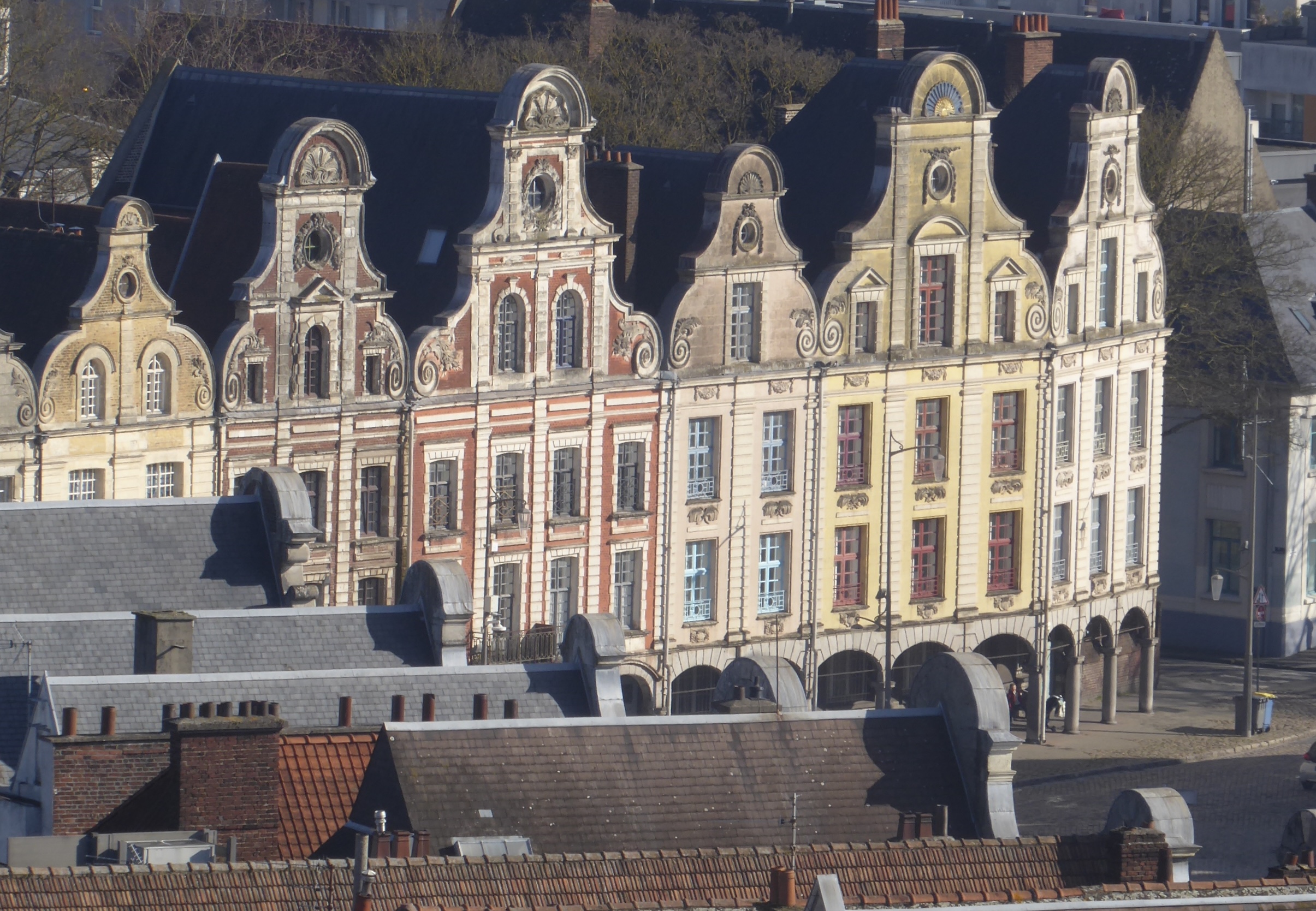
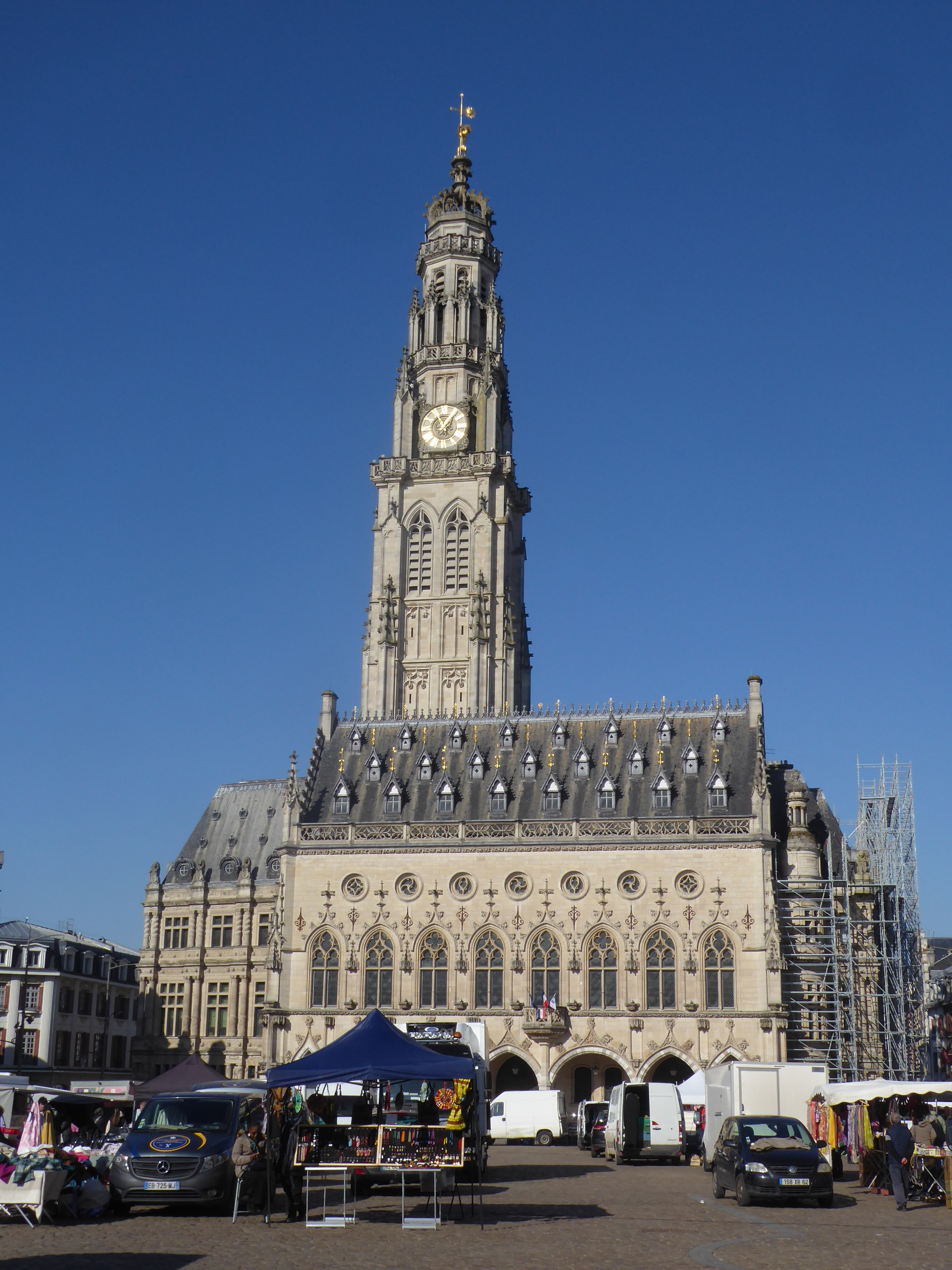
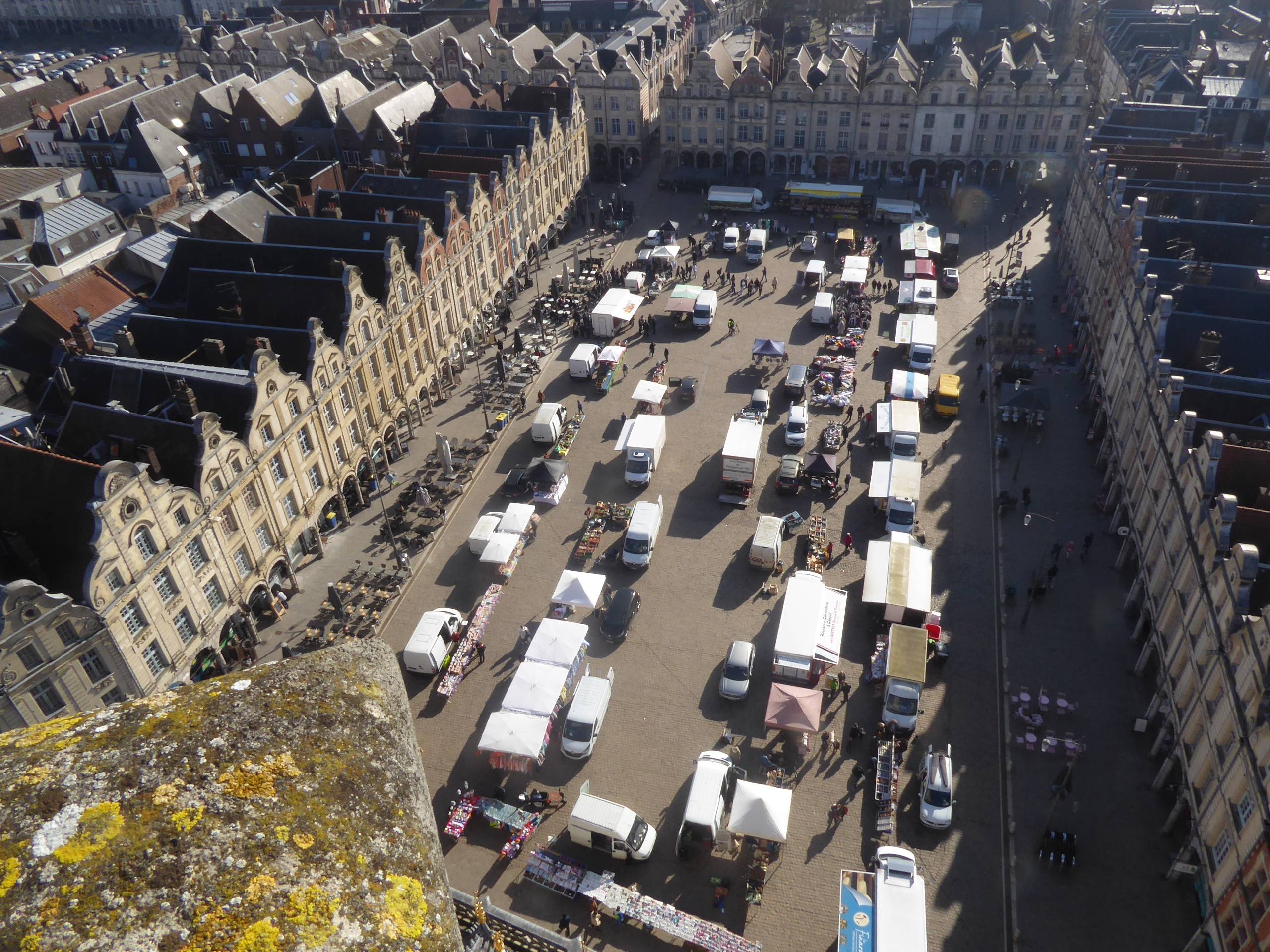
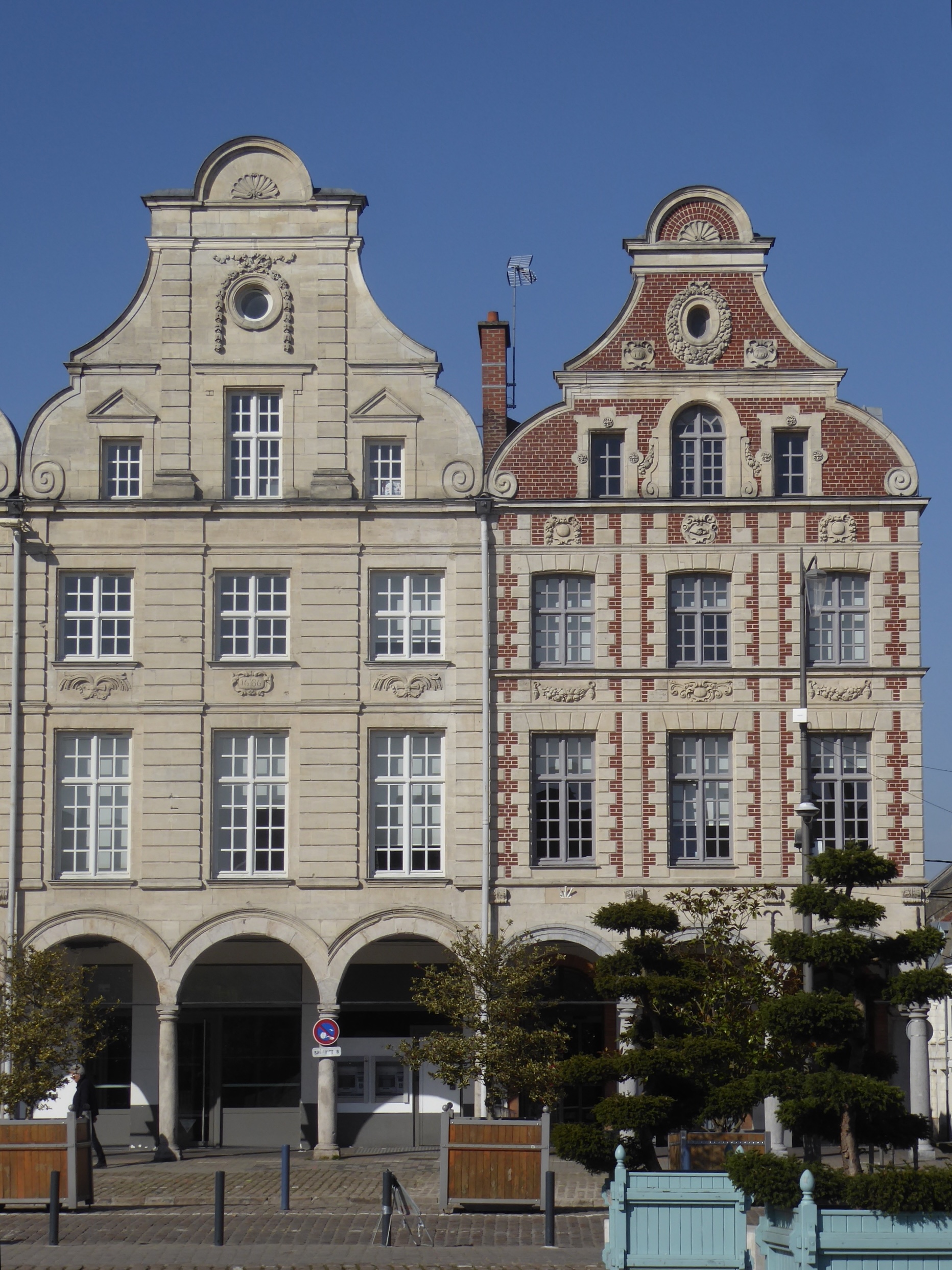
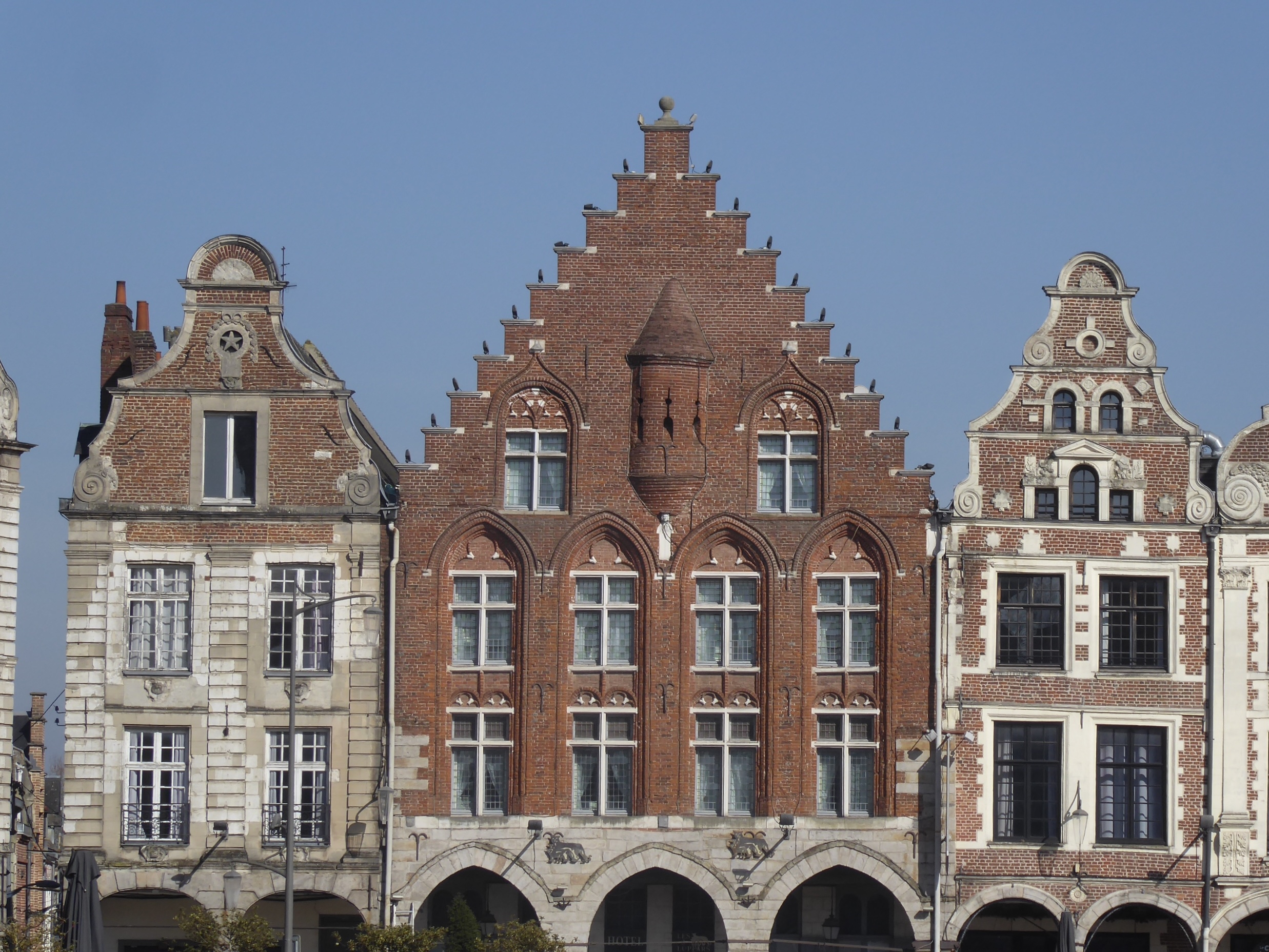
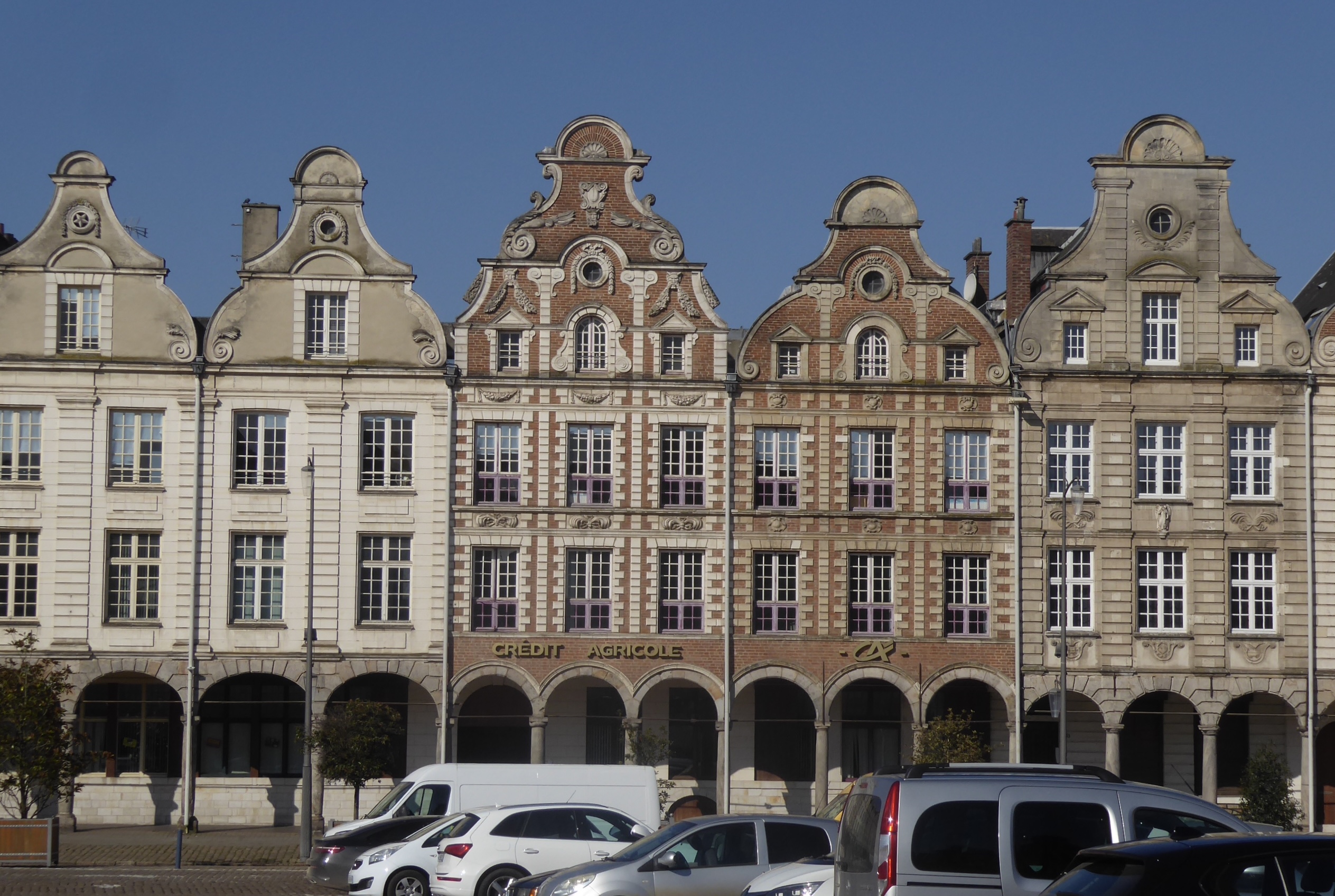
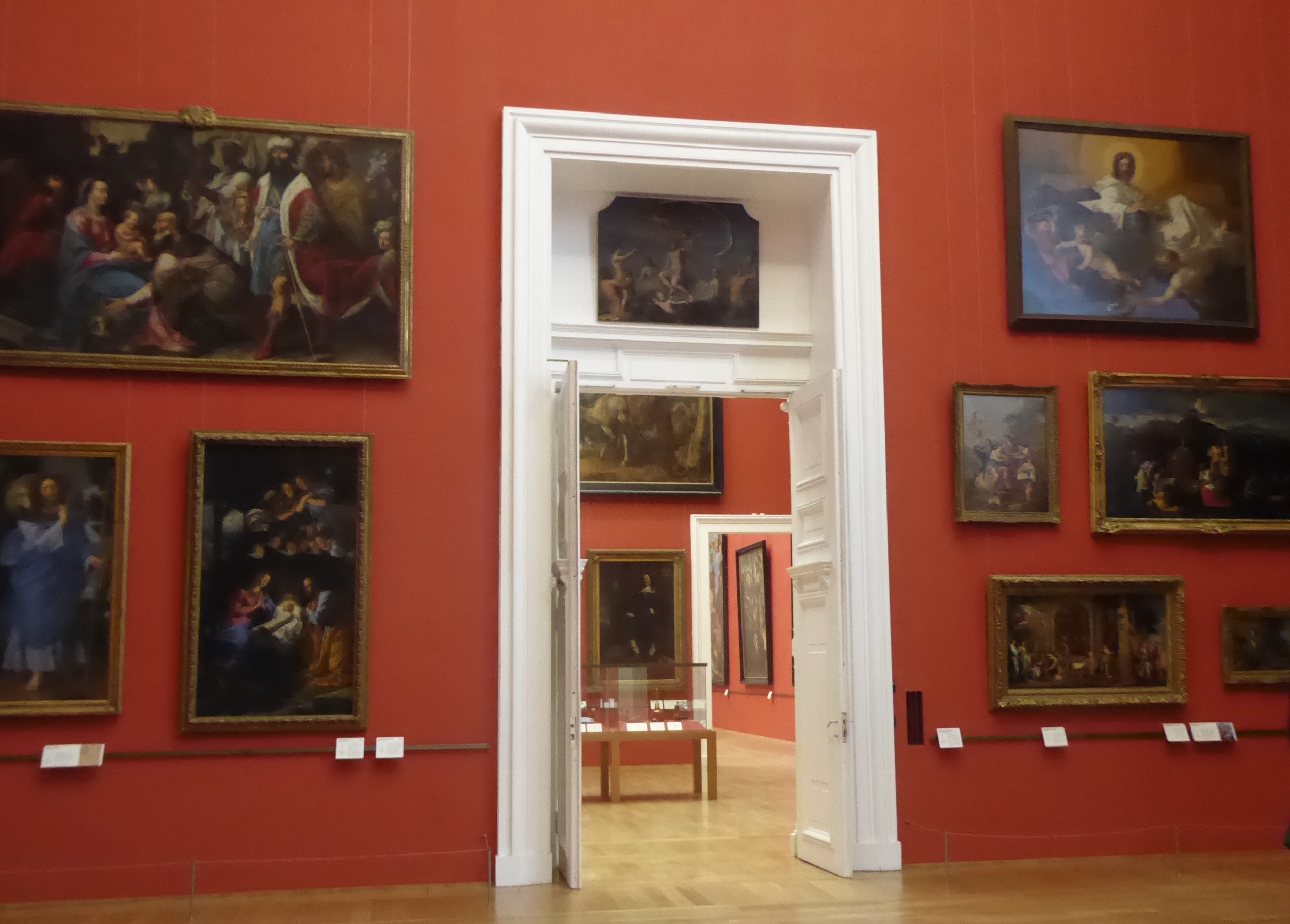
Anyway – Arras. It’s been on my mind to visit for so long that I can’t remember what prompted the inclination. It’s small but perfectly formed: improved even, since its post-WWI rebuilding means that there is a lift in the belfry to take you most of the way up to the top! Less brilliant was descending the staircase as the bells began to strike 11. It was a pleasure to wander around the Flemish-style squares in the sunshine, although my visit was shorter than expected since the Musée des Beaux Arts is closed for renovation.

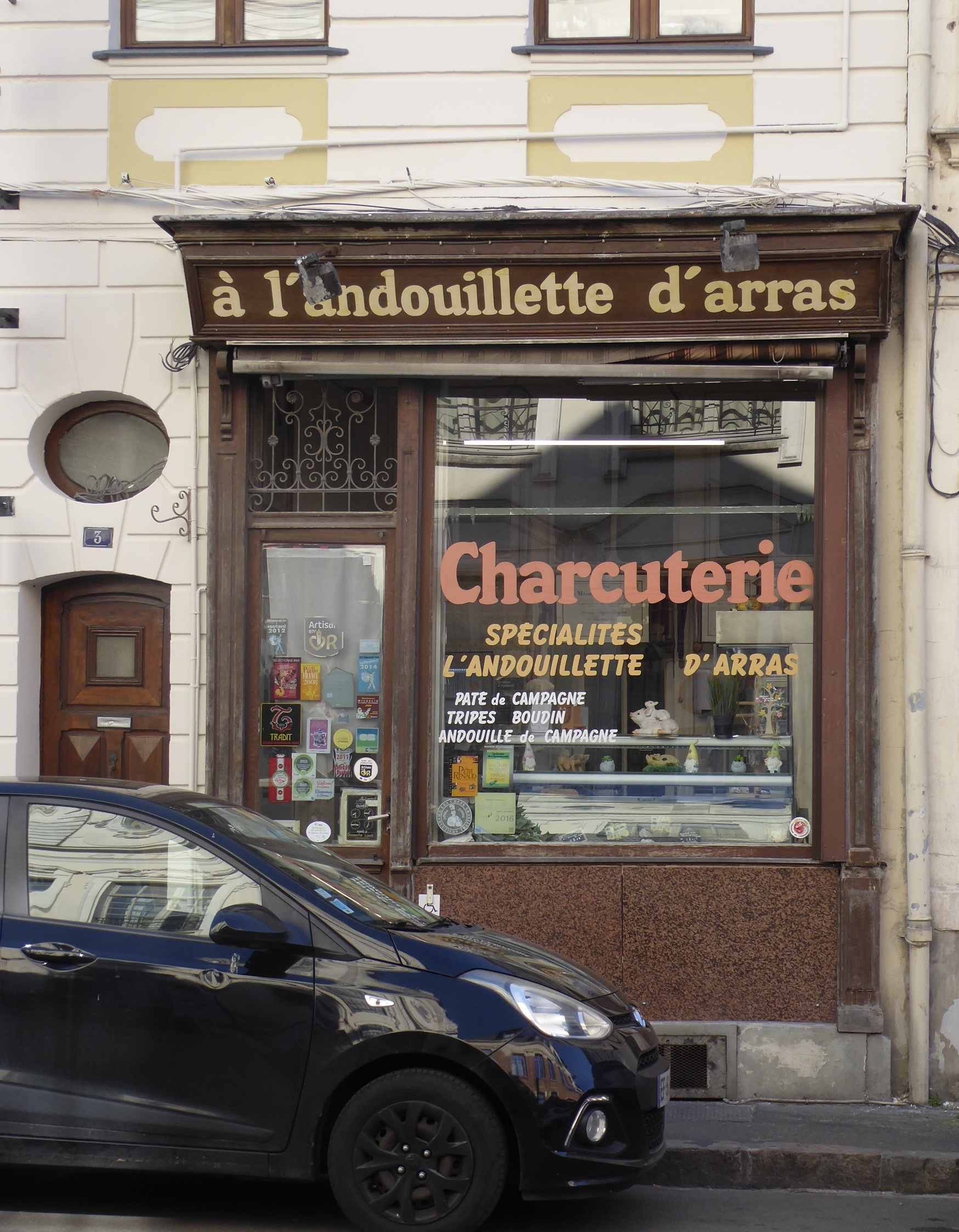
There was a little slice of French tradition in the charcuterie; a bit of a conflict between my dining preferences and my respect for other traditions there, but I’m sure the French can cope with that.

From the upper deck of the train I had ample opportunity to appreciate the dullness of the landscape: an occasional leftover spoil heap was a major feature. I shall be glad to see rolling hills again. But I suppose farming was another source of the region’s wealth back in the day, along with the coal mines and the textile factories.
Lille and Roubaix

I have settled in. My hotel room is fairly charmless apart from the windows and the view, and I’ll settle for that.

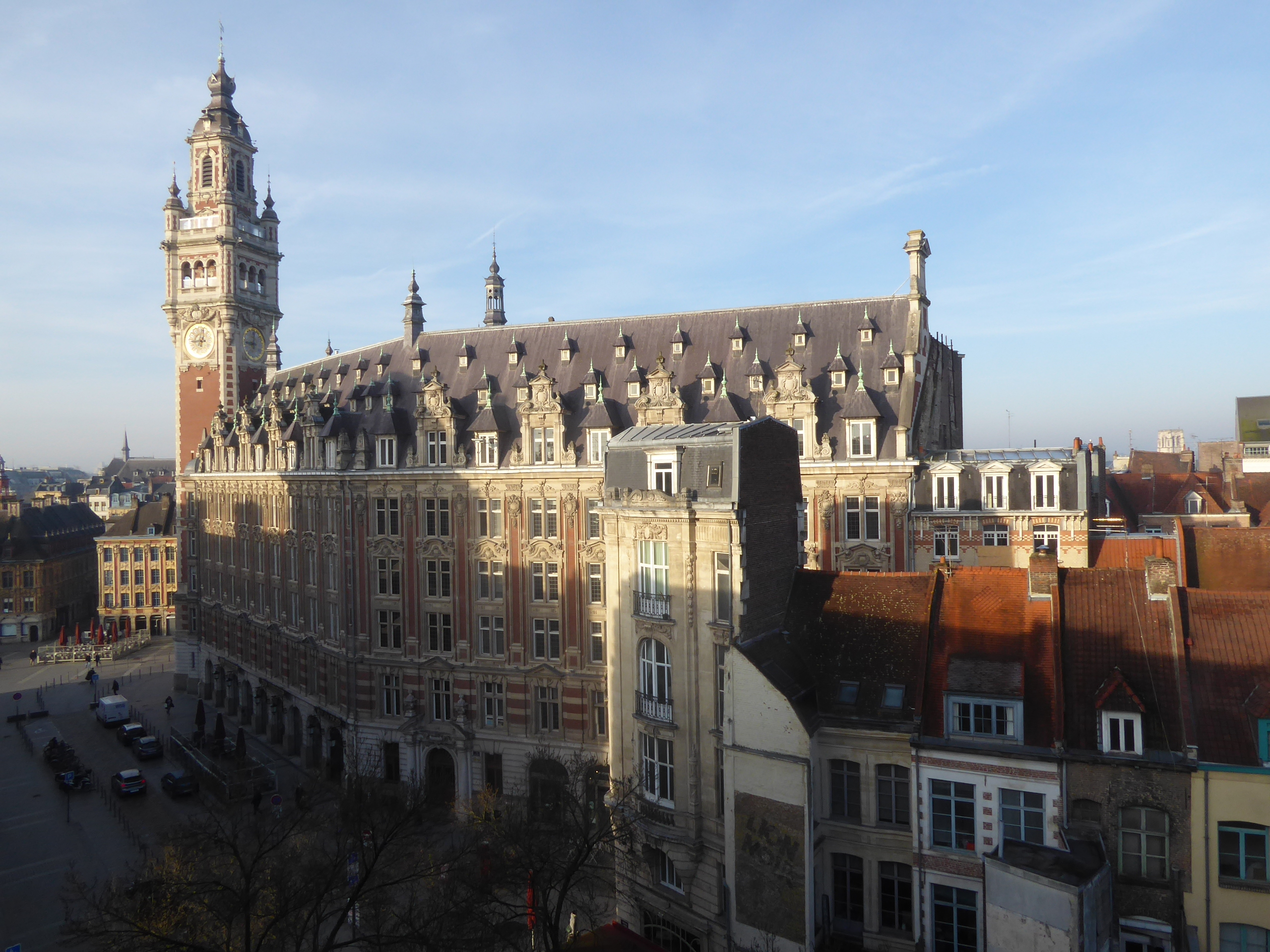
Lille is a pleasure to walk around. It’s both Flemish and French, and you never know which style you will find. The centre looks prosperous, but I’m not sure how far that prosperity stretches. Some of it has spread out to Roubaix, where I went today to visit La Piscine gallery. I caught the métro and wondered why I had such a clear view at the front of the train. It took me a little to realise that there was no driver.

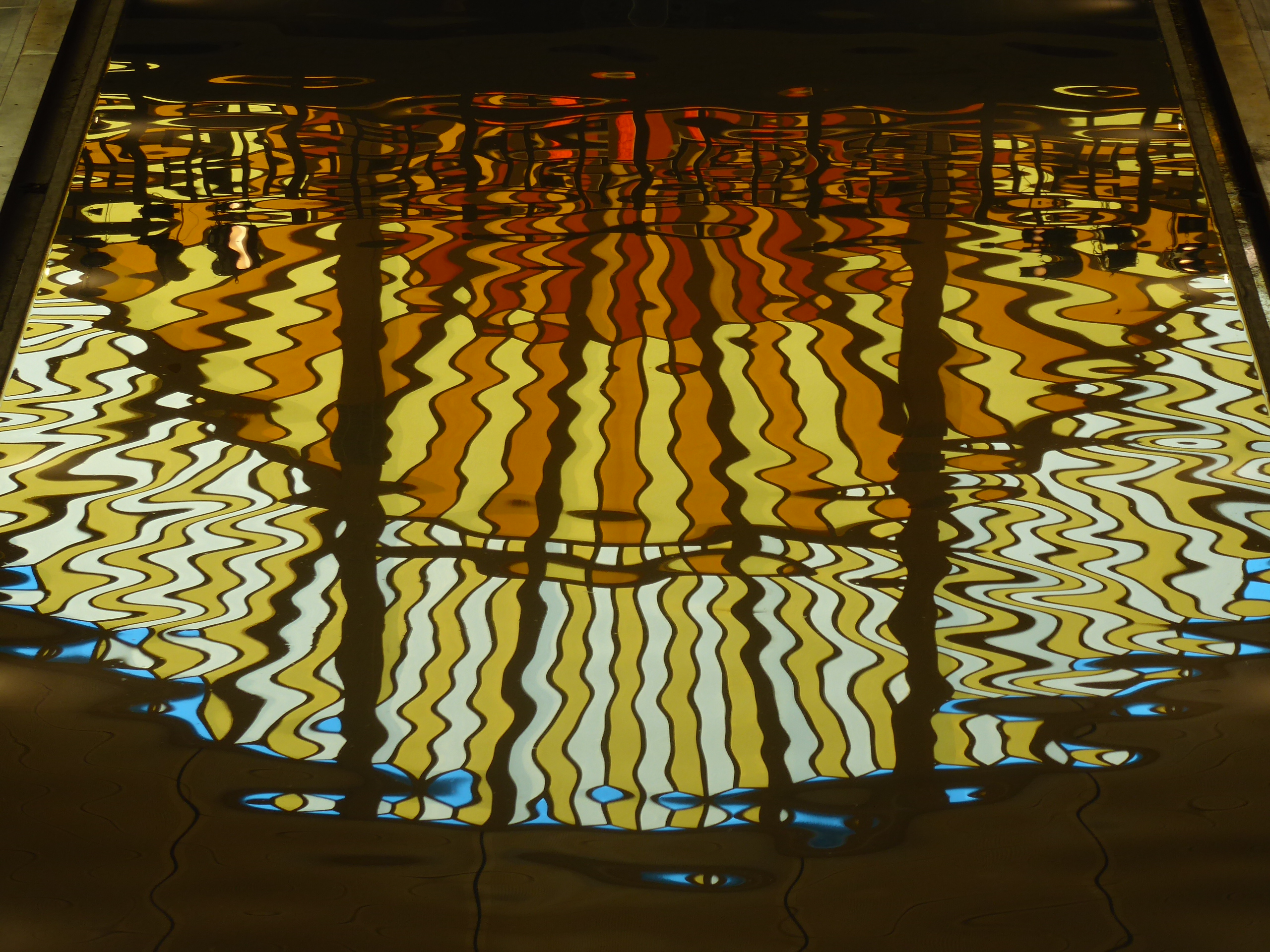
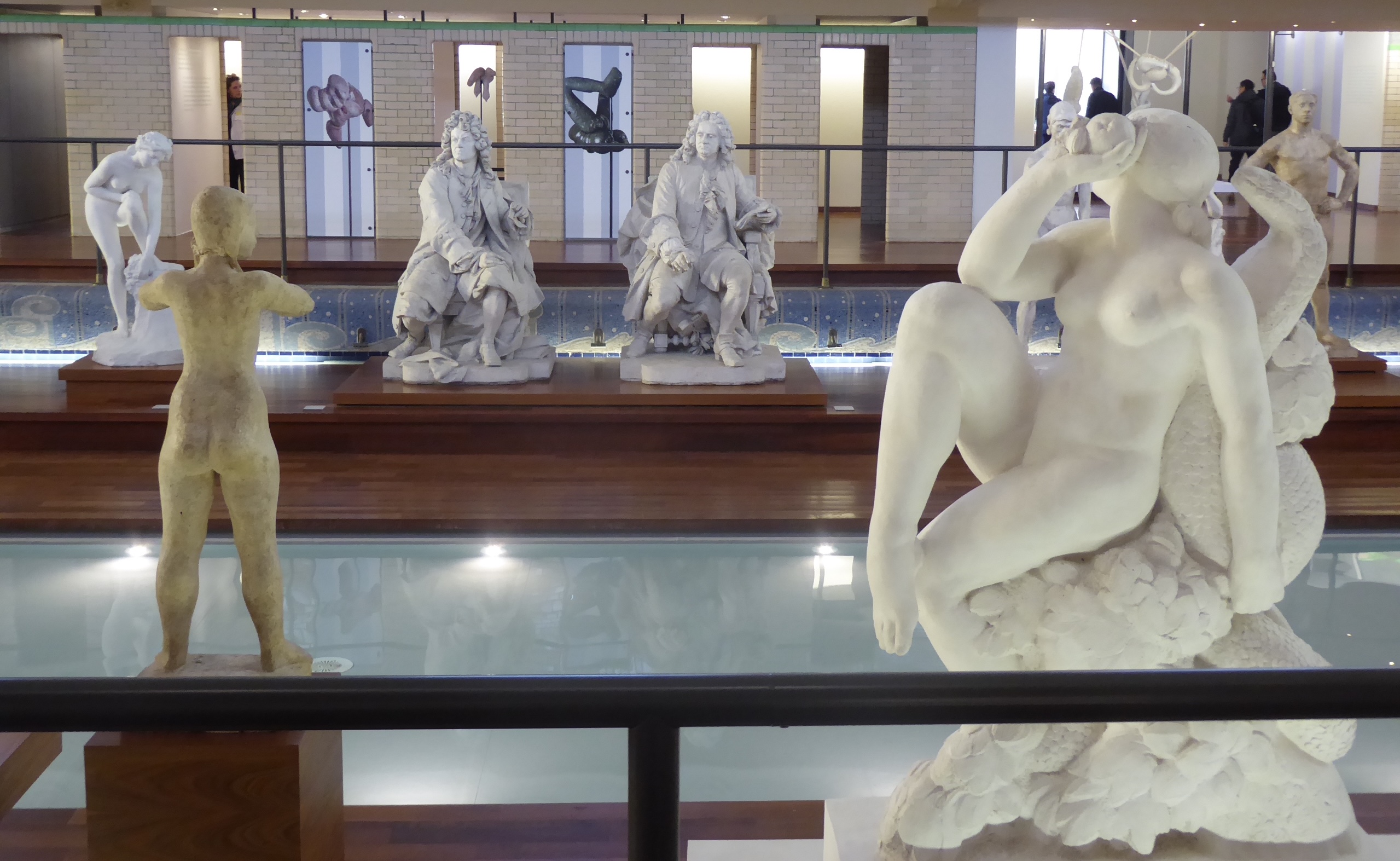
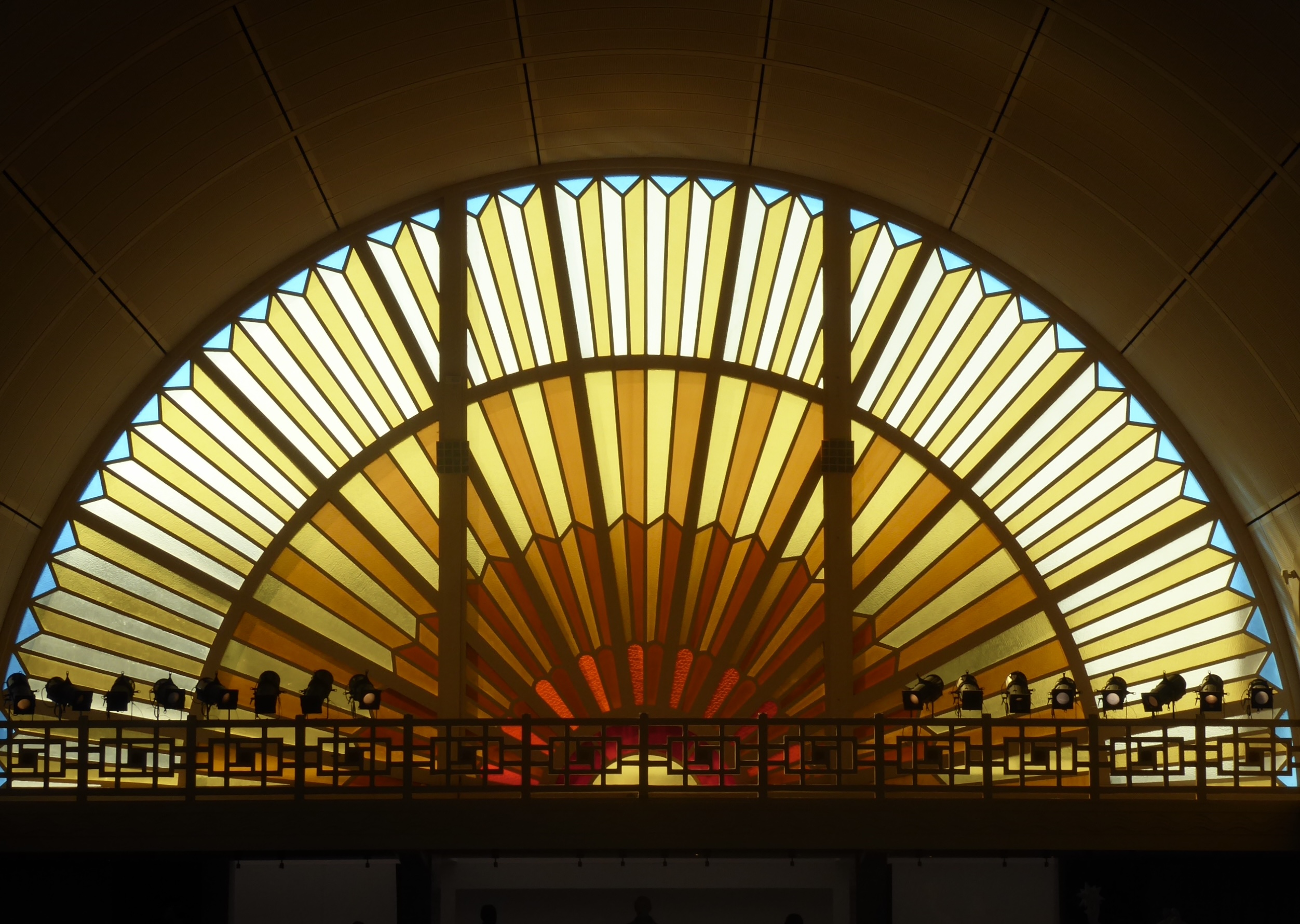
This is the third time I’ve been here, so there was nothing new – just a different way of looking at things. Plus of course trying to capture the reflected sunburst window in all its glory.

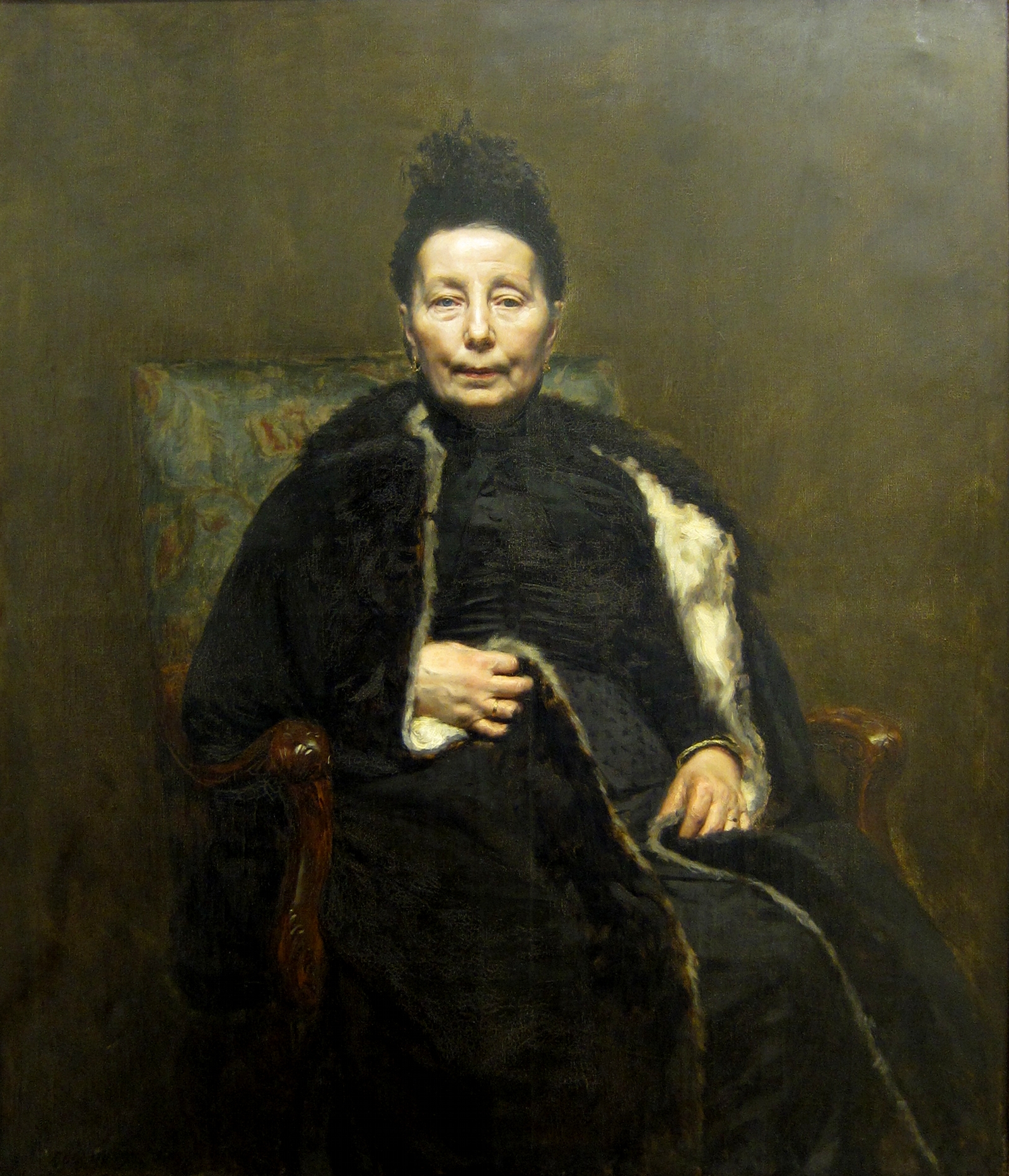
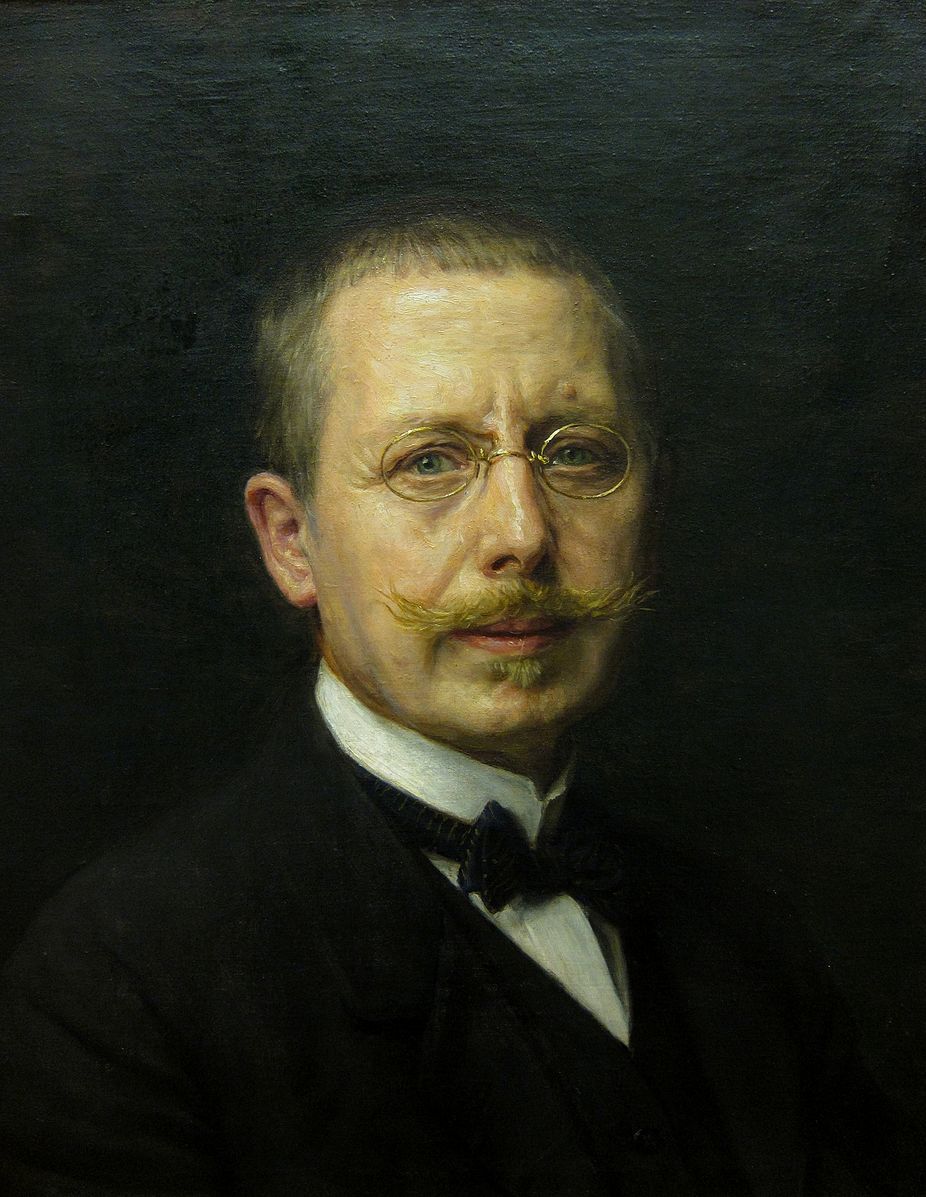
I rather liked the way the statues had been placed, with the over-dressed gentlemen surrounded by nymphs. Then all the paintings by Rémy Cogghe – so well done, but who has heard of him? I smiled to see the resemblance between his self-portraits and the painting of his mother.

Lille

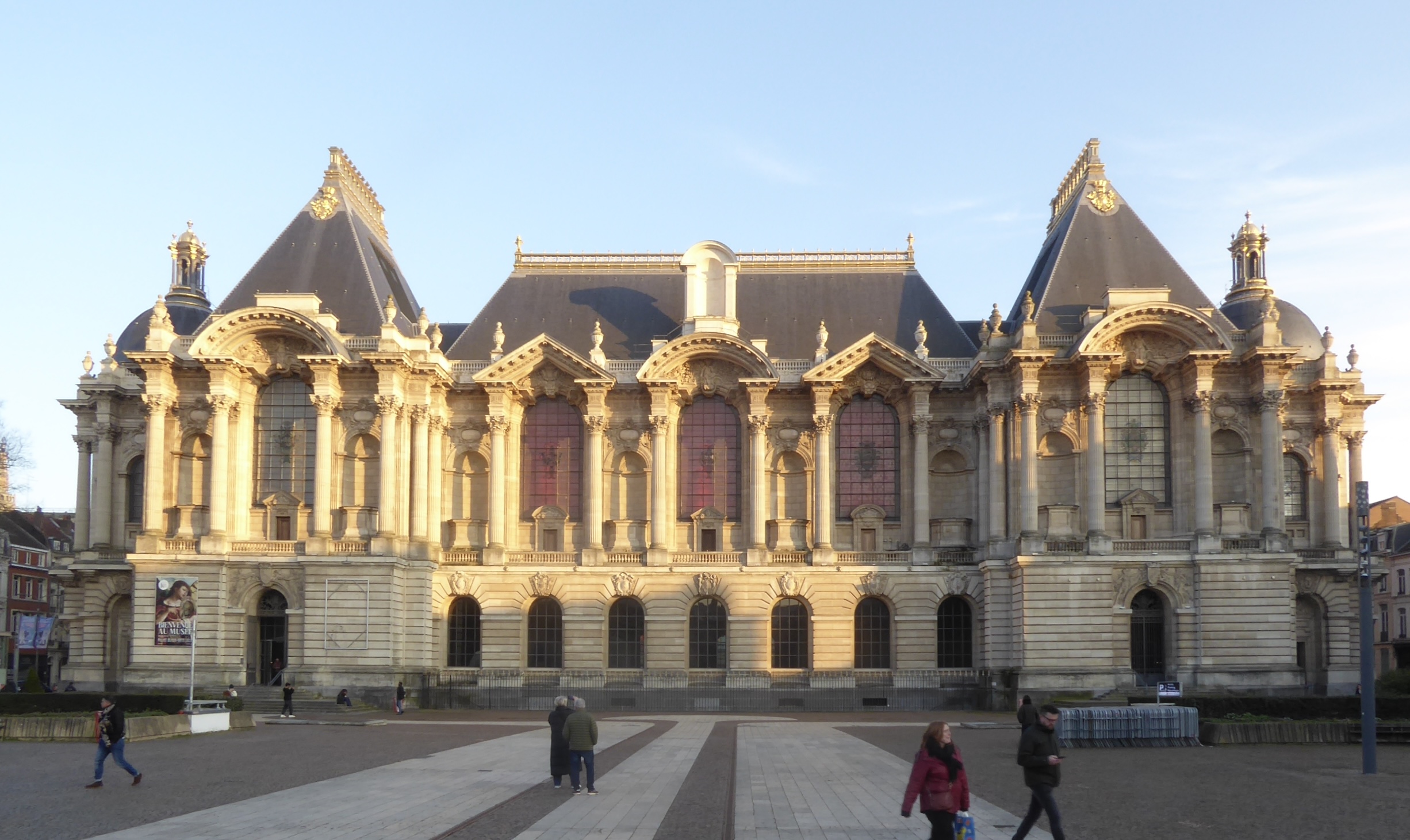
I arrived in Lille in brilliant sunshine and a rather bewildered state of mind. The travel sickness pill I had taken left me feeling detached; moreover I was bothered by not being able to make sense of the French I heard all around me. I’d caught an earlier train in order to visit the Palais des Beaux Arts – but even that just added to the sense of being all at sea.

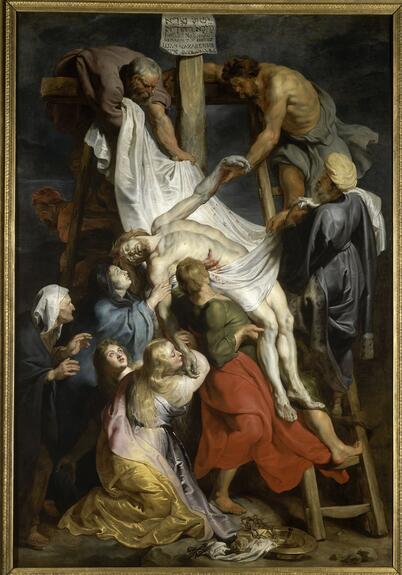
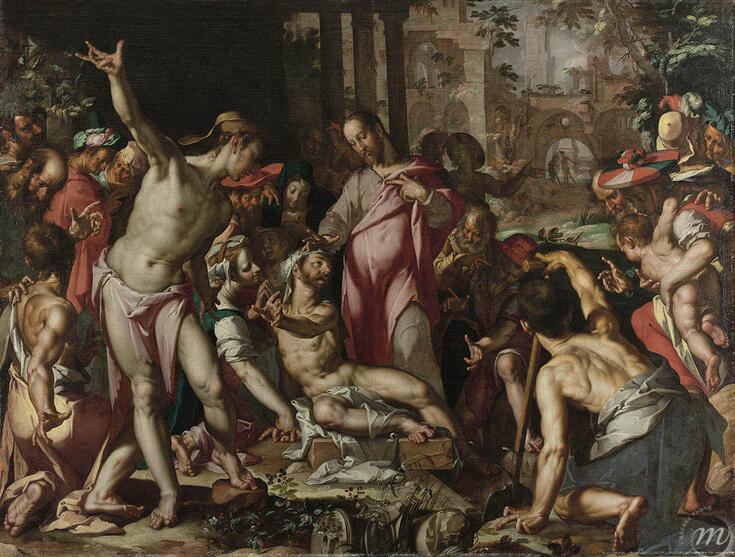
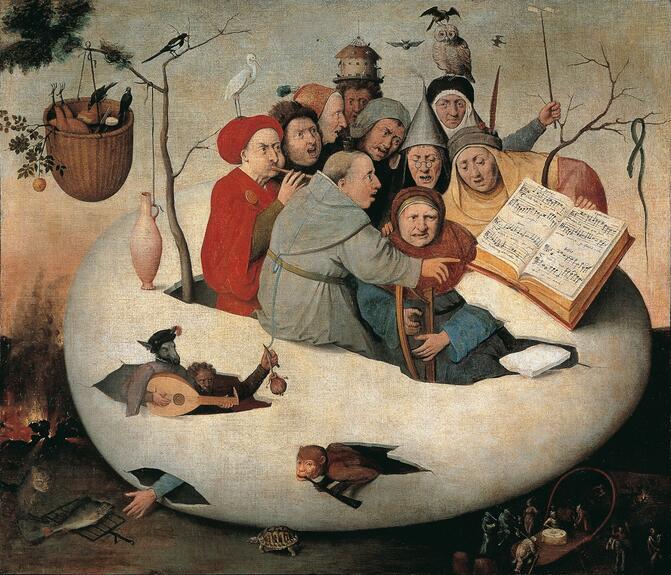
It’s a very imposing building – but one that weighed down on me. Room after room after room, each leading into the other . . . there was way too much stuff! Once again, I realised how artists’ studios churned out paintings to fill churches and to immortalise the wealthy in oils. I quickly decided I did NOT want to see any more putrefying flesh – even painted by Rubens – or horrible mash-ups of Flemish-painter-meets-the-Renaissance. I found it hard to maintain the appetite to take in anything at all.

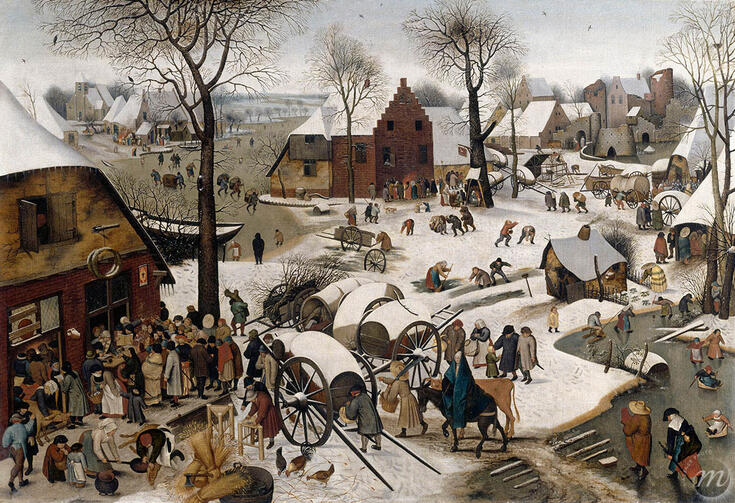
There were a couple of copies of paintings by Brueghel the Elder. Both had religious themes (the census at Bethlehem and John the Baptist preaching) but – in true Brueghel style and exactly as Auden describes it – the titular action is a small part of a much bigger picture that teems with everyday, unimportant people doing everyday, unimportant things. So different from all those depositions and raisings and martyrdoms which completely filled their large frames and which I found so lowering. When I got to the portraits – all so indistinguishable! – I wondered what I should choose to be painted in to signify the 21st-century equivalent of status and piety. Obviously not furs and a rosary; perhaps in cashmere with my ArtFund card between my fingers.

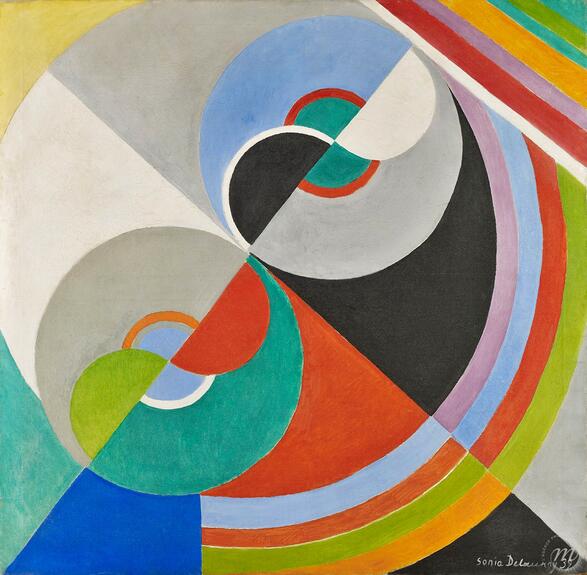
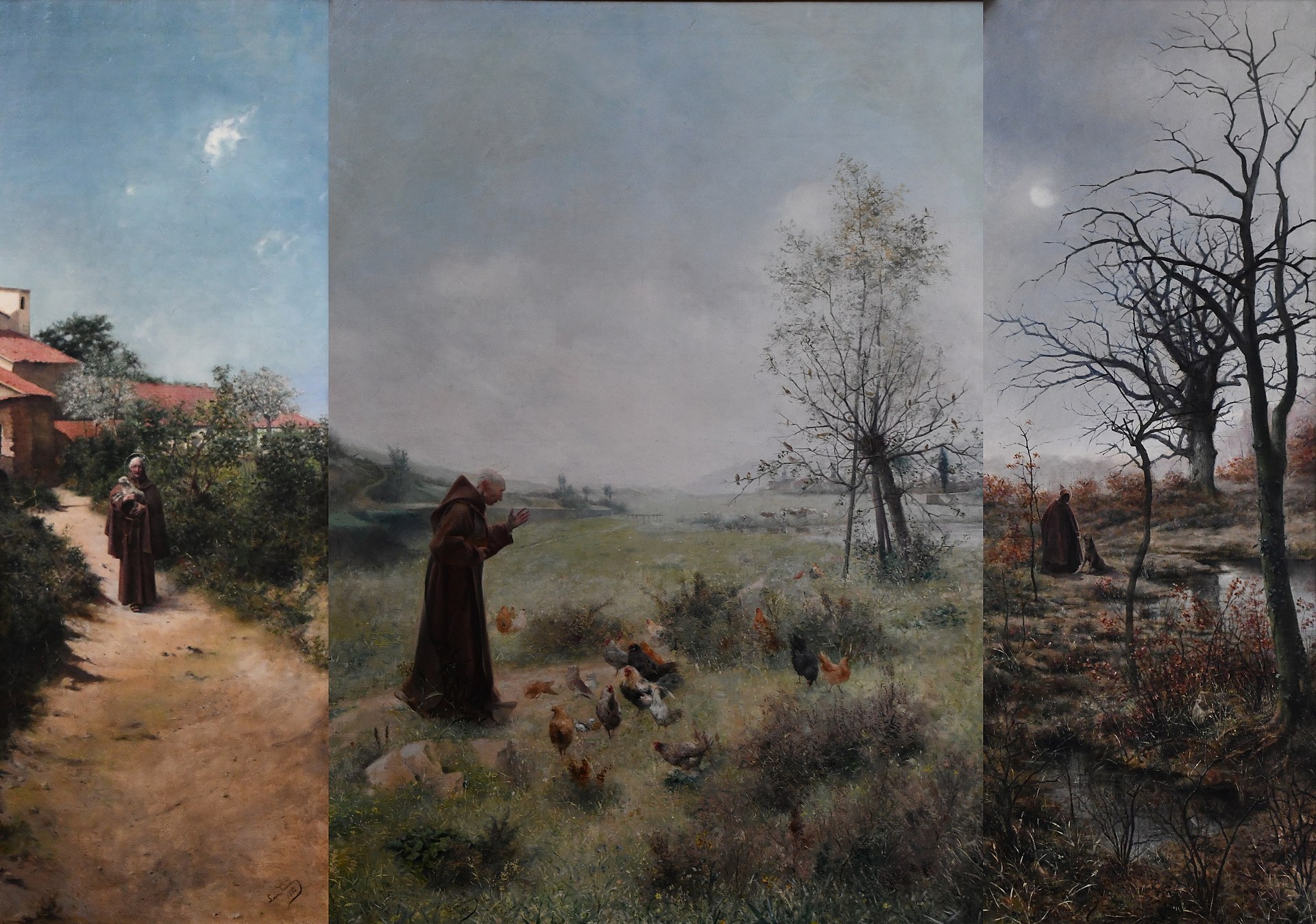
I came across Léon Frédéric again – not quite as weird to my eyes as others of his. St Francis in a Flemish landscape – which brought me back to Brueghel. By the end I was utterly bewildered: the journey from gruesome biblical scenes to abstraction was too much to take in.

Finding somewhere for dinner just added to the confusion. It seemed as if meat was still the only French food on the menu! Pig’s ears, andouillettes, marrow bone . . . But I found something in the end and finished off with lots of cheese.

Pickpocket (1959)

Director Robert Bresson with Martin LaSalle

The polar opposite of The Brutalist: spare, short, black and white, non-professional actors, affectless dialogue, no images just for the sake of beauty or imagination, characters always dominant in the frame as far as I recall. (Well, except for the close-ups of the pickpocketing scenes, which were like dance interludes.)

No introduction, no backstory to the characters. Raskolnikov by Camus is my take. The written autobiography of a young man who decides to become a pickpocket. He’s not very good at first but meets (gets picked up by?) a professional who shows him how to do it properly. (There will be locks on all my pockets from now on!) He refuses to see his dying mother until the very end, he ignores the possibility of a job offered by his steadier friend, and he taunts a police officer with his theories that criminal masterminds are justified in their actions since they are superior to the rest of society. Doesn’t believe in God, almost gets caught and flees, returns to Paris two years later having spent everything on gambling and women, finally gets caught and sent to prison. Sudden change of heart when he accepts the love of the girl who befriended his mother. Fade out on repentance. Sin and atonement, with the road to redemption – as so often – relying on long-suffering females.

Much has apparently been written about Bresson’s disdain for “acting”, but his alternative of stilted delivery of lines left me unmoved. The pickpocket’s voiceover telling the audience how the thrill of stealing from under people’s noses made him feel truly alive was belied by his expressionless face and sullen demeanour throughout. No doubt contrary to Bresson’s intentions, I looked behind the story to the incidentals: the grimy garret, the tap on the landing, Parisian crowds, a slice of life at a particular time and place.

Once again, all the critics thought it wonderful.

The Brutalist

Director Brady Corbet with Adrien Brody, Guy Pearce, Felicity Jones

“Overblown” is, for me, the only description. The final words of the film – “it’s the destination, not the journey” – were so bombastic that, like one last blow of its own trumpet, they widened the existing fractures and the whole edifice came tumbling down. (Unless it was some meta-joke, welcoming the viewer – at last! – to the end credits.)

It started off well: Hungarian-Jewish architect is released from a concentration camp and sponsored by his cousin to move to a new life in Philadelphia. Fairly menial work for a long time until he is taken on by a rich, obnoxious-beneath-the-veneer man who has a grandiose scheme of his own. Eventually – after several years apart – the architect’s wife and niece are able to join him from behind the Iron Curtain. Things like that really made you feel the duration of post-war suffering for people already damaged by the war. The images were wonderful and striking, the acting was great, and I was hooked until the interval.

After that, too much was piled on. As a film about the building of the New Jerusalem (whether metaphorical or the founding of the state of Israel) and the Jewish experience in a new country that still despised you as the old one had – yes. Overweening ambition à la Citizen Kane – not so much. An architect driven by beauty, proportion and space – well, OK, but it’s a bit of a tortured genius cliché. The seductiveness of the vast wealth of the post-war US was tangible and woozily shot, but that look of beauty stretched to everything. The doss house, shovelling coal, life in a wheelchair – all beautifully framed and shot. (The 1980 epilogue really looked a documentary film from the 1980s. Technically brilliant.) That started to grate. How many more shots of the sunlit cross on the altar did we need? The years in a concentration camp were almost irrelevant until the end, when it was revealed – far too late – that the size of camp cells had been the inspiration for designs. If you’re going to focus on boxy and enclosed spaces for over three hours, give the audience a clue a bit earlier on. And – excuse me – born in 1911, studied at Dessau and a celebrated architect before the war? That’s stretching it a bit.

But all the reviewers think it’s wonderful.