Kurt Schwitters in Ambleside

After my visit to the Hatton Gallery on Wednesday, I checked the website for the Armitt Museum and discovered that today there was an annual guided walk in Ambleside of places significant to Schwitters, who lived there for the final three years of his life. It also gave me a chance to see what works of Schwitters the Armitt has. Plus other discoveries that caught my eye.

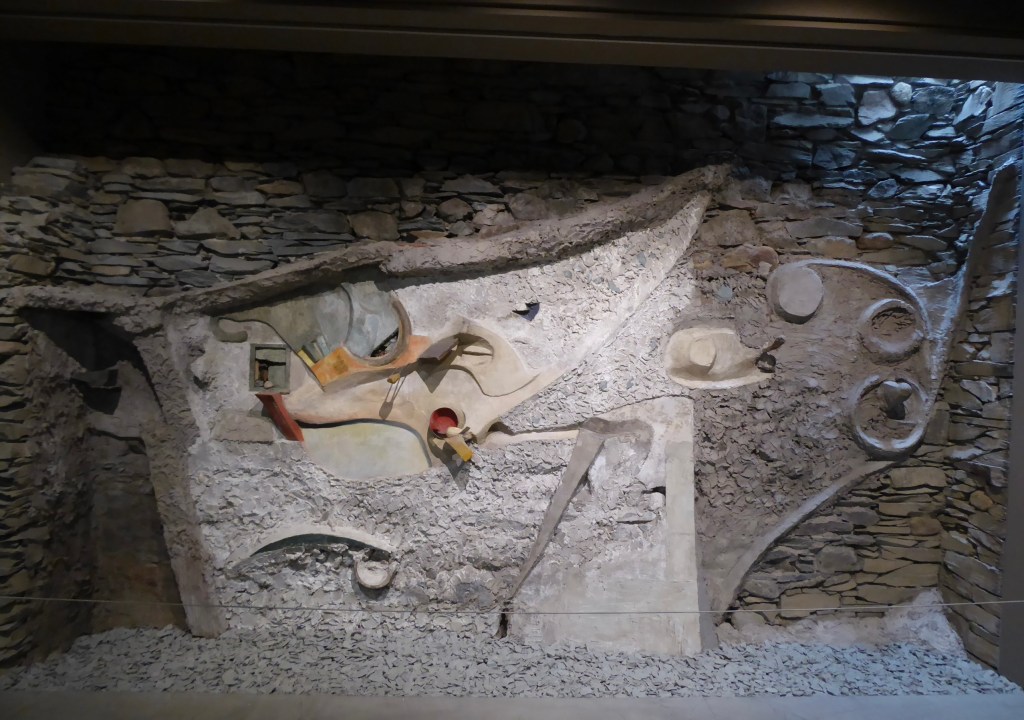
The walk’s focus was primarily on Ambleside and the people that Schwitters was friends with. He painted their portraits – competently if not inspiringly – and sketched and painted for a few shillings to earn a living. It wasn’t really the focus I was after, but nonetheless it was a pleasant and informative walk. There were wonderful views from the first house Schwitters lived in – but, after a fall on the icy pavement, he had to move. I learned that the Merzbau in Langdale was his third and final one, and the only one of which something remains – i.e. the barn wall in the Hatton Gallery. (His Hanover Merzbau was destroyed during the war, and the one he started to construct in Norway when he first fled Nazi Germany was destroyed decades ago.)

The Armitt exhibition was of Schwitters’ portraits of Ambleside worthies. It therefore gave little sense of what a very unusual artist he was. Nowadays Schwitters-type stuff and collages and deeply personal works are everywhere, but he was the ur installation artist*. (I did enjoy one of the group saying that her great aunt had had to clear out one of Schwitters’ rooms and found it full of rubbish . . . like old bus tickets! So not rubbish but artist’s materials.)

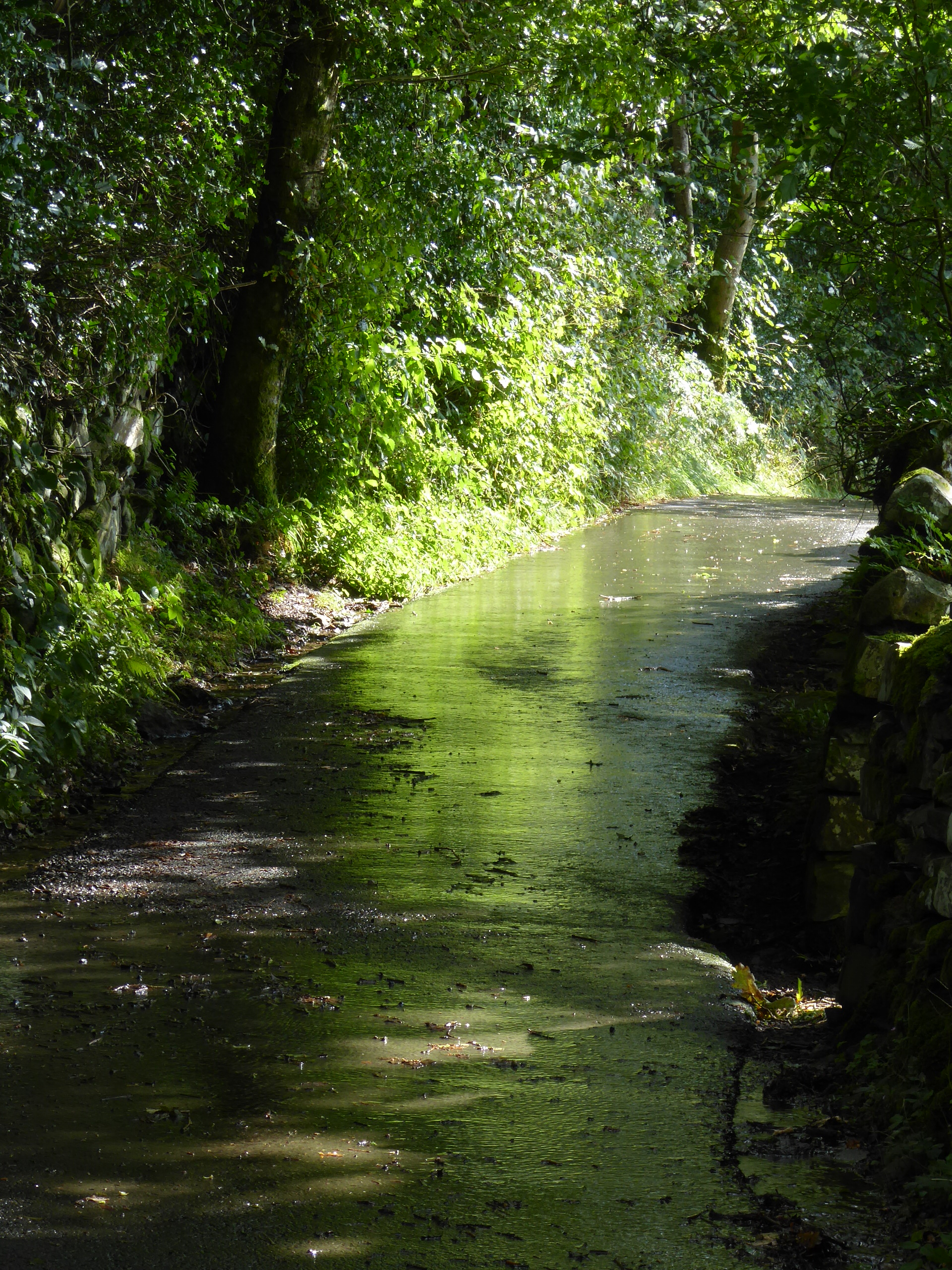
And then, since the day had turned into a beautiful afternoon, I walked back to Brockholes via bridleways – some with little rivulets running down them after so much rain.
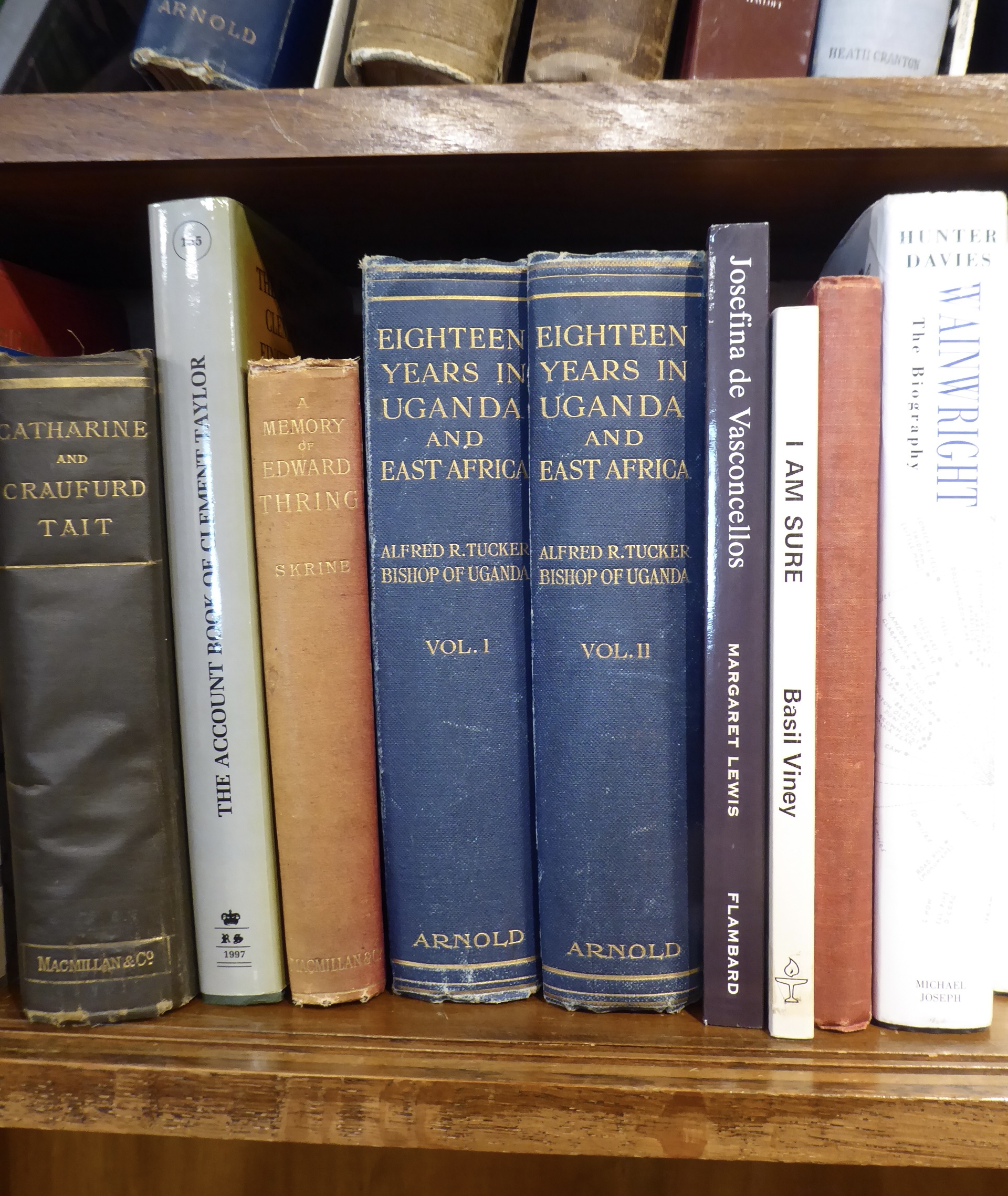

* But levity will intrude and – unserious philistine that I am – I can’t always take his work seriously. So – Schwitters used porridge as a sculpting material while he was interned as an enemy alien; I’ve just read the following in “Conference at Cold Comfort Farm” (1949):

‘And Messe has promised, as you saw by the advance publicity I sent you, to do us a one-day show of Transitorist Craft work. Do you know his stuff? He won’t use materials lasting longer than one day, and he mostly works in pastry made from national flour, contemporary sausage-meat, and modern dyestuffs . . .’


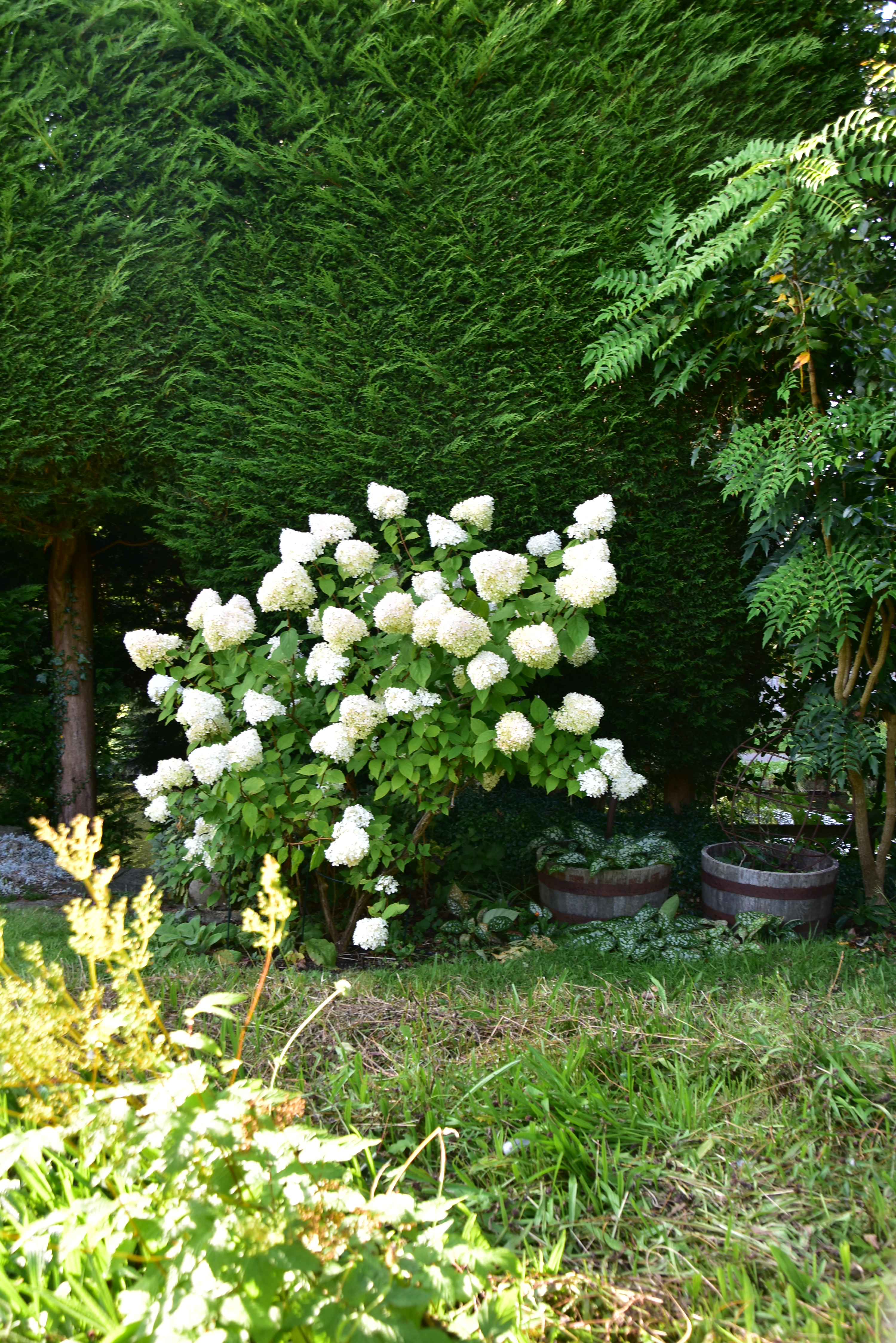
The garden today

I’ve now got four cat deterrents; they snap at my ankles as I walk around the garden. I don’t know if they deter the cat but I haven’t seen any nasty evidence of it. If these deterrents don’t work the next step must be a Jack Russell!

The garden is heading into its autumn phase: I’ve dealt with only some of the long grass; the jasmine, so fragrant a couple of weeks ago, now looks tatty; colour is provided by ripening apples and the over-leggy rudbeckias; cyclamen are peeping through. There’s a fair bit to do, but the weather is unpropitious and both green bins are full to bursting until next bin day. The tattiness lives for another week.

Wajda’s War Trilogy

I’d only meant to watch Kanal, but the BFI app had all three of Wajda’s war films so we watched them all. They do not follow on from each other, except to chronicle key moments in wartime Poland: in fact I was a little disconcerted at first to see an actor whose character had died in A Generation playing another part in Kanal. There were blanks in my knowledge that I think I’ve managed to fill a bit – and really, how could it not occur to me that of course there would have been anti-communist resistance to Soviet dominance of Poland once it was liberated from the Nazis? I know all about the Greek civil war, so why not Poland? (Except that the Soviets were already in situ and brutally triumphant, so the outcome was never in doubt.)

More ignorance about the layers of national history and ideology that I just had to guess at. These films were made in the mid/late 1950s so post-date the posthumous reassessment of Stalin and straddle the Polish thaw. They were financed – and hence sanctioned – by the state and were expected to have a pro-socialist message. Like British WWII films, they presented a contemporary view of recent historical events – answering, perhaps, a need for remembrance or catharsis or – for Poland – an alternative to the dominant ideology. Grim, tragic and practically devoid of levity and the semaphored sentimentality you find in British films.

Wajda was born in 1926 and joined the Polish Home Army as a teenager, and his actors would have had similar wartime experiences. That adds a chilling aura to these films. They know what they are talking about, and I just had to listen.

A Generation (1955)

A shanty town on the outskirts of Warsaw mid-war and a young man who swaps petty crime for an apprenticeship in a furniture workshop. He is inspired by a communist co-worker and joins the resistance movement, assisting in the Warsaw Ghetto Uprising. The final shot is of him and his handful of comrades – a little, doomed battalion – heading off for further resistance.

Shades of Italian neo-realism in its “natural” shots. According to Wikipedia, the machine guns shot live ammunition as there was at that time no way of shooting blanks – ! I gradually became more and more involved in it and was quite bereft at the end.

More ignorance on my part: I had no idea there was a Warsaw Ghetto Uprising as well as the Warsaw Uprising.

Kanal (1957)

The fag end of the Warsaw Uprising. The only possibility is defeat, and the only unknown is when. A group of resistance fighters are ordered to retreat via the city sewers and come to an end in various ways. It’s claustrophobic and gripping – and also raises questions of sacrifice and heroism. It reminds you of the scale of the suffering – both military and civilian.

Ashes and Diamonds (1958)

A more elaborately shot, symbolic film which initially took some working out. It’s a turning point in Poland’s history: 8 May 1945 and the Nazis have surrendered to the Soviets. There is a celebratory banquet in a town’s big hotel. A Polish administrator who has spent the war in the USSR comes to the town to take up a new post under Soviet direction. There are some anti-communist Home Army soldiers and organisers fighting against Soviet rule. Two of them – one, Maciek, looking like James Dean and one William Hartnell in Brighton Rock – are ordered to shoot the administrator but kill the wrong men.

It’s a conflicted film. There are two opposed sides and there are parallel scenes as they remember those they fought beside, but – in 1958 – the anti-communist resistance just had to be the bad guys. In his doomed persona though Maciek knits the two together. He has a tender interlude with a barmaid, and their conversation brings home how the war crushed their young lives. Maciek has a few fellow soldiers left to him (although many have died) but his eyesight is damaged by his time in the dark sewers; she has lost everyone in her life and is totally uprooted.

Towards the end, as Maciek flees for his life, the anti-communist gentry, drunk after the banquet, perform a shaky dance while the band discordantly plays a polonaise. I suppose for the authorities that ridicule might have cancelled out the sympathy that the audience must have felt for the disillusioned – but criminal – Maciek.

The Merz Barn Wall

Merz Barn Wall, Kurt Schwitters, 1947-48

I went to the Hatton Gallery, hoping to see the paintings I’d skipped over on my previous visit when I had been captured by Kurt Schwitters’ Merz Barn Wall. Unfortunately, the gallery was taken over by the graduate art show (very shallow of me to think that, I know) so I returned to the wall to see if I felt the same way about it.

Yes – but without that sense of astonishment I had the first time. The lines and shapes and proportions seem just right somehow. The clean curves offset by the texture of the plaster “scales”. The little areas of colour. I knew it was unfinished, but I didn’t realise- until I read further – that this is not quite what Schwitters created. There were other elements, like a column, but this (restored) is all that remains.

I can feel a visit to Ambleside coming on.

Newcastle

Newcastle really is a handsome city – it announces the fact from the moment you cross the river and curve into the station. Sunshine helps, of course. It’s looking a bit pinched in other ways, but that’s another matter.

Straight to the Laing and the café, but before I had my coffee I was sidetracked by the corridor display of domestic items: a teapot by Christopher Dresser plus crockery by Laura Knight and Eric Ravilious. His little tureen was a delight.

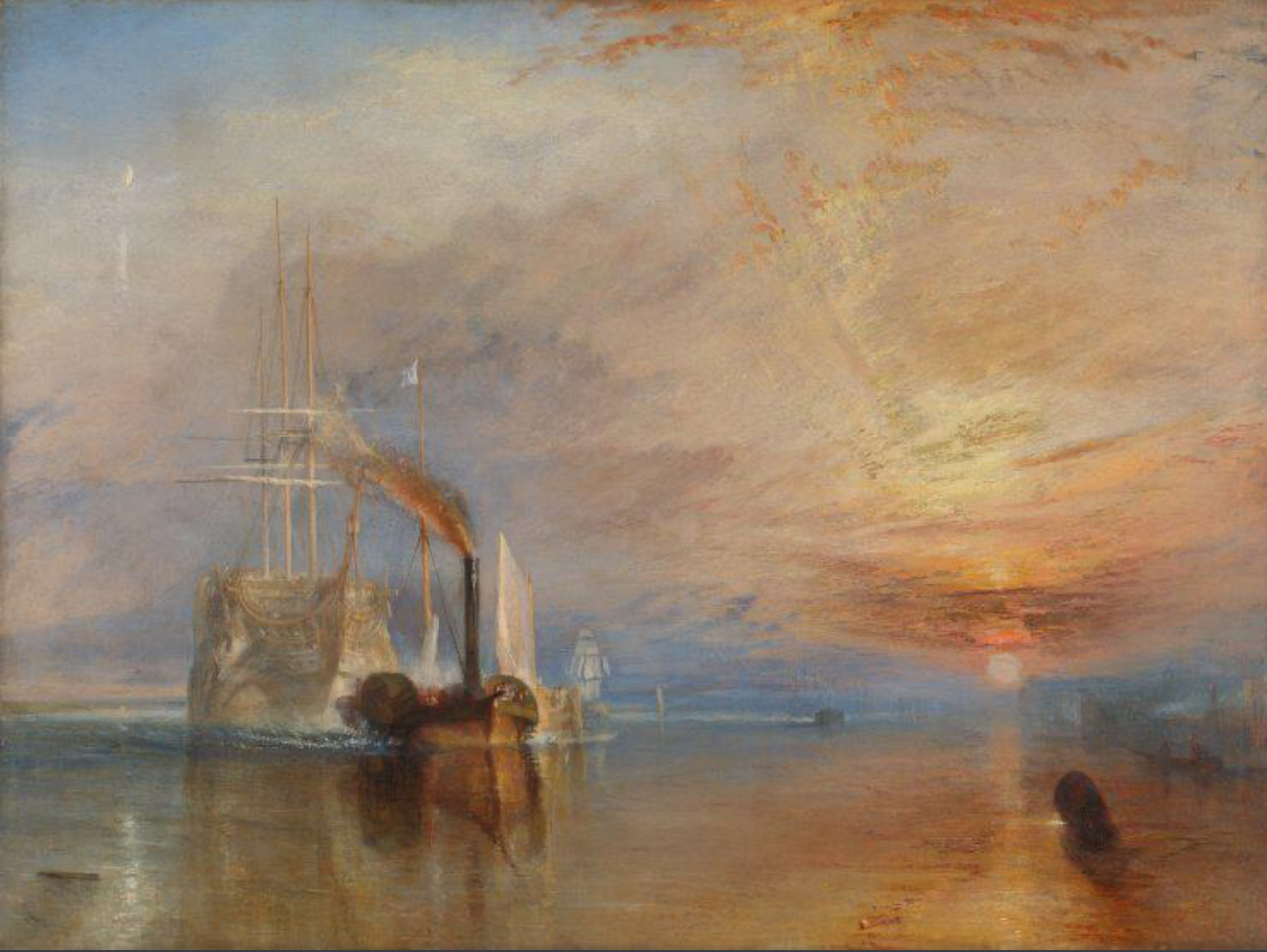
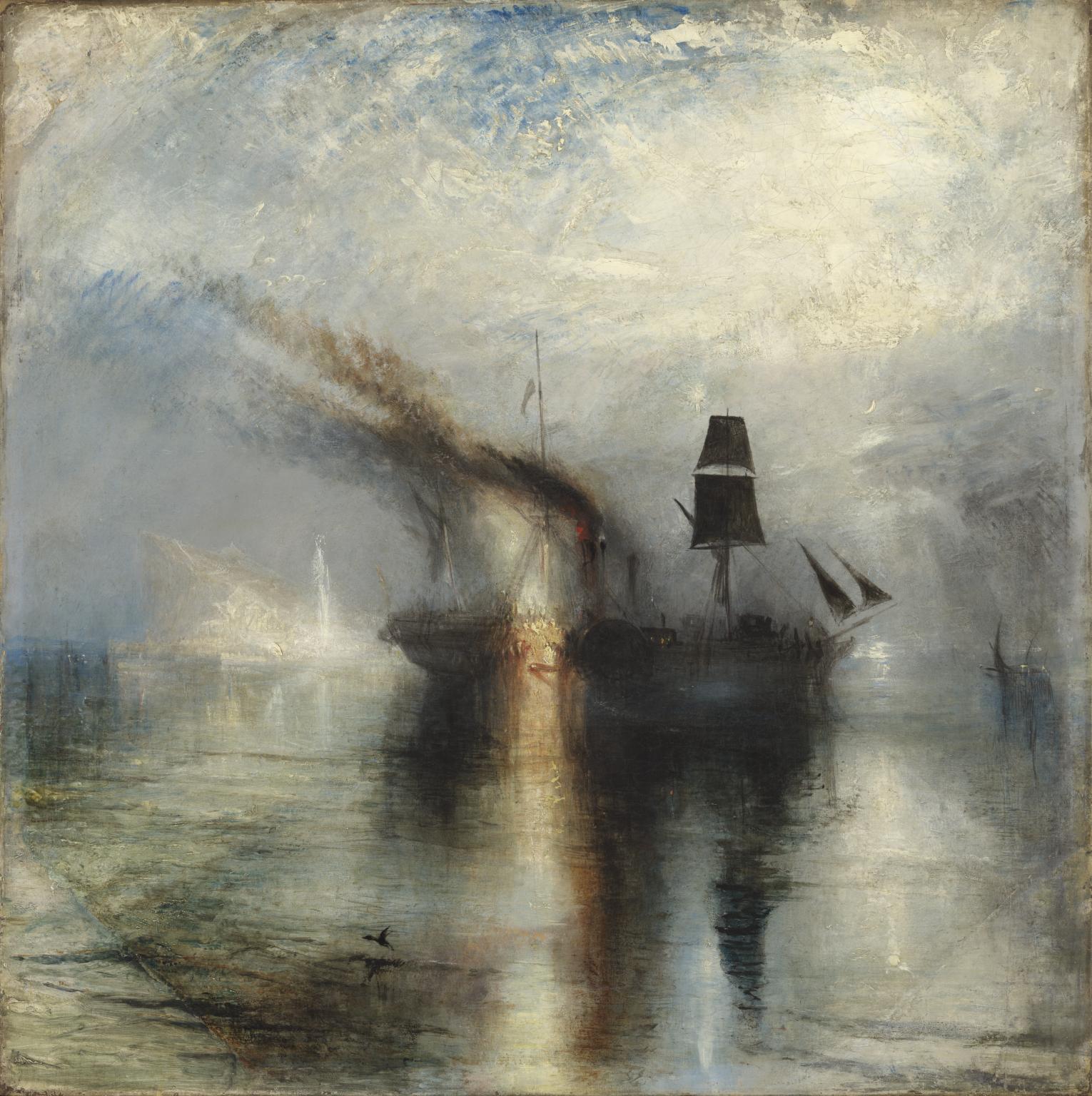
But I wasn’t there for household items. No, I was there to see Turner’s “Fighting Temeraire”, which is on loan from the National Gallery, and the exhibition surrounding it. As I walked round I felt a small surge of horrified interest in how a battle would have been fought by sailing ships atop a wooden crate riddled with gun holes. Lots of Turner’s watercolours, which – since I know one of the scenes he painted – included a great deal of artistic licence. Sometimes his painting are too undefined and blurry for my taste, and I wasn’t expecting that much of the Temeraire. Well, I was wrong. In the flesh, it is amazing. It blazes and shimmers and is utterly beautiful. Lots of artistic licence here too, but there is still pathos in the old ship that helped to defend Britain from Bonaparte’s forces being led to her death by a new-fangled steam tug. “Burial at Sea” next to it was equally breathtaking. It just glowed.

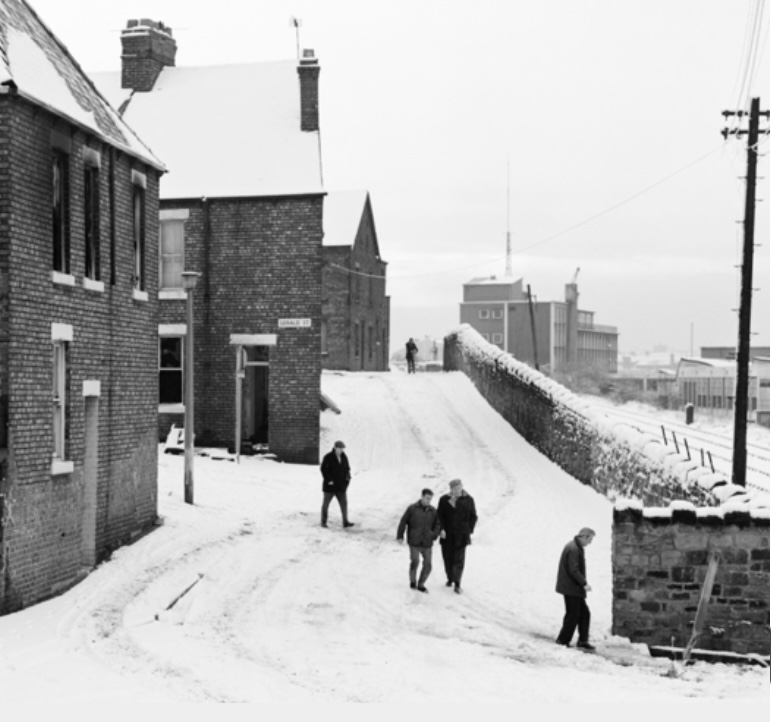
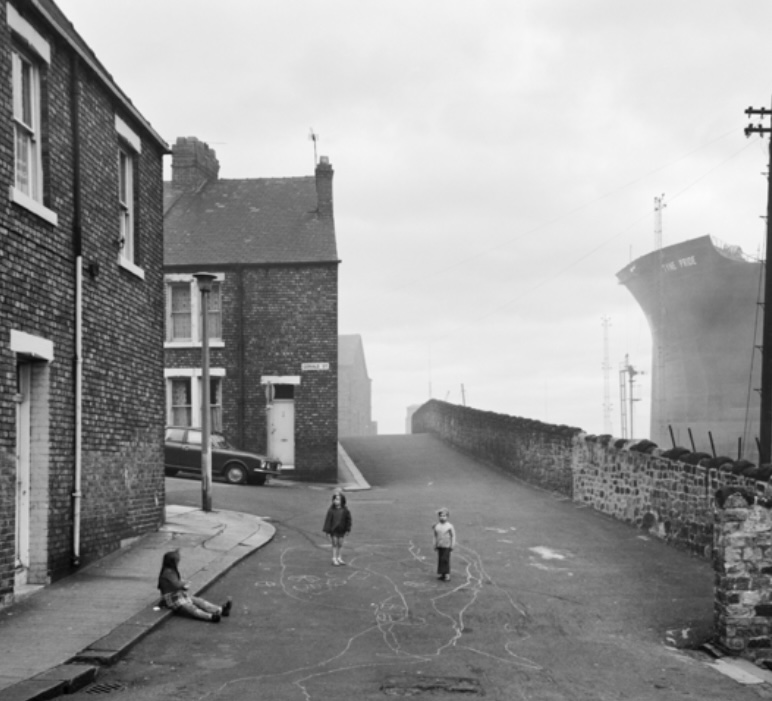
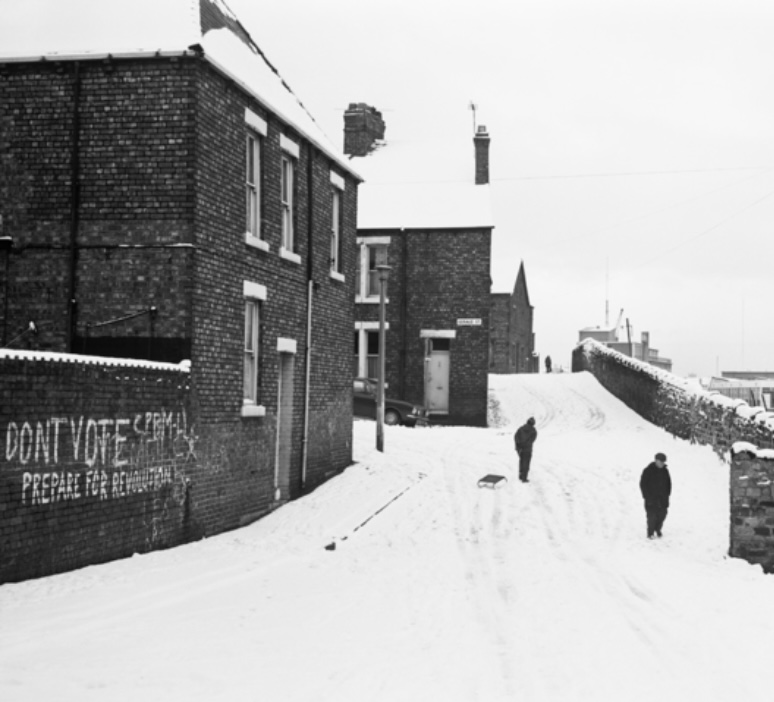
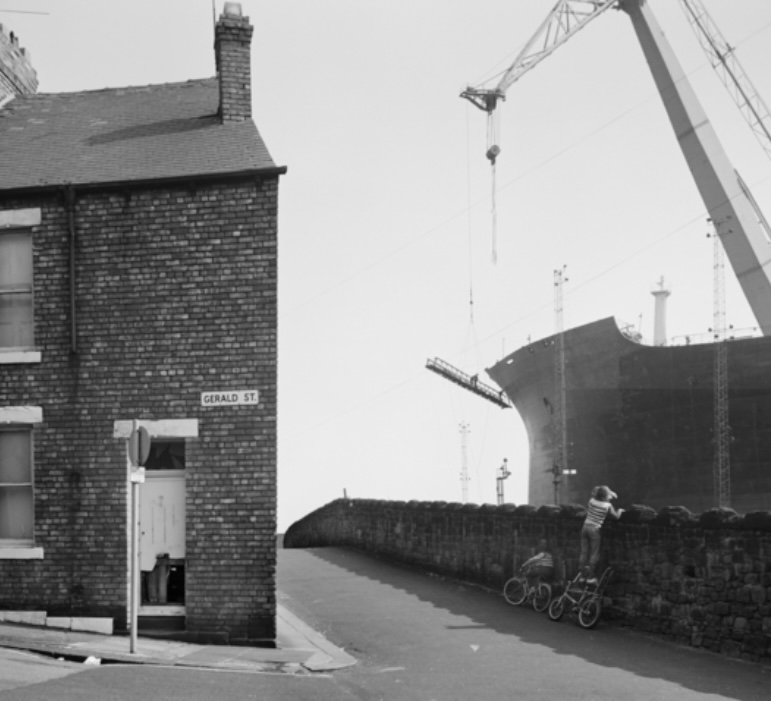
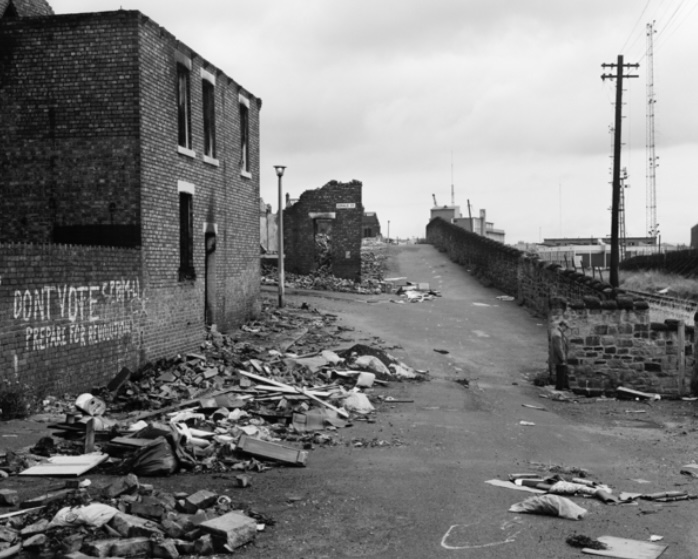
There was more about shipbuilding and industry on the Tyne, including one photograph by Chris Killip. Afterwards I went into his exhibition of “The Last Ships”. His eye is perfect, but it is perhaps the time he spent on the people and the area that was his invisible power. These photographs of the same street over the course of a couple of years in the mid-1970s:

My room is on the fourth floor and I have a perfect view of the Ionic capitals of the old Assembly Rooms. And of the buddleia sprouting from its masonry.

La Règle du Jeu (1939)

Director Jean Renoir

One of those films that I was always on the outside of – an interested but detached viewer, wondering if my reading of the film was the one that the writer and director intended.

Well, perhaps. I thought it a comic opera plot filmed in prose: “The Marriage of Figaro” meets Brian Rix. Upstairs-downstairs, a country house weekend, an extended hunting scene (WWI with a nod to fears of WWII perhaps?), a milieu where affaires and kissing the housemaid on the stairs are de rigueur – all filmed at breakneck speed. Afterwards I read about the technical innovations: lenses with a deep depth of field for the corridor scenes, extended takes. (Poor innovators: after a few decades, audiences no longer see how groundbreaking they were.) I wasn’t convinced that the film successfully skewered the “rules of the game” cynicism of the upper classes – if that was indeed its aim. What was it about the Marquis collecting clockwork toys – was that a symbol? As I said, it left me unmoved – except for mild amusement at the woodenness of the actress who played Christine.

Miss Pettigrew Lives For A Day by Winifred Watson (1938)

Well, that was fun. A relief to have something so frivolous about a woman’s life to turn to! It’s Cinderella all over again, combined with a puncturing – or, more accurately, a ripping to shreds – of conventional moral values. Miss Pettigrew is forty, downtrodden, friendless and on the verge of destitution when she encounters Delysia LaFosse. Even better, it doesn’t all end on the stroke of midnight.

Complete froth, but enjoyable, readable froth – with the authentic 1930s mindset about the superiority of the true Englishman (ironically, built like the Greek Hercules and with the face of the American Clark Gable) over the handsome, friendly, charming not-quite-a-gentleman Phil, disqualified from marrying the delicious Delysia-who-can’t-say-no because “somewhere in his ancestry there has been a Jew”. Ouch. Narrow conventions can be swept aside in the matter of morals . . . but not ancestry.