Saltburn to Skinningrove

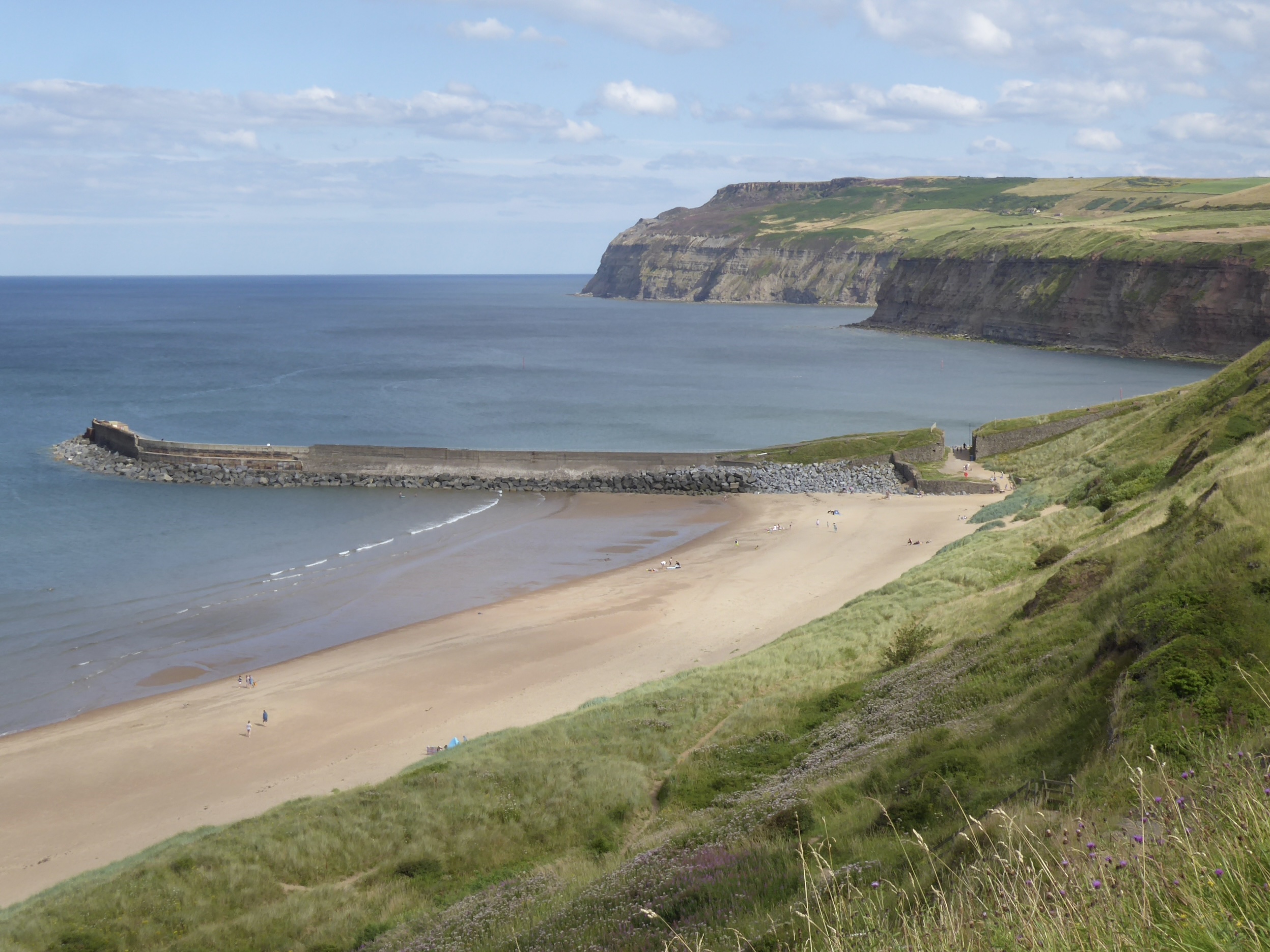
A walk from Saltburn to Skinningrove – one I’ve done before, but not in summer. They’re almost identical in terms of geography, but Saltburn is the holiday resort and Skinningrove is the left-behind industrial site. Its beach was every bit as enticing as Saltburn’s nonetheless.

Saltburn

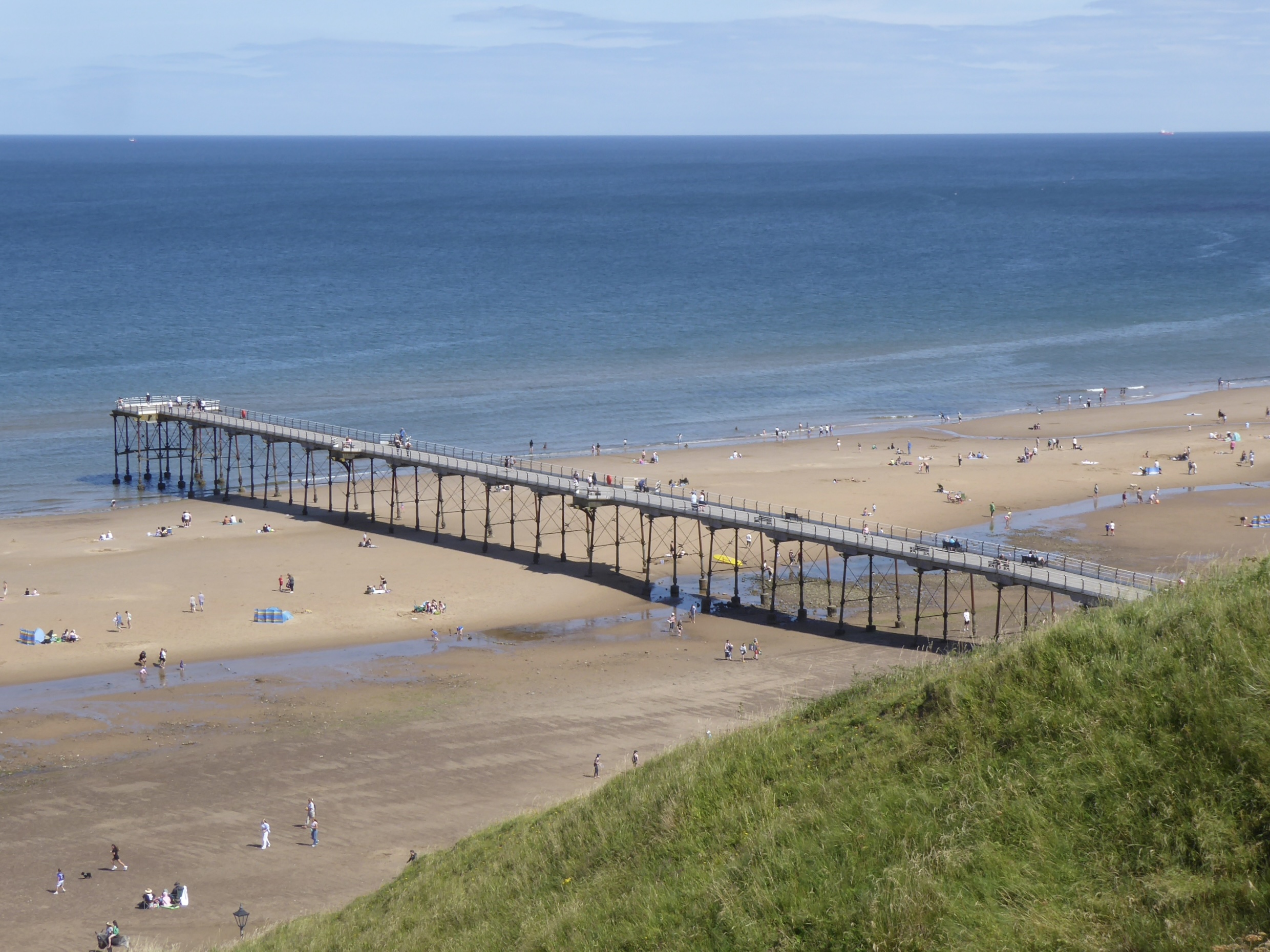
Back to Saltburn – this time in brilliant sunshine and peak holiday season. Still wonderful. The colours are so different.

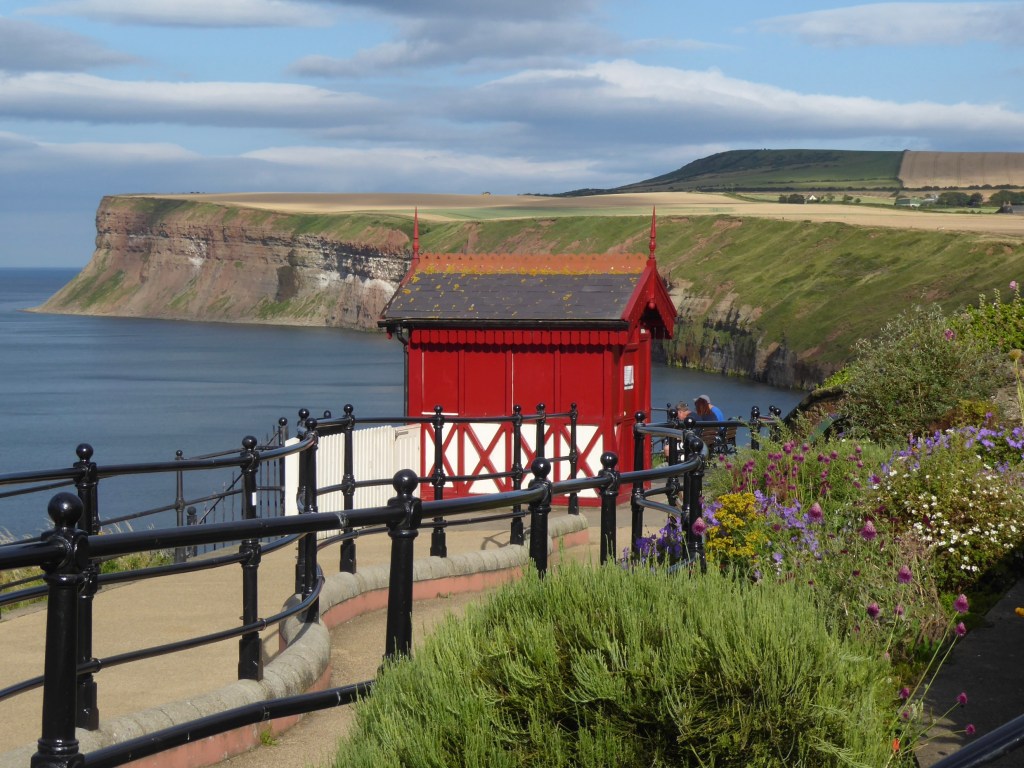
I have been doing a little homework for tomorrow’s “guided tour” for someone who’s never visited before. Clifftop tram, obvs – water-powered funicular, sadly not working at present. Precious stone/jewel street names (Amber, Coral, Emerald, etc) on a grid pattern. Like Arnside and Grange-over-Sands, transformed from a backwater into a Victorian holiday resort by the arrival of the railway. Built and promoted by the Pease family of Darlington – Quakers with a finger in every pie. (Originally there was no alcohol.) Built on land bought from the Earl of Zetland. I was told by someone I got talking to in a café that the railway line used to continue beyond the station right up to the Zetland Hotel on the edge – a proper railway hotel. A wave in the direction of the beckside gardens, a mention of Convalescent Street . . . and I am ready for my Blue Badge.
Garden hazards

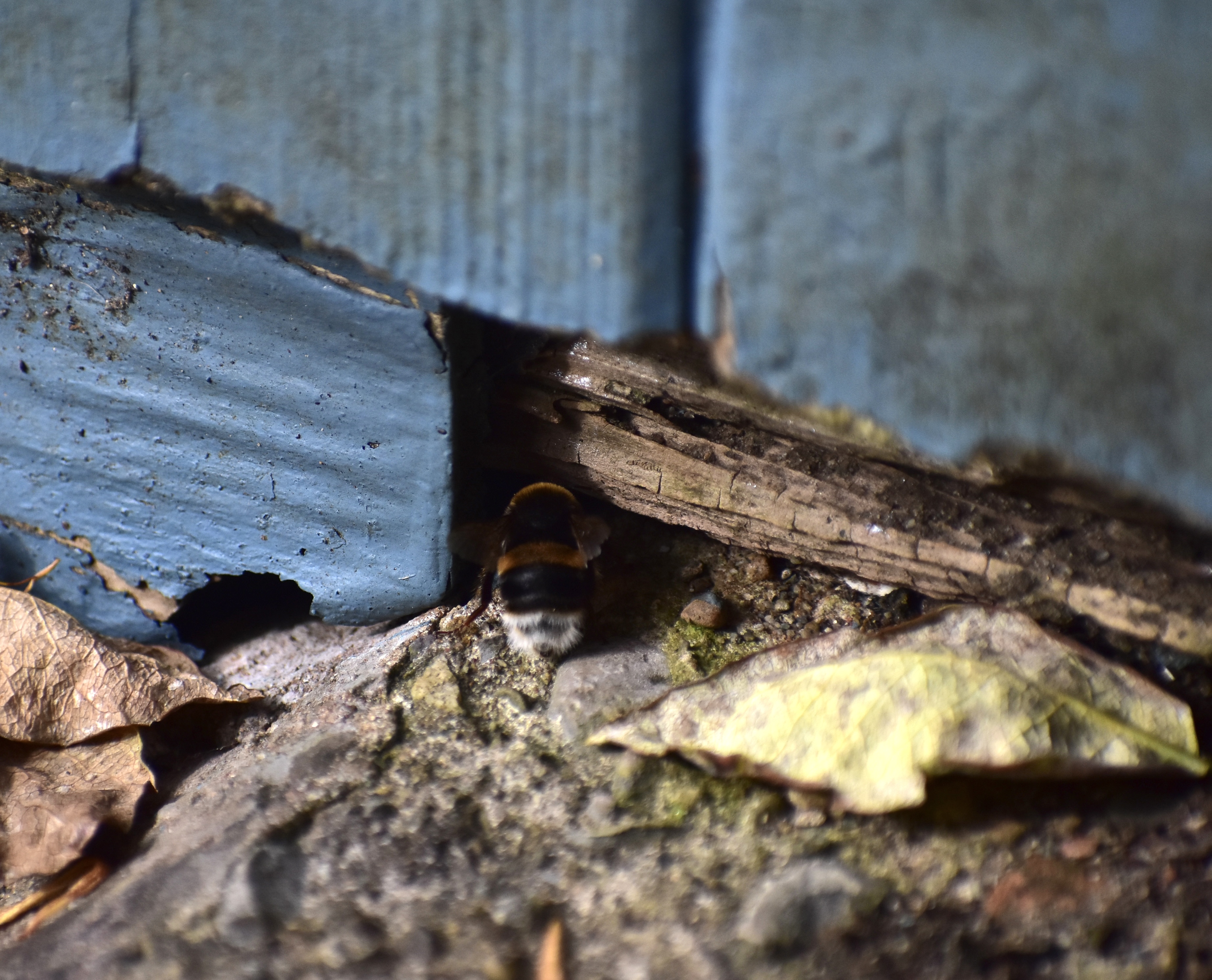
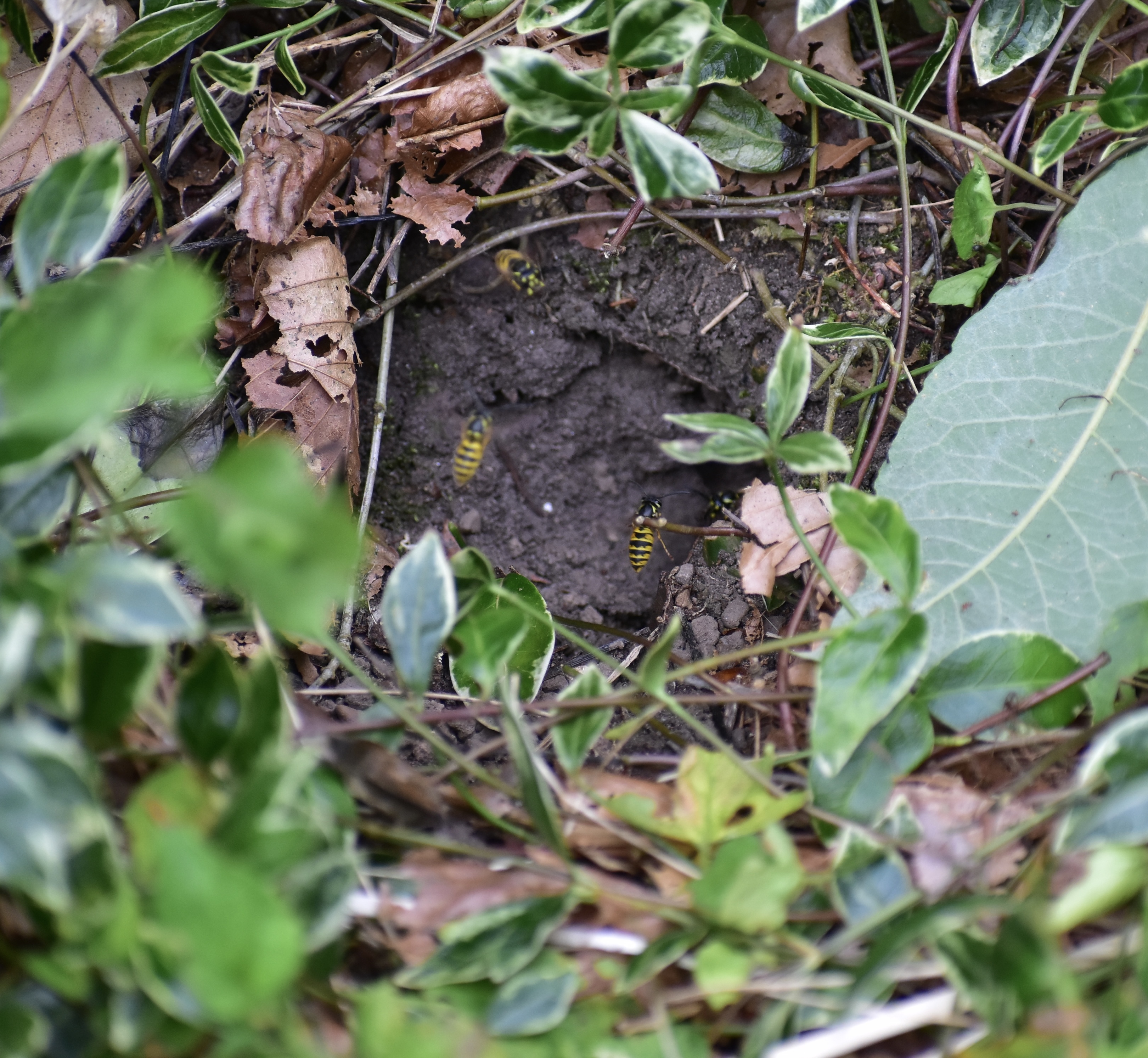
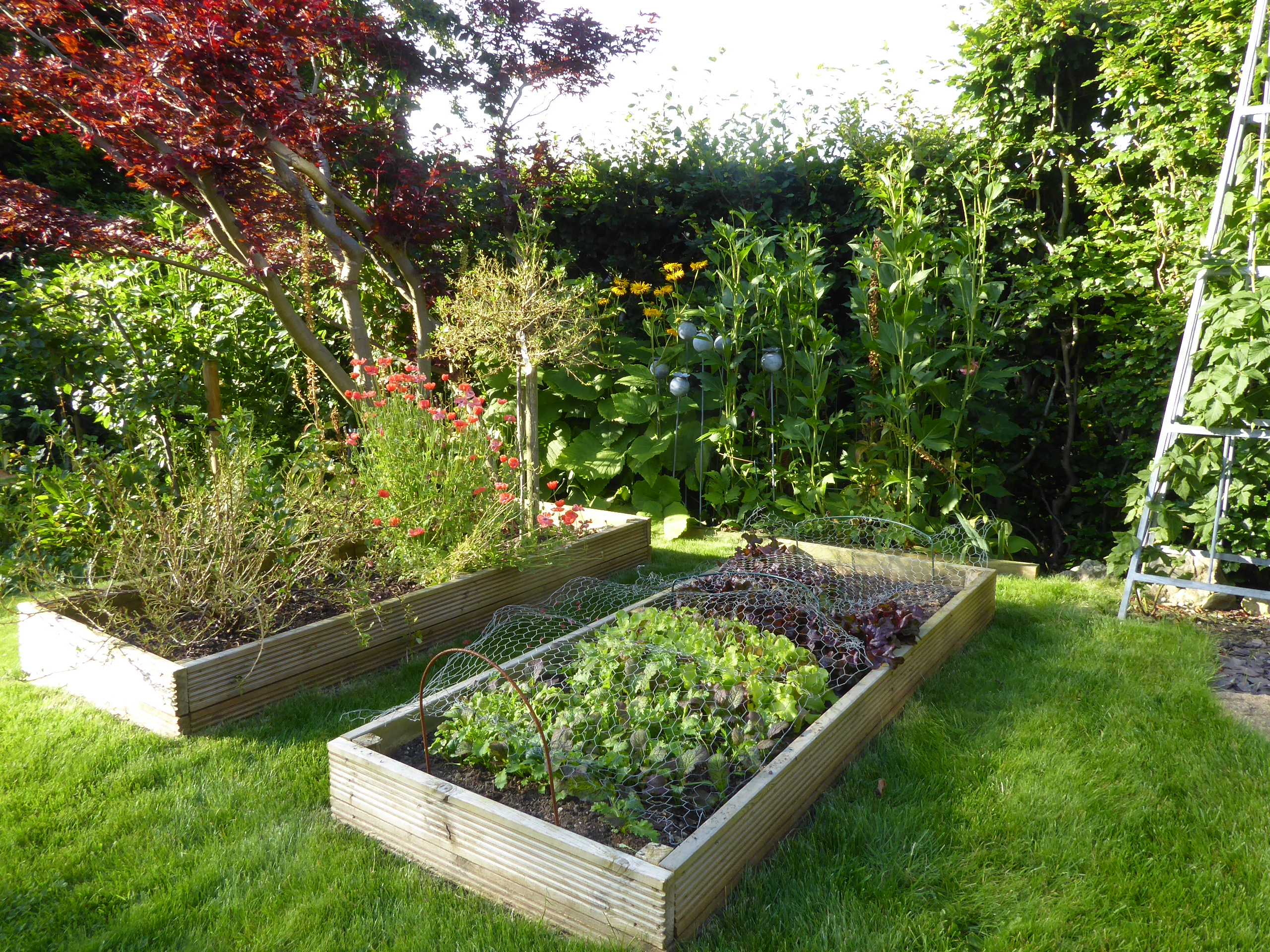
I’ve got used to the buff-tailed bumblebees nesting under the garden shed; their entrance is directly under the threshold so I have to be careful not to inadvertently shut them in the shed. I didn’t particularly like reading online that they often nest in old rodent holes though: I’ve had quite enough of rats. Yesterday the flying ants hatched out of a little mound in the lawn that I had already scalped with the mower. Vegetables are netted against wood pigeons and soft fruit against everything. The pale ginger cat is a real nuisance: the lawn now has a scattering of squeezed lemons and coffee grinds in an attempt to deter it. And finally today I began to tidy the bottom of the garden against a low hum of buzzing. It eventually filtered through to me that I might be disturbing something. I checked – yes, I was: an underground nest of small, very yellow bees that didn’t seem too bothered by my presence.

Doh. How wrong can I be? They were wasps! I am only glad that they were in too mellow a mood to mind. Now I have the dilemma: to eradicate or to live with them?

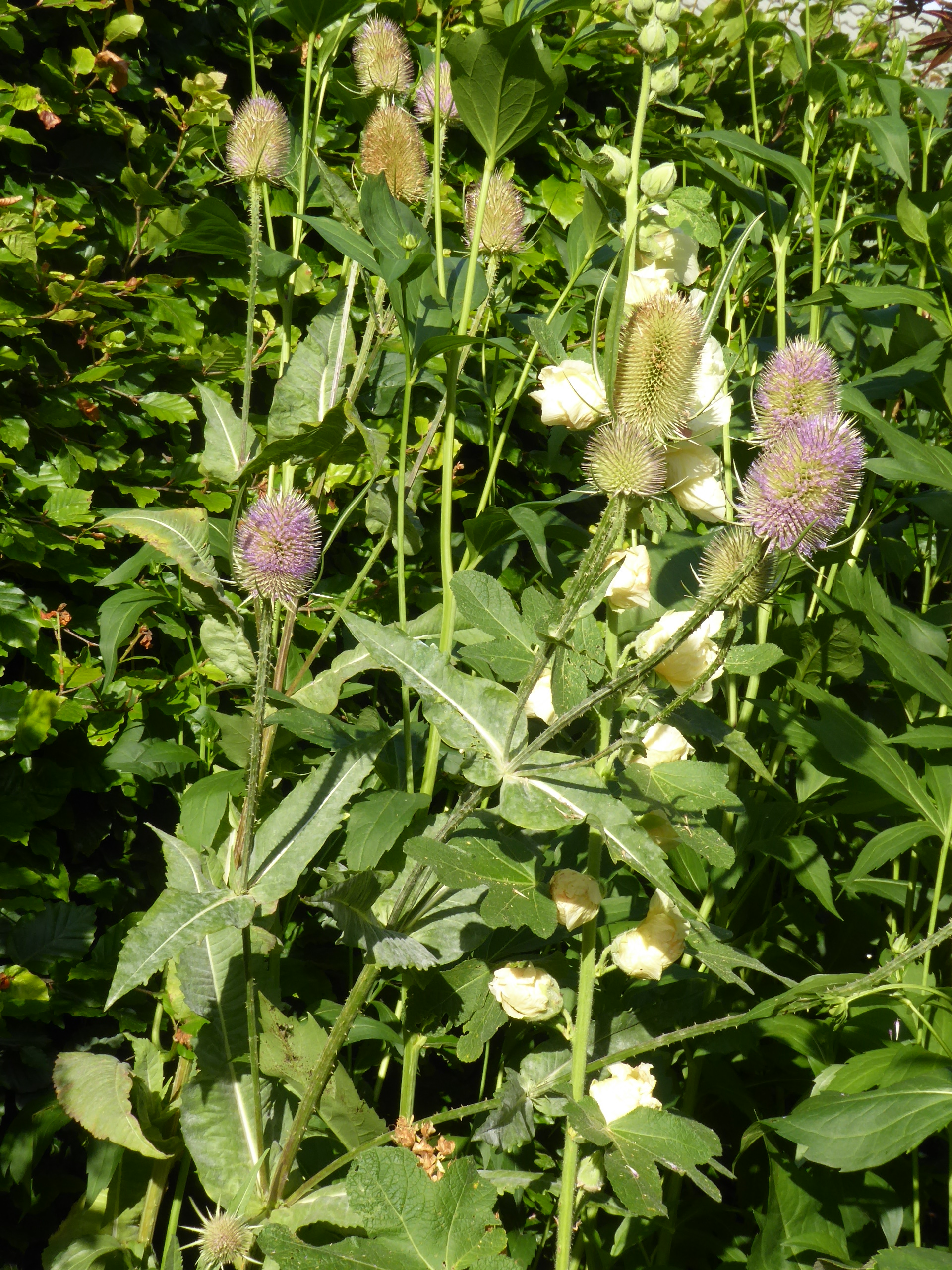
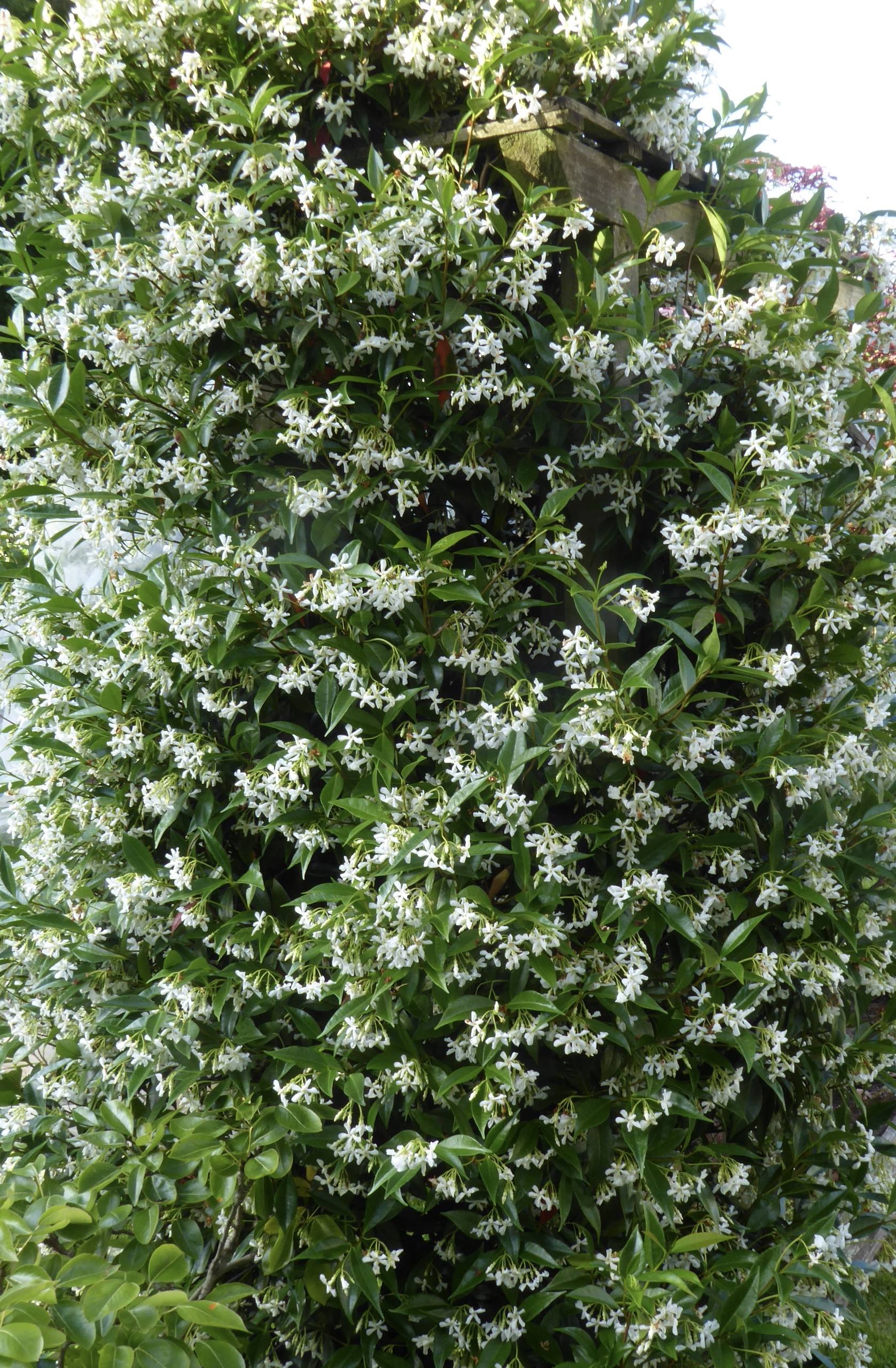
In other news, the jasmine has never been so profuse (possibly because I neglected to cut it back last year). The small vegetable beds are quite haphazard: gooseberry sawfly has stripped the leaves and there is a poppy growing through the middle which I can’t bear to pull up. Teazles, hollyhocks and fennel are hiding behind the apple trees, and the garden is full of the scent of honeysuckle, lilies and jasmine.

Modernism in Ukraine 1900-1930s

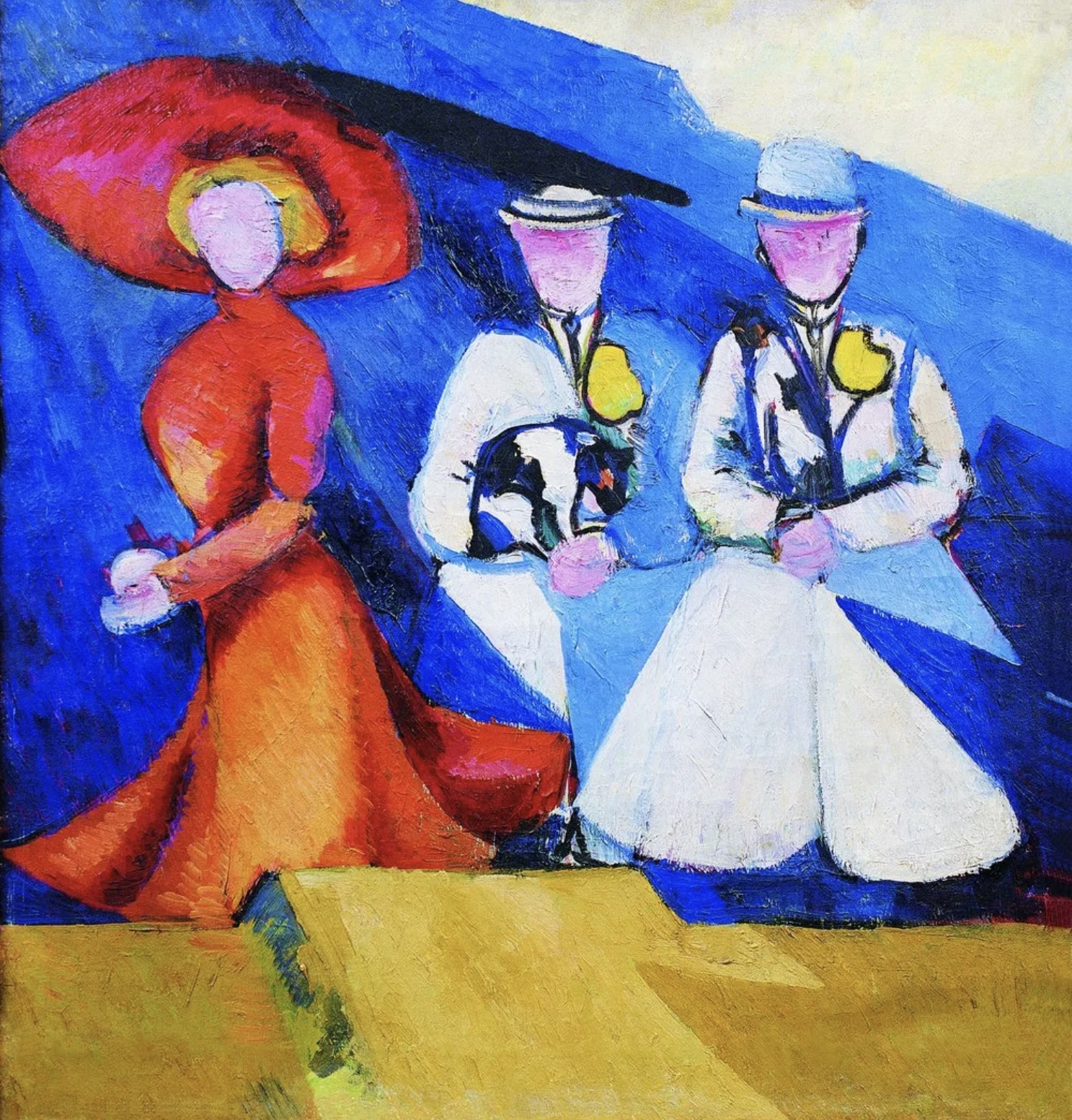
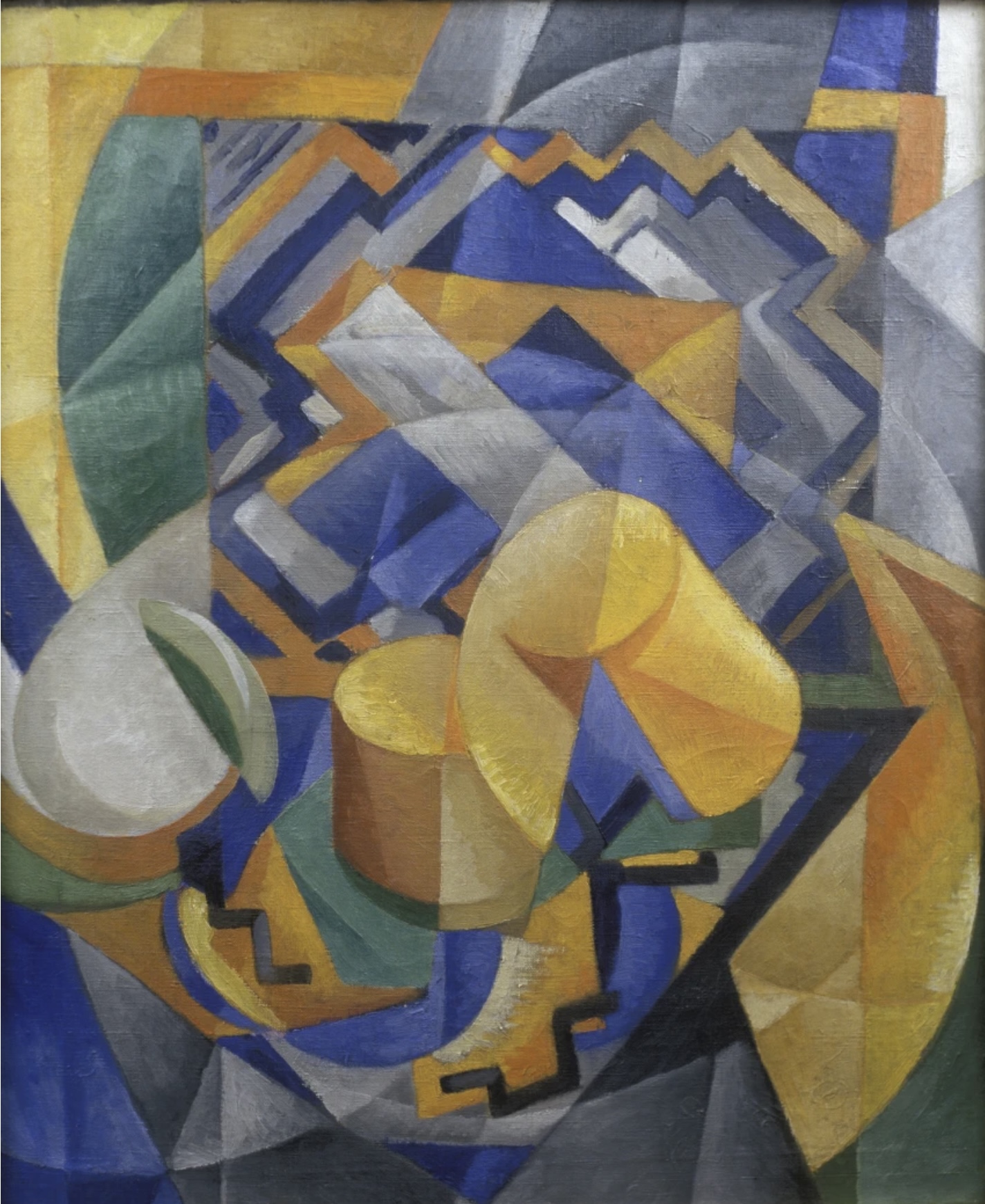
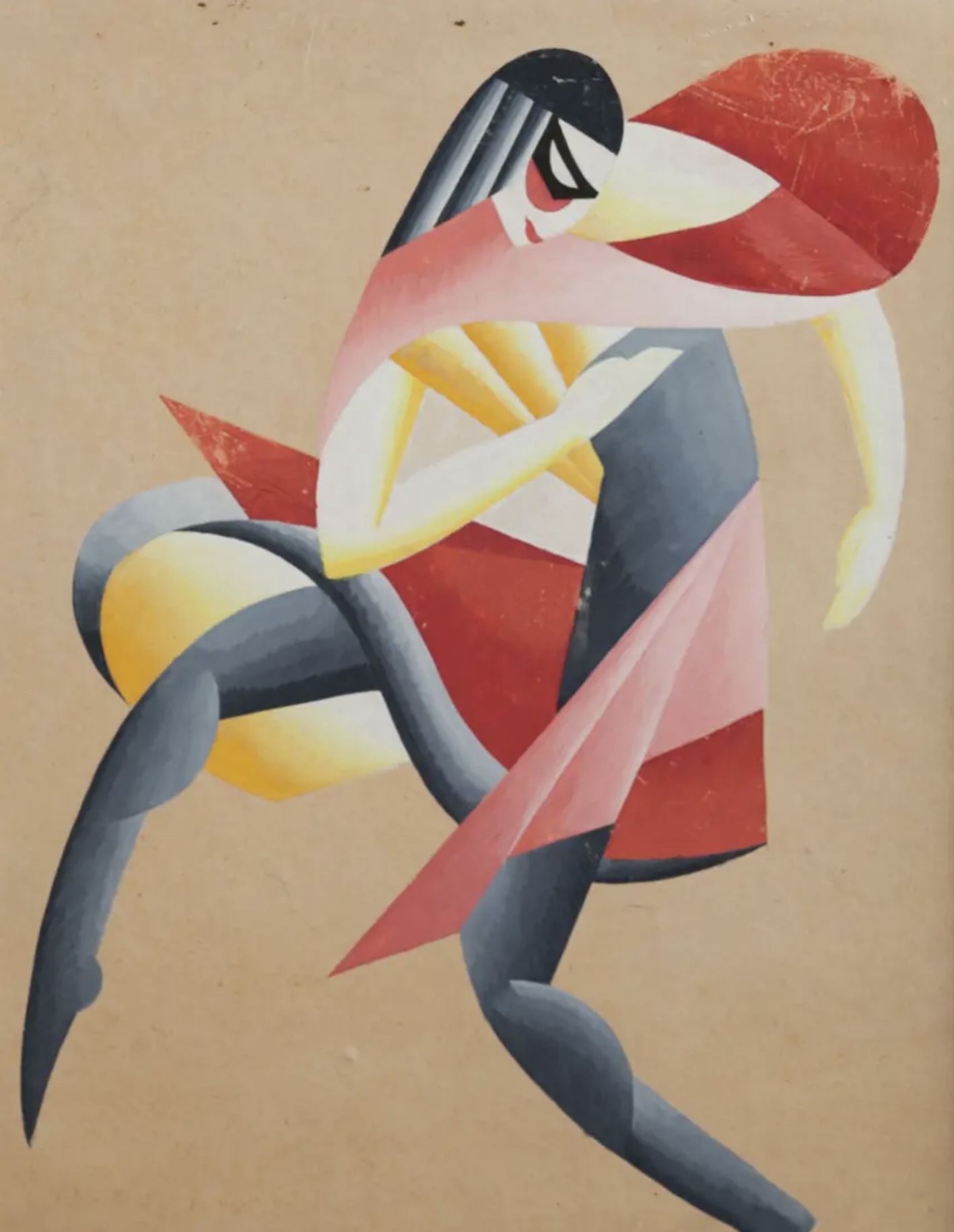
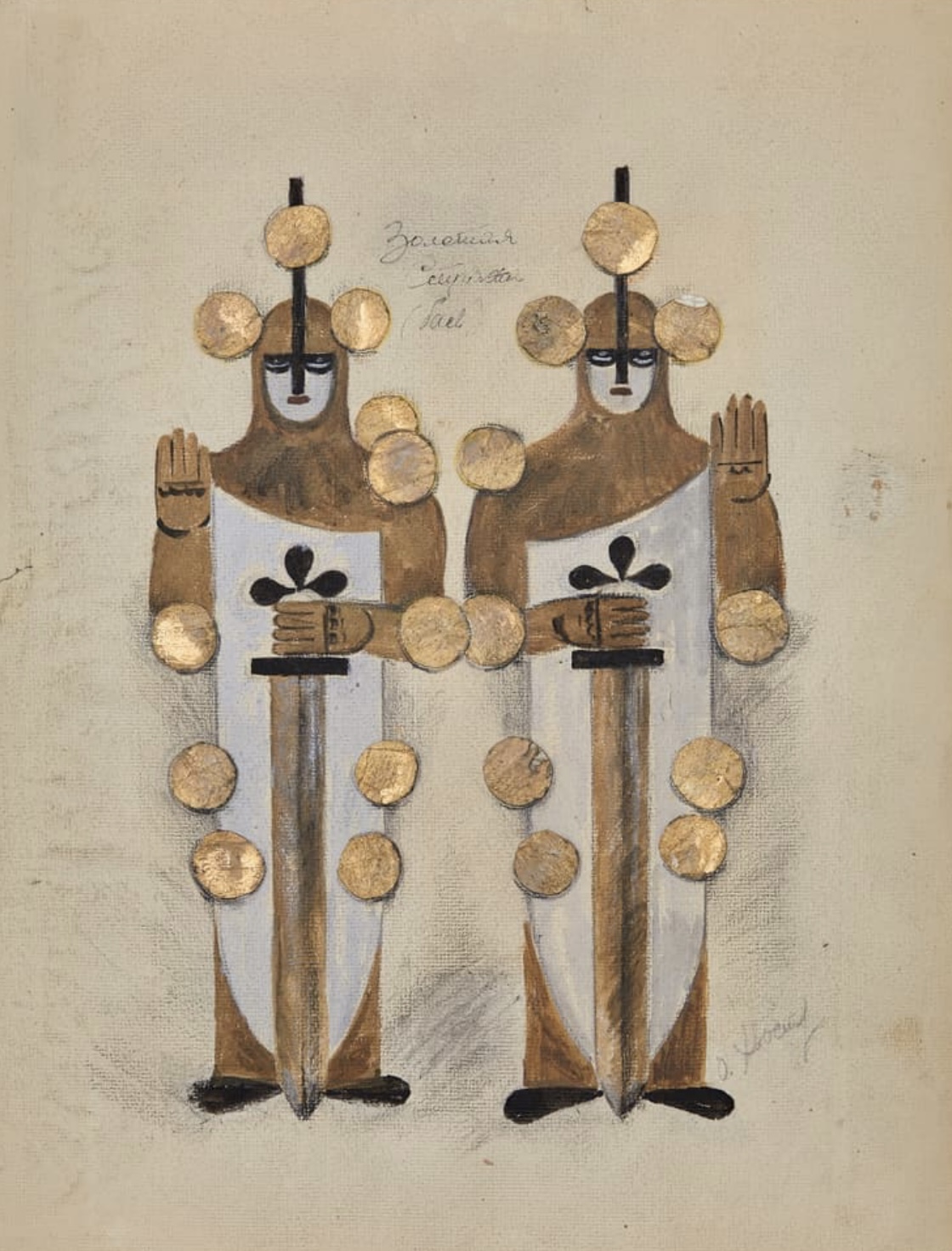
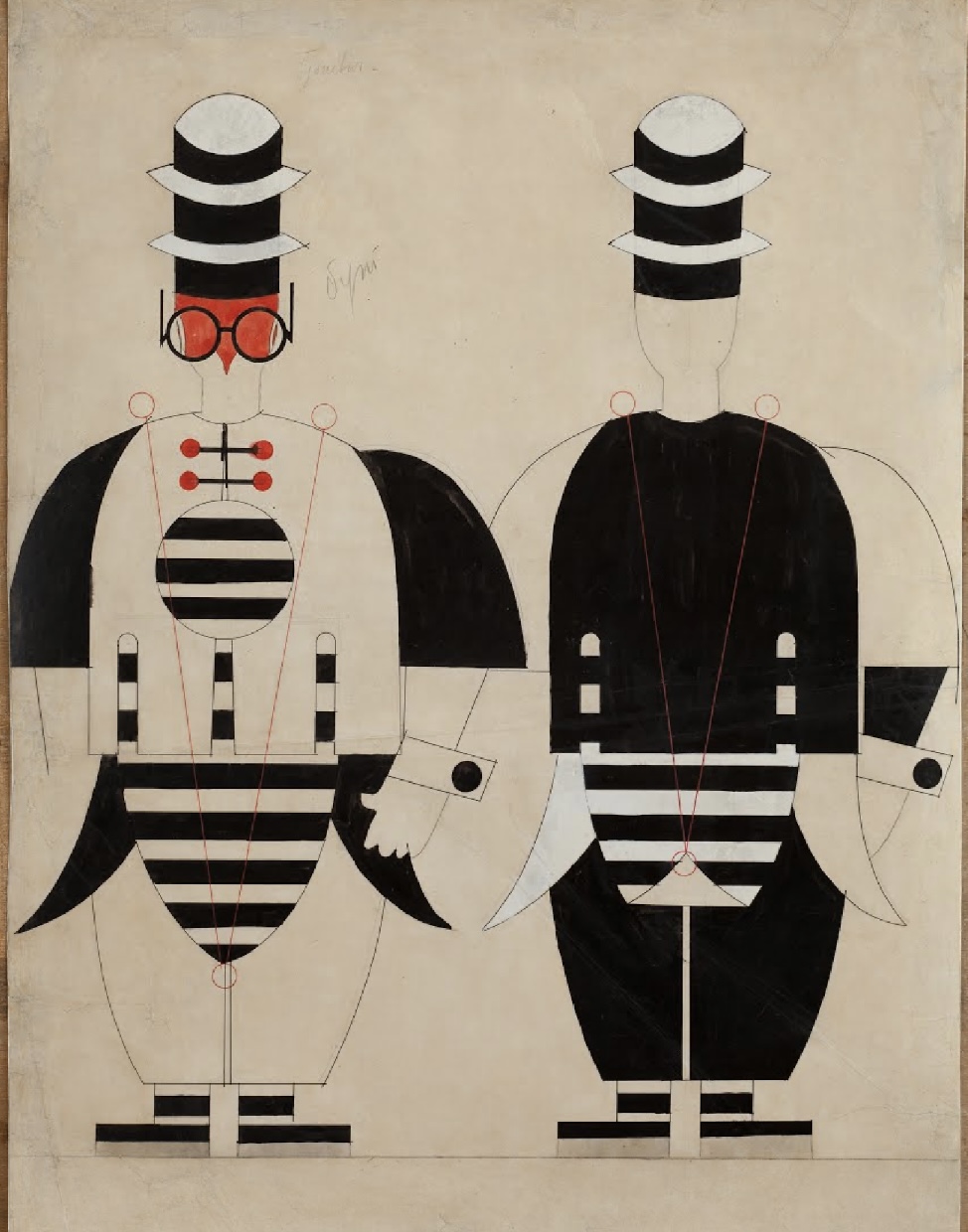
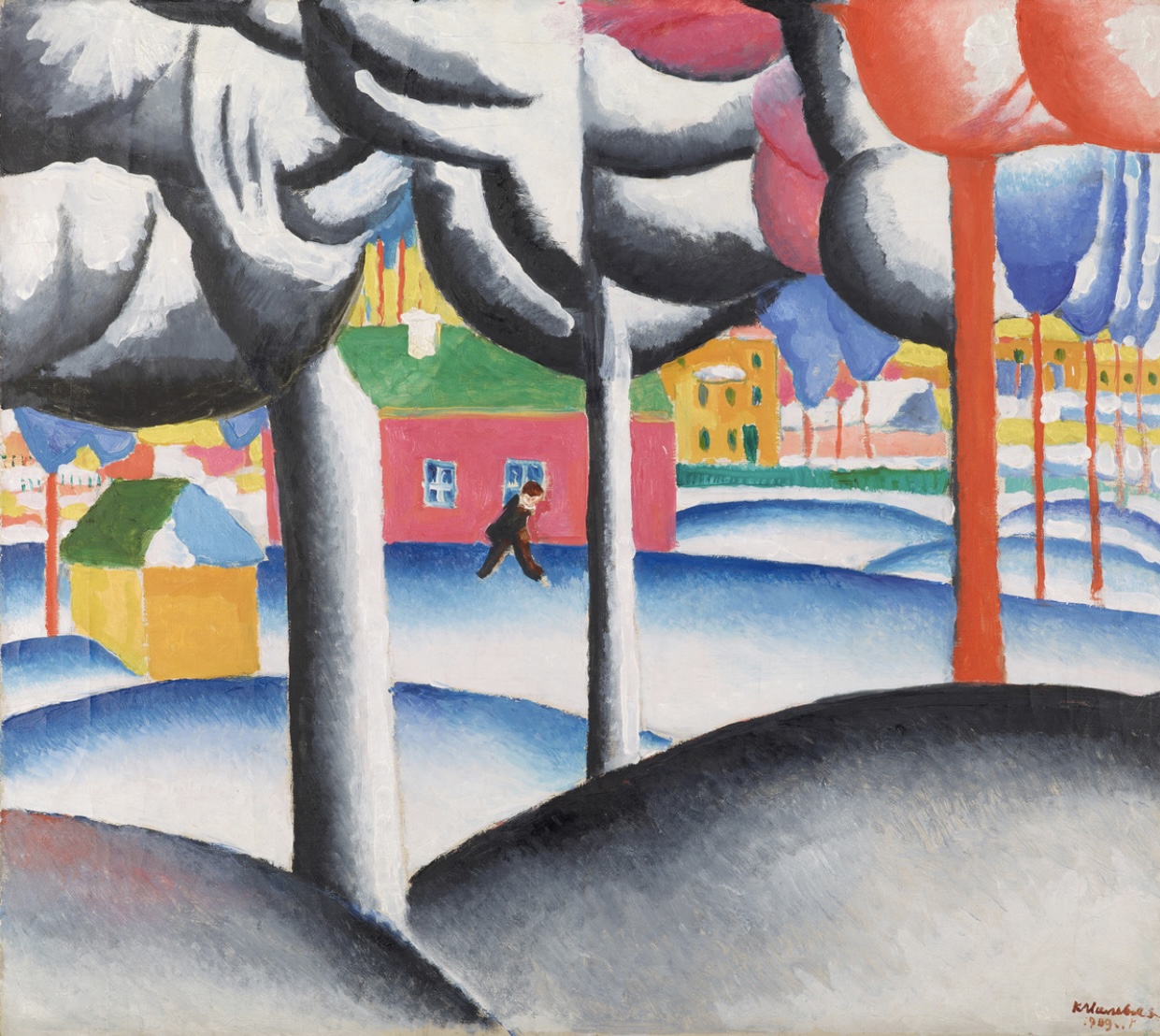
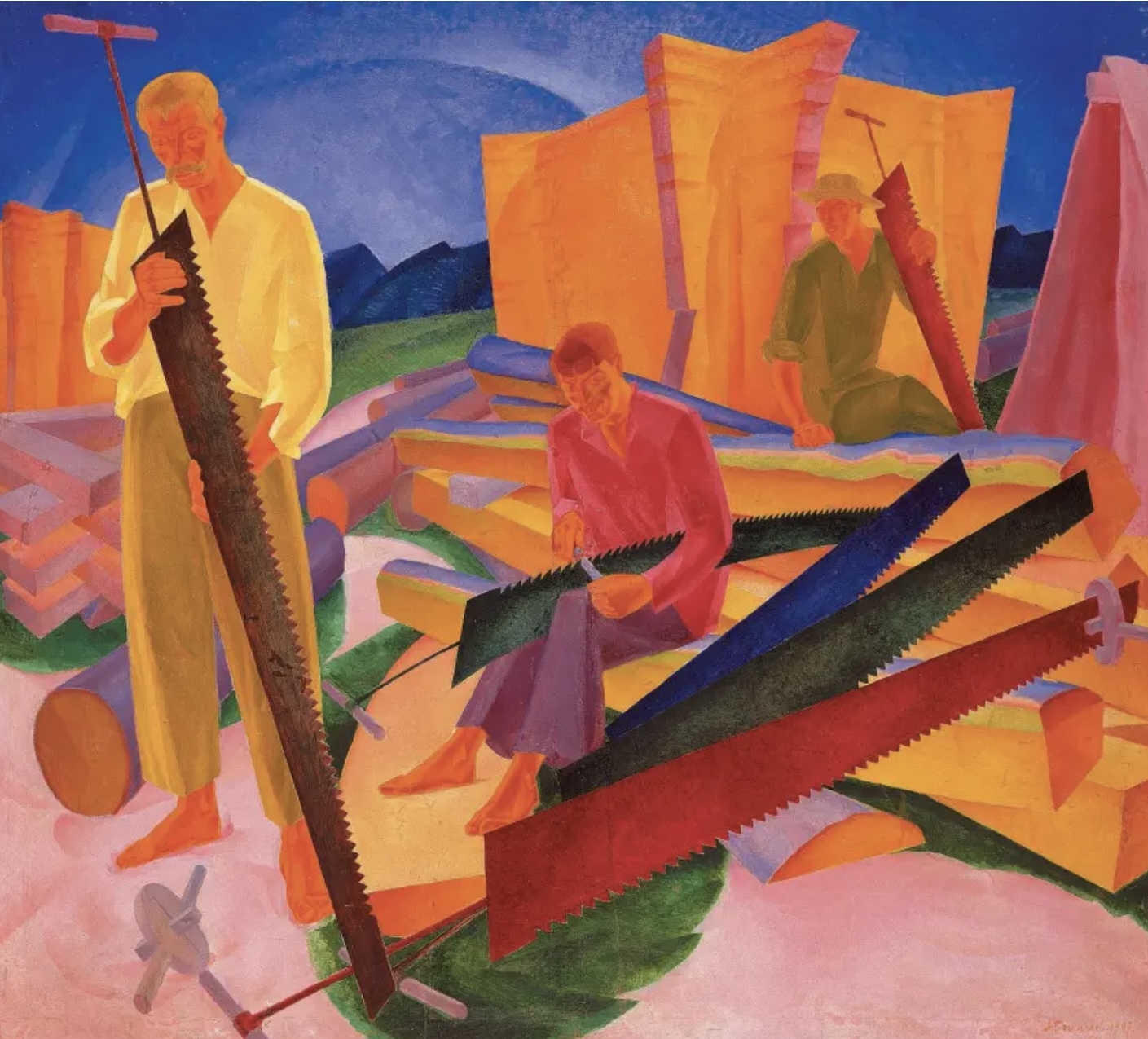
An exhibition at the Royal Academy, mostly of works from Ukrainian museums. (Plus a Malevich from the Ludwig Museum that looked familiar.) I didn’t known how much Ukraine had struggled over the years to establish some kind of independence – if only linguistic – under the Austrian-Hungarian and Russian Empires, Bolshevik rule and then the Soviet Republic. I’d only heard of Malevich and Sonia Delauney before. There was no Ukrainian art school so Ukrainian artists had to study in Russia or the west; the latter encountered the trends in Munich and Paris. There was some very avant garde work on display, fusing modernism and cubism with brilliant colours. (Which reminded me that some of the first Blauer Reiter painters came from Russia.) I liked the designs for stage sets and costumes during a creative boom in theatrical productions: definitely more Oskar Schlemmer than Rex Whistler.
And then came Stalin and his insistence on figurative art and the cult of the worker. Unsurprisingly, some of those Ukrainian artists didn’t live beyond the 1930s.

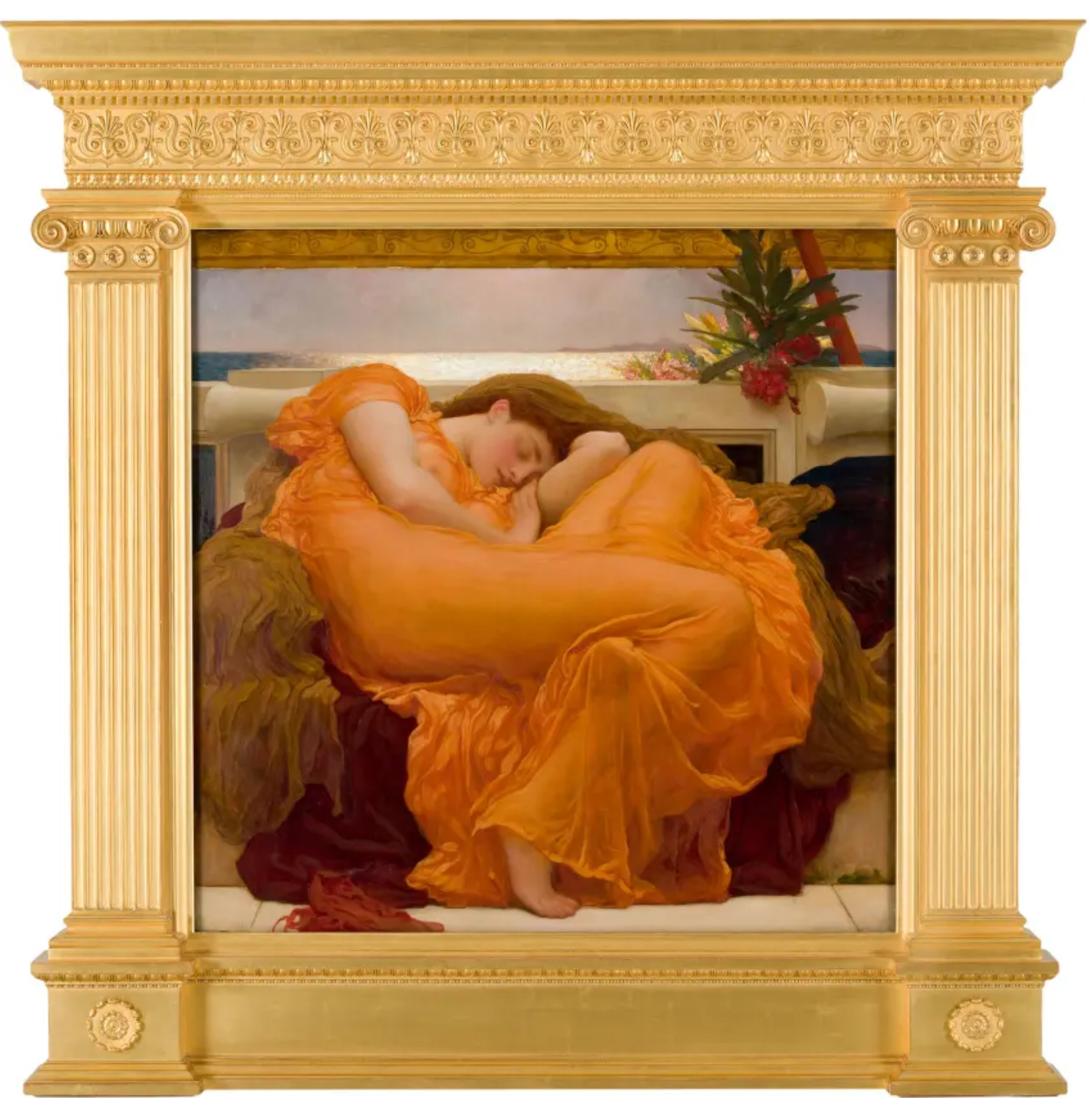
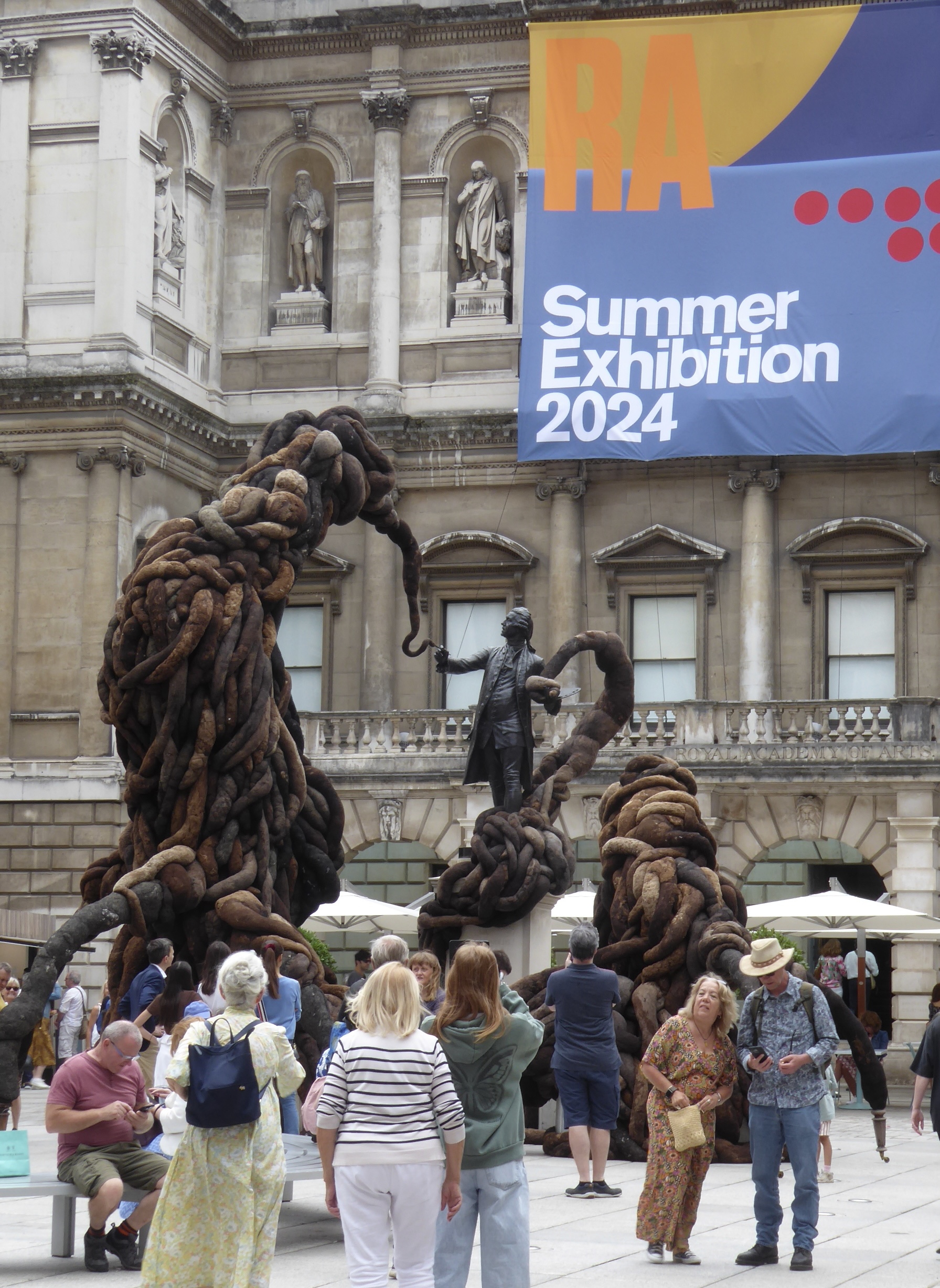
I also looked in on “Flaming June” (currently on loan from Puerto Rico). Thankfully I managed to avoid the Summer Exhibition – except for a wonderfully surreal sight in the courtyard:

The Garden Museum

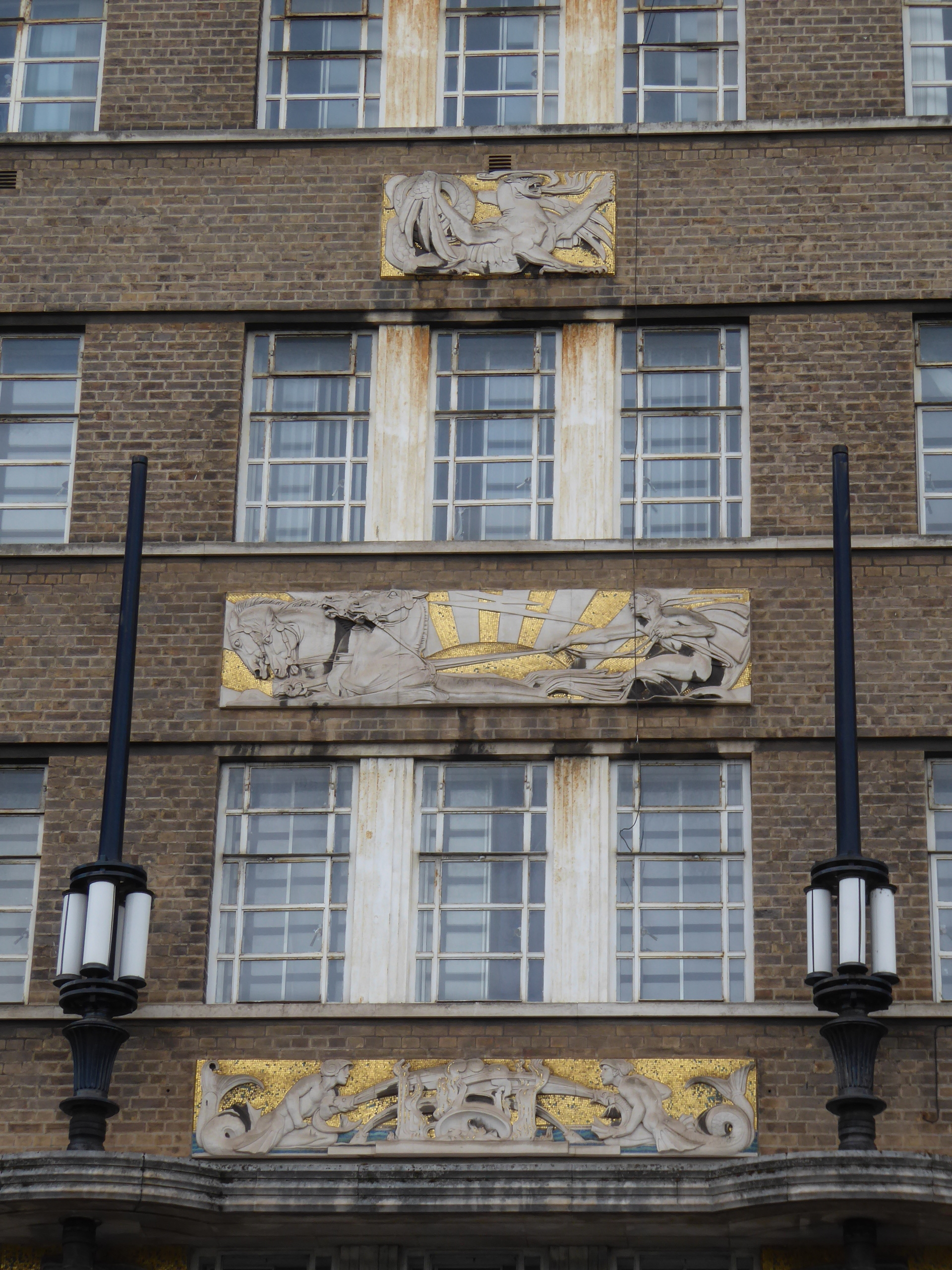
Yesterday was so hot that I hid away in my hotel room until the evening. Today was cooler, but even so the Garden Museum seemed like a good place to visit. En route I passed the old headquarters of the London Fire Brigade (1937 E P Wheeler) with its wonderful reliefs by Gilbert Bayes.

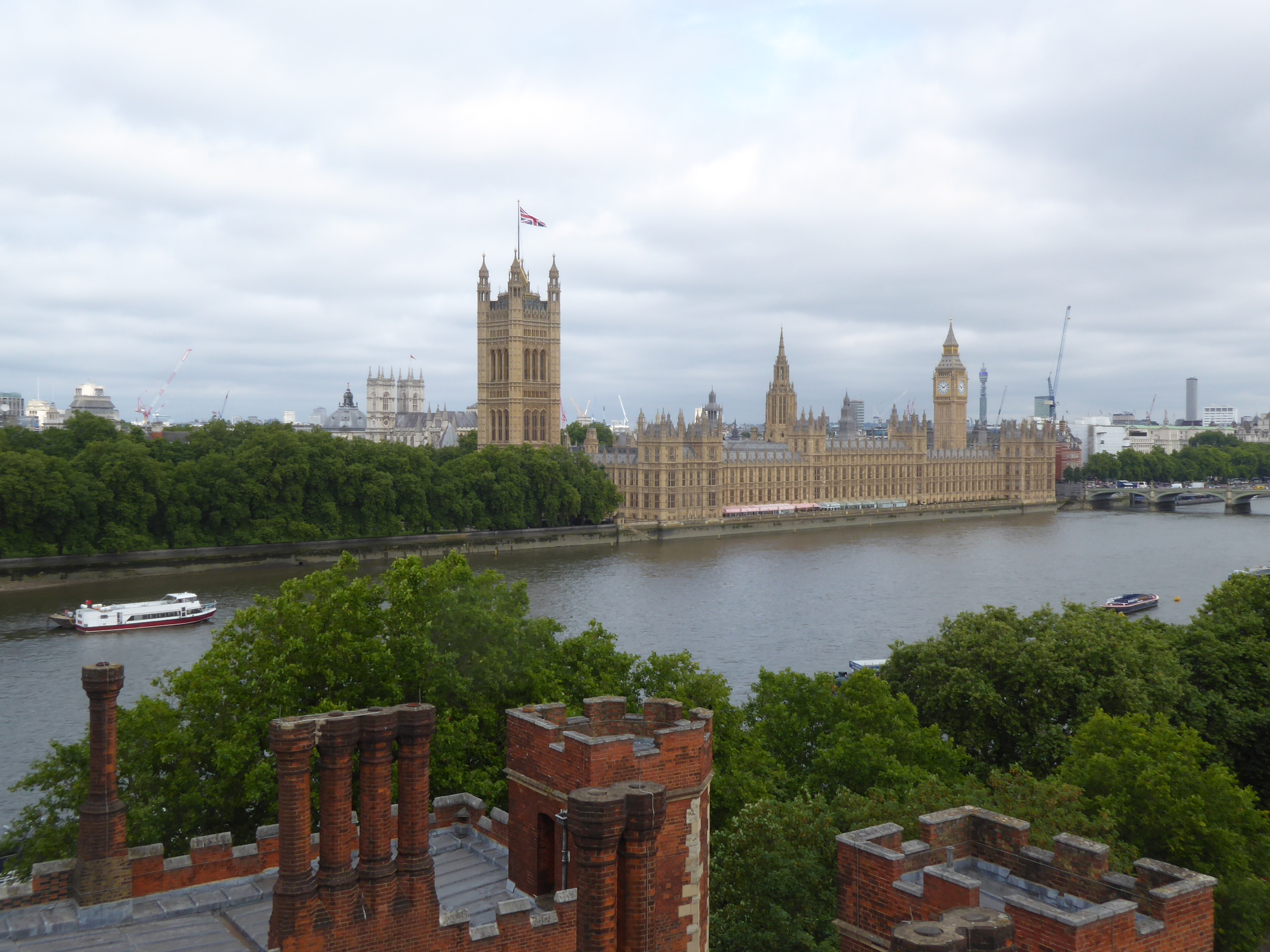
The Garden Museum is planted in a deconsecrated church next to Lambeth Palace so there’s not much in the way of garden, but the displays were intermittently interesting. There is also a church tower to climb – which, of course, I did.

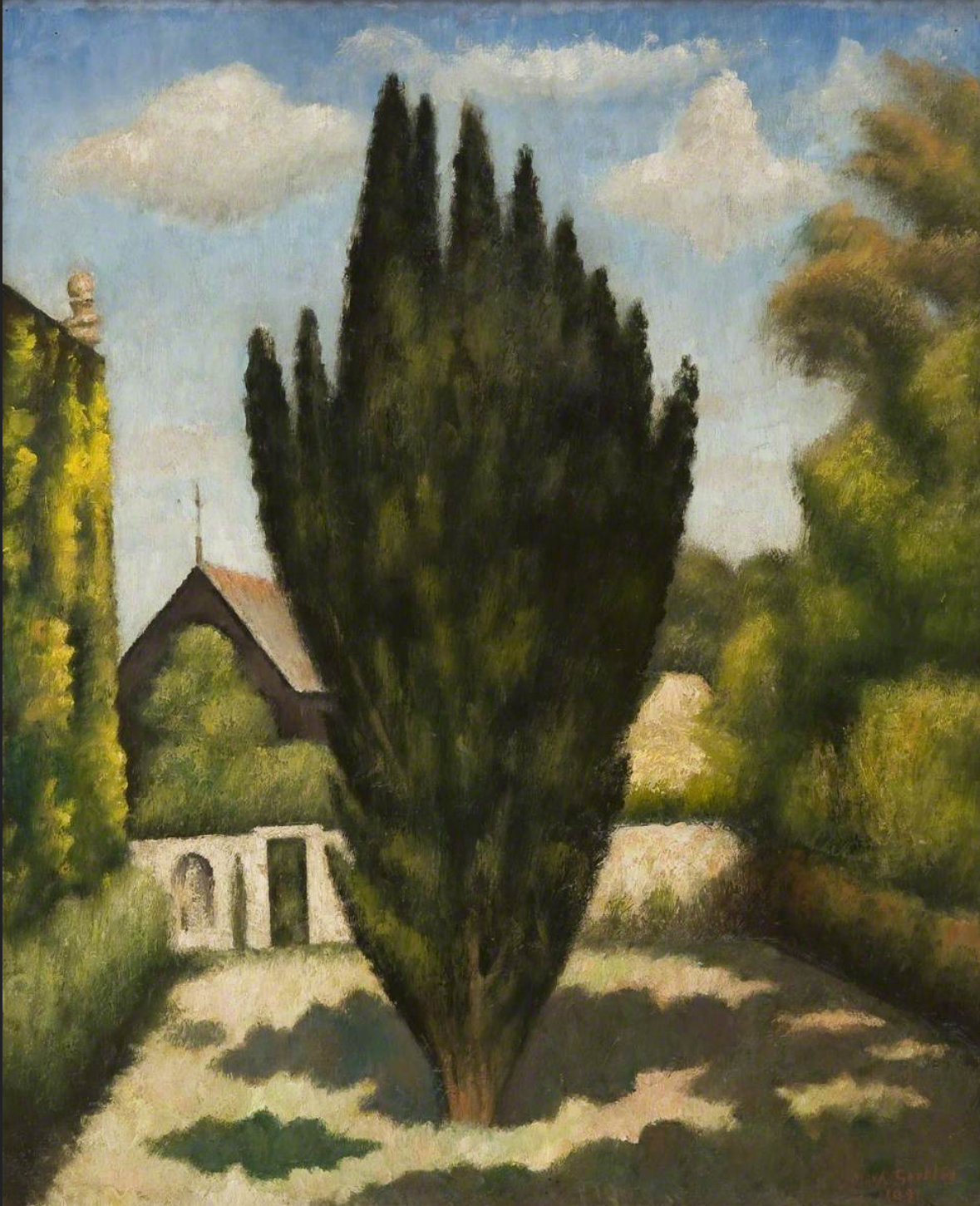
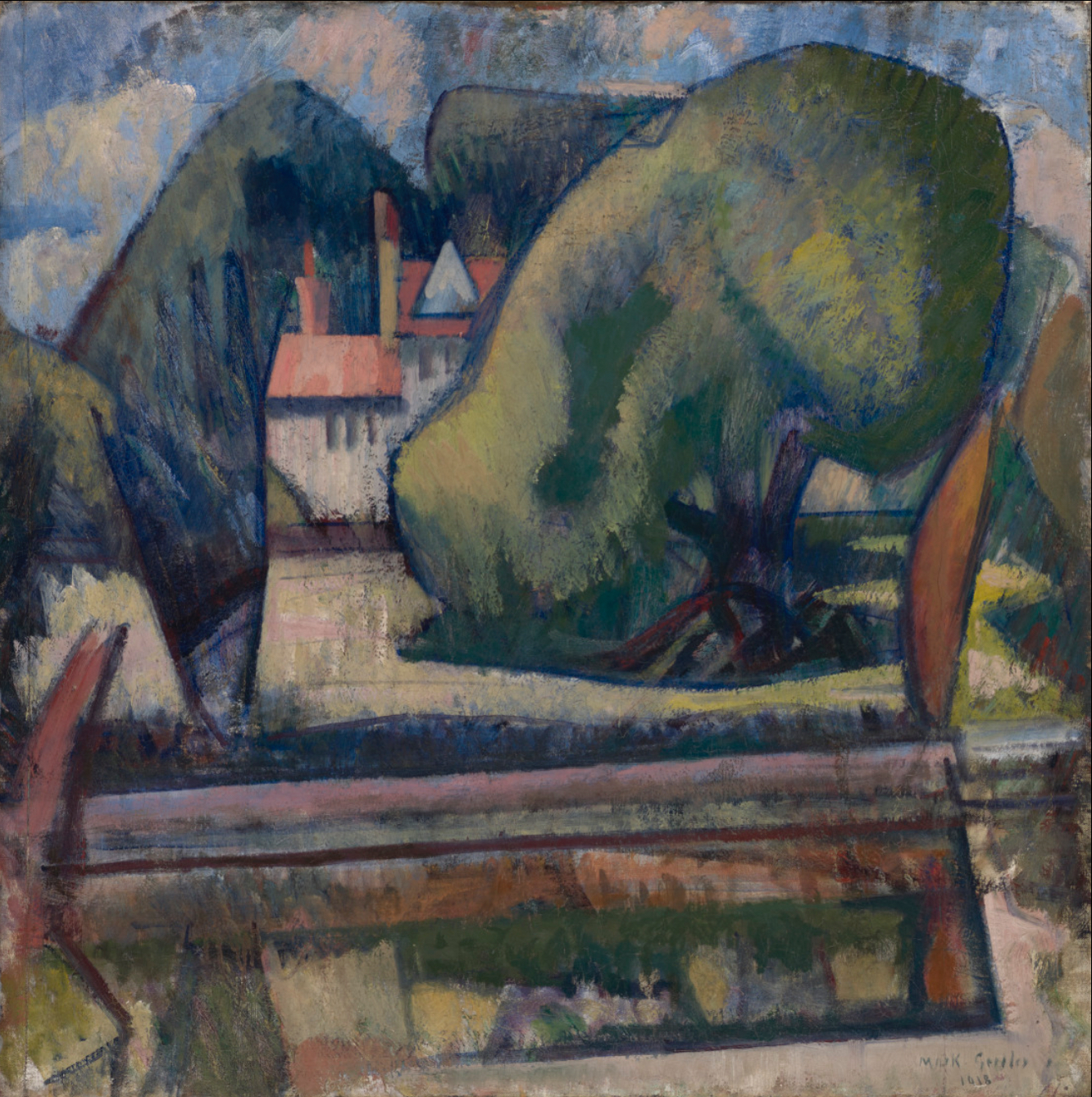
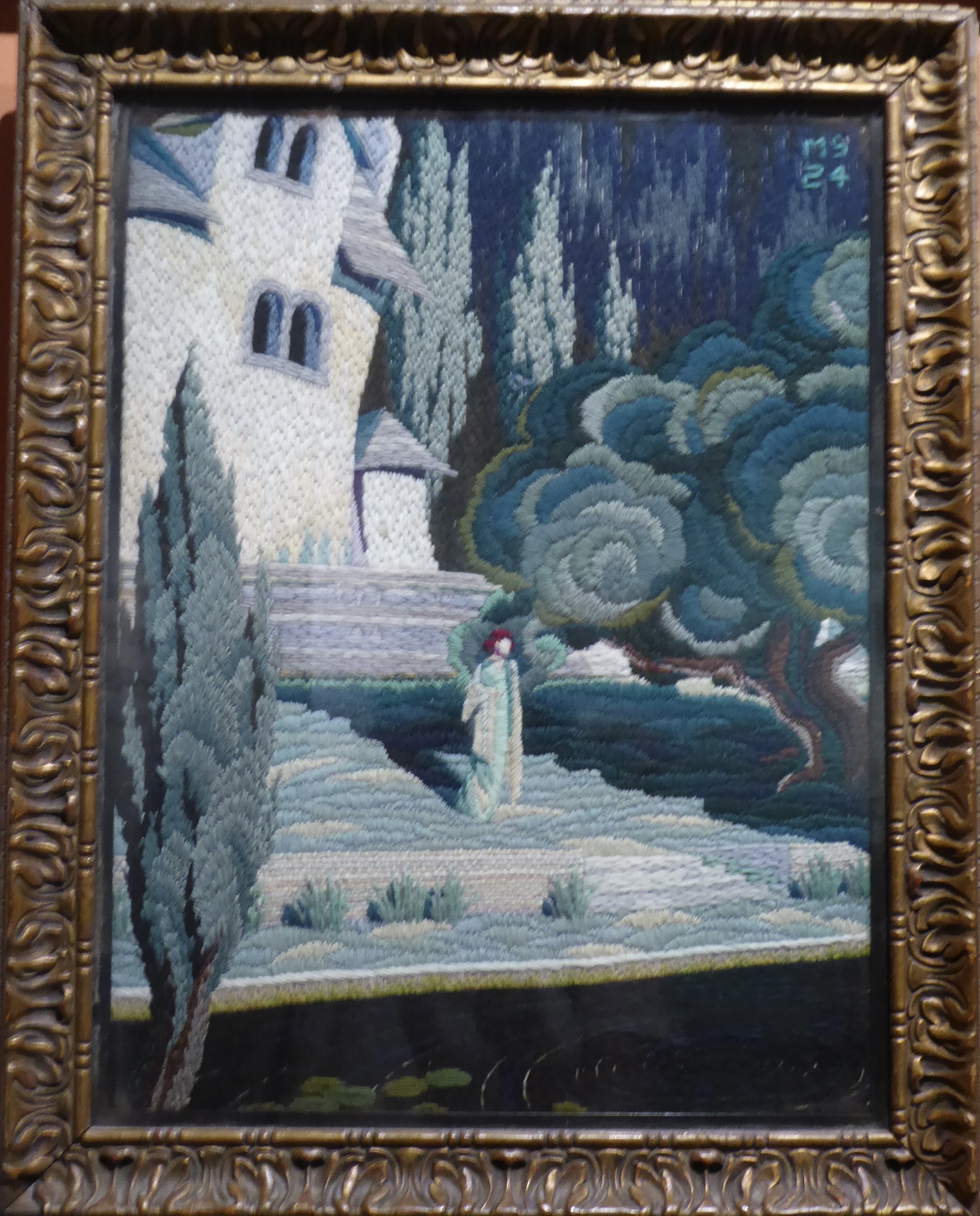
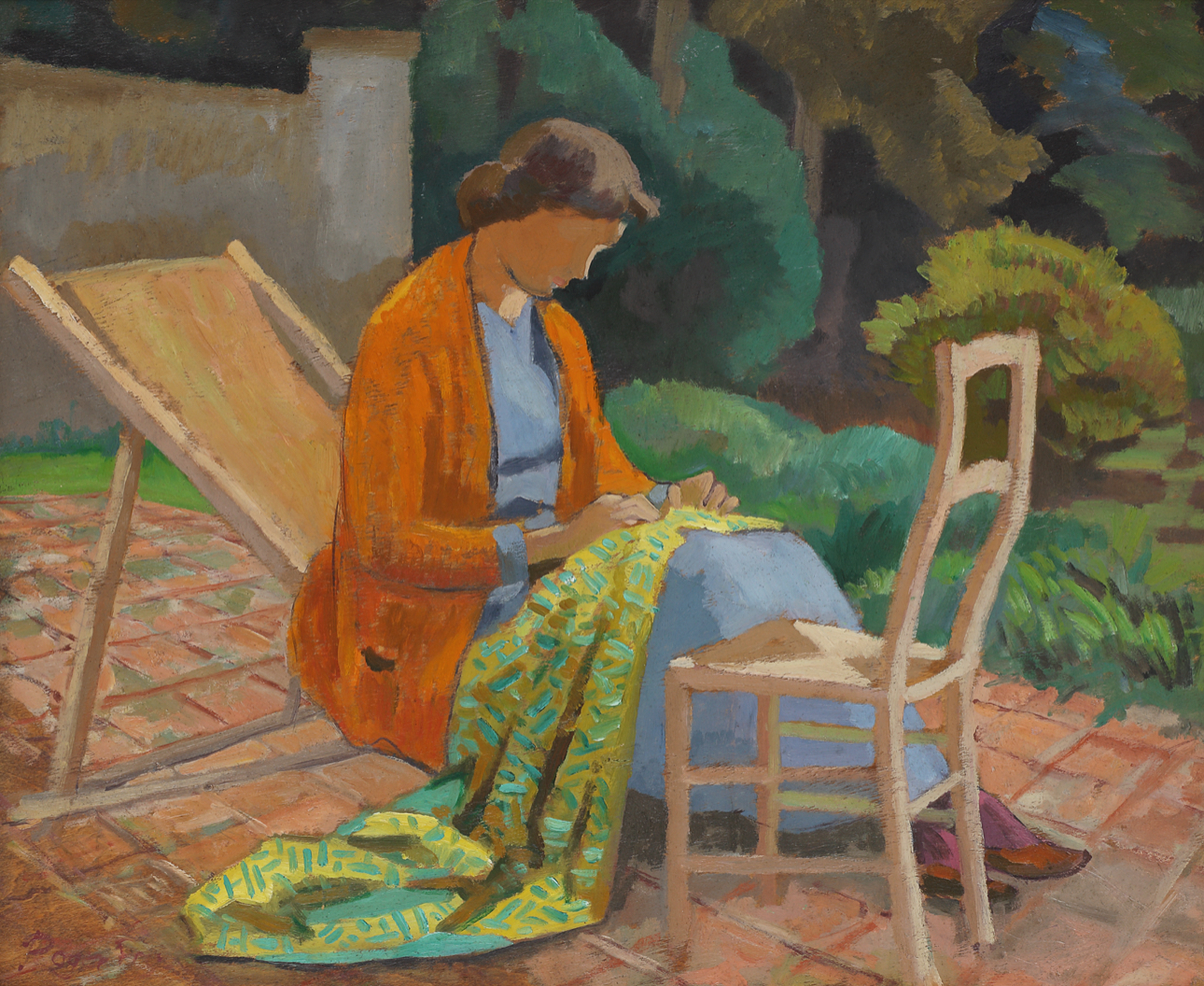
The current exhibition is about the country gardens of Bloomsbury women: Lady Ottoline Morrell and Garsington, Vanessa Bell and Charleston, Vita Sackville-West and Sissinghurst, and Virginia Woolf and Monk’s House. (Did their husbands have no say in the designs?) Anyway, it’s a hook on which to hang some nice works – Cezanne-style paintings by Mark Gertler and der Blaue Reiter-style paintings by Roger Fry. Oh, and more of Vanessa Bell’s blurry work. She certainly seems to be flavour of the month. My steal was the freestyle embroidery of Garsington in the moonlight by Marian Stoll. (My photo is rubbish, but I can’t find a better one online.)

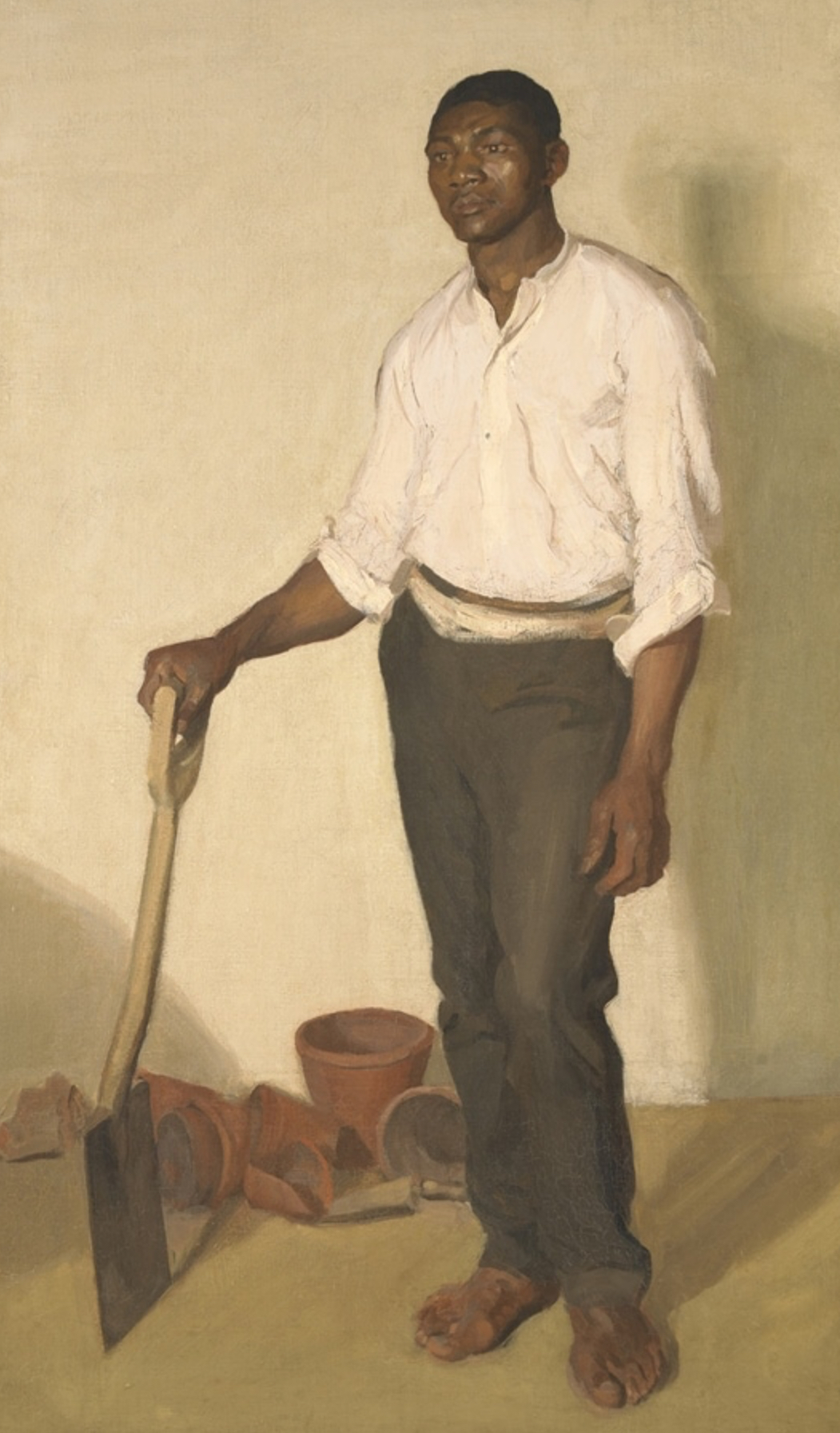
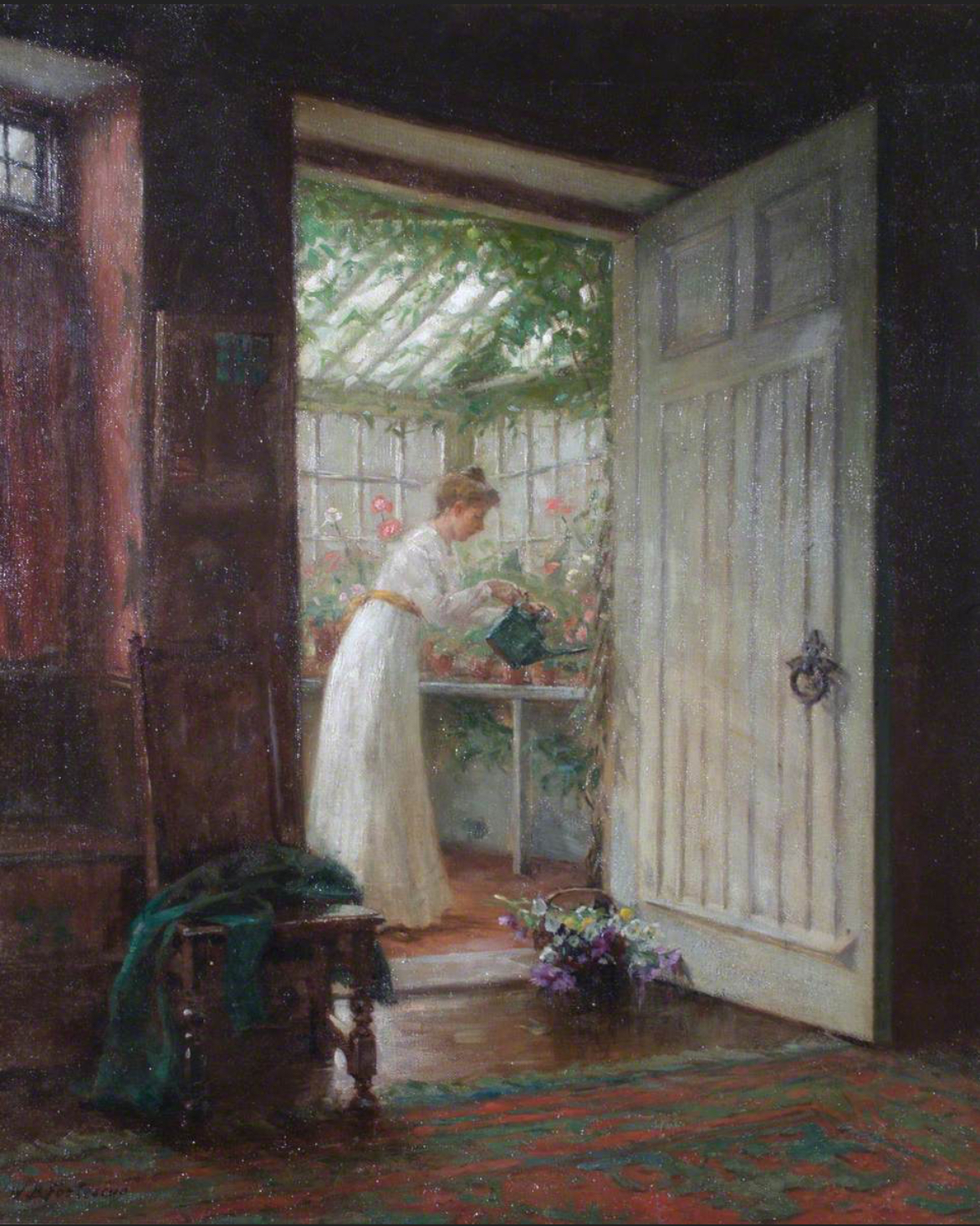
Scattered amongst the vintage packets of seeds and videos about influential gardeners were some artists I’ve seen recently: Harold Gilman from York/Manchester and William Banks Fortescue from Southport. There was also a little nudge towards a future outing for me: Charles Jencks’s Crawick Multiverse. I hadn’t realised before that it’s possible to get there by train . . .

Salisbury and Old Sarum

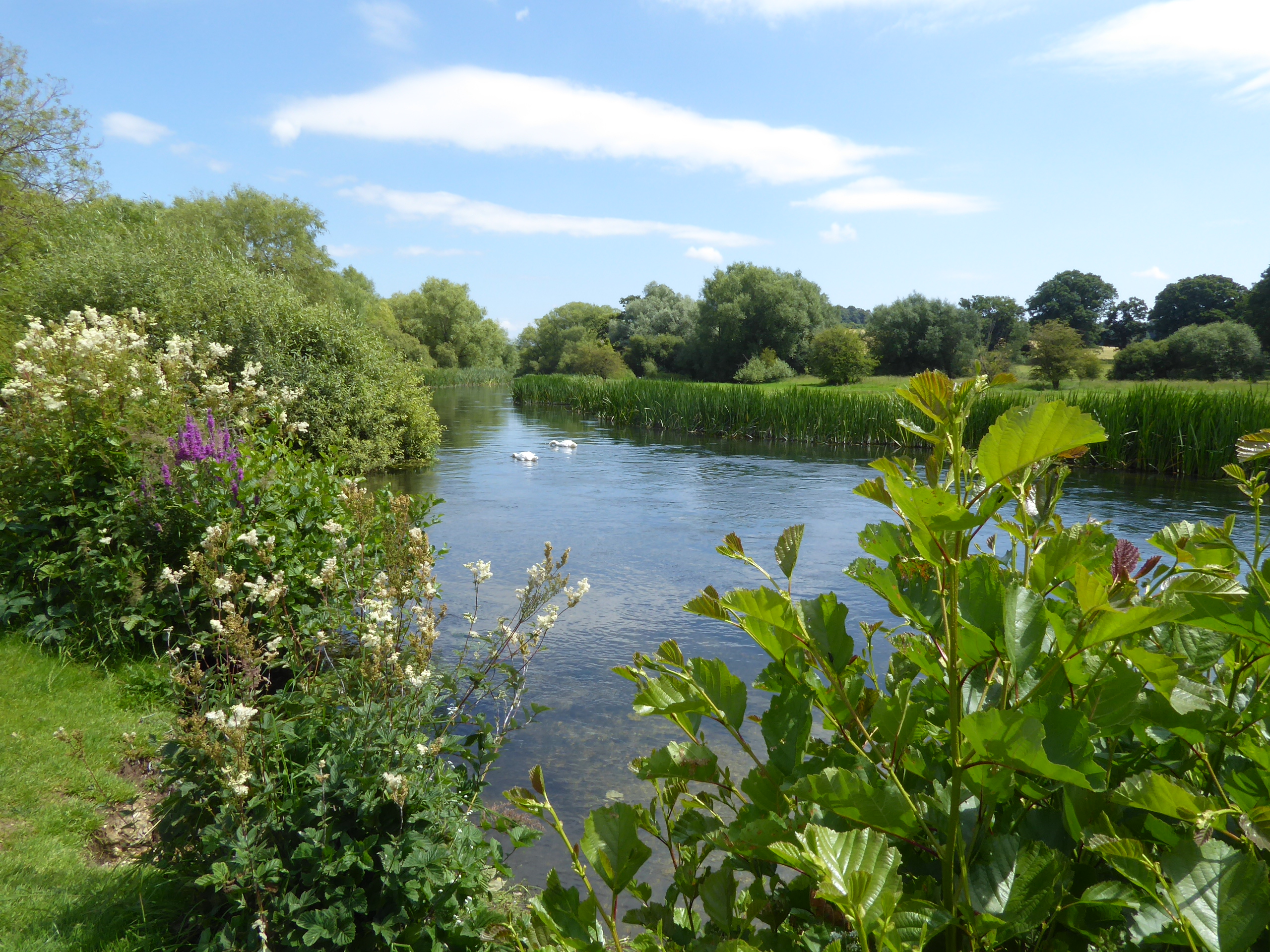
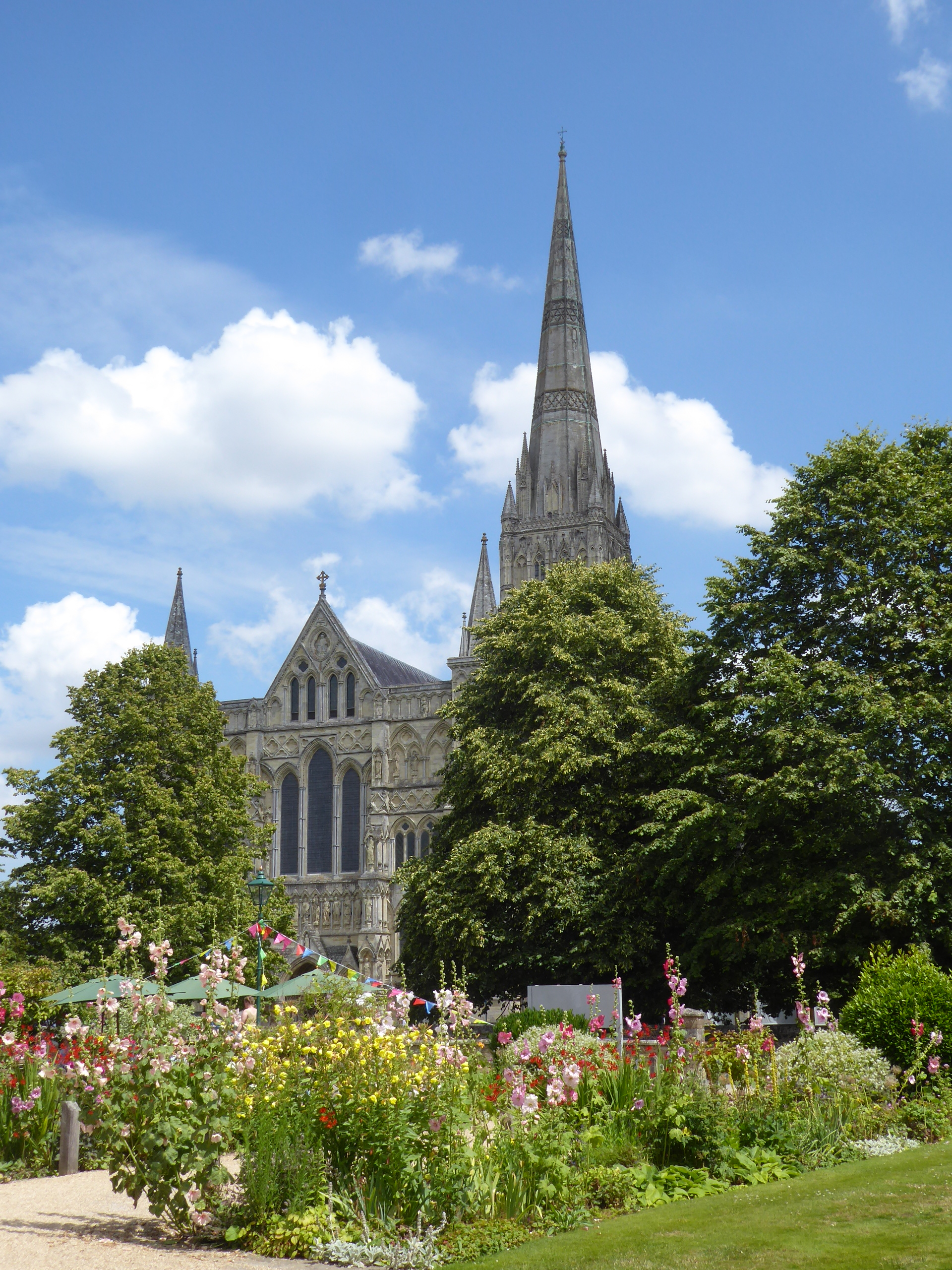
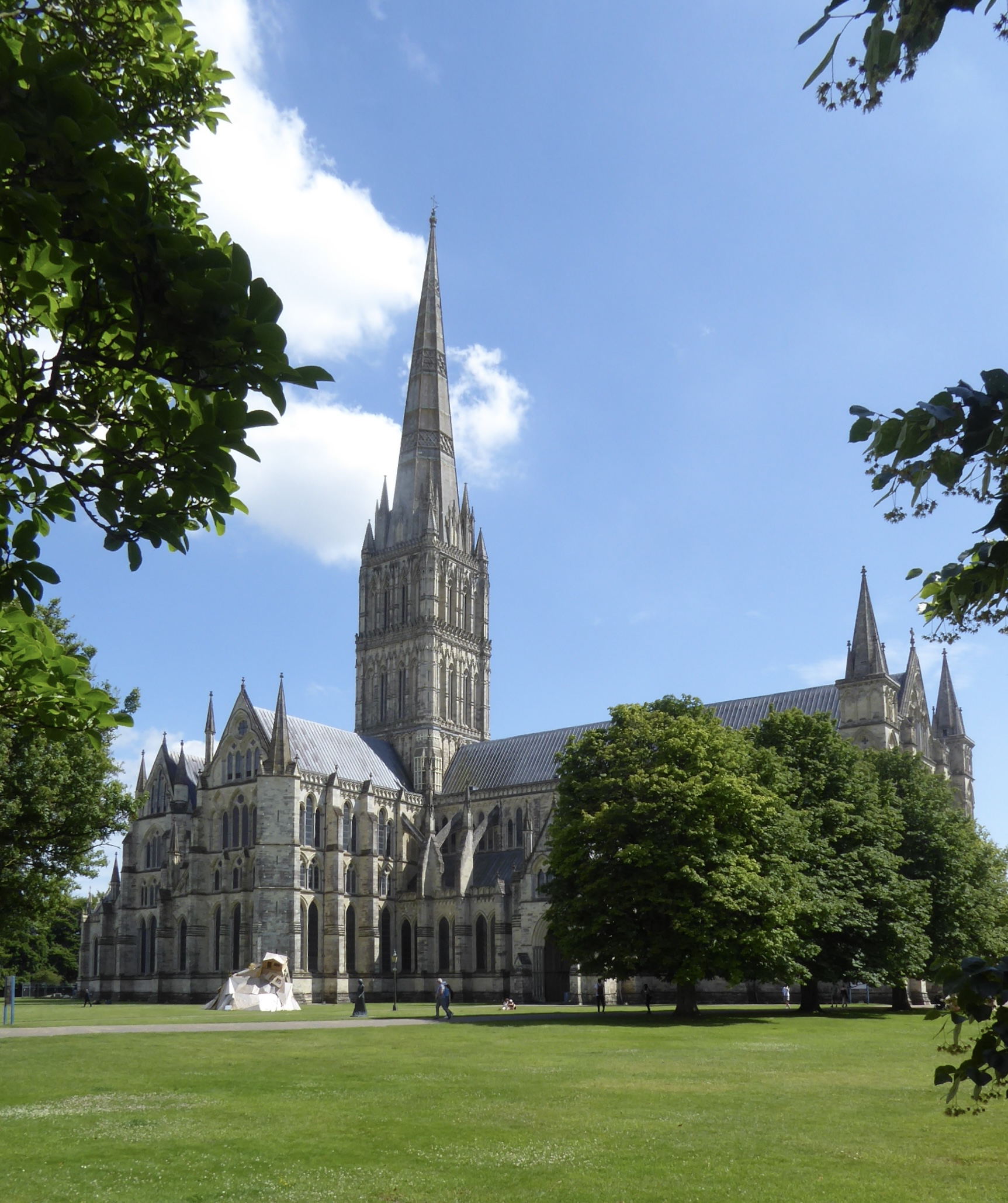
The coach drove us through chocolate-box England to an inn beside a chalk stream for lunch and then on to Salisbury: hollyhocks and thatched roofs en route to an Early English Gothic cathedral that has been on my “to visit” list for years. What could be nicer?

Our destination was the Wessex Galleries of the Salisbury Museum: more artefacts from under the ground. As a devourer of detective stories, I likened them to a traditional country house murder: clues and red herrings throughout but no big dénouement in the drawing room to give the single correct account. Archaeologists are scientists, not Hercule Poirot: they offered possible explanations but then offered an alternative. Thus the grave of the Amesbury Archer: he was not from Amesbury and he may not have been an archer. He grew up in central Europe and had a limp: the arrowhead buried with him might be the red herring which has given him his name, and the portable anvil, perhaps marking him as an early metalworker, might be the real clue.

Yet another significant amateur archaeologist’s name to remember (if not necessarily in the correct order): Lieutenant-General Augustus Henry Lane Fox Pitt-Rivers, who excavated with great method and founded a couple of museums.

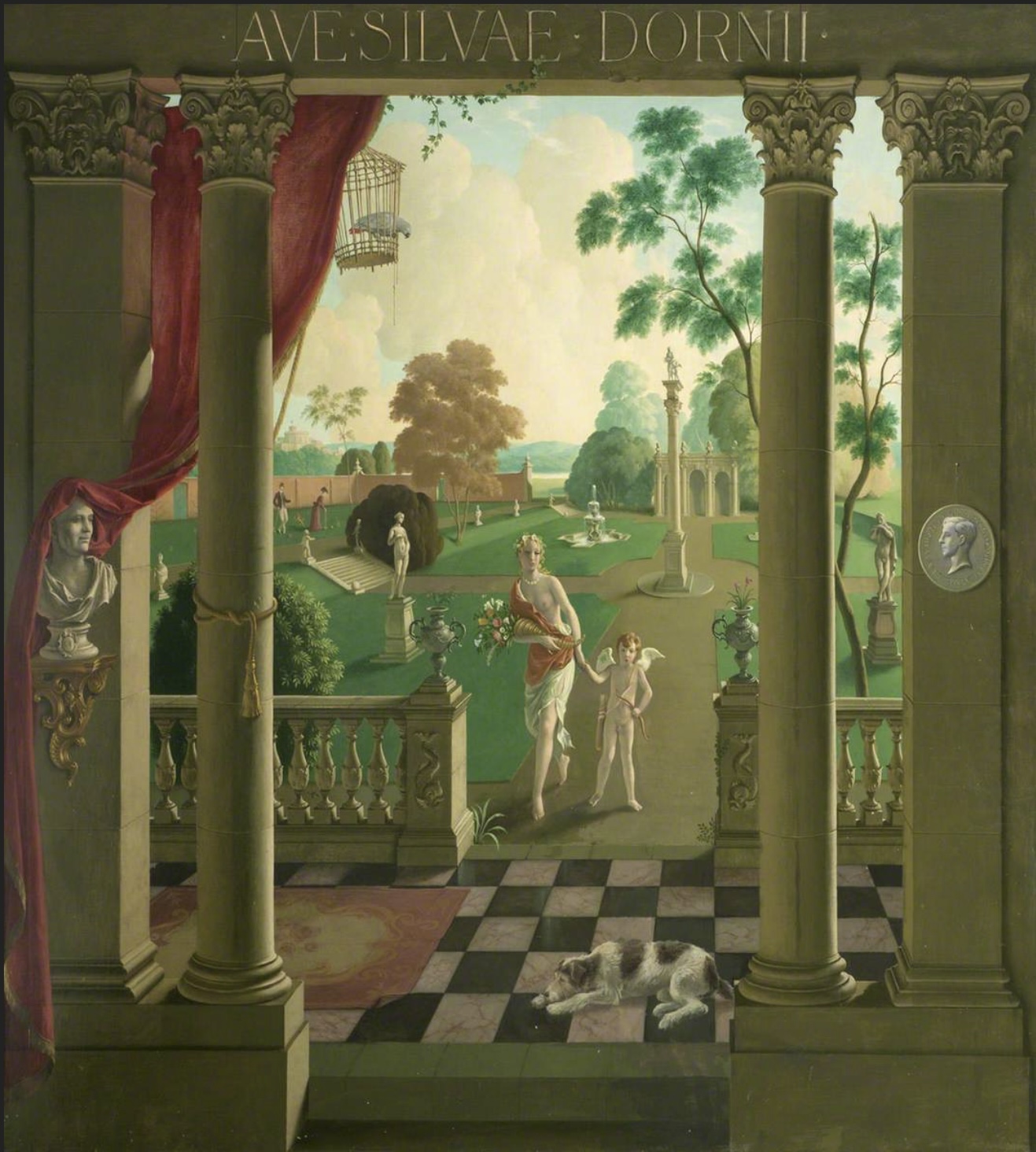
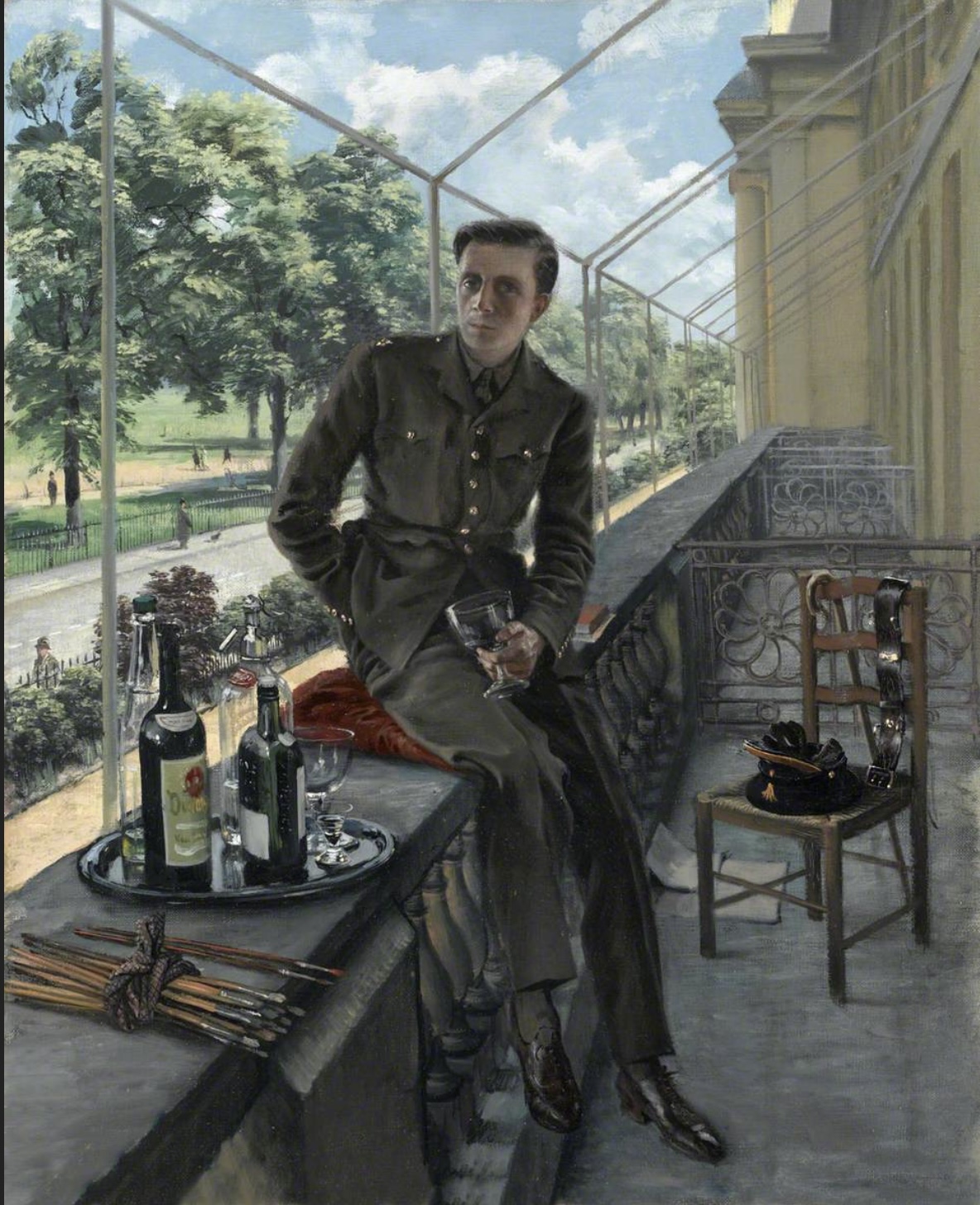
I fast-forwarded to the twentieth century with the museum’s small exhibition on Rex Whistler. I’d come across him in the Tate restaurant and at Haddon Hall. Whistler had a gift for befriending wealthy people, who then commissioned his murals. Everything was lightweight and frivolous – the stage designs, portraits of his friends against their country houses, even his 1940 self-portrait looking very relaxed and debonair in his brand-new Welsh Guards uniform. But he had volunteered, not been conscripted; he became a tank commander and was killed in action in 1944. With that snuffing out of the “bright young thing”, I had to re-adjust my ideas. Lightweight, frivolous and brave.

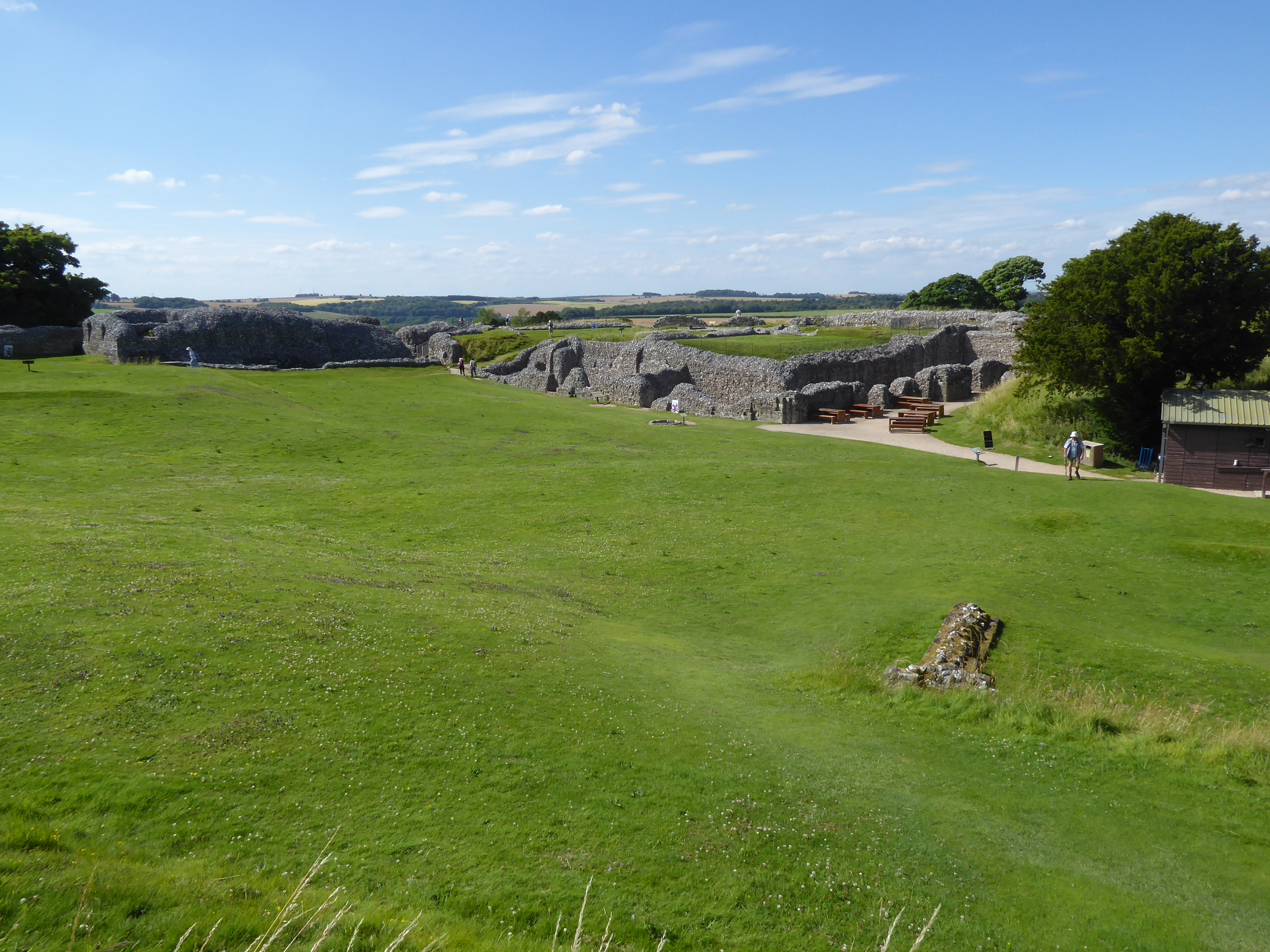
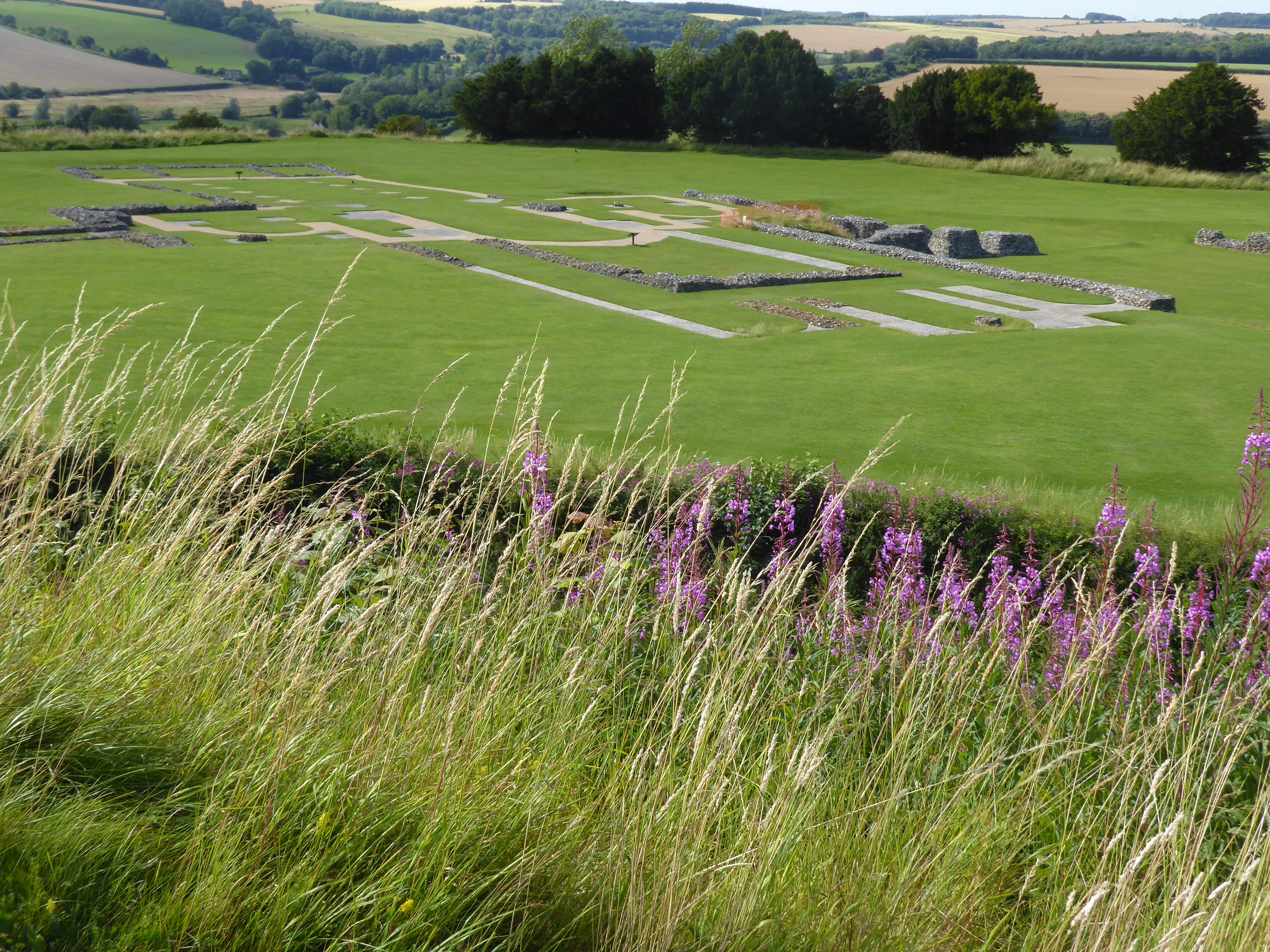
Then to Old Sarum. Formerly a complete town, formerly a rotten borough, now just a ruined castle on a mound and the outline of a very small cathedral that was left when the clergy, fed up with the army and the administration, picked up their skirts and headed down to the water meadows to found the new town.

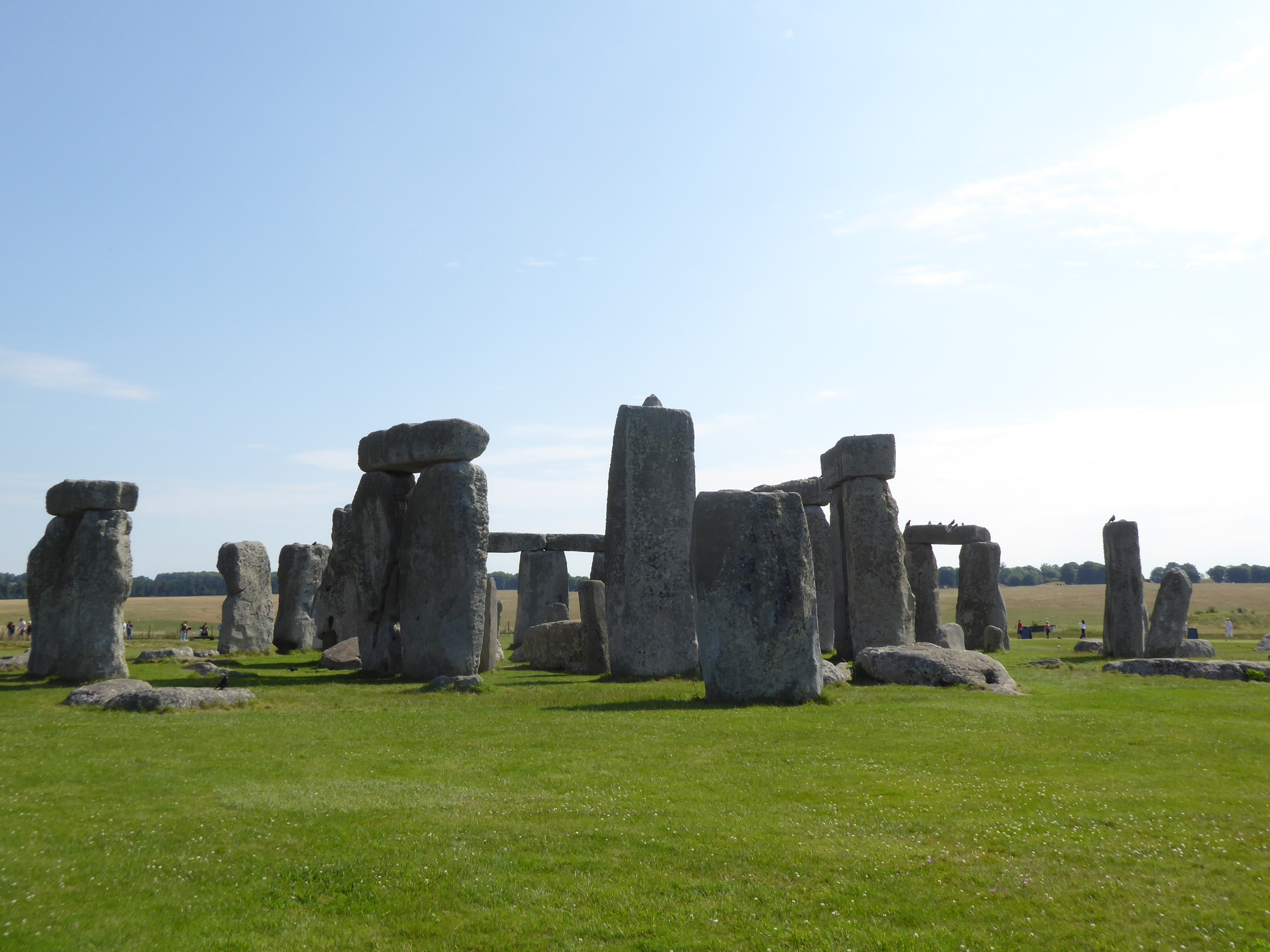
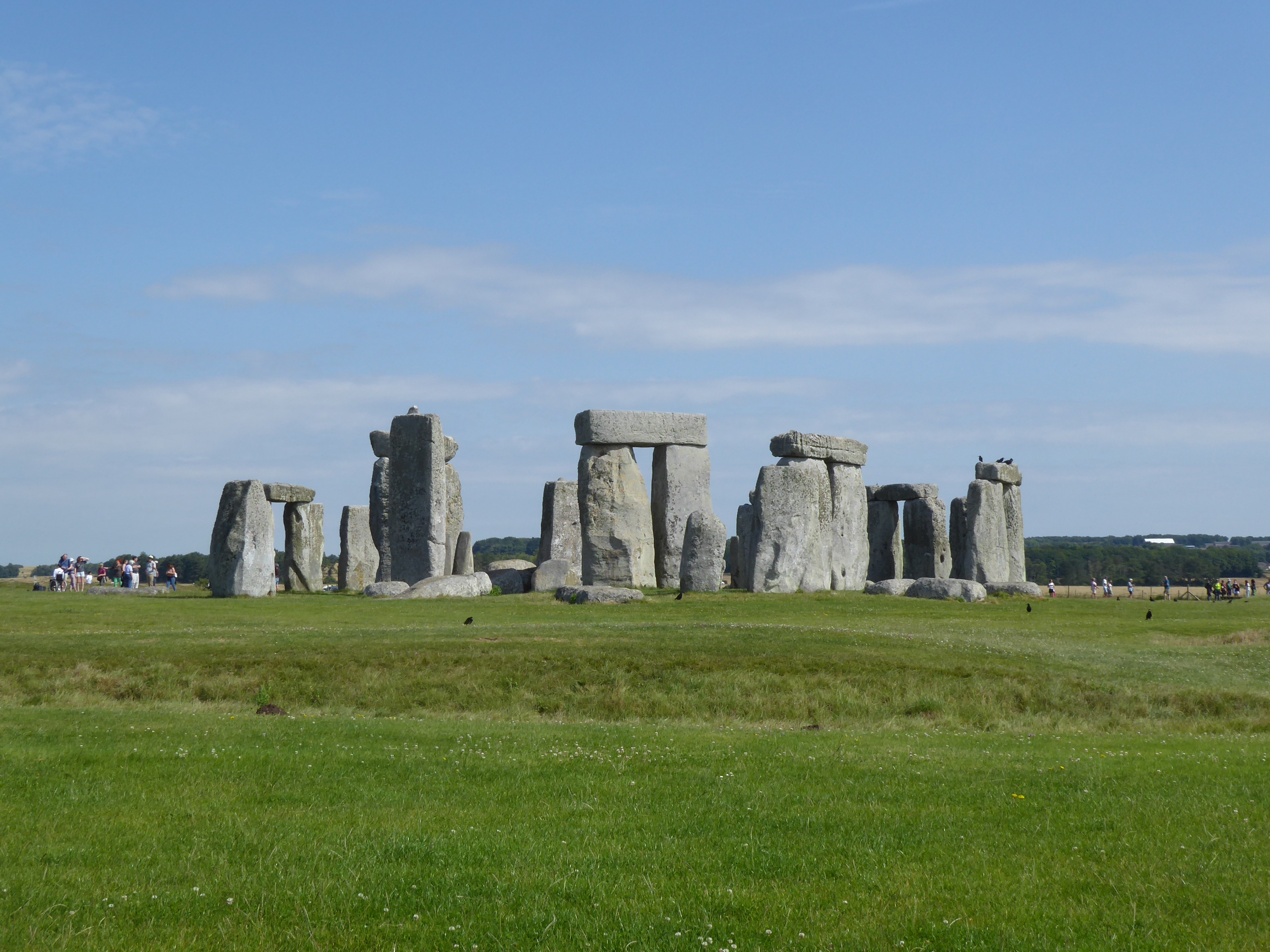
Stonehenge

And so, finally, to Stonehenge.

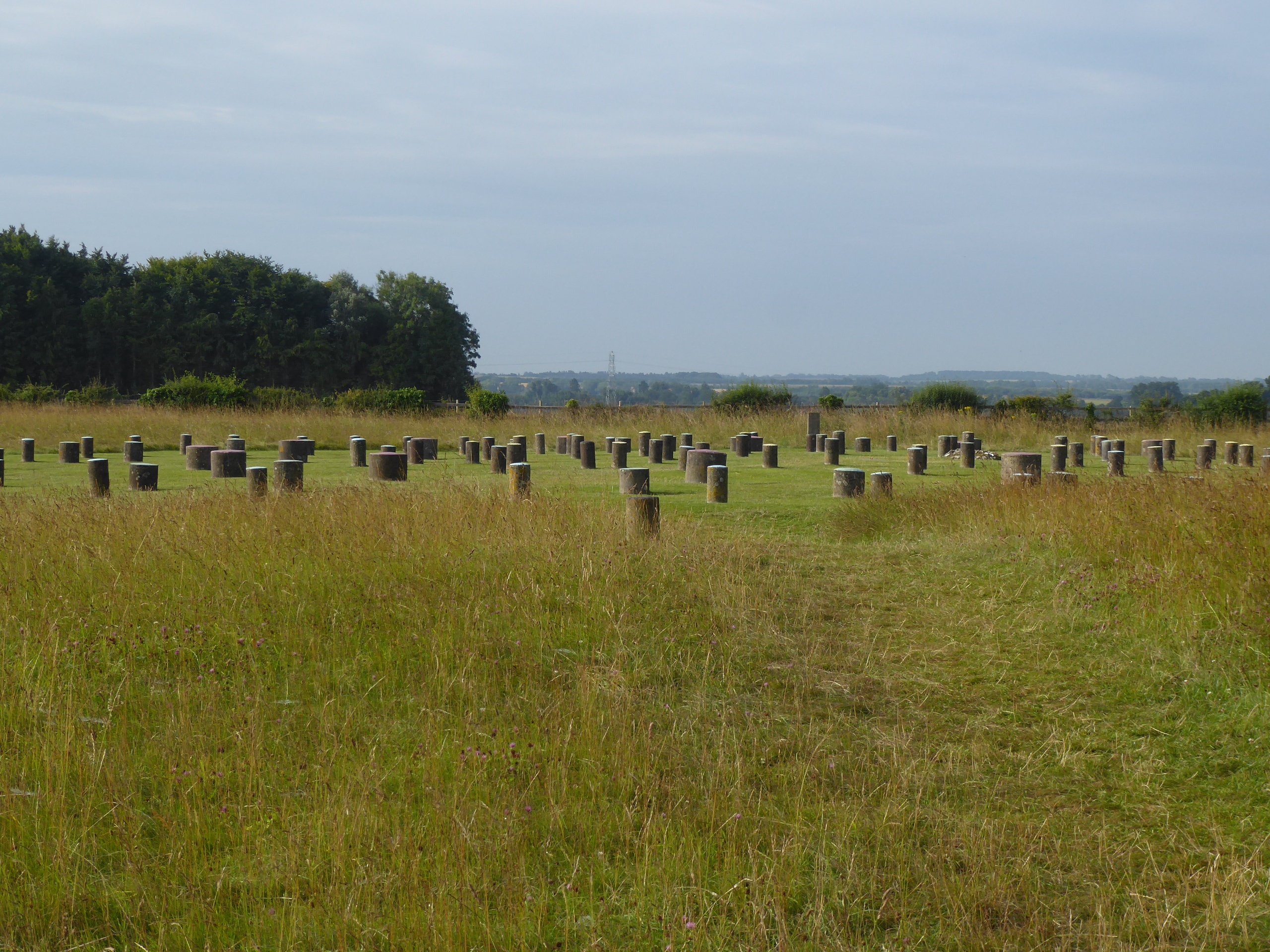
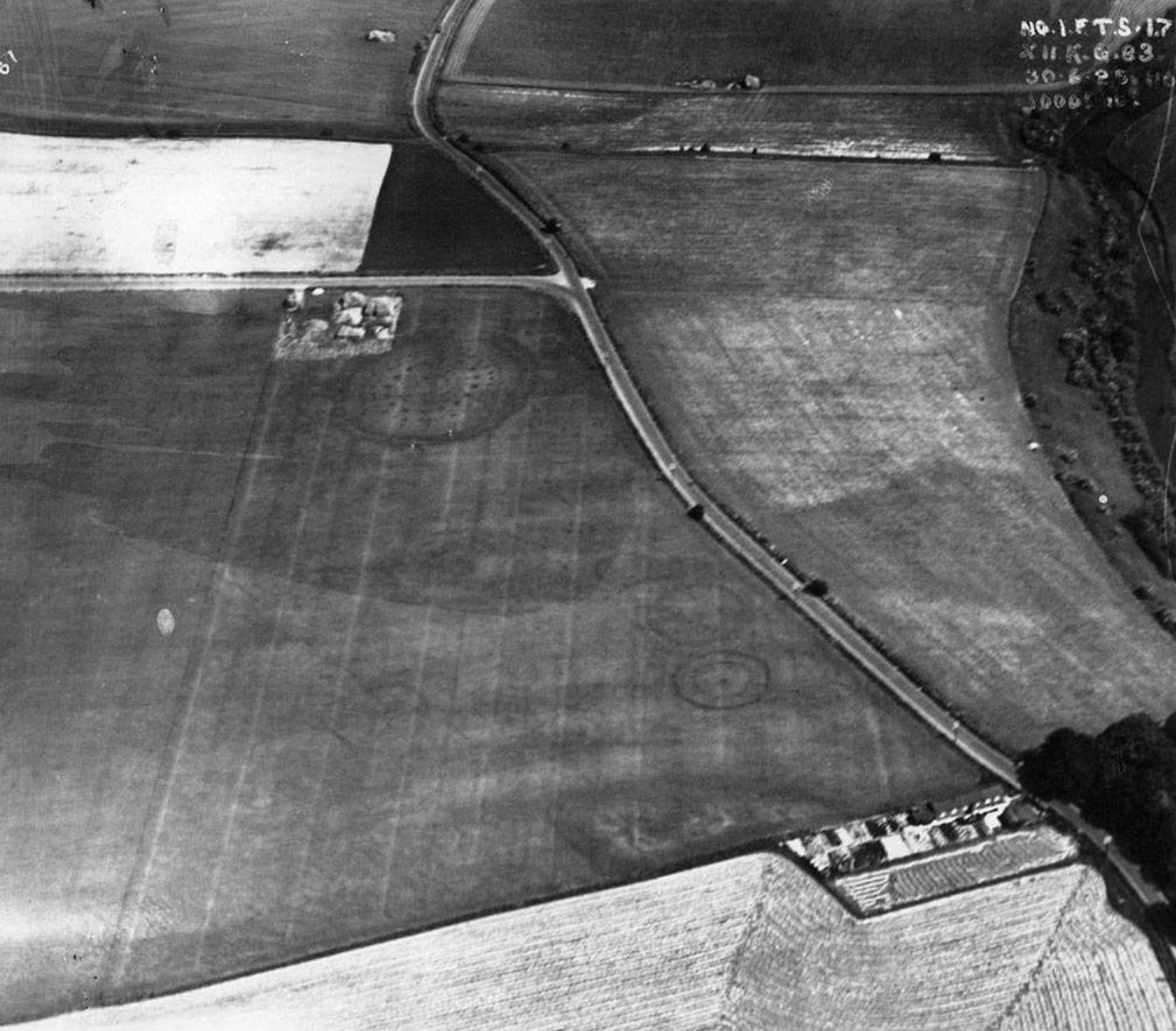
But Woodhenge first. Constructed 2500 BC, it was six ripples of wooden posts only discovered by aerial photography in 1925. The concrete blocks mark the sites of the timbers. It’s right beside Durrington Walls – another enormous circular earthwork – and surrounded by dozens of long barrows. They really are everywhere you look as you approach Stonehenge.

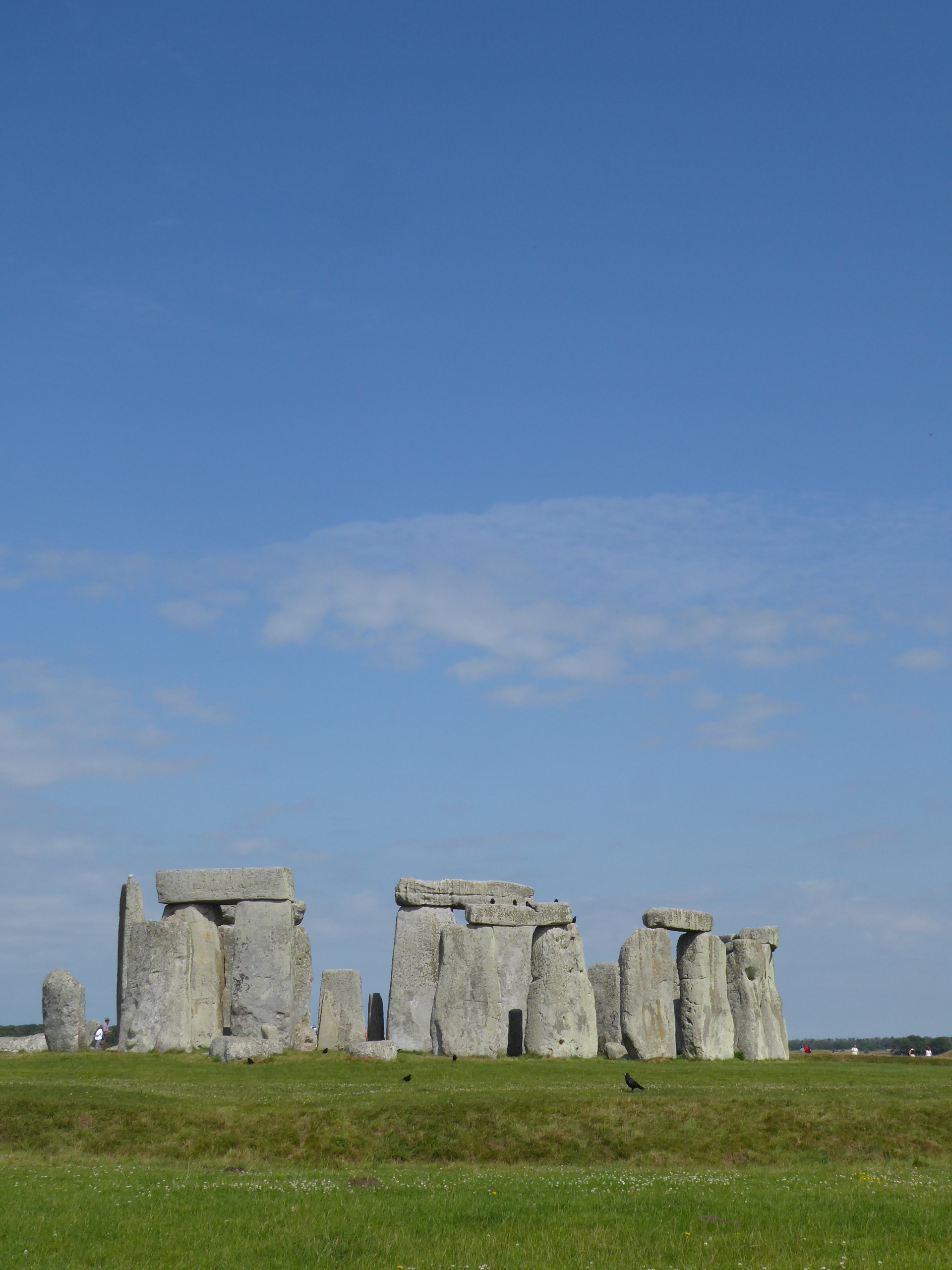
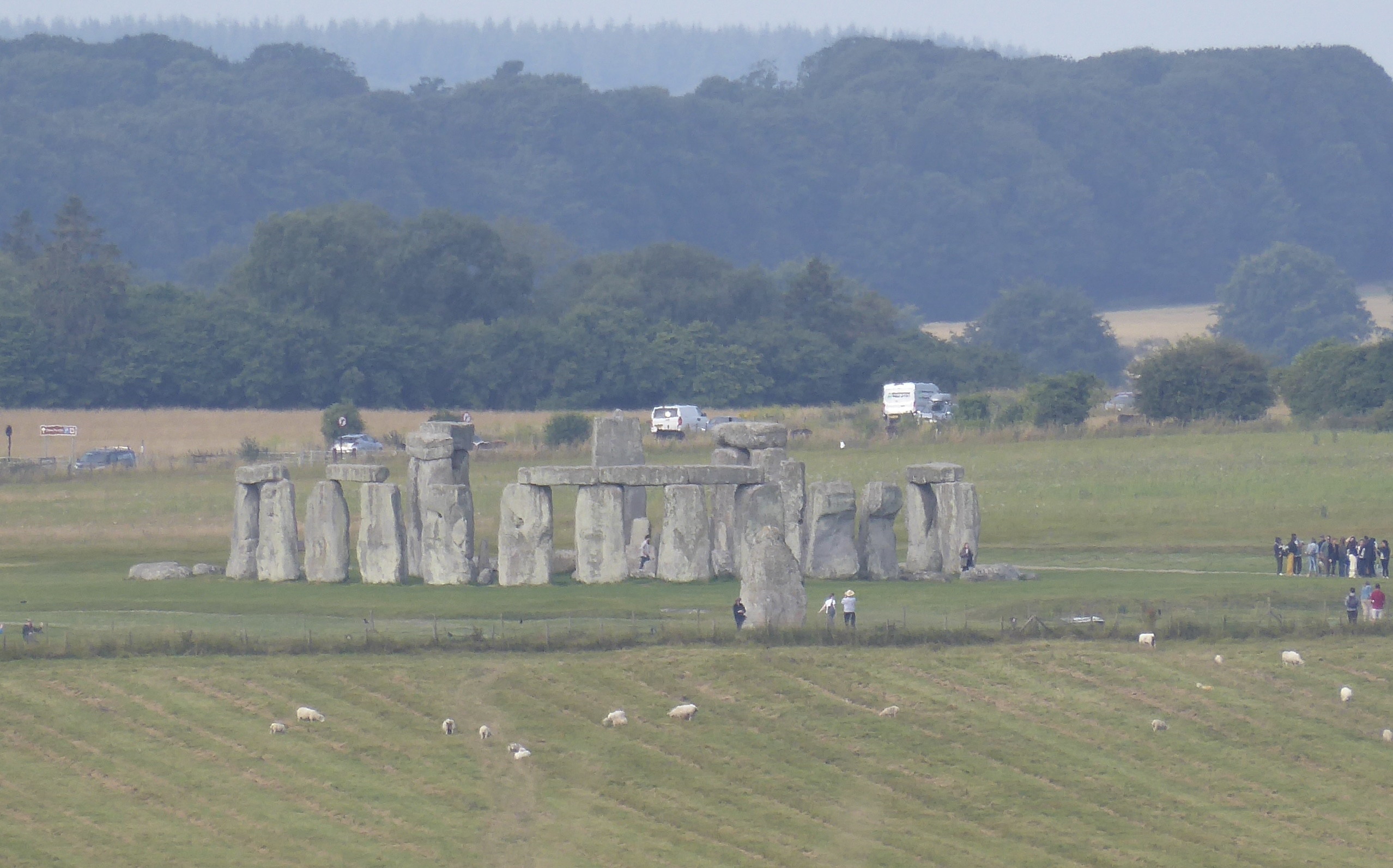
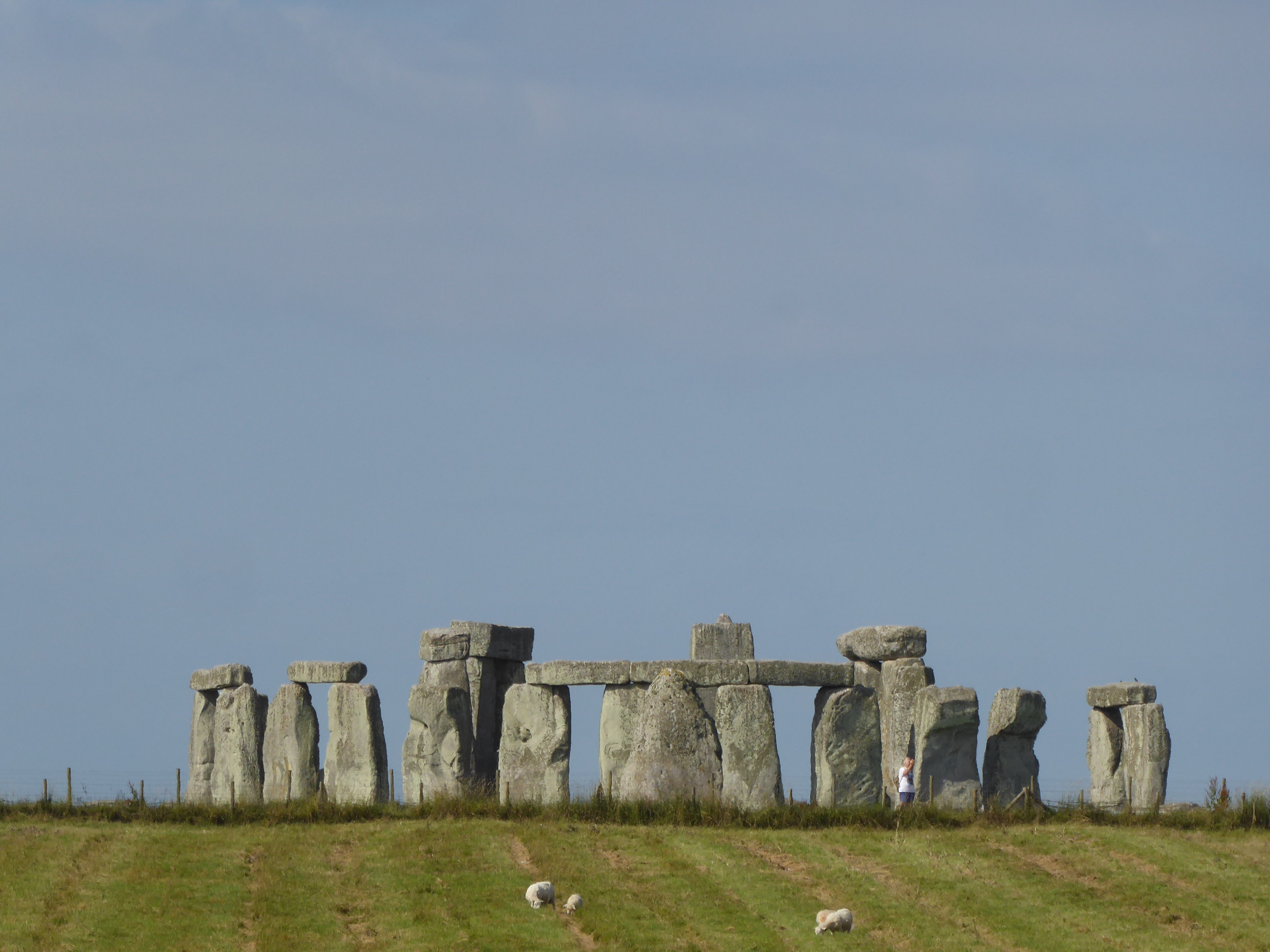
Beside the army camp, along the disused military railway lined with apple trees, to the Cursus (William Stukeley thought it was a Roman racetrack) and then up to Stonehenge along the course of The Avenue. My first sight was magical – and then I noticed all the lorries flowing along behind it. Neolithic meets Anthropocene. Heigh ho.

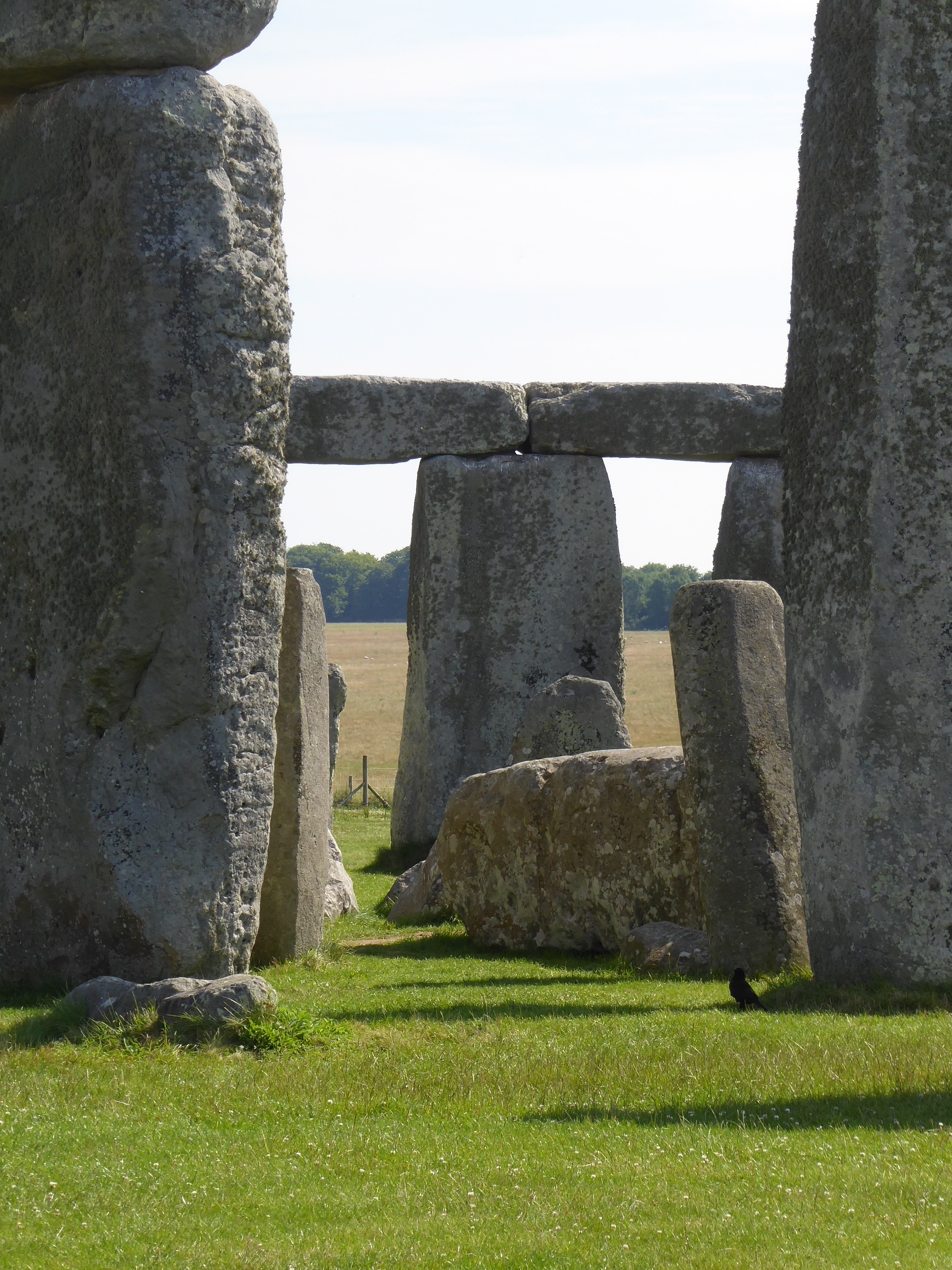
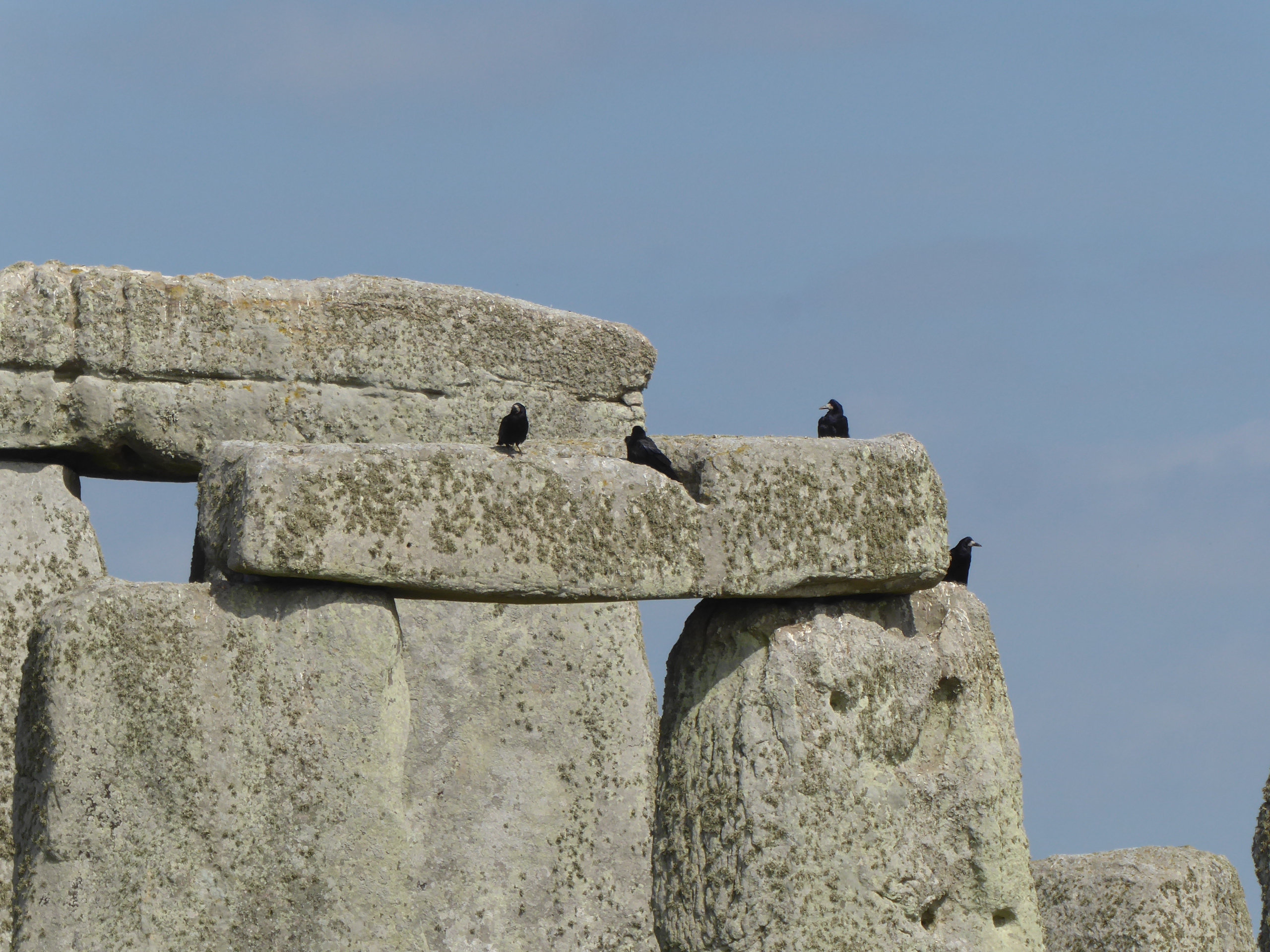
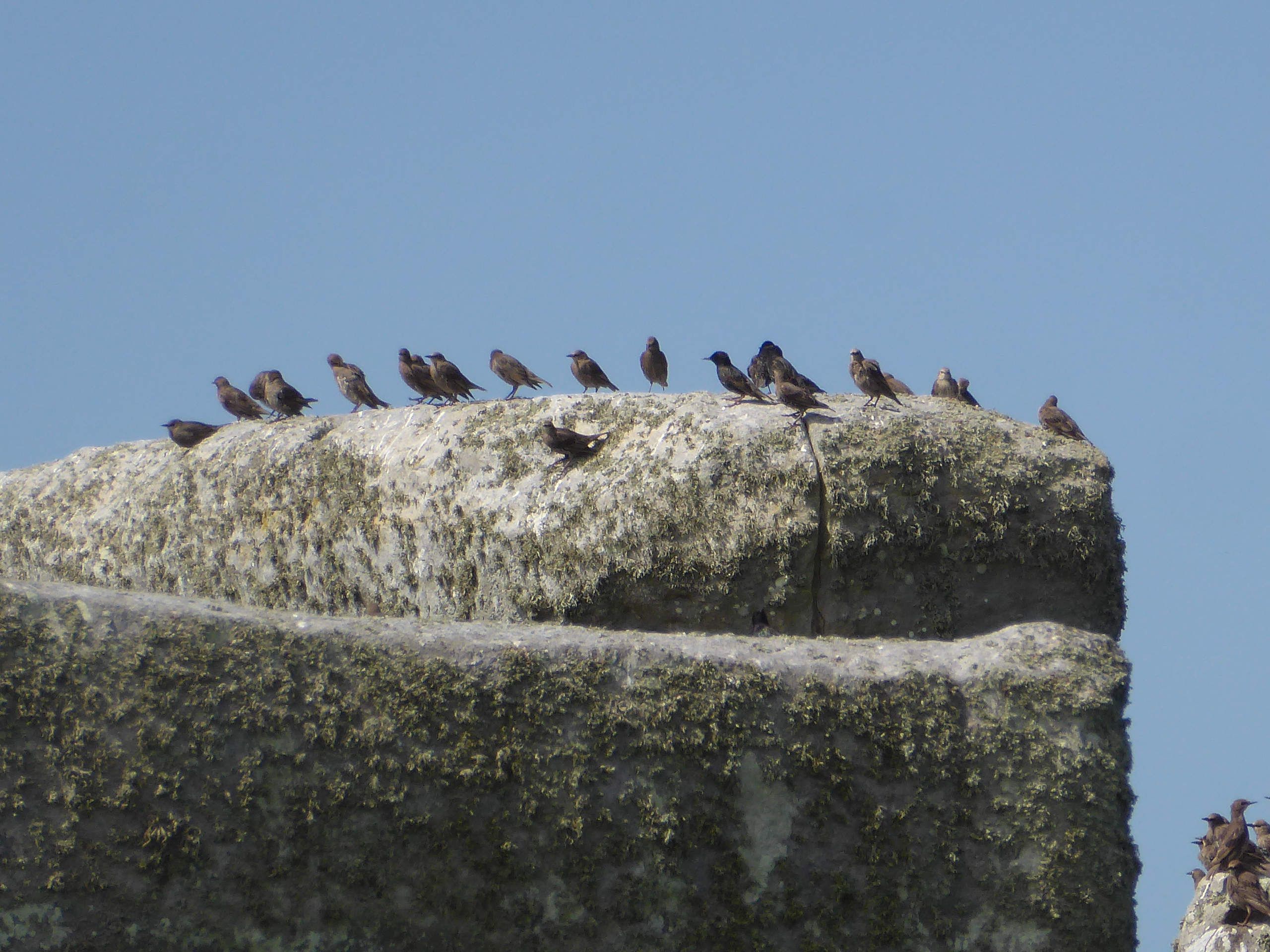
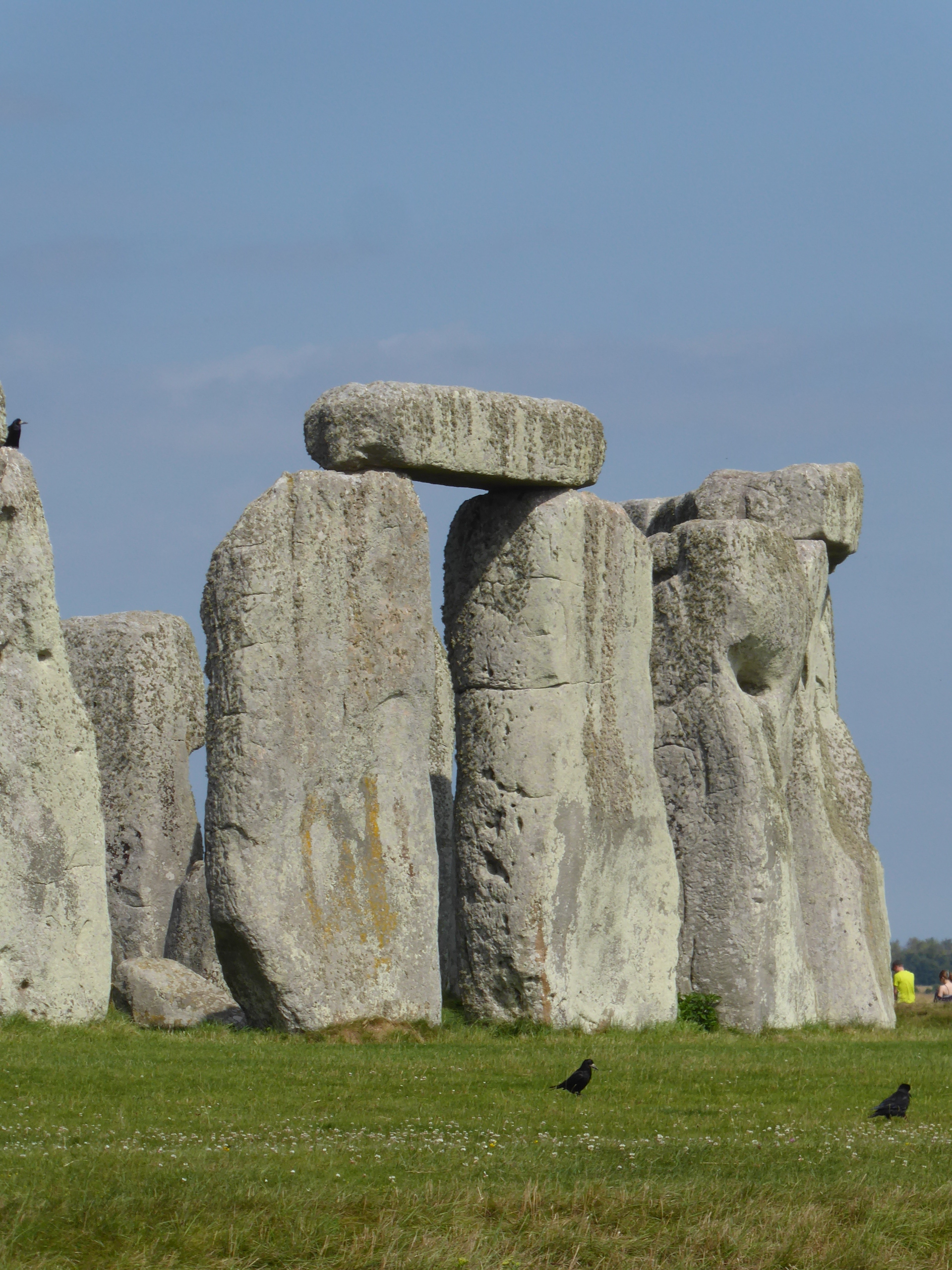
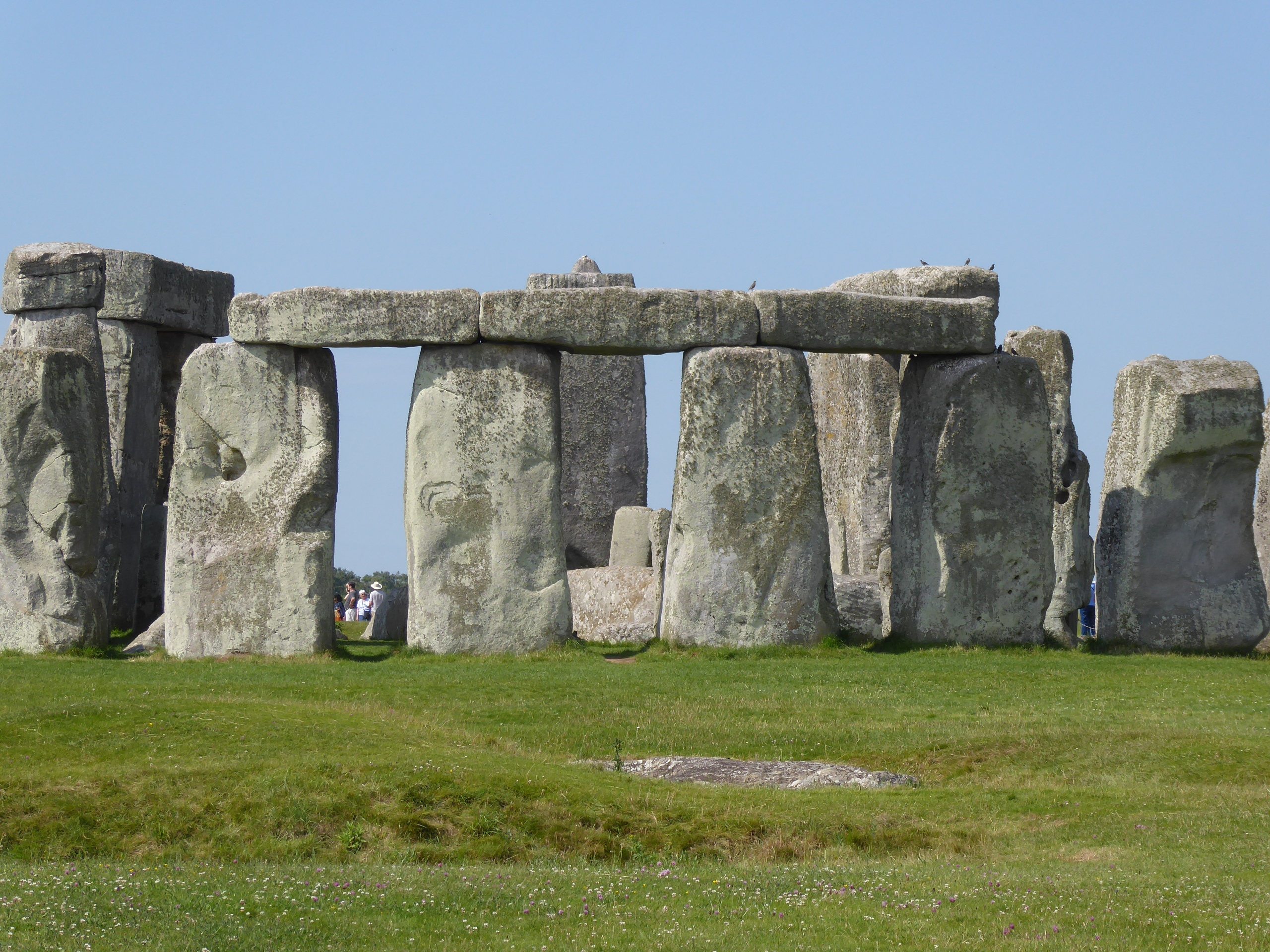
Not for the first time I listened to stuff about ditch first and stones later, the tongue and groove joints, conjecture on how the sarsens were moved to the site and raised into position, bluestones, Preseli Hills, cups on the lintels fitting over the bobbles on the uprights, increasing size of the trilithons, completed or never completed, summer/winter solstice alignment, etc – all the while taking far too many photographs and watching rooks and starlings going where we could not. (Given the crowds of visitors, it’s very good to have the car park and visitor centre so far from the stones themselves.)

As I said, I took too many photographs. My favourite view was approaching the stones from The Avenue when they were isolated from their earthly surroundings and appeared only as an outline against the sky. The bright sunshine was perfect for dramatic shadows on the pale stone. It was interesting to see, as we walked anticlockwise around the circle, how the first impression of a fallen jumble of blocks morphed into the finished design as we approached the heel stone. It was as if we had stood still before a turntable and some giant hand had assembled the blocks while we watched.

The visitor centre was interesting. I had turned my nose up at the thought of visiting their idea of a neolithic village (a bit too toytownish), but actually it gave me food for thought. A reminder to self that first instincts can be rubbish. How do you make things when all you have are stones, wood and bone? Plus furs and sinews and things like that, I suppose. A mattress of woven osiers on legs looked reasonably comfortable, and I was rather charmed by the sparrows living in the underside of the thatched roofs . . . until I thought of the downsides.

So that was Stonehenge on a baking hot day with tourists arriving en masse, but I wouldn’t have missed it for the world. (And am very glad that someone else did all the organising so that I could arrive on foot.)