Lille and Roubaix

I have settled in. My hotel room is fairly charmless apart from the windows and the view, and I’ll settle for that.

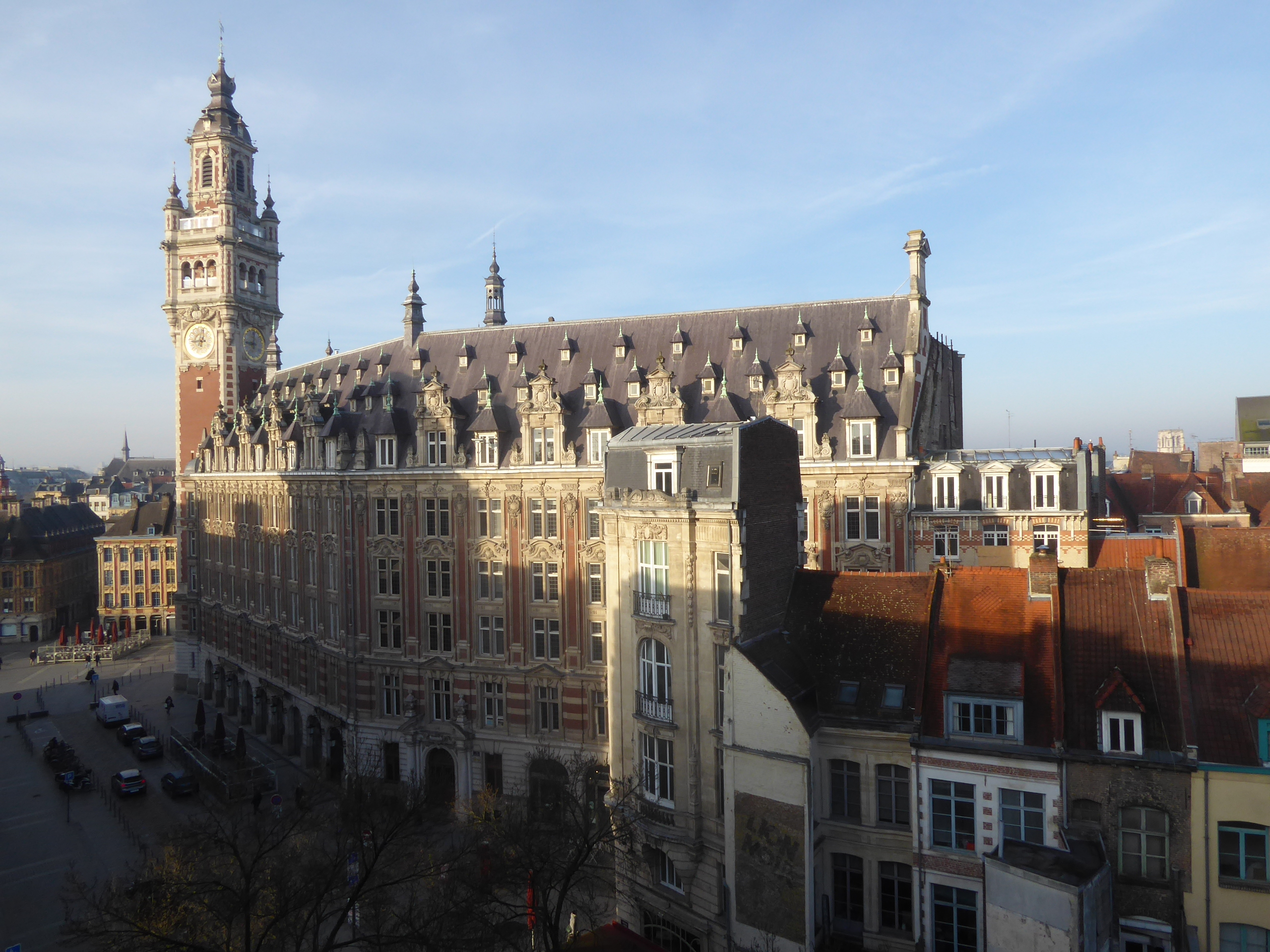
Lille is a pleasure to walk around. It’s both Flemish and French, and you never know which style you will find. The centre looks prosperous, but I’m not sure how far that prosperity stretches. Some of it has spread out to Roubaix, where I went today to visit La Piscine gallery. I caught the métro and wondered why I had such a clear view at the front of the train. It took me a little to realise that there was no driver.

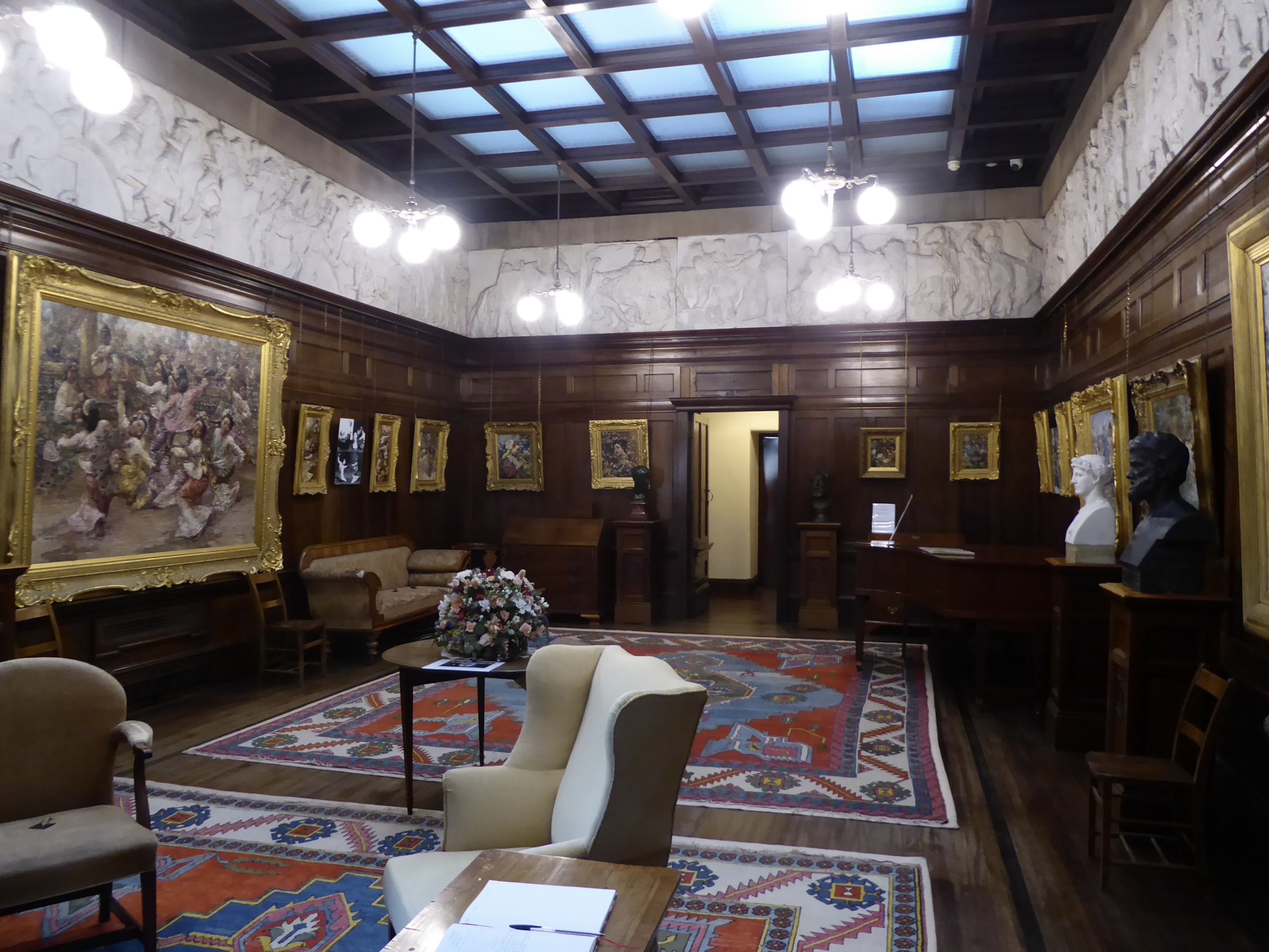
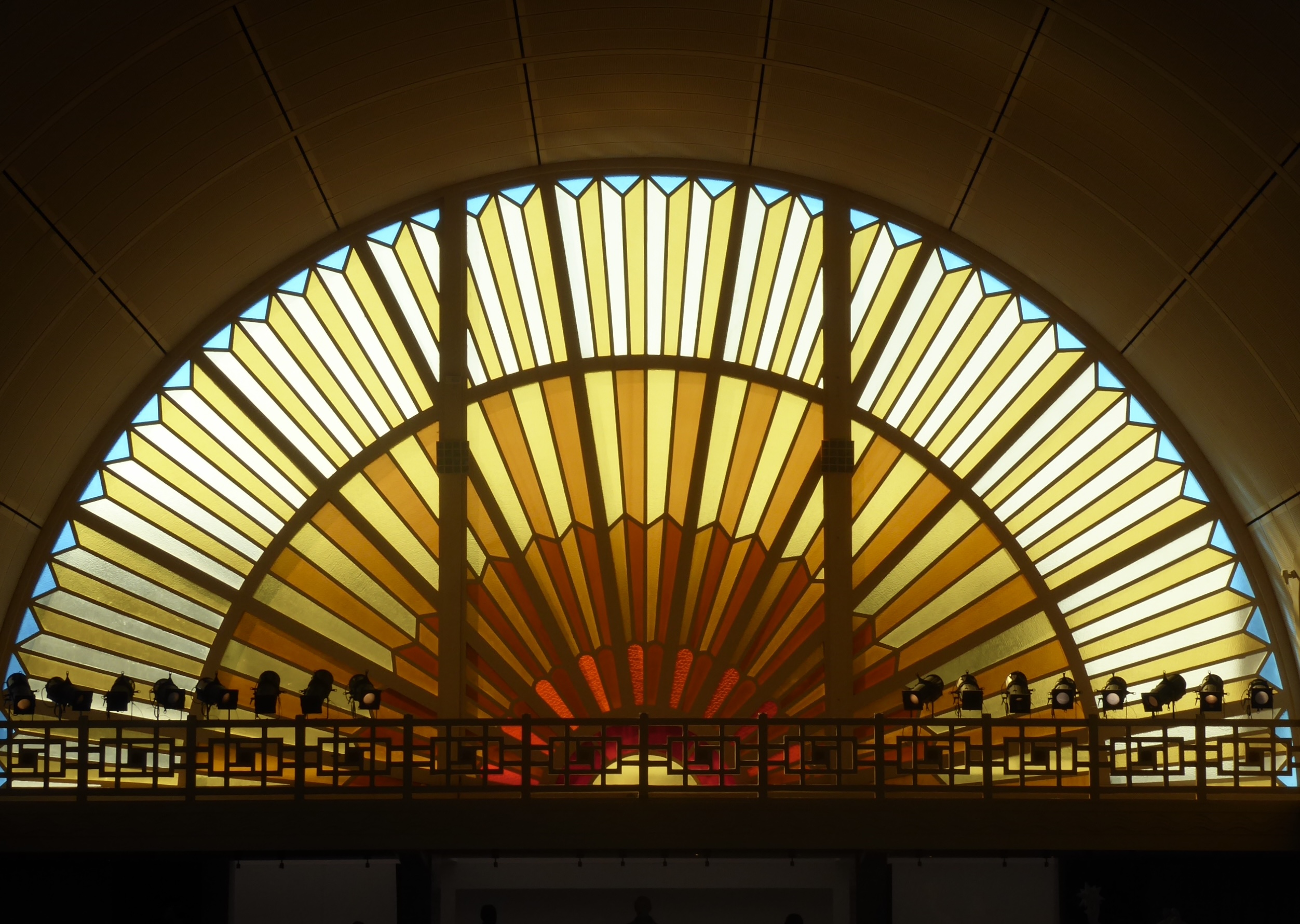
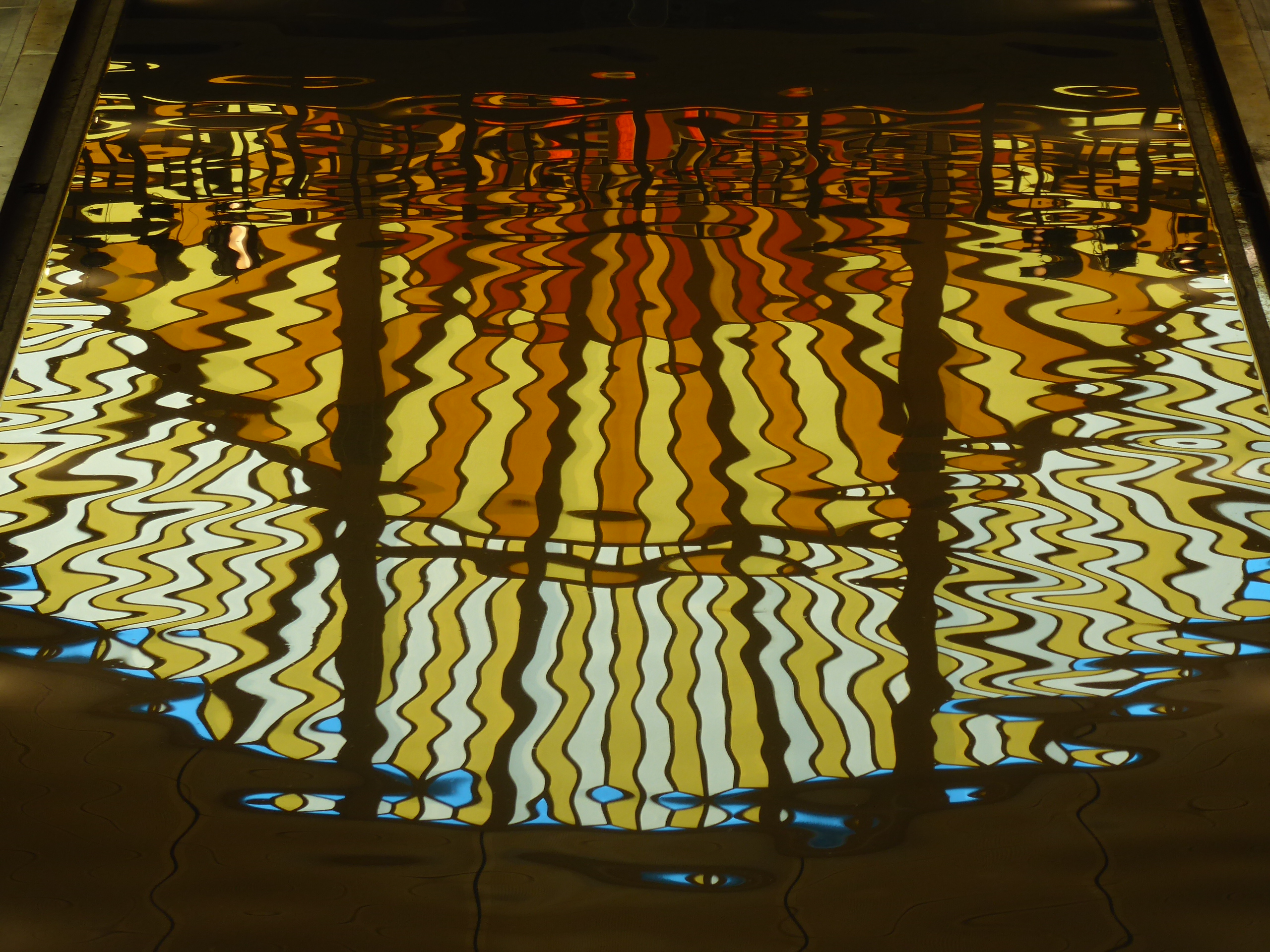
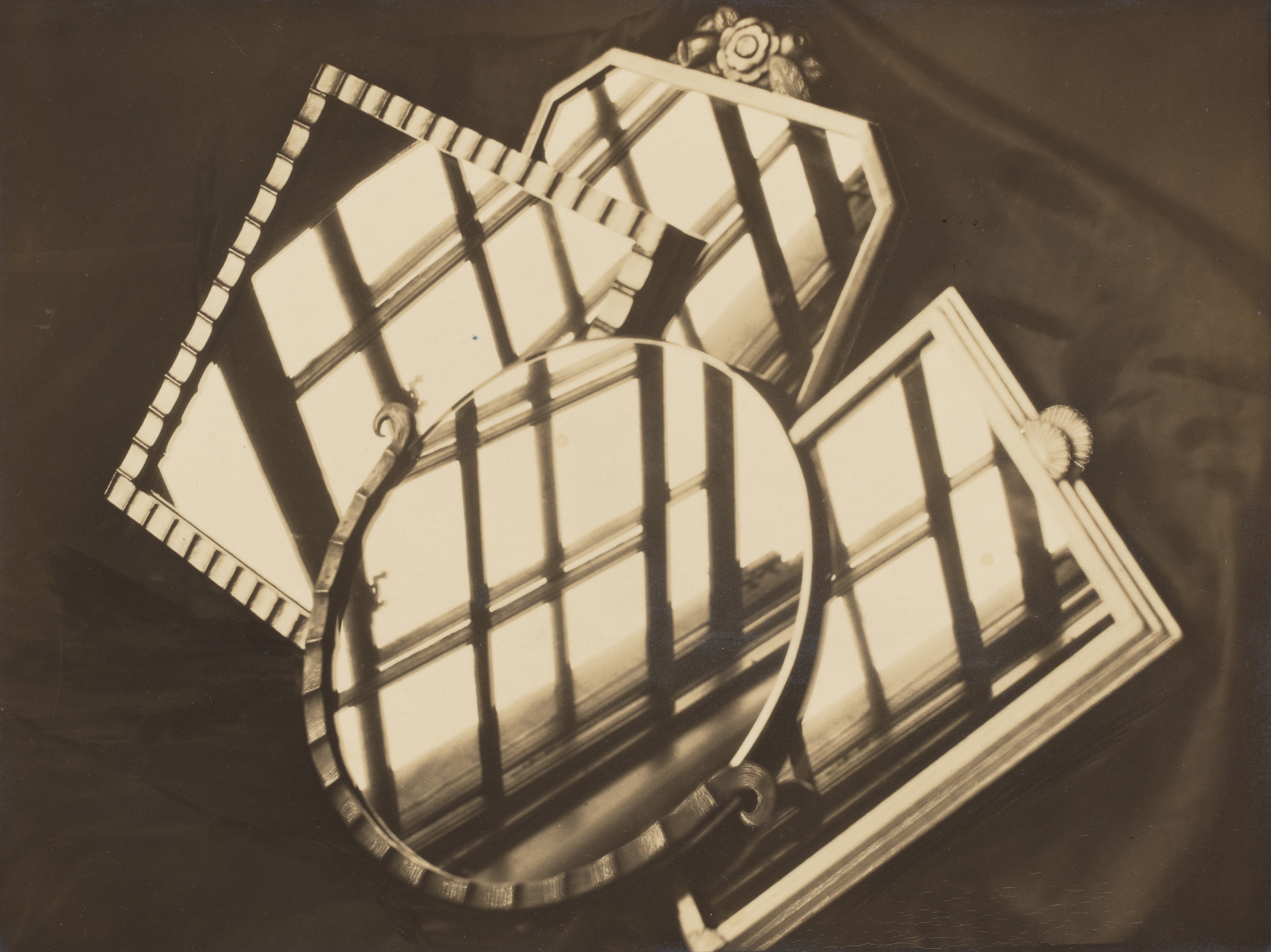
This is the third time I’ve been here, so there was nothing new – just a different way of looking at things. Plus of course trying to capture the reflected sunburst window in all its glory.

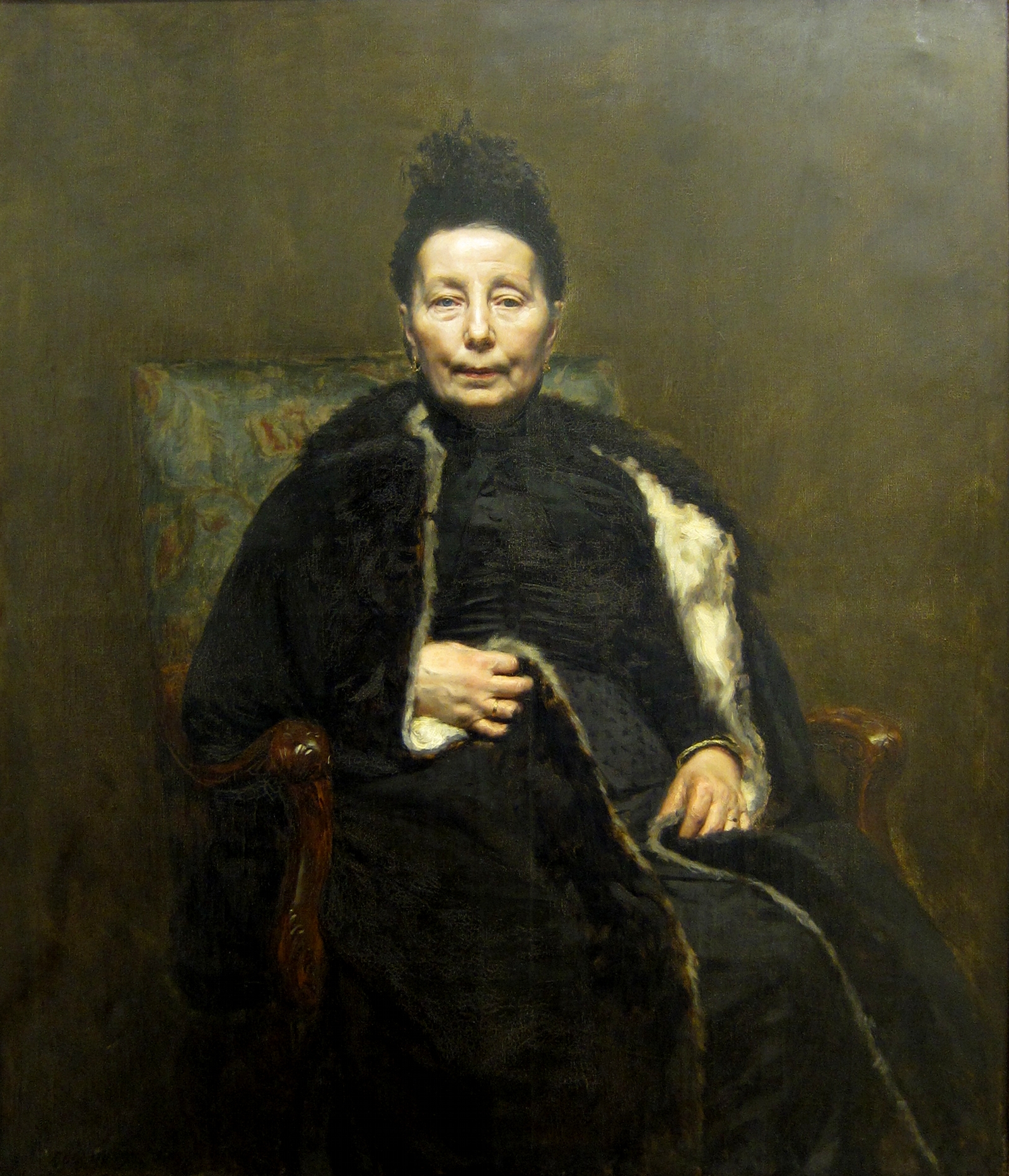
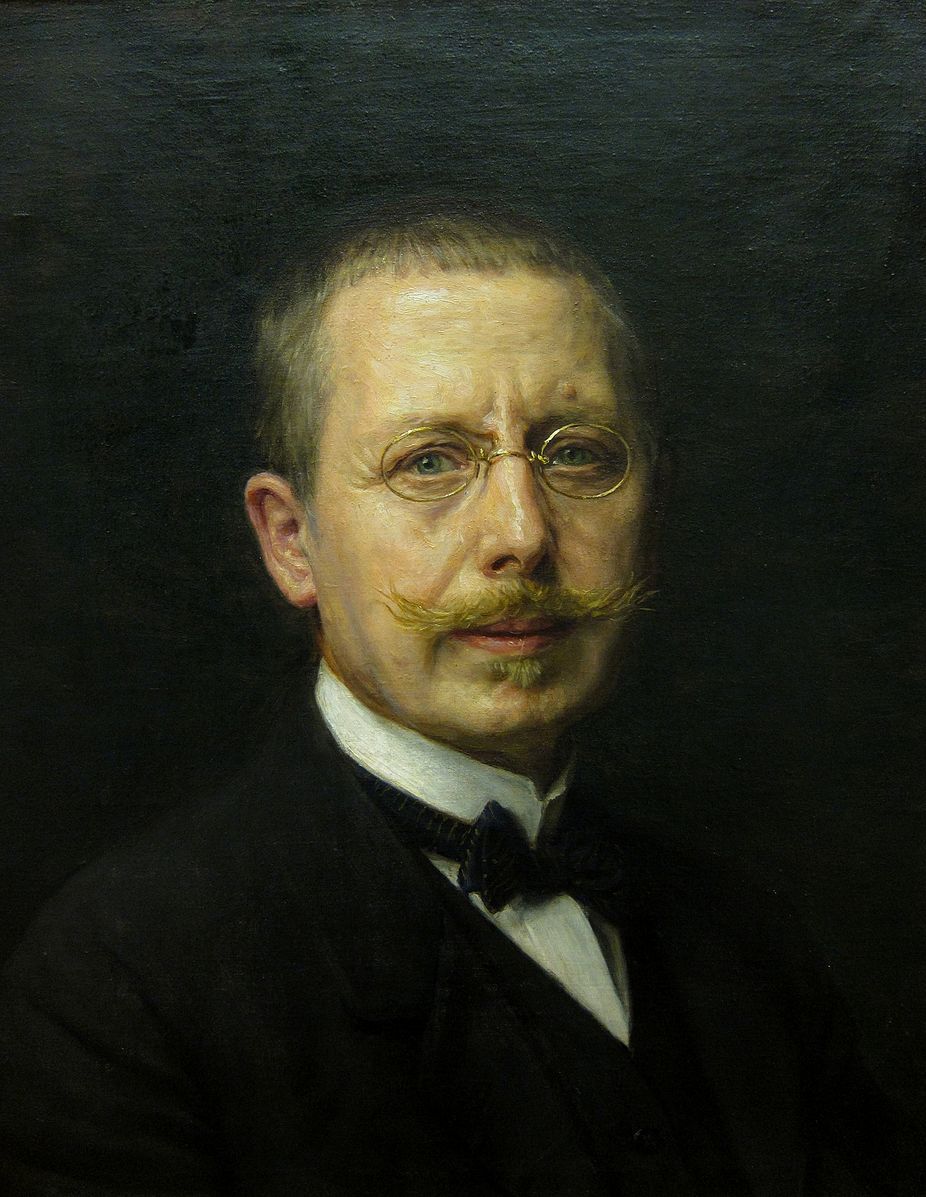
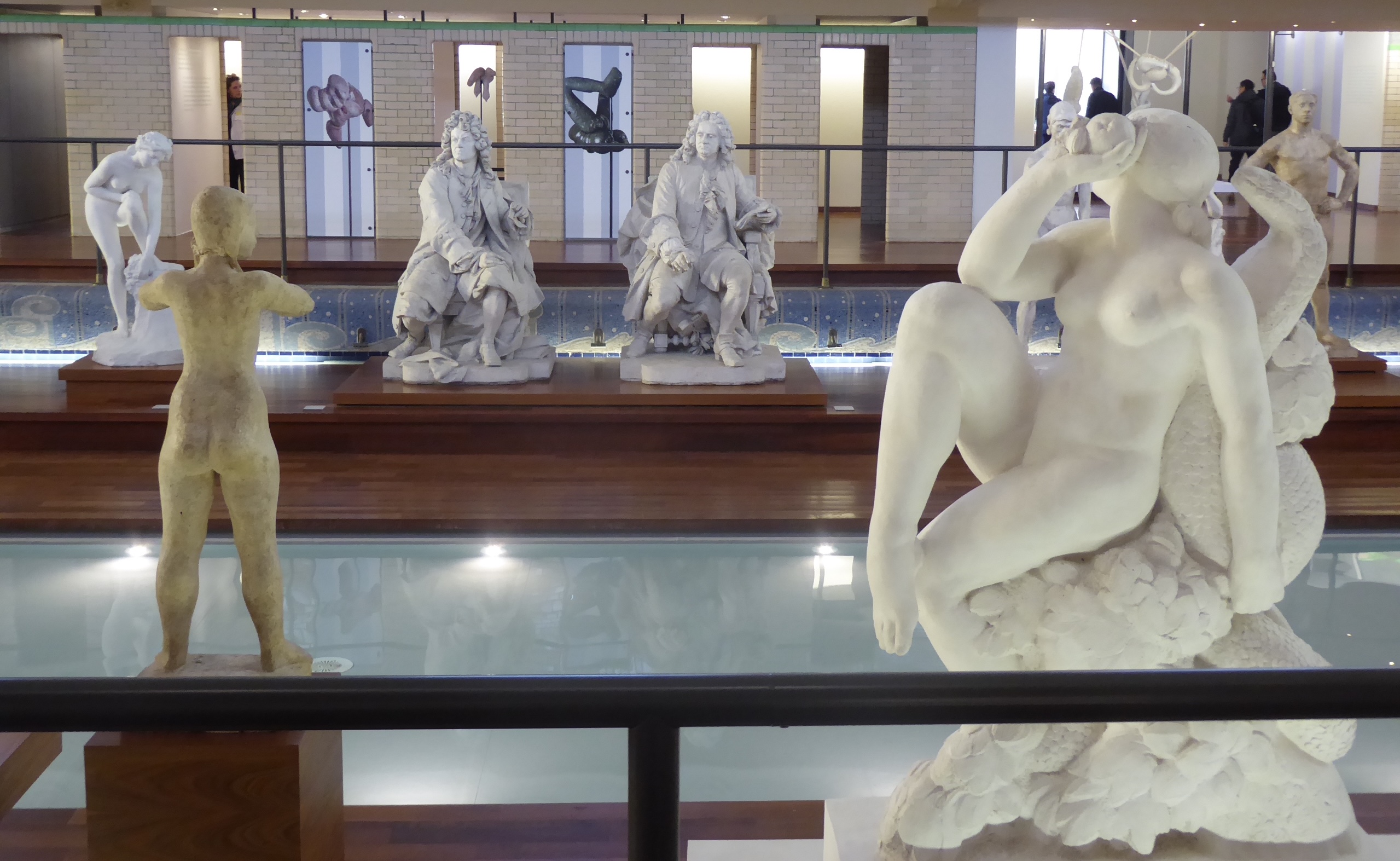
I rather liked the way the statues had been placed, with the over-dressed gentlemen surrounded by nymphs. Then all the paintings by Rémy Cogghe – so well done, but who has heard of him? I smiled to see the resemblance between his self-portraits and the painting of his mother.

Lille

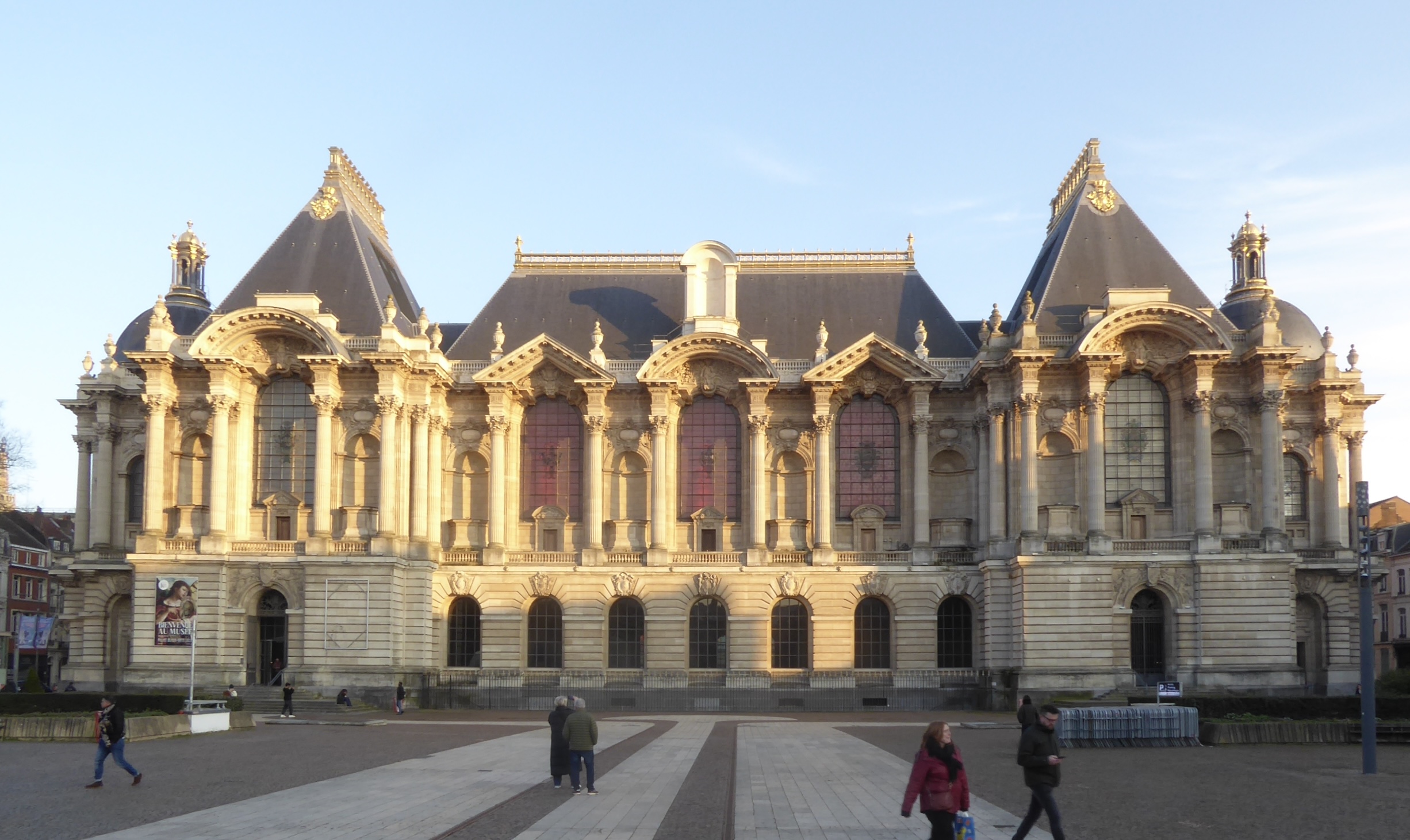
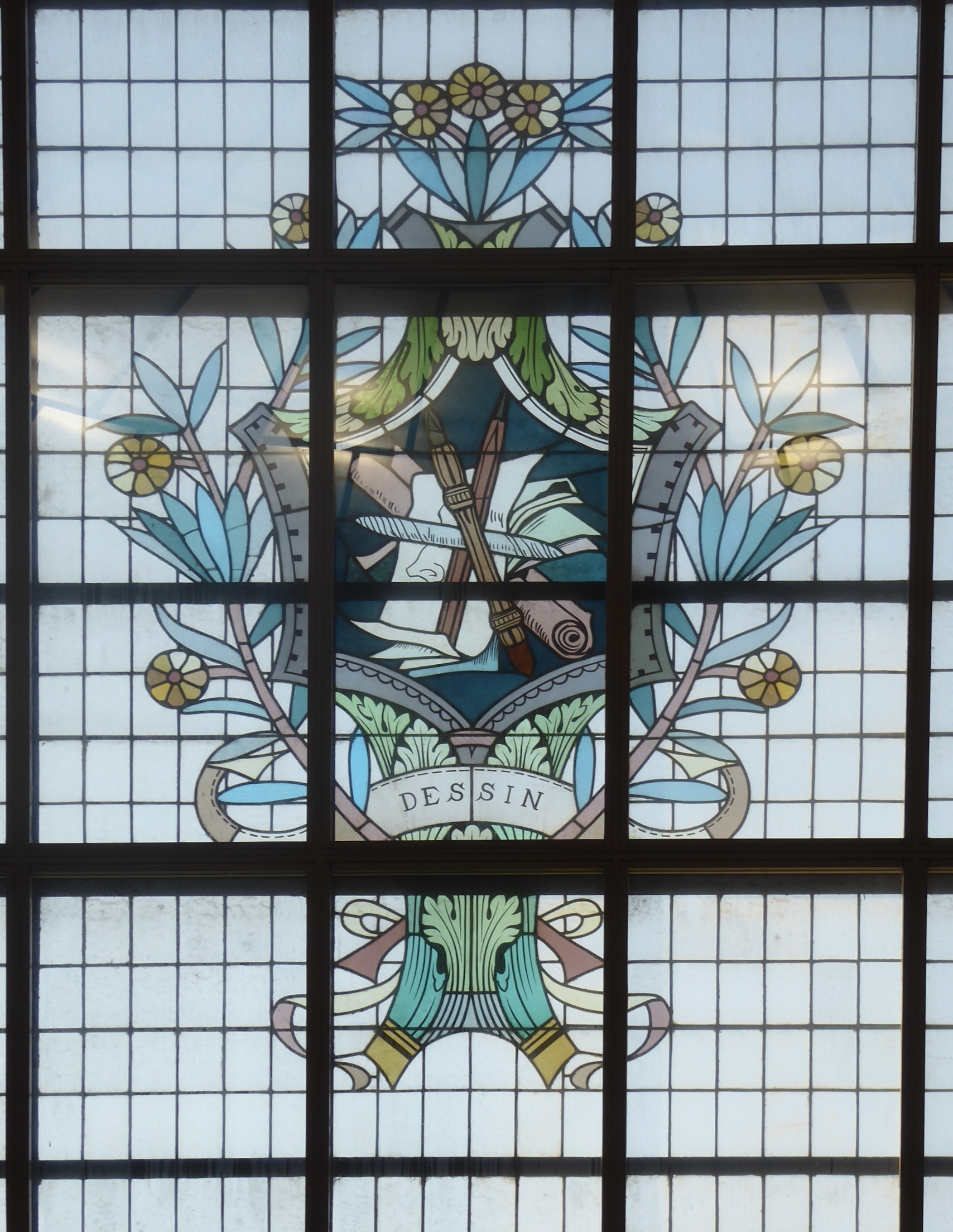
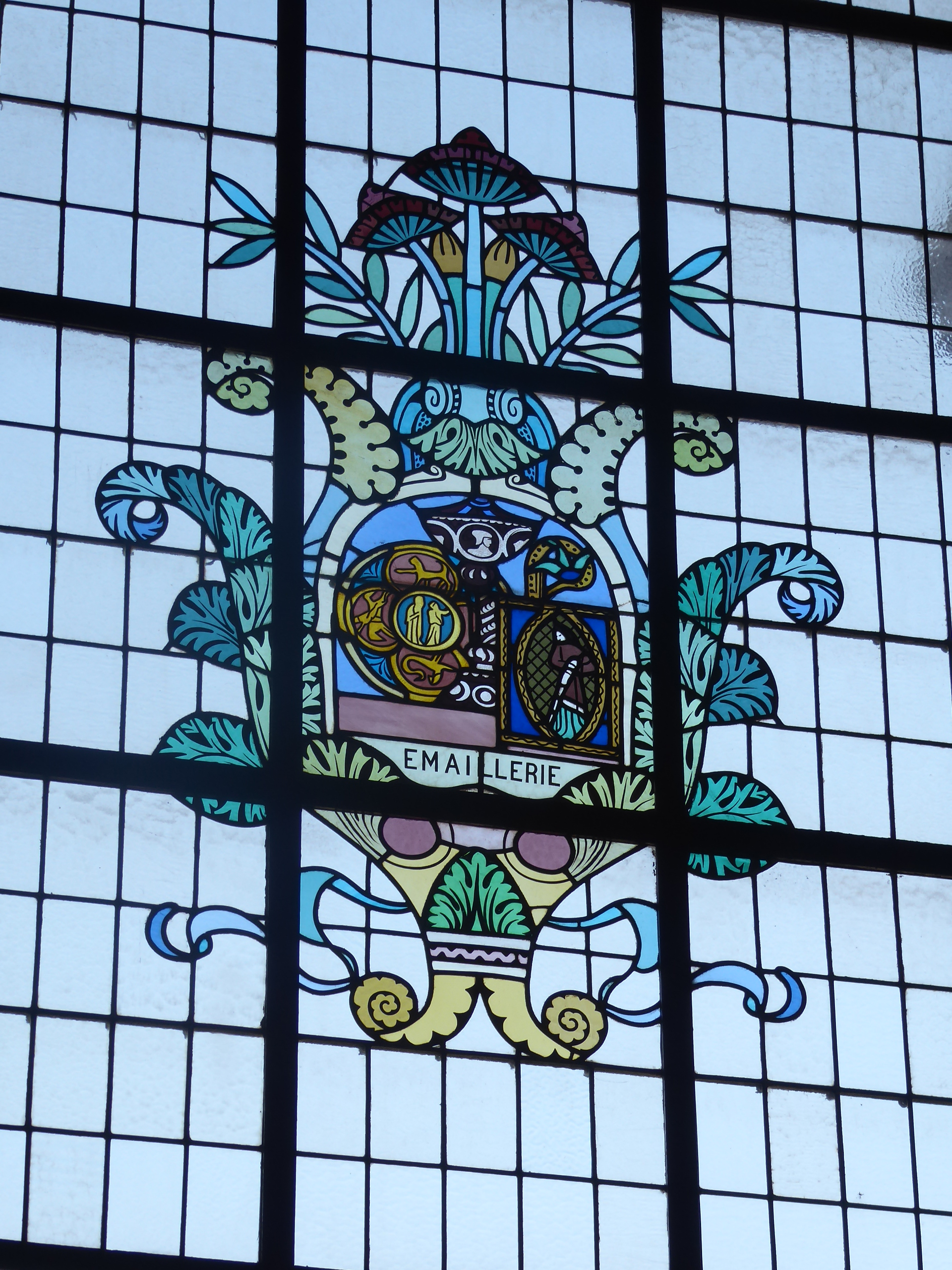
I arrived in Lille in brilliant sunshine and a rather bewildered state of mind. The travel sickness pill I had taken left me feeling detached; moreover I was bothered by not being able to make sense of the French I heard all around me. I’d caught an earlier train in order to visit the Palais des Beaux Arts – but even that just added to the sense of being all at sea.

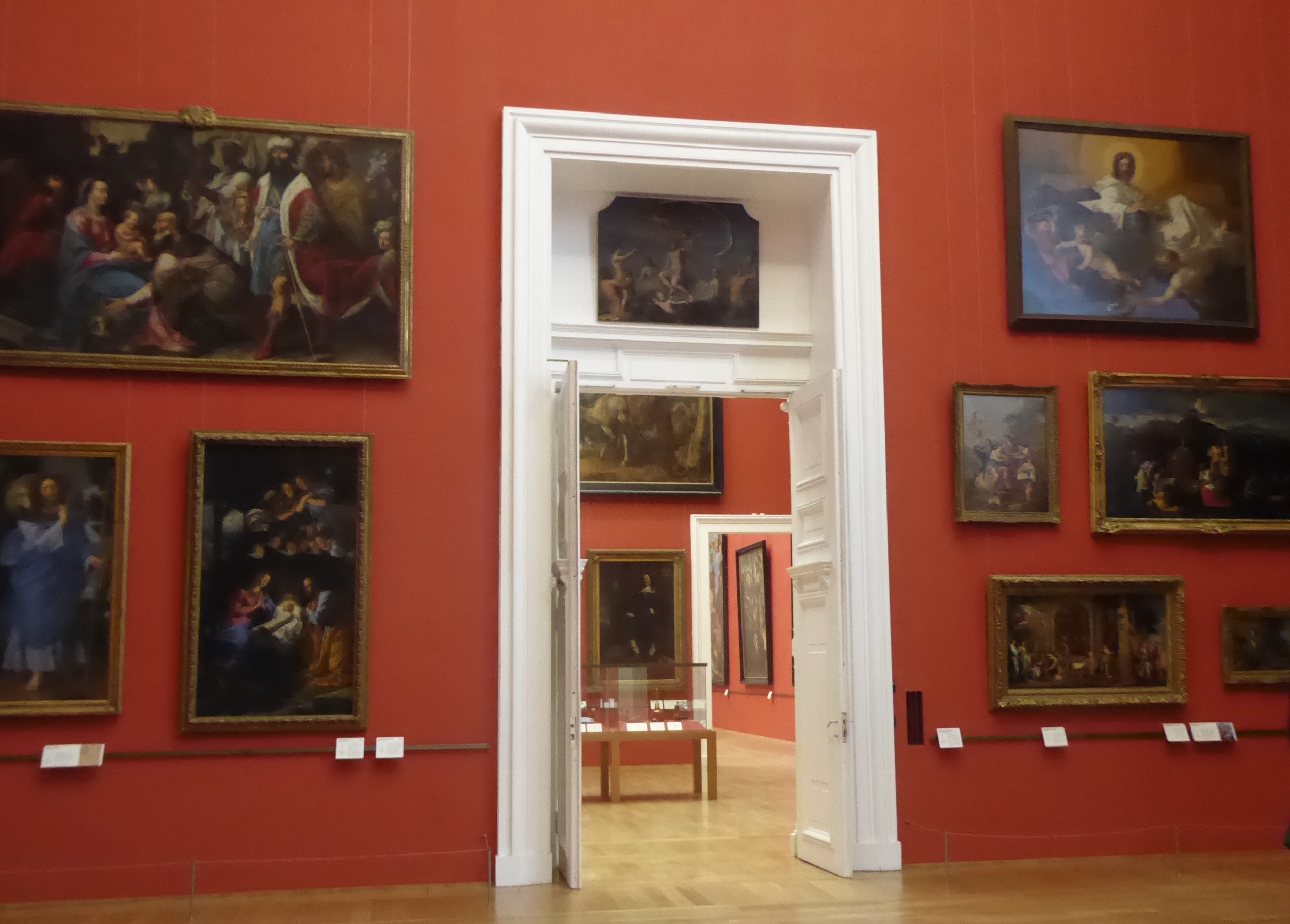
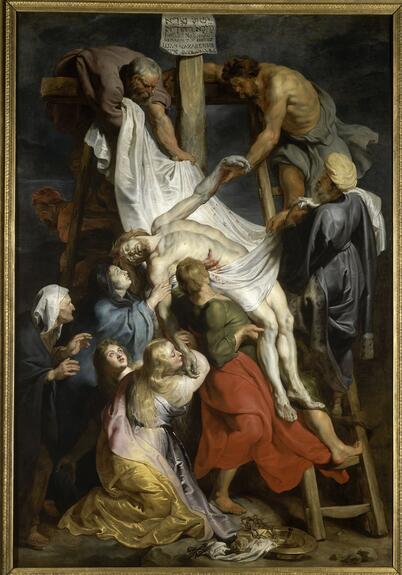
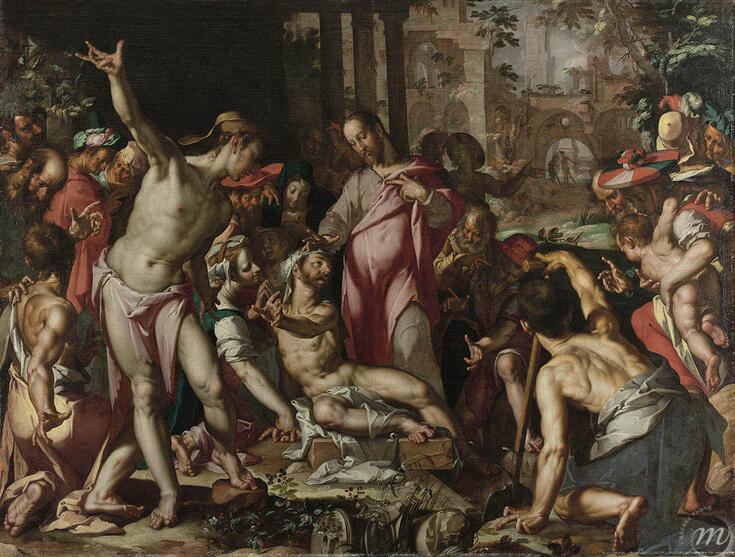
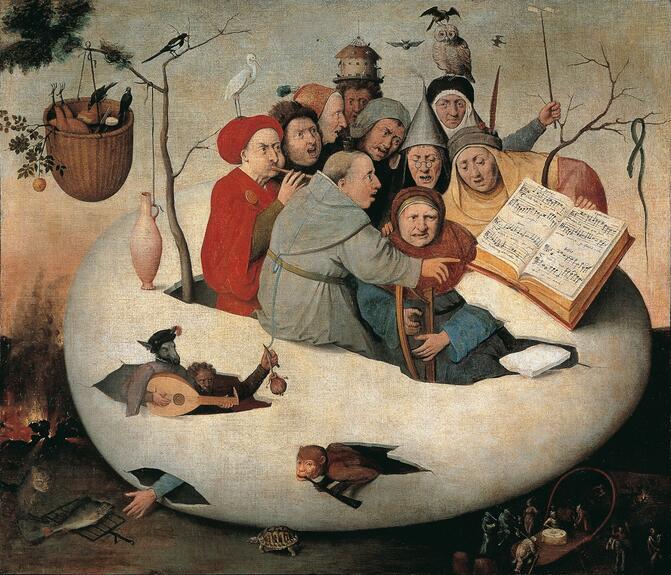
It’s a very imposing building – but one that weighed down on me. Room after room after room, each leading into the other . . . there was way too much stuff! Once again, I realised how artists’ studios churned out paintings to fill churches and to immortalise the wealthy in oils. I quickly decided I did NOT want to see any more putrefying flesh – even painted by Rubens – or horrible mash-ups of Flemish-painter-meets-the-Renaissance. I found it hard to maintain the appetite to take in anything at all.

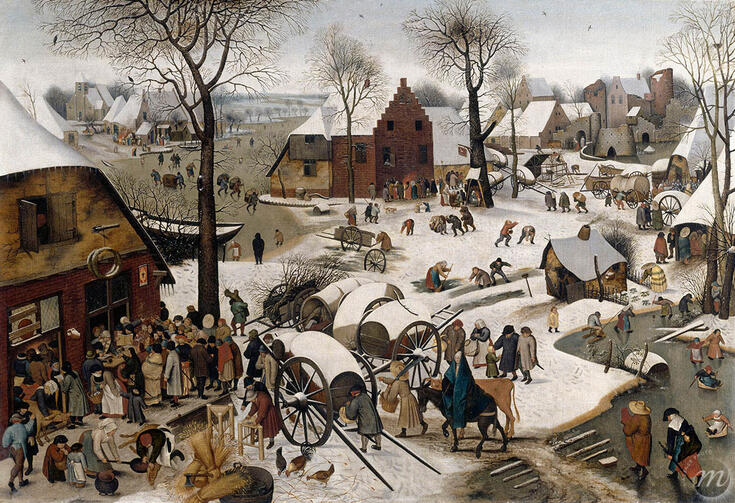
There were a couple of copies of paintings by Brueghel the Elder. Both had religious themes (the census at Bethlehem and John the Baptist preaching) but – in true Brueghel style and exactly as Auden describes it – the titular action is a small part of a much bigger picture that teems with everyday, unimportant people doing everyday, unimportant things. So different from all those depositions and raisings and martyrdoms which completely filled their large frames and which I found so lowering. When I got to the portraits – all so indistinguishable! – I wondered what I should choose to be painted in to signify the 21st-century equivalent of status and piety. Obviously not furs and a rosary; perhaps in cashmere with my ArtFund card between my fingers.

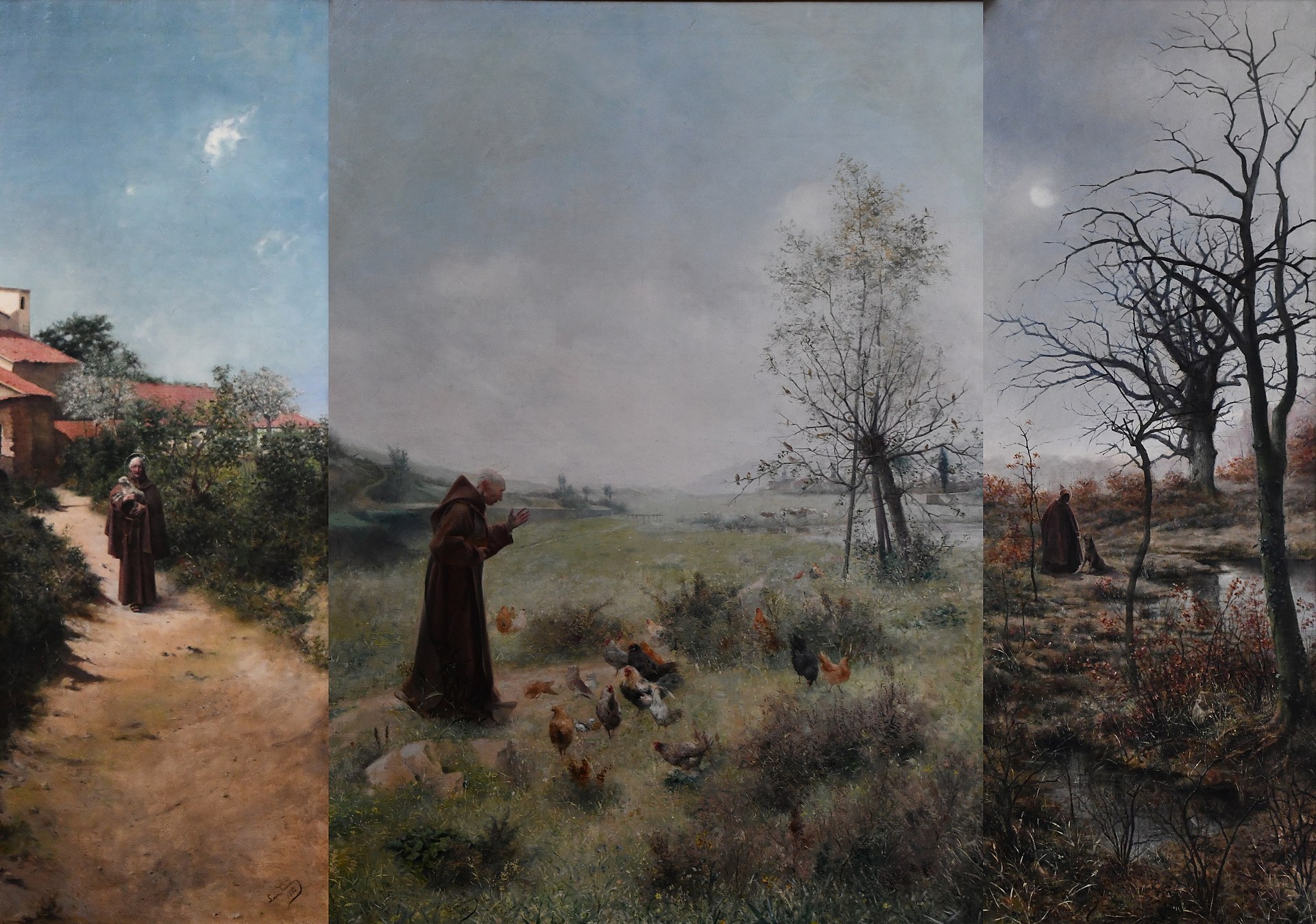
I came across Léon Frédéric again – not quite as weird to my eyes as others of his. St Francis in a Flemish landscape – which brought me back to Brueghel. By the end I was utterly bewildered: the journey from gruesome biblical scenes to abstraction was too much to take in.

Finding somewhere for dinner just added to the confusion. It seemed as if meat was still the only French food on the menu! Pig’s ears, andouillettes, marrow bone . . . But I found something in the end and finished off with lots of cheese.

Glasgow

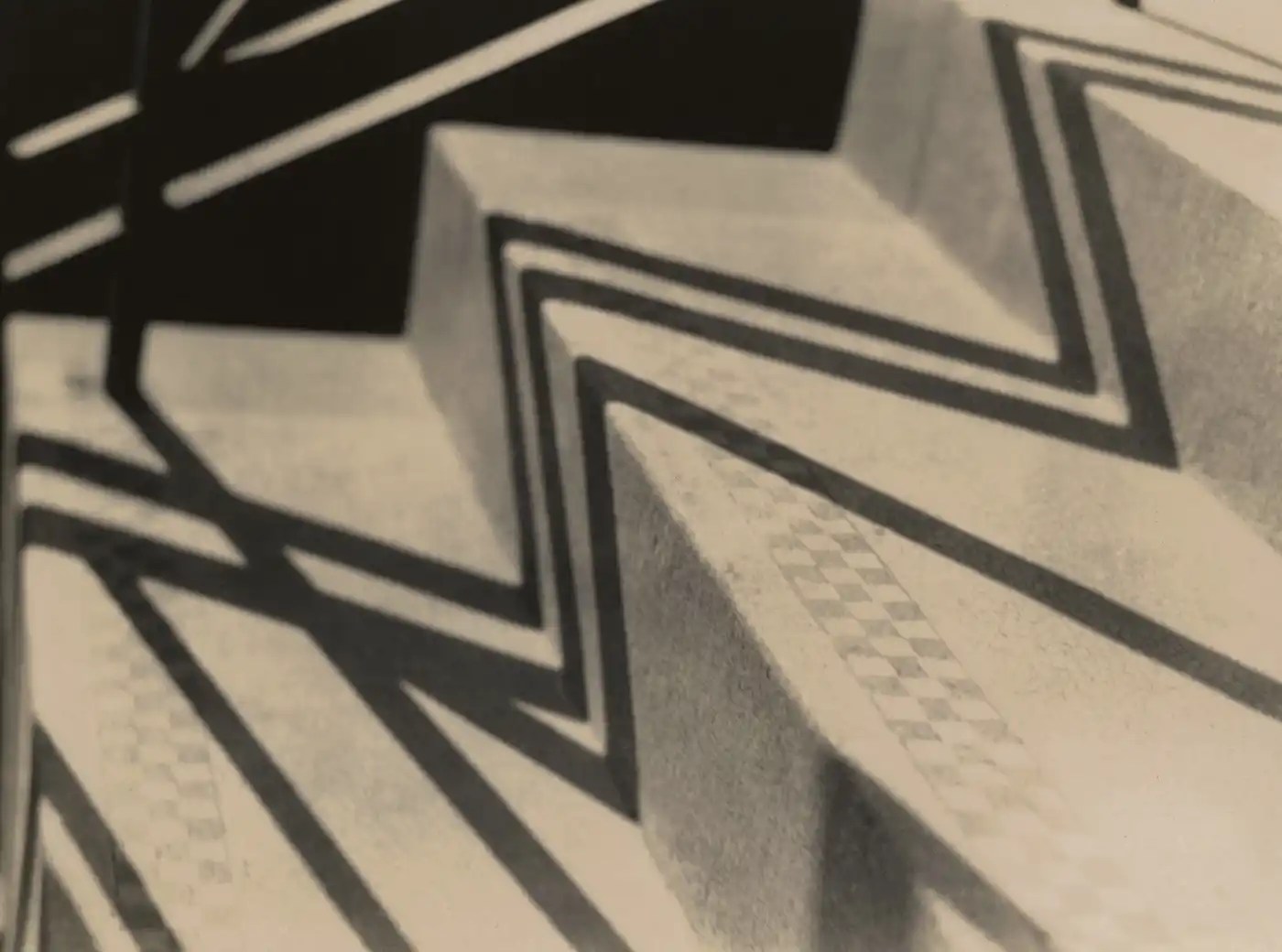
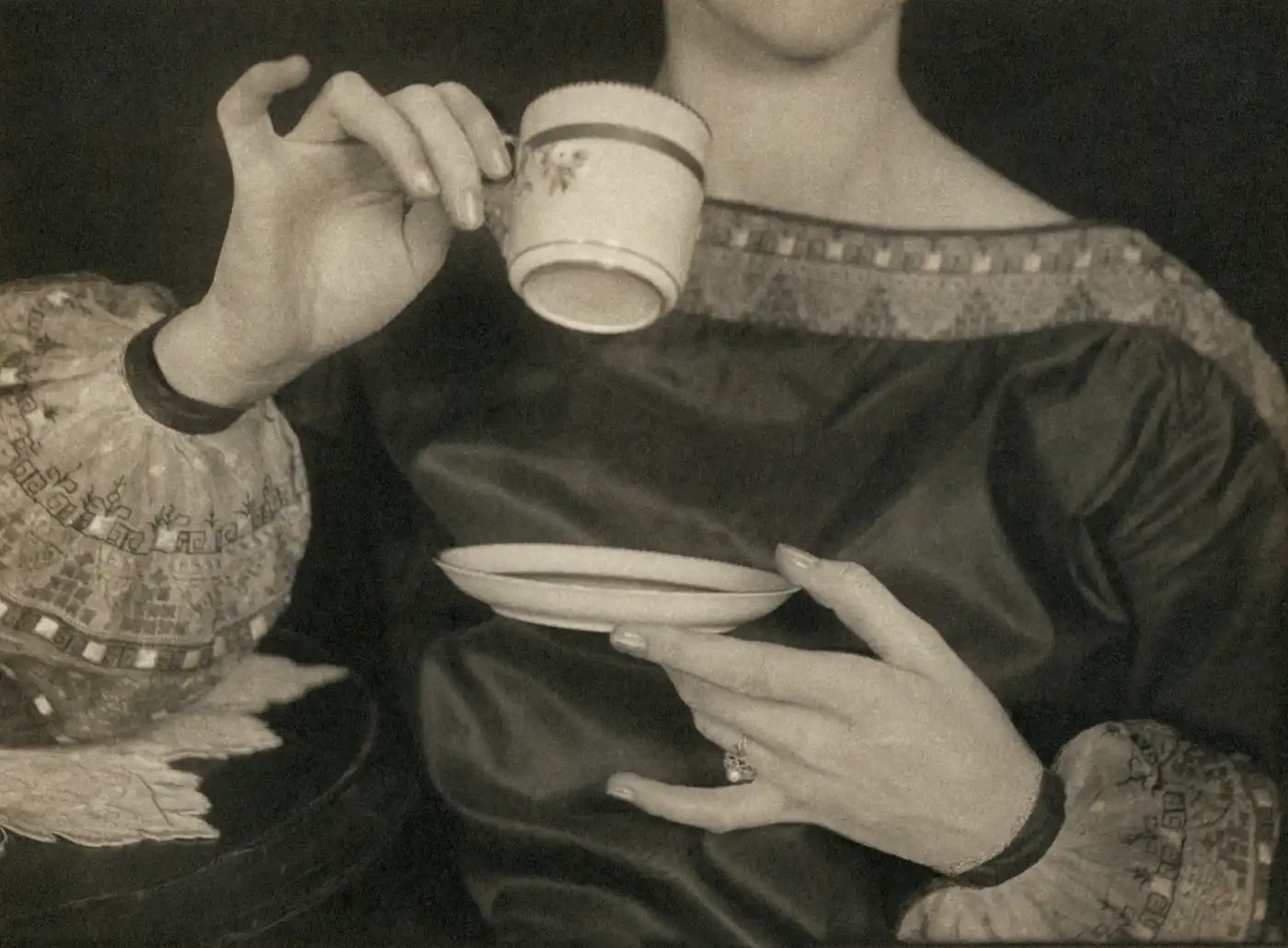
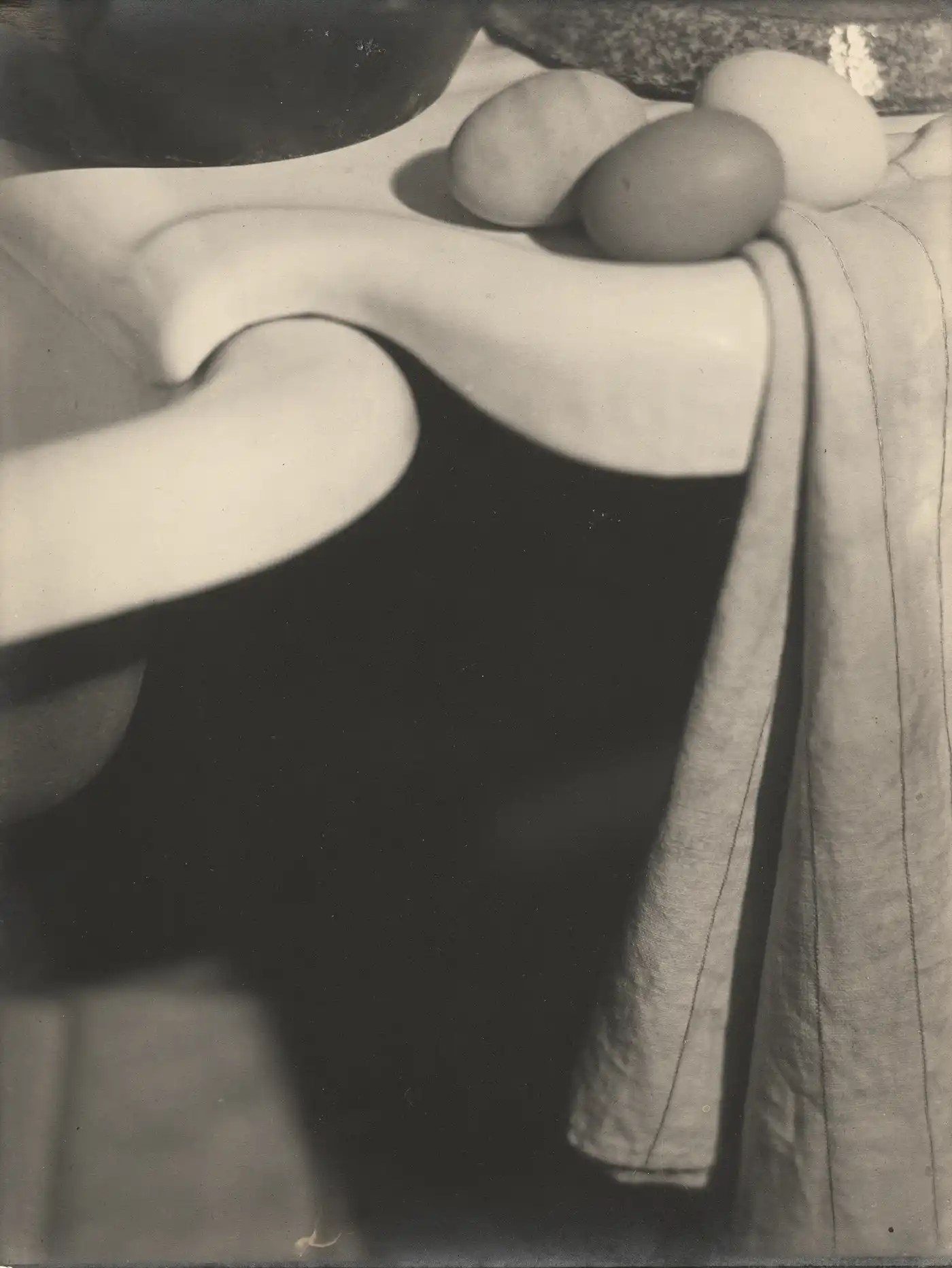
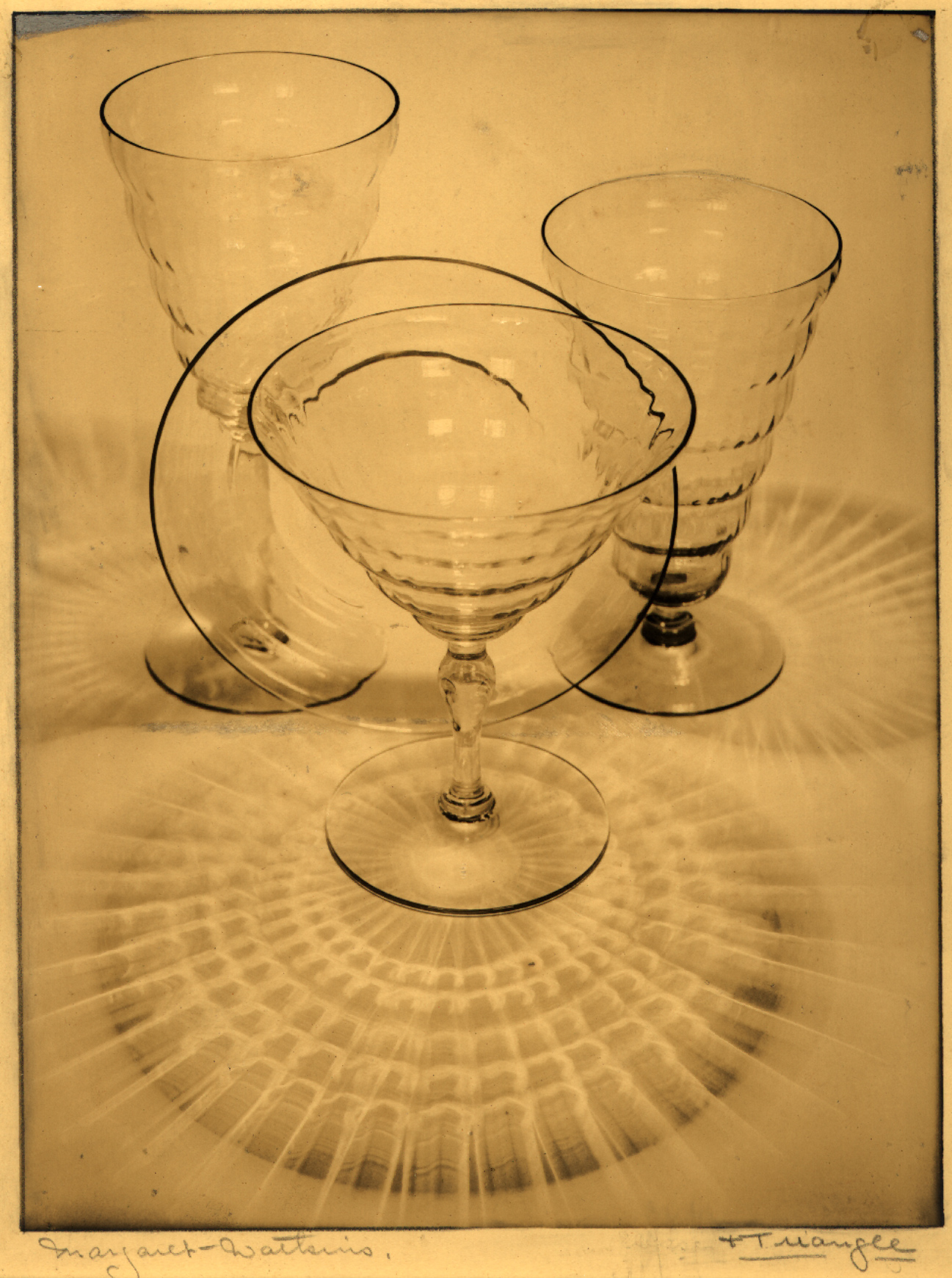
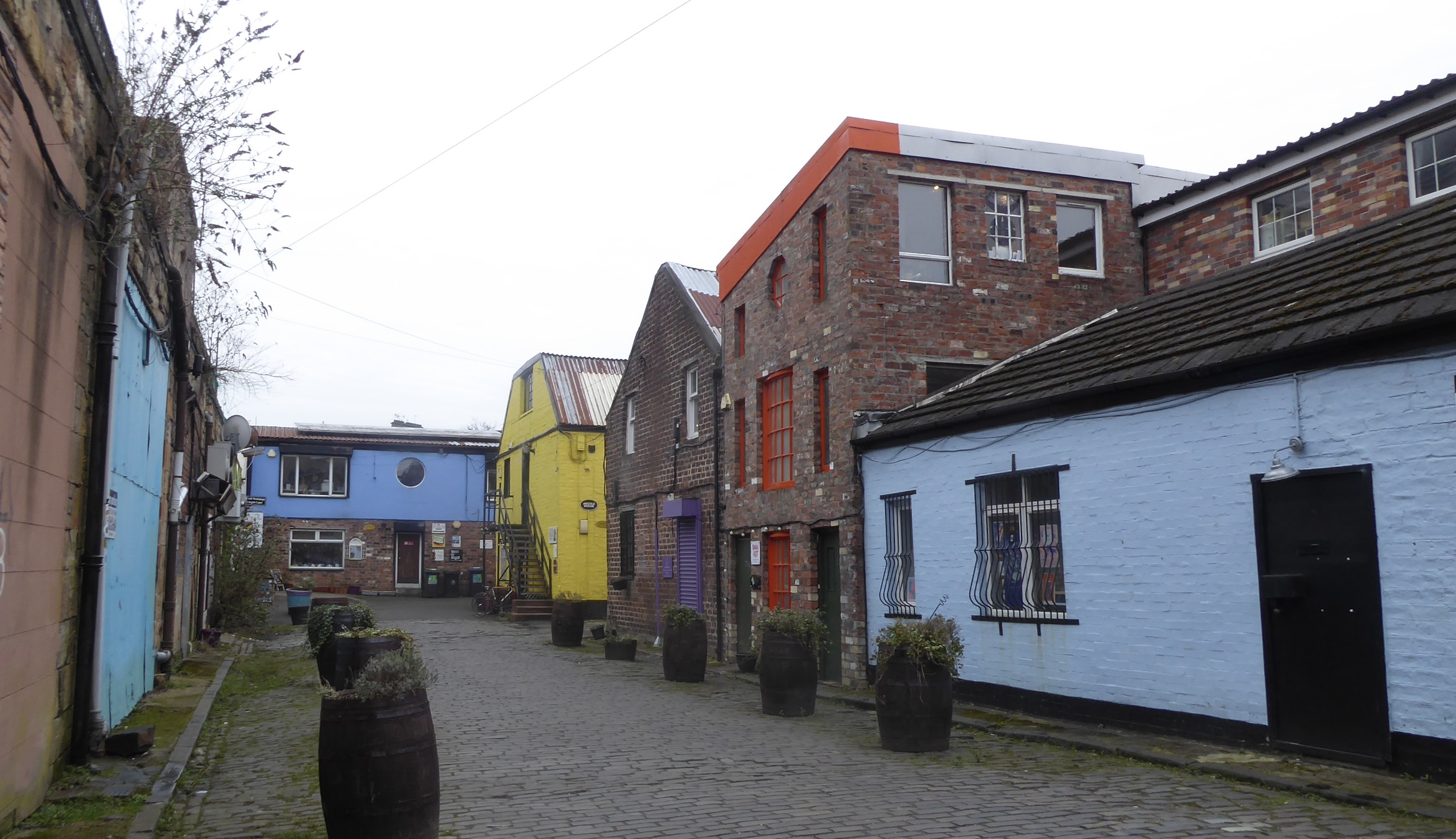
A few weeks ago I read about Margaret Watkins (1884-1969), a Canadian photographer who lived, worked and taught for several years in New York before travelling to Glasgow and getting stuck on the flypaper of domesticity. In New York she found success in advertising and in offering a new kind of abstract “kitchen sink” composition. The three eggs was the photograph that gripped me: the curves, the dark space – just wonderful. Strong geometry and sometimes a painterly style. (The dainty tea cup photograph is advertising cuticle cream.)

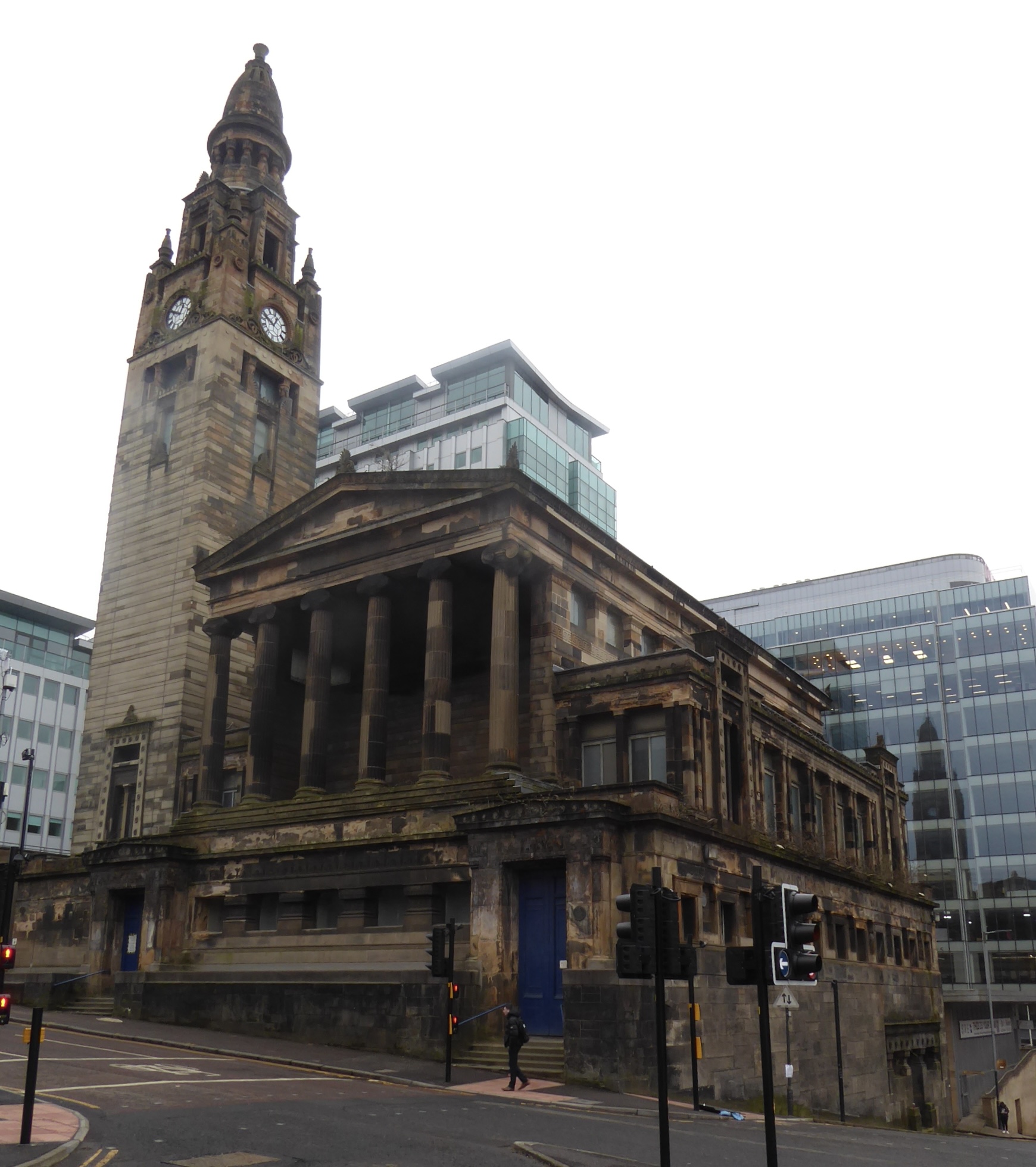
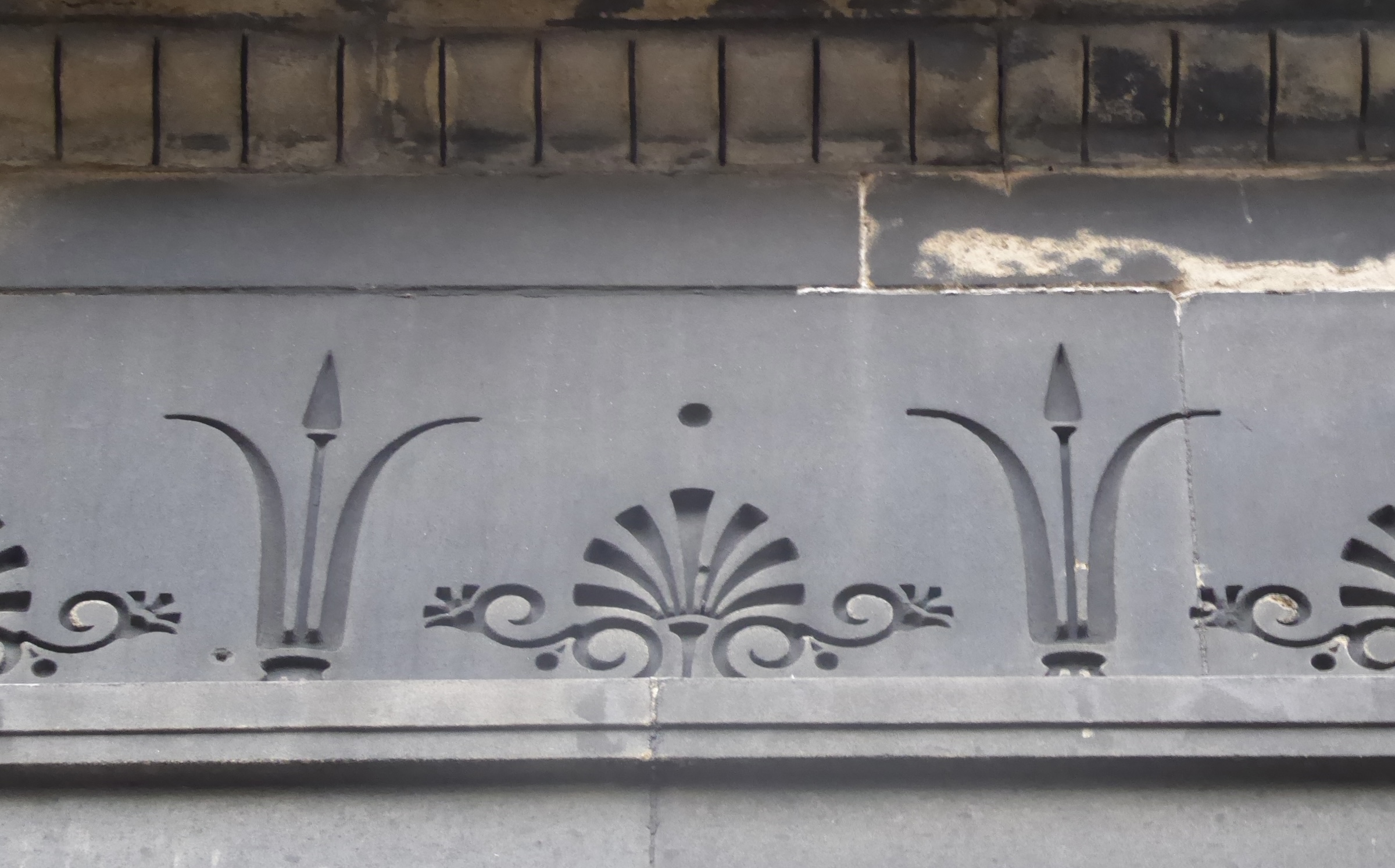
So off I went to Glasgow on a freezing day trip to visit the Hidden Lane Gallery off Argyll Street. En route I discovered – and was taken aback by – the City Free Church. I didn’t think Presbyterians went in for that kind of thing. It’s by Alexander Thomson and is currently unused – and what would you use if for now?


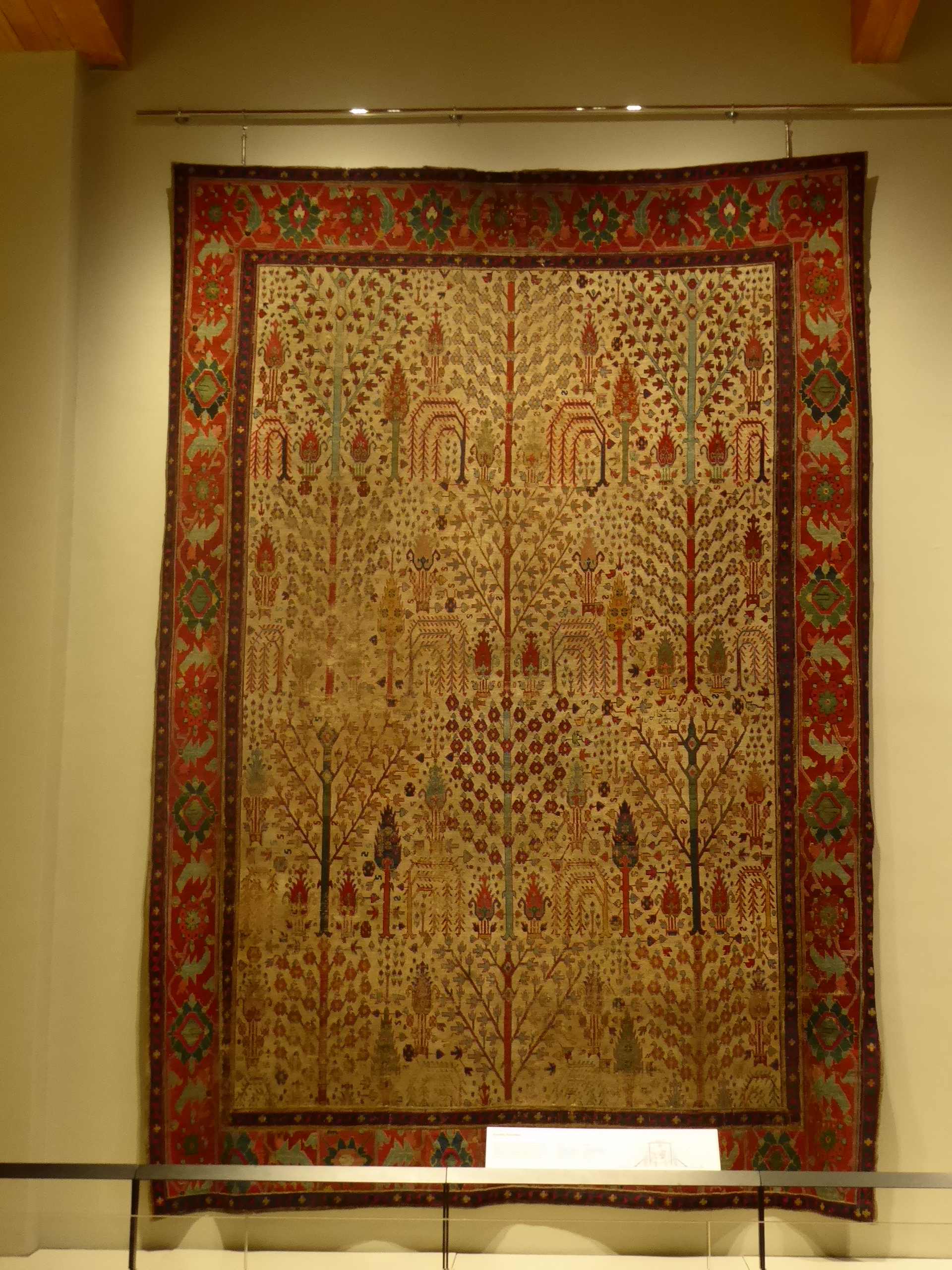
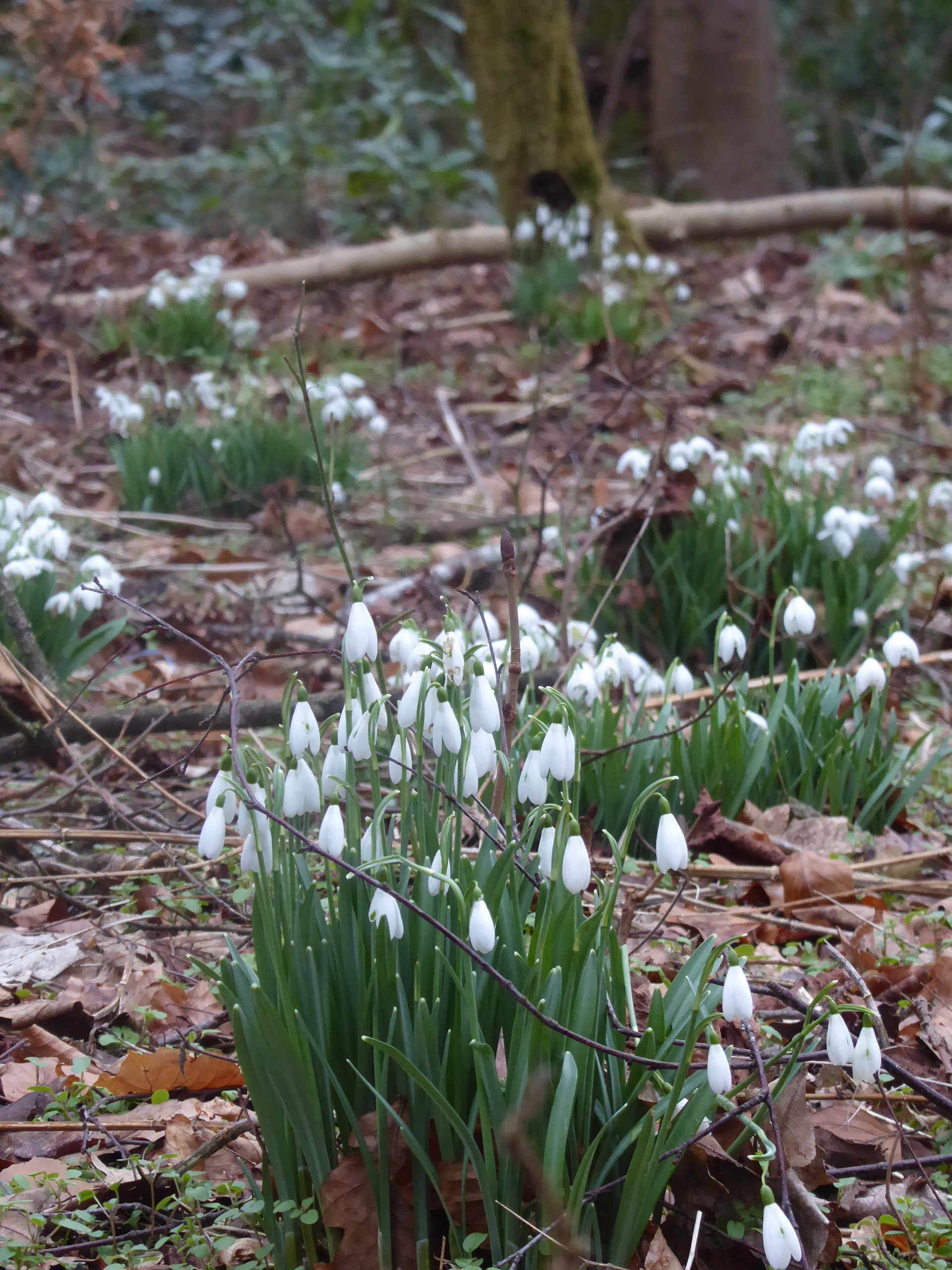
A quick visit to the Burrell Collection afterwards, where my steal would have been a Persian rug to bring the garden indoors in winter. I realise from my choice of photos here that I am longing for spring and the sense of nature re-awakening.

Vanessa Bell and Charles Dickens

To the Vanessa Bell exhibition in Milton Keynes to see if I could feel more positive about her work. Well, not really – but the journey to that decision was quite interesting.

I’d been to the same gallery to see Laura Knight (1877-1970; Bell 1879-1961) and it was instructive to compare the two exhibitions and artists. Knight’s work (as curated for the exhibition) followed a path from early experimentation to a recognisable style and regular themes; she had to earn her living from an early age and she was sometimes hard up. She accepted commissions, she worked as a war artist, she designed decorative work. She was married to the same man for decades and had no children. In short – at least outwardly – a fairly tidy story of a groundbreaking woman artist and her body of work.

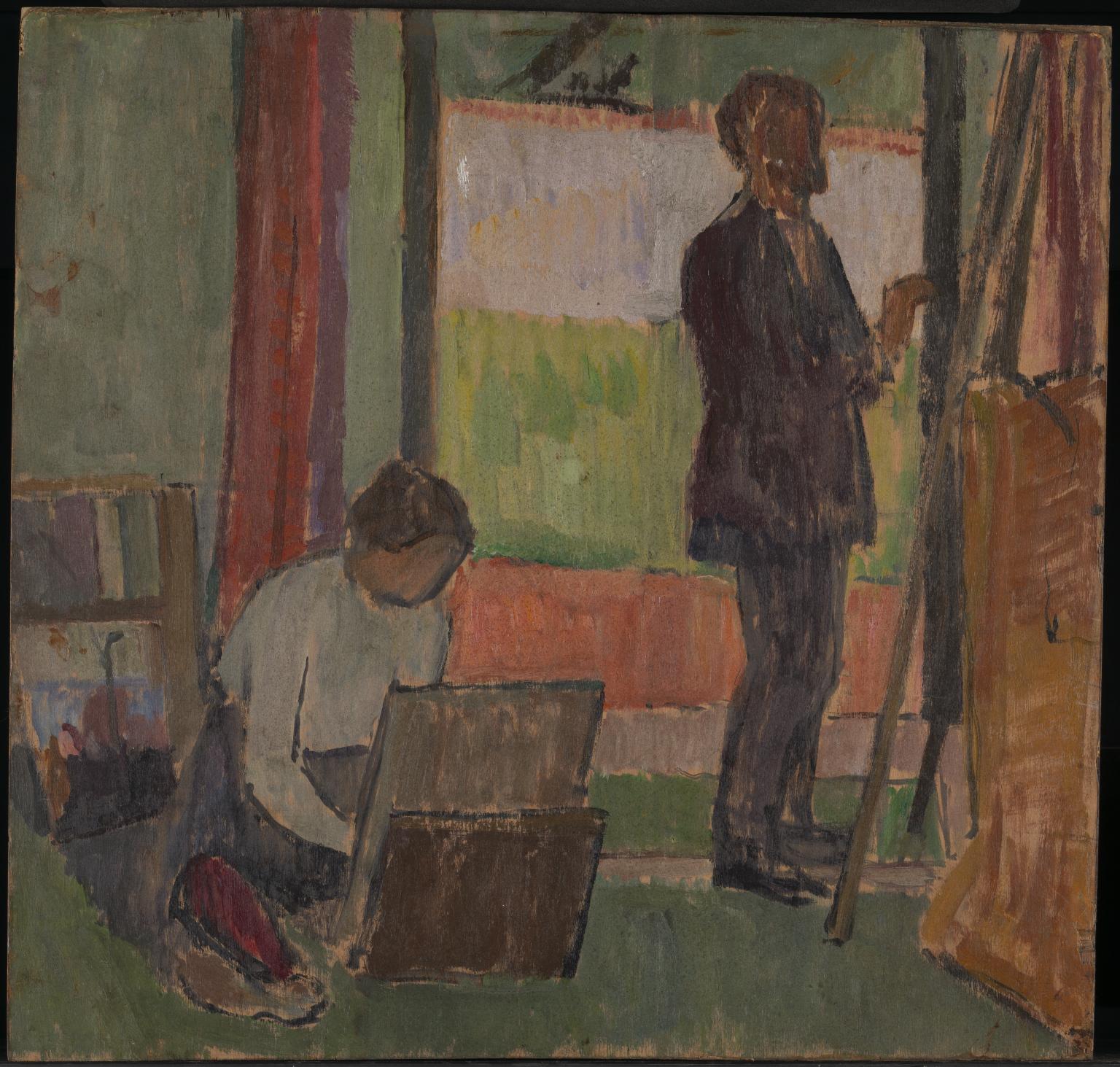
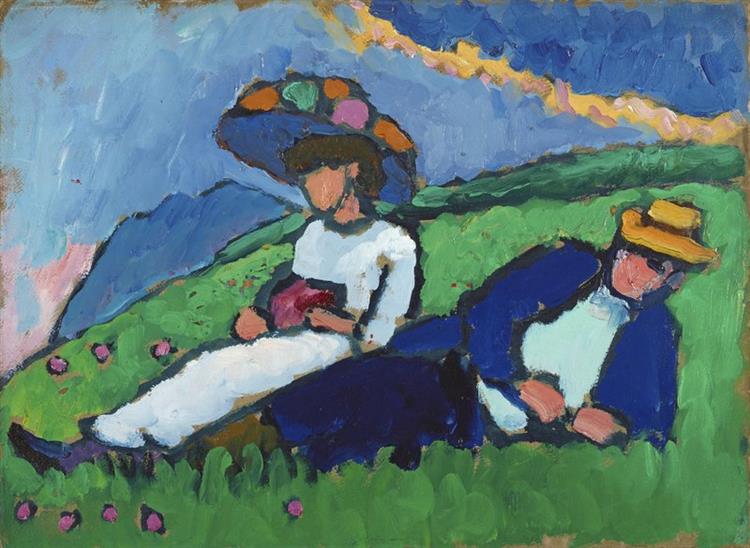
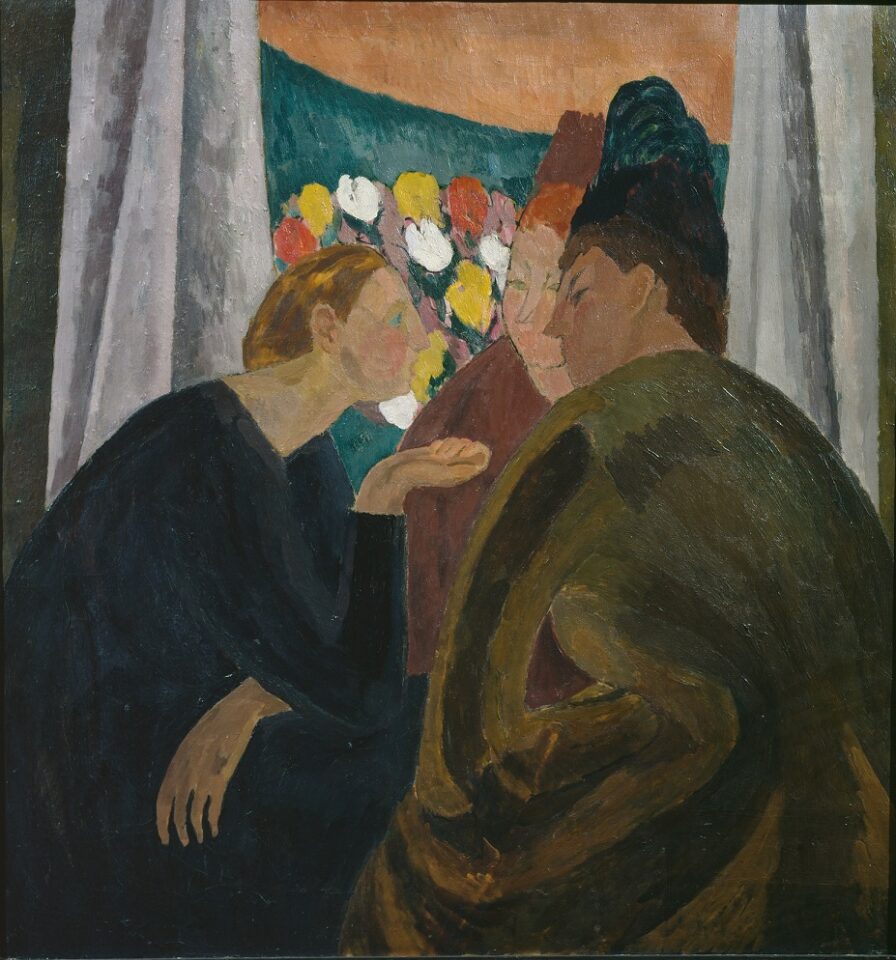
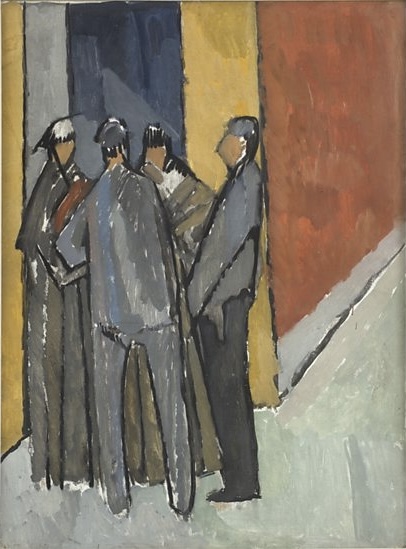
Bell, in contrast, seemed all over the place. She was more experimental (personally and professionally) and her focus was on the “language” of form and colour – but I really couldn’t find a single piece that stopped me in my tracks or pleased me entirely. I had thought of her colour palette as rather murky and muddy, but here there were brighter colours that I hadn’t expected. Nevertheless much seemed slightly unfinished or unthought-through. Her portrait of her sister, Virginia Woolf, was up there with Cassandra Austen’s of Jane: affection but not execution. Whenever something caught my eye, I found myself thinking that someone else had done it better. A painting of the Etchell siblings with featureless faces, for example: it paled beside Gabriele Münter or Roger Fry and looked slightly inept.

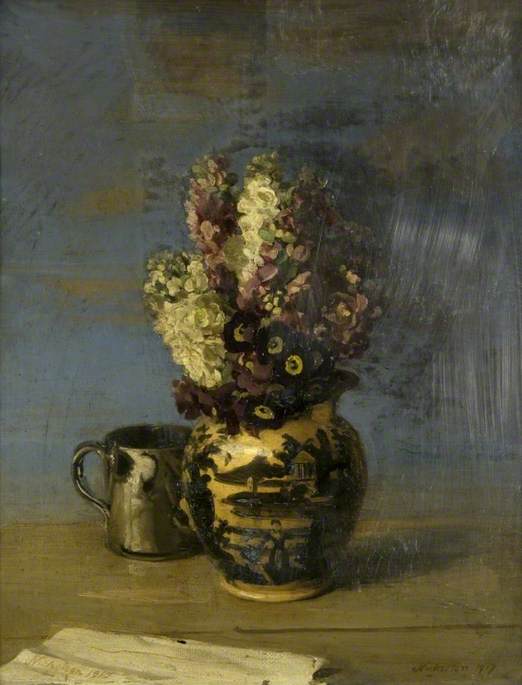
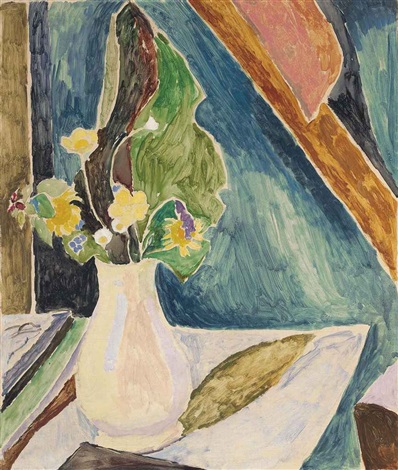
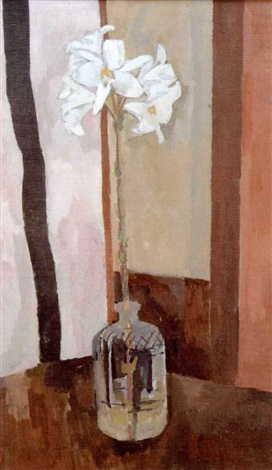
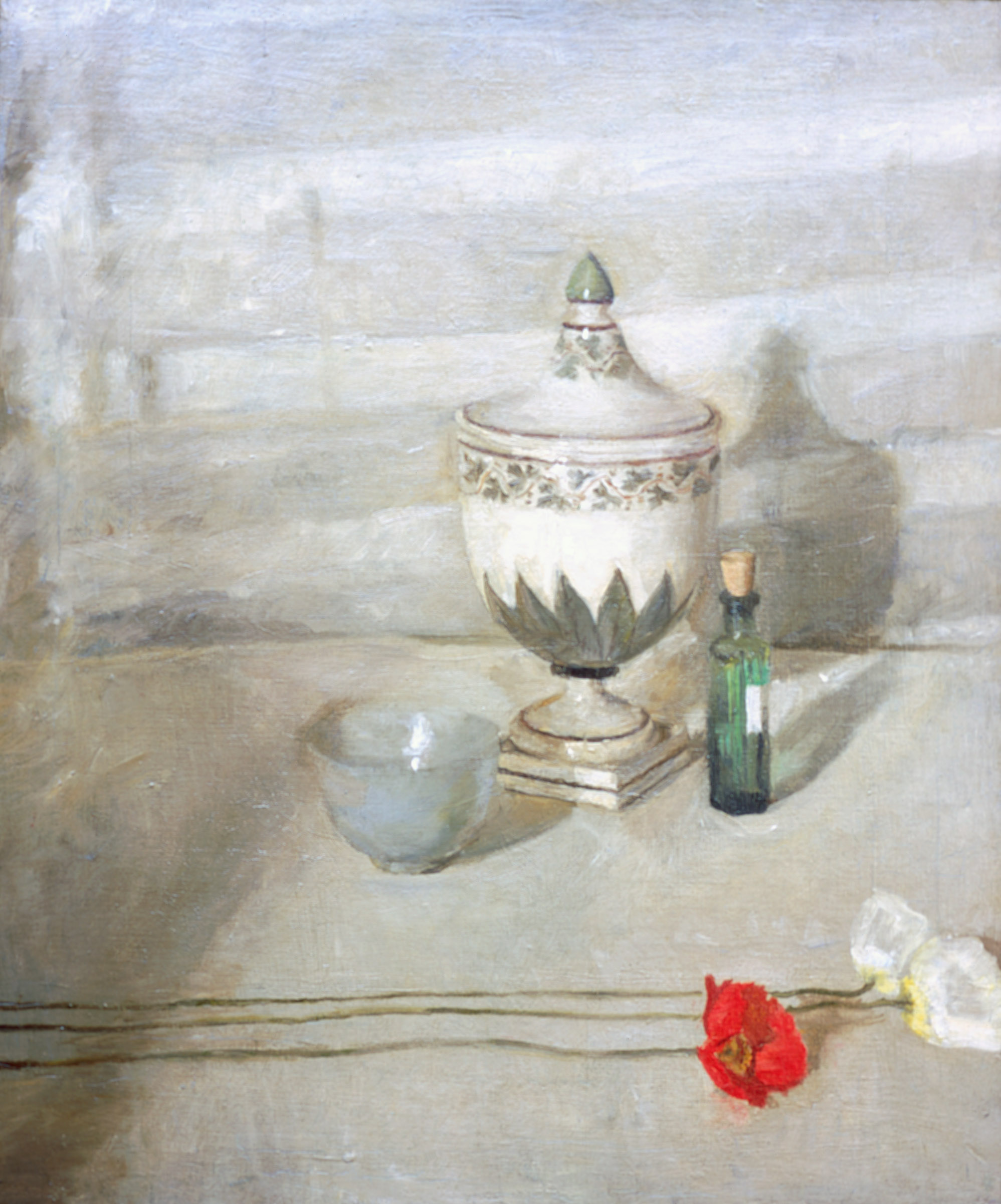
I went with a companion, who got quite irritated with a pair of still lifes. The lack of focus: was it form or colour in the wildflowers? Why did one think of felt-tip pens running out of colour? Why the silly cross-hatching on the vase in the more accomplished lilies?

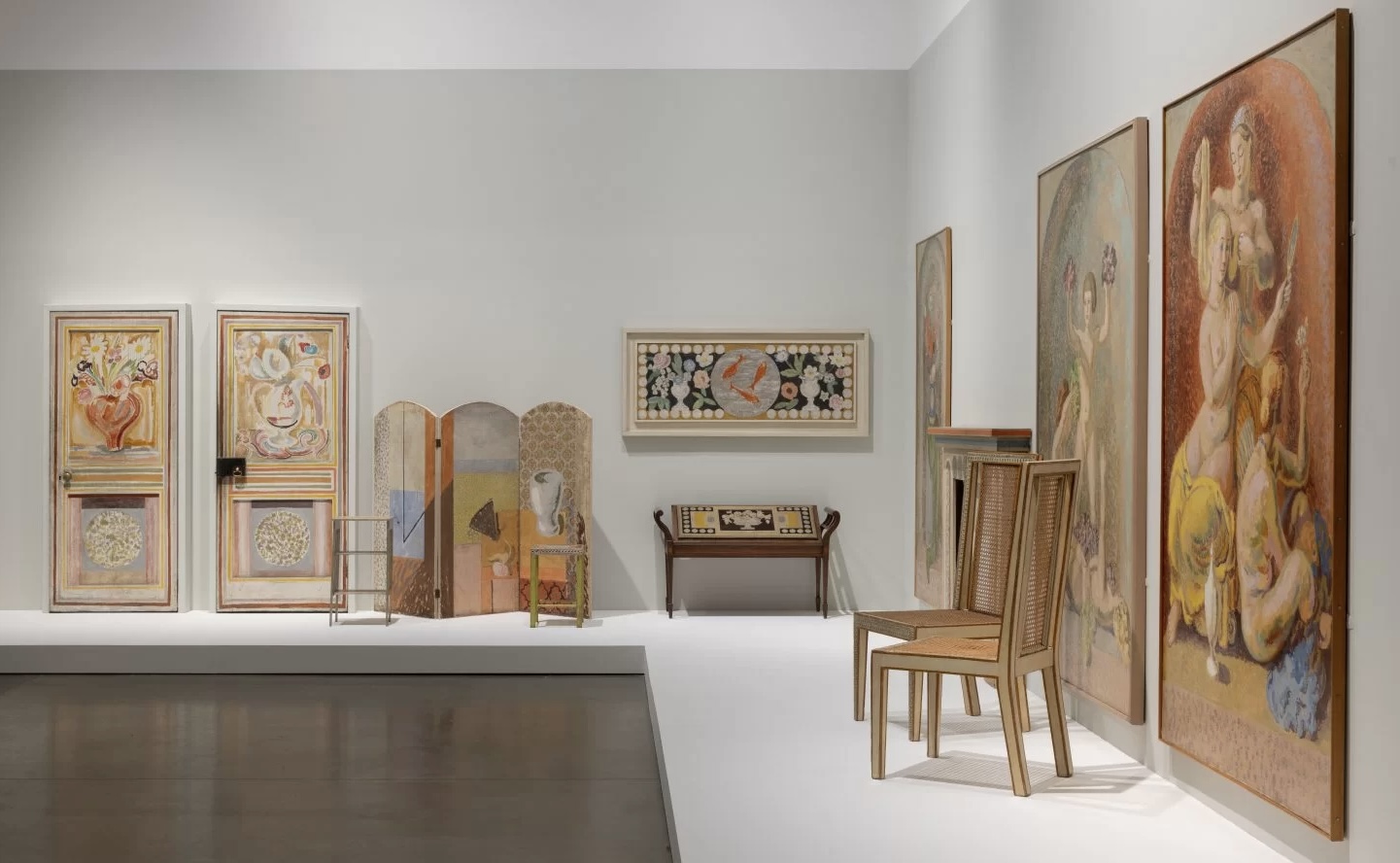
One answer is that Bell did what she liked. For all her involvement with the Omega Workshops, Bell didn’t have to earn her living by her work, and she had help in bringing up her three children. She also ditched conventional morality. And I think this was the one really great thing about her – she had the chance of freedom and she really went for it. The decorations in their Charleston home, the foregrounding of women’s lives, the collaboration with others, the refusal to be confined by one style or theme, the unconventional way of life – that was what was interesting.

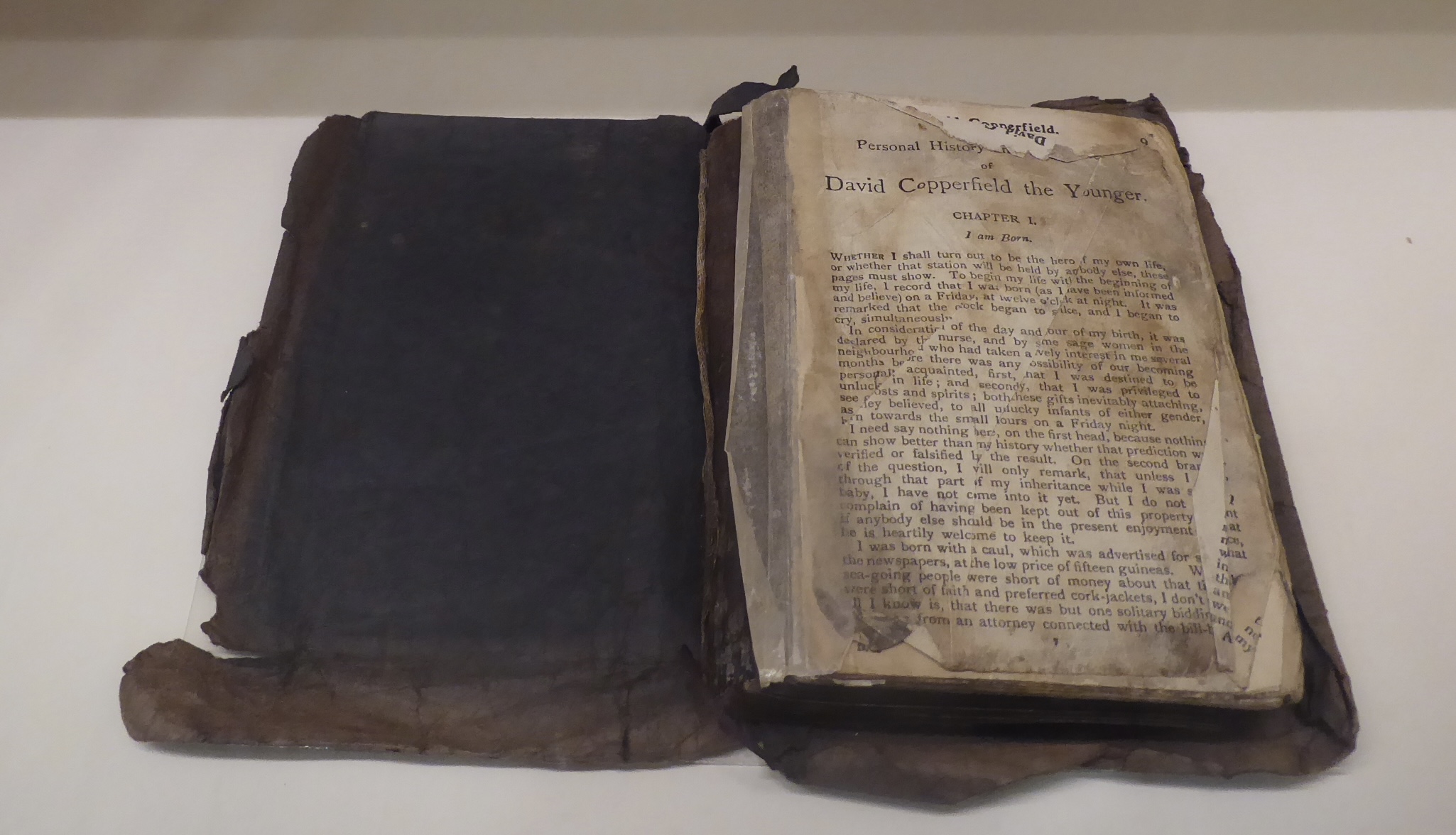
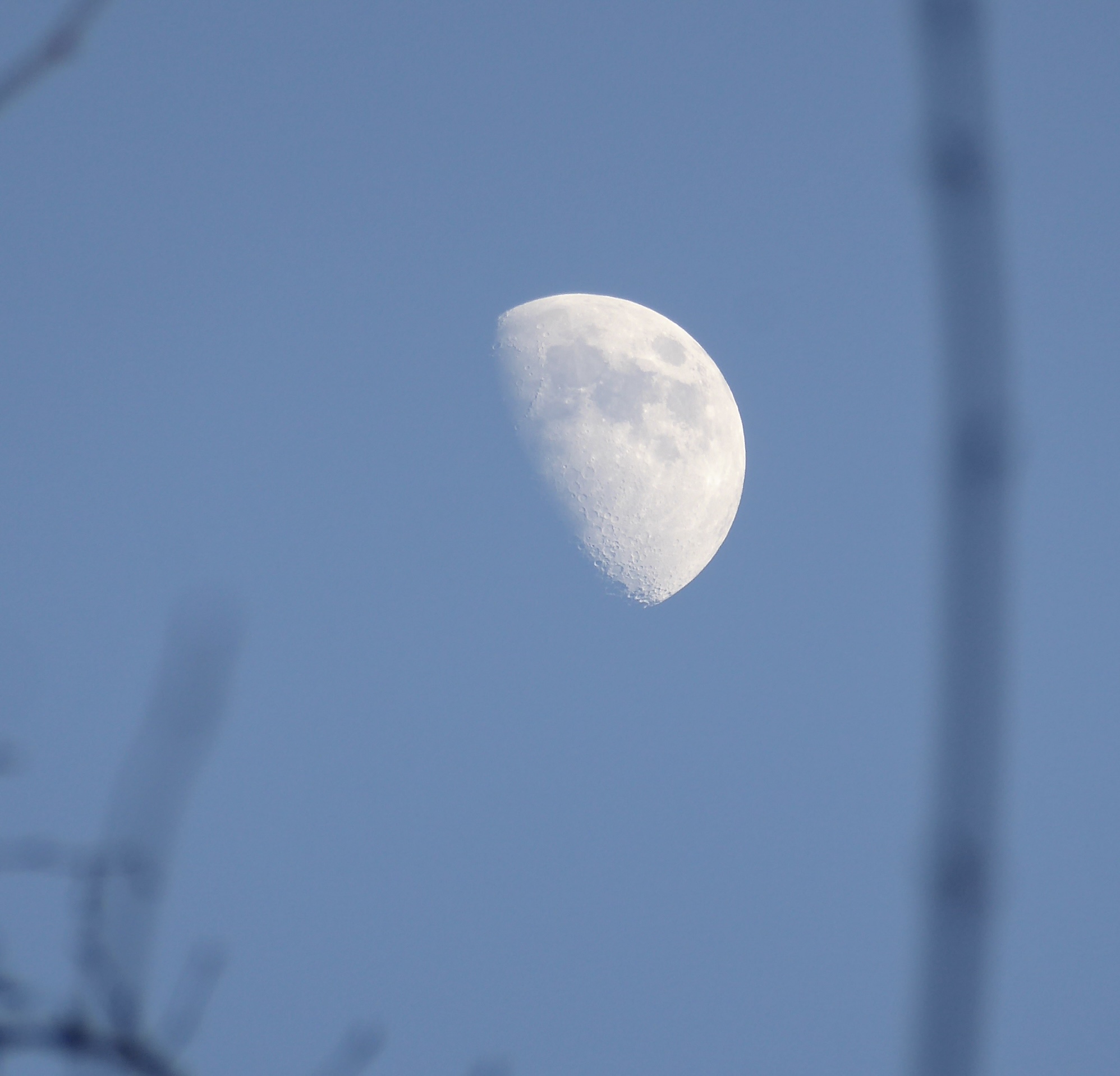
I returned to London and a much more conventional and masculine – even macho – experience. I just had time to get to the Charles Dickens Museum to see the copy of David Copperfield that had gone to Antarctica on the Terra Nova expedition. I had to see it. Edward Wilson, Apsley Cherry-Garrard, Herbert Ponting . . . the fascination I experienced when I first read Wilson’s diaries briefly returned as I looked at the blackened, dog-eared pages. And it was a lovely sky as I walked back through St George’s Gardens: perhaps I can compare this afternoon’s moon with Cassini’s map!

Lewes

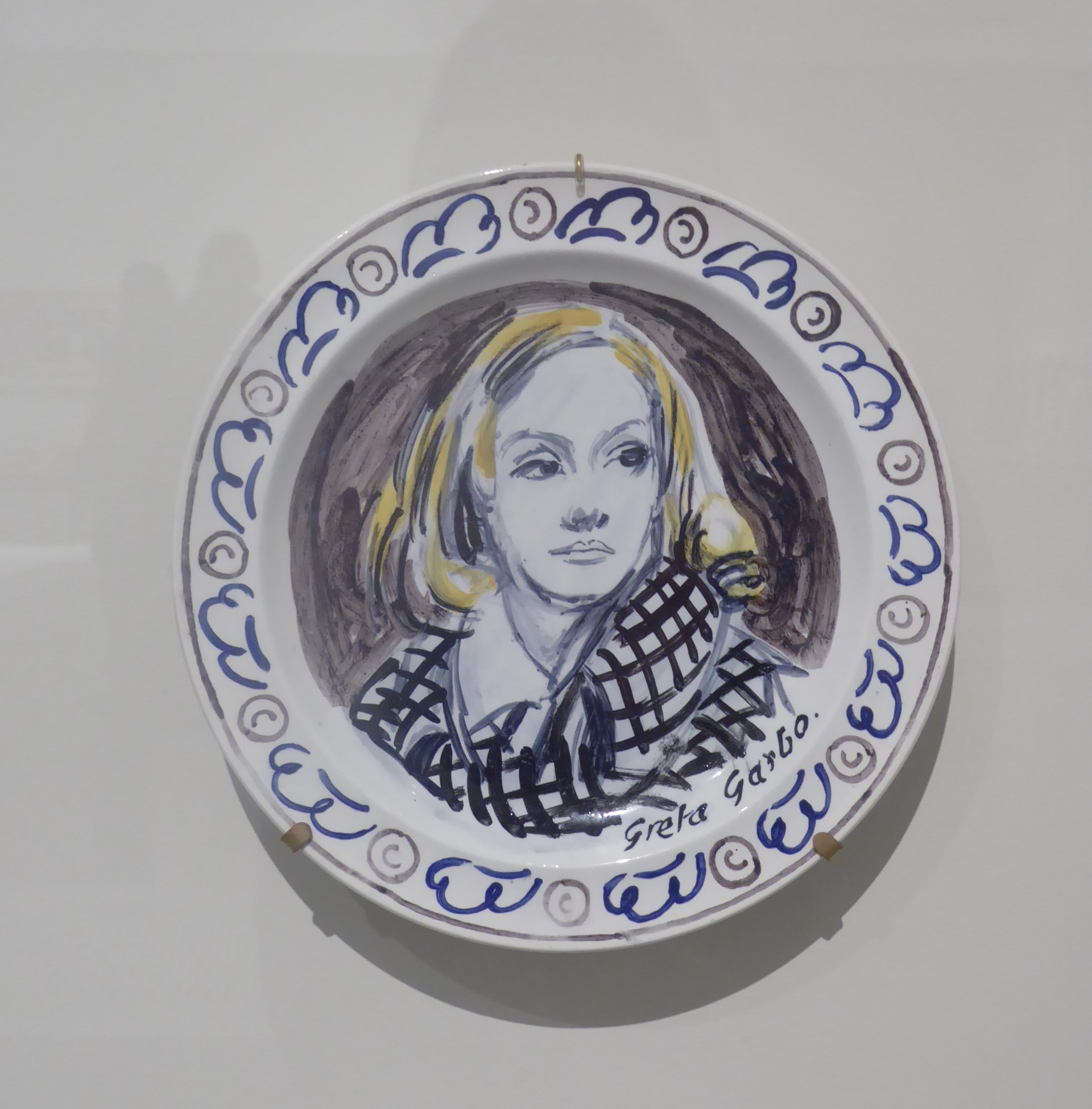
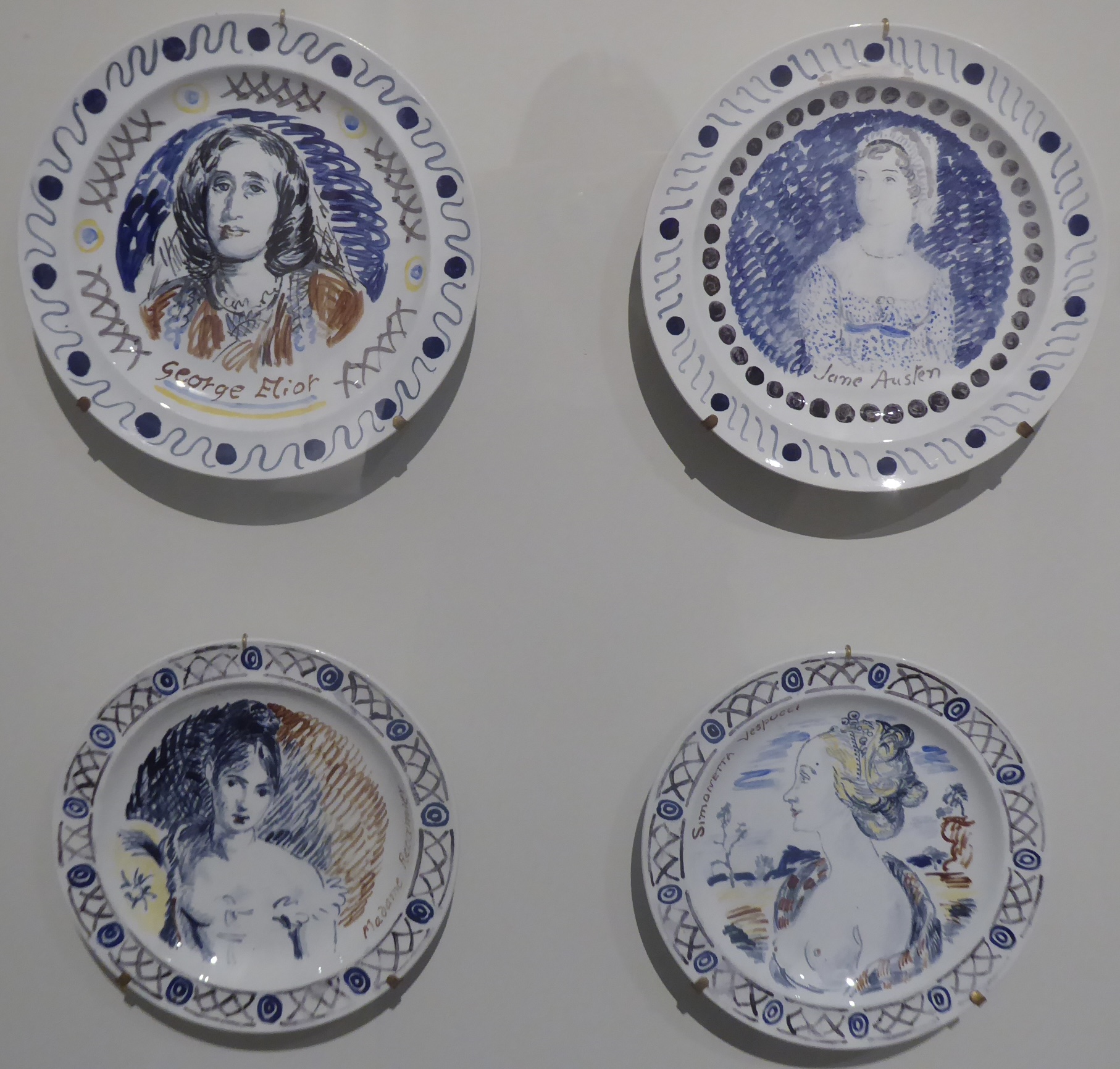
I’m going to the Vanessa Bell exhibition in Milton Keynes tomorrow, so, as prep, I had a hankering to visit the Radev Collection exhibition at the Charleston in Lewes. This part of the Charleston is housed in a 1930s disused council building within spitting distance of the railway station, and the Radev Collection is of 19th/early 20th century British and French art. The origins of the collection are almost as interesting as the artworks themselves.

But first I had to get there. Change at East Croydon on the way out and Haywards Heath on the return – places that were hitherto merely names to me. As the train moved away from London I eagerly looked out of the windows to see the countryside and observe how it differed from what I am used to . . . but where on earth was it? It seemed ages before houses gave way to greenery, which set me to thinking of how George Orwell and E M Forster (more of him later) railed against the spread of interwar ribbon development. Their laments always struck me as rather paternalistic and snobbish – people must be housed after all – but today I saw their point. Perhaps we all turn nimby as we age and pay off our mortgages. “Going, going” indeed.

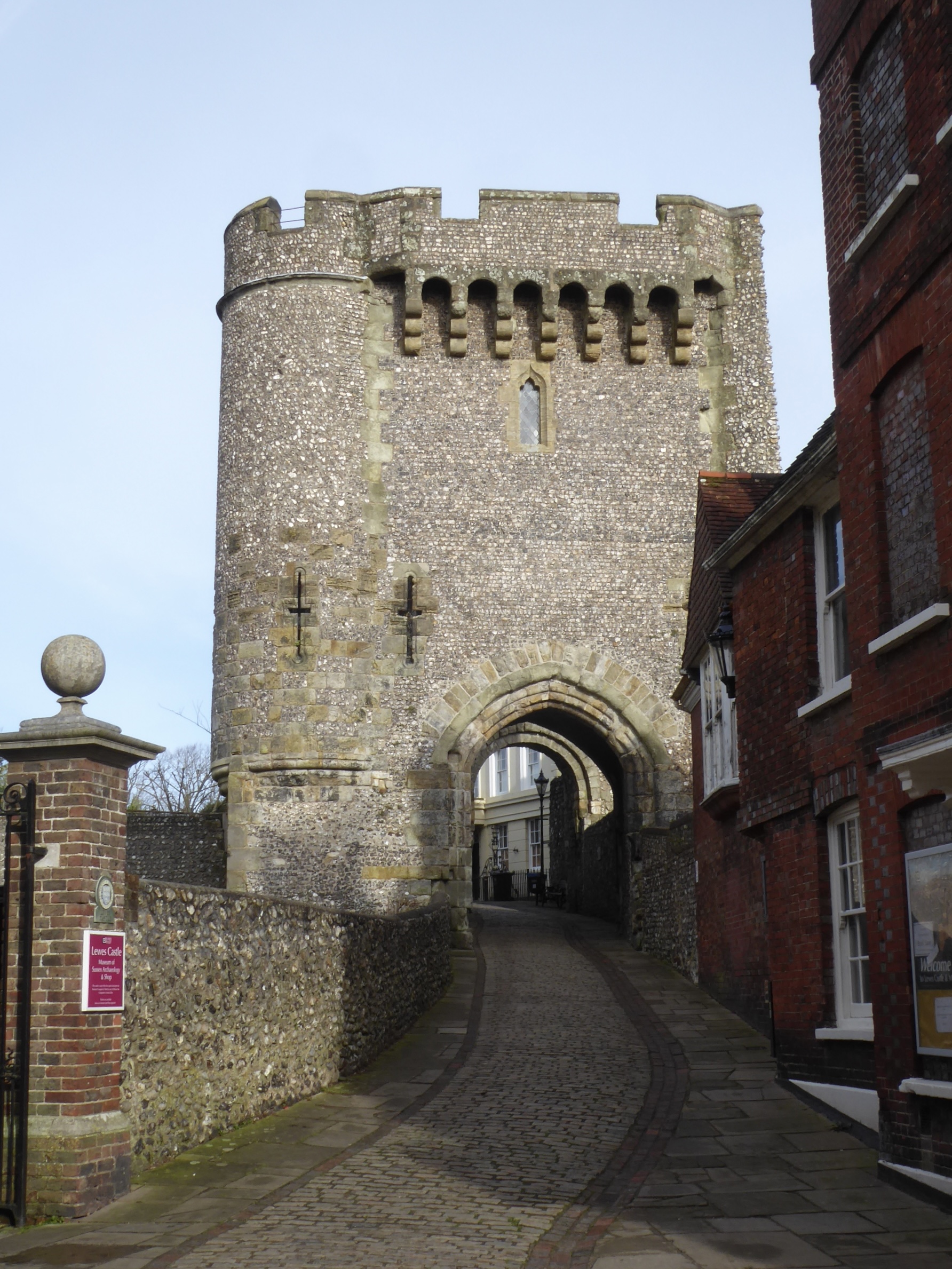
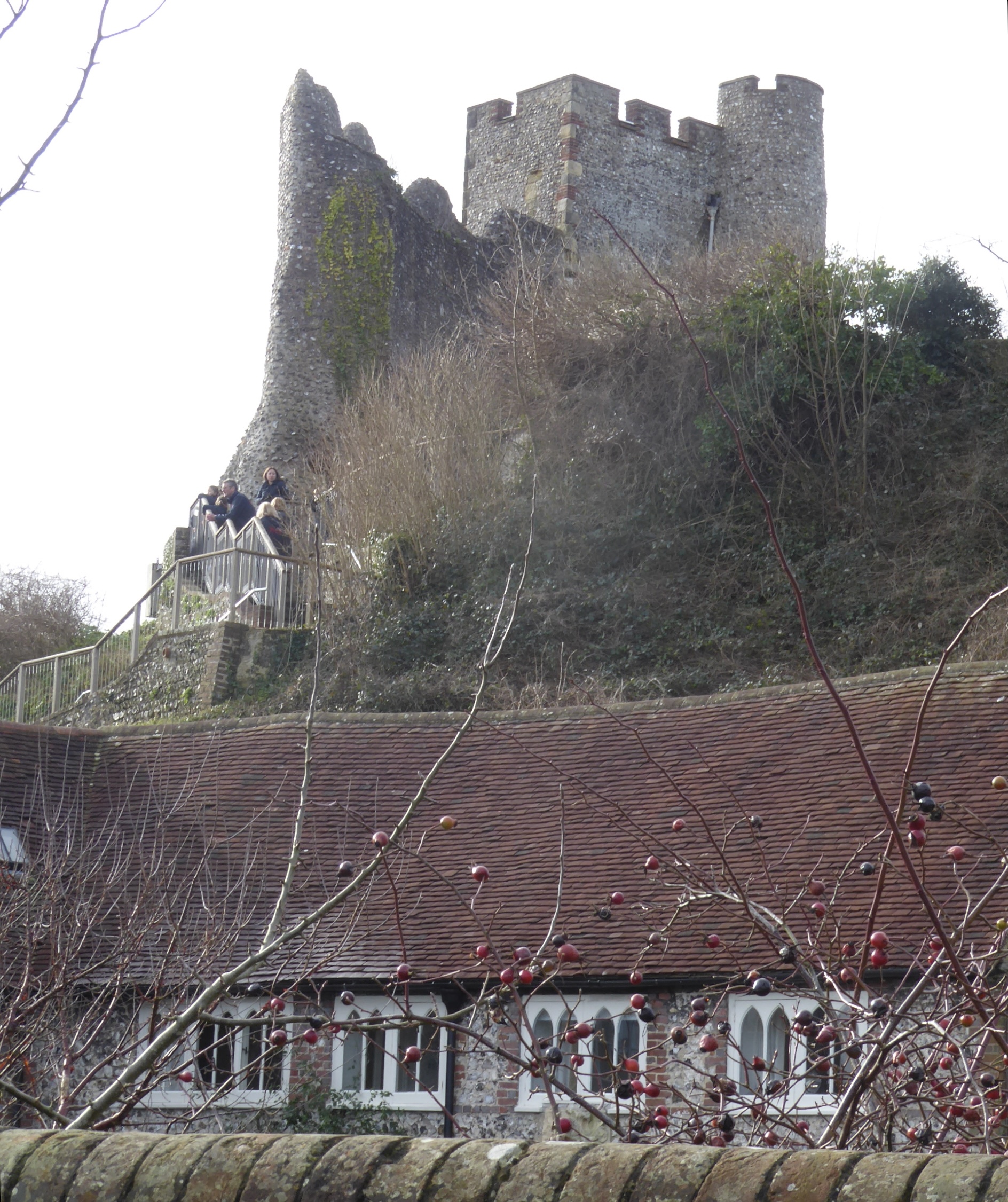
And then I got sidetracked by Lewes itself. It’s charming! It even has a castle (I really had no idea). Steep streets, Georgian buildings, knapped flint (even for the Kingdom Hall!), interesting vernacular architecture, chalk outcrops in the background, a history of brewing . . . it looks like once upon a time it was a self-contained, busy county town, an economic and administrative hub. I’m not sure that that is still the case, and quaintness only gets you so far . . . but all I can say after a short trip is that I liked it.

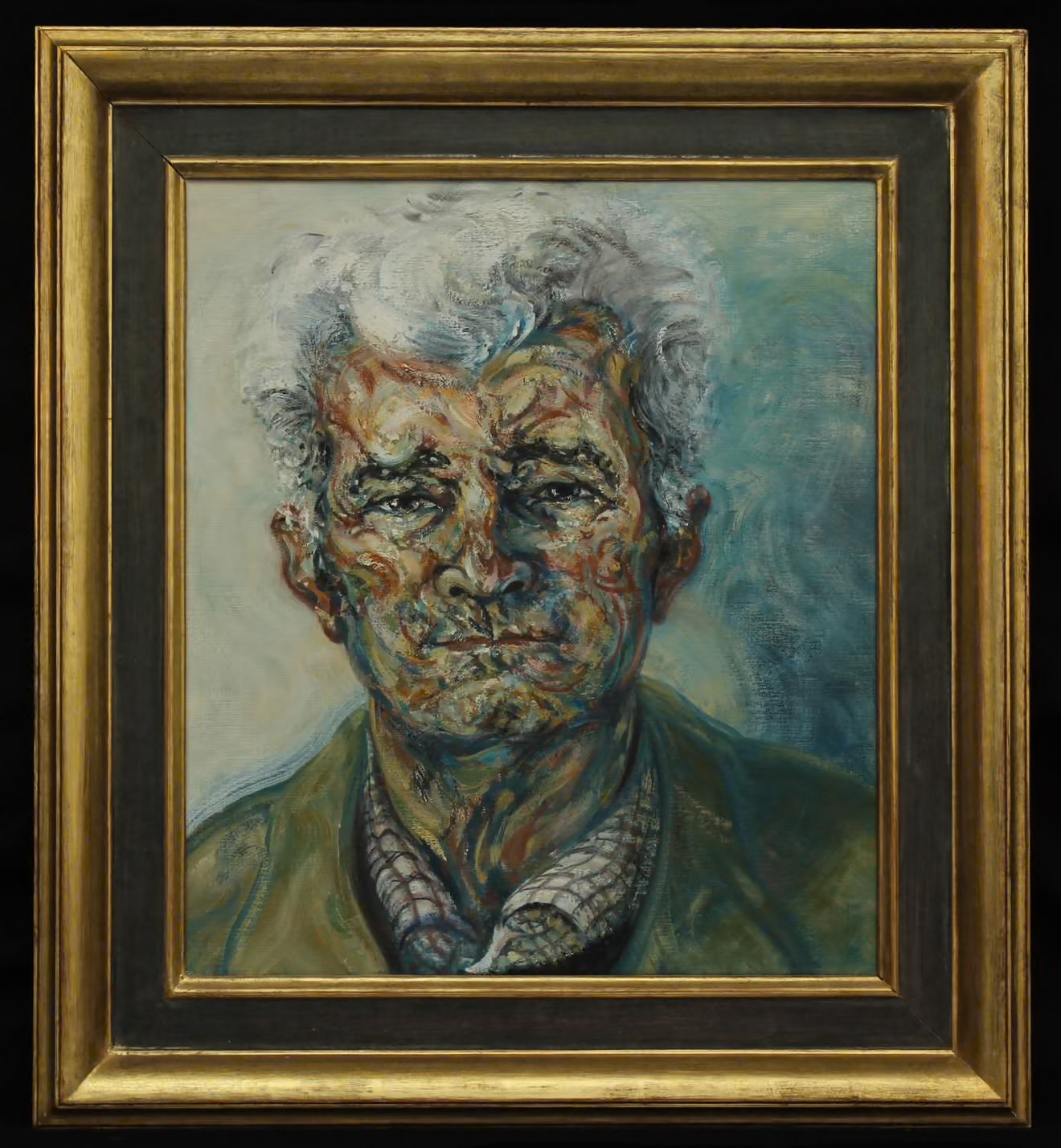
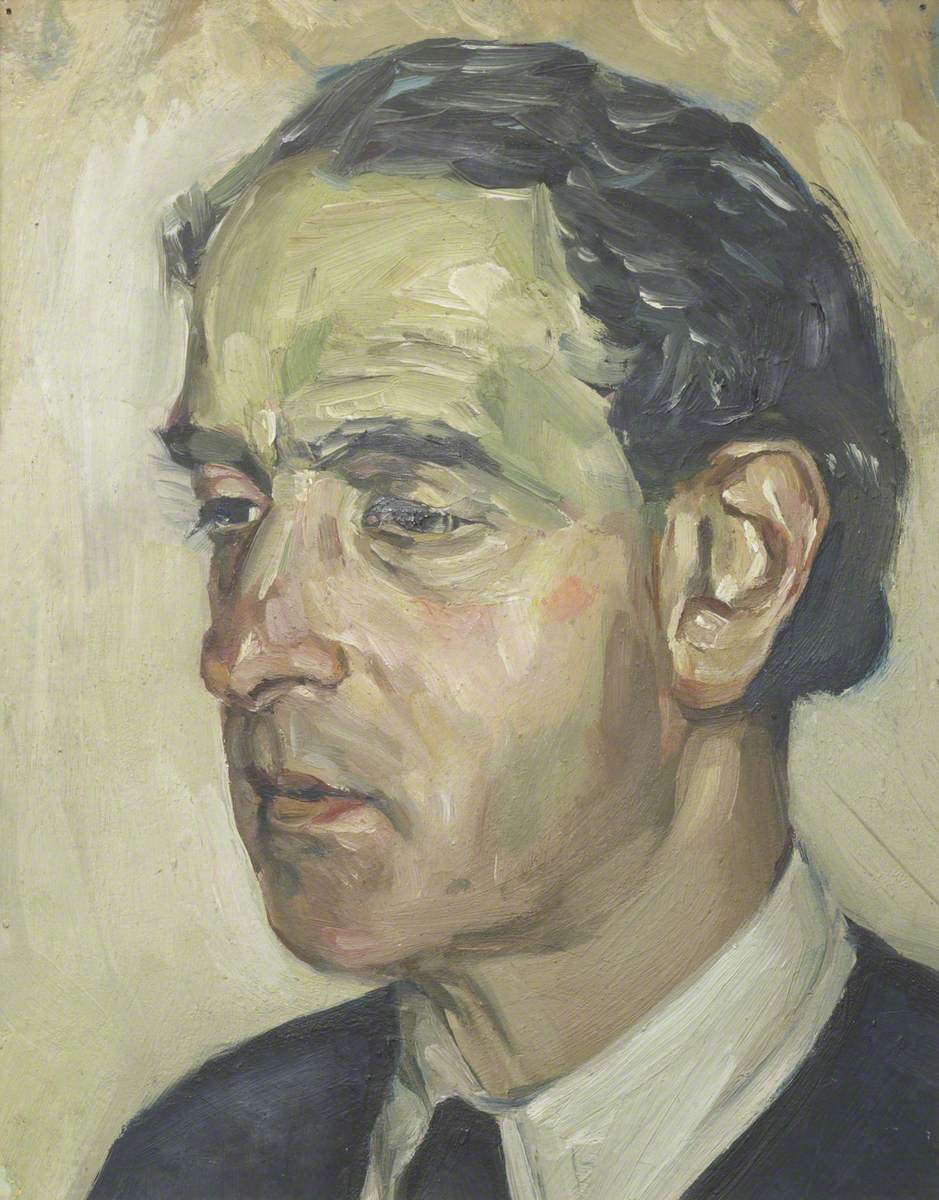
And so to the Radev Collection. The difficulty about the Bloomsbury Group and its satellites is keeping track of who had affairs/was friends with whom, because it does actually matter. So, Edward Sackville-West, a music critic, started collecting in 1938. He left his collection to a former lover, Eardley Knollys, art critic/dealer and artist who already had a collection of his own. Along with Desmond Shawe-Taylor, they had bought and created a salon at Long Crichel House in Dorset. (The former rectory – a nice irony.) Mattei Radev was a young Bulgarian refugee who stowed away on British ship in Istanbul and was granted asylum in 1950. I surmise he must have had great charm in his youth – even though the horrible painting of him by Maggi Hambling in later life does suggest ‘the worms crawl in, the worms crawl out” – for he found his way into Knollys’s life and was assisted by Knollys to establish himself as a picture-framer. After Knollys’s death Radev inherited the whole collection, which then passed to his civil partner on his death.

Oh yes – E M Forster also fell in love with Radev for a while.

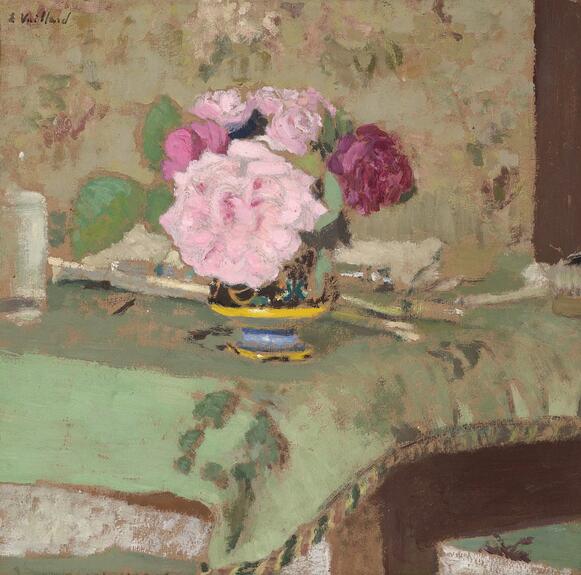
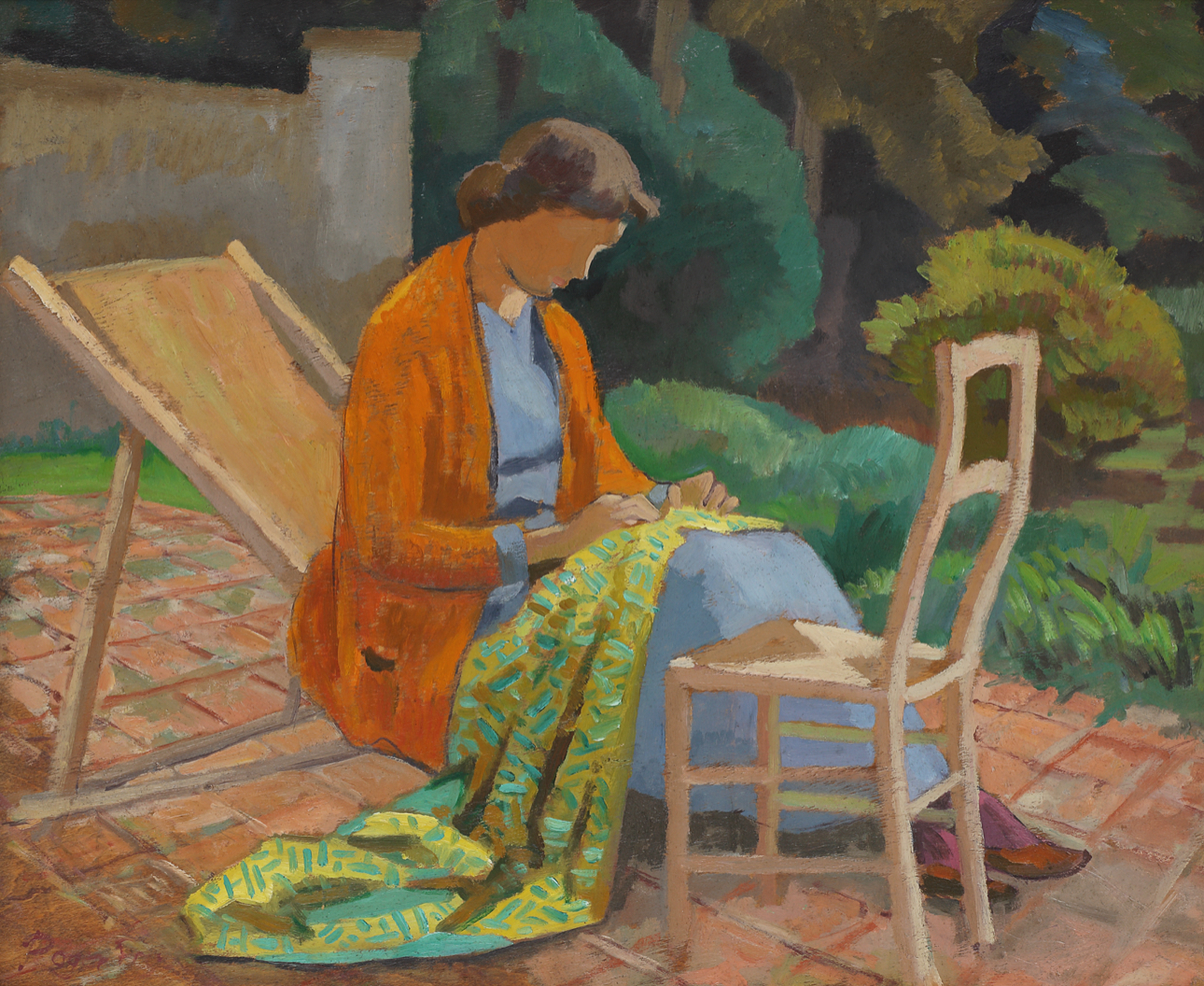
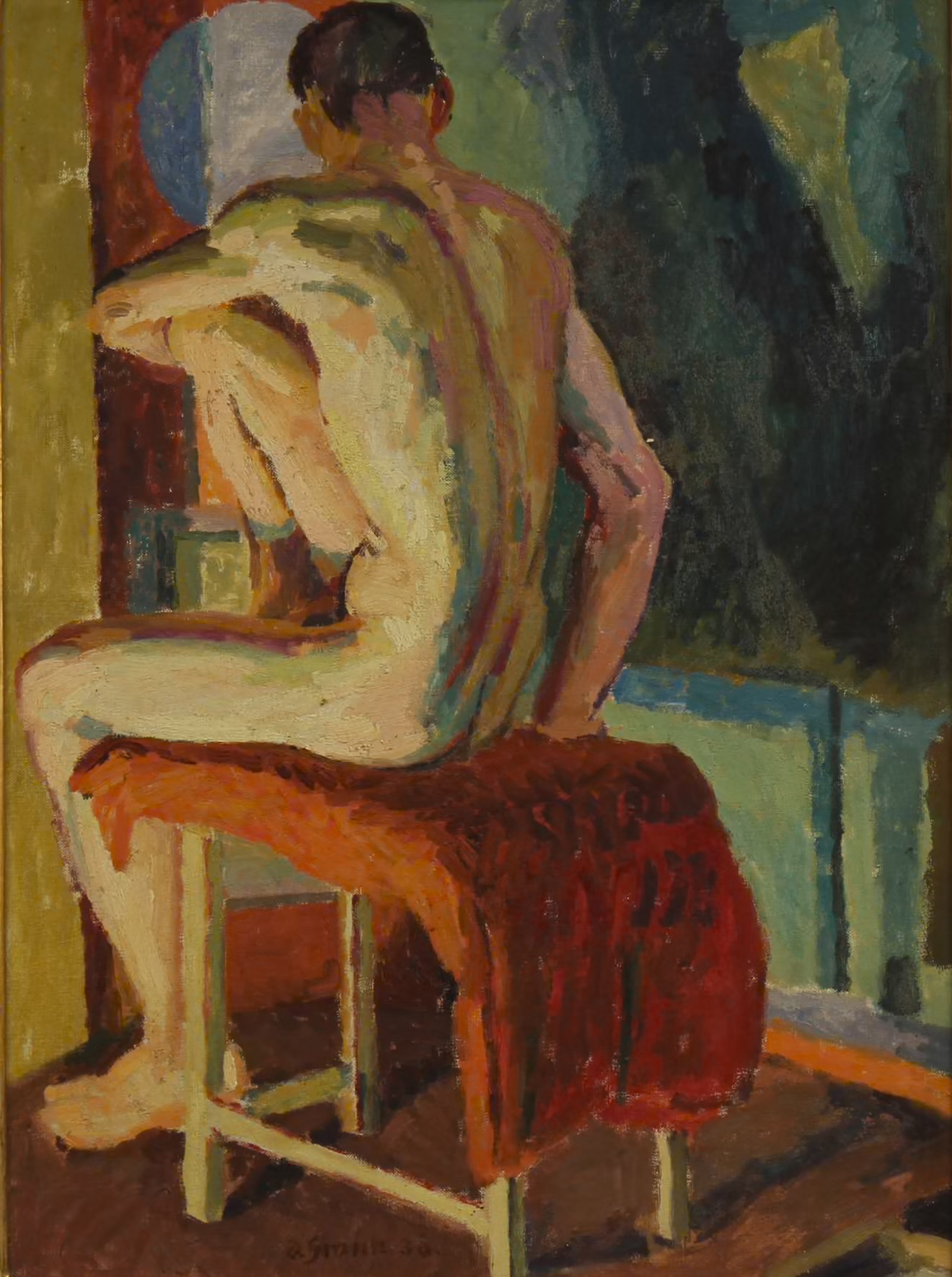
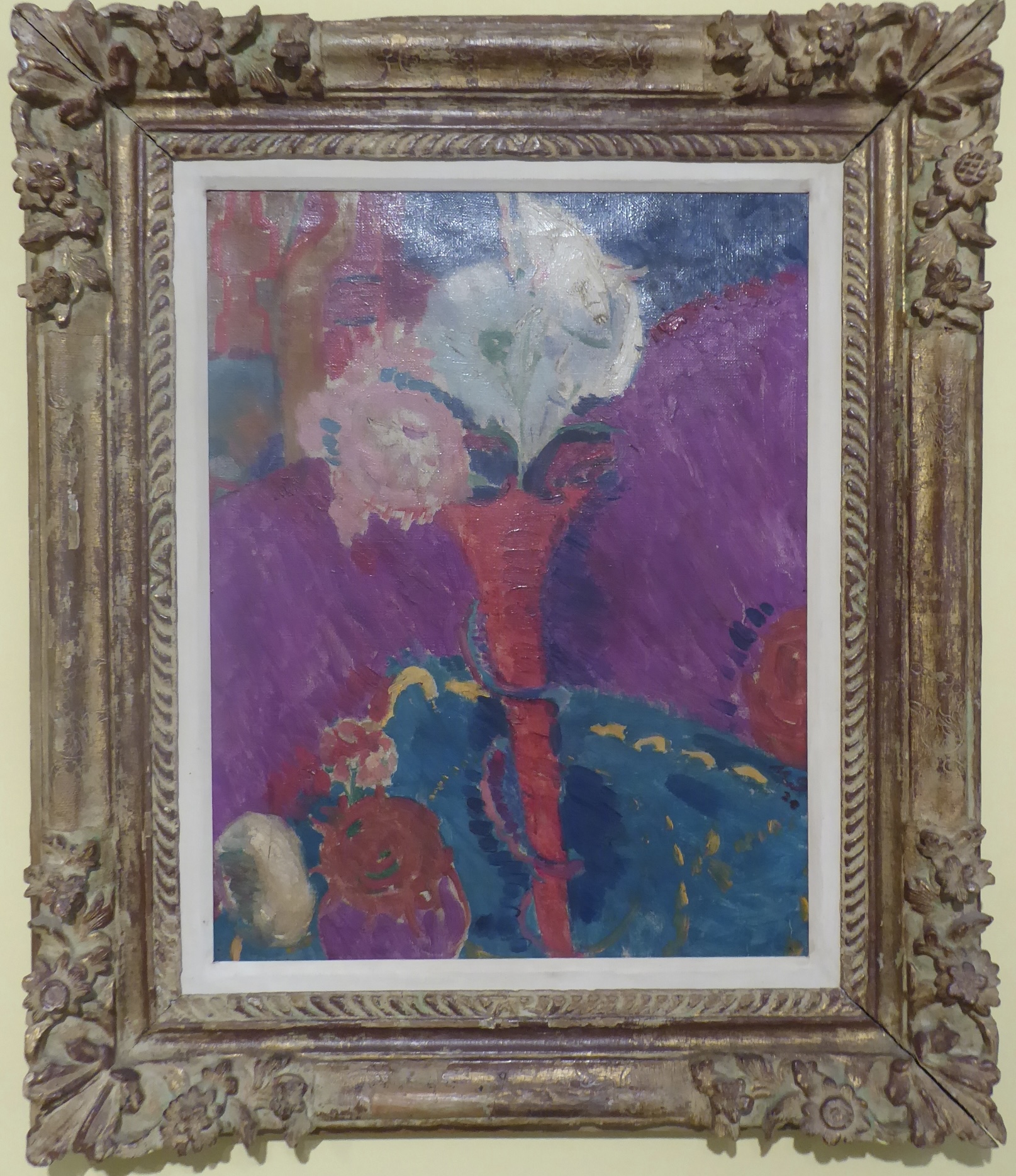
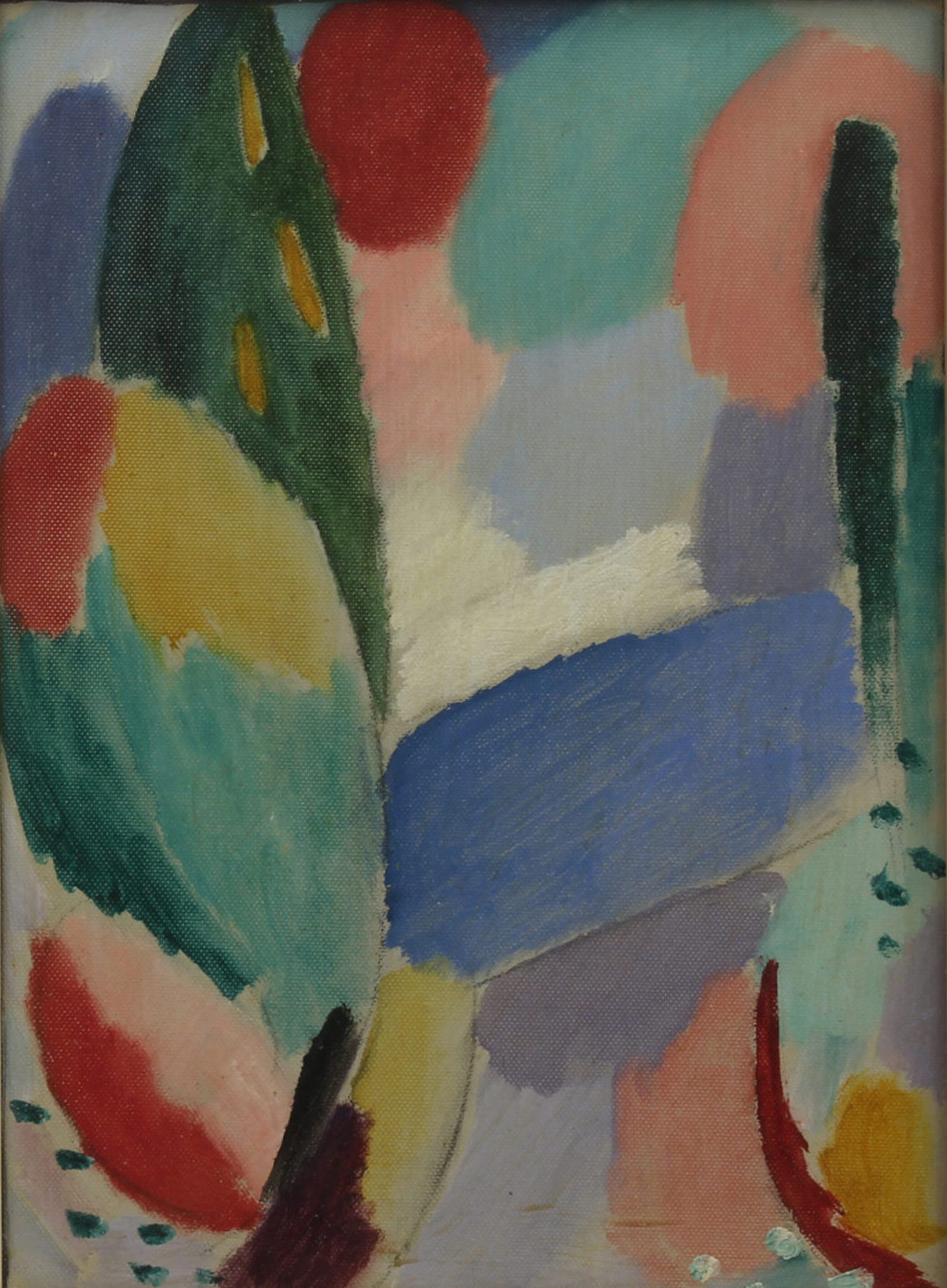
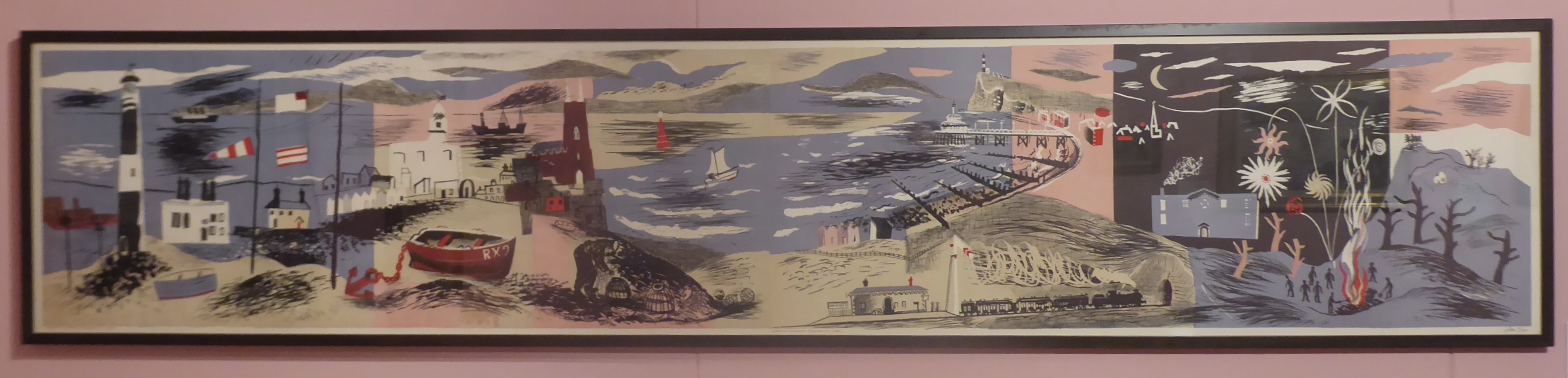
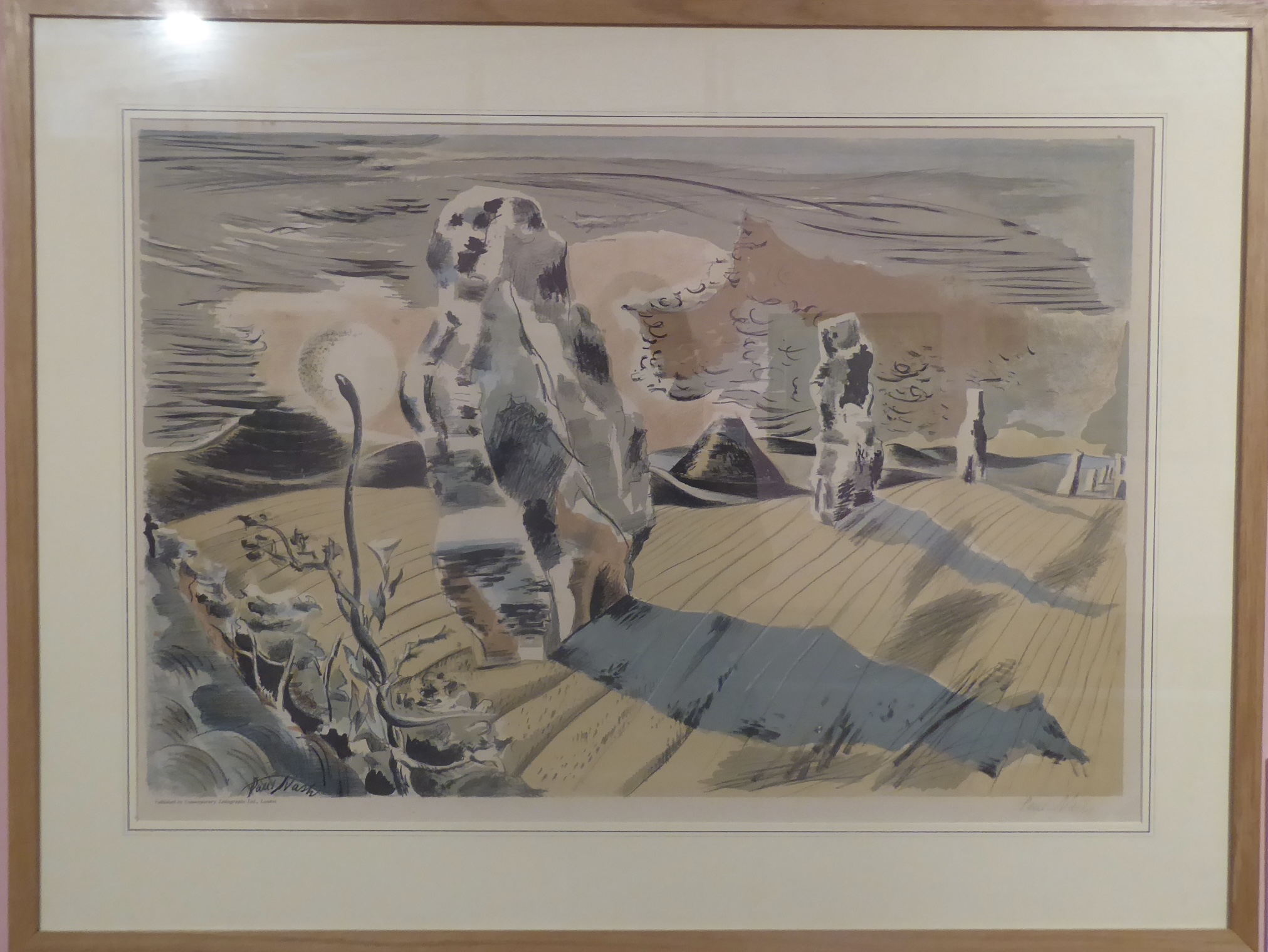
And the paintings? I wandered amongst them and confirmed my likes and dislikes – and then tried to examine why. I am still unimpressed by Vanessa Bell (such dull daubs), I still don’t care for Matthew Smith (nasty colour combinations), Eugéne Boudin’s use of oil paint is masterly, I can’t think why Alexej von Jawlensky’s colours are so appealing to me but they are, and I am beginning to like Graham Sutherland. Then the lithographs by John Piper and Paul Nash – I think I grew up on those types of illustrations and I felt very drawn to them, particularly since the Nash was inspired by the stones at Avebury.
Leeds

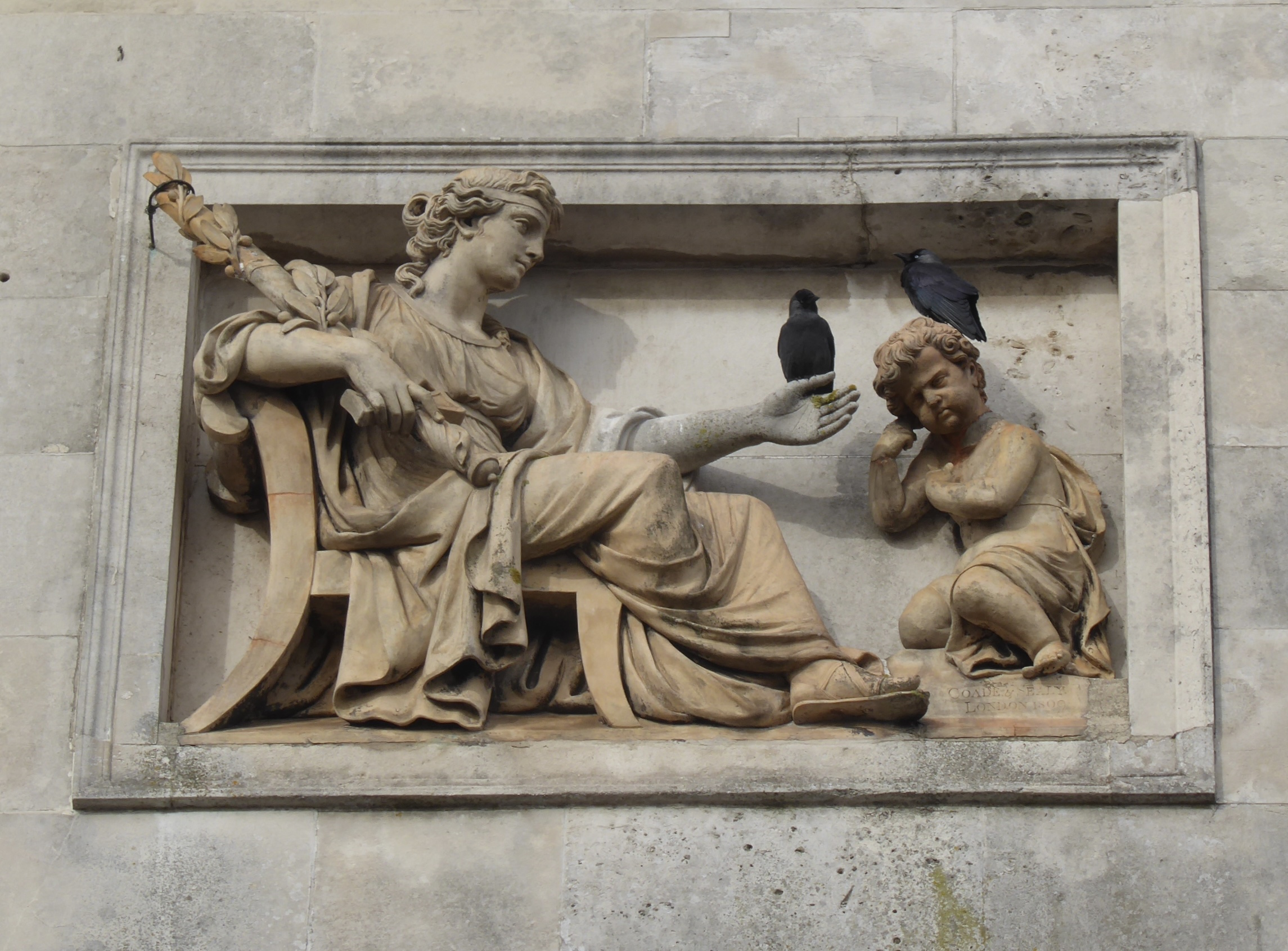
Over Christmas I’d watched Alan Bennett’s play “Sunset Across The Bay” from 1975 on BBC iPlayer. There’s a short scene of the bus passing City Square and the old man remembering when the statues were seen as “right rude”. (Heavens, how dirty the Queens Hotel was then! And the nymphs have moved around.) I’ve always rather liked the statues and I’d noticed that there were a few more barely-clothed figures around, so I looked out for them on my walk to the University.

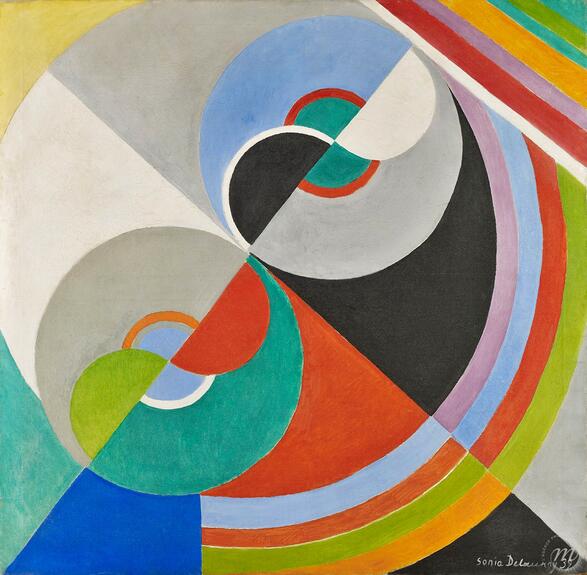
The Stanley and Audrey Burton Gallery has had a change since I last visited. I was oddly taken by the work of Judith Tucker – insignificant, commonplace landscapes that are very familiar and deserve more attention. Then a painting by Wilhelmina Barns-Graham that – despite being “Untitled” – struck me (after a night at the opera) as representing three cellists. Even though I knew it wasn’t, I still stuck to it. And there was a figure by Bernard Meninsky, whom I’d come across in Hull. Not inspiring, but I can add him to my mental list. (Matthew Smith and Jacob Epstein were there too, looking very Smithy and Epsteiny.)

Silk Roads

My geography failed me completely here. I doubt I could pin Japan on a map, let alone Korea or Uzbekistan. I realised how completely flummoxed I was at having no Eurocentric compass to orient myself at the start of the exhibition as it began with China and dynasties I had never heard of. I encountered lots of new information, which is still sinking in; it may be a while before the dust settles to reveal coherent thoughts.

Λοιπόν. This exhibition at the British Museum focused on trade routes between Asia, Europe and Africa between 500 and 1000 along which silks, spices, luxury and everyday goods, and ideas passed. It began with a bronze figure of the Buddha – made in Pakistan in the late 500s and excavated in Sweden amongst buildings dating from the 800s.

First: the developing links between China (Chang’an), Korea (Unified Silla) and Japan; in the Nara period (700s), rulers in Japan adopted elements of the Tang dynasty and adapted the Chinese writing system for their own language. Buddhism spread eastwards from India at this time to become the dominant religion. Silk was used as currency in China, and it was one of the luxury items in demand along the trade routes.

I found out about Dunhuang, a garrison town, where in 1900 a sealed “library cave” was discovered, containing manuscripts, textiles, paintings and other objects. Empires and peoples I had never heard of were represented by wonderful objects: the Sogdians, for example, and a mural from Samarkand showing a Sogdian ruler and his entourage, or one of an elephant from the Bukhara region.

The Belitung shipwreck was fascinating and mind-boggling. In 1998 a shipwreck was discovered off Belitung Island in Indonesia; a vessel from the early 800s en route from China to perhaps the Arabian peninsula, containing over 60,000 items – mostly Chinese ceramics. (The photographs of crockery on the sea bed reminded me of the Titanic last month.) I could happily find a home for the pretty blue and white dish – which makes clear how the very human pleasure of acquiring attractive objects as well as the essential stuff like salt drove so much global trade.

Ideas, religions, technological knowledge and languages travelled along the routes. There was a concertina of a Buddhist sutra in both Chinese and Sanskrit and a fragment of New Persian text written in Hebrew script; I had to think hard about those. Religions that travelled along the route: not just the dominant Buddhism of this time but also Hinduism, Manichaeism and Zoroastrianism, meeting up with local deities and religious practices, and, later, Islam through conquest.

Such a sense of human activity over so many centuries! Some of it illustrated our worst tendencies: the never-ending desire for more and more luxurious goods and the trading of people as well as commodities.

By the time the silk routes reached the shores of Europe, my sense of wonder diminished: it was all rather familiar. On reflection, I realised how thoroughly and unusually immersed I had been in an exhibition that barely touched on Europe or parts of the world colonised by Europeans. It doesn’t often happen, and it did make me very aware of my ignorance and lack of a compass as I venture into new territory.
After lunch I returned to more familiar territory: a small exhibition of prints and drawings that Max Beckmann had given to Marie-Louise von Motesiczky.