Modernism in Ukraine 1900-1930s

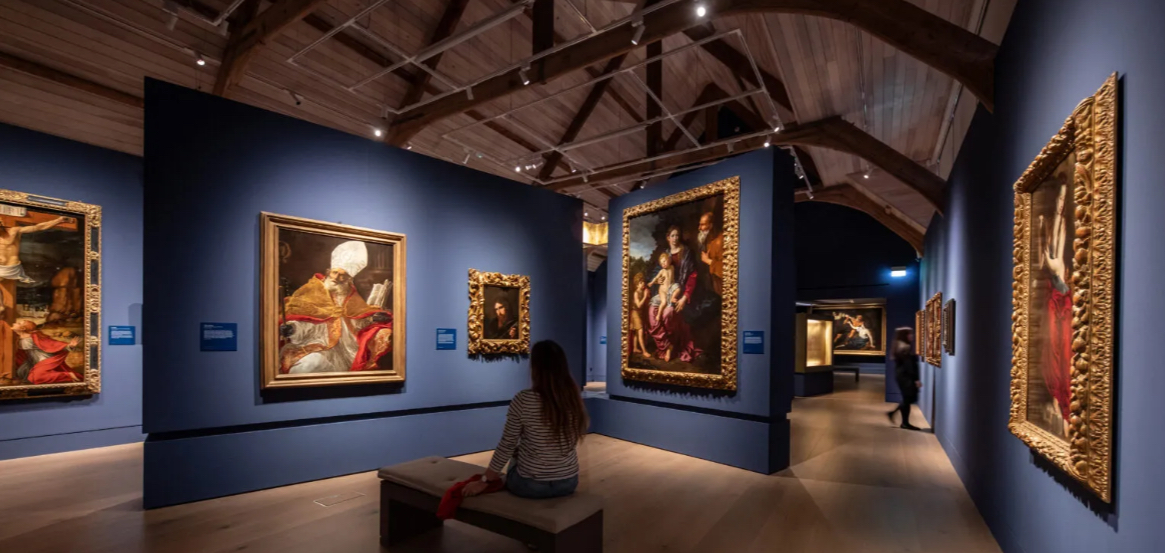
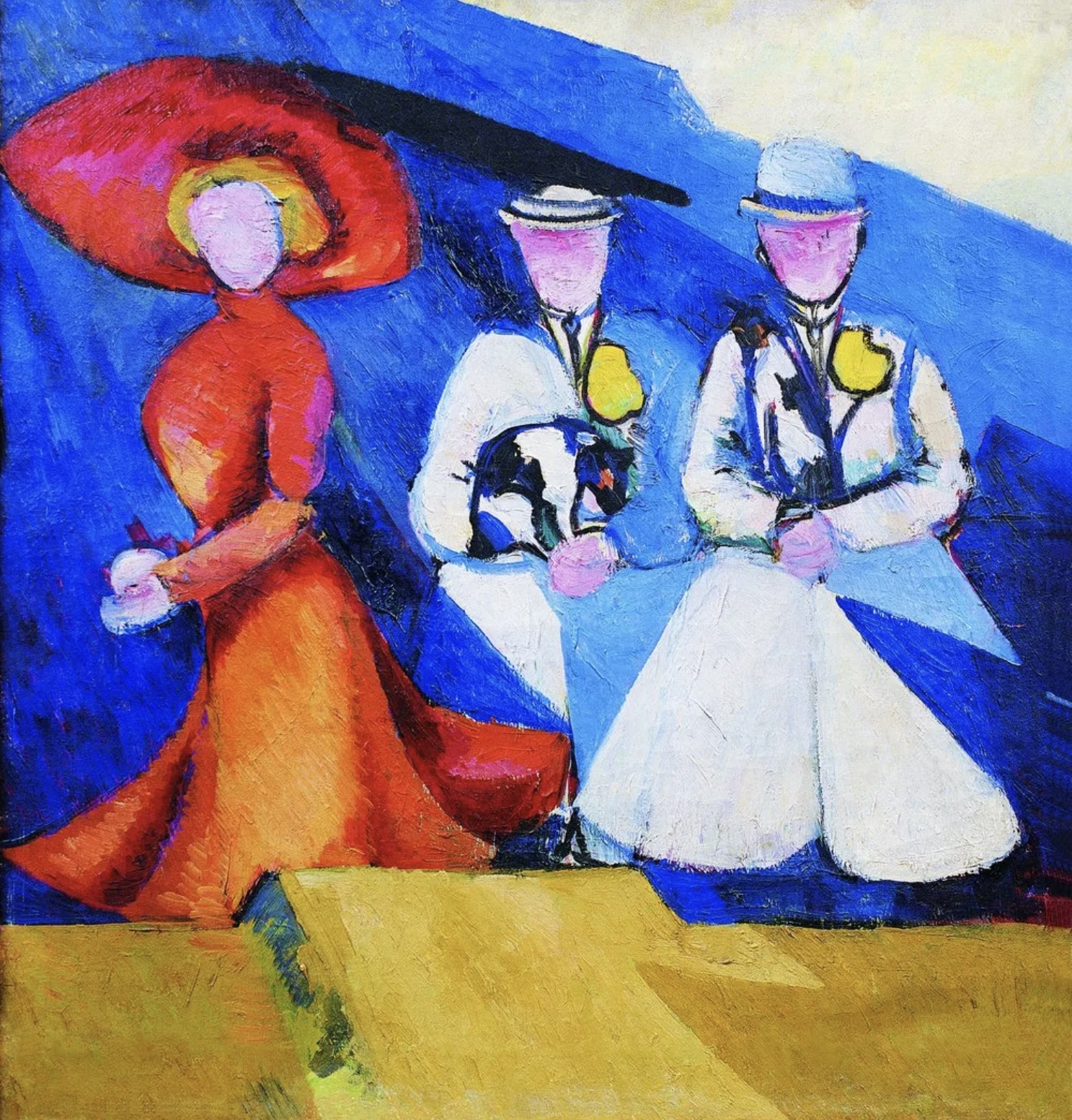
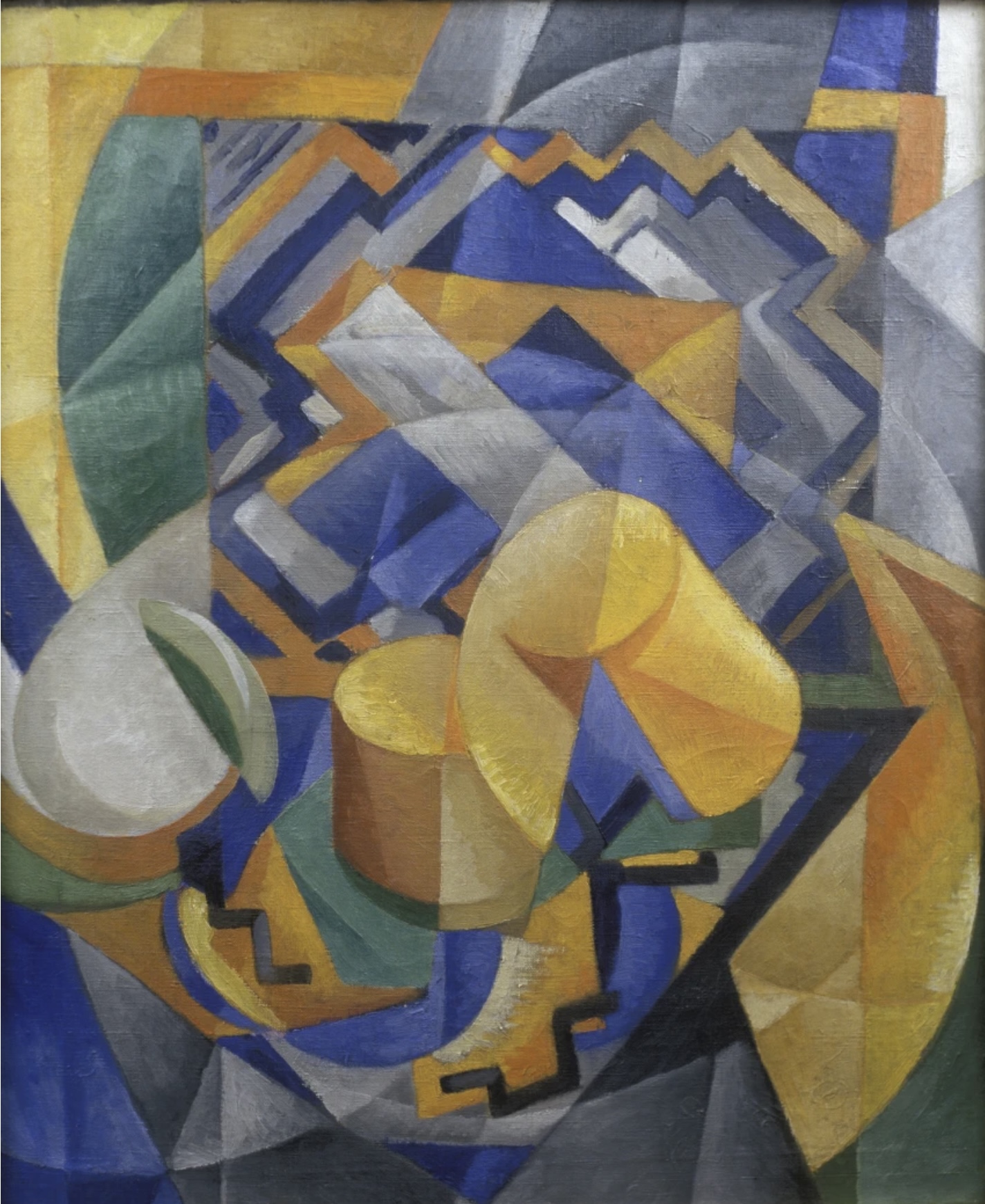
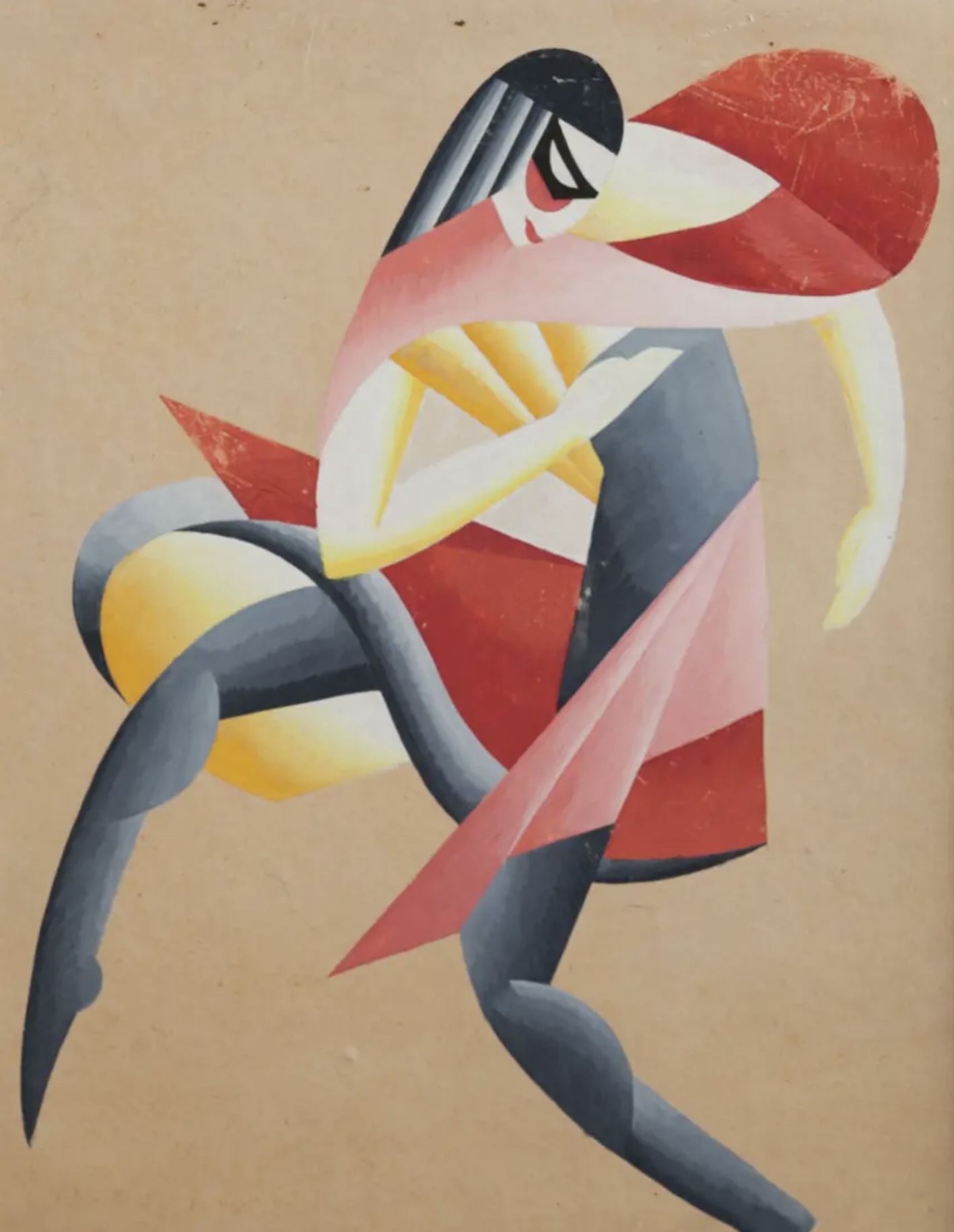
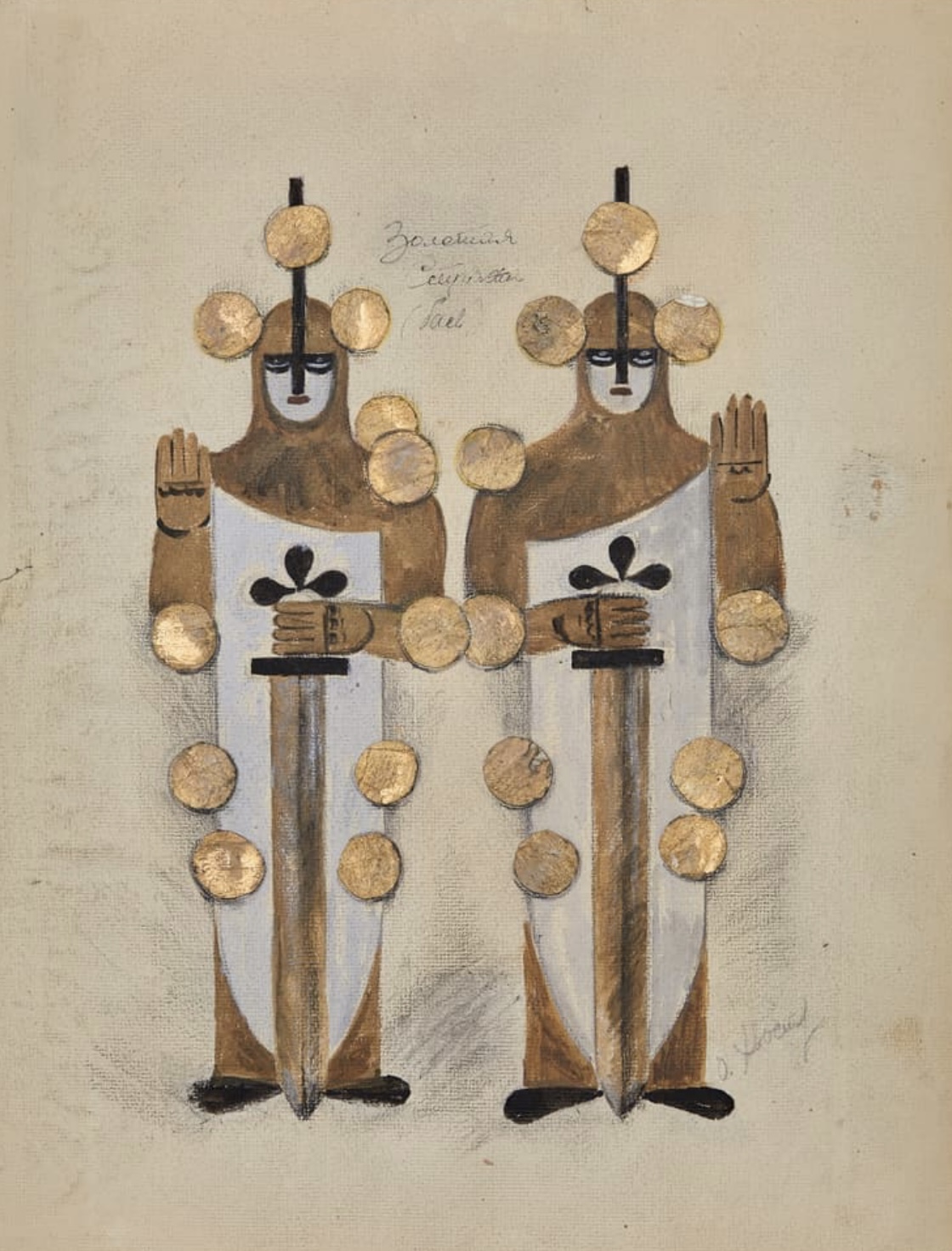
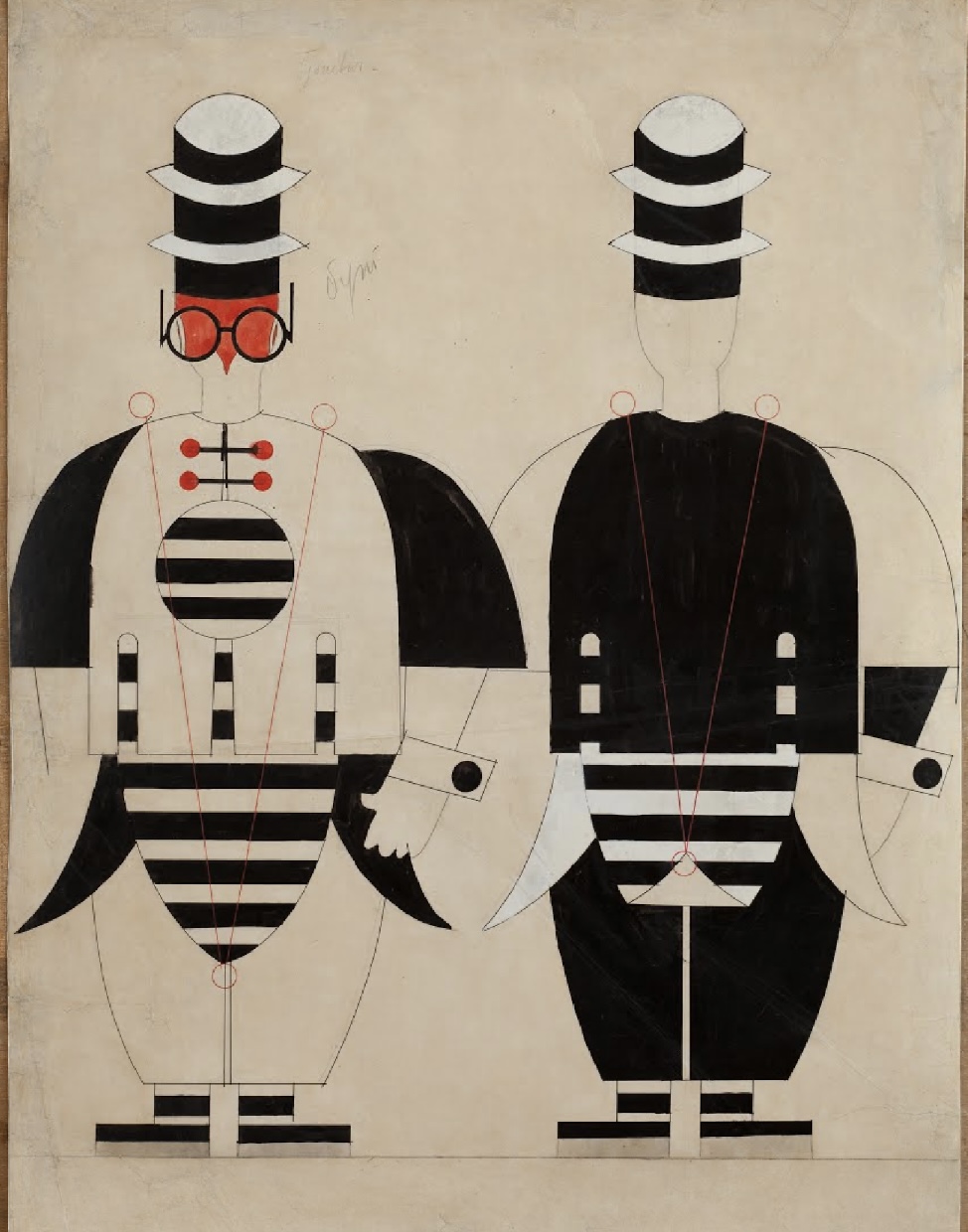
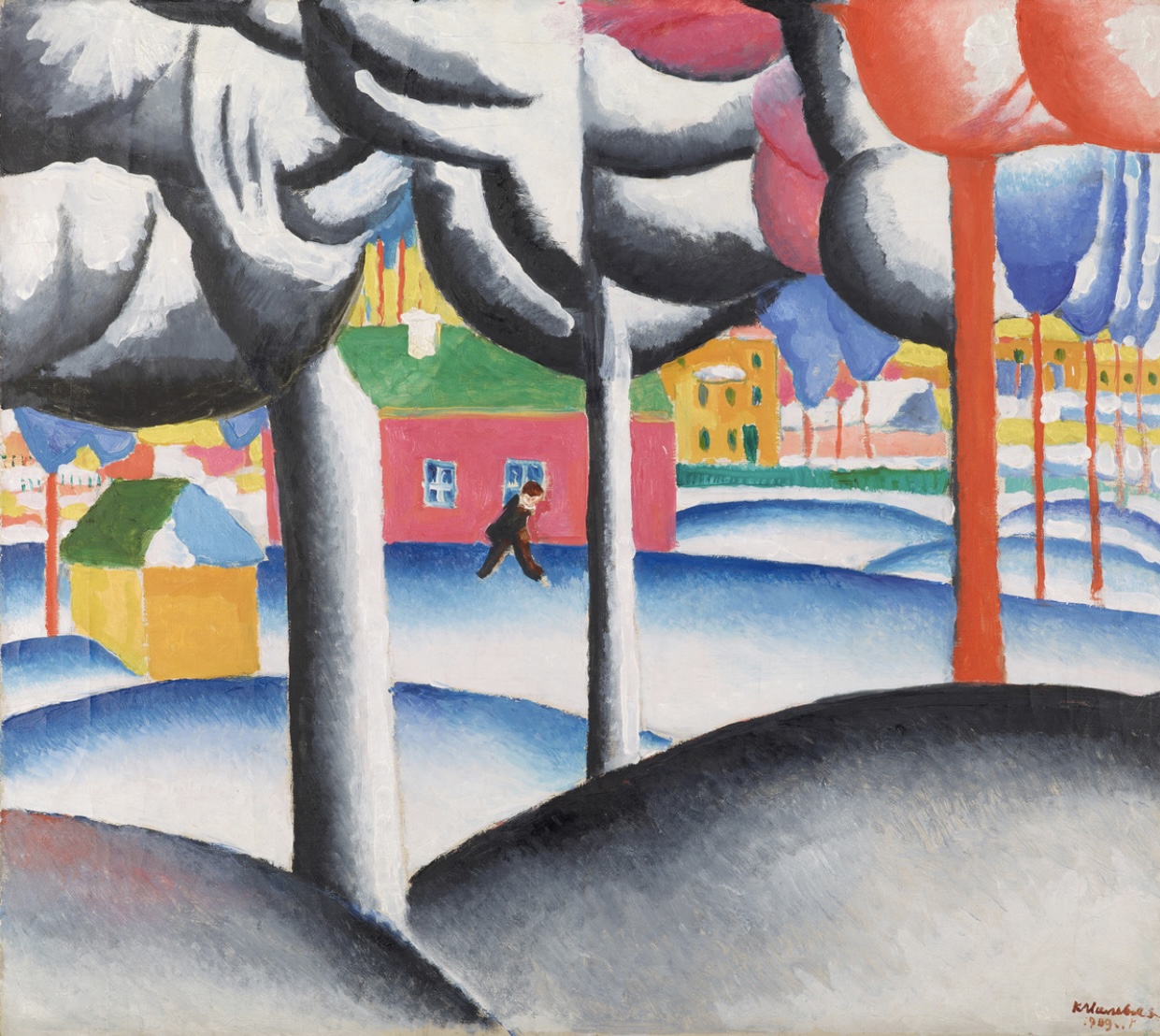
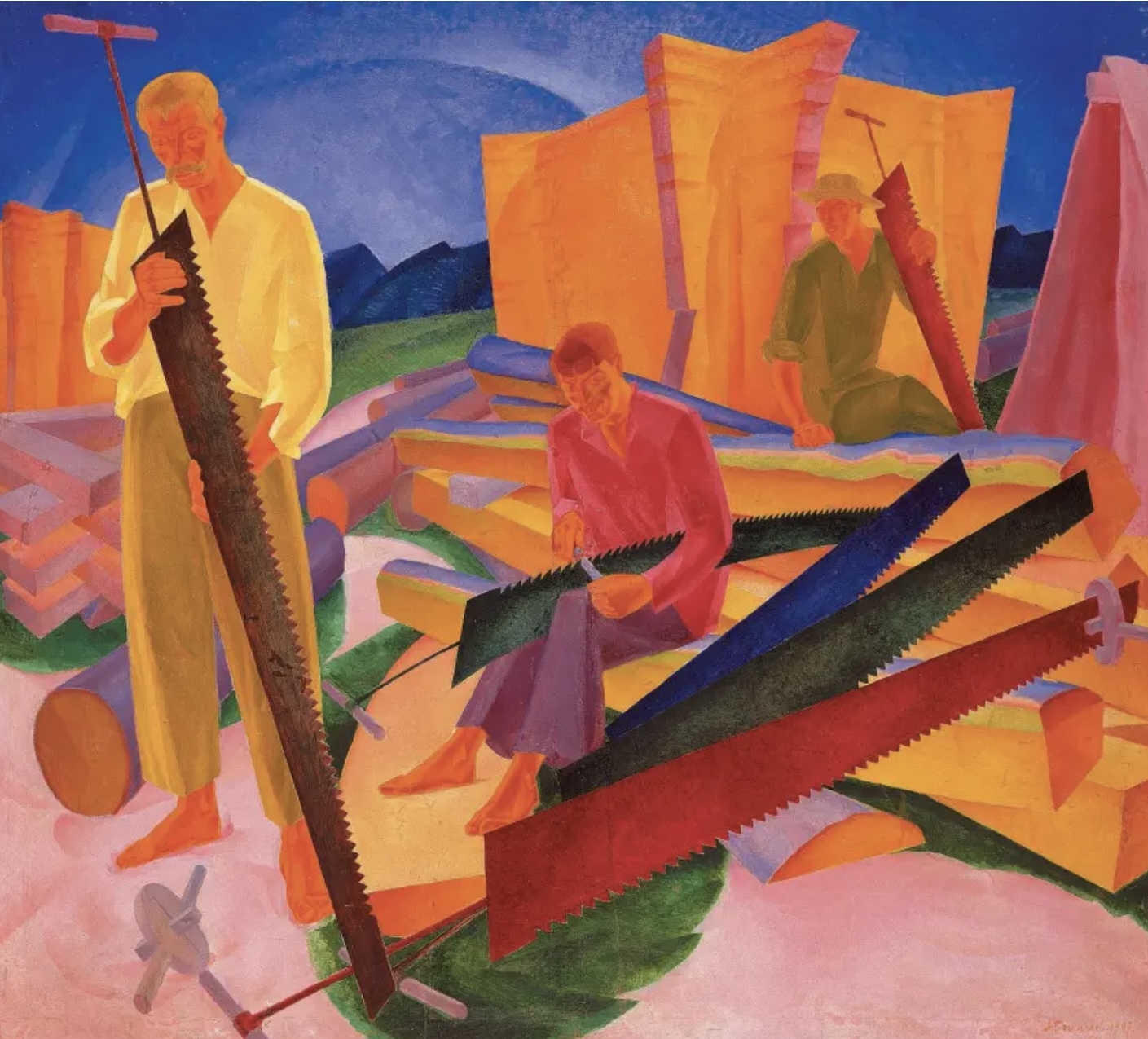
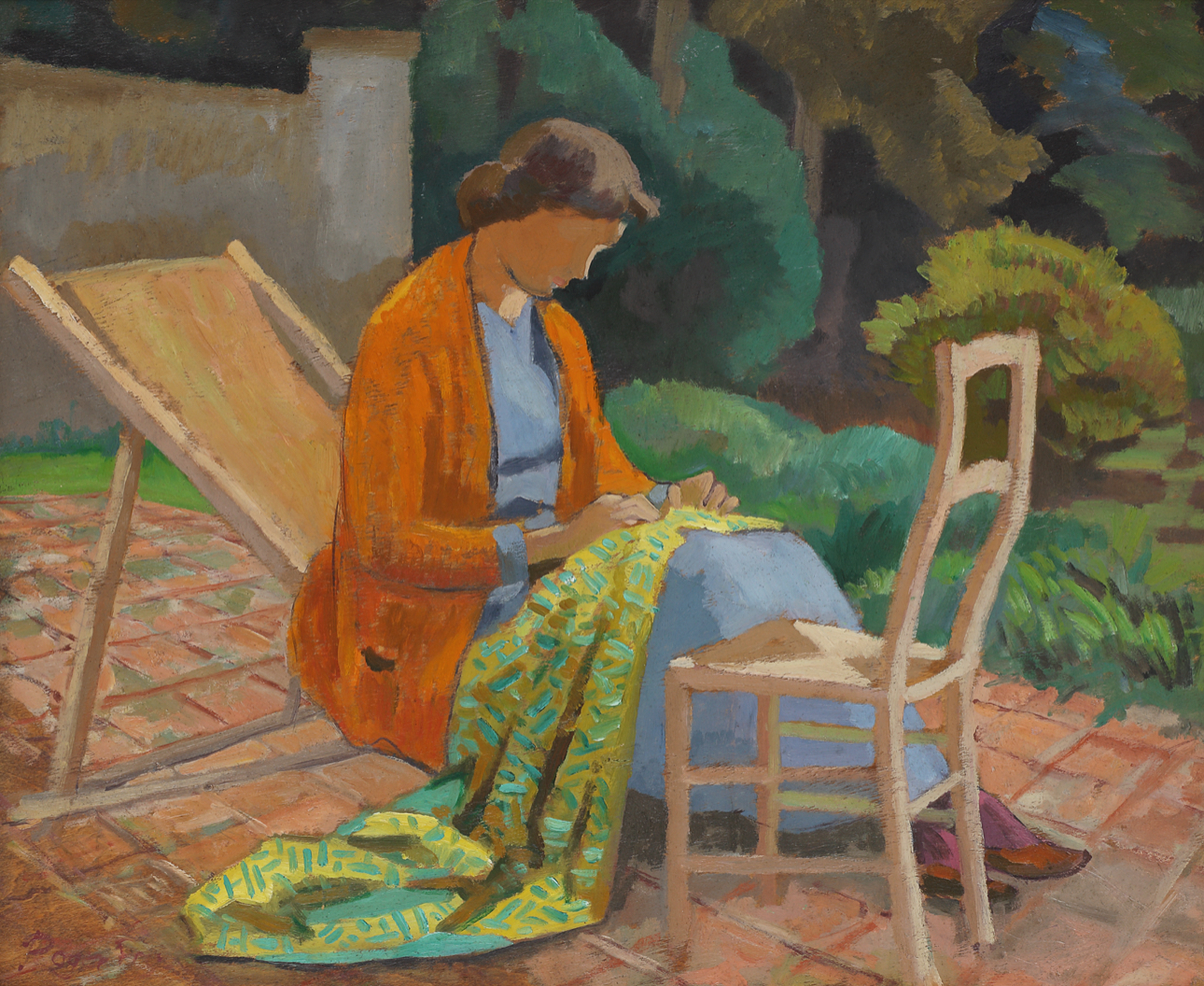
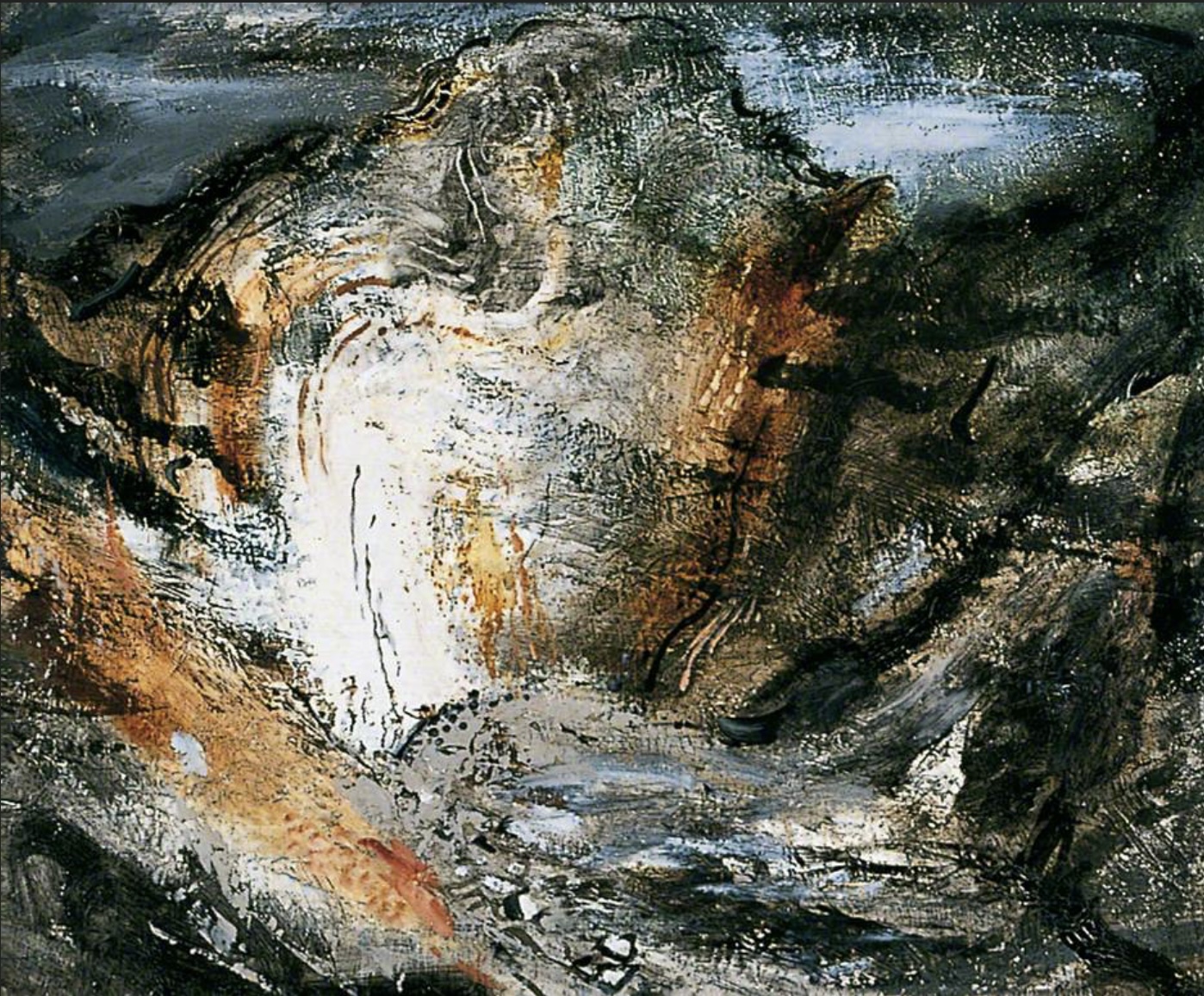
An exhibition at the Royal Academy, mostly of works from Ukrainian museums. (Plus a Malevich from the Ludwig Museum that looked familiar.) I didn’t known how much Ukraine had struggled over the years to establish some kind of independence – if only linguistic – under the Austrian-Hungarian and Russian Empires, Bolshevik rule and then the Soviet Republic. I’d only heard of Malevich and Sonia Delauney before. There was no Ukrainian art school so Ukrainian artists had to study in Russia or the west; the latter encountered the trends in Munich and Paris. There was some very avant garde work on display, fusing modernism and cubism with brilliant colours. (Which reminded me that some of the first Blauer Reiter painters came from Russia.) I liked the designs for stage sets and costumes during a creative boom in theatrical productions: definitely more Oskar Schlemmer than Rex Whistler.
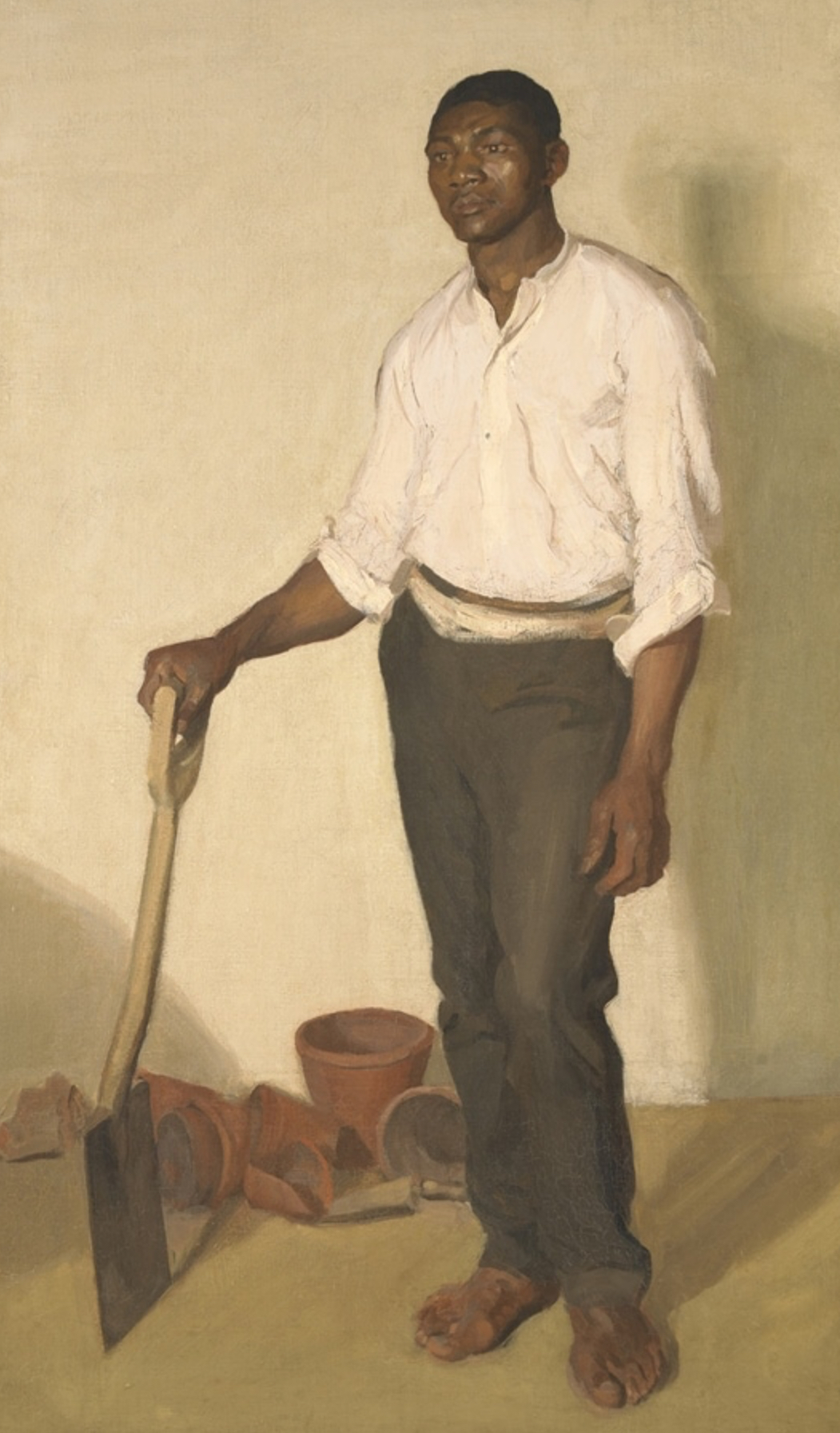
And then came Stalin and his insistence on figurative art and the cult of the worker. Unsurprisingly, some of those Ukrainian artists didn’t live beyond the 1930s.

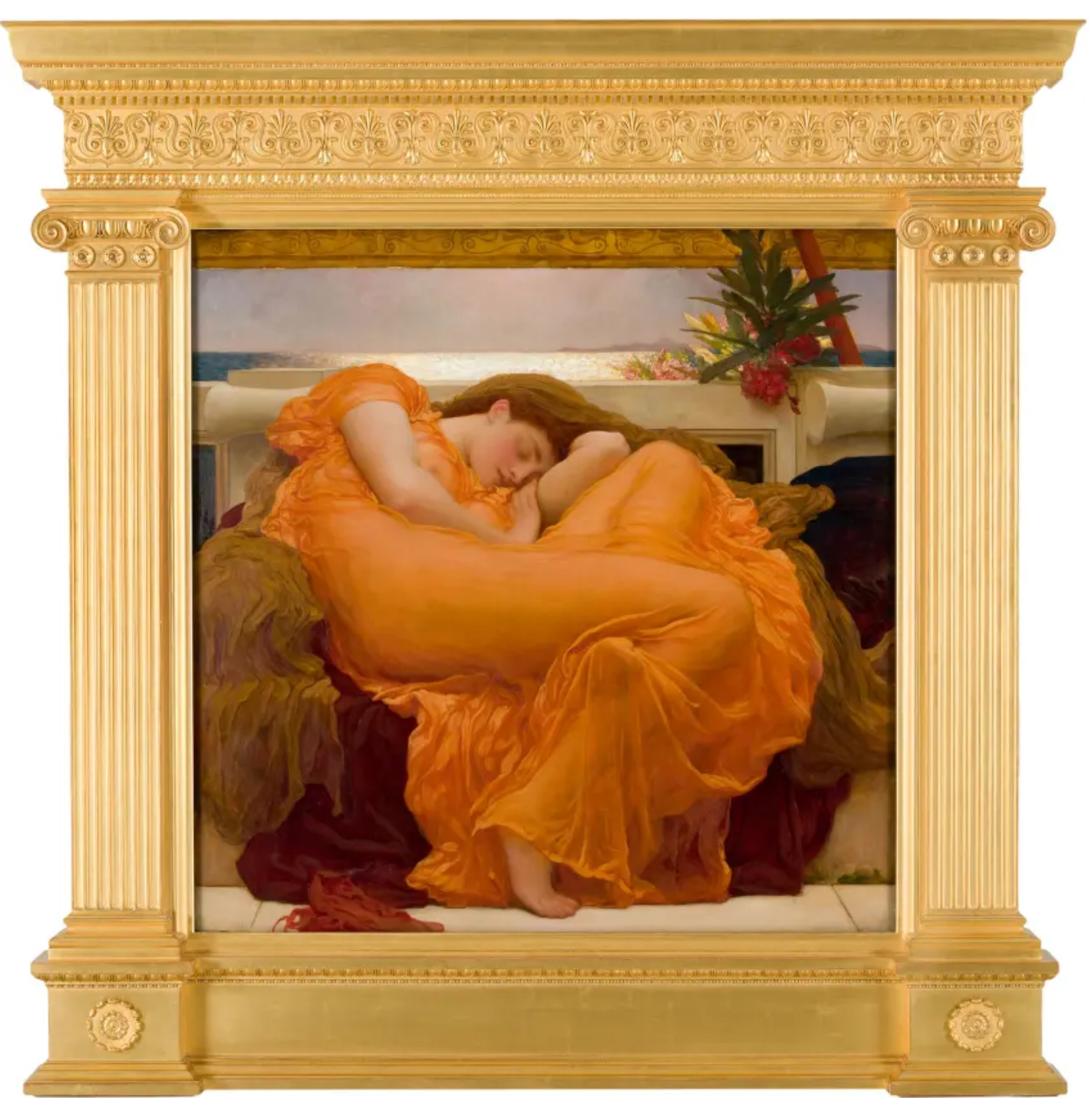
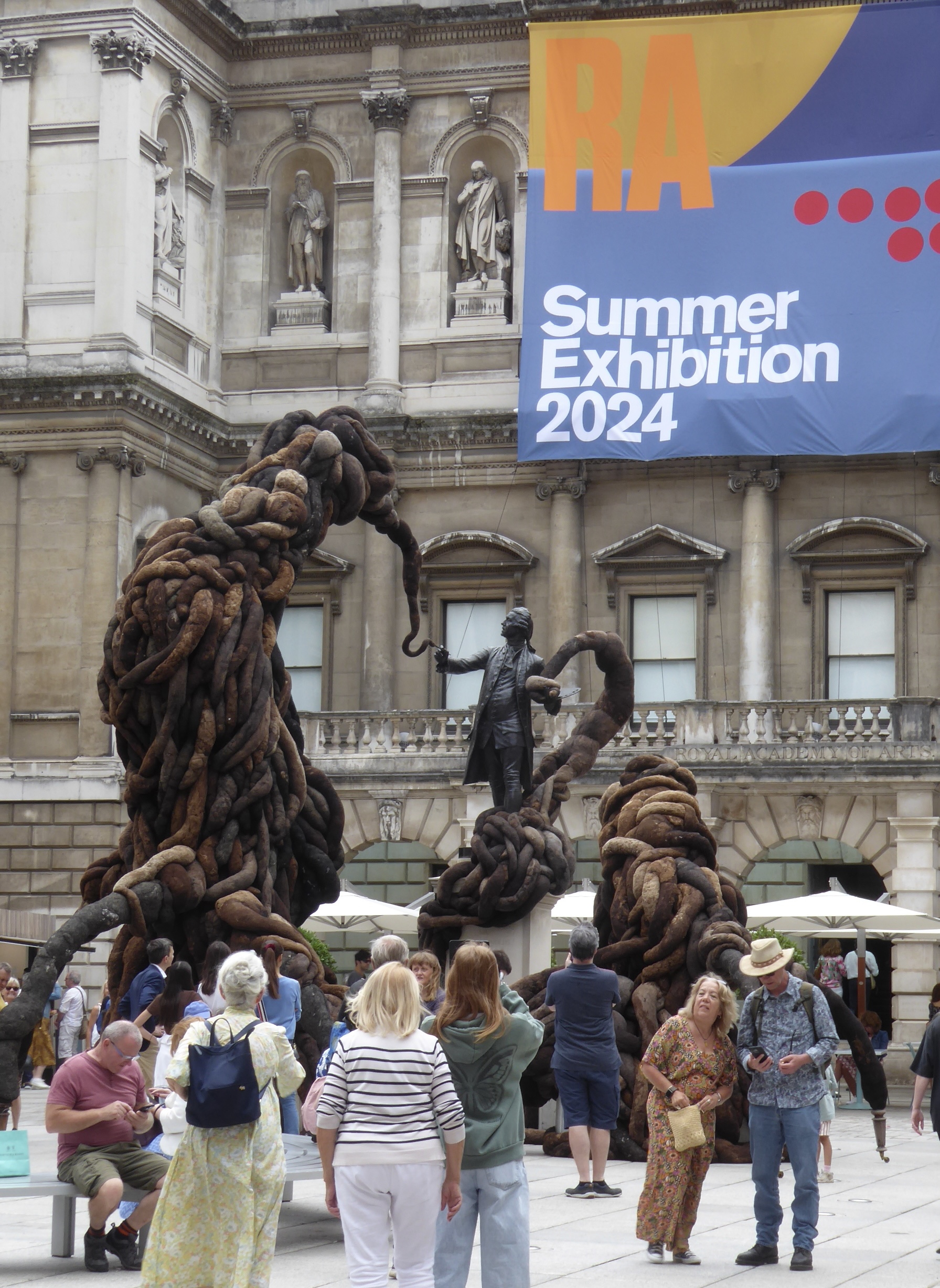
I also looked in on “Flaming June” (currently on loan from Puerto Rico). Thankfully I managed to avoid the Summer Exhibition – except for a wonderfully surreal sight in the courtyard:

The Garden Museum

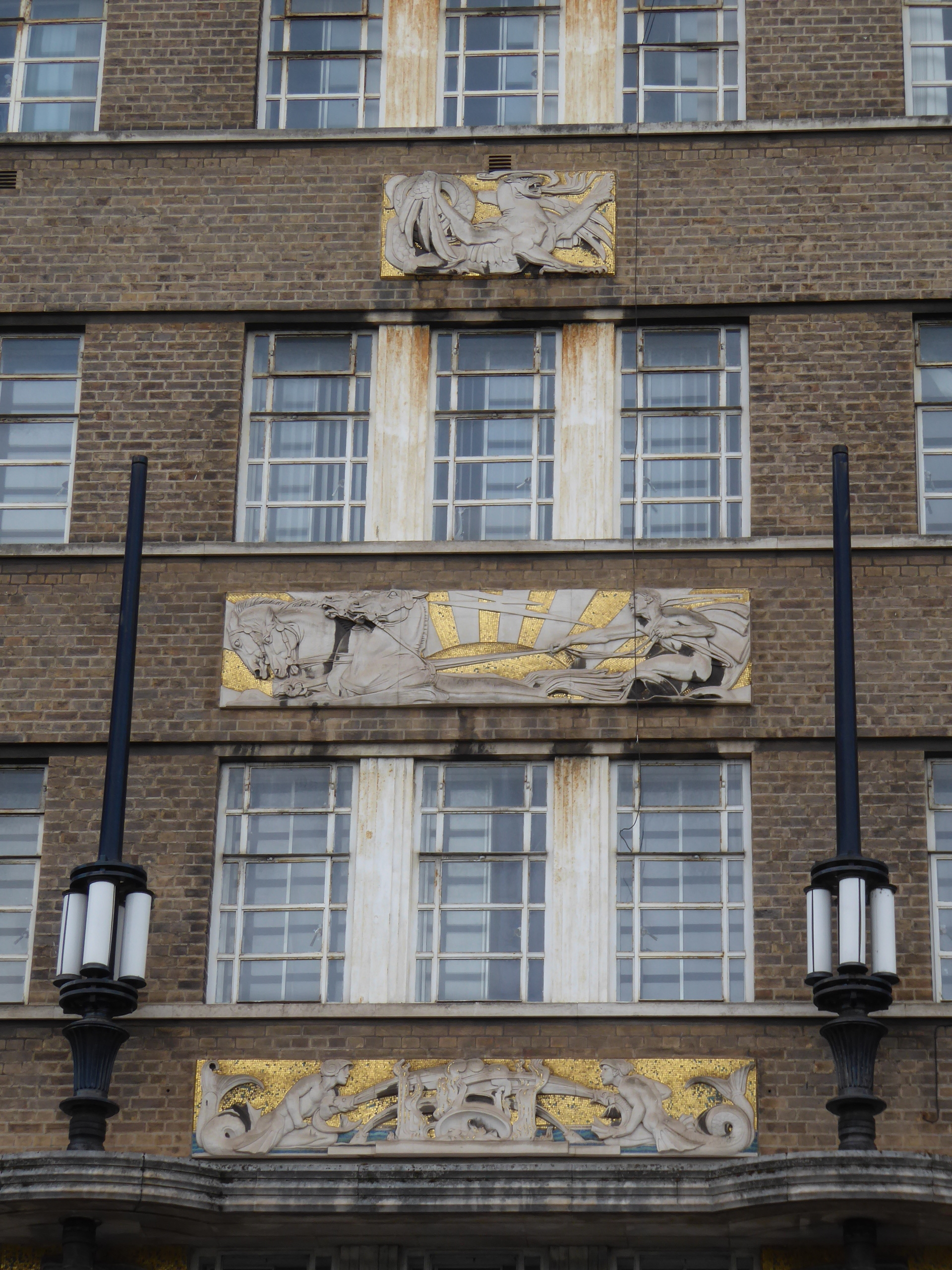
Yesterday was so hot that I hid away in my hotel room until the evening. Today was cooler, but even so the Garden Museum seemed like a good place to visit. En route I passed the old headquarters of the London Fire Brigade (1937 E P Wheeler) with its wonderful reliefs by Gilbert Bayes.

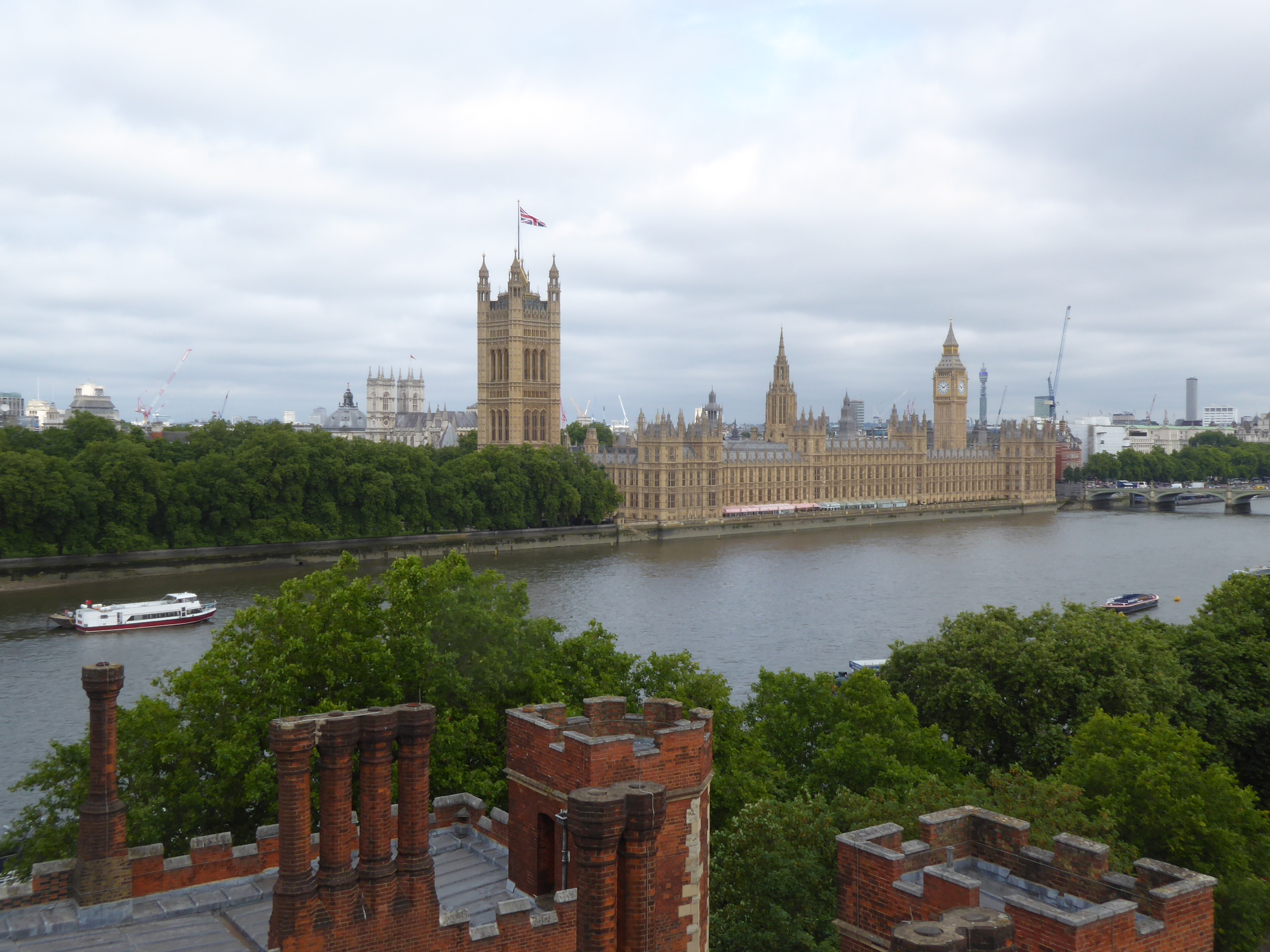
The Garden Museum is planted in a deconsecrated church next to Lambeth Palace so there’s not much in the way of garden, but the displays were intermittently interesting. There is also a church tower to climb – which, of course, I did.

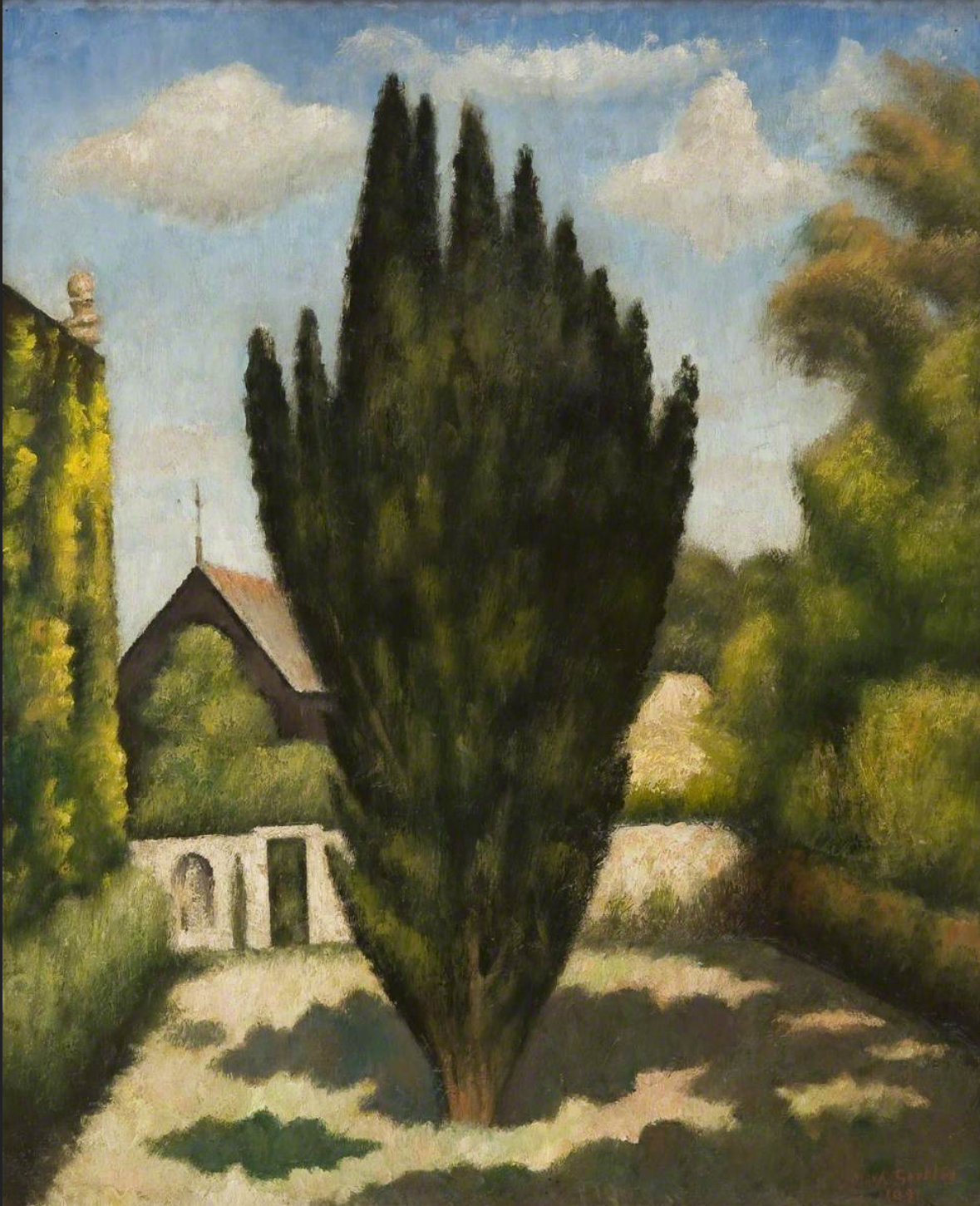
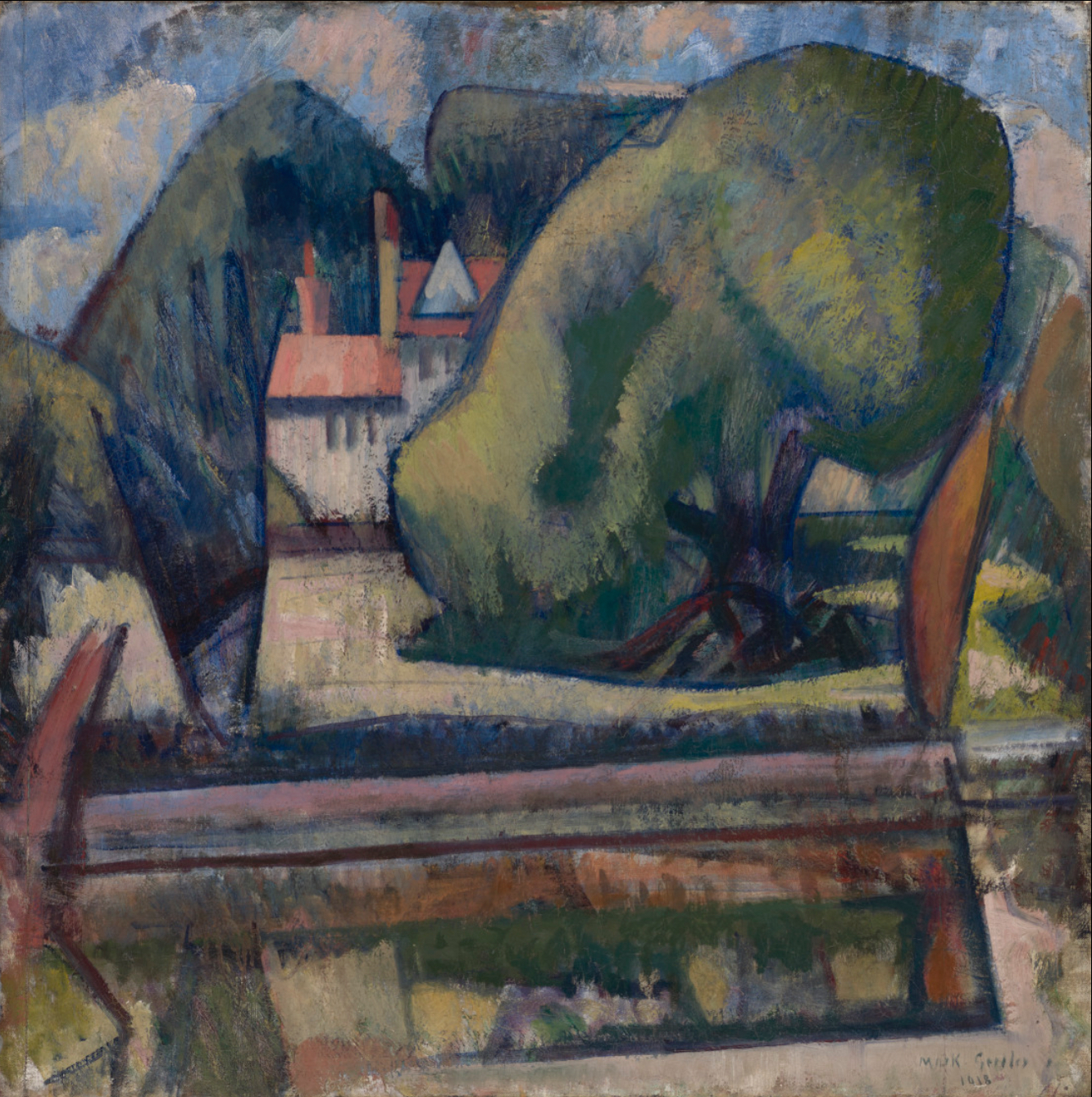
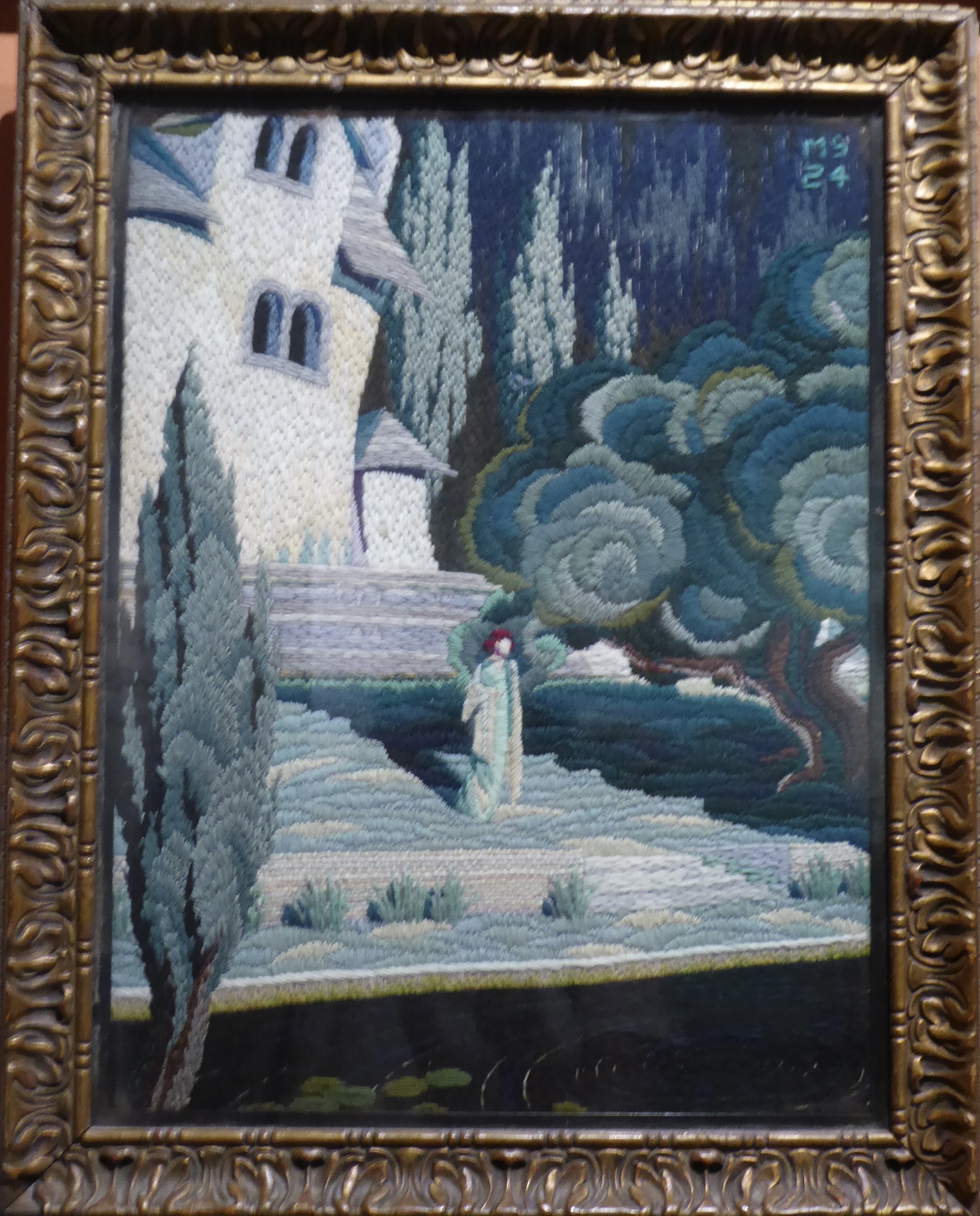
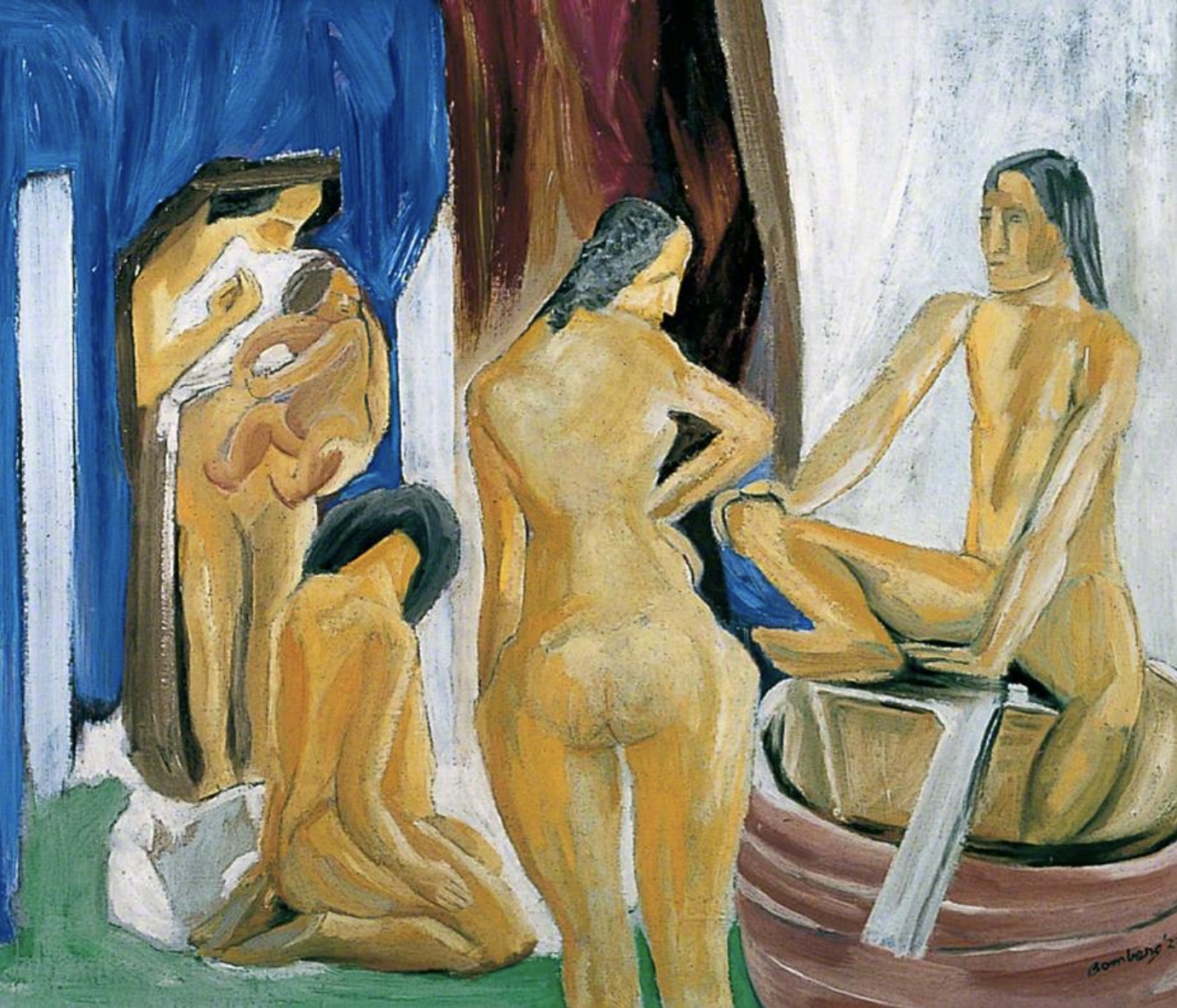
The current exhibition is about the country gardens of Bloomsbury women: Lady Ottoline Morrell and Garsington, Vanessa Bell and Charleston, Vita Sackville-West and Sissinghurst, and Virginia Woolf and Monk’s House. (Did their husbands have no say in the designs?) Anyway, it’s a hook on which to hang some nice works – Cezanne-style paintings by Mark Gertler and der Blaue Reiter-style paintings by Roger Fry. Oh, and more of Vanessa Bell’s blurry work. She certainly seems to be flavour of the month. My steal was the freestyle embroidery of Garsington in the moonlight by Marian Stoll. (My photo is rubbish, but I can’t find a better one online.)
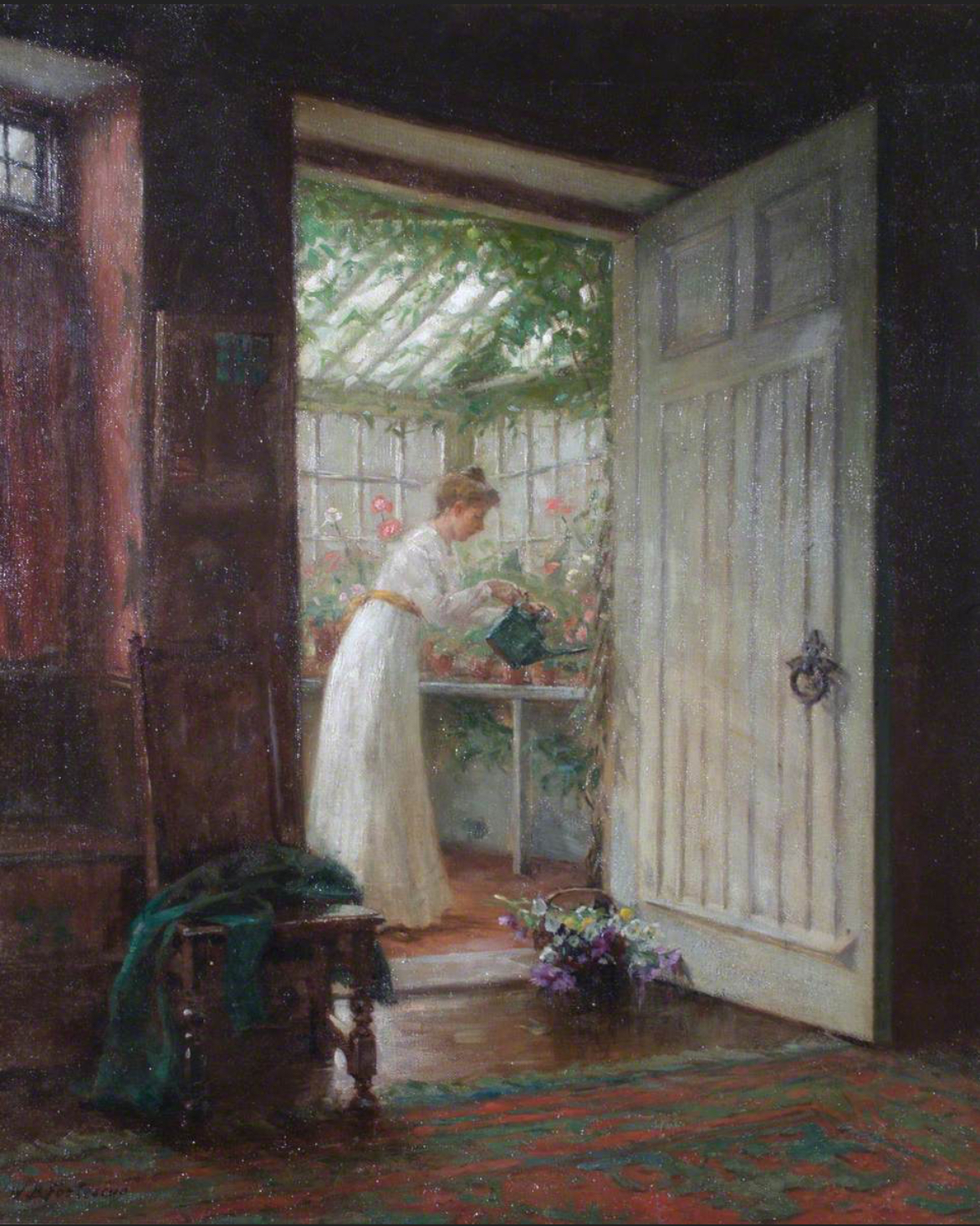
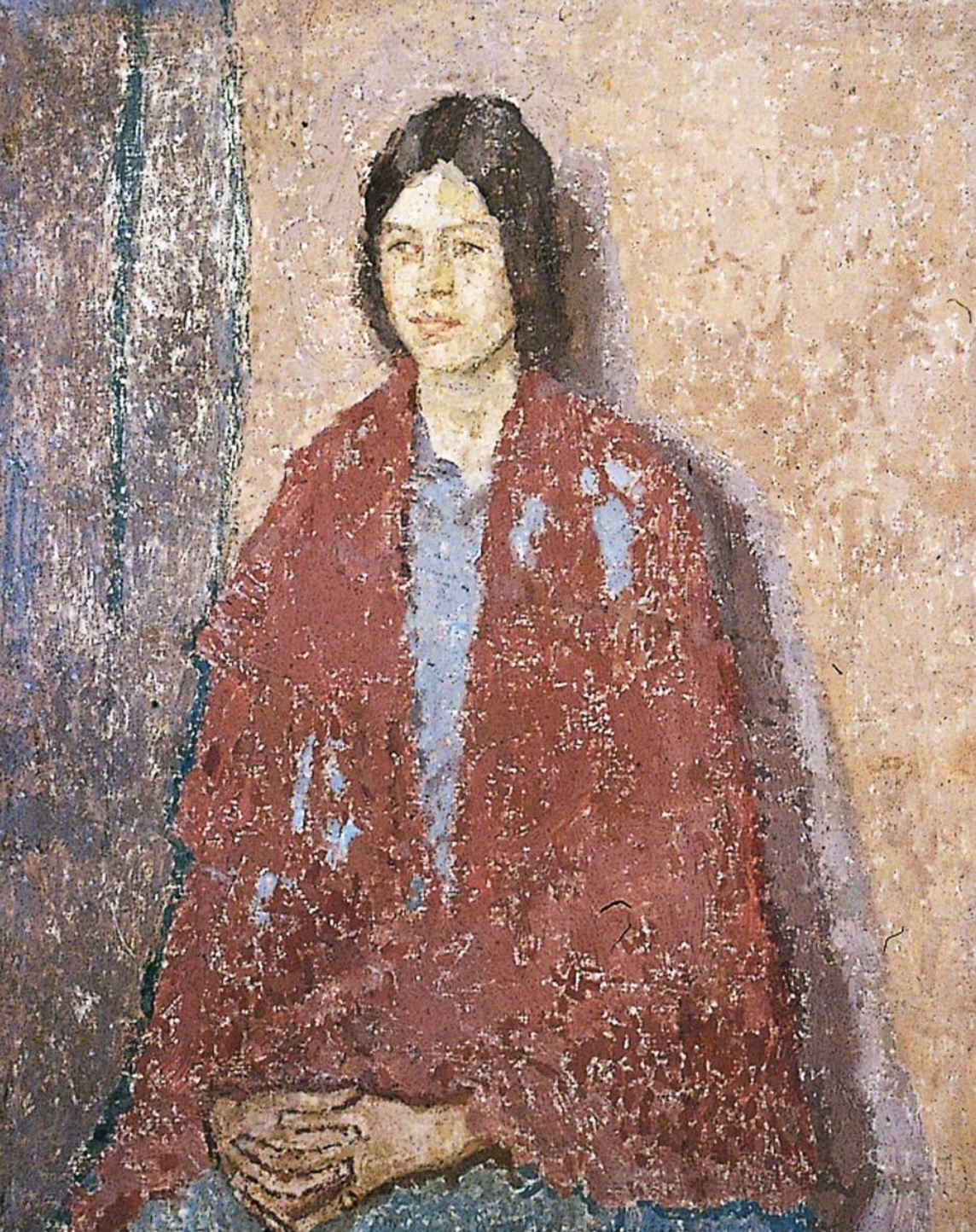
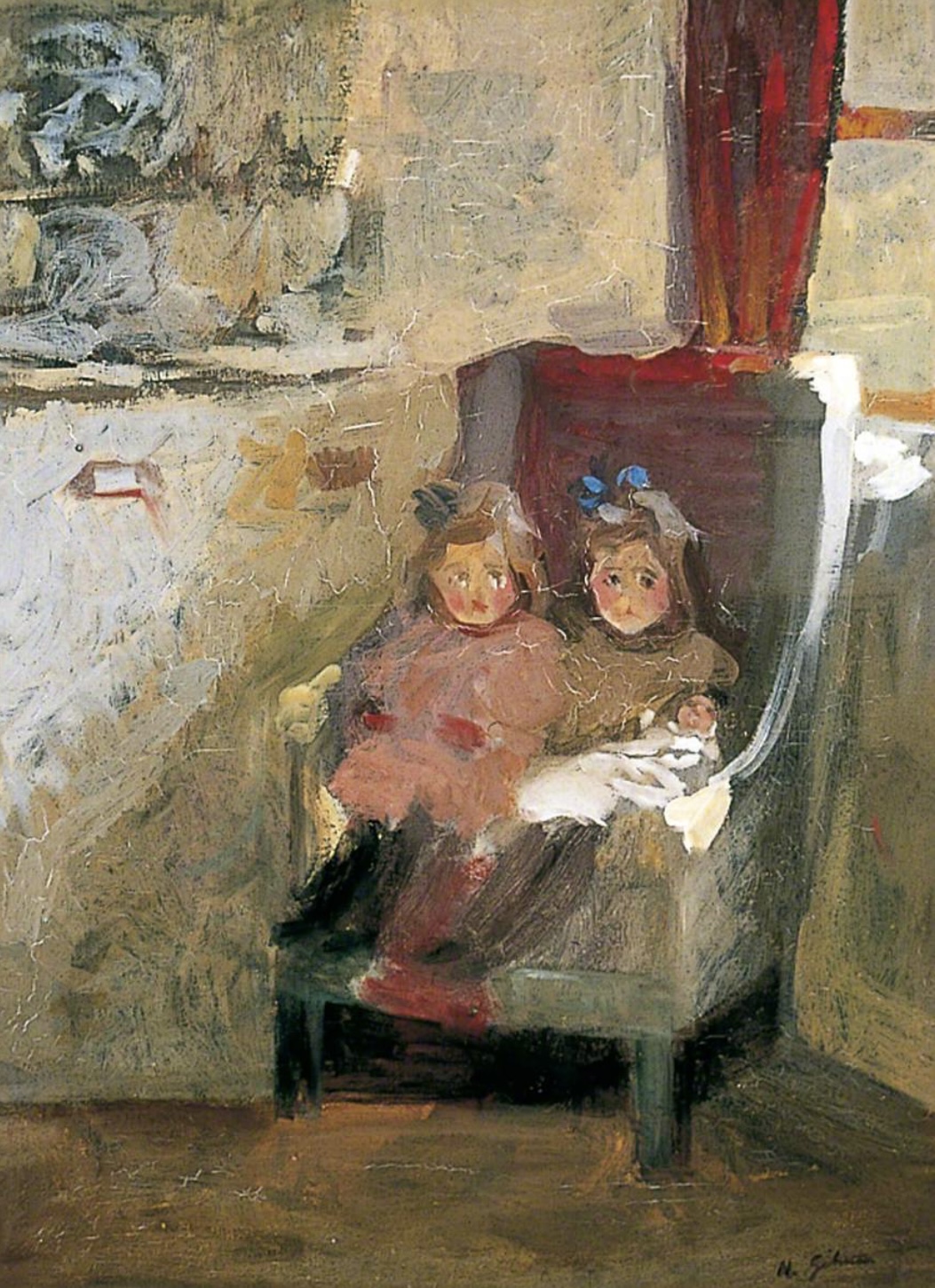
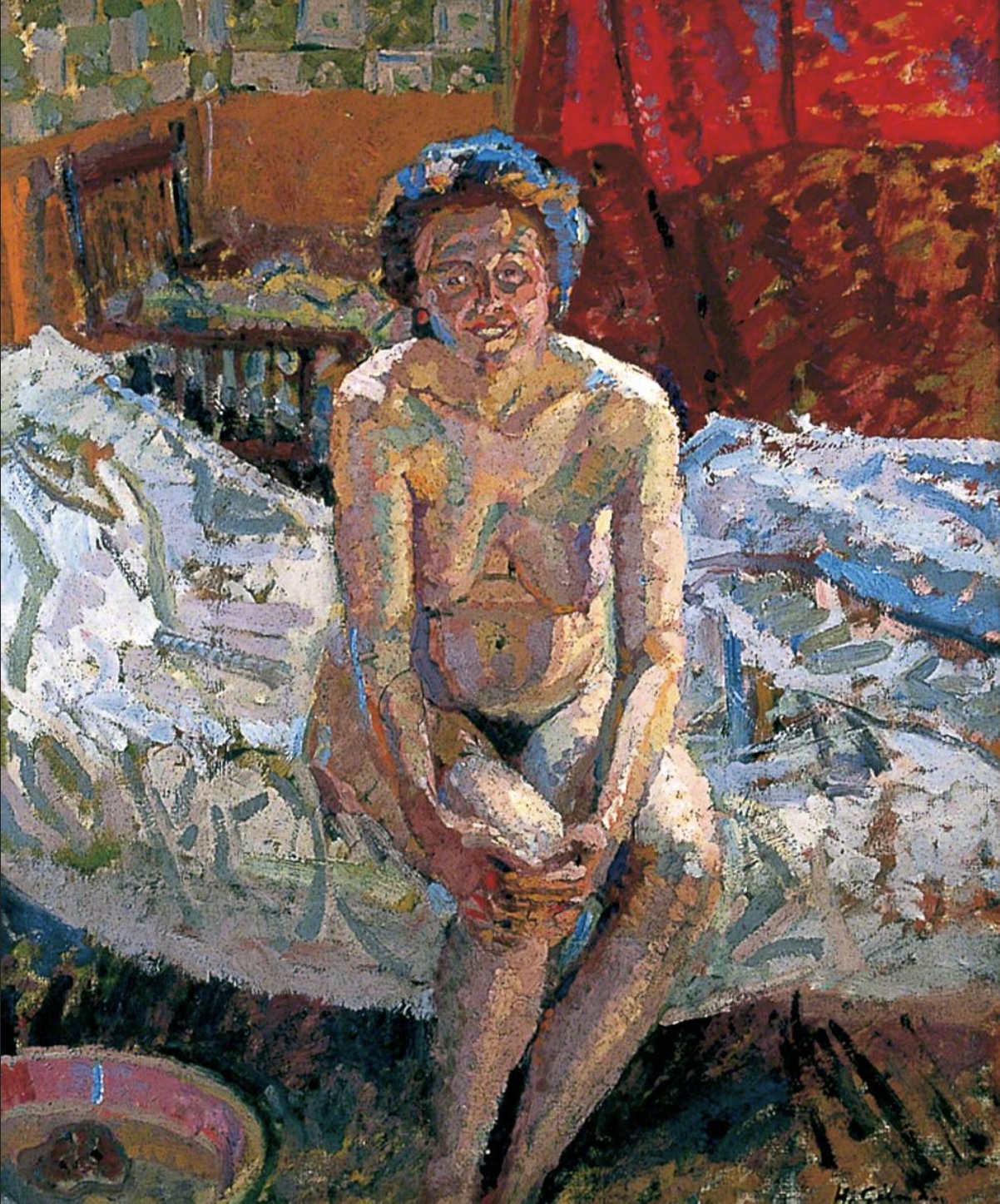
Scattered amongst the vintage packets of seeds and videos about influential gardeners were some artists I’ve seen recently: Harold Gilman from York/Manchester and William Banks Fortescue from Southport. There was also a little nudge towards a future outing for me: Charles Jencks’s Crawick Multiverse. I hadn’t realised before that it’s possible to get there by train . . .

Salisbury and Old Sarum

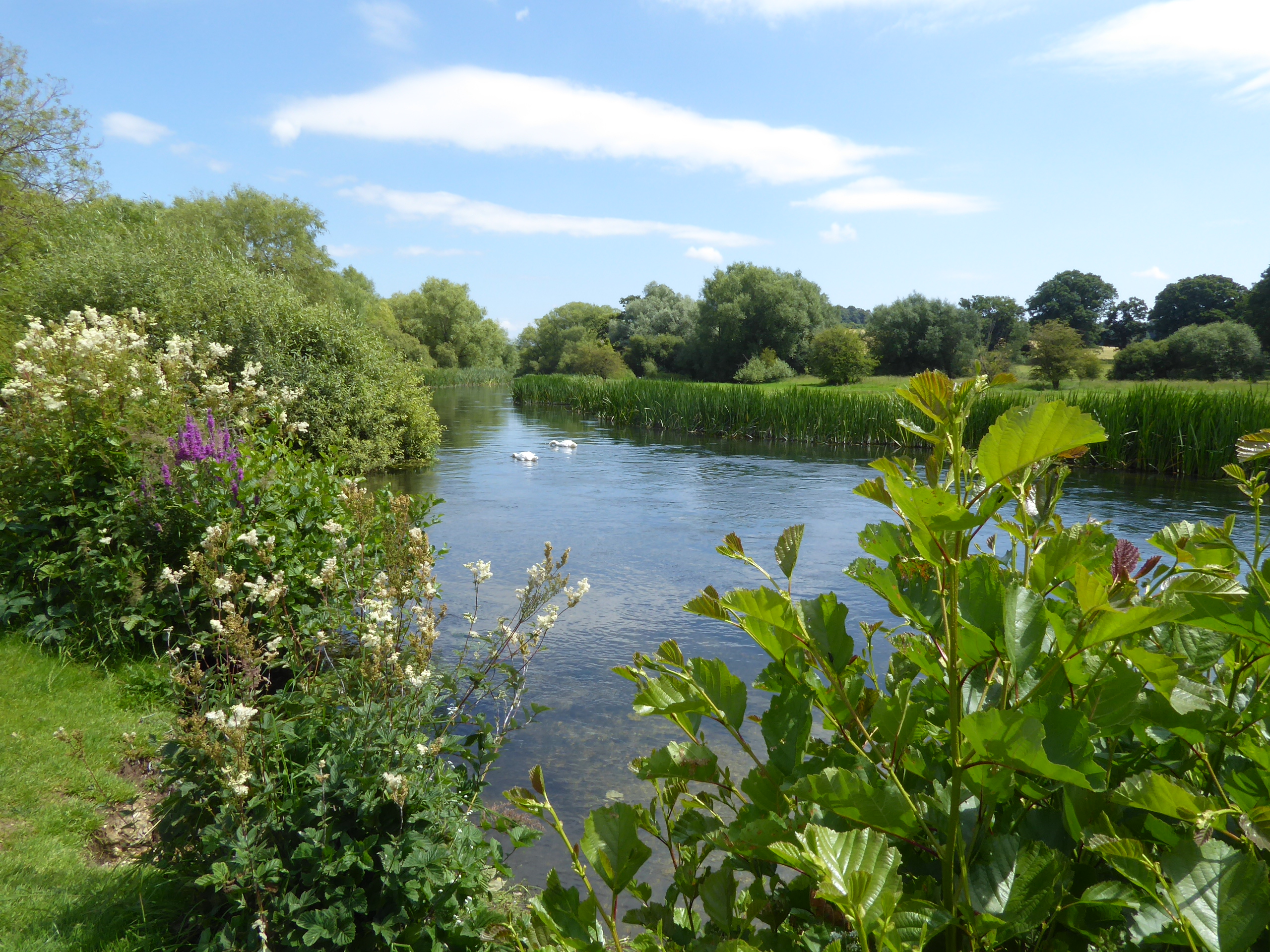
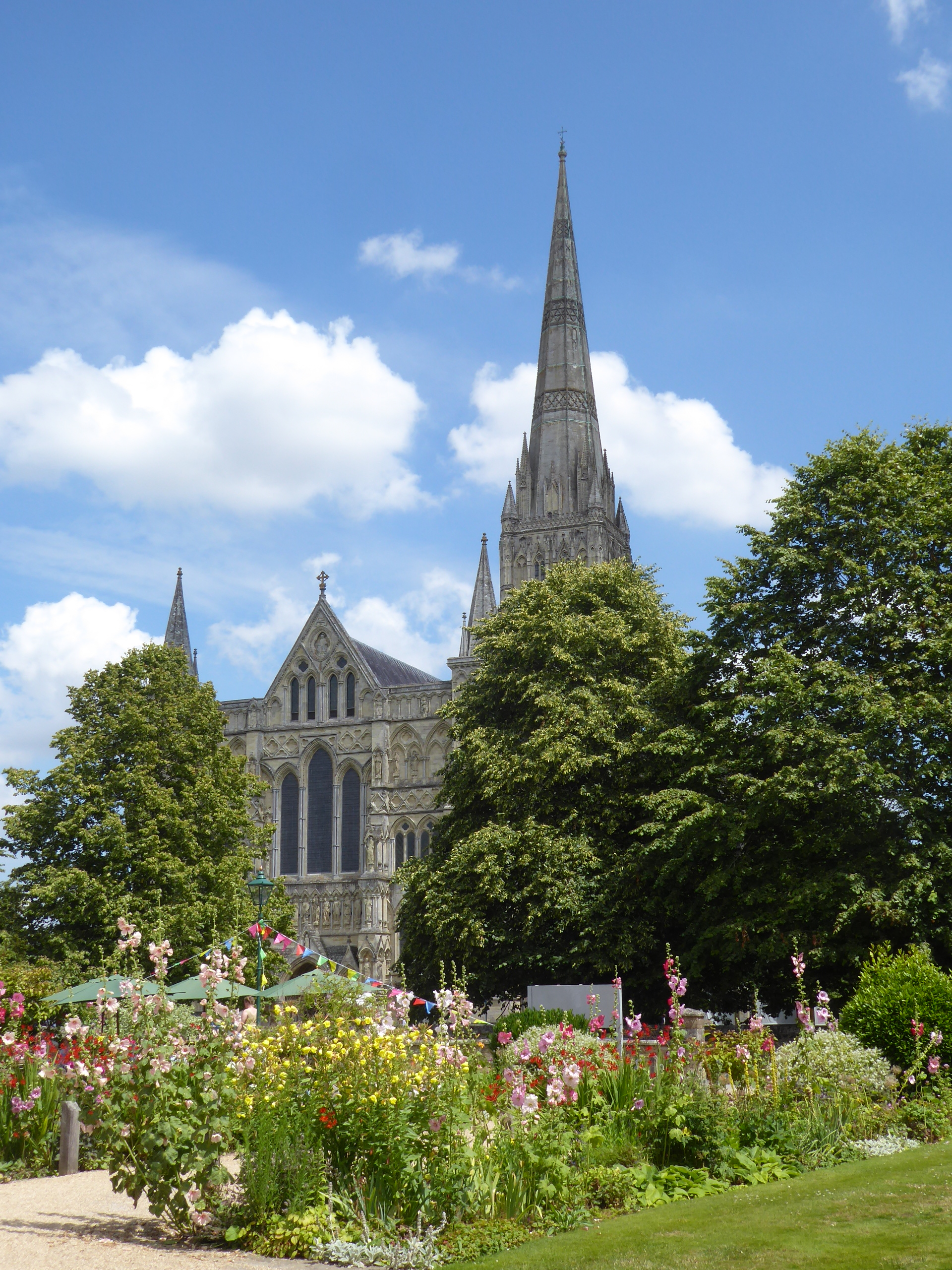
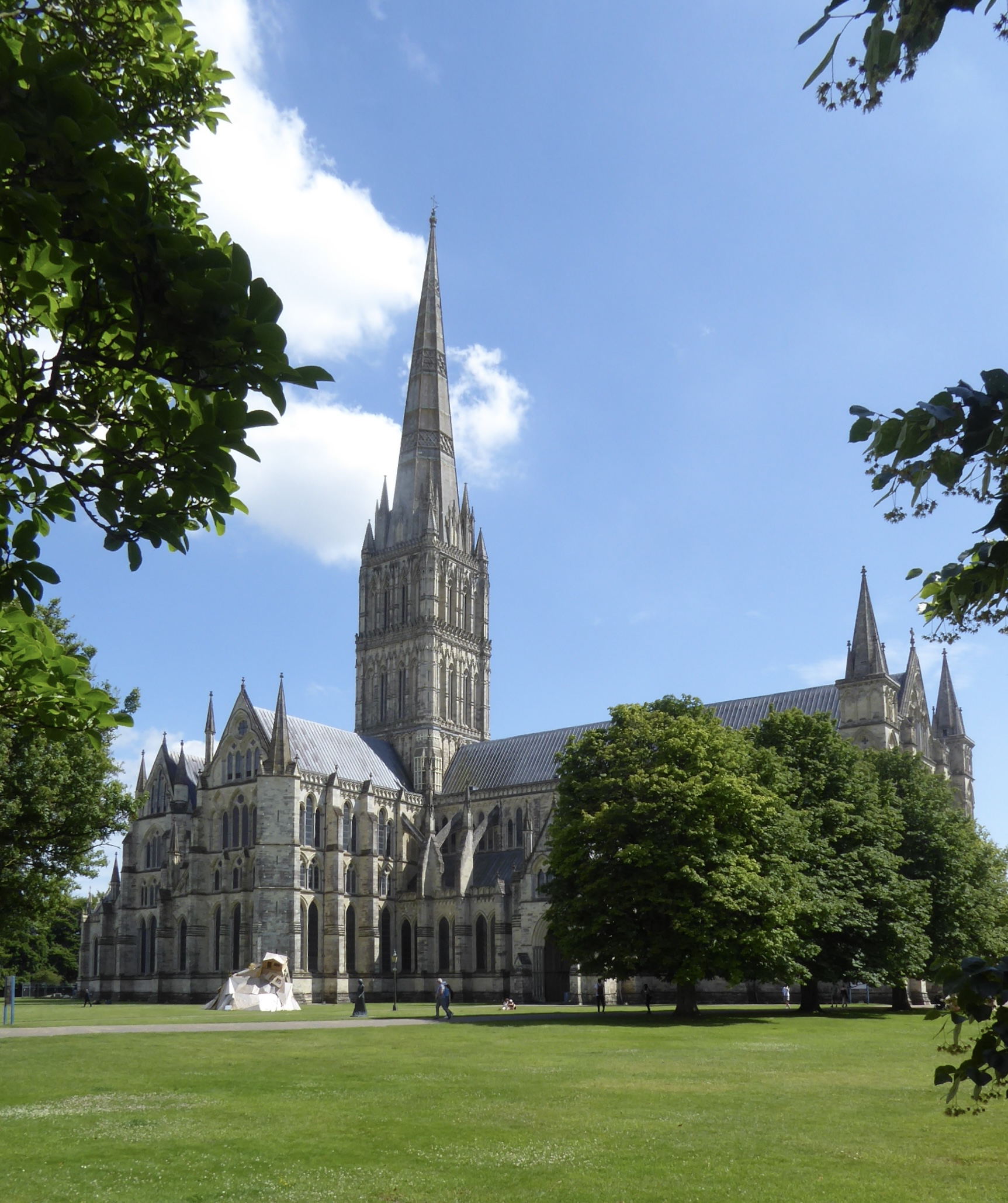
The coach drove us through chocolate-box England to an inn beside a chalk stream for lunch and then on to Salisbury: hollyhocks and thatched roofs en route to an Early English Gothic cathedral that has been on my “to visit” list for years. What could be nicer?

Our destination was the Wessex Galleries of the Salisbury Museum: more artefacts from under the ground. As a devourer of detective stories, I likened them to a traditional country house murder: clues and red herrings throughout but no big dénouement in the drawing room to give the single correct account. Archaeologists are scientists, not Hercule Poirot: they offered possible explanations but then offered an alternative. Thus the grave of the Amesbury Archer: he was not from Amesbury and he may not have been an archer. He grew up in central Europe and had a limp: the arrowhead buried with him might be the red herring which has given him his name, and the portable anvil, perhaps marking him as an early metalworker, might be the real clue.

Yet another significant amateur archaeologist’s name to remember (if not necessarily in the correct order): Lieutenant-General Augustus Henry Lane Fox Pitt-Rivers, who excavated with great method and founded a couple of museums.

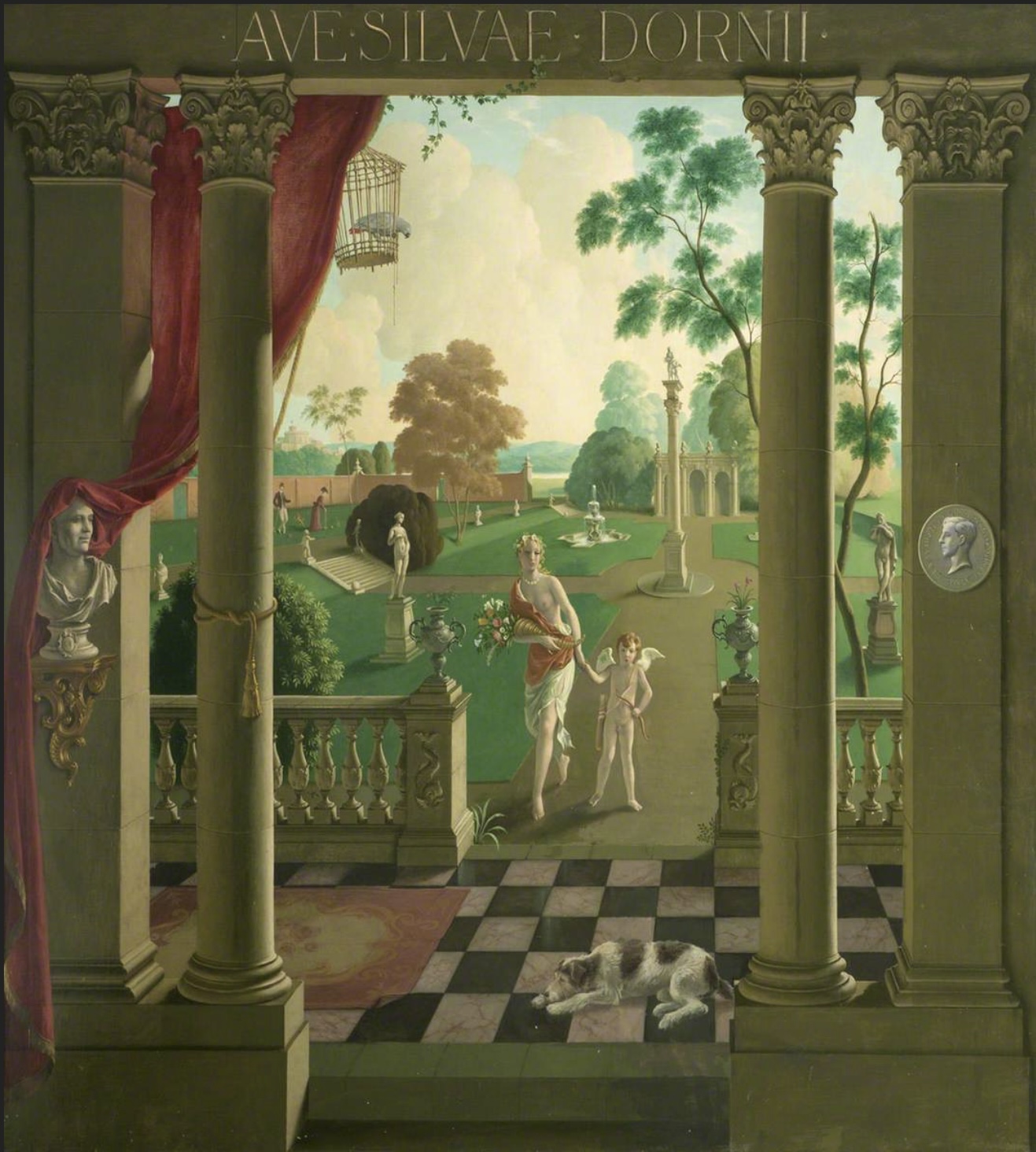
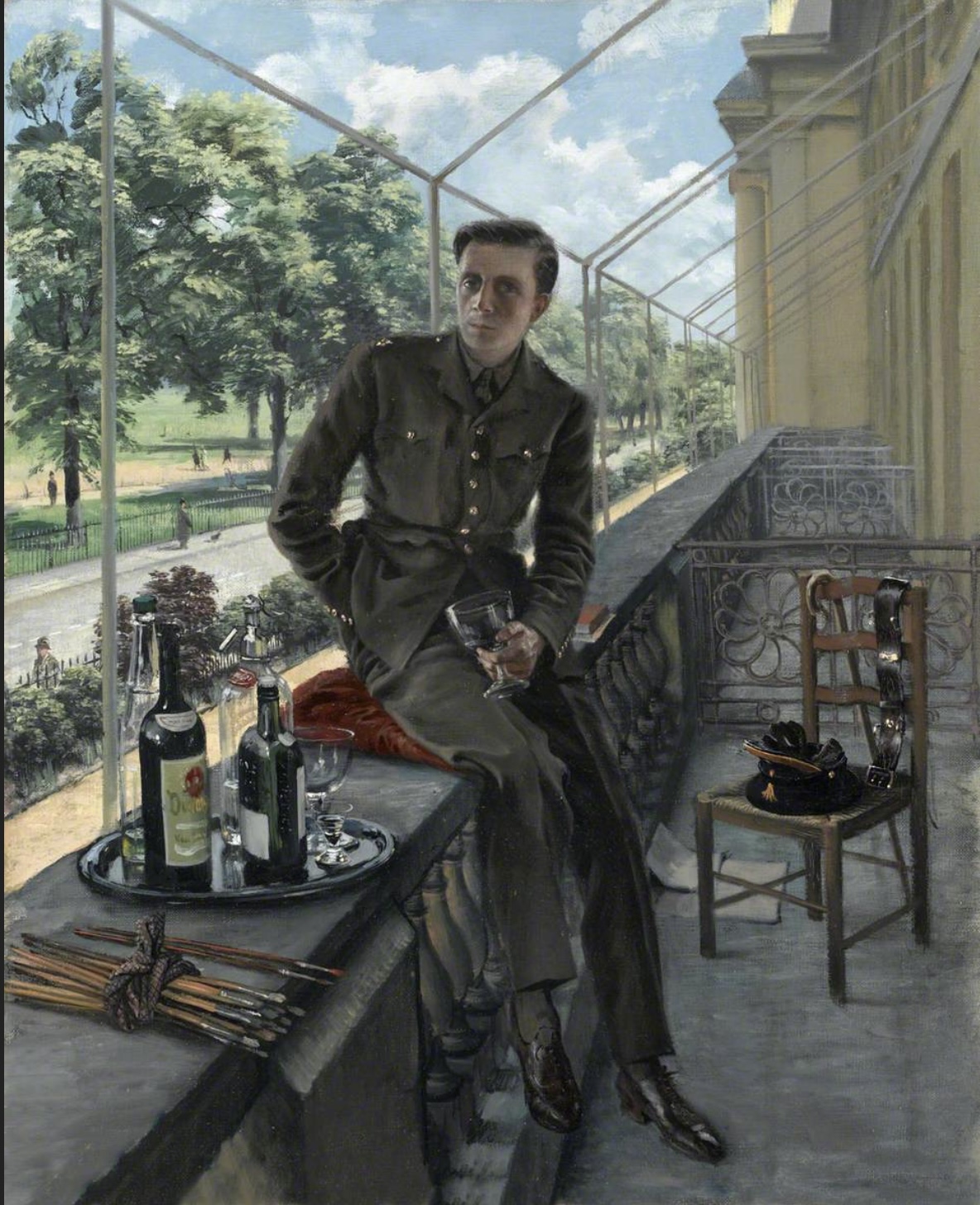
I fast-forwarded to the twentieth century with the museum’s small exhibition on Rex Whistler. I’d come across him in the Tate restaurant and at Haddon Hall. Whistler had a gift for befriending wealthy people, who then commissioned his murals. Everything was lightweight and frivolous – the stage designs, portraits of his friends against their country houses, even his 1940 self-portrait looking very relaxed and debonair in his brand-new Welsh Guards uniform. But he had volunteered, not been conscripted; he became a tank commander and was killed in action in 1944. With that snuffing out of the “bright young thing”, I had to re-adjust my ideas. Lightweight, frivolous and brave.

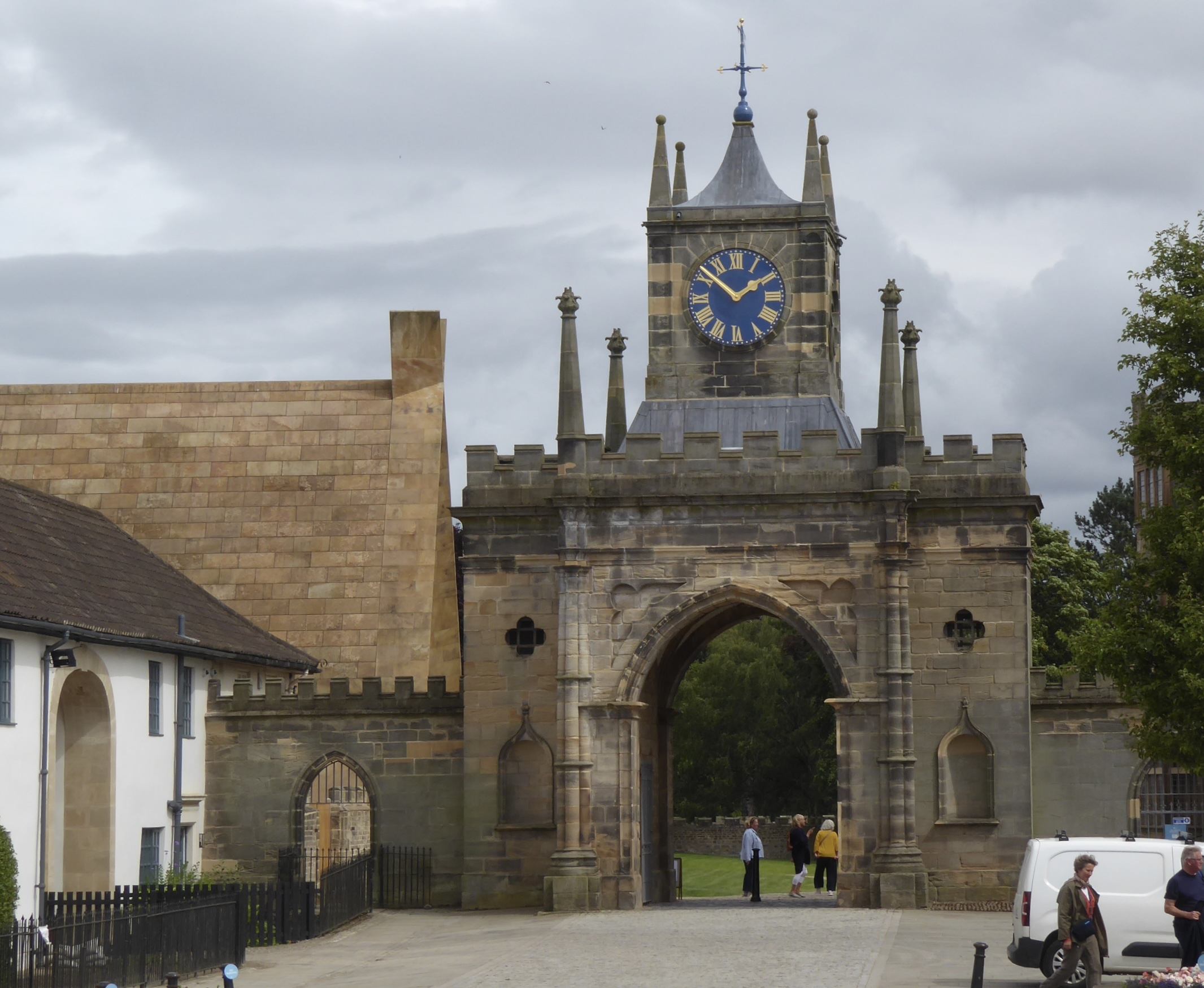
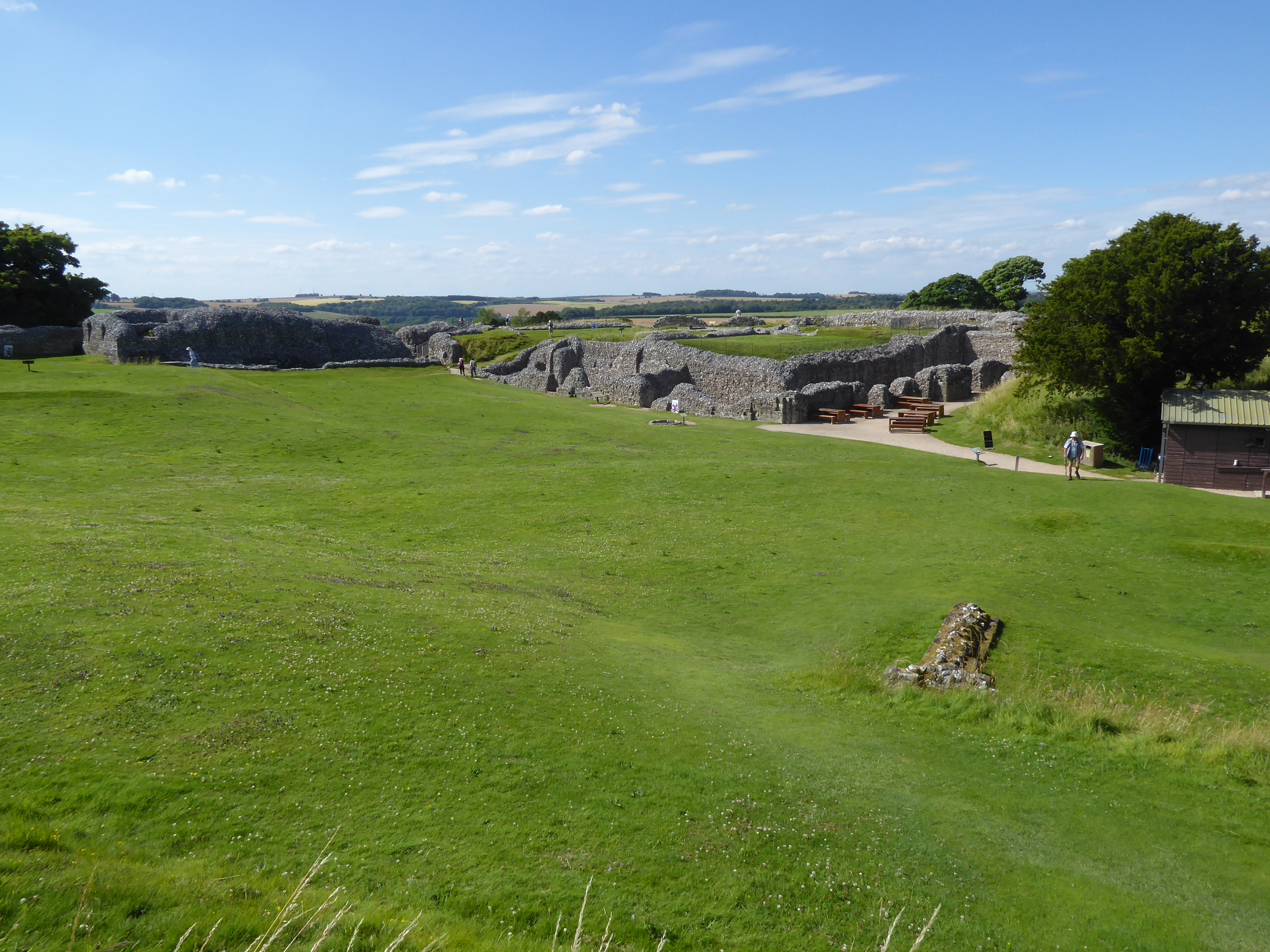
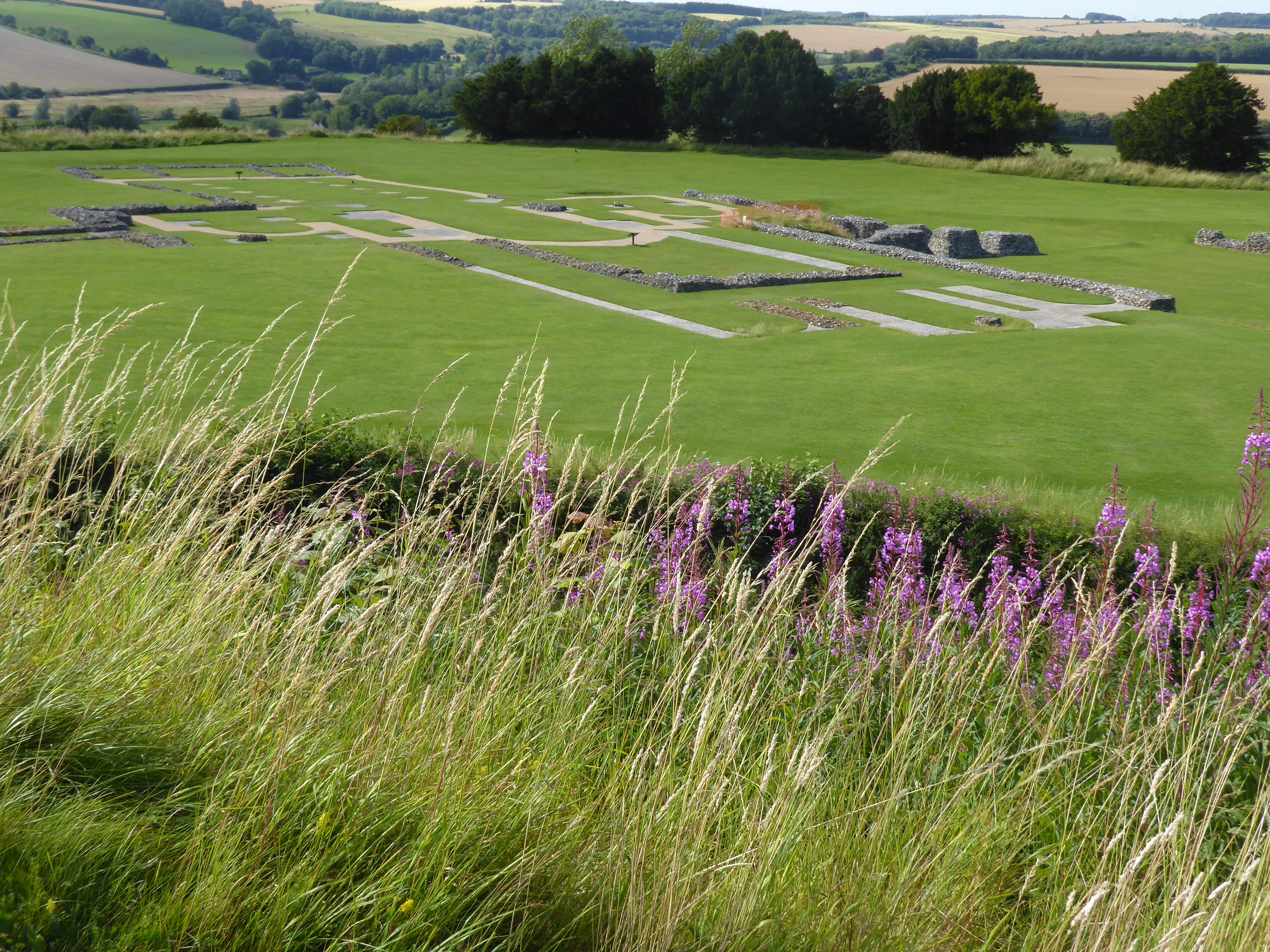
Then to Old Sarum. Formerly a complete town, formerly a rotten borough, now just a ruined castle on a mound and the outline of a very small cathedral that was left when the clergy, fed up with the army and the administration, picked up their skirts and headed down to the water meadows to found the new town.

York art gallery

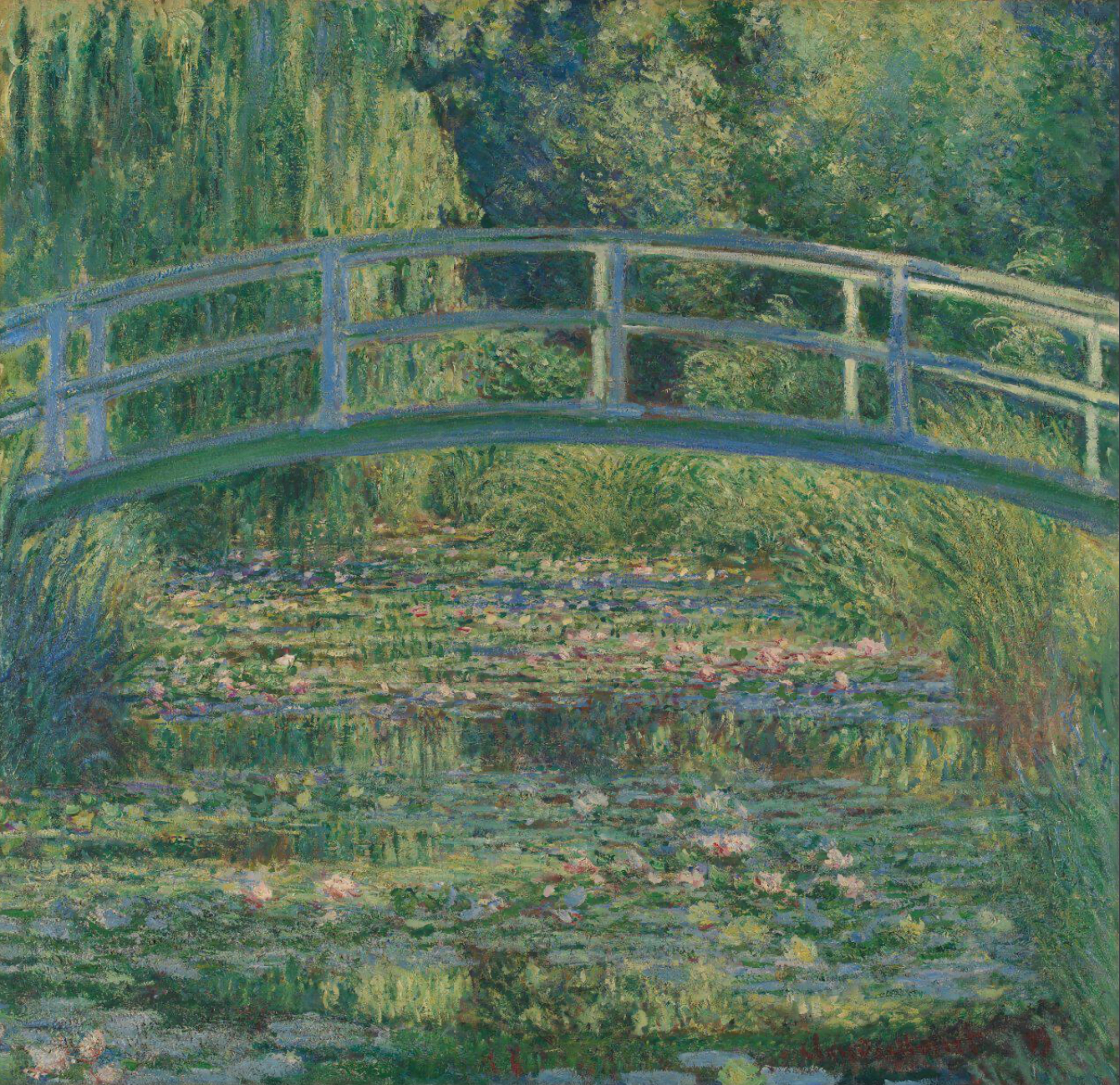
The National Gallery is currently lending some of its big names to smaller art galleries, so York has one of Monet’s lily ponds – and hence a hook on which to hang a whole exhibition. Firstly Monet’s precursors: plein air painting, Barbizon, Camille Corot, Théodore Rousseau, François Daubigny, Eugène Boudin, more Japanese woodblock prints (particularly influential in the practice of depicting the same scene under different light and weather conditions). Then those who, in turn, were influenced by Monet like Wynford Dewhurst (one work borrowed from Bradford!) and Thomas Meteyard.

It was great to see up close the blobs of paint that so beautifully represented the lilies; it overcame the sensation of familiarity that you can’t help but feel when seeing such a famous painting and made it exciting again.

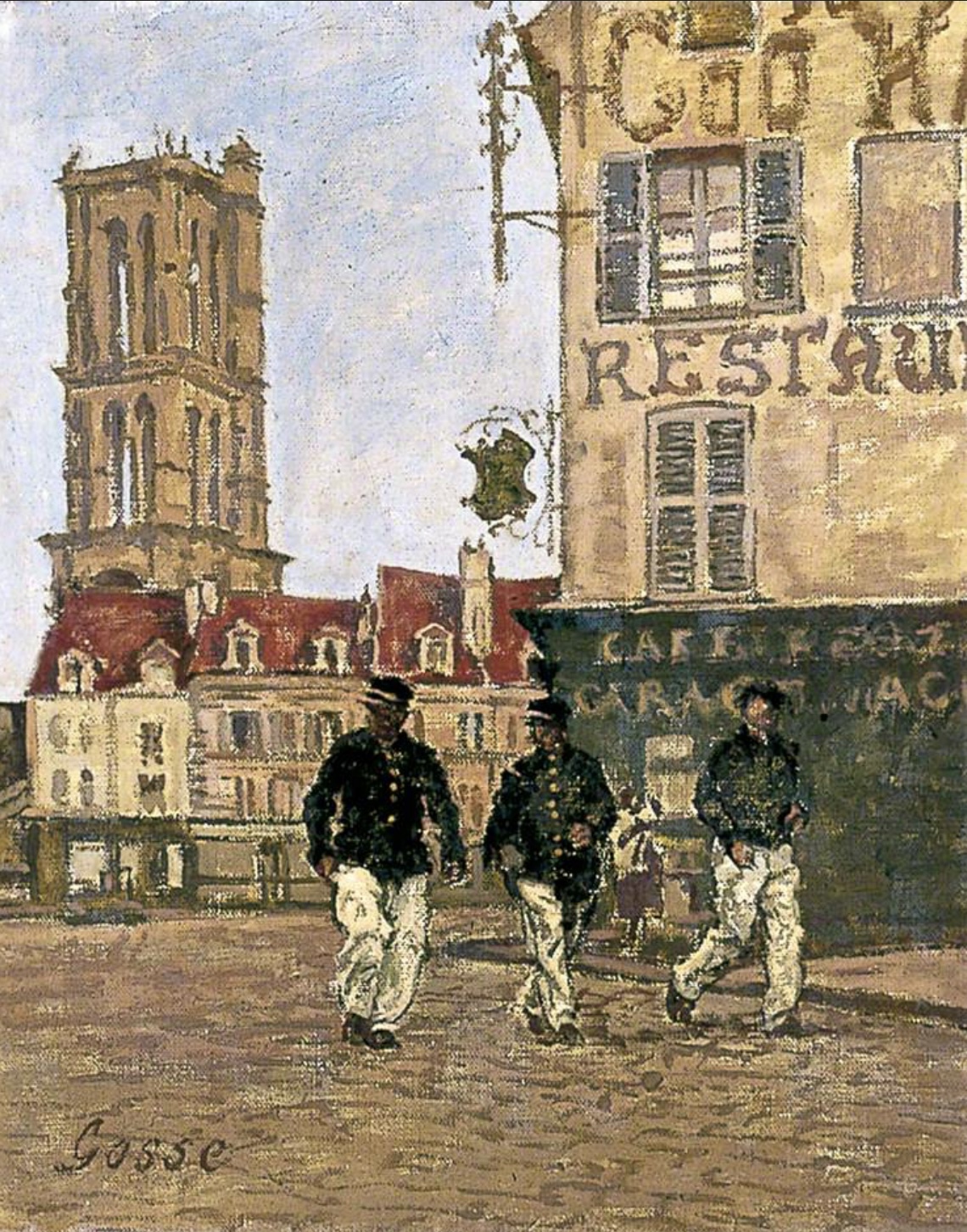
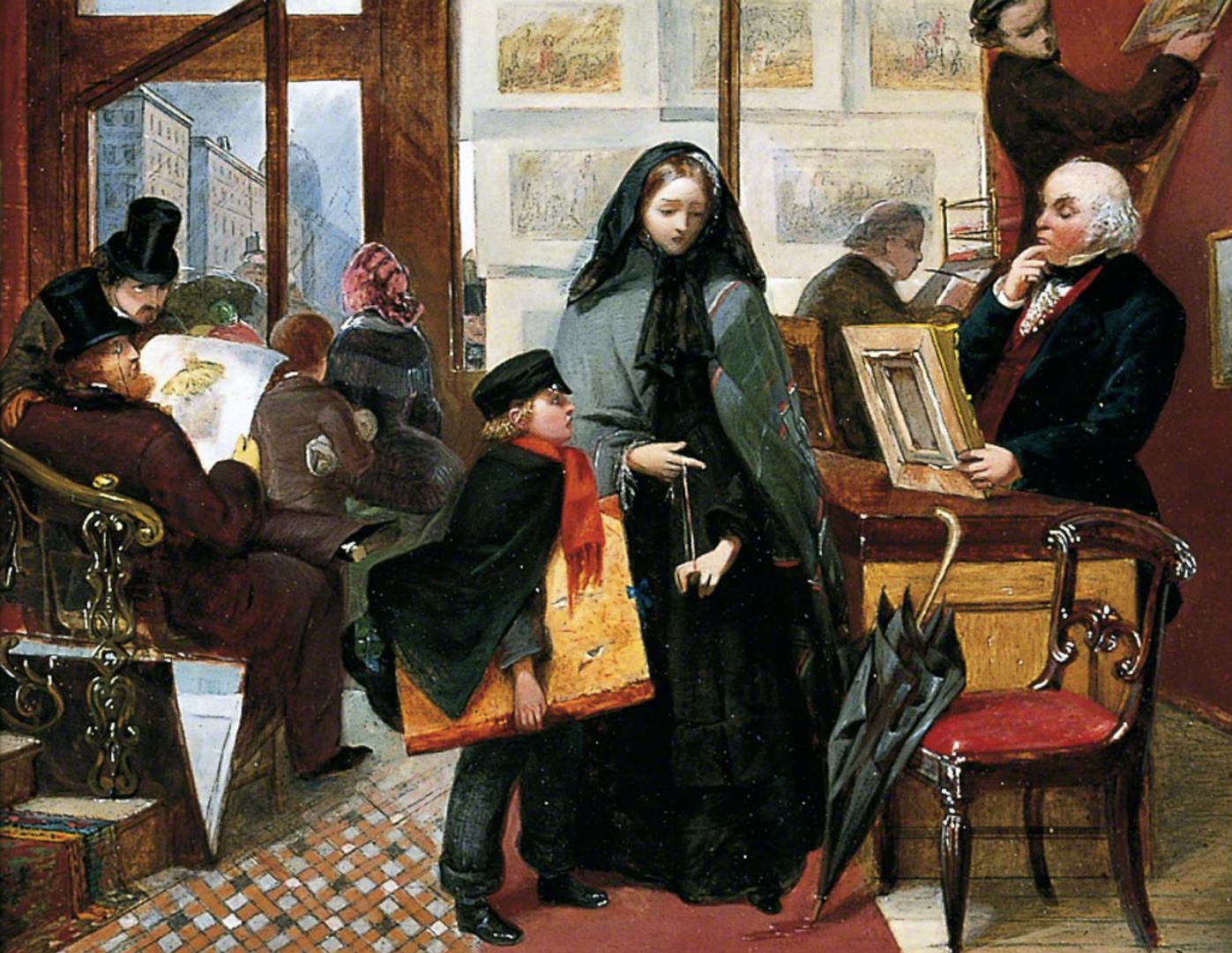
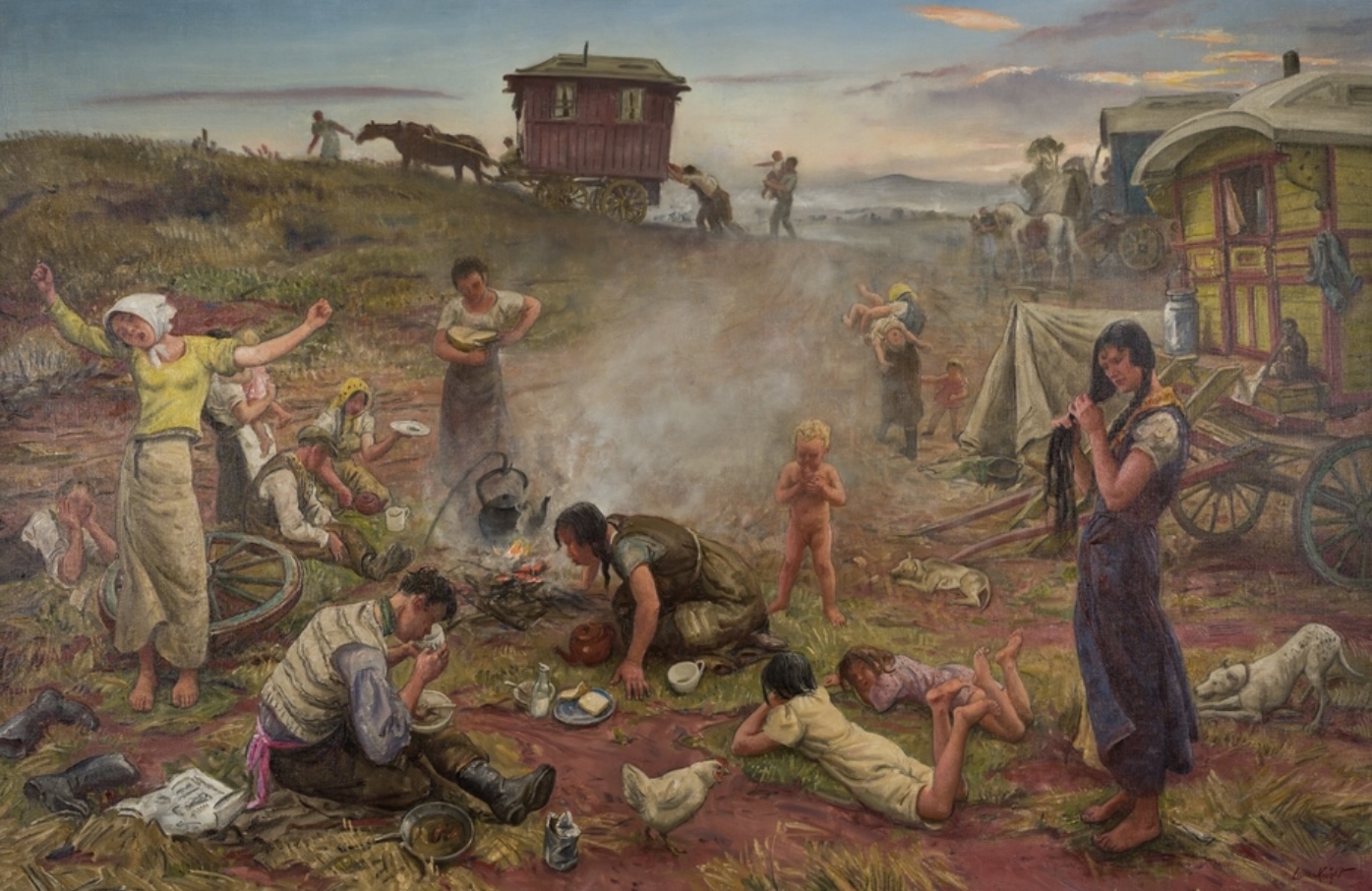
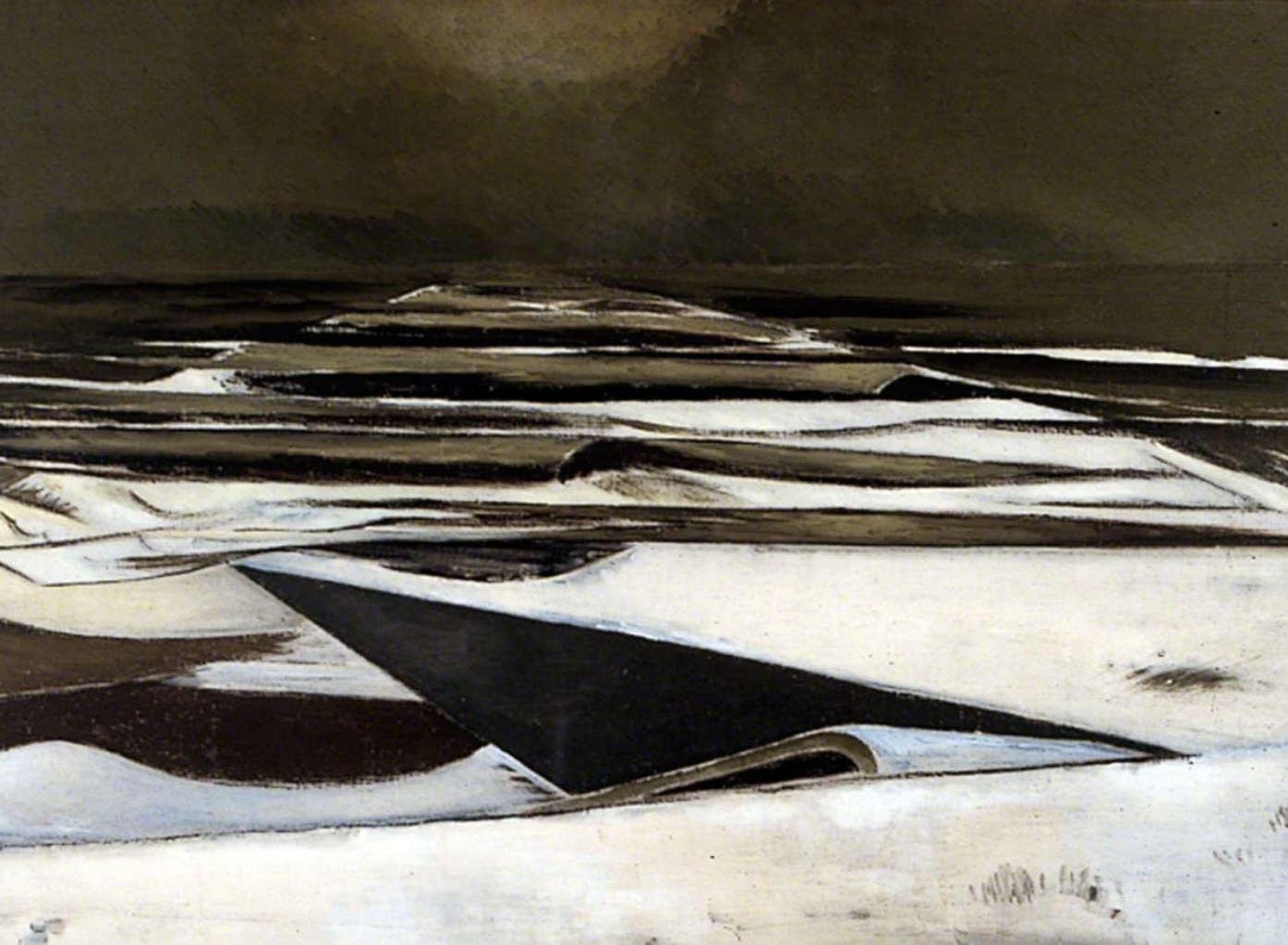
And then to the rest of the gallery, which taught me that I really don’t like the muddy tones of Walter Sickert and Harold Gilman* and I’ve had my fill for now of Gwen John’s stasis and meticulousness. Ethel Walker was there, along with Laura Knight, Paul Nash, Stanley Spencer and rather too many by local boy, William Etty, in a very pleasant gallery space.

* although the online reproductions are more colourful than the paintings on the wall.

Cartwright Hall

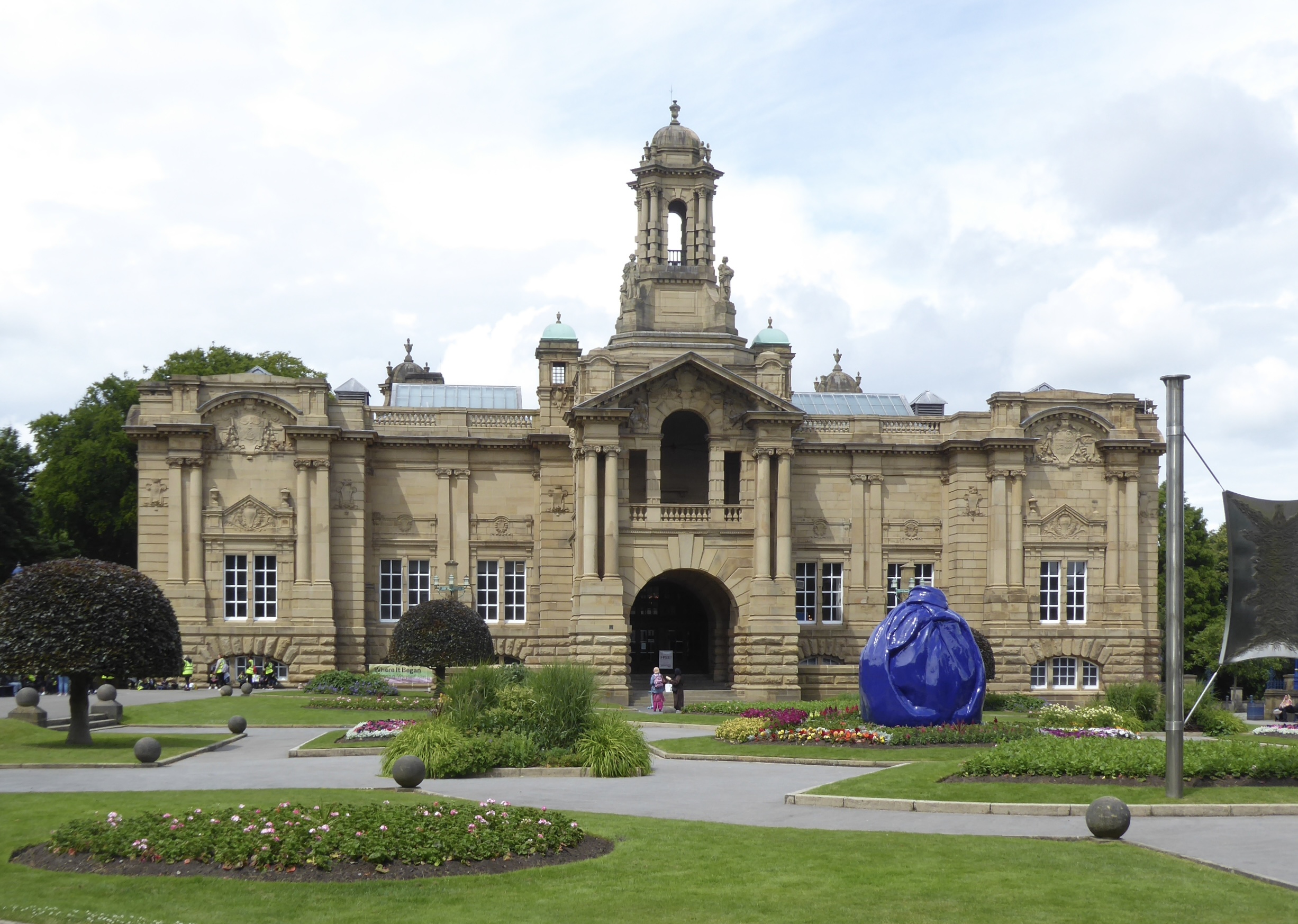
Bradford will be the 2025 City of Culture, so Cartwright Hall – in a lovely park in Frizinghall – is looking its best. It was built on land and money donated by a local textile manufacturer and is a mixture of “the usual suspects” (e.g. Clausen, Spencer, Hillier) and South Asian exhibits. At present there is an exhibition by Osman Yousefzada looking at migration, identity and community. Lots of wrapped objects, including the statue on the parterre in front, to echo the packages people make to carry around. I had a flashback to the mother in “Tokyo Story” making up and unpacking her little bundle.

Amongst the familiar (and sometimes rather dull) Victorian paintings there were little jolts to the eye like “Exodus Lahore” by Sylvat Aziz – more difficult to parse at first than, say, yet another massacre of the innocents, but that brought home to me the limits of my cultural grasp.

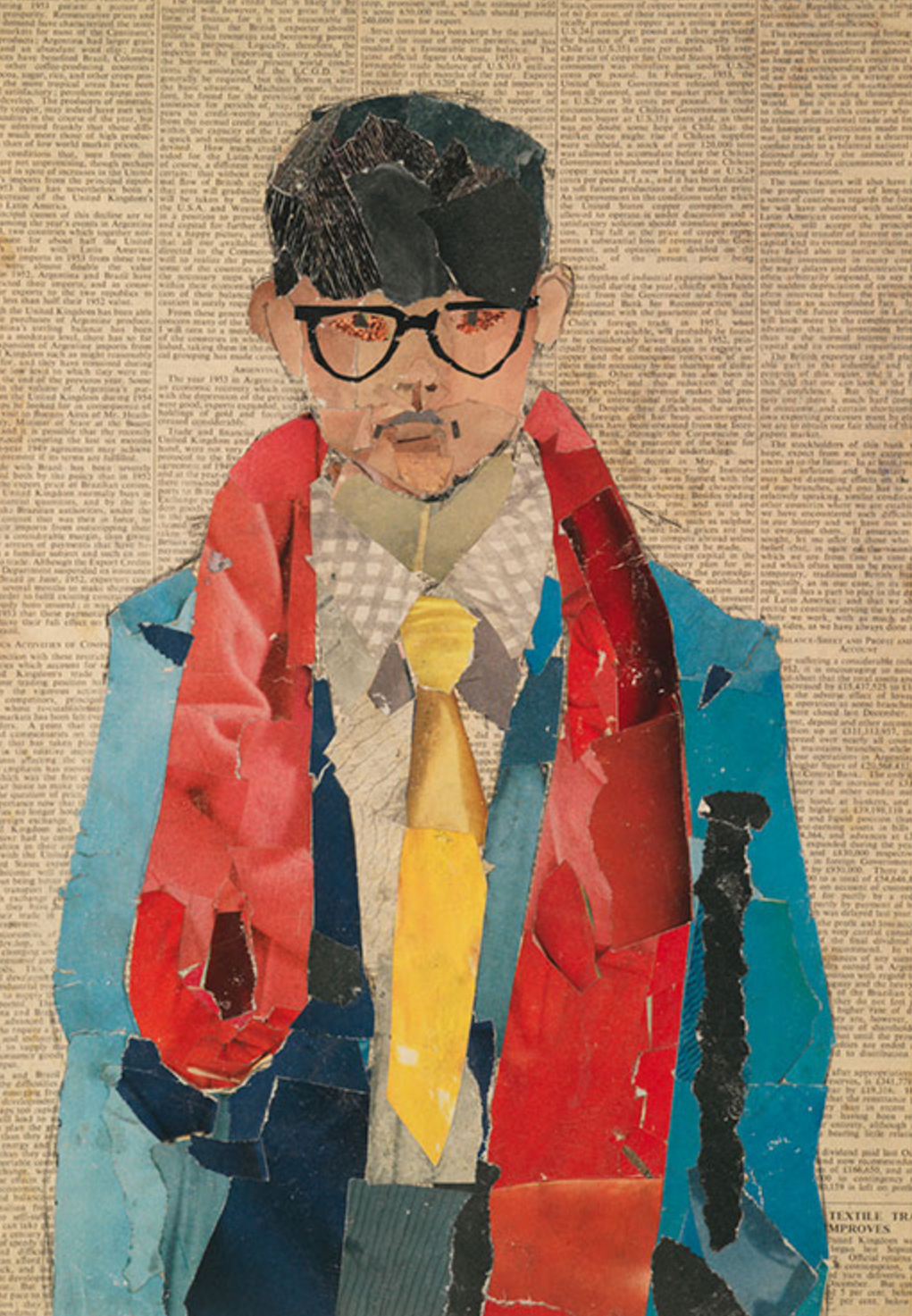
There was also a gallery of work by David Hockney. Once again I wandered round rather uninterested but was suddenly hooked by something – this time a delightful collage self-portrait that made me smile and embodied perfectly his unflagging creativity.

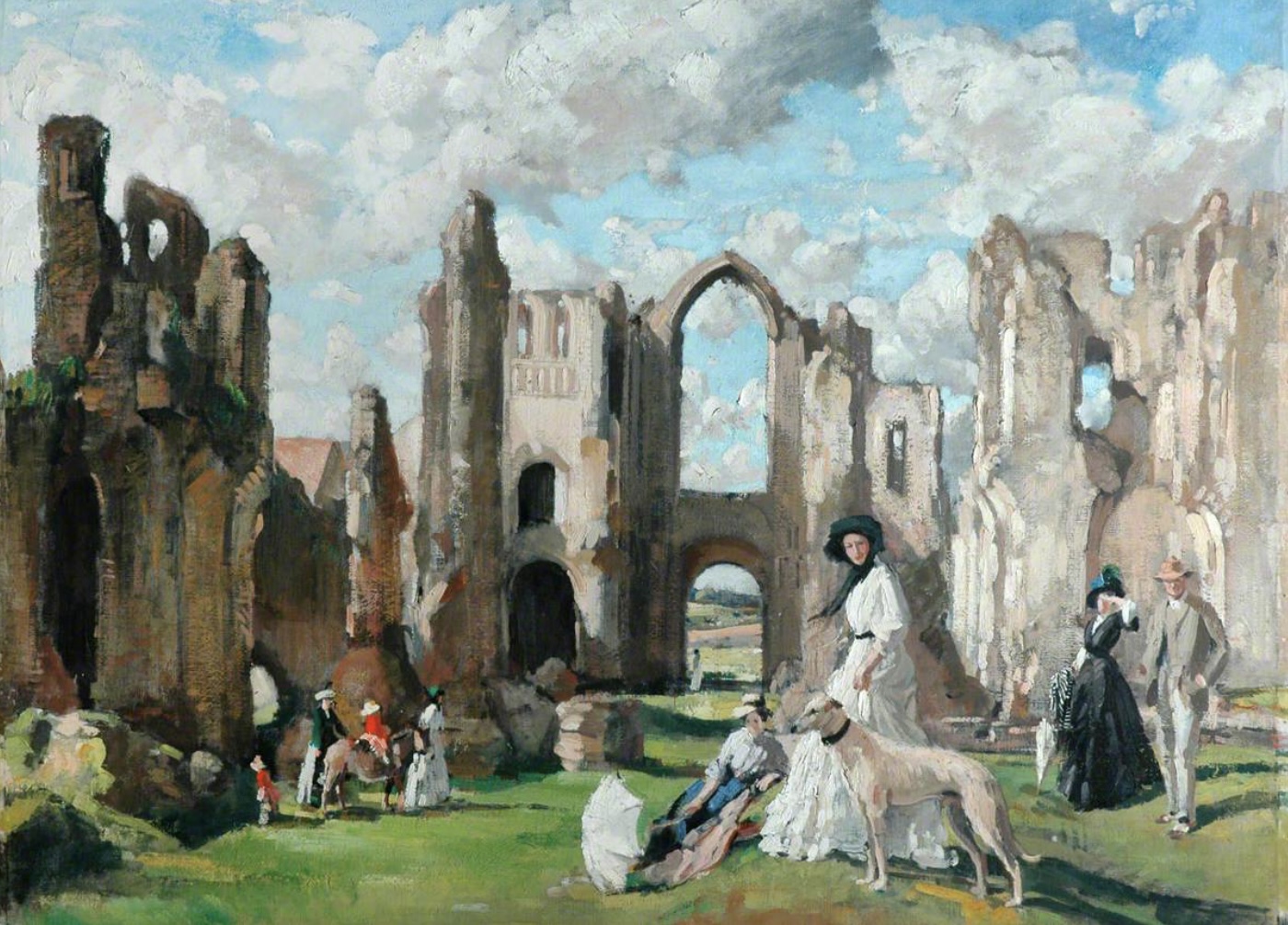
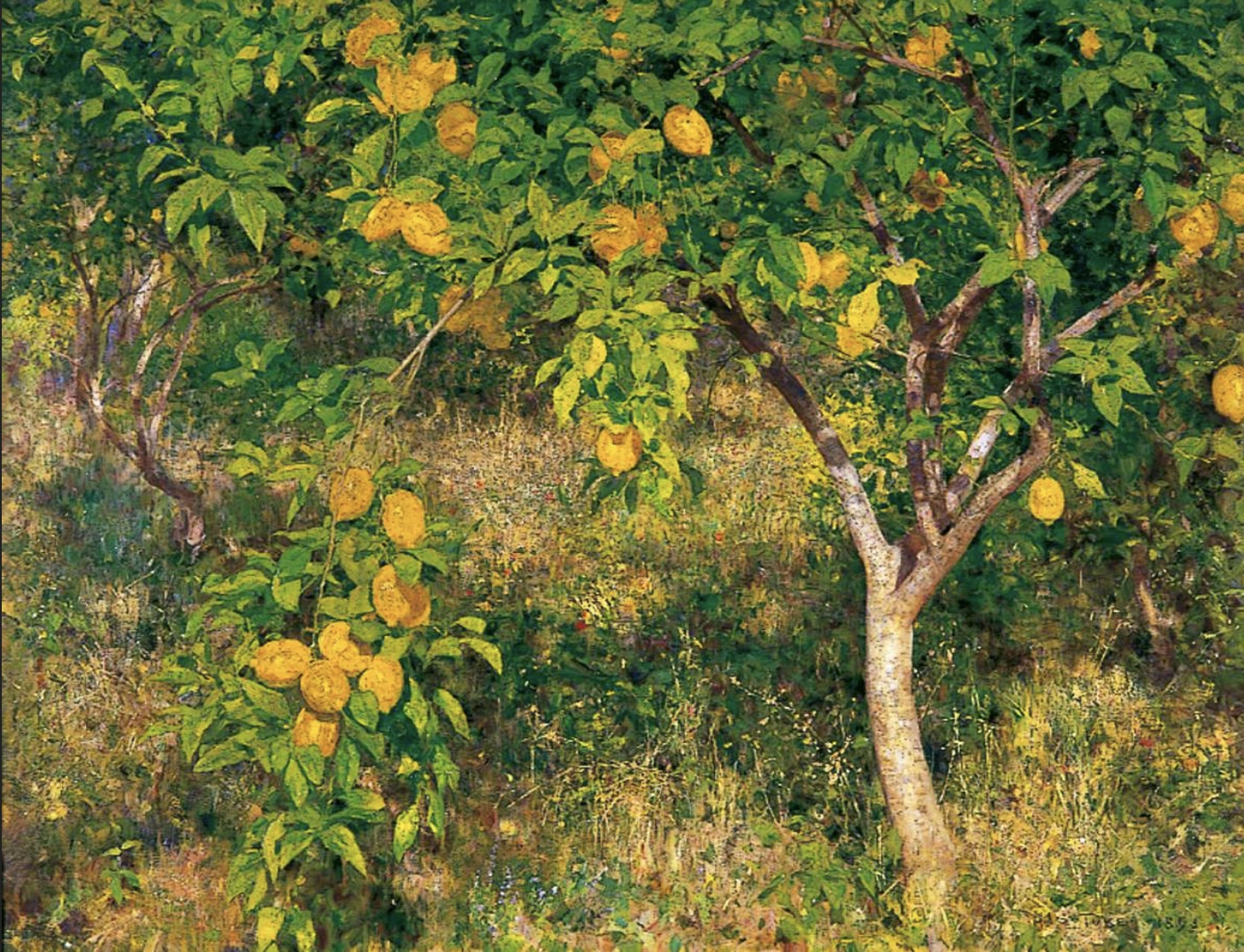
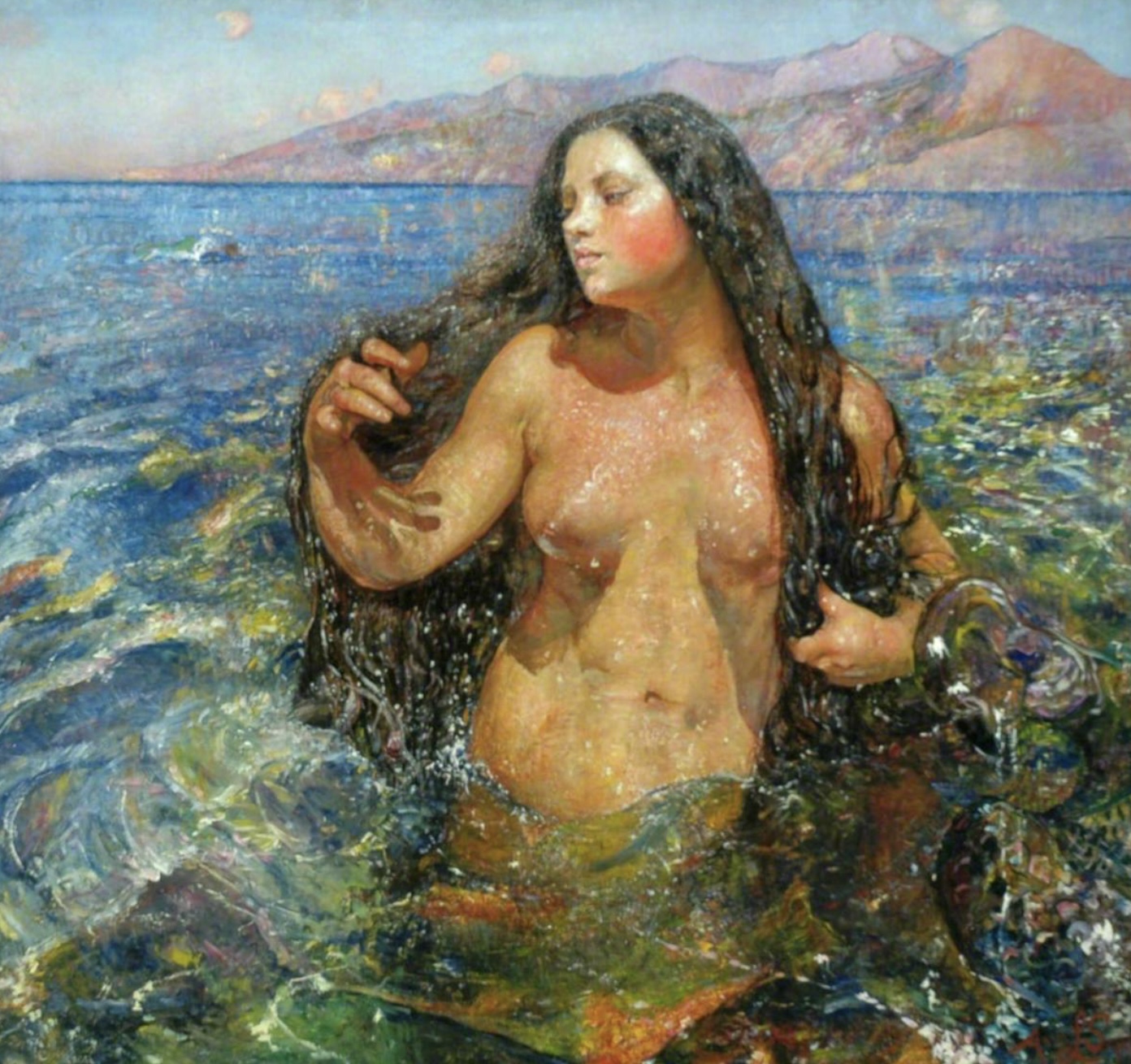
Flicking through the ArtUK website afterwards, I had a glimpse of the lending of artworks around galleries: I had seen the Connard last month in Southport, the Tuke last year in Newcastle and the Swynnerton either in Manchester or London.

Manchester

The art gallery is fairly unchanging at present, so I just popped in for a coffee and a quick look at old favourites. Then to the Whitworth, which is constantly changing, and another coffee.

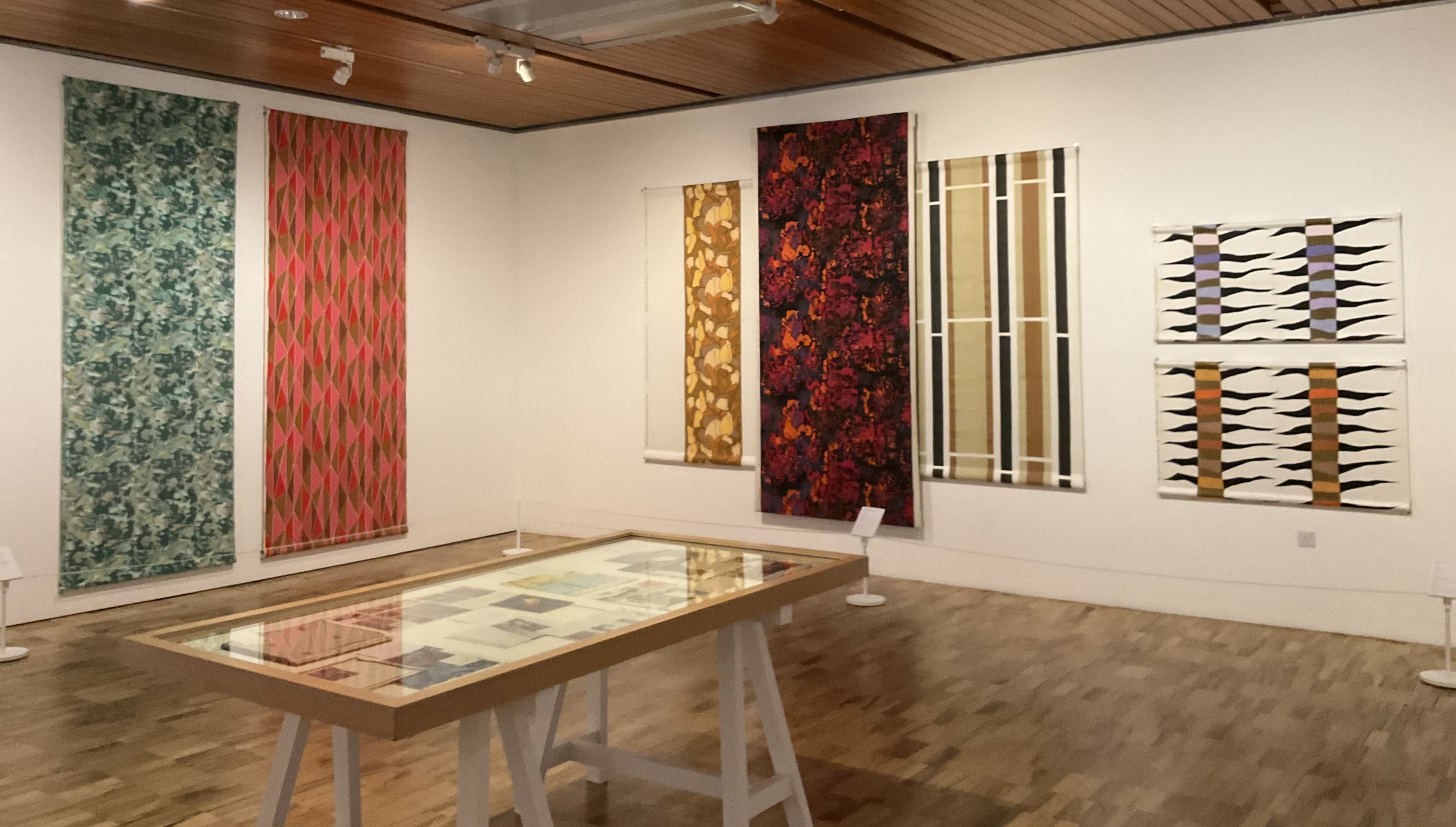
Current (small but perfectly formed) exhibitions at the Whitworth include 1960s textiles by Shirley Craven for Hull Traders. My view hovered between “bold” and “over-emphatic”, but there was no denying the exuberance of the designs. They shaded into gimmick and tackiness with the tomotom furniture of her husband, Bernard Holdaway – but you could still sense the crater left by that blast of creativity all those years ago. I may have dwindled into neutrals with age, but I still recall the wonderful arrival of vivid colours and big patterns during my childhood.

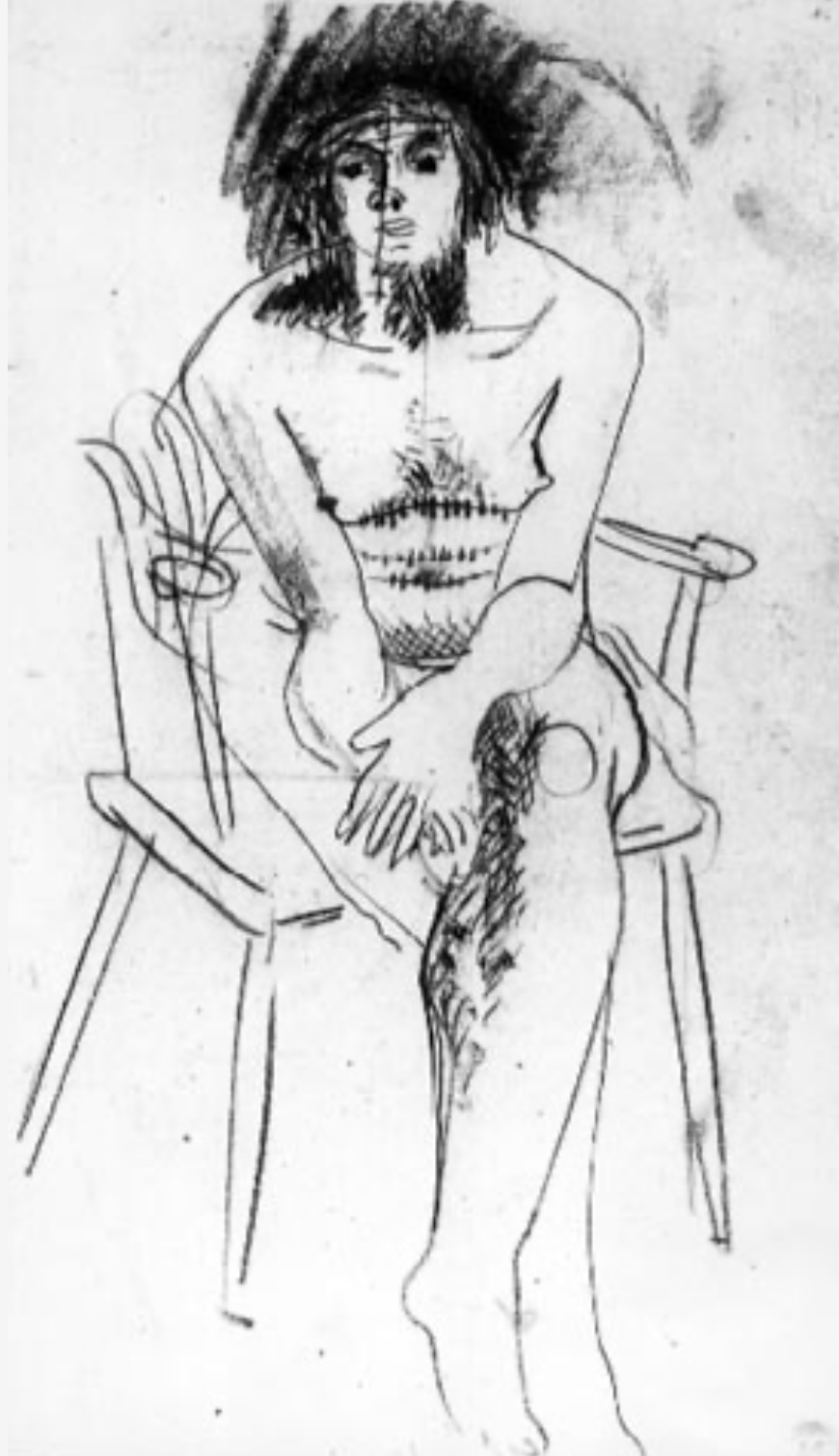
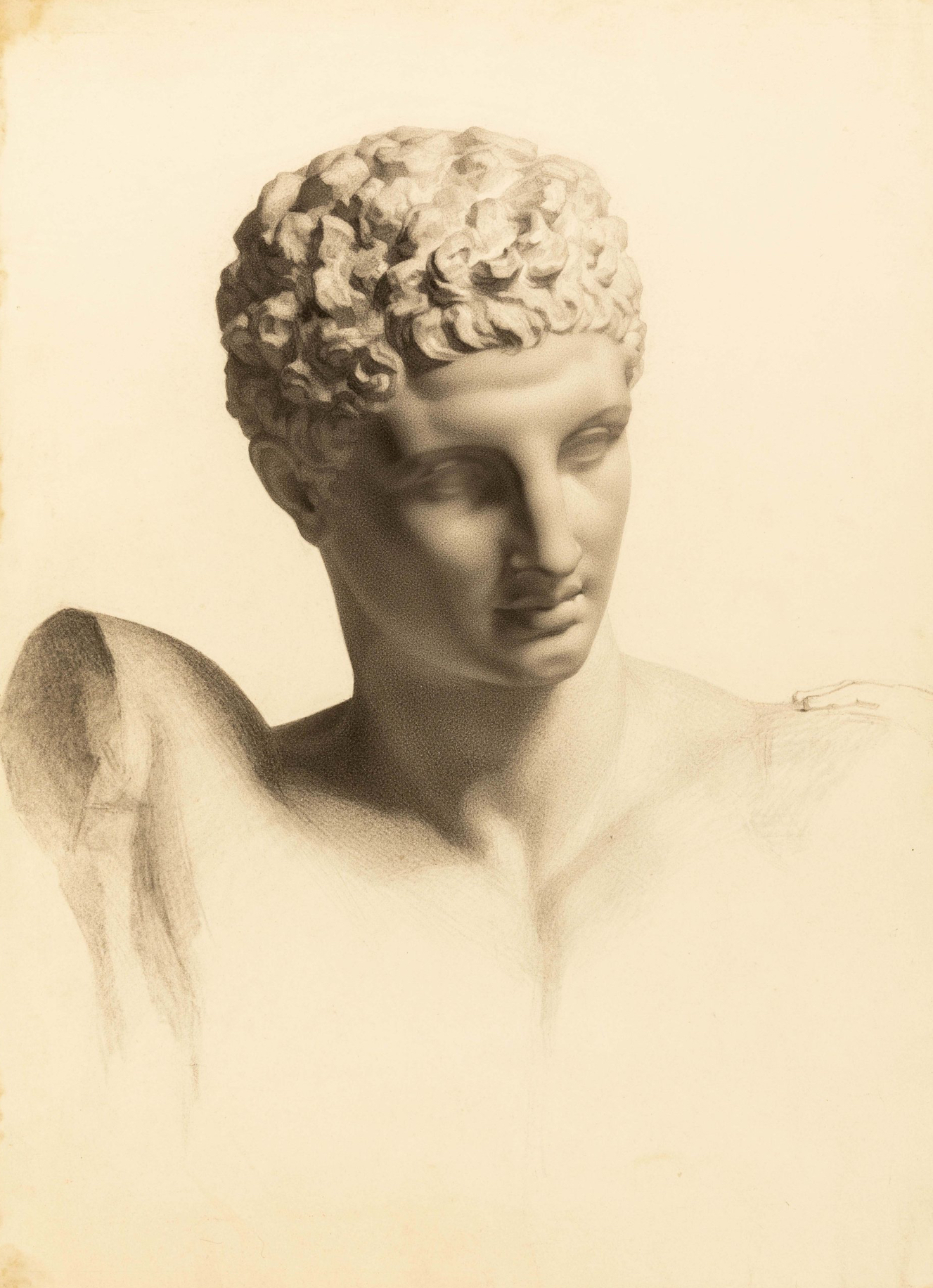
Another exhibition was “The ‘death’ of the life room”, looking at the changes since the 1950s in life drawing classes as part of formal art education. Life drawing had come to be viewed as a barrier to innovation and experimentation and was dropped. “Something’s lost and something’s gained” and the world probably doesn’t need any more meticulous recreations of plaster casts of ancient statues . . . but I couldn’t help comparing drawings by Barbara Hepworth and Henry Moore with one I’d seen at the Tate exhibition by Minnie Hardman.

Courtauld

To the Courtauld to look at the London street photographs of Roger Mayne from the 1950s. They were great in capturing the texture of life at that time, but it was that context that made them so engaging. I found his other photographs of family and Spain very dull – they lacked the charge of say, Chris Killip, or the compositional mastery of Vivian Maier.

There was also a small exhibition of works by Vanessa Bell, including designs for the Omega Workshop. She was also included in yesterday’s exhibition at the Tate; I still don’t “get” her any more than I do Paula Modersohn-Becker – the colours are too muddy and the shapes too blobby. But what do I know?

With the shift in mood caused by the arrival of summer, I was inspired to photograph little things to represent how that feels to me. Shadows, sunlight, blue sky – that kind of thing. What I would also like to include – but obviously can’t – are jumbles of tattoos on arms and legs now that skin is exposed. Some of them are a random collection of inkings, as if they’ve had one done after the other without regard to the overall effect. The effect is bit like an old haversack that you stitched badges onto each time you went somewhere new.