Anna Ancher and London

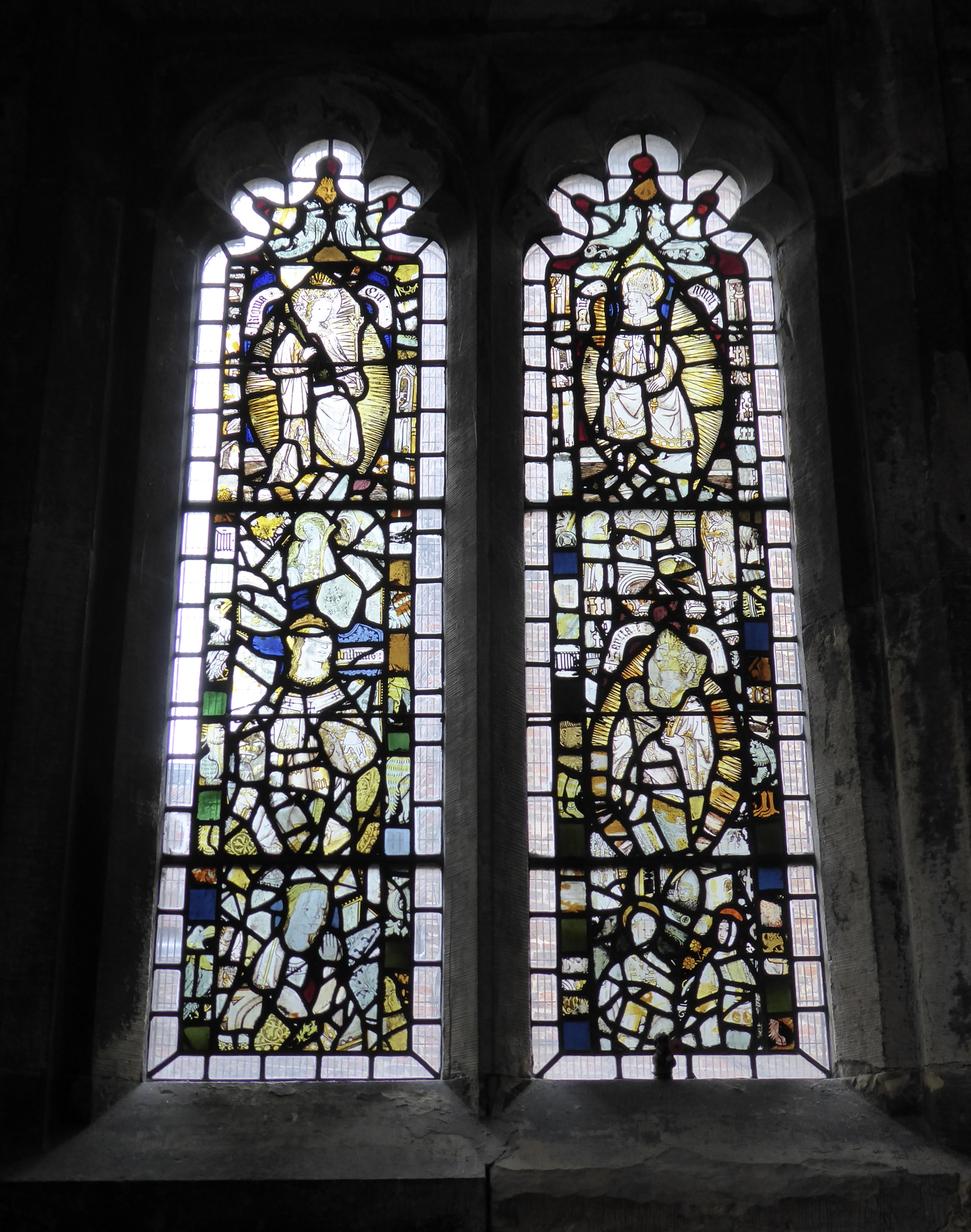
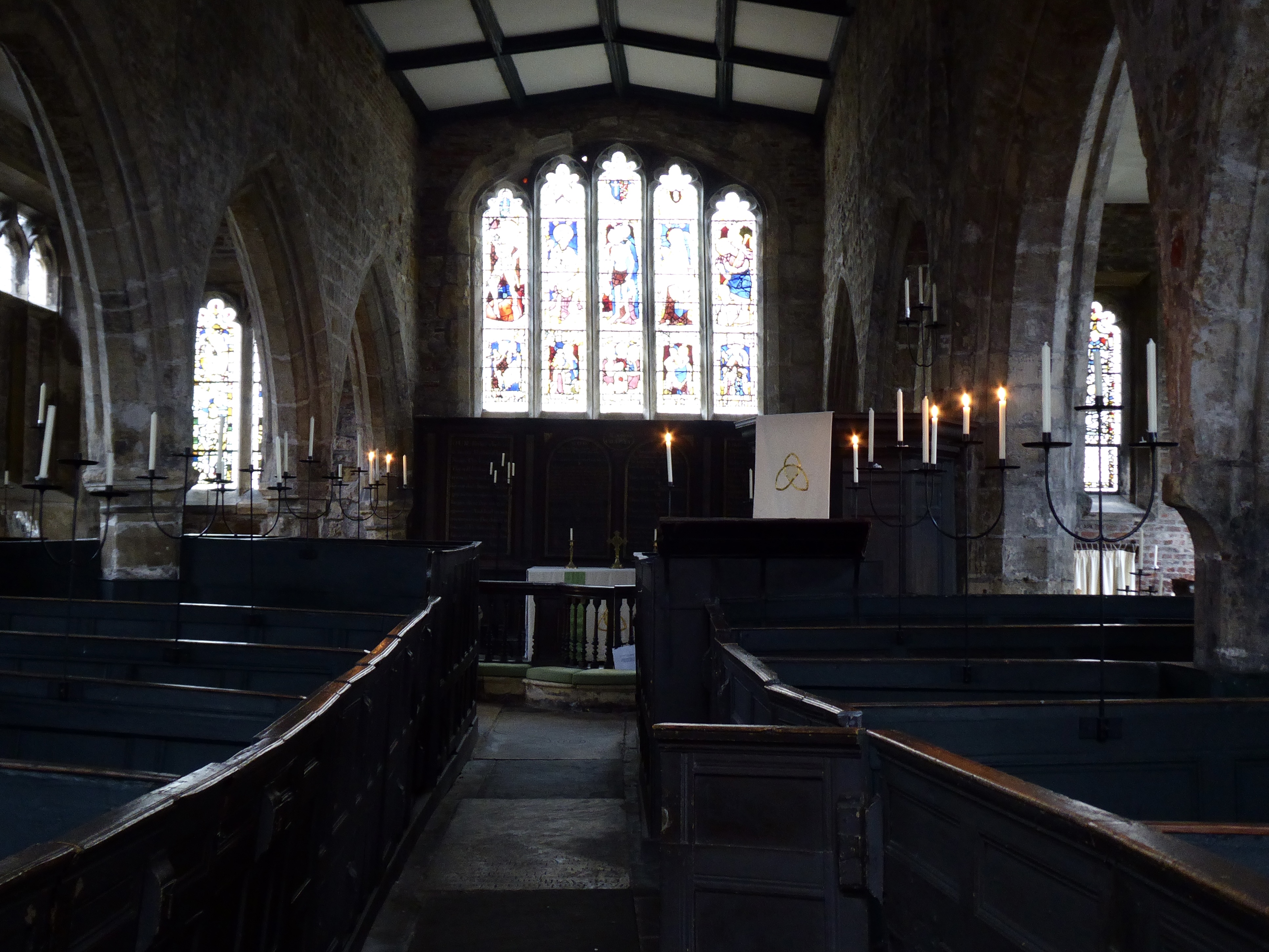
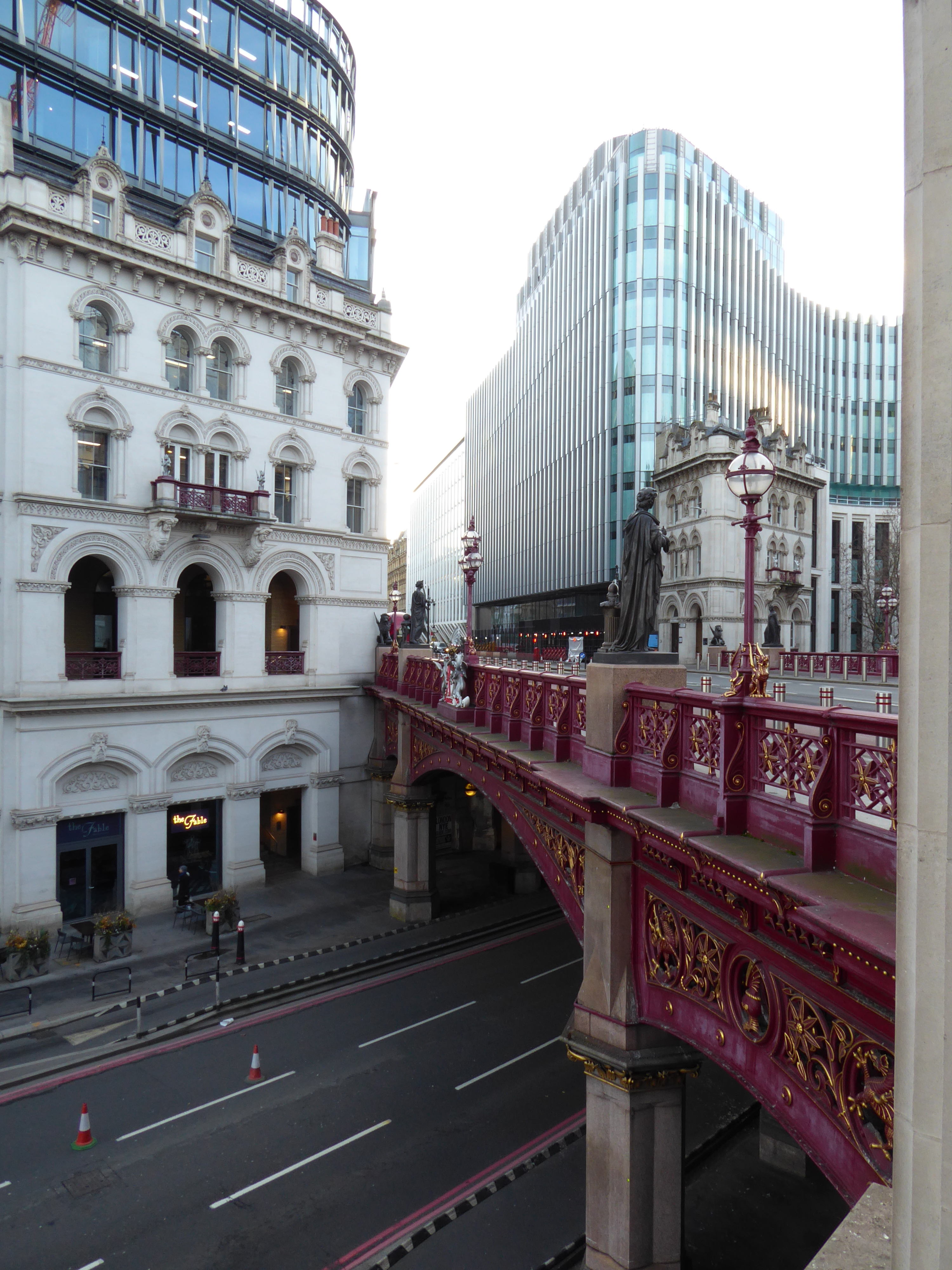
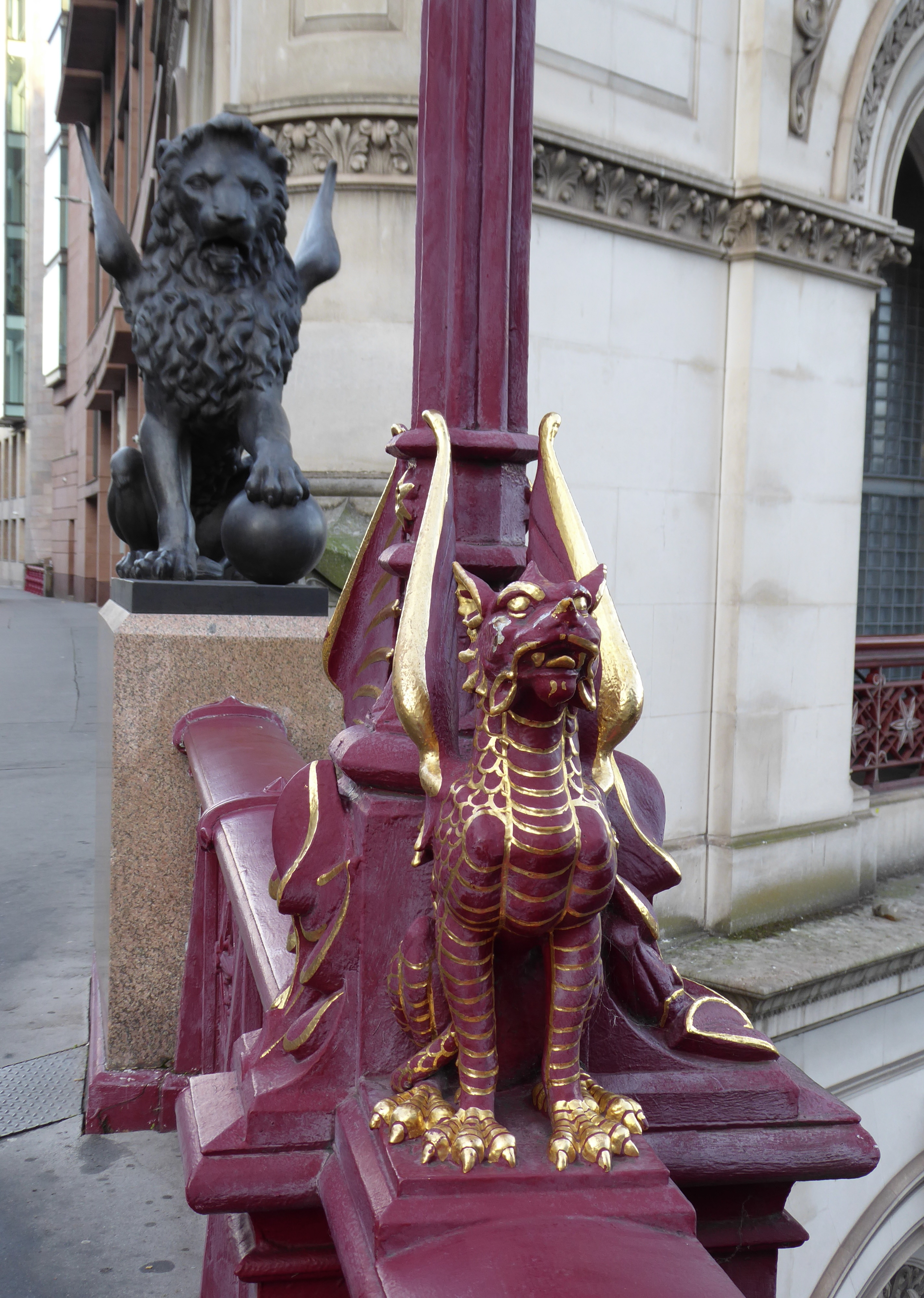
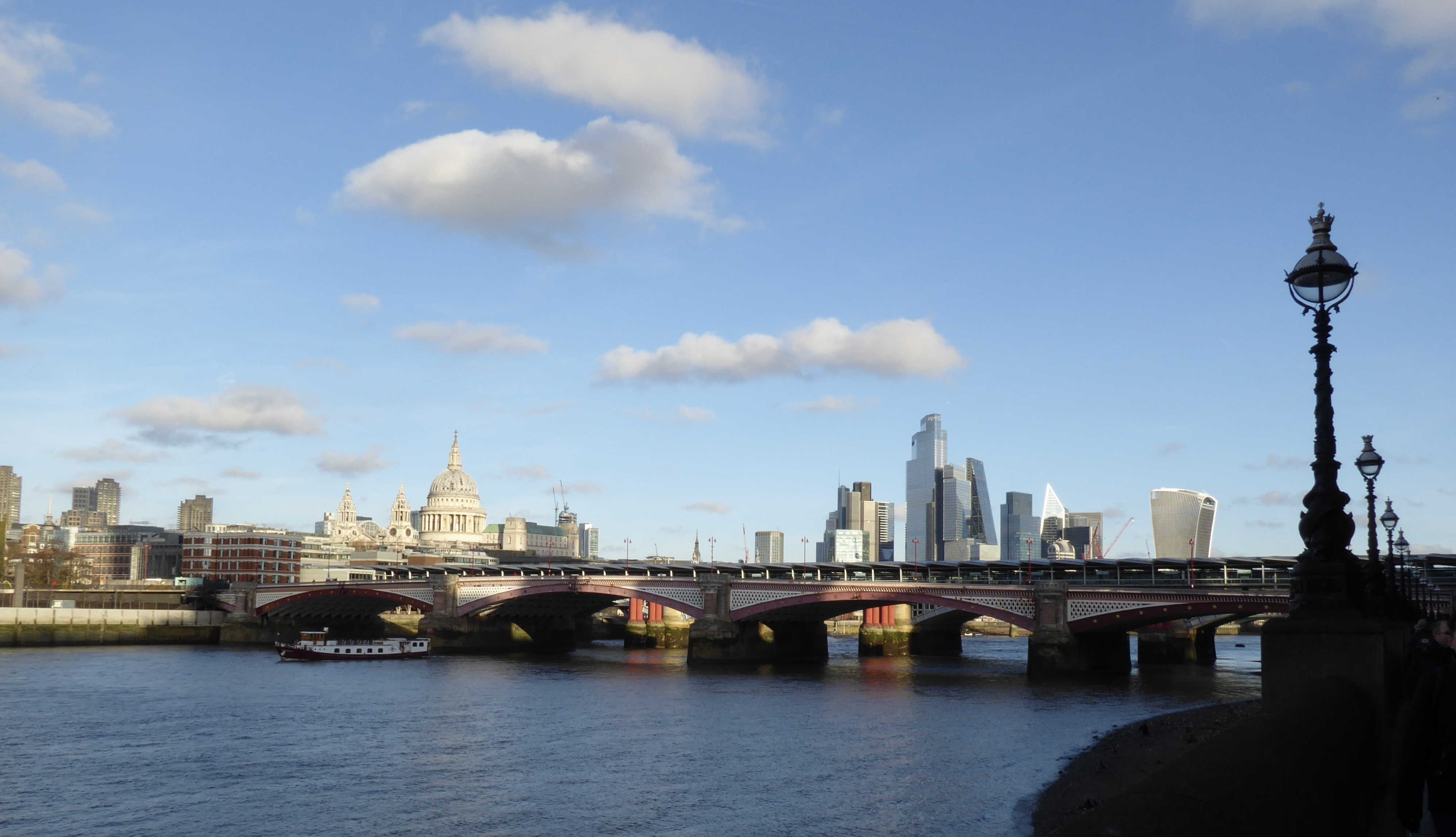
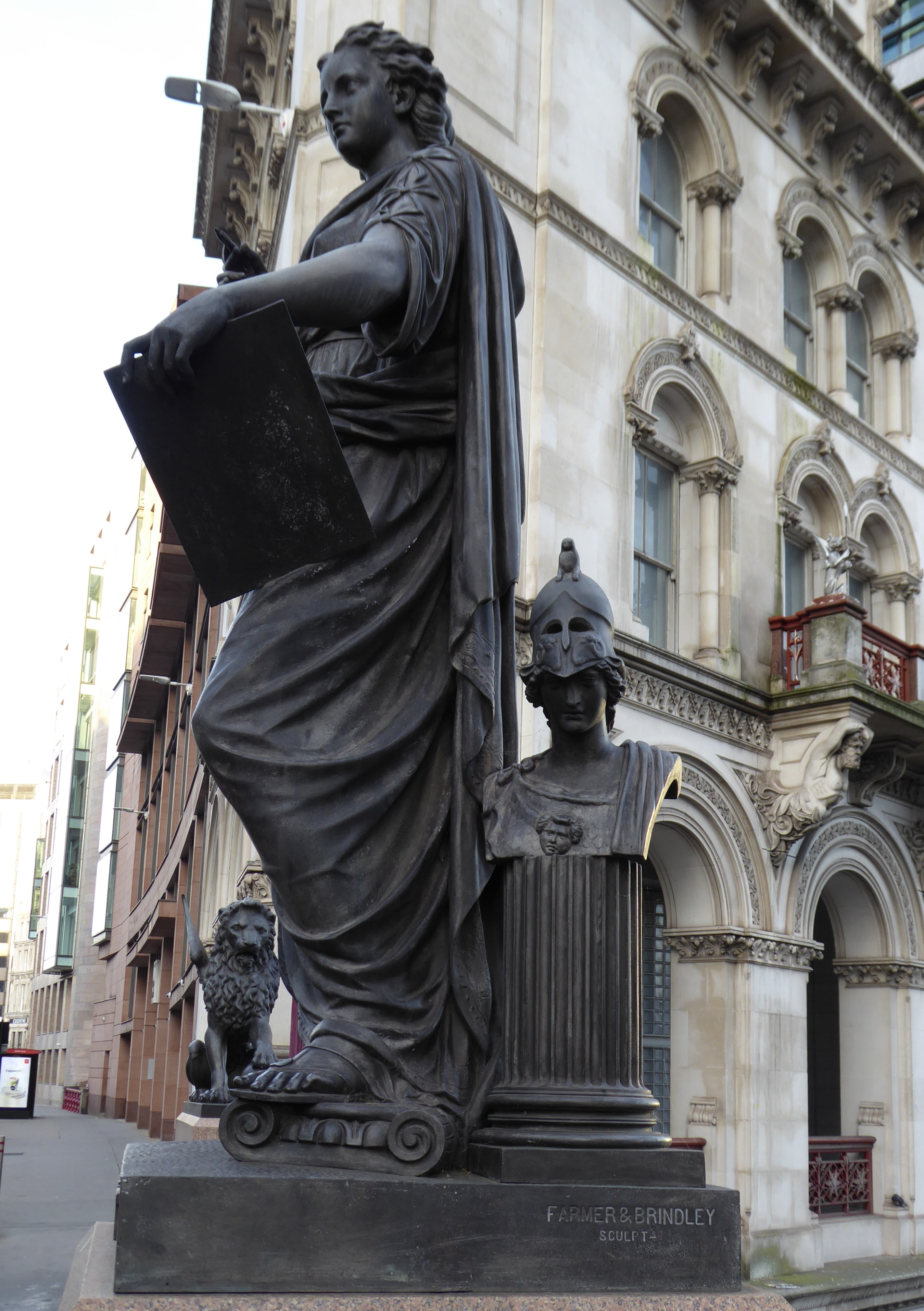
It was such a nice day and I was ready so early that I decided to walk towards the river and pick up the train somewhere en route. After yesterday’s crowds around Covent Garden, I opted for Gray’s Inn Road and Holborn, which I was sure would be deserted. I’m still infected by the locations in Hidden City; walking stirred memories of what I know about London – my own experiences (here I used to cycle, there I attended someone’s Call to the Bar) and what I have read (fact and fiction). I stopped to photograph Holborn Viaduct not only because of Hidden City but also because I recalled a line from a novel:

‘Of course I don’t expect you to come. You’ll do as you like. But I believe the Pont du Gard -’

‘My dear, I’ve seen the Holborn Viaduct. Life can hold no more . . .’

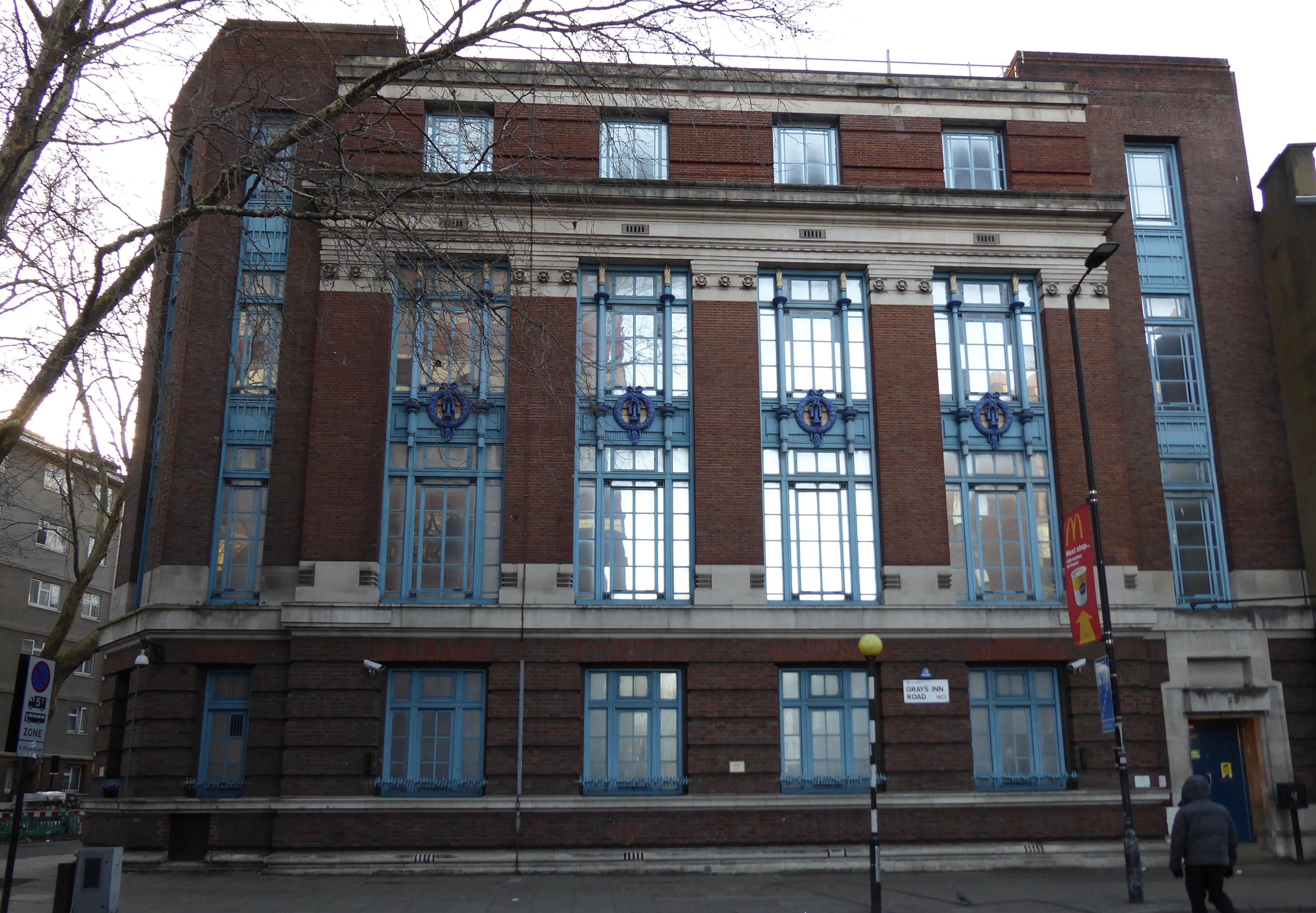
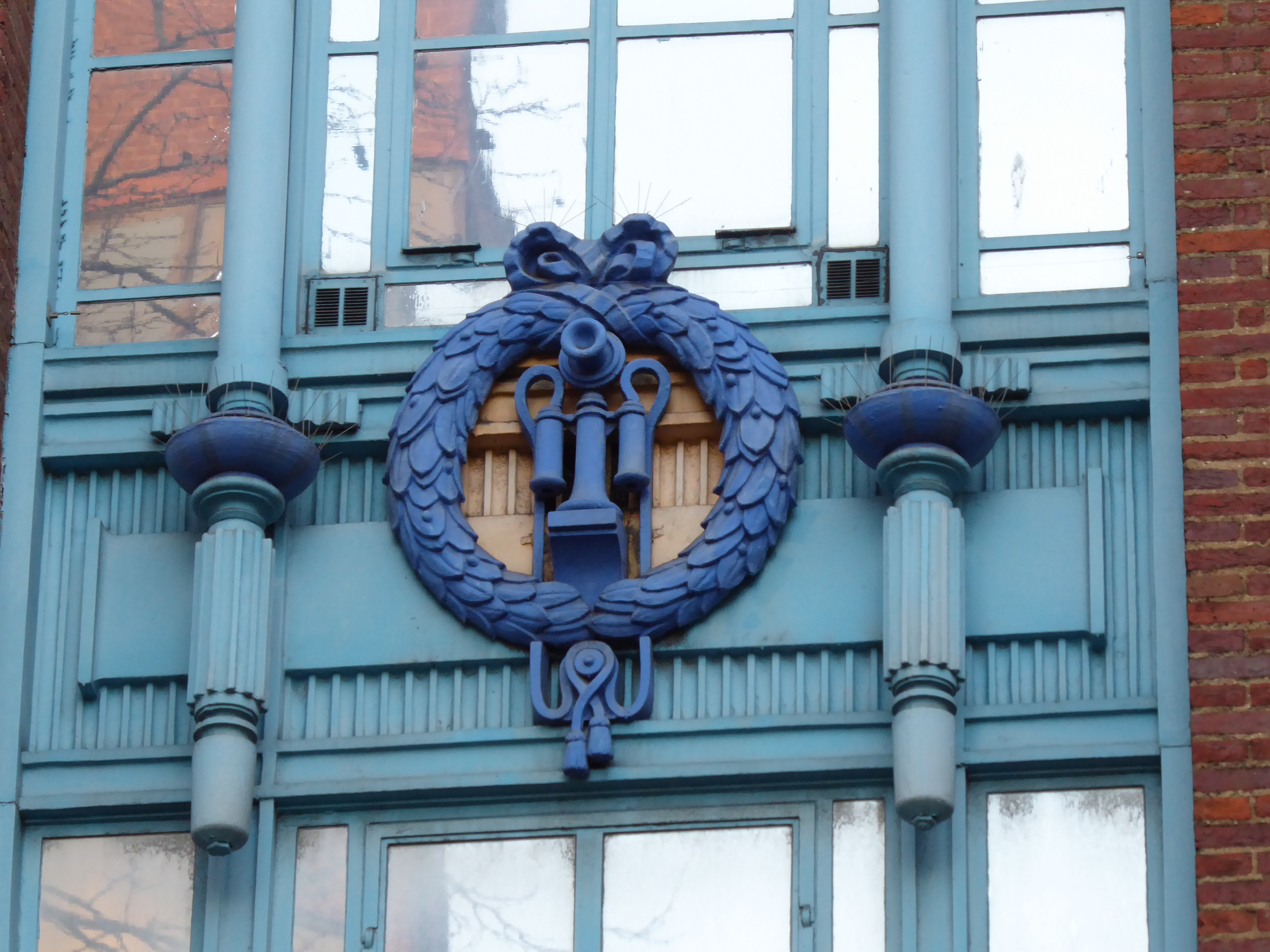
I chose a restaurant for lunch because it had an elevated view of the river and St Paul’s – and, yes, there was the needle spire of St Bride’s Church from the film. On my way back I stopped at a former telephone exchange and noted the phone-like decorations on the front.

‘This music crept by me upon the waters’
And along the Strand, up Queen Victoria Street.
O City city, I can sometimes hear
Beside a public bar in Lower Thames Street,
The pleasant whining of a mandoline
And a clatter and a chatter from within
Where fishmen lounge at noon: where the walls
Of Magnus Martyr hold
Inexplicable splendour of Ionian white and gold.

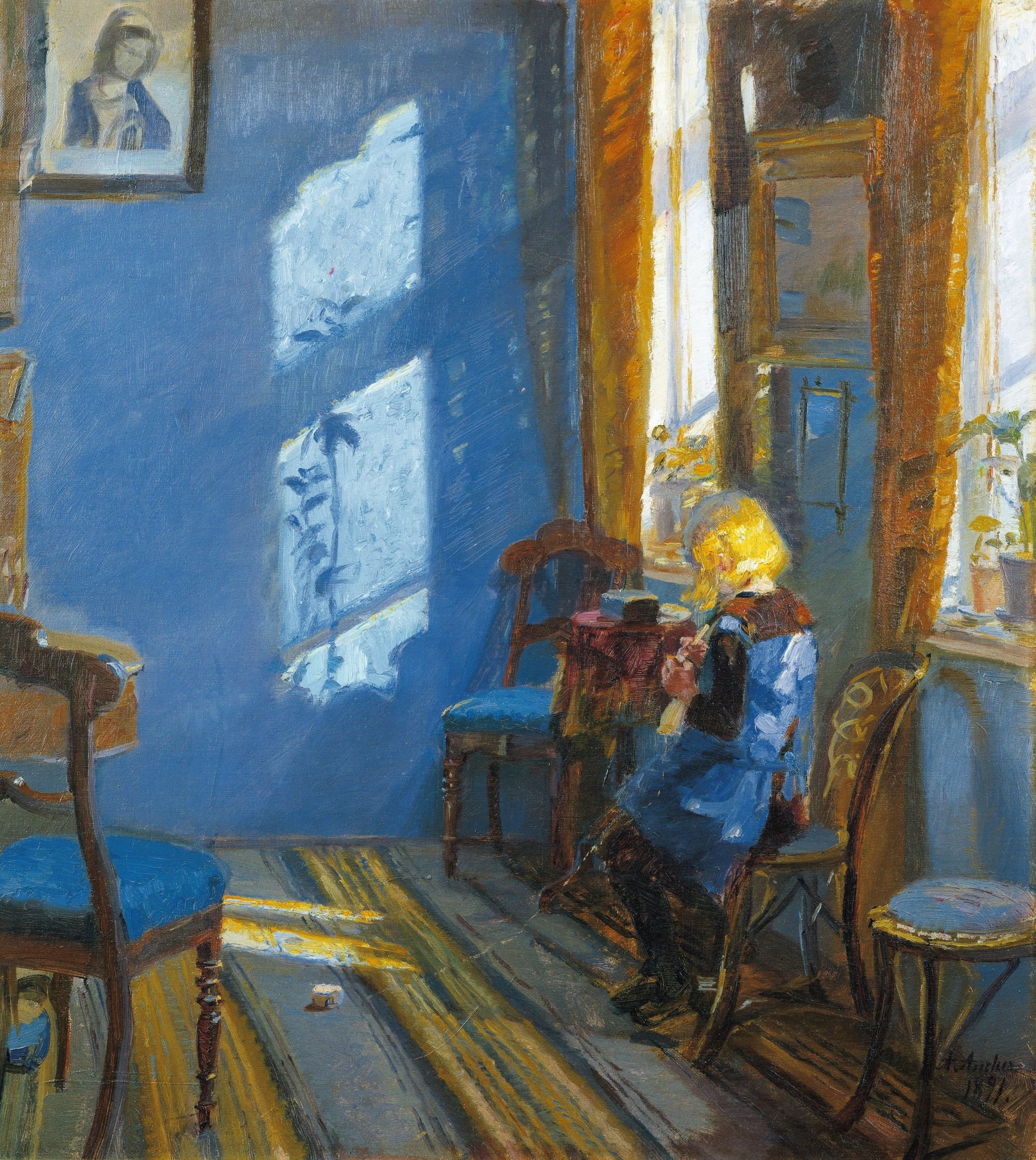
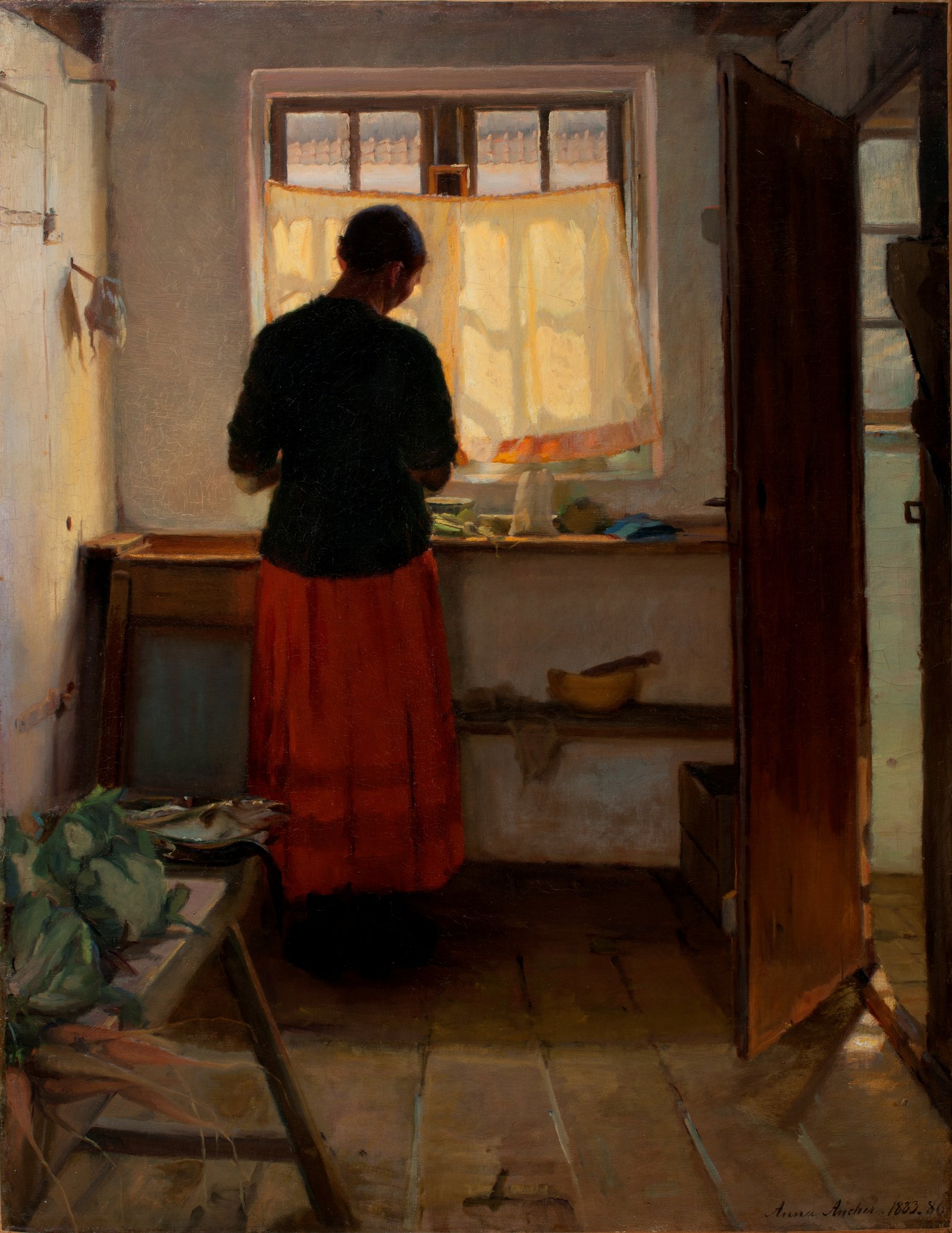
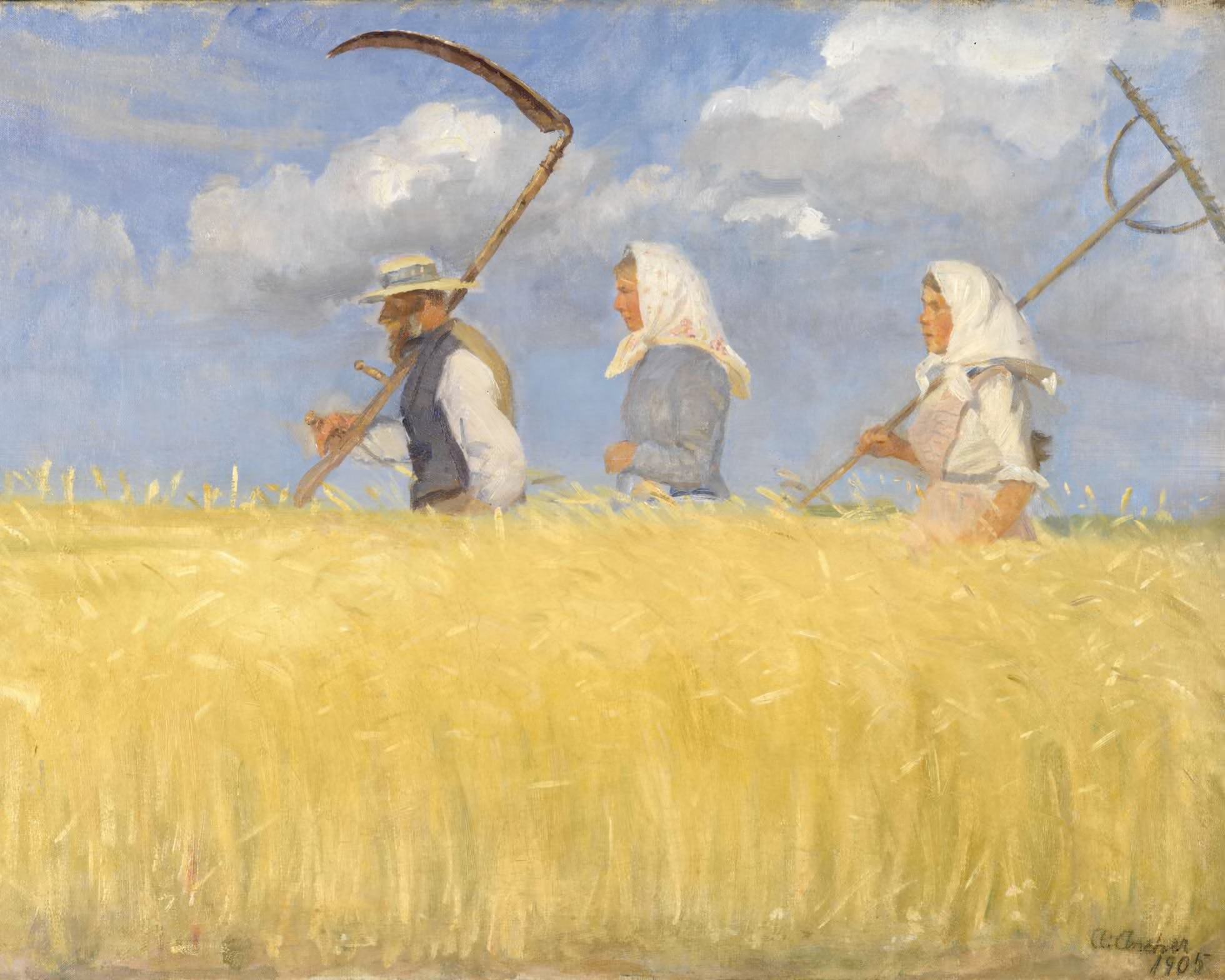
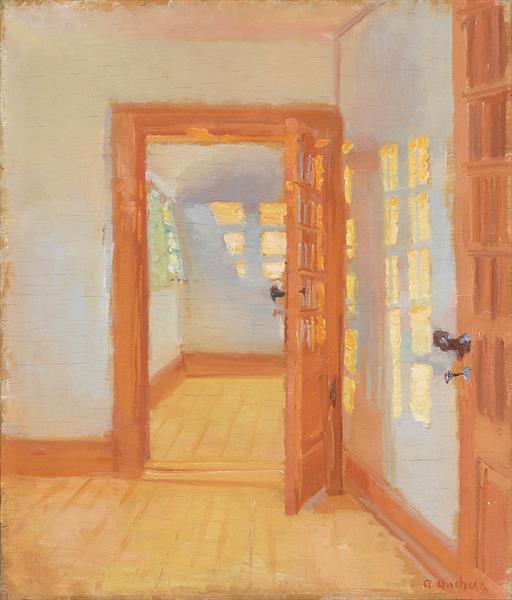
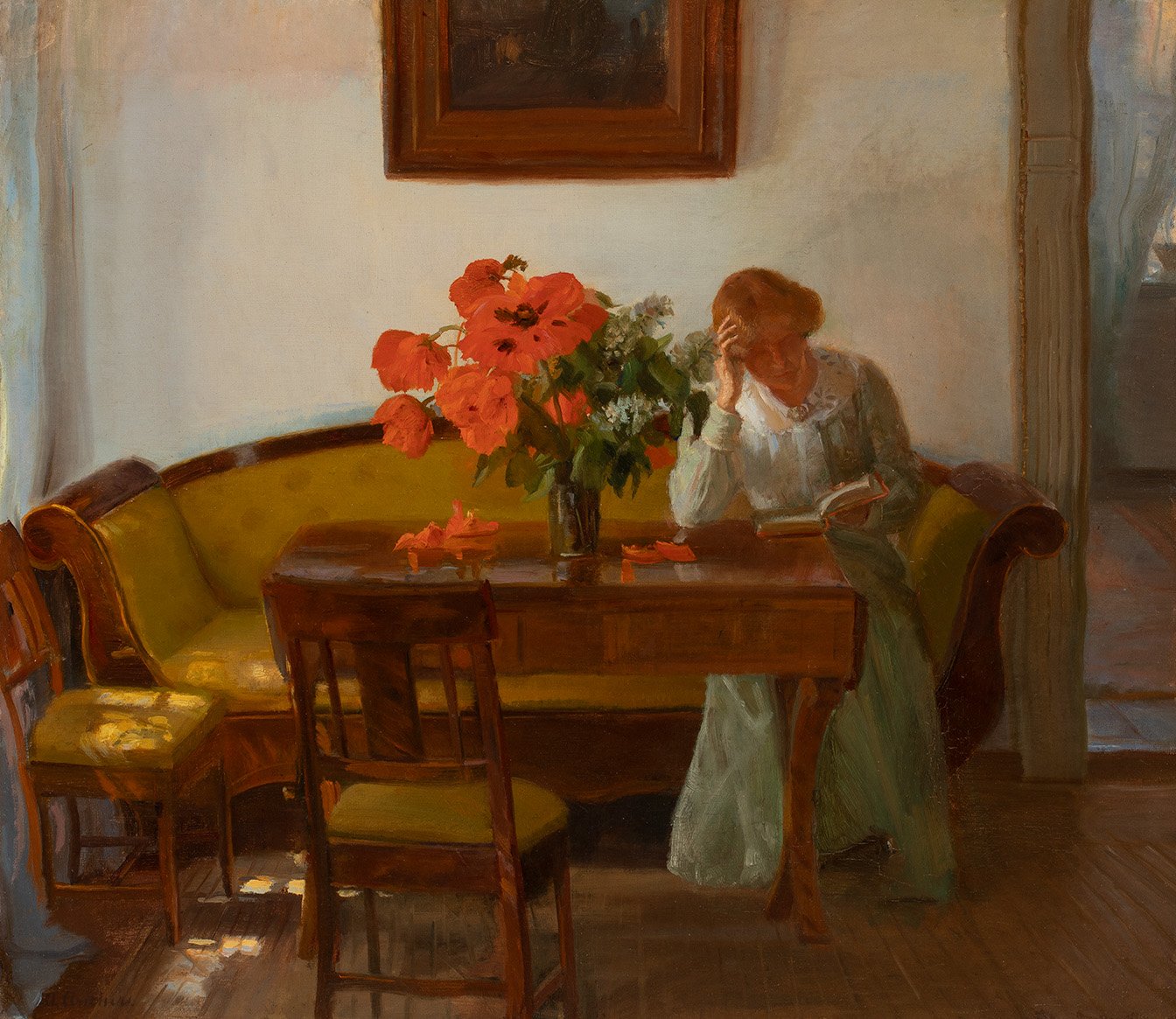
None of this was the aim of my day: I was going to Dulwich Picture Gallery for an exhibition on Anna Ancher (1859-1935), a Danish artist from Skagen, right on the northern tip of Denmark. Skagen was something of an artists’ colony, but Ancher was born and lived there all her life. She was admired for the way she painted light – and, certainly, some of her paintings were utterly delightful. It wasn’t just the depiction of light but also the colours.

My head was buzzing with other images by other artists, and once I had spent time with Ancher’s paintings I sat down and tried to separate them out. The little girl made me think of Philip Connard in Southport; the doorway of Gwen John’s corners of rooms (although more vibrant); there was something of Vermeer – and almost something of Rembrandt in an early portrait. There was something of the Glasgow Boys too, but with more sunshine. She painted local and domestic scenes of people she knew: her travels were to study other artists.

An enjoyable day all round.

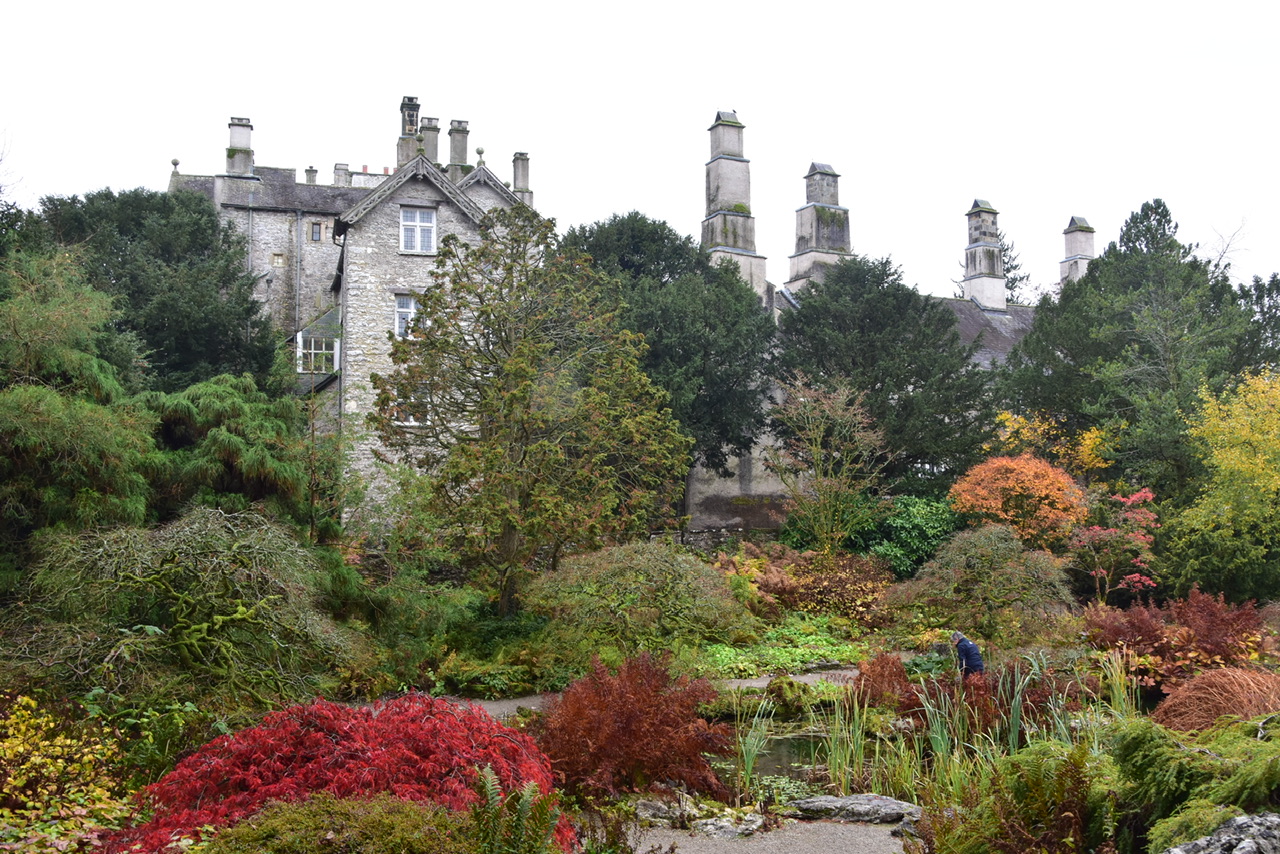
Sizergh Castle

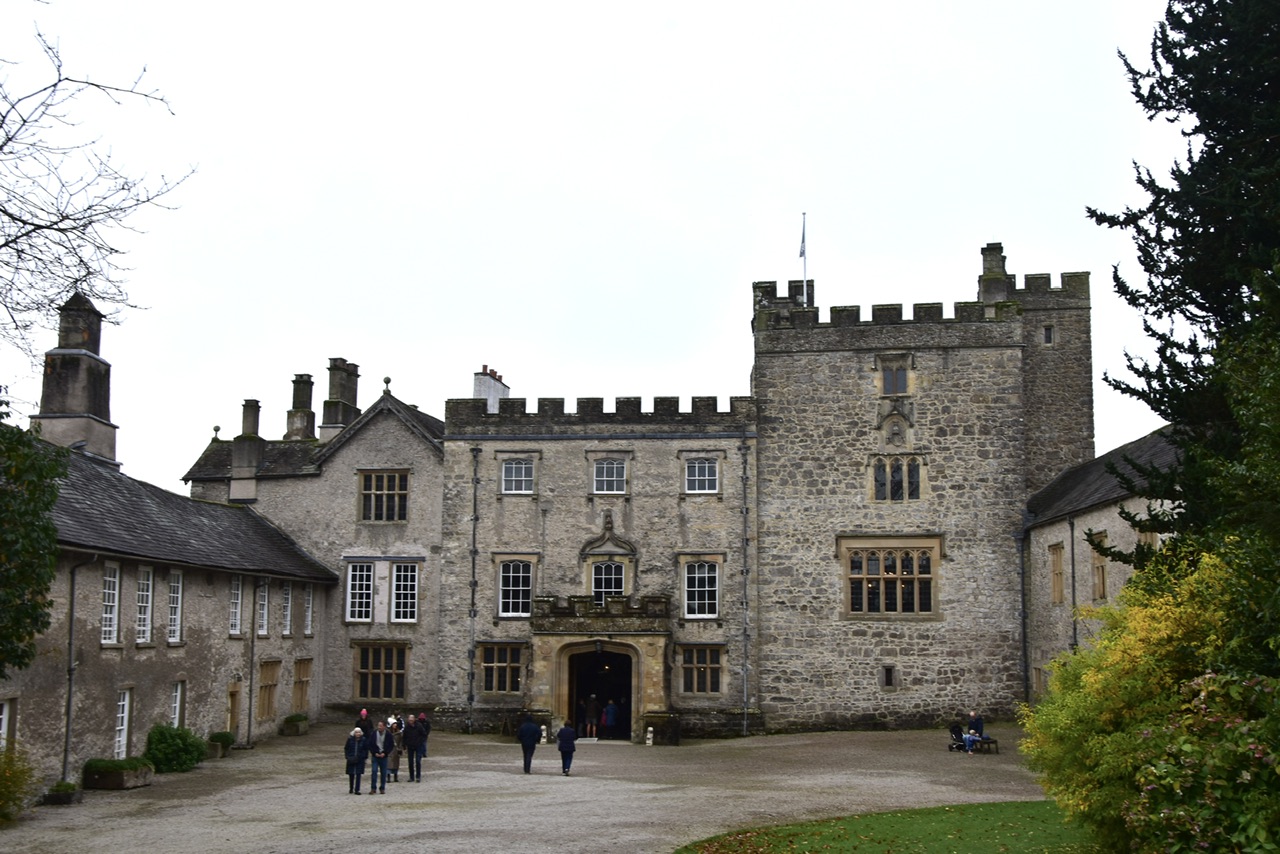
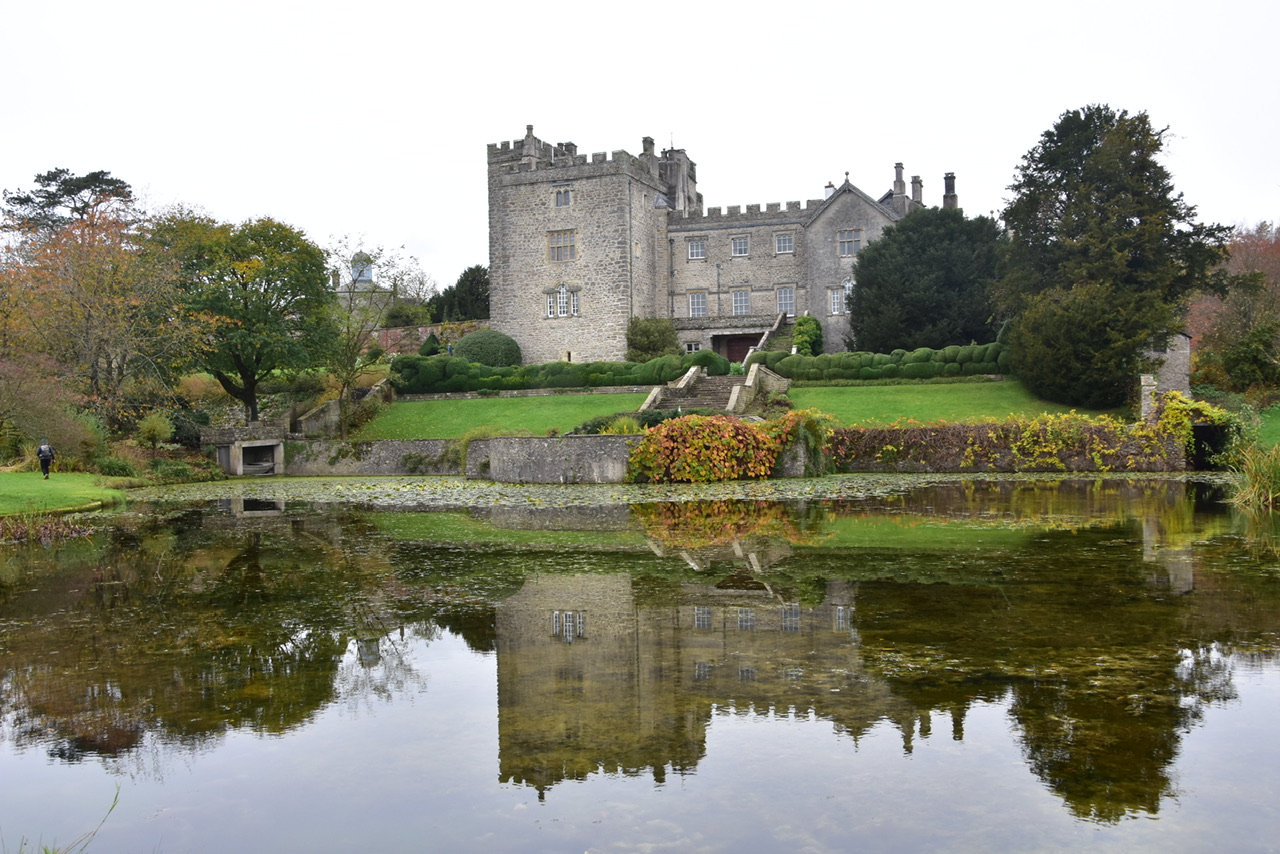
I almost went to Sizergh on Monday, but the castle itself was closed and that was what I have been meaning to visit. It closes for the season at the end of this week, so – even though it’s half term – today was my only chance unless I was going to let the wish dangle for another couple of years.

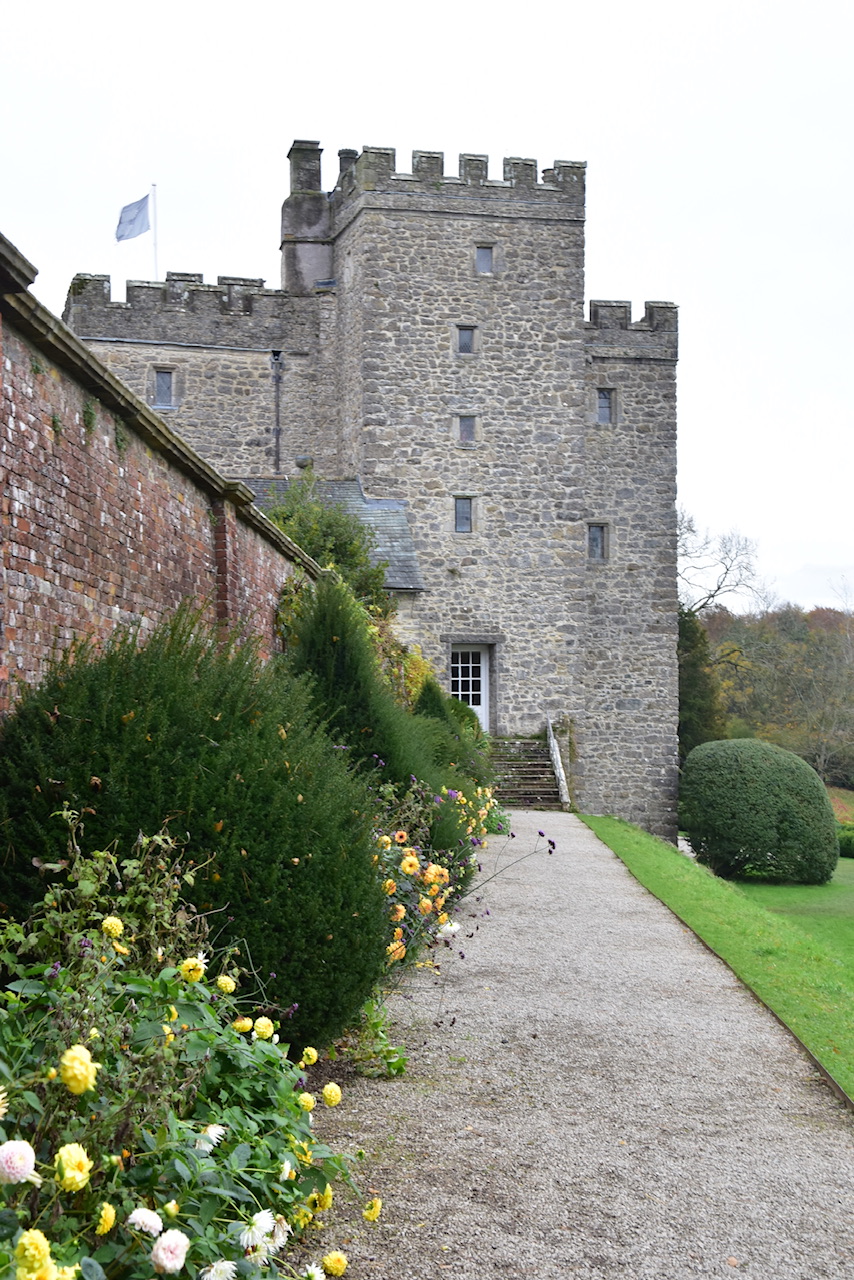
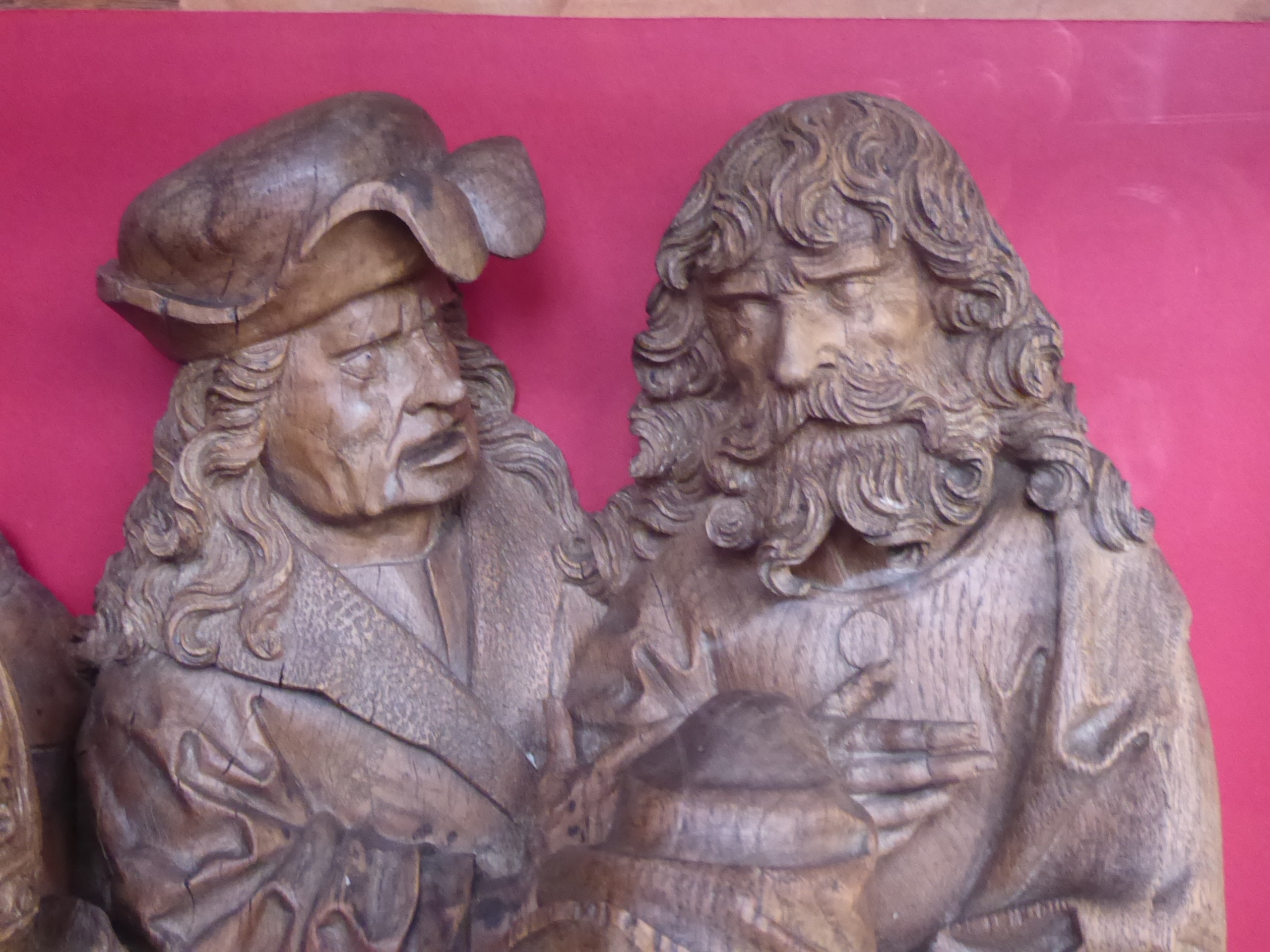
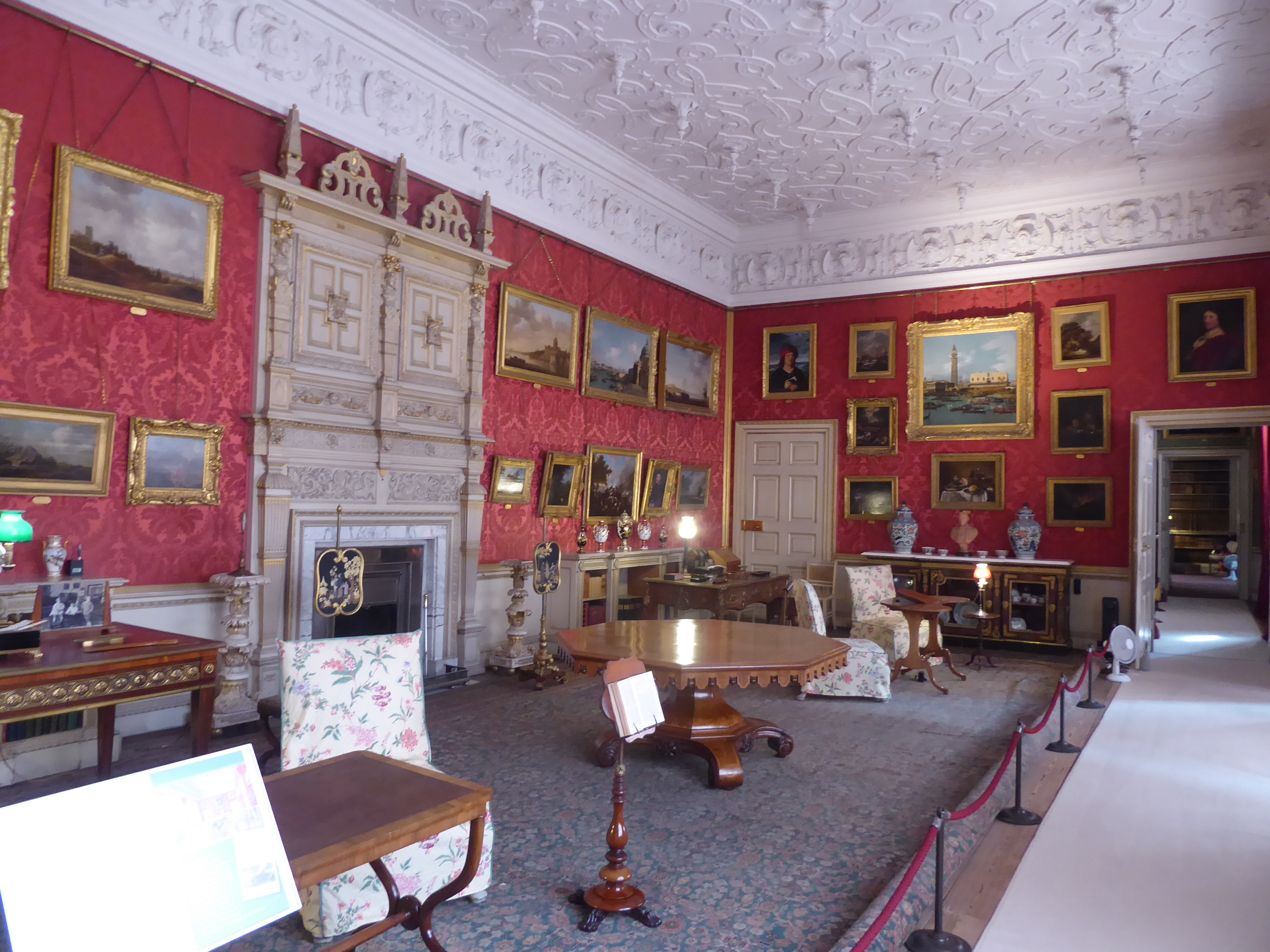
I should have chosen my time better, but heigh ho. (The kids were fine; it was the adults I could have done without!) Sizergh Castle is a pele tower with a later Tudor house. The Strickland family have lived there for centuries and given their name to a few pubs and streets. The castle is quite small and most of the visitable rooms are panelled in what is now very dark wood. The panels of the inlaid chamber were sold to the V&A at the end of the 19th century, but they have found their way back. Some wonderful plasterwork ceilings and lots of portraits – in some cases blurring time by showing side by side the grandparents as young people and their grandchildren as elderly, as if illustrating Einstein’s theory of relativity and Burnt Norton simultaneously.

Around Lincoln

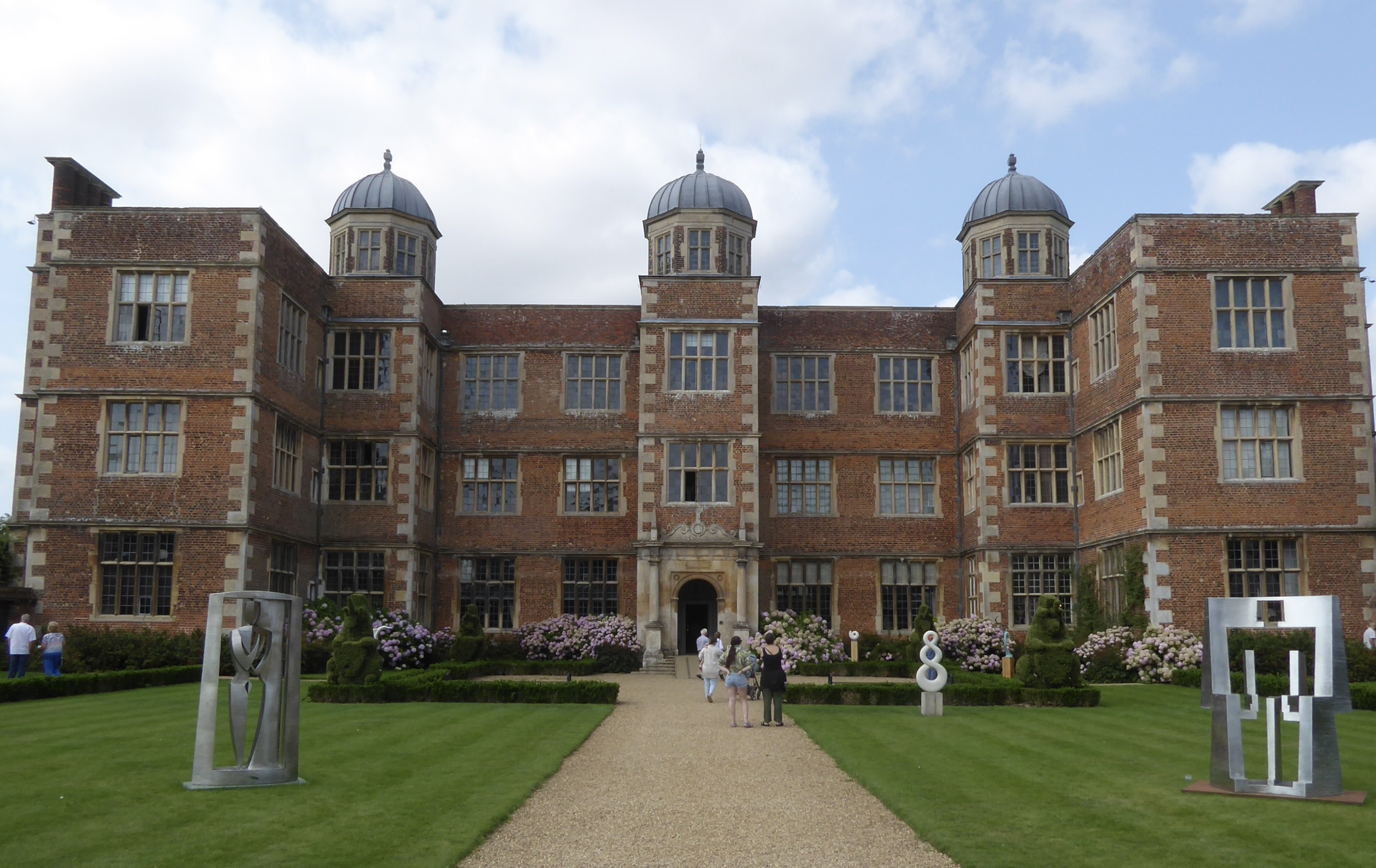
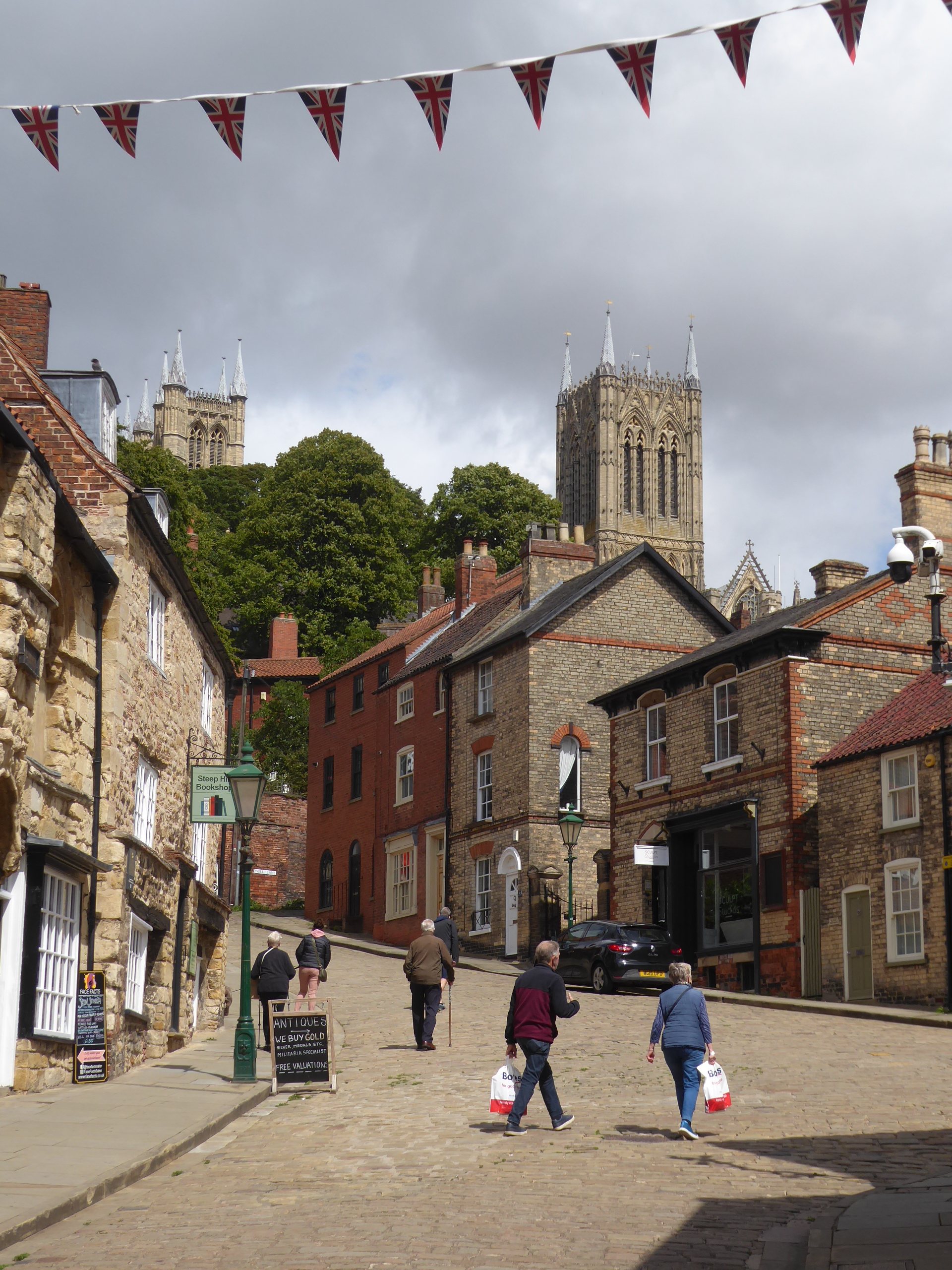
Usually I manage to find something that stops me in my tracks when visiting country houses. Just enough to overcome my latent cynicism that I am colluding in a family’s scheme to ensure that their sons and grandsons continue to go to Eton. It didn’t quite work with Doddington Hall. It’s certainly impressive and I liked the brickwork (the clay from nearby pits). It was designed by Robert Smythson (he of Hardwick Hall) at the end of the sixteenth century for Thomas Tailor, a Registrar to the Bishop of Lincoln. His wealth probably came partly from kickbacks and rake-offs – and he was able to build this showy place outside Lincoln with a view of the cathedral in the distance. My latent cynicism was offered a foothold . . .

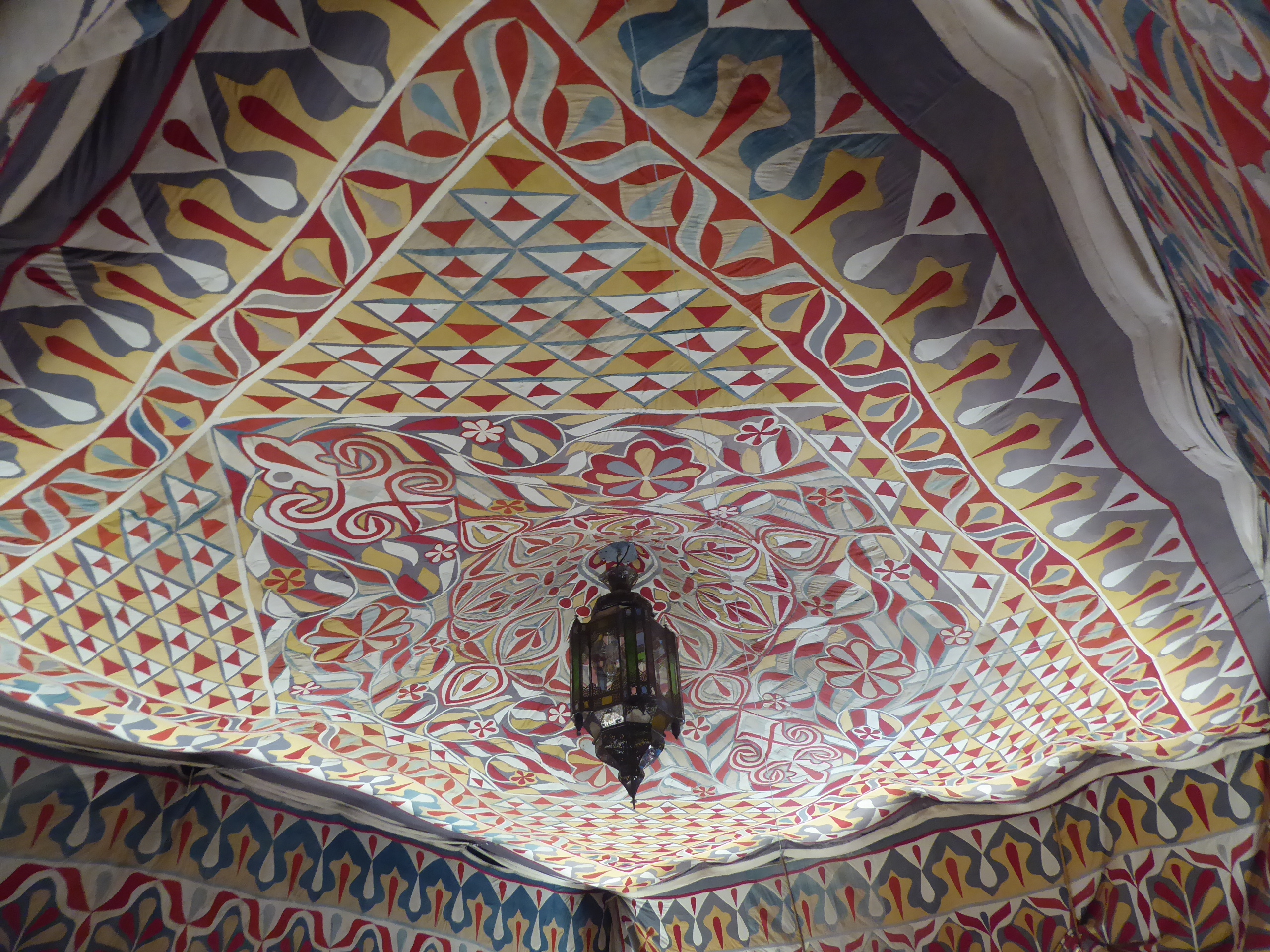
Outside was Tudor but inside was Georgian. There was a breast-plate and jerkin with the bullet-hole that killed someone in the Civil War at Gainsborough which we had been told to look out for. More attractive was a wonderful tent – more of a marquee: Egyptian-made, all by hand, appliqué, late 19th century and enormous. It used to be erected on the lawn outside . . . so Lawrence of Arabia meets Doddington Hall. It was rather shocking to think of something so painstakingly made being subjected to the vagaries of English weather – but I guess “riches” is not giving a damn about such things – the certainty that there will always be servants/craftsmen ready to make you another one. Fussing about damaging or repairing things is for little people. The house and grounds are their own little business, attracting lots of visitors and, presumably, providing lots of local employment. I preferred to hop over the wall and wander in the nearby wood to try out the Merlin app on bird calls.
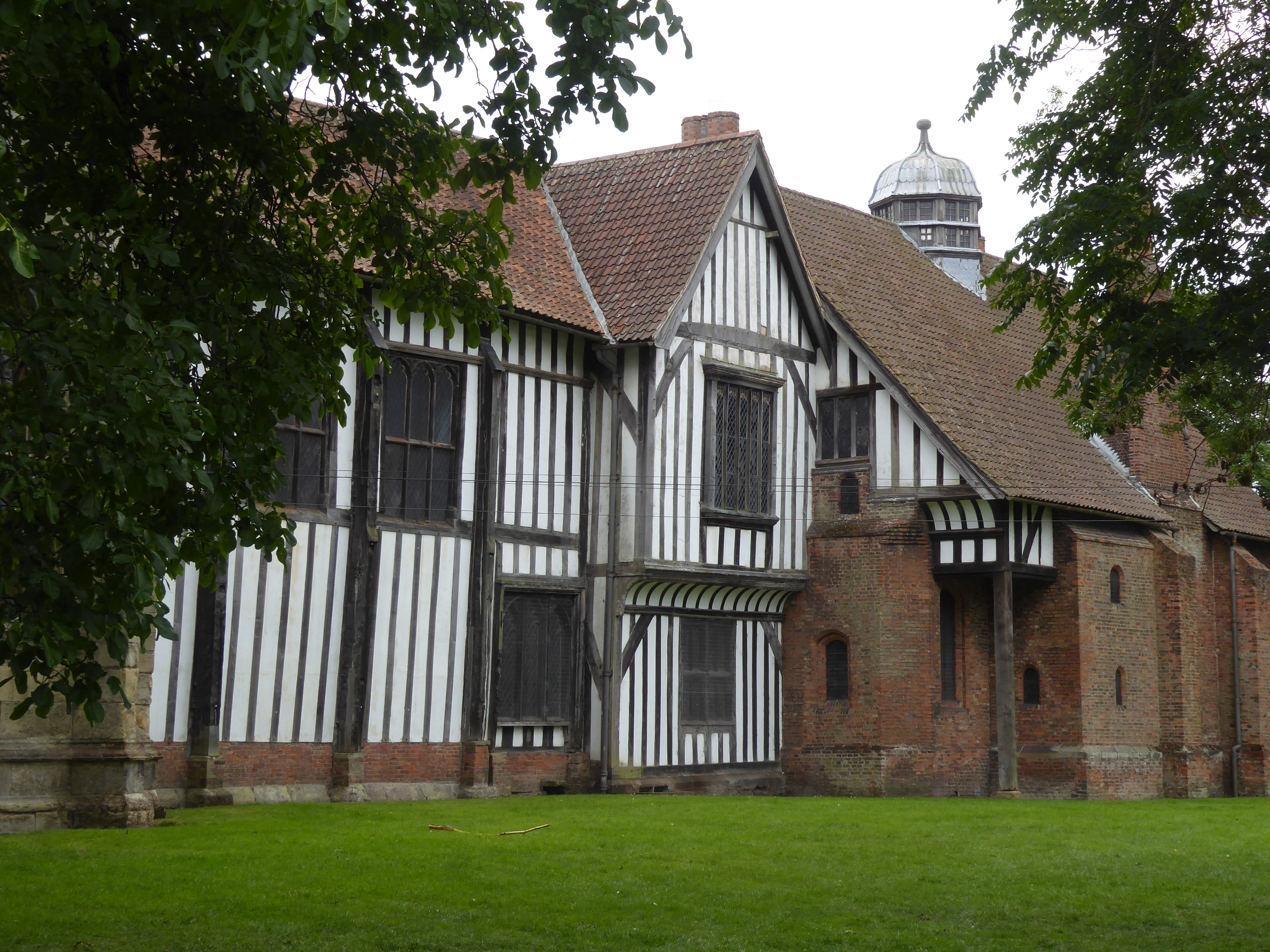
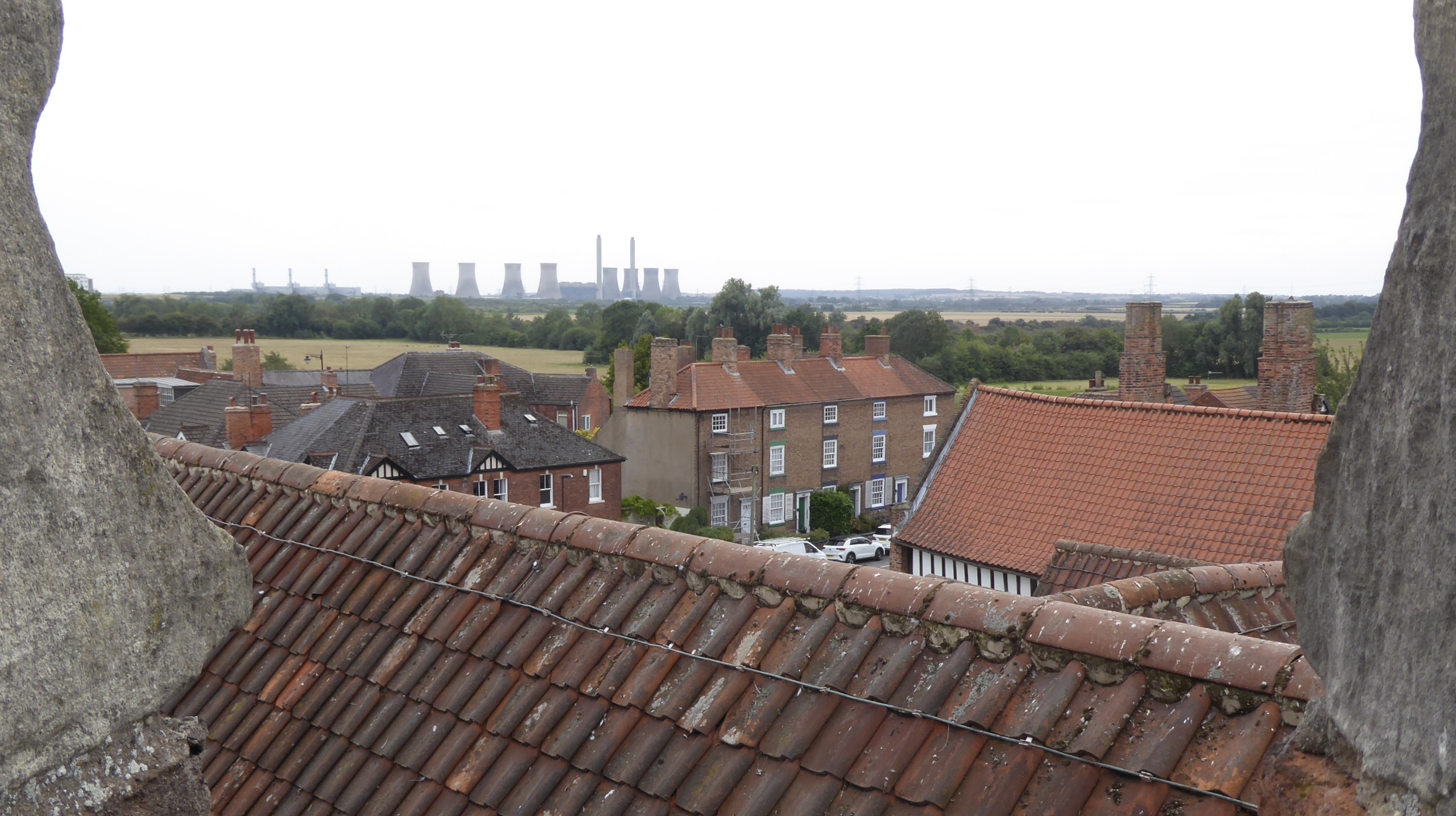
Gainsborough Old Hall was different. Founded by someone who wove his way unscathed through the War of the Roses, but later abandoned and put to commercial and municipal uses. No teazles on cushions, no corded ropes and hardly any “do not touch” notices. You wander at will, raiding the dressing-up rail and looking for apotropaic taper burn marks. I climbed up the tower and had a good view of Cottam cooling towers – destined to be demolished next week, according to Wikipedia. Not a word about them as they were outside our period – but they are as much a part of our heritage now as old family houses.

Lincoln day 2

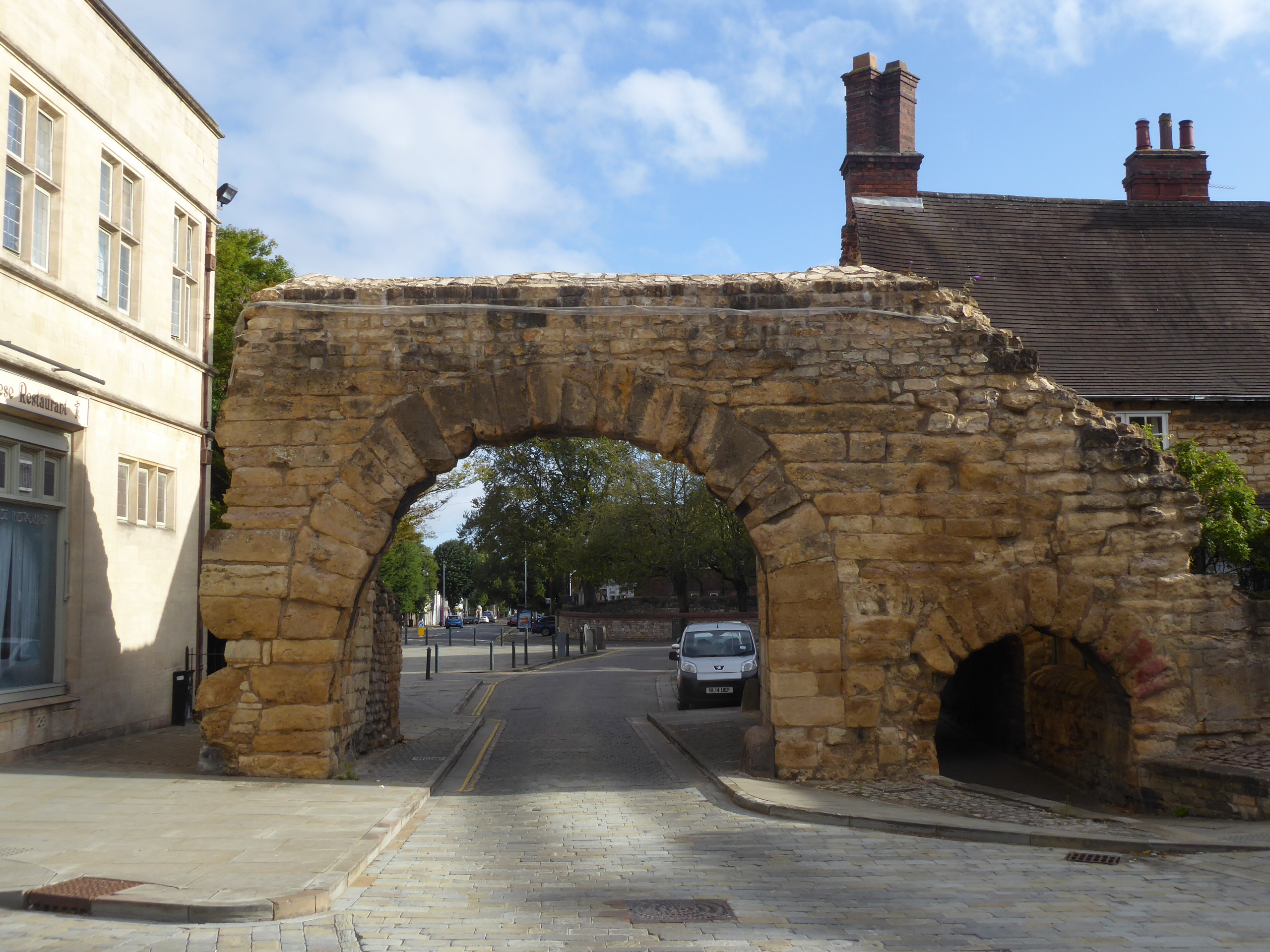
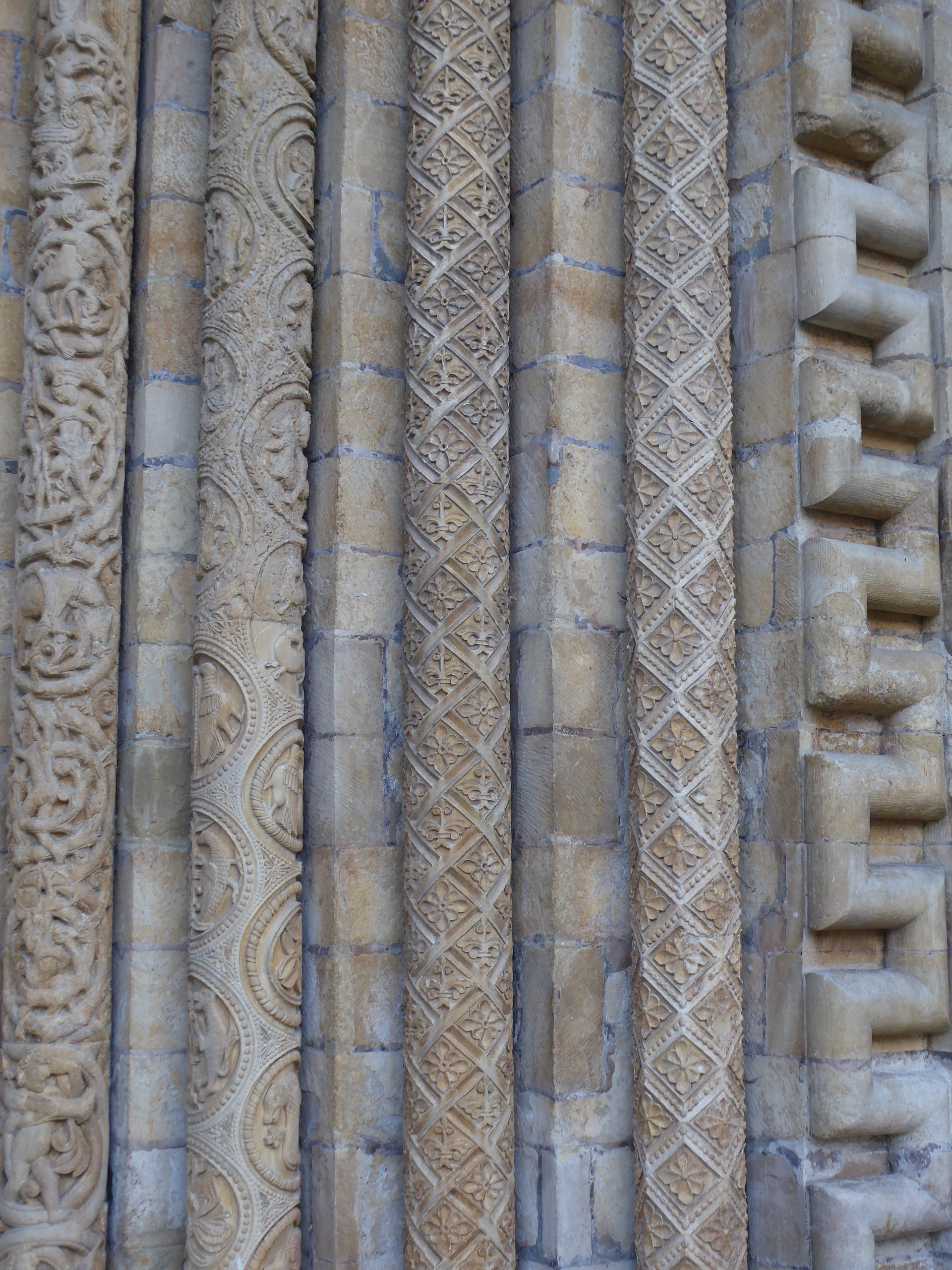
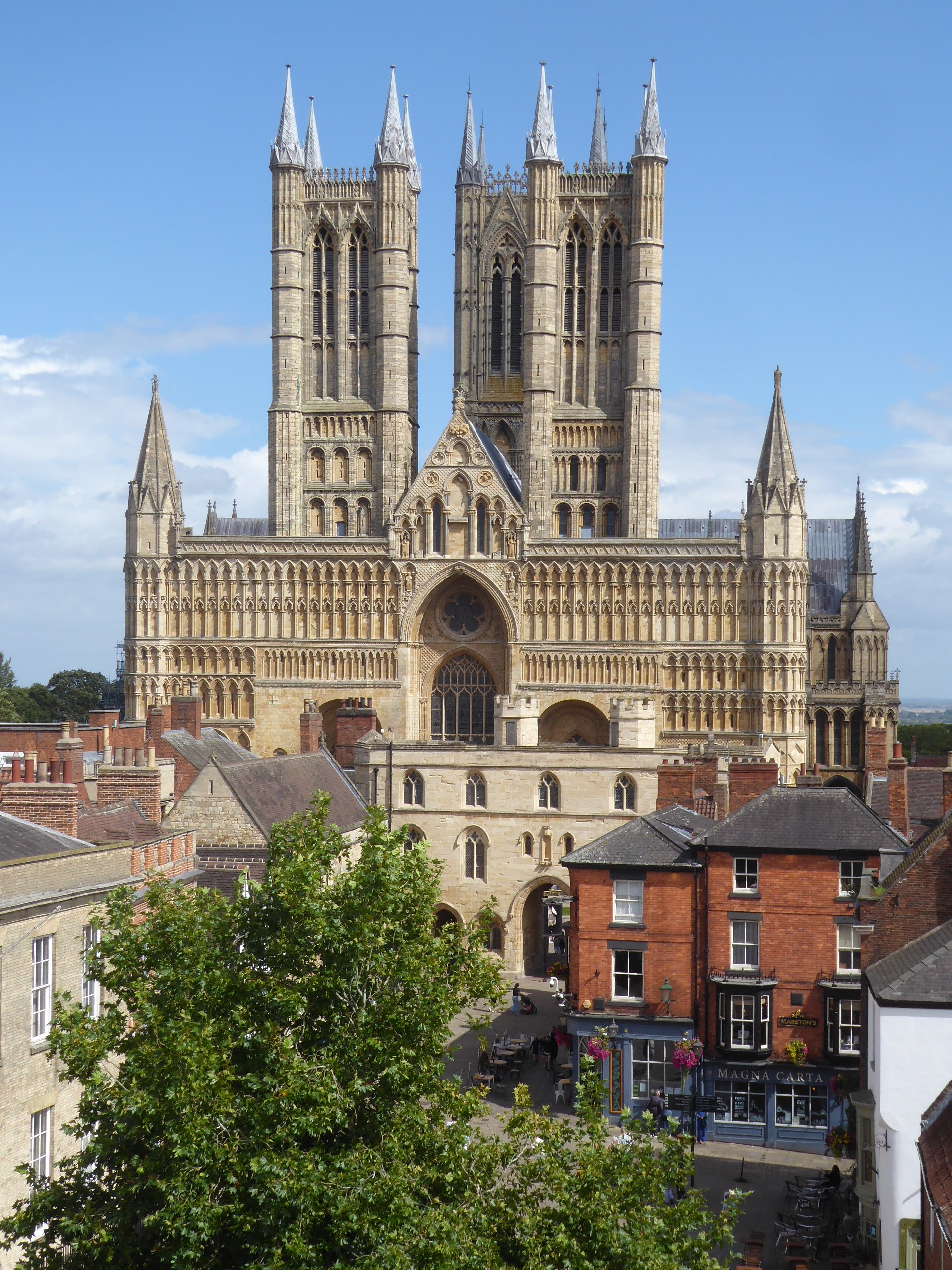
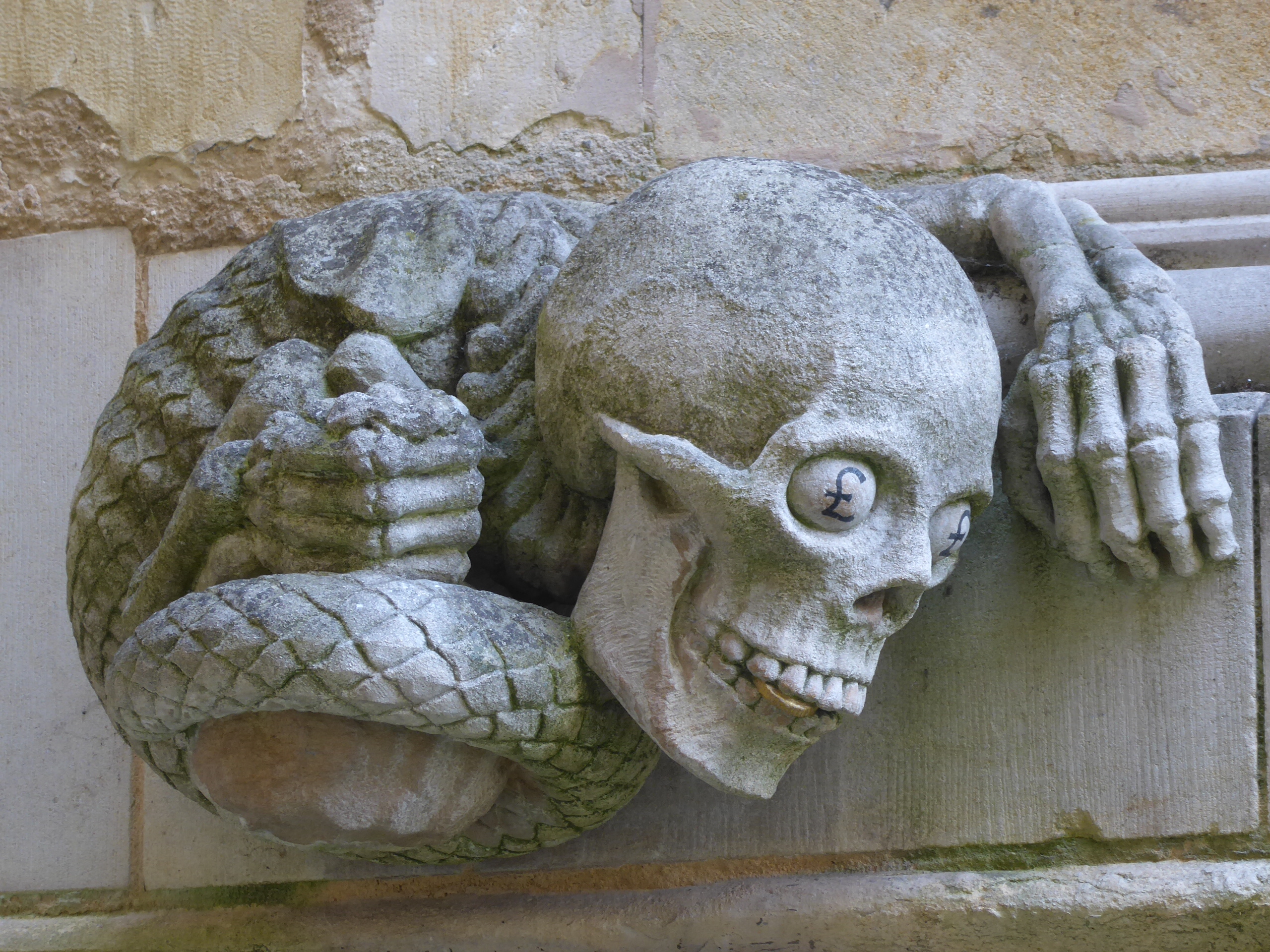
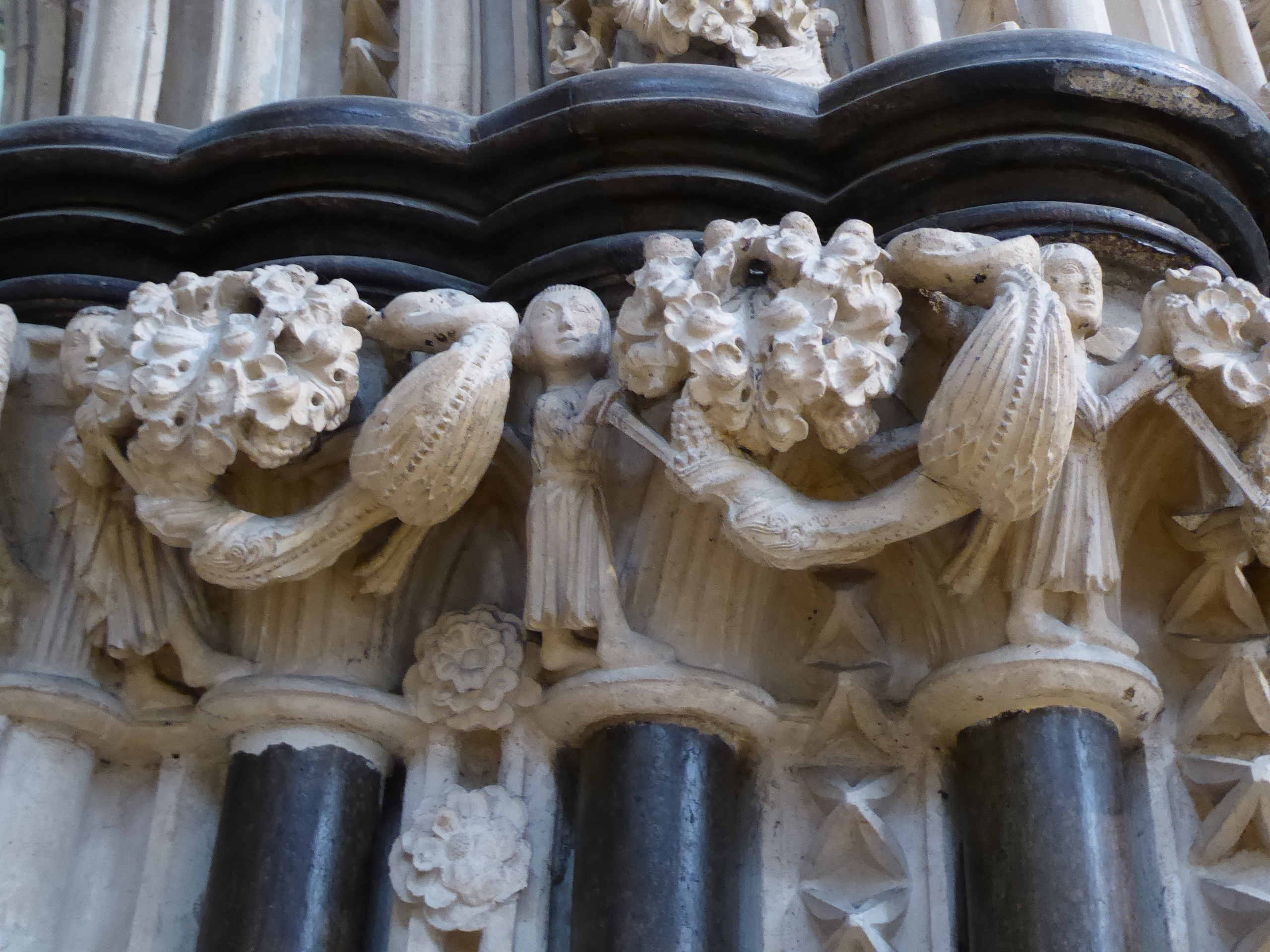
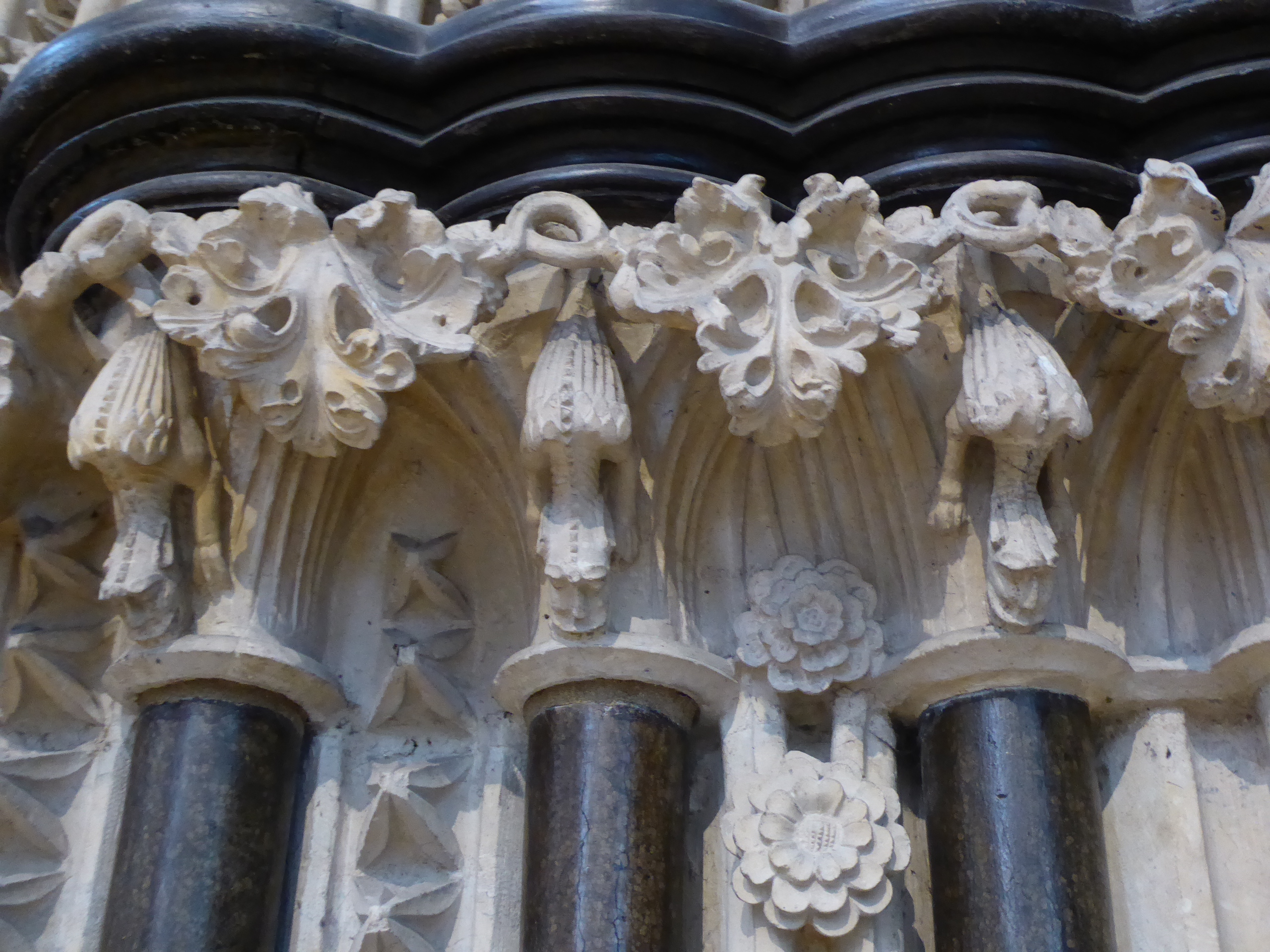
En route to buy a newspaper this morning, I came across the Roman arch – the northern exit from Lincoln on Ermine Street. Then the cathedral – magnificent west front. The best view of it was from the castle ramparts opposite. On the southern wall was a wonderful modern gargoyle clinging to the masonry – the root of all evil indeed. Inside there was a stone gateway dividing the chancel from the nave: the capitals seemed to be adorned with a fancy garland but, on closer inspection, you could see that on one side were men slaying dragons by sticking swords down their throats, and on the other side the dead dragons hanging up. Evil slain – in a grisly manner.

Then a visit to the Museum of Lincolnshire Life housed in an old barracks. As usual, there is always something of interest that springs up. Here a very early tank, a cart that made me think of my carter great-grandfather who became a railwayman, and a brown bess musket which reminded me of Barry Lyndon. Suddenly – remembering the battle scenes – I just had to know how quickly it could be reloaded. (Fortunately I was among people who knew the answer – two or three times a minute.) Afterwards the castle, with a great walk all the way round its ramparts. Inside is an old holding prison with a particularly repulsive chapel. There was a move in the mid-19th century to keep prisoners entirely separate to prevent any corruption being passed on. This extended even to the chapel, which was designed with so many tightly fitting screens and doors that each member of the (ahem) congregation was imprisoned in an individual wooden dock during the service. There is also an original 1215 Magna Carta – surprisingly small and completely indecipherable – and the later Charter of the Forest.

Saffron Walden

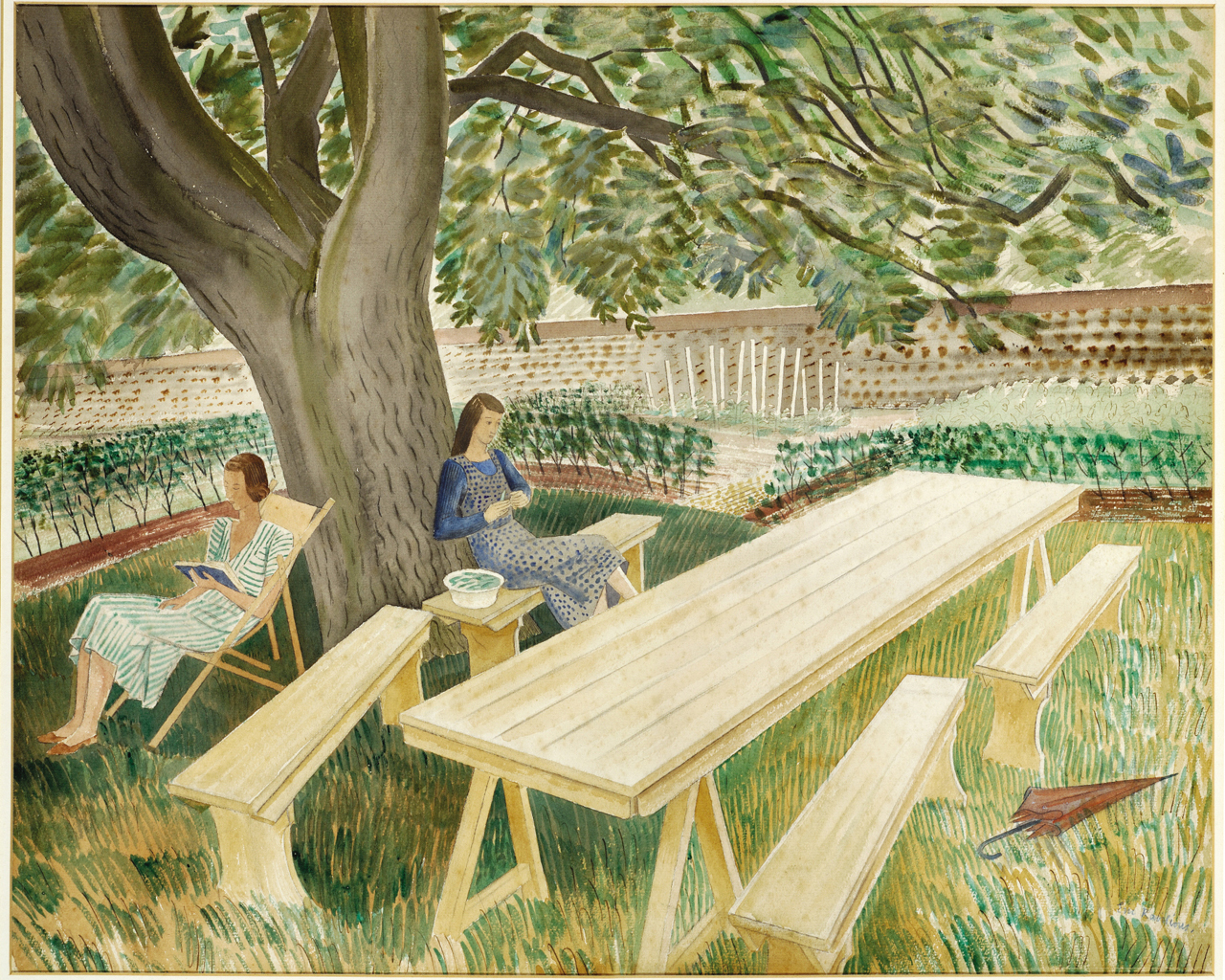
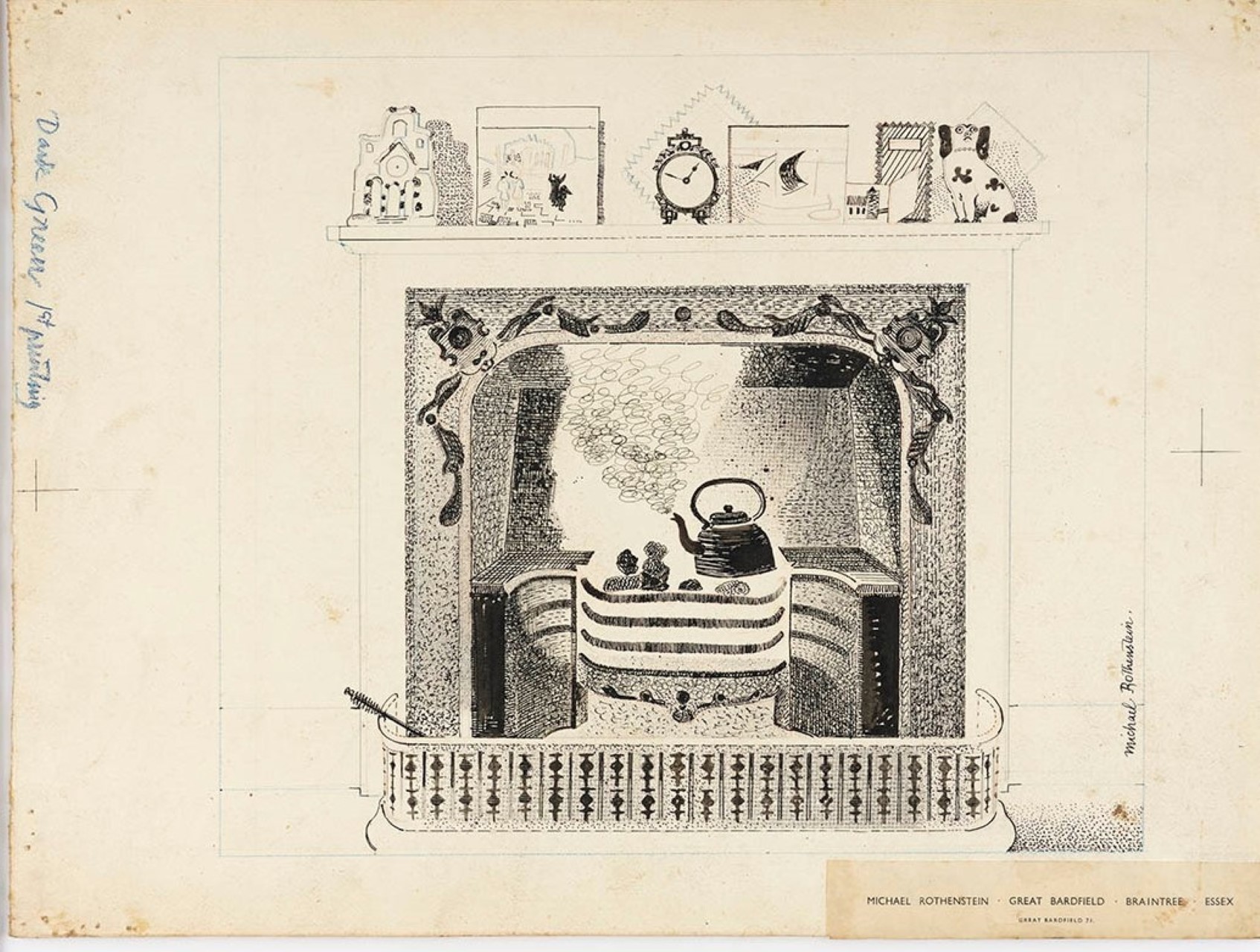
Cycling to Liverpool Street Station early this morning, I realised that the Brompton was in its natural habitat amongst its peers carrying their riders to work. But not me. I was leaving sweltering London behind to visit the Fry Gallery in Saffron Walden and its exhibition of Great Bardfield artists (Edward Bawden, Eric Ravilious et al).

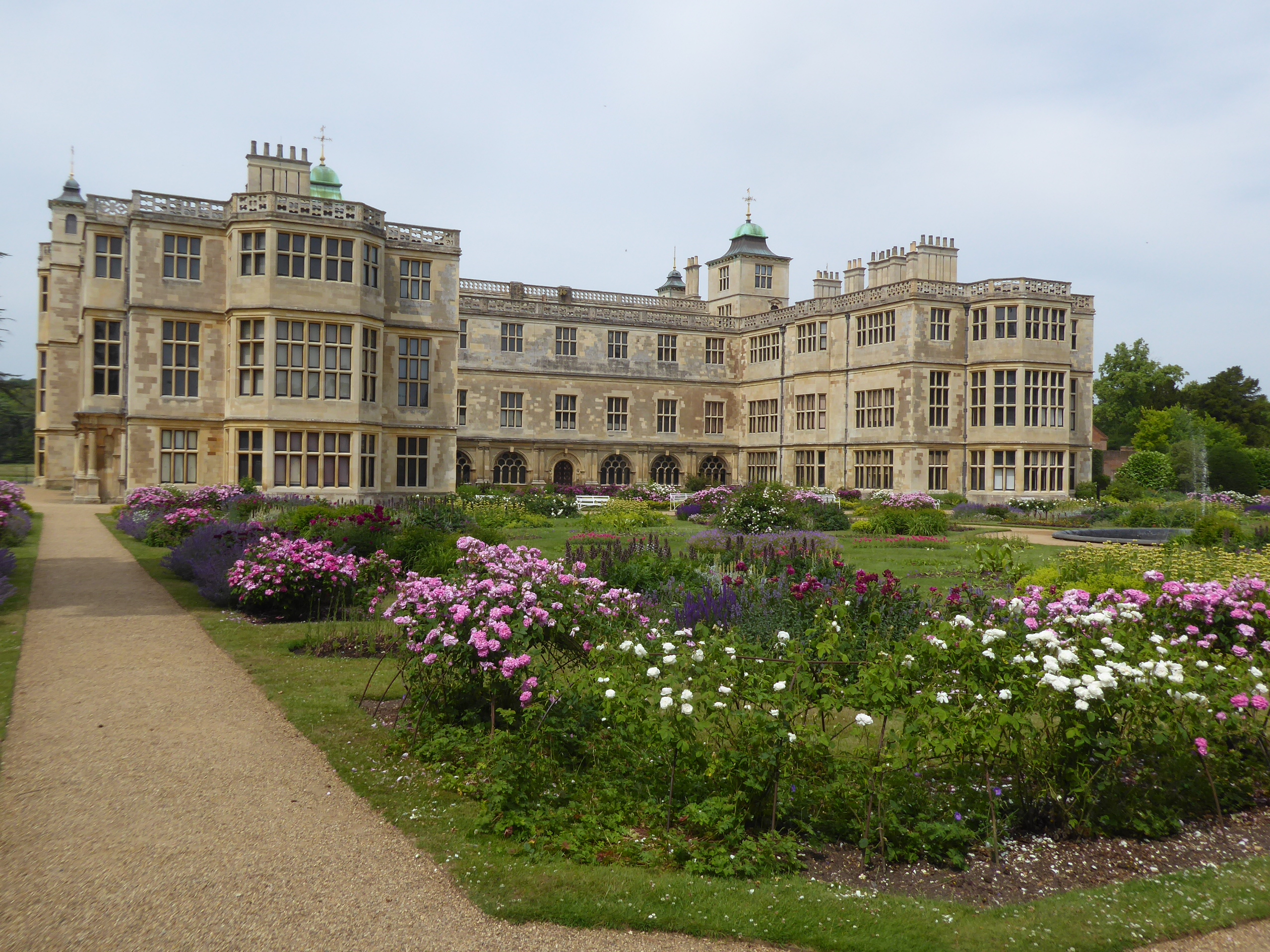
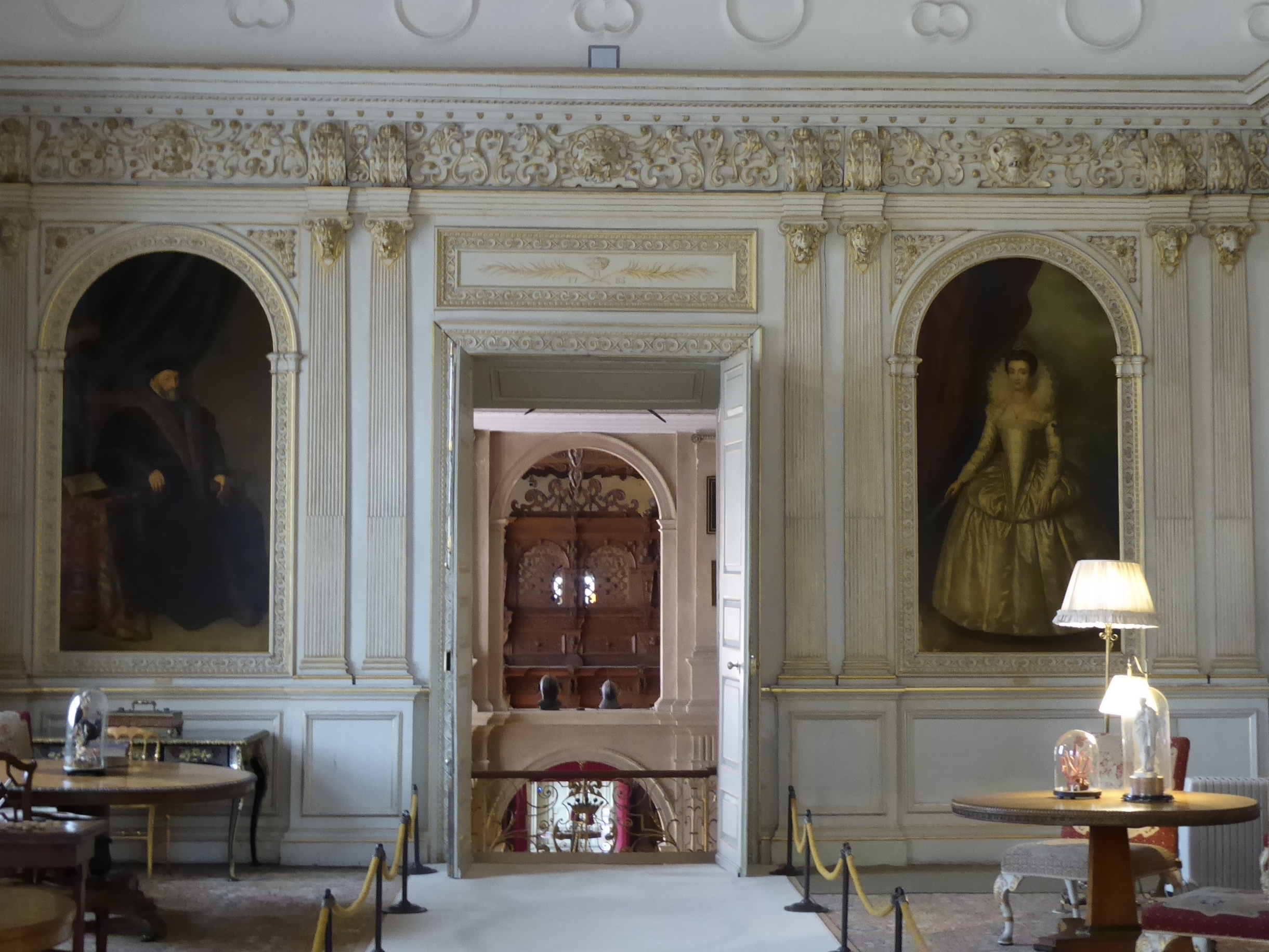
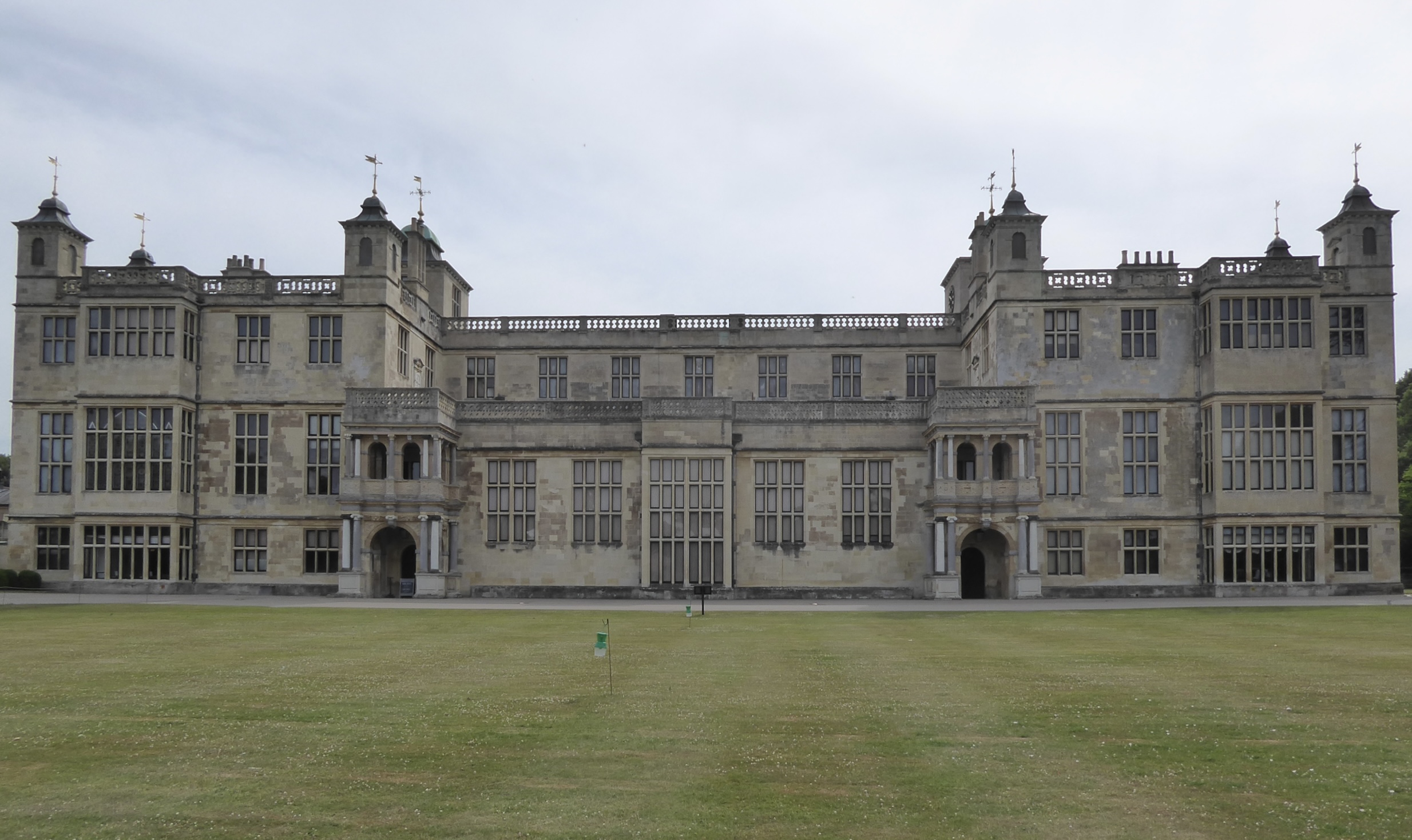
Since the gallery didn’t open until 2 p.m. I looked for something to do before that and discovered Audley End House nearby. It’s basically a Jacobean house that was once much larger and grander, built on the site of a dissolved abbey. The Duke of Suffolk embezzled state funds for it, Charles II once owned it (handy for Newmarket), John Vanbrugh and Robert Adam worked on it at various stages, Capability Brown got fired . . . the usual sort of thing. Over the centuries it has been much reduced and altered, and its current incarnation is early 19th century. So, symmetry everywhere, the deception assisted by false doors and concealed doors. A great hall with an astonishing oak screen that rises to the second floor. Family portraits everywhere plus an art collection by “follower of X” and “school of Y”. An incredible collection of taxidermy, including more kinds of owl than I knew existed and an albatross. A library that basically stored all that an English aristocrat needed to know at that time: rows and rows of records of State Trials of the late seventeenth century; antiquities of Canterbury; Dugdale’s Baronage of Englands Vol I, II etc etc – and, nice touch, a row of Walter Scott novels on an easy-to-reach shelf. The room and bed decorated specially for George III . . . who never visited. A chapel with a separate staircase and wooden seats for the servants, and a fire and padded seats/kneelers for the family. I found it fascinating and bizarre.

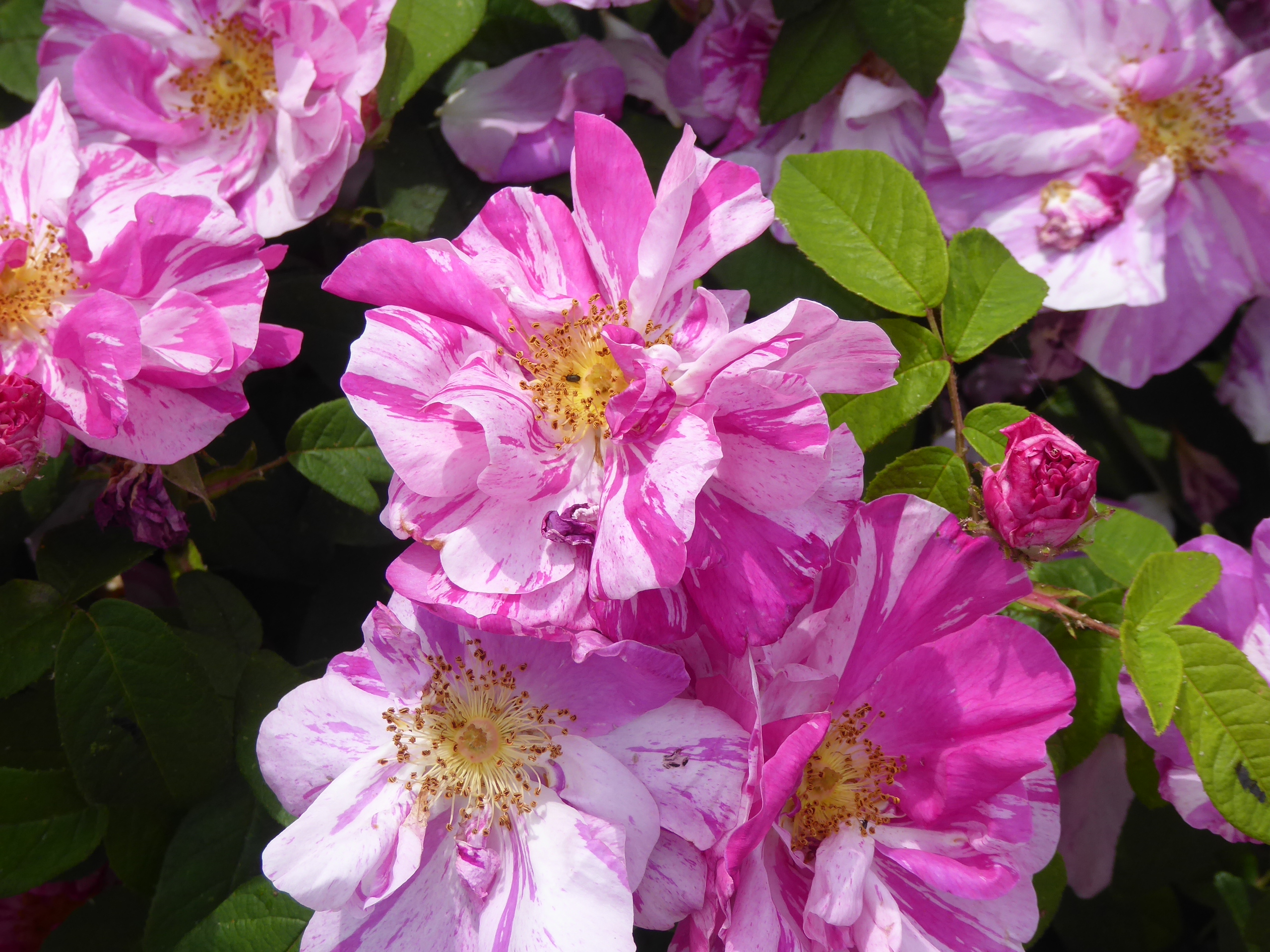
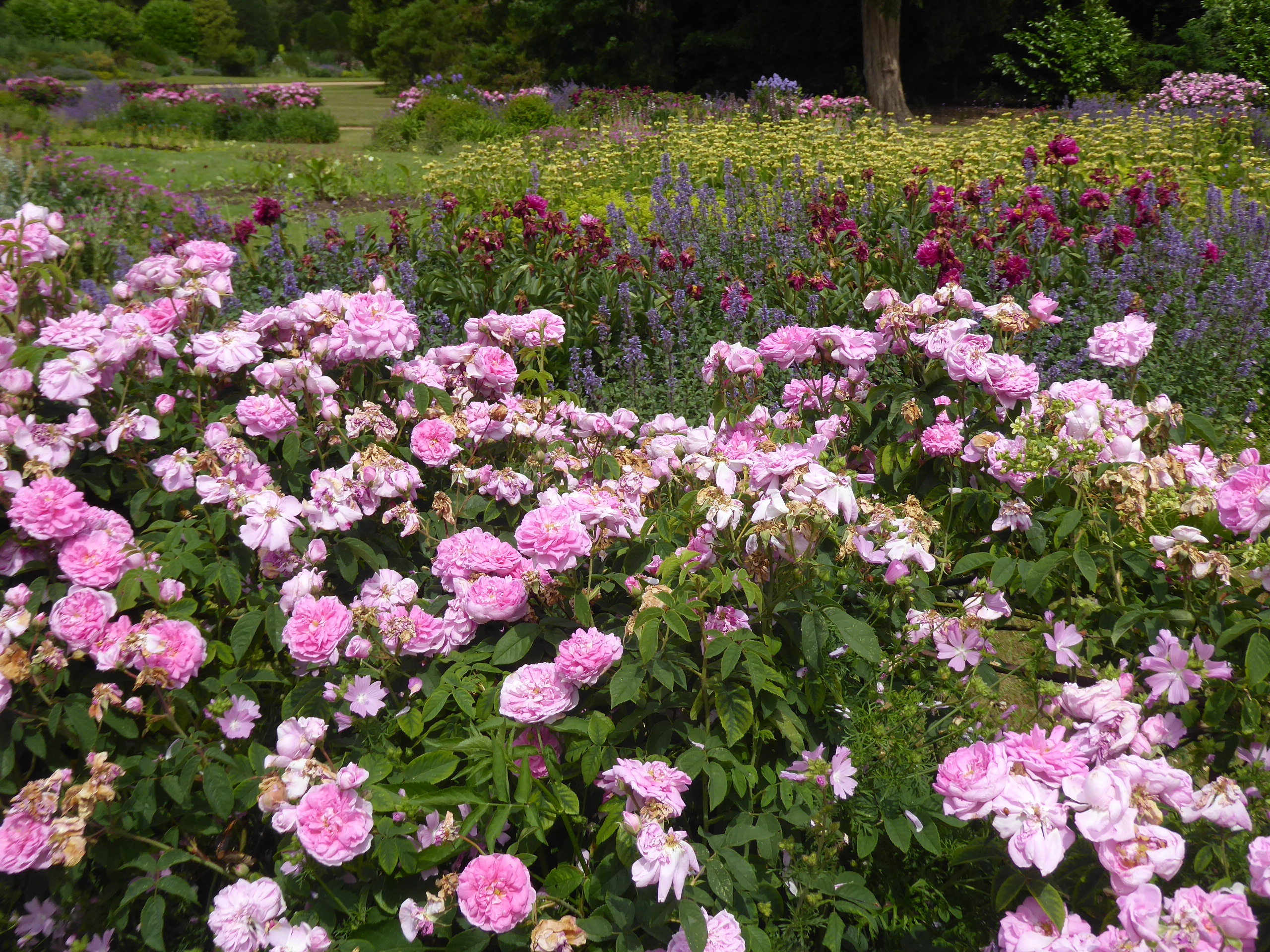
The parterre was lovely, and I saw it at its best. Had I not already been converted to roses, this would have done it.

Then to Saffron Walden for lunch. I ate in the main square in what I guess was once a Victorian-era bank. The great thing was that it was like a small version of Audley End: neo-Elizabethan with decorated stonework and mullioned windows, and inside I sat beneath a white ceiling plastered in Tudor style.

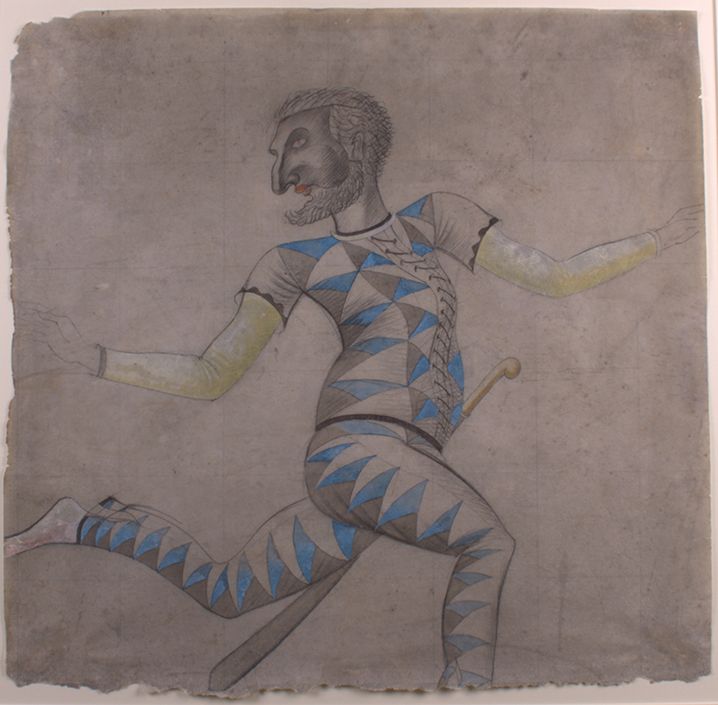
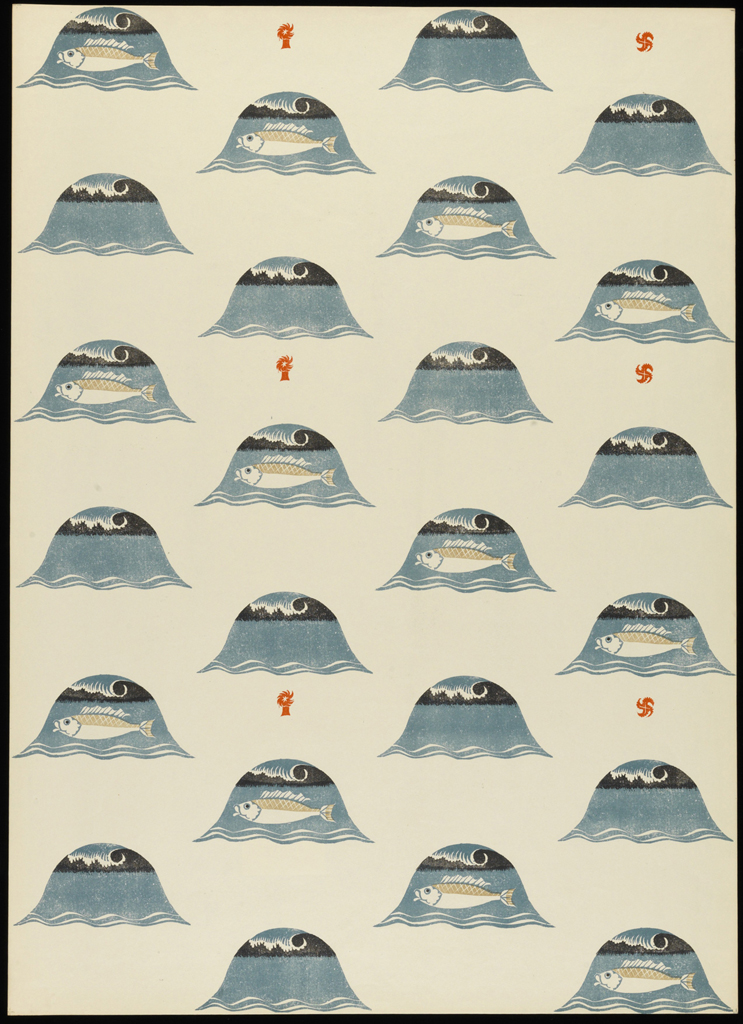
I walked past the castle to the gallery. Saffron Walden is very quaint, but with the heat and the Brompton I wasn’t in a frame of mind to take photos. The gallery is small and filled to the brim with delightful images and objects but after the space of Audley End, it seemed very cramped and the exhibits seemed cosily domestic.

Seaton Delaval to Tynemouth

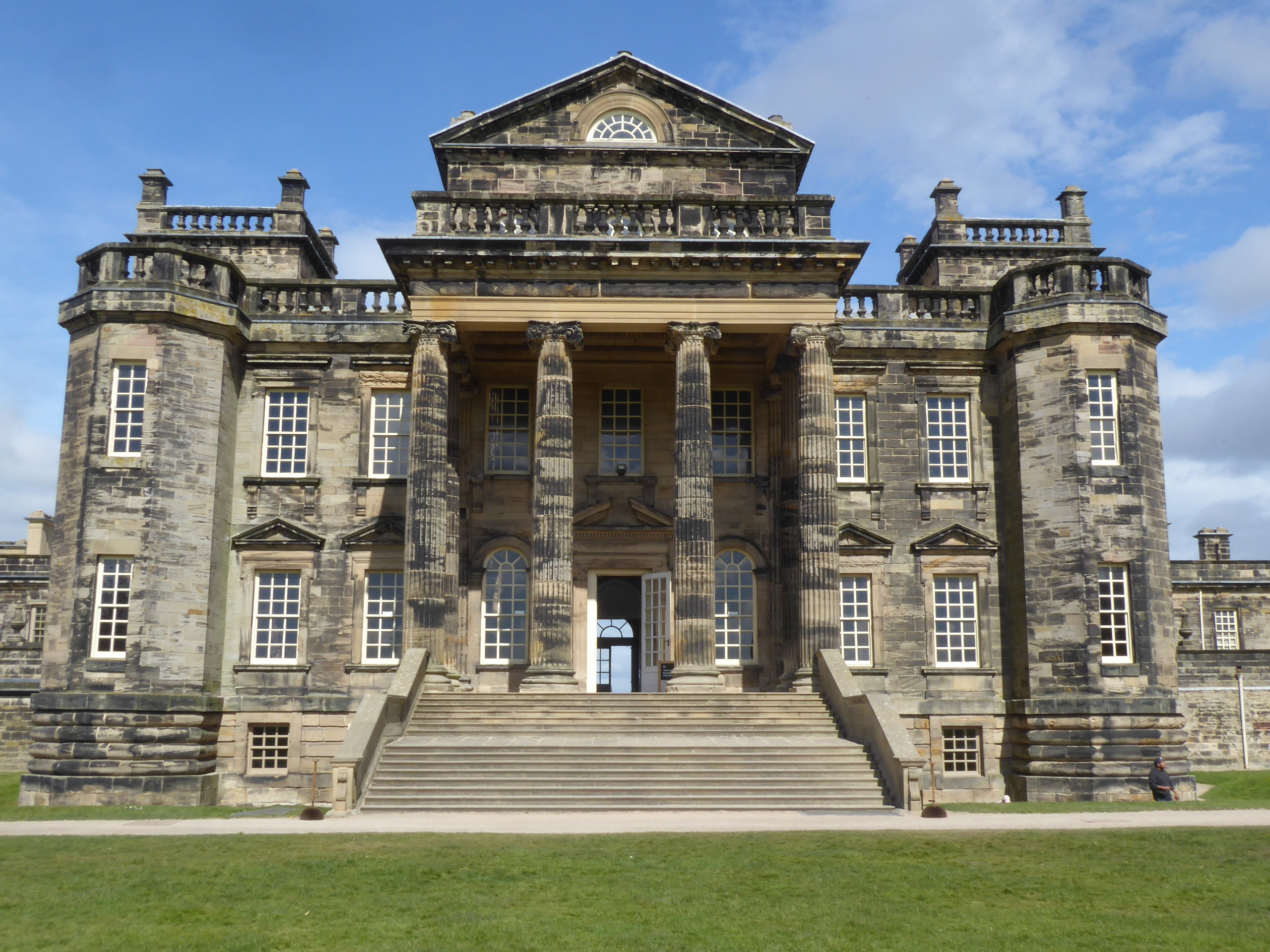
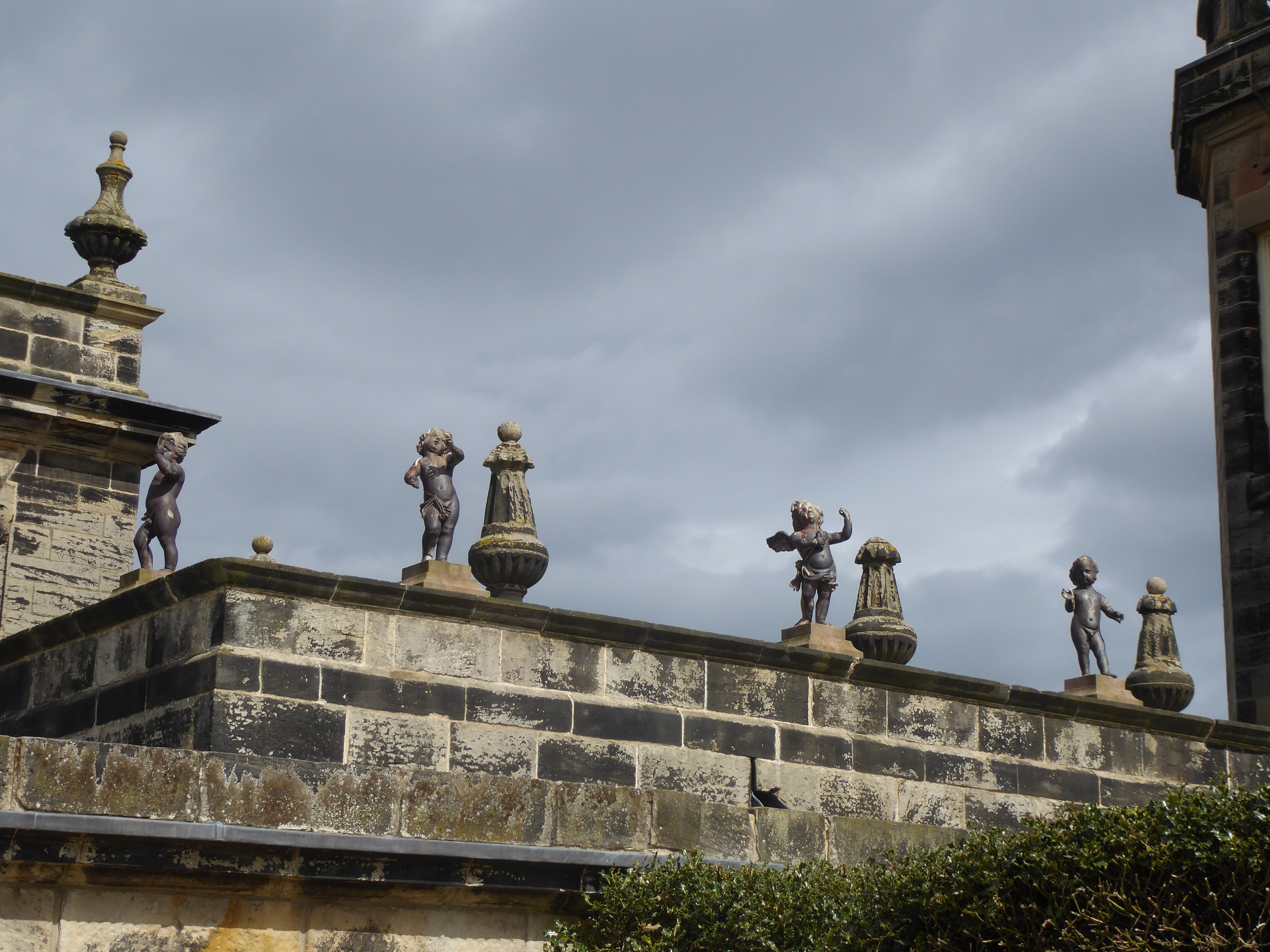
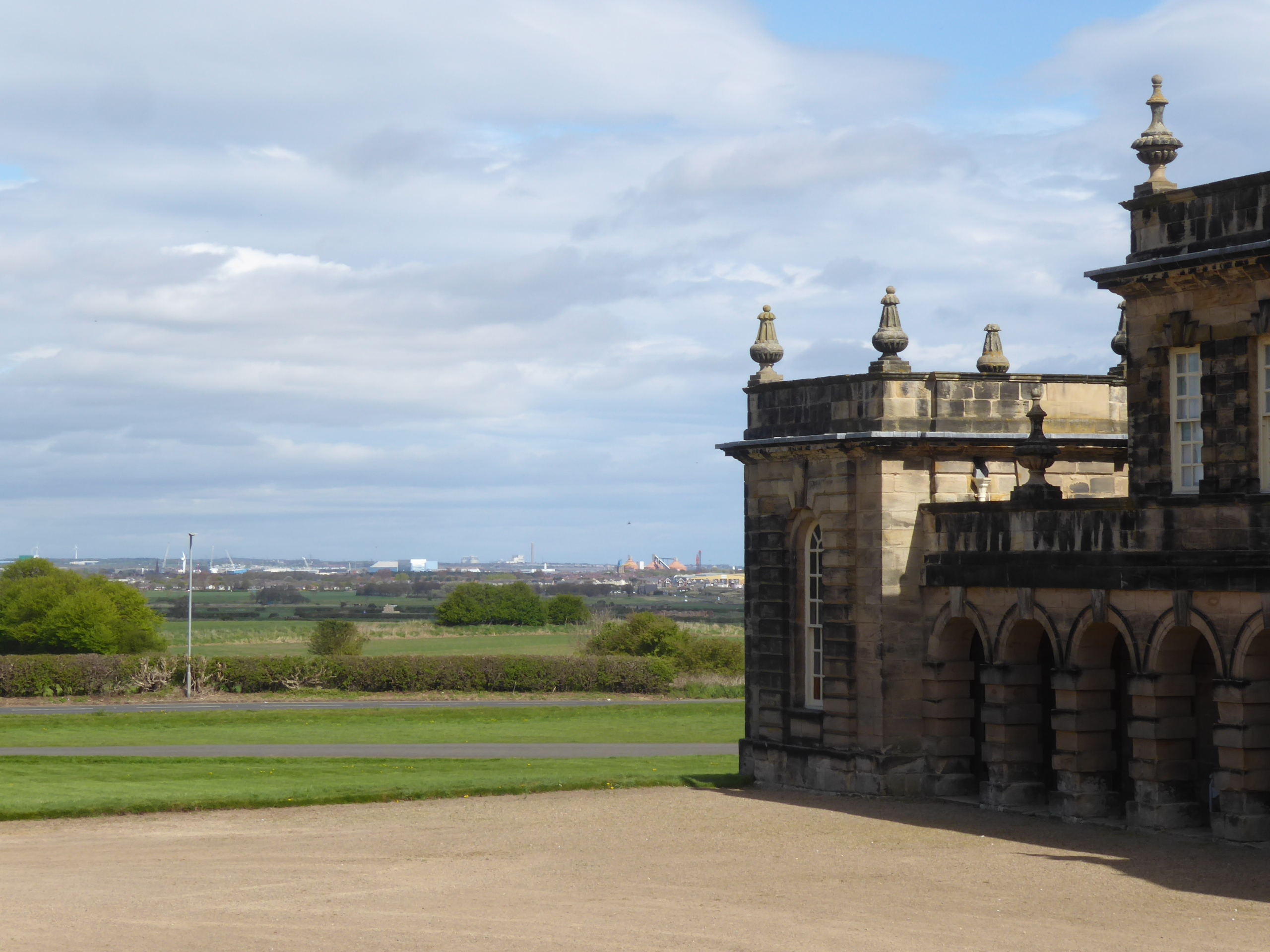
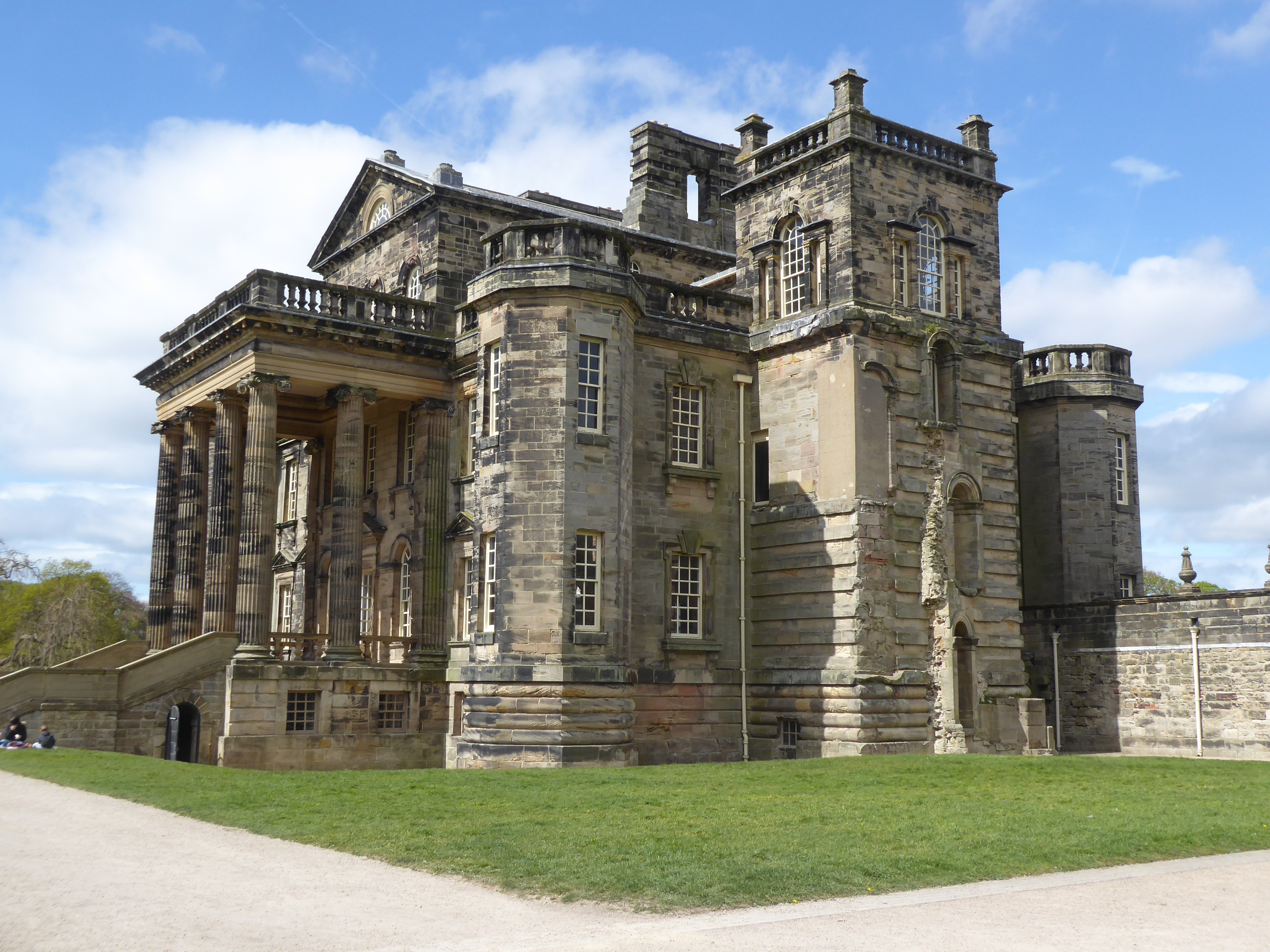
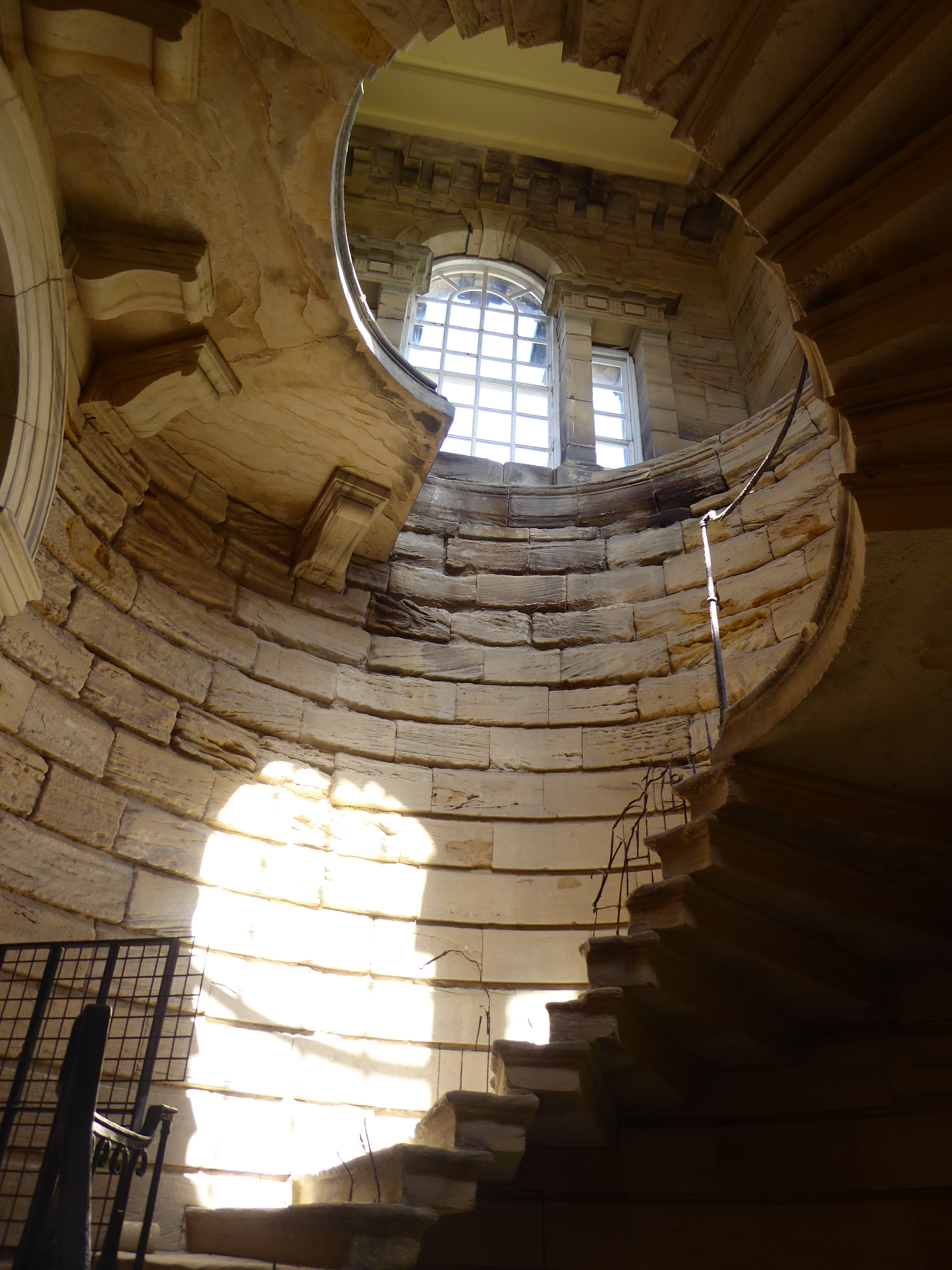
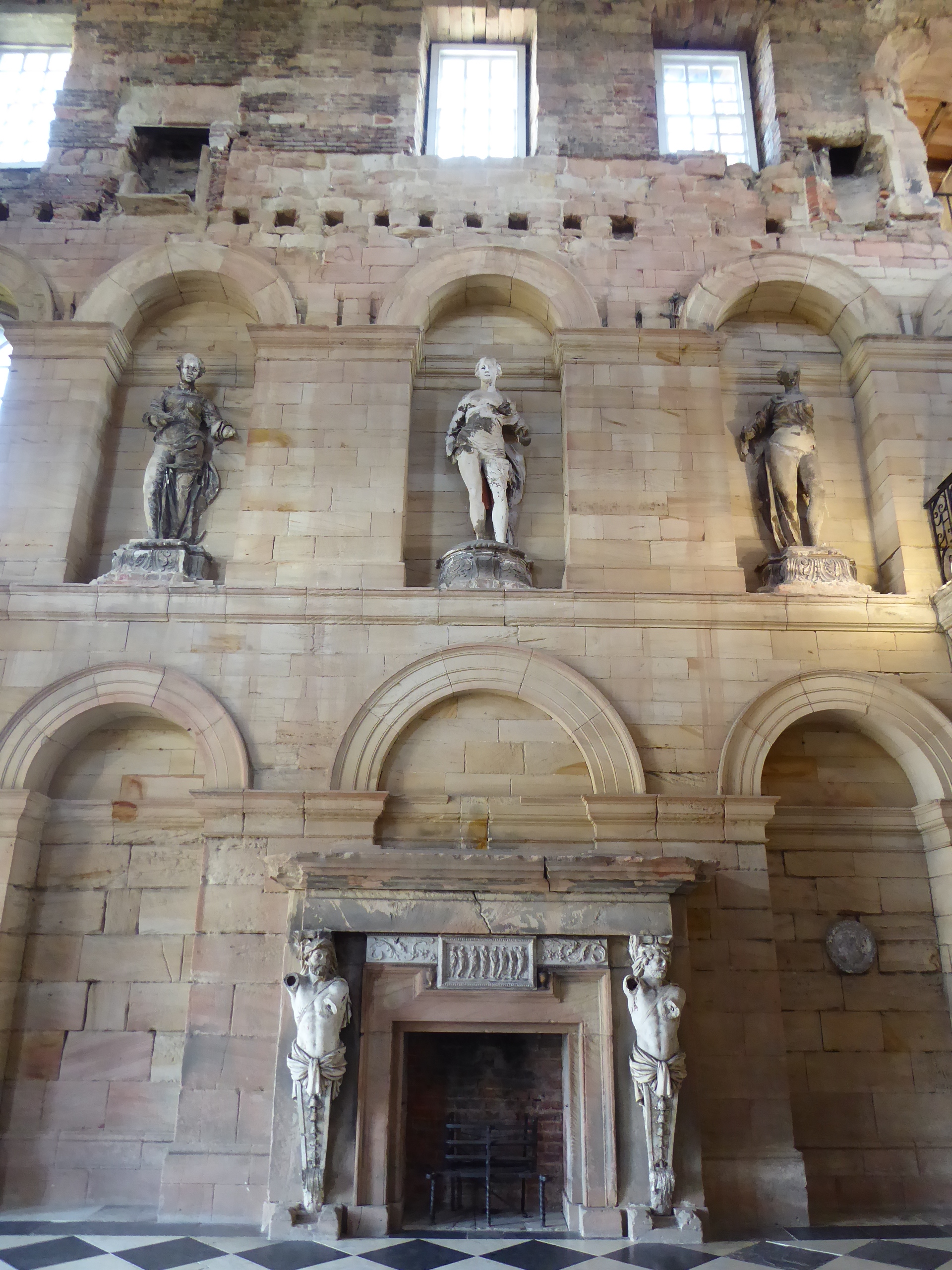
The Ashington train again, but this time only as far as Seaton Delaval and the Hall. Designed by Sir John Vanbrugh and built 1718-28. In 1822 a fire destroyed the south-east wing and gutted the central hall – the corps de logis. (I was confused about this, since both wings seemed intact, but a guide explained to me that the destroyed south-east wing was a later addition.) A great shame, priceless masterpiece, yada yada yada . . . but actually the damage to the showpiece central hall makes it all the more marvellous. Pipistrelle bats hibernate in the upper storeys. You can see which pilasters were made of stone. The eighteenth-century brickwork contrasted with the essential patching up of the nineteenth. Its ruin has been arrested, its proportions and exterior still dominate, and the interior has an air halfway between Ozymandias and poignancy. The family wealth (my inner Marxist asks the question) originally came from salt, glass (from the lovely sandy beaches) and coal.

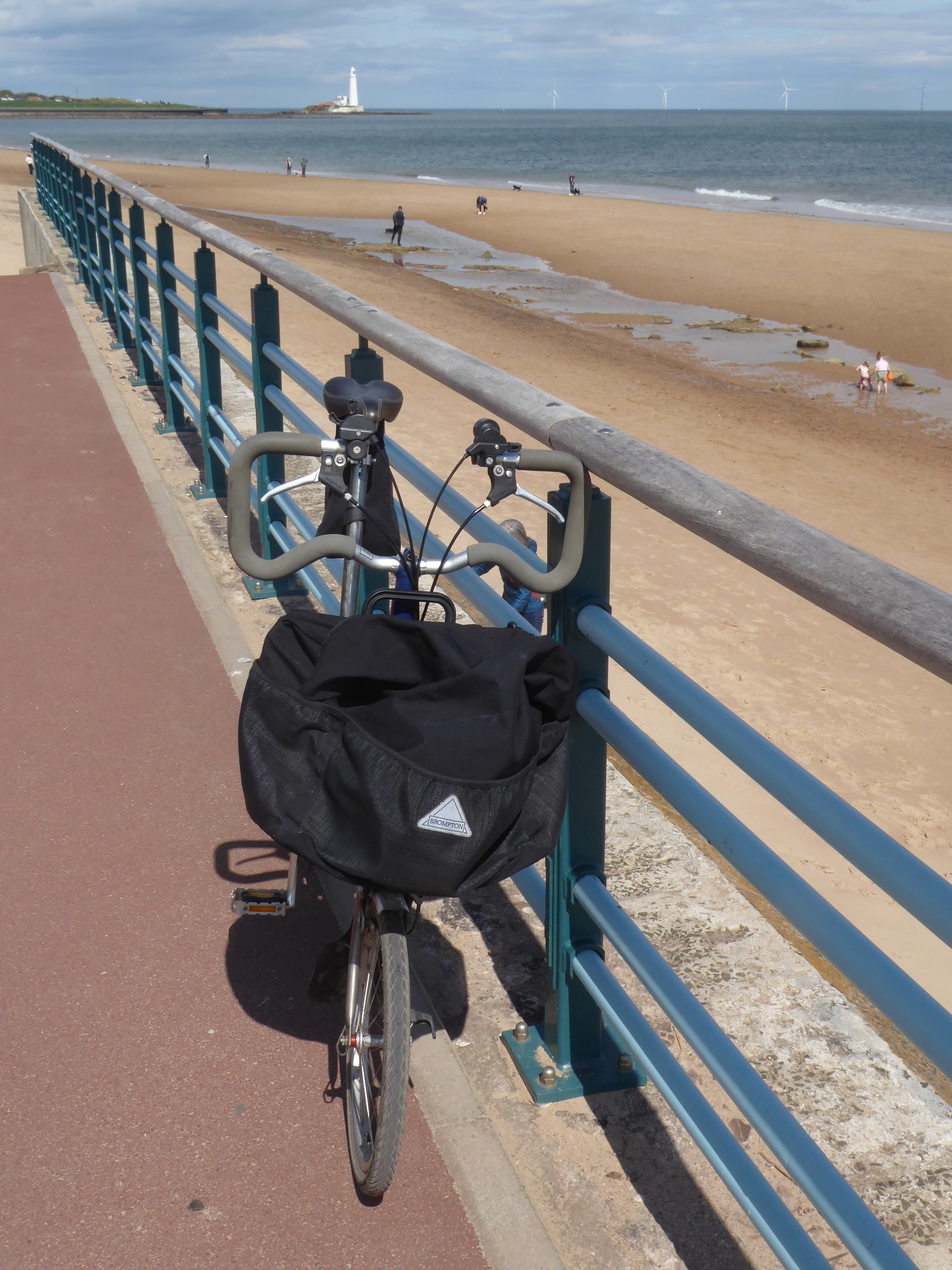
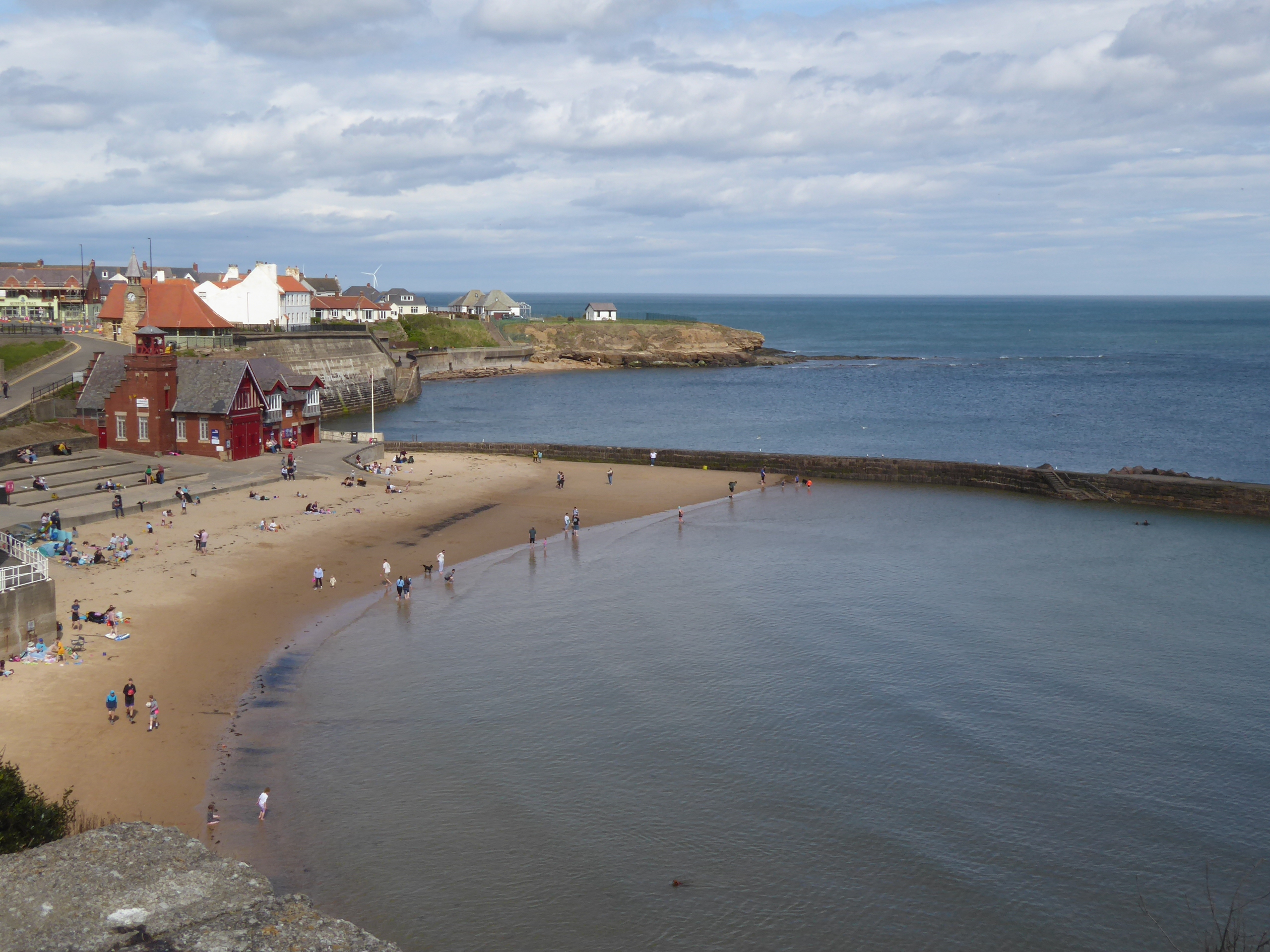
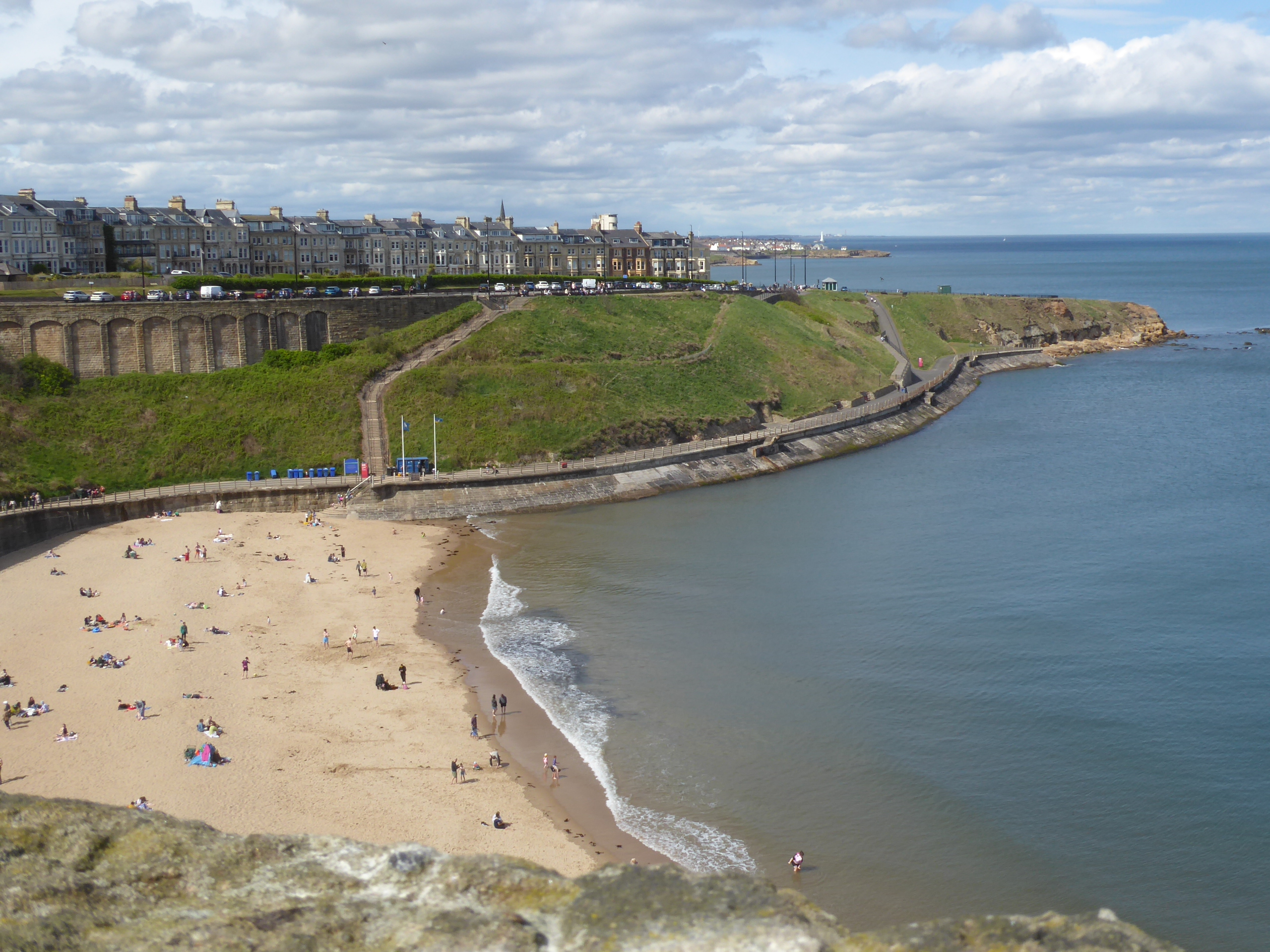
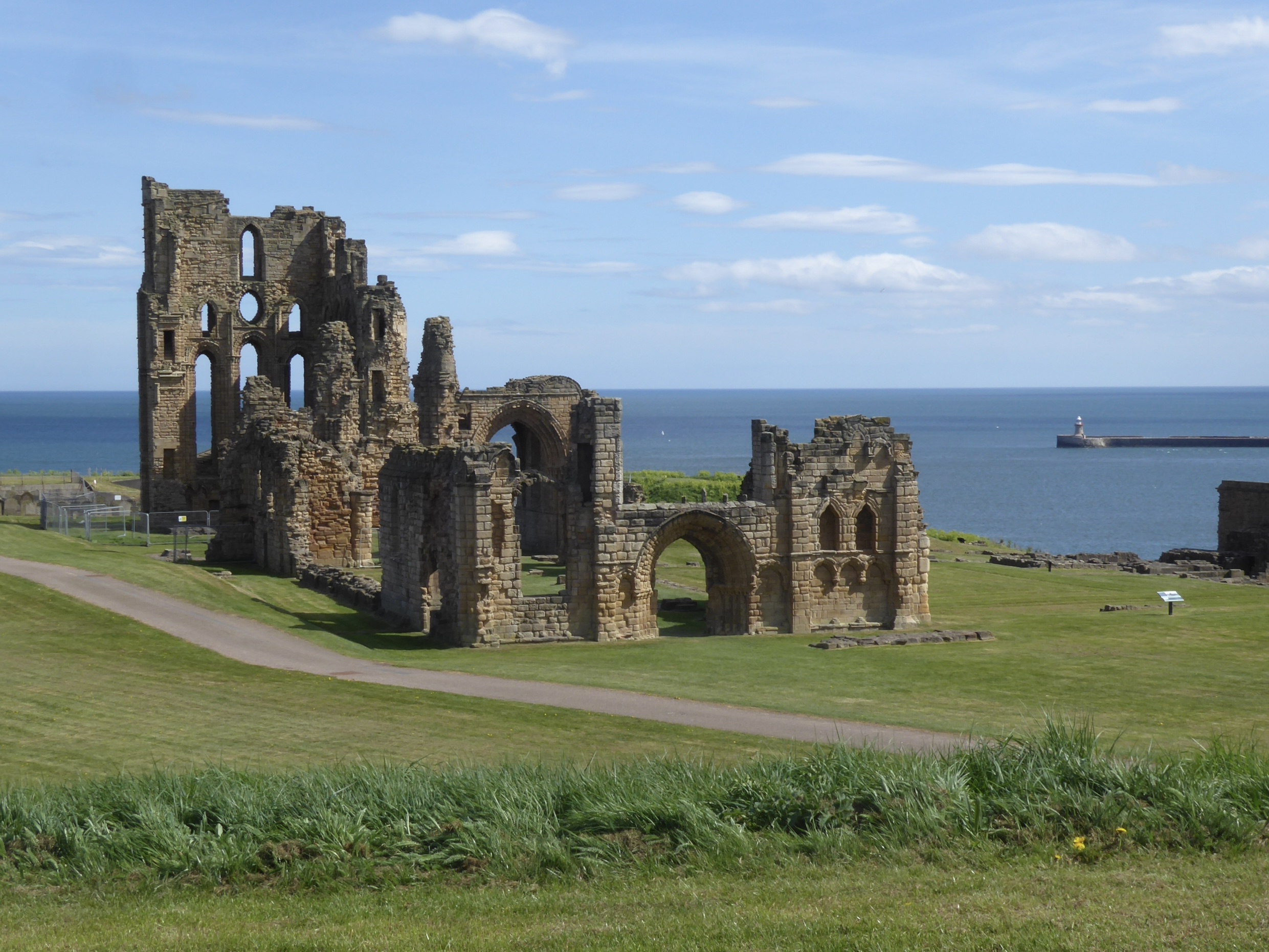
Then back to the Brompton and a ride to Seaton Sluice and southwards along the coast through Whitley Bay and Cullercoats to Tynemouth. I stopped to admire the Spanish City and remembered how my Newcastle-bred mother used to refer to Whitley Bay as some kind of childhood Nirvana. At Cullercoats I recognised the bay and Watch House from Robert Jopling’s paintings. And the outline of Tynemouth priory looked uncannily familiar until I remembered an evening ferry from Newcastle to Ijmuiden years ago. Then the metro back to Monument and I was in the big city once again.