Marienfeld to Warendorf

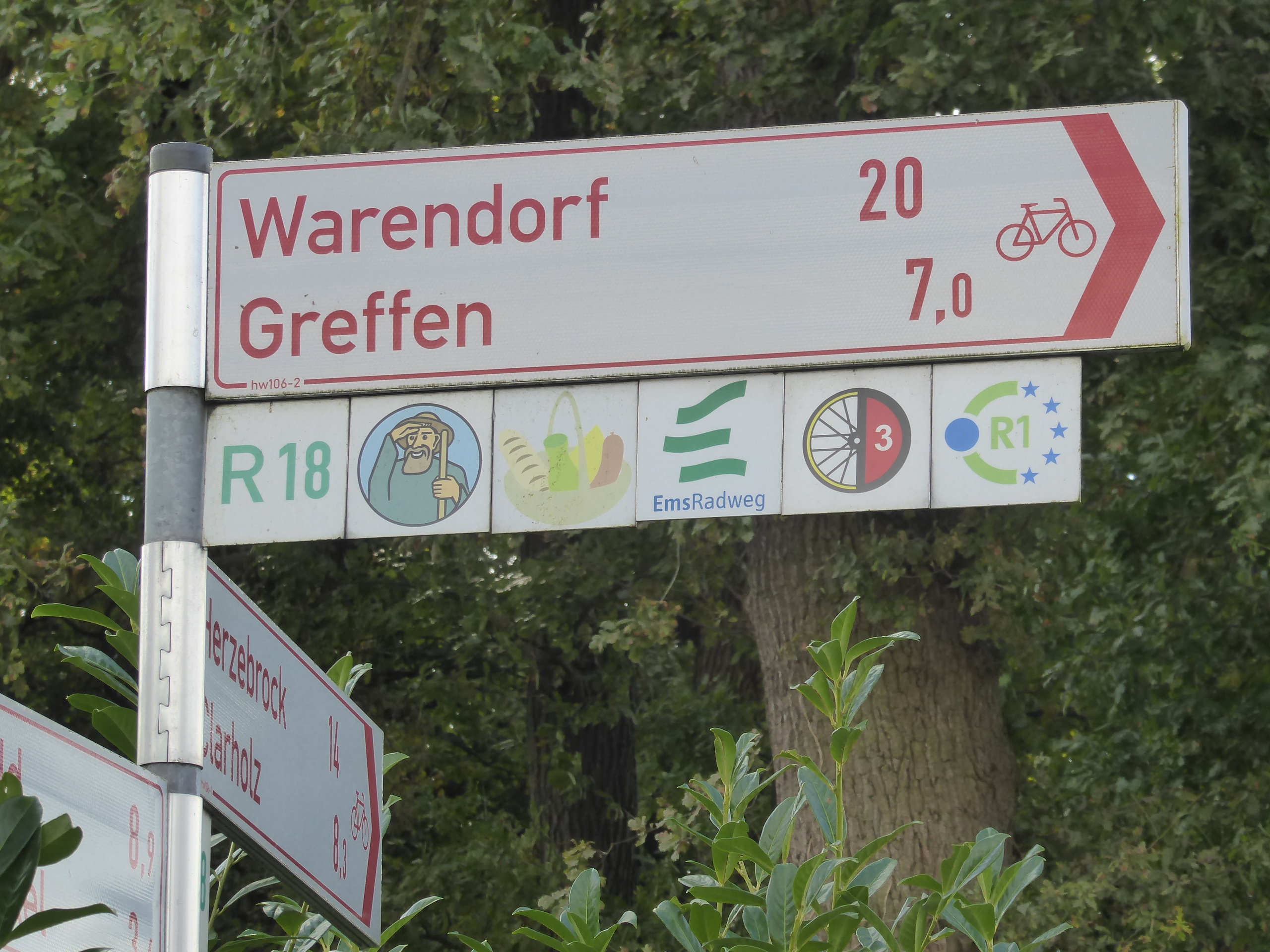
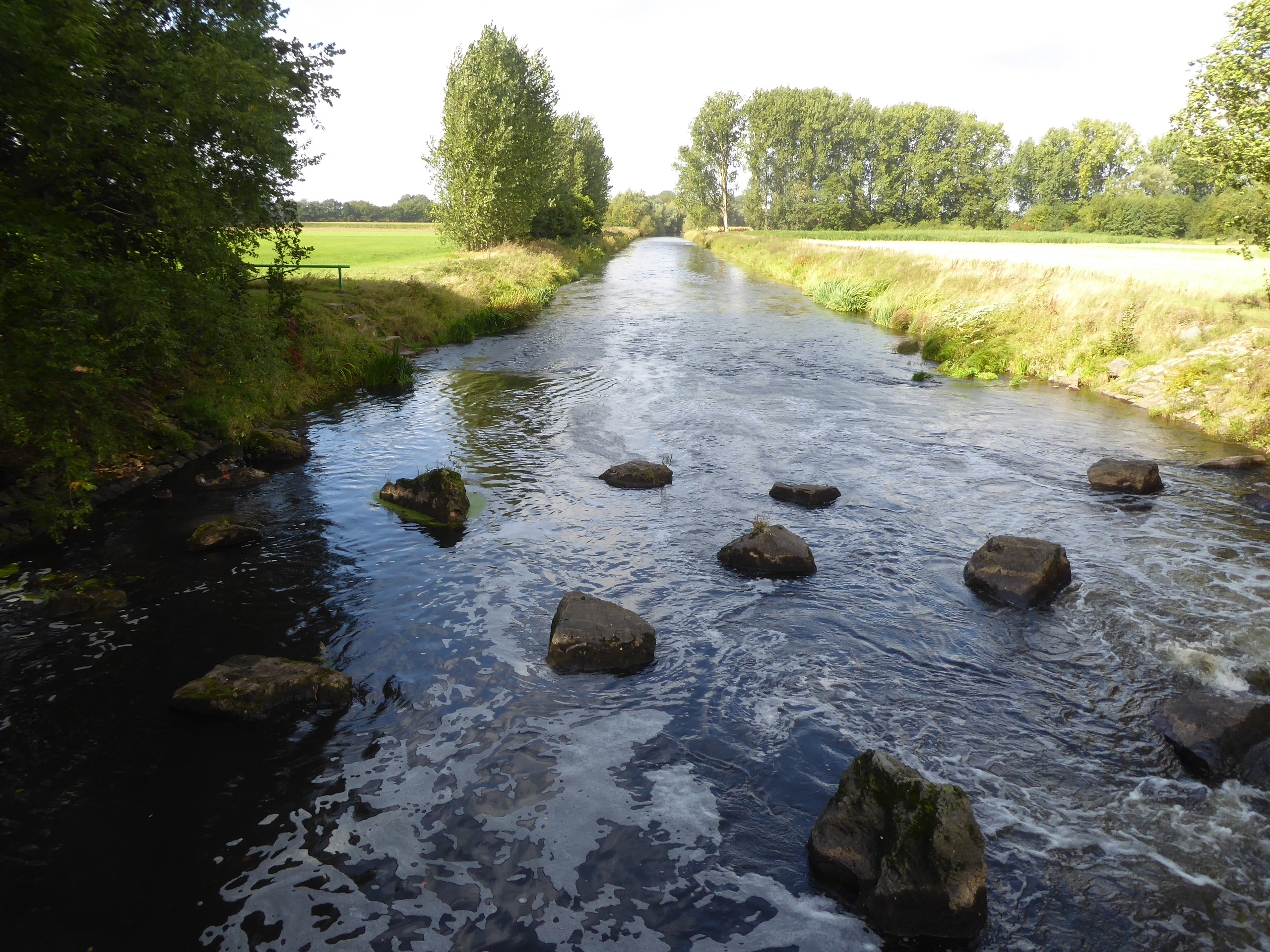
This morning we said goodbye to the Hellweg-Weser and hello to a short section of the R1 that will take us to Arnhem. This is also part of the Ems Radweg, so it was nice to encounter the river again after following it for some days in May.

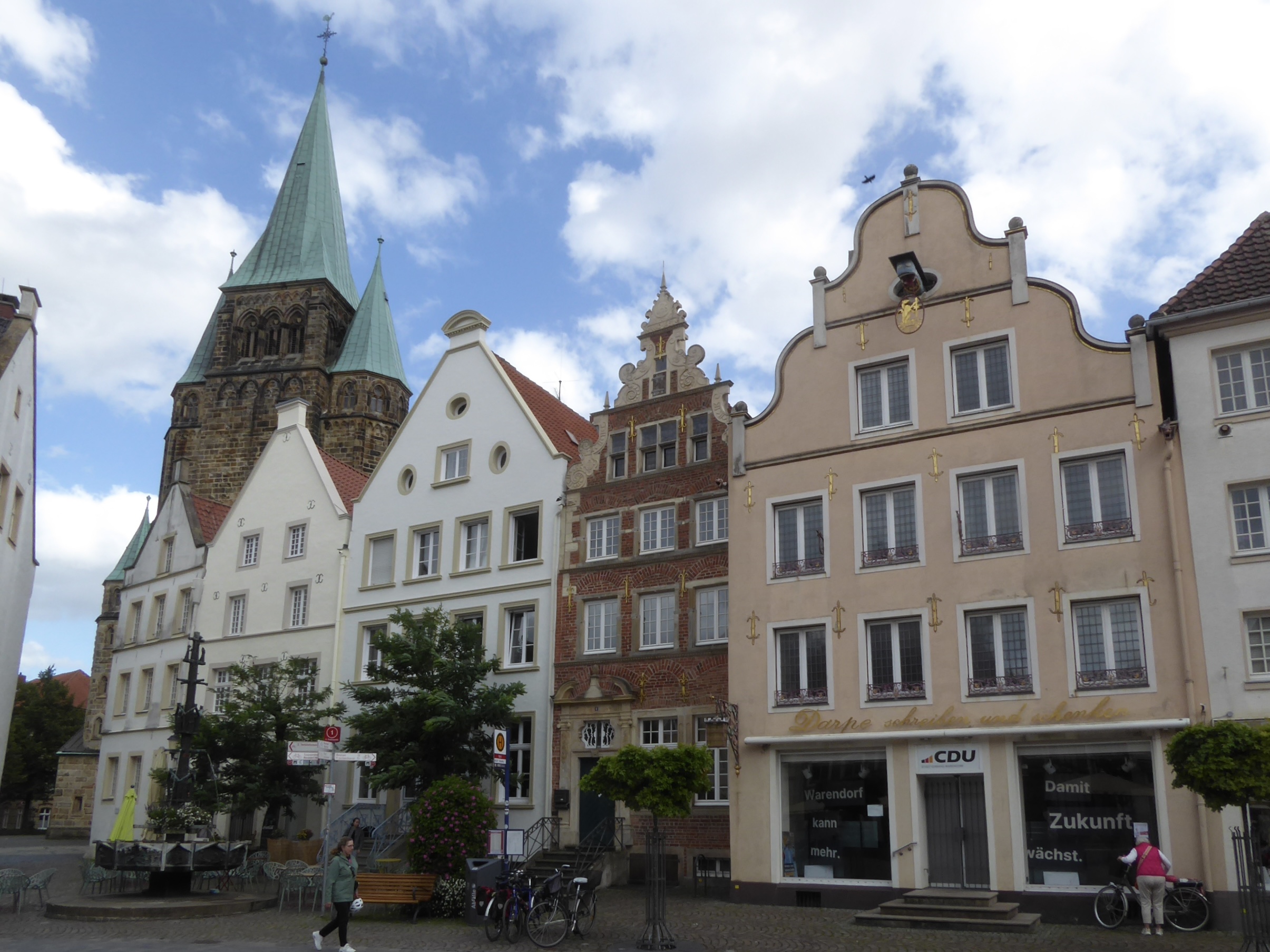
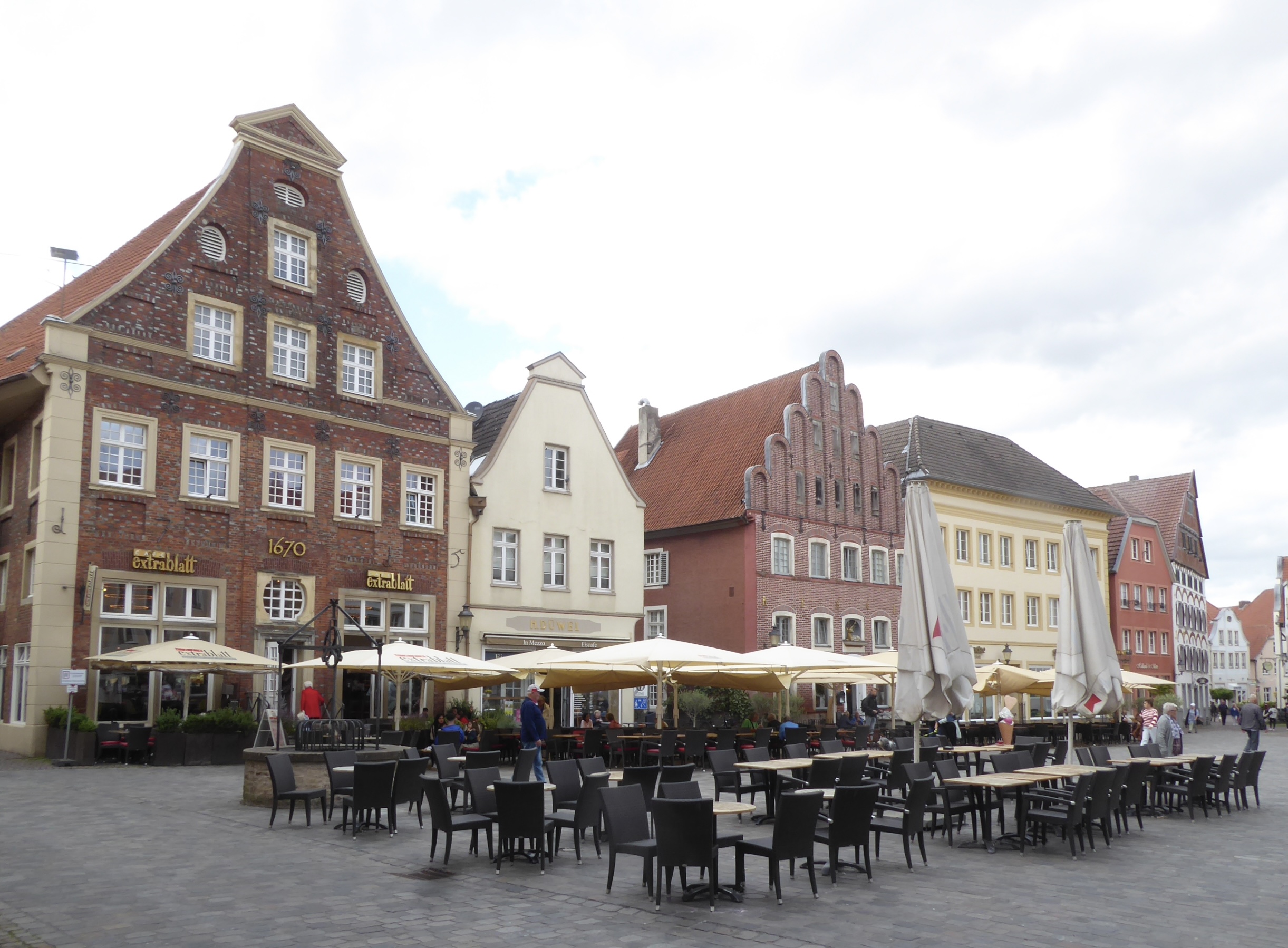
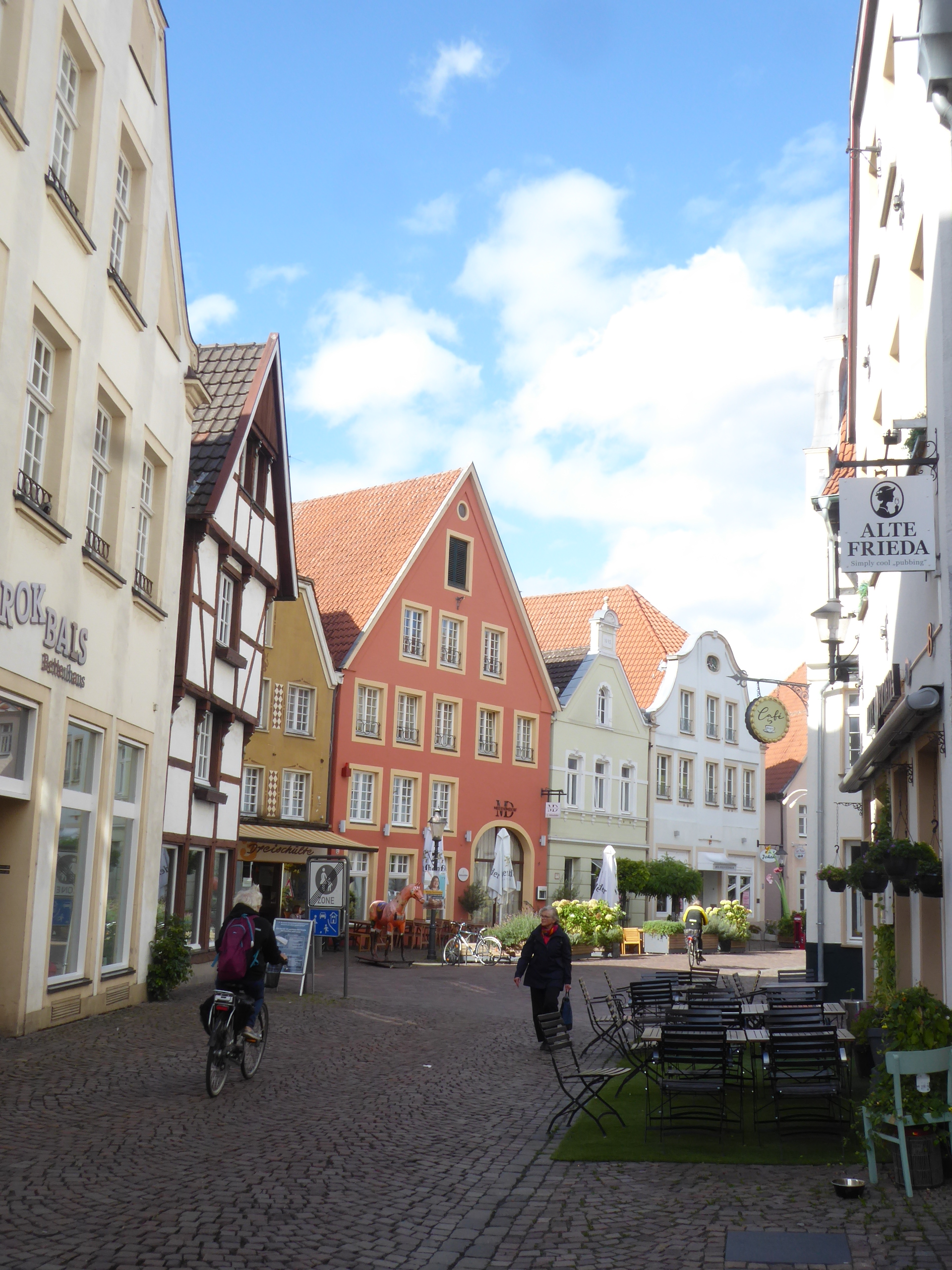
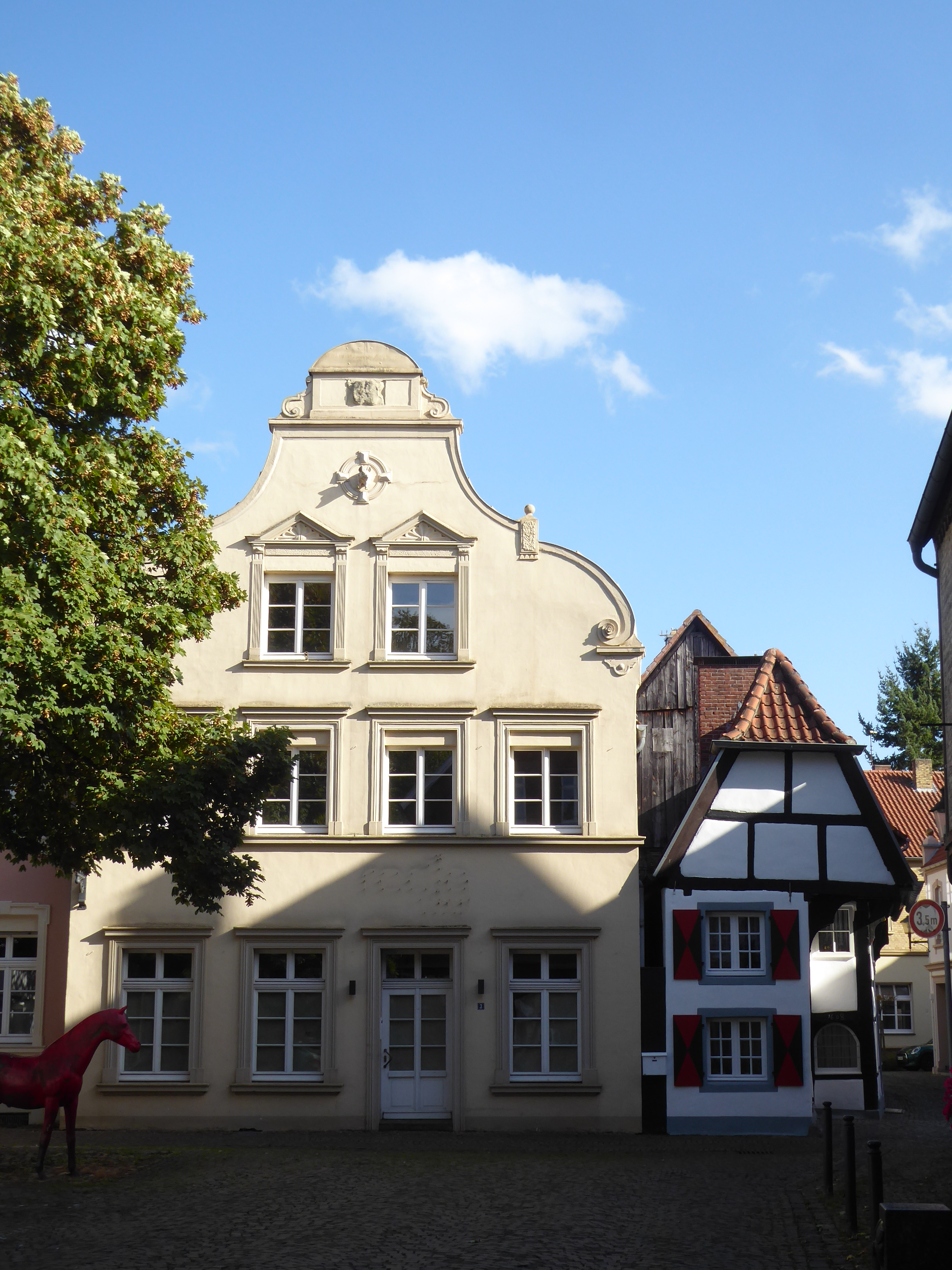
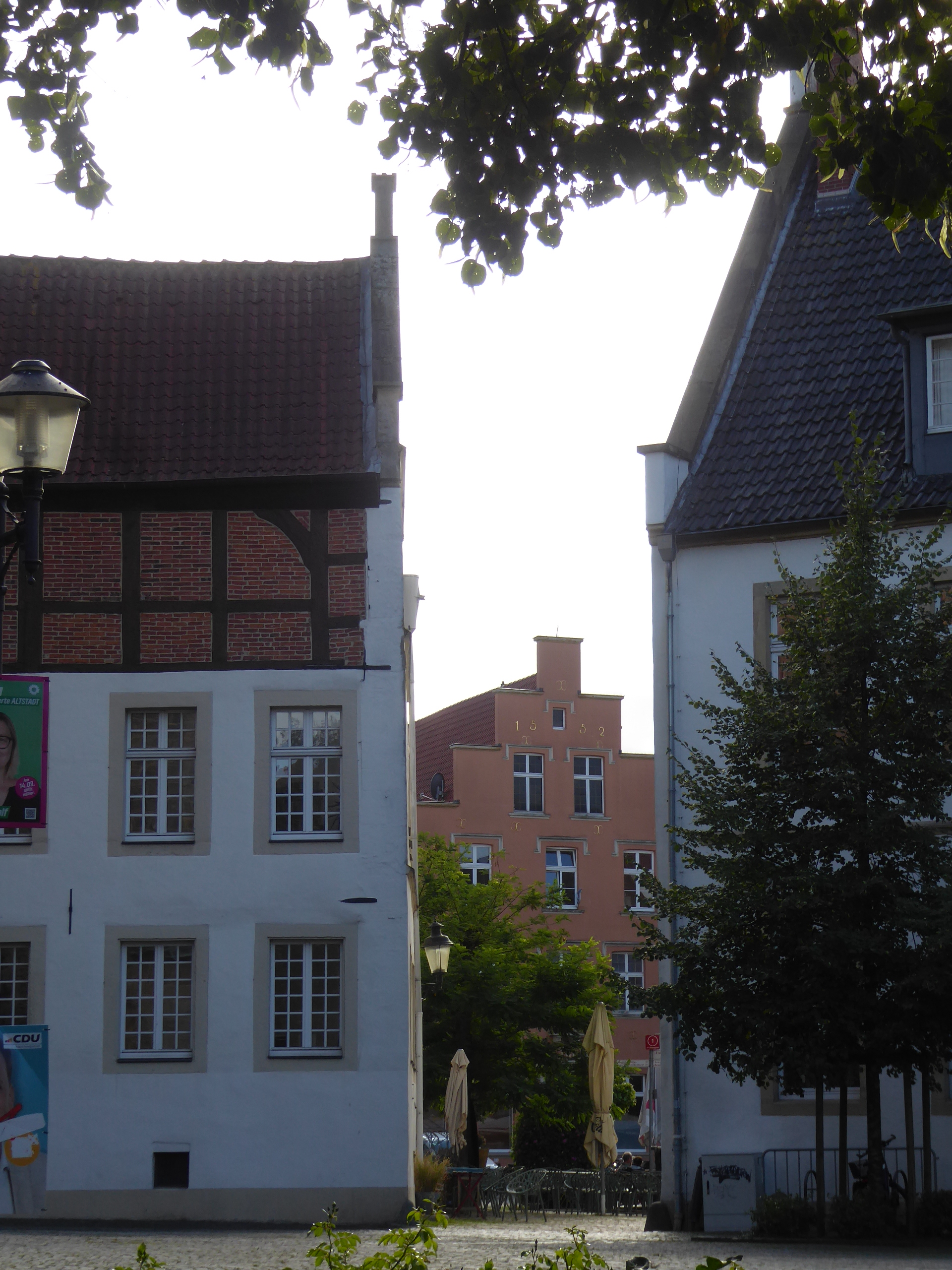
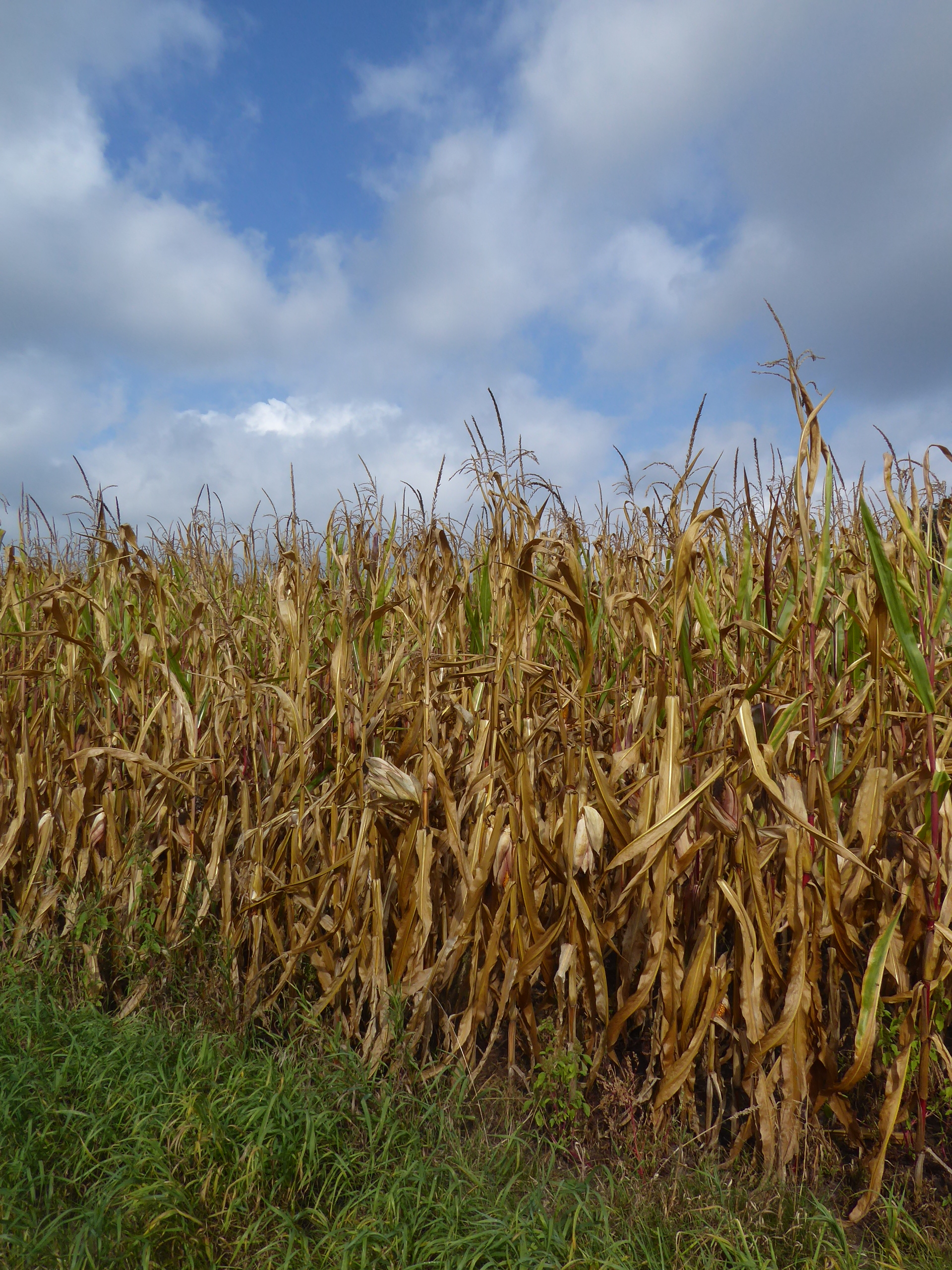
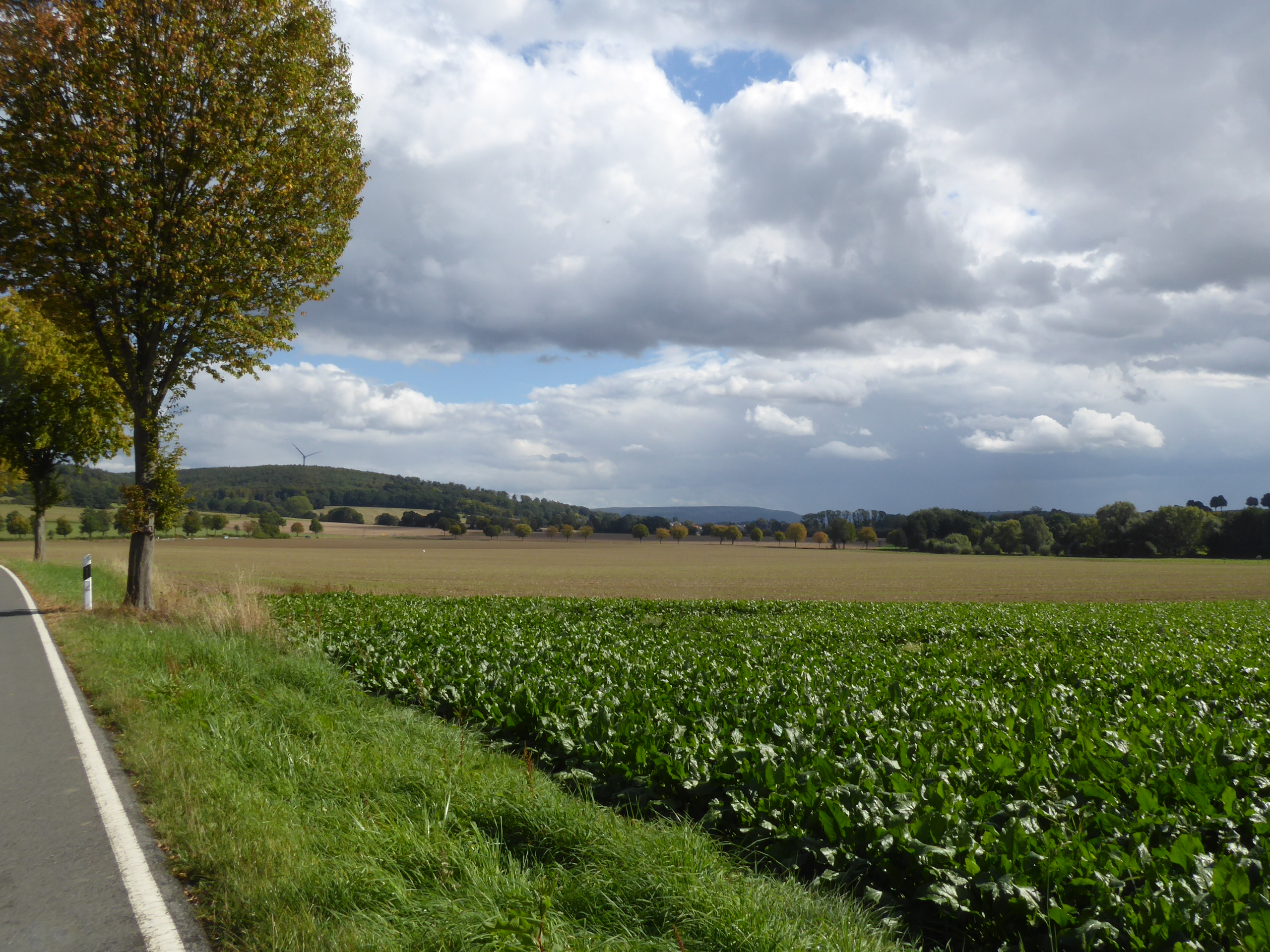
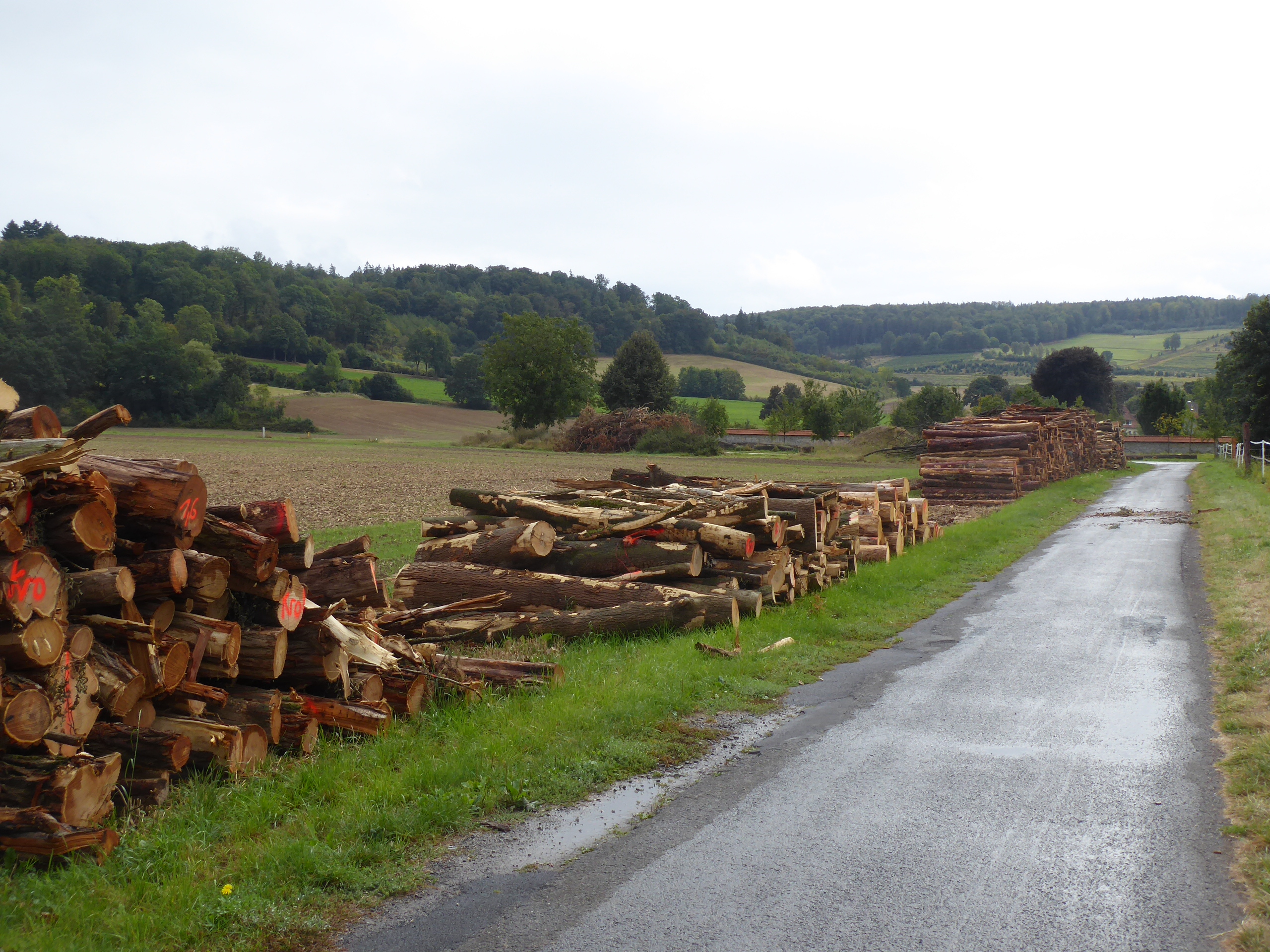
Even by our new-normal standards, this was a short day. The weather forecast was for a strong headwind and very strong gusts, so the idea of reaching Münster in one day was shelved. It was a pleasant ride nonetheless so long as you didn’t get hit by flying acorns, with – in deference to the distance – just the one cake for me today. At Warendorf we picked up the 100 Schlösser Route once again, and the Markt was a familiar sight from our previous visit. I had time to wander around the town – very well-kept and quiet, with cars kept out of the centre (and hence lots of bicycles).
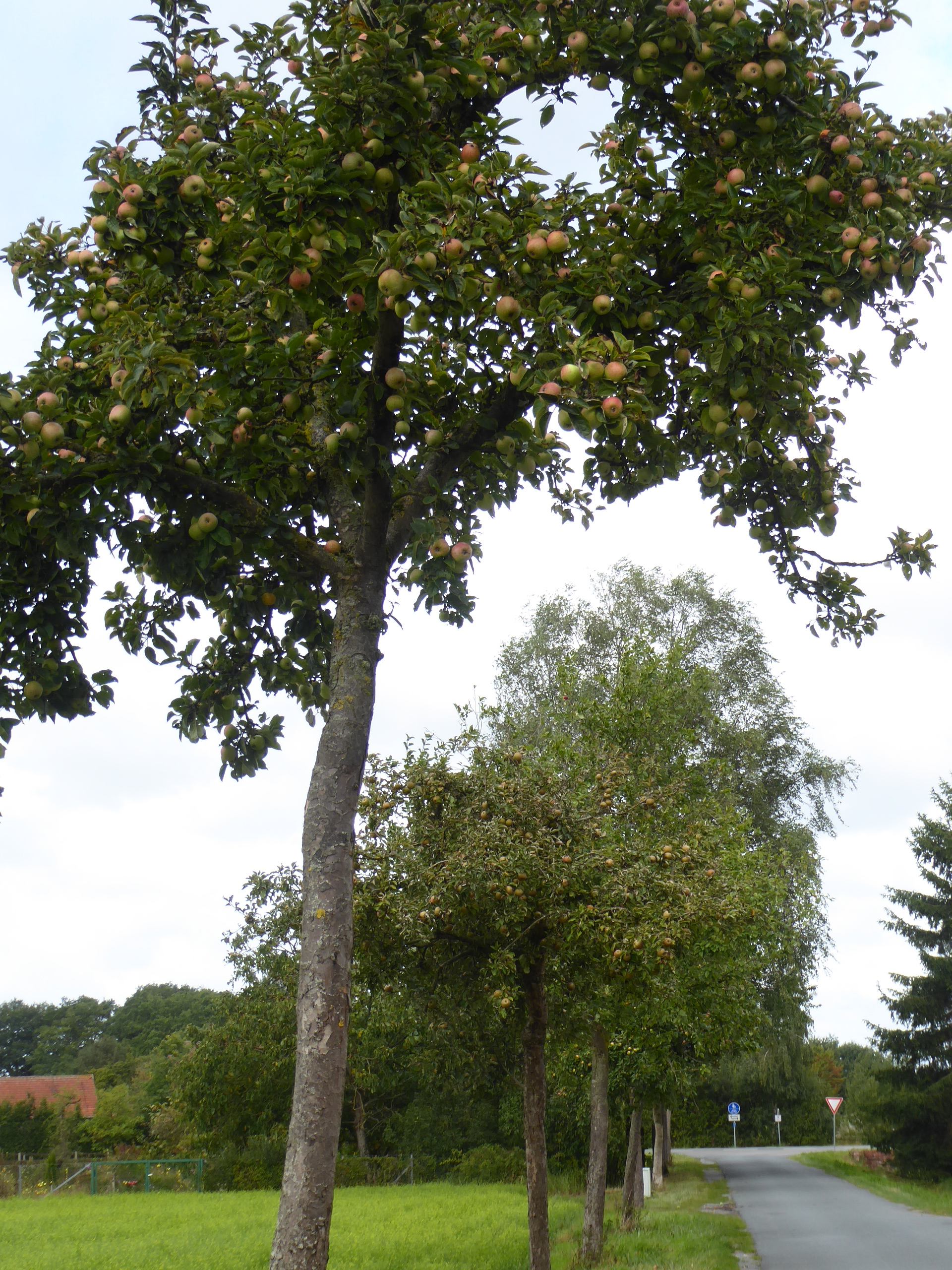
I’ve forgotten to mention all the apple and pears trees beside the roads; scrumping is the norm, and it’s noticeable how all the easy-to-reach fruit has been picked. Beneath each tree is a mushy pile of windfalls.
Bielefeld to Marienfeld

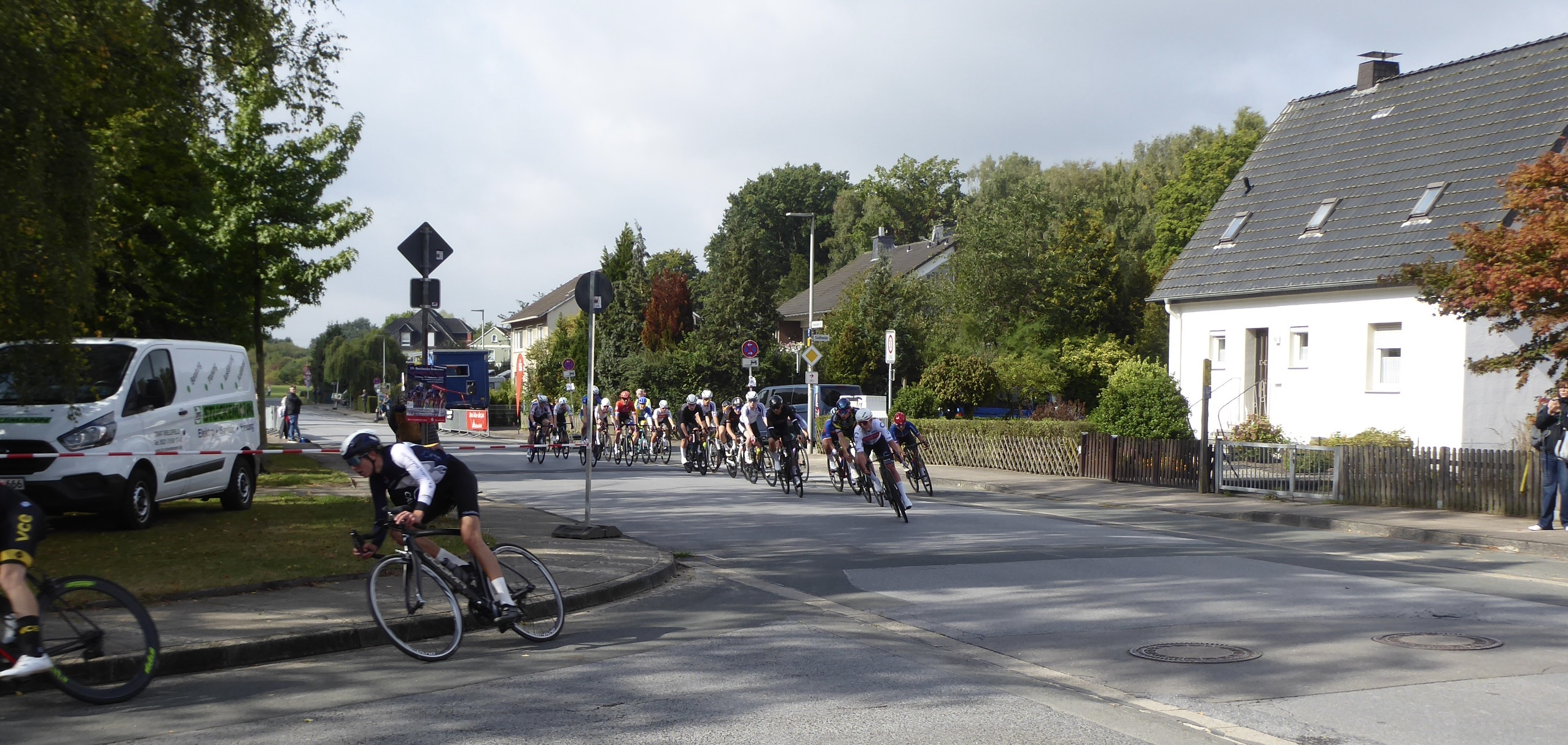
Finally a completely dry day. Not that it’s been properly wet, but we’ve had a few brief showers every day on this Radweg. It was a fairly unmemorable ride – it was enough simply to be cycling in sunshine on very quiet roads. I heard buzzards several times. The oddest thing was intersecting with a cycle race; the roads were closed, but we were able to use them so long as we kept out of the way. Which I did – feeling like a laden donkey compared to the sleek thoroughbreds that whizzed past me at frightening speeds.

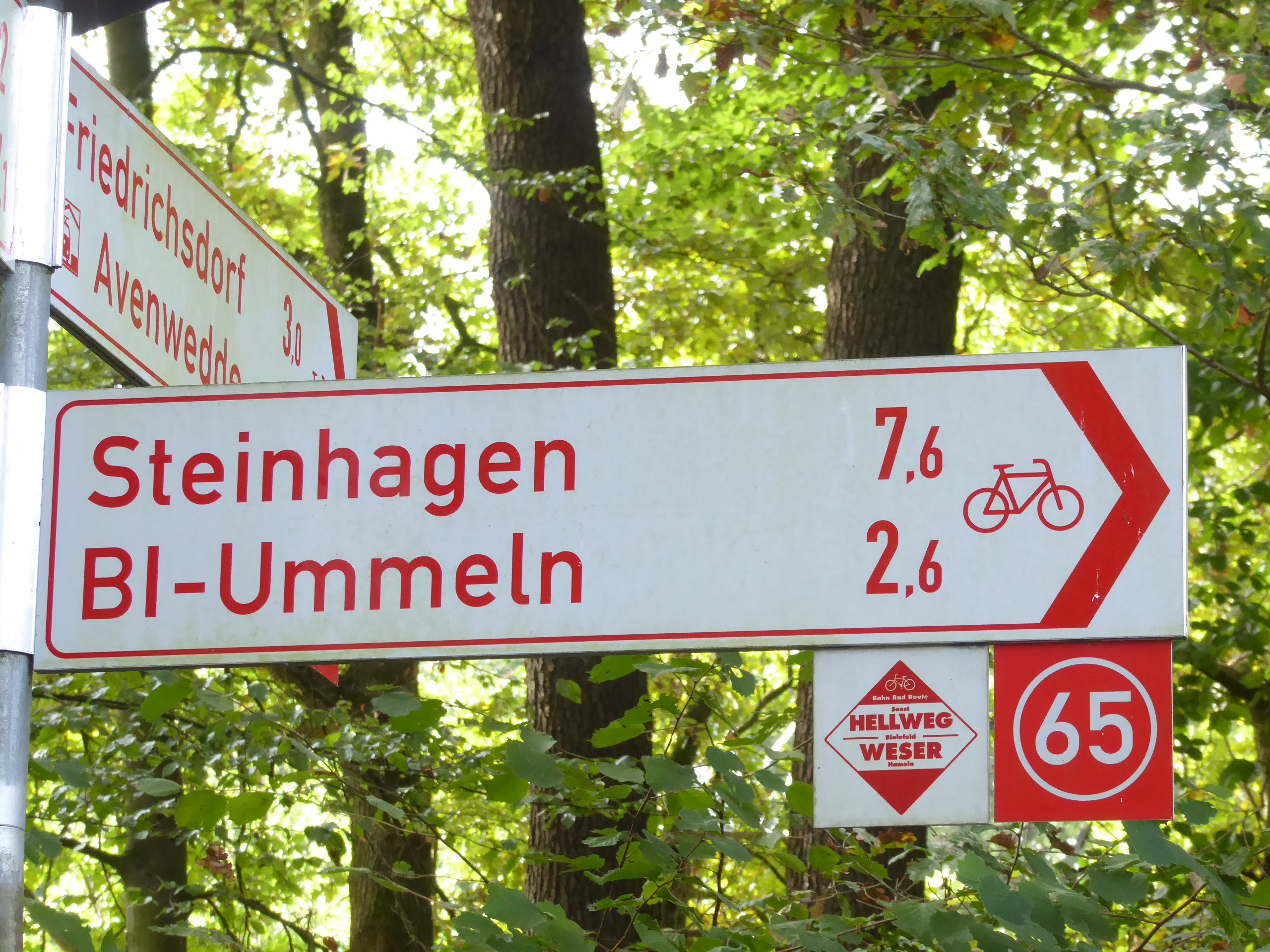
South of Bielefeld I finally saw a signpost for the Hellweg-Weser route. And then they ran out again.

Lemgo to Bielefeld

It’s clear we’ve changed Länder from Lower Saxony to North Rhine Westphalia: not only are there roadside crucifixes, but every lamppost proclaims its allegiance for tomorrow’s local elections. In Lemgo there were stalls for the main parties at the marketplace: AfD (young), Greens (young and old, offering apples) and the Free Democrats (whom I didn’t see). The political billboards are interesting if one puts one’s own views on ice: lots of “vote for me” head-and-shoulders photos with three-word slogans and very locally focussed, sometimes only on show in one village. One placard, for example, referred to the one-street village we were riding through; another said that all villages need a meeting place. It was a bit like having posters of local councillors for town wards plastered up – a bizarre thought to someone used to only a third of voters turning out for British local elections. The word “strong” appeared regularly. Other posters referred to more national concerns: poverty, security, economic growth, re/migration. I saw one AfD poster that suggested that Hermann would have voted for them; we were close to the Teutoburger Wald after all. (I wondered who Boudicca would have voted for.) One CDU billboard against high parking charges appeared only in streets full of residential parking. In the countryside posters against wind turbines were noticeable. (There are a lot of wind turbines around here.) The Die Partei satirical posters are mildly amusing at first glance but hardly constructive. AfD posters faded away the closer we got to Bielefeld – just as I noticed in last year’s EU elections, when there was a big divide between Münster and the surrounding agricultural land. In the centre of Bielefeld there were rival demonstrations in Jahnplatz as we arrived.

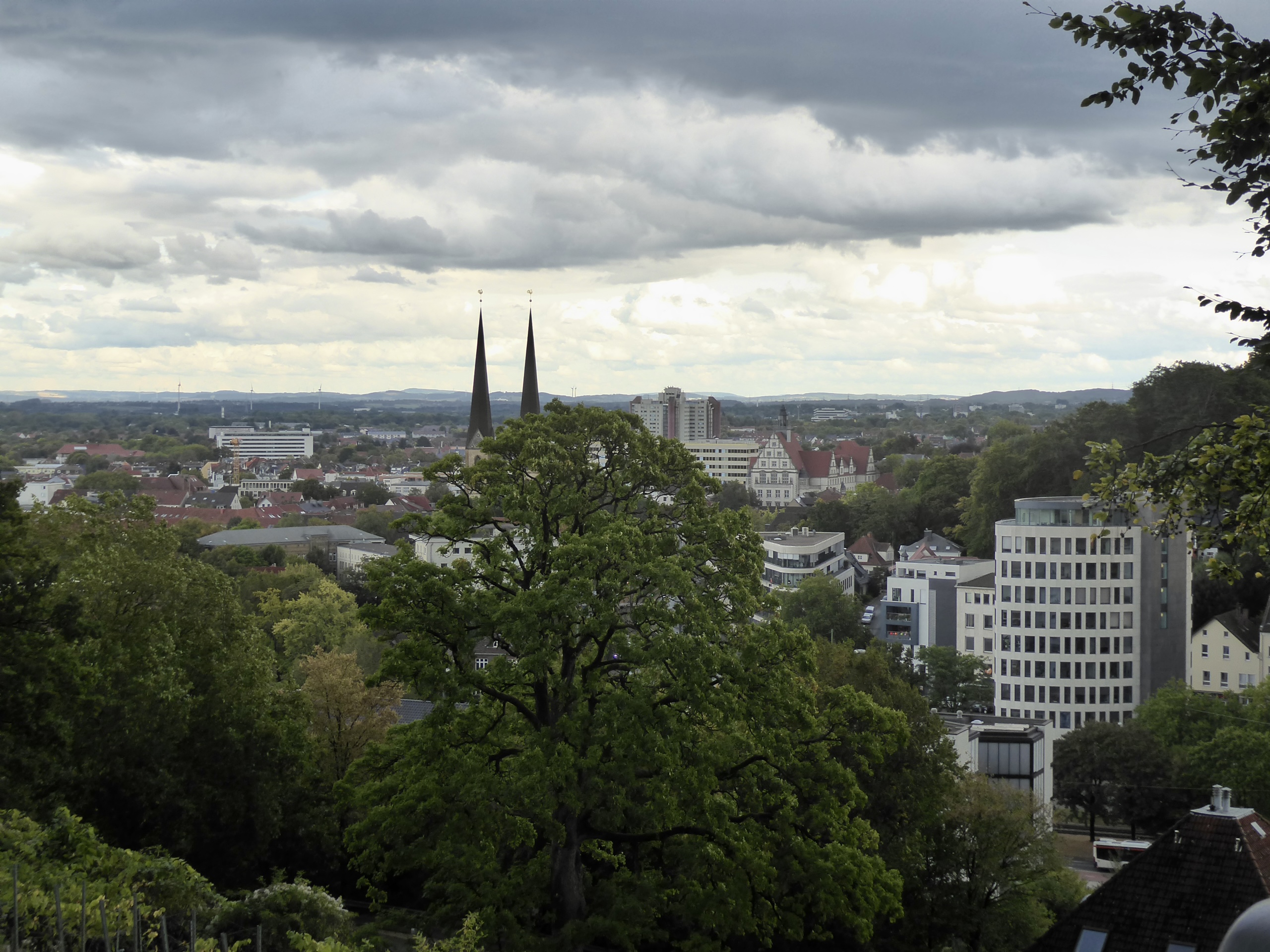
The ride was pleasant enough and quite short. We are staying on the hillside above Bielefeld; it should be a great view, but trees obscure practically everything apart from the busy ring road. Once again, I haven’t had a chance to explore – but it’s a cycling holiday, so I can’t have everything.

Lügde to Lemgo

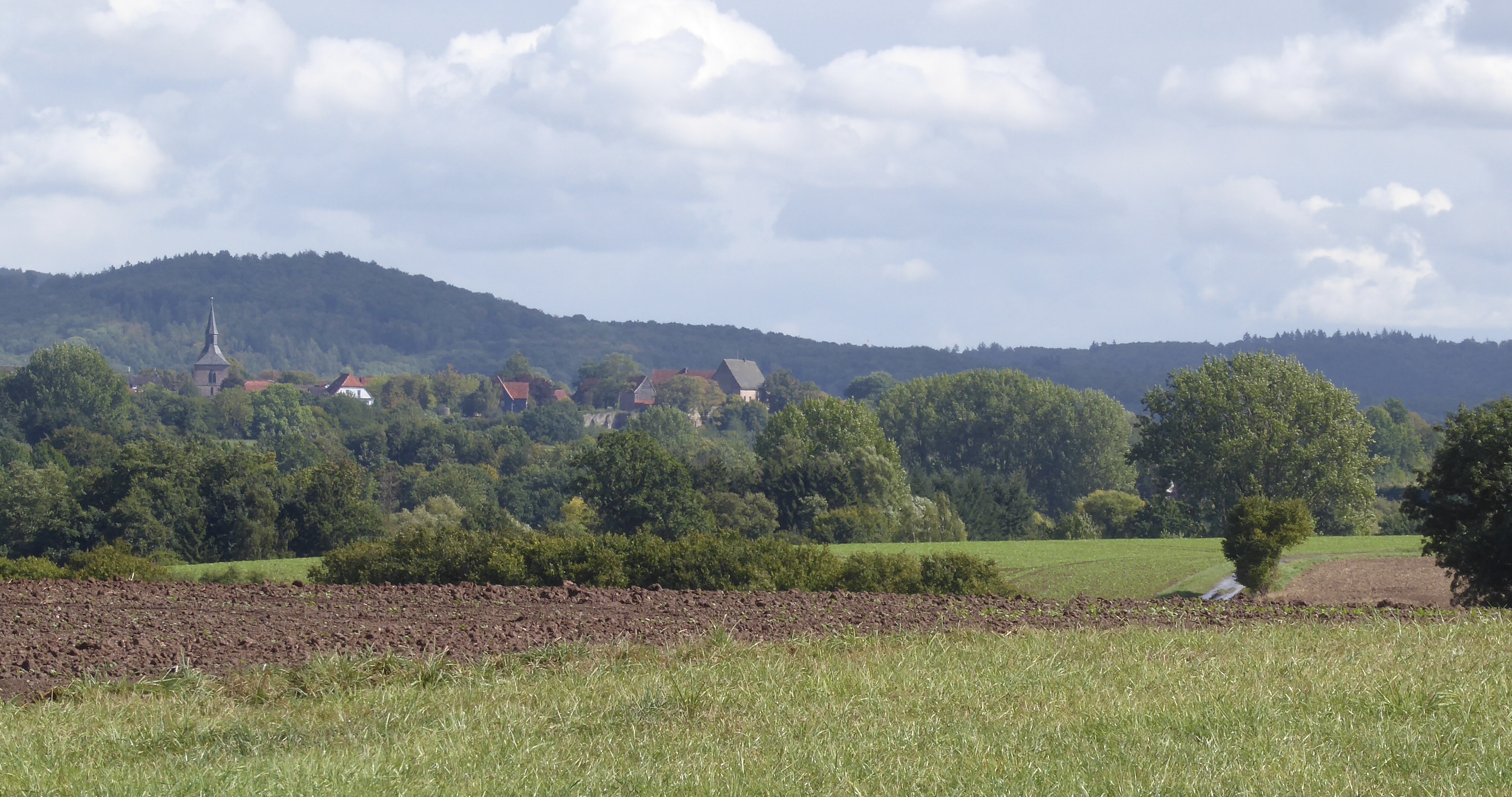
Another repeat ride – although I only remembered the middle section after Blomberg. Long gentle uphills and downhills amongst open fields with wooded hills in the background. The lack of hedgerows and the presence of trees mark it out as “not England”. I enjoyed the hills, even though I had to walk up one: it’s good to know that my legs and lungs are up to it, and it’s really satisfying to be rewarded with some easy freewheeling kilometres.

Sometimes I try to translate into England the places where we stop for Kaffee and Kuchen; today was “Greggs in a Bargain Booze warehouse on a busy crossroads”. And it was fine.

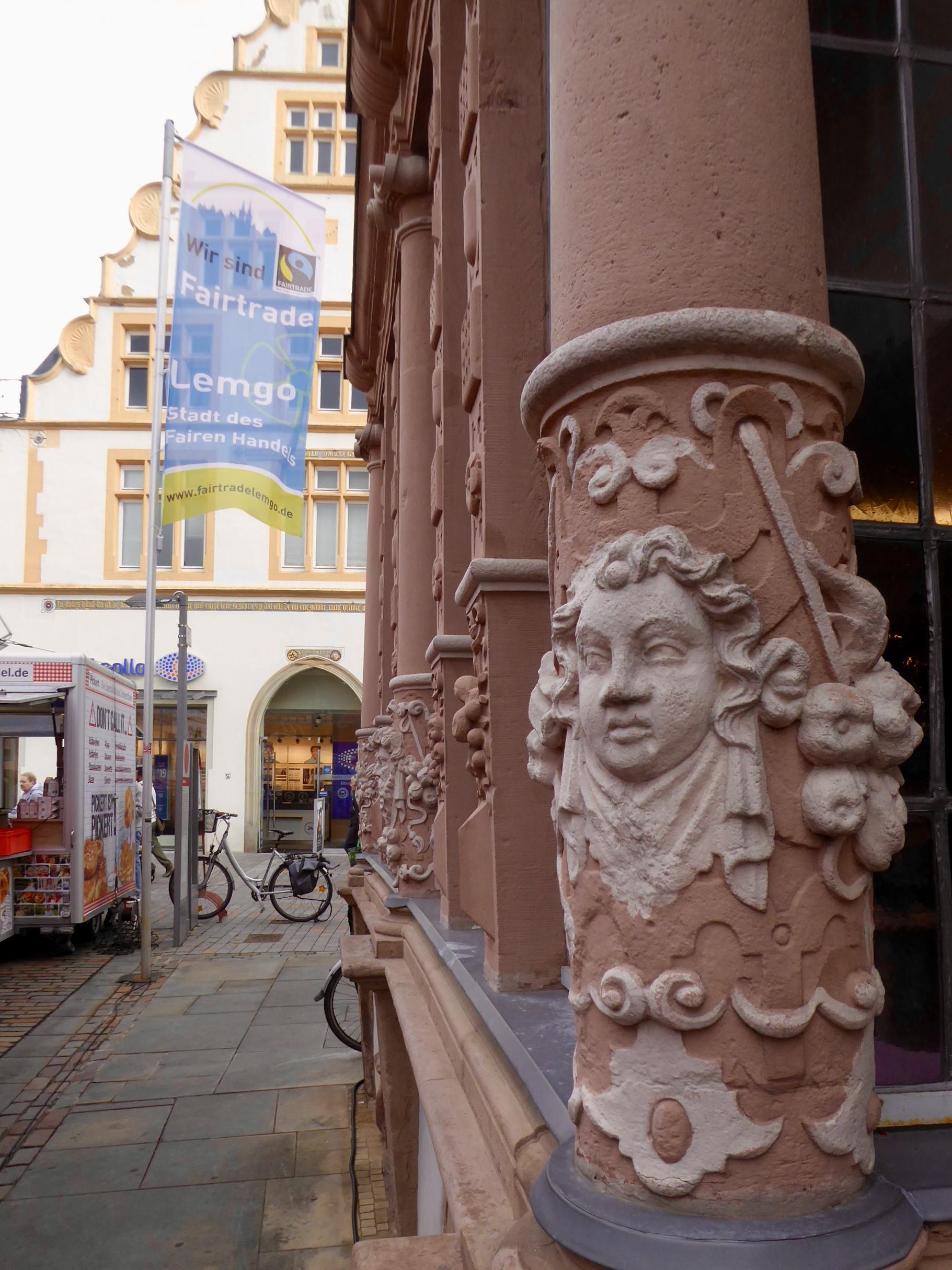
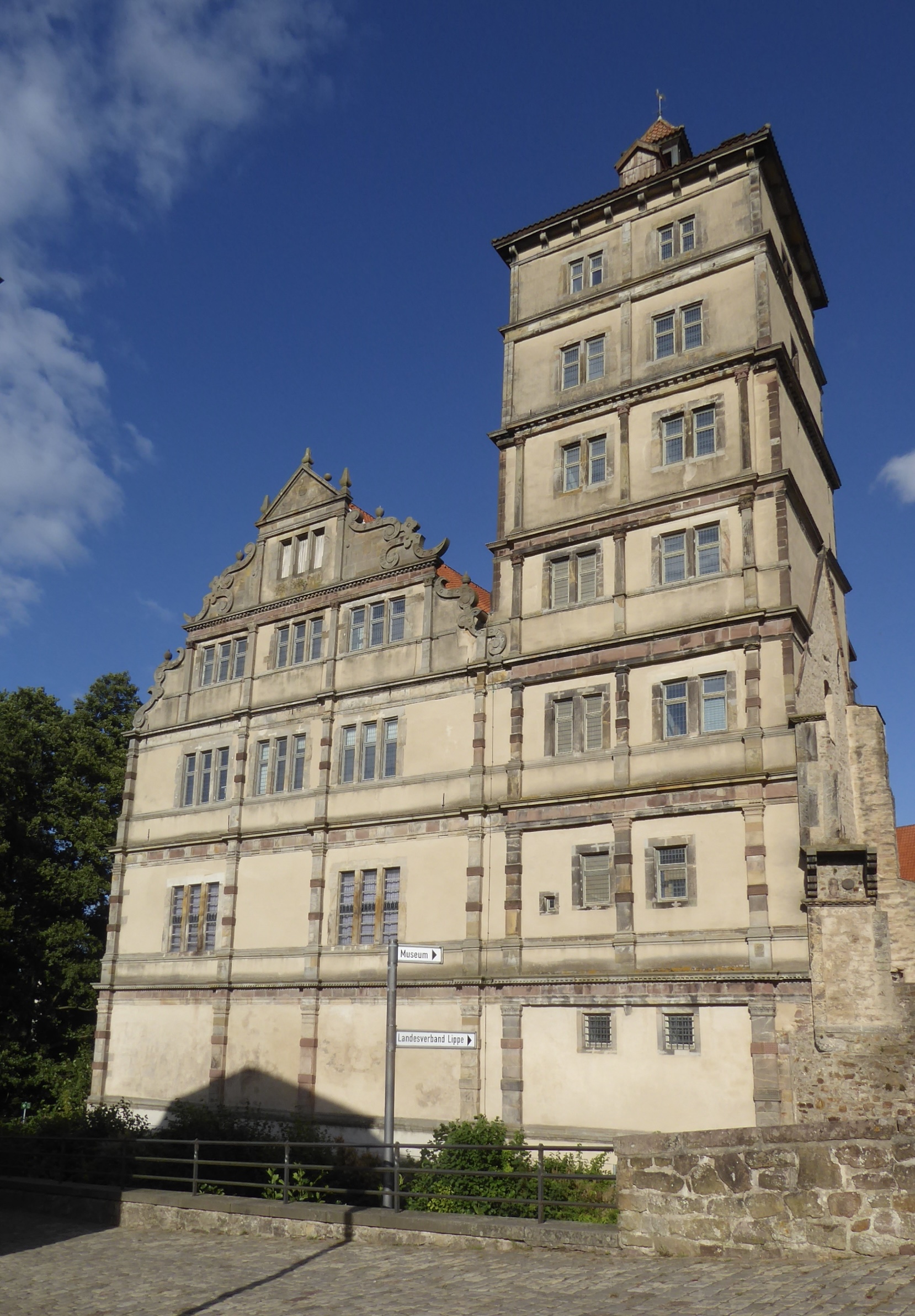
From last time I know how interesting Lemgo is, but we arrived too late for me to walk around. (My goodness, but we are slow!) It was a Hansa town on the intersection of two trading routes, so it has some fine merchants’ houses and a magnificent Rathaus, along with yet another Weser Renaissance castle – Schloss Brake – that I photographed and will never get to see the inside of.

Hameln to Lügde

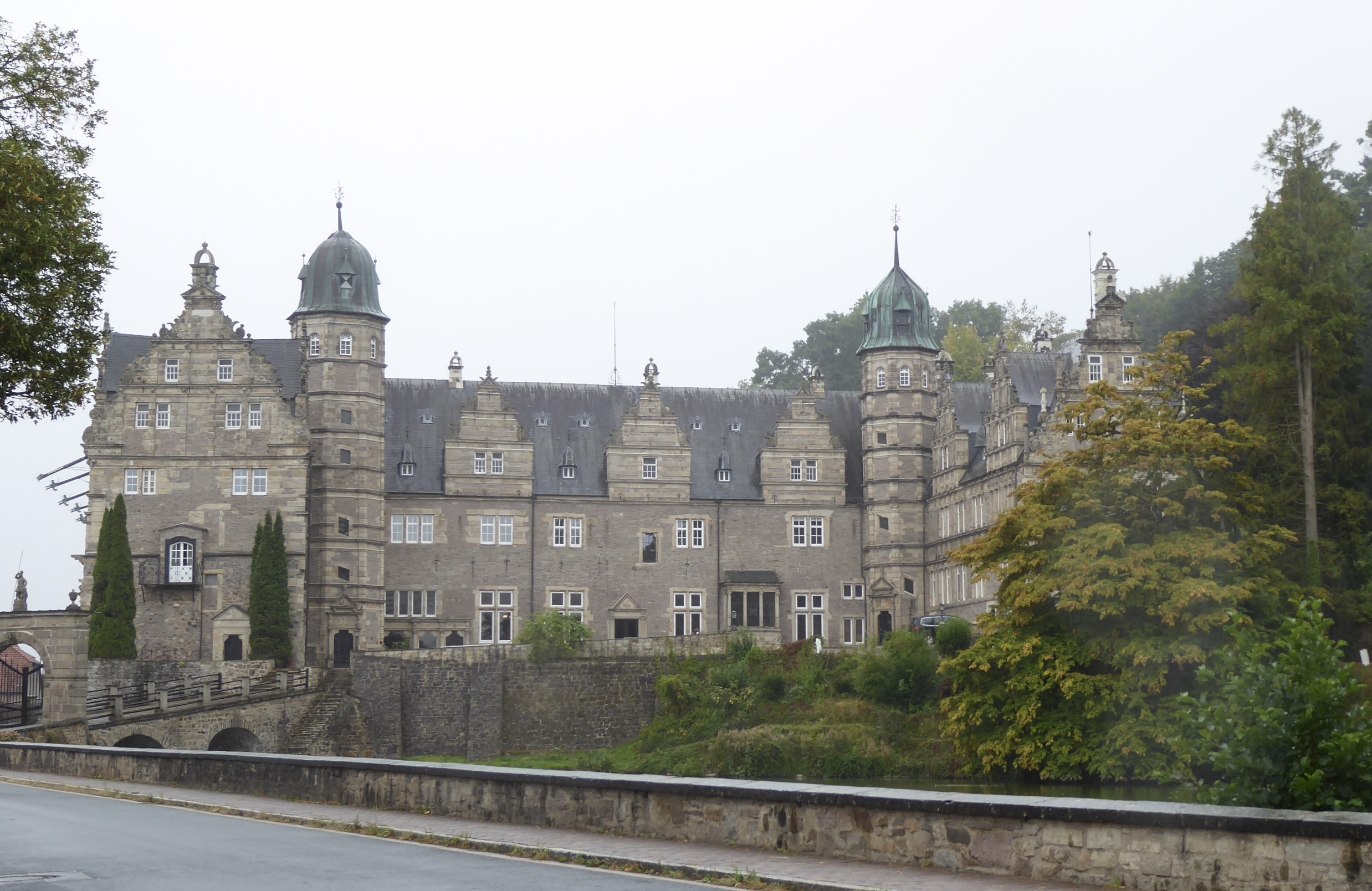
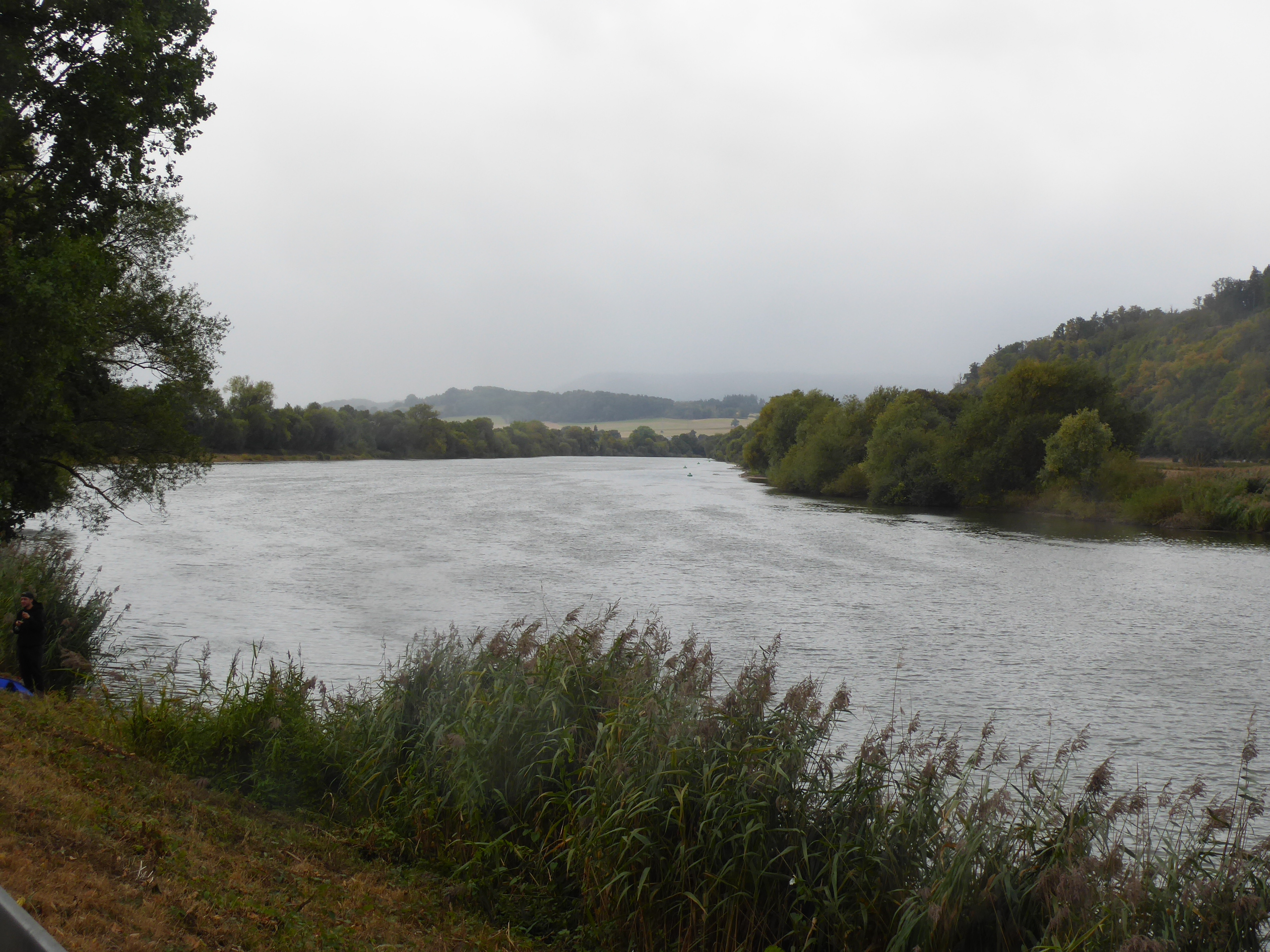
A route we have cycled before but I didn’t recognise everything. The truncated railway bridge in Hameln and the Weser looked familiar, but this time we passed right in front of Hämelschenburg (which made me wonder which wrong turning I’d taken the previous time to miss it). Sadly we passed it in the rain and with no chance of stopping.

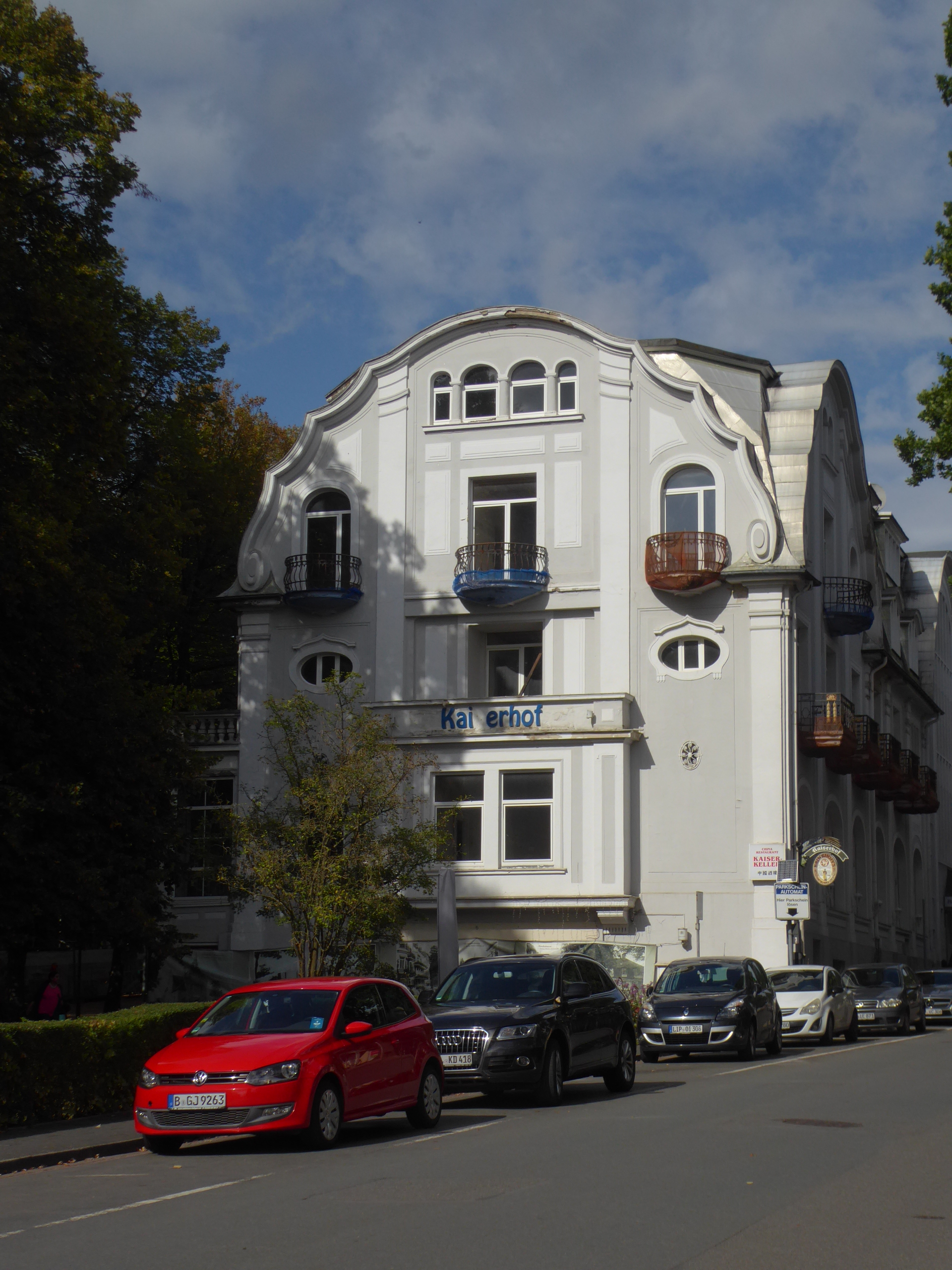
As for the rest of the ride – uppy-downy and pleasant. The sun came out in Bad Pyrmont and I was able to admire a bit of Jugendstil. The heydays of spa towns seem to have passed by; hotels looked grand from the outside, but missing letters and peeling paint suggest they find business hard. The once-smart hotel where we stopped for coffee – right opposite the Kurpark – looked downright shabby inside.

And now in Lüdge in another hotel that might be finding business hard with so many more options open to travellers. We are the only guests and the only diners – and our meal was delicious.

Before we left the Weser, there was a national emergency alert practice. Sirens started sounding and then one mobile starting buzzing madly. Had I not been aware of the practice alert in the UK on Sunday, I would have been totally perplexed. (My own Bakelite mobile received notification of the UK one beforehand, but it was far too underpowered to receive the alert itself.) With the news of Russian drones over Poland in the last couple of days, I had been wondering about world affairs – so this alert was slightly unsettling. I do hope WWIII doesn’t start while I’m on holiday! But, on the plus side, I guess I could be said to have my “emergency grab bag” (actually two panniers and a bar bag) all ready, plus some nice clean clothes for the end of the world.

And it may happen sooner for me than I think. I can’t cope with German numbers any more! Twice so far I’ve been knocked down by prices being fired at me. I just stand there bewildered while somebody repeats “vierundzwanzigfünfundzneunzig” or something – and I can’t work it out any more!

Hameln

Hull to Hannover to Hameln via Rotterdam Centraal and Amsterdam Centraal. There were times – most notably on Minden platform at 8 p.m. yesterday when we were all turfed off the Amsterdam-Berlin train – when I thought we might not get here. I’d had an ominous feeling about that train ever since Rheine when the Dutch train crew announced that the German train crew had been delayed. But heigh ho: it gave us an opportunity to recollect other times when that train route has let us down. The holiday where we never got to Berlin at all is in first place, but the most memorable is the one where I was definitely not going to let anything get in the way of seeing Radio Kootwijk.

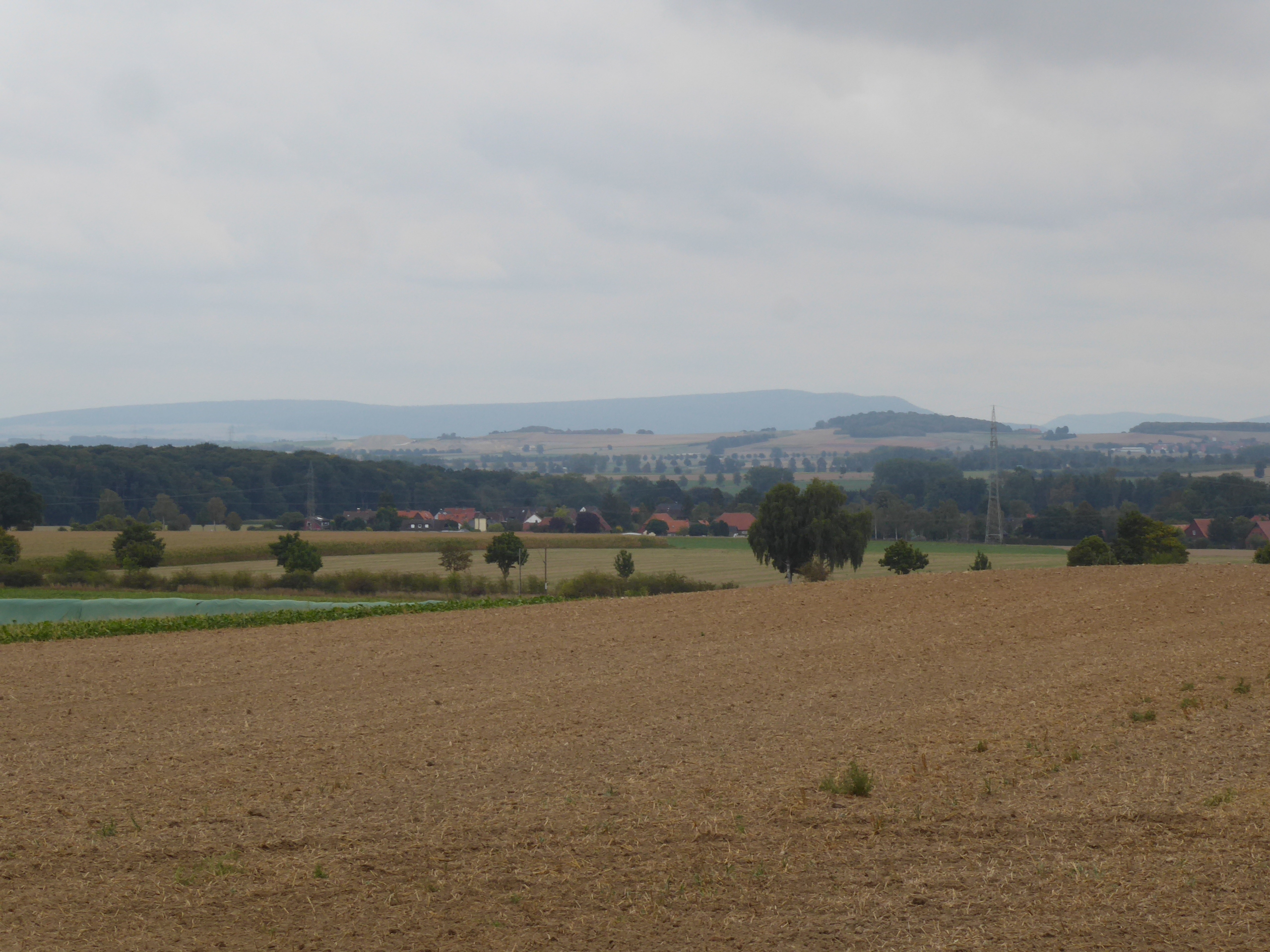
We got to Hannover only an hour late, and today we cycled to Hameln. Hannover holds lots of memories as the start and end point for cycle rides plus the time I saw Tosca at the opera house. We left via the Maschsee – and suddenly all yesterday’s hassle was worth it. Then cross country to Springe and finally Hameln. As we headed into the countryside (enormous, featureless fields with hills in the distance and an horizon bristling with pylons and wind turbines) I wondered why I was making such heavy weather of cycling. I haven’t done this for a while, but it really felt as if I was pedalling with the brakes in. I finally twigged that we were pedalling gently uphill (well, doh, we were moving from one river to another, the Leine to the Weser), and after Springe we had our reward with easy stretches on gentle downhill gradients.

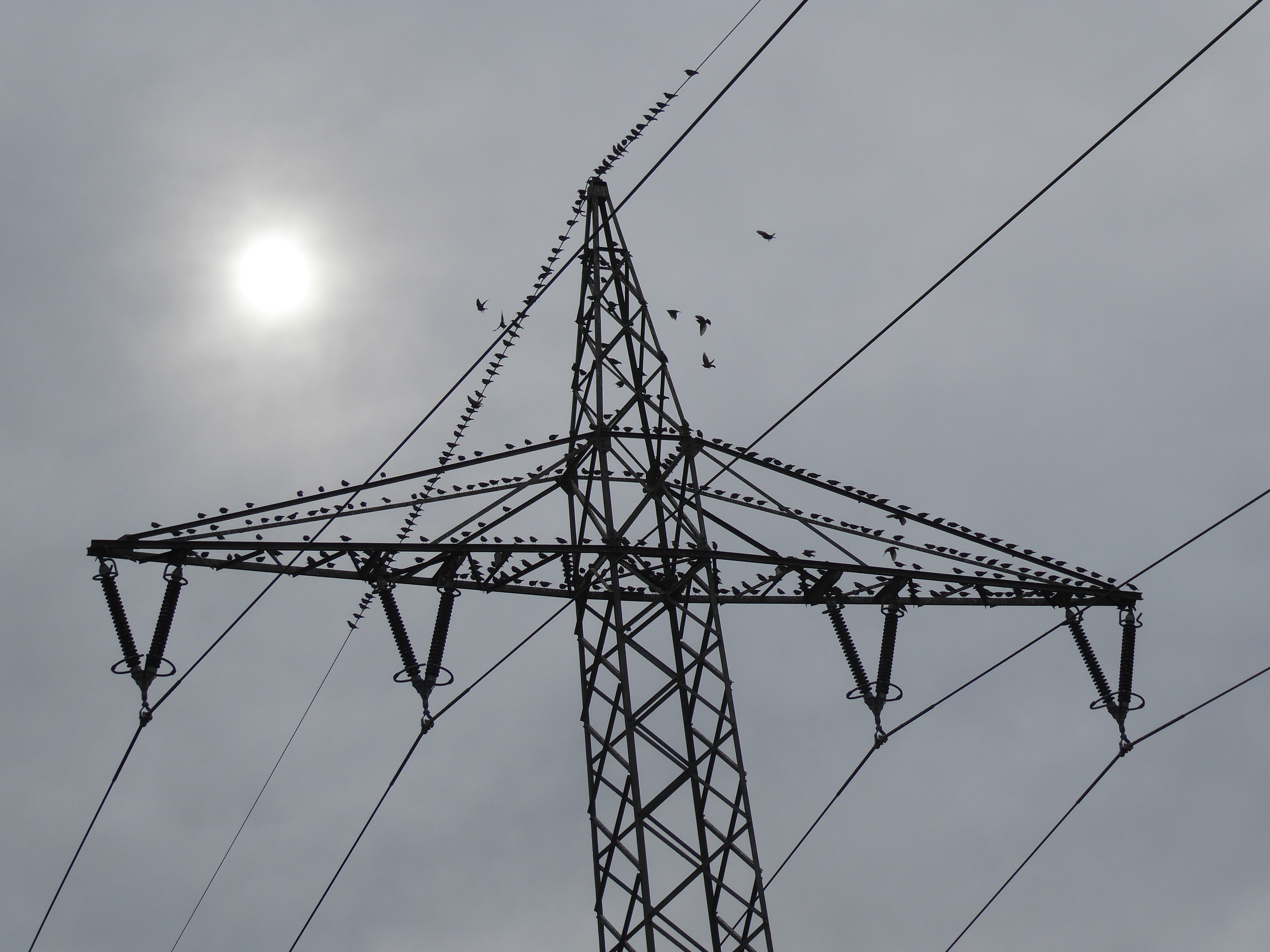
Not many photographs – much as I was pleased to experience the sense of space, it really doesn’t photograph well. Towards the end I stopped to photograph starlings threaded onto a pylon.

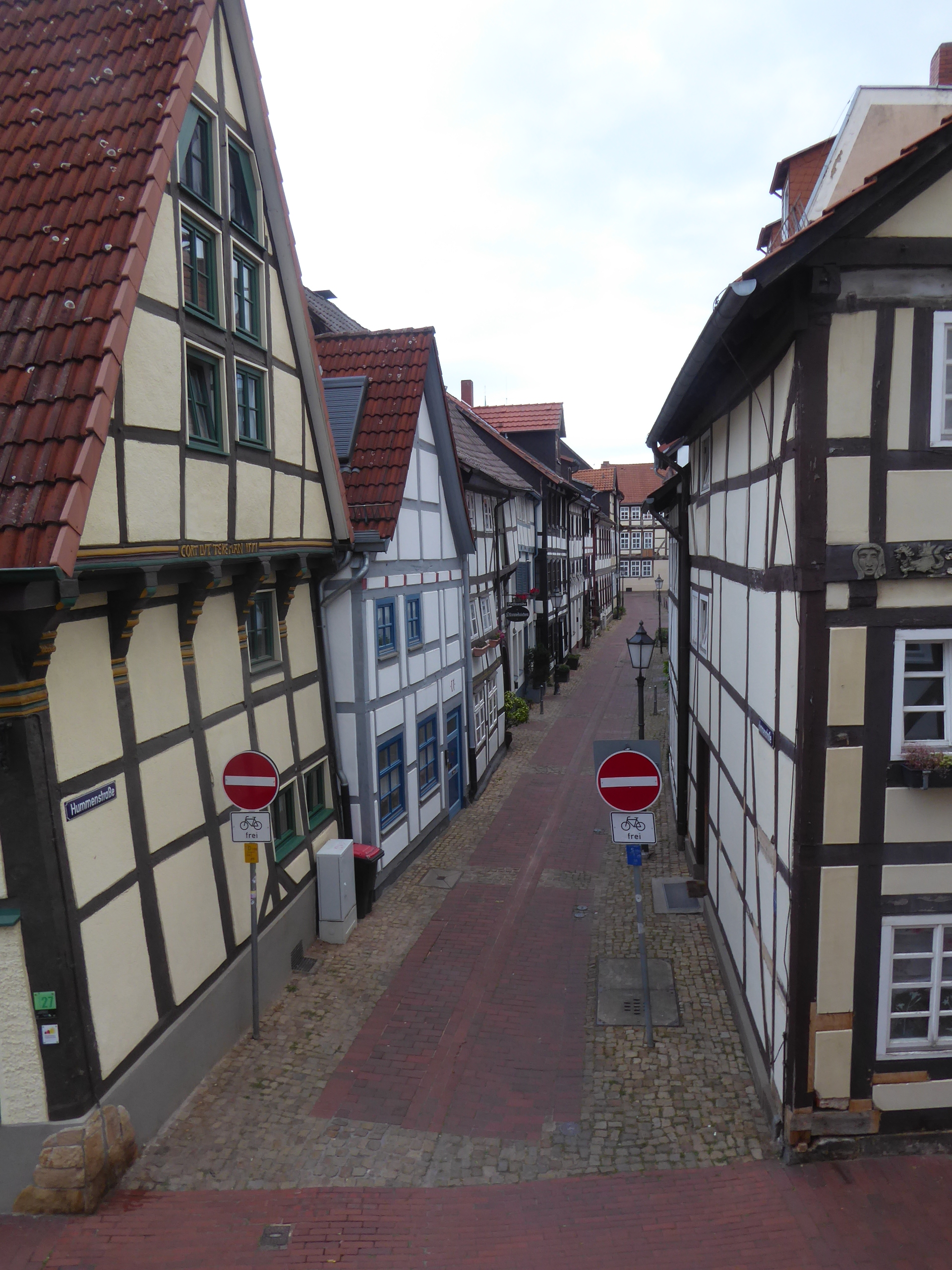
We arrived too late for me to walk round Hameln, but I have been here before. I liked the sights of timber-framed houses with their decorations in the villages around Hameln; they reminded me of the Weser Renaissance style.

The headline in a newspaperI spotted in Hannover referred to the reduction in numbers of young people with professional/occupational qualifications. I guess that is of concern in such a high-maintenance country as Germany.

Ferens art gallery

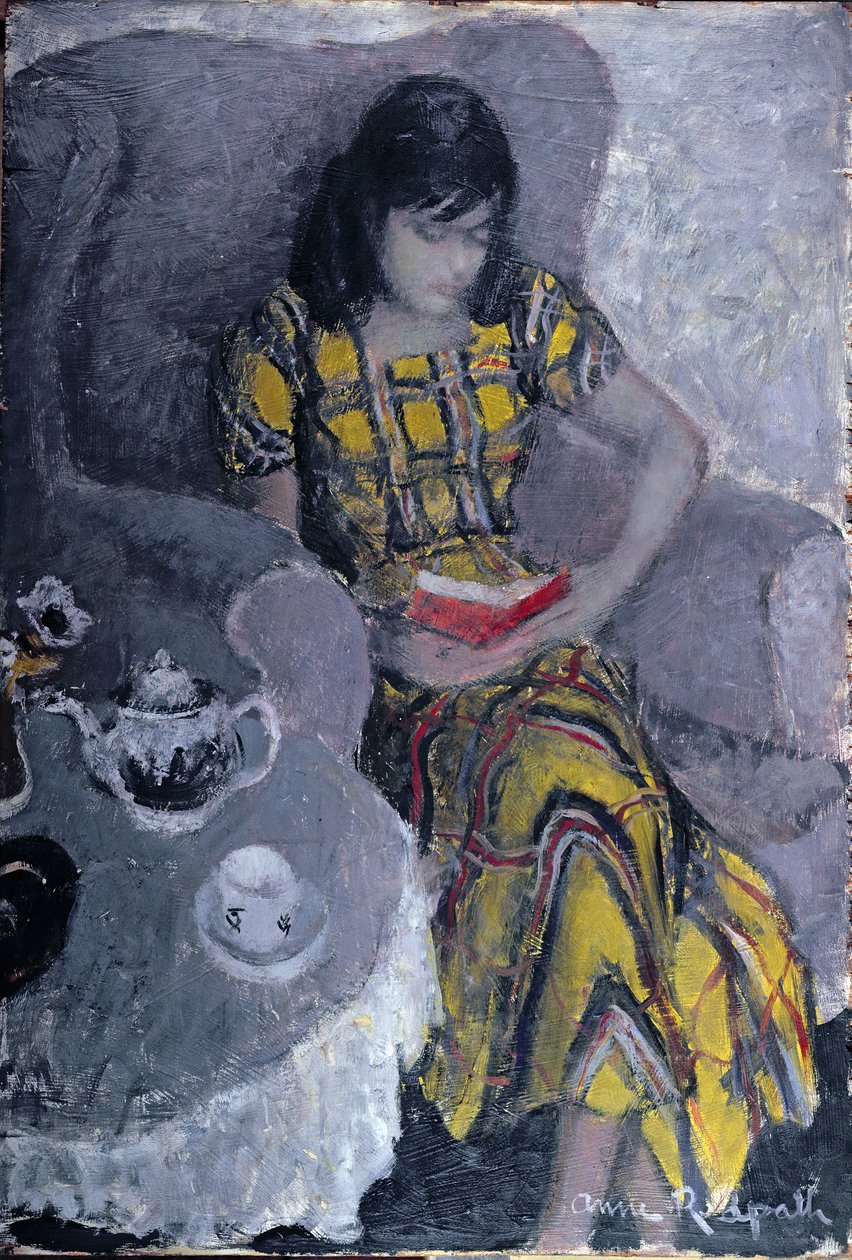
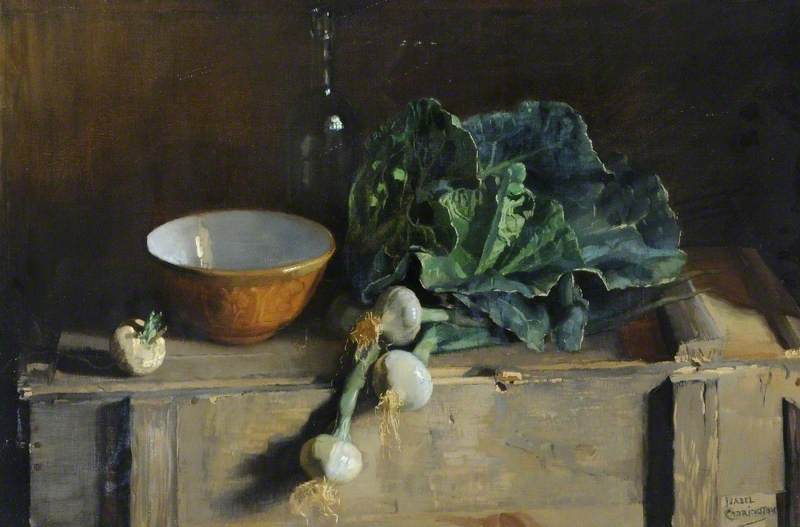
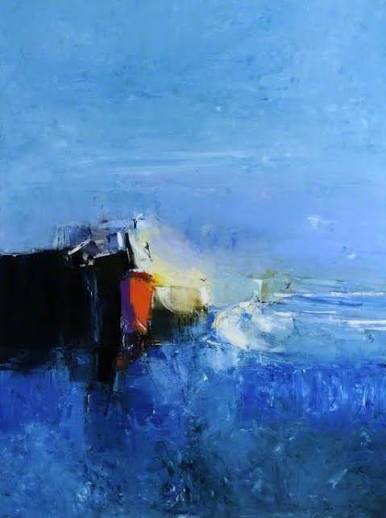
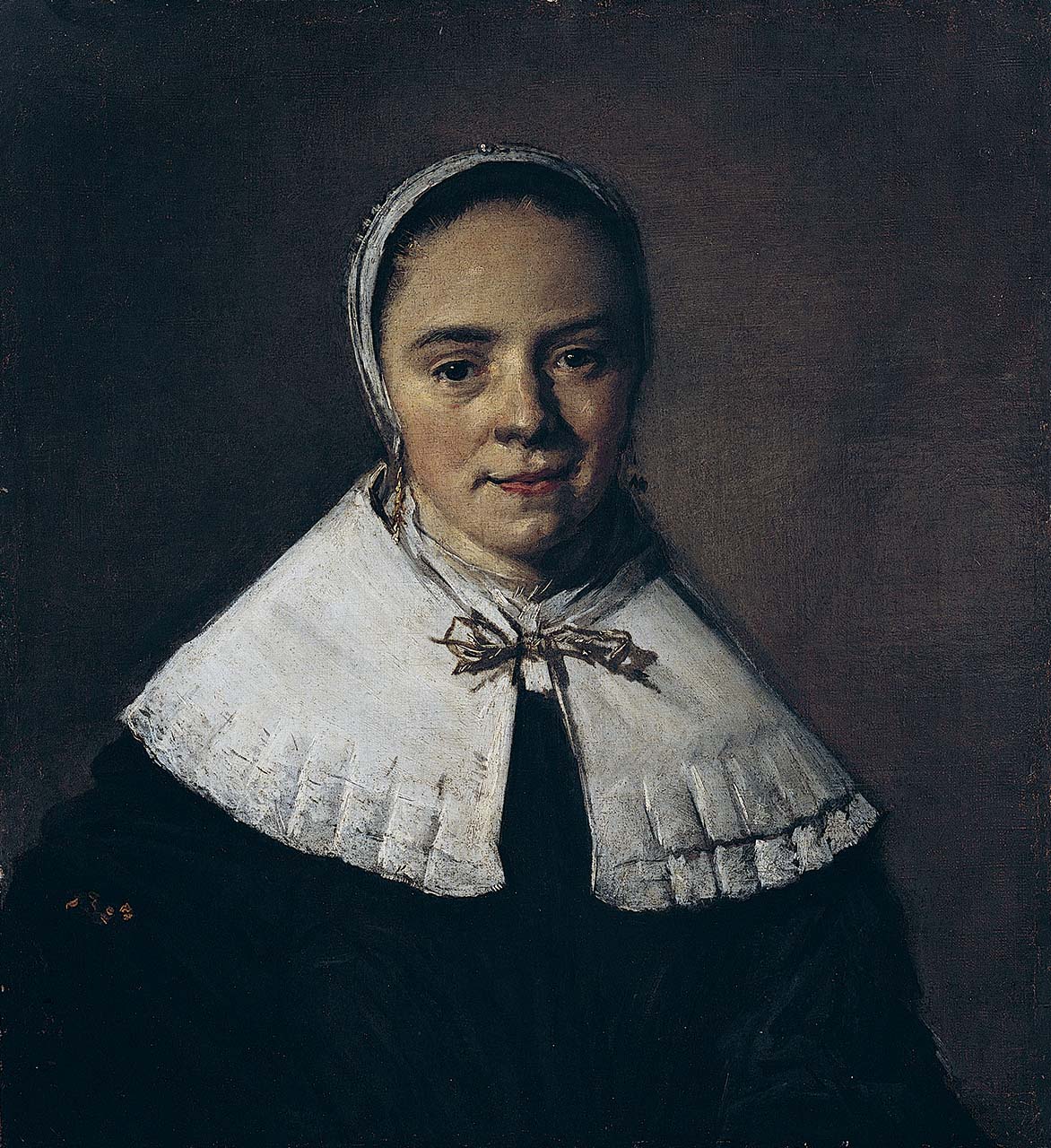
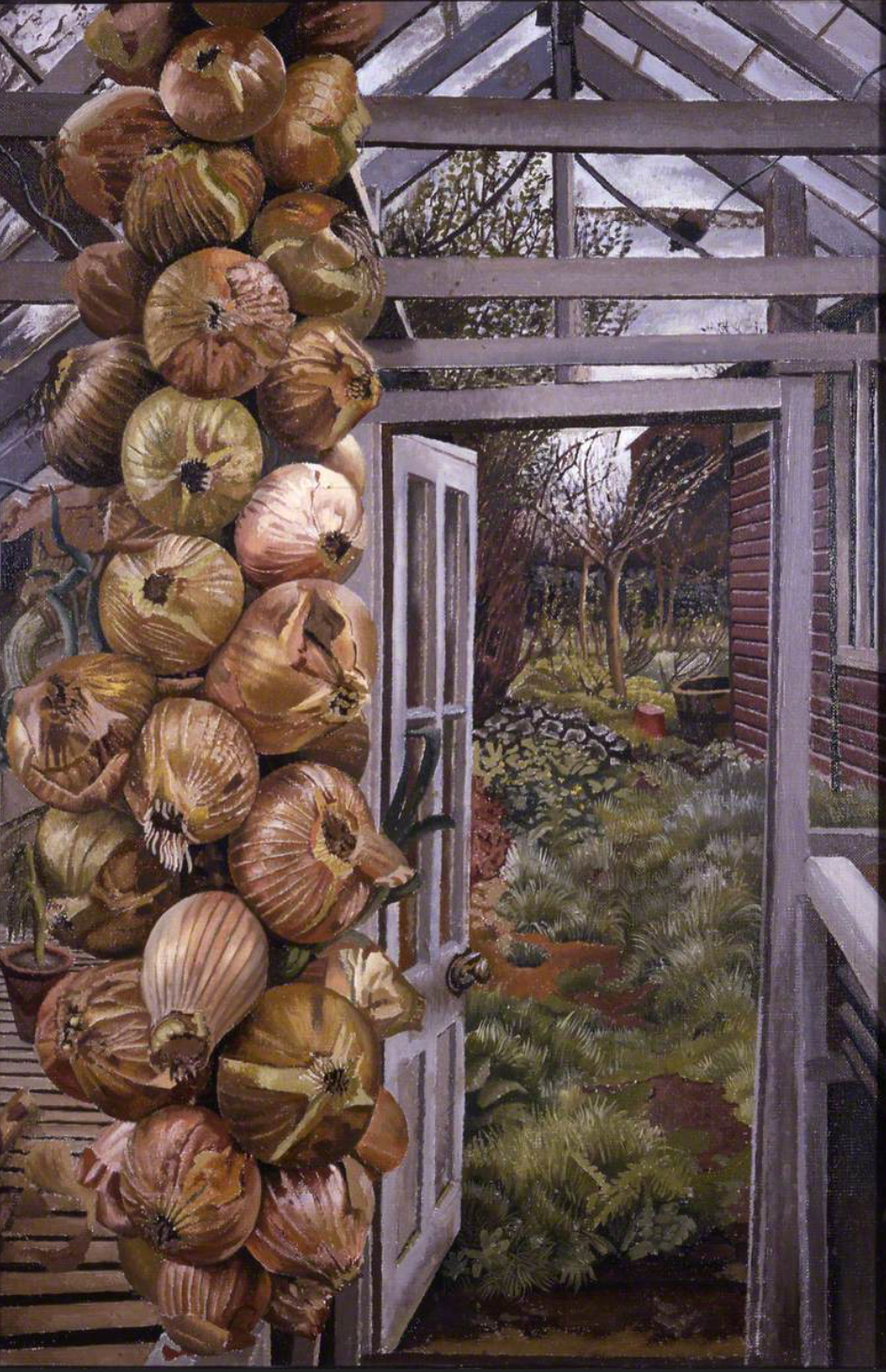
A fleeting visit to Ferens art gallery, where I looked at some old favourites. The Blue Seascape is one I hadn’t seen before. I was wondering, though, if a stormy sea could ever be that blue. “Eileen Reading” has the air of a Gwen John painting in its indistinctness.

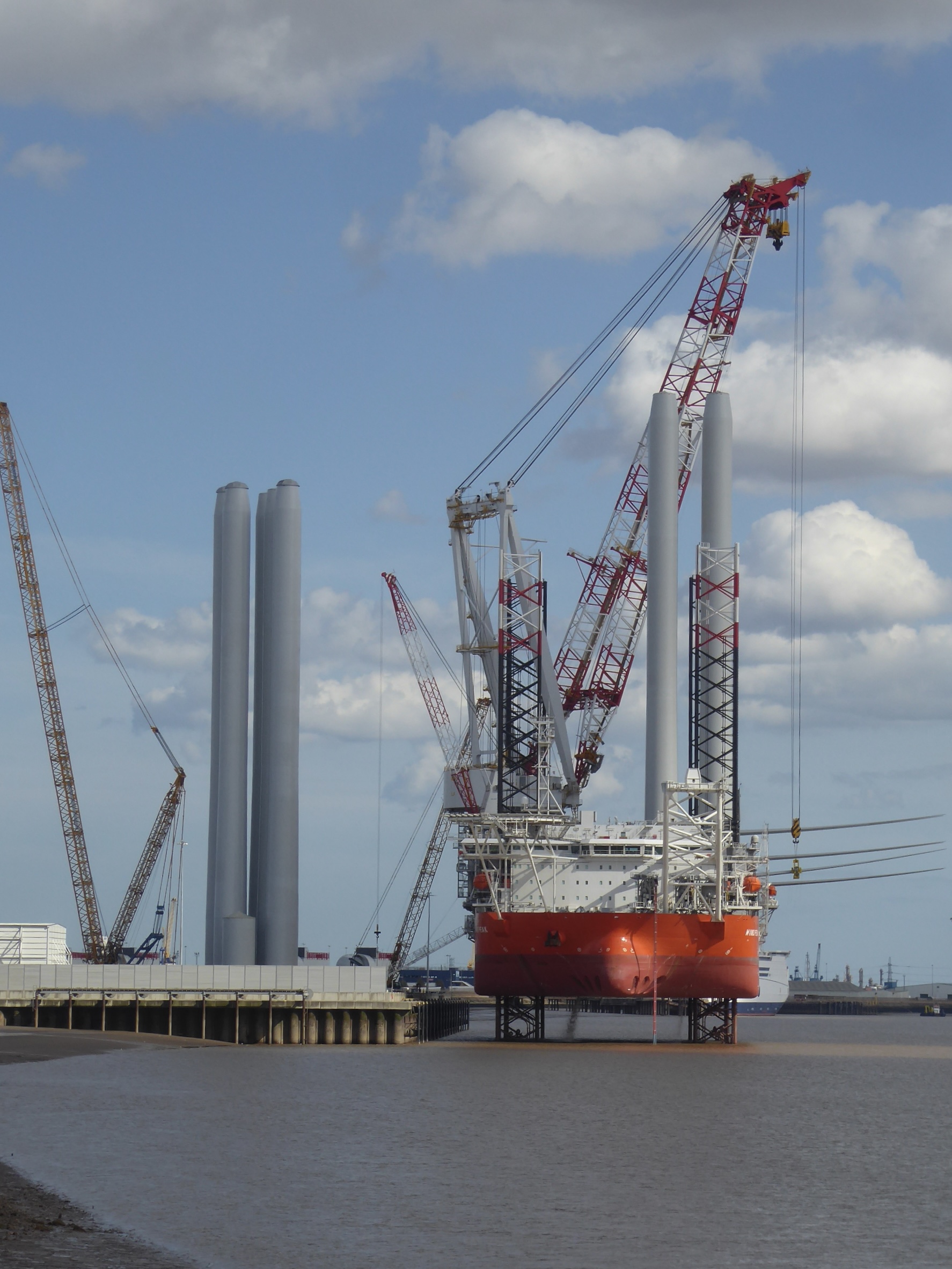
And then the normal ride to the docks, where we passed wind turbine shafts being loaded onto something or other (did it have its own engine or would it be towed?) presumably to be installed offshore.