Miniature Worlds

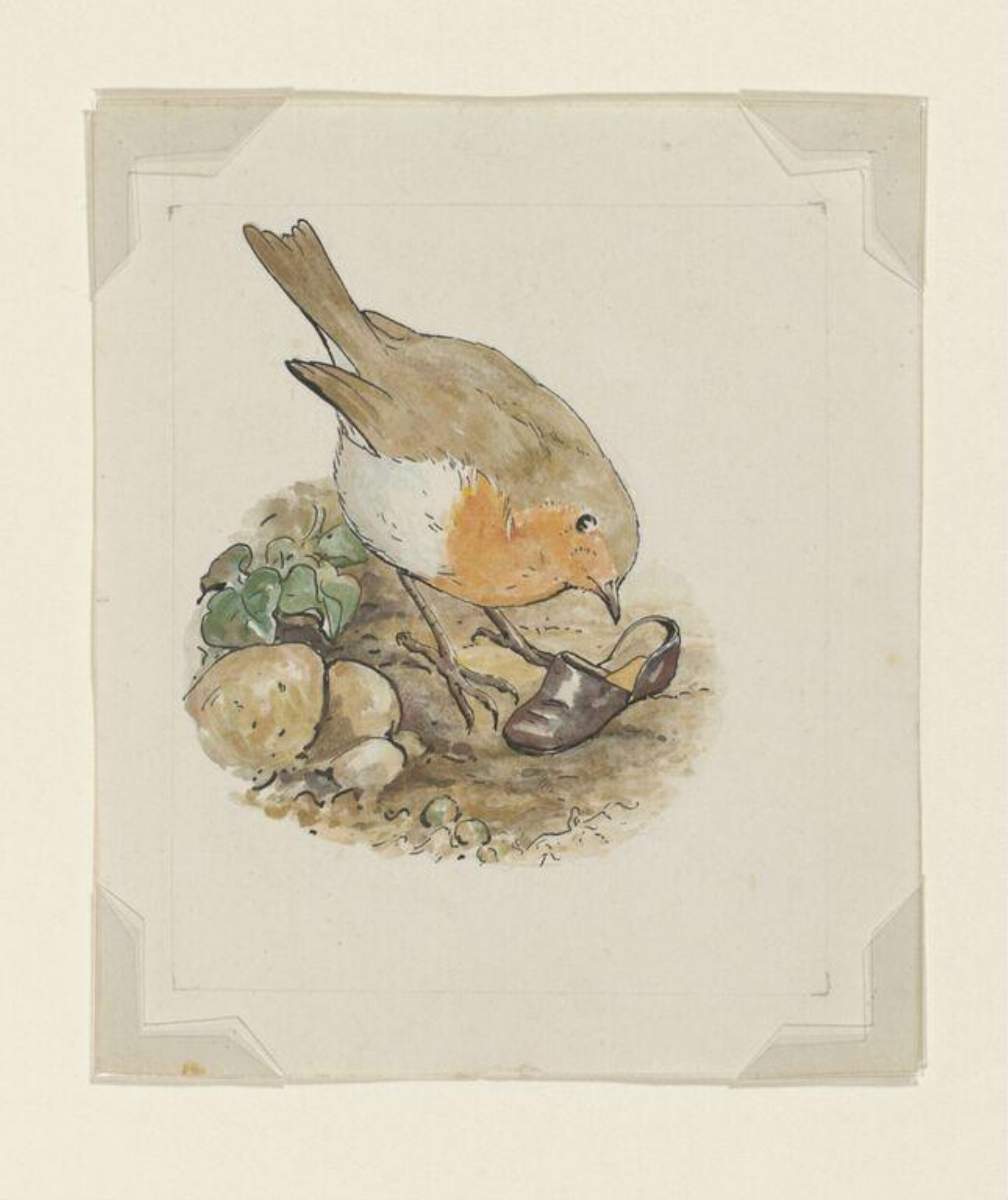
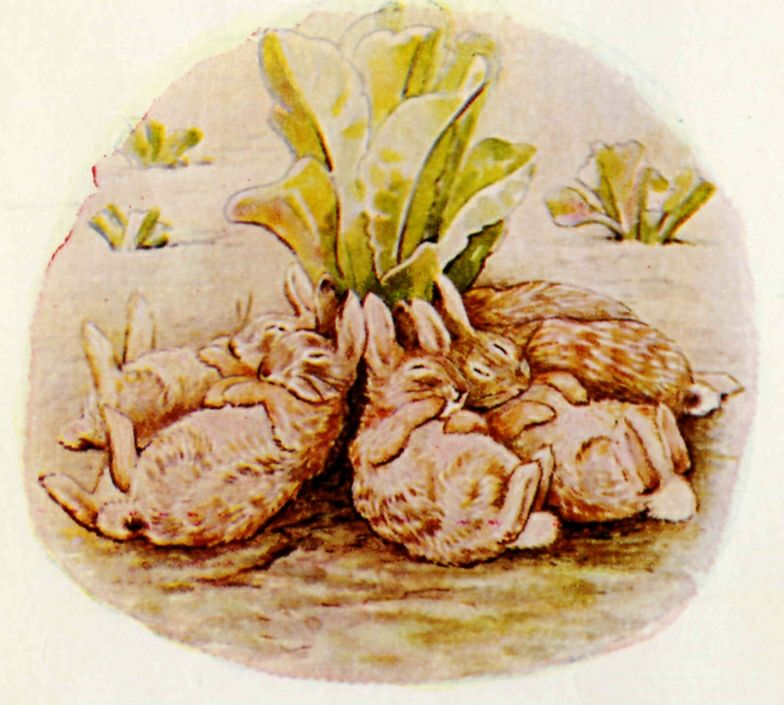
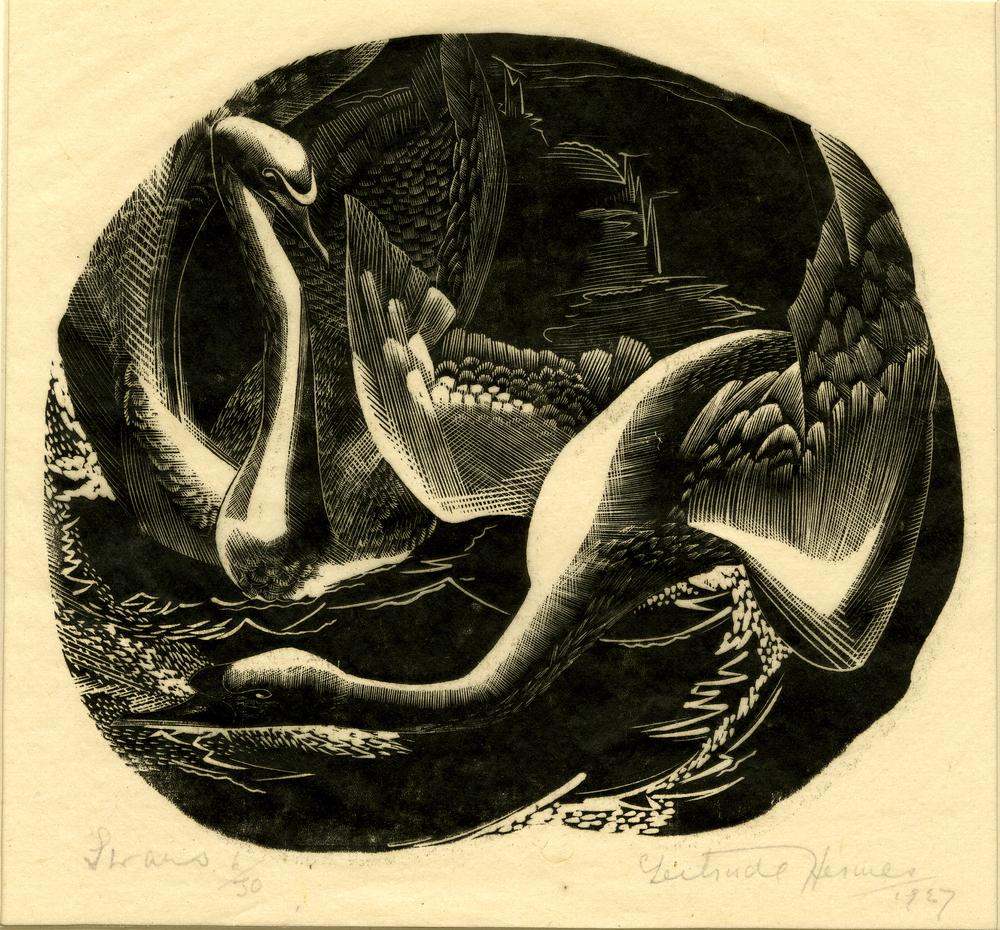
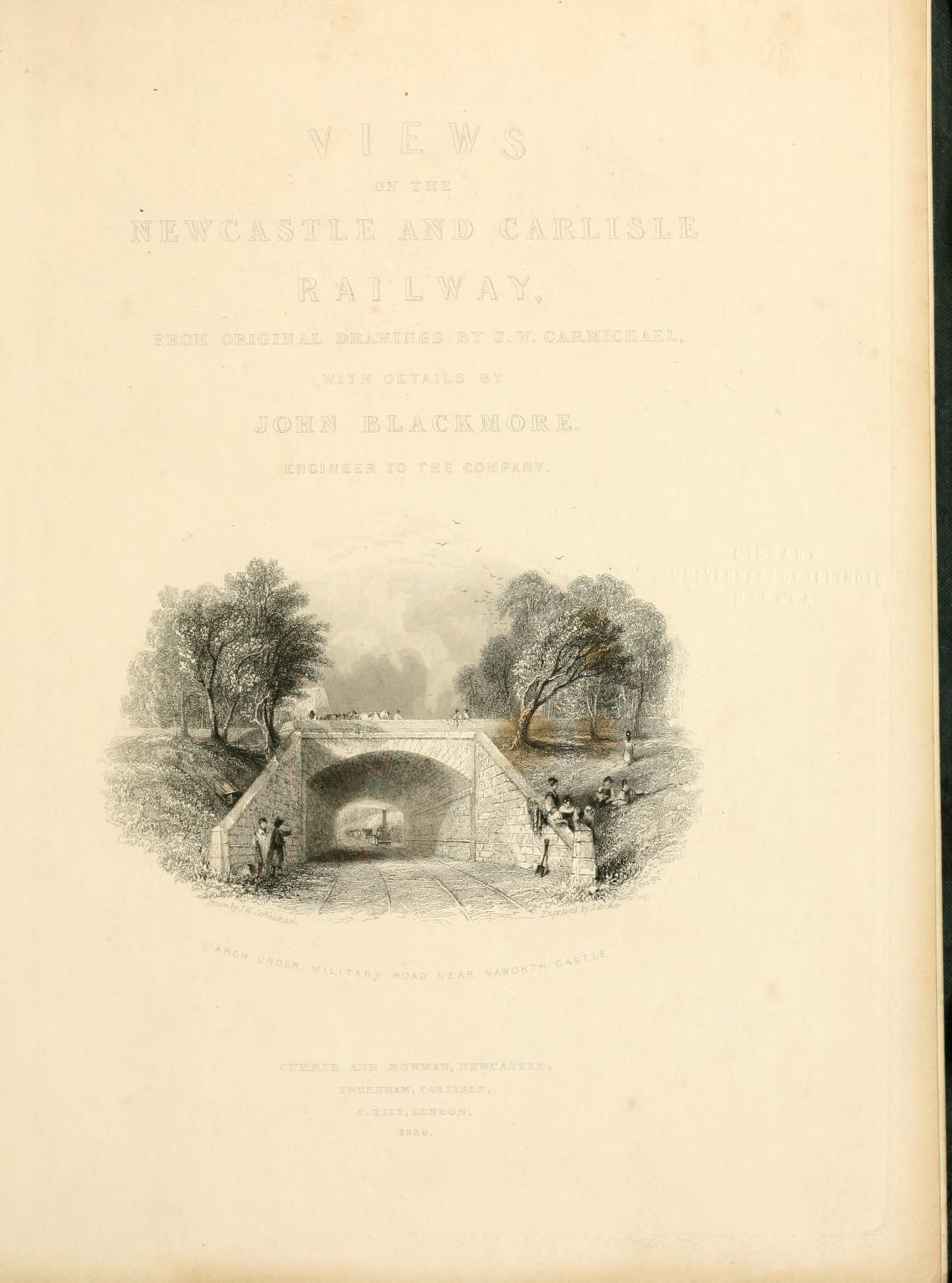
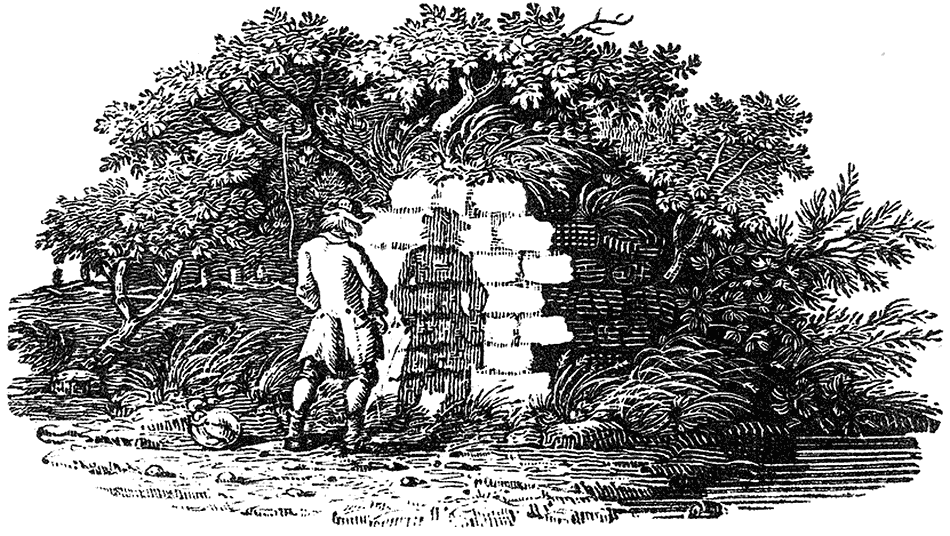
An exhibition where magnifying glasses were supplied. It started, of course, with Thomas Bewick and his tiny, intricate wood engravings. (I recall Jane Eyre’s delight in his illustrations.) Beatrix Potter, Eric Ravilious, Gertrude Hermes stood out. Not a blockbuster exhibition, but I don’t mean to damn it with faint praise when I say that what I enjoyed most was re-reading Peter Rabbit for the first time in almost 60 years.

The Bewick illustration is a little crude, but it reminded me of some of my thoughts as I walked beside Hadrian’s Wall yesterday – wondering if people in the inbetween centuries just thought of it as a bit of ruined wall.
Turner and feminism

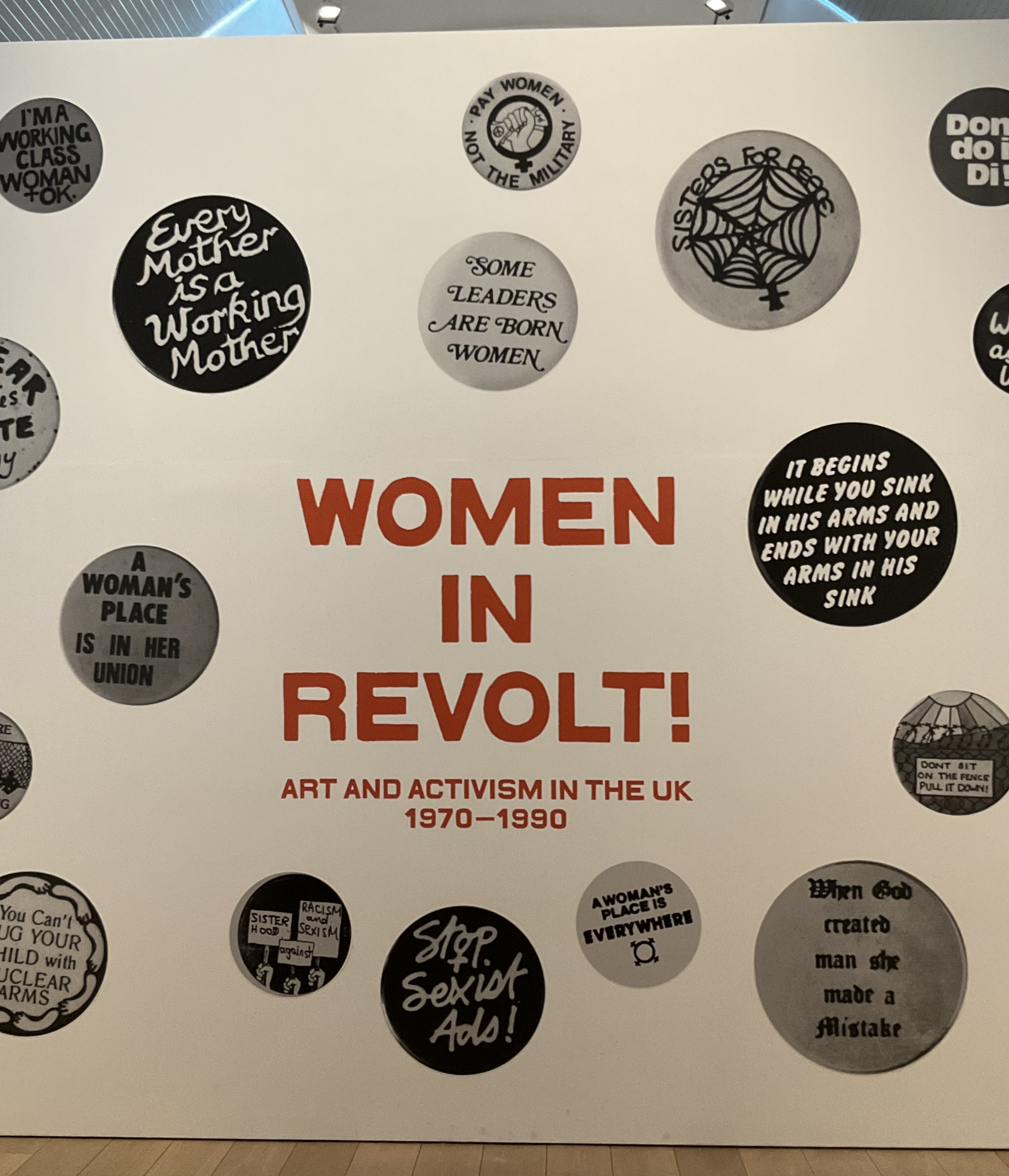
I was in Manchester for the day and went to the Whitworth Gallery and thus saw two contrasting exhibitions. One was Women in Revolt, which I found interesting – probably not entirely for the expected reasons. Since I do recall the 1970s and 1980s, many of the events and social attitudes were familiar to me. The artwork was punchy rather than classy – reflecting the anger of that time and the everyday media that the artists/activists used (e.g. collage, fabric). At this remove it’s easy to forget how outlandish some of the demands for female equality seemed at the time to “ordinary people” – equal pay, professional opportunities, childcare, the assumption of being taken seriously. My aunts, for example, were ambivalent to, if not dismissive of, female equality. How far we have come! No, what did catch my attention was a film of ordinary women in the street, accosted by a male television journalist and asked what problems they encountered as women in the 1970s. It was almost a Socratic dialogue: he hectoring and various shes pondering his questions, totally media-unsavvy, and giving hesitant answers about things they perhaps hadn’t considered before. There was a polite bewilderment at being asked to examine their lives, rather than the redundant-heavy easy flow of words that a vox pop today might elicit. The exhibition assumed a natural relationship between 1970s feminism and other progressive attitudes – the relationship not embraced by women in power at that time like Margaret Thatcher.

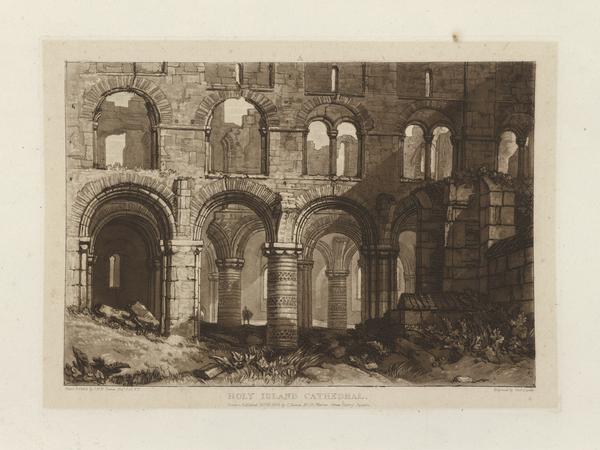
And then Turner’s prints. The Whitworth had emptied all its shelves and backs of cupboards for this. They were rather lovely, and I was impressed by the quality of the mezzotints. A very different experience.

”Romance to Realities” at the Laing

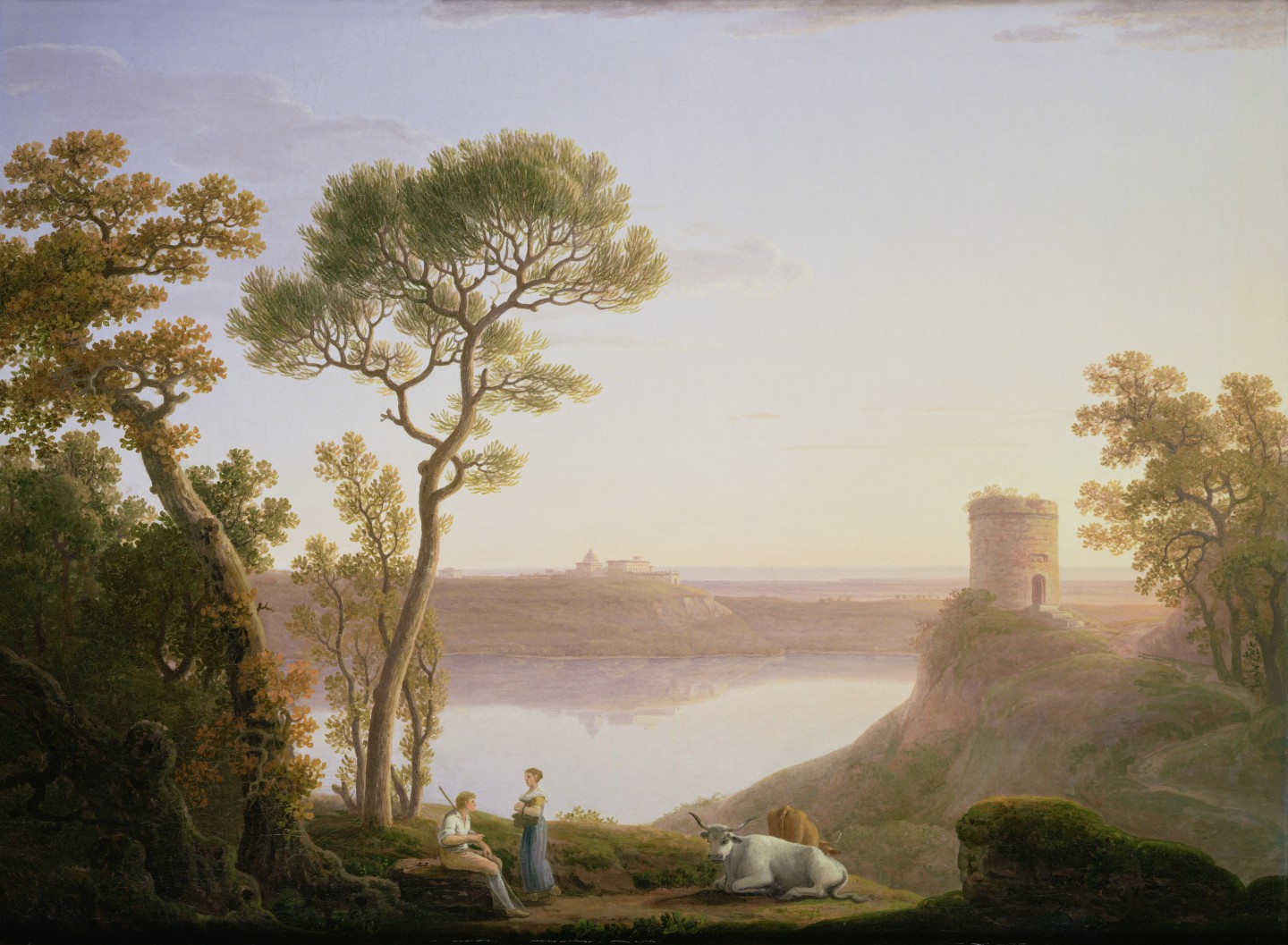
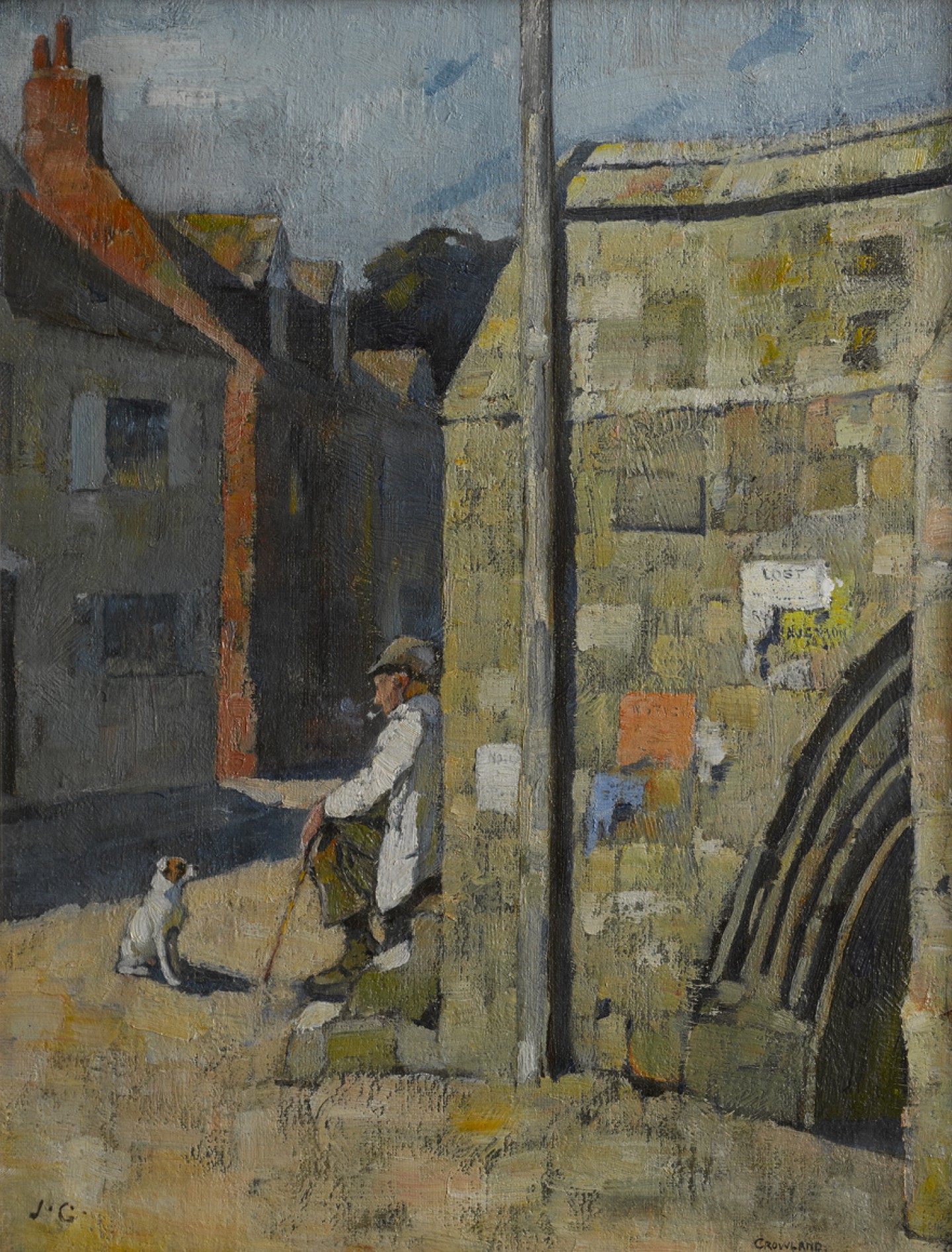
Perhaps not the most exciting exhibition – over 200 years of landscape painting in the north of England and Scotland – but it gave me the chance to see more of the Fleming Collection (which I’d been introduced to at Abbot Hall). It begins with romantic landscapes – just oozing “sublime” – and then moves to less dramatic scenes. “Real” people begin to appear; there is an awareness of the changes in the landscape as the north industrialises or forces/draws people away from the land.

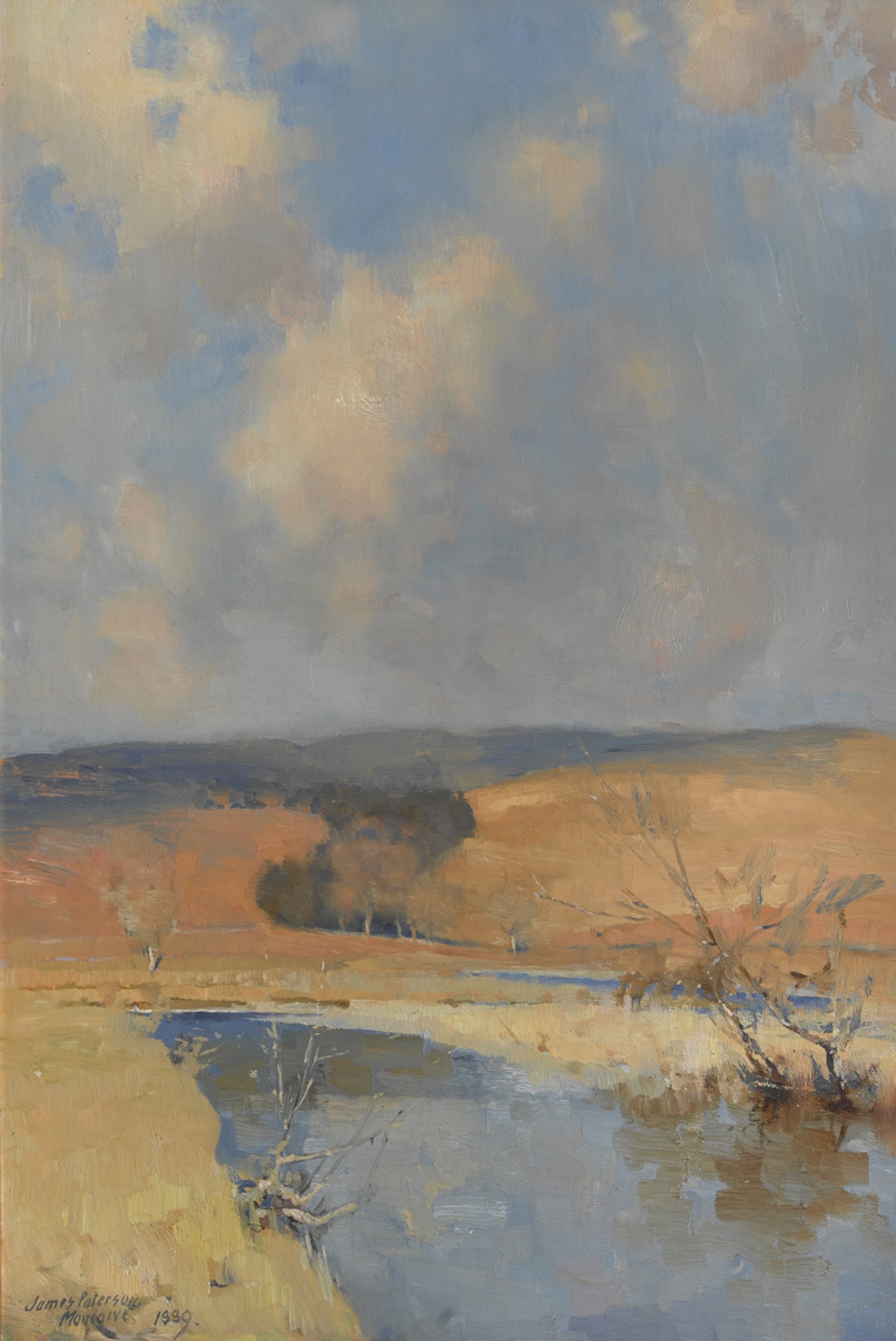
My steal was Ferguson’s “Winter Sunshine, Moniaive” – so simple and so lovely (Moniaive again) – and there was plenty in the exhibition to keep me thinking and comparing.

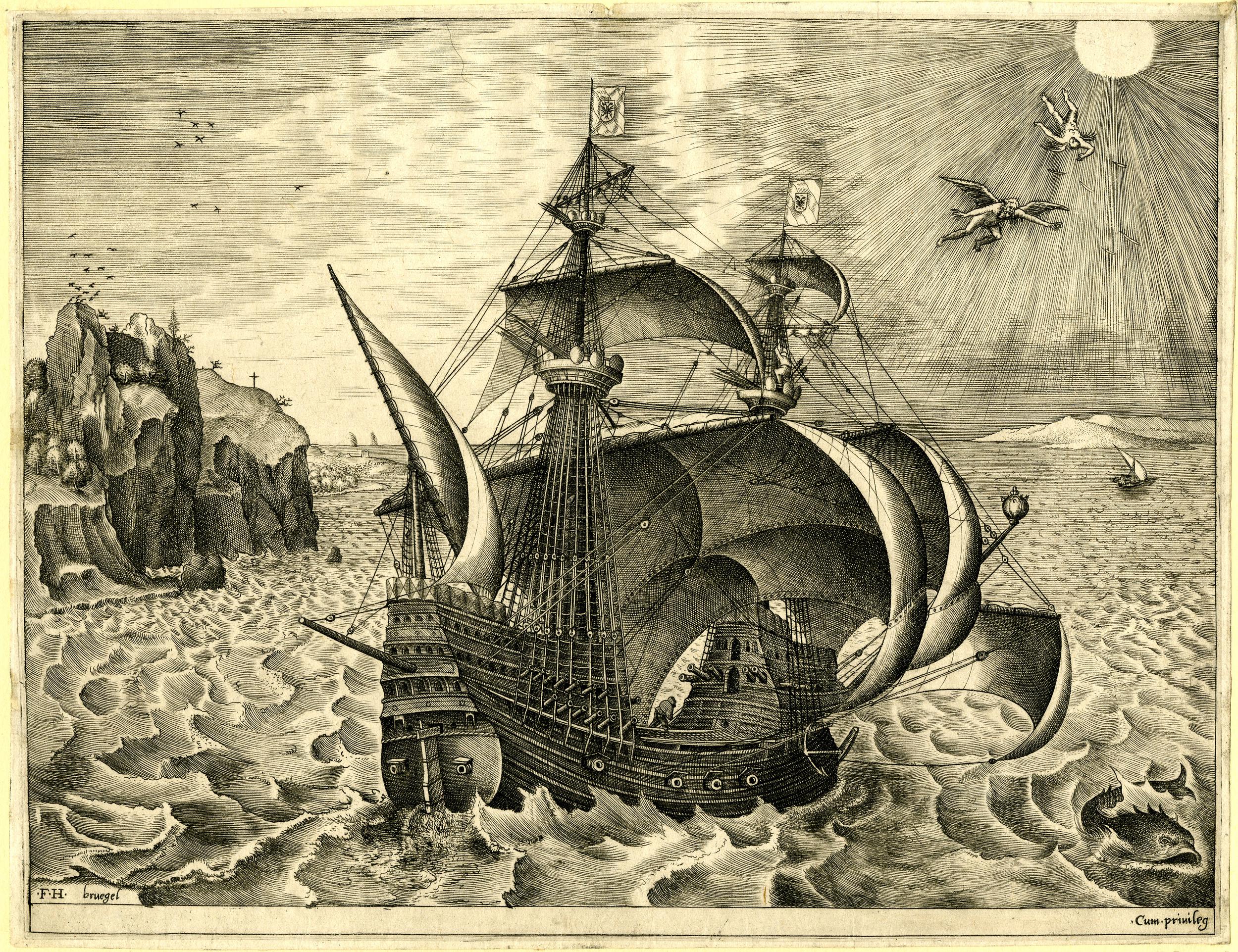
  • The Bruegel engraving – that may be the Bass Rock in the background, and there is Icarus falling again. North Berwick meets Brussels in my memory.
  • Apparently Jacob More used a “Claude glass” to “reduce and simplify the colour and tonal range to give a painterly quality”. Named after Claude Lorrain, it was a small tinted mirror; the painter turned his back on the scene and viewed the reflection.
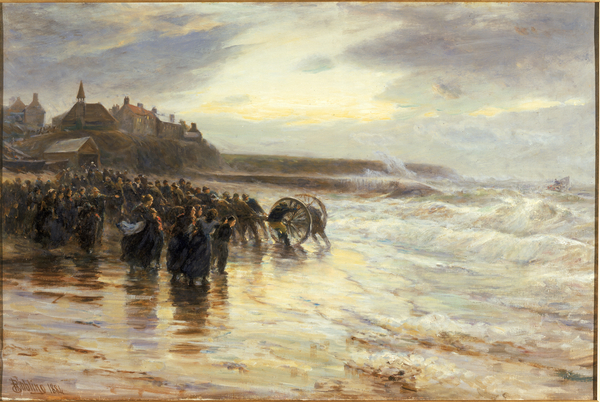
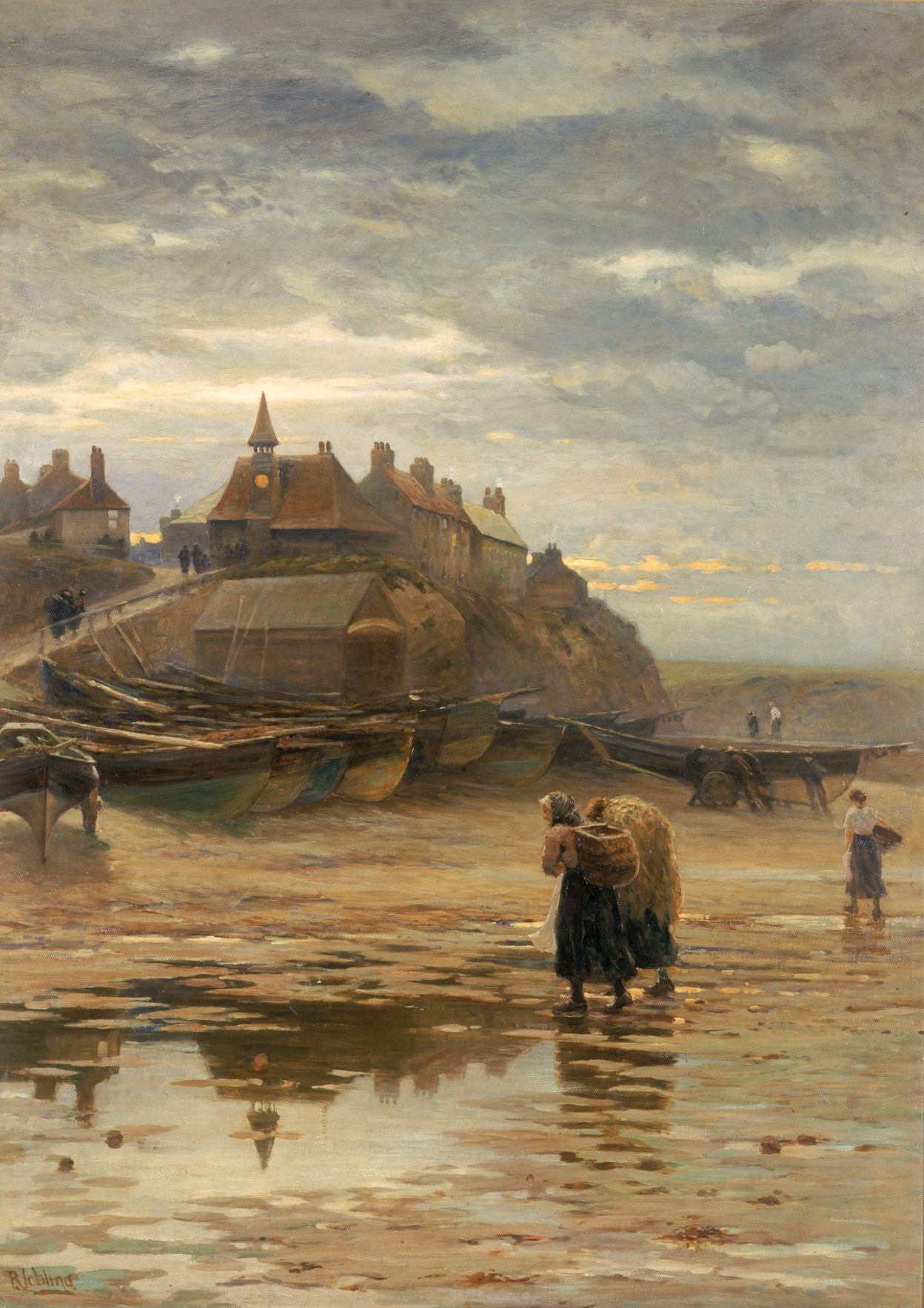
  • Robert Jopling and the north-east coast: great reflections in the wet sand – and as soon as I left the exhibition and moved into the main galleries, there was that same view and those same reflections again.
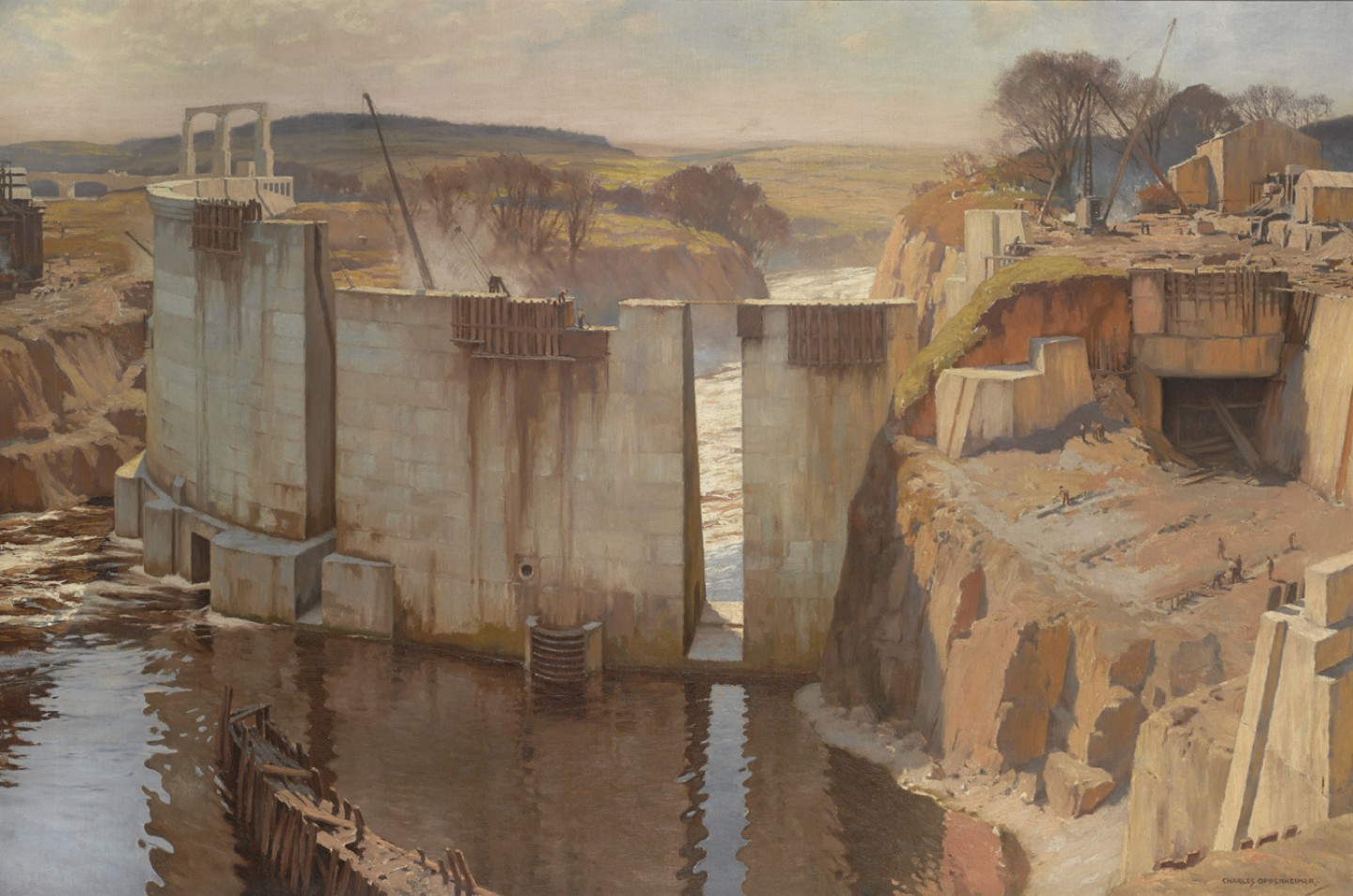
  • The building of the Tongland dam!
  • I liked the patchwork quality in Guthrie’s painting – apparently he used a square brush.
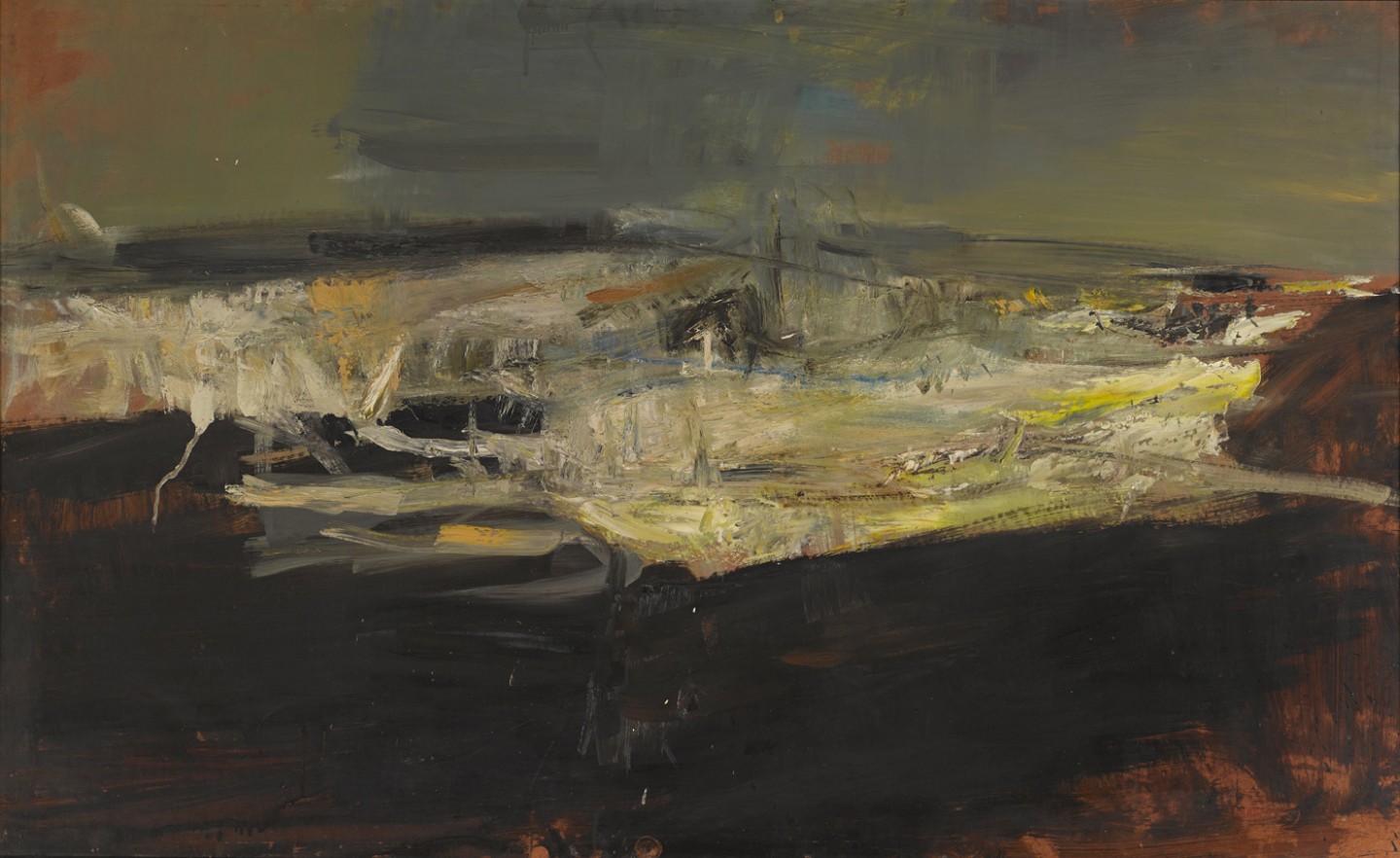
  • Joan Eardley has an alchemical gift with paint. It’s just splodges on canvas with drips where it’s been rained on or splashed by the salt spray – and somehow you really experience the sea.
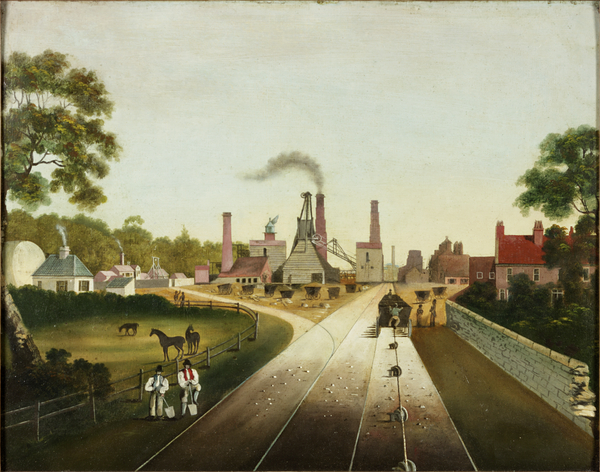
  • The pit painting was by an unknown artist, but I thought it was so particular and strange that it could have been painted a surrealist such as Tristram Hillier. Or perhaps Douanier Rousseau might have been pleased with it.

Vanessa Bell and Charles Dickens

To the Vanessa Bell exhibition in Milton Keynes to see if I could feel more positive about her work. Well, not really – but the journey to that decision was quite interesting.

I’d been to the same gallery to see Laura Knight (1877-1970; Bell 1879-1961) and it was instructive to compare the two exhibitions and artists. Knight’s work (as curated for the exhibition) followed a path from early experimentation to a recognisable style and regular themes; she had to earn her living from an early age and she was sometimes hard up. She accepted commissions, she worked as a war artist, she designed decorative work. She was married to the same man for decades and had no children. In short – at least outwardly – a fairly tidy story of a groundbreaking woman artist and her body of work.

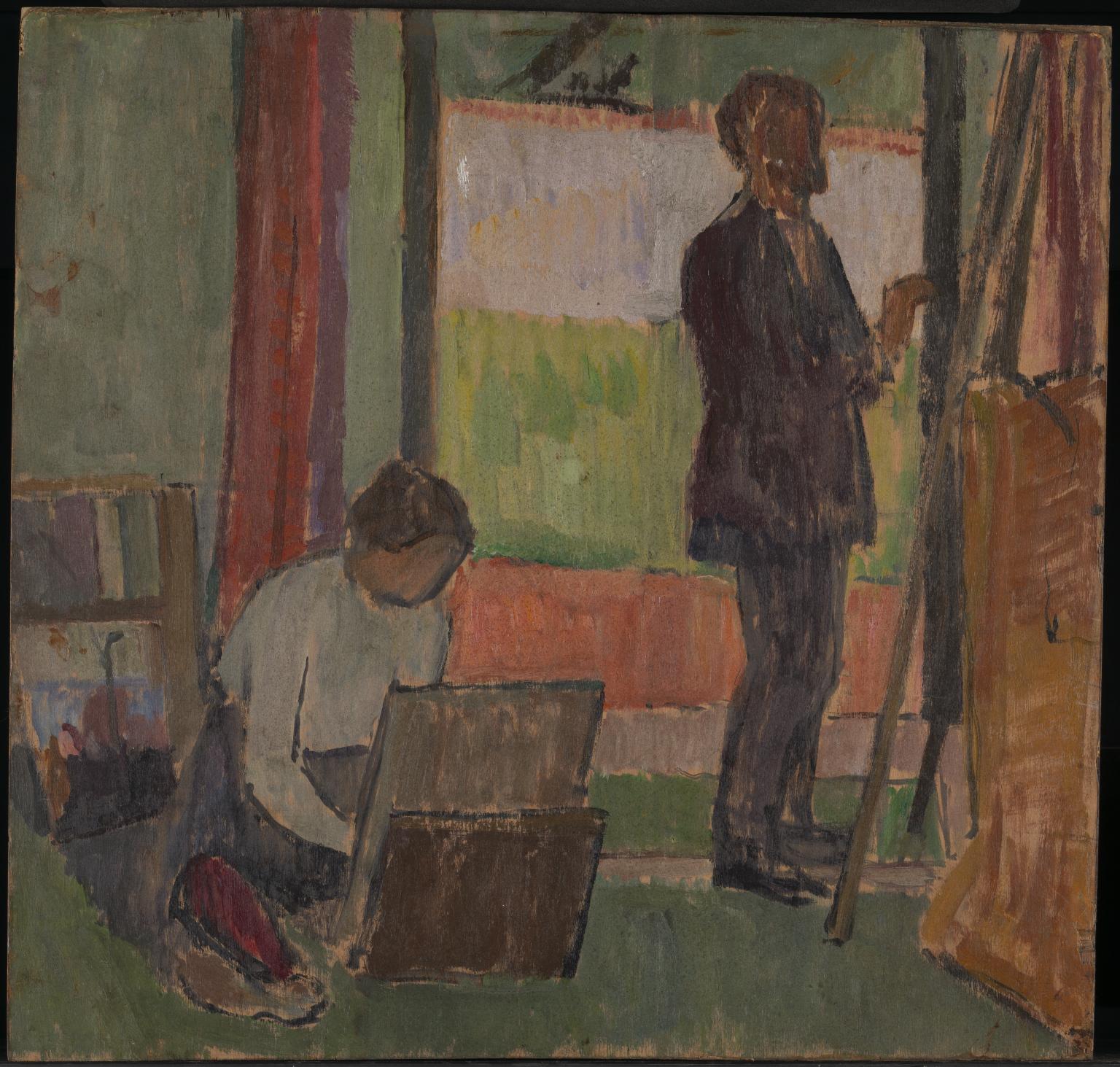
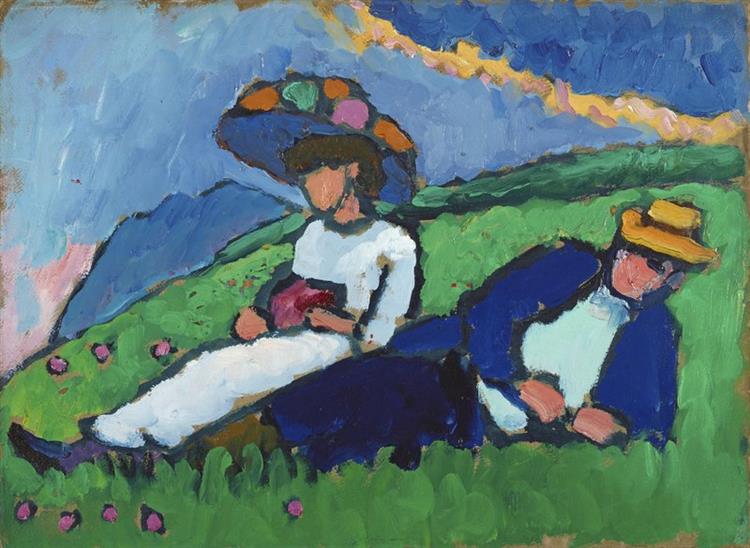
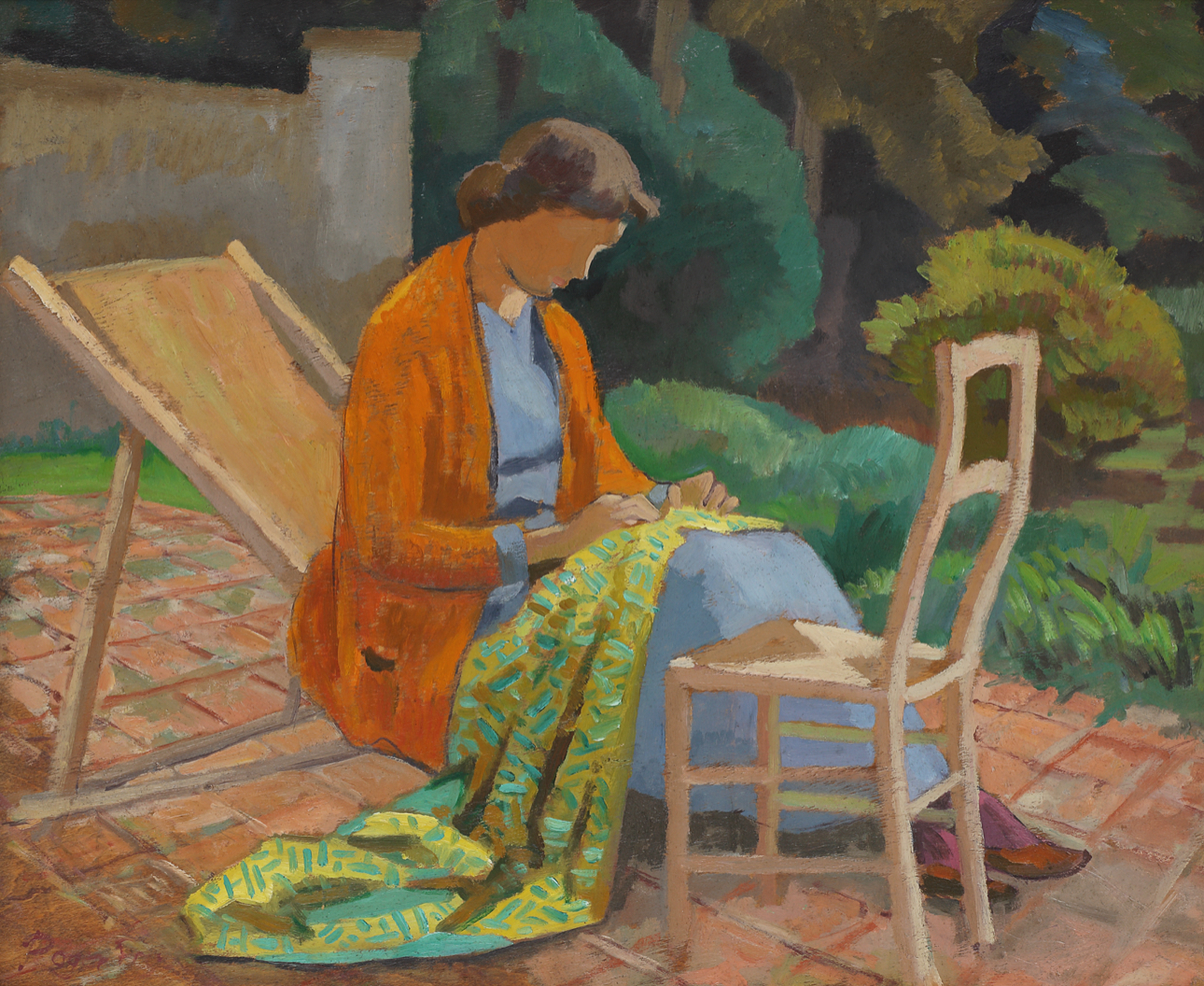
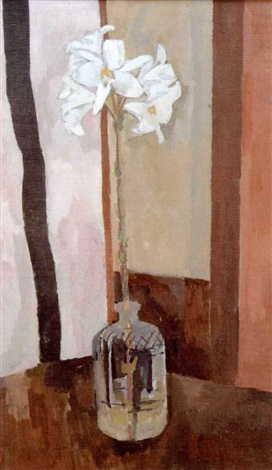
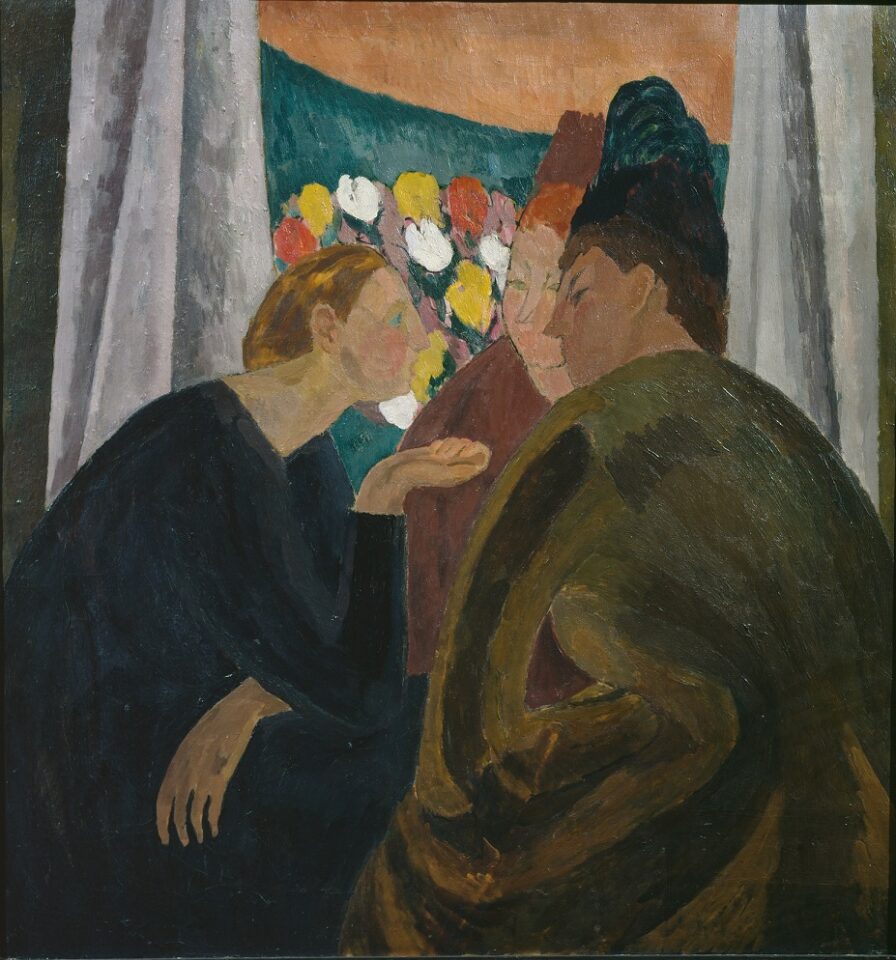
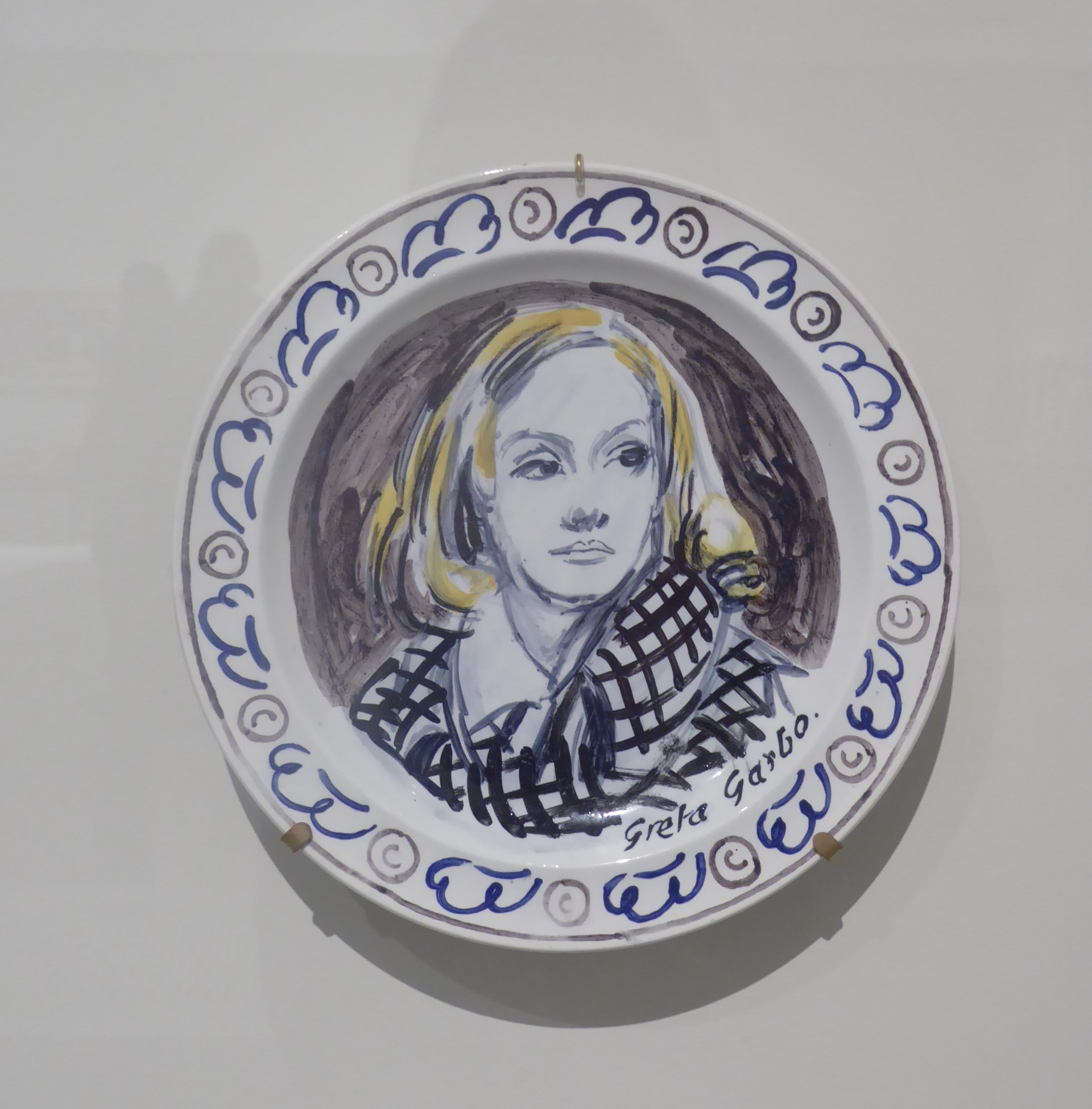
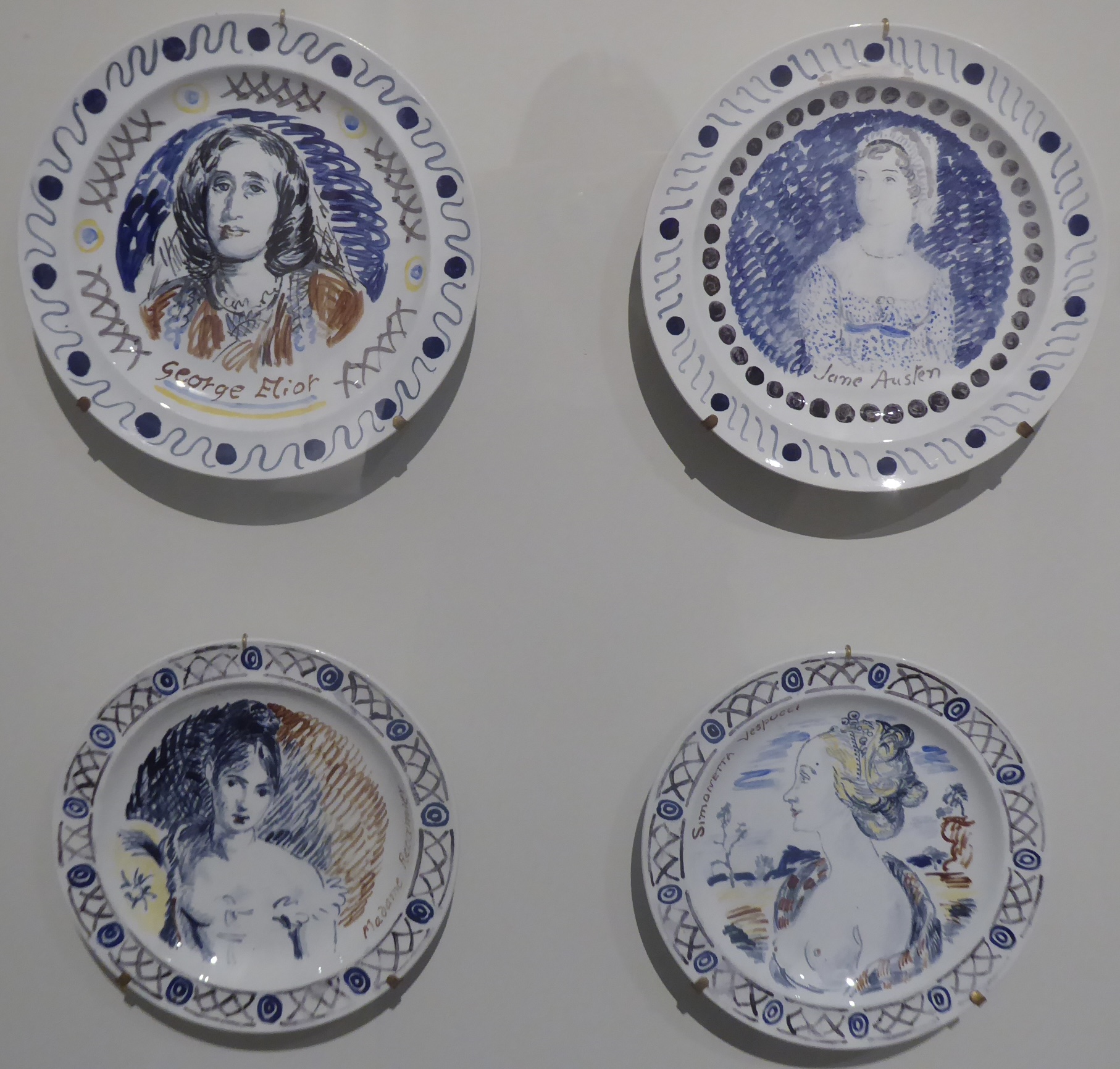
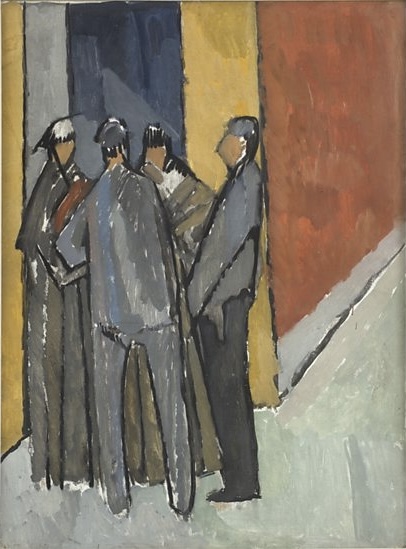
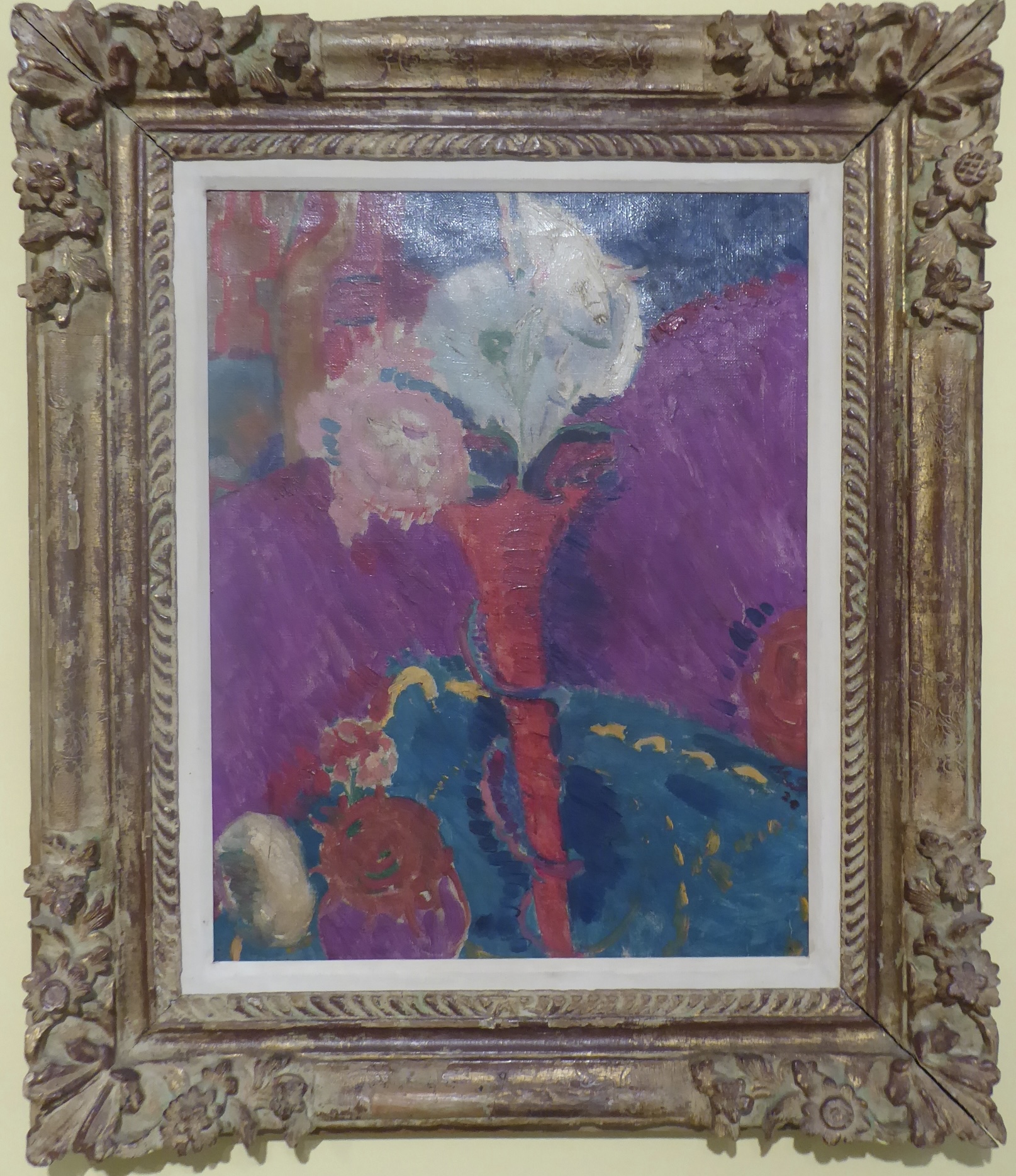
Bell, in contrast, seemed all over the place. She was more experimental (personally and professionally) and her focus was on the “language” of form and colour – but I really couldn’t find a single piece that stopped me in my tracks or pleased me entirely. I had thought of her colour palette as rather murky and muddy, but here there were brighter colours that I hadn’t expected. Nevertheless much seemed slightly unfinished or unthought-through. Her portrait of her sister, Virginia Woolf, was up there with Cassandra Austen’s of Jane: affection but not execution. Whenever something caught my eye, I found myself thinking that someone else had done it better. A painting of the Etchell siblings with featureless faces, for example: it paled beside Gabriele Münter or Roger Fry and looked slightly inept.

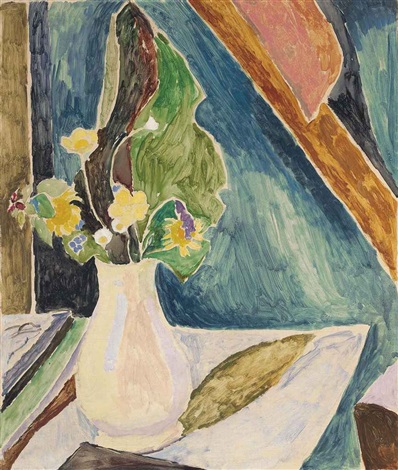
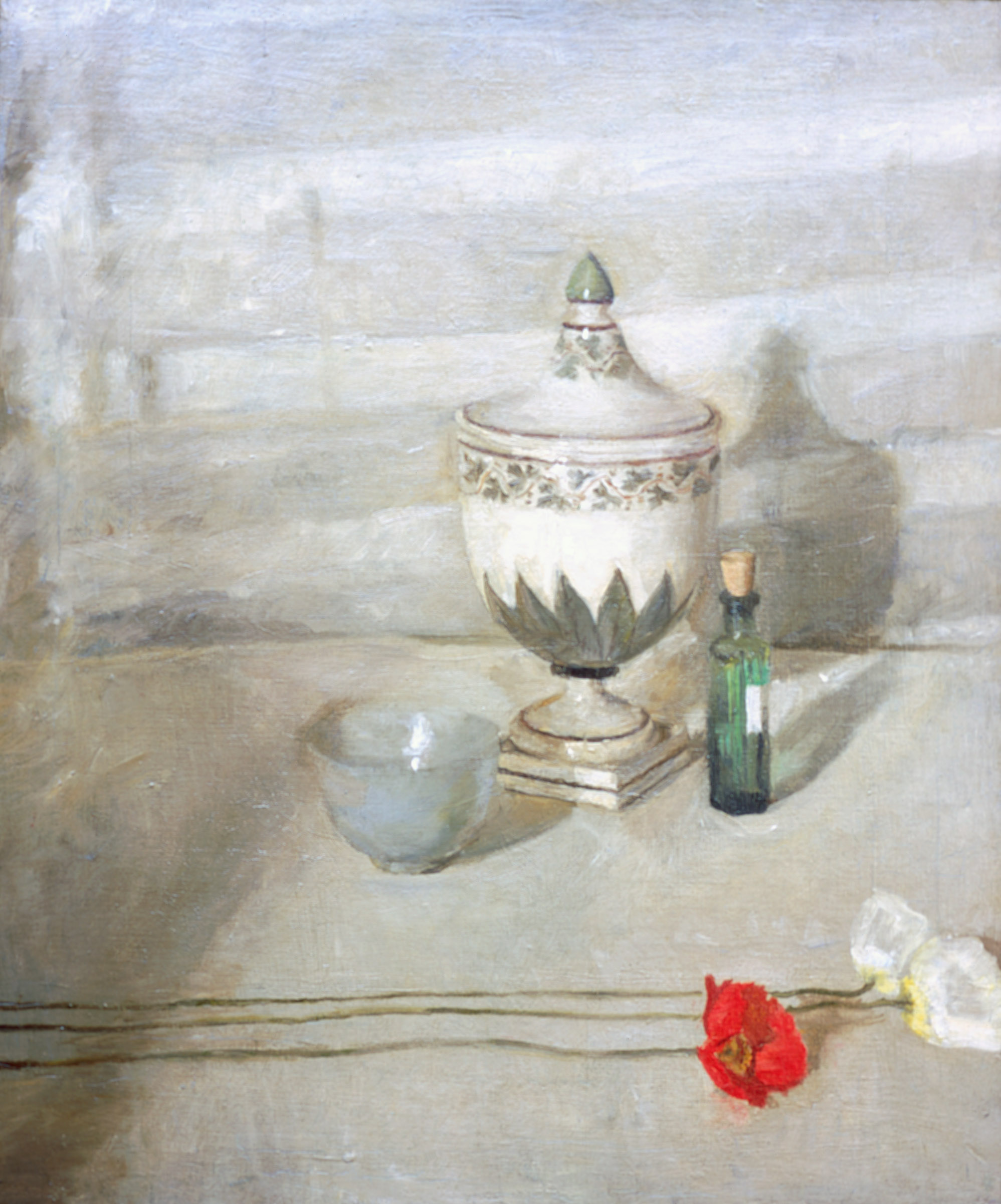
I went with a companion, who got quite irritated with a pair of still lifes. The lack of focus: was it form or colour in the wildflowers? Why did one think of felt-tip pens running out of colour? Why the silly cross-hatching on the vase in the more accomplished lilies?

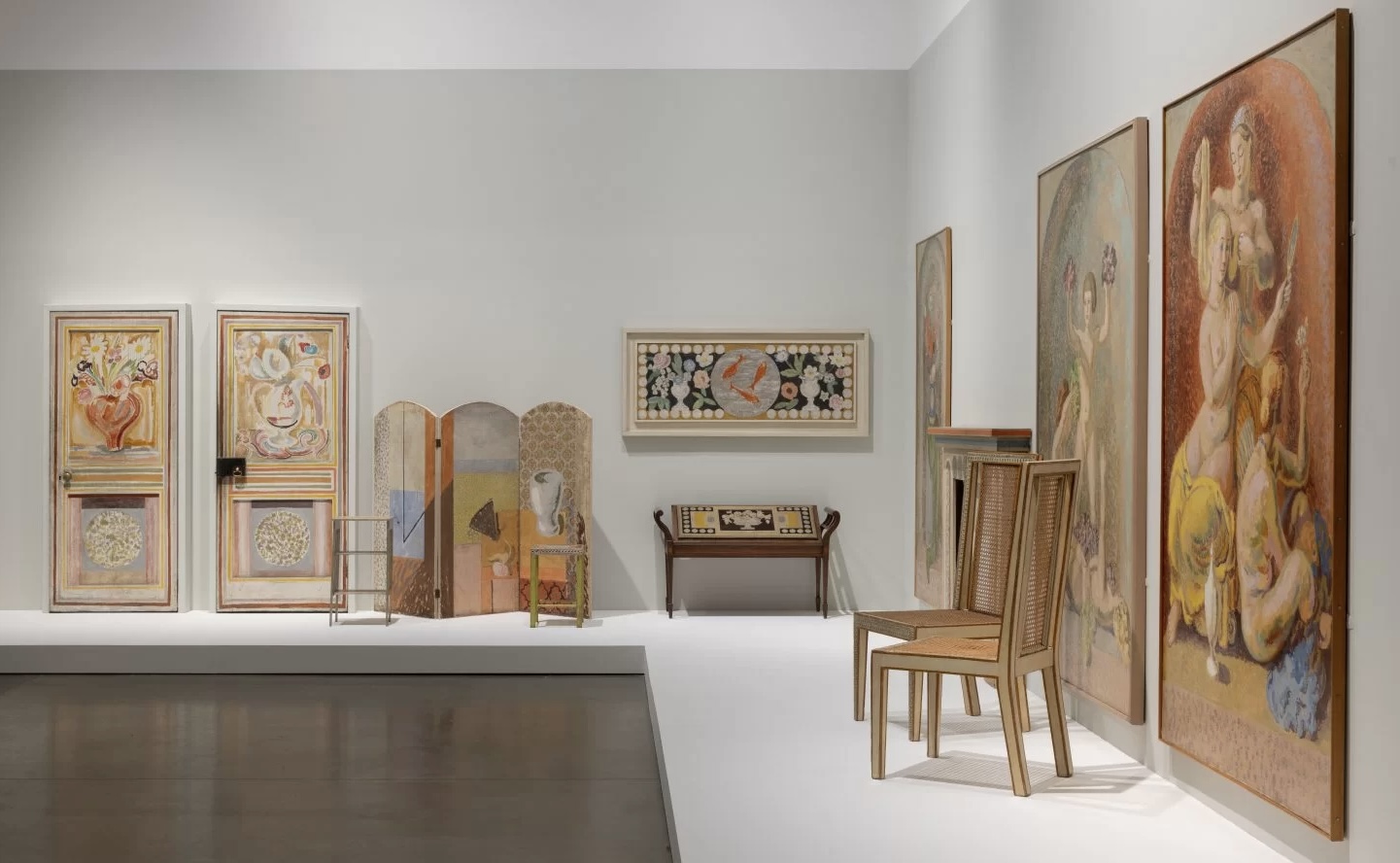
One answer is that Bell did what she liked. For all her involvement with the Omega Workshops, Bell didn’t have to earn her living by her work, and she had help in bringing up her three children. She also ditched conventional morality. And I think this was the one really great thing about her – she had the chance of freedom and she really went for it. The decorations in their Charleston home, the foregrounding of women’s lives, the collaboration with others, the refusal to be confined by one style or theme, the unconventional way of life – that was what was interesting.

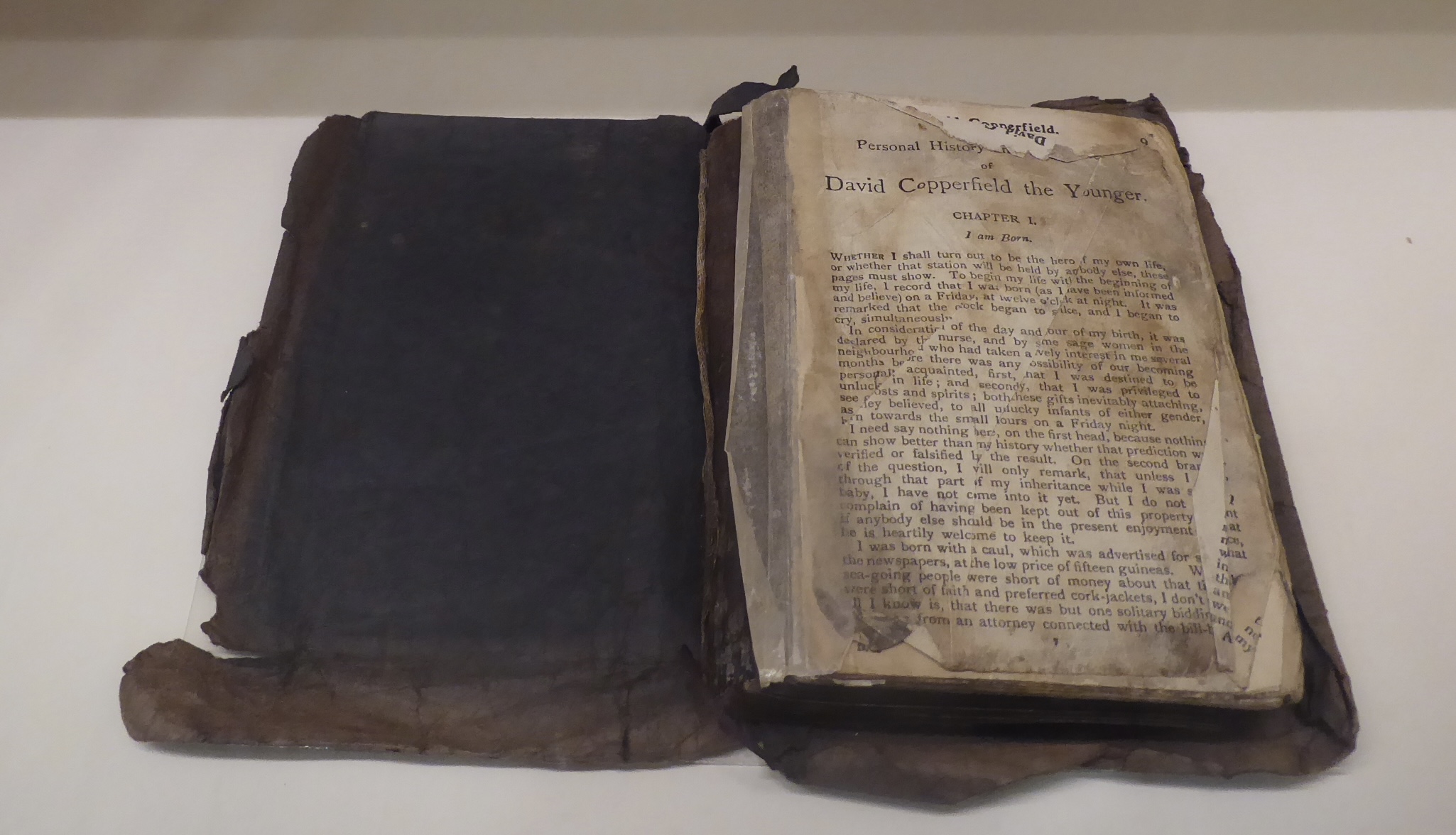
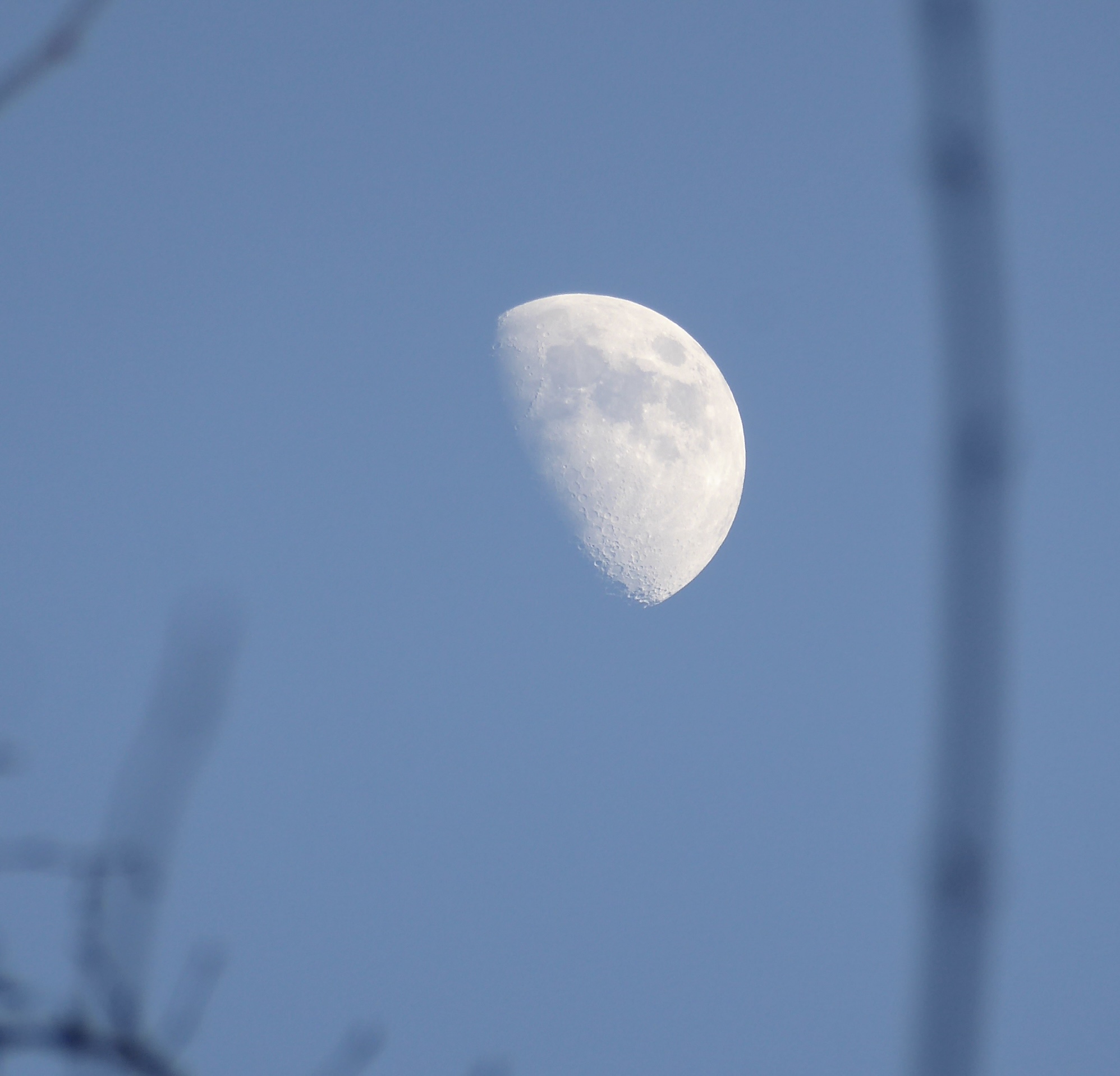
I returned to London and a much more conventional and masculine – even macho – experience. I just had time to get to the Charles Dickens Museum to see the copy of David Copperfield that had gone to Antarctica on the Terra Nova expedition. I had to see it. Edward Wilson, Apsley Cherry-Garrard, Herbert Ponting . . . the fascination I experienced when I first read Wilson’s diaries briefly returned as I looked at the blackened, dog-eared pages. And it was a lovely sky as I walked back through St George’s Gardens: perhaps I can compare this afternoon’s moon with Cassini’s map!

Lewes

I’m going to the Vanessa Bell exhibition in Milton Keynes tomorrow, so, as prep, I had a hankering to visit the Radev Collection exhibition at the Charleston in Lewes. This part of the Charleston is housed in a 1930s disused council building within spitting distance of the railway station, and the Radev Collection is of 19th/early 20th century British and French art. The origins of the collection are almost as interesting as the artworks themselves.

But first I had to get there. Change at East Croydon on the way out and Haywards Heath on the return – places that were hitherto merely names to me. As the train moved away from London I eagerly looked out of the windows to see the countryside and observe how it differed from what I am used to . . . but where on earth was it? It seemed ages before houses gave way to greenery, which set me to thinking of how George Orwell and E M Forster (more of him later) railed against the spread of interwar ribbon development. Their laments always struck me as rather paternalistic and snobbish – people must be housed after all – but today I saw their point. Perhaps we all turn nimby as we age and pay off our mortgages. “Going, going” indeed.

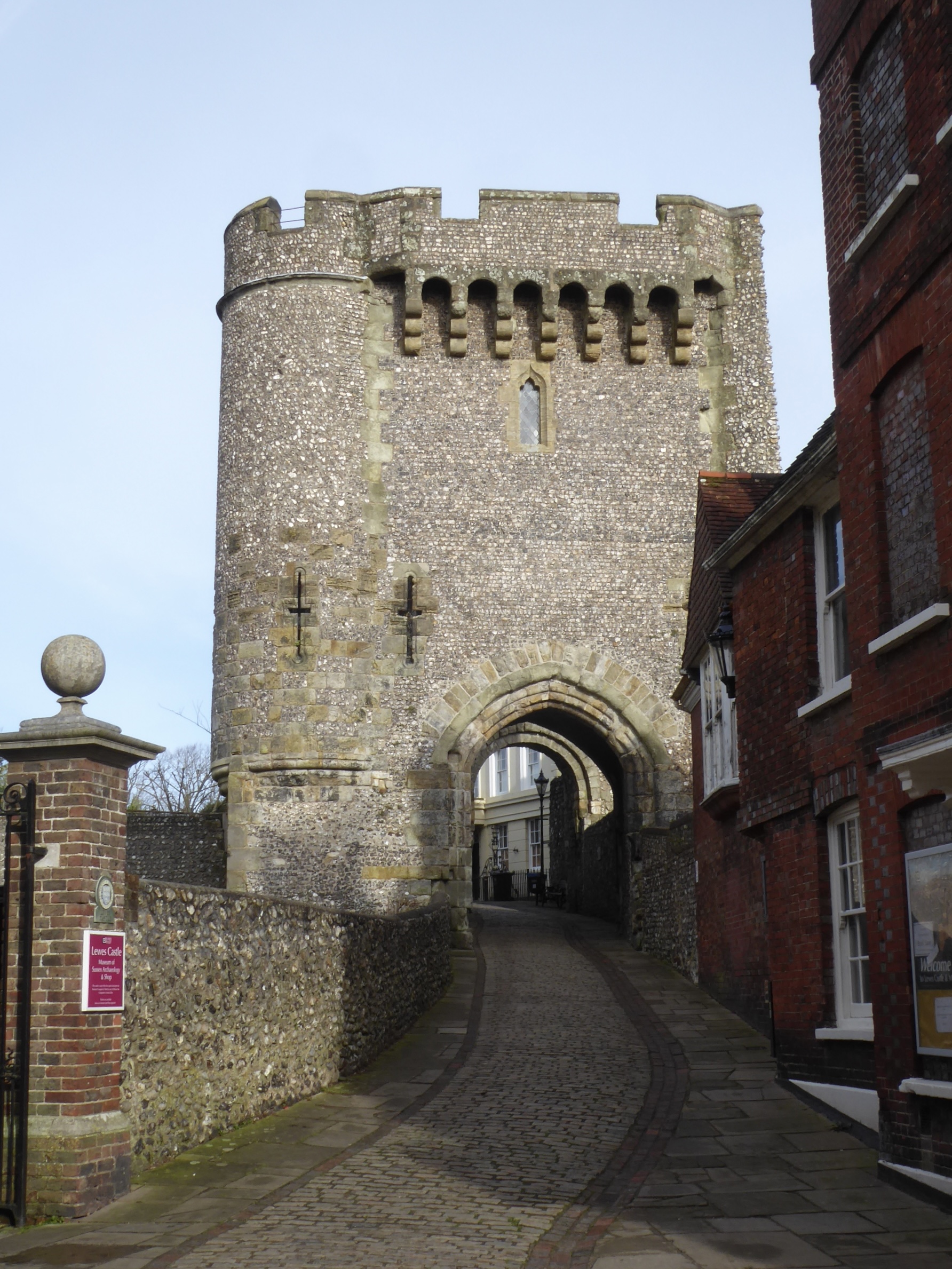
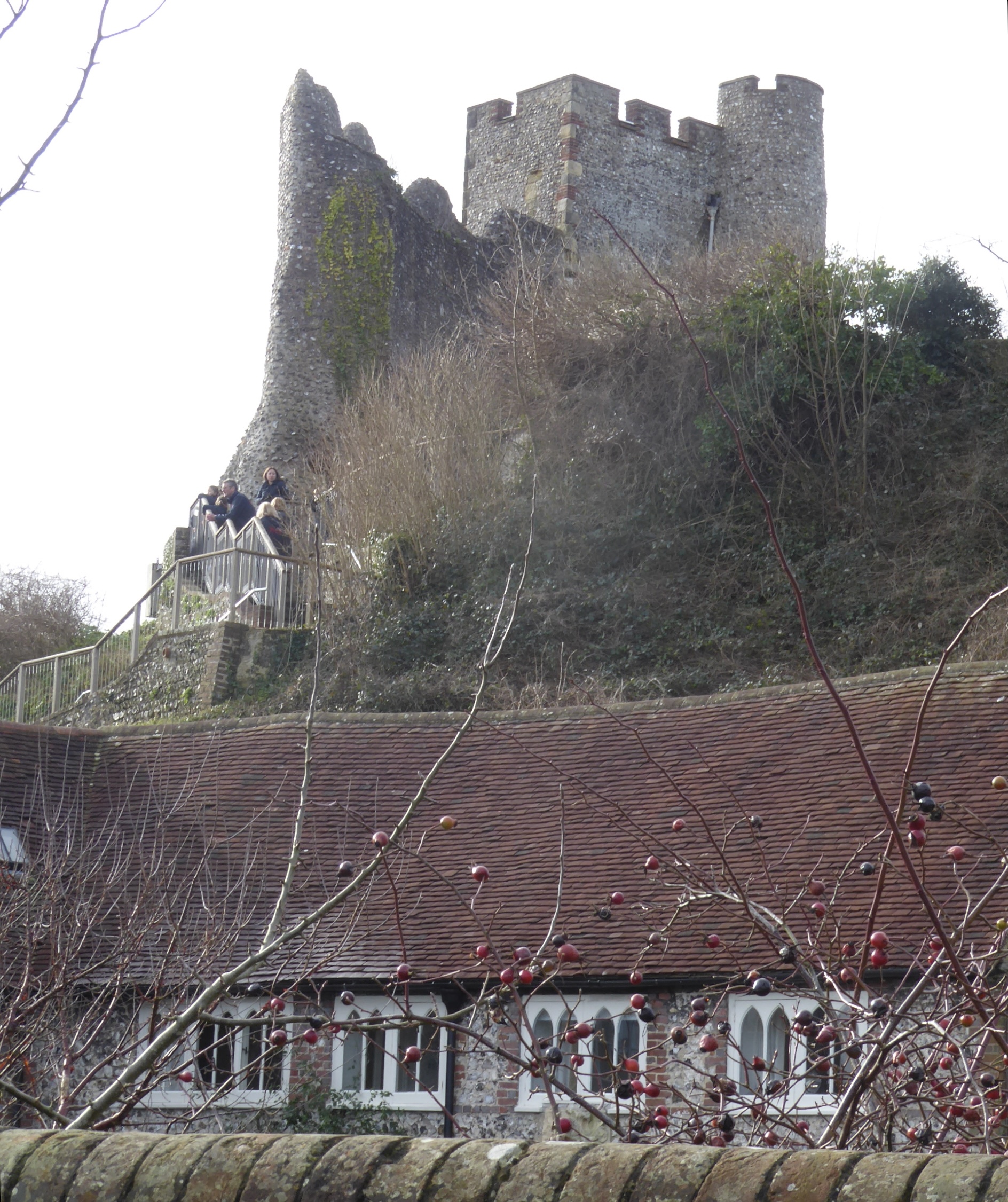
And then I got sidetracked by Lewes itself. It’s charming! It even has a castle (I really had no idea). Steep streets, Georgian buildings, knapped flint (even for the Kingdom Hall!), interesting vernacular architecture, chalk outcrops in the background, a history of brewing . . . it looks like once upon a time it was a self-contained, busy county town, an economic and administrative hub. I’m not sure that that is still the case, and quaintness only gets you so far . . . but all I can say after a short trip is that I liked it.

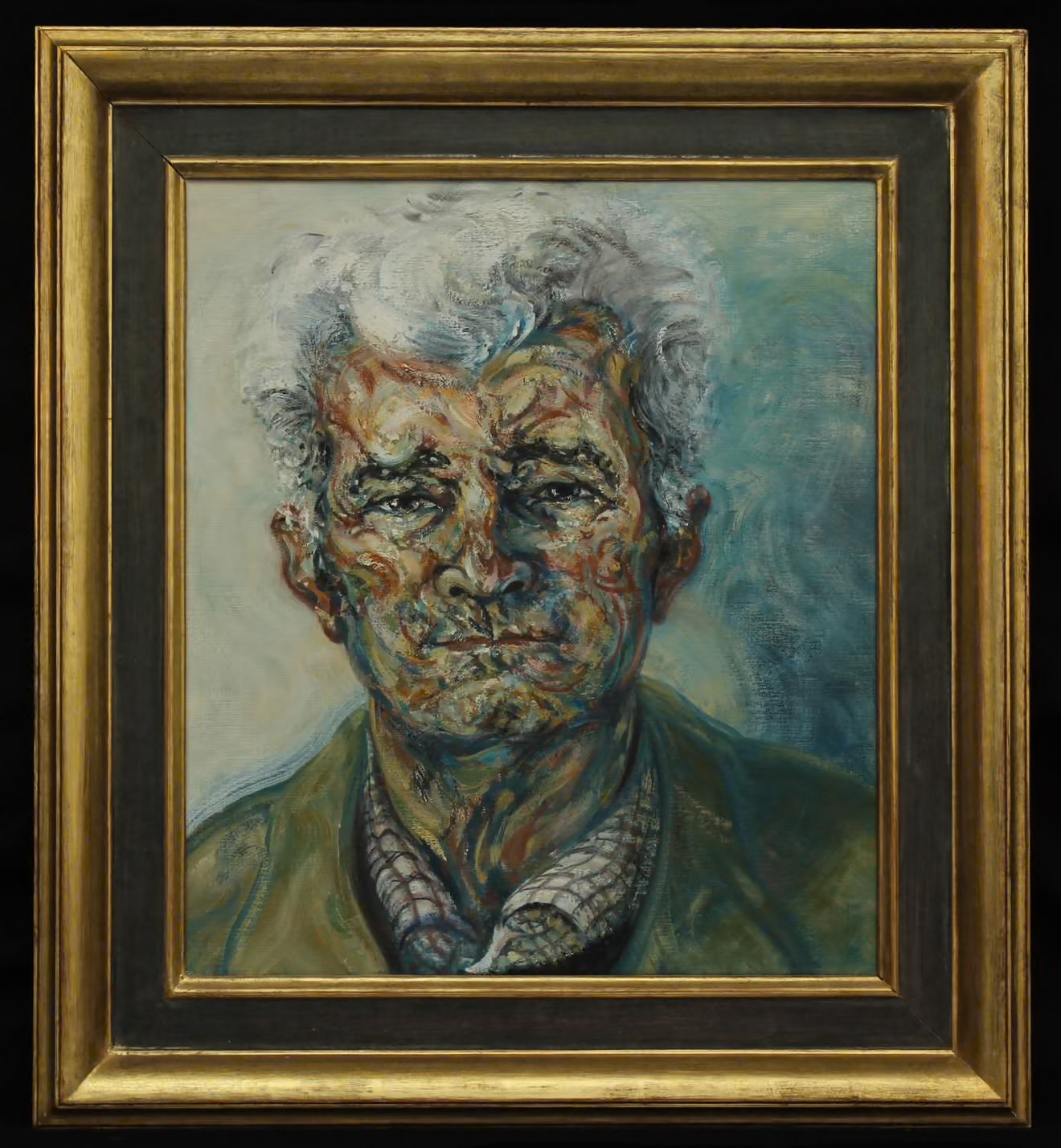
And so to the Radev Collection. The difficulty about the Bloomsbury Group and its satellites is keeping track of who had affairs/was friends with whom, because it does actually matter. So, Edward Sackville-West, a music critic, started collecting in 1938. He left his collection to a former lover, Eardley Knollys, art critic/dealer and artist who already had a collection of his own. Along with Desmond Shawe-Taylor, they had bought and created a salon at Long Crichel House in Dorset. (The former rectory – a nice irony.) Mattei Radev was a young Bulgarian refugee who stowed away on British ship in Istanbul and was granted asylum in 1950. I surmise he must have had great charm in his youth – even though the horrible painting of him by Maggi Hambling in later life does suggest ‘the worms crawl in, the worms crawl out” – for he found his way into Knollys’s life and was assisted by Knollys to establish himself as a picture-framer. After Knollys’s death Radev inherited the whole collection, which then passed to his civil partner on his death.

Oh yes – E M Forster also fell in love with Radev for a while.

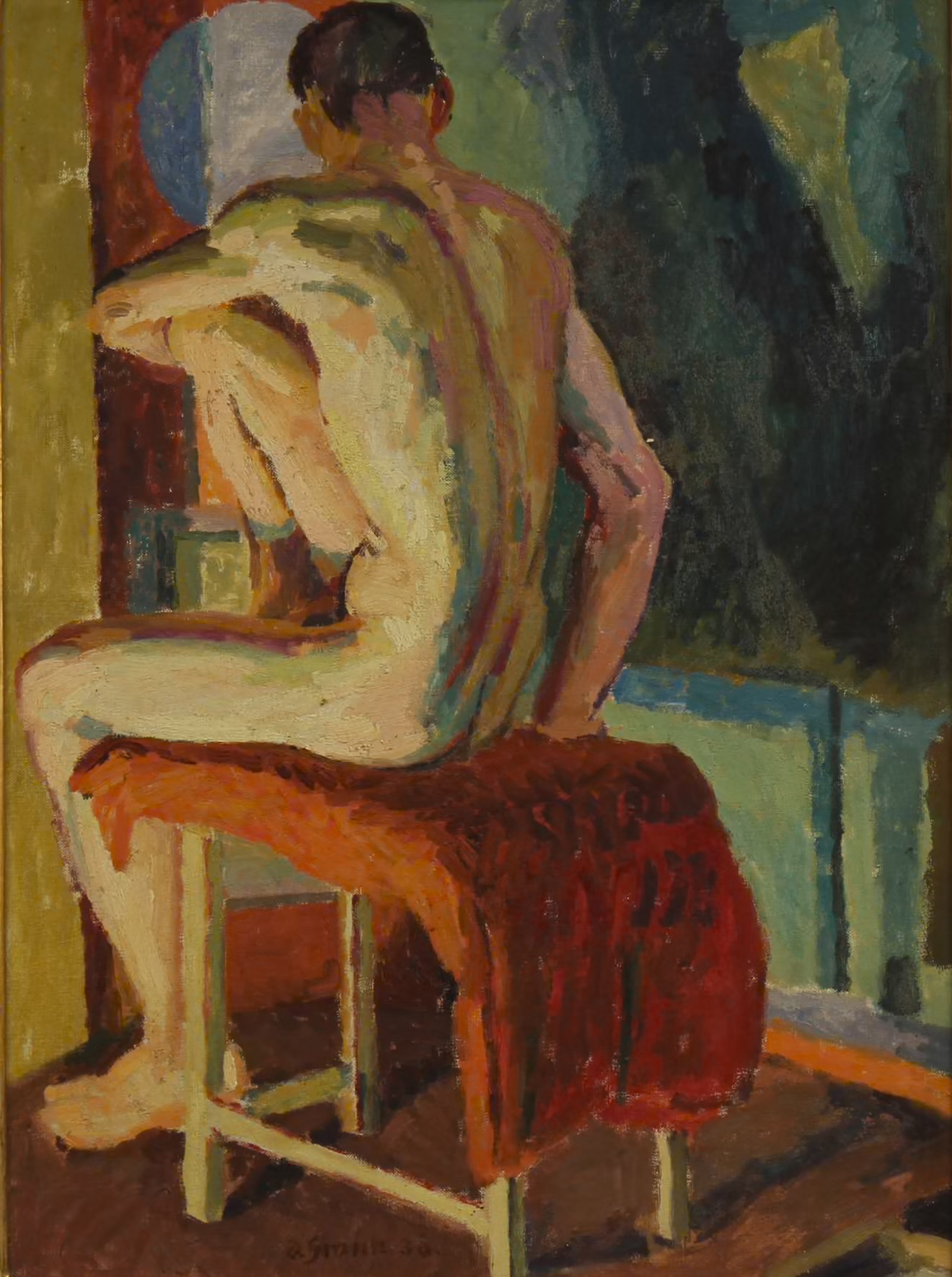
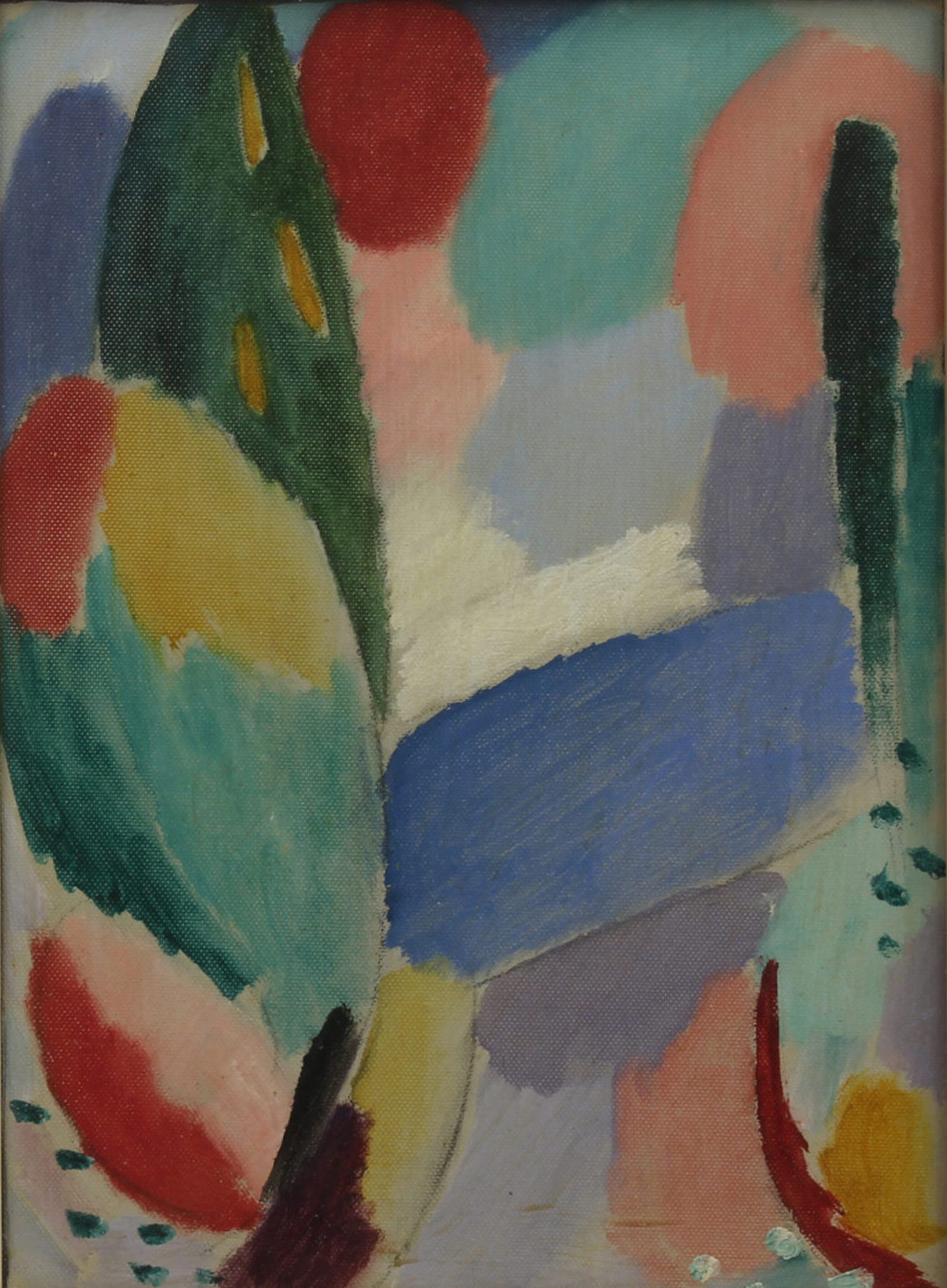
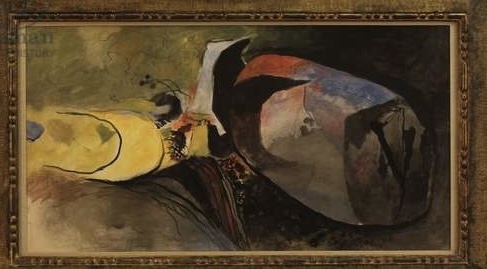
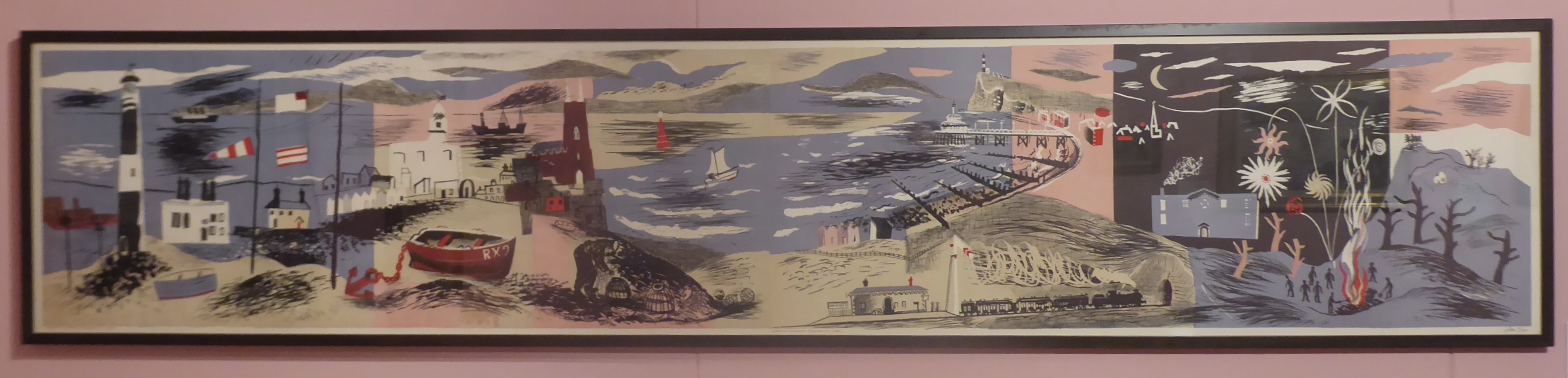
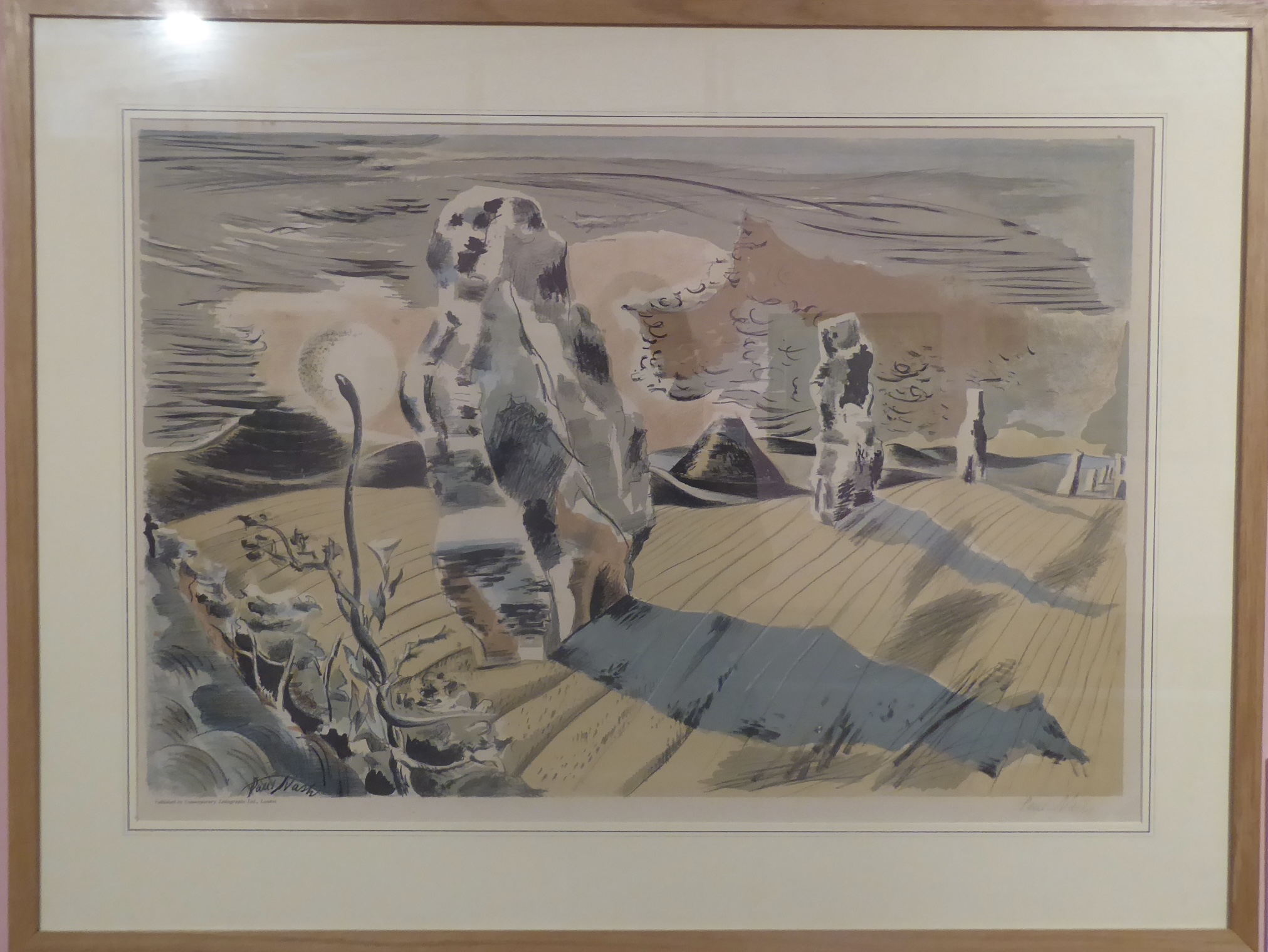
And the paintings? I wandered amongst them and confirmed my likes and dislikes – and then tried to examine why. I am still unimpressed by Vanessa Bell (such dull daubs), I still don’t care for Matthew Smith (nasty colour combinations), Eugéne Boudin’s use of oil paint is masterly, I can’t think why Alexej von Jawlensky’s colours are so appealing to me but they are, and I am beginning to like Graham Sutherland. Then the lithographs by John Piper and Paul Nash – I think I grew up on those types of illustrations and I felt very drawn to them, particularly since the Nash was inspired by the stones at Avebury.

Versailles: Science and Splendour

I’m not sure I’ve ever been in the Science Museum before; if I have, I would have been a child. (I’ve definitely been in the Natural History Museum, but not for over 50 years. Maybe it’s time for another visit.)

This exhibition was about science and bling – what you can do if you are an absolute ruler with vast resources at your disposal. Thanks to Jean Plaidy, I already had a general idea of the generation-hopping longevity of the last three Louis – Louis XIV (1643-1715), his great-grandson Louis XV (1715-1774) and his grandson, Louis XVI (1774-1792). They were great promoters of science and technology as well as the arts. Their reigns cover the Enlightenment and the publication of the Encyclopédie (1751-1772), and I came away with the impression that everybody at that time was discussing Newton’s Principia (1687), looking through gilded telescopes (1750) and ticking off what they could see from Cassini’s map of the moon (1679).

I don’t mean to be facetious. With their immense wealth and power, they were like the pharaohs of Egypt; instead of pyramids, Louis XIV constructed Versailles and its far-stretching gardens – all of which required accurate measurements and engineering. How else could you ensure that the two octagonal pools, 1.7km apart, would appear to be the same size to the king when he looked out of his palace window? Entirely frivolous – but knowledge and skill combined with human labour to make it work. Channels were constructed in the Seine to feed the monstrous Marly Machine to take water uphill to the Versailles fountains: ditto. Horology was crucial – not just for timepieces but to calculate latitude and longitude on the long sea voyages that kept the French empire close. Cassini was enticed from Italy to become the director of the Paris Observatory; he spent eight years observing the moon and to produce his map. He and his descendants also produced a map of France, and it was fascinating to see the triangles stretched across the land to ensure its accuracy. Thinking of Cassini, though, reminded me how knowledge is often in flux and needs constant checking: he began his work at a time when the heliocentric theory was still debatable, and, for all his brilliance in his other discoveries, he was the originator of the suggestion that Venus might have a moon.

Botany and zoology flourished at Versailles. Louis XV was presented with an Indian rhinoceros in 1769 – and here it was (stuffed; another victim of the French Revolution). There were fashions for plants, with Madame de Pompadour popularising Turkish hyacinths, but there was also scientific analysis and recording. Surgery was progressing: there was a display of the slender scalpel that Louis XIV’s surgeon developed to treat an anal fistula along with the small device that looked like an instrument of torture to ensure . . . no, really too much information. But it does bring home to you the uncomfortable reality of how advances are made. (The surgeon “practised” on a few dozen unfortunates with the same condition. Presumably most of his later patients at least must have survived for him to have the confidence to go ahead and tackle the king.) There was a life-sized hand-sewn model of a womb and foetus for the training of midwives: it looked like the kind of doll that a mother might sew for her daughter – which, under the circumstances, seemed appropriate.

British Library

Yesterday’s visit to the British Museum altered my focus today. I’d intended to see the exhibition on medieval women at the British Library, but now I was bursting to see a separate exhibition of some of the artefacts taken from the Library Cave at Dunhuang. I managed half an hour before a school group arrived and it was utterly fascinating.

How come I’ve never heard of Dunhuang?! But in a way I find my ignorance inspirational: there may be heaps of other wonderful serendipitous discoveries still to come my way.

So: Dunhuang is an oasis town, once a garrison on the edge of the empire controlled by the Han dynasty. It has several Buddhist cave sites around, including the Mogao Caves (first caves dug out around 366 and more over the next thousand years), which look utterly amazing. The only – comparatively puny – comparison I could pull out from my own experience was Mystras or the monasteries of the Meteora.

The Library Cave (cave number 17 of more than 700 caves) was discovered by a Taoist priest, Wang Yuanlu, in 1900. It contained some 50,000 documents of all kinds, both religious and secular, dating between 406 and 1002. Marc Aurel Stein, a Hungarian-British archaeologist (whose life story sounds fascinating), acquired many of them and brought them to Britain. This included – deep breath to take it in – the Diamond Sutra, the oldest complete printed book with a date in the world.

Which I took a photo of.

There were phrase books (crucial at this multi-lingual crossroads), Tibetan sutras copied out by local scribes (which gave an impression of what work was to be had), artists’ designs, letters between merchants and families, woodblock prints, almanacs, etc etc. Unable to understand a word, I focussed on the charm of the pieces: the holes in the much-folded letter from a merchant, the concertina-ing of a bilingual manuscript which could be read horizontally or vertically depending on the language.


The exhibition underlined what I had grasped yesterday: that goods are not the only things to travel along trade routes. Religions, ideas and practices are just as significant.

After this, the exhibition on medieval women in their own words seemed dull and predictable. My only amusement at the time was in discovering that a charm made from weasel testicles was considered a contraceptive. I appreciate the scholarship that goes into all this, but, really, Jane Austen put the words into Anne Elliot’s mouth over 200 years ago:

Men have had every advantage of us in telling their own story. Education has been theirs in so much higher a degree; the pen has been in their hands.

On reflection, that is a very unfair and sweeping judgement, for it did contain some astounding items: a letter dictated by Joan of Arc and signed by her, for example. And the thread of religious mysticism kept me wondering: was Margery Kempe unusually pious, a charlatan, or had she found her own way to escape the bonds of a medieval woman’s life?