Silk Roads

My geography failed me completely here. I doubt I could pin Japan on a map, let alone Korea or Uzbekistan. I realised how completely flummoxed I was at having no Eurocentric compass to orient myself at the start of the exhibition as it began with China and dynasties I had never heard of. I encountered lots of new information, which is still sinking in; it may be a while before the dust settles to reveal coherent thoughts.
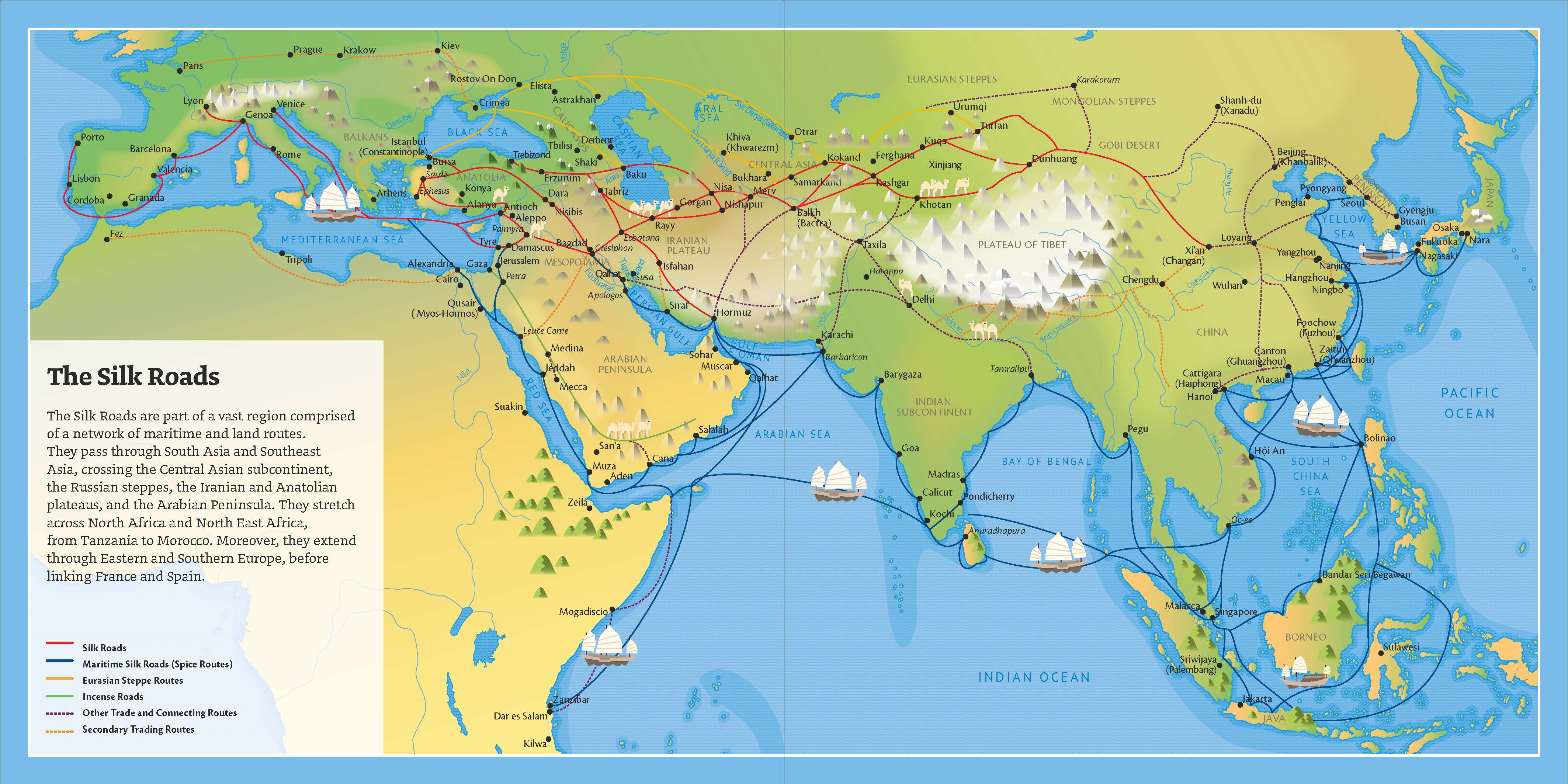
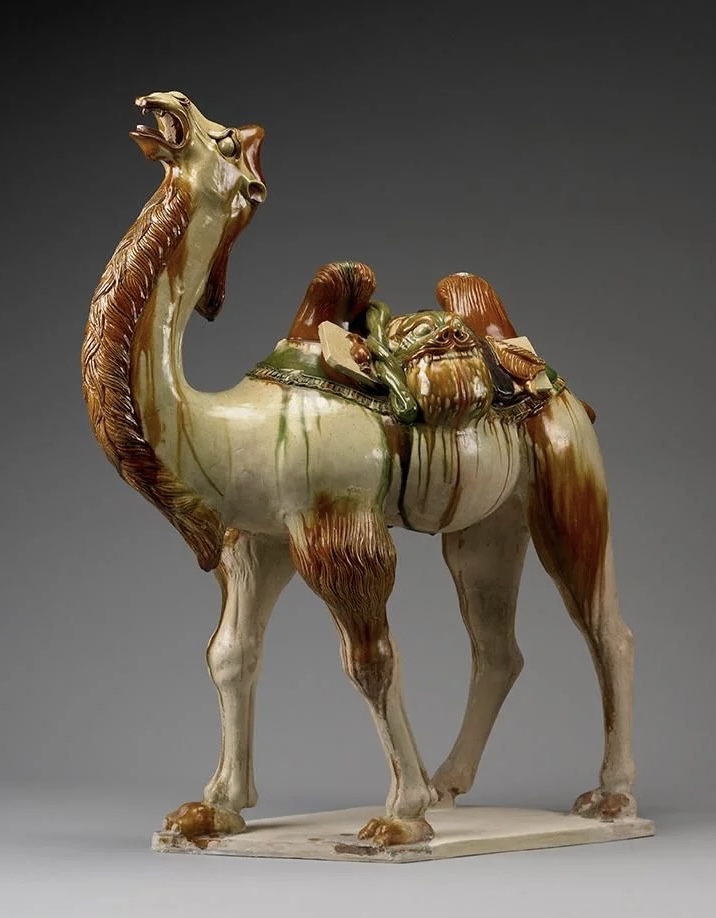
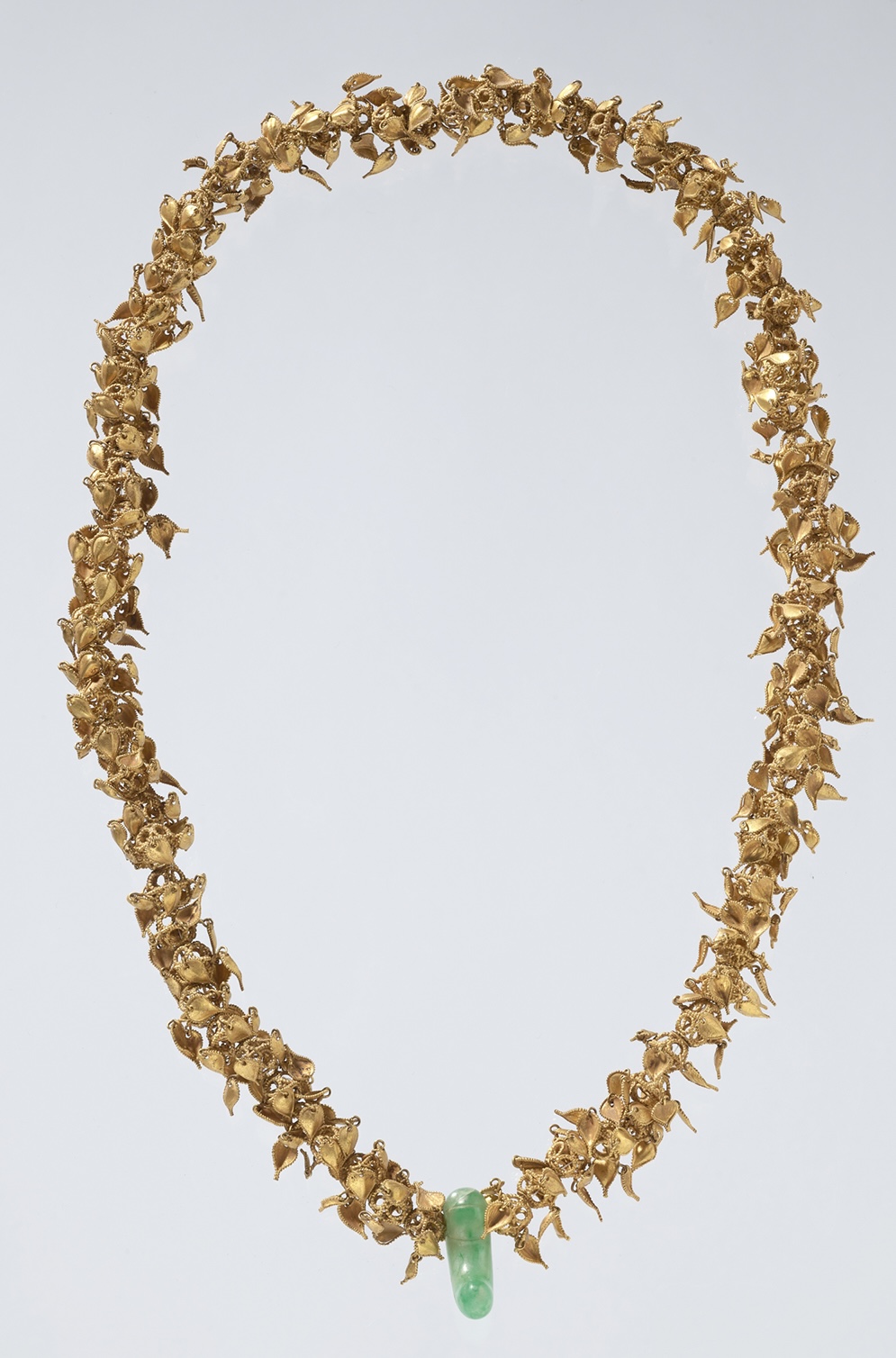
Λοιπόν. This exhibition at the British Museum focused on trade routes between Asia, Europe and Africa between 500 and 1000 along which silks, spices, luxury and everyday goods, and ideas passed. It began with a bronze figure of the Buddha – made in Pakistan in the late 500s and excavated in Sweden amongst buildings dating from the 800s.

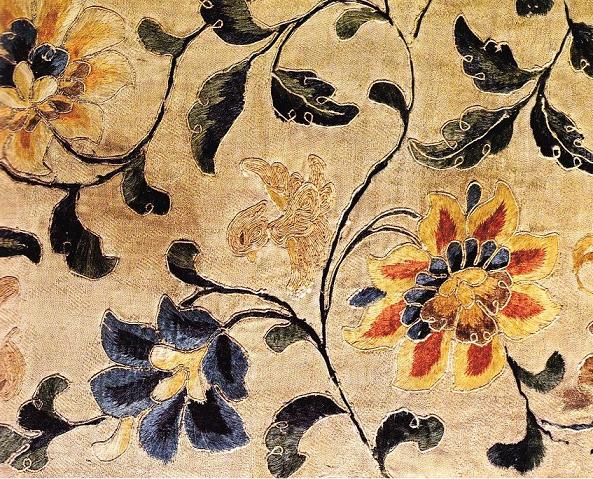
First: the developing links between China (Chang’an), Korea (Unified Silla) and Japan; in the Nara period (700s), rulers in Japan adopted elements of the Tang dynasty and adapted the Chinese writing system for their own language. Buddhism spread eastwards from India at this time to become the dominant religion. Silk was used as currency in China, and it was one of the luxury items in demand along the trade routes.

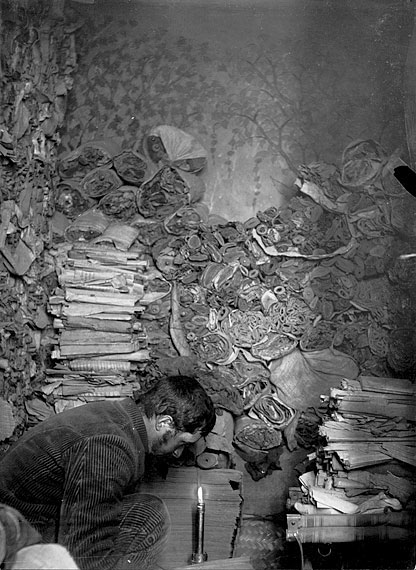
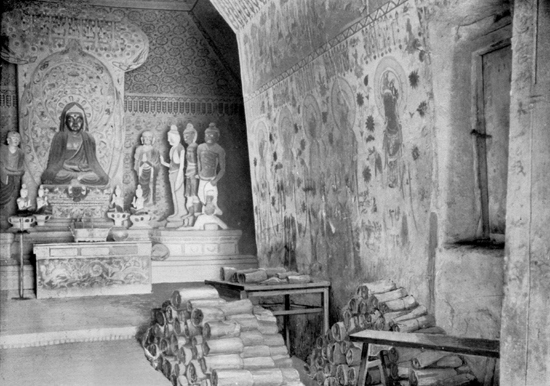
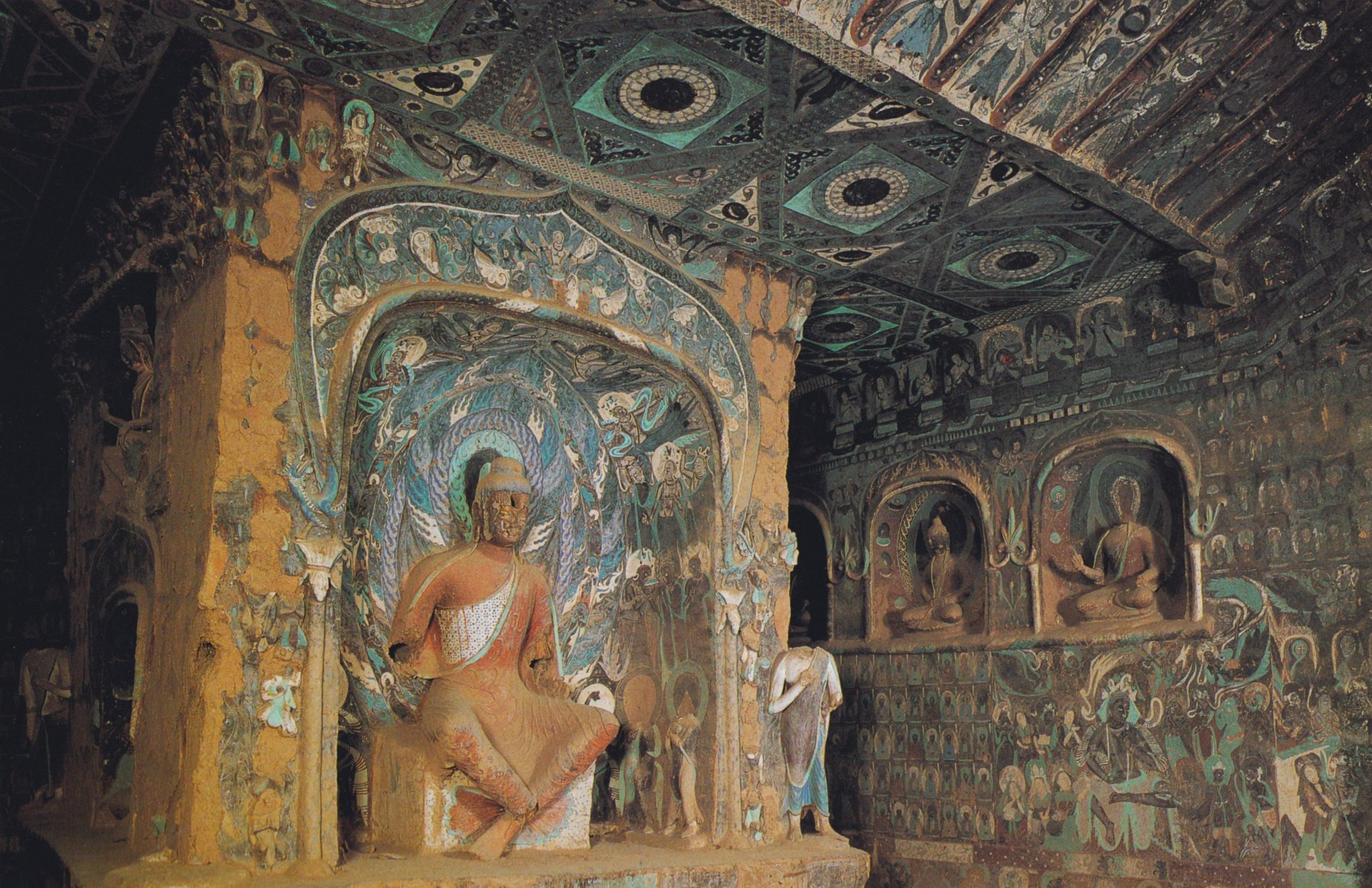
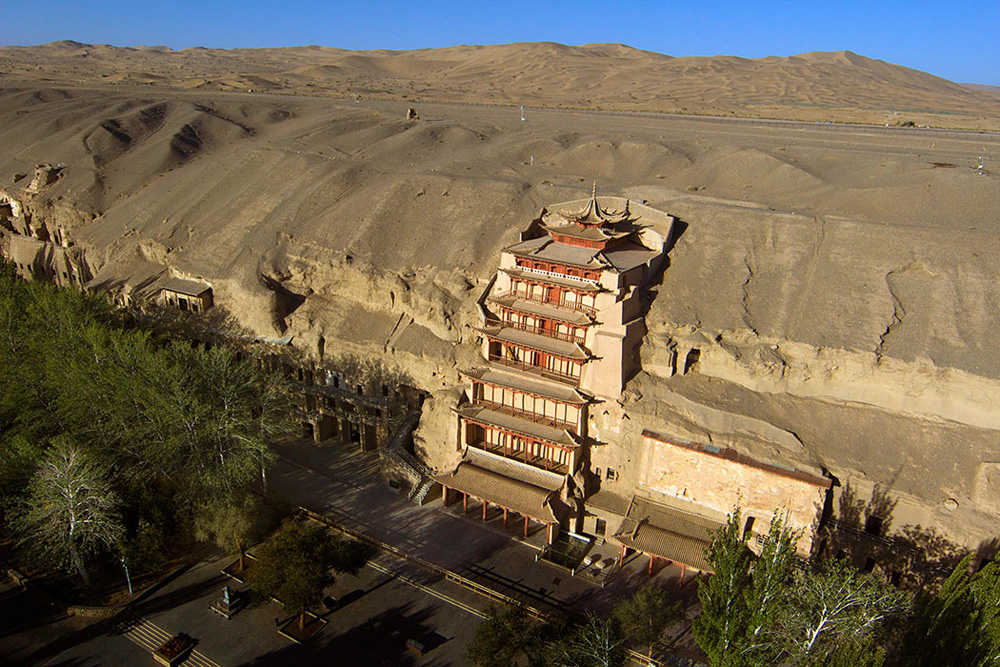
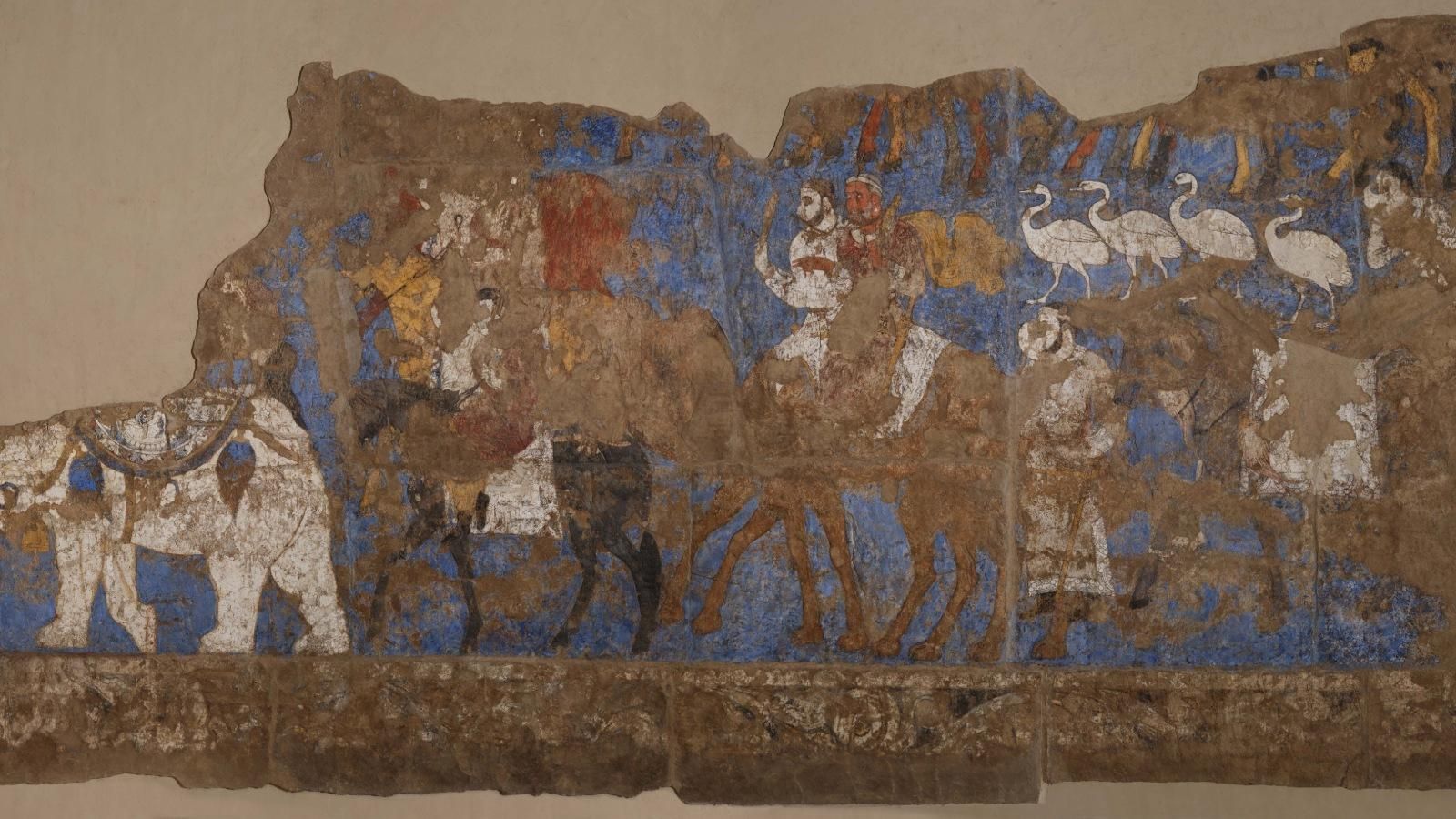
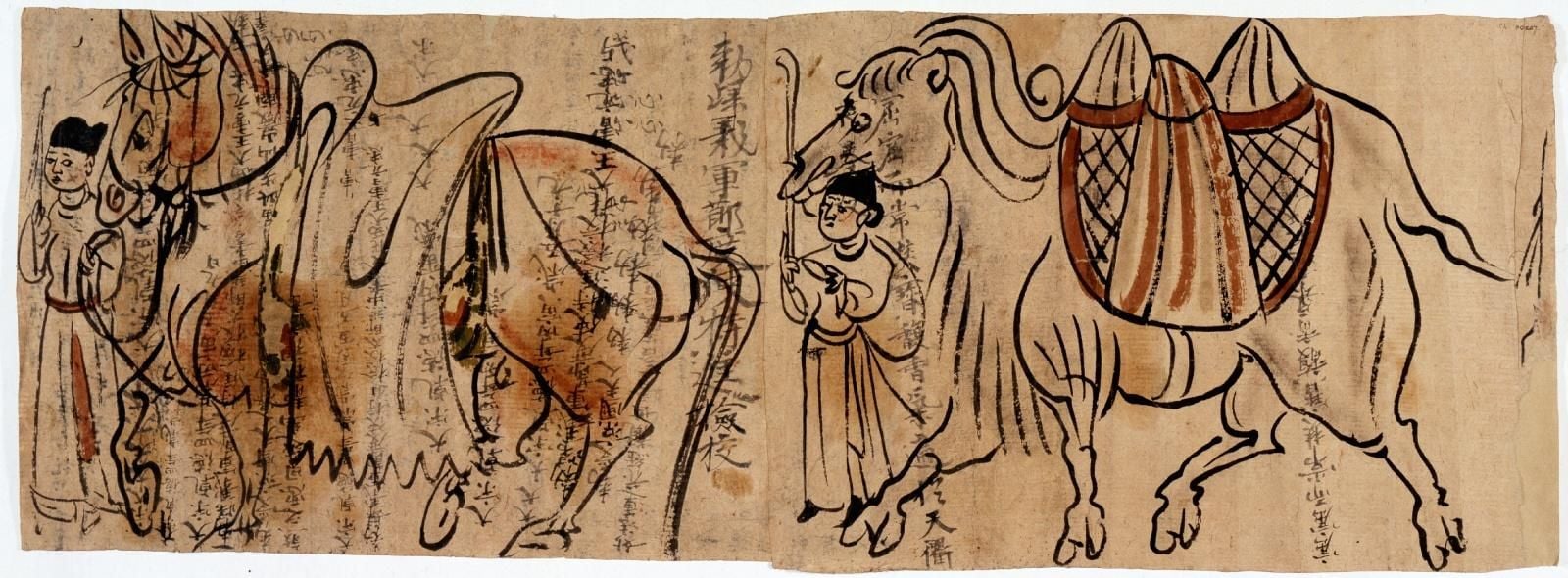
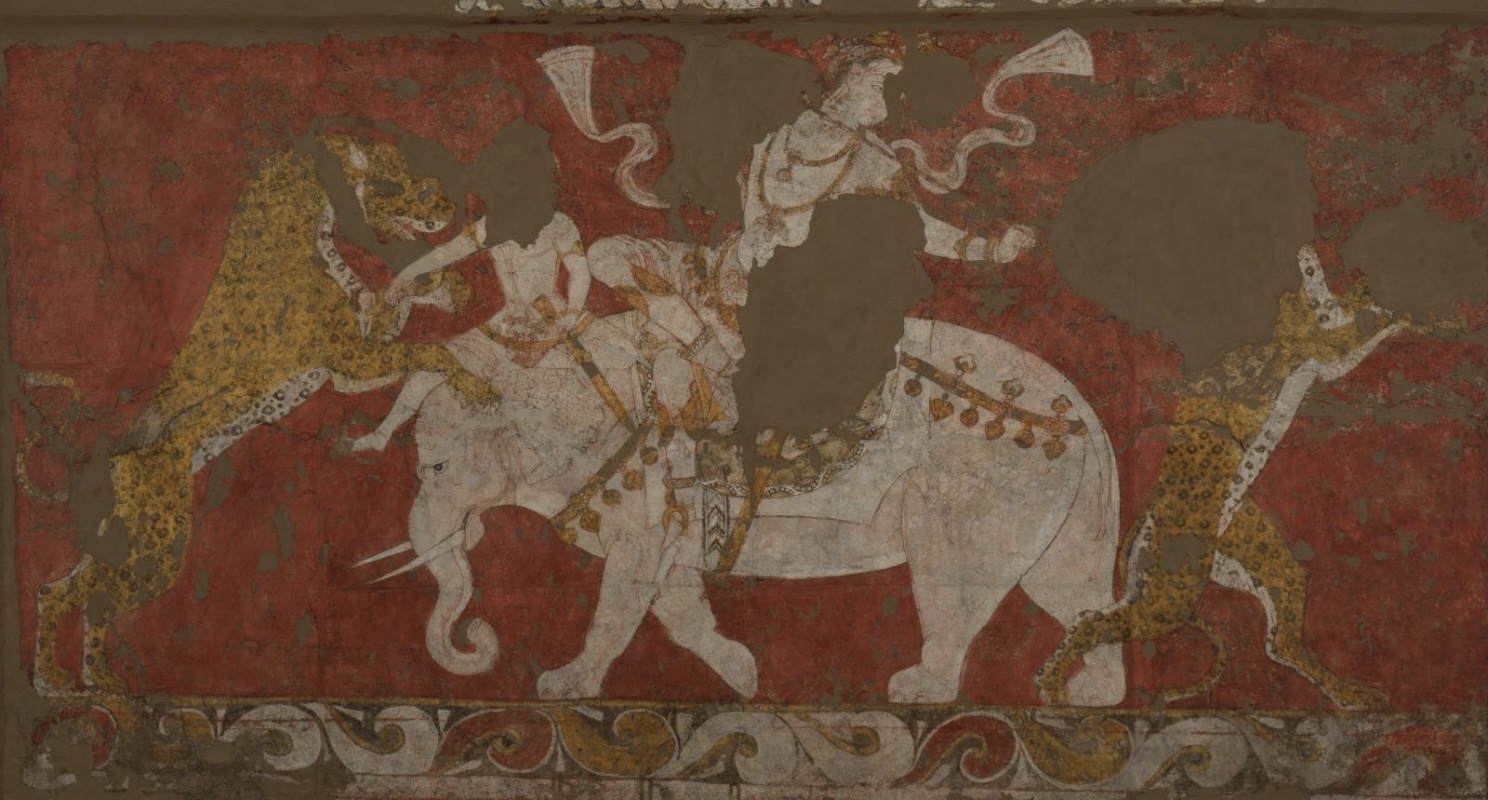
I found out about Dunhuang, a garrison town, where in 1900 a sealed “library cave” was discovered, containing manuscripts, textiles, paintings and other objects. Empires and peoples I had never heard of were represented by wonderful objects: the Sogdians, for example, and a mural from Samarkand showing a Sogdian ruler and his entourage, or one of an elephant from the Bukhara region.

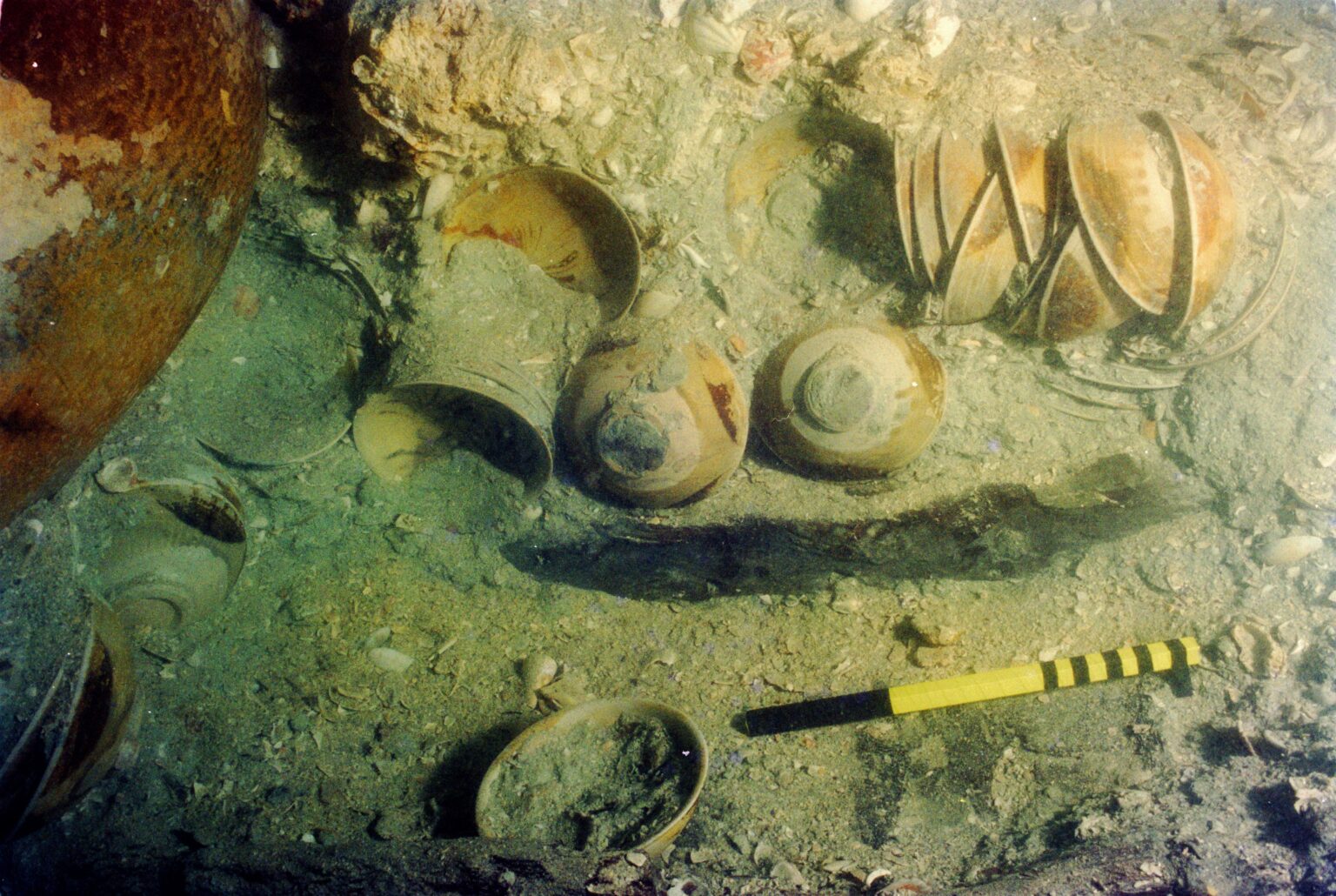
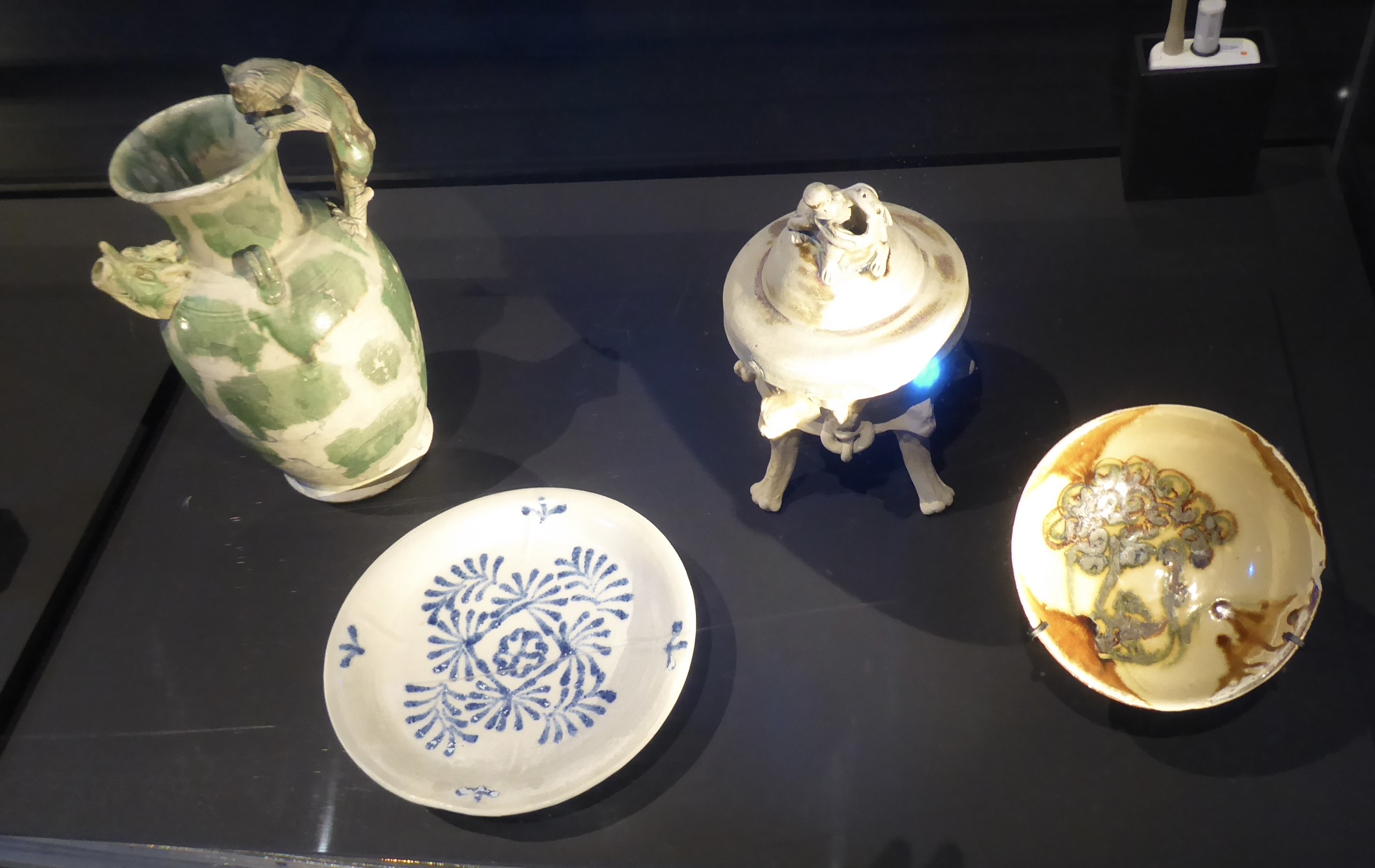
The Belitung shipwreck was fascinating and mind-boggling. In 1998 a shipwreck was discovered off Belitung Island in Indonesia; a vessel from the early 800s en route from China to perhaps the Arabian peninsula, containing over 60,000 items – mostly Chinese ceramics. (The photographs of crockery on the sea bed reminded me of the Titanic last month.) I could happily find a home for the pretty blue and white dish – which makes clear how the very human pleasure of acquiring attractive objects as well as the essential stuff like salt drove so much global trade.

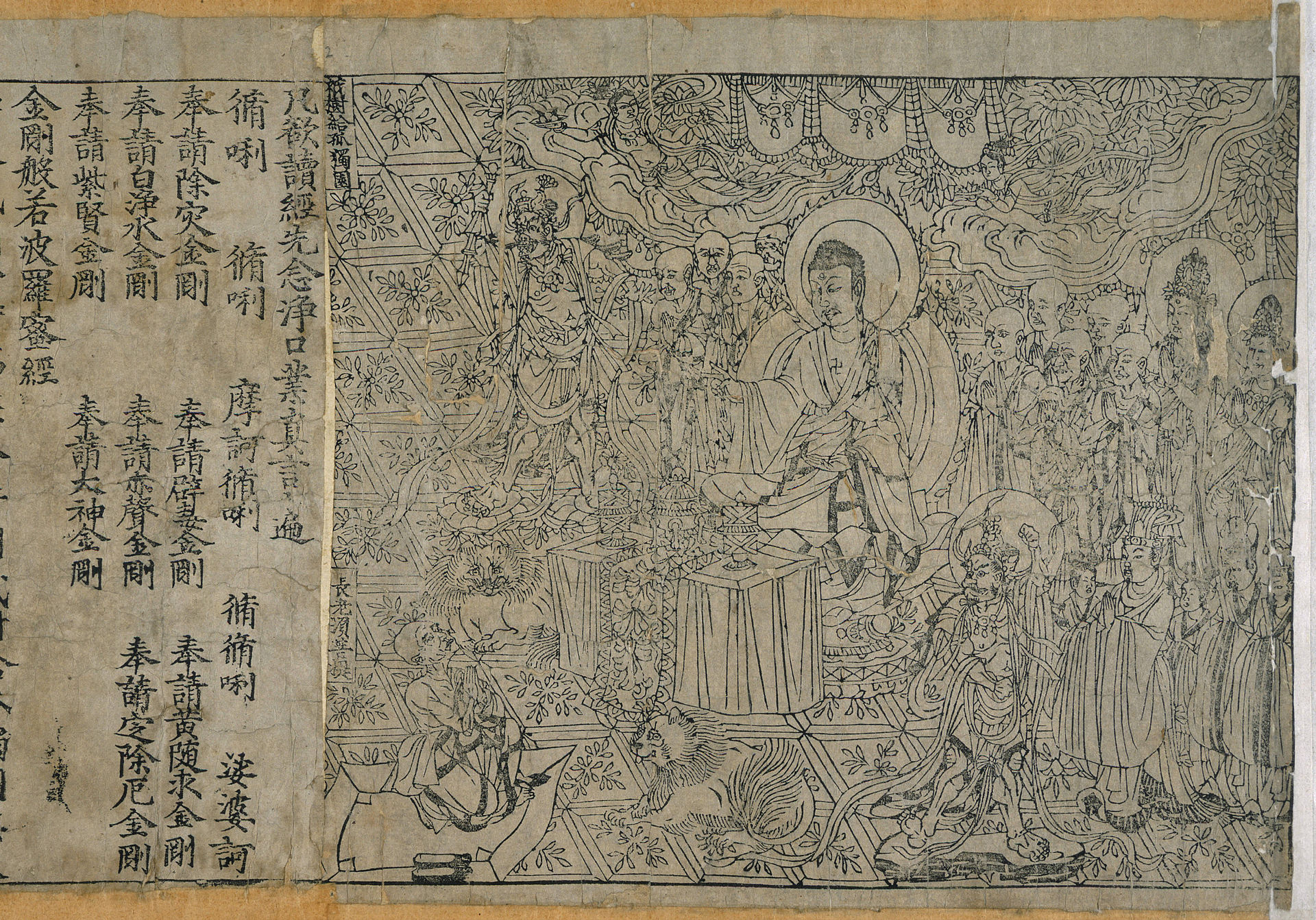
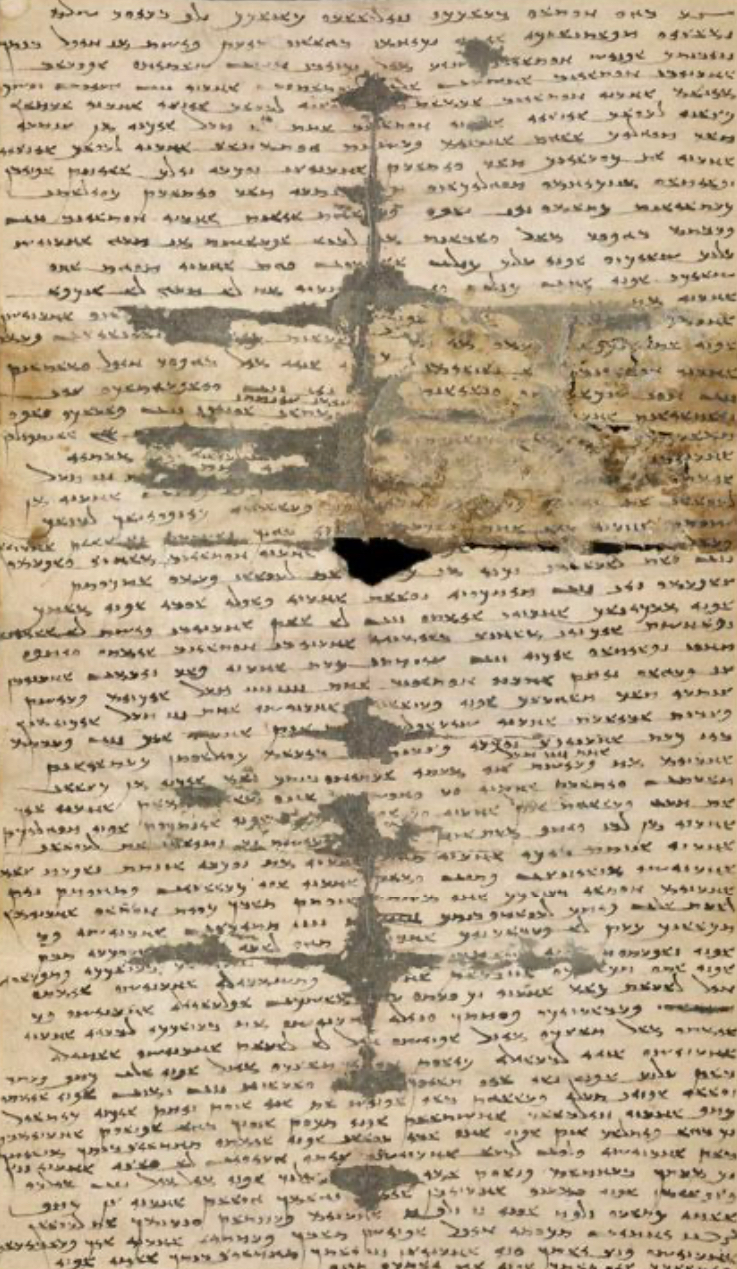
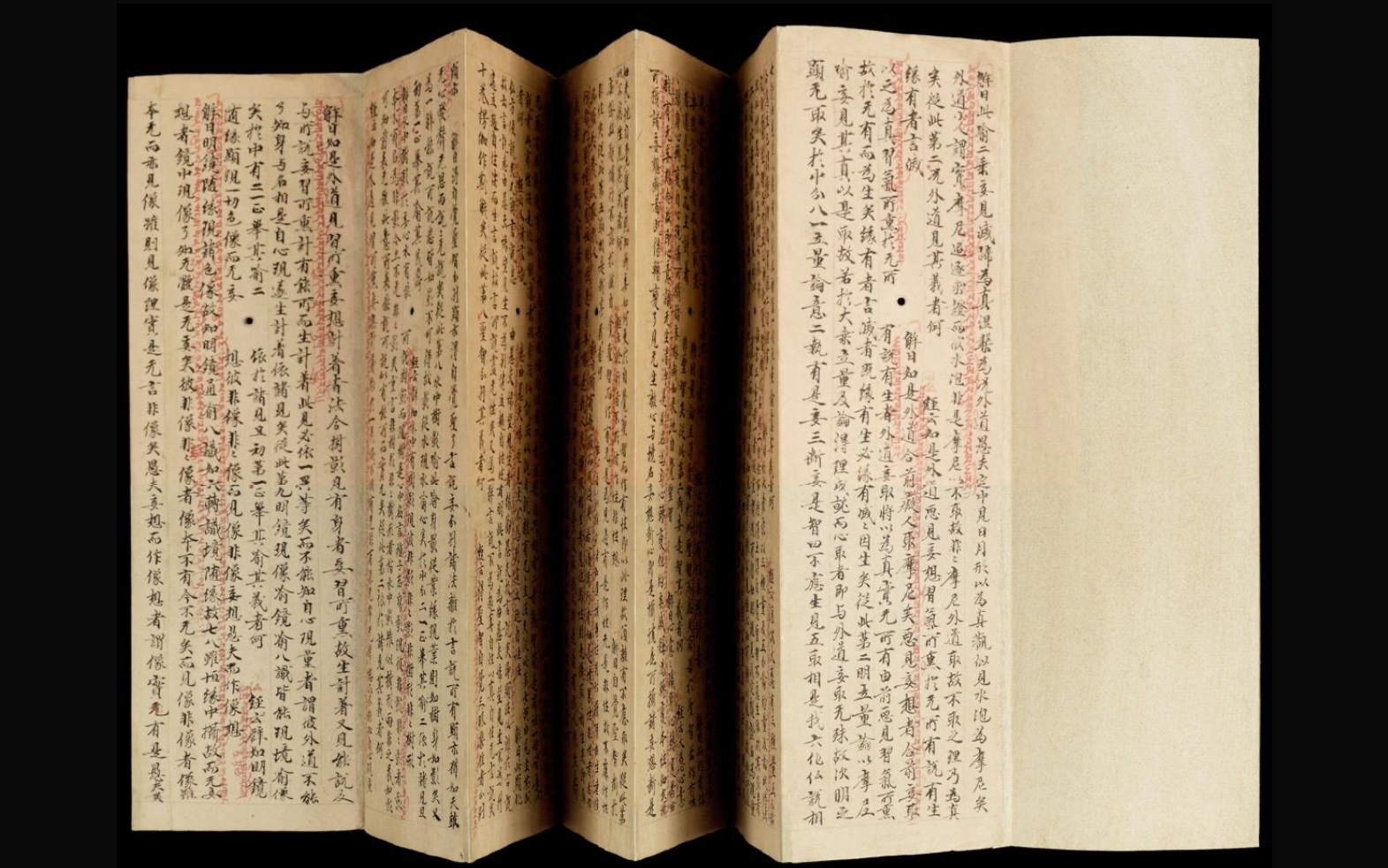
Ideas, religions, technological knowledge and languages travelled along the routes. There was a concertina of a Buddhist sutra in both Chinese and Sanskrit and a fragment of New Persian text written in Hebrew script; I had to think hard about those. Religions that travelled along the route: not just the dominant Buddhism of this time but also Hinduism, Manichaeism and Zoroastrianism, meeting up with local deities and religious practices, and, later, Islam through conquest.

Such a sense of human activity over so many centuries! Some of it illustrated our worst tendencies: the never-ending desire for more and more luxurious goods and the trading of people as well as commodities.

By the time the silk routes reached the shores of Europe, my sense of wonder diminished: it was all rather familiar. On reflection, I realised how thoroughly and unusually immersed I had been in an exhibition that barely touched on Europe or parts of the world colonised by Europeans. It doesn’t often happen, and it did make me very aware of my ignorance and lack of a compass as I venture into new territory.

After lunch I returned to more familiar territory: a small exhibition of prints and drawings that Max Beckmann had given to Marie-Louise von Motesiczky.

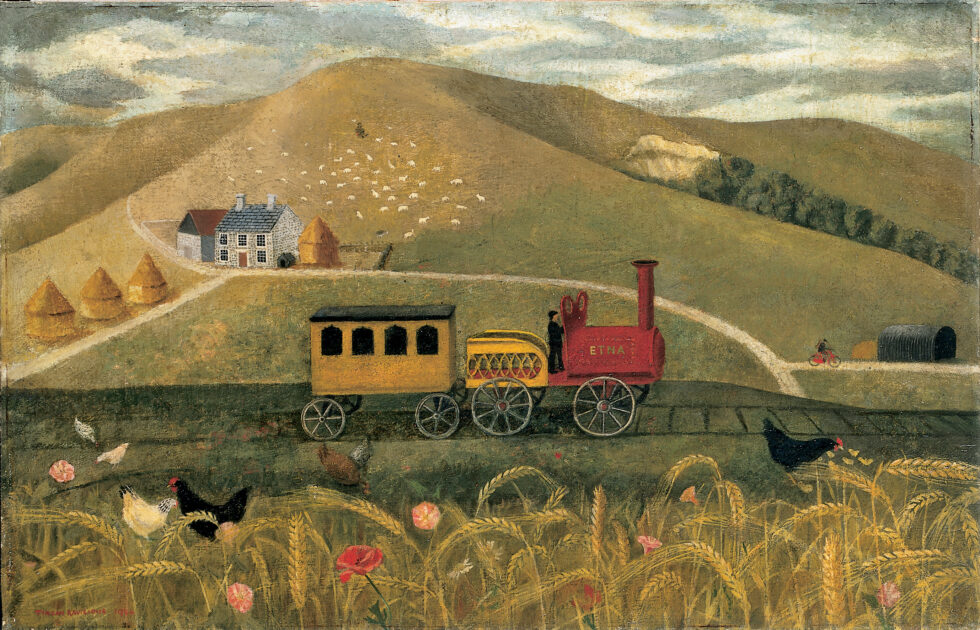
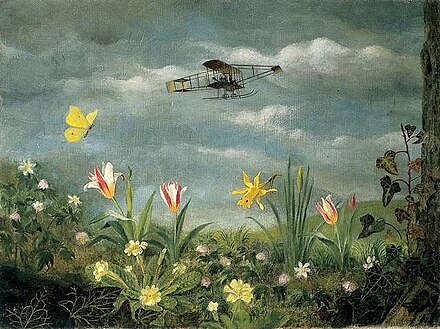
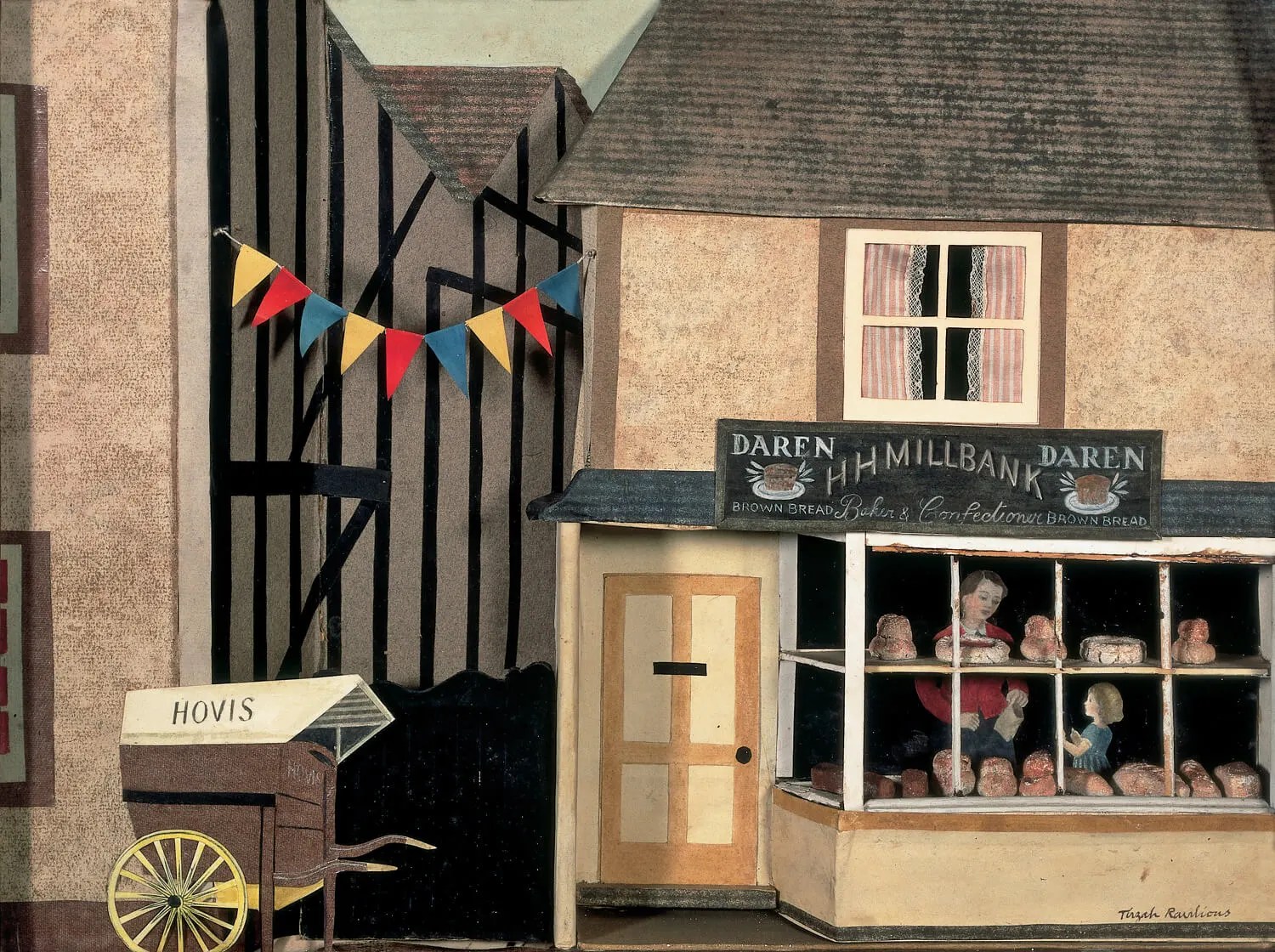
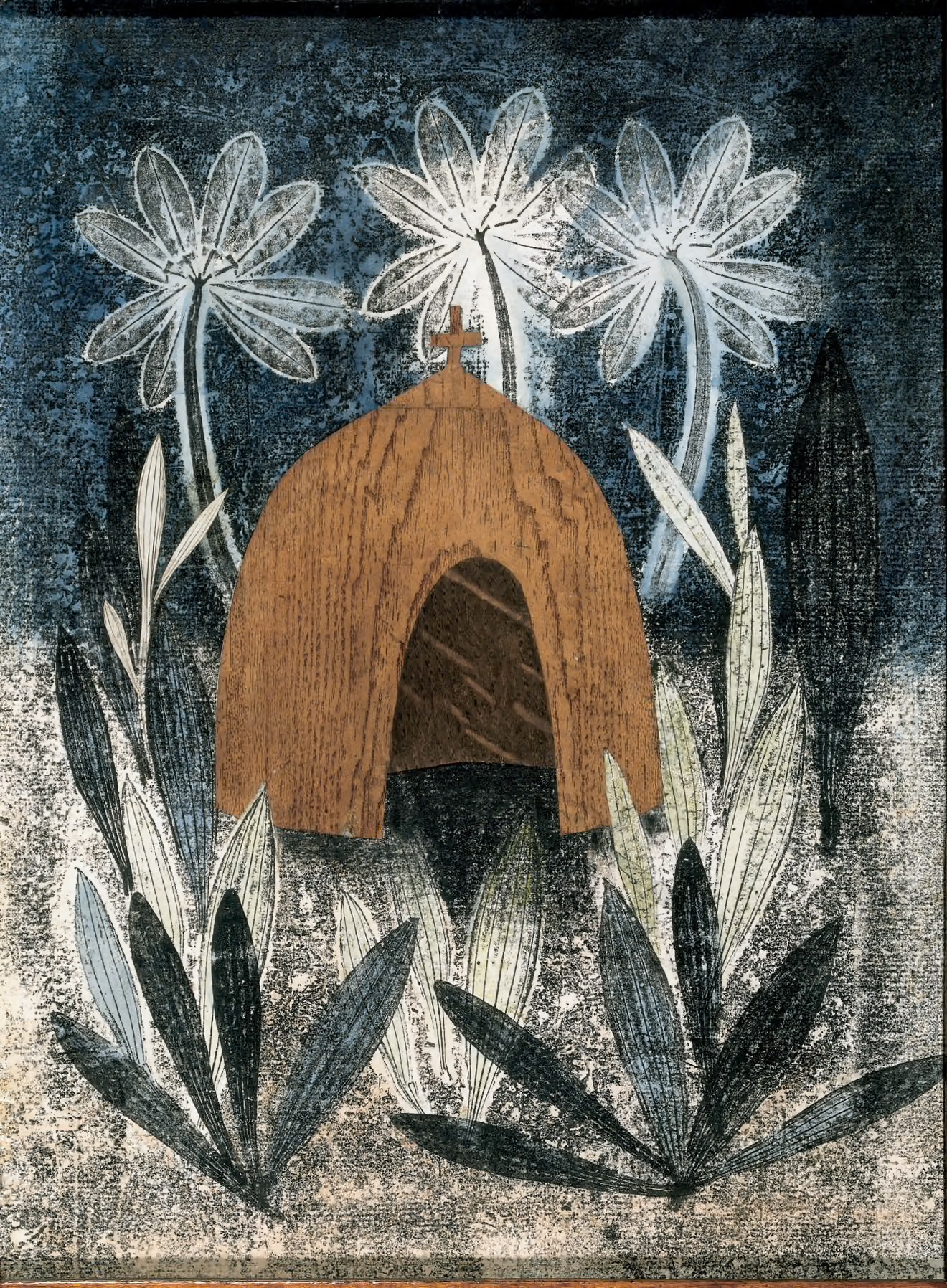
Tirzah Garwood

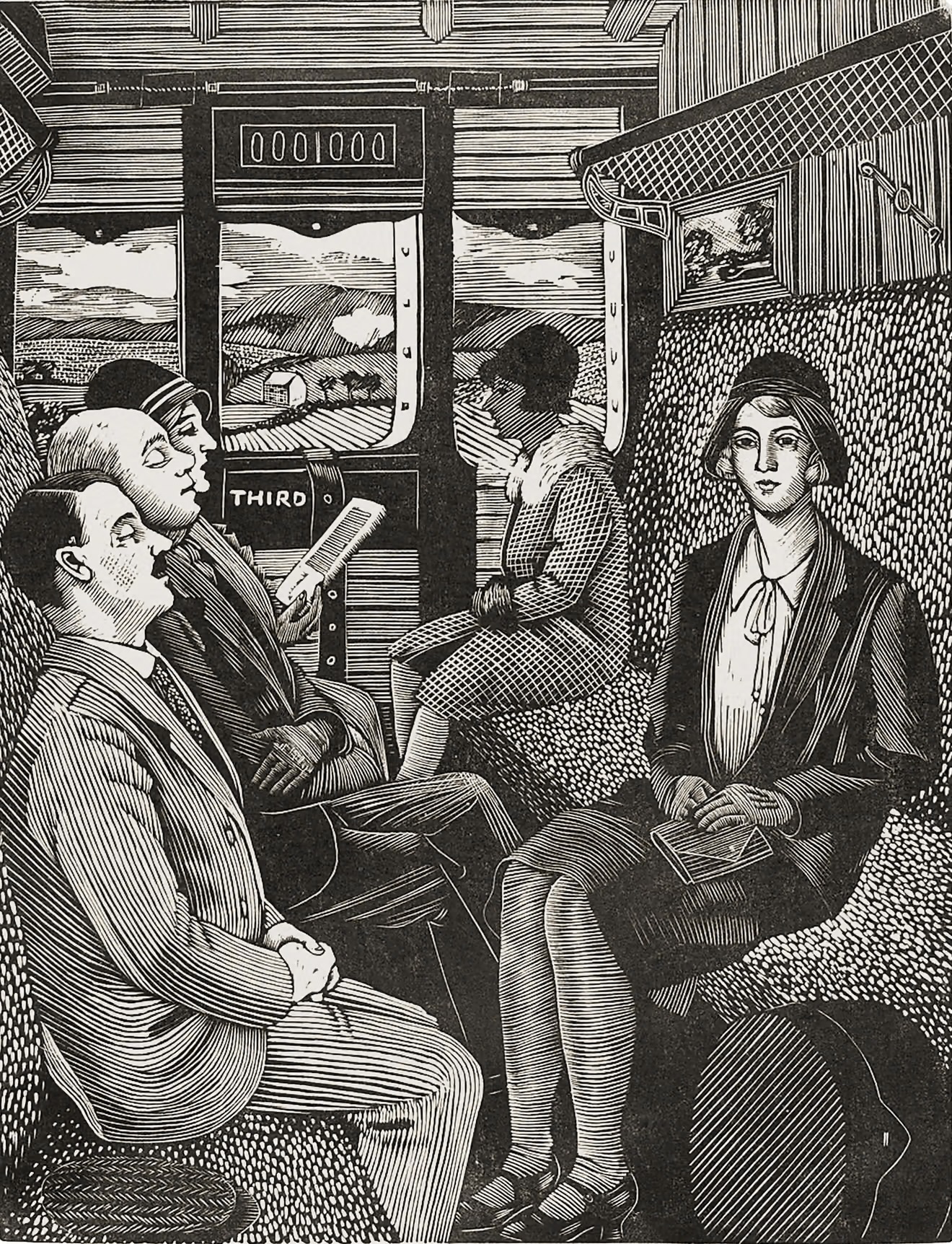
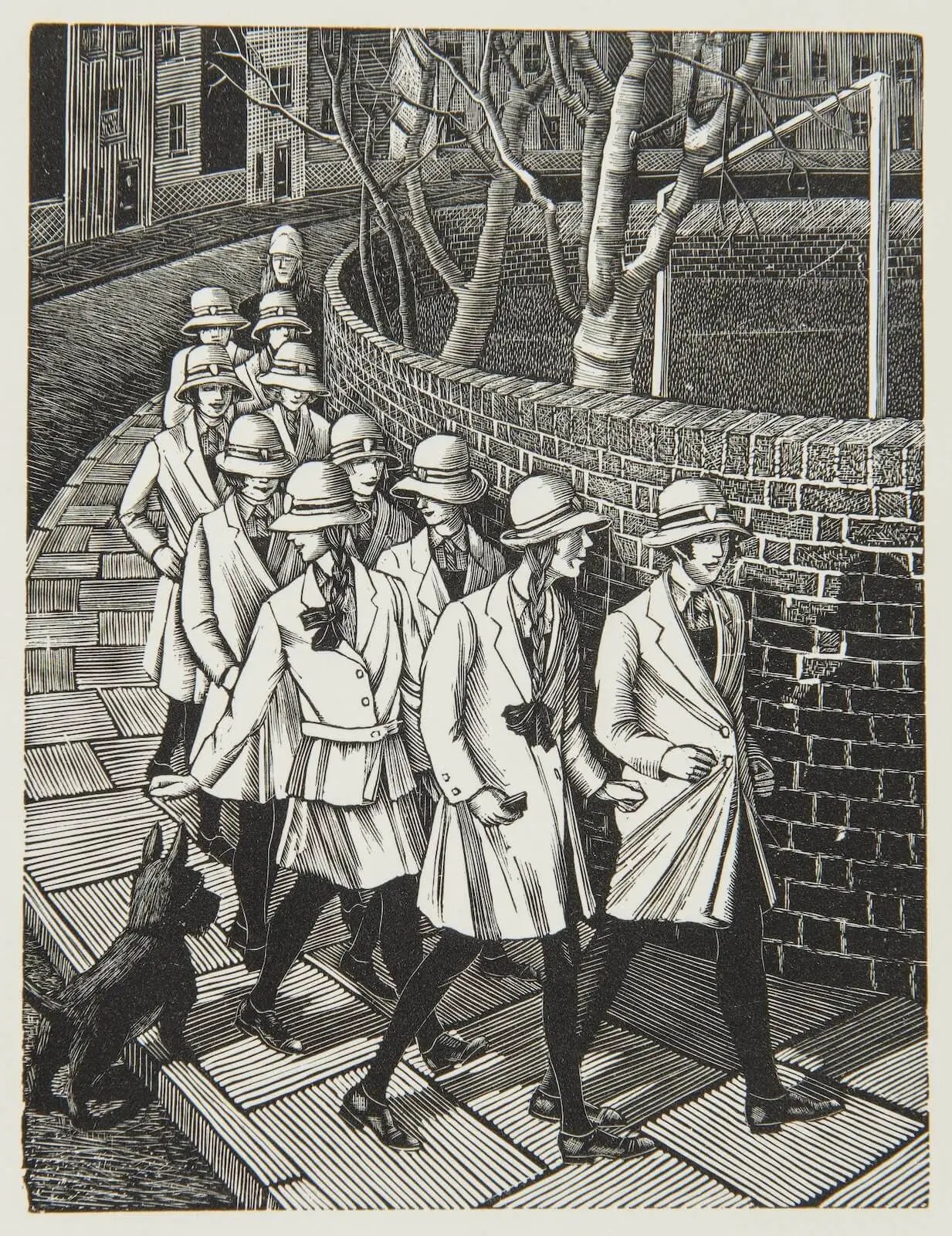
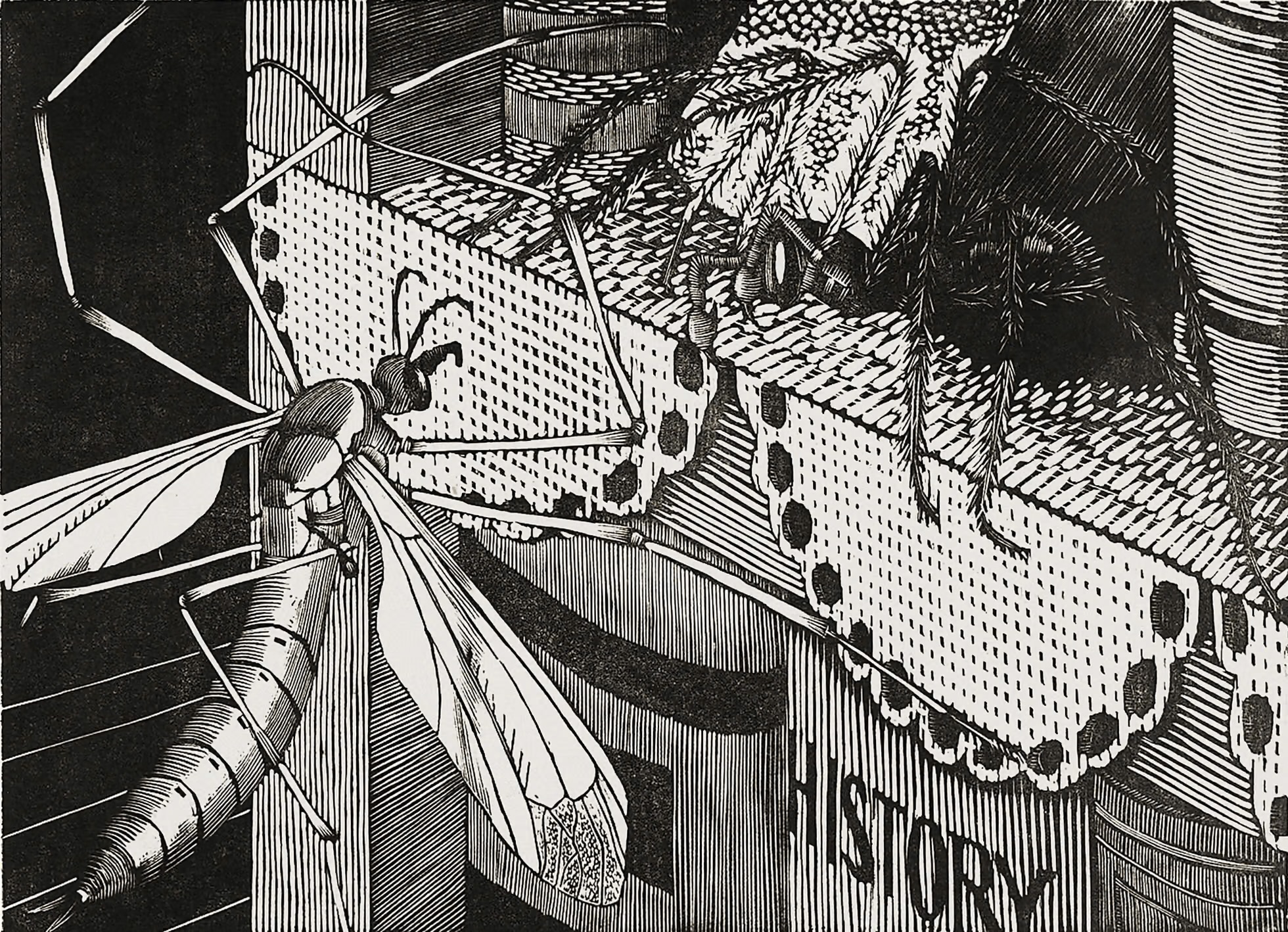
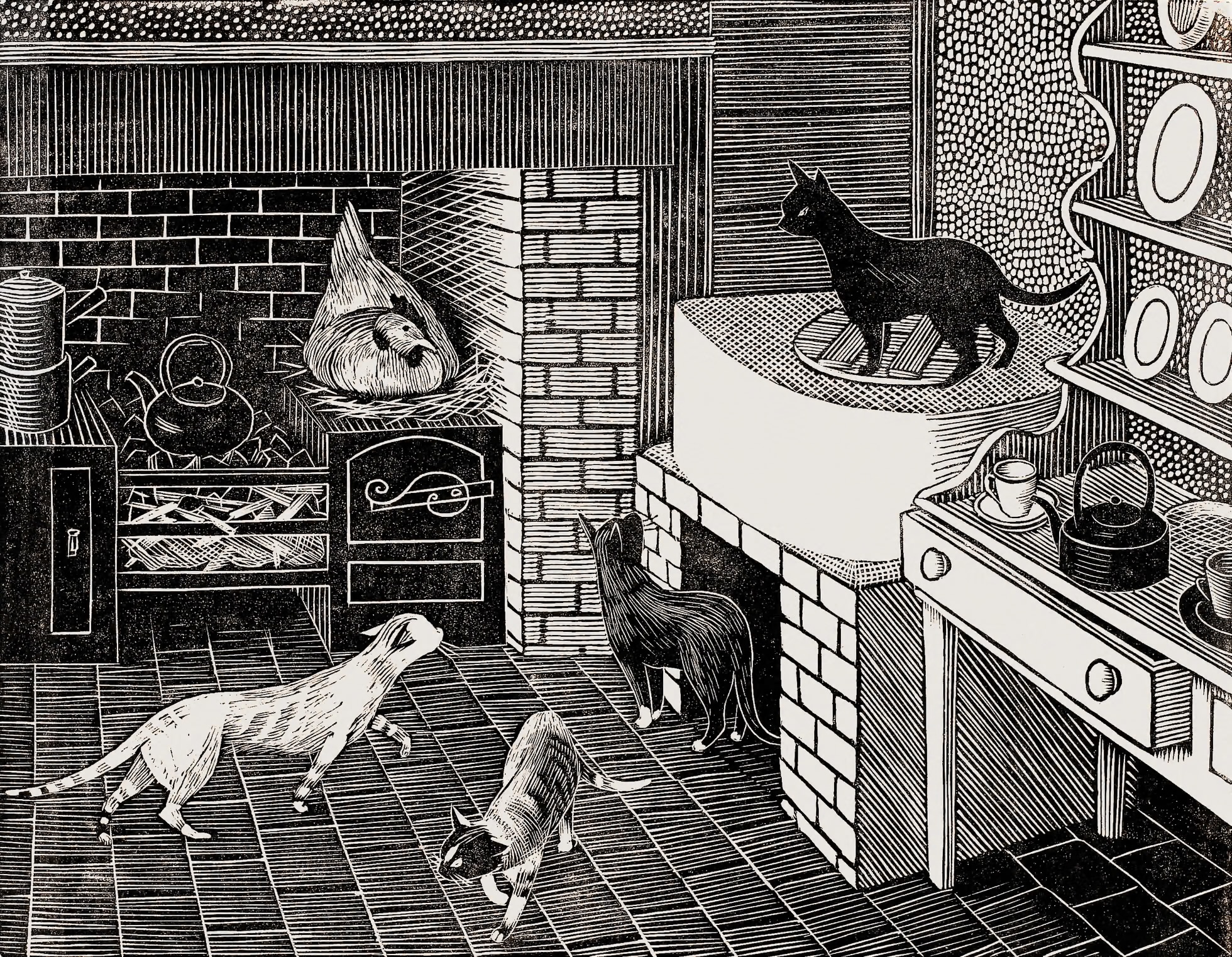
To Dulwich Picture Gallery for a delightful exhibition. Everything made me smile, despite the sadness of Garwood’s early death. Basic facts: her dates are 1908-51; she was married to Eric Ravilious, had three children and was widowed in 1942; she was treated for breast cancer in 1942, which later recurred and killed her shortly after her second marriage.

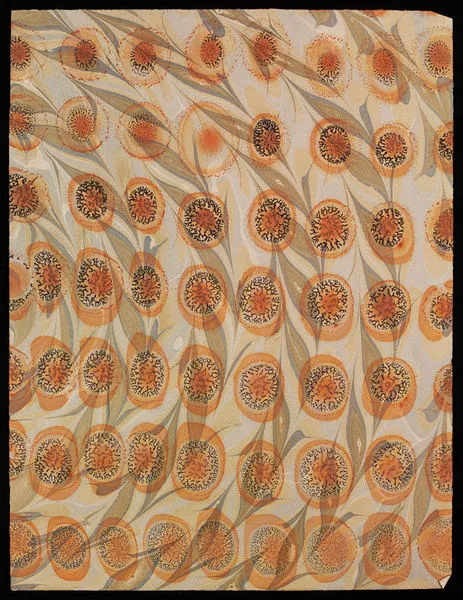
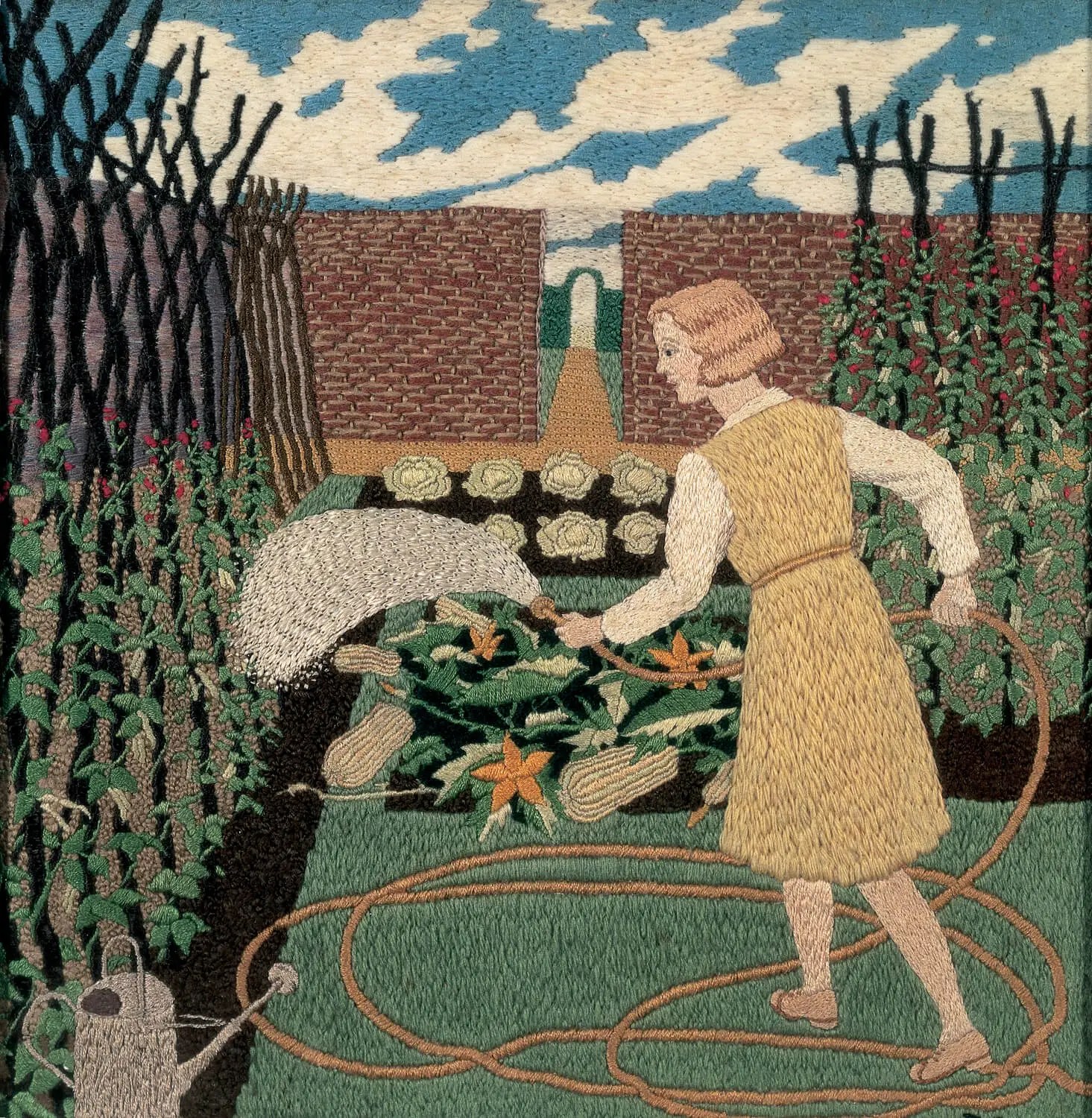
I liked everything: the early woodcuts, the marbled papers she made and sold to publishers and upmarket shops, the embroideries (reminiscent of Marian Stoll), the Camberwick Green shops and houses, and the later Max-Ernst-meets-Douanier-Rousseau oils. There were also some works by Ravilious – including a large watercolour of chalk land which, ironically, would have been my steal from the exhibition – which brought out Garwood’s focus on people and the traditional female spheres of home, children and neighbourhood. She made things for people – a quilt for a friend, items for sale, illustrations in letters – and, from her work, I came away with a very positive impression of the woman: generous, fun, kind, endlessly creative. In contrast, I have no particular sense of the personality of Ravilious (or Gerrit Dou or Rembrandt or any other of the male artists in the gallery). That says something about the curating of the exhibition – and rather more about making art when you are also tied to your roles of a wife, mother and housewife.

(Yes, I do realise that on the plus side the confines of her life meant that she didn’t have the freedom to become a war artist and to die on a mission over Iceland.)

Victorian Radicals

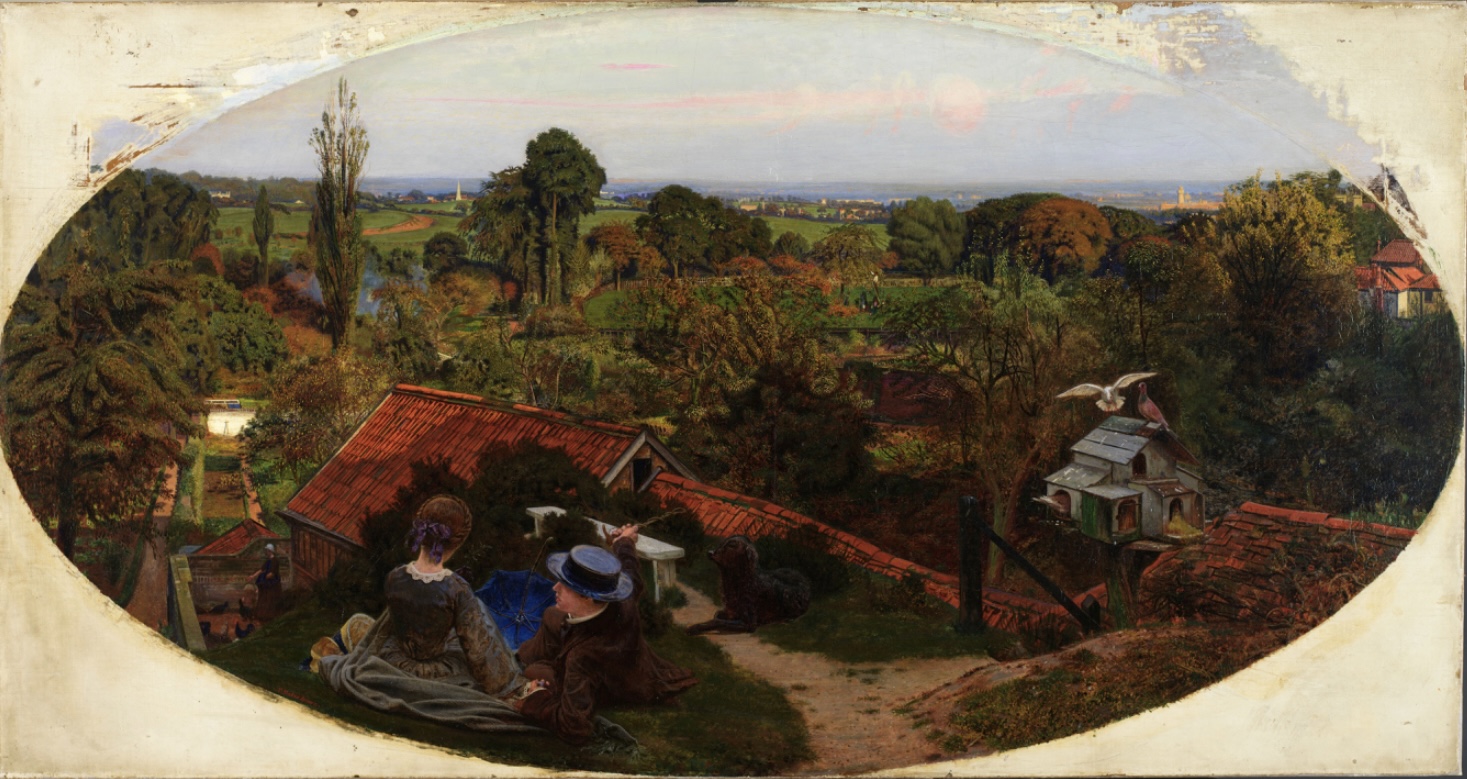
I fancied a day out, so the Pre-Raphaelites became my spur yesterday. It’s hard to think of such familiar, over-ripe beauty-in-oils as “radical”, but they did consciously break with tradition in terms of technique and subject matter. (I didn’t notice anything about William Morris’s radical socialism though.) The exhibition started with yet another dull painting by William Etty to show what they were up against. There was also a light focus on Birmingham’s industrial role in spreading the “look” at a rather reduced price, along with the development – and bright colours – of aniline dyes.

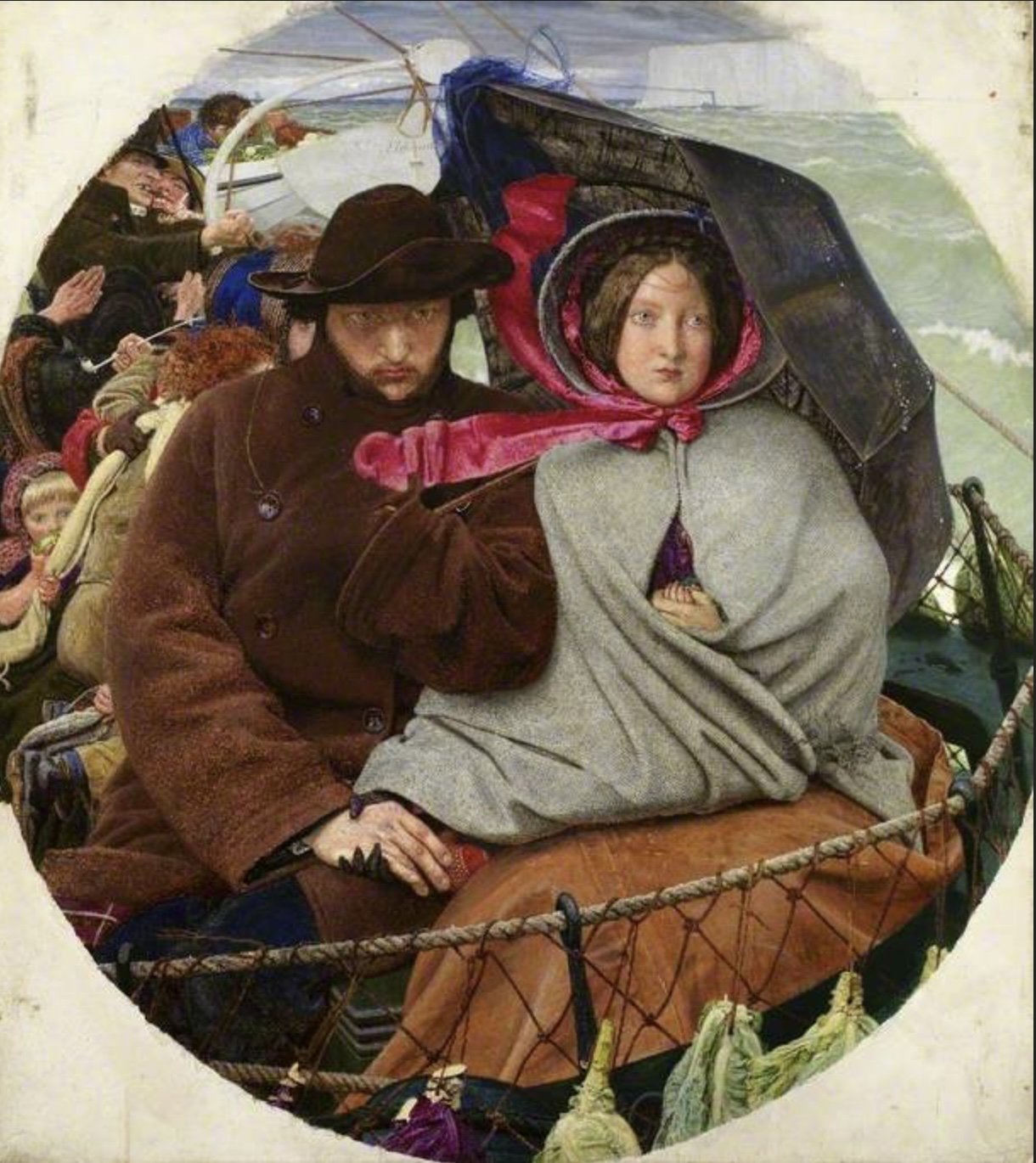
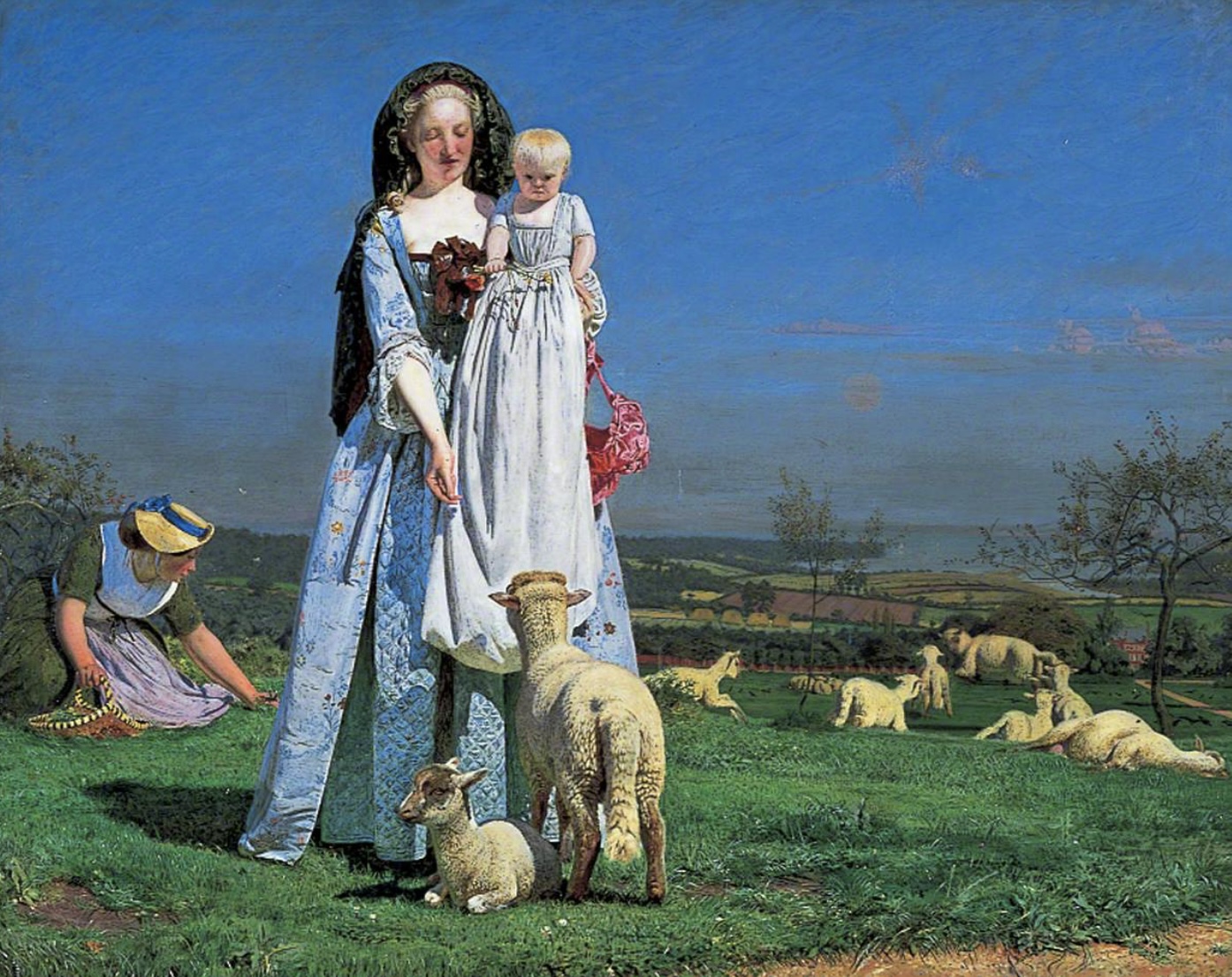
I have discovered that Ford Madox Brown produced two versions of “Work”; Manchester has the original, larger version – which was a tremendous relief to me because I was certain I’d seen it the week before in the art gallery there! (There’s also another “Pretty Baa-Lambs” in the Ashmolean.) I saw again “The Last of England” (here twinned with a Windrush-era sketch of “The First of England”) and looked at his other works. I’m not sure of him as a great artist – but he was certainly a great chronicler in his hyper-real fashion and I will definitely go and have another look at his murals in Manchester Town Hall when it finally re-opens.

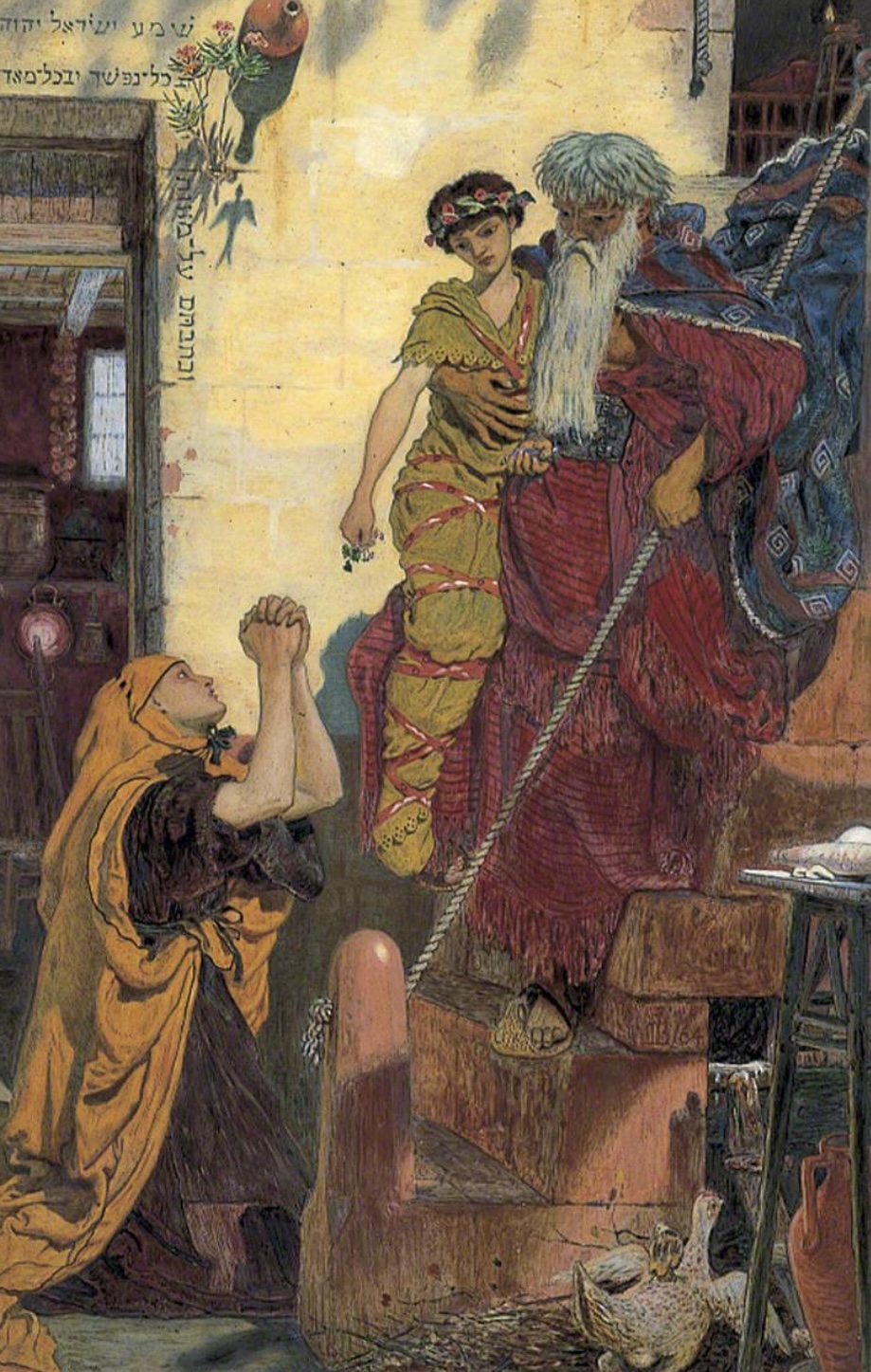
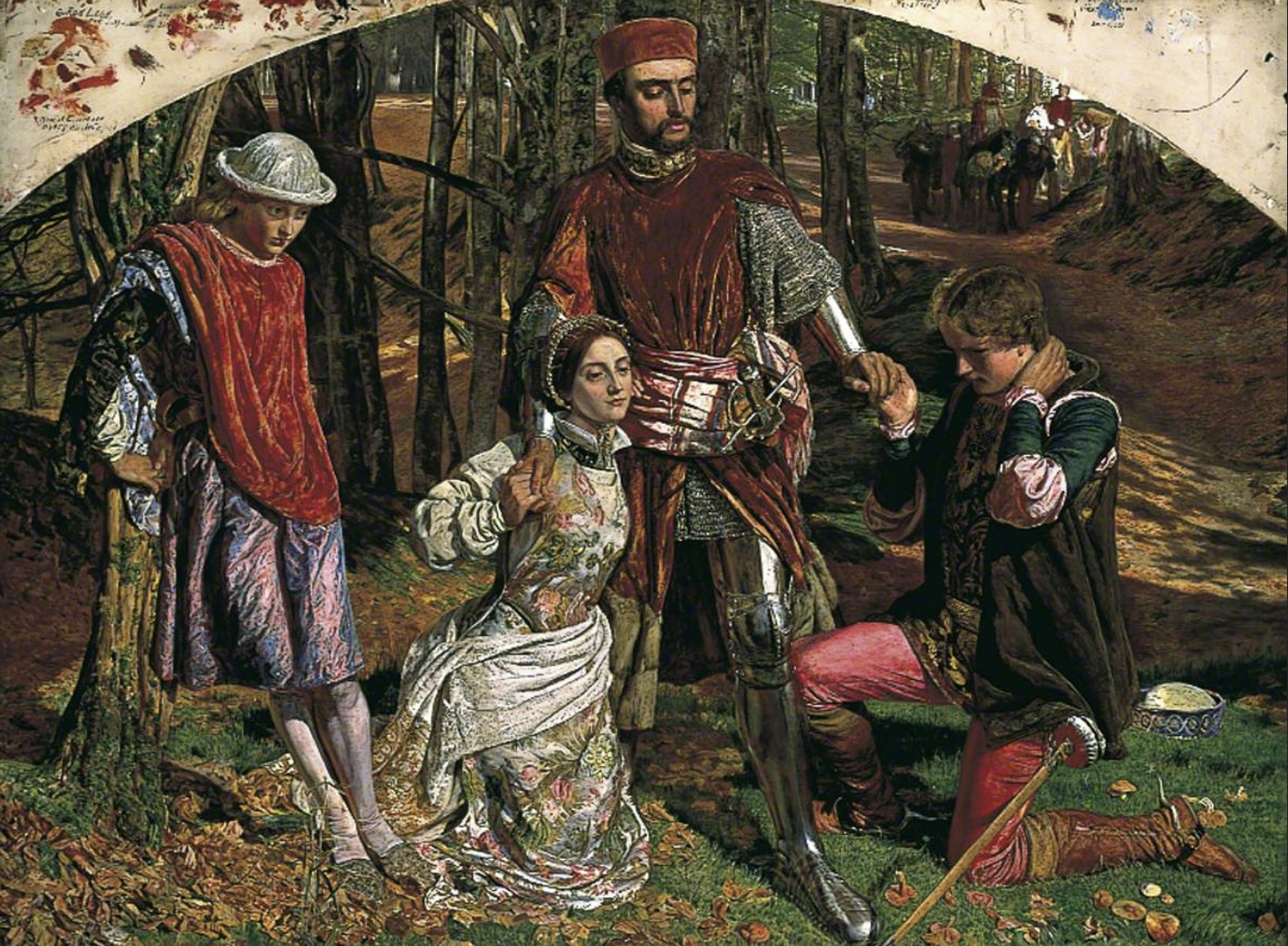
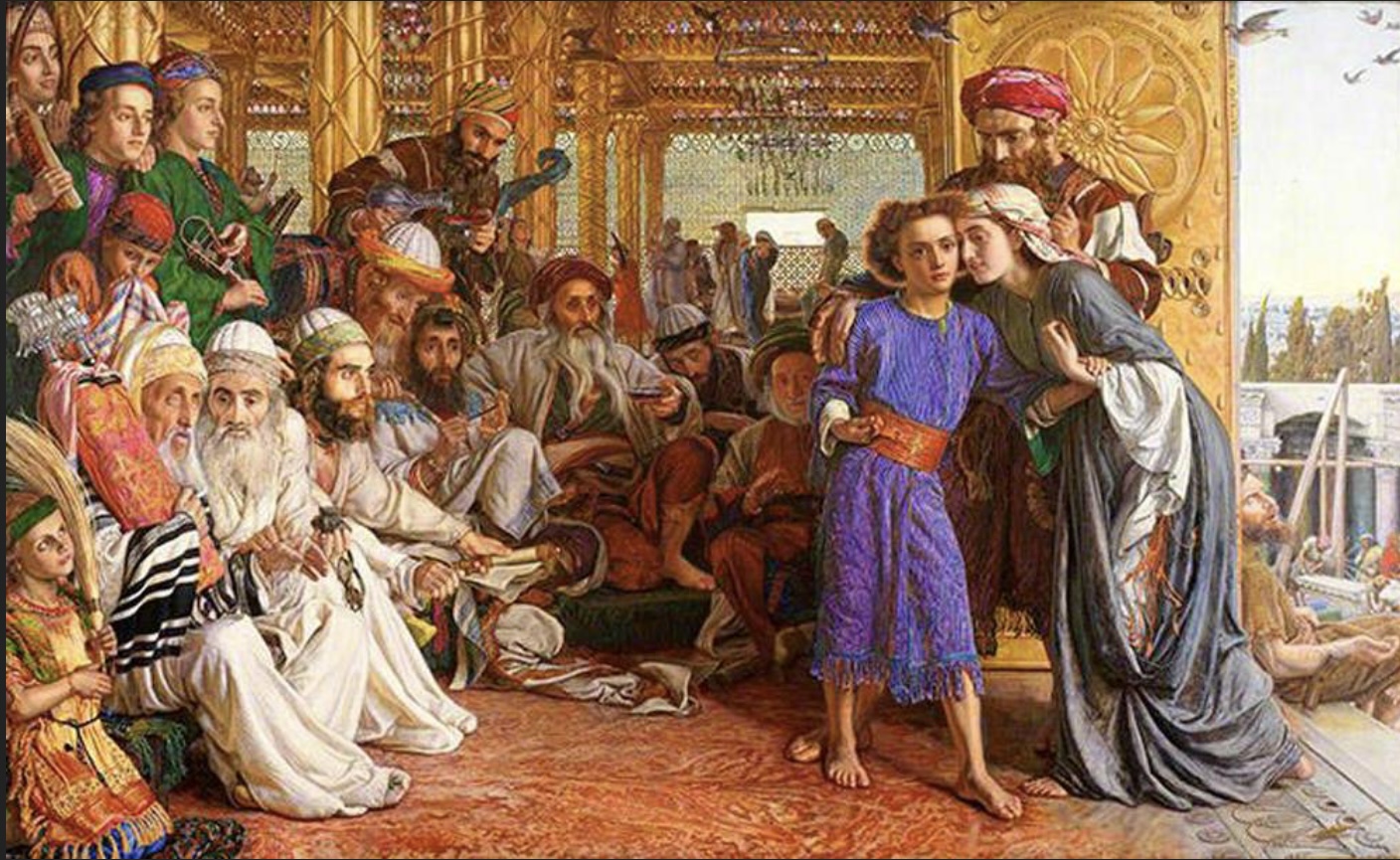
Speaking of duplicates . . . William Holman Hunt copied “May Morning”, and here it was framed in a circular copper sunburst by C R Ashbee. There were also biblical and Shakespearean subjects to add to the Arthurian one (Lady of Shallot) that I’d seen in Manchester – slightly undermining the “radical” theme.

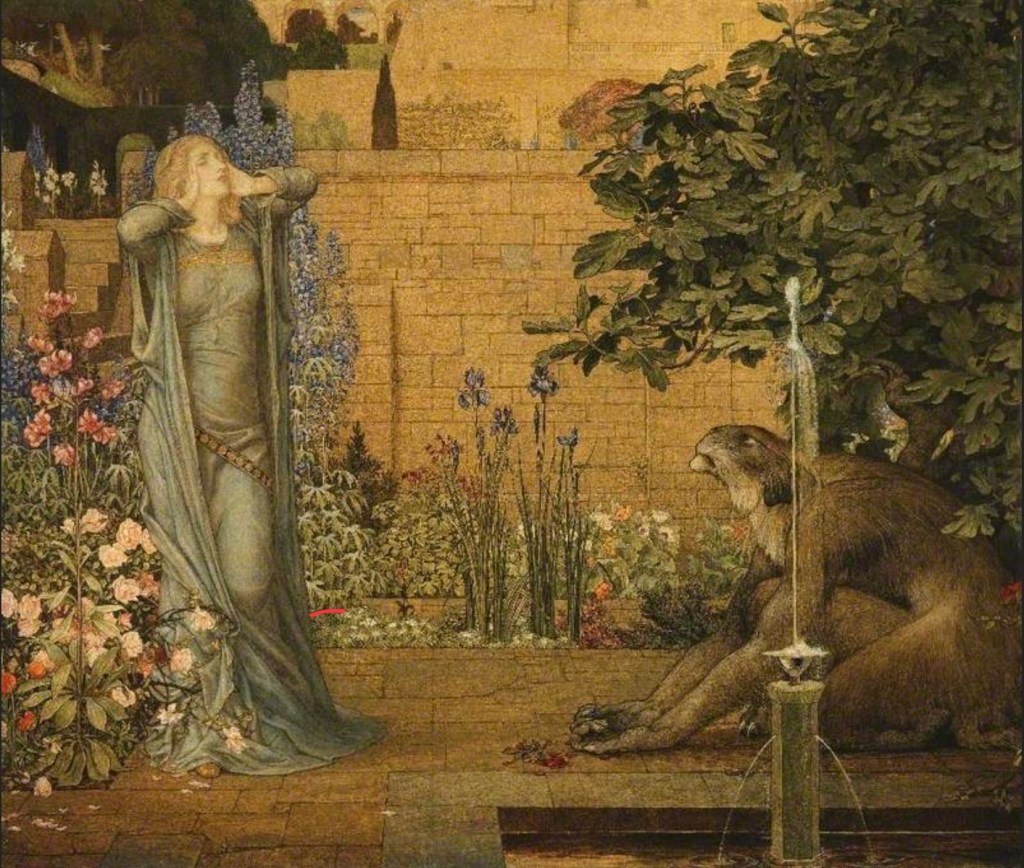
William Morris prints, Burne-Jones nudes, a return to tempera painting, dresses and jewellery . . . all lovely to look at. (Particularly “Beauty and the Beast”, which erases the nightmare in a dream of gorgeousness.)

Beauty and the Beast, John Dickson Batten, 1904, tempera on canvas

Newcastle

Newcastle really is a handsome city – it announces the fact from the moment you cross the river and curve into the station. Sunshine helps, of course. It’s looking a bit pinched in other ways, but that’s another matter.

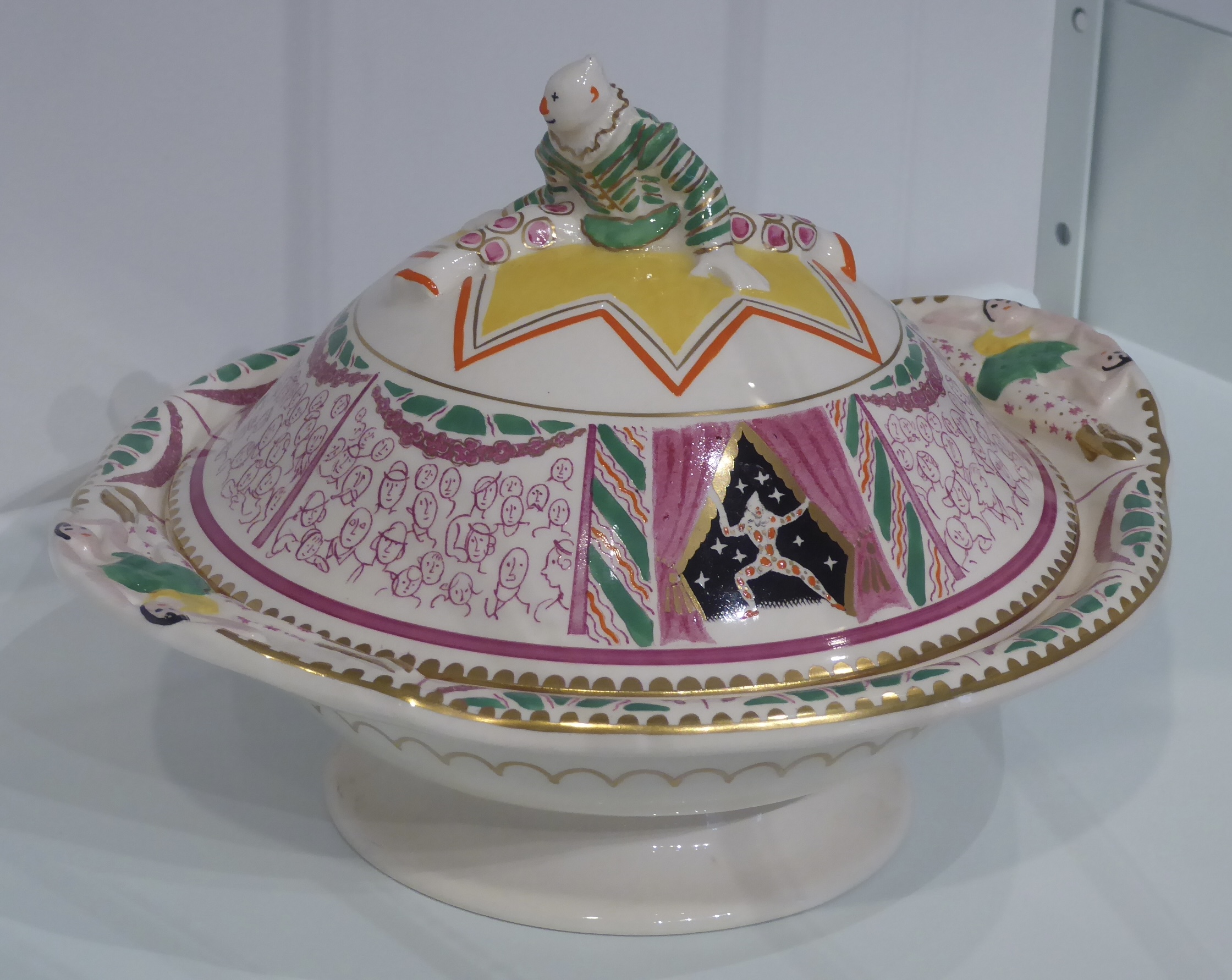
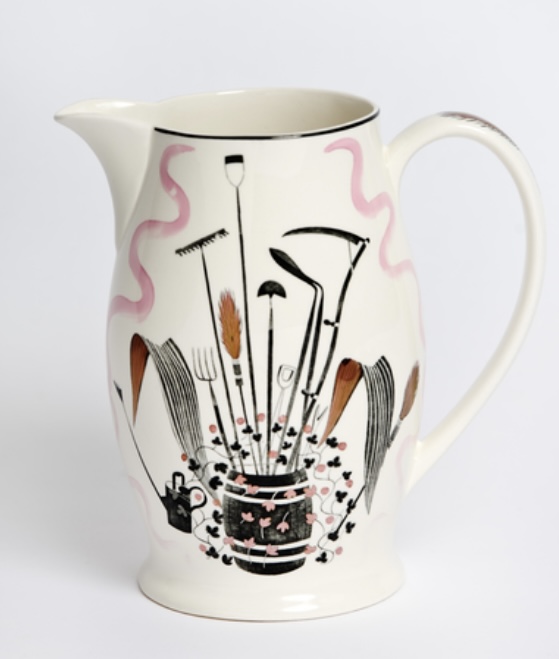
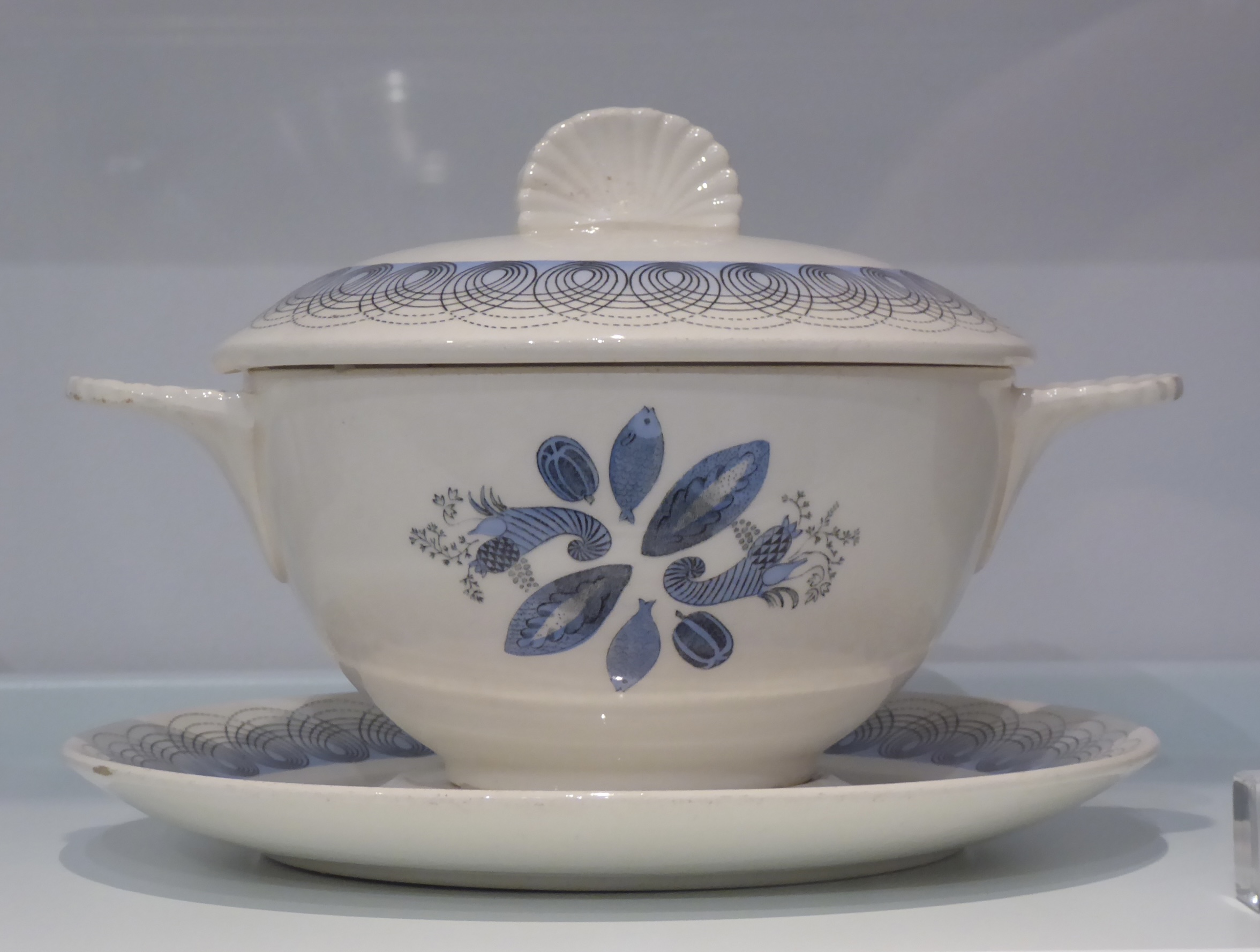
Straight to the Laing and the café, but before I had my coffee I was sidetracked by the corridor display of domestic items: a teapot by Christopher Dresser plus crockery by Laura Knight and Eric Ravilious. His little tureen was a delight.

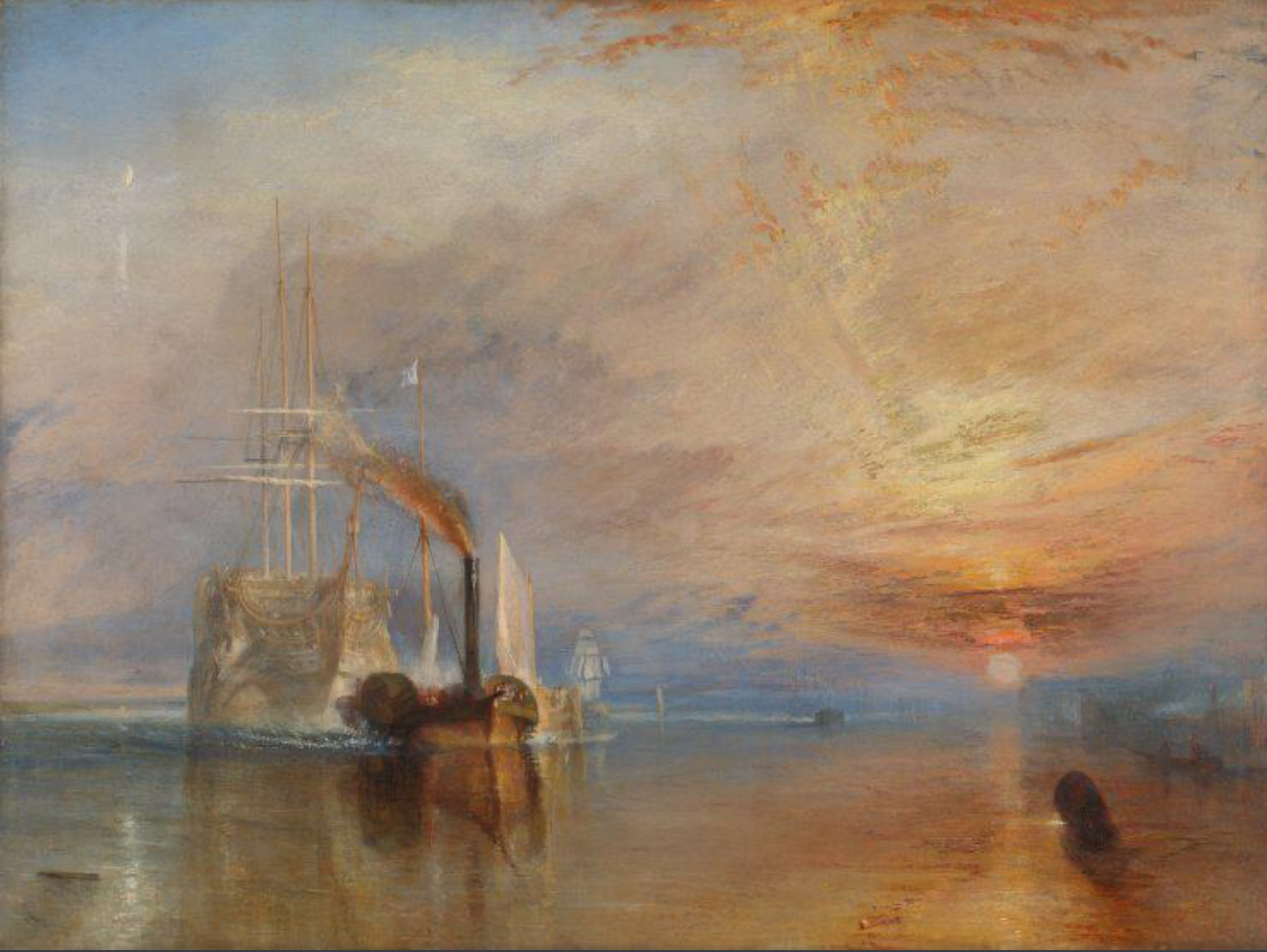
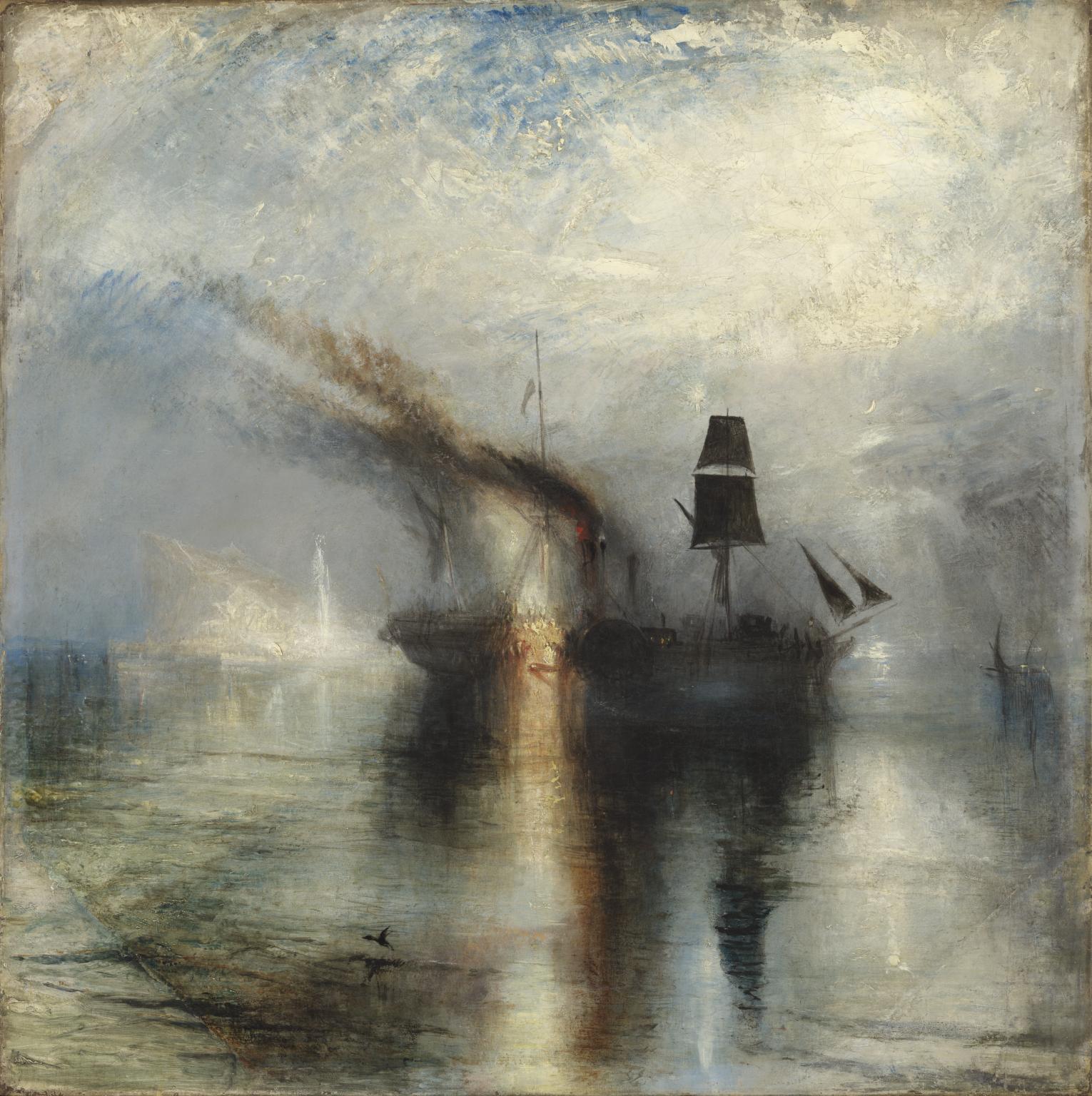
But I wasn’t there for household items. No, I was there to see Turner’s “Fighting Temeraire”, which is on loan from the National Gallery, and the exhibition surrounding it. As I walked round I felt a small surge of horrified interest in how a battle would have been fought by sailing ships atop a wooden crate riddled with gun holes. Lots of Turner’s watercolours, which – since I know one of the scenes he painted – included a great deal of artistic licence. Sometimes his painting are too undefined and blurry for my taste, and I wasn’t expecting that much of the Temeraire. Well, I was wrong. In the flesh, it is amazing. It blazes and shimmers and is utterly beautiful. Lots of artistic licence here too, but there is still pathos in the old ship that helped to defend Britain from Bonaparte’s forces being led to her death by a new-fangled steam tug. “Burial at Sea” next to it was equally breathtaking. It just glowed.

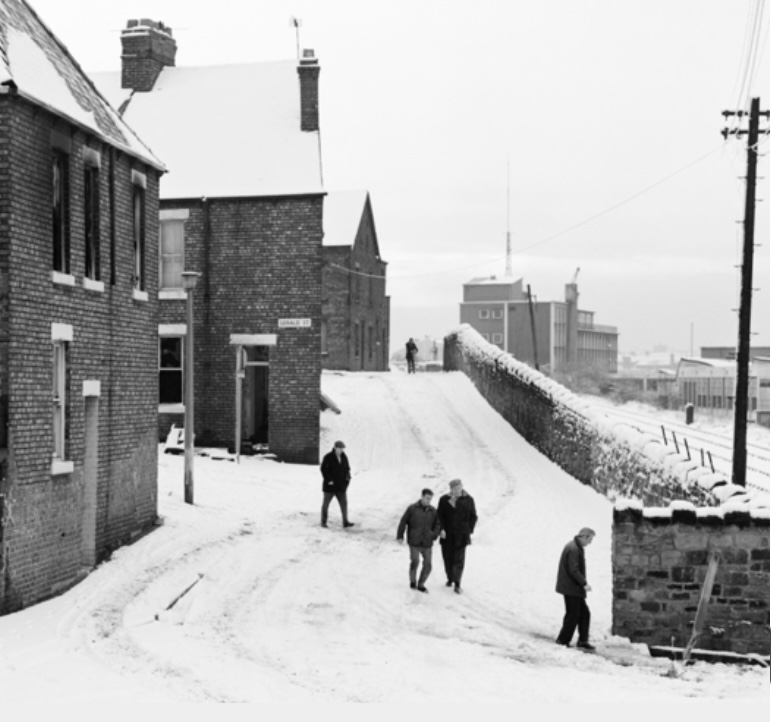
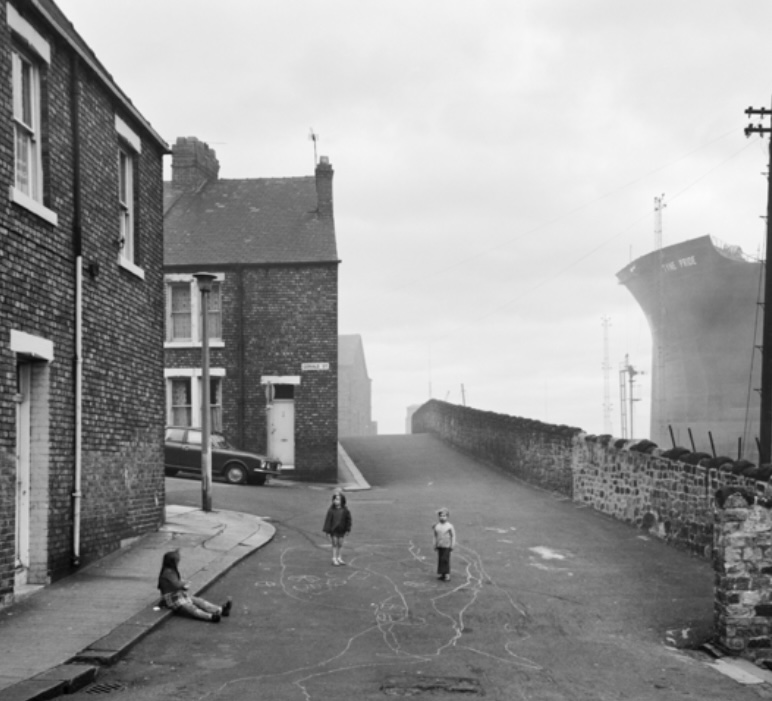
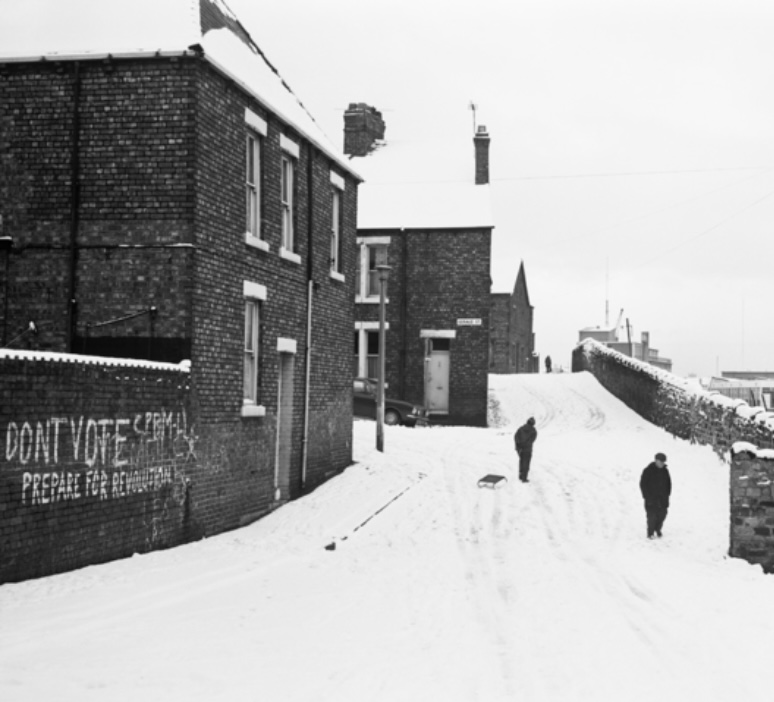
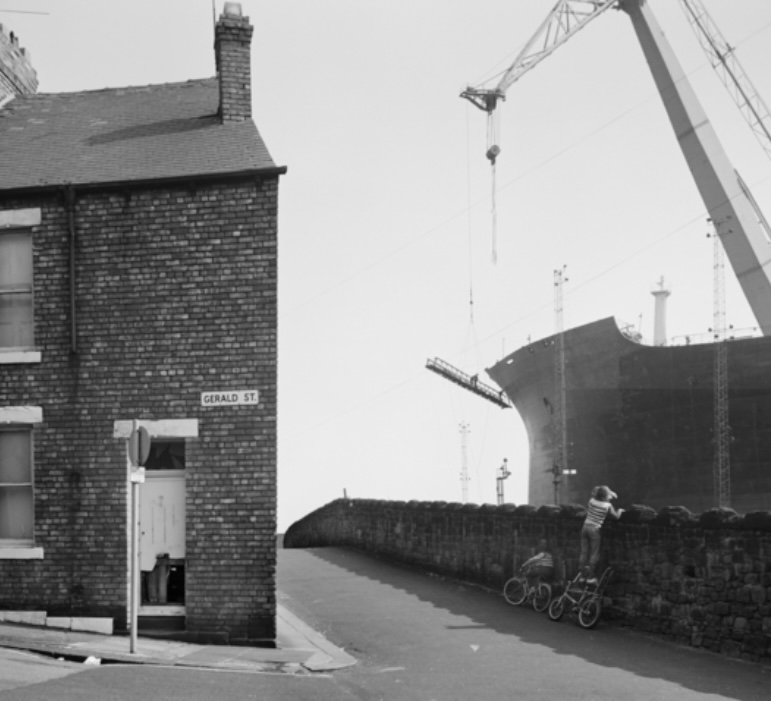
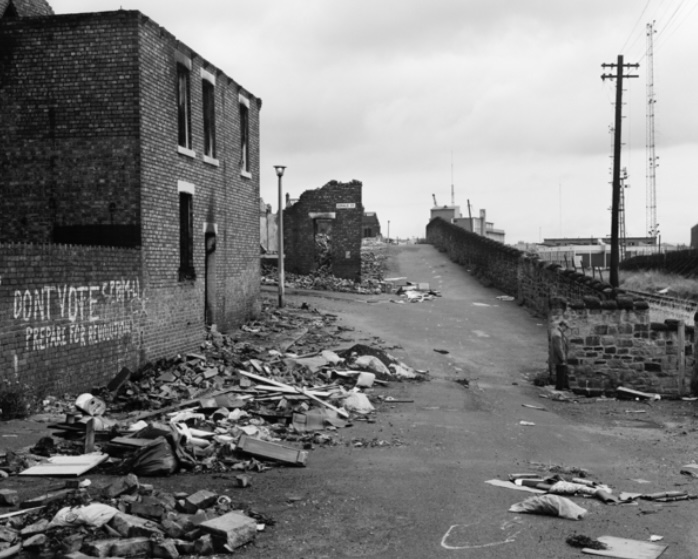
There was more about shipbuilding and industry on the Tyne, including one photograph by Chris Killip. Afterwards I went into his exhibition of “The Last Ships”. His eye is perfect, but it is perhaps the time he spent on the people and the area that was his invisible power. These photographs of the same street over the course of a couple of years in the mid-1970s:

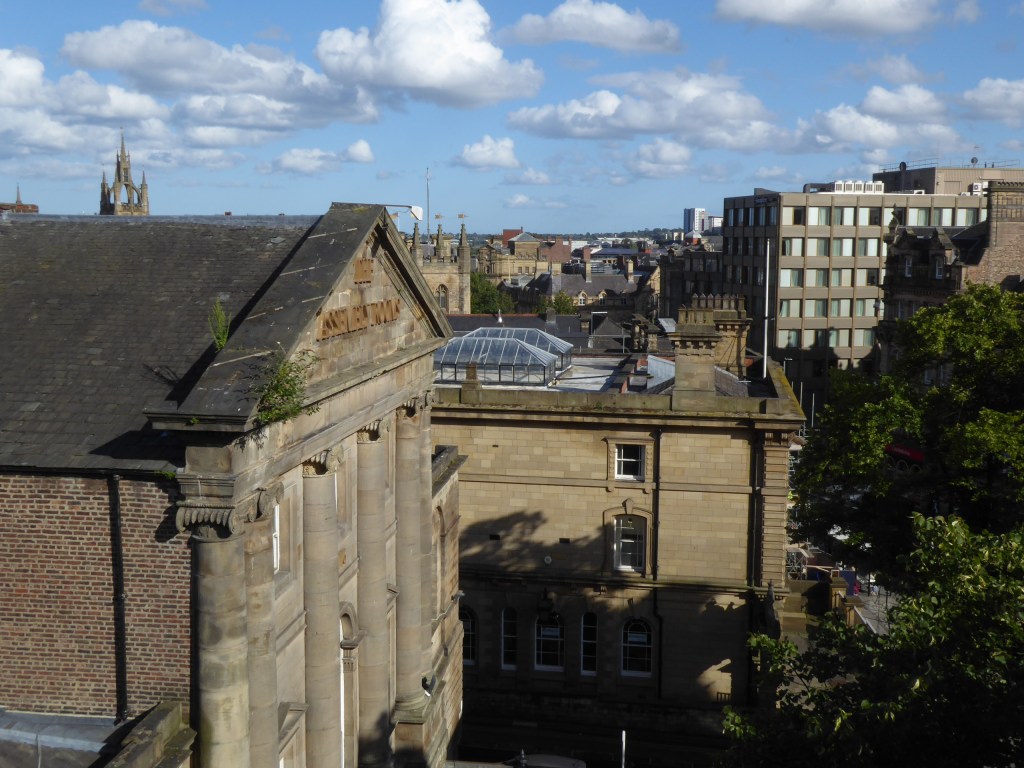
My room is on the fourth floor and I have a perfect view of the Ionic capitals of the old Assembly Rooms. And of the buddleia sprouting from its masonry.

Modernism in Ukraine 1900-1930s

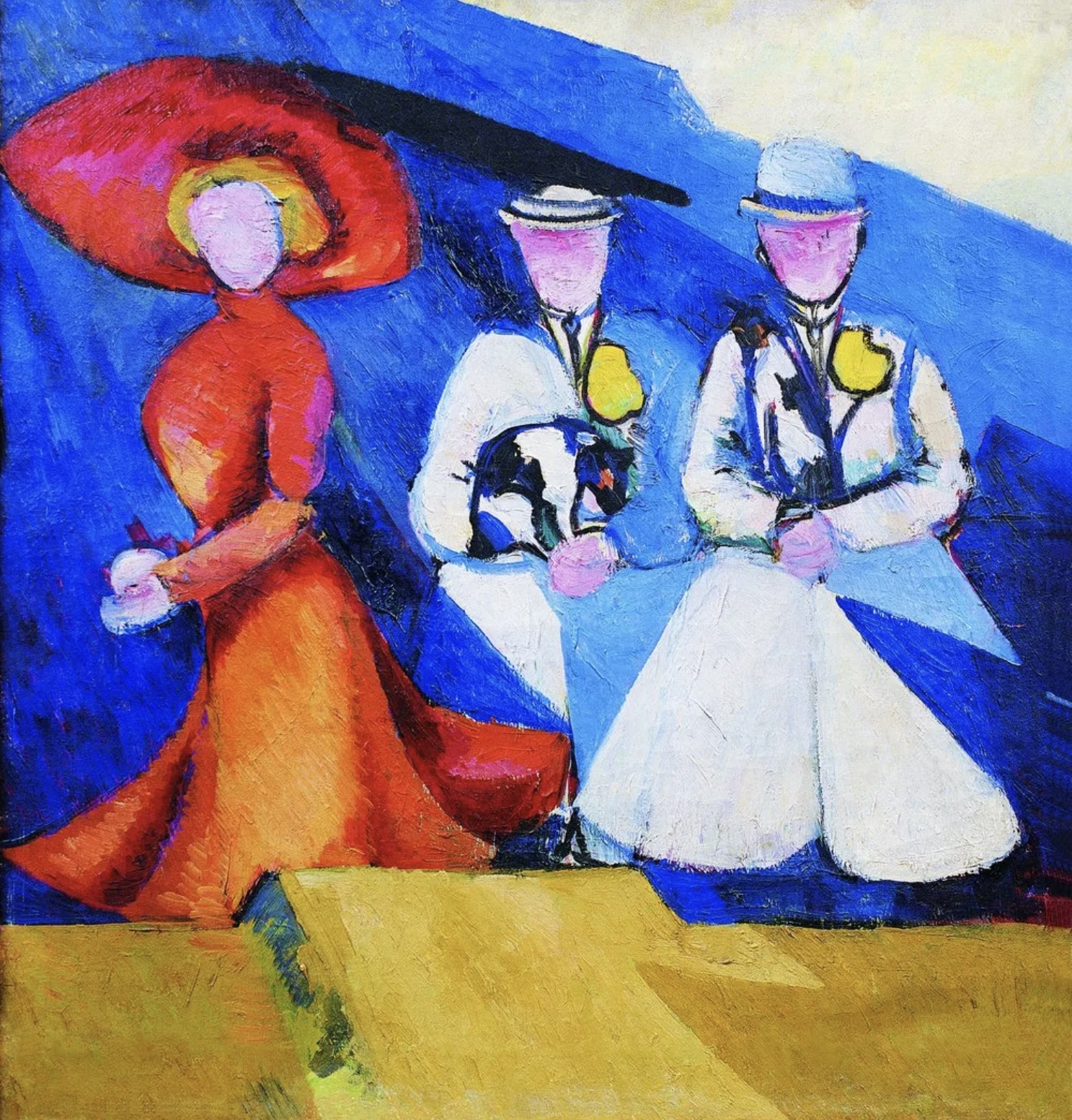
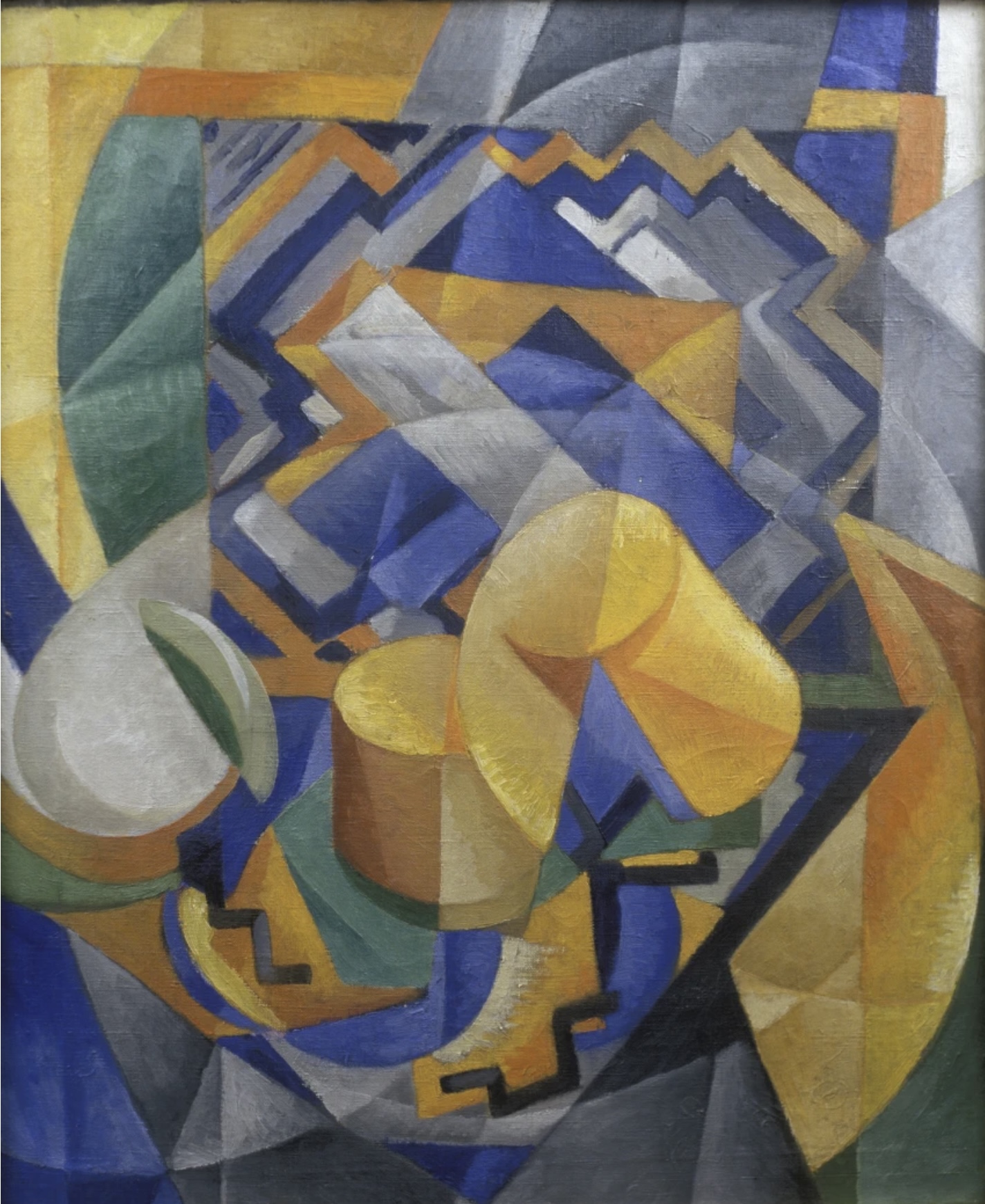
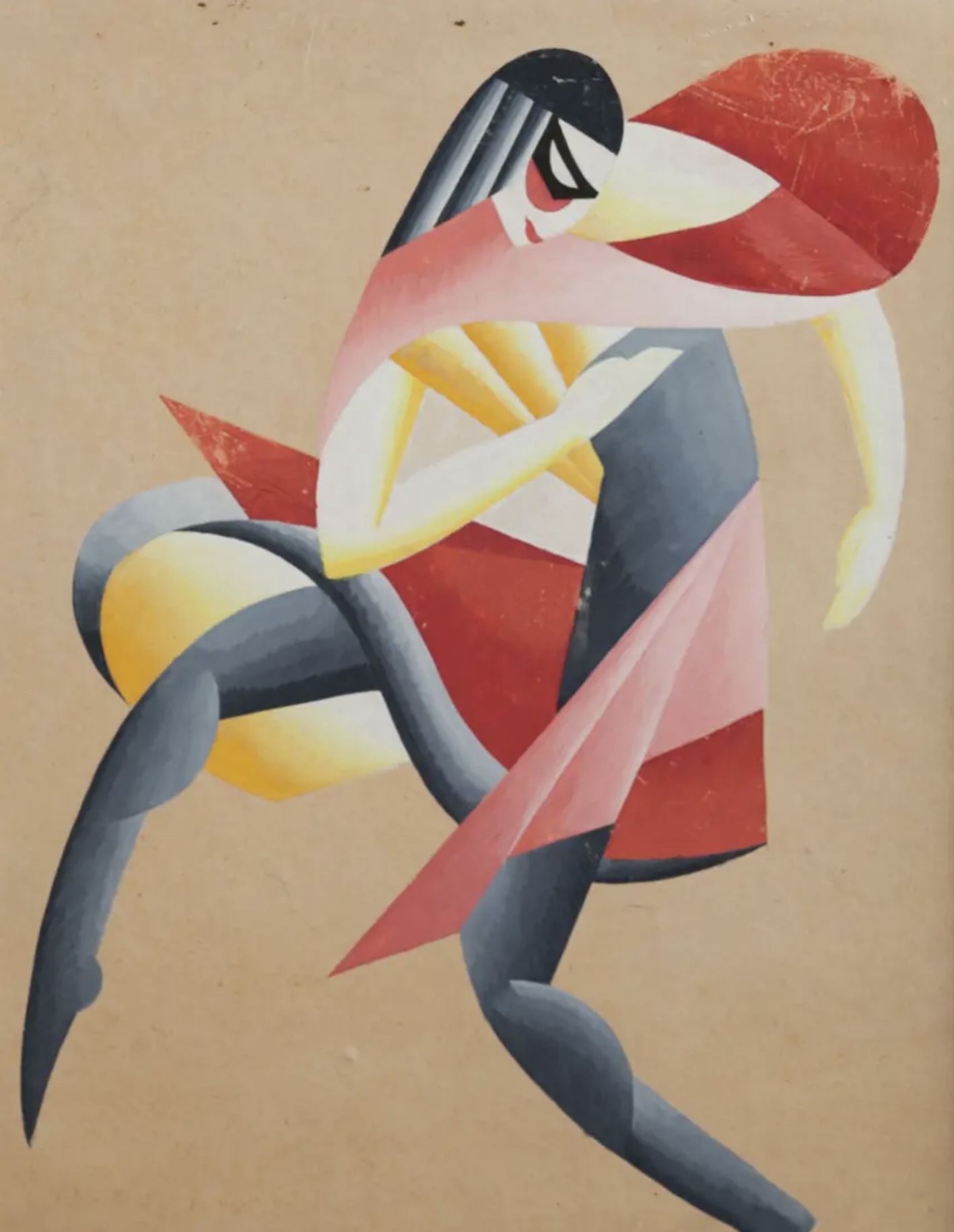
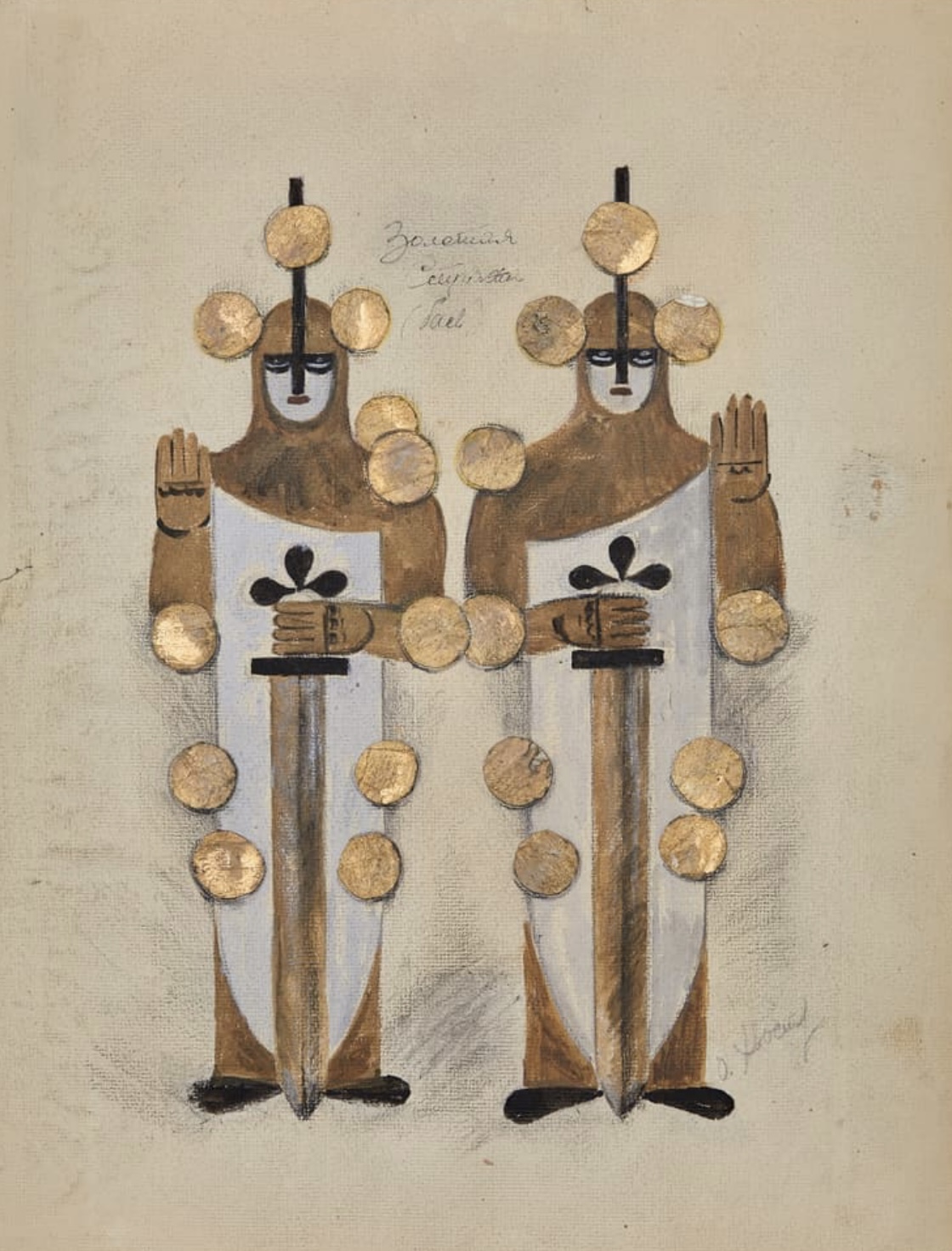
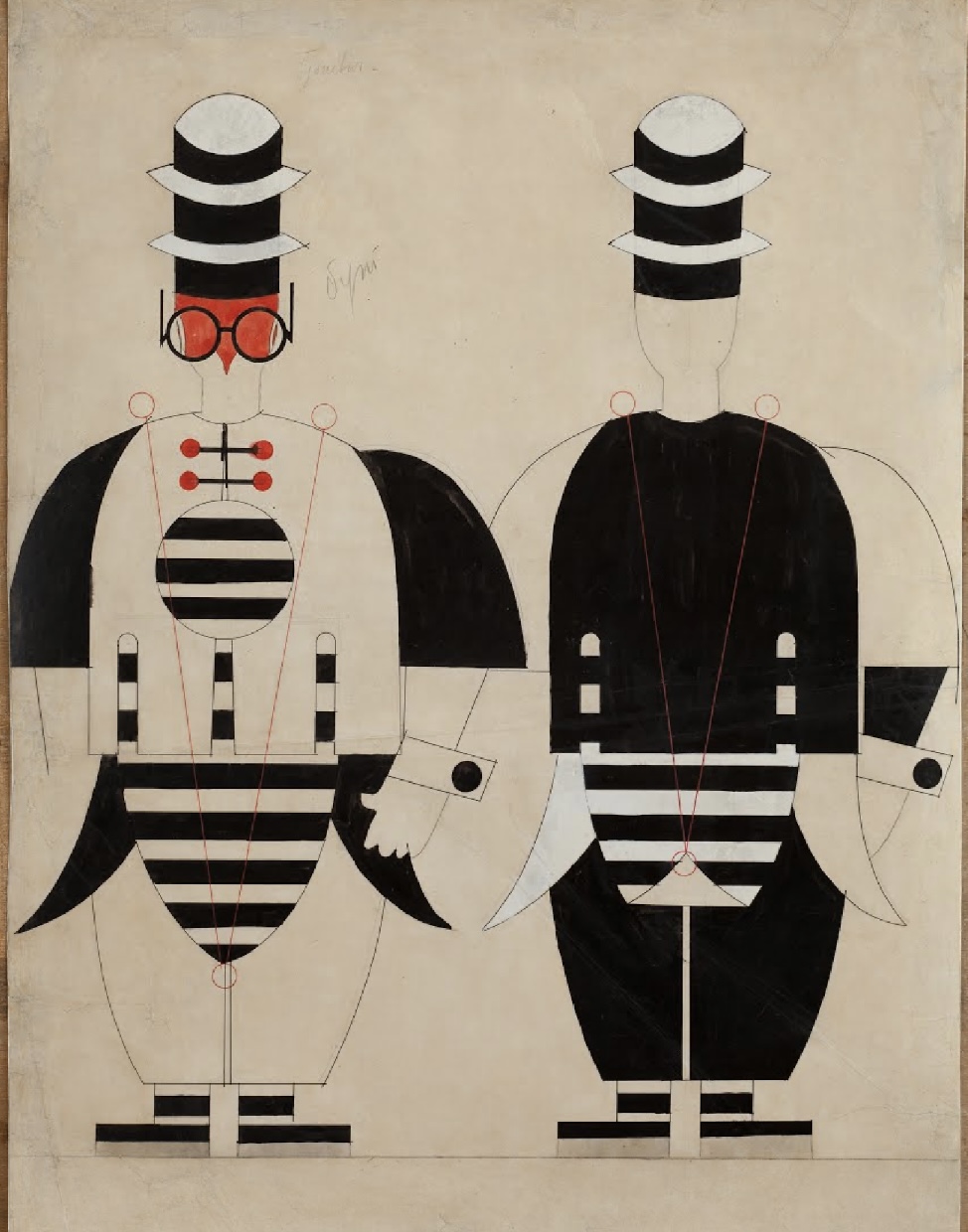
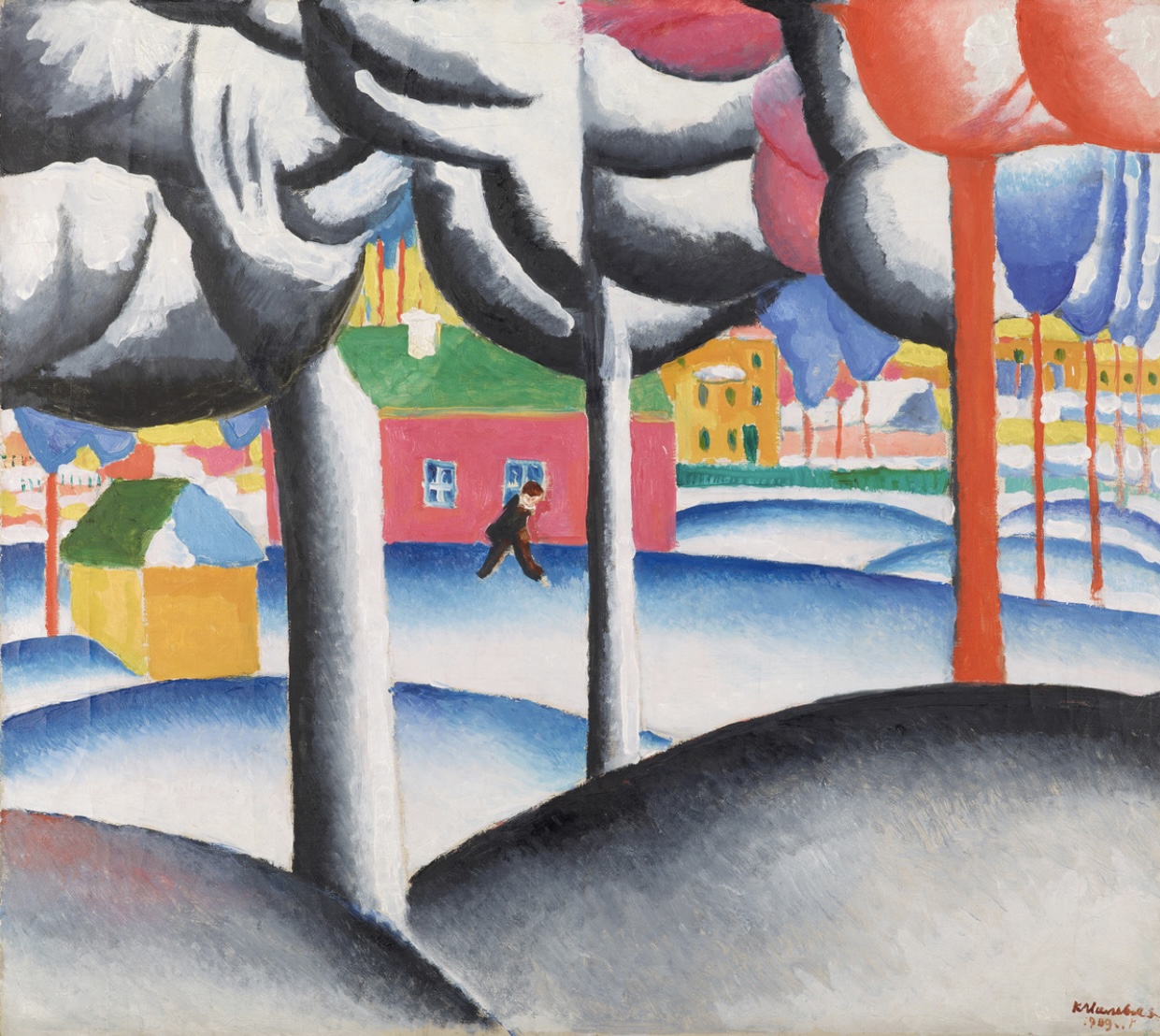
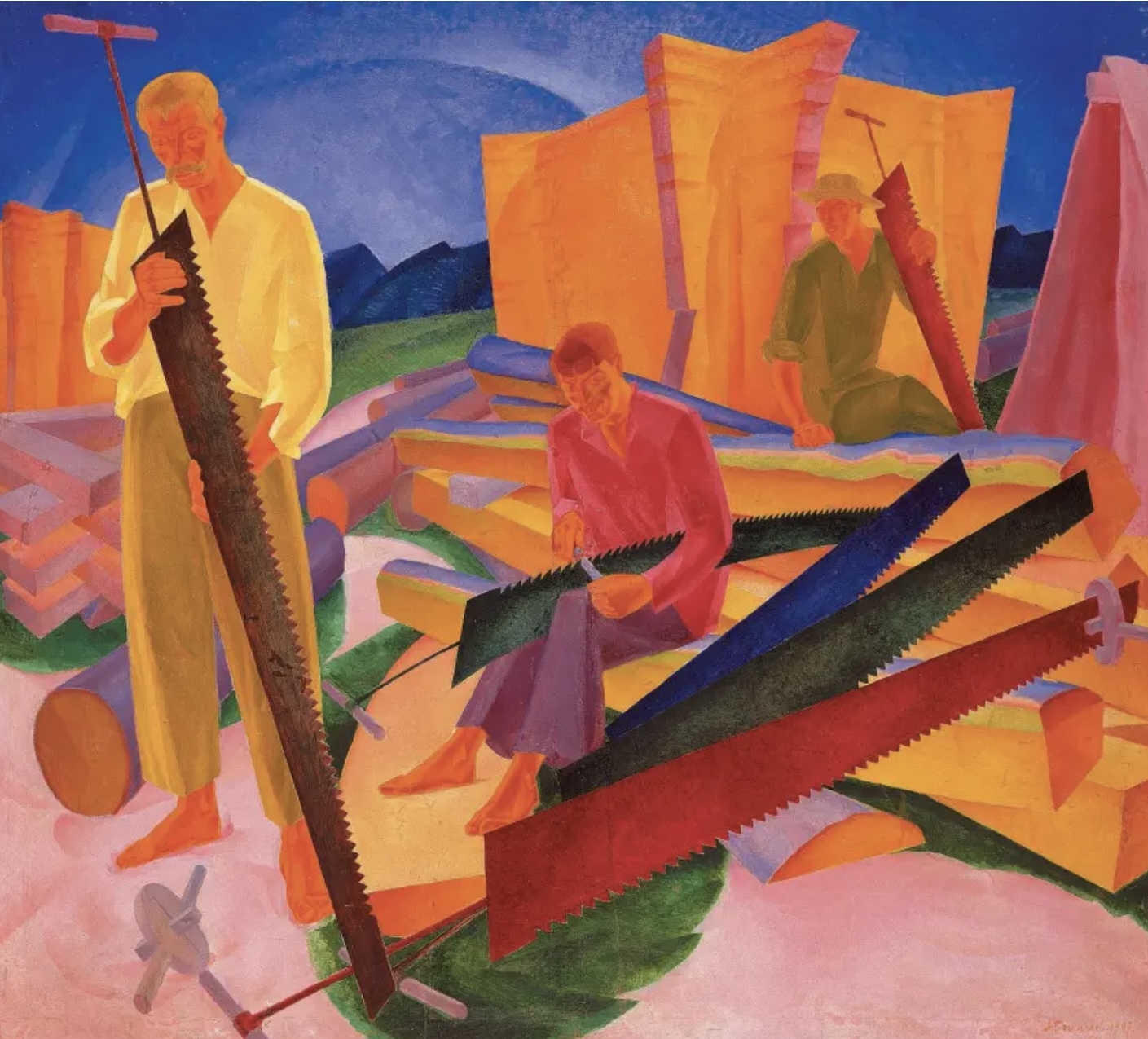
An exhibition at the Royal Academy, mostly of works from Ukrainian museums. (Plus a Malevich from the Ludwig Museum that looked familiar.) I didn’t known how much Ukraine had struggled over the years to establish some kind of independence – if only linguistic – under the Austrian-Hungarian and Russian Empires, Bolshevik rule and then the Soviet Republic. I’d only heard of Malevich and Sonia Delauney before. There was no Ukrainian art school so Ukrainian artists had to study in Russia or the west; the latter encountered the trends in Munich and Paris. There was some very avant garde work on display, fusing modernism and cubism with brilliant colours. (Which reminded me that some of the first Blauer Reiter painters came from Russia.) I liked the designs for stage sets and costumes during a creative boom in theatrical productions: definitely more Oskar Schlemmer than Rex Whistler.

And then came Stalin and his insistence on figurative art and the cult of the worker. Unsurprisingly, some of those Ukrainian artists didn’t live beyond the 1930s.

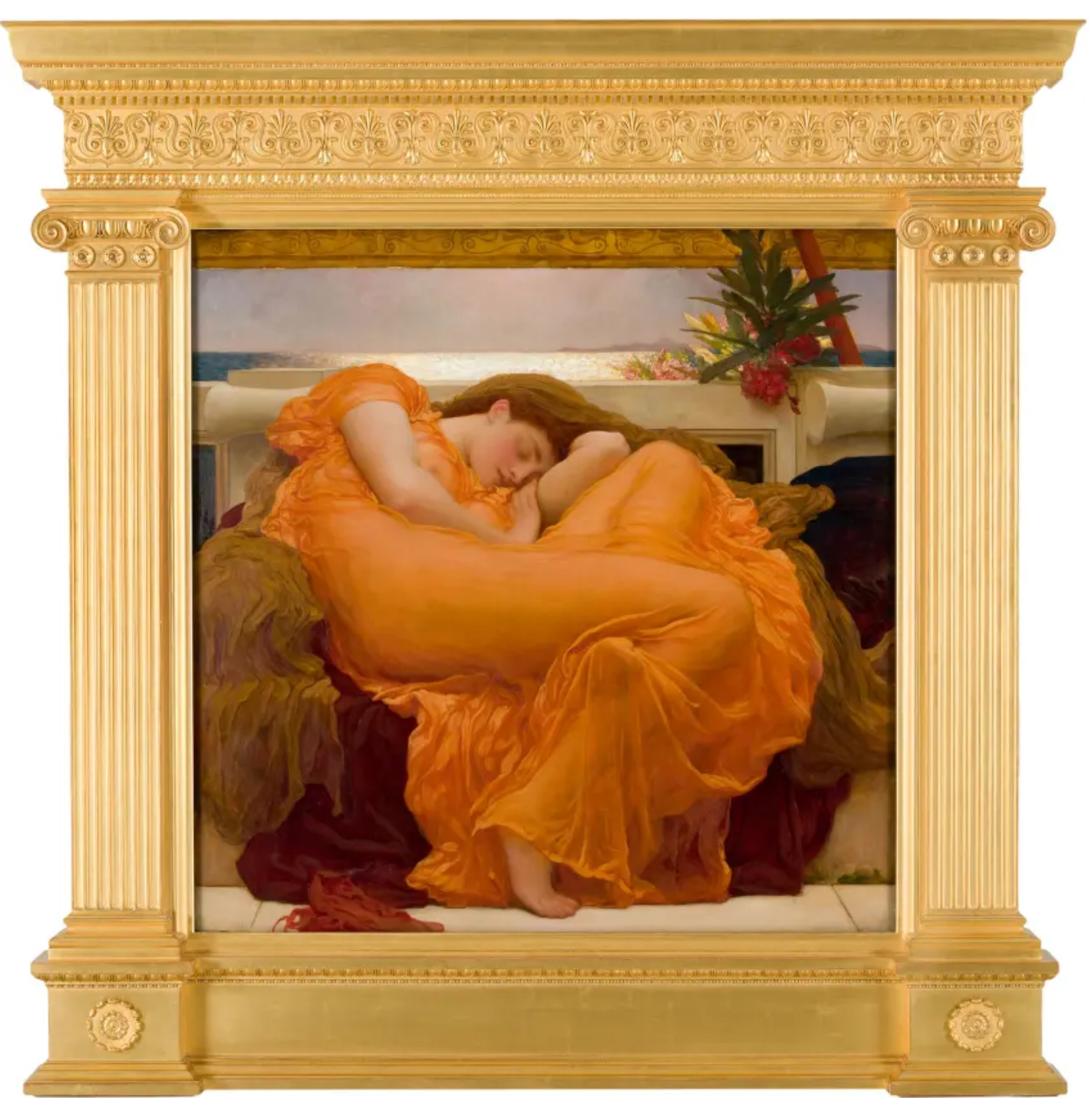
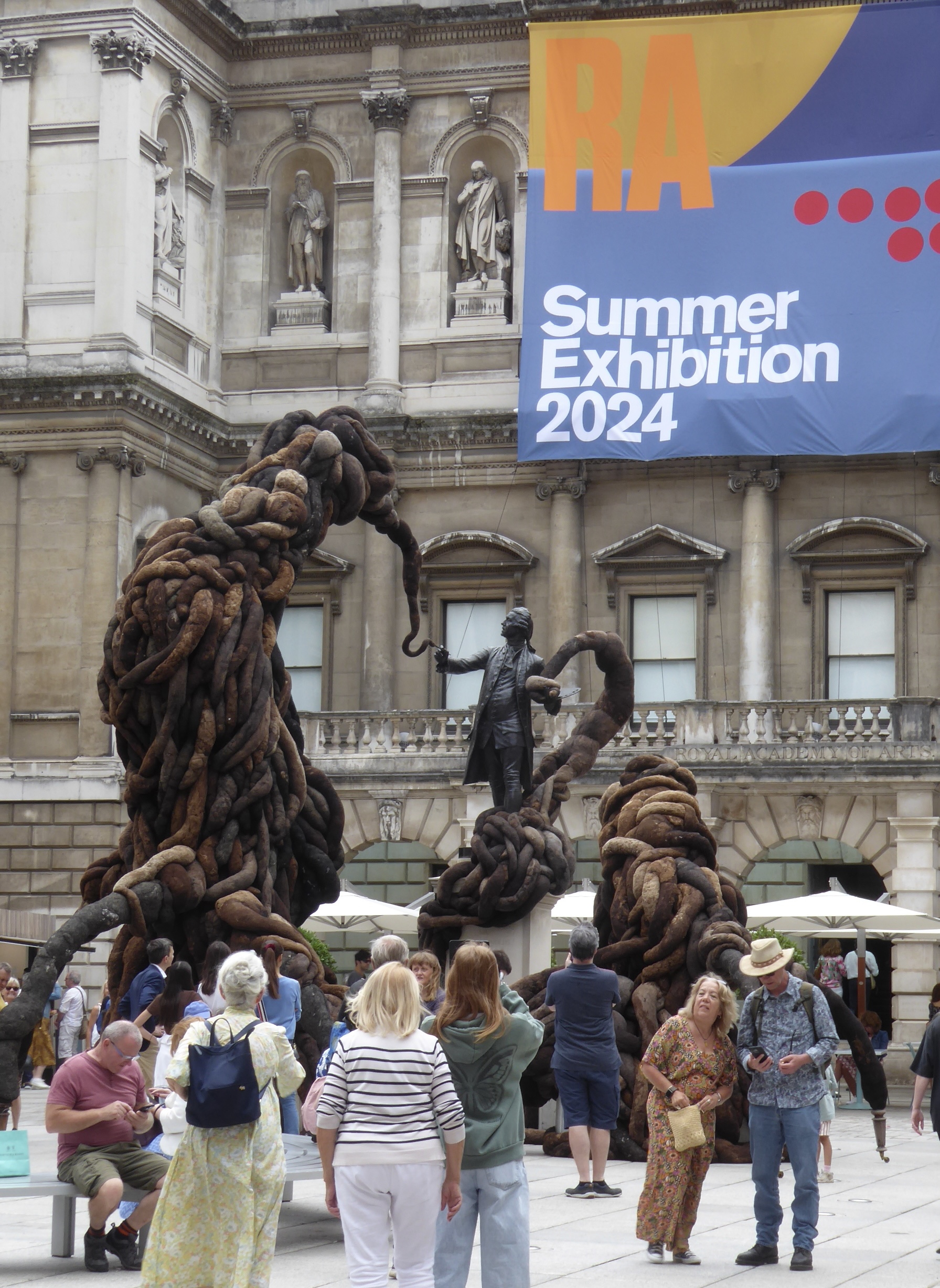
I also looked in on “Flaming June” (currently on loan from Puerto Rico). Thankfully I managed to avoid the Summer Exhibition – except for a wonderfully surreal sight in the courtyard:

The Garden Museum

Yesterday was so hot that I hid away in my hotel room until the evening. Today was cooler, but even so the Garden Museum seemed like a good place to visit. En route I passed the old headquarters of the London Fire Brigade (1937 E P Wheeler) with its wonderful reliefs by Gilbert Bayes.

The Garden Museum is planted in a deconsecrated church next to Lambeth Palace so there’s not much in the way of garden, but the displays were intermittently interesting. There is also a church tower to climb – which, of course, I did.

The current exhibition is about the country gardens of Bloomsbury women: Lady Ottoline Morrell and Garsington, Vanessa Bell and Charleston, Vita Sackville-West and Sissinghurst, and Virginia Woolf and Monk’s House. (Did their husbands have no say in the designs?) Anyway, it’s a hook on which to hang some nice works – Cezanne-style paintings by Mark Gertler and der Blaue Reiter-style paintings by Roger Fry. Oh, and more of Vanessa Bell’s blurry work. She certainly seems to be flavour of the month. My steal was the freestyle embroidery of Garsington in the moonlight by Marian Stoll. (My photo is rubbish, but I can’t find a better one online.)

Scattered amongst the vintage packets of seeds and videos about influential gardeners were some artists I’ve seen recently: Harold Gilman from York/Manchester and William Banks Fortescue from Southport. There was also a little nudge towards a future outing for me: Charles Jencks’s Crawick Multiverse. I hadn’t realised before that it’s possible to get there by train . . .

York art gallery

The National Gallery is currently lending some of its big names to smaller art galleries, so York has one of Monet’s lily ponds – and hence a hook on which to hang a whole exhibition. Firstly Monet’s precursors: plein air painting, Barbizon, Camille Corot, Théodore Rousseau, François Daubigny, Eugène Boudin, more Japanese woodblock prints (particularly influential in the practice of depicting the same scene under different light and weather conditions). Then those who, in turn, were influenced by Monet like Wynford Dewhurst (one work borrowed from Bradford!) and Thomas Meteyard.

It was great to see up close the blobs of paint that so beautifully represented the lilies; it overcame the sensation of familiarity that you can’t help but feel when seeing such a famous painting and made it exciting again.

And then to the rest of the gallery, which taught me that I really don’t like the muddy tones of Walter Sickert and Harold Gilman* and I’ve had my fill for now of Gwen John’s stasis and meticulousness. Ethel Walker was there, along with Laura Knight, Paul Nash, Stanley Spencer and rather too many by local boy, William Etty, in a very pleasant gallery space.

* although the online reproductions are more colourful than the paintings on the wall.