More London

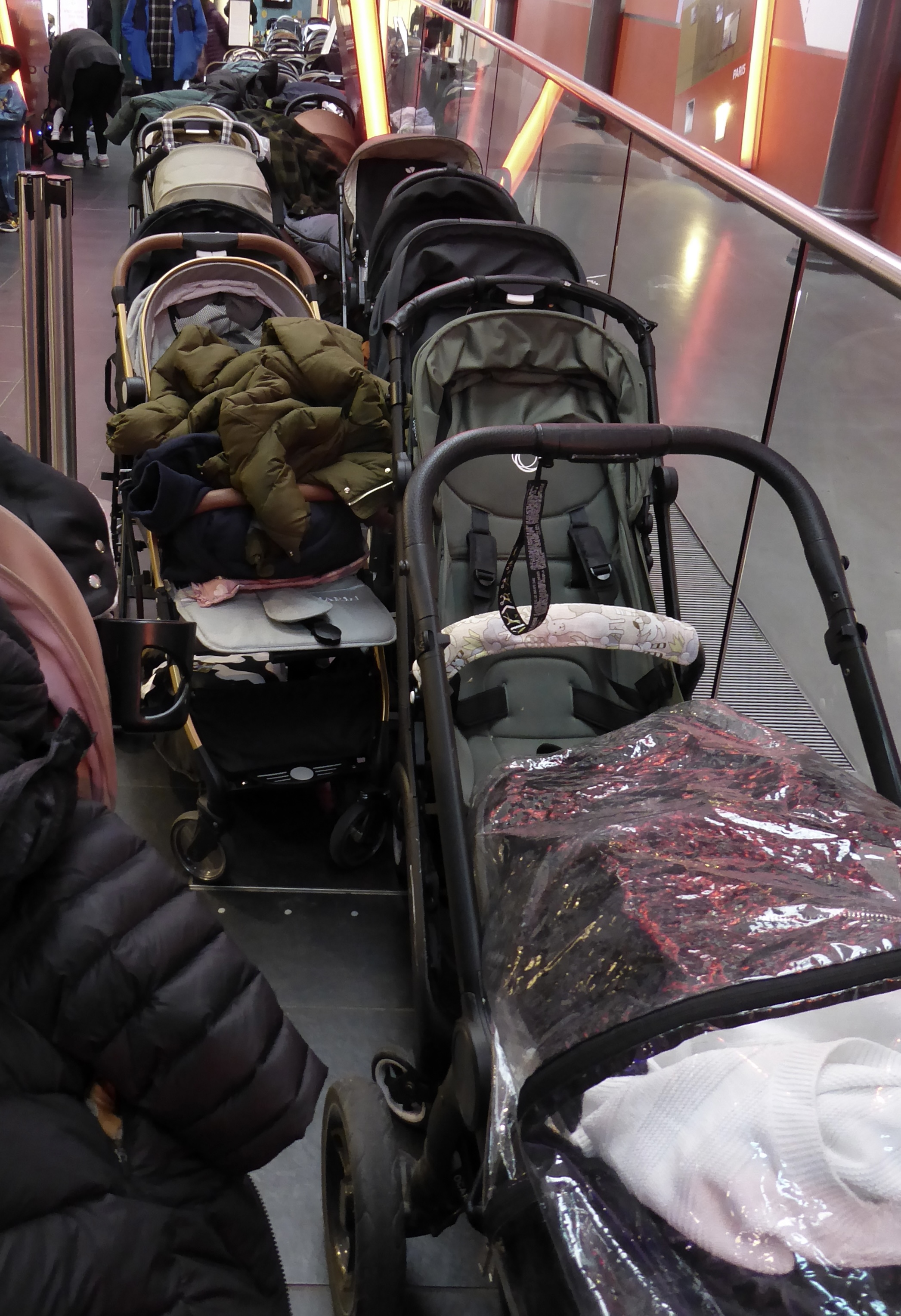
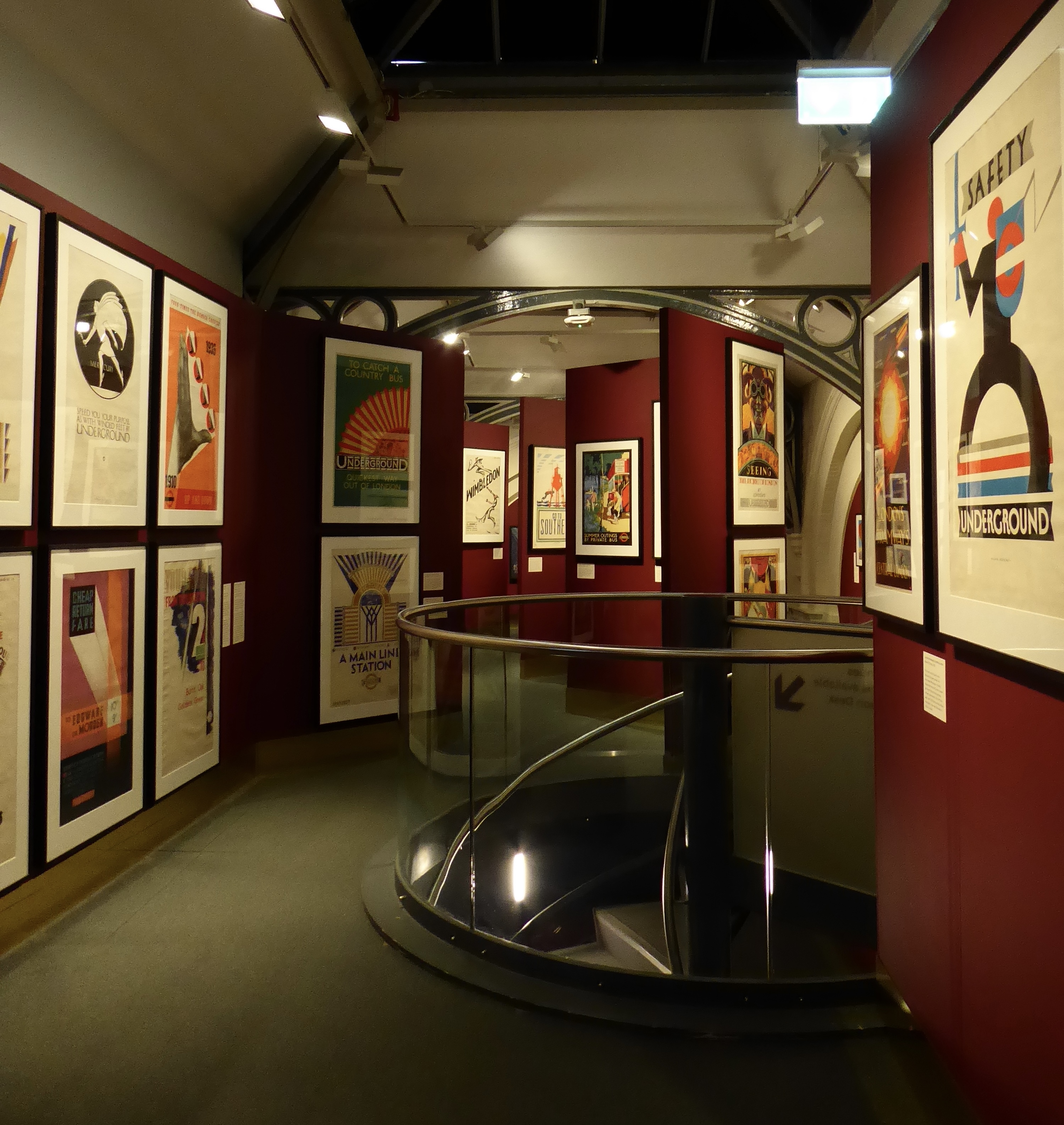
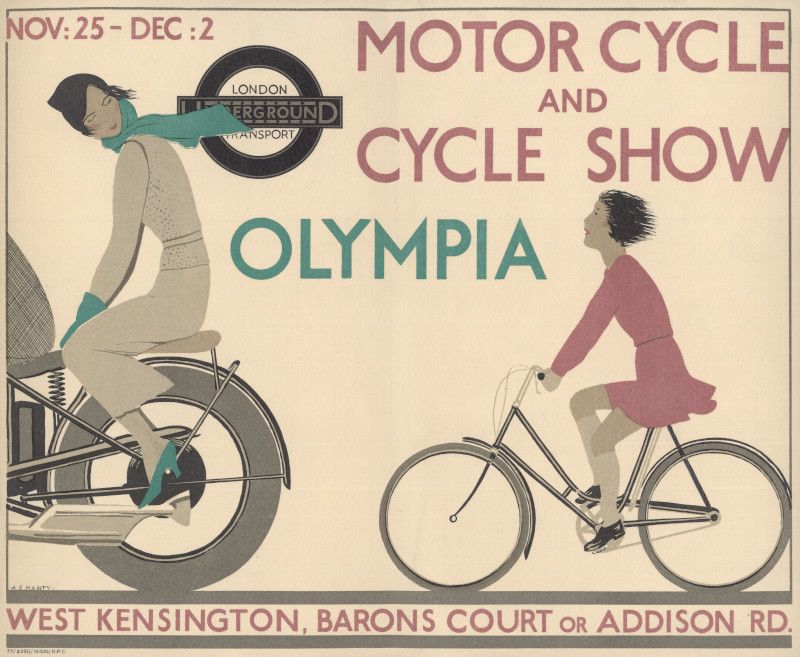
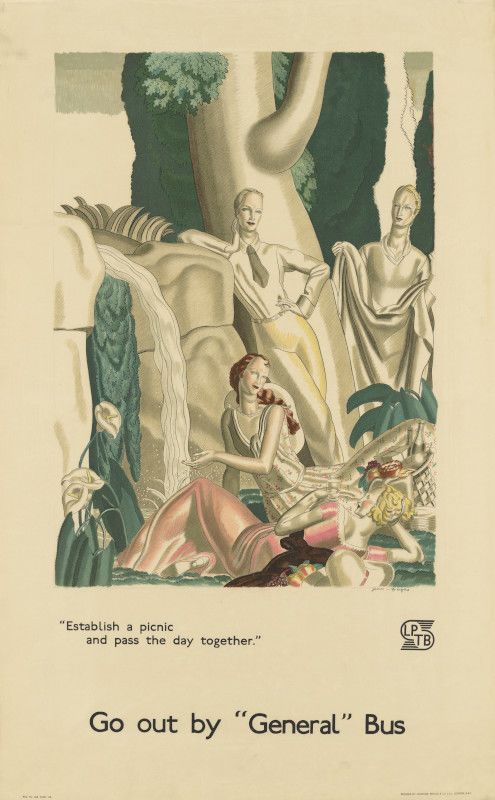
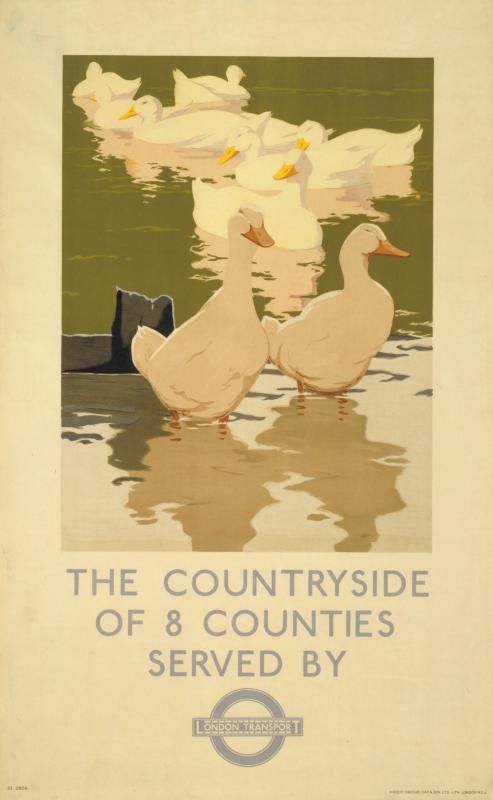
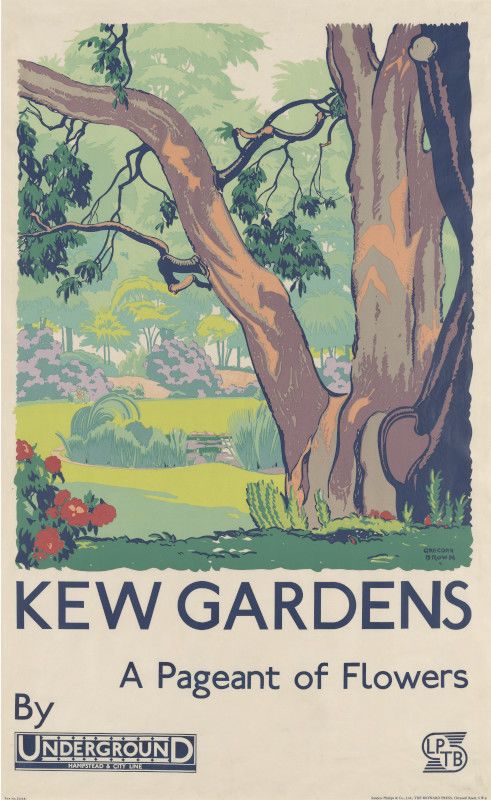
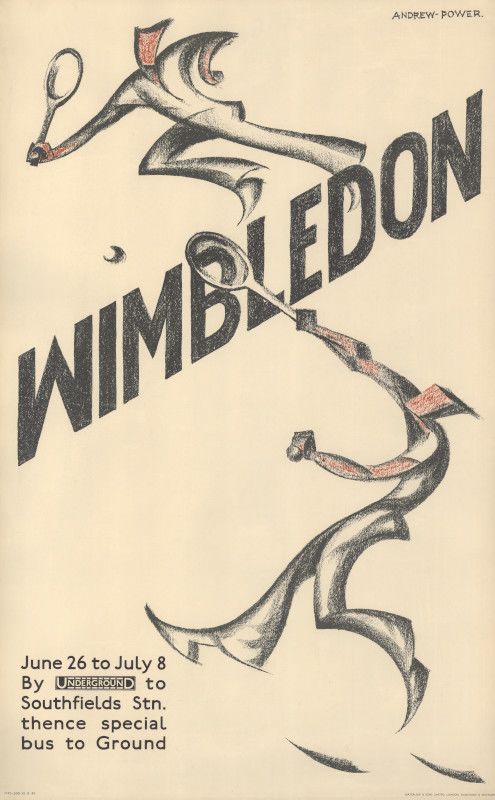
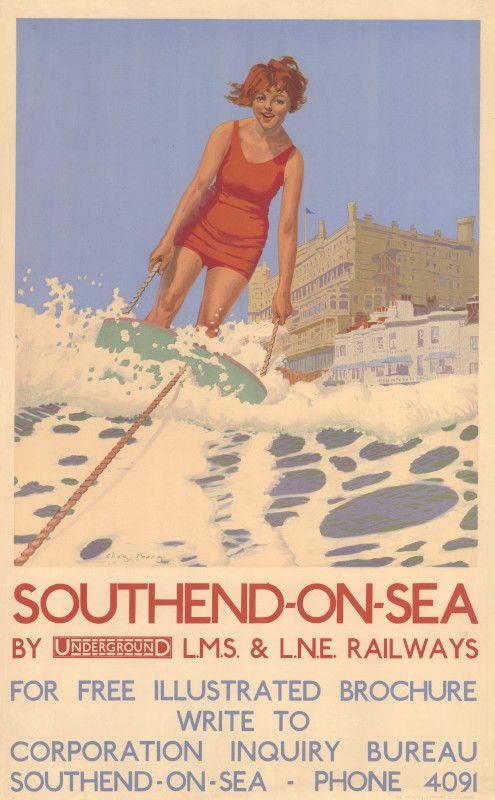
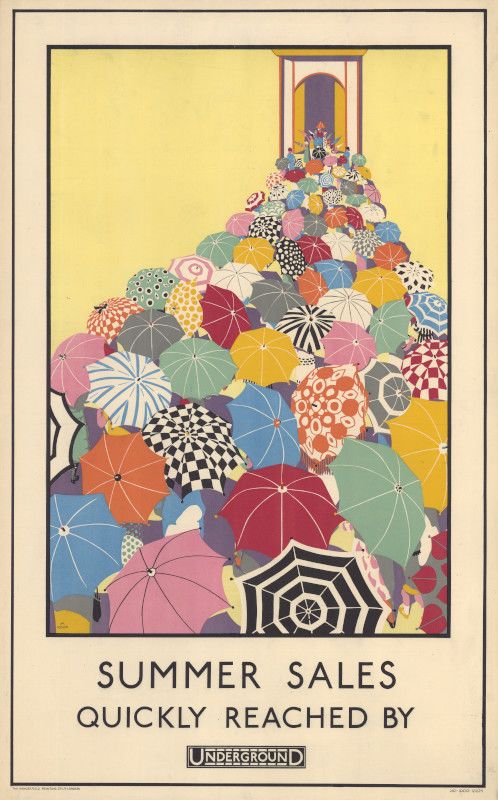
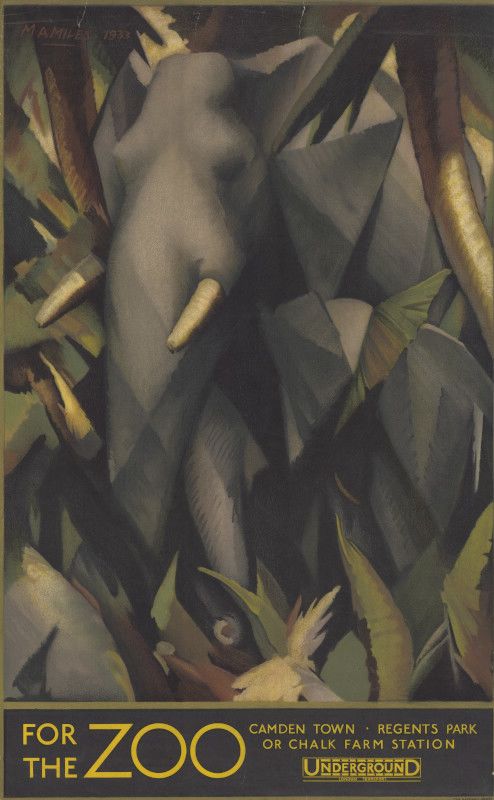
Thursday’s ticket gave me half-price entry into the London Transport Museum, so I decided to visit it, if only for the exhibition of art deco posters. Perhaps it’s an exaggeration to say that every other adult had a pushchair, but I certainly felt out of place without a small child in tow. They were pinging about all over the place. It wasn’t the first time I’d been there, so it was familiar. I did linger at the steam locomotive used on the Metropolitan & District underground for over 40 years; it had a condenser to capture the steam but nothing to alleviate the smoke. At first I thought how awful it must have been for passengers . . . and then I thought of the drivers and stokers.

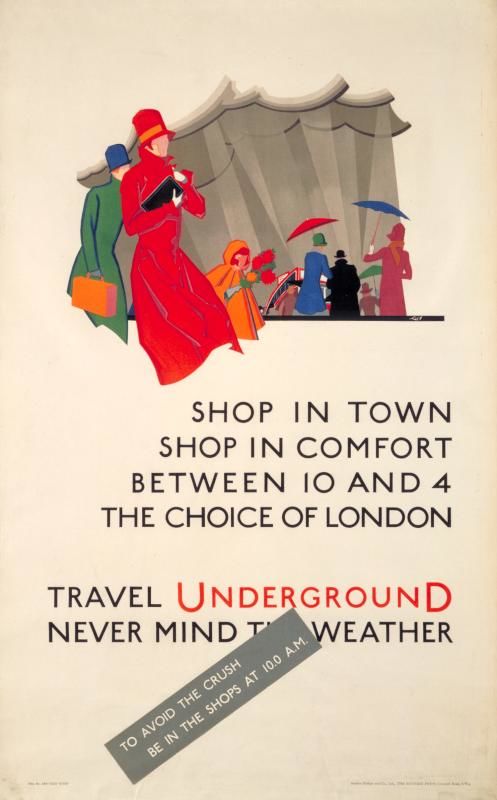
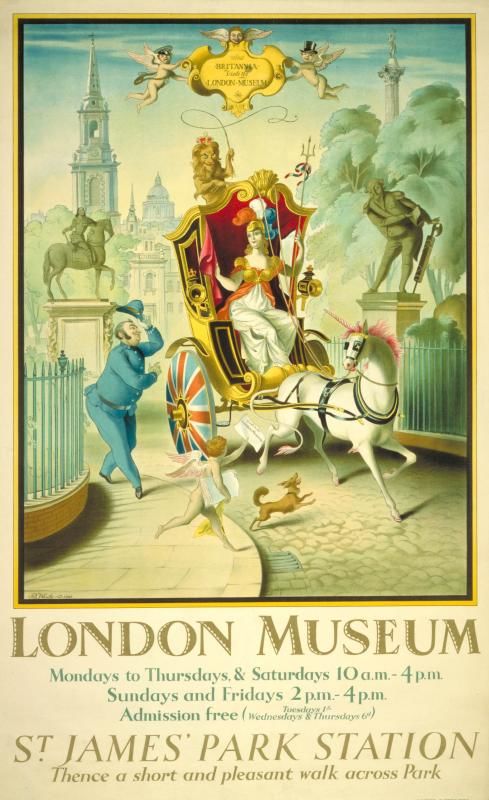
I enjoyed the exhibition of art deco posters from the underground. They implied affordable modern luxury – a visit to Kew Gardens, the zoo or the West End. There were a couple by Sybil Andrews/Cyril Power that I’d seen in Dulwich.

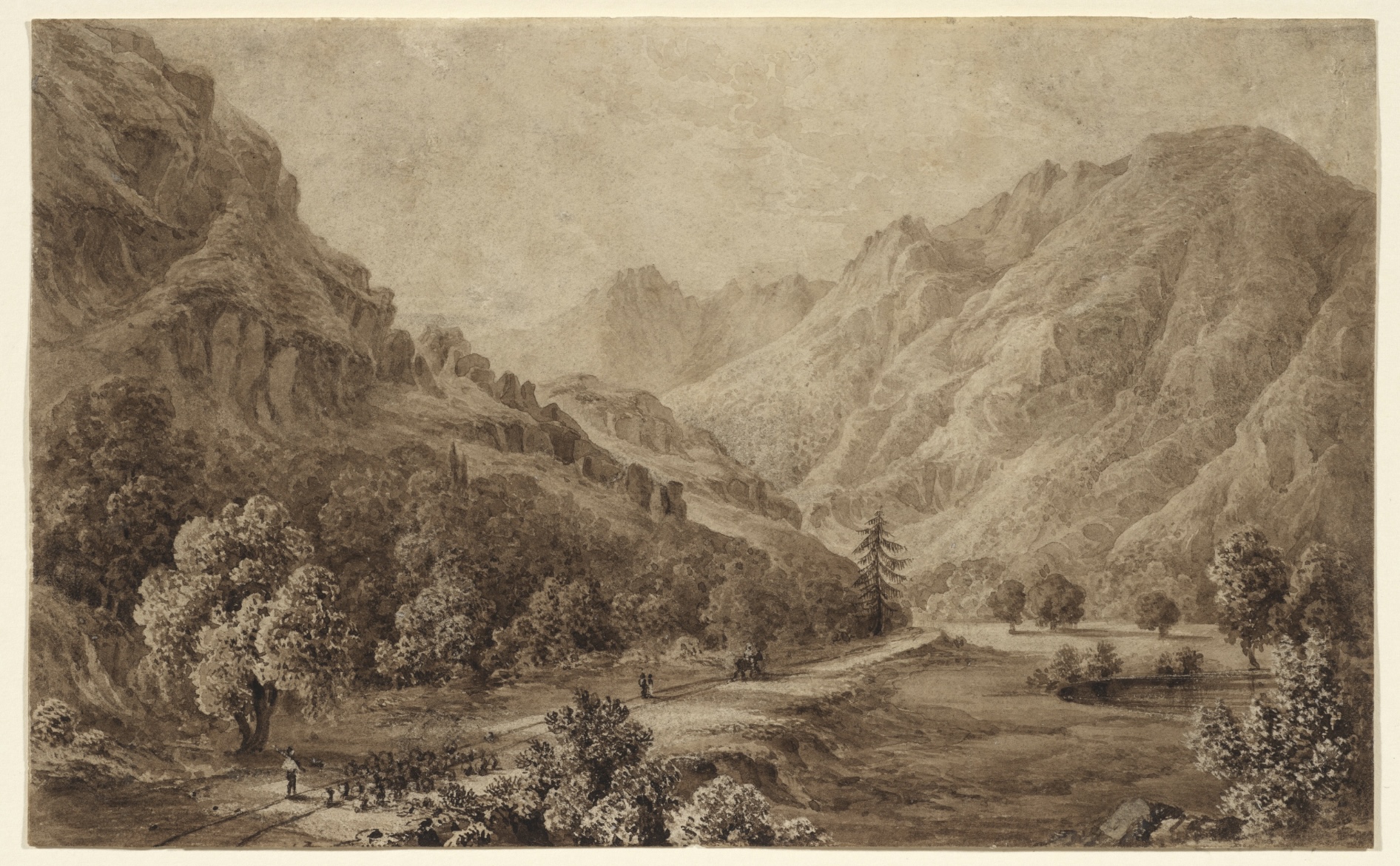
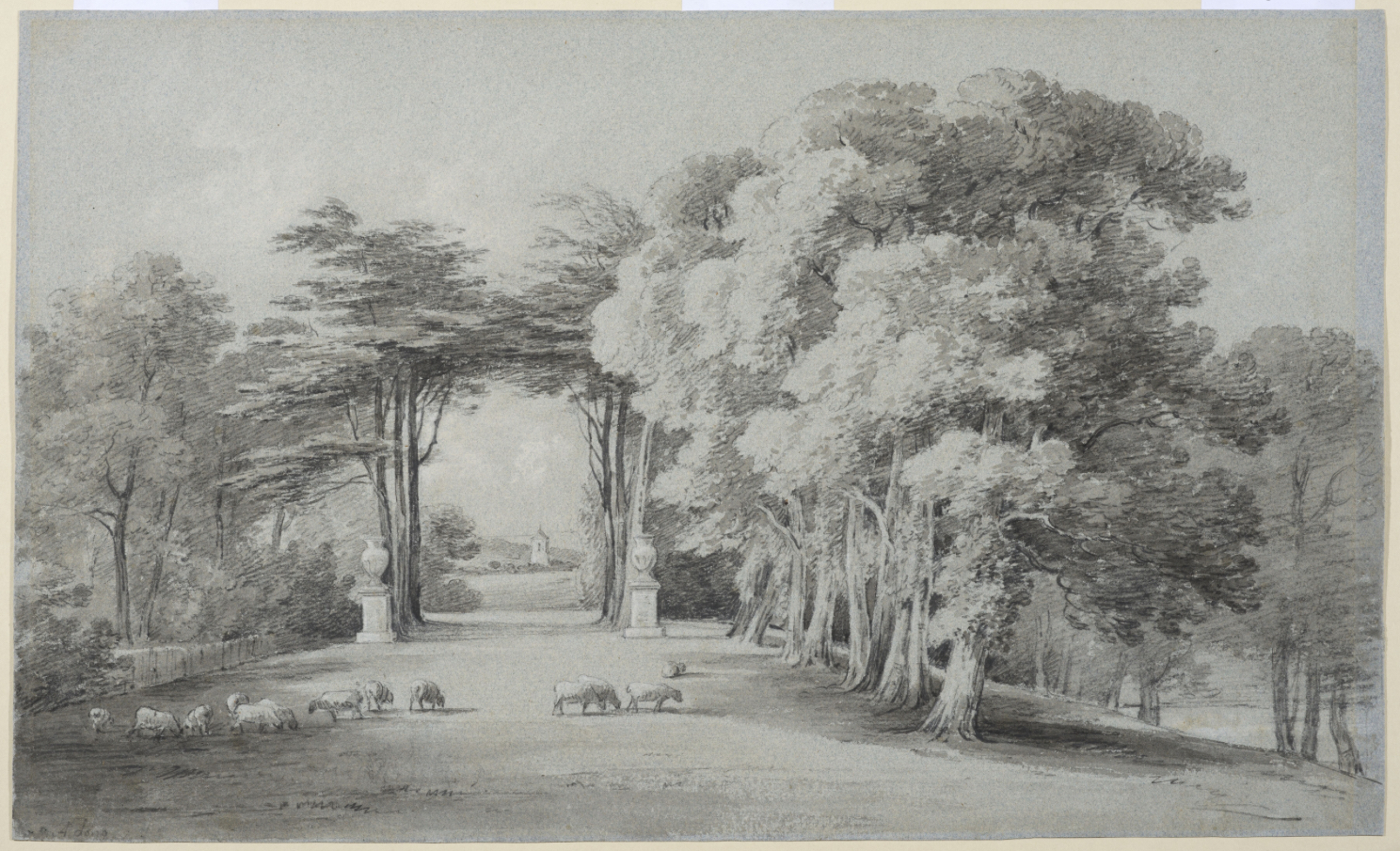
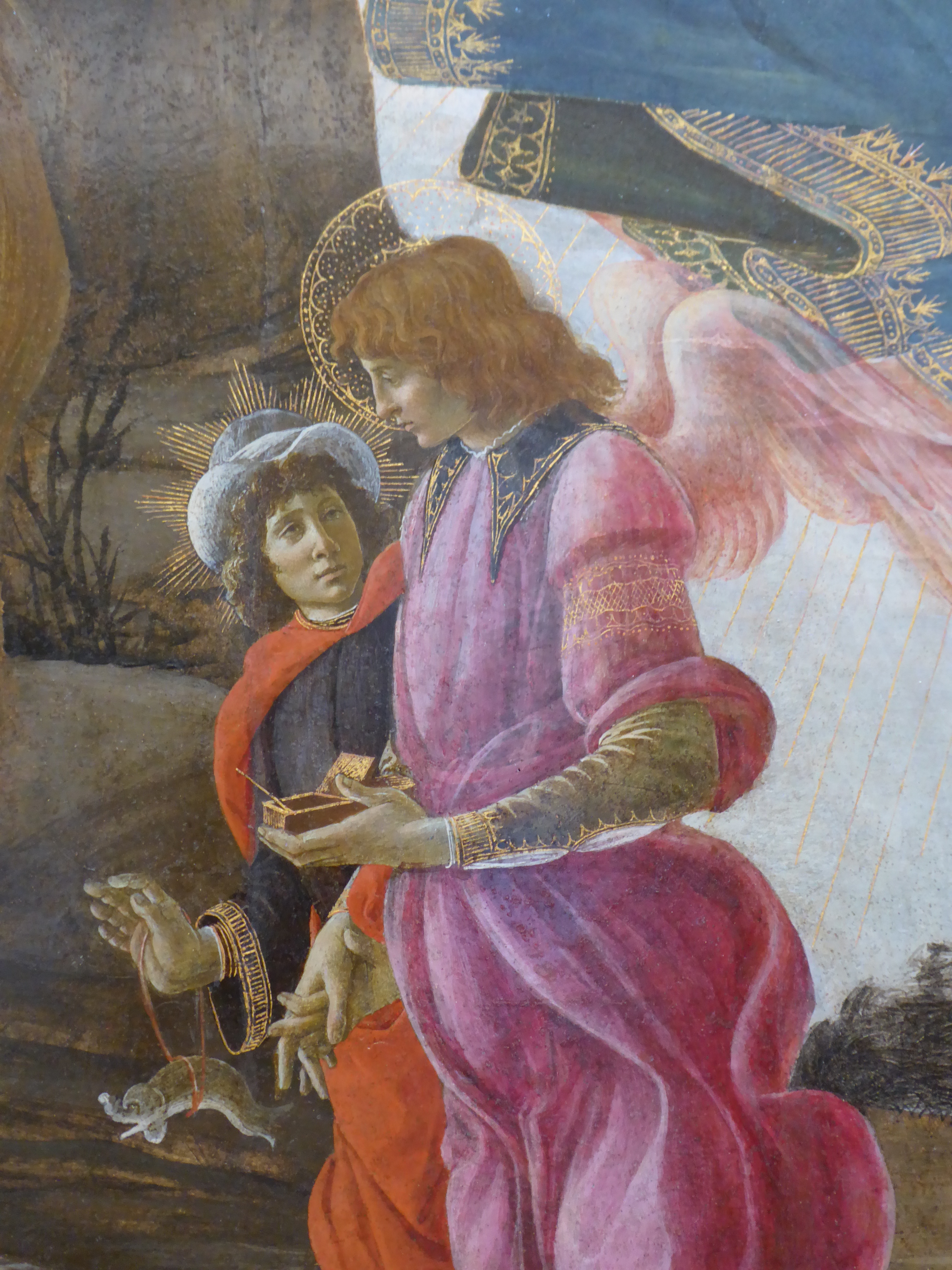
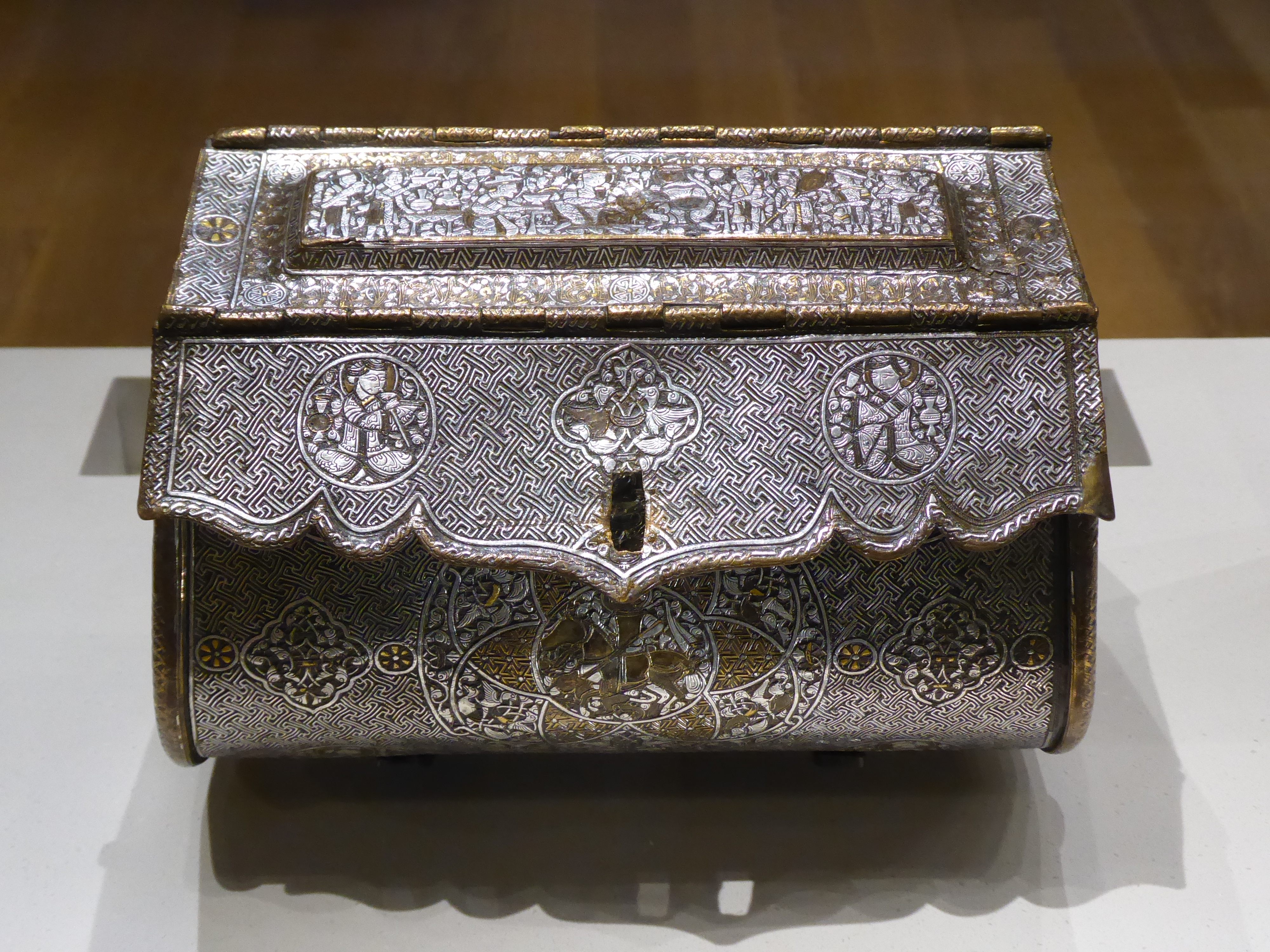
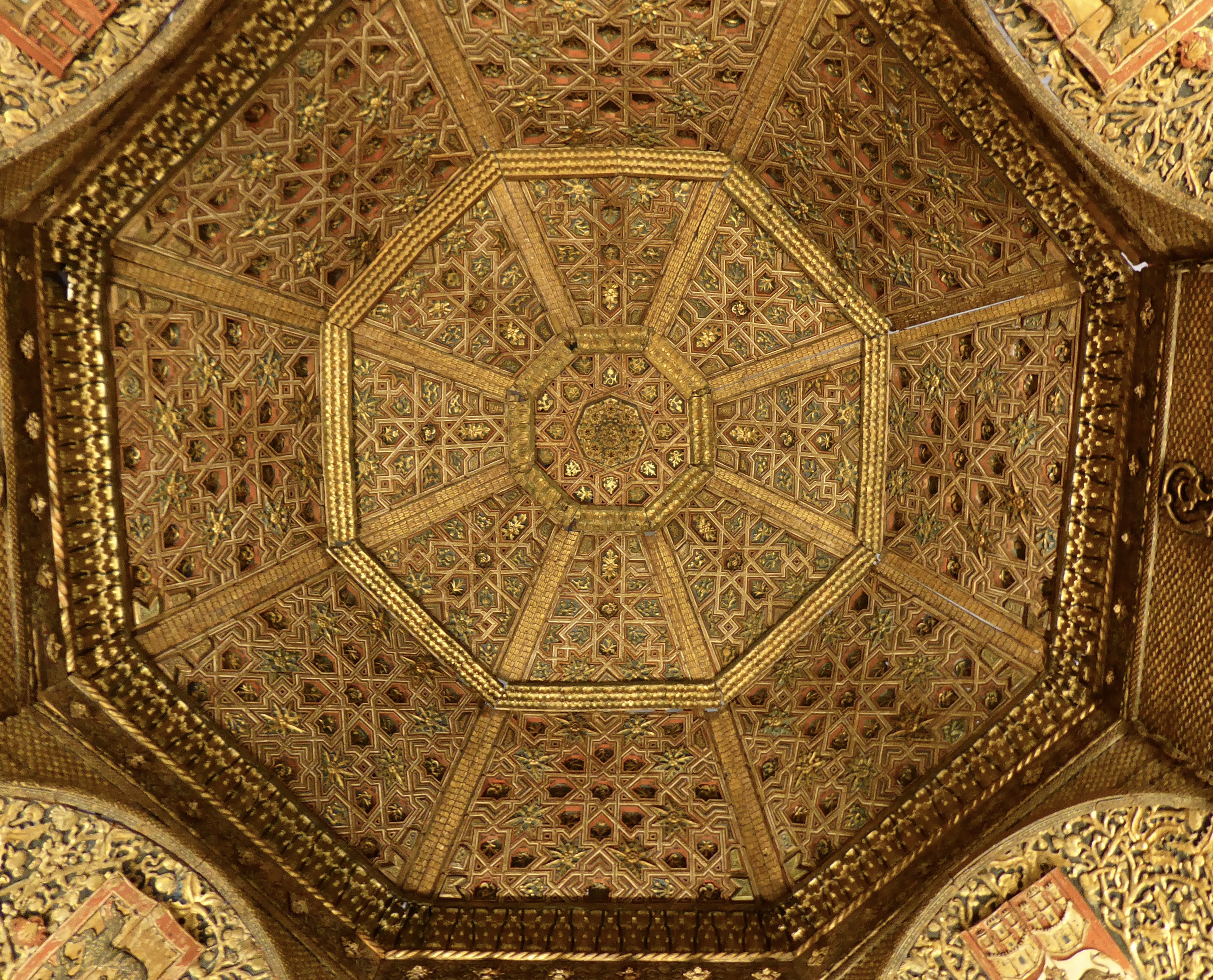
Then, since I was nearby, I headed towards the Courtauld Gallery. I was briefly sidetracked by a youthful band celebrating the anniversary of the founding of RAF air cadets. I looked at the”Courtauld bag” (from Mosul, 1300-30) and was rather taken with Tobias and his fish in the Botticelli painting of the Trinity. There was also a small exhibition: A View of One’s Own: Landscapes by British Women Artists, 1760-1860. I’ve seen a lot of Turner and Constable landscapes recently, and I can’t see that Elizabeth’s Batty’s is markedly inferior.

Thackray Museum of Medicine

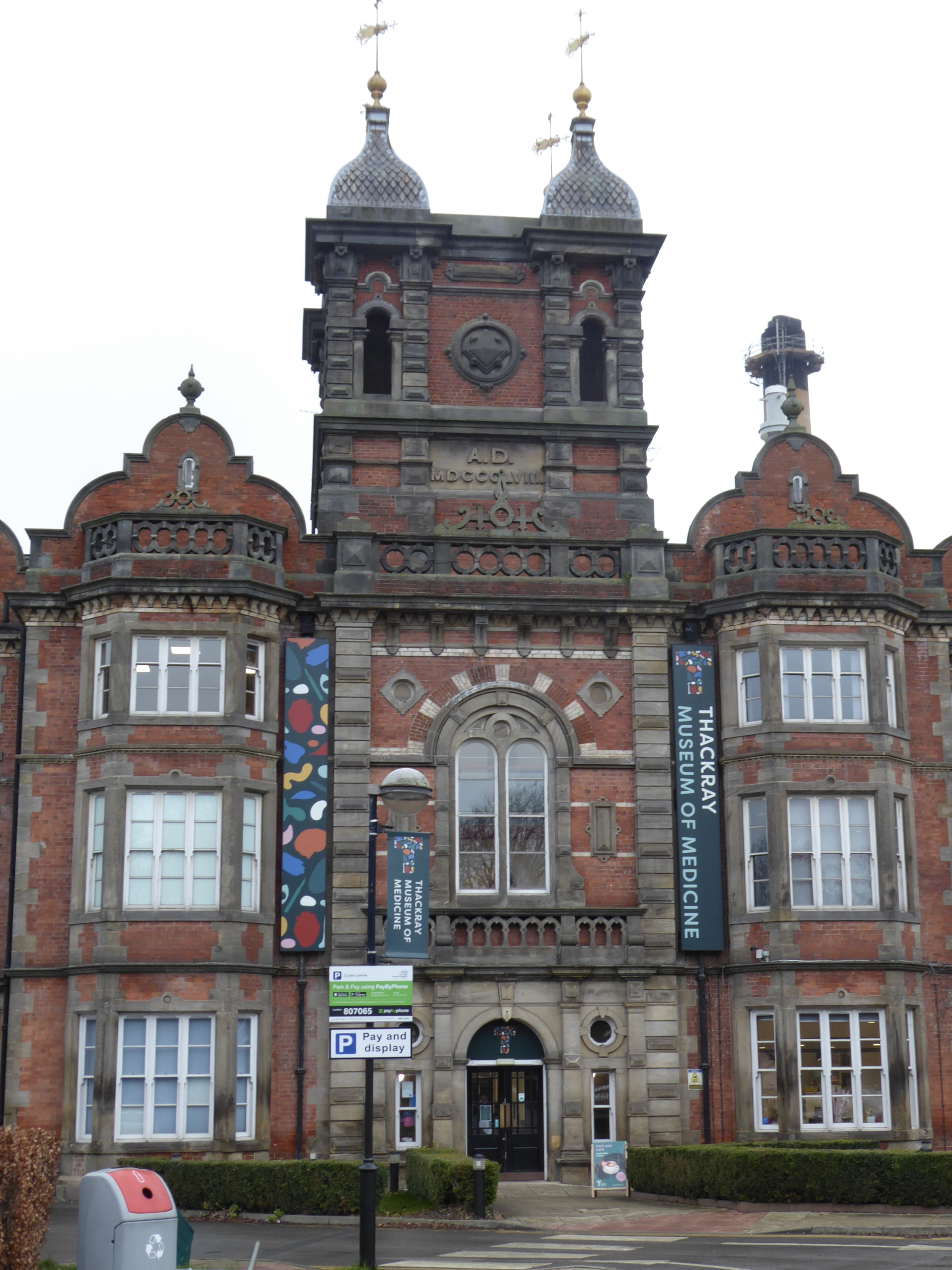
It was an unlovely walk along Burmantofts Road to the museum; grey skies, damp cold, traffic, uninspiring housing, the absence of “theology and geometry” (I’ve just finished reading A Confederacy of Dunces) all conspired against optimism. But, really, it was nothing compared to what I was about to see of life in 19th-century Leeds.

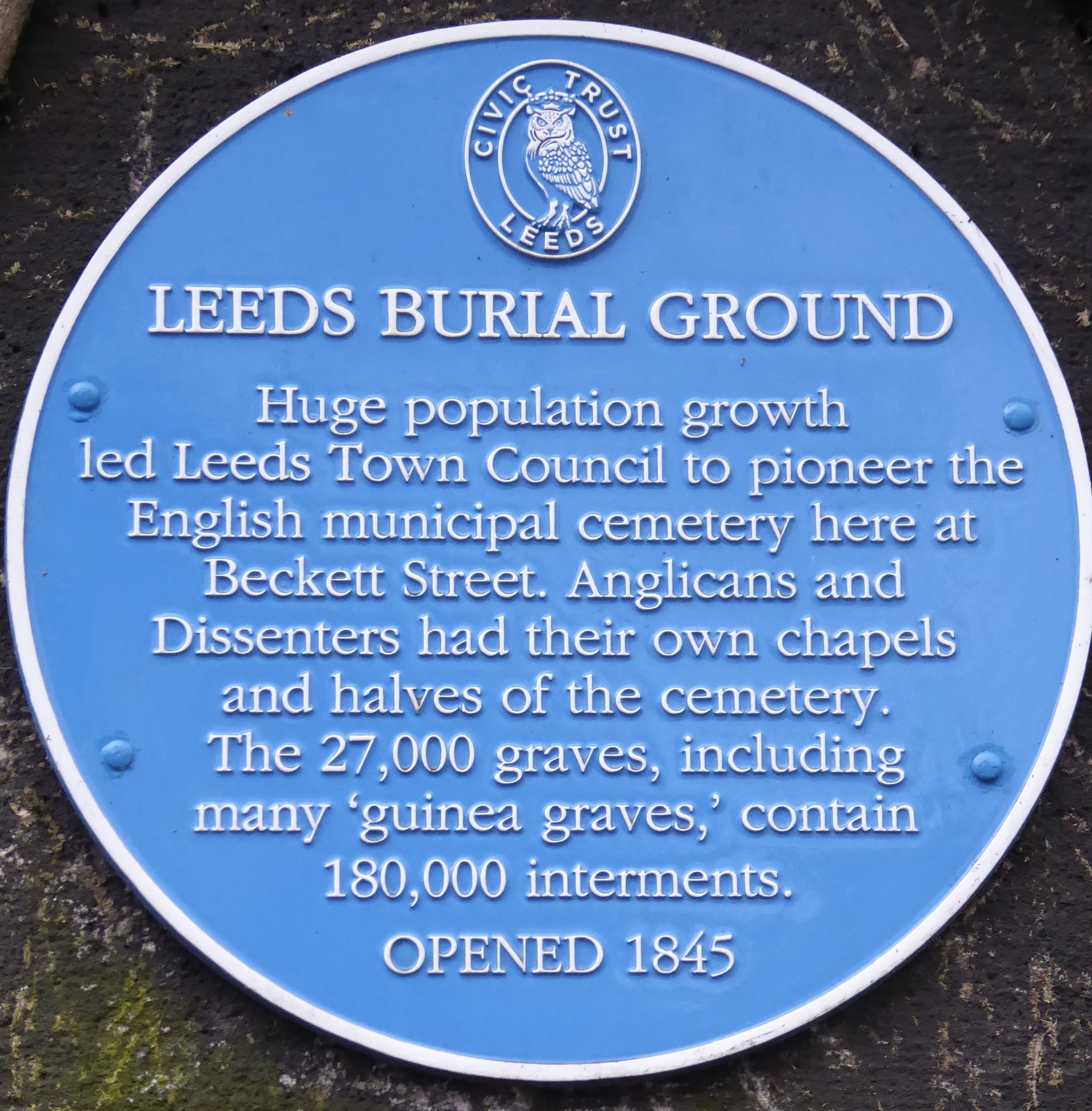
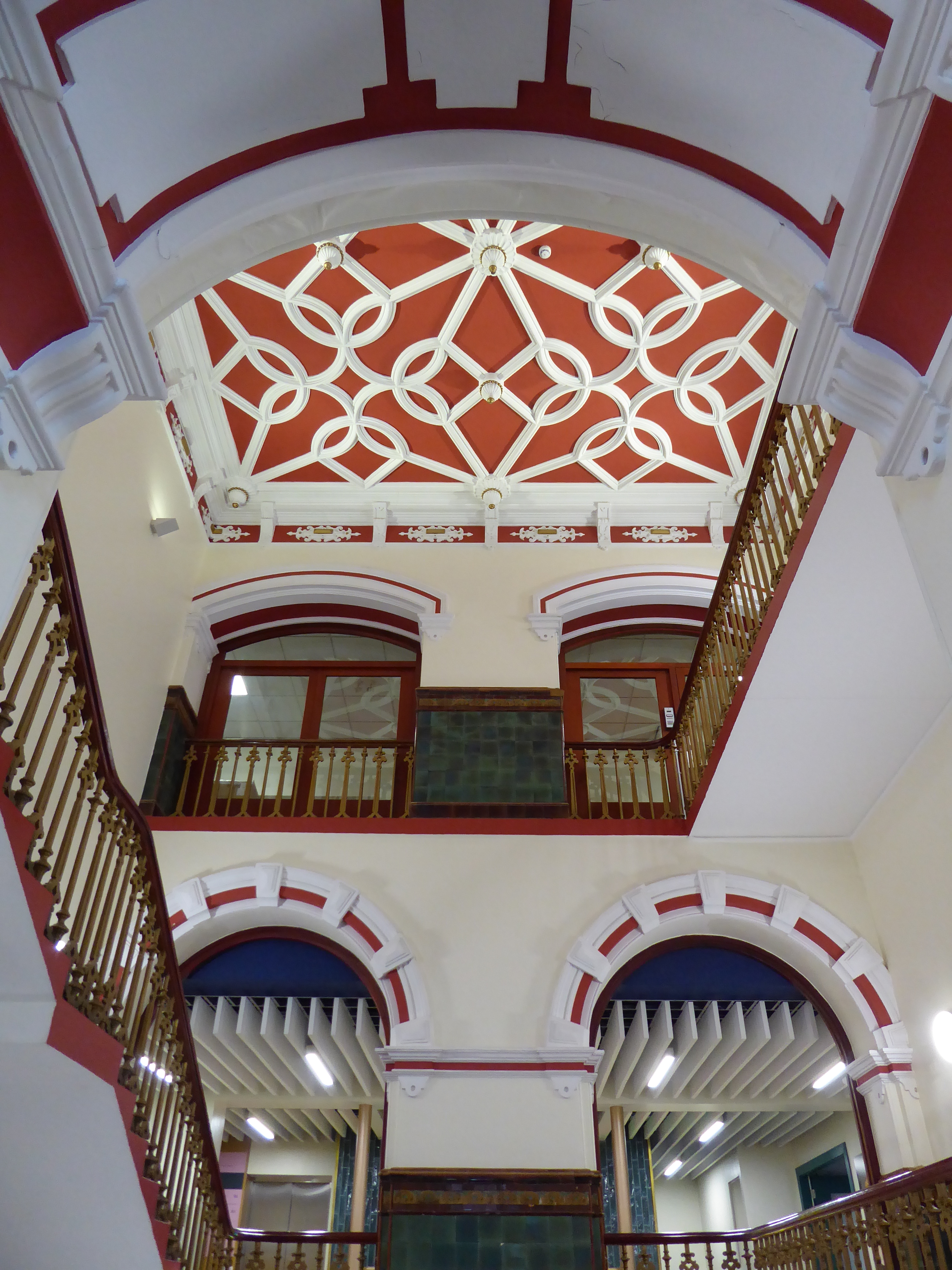
What is now the museum was originally built as a workhouse (1858) then later became a hospital. It’s imposing and ornate – lots of Dutch gables and Burmantofts tiles – but the thing that struck me at first was how BIG it is. It was built for 800 people; I don’t know how much misery and mental distress they experienced here, but living directly opposite the Leeds burial ground (27,000 graves with 180,000 interments) can’t have helped. Perhaps it was preferable to what had gone before or life outside – particularly when “life outside” in Leeds before the passing of 1848 Public Health Act seemed utterly revolting. (Edwin Chadwick as a benevolent social reformer or a centralising bureaucrat with a purely utilitarian approach to the health of the working population? Did it matter?)

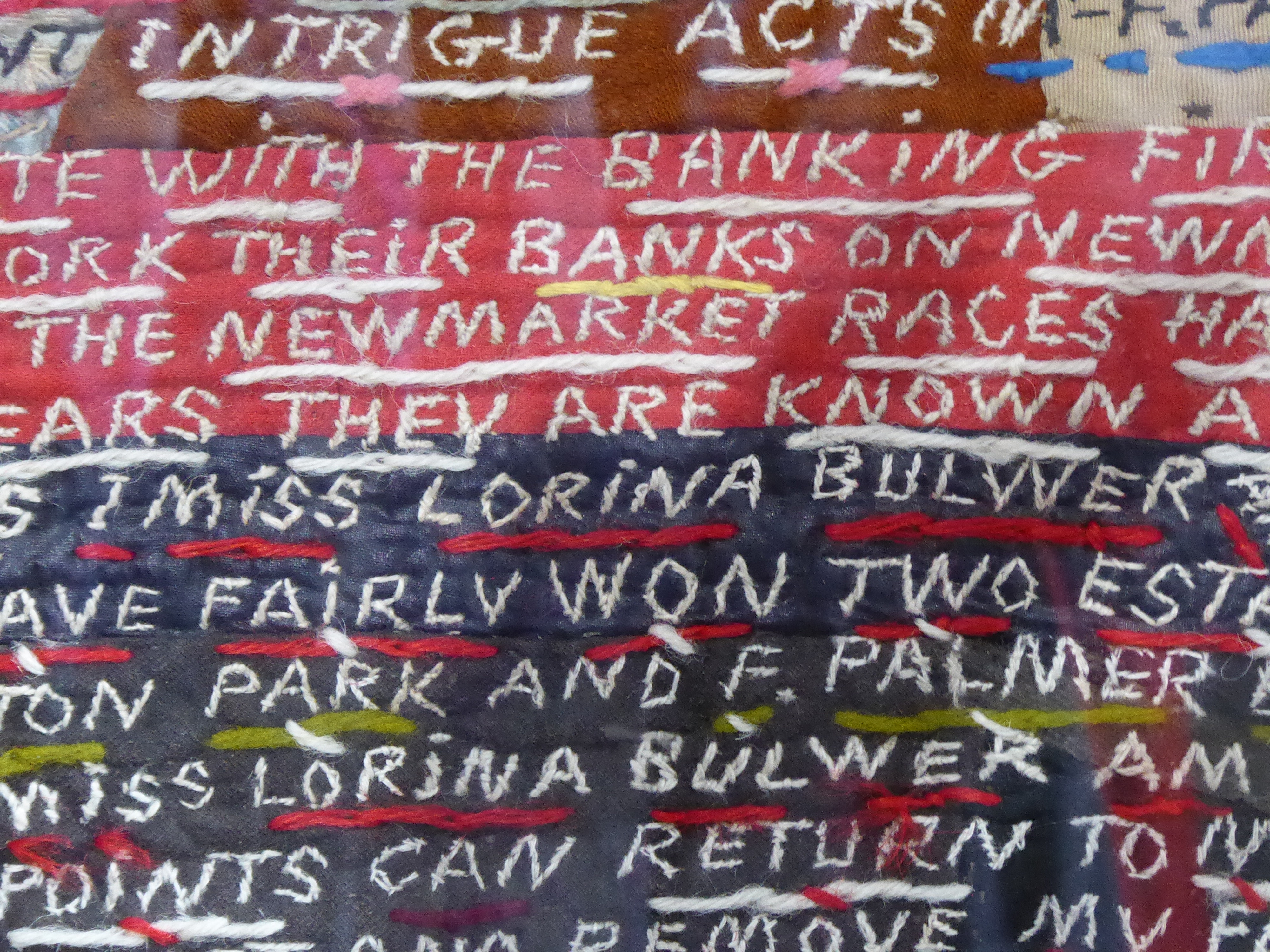
The reason I went was to see the Lorina Bulwer scroll (1904). In her fifties she was put in the lunatic ward of the Great Yarmouth workhouse, where she embroidered this. But there was so – too! – much more to take in. I started off with Disease Street and began contemplating what it must be like to live cheek by jowl with no sewerage system or rubbish disposal and polluted air. With, perhaps, a meat market/abattoir at the end of the road. Public health measures brought disease reduction in their wake. Then the treatment of diseases and illnesses, the adoption of a more scientific approach (germ theory rather than divine punishment) but still contending with deep-rooted ignorance (poor Semmelweis). Medical advances: I had forgotten that Fanny Burney underwent a mastectomy without anaesthetic, and I finally understand how an iron lung worked (although it still looks like an instrument of torture). I still have a soft spot for the unscientific, though: the doctrine of signatures, leech jars, the lovely apothecary jars, the four humours (blood, phlegm, black bile, yellow bile).

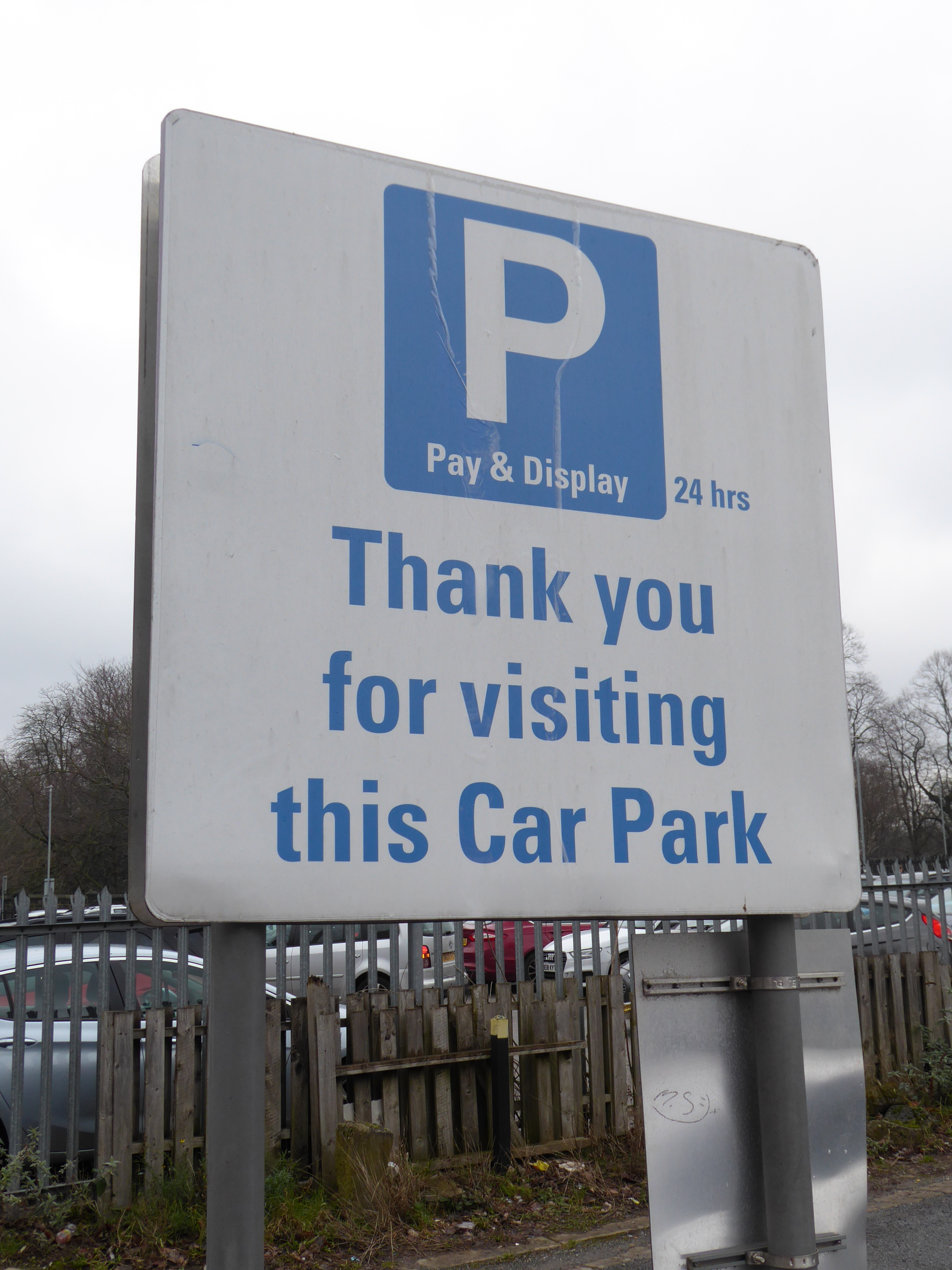
On my way back along I stopped to photograph a pointlessly polite sign and its self-important initial caps.

V&A East Storehouse

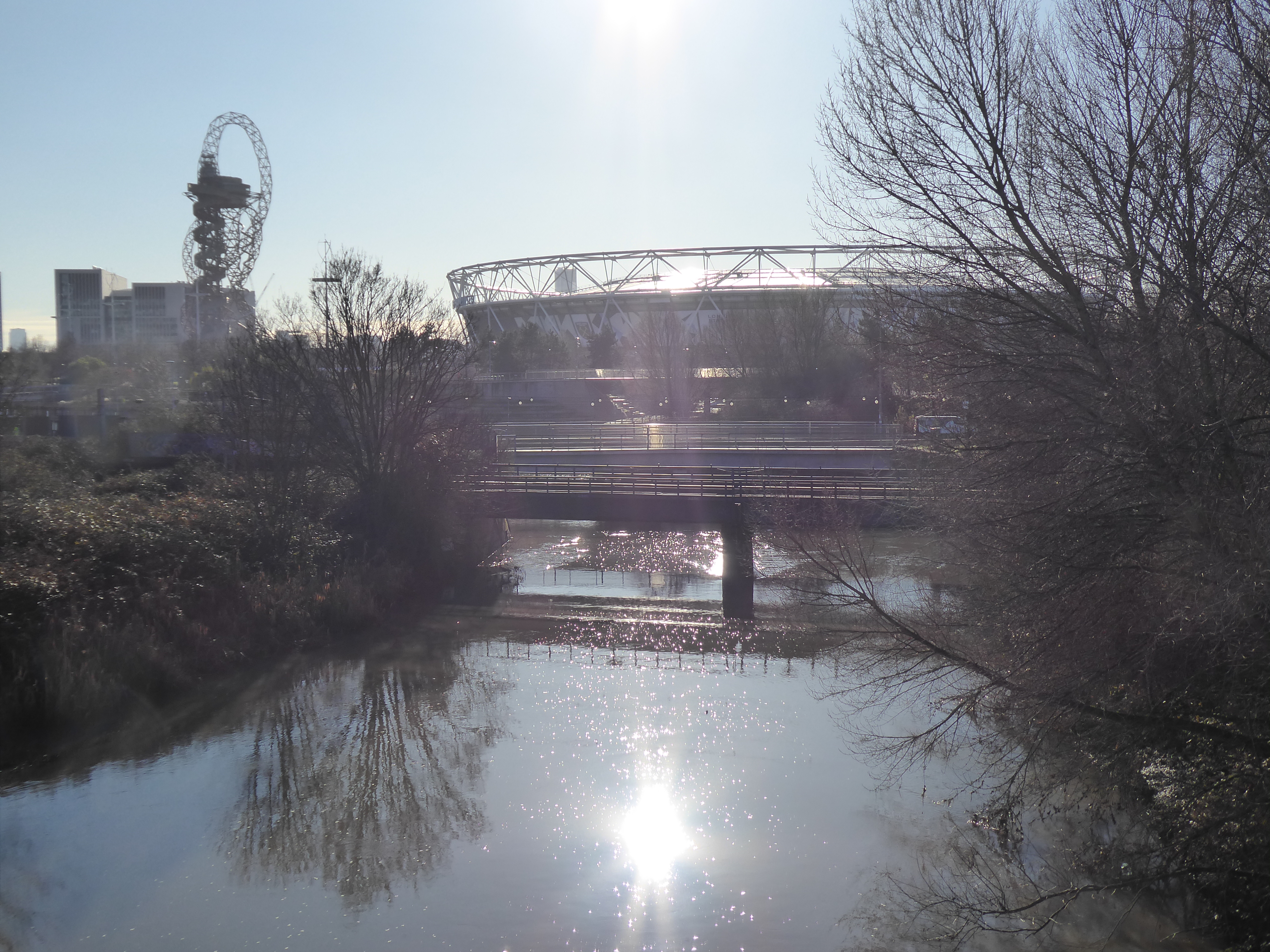
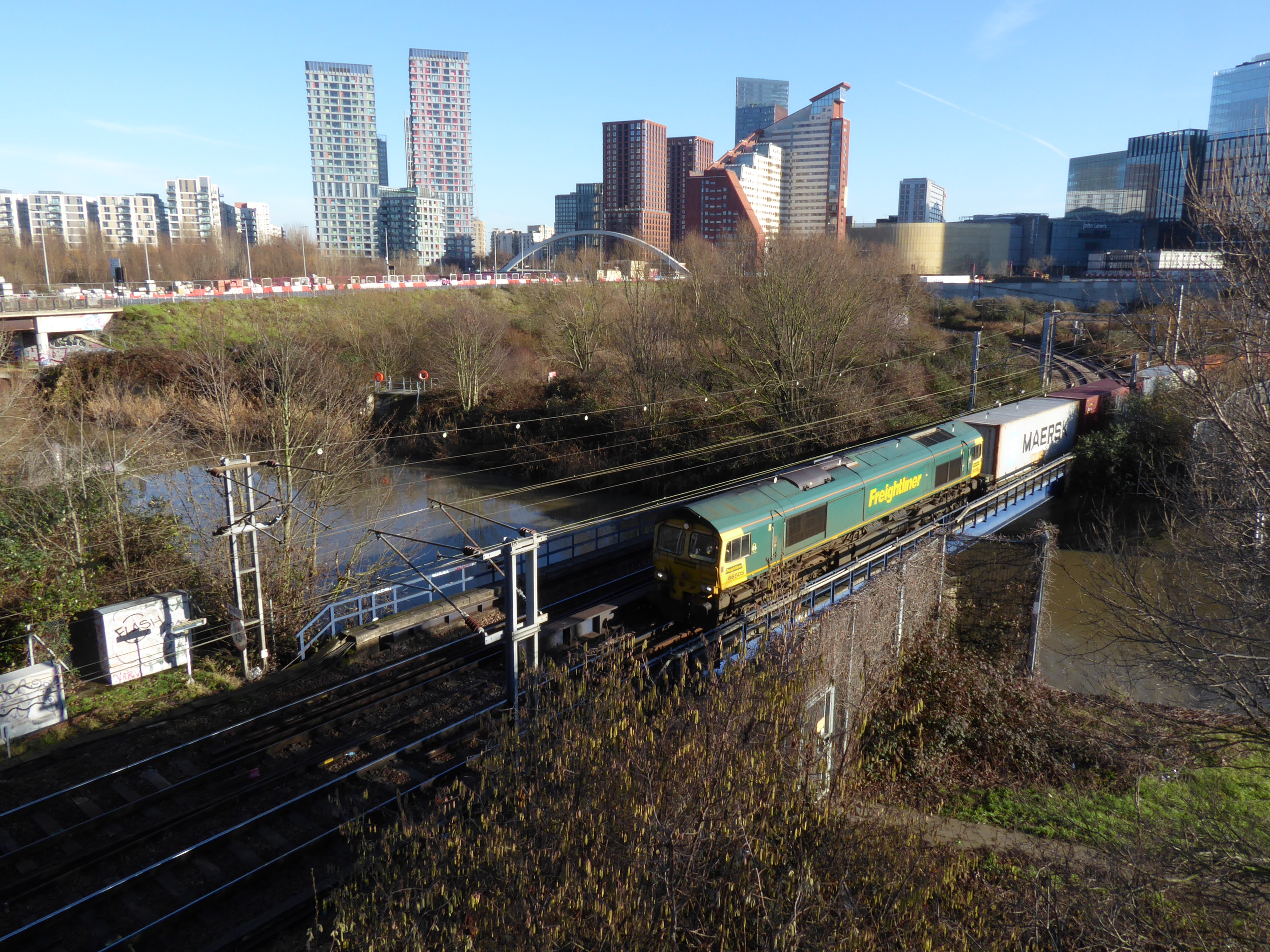
Another whim. I’d never been to the Queen Elizabeth Olympic Park, despite years of going past it on the train to Manningtree and Harwich and watching the site being developed for the Olympics, so getting off at Stratford International was a first. It’s a fairly unlovely place – the River Lea is brown and the architecture bland – but on a fine day it didn’t matter.

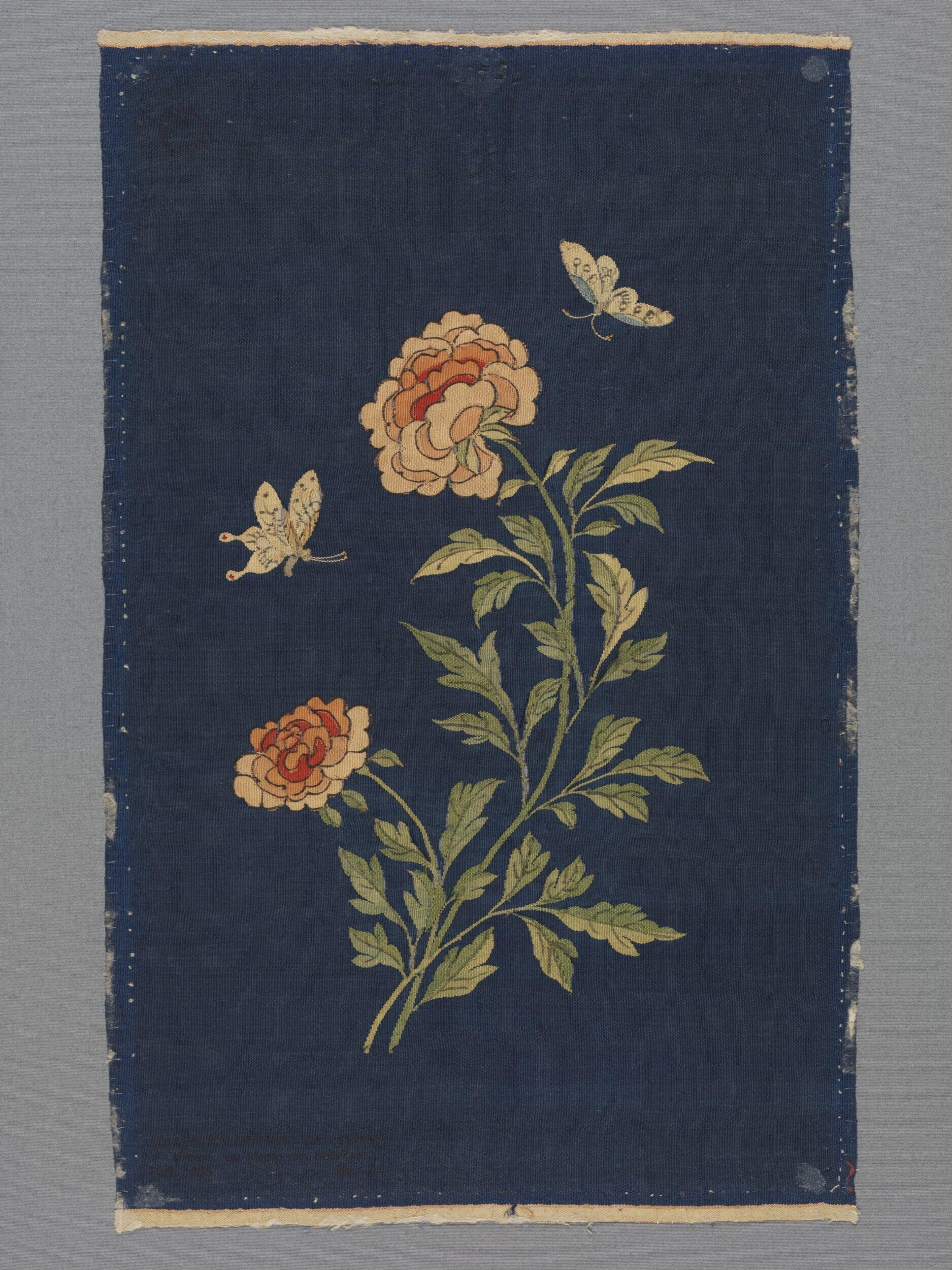
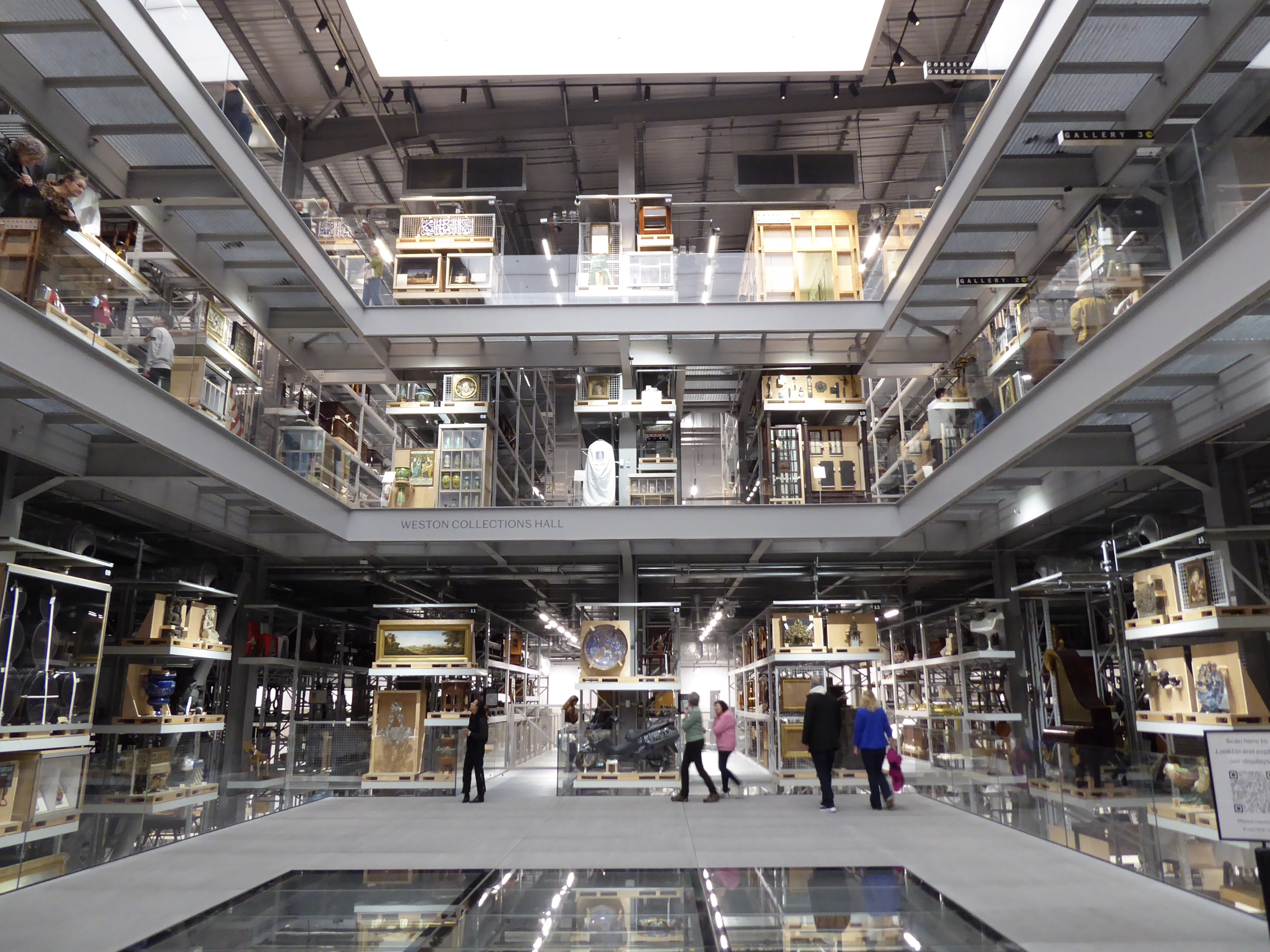
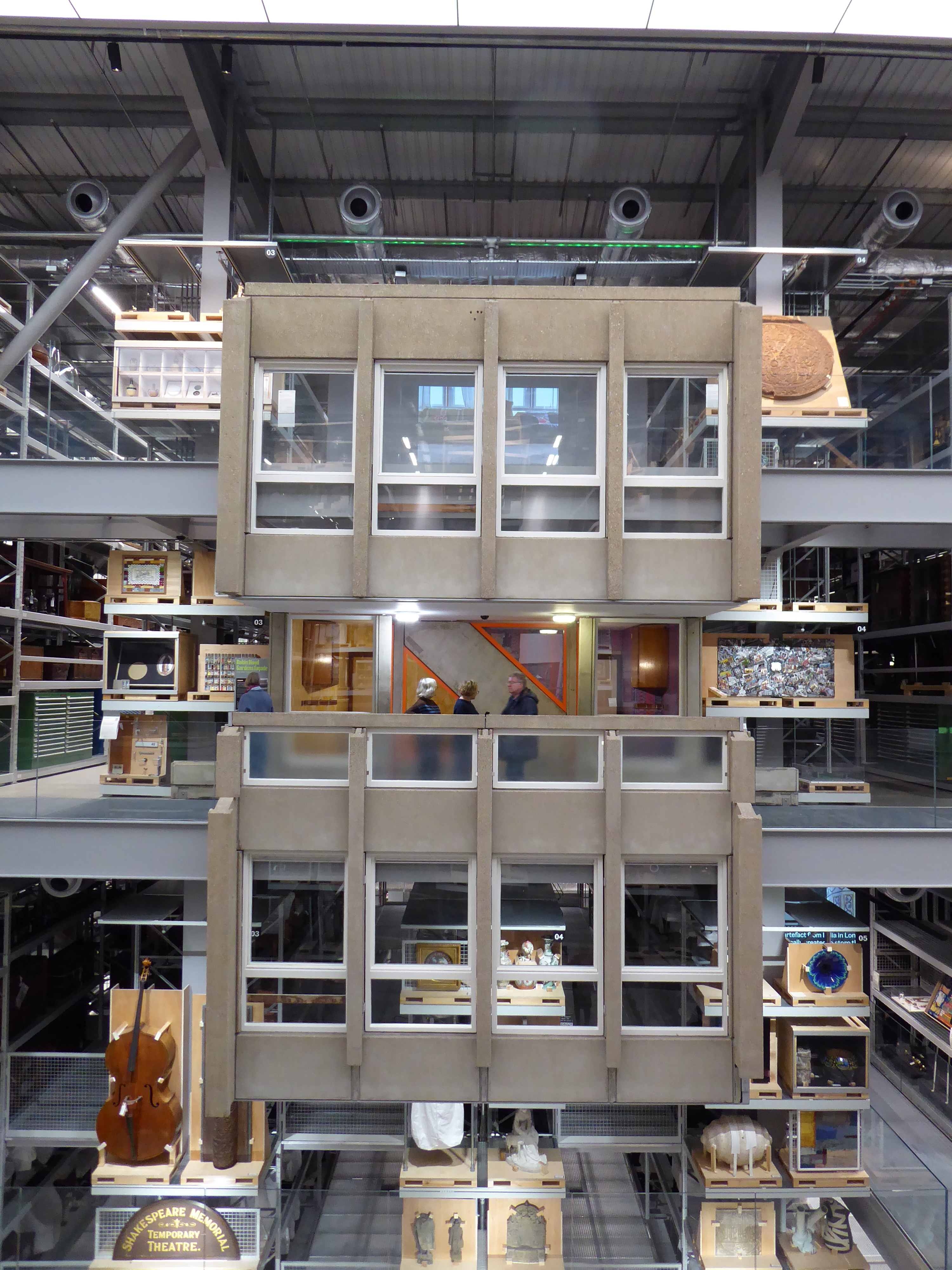
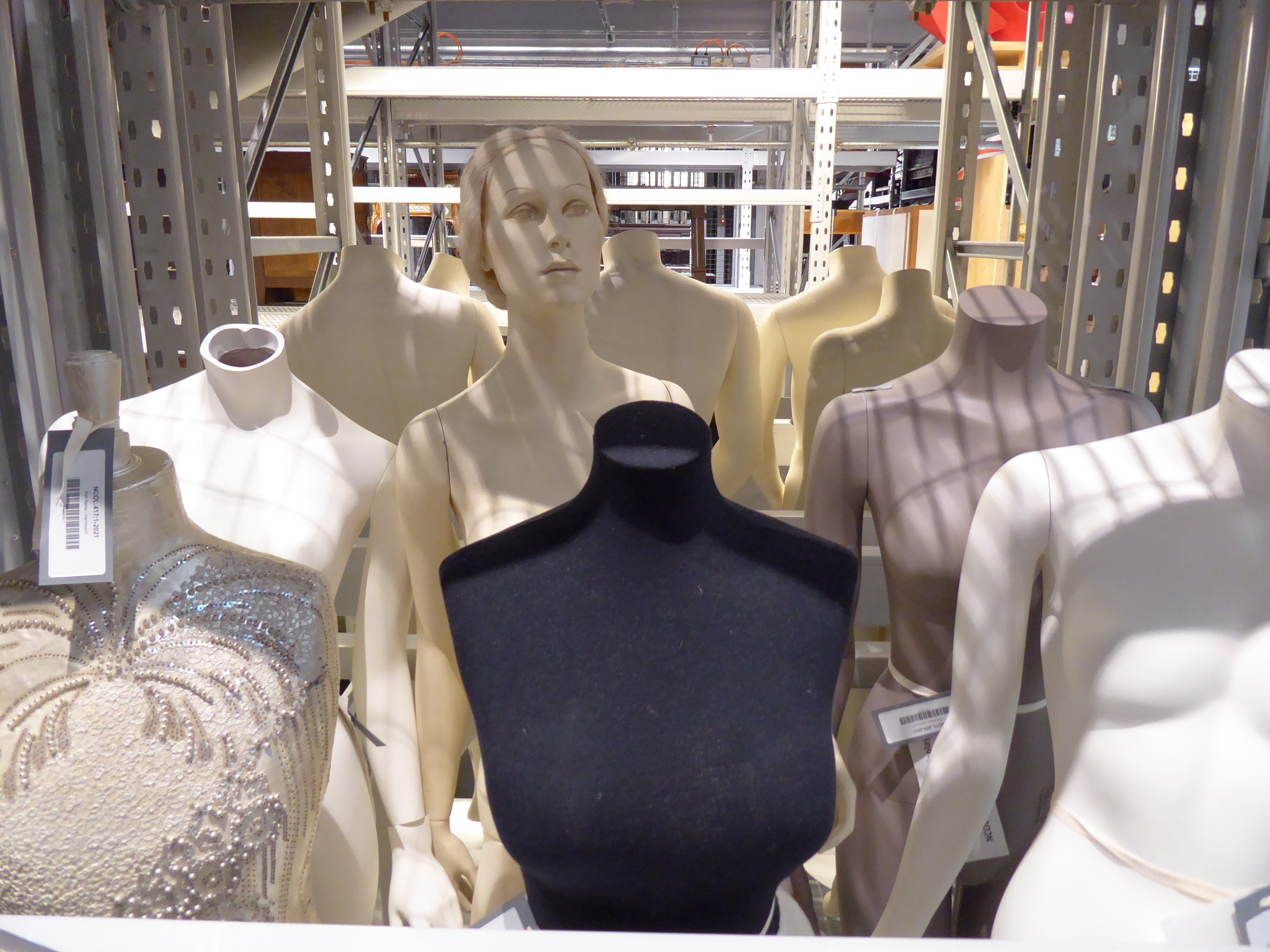
The V&A Storehouse is indeed a storehouse – similar to the Boijmans van Beuningen Depot in Rotterdam but without the exterior wow-factor. You wander around as you wish; there are a few labels, some QR codes and heavy large-print catalogues. It’s very Instagrammable from certain angles, but I confess – much as I was charmed with it – I did come away with the impression that the V&A could have a clear-out. I appreciate that you’d have to hang onto a piece of Chinese tapestry-woven silk (1368-1644, which is quite a range), and a bit of the façade of the now-demolished Robin Hood Gardens tells its own story . . . but the moth-damaged vintage Harvard trucker baseball cap, date, location and maker unrecorded? Really?

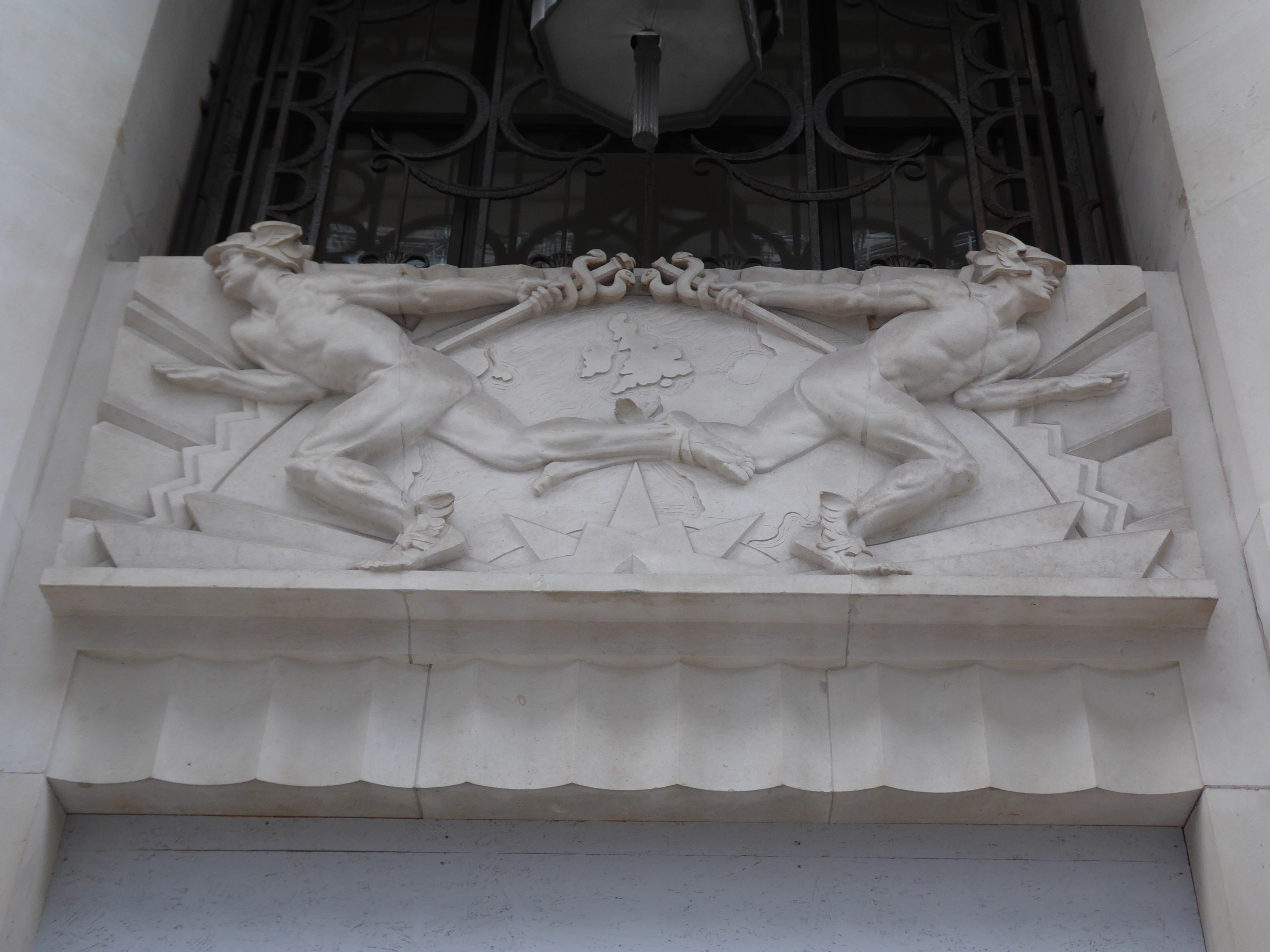
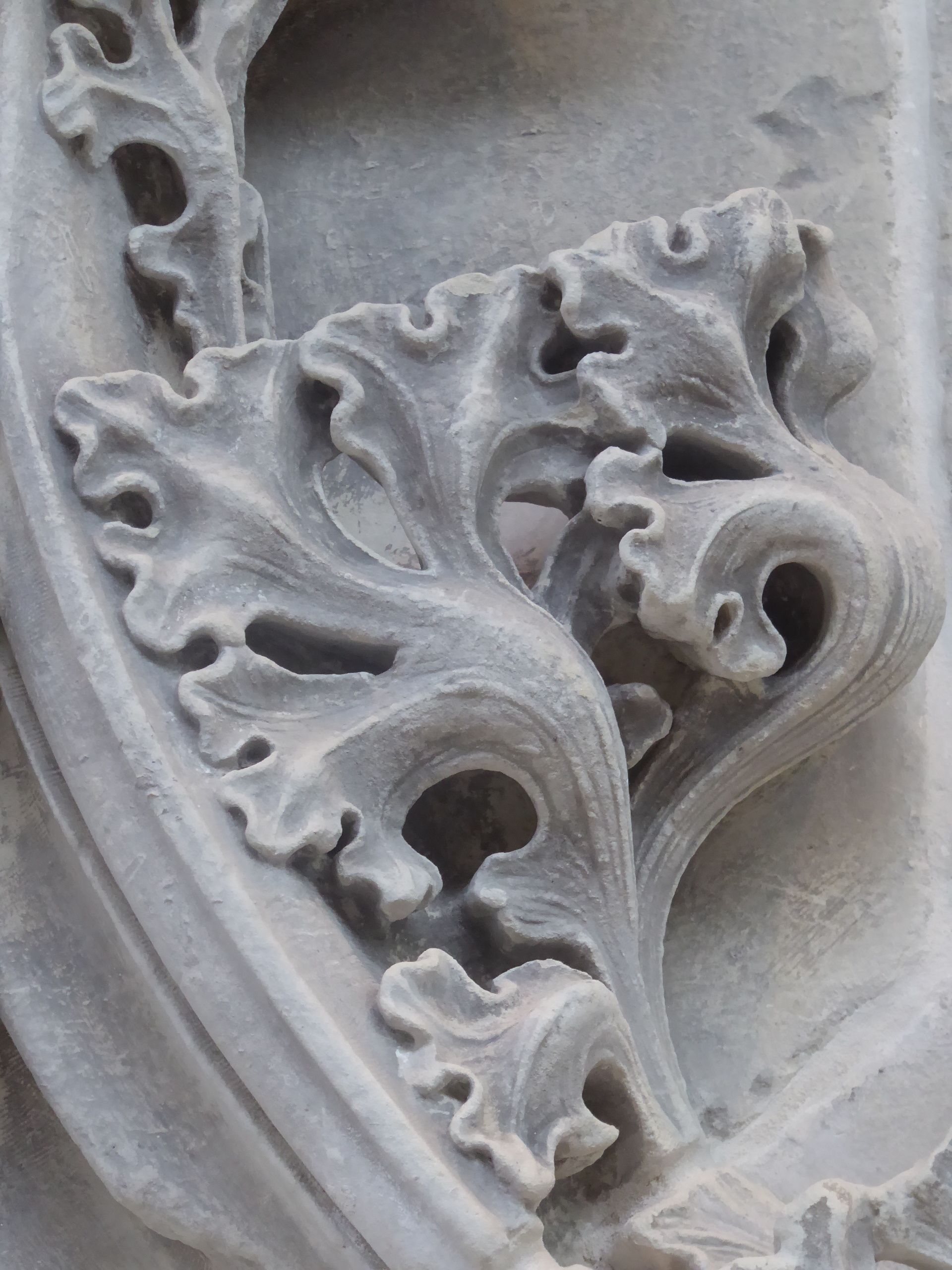
While looking for somewhere for lunch, I passed the old Daily Telegraph building in Fleet Street and noticed above the door the mirror images of Mercury taking messages east and west, which reminded me of the image above the entrance to the Radio Kootwijk transmitter building.

Liverpool

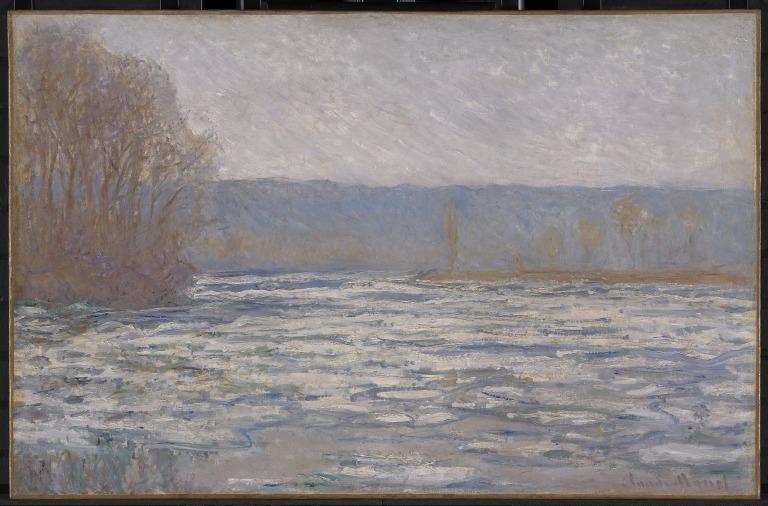
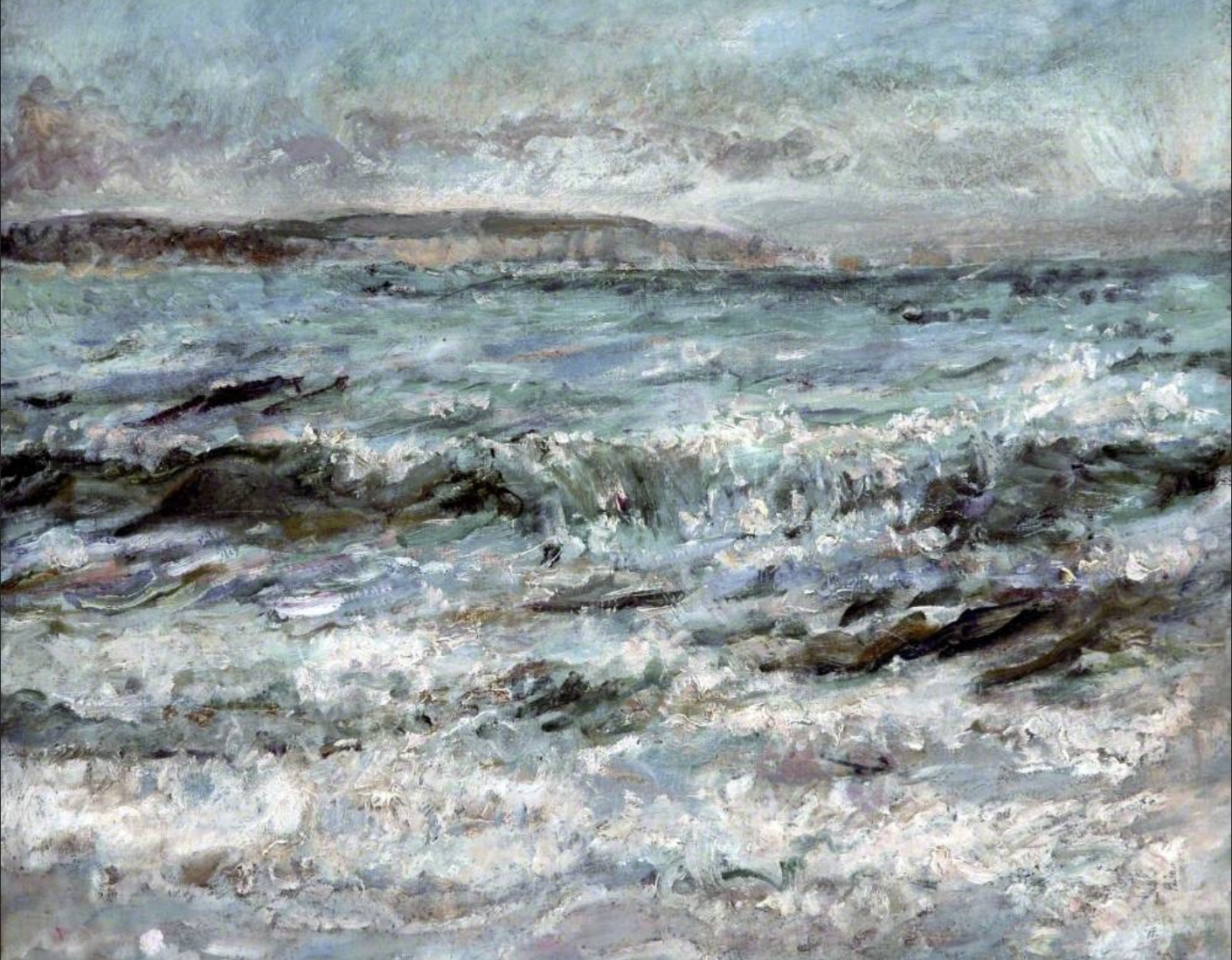
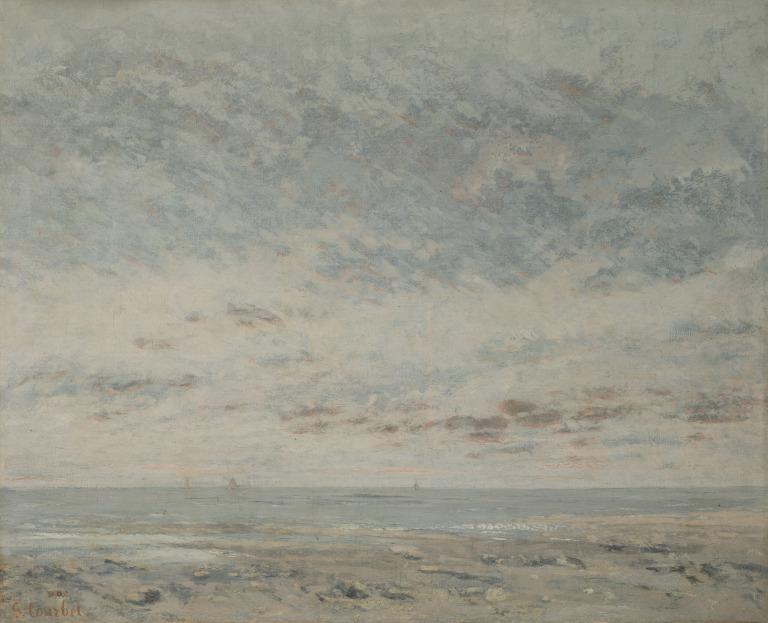
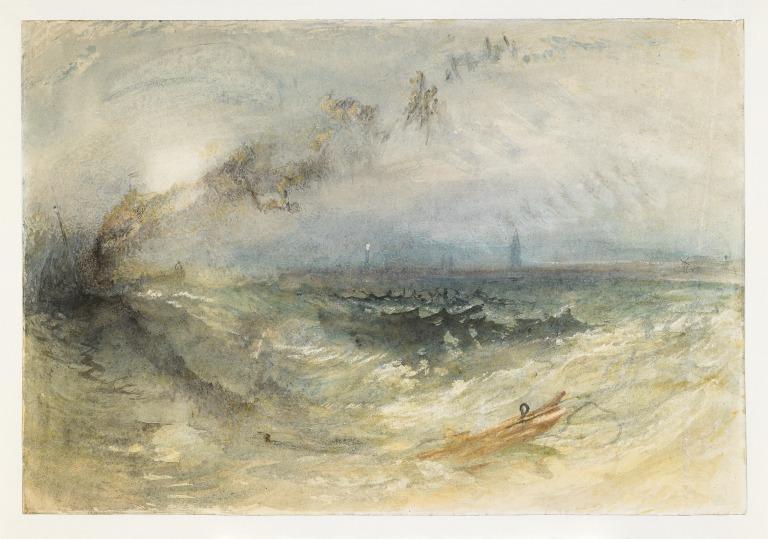
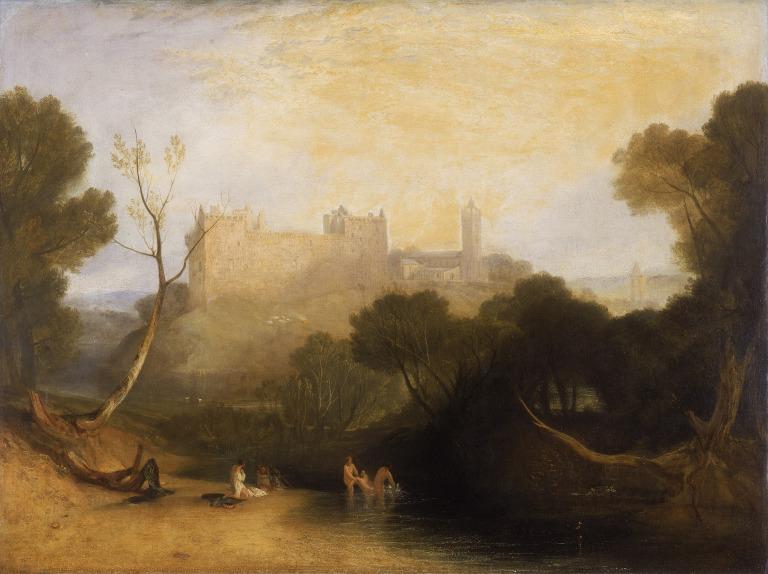
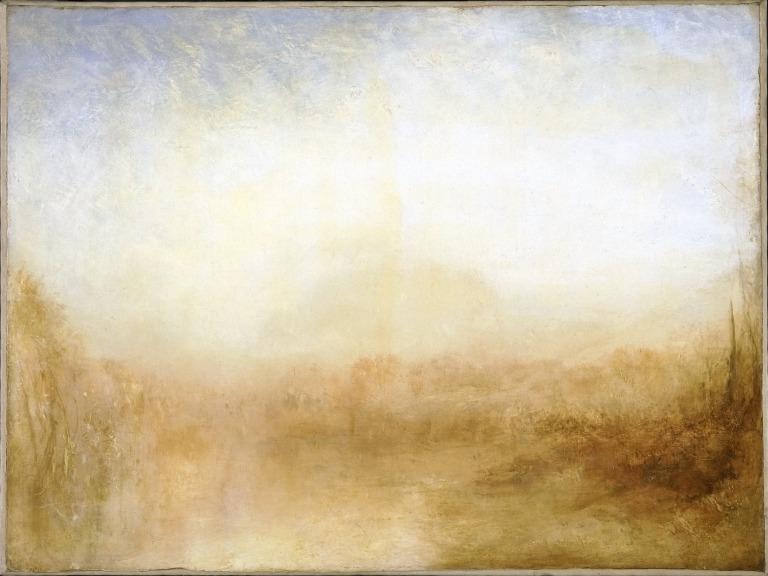
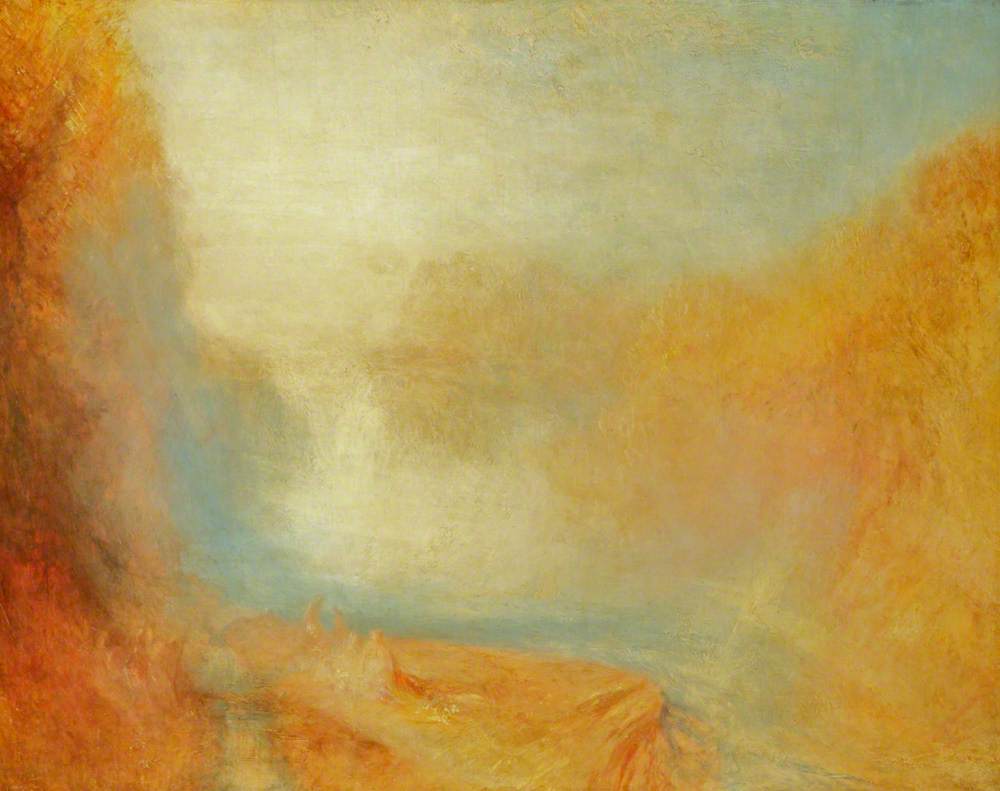
I went to see the “Turner: Always Contemporary” exhibition at the Walker, which was very good. Liverpool’s Turners have been brought together and exhibited with later 19th century and modern artists. The modern art link was a bit hit and miss; I smiled as the gallery attendant regularly asked people to stay outside the floor-taped cordon sanitaire around Damien Hirst’s formaldehyde-encased “Two Similar Swimming Forms in Endless Motion” as if she were part of some performance art. What was more interesting was comparing Turner to water scenes by Monet, Courbet and Ethel Walker. Their pictures seemed so lifeless and stilted beside Turner; somehow the mistiness of his work kept the images in motion as they came in and out of focus. I don’t think it was just a matter of fewer straight lines.

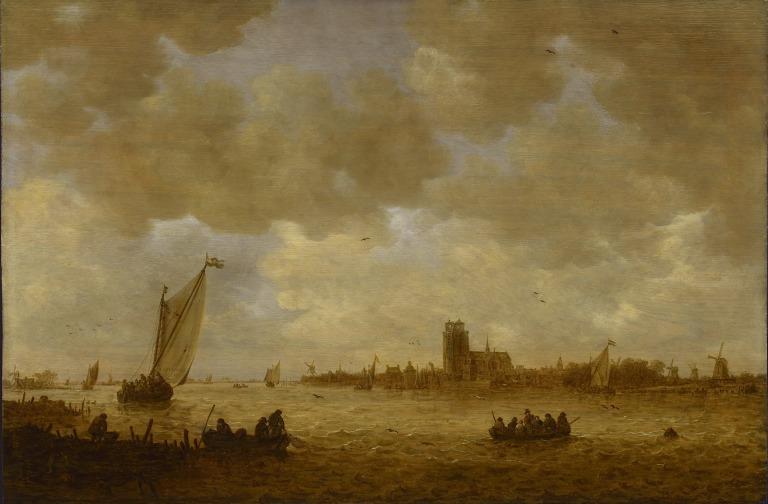
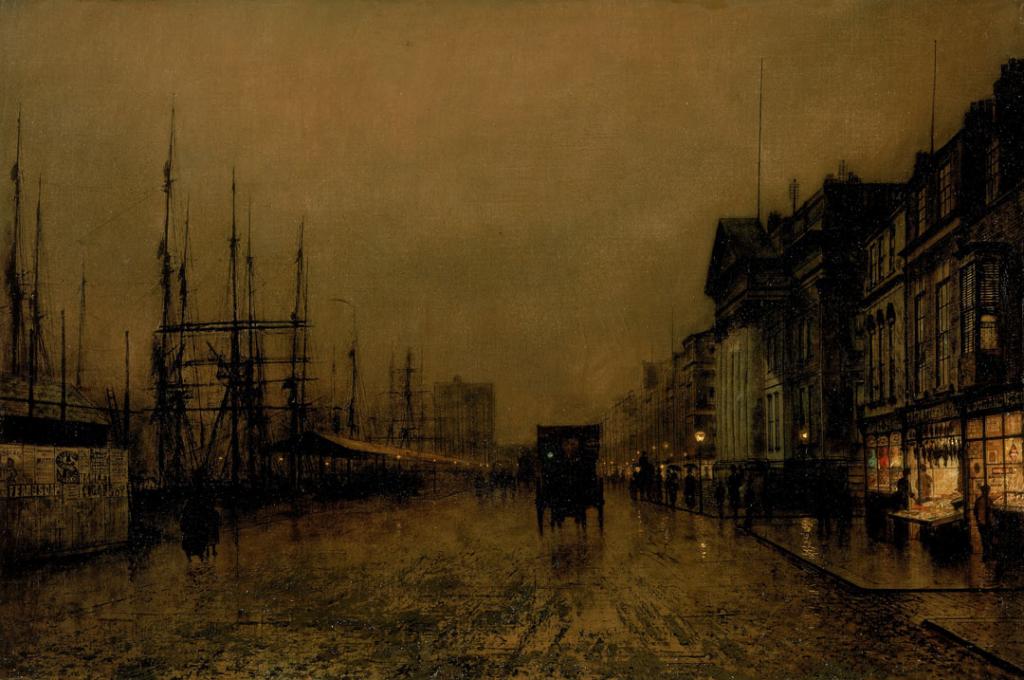
Serendipity: amongst the non-Turner paintings was one of Dordrecht, which reminded me of waterbus journeys to Rotterdam. (Turner learned from older paintings.) You could follow his move from representational landscapes (albeit ones where features were re-arranged for greater artistic impact), through his “mass” prints in the Liber Studiorum (some of which I saw in Manchester) to his later quasi-abstract paintings. J Atkinson Grimshaw also secured a spot with his paintings of Liverpool’s Custom House on the front; they are indeed wonderful, and you can see the build-up of paint in the foreground like mud on the cobbles.

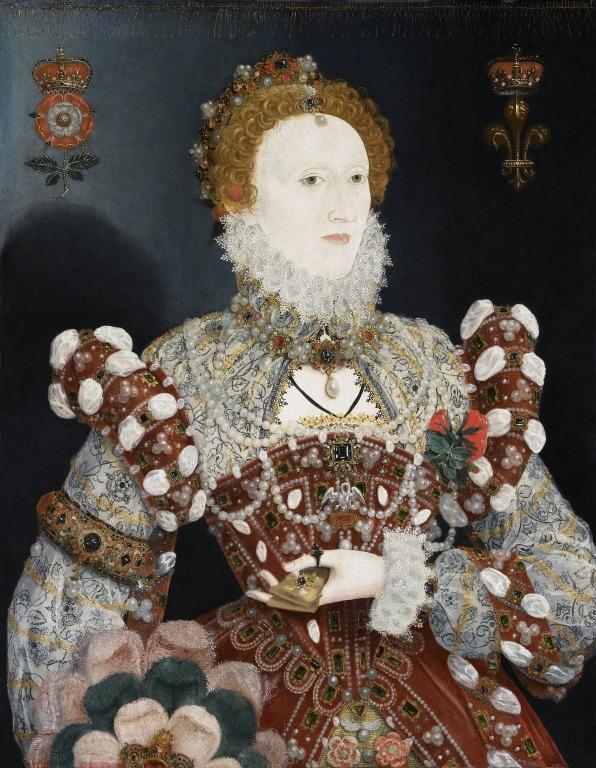
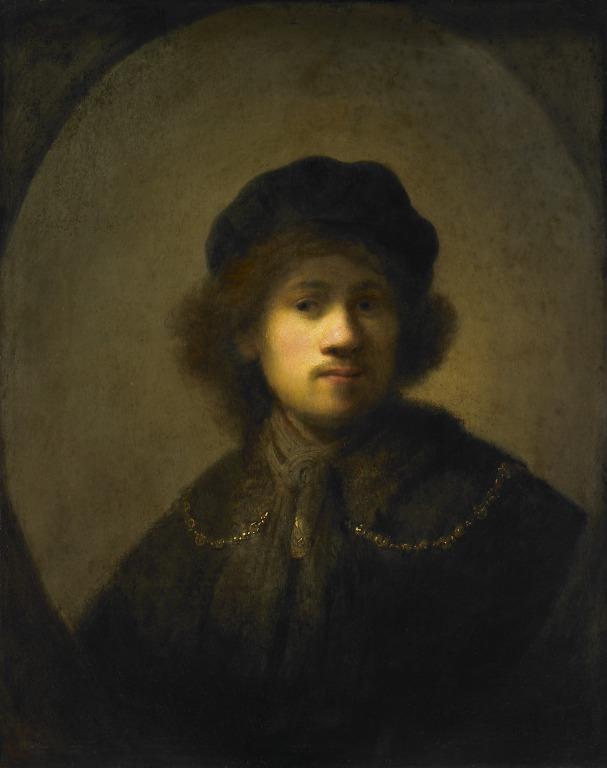
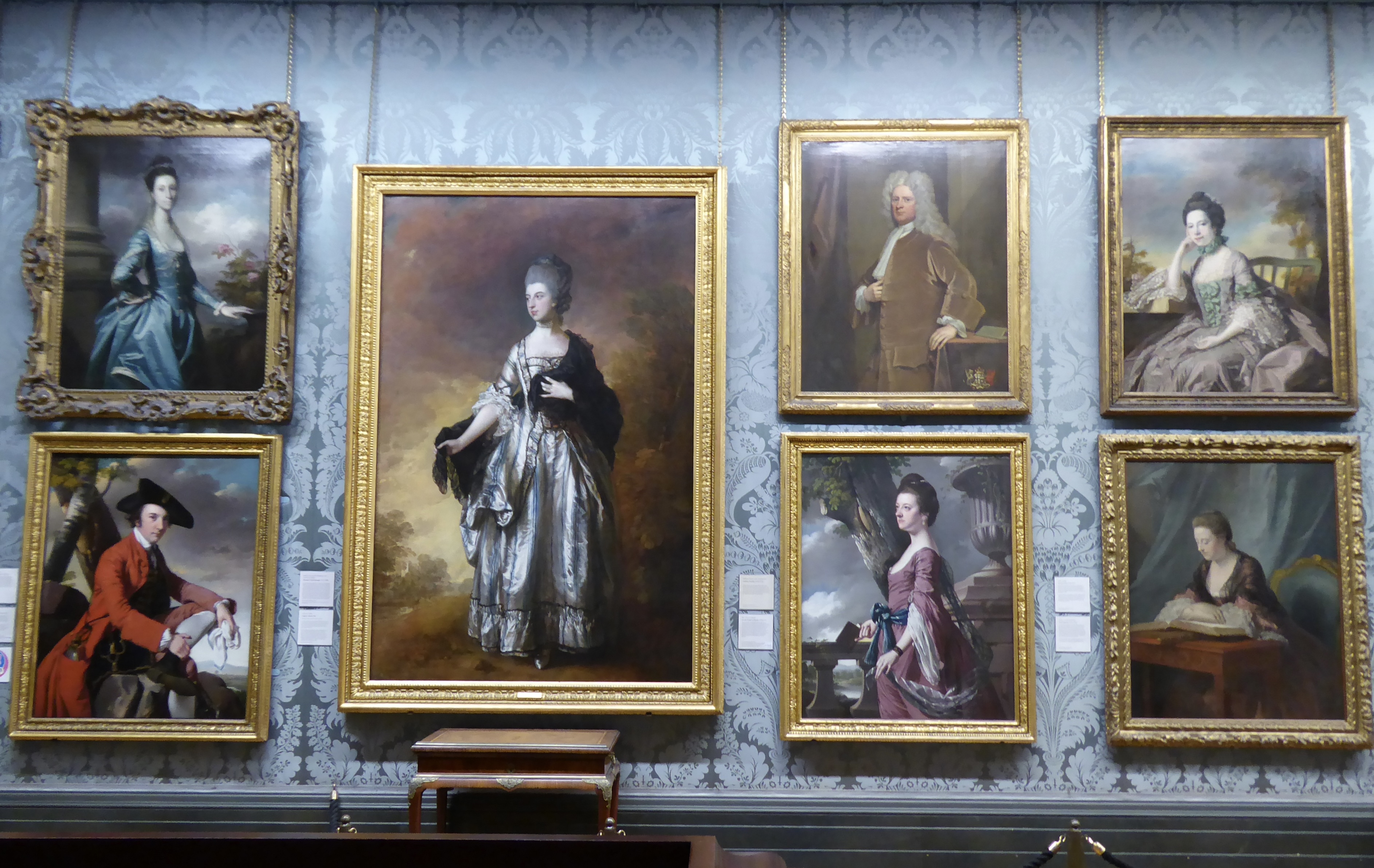
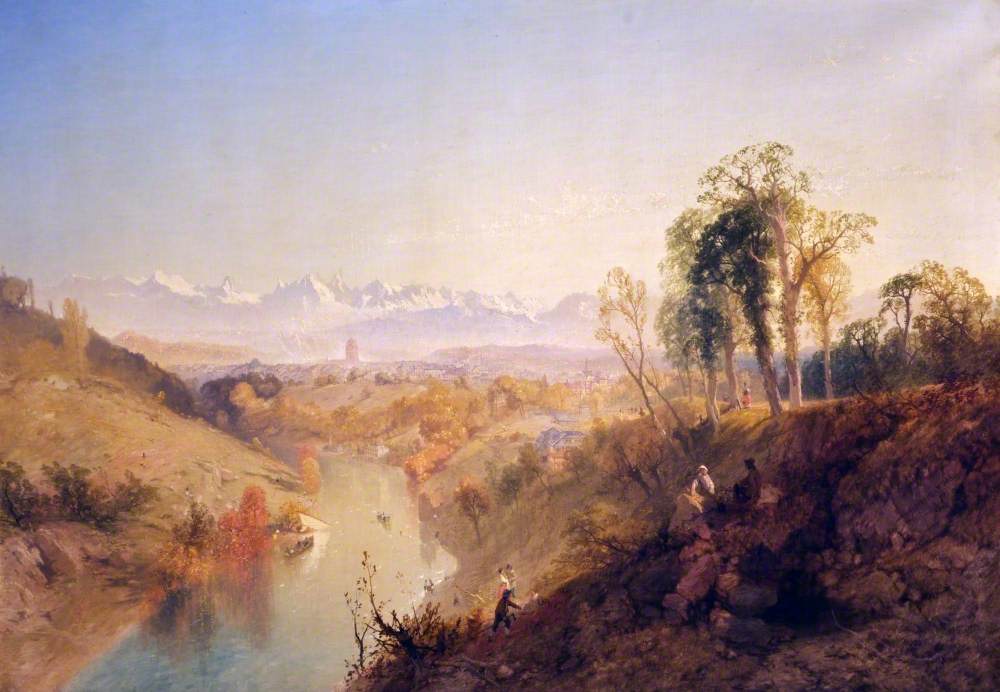
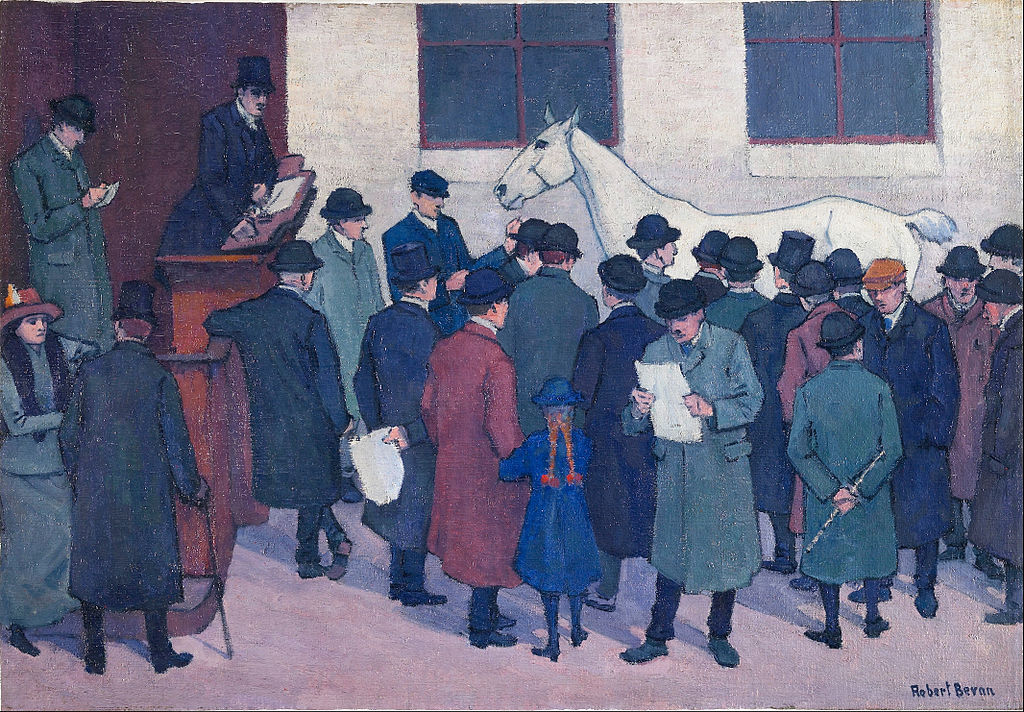
Then I wandered around the rest of the Walker, venturing into galleries I barely recall visiting before. Elizabeth I by Hilliard, comparisons of Flemish and Italian Madonnas, a Rembrandt, wall after wonderful wall of 18th-century ladies and gentlemen that I didn’t have the headspace to look at individually, a Nocturne by Marchand, a view of Berne by a follower of Turner (I wonder why he didn’t make the exhibition?), and a horse painting that looked like one I had seen before.

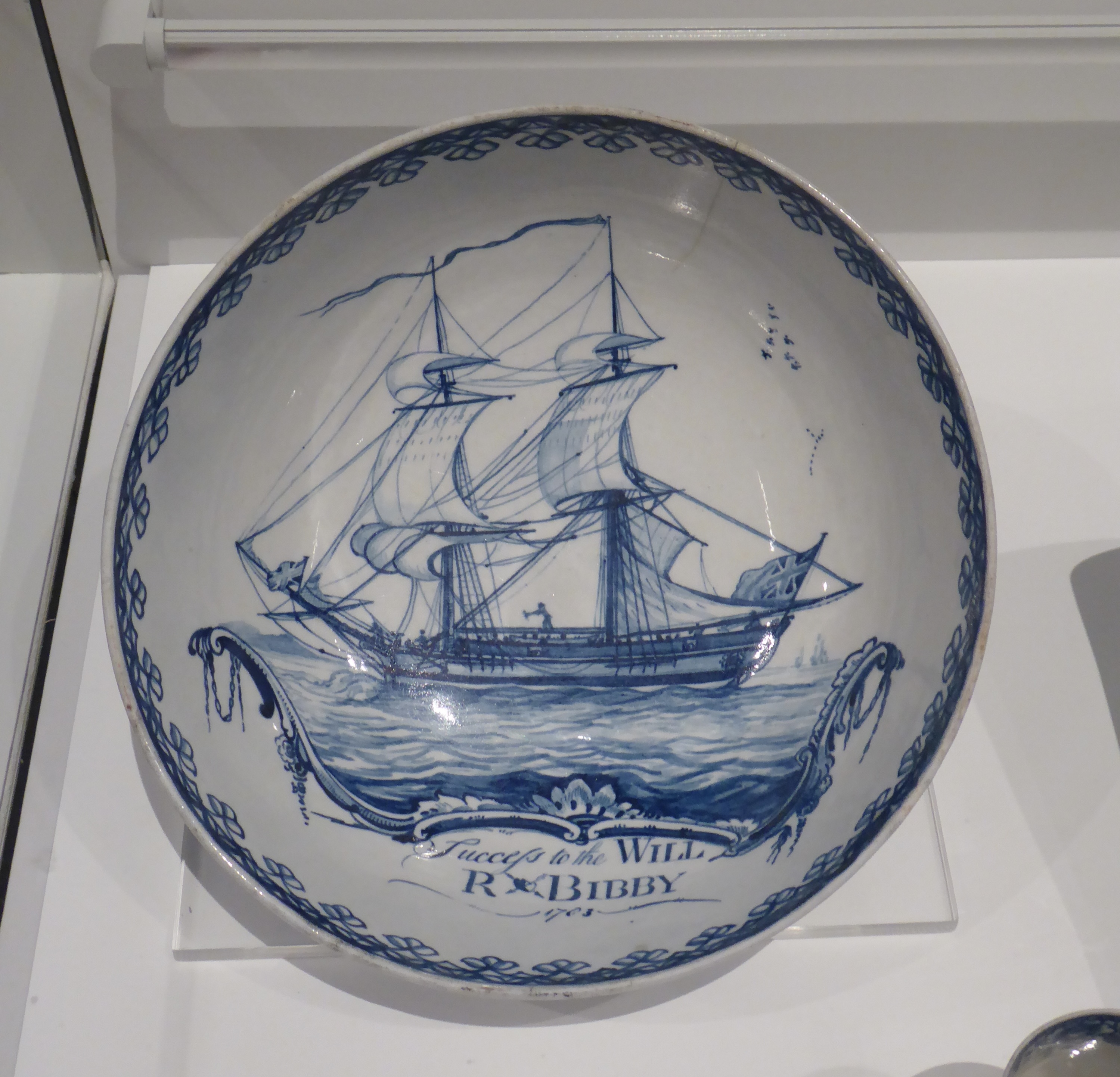
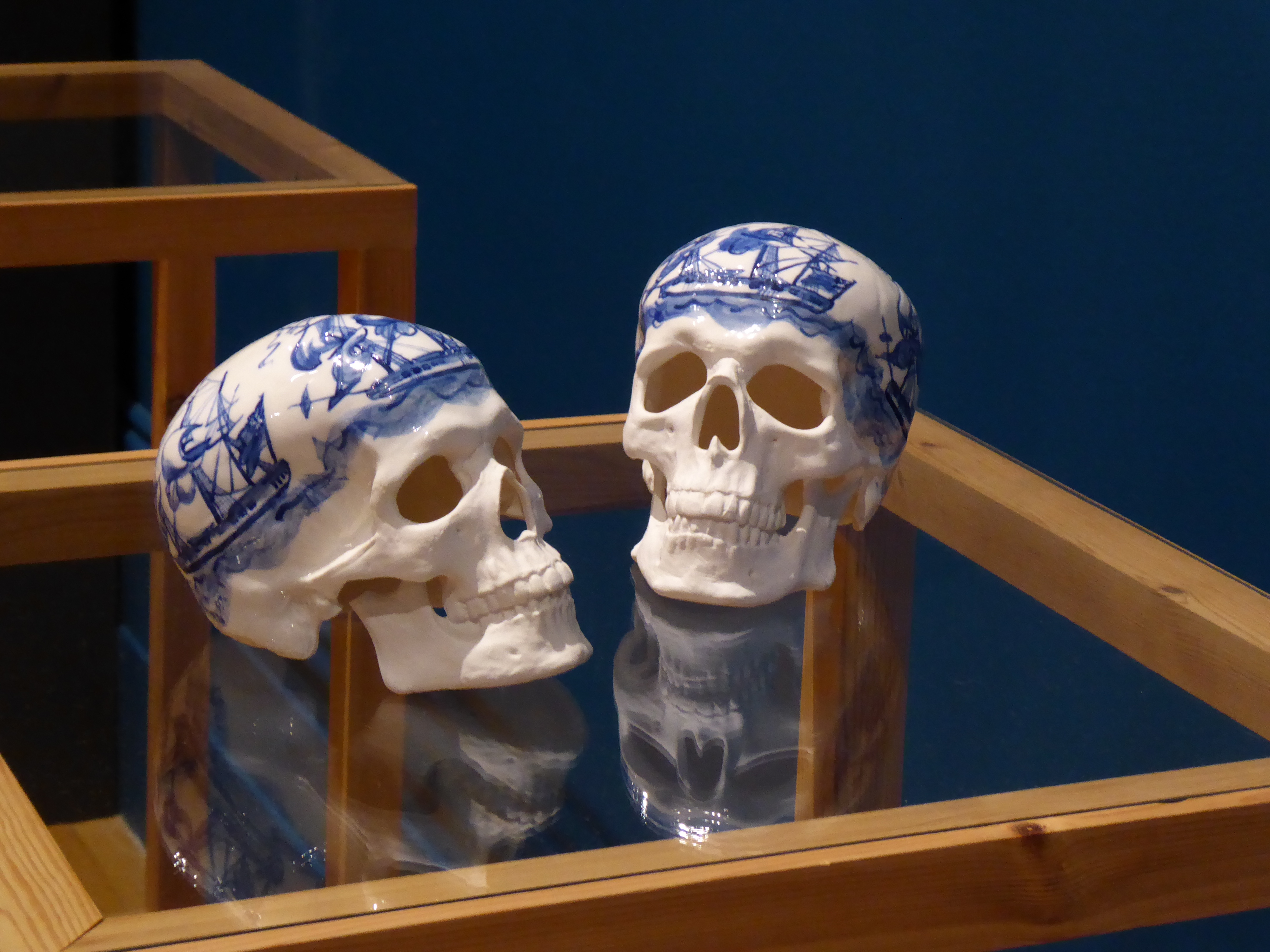
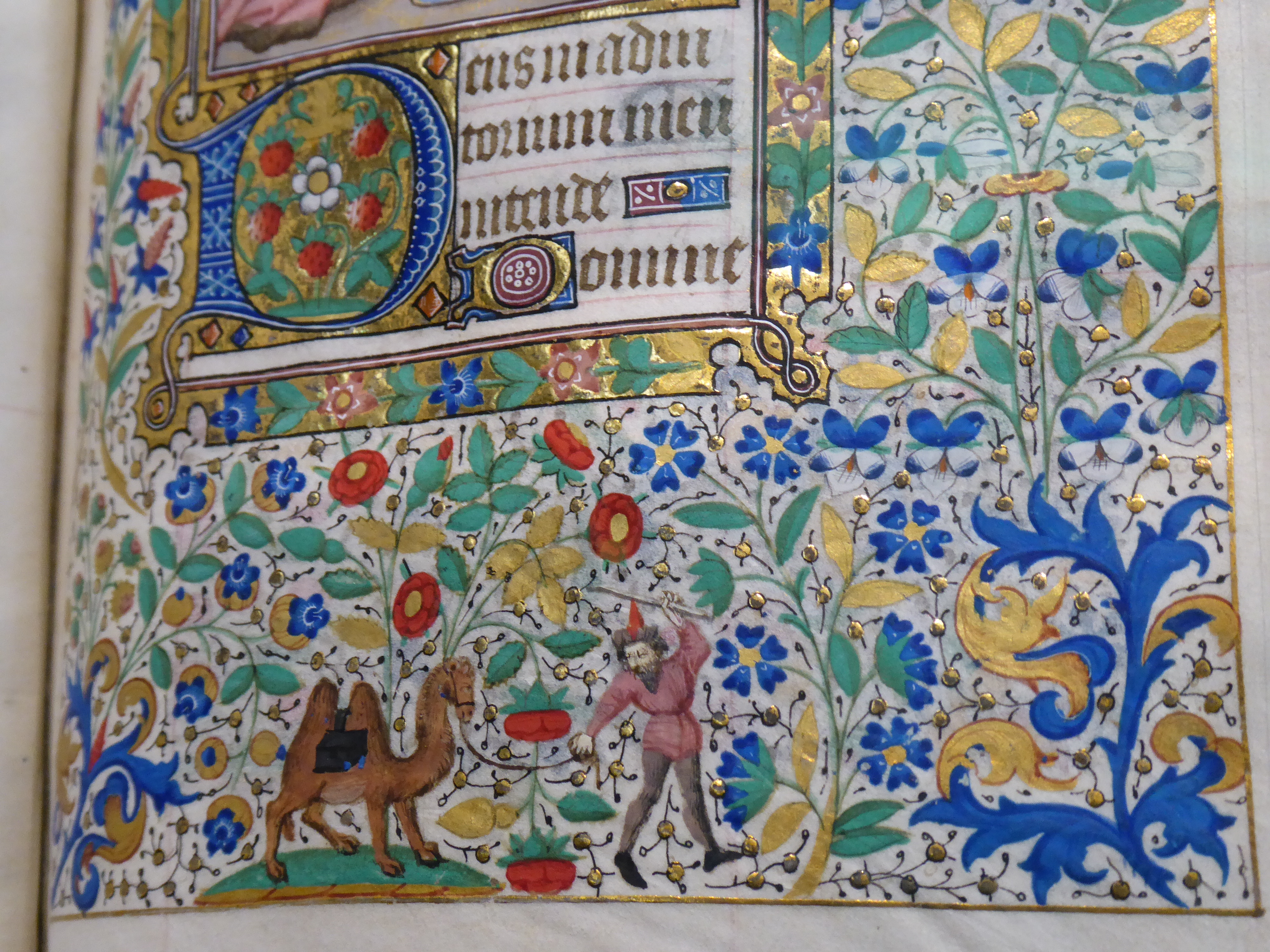
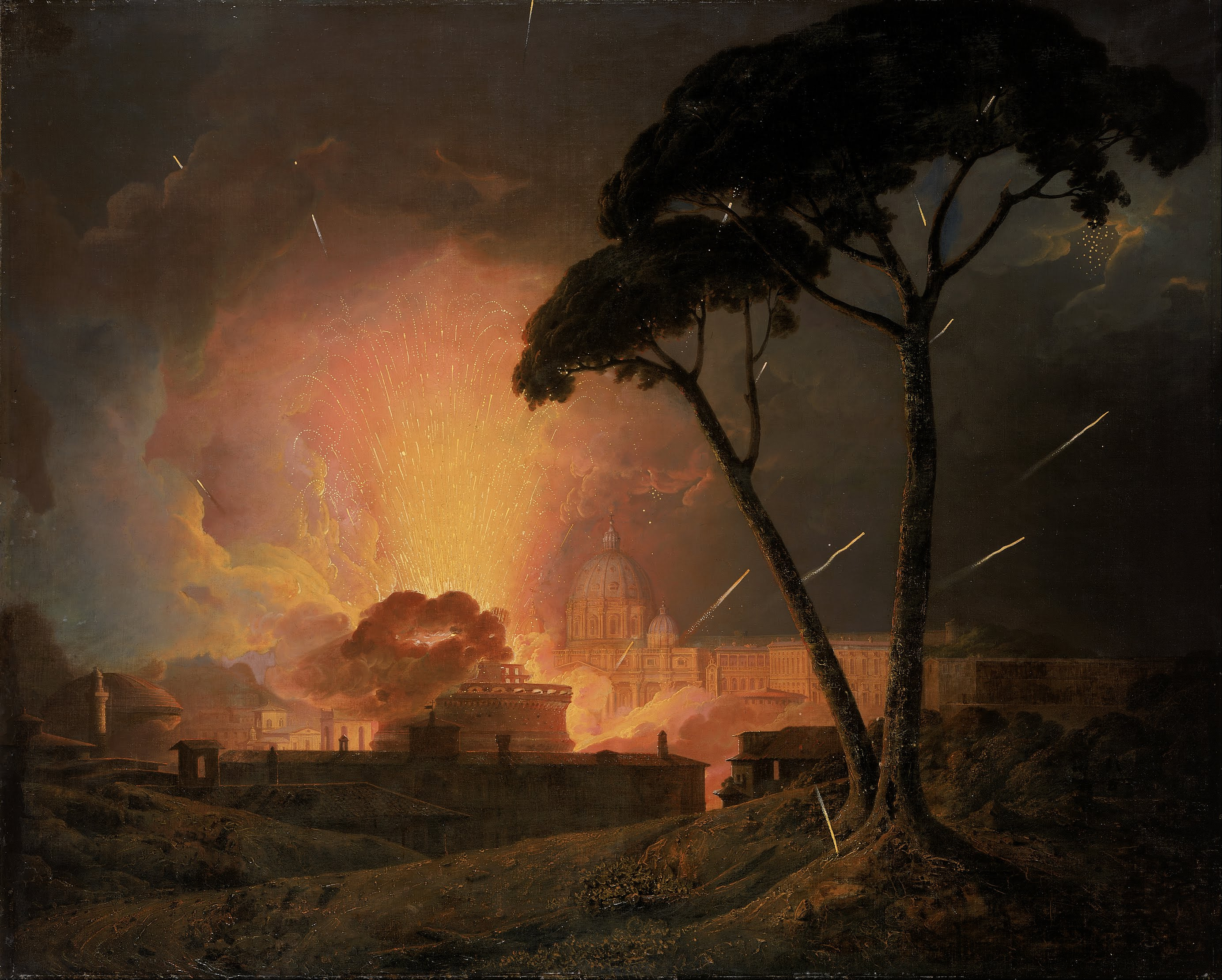
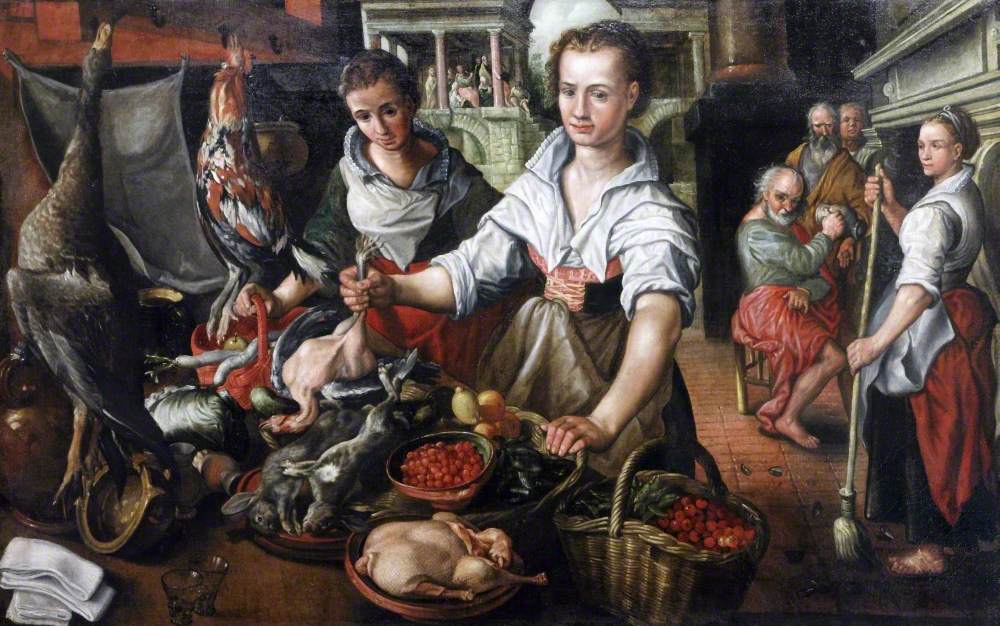
Other things before I forget: a 1783 ceramic dish with a painting of a slaving ship, “Success to the Will”, was referenced in a modern work, “English Family China”, from 1998. They are cast from real skulls (never have the words “bone china” sounded so sinister) and implicitly comment on the link between wealth and horror. There was a painting by Joseph Wright of Derby, which, unsurprisingly, made neither the National Gallery nor this exhibition. I gazed at a lovely 15th-century Book of Hours and clocked another Beuckelaer. He must have churned them out.

The Christmas market was set up in the square outside and I contemplated a ride on the big wheel – but it was raining steadily and there was no inviting movement from the wheel, so I headed off for lunch instead.

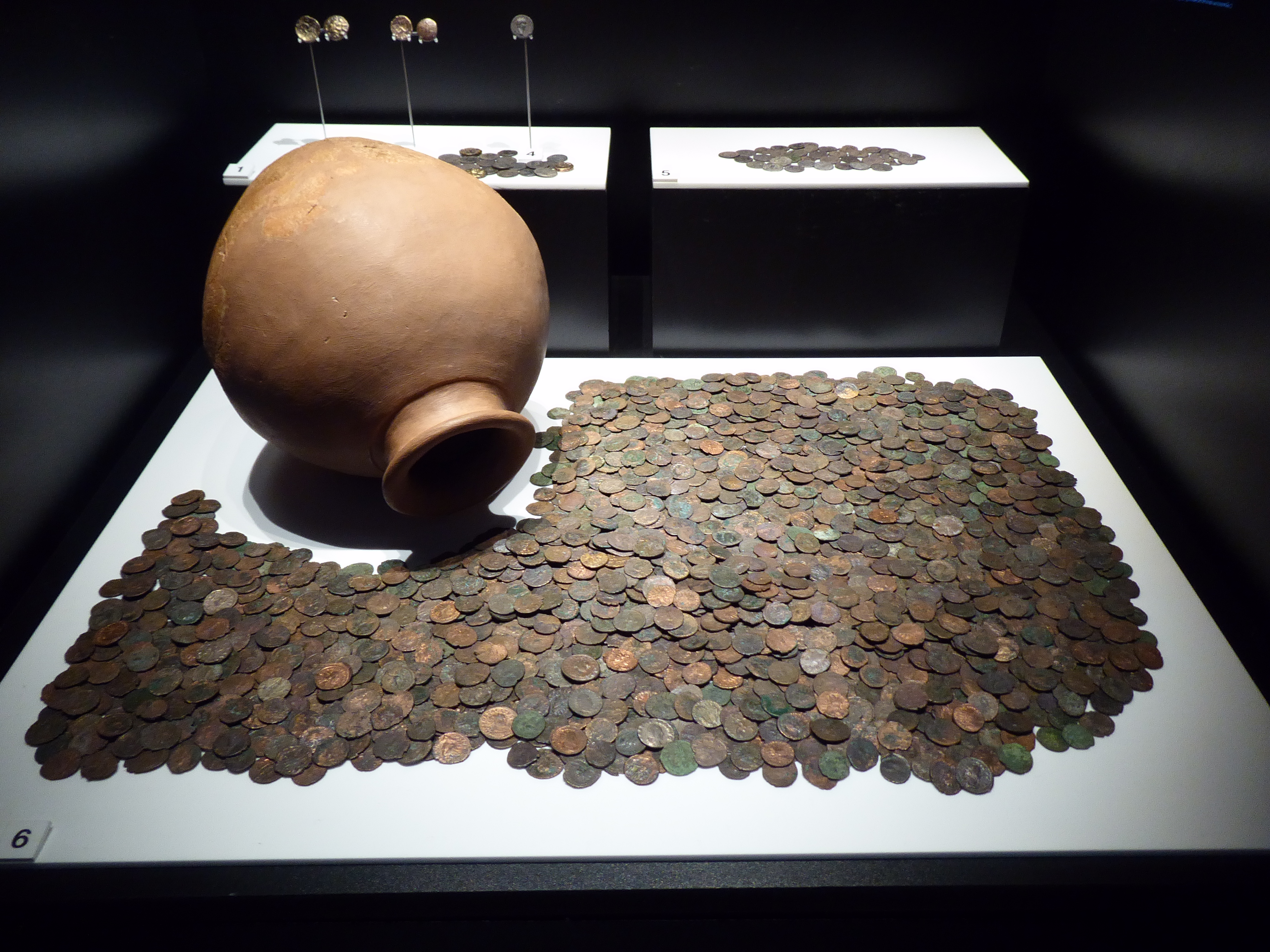
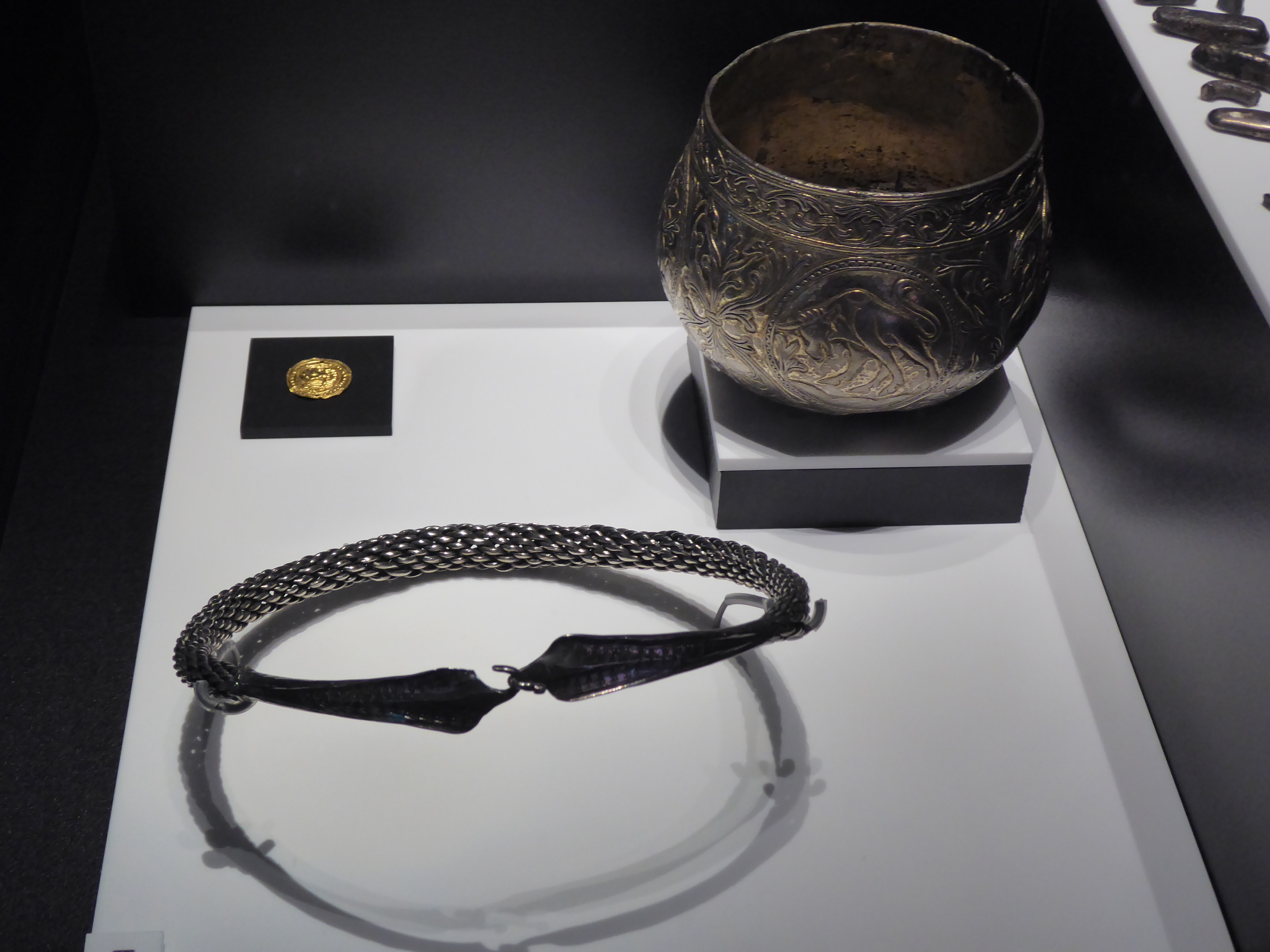
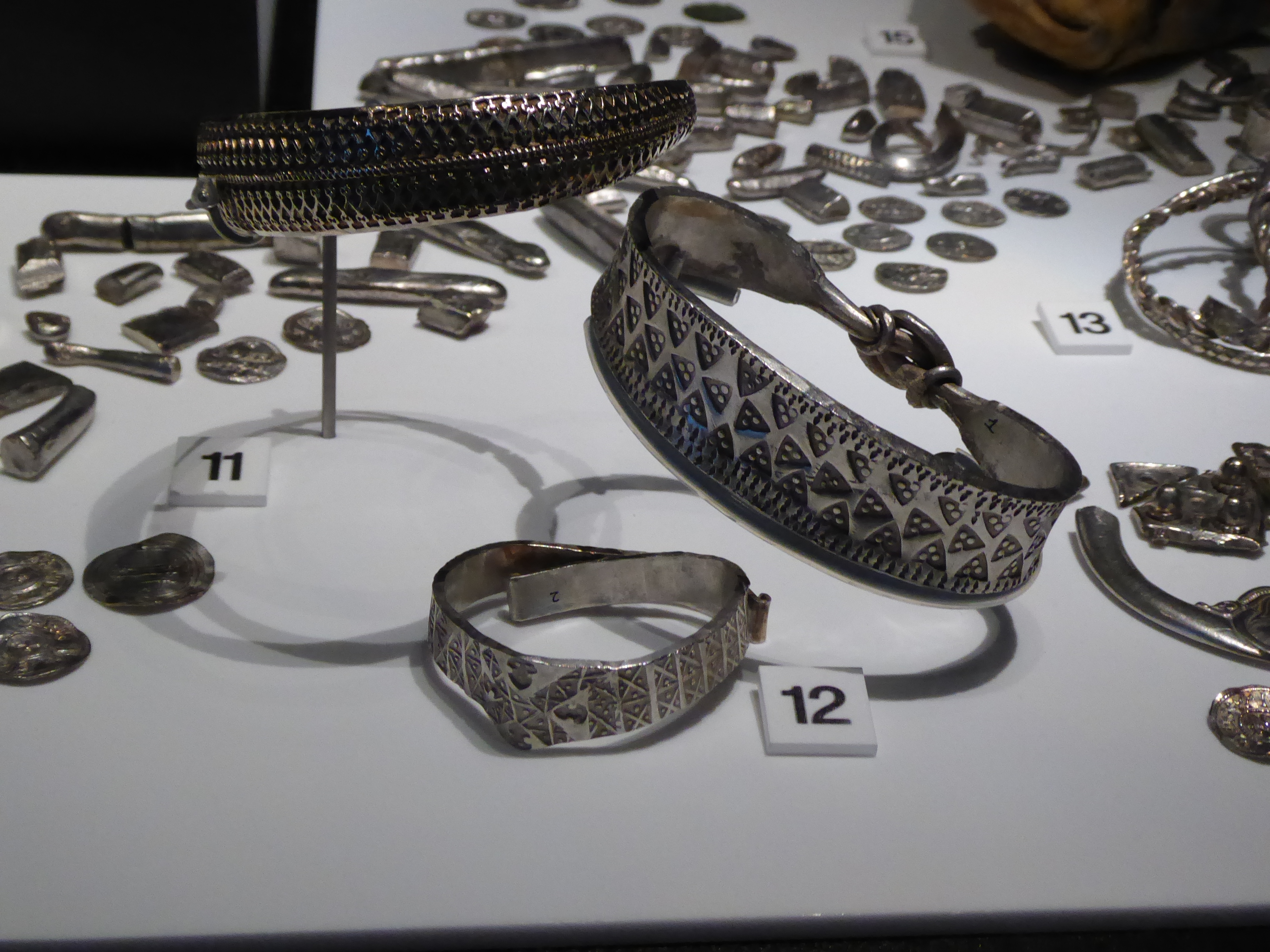
Then the Museum of Liverpool for an exhibition on treasure unearthed in Wales and the north west of England. (A magnifying glass would have been useful.) Some of it was indeed treasure – gold or silver – but some had little value even at the time. The third-century Agden Hoard, for example – c 2,500 Roman copper alloy coins (“radiates”) from a time when galloping inflation made them almost worthless. There was also the golden Mold cape, which I have seen at the British Museum.

The sky was brighter as I left, but the big wheel was still static so I caught my train instead.

Return to the Harris

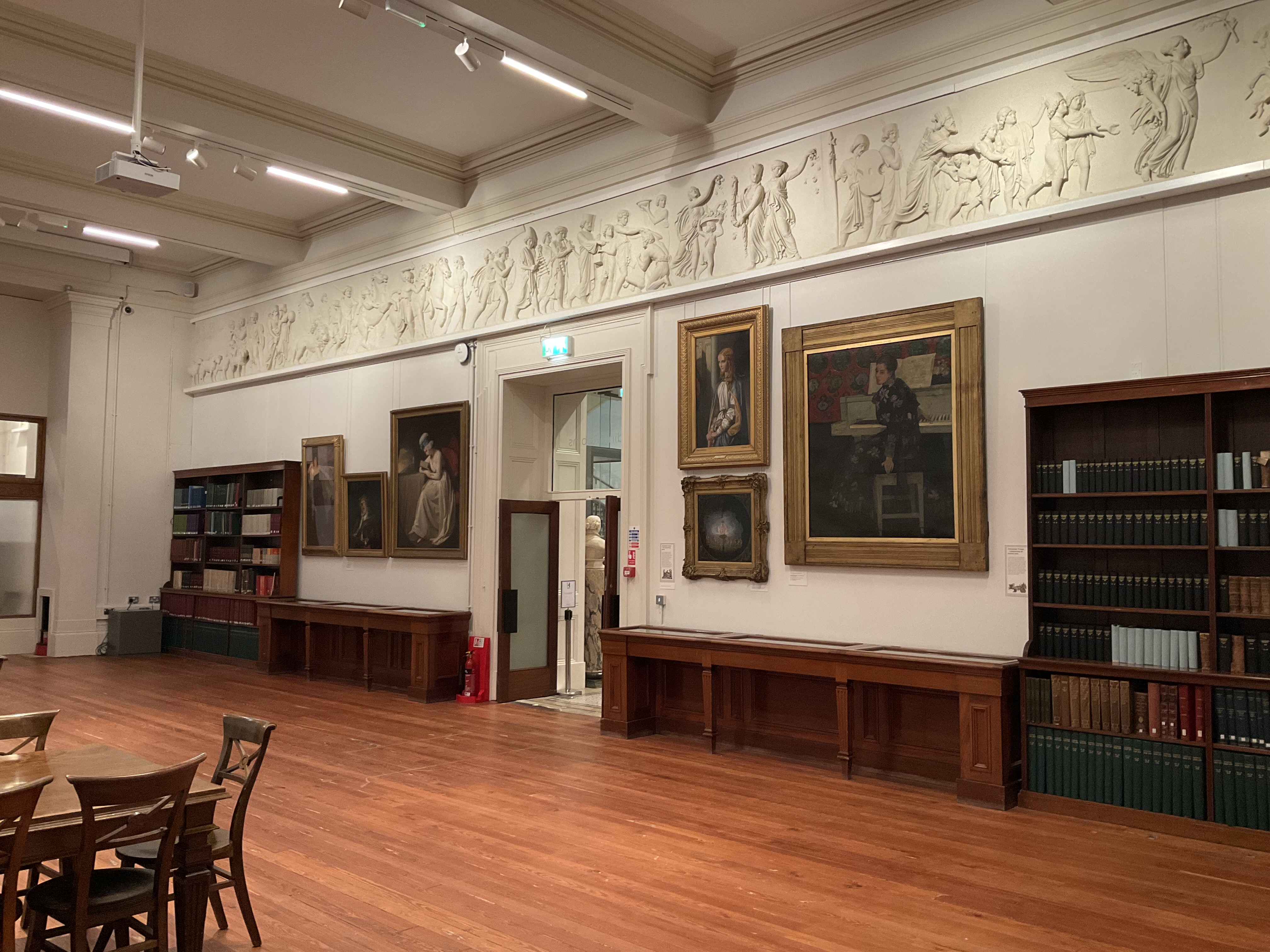
The Harris in Preston has recently re-opened after being closed for some years for renovation. It’s a building with more than one function – art gallery, museum, library, café – and the divisions between them have been blurred in its new layout. Hence there are paintings and reference books amongst desks and chairs in a grand room that rather made me wish I had some school homework to do. Its exhibits are more varied than before, making an effort to reflect Preston from Victorian times to the present day. I definitely want to return and wander at will again.
Kirkcudbright 2

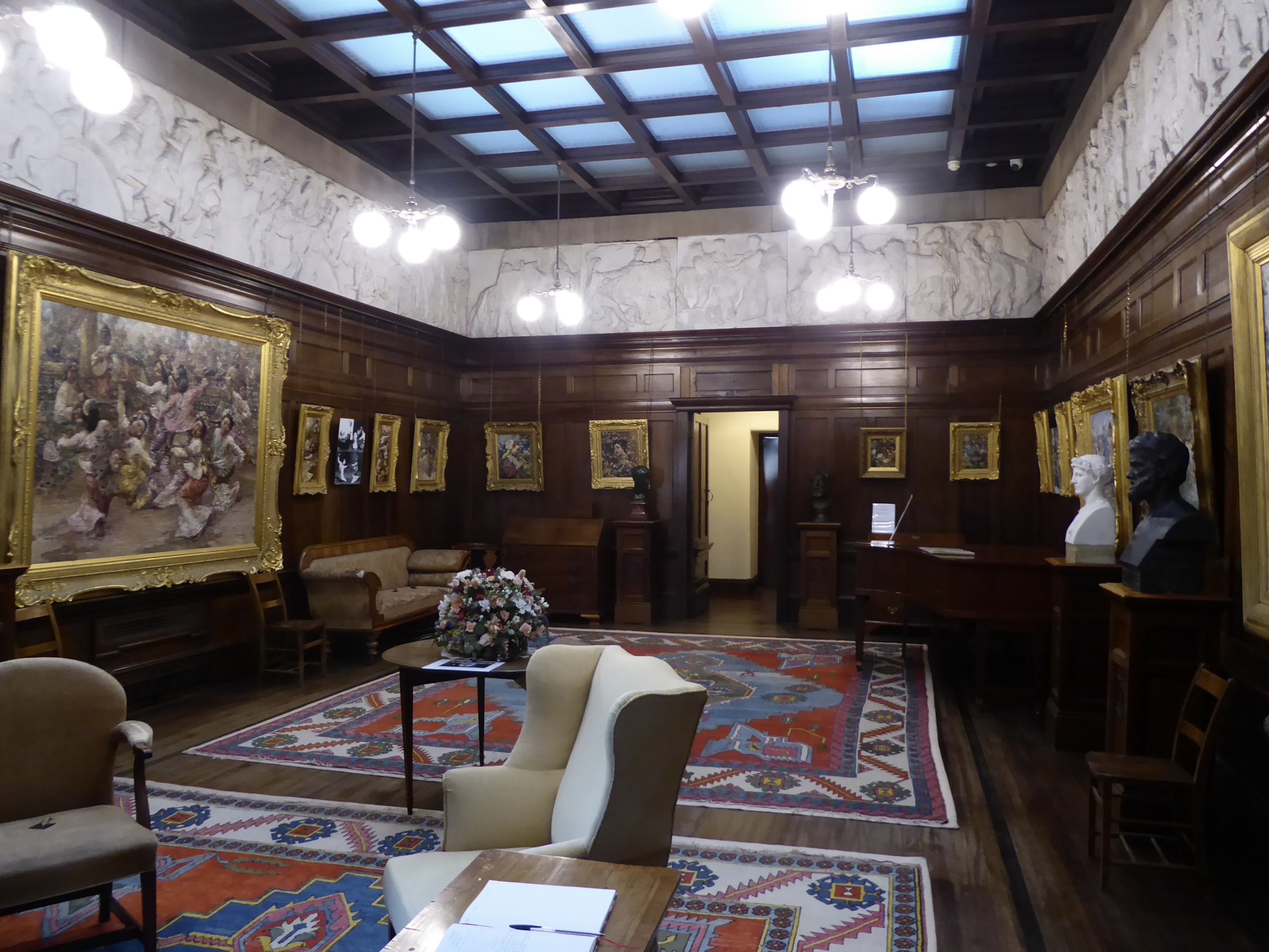
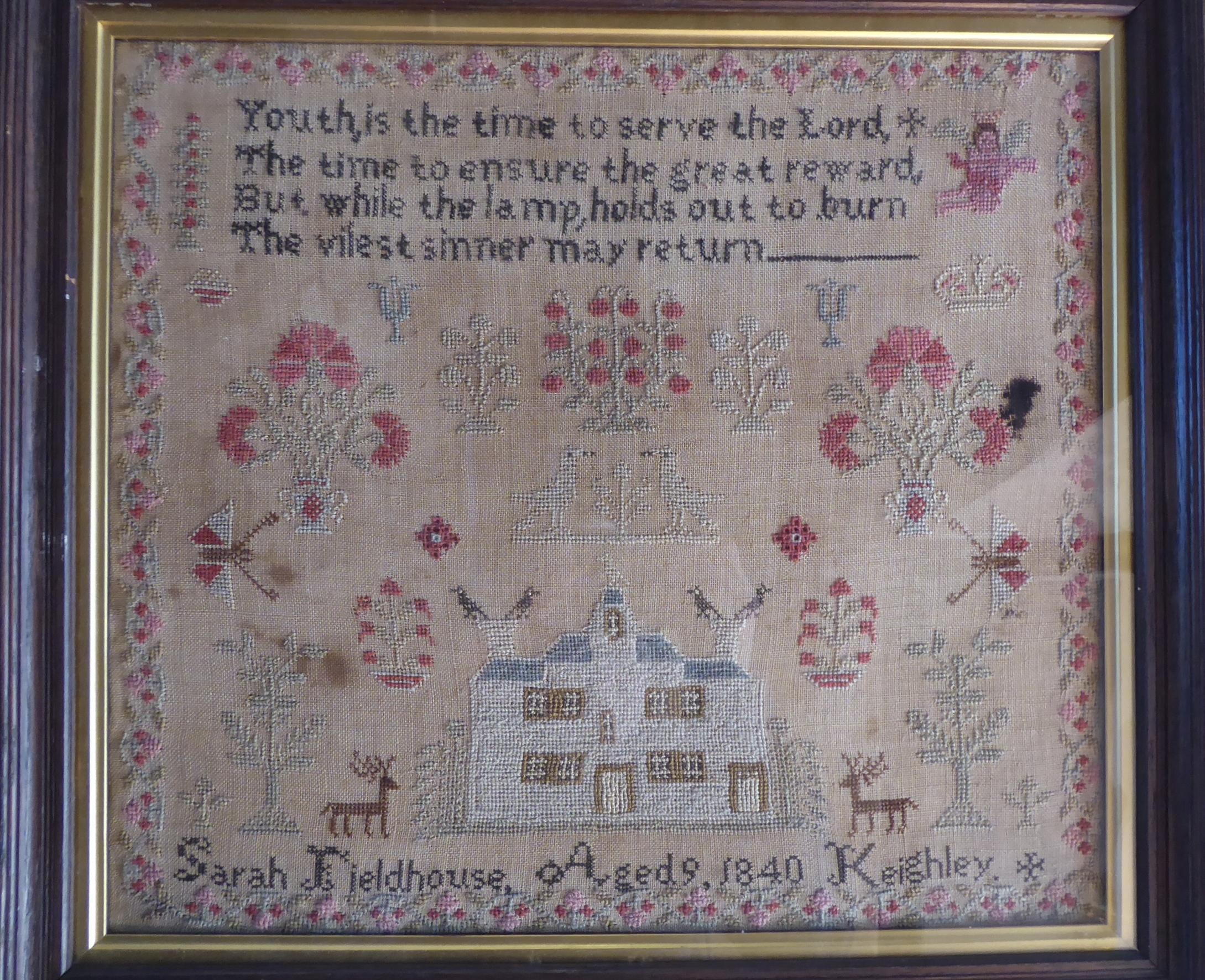
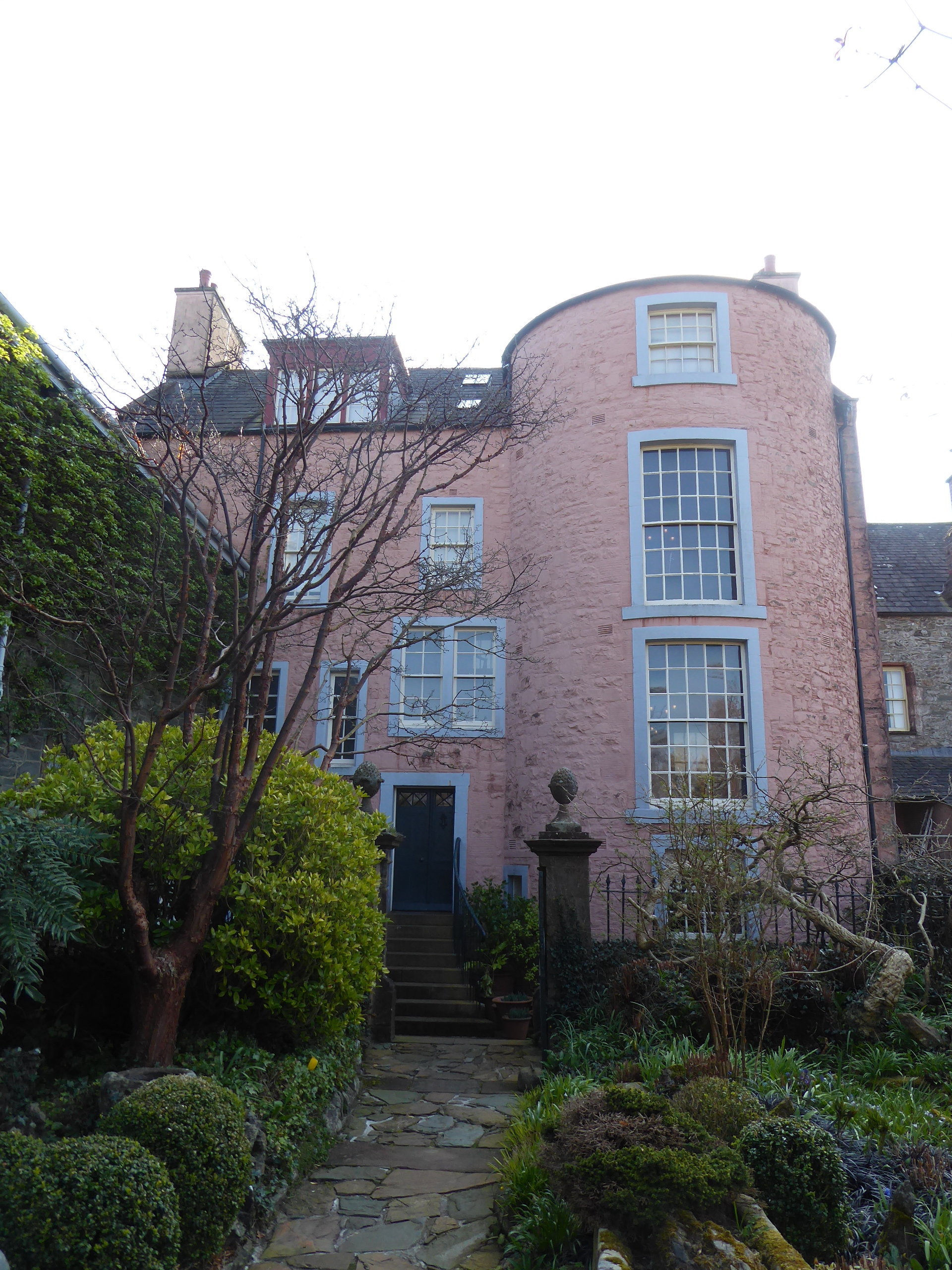
I started with Broughton House, the home of E A Hornel from 1901 until his death. I still don’t care for his work, but it was an interesting visit for the insight it gave into how an artist works. Hornel often used photographs, paying local girls to adopt certain poses which he then copied in his paintings. (A momentary eyebrow-raising here, but they were chaperoned.) The same face cropped up again and again – a local woman not unlike the eastern women who featured so much in Hornel’s work after his first visit to Japan. For all their colour, there was a certain monotony about the paintings on display: the same blobs of background, the same emphasis on face, the same girls. However even a successful artist has a living to earn:

The man who works because he is in the mood may expect failure. I work always. One who enthuses over his work will always find something to do. The real mood or inspiration comes oftener through work than by waiting. Everyone recognises the great importance of inspiration; but the talk of waiting for it is unfortunately so often the excuse for idleness.

As usual, lesser thoughts would intrude. How dirty the photographed girls’ fingernails and bare feet were. (Well, doh . . . obviously!) Did the gas for the early gas mantels come from the gasworks that Lord Peter Wimsey passes in Five Red Herrings? The collection of samplers . . . how did the religious homilies work on the minds of the little girls who made them? Having casts of the Parthenon friezes in your gallery – no false modesty there!

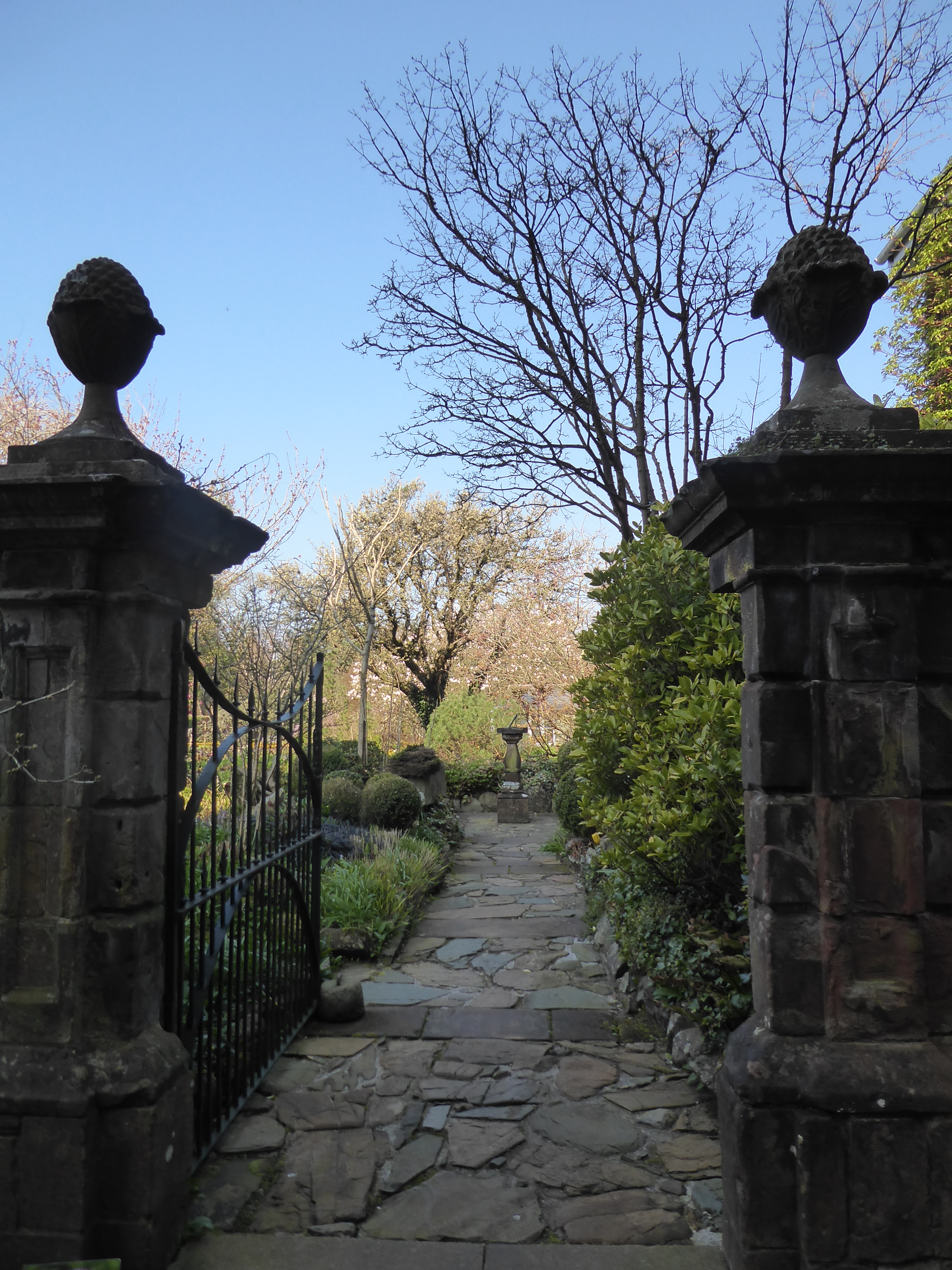
Hornel’s long garden, leading down to the estuary, was, of course, lovely.

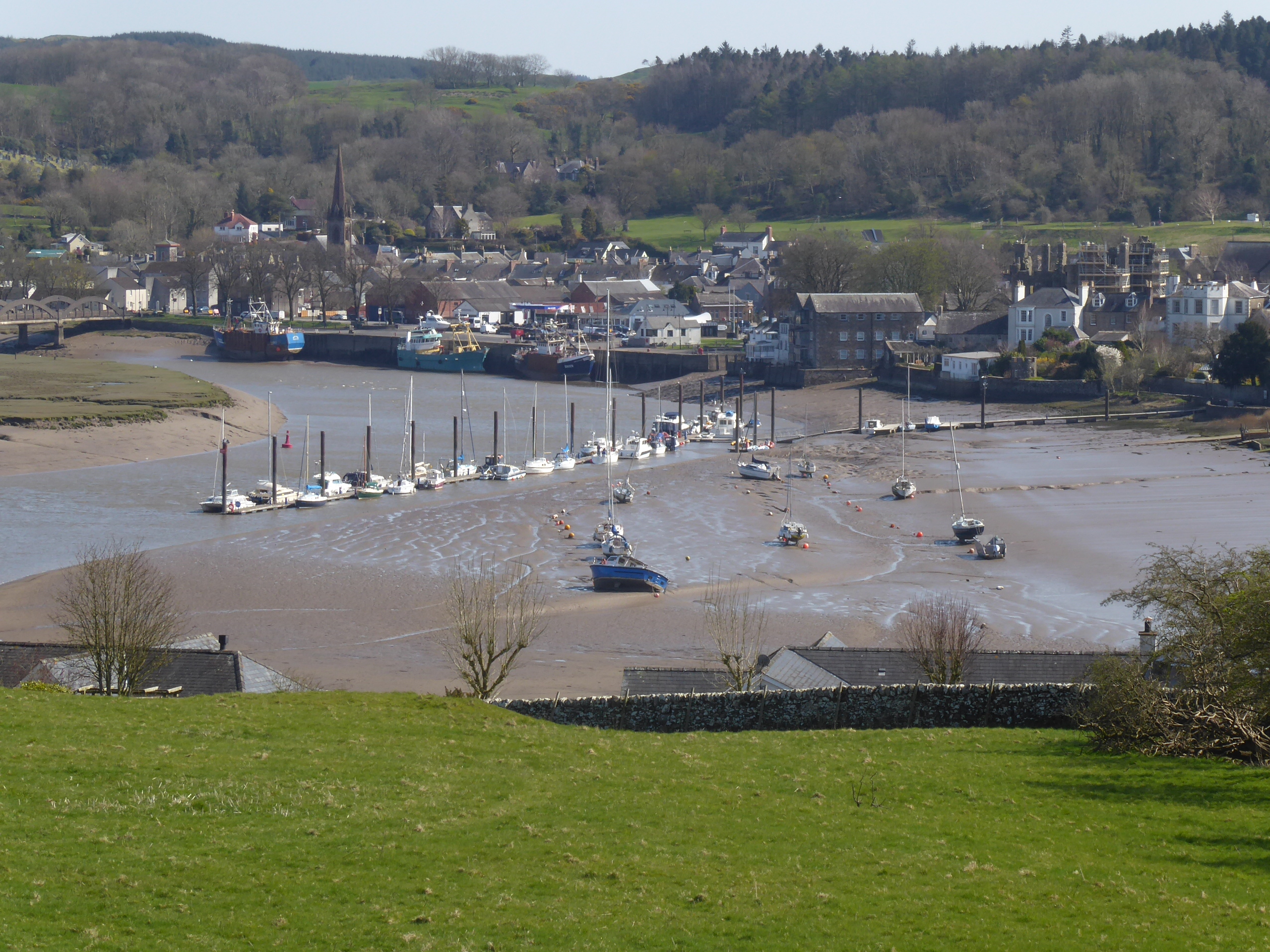
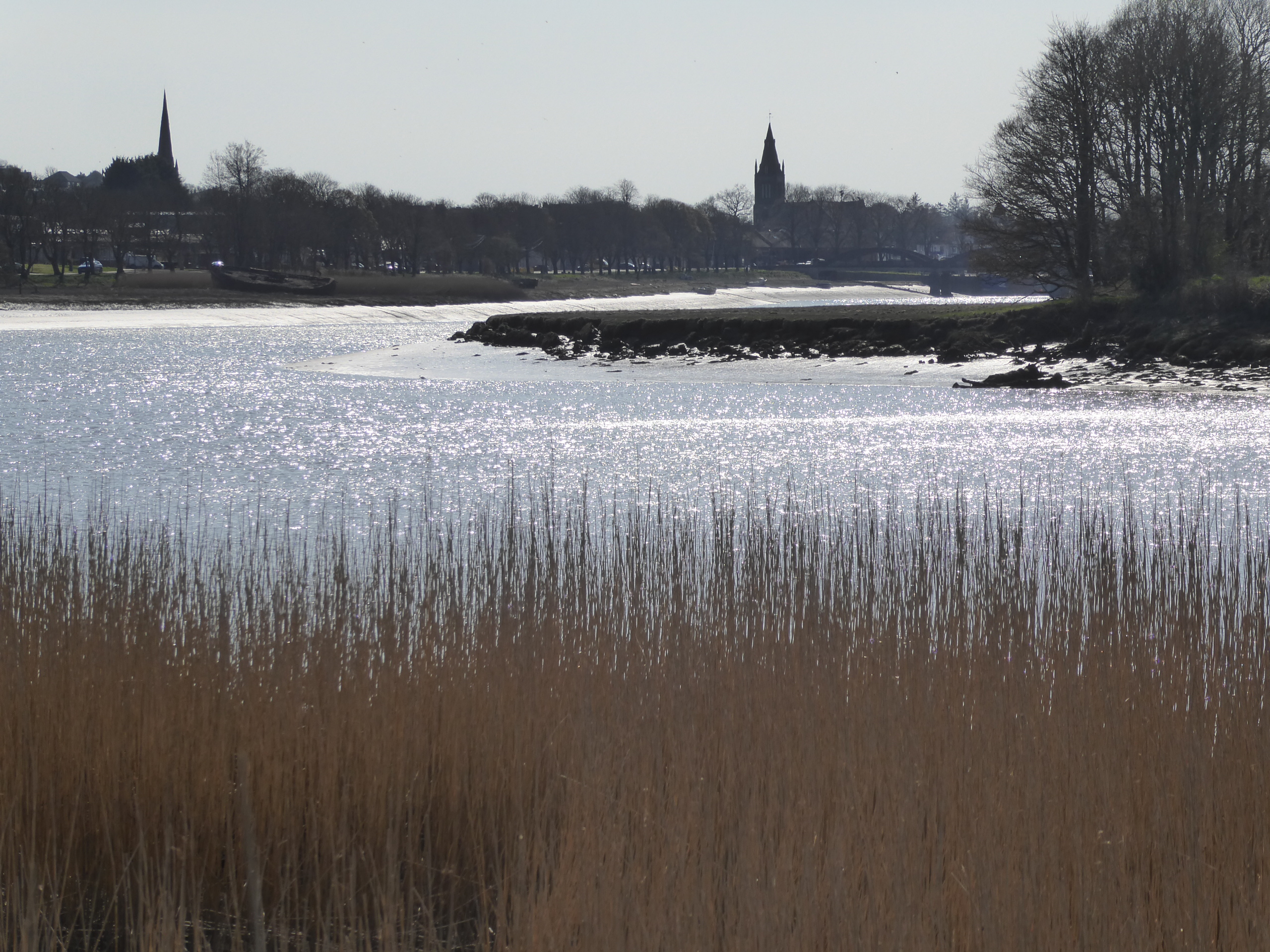
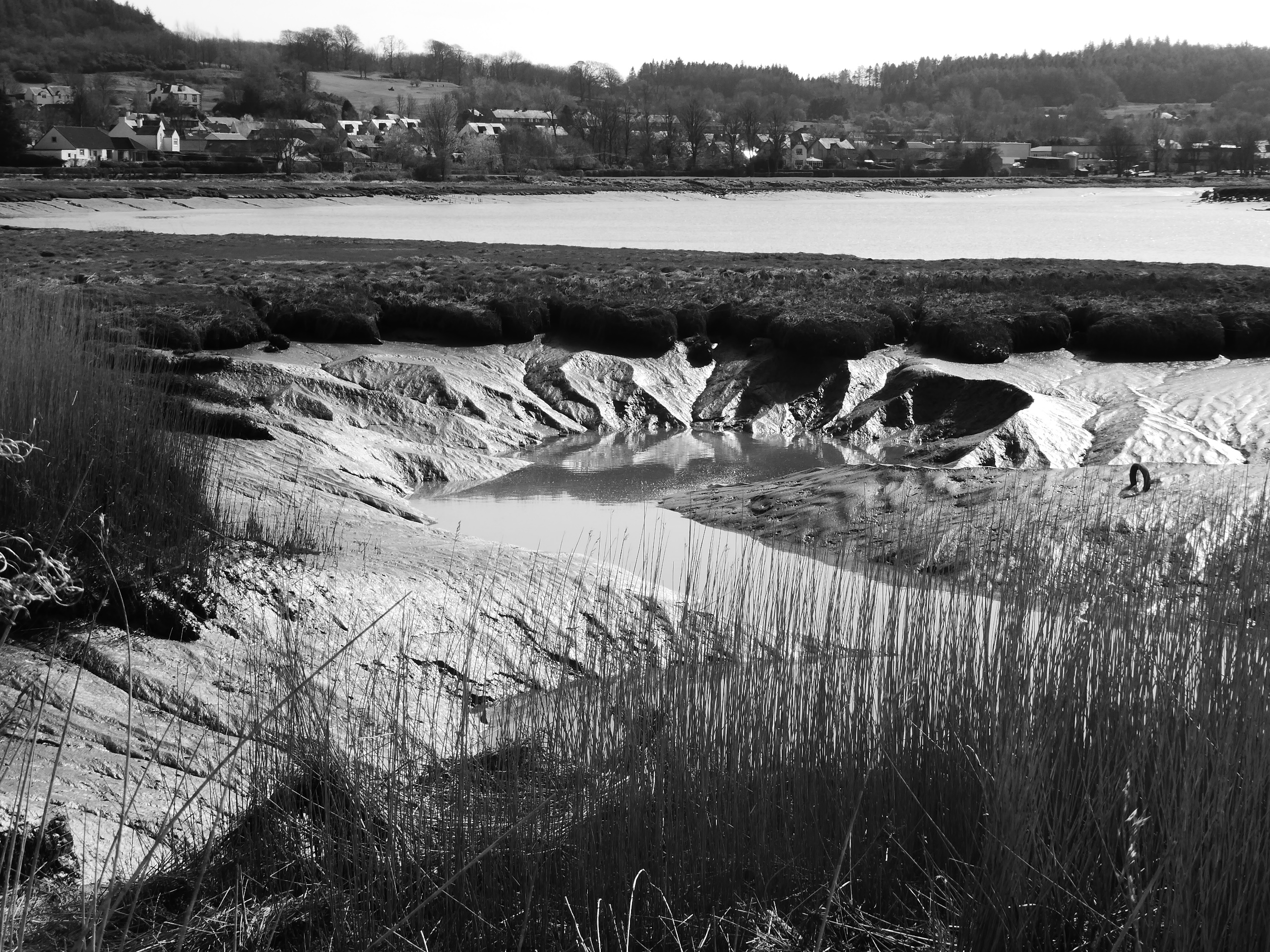
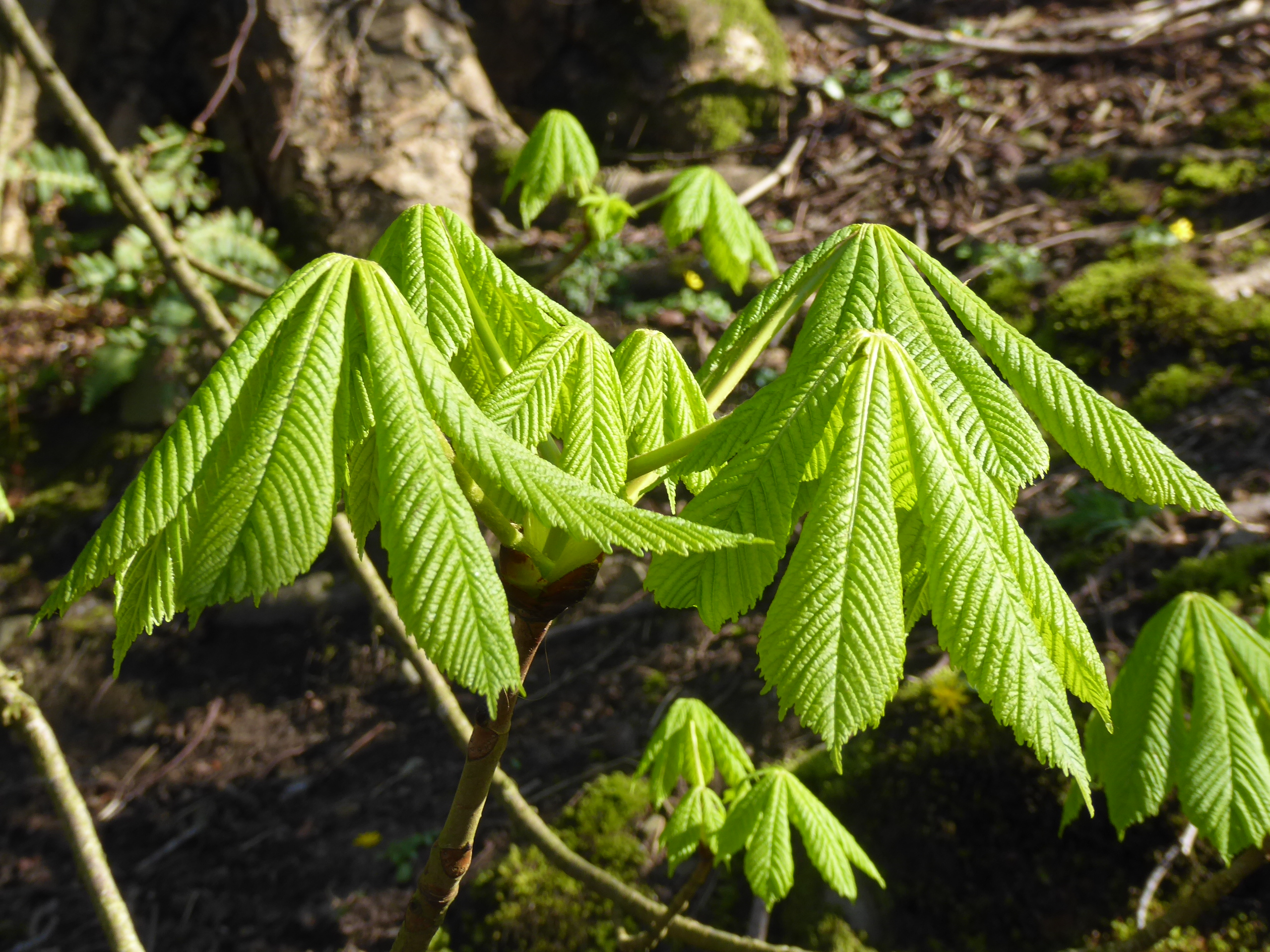
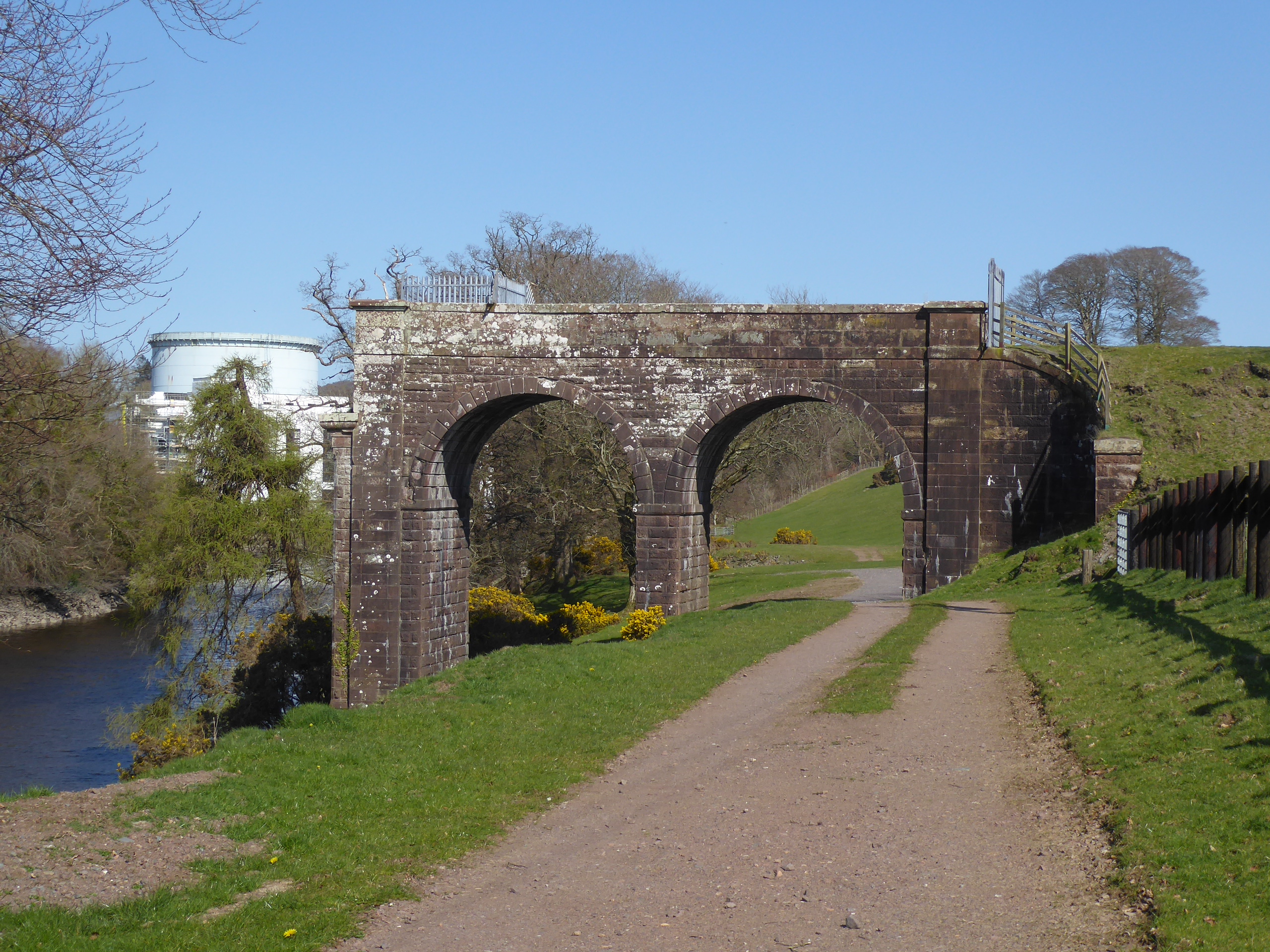
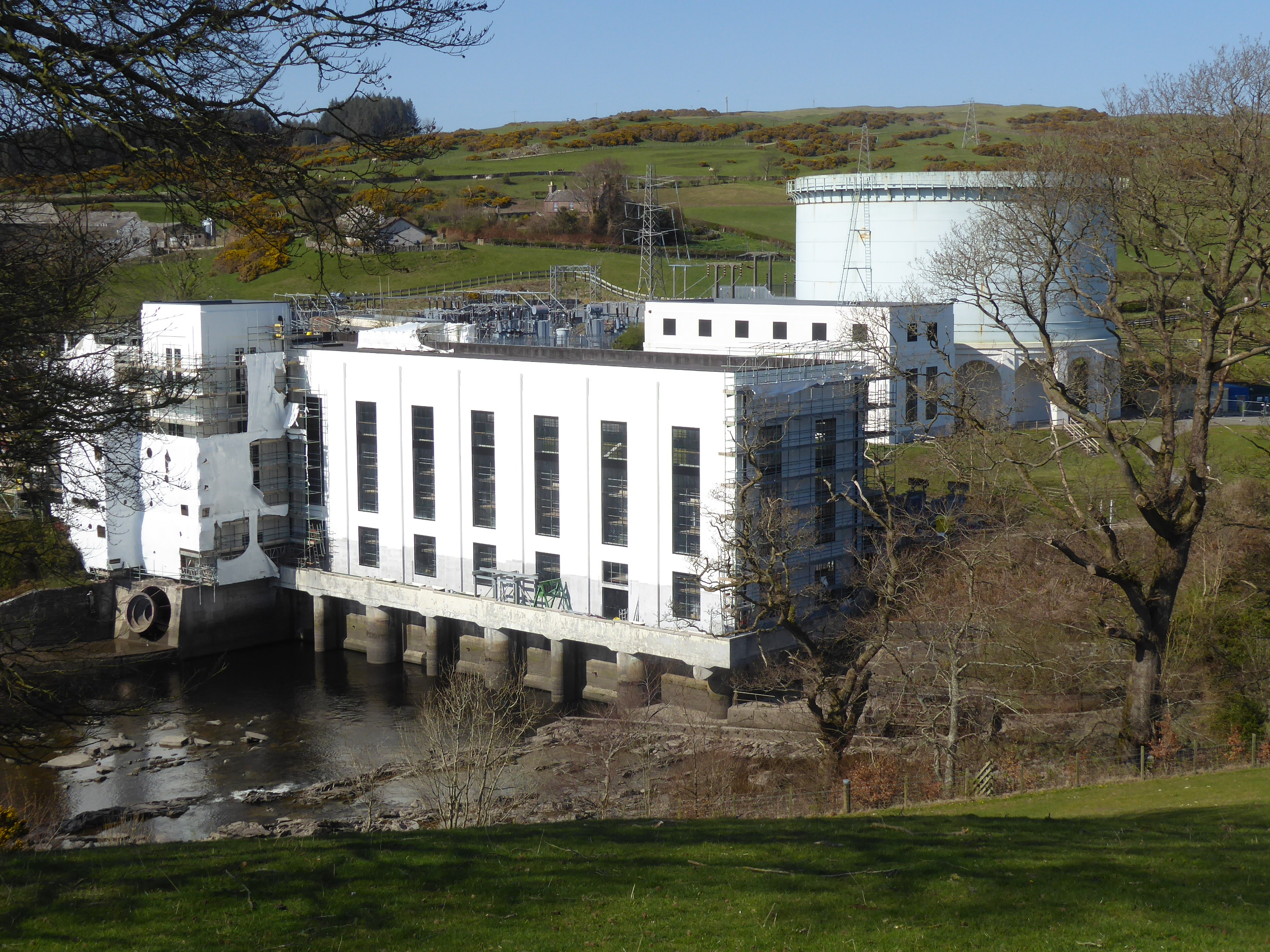
After that I walked over the bridge (currently closed; was it the one that Wimsey drove over to Gatehouse of Fleet?) to get a view of Kirkcudbright from the other side. My plan of following a path marked on the map was abandoned after the second deliberate blockage (how does one go walking in Scotland?). I headed grumpily back to town and walked upstream towards Tongland, muttering darkly about being corralled on pavements and boring paths. However it grew on me with the spring freshness of horse chestnut leaves and the glittering sun. (The weather has been glorious.) And then at Tongland I discovered the truncated bridge of a disused railway line, a modernist power station and the earthworks of an ancient fort. How much more could I wish for?

Glasgow

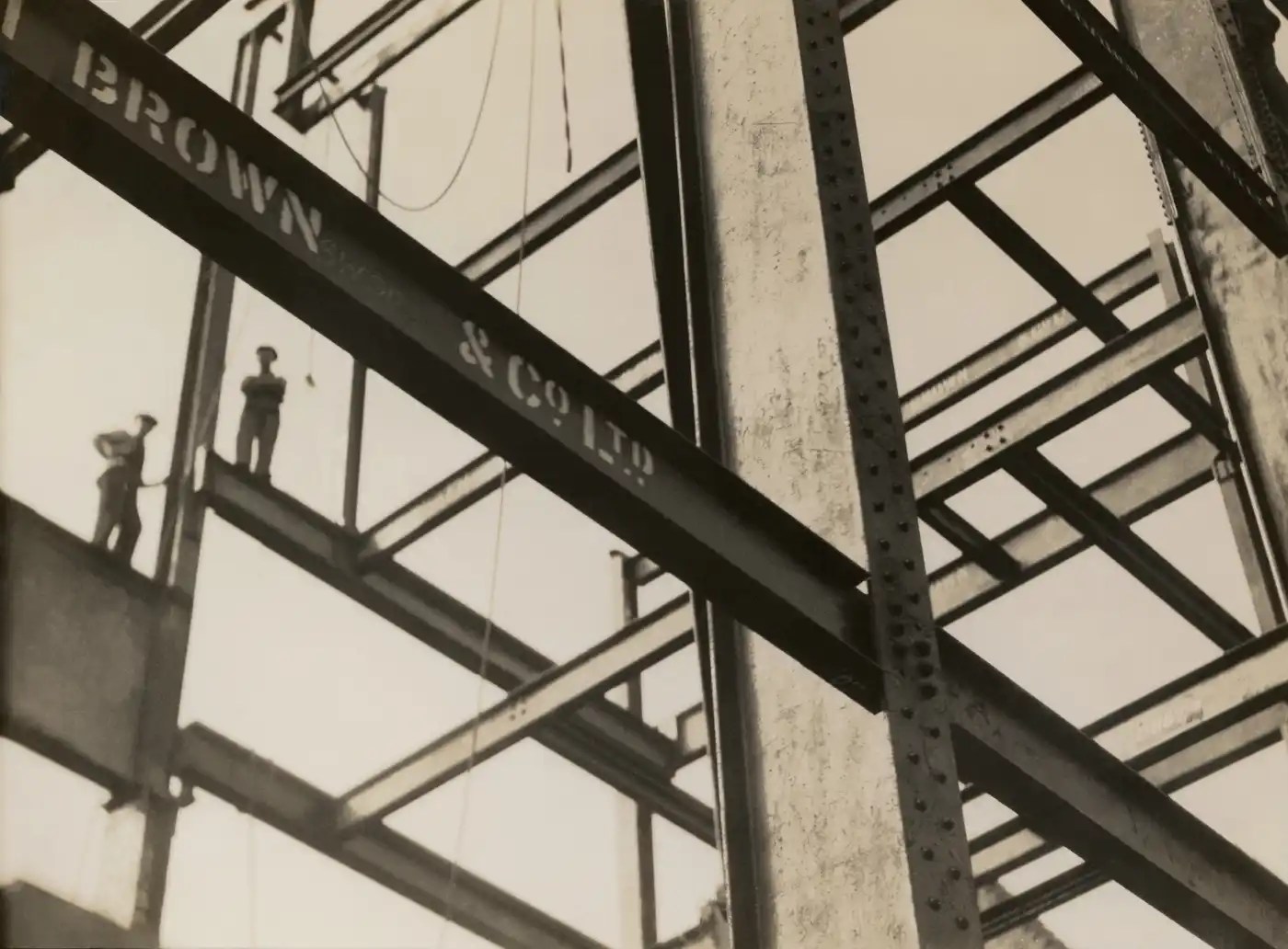
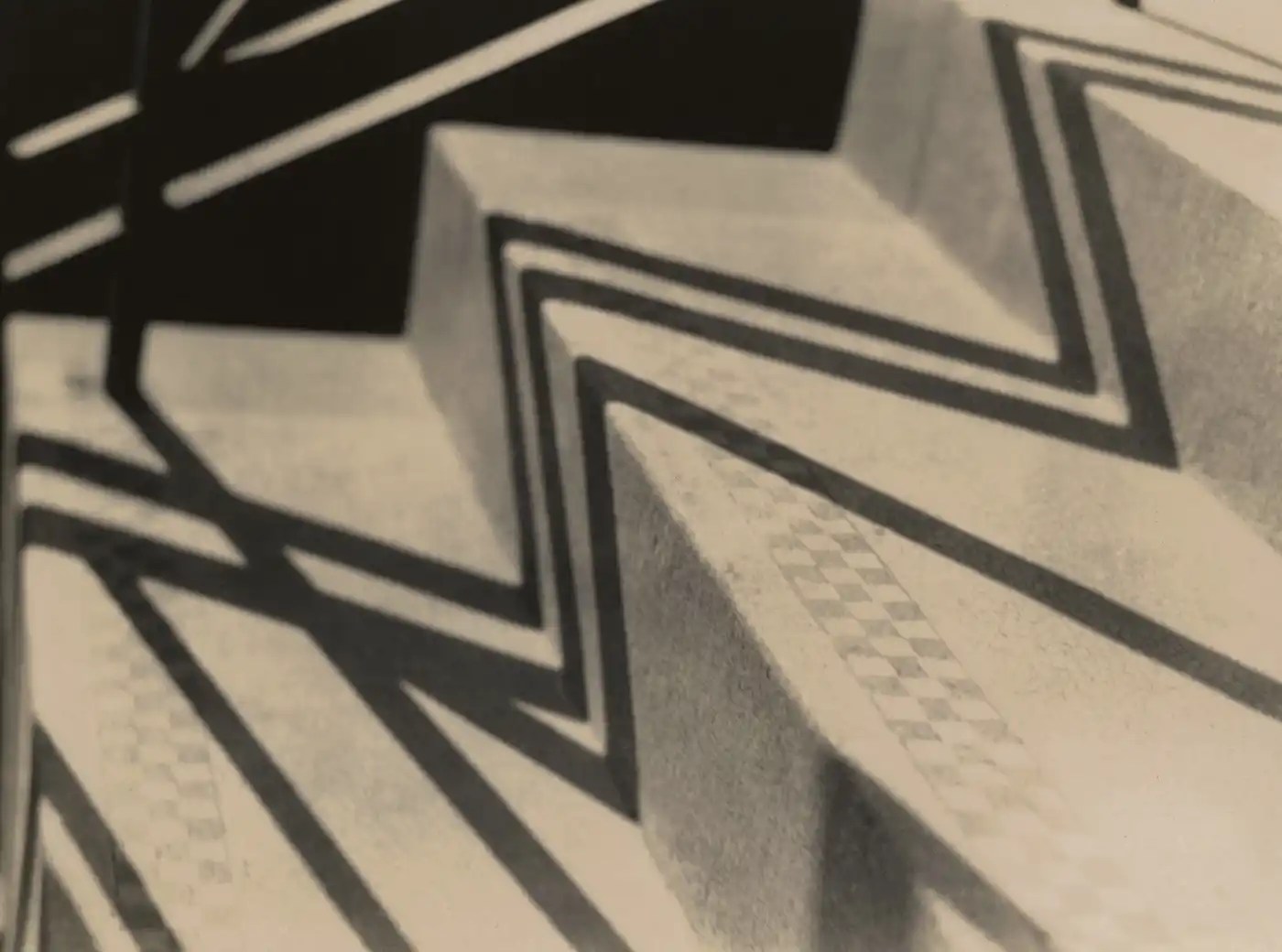
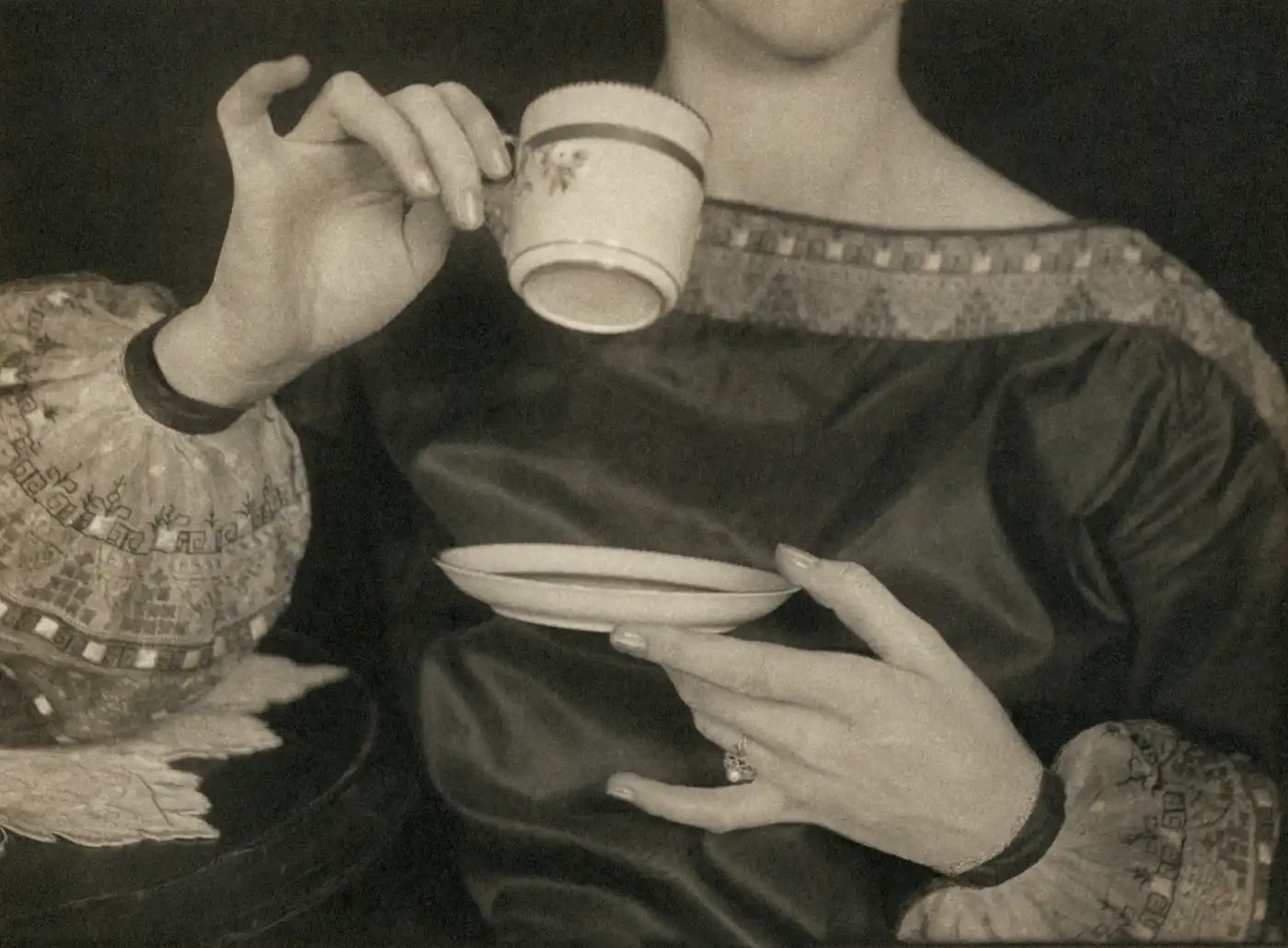
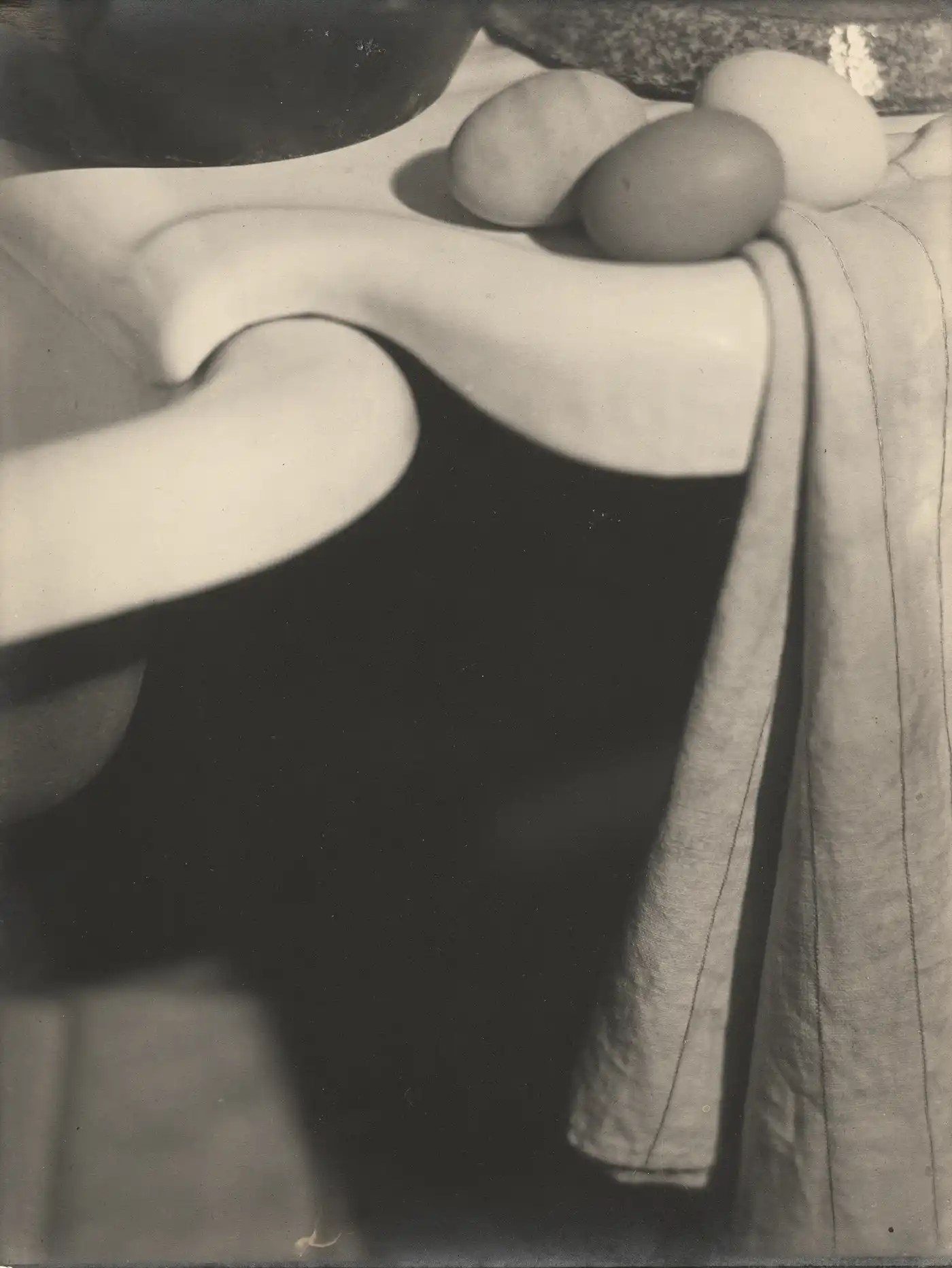
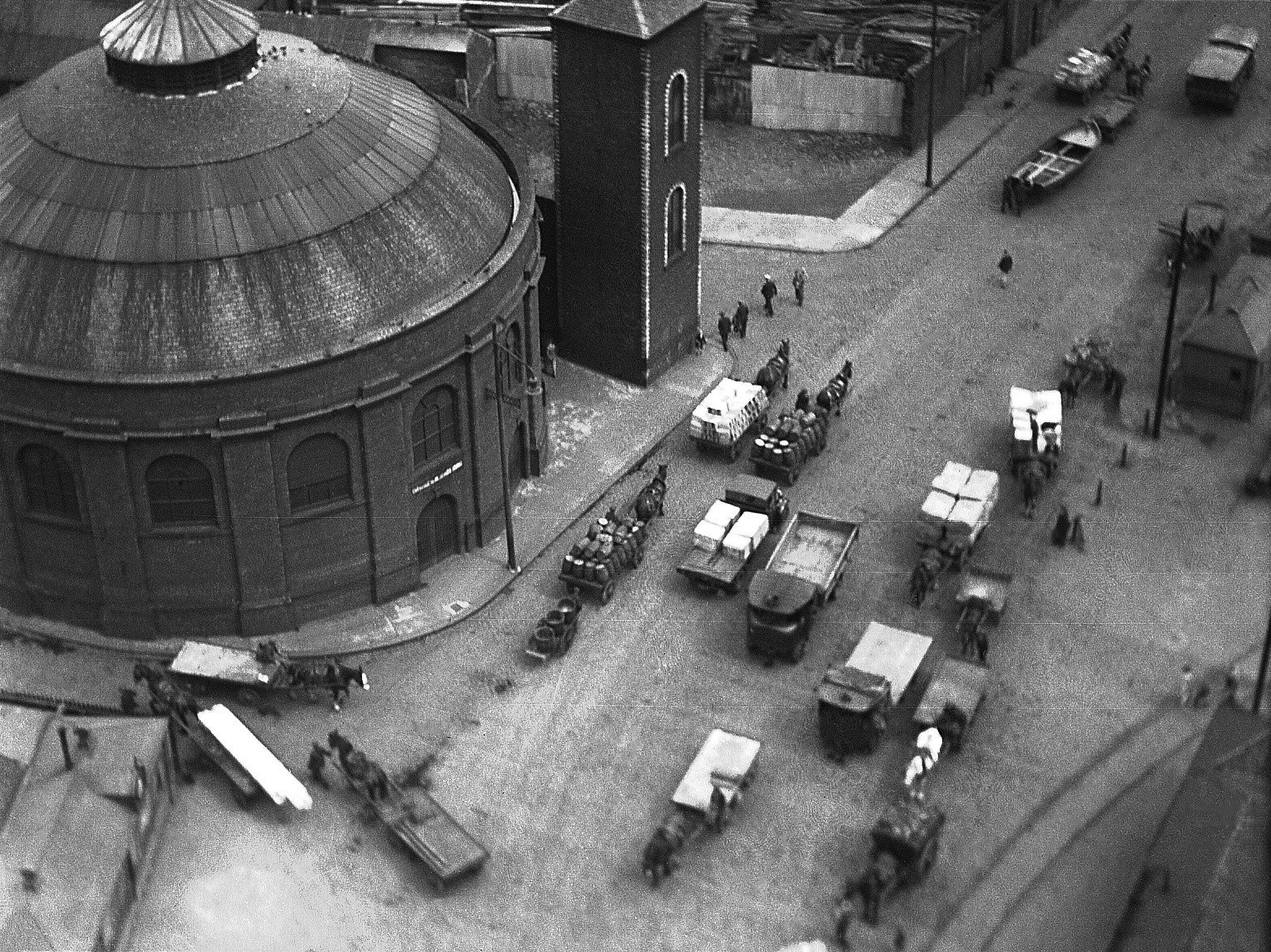
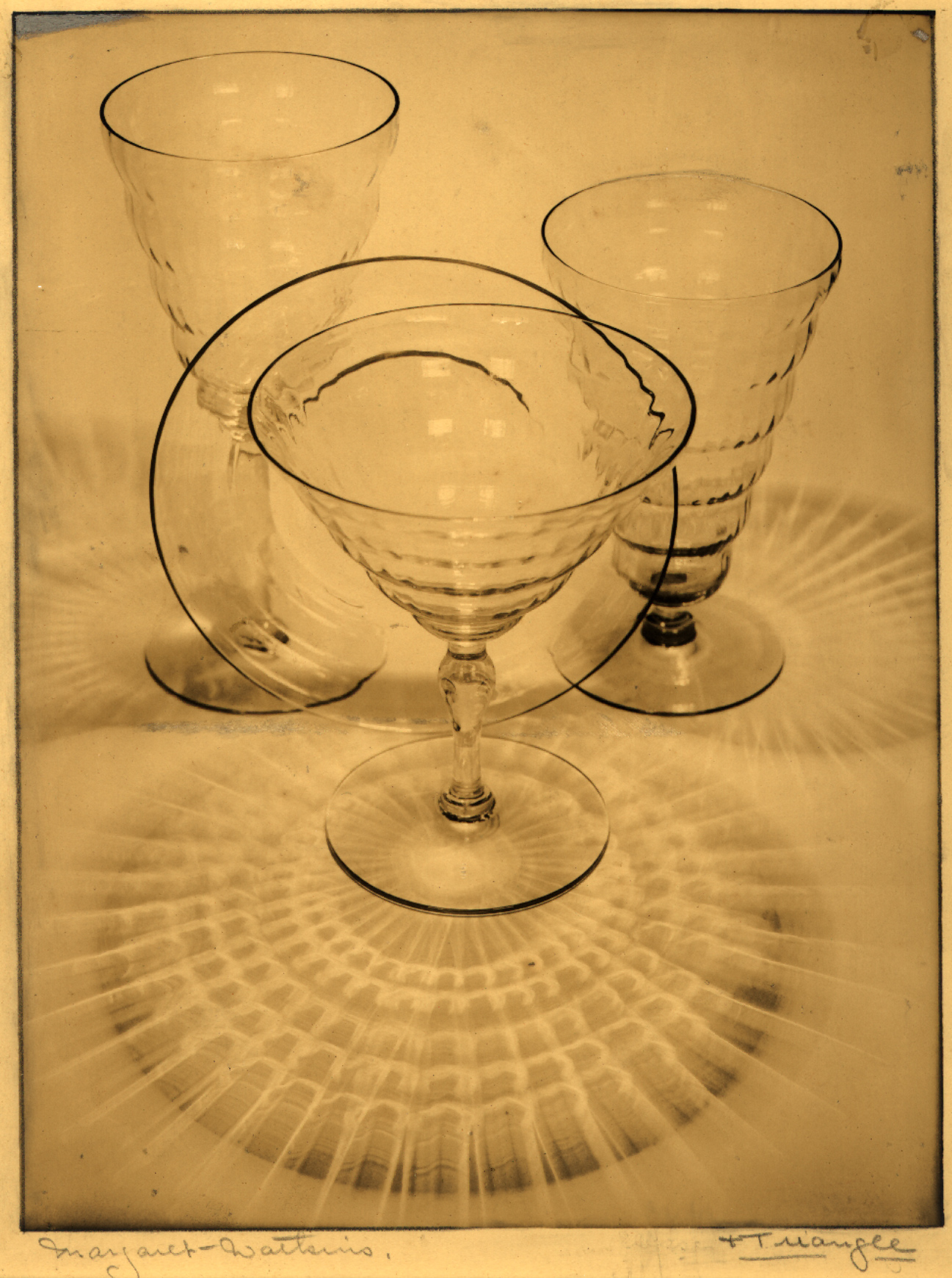
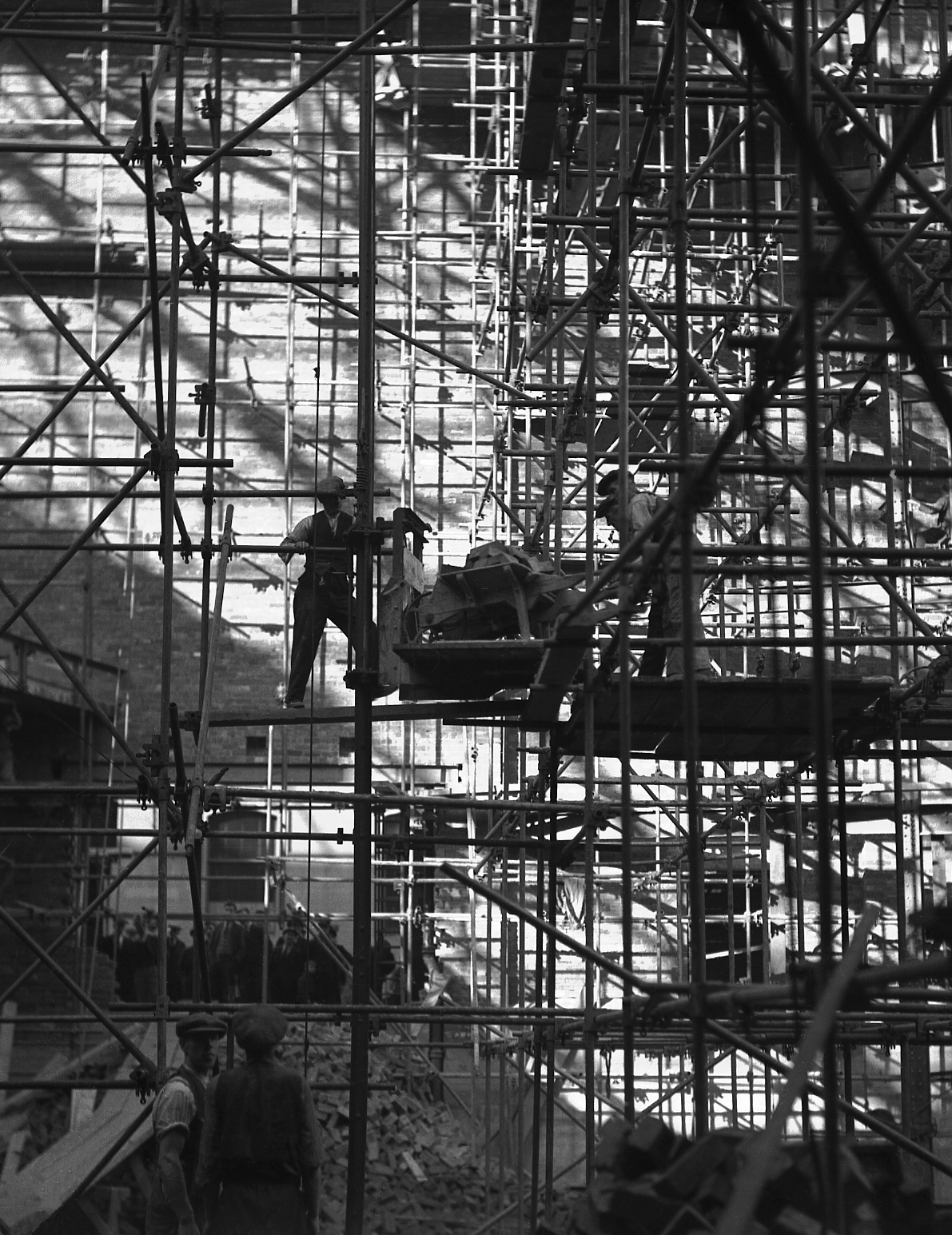
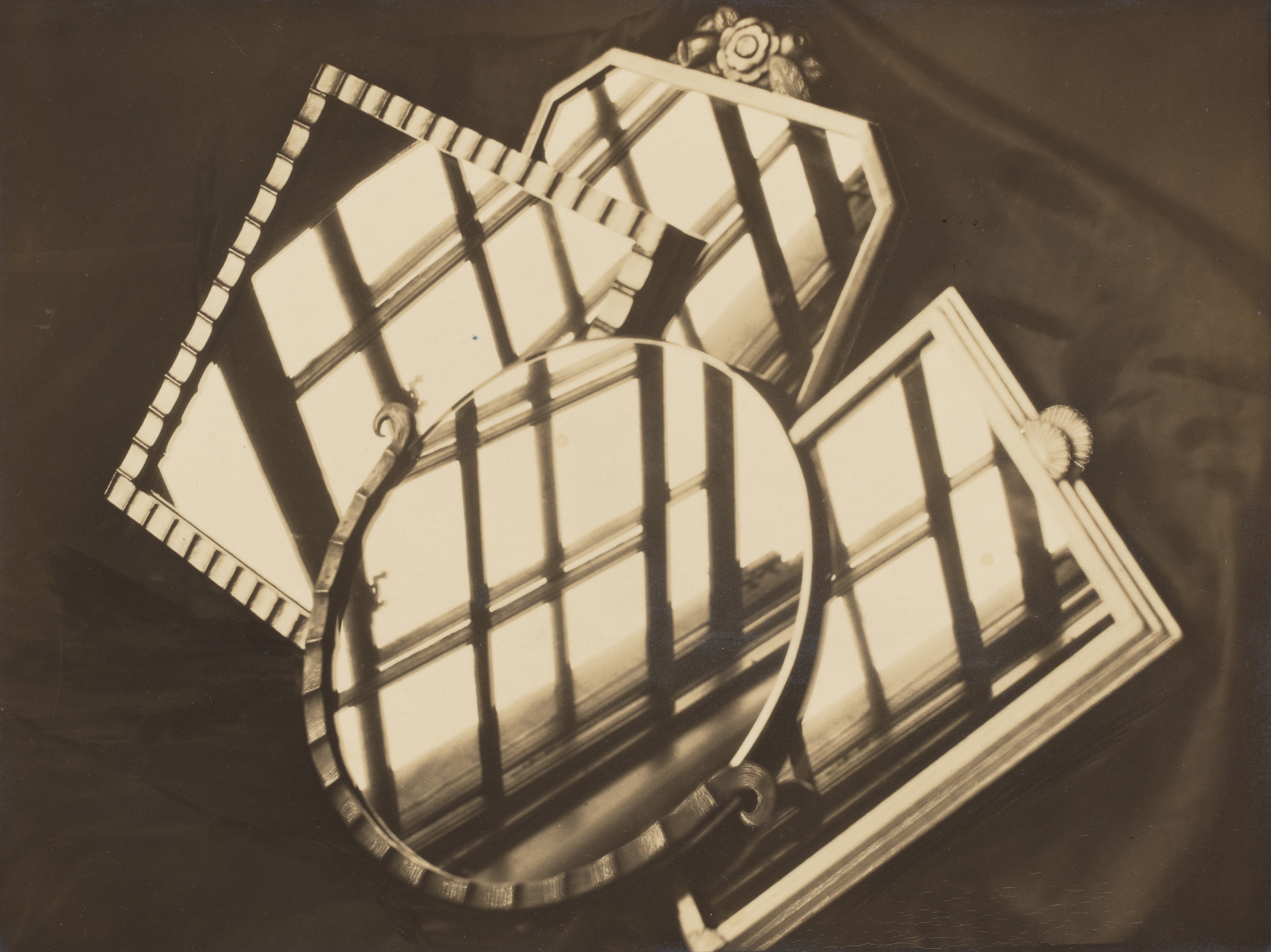
A few weeks ago I read about Margaret Watkins (1884-1969), a Canadian photographer who lived, worked and taught for several years in New York before travelling to Glasgow and getting stuck on the flypaper of domesticity. In New York she found success in advertising and in offering a new kind of abstract “kitchen sink” composition. The three eggs was the photograph that gripped me: the curves, the dark space – just wonderful. Strong geometry and sometimes a painterly style. (The dainty tea cup photograph is advertising cuticle cream.)

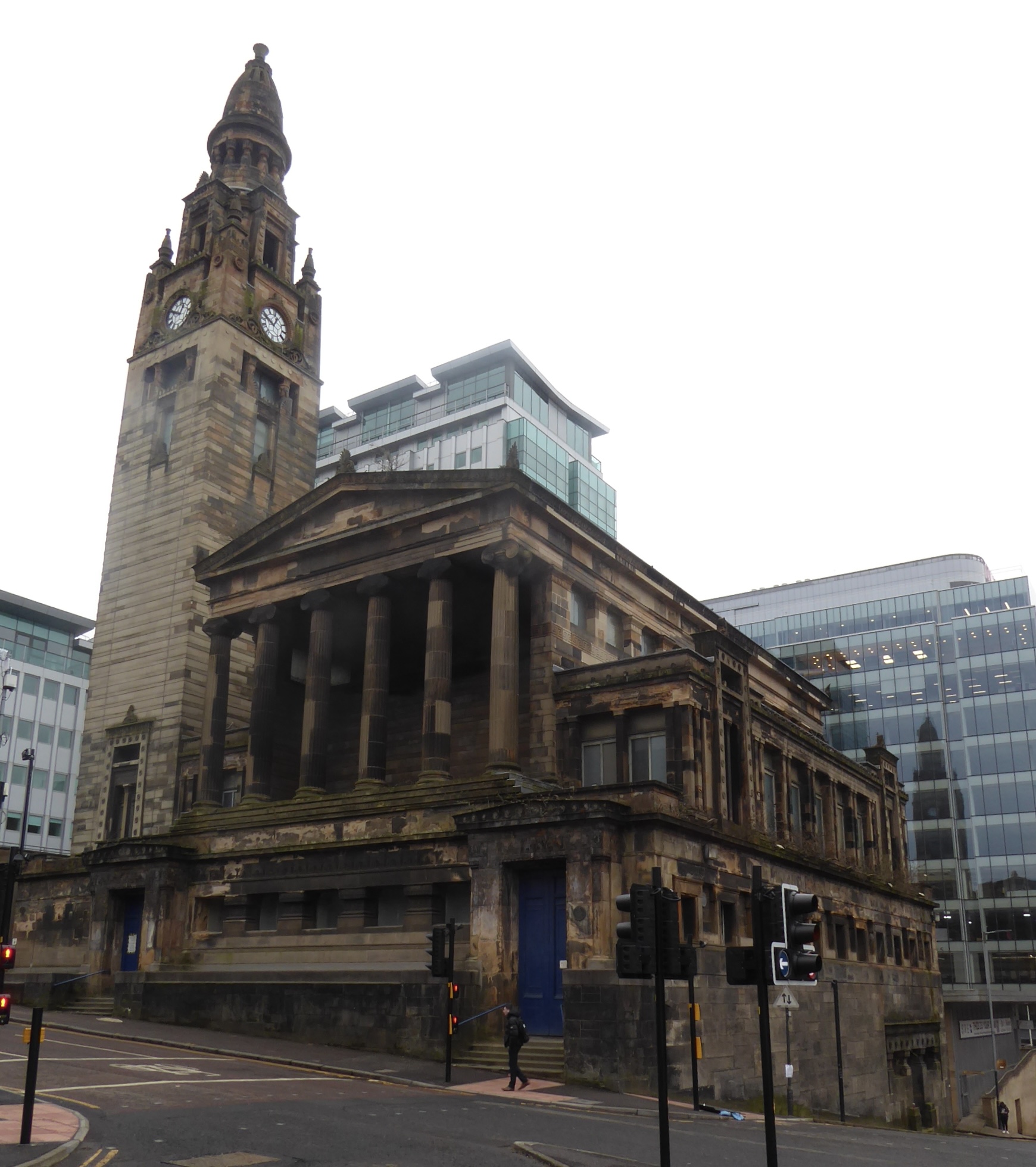
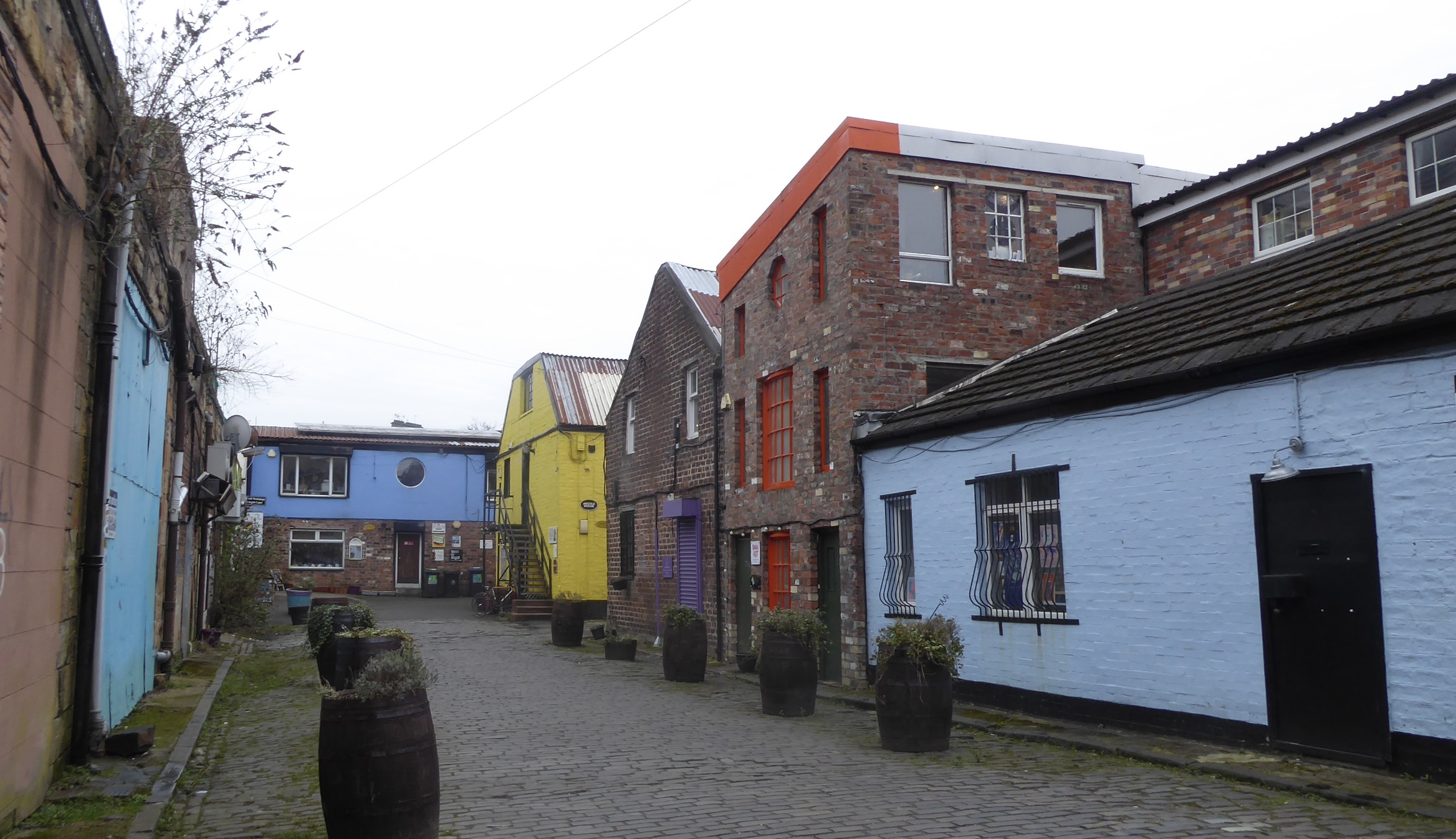
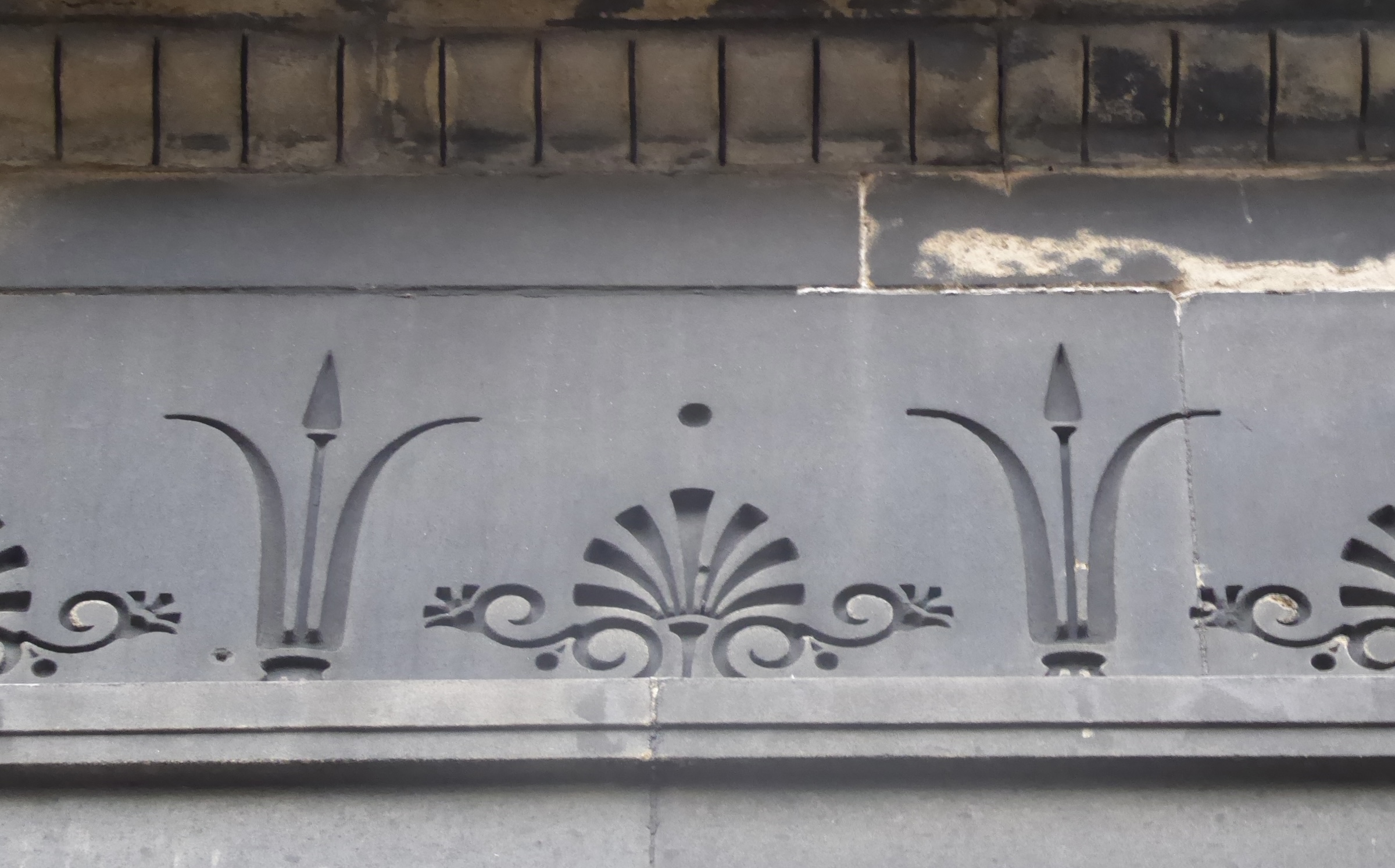
So off I went to Glasgow on a freezing day trip to visit the Hidden Lane Gallery off Argyll Street. En route I discovered – and was taken aback by – the City Free Church. I didn’t think Presbyterians went in for that kind of thing. It’s by Alexander Thomson and is currently unused – and what would you use if for now?


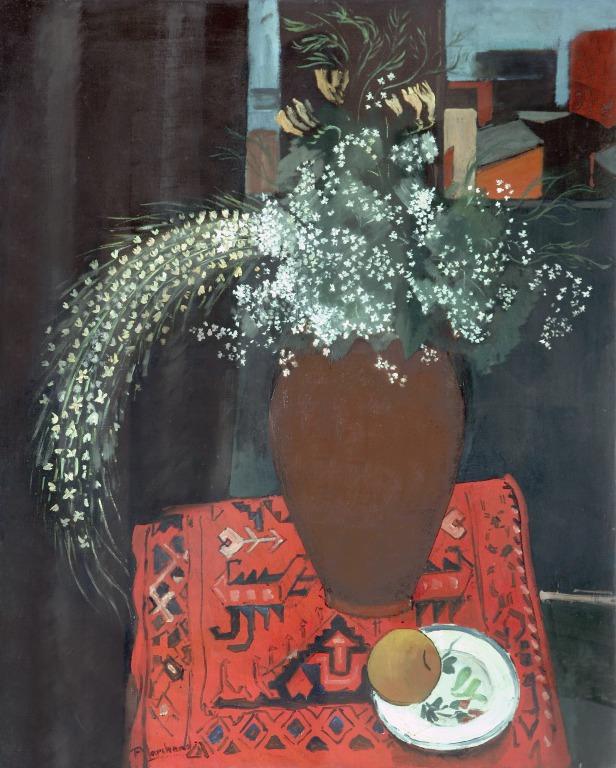
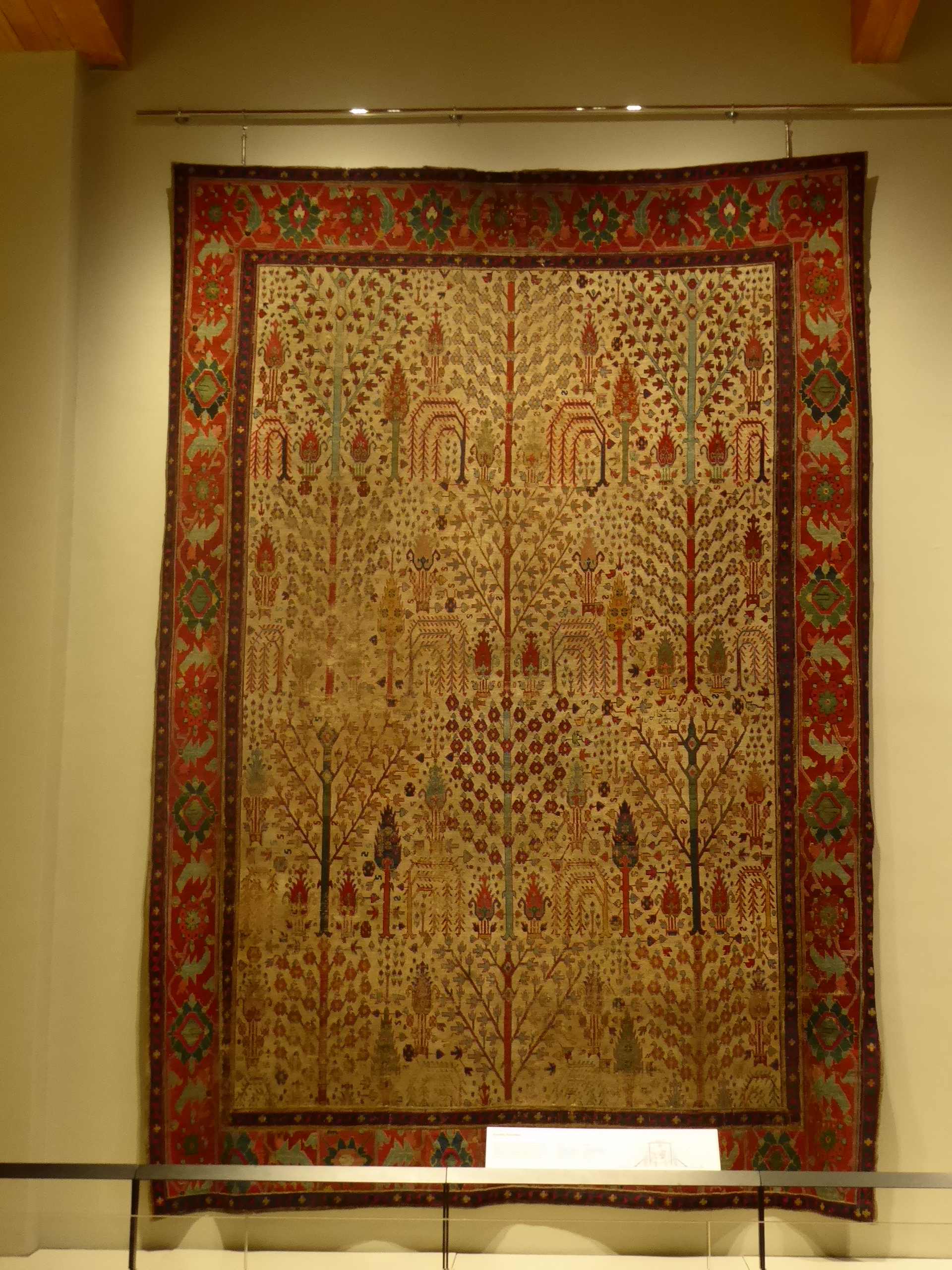
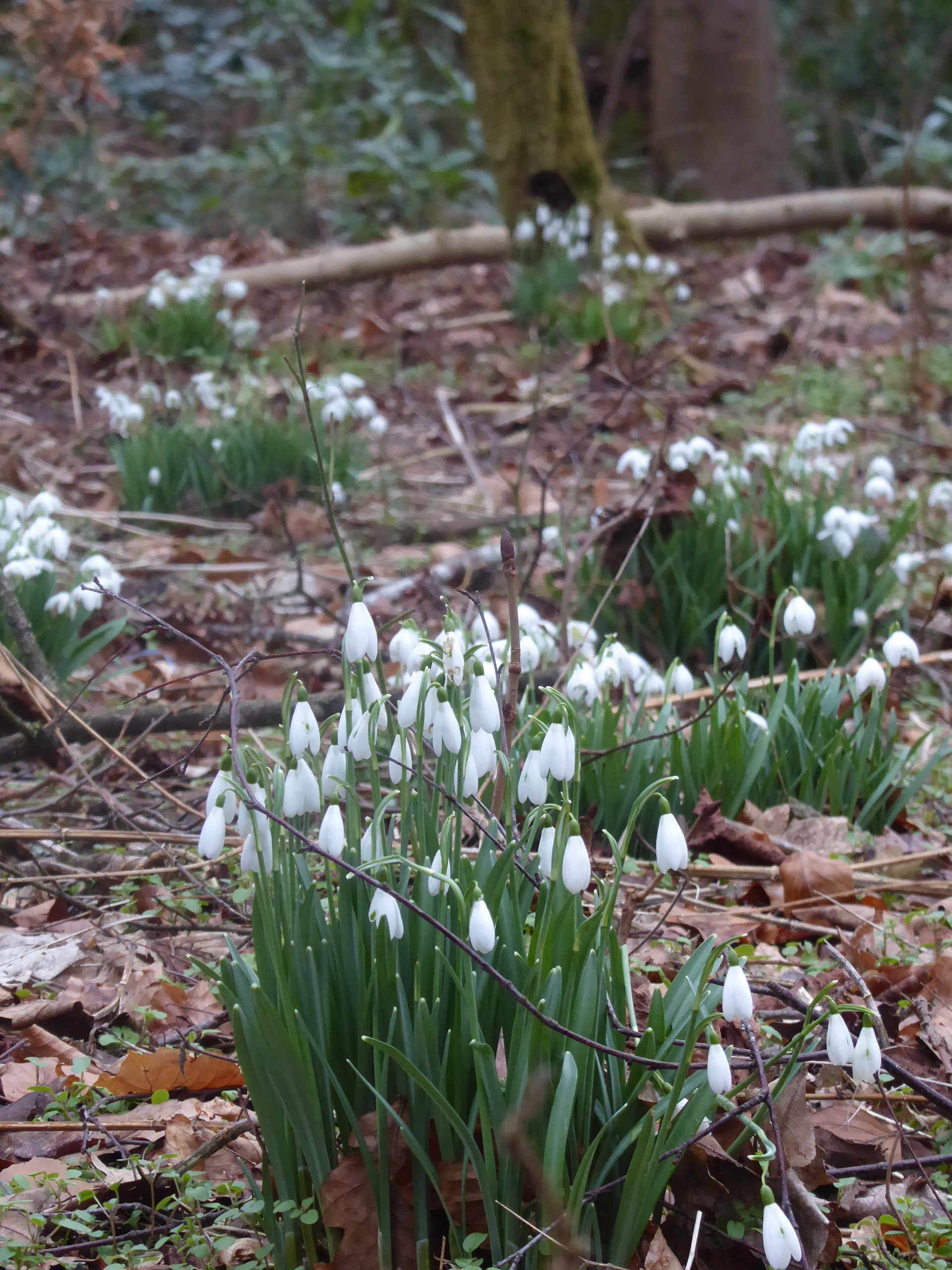
A quick visit to the Burrell Collection afterwards, where my steal would have been a Persian rug to bring the garden indoors in winter. I realise from my choice of photos here that I am longing for spring and the sense of nature re-awakening.