Amiens

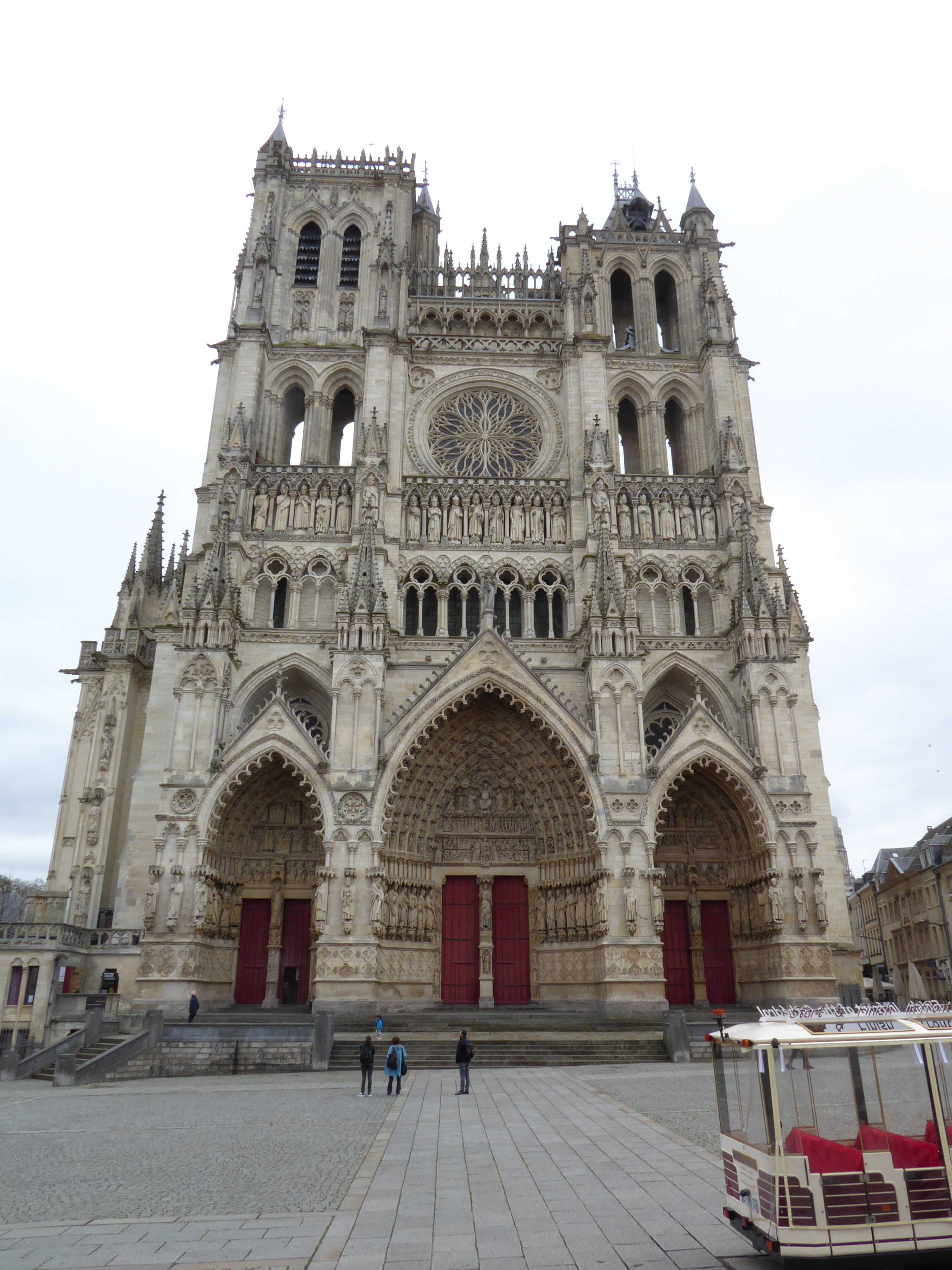
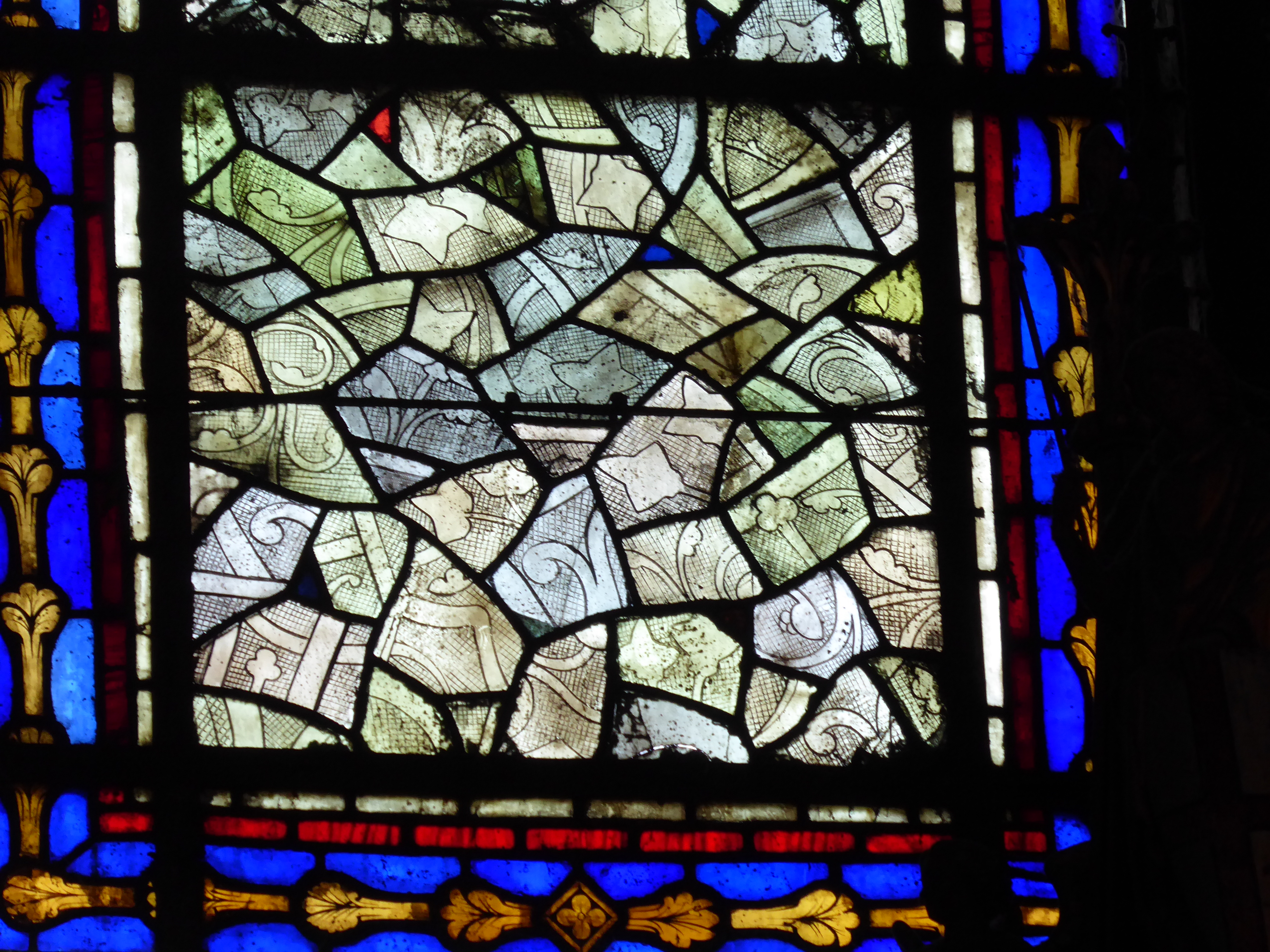
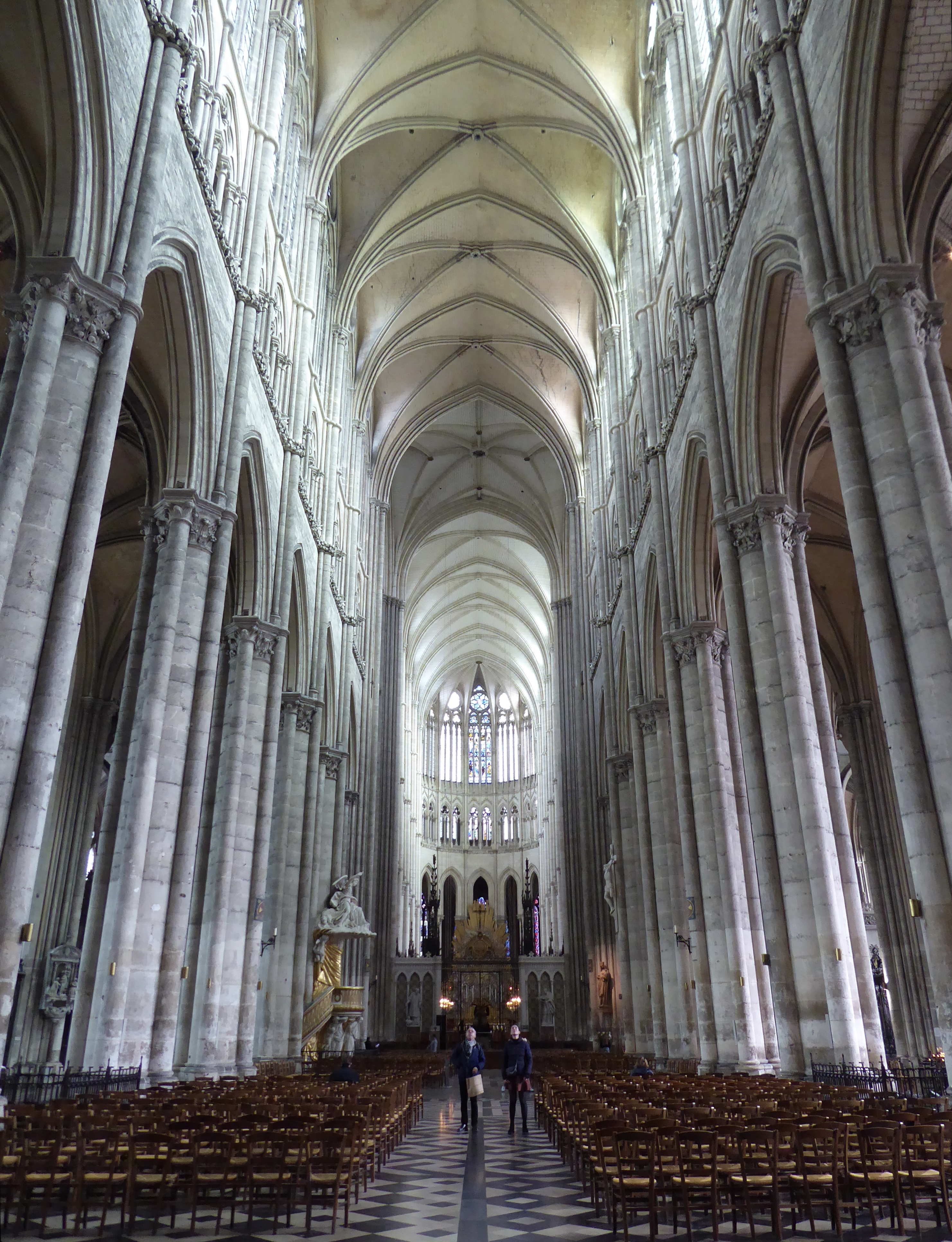
I returned to the cathedral to compare it with Rouen: it is much my favourite. Perhaps something about its coherence: constructed in a comparatively short space of time and (unfair on Rouen, this) emerging fairly unscathed from 20th-century bombardment. The rose windows facing each other in the north and south transepts are wonderful.

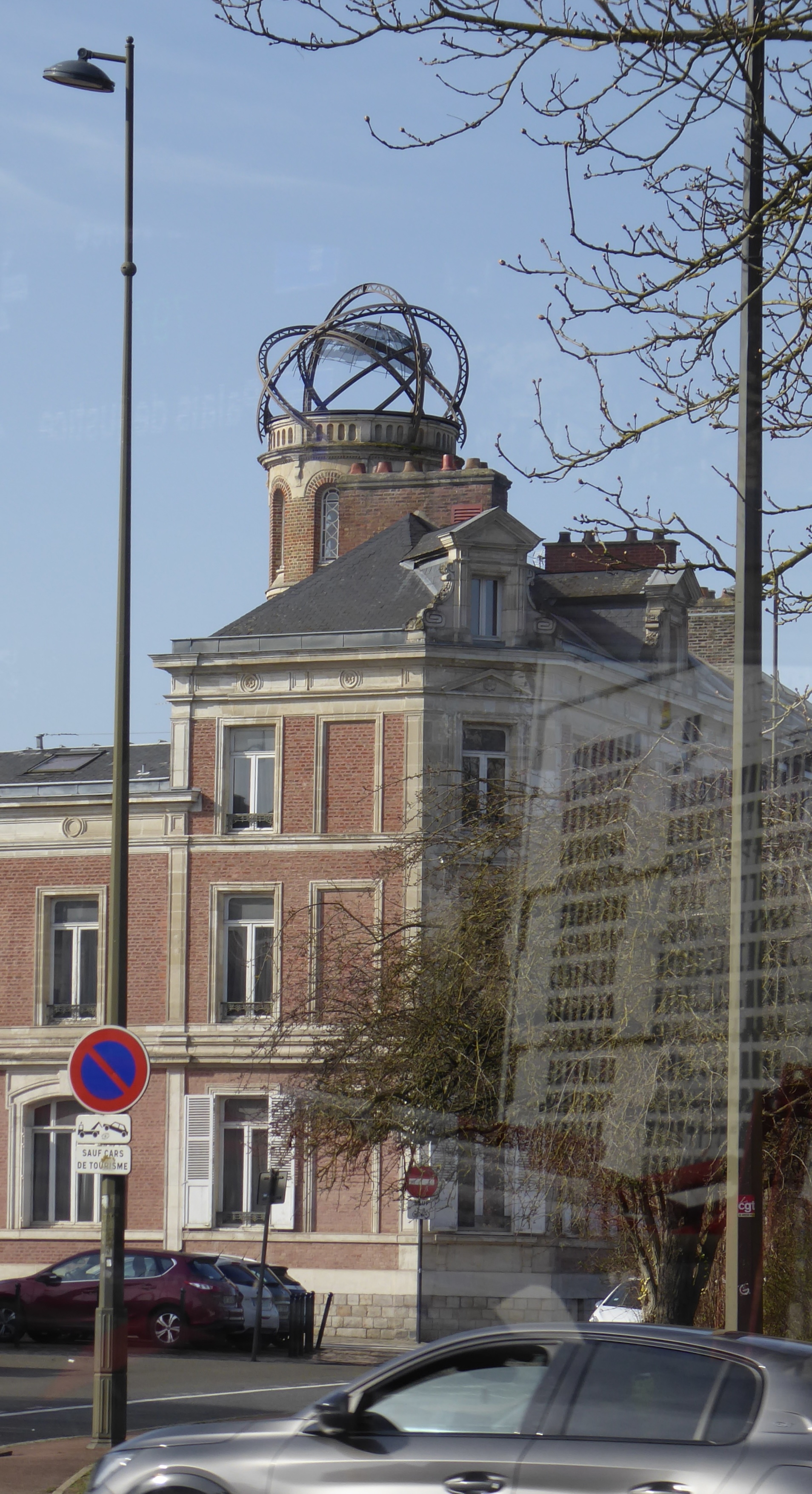
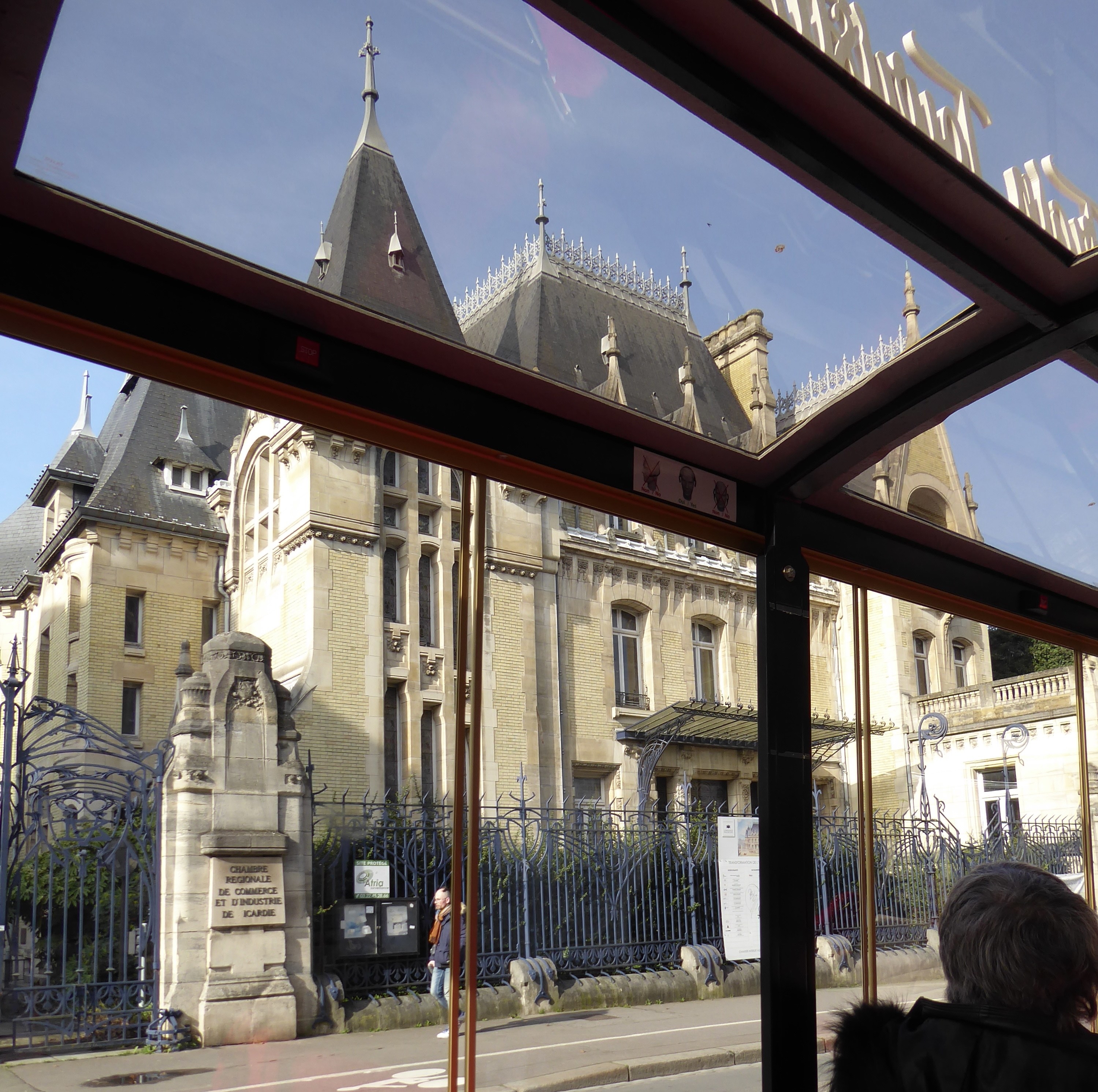
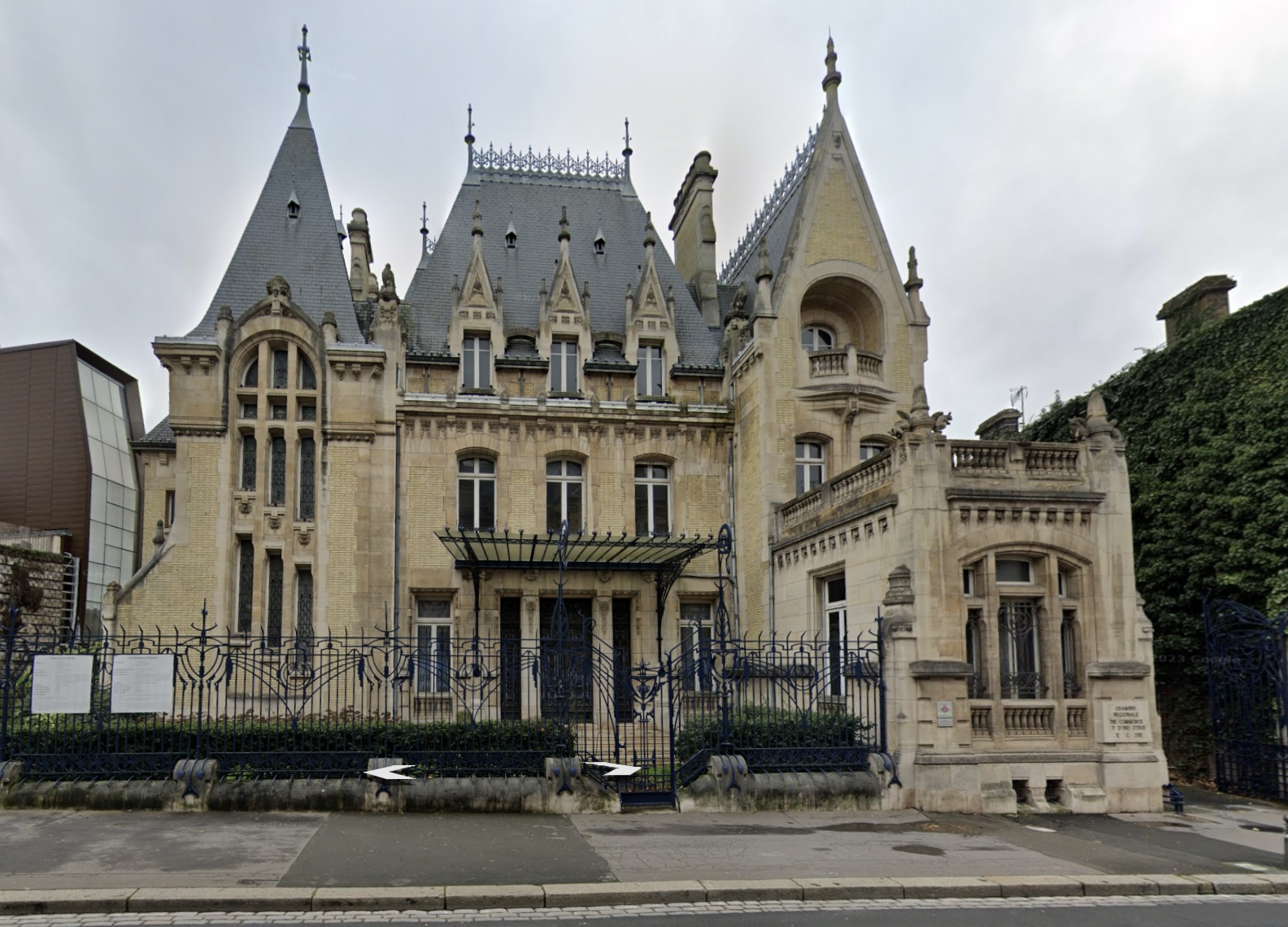
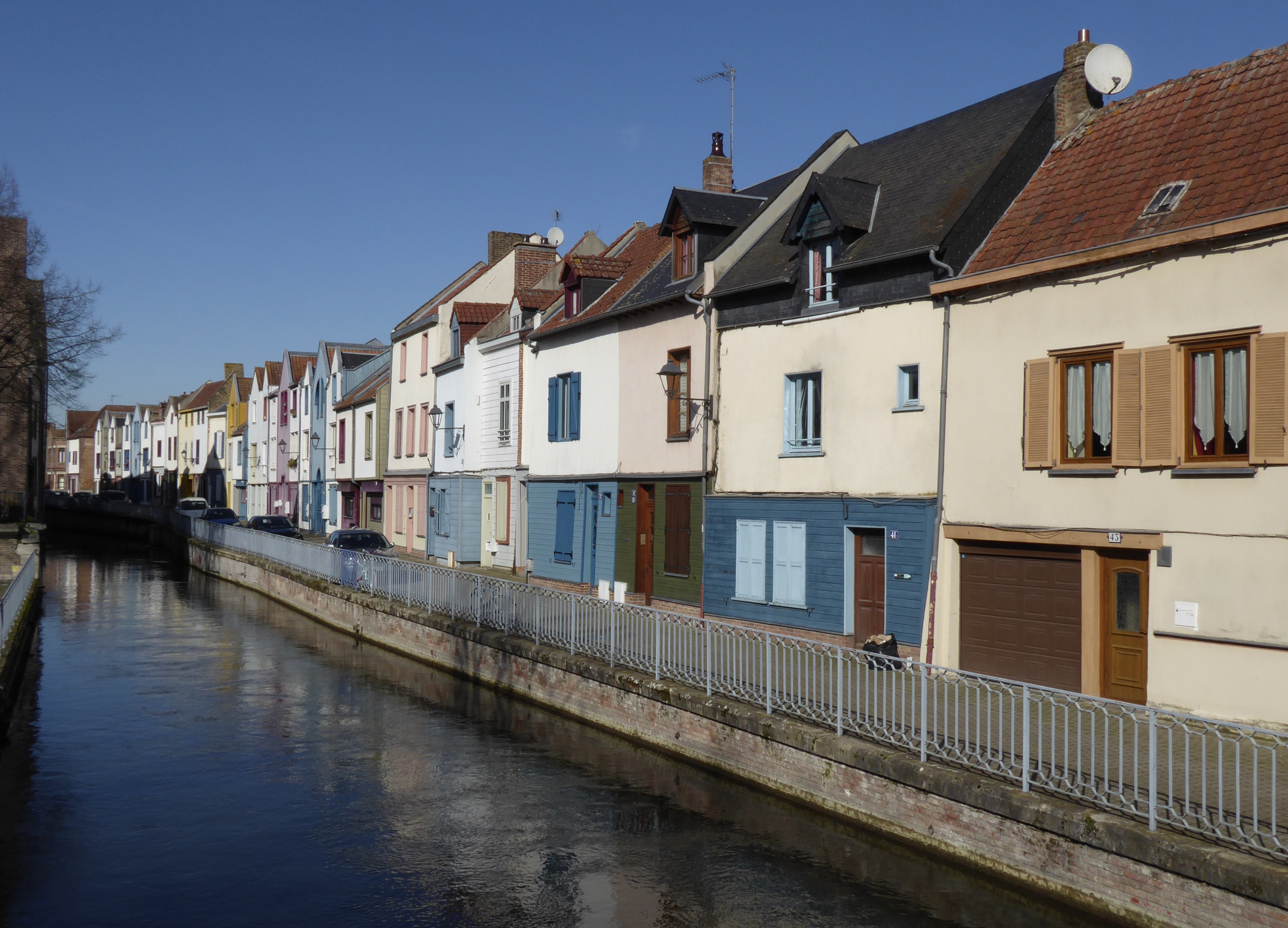
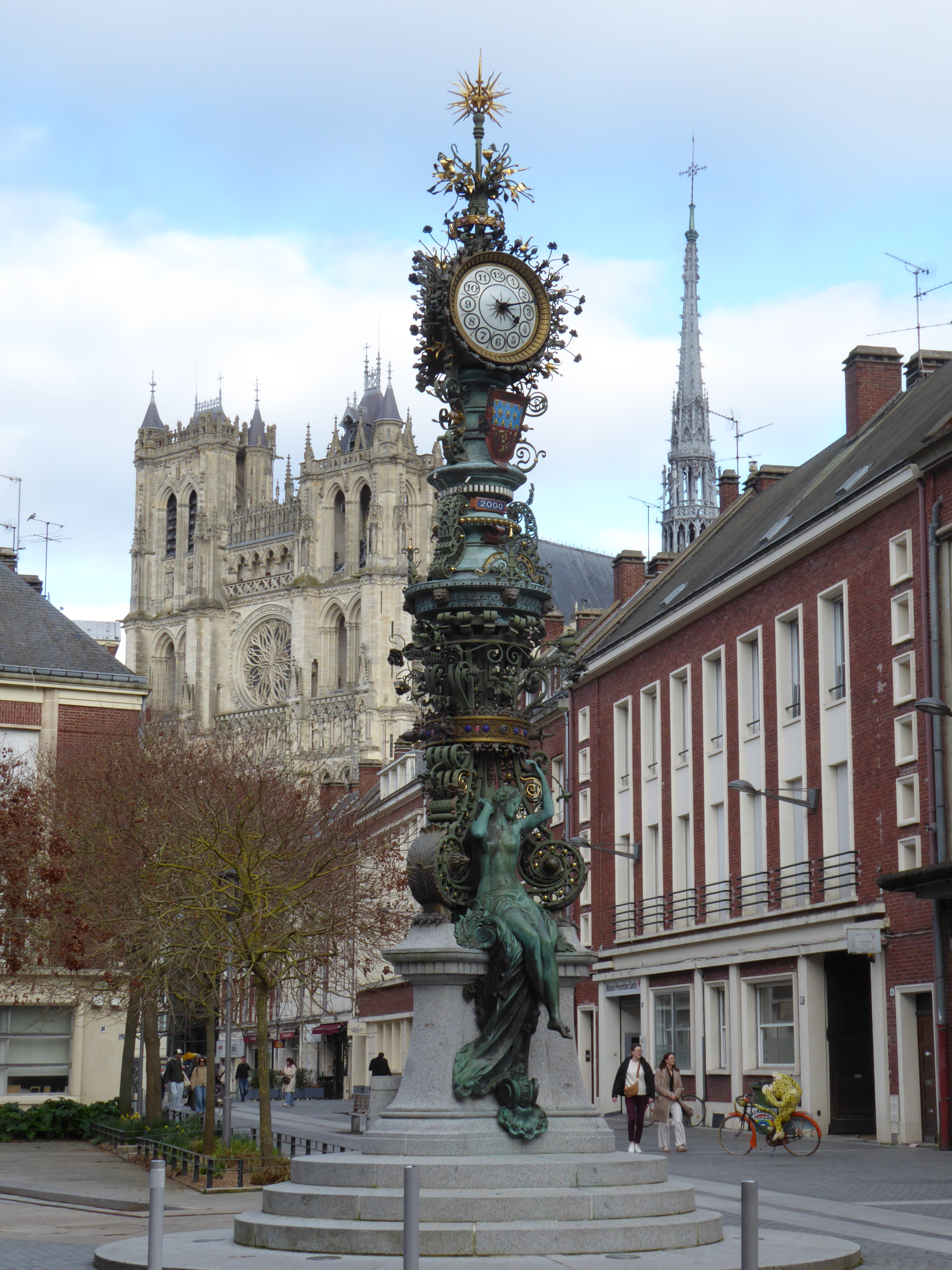
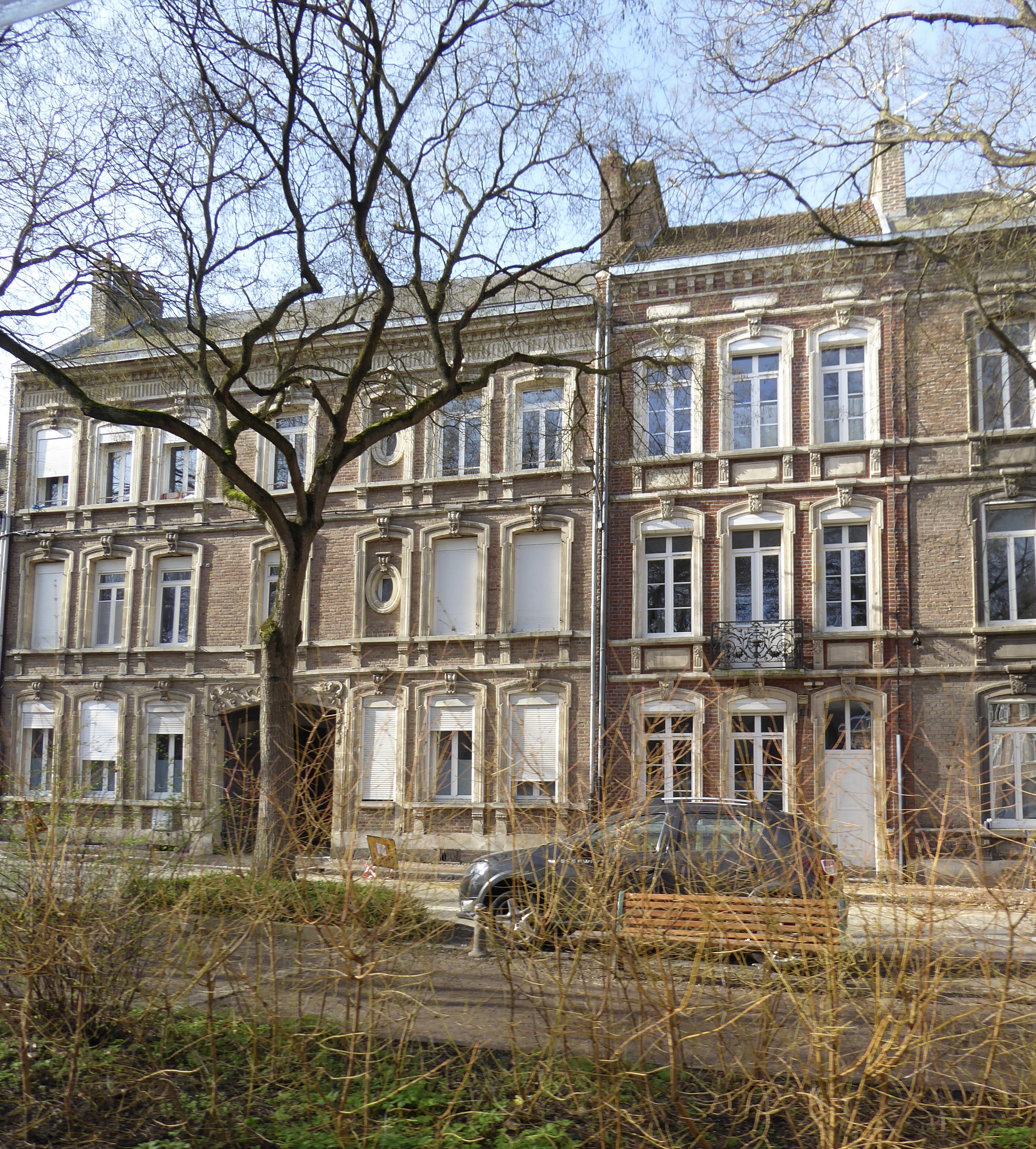
As I left the cathedral I noticed that the petit train touristique was about to depart – so I caught it. I now have several wonky photos of lampposts obscuring some sight or other, but I did find myself adding to my store of useless information. The town of Amiens was heavily bombed in WWII, and we went along boulevard Faidherbe with its postwar ISAI estate – Immeubles Sans Affectation Immédiate – which still looks good. The cutting that yesterday’s Rouen train went through was once part of the ramparts. The different shades of old and new bricks marking the postwar reconstruction of a church. A long avenue of bourgeois houses that reacted to a window tax by blocking up windows. The unusual decoration on the top of Jules Verne’s house. The Hôtel Bouctot-Vagniez – spot the difference between images from Google Earth and the petit train. A tour of Saint Leu (which I visited on foot in the afternoon) and the edge of the Hortillonages – little market garden islands surrounded by channels of the River Somme.

I was glad I’d caught the petit train. Grands trains tomorrow for the return journey.

Rouen

My aim in coming here was to see the cathedrals of Amiens and Rouen. I didn’t do much homework; had I done so I would have found out how long the train journey from Amiens to Rouen takes and how infrequent the trains are. As well as discovering that Rouen cathedral closes for lunch. But – n’importe. I’ve had a lovely four hours in Rouen. The sun shone, it was warm enough to take off my woollie, and I encountered Gothics both Flamboyant and Rayonnant.

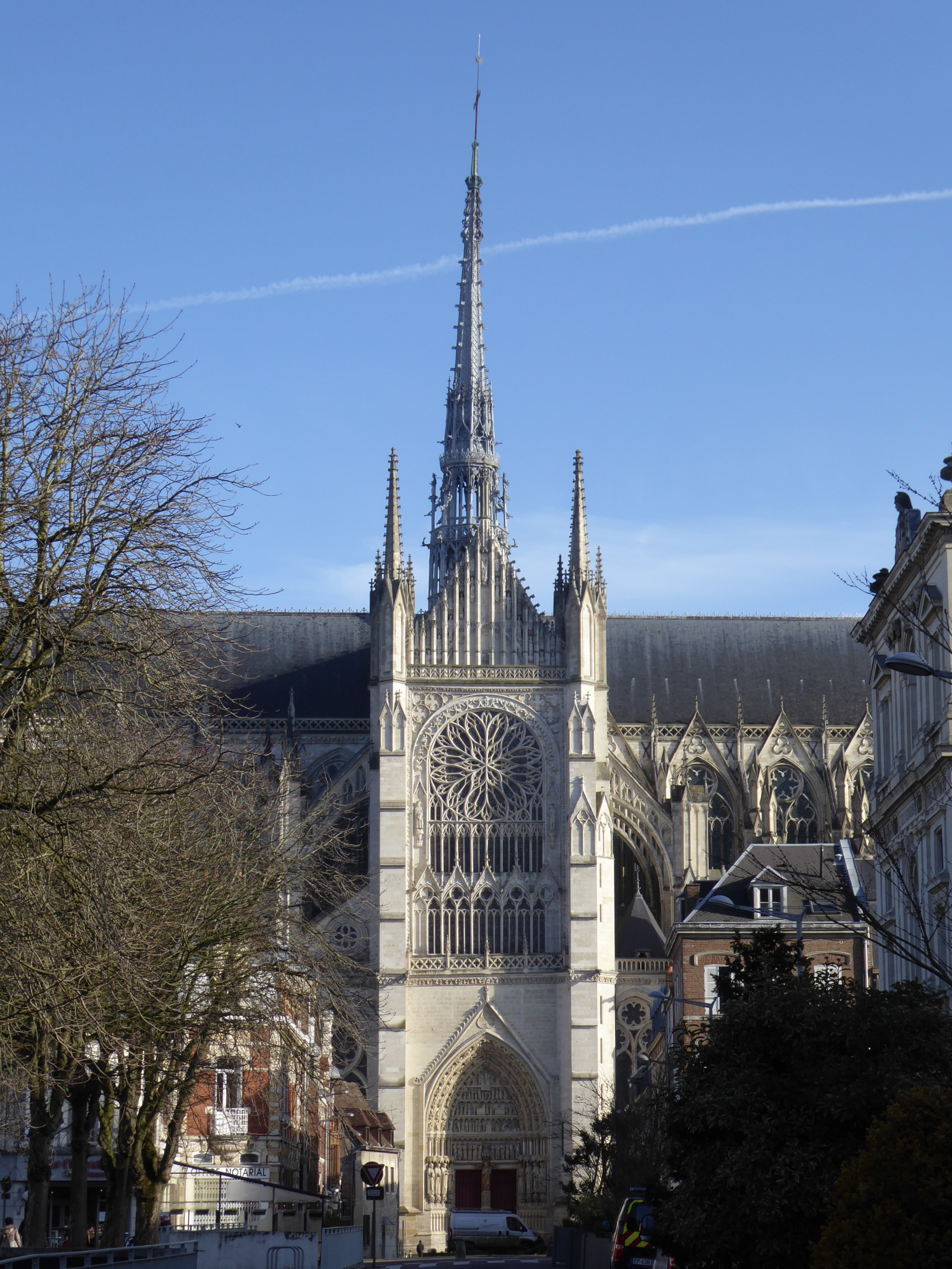
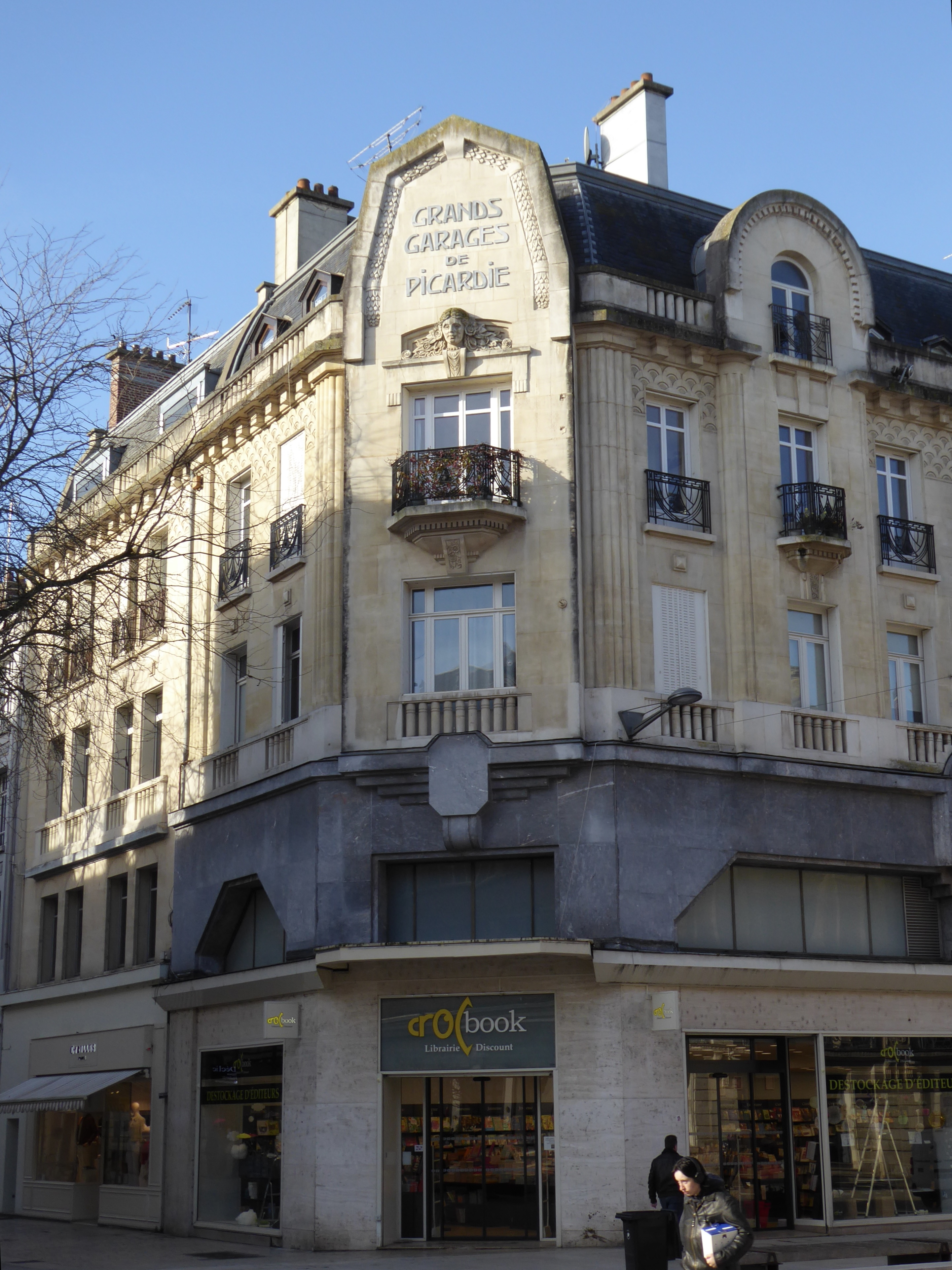
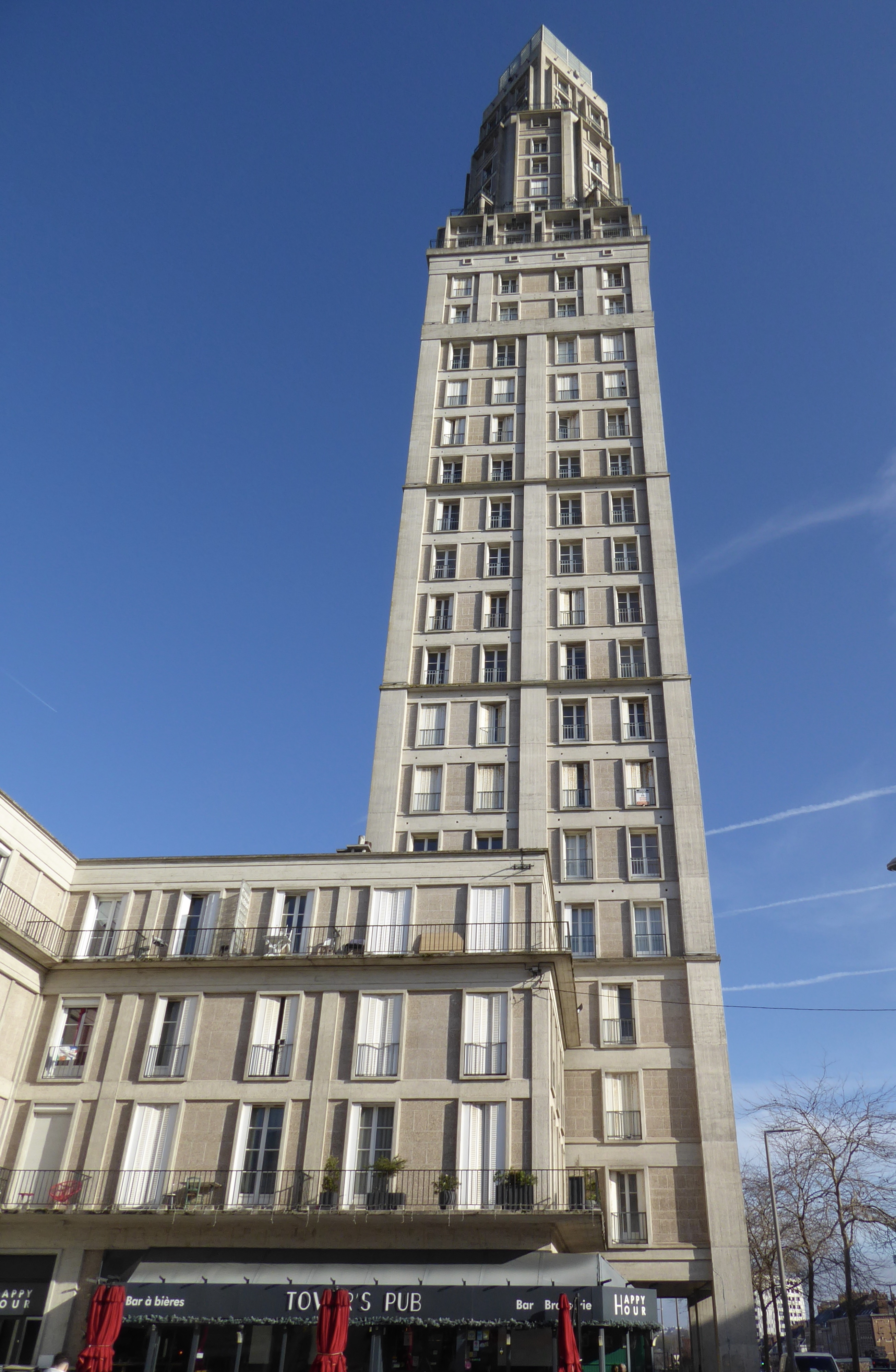
But first Amiens. I walked past the town hall on the way to the station: very French and imposing in a double-winged neo-classical style topped off with a baroque clock. Views of the cathedral down side streets. Then a bit of art deco with the Grands Garages de Picardie. At the railway station I stopped to look at the mid-century skyscraper I’d seen on arrival and then noted how it seemed to be of a piece with the station – monumental on almost Stalinesque lines. Wikipedia tells me that the station was destroyed in WWII by Allied action (the previous station having been destroyed in WWI) and rebuilt by Auguste Perret, a pioneer of reinforced concrete. It’s quite as impressive as the town hall . . . in its own way.

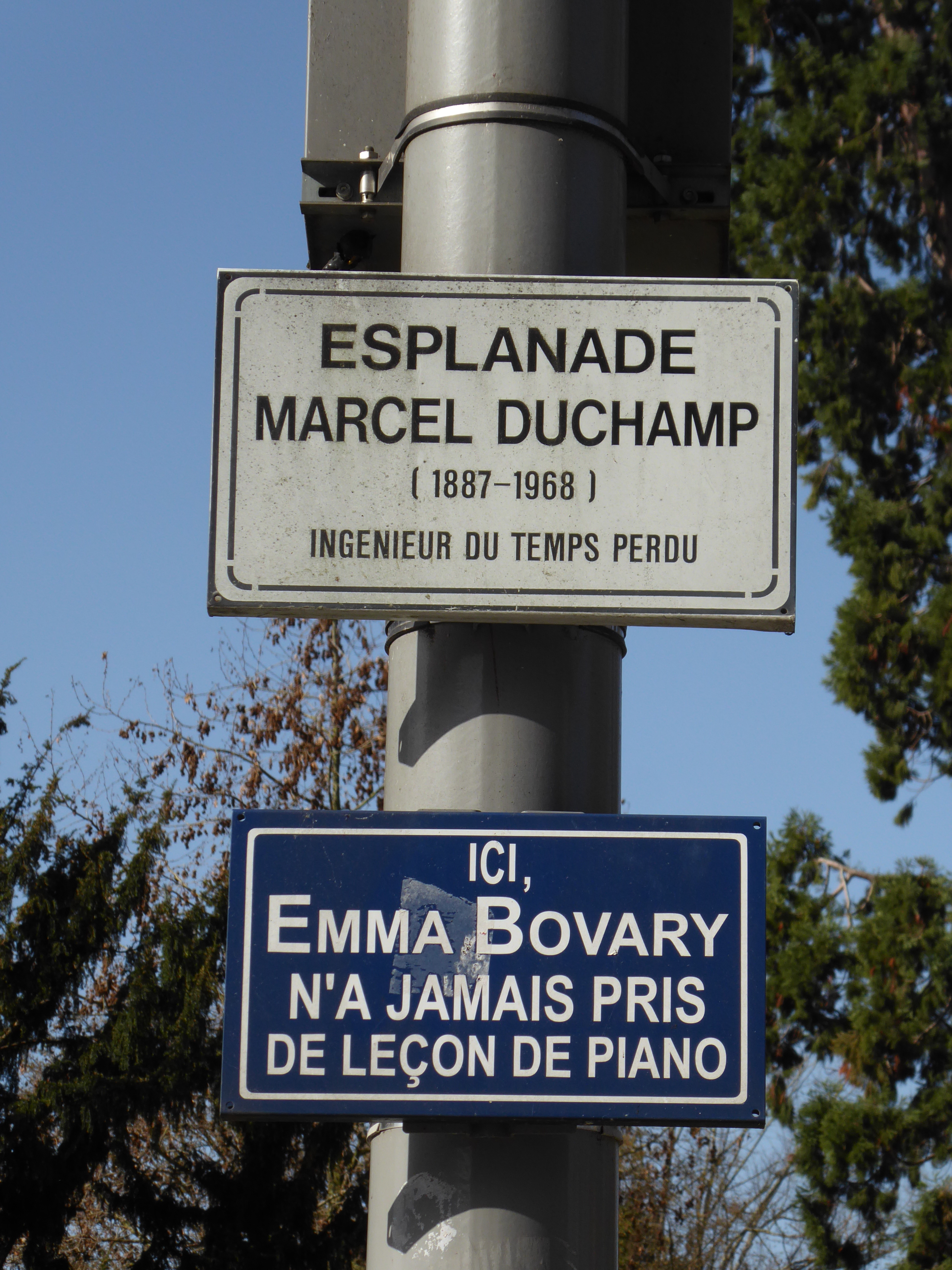
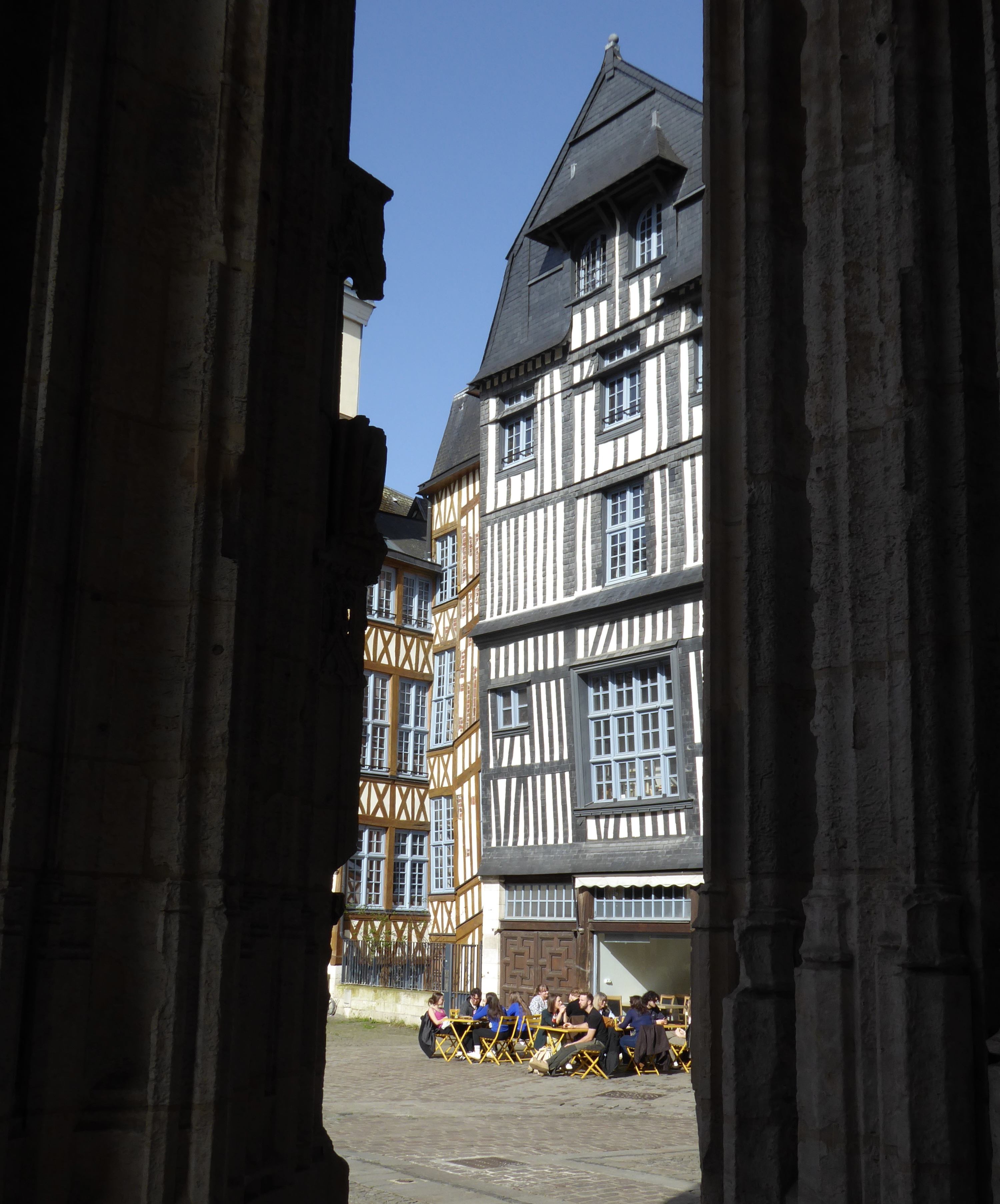
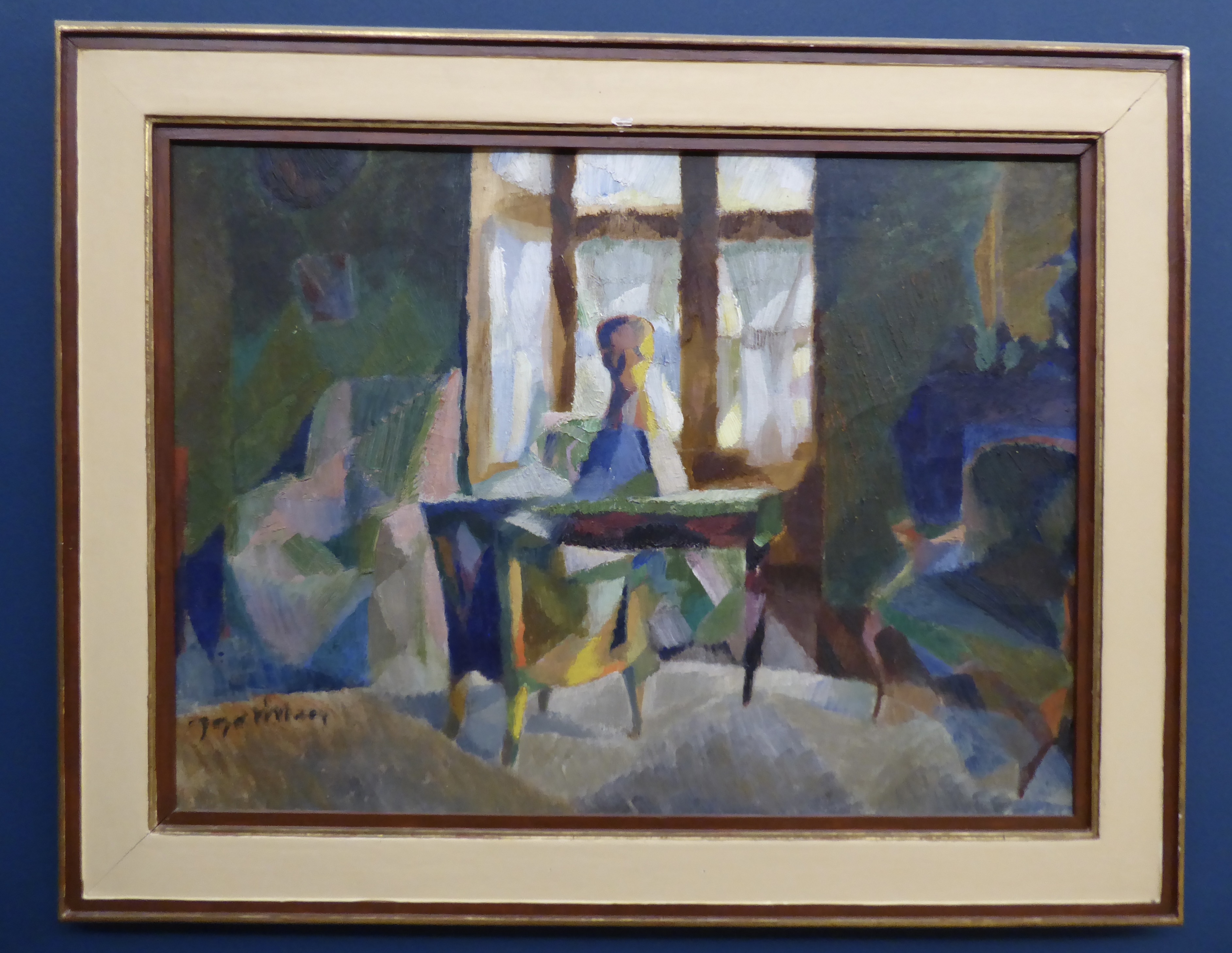
I cycled to Rouen from (I think) Dieppe decades ago and stayed in the youth hostel; all I can remember are hills. Today Rouen is definitely busier and bigger than Amiens and has many wooden buildings. Things I didn’t know/had forgotten: Jeanne d’Arc (“Que les Anglais brûlèrent à Rouen”); Marcel Duchamp was born near here; his siblings (including Jacques Villon) were also artists; Gustave Flaubert was born here and had Emma Bovary visit the city regularly. (But not for piano lessons.)

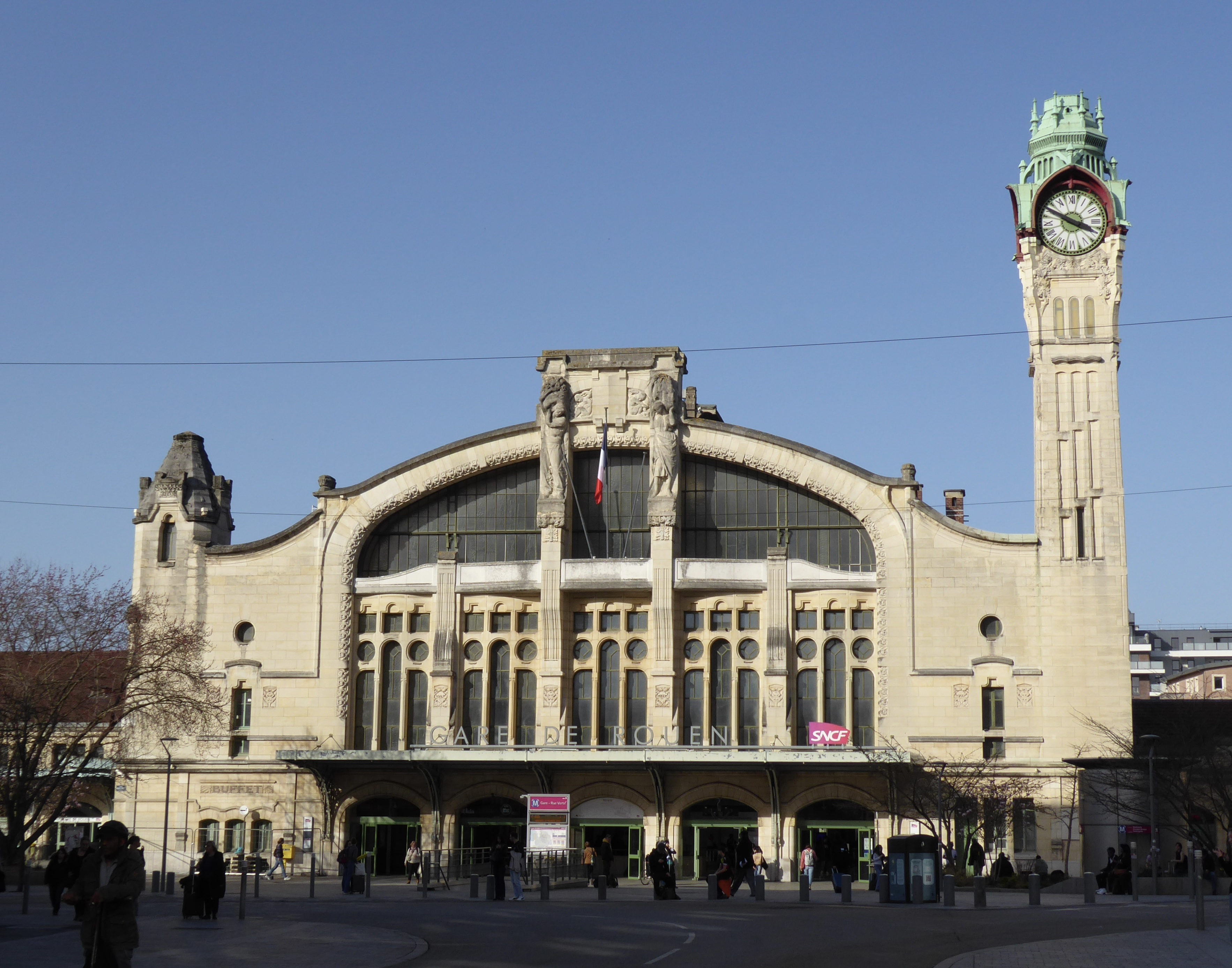
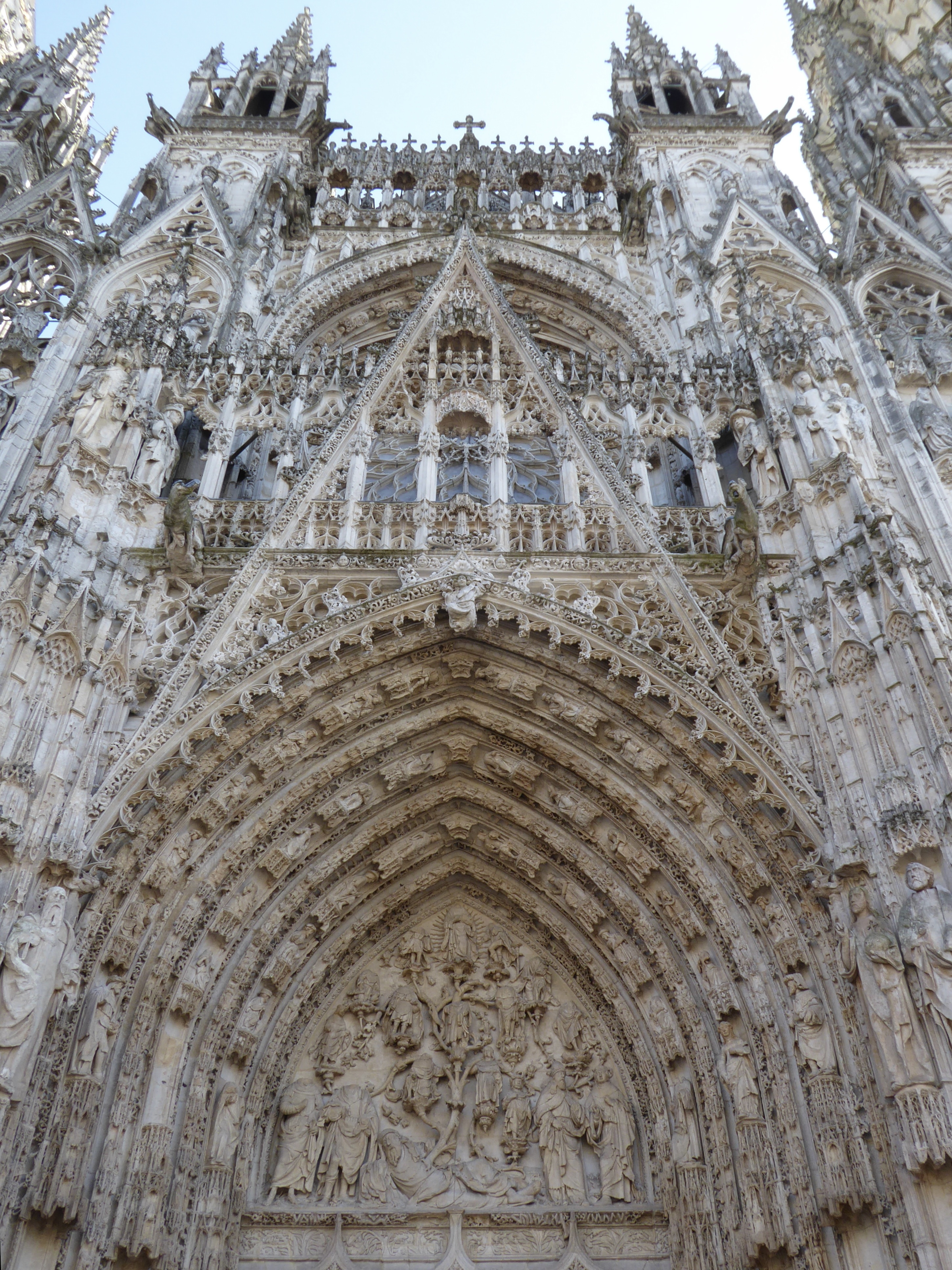
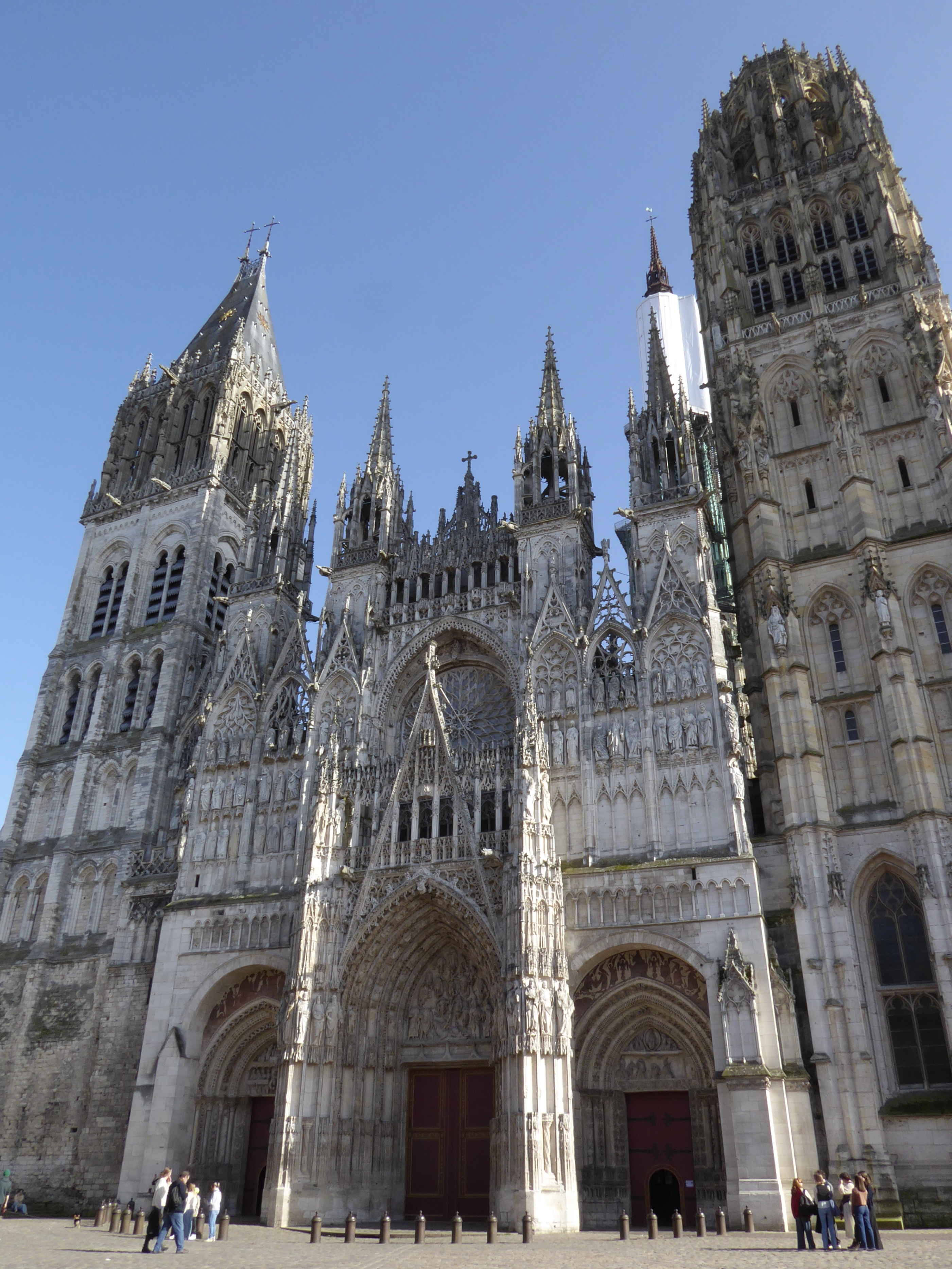
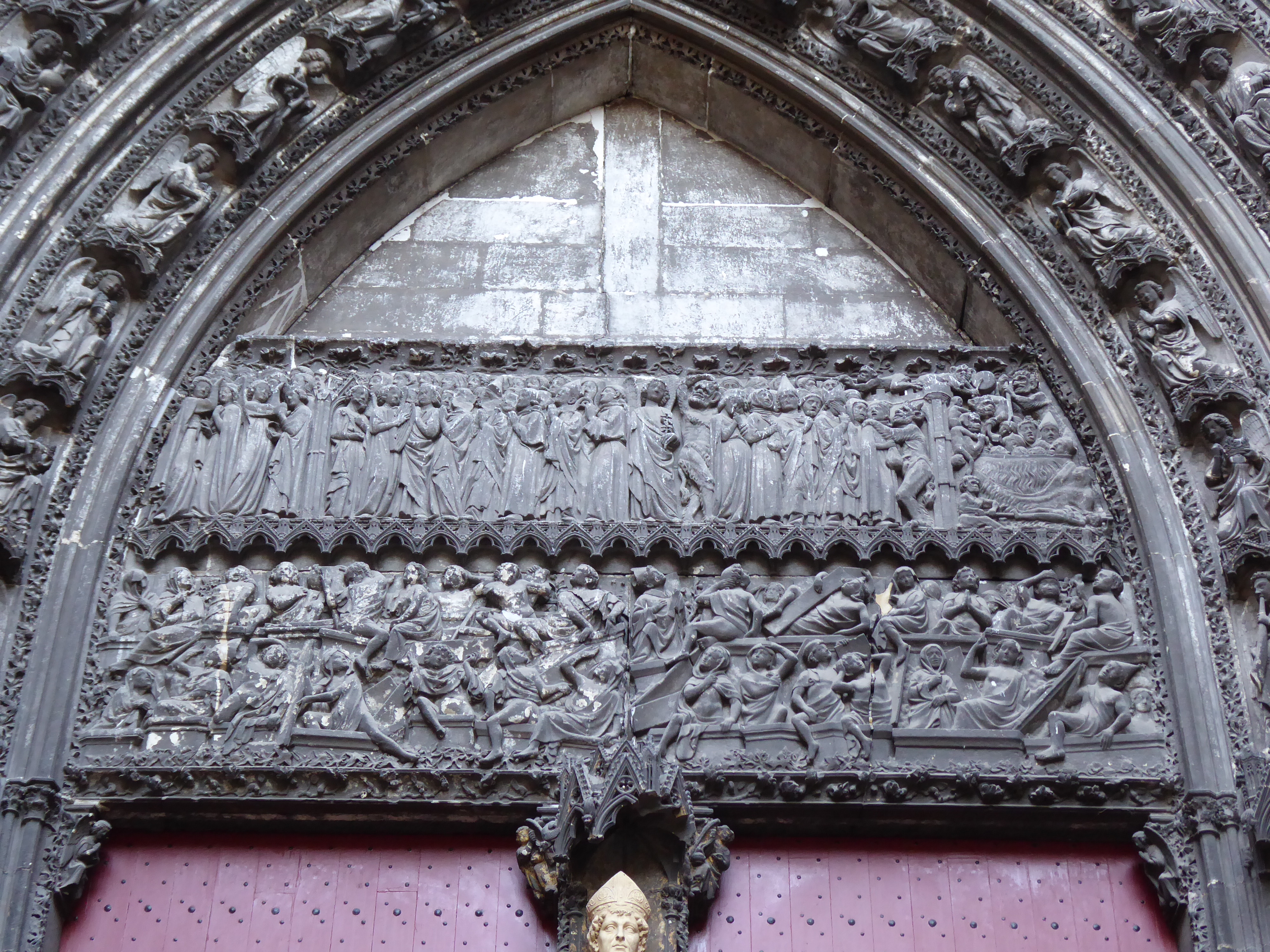
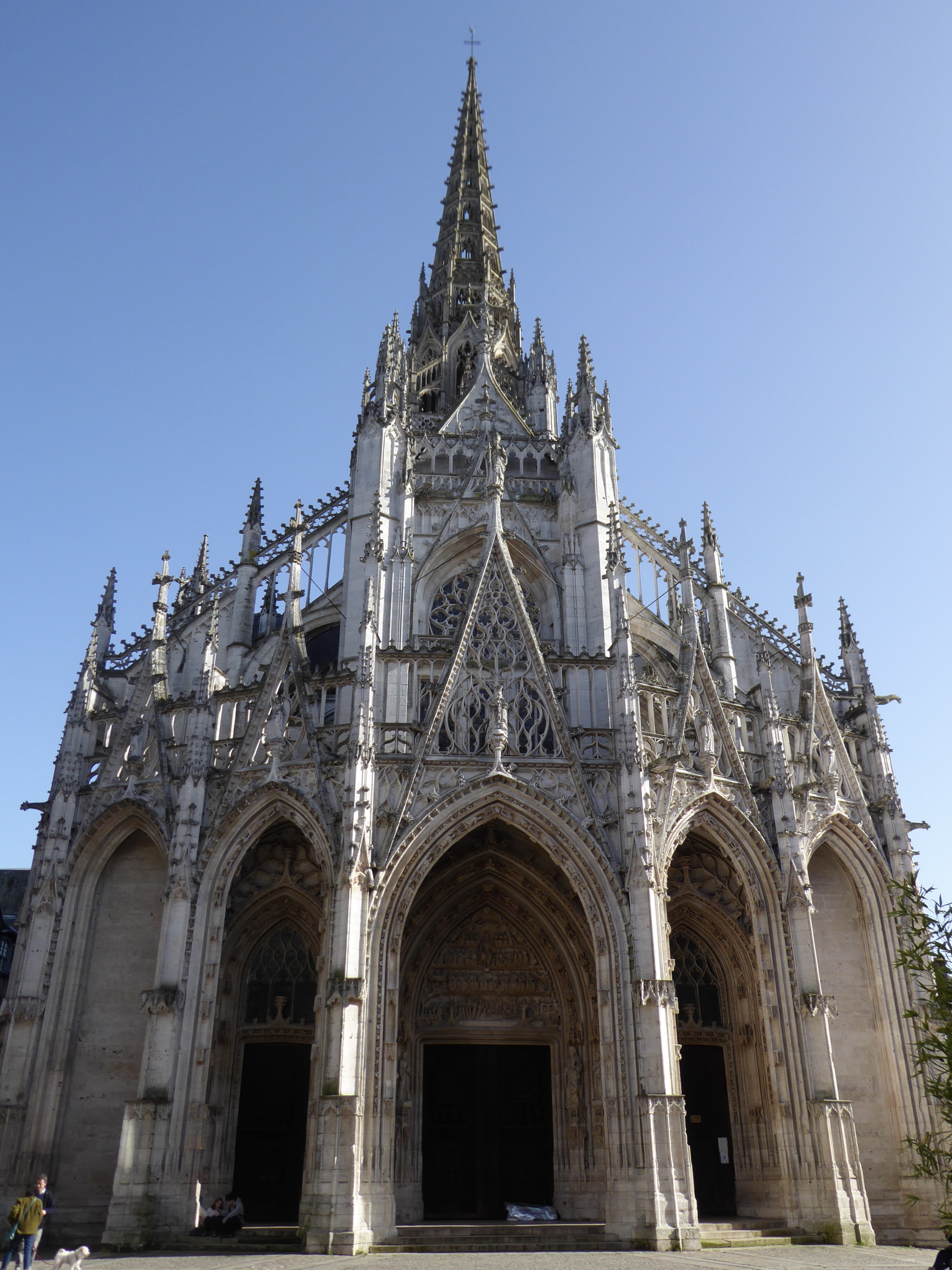
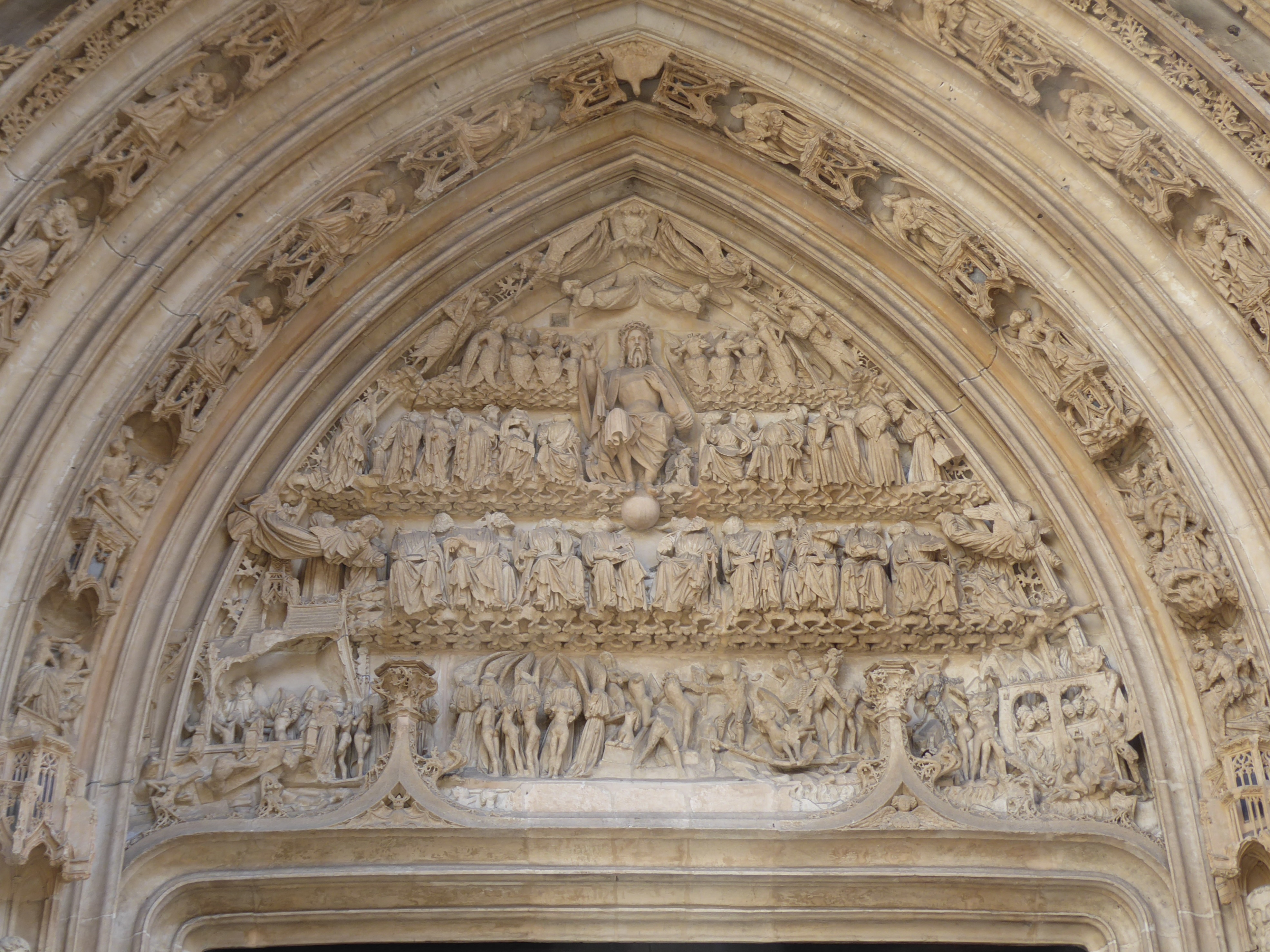
I arrived at the wonderful station. Although built in the 1920s, it’s more art nouveau than art deco. Next stop the tourist office on the Esplanade Marcel Duchamp. Then to the cathedral. Amiens cathedral has already won my heart and Rouen didn’t displace it. Taller but smaller (by volume) than Amiens, despite the width of the west front. The choir was damaged in WWII (the Allies again) and is obviously a reconstruction, and the spire is undergoing repair work. From some angles it looks as if the cathedral is made of lace rather than stone. I was also taken by the Église Saint-Maclou: Flamboyant Gothic (think carpet beaters laid one on top of each other) and moving forward to greet you. Like Amiens and the north door of Rouen, it has a grim image of the Day of Judgement.

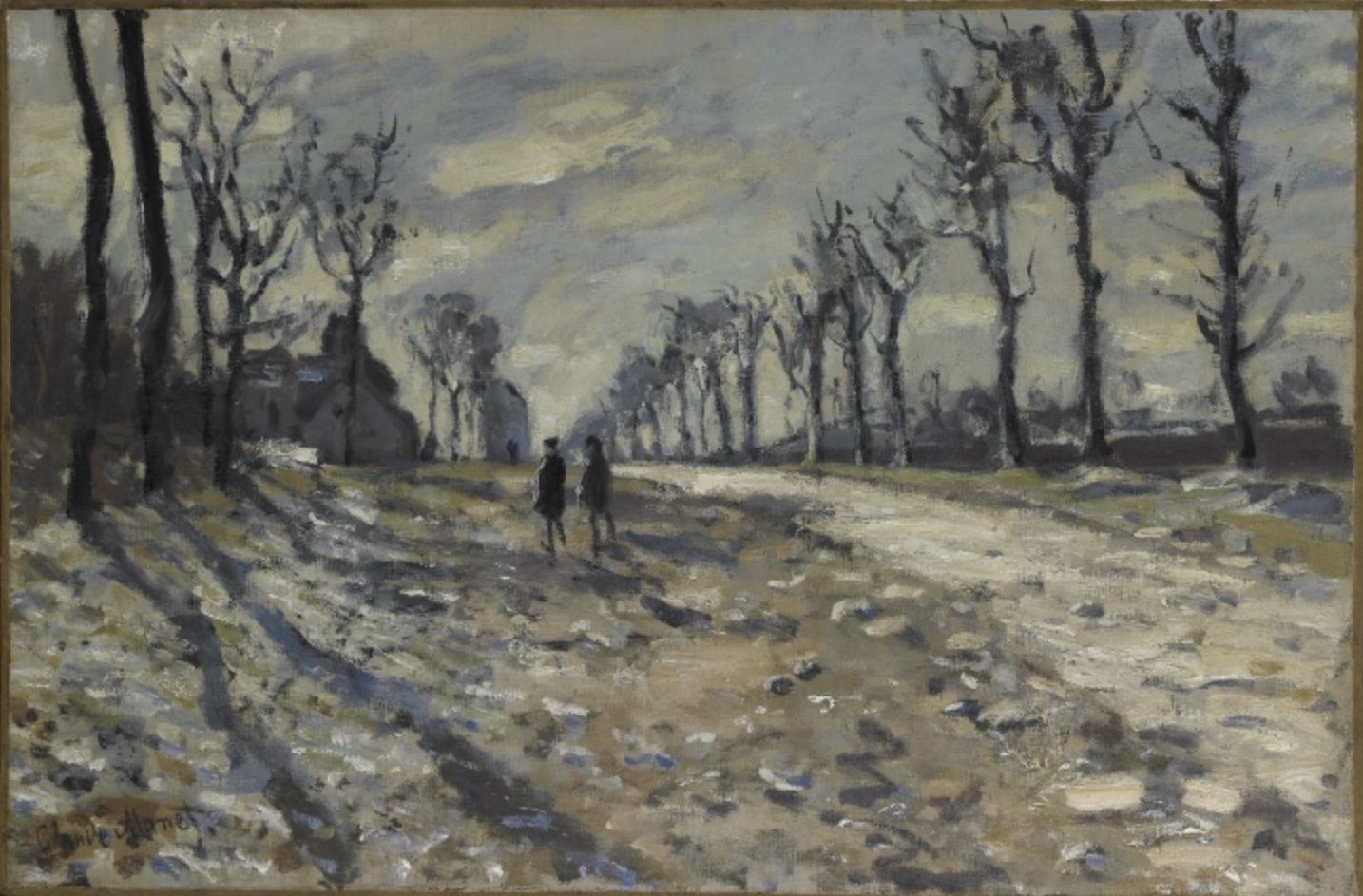
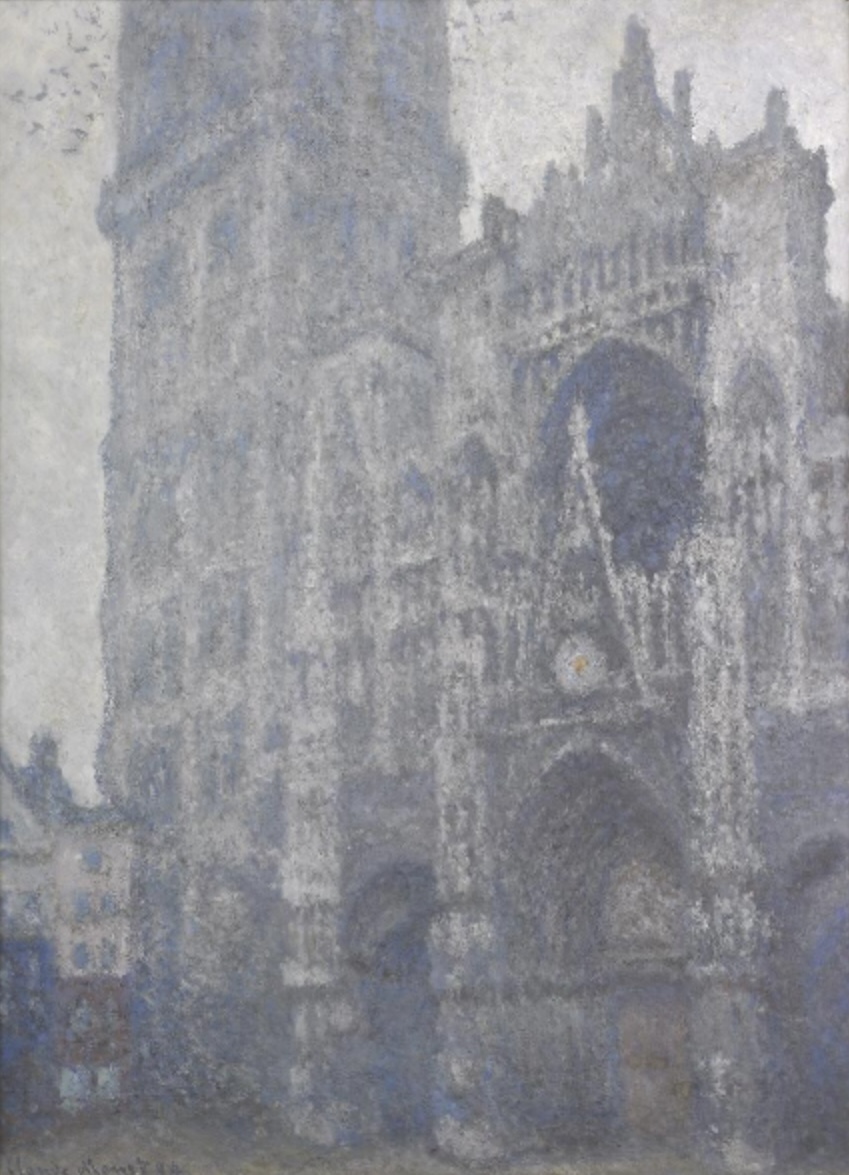
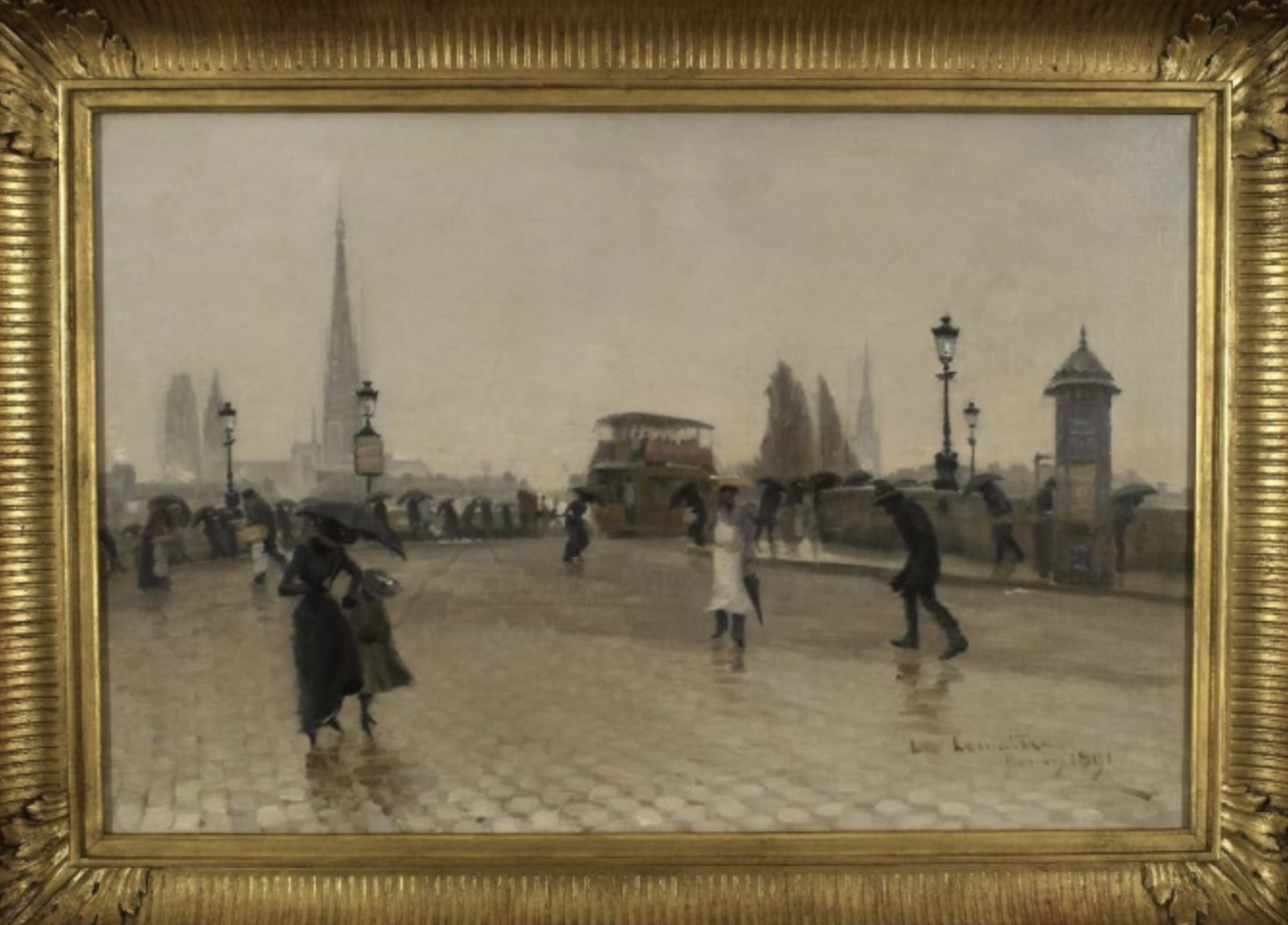
Last stop was the Musée des Beaux Arts because it seemed a shame to pass up the chance of seeing one of Monet’s paintings of the cathedral.

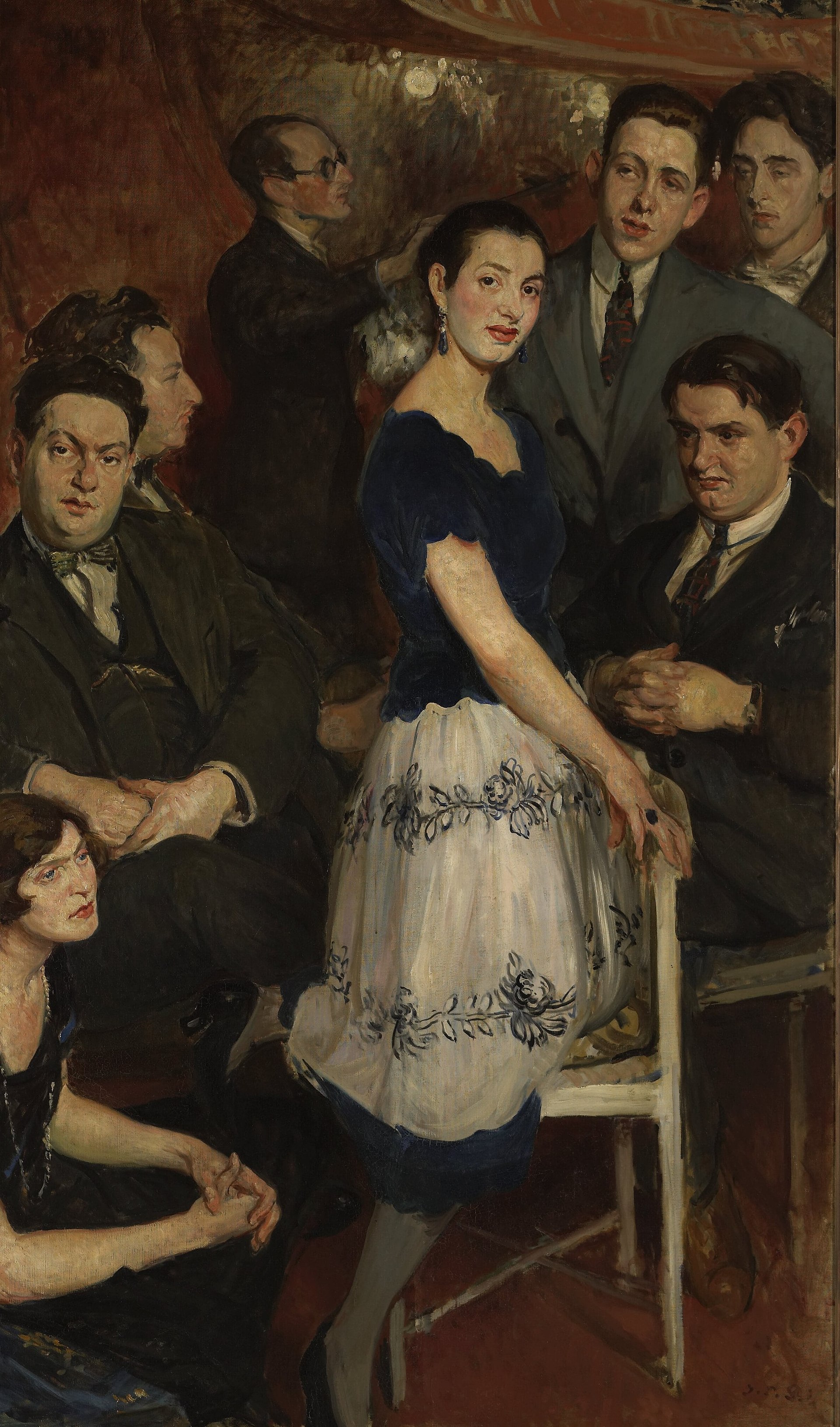
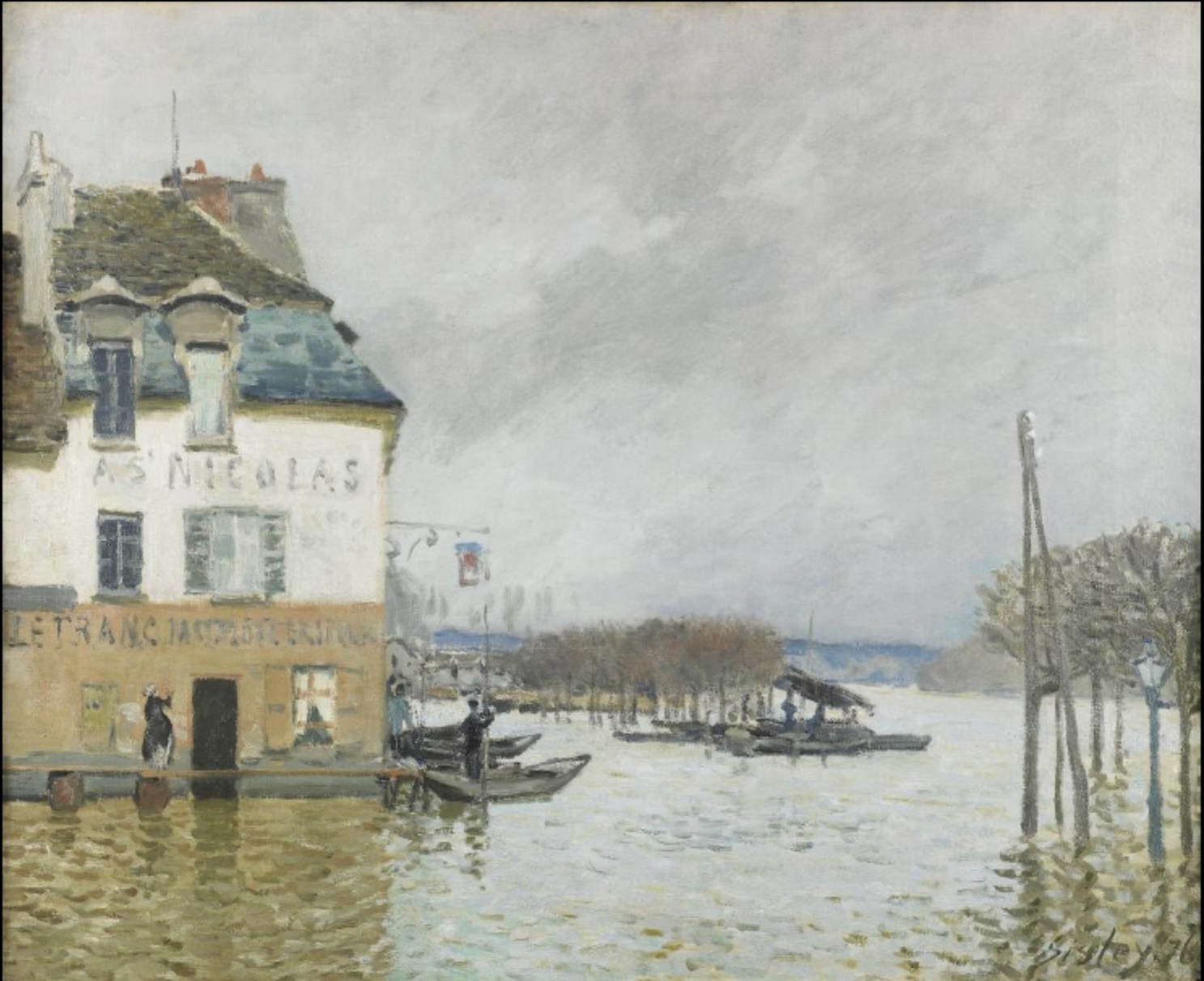
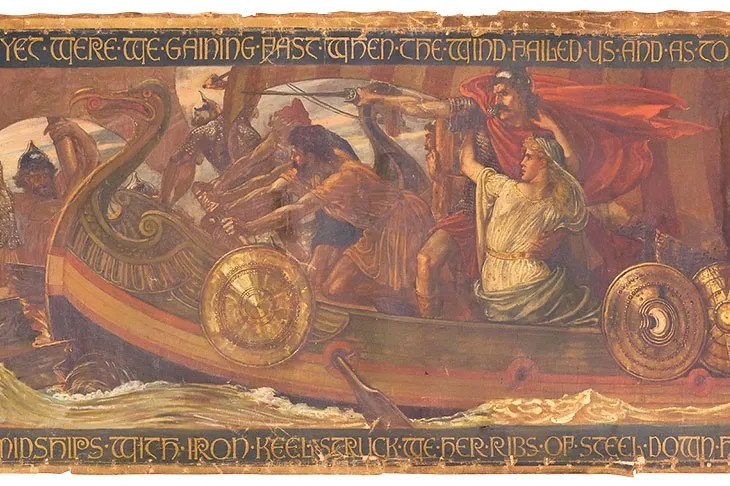
It’s a big gallery with lots of overwhelming history paintings which I skipped for the Impressionist rooms. There was also a full room of some recently restored murals by Walter Crane of some Viking fantasy. A painting by Marcel Duchamp, which was overshadowed by paintings by his brother, Gaston (who called himself Jacques Villon). Some lovely works by Alfred Sisley, a gloomy woman on a bed by Walter Sickert, and a new discovery – Jacques-Émile Blanche. Self-taught (and it showed), but I was amused by the label on his painting of “Les Six” (composers – actually only five of them in the painting and the women don’t feature in the title): it included the words “Francis Poulenc, reconnaissable par ses oreilles”.
Amiens

I have a hopelessly outdated vision of France. Romantic, elegant and classy with earthier undertones from Zola and Maigret. Quite ridiculous of course. I put it down to French textbook propaganda, watching/reading too many thrillers set on the Côte d’Azur at an impressionable age, artists and Chanel. I know this is 2026 and that the knots of national differences have been planed away over the years . . . but it took ages today before my journey shook off the global Subway/Starbucks/Deliveroo vibe and turned into something that seemed more “French”. (And I realise that part of the shift was moving into a more middle-class world.) London to Lille and then to Amiens. The latter train was delayed by an hour and was no more exotic than Northern Rail – but without the scenery. Such big fields of just mud! And then I remembered the battles of the Somme and was glad that this had returned to farmland.
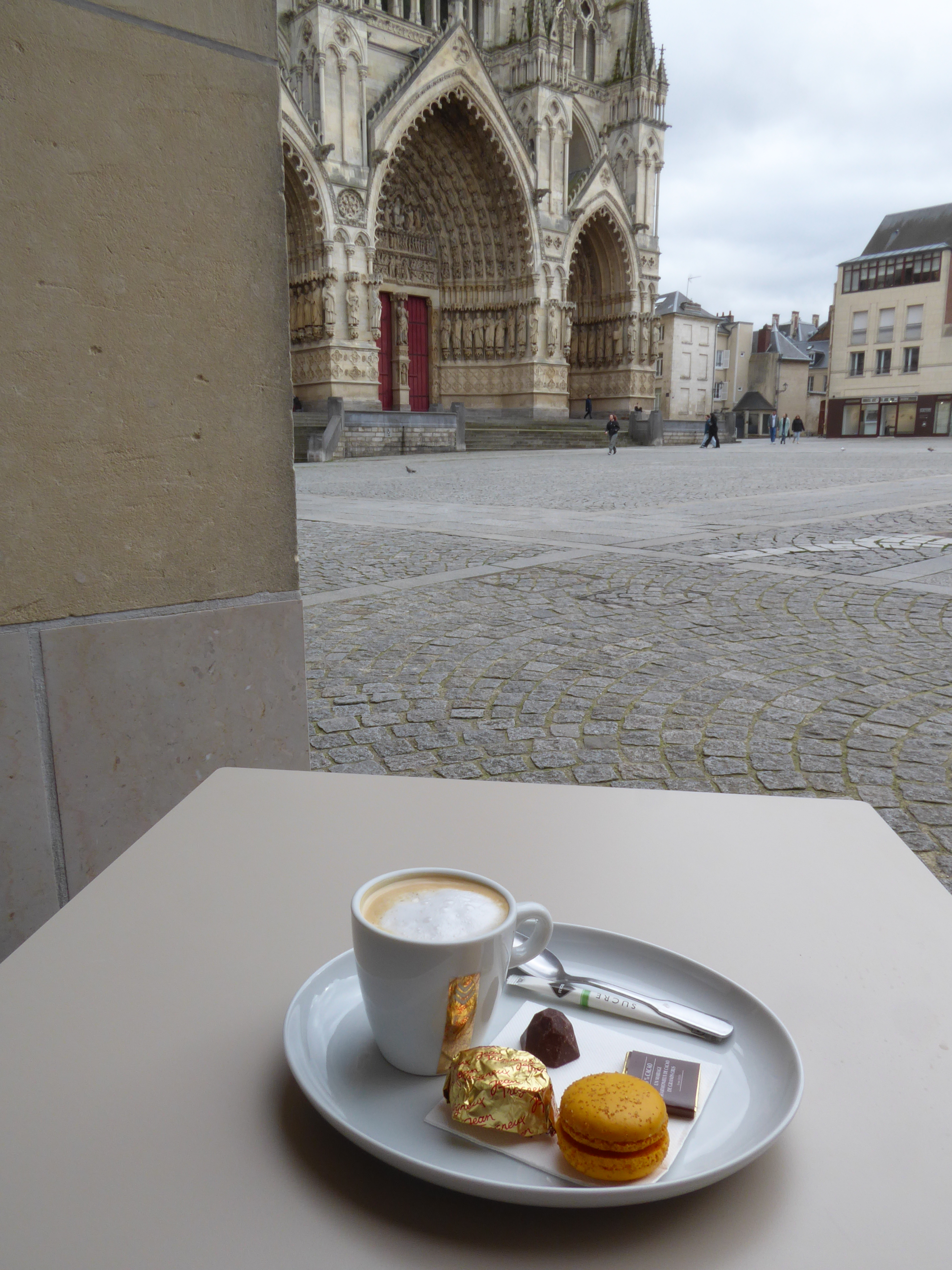
Anyway, at some point – possibly when I dredged up some French (and my accent sounds oddly atrocious even to my ears) – I finally felt that I had entered a different world. Part of the difference is not being able to have what I am used to: a washed-out café crème rather than an americano , or uncertainty over finding a non-meat food option. I do not ask for sympathy: I pimped my café crème by asking for the “café gourmand” option: a macaron, macaroon, chocolate and a view of the cathedral.

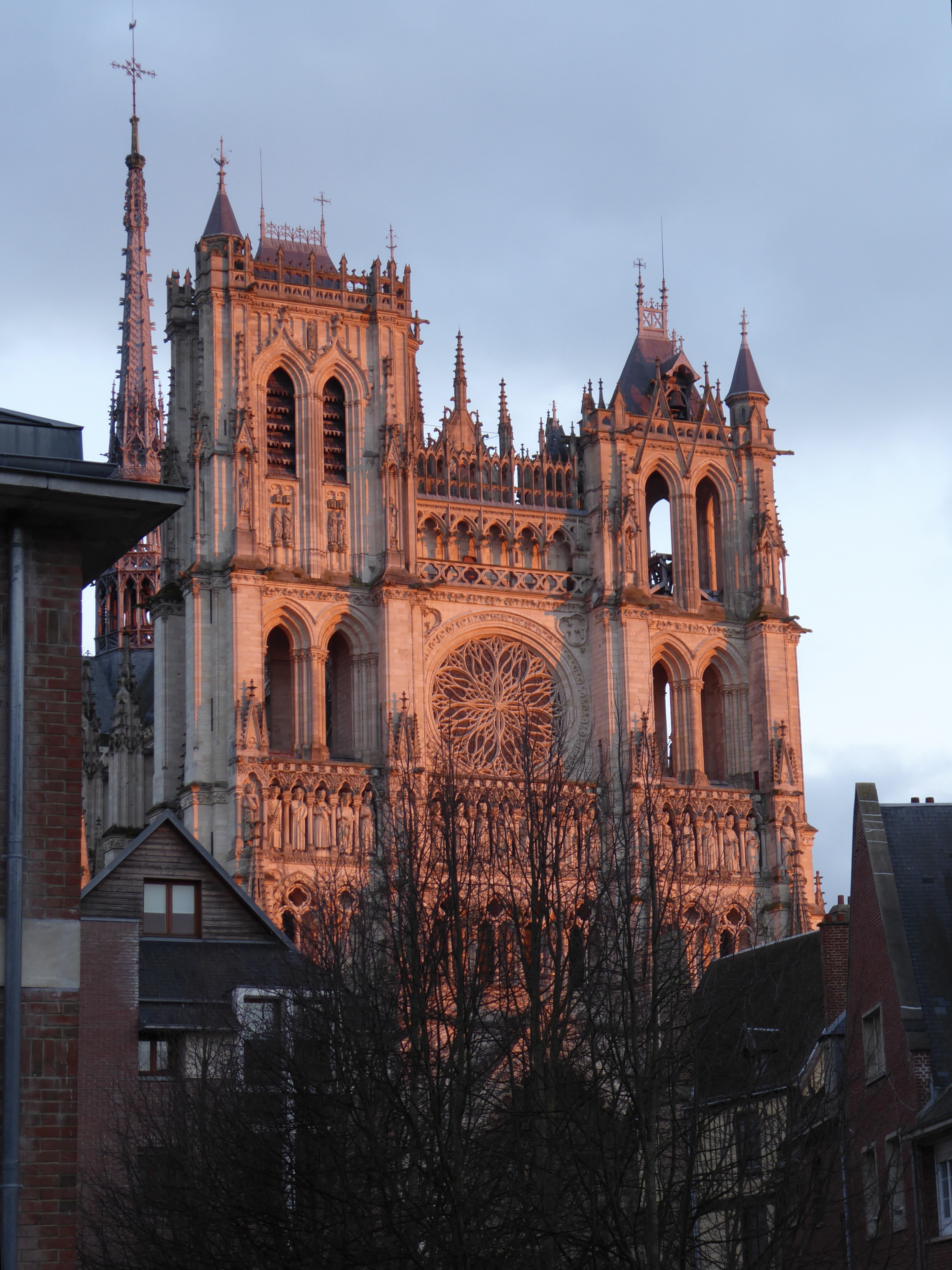
Ah, the cathedral. My reason for coming. Most of it was built in the 13th century in the Rayonnant style (looks like somebody’s been let loose with a Spirograph set). It’s the largest Gothic cathedral in the world thanks to its breathtaking height. It brought tears to my eyes as I first took in its size and light – and I felt quite sad when I completed my tour and realised that my initial sense of awe had dwindled into ordinary appreciation. It is truly magnificent and I am lucky enough to have a view of it from my hotel window.

Arras

I was rather surprised at having to give my name and date of birth in order to buy a return ticket to Arras over the counter. The foreigness of foreign countries, I suppose. Even stranger: the tickets were also emailed to me and I have no recollection of giving SNCF my email. It must have been in the far-off pre-Covid years when buying European train tickets was as common for me as buying a return to Manchester.

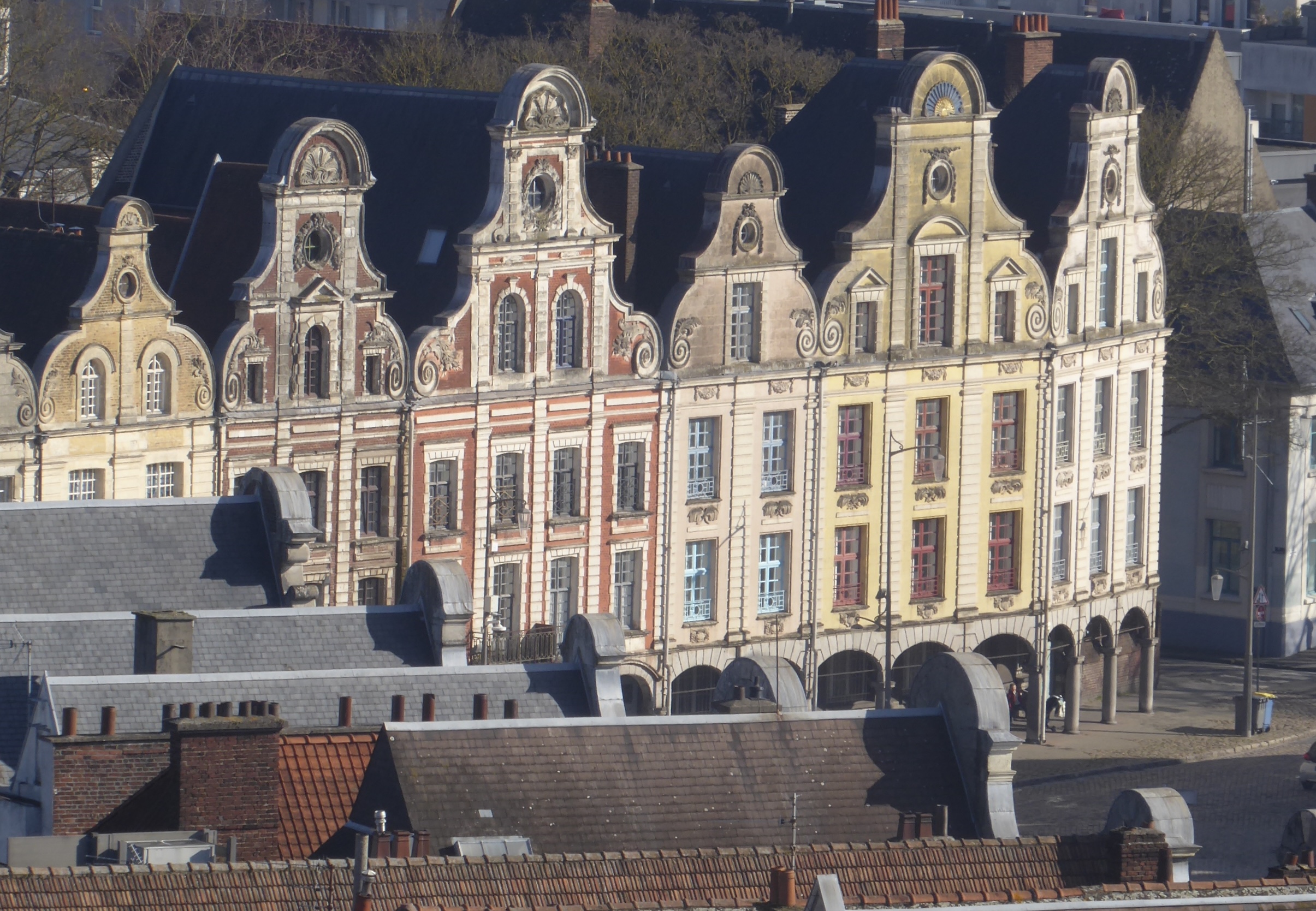
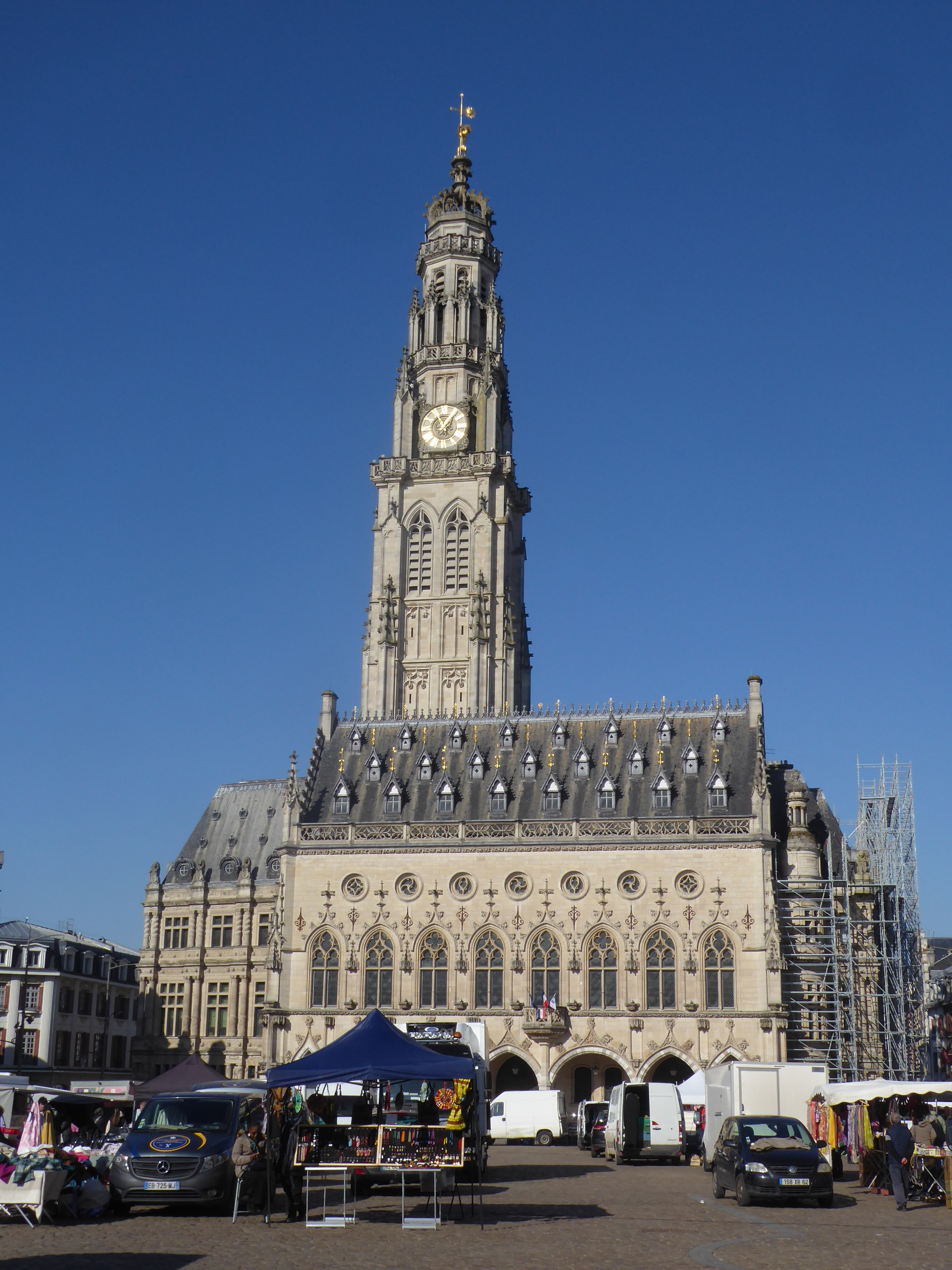
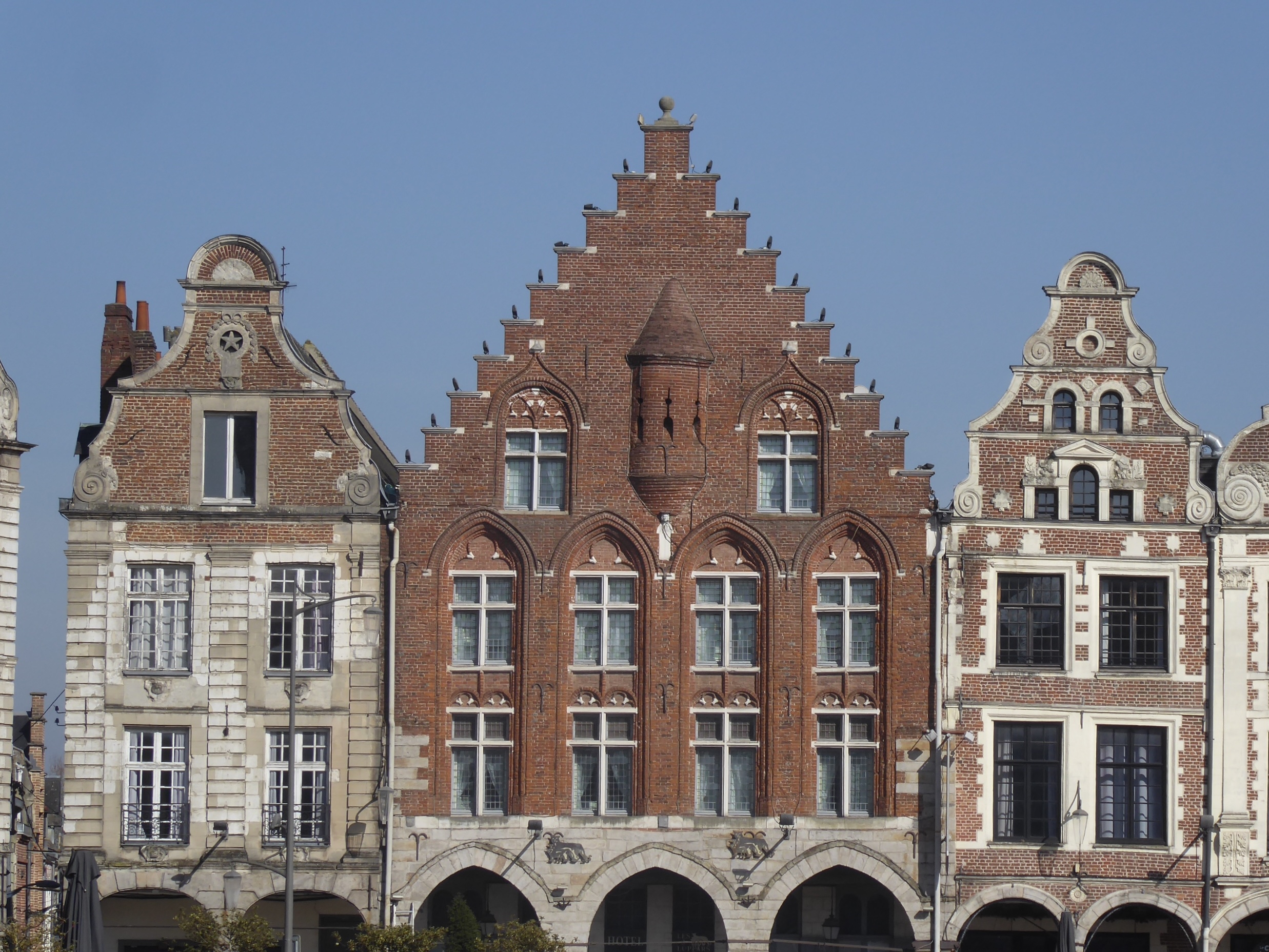
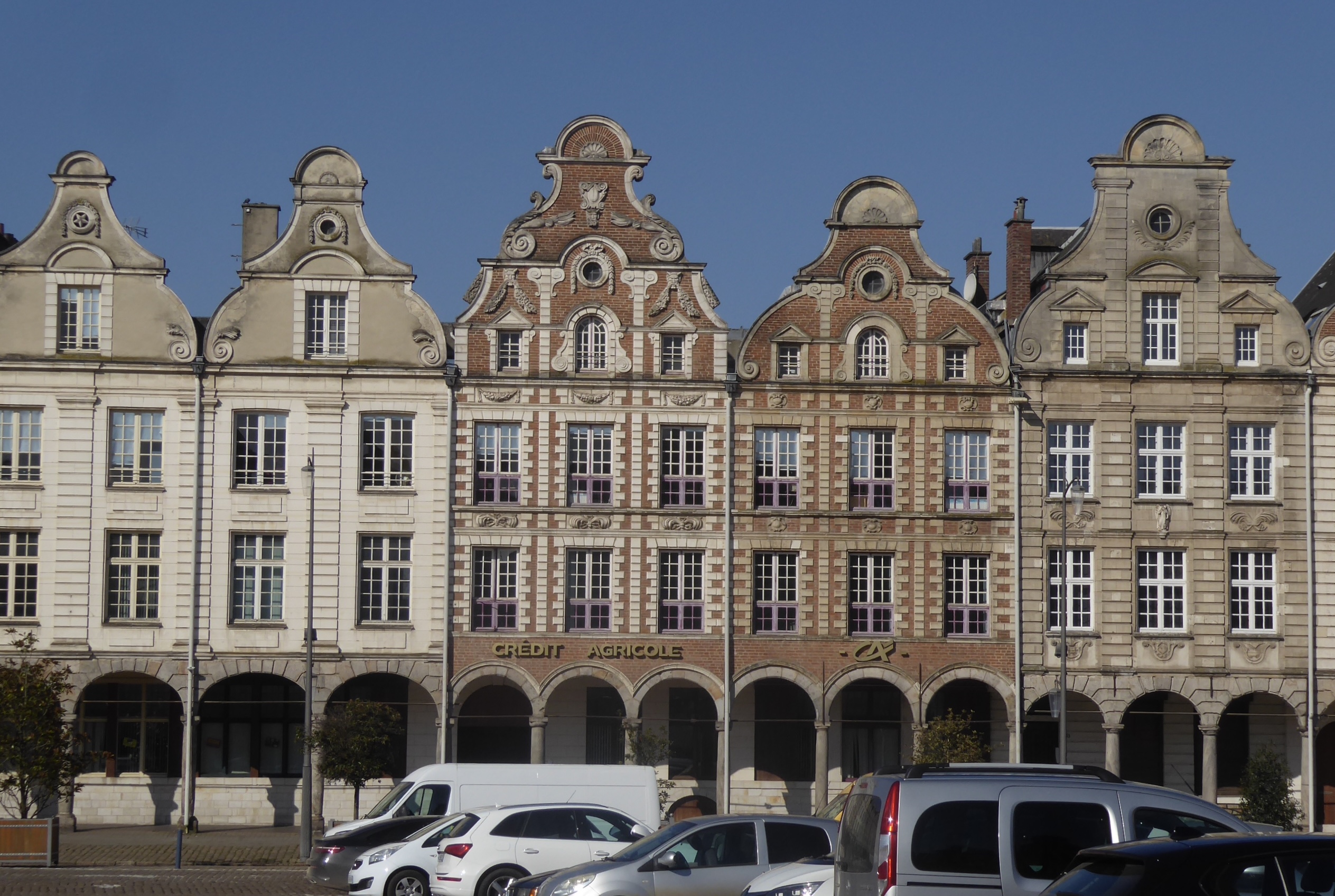
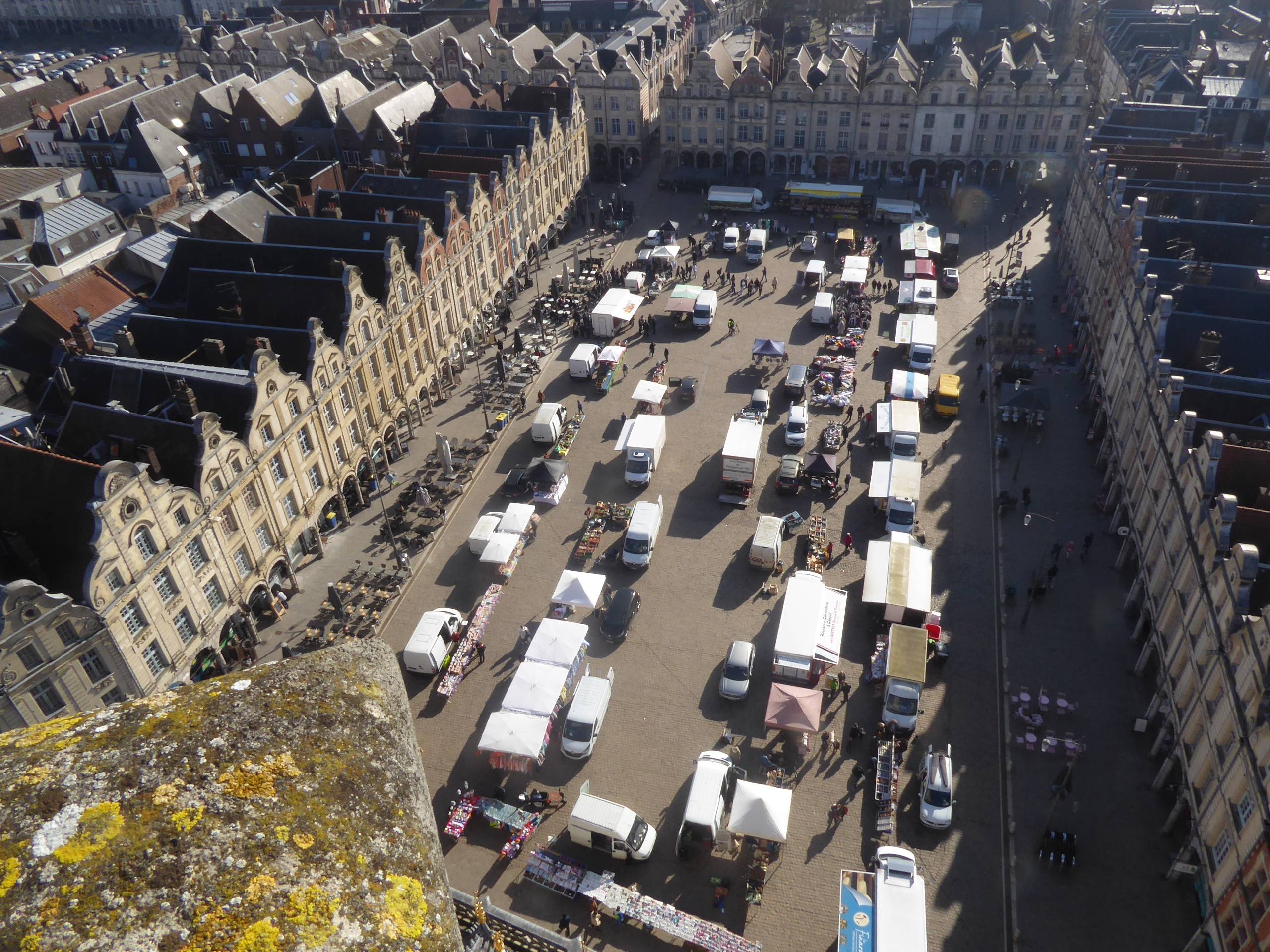
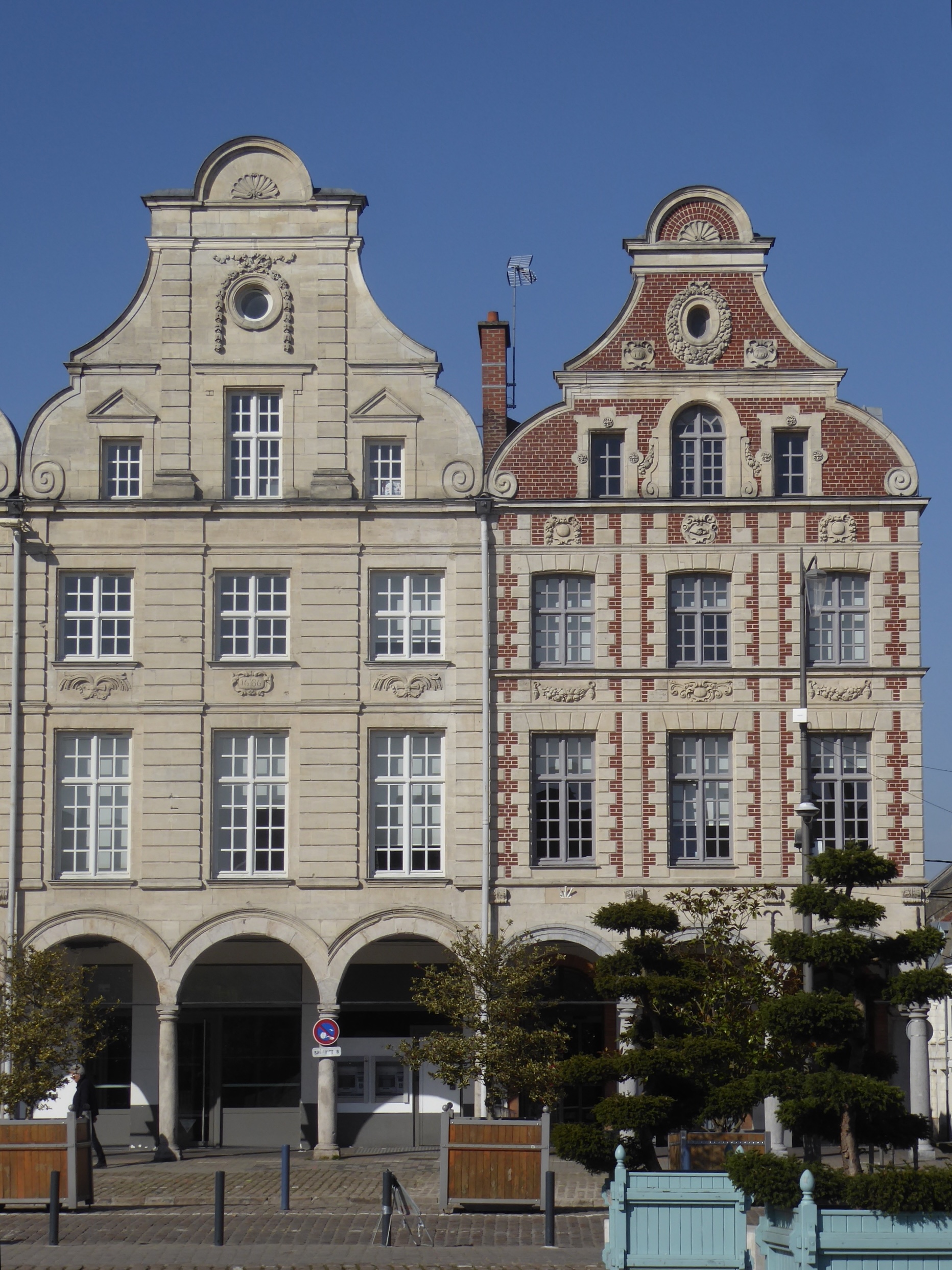
Anyway – Arras. It’s been on my mind to visit for so long that I can’t remember what prompted the inclination. It’s small but perfectly formed: improved even, since its post-WWI rebuilding means that there is a lift in the belfry to take you most of the way up to the top! Less brilliant was descending the staircase as the bells began to strike 11. It was a pleasure to wander around the Flemish-style squares in the sunshine, although my visit was shorter than expected since the Musée des Beaux Arts is closed for renovation.

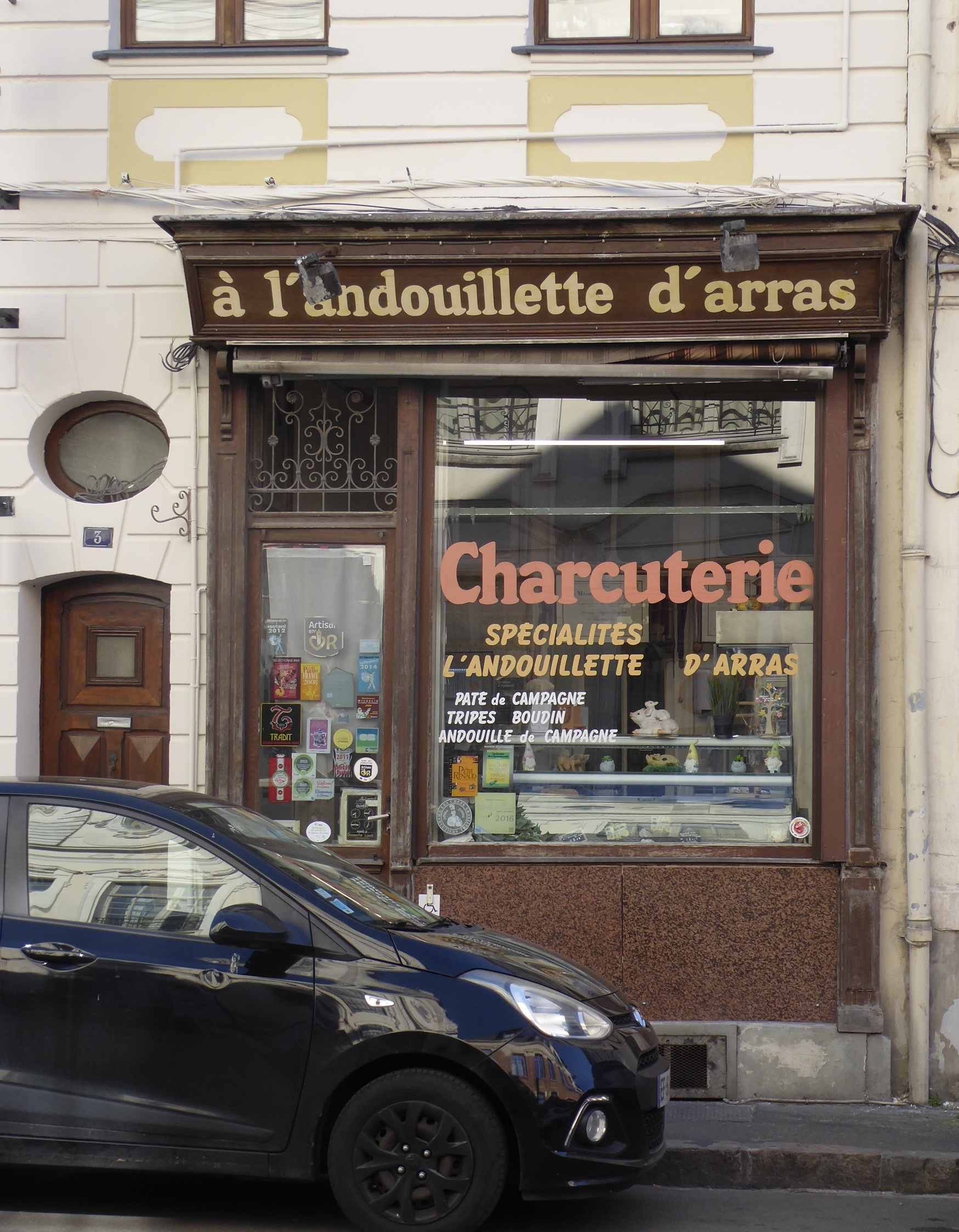
There was a little slice of French tradition in the charcuterie; a bit of a conflict between my dining preferences and my respect for other traditions there, but I’m sure the French can cope with that.

From the upper deck of the train I had ample opportunity to appreciate the dullness of the landscape: an occasional leftover spoil heap was a major feature. I shall be glad to see rolling hills again. But I suppose farming was another source of the region’s wealth back in the day, along with the coal mines and the textile factories.

Lille and Roubaix

I have settled in. My hotel room is fairly charmless apart from the windows and the view, and I’ll settle for that.

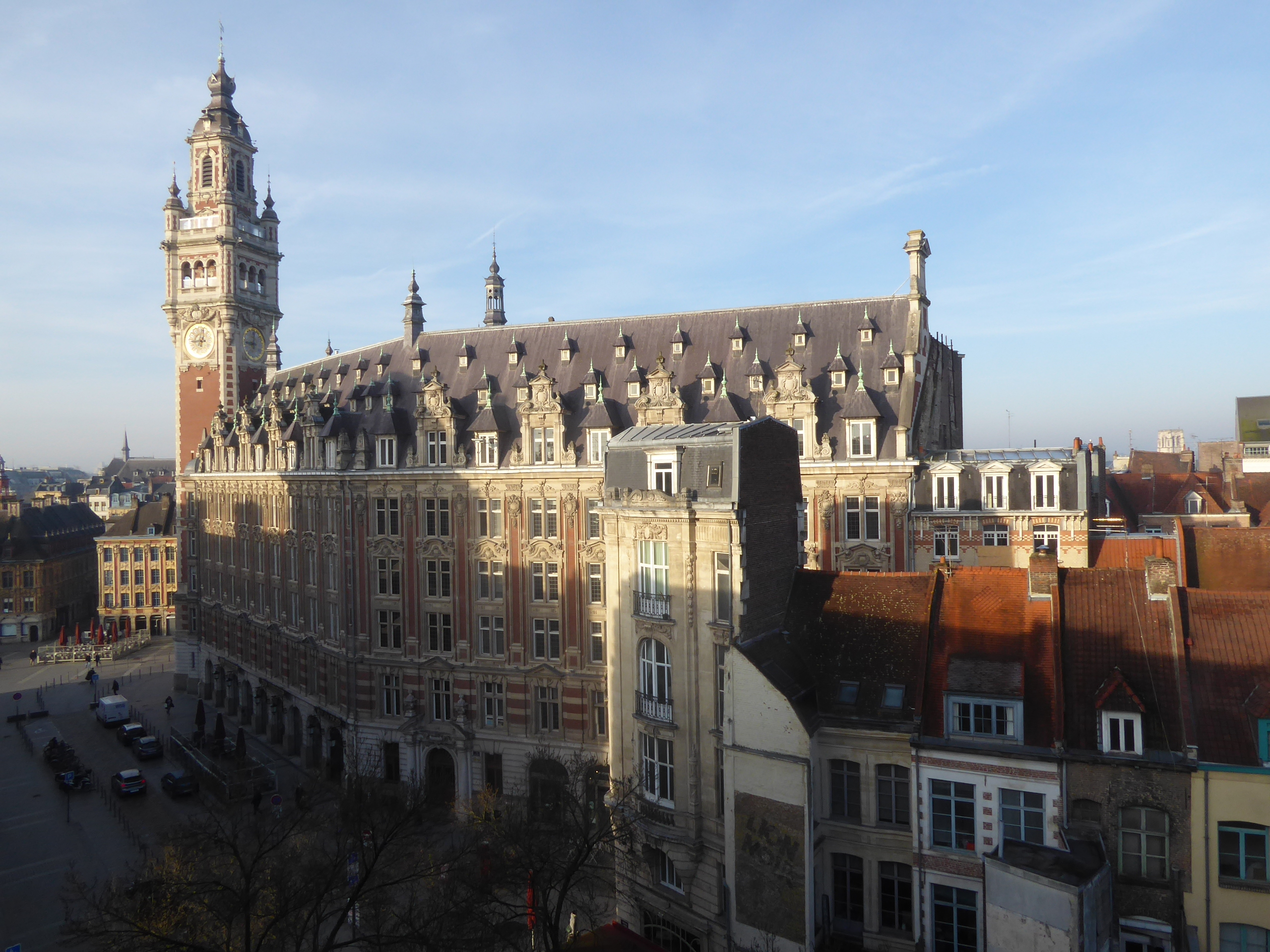
Lille is a pleasure to walk around. It’s both Flemish and French, and you never know which style you will find. The centre looks prosperous, but I’m not sure how far that prosperity stretches. Some of it has spread out to Roubaix, where I went today to visit La Piscine gallery. I caught the métro and wondered why I had such a clear view at the front of the train. It took me a little to realise that there was no driver.

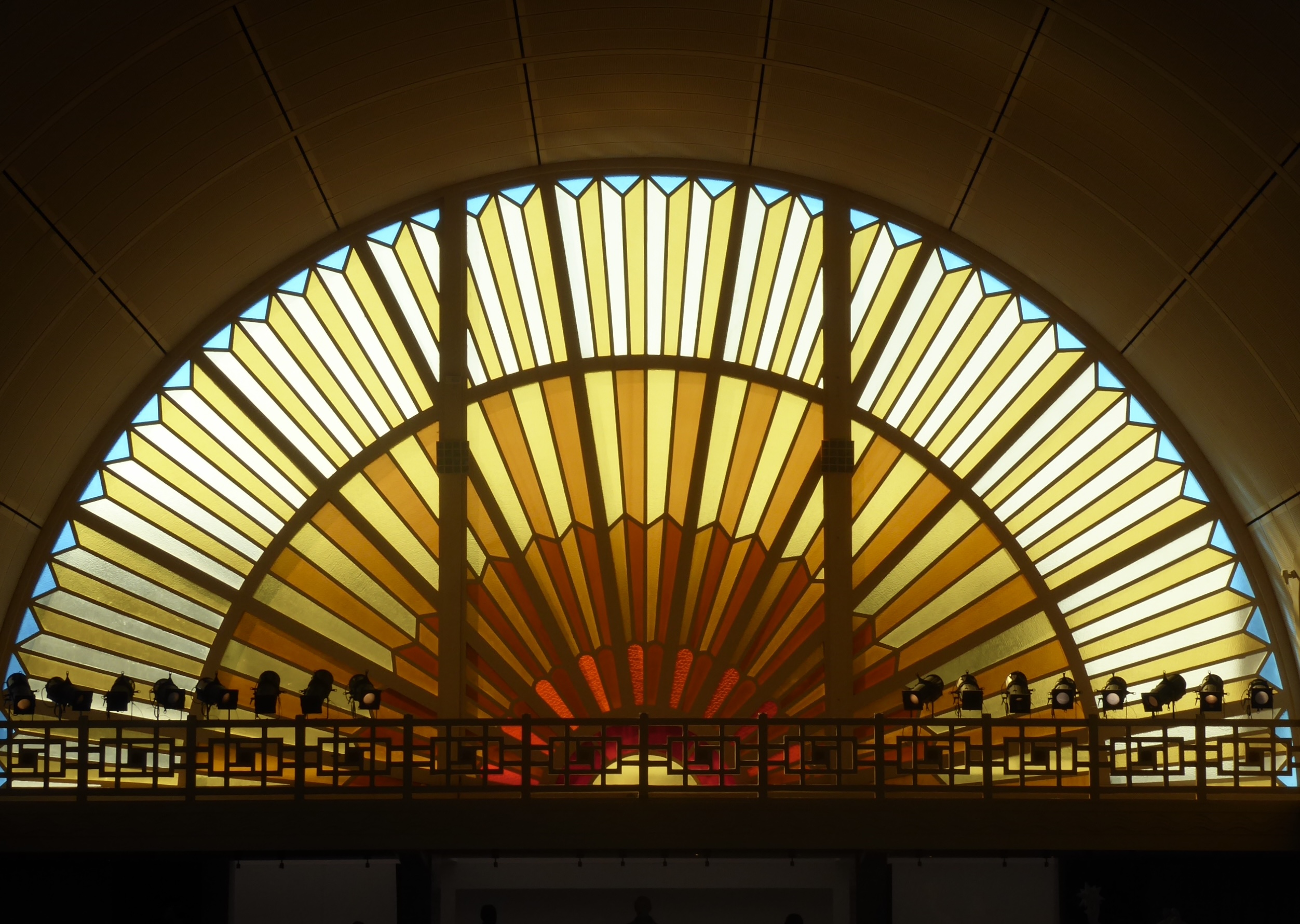
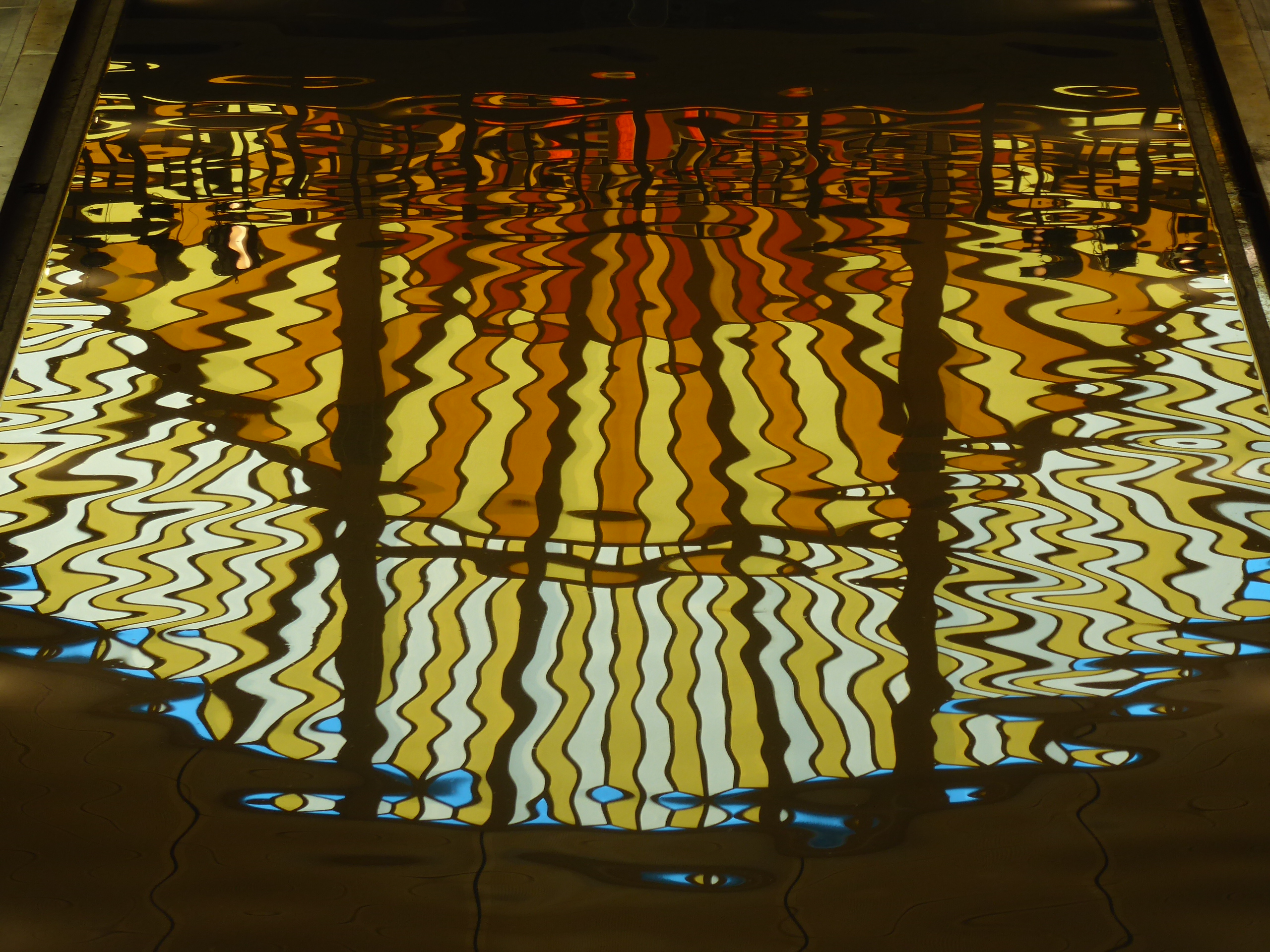
This is the third time I’ve been here, so there was nothing new – just a different way of looking at things. Plus of course trying to capture the reflected sunburst window in all its glory.

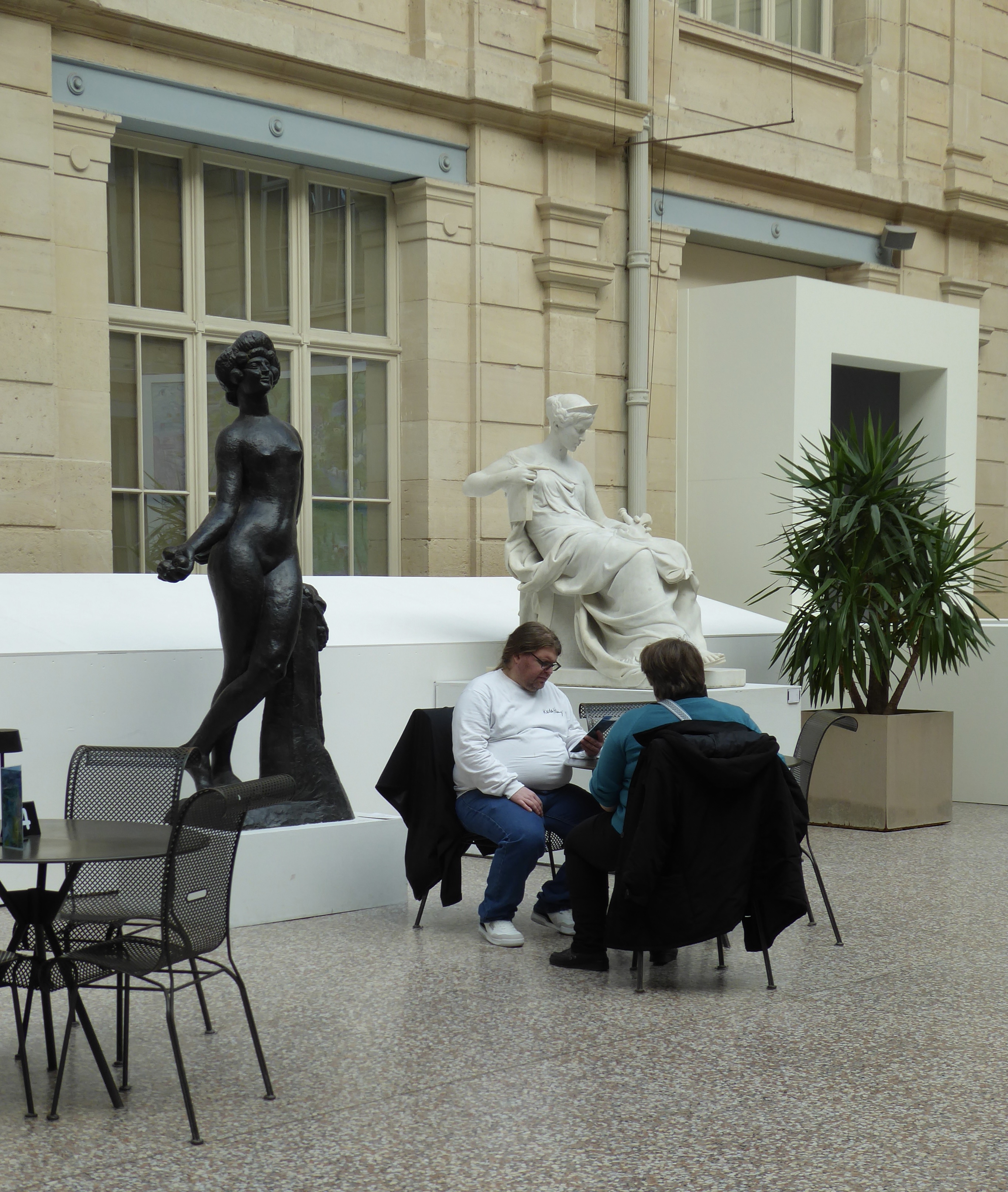
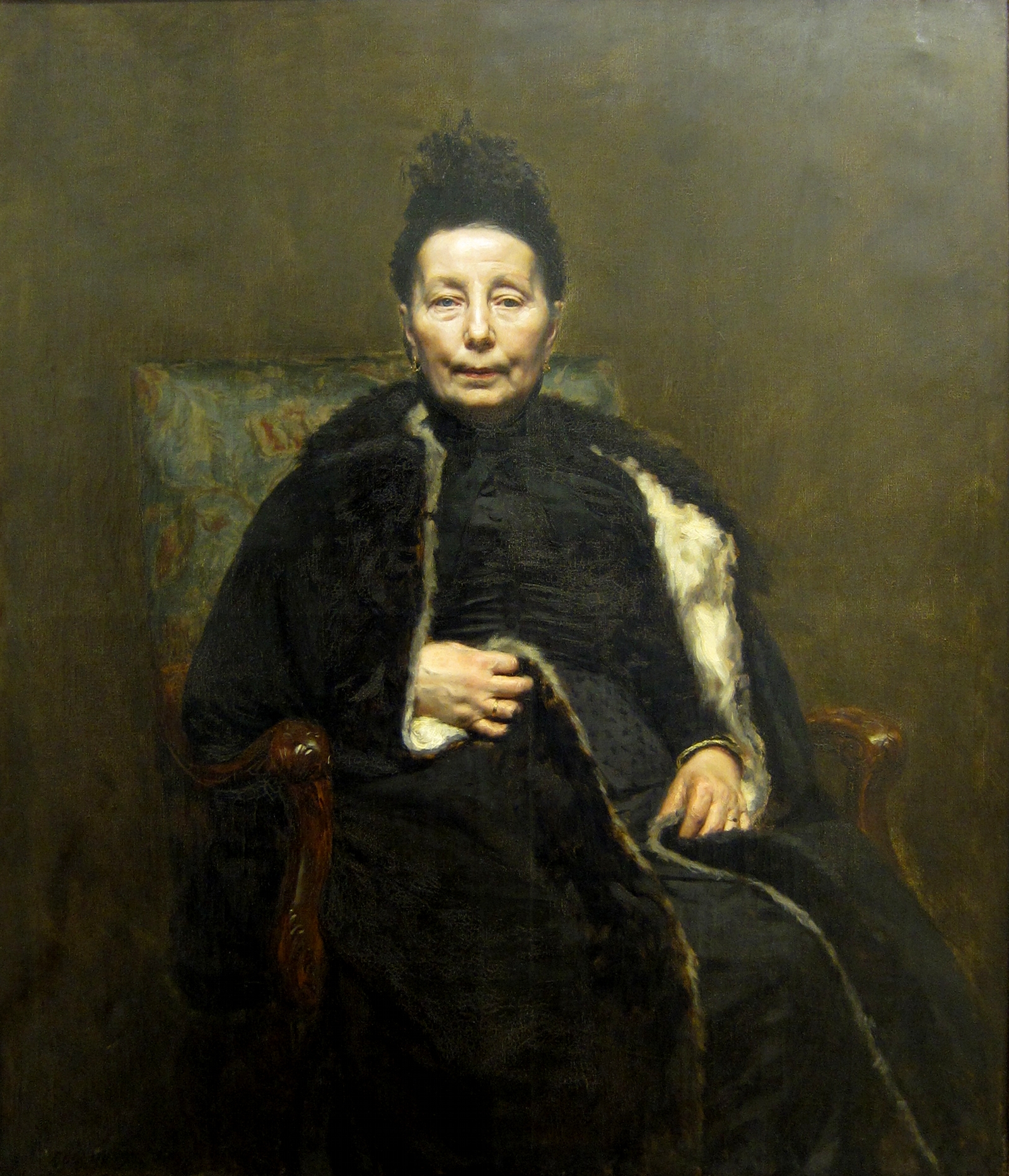
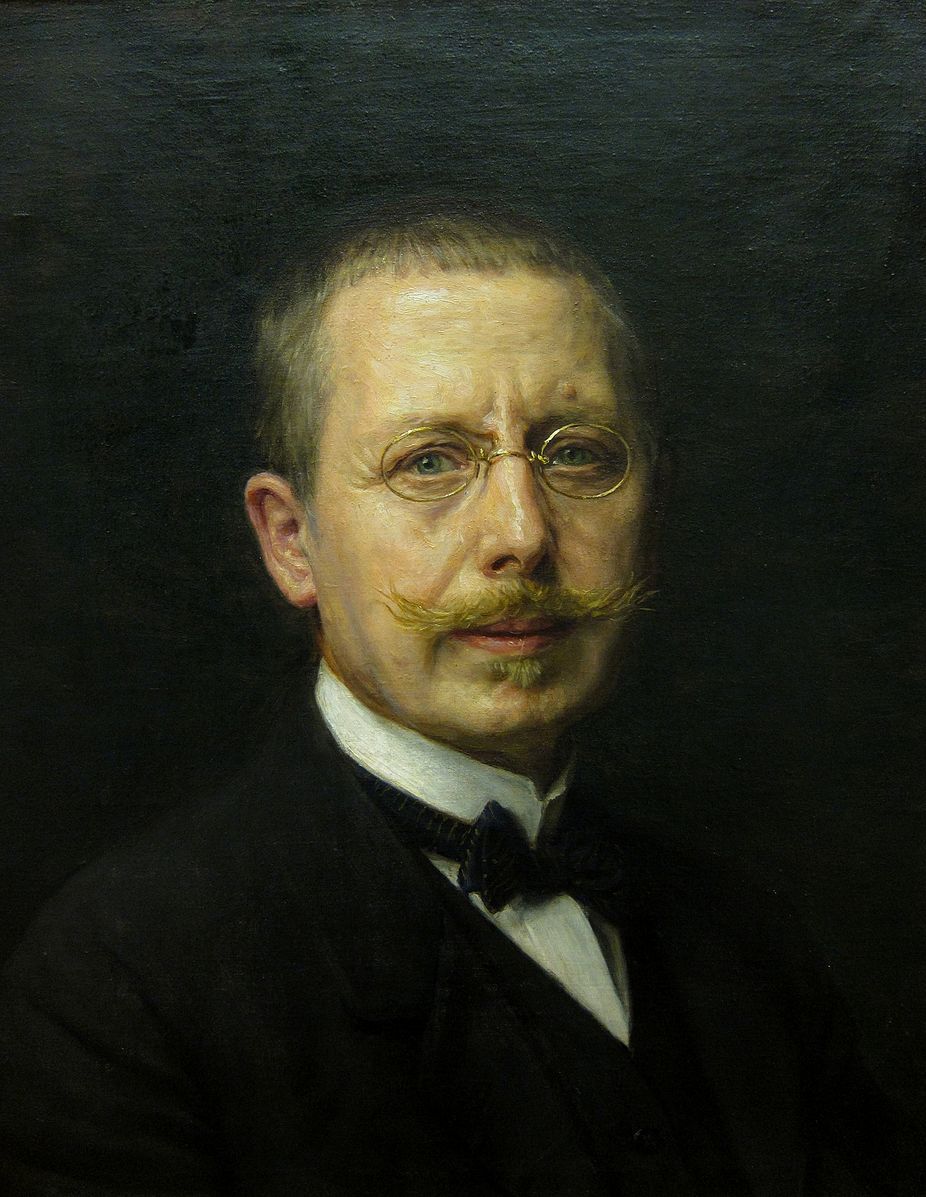
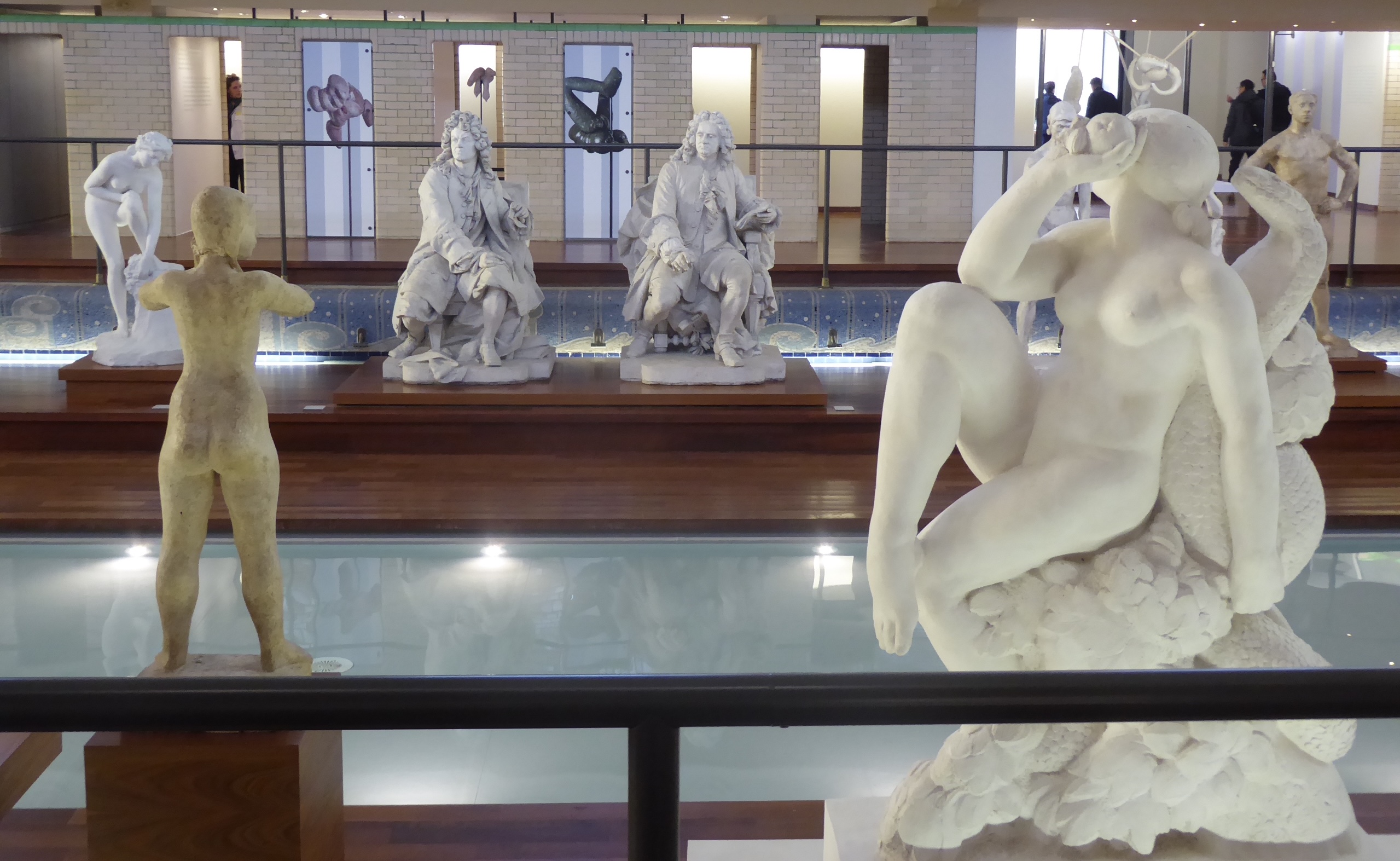
I rather liked the way the statues had been placed, with the over-dressed gentlemen surrounded by nymphs. Then all the paintings by Rémy Cogghe – so well done, but who has heard of him? I smiled to see the resemblance between his self-portraits and the painting of his mother.

Lille

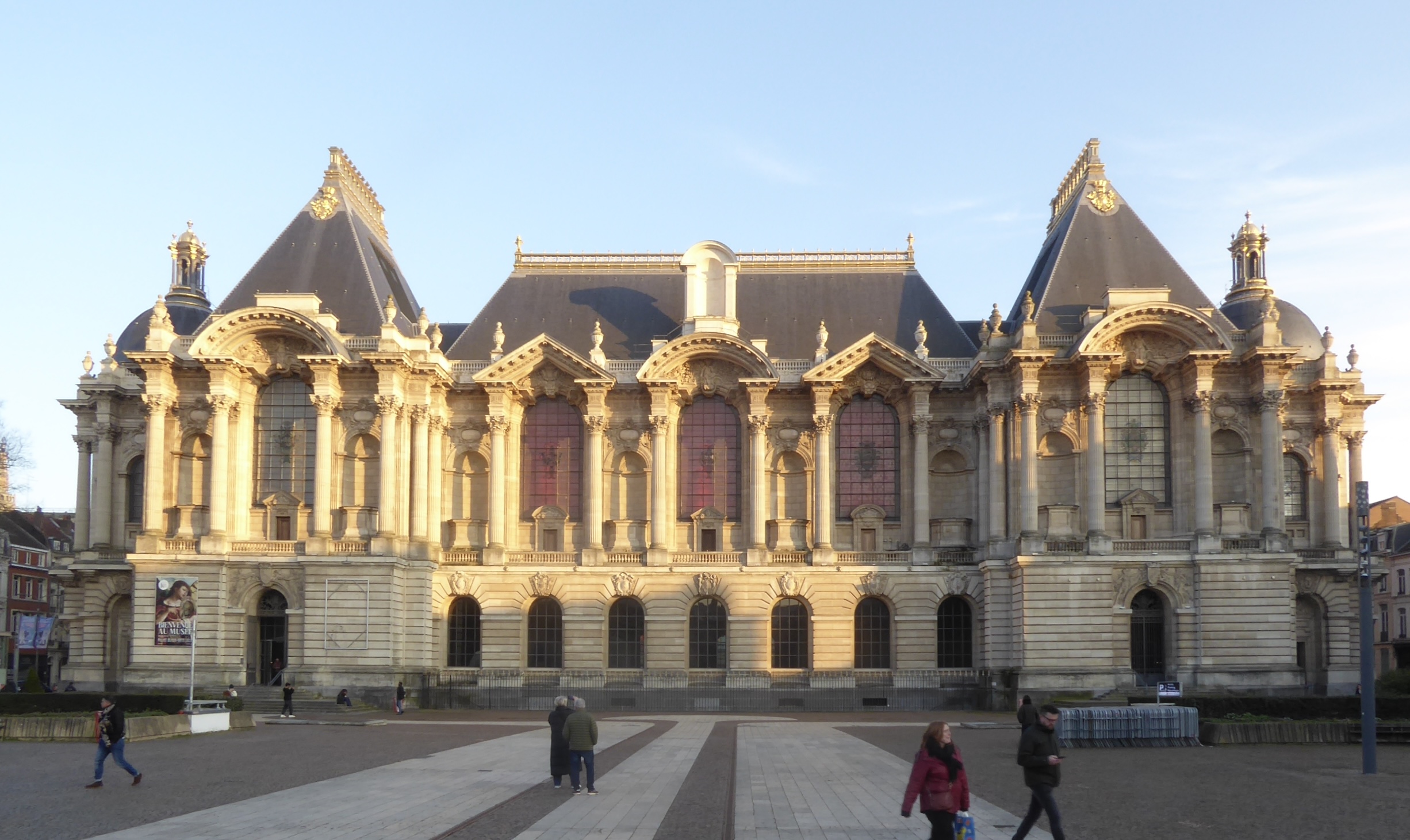
I arrived in Lille in brilliant sunshine and a rather bewildered state of mind. The travel sickness pill I had taken left me feeling detached; moreover I was bothered by not being able to make sense of the French I heard all around me. I’d caught an earlier train in order to visit the Palais des Beaux Arts – but even that just added to the sense of being all at sea.

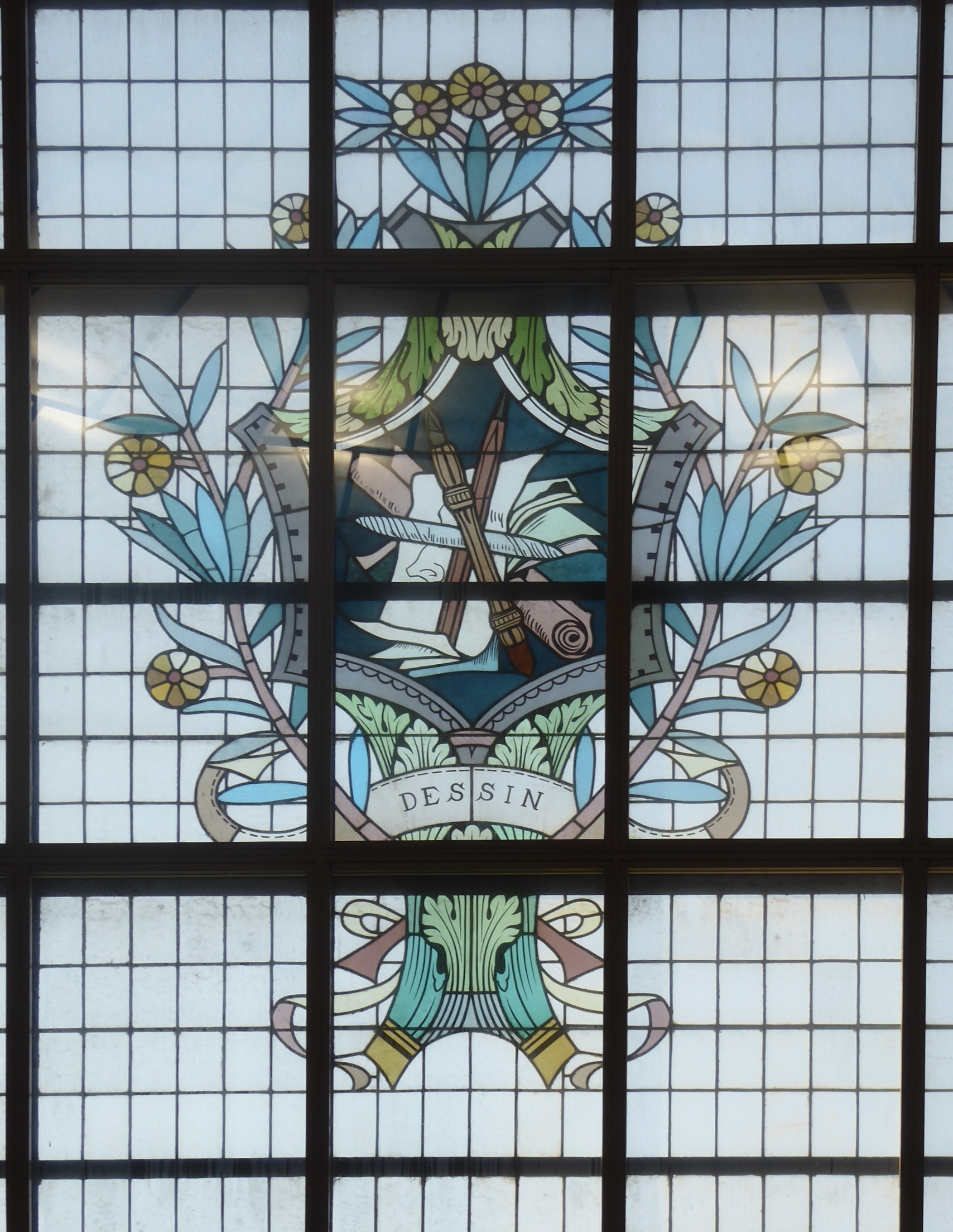
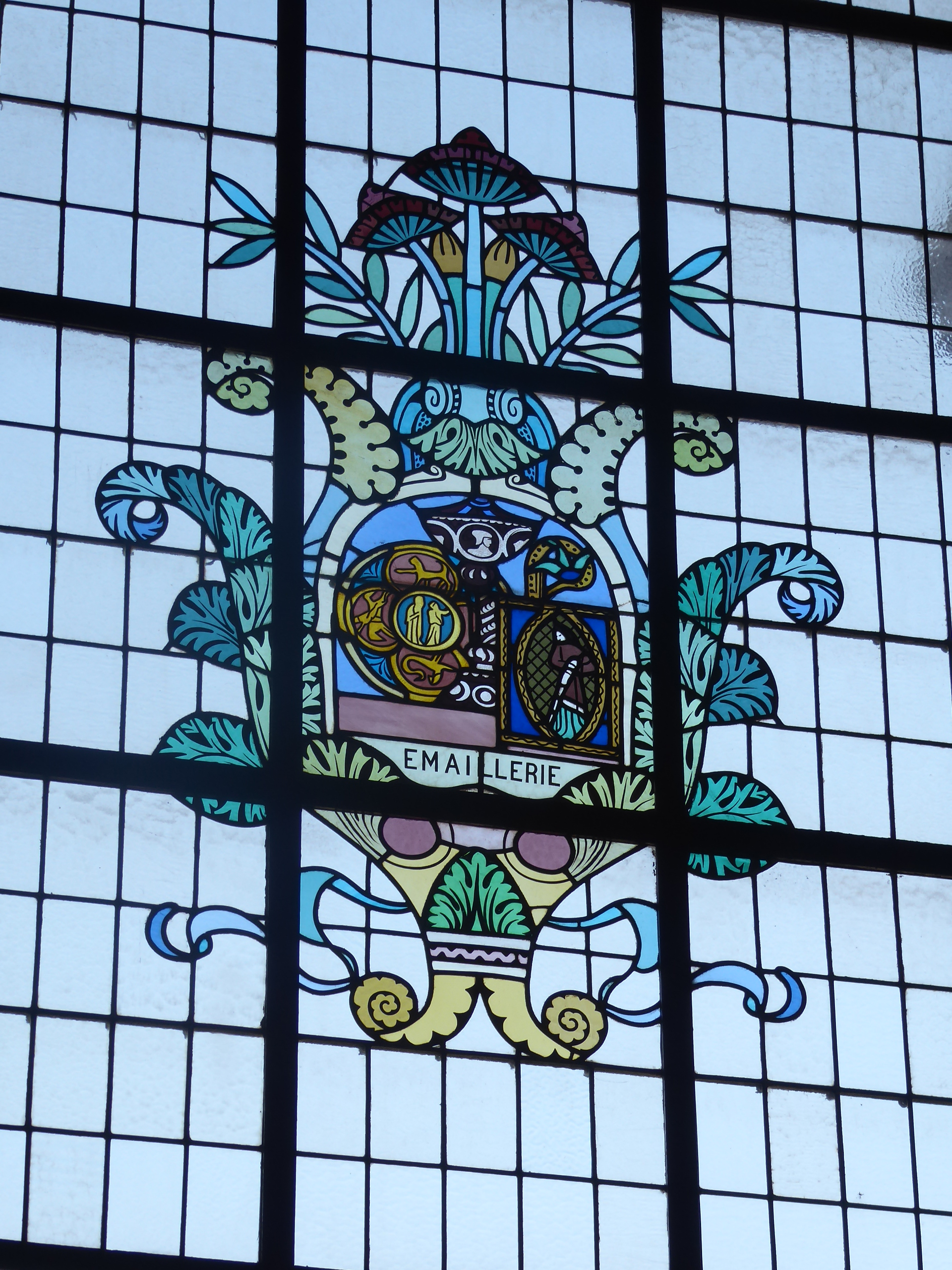
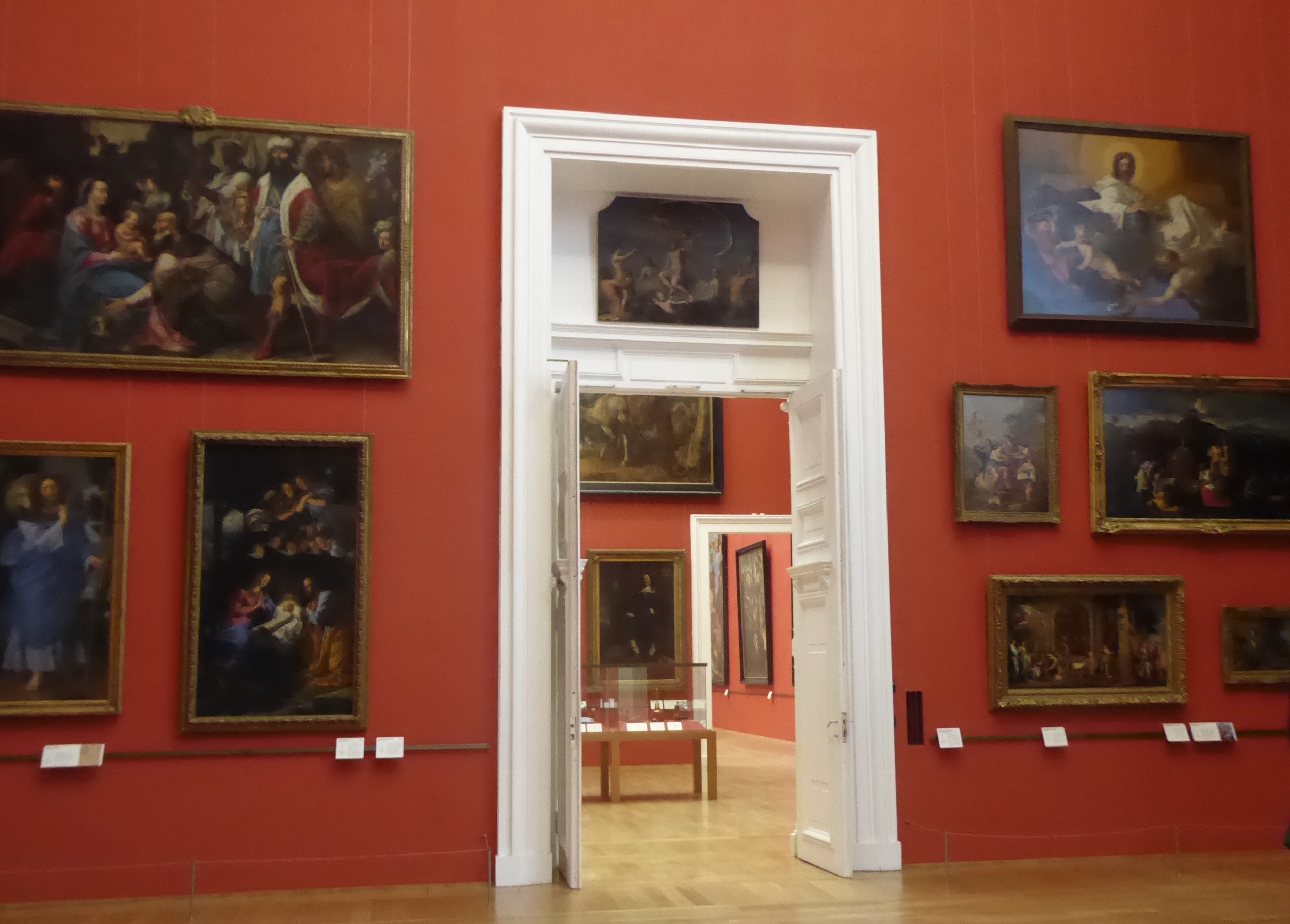
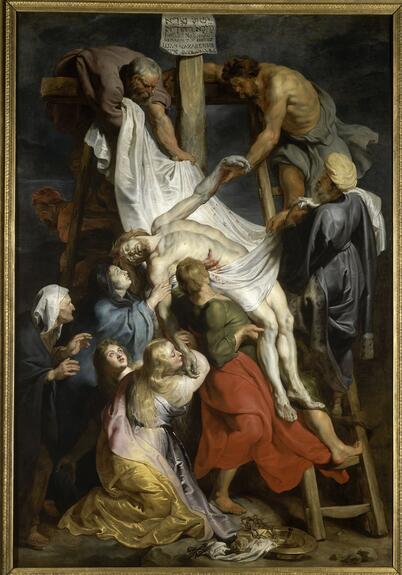
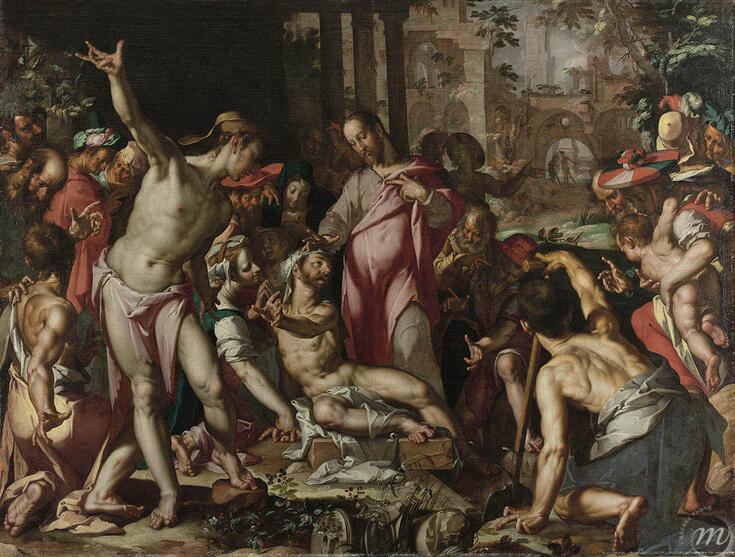
It’s a very imposing building – but one that weighed down on me. Room after room after room, each leading into the other . . . there was way too much stuff! Once again, I realised how artists’ studios churned out paintings to fill churches and to immortalise the wealthy in oils. I quickly decided I did NOT want to see any more putrefying flesh – even painted by Rubens – or horrible mash-ups of Flemish-painter-meets-the-Renaissance. I found it hard to maintain the appetite to take in anything at all.

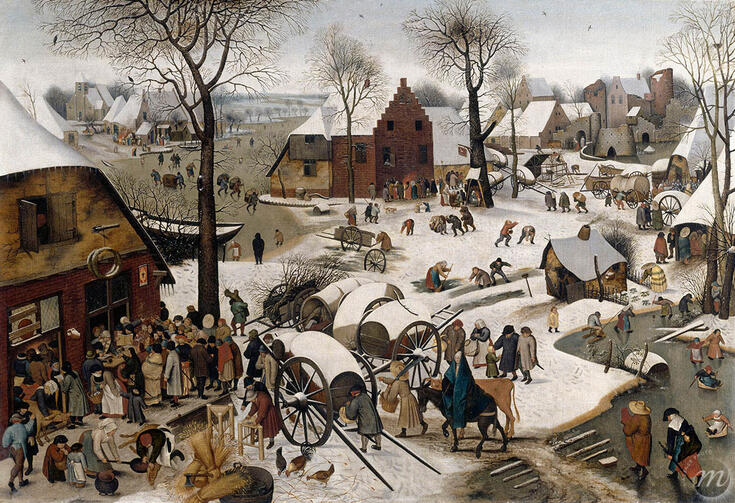
There were a couple of copies of paintings by Brueghel the Elder. Both had religious themes (the census at Bethlehem and John the Baptist preaching) but – in true Brueghel style and exactly as Auden describes it – the titular action is a small part of a much bigger picture that teems with everyday, unimportant people doing everyday, unimportant things. So different from all those depositions and raisings and martyrdoms which completely filled their large frames and which I found so lowering. When I got to the portraits – all so indistinguishable! – I wondered what I should choose to be painted in to signify the 21st-century equivalent of status and piety. Obviously not furs and a rosary; perhaps in cashmere with my ArtFund card between my fingers.

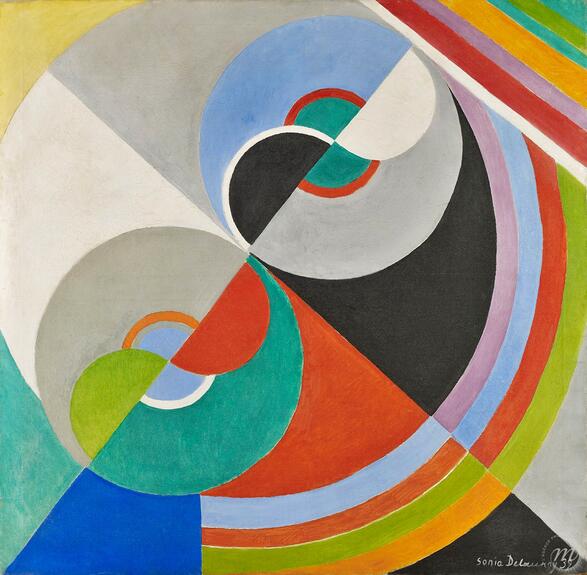
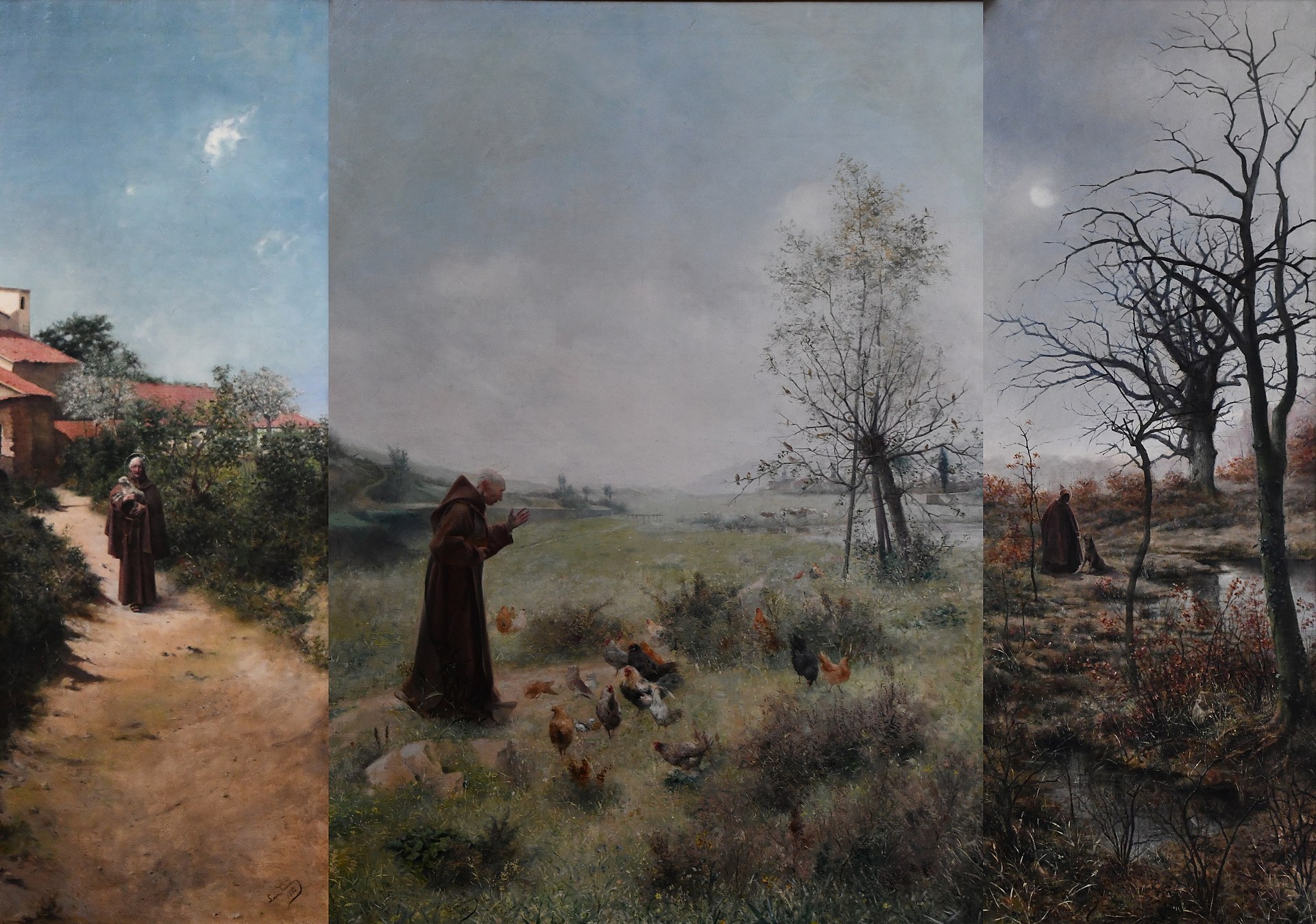
I came across Léon Frédéric again – not quite as weird to my eyes as others of his. St Francis in a Flemish landscape – which brought me back to Brueghel. By the end I was utterly bewildered: the journey from gruesome biblical scenes to abstraction was too much to take in.

Finding somewhere for dinner just added to the confusion. It seemed as if meat was still the only French food on the menu! Pig’s ears, andouillettes, marrow bone . . . But I found something in the end and finished off with lots of cheese.