In addition to train disruptions, the weather forecast is getting wetter, so I’ve decided to bunny-hop across the Netherlands. Bicycle-train-bicycle. Hopefully I’ll end up where I need to be and stay reasonably dry.
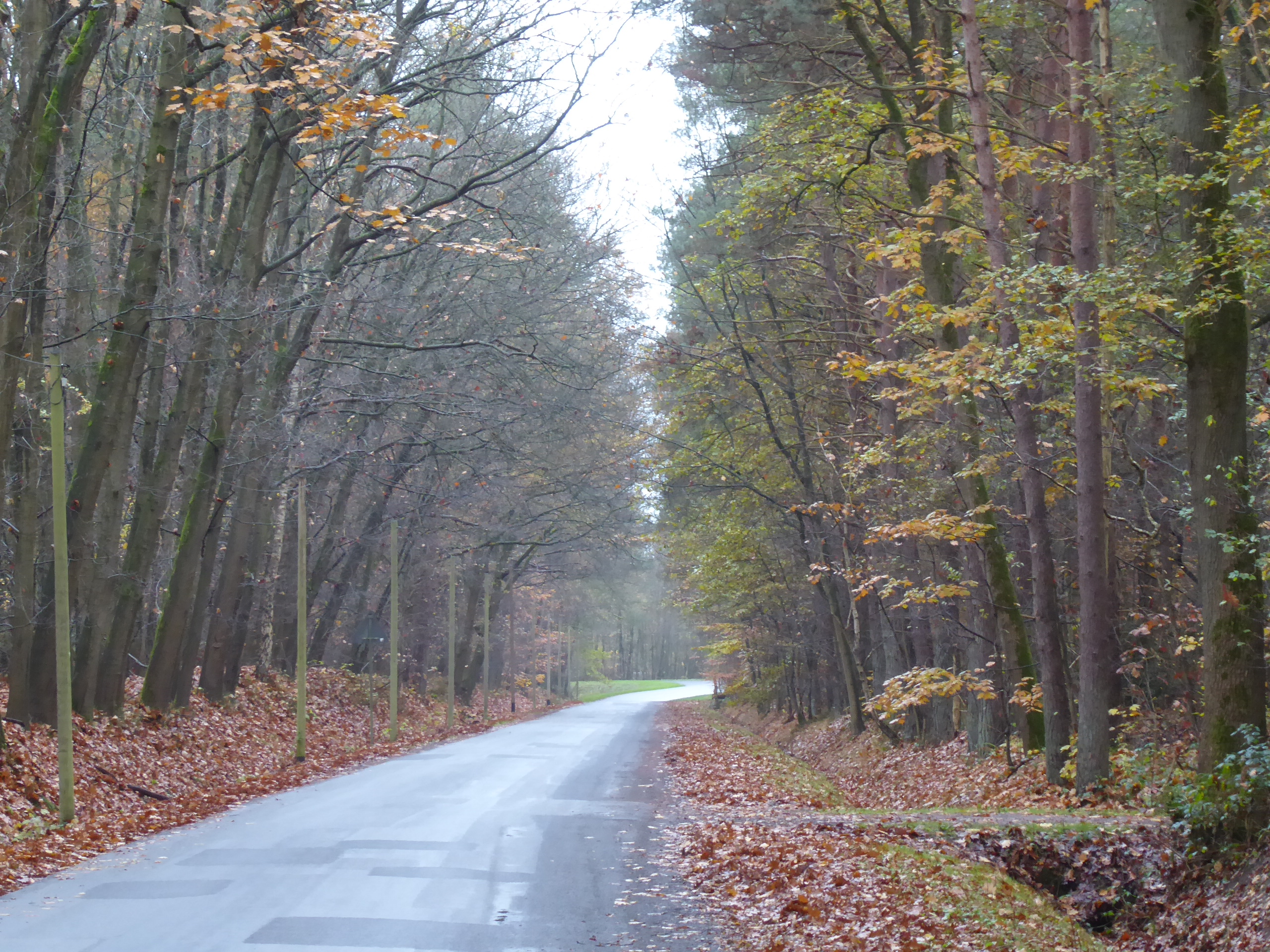
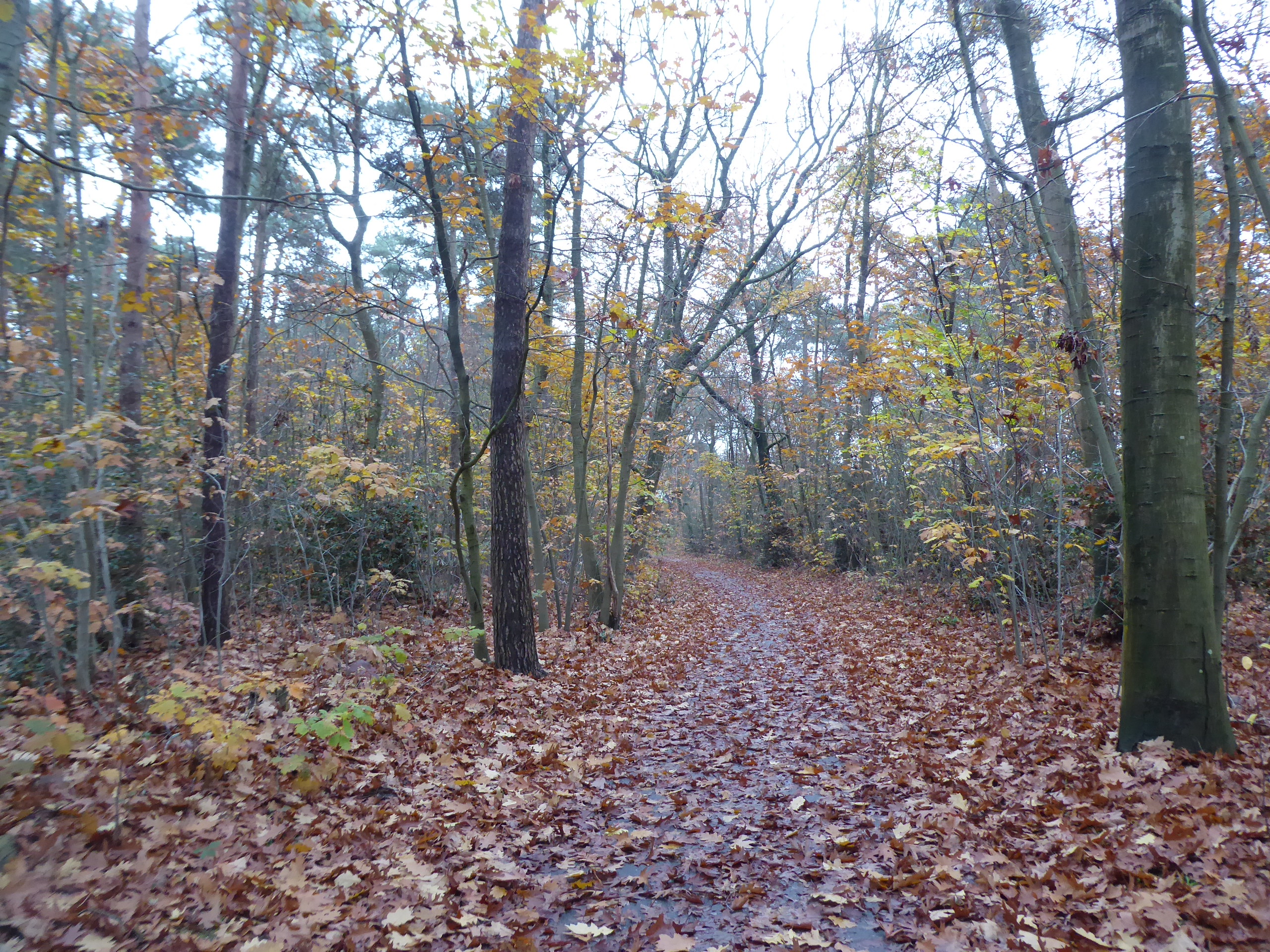
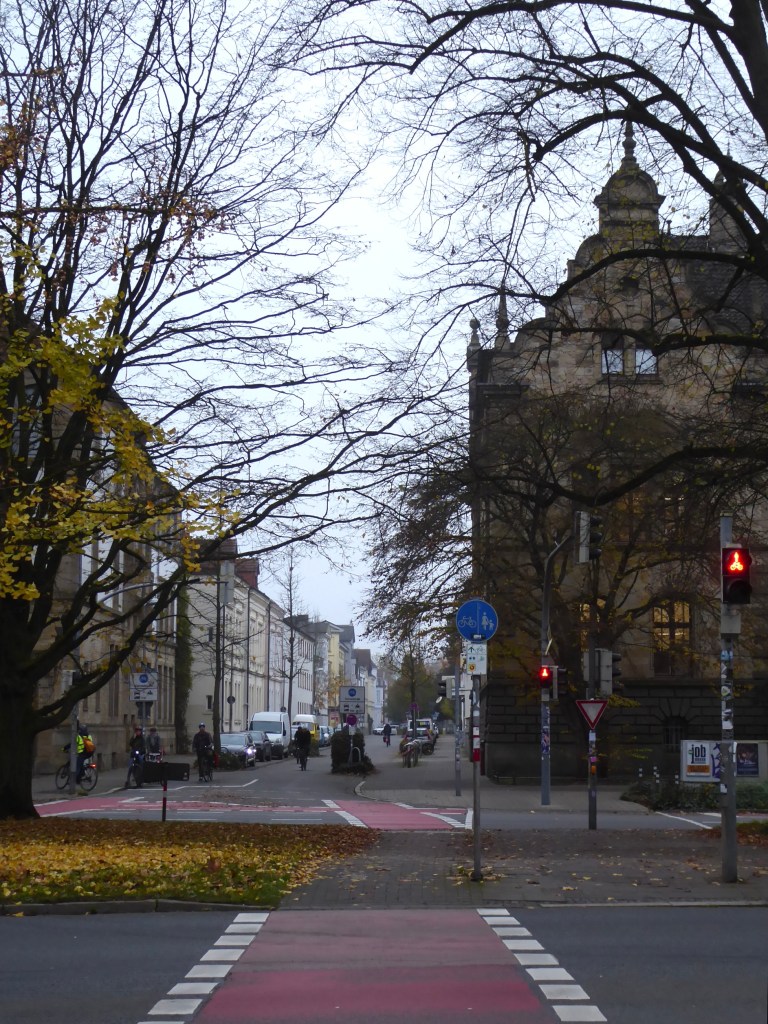
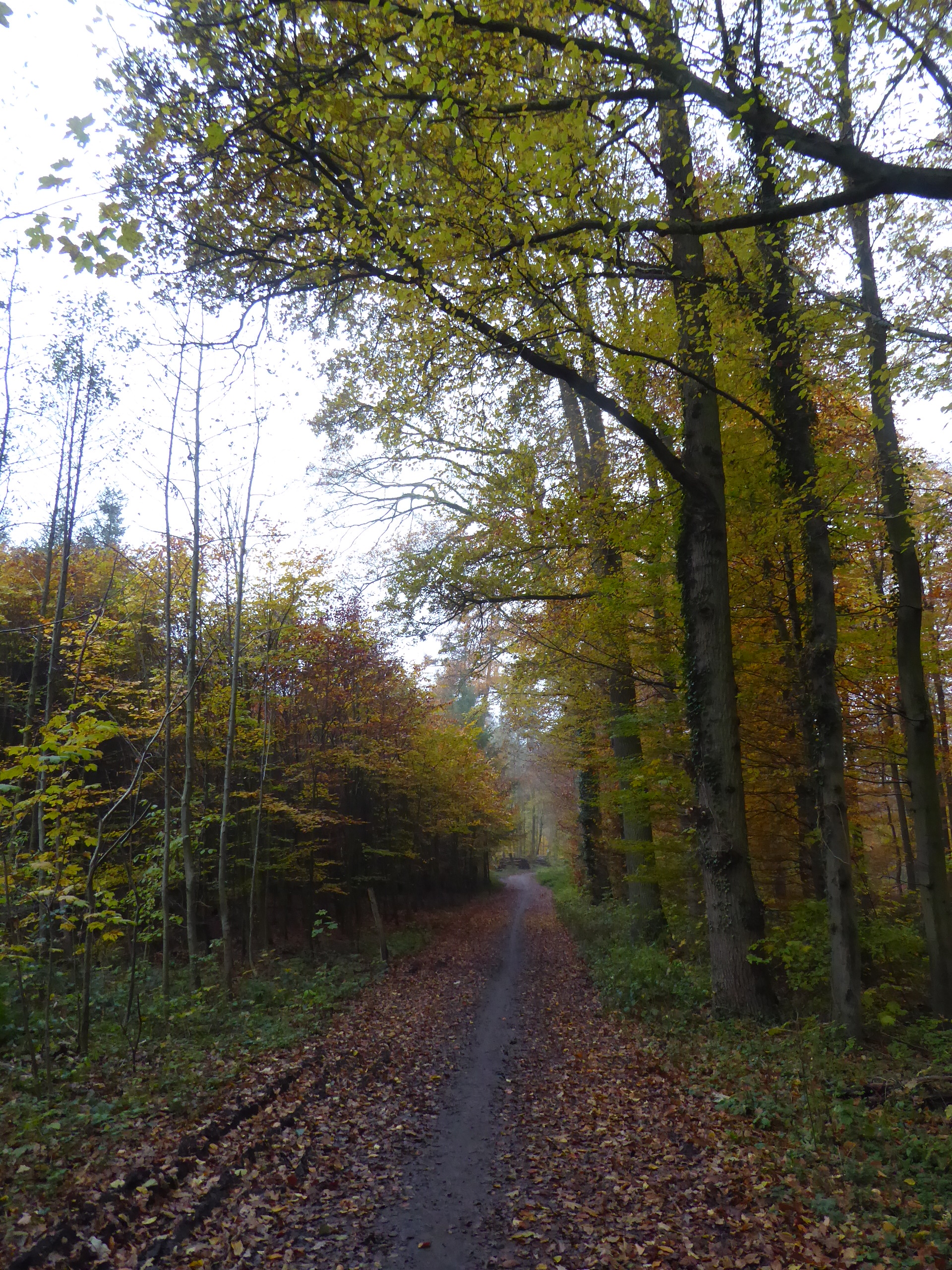
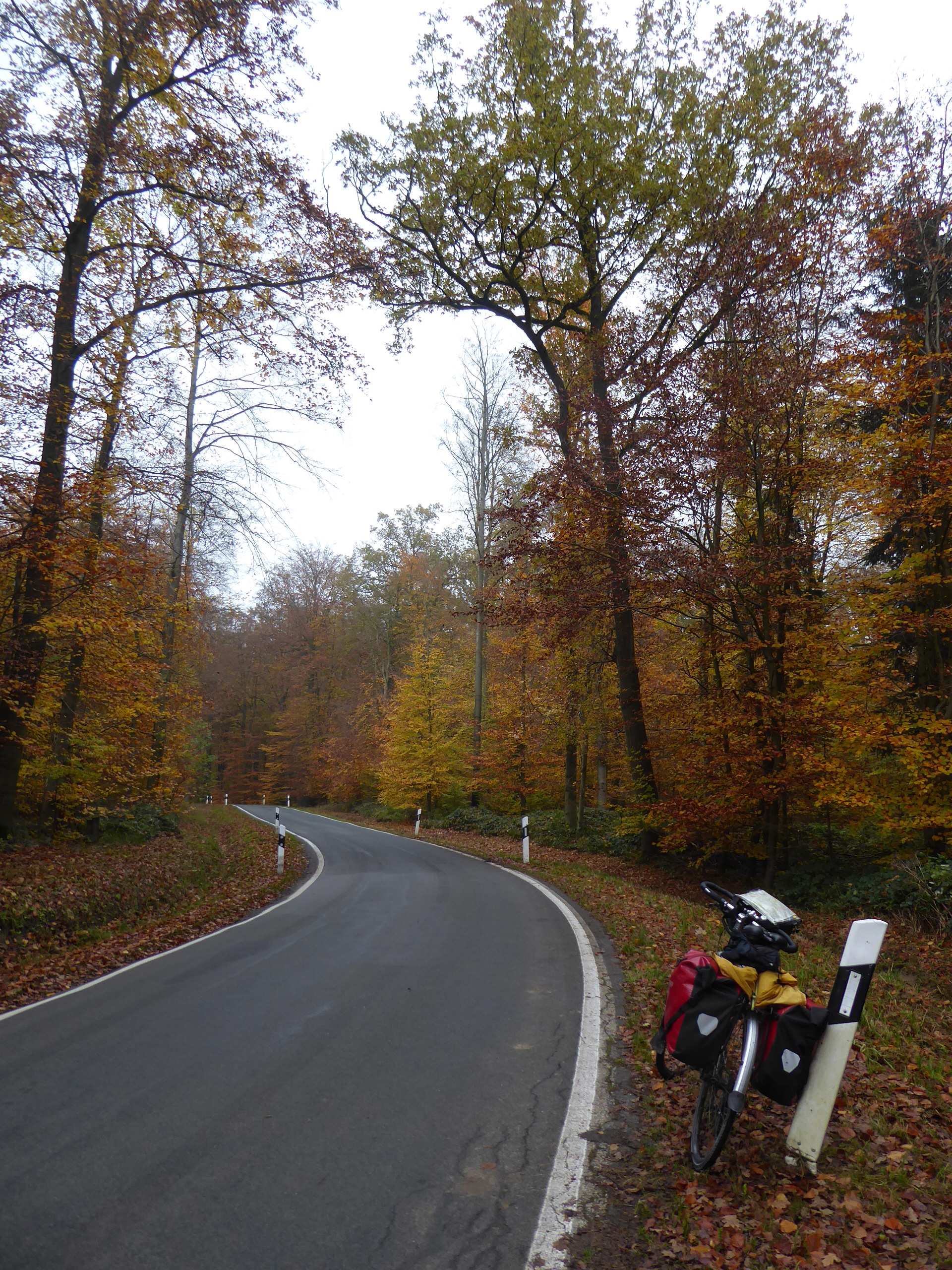
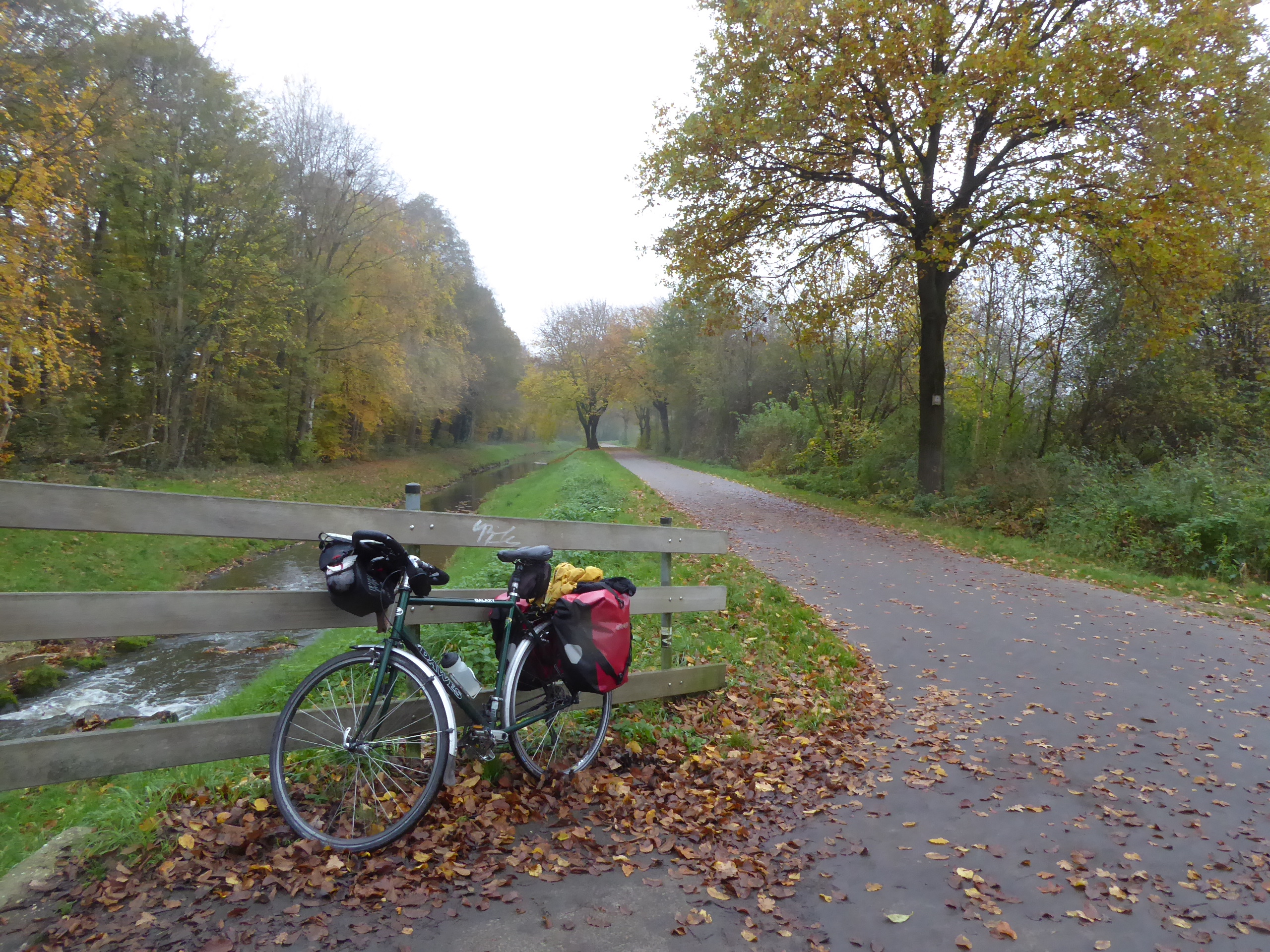
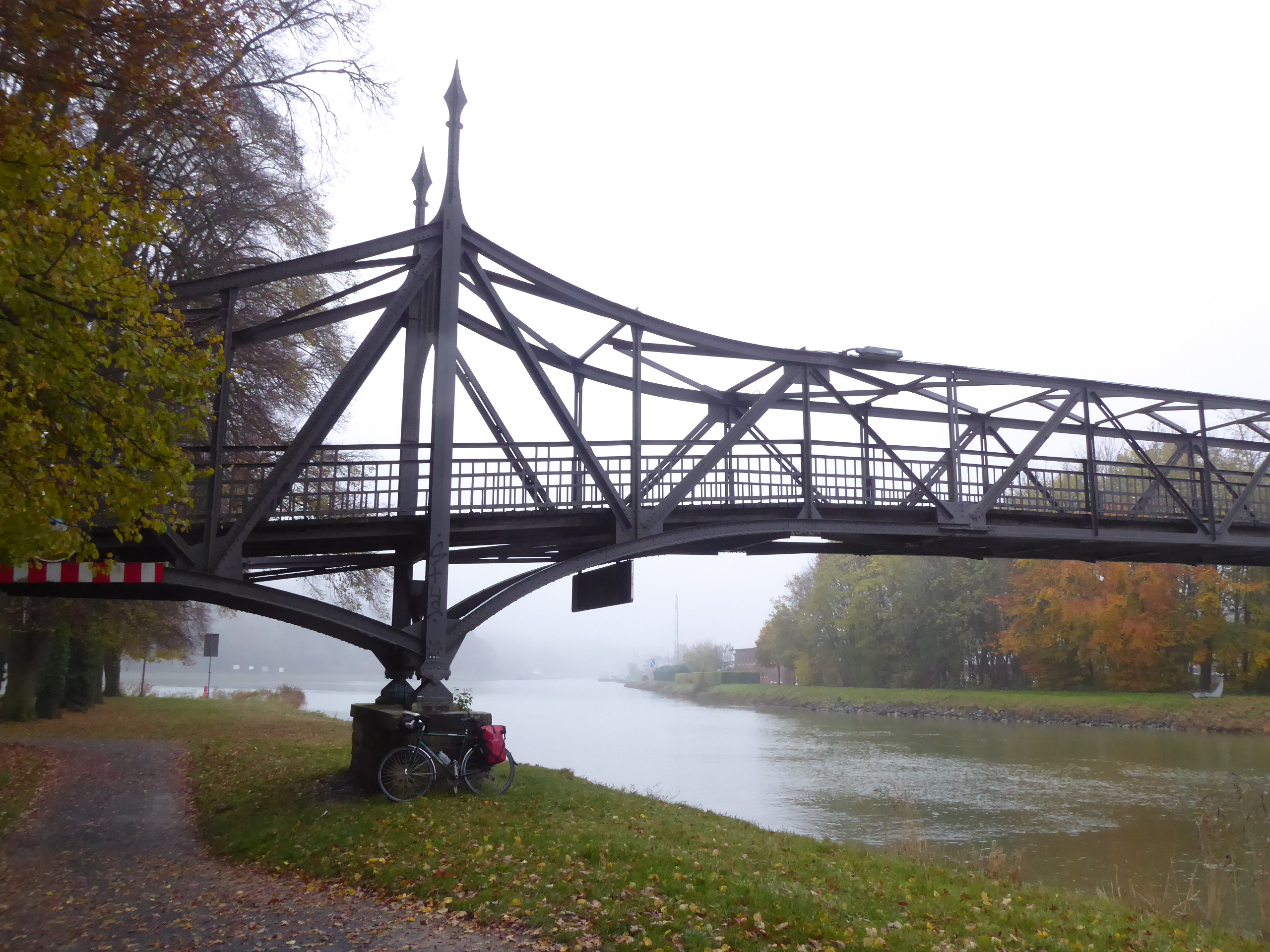
Today I left Rheine and followed a direct route to the Dutch border. Another grey, damp day, so more photos of orange leaves and winding routes (some of them obscured by said orange leaves). I swerved the centre of Bad Bentheim, got confused in Oldenzaal thanks to my navigation and another omleiding, and caught the train from Hengelo-Oost to Zutphen.
The Netherlands are much further along the everything-on-the-app route than Britain. I feel like the kid in class with the wrong trainers. Hengelo-Oost is a tiny station (easier to navigate with a bicycle) with a ticket machine that refused to accept either of my cards. I bought my ticket online instead but couldn’t see how to include a bicycle ticket. Unfortunately the emailed ticket is not the ticket – oh, no. You have to download it to the NS app . . . which I then acquired. But the ticket and the app refused to communicate – so, eventually, there I was, on a train with an invalid ticket for me and no bicycle ticket in a country where exiting bigger stations (e.g. Zutphen) is like Alcatraz unless you have the magic bar code.
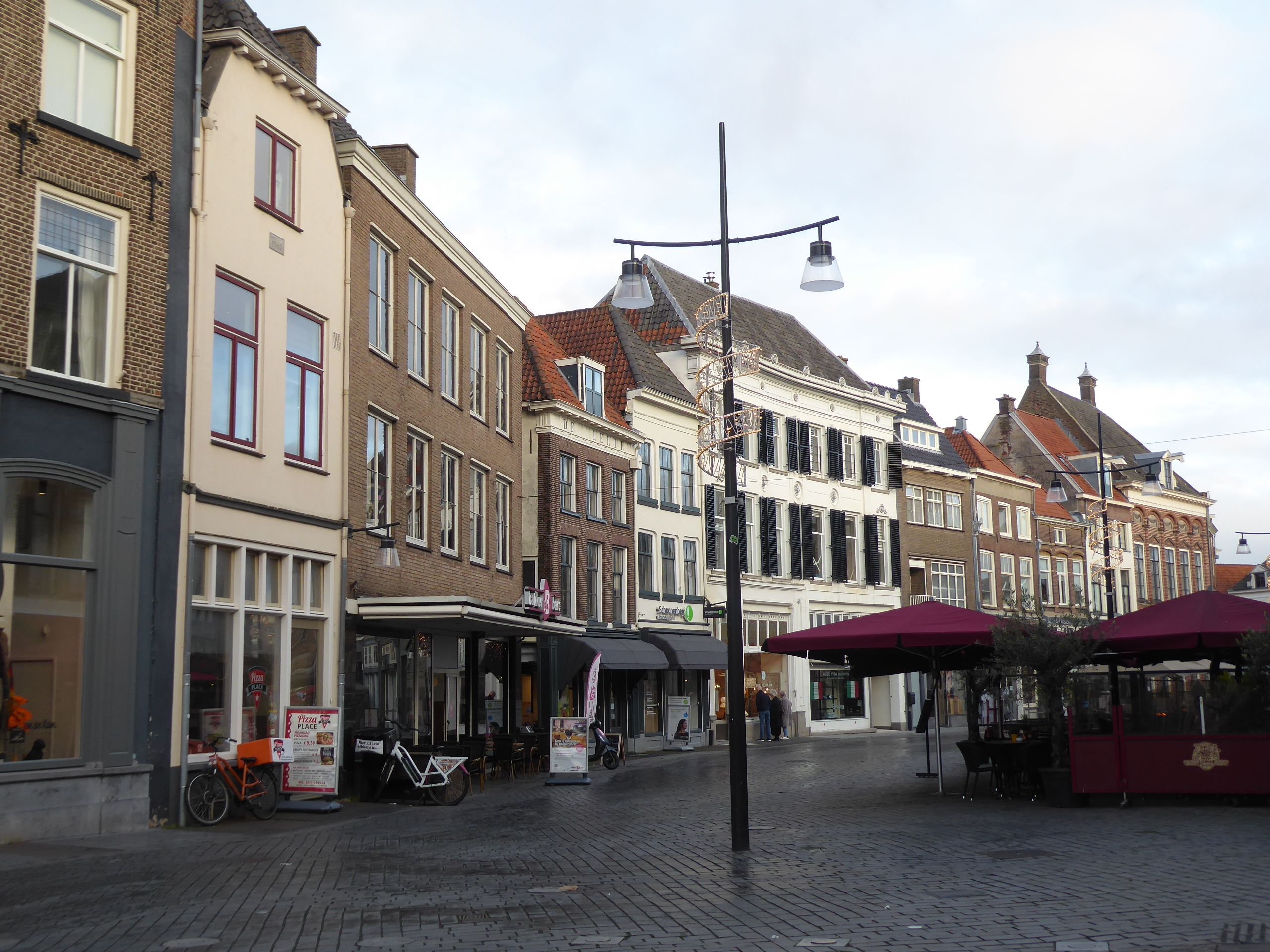
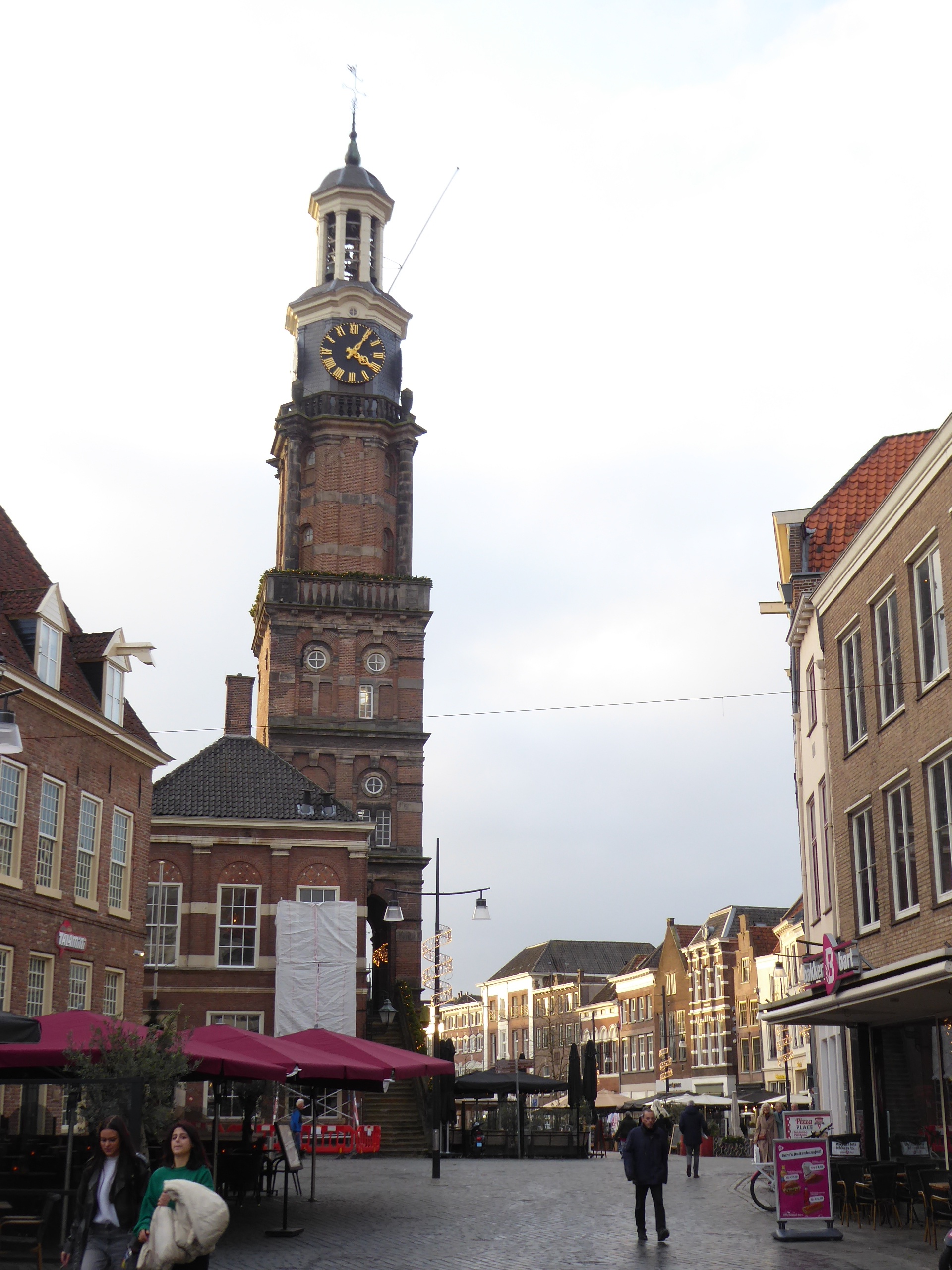
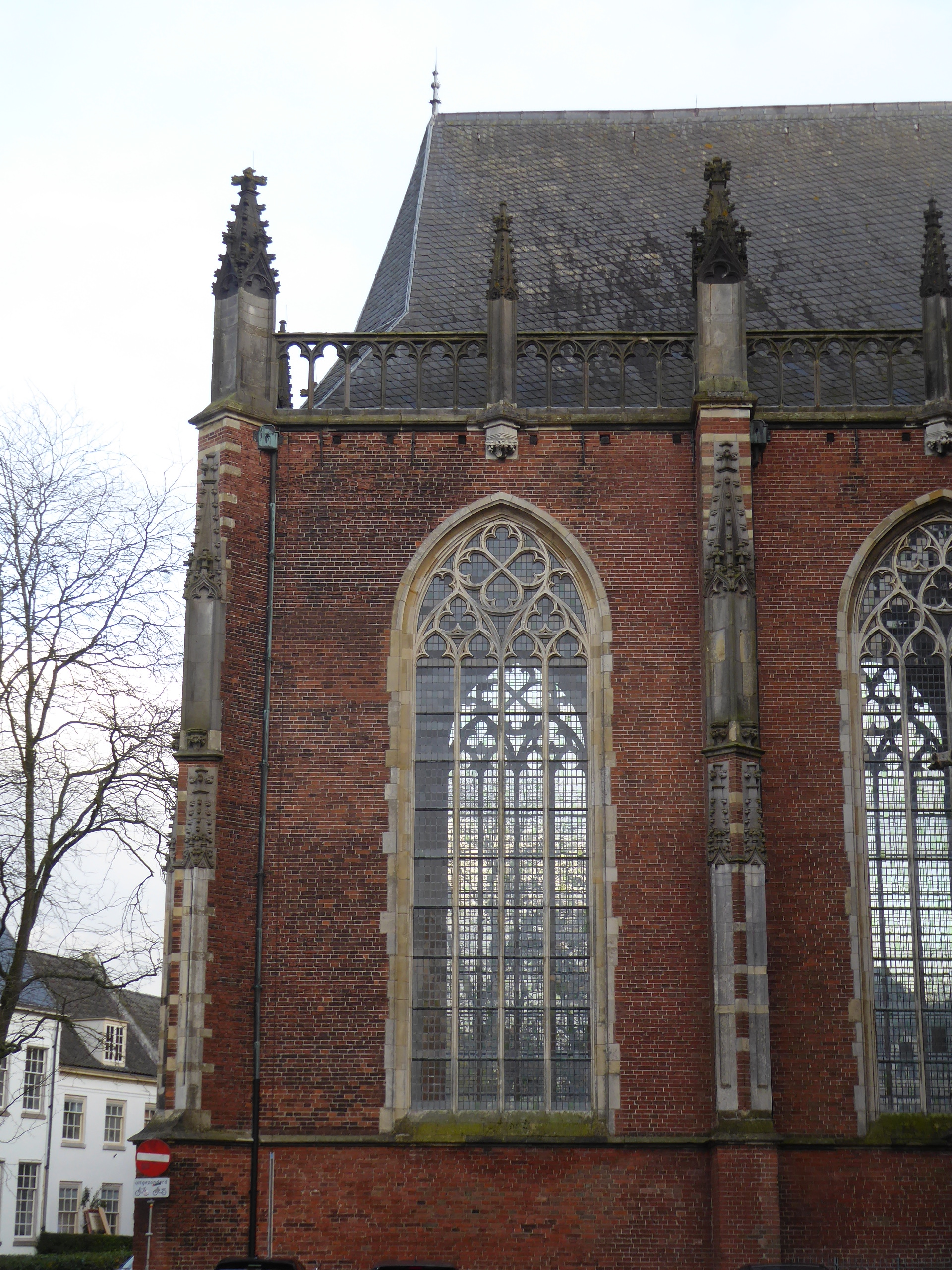
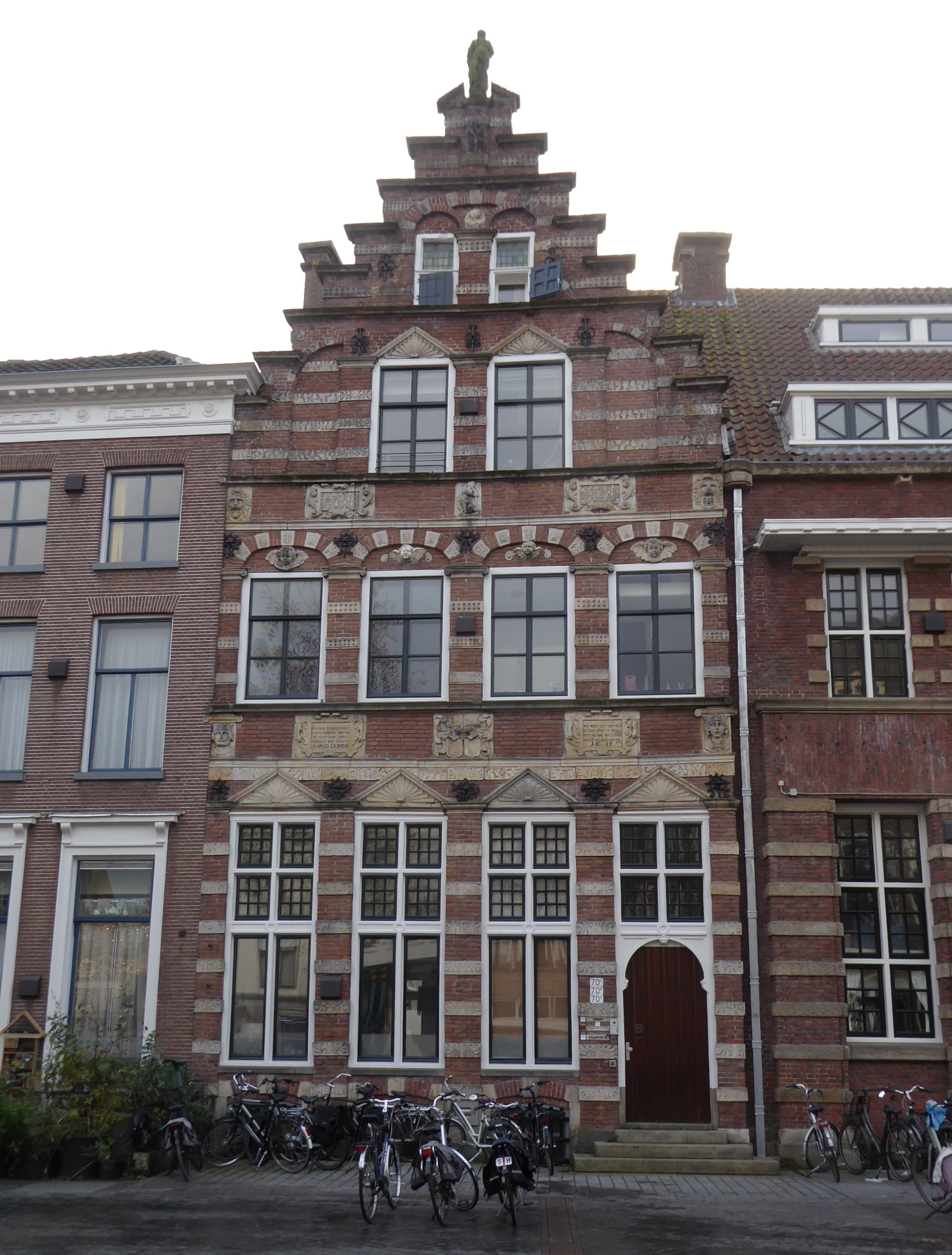
I needn’t have worried after all: no ticket collectors, no barriers at the station, and a ticket machine that graciously allowed me to buy a bicycle ticket after the event. And I had time to wander around Zutphen before it went dark. Typical Dutch centre and a church that made me realise how building in brick allows you to build enormous multiple windows with more delicate supports than in stone. It makes the massive structures seem transparent.
Dinner in tonight’s hotel was a tasting menu. No choice (except that I specified no meat) so a succession of morsels was placed before me and described minutely. Dinner as performance, and I played along with it – noticing the flavours and eating more delicately than is my (bad) habit. An interesting experience but I’m not bothered about repeating it.
 Old Shoe Box