Xanten to Gennep

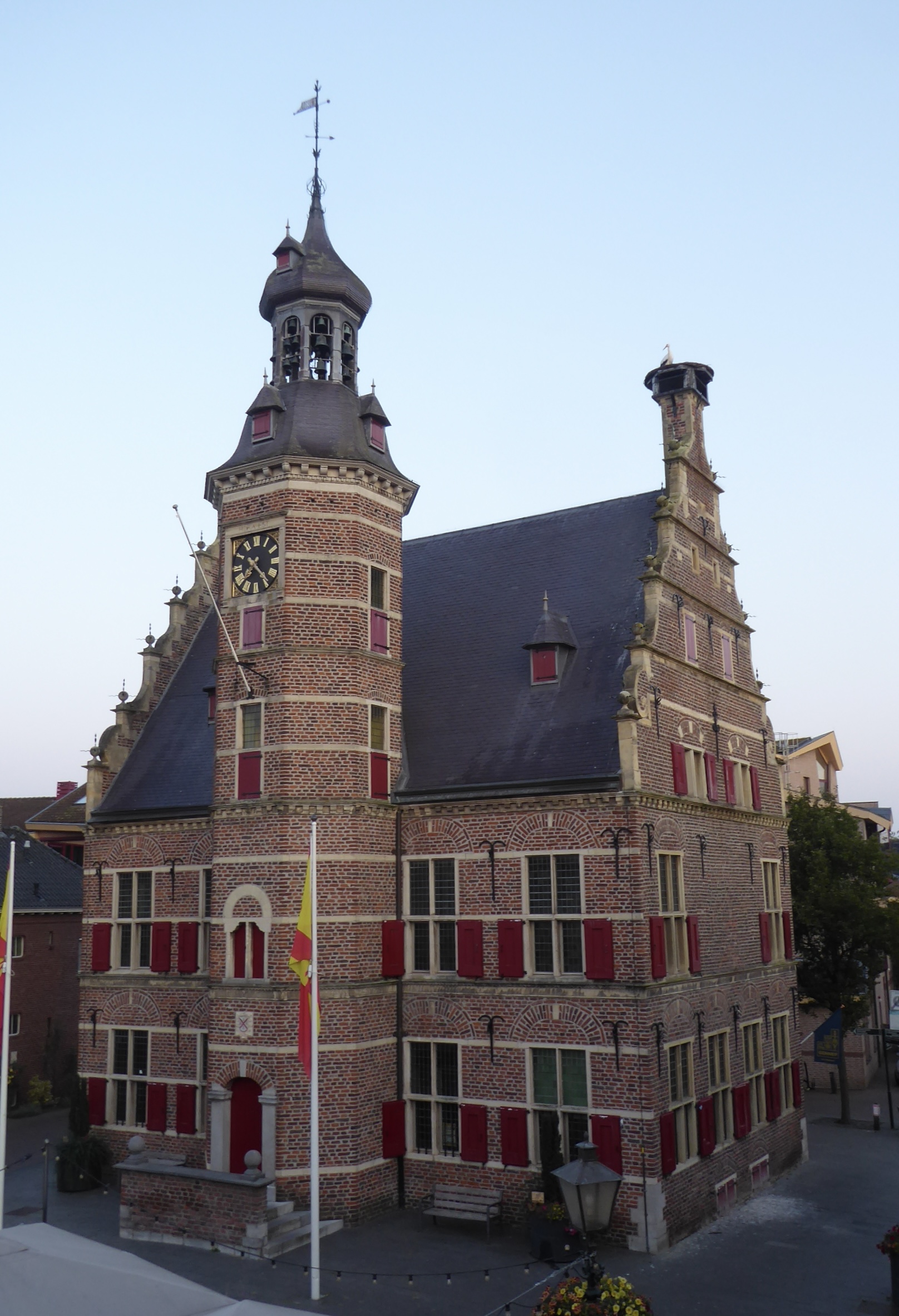
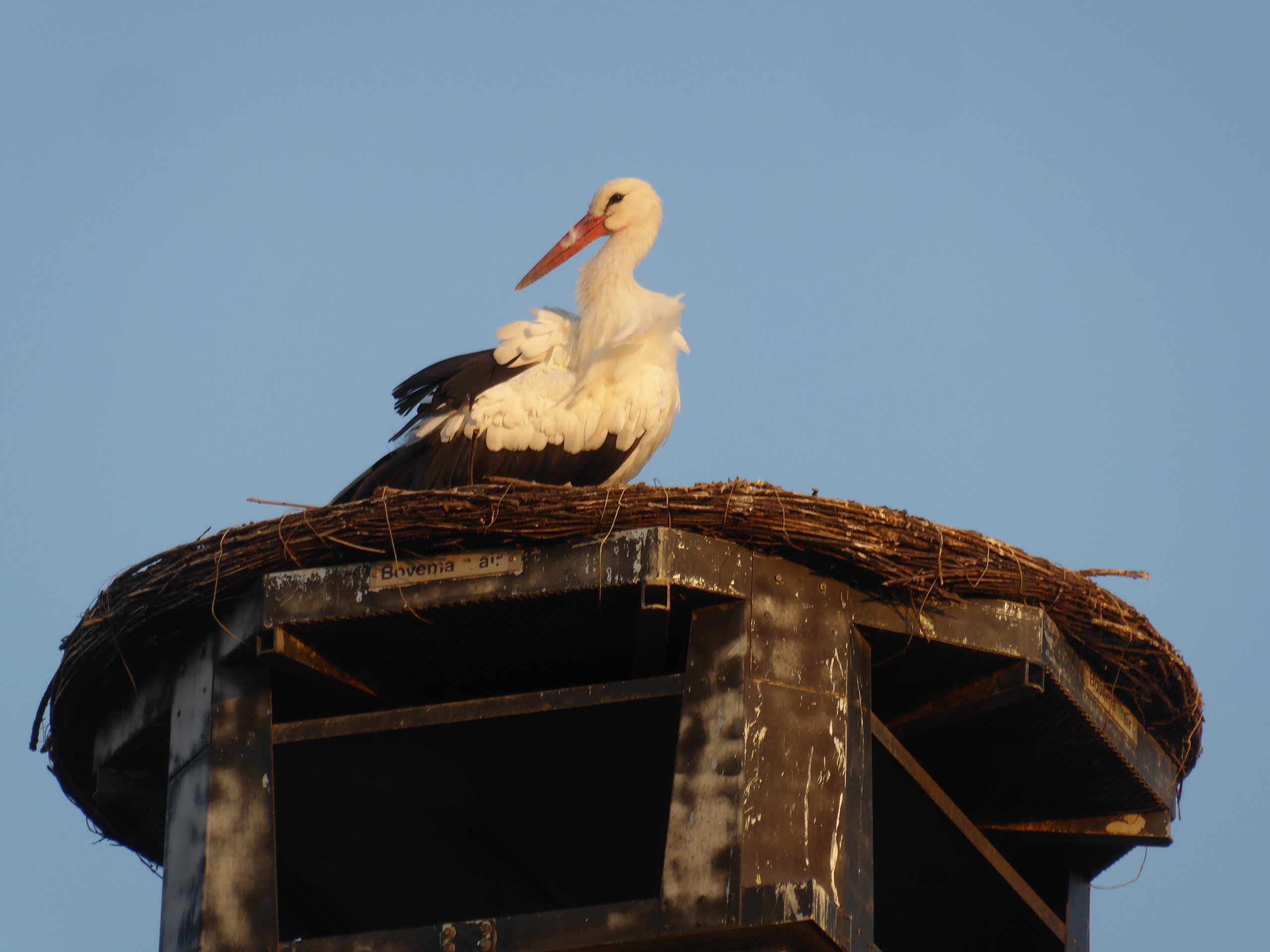
A day bookended by storks, just when I thought they must all have left northern Europe. The second pair are at the top of the town hall gable directly opposite our hotel tonight.

Perfect cycling conditions: warm but not too hot, sunny but not scorching, the wind mostly helpful. From the converted railway line out of Xanten I thought again of the parallel universe that the Netherlands and Germany offer me: here I am on a path away from traffic, there, less than a hundred yards away beyond the line of trees, lorries and cars roar along. Kaffee und Kuchen in Kalkar, where I thought of the slow fading of a particular type of Germany. We chose a traditional bakery café in the main square, where the assistants looked of retirement age and all the customers were elderly and knew each other. In many towns now we find that the only bakeries are attached to large supermarkets; we’re happy when we find them, of course, but they lack charm and memorability.

And now back in the Netherlands and on the return to Europoort.

Schermbeck to Xanten

A change of plan. The notion of repeating our usual Nijmegen-Maassluis return route has been shelved after discovering that there are engineering works on the Dutch railways. PLUS the fact that temperatures are rising and the wind continues from the east: so much more attractive to reverse-ferret and turn it into a tailwind.

So we traced our revolutions from Schermbeck to Wesel, but this time part-following the Wesel-Datteln Kanal (which goes into the Dortmund-Ems Kanal – thus enlarging my unused mental map of the German canal network). And now we are back in Xanten, in a proper hotel with a nice Grauburgunder and no superfluous beds cluttering up the space.

There’s a great deal of repetition about this holiday, but I still enjoy the sensation of travelling under my own steam. Today’s tailwind and views reminded me of previous cycling holidays when my average speed was rather higher than it is today. Something about the haze of the sunshine on the river and embankment tops brought old holidays to mind too. And Xanten offers other comforts as well.

Kevelaer to Schermbeck

A route that criss-crossed others that I have navigated around here. A mixture of main roads, dull farmland, crossing the Rhine at Wesel and then a disused railway line almost to Schermbeck. Where there is a hotel – scrupulously clean – and four beds crammed into one room and white wine that tastes slightly of vinegar. But never mind: I am clean and fed and the bicycles are safely stabled.

Nettetal to Kevelaer

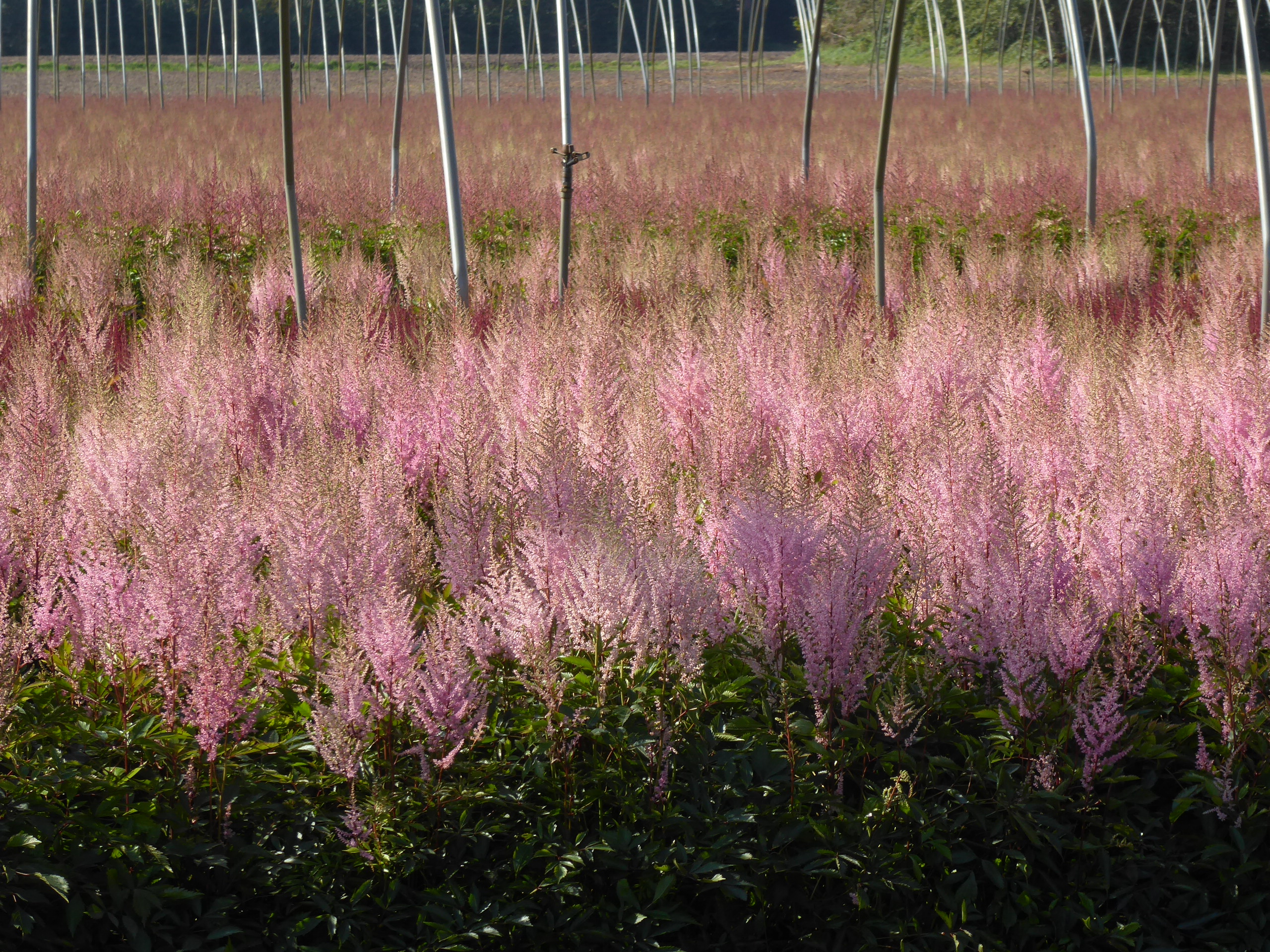
From Germany to the Netherlands and back again. We cycled past more of the Nettetal ponds, then an old wartime airfield on the border before joining the Maas at Venlo – a place I associate with changing trains. We cycled north beside the river to Arcen and through the Maasduinen – a sandy ridge between the two countries – back into Germany. Here I stopped to photograph a heather nursery, which was quite striking.

And now we are back in Kevelaer.

Niederkrüchten to Nettetal

Less than 18km by the direct route, but we managed to turn it into a very slow 44km. The slowness I blame on sandy paths and serendipitous discoveries. We returned to the woods and discovered that the Brachter Wald nature reserve we were cycling through was once the largest ammunition dump of the British Army of the Rhine, and before that a store for the German army’s aviation fuel during WWII. It was vacated in 1996, and active conservation since then, combined with its earlier military restrictions, means that it has a wealth of rare flora and fauna. Some of the fauna must be pretty big: to cross one large area, we had to push our bikes through enormous turnstiles to keep the freilaufende Tiere inside. We saw one fallow deer: with that kind of build-up, I had expected more.

It was a sunny Sunday and lots of people were out cycling, strolling and walking their dogs along roads built for tanks and amongst enormous sand embankments built as shelter walls around the ammo dumps: not quite swords into ploughshares, but close enough.

Nettetal just seems to be a collection of small towns clustered around a line of ponds – something to do with former peat-mining? – and the river. It has a hotel: a good enough tourist attraction for us. A good, basic, family-run hotel (the mother and daughter remind me of youth hostel wardens of 40 years ago) that belongs to an earlier time. It once catered for commercial travellers (do they still exist?) and all the other guests are over 70.

Weert to Niederkrüchten

There was a definite autumnal feel to leaving Weert this morning – a chill, a crispness. Through fields – asparagus, spinach beet, maize – to Roermond and then, once over the border, on a very stony path through woods that took all my concentration.

I hadn’t quite realised – I mean, fully taken in – how long the liberation of Europe took. From the D-Day landings in June 1944 to VE Day on 8 May 1945. That’s a very long time to wait for a war to end. We crossed the border east of Roermond and came across a memorial to men in this still-occupied part of the Netherlands shot for evading the forced conscription of labour by the Nazis in December 1944. I recalled visiting Otterlo, where the last battle in the Netherlands between the Allied forces and the Nazis took place in April 1945. It also links to the former Javelin barracks that we passed as we left the wood: an RAF base in the decades after the war.

Baarschot to Weert

North Brabant seems big on dairy. It’s also a Catholic area. These are the two facts that I picked up as we threaded our way through fields and woods, with a coffee stop in Valkenswaard. I took no photos since there was nothing that particularly caught my eye. There may be something in Weert, but my hotel and route choices were so flawless that we entered Weert right by the hotel and leave it tomorrow by the canal I can see from my window.

But, my goodness, I am slow! Even on the flat in good conditions I may bowl along at only 15 or 16 kph. My average speed for the day is something like 12 or 13 kph. I don’t push against the pedals and I have little momentum. Once upon a time we zoomed along German river valleys at 18 or 19 kph. It really doesn’t matter: I just keep turning the pedals and adjust the day’s expected distance accordingly. It’s not as if I don’t know that I don’t grow any younger.