Xanten to Gennep

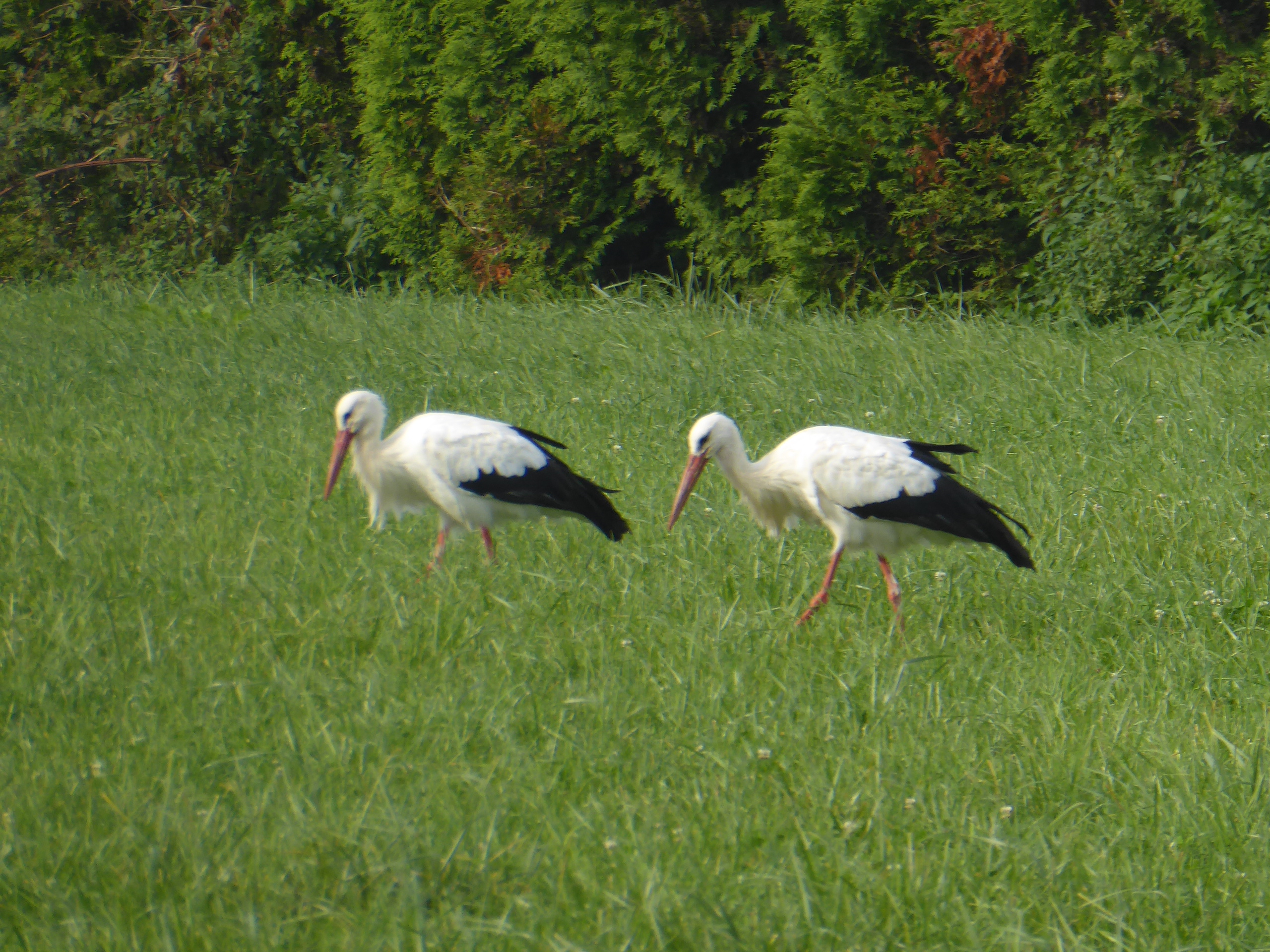
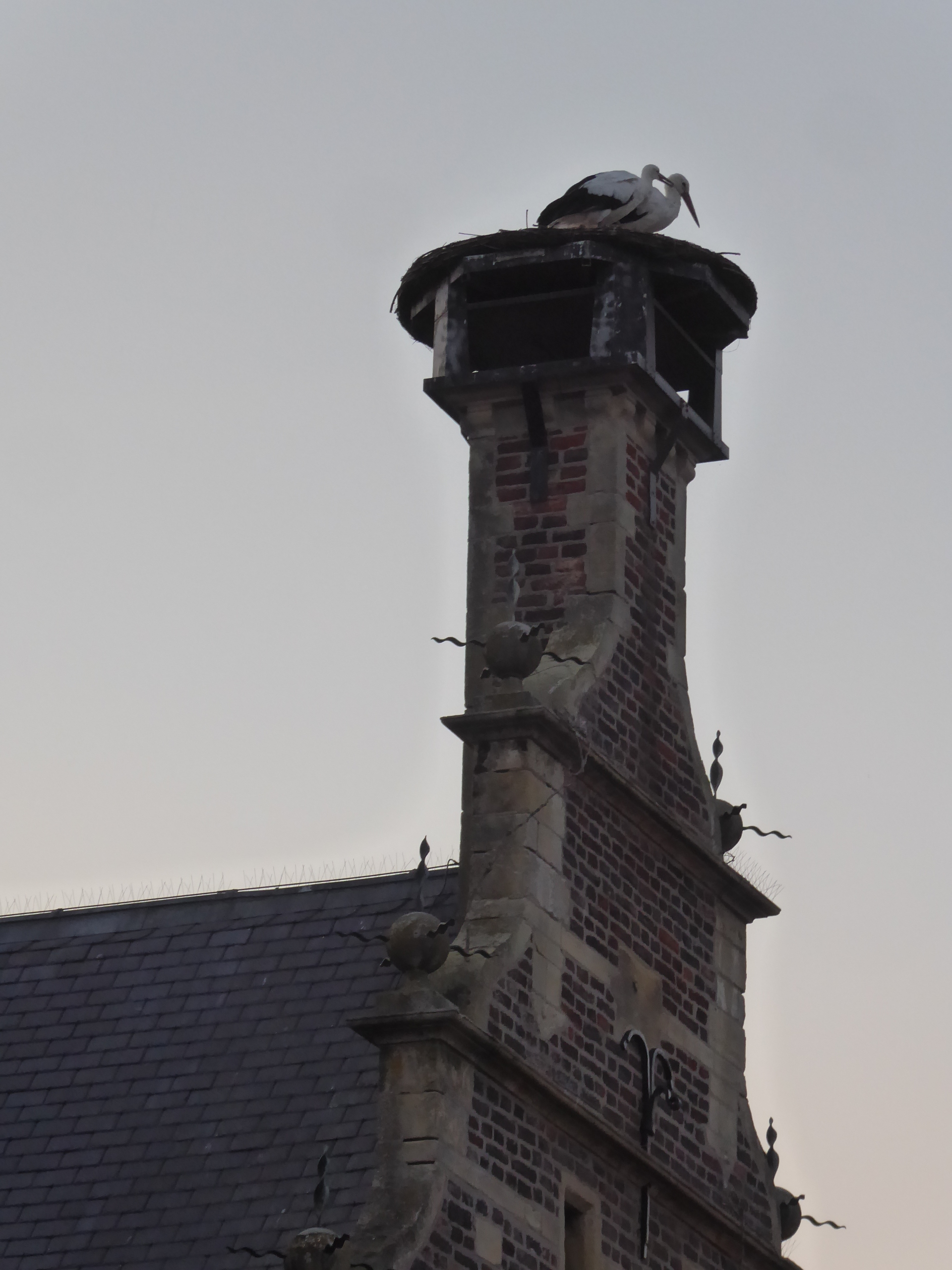
A day bookended by storks, just when I thought they must all have left northern Europe. The second pair are at the top of the town hall gable directly opposite our hotel tonight.

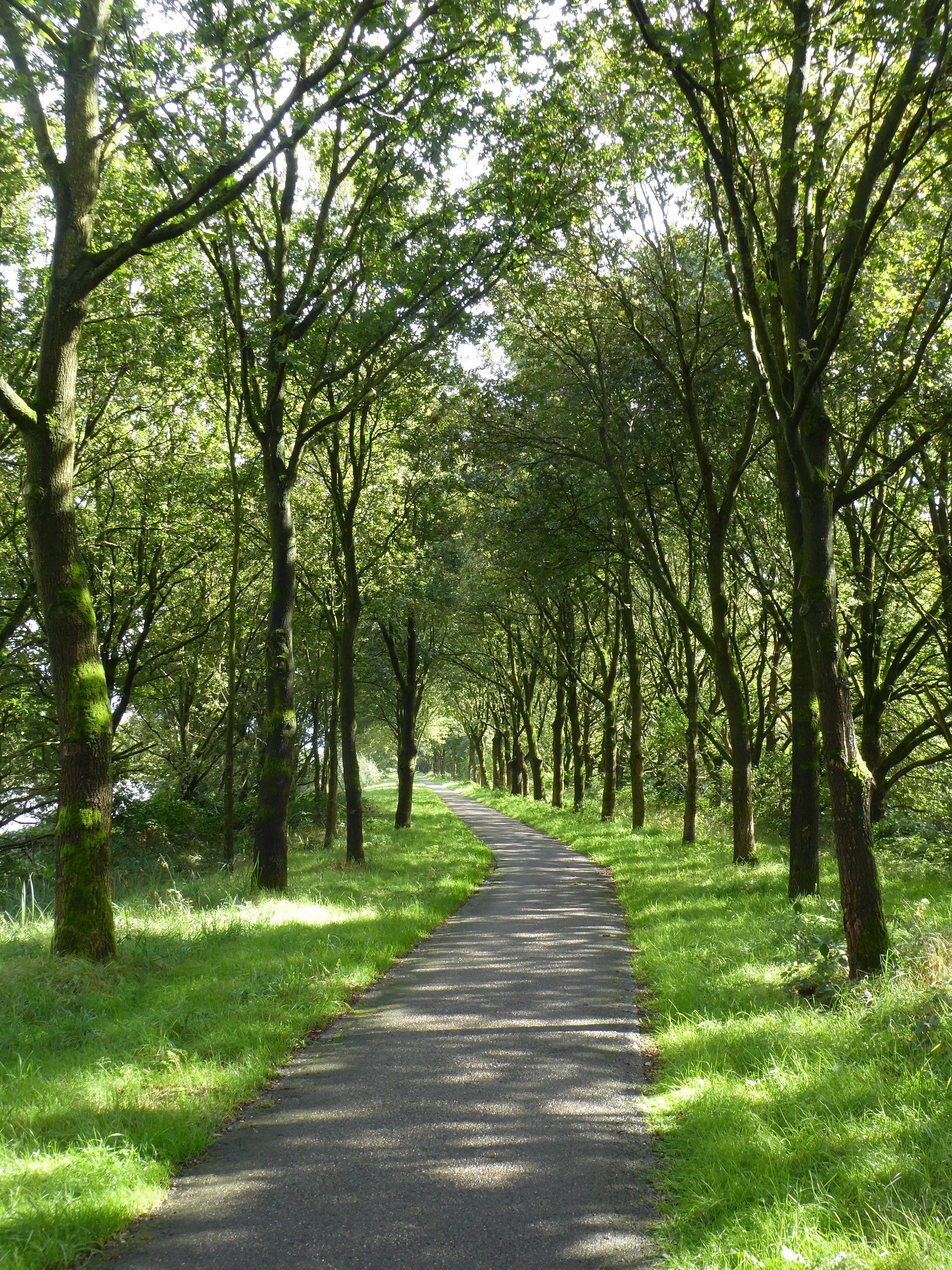
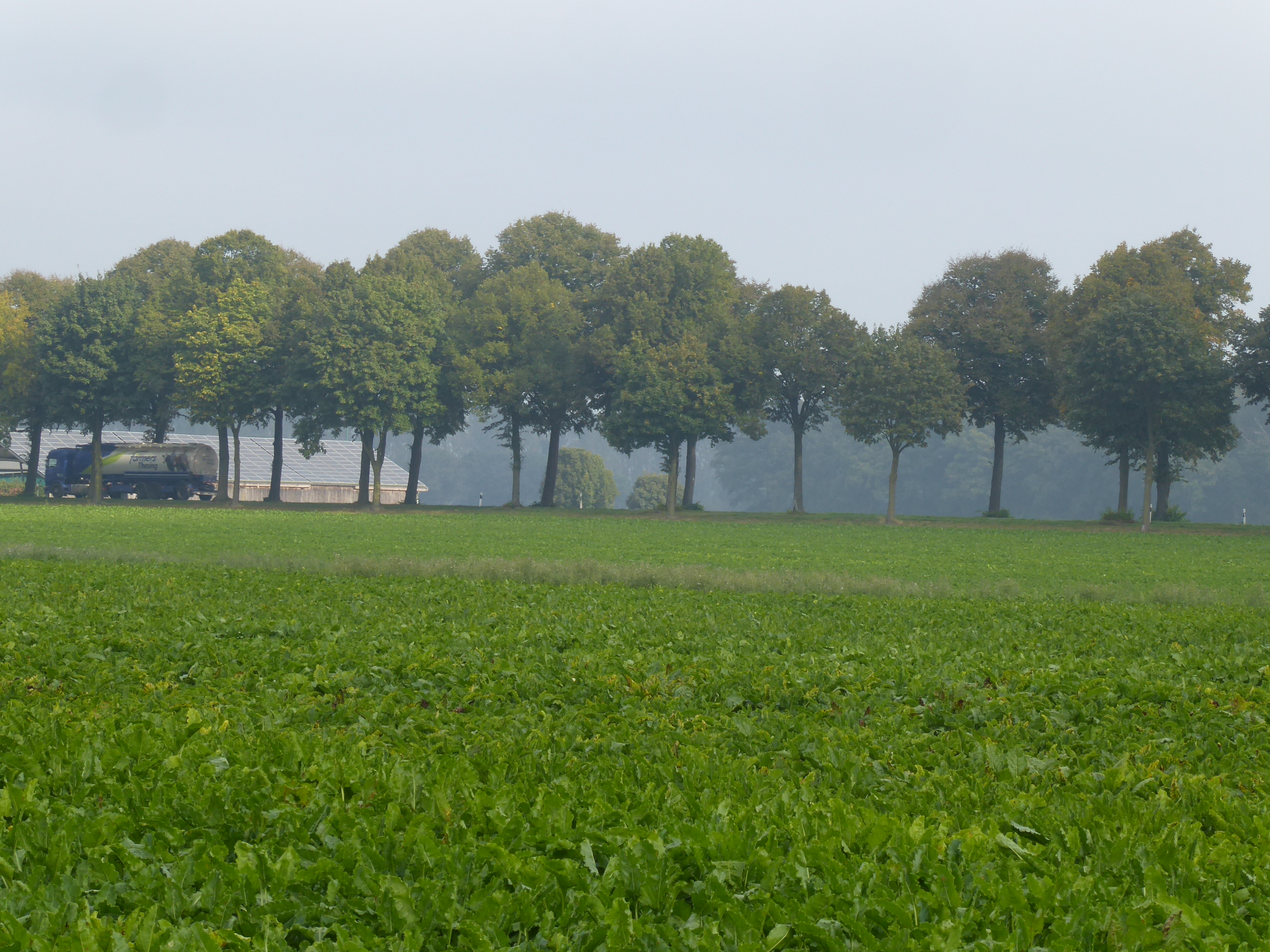
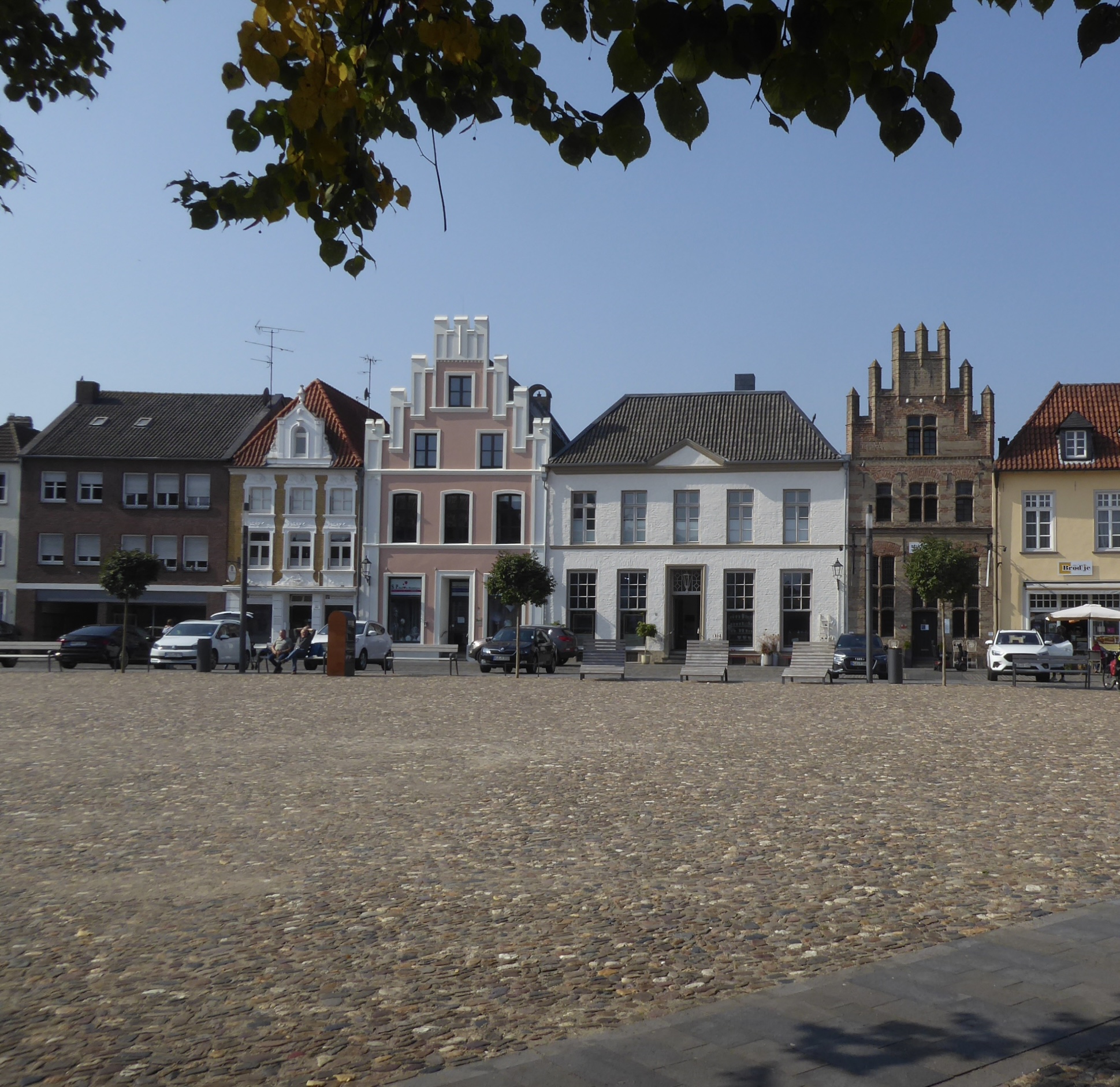
Perfect cycling conditions: warm but not too hot, sunny but not scorching, the wind mostly helpful. From the converted railway line out of Xanten I thought again of the parallel universe that the Netherlands and Germany offer me: here I am on a path away from traffic, there, less than a hundred yards away beyond the line of trees, lorries and cars roar along. Kaffee und Kuchen in Kalkar, where I thought of the slow fading of a particular type of Germany. We chose a traditional bakery café in the main square, where the assistants looked of retirement age and all the customers were elderly and knew each other. In many towns now we find that the only bakeries are attached to large supermarkets; we’re happy when we find them, of course, but they lack charm and memorability.

And now back in the Netherlands and on the return to Europoort.
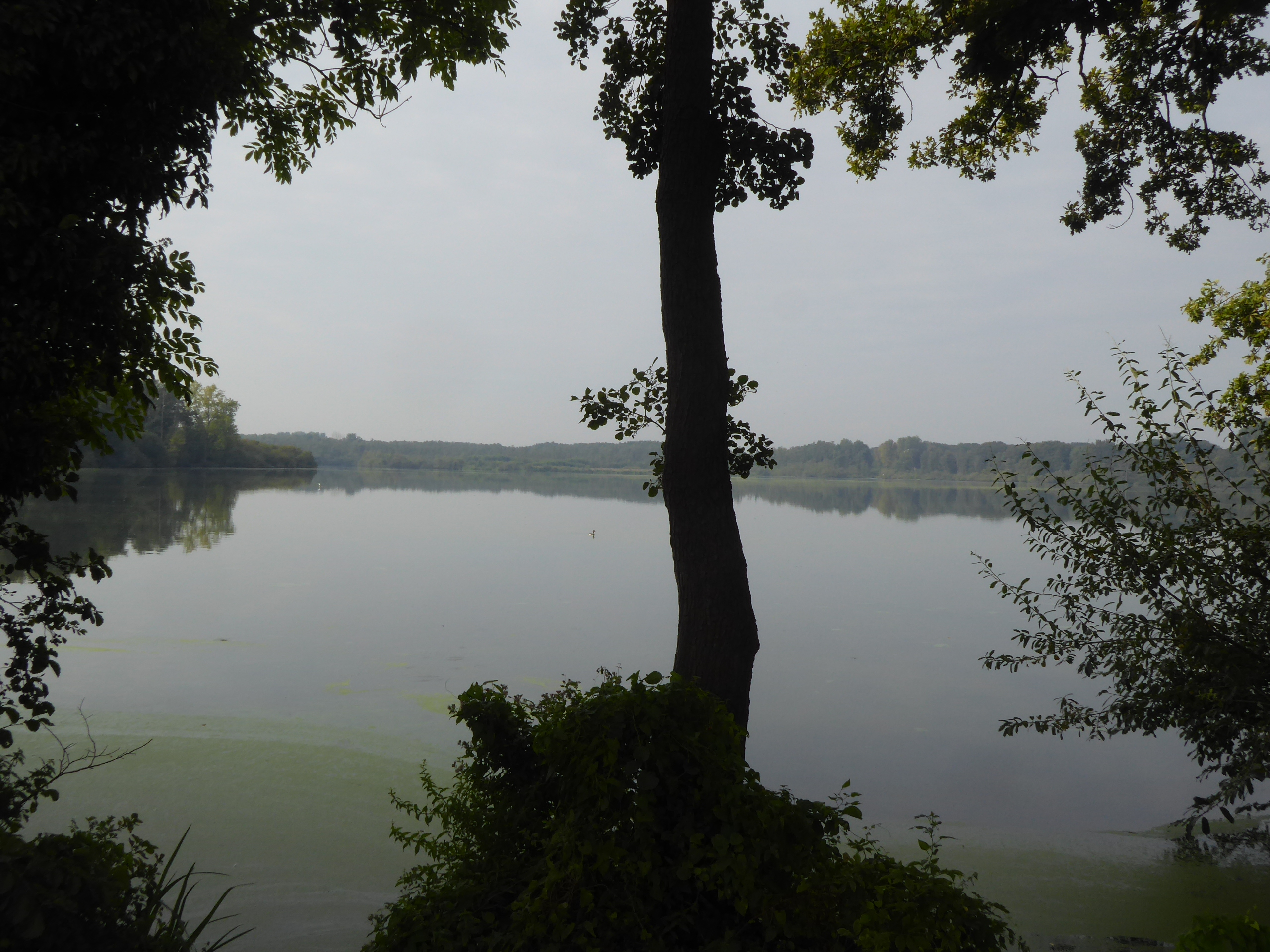
Nettetal to Kevelaer

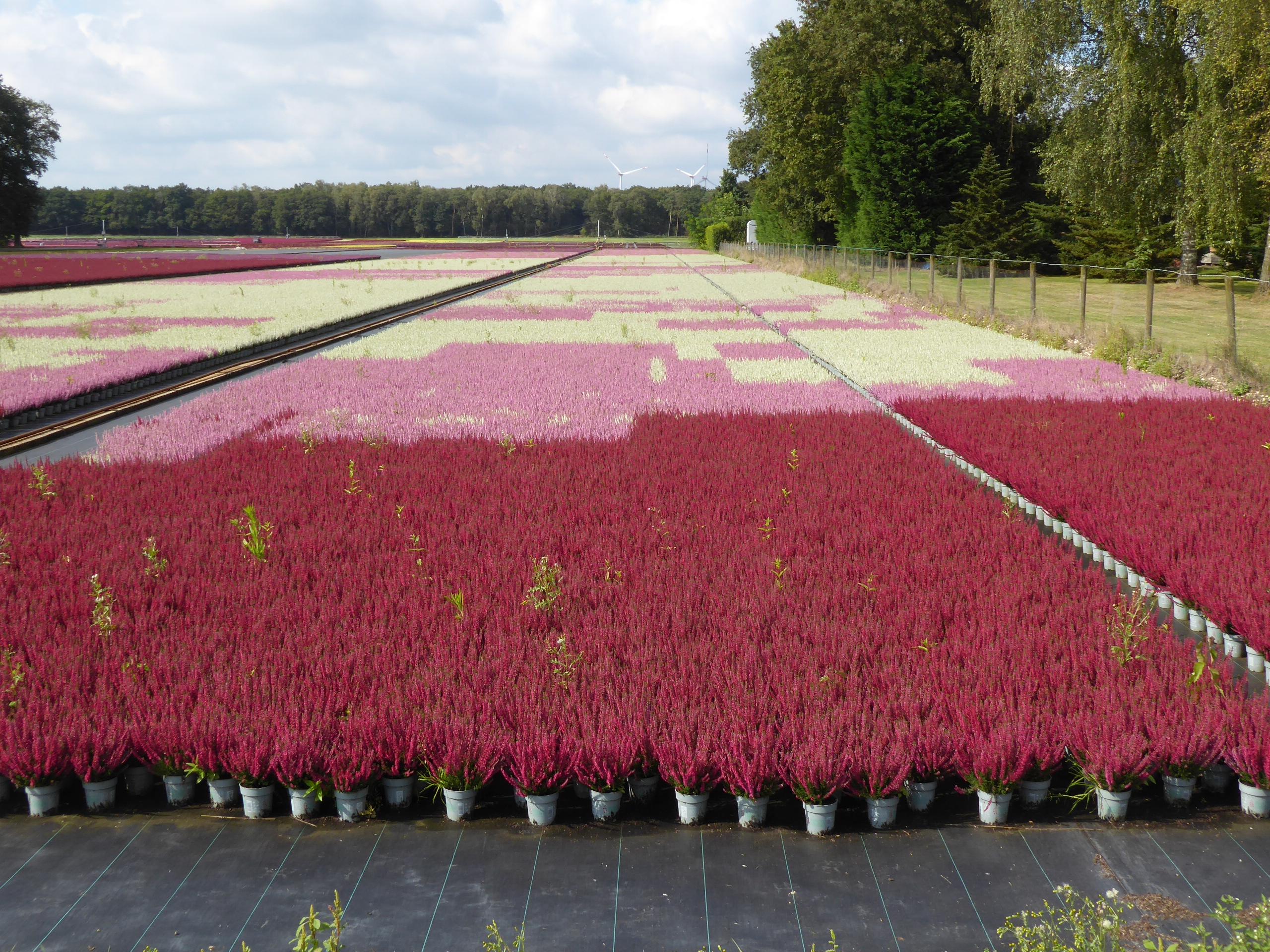
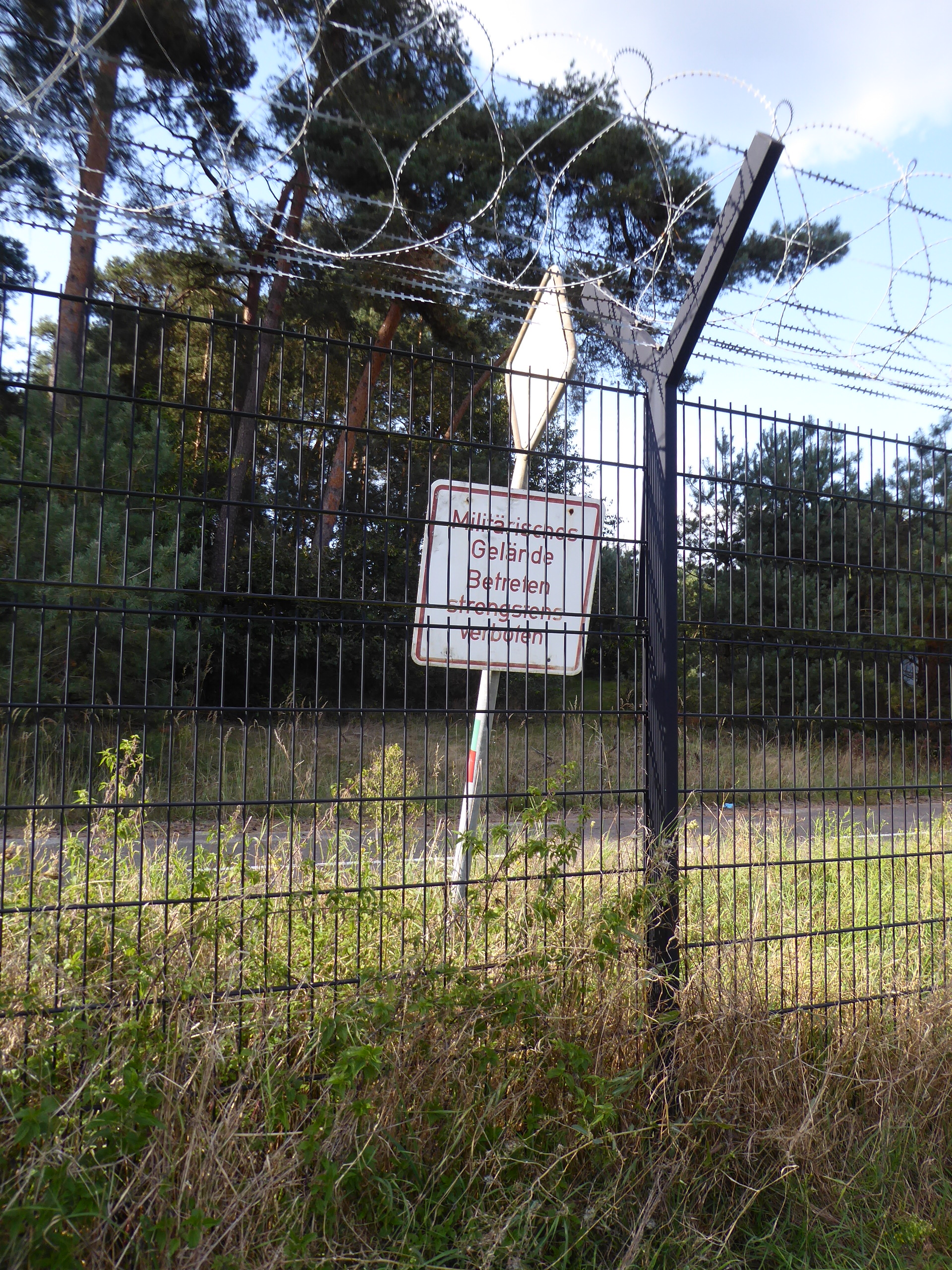
From Germany to the Netherlands and back again. We cycled past more of the Nettetal ponds, then an old wartime airfield on the border before joining the Maas at Venlo – a place I associate with changing trains. We cycled north beside the river to Arcen and through the Maasduinen – a sandy ridge between the two countries – back into Germany. Here I stopped to photograph a heather nursery, which was quite striking.

And now we are back in Kevelaer.

Weert to Niederkrüchten

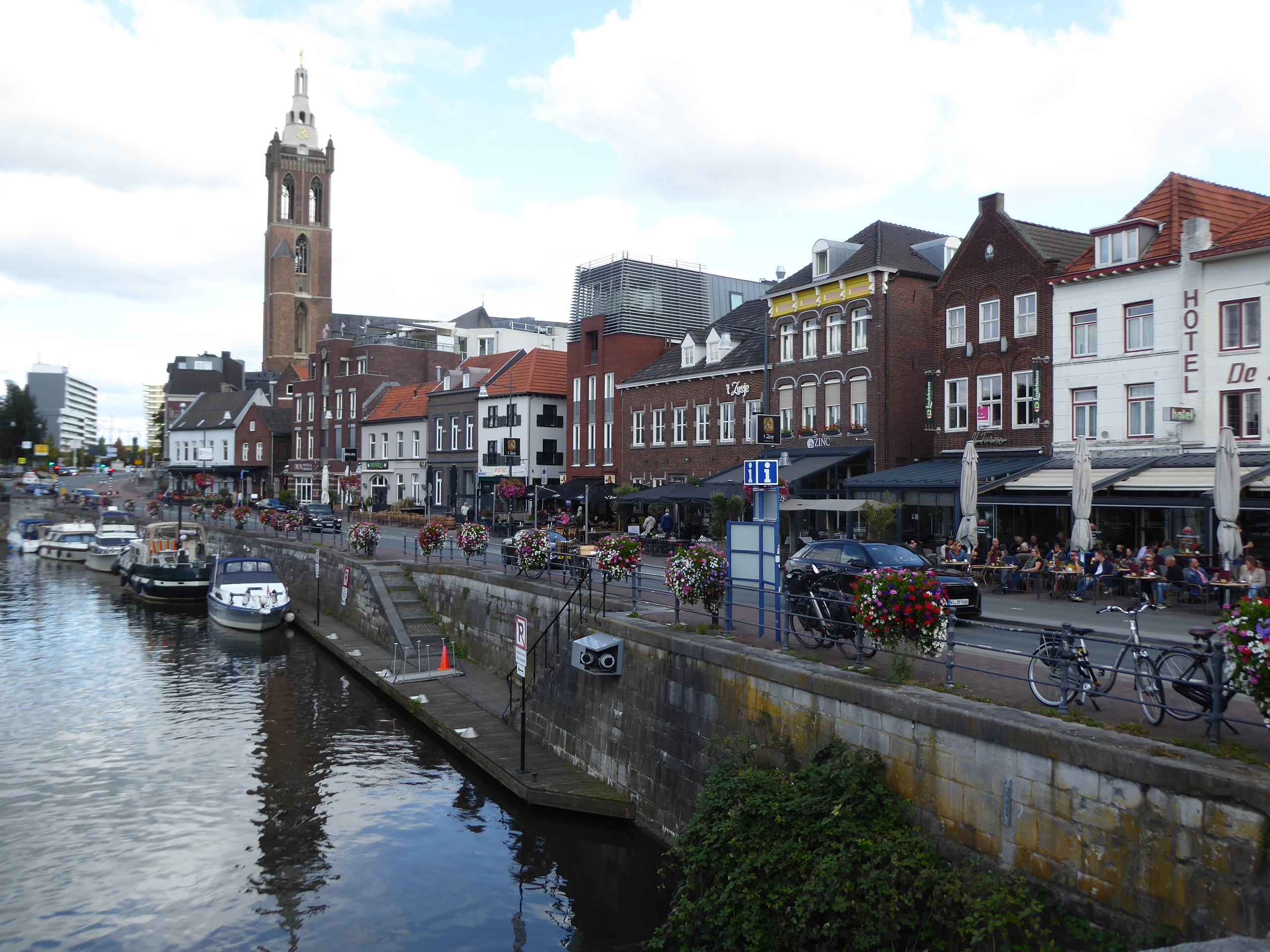
There was a definite autumnal feel to leaving Weert this morning – a chill, a crispness. Through fields – asparagus, spinach beet, maize – to Roermond and then, once over the border, on a very stony path through woods that took all my concentration.

I hadn’t quite realised – I mean, fully taken in – how long the liberation of Europe took. From the D-Day landings in June 1944 to VE Day on 8 May 1945. That’s a very long time to wait for a war to end. We crossed the border east of Roermond and came across a memorial to men in this still-occupied part of the Netherlands shot for evading the forced conscription of labour by the Nazis in December 1944. I recalled visiting Otterlo, where the last battle in the Netherlands between the Allied forces and the Nazis took place in April 1945. It also links to the former Javelin barracks that we passed as we left the wood: an RAF base in the decades after the war.

Baarschot to Weert

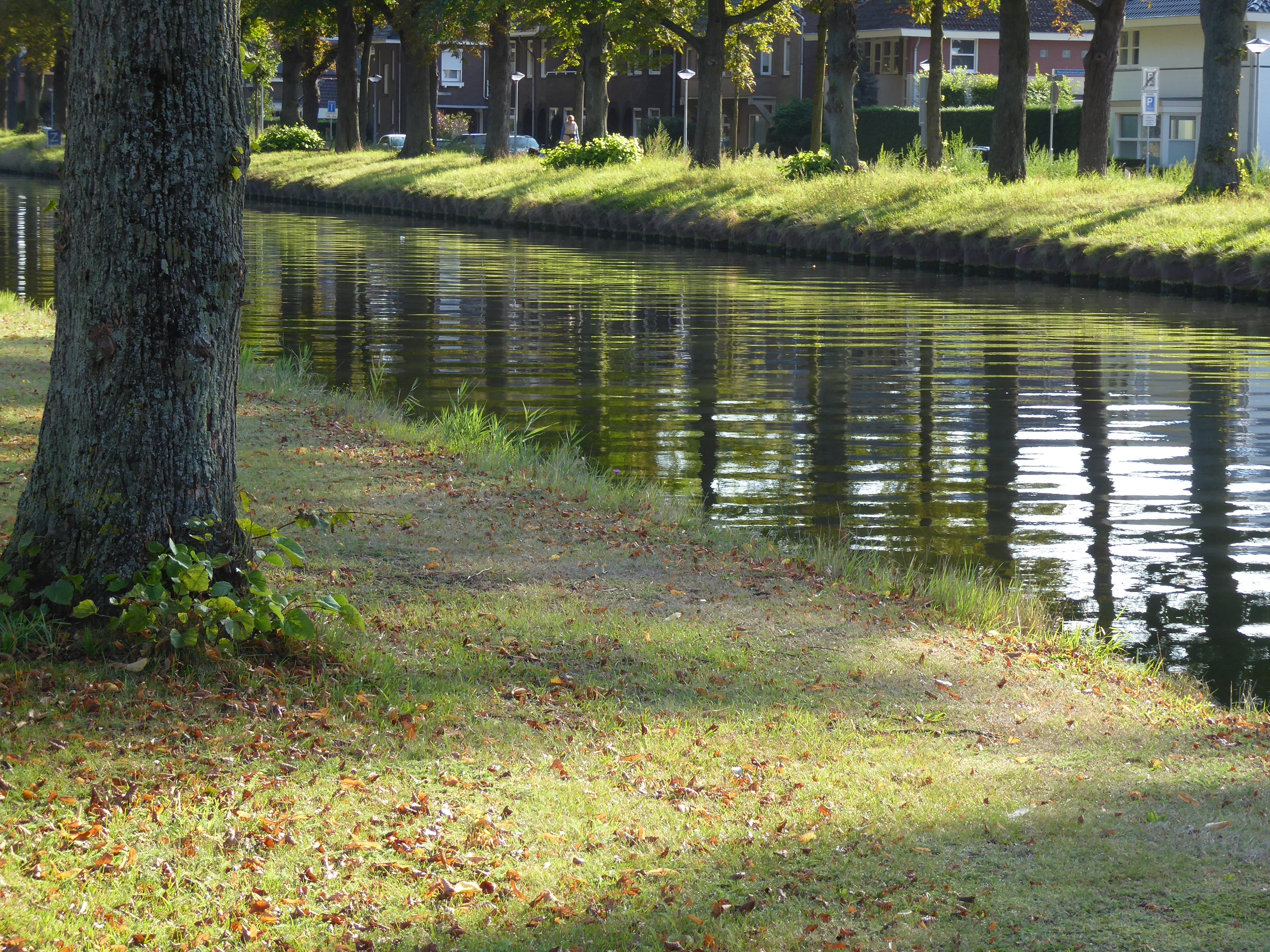
North Brabant seems big on dairy. It’s also a Catholic area. These are the two facts that I picked up as we threaded our way through fields and woods, with a coffee stop in Valkenswaard. I took no photos since there was nothing that particularly caught my eye. There may be something in Weert, but my hotel and route choices were so flawless that we entered Weert right by the hotel and leave it tomorrow by the canal I can see from my window.

But, my goodness, I am slow! Even on the flat in good conditions I may bowl along at only 15 or 16 kph. My average speed for the day is something like 12 or 13 kph. I don’t push against the pedals and I have little momentum. Once upon a time we zoomed along German river valleys at 18 or 19 kph. It really doesn’t matter: I just keep turning the pedals and adjust the day’s expected distance accordingly. It’s not as if I don’t know that I don’t grow any younger.

Lage Zwaluwe to Baarschot

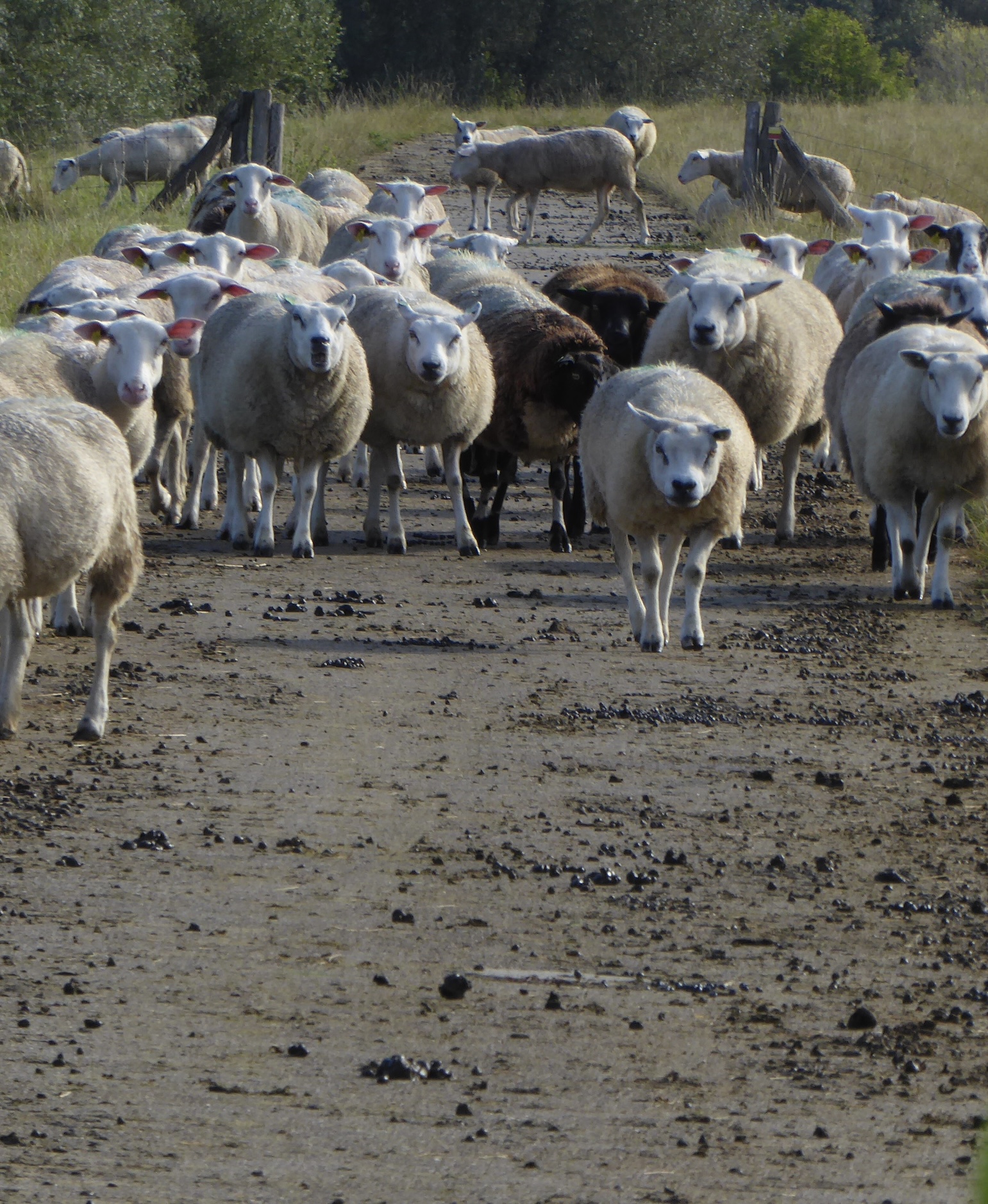
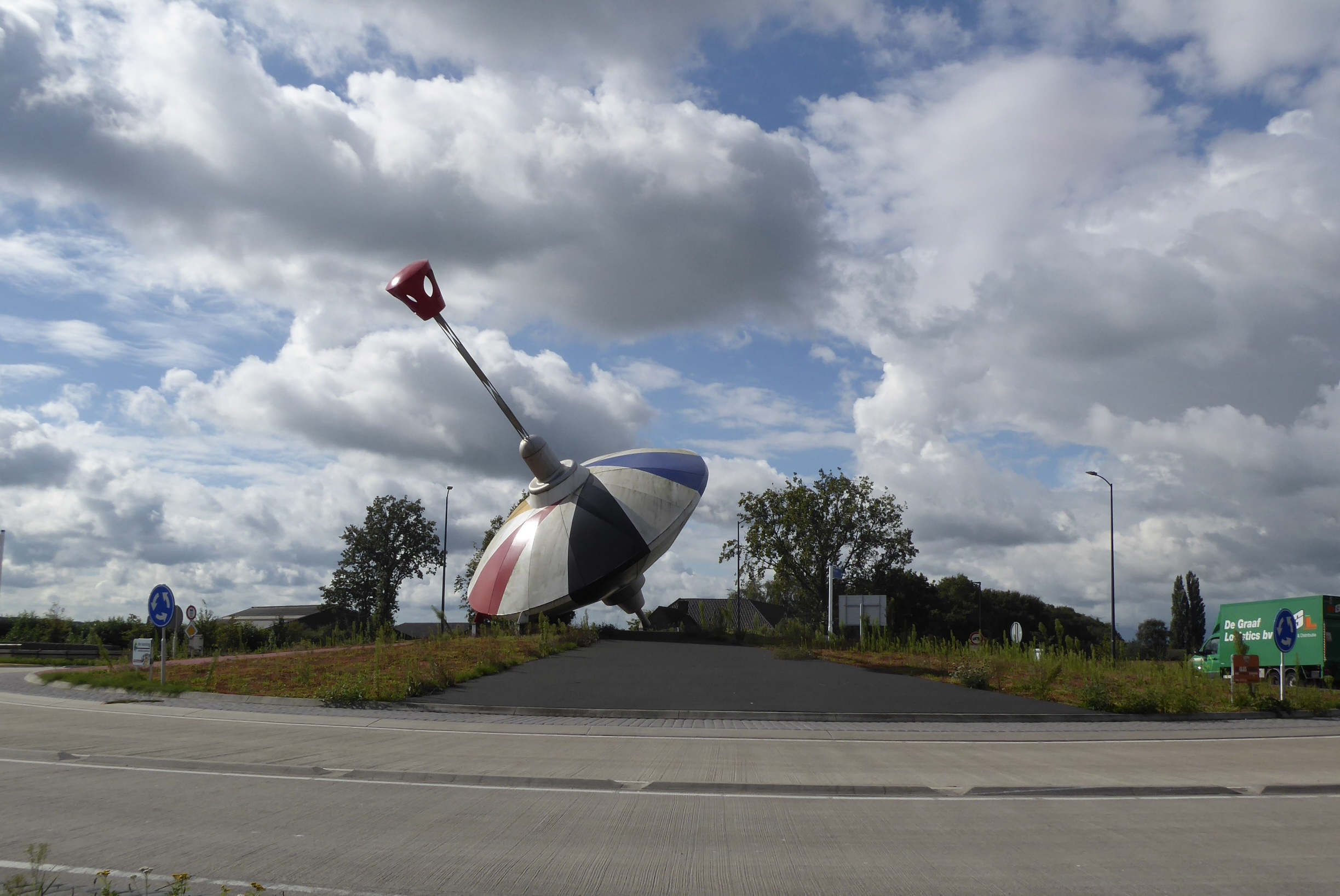
I noticed that there was also a Hooge Zwaluwe nearby – so I deduce they are “Lower” and “Upper” Zwaluwe. A less ferocious tailwind (boo!) but drier and sunnier (hurray!) than yesterday. The first part of the day was along the river on a high path dodging gangs of nonchalant sheep. Then through Oosterhout (great roundabout) and Dongen to the Wilhelminakanaal, which enabled us to skirt Tilburg without needing to navigate. It also gave us a very different impression of Dutch cycling: no longer gentle pootling but – now that e-bikes are so common and so various – more like a speedway circuit. The cycle paths are being upgraded; I was tempted to compare it to dualling the A1 or adding an extra lane to the M25.


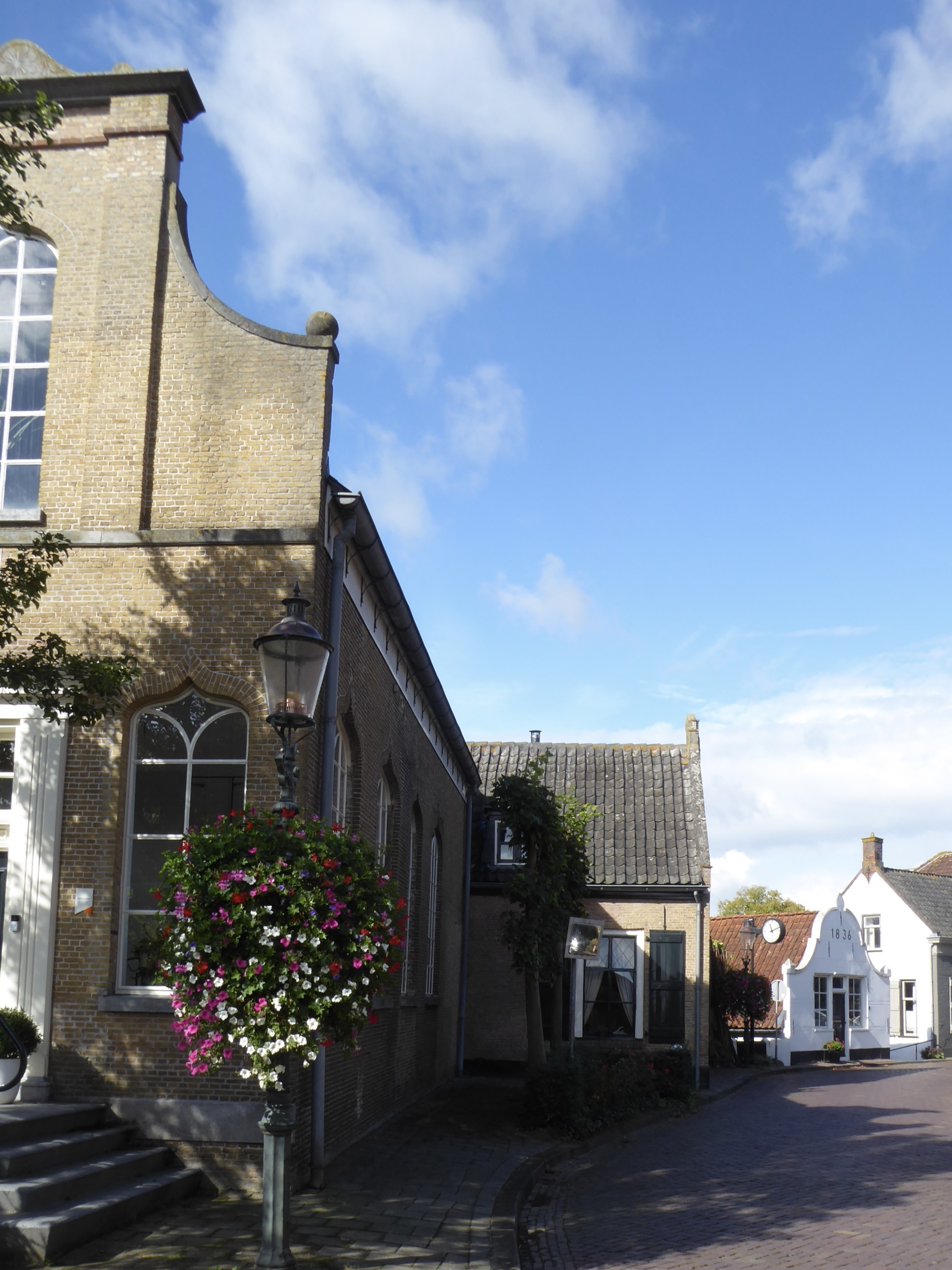
I never know, when cycling in the Netherlands, if the next town or village will be modern or old. Whether there will be a shopping centre that suggests the high point of the 1960s still live or if there will be shapely gables and shutters just as if Vermeer painted them. Sometimes the two co-exist, as in Oosterhout.

Europoort to Lage Zwaluwe

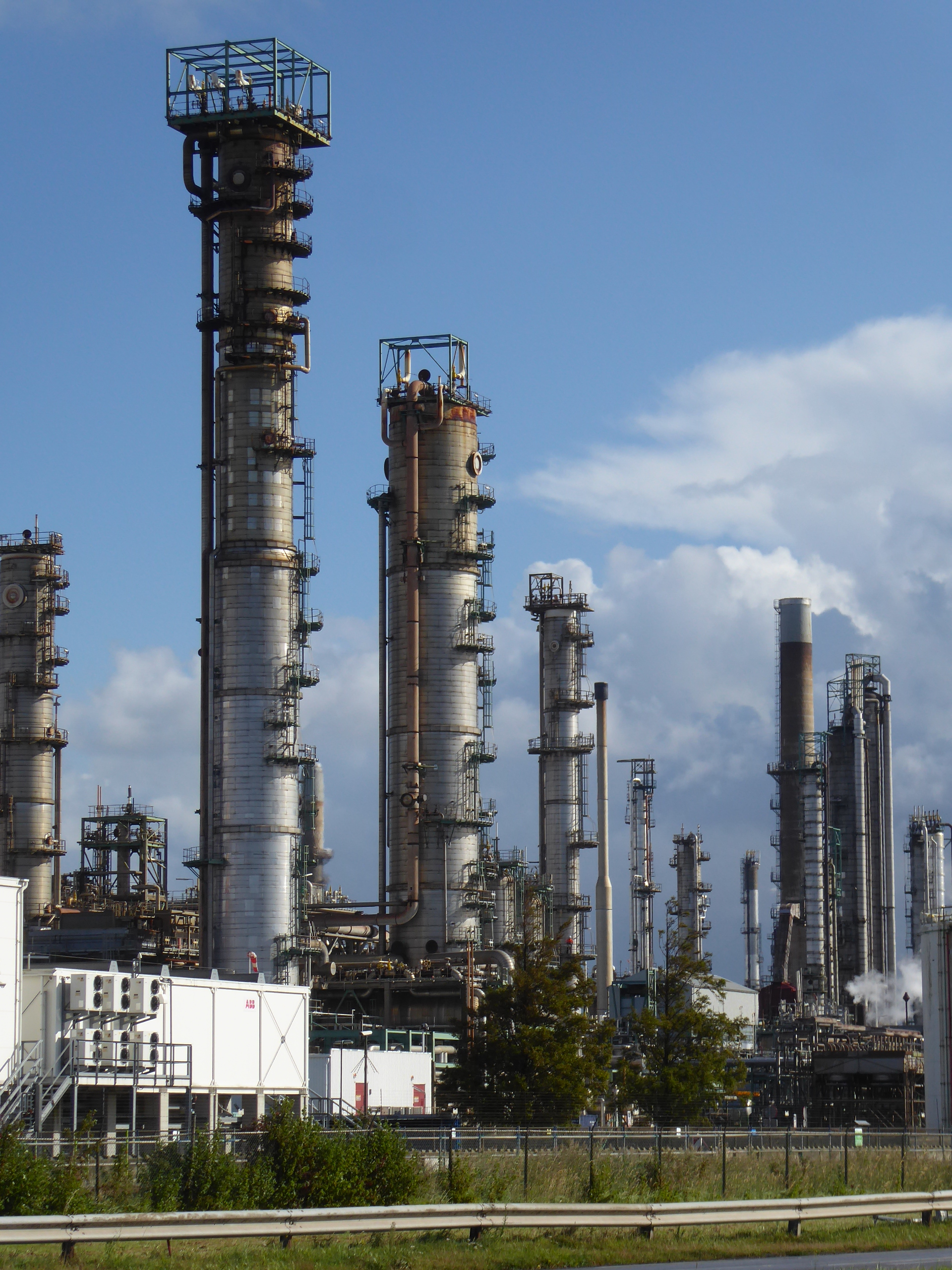
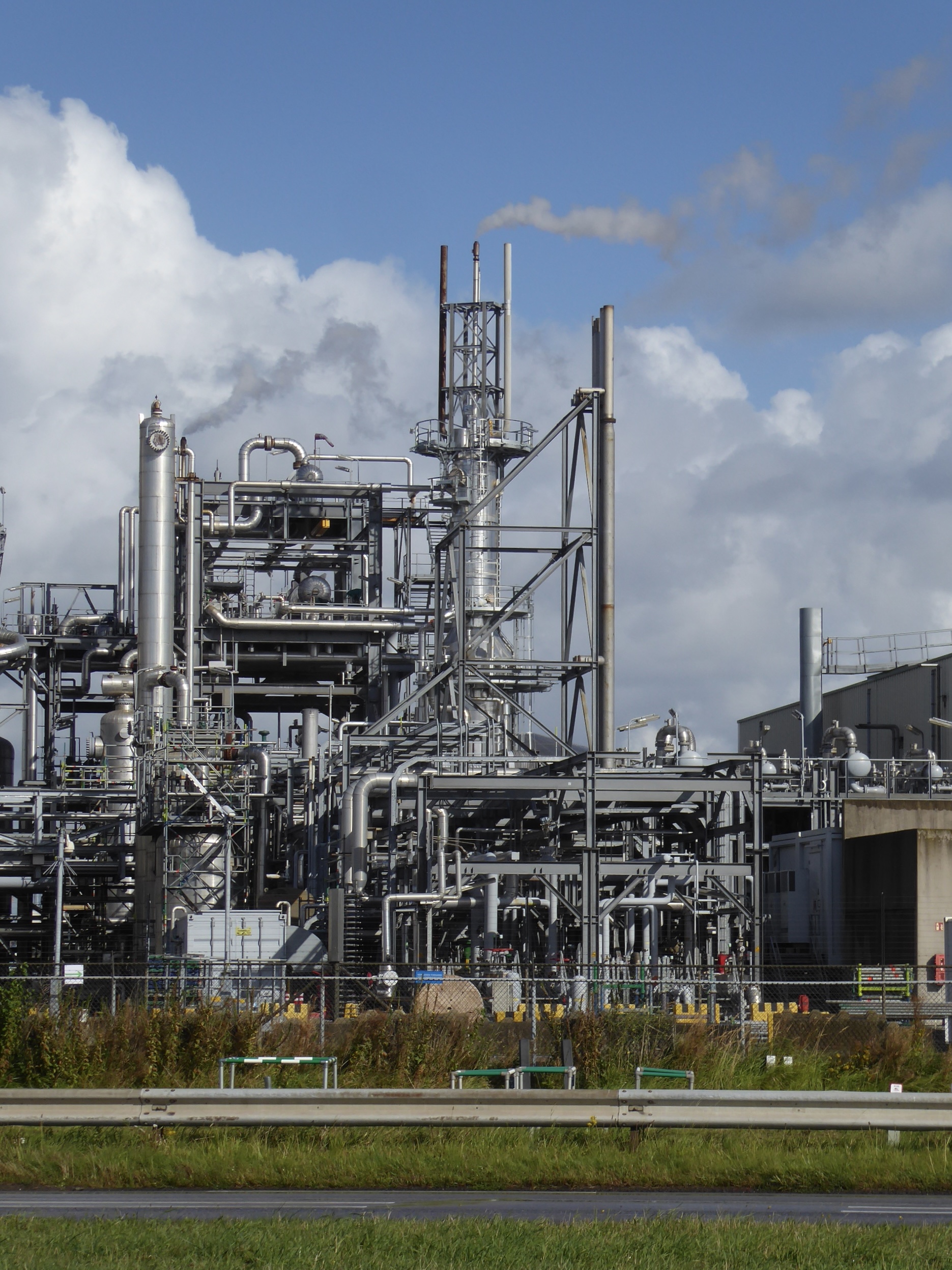
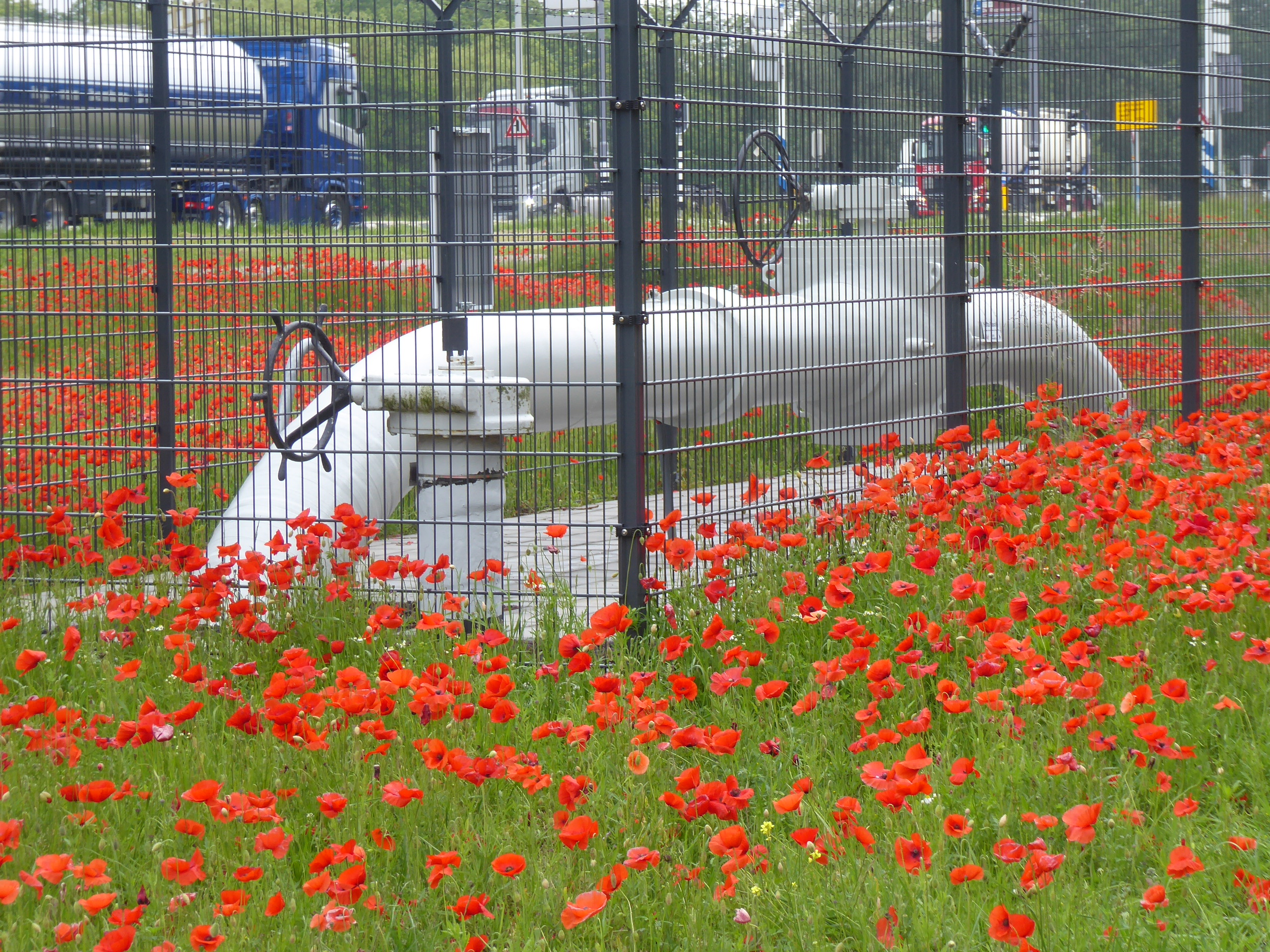
My photographs give a misleading impression: there was as much rain as sunshine and as much greenery as petro-chemical plants. In avoiding ferries to cross waterways, we sampled a variety of Dutch civil engineering: three bridges and two tunnels. Our second breakfast was in Hoogvliet: a small Milton Keynes where the shopping centre replaced the church/market place/town hall trinity. Nice to be back in the Netherlands – and with a tailwind.