


Manchester Art Gallery

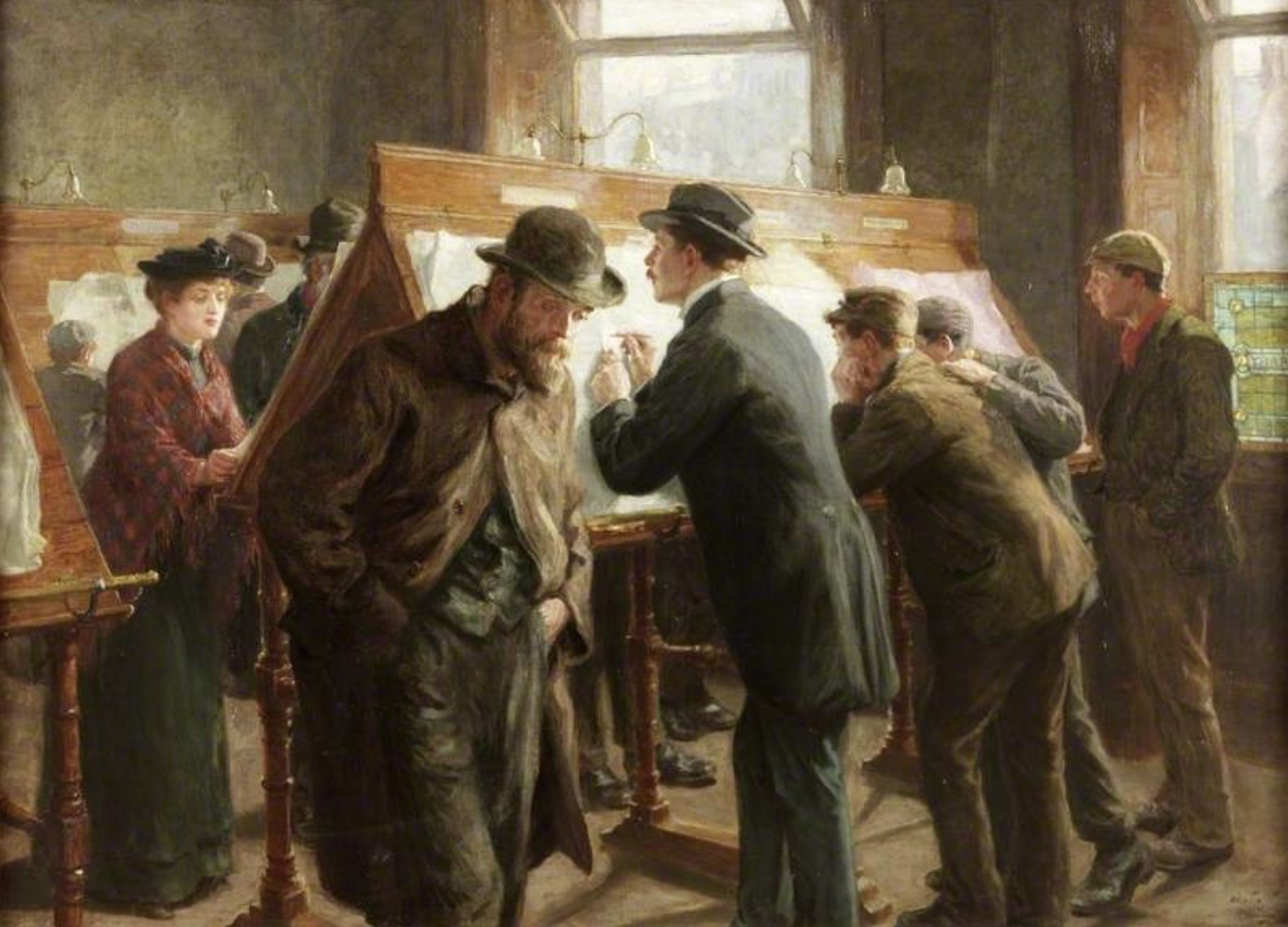
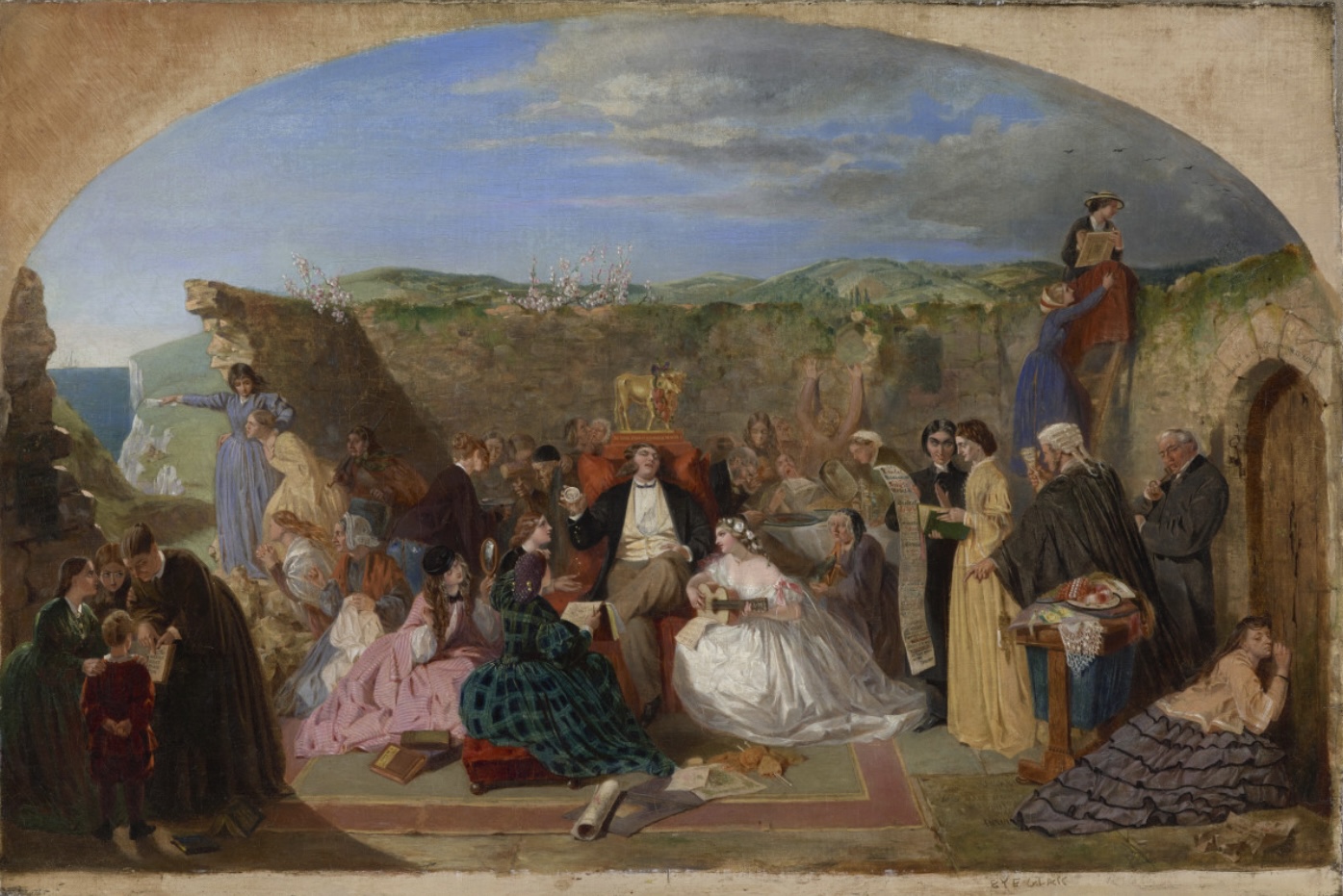
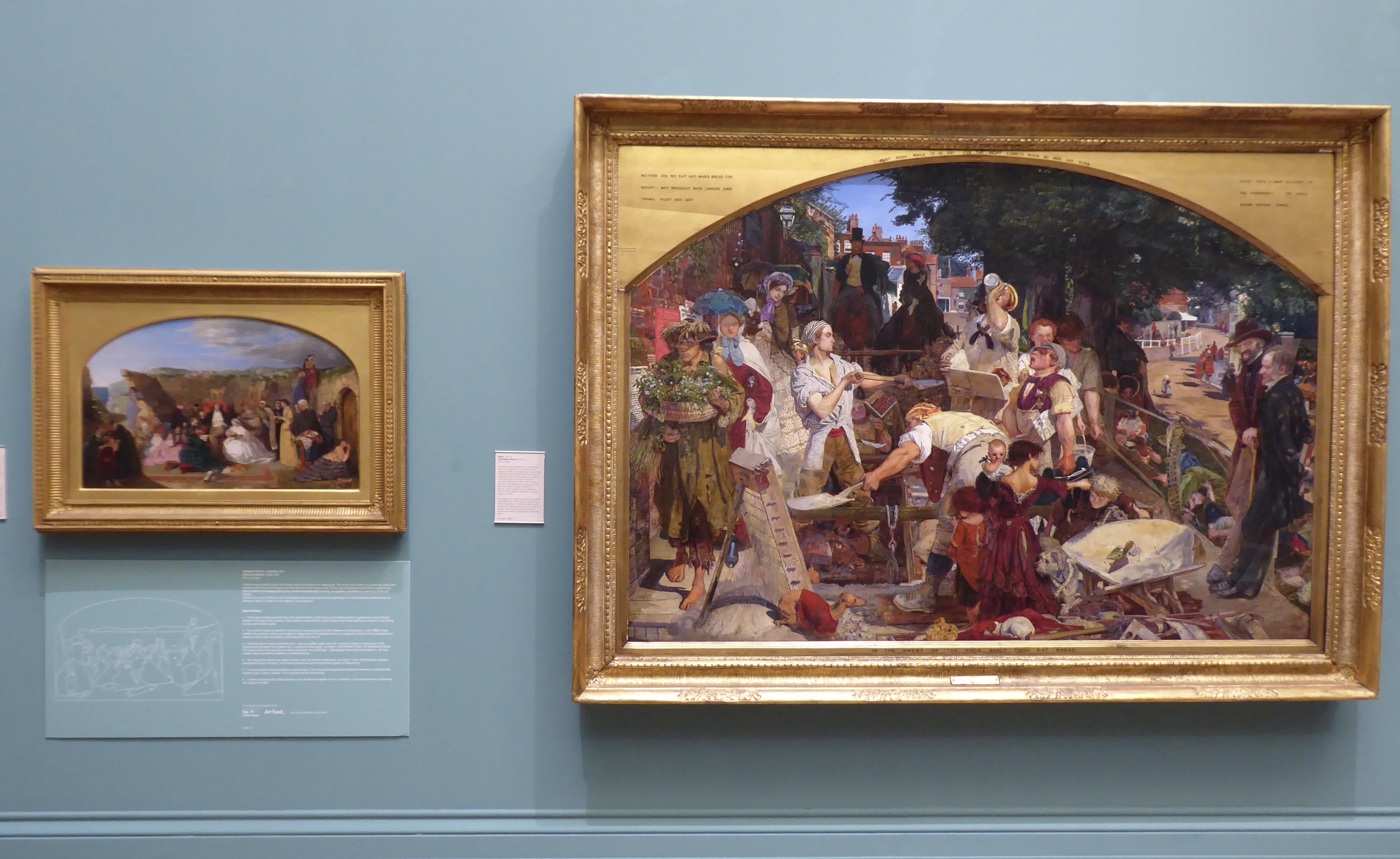
I was in Manchester so went into the art gallery. They have recently acquired a painting I saw last year at Tate Britain – Women’s Work: A Medley by Florence Claxton (painted when she was only 22). They’ve hung it right next to Work by Ford Madox Brown, so it’s instructive to compare the two. His is much bigger and (it must be admitted) more skilfully executed, but hers has a pull all its own. The figure in the bottom right with her gaoler holding the key suggest psychological incarceration, but, looking at some of her other work, I’m not sure how much of a feminist she was throughout her long life. However a work of art has a life separate from its author – and this was as much of a packed social commentary as Work.

Peter Grimes

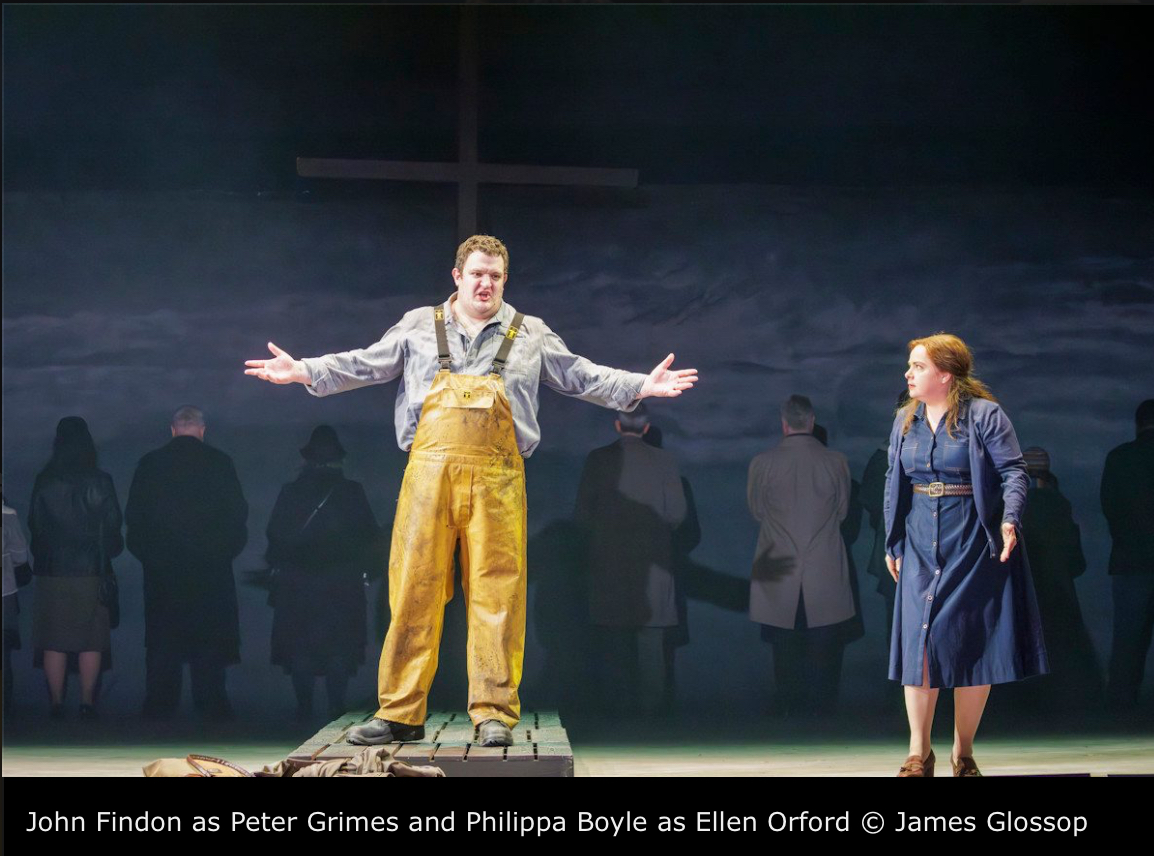
The singing was sublime (and it’s fascinating to hear a libretto in English) the staging was simple and dramatic . . . but Peter Grimes is such an alienating character. The pre-show talk focused on his outsider status, his yearning for a “safe harbour”, and suggested that he would be seen today as neuro-divergent. Well, yes – but two boys in his care die, he can be brutal (albeit in a brutal world) and he’s obsessed with making his fortune. But he did have an absolutely beautiful voice.

  • Peter Grimes – John Findon
  • Ellen Orford – Philippa Boyle
  • Captain Balstrode – Simon Bailey
  • Auntie – Hilary Summers

York

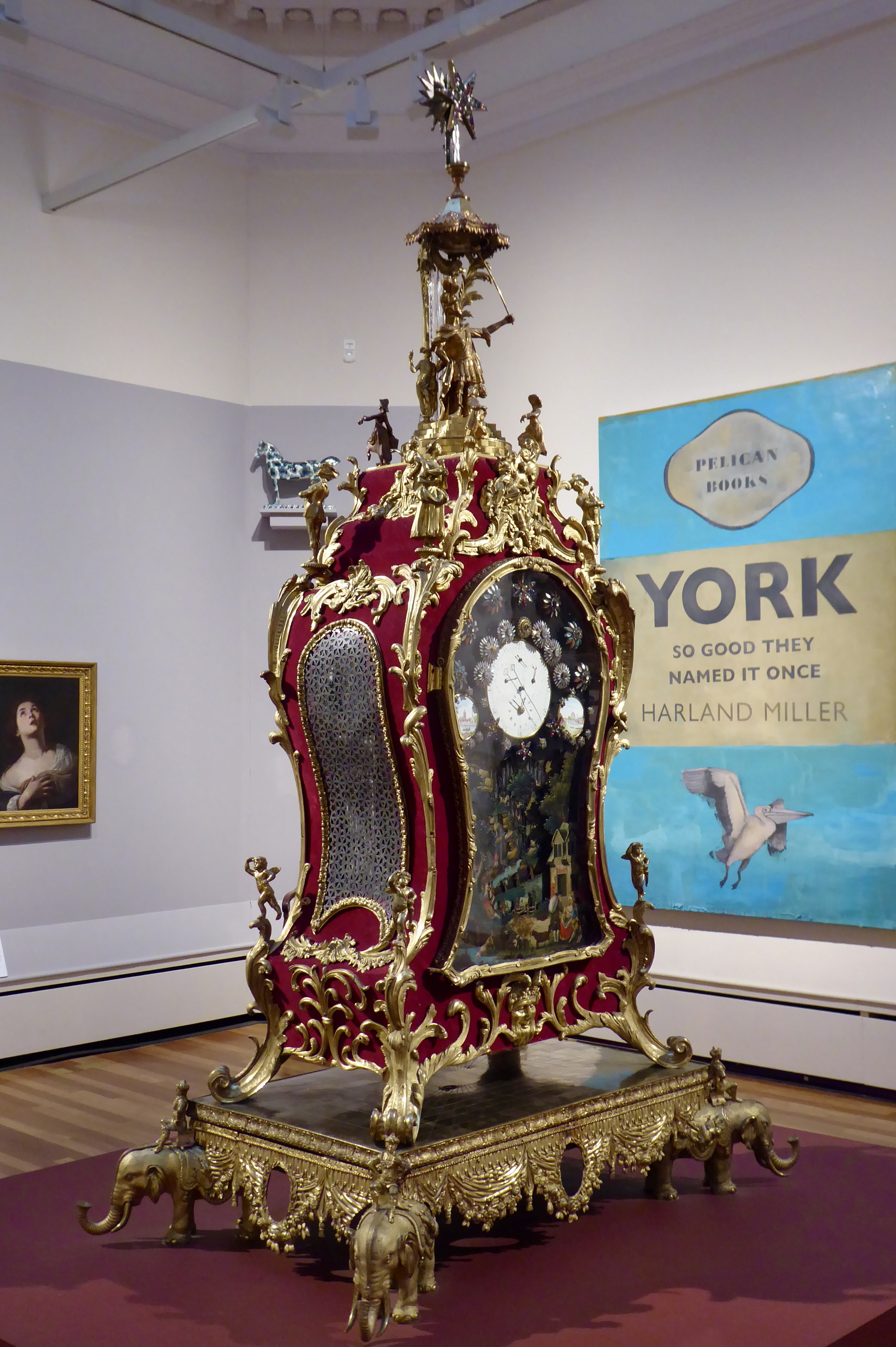
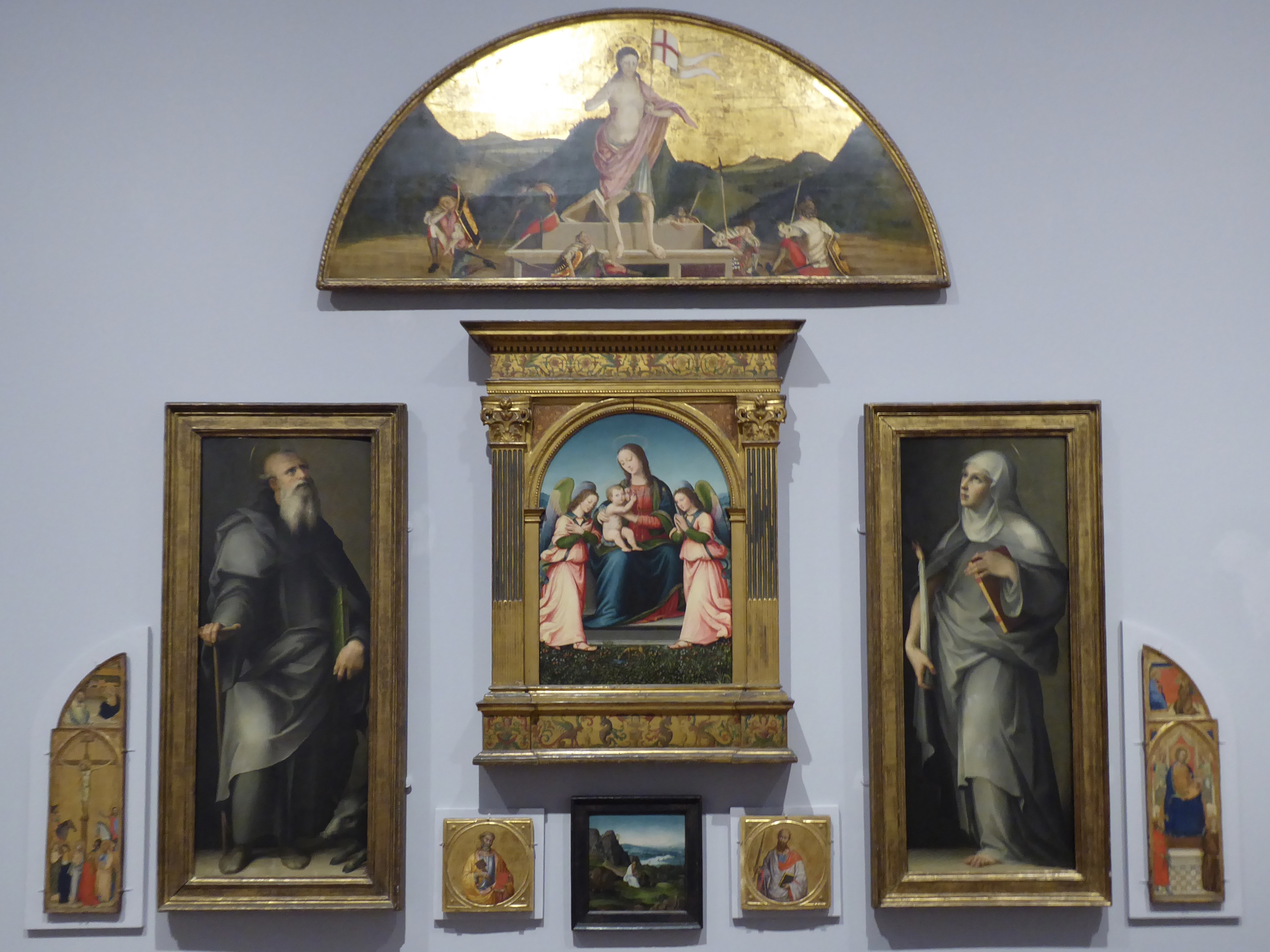
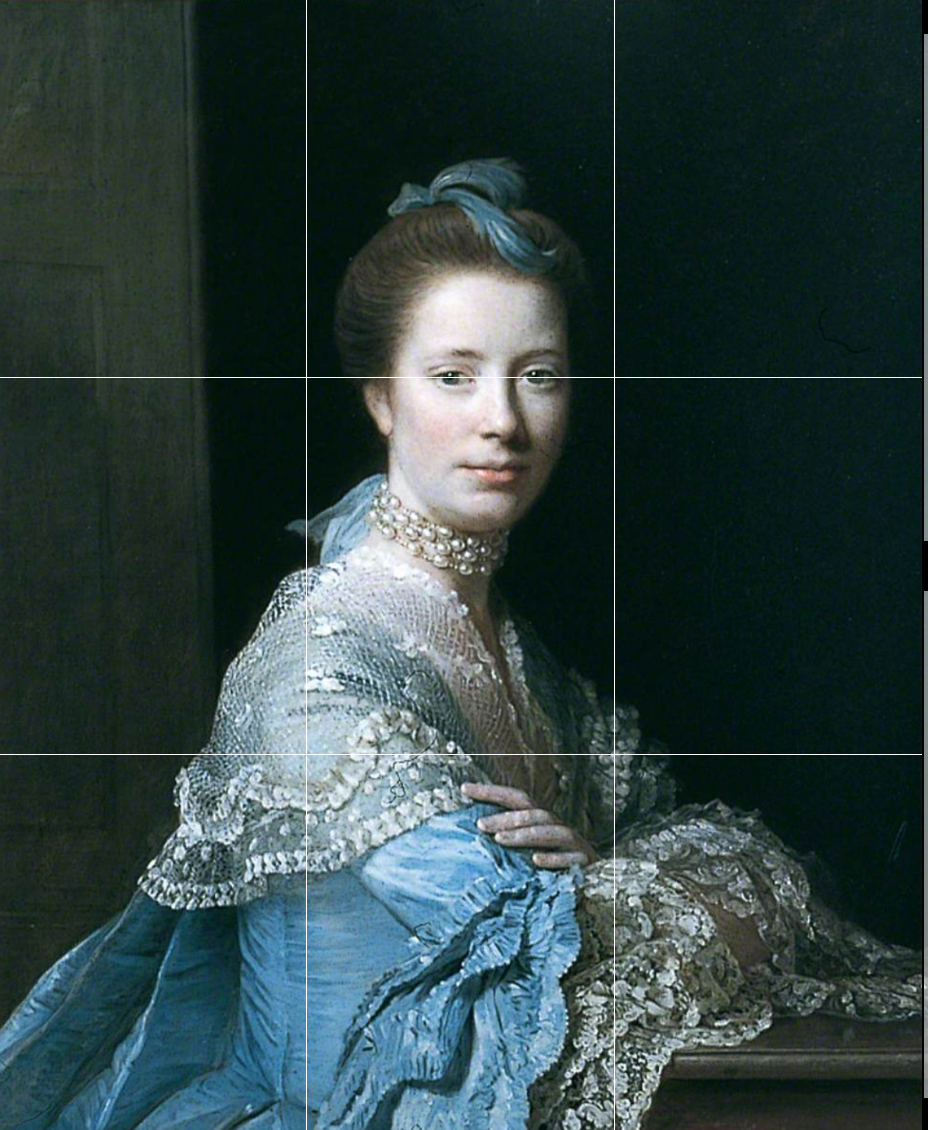
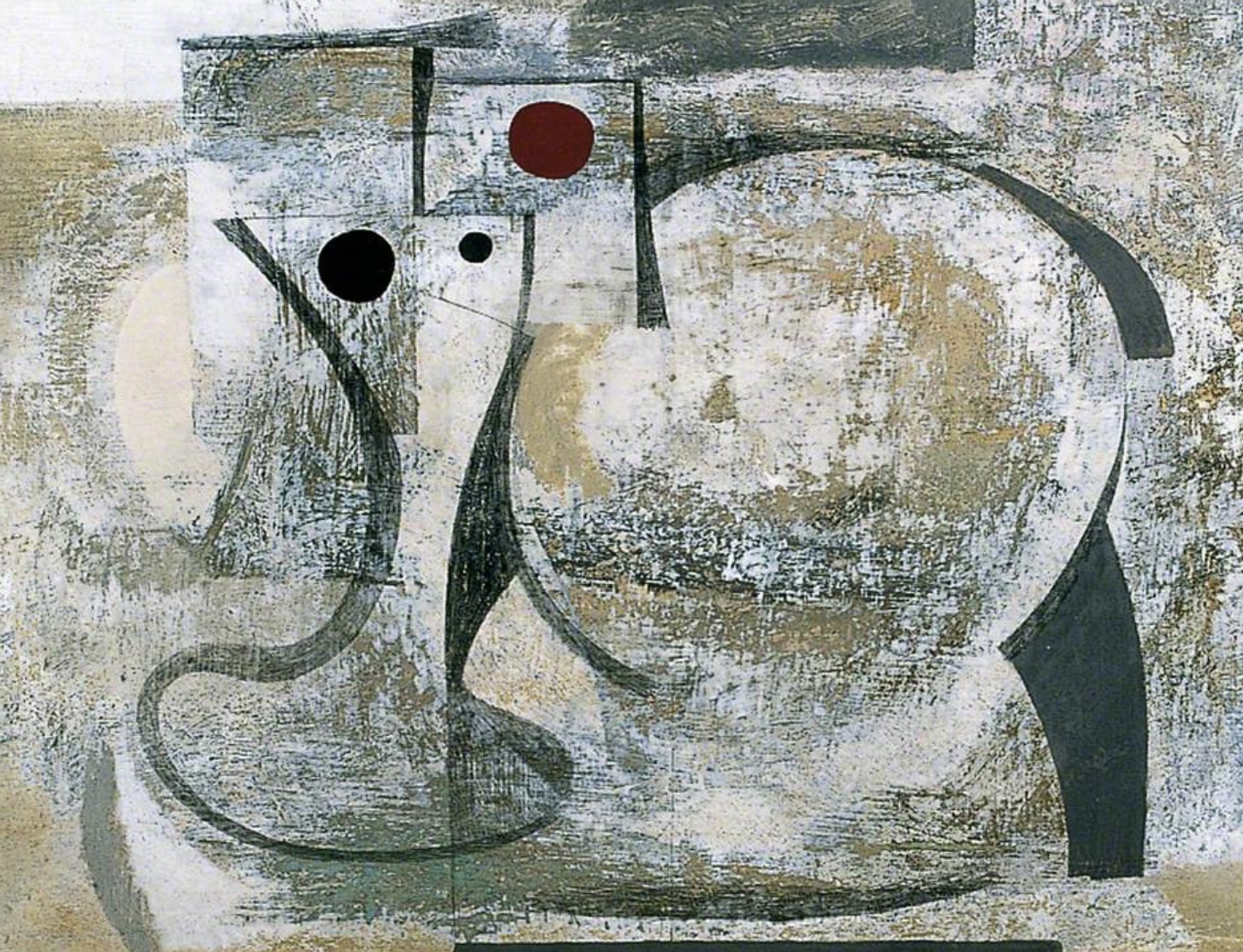
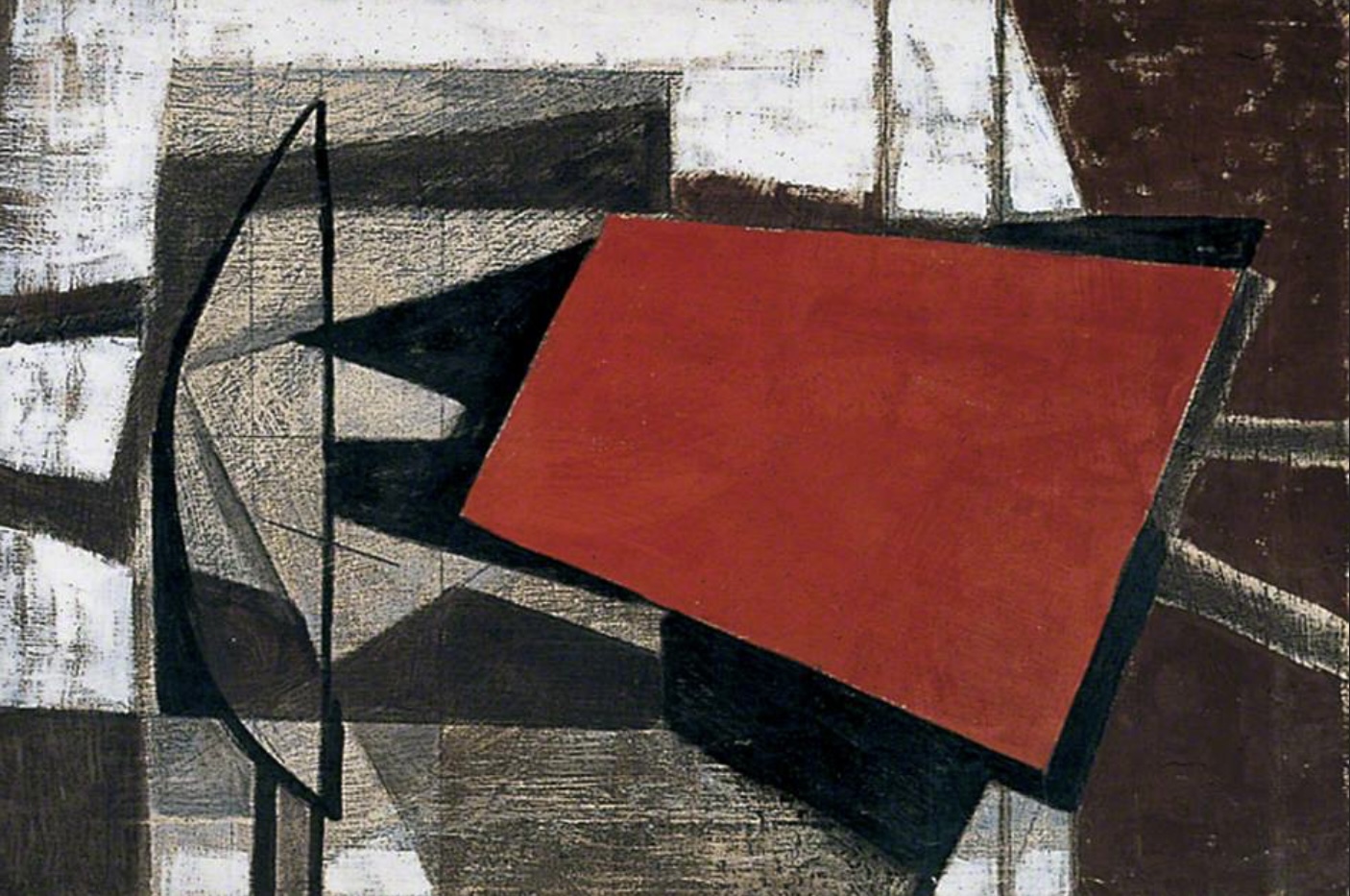
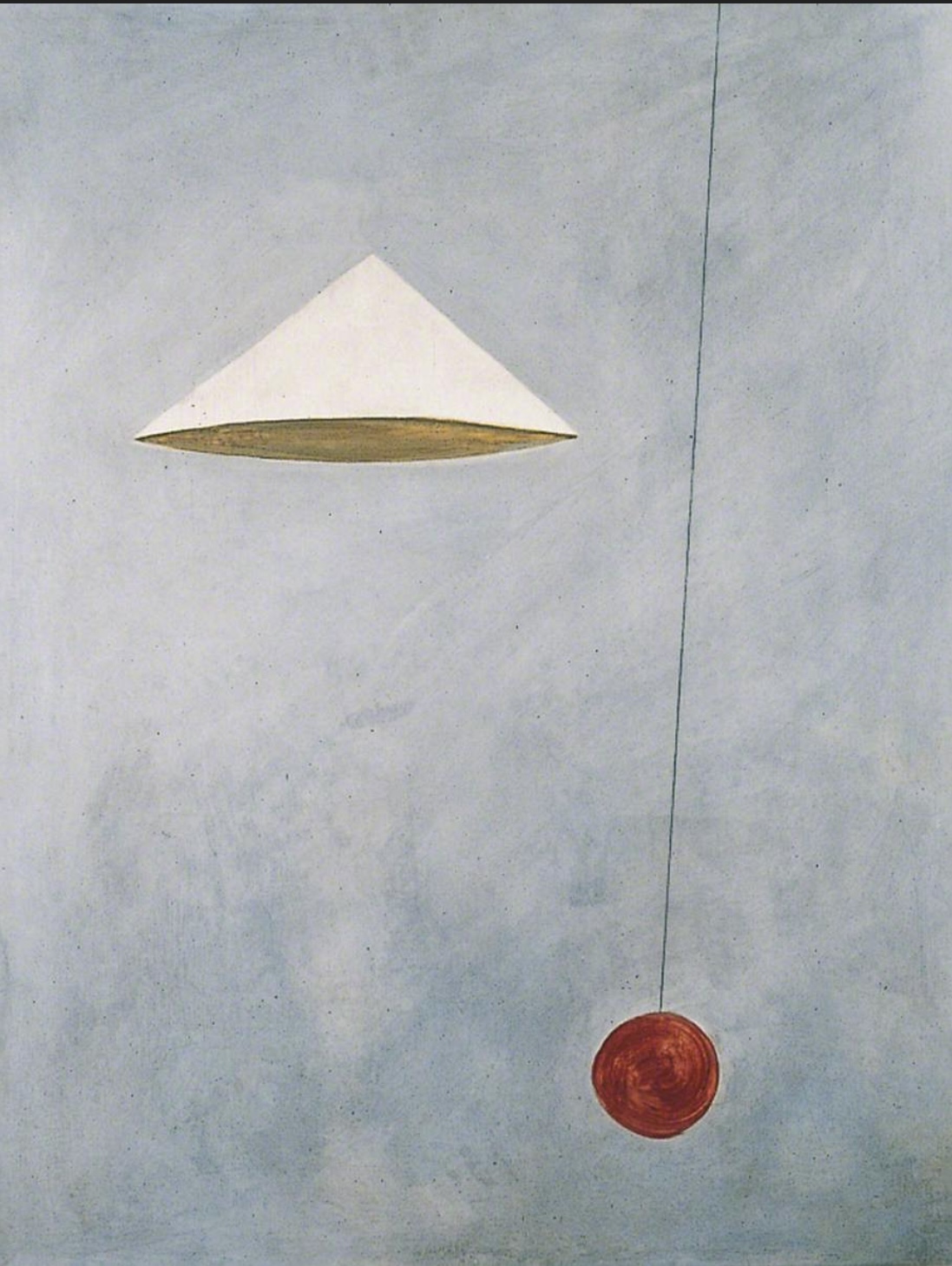
Winter drags on, cold and damp. I headed to York to visit the art gallery for a second time, this time lingering in front of the non-working automaton clock (possibly by the designer of the silver swan in the Bowes Museum). It needs to be wound up regularly to work properly, but it fell victim to Covid lockdowns. I thought how you really would want to have your portrait painted by Allan Ramsey if you were an eighteenth-century bigwig – and then noticed, as I cropped the image, how neatly it was arranged on a grid. What to do with your bits and pieces of medieval religious art: arrange them as a polyptych. There were three abstract paintings hung together and I entertained myself by wondering why I admired one and not the other.

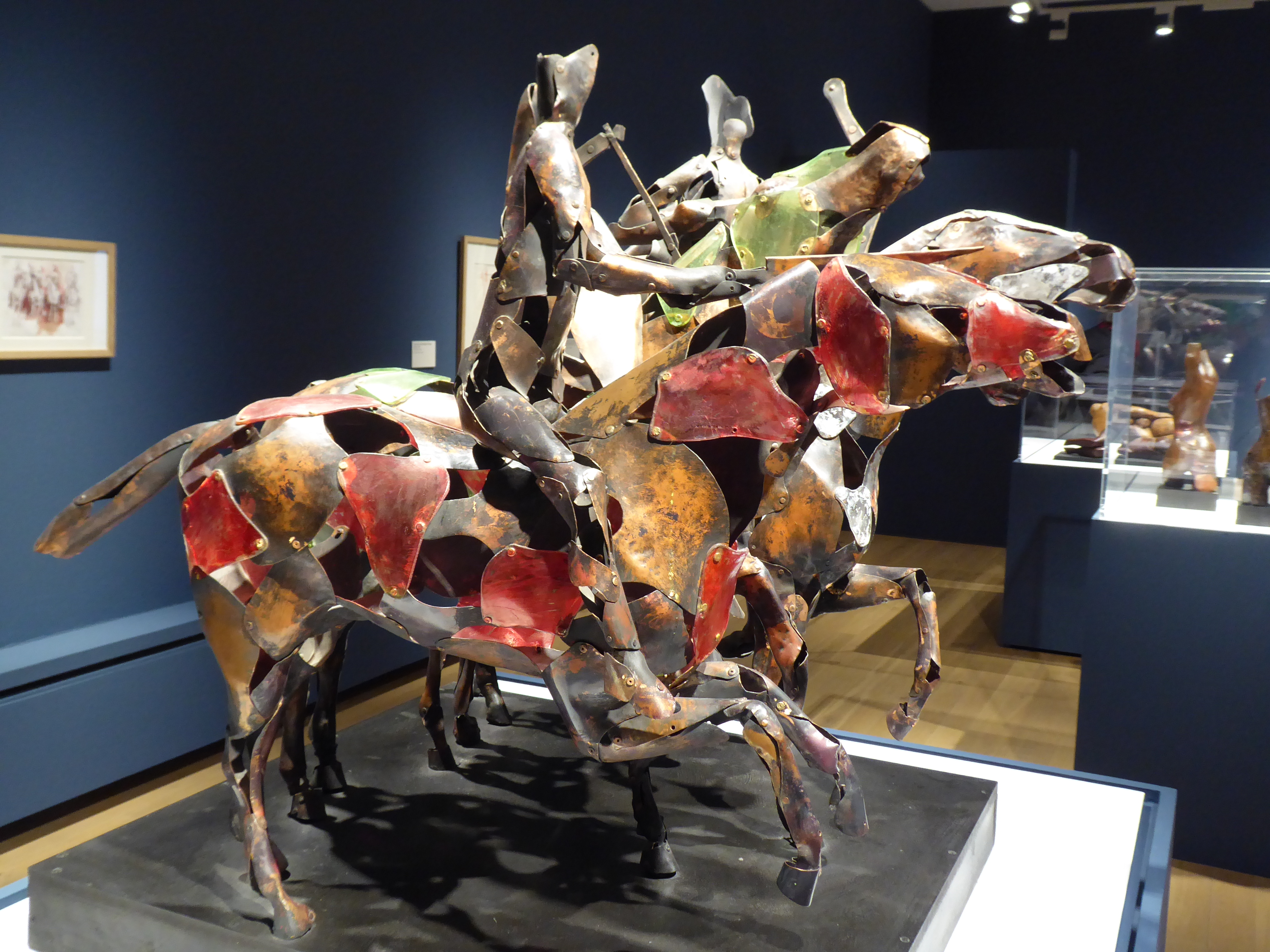
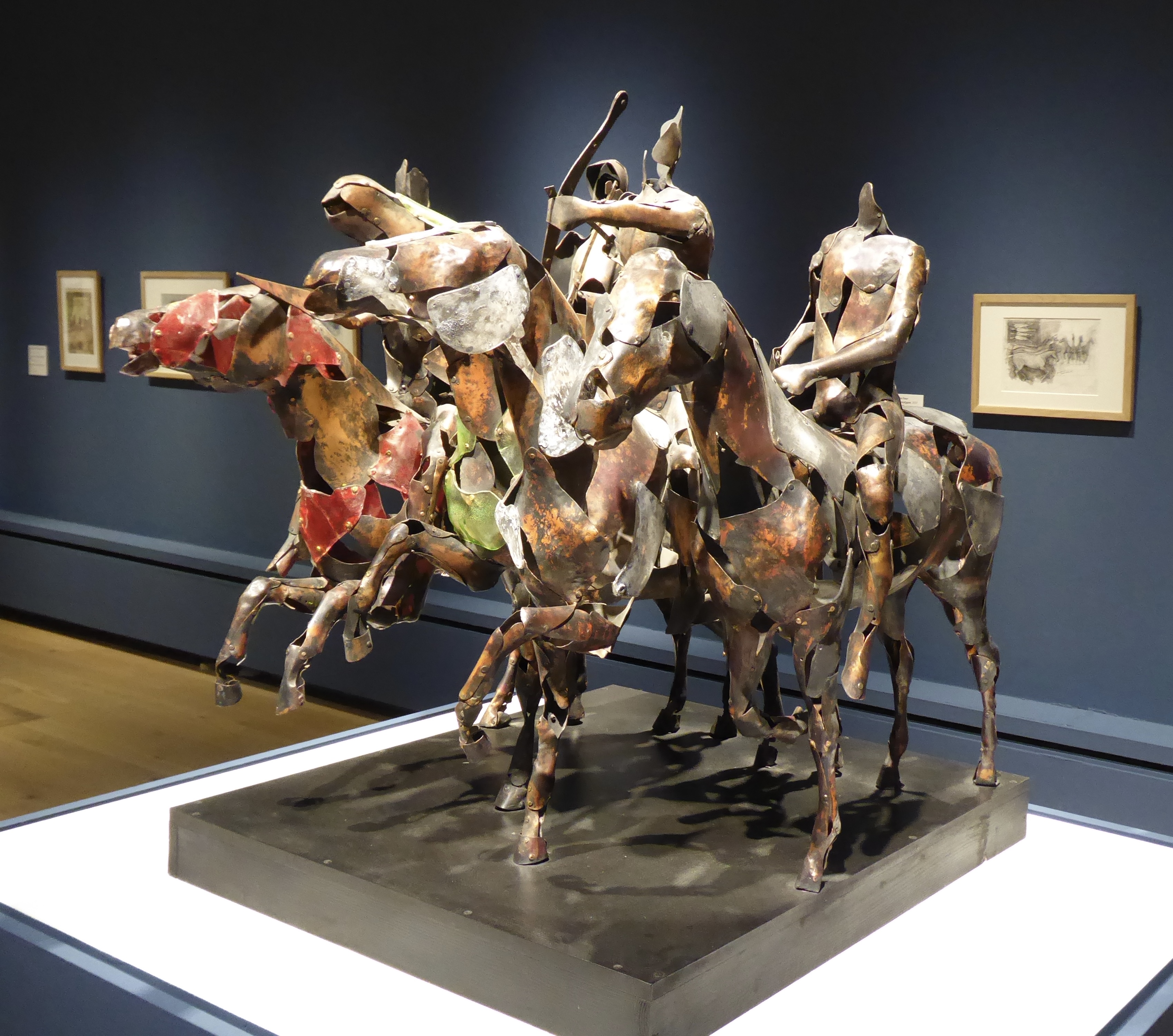
The best bit was stumbling across an exhibition of works by someone I had never heard of before: Harold Gosney, now a very old man, who seems to have been creating all his life. There was a sense of integrity and coherence in his work. His sculptures of horses from patches of metal and perspex somehow married physical grace and power with the inorganic materials.

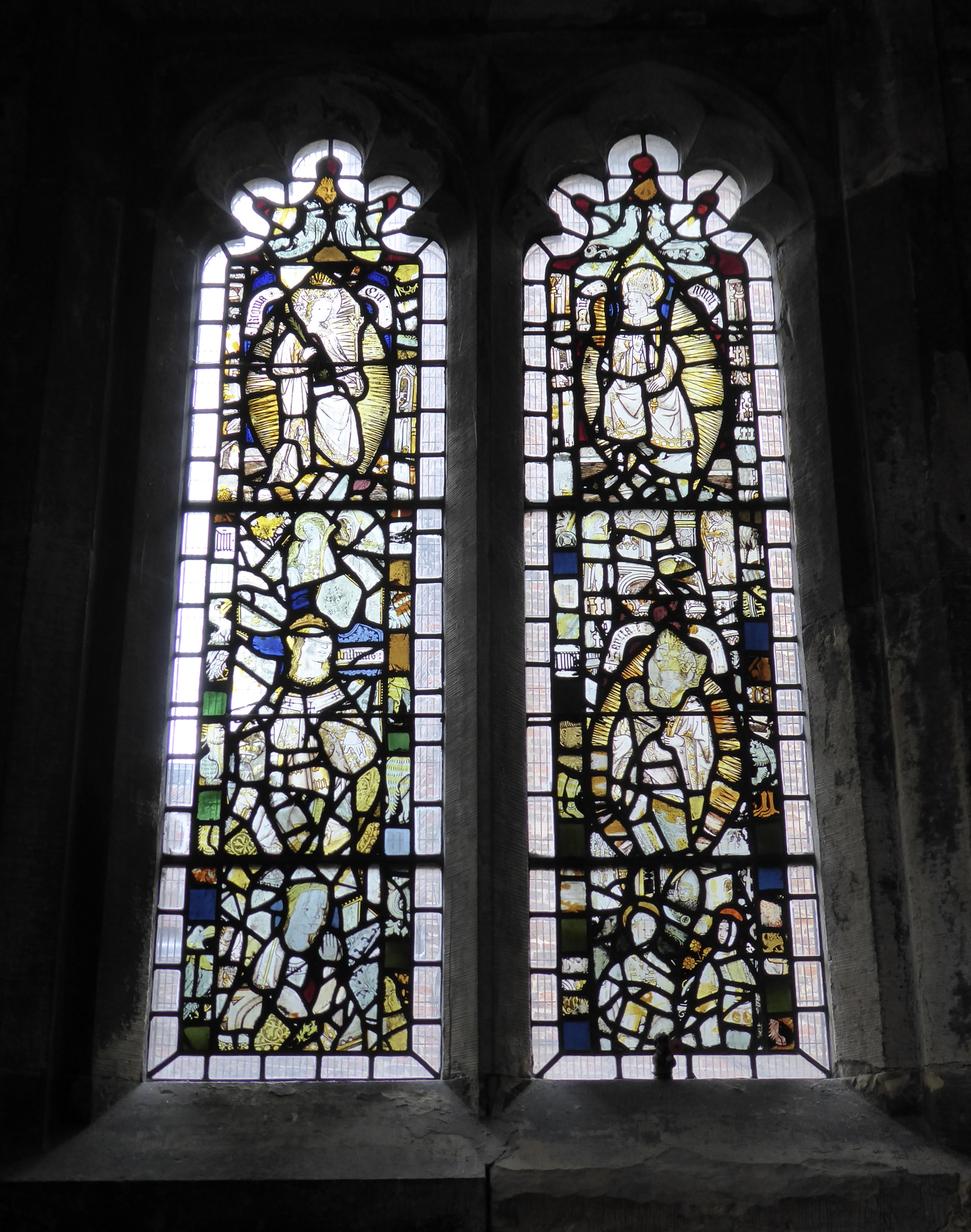
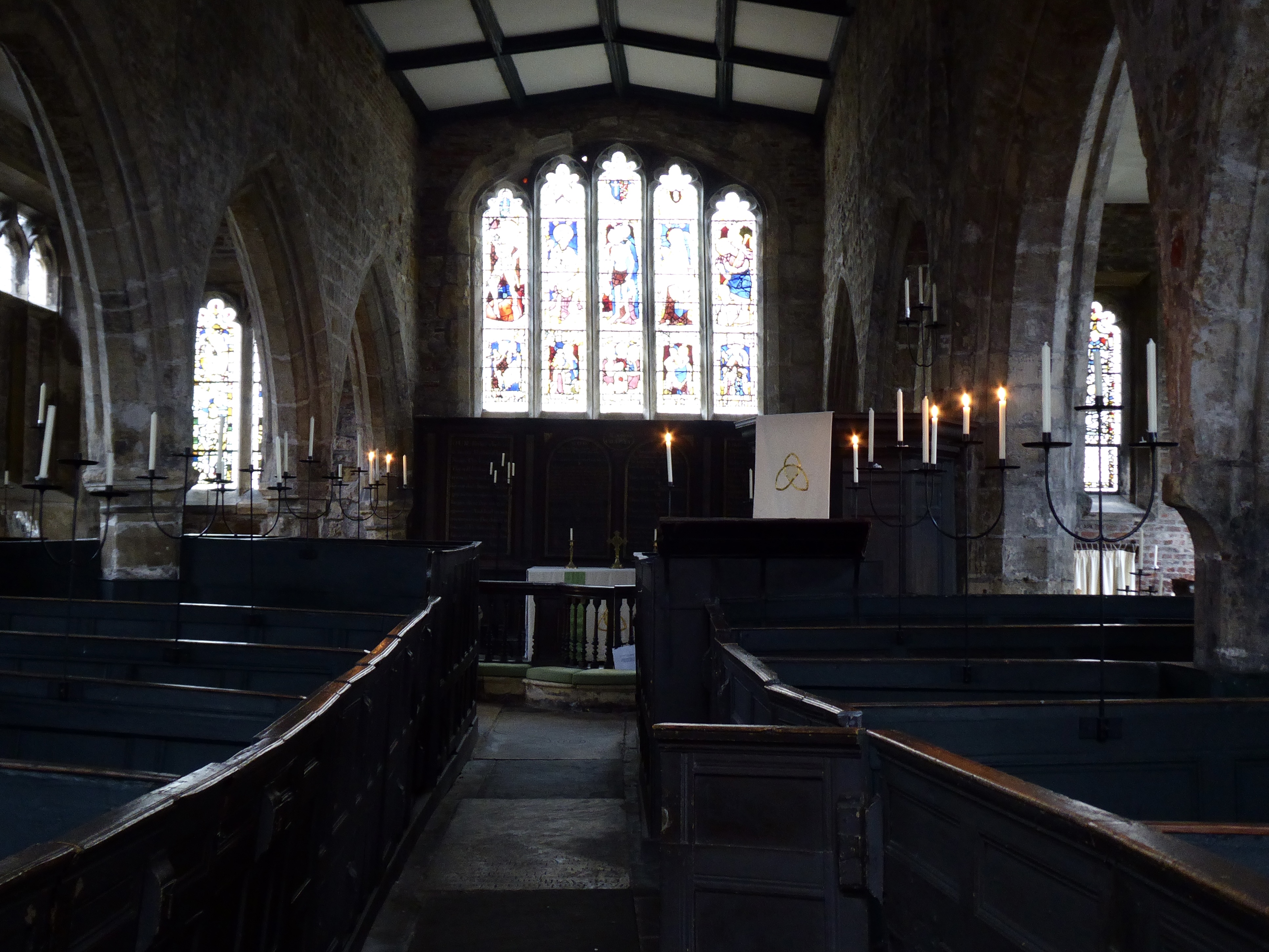
I had time to look for the redundant Holy Trinity Church in Goodramgate. Many centuries of building in one small church, box pews (how did they affect the congregation’s experience of services?), some 15th-century stained glass, and a squint between the small chapel and the main altar.

More London

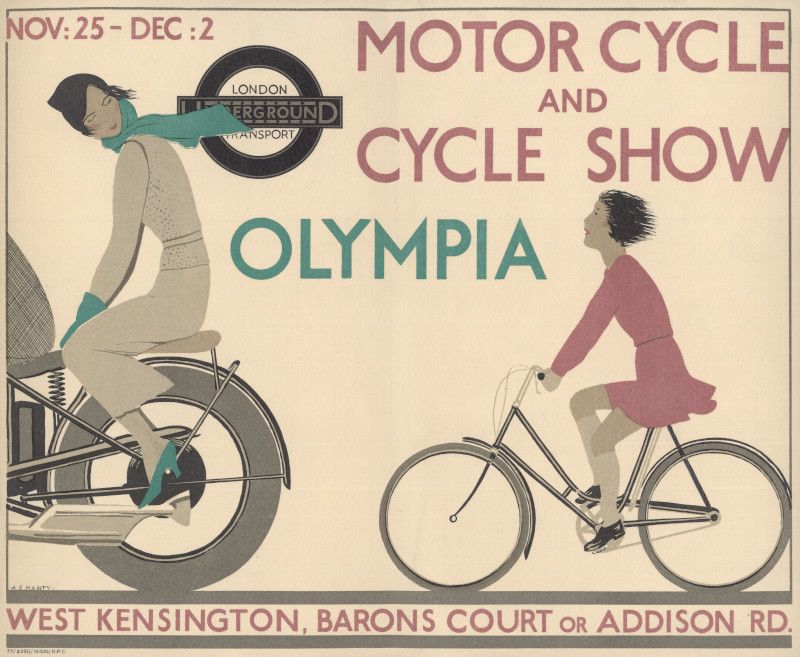
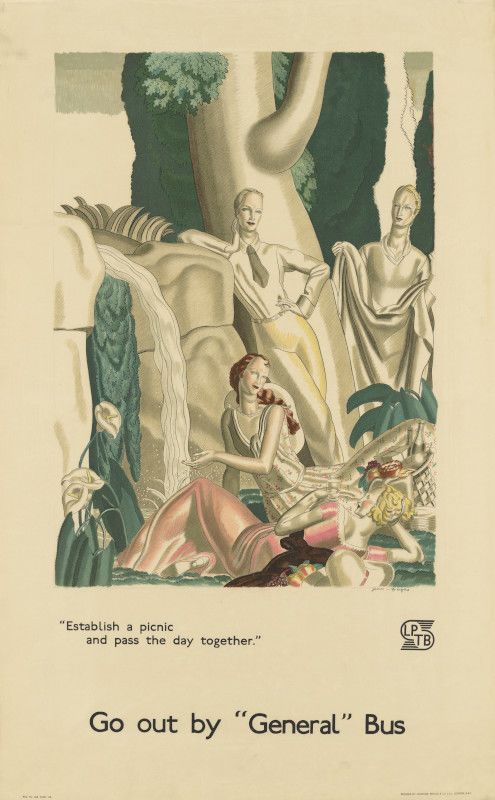
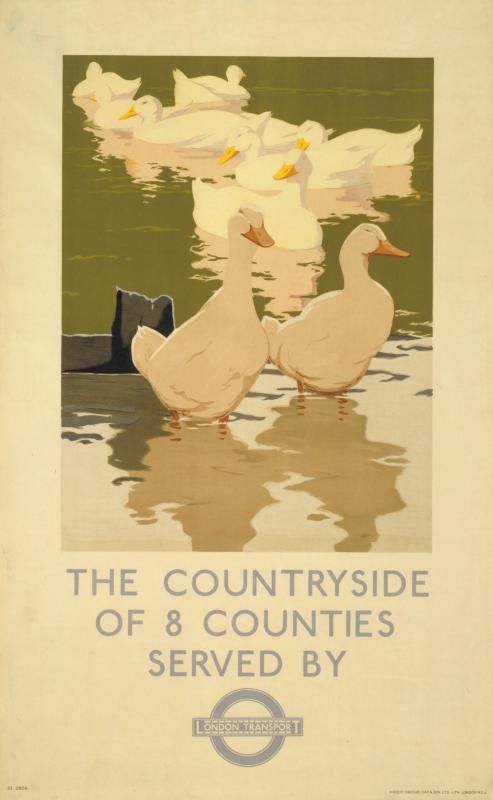
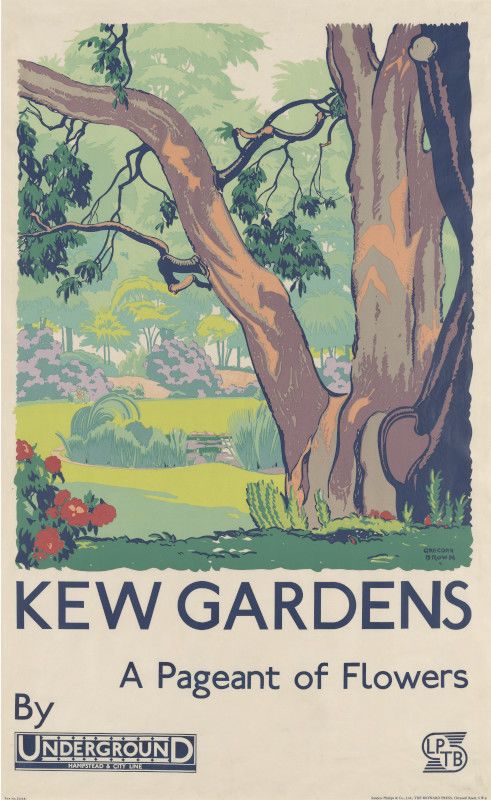
Thursday’s ticket gave me half-price entry into the London Transport Museum, so I decided to visit it, if only for the exhibition of art deco posters. Perhaps it’s an exaggeration to say that every other adult had a pushchair, but I certainly felt out of place without a small child in tow. They were pinging about all over the place. It wasn’t the first time I’d been there, so it was familiar. I did linger at the steam locomotive used on the Metropolitan & District underground for over 40 years; it had a condenser to capture the steam but nothing to alleviate the smoke. At first I thought how awful it must have been for passengers . . . and then I thought of the drivers and stokers.

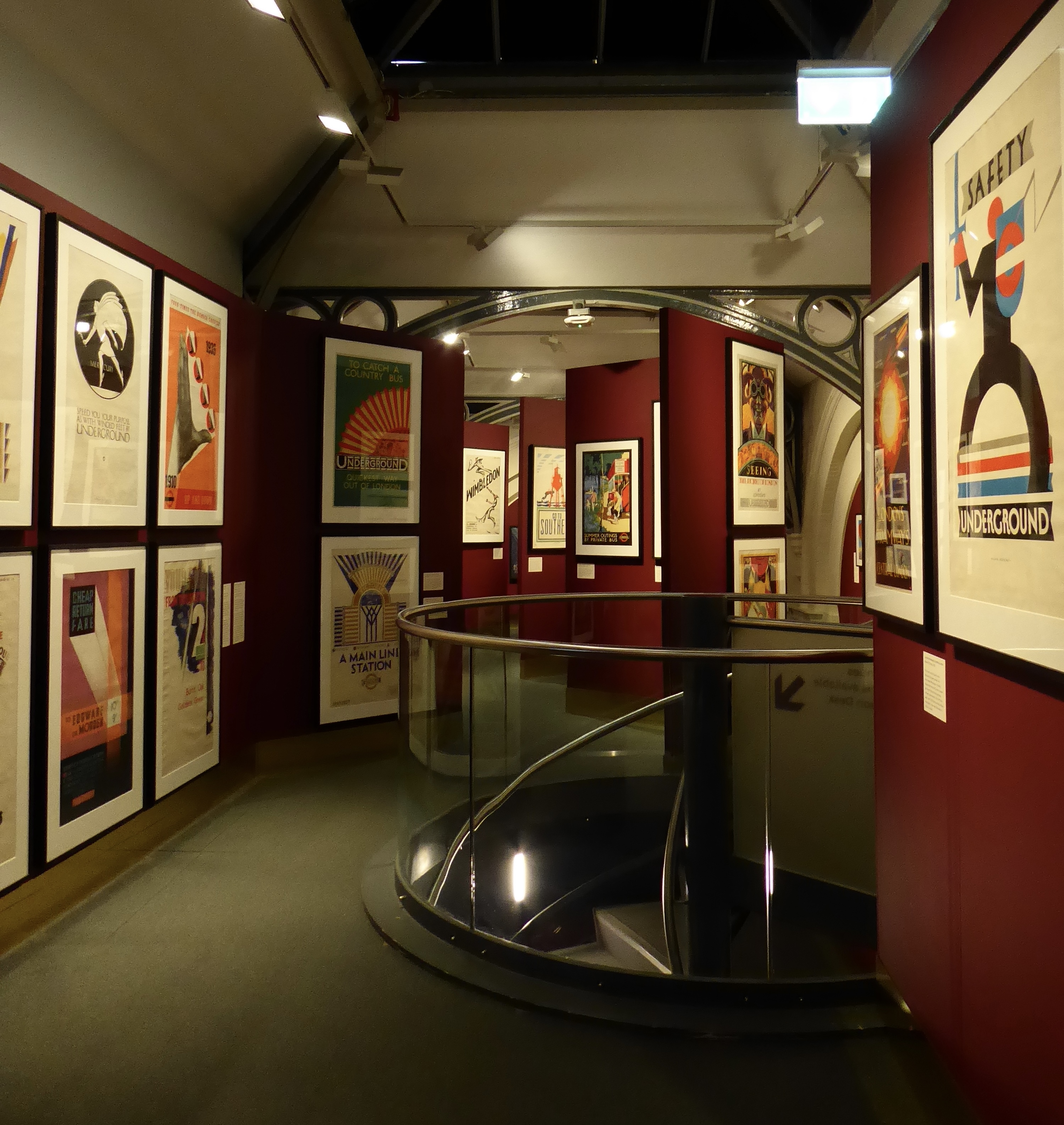
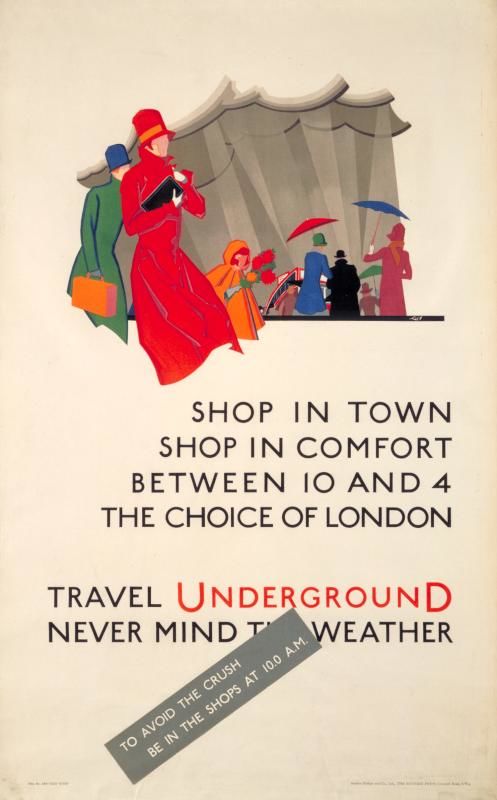
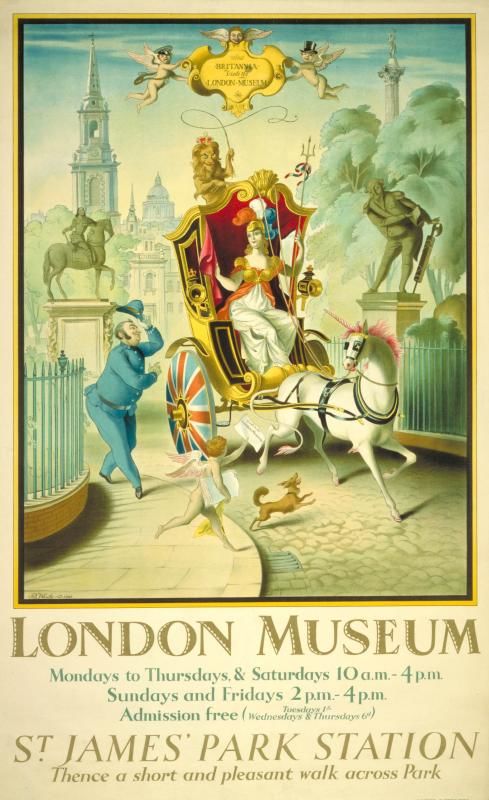
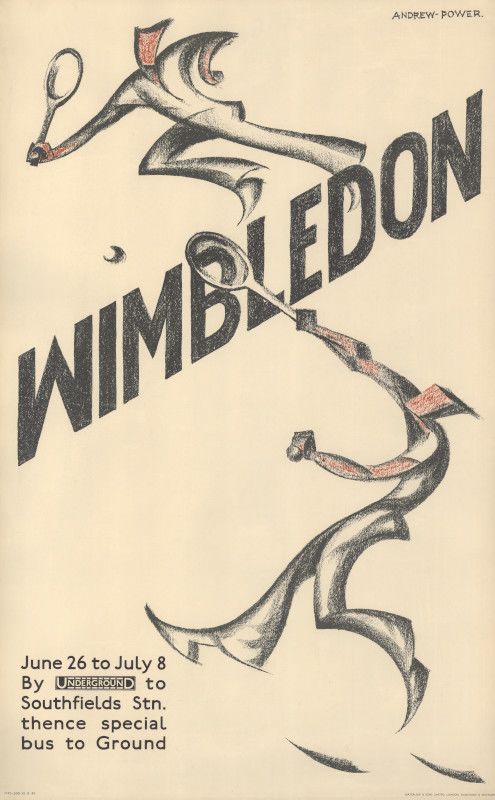
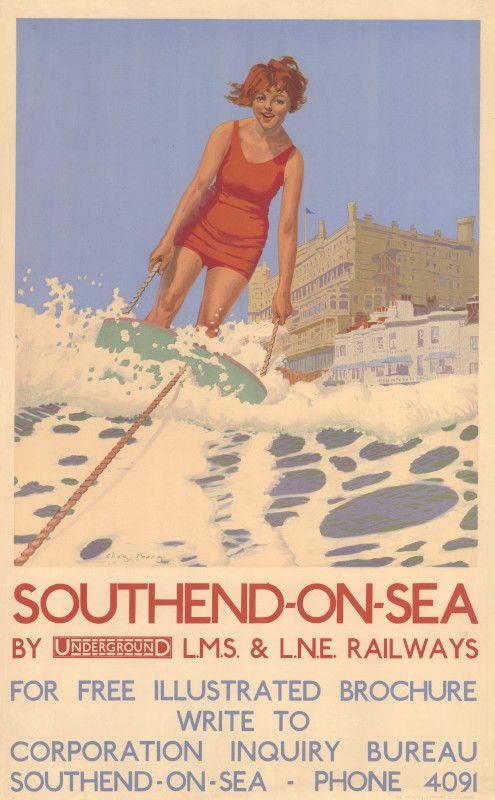
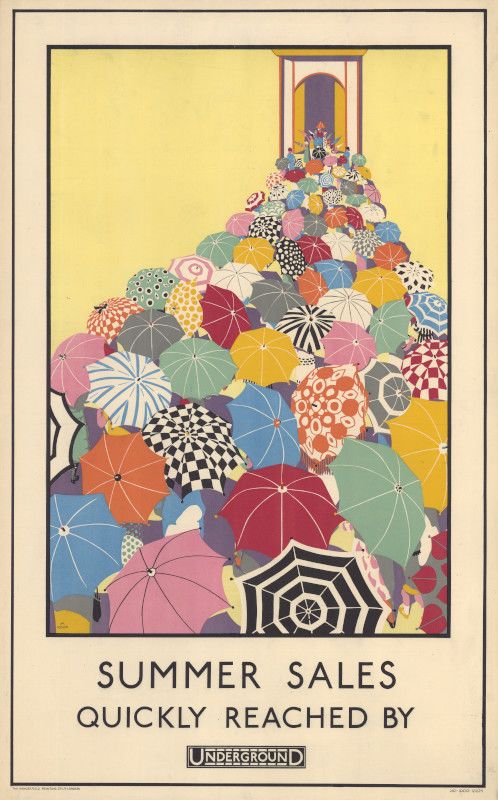
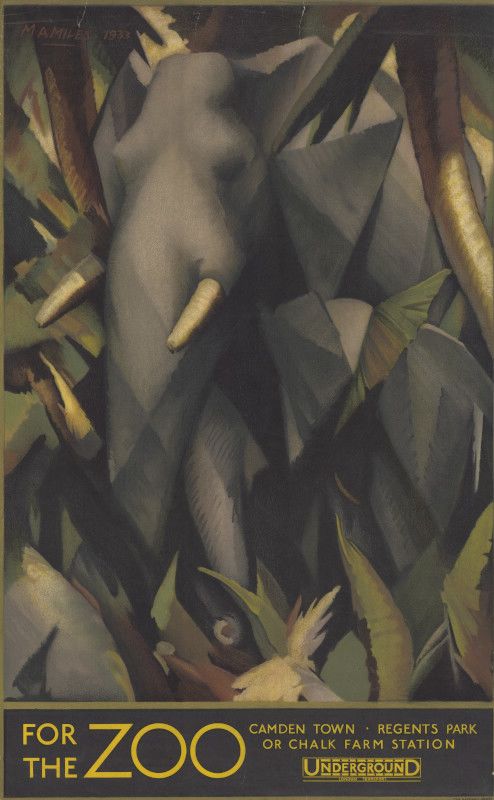
I enjoyed the exhibition of art deco posters from the underground. They implied affordable modern luxury – a visit to Kew Gardens, the zoo or the West End. There were a couple by Sybil Andrews/Cyril Power that I’d seen in Dulwich.

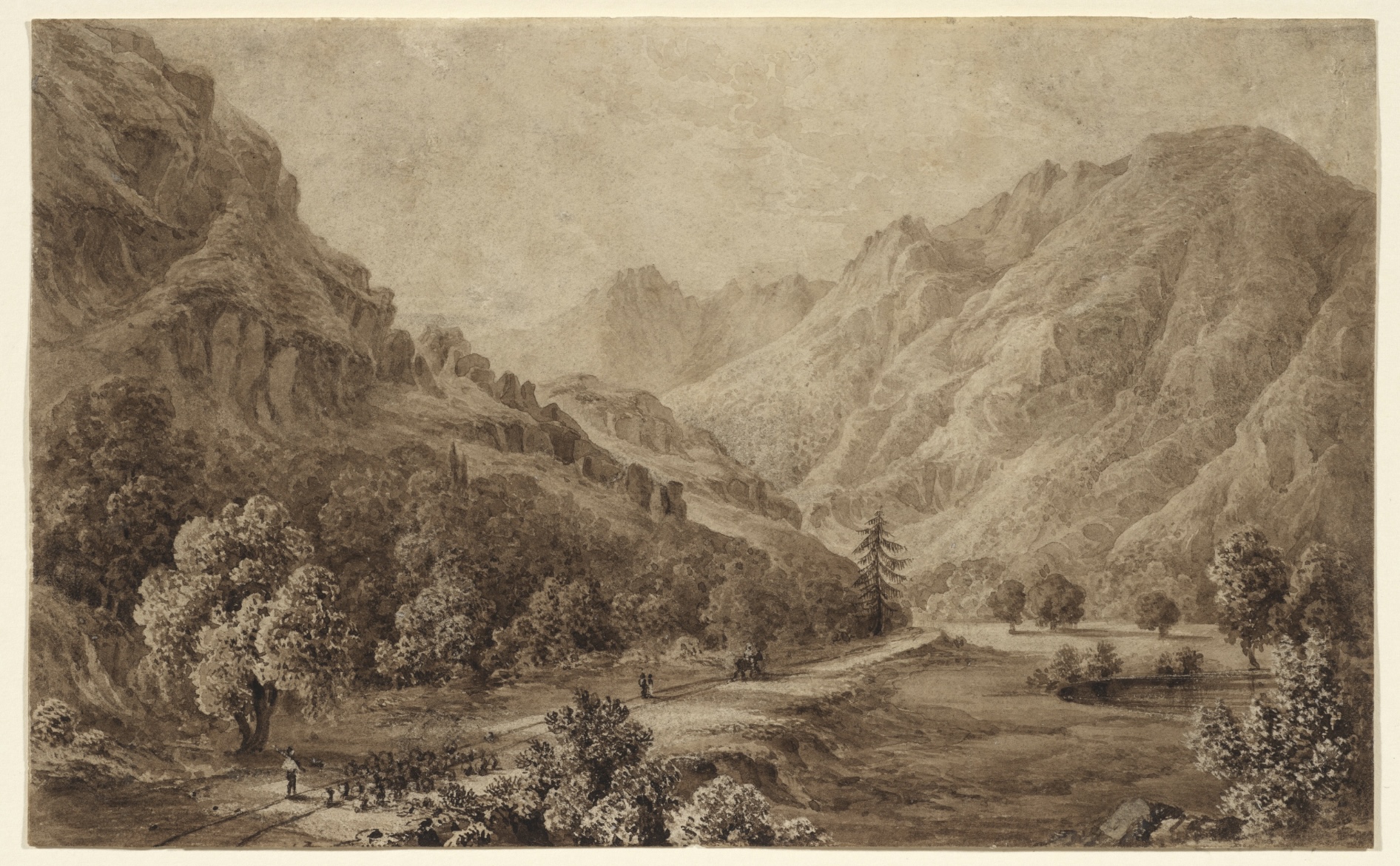
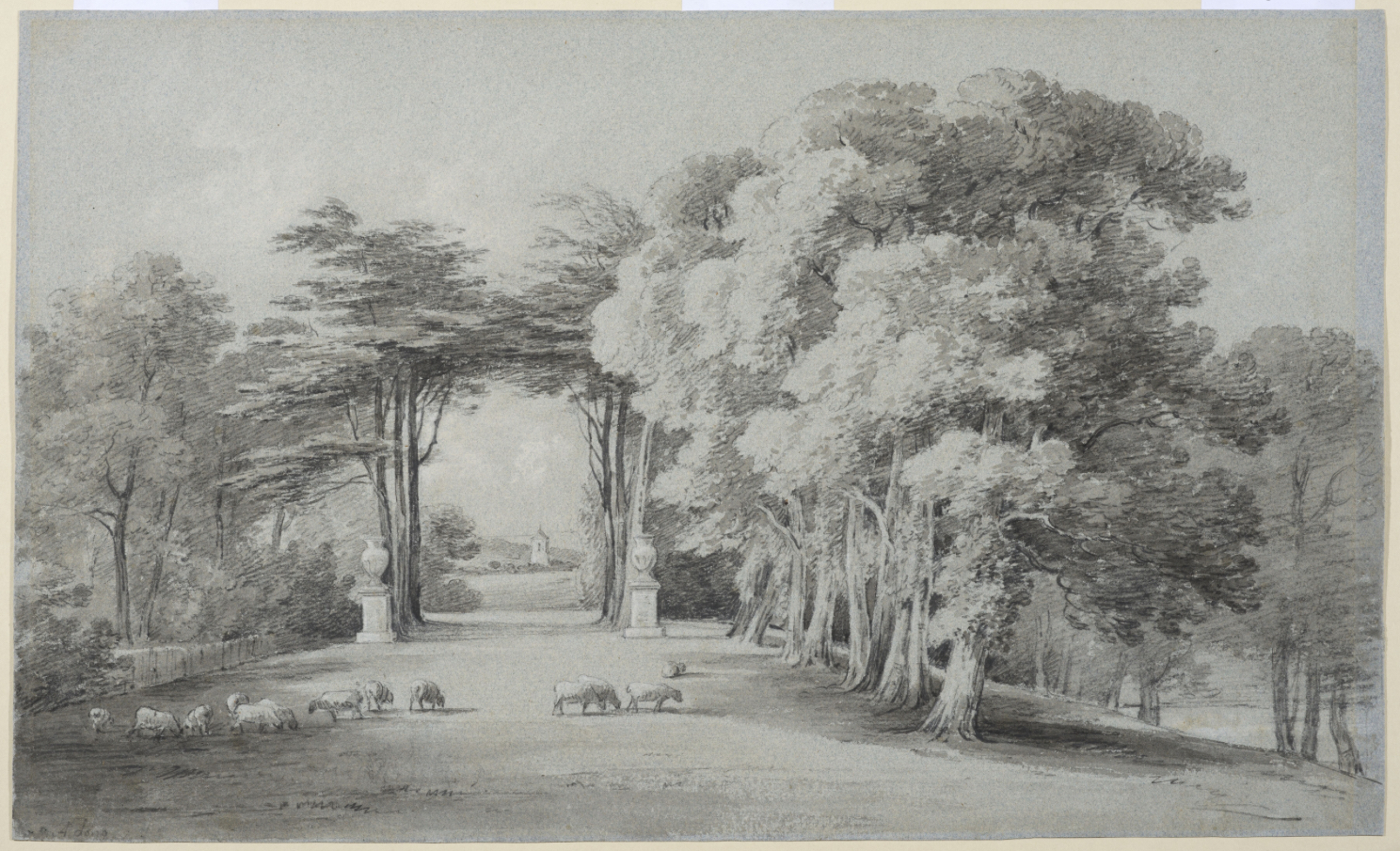
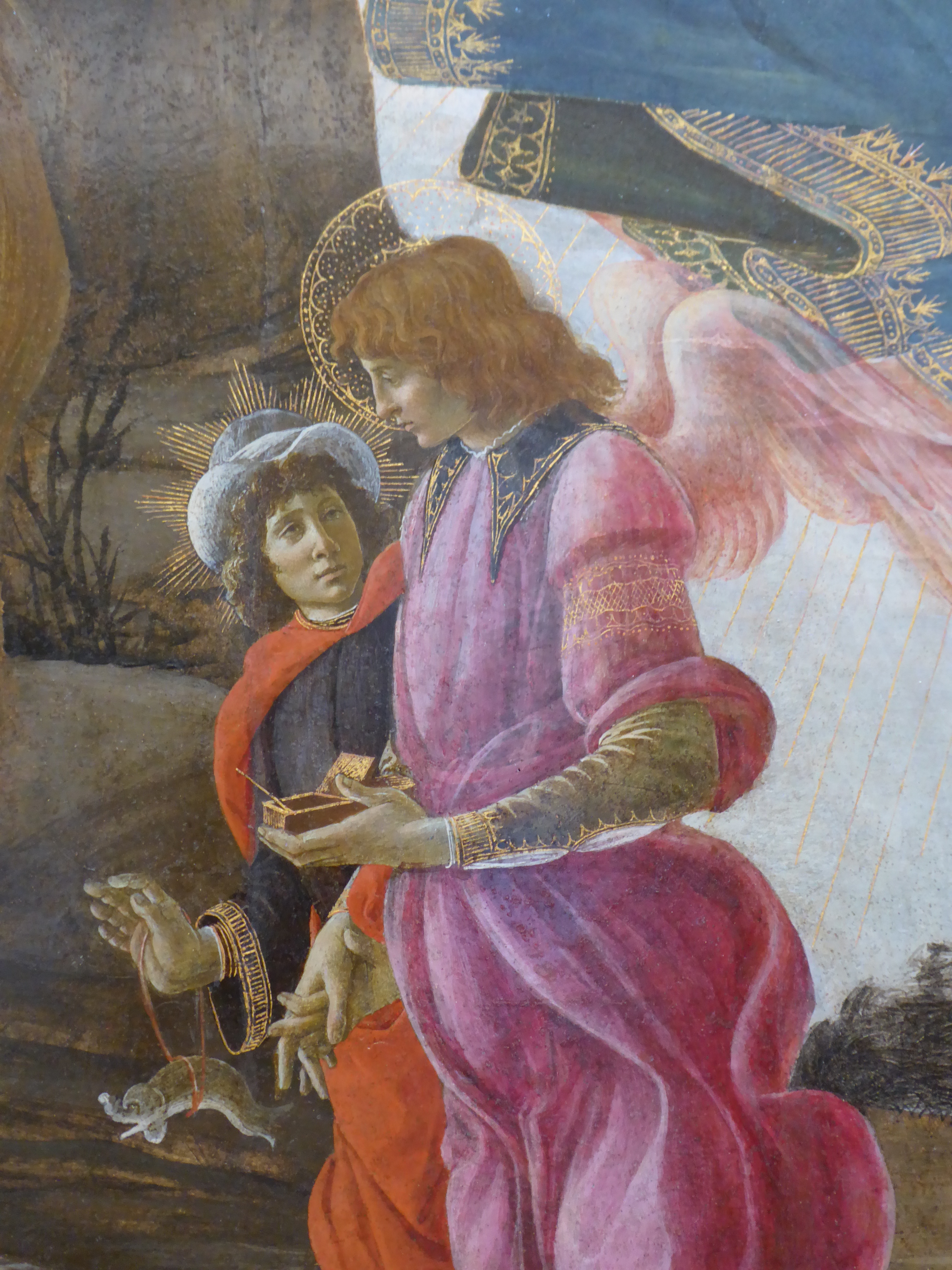
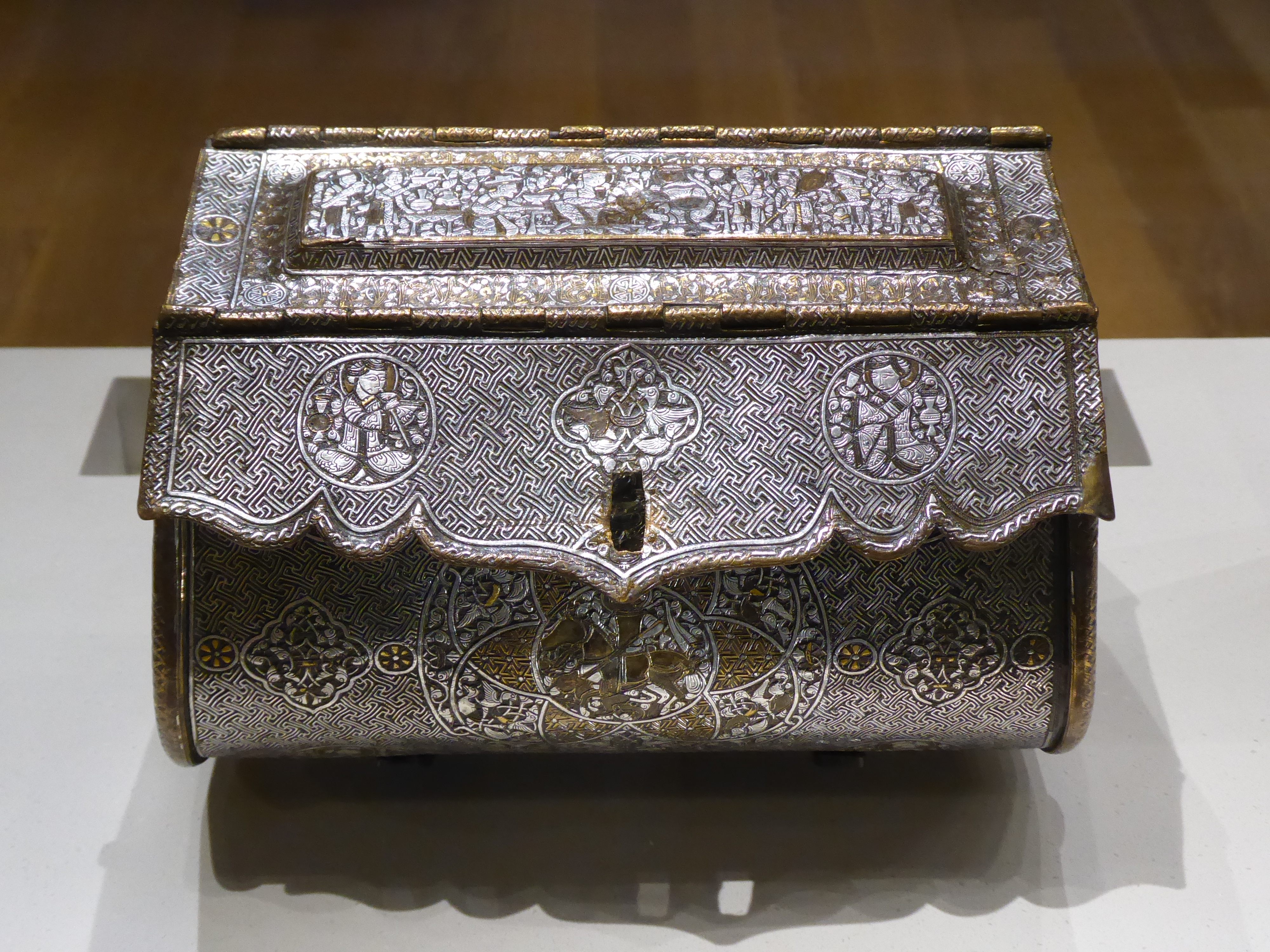
Then, since I was nearby, I headed towards the Courtauld Gallery. I was briefly sidetracked by a youthful band celebrating the anniversary of the founding of RAF air cadets. I looked at the”Courtauld bag” (from Mosul, 1300-30) and was rather taken with Tobias and his fish in the Botticelli painting of the Trinity. There was also a small exhibition: A View of One’s Own: Landscapes by British Women Artists, 1760-1860. I’ve seen a lot of Turner and Constable landscapes recently, and I can’t see that Elizabeth’s Batty’s is markedly inferior.

Cutty Sark

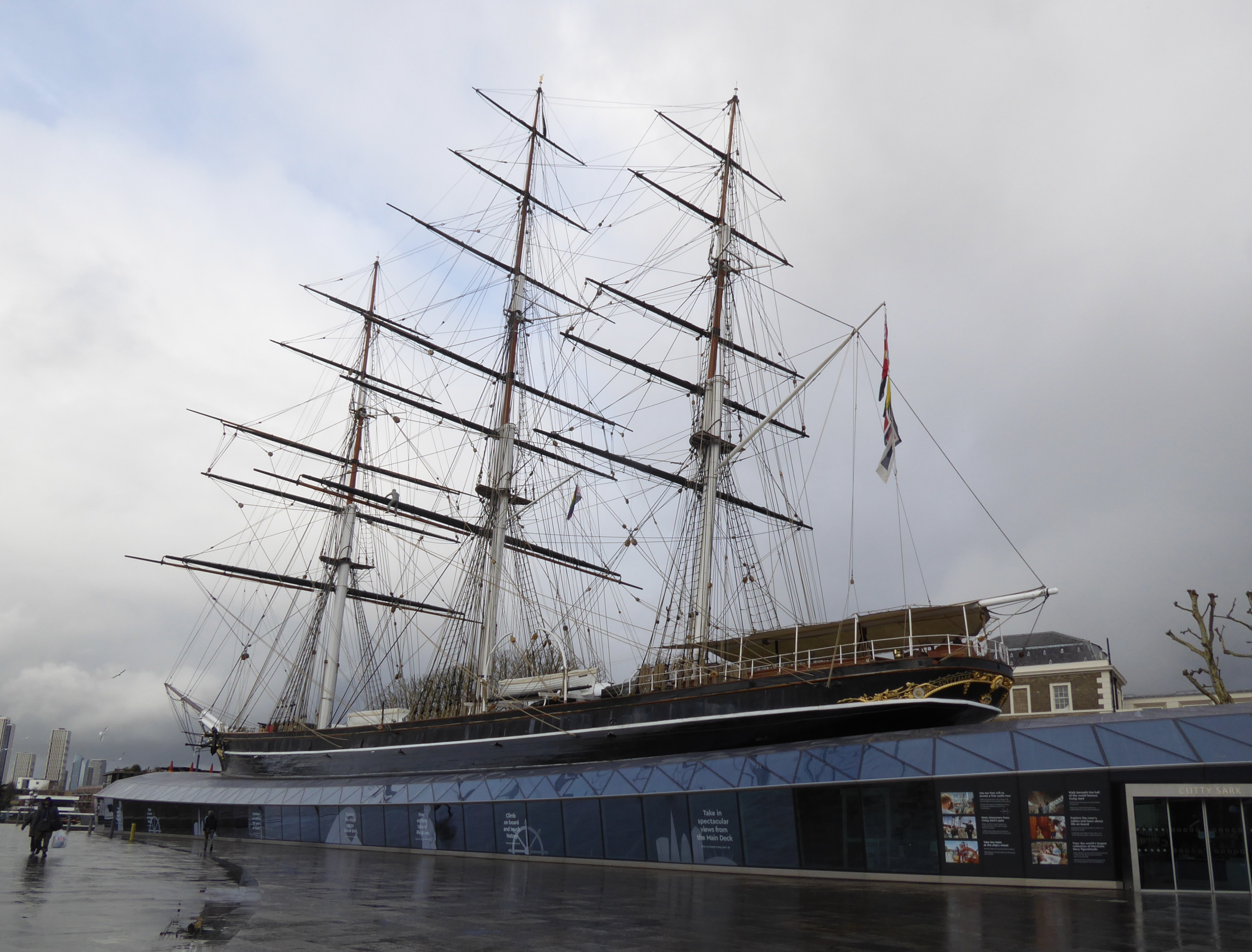
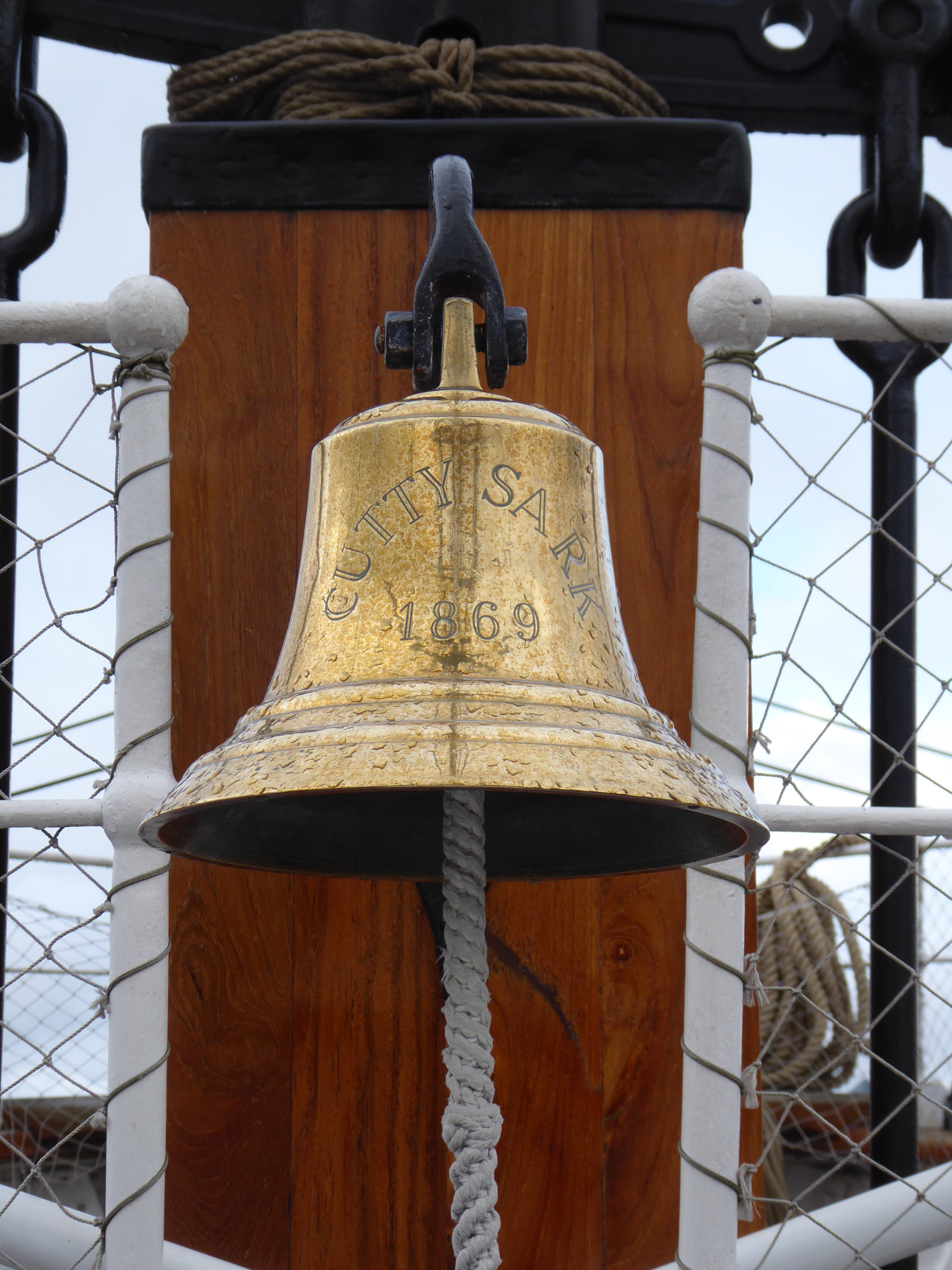
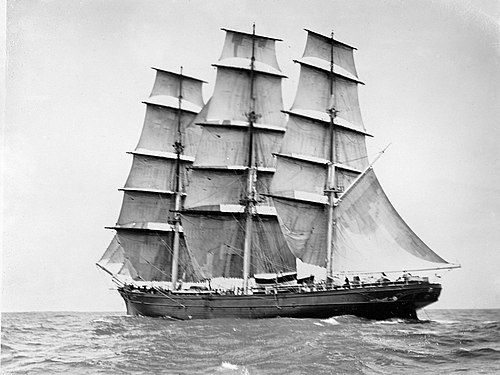
The most surprising thing about the elegant Cutty Sark (1869) was that it had an iron skelton. That saved on space, which was crucial for the container ship of its day. The hull was covered in a metal alloy (Muntz) to deter barnacles and to smooth her passage through the sea. She was one of the last and fastest tea clippers of her day but was soon replaced by steamships. The crew was around 26 men and boys, all living in small quarters on the top deck – with rather larger quarters for the captain and officers. One of those visits that are more fascinating than you expect.

Euston underground tunnels

Another Hidden London tour – this time under Euston. I can still feel the dust in my nose. We looked at a former tube tunnel that was taken out of service when the island platform between two tube lines became too narrow for safety. Then the old tunnel linking two rival underground lines (whose separate entrances were either side of the mainline station) where there was a shared underground ticket hall. This tunnel was closed in 1962 and the walls are still layered with advertising posters from then. They have decayed but – given the lack of light – they are still vibrant.

The tour was full of interesting little things – e.g. making it easy for people to change trains by having platforms adjacent for popular connections is hazardous when the trains don’t arrive and depart in tandem. It’s actually safer to manage hordes of passengers by making them walk some distance to make their connection. I learned that the Luftwaffe bombing of Guernica in 1937 prompted the British government to prepare for the possibility of air raids; there was a control room just off the tunnel, and air raid warden service was established that year.
I also discovered that the oxblood-red building at the end of Drummond Street I’d noticed before was the station for the Charing Cross, Euston & Hampstead railway from 1907-14. Designed by Leslie Green, it has been used as a ventilation shaft ever since, but it is soon to be demolished to make way for HS2. I shall have to take a photograph before I leave.

The Marriage of Figaro

The third time I have seen this in Leeds, but this was a completely new production. Inadvertently I booked my seat for the first night. Perky, amusing and very well done. It’s nit-picking to suggest that setting it in the age of mobile phones jars with the droit de seigneur that drives the plot; after all, it is an opera so verisimilitude is not expected. The farcical scenes were excellently done yet left room for pathos for the Countess. It was wonderful to hear seven voices at once in the lawyer’s scene.

  • Figaro – Liam James Karai
  • Susanna – Hera Hyesang Park
  • Count Almaviva – James Newby
  • Countess Almaviva – Gabriella Reyes

I noticed that all the principal singers were new to me. Also that clapping after almost every aria has become the norm.