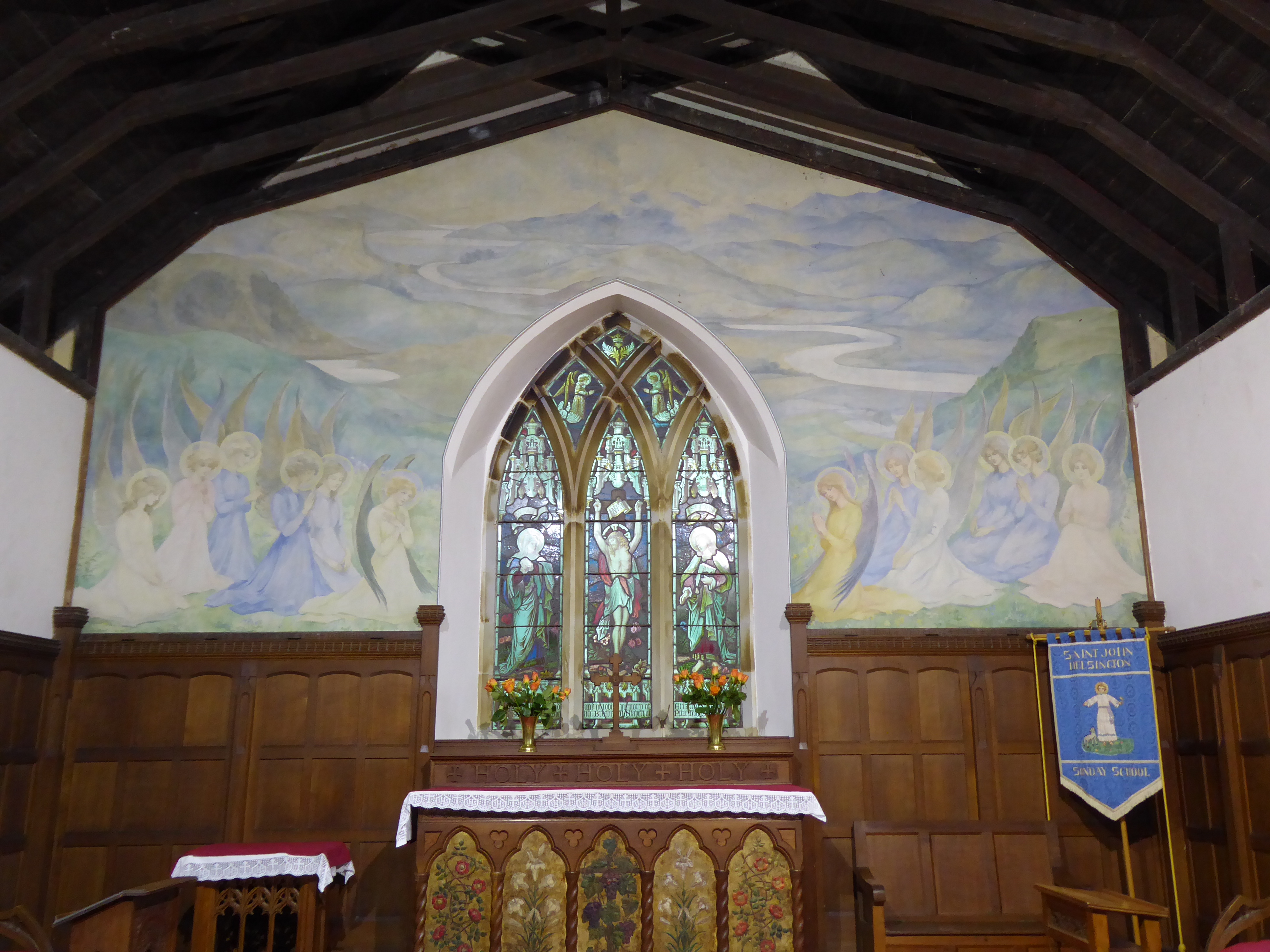
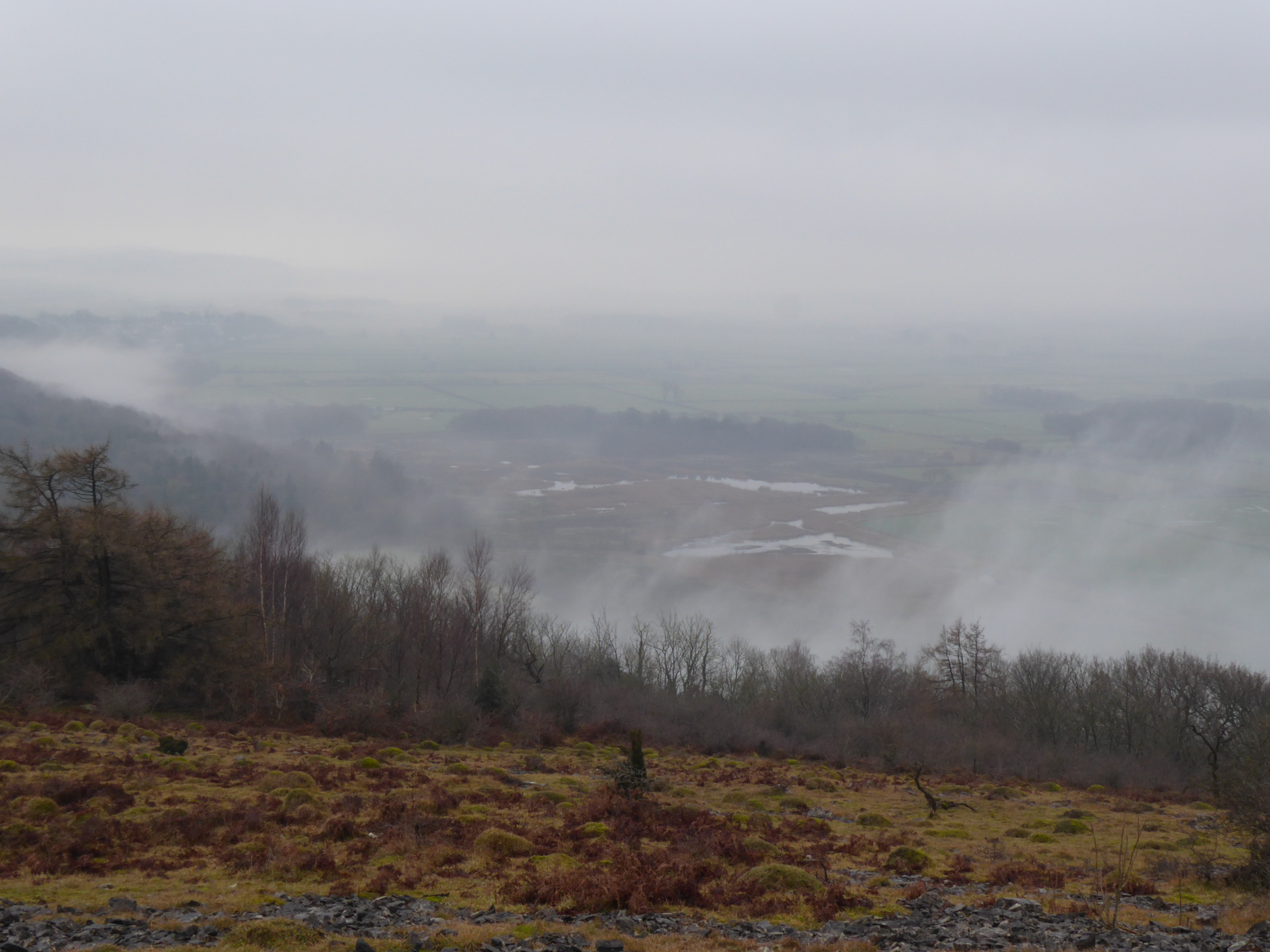
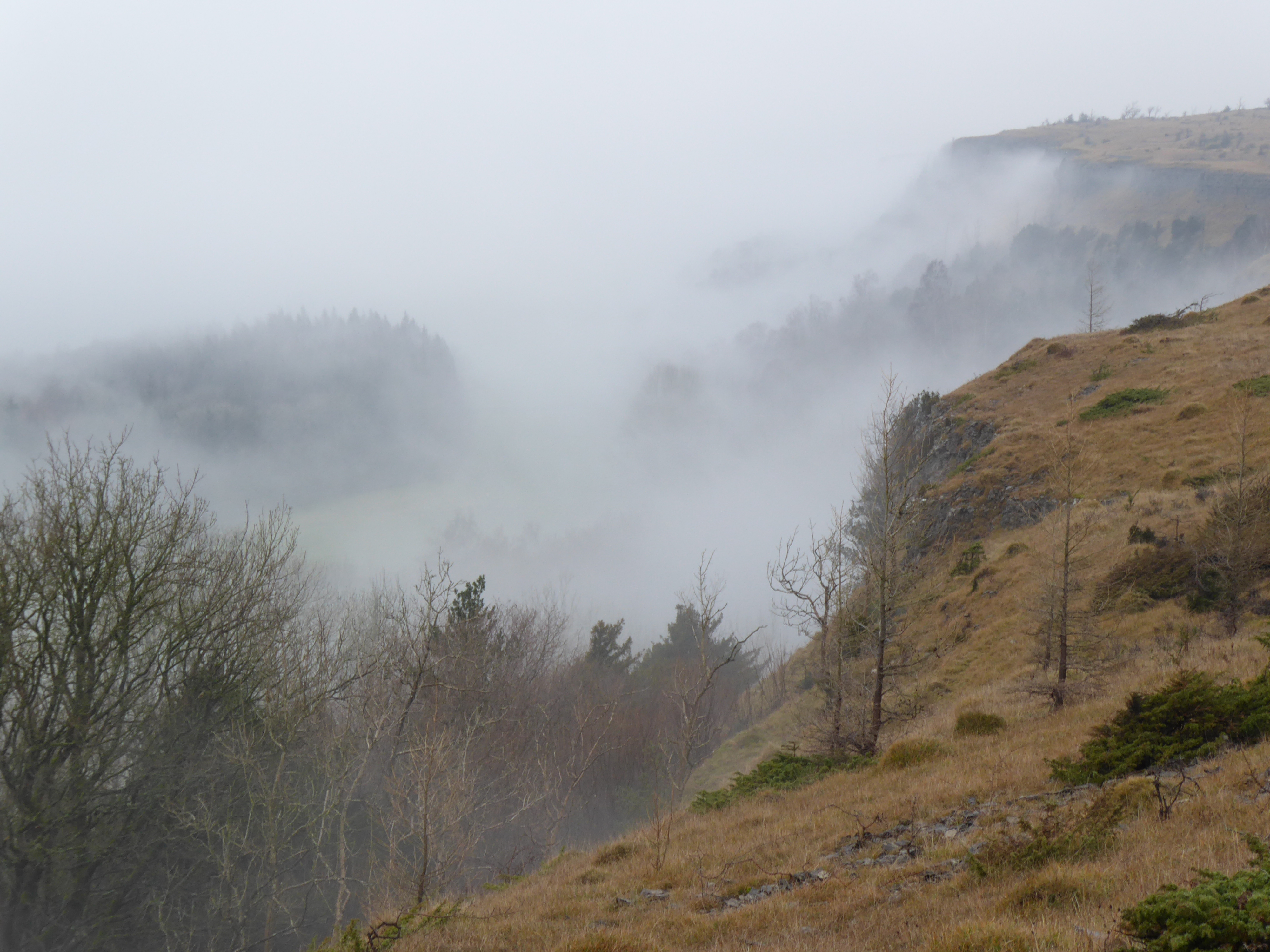
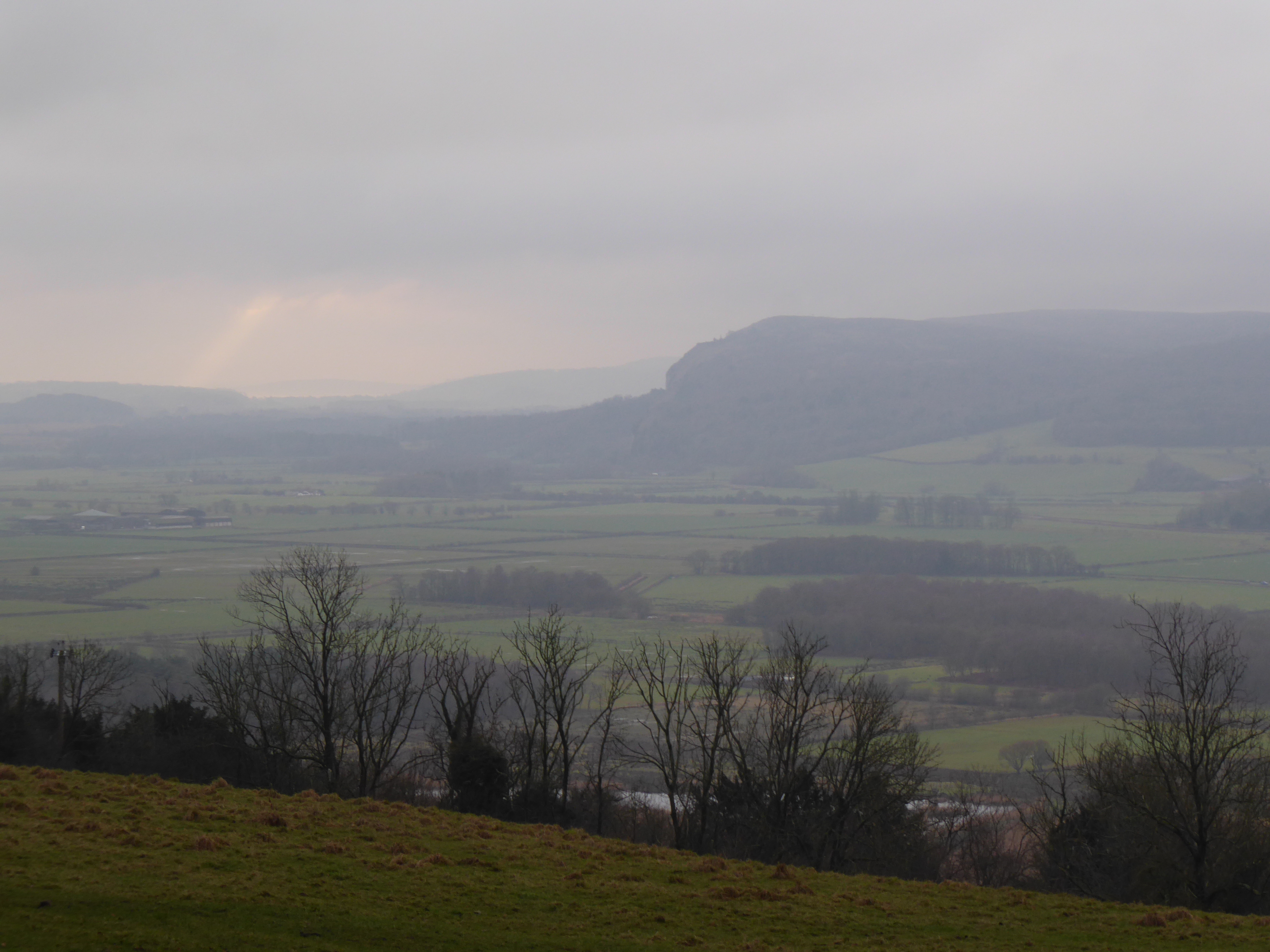
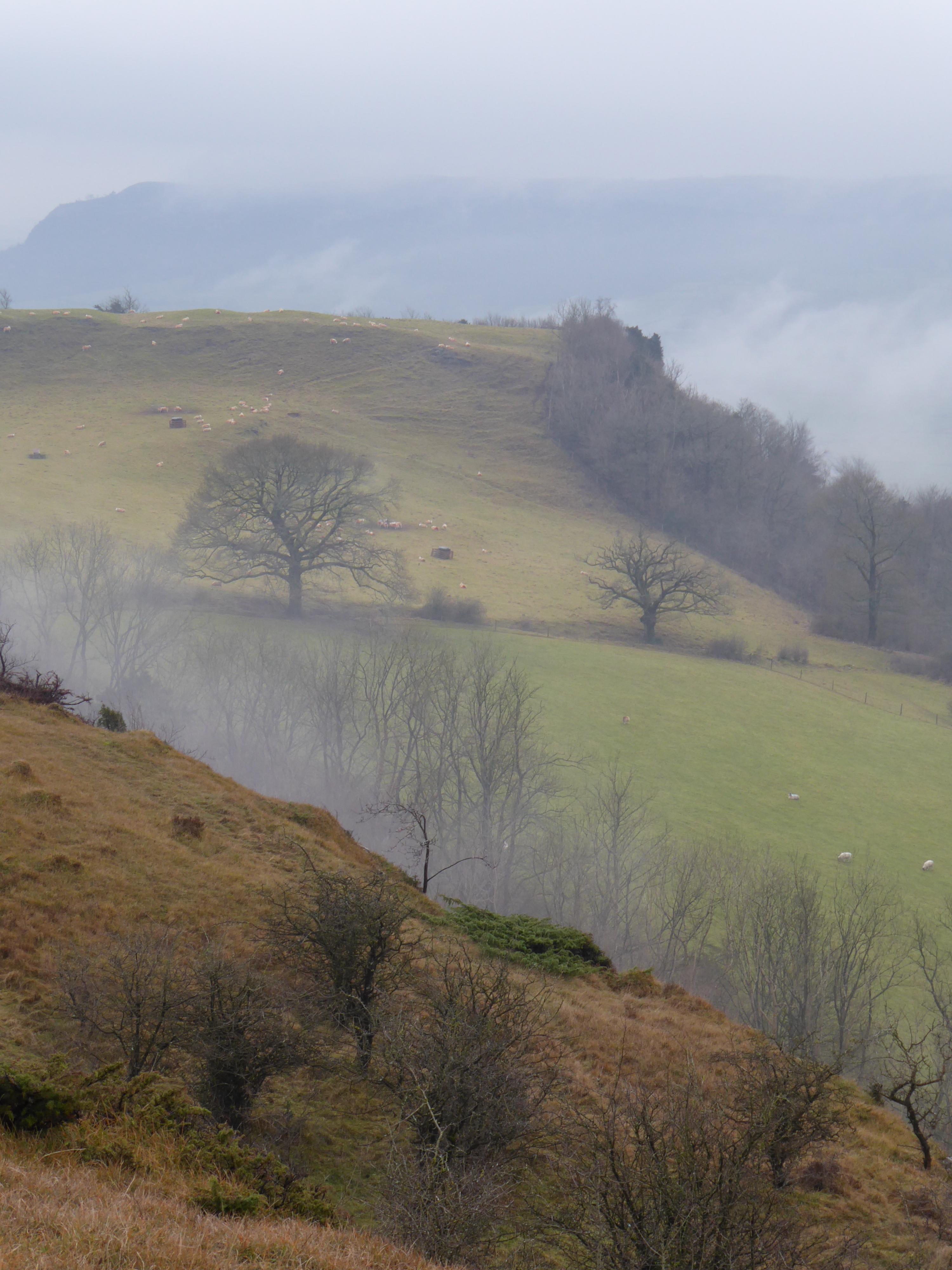
A walk in murky weather from Sizergh, with a stop at the Helsington chapel of ease.
A walk in murky weather from Sizergh, with a stop at the Helsington chapel of ease.
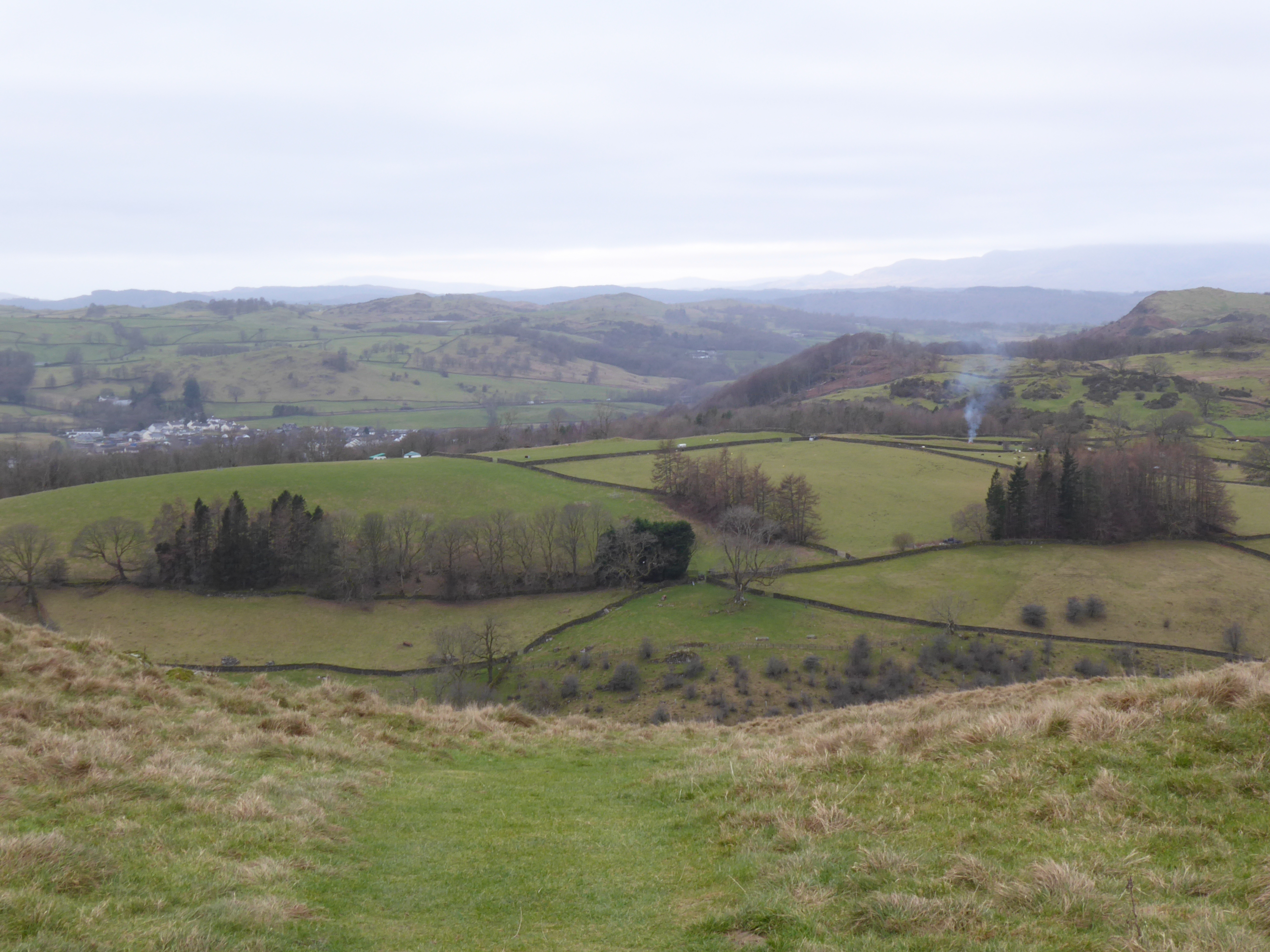
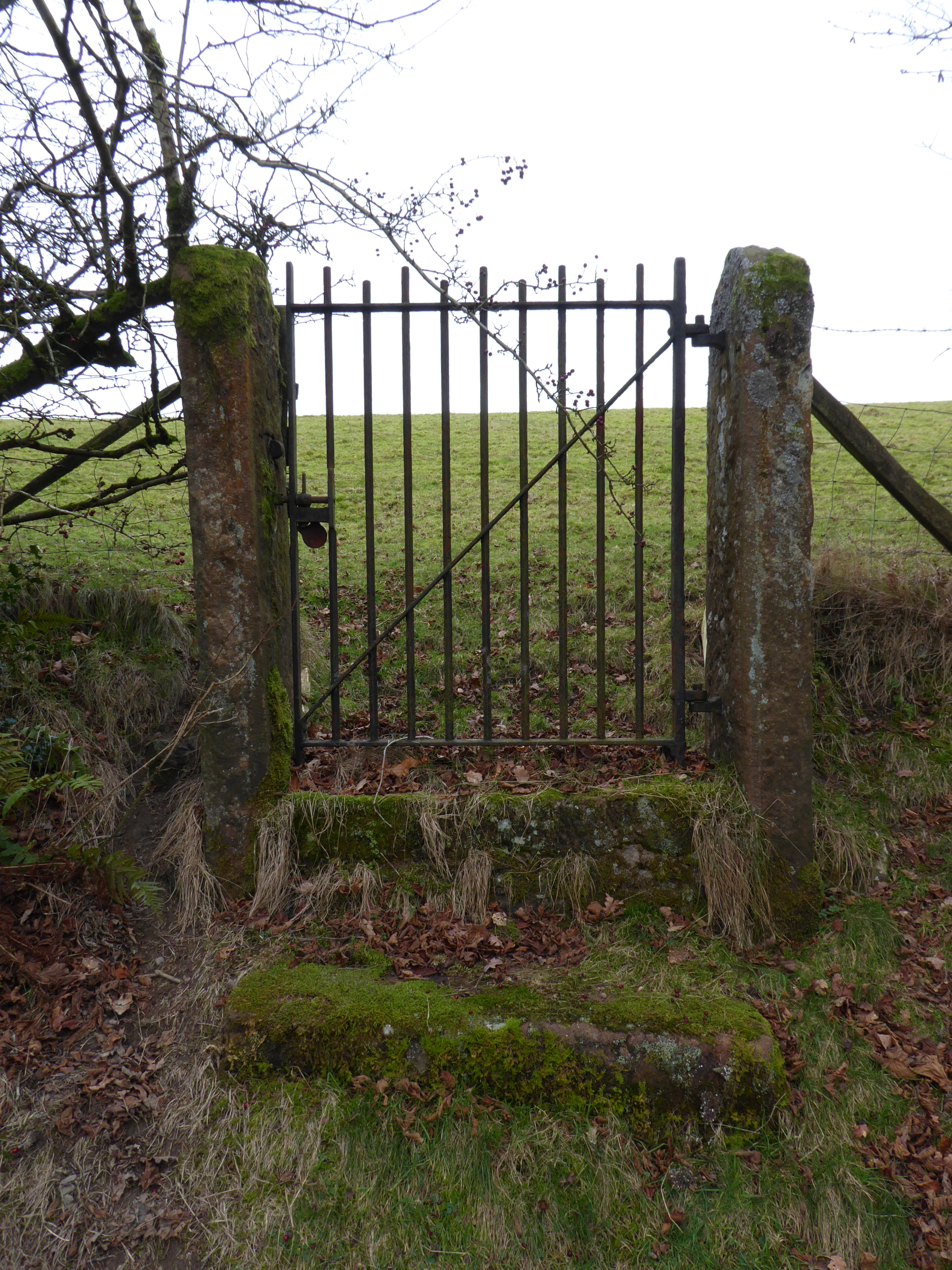
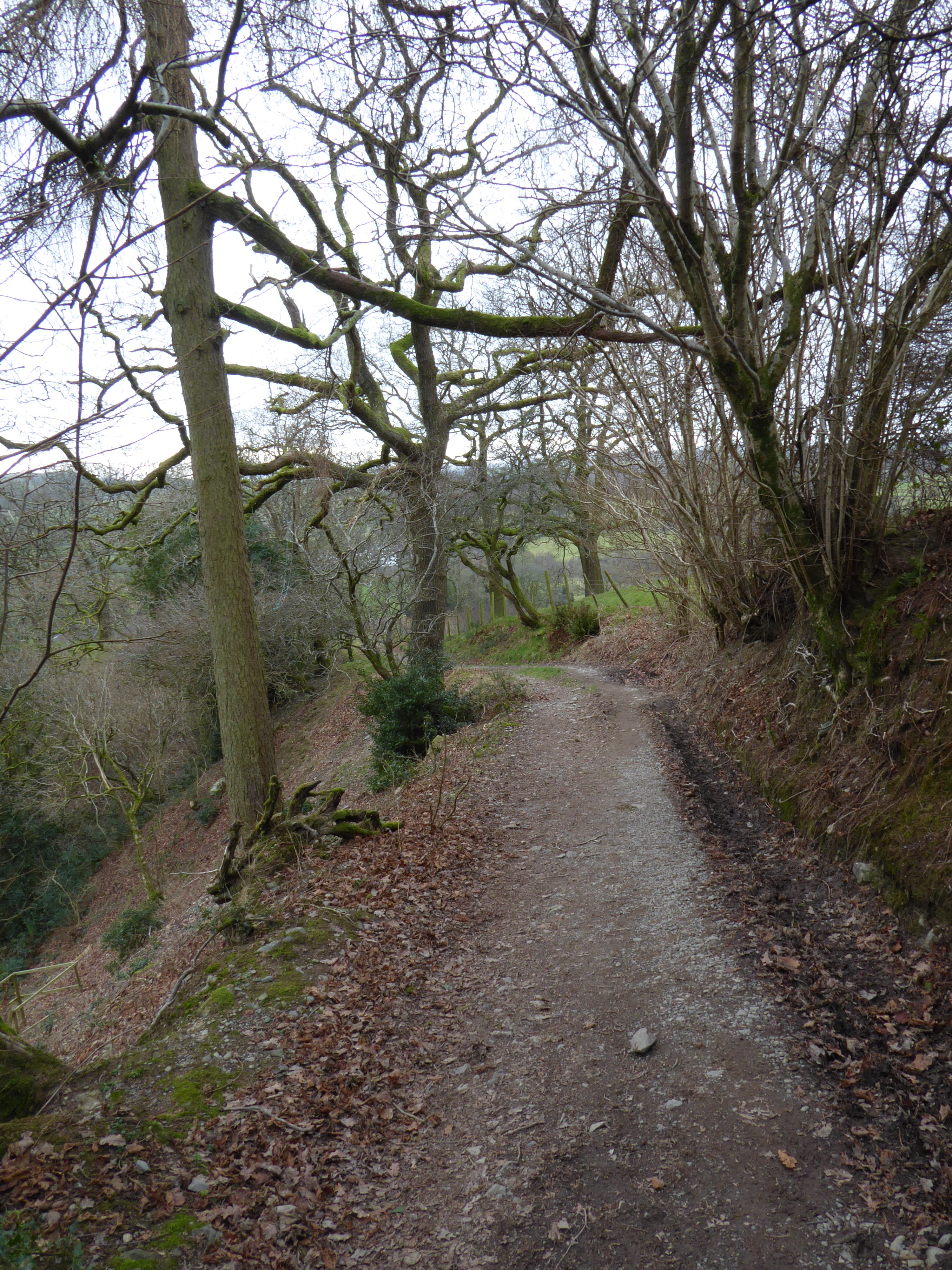
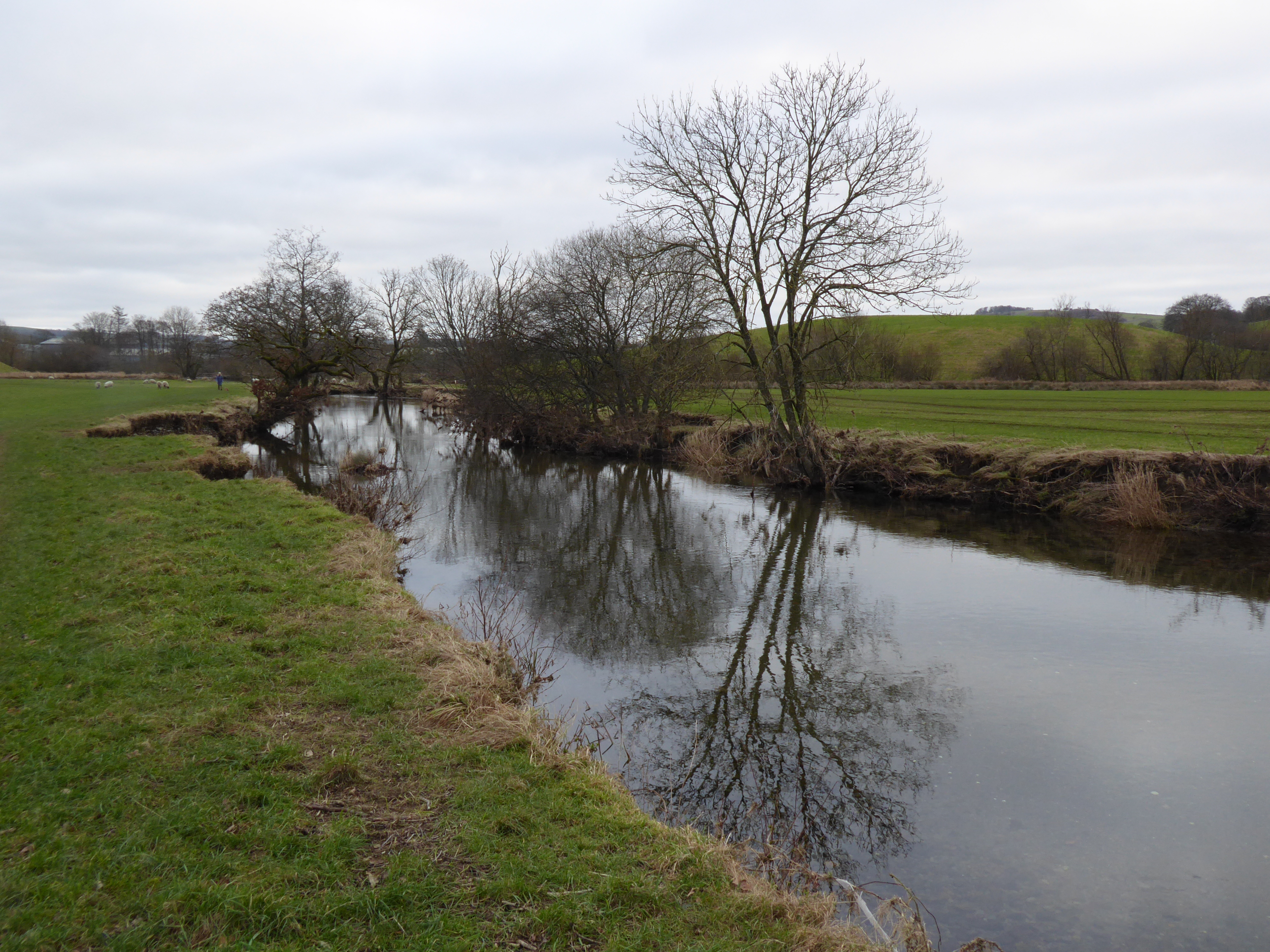
This time I set off north from Staveley rather than south, via Potter Tarn and the River Kent. It was a cold, grey, windless day; mercifully it has been dry for over a week, so there was no slippery mud to contend with on the up/downhill sections.
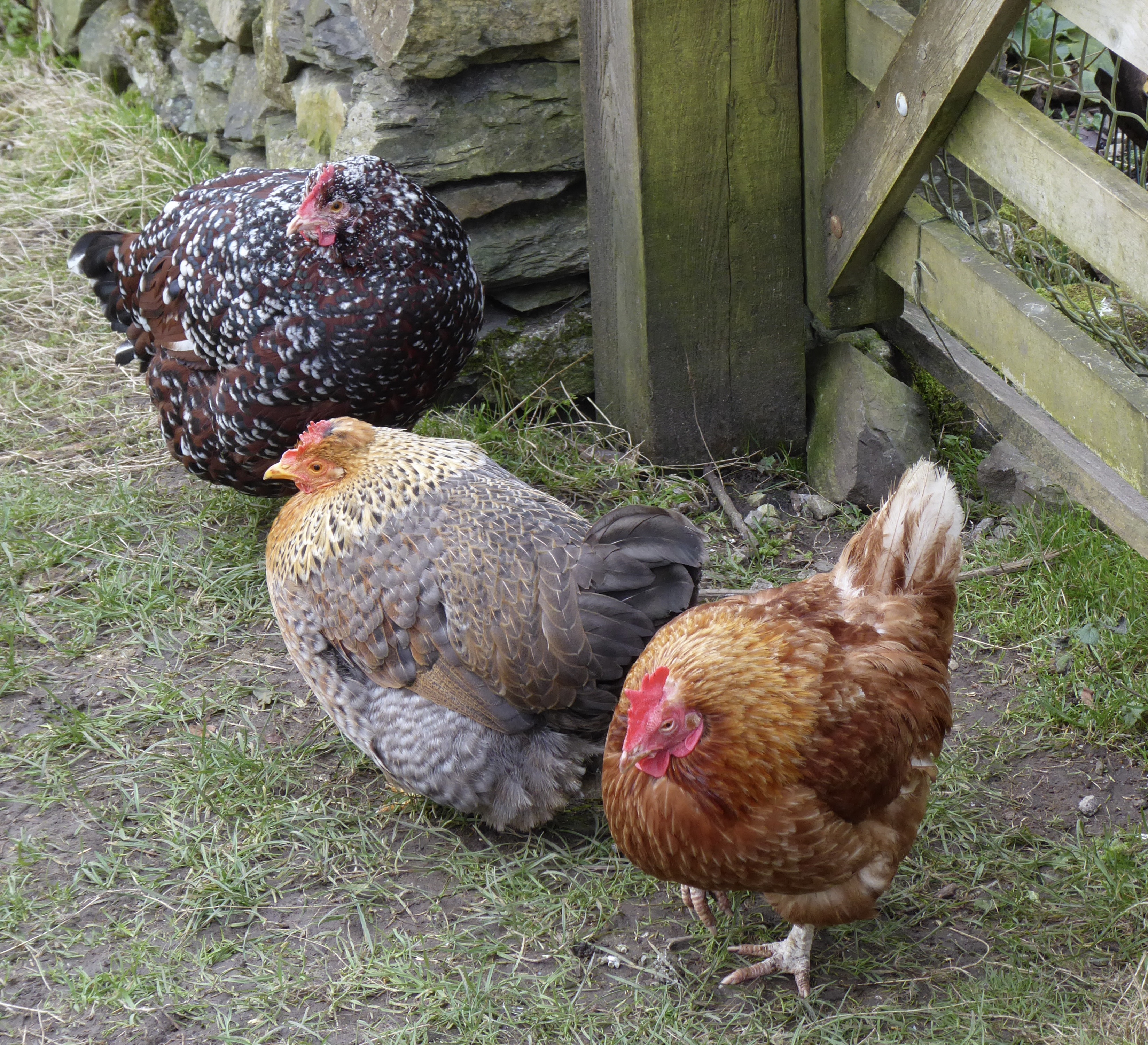
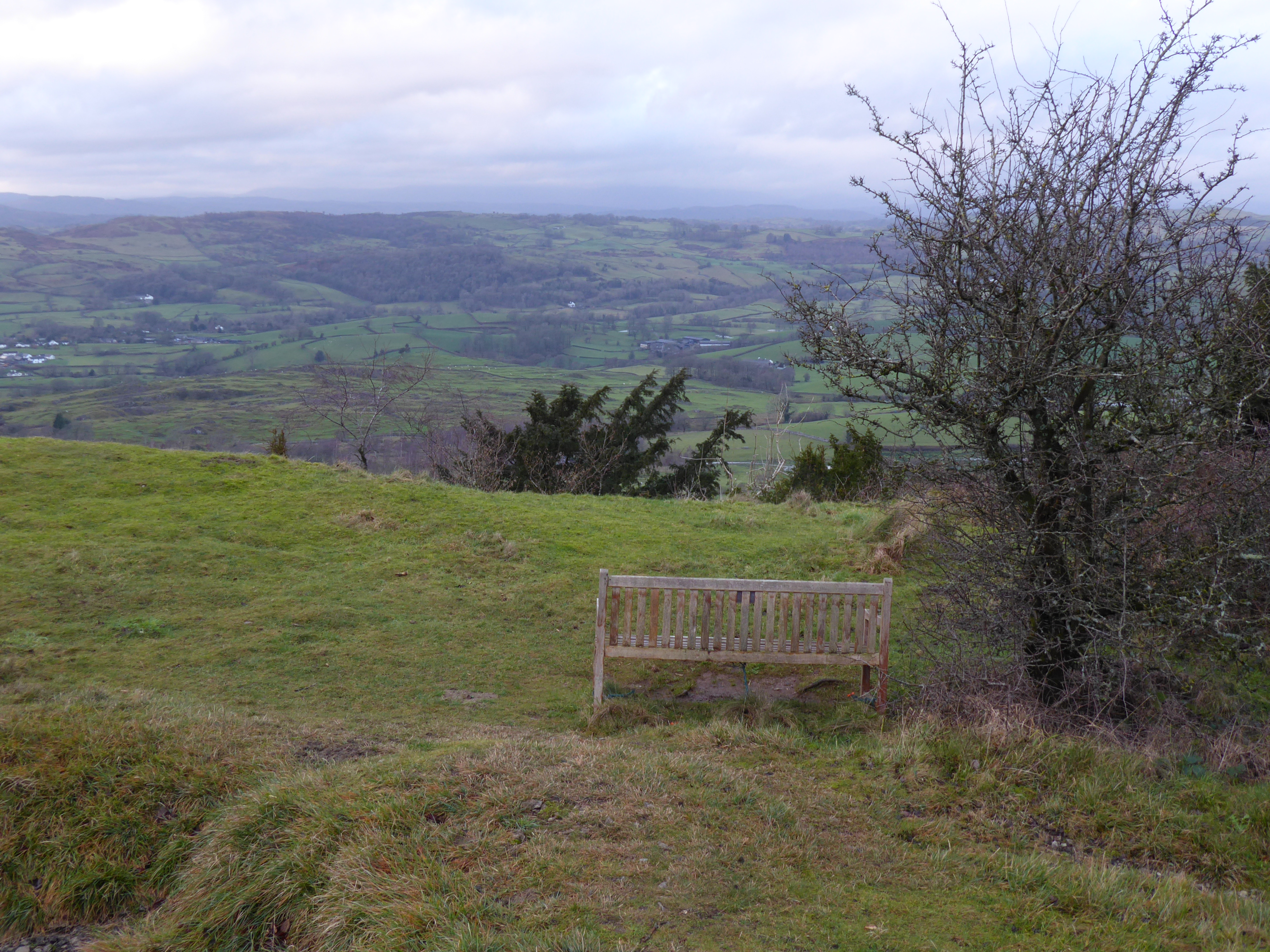
Truth be told, it was quite a dull walk. It sounds great to have views of the Lakeland hills, but – not wishing to sound ungrateful – a grey day highlights the monogreen bareness of the land. Thank goodness for serendipity: hens, another Thirlmere gate (built to enable engineers to maintain the Thirlmere aqueduct) and my first sighting of massed St George’s flags on an estate in Kendal. I’m still thinking about the latter.
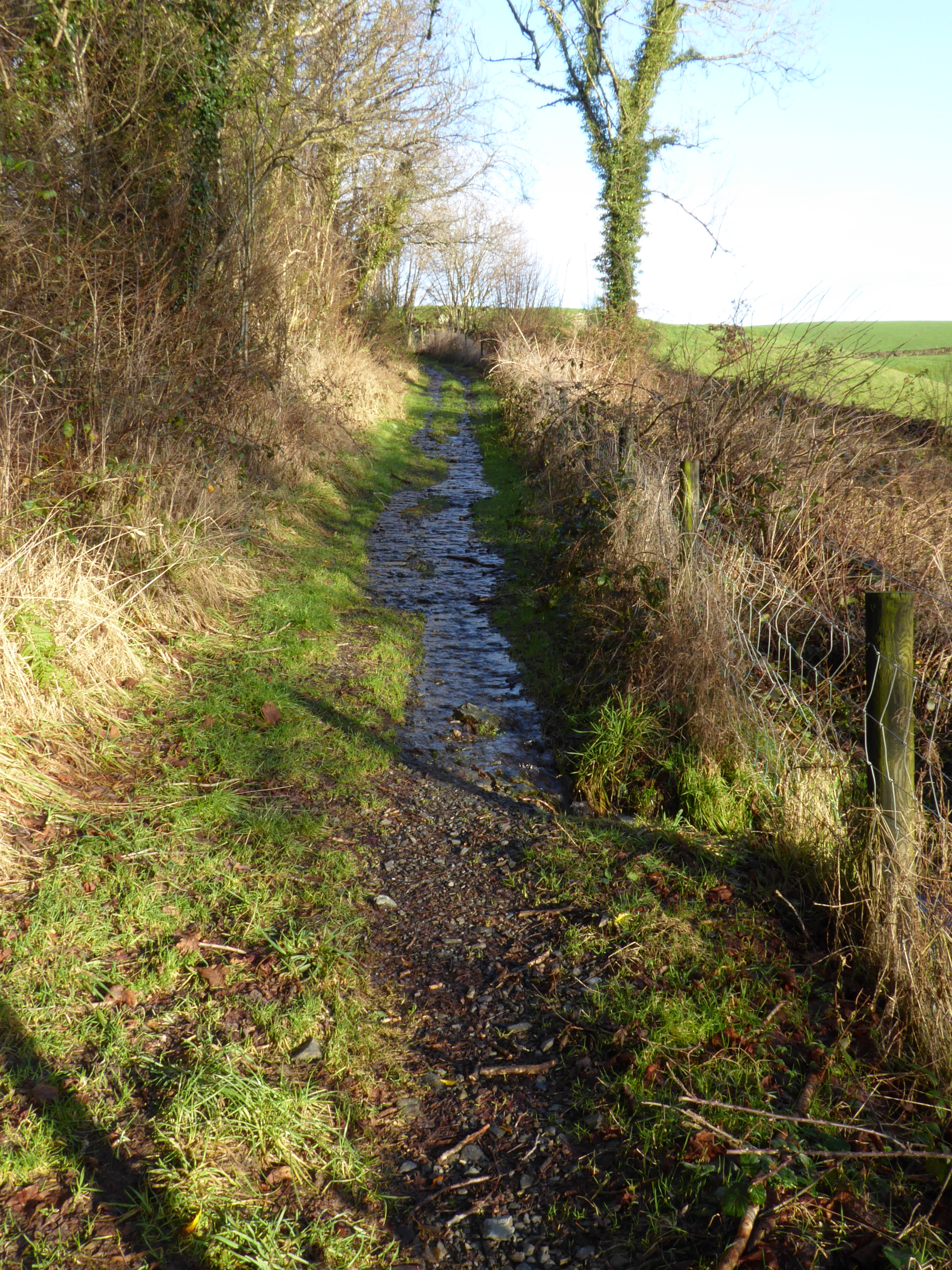
It was a sunny day so I went for a walk. There’s been a lot of rain so I used byways as much as possible – muddy, but less muddy and more easily navigable than the footpath I took south of Staveley. I’ve never splashed mud up to my knees before.
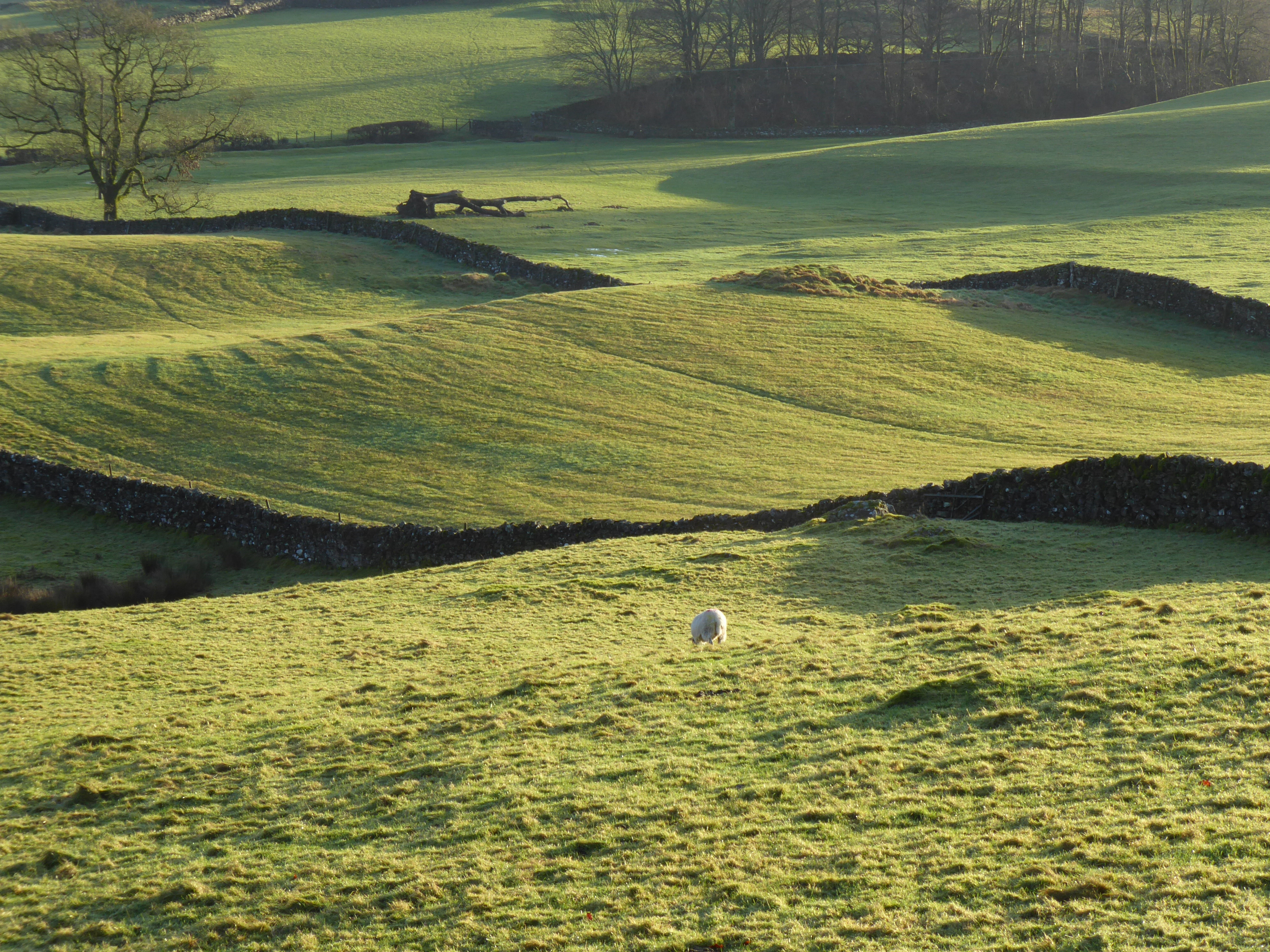
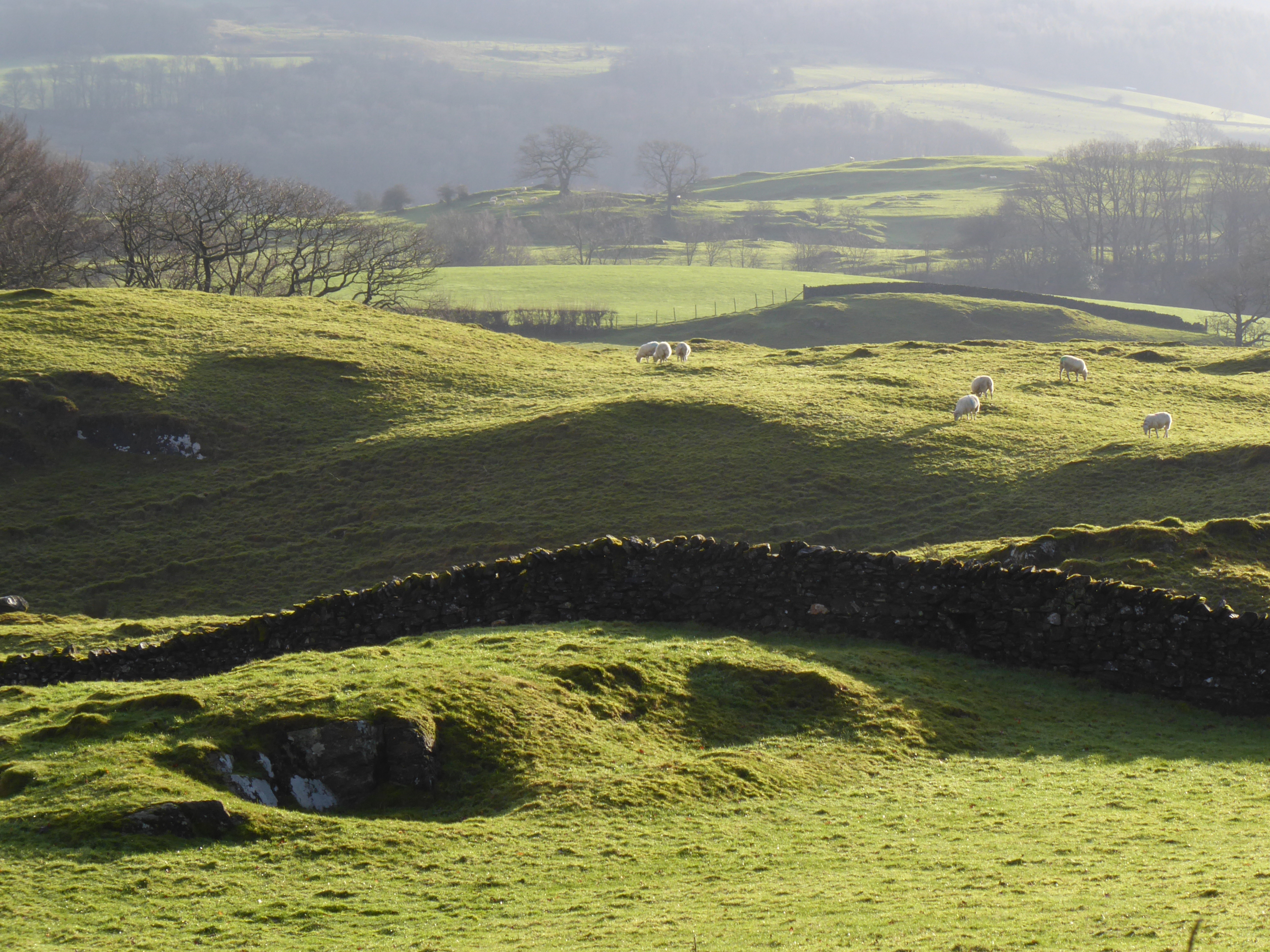
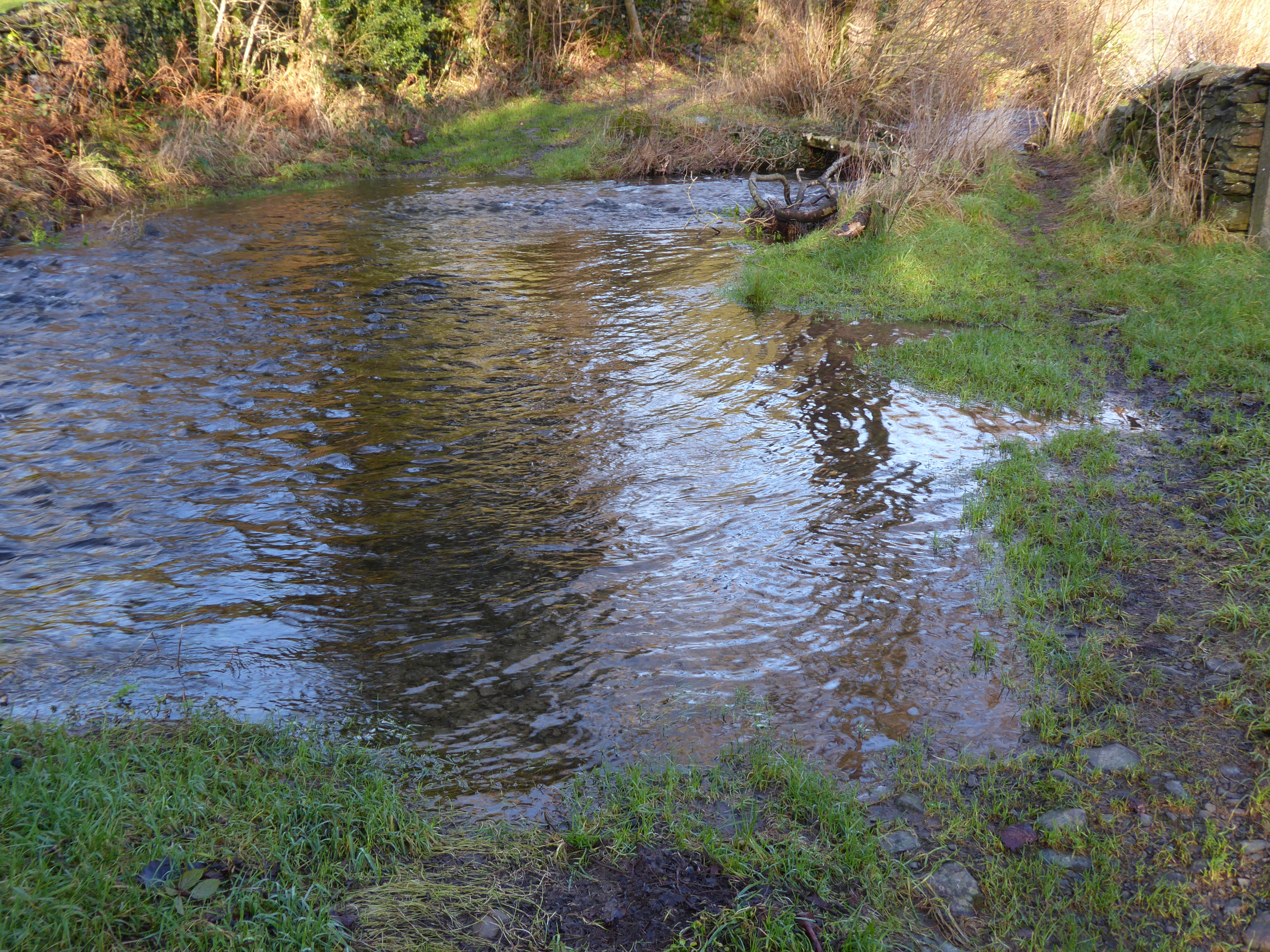
The strong shadows turned the landscape into an abstract work of art. I was rather flummoxed at the ford – until I noticed the little bridge. On Gamblesmire Lane I looked for the bee nest in the hollow tree, but the sun had disappeared by then and there was no sign of bees.
I almost went to Sizergh on Monday, but the castle itself was closed and that was what I have been meaning to visit. It closes for the season at the end of this week, so – even though it’s half term – today was my only chance unless I was going to let the wish dangle for another couple of years.
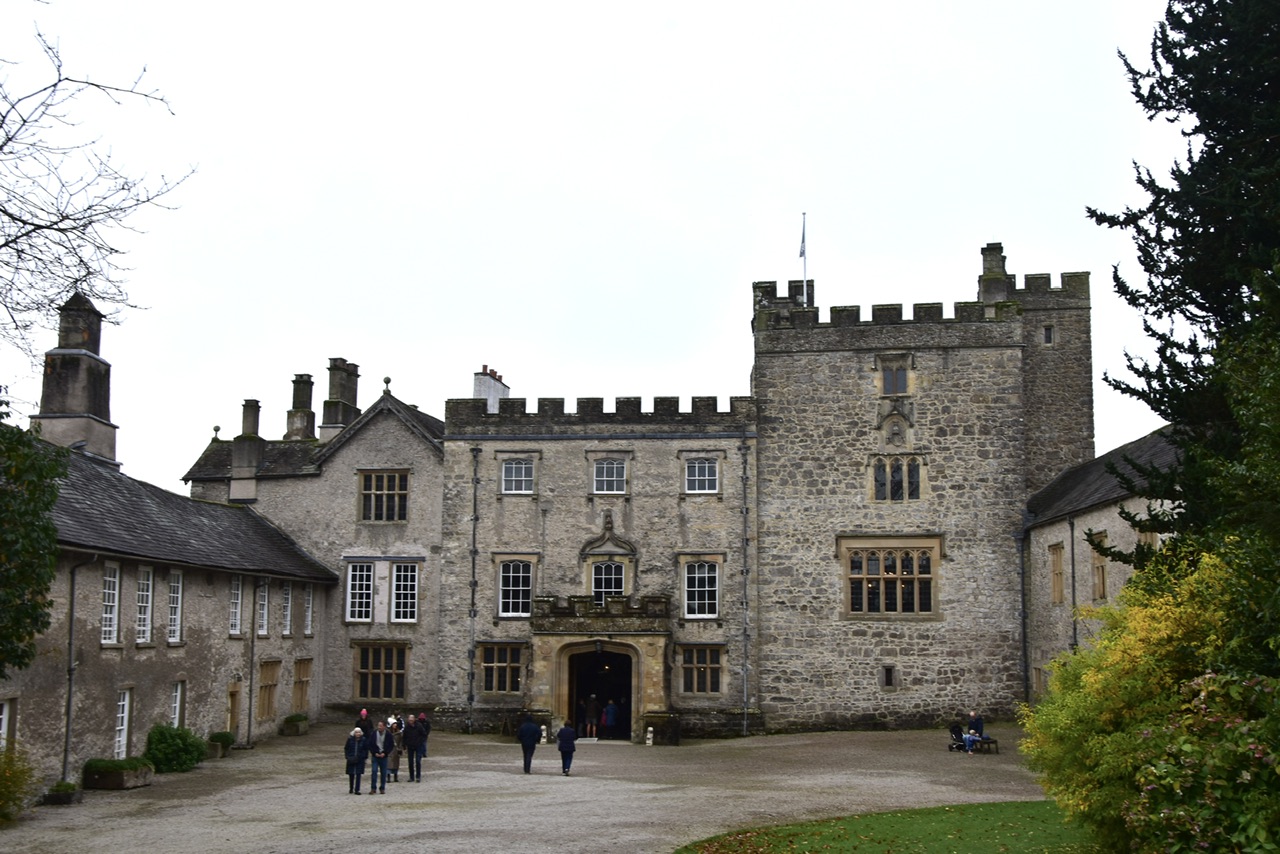
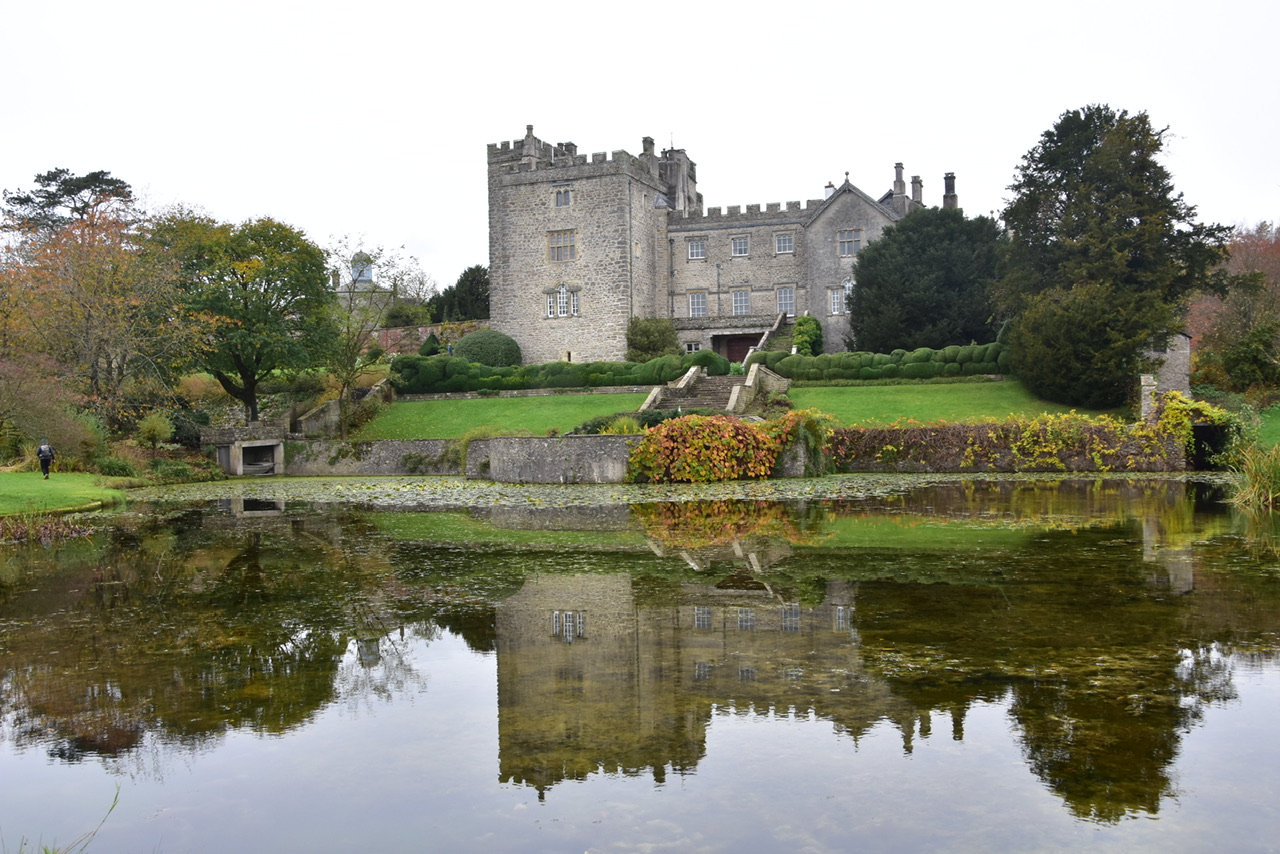
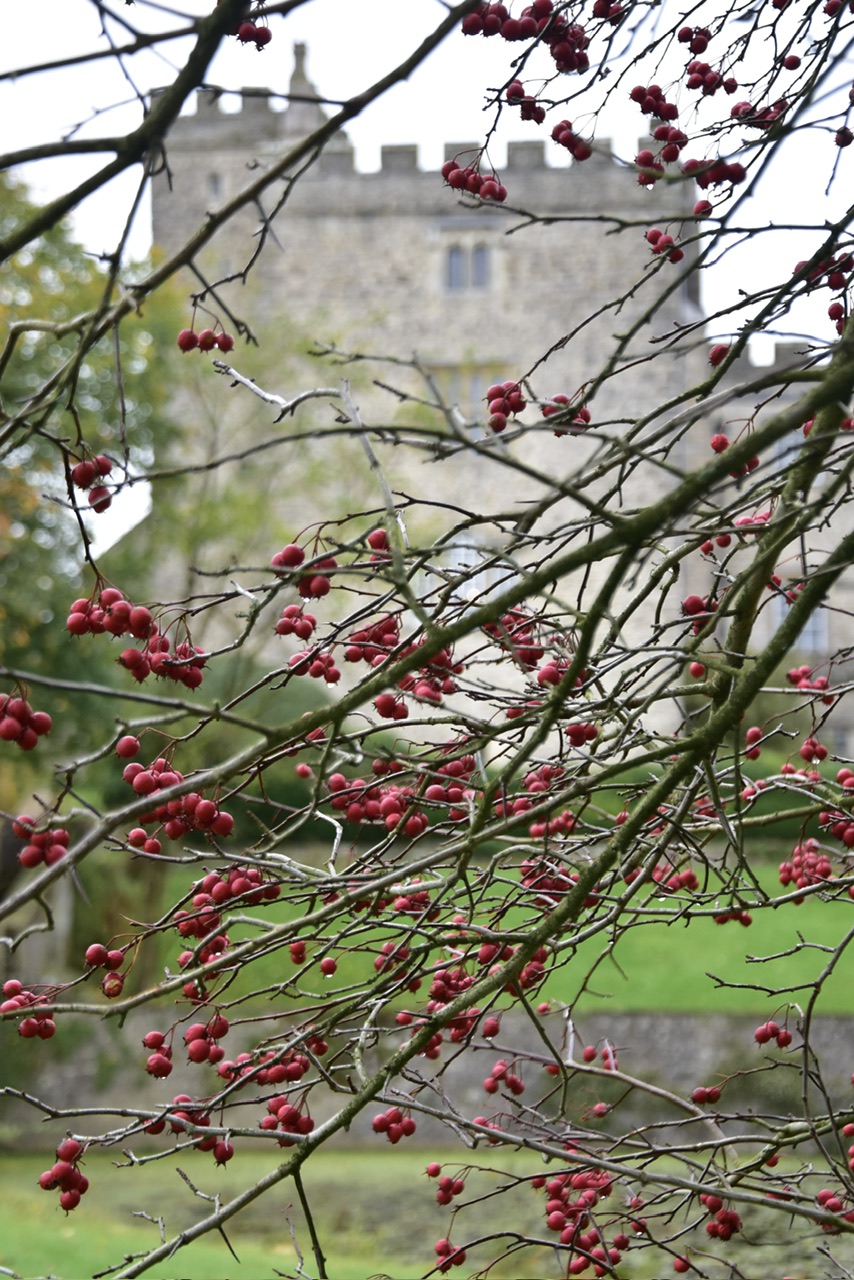
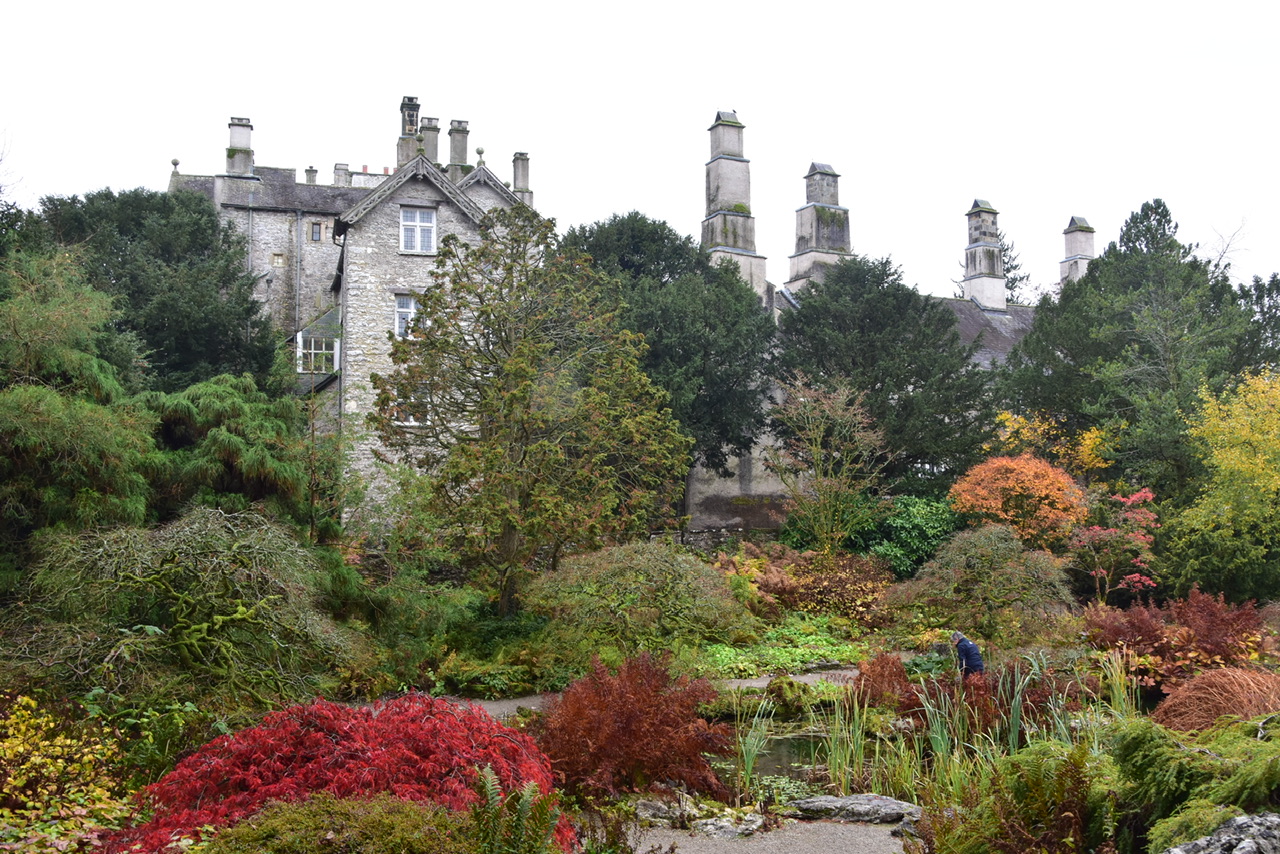
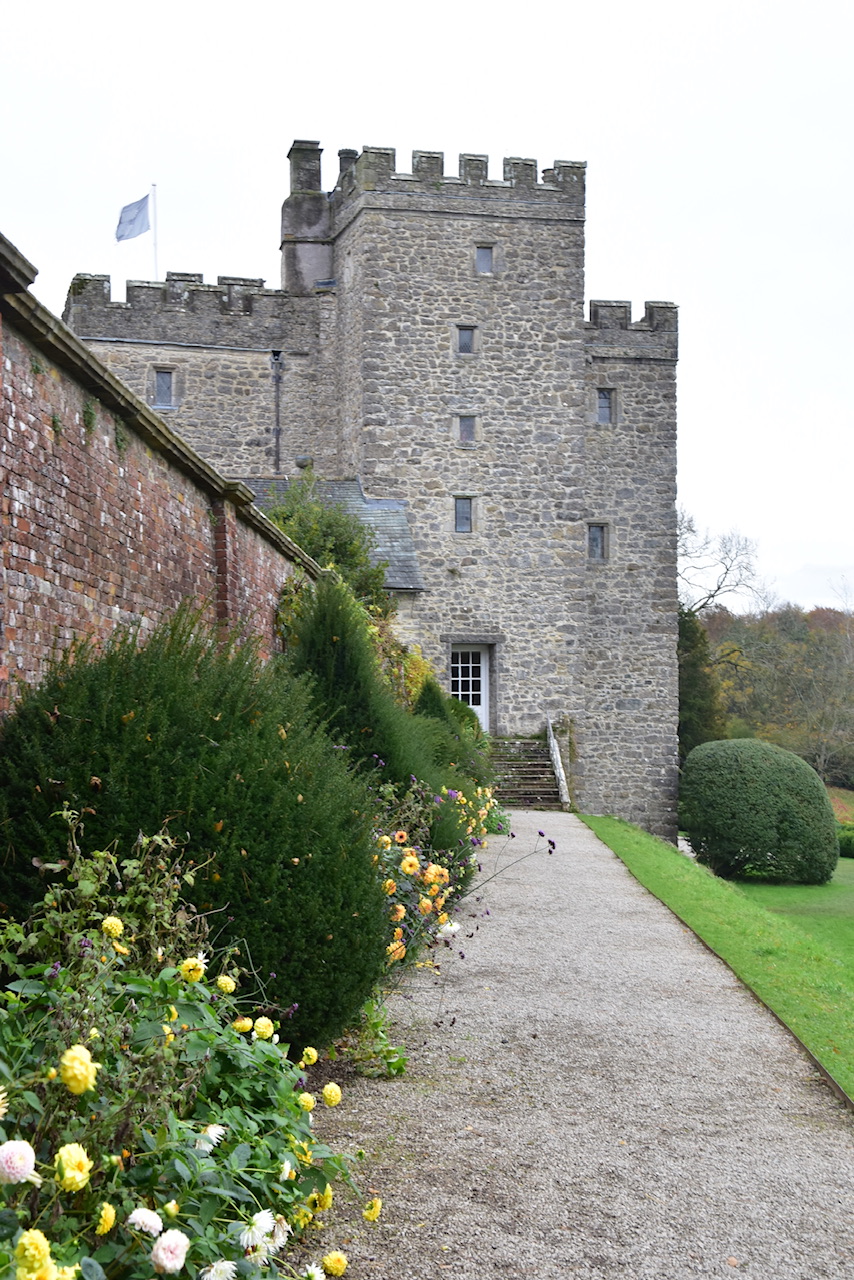
I should have chosen my time better, but heigh ho. (The kids were fine; it was the adults I could have done without!) Sizergh Castle is a pele tower with a later Tudor house. The Strickland family have lived there for centuries and given their name to a few pubs and streets. The castle is quite small and most of the visitable rooms are panelled in what is now very dark wood. The panels of the inlaid chamber were sold to the V&A at the end of the 19th century, but they have found their way back. Some wonderful plasterwork ceilings and lots of portraits – in some cases blurring time by showing side by side the grandparents as young people and their grandchildren as elderly, as if illustrating Einstein’s theory of relativity and Burnt Norton simultaneously.
As I listened to the heavy rain last night, I wondered if my plan of walking over two limestone (slippery when wet) outcrops from Grange to Kendal was a sensible one. But I’d set my alarm, checked the bus timetable and had my sandwiches, so I wasn’t going to be put off.
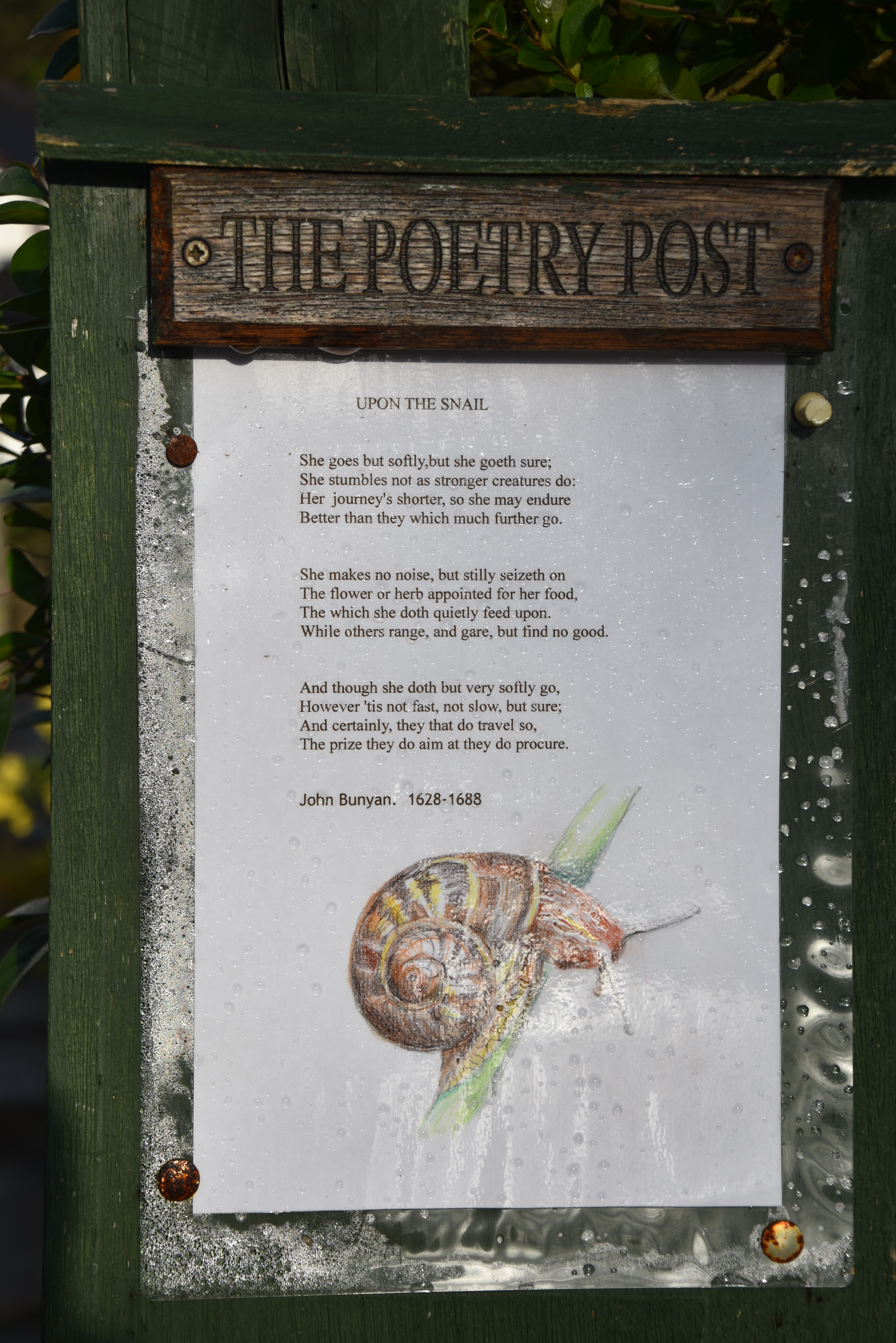
At Grange-over-Sands I checked the poetry post – again while en route for a bakewell slice – and decided to let that be my guide. So my route skirted the foot of Whitbarrow Scar and avoided Scout Scar completely by turning south at Levens through Brigsteer Woods. A good, circumspect walk: “not fast, not slow, but sure”.
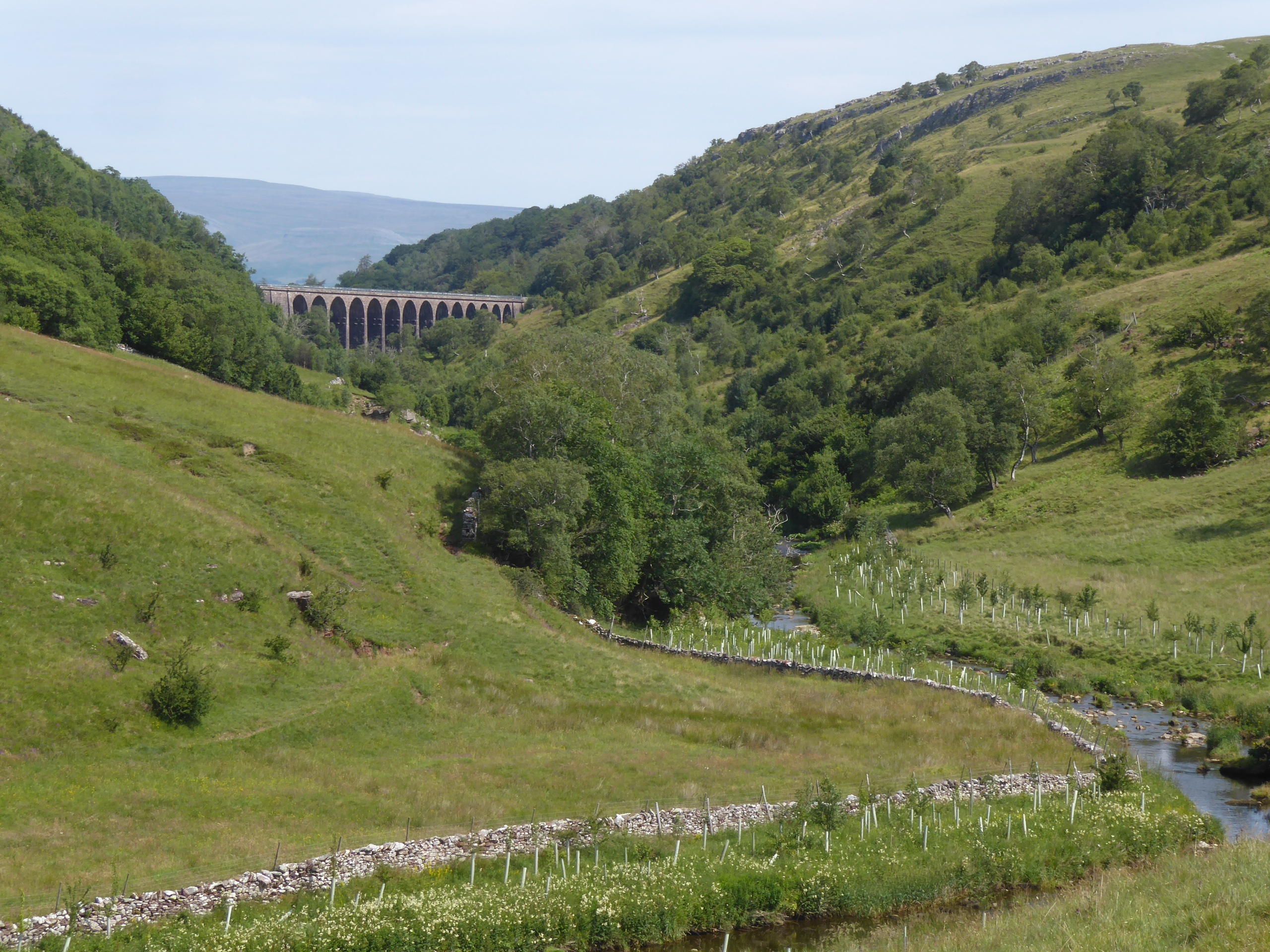
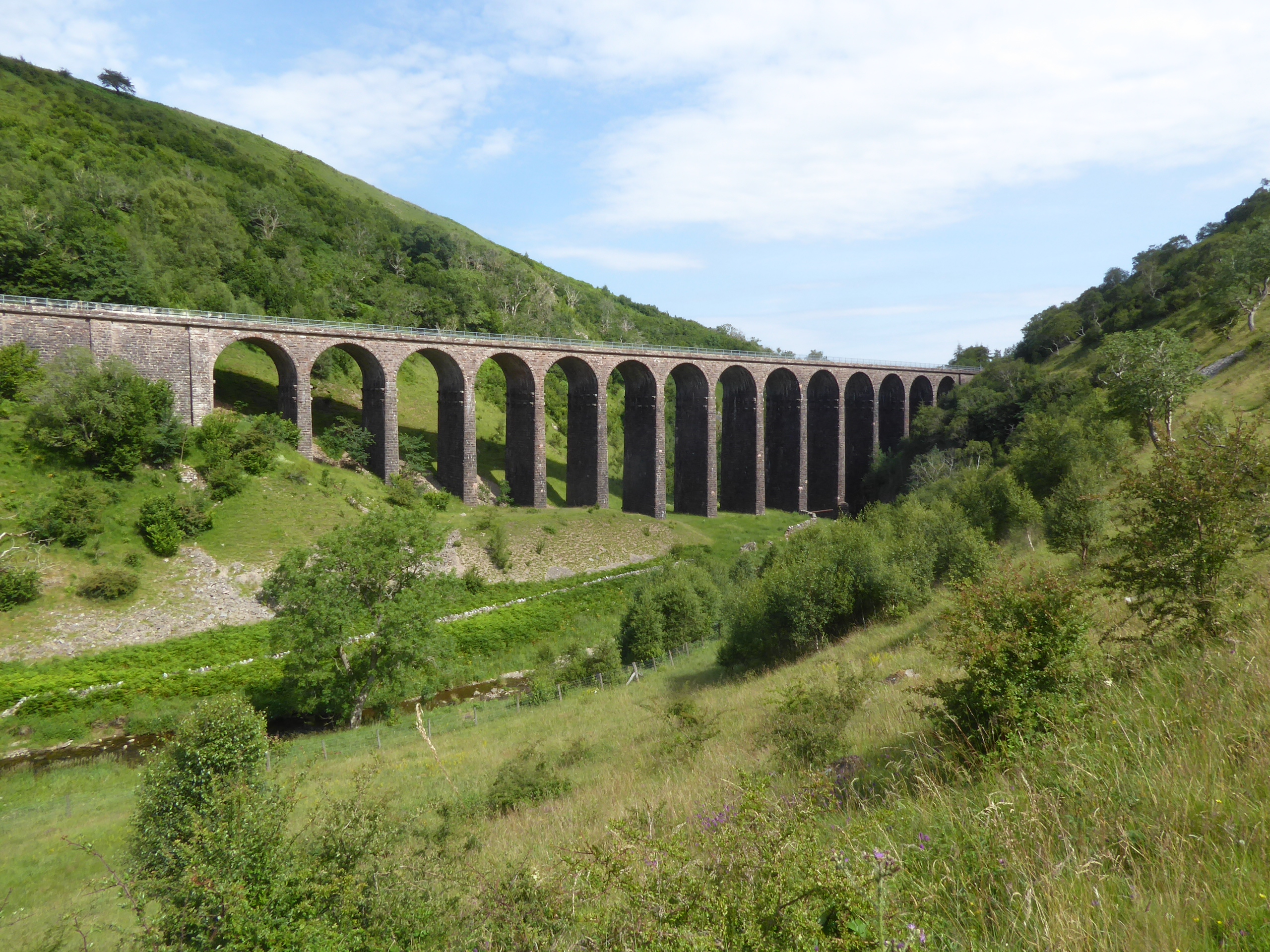
Another walk out to the impressive Smardale viaduct.
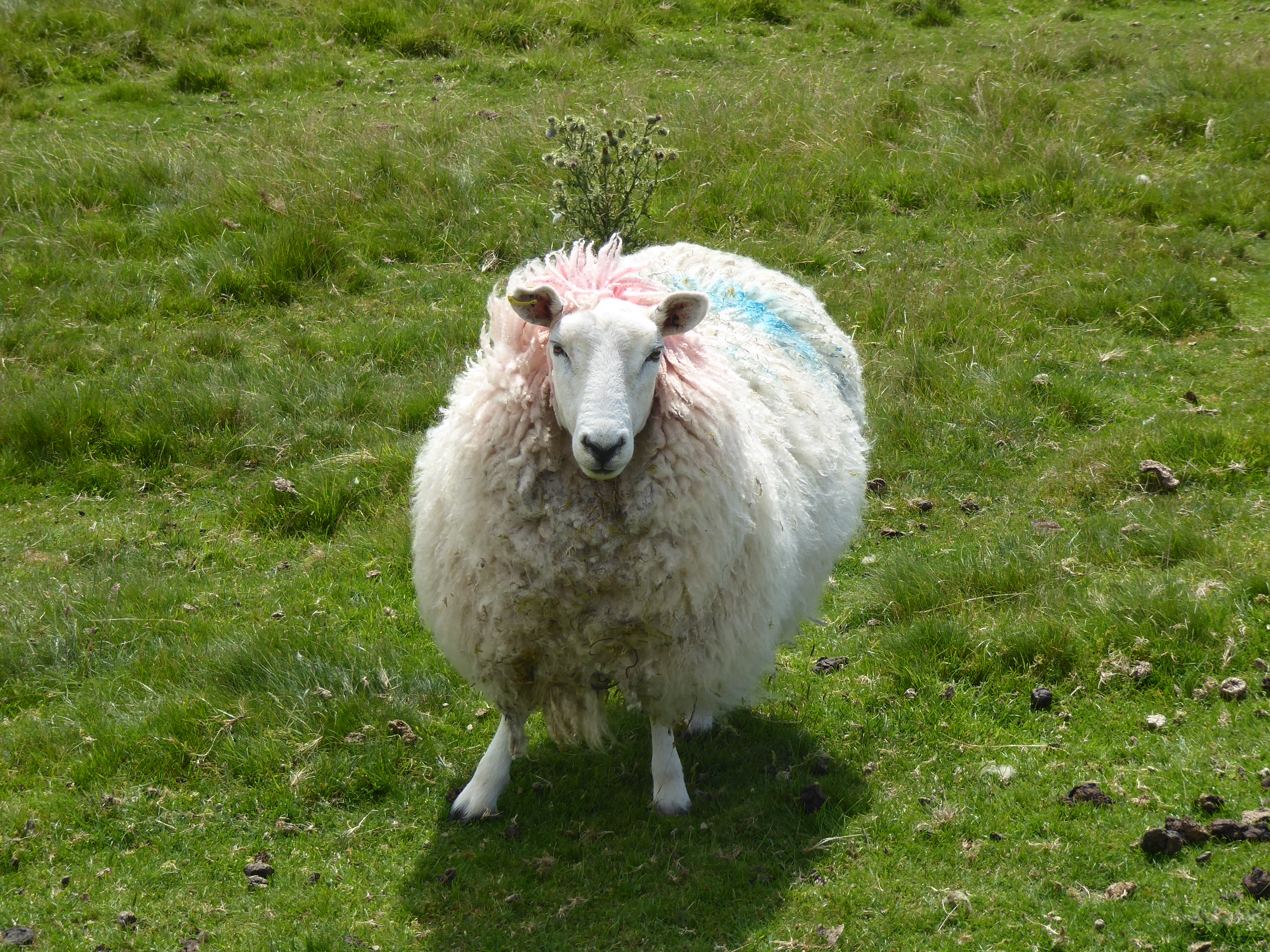
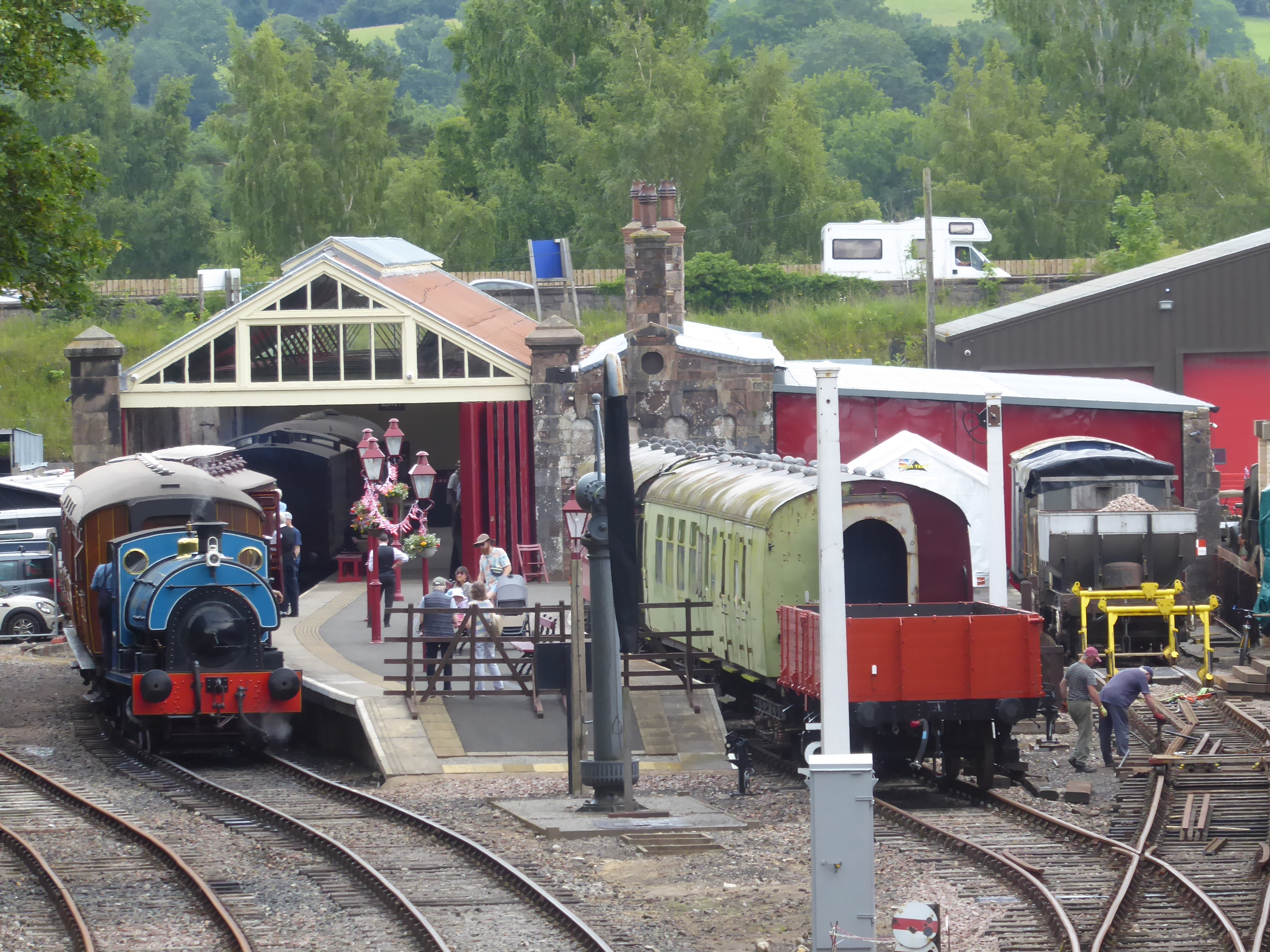
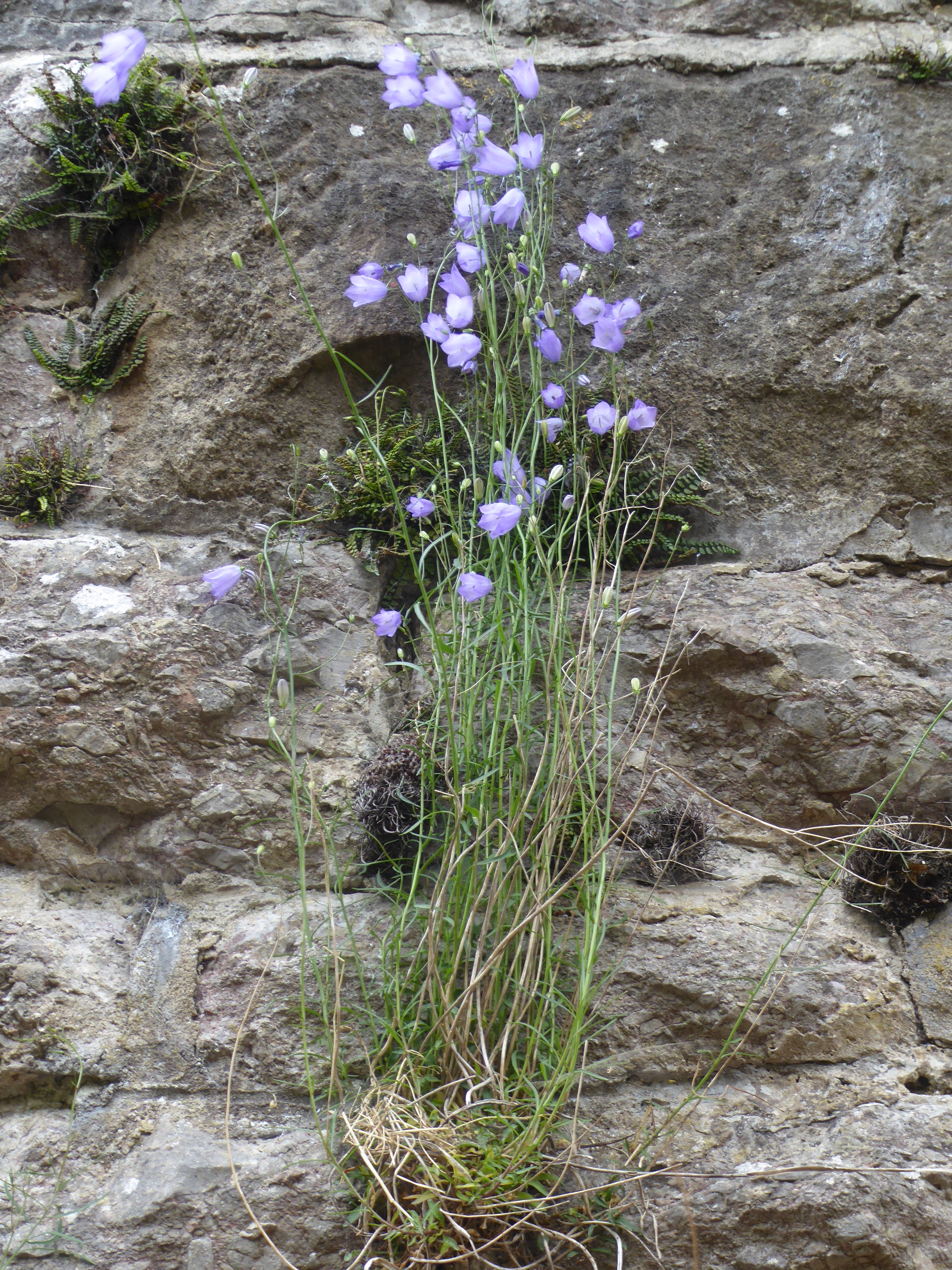
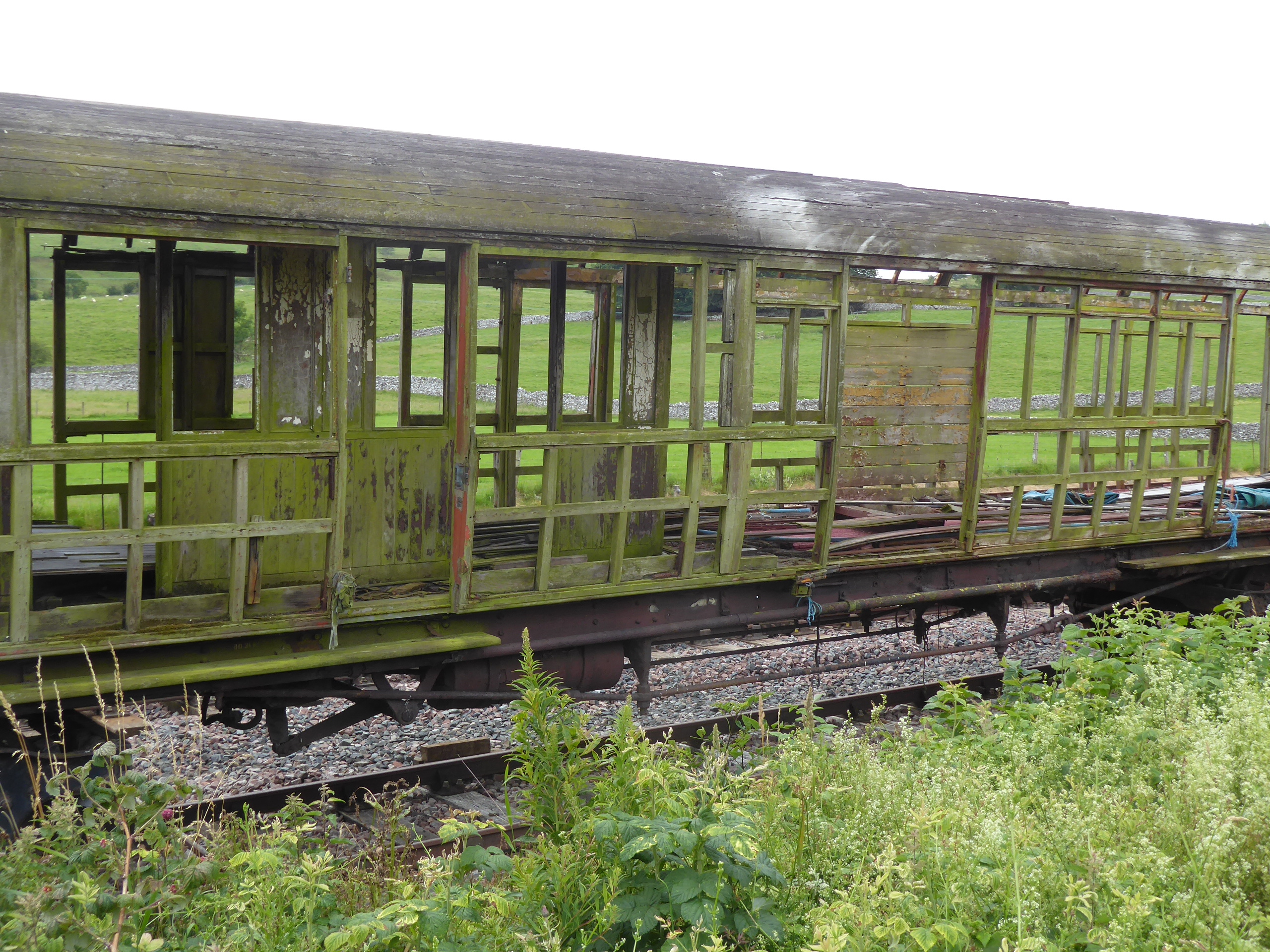
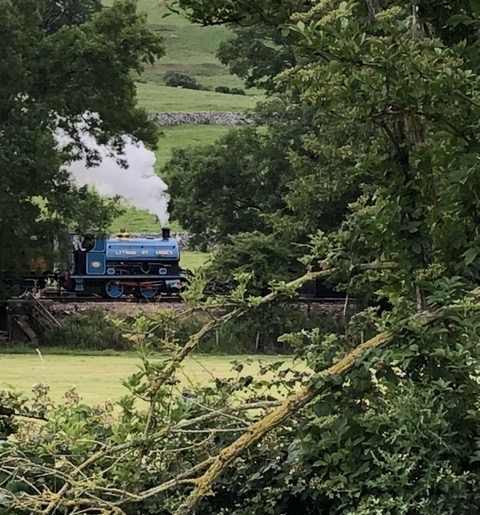
On the way back I insisted on diverting to the bridge over the old Stainmore railway line, and – yes! – they were steaming. An appropriate and perfect end to the walk.
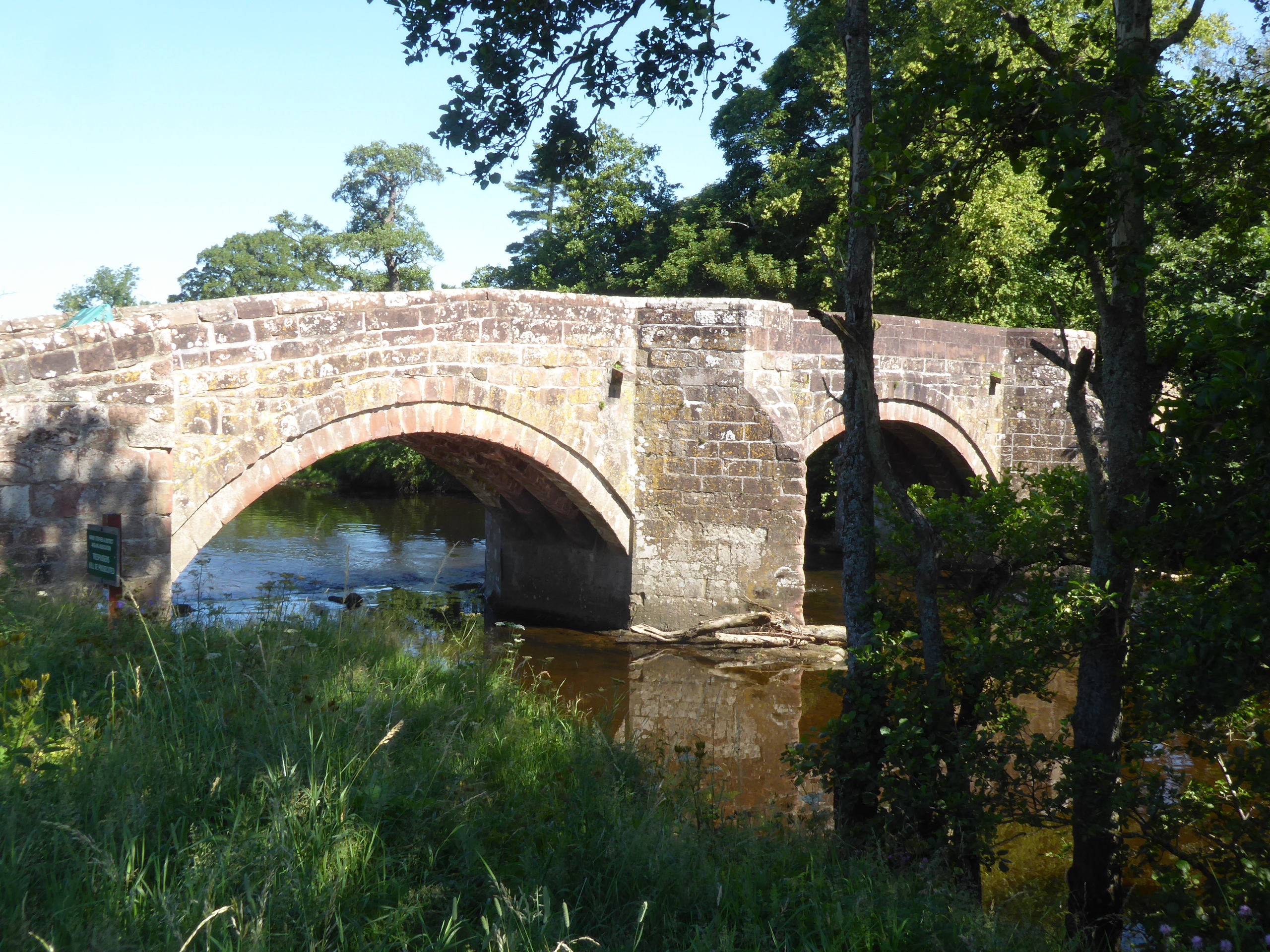
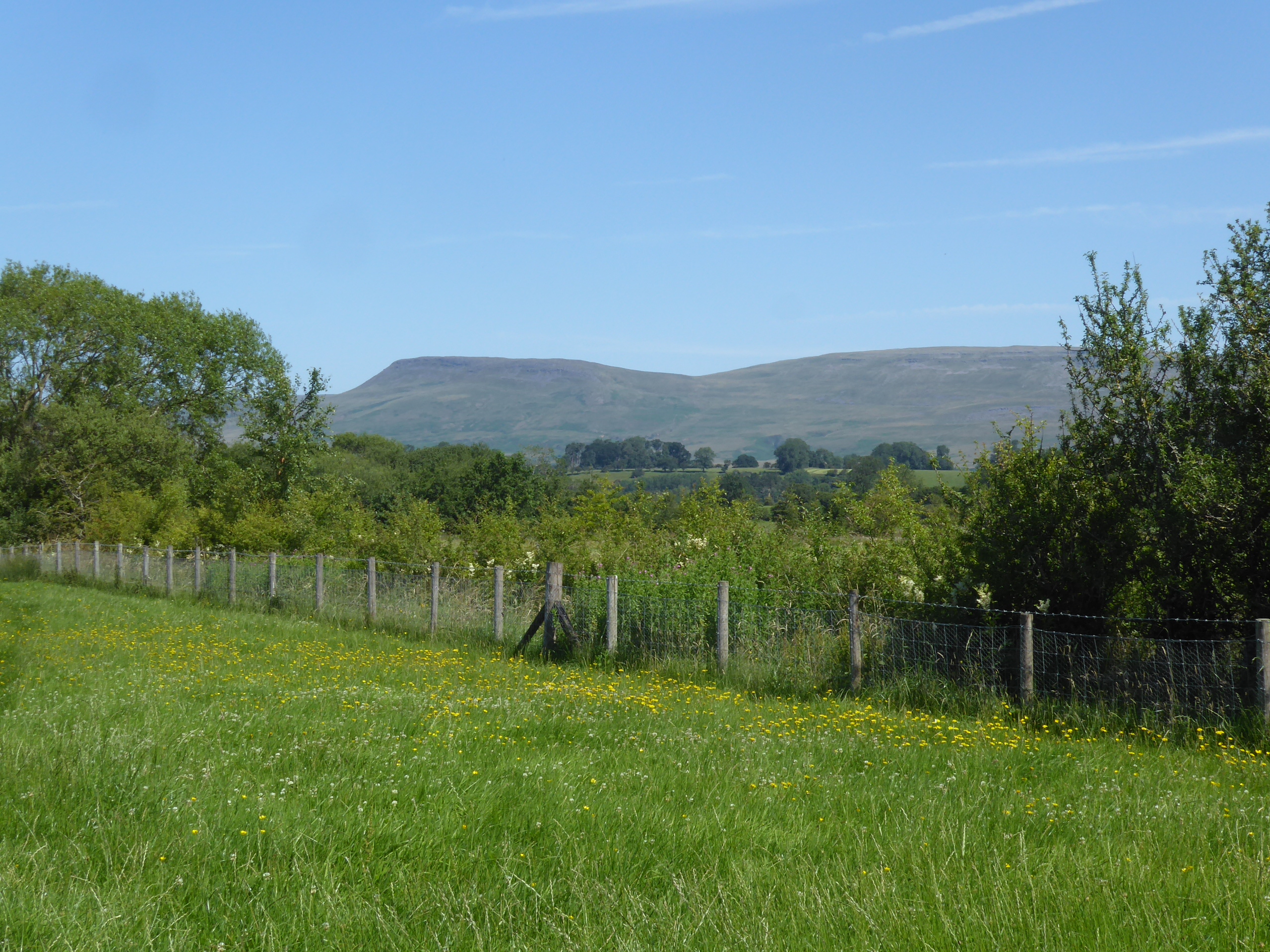
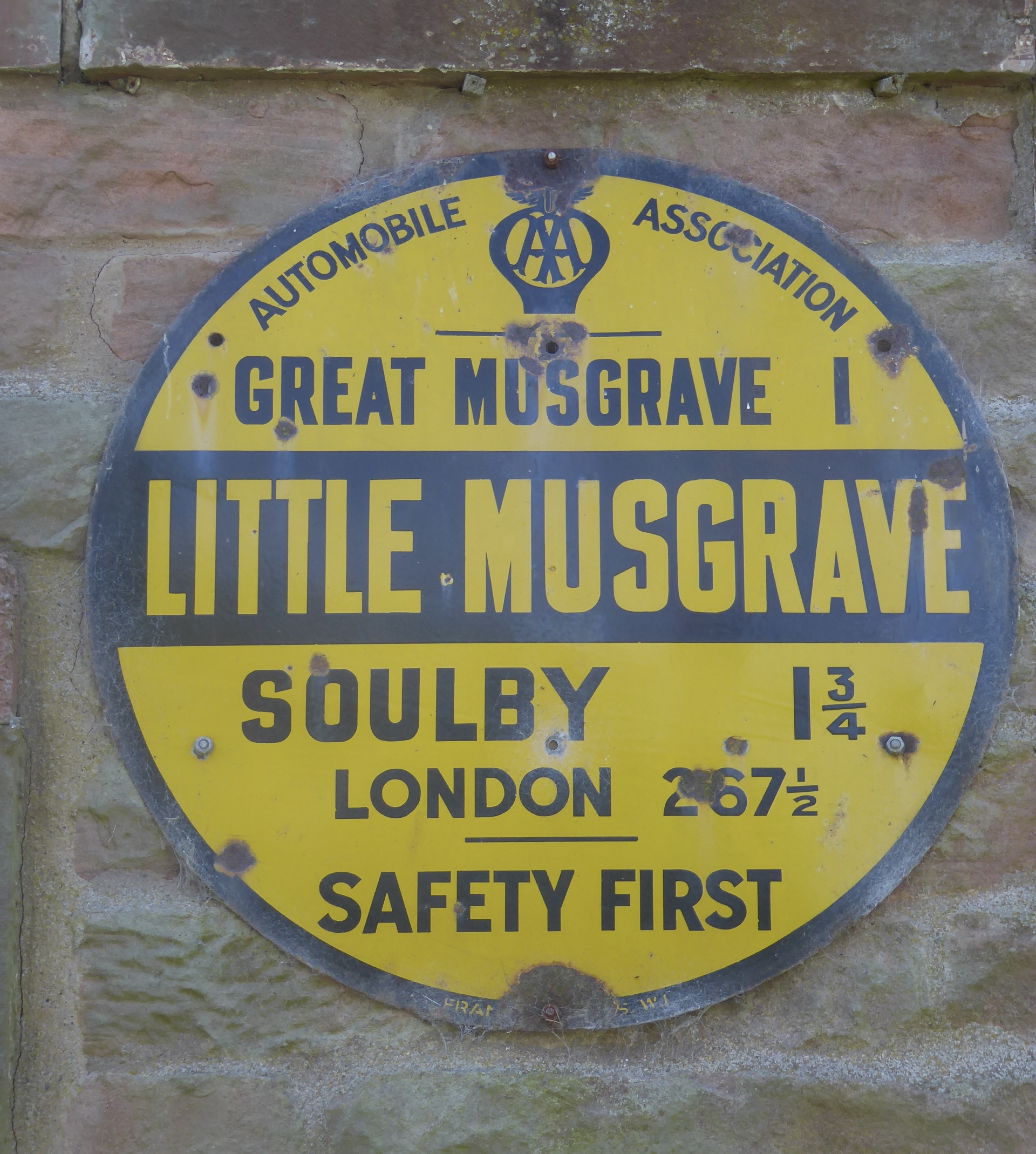
Bus to Warcop on this blisteringly hot day. The plan was to follow the Pennine Journey path to Brough and back to Kirkby Stephen, but progress was inevitably slow. At Little Musgrave we changed to a more direct route – the right decision. I’m disappointed that I didn’t spot the disused railway line over Scandal Beck, but I was restored by seeing children swimming in the river with obvious pleasure. I felt very envious!
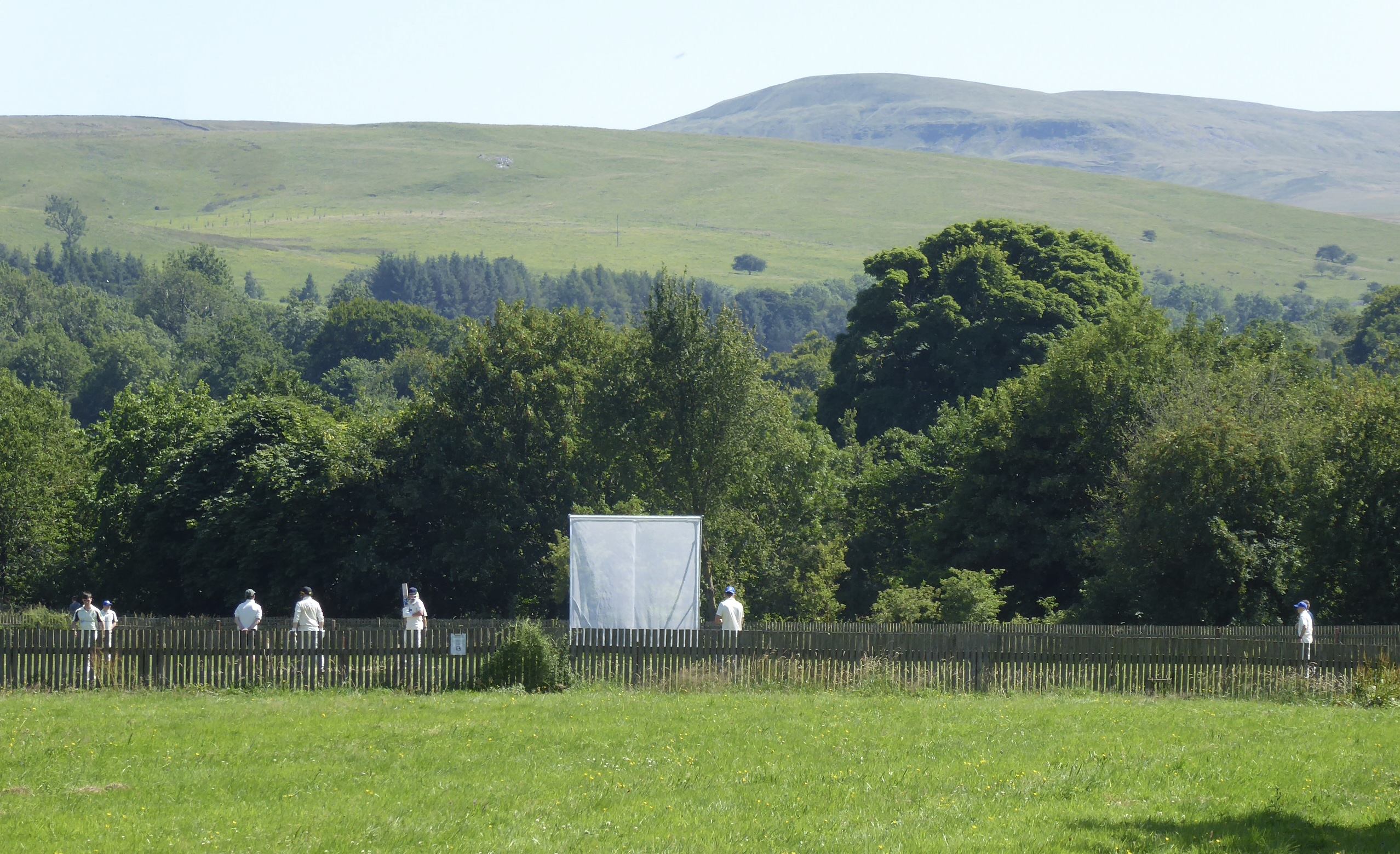
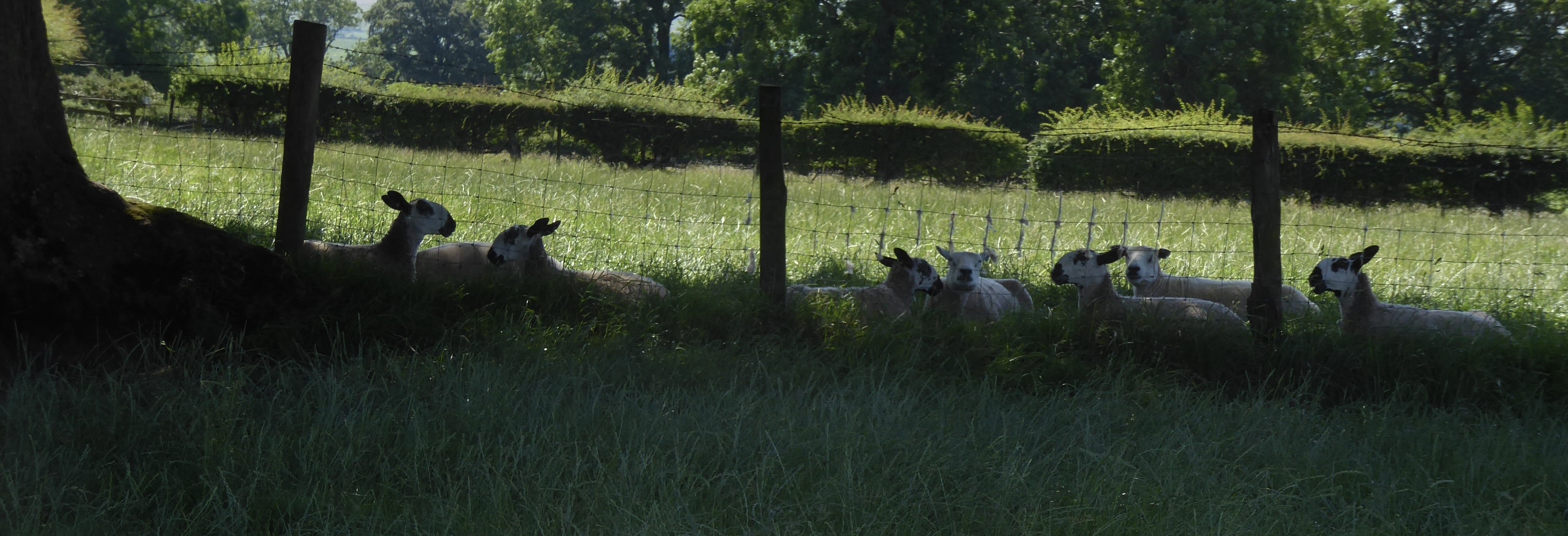
It was a day for seeking shade: I liked the silhouette of sheep’s ears as they sheltered under a tree. The cricketers at Kirkby Stephen had no such luxury.
 Old Shoe Box