
Very roughly, for even some of the museum labels differ – and other countries’ dates of the eras may differ as Britain was rather behind the times then:
- 10,000 years ago – end of the last Ice Age and stabilisation of temperatures
- 500000 – 4000 BC – Mesolithic and Paleaolithic
- 4000 – 3000 BC – Early Neolithic
- Causeway enclosure of Maiden Castle
- 3600 BC – construction of West Kennet Long Barrow
- 3000 BC – raised ditch of Stonehenge
- 2600 – ditch and mound at Avebury and stones erected later
- 2500 BC – stones erected at Stonehenge
- 3000 – 2200 BC – Late Neolithic
- 2400 – 2200 BC – arrival of Beaker (Yamnaya) People from continental Europe
- 2200 – 800 BC – Bronze Age (mixture of copper and tin)
- 1500 BC – use of Stonehenge falls away
- 800 BC – 43 AD – Iron Age
- 450 – 300 BC – Maiden Castle hill fort
- Trendle enclosure above Cerne Abbas
- And then the Romans came to Rye and out to Severn strode . . .
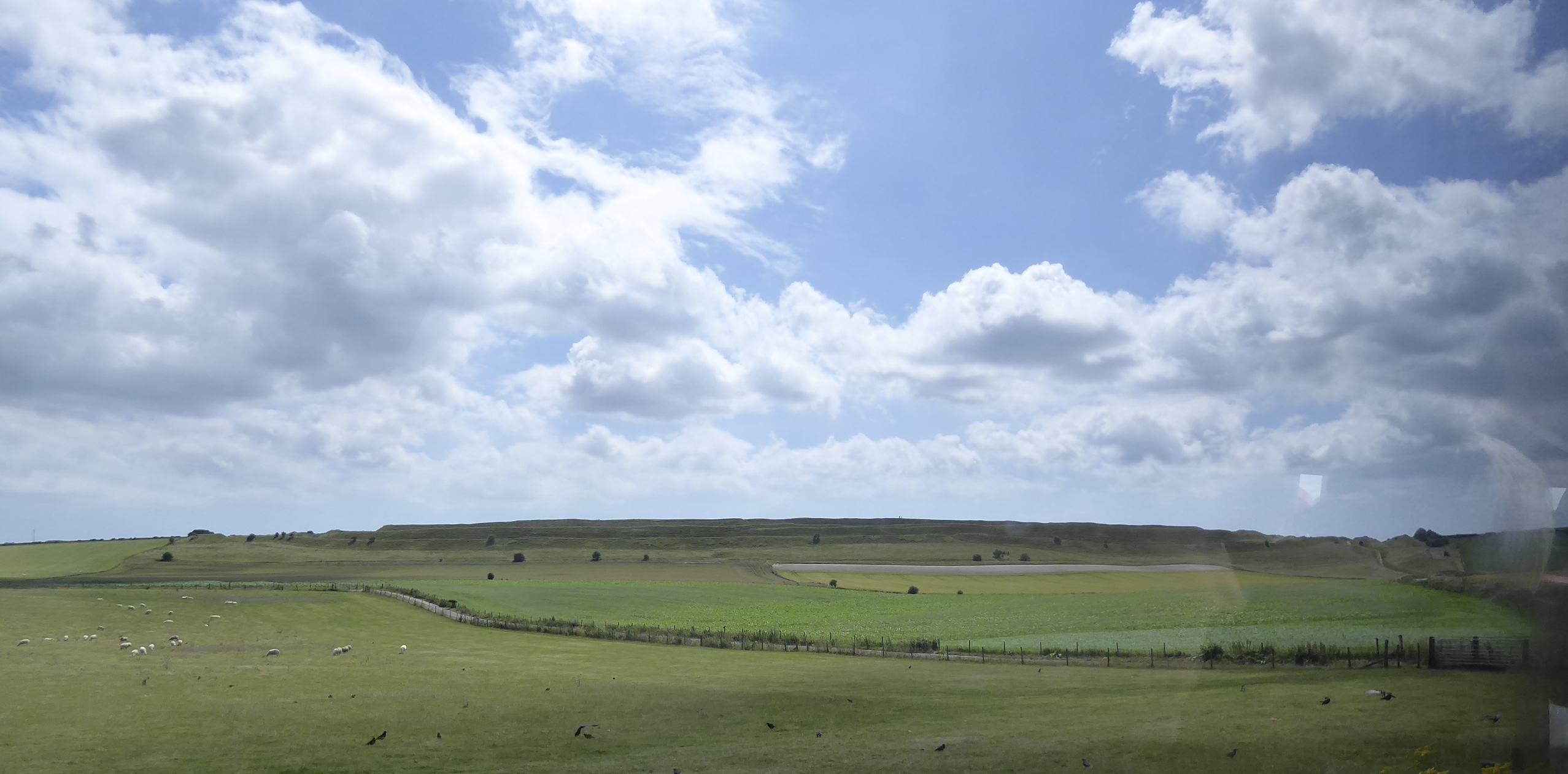
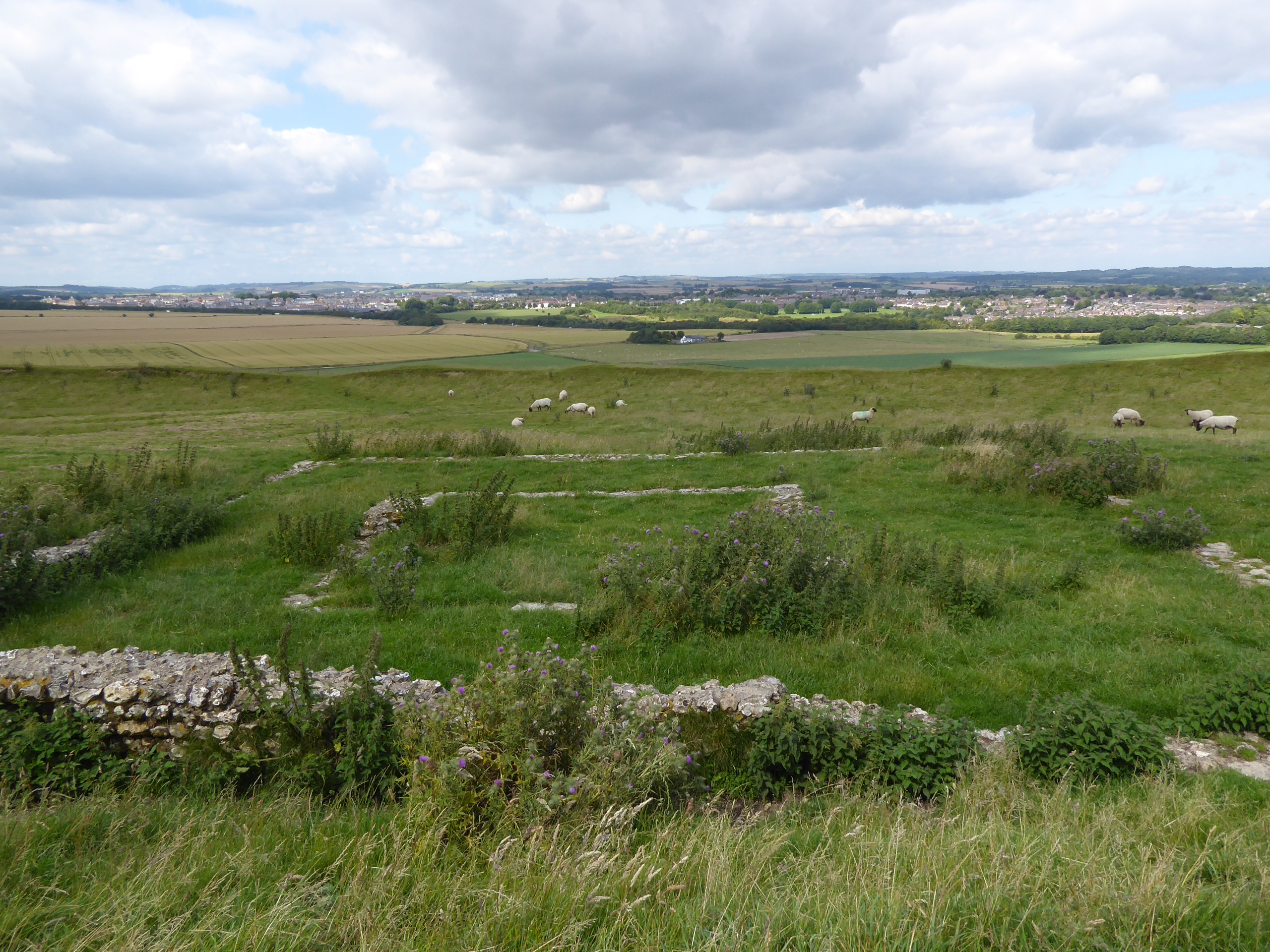
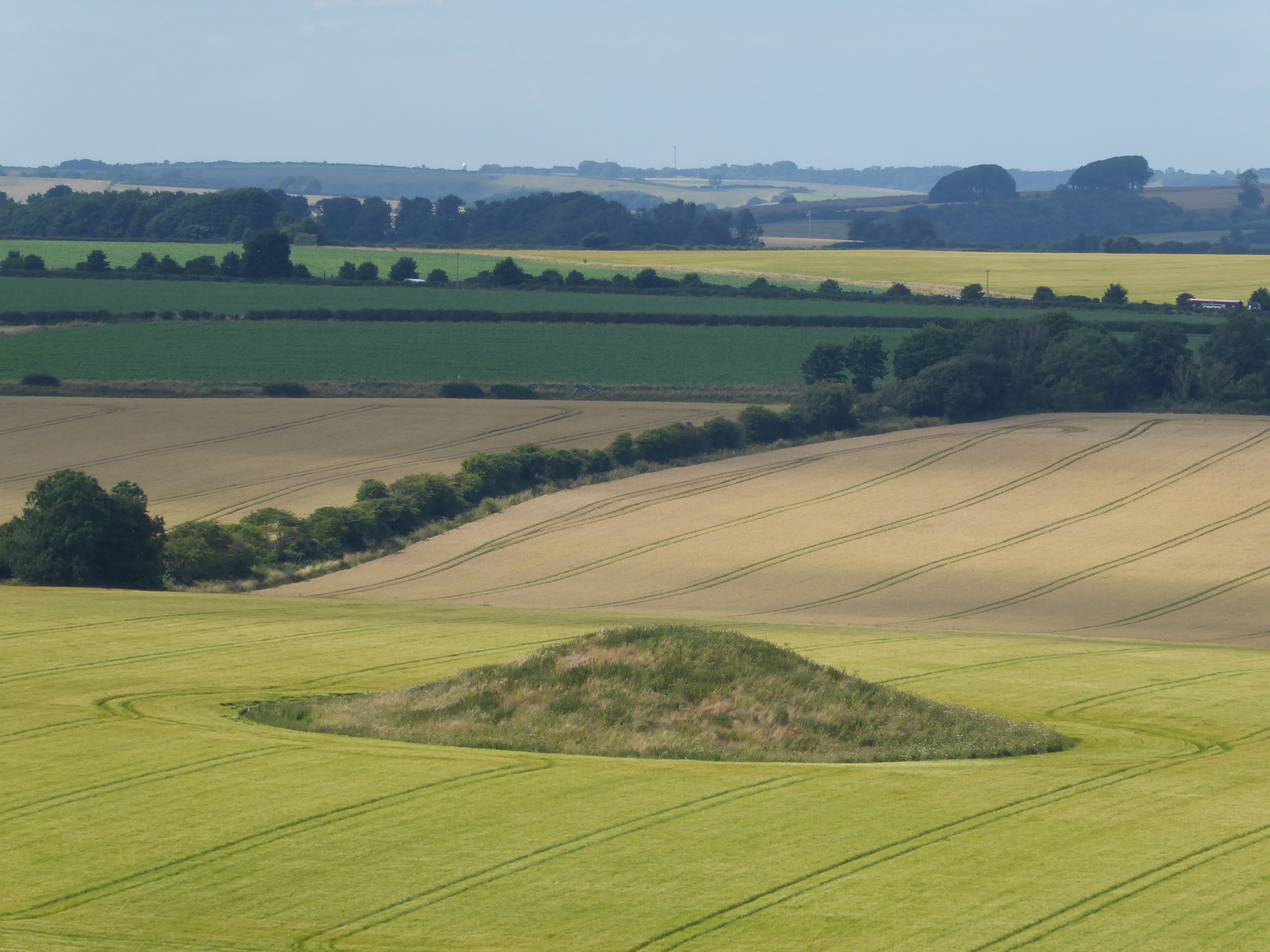
The earthworks cover an enormous area. Another site I’ve longed to visit for decades*, but actually the best view of it is from the air. However, on the ground you can appreciate the size and aggressively defensive design of the rampart. Up on the mound (and it’s big enough for you to lose your sense of direction), you have wonderful views, including Poundbury, which almost looked interesting with its varied skyline and quite dense building, and a small barrow, which erupted from the field like a pimple.
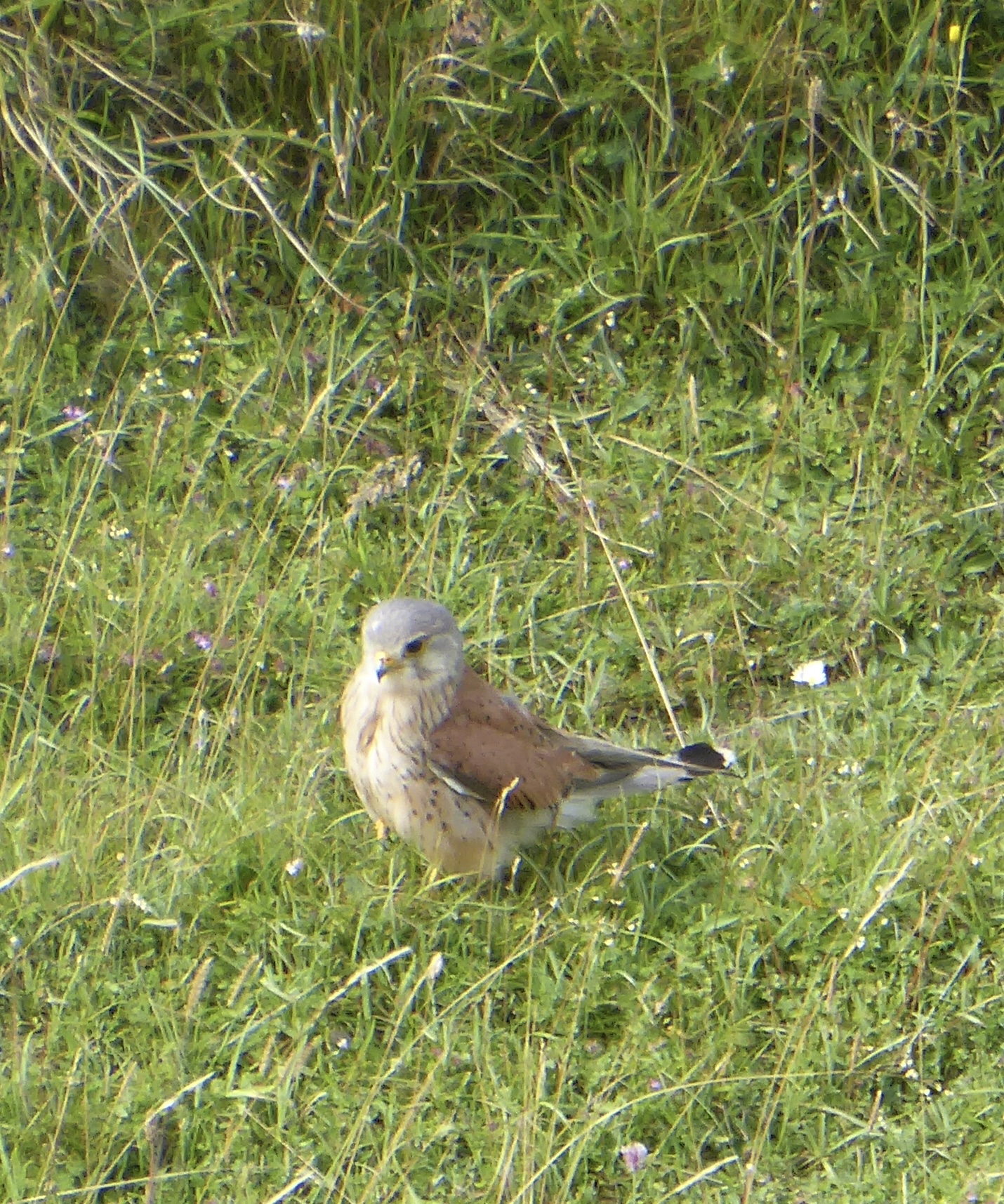
The Romans took over the site once they arrived, so there was a fourth-century Roman temple. Also a kestrel, which was happy to pose for photographs.
* Corfe Castle is also on the list.
 Old Shoe Box