The Marriage of Figaro

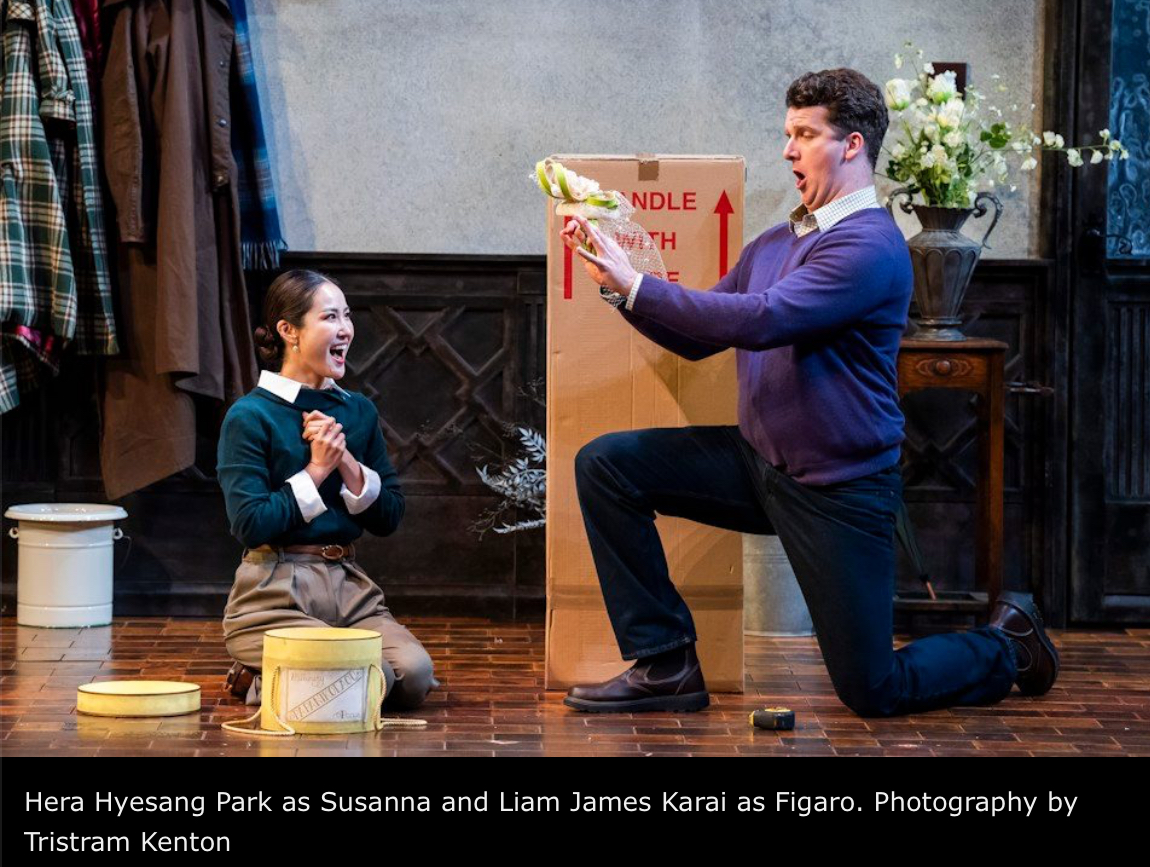
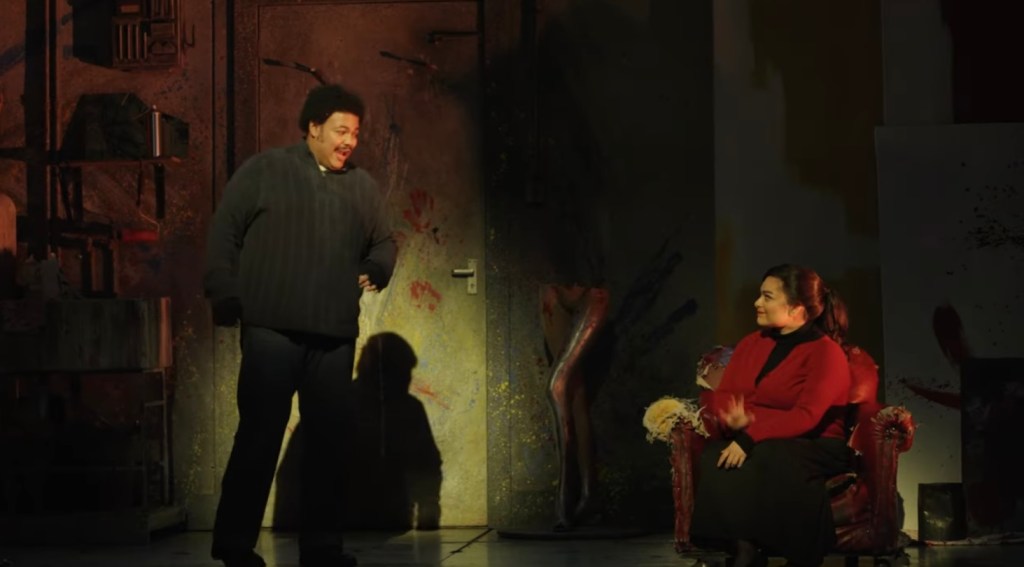
The third time I have seen this in Leeds, but this was a completely new production. Inadvertently I booked my seat for the first night. Perky, amusing and very well done. It’s nit-picking to suggest that setting it in the age of mobile phones jars with the droit de seigneur that drives the plot; after all, it is an opera so verisimilitude is not expected. The farcical scenes were excellently done yet left room for pathos for the Countess. It was wonderful to hear seven voices at once in the lawyer’s scene.

  • Figaro – Liam James Karai
  • Susanna – Hera Hyesang Park
  • Count Almaviva – James Newby
  • Countess Almaviva – Gabriella Reyes

I noticed that all the principal singers were new to me. Also that clapping after almost every aria has become the norm.

Leeds today

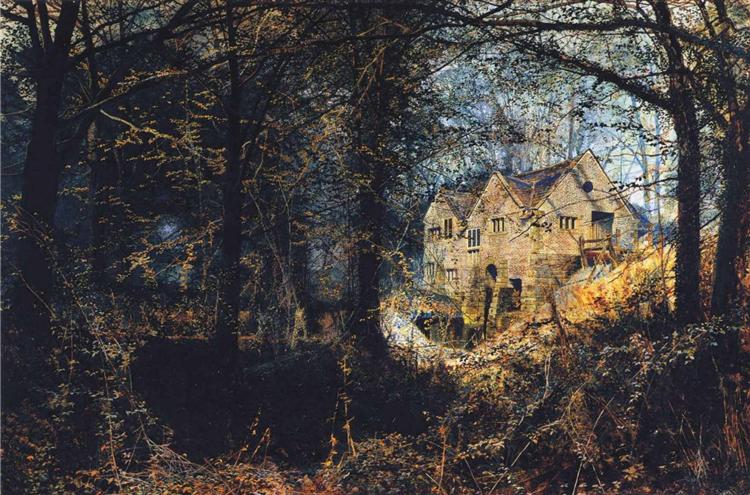
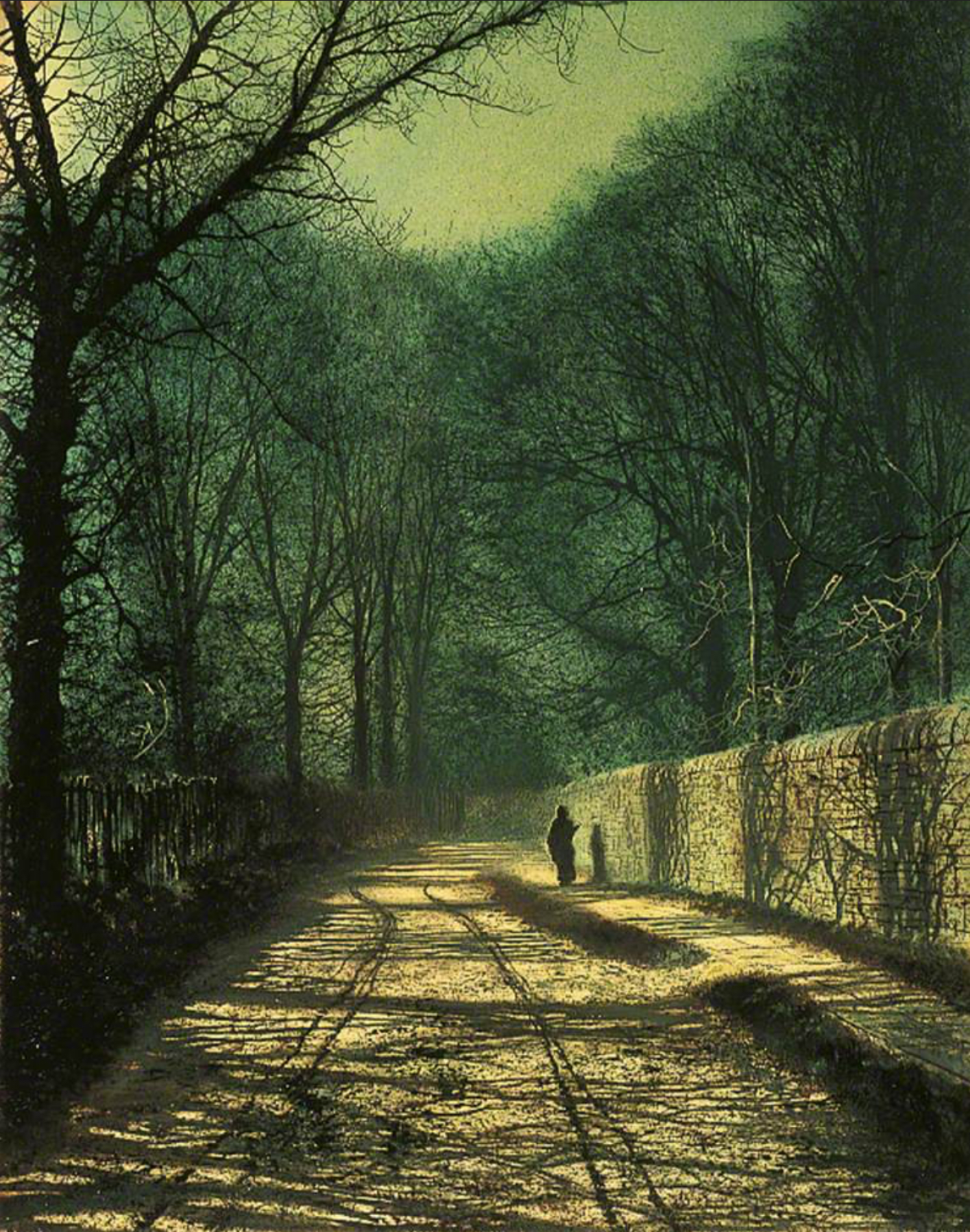
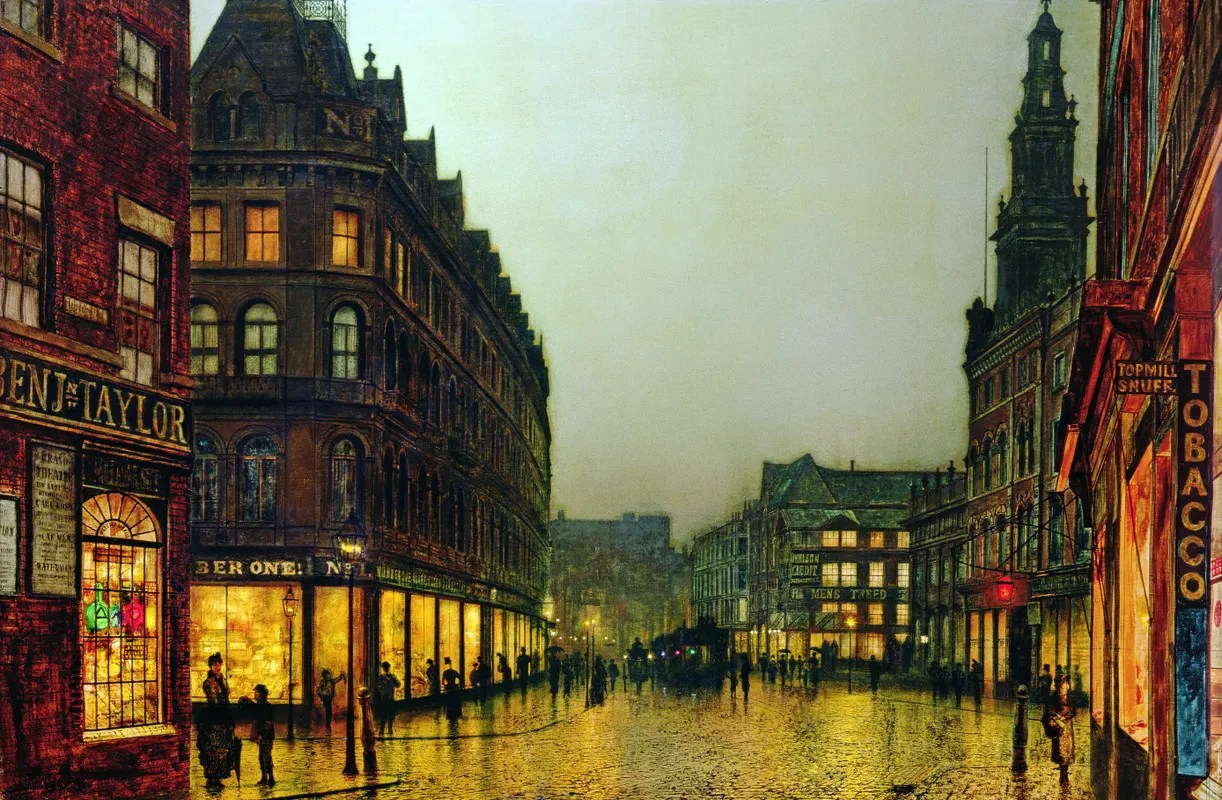
It was too cold and dank a day to want to do anything more than mooch up to the art gallery and look at the J Atkinson Grimshaw exhibition, “Nocturnes”.

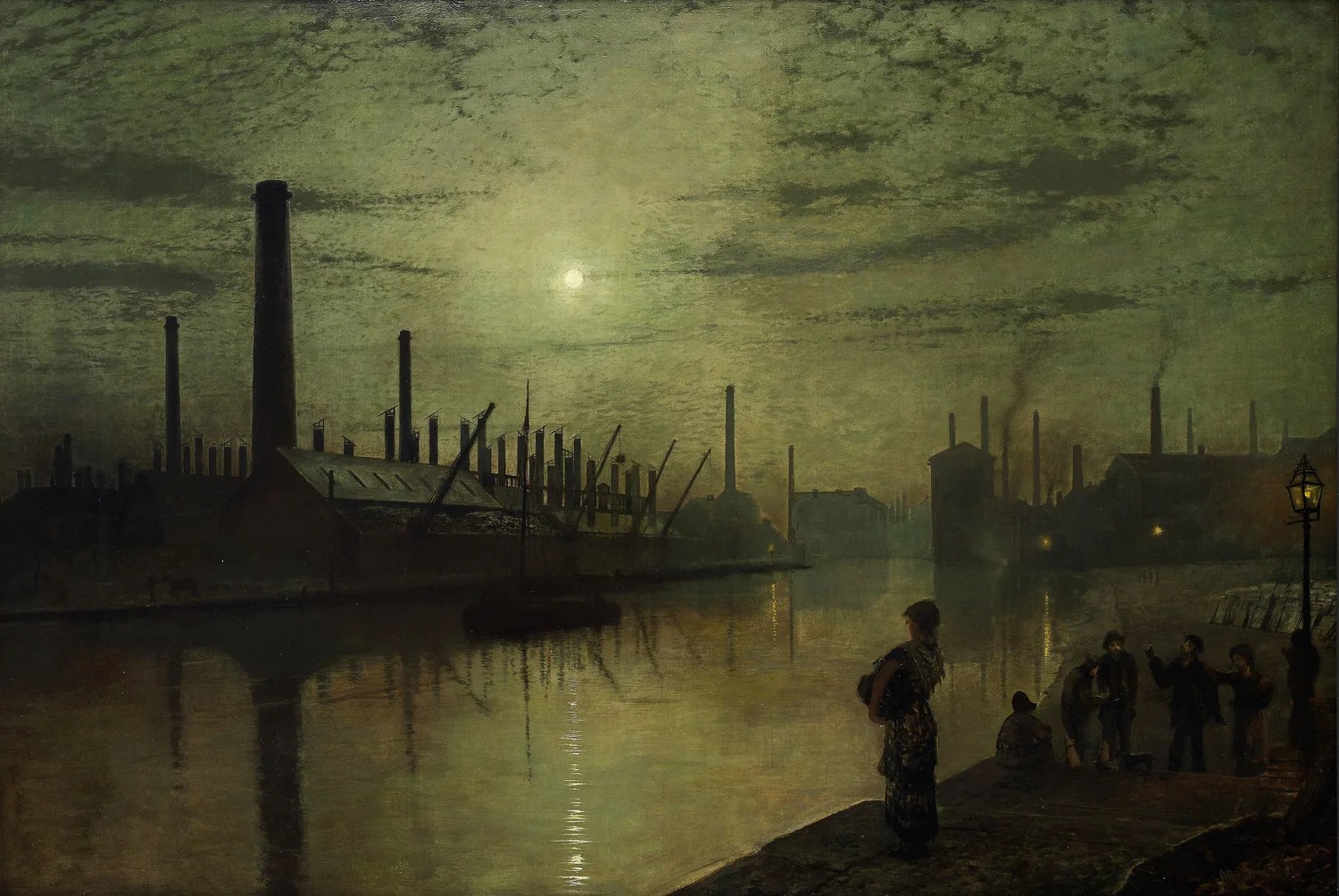
No great surprise to learn that, as an artist, he was self-taught. (He obviously didn’t spend hours in life drawing classes.) He also churned out favourite scenes, as I discovered when looking online. But, oh, the light and shadows by Roundhay Park! The exhibition included some modern works to complement Grimshaw; they rather faded into insignificance beside his, but I noticed paintings by Judith Tucker that had been on display in the Burton Gallery – chosen, presumably, because of the lighted windows in dark landscapes.

There were also two extracts by Charles Dickens and James McNeill Whistler. Given yesterday’s visit to the Thackray Museum, I was inclined to view Grimshaw’s murky, polluted River Aire through Dickens’s eyes.

But the river had an awful look, the buildings on the bans were muffled in black shrouds, and the reflected lights seemed to originate deep in the water, as if the spectres of suicides were holding them to show where they went down. The wild moon and clouds were as restless as an evil conscience in a tumbled bed, and the very shadow of the immensity of London seemed to lie oppressively upon the river.

Charles Dickens

And when the evening mist cloths the riverside with poetry, as with a veil, and the poor buildings lose themselves in the dim sky, and the tall chimneys become campanili, and the warehouses are palaces in the night, and the whole city hangs in the heavens and fairy-land is before us – then the wayfarer hastens home; the working man, and the cultured one, the wise man and the one of pleasure, cease to understand, as they have ceased to see, and Nature, who, for once, has sung in tune, sings her exquisite song to the artist alone, her son and her master – her son in that he loves her, her master in that he knows her.

James McNeill Whistler

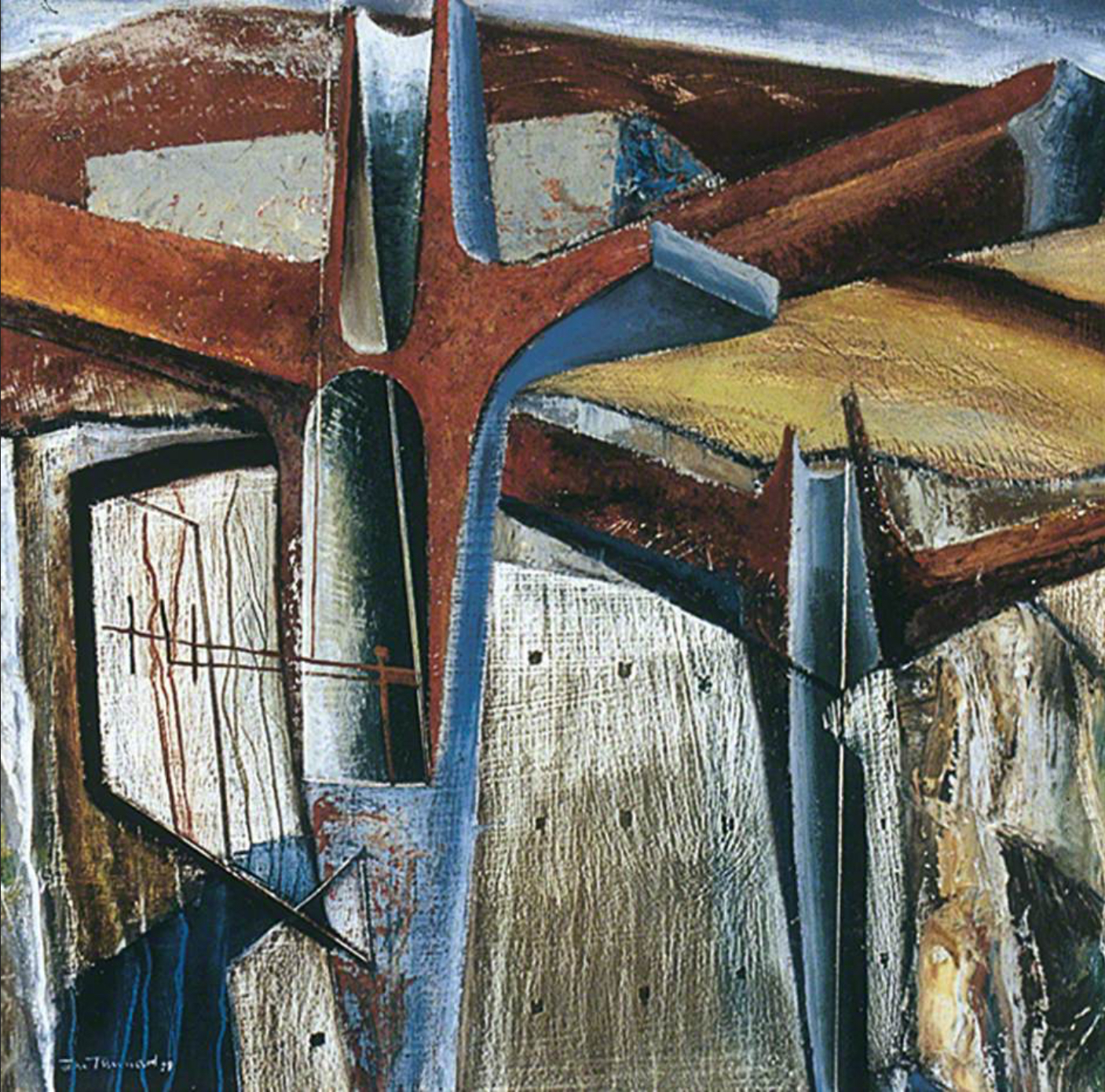
As for the rest: I would happily have stolen the Inchbold, the Tunnard seemed to approach Ignatius Riley’s “geometry and theology” criteria (although undoubtedly falling short doctrinally), and on my way back I noticed a bus going to Roundhay Park. Grimshaw lives!

Thackray Museum of Medicine

It was an unlovely walk along Burmantofts Road to the museum; grey skies, damp cold, traffic, uninspiring housing, the absence of “theology and geometry” (I’ve just finished reading A Confederacy of Dunces) all conspired against optimism. But, really, it was nothing compared to what I was about to see of life in 19th-century Leeds.

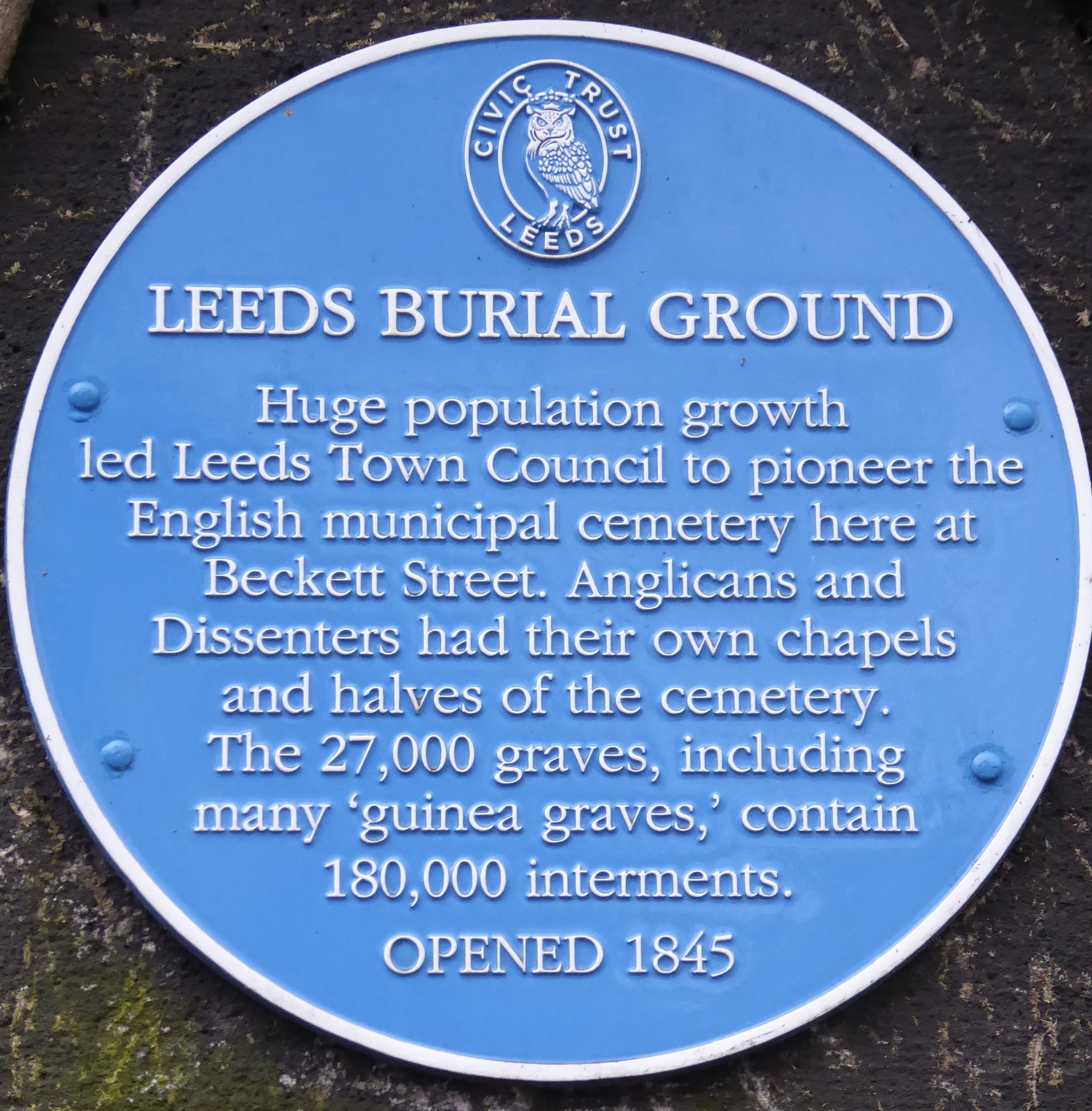
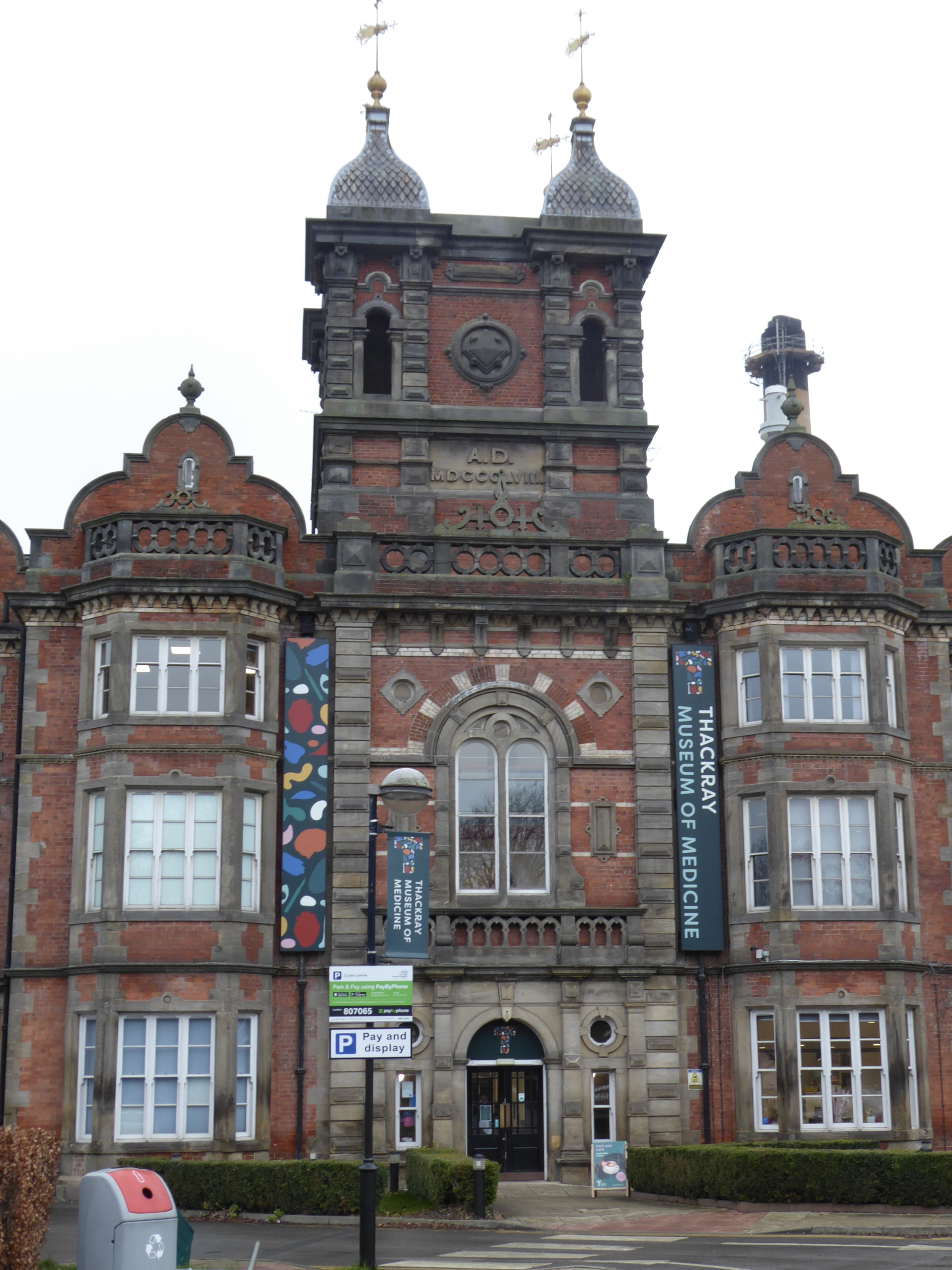
What is now the museum was originally built as a workhouse (1858) then later became a hospital. It’s imposing and ornate – lots of Dutch gables and Burmantofts tiles – but the thing that struck me at first was how BIG it is. It was built for 800 people; I don’t know how much misery and mental distress they experienced here, but living directly opposite the Leeds burial ground (27,000 graves with 180,000 interments) can’t have helped. Perhaps it was preferable to what had gone before or life outside – particularly when “life outside” in Leeds before the passing of 1848 Public Health Act seemed utterly revolting. (Edwin Chadwick as a benevolent social reformer or a centralising bureaucrat with a purely utilitarian approach to the health of the working population? Did it matter?)

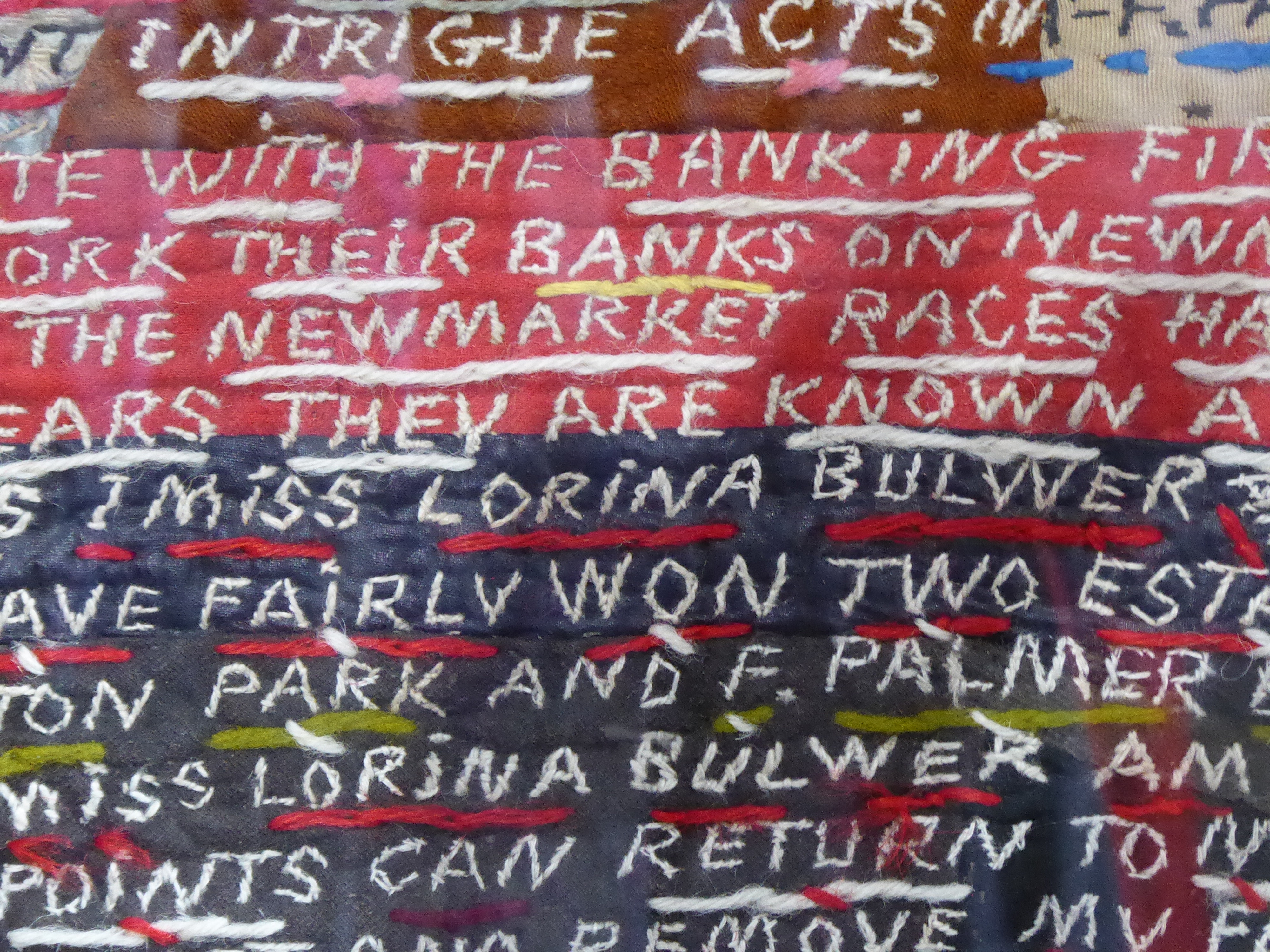
The reason I went was to see the Lorina Bulwer scroll (1904). In her fifties she was put in the lunatic ward of the Great Yarmouth workhouse, where she embroidered this. But there was so – too! – much more to take in. I started off with Disease Street and began contemplating what it must be like to live cheek by jowl with no sewerage system or rubbish disposal and polluted air. With, perhaps, a meat market/abattoir at the end of the road. Public health measures brought disease reduction in their wake. Then the treatment of diseases and illnesses, the adoption of a more scientific approach (germ theory rather than divine punishment) but still contending with deep-rooted ignorance (poor Semmelweis). Medical advances: I had forgotten that Fanny Burney underwent a mastectomy without anaesthetic, and I finally understand how an iron lung worked (although it still looks like an instrument of torture). I still have a soft spot for the unscientific, though: the doctrine of signatures, leech jars, the lovely apothecary jars, the four humours (blood, phlegm, black bile, yellow bile).

On my way back along I stopped to photograph a pointlessly polite sign and its self-important initial caps.

The Magic Flute


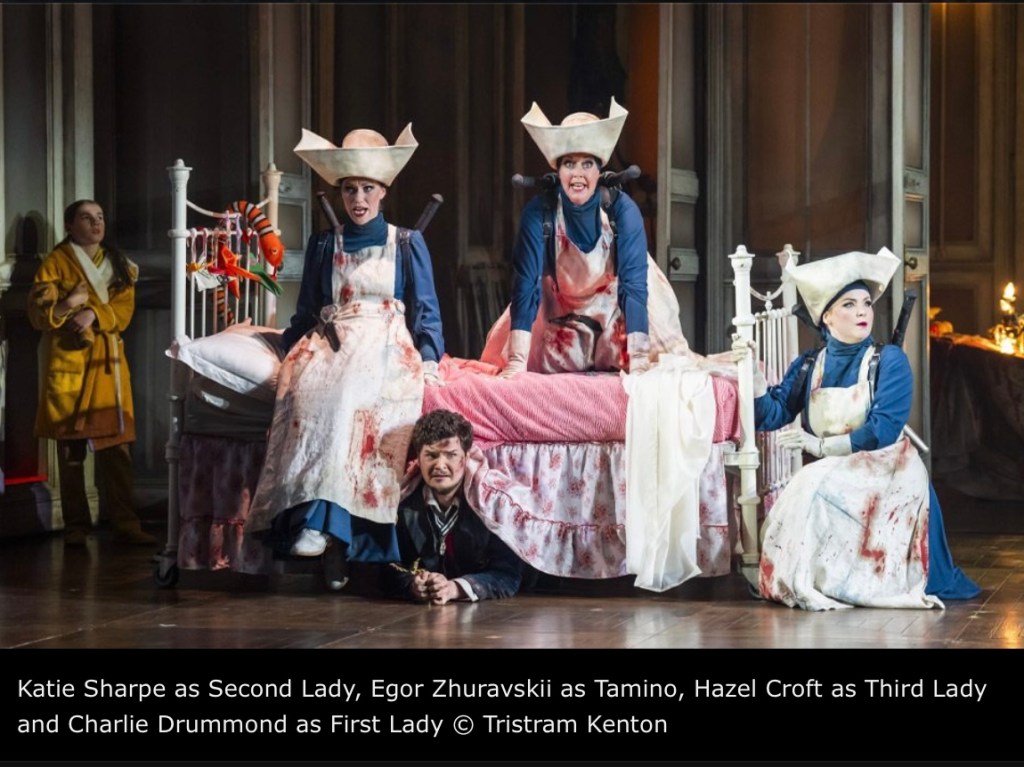
The second time I’ve seen this production and it’s still marvellous. Everything about it is wonderful – including the framing and staging, which undermines what might otherwise jar: that women = superstition and falsehood and men = rationality and truth.

  • Tamino – Trystan Llyr-Griffiths
  • Papageno – Emyr Wyn Jones
  • Queen of the Night – Nazan Fikret
  • Pamina – Soraya Mafi

The Flying Dutchman

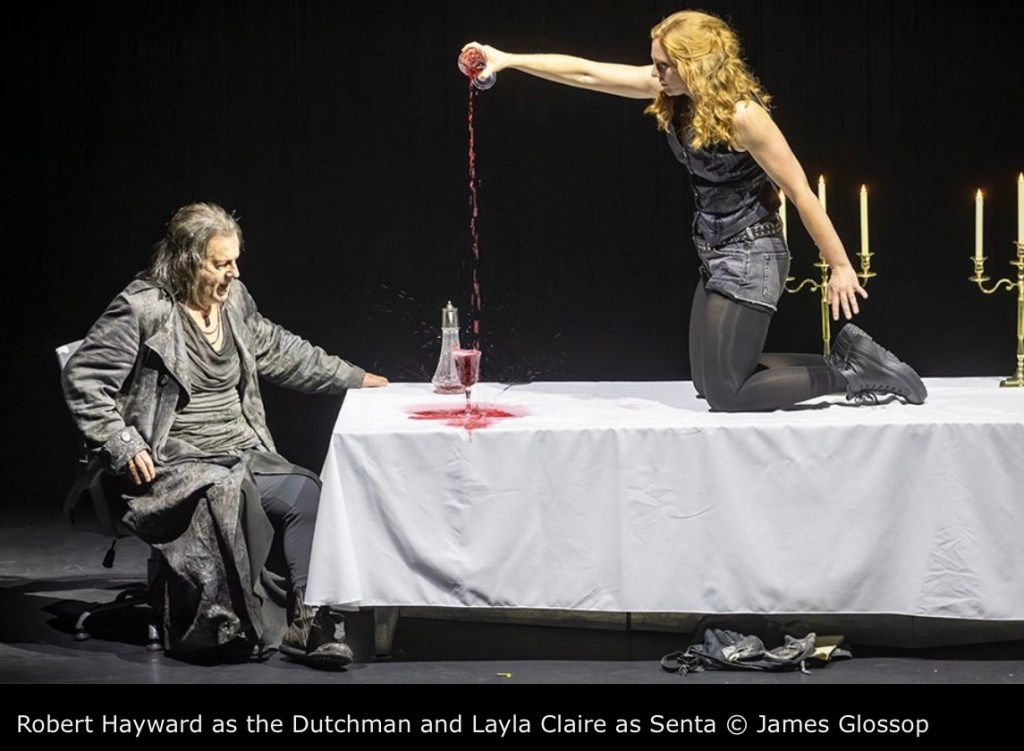
My first Wagner opera; I gather the Dutchman is entry-level stuff. At the interval the woman in the next seat turned to me and commented on how bonkers a production this was. (She was a Wagner regular.) My word would have been “incoherent”.

In this production Opera North adds the parallel stories of the lives of refugees in Leeds, who – like the Dutchman – were fleeing and doomed to roam until they could be saved. That adds relevance and empathy – but it ends up confusing. Daland’s ship is the Home Office, staffed by besuited bureaucrats; the metaphor is the ship of state, but that sinks beneath the waves as Wagner’s plot develops. The characters of Erik and the Steuermann are conflated, which means that one man is simultaneously at the helm of the ship and looking after Daland’s daughter on land. As for Senta – well, she was Wagner’s creation and he wrote the libretto, but even by opera standards she’s flaky.

The set design was occasionally fussy and off-putting: things appeared without clear reasons. The costumes were distractingly ugly: even with wearying ages at sea, why was the Dutchman dressed as a bag lady? The mirroring of clothes and movement between the Dutchman and Senta was clever – but what did it add? Ditto Senta as a Christ-like figure as she crawls around the table pouring wine.

Carping over. Maybe I need to do some reading. The music was wonderful and the singing excellent – although my neighbour and I commented on the Dutchman’s excessive vibrato.

Leeds

Over Christmas I’d watched Alan Bennett’s play “Sunset Across The Bay” from 1975 on BBC iPlayer. There’s a short scene of the bus passing City Square and the old man remembering when the statues were seen as “right rude”. (Heavens, how dirty the Queens Hotel was then! And the nymphs have moved around.) I’ve always rather liked the statues and I’d noticed that there were a few more barely-clothed figures around, so I looked out for them on my walk to the University.

The Stanley and Audrey Burton Gallery has had a change since I last visited. I was oddly taken by the work of Judith Tucker – insignificant, commonplace landscapes that are very familiar and deserve more attention. Then a painting by Wilhelmina Barns-Graham that – despite being “Untitled” – struck me (after a night at the opera) as representing three cellists. Even though I knew it wasn’t, I still stuck to it. And there was a figure by Bernard Meninsky, whom I’d come across in Hull. Not inspiring, but I can add him to my mental list. (Matthew Smith and Jacob Epstein were there too, looking very Smithy and Epsteiny.)