Love Life

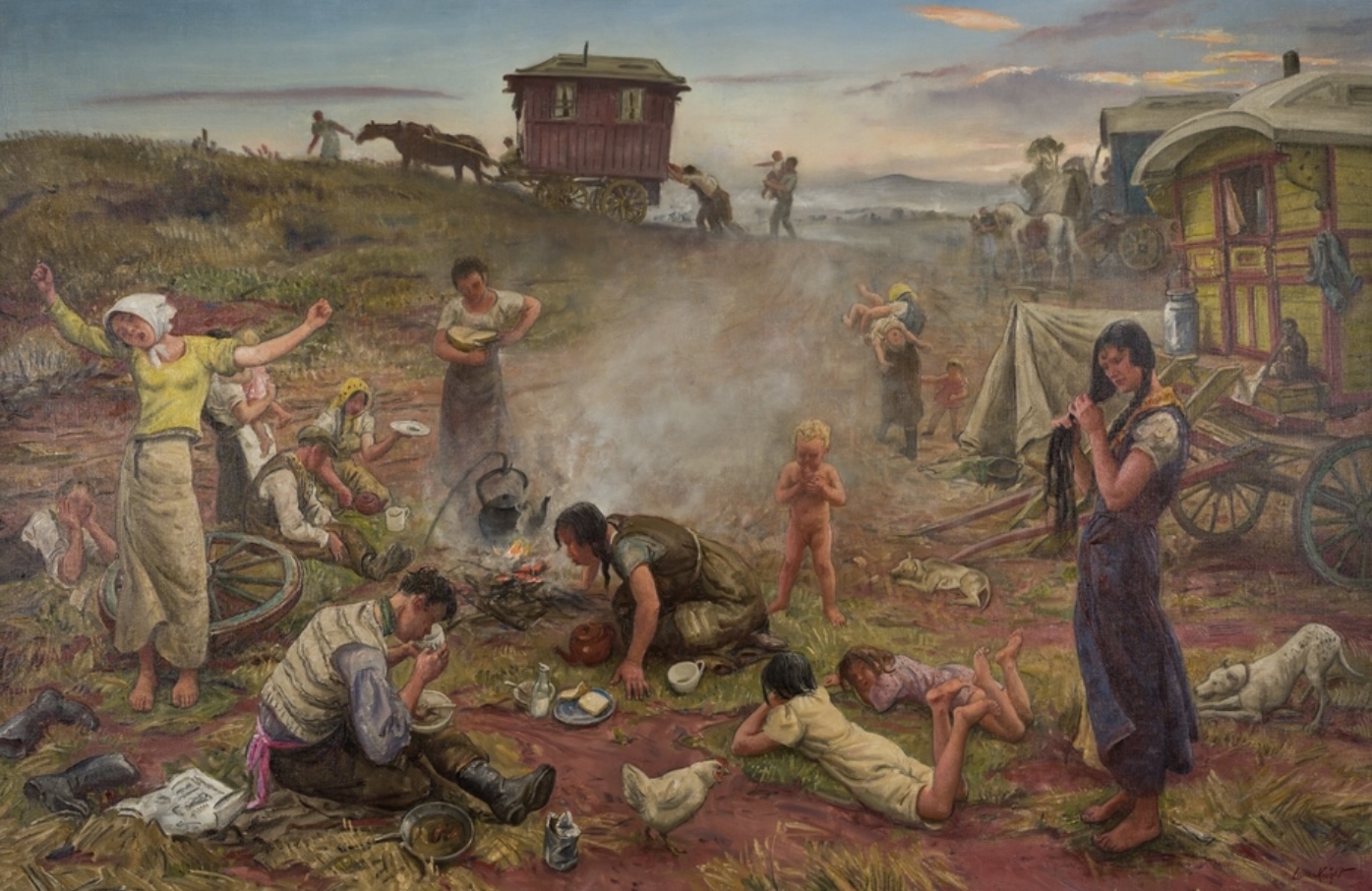
Well I certainly didn’t expect to find a link between The Travelling Players and this exuberant musical, but I did: Brechtian devices.

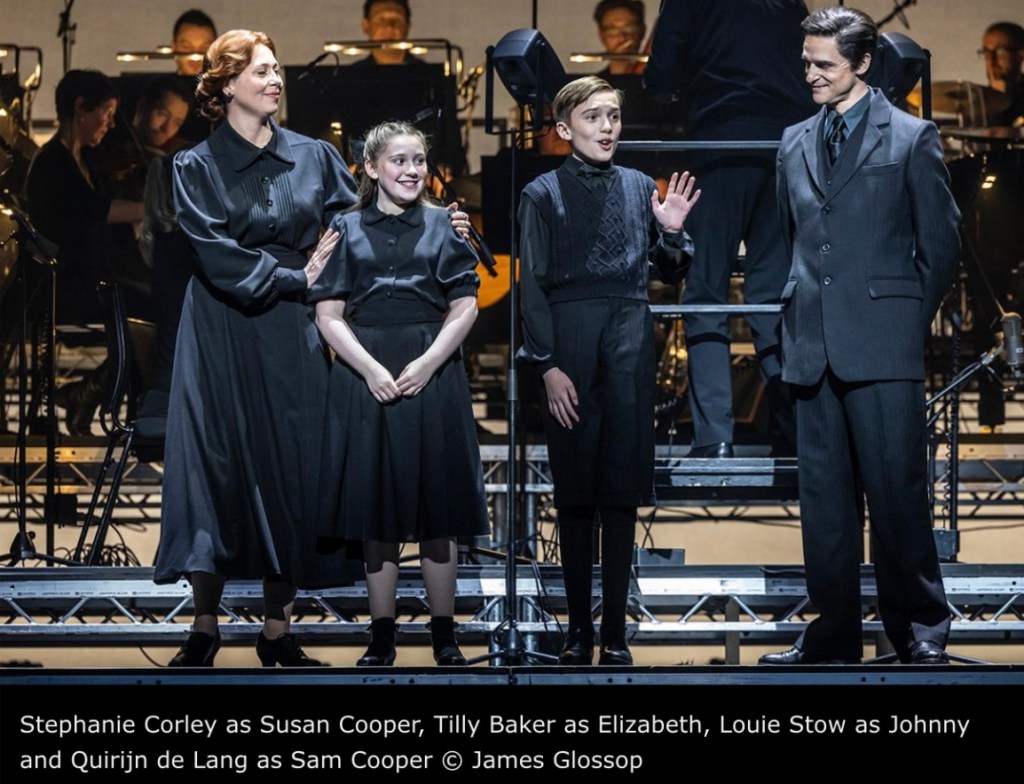
Music is by Kurt Weill, lyrics by Alan Jay Lerner. It’s a “concept musical” – no plot to speak of, but a theme runs through it. The theme here was marriage: a single marriage stretched across a century and a half, seen against the economic and social forces of the time. In 1791 everything seems simple and homespun: love, a home, a livelihood, neighbours. Perhaps there is a sense that life could be “more”, but circumstances make it implausible until industrialised progress arrives. Then come factories, taking the husband out of the house for long periods each day. Then come railways, taking him away for long periods each year. Then all the opportunities of the twentieth century . . . to become a hustler, a consumer, a self-fulfilment machine. And what about her? Always at home or demanding a vote and a career? And when the career is really just a job that tires you out by the time you return home – what then?

The musical was framed in a vaudeville show, with each act as a kind of Zeitgeisty Greek chorus. It also ensured that it was great fun. How can you not warm to a male octet singing jauntily about progress or a male quartet on economics? Had the audience known the words, they would surely have joined in with the Women’s Club Blues! The orchestra was up on stage as the backdrop, and I began to think of the conductor as a big band leader.

Ruddigore

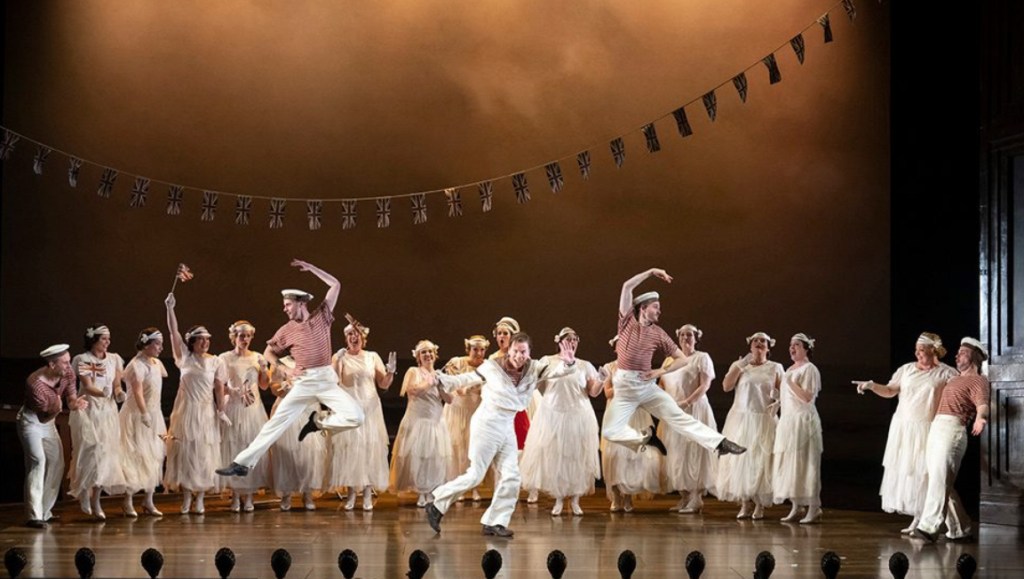
I’ve never seen a Gilbert & Sullivan opera before. Great fun and brilliantly staged. I managed to get to the pre-show talk this time, where I learned that it satirised “transpontine melodrama” – and, here, the bridge was the one over the Thames. So “south of the river” has a long reputation for being infra dig.

Even by the standards of opera, the characters were caricatures. The only moment of real feeling (besides mirth) was in a pretty, sentimental duet – “There grew a little flower” – between an elderly maiden and a ghost. I came out still humming the bridesmaids’ song.

  • Sir Ruthven – Dominic Sedgwick
  • Rose Maybud – Amy Freston
  • Richard Dauntless – Xavier Hetherington

A Midsummer’s Night Dream

I mistimed this one. I knew nothing about the opera before I went – not even the composer (Britten) – and was going to rely on the pre-show talk to fill me in. So I prepared to set off for the 6 p.m. start of the talk . . . and discovered that it had started at 5 p.m. The opera itself started at 6 p.m.

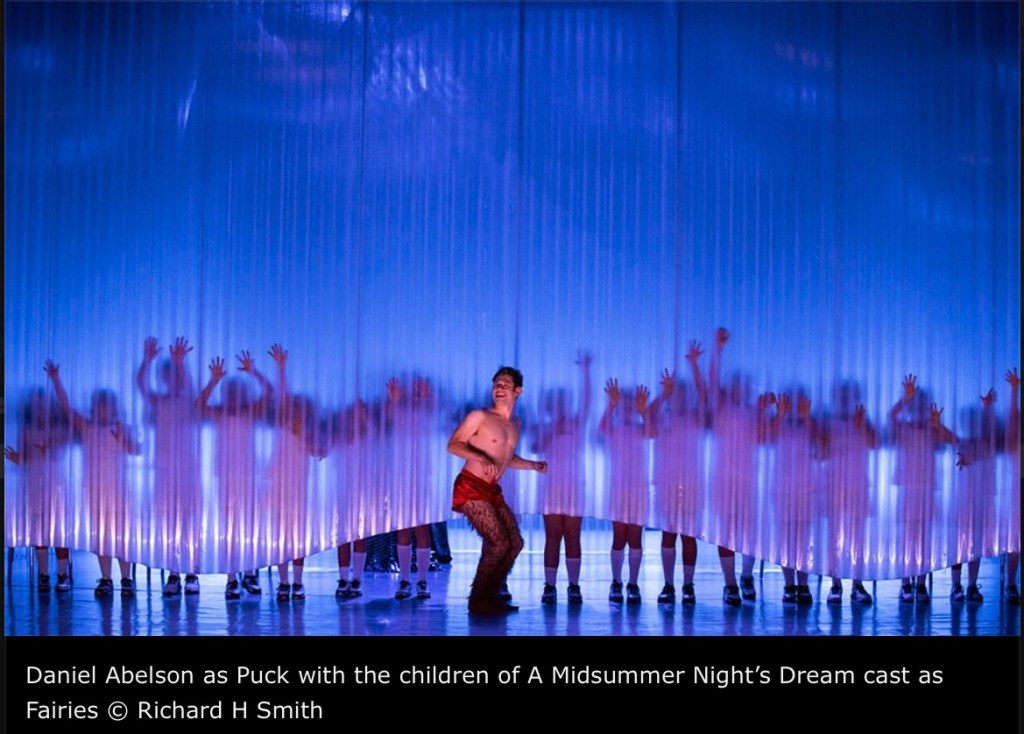
So I went in unprepared. Not that it mattered – and, besides, we’d “done” the play in school (O-level perhaps) and some lines, memorised for exams, called back to me across the decades. The early start, I’m guessing, was for the sake of the slightly creepy fairies – average age 10, working hard on a school night.

It was good. Unusual choices (Oberon was written for a counter-tenor, the wood was represented by sheets of perspex) and a sixties setting. The music introduced me to tone painting and started eerily. Non-singing Puck was very good – shades of Gollum or even Mutley – but somehow the sense of the physical world reflecting fairy discord was lacking.

I liked the thought that its premier was in the Jubilee Hall, Aldeburgh. La Scala, eat your heart out.

  • Oberon – James Laing
  • Tytania – Daisy Brown

York art gallery

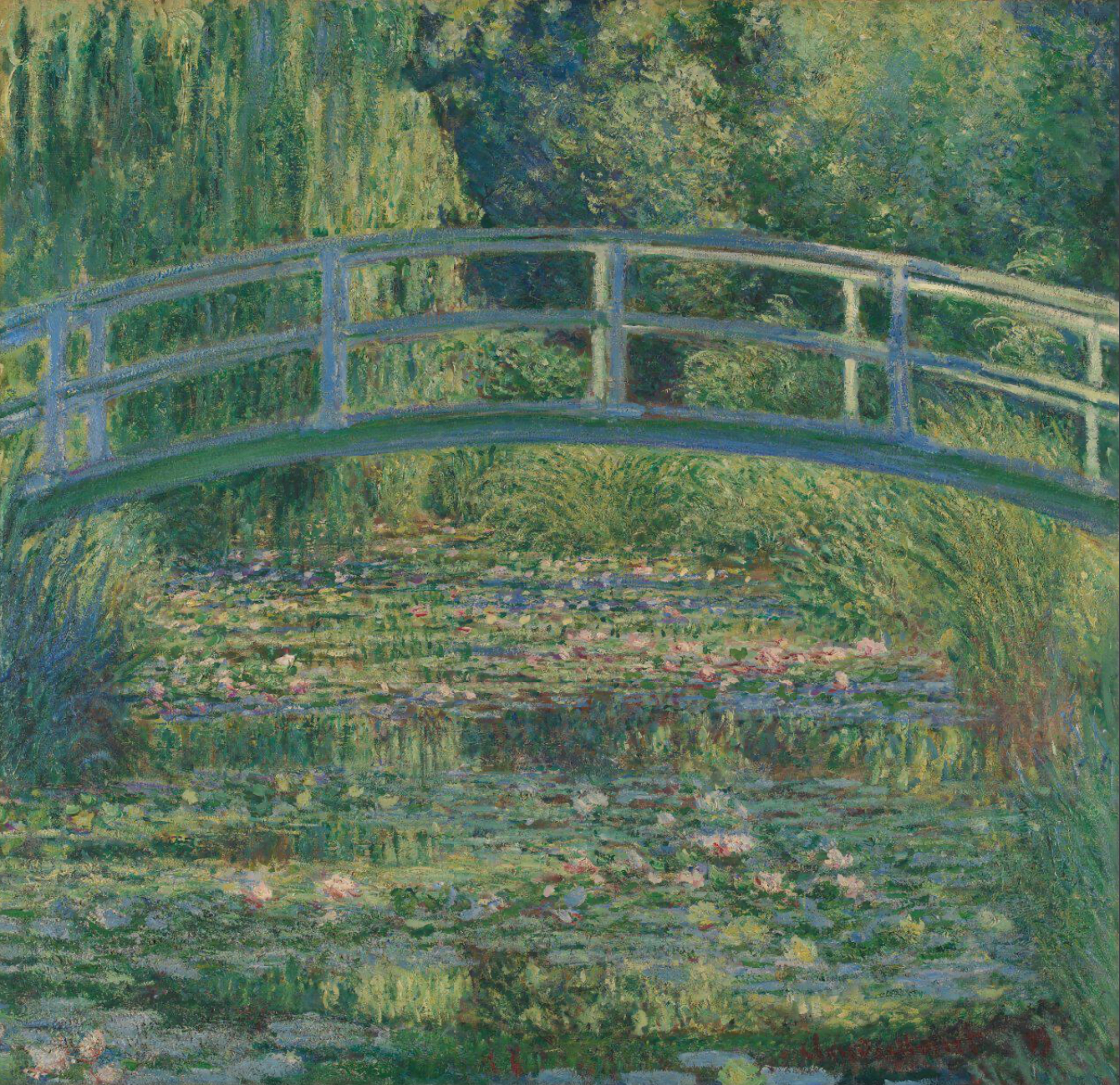
The National Gallery is currently lending some of its big names to smaller art galleries, so York has one of Monet’s lily ponds – and hence a hook on which to hang a whole exhibition. Firstly Monet’s precursors: plein air painting, Barbizon, Camille Corot, Théodore Rousseau, François Daubigny, Eugène Boudin, more Japanese woodblock prints (particularly influential in the practice of depicting the same scene under different light and weather conditions). Then those who, in turn, were influenced by Monet like Wynford Dewhurst (one work borrowed from Bradford!) and Thomas Meteyard.

It was great to see up close the blobs of paint that so beautifully represented the lilies; it overcame the sensation of familiarity that you can’t help but feel when seeing such a famous painting and made it exciting again.

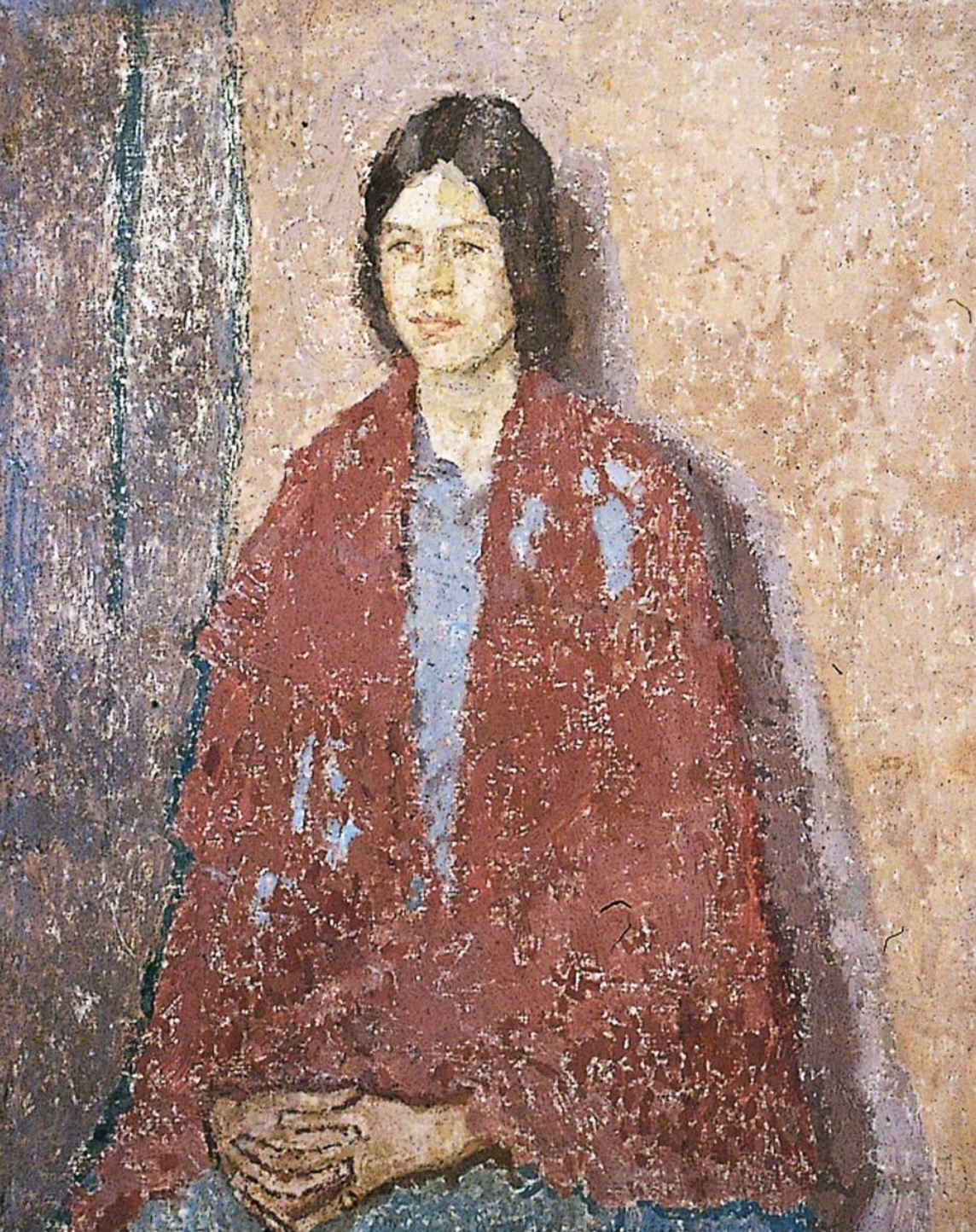
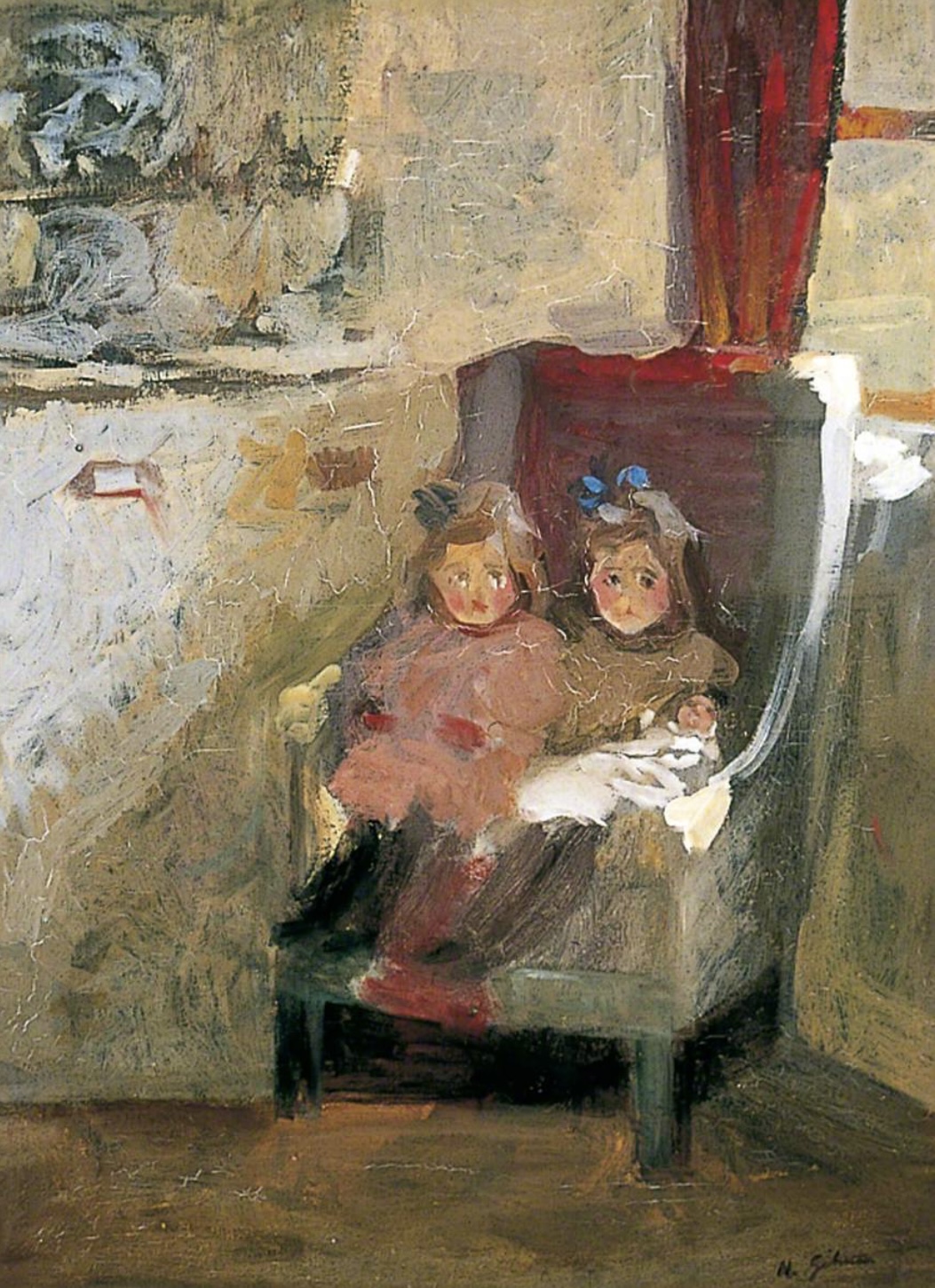
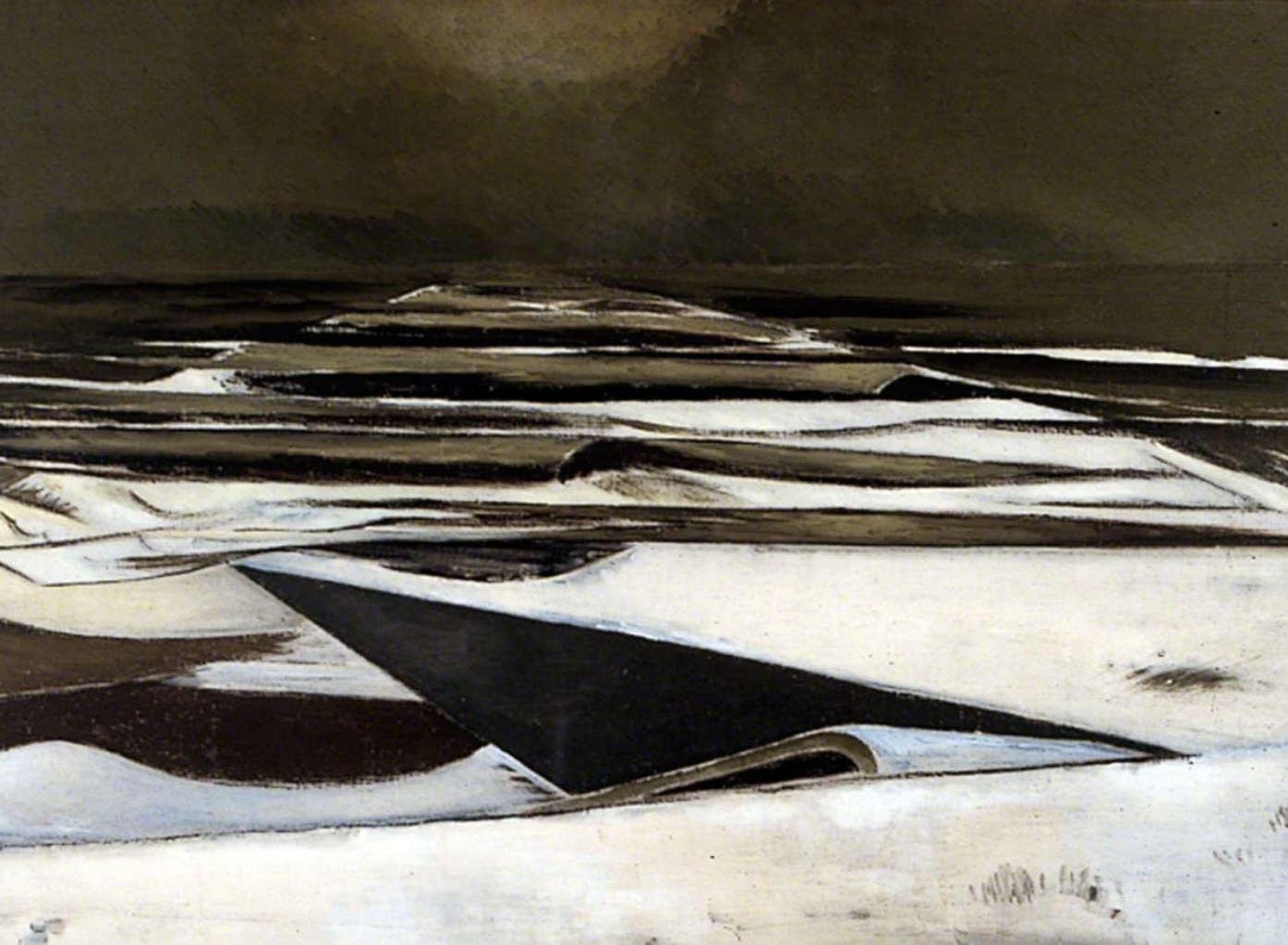
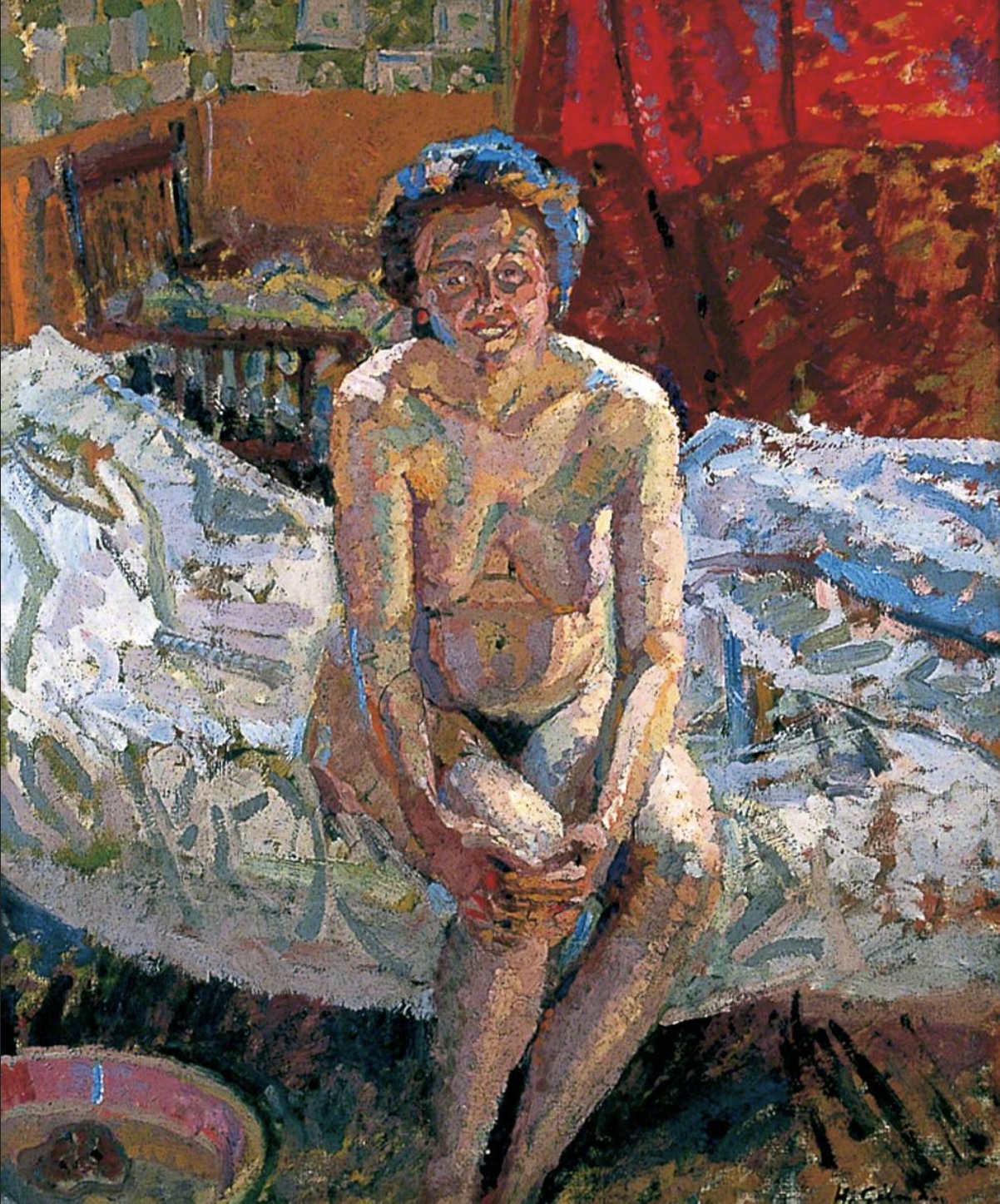
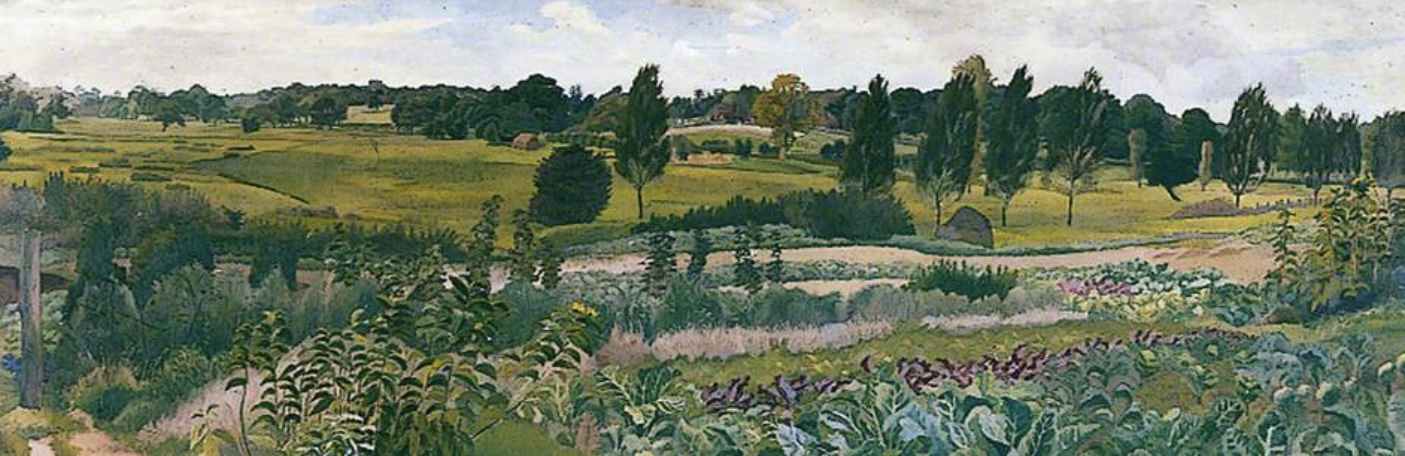
And then to the rest of the gallery, which taught me that I really don’t like the muddy tones of Walter Sickert and Harold Gilman* and I’ve had my fill for now of Gwen John’s stasis and meticulousness. Ethel Walker was there, along with Laura Knight, Paul Nash, Stanley Spencer and rather too many by local boy, William Etty, in a very pleasant gallery space.

* although the online reproductions are more colourful than the paintings on the wall.

Cartwright Hall

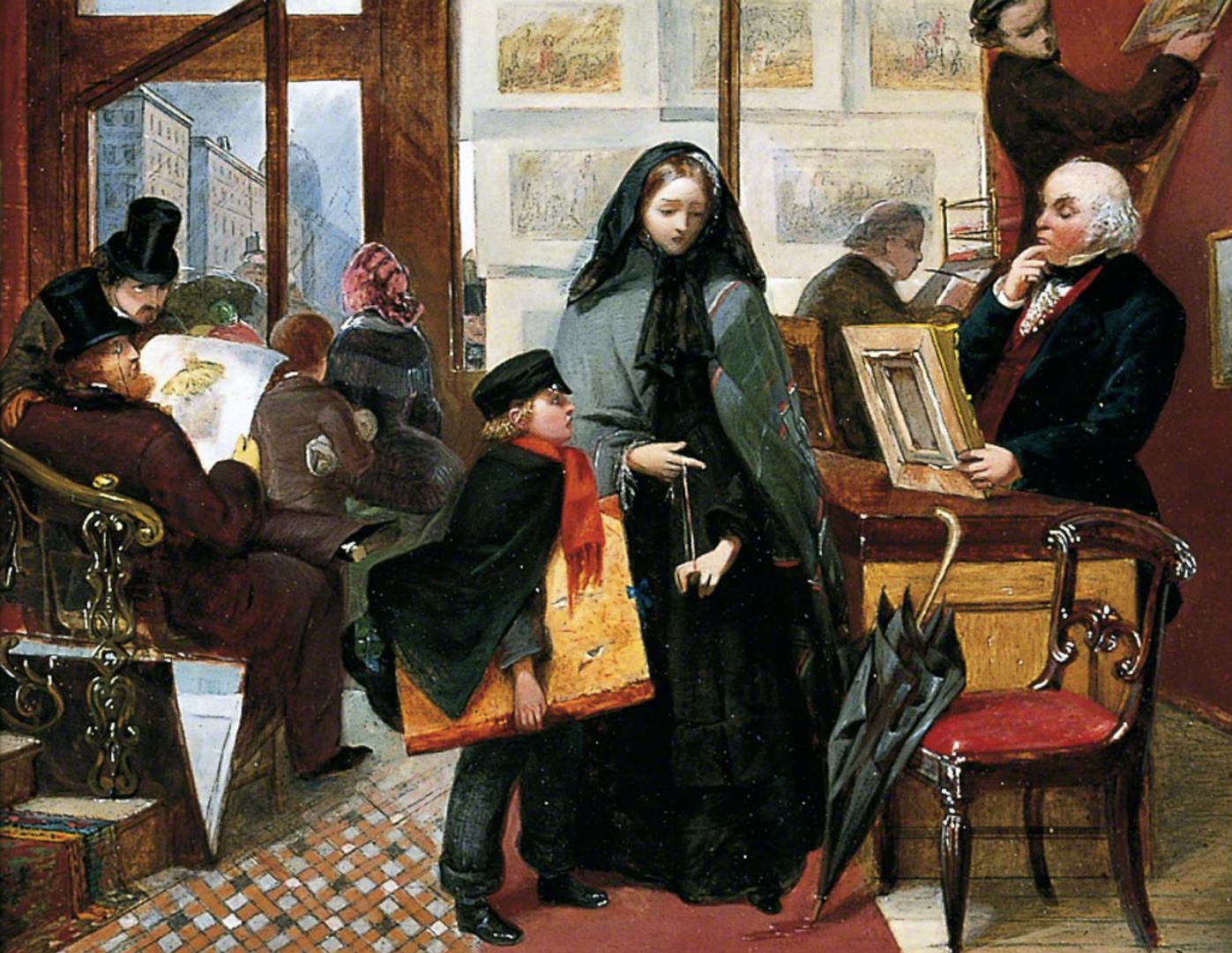
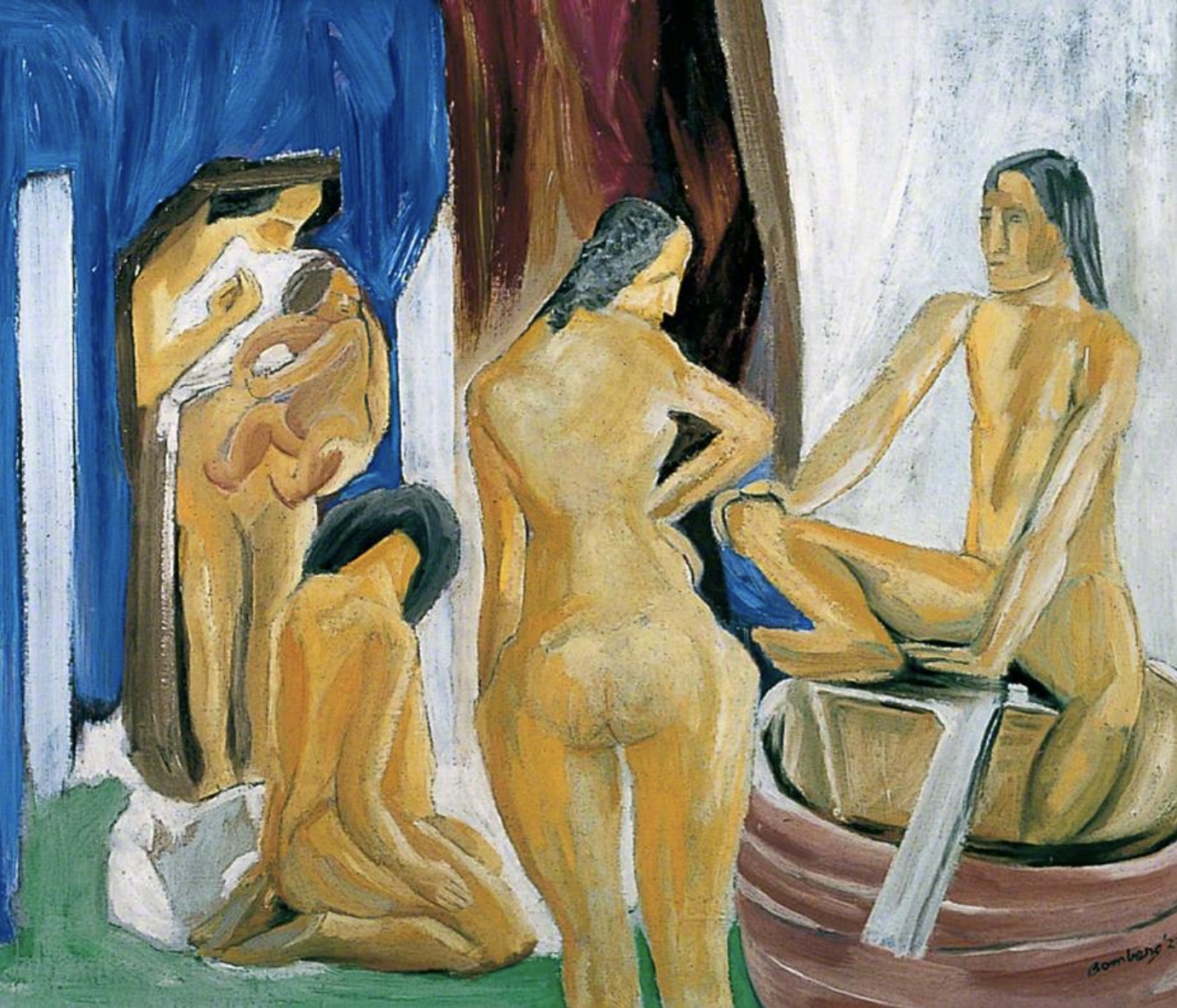
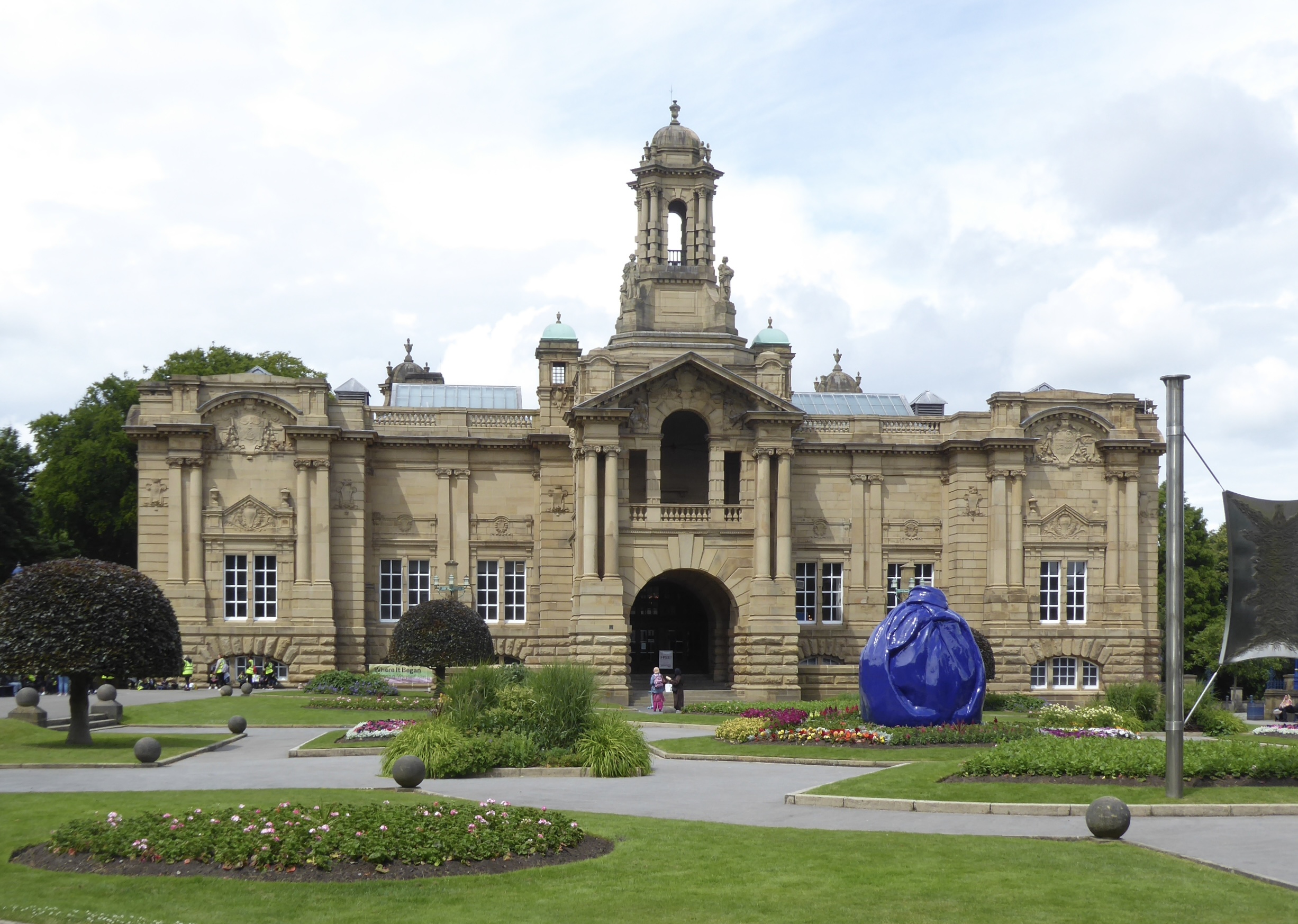
Bradford will be the 2025 City of Culture, so Cartwright Hall – in a lovely park in Frizinghall – is looking its best. It was built on land and money donated by a local textile manufacturer and is a mixture of “the usual suspects” (e.g. Clausen, Spencer, Hillier) and South Asian exhibits. At present there is an exhibition by Osman Yousefzada looking at migration, identity and community. Lots of wrapped objects, including the statue on the parterre in front, to echo the packages people make to carry around. I had a flashback to the mother in “Tokyo Story” making up and unpacking her little bundle.

Amongst the familiar (and sometimes rather dull) Victorian paintings there were little jolts to the eye like “Exodus Lahore” by Sylvat Aziz – more difficult to parse at first than, say, yet another massacre of the innocents, but that brought home to me the limits of my cultural grasp.

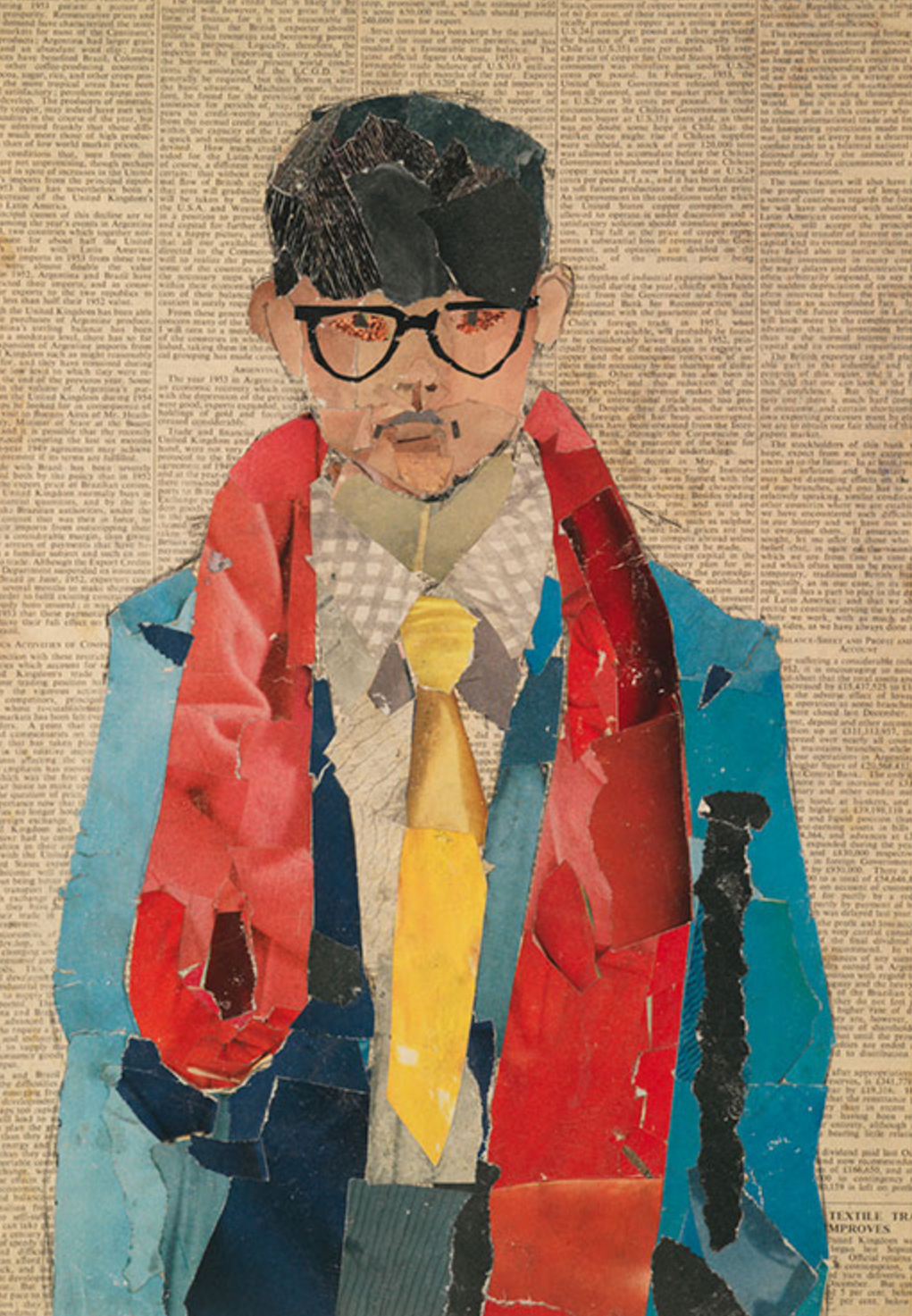
There was also a gallery of work by David Hockney. Once again I wandered round rather uninterested but was suddenly hooked by something – this time a delightful collage self-portrait that made me smile and embodied perfectly his unflagging creativity.

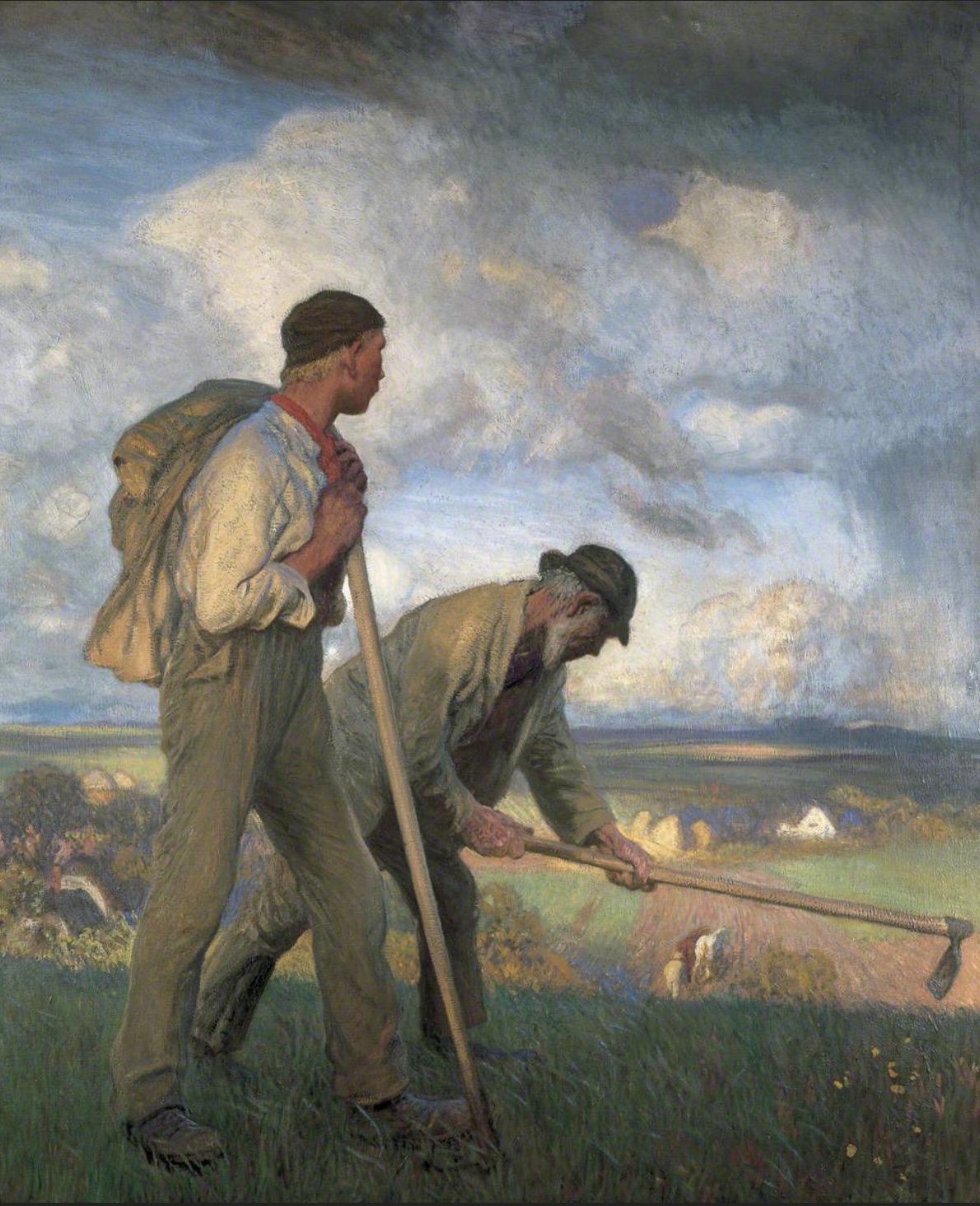
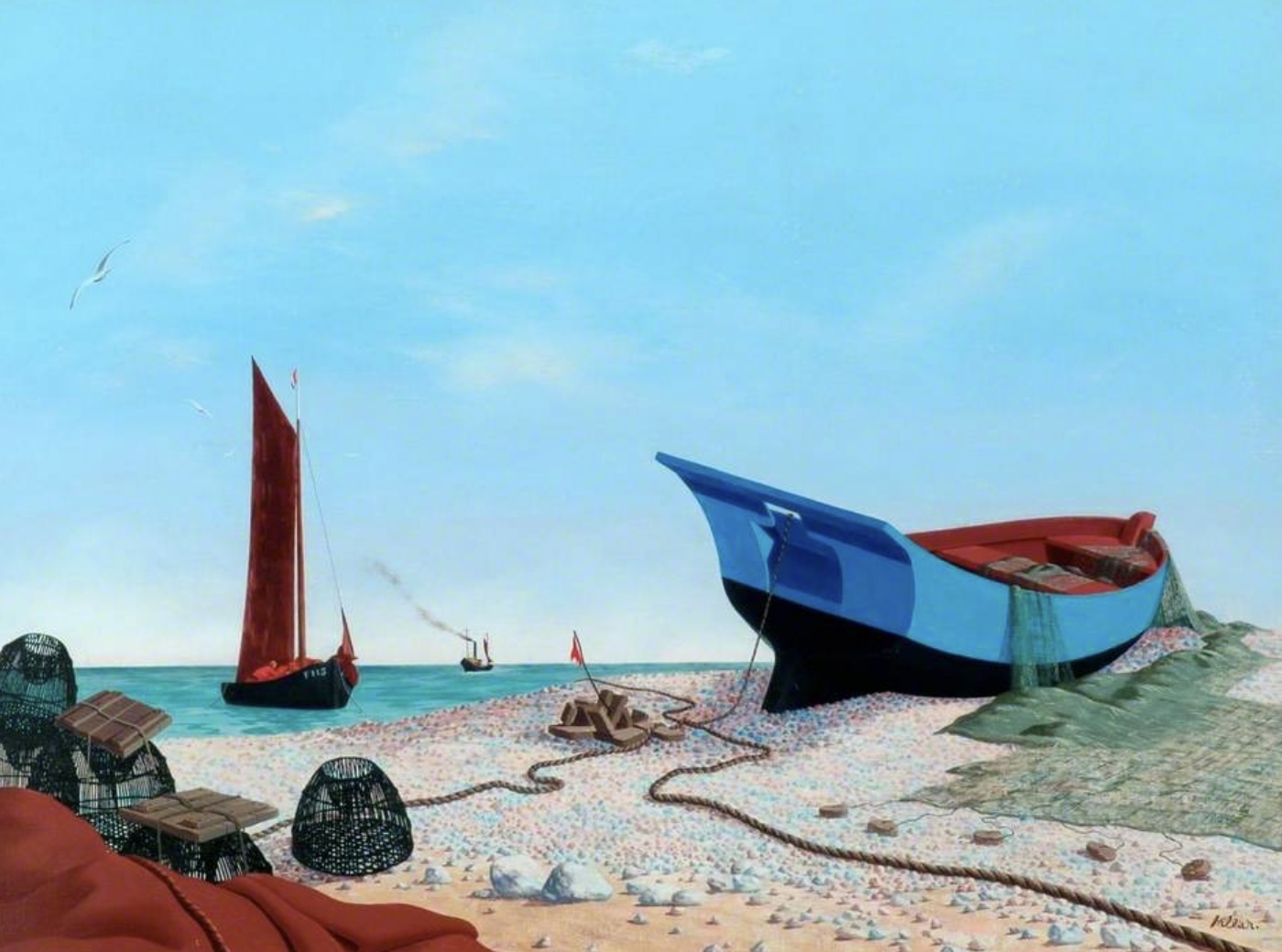
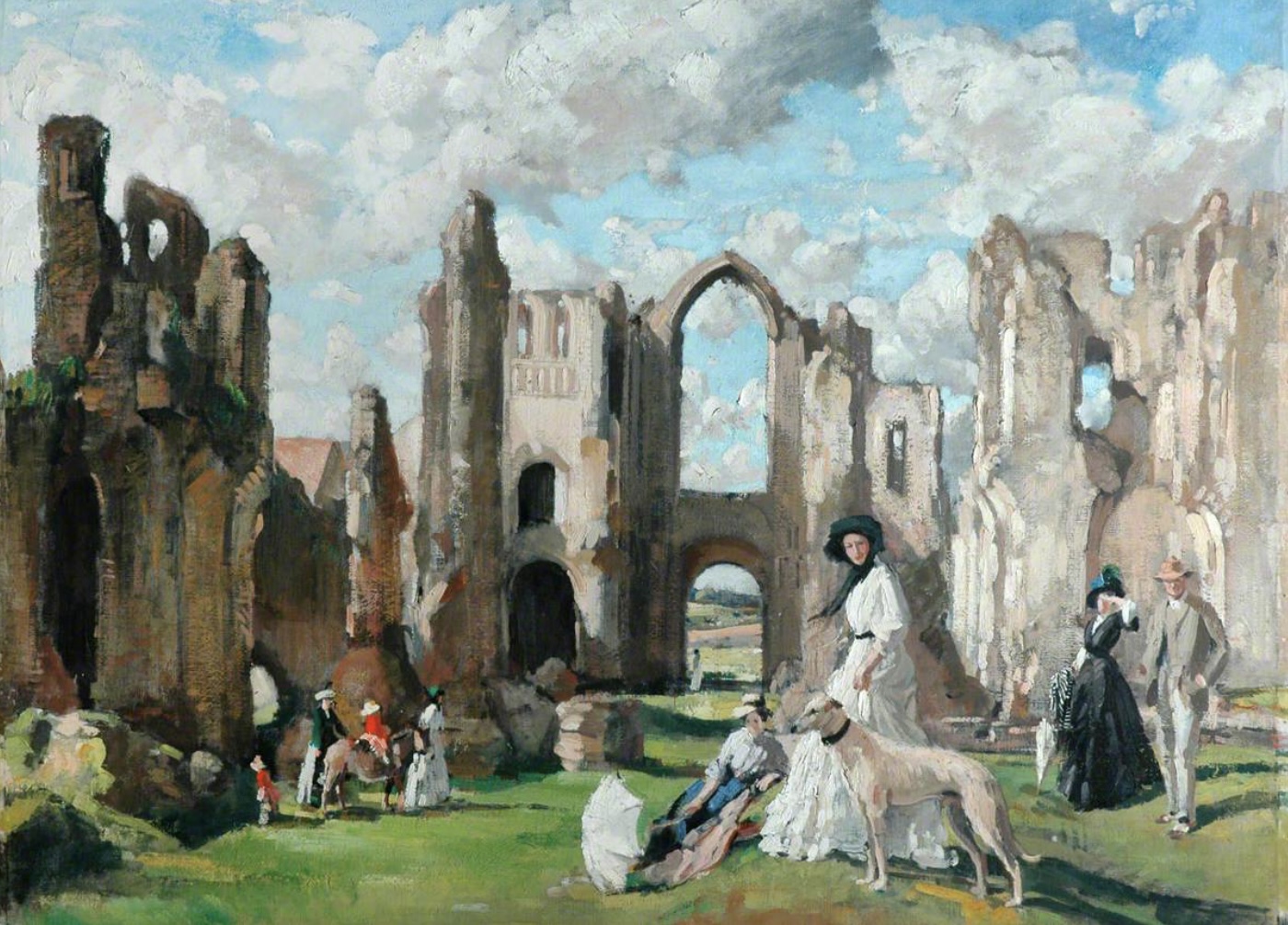
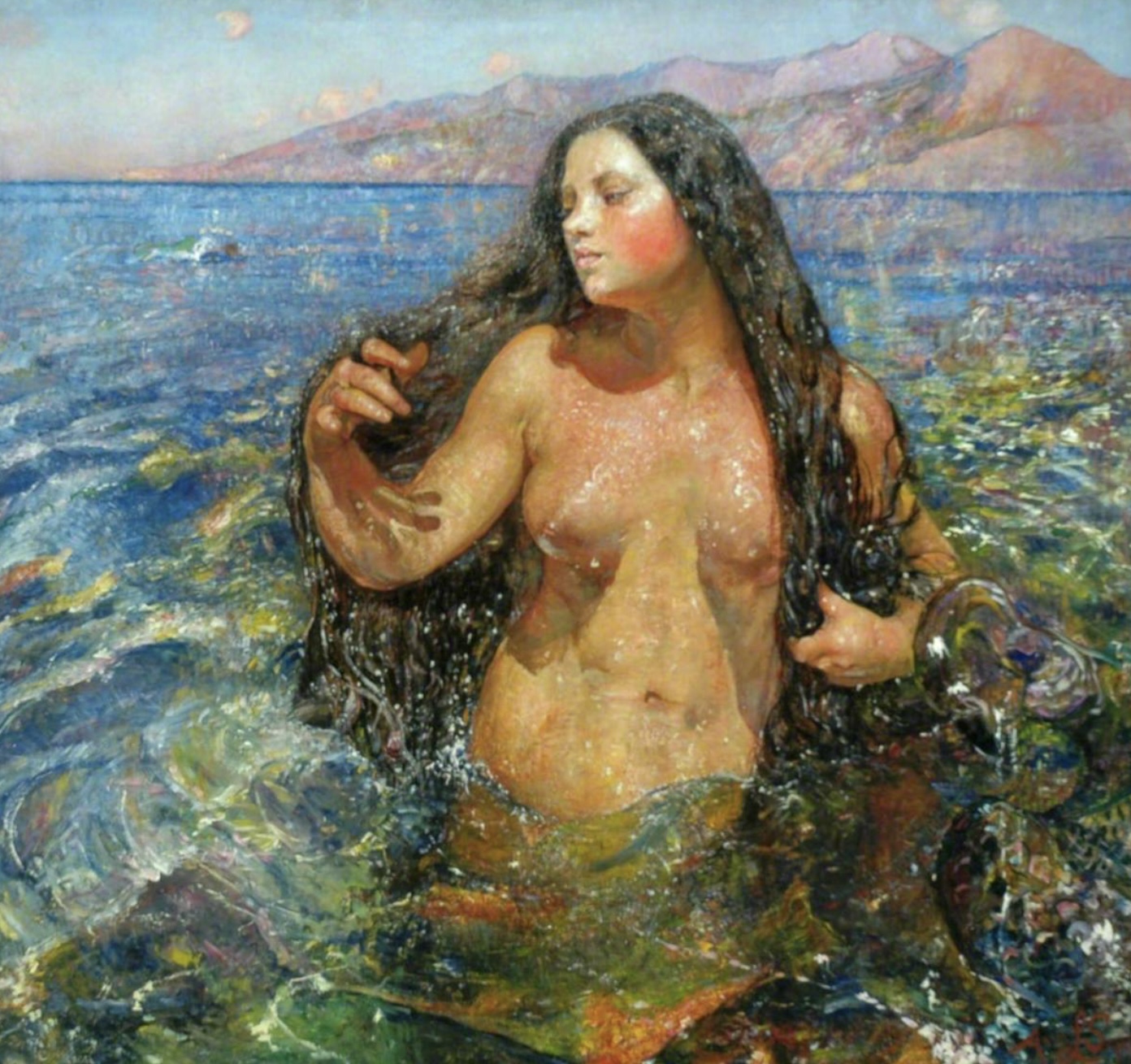
Flicking through the ArtUK website afterwards, I had a glimpse of the lending of artworks around galleries: I had seen the Connard last month in Southport, the Tuke last year in Newcastle and the Swynnerton either in Manchester or London.