Around Lincoln

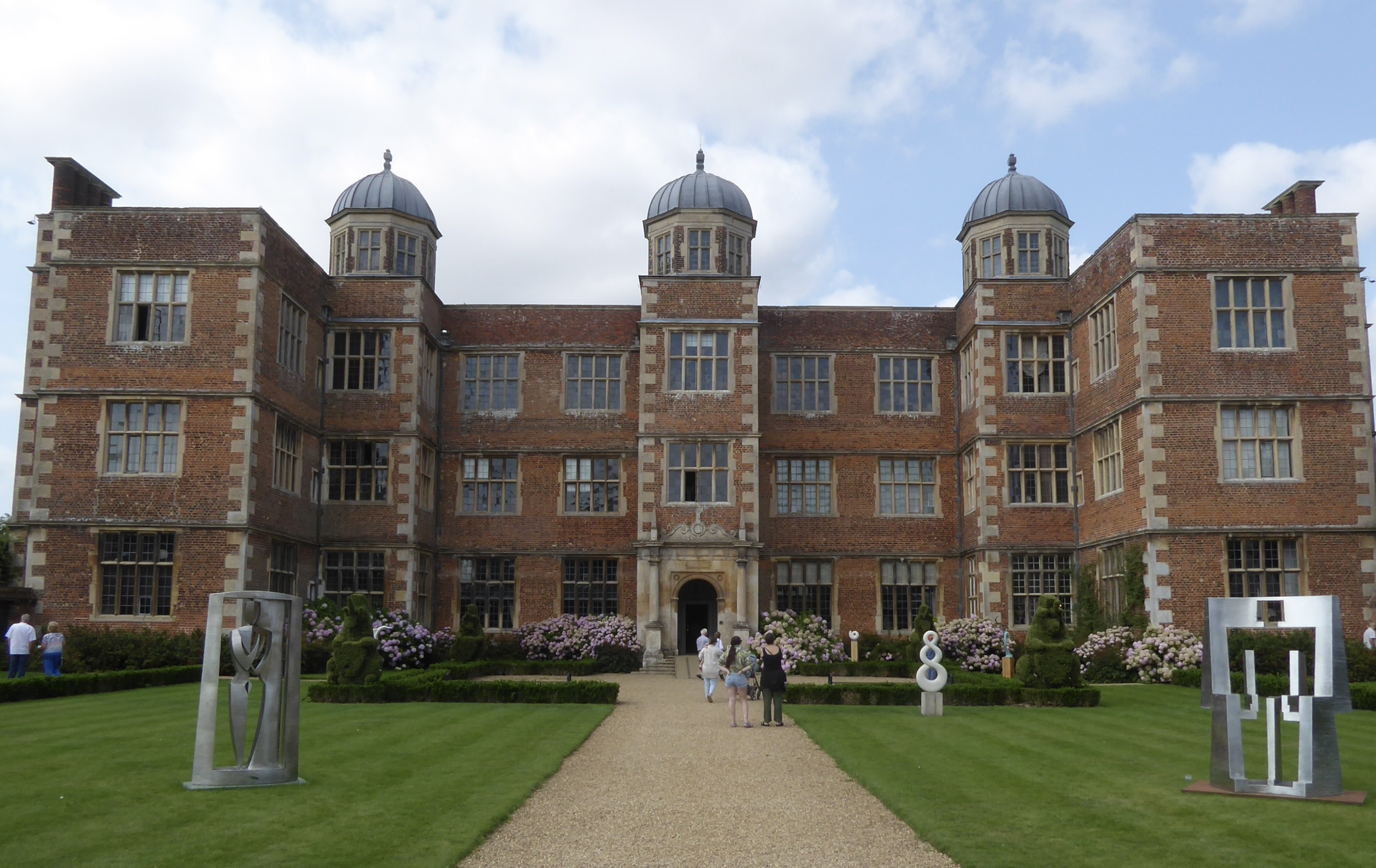
Usually I manage to find something that stops me in my tracks when visiting country houses. Just enough to overcome my latent cynicism that I am colluding in a family’s scheme to ensure that their sons and grandsons continue to go to Eton. It didn’t quite work with Doddington Hall. It’s certainly impressive and I liked the brickwork (the clay from nearby pits). It was designed by Robert Smythson (he of Hardwick Hall) at the end of the sixteenth century for Thomas Tailor, a Registrar to the Bishop of Lincoln. His wealth probably came partly from kickbacks and rake-offs – and he was able to build this showy place outside Lincoln with a view of the cathedral in the distance. My latent cynicism was offered a foothold . . .

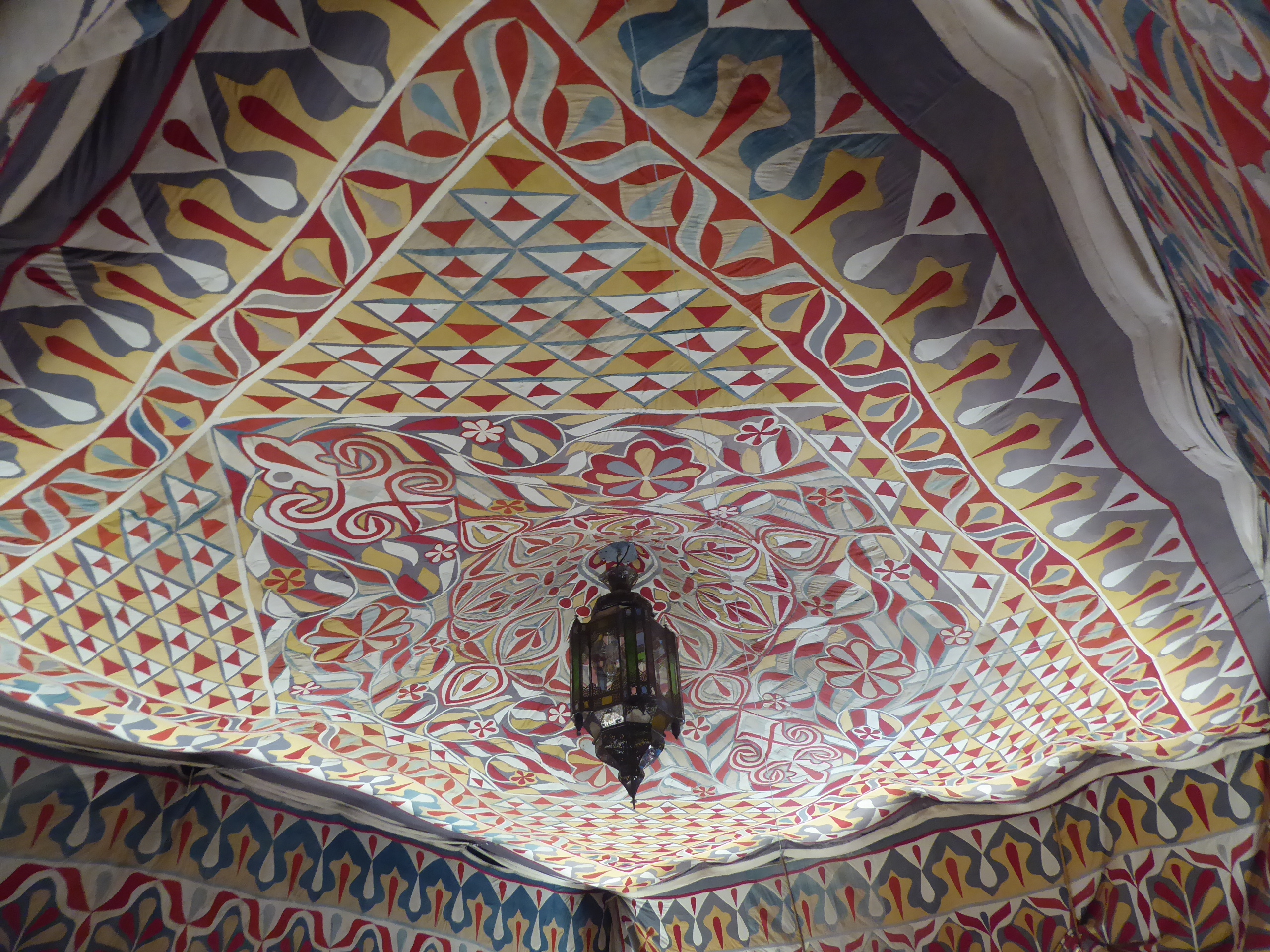
Outside was Tudor but inside was Georgian. There was a breast-plate and jerkin with the bullet-hole that killed someone in the Civil War at Gainsborough which we had been told to look out for. More attractive was a wonderful tent – more of a marquee: Egyptian-made, all by hand, appliqué, late 19th century and enormous. It used to be erected on the lawn outside . . . so Lawrence of Arabia meets Doddington Hall. It was rather shocking to think of something so painstakingly made being subjected to the vagaries of English weather – but I guess “riches” is not giving a damn about such things – the certainty that there will always be servants/craftsmen ready to make you another one. Fussing about damaging or repairing things is for little people. The house and grounds are their own little business, attracting lots of visitors and, presumably, providing lots of local employment. I preferred to hop over the wall and wander in the nearby wood to try out the Merlin app on bird calls.

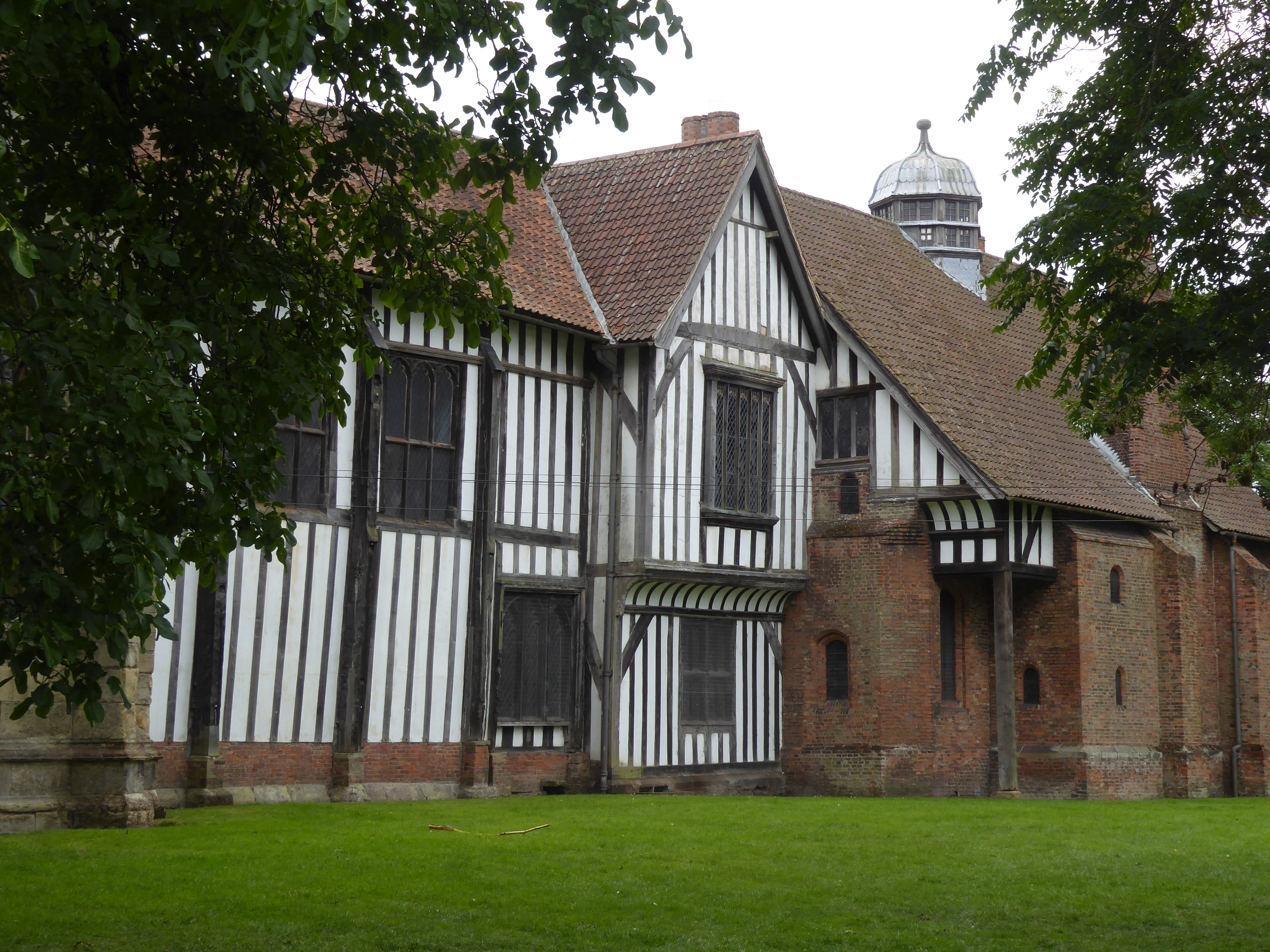
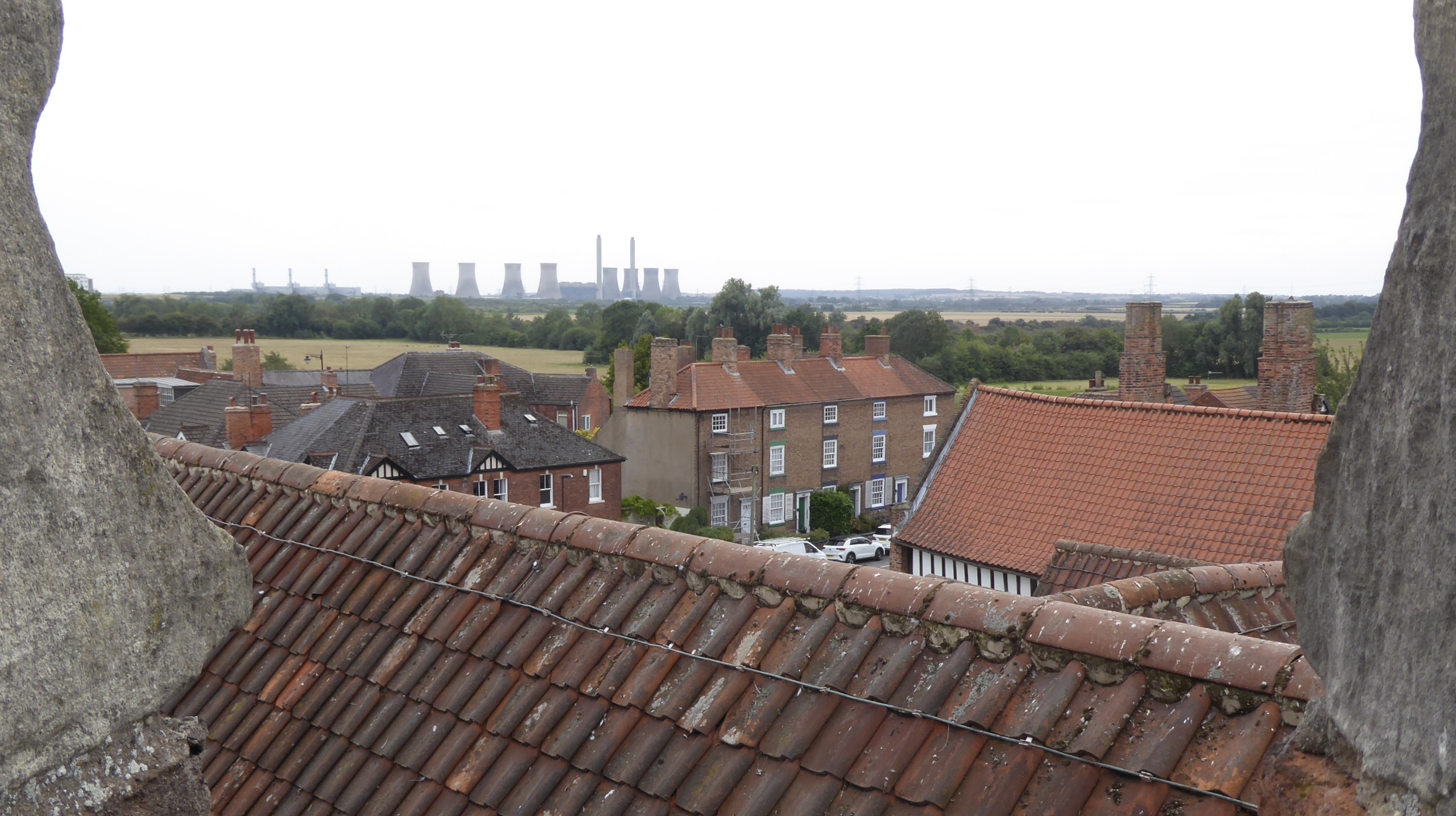
Gainsborough Old Hall was different. Founded by someone who wove his way unscathed through the War of the Roses, but later abandoned and put to commercial and municipal uses. No teazles on cushions, no corded ropes and hardly any “do not touch” notices. You wander at will, raiding the dressing-up rail and looking for apotropaic taper burn marks. I climbed up the tower and had a good view of Cottam cooling towers – destined to be demolished next week, according to Wikipedia. Not a word about them as they were outside our period – but they are as much a part of our heritage now as old family houses.
Lincoln day 2

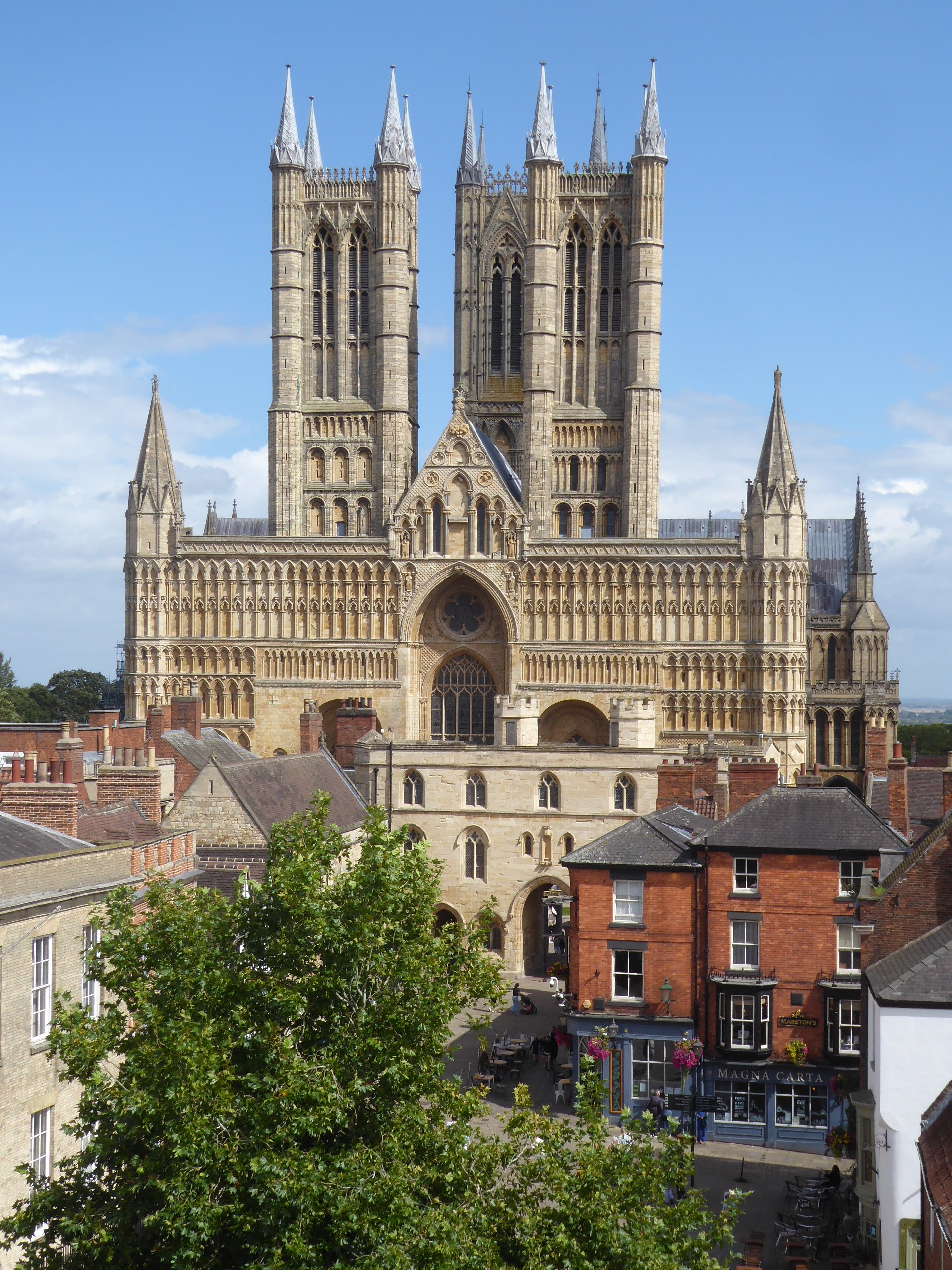
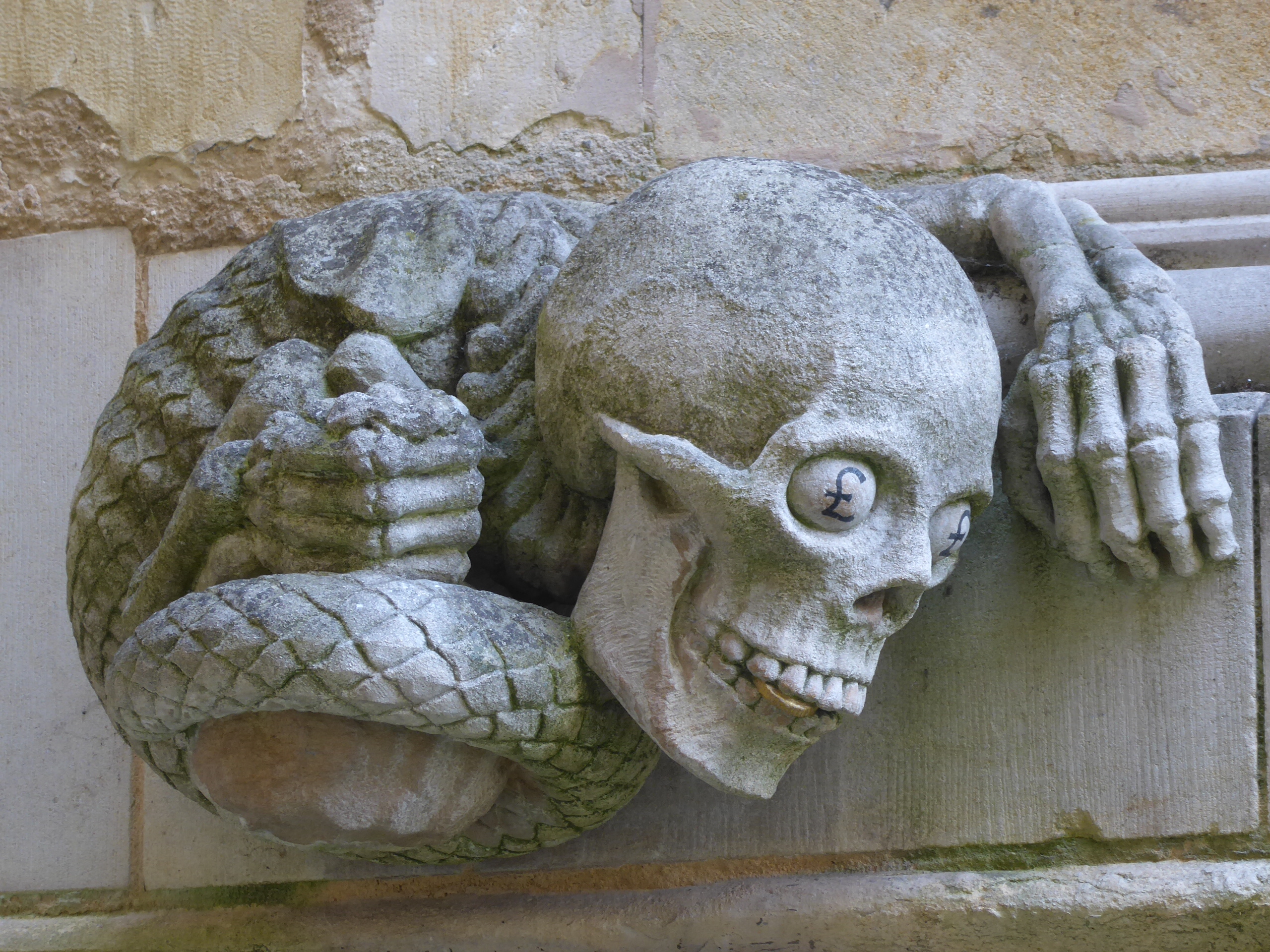
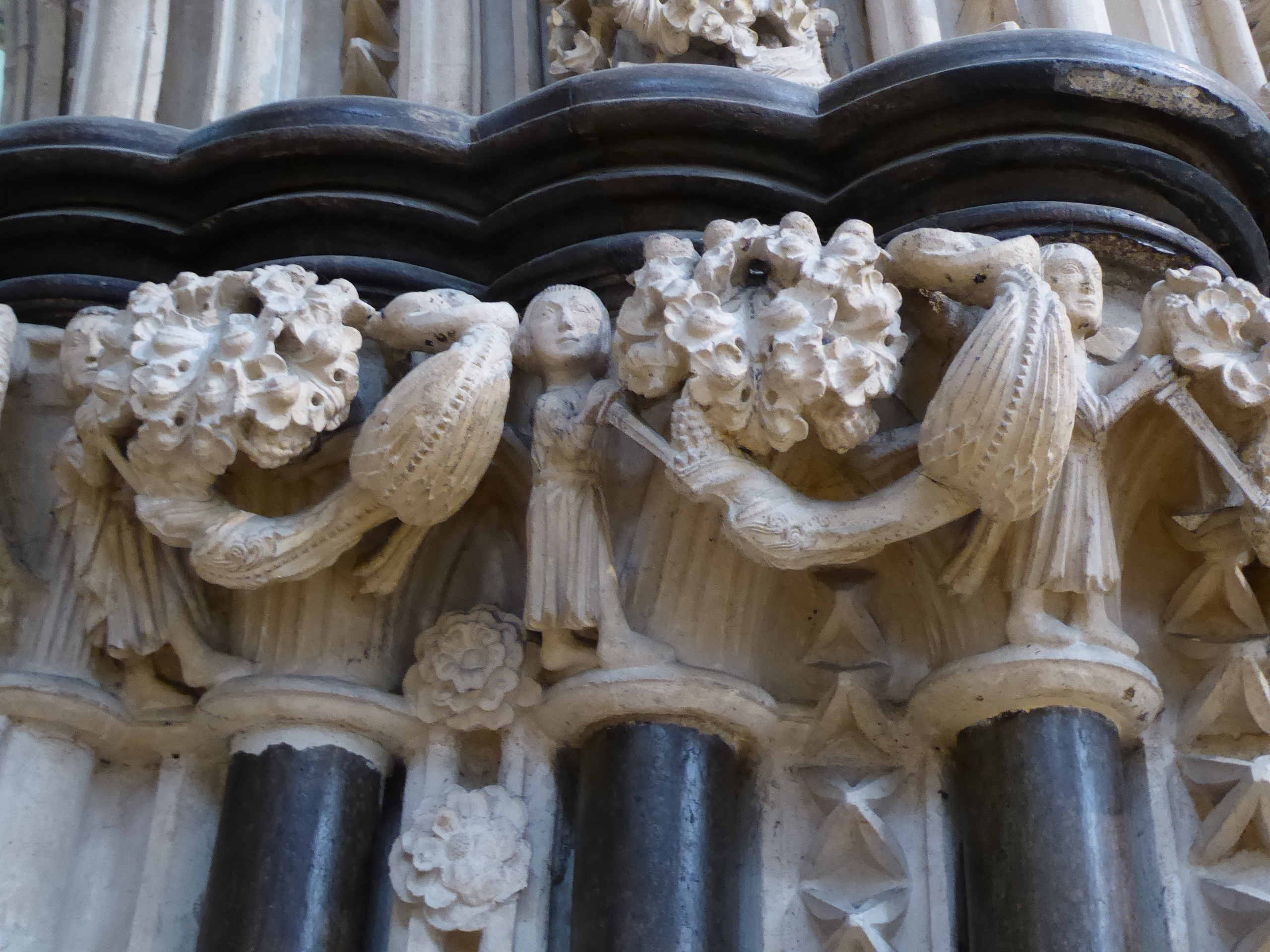
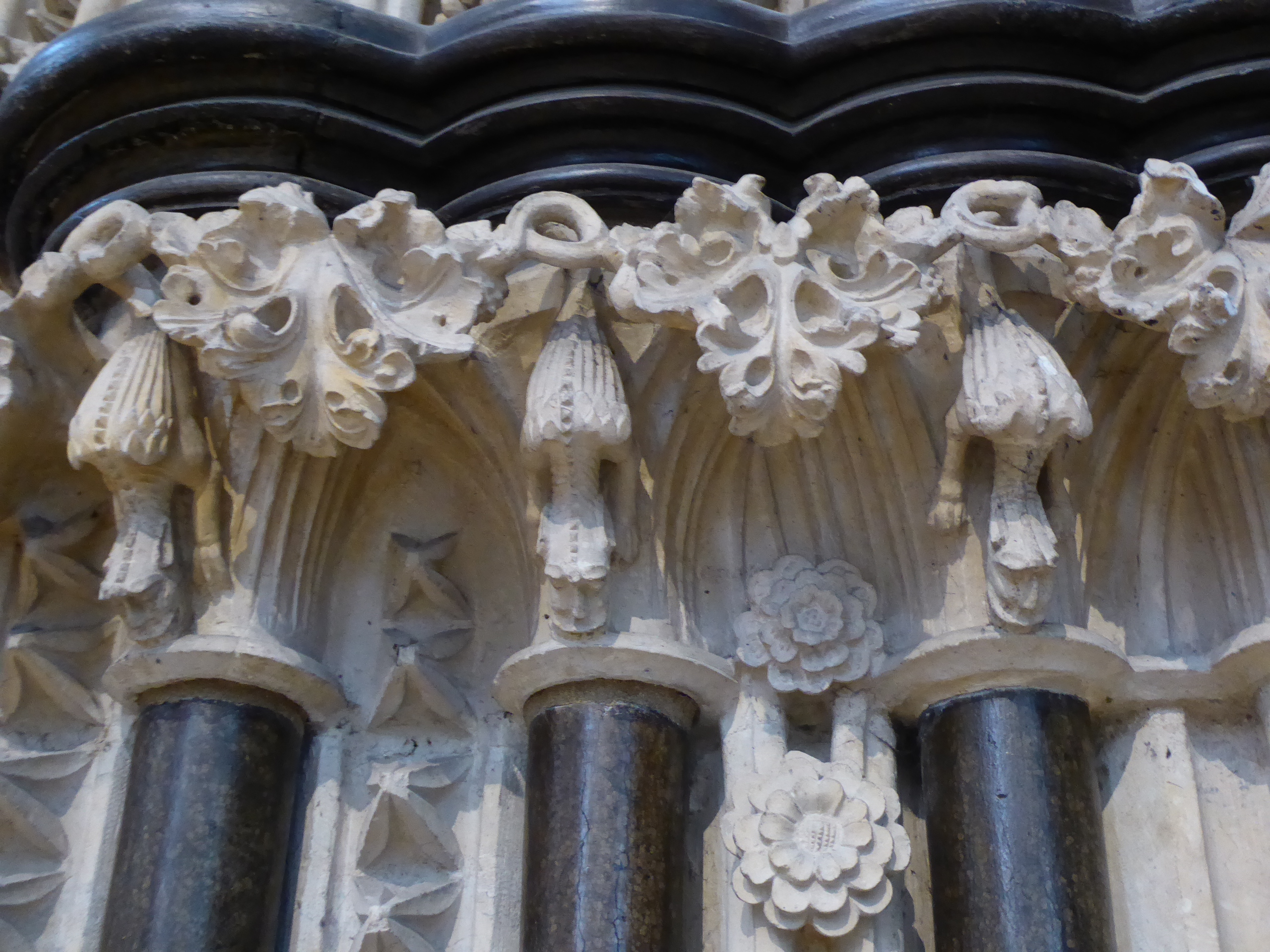
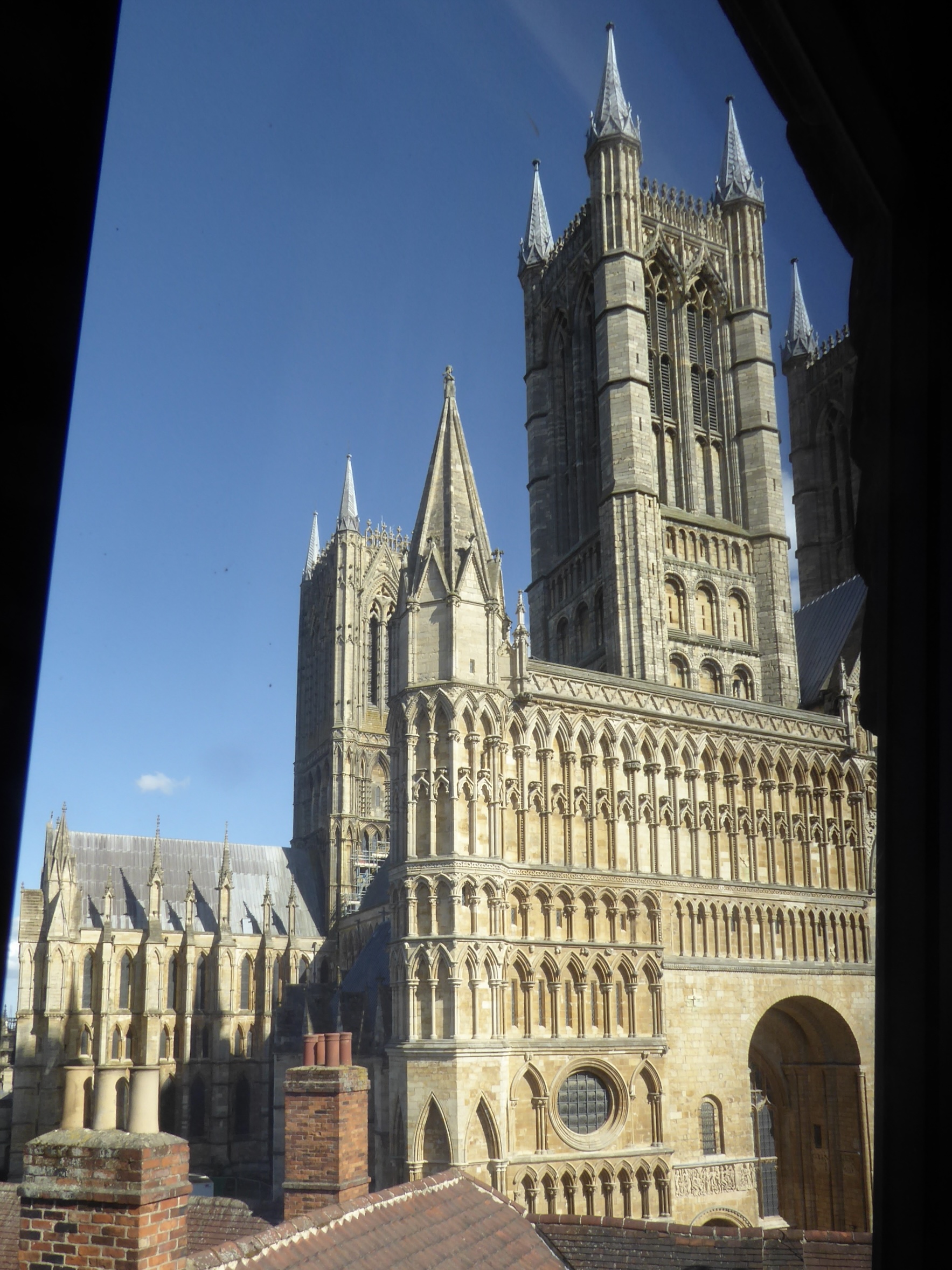
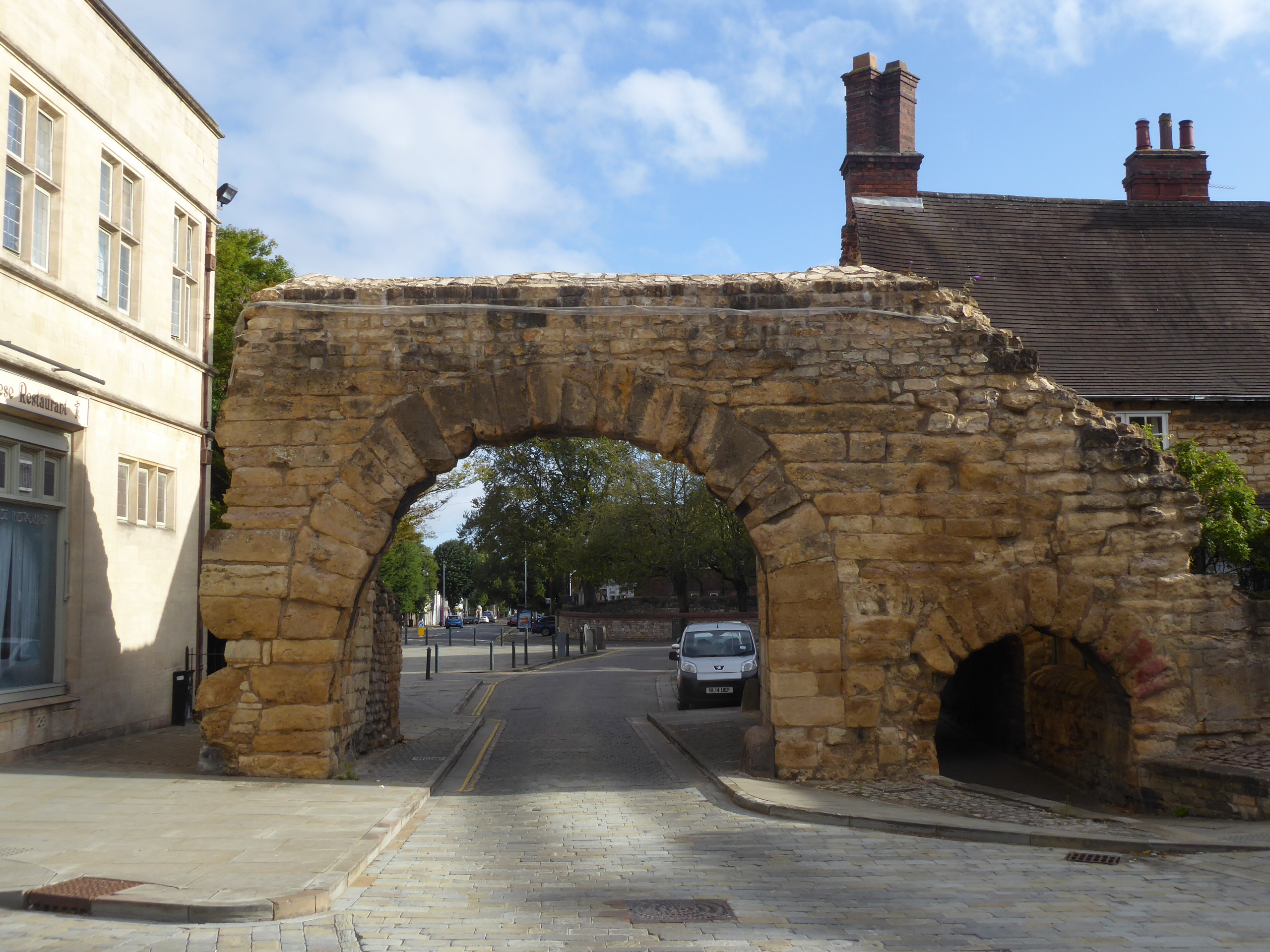
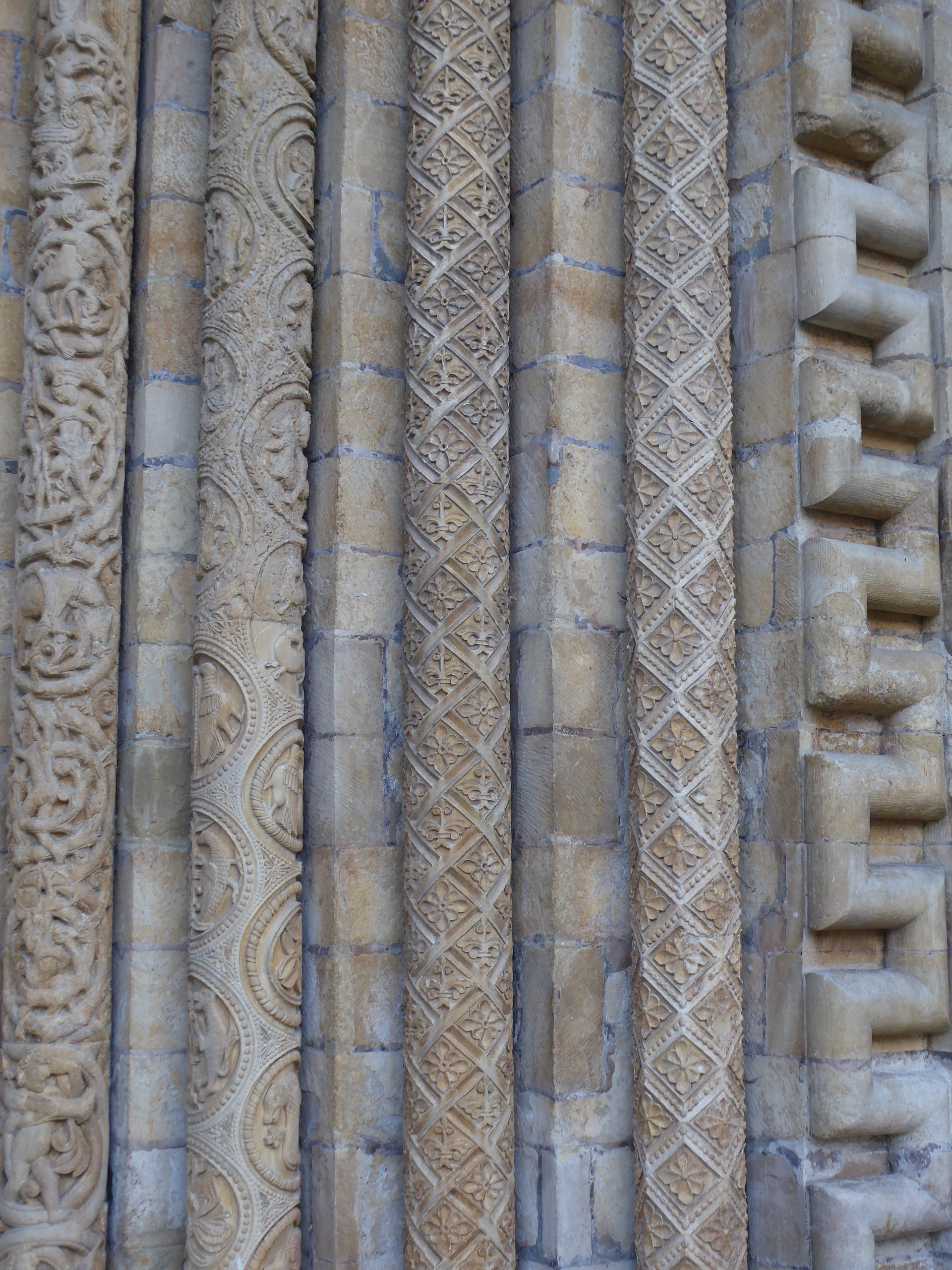
En route to buy a newspaper this morning, I came across the Roman arch – the northern exit from Lincoln on Ermine Street. Then the cathedral – magnificent west front. The best view of it was from the castle ramparts opposite. On the southern wall was a wonderful modern gargoyle clinging to the masonry – the root of all evil indeed. Inside there was a stone gateway dividing the chancel from the nave: the capitals seemed to be adorned with a fancy garland but, on closer inspection, you could see that on one side were men slaying dragons by sticking swords down their throats, and on the other side the dead dragons hanging up. Evil slain – in a grisly manner.

Then a visit to the Museum of Lincolnshire Life housed in an old barracks. As usual, there is always something of interest that springs up. Here a very early tank, a cart that made me think of my carter great-grandfather who became a railwayman, and a brown bess musket which reminded me of Barry Lyndon. Suddenly – remembering the battle scenes – I just had to know how quickly it could be reloaded. (Fortunately I was among people who knew the answer – two or three times a minute.) Afterwards the castle, with a great walk all the way round its ramparts. Inside is an old holding prison with a particularly repulsive chapel. There was a move in the mid-19th century to keep prisoners entirely separate to prevent any corruption being passed on. This extended even to the chapel, which was designed with so many tightly fitting screens and doors that each member of the (ahem) congregation was imprisoned in an individual wooden dock during the service. There is also an original 1215 Magna Carta – surprisingly small and completely indecipherable – and the later Charter of the Forest.

Lincoln

An earlier-than-intended start to outrun Storm Floris – which I did. Interesting to cross the Pennines by train from Manchester to Sheffield – such a tight route with so many tunnels. At New Mills I looked out for the Love Hearts factory but didn’t see it. I do hope it’s still there.

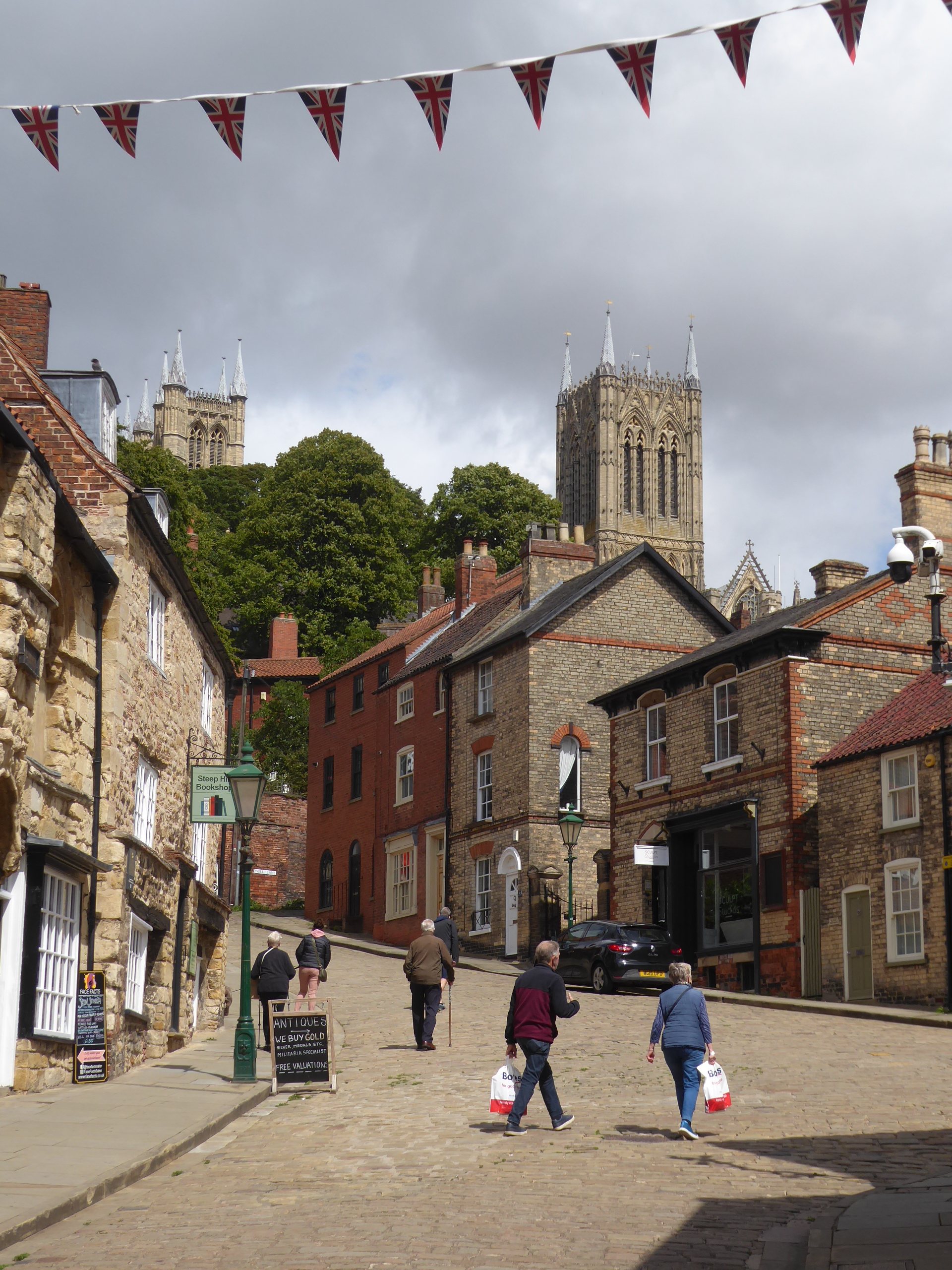
I visited Lincoln 40 years ago, on my way back from a cycling holiday in Norway. My memories are of cycling towards the city with the cathedral very visible on the top of the hill, and of a second-hand clothes shop on the steep hill. I’m not sure if the latter demonstrates my lack of seriousness or the way that memory works. Anyway, this time I shall lay down some different memories – starting with the view from my hotel room.

So, things I have already learned about Lincoln. It was once well-connected: a Roman city on the junction of Ermine Street (from London to York) and the Fosse Way. There’s a Roman arch still standing on the northern perimeter. The River Witham ran towards the Wash, and the Foss Dyke canal (possibly Roman, possibly medieval) connects Lincoln to the River Trent.

The cathedral was not just a way of the Normans imposing their authority but also a means of homogenising Christianity and bolstering papal rule. The castle – just opposite the cathedral at the top of the hill – has two mottes. St Hugh – attribute a swan – is the local saint. The tank was dreamt up in Lincoln – in this very hotel, apparently. Perhaps as a result of the local expertise in agricultural machinery. It had its cloth trade – how could I forget Robin Hood’s men clad in Lincoln green?

After the signing of the first Magna Carta in 1215, King John tried to renege on it. Rebel barons allied with Prince Louis of France to oust John, but he died anyway in 1216 and many barons turned coat, backed Henry III – still a child – and then had the task of getting rid of Louis and his French army. Louis’s northern forces were defeated at the Battle of Lincoln in 1217. There – that’s filled in a gap I never knew existed in my historical knowledge.