Turner in Time

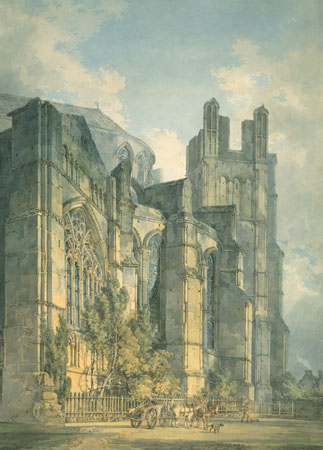
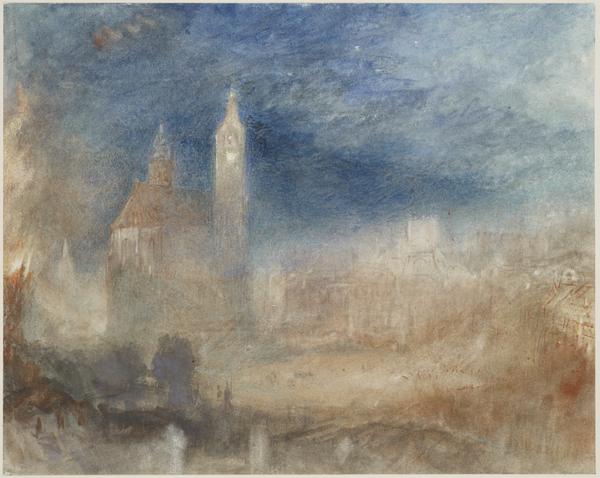
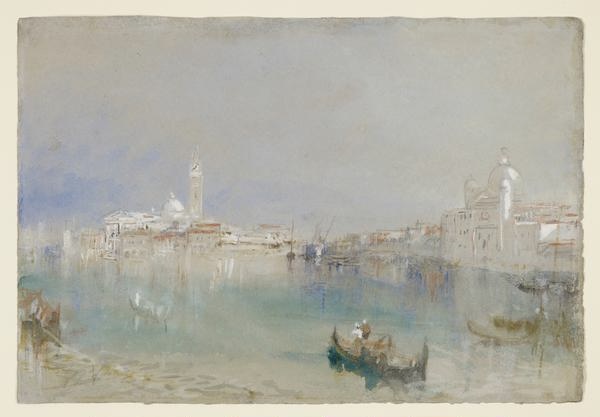
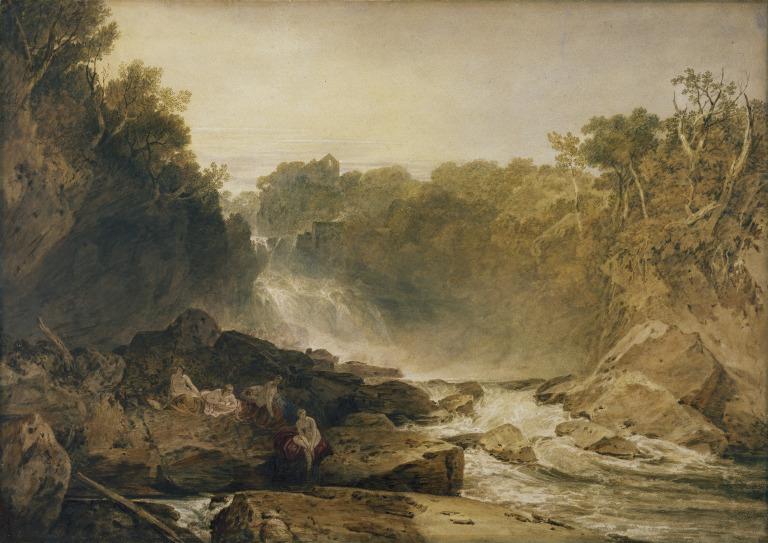
A very wet and windy day, but the trains were running and that was enough for me. To the Whitworth for yet another Turner exhibition. This one was of Turner’s watercolours (low status compared to oil painting) from his teens to his old age – from precision to impression. I enjoyed watching the change in style as I wandered around the room and noticed how he embraced innovation (e.g. coloured paper for his watercolours). Some scenes were already familiar, like the fall of the Clyde in Lanarkshire.

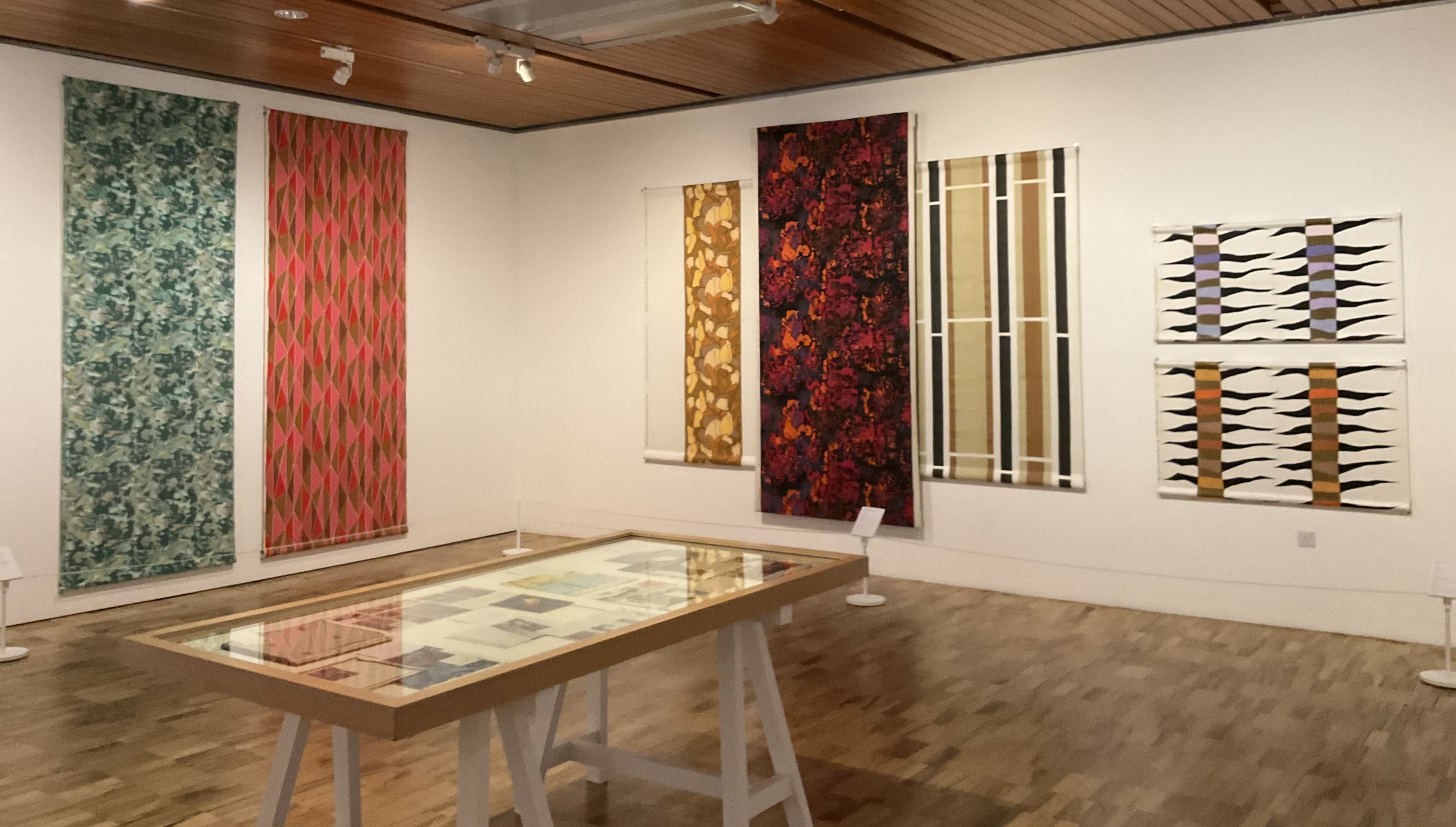
As usual, there were other small exhibitions to dip into. One on trees in art, which was rather lovely, and one on abstract art, which wasn’t. Minimalism is OK, but the “messiness” of, say, Gillian Ayres means nothing to me, Well, my loss perhaps. Included in the exhibition room were fabric and textile designs from Edinburgh Weavers and Hull Traders – abstraction tamed and tidied into repeating patterns.

Turner and feminism

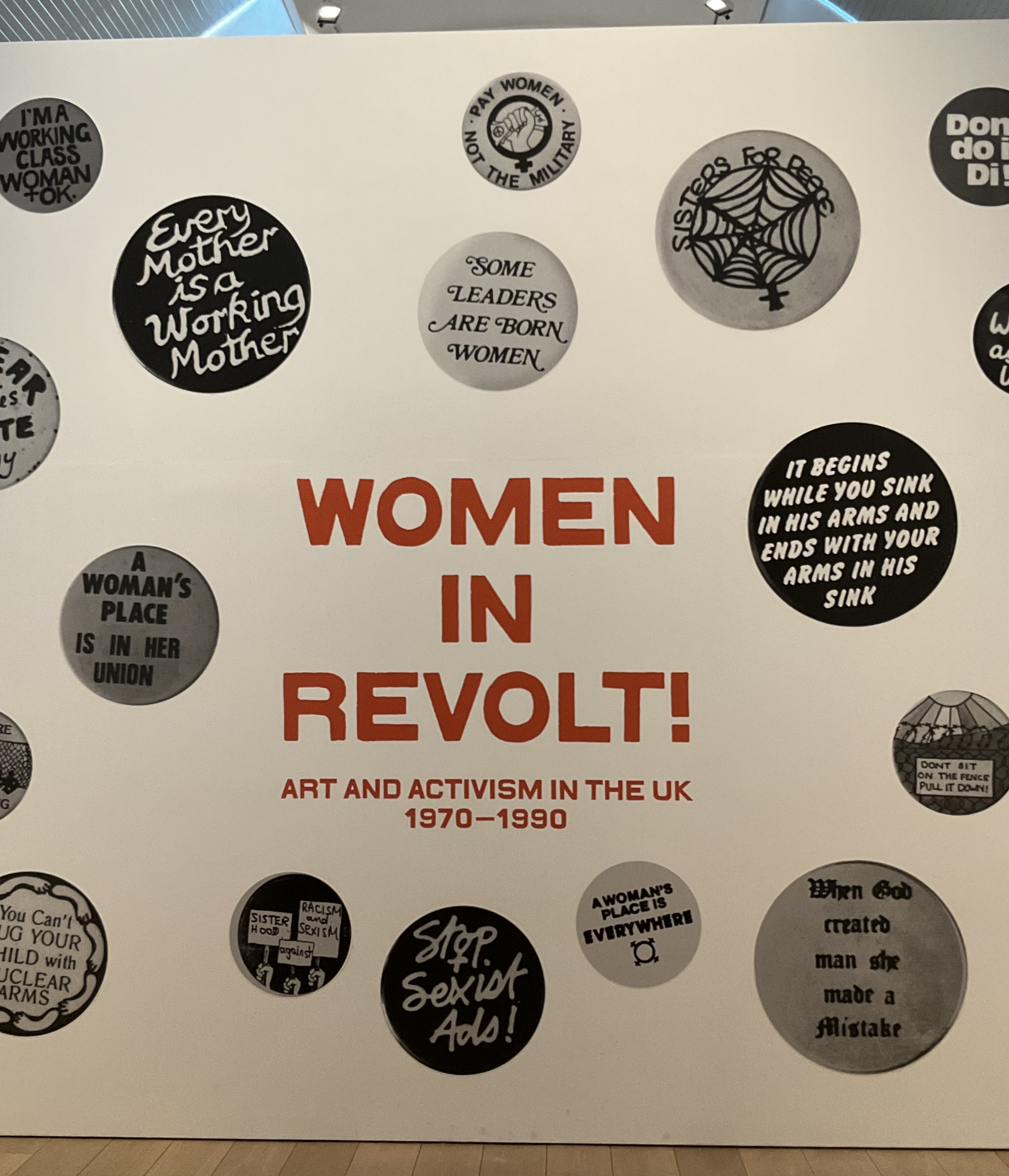
I was in Manchester for the day and went to the Whitworth Gallery and thus saw two contrasting exhibitions. One was Women in Revolt, which I found interesting – probably not entirely for the expected reasons. Since I do recall the 1970s and 1980s, many of the events and social attitudes were familiar to me. The artwork was punchy rather than classy – reflecting the anger of that time and the everyday media that the artists/activists used (e.g. collage, fabric). At this remove it’s easy to forget how outlandish some of the demands for female equality seemed at the time to “ordinary people” – equal pay, professional opportunities, childcare, the assumption of being taken seriously. My aunts, for example, were ambivalent to, if not dismissive of, female equality. How far we have come! No, what did catch my attention was a film of ordinary women in the street, accosted by a male television journalist and asked what problems they encountered as women in the 1970s. It was almost a Socratic dialogue: he hectoring and various shes pondering his questions, totally media-unsavvy, and giving hesitant answers about things they perhaps hadn’t considered before. There was a polite bewilderment at being asked to examine their lives, rather than the redundant-heavy easy flow of words that a vox pop today might elicit. The exhibition assumed a natural relationship between 1970s feminism and other progressive attitudes – the relationship not embraced by women in power at that time like Margaret Thatcher.

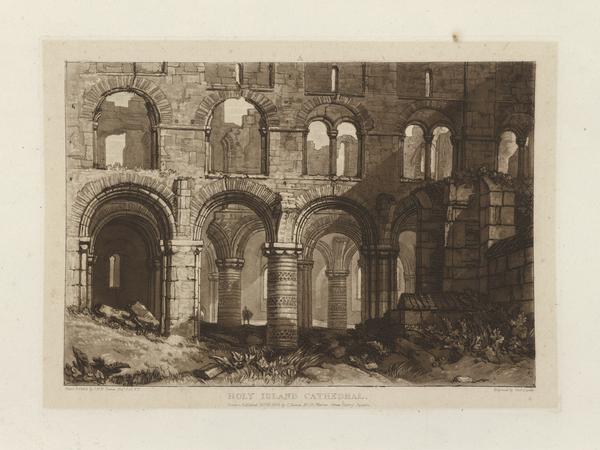
And then Turner’s prints. The Whitworth had emptied all its shelves and backs of cupboards for this. They were rather lovely, and I was impressed by the quality of the mezzotints. A very different experience.


Castlefield Viaduct Garden

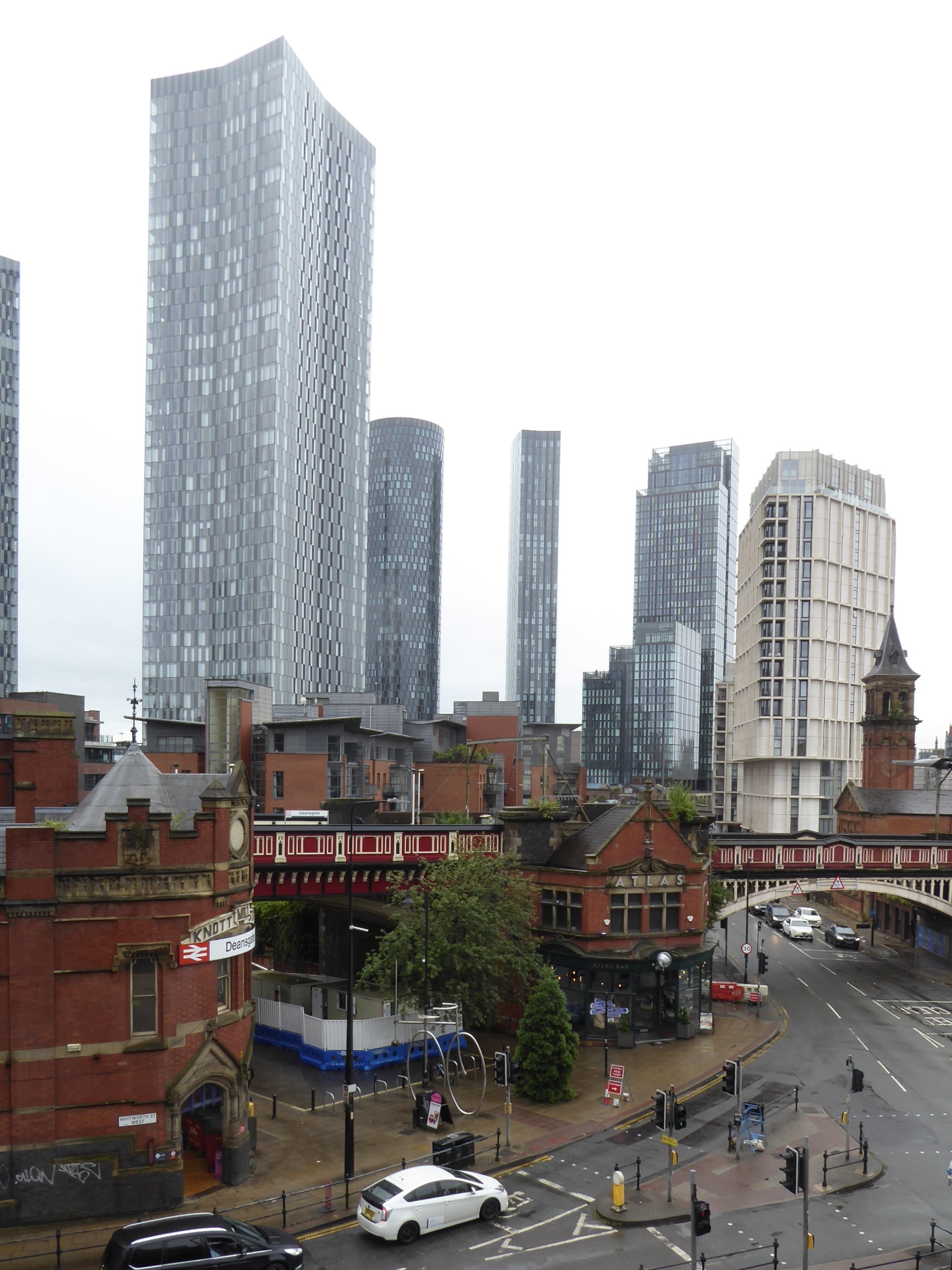
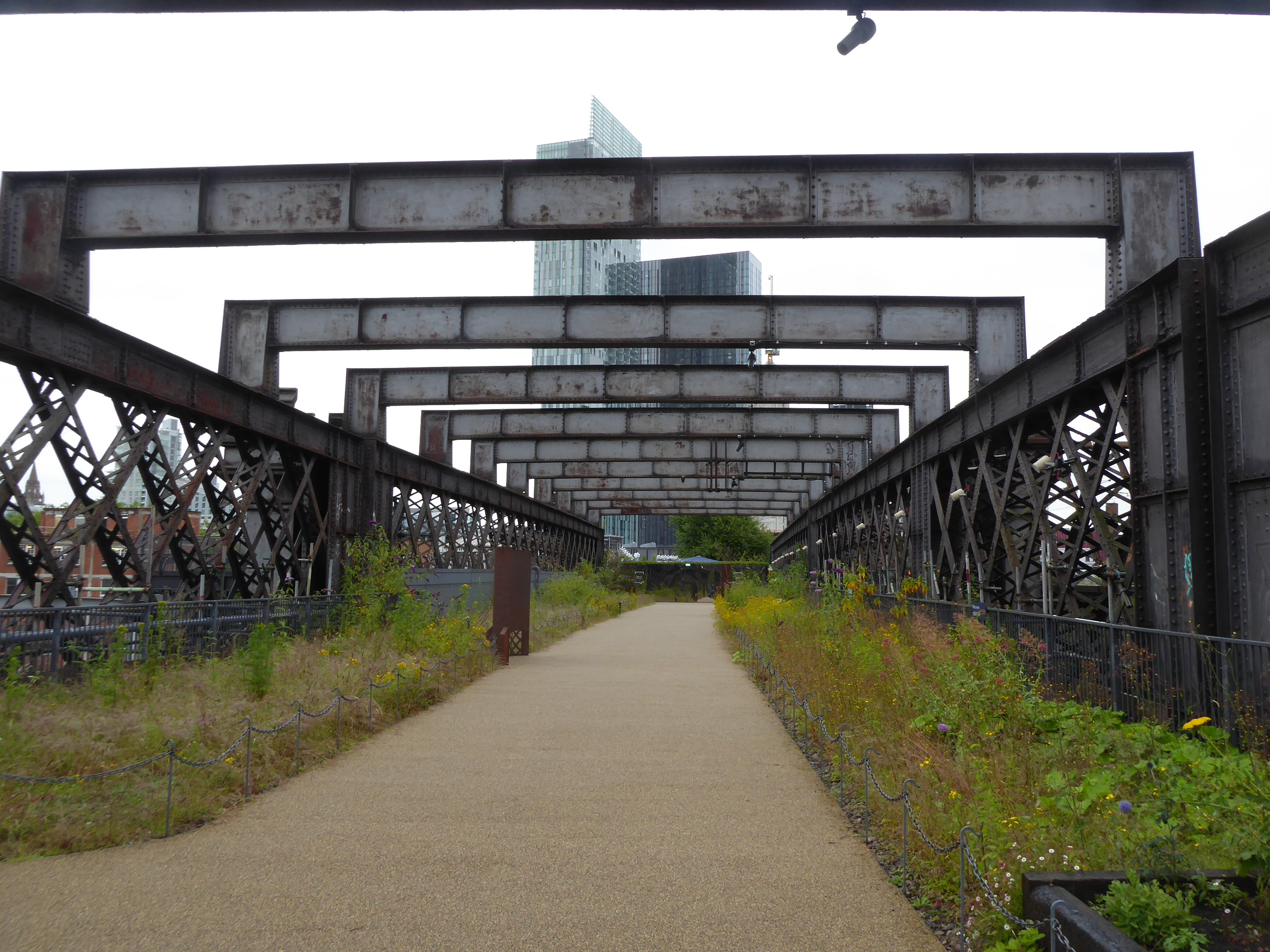
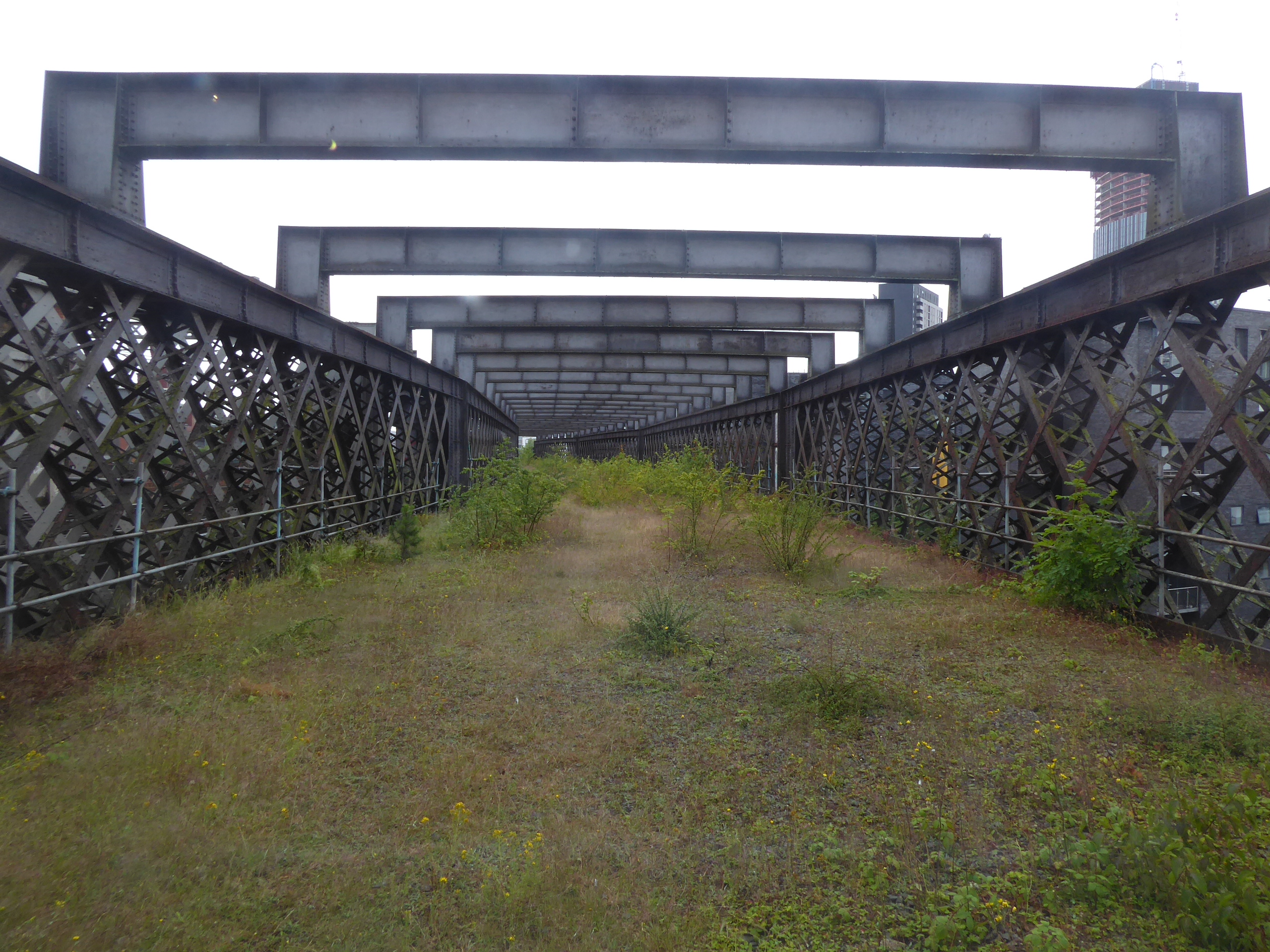
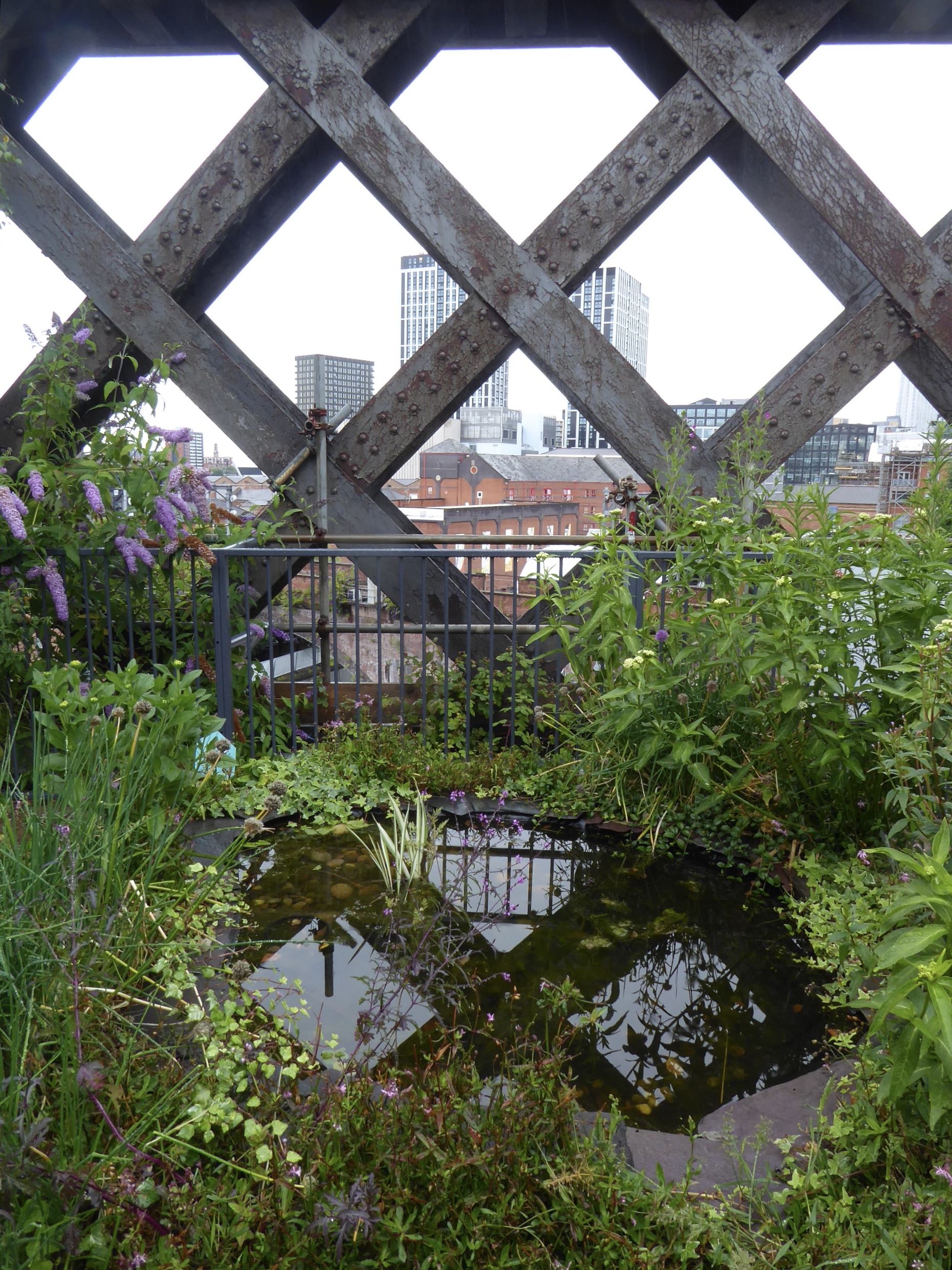
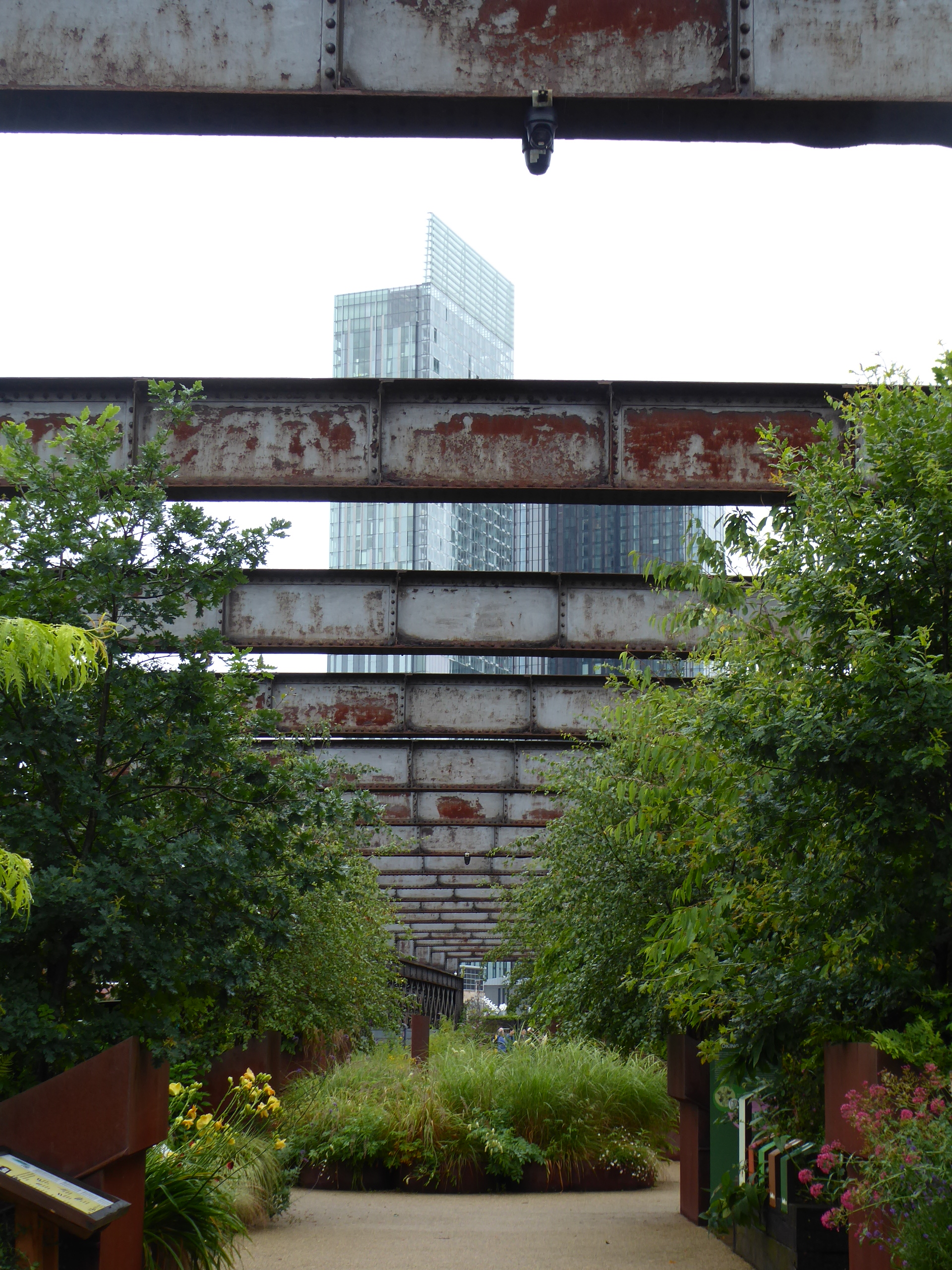
Just over the road from Deansgate station, this railway viaduct was opened in 1892 and closed in 1969. Part has been transformed into an elevated garden under the aegis of the National Trust (although I confess I liked the undeveloped part just as much). Since it was Manchester, it was raining lightly, but that didn’t spoil my delight in being in a garden above the ground.

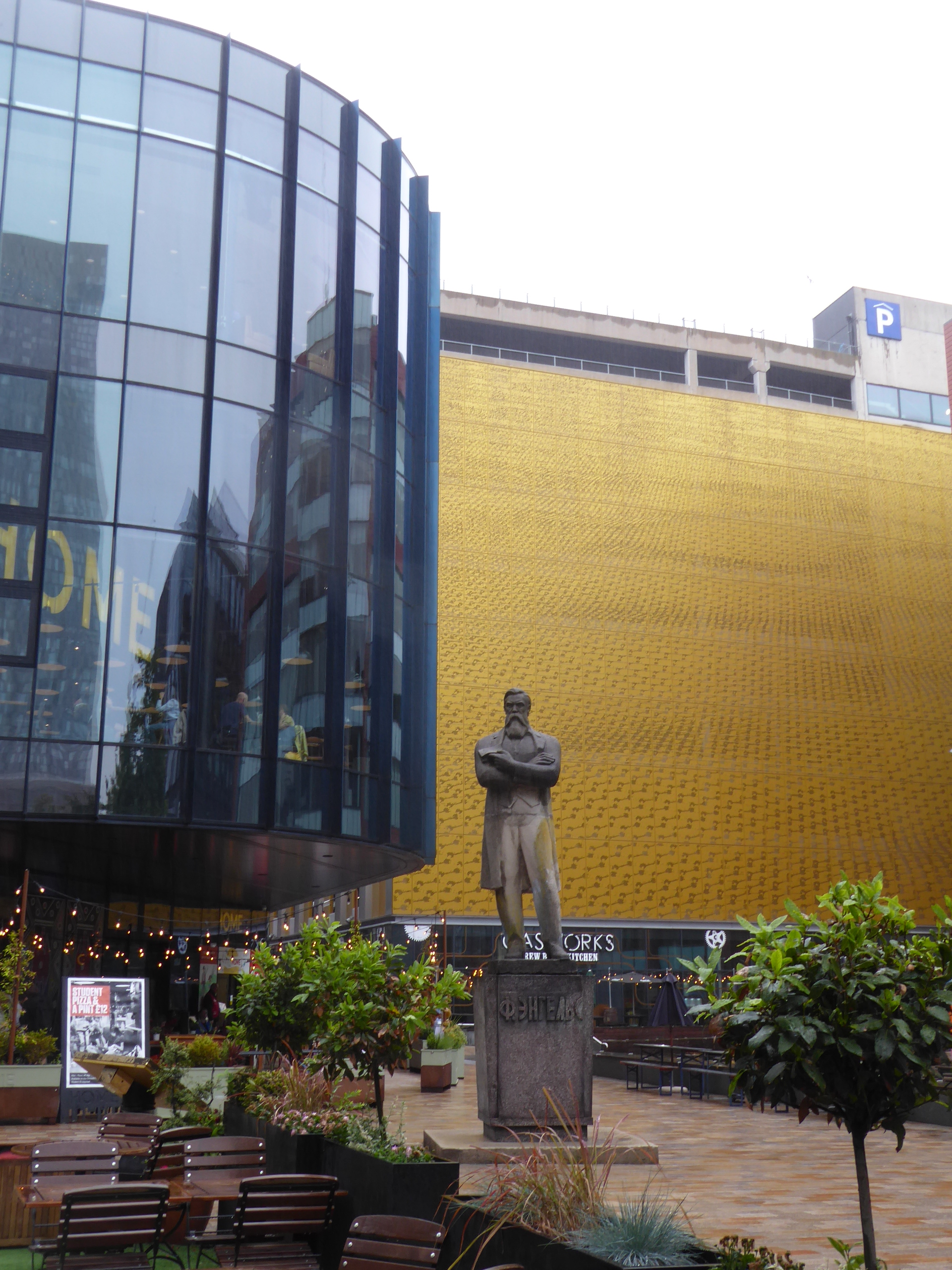
I also noticed, for the first time, the statue of Friedrich Engels outside Home in Tony Wilson Place. (Its original home was 1970s Ukraine.) My head reeled at the layers and course of history as I looked at it!

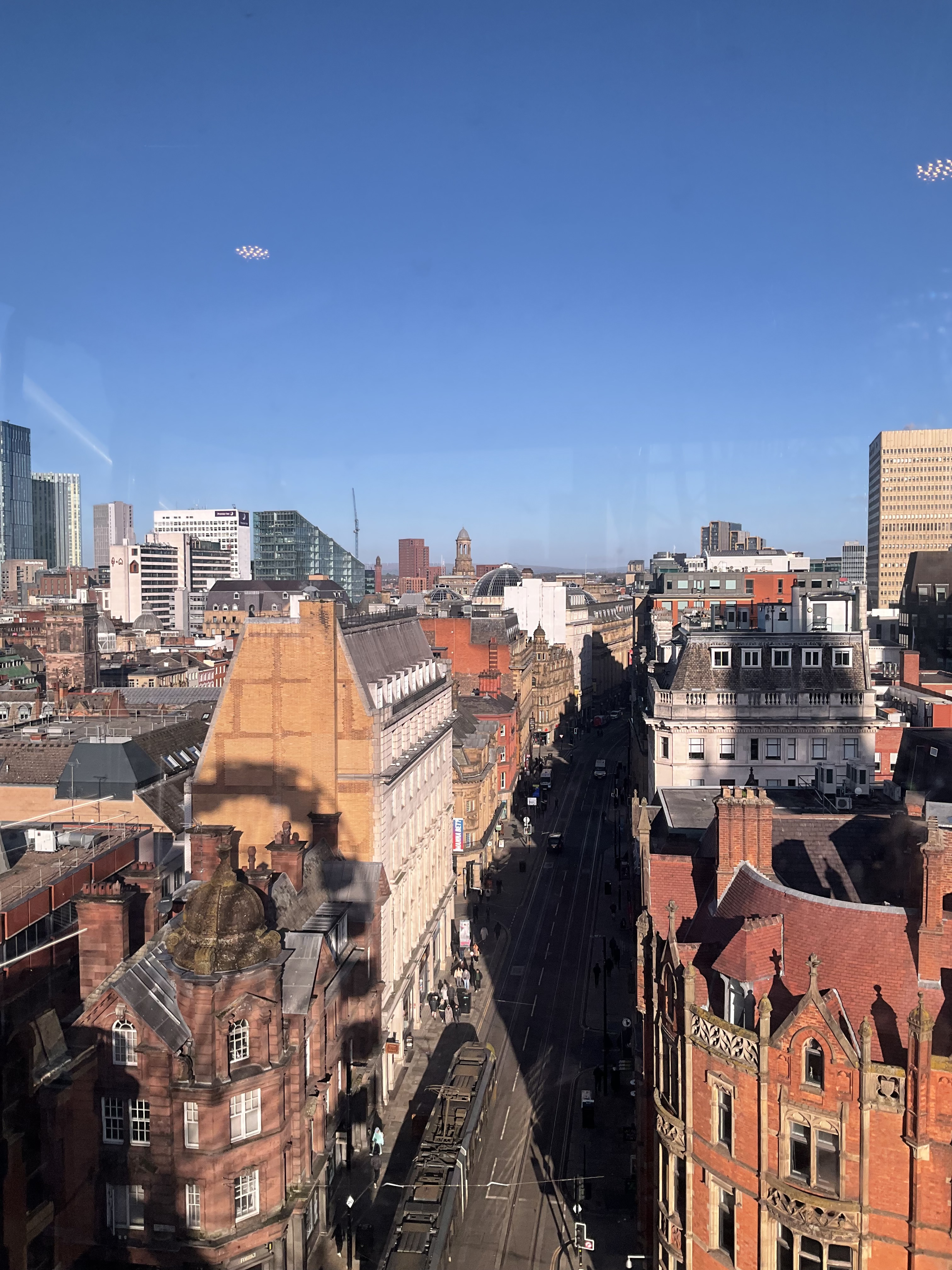
Manchester

The art gallery is fairly unchanging at present, so I just popped in for a coffee and a quick look at old favourites. Then to the Whitworth, which is constantly changing, and another coffee.

Current (small but perfectly formed) exhibitions at the Whitworth include 1960s textiles by Shirley Craven for Hull Traders. My view hovered between “bold” and “over-emphatic”, but there was no denying the exuberance of the designs. They shaded into gimmick and tackiness with the tomotom furniture of her husband, Bernard Holdaway – but you could still sense the crater left by that blast of creativity all those years ago. I may have dwindled into neutrals with age, but I still recall the wonderful arrival of vivid colours and big patterns during my childhood.

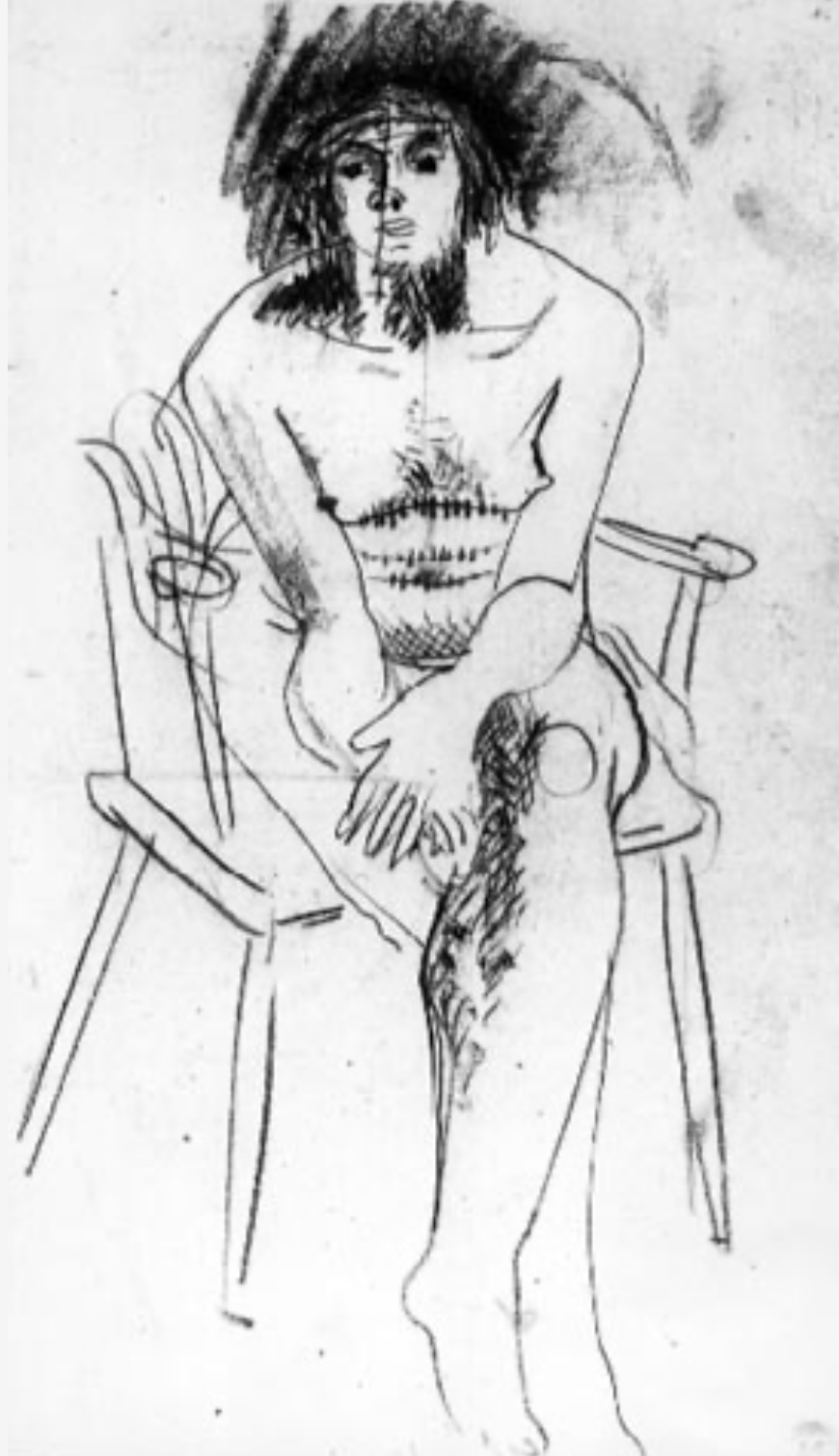
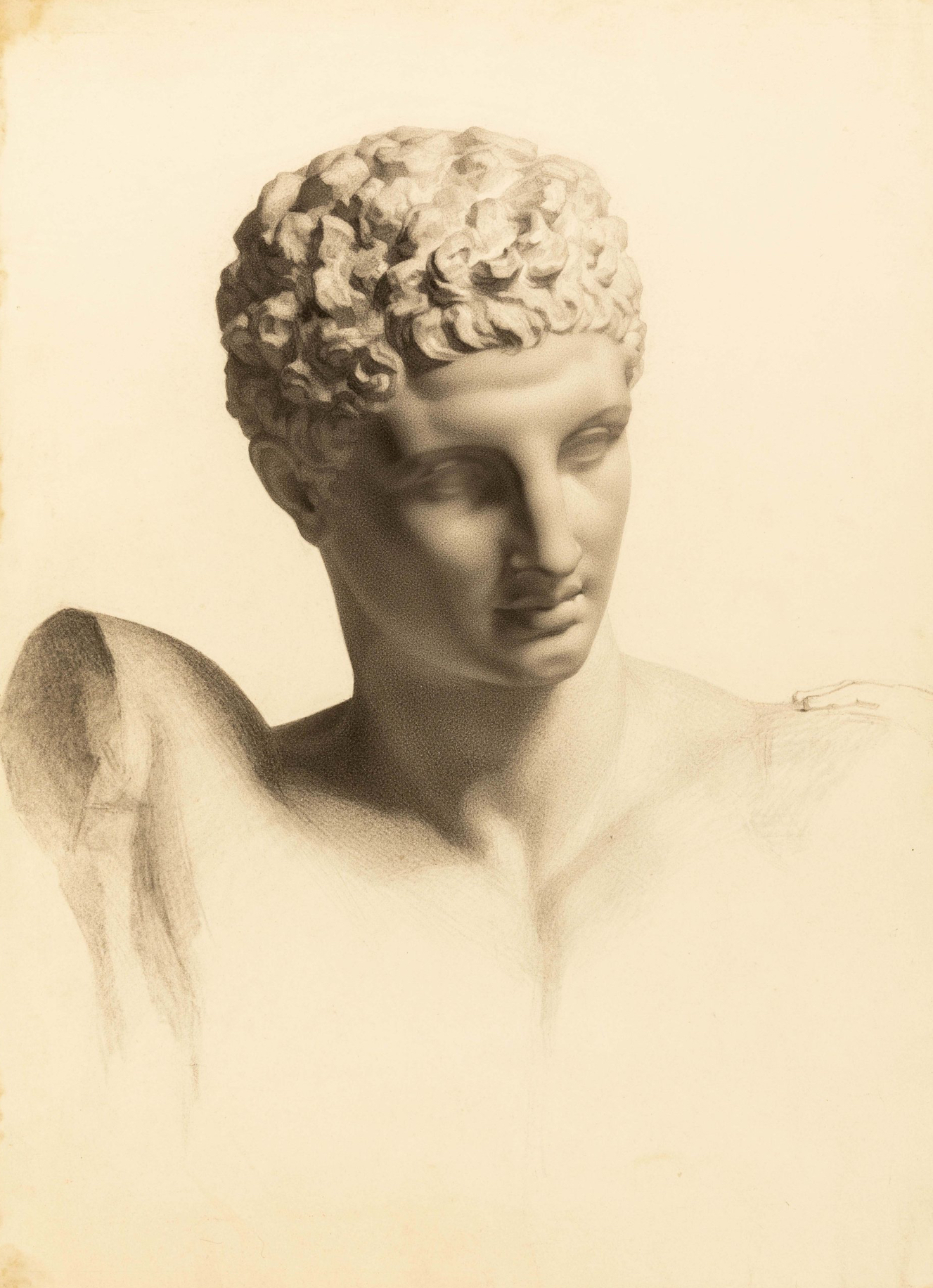
Another exhibition was “The ‘death’ of the life room”, looking at the changes since the 1950s in life drawing classes as part of formal art education. Life drawing had come to be viewed as a barrier to innovation and experimentation and was dropped. “Something’s lost and something’s gained” and the world probably doesn’t need any more meticulous recreations of plaster casts of ancient statues . . . but I couldn’t help comparing drawings by Barbara Hepworth and Henry Moore with one I’d seen at the Tate exhibition by Minnie Hardman.