Susanna

I may transfer my loyalty from the Grand in Leeds to the Theatre Royal in Newcastle. My first visit, and I was so pleased to have a clear view of the orchestra (including theorbo) from the dress circle.

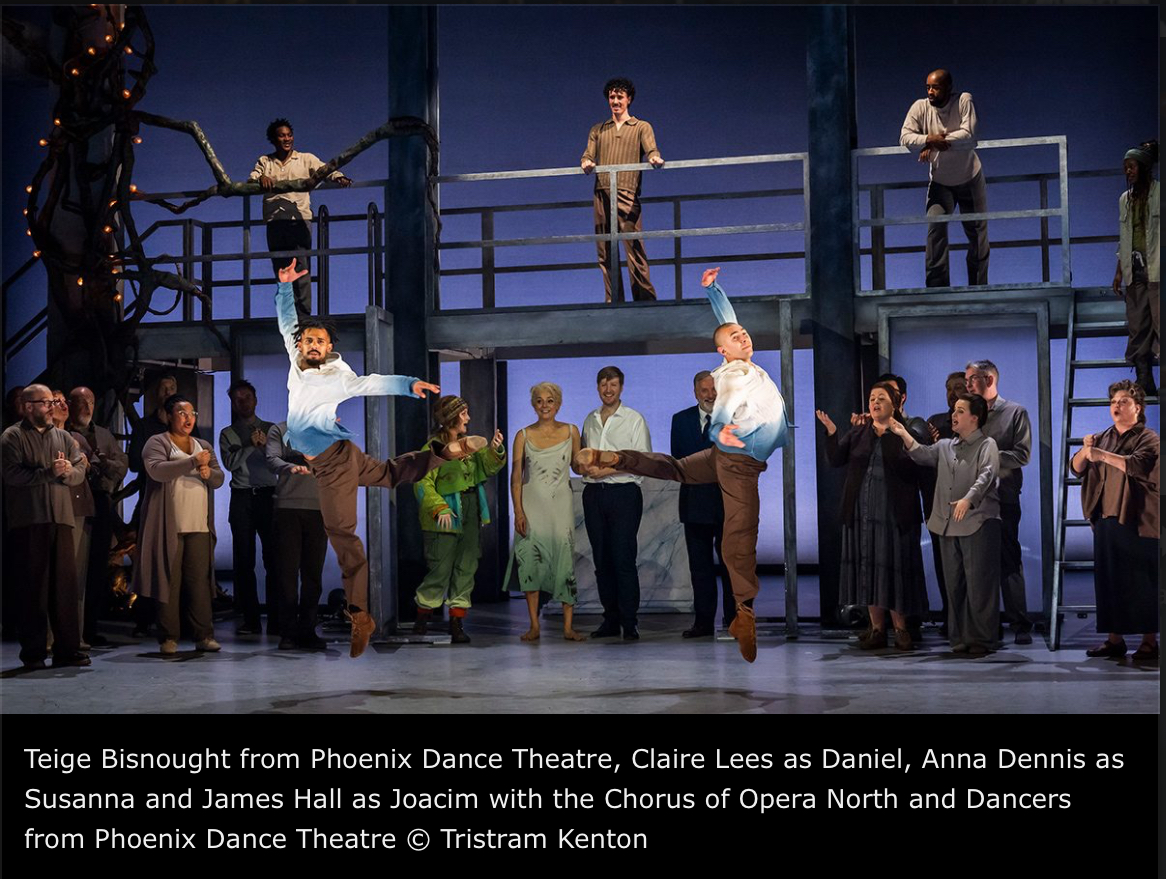
This was a collaboration between Opera North and the Phoenix Dance Theatre: contemporary dance meets Handel’s oratorio. Sometimes it worked – dancers expressing the latent sensuality of the libretto. On the whole, though, it didn’t gel for me – and I’m willing to admit the deficiency is probably in me rather than the production. It crowded the stage, particularly with the chorus present. BSL was also included – partly in occasional gestures of the chorus, but most obviously through the presence on stage of a BSL interpreter, who made me think of someone who’d wandered on from the wings and decided to stay. I reminded myself – once again – that if I can swallow traditional opera with all its absurdities, I can’t baulk at innovation.

The singing and acting were wonderful. The moment the chorus began their lament for their exile in Babylon, I could feel a lump in my throat. Susanna and Joacim (a counter-tenor) were brilliant, as was the production.

Miniature Worlds

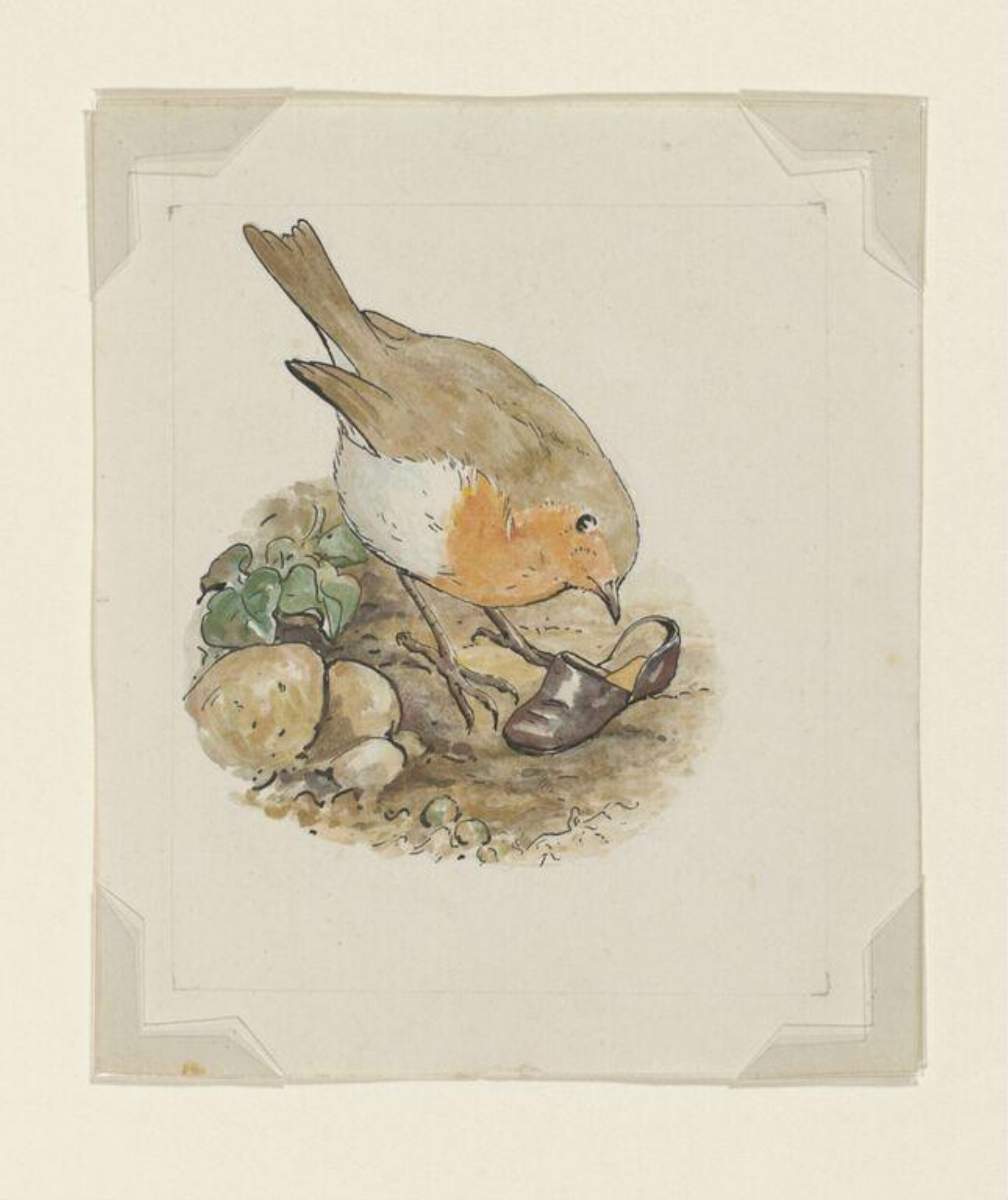
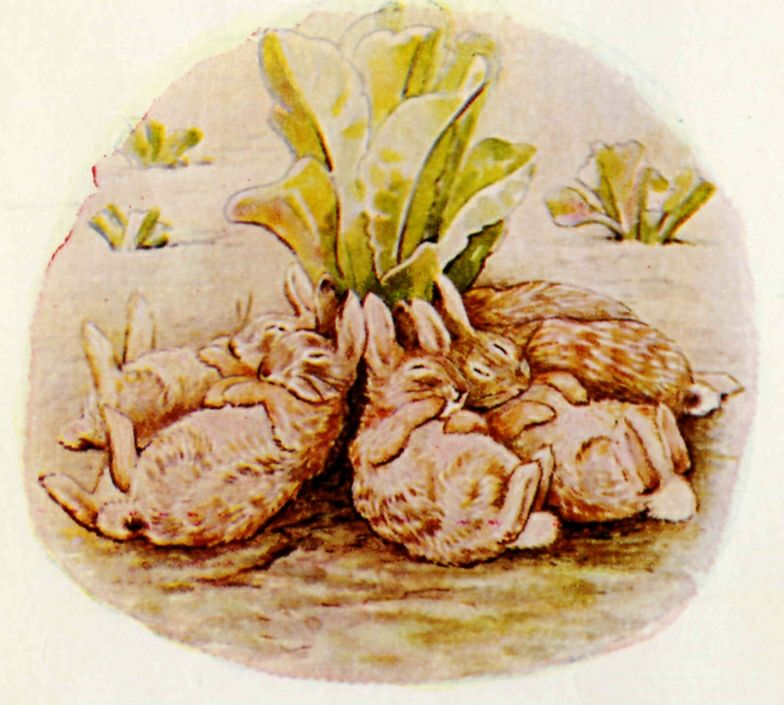
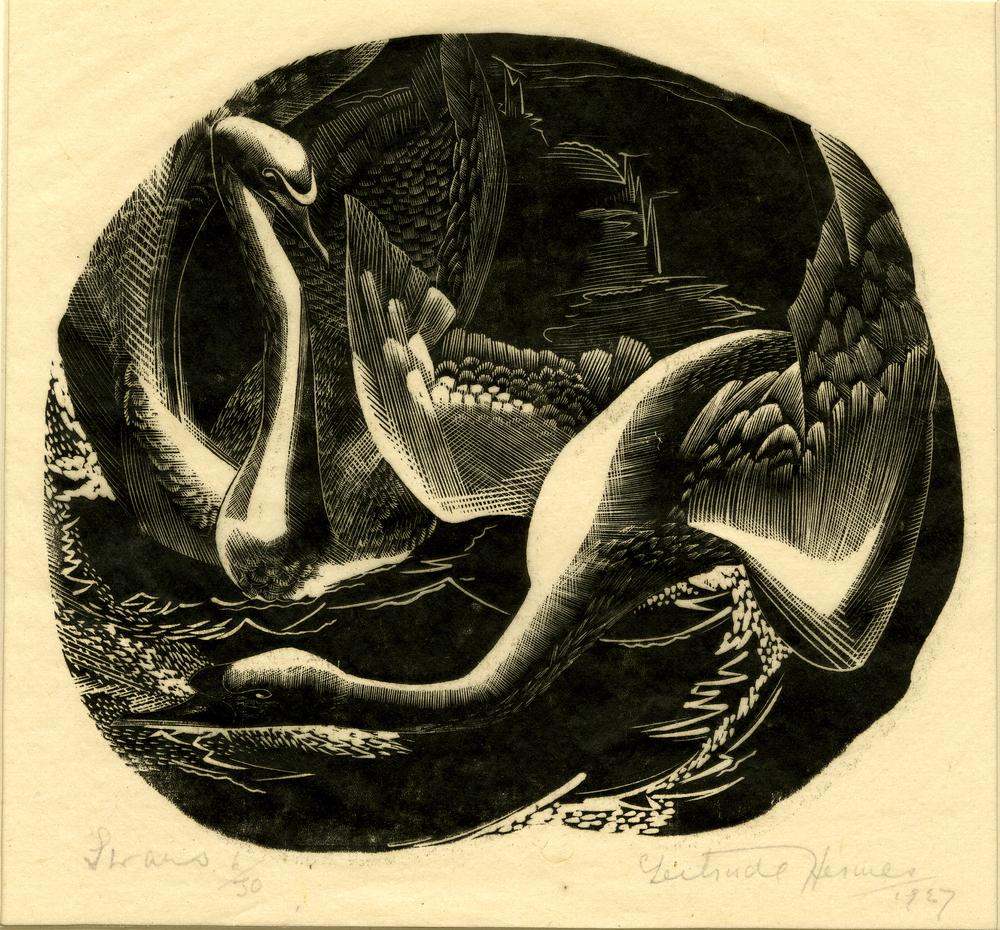
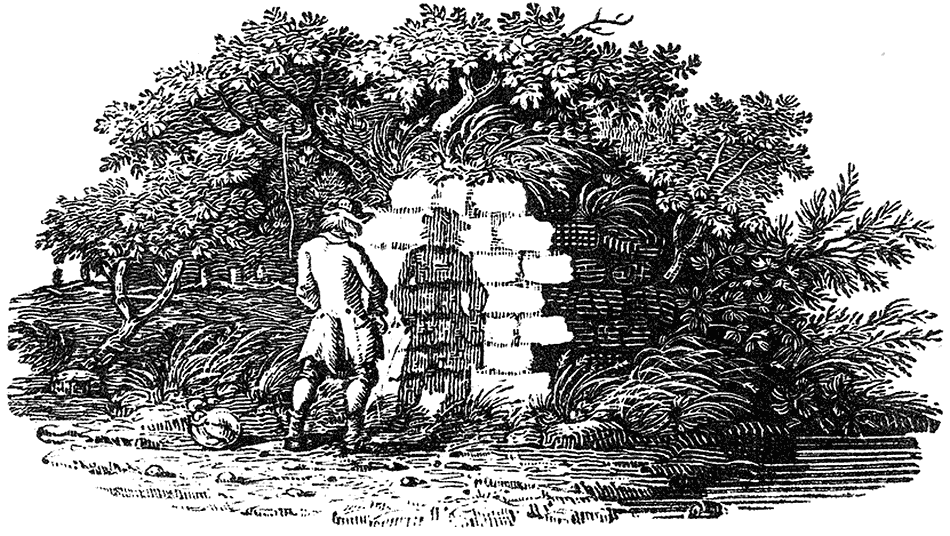
An exhibition where magnifying glasses were supplied. It started, of course, with Thomas Bewick and his tiny, intricate wood engravings. (I recall Jane Eyre’s delight in his illustrations.) Beatrix Potter, Eric Ravilious, Gertrude Hermes stood out. Not a blockbuster exhibition, but I don’t mean to damn it with faint praise when I say that what I enjoyed most was re-reading Peter Rabbit for the first time in almost 60 years.

The Bewick illustration is a little crude, but it reminded me of some of my thoughts as I walked beside Hadrian’s Wall yesterday – wondering if people in the inbetween centuries just thought of it as a bit of ruined wall.

Seaton Delaval to Tynemouth

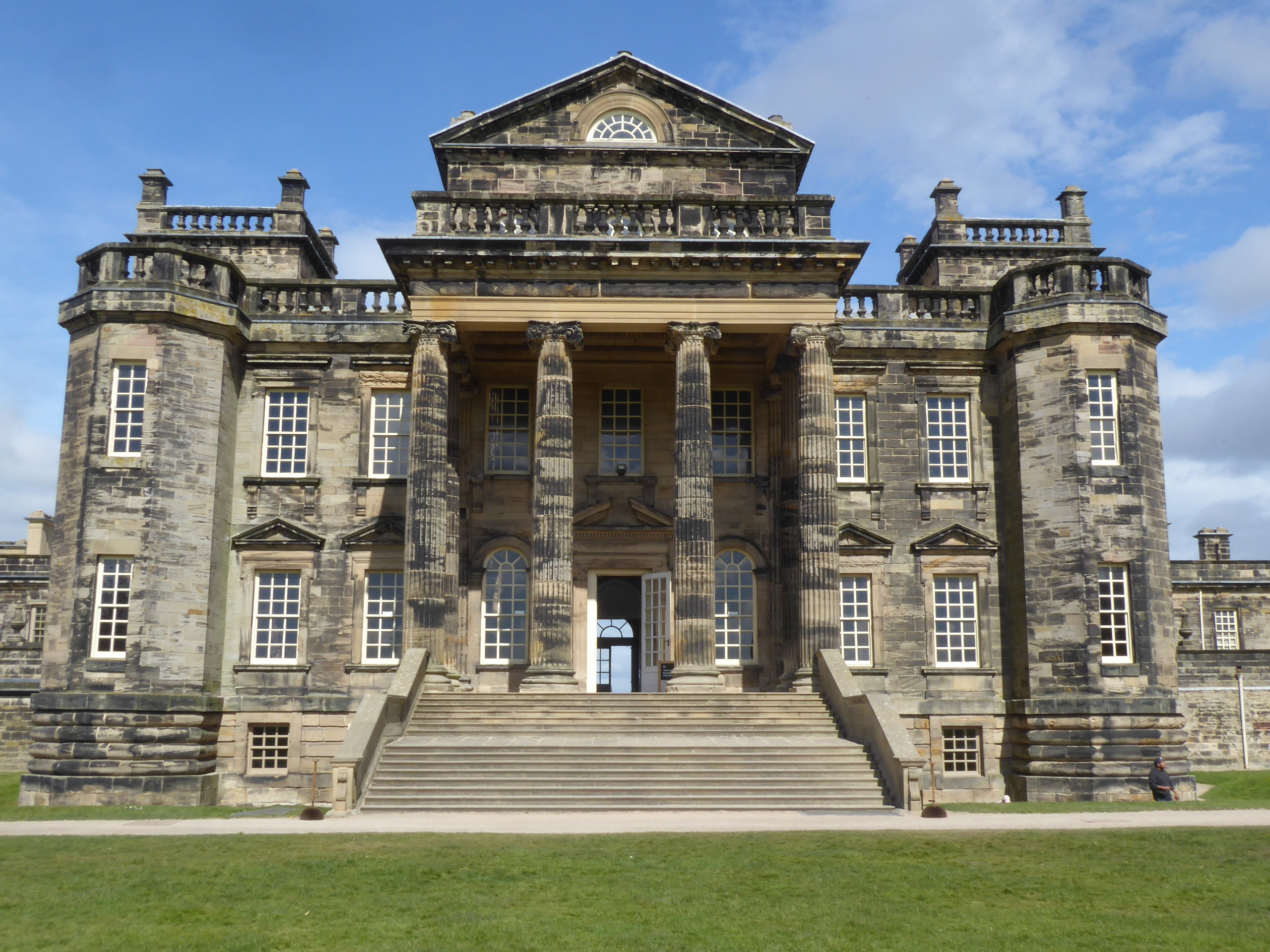
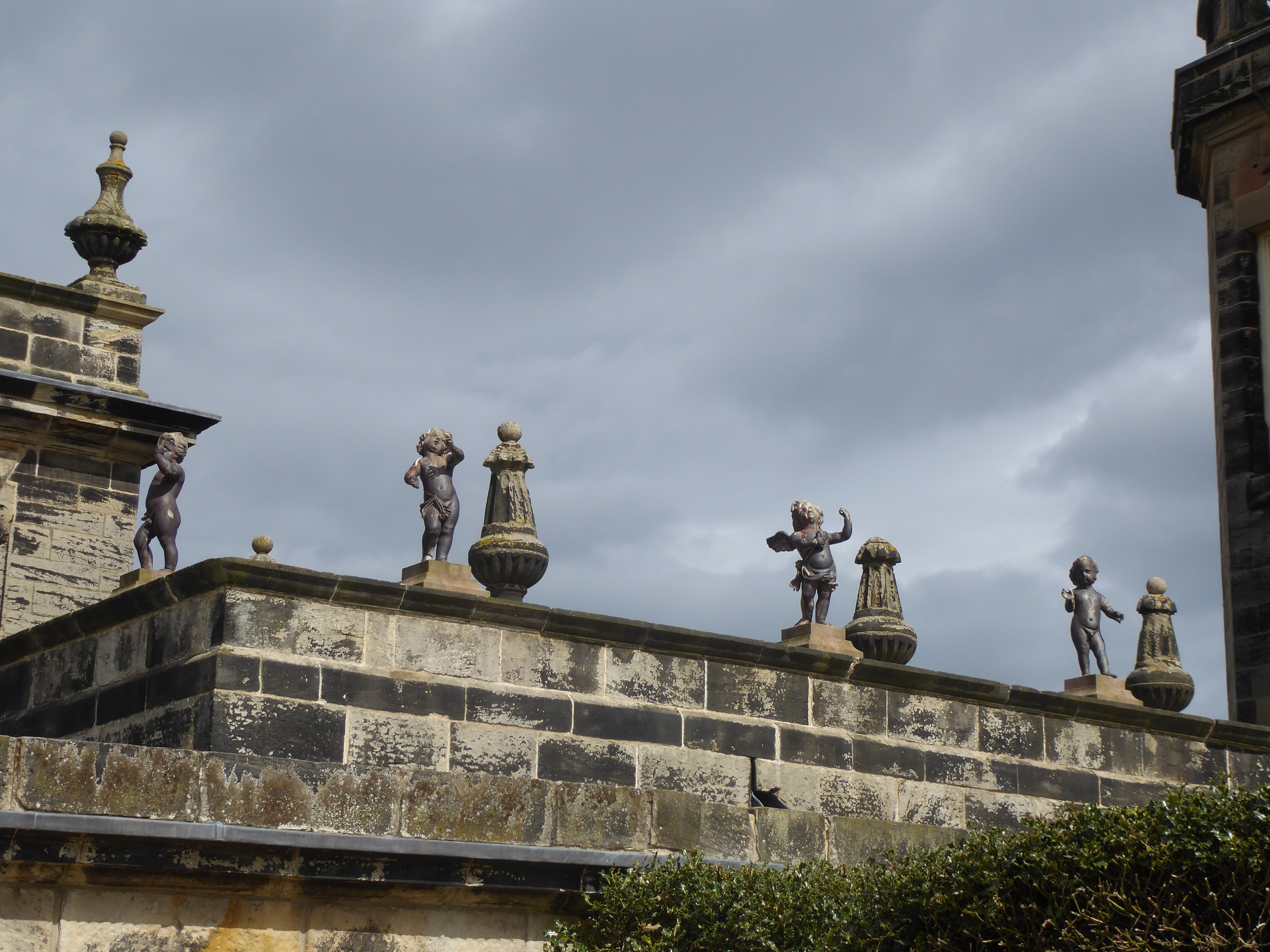
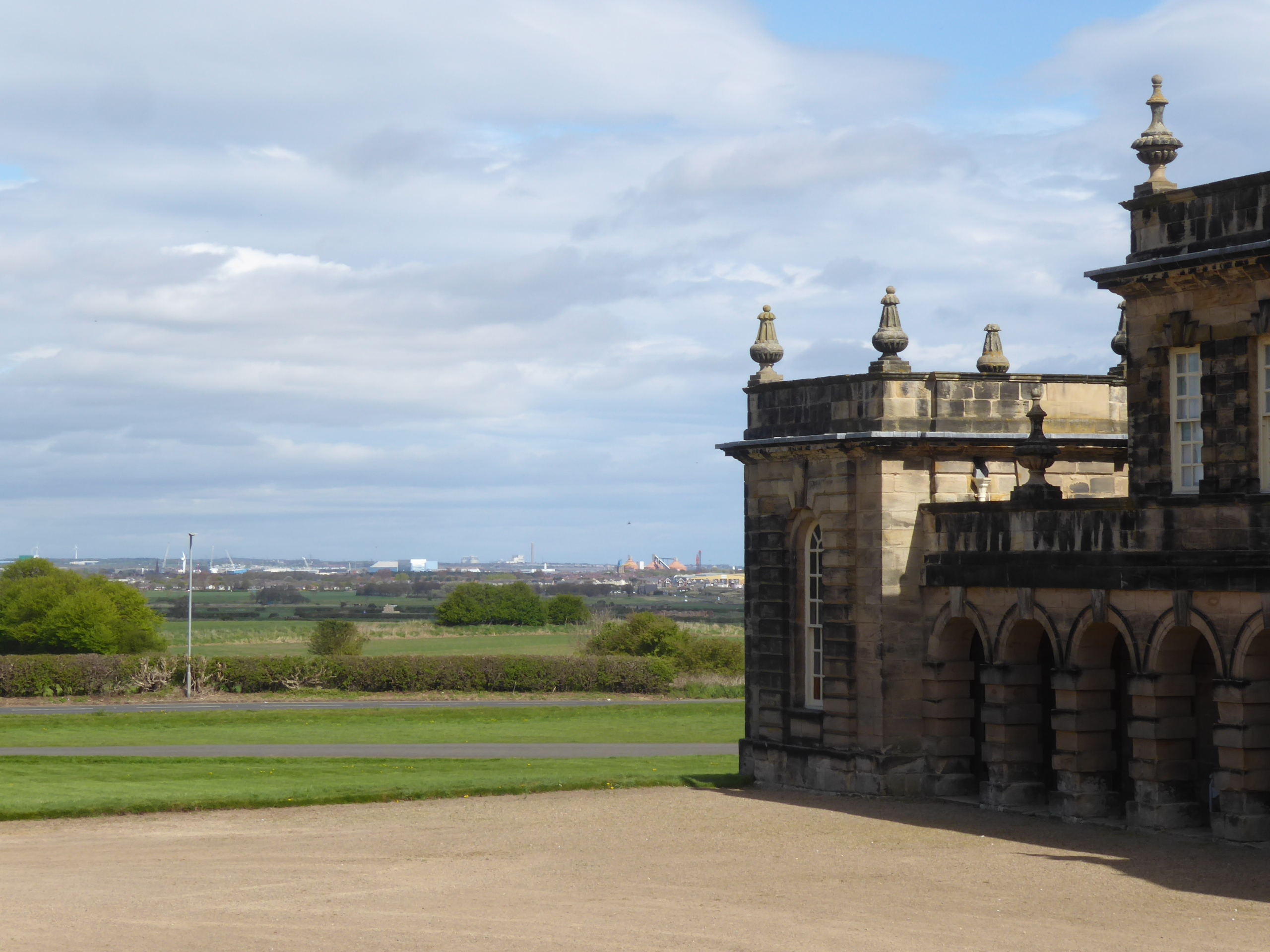
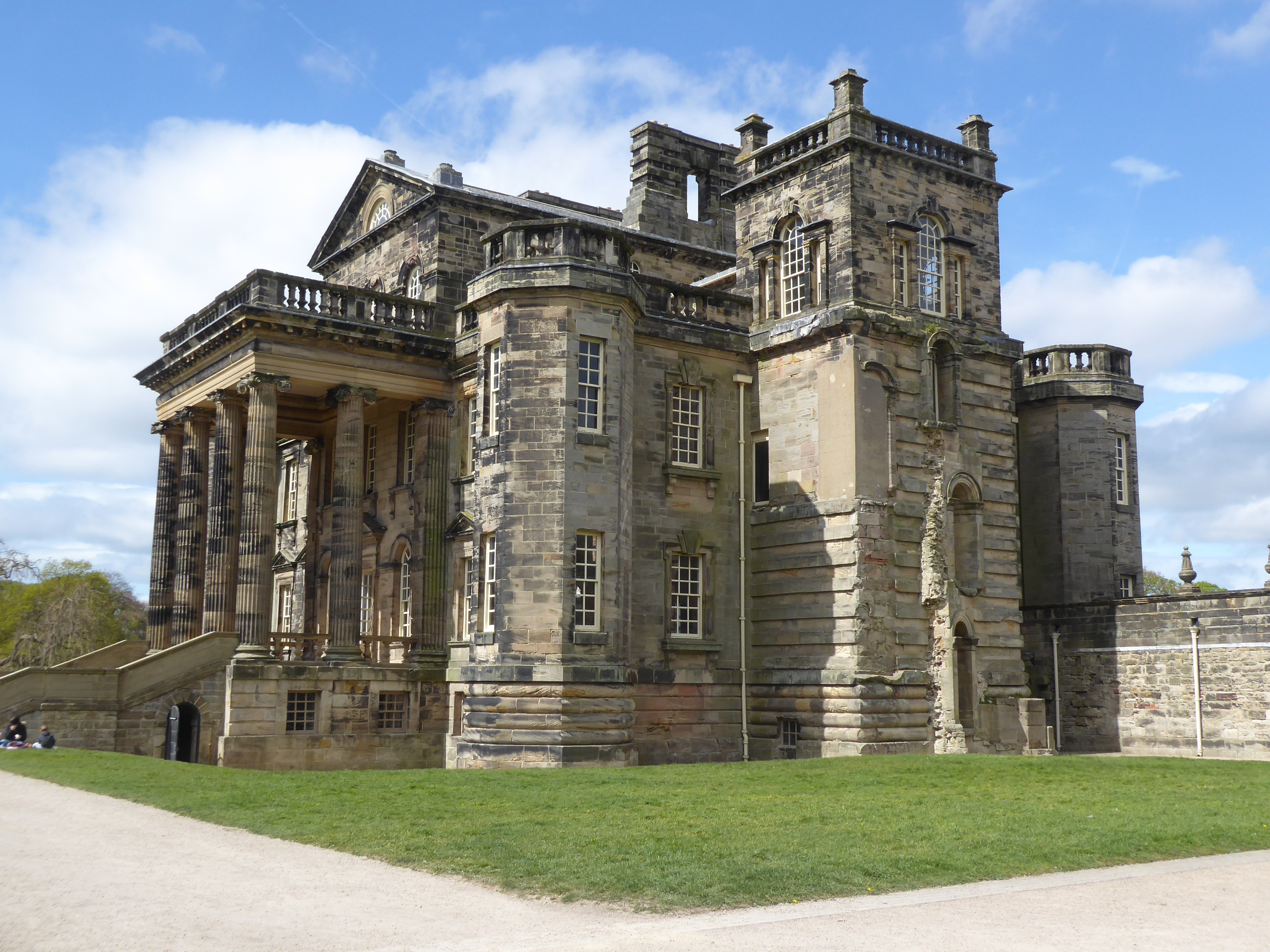
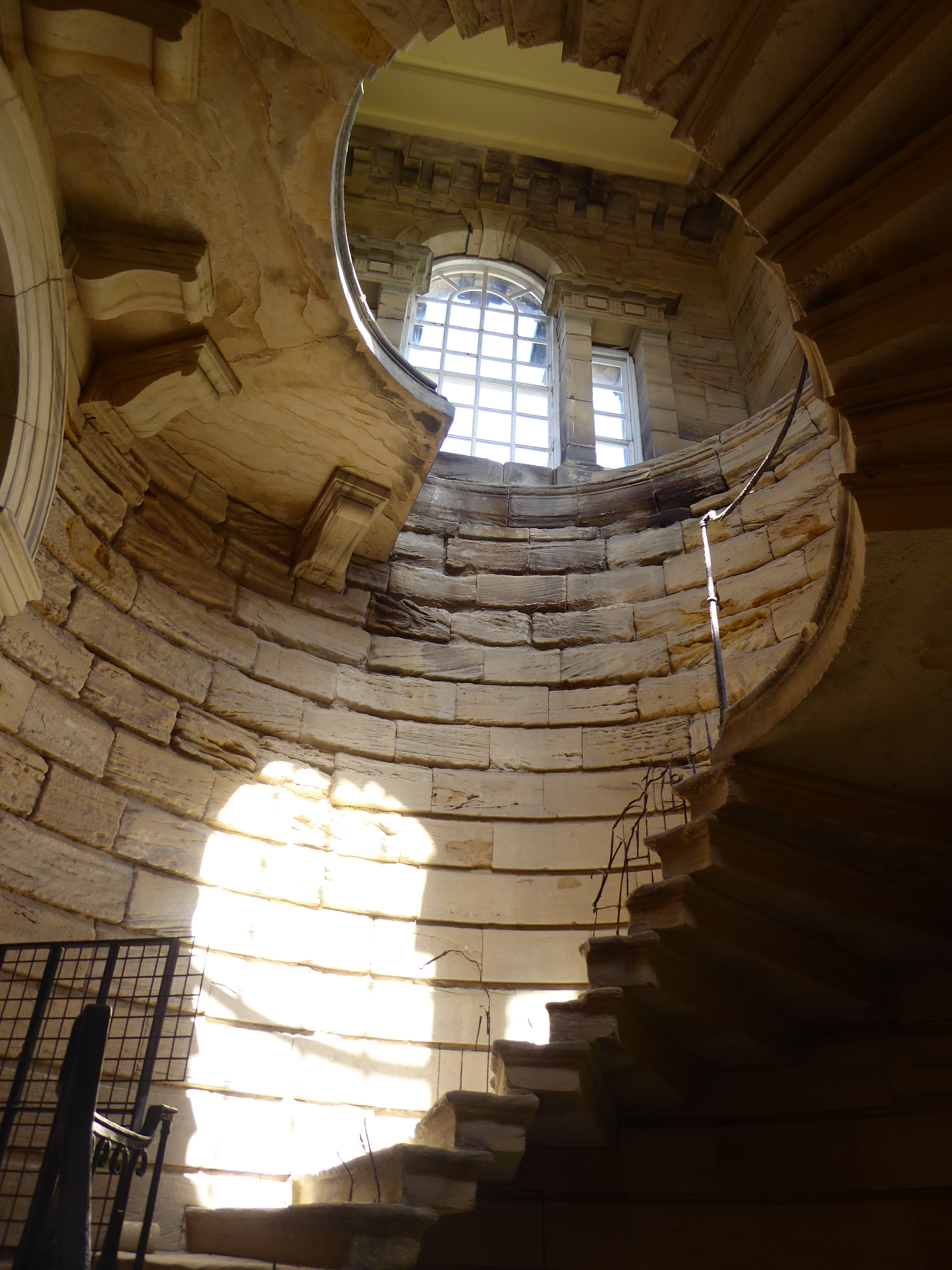
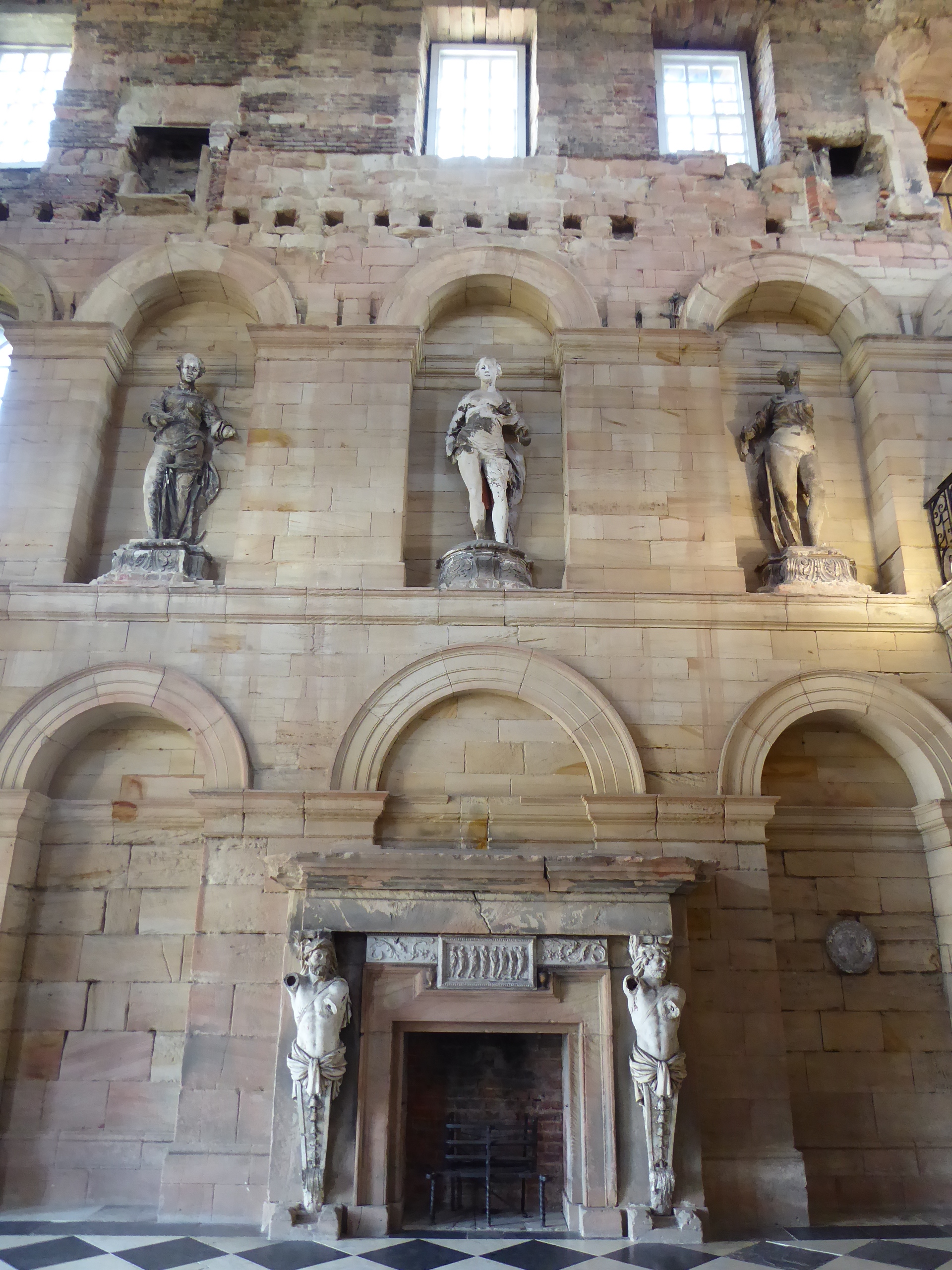
The Ashington train again, but this time only as far as Seaton Delaval and the Hall. Designed by Sir John Vanbrugh and built 1718-28. In 1822 a fire destroyed the south-east wing and gutted the central hall – the corps de logis. (I was confused about this, since both wings seemed intact, but a guide explained to me that the destroyed south-east wing was a later addition.) A great shame, priceless masterpiece, yada yada yada . . . but actually the damage to the showpiece central hall makes it all the more marvellous. Pipistrelle bats hibernate in the upper storeys. You can see which pilasters were made of stone. The eighteenth-century brickwork contrasted with the essential patching up of the nineteenth. Its ruin has been arrested, its proportions and exterior still dominate, and the interior has an air halfway between Ozymandias and poignancy. The family wealth (my inner Marxist asks the question) originally came from salt, glass (from the lovely sandy beaches) and coal.

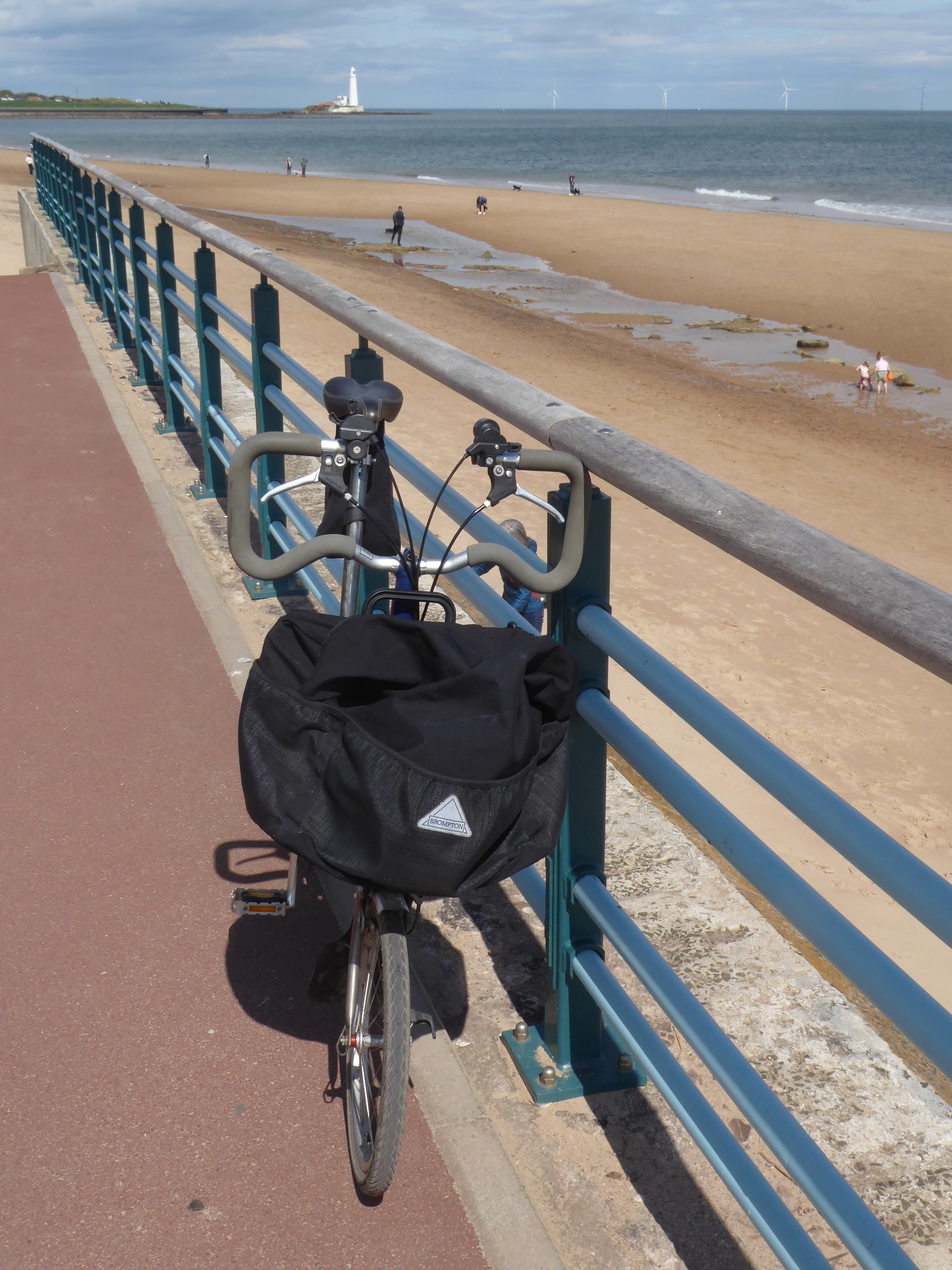
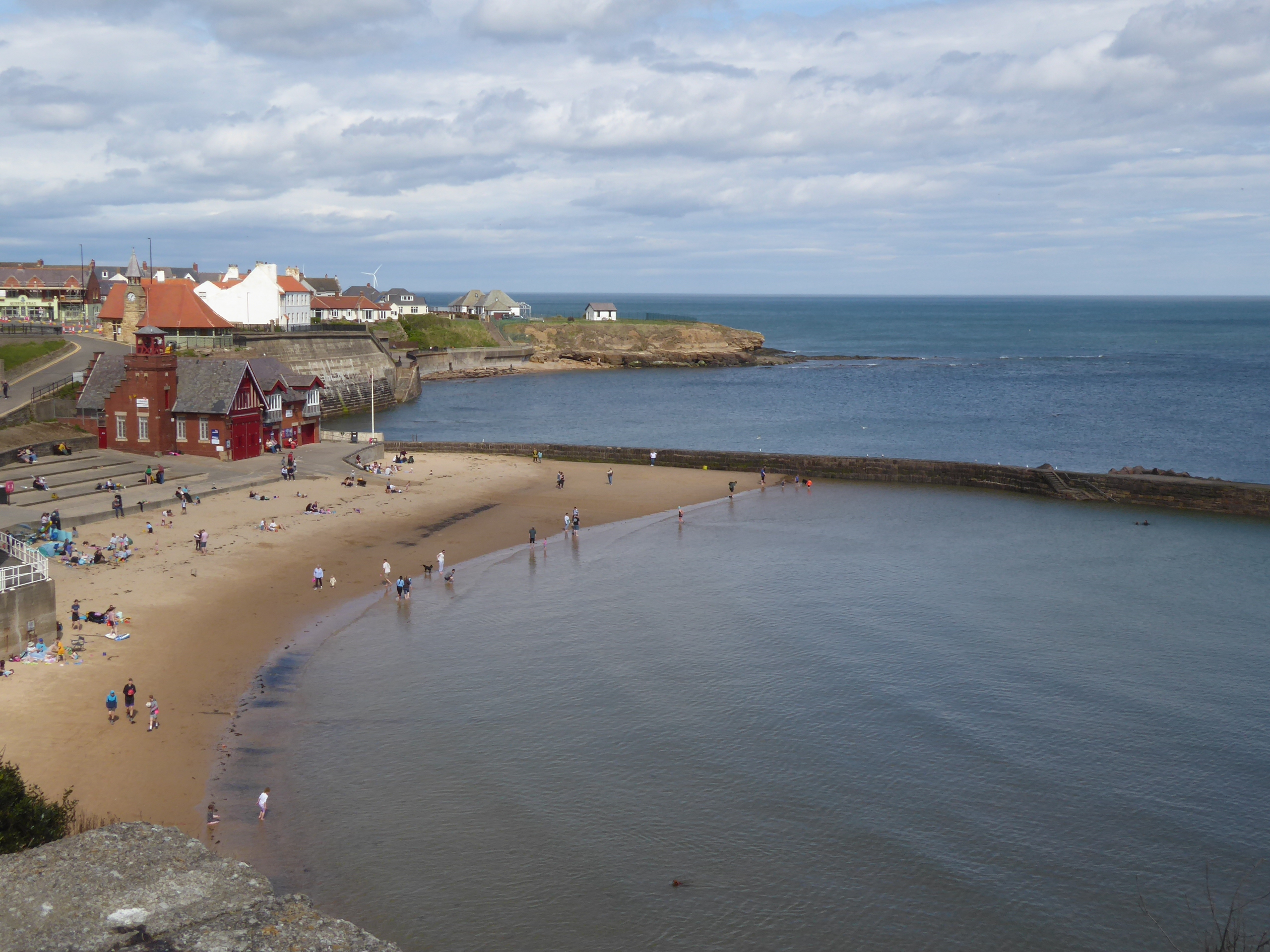
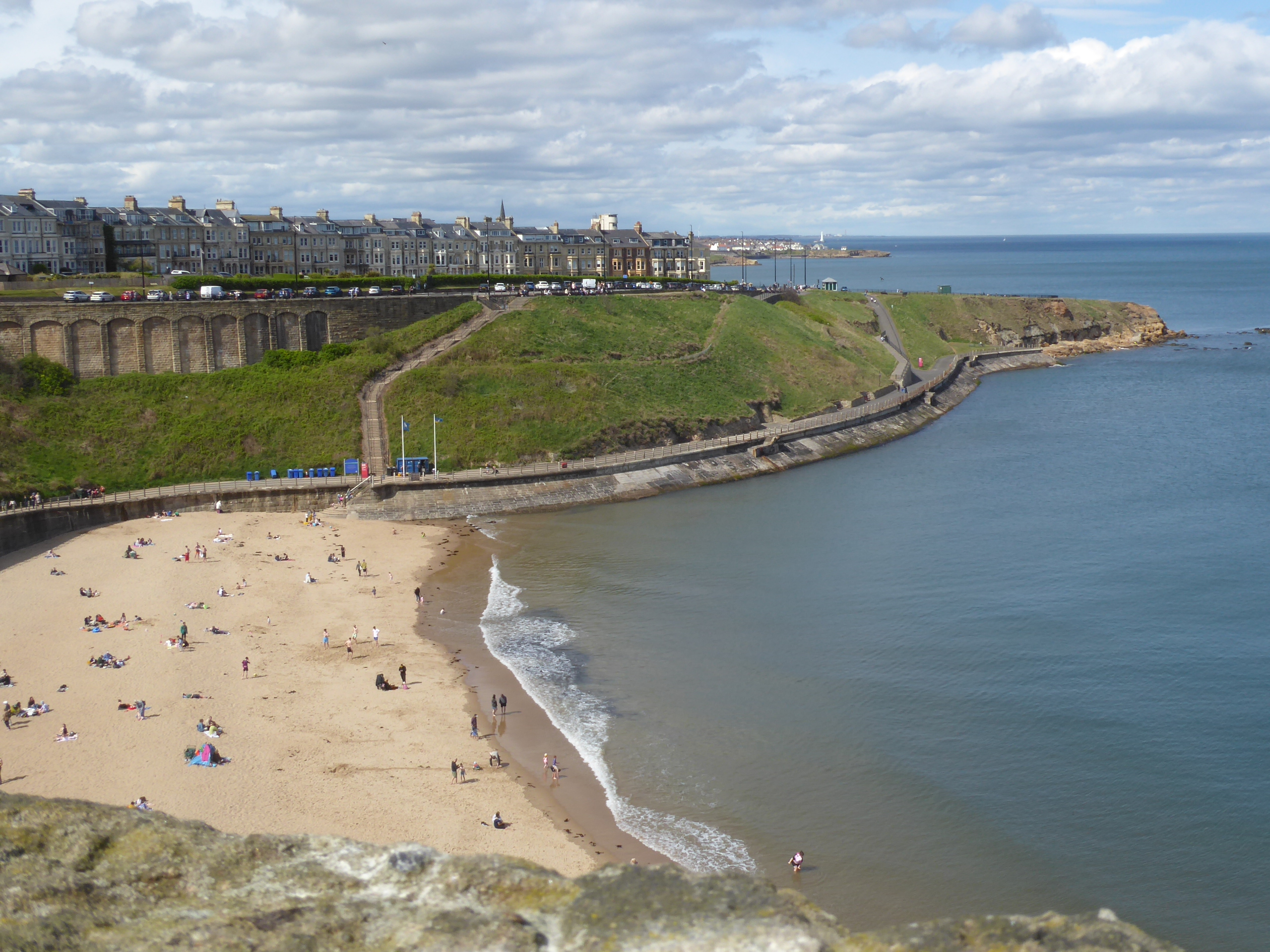
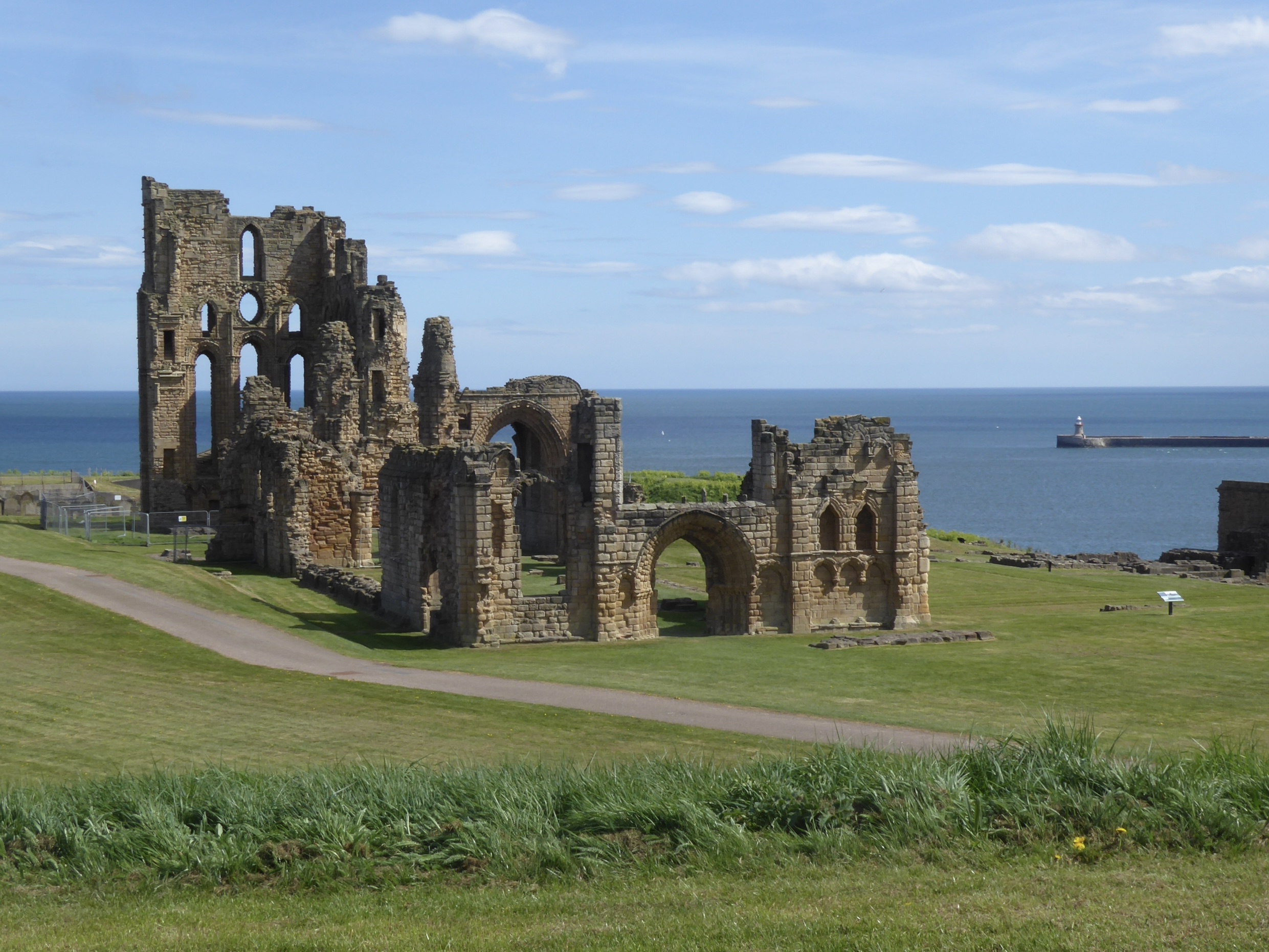
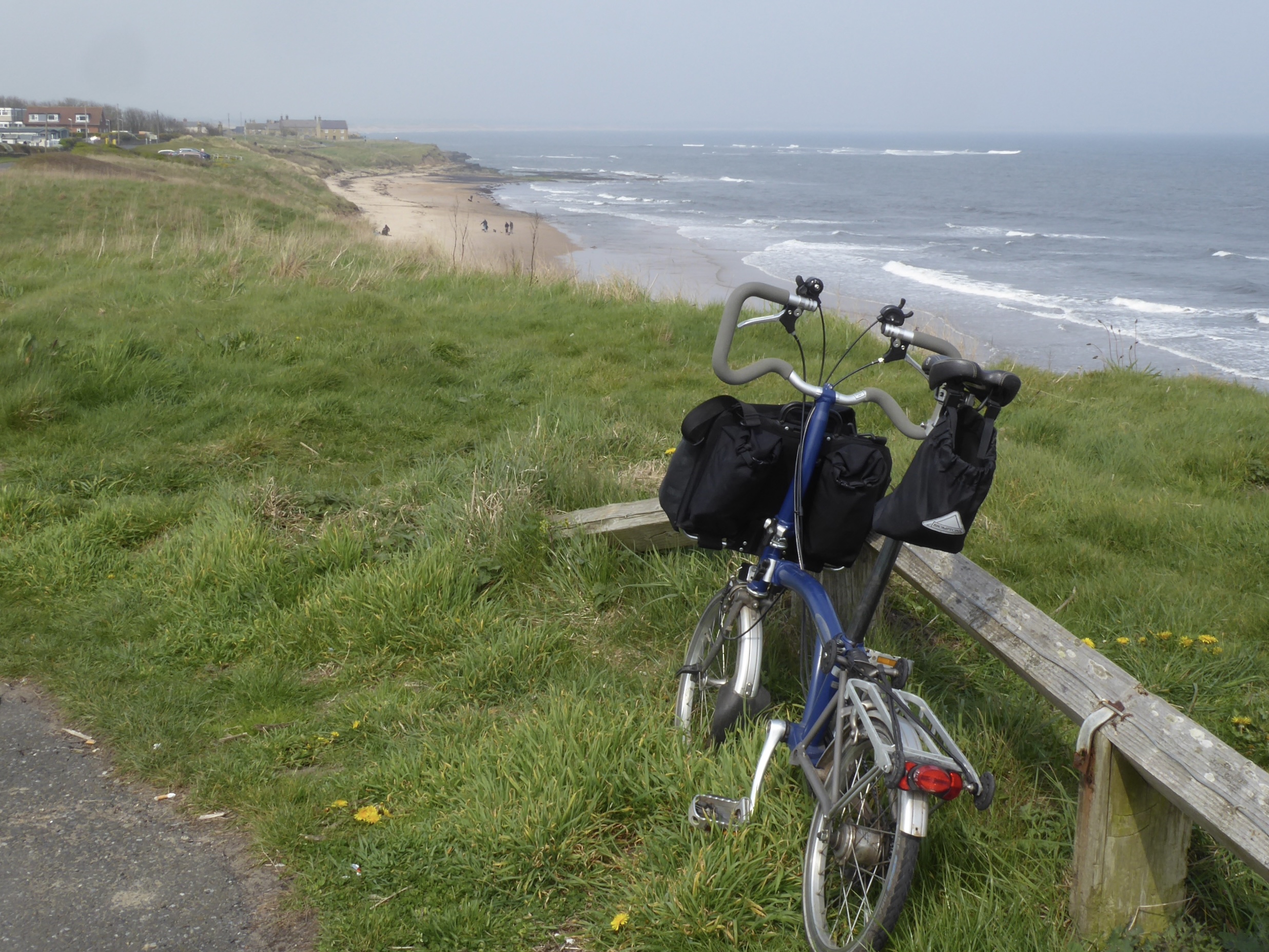
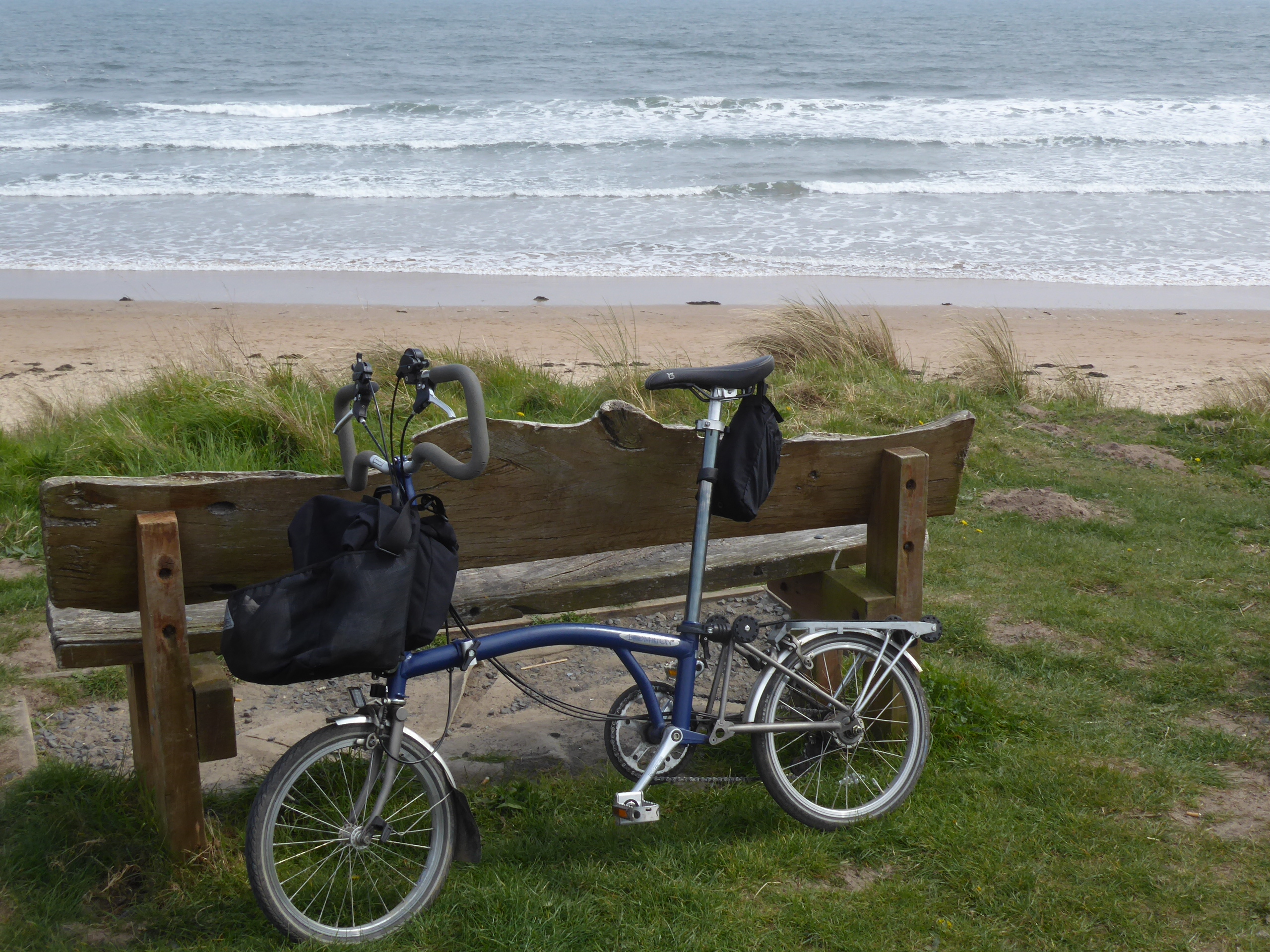
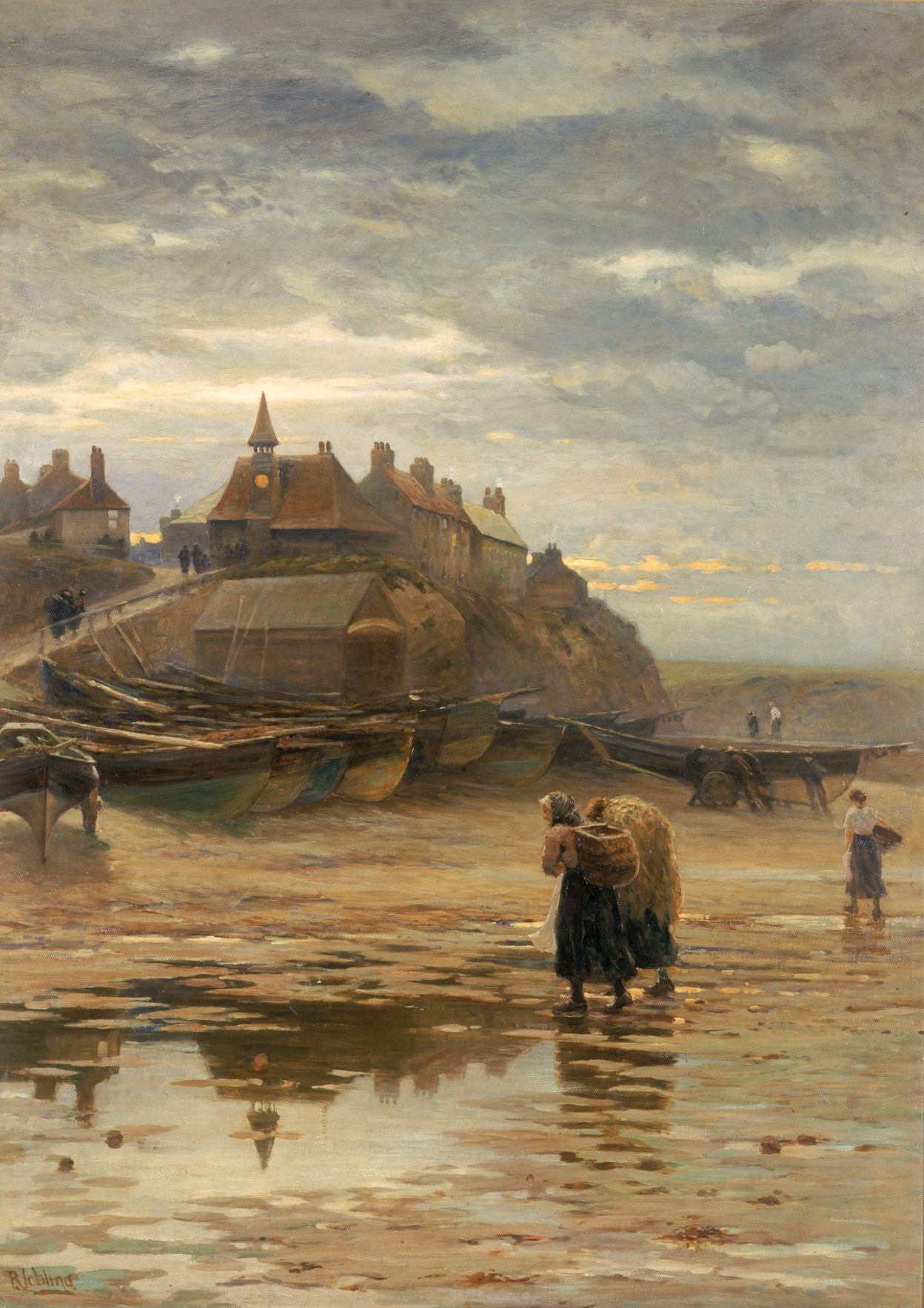
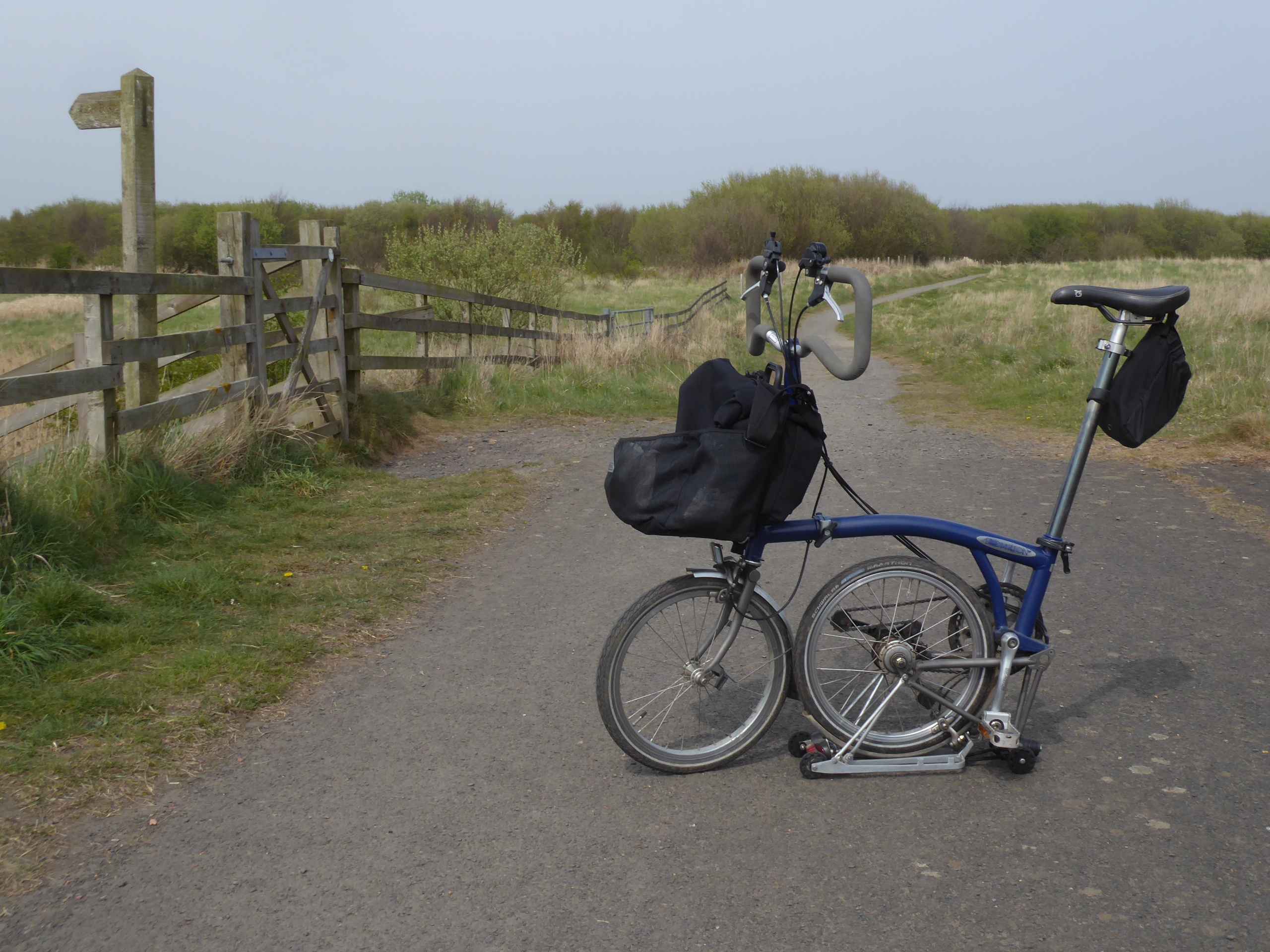
Then back to the Brompton and a ride to Seaton Sluice and southwards along the coast through Whitley Bay and Cullercoats to Tynemouth. I stopped to admire the Spanish City and remembered how my Newcastle-bred mother used to refer to Whitley Bay as some kind of childhood Nirvana. At Cullercoats I recognised the bay and Watch House from Robert Jopling’s paintings. And the outline of Tynemouth priory looked uncannily familiar until I remembered an evening ferry from Newcastle to Ijmuiden years ago. Then the metro back to Monument and I was in the big city once again.

Ashington to Alnmouth

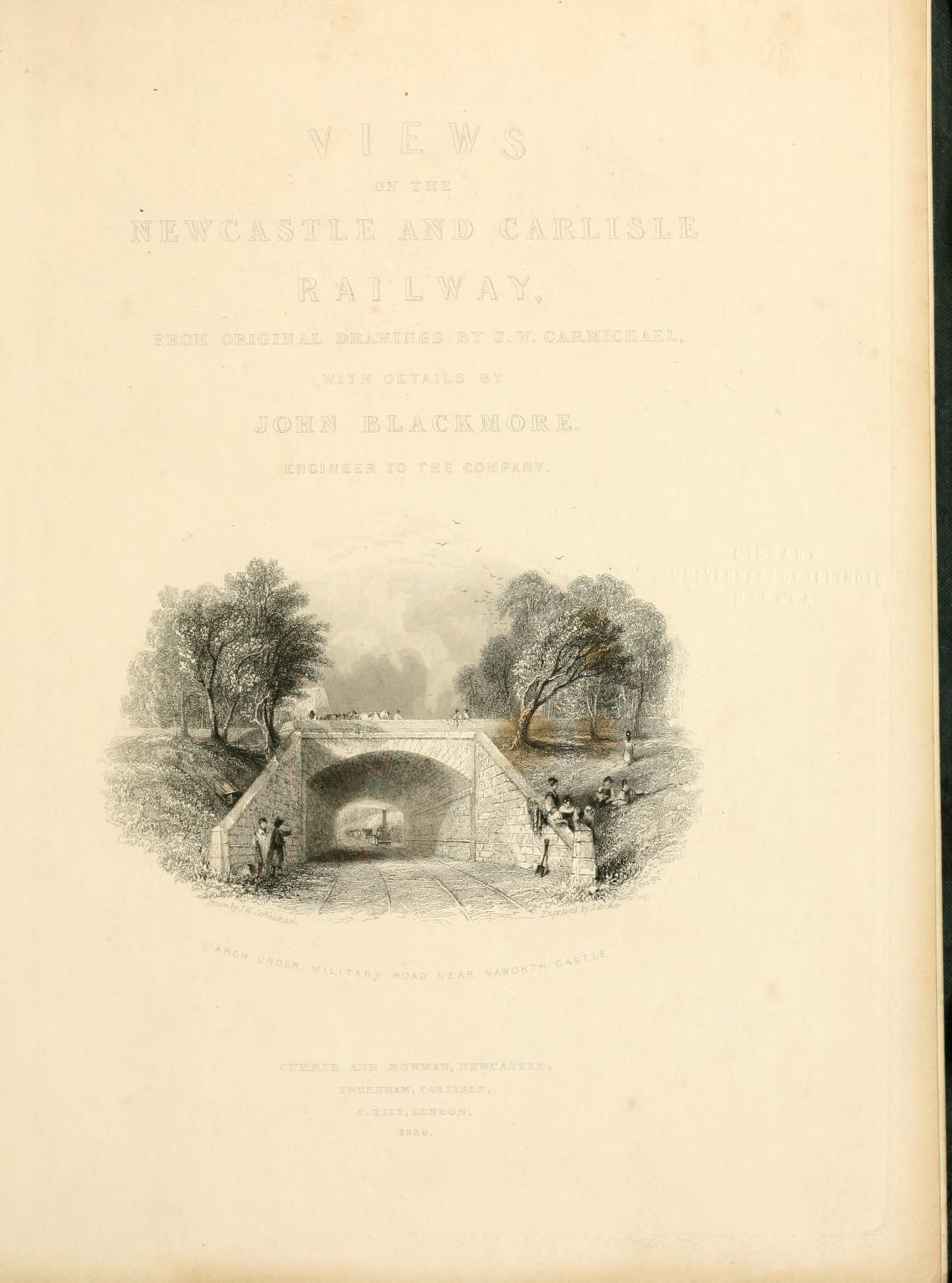
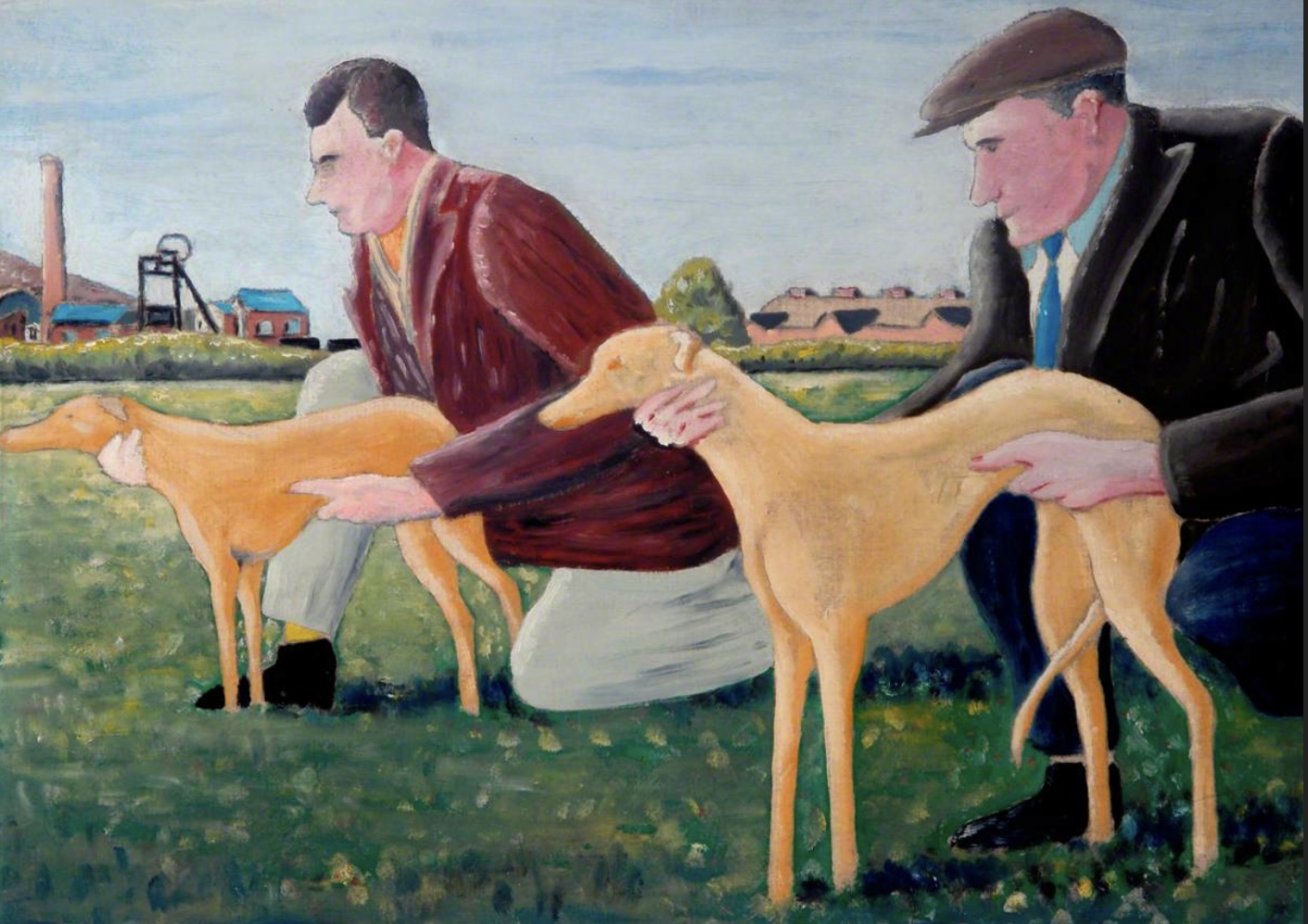
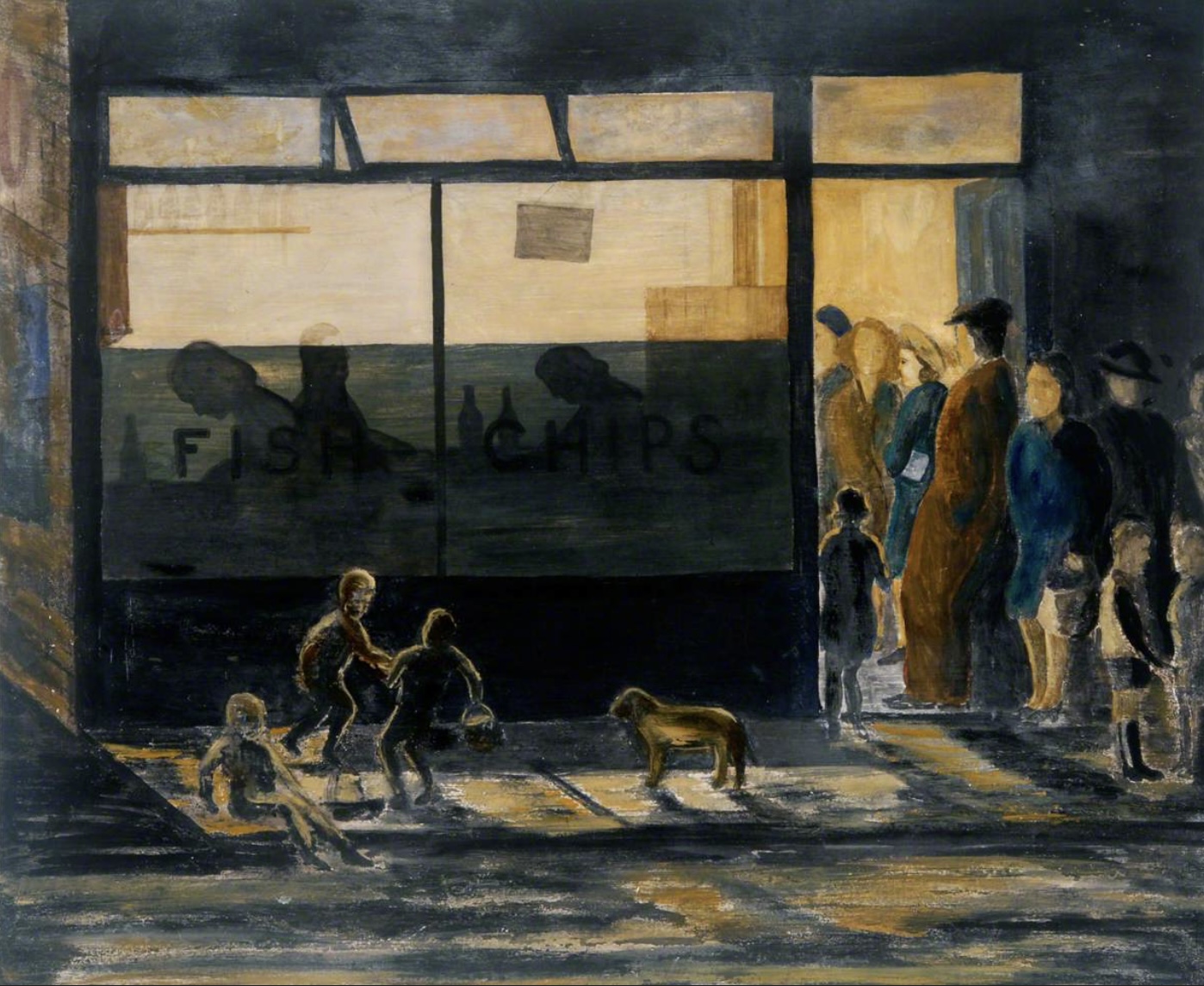
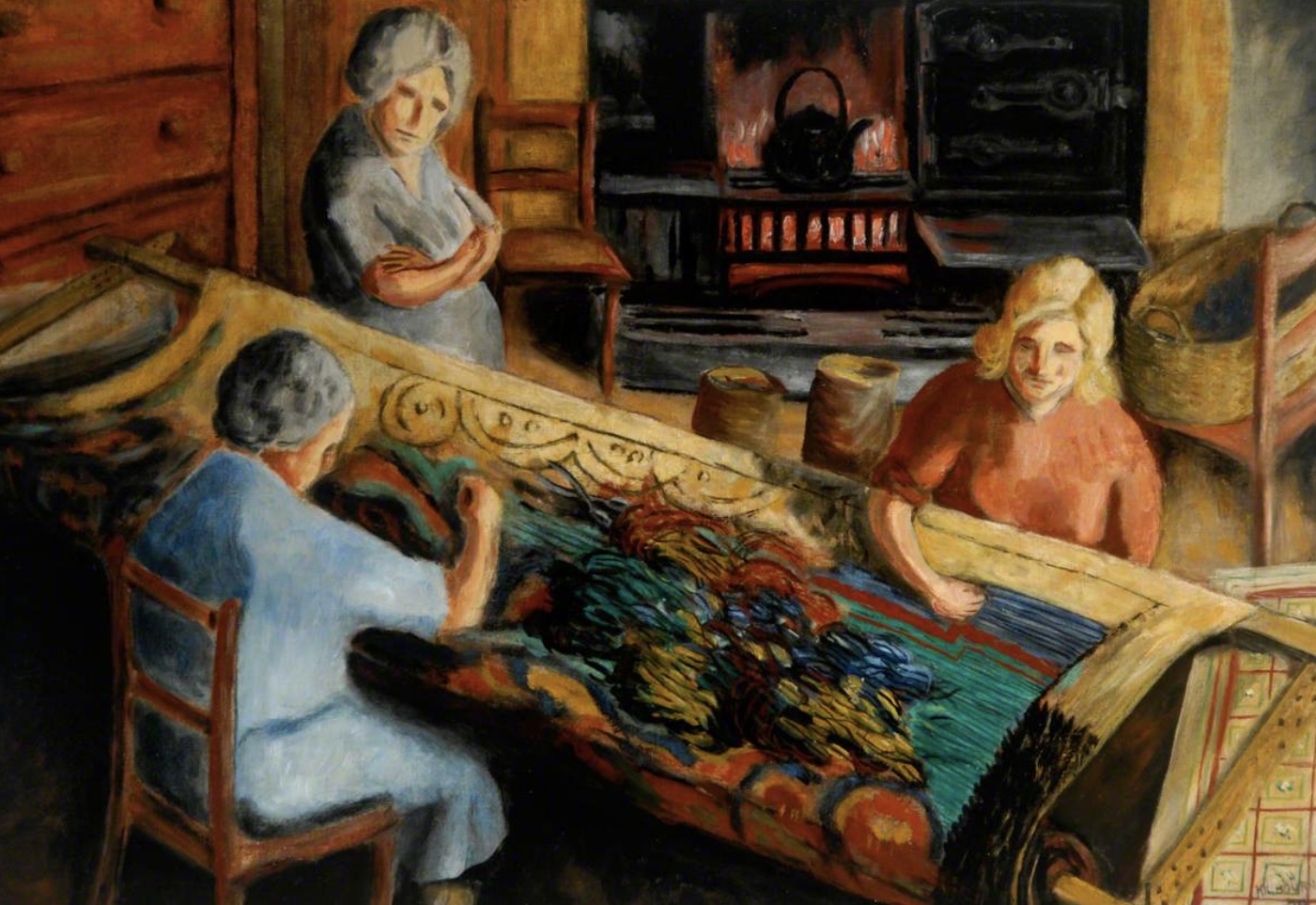
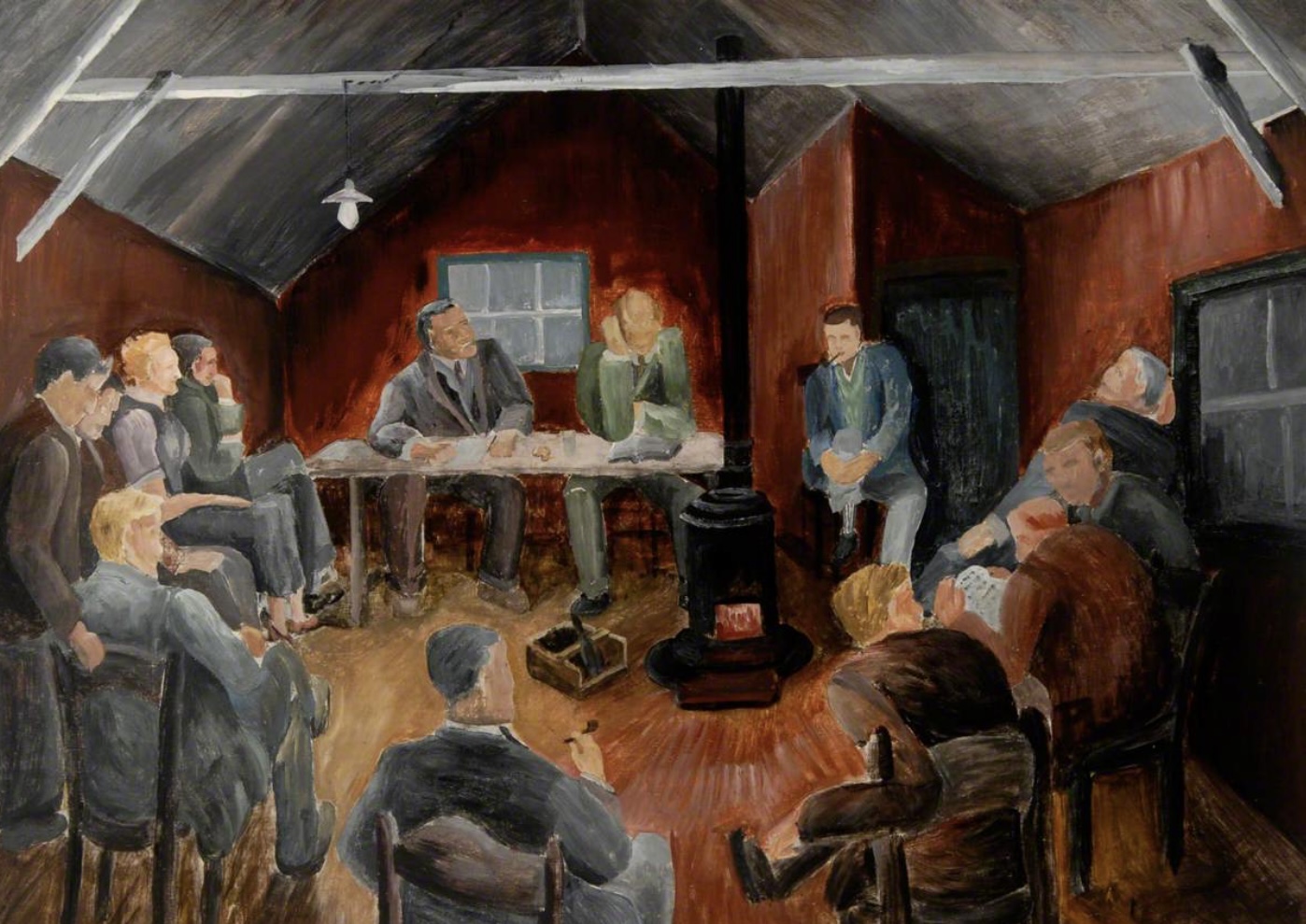
What prompted me to come to Newcastle this time was the re-opening to passenger traffic of the railway line to Ashington – which is the gateway, for me, to see the works of the Pitmen Painters.

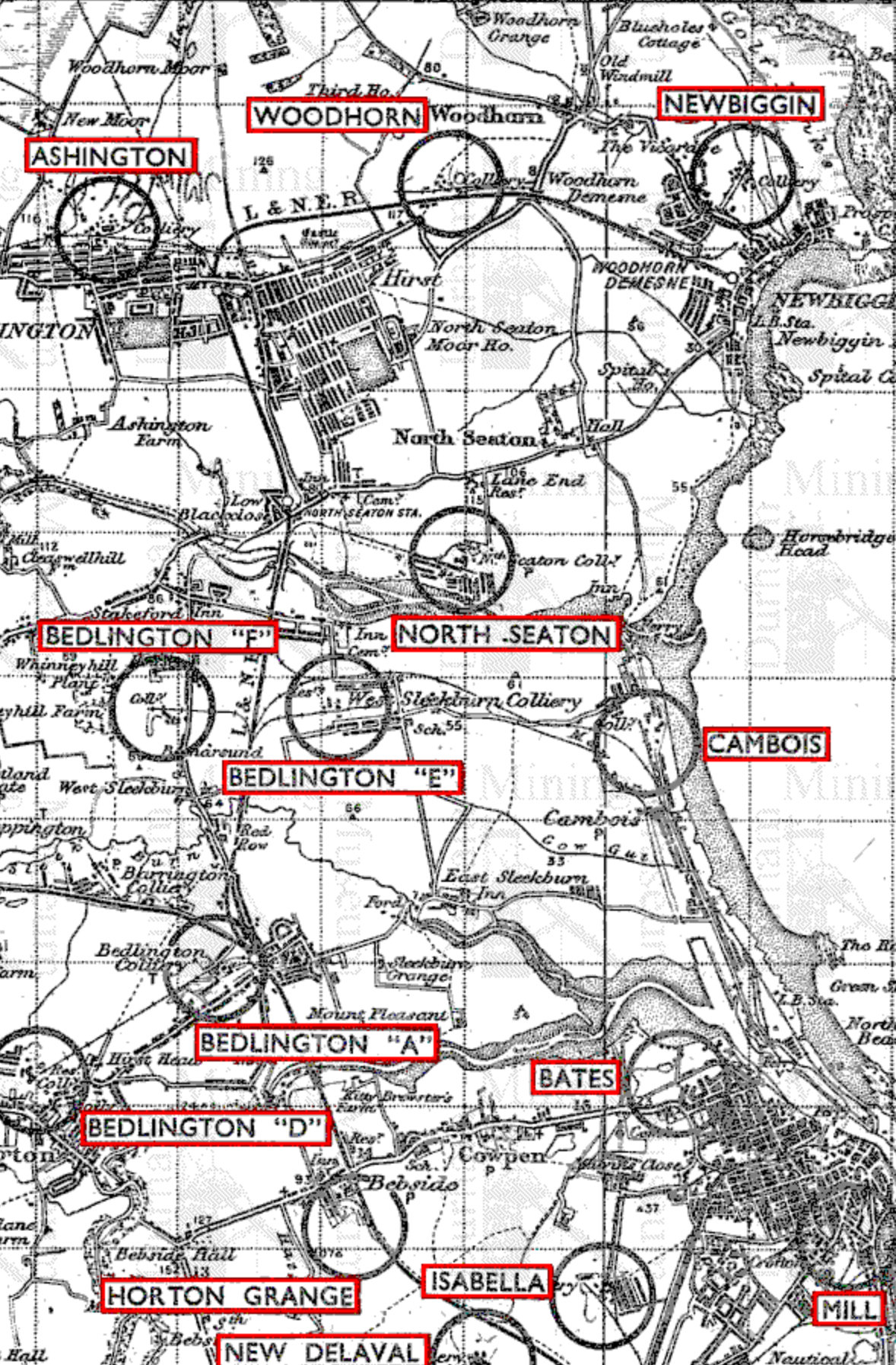
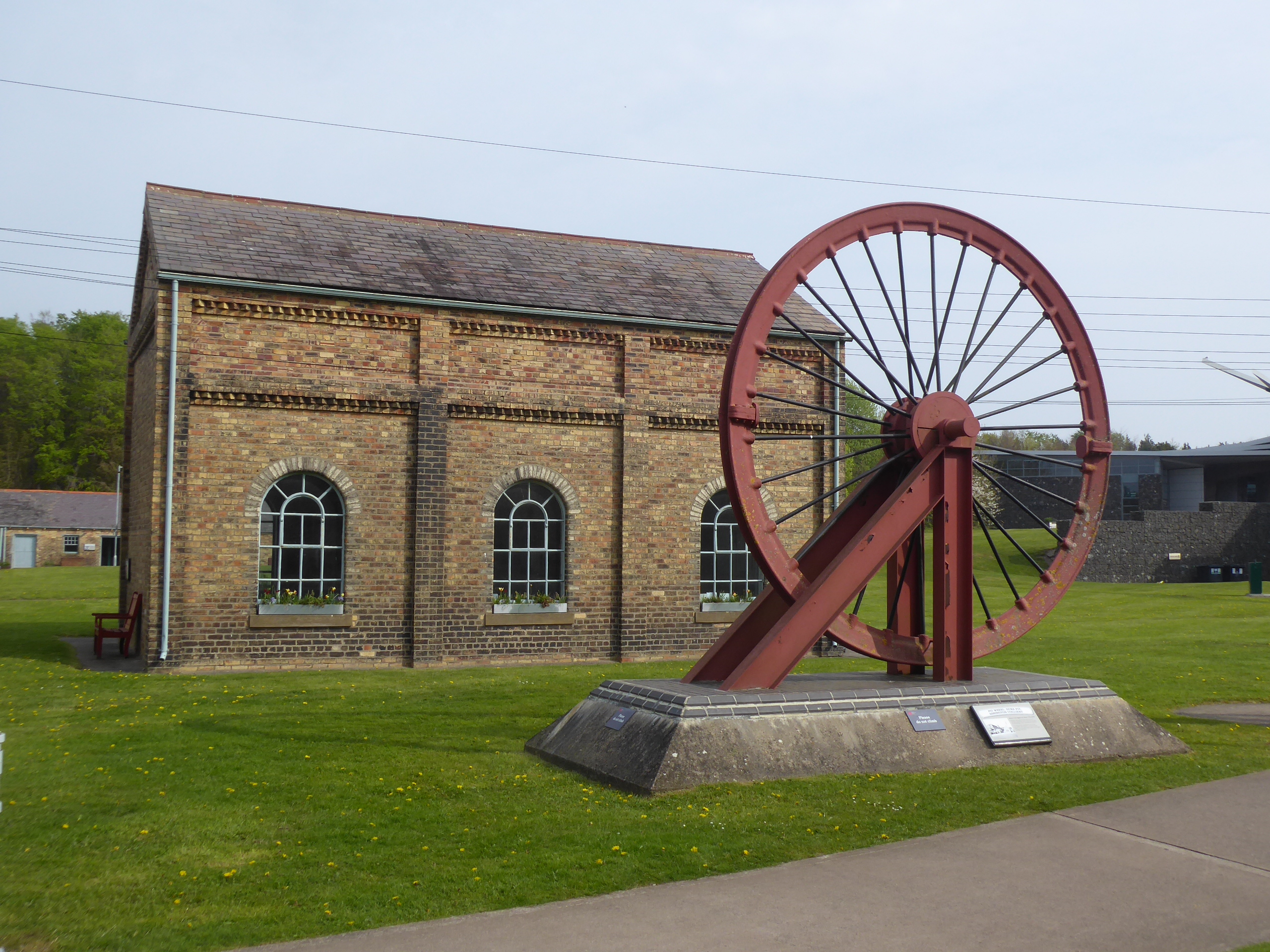
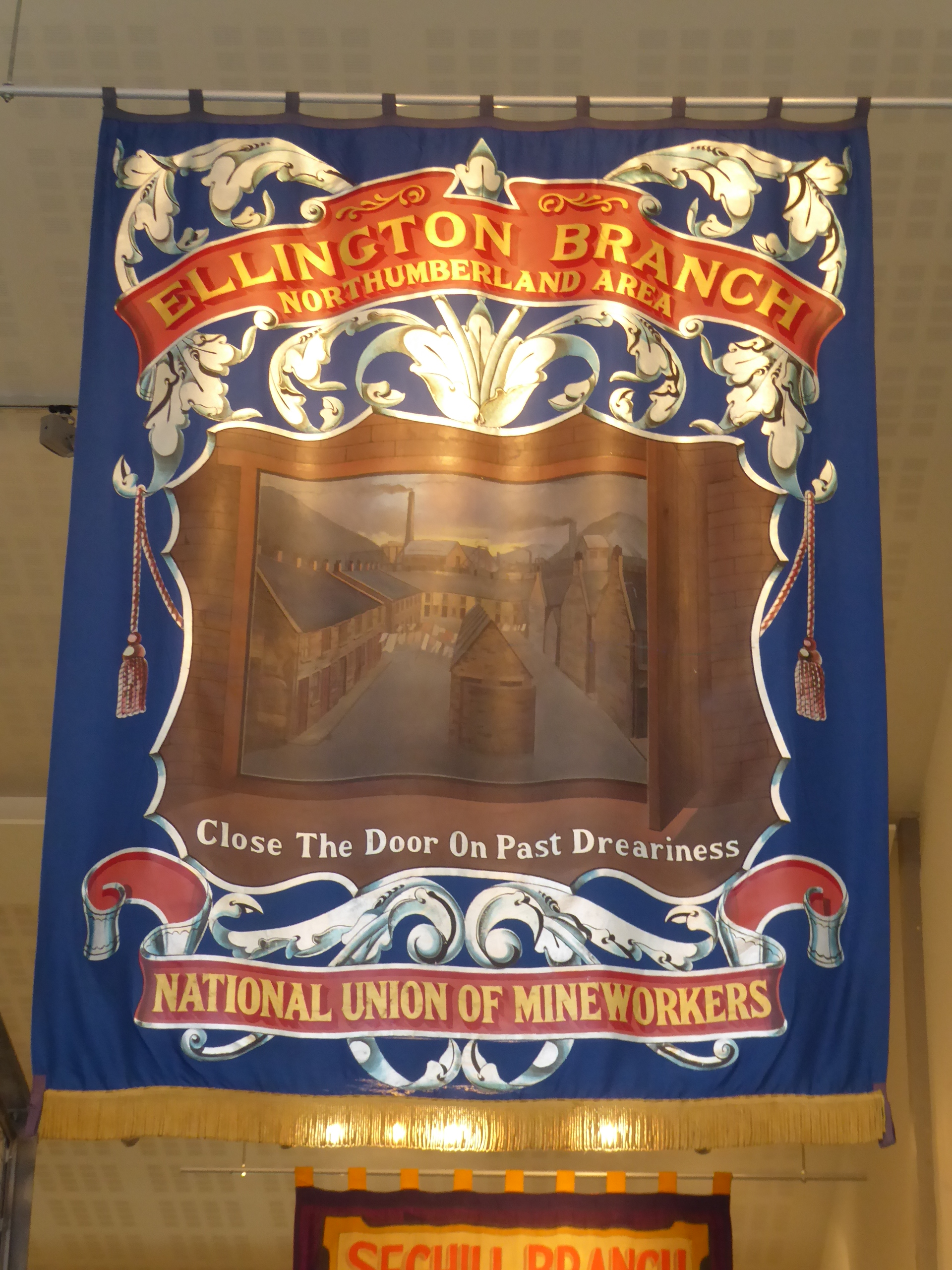
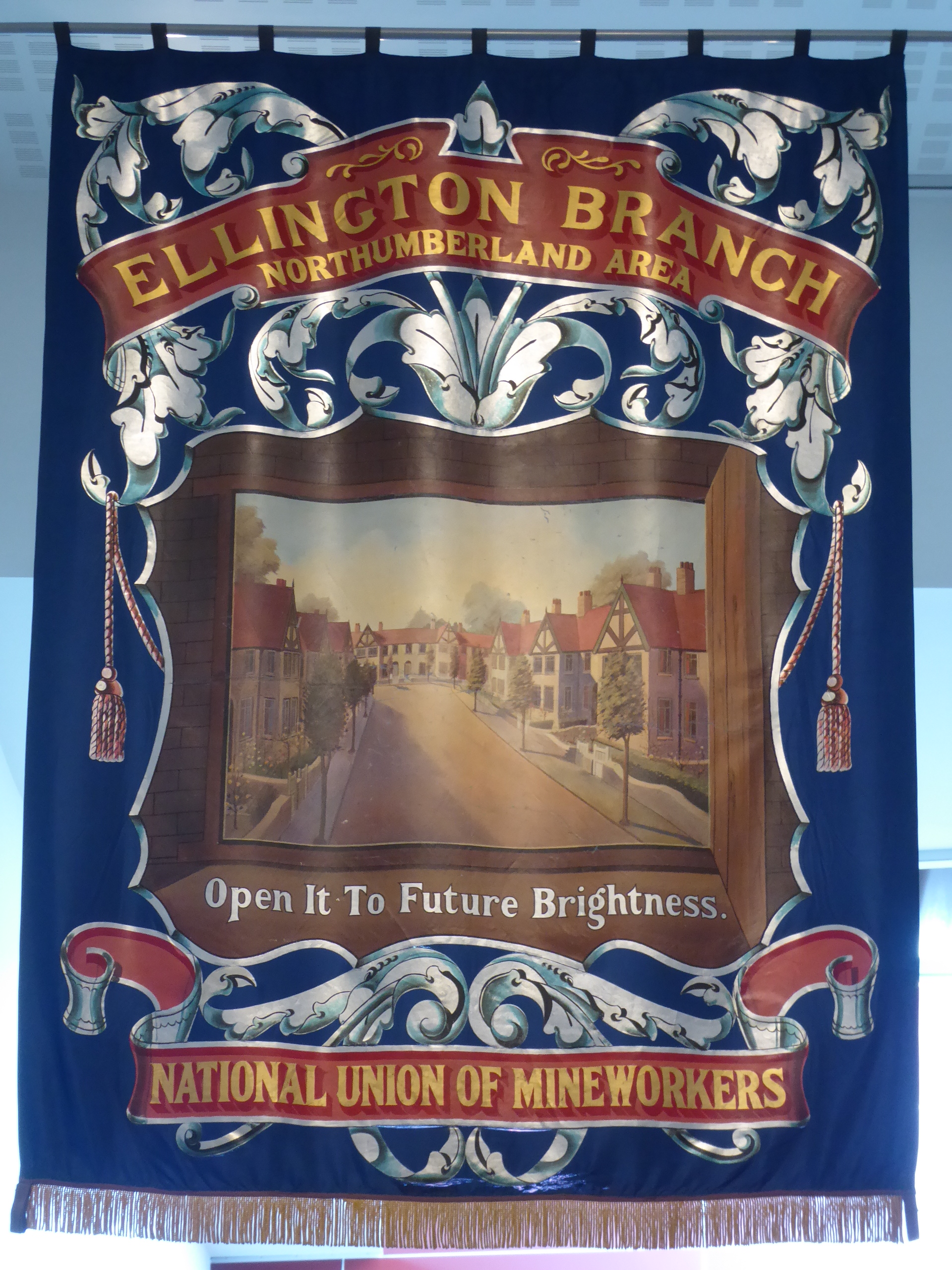
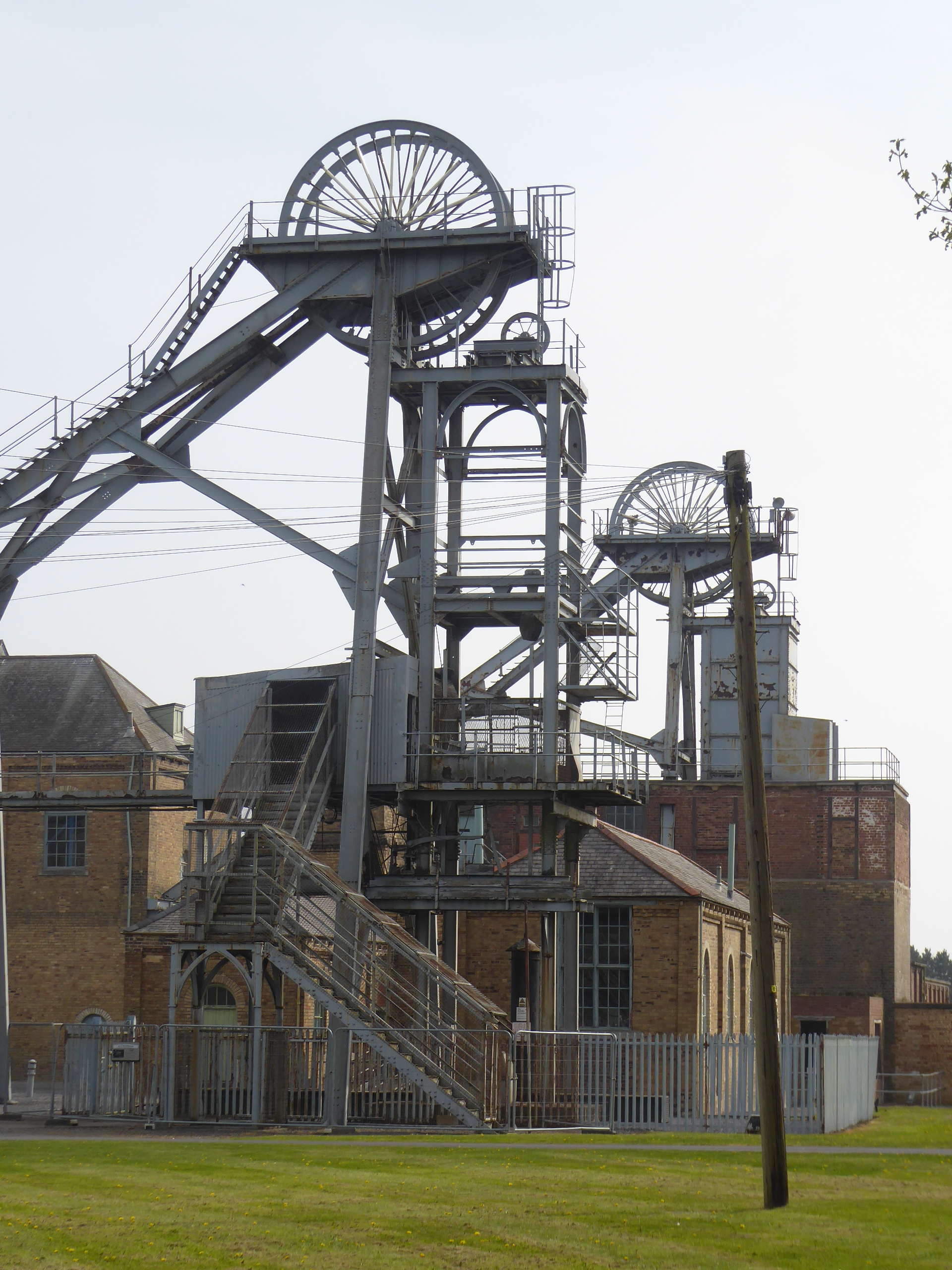
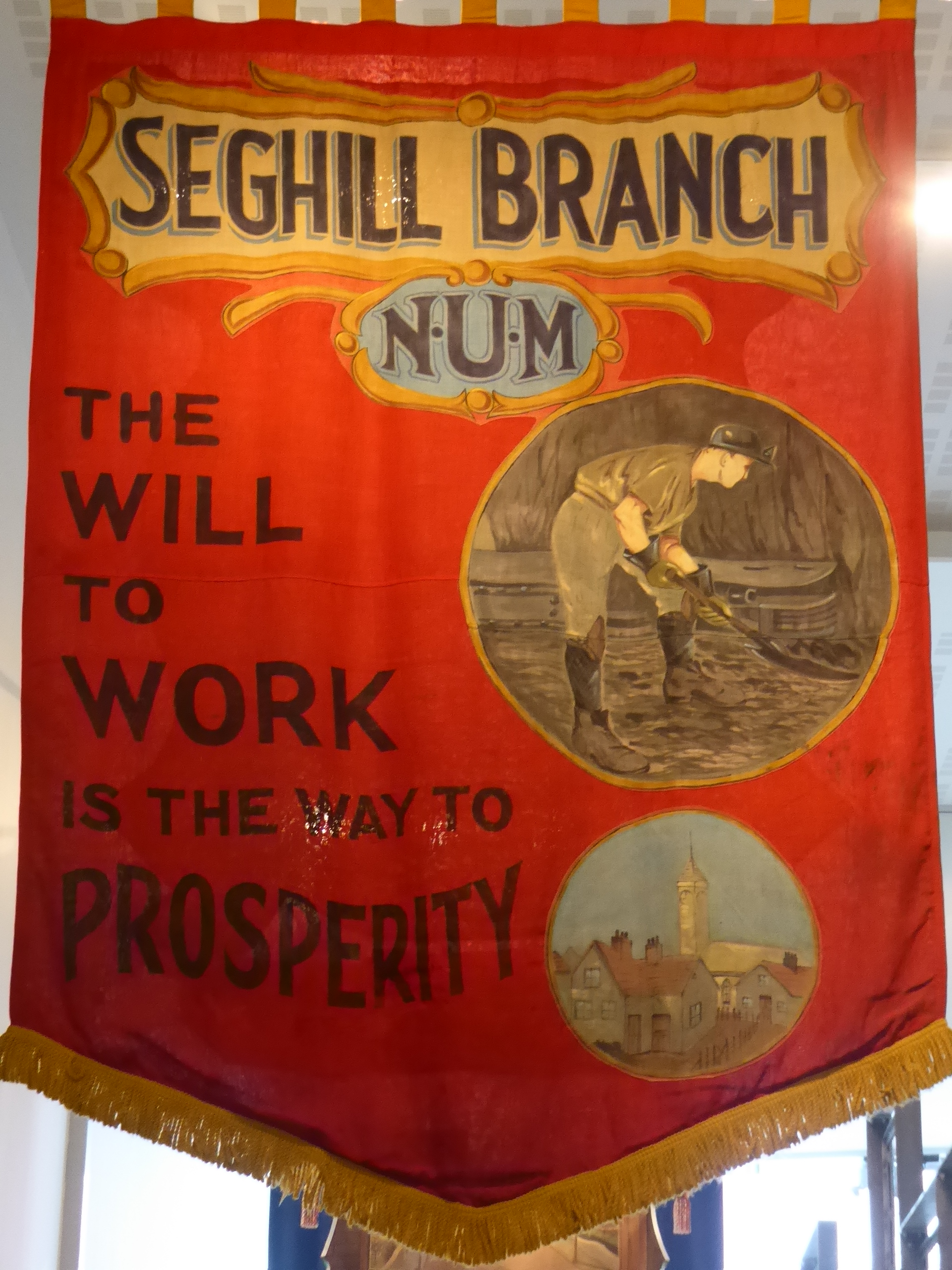
The Brompton and I found the cycle path from Ashington to the Woodhorn Museum. In addition to the gallery, it’s also a mining museum in what was, until 1981, the Woodhorn Colliery. There was once also an Ashington Colliery – a distance that it had taken me ten minutes to cycle slowly – so, of course, I started wondering how cheek-by-jowl collieries were here and found a 1951 map online which gives me an answer. From the train I’d seen a few old spoil heaps, just humps and plains covered by scrubby vegetation, but, as an outsider, I find it hard to imagine what this area was like until fairly recently. The museum is interesting: several of the key buildings remain, along with the pit wheels, and I noted (as with old German mining administration blocks) that even functional buildings can include proportion and decorative elements.

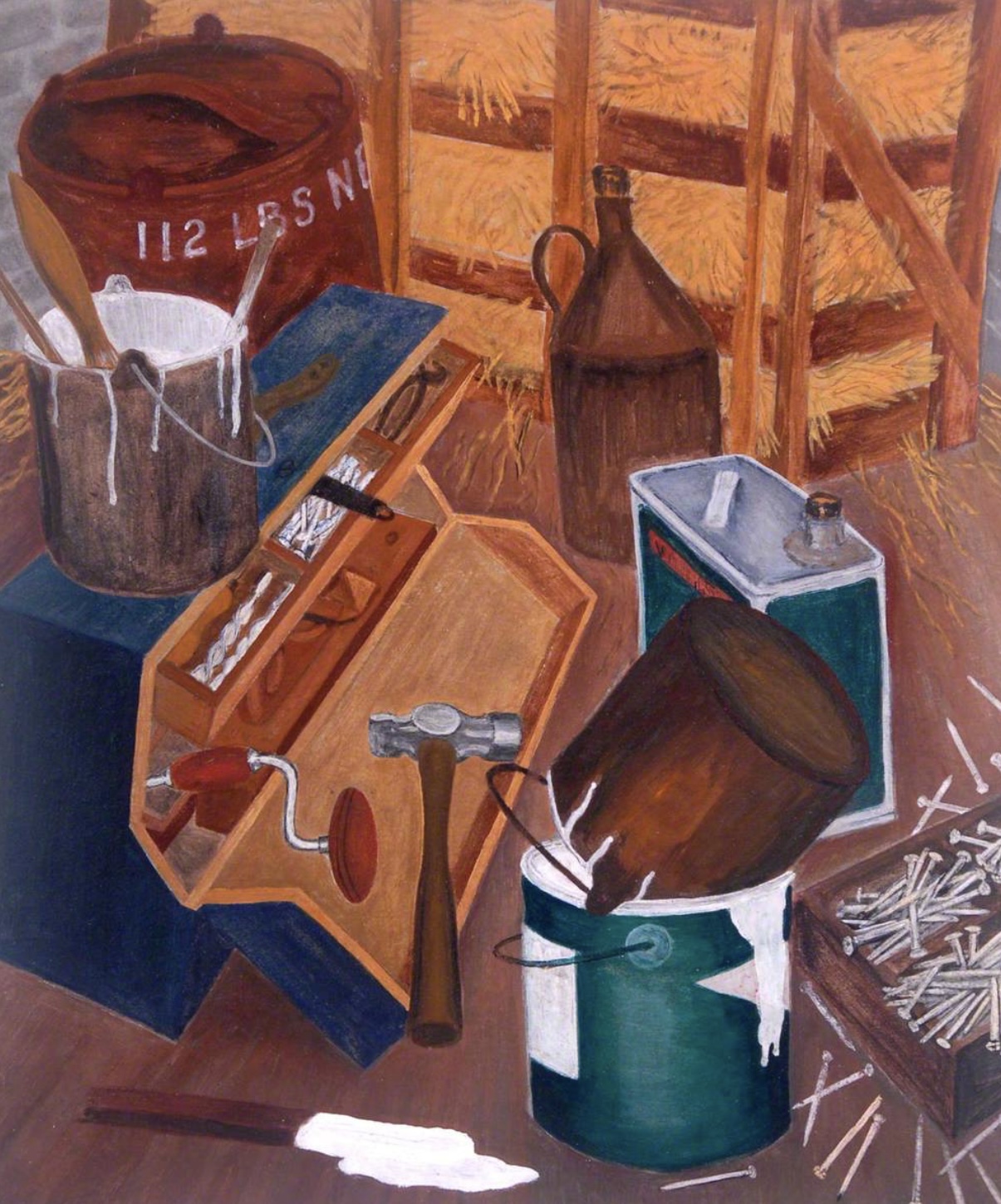
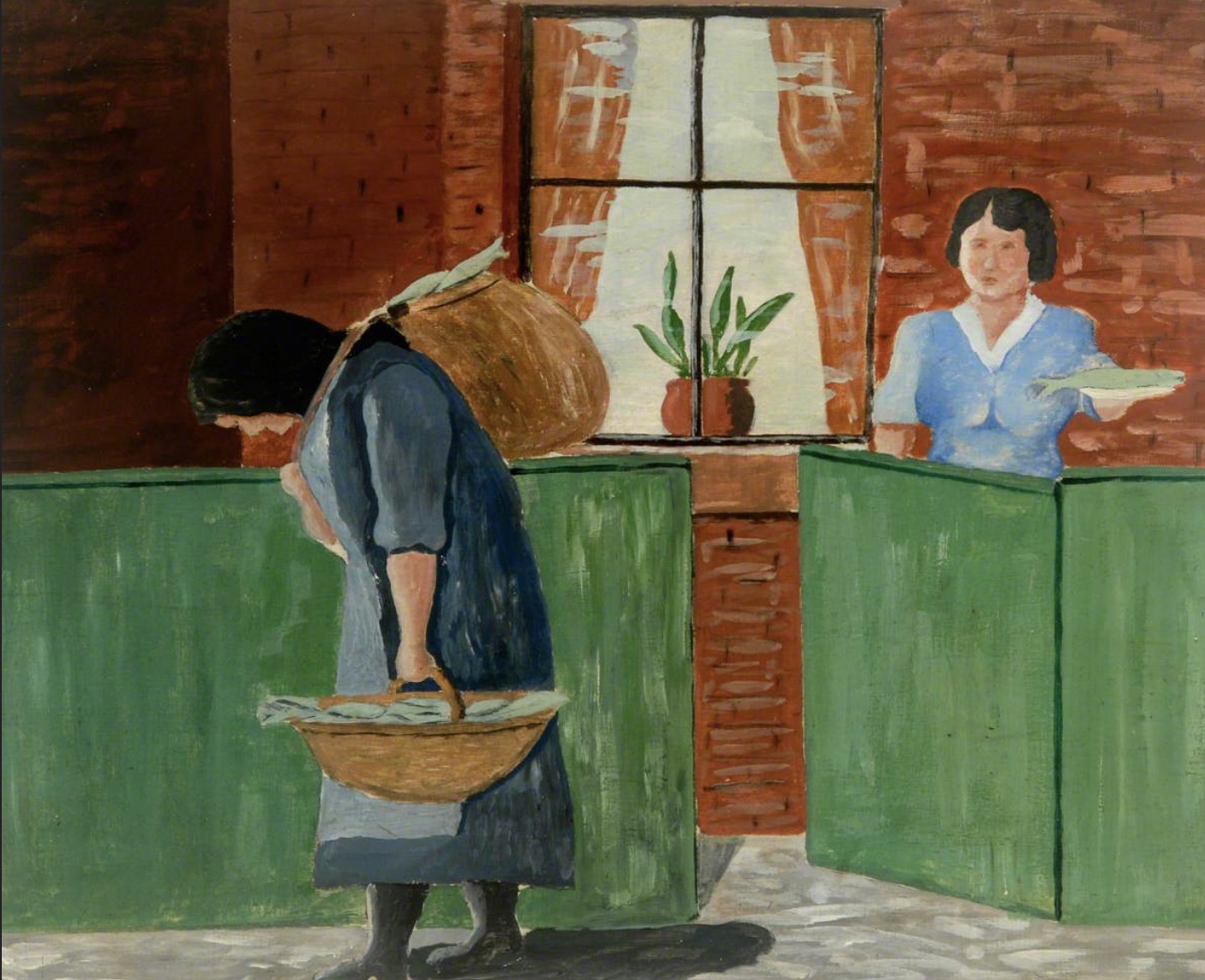
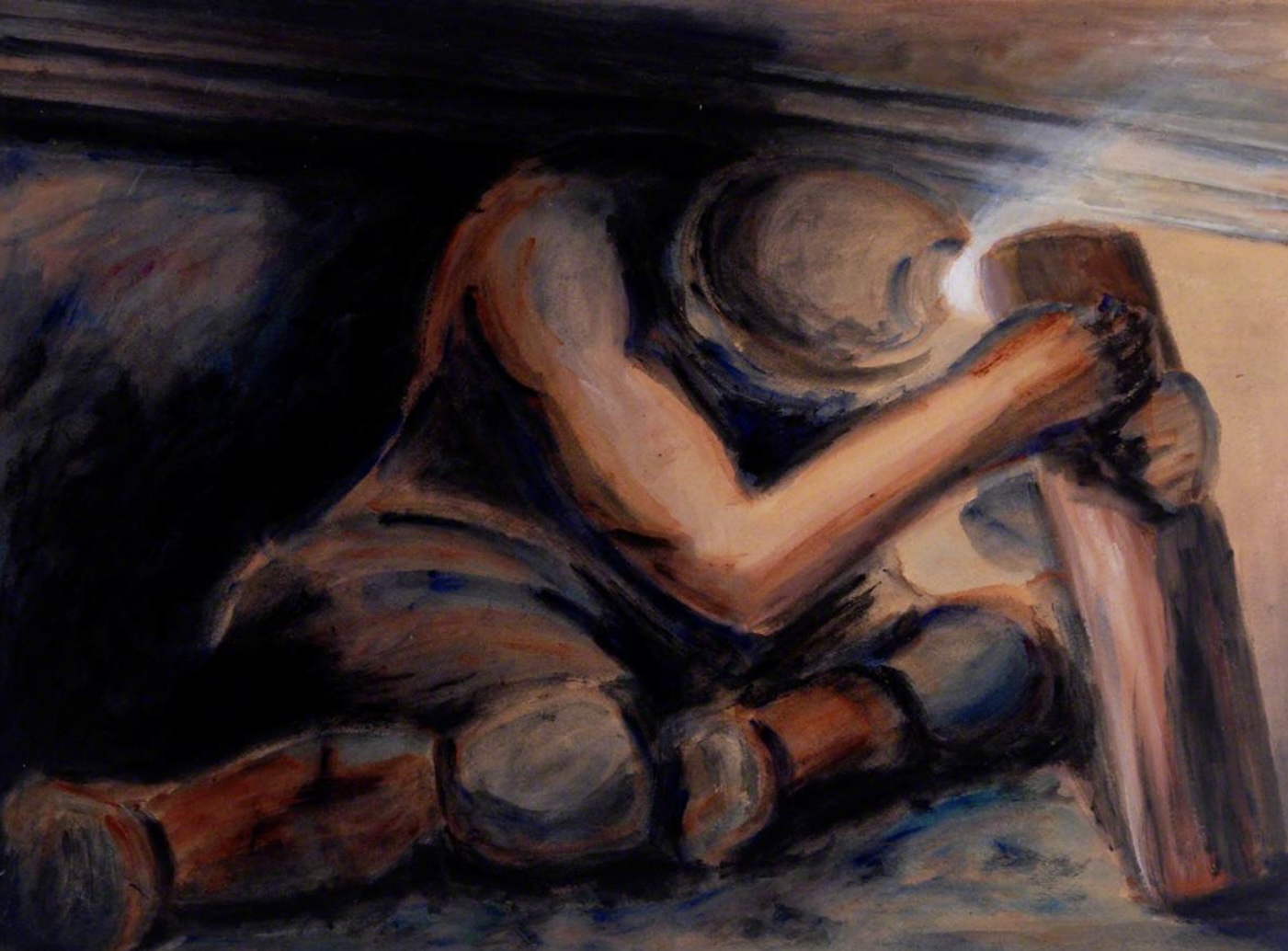
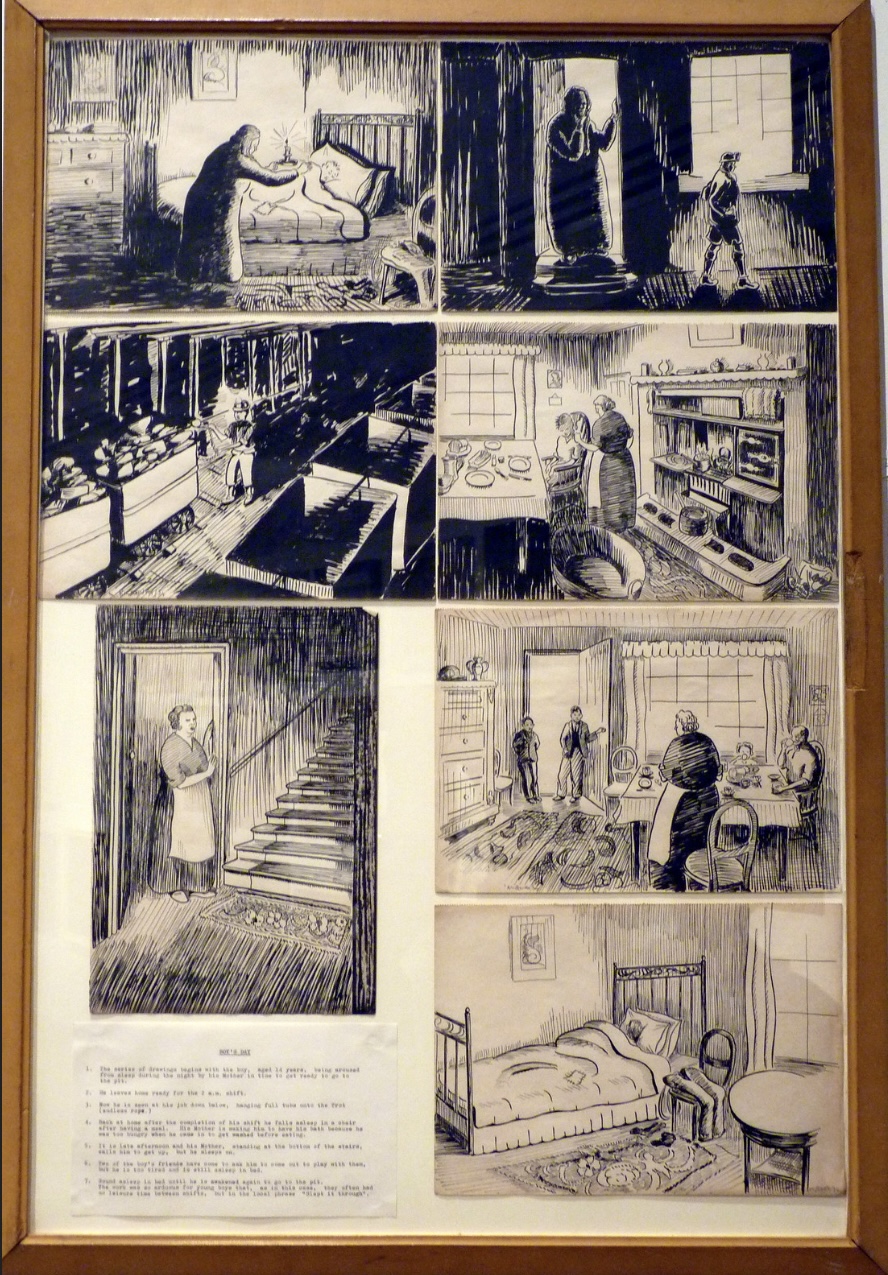
And so to the Pitmen Painters. In 1934 a group of miners, having finished one WEA course, began another on art appreciation under their tutor, Robert Lyon from Armstrong College, Newcastle. (Is that the Cragside and Bamburgh Castle Armstrong?) Lyon considered that his students would learn to appreciate art more effectively by doing it themselves – and so an art group was established in Ashington. They met regularly for fifty years and painted together – mostly scenes from their lives. Their materials were what they could afford, and initially it was Walpamur decorating paint on plywood. I felt rather mean as I reflected that their skills had not developed markedly over the years, but actually I was misreading their work. It was art rooted in their community, from a communal age and a particularly close-knit industry. I had a fleeting sense of recognition as I looked at the paintings – something that took me back to my grandparents – and an awareness of their rootedness. Which I suppose is another word for authenticity.

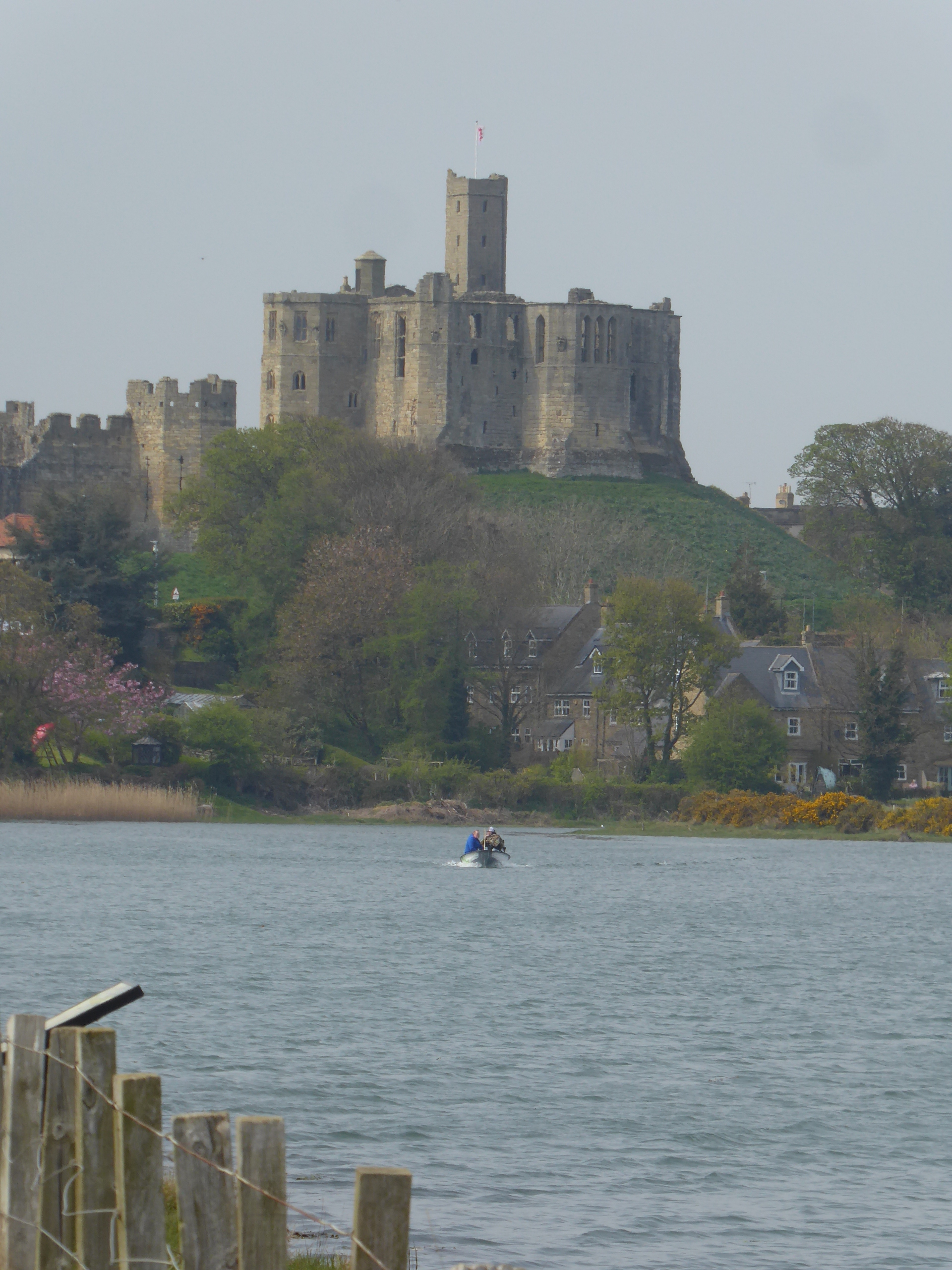
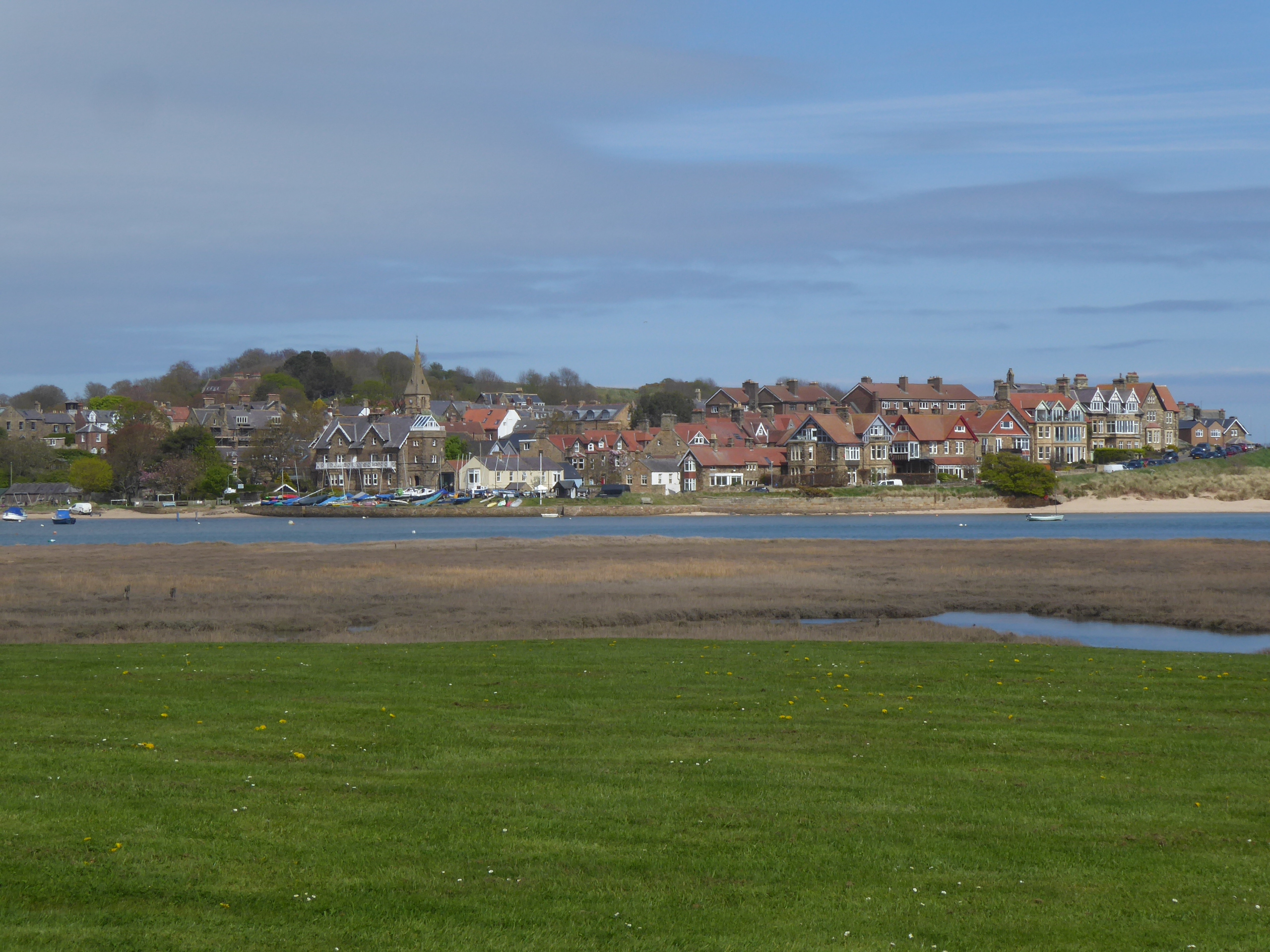
I had decided that I would have a little ride and return to Ashington railway station; the barrier of the River Wansbeck made a ride south look unattractive, so I decided on a little ride north – just a few miles and then turn round. Only the wind was at my back, the weather was so pleasant and the road so quiet that I just kept pedalling, past Druridge Bay, past Amble, past Warkworth Castle . . . until I ended up at Alnmouth once again. I haven’t been there for over twenty years – and now I’ve been there twice in two days.

”Romance to Realities” at the Laing

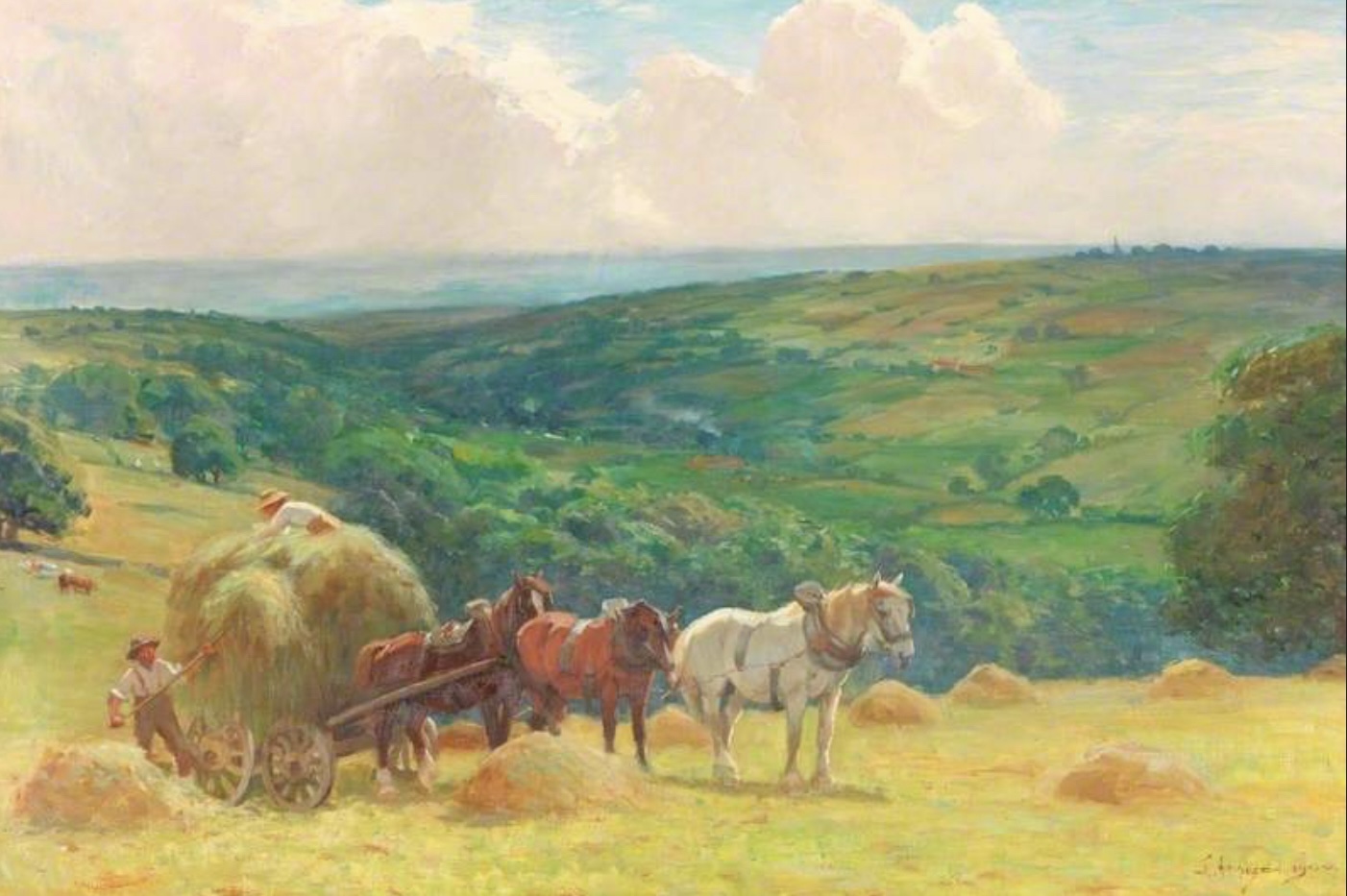
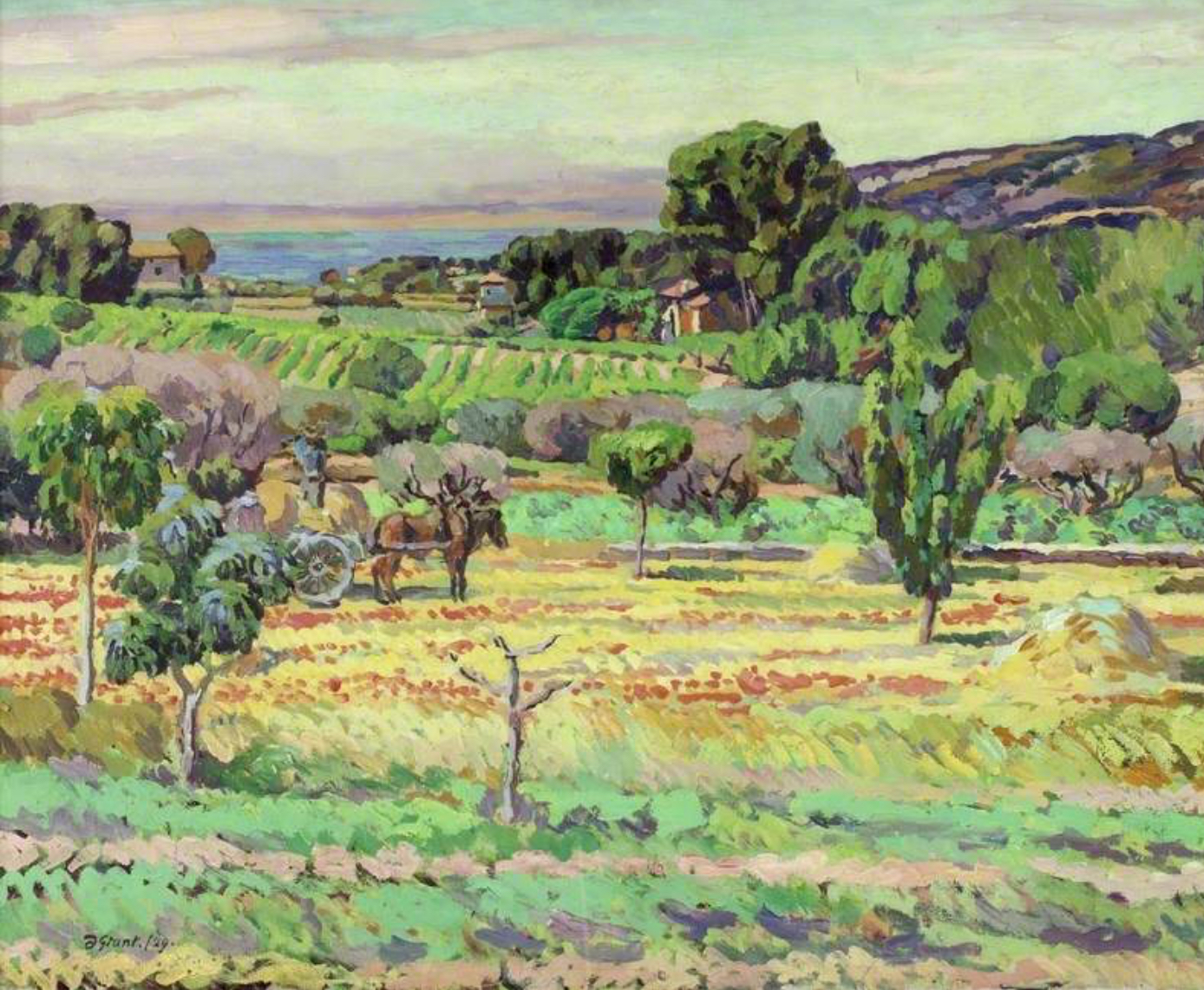
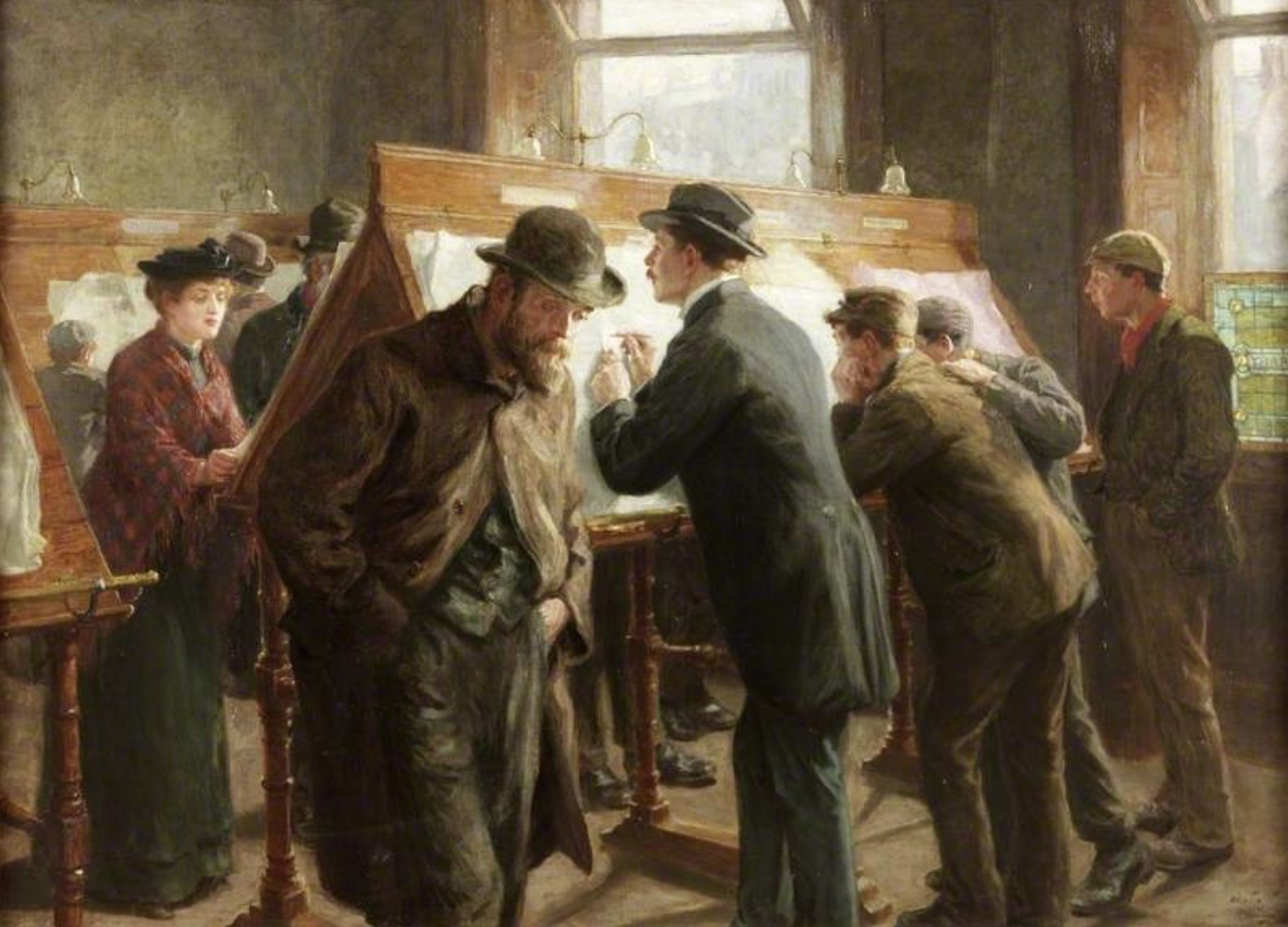
Perhaps not the most exciting exhibition – over 200 years of landscape painting in the north of England and Scotland – but it gave me the chance to see more of the Fleming Collection (which I’d been introduced to at Abbot Hall). It begins with romantic landscapes – just oozing “sublime” – and then moves to less dramatic scenes. “Real” people begin to appear; there is an awareness of the changes in the landscape as the north industrialises or forces/draws people away from the land.
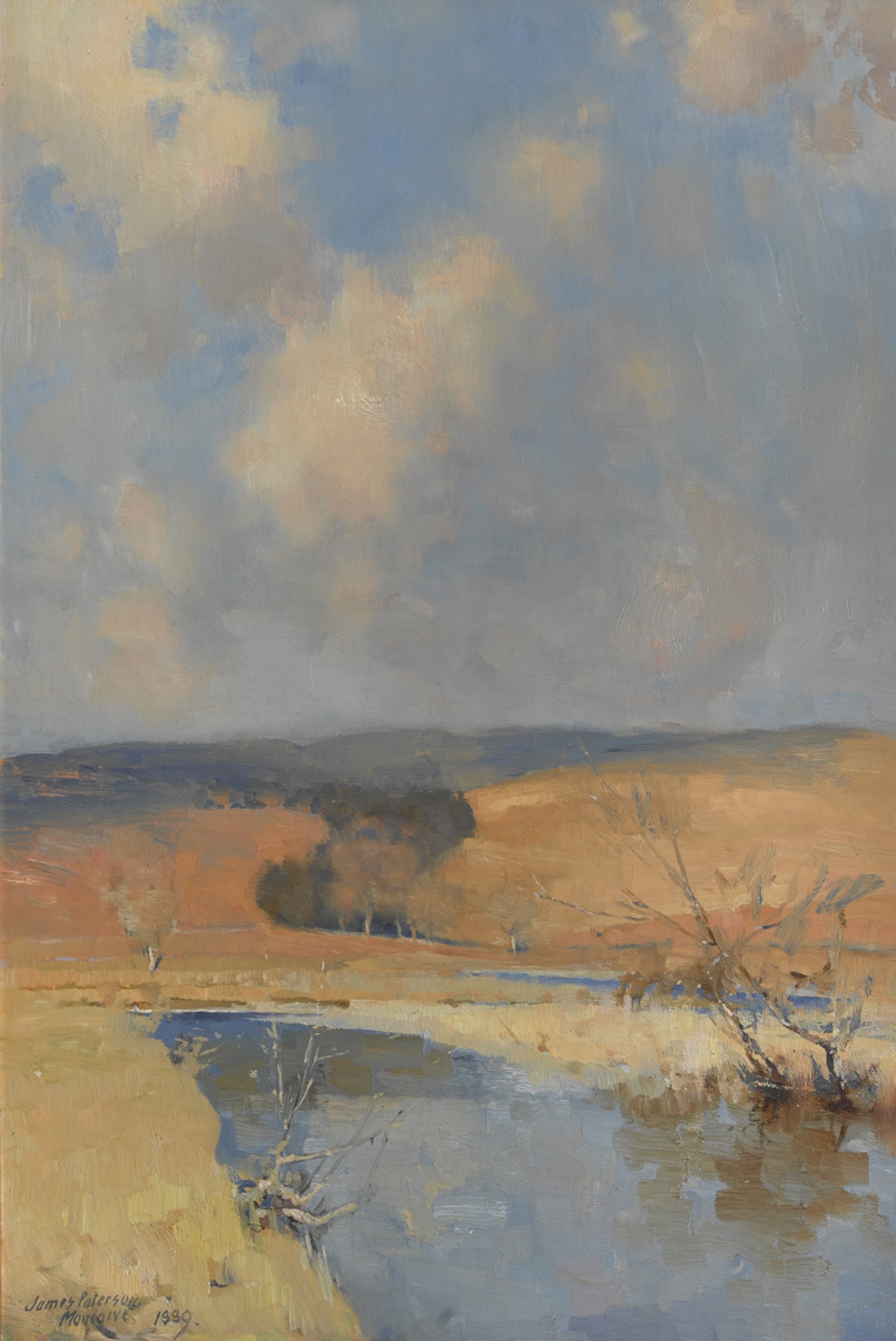
My steal was Ferguson’s “Winter Sunshine, Moniaive” – so simple and so lovely (Moniaive again) – and there was plenty in the exhibition to keep me thinking and comparing.

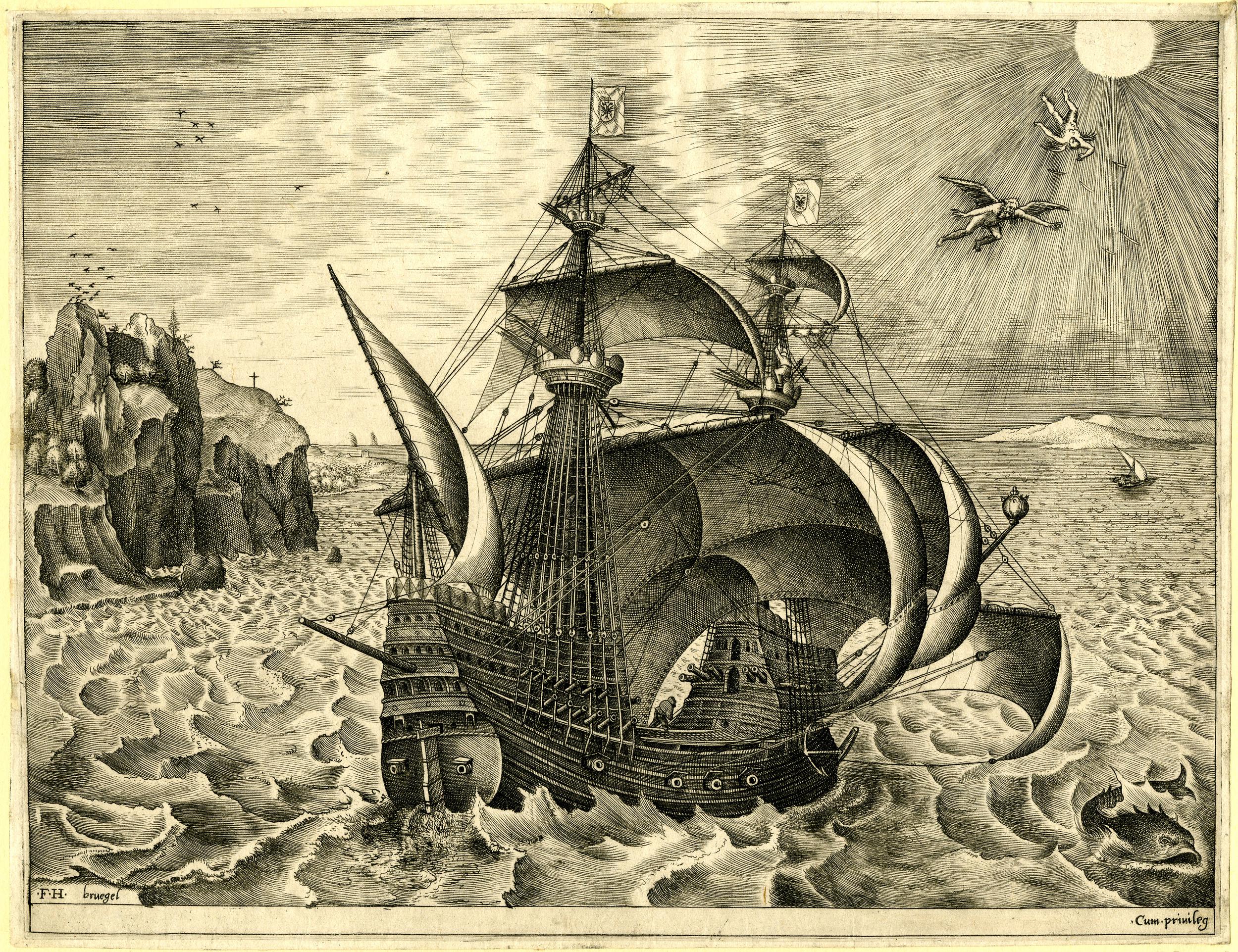
  • The Bruegel engraving – that may be the Bass Rock in the background, and there is Icarus falling again. North Berwick meets Brussels in my memory.
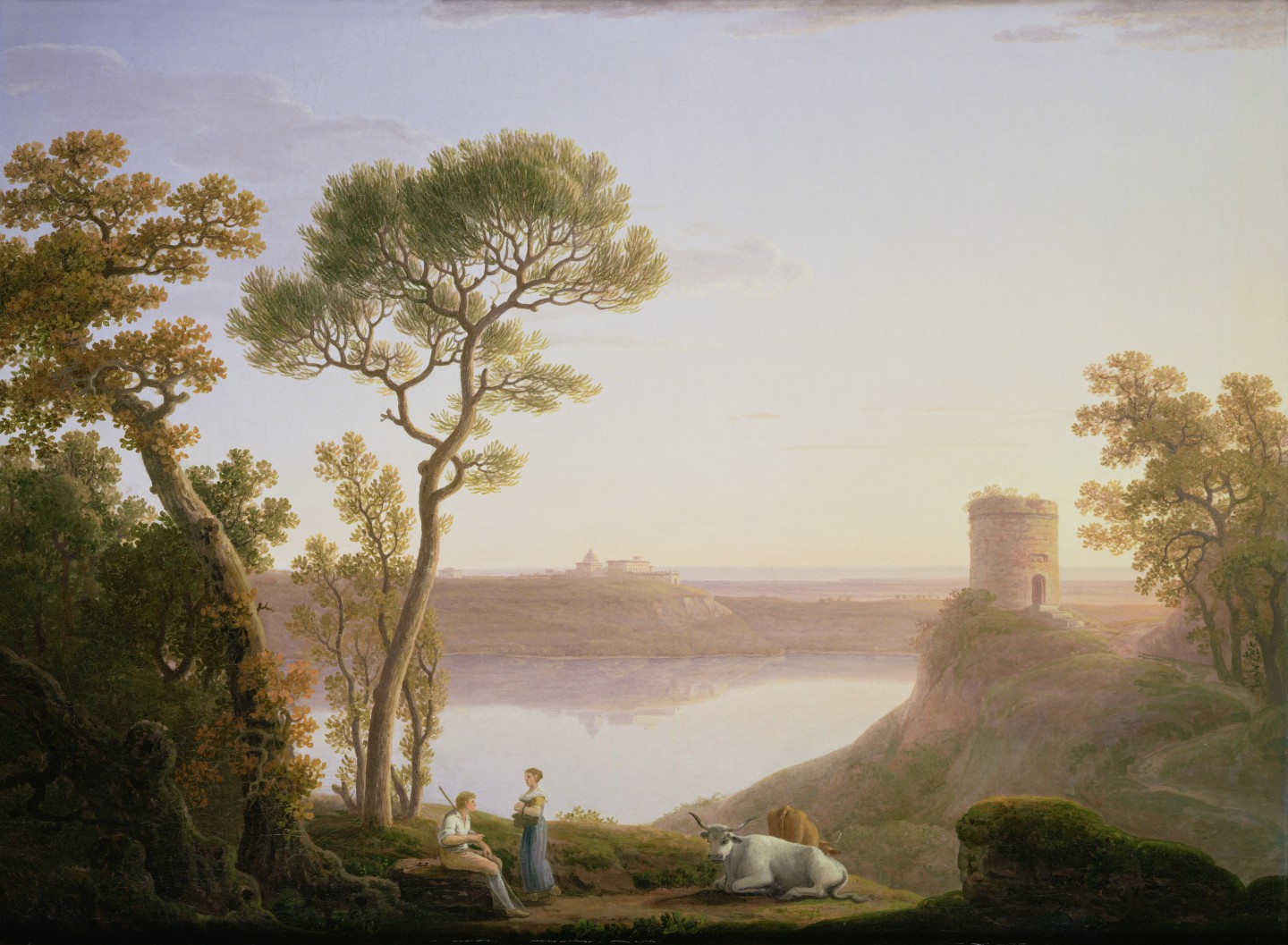
  • Apparently Jacob More used a “Claude glass” to “reduce and simplify the colour and tonal range to give a painterly quality”. Named after Claude Lorrain, it was a small tinted mirror; the painter turned his back on the scene and viewed the reflection.
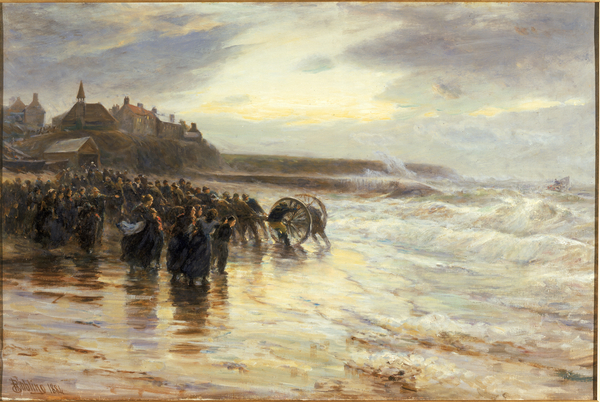
  • Robert Jopling and the north-east coast: great reflections in the wet sand – and as soon as I left the exhibition and moved into the main galleries, there was that same view and those same reflections again.
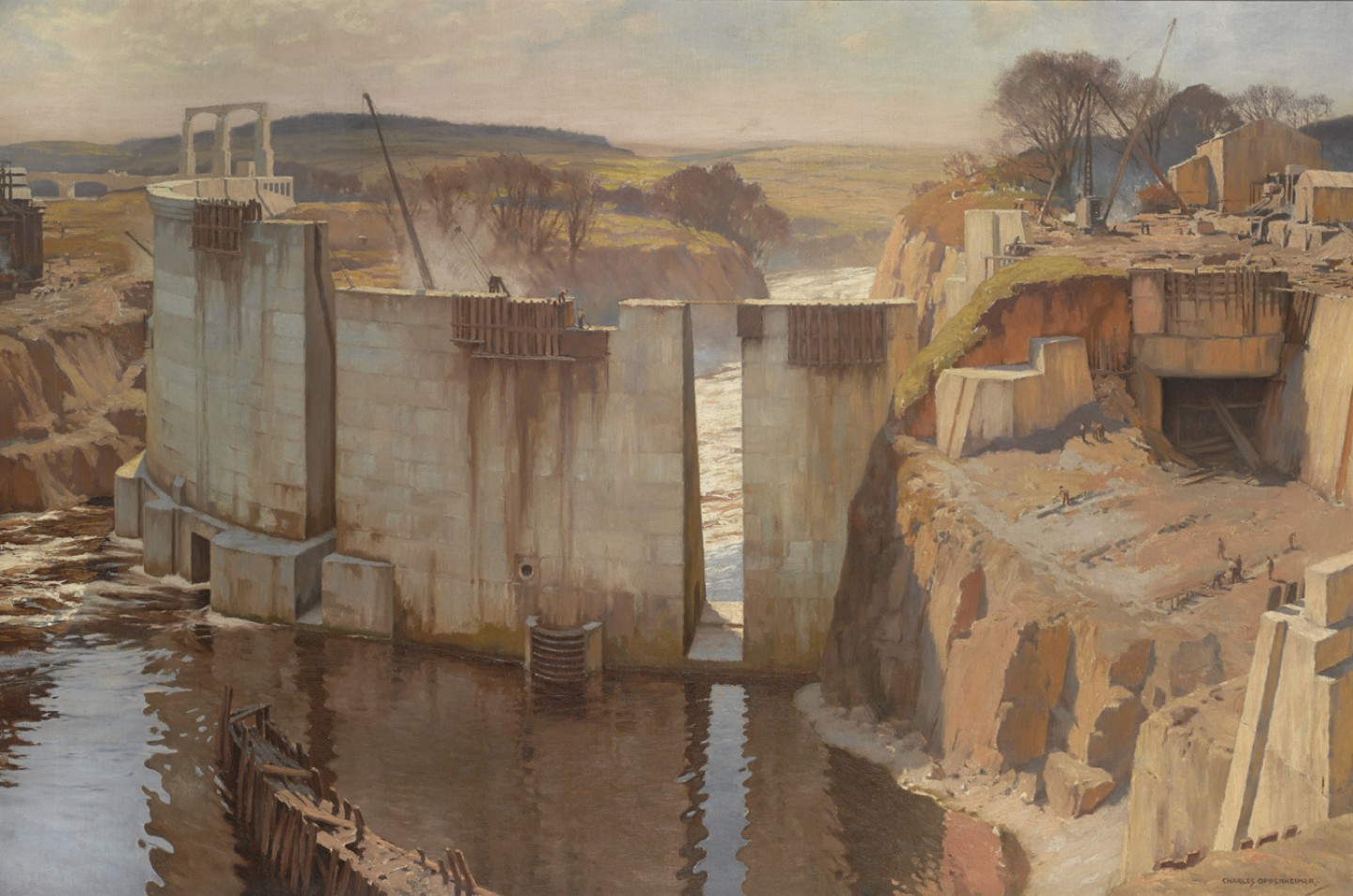
  • The building of the Tongland dam!
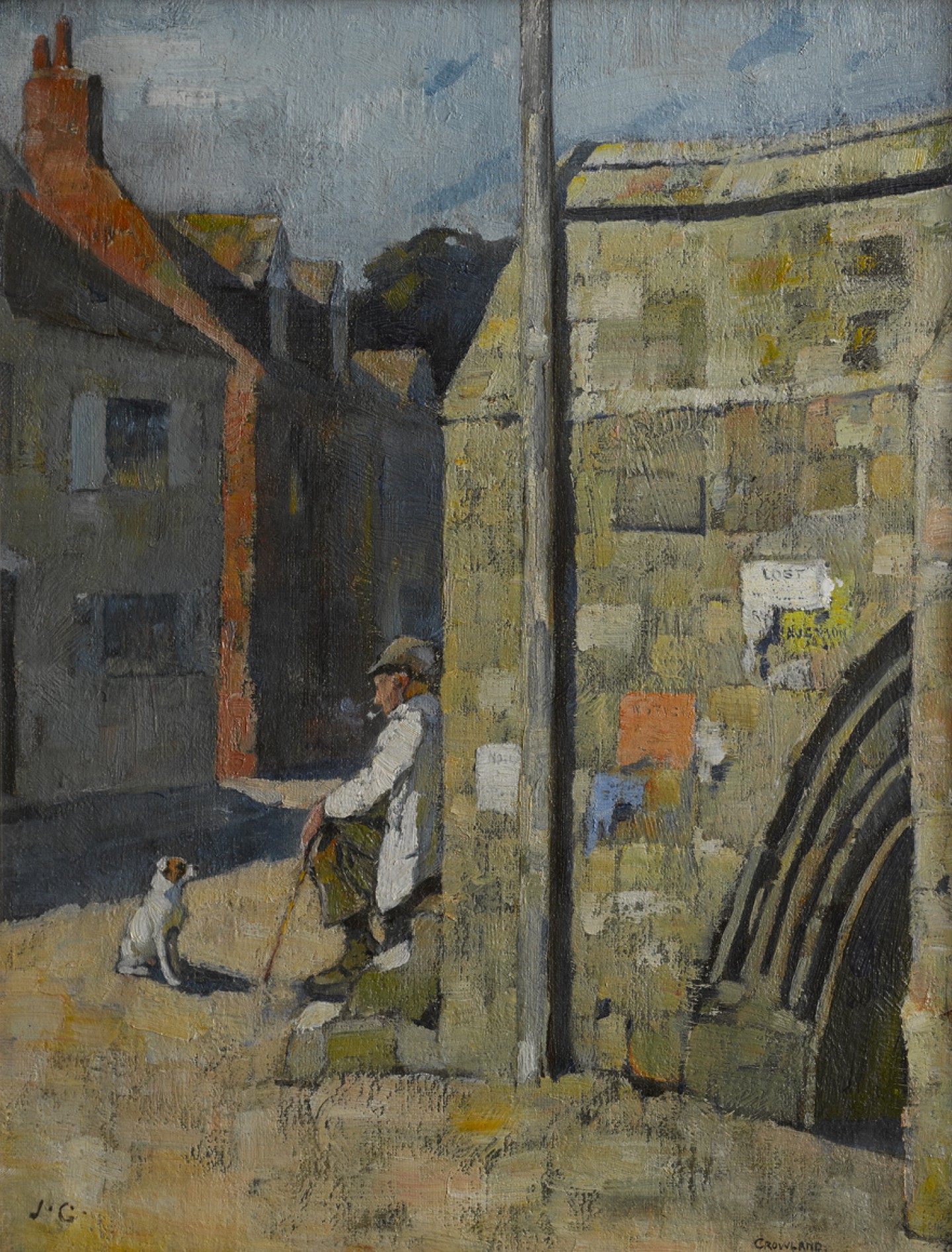
  • I liked the patchwork quality in Guthrie’s painting – apparently he used a square brush.
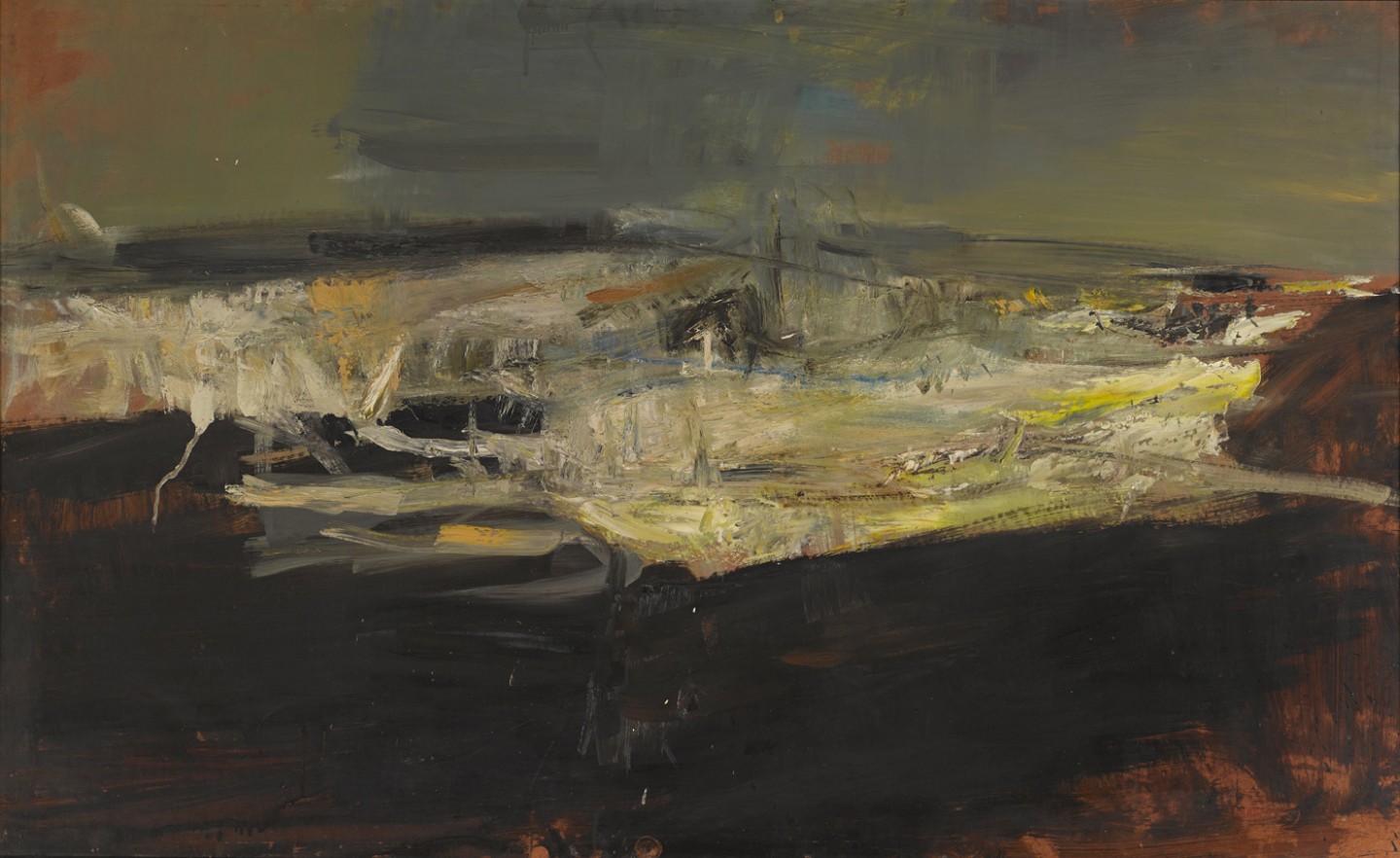
  • Joan Eardley has an alchemical gift with paint. It’s just splodges on canvas with drips where it’s been rained on or splashed by the salt spray – and somehow you really experience the sea.
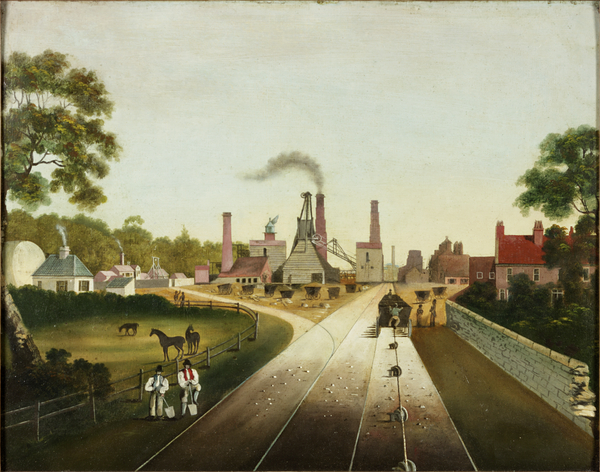
  • The pit painting was by an unknown artist, but I thought it was so particular and strange that it could have been painted a surrealist such as Tristram Hillier. Or perhaps Douanier Rousseau might have been pleased with it.

The Merz Barn Wall

Merz Barn Wall, Kurt Schwitters, 1947-48

I went to the Hatton Gallery, hoping to see the paintings I’d skipped over on my previous visit when I had been captured by Kurt Schwitters’ Merz Barn Wall. Unfortunately, the gallery was taken over by the graduate art show (very shallow of me to think that, I know) so I returned to the wall to see if I felt the same way about it.

Yes – but without that sense of astonishment I had the first time. The lines and shapes and proportions seem just right somehow. The clean curves offset by the texture of the plaster “scales”. The little areas of colour. I knew it was unfinished, but I didn’t realise- until I read further – that this is not quite what Schwitters created. There were other elements, like a column, but this (restored) is all that remains.

I can feel a visit to Ambleside coming on.