St Ninian’s Church

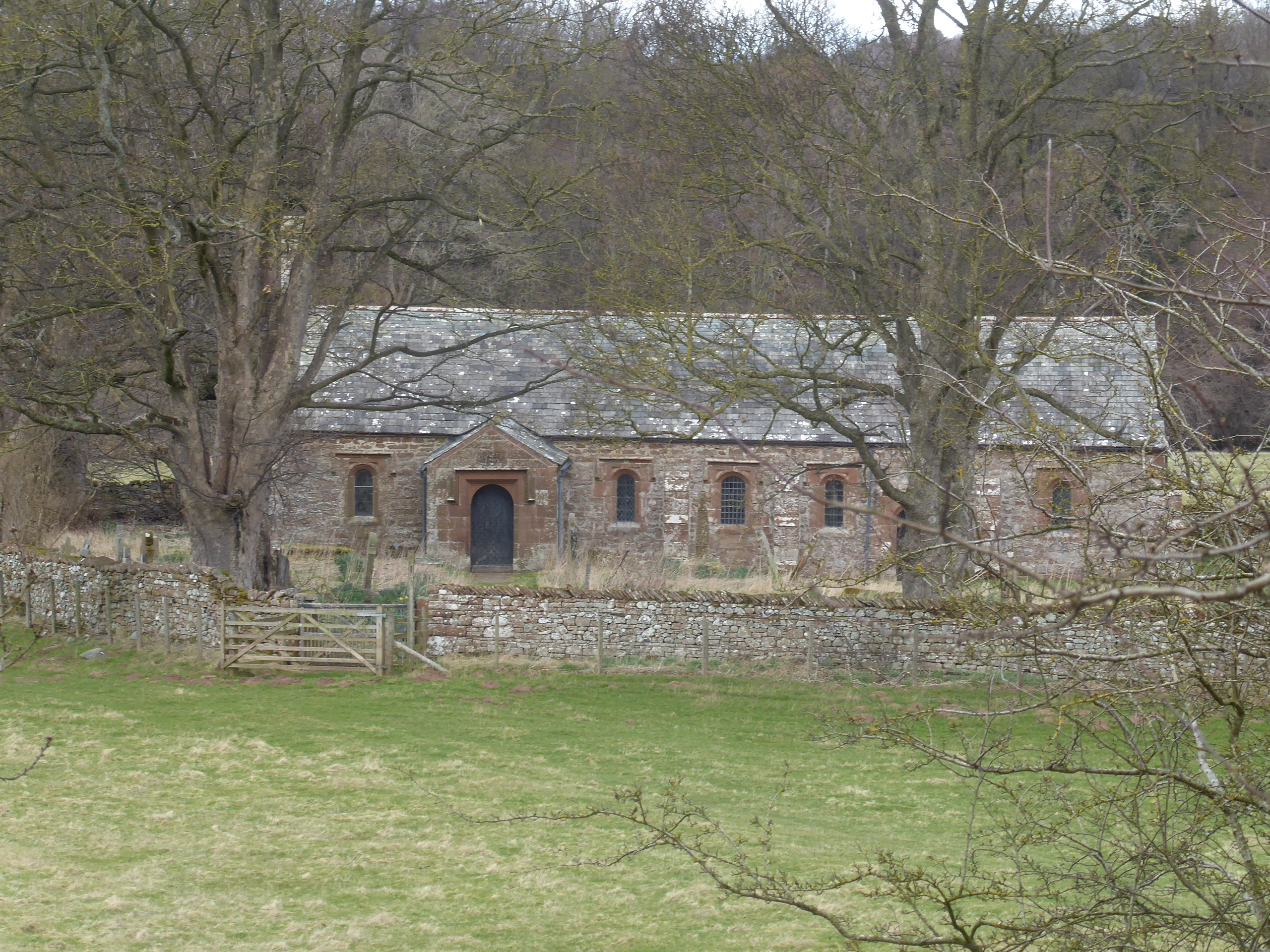
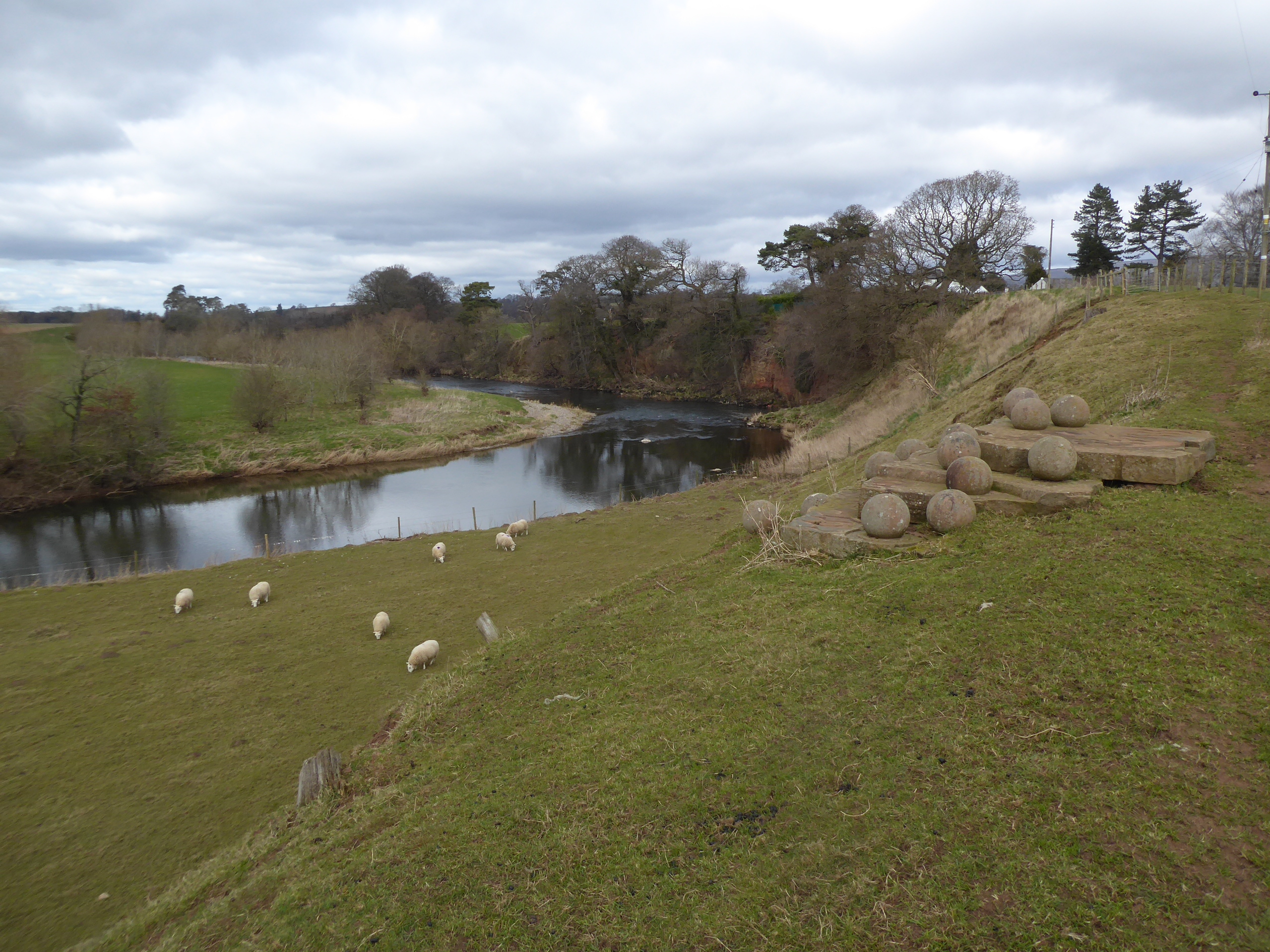
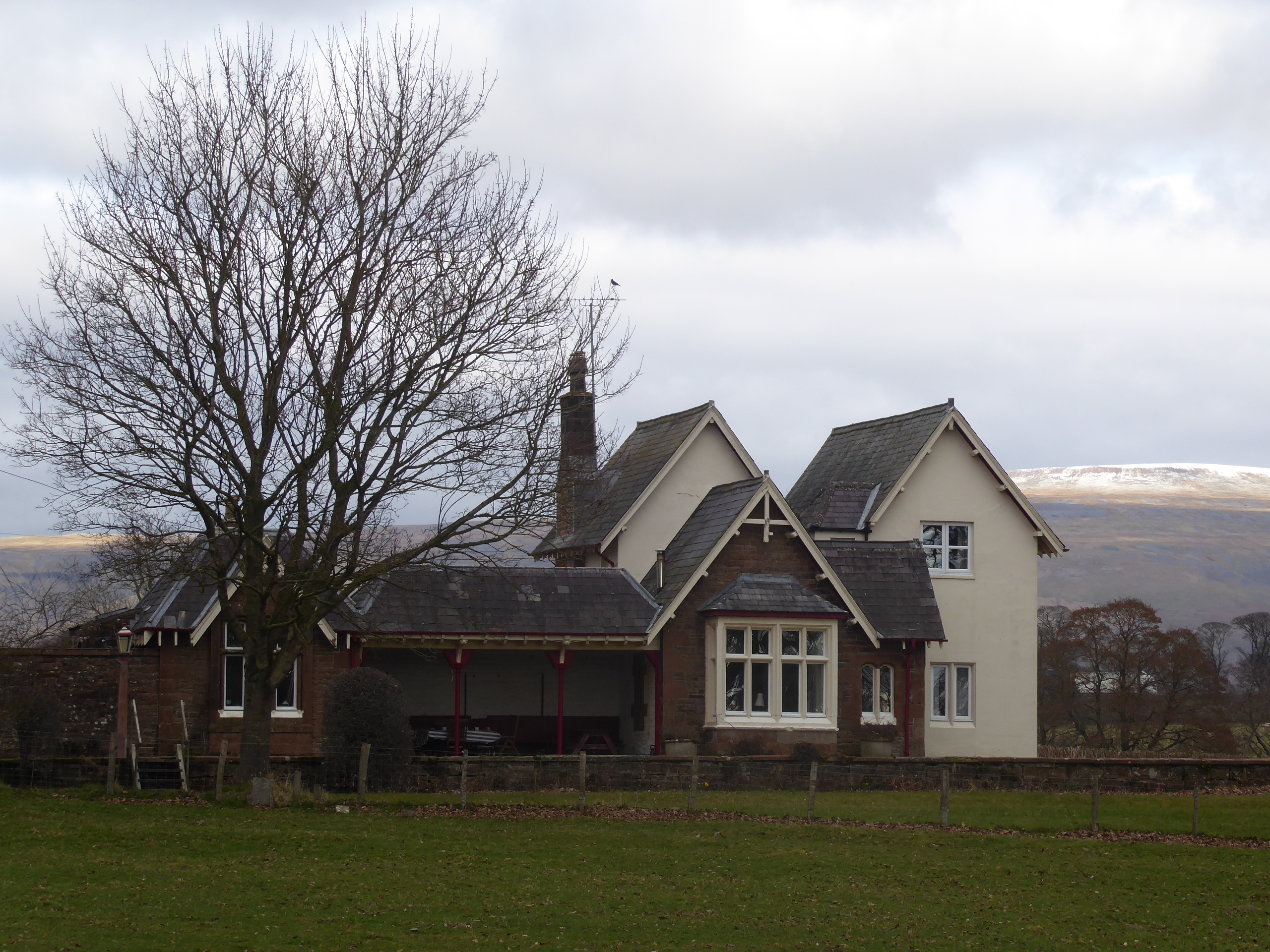
I was asked if I’d visited St Ninian’s Church outside Penrith beside the River Eden – so of course I had to see it.

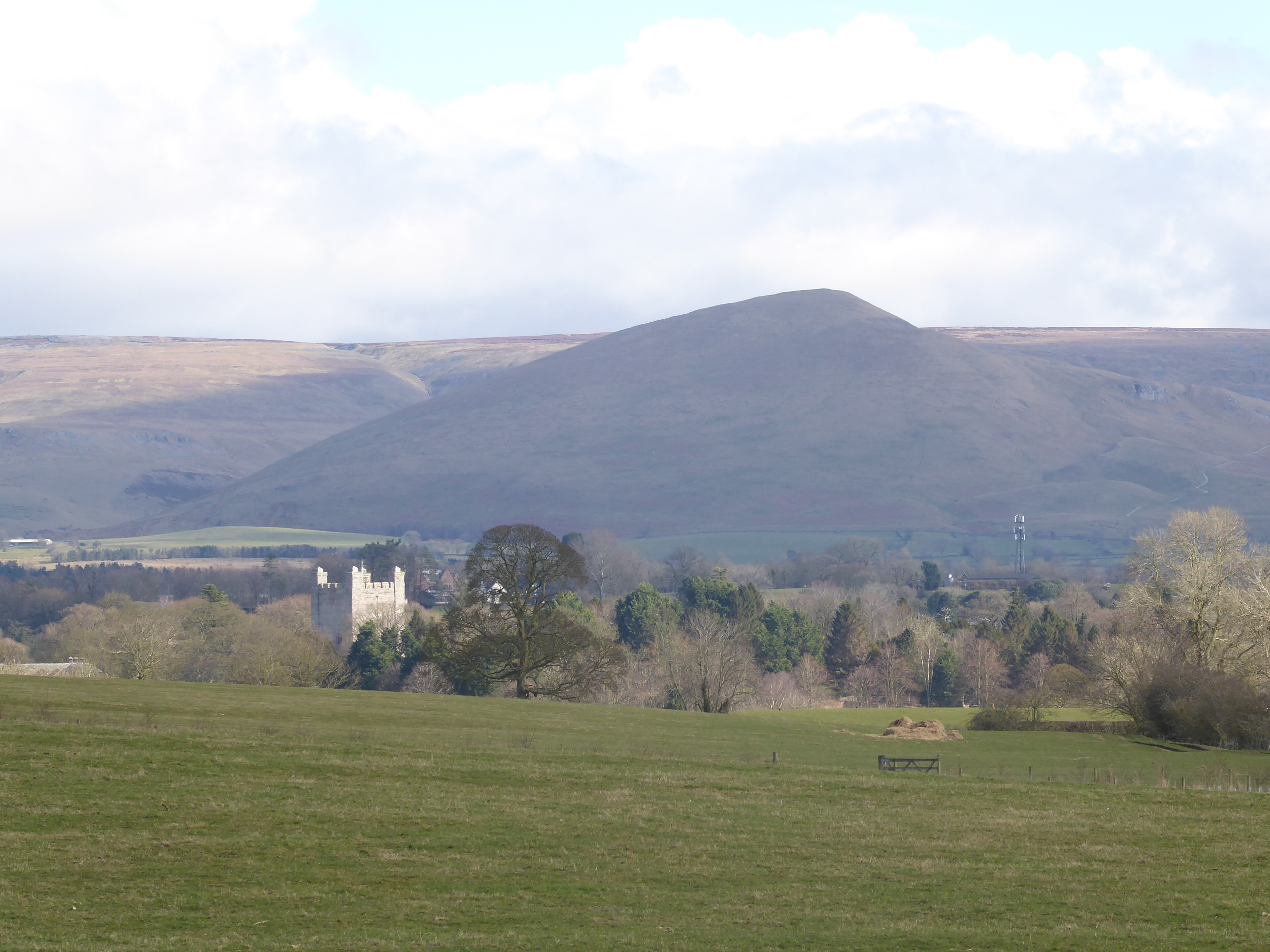
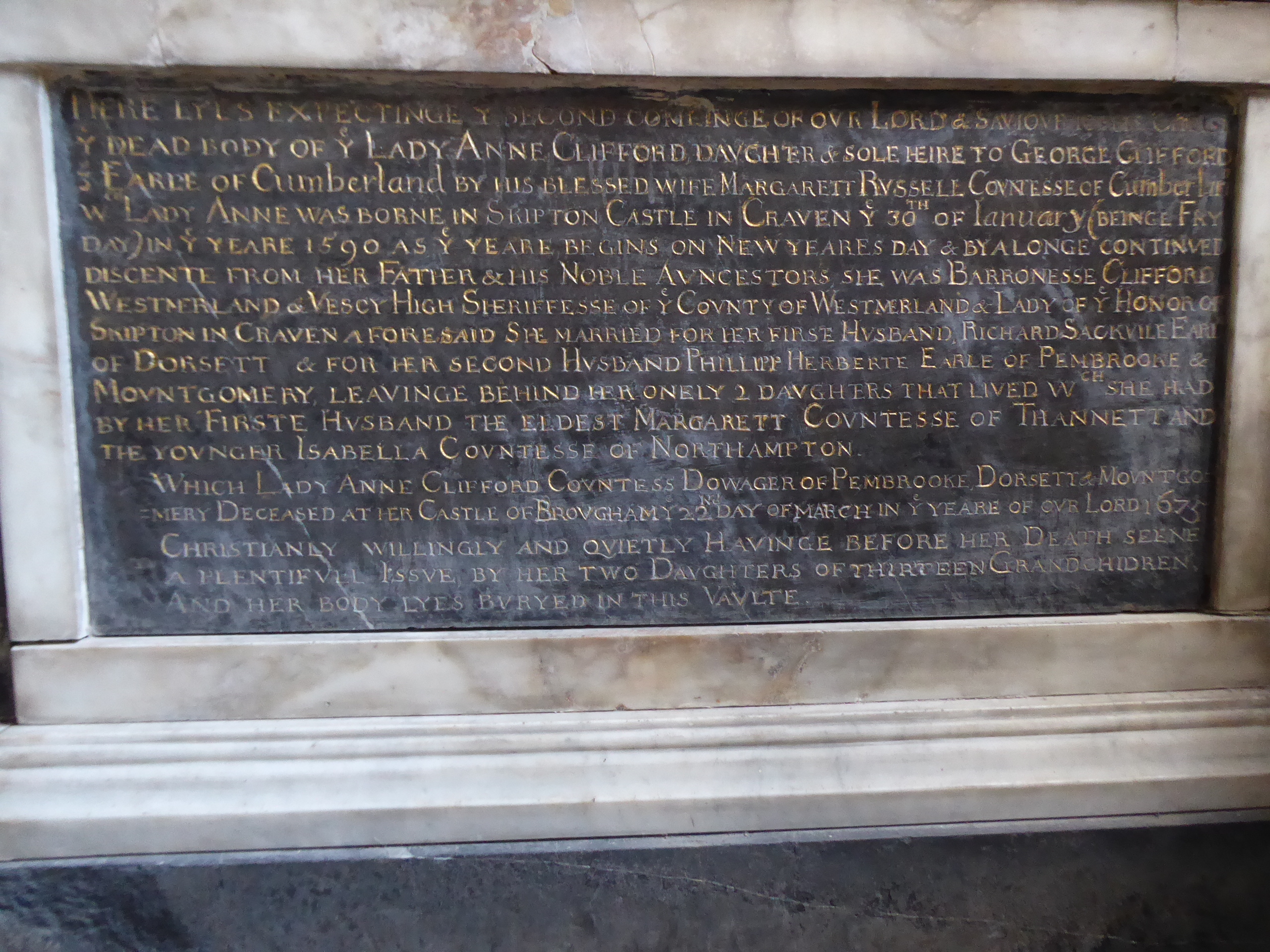
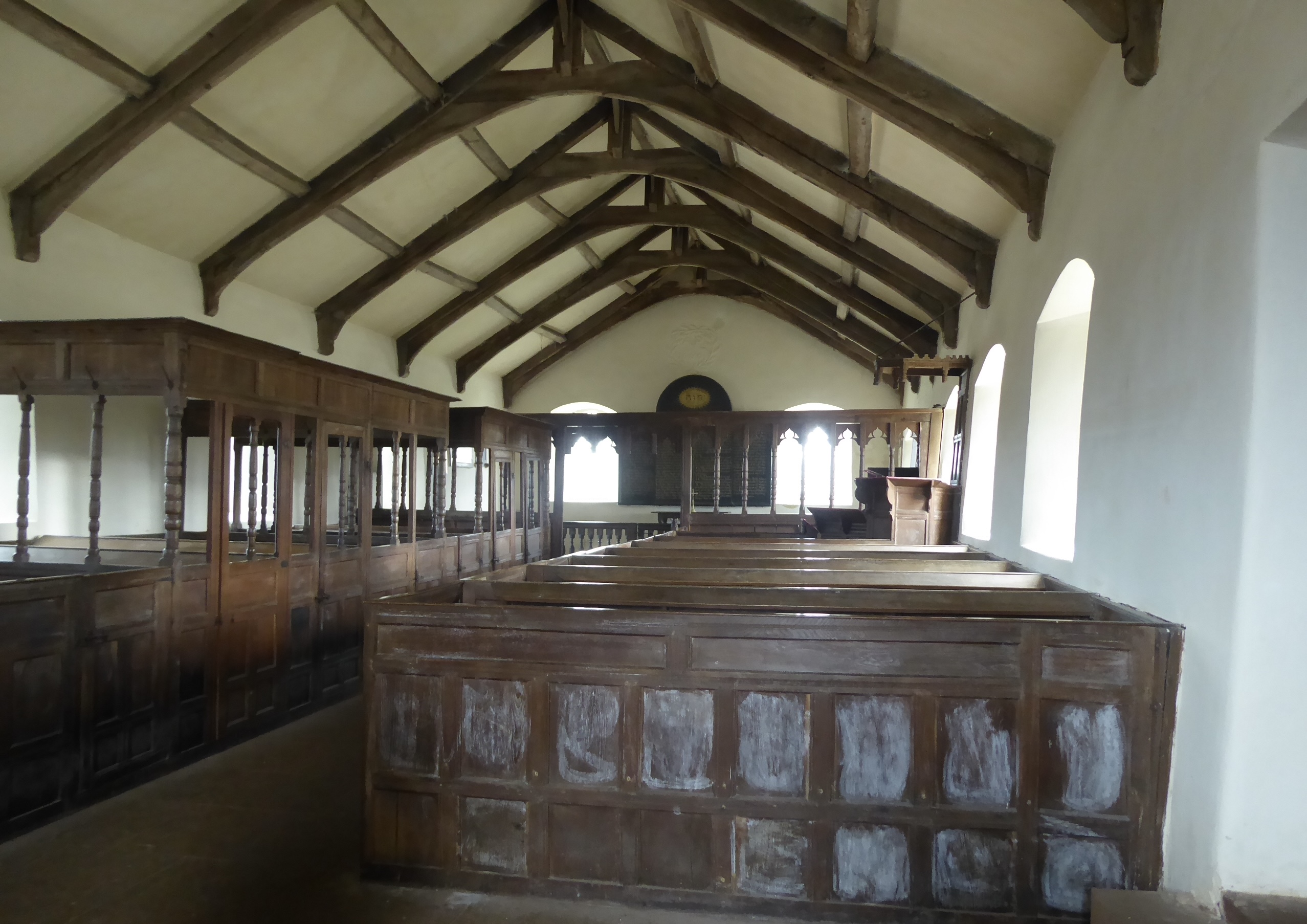
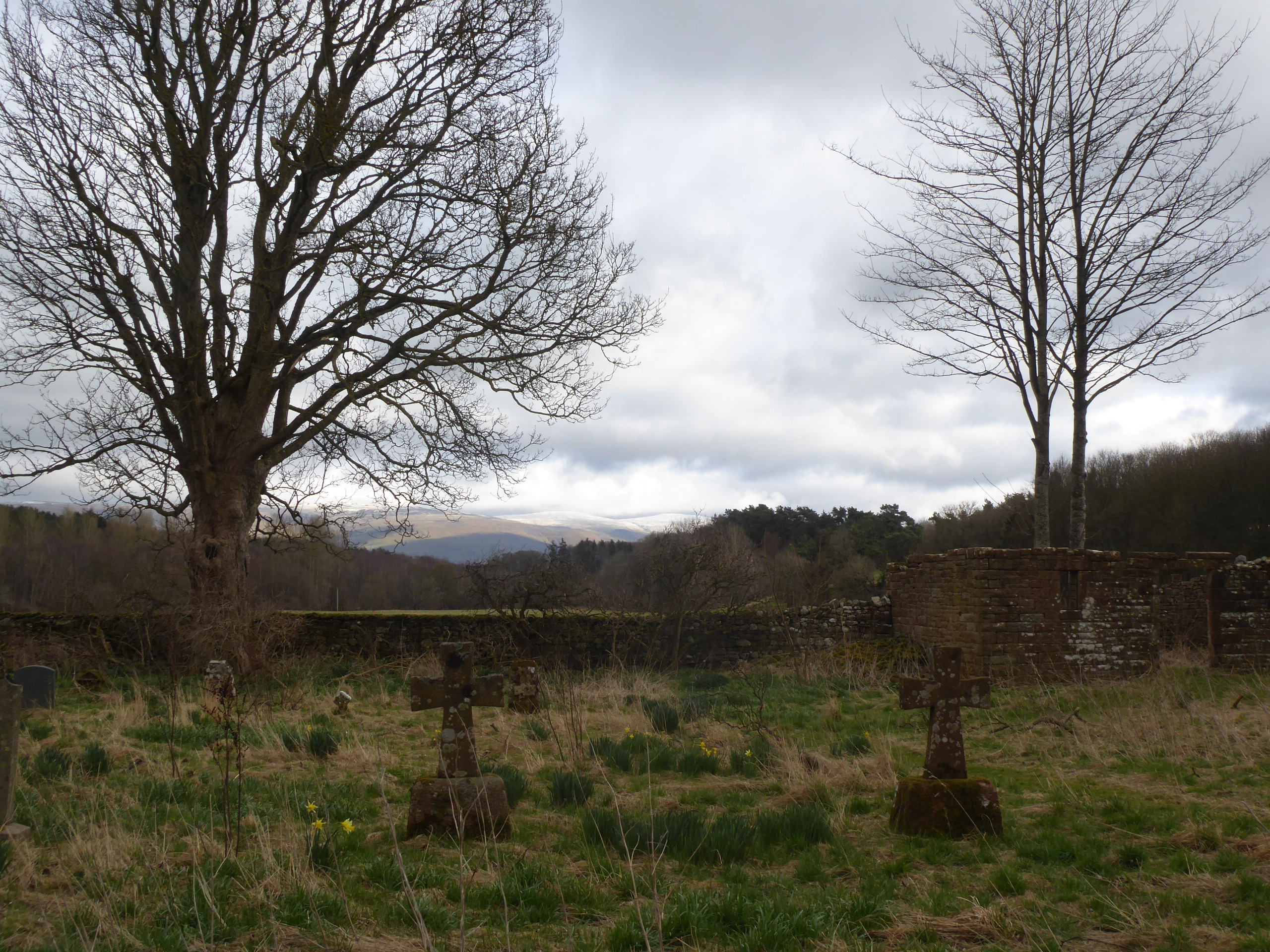
It’s a redundant church in what is now the middle of nowhere. According to the information inside, the settlement around the original Norman church was razed in the thirteenth century to create a hunting ground for Whinfell Park. Lady Anne Clifford (her again) restored the church in 1660 and it has been little changed since. The family pews are Jacobean in style, and the pulpit stands among the congregation. It seemed so isolated that it was hard to think of it as connected to any community – but inside there was a stone in memory of an aristocrat who had died at Brougham Hall on her way to Scotland, and outside there was a tombstone for John Nelson, yeoman of Hornby Hall, which I passed on my very long and rather dull walk back to Appleby. (Whose parish church was also restored by Lady Anne.)

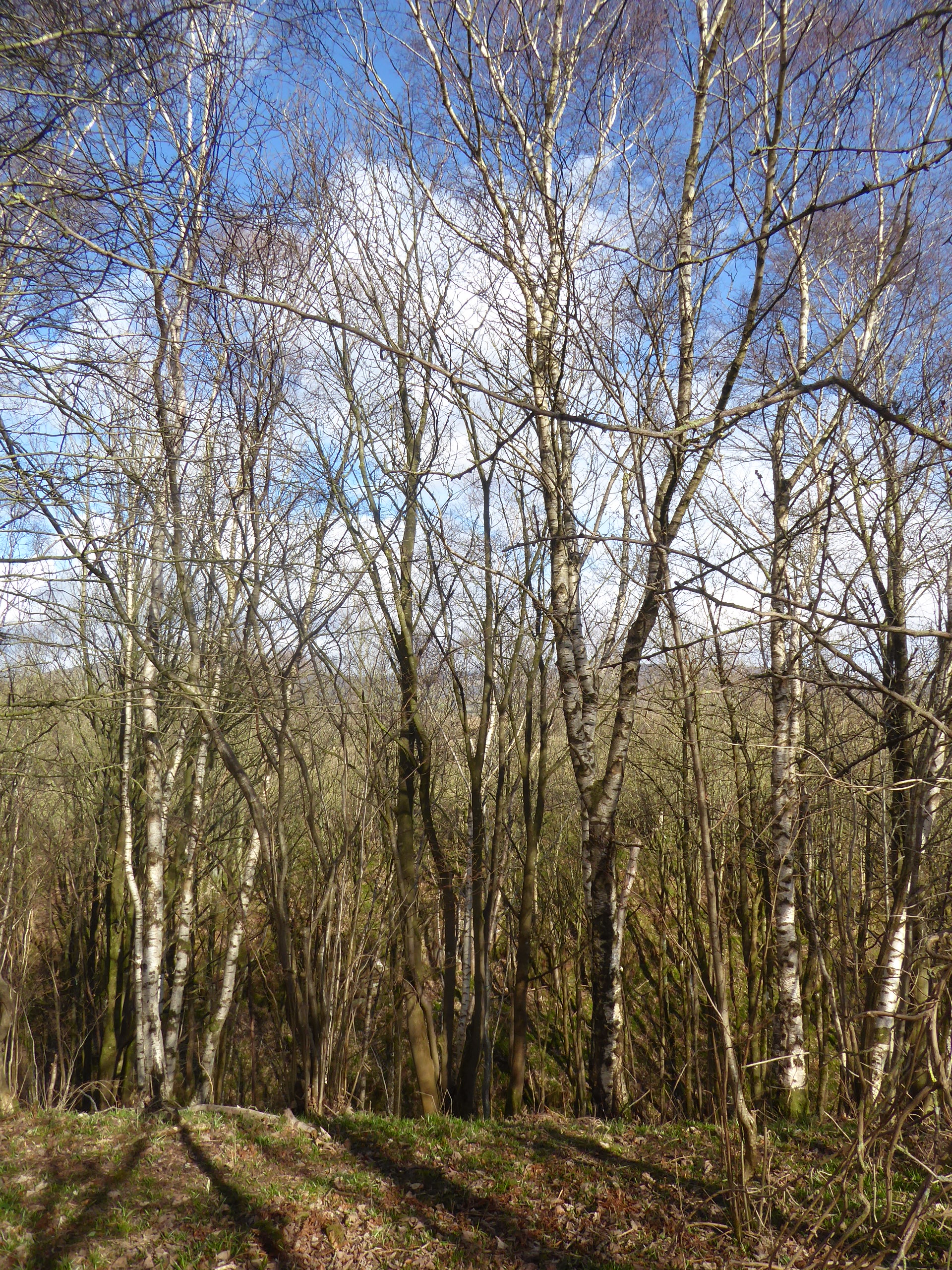
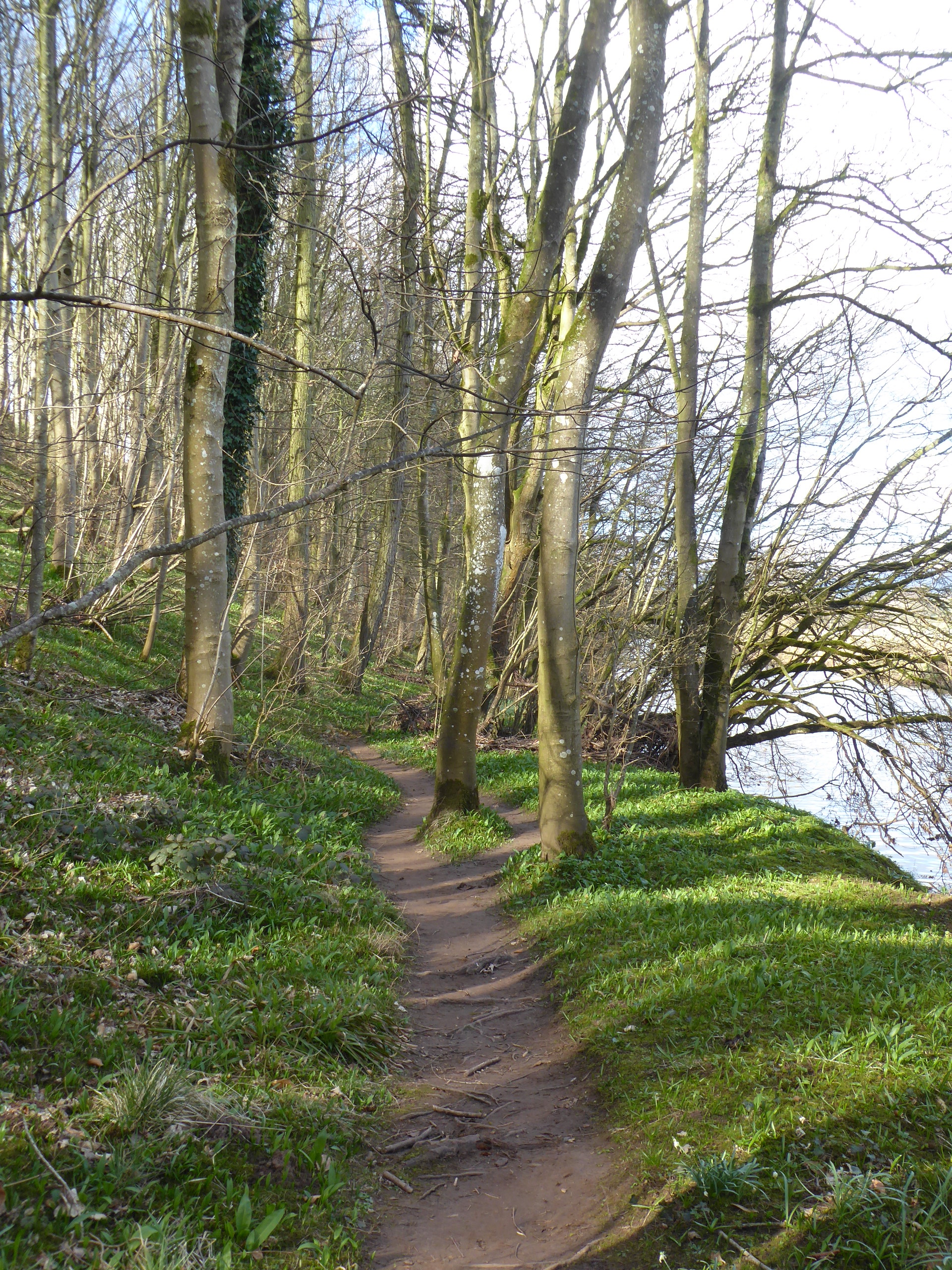
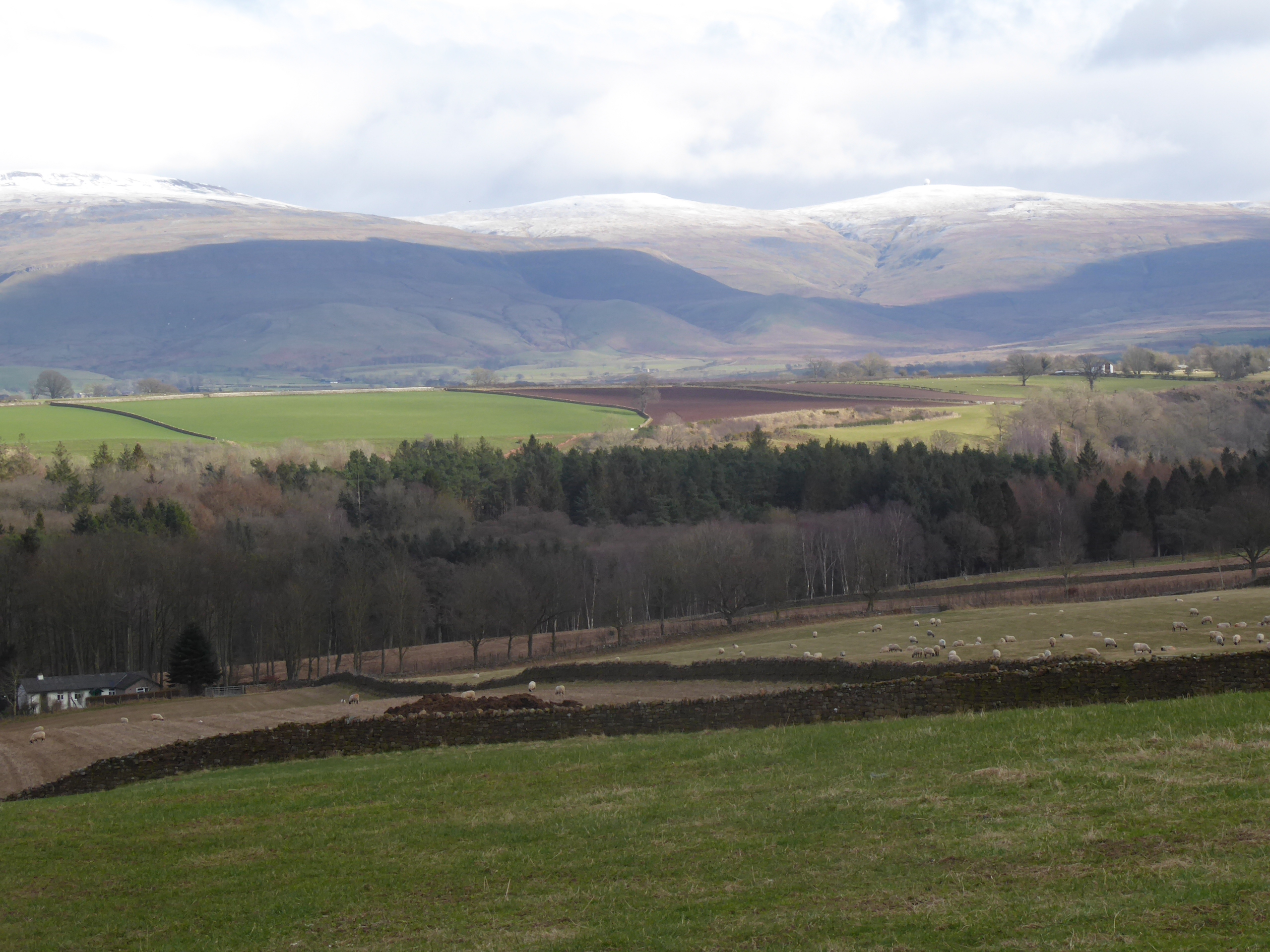
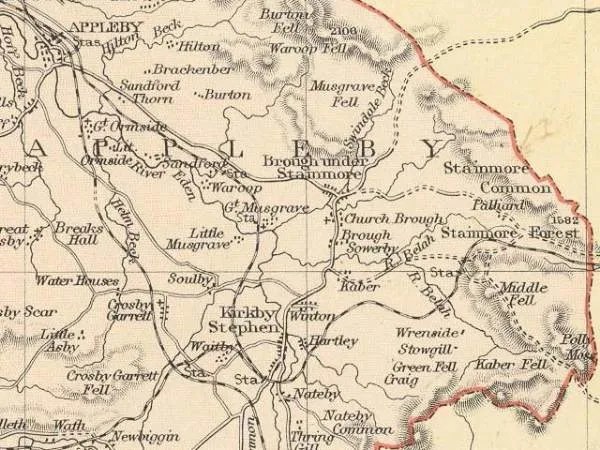
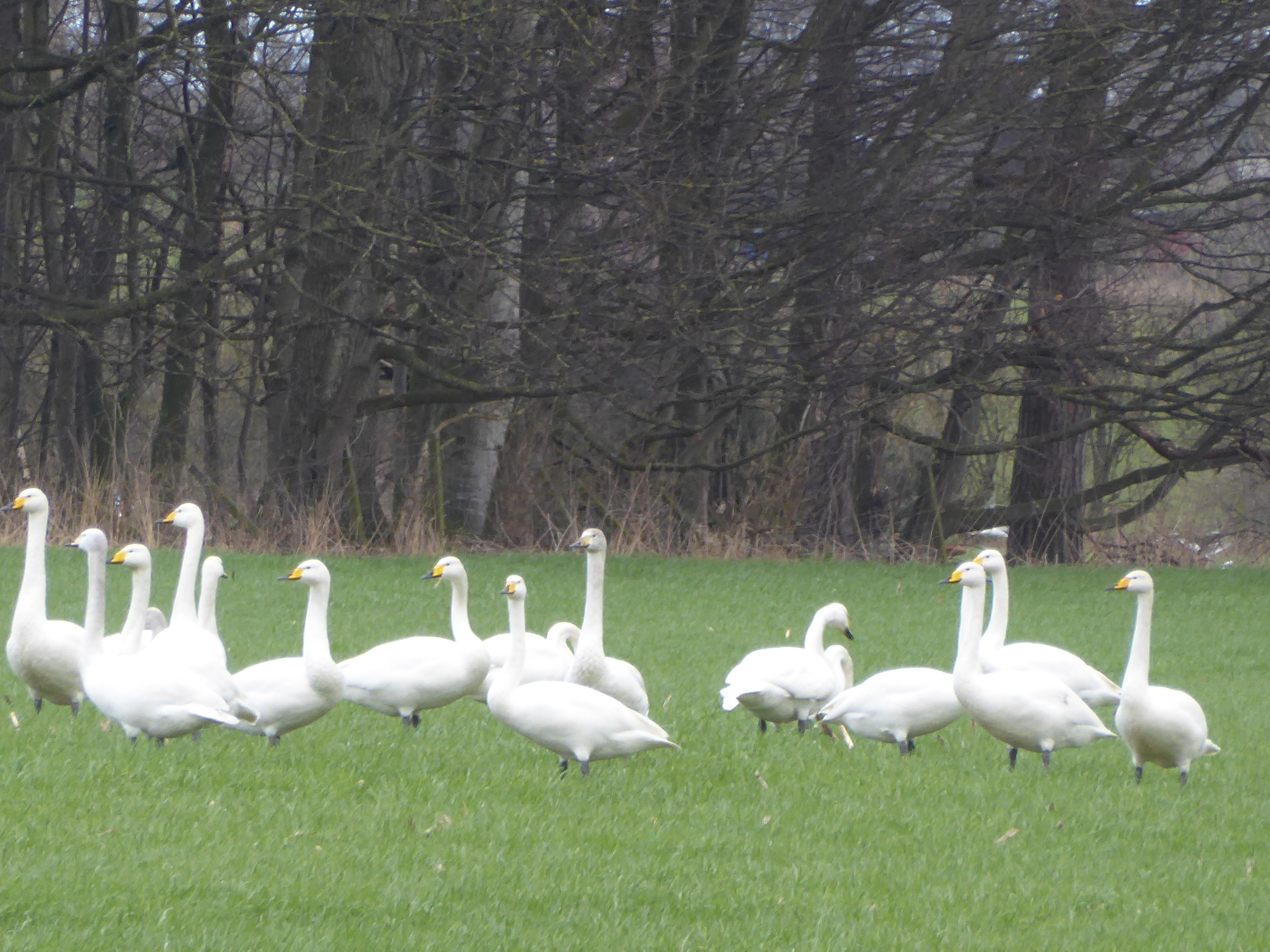
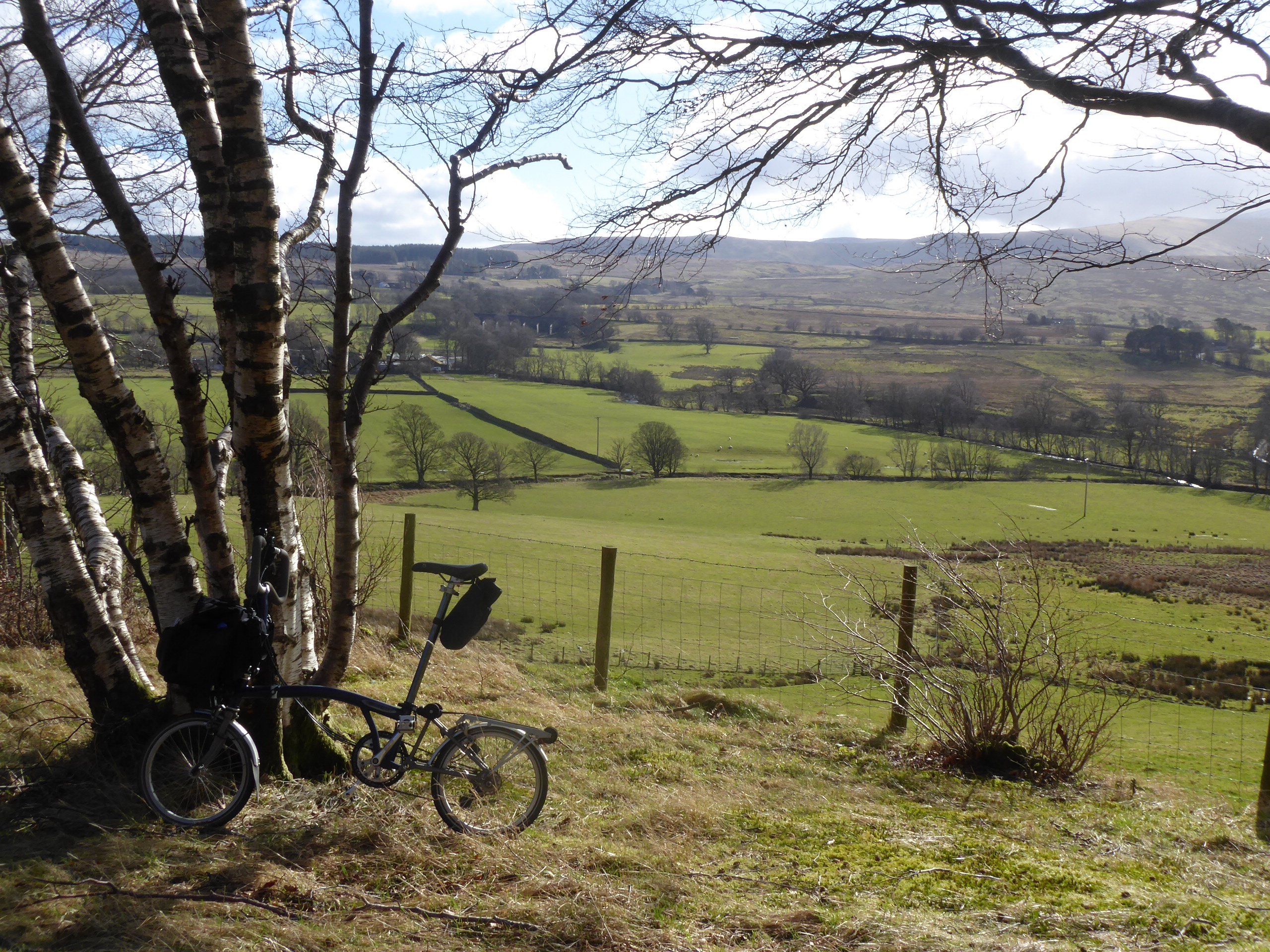
I mostly followed the River Eden – never quite out of earshot of the A66 – and then a very boggy Roman road back to Appleby. According to the map I also passed the sites of a Roman fort and fortlet – no sign of either, but I did come across the old railway line between Tebay and Stainmore a few times. The best sight after the church was a small flock of swans near Bolton: whooper or Bewick. They grew alarmed as I approached and soon flew away, leaving behind a small group of mute swans who couldn’t understand what all the fuss was about.

Glasgow

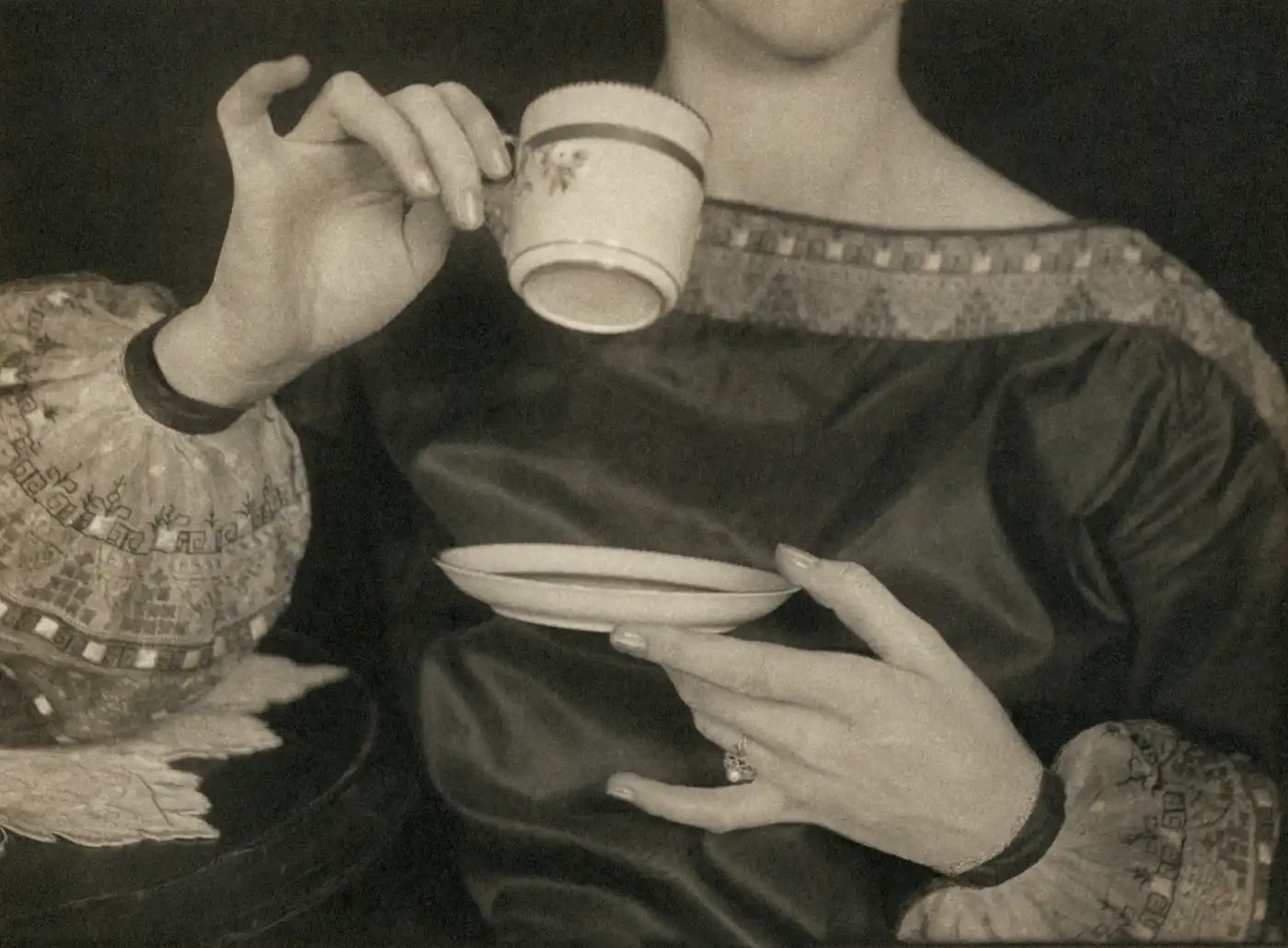
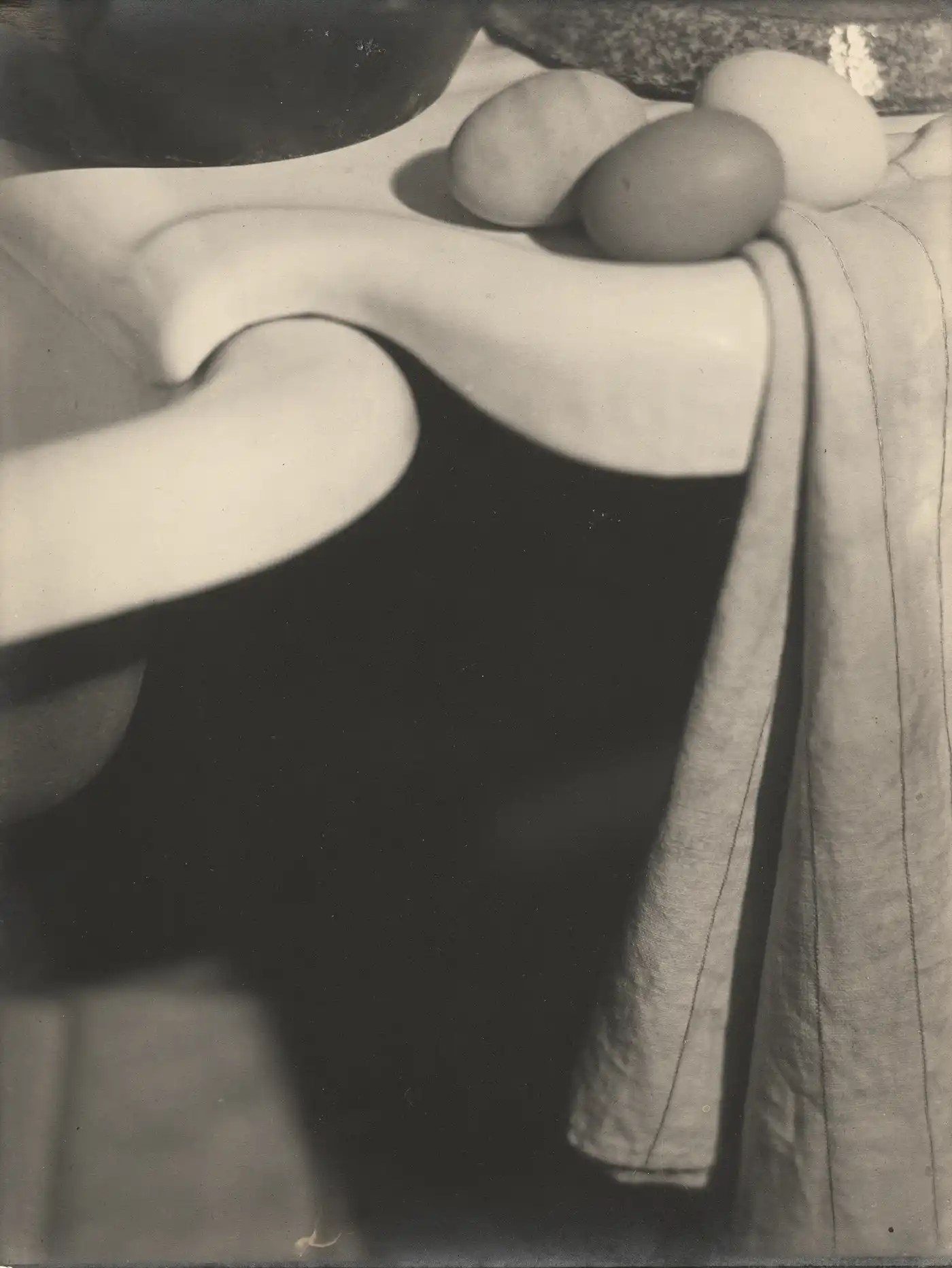
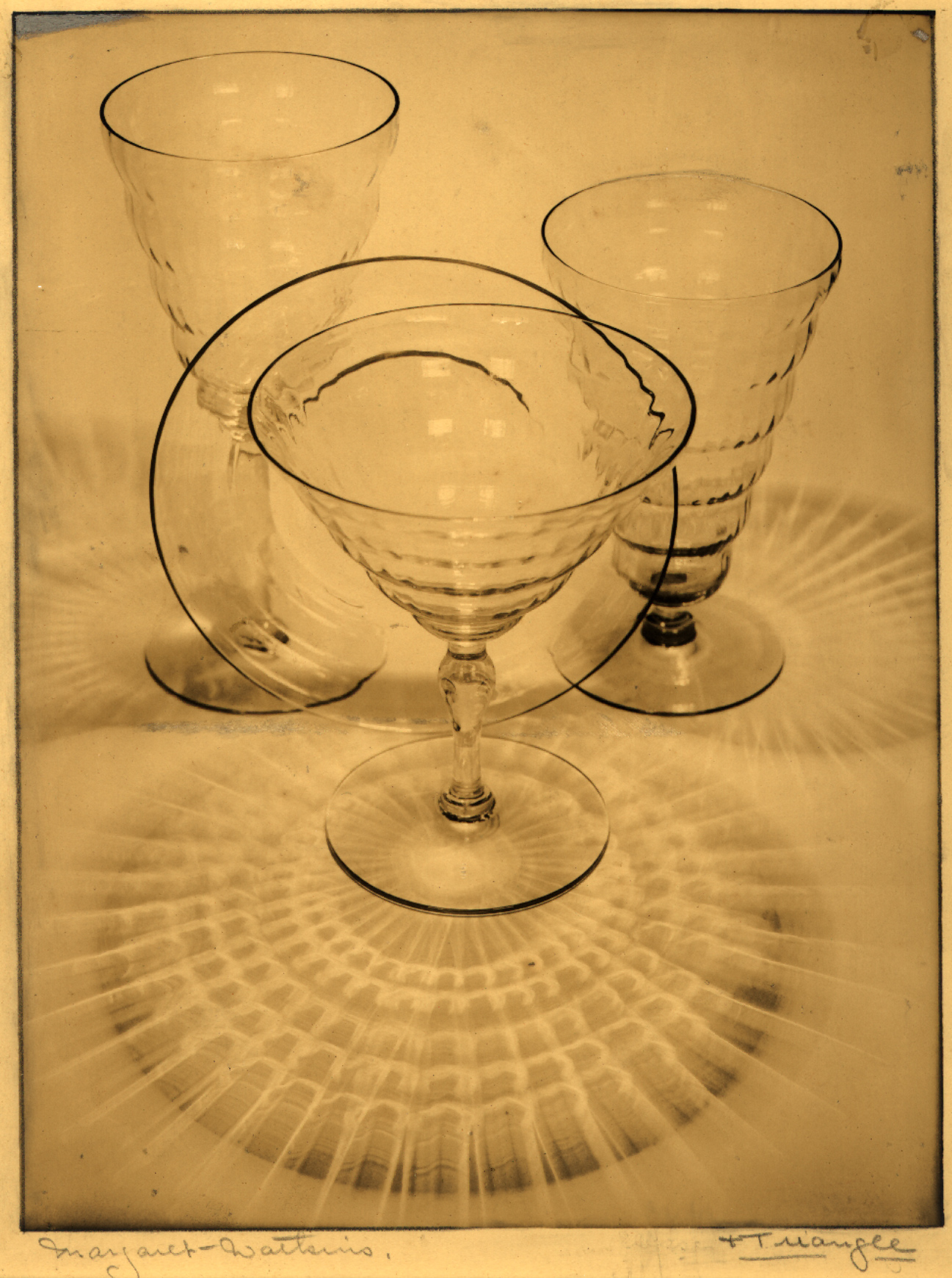
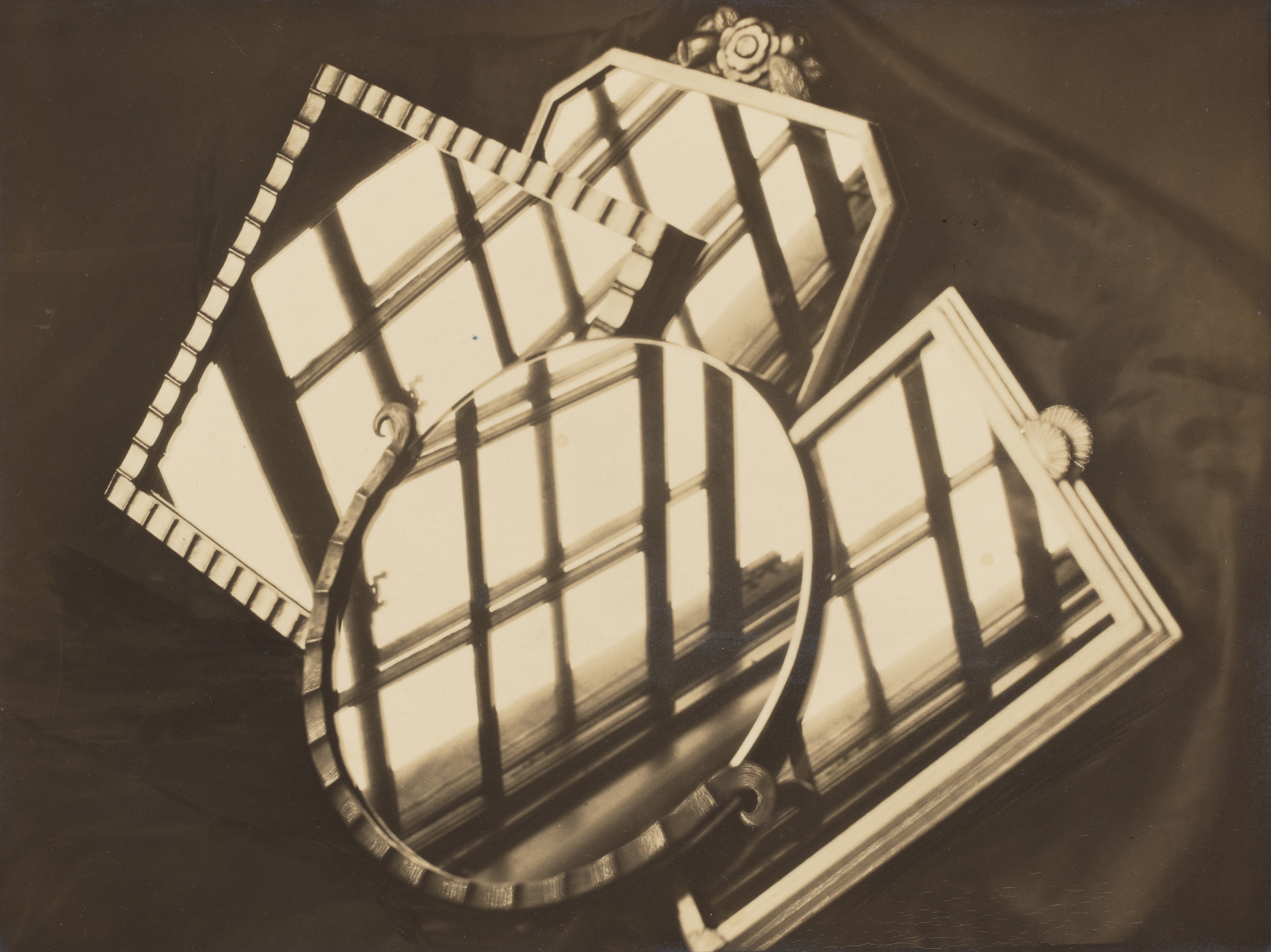
A few weeks ago I read about Margaret Watkins (1884-1969), a Canadian photographer who lived, worked and taught for several years in New York before travelling to Glasgow and getting stuck on the flypaper of domesticity. In New York she found success in advertising and in offering a new kind of abstract “kitchen sink” composition. The three eggs was the photograph that gripped me: the curves, the dark space – just wonderful. Strong geometry and sometimes a painterly style. (The dainty tea cup photograph is advertising cuticle cream.)

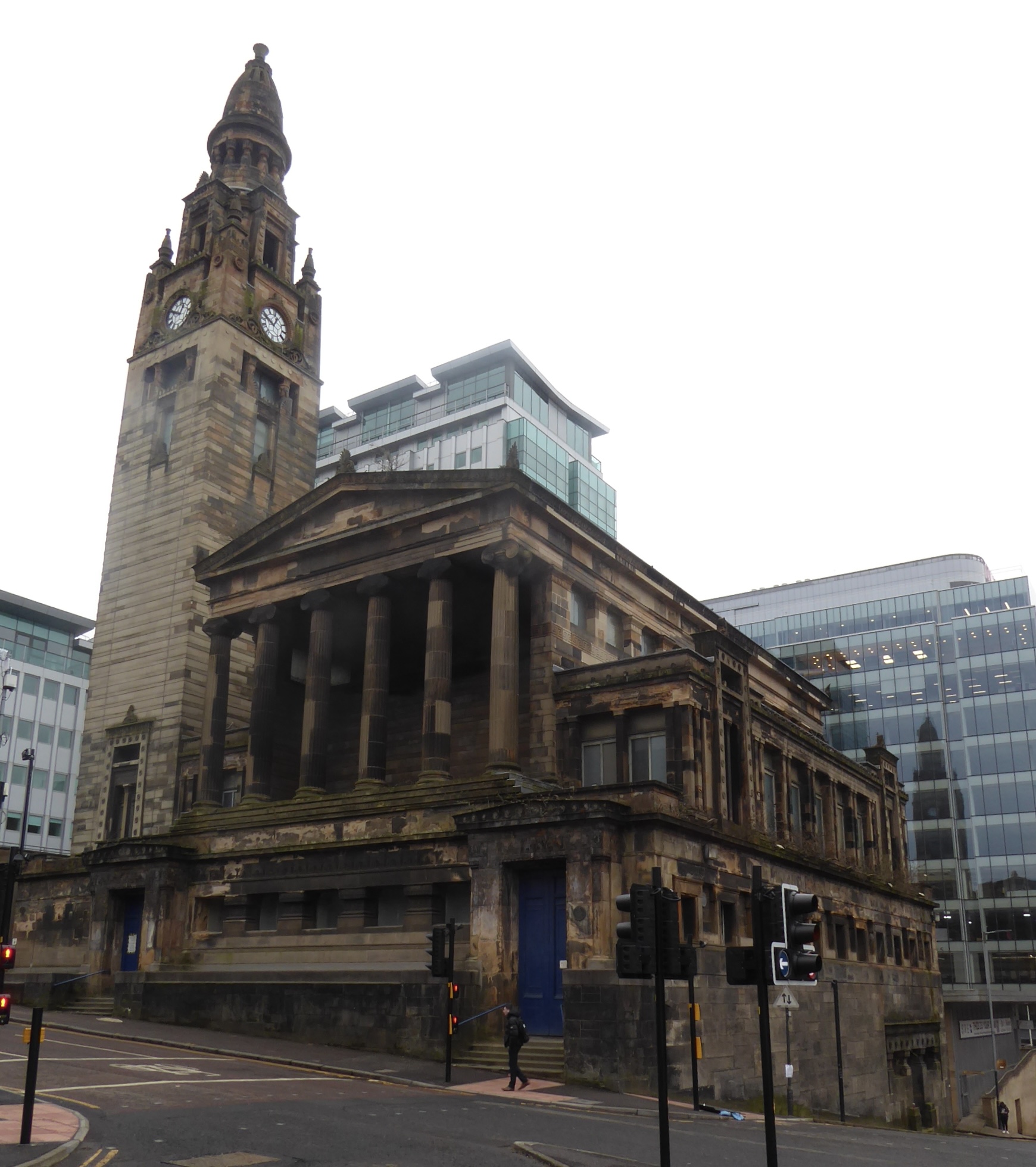
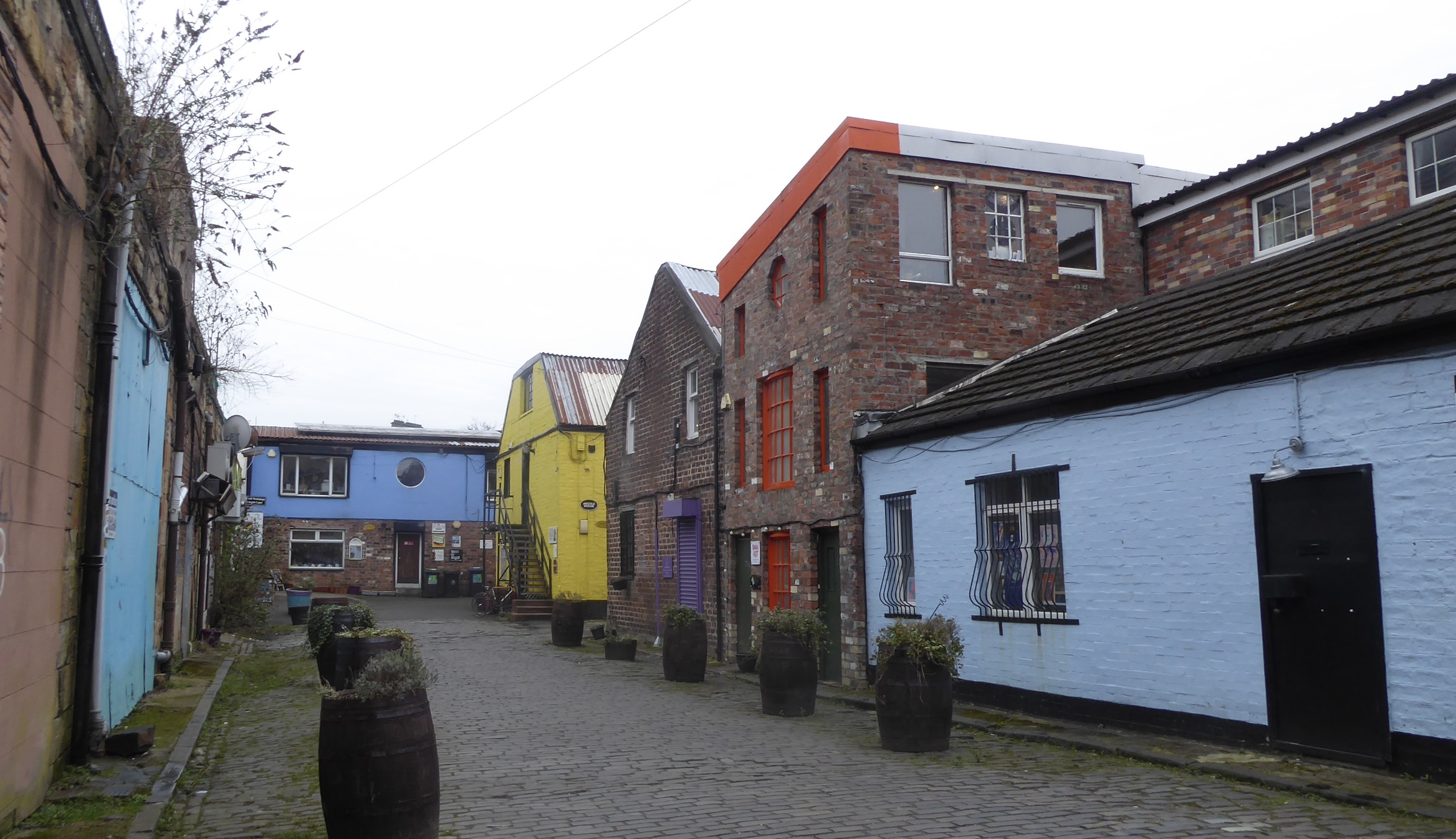
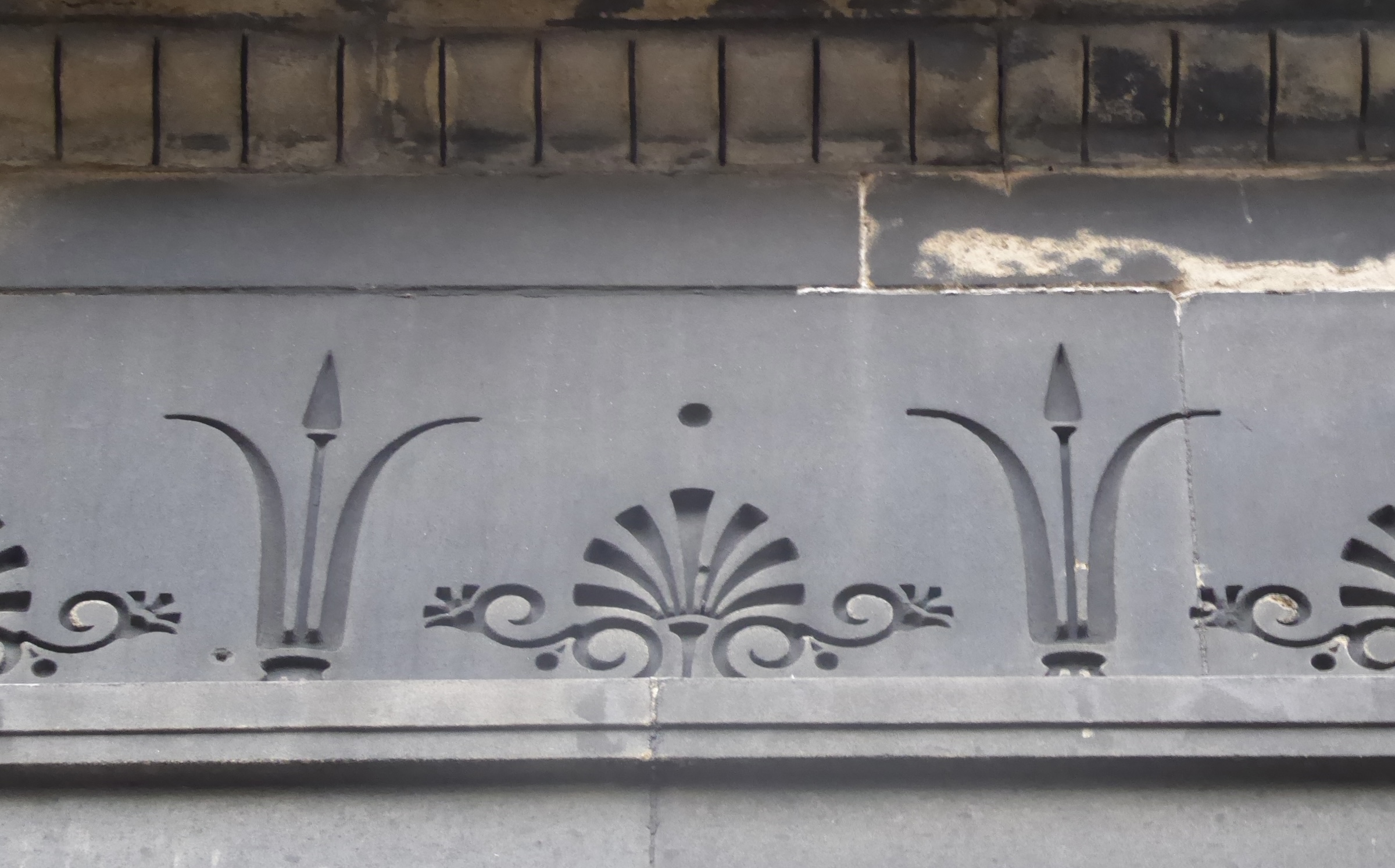
So off I went to Glasgow on a freezing day trip to visit the Hidden Lane Gallery off Argyll Street. En route I discovered – and was taken aback by – the City Free Church. I didn’t think Presbyterians went in for that kind of thing. It’s by Alexander Thomson and is currently unused – and what would you use if for now?


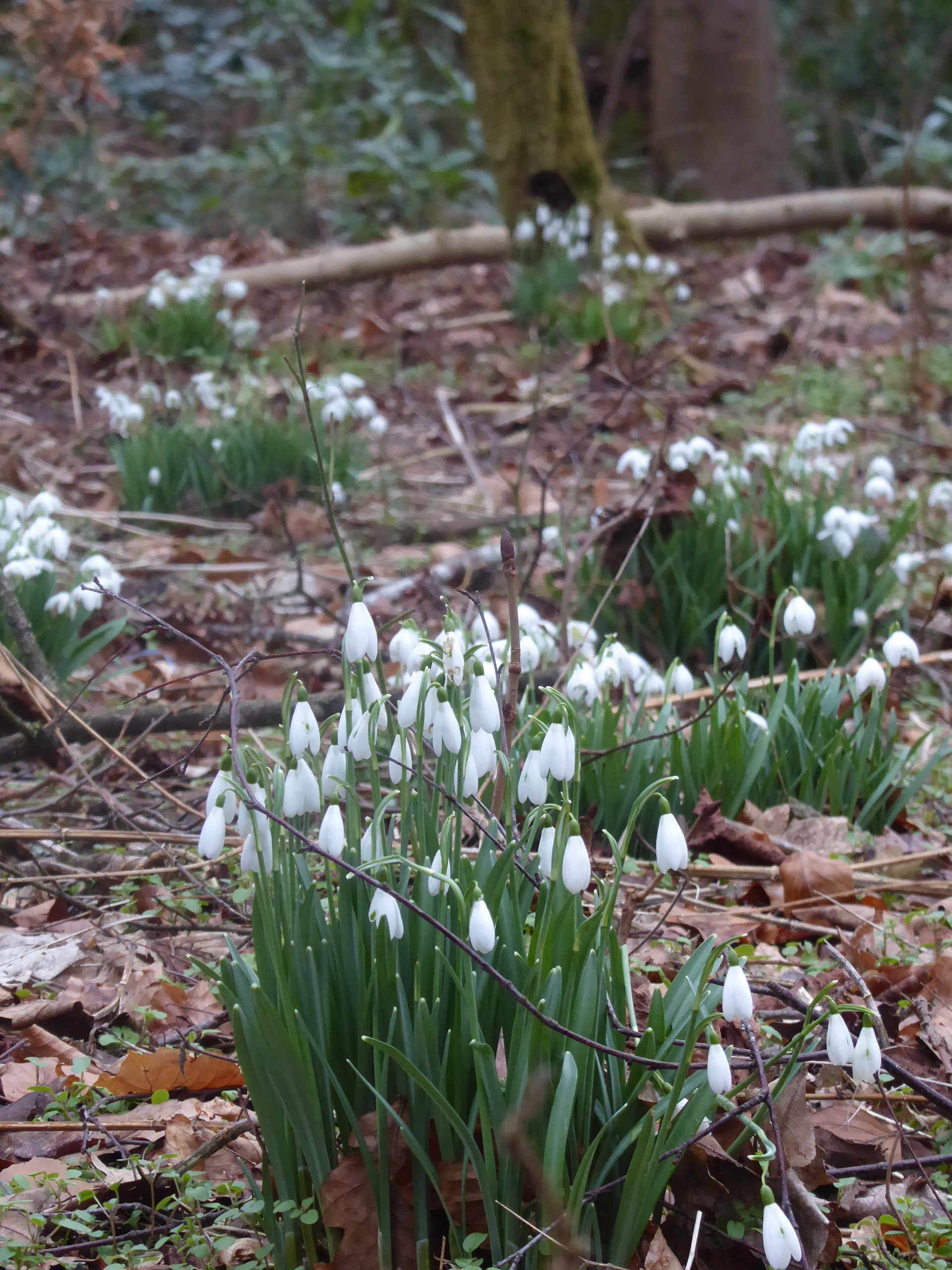
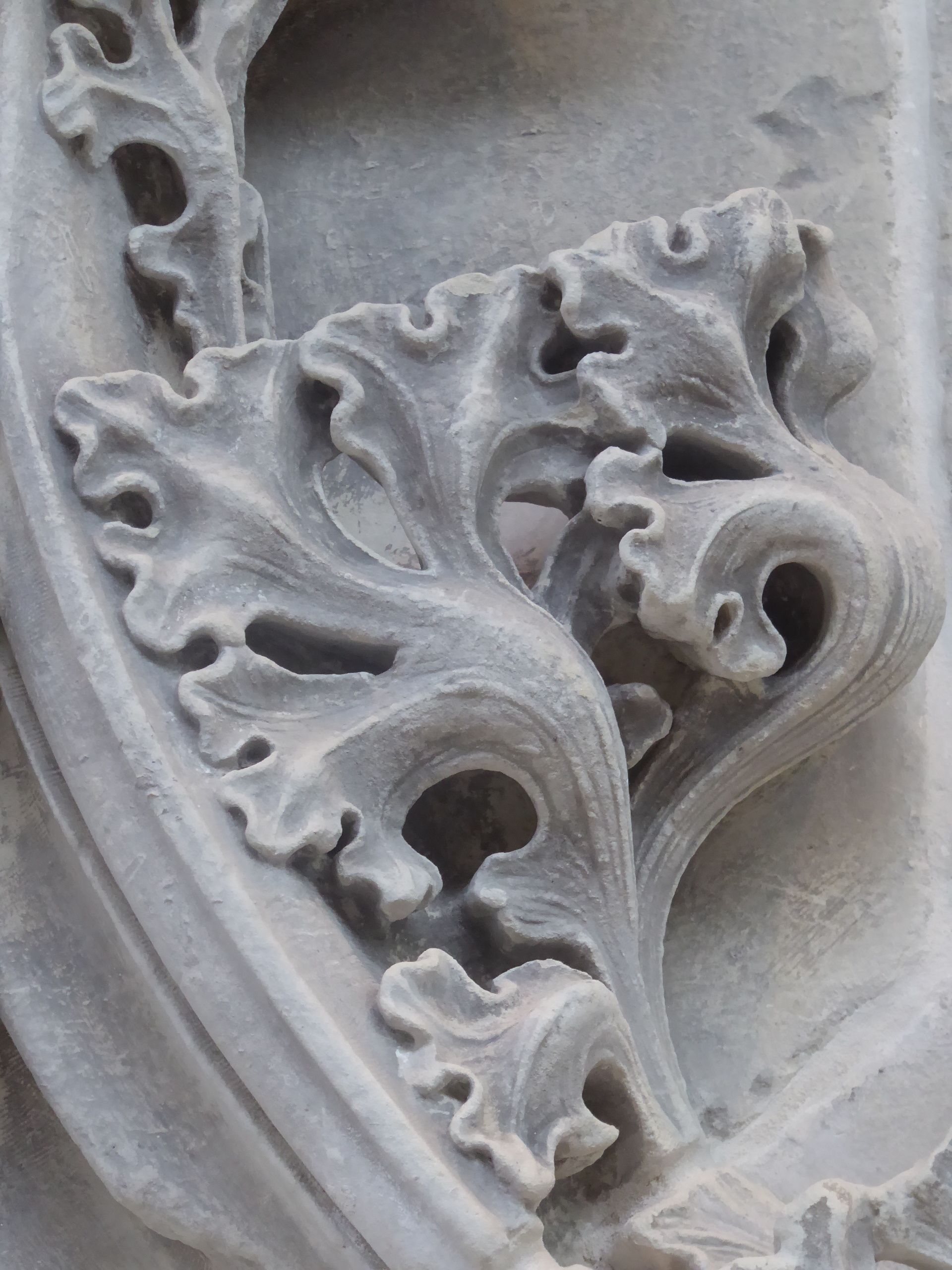
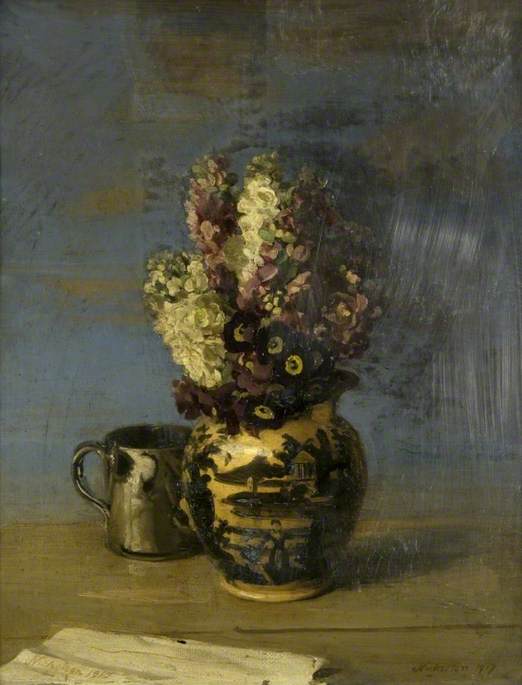
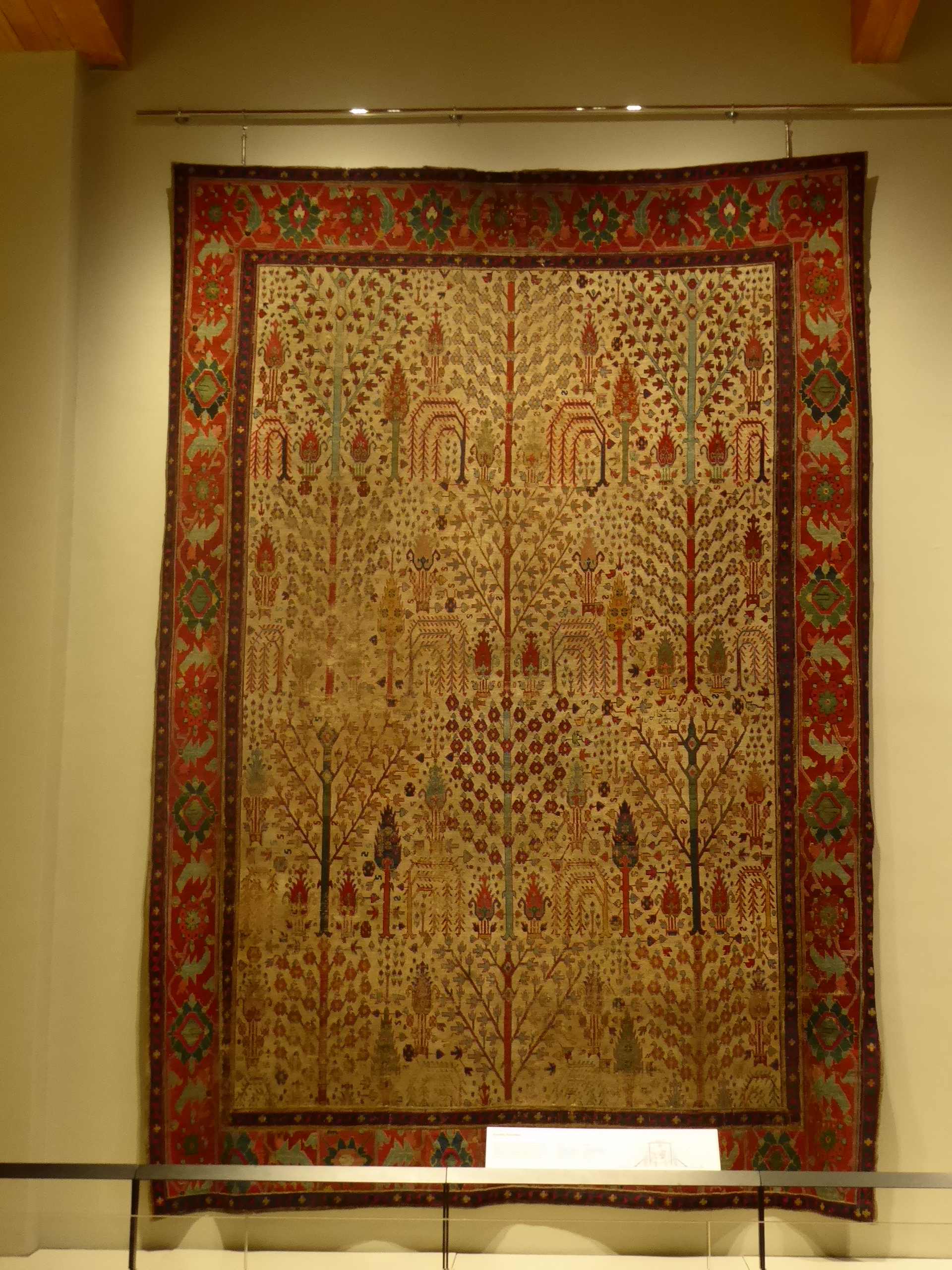
A quick visit to the Burrell Collection afterwards, where my steal would have been a Persian rug to bring the garden indoors in winter. I realise from my choice of photos here that I am longing for spring and the sense of nature re-awakening.
The Magic Flute


The second time I’ve seen this production and it’s still marvellous. Everything about it is wonderful – including the framing and staging, which undermines what might otherwise jar: that women = superstition and falsehood and men = rationality and truth.

  • Tamino – Trystan Llyr-Griffiths
  • Papageno – Emyr Wyn Jones
  • Queen of the Night – Nazan Fikret
  • Pamina – Soraya Mafi

Brontë Parsonage

If I am to visit a tourist honeypot, then a cold, grey, damp day in February is my preference. (“There was no possibility of taking a walk that day” – pah!) Ease of getting there and a mild curiosity took me to Haworth, and, once there, it was interesting to have a sense of the physicality of the sisters’ lives. The house was a good size – but one room was reserved for their father’s study, and at one point they were a family of eight plus a servant. The church and churchyard tombstones a constant view from the front. That hill and the demands it made on tubercular lungs. The Sunday School over the way founded by their father and where they taught. The pub where Branwell drank a stone’s throw away, the stationer’s where they bought paper. They wrote with quills – of course! But it had never occurred to me. The tiny handwriting I had wondered at – but of course! Every bit of paper had to be bought and they were not rich. The table that they walked around in long dresses discussing their work.
I thought too of how, at an impressionable age, you can learn something from even a rubbish teacher (yes, Dolly Duncan, I mean you). The cupboard in her room full of copies of Jane Eyre and a lesson about the family – which may well have culminated in us having to draw the parsonage – when I first learned how to pronounce Keighley. The 50-odd years melted away.

The Flying Dutchman

My first Wagner opera; I gather the Dutchman is entry-level stuff. At the interval the woman in the next seat turned to me and commented on how bonkers a production this was. (She was a Wagner regular.) My word would have been “incoherent”.

In this production Opera North adds the parallel stories of the lives of refugees in Leeds, who – like the Dutchman – were fleeing and doomed to roam until they could be saved. That adds relevance and empathy – but it ends up confusing. Daland’s ship is the Home Office, staffed by besuited bureaucrats; the metaphor is the ship of state, but that sinks beneath the waves as Wagner’s plot develops. The characters of Erik and the Steuermann are conflated, which means that one man is simultaneously at the helm of the ship and looking after Daland’s daughter on land. As for Senta – well, she was Wagner’s creation and he wrote the libretto, but even by opera standards she’s flaky.

The set design was occasionally fussy and off-putting: things appeared without clear reasons. The costumes were distractingly ugly: even with wearying ages at sea, why was the Dutchman dressed as a bag lady? The mirroring of clothes and movement between the Dutchman and Senta was clever – but what did it add? Ditto Senta as a Christ-like figure as she crawls around the table pouring wine.

Carping over. Maybe I need to do some reading. The music was wonderful and the singing excellent – although my neighbour and I commented on the Dutchman’s excessive vibrato.