Grange to Oxenholme

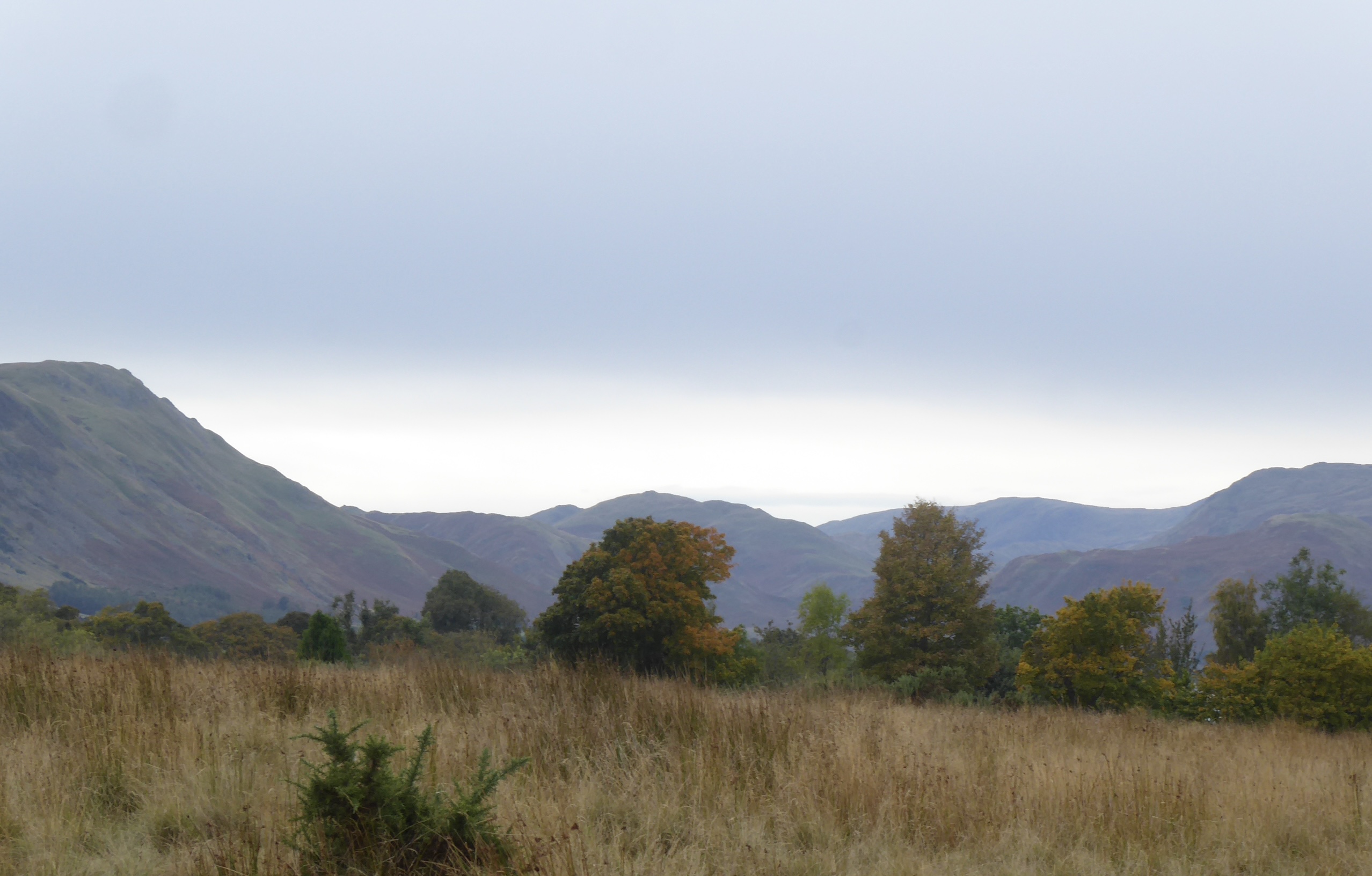
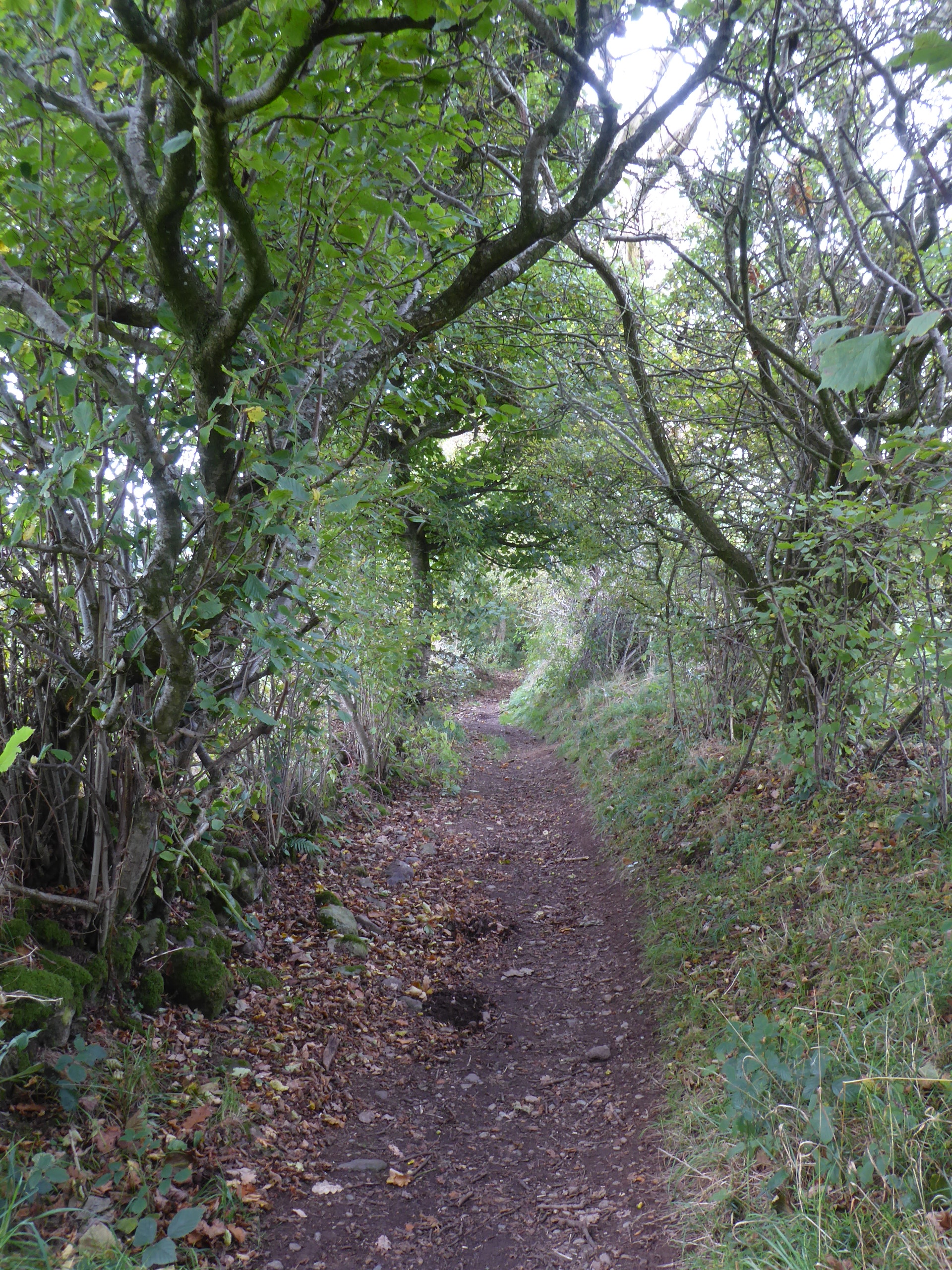
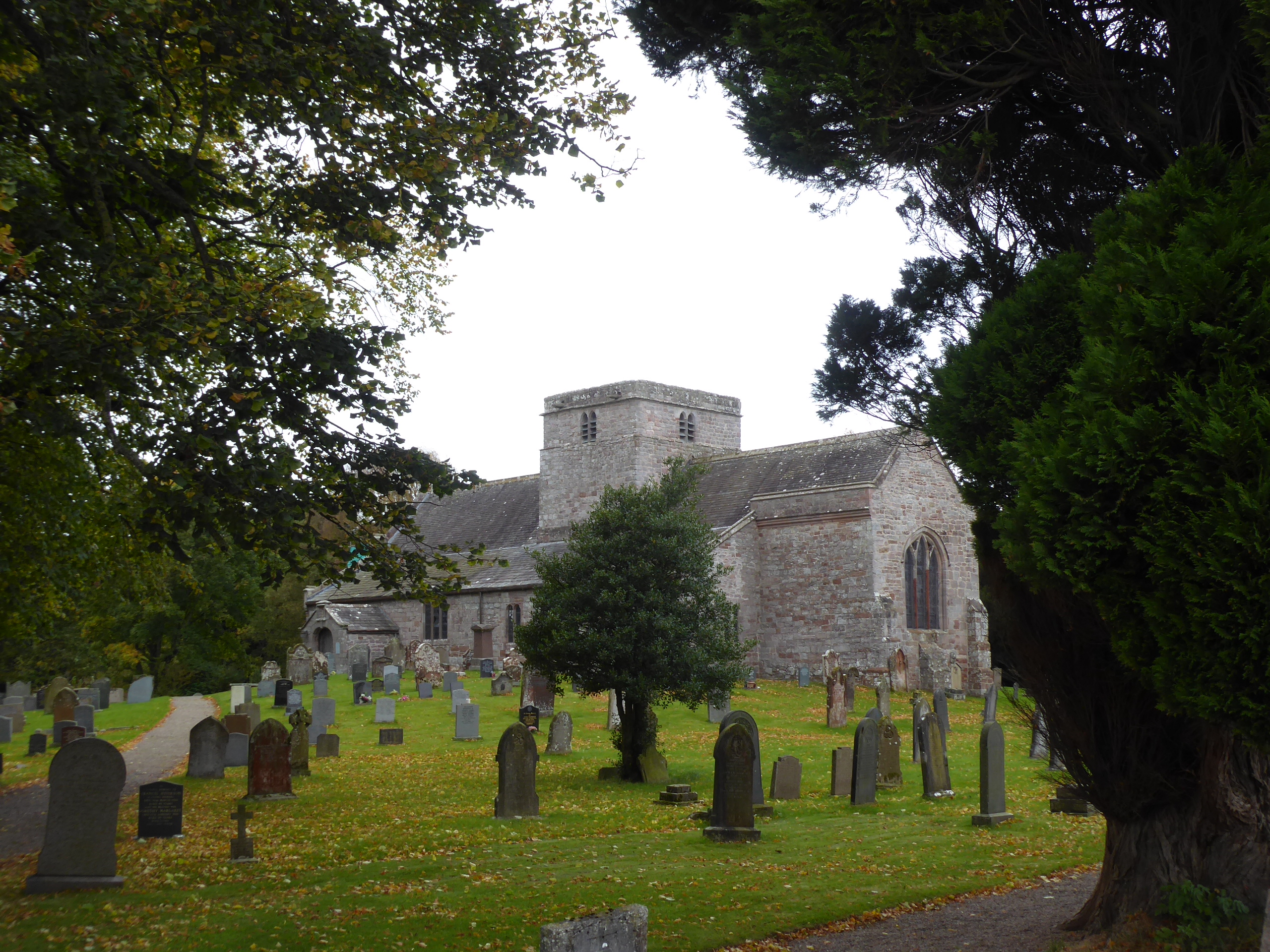
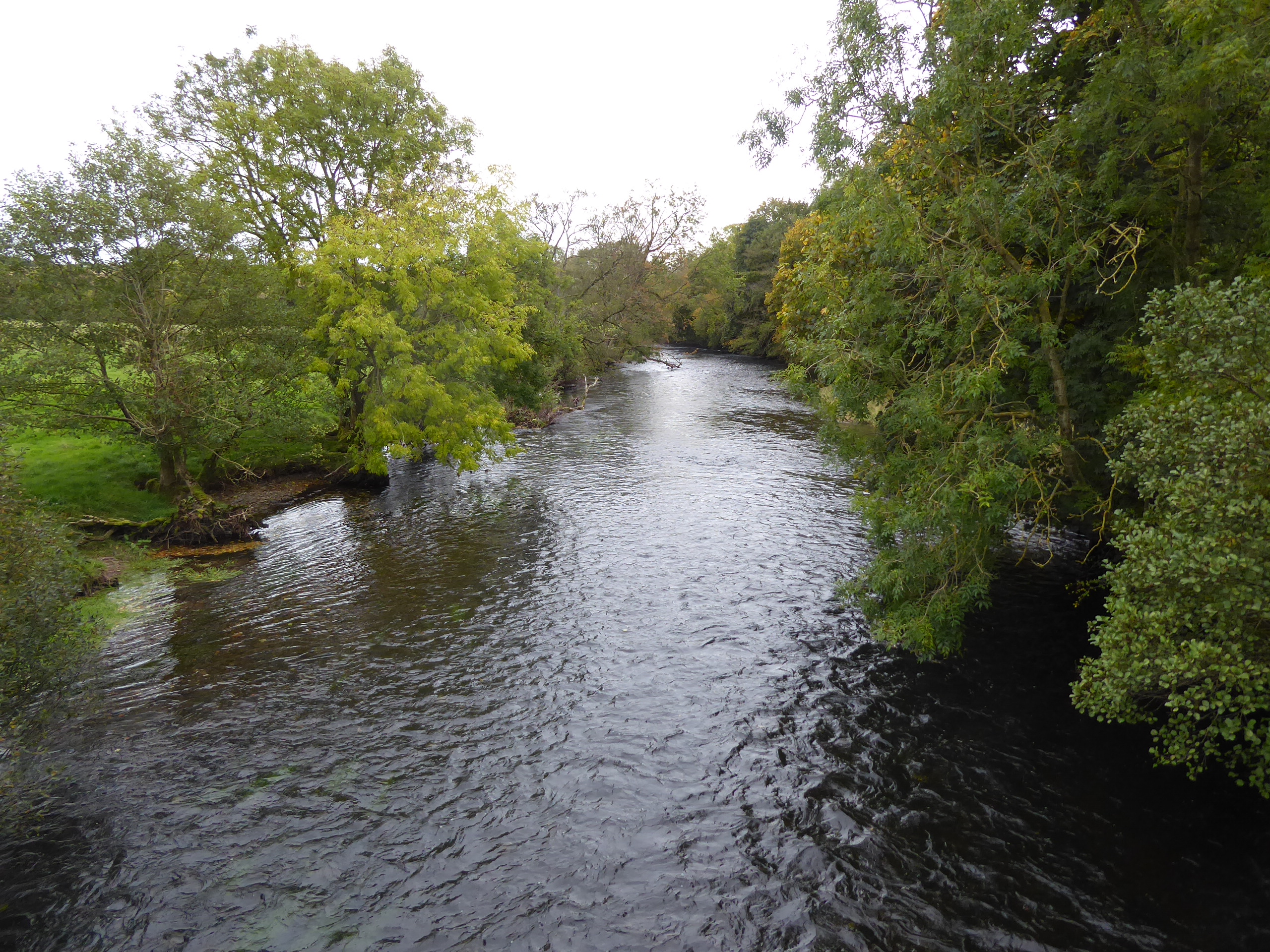
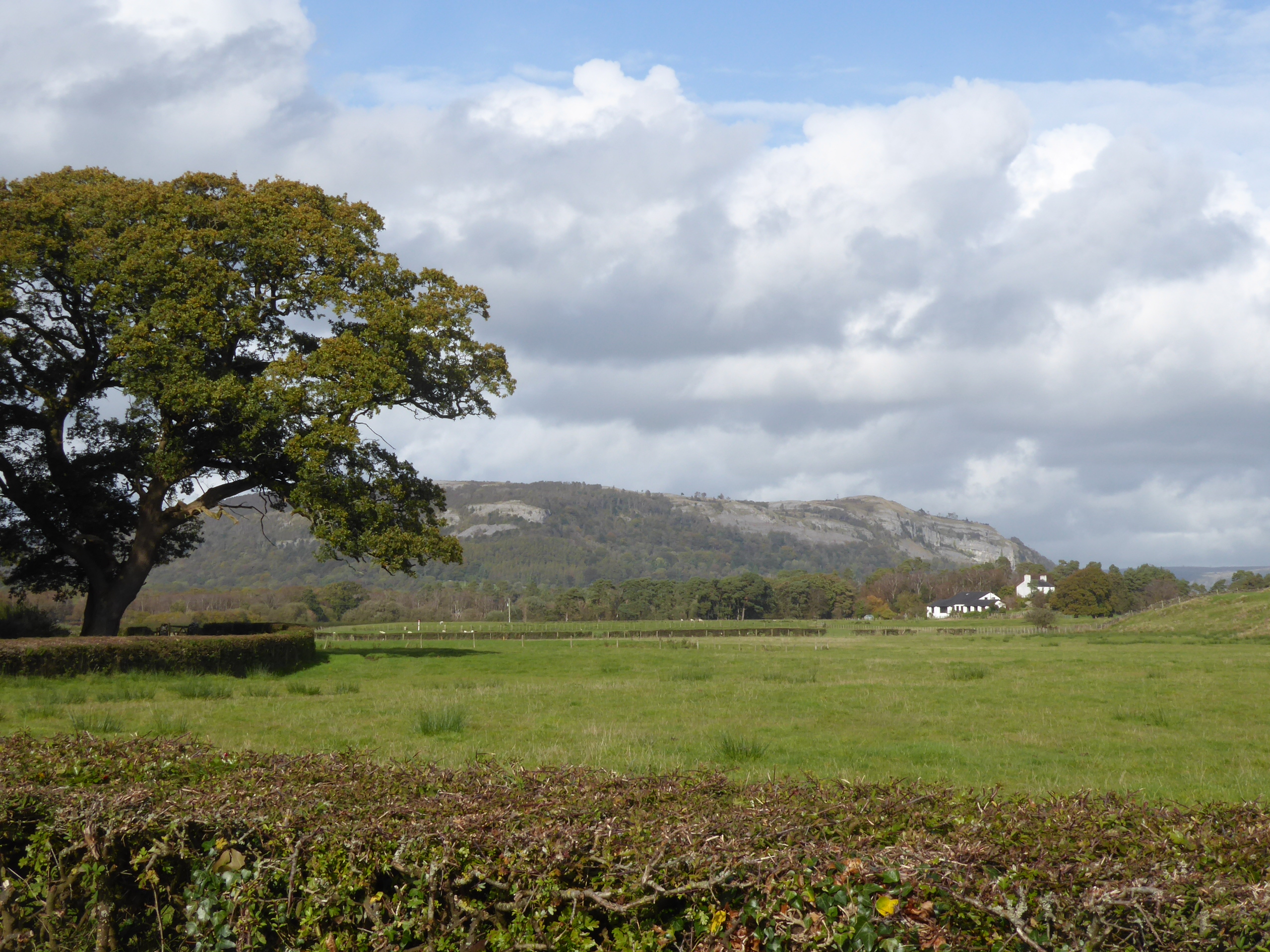
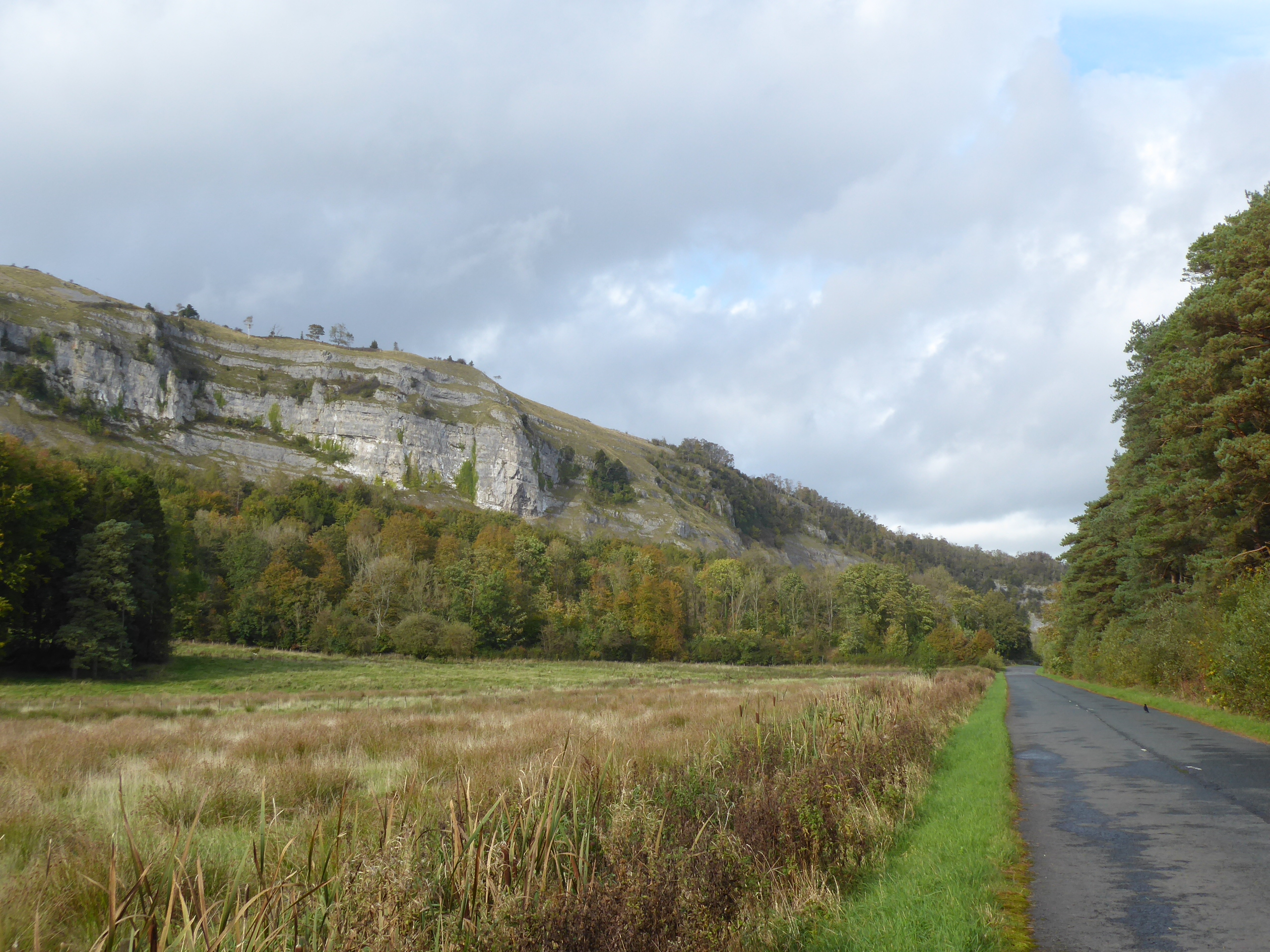
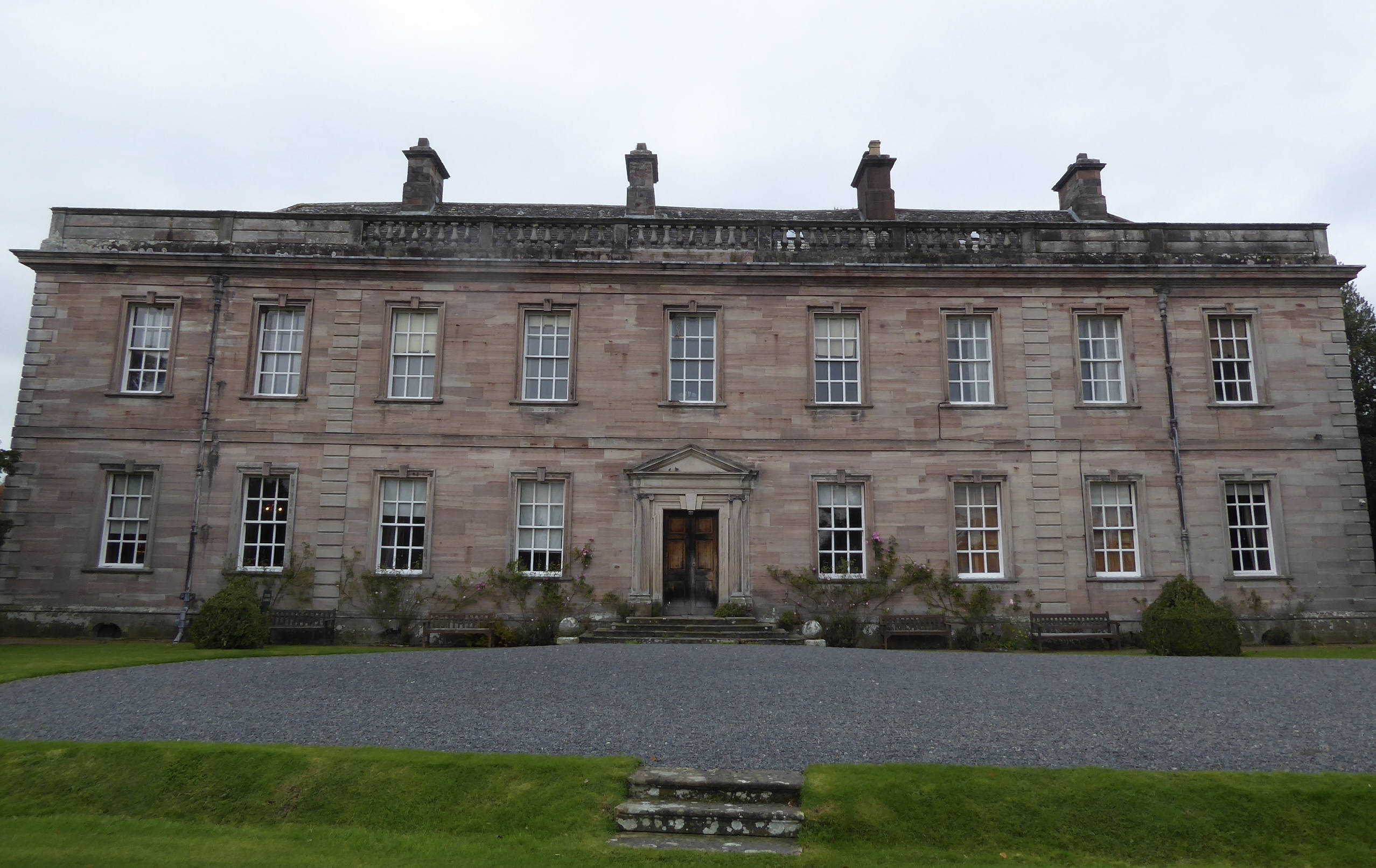
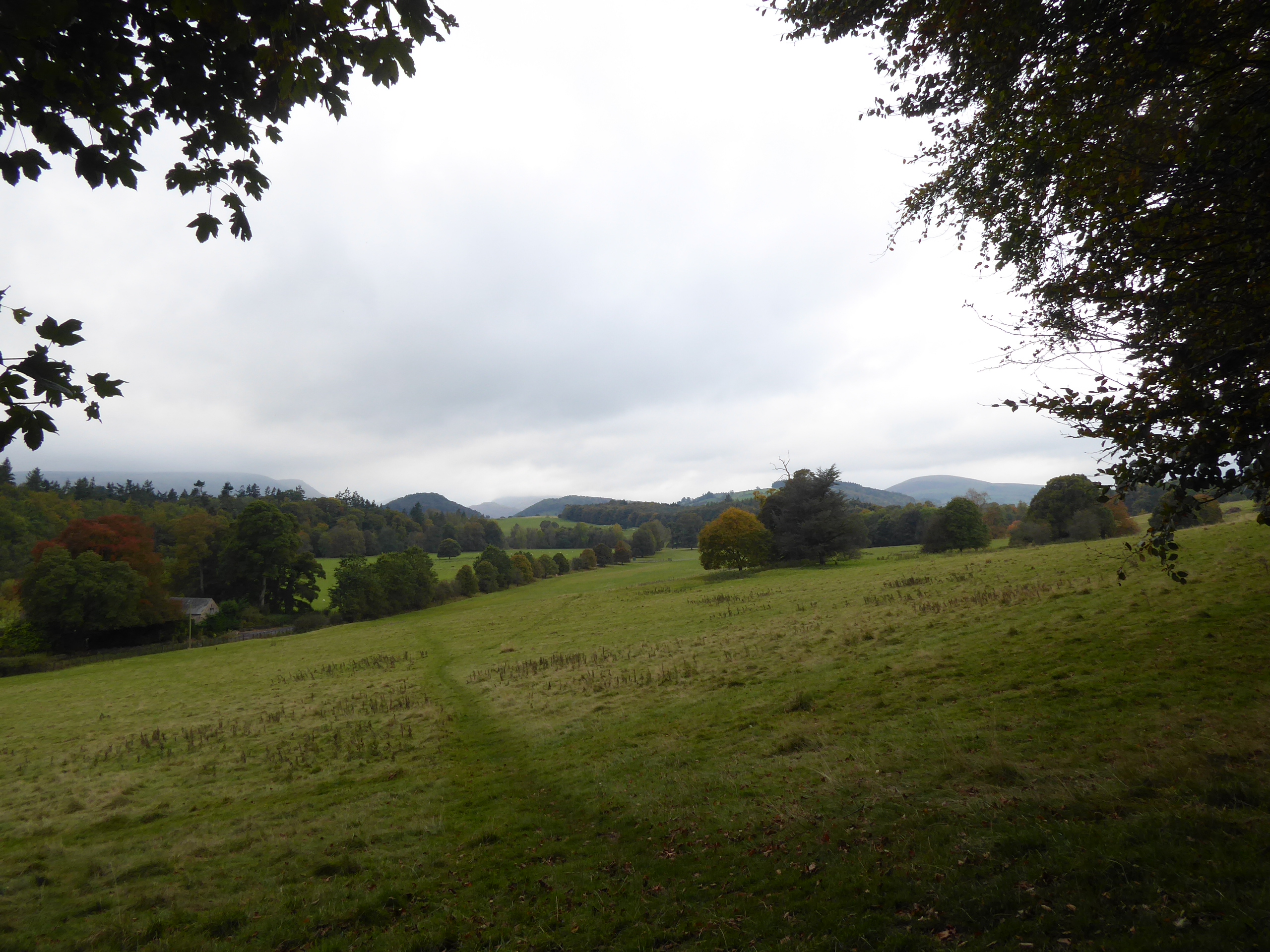
Today promised more sun than rain and it seemed a shame to let my cycling legs rust unburnished, so after lunch the Brompton and I caught a train to Grange-over-Sands and started cycling. First towards Whitbarrow, then towards Levens, and then – having decided on my return station – to Oxenholme over the Helm. Wonderful.

Brough to Hull

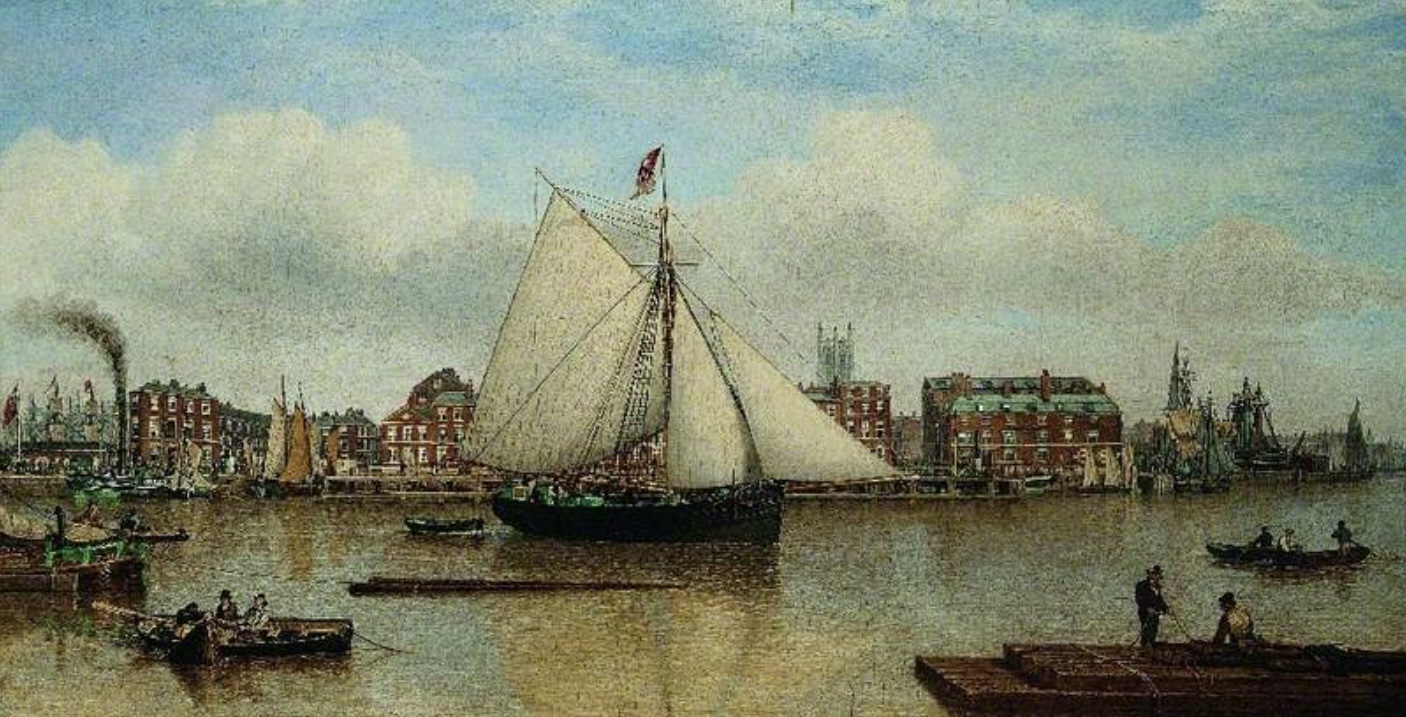
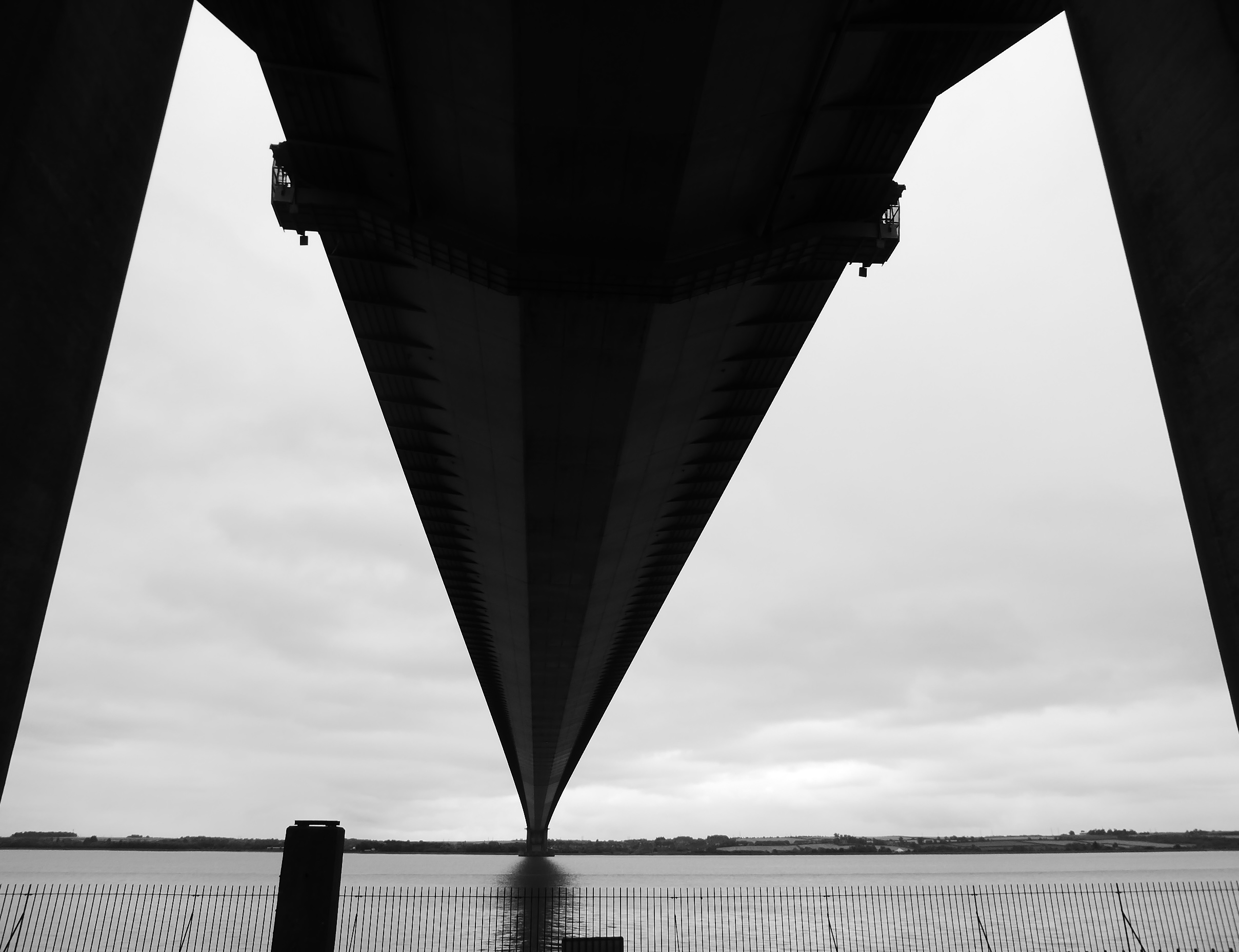
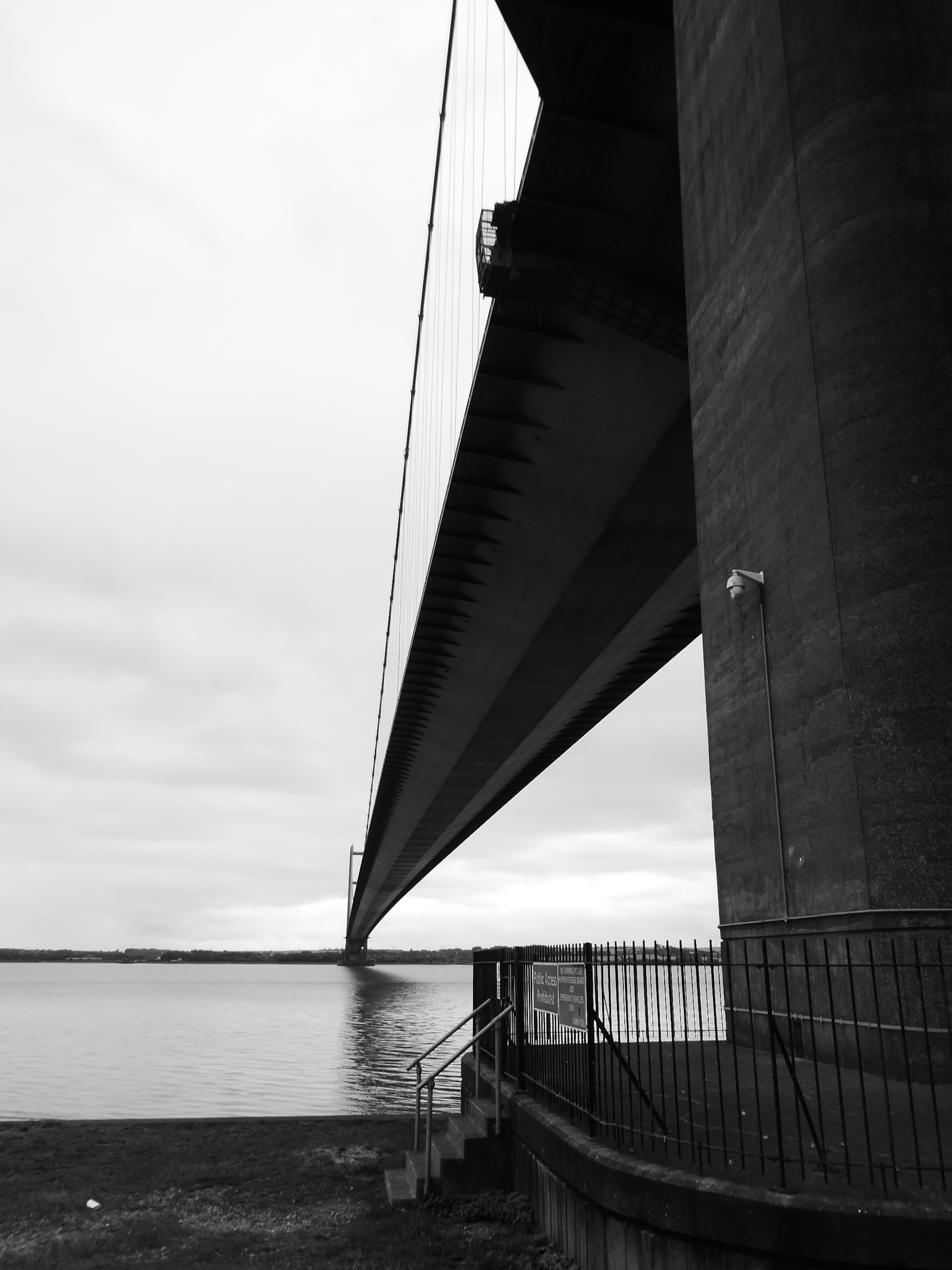
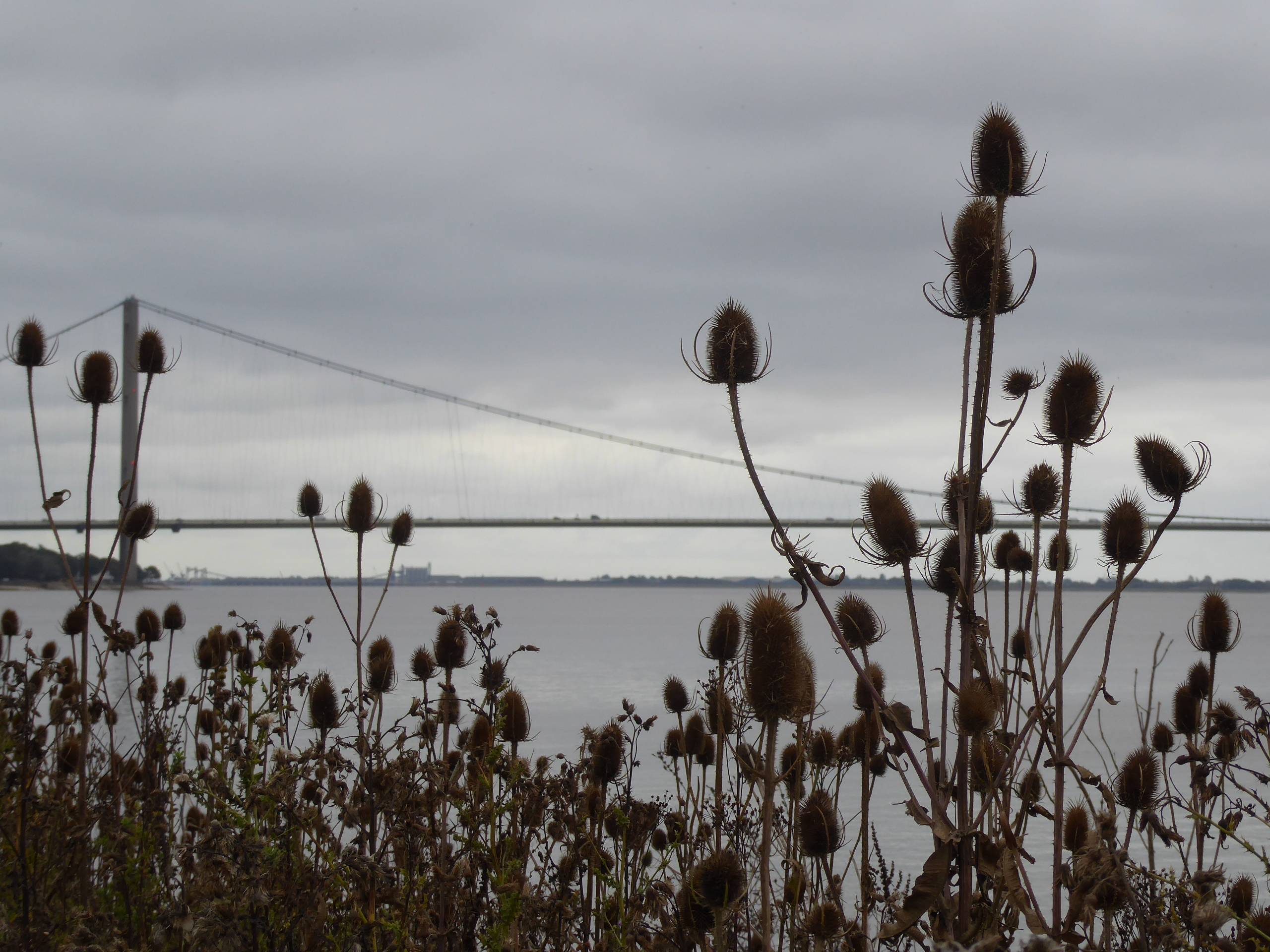
This time we got off the train at Brough and cycled into Hull; I really didn’t want to cycle in and out of Hull again. Great views of the Humber bridge – and I had time to go into the Ferens art gallery and look at a painting by John Hunt of the waterfront in 1837. I got sidetracked by the steam packet on the far left: this went from Hull to Gainsborough, so of course I wondered how on earth it got to a landlocked town. Up the Humber and then up the Trent is the answer.

Ashmolean

An unfocused wander around a little bit of the Ashmolean – which suddenly sharpened into view as we entered the gallery of Dutch and Flemish still lifes. Display cases contained fascinating artefacts contemporary with the paintings – just brilliant. A completely unexpected spark.

River trip

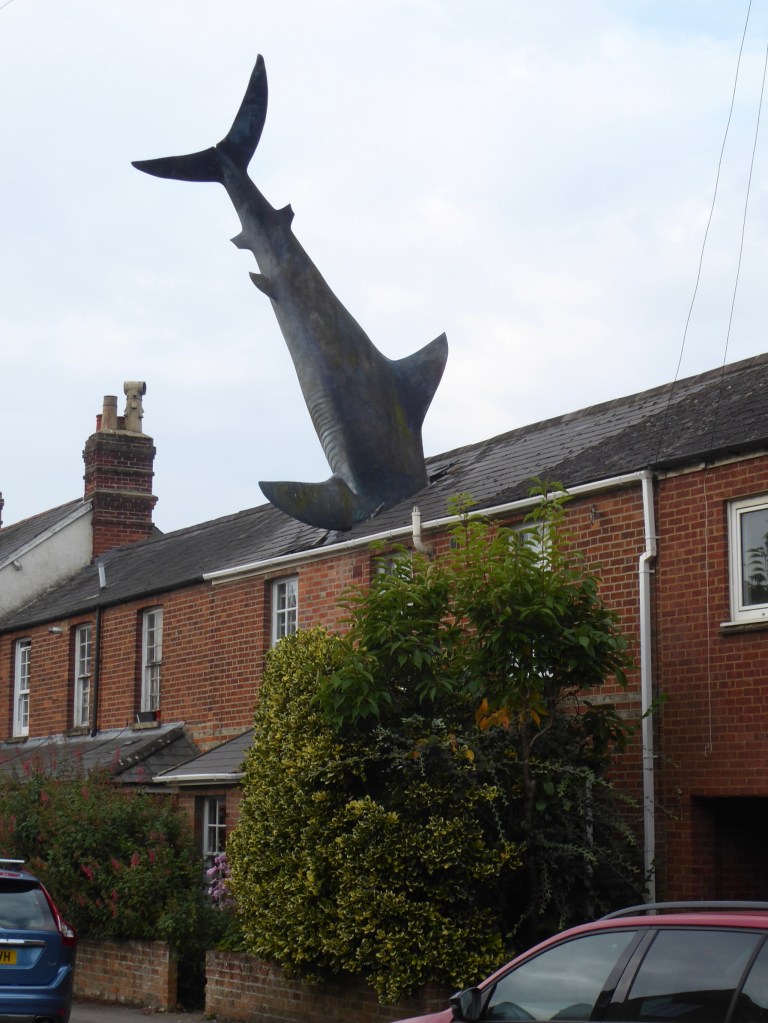
I’m in Oxford for a few days, staying in Headington in a small estate of inter-war houses, many of which – like ours – have been extended and turned into HMOs.  So not Brideshead Revisited – but neither is it Jude the Obscure. After all there is a Waitrose nearby. (Bicycle helmets in many wire baskets.) I suppose this is just urban living nowadays in the over-crowded south-east. Hemmed-in and concreted over – but somewhere I can hear a bird singing. I lived like this in London 40 years ago, but I’ve grown used to space and light since then.

It’s an easy bus ride into the centre of Oxford. Today we went on a boat trip from Folly Bridge past Christ Church Meadows to Iffley Lock. (Three Men in a Boat popped into my head at this point.)

Kurt Schwitters in Ambleside

After my visit to the Hatton Gallery on Wednesday, I checked the website for the Armitt Museum and discovered that today there was an annual guided walk in Ambleside of places significant to Schwitters, who lived there for the final three years of his life. It also gave me a chance to see what works of Schwitters the Armitt has. Plus other discoveries that caught my eye.

The walk’s focus was primarily on Ambleside and the people that Schwitters was friends with. He painted their portraits – competently if not inspiringly – and sketched and painted for a few shillings to earn a living. It wasn’t really the focus I was after, but nonetheless it was a pleasant and informative walk. There were wonderful views from the first house Schwitters lived in – but, after a fall on the icy pavement, he had to move. I learned that the Merzbau in Langdale was his third and final one, and the only one of which something remains – i.e. the barn wall in the Hatton Gallery. (His Hanover Merzbau was destroyed during the war, and the one he started to construct in Norway when he first fled Nazi Germany was destroyed decades ago.)

The Armitt exhibition was of Schwitters’ portraits of Ambleside worthies. It therefore gave little sense of what a very unusual artist he was. Nowadays Schwitters-type stuff and collages and deeply personal works are everywhere, but he was the ur installation artist*. (I did enjoy one of the group saying that her great aunt had had to clear out one of Schwitters’ rooms and found it full of rubbish . . . like old bus tickets! So not rubbish but artist’s materials.)

And then, since the day had turned into a beautiful afternoon, I walked back to Brockholes via bridleways – some with little rivulets running down them after so much rain.

* But levity will intrude and – unserious philistine that I am – I can’t always take his work seriously. So – Schwitters used porridge as a sculpting material while he was interned as an enemy alien; I’ve just read the following in “Conference at Cold Comfort Farm” (1949):

‘And Messe has promised, as you saw by the advance publicity I sent you, to do us a one-day show of Transitorist Craft work. Do you know his stuff? He won’t use materials lasting longer than one day, and he mostly works in pastry made from national flour, contemporary sausage-meat, and modern dyestuffs . . .’