The Merz Barn Wall

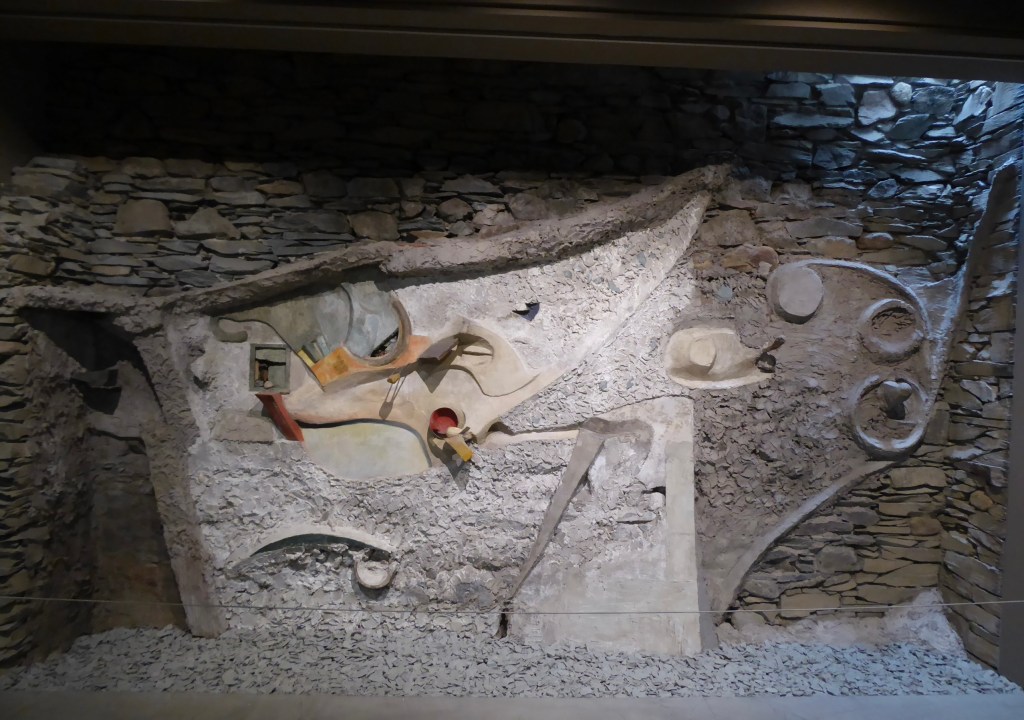
Merz Barn Wall, Kurt Schwitters, 1947-48

I went to the Hatton Gallery, hoping to see the paintings I’d skipped over on my previous visit when I had been captured by Kurt Schwitters’ Merz Barn Wall. Unfortunately, the gallery was taken over by the graduate art show (very shallow of me to think that, I know) so I returned to the wall to see if I felt the same way about it.

Yes – but without that sense of astonishment I had the first time. The lines and shapes and proportions seem just right somehow. The clean curves offset by the texture of the plaster “scales”. The little areas of colour. I knew it was unfinished, but I didn’t realise- until I read further – that this is not quite what Schwitters created. There were other elements, like a column, but this (restored) is all that remains.

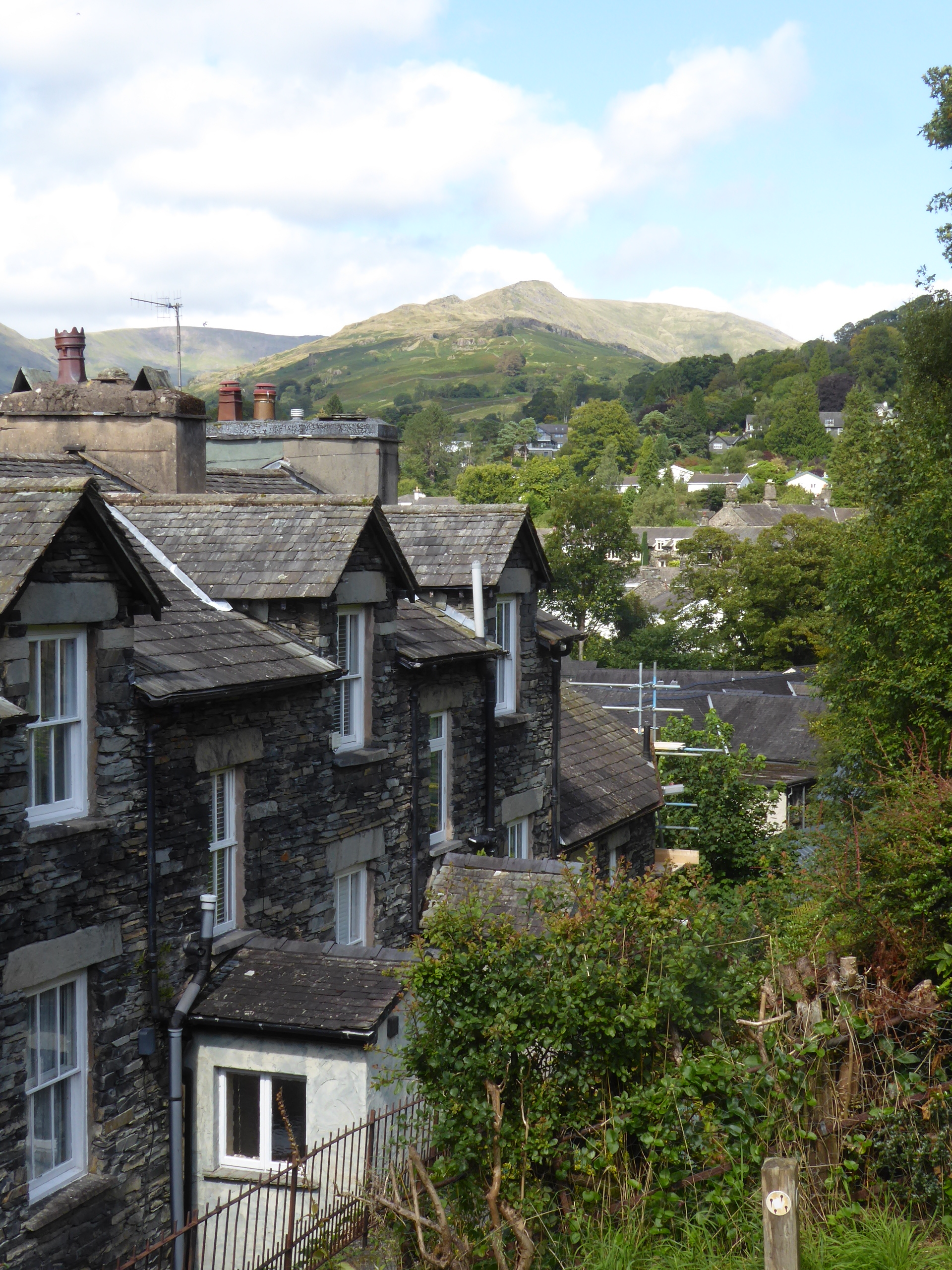
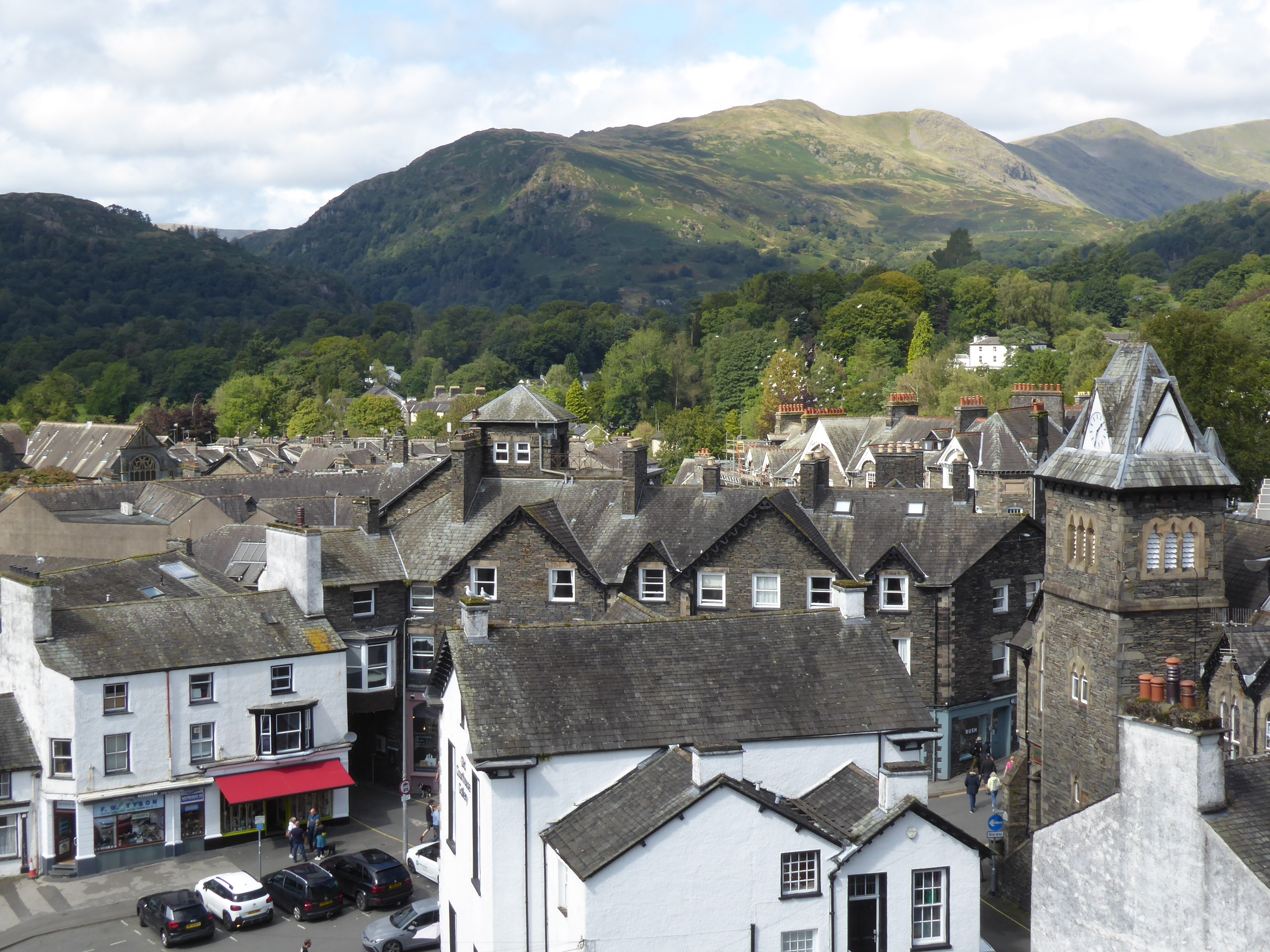
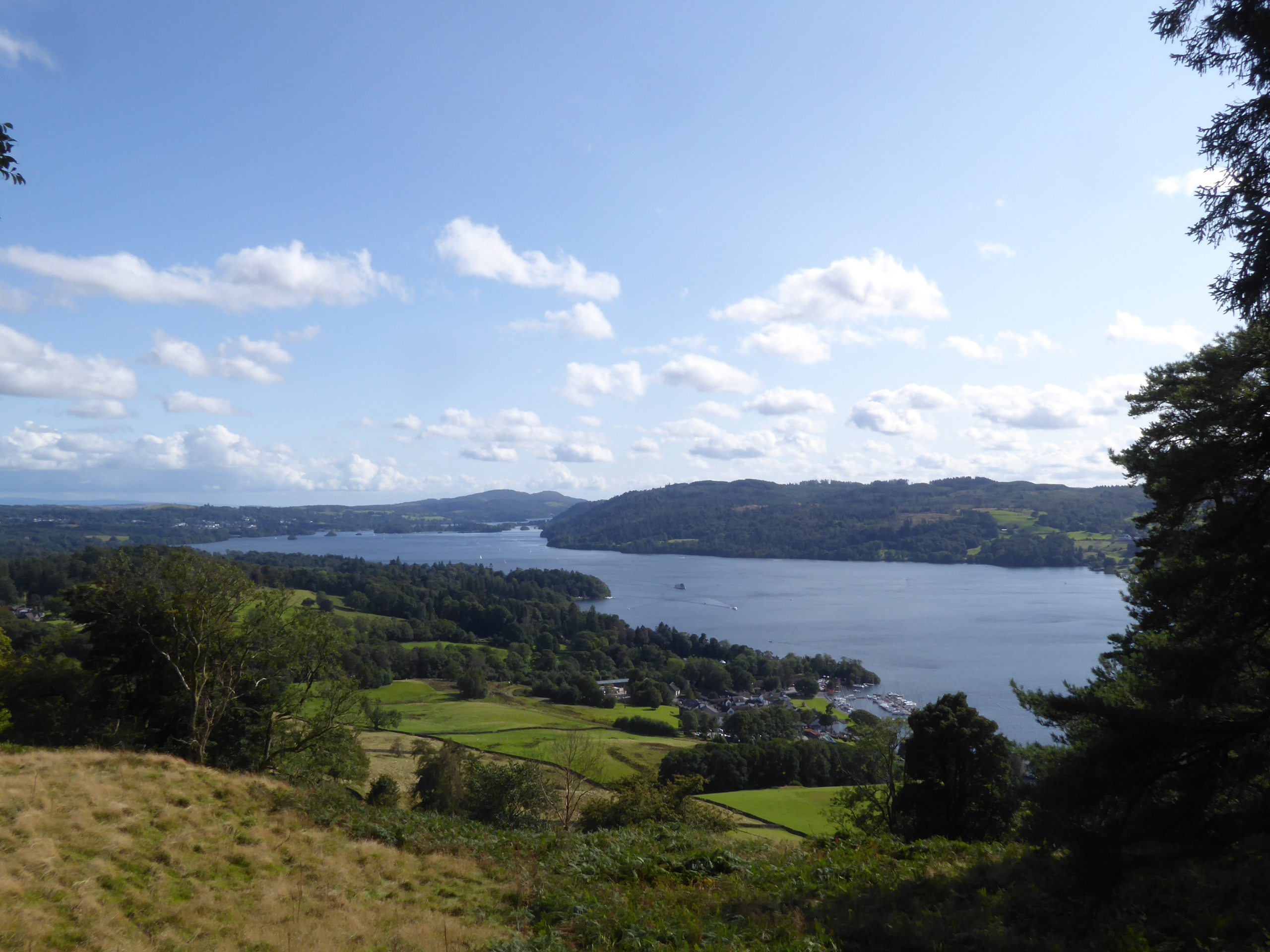
I can feel a visit to Ambleside coming on.

Newcastle

Newcastle really is a handsome city – it announces the fact from the moment you cross the river and curve into the station. Sunshine helps, of course. It’s looking a bit pinched in other ways, but that’s another matter.

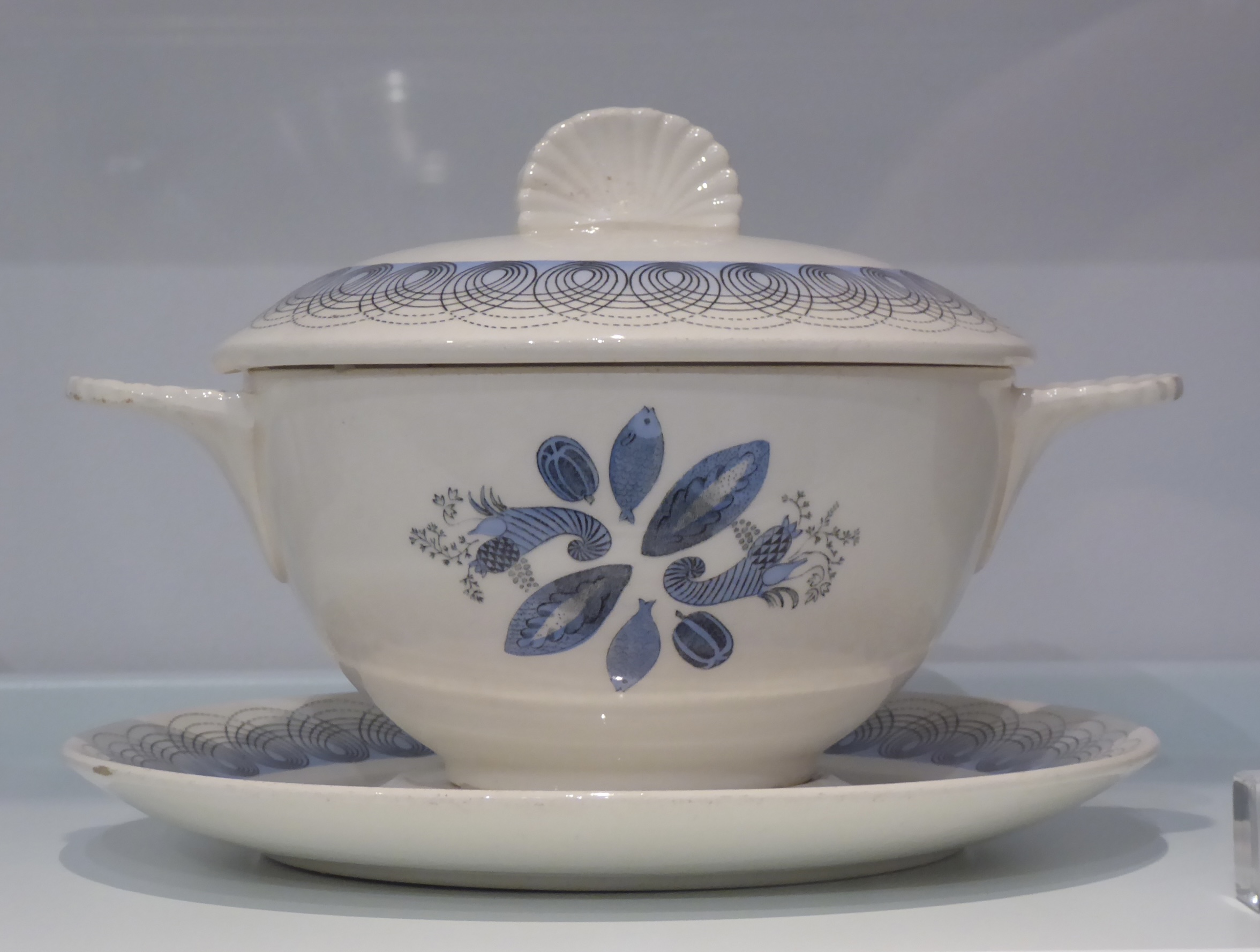
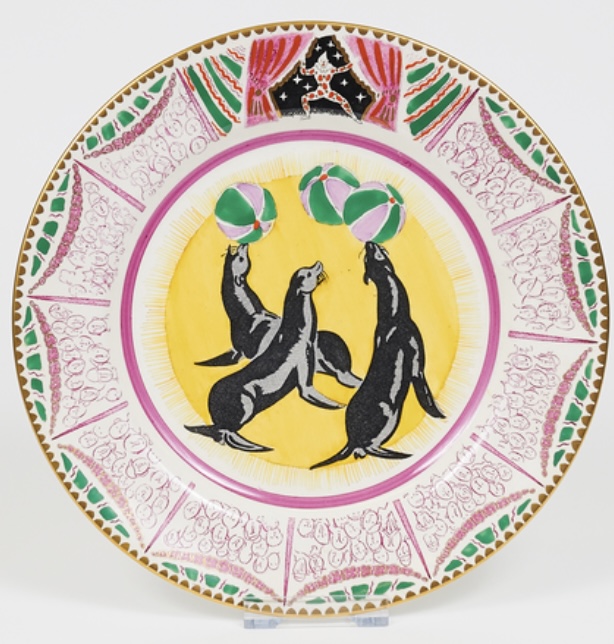
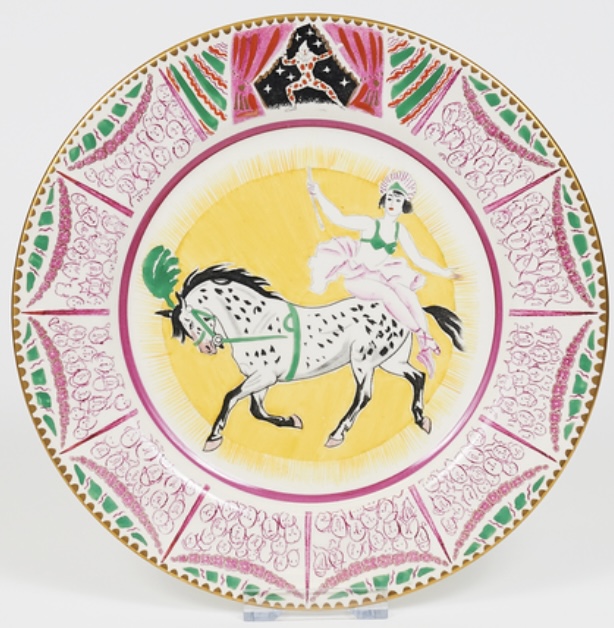
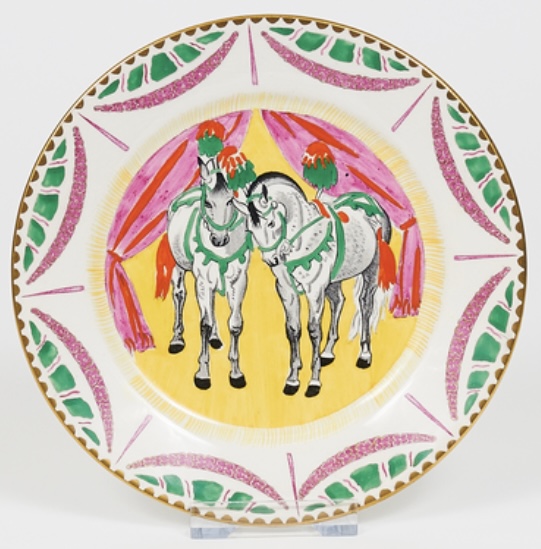
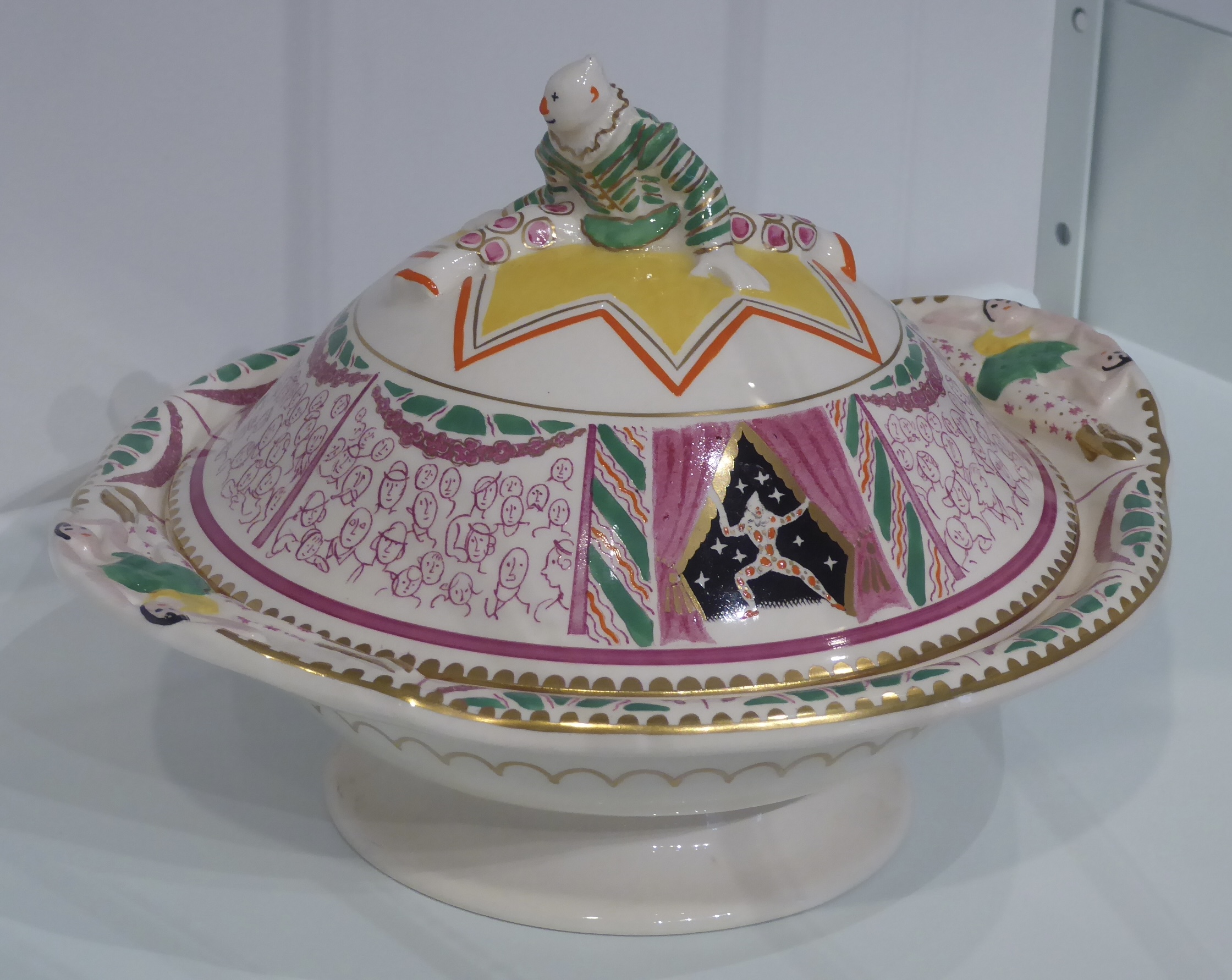
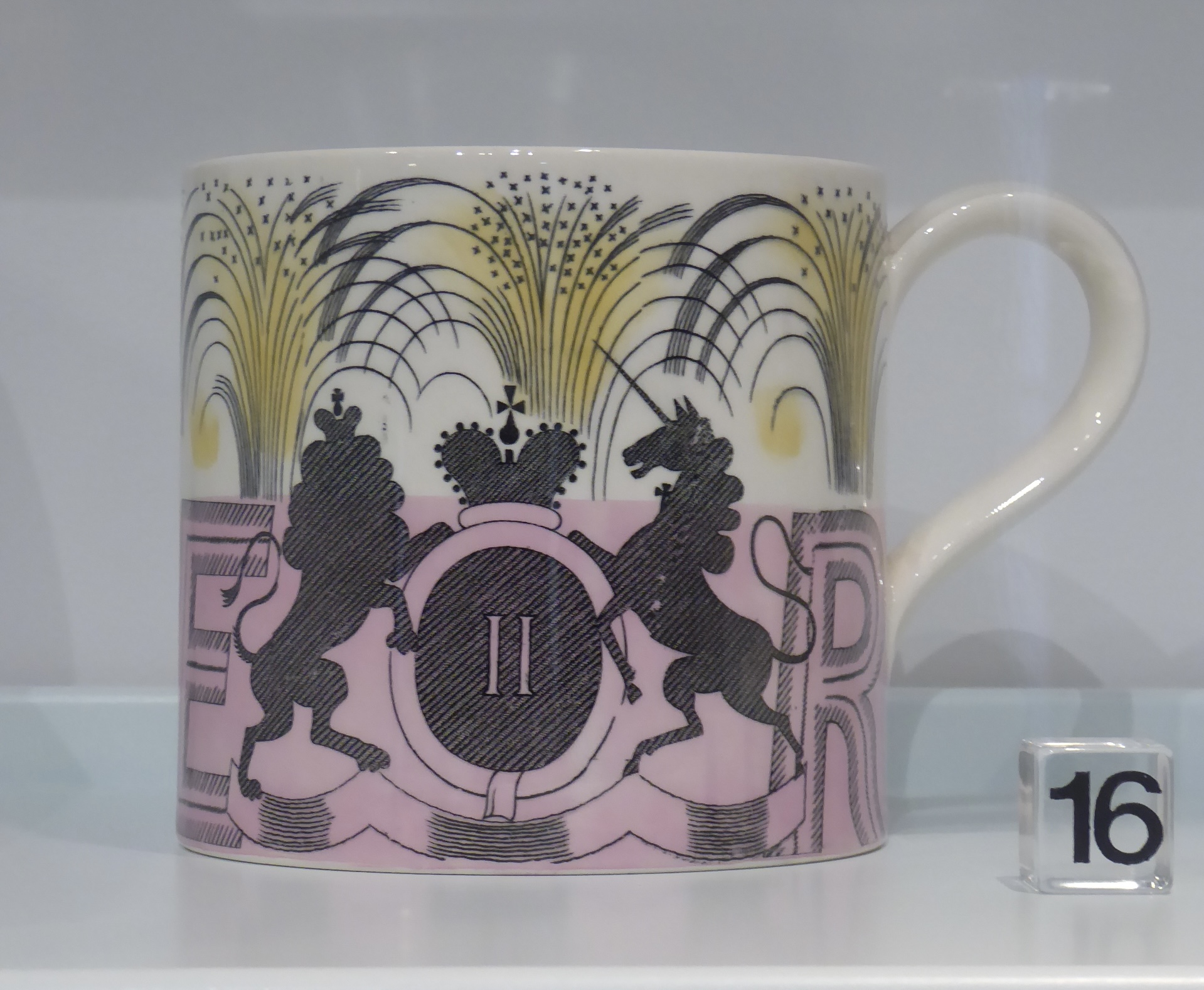
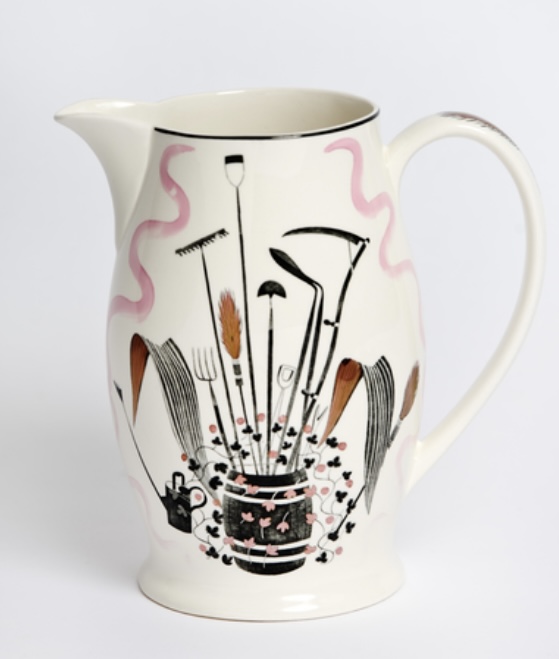
Straight to the Laing and the café, but before I had my coffee I was sidetracked by the corridor display of domestic items: a teapot by Christopher Dresser plus crockery by Laura Knight and Eric Ravilious. His little tureen was a delight.

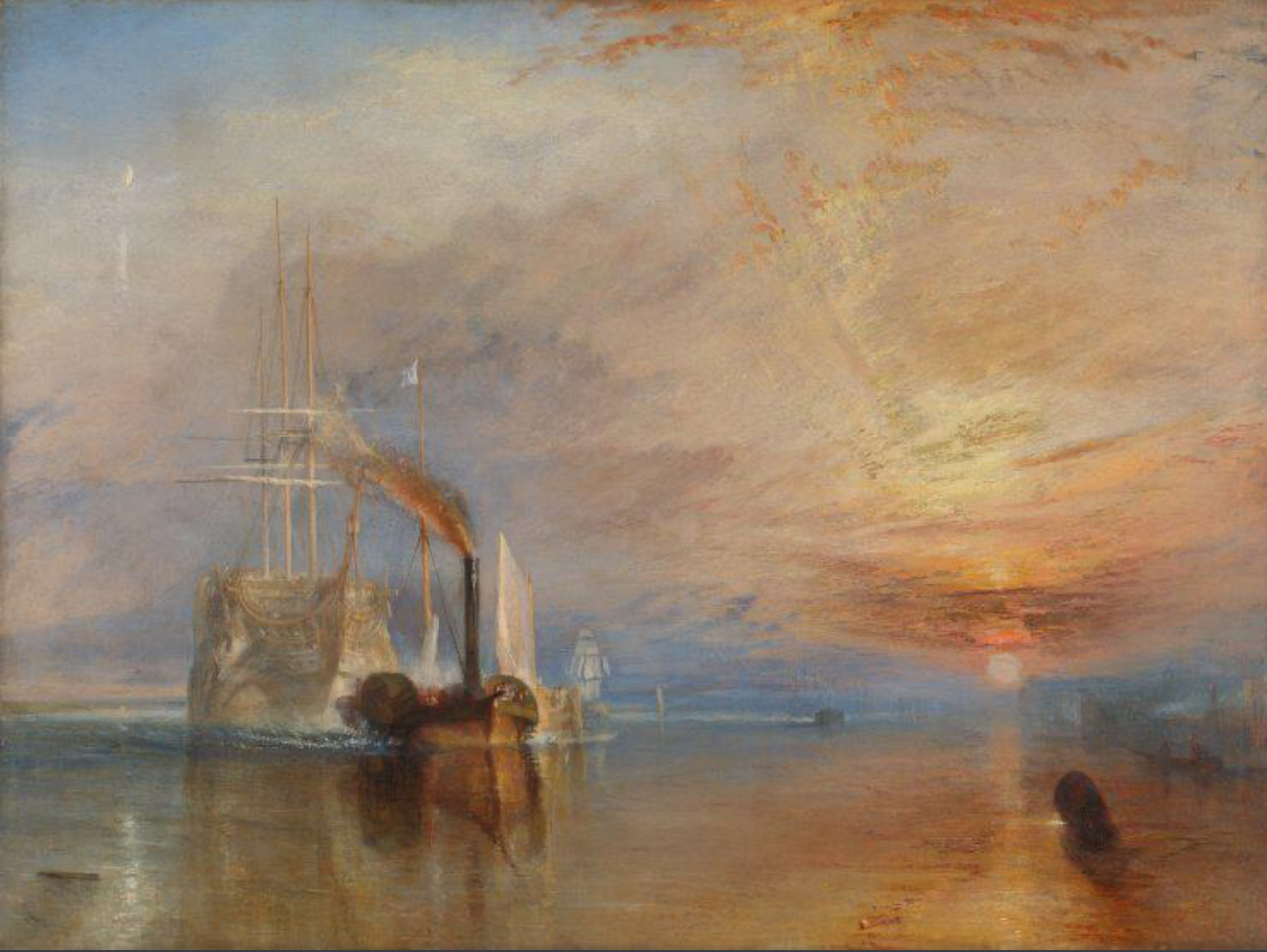
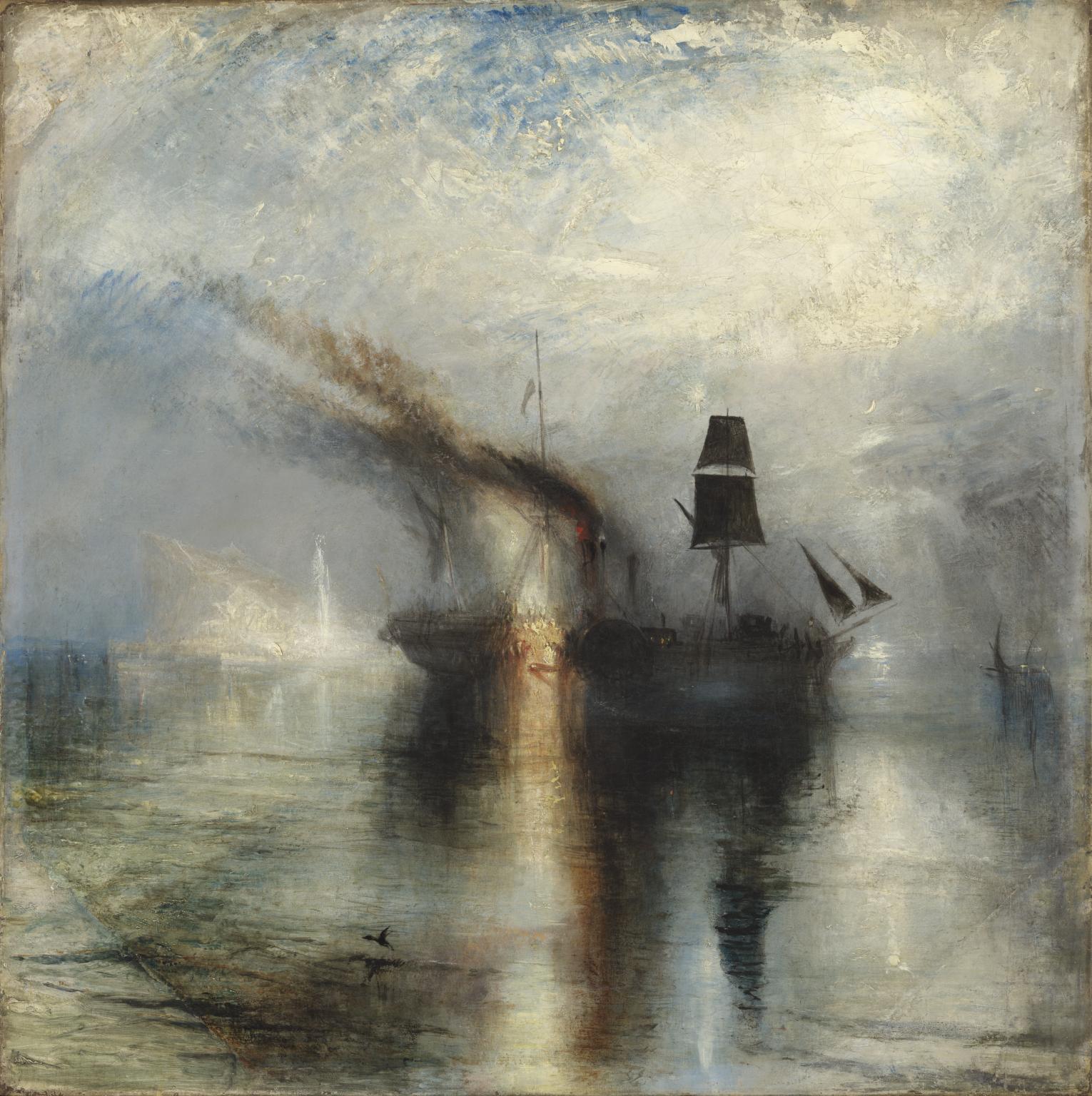
But I wasn’t there for household items. No, I was there to see Turner’s “Fighting Temeraire”, which is on loan from the National Gallery, and the exhibition surrounding it. As I walked round I felt a small surge of horrified interest in how a battle would have been fought by sailing ships atop a wooden crate riddled with gun holes. Lots of Turner’s watercolours, which – since I know one of the scenes he painted – included a great deal of artistic licence. Sometimes his painting are too undefined and blurry for my taste, and I wasn’t expecting that much of the Temeraire. Well, I was wrong. In the flesh, it is amazing. It blazes and shimmers and is utterly beautiful. Lots of artistic licence here too, but there is still pathos in the old ship that helped to defend Britain from Bonaparte’s forces being led to her death by a new-fangled steam tug. “Burial at Sea” next to it was equally breathtaking. It just glowed.

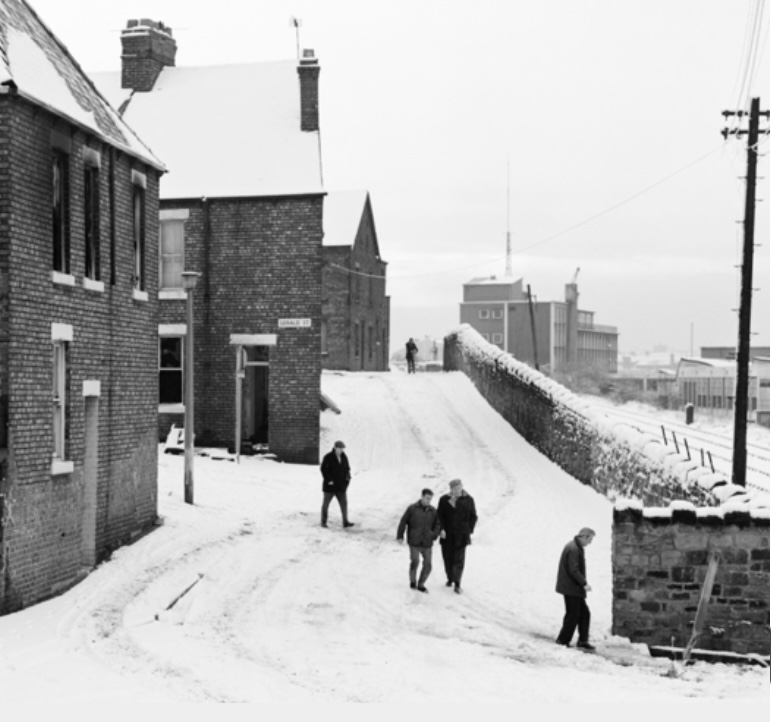
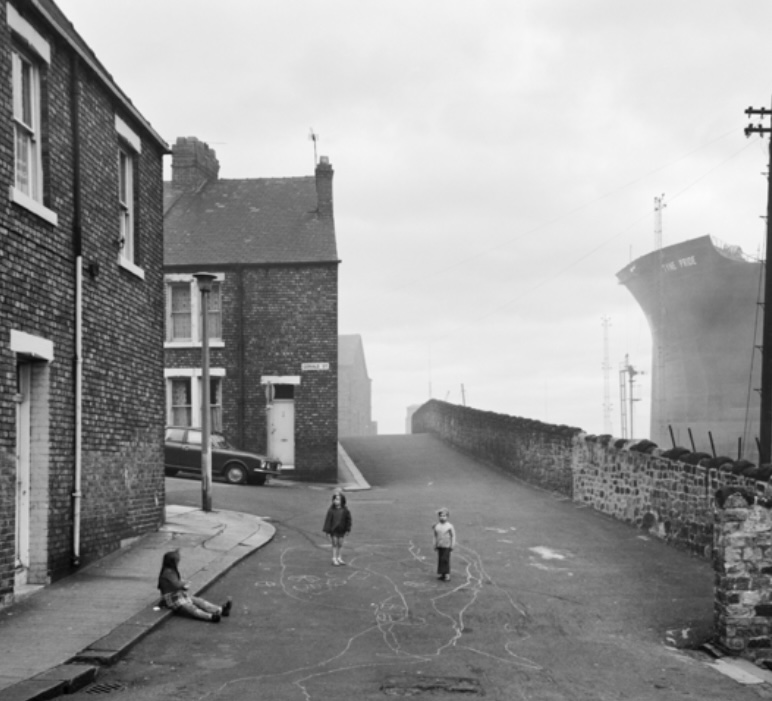
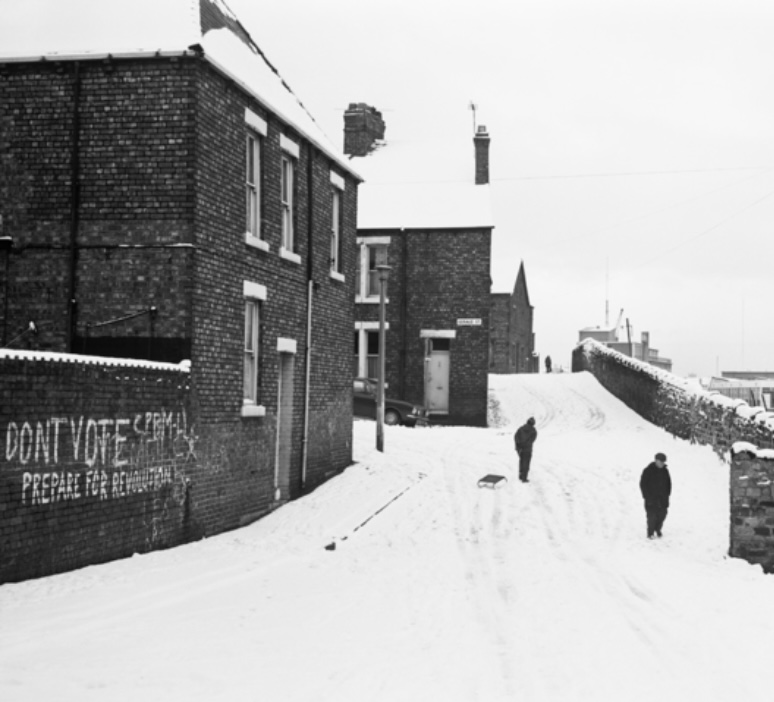
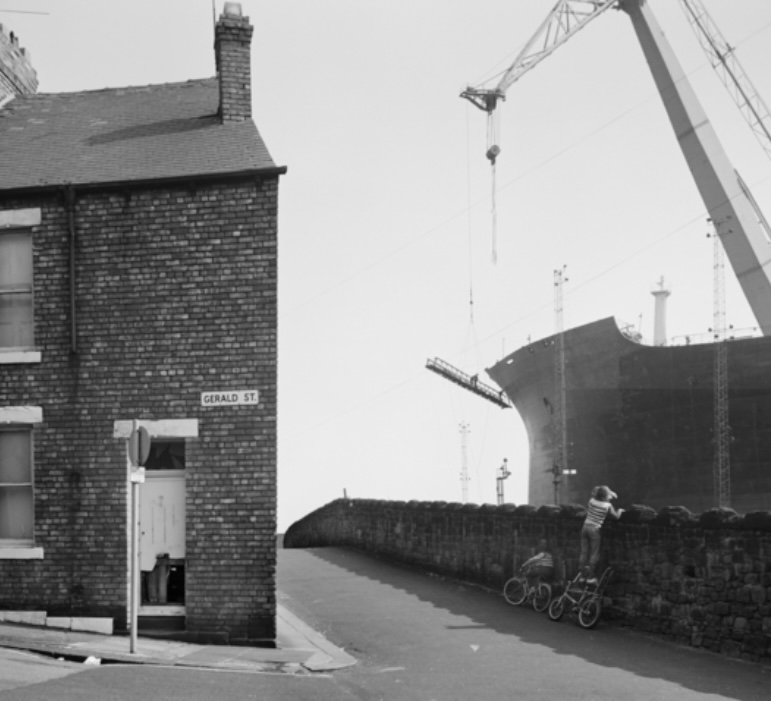
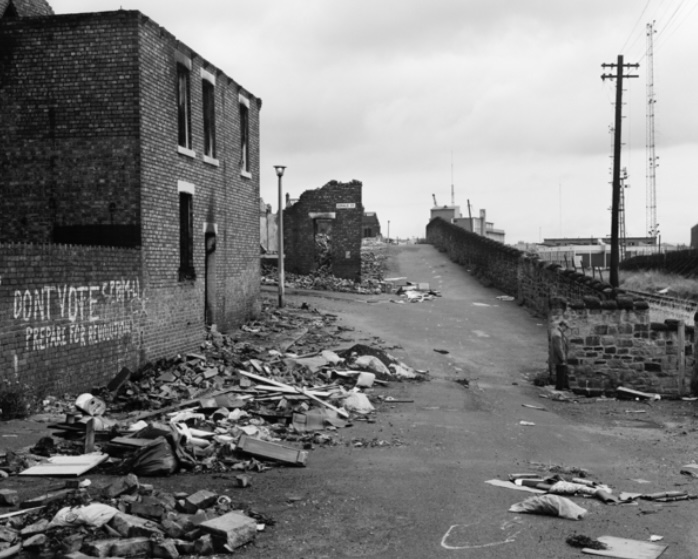
There was more about shipbuilding and industry on the Tyne, including one photograph by Chris Killip. Afterwards I went into his exhibition of “The Last Ships”. His eye is perfect, but it is perhaps the time he spent on the people and the area that was his invisible power. These photographs of the same street over the course of a couple of years in the mid-1970s:

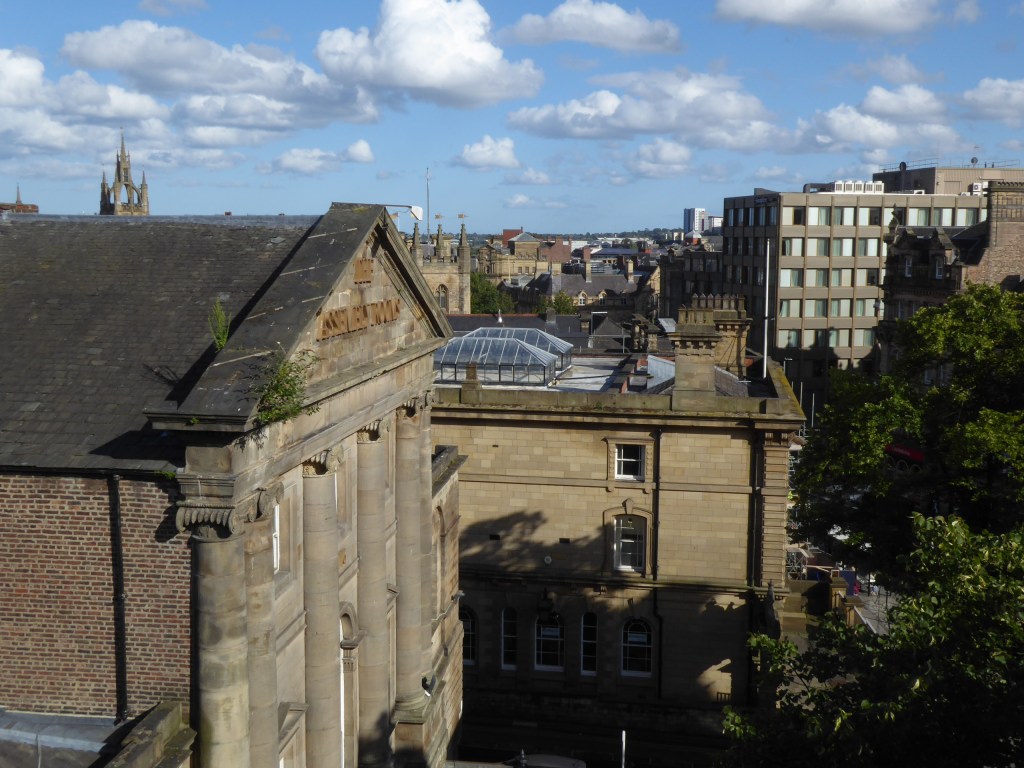
My room is on the fourth floor and I have a perfect view of the Ionic capitals of the old Assembly Rooms. And of the buddleia sprouting from its masonry.

Staithes

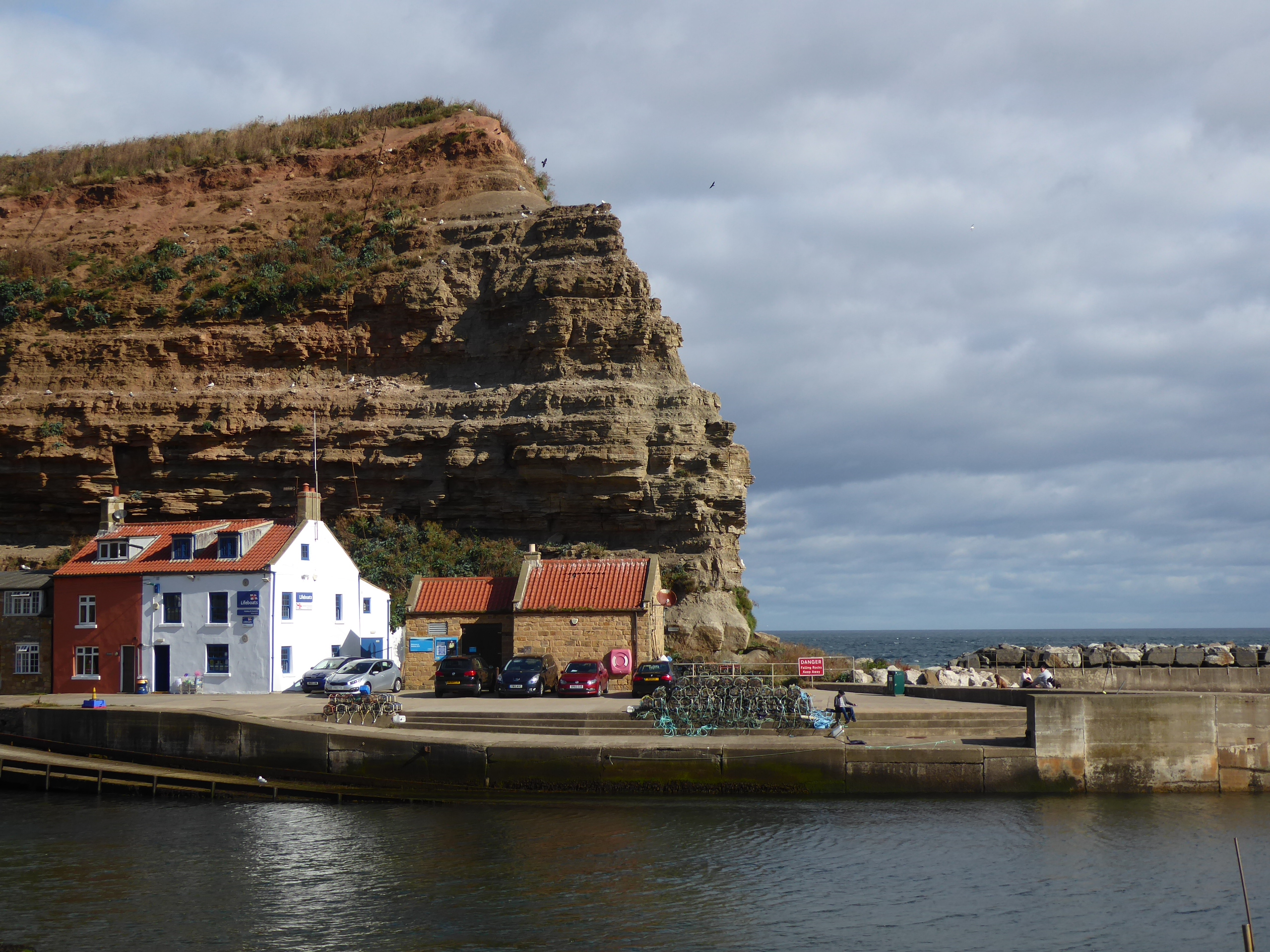
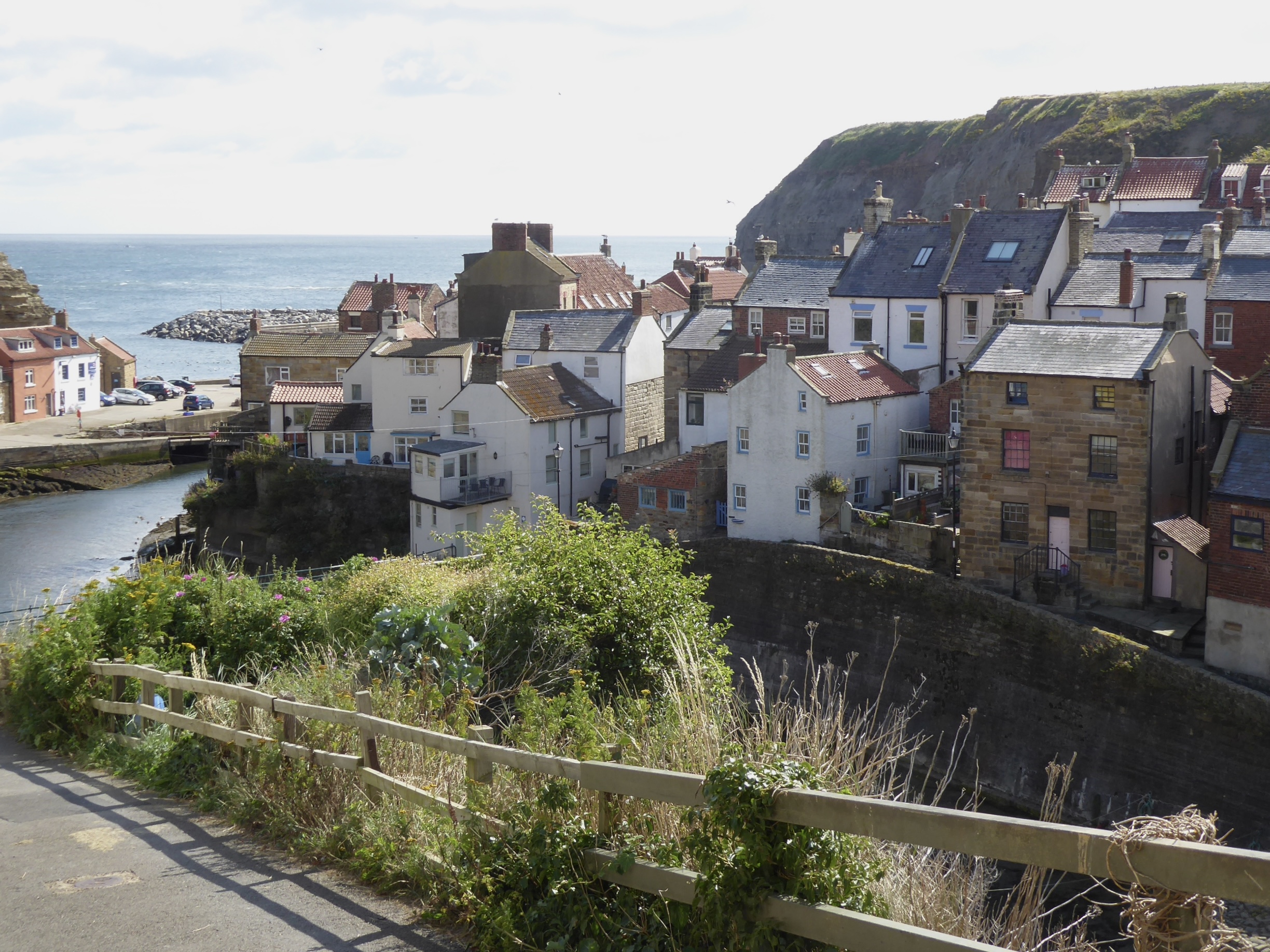
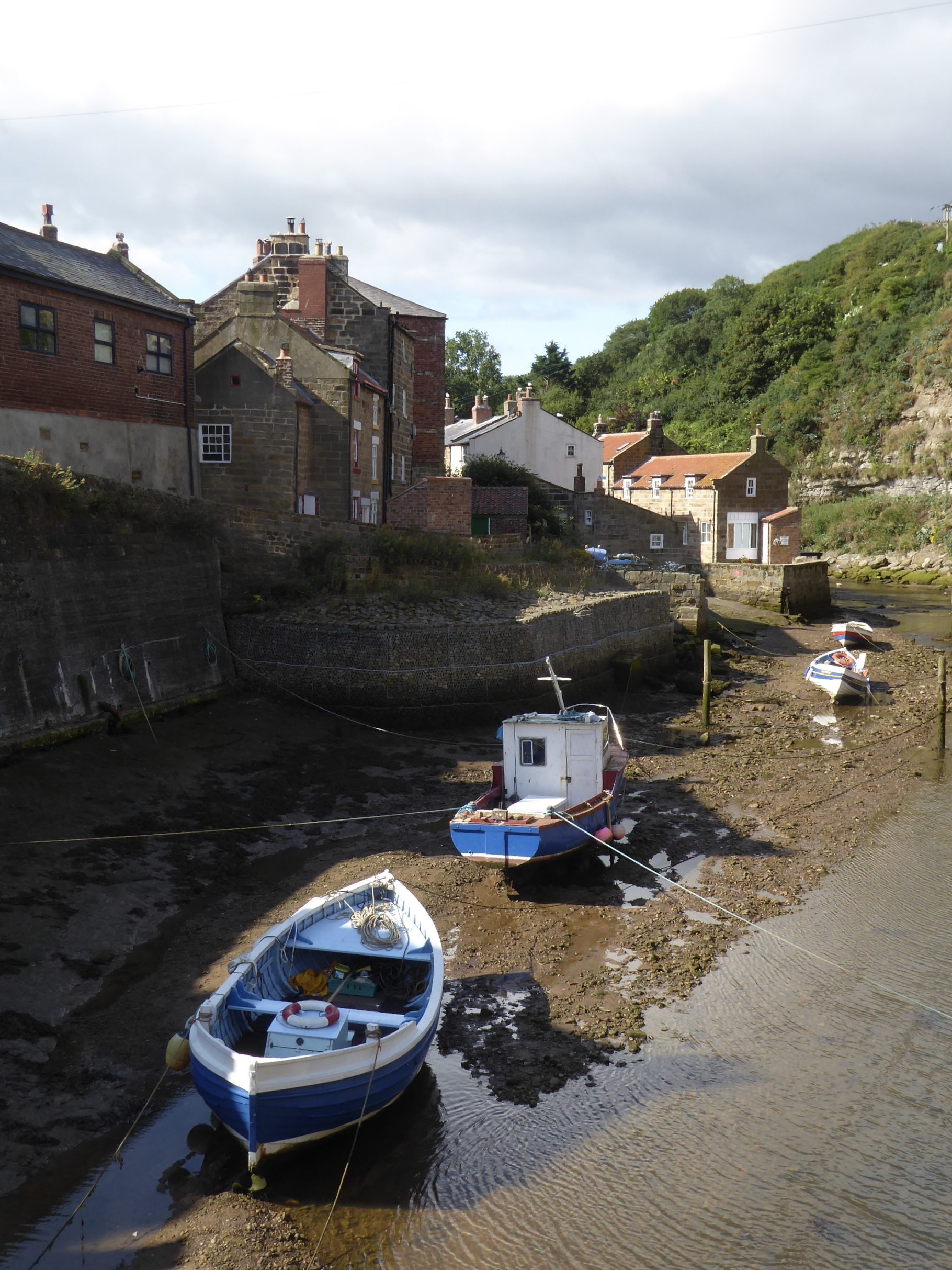
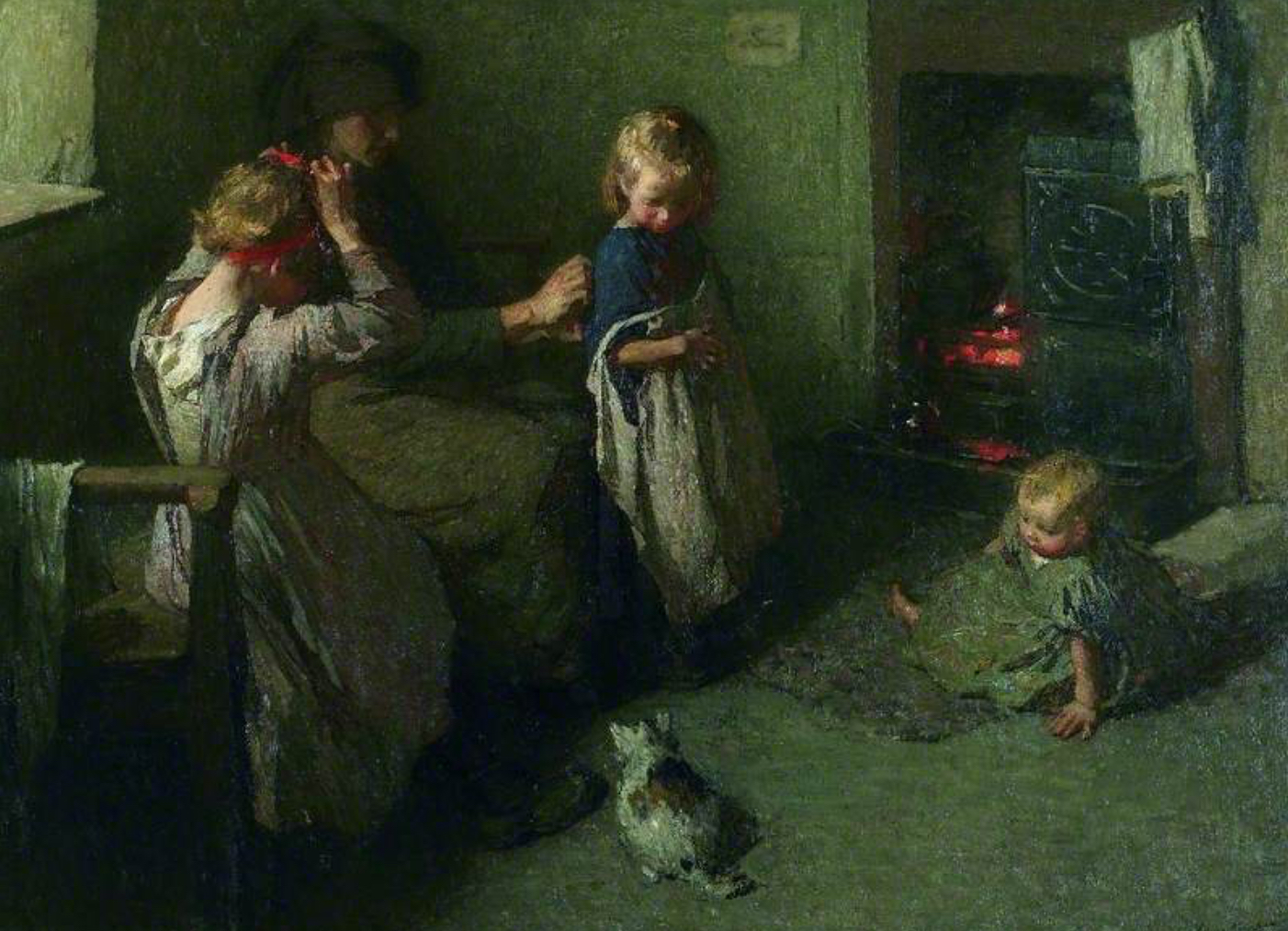
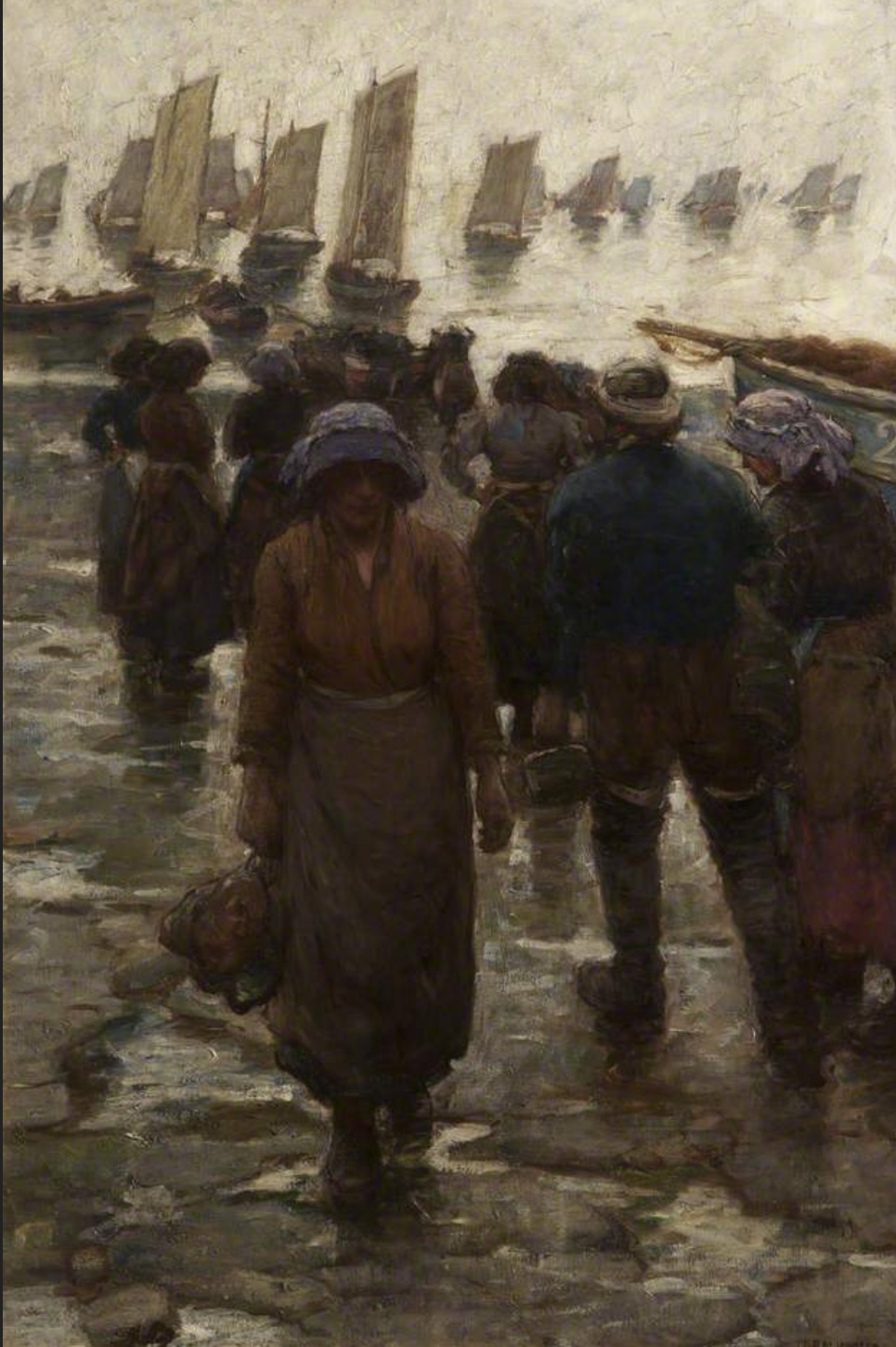
We caught the bus to Staithes and arrived at 9 a.m. I had thought that a bit early, but it was actually sensible. Staithes is so picturesque – and this is the holiday season after all – that it quickly began to get busy. At the end of the nineteenth century it was popular with plein air artists, known as the Staithes School. Laura Knight lived here for a number of years both before and after her marriage, learning her trade and often burning her drawings to keep warm.

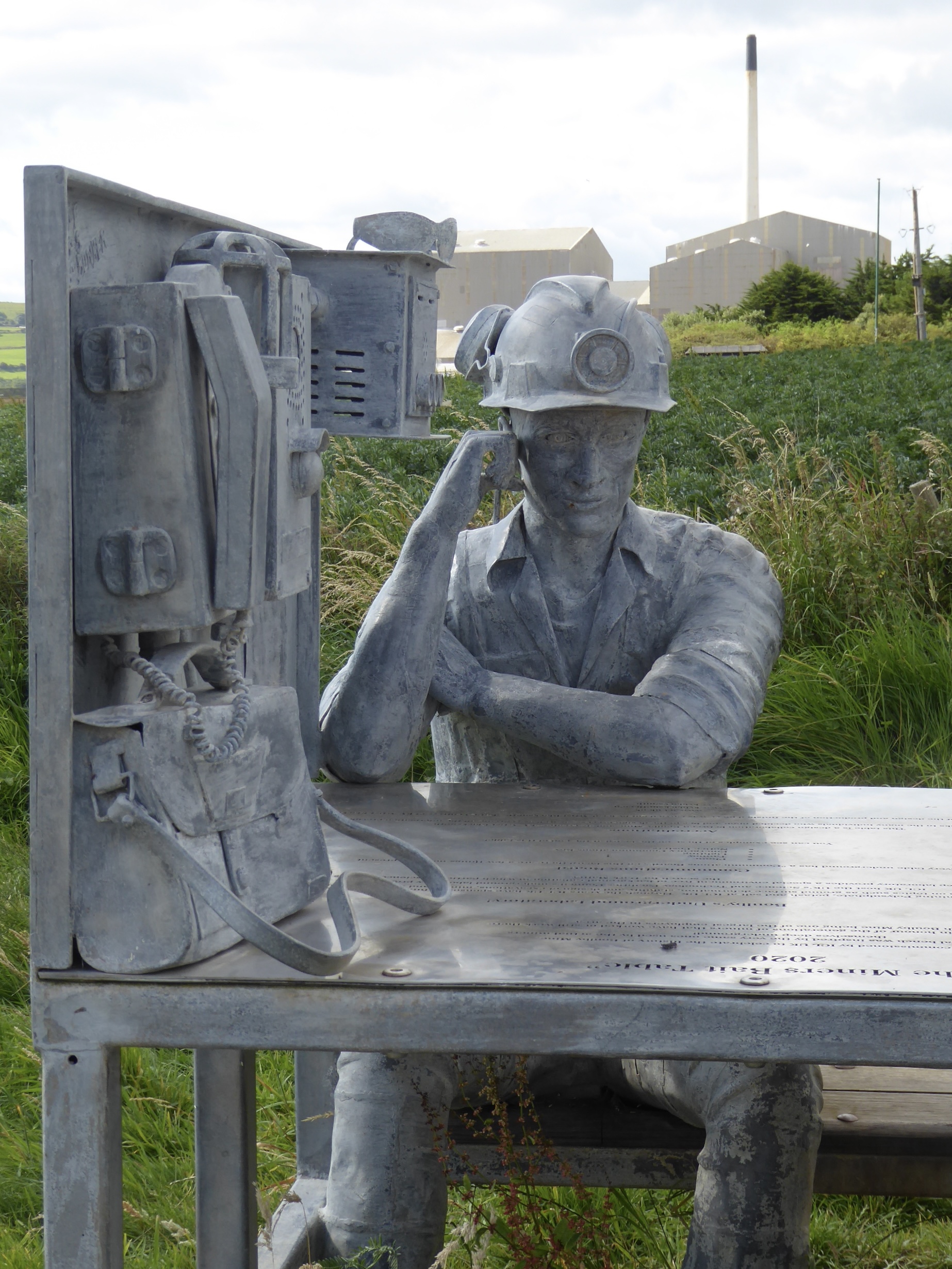
And then the long walk along the coast into a headwind back to Saltburn. En route we passed Boulby mine, which is not just a mine but also an underground laboratory. I shall think of it as a British mini-CERN.

Saltburn to Skinningrove

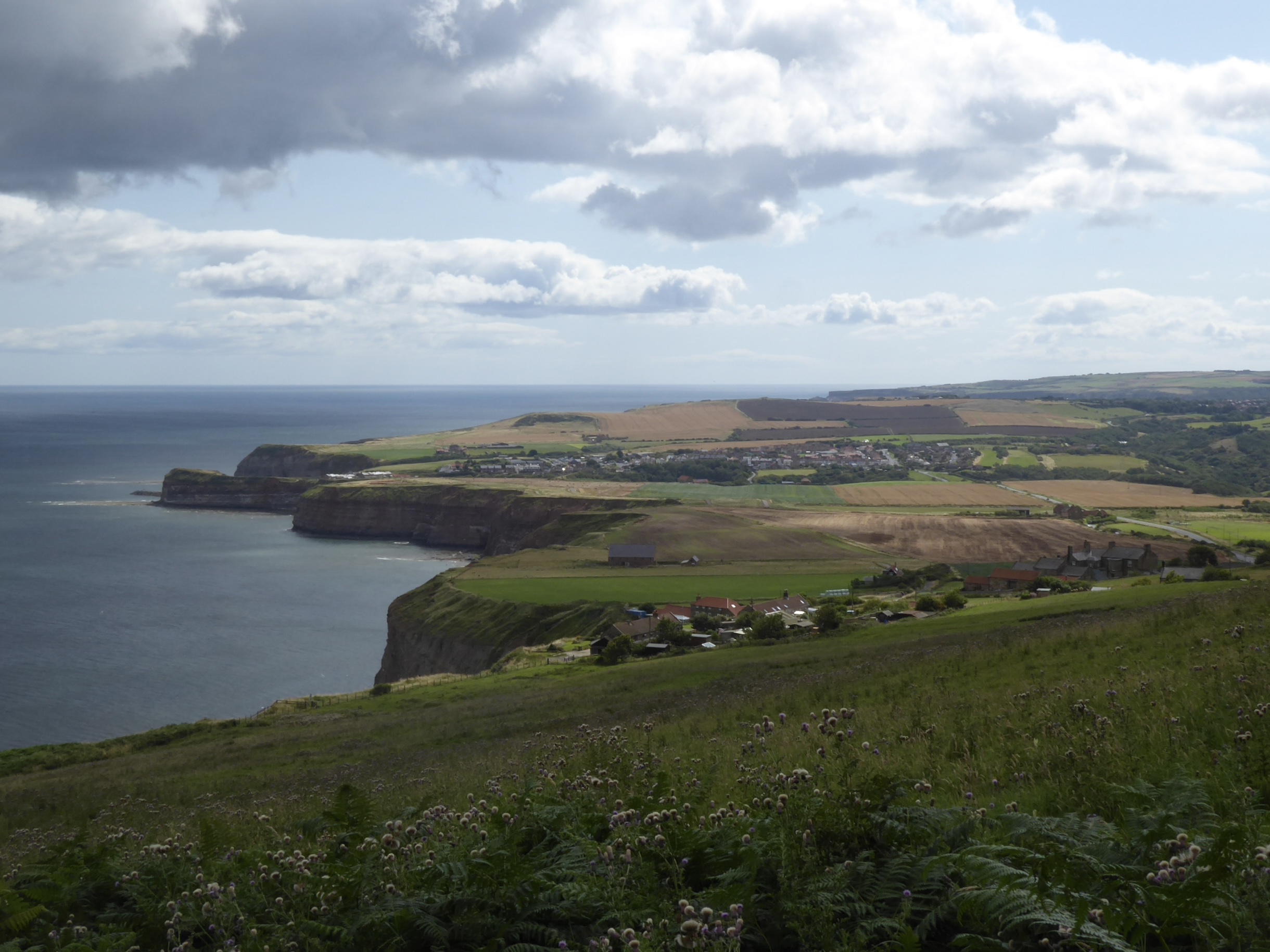
A walk from Saltburn to Skinningrove – one I’ve done before, but not in summer. They’re almost identical in terms of geography, but Saltburn is the holiday resort and Skinningrove is the left-behind industrial site. Its beach was every bit as enticing as Saltburn’s nonetheless.

Saltburn

Back to Saltburn – this time in brilliant sunshine and peak holiday season. Still wonderful. The colours are so different.

I have been doing a little homework for tomorrow’s “guided tour” for someone who’s never visited before. Clifftop tram, obvs – water-powered funicular, sadly not working at present. Precious stone/jewel street names (Amber, Coral, Emerald, etc) on a grid pattern. Like Arnside and Grange-over-Sands, transformed from a backwater into a Victorian holiday resort by the arrival of the railway. Built and promoted by the Pease family of Darlington – Quakers with a finger in every pie. (Originally there was no alcohol.) Built on land bought from the Earl of Zetland. I was told by someone I got talking to in a café that the railway line used to continue beyond the station right up to the Zetland Hotel on the edge – a proper railway hotel. A wave in the direction of the beckside gardens, a mention of Convalescent Street . . . and I am ready for my Blue Badge.

Modernism in Ukraine 1900-1930s

An exhibition at the Royal Academy, mostly of works from Ukrainian museums. (Plus a Malevich from the Ludwig Museum that looked familiar.) I didn’t known how much Ukraine had struggled over the years to establish some kind of independence – if only linguistic – under the Austrian-Hungarian and Russian Empires, Bolshevik rule and then the Soviet Republic. I’d only heard of Malevich and Sonia Delauney before. There was no Ukrainian art school so Ukrainian artists had to study in Russia or the west; the latter encountered the trends in Munich and Paris. There was some very avant garde work on display, fusing modernism and cubism with brilliant colours. (Which reminded me that some of the first Blauer Reiter painters came from Russia.) I liked the designs for stage sets and costumes during a creative boom in theatrical productions: definitely more Oskar Schlemmer than Rex Whistler.

And then came Stalin and his insistence on figurative art and the cult of the worker. Unsurprisingly, some of those Ukrainian artists didn’t live beyond the 1930s.

I also looked in on “Flaming June” (currently on loan from Puerto Rico). Thankfully I managed to avoid the Summer Exhibition – except for a wonderfully surreal sight in the courtyard: